Tag: Face ID

  • Apple Updates The iPad Pro With Face ID And USB C Ports

    Apple Updates The iPad Pro With Face ID And USB C Ports

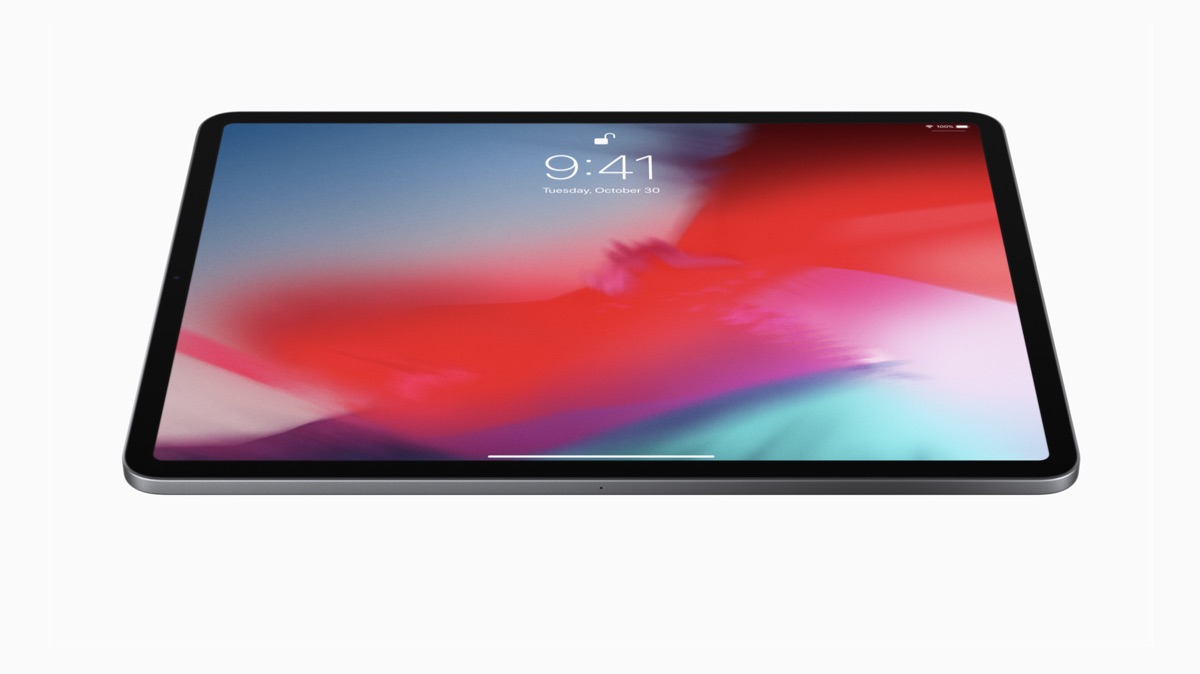
    Apple has updated the iPad Pro models and removed the Touch ID and Home Button. Apple has also replaced the lightning connectors with a more efficient USB C port  and added Face ID with a 3D depth camera. Apple claims that the company sold more iPads last year than the entire notebook lineup of all of the biggest notebook vendors.

    The new iPad Pro models will be available in two sizes 11-inch and 12.9-inch. The 11 inch model has an 11 inch display that fits in the same size as the 10.5 inch iPad Pro and prices start at $799. The 12.9 inch has reduced dimensions because the screen size remains the same but Apple has considerably reduced the bezels on the iPad. The larger 12.9 inch iPad Pro will start at $999.
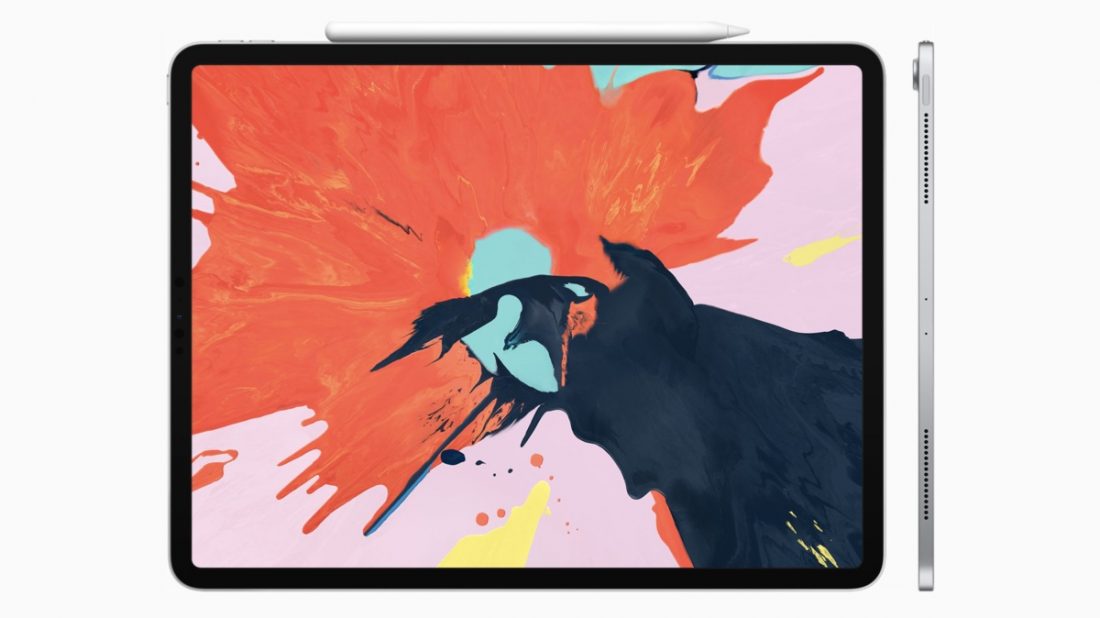
    Apple calls the display, same as the iPhone XR, the “Liquid Retina” display. And has reduced the bezels on all sides. The iPad Pro models become the first iPad’s without Apple’s Home Button, or Touch ID. Apple has also removed the headphone jack and now apart from the quad speakers the iPad Pro also have USB C ports.

    The Face ID is available both horizontally as well as vertically and will allow Apple to bring Animoji’s and FaceTime calls filled with emojis for iPad users. The iPad Pros get Apple’s new A12X Bionic chip with an 8-core CPU and 7-core GPU which is basically an upgraded version of what was launched with the iPhone XS, XS  Max and XR.

    The iPad Pro’s now offer great functionality for additional usage throughout the USB C ports for example all MacBook dongles will now work on the iPad Pro. This port will also allow external monitors to be connected to the iPad Pro. User will also be able to charge their iPhones, or any other devices through the USB C ports.

    https://www.youtube.com/watch?v=LjaKHqDbzSA


    The 12 MP main camera allows 4K 6-fps video and is the same sensor seen on the wide side on the iPhone XS, or the exact same sensor in the iPhone XR. Apple includes an 18 watt charger in the box, and users will be able to use after charger like, MacBook chargers to charge up the iPad Pro quicker.

    The new Apple Pencil also is redesigned, it attaches to the iPad Pro magnetically and charges wirelessly. Tapping the screen with the pencil will wake the iPad Pro and Apple has included other gesture capabilities for the Apple Pencil.

    https://www.youtube.com/watch?v=YJ5q8Wrkbdw
     

  • Apple iPad With Face ID Hinted At In iOS 12 Beta

    Apple iPad With Face ID Hinted At In iOS 12 Beta

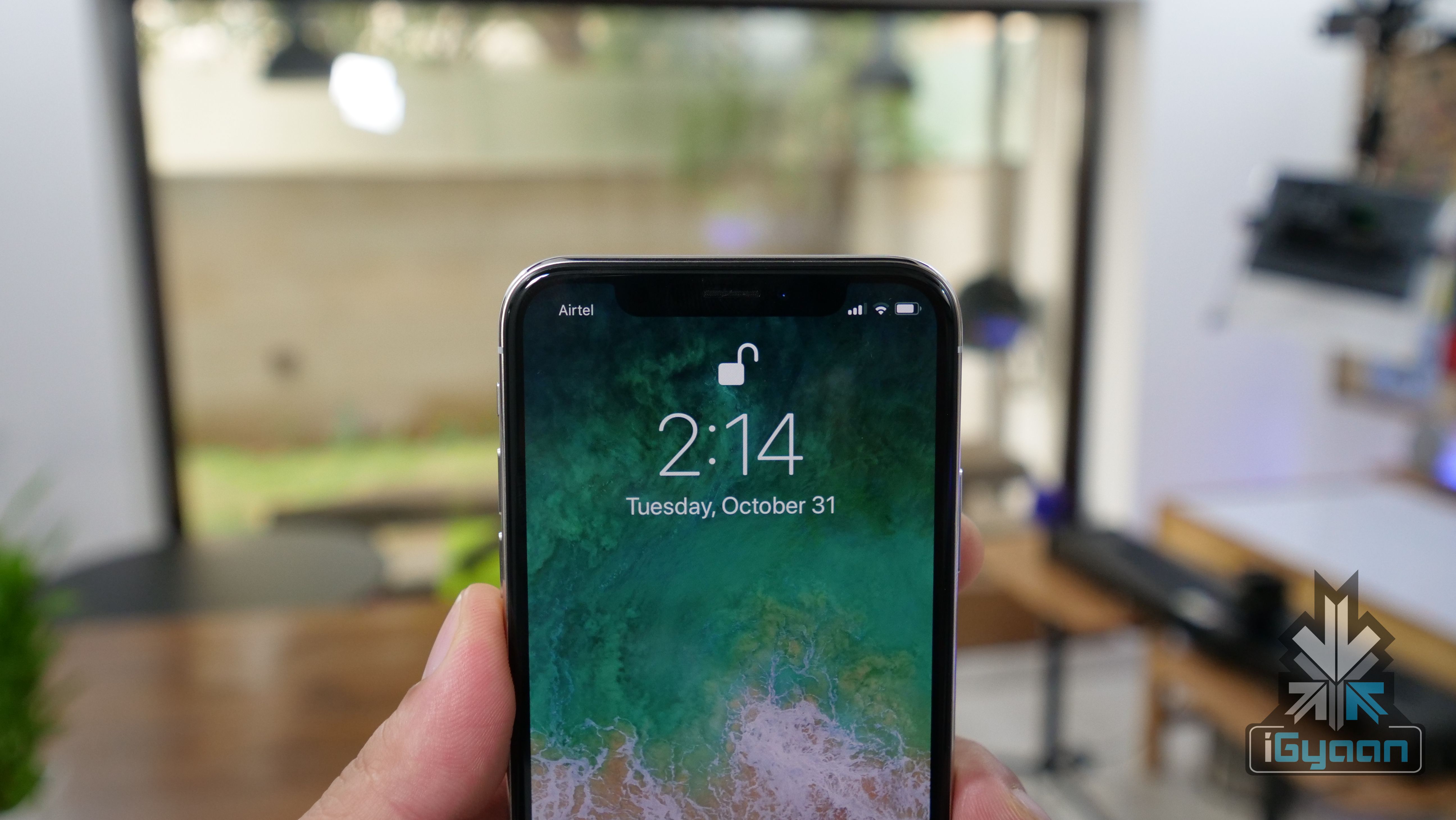
    Apple launched the iPhone X in September along with the iPhone 8 and 8 Plus. The iPhone X was a major departure from Apple’s design philosophy and introduced us to Face ID. While Face ID was received with some scepticism in the beginning, however,  it has ably replaced Touch ID and the company plans to phase out the fingerprint sensor in all its iOS devices. This means that future iPads will also launch with Face ID, which has been seemingly confirmed in iOS 12.

    iOS 12 beta was made available to users right after the first day of WWDC 2018. iOS developer Guilherme Rambo, during his usual poking around in iOS 12 found something interesting pertaining to Face ID and iPads. Rambo tweeted videos and screenshots of iOS 12 that contain hidden references to Face ID on the iPad, including the setup UI and relevant section of the settings menu.

    Must Read: Apple iPhone X Was The Best Selling Smartphone In Q1 Of 2018

    It is worth noting that these references could pertain to a feature that lets users unlock their iPads using the iPhone X. If true, this will be similar to the feature wherein users can unlock their Mac using the Apple Watch. However, there has been enough evidence that suggests that Face ID is coming to iPads and with iOS 12, it could be as soon as late-2018. In December 2017, Apple announced a US$ 390 million investment in Finisar, a facial recognition technology company.

    Must Read: Apple Working On An AR/VR Headset With 16K Resolution Display

    [amazon_link asins=’B07C53VXH8′ template=’ProductAd’ store=’igyaan-21′ marketplace=’IN’ link_id=’7bfe5547-6bdd-11e8-9ac5-d9ac21ec5da3′]

    Finisar will use the funds to build a 700,000-square-foot manufacturing plant in Texas to develop vertical-cavity surface-emitting laser (VCSEL) chips. Jeff Williams, CEO at Apple had said:

    VCSELs power some of the most sophisticated technology we’ve ever developed and we’re thrilled to partner with Finisar over the next several years to push the boundaries of VCSEL technology and the applications they enable.

    It is evident that Apple believes Face ID is the future. Apart from the iPhone SE 2, all 2018 iPhones are rumoured to feature the facial recognition technology. With iPads being the only major player in the tablets industry, Apple would want to move ahead of any sort of little competition it has in that space. With Face ID coming to iPads, it also means that there will be a uniformity in all iOS devices in the future.

    Whether this means the upcoming iPads will thin bezels like the iPhone X is yet to be seen. With larger devices, you need bezels around the display to hold them and not be prone to accidental touches. The Face ID sensors could easily fit into the top bezel of an iPad.

  • Xiaomi Mi 8 Officially Launched With 3D Face Unlock

    Xiaomi Mi 8 Officially Launched With 3D Face Unlock

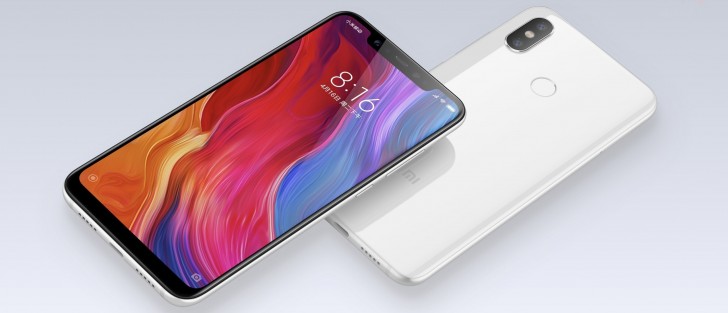
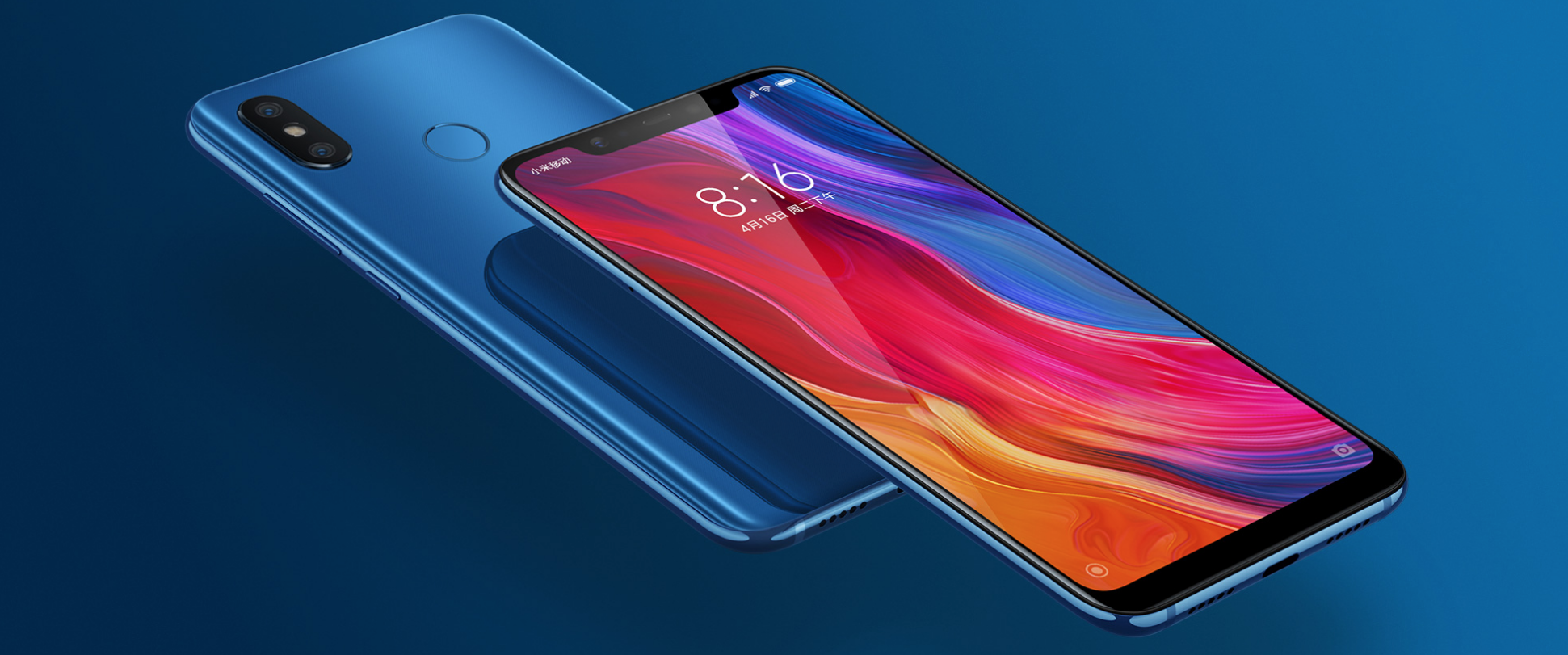
    Xiaomi hosted its 8th anniversary launch event in China and unveiled a plethora of devices. The most anticipated device to launch at the event was the Xiaomi Mi 8. For weeks there were rumours about the Mi 8 being the first Android smartphone to launch with a Face ID-like facial recognition system and even feature an in-display fingerprint sensor. All these rumours were put to rest by Xiaomi and the Mi 8 looks like the best iPhone X recreation yet.

    The Mi 8 will be available in three variants in China. The 6GB RAM/64GB storage is priced at CNY2,699 (Rs 28400 approx.), the 6GB RAM/128GB storage model will cost CNY2,999 (Rs 315000) and the priciest version will retail for CNY 3299 (Rs 34700 approx.) with the same RAM and 256GB storage. It goes on sale in China on June 5th via its official online and offline stores.

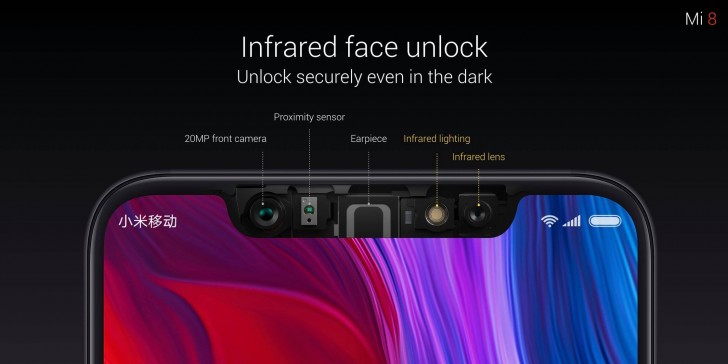
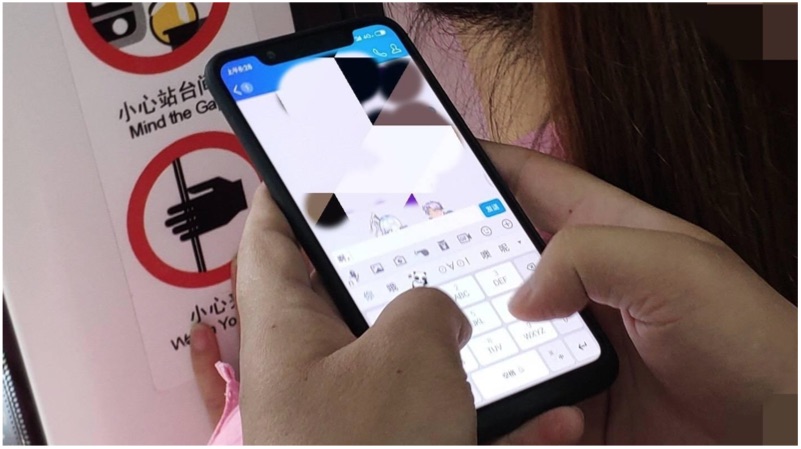
    The Mi 8 is Xiaomi’s first smartphone to sport a notch, a trend slowly becoming the norm. The Mi 8’s notch, however, should not disappoint a lot of people since it solves a purpose, just like the iPhone X’s notch does. As we have been speculating for weeks, the Mi 8 is indeed the first Android smartphone to feature 3D facial recognition which means Xiaomi had to incorporate more sensors than usual in the notch.

    The Xiaomi Mi 8 is also the first smartphone with Dual GPS technology. The dual GPS technology doesn’t use the L1 frequency like other smartphones. It instead uses the L5 frequency usually used by the aeronautical industry. According to Xiaomi, the dual-frequency GPS detects the location more accurately by eliminating radio disturbances from buildings. It also reduces signal delays, making navigation faster.

    The Xiaomi Mi 8 has a 6.21 inch Super AMOLED display (by Samsung) with a 2248 x 1080 px resolution. The unusual resolution is a result of an 18.7:9 aspect ratio. Xiaomi, like OnePlus, has stuck to a FullHD+ resolution instead of a QuadHD+ resolution found in devices like the Galaxy S9.

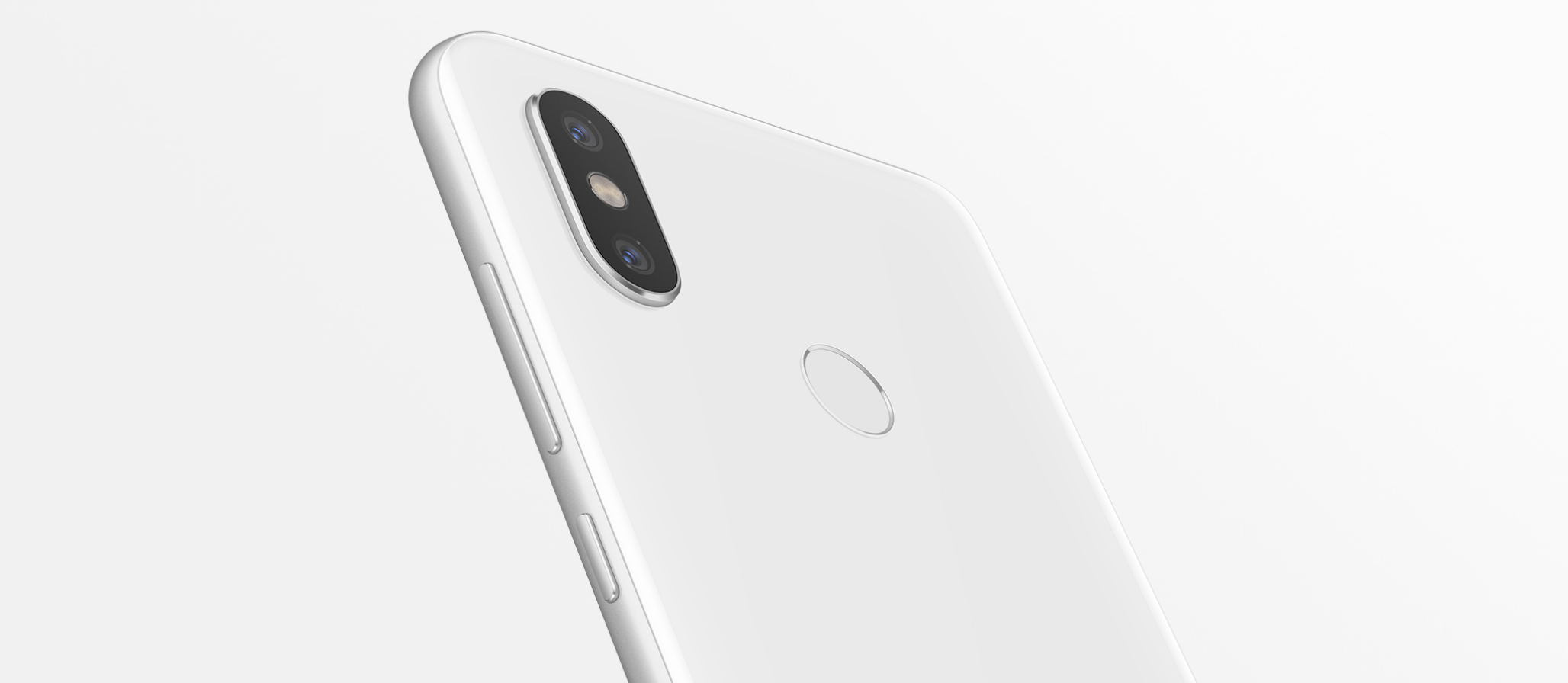
    Under the hood, the smartphone runs on the Snapdragon 845 chipset with 6GB of RAM coupled with 64GB/128GB/256GB of onboard storage. The onboard storage will not be expandable, which has been the case for flagship Xiaomi devices for a while. The fingeprint sensor is placed on the back of smartphones, giving users an option to choose between Face Unlock and a fingerprint sensor.

    Powering the smartphone will be a 3400 mAh battery which charges via USB C port. Despite the glass back, the Xiaomi Mi 8 does not have wireless charging. Out of the box, the Mi 8 will run Android 8.1 Oreo with the new MIUI 10 on top. MIUI 10 was also announced at the same event and comes with Xiaomi’s own Xiao Ai smart assistant, similar to Google Assistant and Siri.

    The vertically-placed dual-camera setup is also reminiscent of the iPhone X. However, Xiaomi appears to have adopted the design for its 2018 lineup of smartphones. To the back is a primary 12MP RGB sensor with an f/1.8 aperture coupled with a 12MP telephoto lens with an f/2.4 aperture and 1-micron pixel size. The notch houses a 20MP AI camera with an f/2.0 aperture. Just like the iPhone X, it also has a portrait lighting feature and Xiaomi’s own take on the animojis.

    The company went a step further and launched a special edition Mi 8 as well. The Xiaomi Mi 8 Explorer Edition has an in-display fingerprint sensor which the company claims is faster than Vivo’s. It is also the first-ever smartphone with a pressure sensitive fingerprint sensor. The specifications remain the same as the Mi 8 but, the rear-facing fingerprint sensor disappears. The back of the device has a transparent glass that gives a peek to the internals of the device.

    The Mi 8 Explorer Edition is priced at CNY3,799 (Rs 40000 approx.) and will be available in the 6GB RAM/128GB storage variant only.

    The Xiaomi Mi 8 has a big notch like the iPhone X and follows an industry-wide trend. However, the notch has a reason to exist as it is the first-ever Android smartphone to feature 3D facial recognition technology. With it being a world-first, we expect the company to launch it in other major markets like India. There are no details about it yet and we shall keep you posted on any developments regarding the matter.

  • OnePlus 6 Face Unlock Bypassed By A Printed Photo

    OnePlus 6 Face Unlock Bypassed By A Printed Photo

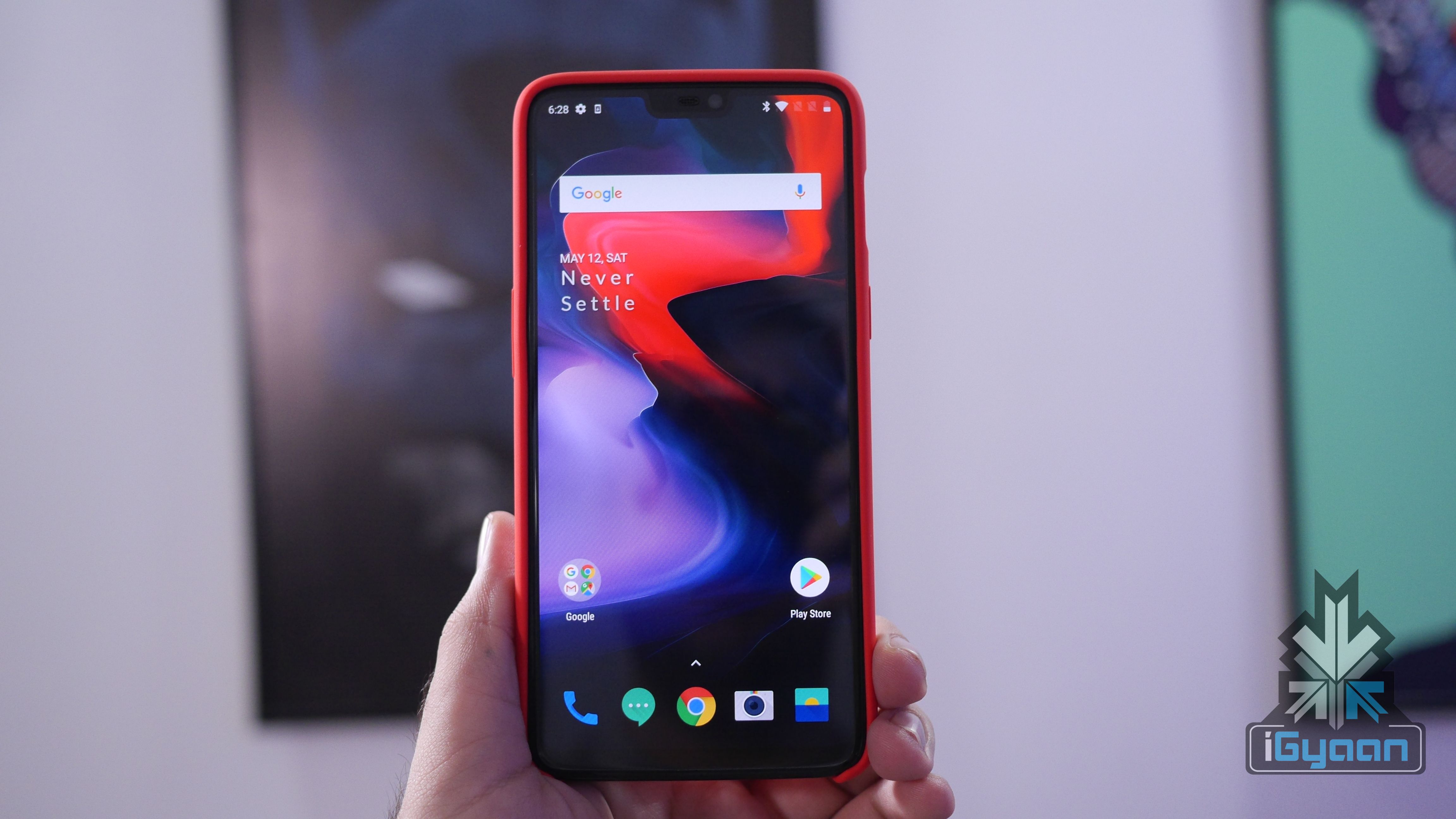
    The OnePlus 6 was launched in India on May 17th at a starting price of Rs 34999. While the smartphone looks and feels very different from the OnePlus 5T, it has retained a few important features from its predecessor. One such feature is Face Unlock, which has become so famous that OnePlus has rolled out the feature to OnePlus 3, 3T and OnePlus 5 as well. While it is fast and convenient, it is not that safe and a new video on Twitter just proved that.

    A Twitter user @rikvduijn posted a video of his OnePlus 6 being unlocked by a printed photo of his face. It is also been reported that this will work with a black-and-white printed photo as well. As seen in the video, the photo is not even placed properly on the face and the phone’s Face Unlock is bypassed.

    [amazon_link asins=’B0756Z43QS’ template=’ProductAd’ store=’igyaan-21′ marketplace=’IN’ link_id=’000bfe3d-6405-11e8-82f1-5d911f17a2f1′]

    At the time of the OnePlus 5T launch, the company conceded that Face Unlock is not the most secure way of authentication. Since the OnePlus 5T had a rear-facing fingerprint sensor, the company wanted its users to have a more convenient way of unlocking their device hence, Face Unlock was introduced. Since this purely software based, OnePlus was able to roll out the feature to other devices as well. In its statement to PhoneArena, the company reiterates that:

    We designed Face Unlock around convenience, and while we took corresponding measures to optimise its security we always recommended you use a password/PIN/fingerprint for security. For this reason Face Unlock is not enabled for any secure apps such as banking or payments. We’re constantly working to improve all of our technology, including Face Unlock.

    Must Read: OnePlus 6T To Follow OnePlus 6 In Q4 2018

    Many people compared OnePlus’ Face Unlock with Face ID. The main reason Face ID is relatively slower is because it is hardware-based and is much more secure (since it has replaced Touch ID) than the Face Unlock. As OnePlus has suggested in its statement, OnePlus 3/3T/5/5T/6 users should always use a PIN or a password or fingerprint sensor of security.

  • Xiaomi Mi 8 To Cost Around Rs 30000

    Xiaomi Mi 8 To Cost Around Rs 30000

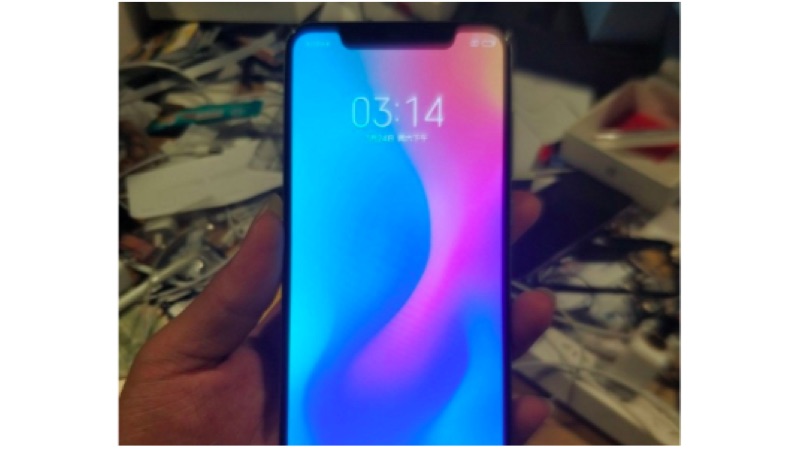
    The CEO of Xiaomi Lei Jun took to Weibo and announced an event for May 31st in Shenzhen, China. At the event, the company is expected to announce the Xiaomi Mi 8, its new flagship smartphone that will succeed the Mi 6 from 2017. A new leaked image has shed some light on the specifications and possible pricing of the smartphone.

    The image reveals that the Mi 8 will run on the Qualcomm Snapdragon 845 chipset, something that was confirmed way back in December 2017. The smartphone will have a 6.01 inch display with a taller display. Since the smartphone will have a notch, the aspect ratio could be 19.5:9, same as the iPhone X. Popular Android smartphones like the OnePlus 6, Huawei P20 Pro with a notch have a 19:9 aspect ratio. The resolution is expected to be FullHD+ and not more than that.

    Must Read: Xiaomi Mi 8 With A Notch Spotted In The Wild

    The image also mentions 3D facial recognition technology. This will be the most talked-about feature of the Mi 8, as the smartphone will be the first Android device to feature 3D facial recognition system. This system will be similar to Apple’s Face ID which replaced Touch ID in the iPhone X. It will be interesting to see if Xiaomi does the same, or will it leave it to the users to choose between a fingerprint sensor or Face Unlock.

    The interesting bit here is the pricing mentioned in the image. According to the leaked image, the Mi 8 will be cheaper than the Mi MIX 2s, which starts at 3299 Yuan (Rs 32,999). The Xiaomi Mi 8 will retail in two variants, one with 6GB RAM/64GB storage will be priced at 2,799 Yuan (Rs 29,800 approx.) and the other variant with 8GB RAM/128GB storage at 3,199 Yuan (Rs 34000 approx.). If the Mi 8 makes its way out to countries like India, it will compete with the likes of Honor 10 and OnePlus 6.

    At the end of the day, it is still a leaked image which means take all the information with a pinch of salt. With such expensive technology being used for 3D facial recognition, it is hard to believe that the Mi 8 won’t be a bit on the pricier side of the smartphone spectrum. All details about the smartphone will be revealed at the May 31st launch in China.

  • Xiaomi Mi 7 Will Have iPhone X Like 3D Facial Recognition Technology

    Xiaomi Mi 7 Will Have iPhone X Like 3D Facial Recognition Technology

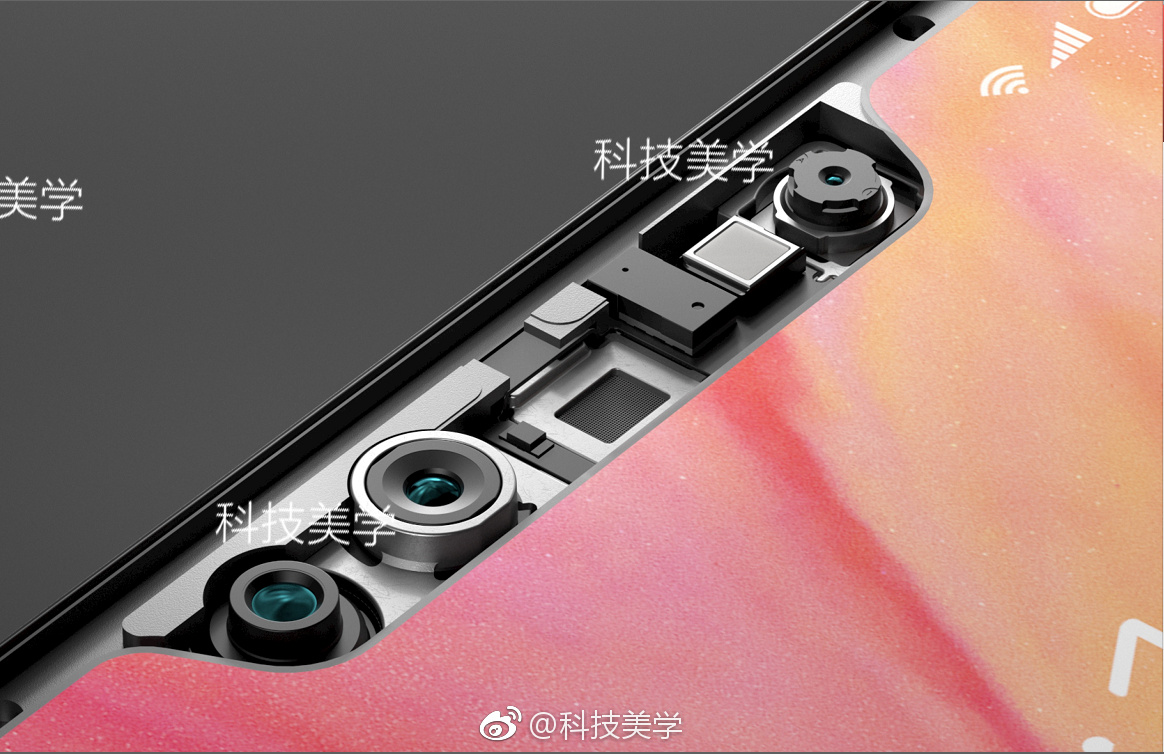
    The Xiaomi Mi 7 has been in the news ever since the company decided to not launch it at MWC 2018. Xiaomi instead launched the Mi MIX 2s and it appears that the Mi 7 won’t launch very soon. Numerous reports have claimed that the Xiaomi Mi 7 will have Face ID-like 3D facial recognition hence, also sport a notch very similar to the iPhone X. A new image posted on Weibo gives a glimpse of what technology Xiaomi will use to attain the accuracy that Face ID has.

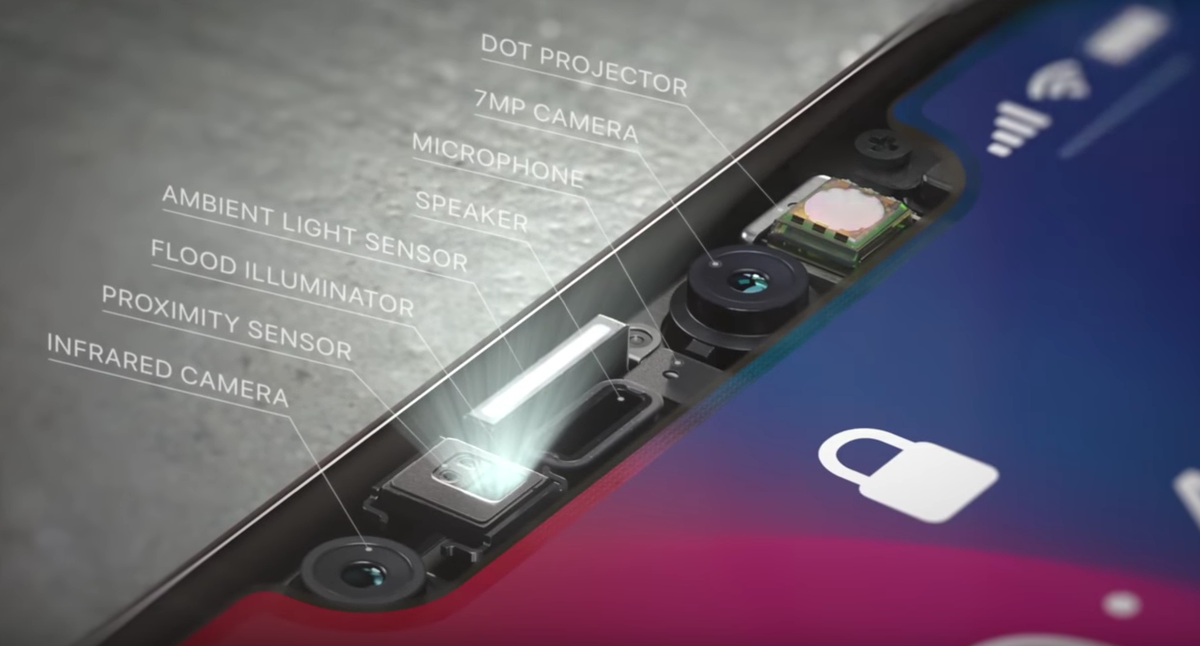
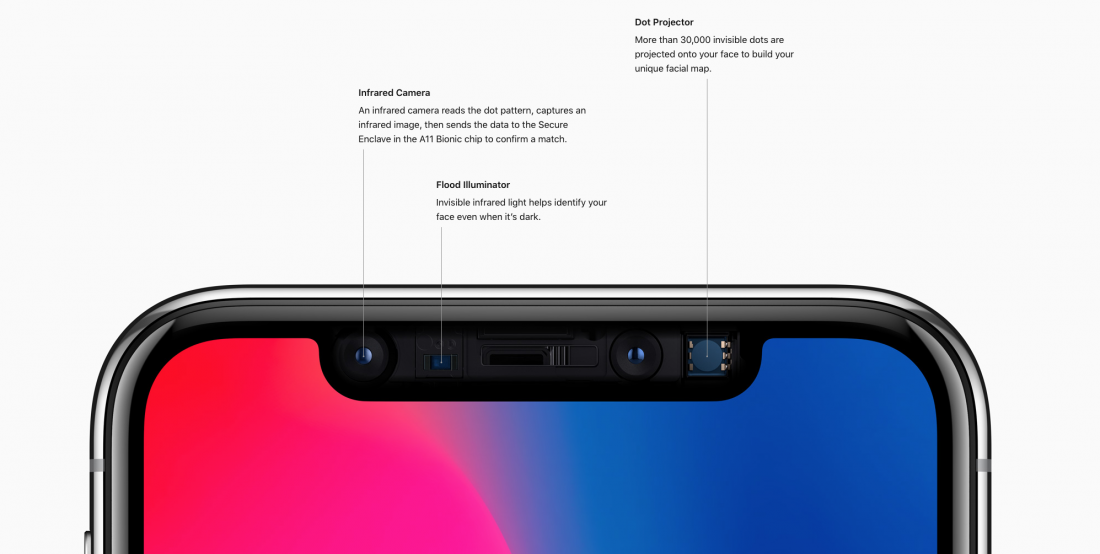
    The image was uploaded by a prominent Chinese tipster who claims that this is an official image revealing all the sensors that will be housed inside the Mi 7 notch. Coincidently, the image looks very similar to Apple’s promotional images of the notch. The module is designed by Xiaomi itself and will include an Infrared (IR) sensor, a dot projector, front-facing camera, earpiece, ambient light sensor, and a proximity sensor. For context, the iPhone X notch houses an Infrared camera, flood illuminator, a dot projector, and a front-facing camera along with necessary sensors.

    Must Read: Lenovo’s Next Flagship Smartphone Will Be Tailor-Made For Notch Haters

    If Xiaomi pulls it off and these reports have any weight of truth, the Mi 7 could be a very interesting Android smartphone. The Mi 7 could be what the Mi MIX was for Android devices in 2016 with its nearly bezel-less design. Companies like Samsung, Huawei, Google will also look to implement a similar technology sooner rather than later if the Mi 7 is launched with 3D facial recognition technology.

    Another interesting thing to note in the Weibo post is that the smartphone has the Mi 8 moniker. This is speculated because 2018 is Xiaomi’s 8th anniversary and there are rumours that the Mi 7 will be launched as Mi 8 to celebrate the anniversary. This would again be similar to what Apple did with the iPhone X, skipping the iPhone 9 moniker to celebrate ten years of iPhones.

    The launch of the Mi 7 could happen soon, and the smartphone will go on sale later in the year. How Xiaomi goes about the whole launch and sale situation is yet to be seen.

  • Xiaomi Mi 7 Could Be The First Android Smartphone To Have iPhone X Like Face ID

    Xiaomi Mi 7 Could Be The First Android Smartphone To Have iPhone X Like Face ID

    Long before the iPhone X was launched in September 2017, there were rumours about Touch ID making way for facial recognition. That facial recognition system turned out to be Face ID, something that has gained a lot of positive reviews over the course of time. For Apple to go bezel-less, it had to get rid of Touch ID since there were no bezels to fit the home button. Apple refused to move Touch ID to the back of the iPhone hence, Face ID was introduced. Since then, Apple has admitted that Face ID is the future and even the 2018 lineup of iPhones will all have Face ID. Android smartphone makers, on the other hand, have so far tried to imitate what Apple did with the iPhone X. Now, it looks like Xiaomi will finally introduce a face ID like facial recognition system with the Mi 7.

    According to a new report, the Xiaomi Mi 7 could be the first Android smartphone to have 3D facial recognition technology. Face Unlock, a feature that has been advertised on a lot of Android smartphones is software-based. It essentially uses software to recognise the face and unlock the smartphone. However, that is not as secure fingerprint sensor hence, all Android smartphones also have a fingerprint sensor.

    The OnePlus 5T was highly praised fast Face Unlock feature but, the company admitted that the feature was for convenience and not security. This is where Apple’s system is superior to any other Face Unlock found on an Android device. Apple’s Face ID uses dedicated sensors, dot projector and an infrared camera to scan the face for authentication. The sensors, essentially, throw 30000 dots on a face to map it and create a 3D image of the face. That is why Face ID was able to replace Touch ID.

    The report also mentions that Qualcomm, Himax Technologies and Truly Opto-Electronics have a joint venture for creating a 3D sensing module. However, this only works on the Qualcomm Snapdragon 845 platform. Since smartphone makers like Samsung and Huawei use their own chipset, they won’t be the first OEMs to introduce Face ID like technology on an Android smartphone. Further, this technology won’t make it way to the market before the third quarter of 2018, which is when we can expect the Mi 7 to be launched.

  • Xiaomi Mi MIX 2s To Feature iPhone X-Like Face ID

    Xiaomi Mi MIX 2s To Feature iPhone X-Like Face ID

    Xiaomi will soon launch the most anticipated Snapdragon 845-powered smartphone after the Galaxy S9. The Mi MIX 2s will be the third device in the ‘MIX’ series and the first one with the ‘s’ moniker. While earlier renders revealed an unusual notch on the top right corner, recent teasers by Xiaomi tell a different story. The company has continued its campaign of releasing teasers and its latest one talks about Face Unlock.

    The teaser has a very similar feel to Apple’s Face ID advertisement. The video has images of famous painters like Van Gogh and a corresponding ‘unlock’ animation. Different artists are seen sporting different looks with beards, hats etc. It essentially signifies that Mi MIX 2s and its new Face Unlock feature will work regardless of what the user’s appearance is. This is similar to Face ID which adapts to user’s looks and works even if they’re wearing sunglasses or a hat.

    So far, 2018 has been dominated by iPhone X copycats. Smartphone makers have been criticised for blatantly copying iPhone X’s notch but not really justifying its presence. So far, the Mi MIX 2s teasers have not hinted towards an iPhone X-like notch. However, in order to execute Face ID-like facial recognition, the Mi MIX 2s might have some extra sensors as well. Where those sensors will be fitted is yet to be seen. The best bet, so far, is the bottom bezel, which is expected to be thicker than the other three bezels.

    Xiaomi Mi MIX 2s Specs

    The smartphone is expected to have a 6 inch IPS LCD display with a 2160 x 1080 px resolution.

    Under the hood, the smartphone will be powered by the Qualcomm Snapdragon 845 chipset with 8GB RAM and 256GB storage. However, the smartphone will not support memory expansion. The device is expected to have a 3400 mAH Li-ion battery with wireless and fast charging. The phone will run on Android 8 Oreo OS with custom MIUI 9 skin on the top. However, none of the Xiaomi devices, barring the Mi A1, run on Android 8 Oreo as of now.

  • Android P To Support Iris Scanner

    Android P To Support Iris Scanner

    Samsung introduced fingerprint scanner on the Samsung Galaxy S5, it made into stock android on Android Marshmallow. Samsung introduced multi-window mode on the Galaxy Note 4, it made into native Android on Android Nougat. Now Google is all set to adopt the support for Iris scanner in the Android P natively.

    What does it mean?

    This means that the Google Pixel 3 lineup from Google is expected to feature Iris scanner. Companies like OnePlus, Honor, and Xiaomi have already come up with the phones with face recognition. However, the technology used on these devices is not foolproof like the Iris Scanning.

    In fact, the Samsung Galaxy S9 uses both Iris scanner and Face scanning to improve the over experience. Do note that, Samsung is the only mainstream smartphone maker to offer Iris scanner.Iris Scanner


    Is Iris scanner a safe authentication method?

    For the most part yes. It scans different parts of the eyeball, which are very distinct even on twins. However, as of now, the one has to look at the phone from a specific distance to unlock the smartphone. Similarly, it takes an additional second more than the fingerprint scanner.

    In fact, one cannot fool it using a 3D model or an identical twin like the Face ID. So, it is safe but not the fastest thing in the world. Even the hardware requirement for the Iris scanner is not as complex as Face ID, so it will be easy to mass produce.

    Conclusion

    The implementation of Iris scanner has been spotted on the alpha build of the Android P. Google should officially announce this new feature at the Google I/O 2018. The Google Pixel 3 and Pixel 3 XL could be the first set of non-Samsung smartphones to feature this new technology.

  • The OnePlus 6 Will Have One Thing In Common With The iPhone X

    The OnePlus 6 Will Have One Thing In Common With The iPhone X

    When Apple decided to drop the iconic Touch ID on its new iPhone X, a lot of people had apprehensions about its facial recognition technology. Facial recognition has been present in Android devices ever since the advent of Android Jellybean. Samsung devices have iris scanning, although its a secondary way of securing the device since they also have fingerprint sensors.

    But, ever since Apple unveiled Face ID, facial recognition has received a lot of mainstream attention and it is no denying that Face ID is the most secure rendition of the facial recognition technology. It now appears that the OnePlus 6, expected to be launched in mid-2018 will have its own version of Face ID. It may be too early for detailed OnePlus 6 rumours, but a report claims that the OnePlus 6 will have the same advanced facial recognition system as the iPhone X.

    The OnePlus 6 will have a camera hardware setup similar to the iPhone X, complete with a 3D camera module that will use infrared light to measure depth. However, the OnePlus 6 will not have an iPhone X-like notch. Instead, the handset is expected to have a full top bezel where the extra sensors should be found.

    The OnePlus 5T was launched with facial recognition system as well. However, OnePlus conceded that it is not for security purposes but, for convenience.

  • New Patent Reveals Apple’s Plan To Diversify Face ID Usage

    New Patent Reveals Apple’s Plan To Diversify Face ID Usage

    Apple introduced its take on facial recognition technology, Face ID along with the launch of the iPhone X. The iPhone X represented the major design haul that everyone was waiting for ever since the iPhone 6 was launched. Over the course of time since the iPhone X was made available to the public, Face ID has received polarising reviews. While some people can’t wait for Touch ID to make comeback (which seems highly unlikely anymore) and the others like the implementation and believe that future software updates will make Face ID even better than it already is. Some of us have forgotten about the home button and embraced the gestures life.

    It is safe to assume that Face ID was not a one-off affair till the company figured out how to embed fingerprint sensors under the display. Apple believes that Face ID is the future and there have been multiple reports corroborating that future iPhones will drop Touch ID in favour of Face ID. A new patent filed by Apple has been unearthed, which reveals the company’s plan to diversify the implementation of Face ID on more than just the iPhones.

    The documentation describes Face ID technology that would fit iPhones, iPads, MacBooks, and iMacs. The patent, which was awarded to Apple on the 19th of December, reveals that Apple filed it all the way back in March of 2015

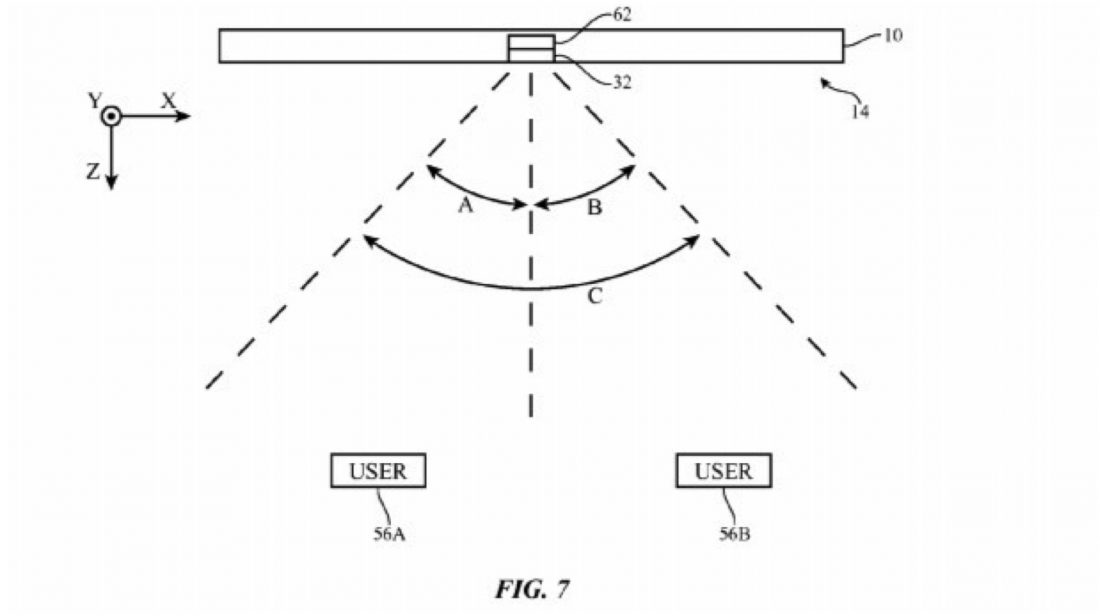
    The technology described in Apple’s patent could be used in a variety of smart devices, to automatically initiate actions based on whether a user is facing the display’s sensors or not. This is Apple’s description of the technology:

    Based on knowledge of how many users are present and the location of those users, device 10 may make adjustments to display 14 (e.g., to optimize brightness, content, audio, etc.), may turn on or off device features, or may take other suitable action. As an example, device 10 may activate a visible image sensor in device 10 when it has been determined that one or more users is present in the vicinity of device 10.

    The visible image sensor can then be used to gather additional information from the user (hand gestures, images of the user for a video conference, face detection data indicating where the faces of the users are located, etc.).

    It is fair to believe that this is true and that Face ID will be trickled down to all other iOS and macOS devices but, it is still just a patent and there are chances that just like a lot of patents, this could be thrown to the back burner.

  • Apple Refunds Chinese Woman Twice Due To Faulty Face ID

    Apple Refunds Chinese Woman Twice Due To Faulty Face ID

    In September 2017, Apple took to stage and announced its true successor to the original iPhone of 2007, the iPhone X. Thin bezels, OLED display, vertically placed dual cameras, wireless charging, and no Touch ID. Instead of repositioning Touch ID, Apple decided to drop it altogether and replace it with its rendition of Face ID. Apple claimed that it much more accurate than Touch ID albeit, a bit slower. However, Face ID might not have been implemented with the accuracy that Apple claimed, as a woman China was refunded twice because of faulty Face ID on her iPhone X.

    The woman, identified as Yan, told the Jiangsu Broadcasting Corporation that despite setting up each phone’s Face ID, her colleague was able to get into both the devices on every attempt. Yan was offered two refunds from Apple after her colleague managed to unlock two separate iPhone X units. Yan said the first time it happened, she called the Apple hotline, but the staff would not believe her. She then had to go to the nearest Apple store, where her colleague used Face ID on the phone to demonstrate the issue to the staff.

    An Apple spokesman said that he suspected that both women may have used the phone during its “passcode training” and that the phones may have been essentially “taught” to recognise both the faces.

    Ever since it was made available to the public, Face ID has received a mixed response. While the in-app usage of Face ID has been well-received, the process of unlocking the phone has been deemed much slower than Touch ID and even the Face Unlock feature of the OnePlus 5T. However, OnePlus has conceded that its facial recognition software is for mere convenience and not security.

    The Face ID Experiment

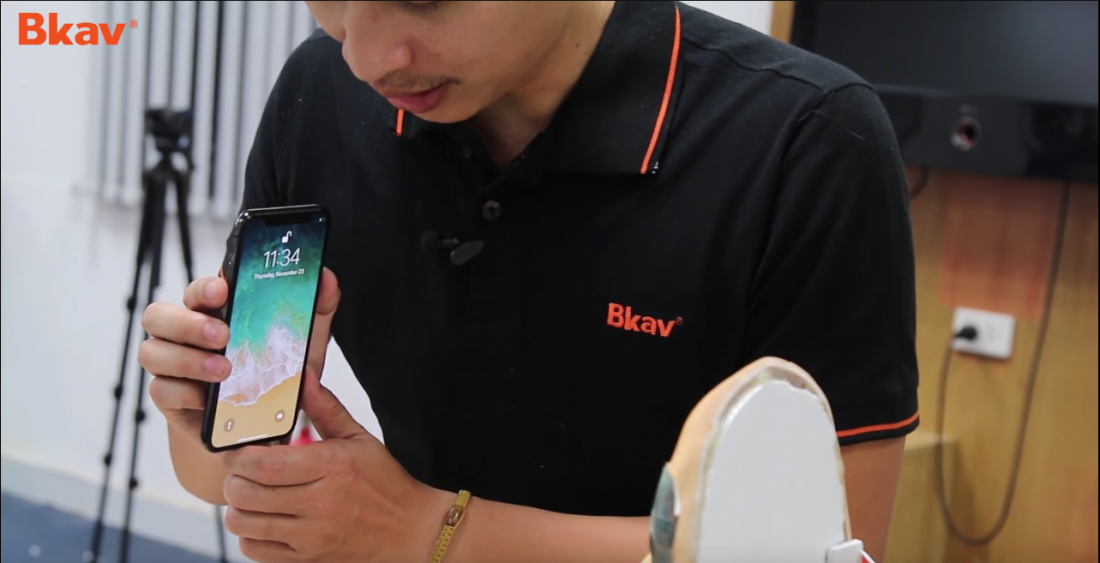
    A month ago, Face ID was bypassed through an elaborate experiment using a 3D printed mask and heavy duty expensive gadgets.

    While Face ID has received some criticism, future software updates and Apple’s constant efforts to make its facial recognition system the best in class should improve the performance of Face ID in the coming months.

  • Apple Confirms Face ID Is The Future

    Apple Confirms Face ID Is The Future

    The iPhone X had a lot of changes that iPhone loyalists had been asking for. The beautiful edge-to-edge OLED display and wireless charging are some of the new features introduced. However, due to the reduced size of bezels, Apple had to remove the home button which also housed the iconic Touch ID. Apple replaced that with Face ID, its own version of facial recognition which has been prevalent in Android phones since the time Android 4.0 ICS.

    Now, Apple has confirmed that it will just concentrate on Face ID for all its upcoming devices. It has announced a US $390 million investment in Finisar, a facial recognition technology company. Apple announced that it would invest $390 million (Rs. 2,513 crores approx.) in Finisar that it will use to build a plant in Sherman, Texas to make chips that will enhance many iPhone features such as Face ID, Animojis, and Portrait-mode selfies.

    Jeff Williams, CEO at Apple said:

    VCSELs power some of the most sophisticated technology we’ve ever developed and we’re thrilled to partner with Finisar over the next several years to push the boundaries of VCSEL technology and the applications they enable.

    Finisar will use the funds to build a 700,000-square-foot manufacturing plant in Texas to develop vertical-cavity surface-emitting laser (VCSEL) chips.

    Jeff Williams continued:

    One hundred percent of the VCSELs sold to Apple from Finisar will be made in Texas. Consistent with Apple’s commitment to the environment, the company intends to procure enough renewable energy to cover all of its Apple manufacturing in the US.

    This is Apple’s second major investment this week after it acquired the song recognition app, Shazam.

  • Face ID Rivals On Android “Stink”, Says Phil Schiller

    Face ID Rivals On Android “Stink”, Says Phil Schiller

    Apple launched the iPhone X back in September with a number of changes in hardware and design from the previous generations. The most notable and talked-about change is the removal of the iconic home button and introduction of Face ID. While facial recognition and iris scanning has been prevalent in Android phones for years, Face ID brought mainstream attention to the facial recognition technology.

    Ever since the iPhone X was launched, Huawei has come out and announced its take on Face ID and claimed that it’s much faster and more accurate than Apple’s Face ID technology. There have been rumours that Samsung is working hard on its iris scanning technology which will enable it to work even when it is too dark.

    In an interview with Dutch outlet Bright, Apple’s Marketing Guru Phil Schiller has strong opinions about the Android rivals to Face ID. “They all stink,” he said.

    They don’t work in all the ways we need Face ID to work. We’re very aware that through the years the simple thing, this Home button, that started as the way you click to get to the Home screen, grew into doing so many things for us. We added Touch ID, it took you to the multitasking screen, paged Siri, activated Apple Pay. All through this one mechanical button.

    So for Face ID we needed the best way we know of to enable us to easily unlock our device with our face, in a protected way with the Secure Enclave, and support all these other things. We had to solve all of that. Other things that people have tried with face haven’t been anything like that. Face ID is a very unique implementation.

    Face ID has been compared to OnePlus’s facial recognition technology on the OnePlus 5T even though OnePlus has conceded that its facial recognition is more for convenience than security.

    Face ID has also come across a few stumbling blocks. Recently, it was cracked by an elaborate experiment with some expensive gadgets and a lot of time. With the bezels getting thinner and Apple investing so much in Face ID, it appears that Touch ID will slowly be phased out of remaining Apple devices, especially as FaceID becomes more convenient and more reliable.

  • Here’s Something Important You Should Know About Face ID

    Here’s Something Important You Should Know About Face ID

    The Apple iPhone X launched towards the end of the year and grabbed all the attention that iPhones have historically done. With a huge design departure from the previous generations, Apple took an important decision and removed the trusted Touch ID and replaced it with Face ID.

    If you own an iPhone X, you’d have your own experience with Face ID and differing opinions about whether it was the right decision or not. But, the fact is that Touch ID is gone, and by the looks of it, it isn’t coming back. One of the many great things about Touch ID was multiple fingerprint support which allowed users to give access to people they trusted.

    You may also like – I Spent A Day With The iPhone X And I Am Done With The Home Button

    With Face ID, that options isn’t there yet and if you thought that future software updates will allow that to happen, then you might be wrong in thinking so. According to Craig Federighi, Apple’s Senior Vice President of Software Engineering has conceded that multiple ‘face’ support for Face ID is not a part of Apple’s plans for Face ID.

    Someone who missed that Touch ID feature emailed Craig Federighi regarding the same and got this response:

    Currently we’re focusing Face ID on a single user authentication. Even TouchID’s multi-finger support was really intended to enable a single iPhone owner to unlock the device with a finger and thumb on both hands, not to enable multi-user authentication.

    We’ll certainly keep your feedback in mind as we consider our plans to evolve Face ID in the future.

    Now, it might be possible that as Apple continues to make Face ID better, it may reach that point where multiple faces can be recognised but, as of now that seems uncertain.

iGyaan Network
Privacy Overview

This website uses cookies so that we can provide you with the best user experience possible. Cookie information is stored in your browser and performs functions such as recognising you when you return to our website and helping our team to understand which sections of the website you find most interesting and useful.