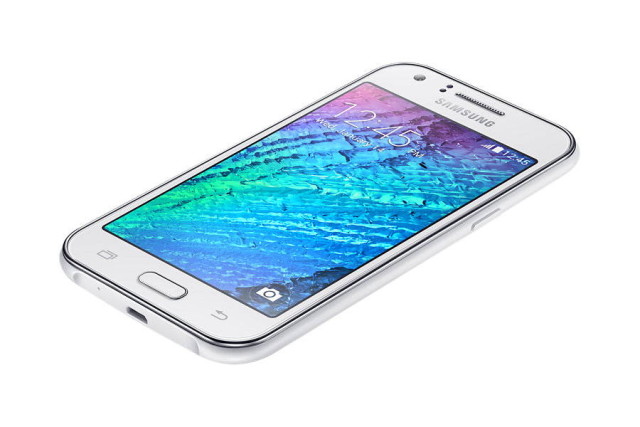
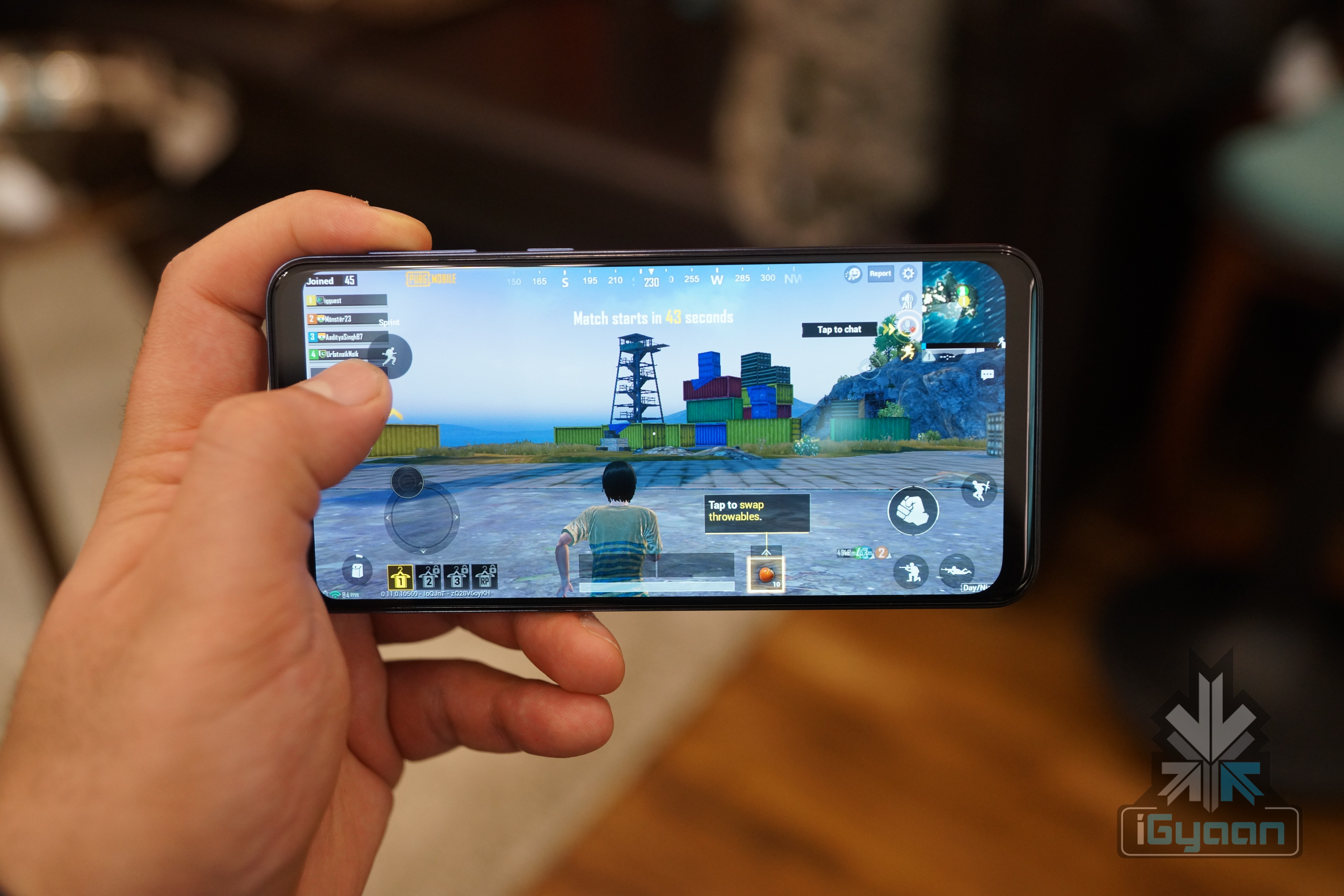
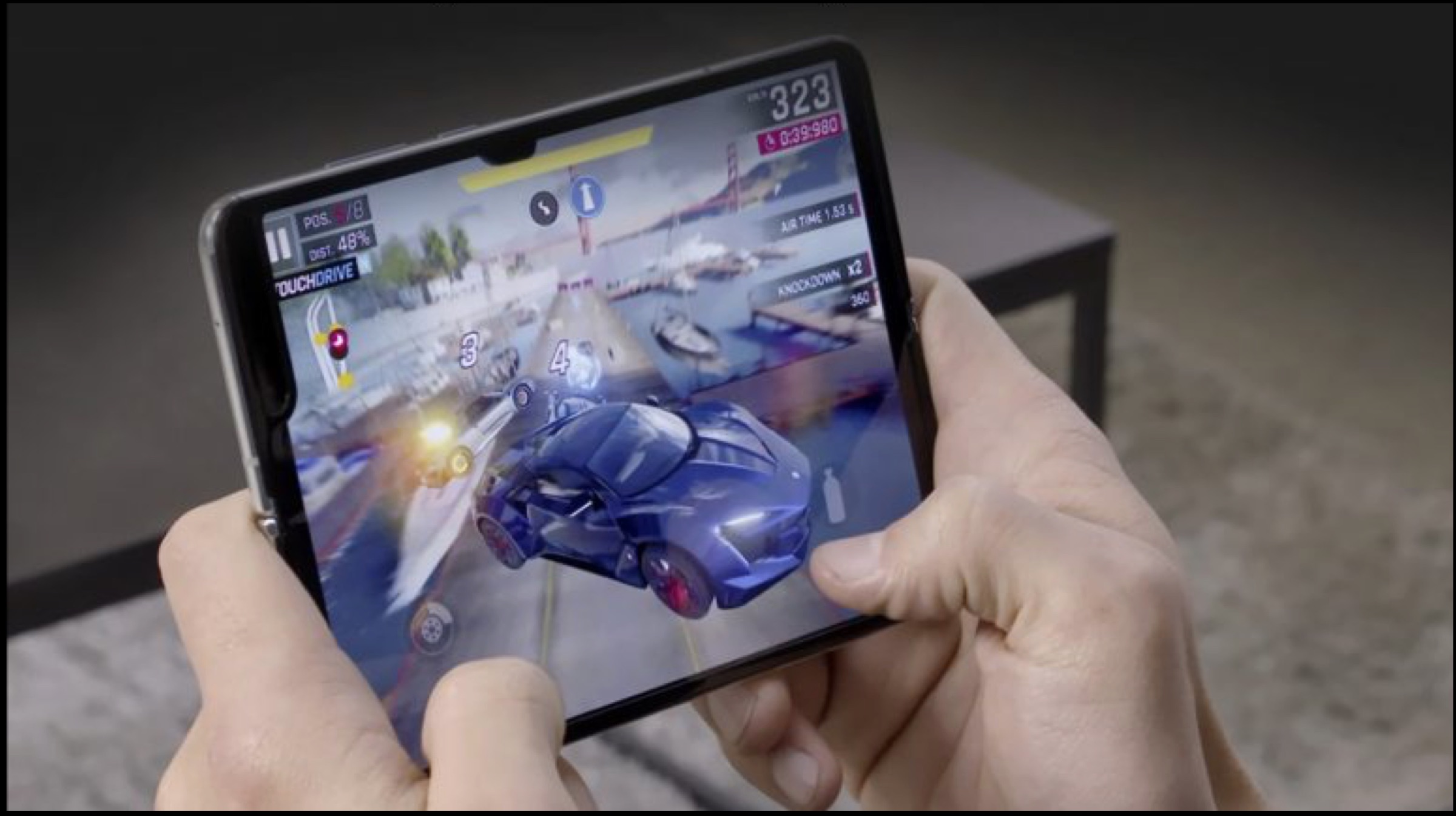
The year 2019 has seen a lot of developments in terms of gaming so far, with Google releasing their cloud-based game streaming service (named Stadia) and Apple following up with their own “Apple Arcade” gaming platform. Companies like Samsung don’t plan to stay behind for a long period of time. A recent patent granted to the company showed that the South Korean Technology company is working on a platform which will enable users to play online games via Galaxy devices.
About The Patent
The patent was first filed by Samsung in America with the United States Patent and Trademark Office, or USPTO. The trademark included details about a service called the PlayGalaxy Link, and was finally published on April 26 in the database of the European Union Intellectual Property Office (EUIPO). As per reports, the patent is categorized under Class 9 and 41. While class 9 is comprised of a broad range of trademarks for scientific, cinematographic and photographic devices, Class 41 mainly covers products which cater to entertainment purposes.
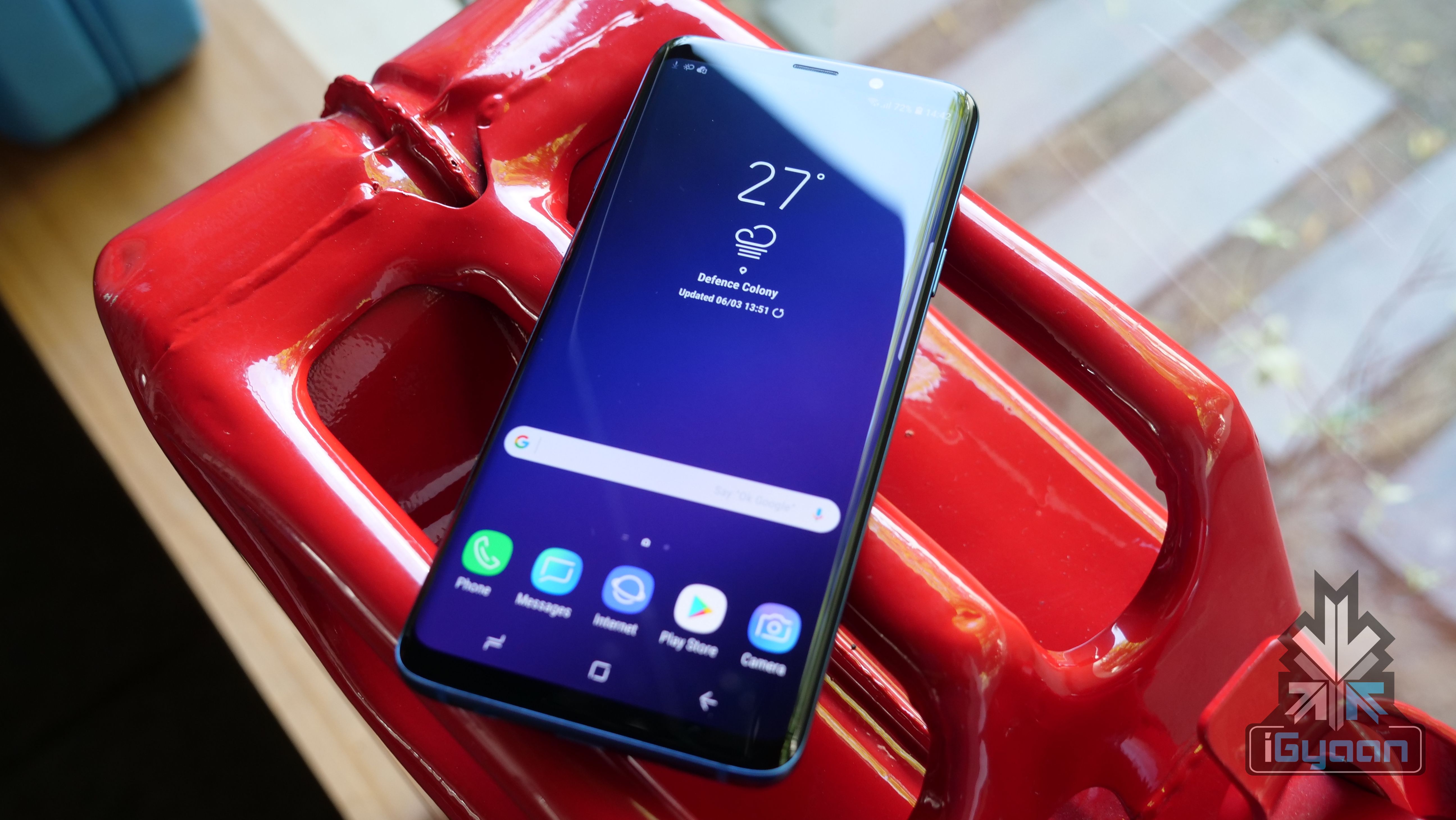
Samsung Galaxy S10e
Previously in April 2019, Samsung was reported to have partnered with Finnish organization “Hatch” to launch a new 5G cloud gaming service in Korea. Furthermore, people who buy the recently launched Galaxy S10 5G get a free three-month premium Hatch subscription. This may be the new gaming service that Samsung has been working on, but nothing can be said for sure, since the trademark for the “PlayGalaxy Link” is applied for in US, not in Korea.
Whatever the case may be, it is clear that Samsung plans to go up against American technology mega-giant Apple and it’s latest gaming service, Apple Arcade. While it is reported that Apple Arcade may be available starting this fall, Samsung may unveil its “PlayGalaxy Link” service sooner than expected. Moreover, the company is also planning to release a smartphone which will be dedicated to gaming. Reports say that such a device may be released under the Galaxy A series branding, but nothing can be confirmed as of now.
Ever since the race to a bezel-less smartphone started in the year 2016, major OEMs have tried to innovate unique solutions in a bid to maximise the screen real estate in their devices. Along the way, unconventional technologies like a display notch as seen in the iPhone X series, hole punch displays as seen in the Galaxy S10 lineup and dual displays present in Vivo Nex Dual Display and the Nubia X, have surfaced in current smartphones. A fresh patent filed by Korean electronics giant Samsung reveals it is working on a new way to increase the screen to body ratio in future handsets.
Samsung Dual Display Smartphone
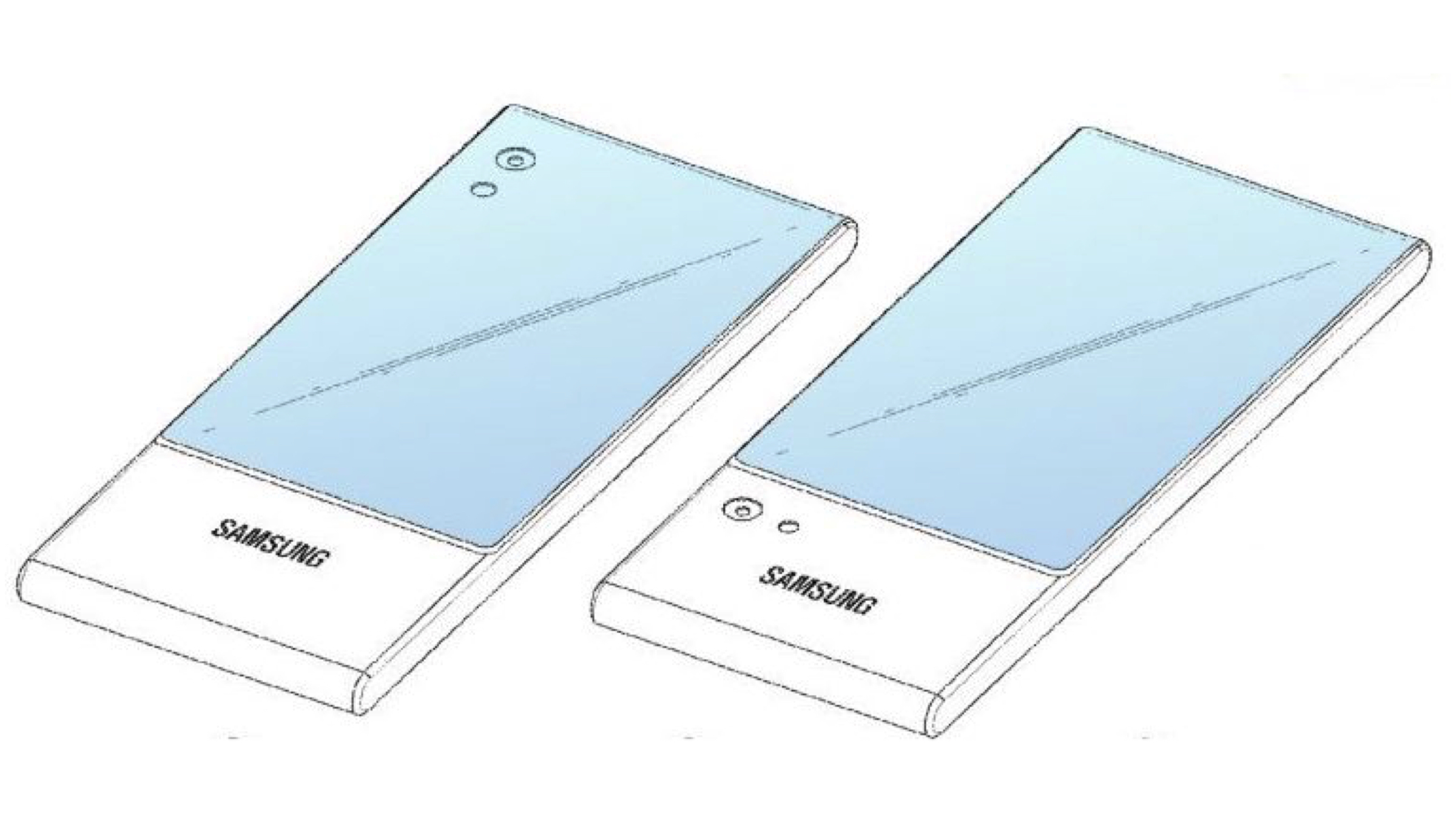
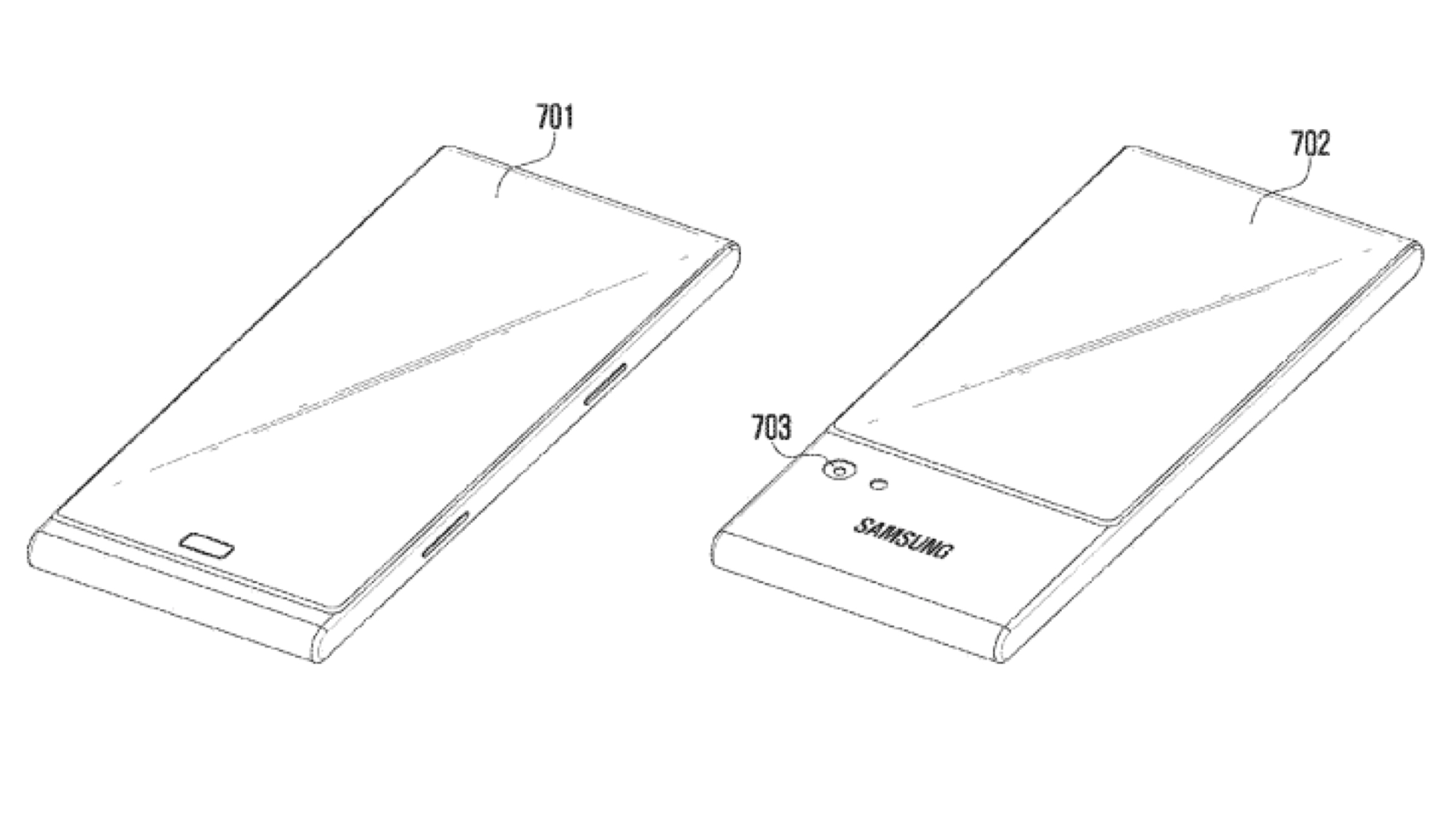
Samsung filed for a patent with the United States Patent and Trademark Office (USPTO) for the aforementioned smartphone back in October of 2016. It was approved and published in the World Intellectual Property Office (WIPO) database on the 25th of April 2019. The images in the patent reveal a mobile device with an alleged ‘Multi-Plane Display’. This essentially means a device with a display on the front and back which can be controlled simultaneously.
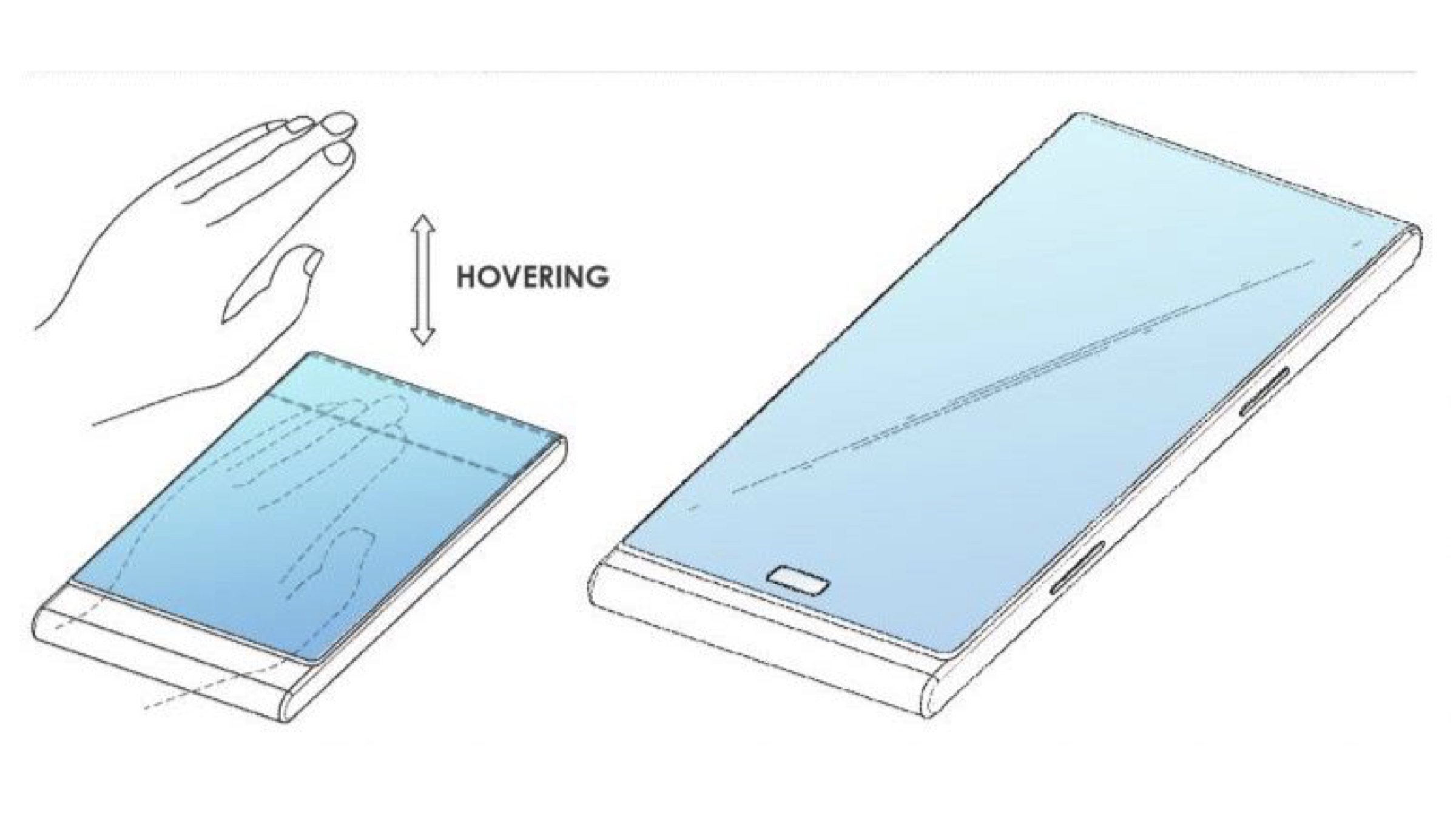
The aforementioned patent by Samsung shows a smartphone with three different parts of the display. The front of the device is entirely covered by a screen. This screen or display extends to the top of the handset and goes on to cover around 75 percent of the back of the device. While the main display seems folded, it might not need to open and close like the Galaxy Fold foldable smartphone. The patents also reveal a home button inside the display, which might provide haptic feedback when pressed. Samsung’s Dual Display smartphone, when launched may also feature a single camera sensor on the back side of the device. As there are displays on either side, images and videos can be clicked or recorded from the front as well as the back of the handset.
As far as the usability of Samsung’s Dual Display Smartphone is concerned, the patents reveal the device will use hand gestures to control the User Interface of the handset. A similar operation method was implemented in the LG G8 ThinQ launched back in the month of February. The display on the top may be limited to notifications while the rear panel may be used for taking selfies and using the smartphone with one hand. Unfortunately, no details about the release date and pricing of the device are available yet, but they are expected to be unveiled in the following weeks.
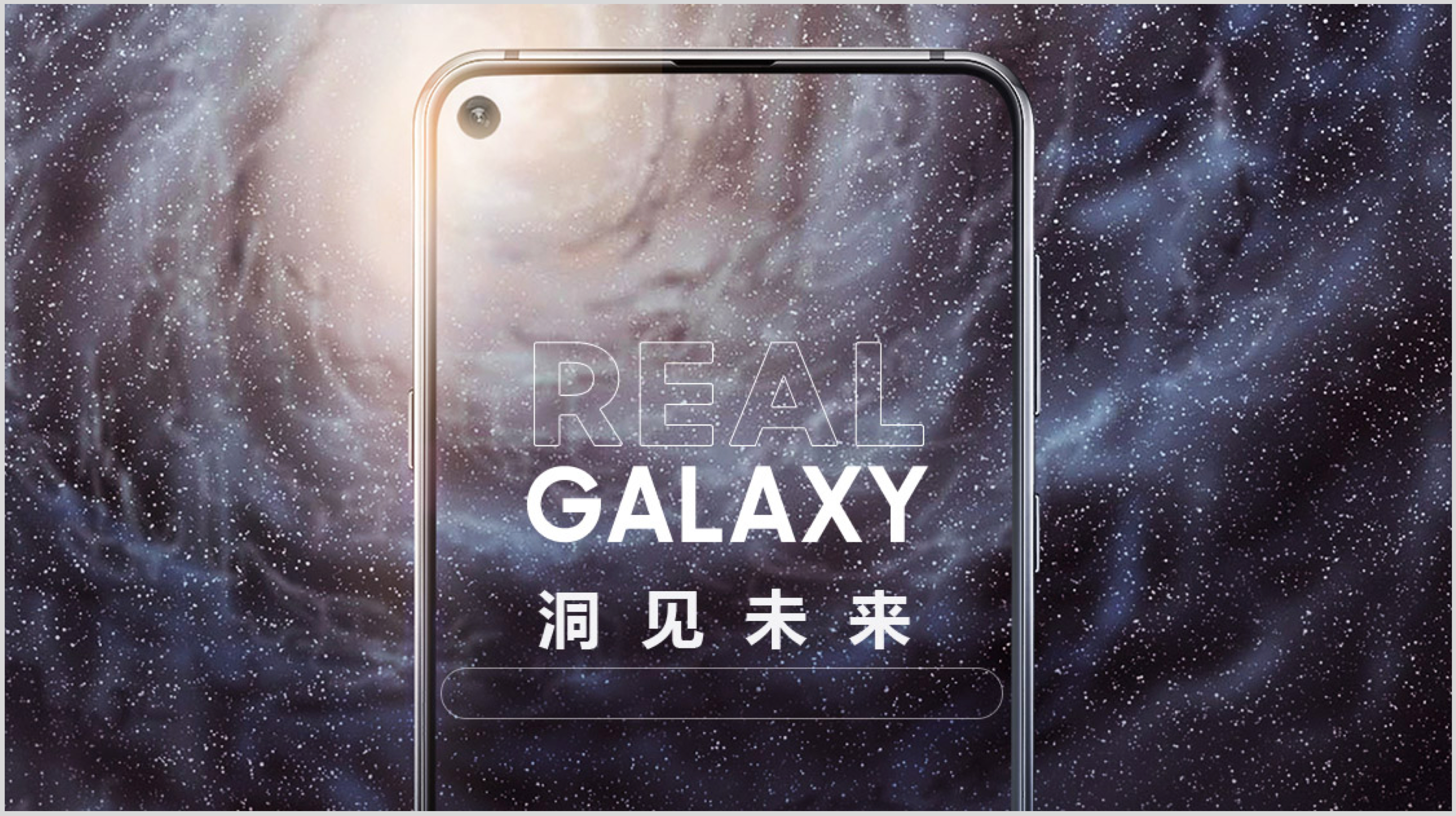
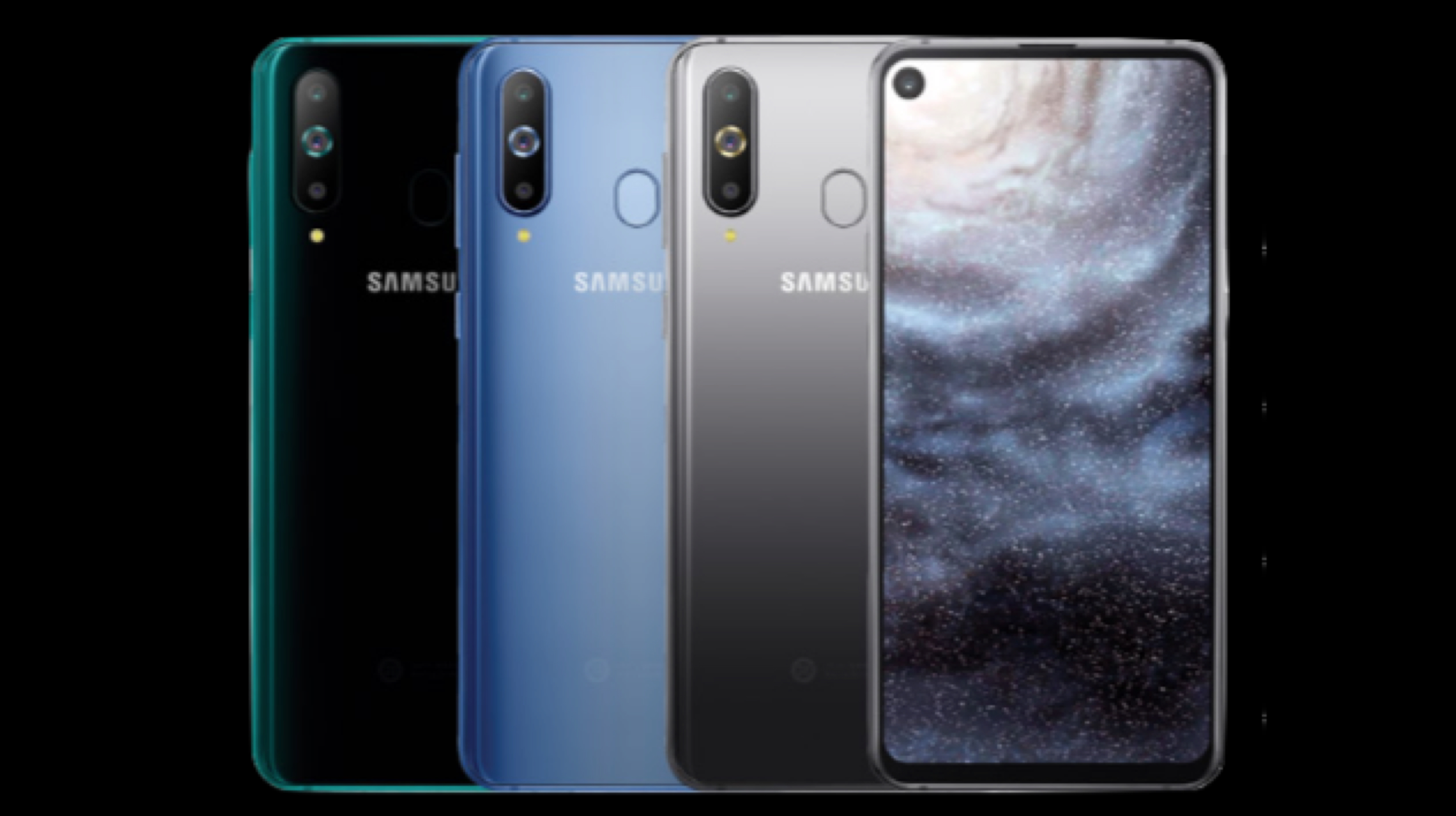
After a lot of leaks and teasers, the Samsung Galaxy A8s with the Infinity-O notch has officially been launched. The phone was launched at an event that was held in China. It is the world’s first smartphone to feature an in-screen cutout for the front selfie camera.
Design & Features
The Samsung Galaxy A8s measures 158.4×74.9×7.4 mm weighs in at 173 grams. The front of the device accommodates a 6.39-inch Full HD+ display with a resolution of 2340 x 1080 px. The power button and the volume rockers sit on the right side of the device while the SIM card slot and the dedicated Bixby button are placed on the left.
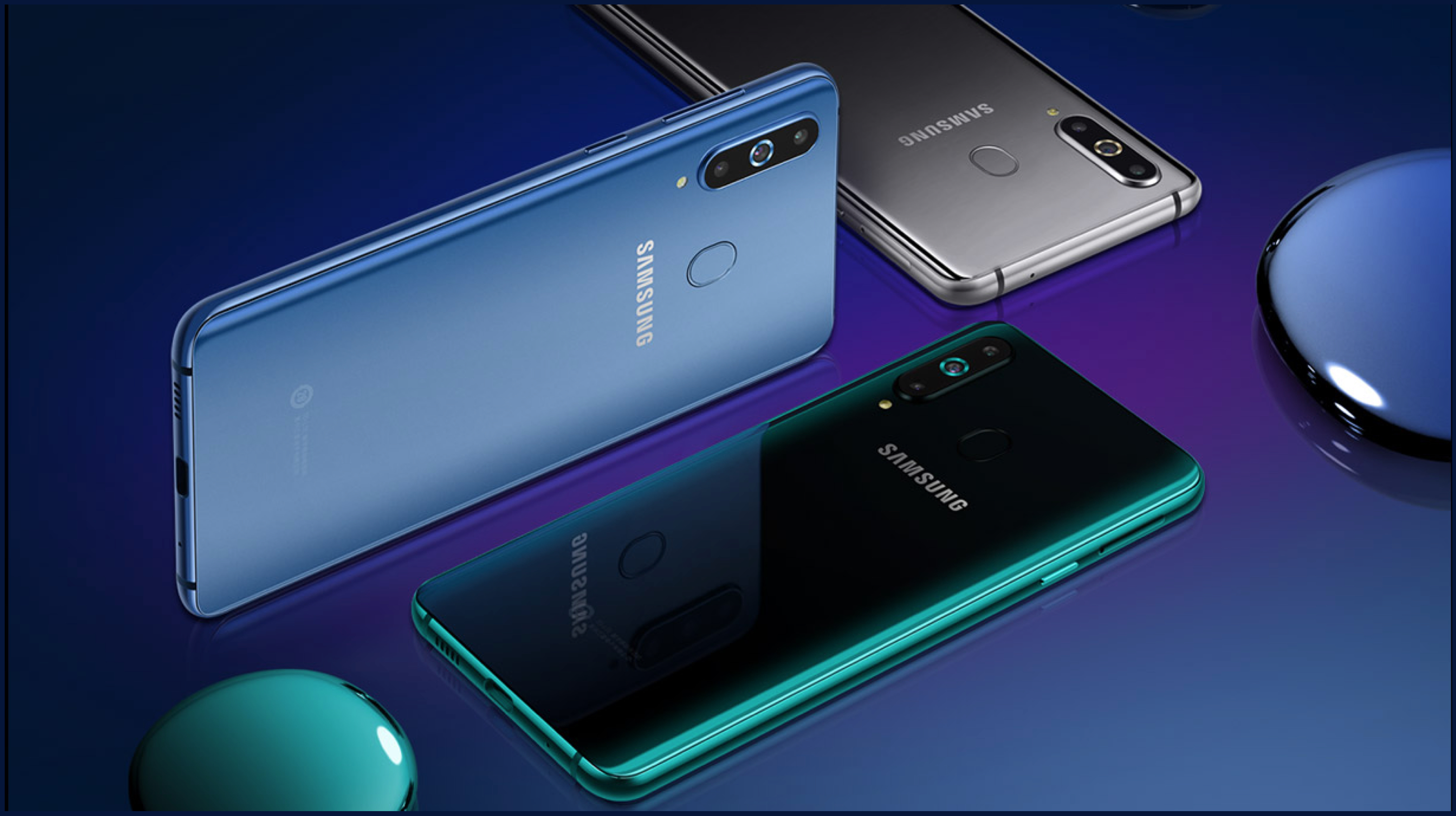
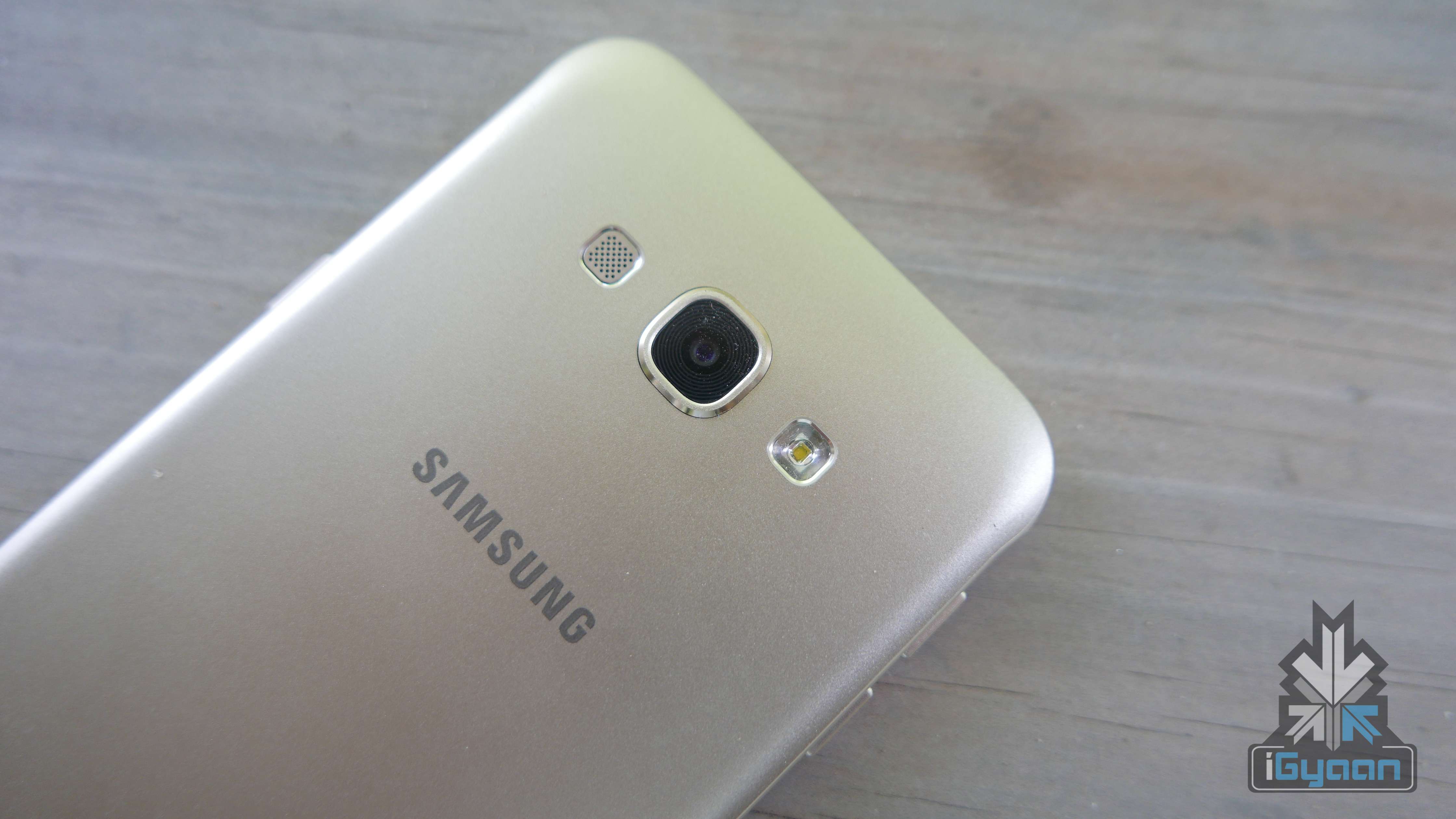
The rear of the Samsung Galaxy A8s has a gradient coloured glass panel which tapers toward the edges. The rear of the device also houses a fingerprint sensor and triple camera set up along with an LED flash. Talking about the camera sensors, the phone has a 24 MP front-facing sensor which is housed in the infinity-O notch and the rear camera setup consists of triple 24 MP + 5 MP + 10 MP sensors.
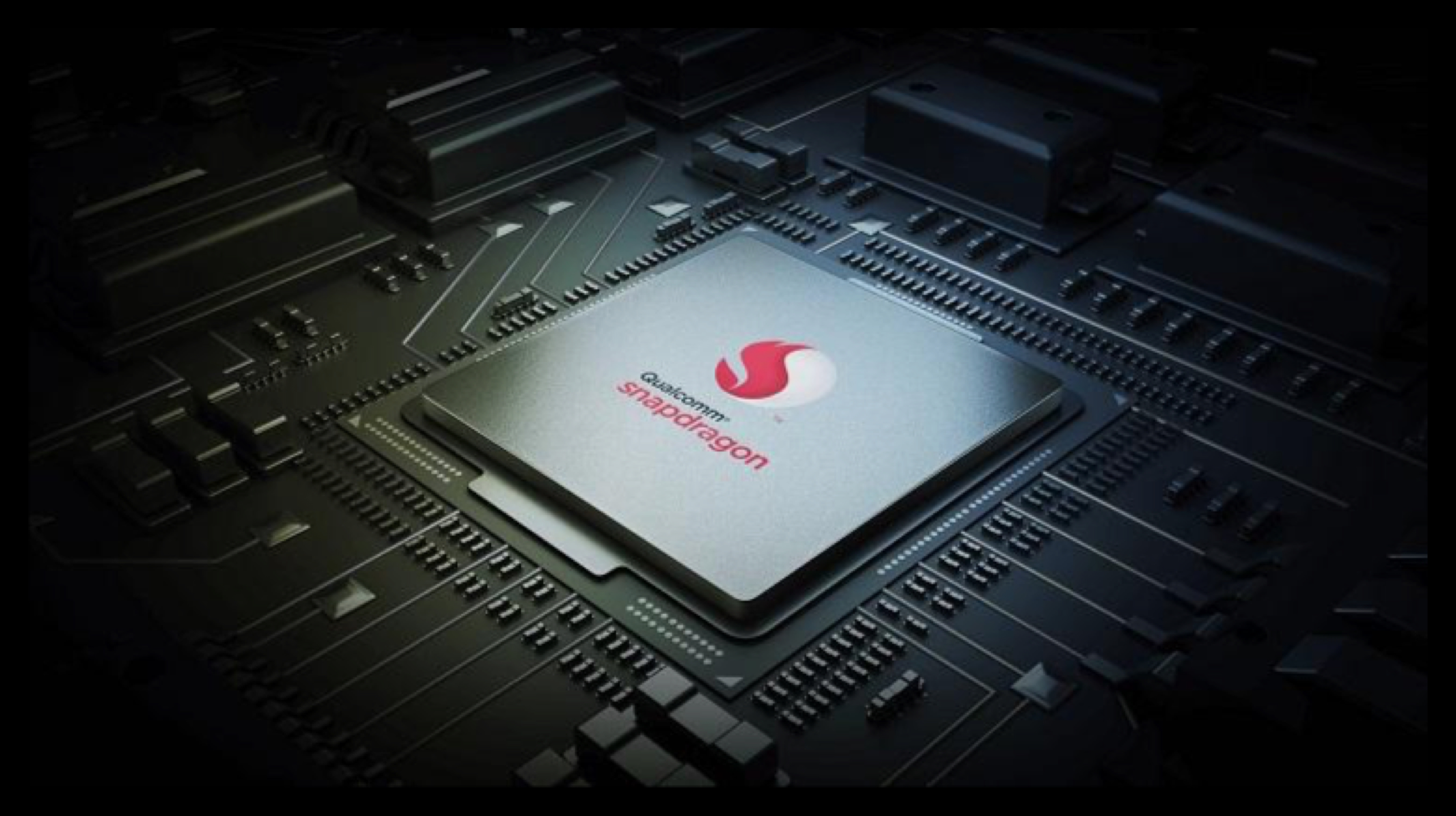
The Samsung Galaxy A8s is kitted with the Octa-Core Snapdragon 710 CPU and the Adreno 616 GPU. The device is powered by a 3,300 mAh battery and it runs on Android 8.1 Oreo. In terms of connectivity, the device supports dual 4G VoLTE, Wi-Fi 802.11 ac, Bluetooth 5.0, and a USB Type-C port for charging and data transfer. The smartphone also gets a bunch of sensors which include a gravity sensor, a distance sensor, and a light sensor.
The Samsung Galaxy A8s is available in three colors which are Silver, Green, and Blue. It is available in a two RAM & ROM storage variant which are as follows:
6 GB + 128 GB
8 GB + 128 GB
It also supports memory expansion up to 256 GB via a microSD card. The device is currently available on pre-order on Samsung’s Chinese website.
To summarise, the Samsung Galaxy A8s looks like a solid offering from the company and is expected to perform well in terms of sales.
A new leak about the Samsung Galaxy S10 and S10+ has revealed the device specifications and expected the release date. This leak comes from a Korean website names Dubell which says that the Galaxy S10 and S10+ are all set to release sometime next year.
What makes this news even more eye-catching is that the S10+ will be equipped with a total of five cameras. Two of these cameras will be mounted at the front while the secondary camera setup will house three lenses. To get an idea of how the dual camera setup may look like we can take hints from the setup found on the Galaxy A8 and A8+.
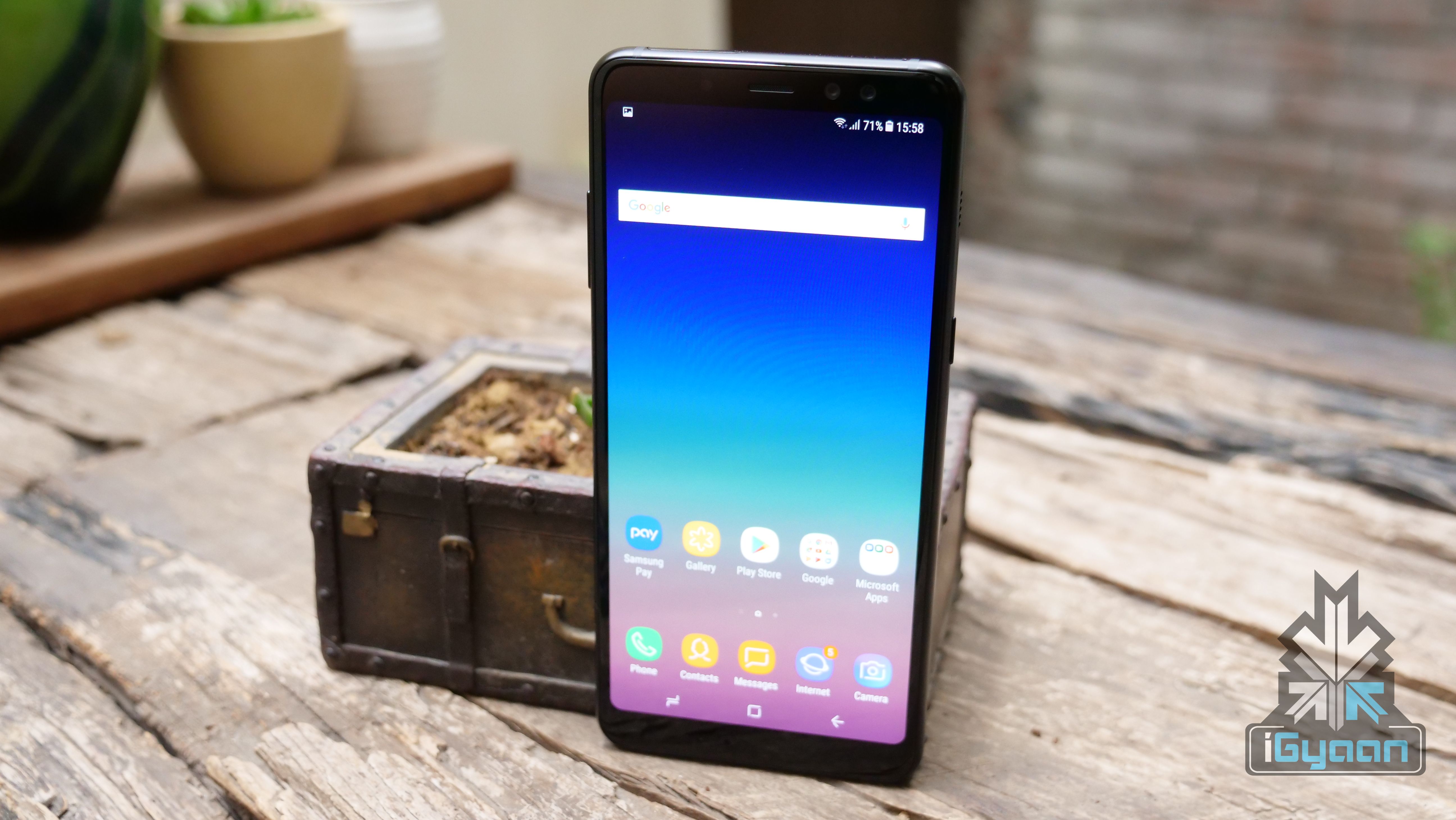
Samsung Galaxy A8+
Although a dual front-facing camera setup is nothing new for a Samsung phone, we speculate that the camera setup on the Galaxy S10+ may feature some AI capabilities. A Twitter user by the name Ice Universe has tipped that the next generation of Samsung’s premium line of SoCs will be named Exynos 9820. As per the tweet, the Exynos 9820 will be an octa-core chipset with two cores of Exynos M4, two Cortex-A75 or Cortex-A76 medium cores, and four cores of Cortex-A55. The GPU paired with this chipset will be the new Mali-G76 MP18.
Samsung's next-generation Exynos 9820 will use the 2+2+4 DynamIQ architecture, 2xExynos M4 is the big core, 2xCortex-A75 (or A76) is the medium core, and 4xA55 is the small core. pic.twitter.com/3T5AUbcWhV
The Dubell website suggests that there will be more than two phones in the Galaxy S10 lineup, apart from the S10 and S10+. The cheaper variants are rumored to be released with a watered down version of front-facing cameras while the more expensive variants could have 3D face unlock capabilities.
Samsung’s sales figure show that the last couple of years for the company have been a roller-coaster ride. The company has not changed their design for the Galaxy S lineup since the S8 and the software has not seen any out-of-the-box innovations either. These may have been among the top reasons why their sales in the second-quarter suffered a dip. With the new Galaxy S10 lineup, Samsung will surely try to get back in the game. To follow this news further stay tuned to this iGyaan thread.
Samsung’s Galaxy S8 has been through an exciting journey leading up to it’s launch. with the phone just days away from being announced. The leaks just keep pouring in. Leakster Evan Blass has released more press renders of the Galaxy S8 in the two colours, Orchid Gray and Black Sky.
The images also show a dedicated button which wills sit below the volume buttons on the left side, which might be used for the assistant Bixby, or otherwise. Few images also appeared on Slashleaks with the bottom edge of the upcoming Galaxy S8, and if you focus you can easily make out the speaker grille and headphone jack.
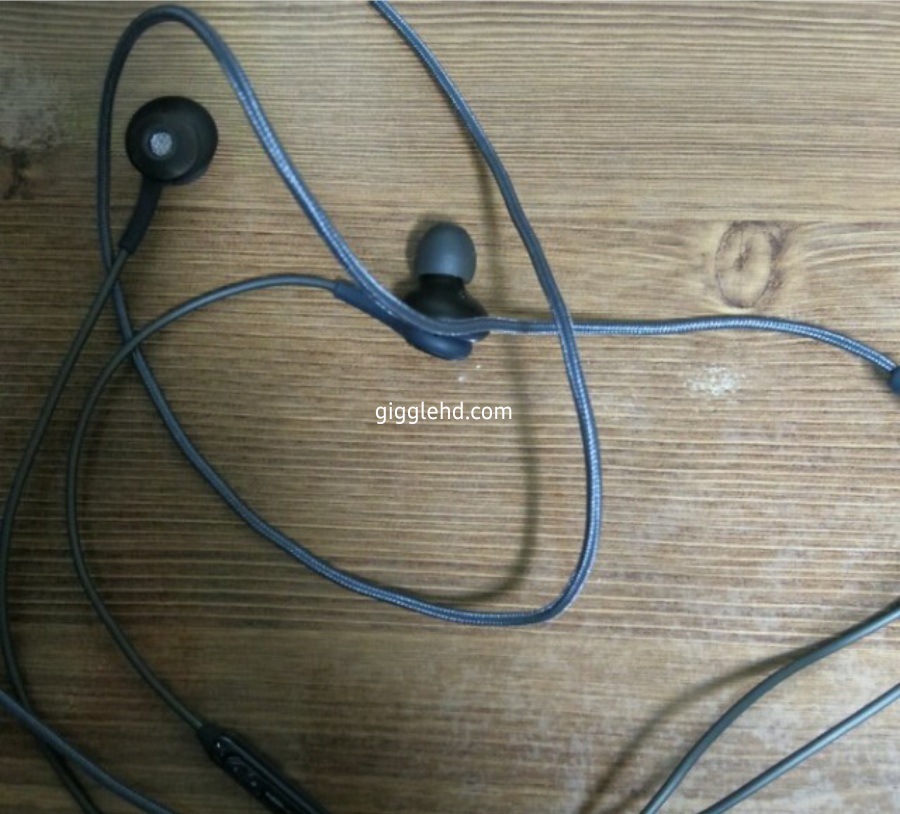
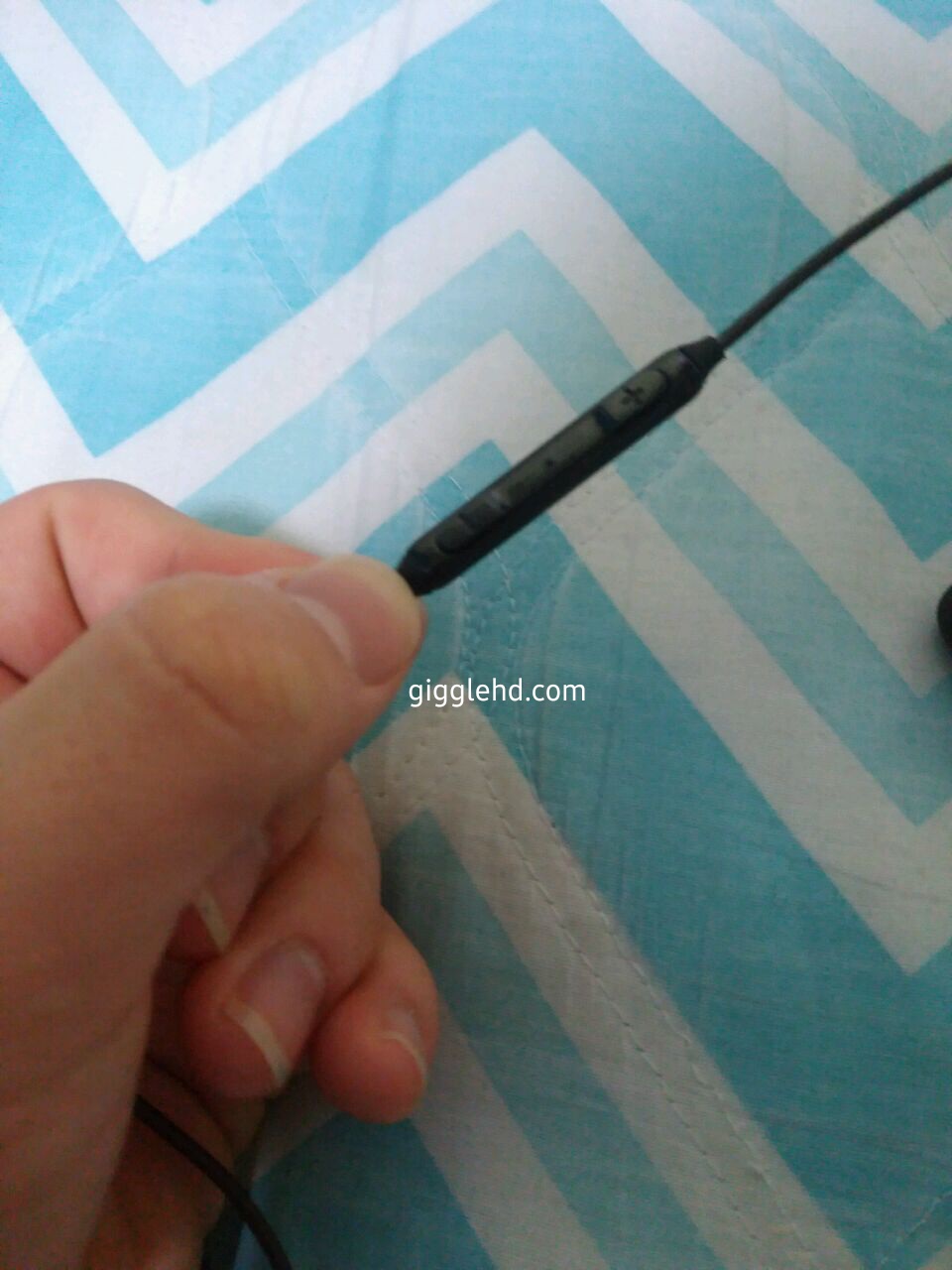
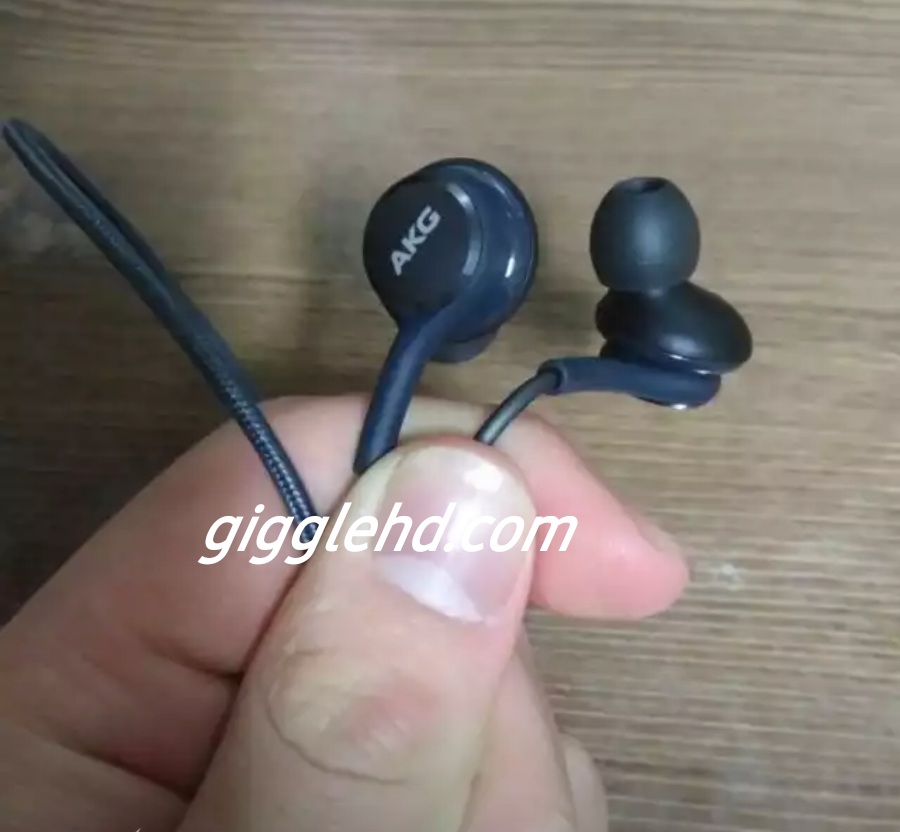
Another website has leaked images of what they claim to be in box accessories of the Samsung Galaxy S8 . The earphone clearly show the AKG branding on them with a matte black rubber finish.
It also appears that Samsung will stress focus on the camera capability, considering last year’s Samsung Galaxy S7 won them some awards in the camera department.
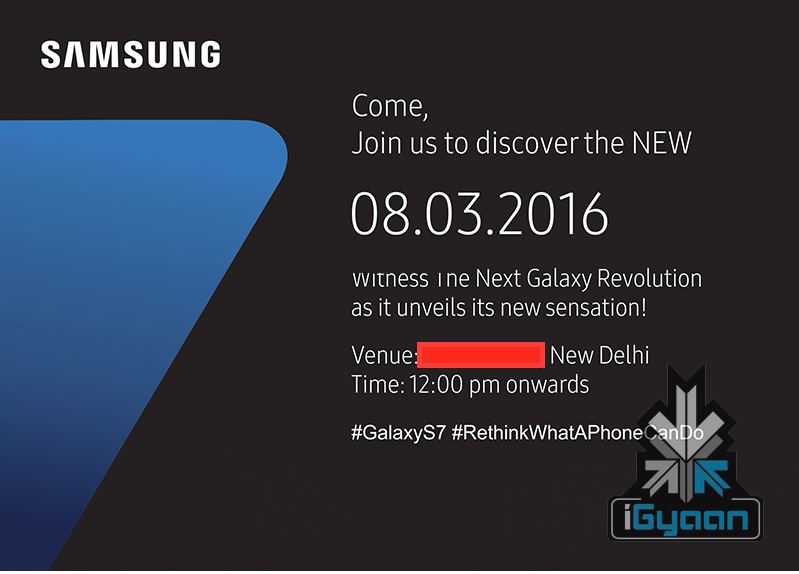
Samsung is all set to launch its much-awaited Galaxy S7 and the Galaxy S7 edge phones for markets in India at a press event in Delhi which will start at 12 in the afternoon on 8th of March,2016. Going into 2016, India remains an important market for the South Korean tech giant, and as such a lot is riding on the duo of flagship phones whose pricing for India will be announced tomorrow.
The Galaxy S series devices which are the best that Samsung has to offer brings to its fans this year the S7 and S7 edge smartphones that are high on specs and look beautiful when it comes to design. Both the phones share under-the-hood specs such as the on board Snapdragon 820/Exynos 8890 SoC paired with 4GB of RAM and up to 64GB internal storage but differ when it comes to the display size which goes up from 5.1-inch QHD present on the S7 to 5.5-inch QHD found on the S7 edge. The latter also comes packing a 3600mAh battery, while the former is equipped with a 3000mAh pack.
Watch the live stream of the launch event for India here.
In latest news, sources who have been accurate in the past, have revealed to iGyaan that the long wait for Indian customers for the recently launched Galaxy S7 and Galaxy S7 edge may finally be coming to an end as the South Korean tech giant’s premium offerings might be available in India as soon as 10th March, 2016.
This information falls in line with the previous information provided to us about the S7 series launching before 15th of March in the country. According to the previous reports, the Galaxy S7 will start retailing in the country at Rs 55,000, while the more premium Galaxy S7 edge with a curved display and bigger battery will hit stores with a price tag of Rs 64,000 in Indian markets.
Coming to the specs, The S7 is equipped with a Super AMOLED display with QHD resolution. Two SoC configurations are offered here– one being the new Exynos 8890 and the other being Qualcomm’s Snapdragon 820. The device comes with 4GB of RAM and upto 64GB of internal storage as well as a MicroSD card slot this time around and the battery is bumped upto 3000mAh. A fingerprint sensor is housed in the home button.
The S7 Edge comes with a 5.5-inch Super AMOLED display with QHD resolution. The same SoC configuration as in the Galaxy S7 powers the device along with 4GB RAM and a maximum of 64GB storage. Importantly, the battery on the S7 edge has also been bumped upto a respectable 3600mAh battery pack.
On the camera front, Samsung this year has tried to take its camera up a notch which is why it’s using a new Britecell technology for the Galaxy S7 for better low-light photography. Both the S7 and S7 Edge feature ‘Dual Pixel’ cameras with a 12MP with f/1.7 aperture rear camera and a 5MP front. Samsung has boasted of exceptional low-light captures with the Galaxy S7 devices and it may just dominate the camera department once again this year.
As the Android operating system has grown, Samsung has not just grown with it, but completely dominated it. From the platform’s early days it has complemented the software with aggressive hardware and pleasing aesthetics. The South Korean manufacturer has sold more mobile phones than any other Android device manufacturer, and this success has been entirely built on Samsung’s Galaxy brand which to date has churned out over 100 separate devices.
Samsung’s Galaxy S range of flagship smartphones has been one of the major reasons behind Samsung achieving such success at the market. In all honesty, the Galaxy S series devices have done as much to help the Android operating system grow, as the platform has done to help it grow. Today we take a trip down memory lane, and take a look at the Galaxy S series flagships from the year’s gone by.
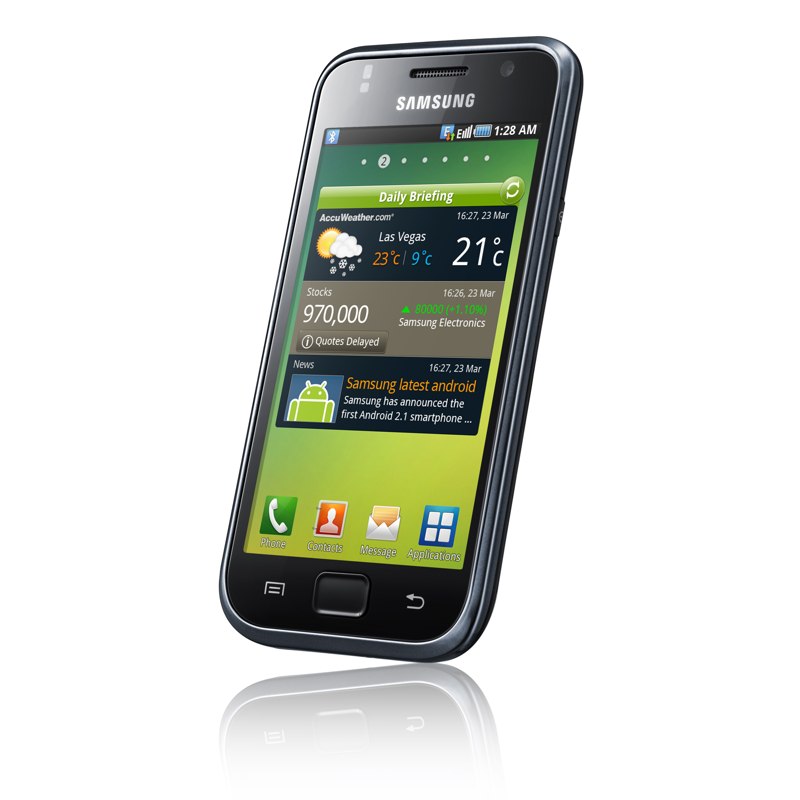
Samsung Galaxy S
The original Samsung Galaxy S was released in June 2010 and by the time it was taken off shelves, the handset sold over 24 million units worldwide. This Android device was pitted against the iPhone as a high-end, premium smartphone alternative. The Galaxy S set the tone for the rest of the Galaxy series and as such sealed its legacy forever.
The phone came with 1 GHz processor, a 4.0-inch AMOLED screen and had a 5MP rear facing camera without a flash, and a front facing VGA camera. The Galaxy S came with impressive specs for the time and was generally accepted to be one of the better devices to come with Android on-board but the sales still were a little disappointing. The device was originally launched running Android 2.1 Eclair, and was later updated to 2.2 FroYo, and finally then finally updated to 2.3 Gingerbread before being ignored by Samsung for further updates.
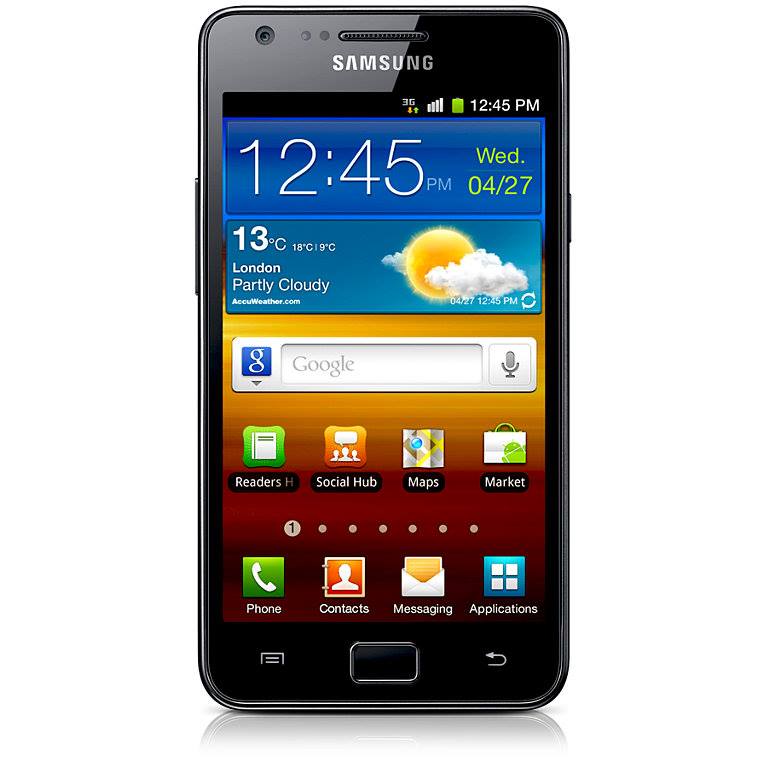
Samsung Galaxy S II
The Summer of 2011 saw what probably was the game changer for Samsung. The South Korean company which had been making phones long before its competitors, HTC and Apple had even stepped into the industry was finally going to have its moment of glory.
The Galaxy S2 turned out to be the device which secured Samsung’s place at the top of the Android tree. The S2 launched in more than 120 countries in the summer of 2011, and was met with great reception with over 50 million S II being sold by Samsung Worldwide.
The phone was big on internals, and featured a dual-core Cortex A9 processor paired with 1 GB of RAM and a newer generation, 4.3-inch Super AMOLED display. The display was also covered with the first generation Corning Gorilla Glass coating.
There was an 8MP rear camera and this time it came with a flash. The front camera was also bumped to a 2MP camera. The design pattern evolved from the first S series handset and saw the impressive hardware being nicely tucked into a squared design that was very thin. Importantly, the phone’s design incorporated space for a Removable Li-Ion 1650 mAh battery which was one of the biggest draws for the phone.
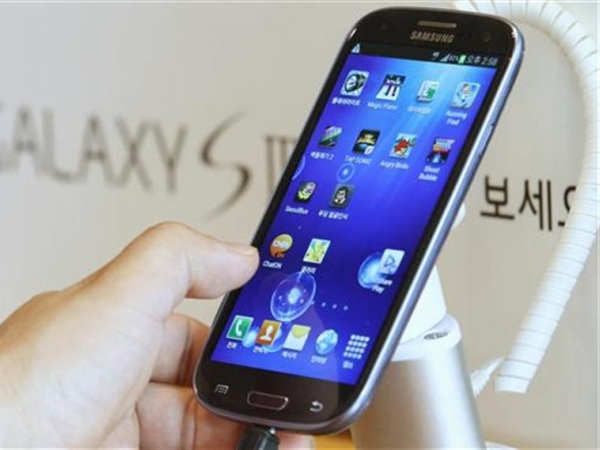
Galaxy S III
If S II was good, then S III was going to be even better for the South Korean tech giant. Riding on the back of the S II, Samsung came into 2012 firmly as the market leader. The S series phones by now had evolved from being just high-end Android offerings, to being positioned as the “Anti-iPhone” smartphones.
S III was at that time Samsung’s best-selling smartphone to date. It’s helped the South Korea-based company dethrone Apple’s global market share, and it made the Galaxy S series name synonymous with Android.
S III saw a design change for the Samsung Galaxy S series. The S3 perfected on the chinks of the phone before and came to the market as a beautiful offering curved design and brilliant specs.
The smartphone was powered by a quad-core 1.4GHz Cortex-A9 CPU, while the Mali-400MP GPU also showed up alongside 1GB of RAM. The phone retained the 8MP rear camera but produced better pictures owing to ertain software improvents. The display on the phone was a 720p HD resolution SuperAMOLED screen. S III came with Android 4.0 Ice Cream Sandwich which paired with the internals produced great results.
Samsung also started to significantly improve things at the software end starting with the S III. It included many additional features such as Smart Stay, which wallowed the screen to stay on when the user was looking at it. The S III also introduced the Nature UX, whichbrought in new notification whistle and watery sounds when unlocking the device. All of these addtions very popular with its growing customer base.
Galaxy S IV
Samsung introduced in 2013 the Galaxy S IV. Samsung sold over 40 million of these in just the first 6 months, and by the end of the year ended up with 65% market share of all Android devices but according to reports from that time, the company apparently was’nt too happy with its showing. Nonetheless, the phone again managed to cement its supremacy in the market.
The handset was built around a 5.0-inch, 1080p SuperAMOLED screen. Samsung fitted it with a higher clocked a 32-bit, quad-core version of the Qualcomm Snapdragon 600 processor clocked at 1.9 GHz. The phone used 2 GB of RAM for smooth performance. It came with a minimum of 16 GB of internal storage and a beefy 13MP rear camera. The S4 also came with a heart rate sensor which was a first for the market.
Galaxy S5
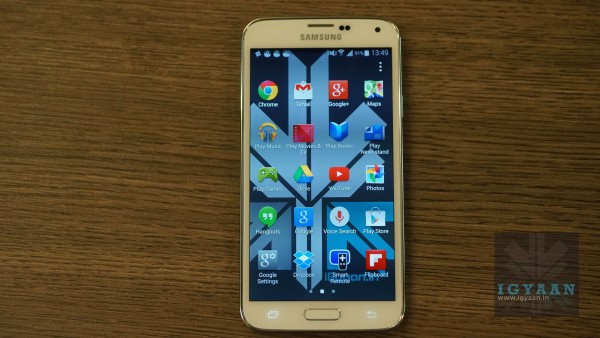
Galaxy S5 used as illustration
2014 saw Samsung bring to its fan base the S5. The galaxy S5 was not a huge departure from the S4. Key differences lay in an upgraded processor, camera and nifty features like water/dust resistant body. The phonesaw great sales at the market, and was widely appreciated for its design which saw a polycarbonate rear panel that provided access to a removable battery.
The S5 came rocking two Quad Core processors, one clocked at 1.9 GHz and the other at 1.3 GHz. Samsung claims that unlike its predecessor, the Galaxy S5 had both the quad cores running simultaneously thereby giving you the experience of a true octa processor. The phone used the 1.3 GHz Quad core to handle the lighter applications, whereas the more power intensive apps (HD games, HD video playback) were taken care of by the 1.9 GHz Quad Core processor. 2 GB RAM is what supports the processors in the Galaxy S5.
Galaxy S6
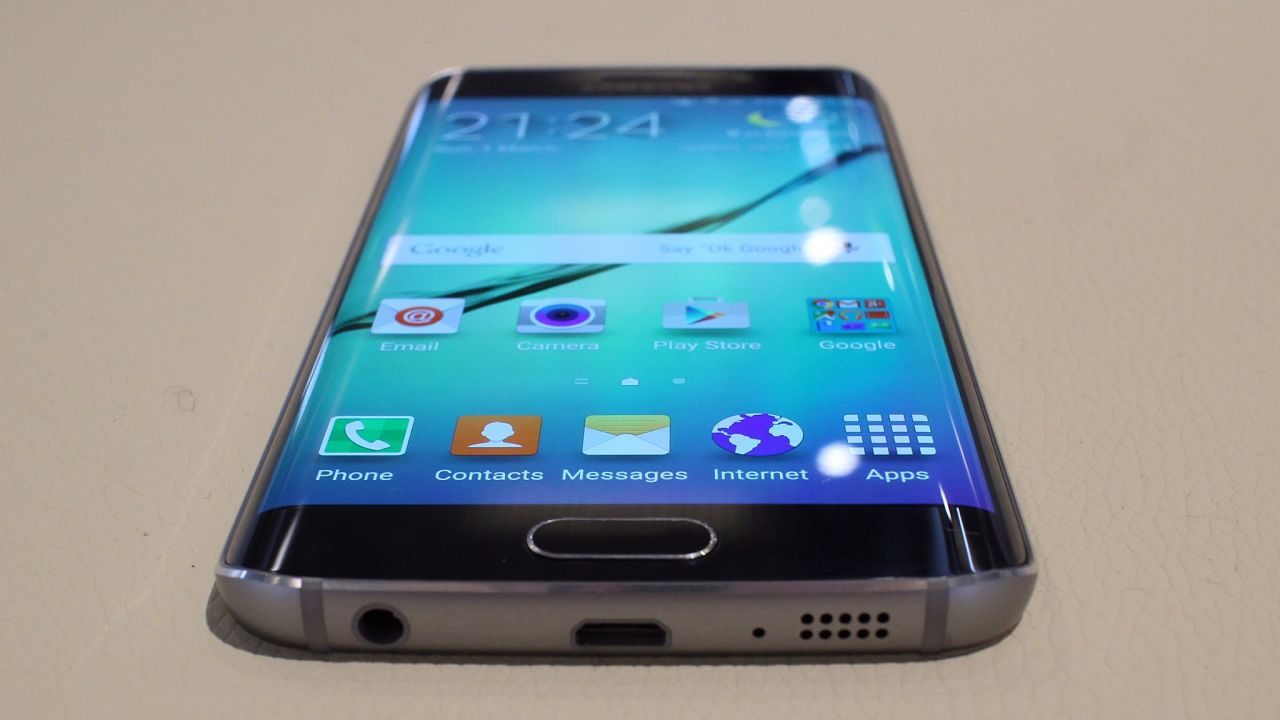
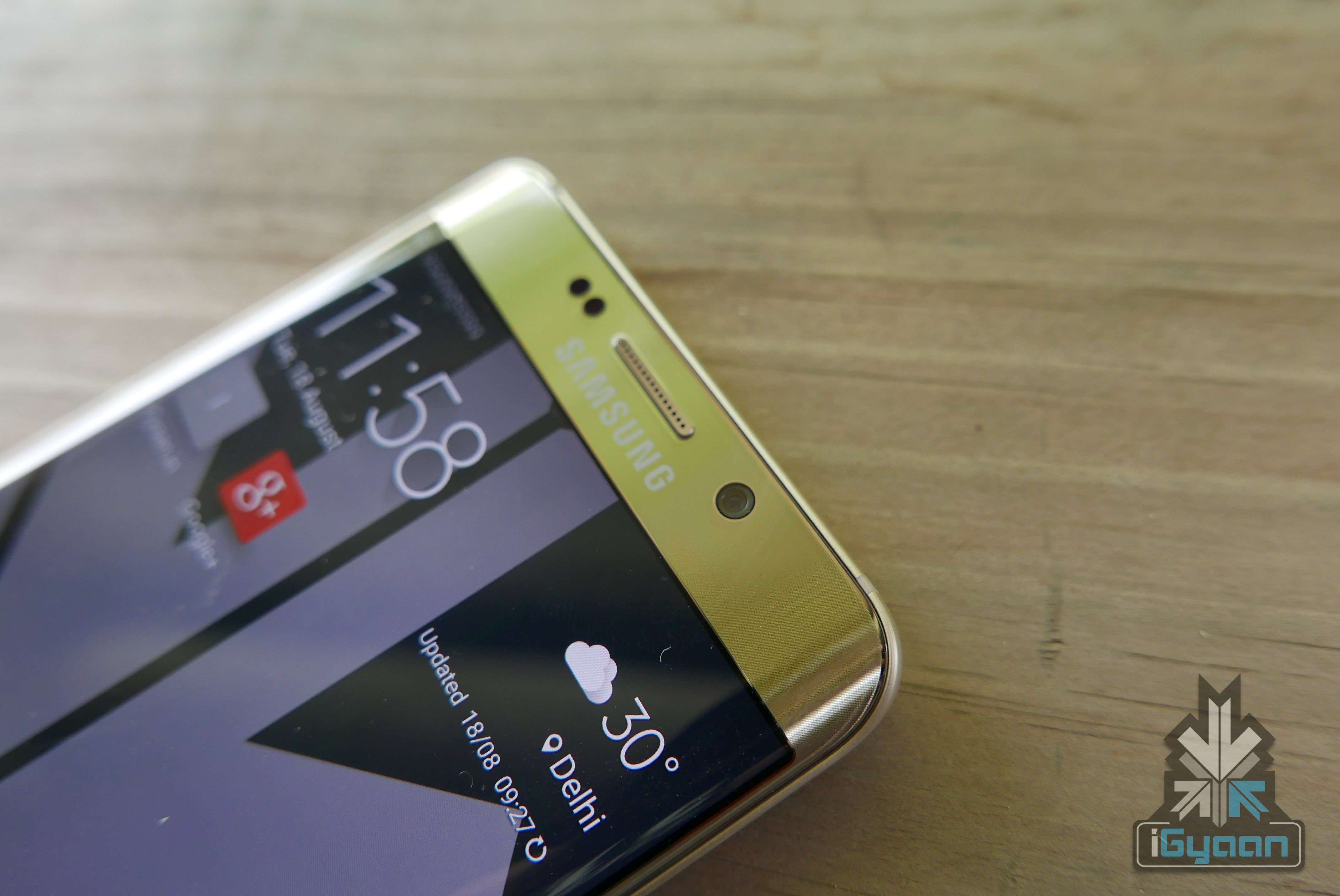
The last iteration of the Galaxy S series phones came in multiple variants in 2015. The S6 was avaialble in three variants, the standard S6, the more fancy looking S6 edge, and the S6 edge+.
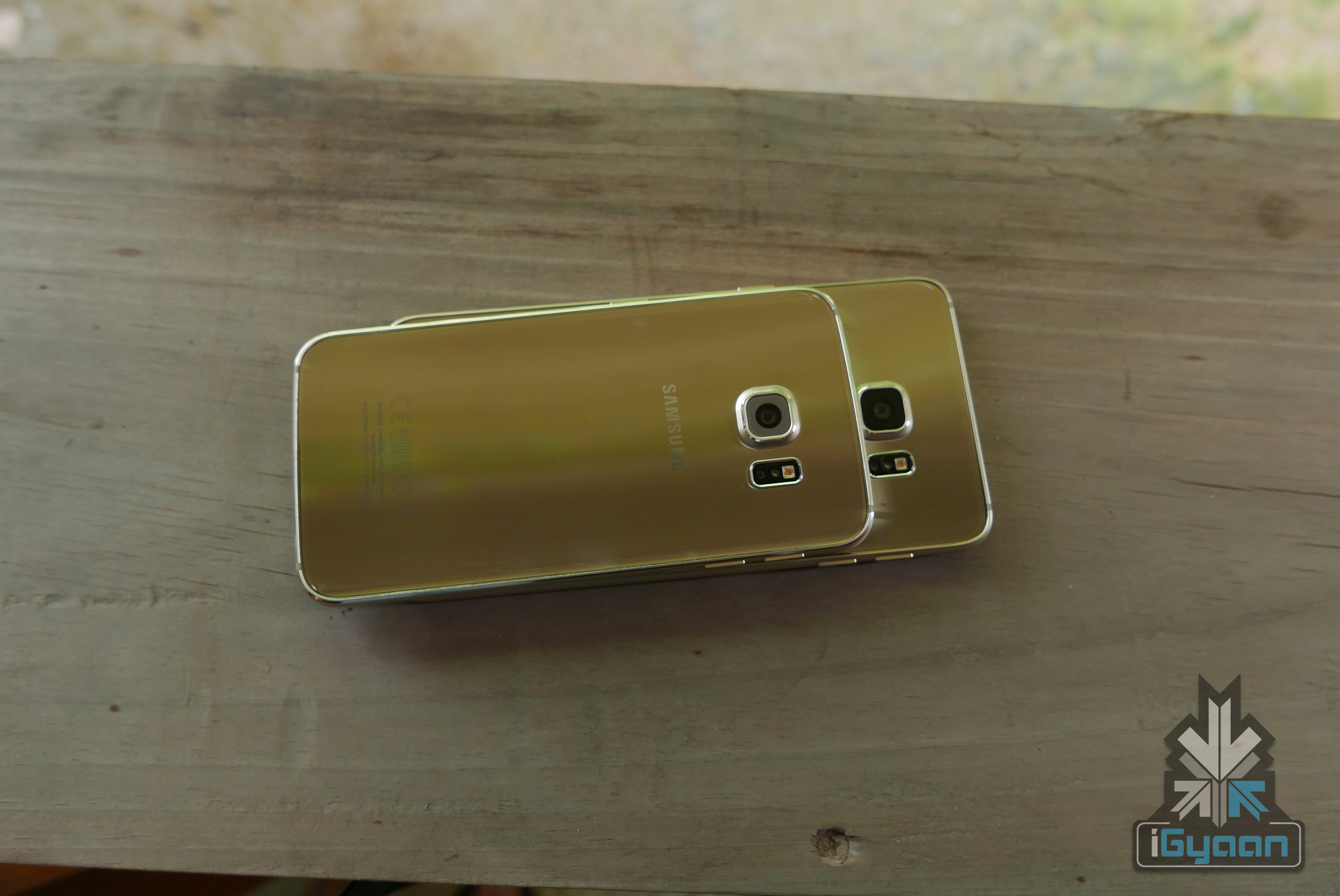
The Samsung Galaxy S6 featured many radical changes. The company moved a more premium metal and glass build. The use of these new build materials not only makes for a device that is still one of the best looking in the market, and frankly was a far better designed smartphone than the previous years had seen. It did though result in the doing away with the microSD card slot and removable battery.
Talking about the two most well recieved variants of the S6, both carried almost identical specs, and only diffrered slightly when it came to the processor and battery power. Both of them sport a 5.1-inch QuadHD Super AMOLED (577ppi) and feature 3GB LPDDR4. The former handset is powered by 2.1GHz Exynos octa-core, while the latter embeds a bit powerful 2.5 GHz Exynos octa-core processor. Running on Android 5.0.2 Lollipop with 16MP rear and 5MP front snapper, the standard Galaxy S6 gets its juice from the 2550mAh battery. On the other hand, its curvy counterpart boasts a slightly robust 2600mAh battery.
.
Looks like life’s all work at Samsung these days. After refreshing its A-series lineup, the South Korean tech giant is all set to come out with new offerings for its J series.
The two new entrants to the J series are yet to make their way to the Indian market in the form of J1 and J5, and if latest rumours are to be believed the J7(2016) is already queuing up to be the next.
Evidence of the phone being in the works and its specifications have been revealed courtesy of the Kernel source code entries found alongside the entries for the Galaxy A9 published earlier.
The code also takes the lid of the specifications of device revealing in the process for the phone to come equipped with a Full HD display expected to be around 5.5 Inch in size.
Under the hood, the phone will pack a Snapdragon 650 SoC paired with 3GB of RAM. The 2016 model of the J7 will come with a 13MP camera on the back, with a 5 MP shooter at the front. The kernel code also lists the J7 to come packing a finger-print sensor and lists a 4300mAh rated battery to power the device.
Regardless to say, nothing of this is official so expect changes to the refreshed J7 by the time anything official is revealed about it.
Sources close to iGyaan have suggested that the much-anticipated Galaxy S7 flagship smartphones will only come in ‘edge’ form. This means that you might not see a flat S7 device at all.
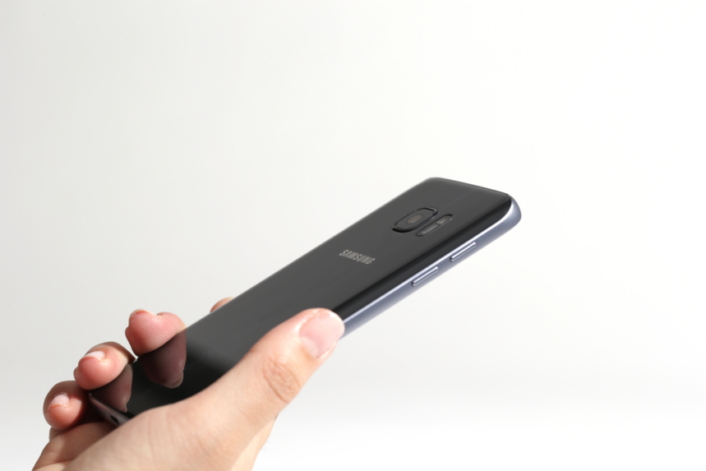
This latest rumour brings in line with what past renders of the S7 have revealed. The 5.1 Galaxy S7 will likely come in the form of last year’s Galaxy Note 5 where the sides curve at the back. Meanwhile, the 5.5-inch S7 Edge will have curved edges at the front and so will the 5.7-inch S7 Edge+. The video of the render shows the front design of the S7 having narrower side bezels, 2.5D glass covering the display and the Home Button.
The move to curved-only smartphones makes sense as Samsung won widespread praise for its design language last year. The Galaxy S7 Edge, Edge+ and Note 5 were among Samsung’s best-looking devices in 2015.
Meanwhile, the specs of the device remain unchanged from past rumors. It is already confirmed that the flagship device will sport Qualcomm’s latest Snapdragon 820 chipset. Other likely specs include 4 GB of RAM, 64 GB internal storage, Adreno 530 GPU. The device will run of Android 6.0 Marshmallow (no surprises there).
On the camera front, Samsung is looking to downgrade to 12 MP camera and focus more on improving low-light imaging and wider dynamic range for the upcoming flagship. To do this, Samsung is taking help of the new BRITECELL setup. AnTuTu listing also confirms that the device will sport a 12 MP rear sensor and a 5 MP front. Looks like Samsung is sticking to quality rather than quantity here.
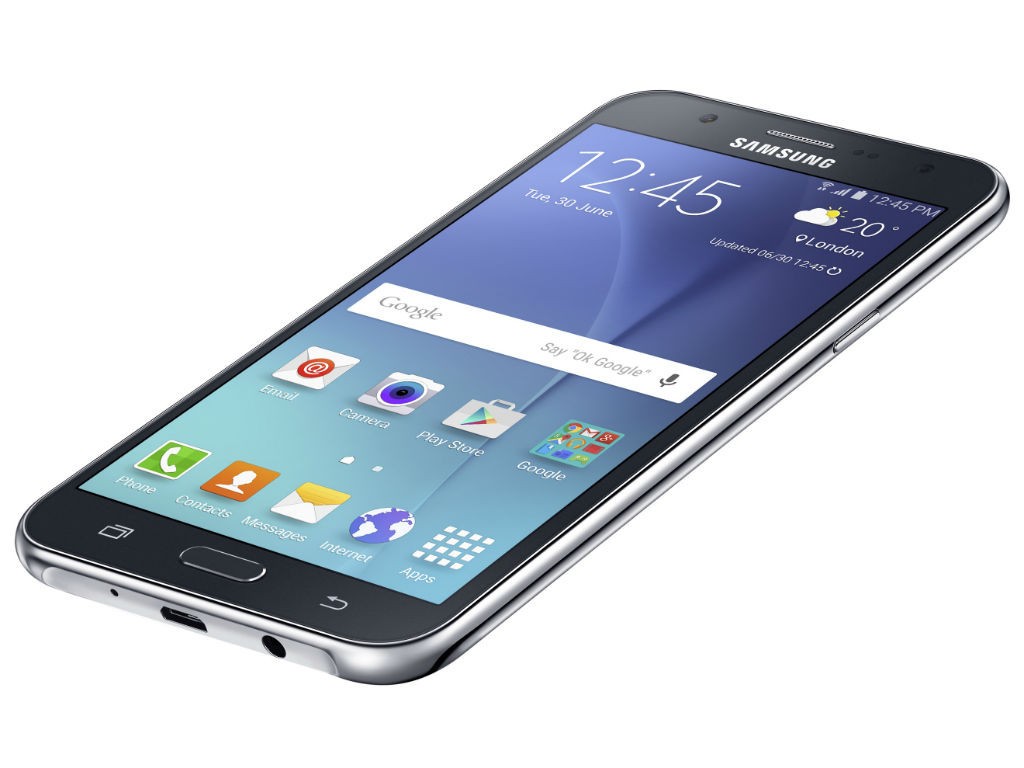
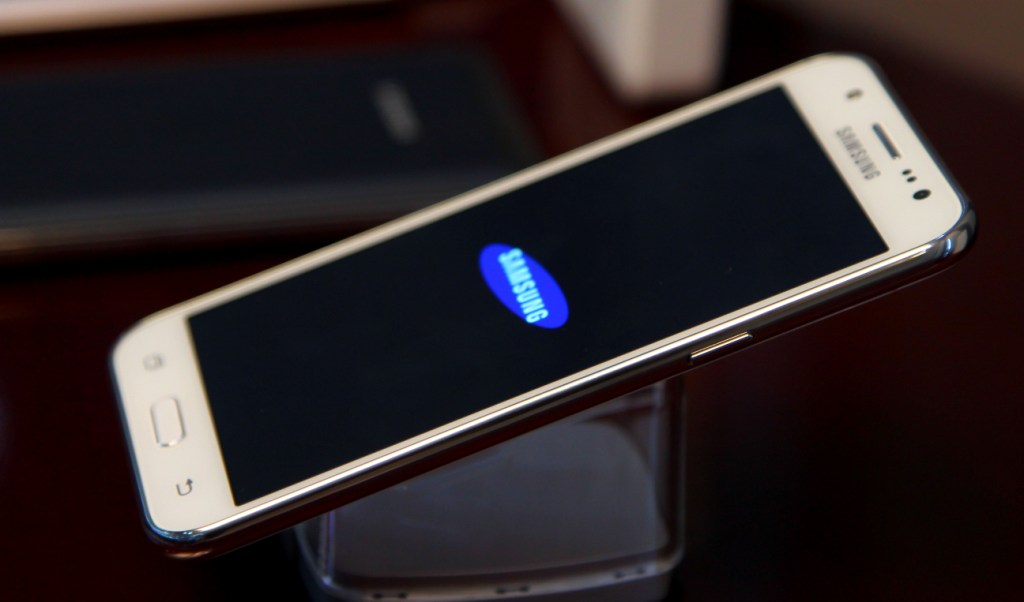
Looks like Samsung is really keen on its budget to mid-range devices, as has been the case for a while now. The Korean giant has been heavily pushing out its ‘J’ and ‘A’ series in the past few weeks with the J1 recently being outed. Now it seems the new Galaxy J5 mid-range smartphone will be out soon too, if the latest benchmarks have anything to say about it.
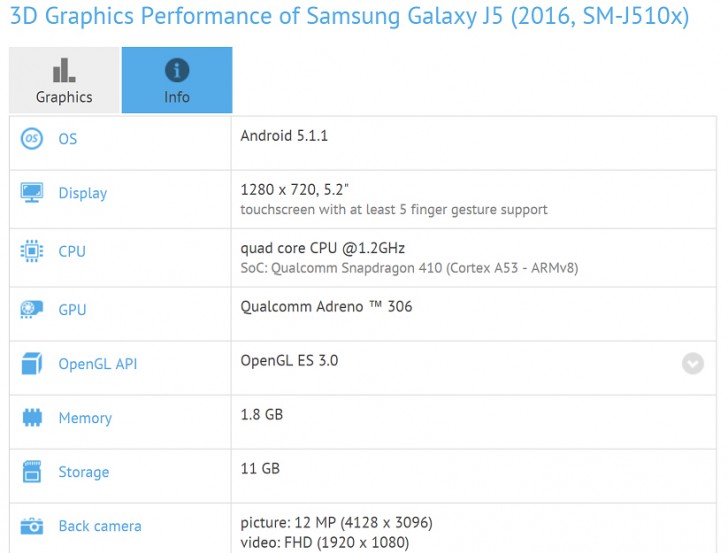
A benchmark listing posted by GFXBench has been discovered that suggests some key specs of the alleged J5 smartphone.
The device is shown to sport a 5.2-inch screen 720p resolution, a 12 or 13 MP (most likely 13MP) rear camera with LED flash, a 5 MP front, 2GB of RAM, and 16GB of built-in storage. The device is powered by Qualcomm’s Snapdragon 410 chipset, which comes with a 1.2 GHz quad-core Cortex-A53 CPU. It runs Android 5.1.1 Lollipop.
According to the listing, the new J5 will come with a slightly bigger screen and memory compared to the previous J5. Nothing has been revealed on the battery front, but its likely to be the same the its predecessor.
Now, pricing will be key to the success of the J5 and since Samsung is launching a slew of devices in the budget to mid-range category, it is important that the J5 be competitively priced. One would expect Samsung to price this slightly updated J5 successor around the same as the previous version, which is Rs. 12,000. We’ll know more when we get closer to the launch of the Galaxy J5.
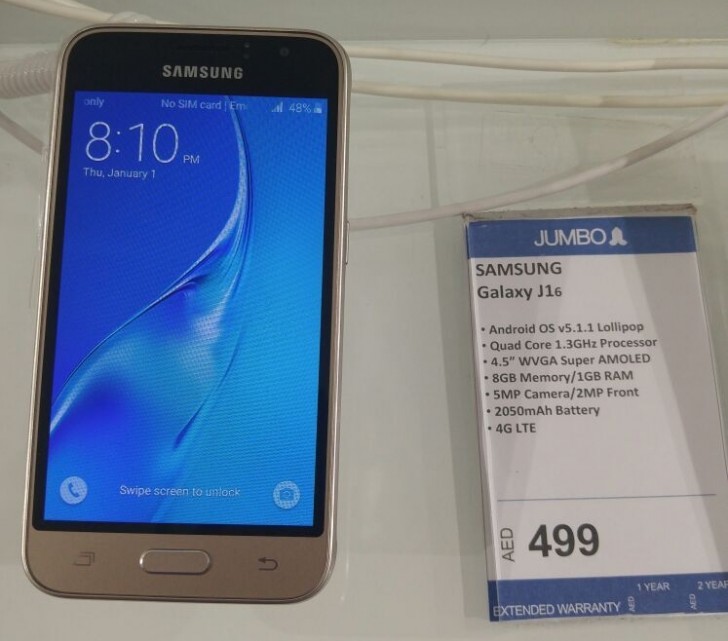
Just until yesterday, the Samsung Galaxy J1 2016 edition was merely a device with a few rumors and speculations attached to it. Today, Samsung quietly launched the budget handset in Dubai without any major show or noise. Indeed, it looks like Samsung did not want to wait for its launches and is perhaps saving the big events for its upcoming flagship devices.
The launch of the new Galaxy J1 smartphone comes with confirmed specs and price tag. The device sports a 4.5-inch display with a resolution of only 480 x 800 pixels, but still using Super AMOLED technology. Powering the handset is a quad-core chipset, clocked at 1.3 GHz, possibly Samsung’s Exynos 3475 SoC.
Other specifications include 1GB of RAM and 8 GB of internal storage. The rear camera is of 5 MP while the front houses a 2 MP shooter. Like its predecessor, the J1 comes with a 2,050 man battery. The device is 4G-enabled and runs on Android 5.1 Lollipop. It will be available in three colour variants -black, white and gold. The Dubai pricing of the J1 is at 499 AED (approximately Rs. 9000).
Samsung is on course to unveil its Galaxy S7 flagship devices at next month’s Mobile World Conference. While the many, many rumors about the device have mostly surrounded the specs, which have pretty much been confirmed now thanks to an AnTuTu listing yesterday, not much has been spoken or even hinted at regarding the design.
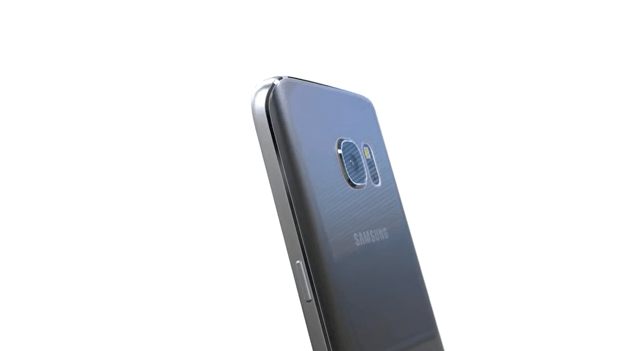
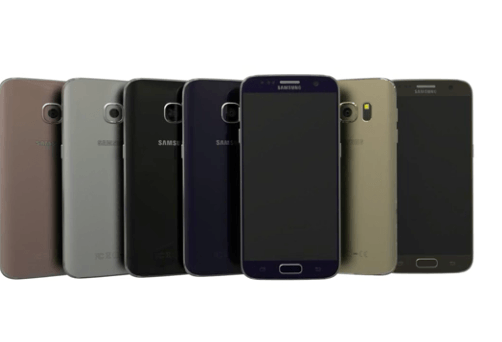
But a new 3D renders of the device, designed by 3D designer Jermaine Smith, have surfaced that show what the flagship device could look like. The renders are of the 5.1-inch Galaxy S7 handset. The renders including the video show the device with curved sides at the back, much like the Galaxy Note 5. The 5.5-inch S7 Edge will have curved edges at the front. The front design of the S7 shows narrower side bezels, 2.5D glass covering the display and the Home Button.
The video by Smith is based on popular tipster @onleaks leaked design blueprints of the Galaxy S7. The front design of the S7 shows narrower side bezels, 2.5D glass covering the display and the Home Button. Now while the renders cannot be confirmed, it is likely that the Galaxy S7 will sport the same design aesthetics as shown in the video. The video also shows 5 color variants for the phone including rose gold, silver, black, blue and gold, although this may just be the video maker’s personal choices.
Meanwhile, the specs of the device remain unchanged from past rumors. It is already confirmed that the flagship device will sport Qualcomm’s latest Snapdragon 820 chipset. Other likely specs include 4 GB of RAM, 64 GB internal storage, Adreno 530 GPU. The device will run of Android 6.0 Marshmallow (no surprises there).
On the camera front, Samsung is looking to downgrade to 12 MP camera and focus more on improving low-light imaging and wider dynamic range for the upcoming flagship. To do this, Samsung is taking help of the new BRITECELL setup. AnTuTu listing also confirms that the device will sport a 12 MP rear sensor and a 5 MP front. Looks like Samsung is sticking to quality rather than quantity here.
While these is still a few months before Samsung officially unveils the Galaxy S7, the rumour mill is working hard and fast to deliver news about the device. The yet to be revealed Samsung S7 will come in two variants, according to reports. The SM-G930 and the SM-G935 would follow the league of their predecessors and come equipped with their own specific features.
The Galaxy S7 is codenamed Project Lucky, while the company refers to the two phones as Hero and Hero2. One of the two phones would have Exynos 8890 as its processor, while the other would have Snapdragon 820 SoC. Like the Galaxy S6, both of these phones would have UFS 2.0 storage. The South Korean tech giant may also have developed microSD card slots to work in unison with UFS 2.0, but this piece of information is yet to be confirmed.
The camera of the smartphone is expected to feature either dual-sensor setup, or a 20MP ISOCELL sensor. The display would be flat for one phone, and with a dual-edge curve for other.
After having launched the Galaxy S6 Edge Plus and Note 5 last month, hopes are high from the next Samsung gadgets. Let’s see how the company fares this time.
In the past few days we’ve heard several rumours about the unannounced Samsung mid-range smartphones. The two handsets in the Galaxy line-up – Galaxy J5 and Galaxy J7 – have leaked almost entirely, and just an official launch is awaited, which will confirm their price and arrival date. According to insider sources, we won’t have to wait for long.
We’ve now heard that both the Galaxy J5 and J7 will release next week in India. However the date is not specified, the phones are expected to make a debut between June 22 and June 28.
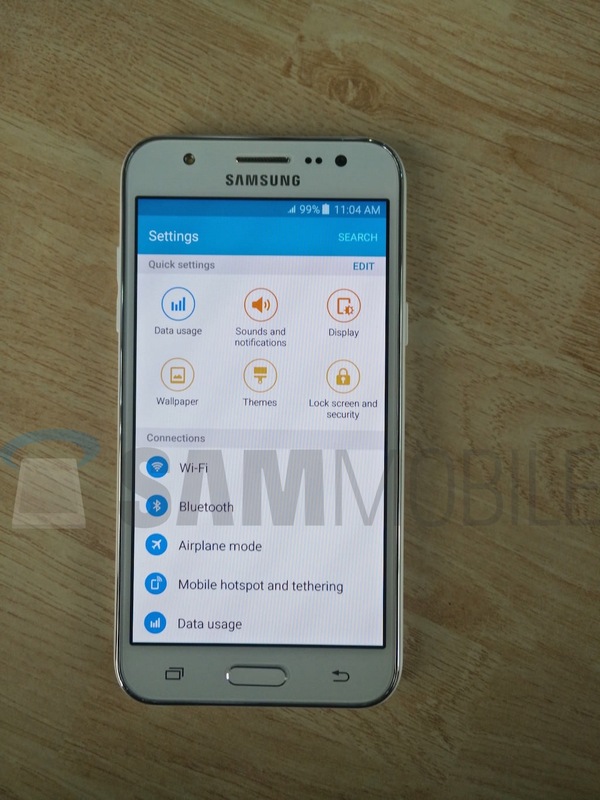
The Galaxy J5 seems to be a regular J1-like device with the Android operating system powering it. From the design aspect, Samsung hasn’t made any alterations and we might see the traditional curved edges from all four sides, just like on the Galaxy S1, S2 and Galaxy Duos. The images leaked online give a sense of Samsung Galaxy J5 being thick, just like the Duos series. Considering the performance factor, the Galaxy J5 is said to house a 1.2GHz quad-core Snapdragon 410 under the 5-inch screen. Rumours speak of it embedding 1.5GB RAM and 8GB internal storage space, with a microSD card slot.
The front features a 5MP camera for selfie enthusiasts, with primary 13MP snapper at the back. The phone will be accompanied by a 2600mAh battery, which can last for a day.
The Galaxy J7, on the other hand, is a bigger sibling of the Galaxy J5 with a 5.5-inch screen at 720x1280p resolution. Under the hood is a 1.7GHz octa-core Marvel PXA1936 processor with 1.5GB RAM and 16GB in-built storage space, with expandability option via a microSD card slot. The phone holds similar specifications to the Samsung Galaxy J5 in terms of camera, but differs slightly in battery capacity – which is 3,000mAh.
More details on pricing will be disclosed at the launch. Keep checking back for updates.
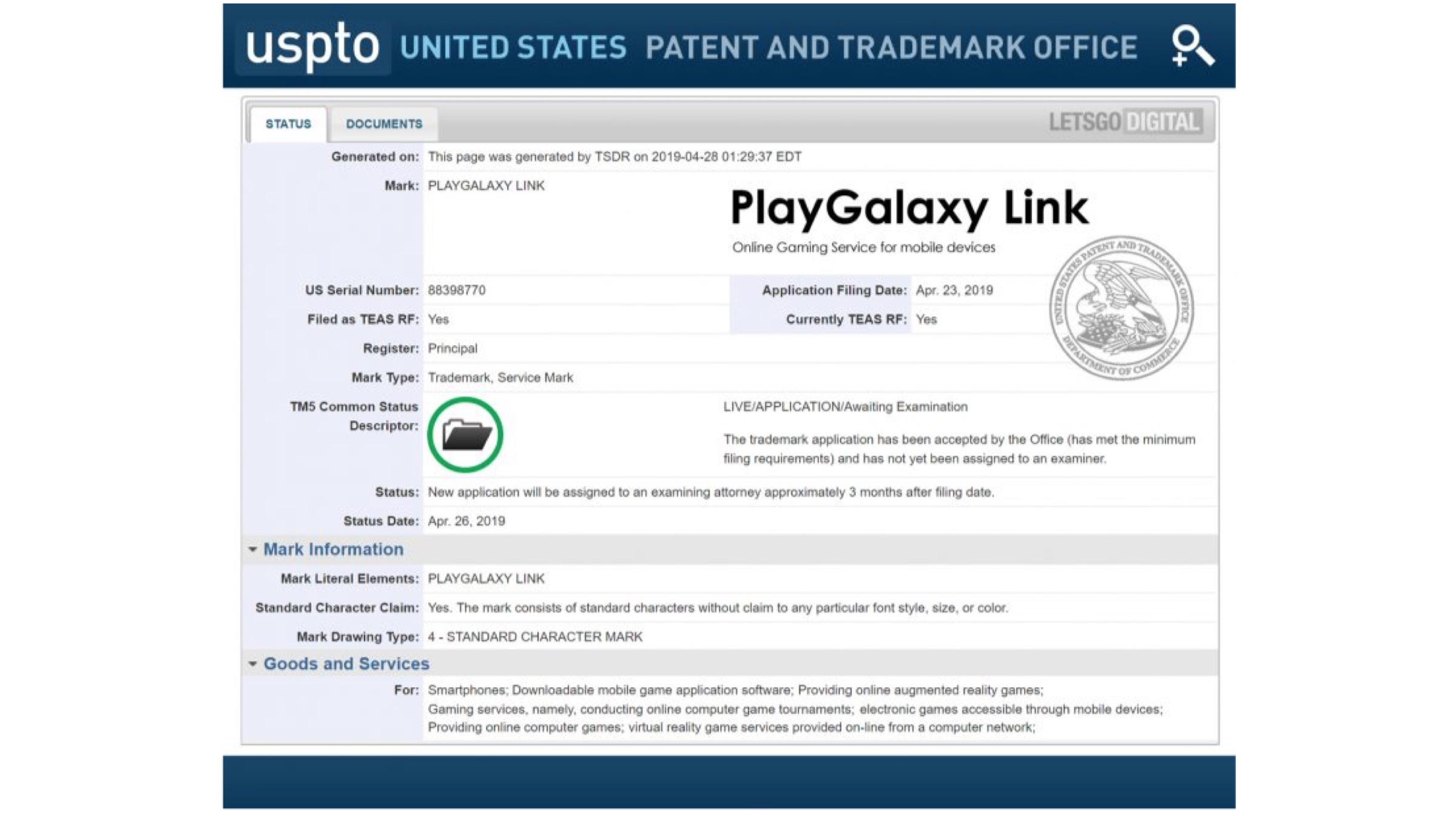 The patent was first filed by Samsung in America with the United States Patent and Trademark Office, or USPTO. The trademark included details about a service called the PlayGalaxy Link, and was finally published on April 26 in the database of the European Union Intellectual Property Office (EUIPO). As per reports, the patent is categorized under Class 9 and 41. While class 9 is comprised of a broad range of trademarks for scientific, cinematographic and photographic devices, Class 41 mainly covers products which cater to entertainment purposes.
 Also Read: The OnePlus 7 Pro Gets An A+ Display Rating From DisplayMate