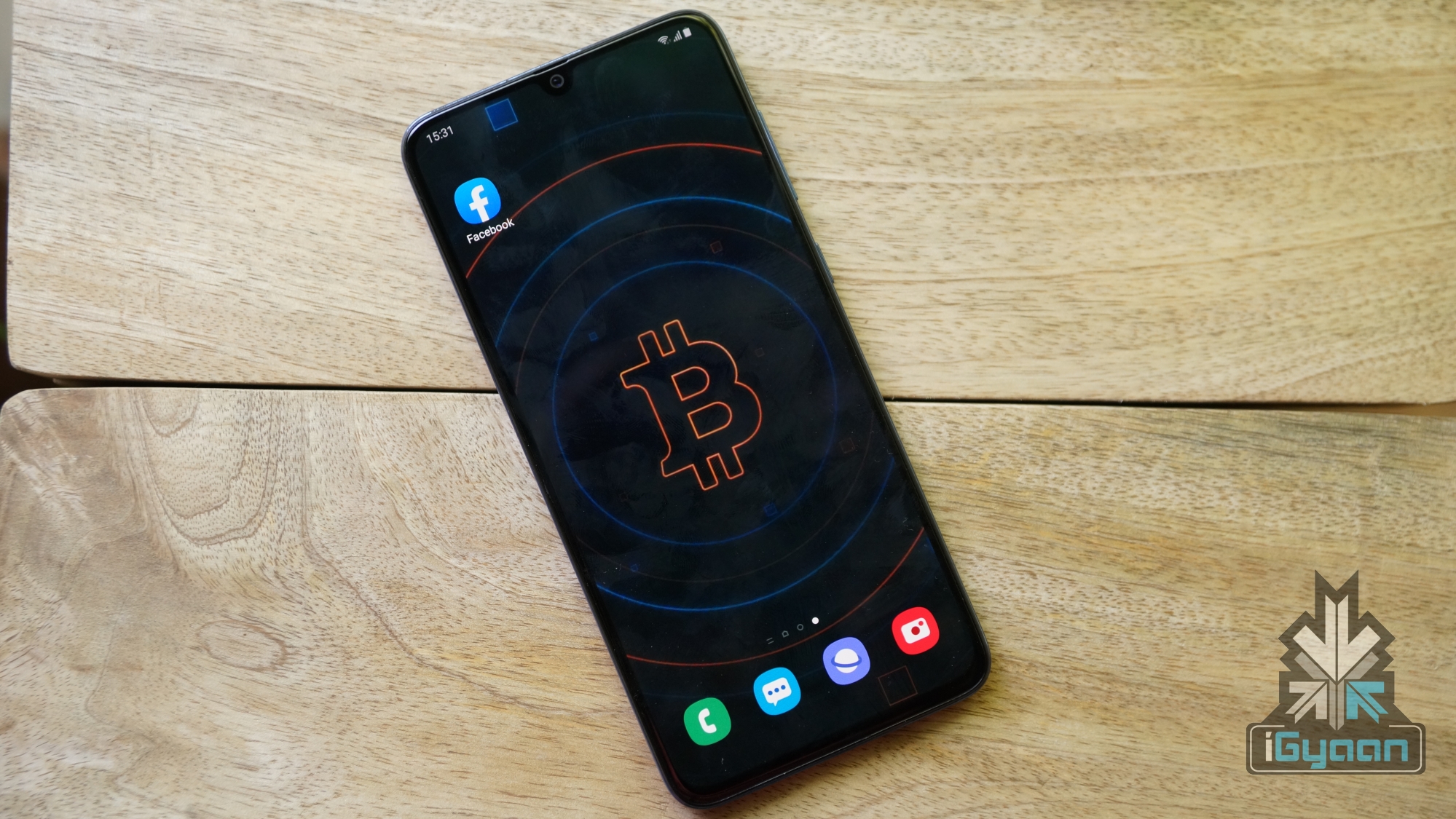
Honor 20 is the latest flagship device from the Chinese smartphone manufacturer, Honor. It runs on the Kirin 980 SoC which consists of an Octa Core CPU and the Mali G76 GPU. The device features a 6.26 inch LCD display. The Honor 20 is powered by a 3750 mAh battery. The quad rear camera setup consists of a 48 MP Sony IMX586 sensor, 16 MP wide angle sensor and 2 MP macro sensor in a vertical arrangement. The fourth sensor on the Honor 20 is a 2 MP depth sensor. It is priced at INR 32,999 for the 6GB+128GB variant.
The company which brought the first foldable smartphone to the market is reportedly working on another unique device with an equally unique display. Previously, a Samsung device with a flexible display was reported to be in the works. However, this time, the display is not just flexible. A fresh patent reveals that the South Korean company is developing a device with a special set of features.
About The Patent
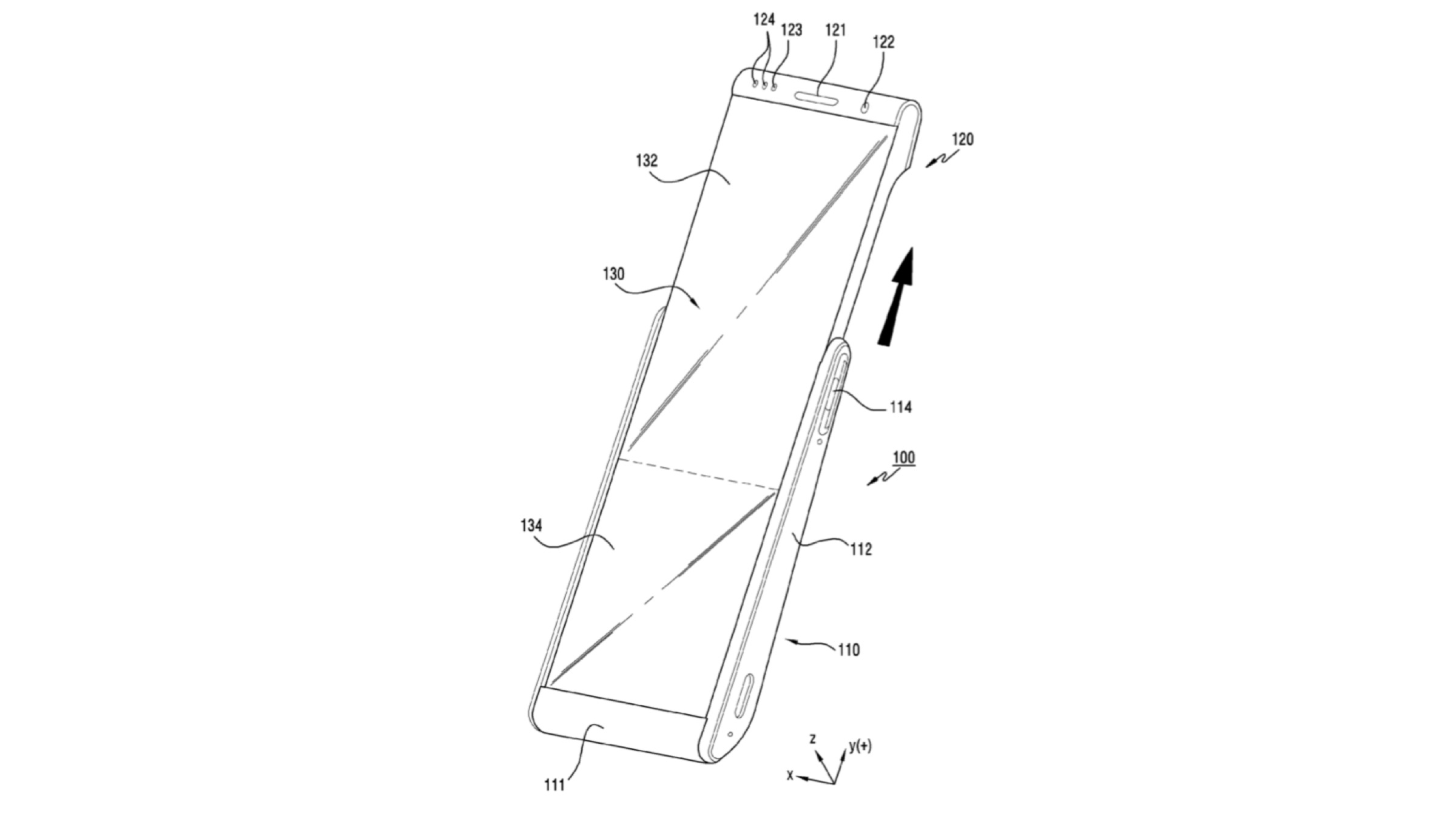
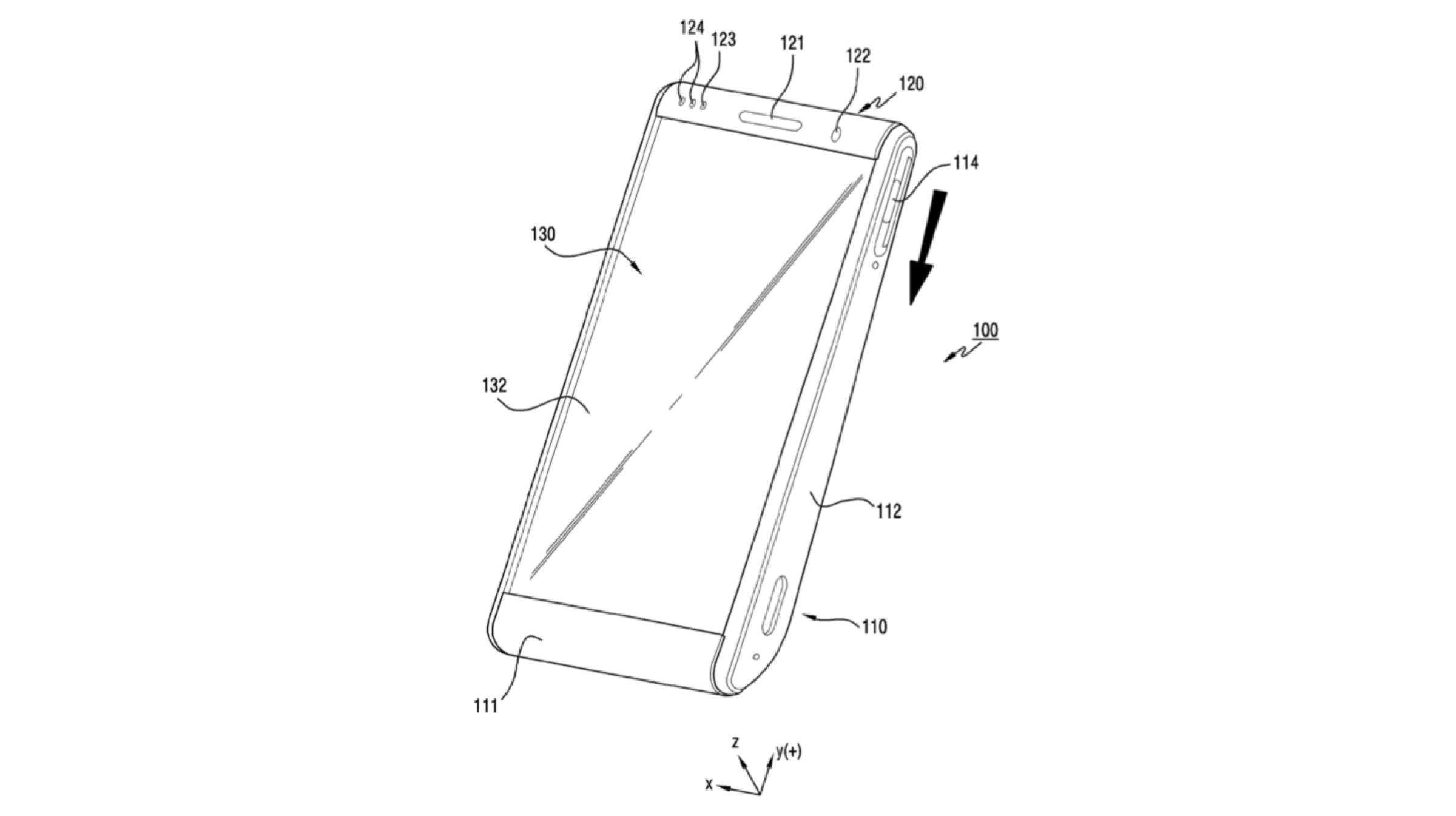
The aforementioned patent was originally filed with the WIPO (World Intellectual Property Office) for an ‘Electronic device including a flexible display with expandable display area’ on November 28, 2018. The patent was published less than a year later on June 6 2019. It describes a smartphone with a roll-out flexible display that can create an extra large screen surface to use. Since the user preference is shifting towards larger sized smartphones, it makes sense to innovate a new technology such as this one.
The “non-extended” state of the Samsung smartphone looks like any traditional smartphone. The bezels on the top and the bottom are quite prominent, opposed to the bezel-less smartphones in trend these days. However, the design of the device shouldn’t be taken for granted, since the primary motive of the patent is to depict the working and design of the extendable display module. The final design of such a device can differ significantly from the original renders.
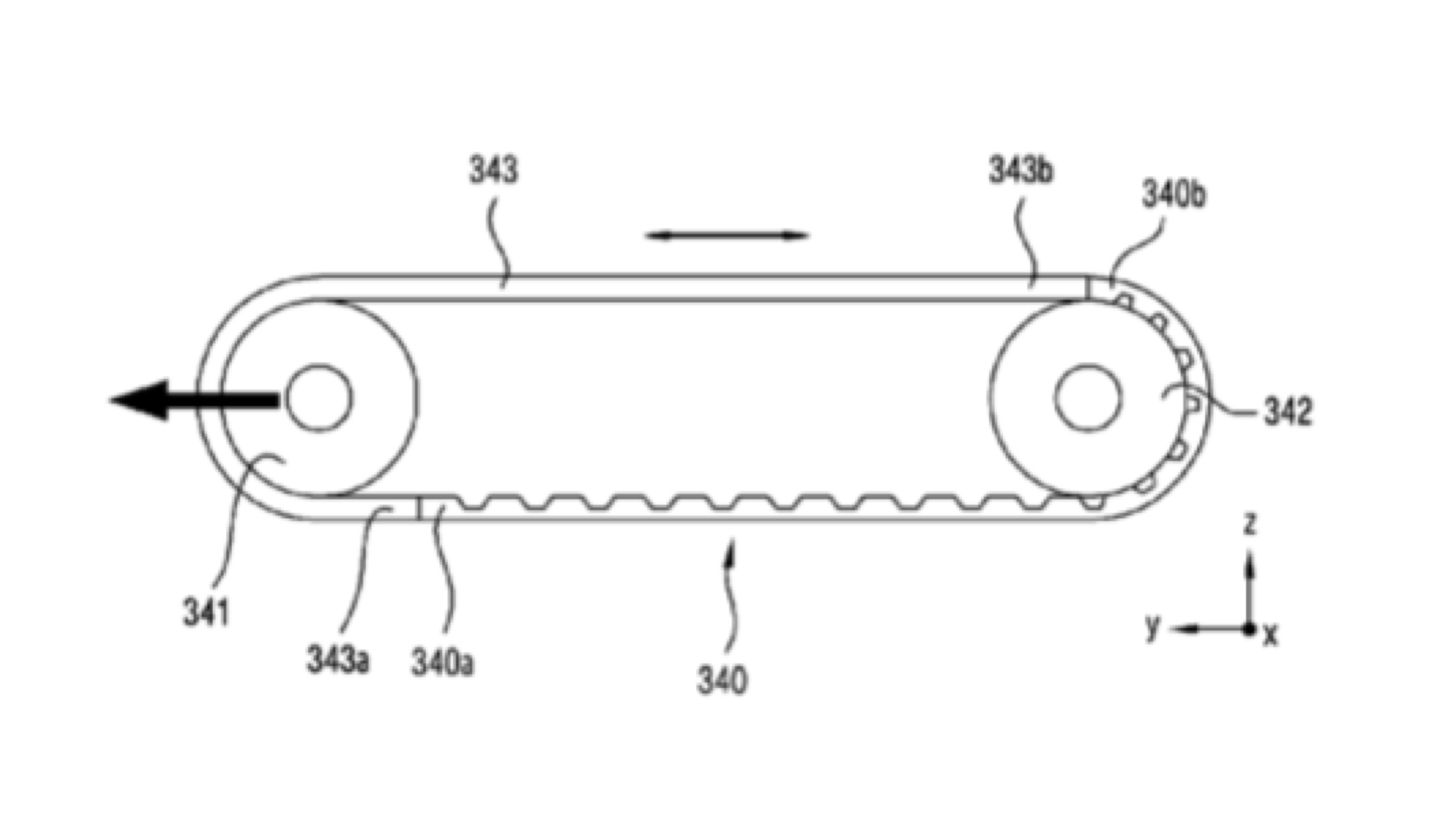
Using a slider system, users can create an elongated screen surface that may have several implications. For instance, the smartphone can be useful while scrolling through web pages, or it can be used to play games that require a large screen surface, for instance, PUBG Mobile. Moreover, users can also use the expanded display on the Samsung smartphone to accommodate more users on the display during a video call or a conference call. The display is stored in a central housing so as to prevent any form of external damage. The sliding mechanism can be triggered automatically or manually.
As per the patent images, the forehead of the Samsung smartphone will house the earpiece as well as an LED notification indicator. The upper bezel also accommodates the front camera sensors. Optics also includes a dual rear camera setup. A USB Type-C port is present at the bottom of the device. If the flexible-cum-expandable smartphone design is viable, the company may use the technology to manufacture tablets in the future as well.
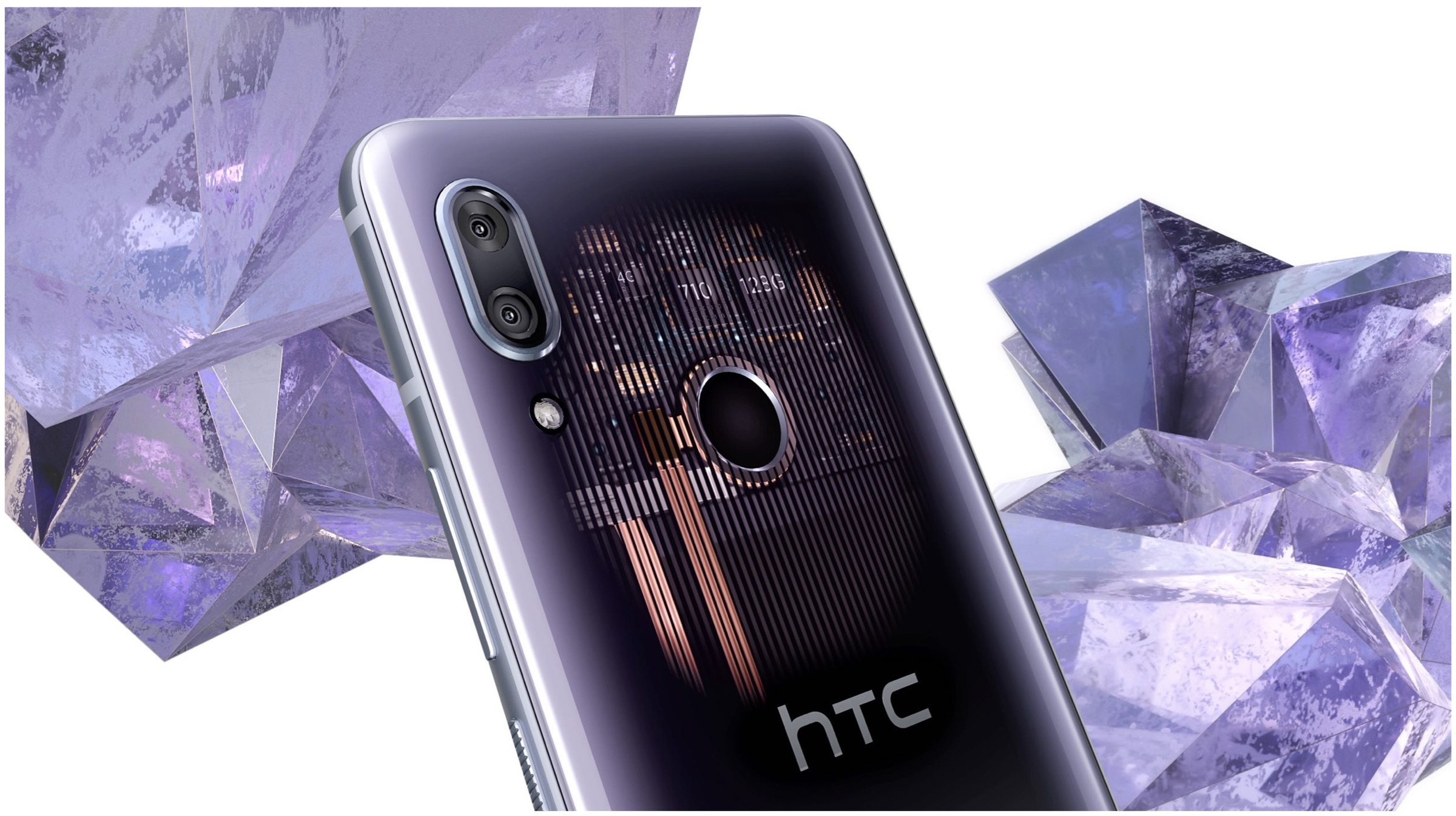
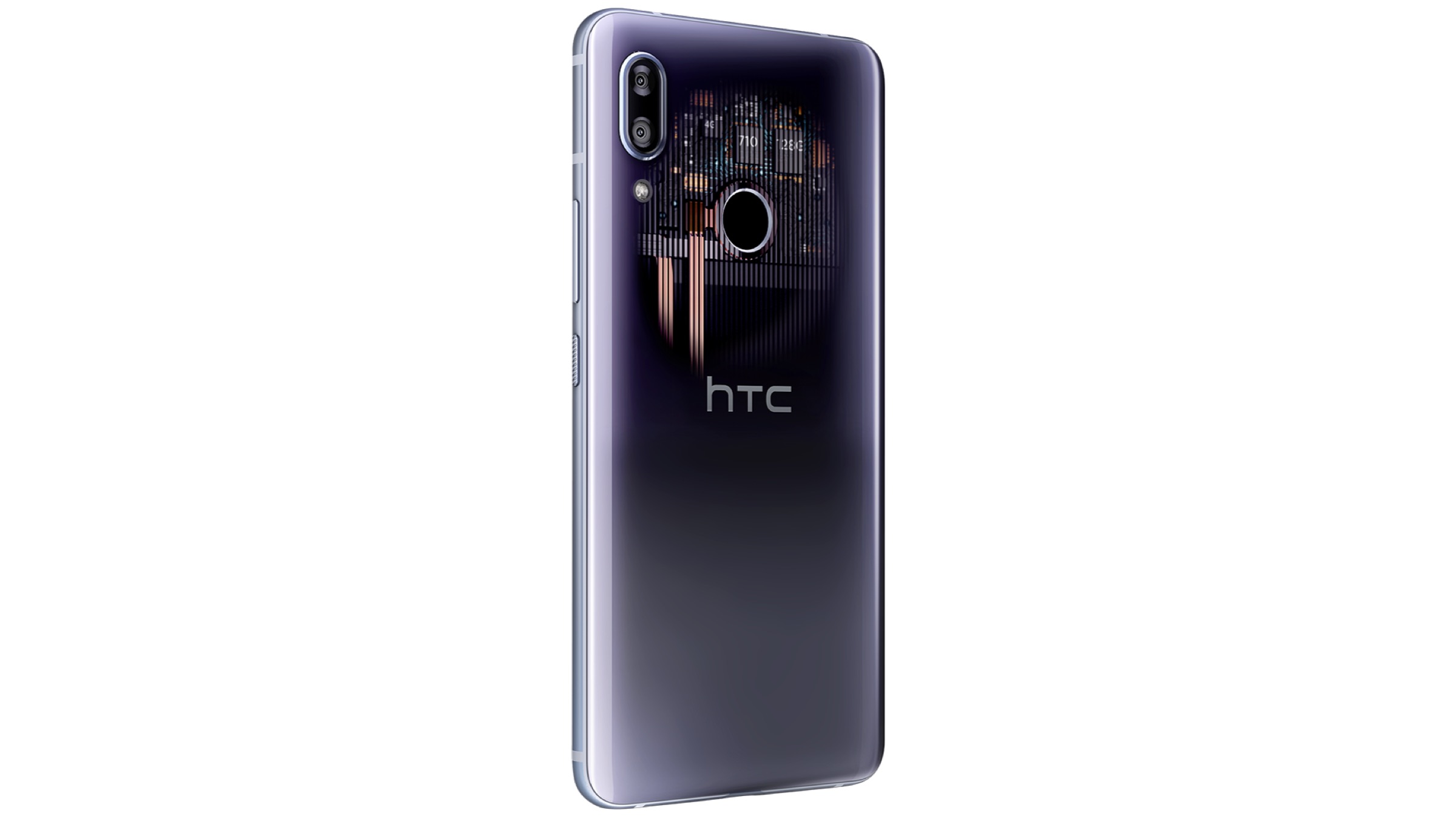
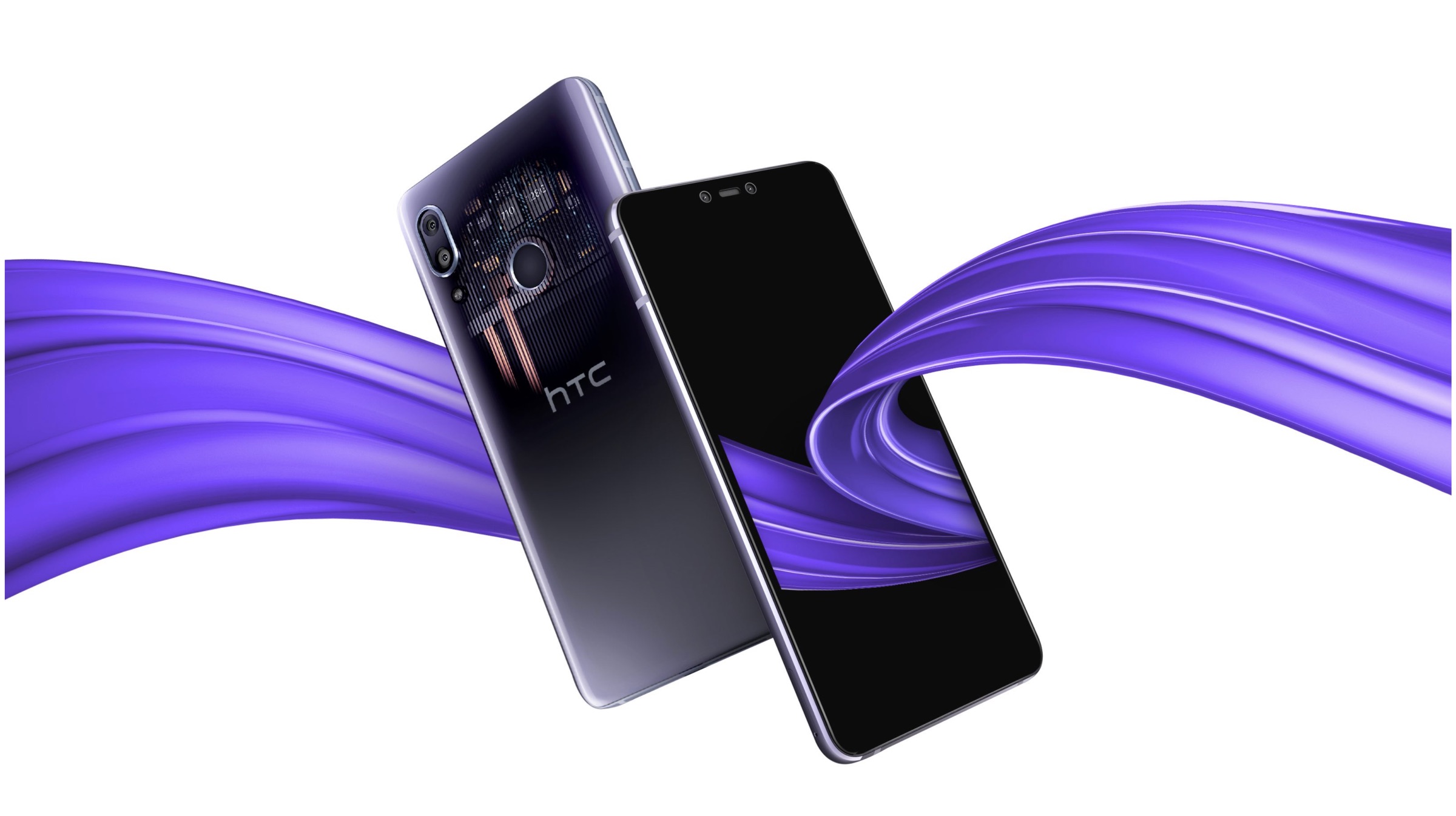
Taiwanese smartphone manufacturer HTC has unveiled two new Android smartphones in its home country, which are the U19e and the Desire 19+. As reported previously, the company has been trying to make a comeback into the smartphone market for a long time now. It was not surprising at all to see why HTC chose its home market to launch the devices. Both devices look towards targeting the mid-range smartphone segment.
HTC U19e Specifications And Price
The HTC U19e features a 6 inch LCD Full HD+ display with a 2160 x 1080 px resolution. The display has an aspect ratio of 18:9. Under the hood, it runs on the Qualcomm Snapdragon 710, which consists of the octa-core Kryo 360 CPU and the Adreno 616 GPU. It is paired with 6GB of RAM and 128GB of internal storage, with microSD expansion support.
Regarding the camera, the HTC U19e sports a dual camera setup, comprising of 12MP (f/1.8) primary camera and a 20MP secondary sensor. It supports 4K video recording with AI add-on features. For selfies, the U19e boasts of a 24MP (f/2.0) front facing camera. It is powered by a 3930 mAh battery with Qualcomm Quick Charge 4.0 support. Also, the smartphone features HTC BoomSound Hi-Fi. The device has been priced at TWD 14,900 (~INR 32,900)
HTC Desire 19+ Specifications And Price
HTC U19e
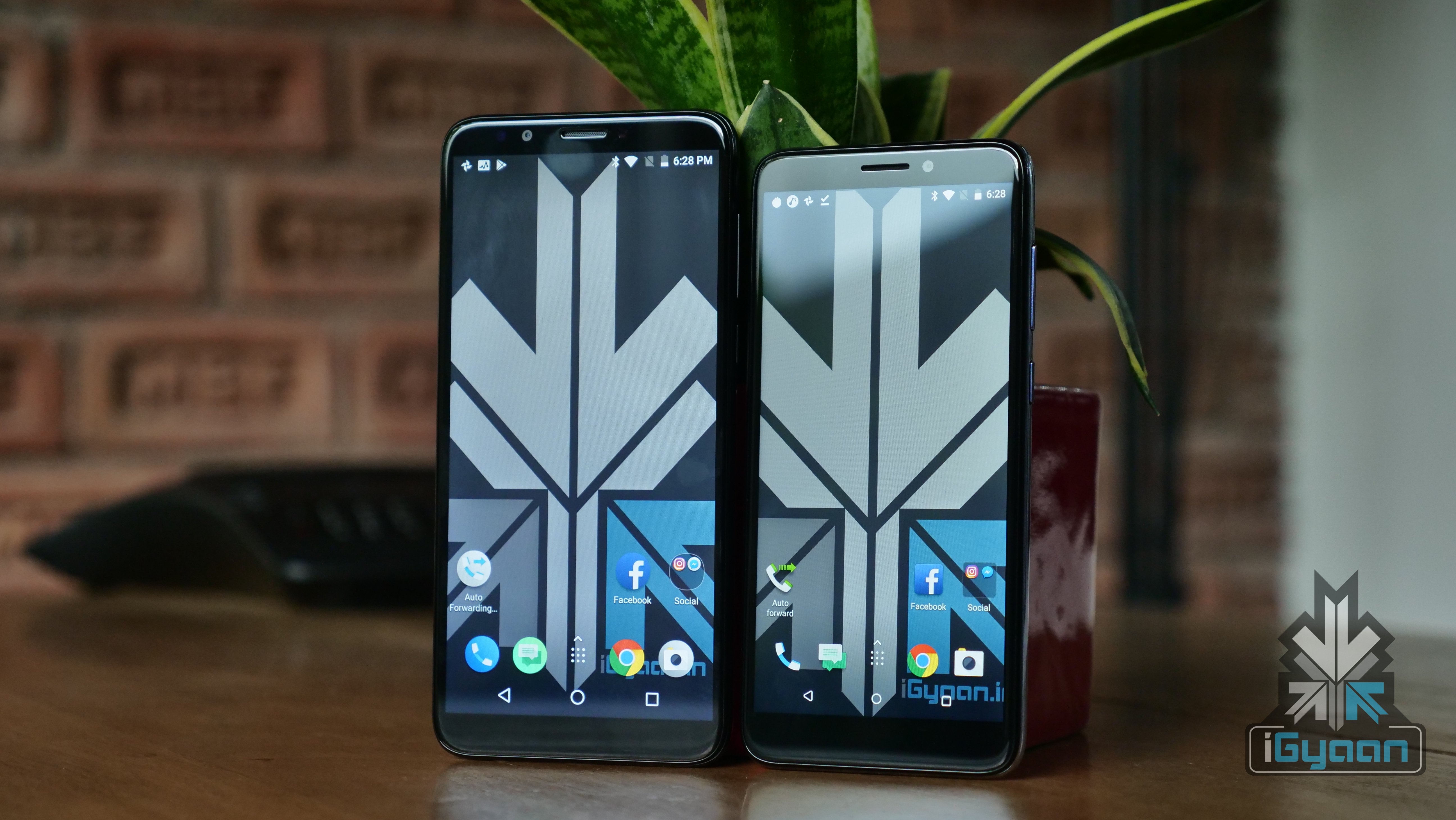
Alongside the HTC U19e, the company unveiled the Desire 19+. It features a slightly larger 6.2 inch HD+ screen than the U19e. The smartphone packs a MediaTek Helio P35 SoC, which consists of an octa-core Cortex A53 CPU clocked at 2.3 GHz and the IMG PowerVR GE8320 GPU. It is bundled with 4GB/6GB of RAM and 64GB/128GB ROM.
In terms of optics, it features the first triple camera setup ever seen in an HTC smartphone. It can be broken down into a 13MP primary sensor, an 8MP ultra-wide lens and a 5MP depth sensor. For selfies, it has a 16MP front-facing camera which has support for facial recognition-based unlock and AI-enabled beauty modes. Both the smartphones will run Android 9.0 Pie out of the box. The pricing of the two variants is as follows:
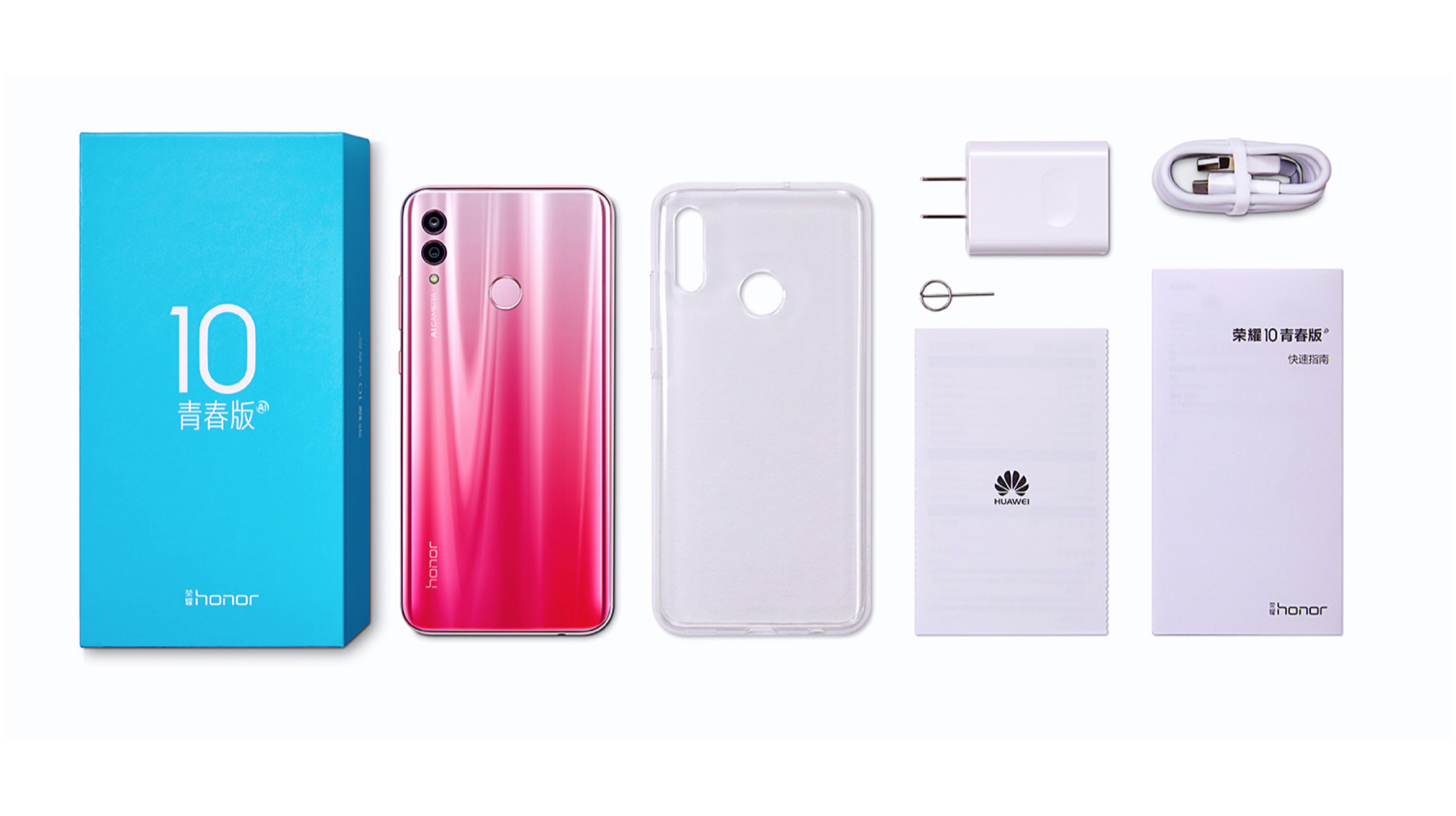
At an event held in India, Honor launched its latest trio of smartphones which include the Honor 20, Honor 20 Pro and the Honor 20i. All three smartphones were originally launched in the UK and they mainly focus on photography. The Honor 20 and the Honor 20 Pro are top of the line devices while the Honor 20i is a mid range offering with a sub 15k price tag. This article discusses about the more affordable handset while the details for the Honor 20 and Honor 20 Pro can be found here.
The Honor 20i features a 6.21 inch LCD display with a resolution of 2340 x 1080 px. The screen has a pixel density of 415 ppi. The device has a U-shaped waterdrop notch up top, which houses a 32MP (f/2.0) camera for capturing selfies. Moreover, the Honor 20i sports a triple rear camera module, which consists of a 24MP (f/1.8) primary camera, a second 8MP ultra-wide camera sensor and a third 2MP depth sensor.
Under the hood, the smartphone packs the Kirin 710 Octa-core chipset, which is developed inhouse by the company. It is fabricated using a 12nm process and comprises of four cores operating at 2.2 GHz and the rest of the cores clocking at 1.7 GHz. The Honor 20i is available in a single 4GB+128GB variant. Expansion up to 512GB is supported via the hybrid microSD card slot.
Connectivity options on the Honor 20i include Bluetooth v4.2, dual-band Wi-Fi Support and a 3.5mm headphone jack. The smartphone packs a 3,400 mAh battery, which can be charged via the bottom mounted micro USB port. It runs on the latest Android 9.0 Pie, with Huawei’s custom EMUI on top. The smartphone weighs in at 164 grams and has a thickness of 7.95mm. It is available in three colour options, Gradient Blue, Gradient Red, and Magic Night Black. The 4GB+128GB variant of the device is priced at INR 14,999.
Huawei’s subsidiary, Honor has launched its latest smartphones, the Honor 20 and Honor 20 Pro in India. The devices were first unveiled at an event held in London in the month of May. The devices are aimed towards the flagship smartphone segment. Both the devices resemble each other in terms of design factor.
Honor 20 and Honor 20 Pro Design
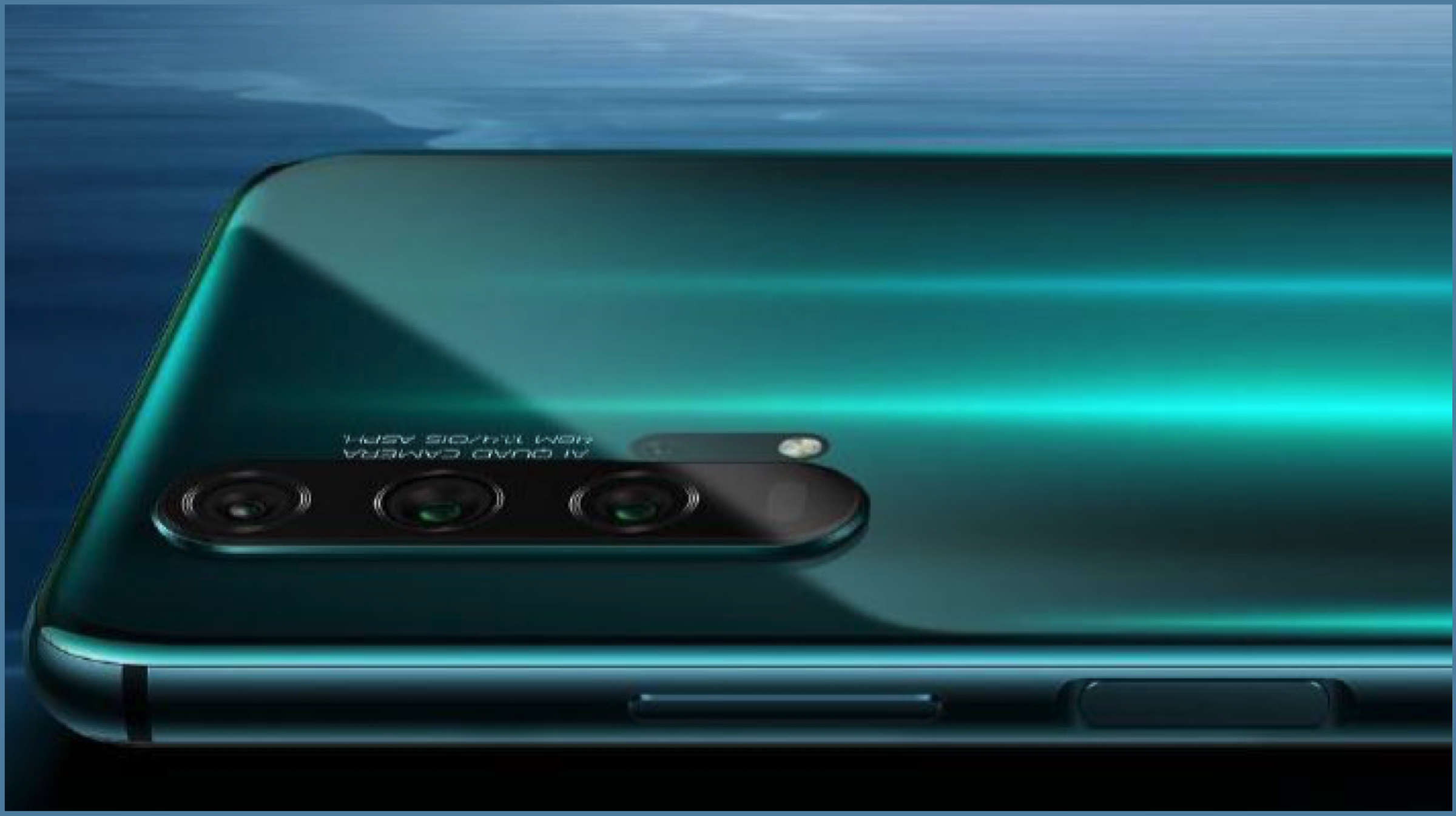
The Honor 20 and the Honor 20 Pro have an elegant design owing to the large screen display on the front. Both smartphones have a punch-hole display which houses the front facing selfie camera. The rear panel of the smartphones is made out of glass which harbours the company branding and the quad rear camera setup which is aligned vertically.The right side of both devices accommodates the volume rocker and the power button which also doubles up as a fingerprint scanner. The bottom of the devices houses the USB Type-C port which is flanked by the loudspeaker grille on both sides.
Honor 20 and Honor 20 Pro Specifications
Both the Honor 20 and the Honor 20 Pro feature a 6.26 inch LCD display. The smartphone duo has a 32 MP front facing camera which is housed in the punch hole in the display. Under the hood, they pack the Kirin 980 SoC which is also present on the previously launched Honor View 20and the Huawei P30 smartphones. The chipset consists of an Octa Core CPU and the Mali G76 GPU.
In terms of battery, the Honor 20 is powered by a 3750 mAh battery whereas the Honor 20 Pro is powered by a 4,000 mAh battery. Both devices support 22.5 W fast charging. Connectivity options on the two smartphones include 802.11 a/b/g/n Wi-Fi, Bluetooth 5.0, GPS, Dual 4G VoLTE and the bottom mounted USB Type C port. Both handsets pack a host of sensors including an accelerometer, proximity sensor, gyroscope and a compass.
The key highlight of the devices is the rear facing quad camera setup. Both smartphones have a 48 MP Sony IMX586 sensor, 16 MP wide angle sensor and 2 MP macro sensor in a vertical arrangement. The fourth sensor on the Honor 20 is a 2 MP depth sensor whereas the Honor 20 Pro has an 8MP telephoto lens. The devices can also capture 2160p videos @ 60 fps via the rear camera setup.
Honor 20 and Honor 20 Price, Colours and Storage Variants
The Honor 20 Pro is available in two colour options which include Phantom Blue and Phantom Black. The younger sibling, however, is available in three colour options which include Blue, Black and White. The devices are offered in a single storage variant for which the price is as follows:
Honor 20: INR 32,999
Honor 20 Pro : INR 39,999
The company further claims that customers can return the smartphones with a 90% buyback guarantee within a duration of 90 days if they don’t like it upon purchase.
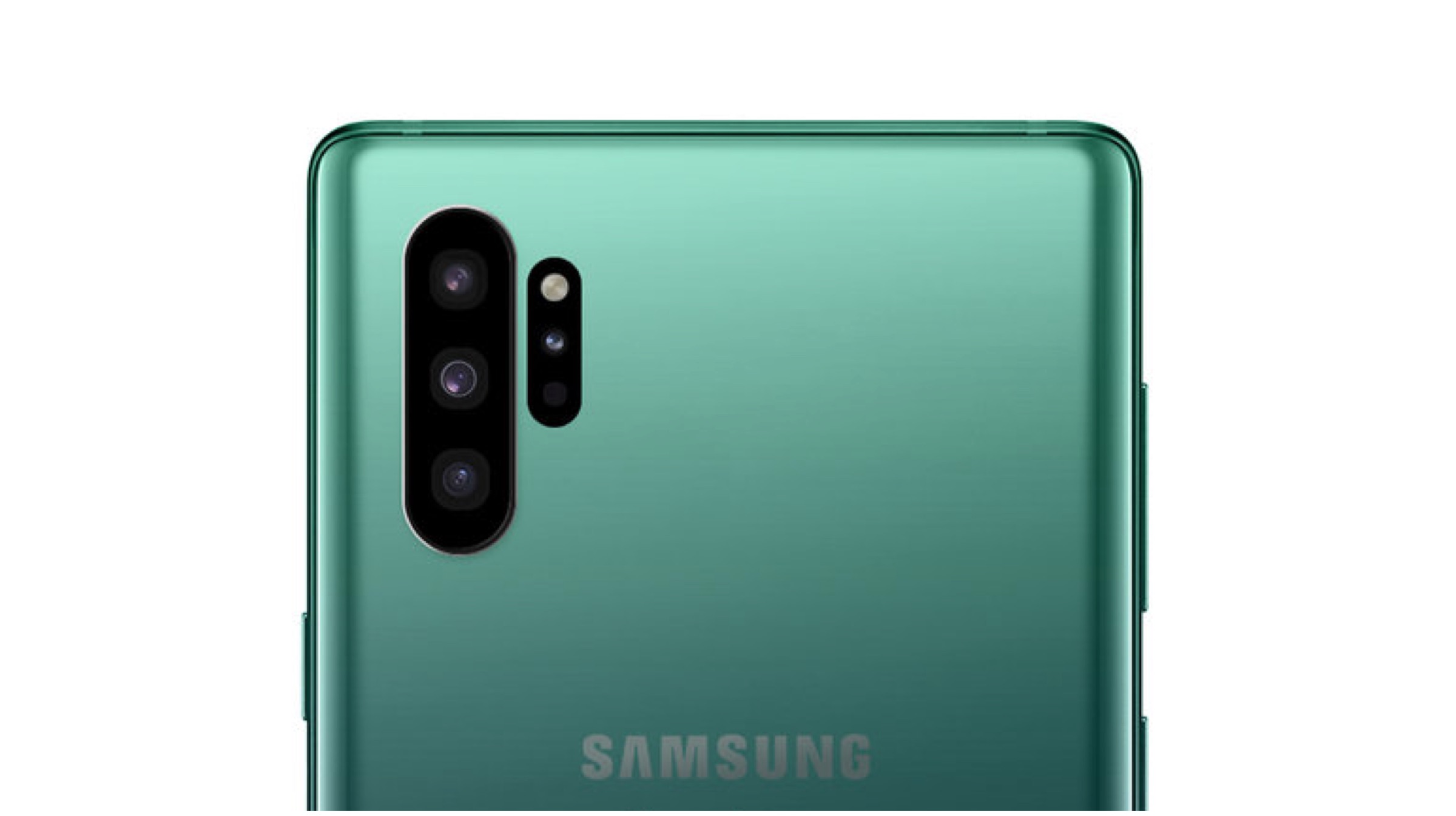
Samsung is known for launching its Galaxy Note series smartphones at the end of summer every year. Going by the same launch cycle, the South Korean company’s upcoming flagship, the Galaxy Note 10 is expected to be unveiled in the month of August 2019. Ahead of its official announcement, rumours regarding the device have started to surface. For instance, the company is planning to introduce at least two Note models this year, which are the Note 10 and the Note 10 Pro. Leaks suggest that both the devices will pack a 4,170 mAh battery.
Galaxy Note 10 Pro Renders
As per sources, the model numbers for the Galaxy Note 10 and Note 10 Pro will be SM-N975 and SM-N976 respectively. Reports further state that the model numbers were attributed to a single model with 4G and 5G support respectively. In terms of specifications, the Galaxy Note 10 is expected to feature a 6.4-inch Dynamic AMOLED screen. In terms of storage, the device packs 128 GB ROM for the base variant. It is most likely to be powered by a 4,170 mAh battery with support for 45W fast charging, although rumours regarding 25W fast charging have also surfaced.
On the other hand, the specced-up variant of the Note 10, the Note 10 Pro will feature a larger 6.8 inch AMOLED display and the same 4,170 mAh battery present in its younger sibling. The Pro version would pack 256GB of internal storage for the base variant, with an option to expand to 1TB of ROM. Since a larger display will consume more battery, the battery life of the Note 10 Pro will definitely undercut that of the Galaxy Note 10.
Under the hood, the Note 10 series smartphones are expected to run on the 7nm Qualcomm Snapdragon 855 chipset or the Exynos 9825, depending on the region. As previously reported, the devices will feature quad rear cameras, out of which three would be accommodated in a vertical module. In terms of the front camera, a camera sensor housed in the centre-mounted hole-punch would be used to click selfies. Moreover, the Galaxy Note 10 and Note 10 Pro will most likely be Samsung’s first flagship (except the Galaxy Fold) to not include the 3.5mm audio jack. The devices are expected to be unveiled in the month of August 2019.
Shortly after Project Scarlett was announced at the E3 Gaming Convention 2019, leaks and rumours have shrouded Microsoft’s upcoming gaming console in mystery. The next iteration of the Xbox is expected to define a new era in console gaming. For instance, it is speculated that the upcoming Xbox will support 8K gaming, 120 fps and ray tracing technology. Microsoft has named it Project Scarlett, and more information regarding the gaming console is expected to be available soon. However, a user on social media website Reddit has revealed some key information regarding the upcoming Xbox.
The leaks state that the next generation gaming console will officially be named the Xbox V. Furthermore, the company will announce not one, but two consoles and the specced-up variant of the Xbox V will be called the Xbox VX. Where the toned down variant of Microsoft’s gaming console is speculated to be priced at US$ 400 (~INR 27,800), the Xbox VX will most likely be priced at US$ 500 (~INR 34,800).
The Xbox V will not include a disk drive, which explains the lower pricing of the same. Additionally, the console will also compromise on some other hardware specifications, implying that Microsoft wants to take on the cheaper variant of Sony’s PlayStation 5 when it will be announced. On the other hand, the more powerful Xbox VX will feature an inbuilt disk drive, 4K support, and a Blu-Ray reader. Both variants of the Xbox will have 1TB of internal storage by default. The 2TB variant of both consoles will be priced at US$ 100 more than the price of the base variants.
The leak source further states that Microsoft has some exclusive game titles that are lined up for a later release. However, the American company may not unveil any information regarding the games anytime soon since it is more focused on strengthening its current lineup of games. Lastly, the speculated Xbox V and Xbox VX are expected to be released in the month of November 2020. Going by the leaks, the project was named Scarlet but infact the code names of both the consoles are “Lockhart” and “Anaconda”. Note that the information mentioned above is solely based on a leak, so it’s wise that it should be taken with a grain of salt. Nonetheless, a clash of the consoles is apparent in 2020, so interested fans might just have to wait.
As we draw closer to the launch date of the iPhone 11 (iPhone XI), Apple fans are expecting a host of new features in the upcoming smartphone. The next generation iPhone is expected to be launched in the month of September 2019, alongside a new iteration of the Apple Watch. Triple rear camera set up in the device has already been revealed, thanks to countless leaks and rumours across the web. However, here are some upgrades that we are really looking forward to in the Apple iPhone 11.
More Internal Storage
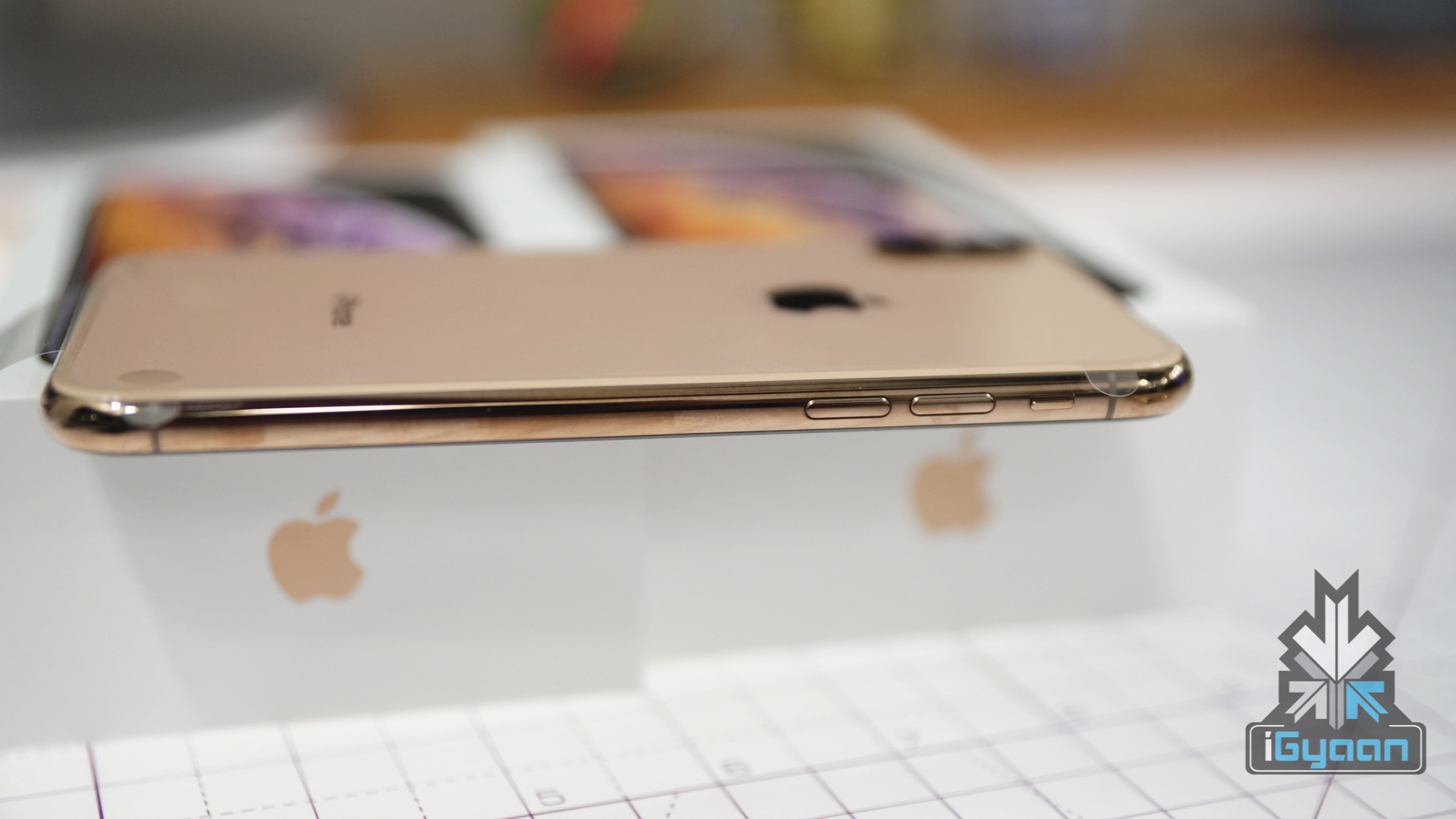
iPhone XS
The memory requirements of smartphones are increasing with each new iteration since an upgraded camera and additional features imply that images will occupy a bigger chunk in the memory block. As mentioned before, the iPhone 11 will likely sport triple rear cameras, which is bound to result in larger-sized images. Moreover, with the introduction of native video editing in the iOS 13, users will tend to save videos on their device rather than the cloud. For the aforementioned reasons, it would be great if the company’s flagship smartphones feature 1 Terabyte of ROM. South Korean company Samsung was the first one to incorporate 1TB of internal storage in the Galaxy S10+ when it was launched in the month of February 2019.
Primary USB Type-C Port
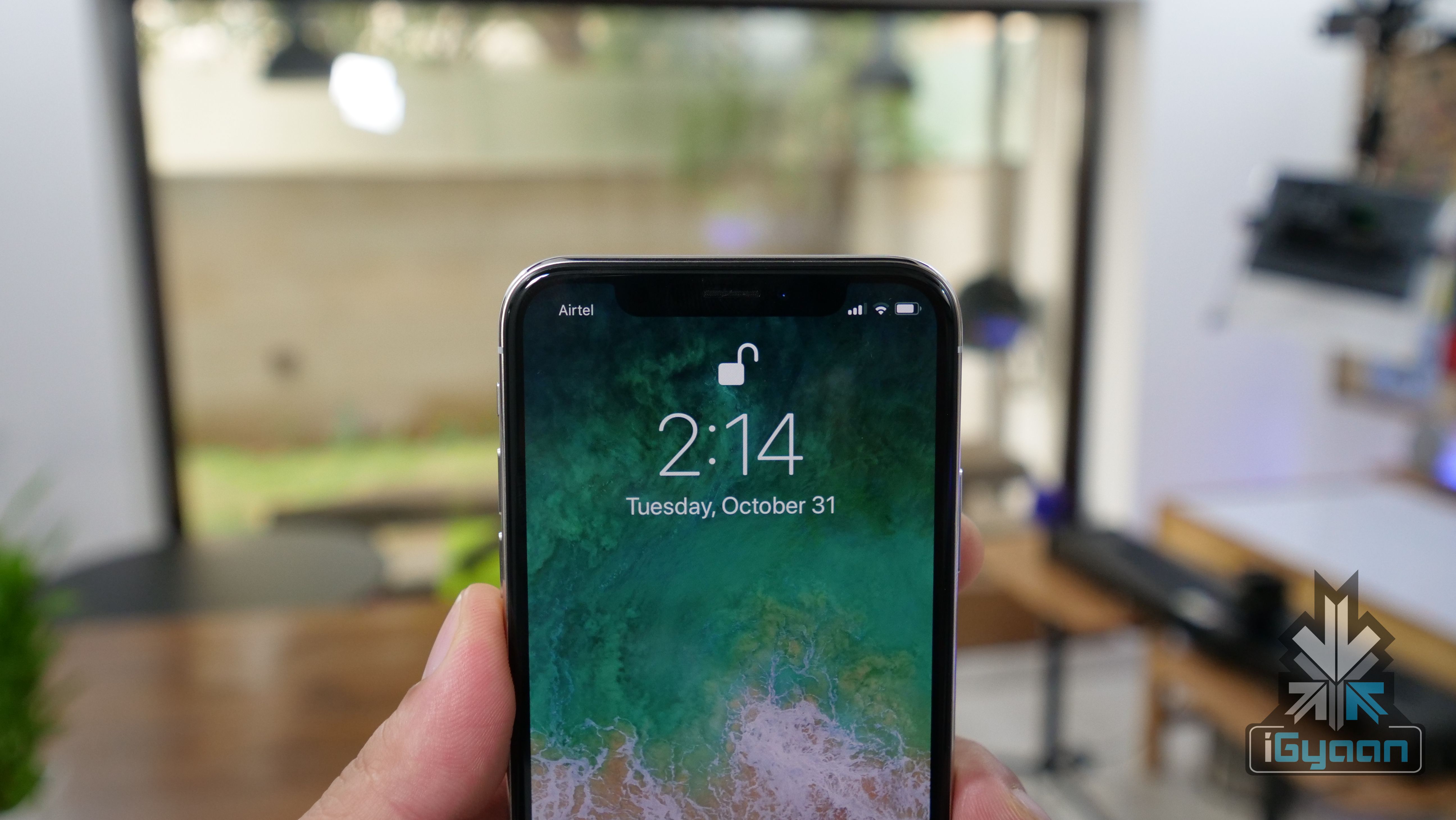
iPhone X
It is expected that Apple will ship the iPhone 11 with a USB Type-C port instead of the Lightning port, which will improve the charging capabilities and unify connectivity across various devices. Apple’s MacBook Pro and iPad Pro both support charging via USB Type-C ports. As reported previously, the company may be planning a complete shift over to the USB Type-C environment. However, such a move may disrupt the sales of one of the highest selling Apple accessories, the USB-C to lighting cable adapter. Nonetheless, a Type-C port will be a nice and welcome addition to the new iPhones.
Faster Face ID
The announcement of iOS 13 brought forth a lot of exciting features, one of the prominent ones being a faster unlock speed via Face ID. The company claimed that Face ID authentication on the upcoming iPhone 11 will operate 30 percent faster than older devices. Apple is known for focusing on the performance statistics in all new iterations of operating systems. Hopefully, a combination of improved hardware (in the iPhone 11) and iOS 13 may result in even faster-unlocking speeds, which will be a delight for iPhone users.
Reverse Wireless Charging
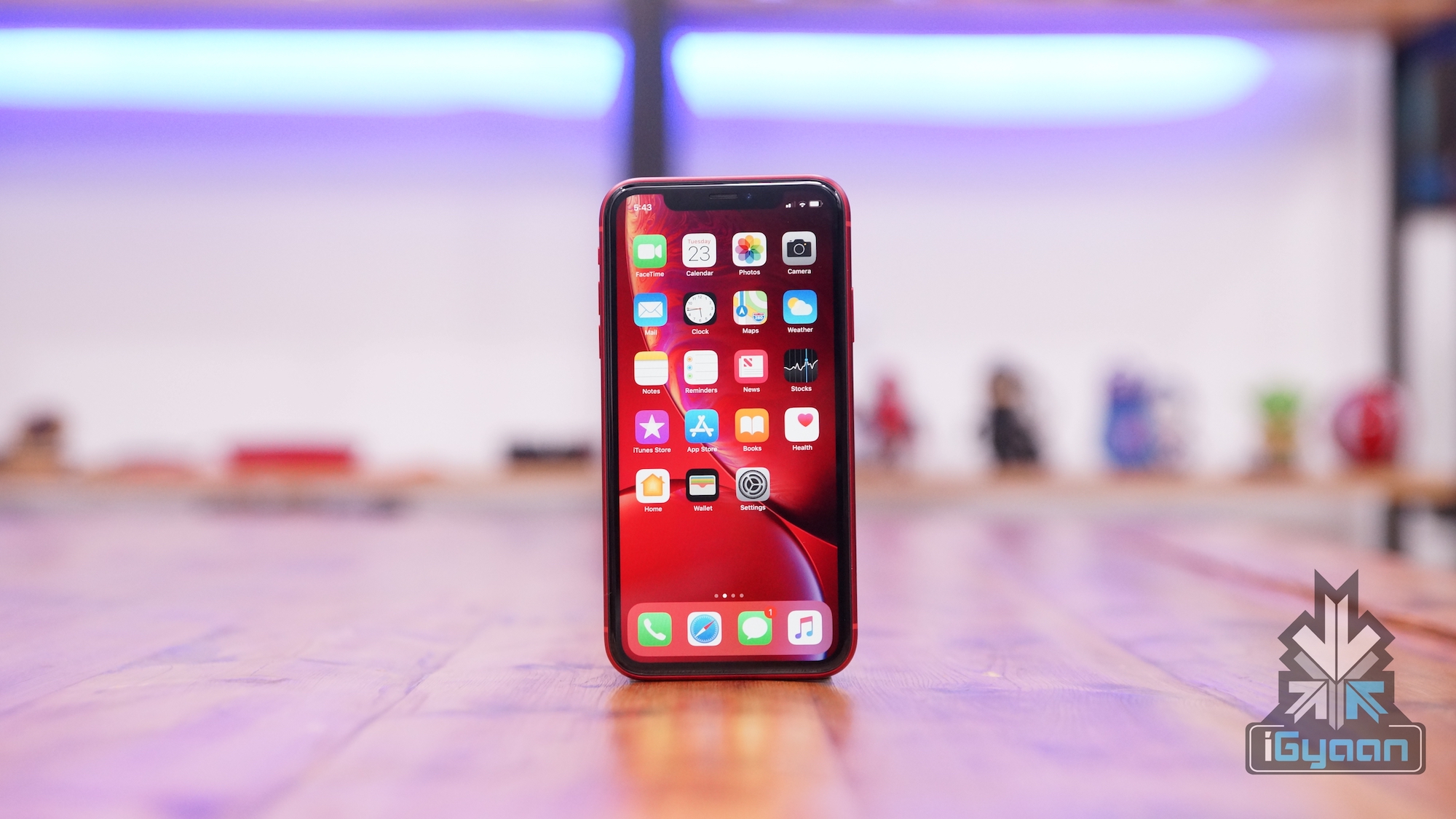
iPhone XS Max
The presence of Reverse Wireless Charging (similar to the Galaxy S10+) in the iPhone 11 would be an added bonus for users. The feature will help users in charging their accessories with the help of their iPhones. For instance, the Apple Watch and the updated AirPods (with wireless charging) will be chargeable via Reverse Wireless Charging on the iPhone 11. Since the feature is hardware dependent, it will be exclusive to the new iPhones when they will be launched.
Smaller Notch
iPhone X
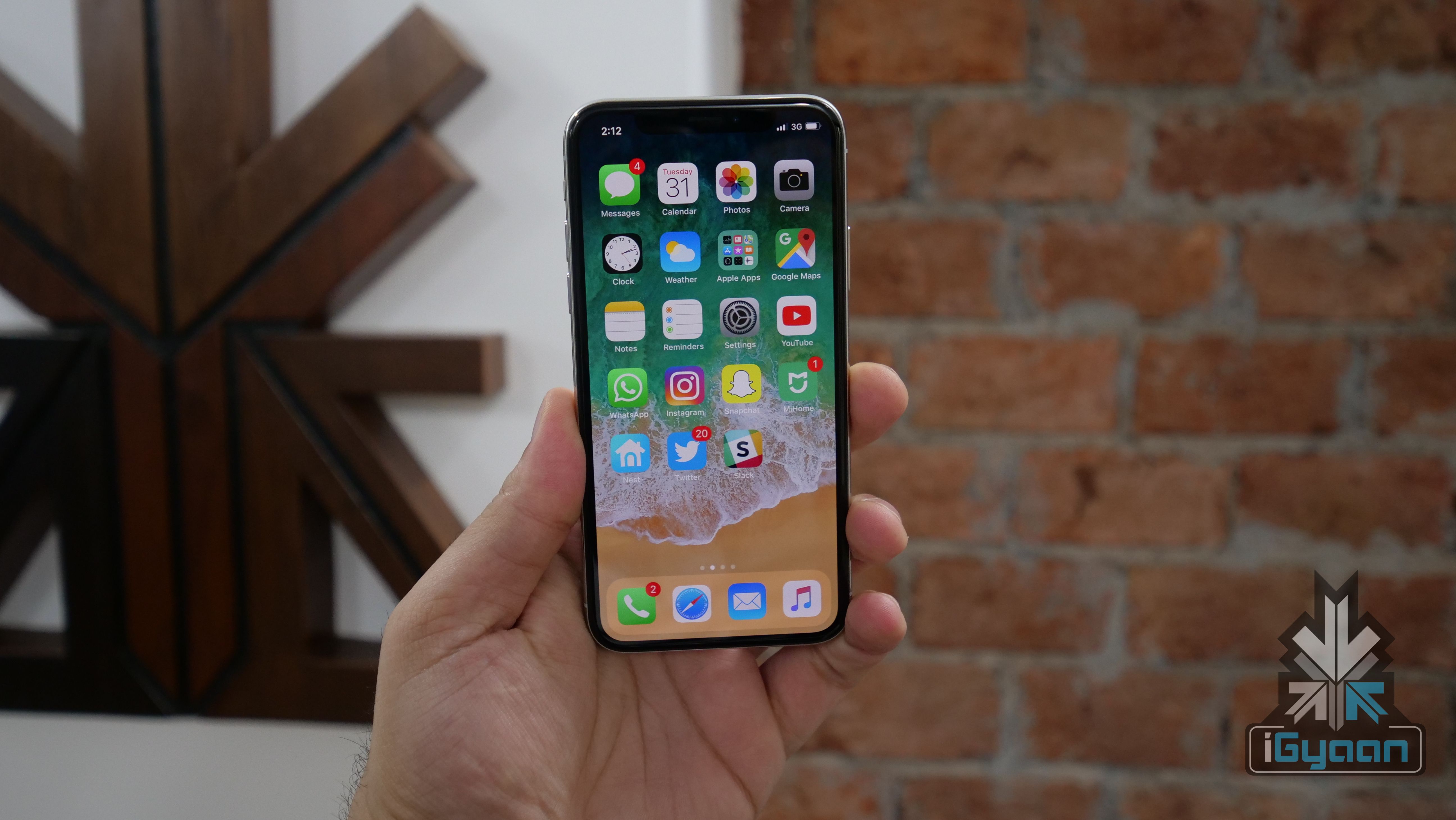
Multiple features of the iPhone X were welcomed warmly by users, except the wide notch up front on the display. Although Apple is justified in incorporating a large notch in the device (owing to the sheer number of sensors), it still affects the aesthetics of the handset. The iPhone X notch currently houses the following sensors
IR Camera
Flood Illuminator
Proximity Sensor
Ambient Light Sensor
Speaker
Microphone
Front Camera
Dot Projector
For this reason, it would be great if Apple reduces the size of the notch in the iPhone 11 by 10 to 15 percent, which would greatly improve the design factor of the next generation iPhones.
The iPhone 11 is one of the most anticipated smartphones of 2019, and it would be really exciting to see if all the features mentioned above make their way to the device.
The human brain is extremely fragile and equally bad at regenerating damaged cells. Be it an injury or a disease, the effects of brain neuron damage are mostly irreversible. Research led by the University of Plymouth has uncovered a mechanism that can be used by neural Stem Cells, or NSCs to activate i.e restore to their original form. This will help scientists assess the behaviour of the brain in order to develop effective treatments.
Neural Stem Cells manufacture neurons, which are responsible for transmitting messages between different sections of the brain. Furthermore, NSC also produce glial cells in the brain (which provide insulation), so understanding the working of NSCs could help scientists figure out a solution to speed up their regeneration. The study was conducted using Drosophila fruit flies, and it confirmed that certain molecules which form a complex called STRIPAK (Striatin-interacting phosphatase and kinase) are essential to promote reactivation in NSCs.
STRIPAK is commonly found in a variety of organisms ranging from humans to fungi. When the research team was comparing the genetic messages of dormant and reactivated NSCs in live fly brains, they noticed something unique about STRIPAK. The compound basically acts like a switch that can be flipped on to restore the damaged cell to its restored/reactivated state. The lead author of the study stated that there is a lot more to be researched before such a finding can be implemented in human subjects. Scientists believe that in the future, brain cancer growth can be prevented with the help of Stem-like cells that are capable of regenerating from dilapidated states.
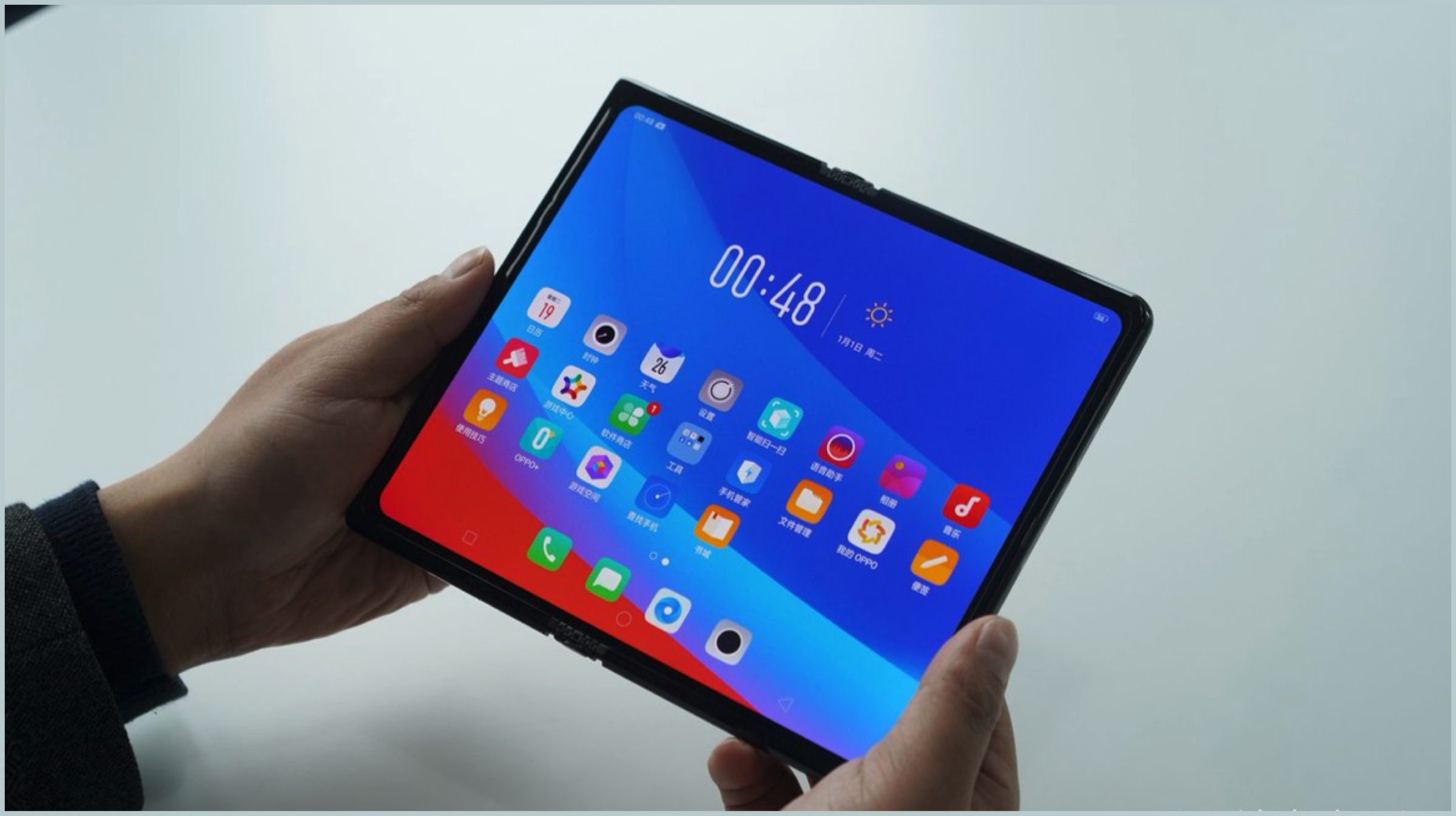
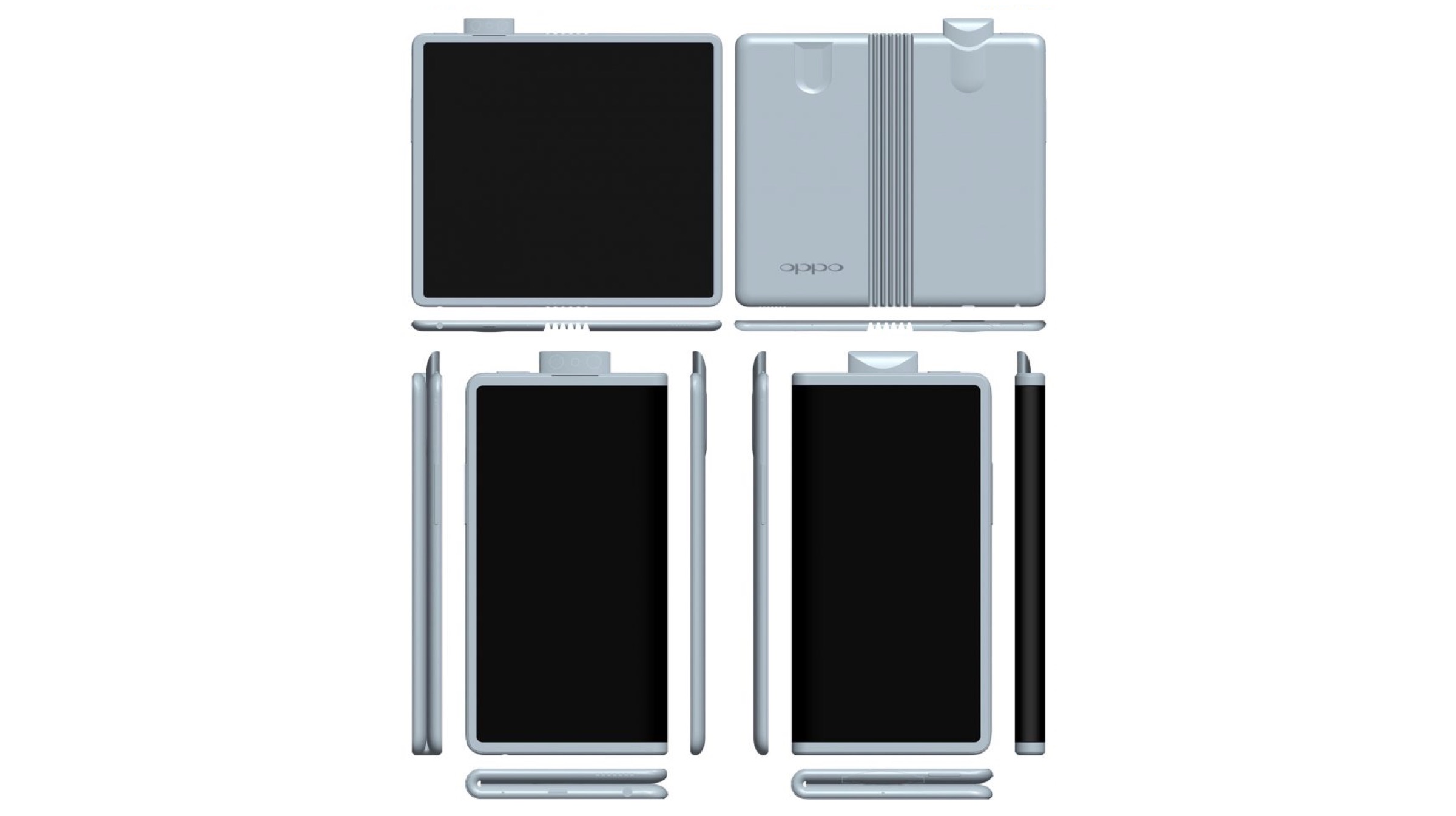
Amidst the ongoing trend of foldable smartphones, Chinese smartphone manufacturer Oppo is reportedly working on a smartphone which folds outwards. The company previously showcased a prototype of such a device in the month of February. It resembled the Huawei Mate X in terms of the design factor, considering that both the devices sport a sidebar when they are folded outwards. However, since the company president wanted to get rid of the sidebar, the images present in the patent are aimed towards a bezel-less future.
About The Patent: Design And Features
The patent for the foldable Oppo smartphone was originally filed in the year 2018. Guangdong Oppo Mobile Telecommunications filed a design patent with the Global Design Database of the WIPO (World Intellectual Property Office). Almost a year later on 7 June 2019, the patent was published and includes a total of 42 colour renders alongside 51 sketches pertaining to the foldable device.
The description present in the patent states that the camera setup present in the Oppo device is a telescopic camera. This may not directly mean that the smartphone has a telescopic zoom-enabled camera, but rather it refers to a telescopic mechanism employed in the pop-up camera setup alongside the telescopic camera itself. Since the device is foldable, it spreads out in a tablet like form factor. Upon folding the device, the display is on the outside, and the user can make use of the pop-up camera to capture images even when the device is folded. The dual-camera module is convex in shape and boasts of modern yet elegant design.
Right next to the pop-up camera, the device has space for a power button. The earpiece can be spotted below the camera module. It is expected to sport multiple microphones, with one microphone clearly visible on the top right section of the Oppo device. Another microphone can be seen at the bottom of the handset. In addition to a USB Type-C port, a 3.5mm headphone jack is also present at the bottom.
Companies are gearing up to launch their own variants of foldable smartphones in the market, but after the Galaxy Fold suffered a setback in the hands of reviewers, organizations are wary. Nonetheless, Oppo’s efforts in the segment may prove to be quite worthwhile if it can unveil its own foldable device in the near future. Competitors in the future may include Motorola and Huawei.
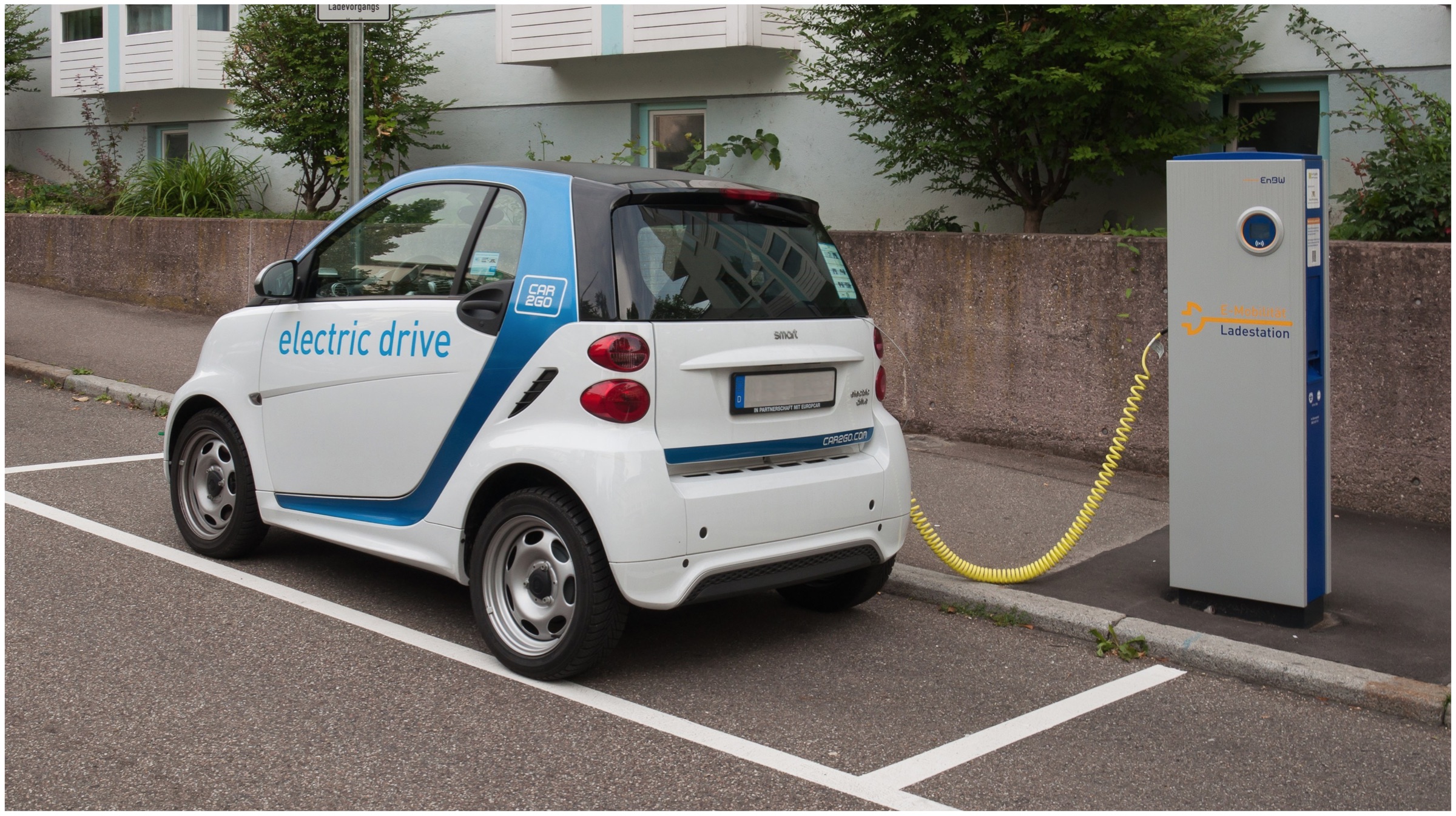
In an attempt to reduce pollution and combat climate change, the Indian government is planning to take an initiative that may help towards the cause. As per reports, the government will order popular rideshare companies such as Uber and Ola to replace 40 percent of their vehicular fleet with electric cabs by the year 2026.
Regarding yearly goals, the concerned authorities will expect the companies to increase the number of electric vehicles gradually. For reference, the number of EVs (electric vehicles) should be 2.5 percent by 2021, 5 percent by 2022, 10 percent by 2023, and 40 percent by 2024. Other reports reveal that the government may introduce a rule stating that all vehicles having commercial implications should be electric by the year 2026. This rule won’t be limited to just cars, instead, new electric motorcycles and scooters will be also incorporated in such a case.
If such a rule is brought into existence, EV manufacturers such as Hero Electric, Tork Motorcycles and Ather Energy may start a whole new lineup of Electric vehicles that are affordable and efficient. A boost like this may enable other automobile brands to join in with their own technologies and vehicles. However, electric cabs may not be the most successful investments in the country as of now. In the year 2016, Tesla CEO Elon Musk announced the pre-ordering of electric Tesla vehicles in the country, but till date, there is no news regarding any developments to the plan.
Popular rideshare organization Ola previously launched an EV test program in Nagpur, which failed and the venture had to be shut down in the year 2018. Nonetheless, the program raised more than US$ 300 million to keep the venture going. Ola claims that it will incorporate 1 million electric vehicles on Indian roads by the year 2022. The company is yet to announce any update regarding the project, but considering that environmental impacts are enforcing changes, electric vehicles are the way to go.
Among the many announcements at E3 2019, one of the biggest so far is the cinematic trailer and the release date of Cyberpunk 2077. The anticipation for the game has played a key role in building up the hype. Microsoft, the game’s publisher has revealed that the game will be released on April 16, 2020. And, the game trailer features Keanu Reeves.
The Cyberpunk 2077 game trailer retains the original elements of the Cyberpunk universe, including neon billboards and a futuristic appearance. Set in the fictional metropolis called Night City, the game can be stated as a continuation of the Cyberpunk board game and Cyberpunk 2020 released in the year 1988 and 1990 respectively. Apparently, criminal activity is common in the city. The game’s protagonist is named V, and he is a customizable mercenary who fights for (and against) street gangs. A lot of sci-fi elements are sure to be unveiled with time.
The game’s developer studio, CD Projekt Red previously released the Witcher 3 in the year 2015, which received overwhelmingly positive reviews, and went on to earn the title of the ‘Game of The Year 2015’. And on top of that, Keanu Reeves is a part of Cyberpunk 2077. The actor is known for his roles in movies like the John Wick series, Speed and the Matrix. He appeared on the stage during the announcement and discussed how the game developers approached him regarding the game. Hopefully, Cyberpunk 2077 will turn out to follow the same lines of the Witcher series, even though it is a huge shift from the ancient-fantasy setting of the aforementioned game.
Melanoma is a type of cancer that begins in melanocytes (cells that make the pigment melanin). It can also occur in the eye, the intestines, or other areas of the body with pigmented tissues. Advanced Melanoma, however, means the melanoma has spread from where it started to another part of the body. It is also called stage 4 melanoma, and needless to say, it is fatal, with the chance of survival being 23 percent when the disease metastasizes to distant organs. As per recent news, a research team from UCLA has discovered a three-drug combination that can help with therapy of people suffering from a certain type of melanoma.
The aforementioned ‘certain’ type of melanoma has to contain a potent gene mutation named BRAF-V600E. When the combination of drugs was tested on this mutation, it did not exhibit any side effects that normally occur. The research further implied that when the combination of two targeted inhibitors successfully blocked the BRAF mutation, the melanoma patient can be expected to survive significantly longer.
After the results of the phase one and phase two trials were published, it was found out that the patients had ‘Progression-free’ survival, which means that the disease did not worsen or progress over an average period of 16 months. Those patients who received the trio of trametinib, dabrafenib and a placebo were able to survive for an average duration of 10.3 months without the disease progressing any further.
Previously, one of the three drugs have been tried out on patients, and it has been deduced that it can reduce the size of the tumour to quite an extent. However, most people don’t respond to the treatments and tend to relapse in the later stages. Even two-drug treatments failed to be as effective as three-drug treatments. The head of the research team stated that the results of the triple drug therapy were more than encouraging for patients suffering from Advanced Melanoma. Listing an immune response to the cancer/tumour will help the body to develop an improved and durable response structure to the therapy.
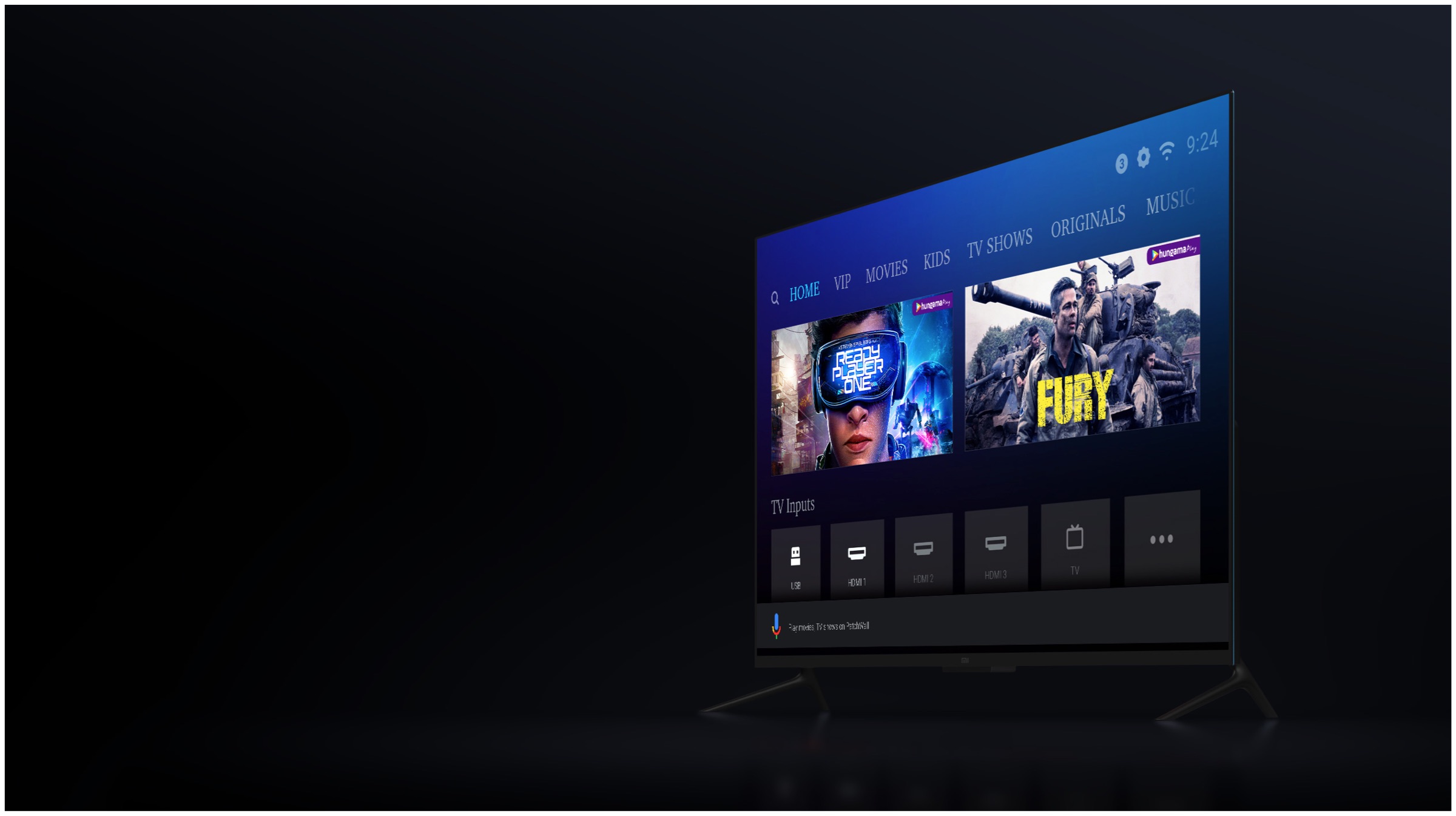
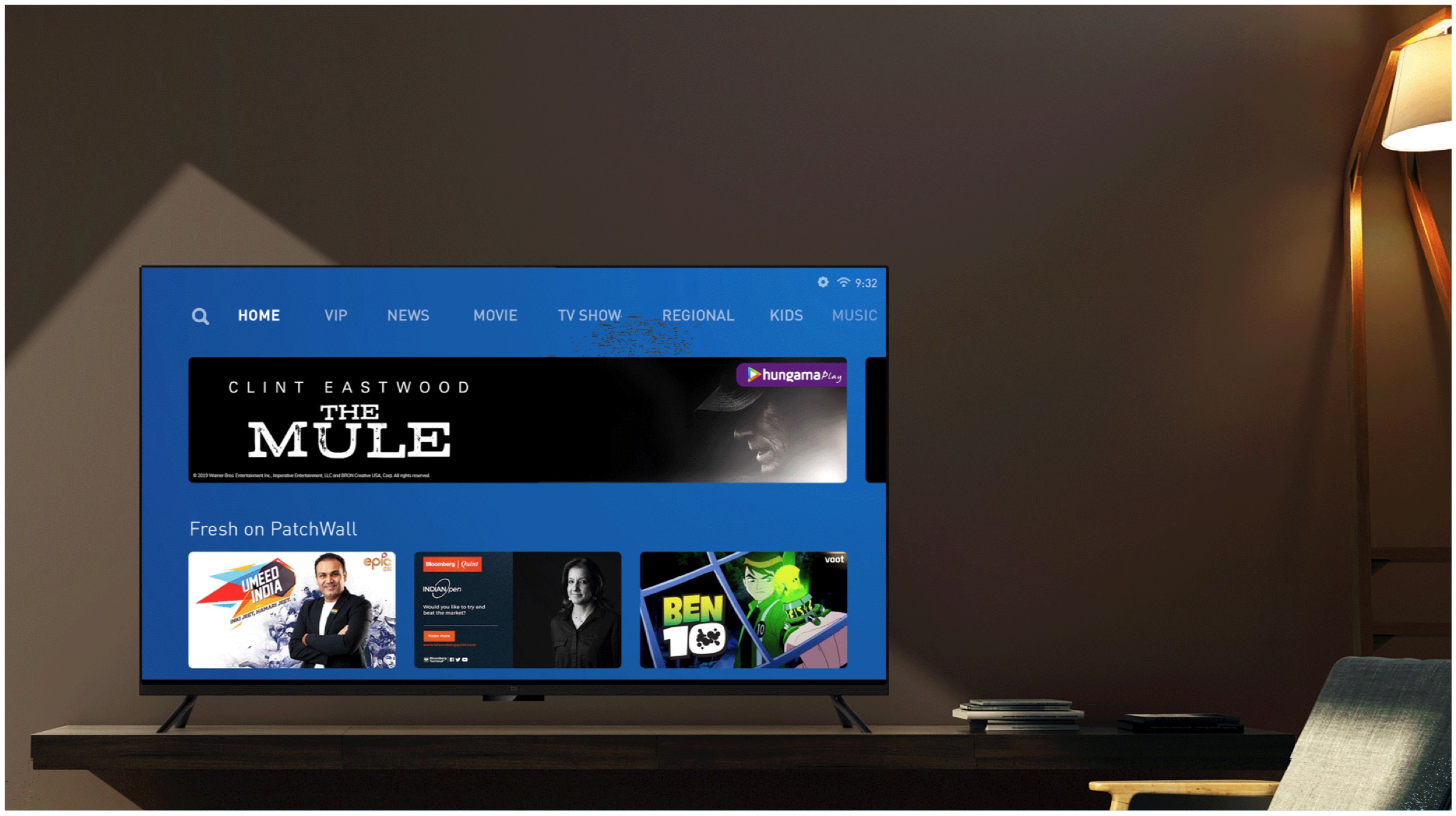
Apart from smartphones, Chinese technology company Xiaomi also has a strong foothold in the Television market. As per latest reports, the company has finally launched its Mi LED TV 4 Pro in the offline Indian market in partnership with Vijay Sales, which is one of India’s leading electronic retail chains. First launched in India in the month of September 2018, the LED TV packs an interesting set of features that can give leading electronics manufacturers a run for their money.
Mi LED TV 4 Pro Features And Specifications
The LED TV features a 55-inch 4K+ HDR frameless display. Xiaomi claims that the Mi LED TV 4 Pro is just 4.9mm thick (top part) , making it the thinnest LED television in the world. The unit weighs in at 17.2 kg with the base adding an extra 600 grams to the total weight. It supports a viewing angle of 178 degrees and an 8ms response time alongside a 60Hz refresh rate.
The LED TV features 2 8W Dolby Audio speakers with DTS-HD support for audio finesse. In terms of connectivity, it features 2 USB 2.0 ports, 3 HDMI ports, 1 AV port, 1 Ethernet Port and one PDIF out port. Wireless connectivity options include WiFi 2.4GHz/5GHz and Bluetooth v4.2. The Mi LED TV 4 Pro runs on a 64 bit Quad-Core chipset, which consists of the Cortex A53 processor and the Mali-450 MP GPU. It is paired with 2GB of RAM and 8GB of internal storage.
The LED TV runs on PatchWall OS on top of the Android TV OS. The company claims that Patchwall provides the user with more than 700,000+ hours of curated content. Content providers such as HooQ, VIU, hotter, Voot, Republic, Zee5 and hungama will have their shows and movies on PatchWall. Furthermore, Google voice search lets the users search for movies and TV shows via voice commands.
The Mi LED TV 4 Pro (55) is available across 80 Vijay Sales stores across the country. It is now purchasable via stores in Mumbai, Pune, Ahmedabad, Baroda, Surat and Delhi NCR. It is priced at INR 47,999. The LED TV will go up against televisions such as the Samsung NU7470 Smart 4K UHD TV.
Cryptocurrency is a digital currency format in which a number of encryption techniques are used to regulate the generation of units of currency and verify the transfer of the same. As per latest news, any person in India found dealing in cryptocurrencies is liable to serve 10 years in prison. This penalty will be applicable to all those who “generate, mine, store, sell, transfer, dispose and issue” any forms of cryptocurrencies, directly or indirectly. Also, besides making it completely illegal, the bill associated with the proposal will make the holding of cryptocurrency a non-bailable offence.
The statement was published in a proposal in the draft of Banning of Cryptocurrency and Regulation of Official Digital Currency Bill, 2019. This is an extremely bashing news for those who were expecting the legalization of Bitcoins and other cryptocurrencies. Moreover, a lot of cryptocurrency trading platforms in the country will face a huge setback from this proposal, since they have been waiting for a favoured decision from the government’s side.
The panel drafting the bill is being led by the Secretary of Economic Affairs, Subhash Chandra Garg. Furthermore, the panel consists of members from the Securities and Exchange Board of India (SEBI), in addition to representatives from investigative agencies and Central Board of Direct Taxes (CBDT). Reports state that strict laws would soon be implemented to deal with people involved in the trade of cryptocurrency. Also, sources reported that India is likely to have its own digital currency.
The article quotes that “If any conduct is punishable under any other law, this Act will be in addition to, and not in derogation of such law”. Currently, Bitcoin is the largest cryptocurrency in the world. As mentioned before, the introduction of a new cryptocurrency, speculated to be called the “Digital Rupee” will drastically change the way cryptocurrency dealings are made in the country. Only the future can guarantee the viability of this decision.





 Under the hood, the smartphone packs the Kirin 710 Octa-core chipset, which is developed inhouse by the company. It is fabricated using a 12nm process and comprises of four cores operating at 2.2 GHz and the rest of the cores clocking at 1.7 GHz. The Honor 20i is available in a single 4GB+128GB variant. Expansion up to 512GB is supported via the hybrid microSD card slot.
 Also Read:













 Neural Stem Cells manufacture neurons, which are responsible for










 Also Read: