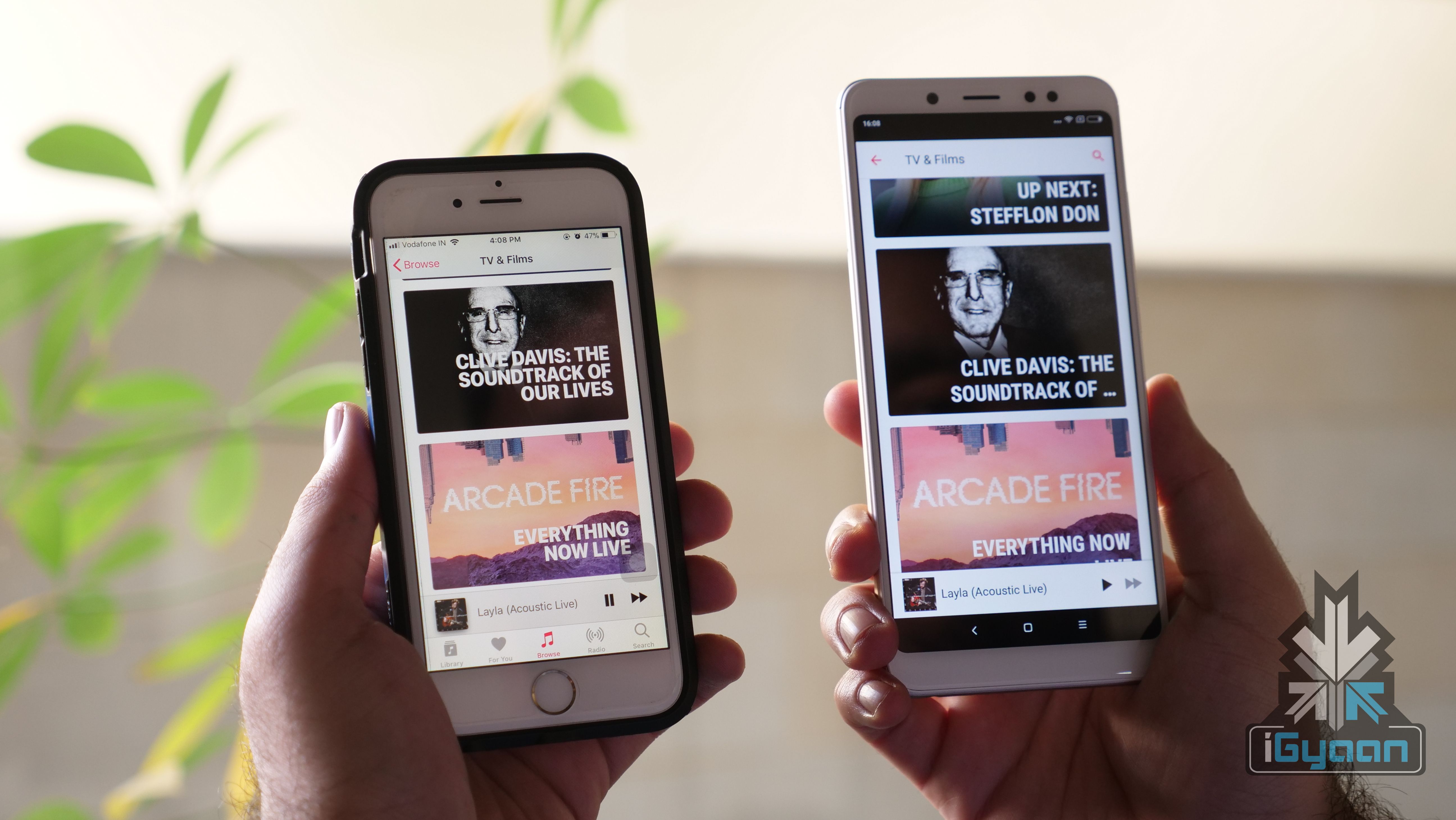
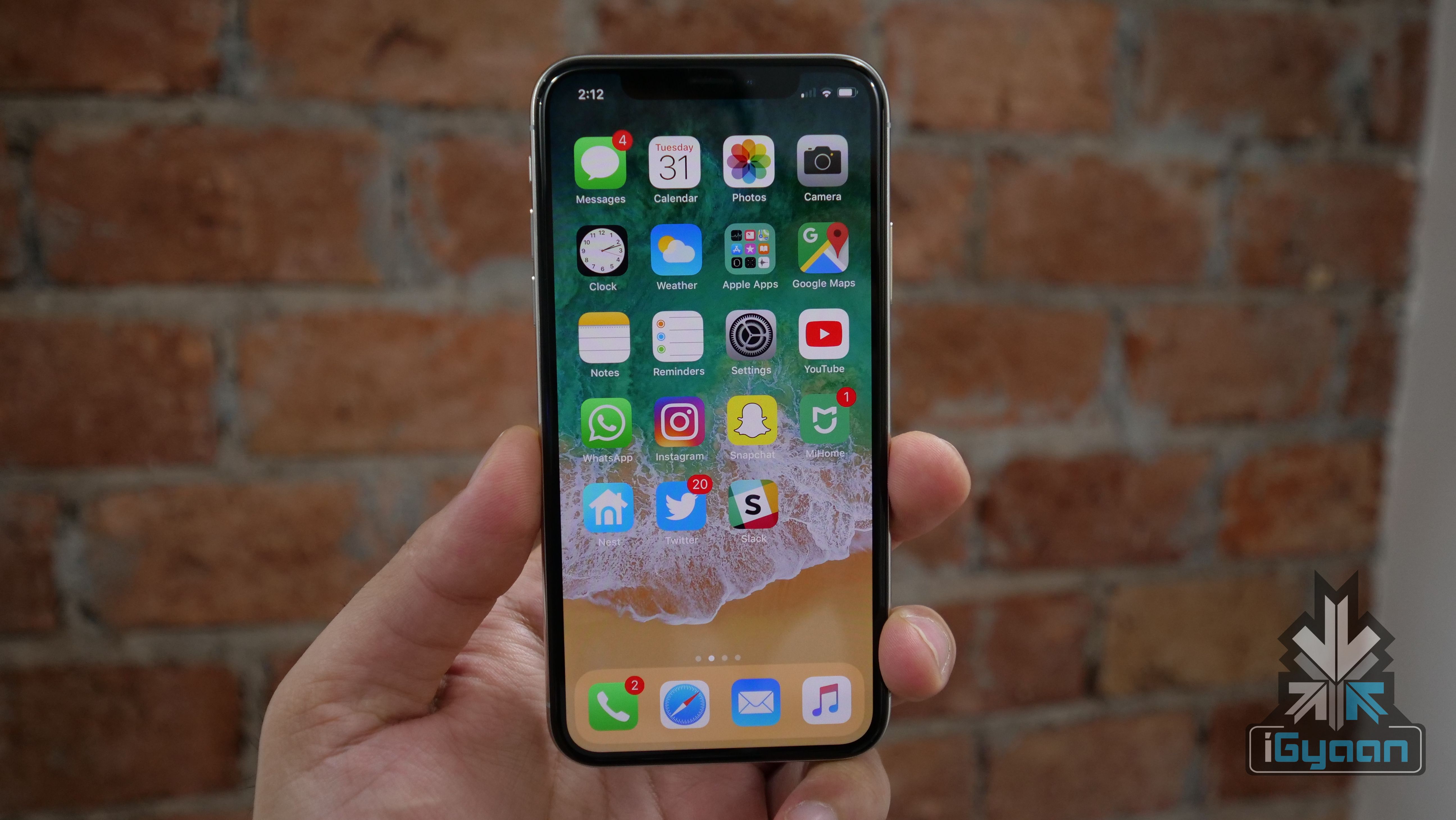
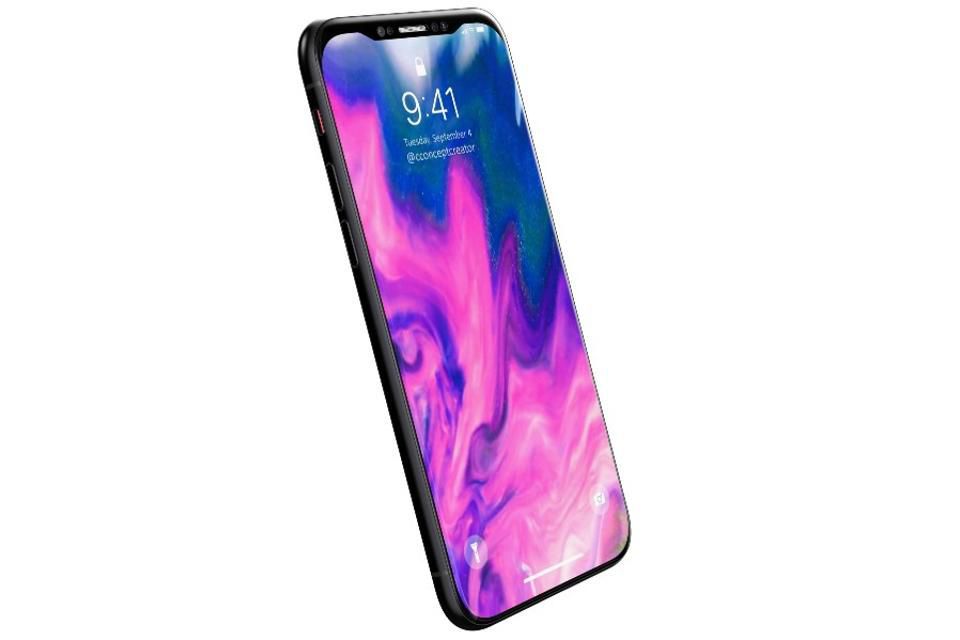
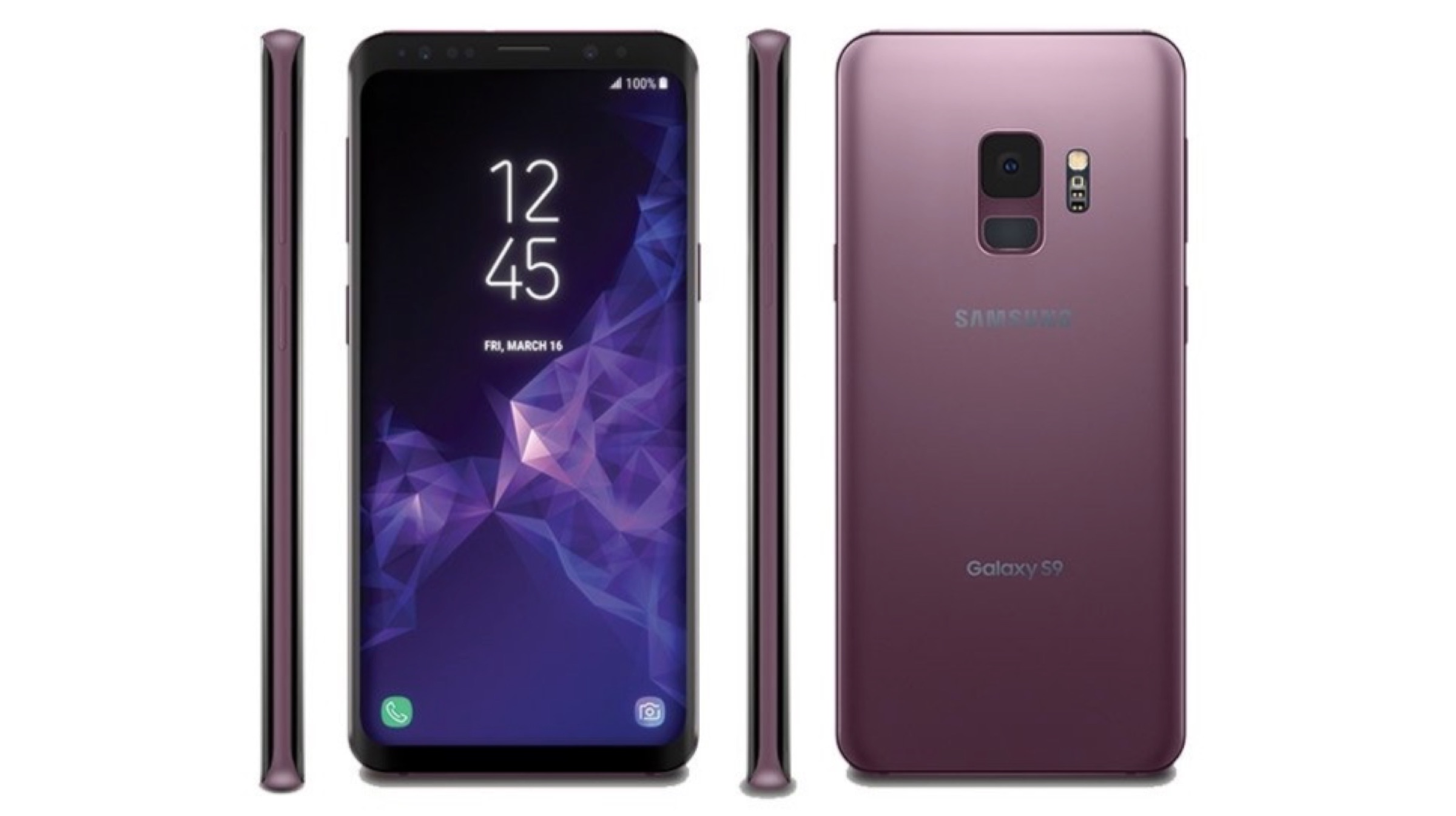
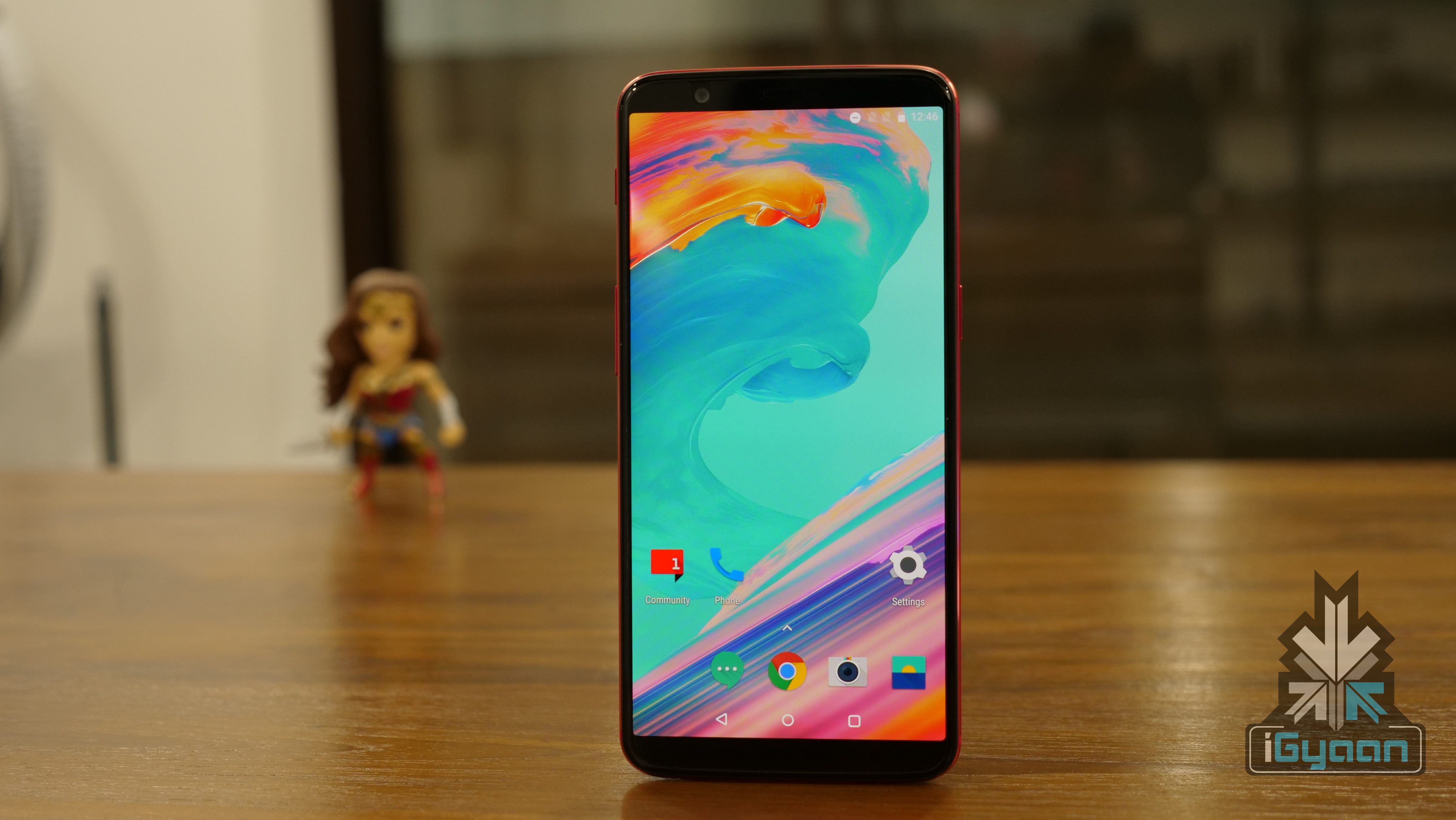
The debate of Android vs iOS always seems to reach an impasse. At the end of the day, comparing an iPhone X to a Galaxy S9 is like comparing apples and oranges. However, loyalty towards a smartphone or a platform can be measured and compared. A study has done exactly that and conceded that Android users are more loyal than iOS users.
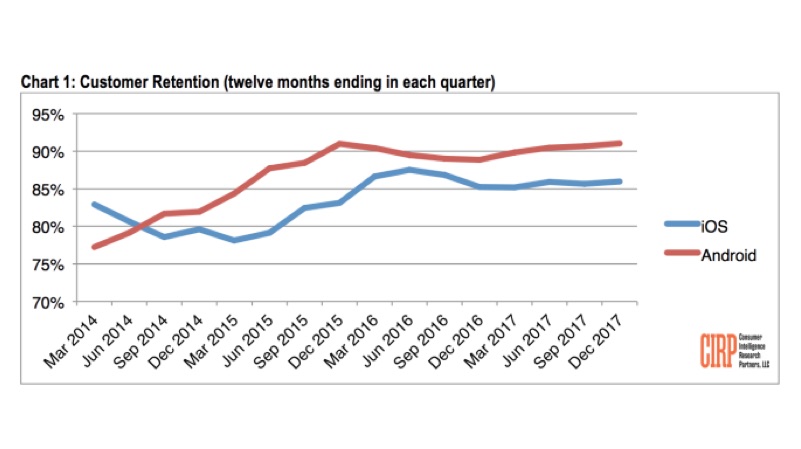
A new report from Consumer Intelligence Research Partners has claimed that Android users do not switch to iPhones as frequently as they used to. The study has found out that Android has a 91% loyalty rate, compared with 86% for iOS. This is measured as the percentage of U.S. customers who retained their OS platform when they upgraded their smartphones in 2017.
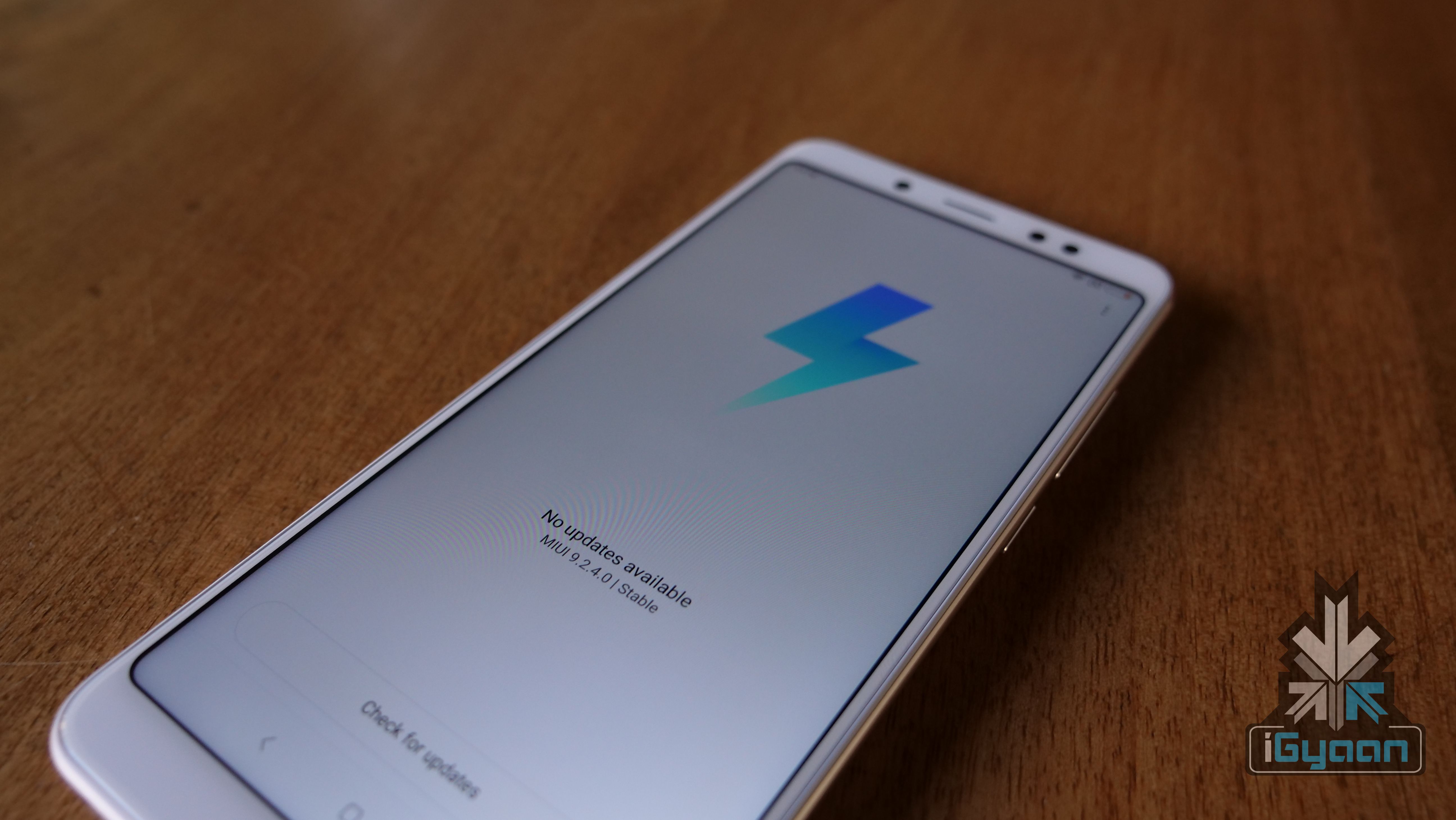
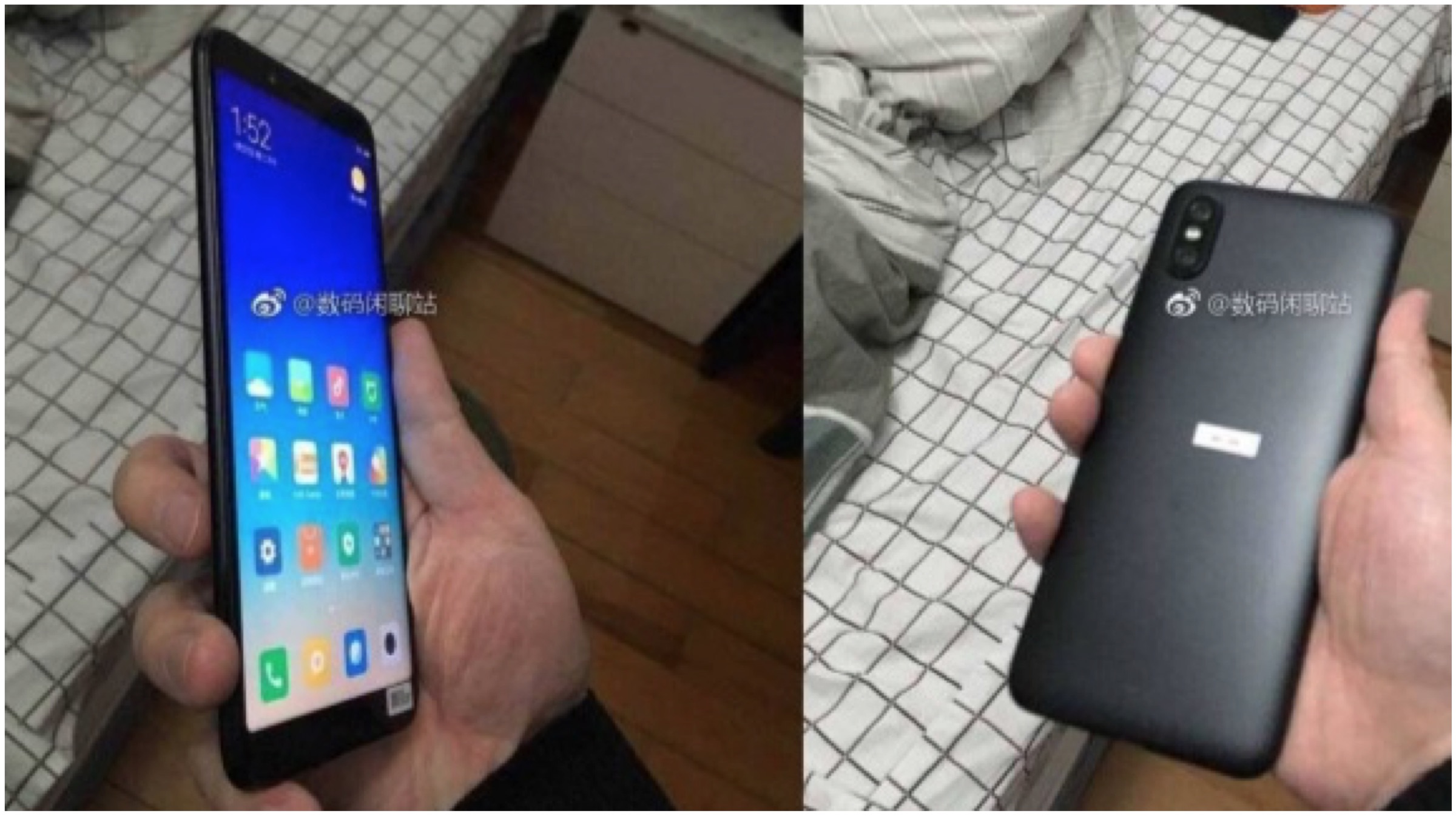
MIUI On Redmi Note 5 Pro
Mike Levin, partner and co-founder of CIRP explains:
With only two mobile operating systems at this point, it appears users now pick one, learn it, invest in apps and storage, and stick with it. Now, Apple and Google need to figure out how to sell products and services to these loyal customer bases.
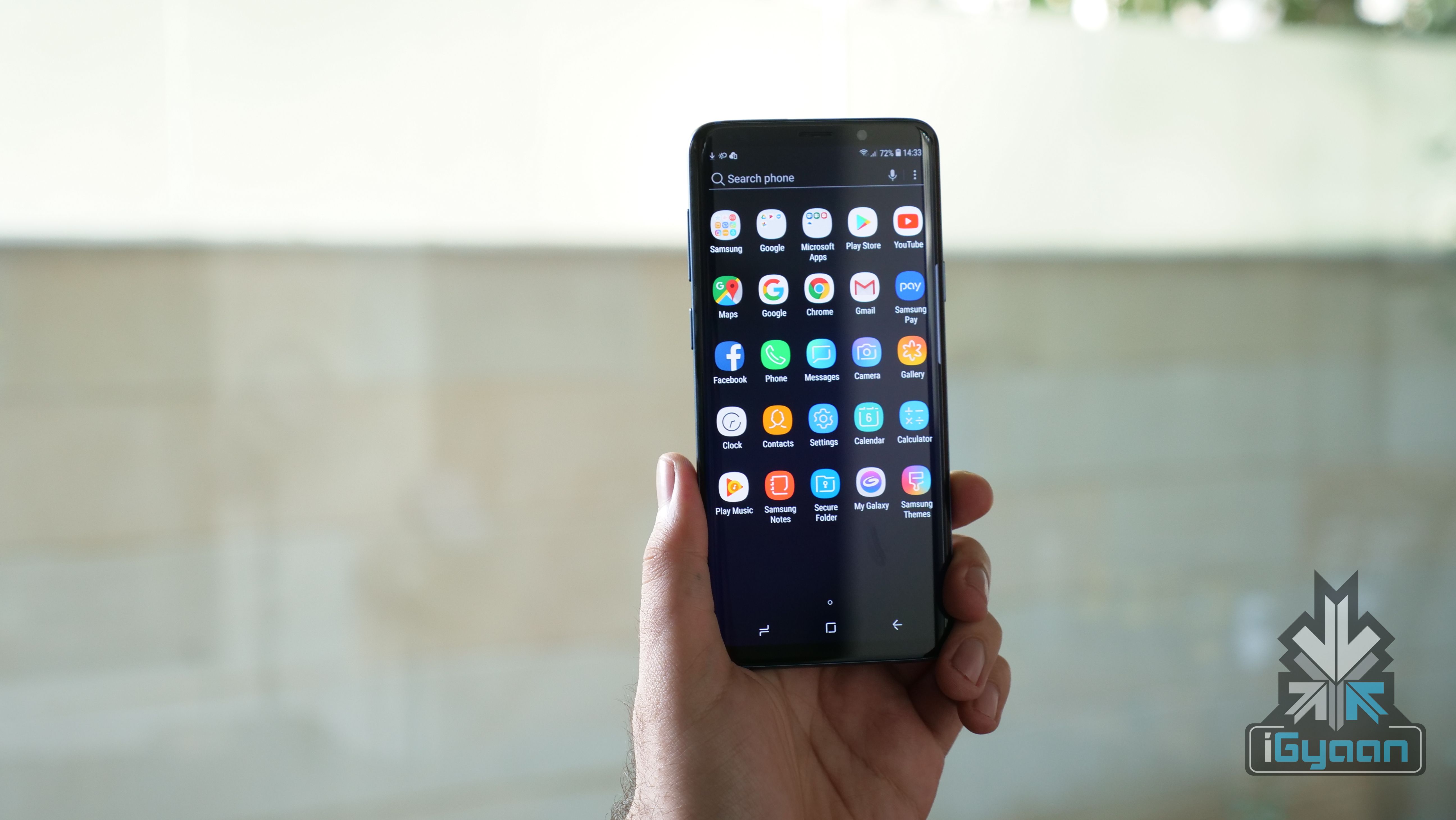
Experience 9.0 On Galaxy S9+
It is worth noting that the rate of switching is different from the total number of people switching. Levin said:
We know Android has a larger base of users than iOS, and because of that larger base, the absolute number of users that switch to iOS from Android is as large or larger than the absolute number of users that switch to Android from iOS.
Looking at the absolute number of users in this way tends to support claims that iOS gains more former Android users, than Android does former iOS users.
This has become more obvious than ever. With the dwindling popularity of BlackBerry and feature phones a thing of past, Android and iOS are the only players left in the OS game. This explains the two companies’ behaviour as well. As smartphones now reach a saturation point, services these companies provide will play a major role in influencing consumer behaviour.
That somehow explains the Apple HomePod. From the outside, the HomePod seems like an absurd smart speaker which can’t even connect to an iOS device. However, Apple is pushing its services to people who want a really good sounding smart speaker. With time, Apple will rely heavily on services for major revenue generation, services like Apple Music.
For Android users, brand loyalty is evident thanks to the array of devices available. Users can move from one device to another and pick up from exactly where they left off. There are definitely more options to choose from for Android users which means they can get a better experience from a new device without changing their services.
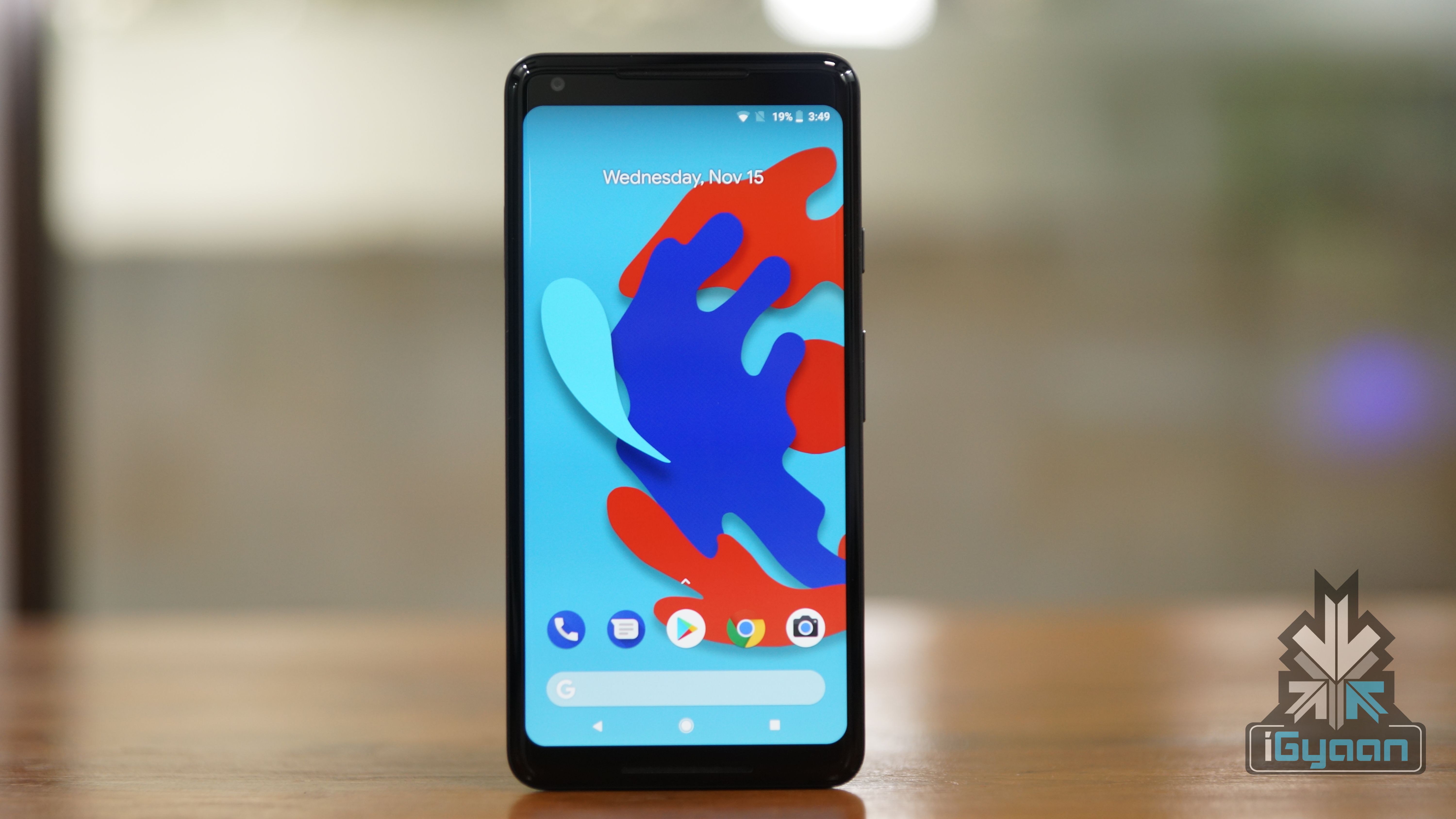
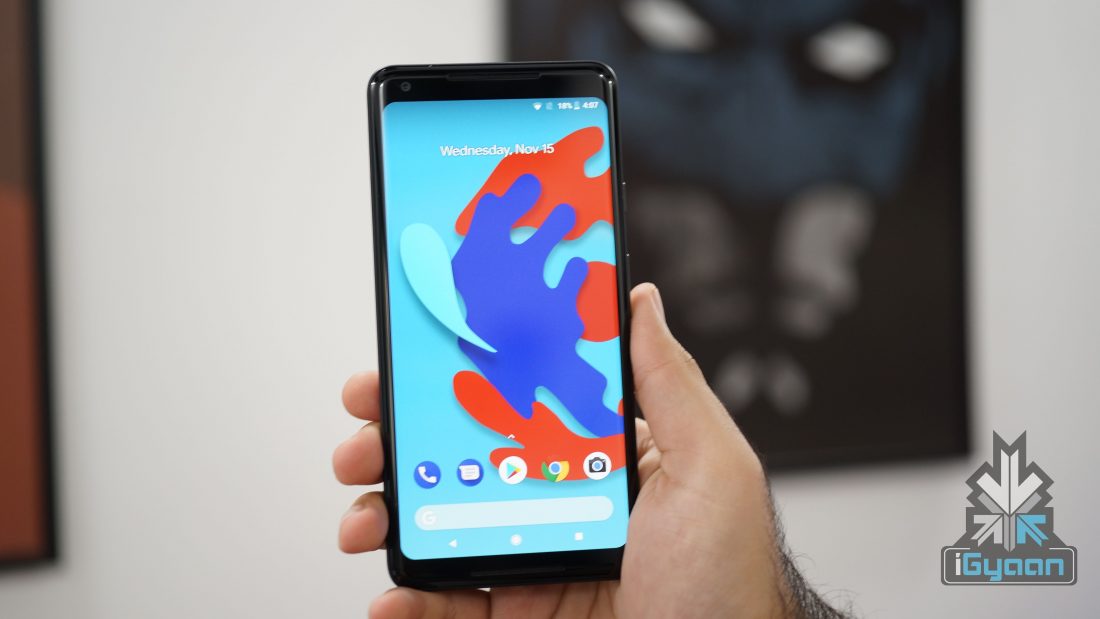
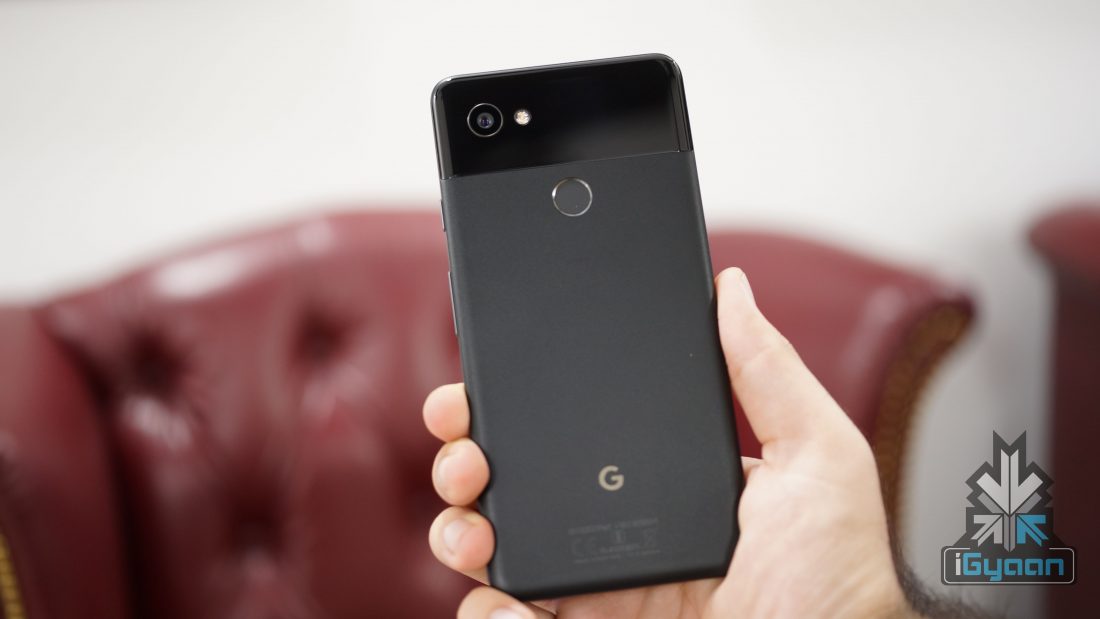
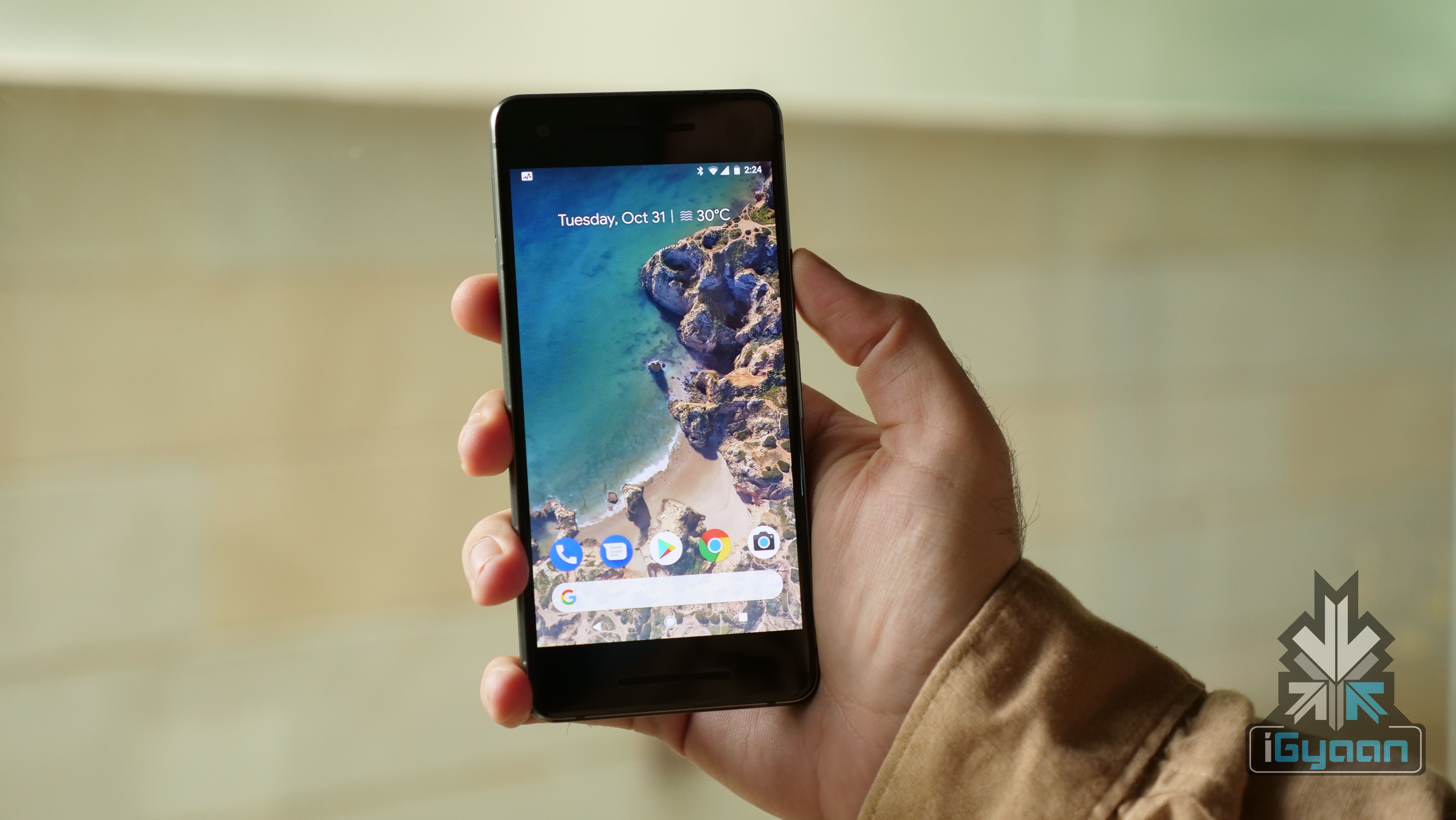
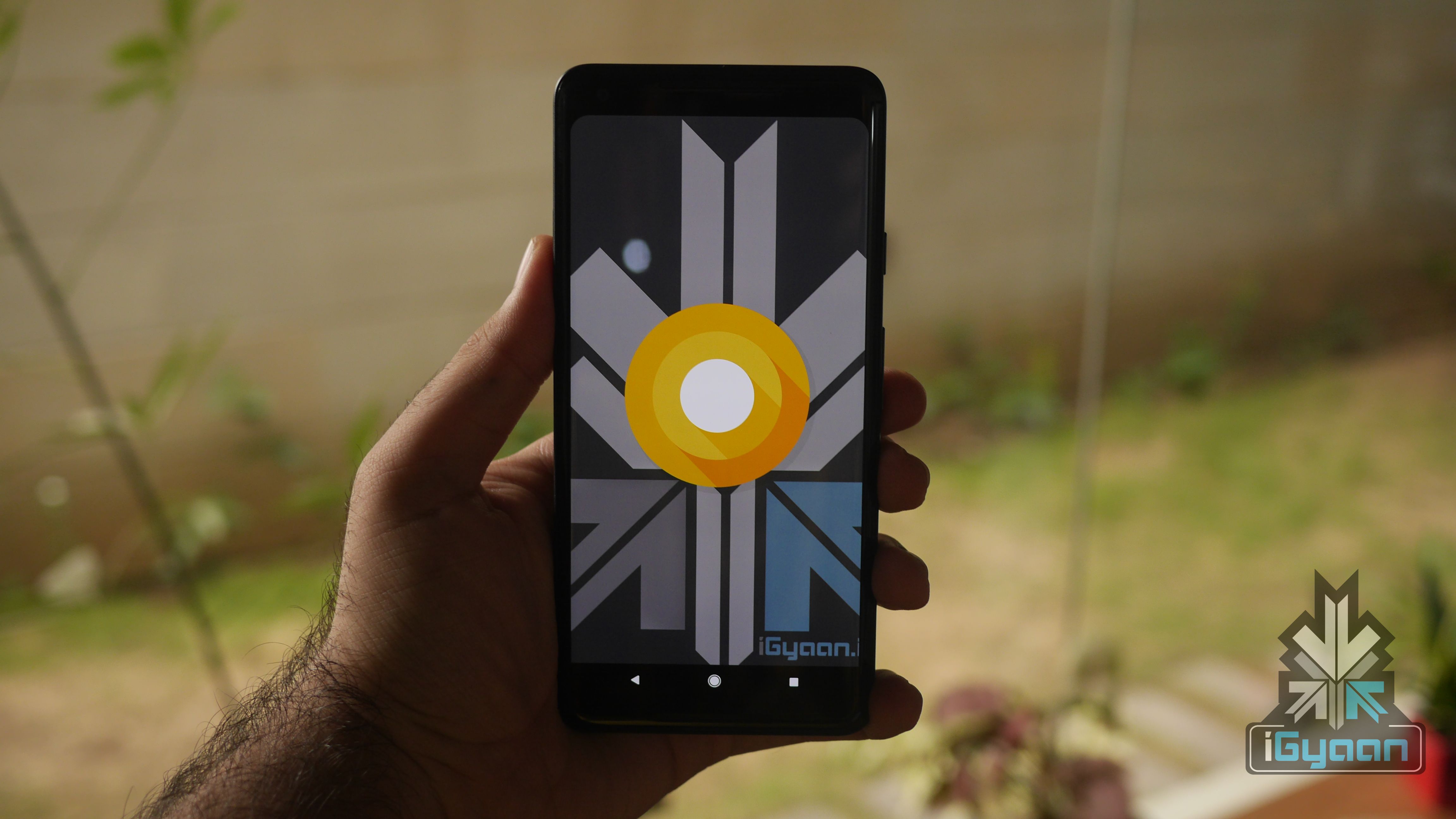
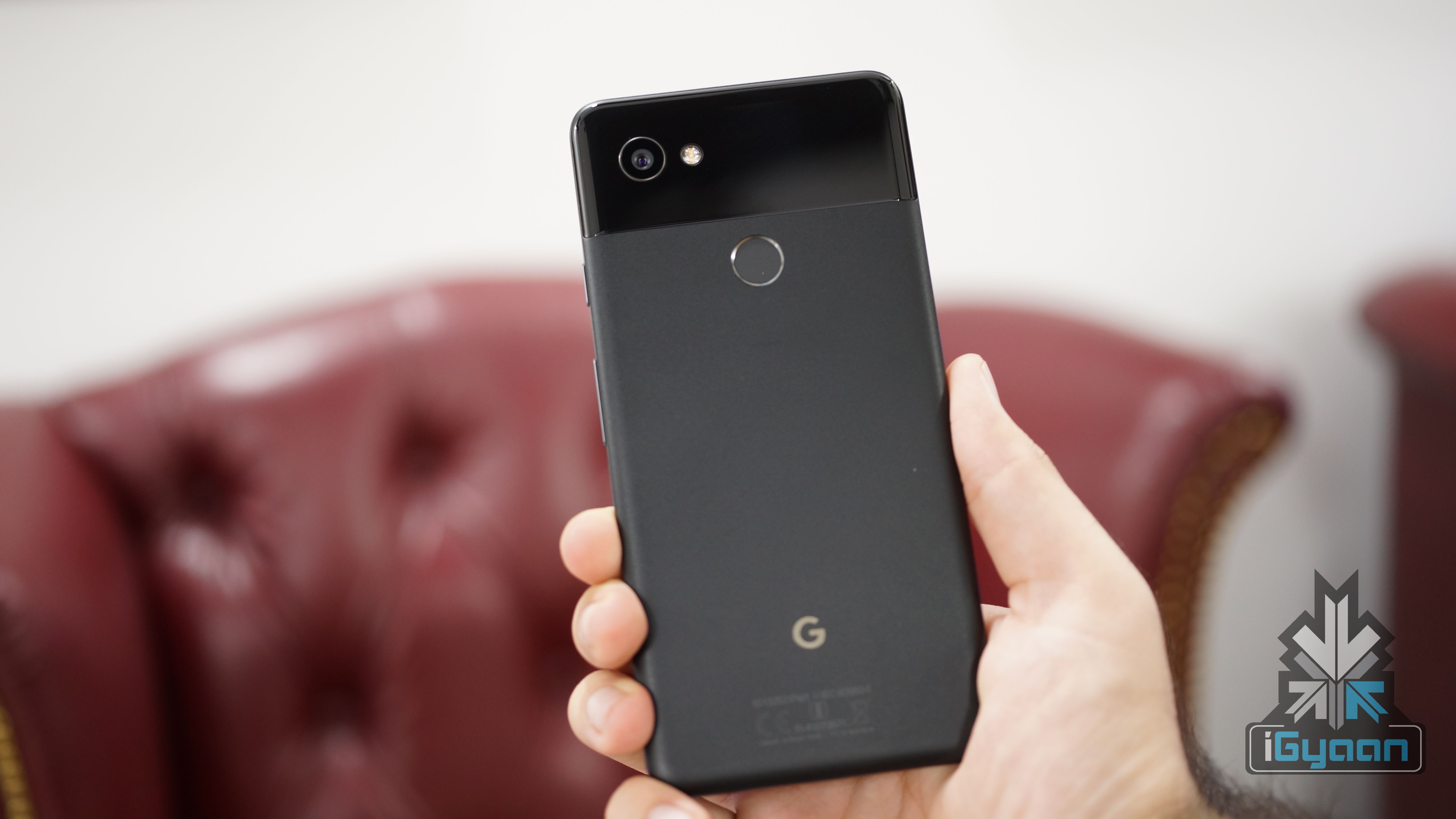
Stock Android 8.1 Oreo On Pixel 2 XL
However, it is worth noting that iOS was once the more loyal platform. Back in 2013, iPhone users were more loyal than Android users. But, ever since then, the loyalty of Android users has been on a rise.
Conclusion
With smartphones becoming more or less the same, at least in the flagship category, it seems like people have picked their preferred OS. Now, it is up to Google and Apple to maintain that customer base and keep innovating to provide more options to users part of their ecosystem. As for the debate of iOS vs Android, it will continue on for a long period of time.
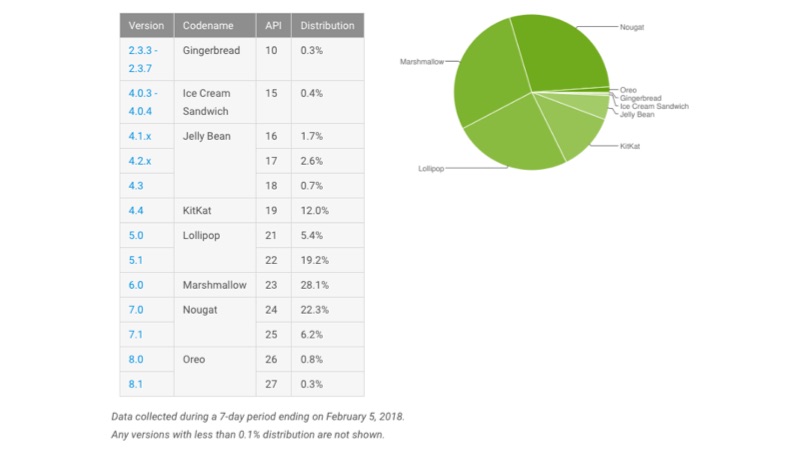
Google released the first developer version of the Android P, which will be the successor of Android 8 Oreo. However, less than 1.5% of Android phones run on Android 8 Oreo right now. To improve this, Google introduced Project Treble which enables the faster Android updates, without interfering with the OEM.
Google follows the 2 years update policy, where the smartphones and tablets will receive two major OS upgrades. However, this changed with the launch of the Pixel series of smartphones. To keep up with Apple (which offers four major OS upgrades), the Pixel devices will receive three major OS upgrades. Similarly, the Pixel will update to Android P and Android Q and the Pixel 2 will also be updated to Android R.
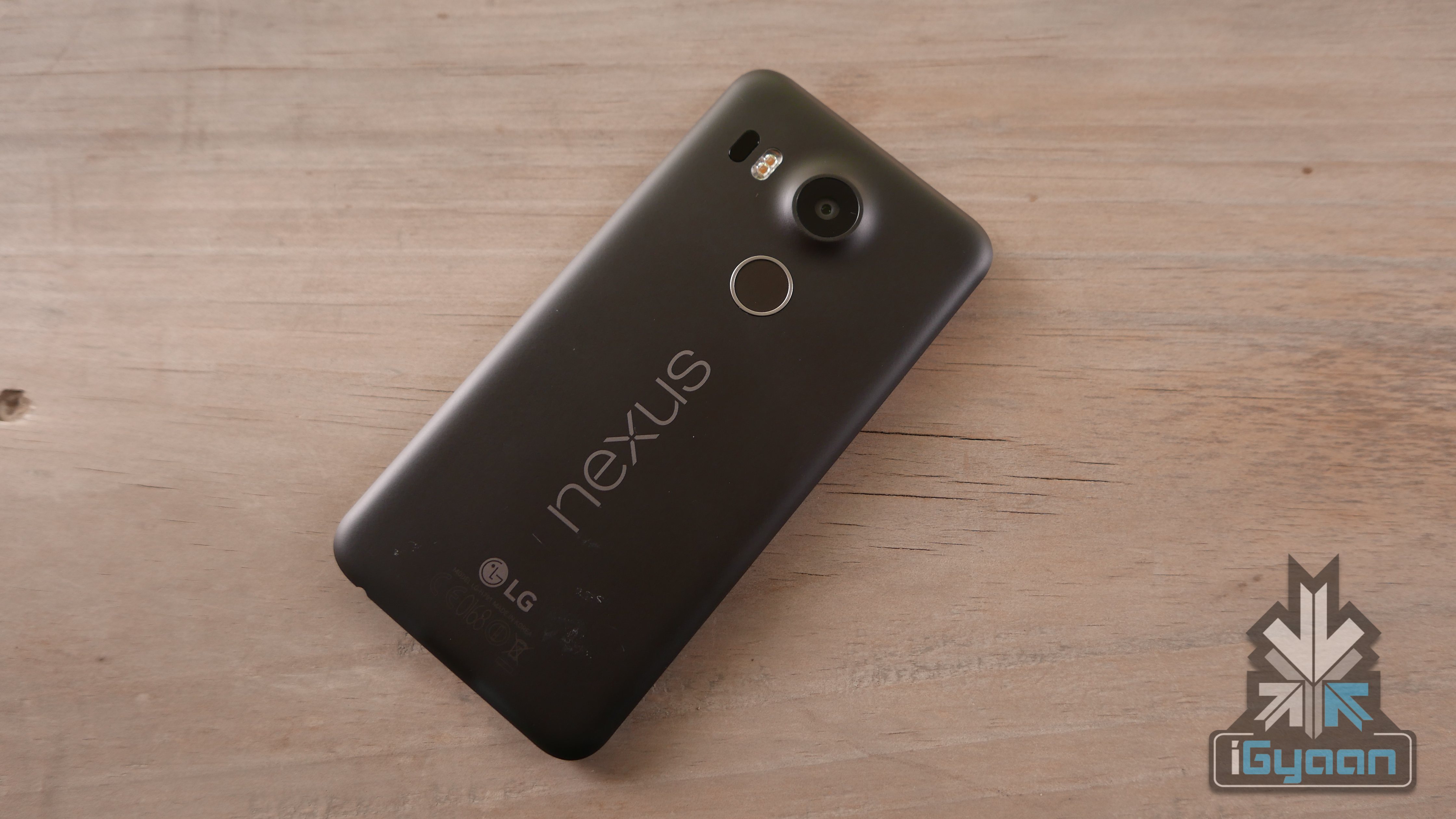
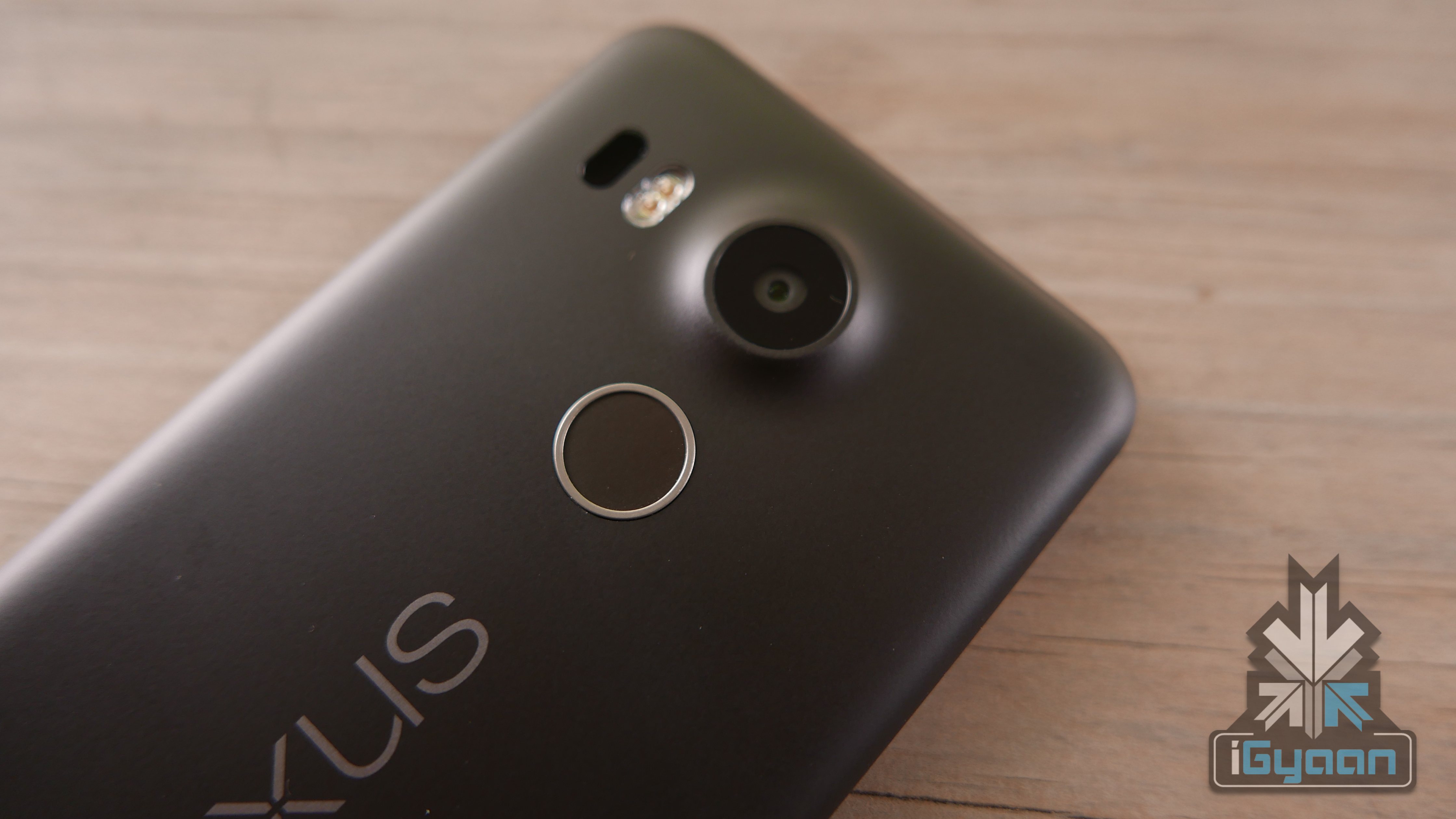
However, this is not applicable to the Pixel C tablet, Nexus 5X and the Nexus 6P. These devices have received two major software update and they are no more eligible to receive Android P. However, all three devices are eligible to receive monthly security updates until September 2018.
As these devices are very popular amongst the developers, the devices might receive unofficial build of Android P via third-party developers.
Android P Features
The Android P is expected to overhaul the user interface completely. In fact, the biggest change is the native support for the infamous notch. In fact, one can test these features by installing the developer version on a supported device.
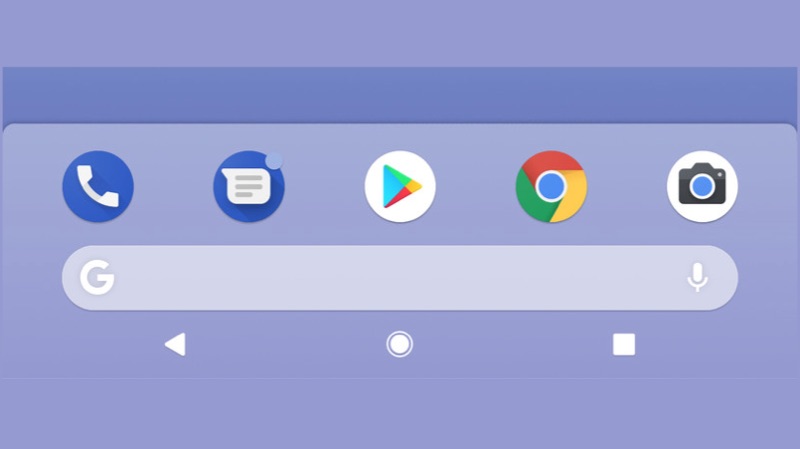
The dock in Android P will also look like a dock now. The four app icons along with the Google Search bar will have a cloudy background, distinguishing it from the rest of the screen. A microphone icon has been added to the Google Search bar to access Google Assistant or do a quick voice search. The volume slider has been moved to the side of the screen and shrunk in size.
Another feature added is something that has been there in custom skins for a while. A user can now take a screen from the power menu, that pops up by long pressing the lock/unlock button. This will come in handy during one handed usage. Visually, there are not many changes in the first developer preview of Android P. However, this can change by the time the official version rolls out. Google might introduce a few visual changes or keep it the way it is. Time will tell.
Google has released the first developer preview of its next version of Android OS, Android P. While there is enough time to discuss the possible names of the new version, a few interesting things need to be addressed first. The developer preview has only been made available to Pixel owners as of now. Since this is the first preview, it is advised to install it on a secondary device or if you’re an app developer.
With Android P, a few things are already expected to be there. Better app management, battery efficiency, a few UI changes, these changes are made in every update. However, one of the most interesting new features is the support for a notch. With more and more Android devices launching with an iPhone X-like notch, Google seems to have given in on the trend.
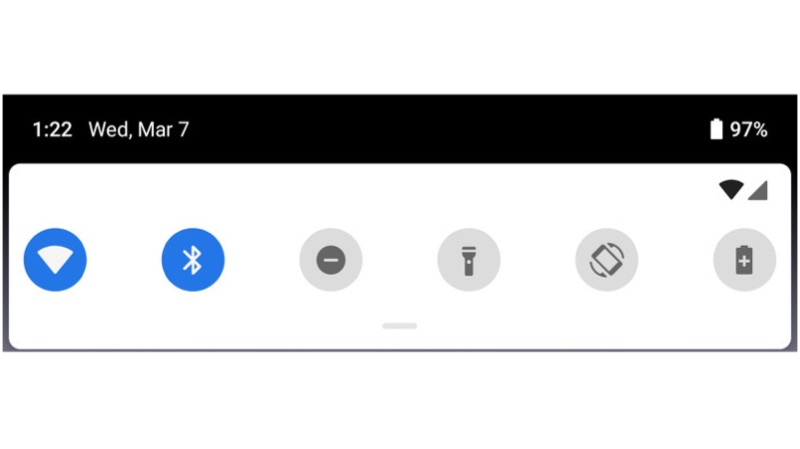
Once enabled, the clock moves to the left hand side of the notch along with notification icons. Other icons like Wi-Fi, Bluetooth remain on the right side of the notch. Interestingly, different sizes of a notch can be emulated. Visually, other changes include a slight redesign of the notification panel. The icons in the quick settings pull down have rounded corners now. If activated, the icons will be blue in colour and when inactive, it will turn gray. To access other quick settings toggle, the user has to pull down on the gray bar just underneath the initial menu.
The dock in Android P will also look like a dock now. The four app icons along with the Google Search bar will have a cloudy background, distinguishing it from the rest of the screen. A microphone icon has been added to the Google Search bar to access Google Assistant or do a quick voice search. The volume slider has been moved to the side of the screen and shrunk in size.
Another feature added is something that has been there in custom skins for a while. A user can now take a screen from the power menu, that pops up by long pressing the lock/unlock button. This will come in handy during one handed usage. Visually, there are not many changes in the first developer preview of Android P. However, this can change by the time the official version rolls out. Google might introduce a few visual changes or keep it the way it is. Time will tell.
As expected, there are some behind-the-scenes changes that Google has made. For instance, Android P now restricts access to mic, camera, and all SensorManager sensors from apps that are idle. This means that you can finally prove that Facebook is not listening to your conversations, or vice versa. Other changes include better Autofill feature for people who don’t like typing their passwords often.
Conclusion
As is with every new Android version release, the changes will be welcomed. However, it is fair to assume that very few people outside the Pixel/Nexus ecosystem will receive an update to Android P. Although, initiatives like Project Treble guarantee sooner software updates, it will be far off from the adoption rate of iOS 12 expected to launch a month or so after Android P.
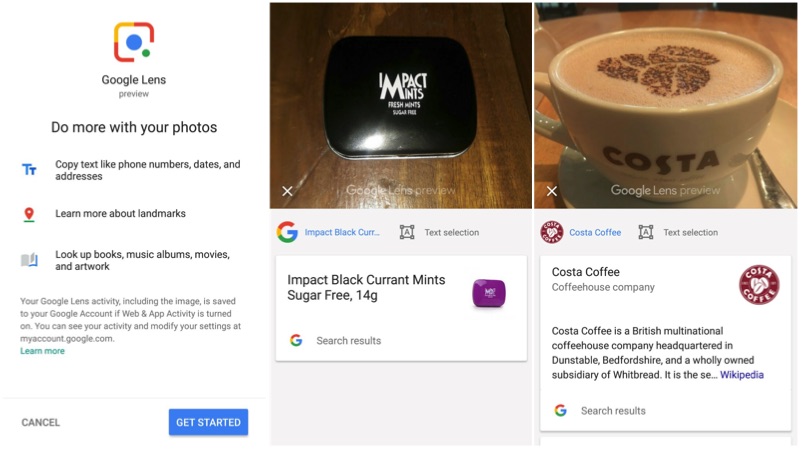
Google introduced the Google Lens at I/O2017. Subsequently, the Google Pixel 2 and the Pixel 2 XL became the first smartphones to feature Google Lens. Google has officially announced that the Lens feature will be available for the Android users via Photos app. Photos is a preparatory app/platform from Google, which offers unlimited cloud storage for storing standard quality photos and videos.
The users will receive an update in the next few days, which enables them to use the Lens via Photos app. Similarly, the update in will available for iOS users in the upcoming week.
Features of Google Lens
Identify the type of flower in the picture
Provide details regarding the show/movie in the picture
Providing information about a hotel/restaurant
Getting contact details out of a document/visiting card
The Lens feature is restricted to English language users. However, as of now, there is no information about the rollout of the feature for the other language users.
The users with flagship smartphones will also receive camera-based Google-lens and the Google Assistance app in the coming weeks. However, there is no exact time frame has been given from Google regarding the rollout.
The AI-based app from Google helps to get information on the wide-range of objects or places. This AI technology is used to get information on objects, buildings and products. Similarly, the company is working on a newer algorithm to distinguish between different animals. In fact, this will help the tourists, who are in a new place and wants to get information on different places. However, Google Lens will not work on everything, at least in India.
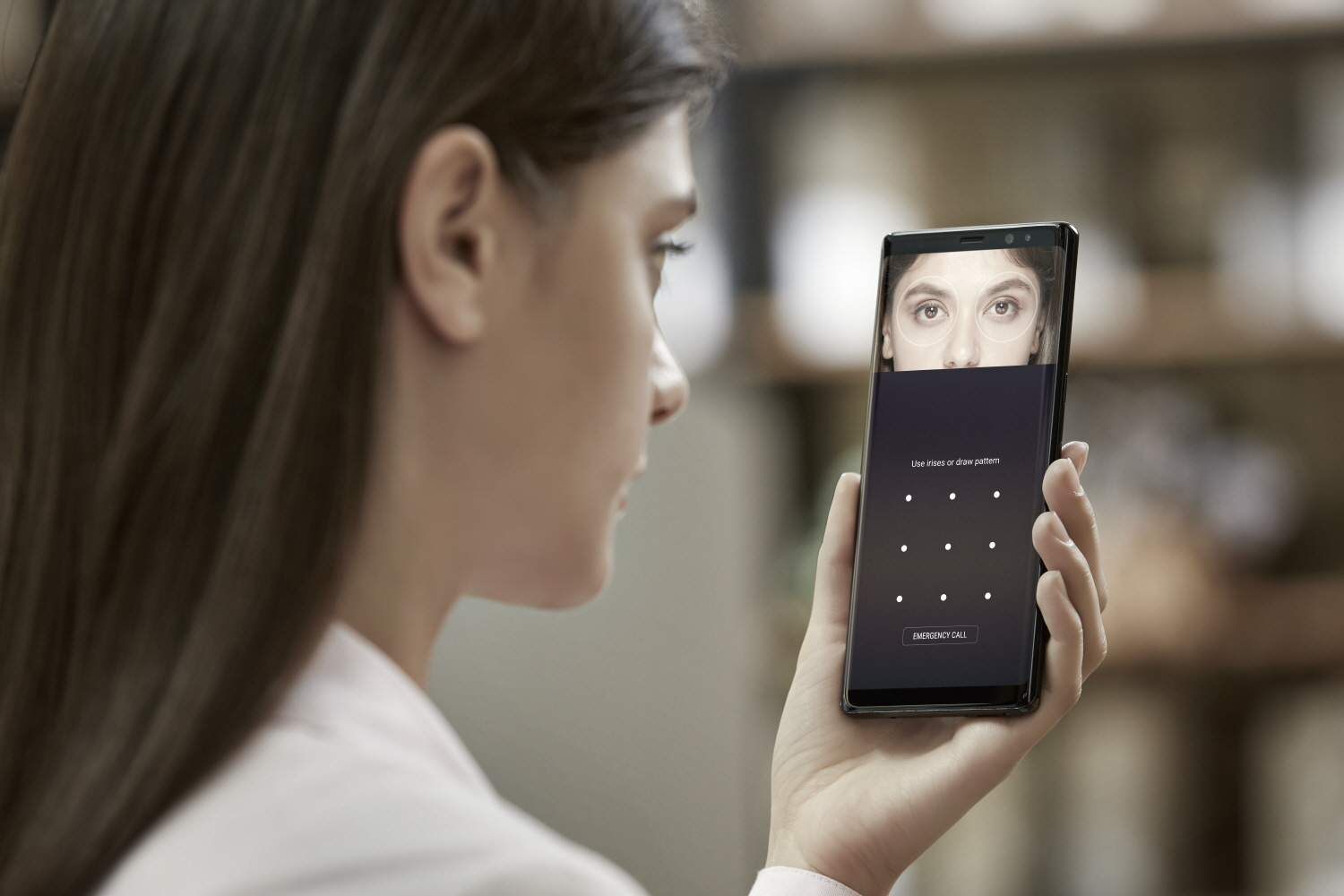
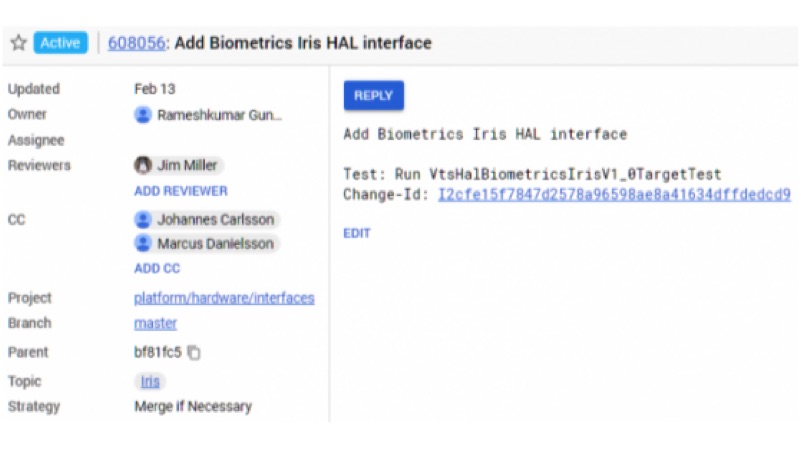
Samsung introduced fingerprint scanner on the Samsung Galaxy S5, it made into stock android on Android Marshmallow. Samsung introduced multi-window mode on the Galaxy Note 4, it made into native Android on Android Nougat. Now Google is all set to adopt the support for Iris scanner in the Android P natively.
What does it mean?
This means that the Google Pixel 3 lineup from Google is expected to feature Iris scanner. Companies like OnePlus, Honor, and Xiaomi have already come up with the phones with face recognition. However, the technology used on these devices is not foolproof like the Iris Scanning.
In fact, the Samsung Galaxy S9 uses both Iris scanner and Face scanning to improve the over experience. Do note that, Samsung is the only mainstream smartphone maker to offer Iris scanner.
Is Iris scanner a safe authentication method?
For the most part yes. It scans different parts of the eyeball, which are very distinct even on twins. However, as of now, the one has to look at the phone from a specific distance to unlock the smartphone. Similarly, it takes an additional second more than the fingerprint scanner.
In fact, one cannot fool it using a 3D model or an identical twin like the Face ID. So, it is safe but not the fastest thing in the world. Even the hardware requirement for the Iris scanner is not as complex as Face ID, so it will be easy to mass produce.
Conclusion
The implementation of Iris scanner has been spotted on the alpha build of the Android P. Google should officially announce this new feature at the Google I/O 2018. The Google Pixel 3 and Pixel 3 XL could be the first set of non-Samsung smartphones to feature this new technology.
Google Pixel 2 devices have started receiving the February security patch. These updates are pushed to patch any vulnerability or a bug. However, sometimes these updates themselves start to create a new bug. Users of Google Pixel 2 and Google Pixel 2 XL are have started reporting that their smartphones have started heating up.
According to users, after the February security update, the smartphone tends to heat up a lot. Not only that, even the battery life of the smartphones has taken a hit.
I recently updated my Pixel 2 to the latest security patch. I’ve checked it’s not a recently downloaded app, I’ve uninstalled all the apps I downloaded before it started getting hot just to check. It gets fairly warm almost instantly after starting to use it, within about a minute or so of anything really. Anyone got any advice? Battery life seems unaffected.
Another user said:
Battery is terrible since the latest update. Phone is getting pretty warm just using reddit anymore.
Google Pixel 2 and Pixel 2 XL are the smartphones which launched with great potential. However, these devices have been in the limelight for all the reasons. Here are some of the issues reported by Google Pixel 2 or Pixel 2 XL users.
The first known issue on the Google Pixel 2 XL was the display issue. Users complained that the display on the smartphone bit dull compared to other smartphones. The company then patched the issue with a software update. Still, a few users have a complain that the display shows cooler colour with a blue tint on a slight shift.
Soon after that, users of Pixel 2 XL started complaining about voicemail issue, which causes users low volume on outgoing voicemail via Google Allo application. Which was later on patched with a software update. Users also raised a concern about buzzing or rattling issue on the stereo speakers, which was later on patched with a software update.
Conclusion:
However, the issue doesn’t seem to be universal, as a few users have commented that they haven’t experienced anything unusual and their devices are performing normally. Google is yet to comment on this issue, with whats wrong with the latest security update or is this caused by some third party application.
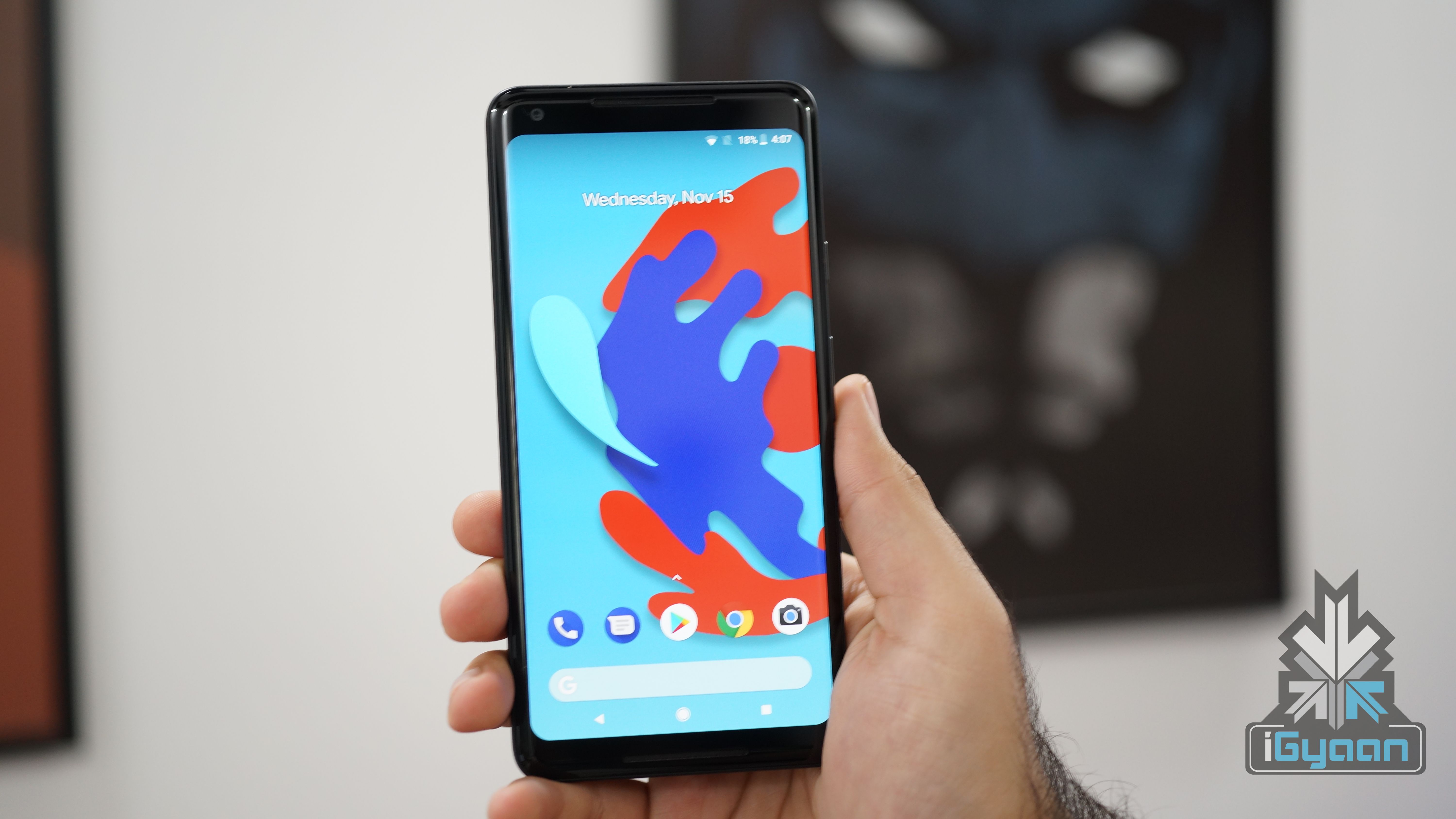
Google Pixel 2, the flagship smartphone from Google is one of the best photogenic smartphones in the market. In fact, It scores perfect 100 points on DxOMark. The Pixel 2 was originally launched for Rs. 61,000, which is now available for just Rs. 41,999. If you are looking for a smartphone with flagship level processing, faster OS updates and best-smartphone camera, then Pixel 2 is the to consider.
How to get Google Pixel 2 for Rs. 41,999?
Due to unimpressive sales number, the phones retail price was brought down to Rs. 49,999. Now, with flat Rs. 8,000 cashback from Citibank, the final price comes down to Rs. 41,999. The cashback is applicable to all the Citibank cardholders.
This offer is applicable only on Flipkart, which is the authorised online reseller for the Google Pixel 2 and Google Pixel 2 XL.
Login to Flipkart, add Pixel 2 to card, check-out and make payment using Citibank card. This deal is applicable for EMI plan as well
One has to make a complete payment of Rs. 49,999. The cash back will be credited back to user’s account in next 90 days.
Specifications:
The Google Pixel 2 comes with a 5.0-inch 1080p pOLED display, protected by 2.5D curved tempered glass on the top. It has the Qualcomm Snapdragon 835 chipset, 2.4GHz octa-core processor, Adreno 540, 4GB RAM and 64GB/128GB onboard storage. The two-tone colour of the phone is also reminiscent of the original Pixel from 2016.
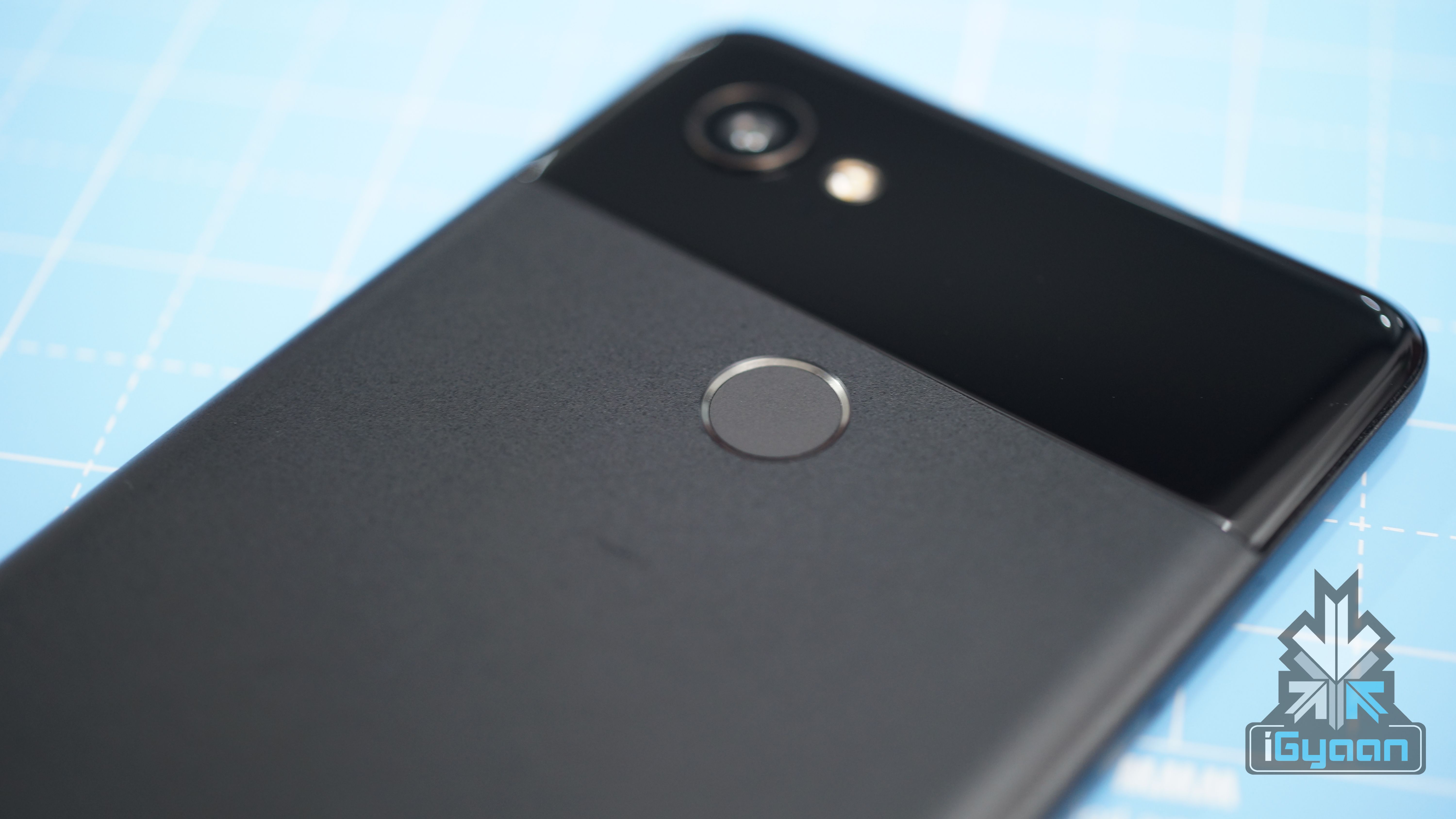
The two-tone colour of the phone is also reminiscent of the original Pixel from 2016, which runs on Android Oreo 8.1. As is with every Google phone, the new Pixel 2 will be first in line to receive Android P update in 2018. The fingerprint sensor sits at the back of the device but, this time around the “glass window” is smaller.
This year, the Pixel 2 and Pixel 2 XL use a technology called “dual-pixel” which divides every pixel into two. Google has decided to go for a single camera setup similar to last year’s Pixel phones. The rear-facing camera is a 12.2 MP sensor with an f/1.8 aperture and 1.4 micron pixel size. On the front is an 8MP camera with an f/2.4 aperture.
Google has introduced new features in the camera department like the addition of AR. You’ll be able to add 3D characters and emoji into photos and videos and see them move around as you’re capturing the scene. That includes things like a sleepy coffee cup, but also some recognisable characters.
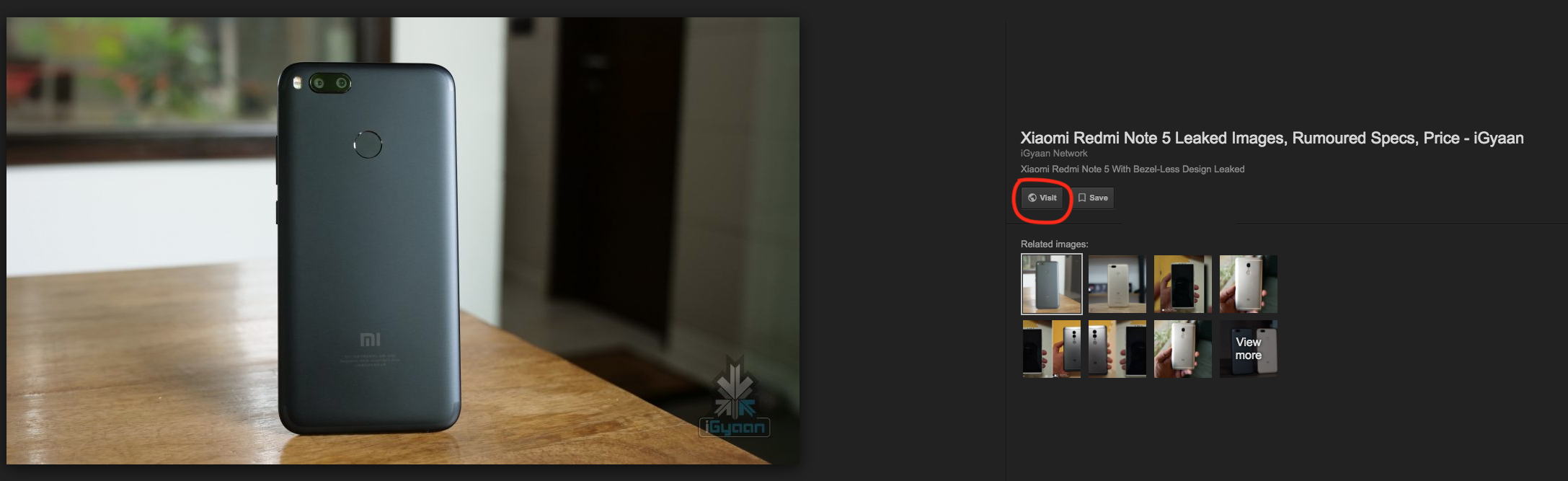
Google has updated its Google Image search which might have huge repercussions. The company took to Twitter to announce that it has removed the “view image” button from image search. Therefore, the company has made it difficult for people to save copyrighted images directly. The update might seem small but, it is a huge change in the grand scheme of things.
Today we're launching some changes on Google Images to help connect users and useful websites. This will include removing the View Image button. The Visit button remains, so users can see images in the context of the webpages they're on. pic.twitter.com/n76KUj4ioD
The company has essentially eliminated the “view image” button. This button was once the direct link to a high-resolution version of the image. This was a huge concern for photographers, publishers and stock image sites for obvious reasons. As this button essentially allowed users to access the original version of the image without visiting the source site.
Now, users will be able to visit the source site “visit” button. This means that in order to steal an image, the user will have to go to a source site which means an additional step. The timing of the move is worth noting here. In early-February, Getty Images announced a licensing partnership with Google.
Back in 2016, Getty Images filed a complaint against Google. It accused the company of anti-competitive practices within Google Images. It said that Google was “distorting search results in favour of its own services.” Therefore, users did not have an incentive to visit source stock websites likes Getty to download the original image.
Getting rid of the “view” button is definitely a significant move. However, whether this will curb copyright infringement or not is yet to be seen.
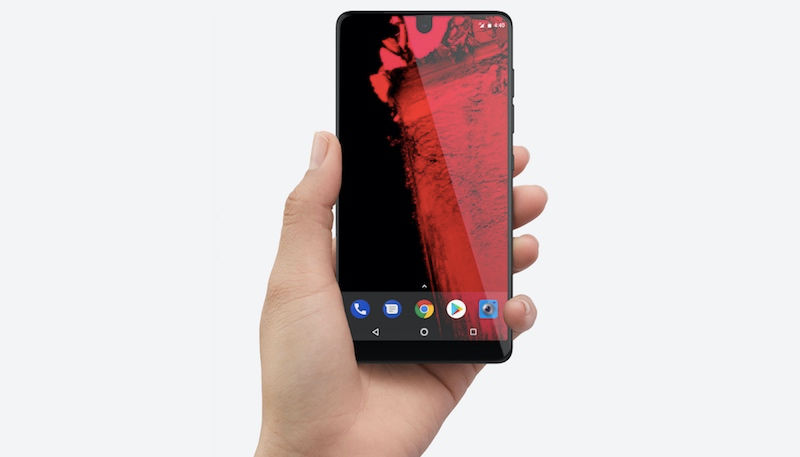
When the iPhone 8 and iPhone 8 Plus were unveiled, there was a sense of anticipation for what was coming. The iPhone X was unveiled and it represented a design that was unusual and a departure from the iconic iPhone design. The most eye-catching design element was the notch on the display. It has a purpose, similar to what the notch did on the Essential phone but, more prominent.
Essential Ph-1
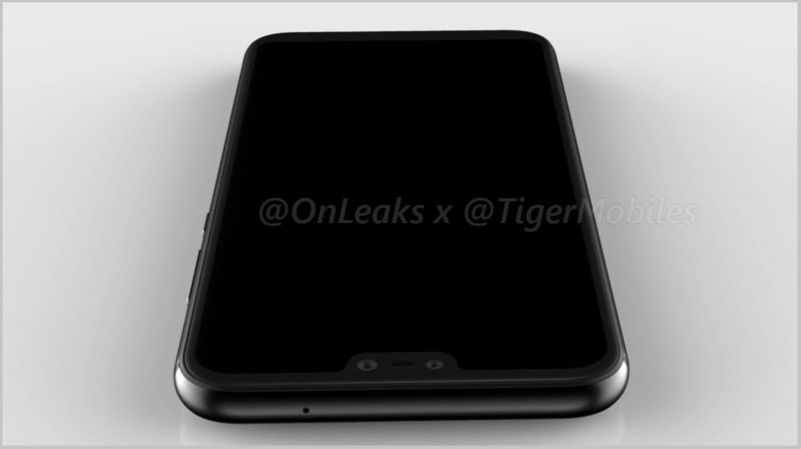
Since then, there have been a lot of smartphones that have tried to imitate the iPhone X notch. It looks like the upcoming Google Pixel 3 devices will also embrace the iPhone X notch. Follow up to Android 8 Oreo, Android P is codenamed Pistachio Icecream internally. According to “people familiar with the matter,” Android P is expected to better accommodate handsets with an iPhone X-like notch at the top of the display.
This means that Google is expecting more Android devices to have a notch on top. As we said earlier, the notch on the iPhone X might be unusual but it is on its way to becoming iconic. For Google to take this step, there could be more reasons than just a trend. Google could implement an iPhone X like notch on its own line of Android devices.
Huawei P11/P20 With A Notch
The Google Pixel 3 and Pixel 3 XL will have a lot to prove. The Pixel 2 and Pixel 2 XL were marred by controversies. The Google Pixel 3 smartphones are expected to look and perform like premium smartphones and Google could introduce something like Face ID. If Google does implement facial recognition, a notch would make sense in terms of design as well as its functionality.
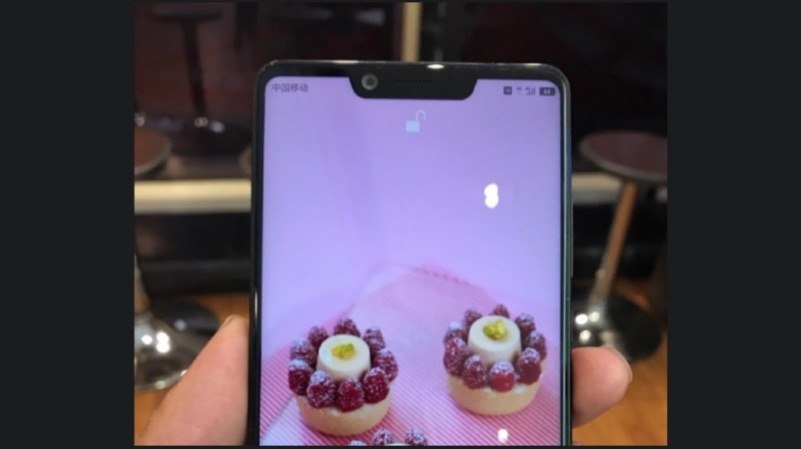
A lot of Android devices like the Doogee V or Sharp Aquos S3 have a notch as well, but, doesn’t have a lot of functionality.
Along with better optimisation for a display notch, the next version of Android will also have design improvements. Apparently, one of the main goals of Android P is ”improving the look of the software” to better appeal to existing iPhone users. This is to lure iPhone users to switch to Google services and Android devices.
Sharp Aquos s3
Another major change will be better support and optimisation for devices with a foldable display. This could be a huge hint at the possible launch of the foldable Samsung phone, the Galaxy X. Continuing its tryst in making AI better, Google is reportedly considering allowing third-party developers to directly integrate Assistant into their own apps.
While Android Pistachio Icecream sounds like a fun name, Google could easily name it something else since this is an internal codename. One of the most talked-about possible names is Peppermint.
2017 was a great year for smartphones. The bezels shrunk, dual cameras became a norm, and AI gained a few strides. 2018 promises to be another great year for a smartphone enthusiast and the early leaks and rumours are very promising. Let’s take a look at the top five upcoming smartphones of 2018:
Samsung Galaxy S9/Galaxy S9+
The first big launch of 2018 will be that of the Galaxy S9 and the Galaxy S9+. The smartphones will be launched at MWC 2018 and will possibly be the first to run on the Snapdragon 845 chipset. After weeks of renders and leaks, Samsung will finally unveil two of the most anticipated smartphones of 2018.
Design wise, the two phones won’t look different than their predecessors which is not a bad thing. The Galaxy S8 and S8+ are still two of the most stunning devices on the market. The top and bottom bezels will be slightly thinner and the fingerprint sensor will be repositioned. Unlike last year’s, the fingerprint sensor will now be placed below the camera module instead of next to it. That is a great design change which was called for by many Galaxy S8 and Note8 users.
To compete with Apple’s Face ID, Samsung is rumoured to introduce Smart Scan as well. Apparently, the new feature is a combination of face and iris scanning. This extra layer will improve accuracy and security of the system in extremely dark or lit up environments. These are the situations where iris scanning and facial recognition systems fail. There have been reports that suggest the Samsung Galaxy S9 devices might have a 3D sensor equipped front-camera for improved biometrics.
There are no rumours or leaks about an upcoming Xiaomi Mi A2 or Mi A1(2018). However, considering the popularity of the Mi A1 in India, the company will be hard-pressed to launch a successor in 2018. The Mi A1 had a more 2016 design with thick bezels but, with budget smartphones also moving on to an 18:9 aspect ratio, the Mi A2 will also have a modern design.
The Xiaomi Mi A1 was launched as the Mi 5X in China and the Mi 6X could be the Mi A2 in India. So far, there have been a few leaks pertaining to the Xiaomi Mi 6X. According to leaked images, the Mi 6X will have an iPhone X-like vertically placed dual-camera setup along with fingerprint sensor and an aluminium unibody build.
Up until the Xiaomi Mi A1 was launched, Motorola’s Moto G5 Plus and G5s Plus had the best cameras in the segment. However, the Xiaomi Mi A1 had a great dual-camera setup as well and the Mi A2, in order to sway customers will have to have a great camera performance as well. The Xiaomi Mi A2 is expected to have the same “wide-angle and telephoto lens” combination for the primary cameras. The dual-camera setup on the front is becoming popular as well, meaning the Xiaomi Mi A2 could also have a dual-camera setup on the front as well.
If Xiaomi does launch the Mi A2 or Mi A1 (2018) in India, it is expected to do well, considering budget smartphones from Honor will have EMUI and a lot of consumers still prefer stock Android OS.
The OnePlus 5 and OnePlus 5T saw a rise in price which many people weren’t happy about. There was also no water resistance even though OnePlus decided to increase the price of its new flagship considerably. However, early rumours of the OnePlus 6 are in and it appears that the company will be refreshing its smartphone lineup earlier than expected. A report from Android Marvel claims that the OnePlus 6 will be launched in March of 2018 and have a few new features which the OnePlus 5T is missing.
Inspired by Face ID, the OnePlus 6 will also have its own version of facial recognition. The OnePlus 6 is expected to have a camera hardware setup similar to the iPhone X, complete with a 3D camera module that will use infrared light to measure depth. However, the OnePlus 6 will not have an iPhone X-like notch. Instead, the handset is expected to have a full top bezel where the extra sensors should be found.
The OnePlus 6 is expected to have the Qualcomm Snapdragon 845 chipset under the hood along with 6GB or 8GB of RAM. Storage options will most probably be the same with 64GB or 128Gb variants of the phone. OnePlus has shown its tendency to launch limited edition variants of its devices and it is fair to assume that the company will do something similar with the OnePlus 6 and possibly, the OnePlus 6T.
Apple iPhone X Plus
2018 Apple iPhone lineup
It’s tentative but, we might see a bigger version of the iPhone X in September of 2018. The iPhone X, launched in September 2017 saw a radical shift from the traditional iPhone design we were accustomed to, since the launch of the iPhone 6. While the iPhone 8 and iPhone 8 Plus were similar to their predecessors, the iPhone X was the special 10th-anniversary device, billed as the true successor to the original iPhone which was launched back in 2007.
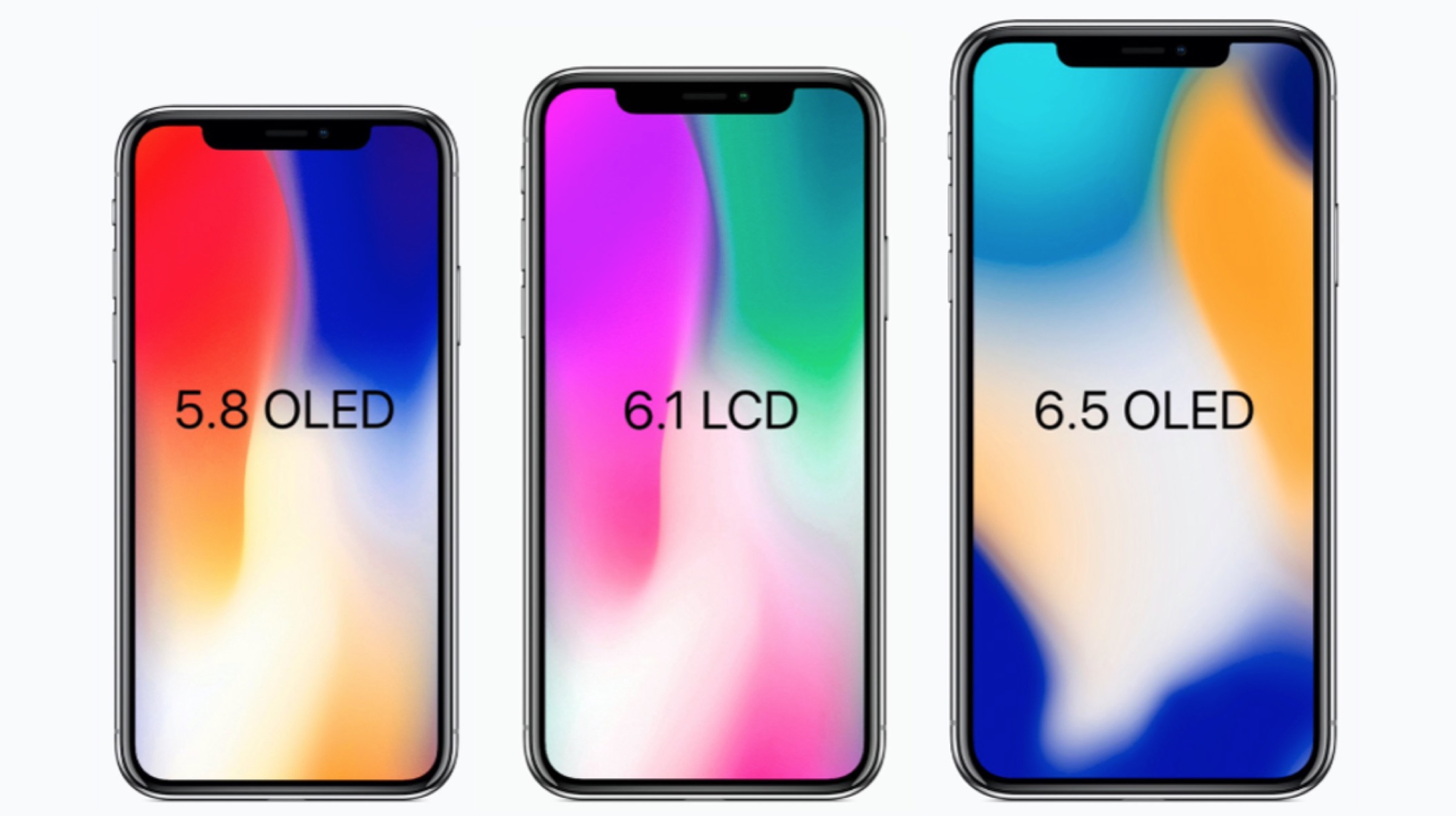
Early reports claim that Apple will continue the trend and launch three new iPhones in 2018. While two of them will continue to have an OLED display, the smallest of the three iPhones will be cheaper thanks to the LCD display. However, the design of all the three iPhones will be similar to the iPhone X with the notch at the top of the display and vertically placed dual cameras.
Under the hood, an upgraded A12 (tentatively named) chipset is expected which will, as always, perform better than the previous generation and go toe-to-toe with the Snapdragon 845 chipset.
Apple made it clear that it will emphasise a lot on the use of AI and machine learning with the introduction of ARKit. This is expected to be taken a notch higher with the next generation iPhones. What will be interesting to see is the nomenclature of all the three iPhones.
Google Pixel 3/Pixel 3 XL
The Google Pixel 2 and Pixel 2 XL launched amidst a lot of anticipation. Google was expected to deliver two of the best Android phones of the year and while the software and AI integration of the two phones was commendable, Google lost the race in the hardware department.
In 2018, especially after having the HTC smartphone personnel on board, Google will be expected to rectify those mistakes and deliver great Android devices which will compete with the likes of the Galaxy S9 and the OnePlus 6.
Similar to the Pixel 2, the Pixel 3 and its bigger sibling will focus a lot on AI and machine learning, and deliver smooth software experience thanks to the stock Android OS. 2018 will see the launch of Android P and the Pixel 3 devices will be the first Android phones on the planet to run o the new Android OS.
The Pixel 2 smartphones had the best camera on smartphones and achieved dual-camera capable features on their single camera setup thanks to Google’s incredible machine learning and AI implementation. We expect similar results from the Google Pixel 3 and Pixel 3 XL.
Google has announced the completion of a US$ 1.1 billion deal with HTC. The deal was confirmed in September 2017 but, it has now passed the requisite approvals and is finalised.
Rick Osterloh (Google) and Cher Wang (HTC)
The acquisition will see the transfer of over 2,000 engineers from HTC. Along with the transfer, the company will also receive a non-exclusive license for HTC’s intellectual property. HTC is retaining its Vive VR division and confirmed that it will continue making smartphones. Rick Osterloh, Google’s senior VP of hardware, wrote:
I’m delighted that we’ve officially closed our deal with HTC, and are welcoming an incredibly talented team to work on even better and more innovative products in the years to come.
As It Happened
This is not the first time that Google has taken charge of the hardware for its smartphone lineup. Six years ago, Google announced a US$12.5 billion buyout of Motorola Mobility. However, after opening a manufacturing plant in the United States, the company decided to sell Motorola Mobility to Lenovo for a fraction of the price it bought Moto for. The takeover made Motorola into a capable smartphone manufacturer and has continued to thrive in the smartphone industry since then.
Google Pixel 2
HTC’s flailing smartphone share and tumbling sales in the past few years made people talk about a possible takeover by Google of its smartphone department while HTC continues its work in the VR industry. In late August, reports emerged that a deal between Google and HTC will be announced by the end of 2017.
This move by the Google to buy off smartphone personnel from HTC could bring the company closer to achieving the hardware/software synergy that has worked so well for Apple and the iPhone. Although HTC and other Android smartphone makers still use off-the-shelf processors and other components in their handsets, the tech giant snatched one of Apple’s chip architects earlier in 2017. This could be an attempt to evolve beyond that and design its own chip.
This acquisition also gives it a huge engineer base in Taipei, Taiwan. That makes Taipei the largest engineering site for Google in the Asia Pacific. In the coming years, it is likely to be the source of new products from the company.
Android 8.1 Oreo started rolling out to Google Pixel and select Nexus device back in early-December 2017. There have been reports of Pixel and Nexus users facing issues with the lock screen on their devices.
Apparently, aggrieved users are unable to swipe on the lock screen of Pixel and Nexus devices that received an update to Android 8.1 Oreo. Users took to Pixel User Community forums and expressed their problems they are facing with their respective devices. Due to the issue preventing users to make swipe actions on the display, users haven’t been able to pick up incoming calls, unlock the screen, among other problems that are related to swipe actions.
While Pixel 2 and Pixel 2 XL owners have had their fair share of hardware and software issues, Nexus devices are facing such software issues for the first time, since Android 8 Oreo has been smooth and more or less bug-free on other devices.
Google appears to be aware of the issue as Orrin, a community manager at the Pixel User Community has stated that he’s ‘looking into that swipe issues that have been reported’. Google seems to be in a race against time to release new software updates that fix a plethora of issues reported by Pixel 2 and Pixel 2 XL users.
Recently, soon after the Android 8.1 Oreo update, some Pixel 2 XL owners complained that they had to manually wake up the device during an incoming call. Something as basic as this is even available in a feature phone and should not be an issue for consumers who pay so much of money for a Pixel 2 XL device.
With 2018, Google would want to leave the hardware issues behind and work on its Pixel 3 devices which would need to be much better than their predecessors to achieve any amount of success in the market.
It is hard to gauge which trend will catch on in a certain industry. Over the years, we’ve seen smartphones move in a similar direction for a period of time until a new aspect catches people’s attention. After the iPhone 7 and 7 Plus dropped the headphone jack, we saw more smartphone makers following suite so much so that Samsung, LG and OnePlus appear to be the only flag bearers of the beloved 3.5mm headphone jack. 2018 is expected to be the year of AI and machine learning, and not just in smartphones.
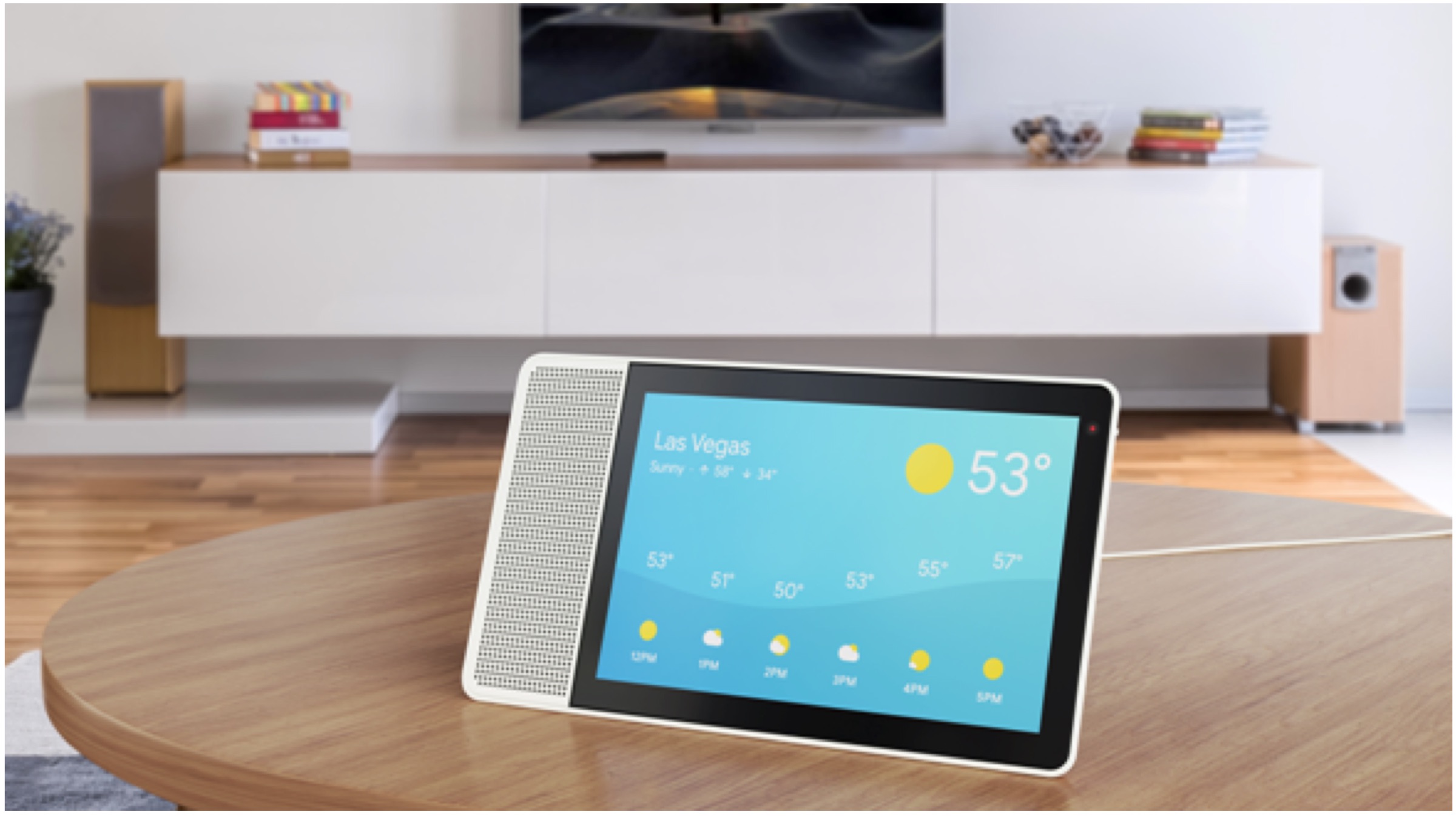
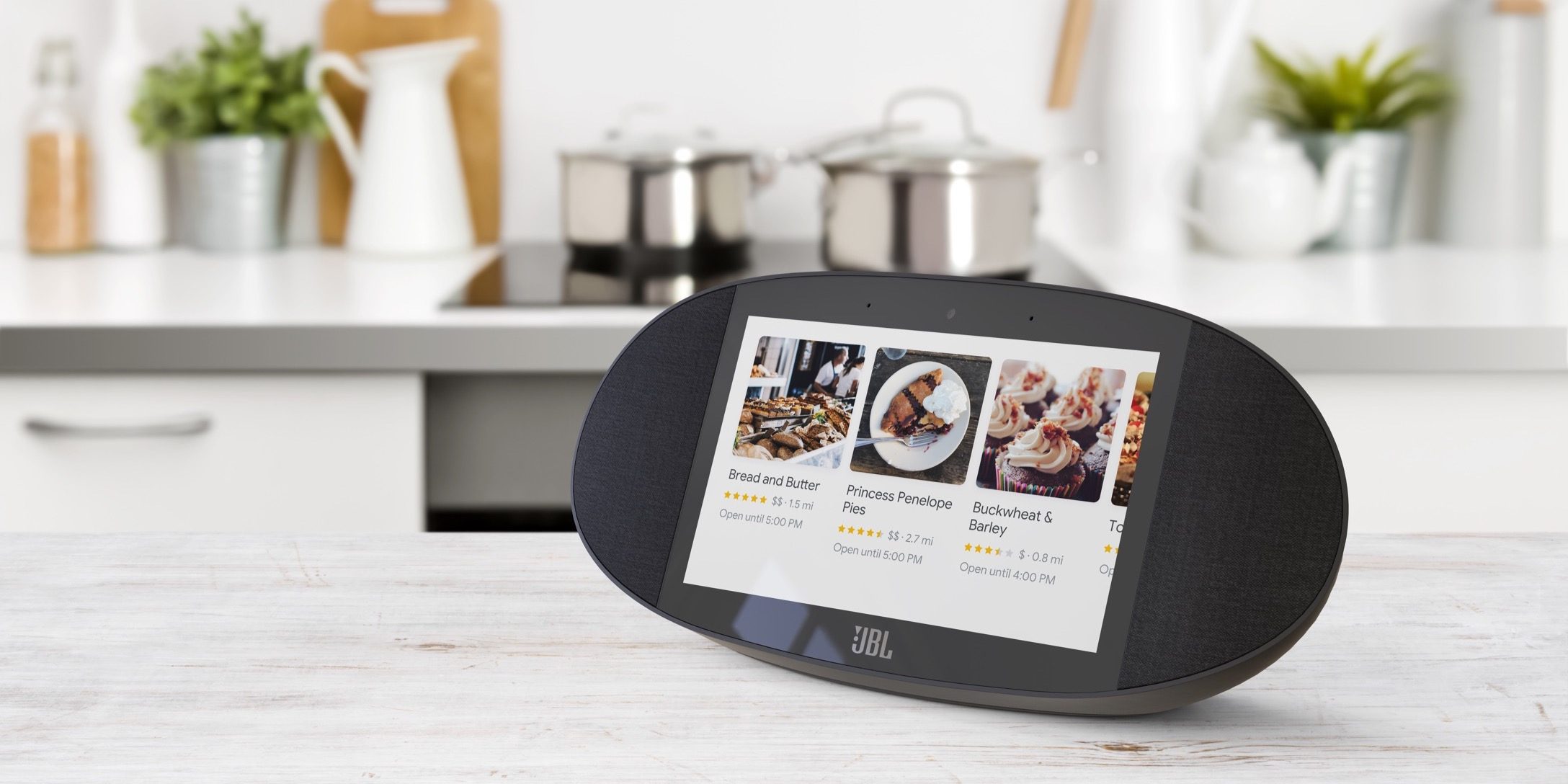
Amazon and Google have been dominating the smart home, especially smart speakers industry for a while now. Thanks to the affordable Google Home Mini and Amazon Acho Dot, it has become easier to enter the smart home ecosystem. Lenovo and Google unveiled a new smart home product, a smart display with built-in Google Assistant. Similar to the Amazon Echo Show, this new smart display from Lenovo does everything a smart speaker can do, with a display.
Also, unlike the Echo Show, it can playback YouTube videos. This smart display doesn’t run on Android or ChromeOS instead, it is running Android Things, a variant of Android that’s custom-designed for IoT. Apart from Lenovo, JBL, LG, and Sony will also be making smart displays with built-in Google Assistant running the same software.
JBL Link View With Google Assitant
Google showcased a small video revealing the capabilities of these smart displays. Google Assistant on smart displays can do a lot of tasks that the Echo Show does as well, like show you photos and calendar, give directions, recipes, and do video conferencing. This will all be handy if you are a Google Services user and part of the whole Google/Android ecosystem.
While third-party app support is on the way, the Lenovo smart displays won’t be available right away. The 10-inch Lenovo Smart Display starts at US $249.99 and the 8-inch model starts at US $199.99, and both are expected to be available early this summer.
The Google Pixel 2 and Pixel 2 XLwere launched back in October to really high expectations from Android enthusiasts. While the 2016 Pixel devices had their shortcomings, the software experience and camera performance was unparalleled. Hence, a lot was expected from the Pixel 2 and Pixel 2 XL, especially after Google talked up the software and AI integration during the launch event.
While stock Android OS on the devices has been excellent, the phones have been marred by prolonged hardware issues that the company can’t seem to contain. Over the course of the past two months, the negative press around the Pixel 2 and Pixel 2 XL has been immense and another issue regarding the Pixel 2 XL has come up, which has further infuriated Pixel 2 users.
Affected users have reported the latest voice messaging issue on the Pixel User Community of the Google Product Forums. Multiple users have stated that when they send a voice clip recorded on a Pixel 2 XL suffering from this particular bug, the recipient receives the same clip with a minimal volume.
I experienced the unusually low volume for outgoing voice messages in WhatsApp on two Pixel 2 XLs. The same behaviour was observed with Google Allo voice messages.
Google is apparently aware of the issue and will soon release a fix. Community Manager Orrin Hancock responded to the reports saying:
Want to let you all know that we are aware of this [issue], and looking into it. I might be reaching out for bug reports and other info privately.
Thi issue is a part of a larger problem which Google faces right now because of its hardware frailties. While the company’s smart speakers have been doing really well in the market, the Pixel 2 and Pixel 2 XL have failed to capture the imagination of its audience because of its price tag and the numerous software and hardware bugs that are constantly reported online.
While the Pixel 2 has had a relatively smoother sailing, the Pixel 2 XL has faced a lot of the consumer wrath because of its below-par OLED display and other issues that hinder a user’s experience. Recently, after the Android 8.1 Oreo update rolled out, some users were reportingthat they had to physically switch on the display during an incoming call. A thousand rupee feature phone lights up during an incoming call and such severe issues should not be faced by people who pay thousands for their smartphone.
On the 4th of October, Google took to stage to launch the Pixel 2 devices along with the highly anticipated cheaper version of the Google Home, called the Google Home Mini. As much exciting the Pixel 2 and Pixel 2 XL devices were, the Home Mini and the Home Max really caught people’s attention. Even though Amazon really opened up the smart speaker market with its line of Echo speakers, Google appears to be the company that has benefited from the surge in demand for more smart home tech.
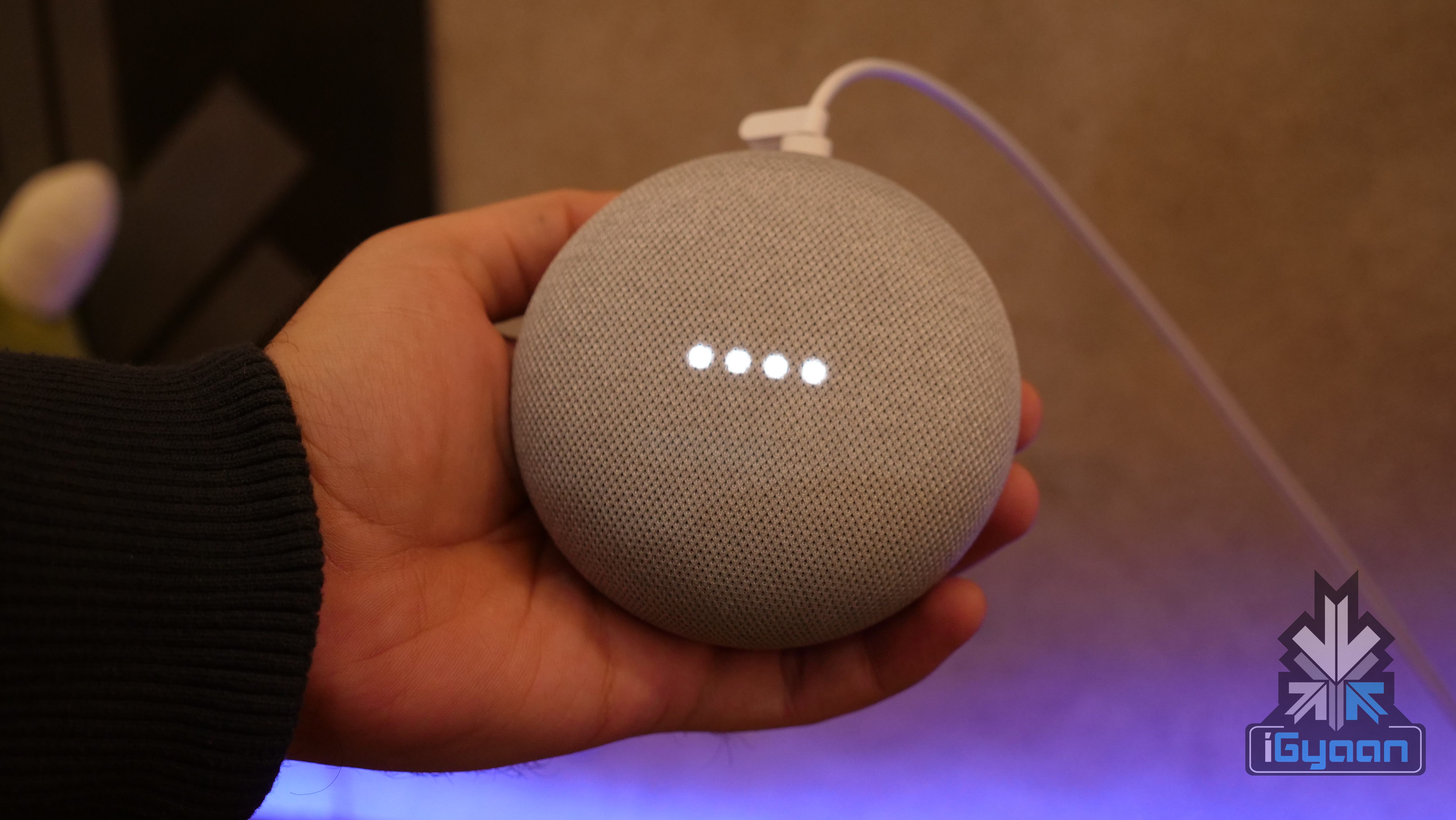
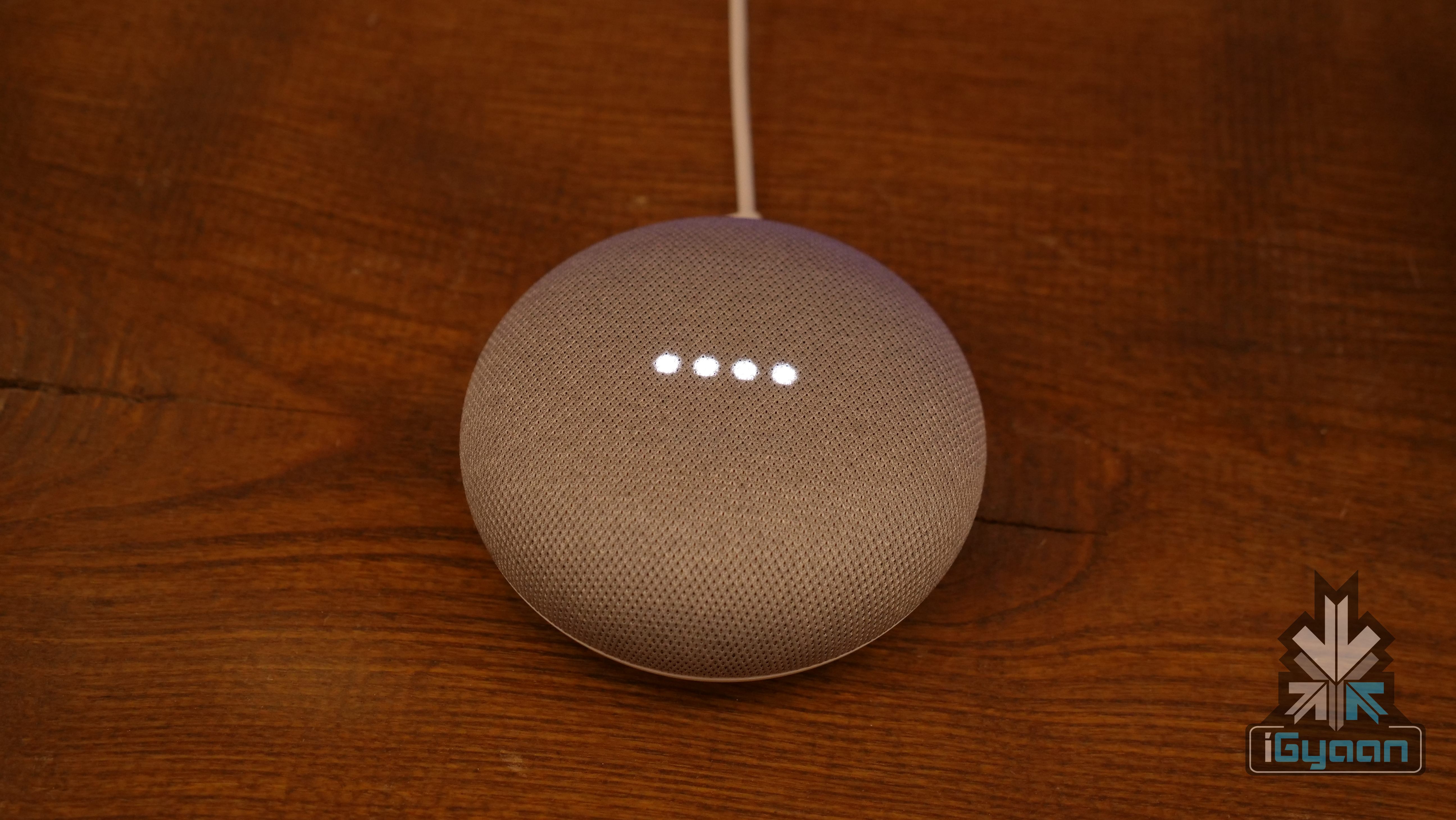
Google Home Mini
In a blog post, Google announced the success of its ‘Home’ lineup:
So it’s no wonder we’ve sold tens of millions of all our Google devices for the home over this last year. And in fact, we sold more than one Google Home device every second since Google Home Mini started shipping in October.
2017 was an important year of Google’s hardware, and where the Pixel 2 devices failed to meet the soaring expectations, the Google Home devices have been extremely well received. Before October od 2017, Google had one speaker, the Google Home which was sounded okay, but, wasn’t really affordable and the Amazon Echo Dot was available for less than half its price. Before the October launch event, there were rumours that Google will launch an Echo Dot competitive and so it did. The Home Mini was launched at a price of US $49 (Rs. 3,100 approx.) and came down to as low as US $20 during the holiday season.
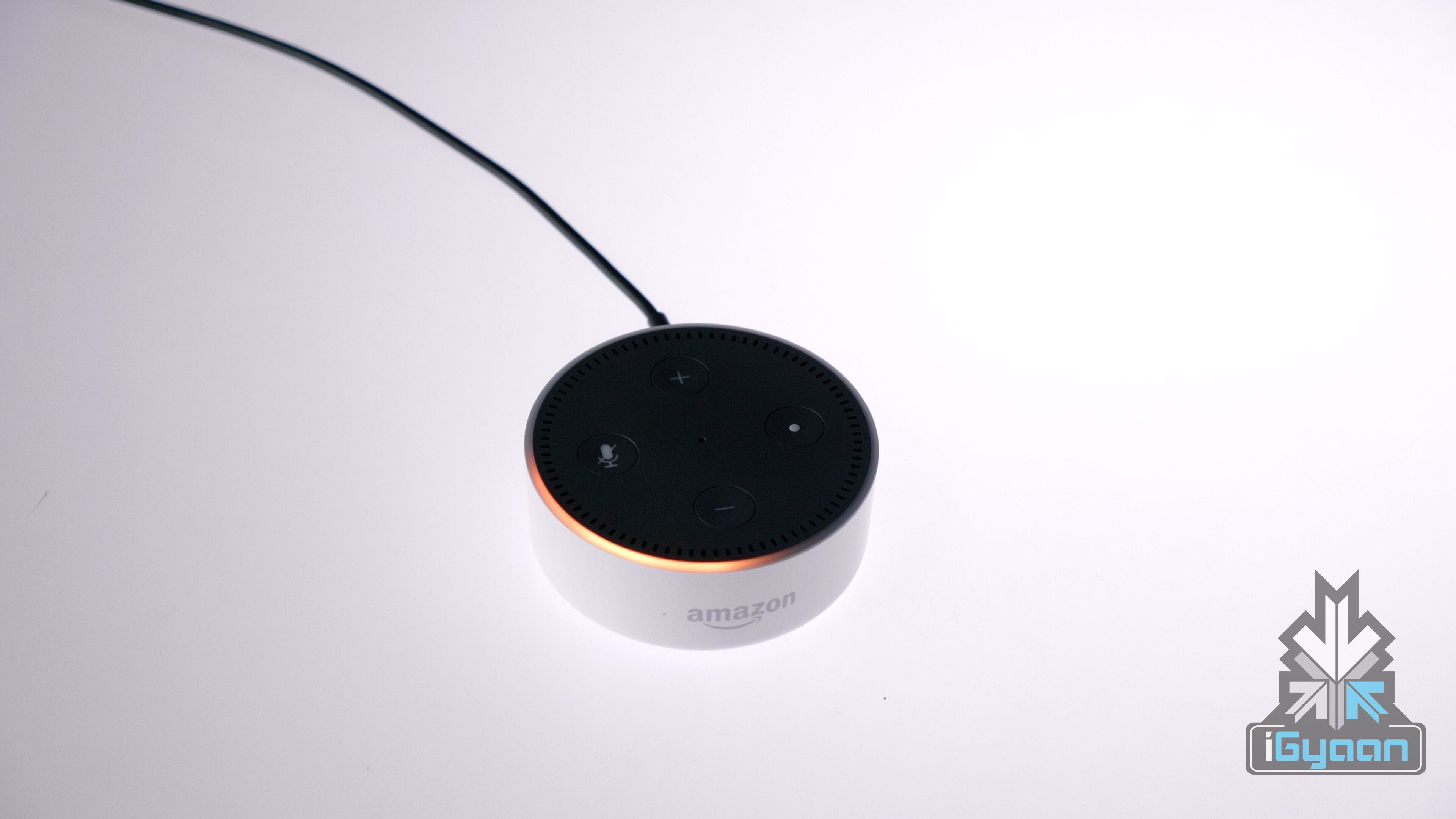
Amazon Echo Dot Is Now Available In India
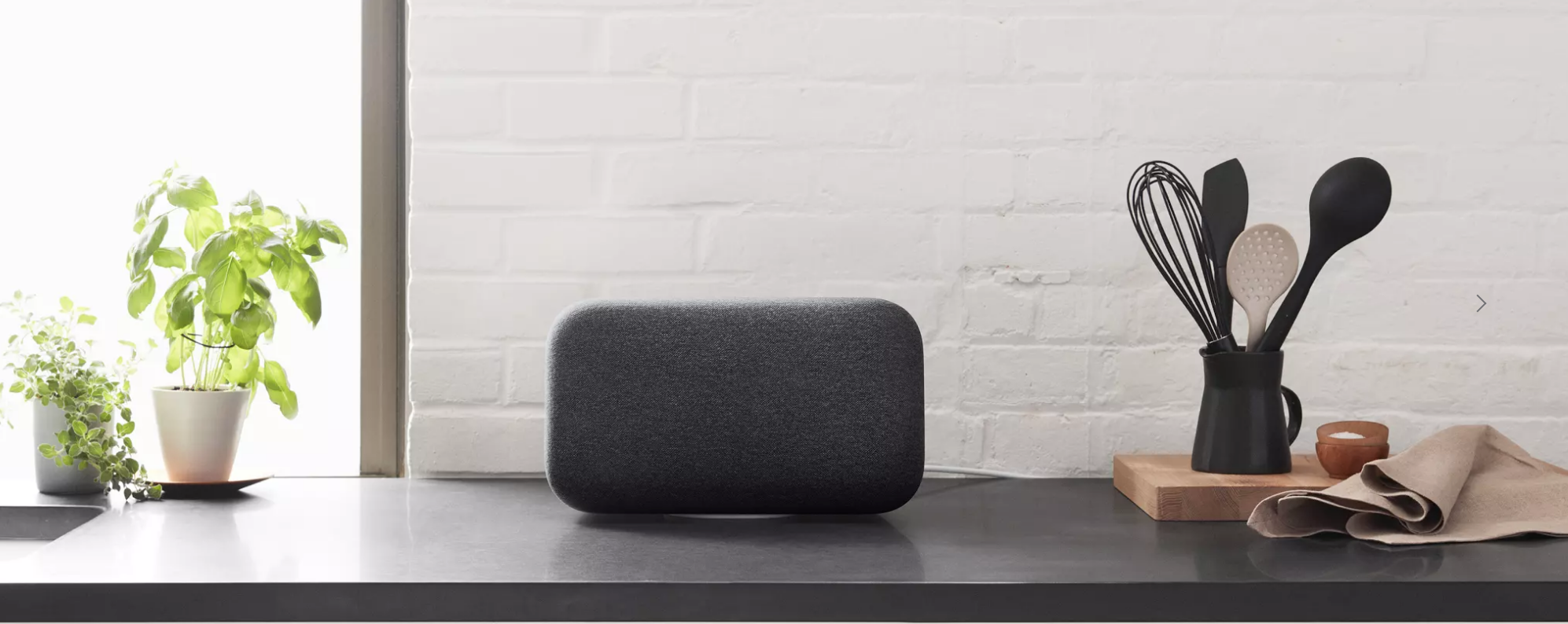
While the Home Mini was for people who were just starting out with the whole smart home setup, the Google Home Max was for people who didn’t mind spending a lot of extra cash for a special sounding smart speaker. While the Home Mini, shaped like a doughnut can easily gel with your furniture and not attract a lot of attention, the Home Max is massive and will grab a lot of attention because of how it looks. It is also priced at US $399 (Rs. 25,000 approx.) which is definitely pricey for a smart speaker. Google Home Max has two 4.5-inch woofers with tweeters covered by a fabric speaker grill. It features touch controls, supports Bluetooth as well as Google Cast and has a 3.5mm audio jack.
Google Home Max
It also appears that more Google Assistant-powered devices are on the cards as CES rolls around:
And next week, we have even more things in store for the Assistant at the Consumer Electronics Show in Las Vegas. If you’re at CES, stop by the Google Assistant Playground (Central Plaza-21) to check out some of our new integrations, devices, and the newest ways you can use your Assistant.
While the Pixel 2 devices had their stumbling blocks due to both hardware and software shortcoming, the Google Home devices, especially after that initial hiccup have been rather successful for the company. There is still no word from the company about the Google Home devices being launched in Asian markets such as India. But, with Amazon introducing its three Echo speakers in India, Google Home devices might not be too far away either.