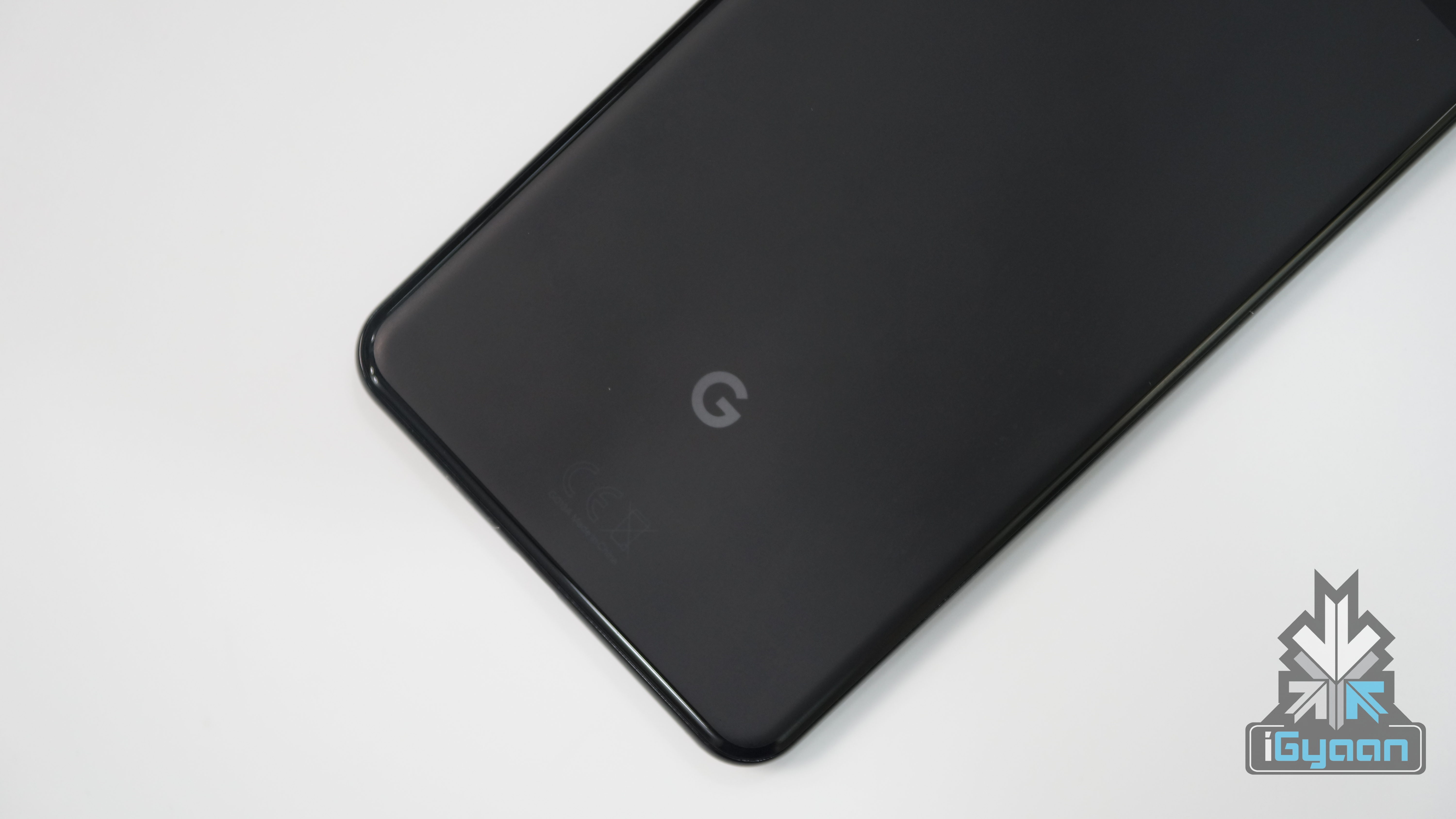
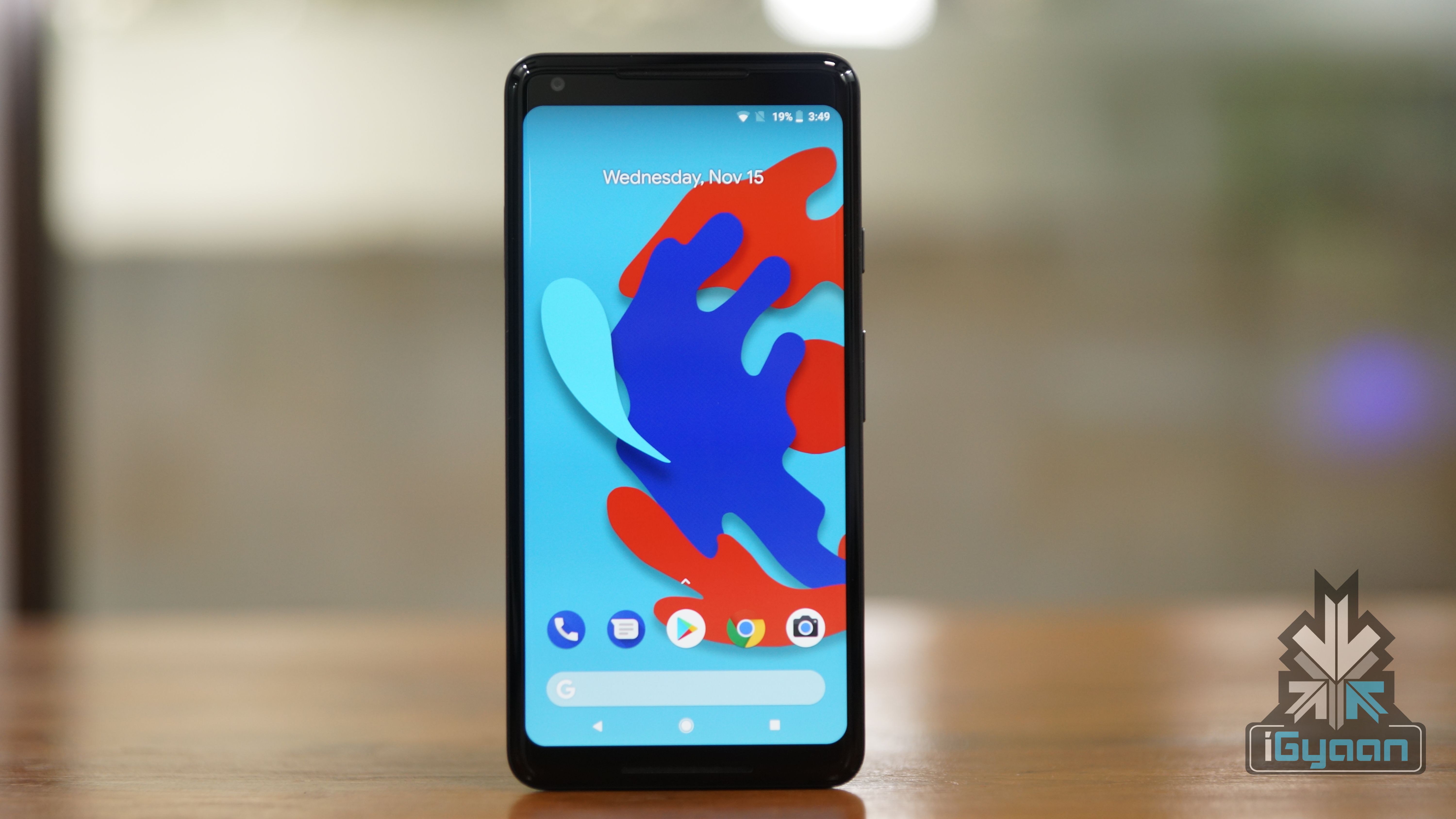
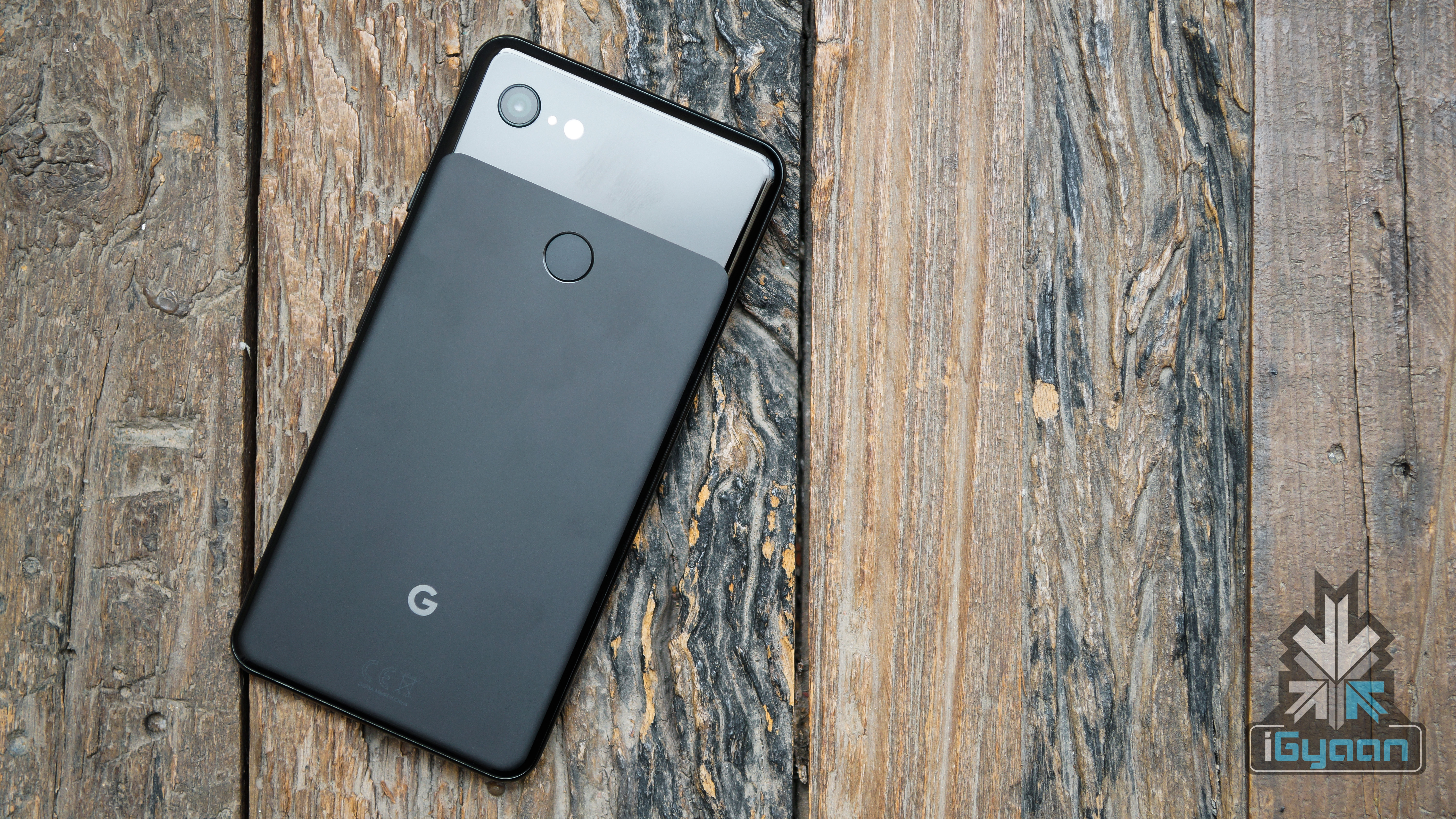
With the shroud of mystery surrounding Google’s upcoming devices, rumours and leaks have revealed a lot of information regarding them. Reportedly, the company is planning to launch less feature rich variants of the Pixel 3 Series, which are alleged to be the Pixel 3a and the Pixel 3a XL . Both the aforementioned smartphones are expected to be launched in the month of May. On March 30, 2019, Hiroshi Lockheimer, Google’s Senior Vice President of Android teased images from an unreleased phone on Twitter, which indicates that the company is in deed planning to unveil the new smartphones soon.
I got to see Bill Hewlett and Dave Packard's office from the 60s yesterday, it was super cool! But…
— Hiroshi Lockheimer (@lockheimer) March 30, 2019
I took pictures with an unreleased phone ??? so I probably shouldn't share them here. ?
The offices looked like this ?? https://t.co/fPE7um3gyv
As per the post, the SVP clicked some images of Bill Hewlett and Dave Packard’s Office (Founders of HP) with a phone that is “unreleased”, and therefore, wasn’t mentioned in the post. Even though fans and customers have a pretty good idea regarding the device, nothing can be said for sure until the Company makes an official announcement. However, the smartphones may make an appearance on Google’s IO 2019 conference, which is scheduled from May 7 to May 9 in California.
Expected Specifications
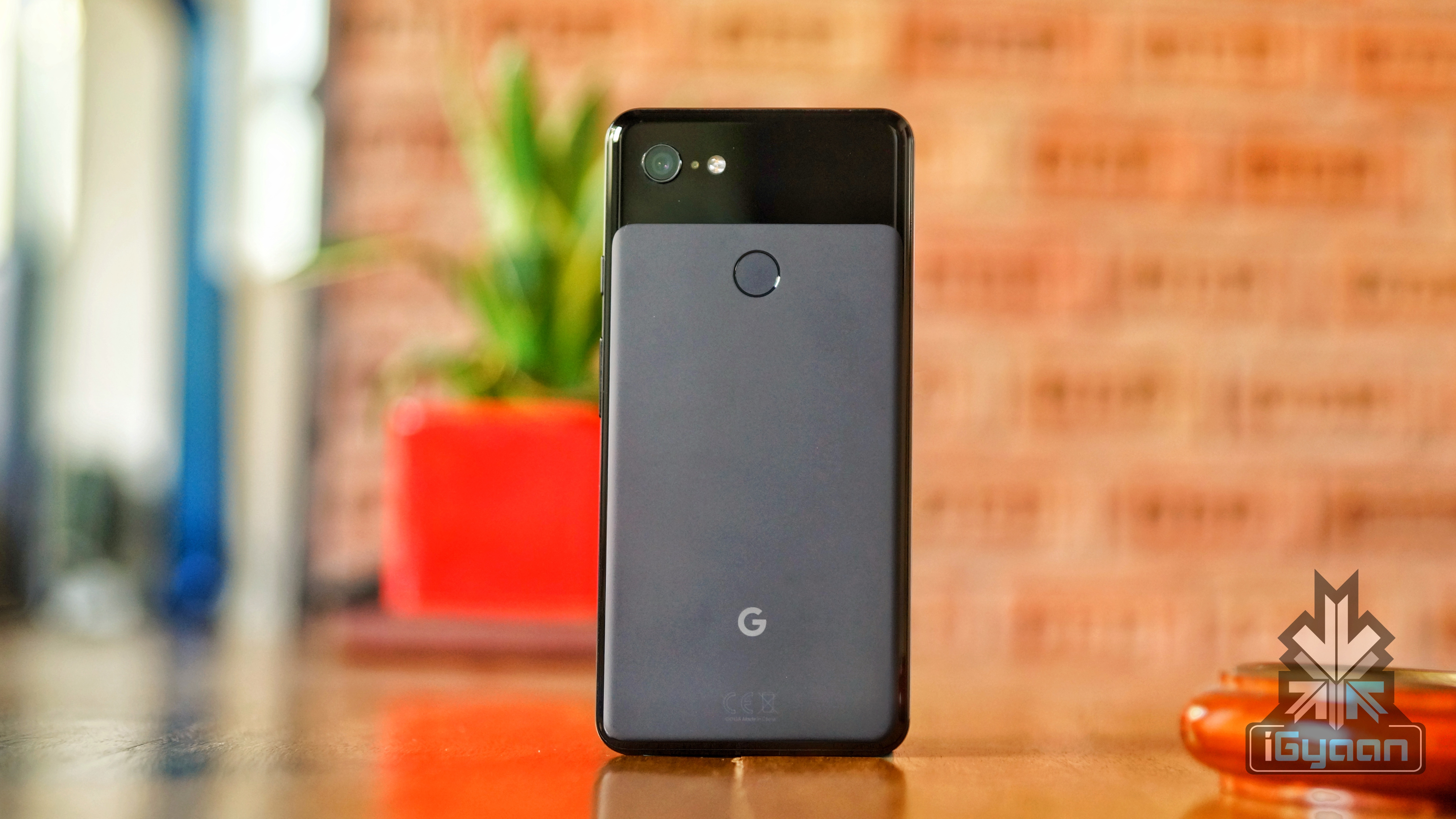
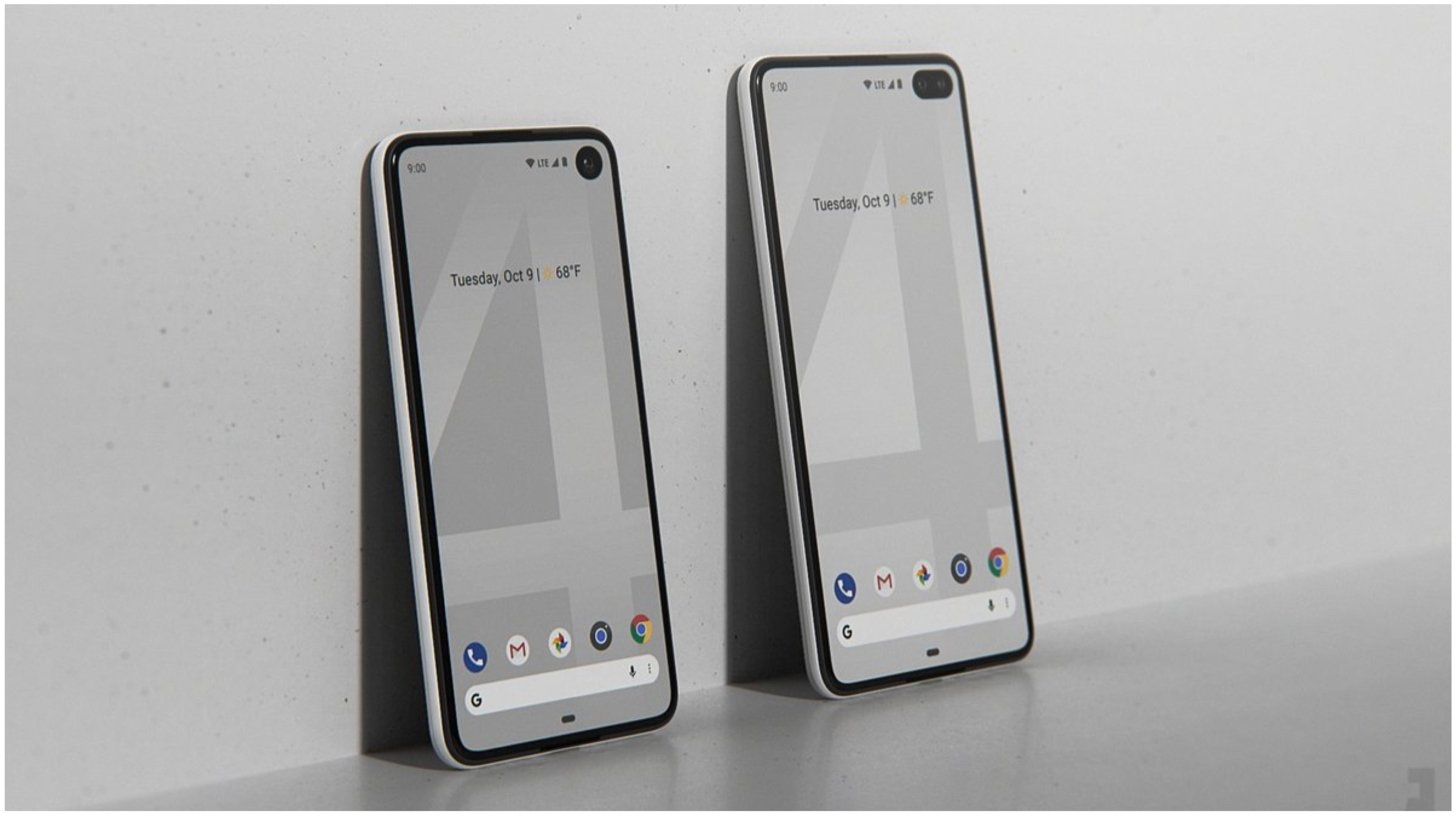
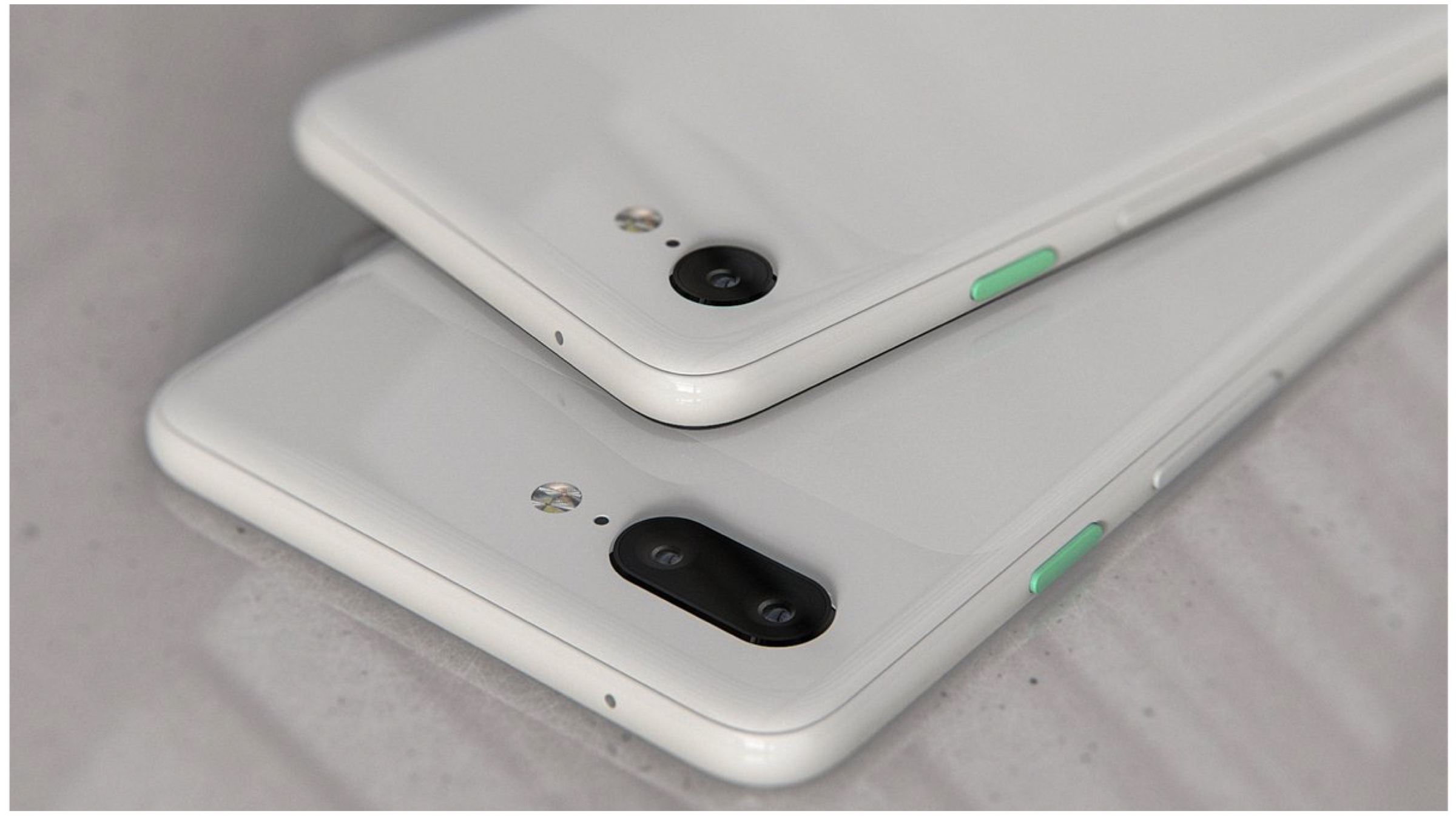
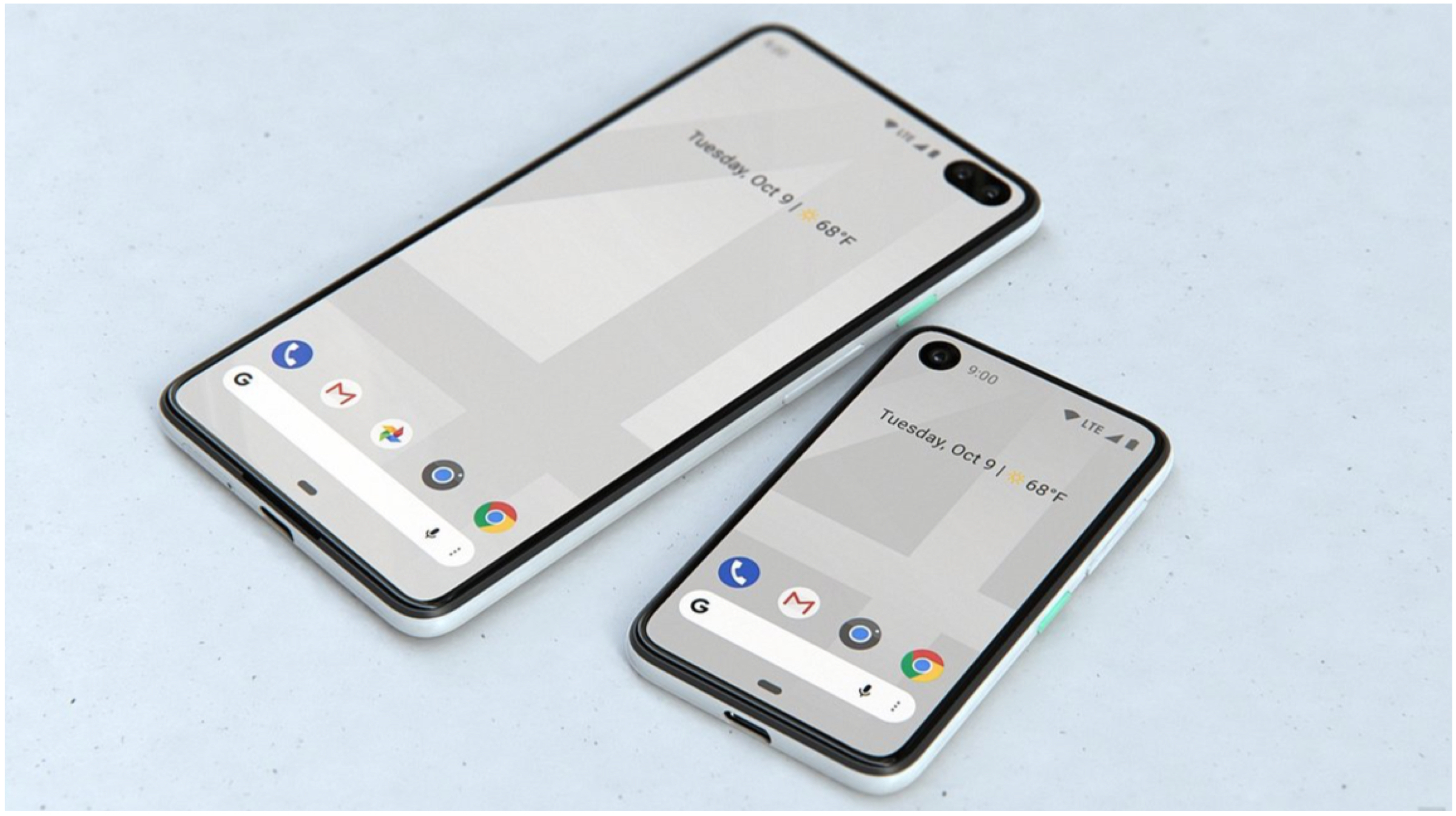
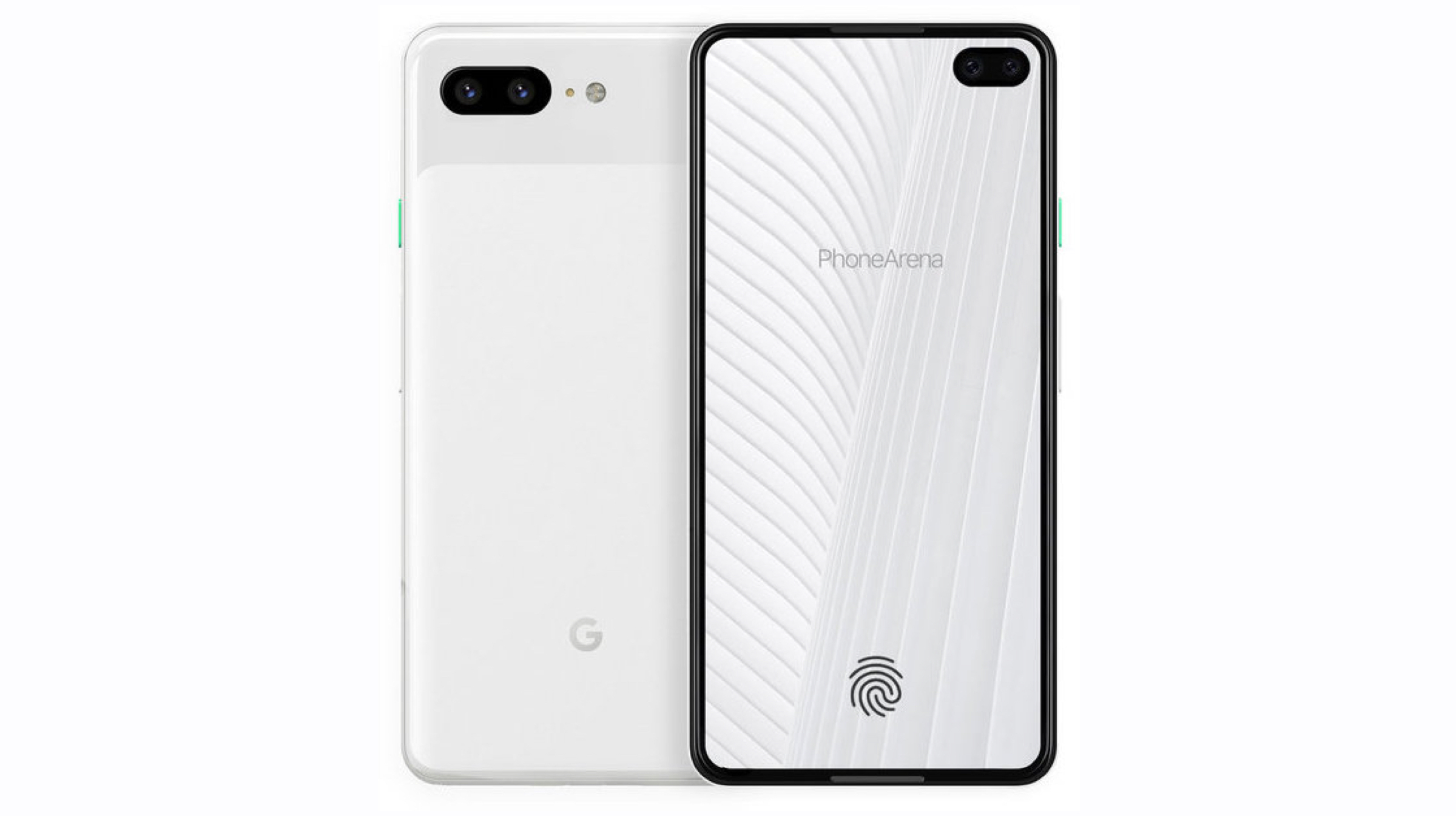
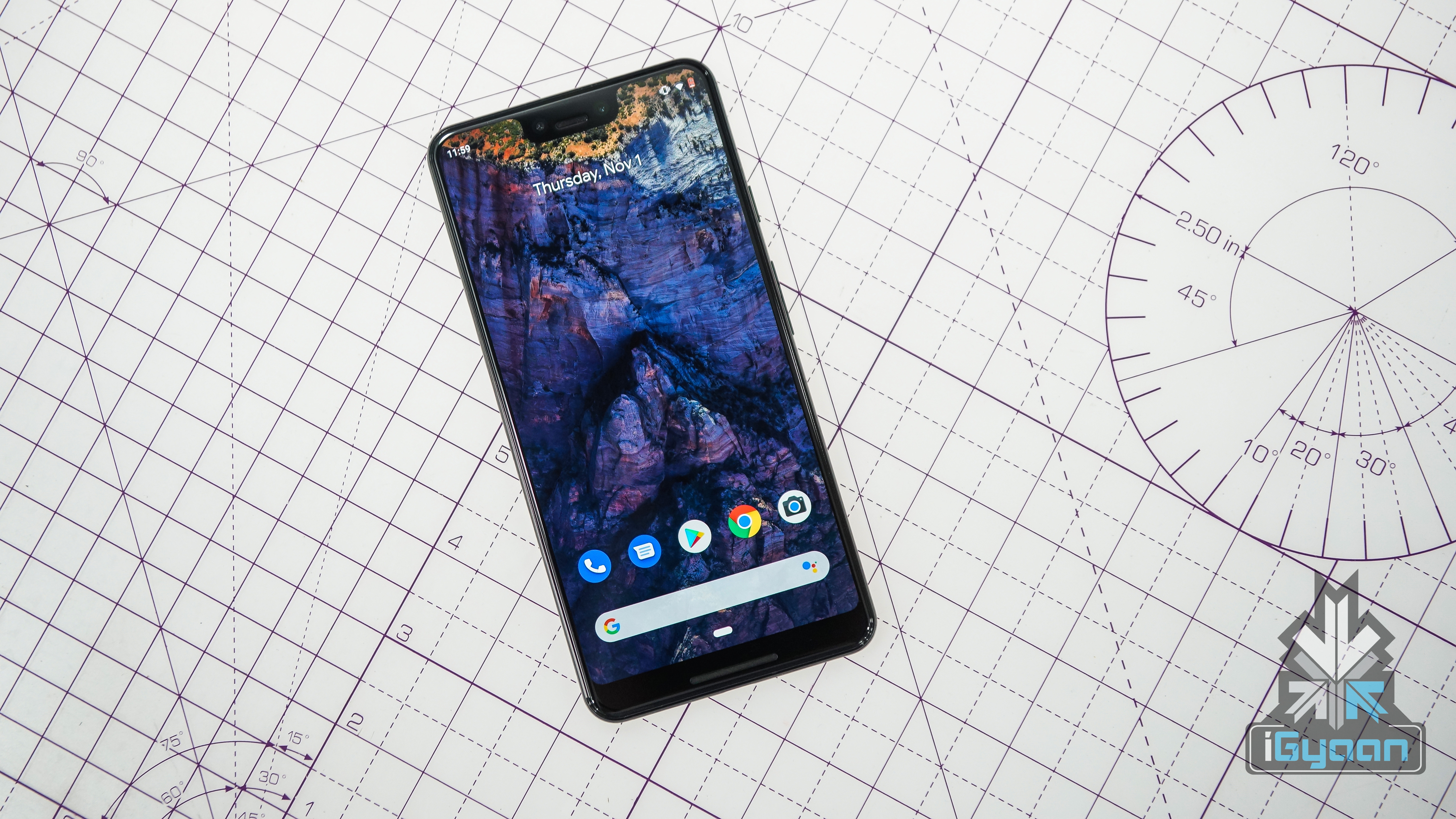
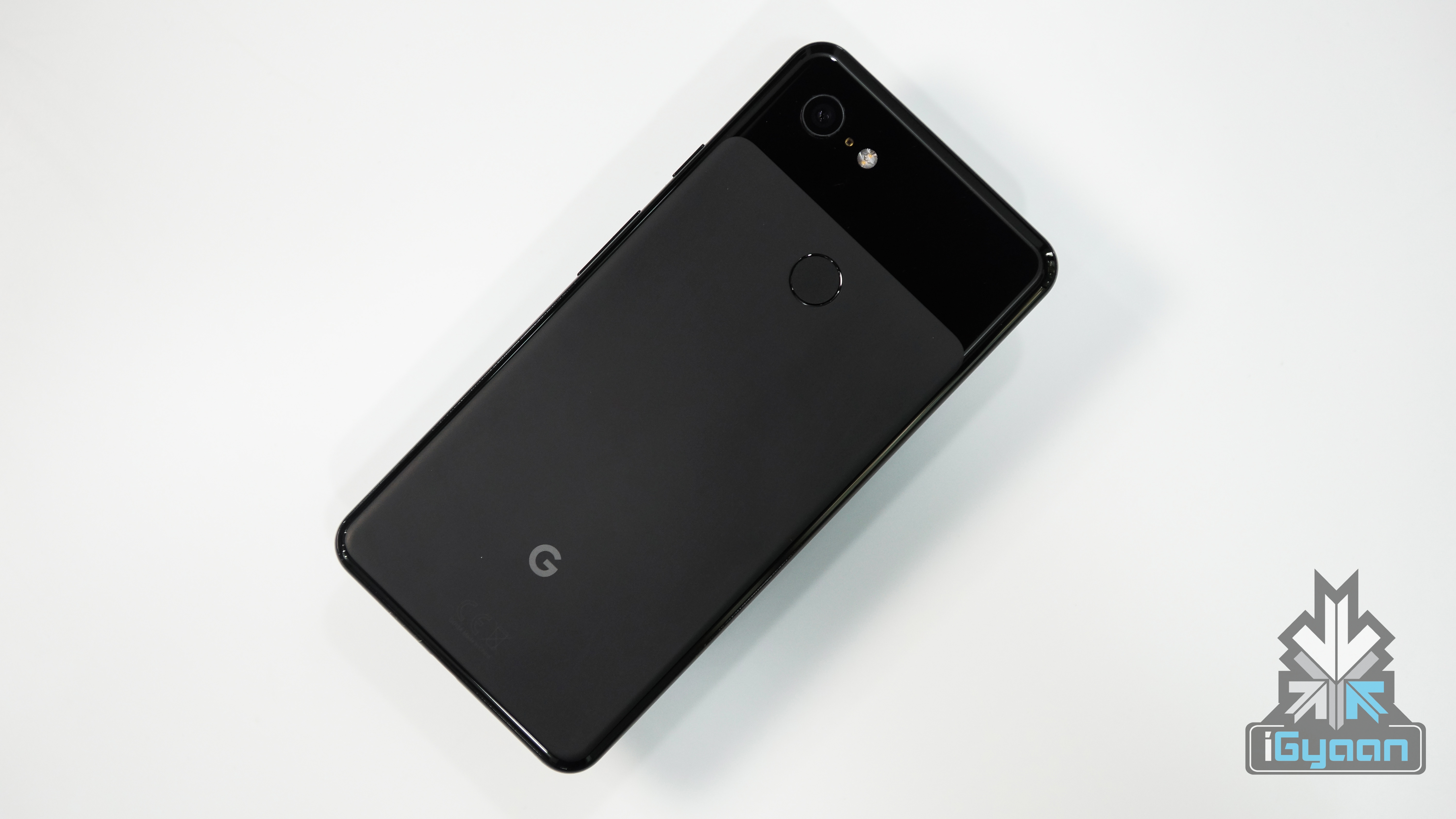
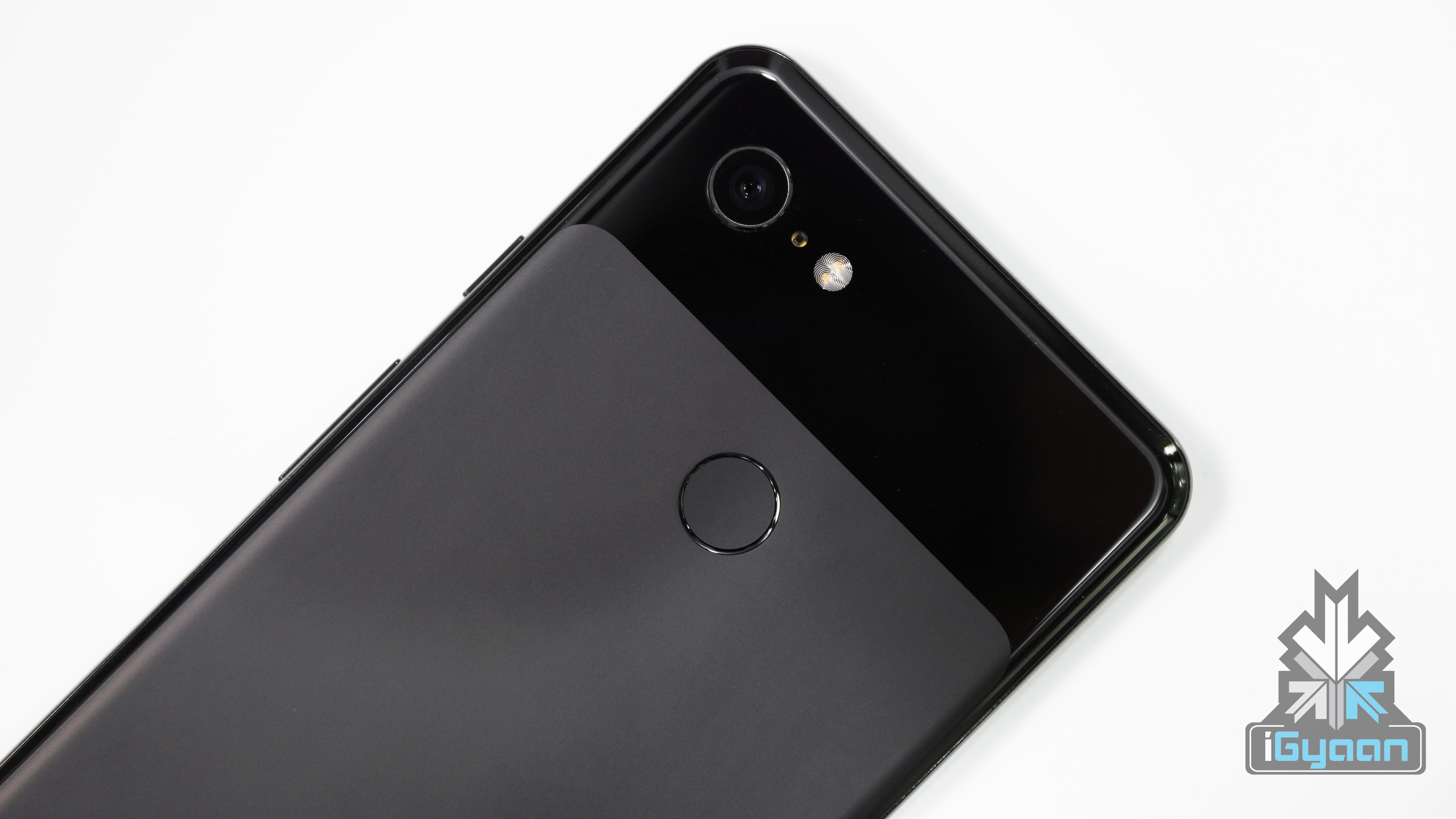 The toned down Pixel devices are expected to be launched without a notch, especially after Pixel 3 received its fair share of negative reviews regarding the notch. Where the Pixel 3 devices sported metal and glass bodies, the Pixel 3a series are expected to be made out of Polycarbonate plastic in order to reduce the price point of the smartphones. Furthermore, the devices may feature the Snapdragon 670 or 710 SoC and a toned down display from the Pixel 3 and 3XL.
 Also Read: Lenovo Registers Patent For Foldable Smartphone With Clamshell Design
The Pixel 3a series may have 4GB of RAM and 64GB of internal storage for the base variants. The devices are expected to sport an OLED display with Full HD+ resolution. It will be interesting to see how Google works with the camera on the devices, however, it is speculated that both the devices will feature a 12MP rear camera with an 8MP front camera. The Pixel smartphones may also include a 3.5mm headphone jack. Exact pricing of the devices is unknown yet, but they are likely to be priced under US$ 450 and US$ 550 for the Pixel 3a and Pixel 3a XL respectively.

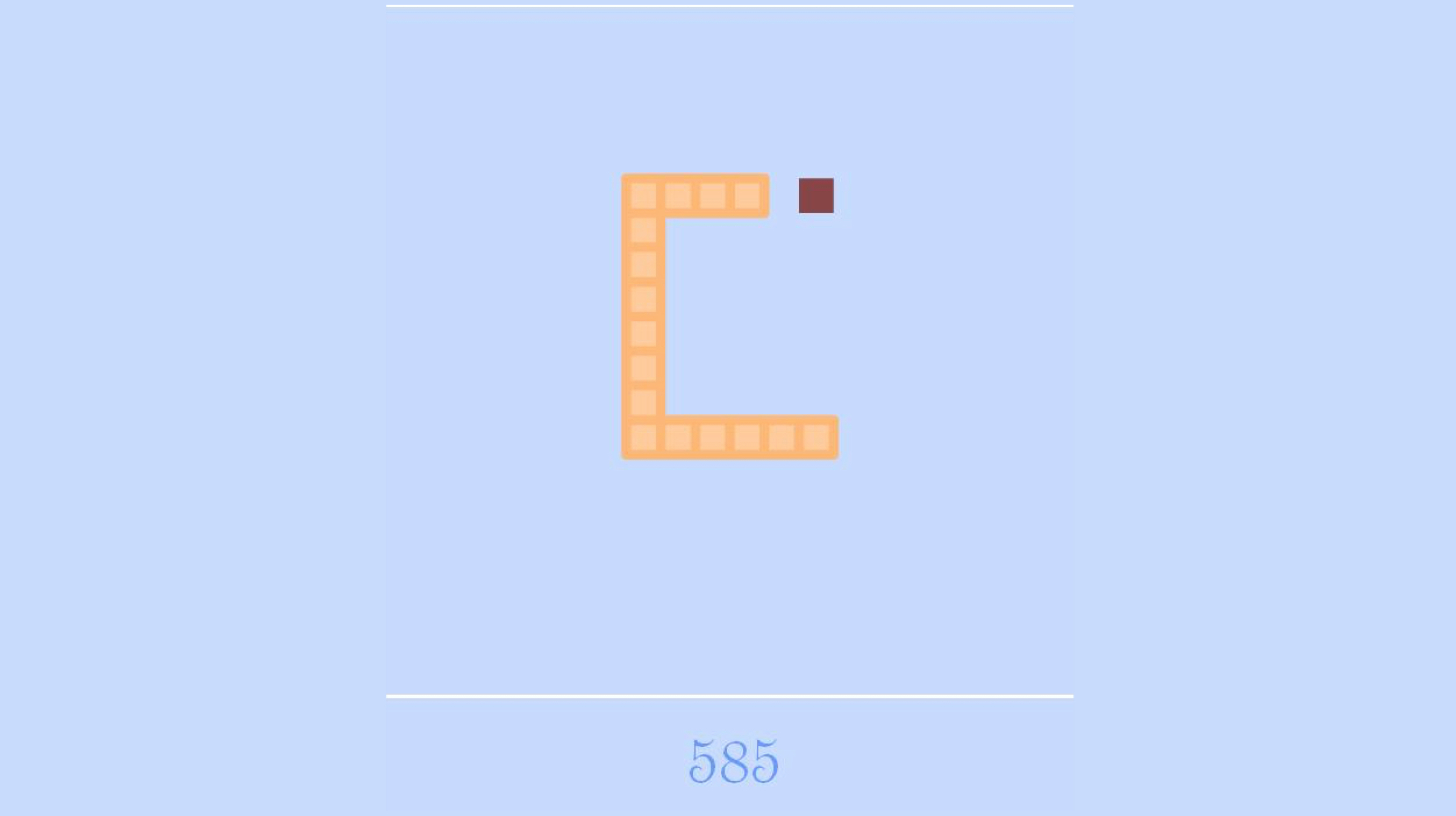 First introduced in 1997 on the Nokia 6110, the Snake game became an instant hit because of how simple and captivating it was at the same time. Needless to say, the game was continually modified into different forms as time progressed, but the basics remained the same. Users play as a snake, which has to keep eating “bits” or “food” to increase the score. Players would lose if they make contact with the walls or themselves while moving around the sandbox.
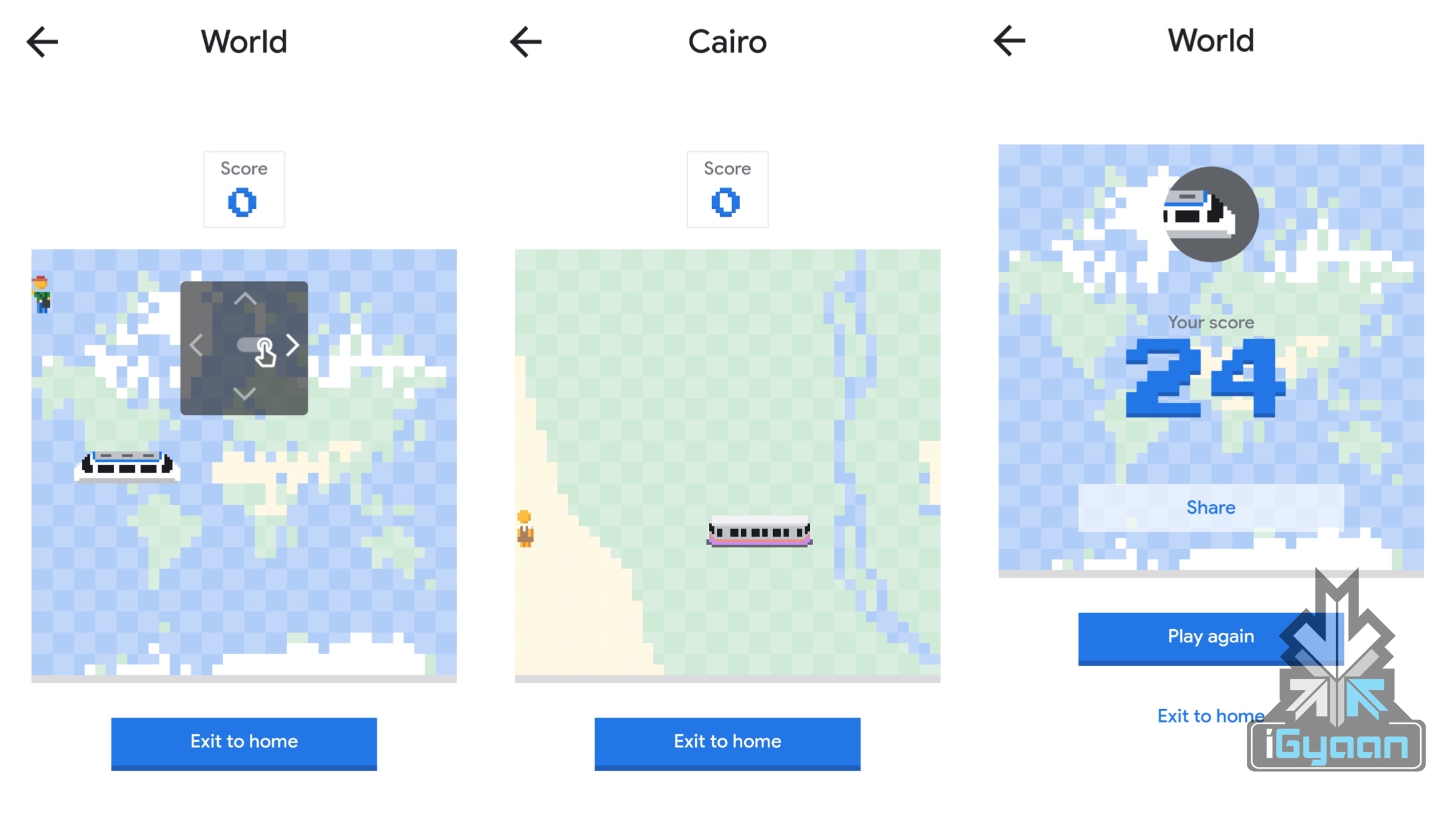
 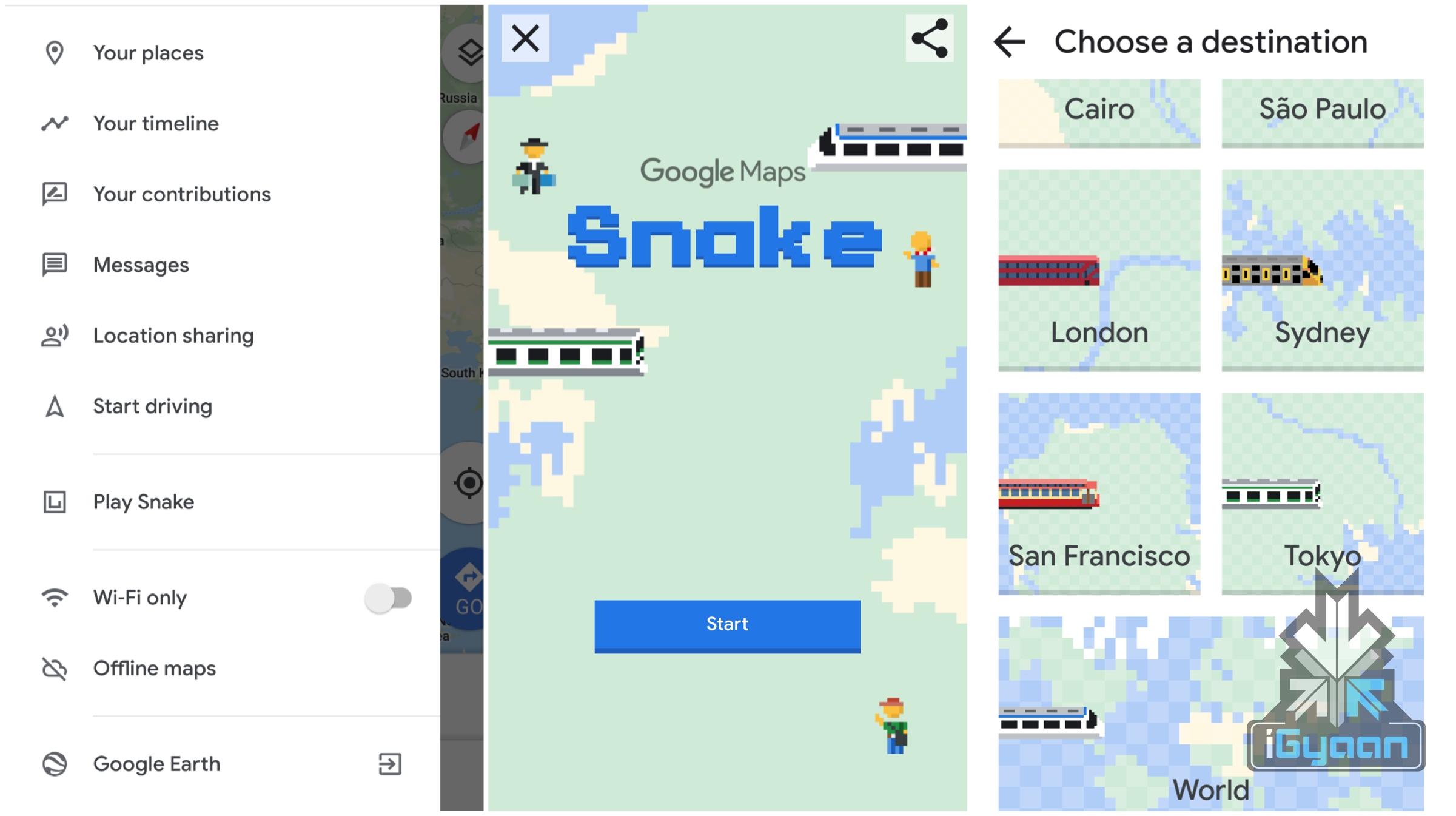 To experience the snake game on the Maps app, just open the sidebar in the application and select the “Play Snake” option. Note that the game doesn’t include a “classic” snake, instead, players will play as a means of transport if that makes sense. There are a total of six cities in the game, which are Cairo, São Paulo, London, Sydney, San Francisco, and Tokyo. Furthermore, there is also the option of a “world” map that users can check out. The vehicle depends on the city the players choose. For instance, if users choose to play in the London map, they will get to play as a double-decker bus, and if users select Tokyo, they spawn as a Bullet train.
 Also Read: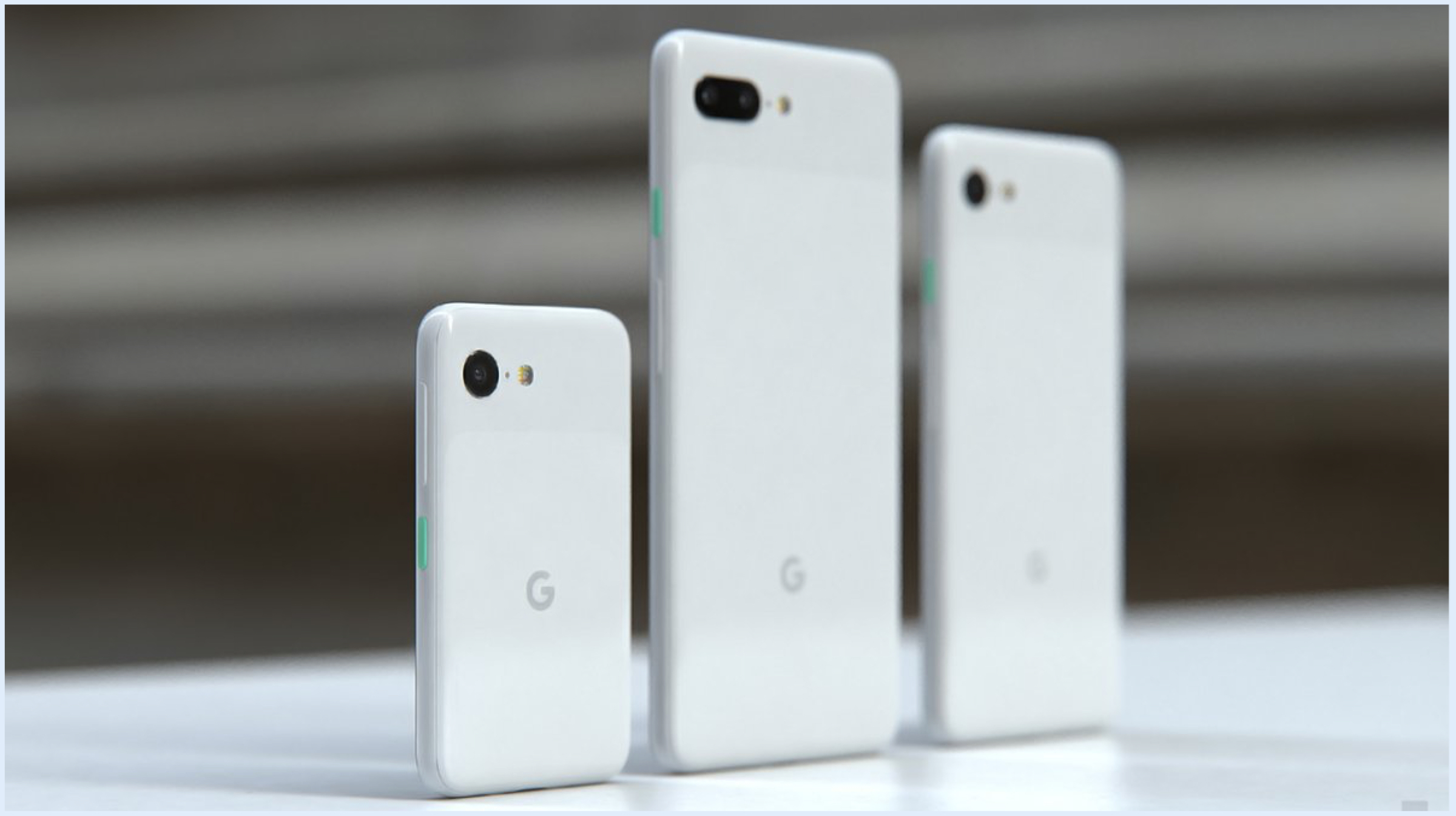
 Earlier, Google Stadia’s Executive stated that players will have to be equipped with a 25 Mbps internet connection in order to stream games at 4K resolution and 60 fps (frames per second). The actual consumption of bandwidth is lower, but Google recommends the aforementioned speed in order to boost performance. At a lower bandwidth, players may face issues with resolution and fps while streaming the game.
 The average internet speeds in India are about 6.5 Mbps, whereas the peak connection speeds average at 41.4 Mbps. A lot of users prefer mobile internet in the country, which can give high speeds but at the same time, users may face issues with packet losses and data polling, adversely affecting the “Stadia” experience. The best bet would be using a broadband connection (preferably an optical fibre connection) in order to preserve internet speeds while not losing any data packets at the same time.
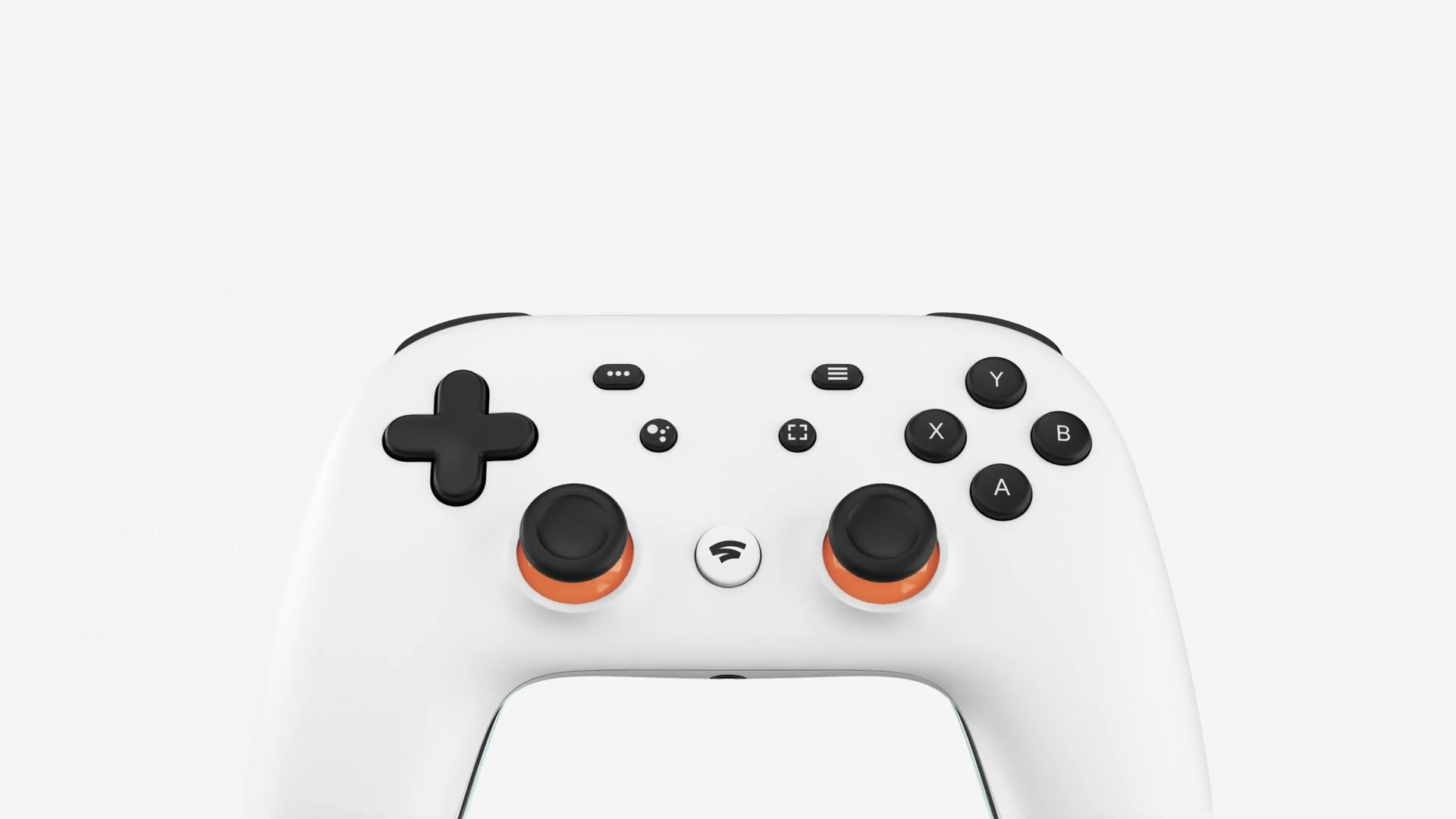 Since the Stadia controller connects directly via WiFi to the datacenter where the game is running, a high peak speed connection would fare well while playing a game that requires multiple responses to be sent over the internet in a short period of time. Although users can make use of Keyboards and mice too, Google emphasized that the Stadia controller provides enhanced compatibility with the Stadia ecosystem. Gamers who want to play a specific game on their TVs can use Chromecast to stream the game. Similarly, gamers can stream the game via the Google Chrome Browser on their laptops/desktops.
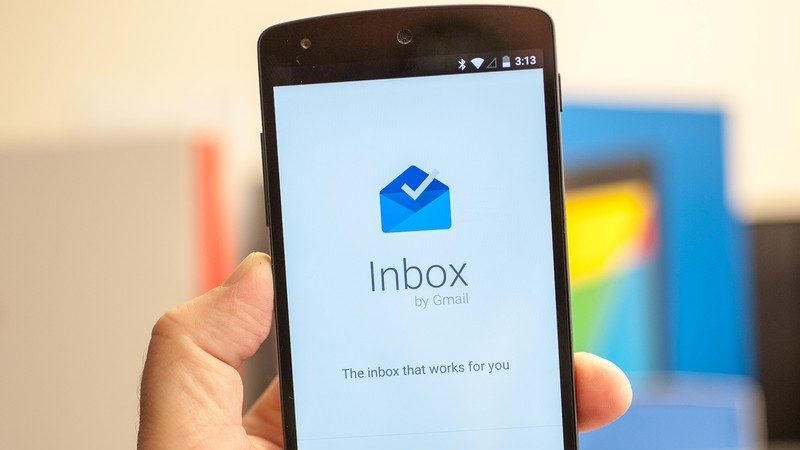
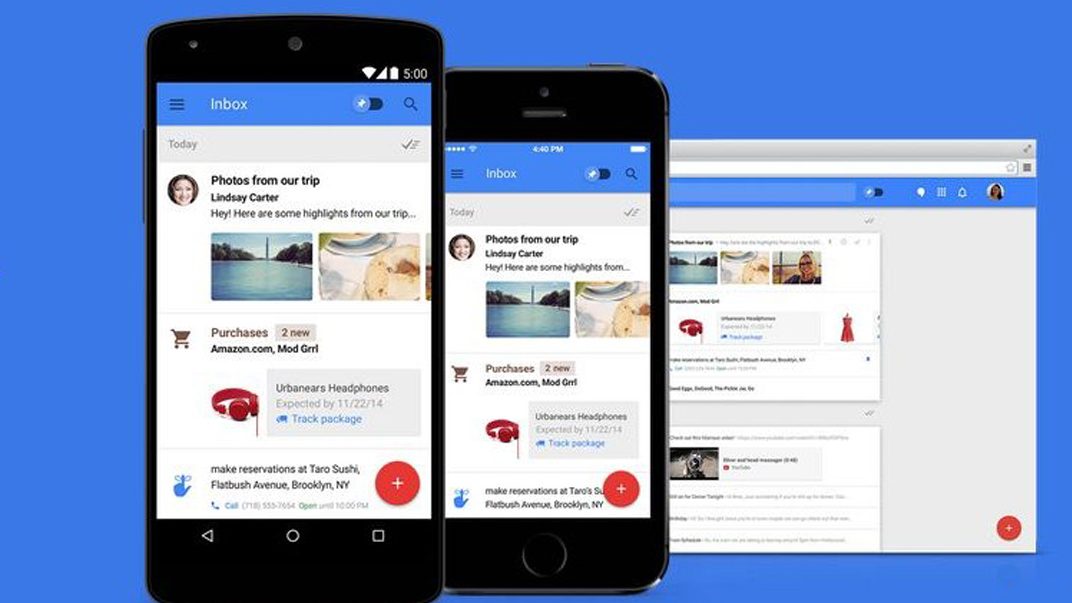 First announced on a limited invitation-only basis in October 2014, the Inbox application was officially released to the public in May 2015. The app had some interesting features such as advanced filtering and message snoozing that appealed to a multitude of users. Moreover, the app was a fresh overhaul from the “cluttered” interface of the Gmail app, some users reported. For instance, the Inbox app gathered necessary information from the Gmail application and used it to provide just key bits of data to the user.
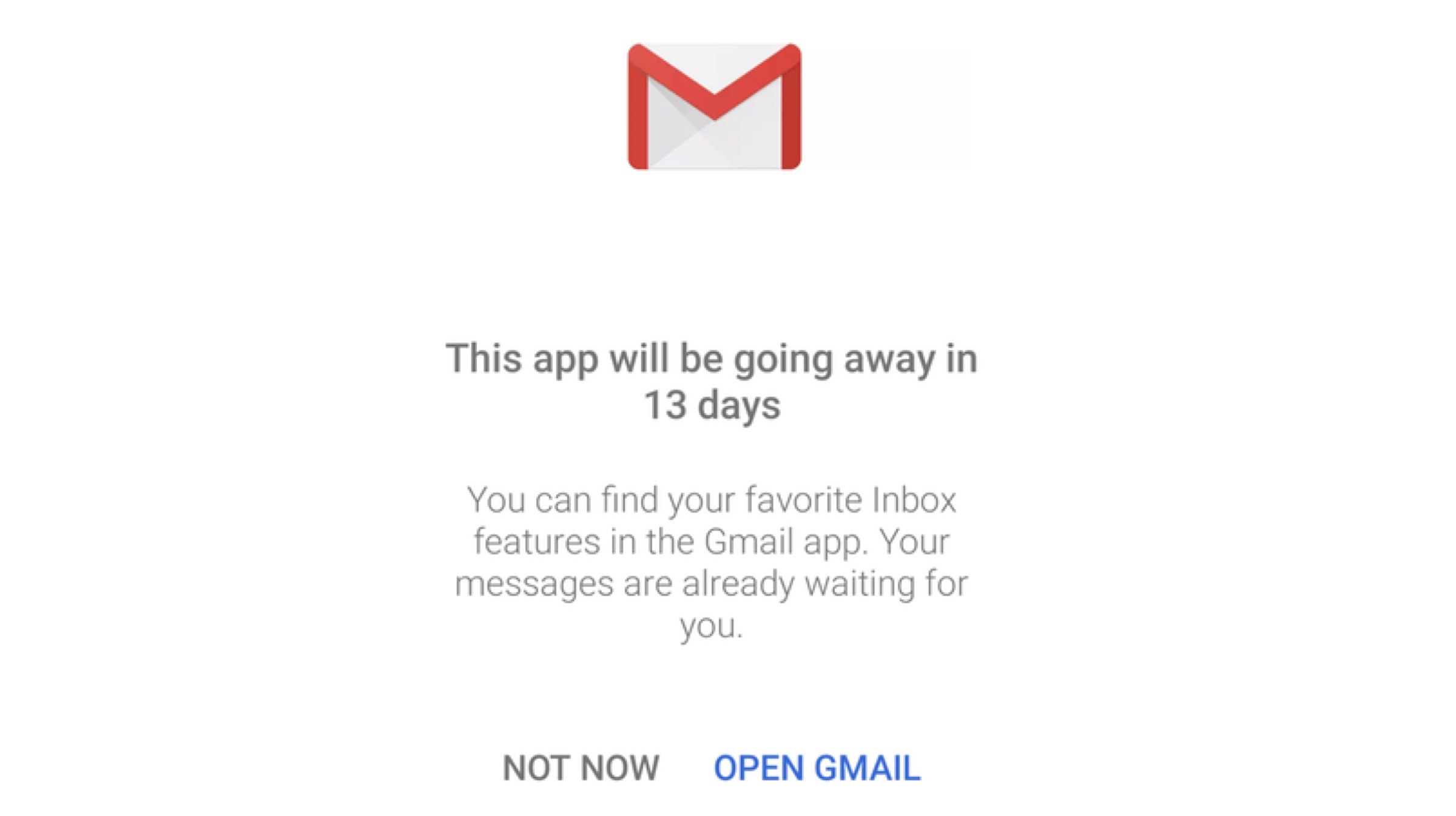 Inbox users may see a notification while launching the application that displays a message from Google. The message says that the app will be going away in “X” days, where X is the number of days to April 2. The notification also informs users that all the helpful features of the Inbox app have been integrated with the Gmail app. Subsequently, for those who are trying to locate the application on the Play store, a lot of users are unable to find it too.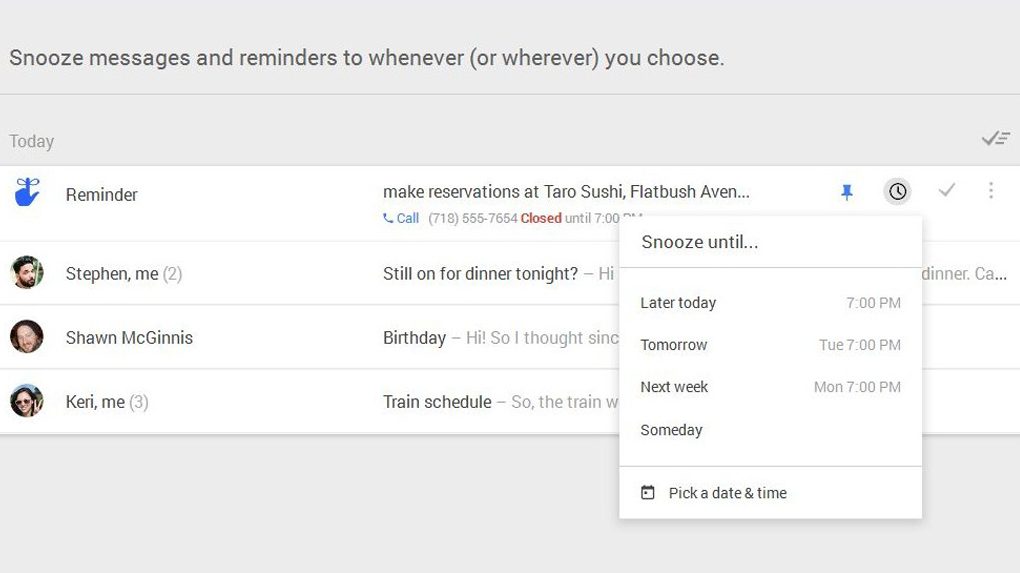
 As mentioned previously, the games will be streamable across a multitude of devices. Laptops, desktops, TVs and smartphones will be able to run the games without any glitches, Google says. Moreover, the company claims that the gameplay can be transferred “seamlessly” across various Google devices as well. Of course, latency and data centre availability will play a huge role in keeping the experience smooth and stutter-free.
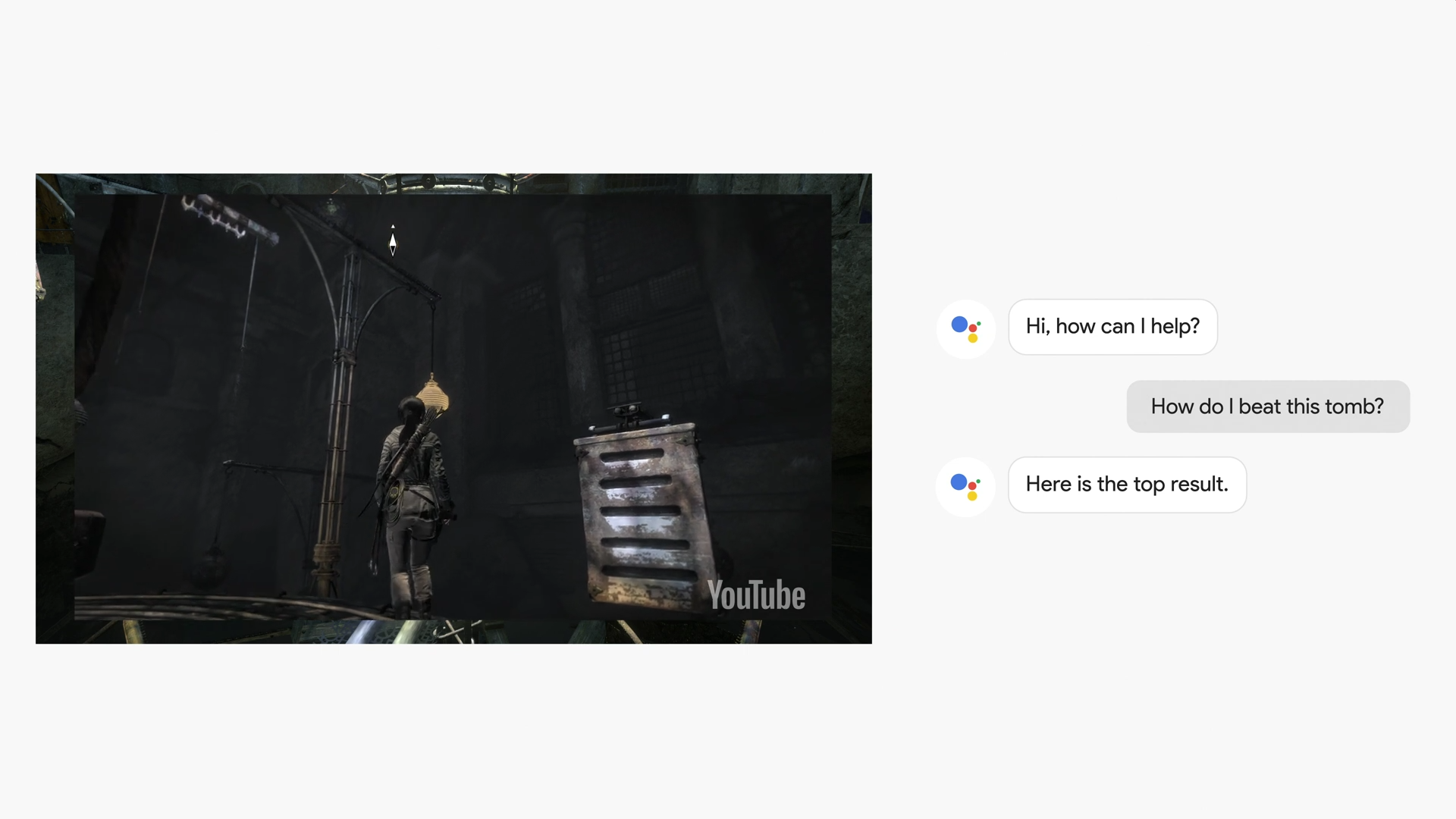
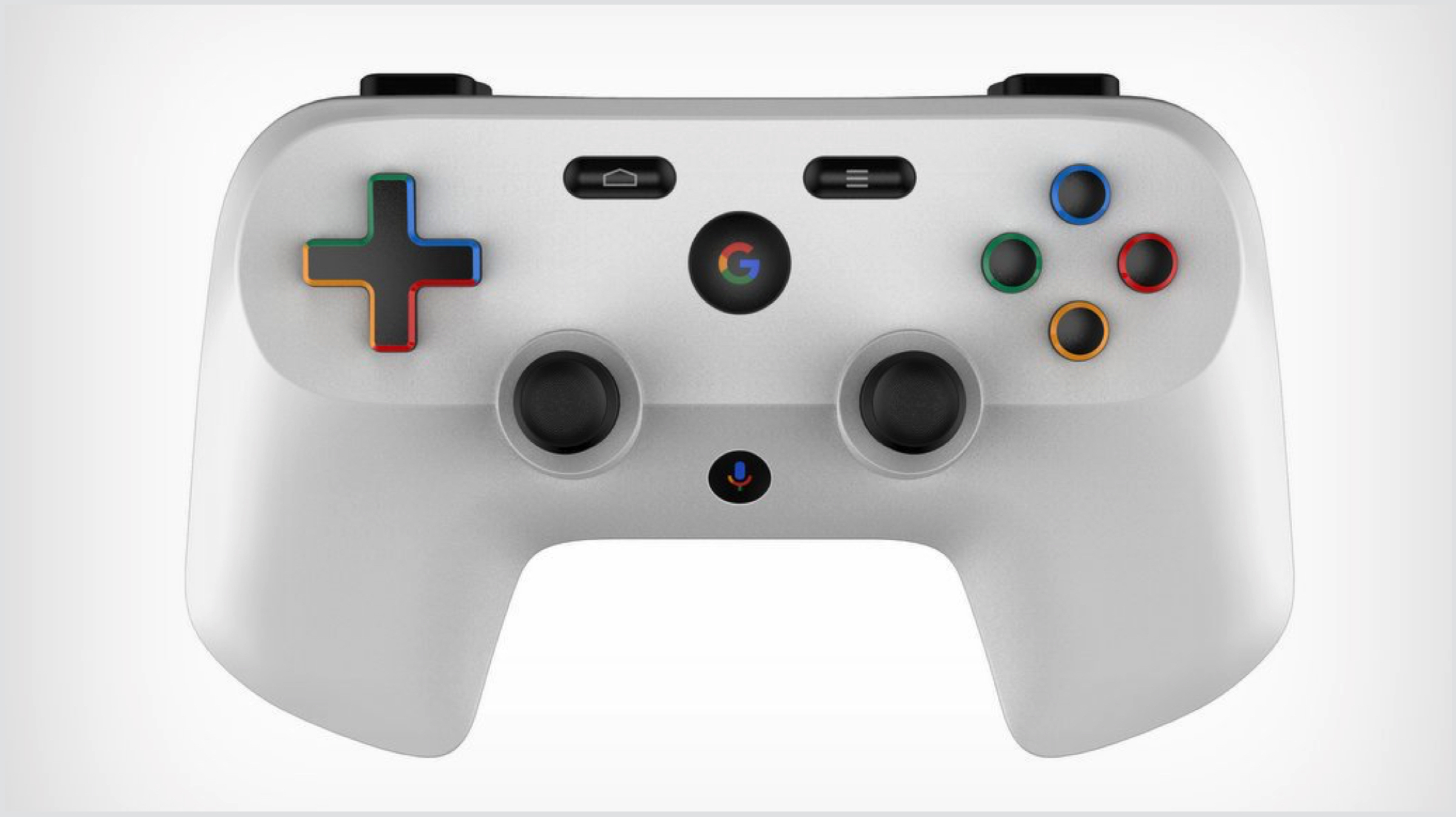
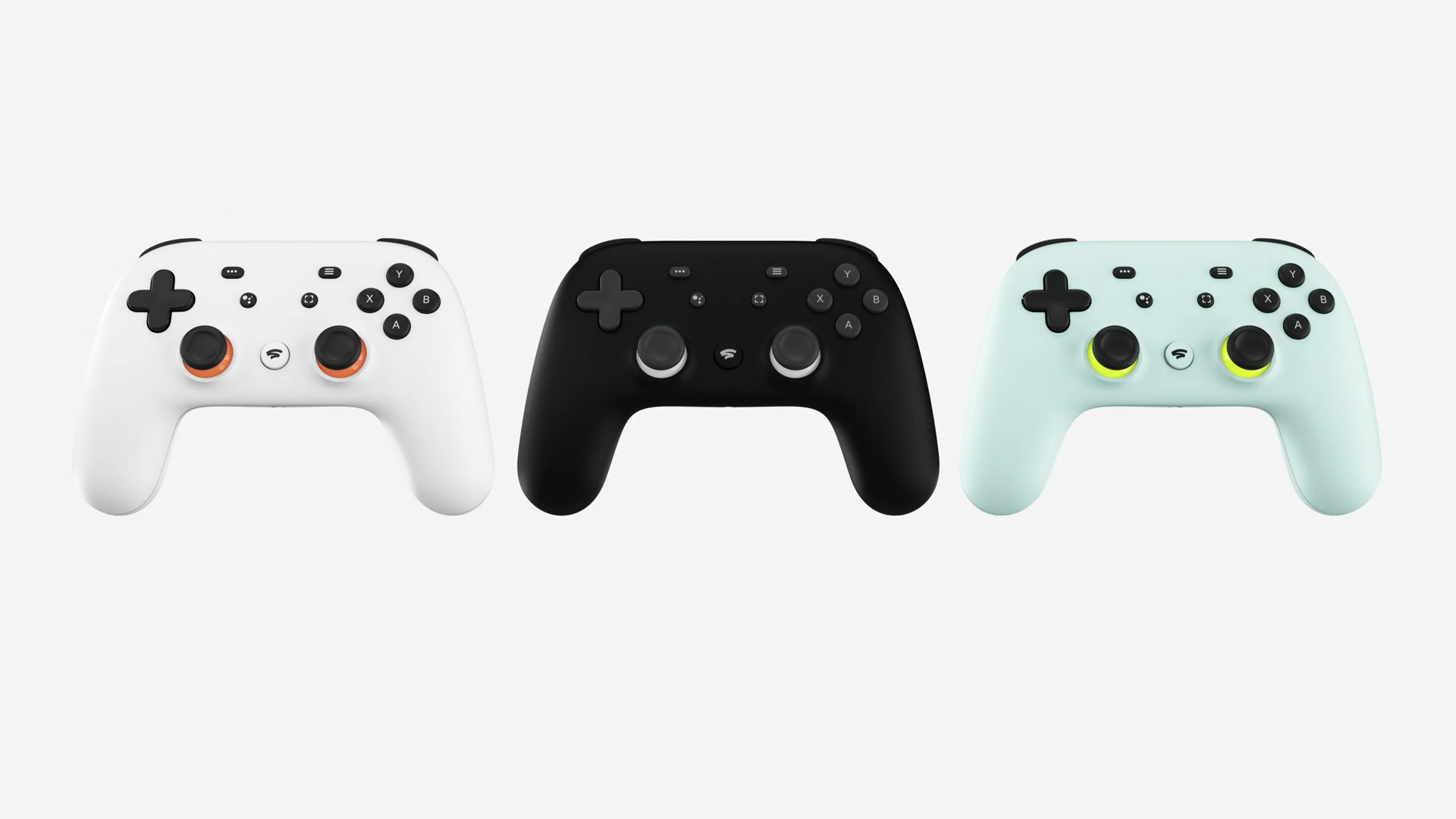 The controller also features a “Google Assistant” button, which lets users pull up the voice assistant during the game itself and ask it relevant questions. For instance, if the gamer is stuck on a level and needs some help, he/she can directly ask the assistant regarding the level and get instant tips to complete it. The other special button on the controller is the Capture button, which lets the user capture a screenshot or a gameplay video for personal use or sharing purposes.
  Regarding computing, Google stated that it is continuously updating its Data Centres for better ping across all areas. Gamers were ecstatic when the company announced that upon launch, Stadia will support 4K games at 60 fps, with support for 8K/120 fps in the future. For achieving this milestone, Google will partner with AMD to build custom GPUs which will deliver 10.7 TeraFlops of power to each machine. Each module of Stadia will run on a 2.7 GHz x86 processor with 16 GB of RAM. Furthermore, Google also announced that one of the first games supported by Stadia would be Doom: Eternal, which is a first-person shooter with a huge fanbase.
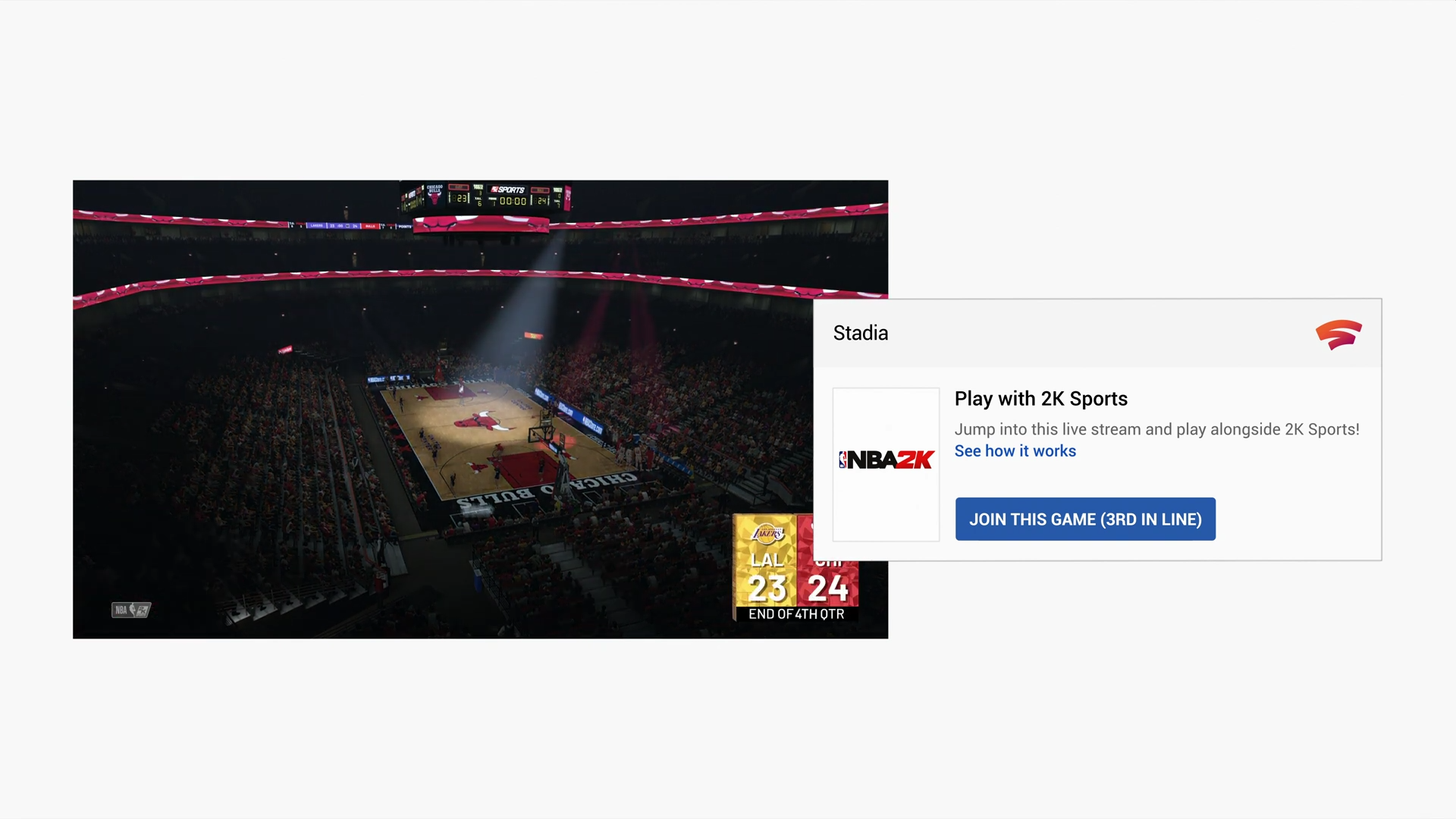 It also includes support for cross-play, where gamers can play the same game across different platforms. Stadia offers game developers a chance to use its machine-learning based transfer tool, which will let developers drop an image into each frame of the video/game to transform the entire game into the image’s style. Moreover, State Share will let gamers share the exact state of their game via a URL, which can be clicked by users to launch a similar instance of the game on their own device. For streamers, Google introduced Crowd Play, where an advanced lobby system will let viewers play with or against their favourite streamers/content creators on YouTube.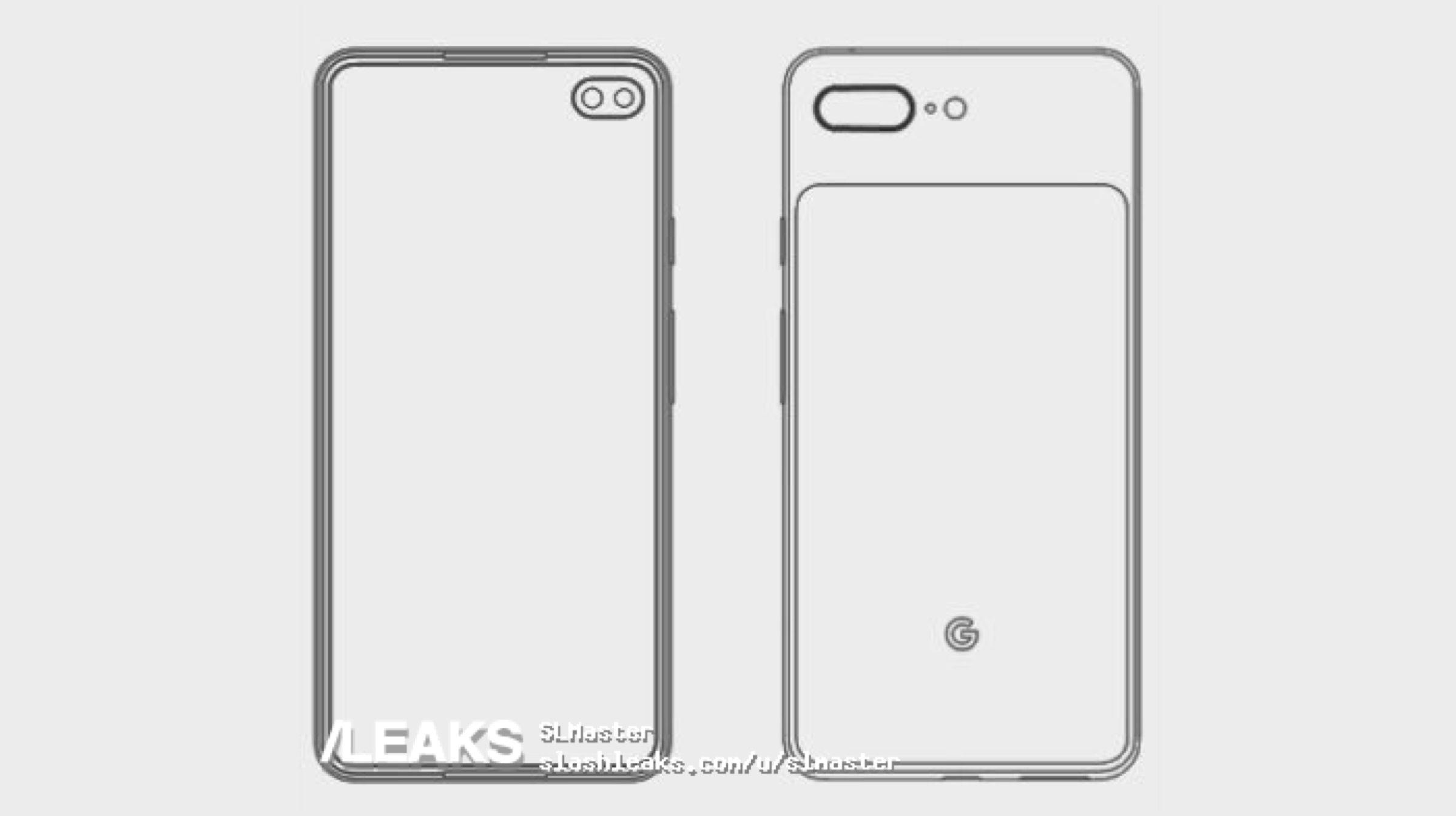

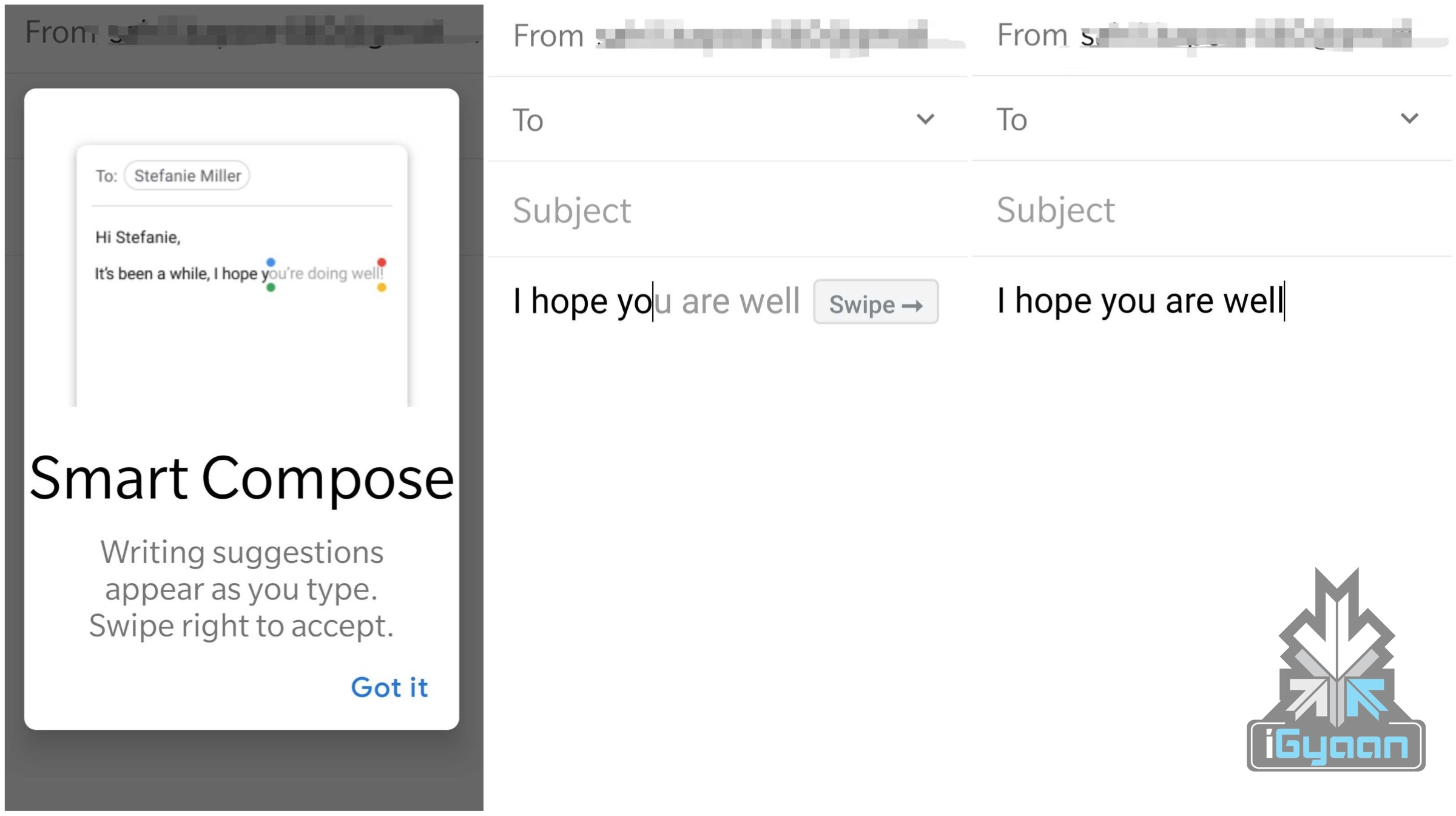 As per users, the desktop version of Gmail even recommends the names of the recipients whenever necessary. The Gmail Android App plays it safe and just helps users finish their sentences. Since this is AI-powered, the feature is likely to improve over time. For instance, if a user is typing “Will my shipment arrive-“, Smart Compose will automatically recommend “Will my shipment arrive tomorrow” or whatever is more relevant to the context of the conversation. Some users may find this to be unnecessary, but it can be very beneficial for others.
 Also Read:

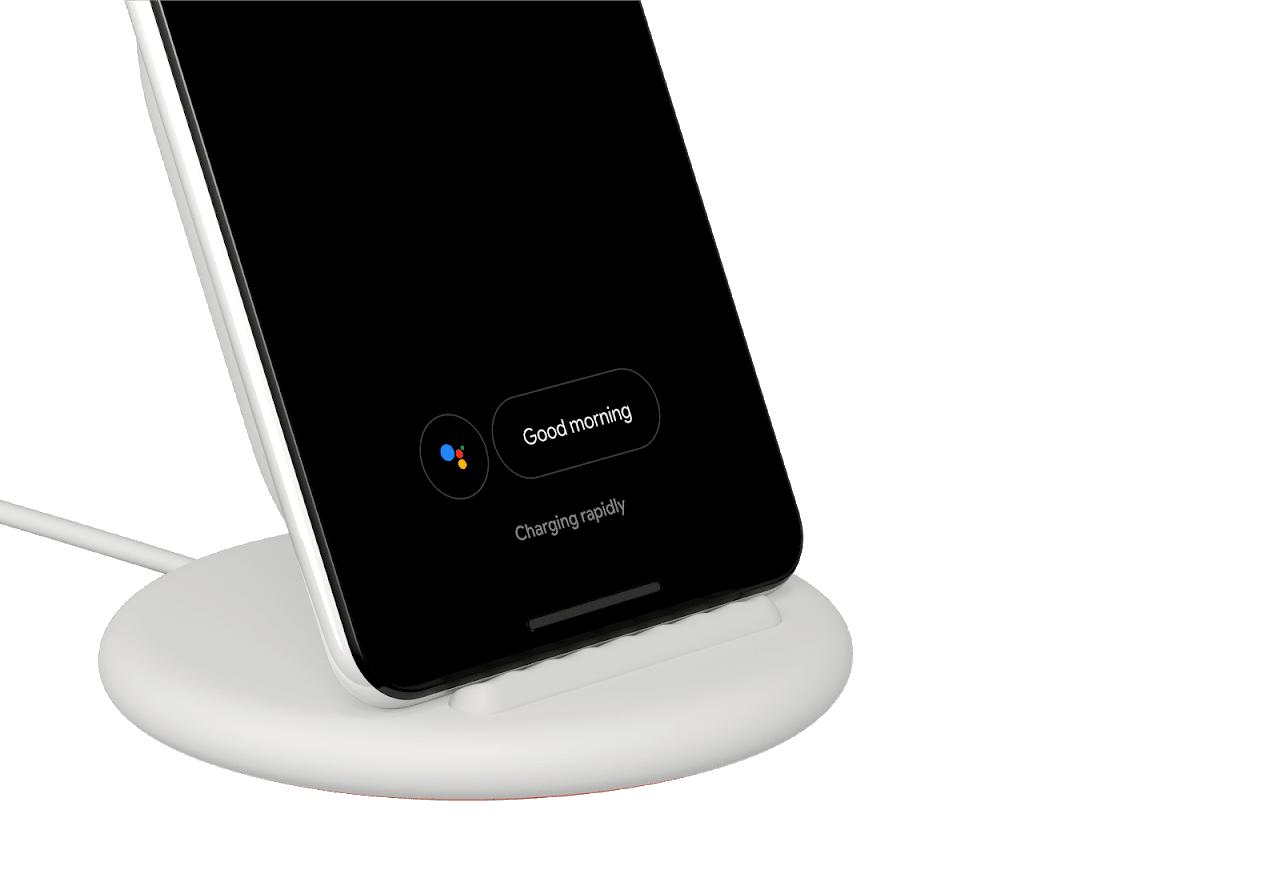 Instead of the traditional voice unlock, Voice match recognition will now provide a whole new Assistant interface on the lock screen, which will display personal results tailored to the user. Upon saying the ‘Hey Google’ or ‘Ok Google’ phrase, the Assistant will show/read out emails, dictate the tasks for the day, display reminders and shopping lists. The user will have to enter his/her PIN, password or use the fingerprint scanner in order to unlock the smartphone and access the rest of the options.
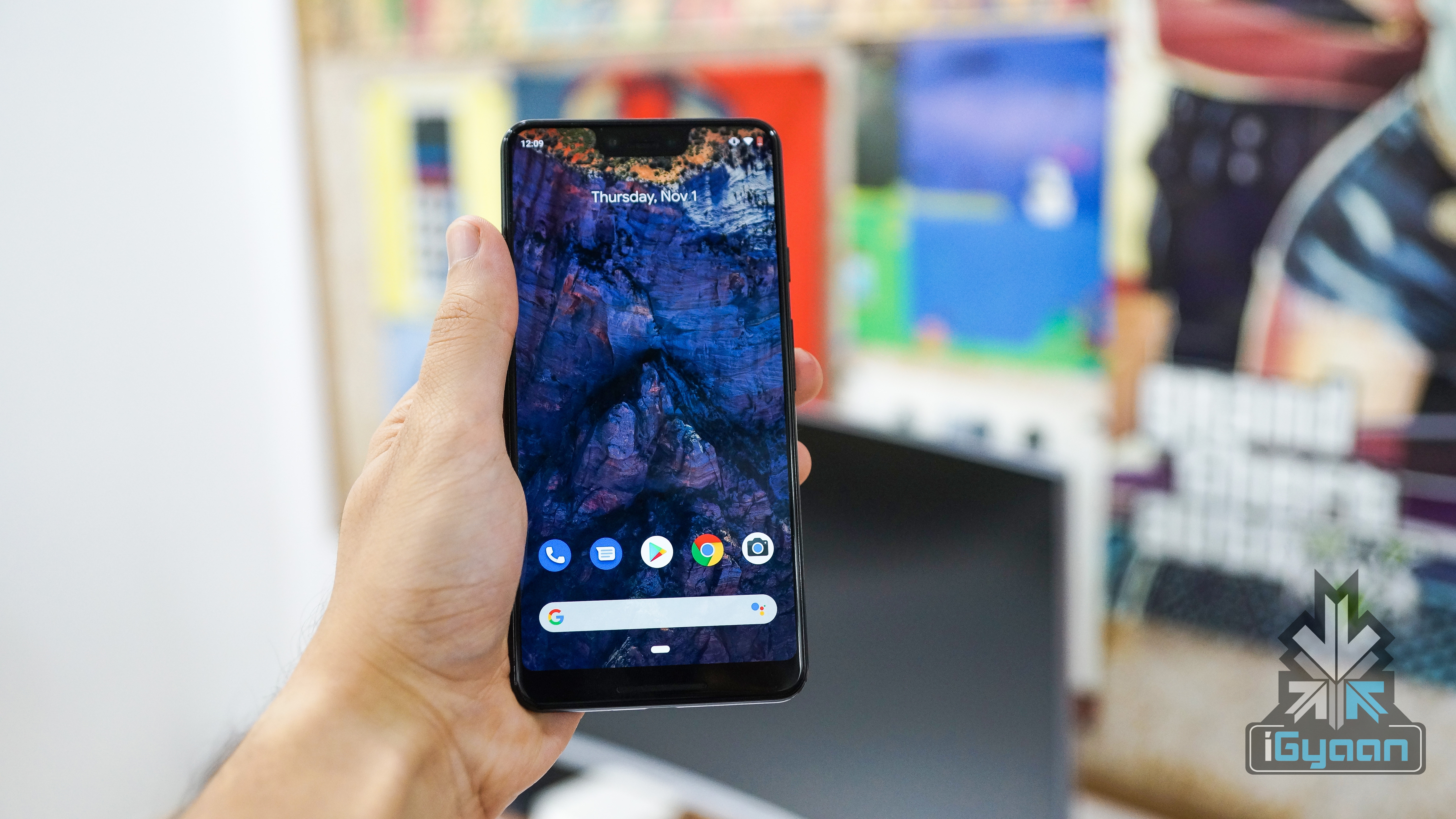 In the past, the user could directly go to the unlocked home screen by saying a command like “Ok Google, what’s the weather?”. This was a security flaw as anyone with the user’s voice sample could unlock the device. Google itself warned users against using Voice Match, which was less secure than other authentication options.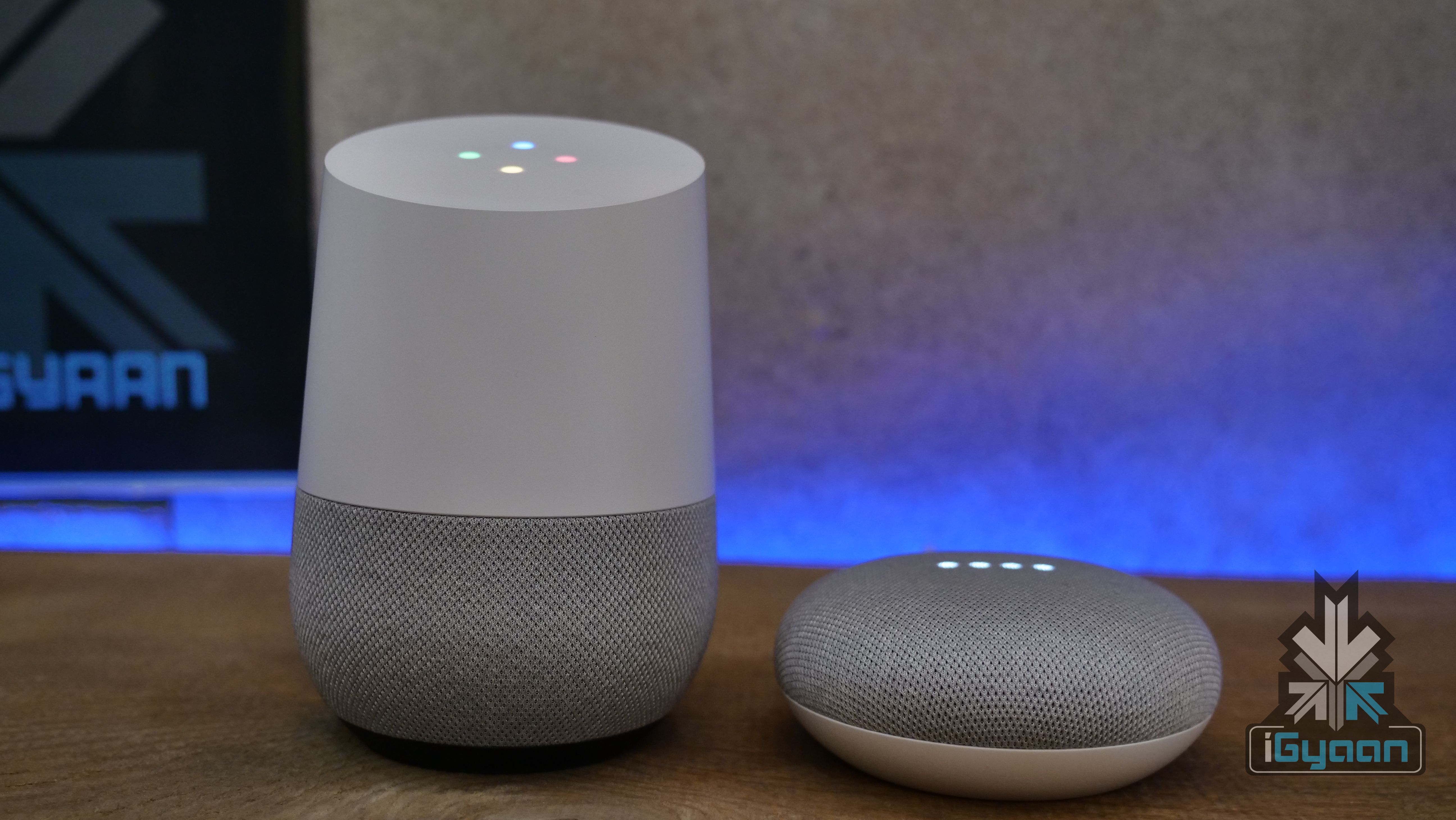
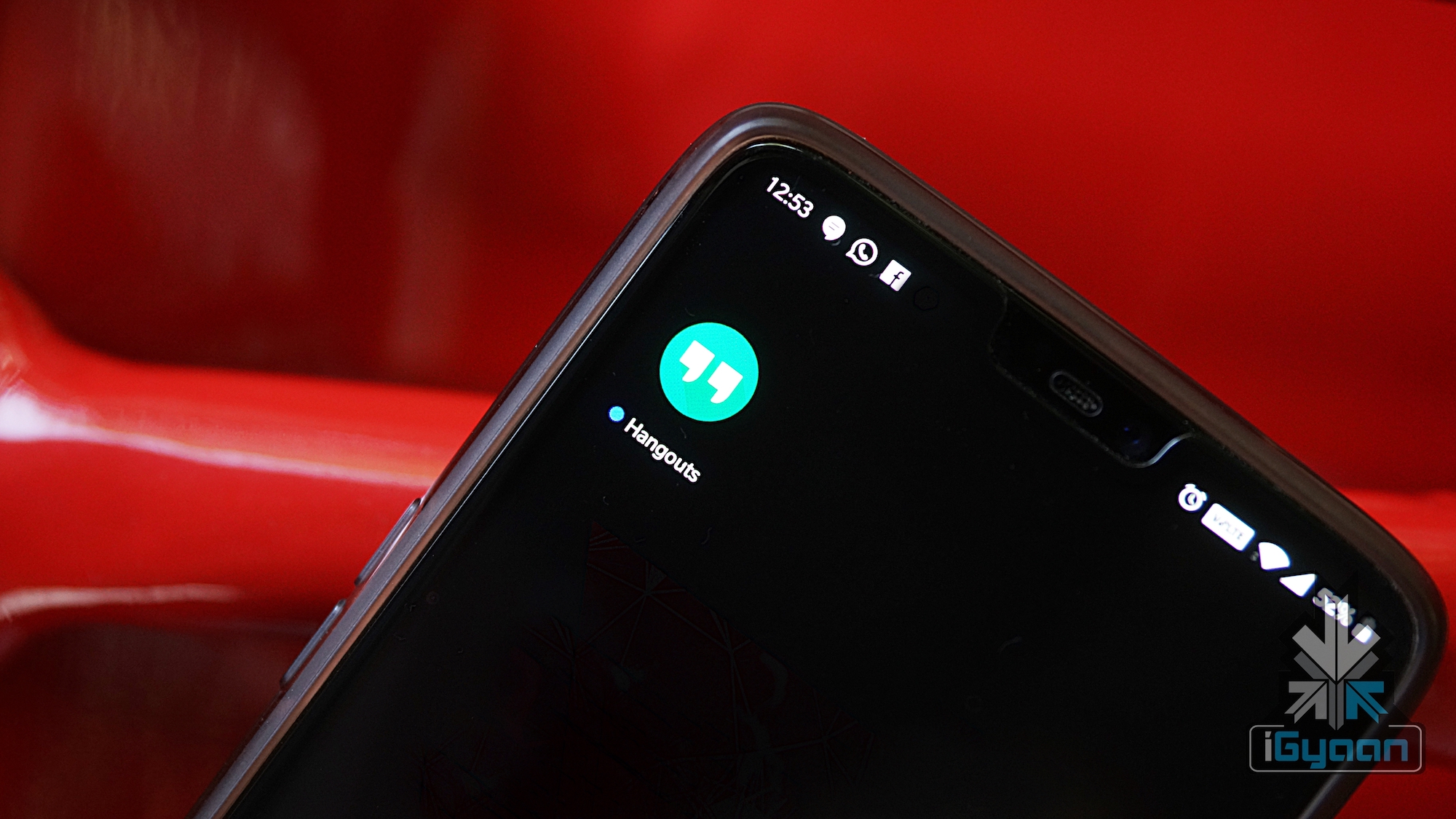 The Android Messages application is preinstalled on nearly all Android smartphones, so integration with such an application would be fairly easier. Smart texting has been around for a while now. Links inserted in text messages automatically show web previews whenever an internet connection is available. Google posted that this feature can be used with any device that uses Android (even Go editions),
 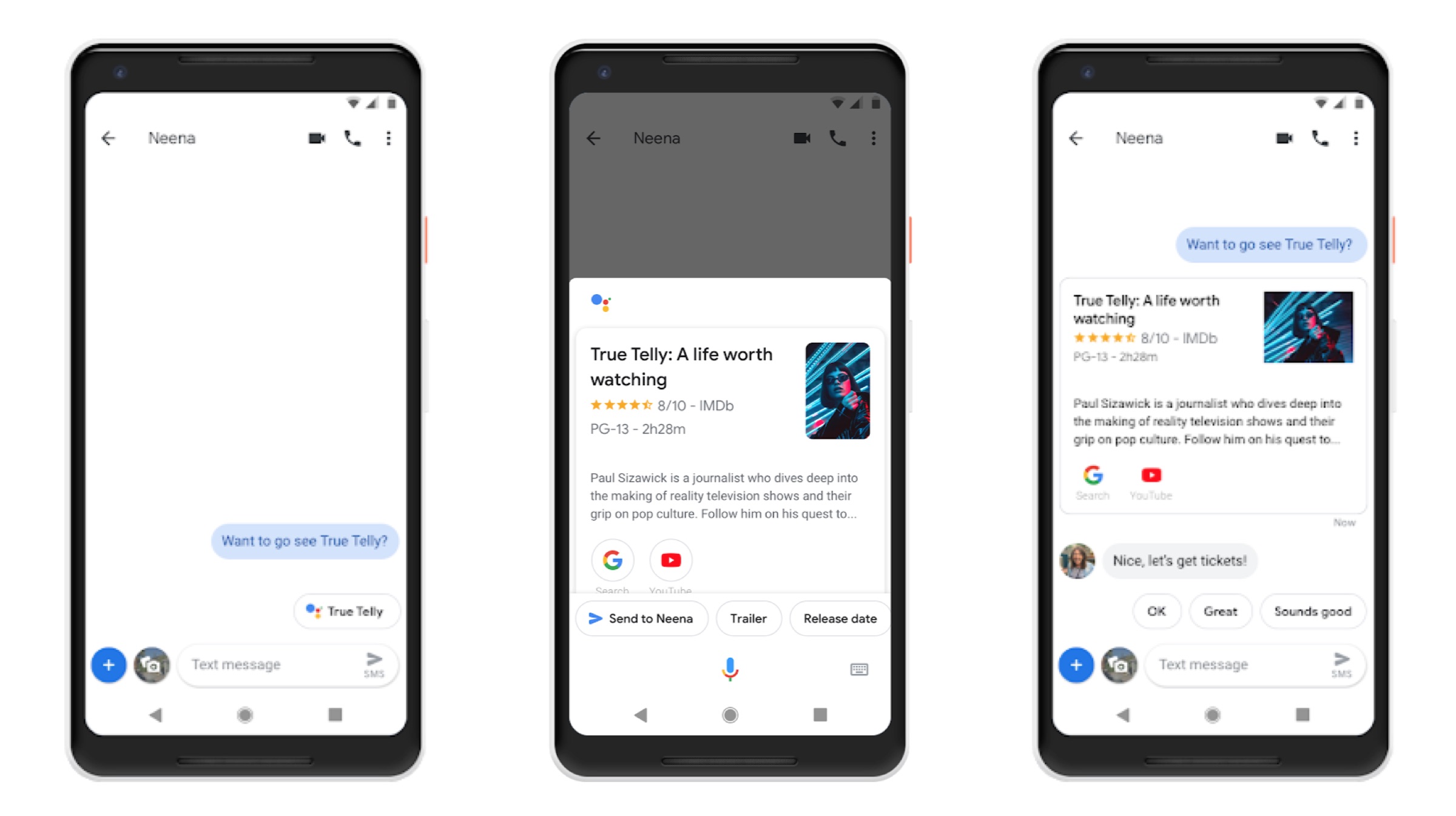 The Google Assistant integration is also seen in other Google apps like Maps, where drivers can get hands-free instructions regarding which directions to follow, making calls and read out texts. Similarly, the Android Messages app will rely on AI to provide suggestions that can make texting easier. It displays the information as a ‘suggestion chip’, and the user can click on it and just add that piece of info to the message.
  Google has also brought Voice Typing on KaiOS, which can help translate speech to text conveniently. As mentioned before, the multilingual support will help the Assistant to improve support for multiple dialects and accents. Apart from Indic languages, Google Assistant also adds support for bilingual talkback, with language support choices from Korean, Hindi, Swedish, Norwegian, Danish and Dutch.