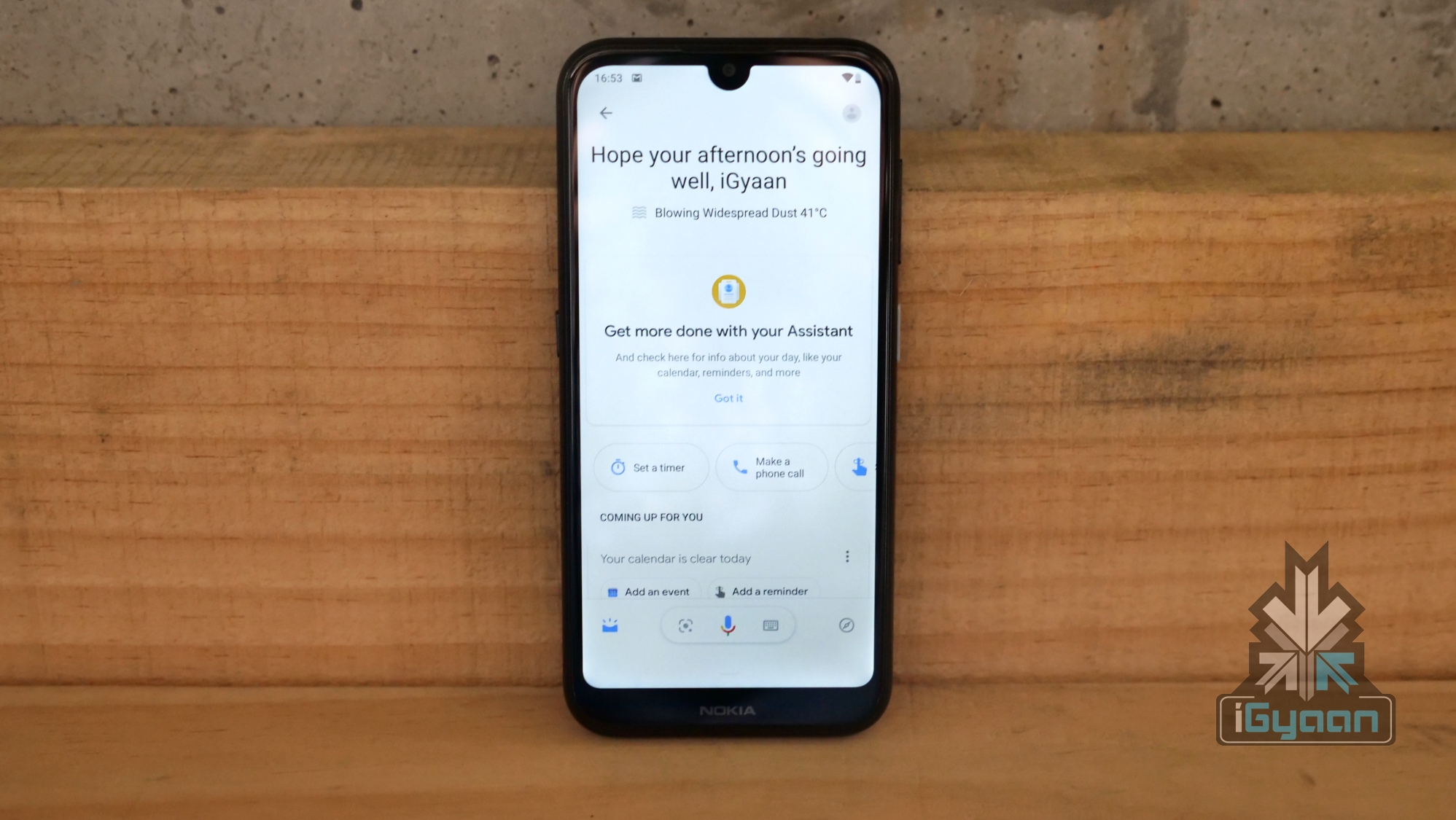
Earlier this month Nokia launched its latest smartphone, the Nokia 4.2 in India which is a budget focussed offering. Fresh video teaser shared on the Nokia India’s Twitter account indicates that the company will soon launch another budget-oriented handset, the Nokia 3.2. The teaser boasts of a smartphone with long battery backup which is accompanied by the #ViewMoreDoMore caption. Even though the teaser does not overtly talk about the aforementioned smartphone, the said caption corroborates with the Nokia 3.2 which was unveiled at MWC 2019.
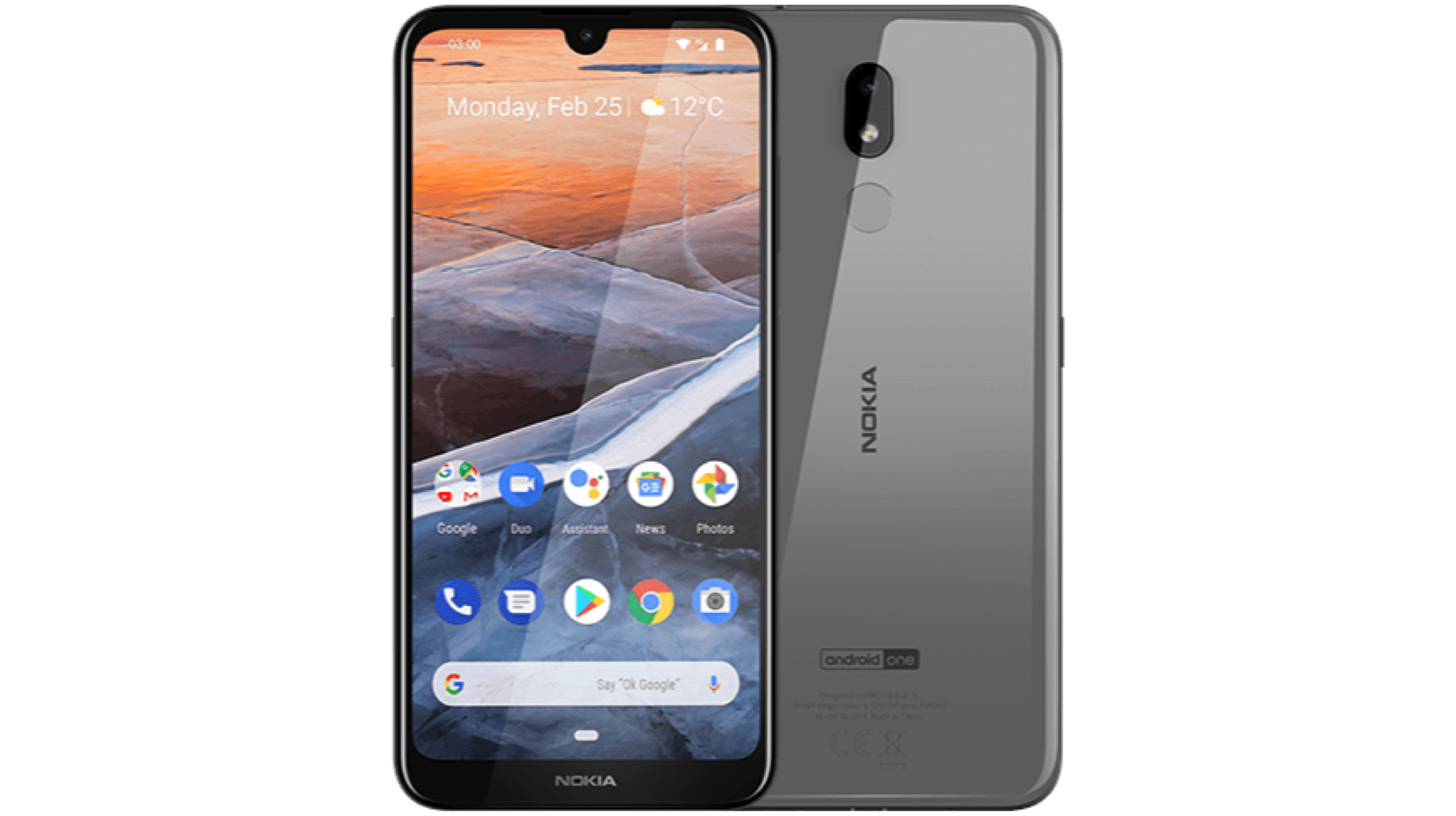
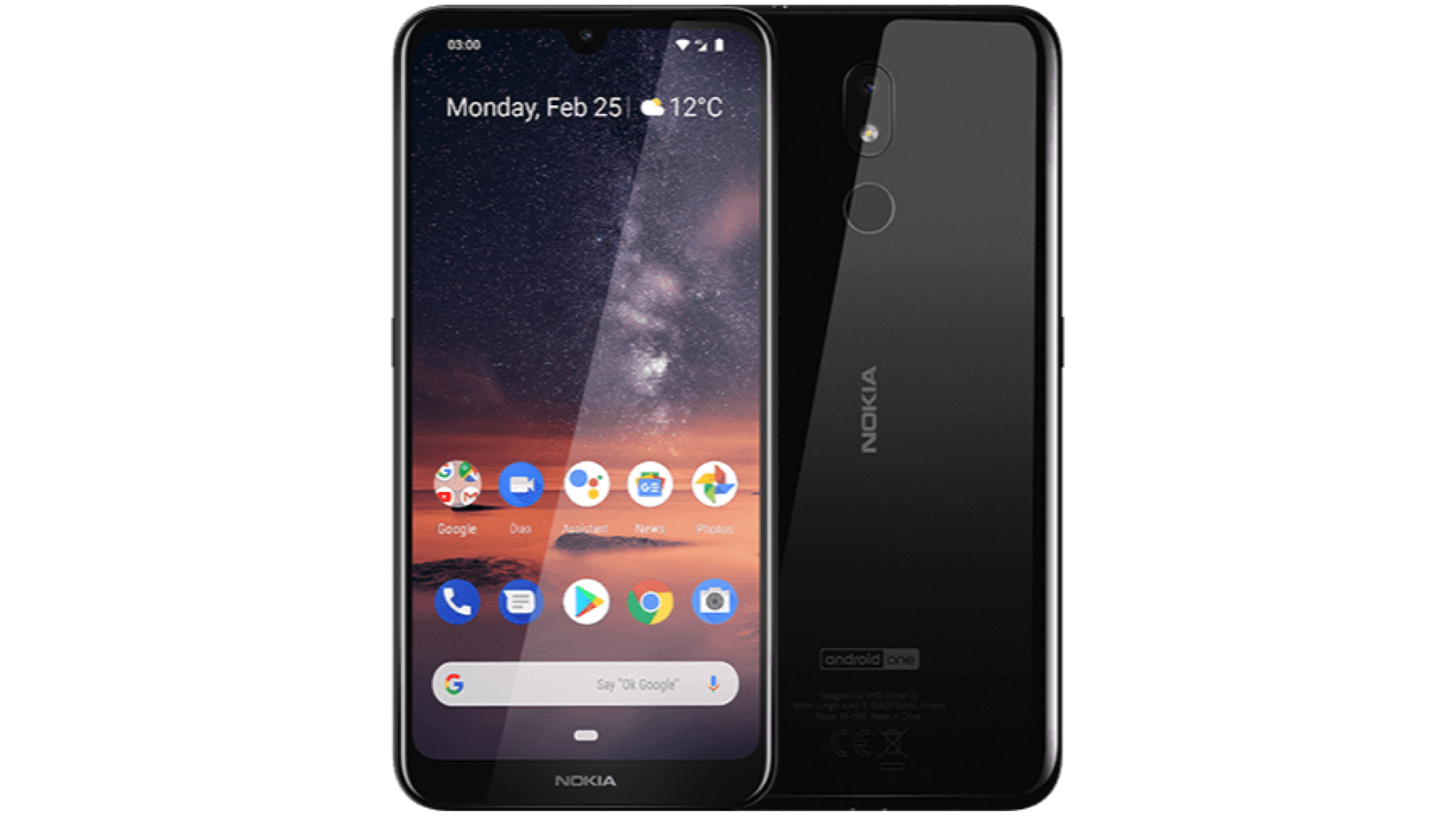
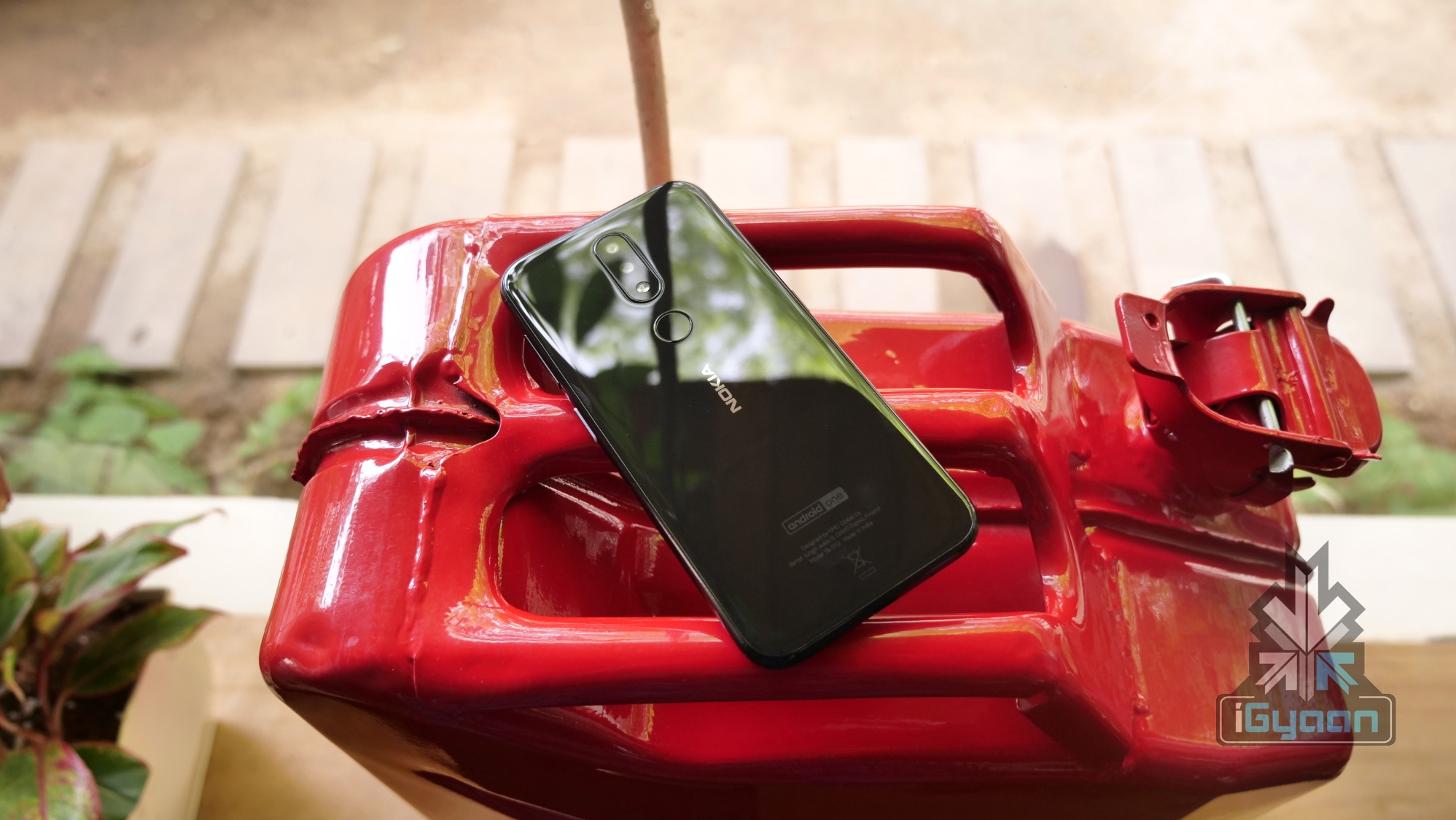
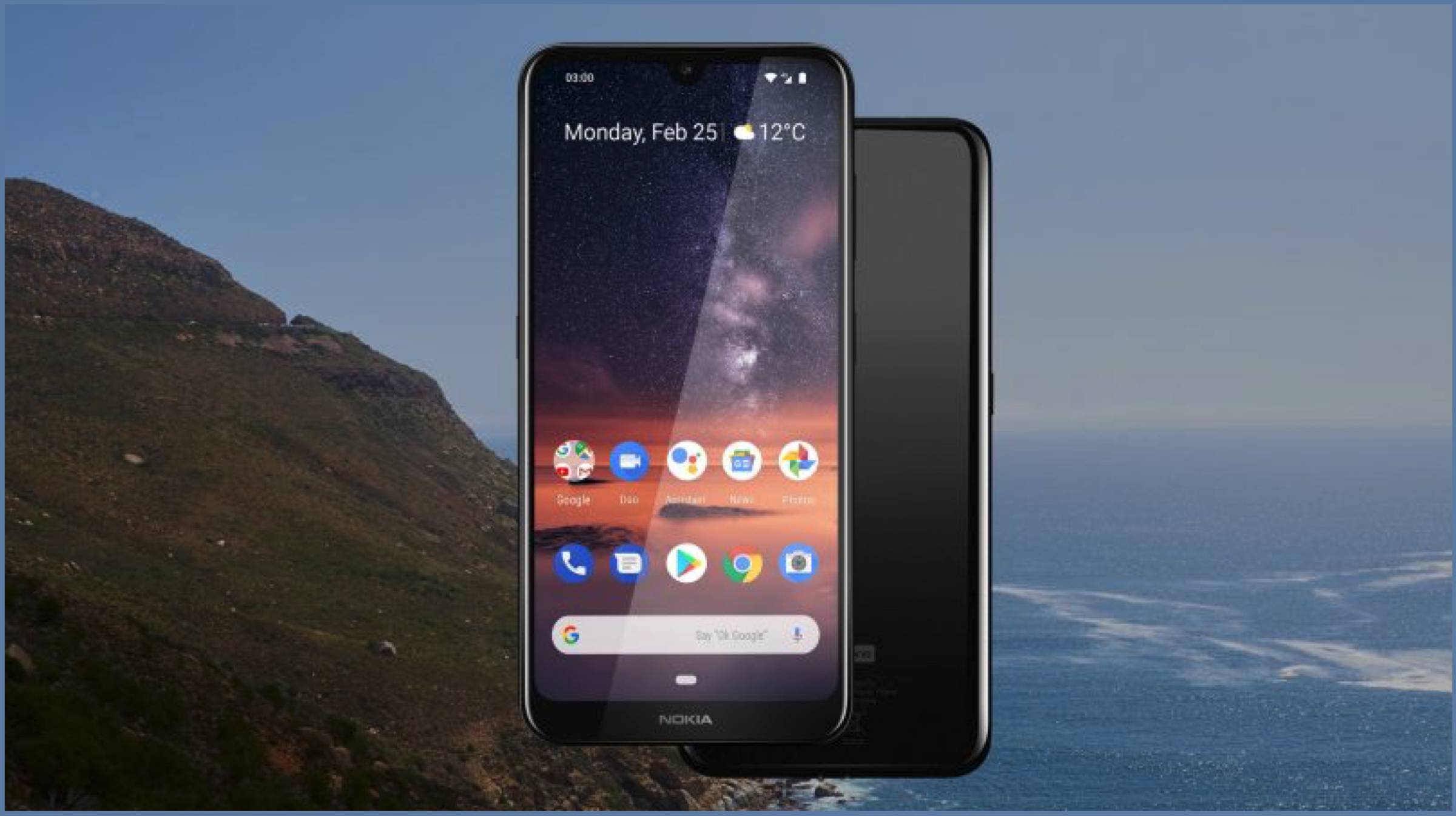
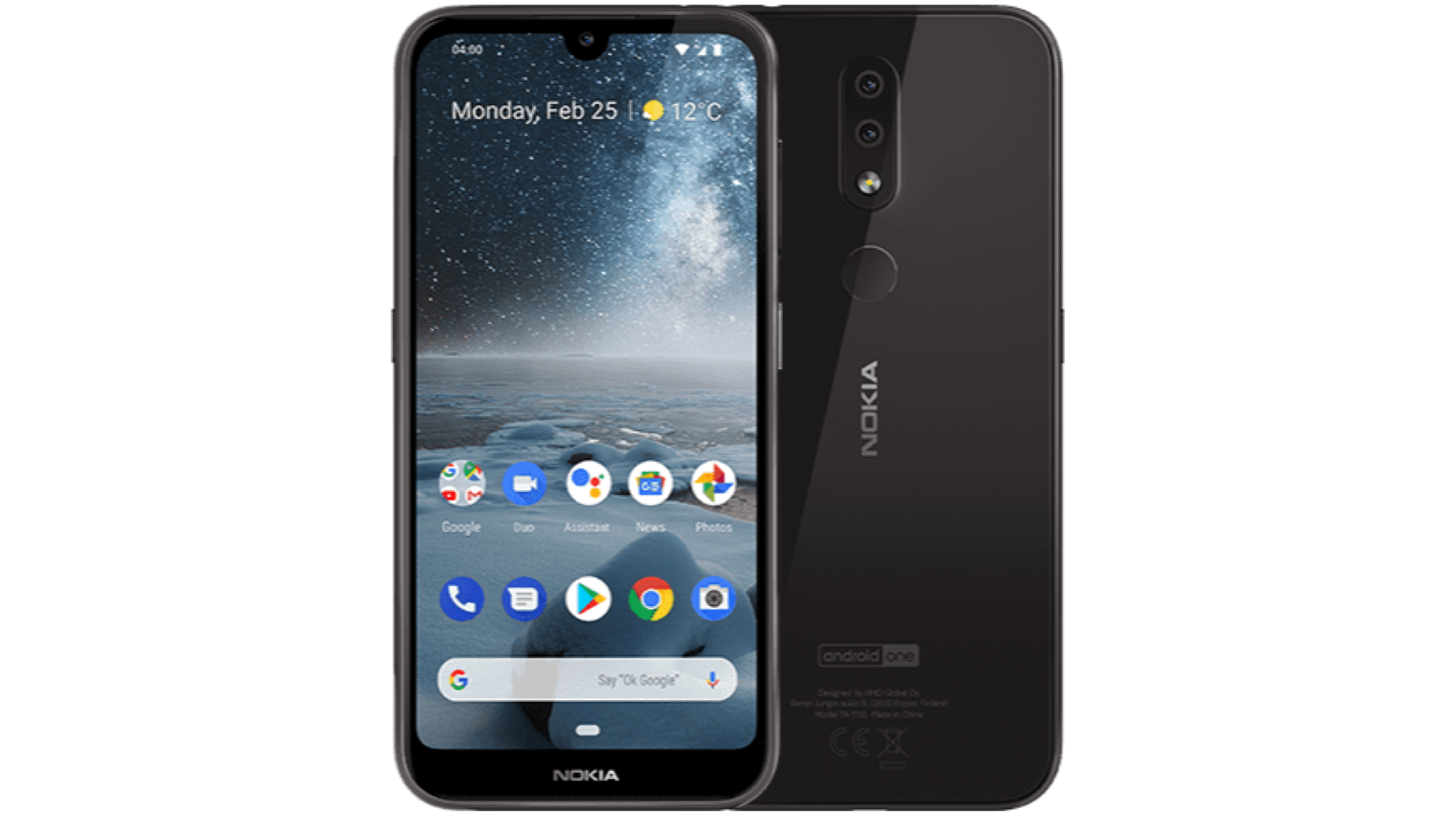
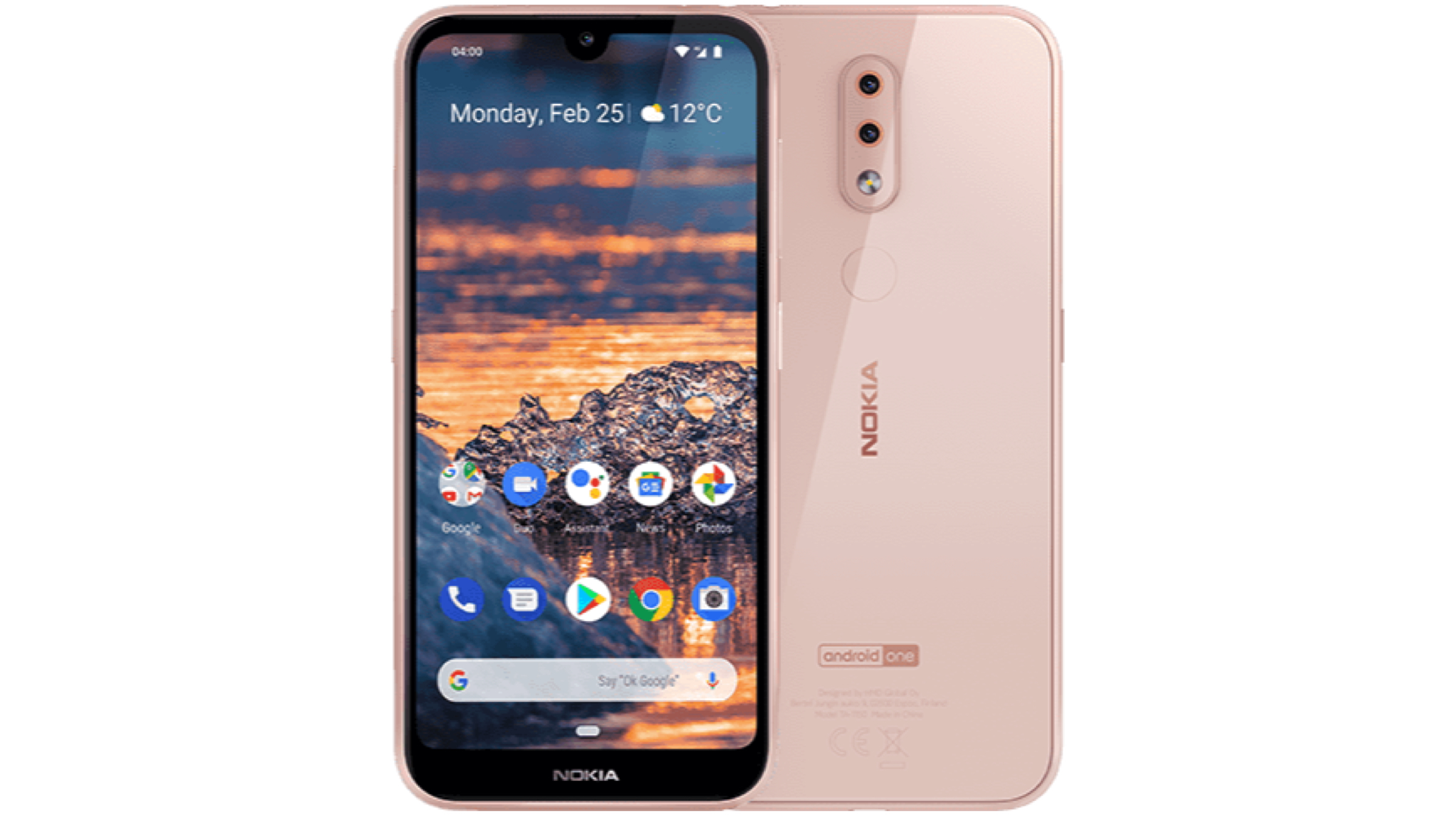
The Nokia 3.2 has a modern design with a high screen to body ratio display on the front which features a waterdrop notch up top. Staple to latest Nokia handsets, it has a rear glass panel that harbours the company branding, fingerprint sensor, camera setup and Android One certification. The certification assures the device will receive the latest Android updates for two year and monthly security updates for 3 years.
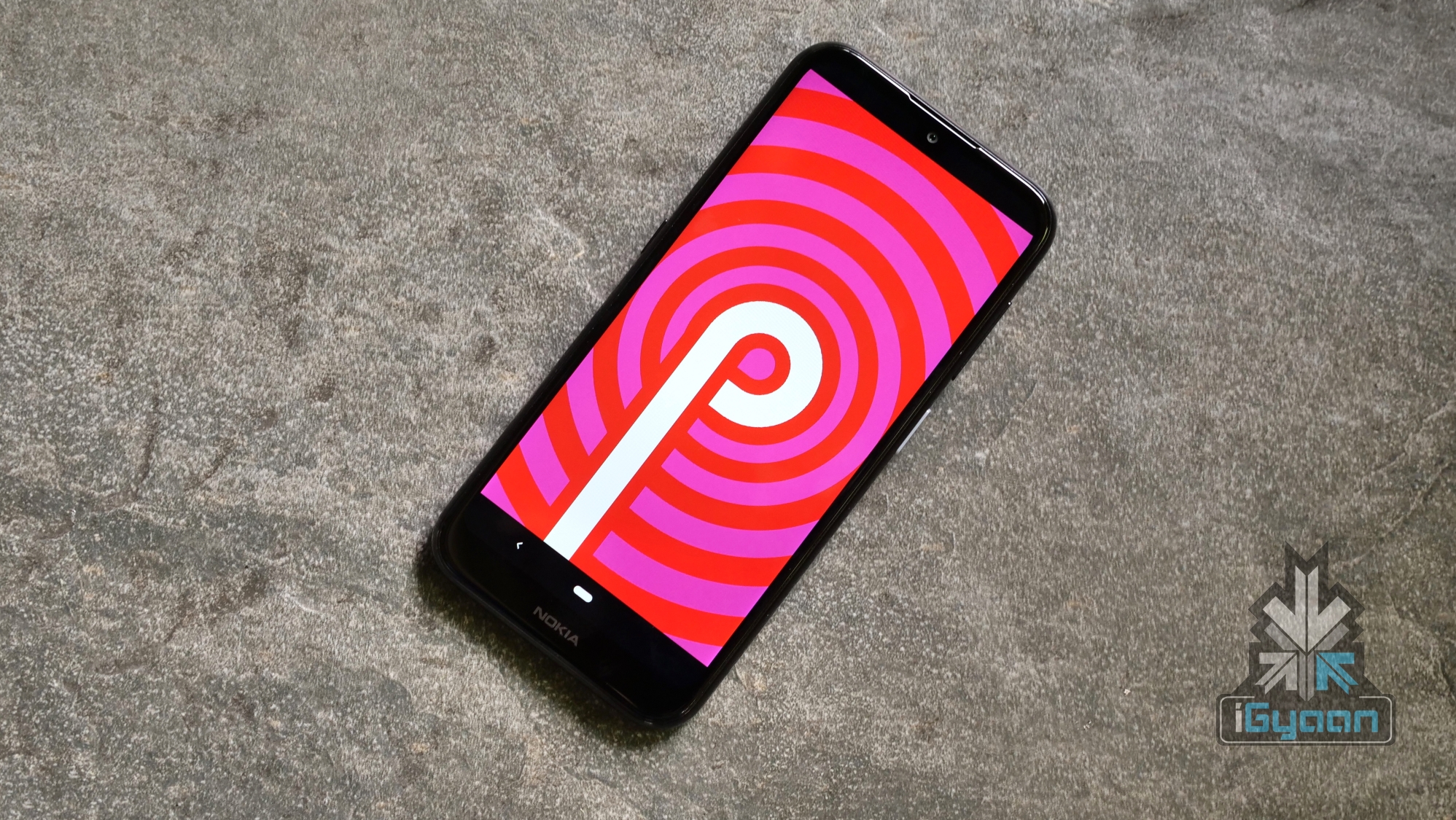
Nokia 4.2 (for representation purpose)
The Nokia 3.2 sports a 6.26 inch display on the front which is surrounded with thin bezels on all sides. The display panel has a resolution of 1520 x 720 px and a pixel density of 269 ppi. Under the hood, the device features the Snapdragon 429 SoC which consists of an Octa Core CPU and Adreno 504 GPU. The international variant was unveiled in two storage variants which include 2 GB + 16 GB and 3 GB + 32 GB. But we will have to wait for the official announcement to establish what storage variants will be offered in India. In addition to the inbuilt storage, it also supports memory expansion upto 400 GB via a microSD card.
The Nokia 3.2 is powered by a 4,000 mAh battery and supports 10 W fast charging. It runs on the latest Android 9 Pie stock OS which provides for a bloatware free experience. Connectivity options on the device include Bluetooth 4.2, Wi-Fi 802.11 a/b/g/n, 4G VoLTE, 3.5 mm audio jack and bottom mounted Micro USB 2.0 port. The rear camera of the Nokia 3.2 has a 13 MP sensor while the front selfie camera has a resolution of 5 MP.
The India specific price of Nokia 3.2 will be revealed at the time of official launch but it is expected to be similarly priced the US variant which costs US 139 (approx Rs 9600). The exact launch of the smartphone is yet to be announced, however, the teaser suggests it will soon launch in the country.
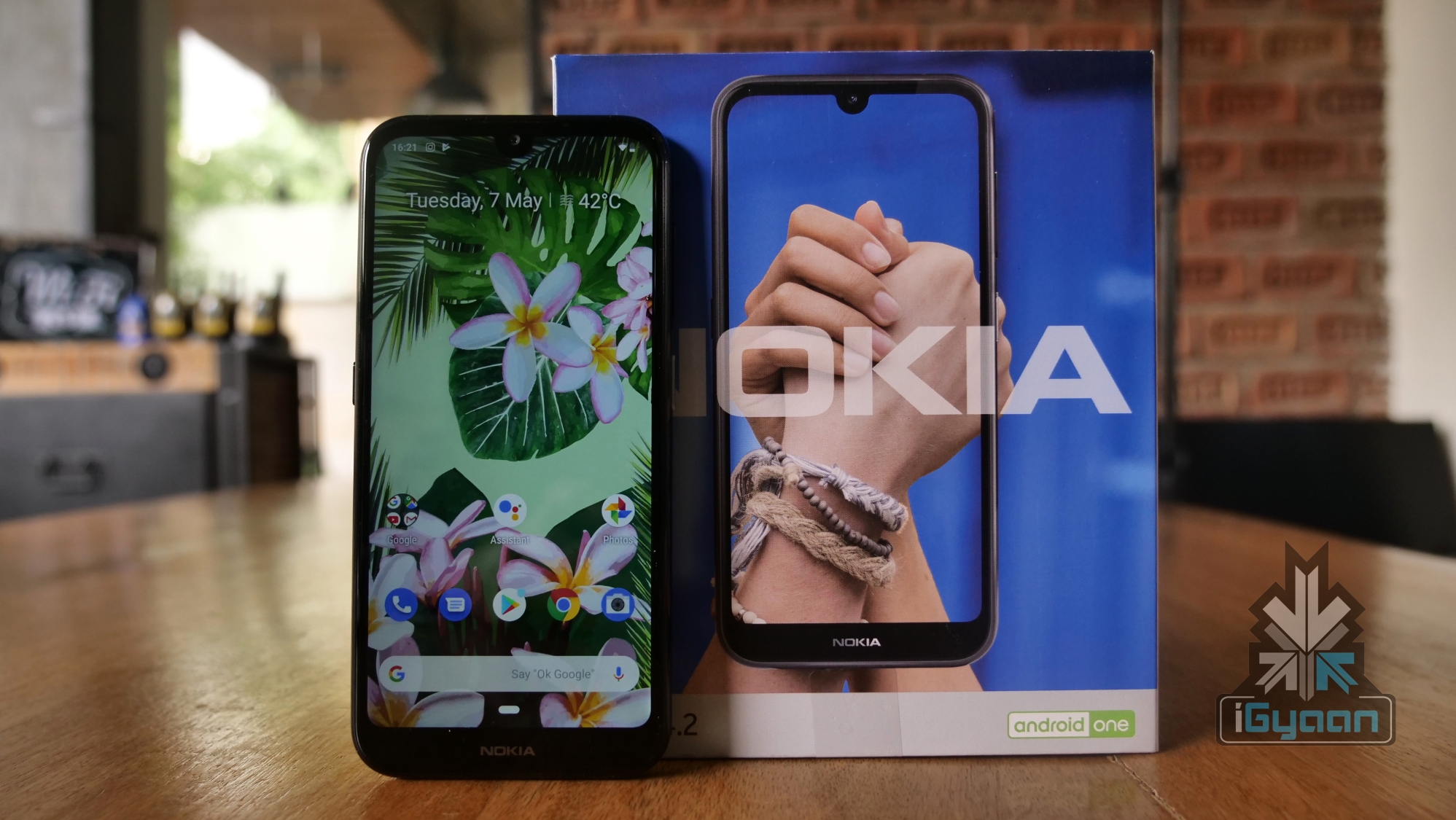
HMD Global has launched the Nokia 4.2, its latest budget smartphone in the Indian market on the 7th of May. At a price of Rs. 10,990, it goes head to head against the proven champion of the segment, the Redmi Note 7. With a legendary name behind it and a clean build of Android, is it the budget smartphone to buy in 2019?
We find out in our Nokia 4.2 Review
What’s In The Box?
Nokia 4.2
Power Adapter
MicroUSB Cable
Earphones
SIM Card Ejector
Quick Start Guide
Warranty Card
Build Quality & Design
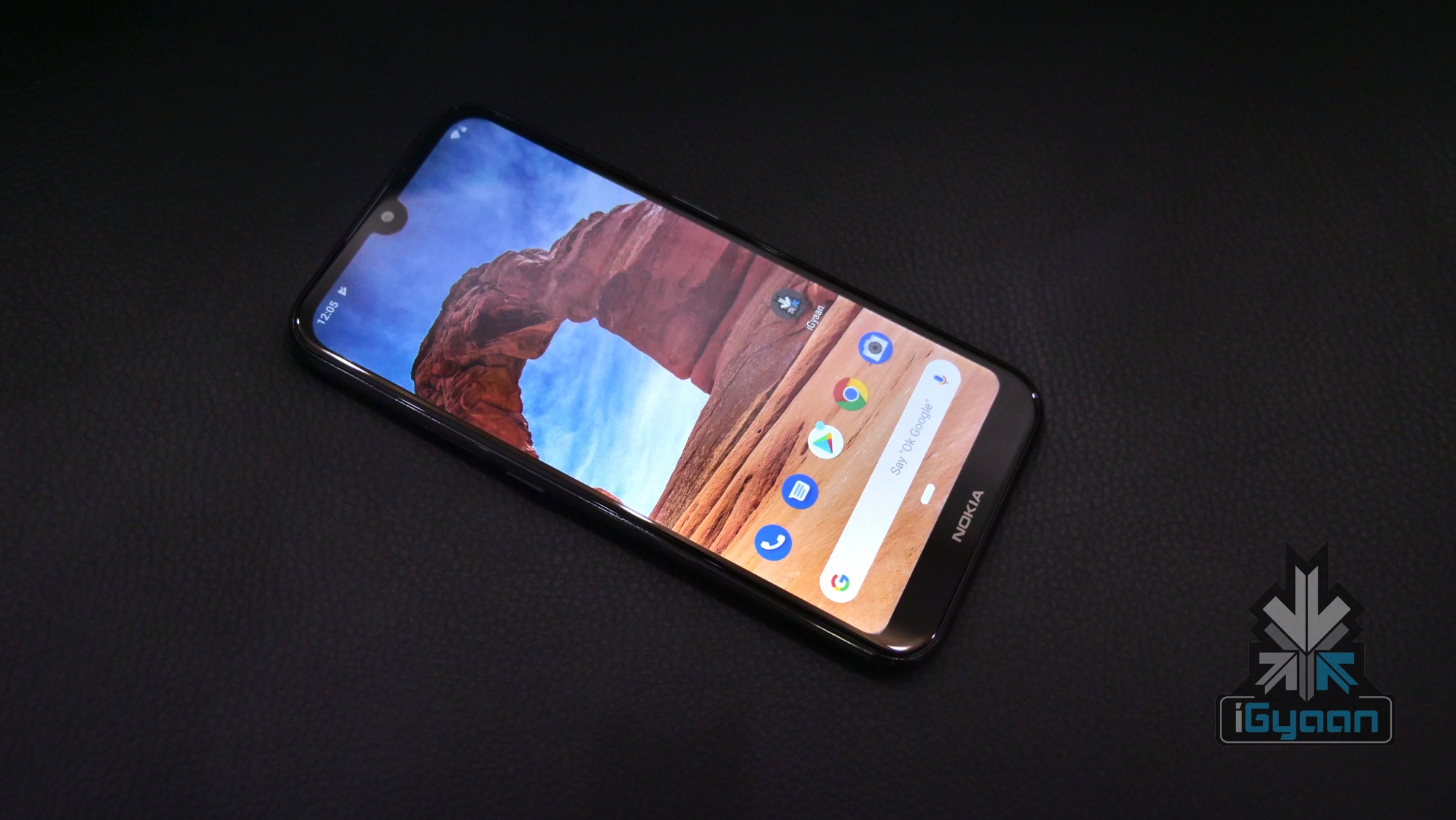
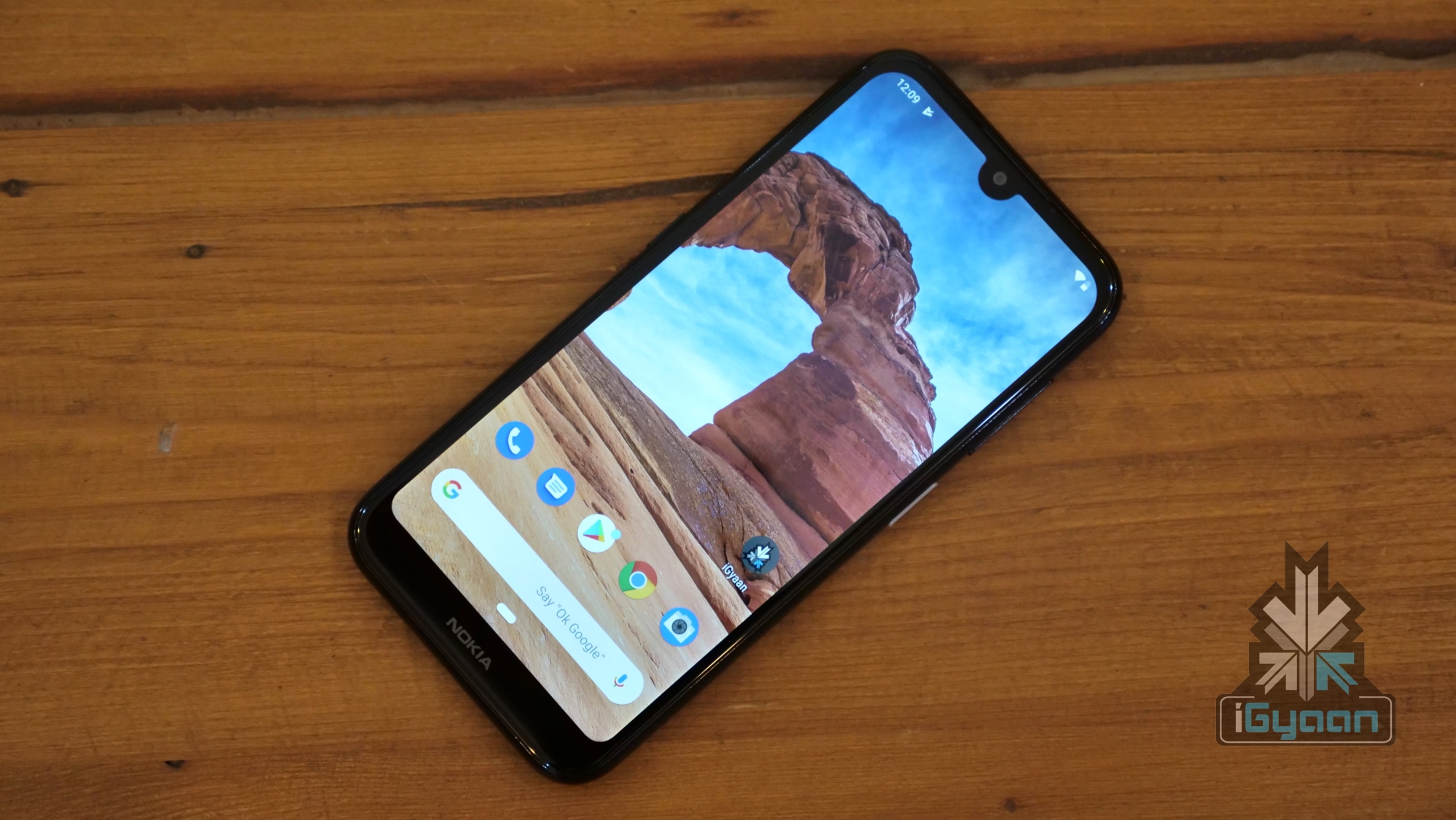
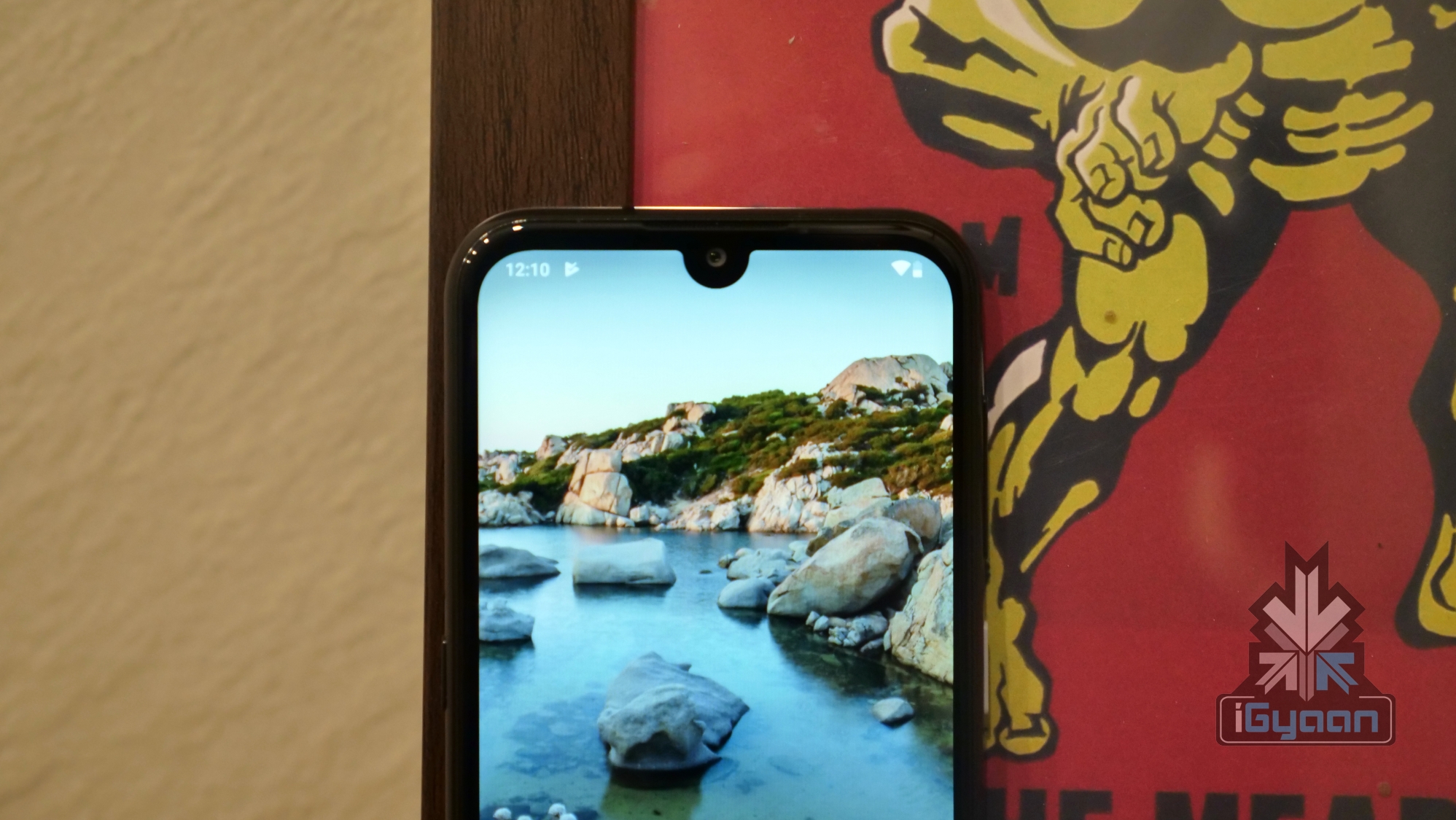
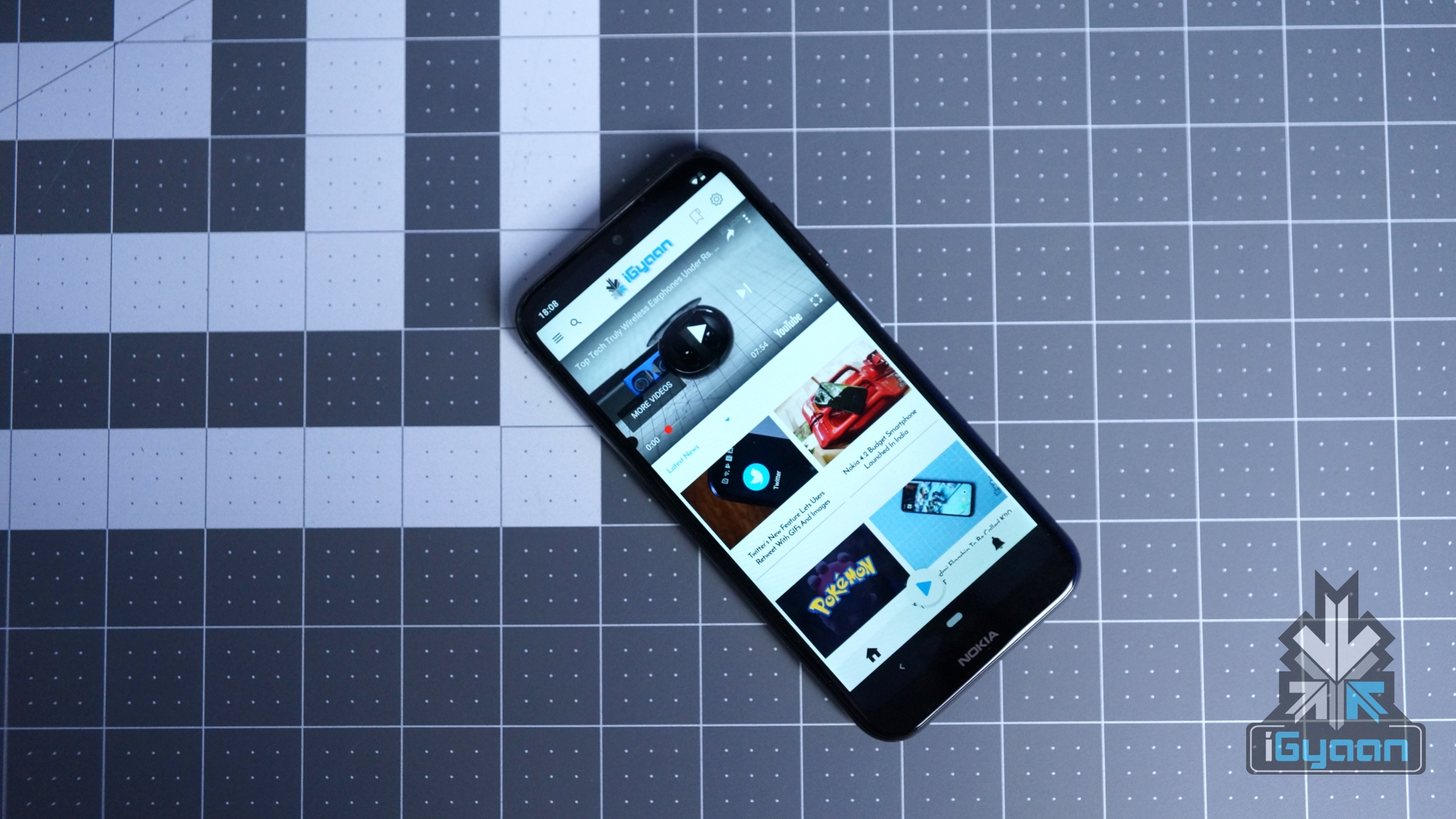
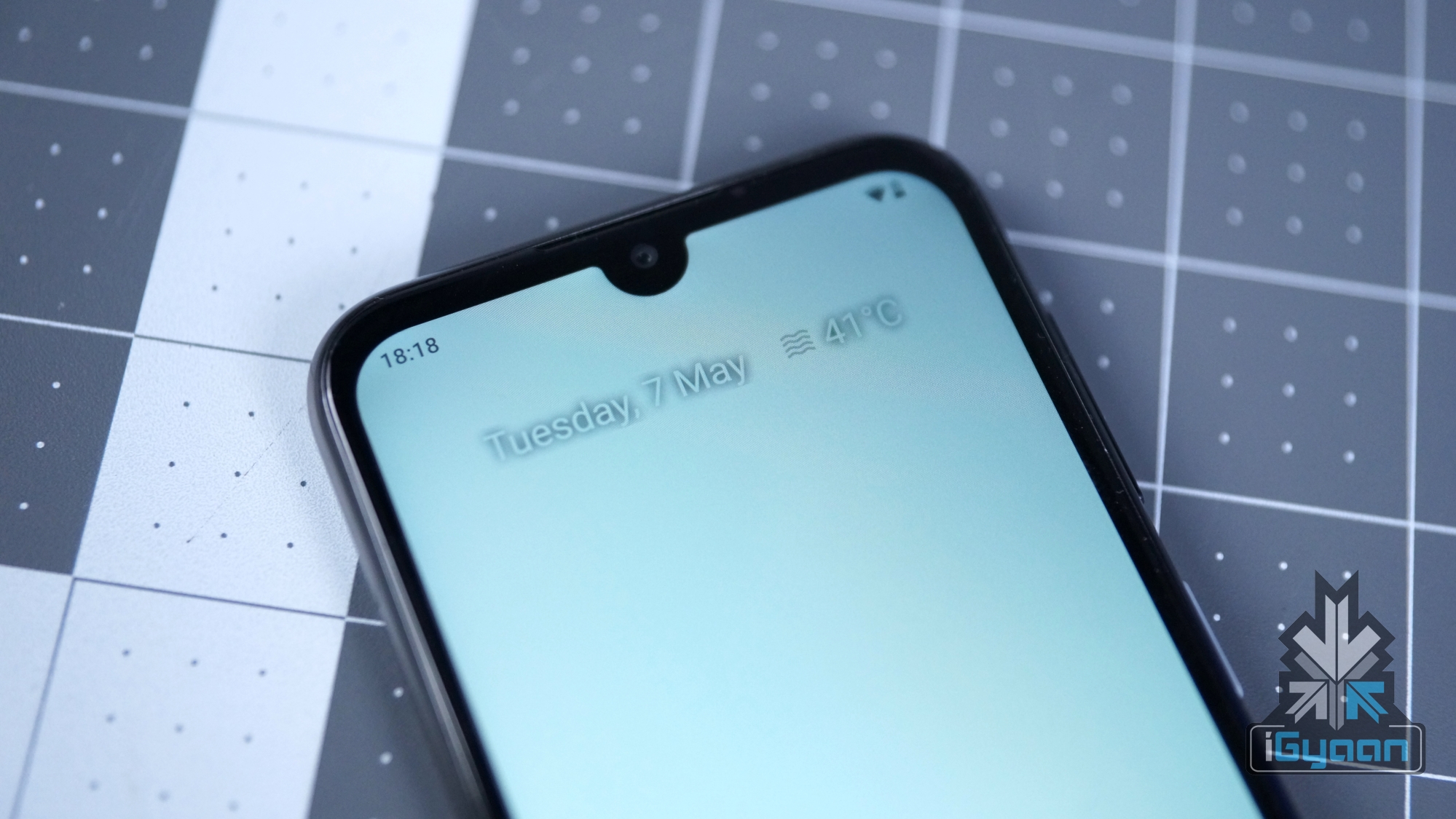
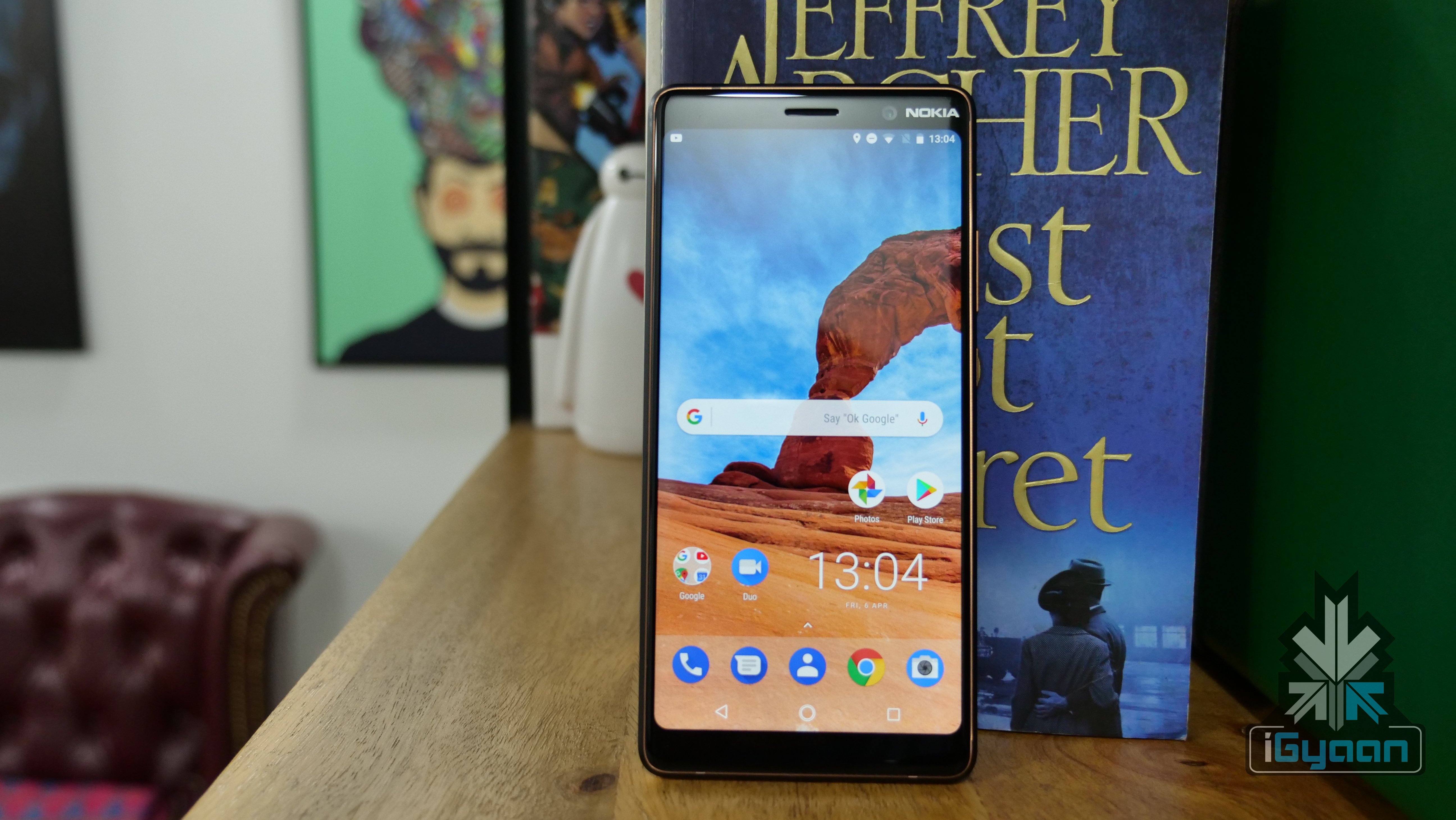
As far as the build quality and design is concerned, Nokia has not strayed far in taking inspiration for the Nokia 4.2. It features glass on both sides with a polycarbonate frame for reinforcement. The design makes it look a lot like the Nokia 6.1 Plus which was launched last year. The front of the smartphone is dominated by a 5.7-inch display with a waterdrop notch on top of it.
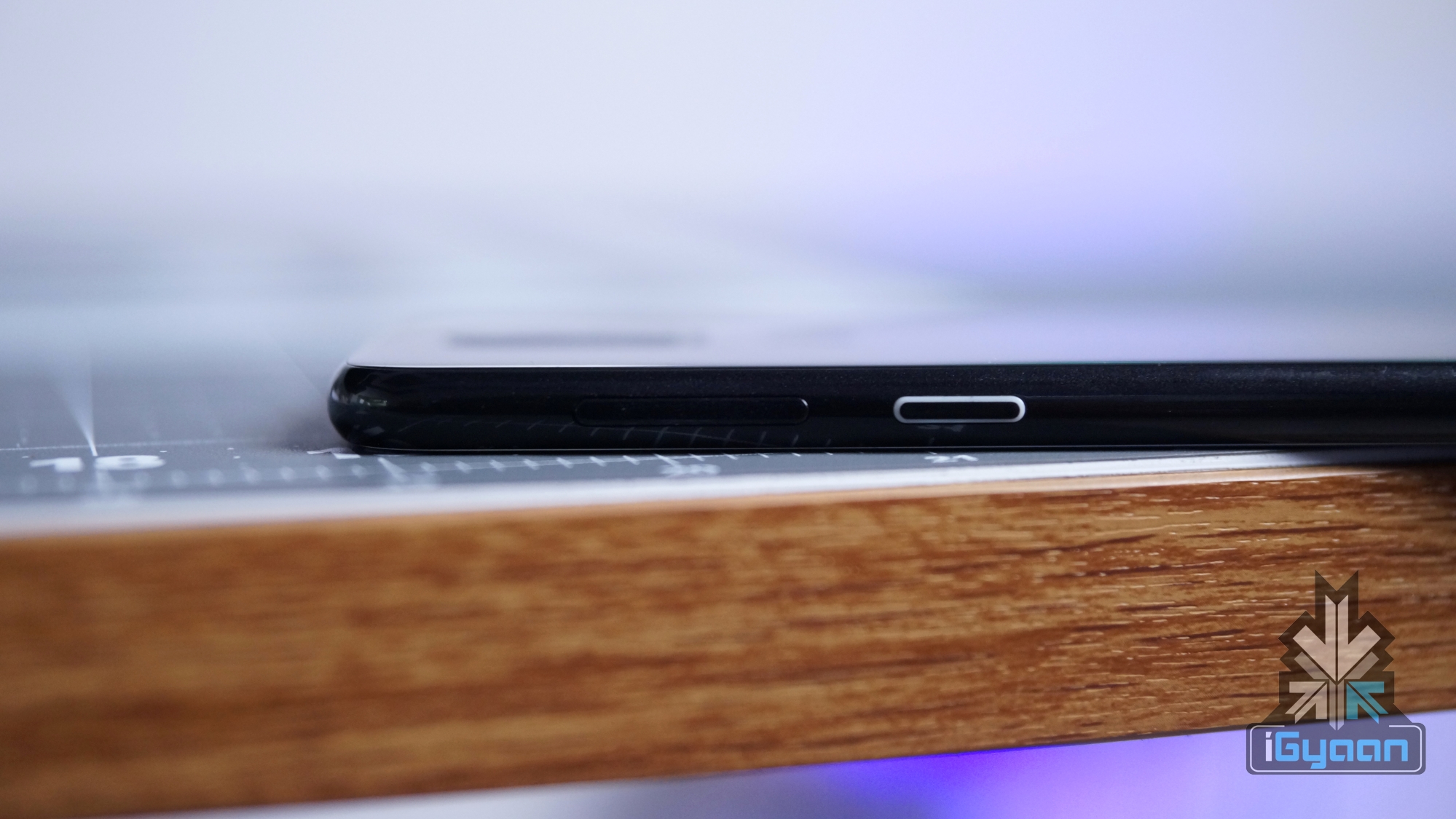
The right side of the Nokia 4.2 houses the volume rockers and the power button. Interestingly, the power button also features the notification LED, which as the name suggests lights up whenever the device receives a new notification. Unconventionally, the left side of the smartphone has a dedicated Google Assistant button which can be used to summon the voice assistant. This side houses the Hybrid SIM card tray which can either accept two nano SIM cards or one SIM card and a memory card up to 400 GB. While the top of the handset accommodates the secondary noise cancellation microphone and the 3.5mm headphone jack, the bottom has the microphone, micro USB port and the speaker grille lined up together.
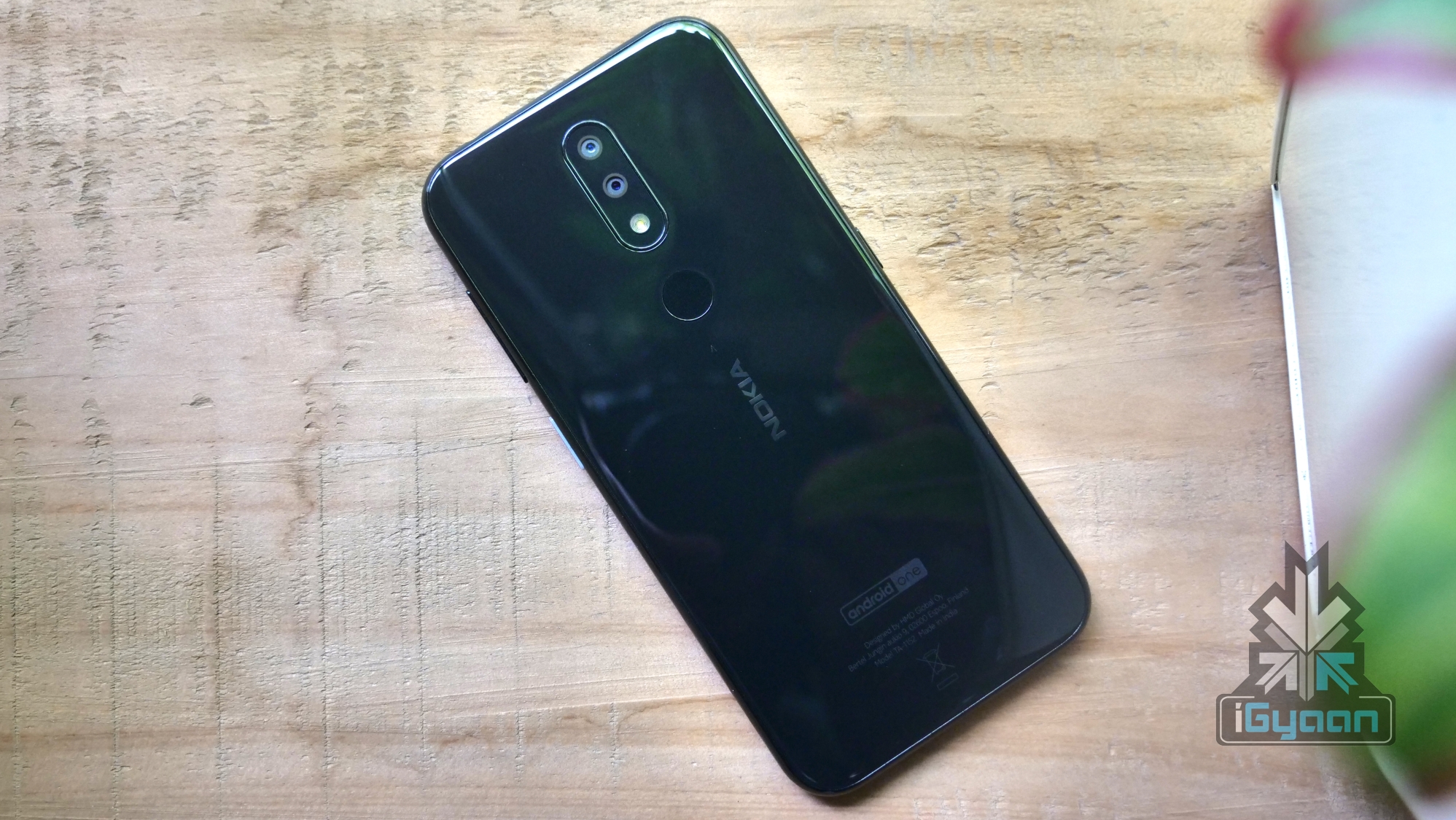
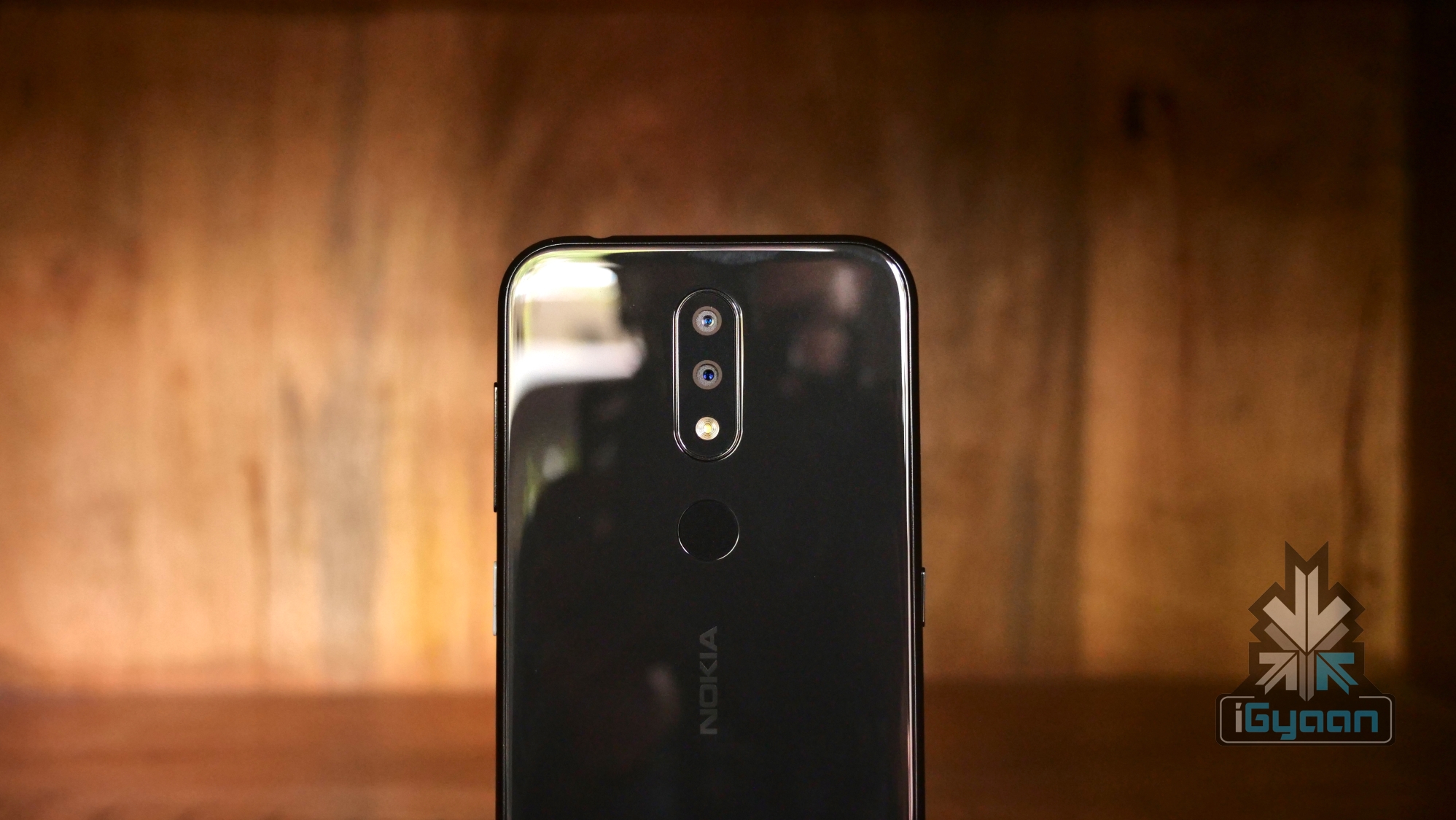
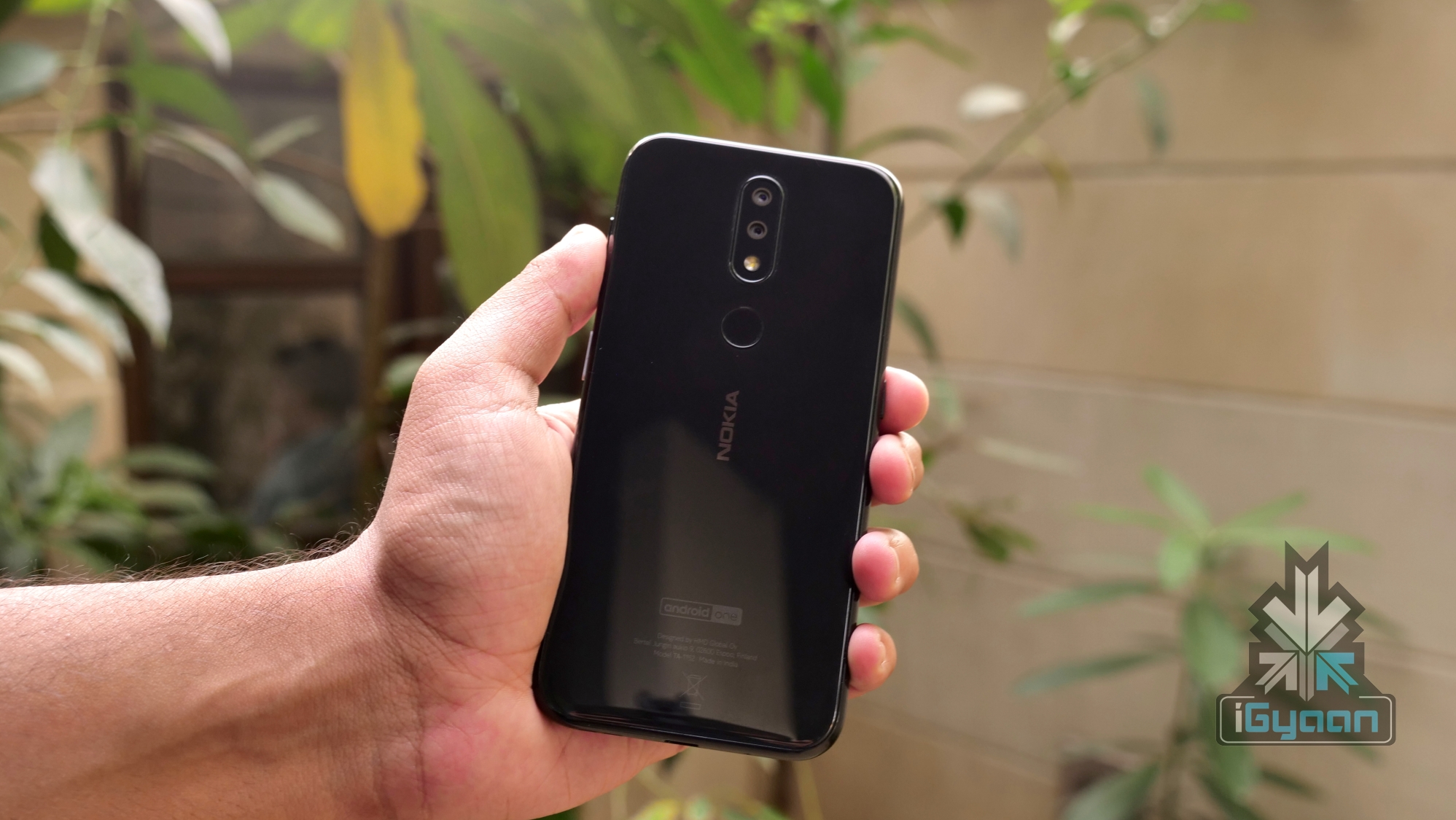
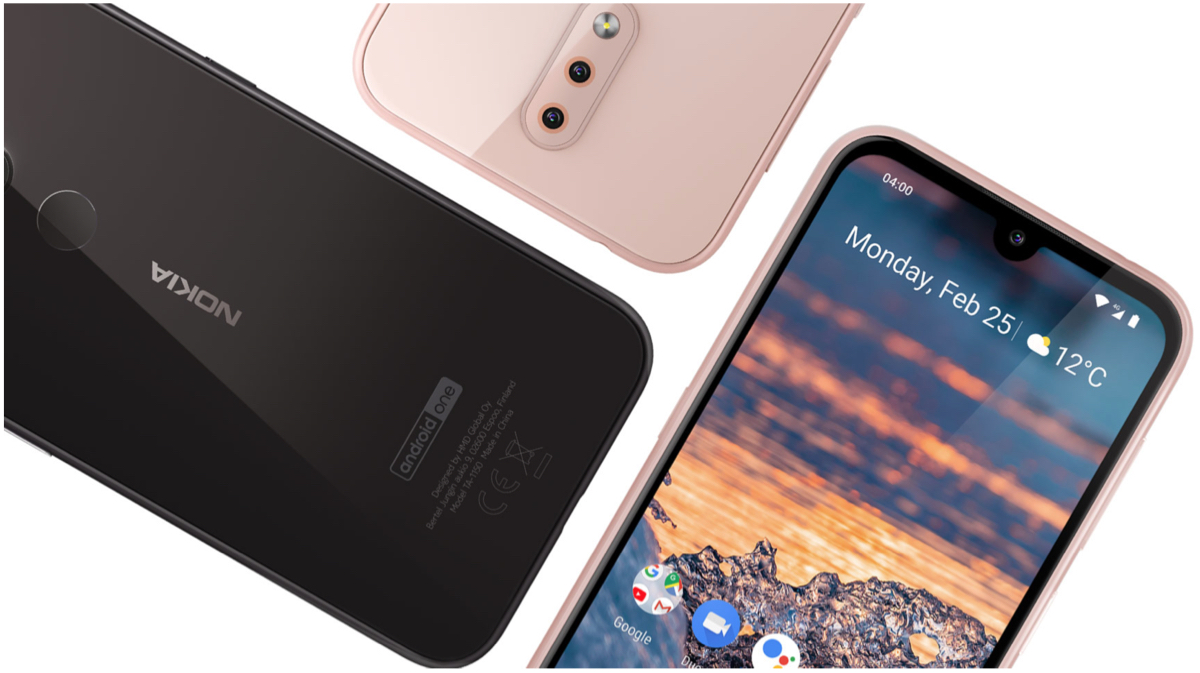
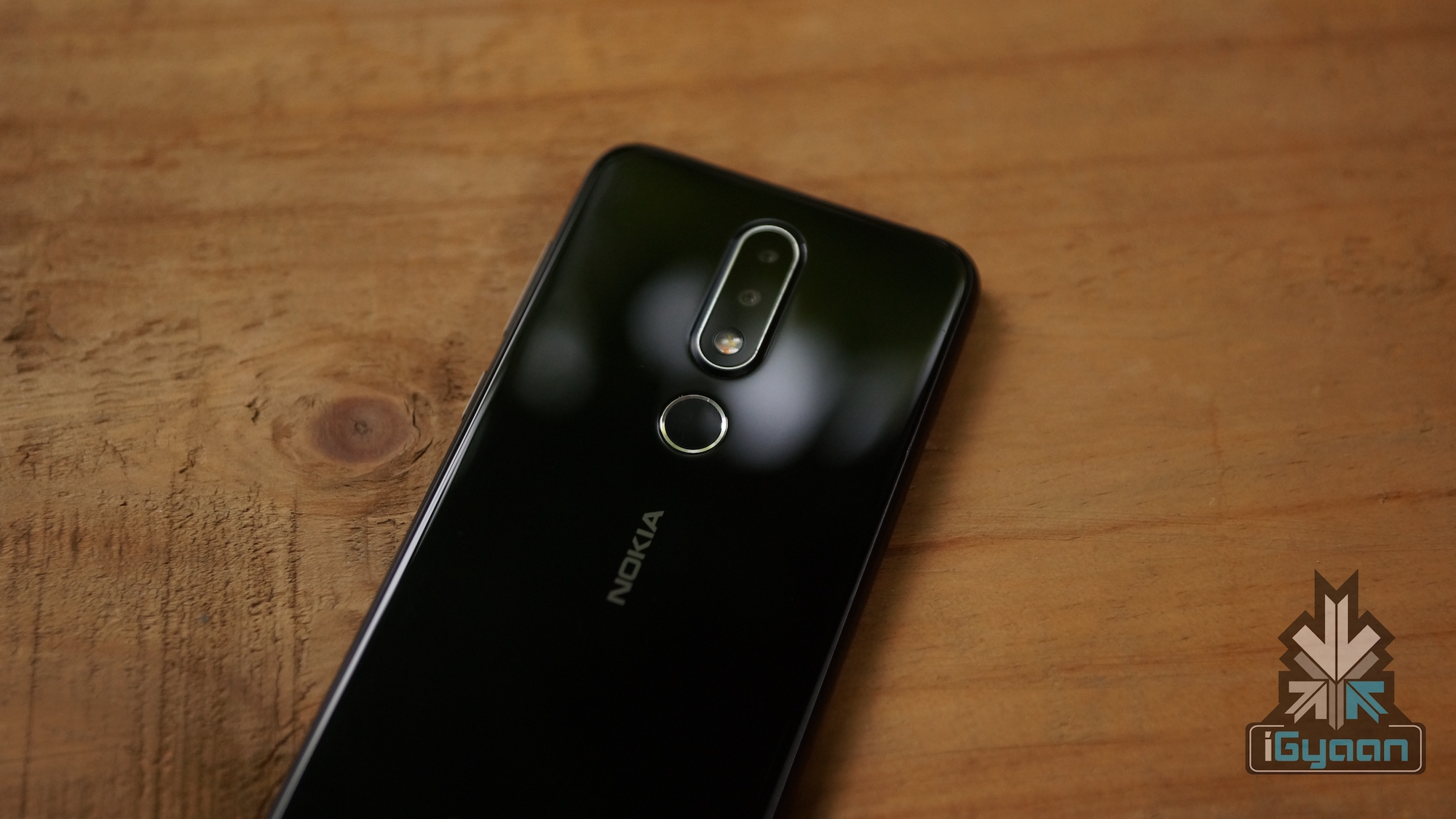
We reviewed the Black coloured variant of the Nokia 4.2 which looks subtle and premium. The back of the smartphone houses the vertical dual camera setup with the flash. The fingerprint scanner and the Nokia logo is also present on the rear of the device. Overall, the Nokia 4.2 features a solid build quality known to the company’s devices and the smartphone feels robust in the hand. The small and compact form factor of the smartphone ensures it is easy to use with one hand. However, we recommend using a case as it can easily slip out of your palm owing to the glass back. Also, the case will prevent the fingerprints which the device easily attracts.
Display
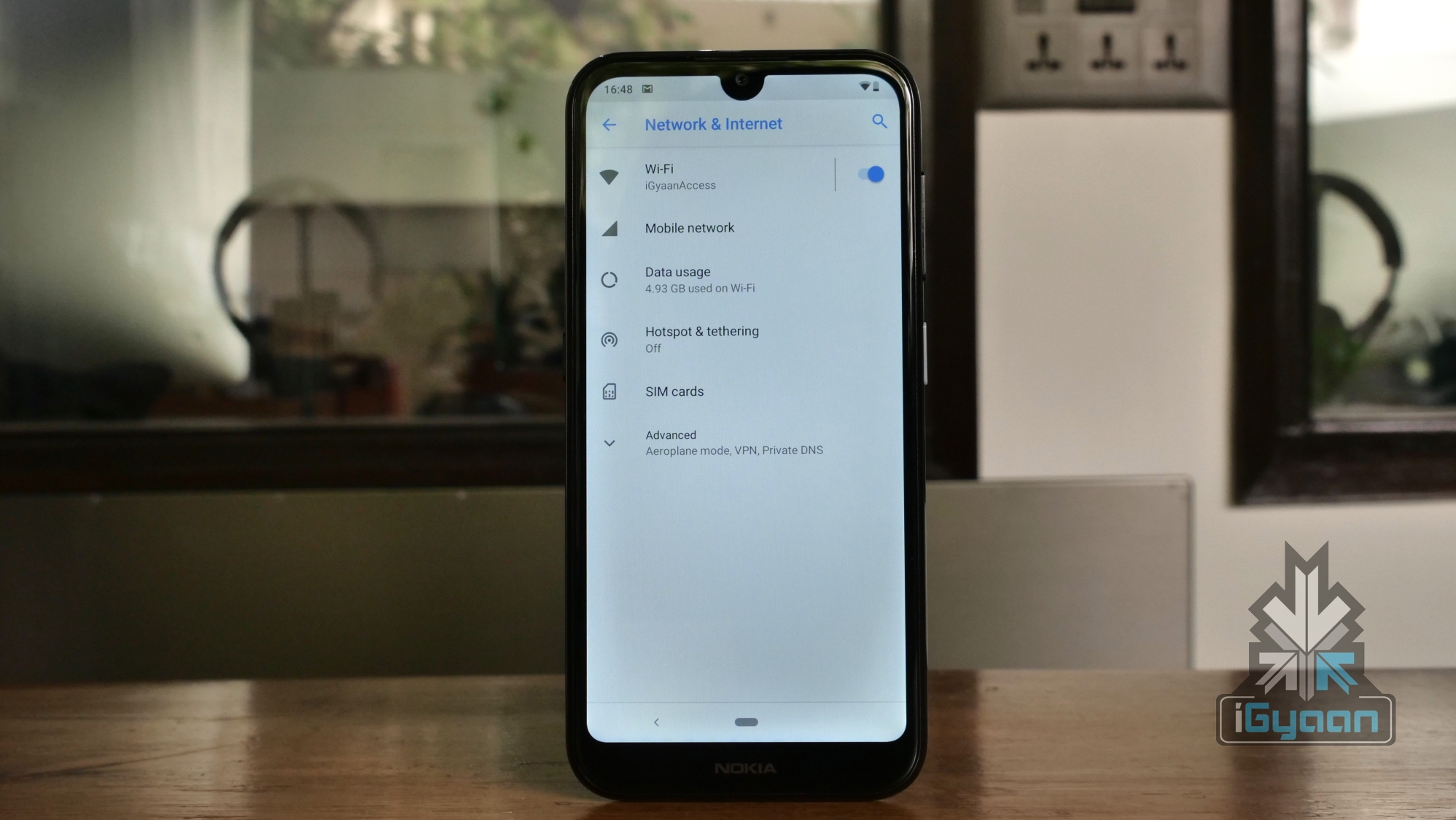
The Nokia 4.2 has a 5.7-inch display with a resolution of 1520 x 720 px. The sides of the device have thin bezels while there is a significant chin at the bottom. To maximise the screen real estate, the company has implemented a waterdrop style notch on the smartphone, which is becoming increasingly common in the segment.
In terms of quality, the TFT display of the Nokia 4.2 offers good colour reproduction and average contrast levels. Being a TFT display, you will not get deep blacks or saturation like seen in the Galaxy A20 which incorporates an AMOLED panel. However, the display should be fine for daily use and media consumption, even though we would have preferred a panel with higher brightness levels that facilitate outdoor usage. Given the smartphone competes with the likes of the Redmi Note 7 which has a FullHD display, the display is not the strong suit of the Nokia 4.2.
Hardware & Performance
The Nokia 4.2 features the Snapdragon 439 SoC coupled with 3GB of RAM and 32GB of Internal Storage. In terms of day to day usage, the smartphone performed well and we faced zero lags while switching between applications with several apps running in the background. The humble amount of RAM is enough for keeping light applications in memory.
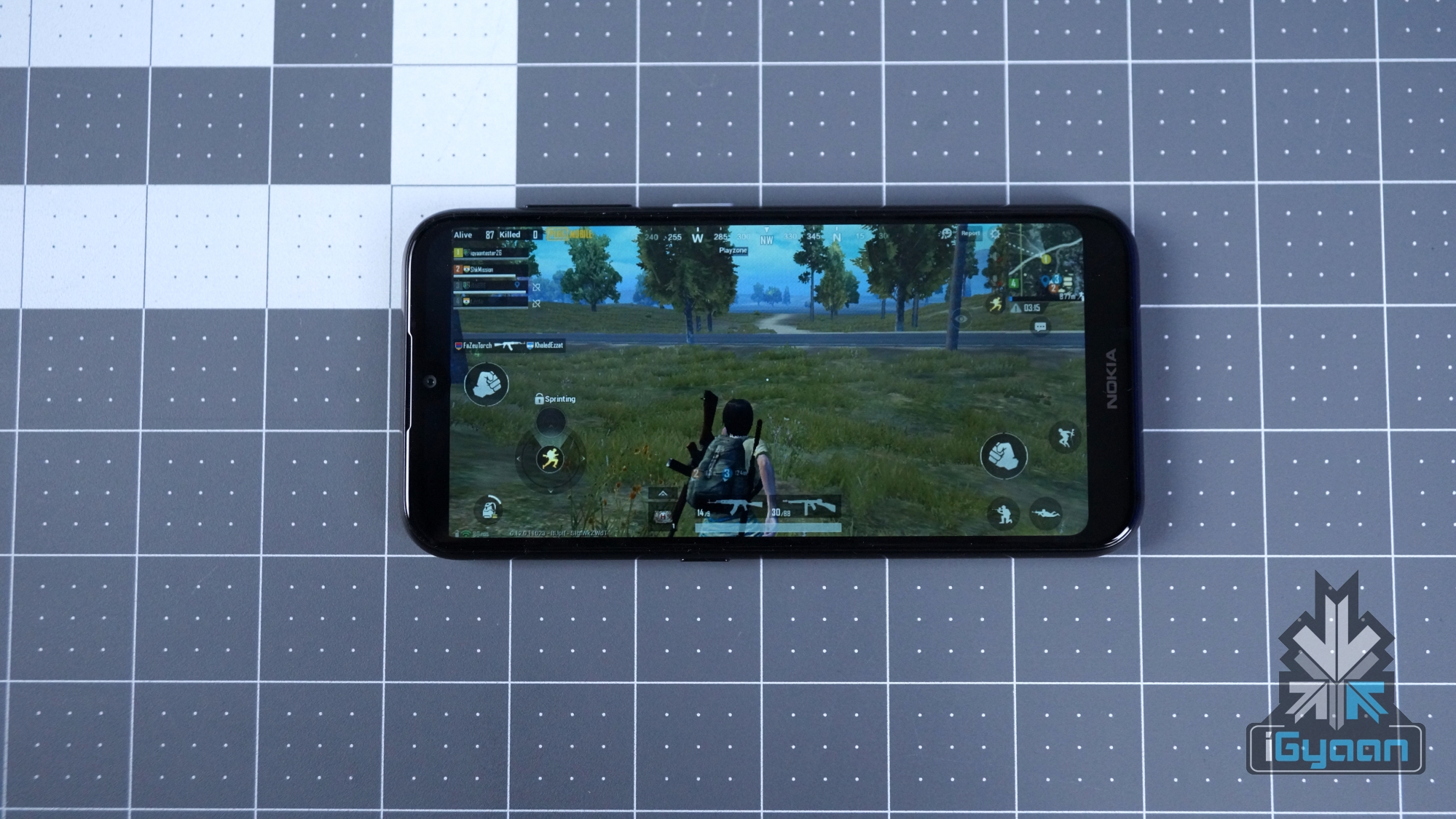
While the general performance was fine, gaming on the Nokia 4.2 is another territory altogether. While playing PUBG Mobile, the game chose low settings by default and medium frame rates when opened for the first time. The gameplay was average, with minor frame drops and stutters. The next game we tried was Asphalt 9 Legends racing game, which selected the lowest graphics setting by default. Its gameplay was smooth, with playable frame rates and zero stutters. Overall, the performance on the Nokia 4.2 is below average, but gaming on the smartphone is an underwhelming experience.
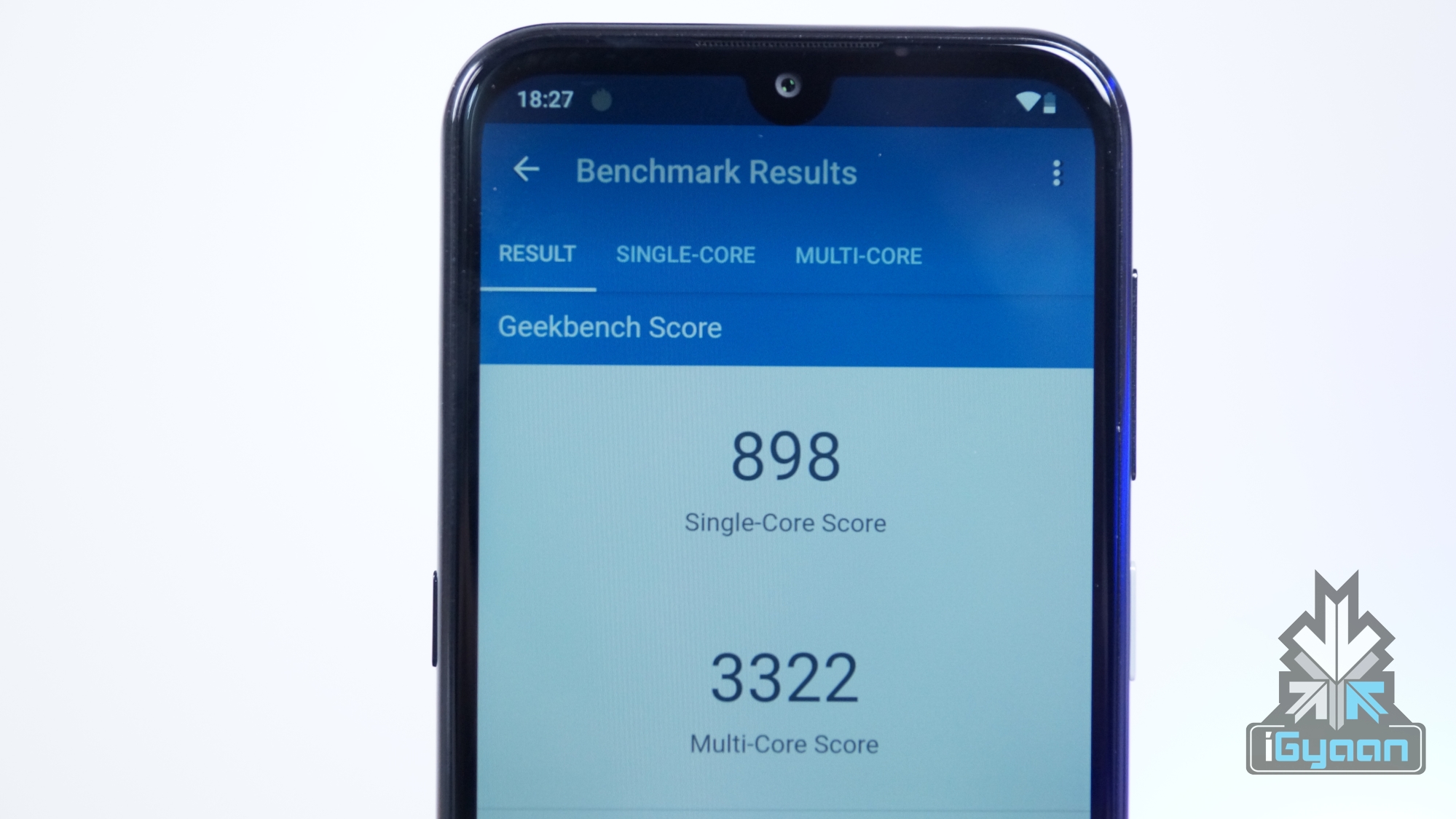
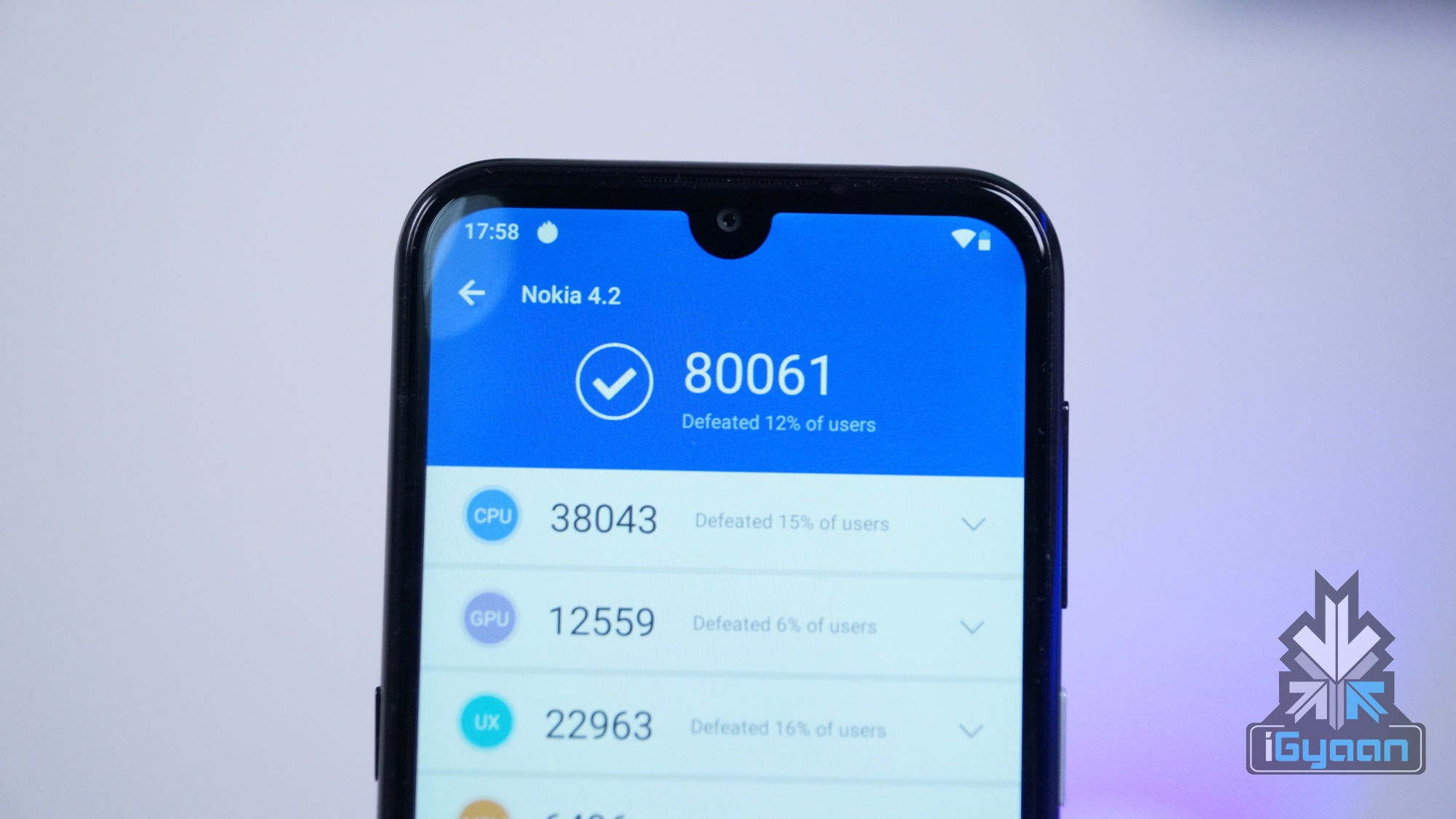
Using benchmarking applications like Antutu and Geekbench on the Nokia 4.2 does not tell a different story either. While testing the Antutu benchmark, we got a score of 80,061 which is significantly lower than the competition including the Galaxy A20 or the Redmi Note 7. In Geekbench, the device registered a single core score of 898 points and a multi-core score of 3322 points. As is evident from the numbers, the handset should be fine for day to day usage but is not made for performance enthusiasts.
Software, UI & Multimedia
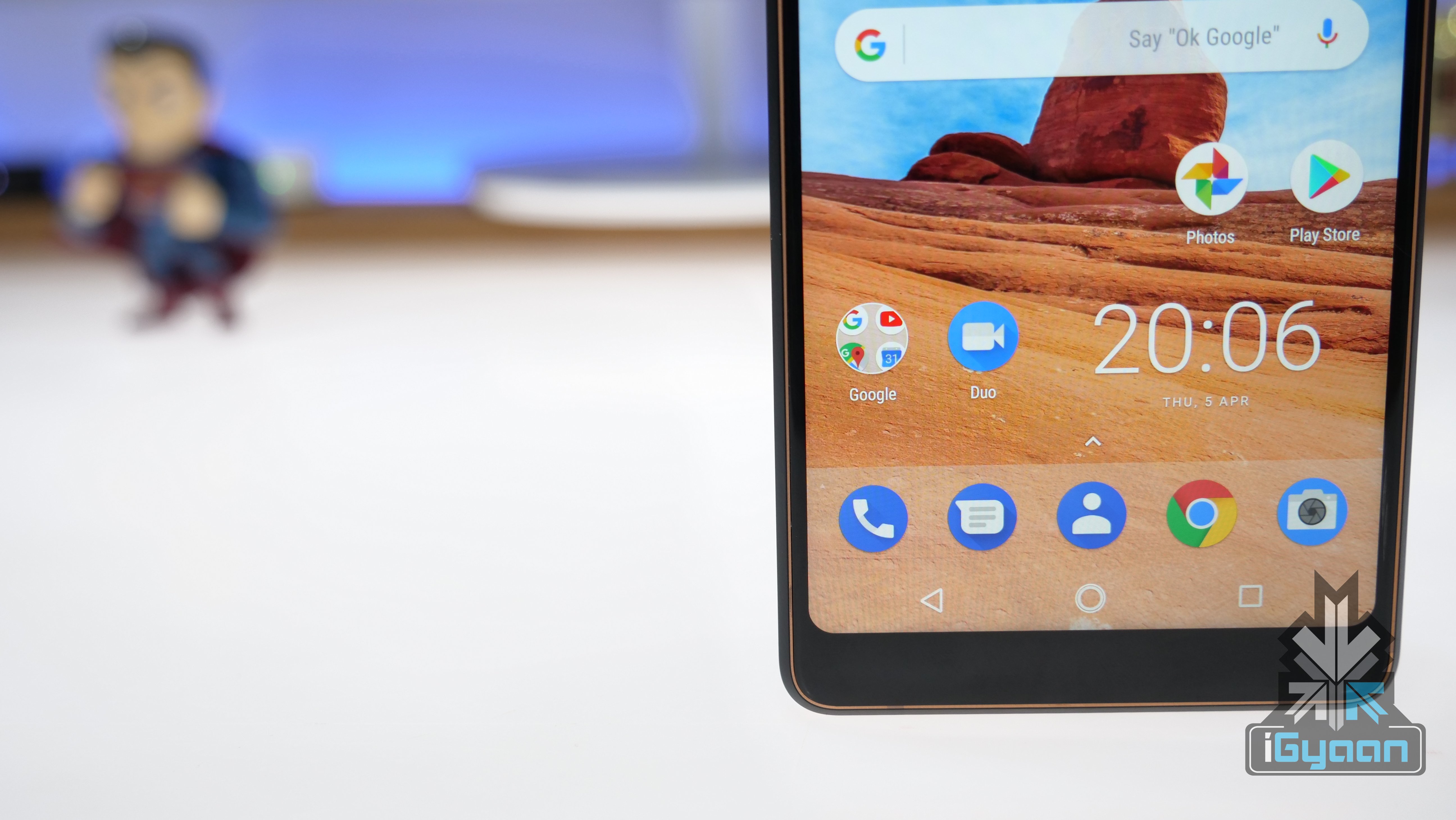
The Nokia 4.2 runs a stock build of Android 9 Pie with Android One Certification. This essentially implies the smartphone will get guaranteed updates to major Android versions for at least two years and security updates for three years. As this is a stock build of the OS, there is no bloatware or customisation from Nokia, which is appreciated.
The Nokia 4.2 supports the basic Android navigation gestures which are bundled with Android 9 Pie. These let users go back with the dedicated back button on the left, a single tap on the centre pill takes you home and a swipe up on it brings out the multitasking menu. Dragging the pill to the right lets users scroll across various applications open in the background.
In terms of sound quality, the Nokia 4.2 has a single bottom firing speaker which has decent sound output. One downside of the setup is how easy it is to block the speaker grille while holding the device in landscape mode. Audio output via the Bluetooth is above average which provides for a good listening experience.
Camera
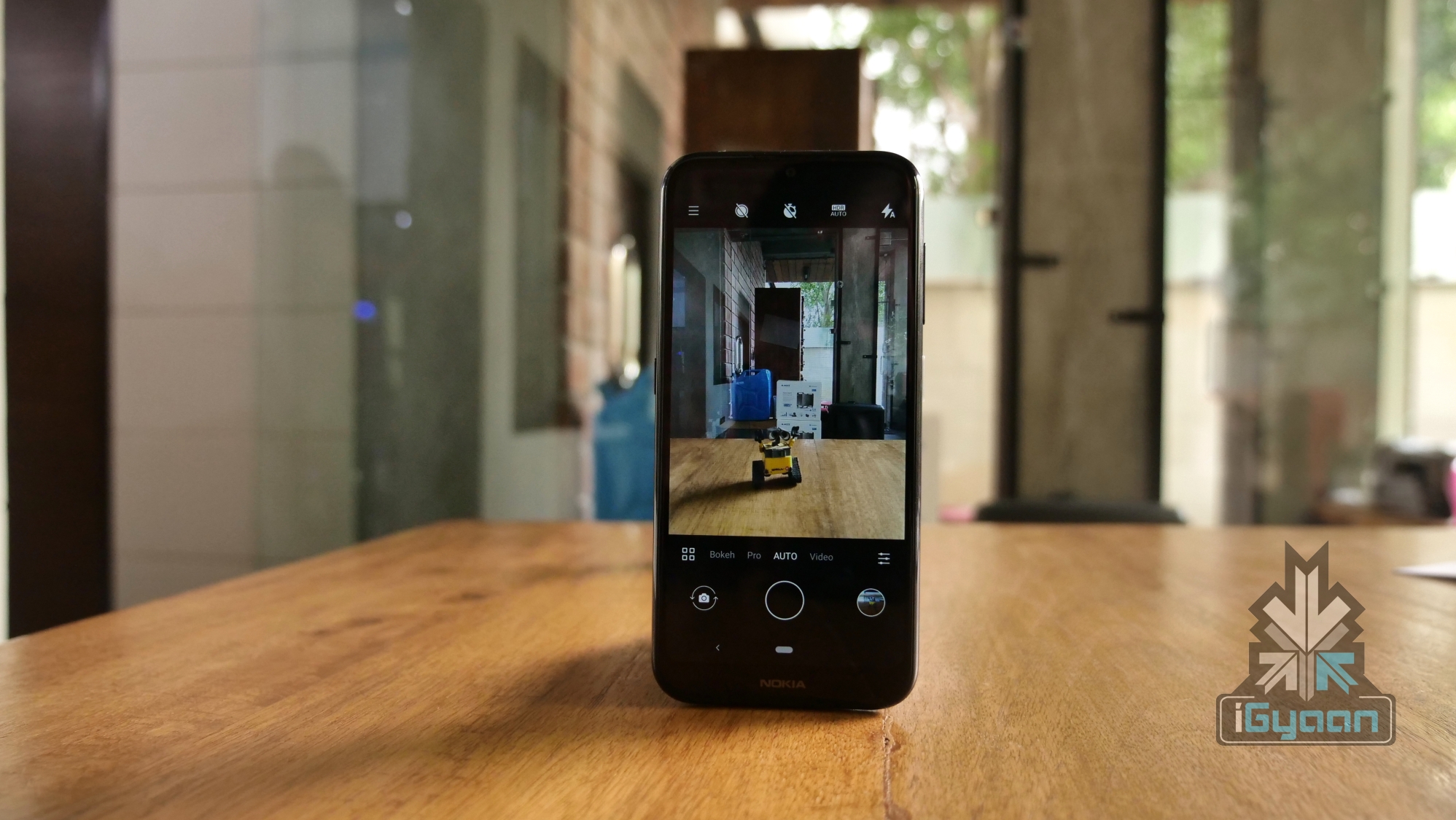
While the Nokia 4.2 ships without any customisations out of the box, the company has bundled its homegrown camera app. The application is similar to ones found in other Nokia devices. All the major controls are laid out thoughtfully which provide for easy with one hand. There is also a Pro mode, which can be accessed by swiping up on the shutter button. This mode lets users select image properties like shutter speed and ISO manually.
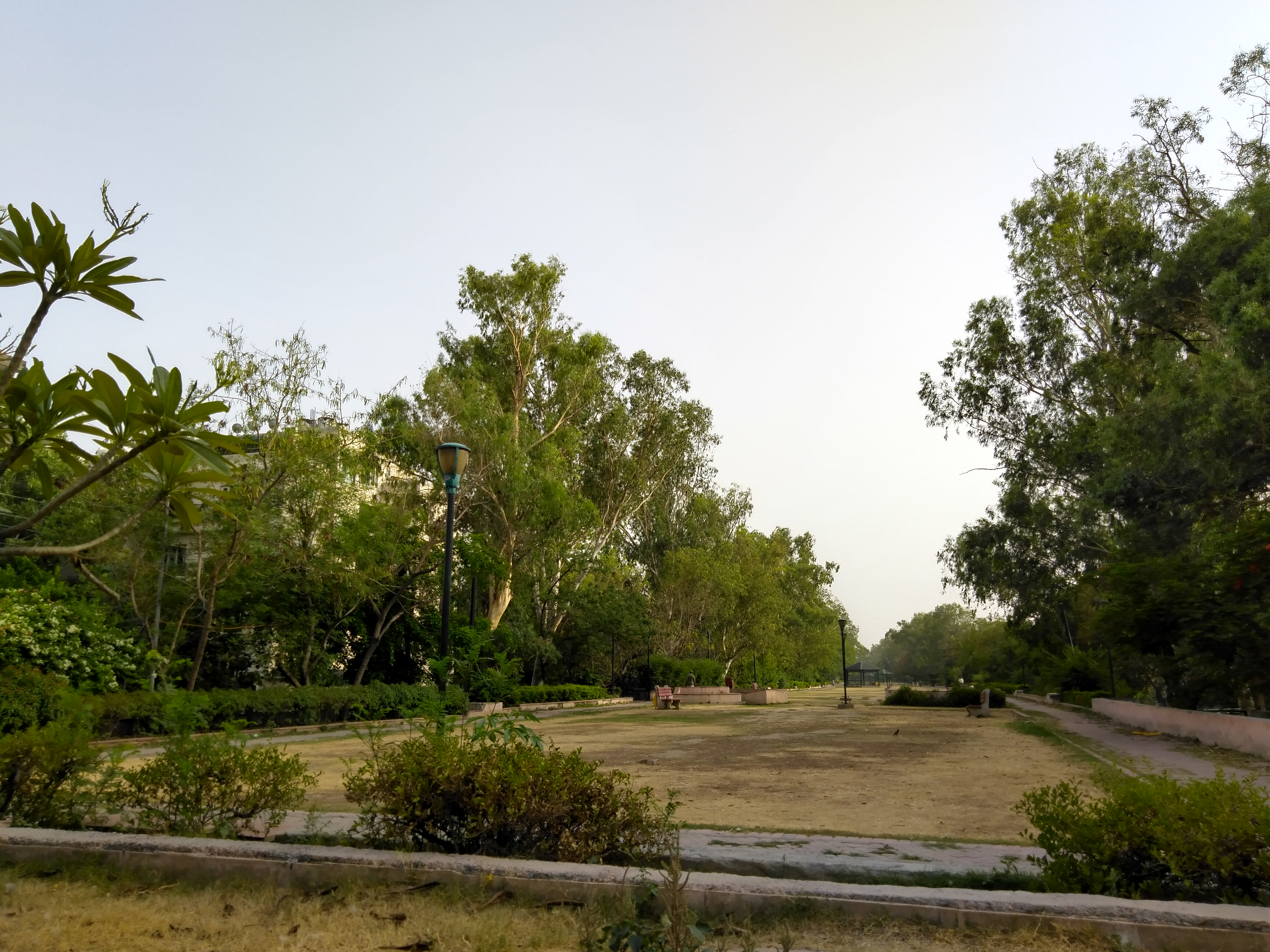
Rear Camera Daylight Sample
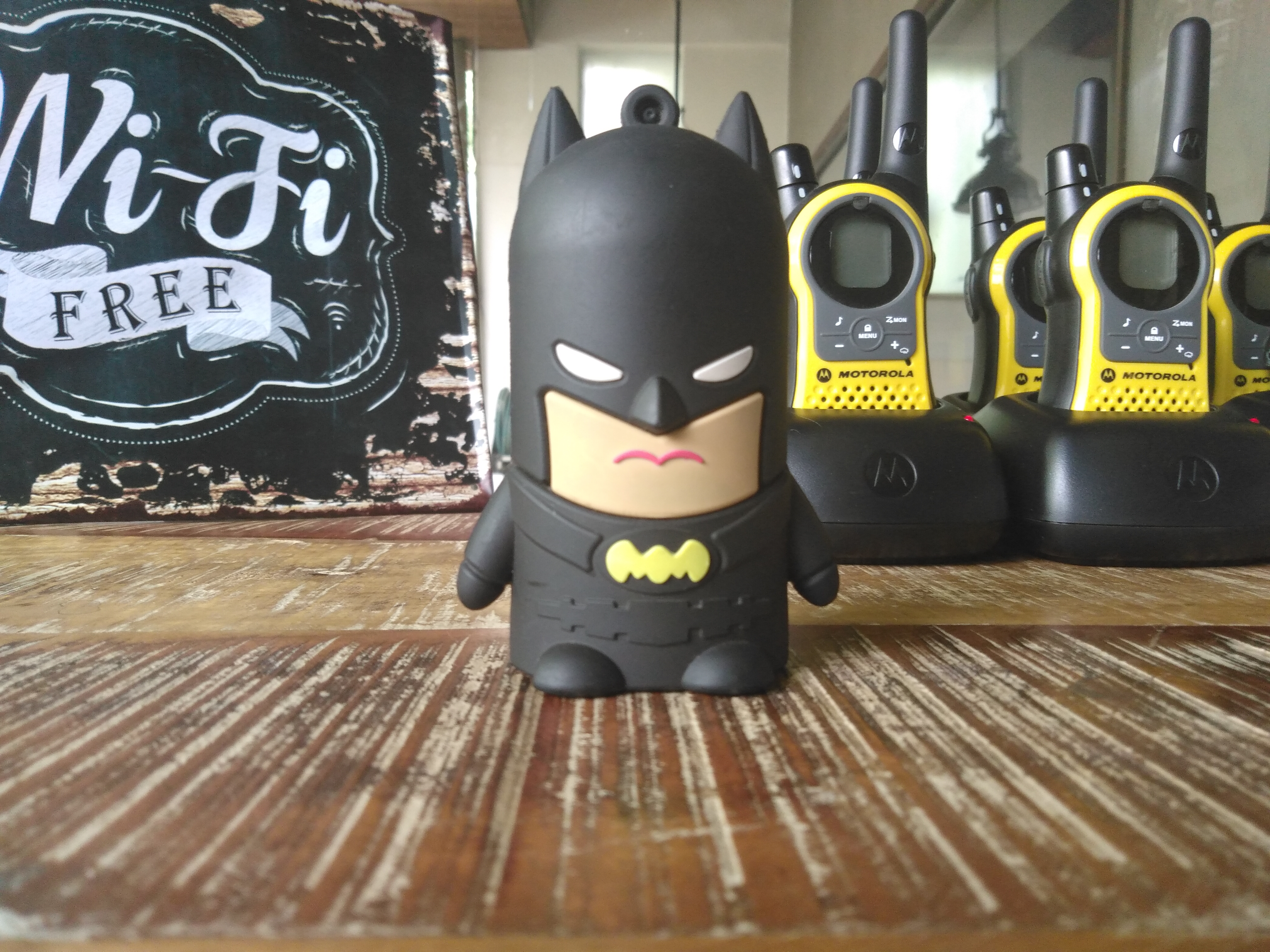
Rear Camera Indoor Sample
Rear Camera Indoor Sample
Rear Camera Low Light Sample
The Nokia 4.2 has a dual rear camera setup consisting of an f/2.2 aperture equipped 13MP sensor paired with an f/2.2 aperture equipped 2MP depth sensor. Images captured in daylight from the smartphone are above average, with decent contrast and natural colours. One gripe we have about the camera is that it can be a little slow to process the images. Images captured in low light are below average, with softer colours and a visible loss of detail.
Rear Camera Bokeh
Rear Camera Bokeh
Rear Camera Bokeh
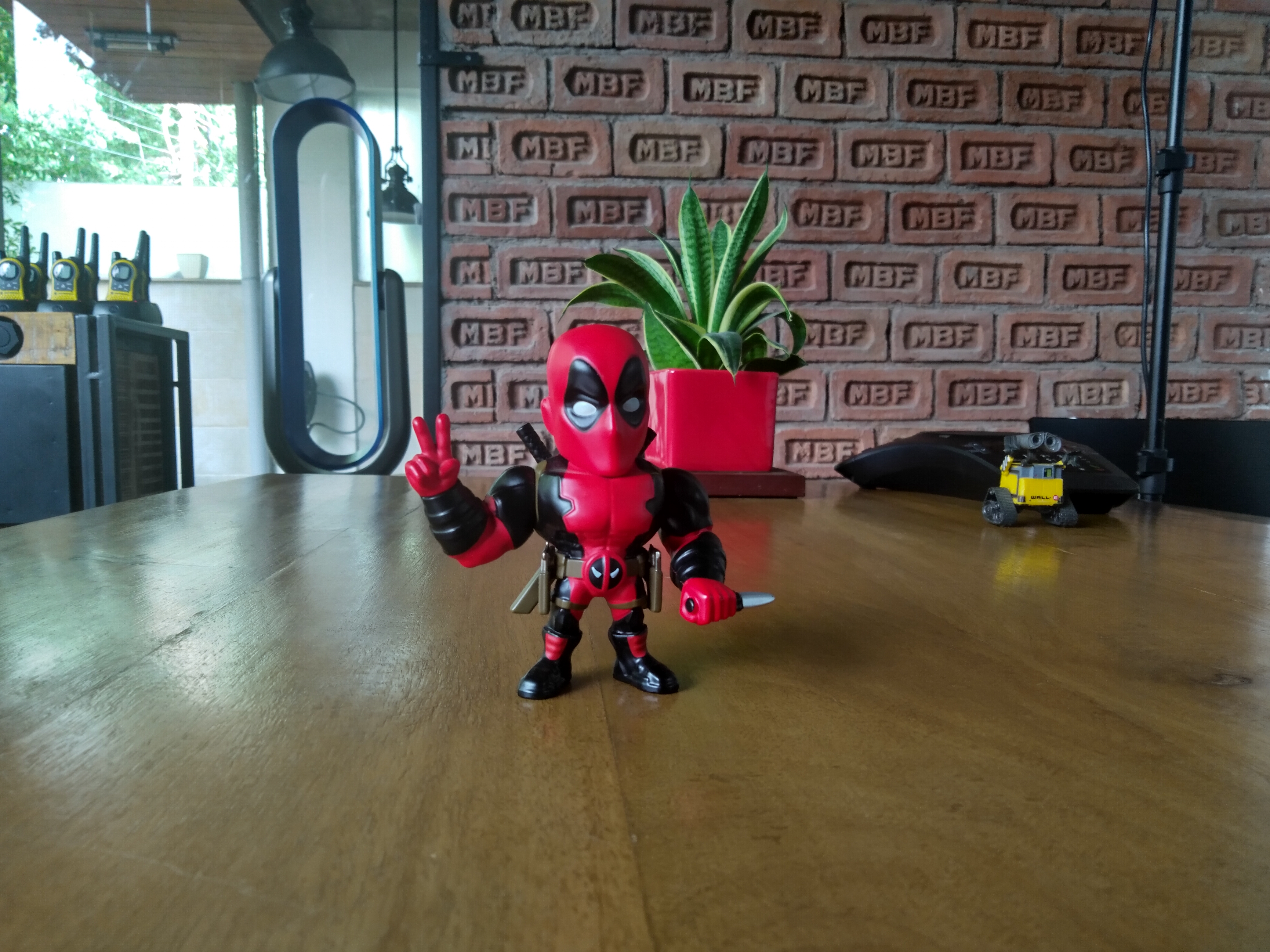
Like most modern smartphones, there is a Bokeh mode which is dicey on the Nokia 4.2. While the subject separation is good and the device does a decent job of recognising depth, the colours in the result look very artificial. This effect is most prevalent in the day and with good lighting.
Front Camera Sample
Front Camera Sample
Front Camera Bokeh
Front Camera Bokeh
For selfies, the Nokia 4.2 has an f/2.0 aperture equipped 8MP sensor housed in the notch on top of the display. Images from the front camera are generally great, with accurate colours and good detail. There is a live bokeh mode which also works well. The results are far from what the best can churn out but are worthy enough to be shared on social media.
Battery and Connectivity
The Nokia 4.2 is powered by a 3000mAh battery which can be charged using the bottom mounted micro USB port. Frankly, we would’ve prefered a USB Type C port and faster charging than the provided 5 W charger can offer. The battery life of the device is also average, with us getting a screen on time of about four to five hours on medium usage. The low-resolution screen, combined with stock Android provides the smartphone with acceptable battery life.
In terms of connectivity, the Nokia 4.2 has WiFi 802.11 b/g/n, Bluetooth 4.2 and also supports 4G VoLTE. The smartphone faced no problems in latching on to Wi-Fi networks and performed as expected. Call quality on the device was excellent, with the earpiece producing loud, crisp audio. The handset was able to perform equivalent to its rivals when it is about network and connectivity. Notably, the SAR value of the Nokia 4.2 is 0.79 W/Kg which is well in the safe limit set according to the Indian standards.
Other Features
The Nokia 4.2 has a rear-mounted fingerprint scanner and supports the ever popular face unlock technology. In our usage, we found the fingerprint scanner to be a little slow in unlocking the smartphone. As the biometric sensor is placed on the rear, it is inaccessible when placed on a flat surface. For those occasions, the face unlock is a handy feature. Interestingly, there are two ways to set up facial recognition on the Nokia 4.2. The first one takes a while to unlock the smartphone but is a lot safer. The second option, which can be turned on in settings, unlocks the handset much faster but the security aspect of it takes a backseat.
The dedicated Google Assistant button is one of the key highlights of the Nokia 4.2. Like mentioned above, the button can be pressed to summon the digital voice assistant. With the smartphone, three individual functions have been mapped to the button. Pressing it once will bring up the Google Assistant which can be used to input commands. Clicking the button twice brings up the Assistant dashboard to glance through updates, while a long press on the button turns on the microphone until the key is pressed. This function works like a walkie talkie and is a good addition for quick or longer commands.
Verdict
The Nokia 4.2 is a smartphone in a completely new lineup for the company. While it offers a solid build, premium design, stock Android with Android One and the Google Assistant button, its performance and cameras leave a lot to be desired. In a segment where versatile cameras like in the Galaxy A20 and great performance like seen in the Redmi Note 7 is a thing; the Nokia 4.2 doesn’t have a lot of features to justify its asking price.
Nevertheless, if you want a smartphone from a brand offering a good after-sales service and software experience, the Nokia 4.2 might just work out for you. However, the Redmi Note 7 has proven itself as a complete package and is an excellent value for money device. We found the Nokia 4.2 to be an underwhelming offering from the company; and recommend you also check out smartphones like Samsung’s Galaxy M20, the Galaxy A20, the Redmi Note 7 or the company’s own Nokia 5.1 Plus if you’re looking for a great budget device.
Nokia, at an event in New Delhi on the 7th of May, has launched the Nokia 4.2. It is the latest smartphone in the company’s budget lineup and was first announced at the Mobile World Congress (MWC) 2019 in Barcelona Spain back in the month of February. The Nokia 4.2 features a modern design, with competitive specifications at a lucrative price.
Nokia 4.2
Nokia 4.2 is a budget offering by Nokia which features in a completely new lineup. The smartphone features an all-glass design on the front and back with a polycarbonate frame for reinforcement. It has a 5.71 inch TFT LCD display with a resolution of 1520 x 720 px. The display has a pixel density of 270ppi and features a waterdrop notch on top to maximise the screen real estate. For biometric security and rapidly unlocking the handset, there is a rear-mounted fingerprint scanner with support for face unlock technology.
Under the hood, the Nokia 4.2 runs on a Snapdragon 439 SoC which is manufactured using the 12nm fabrication process. It has an Octa-core CPU and Adreno 505 GPU. In terms of optics, the handset has a dual rear camera setup. This consists of an f/2.2 aperture equipped 13MP f/2.2 sensor paired with an f/2.2 aperture equipped 2MP f/2.2 depth sensor. For selfies, the device has an f/2.0 aperture equipped 8MP sensor housed in the notch on top of the display. For memory and storage, it features 3GB of RAM and 32GB of onboard storage.
Nokia 4.2 is powered by a 3000mAh battery which can be charged using the MicroUSB port on the bottom of the smartphone. The highlight of the device is the dedicated Google Assistant button which is present on the left side of the device. It can be used to summon Google Assistant, Android’s digital voice assistant. The handset runs on Android 9 Pie and is also Android One certified; which suggests that it will receive Android updates for two years and monthly security updates for three years.
The Nokia 4.2 has been priced at Rs. 10,990 in India and will be available exclusively starting today from Nokia’s official website for a 7-day period. The smartphone will also be available at select retail outlets including Croma and Reliance starting 14th May across the country. The initial buyers of the Nokia 4.2 will get a one-time screen replacement for six months and a discount of Rs. 500 till the 10th of June.
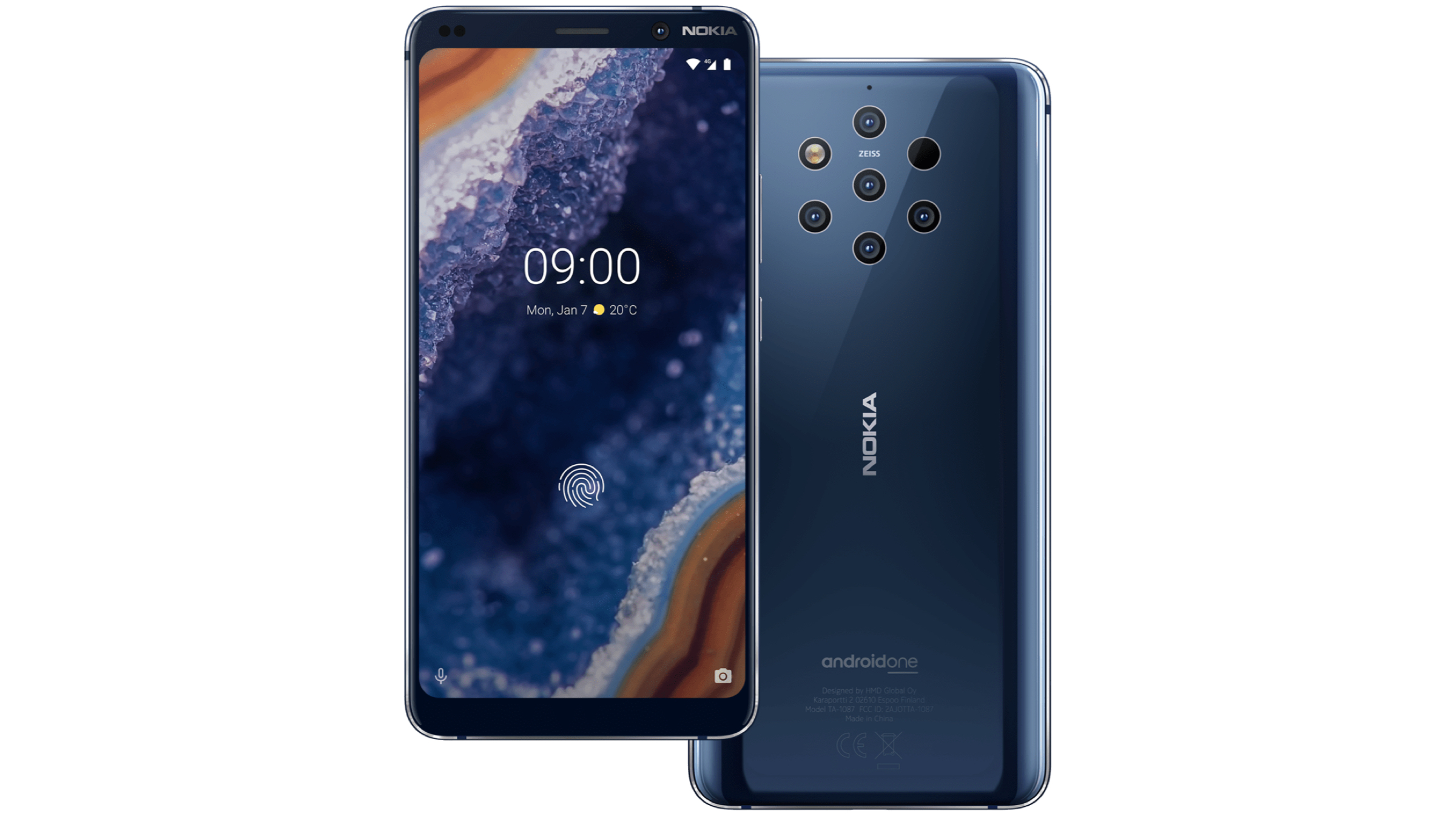
Nokia launched its flagship smartphone, the Nokia 9 PureView on the 24th of February this year. The device boasts of being the world’s first with five rear cameras. It was anticipated that the company will launch the handset in India soon. While the company shared a teaser on its social media handles regarding the Indian launch back in the month of March, no further announcements were made. Now, the Nokia 9 PureView has passed the BIS (Bureau of Indian Standards) which suggests the smartphone may launch in India this month.
About The Certification
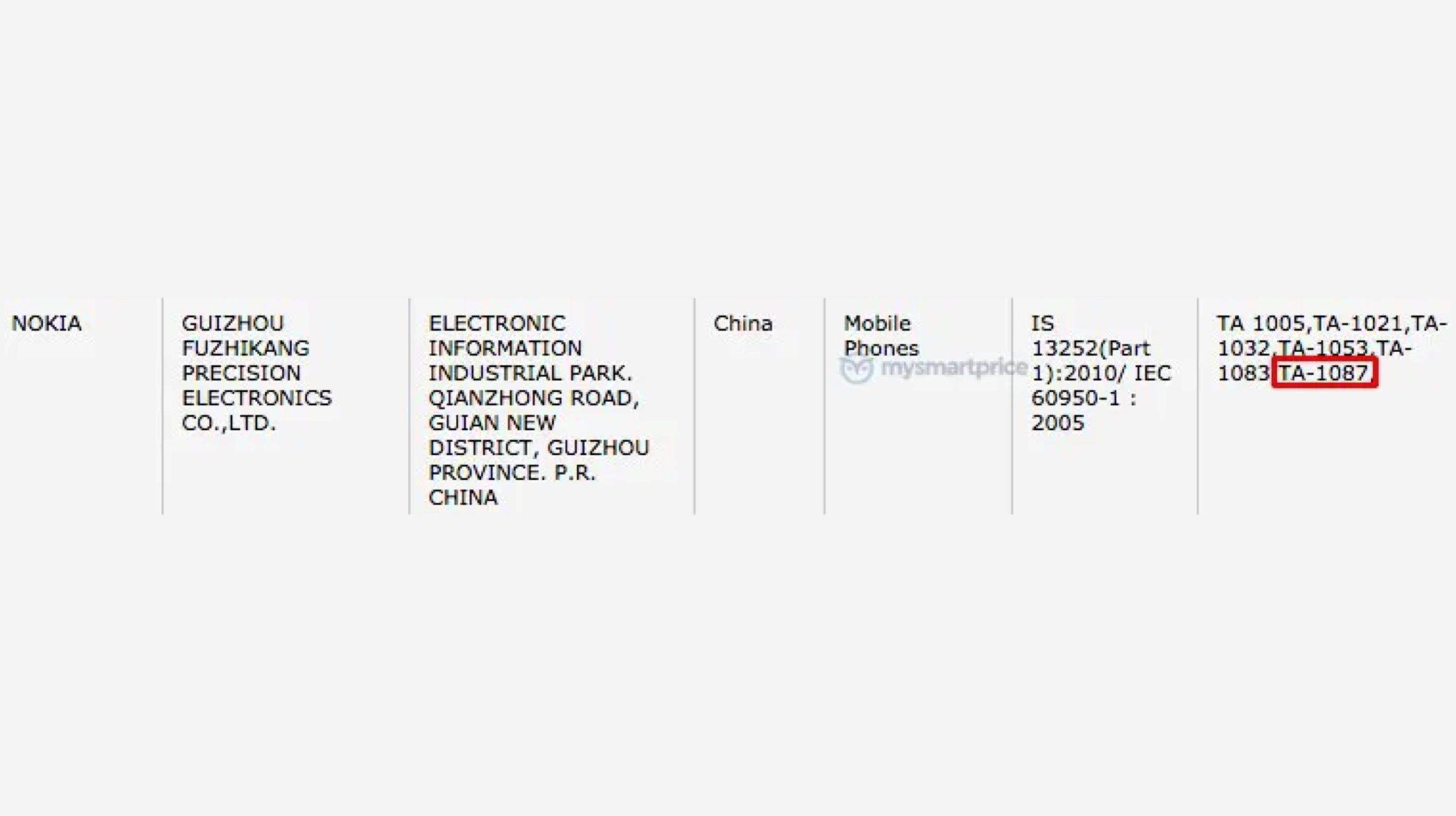
The Bureau of India Standards (BIS) has certified the Nokia 9 PureView with the model number TA-1087. BIS is a national standard body of India which is responsible for providing certification to certain products. It is often seen as a means for providing a third-party guarantee of quality and reliability of the products. While the BIS certification is voluntary in nature, the government of India has made it mandatory for certain products citing public health hazards
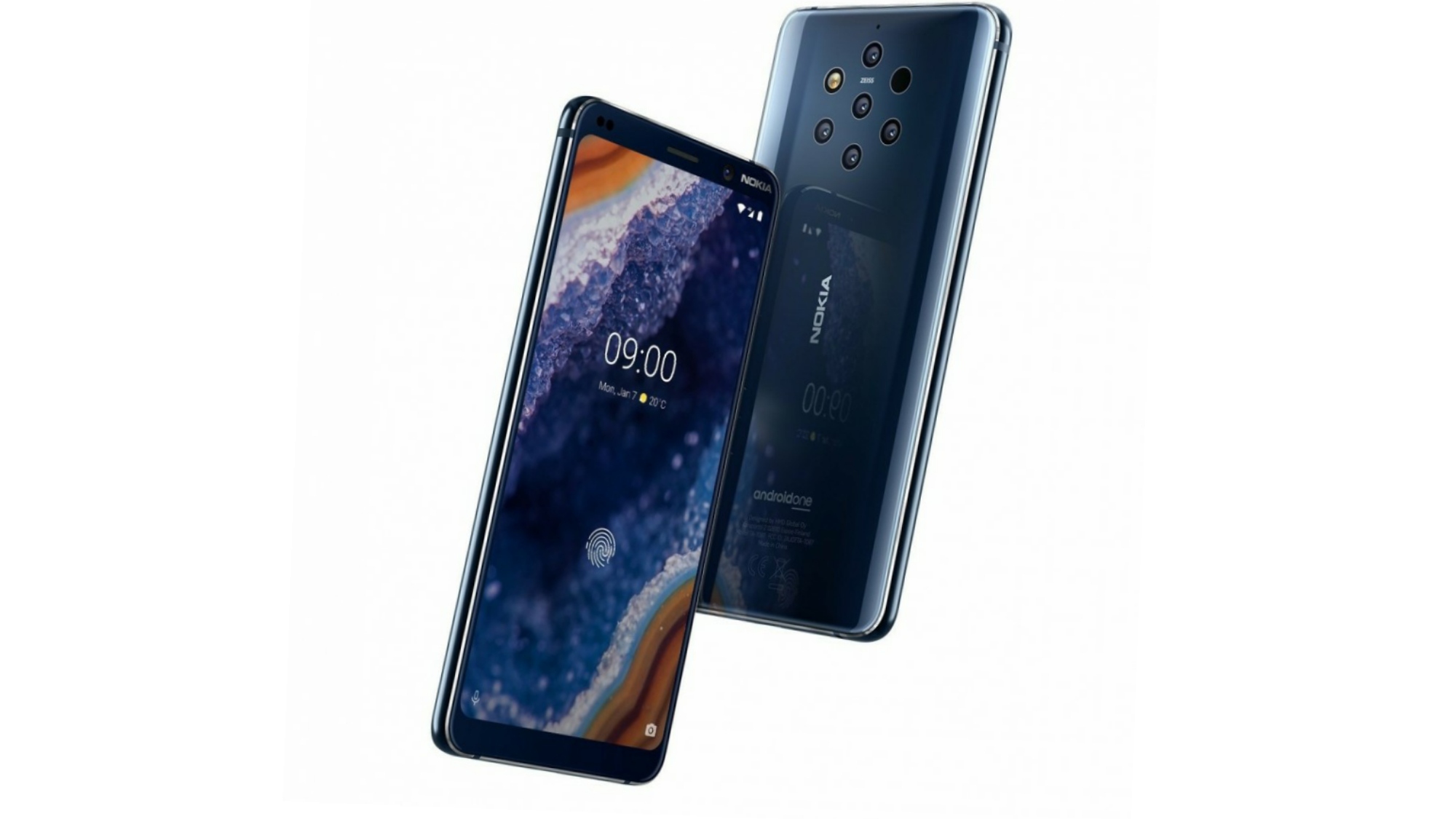
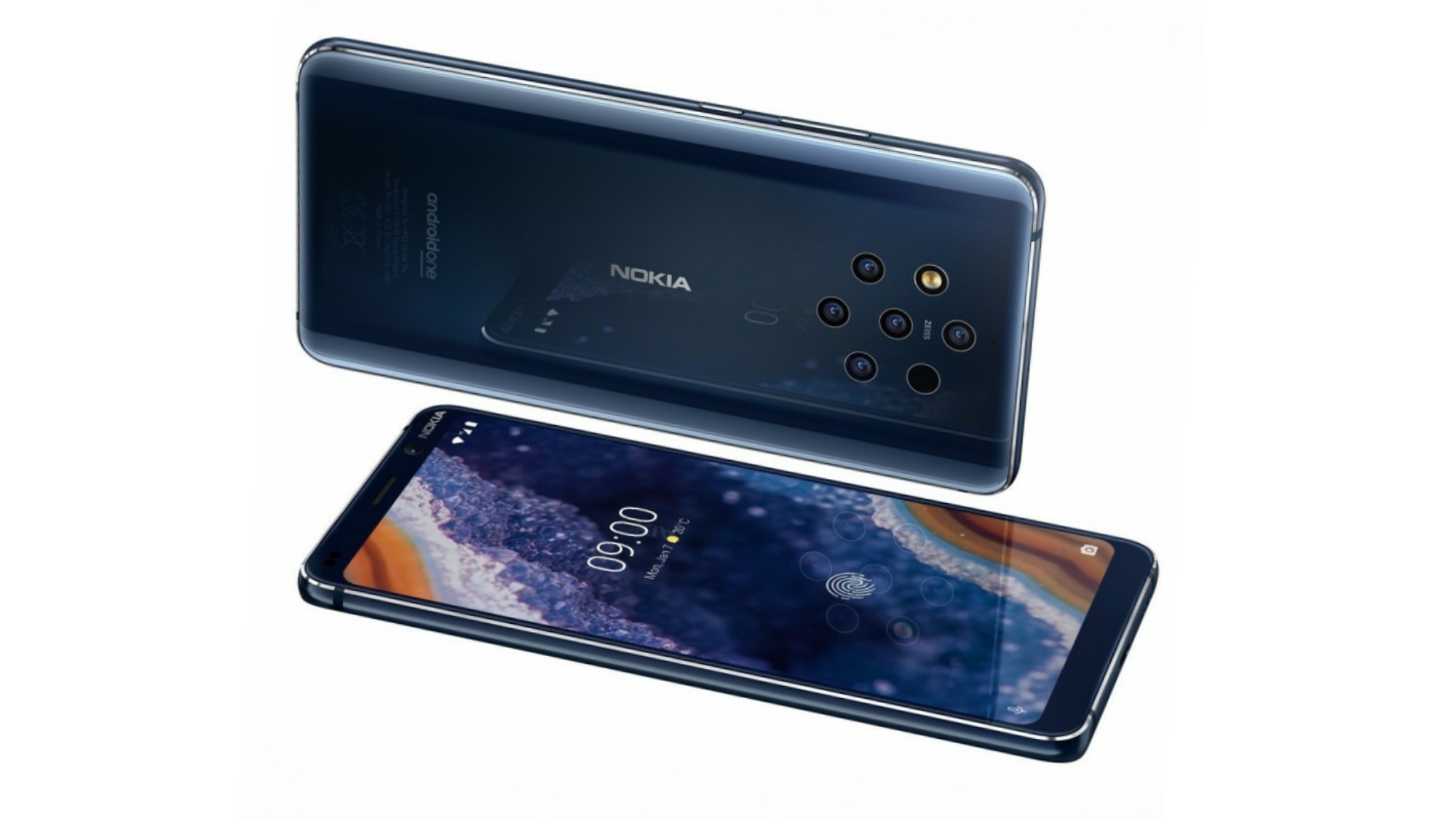
Nokia 9 PureView
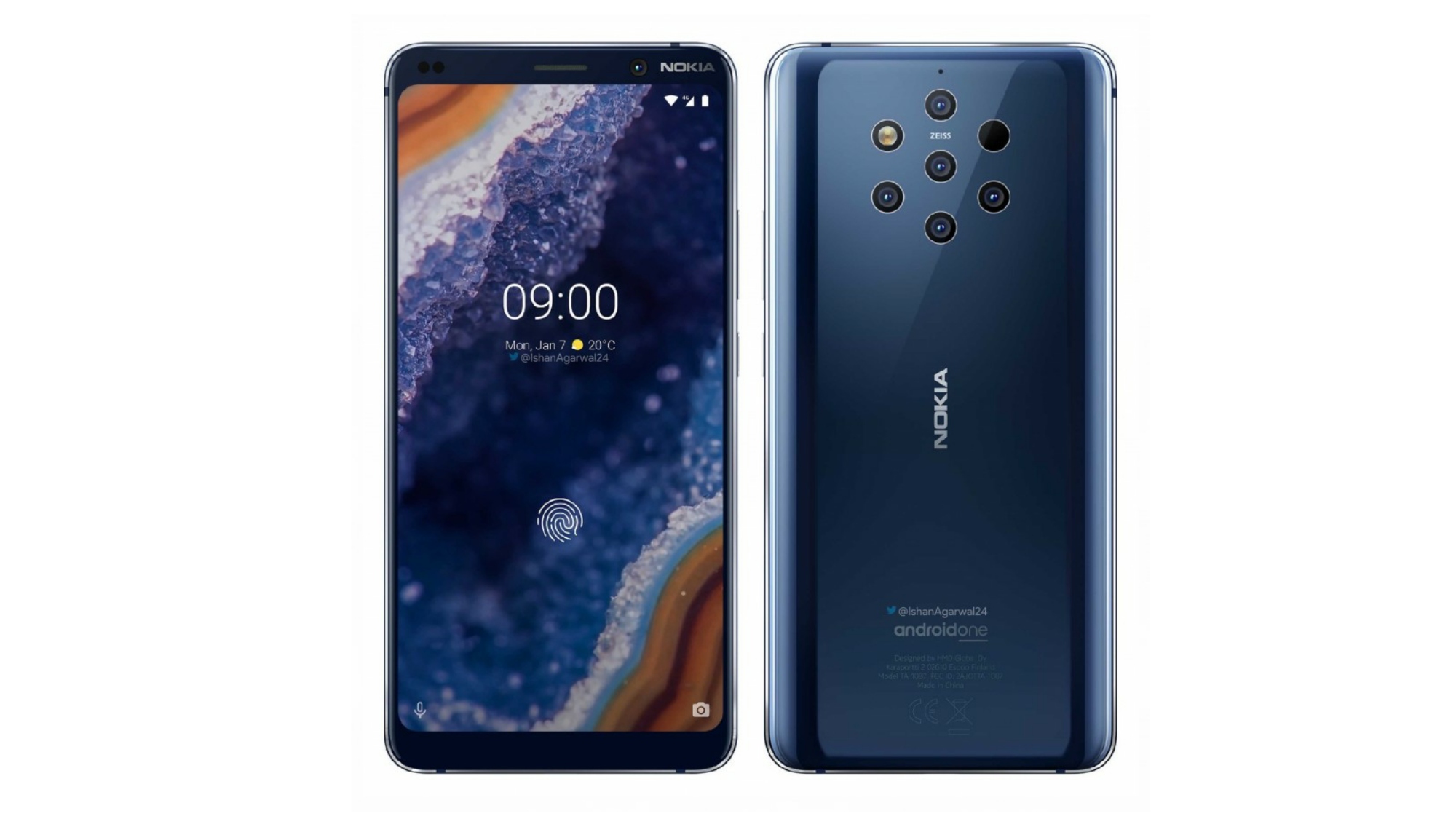
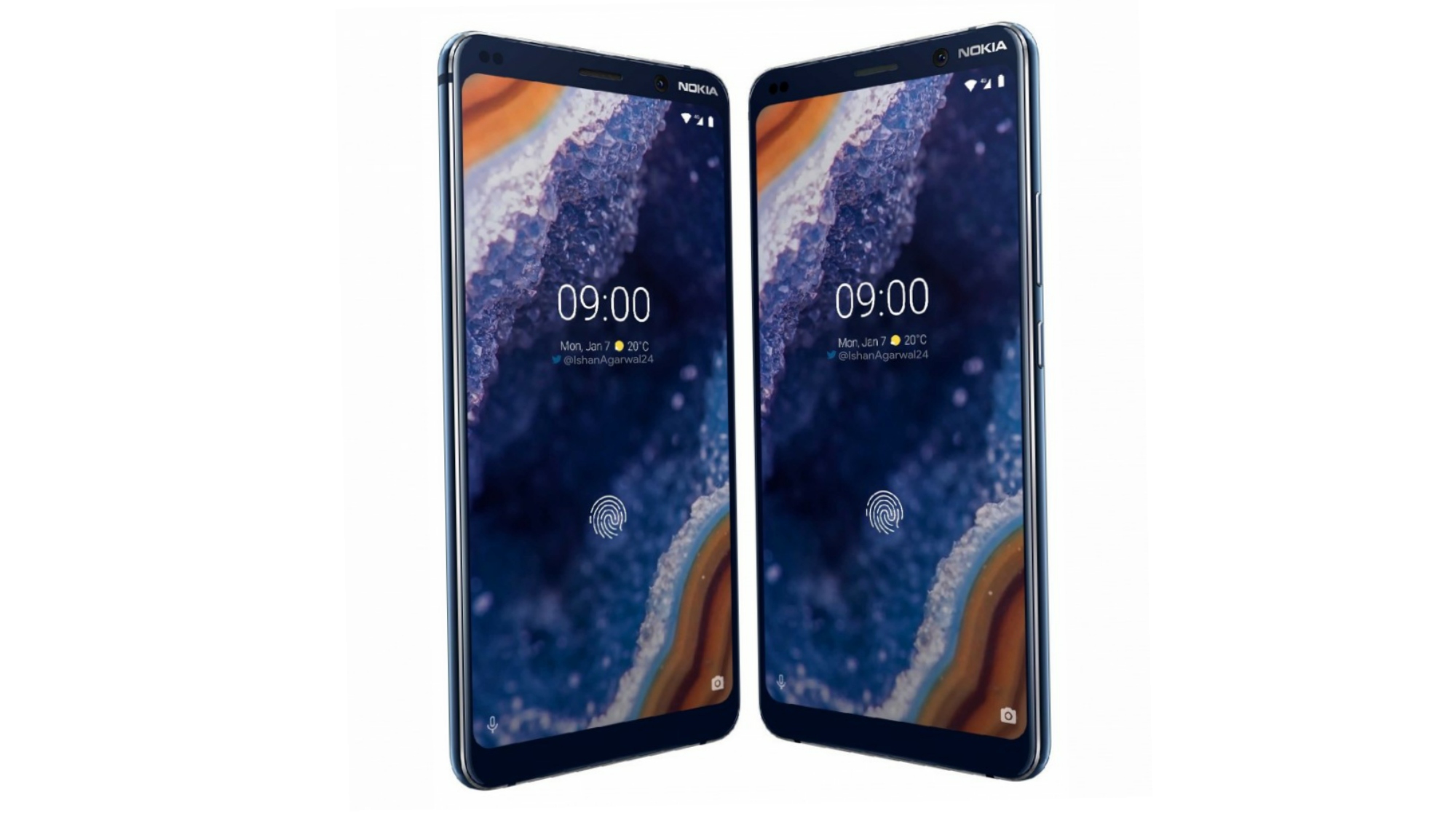
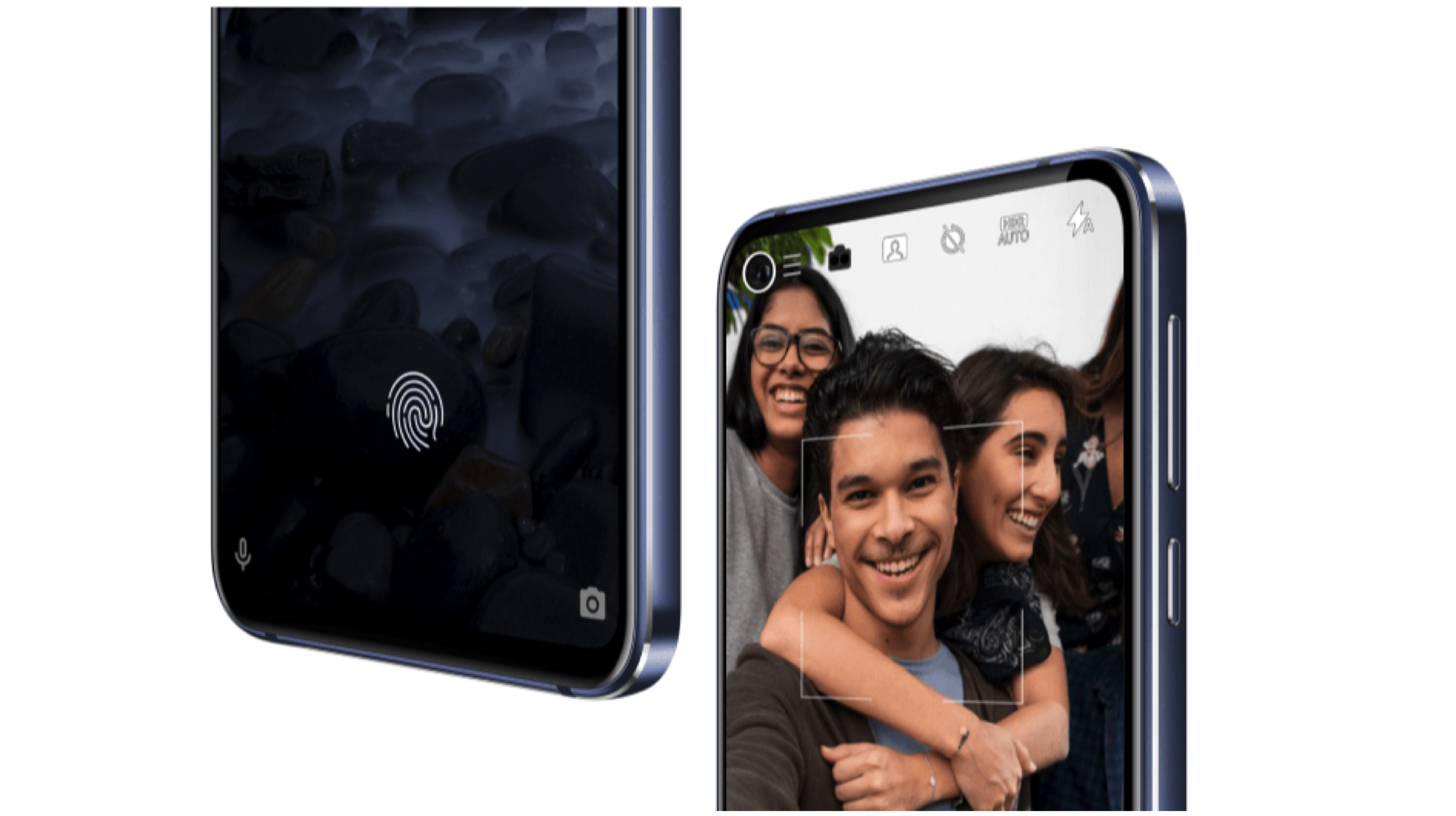
On the front of the device sits a 5.99 inch POLED display with a resolution of 2880 x 1440 px. The display panel has an 18:9 aspect ratio and pixel density of 538 ppi. It has minimal bezels on the sides with a significant forehead and chin bezel. For biometrics, the Nokia 9 Pureview has an in-display fingerprint scanner.
Under the hood, the Nokia 9 PureView runs on yesteryear’s 10nm Snapdragon 845 SoC. The chipset has an Octa-core CPU and Adreno 630 GPU. The highlight of the smartphone is its optics. The rear camera setup consists of five 12 MP sensor and an LED flash. Out of the five cameras, two are RGB sensors while the remaining three are mono sensors. For selfies, the device has a 20MP front-facing camera.
The Nokia 9 PureView is powered by a 3320mAh battery with wireless charging support. The smartphone runs on the latest Android 9 Pie and is Android One certified which implies it will receive software updates for at least two years.
The Nokia 9 PureView is expected to be unveiled in India this month. While no information on what the device will be priced is known, the United States price of US $ 699 (Rs. 48,112) would insinuate it would be priced under the Rs. 50,000 mark.
Nokia originally launched the Nokia 3.2 and 4.2 budget smartphones at an event in Barcelona, Spain back in the month of February. The handsets promise a stock Android interface with support for software updates for multiple years. It is now expected the company will launch the two aforementioned devices in the Indian market soon, as it has listed both handsets on its official website.
Nokia 3.2
To recall, Nokia 3.2 is the successor of the Nokia 3.1 which was launched last year. It is a budget device featuring a polycarbonate body. The display of the device is a 6.26 inch TFT LCD panel with a resolution of 1520 x 720 px. It has a pixel density of 269 ppi and features a waterdrop notch on top. For biometrics and easily unlocking the smartphone, a rear-mounted fingerprint scanner is available on the more premium storage variant of the smartphone
Under the hood, the Nokia 3.2 is kitted with a Snapdragon 429 SoC which is manufactured using the 12nm fabrication process. The chipset is comprised of an Octa-core CPU and Adreno 504 GPU. In terms of optics, the handset is equipped with a single rear camera which has an f/2.2 equipped 13MP sensor. For selfies, an f/2.2 aperture equipped 5MP sensor is housed in the notch up front. For memory and storage, the device is expected in two variants:
2GB RAM and 16GB ROM
3GB RAM and 32GB ROM (Also features a fingerprint sensor)
Nokia 3.2 is powered by a 4000mAh battery which the company claims can last up to two days on a single charge. A dedicated Google Assistant button is also present on the left side of the device. The smartphone runs on Android 9 Pie and is Android One certified; which states that it will receive Android updates for two years and monthly security updates for three years. While it’s pricing is unknown for the Indian market, it was launched for US$ 139 (around Rs. 9,900) for 2GB + 16GB variant and US$ 169 (around Rs. 12,000) for 3GB + 32GB variant so a similar price is expected.
Nokia 4.2
Nokia 4.2 is another budget offering by Nokia which features in a completely new lineup. It features a glass sandwich design with a polycarbonate frame. The smartphone has a 5.71 inch TFT LCD display with a resolution of 1520 x 720 px. The display has a pixel density of 270ppi and features a waterdrop notch on top. For biometrics and securely unlocking the device, it has a rear mounted fingerprint scanner.
Under the hood, the Nokia 4.2 runs on a Snapdragon 439 SoC which is manufactured using the 12nm fabrication process. It has an Octa-core CPU and Adreno 505 GPU. In terms of optics, the handset has a dual rear camera setup. This consists of an f/2.2 aperture equipped 13MP sensor paired with an f/2.2 aperture equipped 2MP depth sensor. For selfies, the device has an f/2.0 aperture equipped 8MP sensor housed in the notch on top of the display. For memory and storage, the device will be available in two variants:
Nokia 4.2 is powered by a 3000mAh battery which can be charged using the MicroUSB port on the bottom of the smartphone. Like the Nokia 3.2, it also features the dedicated Google Assistant button and runs on Android 9 Pie Android One edition. While it’s pricing is unknown for the Indian market, it was launched for US$ 169 (Rs. 12,000) for the 2GB + 16GB version and US$ 199 (Rs. 14,200) for the 3GB + 32GB version. Therefore a similar price tag is expected.
HMD Global owned Nokia Mobile freshly launched the Nokia X71 in Taiwan. While the smartphone was speculated to be launched as the Nokia 8.1 Plus globally, the latest leaks suggest otherwise. A website has revealed the design of the alleged Nokia 8.1 Plus which suggests a disparate smartphone from the X71 in terms of design. As the name suggests, the upcoming smartphone will be the successor to the Nokia 8.1 which was launched last year.
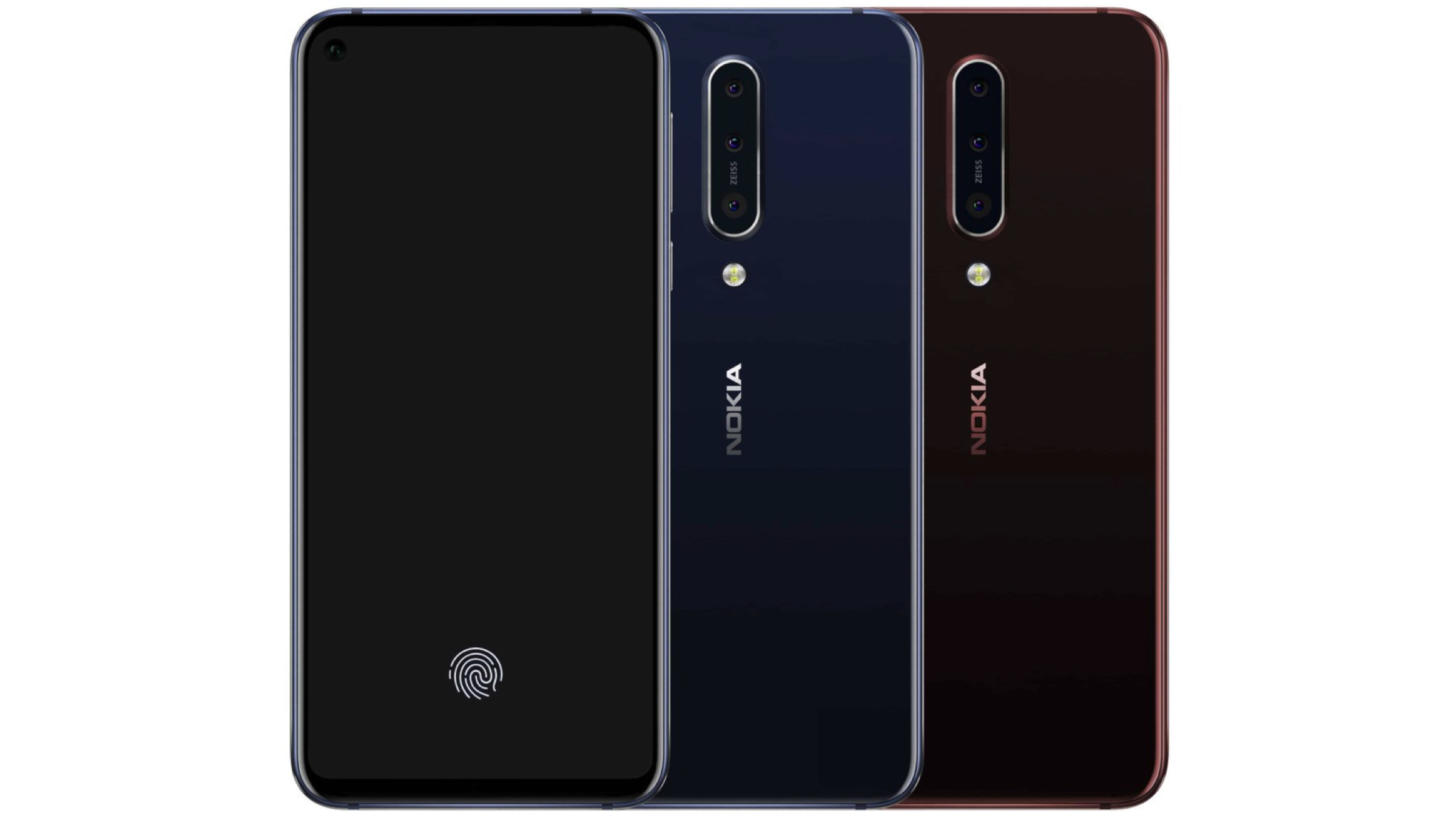
Nokia 8.1 Plus
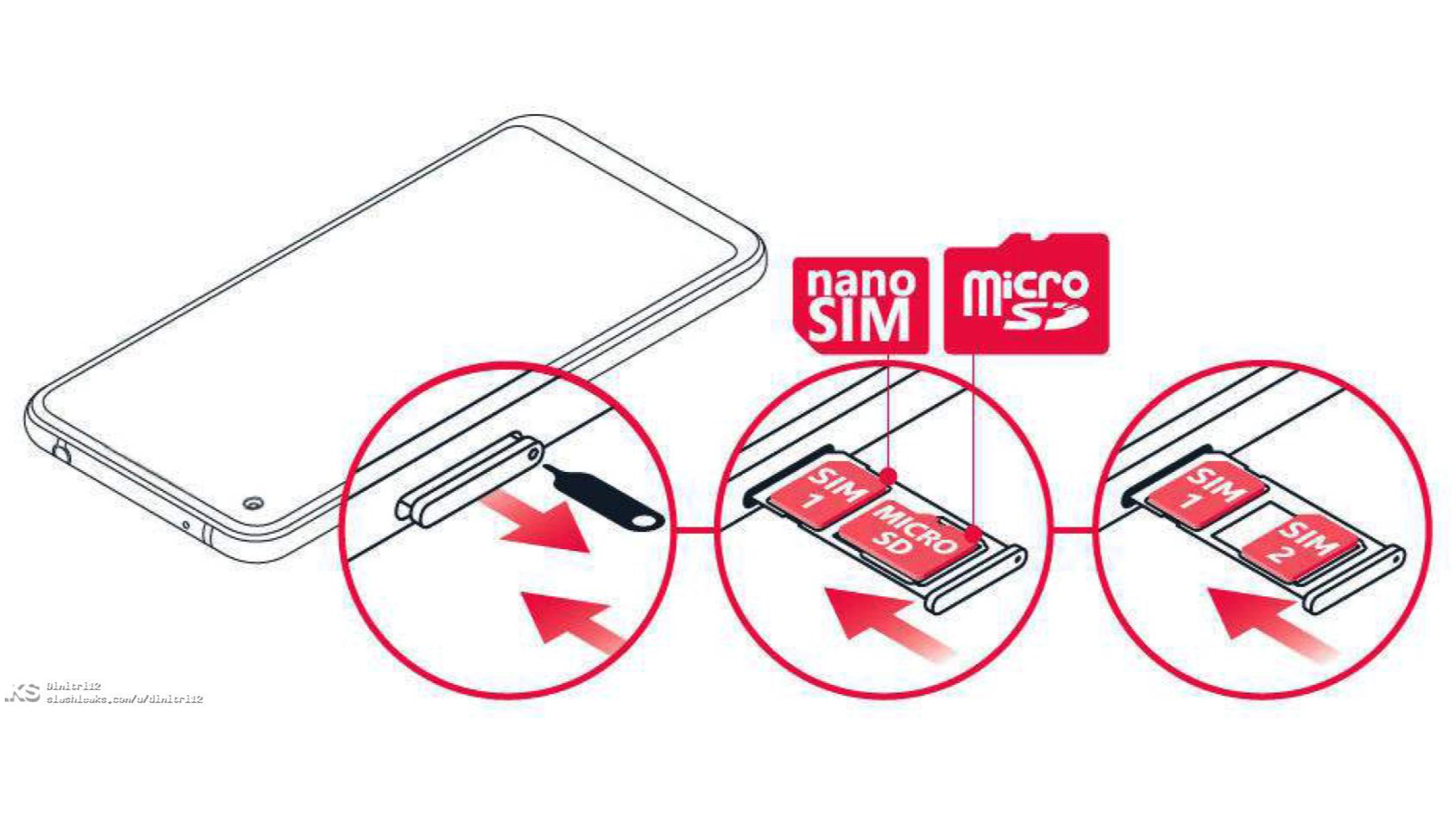
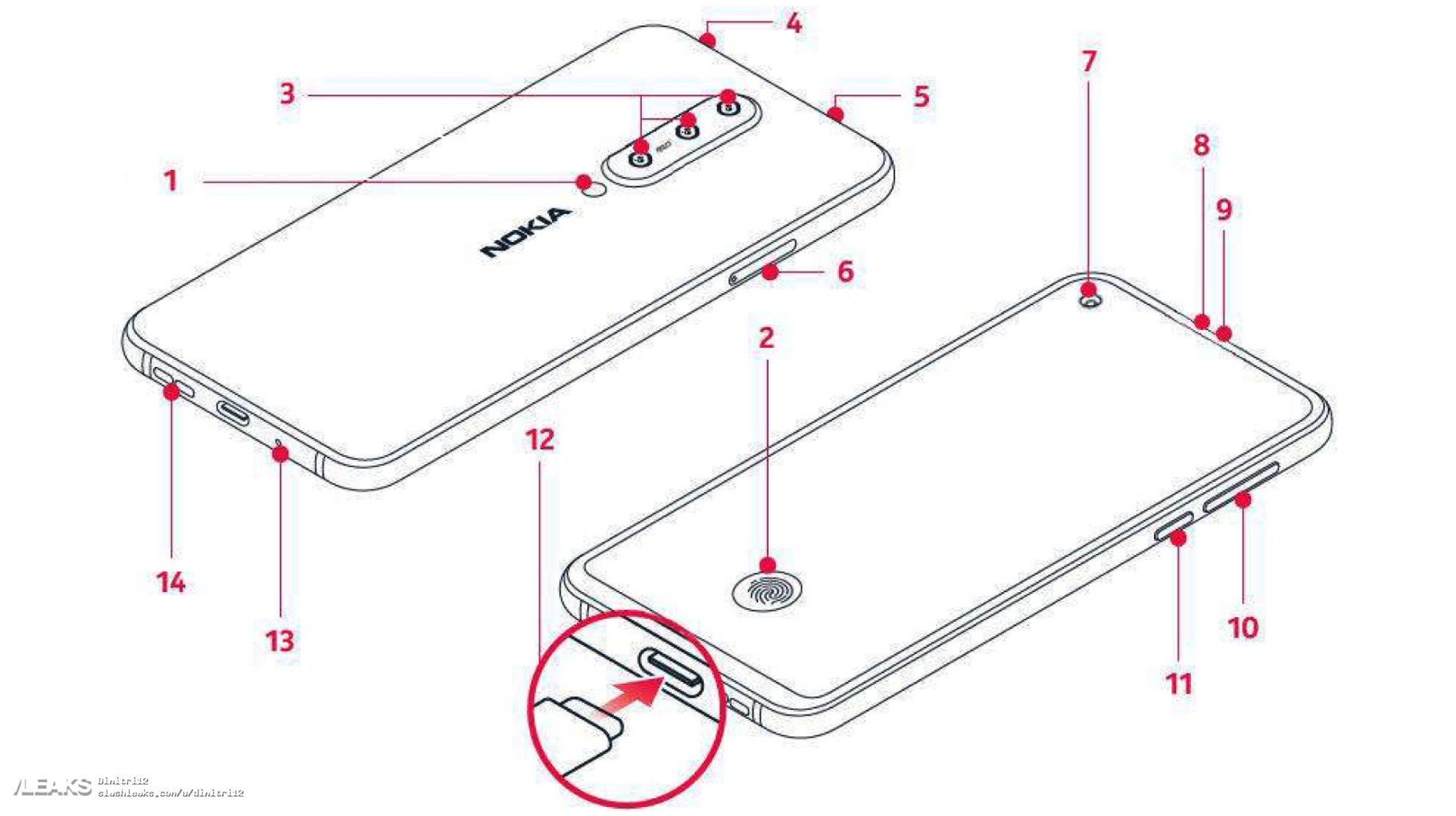
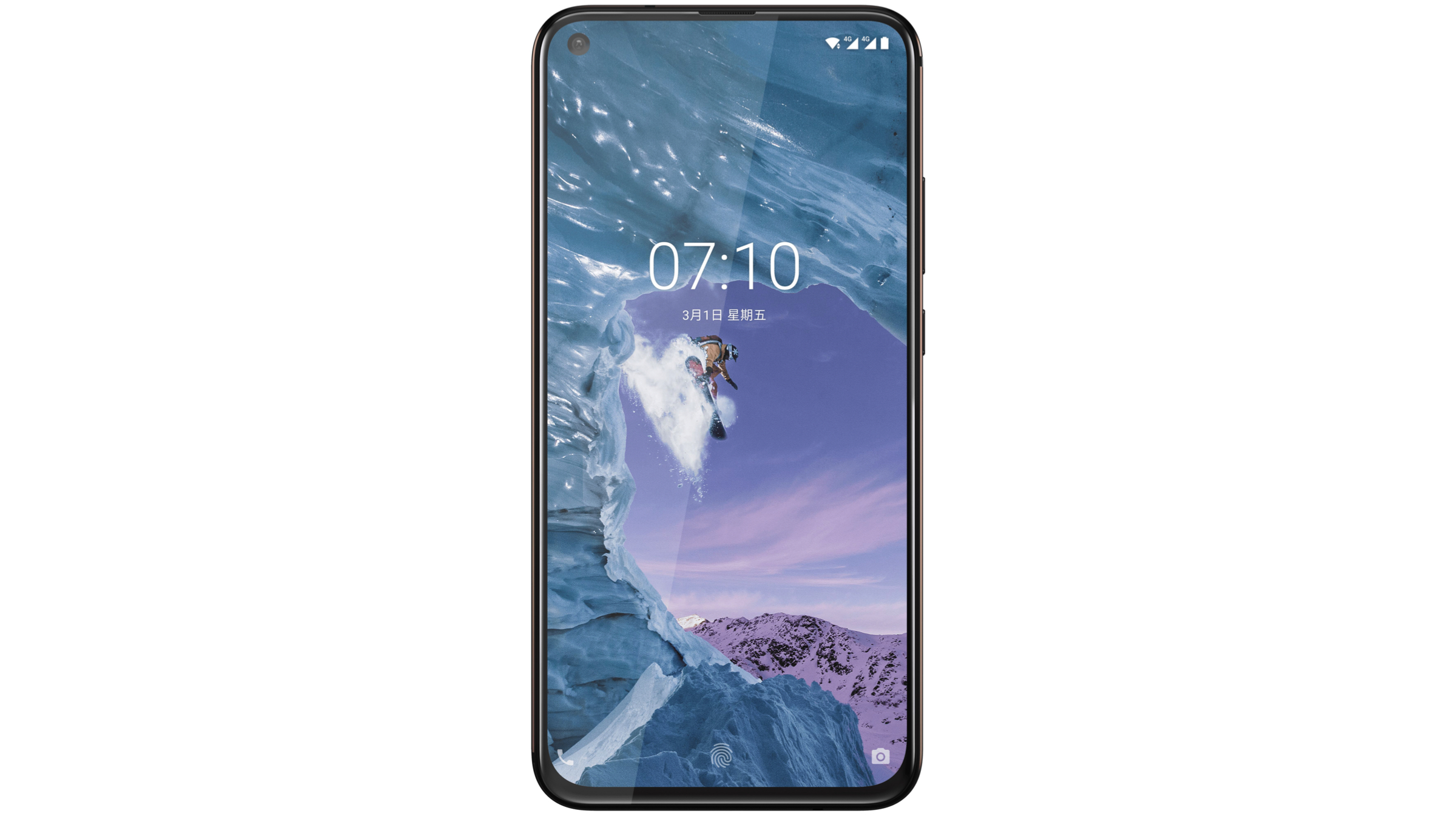
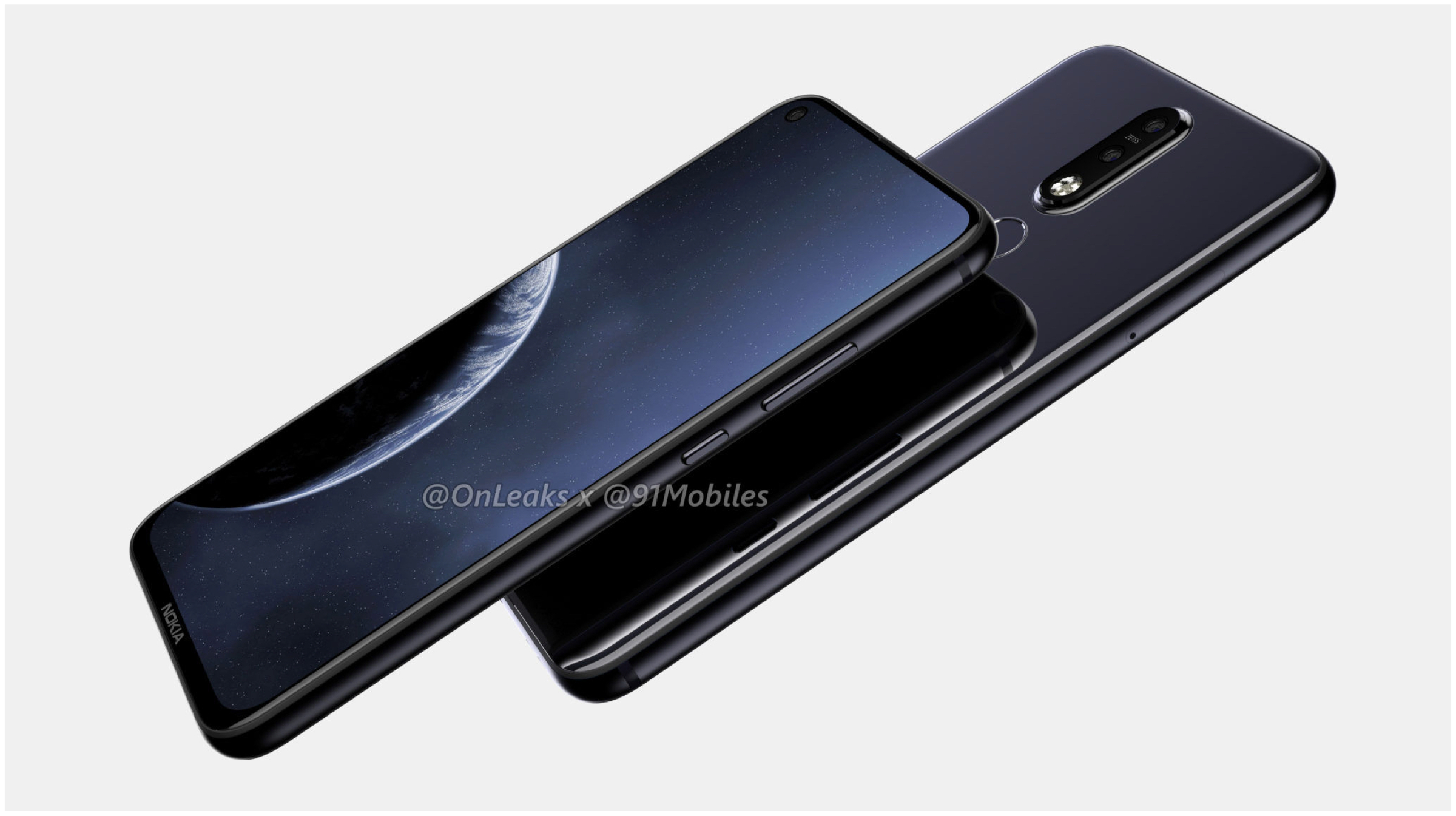
The Nokia 8.1 Plus has been leaked on multiple occasions in the form of renders, user manuals and finally on Chinese regulatory website TENNA. The images revealed show a differently designed smartphone from the Nokia X71. It has an all-glass design on the front and back with a metal chassis. Front of the handset is dominated by the display which is expected to be a 6.4-inch panel with FullHD+ resolution. To attain a high screen to body ratio, the company has used a punch hole cutout on the top left of the display. For biometrics and security, the Nokia 8.1 Plus has been revealed to have an in-display fingerprint sensor.
Under the hood, the Nokia 8.1 Plus is expected to run on the 10nm Snapdragon 712 SoC. The chipset has an Octa-core CPU and Adreno 616 GPU. In terms of optics, the smartphone will have a triple rear camera setup, details of which are unknown at the moment. The selfie camera, expected to be a 16MP sensor housed in the punch hole cutout on the top of the display. For memory and storage, the Nokia 8.1 Plus will reportedly launch with 6GB of RAM and 128GB of onboard storage.
The user manual of the Nokia 8.1 Plus reveals the smartphone will have a USB Type-C port for charging and data syncing. The images also reveal it will retain the 3.5mm headphone jack and will support dual SIM via the Hybrid SIM card slot. Like all the global variants of Nokia handsets, the 8.1 Plus might also run on Android 9 Pie with Android One certification on board. This means that it will run a clean version of AndroidOS with guaranteed software updates for at least two years.
The leaked renders and user manual of the Nokia 8.1 Plus insinuate that the launch of the smartphone is imminent. Unfortunately, there is no information regarding the price of the device. But reports claim it will be priced around Rs. 29,999 in India.
At an event today in Taiwan, HMD Global owned Nokia Mobile has launched the X71 smartphone. The device has been in the news over the past few weeks because it features an all-new design from the company. It is also expected to make its debut in the global markets soon as the Nokia 6.2 or the Nokia 8.1 Plus.
Design & Features
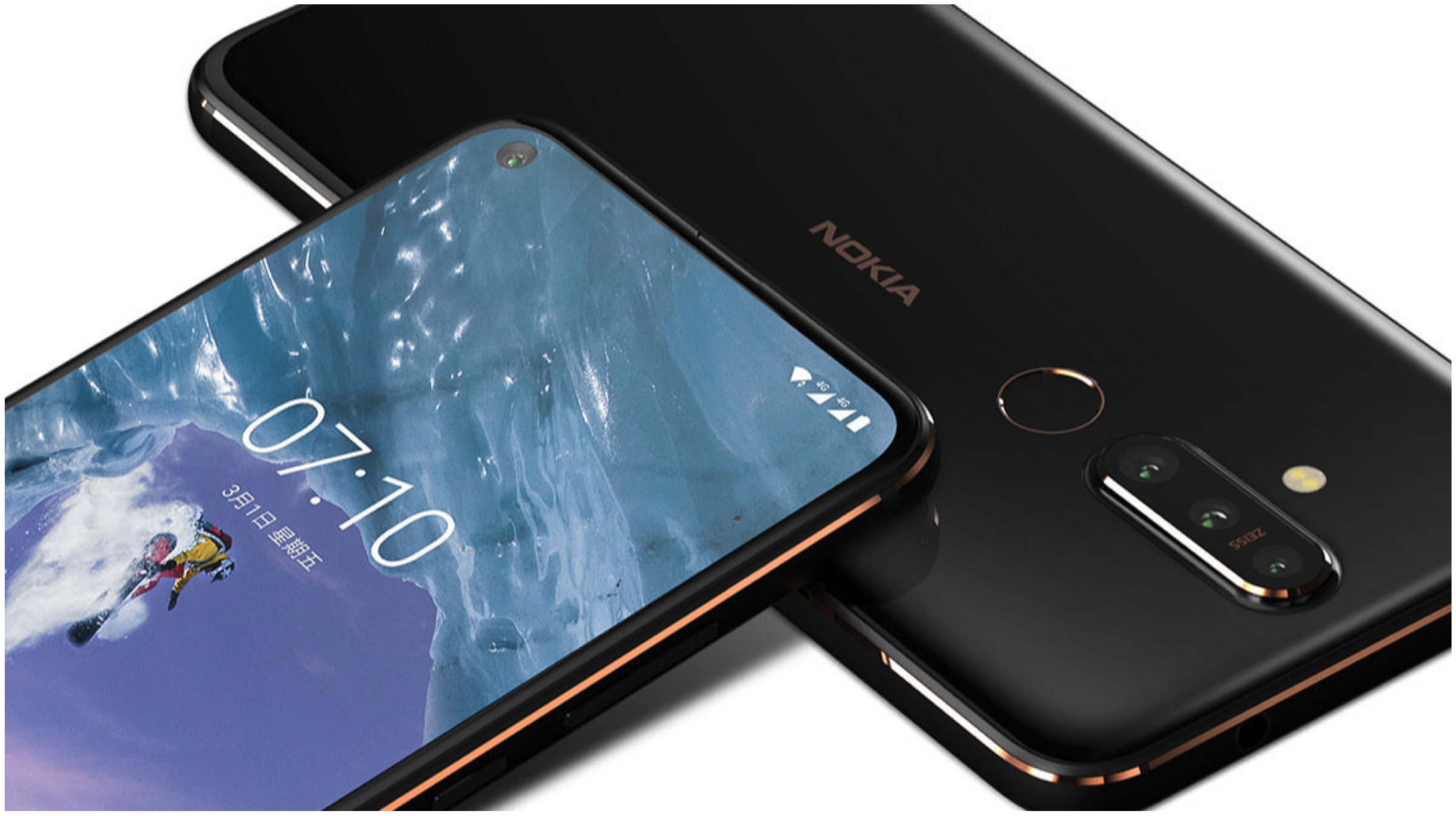
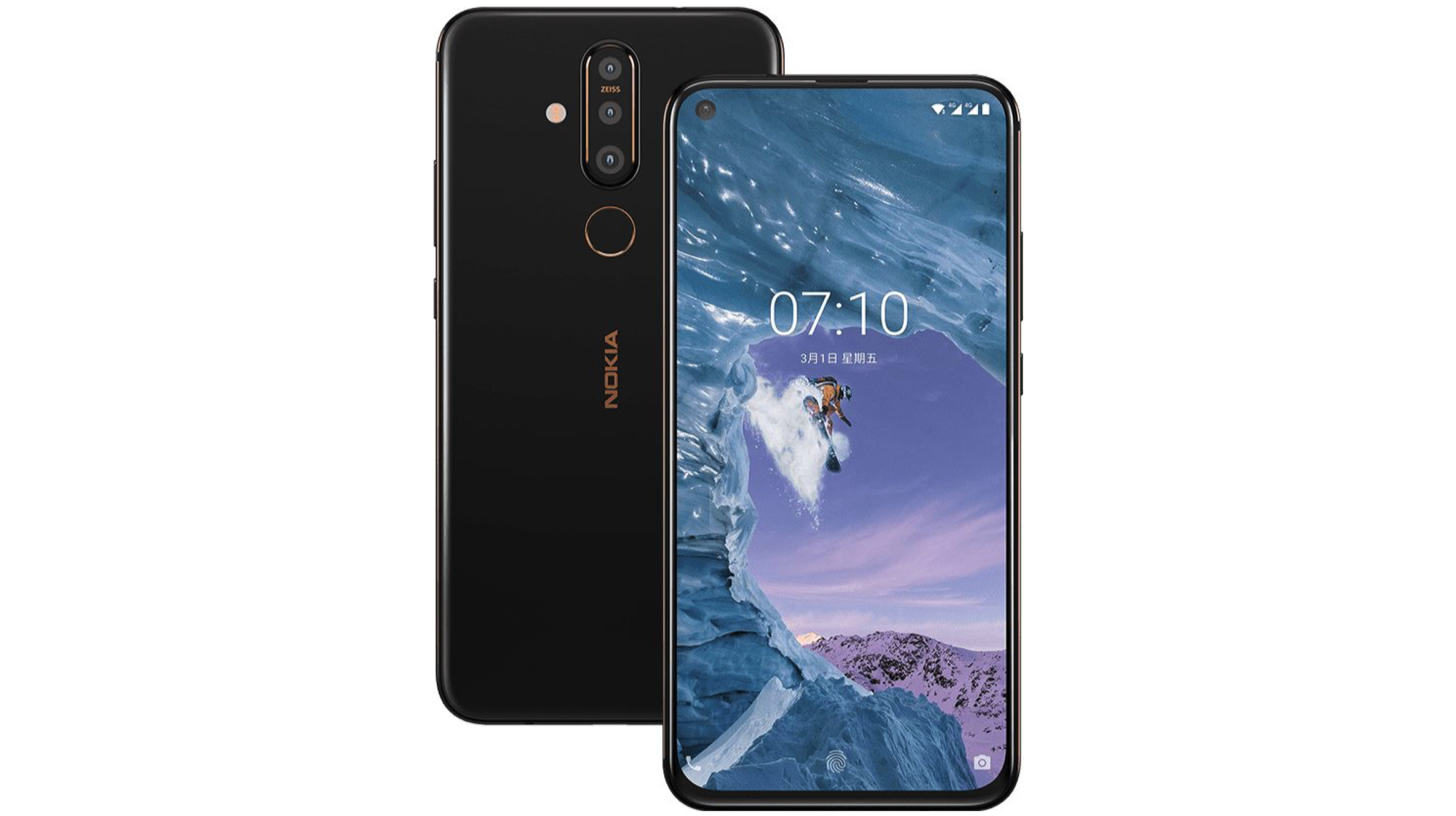
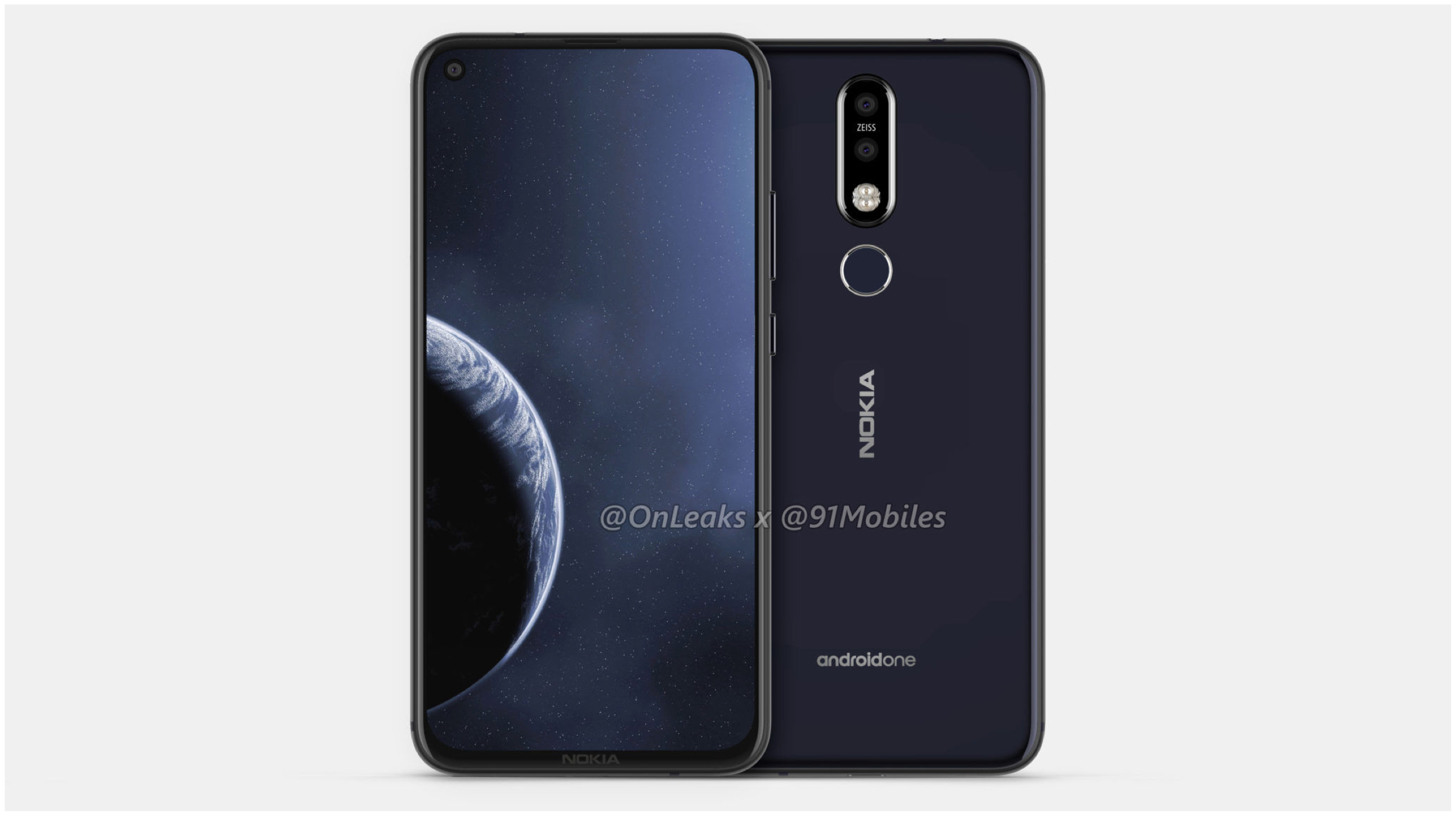
The Nokia X71 smartphone measures 157 x 76.45 x 7.98mm and weighs 180g. It features an all-glass design on the front and the back with a metal frame on the sides. The front is dominated by a 6.39-inch display with a resolution of FHD+. According to the company, the device has an impressive 93% screen to body ratio which is accomplished by a punch hole cutout on the top left of the display. For biometrics and security, there is a rear-mounted fingerprint scanner.
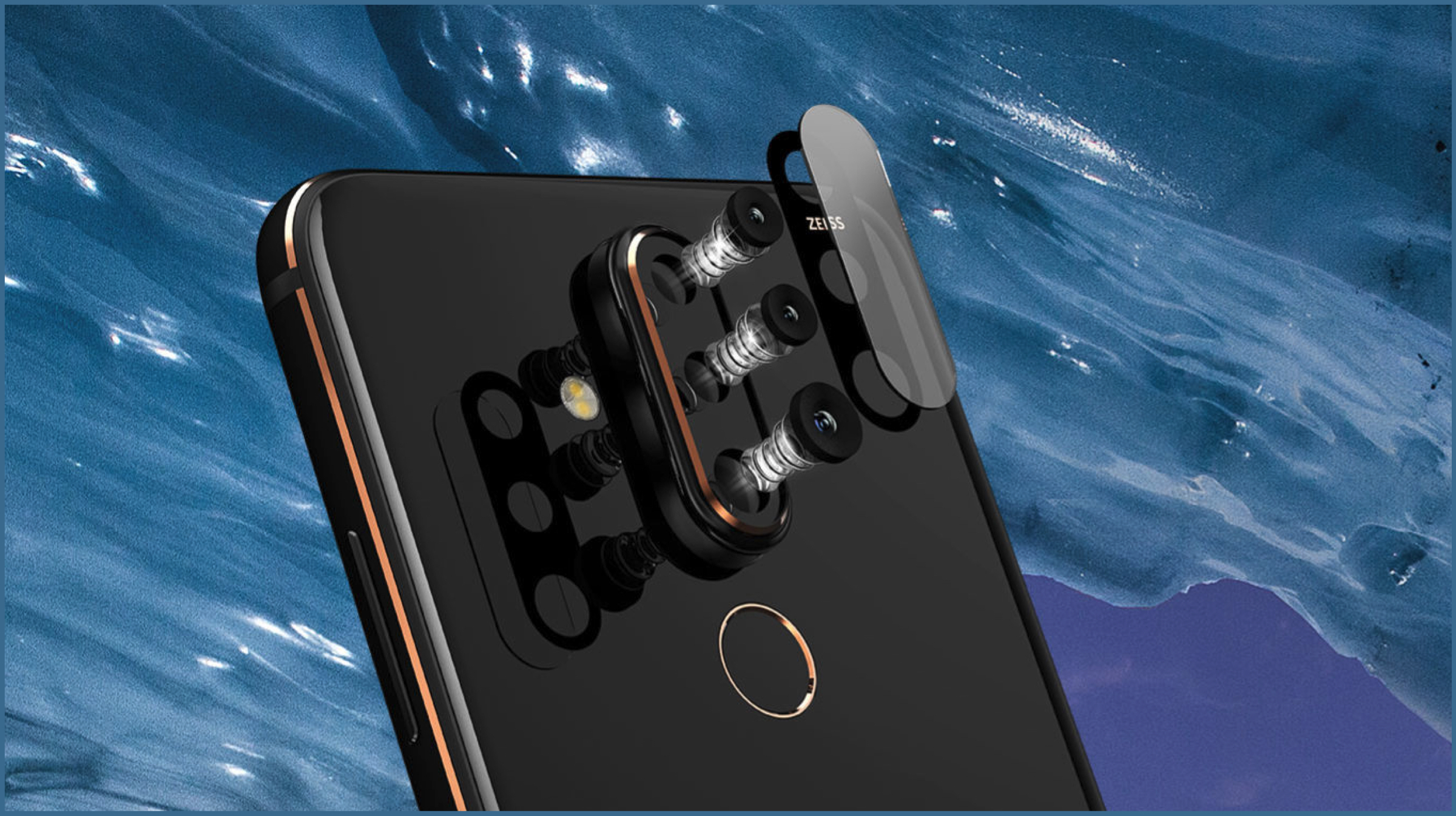
Under the hood, the Nokia X71 is kitted with a Snapdragon 660 SoC which is manufactured using 14nm fabrication process. The chipset has an Octa-core CPU and Adreno 512 GPU. In terms of optics, the smartphone has a triple rear camera setup consisting of an f/1.8 aperture equipped 48MP sensor; combined with an 8MP ultra-wide sensor and a 5MP depth sensor. For selfies, an f/2.0 aperture equipped 16 MP camera is housed in the punch hole display on the front. For memory and storage, the Nokia X71 has been launched with 6GB of RAM and 128GB of onboard storage.
The Nokia X71 is powered by a 3500mAh battery with 18W fast charging support. For connectivity, the smartphone has dual SIM, dual standby functionality and supports Bluetooth 5.0 connectivity. To ensure a better audio recording experience while shooting videos, Nokia has used its OZO 360 degree sound technology.
The Nokia X71 has been launched at a price of 11,900 Taiwanese Dollars (Rs. 26,900). Unfortunately, the company has not announced when it will launch in other countries.
A few days ago, reports of the upcoming smartphone from HMD Global owned Nokia brand was prevalent. Reportedly called the Nokia X71, it was speculated to be released in the global markets as the Nokia 8.2. Fresh reports claim that the device will in fact be released as the Nokia 6.2 and the Geekbench benchmark scores of the handset have also been leaked. The smartphone will launch on the 2nd of April in Taiwan.
Nokia X71
The Nokia X71 will be a smartphone from the company was leaked in images a while ago. The looks of the device are reminiscent of the Nokia 6.1 Plus launched last year, complete with a glass sandwich design. The leaks suggest that it may feature a 6.4-inch Full HD+ display. There will be a punch hole on the top left of the handset to accommodate the selfie camera. This is the first time a Nokia smartphone will feature the popular design trend. For biometrics and security, the device will have a rear-mounted fingerprint sensor.
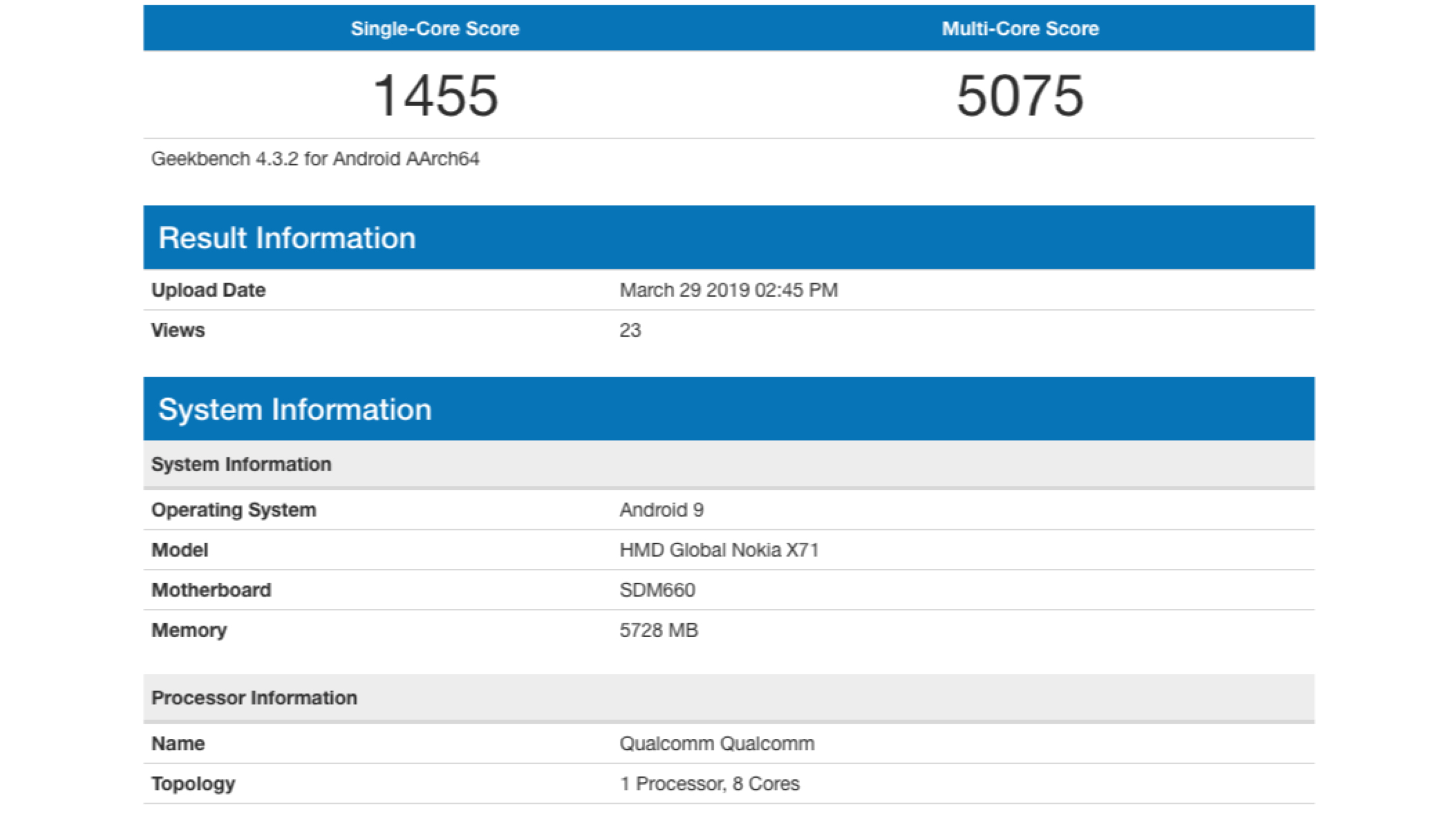
The leaked Geekbench listing reveals that the Nokia X71 will run on the 14nm Snapdragon 660 SoC. The chipset has an Octa-core CPU and Adreno 512 GPU. Benchmarks of the smartphone reveal a score of 1455 points for Single-core and 5075 for Multi-core performance. The score falls in line to the scores obtained by the processor, also seen in devices like the Redmi Note 7 and the Zenfone Max Pro M2.
It is expected that the smartphone will have a triple rear camera setup. It has been leaked that the 48MP Sony IMX586 sensor will make an appearance on the device, along with a 5MP ultra wide sensor and a 2MP depth sensor. For selfies, it is expected that a 16MP camera will be housed in the punch-hole on the top left of the display. For memory, the Nokia X71/Nokia 6.2 will feature 6GB of RAM.
Latest leaks allege that the Nokia X71/6.2 will be powered by 3500mAh battery. The smartphone will run on the latest Android 9 Pie with Android One certification. This implies that the device will receive software updates for at least 2 years. As mentioned above, the Nokia X71 will launch on April 2 in Taiwan. Seeing as the company has been competitive with the pricing of its smartphones lately, it is expected to be priced under Rs. 20,000.
On March 25, HMD Global announced that it will unveil the Nokia X71 at a launch event to be held in Taiwan on April 2. Furthermore, the company is also planning to officially launch its flagship, the Nokia 9 Pureview with a Penta-lens setupat the event. While the Nokia 9 Pureview will go up against flagship smartphones, the Nokia X71 will target the premium midrange section of the smartphone market.
Camera And Features
Till now, HMD Global has not released a full-display touchscreen smartphone, so it will be interesting to see the Nokia X71 in action. In addition to a punch-hole (which was previously seen on devices such as Galaxy S10 and the Honor View 20), the X71 is expected to sport a triple camera setup with a 48MP Zeiss sensor as the primary shooter. The second sensor will be able to take super wide-angle shots as wide as 120 degrees. As of now, no details regarding the third sensor are available.
Possibilities are floating around regarding the fact that the Nokia X71 will debut as the Nokia 8.1 Plus, which will be a specced-up variant of the Nokia 8.1. As per reports, the Nokia 8.1 Plus may feature a 6.22 inch Full HD+ display. It is also expected that the global variant of the same will have a dual camera setup instead of the triple camera setup on the X71. In 2018, the company introduced the Nokia 8.1 as the X7 in China, hinting at the fact that it may happen again with the 8.1 Plus.
Since most specifications of the device are unknown, the predecessor gives a neat idea of the specifications of the upcoming X71. The Nokia 8.1 had a 10 nm Qualcomm Snapdragon 710 under the hood, so it is possible that the 8.1 Plus may sport a similar chipset or the upgraded Snapdragon 712 chipset, which was recently spotted in the Xiaomi Mi 9 SE. The device will probably run Android 9.0 Pie straight out of the box. Looking towards the price point of its predecessor, the Nokia 8.1 Plus/X71 may be priced somewhere in the 25k-30k price segment.
As previously reported, some Nokia 7 Plus devices in Norway were found inadvertently transferring information to Chinese servers. Needless to say, concerns rose around the incident, with a lot of people unknowingly accusing the Chinese hackers of attempting to steal private data from the users. On March 23, 2019, HMD Global put forth an official statement regarding the same, which cleared some doubts surrounding the issue.
Cause Of The “Alleged Data Breach”
As per the Foxconn subsidiary, FIH mobile (the Finnish company which manufactures Nokia devices in China), the device suspected of sending data i.e. the Nokia 7 Plus did not transfer any user data to the Chinese servers. Instead, the shared information included the activation data from the device. The reason why this happened was quite clear. It was just a manufacturing error that led to this “data breach” incident.
The Finnish company had mistakenly installed the Chinese device activation client on the Nokia smartphones which were intended to retail outside China. Consequently, the activation data was being sent to vnet.cn, a Chinese server located in the China Internet Network Information Center, or CNNIC. The domain is owned by the state-run Chinese Telecom operator.
HMD Global also stated that the issue was taken care of in the month of February since most Nokia 7 Plus smartphones had been updated with the bug fix. Users can check if the fix is installed in their devices by going to Settings>System>About Phone>Build Number. The build number should be “00WW_3_39B_SP03” or “00WW_3_22C_SP05“. If the build number does not match, users may need to update their device. This can be done by going to Settings> System> Advanced>System Update>Check for Update.
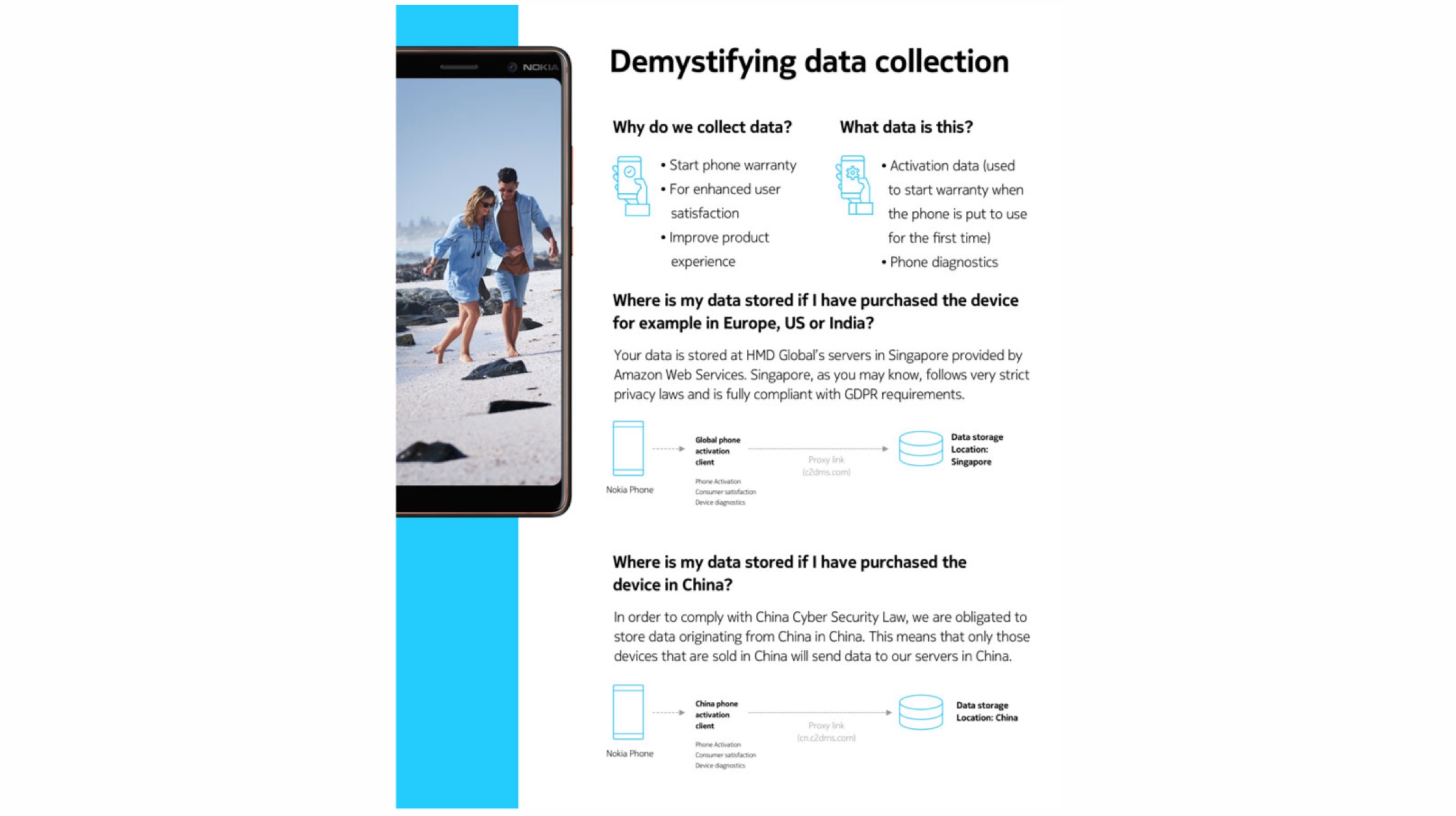
Lastly, HMD Global said that the global variants of the Nokia devices have their data stored in Singapore, which abides by very strict privacy laws (as shown in the aforementioned infographic released by the company) However, Chinese Cyber Security Laws state that the data originating in China will stay in China, so the company’s Chinese units will only send data to the Chinese servers. Moreover, the company also cleared up the doubt that Nokia devices are sharing user data with third-party servers, stating that this speculation is completely incorrect.
As per reports, it was detected that multiple units of Nokia 7 Plus were inadvertently sending sensitive information to a server located in China. A lot of concerns were raised regarding the same. As per the General Data Protection Regulation (GDPR), data cannot be used beyond the limits of what users think is the appropriate limit, or else companies can face serious consequences.
About The Data Packet
Reports state that sensitive data was being sent to a Chinese domain whenever the device was being switched on or being unlocked. The transferred data included the SIM card number, geographical location and the device’s serial number. Interestingly, the domain name of the Chinese server was vnet.cn, which refer to the China Internet Network Information Center, or CNNIC. The aforementioned domain is owned by the state-run Chinese Telecom operator.
When the data packet was inspected in detail, it was revealed that the information contains data from both the SIM card and the area it was associated with. This meant that the recipients of the data packet would have been able to geotag the real-time location of the device. Furthermore, sources say that they found a resembling piece of code on Github, which was developed by reputed electronics company, Qualcomm. It contained a registration procedure similar to what was executed in the Nokia 7 Plus. The code gathers data regarding the smartphone and transfers all the data in a similar format to the designated server.
The incident may have been caused due to an error in manufacturing smartphones. A code segment intended for the Chinese variants of the Nokia 7 Plus might have been installed in the Norweigan variants for the same. Shortly after this incident, HMD Global rolled out a firmware update that deleted the China-based application from Nokia smartphones. Finnish data regulators are now considering starting a full-scale investigation of the events that took place. Stating that the SIM card number and serial numbers are indeed personal information, the agency believes that this incident may be a direct violation of the GDPR legislation.
Nokia launched its latest flagship smartphone, the Nokia 9 PureView on February 24. It is the first device to feature a Penta-rear camera setup. It was also expected that the company will launch the handset in the Indian market soon after the launch. A new teaser posted by the official account of Nokia India hints at what could be the launch of the flagship smartphone in the country. The text shared along with the video on social networking website Facebook reads “Get ready to capture the most breathtaking pictures with the all new Nokia 9. Stay tuned!” This suggests that the launch of the device is imminent.
Nokia 9 PureView
On the front of the device sits a 5.99 inch POLED display with a resolution of 2880 x 1440 px. The display panel has an 18:9 aspect ratio and pixel density of 538 ppi. It has minimal bezels on the sides with a significant forehead and chin bezel. For biometrics, the Nokia 9 Pureview has an in-display fingerprint scanner.
Under the hood, the Nokia 9 PureView runs on yesteryear’s 10nm Snapdragon 845 SoC. The chipset has an Octa-core CPU and Adreno 630 GPU. The highlight of the smartphone is its optics. The rear camera setup consists of five 12 MP sensor and an LED flash. Out of the five cameras, two are RGB sensors while the remaining three are mono sensors. For selfies, the device has a 20MP front-facing camera.
The Nokia 9 PureView is powered by a 3320mAh battery with wireless charging support. The smartphone runs on the latest Android 9 Pie and is Android One certified which implies it will receive software updates for at least two years.
The Nokia 9 PureView is expected to be unveiled in India in the month of April. While no information on what the device will be priced is known, the United States price of US $ 699 (Rs. 48,112) would insinuate it would be priced under the Rs. 50,000 mark.
Nokia 4.2 is the latest budget offering from HMD Global’s Nokia. It is a smartphone under an entirely new series. The device features a glass sandwich design with a notch on the top of the display. A key feature of the device is the dedicated Google Assistant button, pressing which will bring out the voice assistant instantly.
Nokia 3.2 is the latest budget smartphone from HMD Global’s Nokia brand. It is the successor of the Nokia 3.1 which was launched last year. It is a budget device featuring a polycarbonate body. The handset has Android One certification which suggests that it will receive software updates for two years. The Nokia 3.2 is targeted towards people who want a smartphone from a reputed brand at an affordable price.
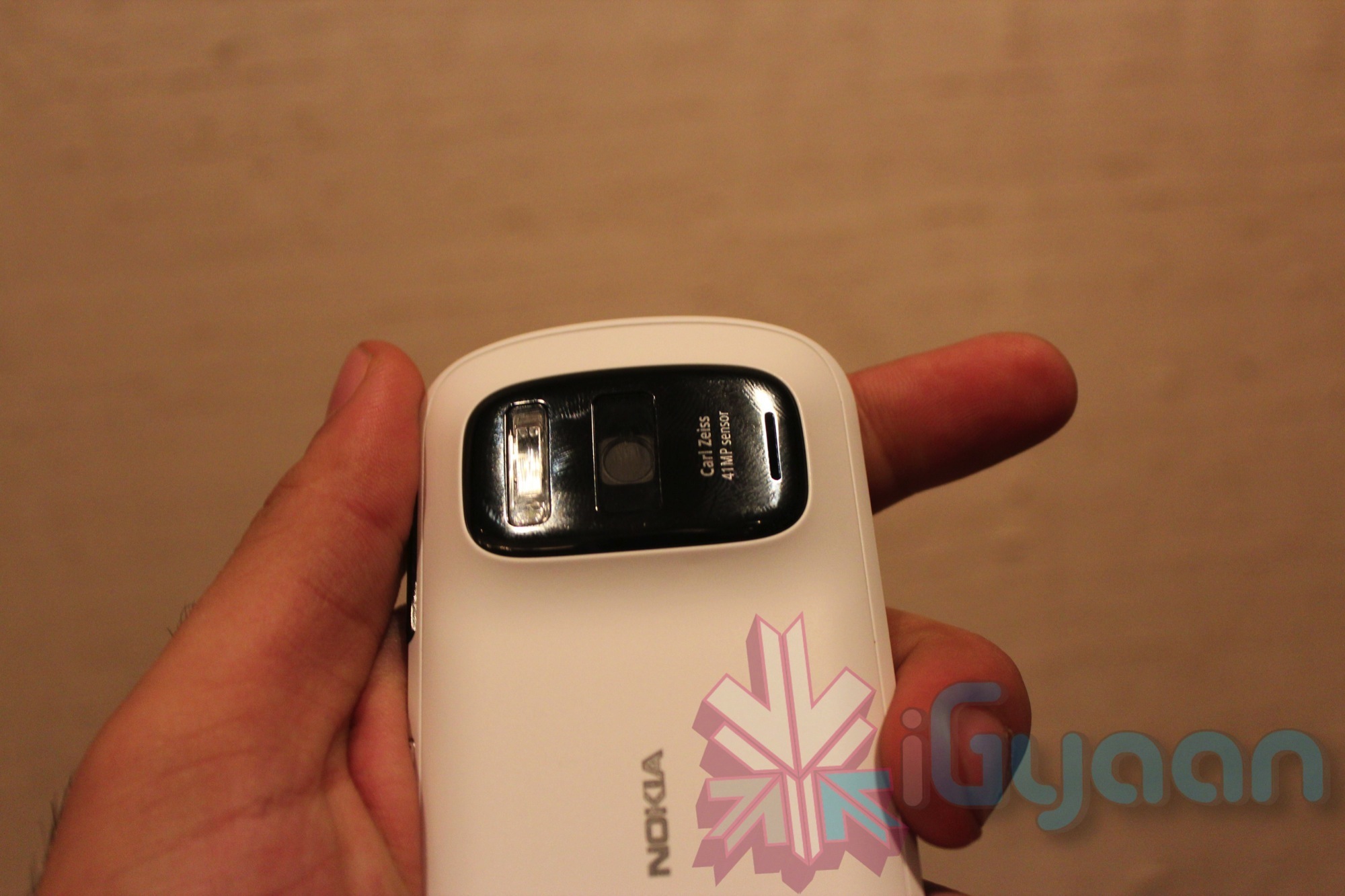
Cameras on smartphones have evolved so much so that the need for bulky camera equipment including DSLRs and digital cameras have reduced greatly. Apple’s iPhone has been one smartphone that is renowned for its camera quality ever since its launch. Nokia, another leader in smartphone technology has also manufactured devices in the past that had remarkable camera capabilities. One such device is the Nokia 808 PureViewfrom the year 2012 that featured a 41 MP rear camera sensor. Meanwhile, Taiwanese smartphone maker HTC launched the world’s first dual camera smartphone, the EVO 3D. This device kicked off the whole trend of multiple camera sensors on a smartphone. Having multiple cameras on a smartphone can surely provide its camera capabilities with a boost. However, Google with its Pixel lineup of smartphones have time and again proved that it is not necessary to have more than one camera sensors to capture excellent images.
Nokia, now owned by HMD global has unveiled its latest flagship smartphone, the Nokia 9 PureView. The smartphone was launched during the MWC 2019 which was held in Barcelona late last month. The newly launched smartphone is packed with high-end specifications, though its key highlighting feature is certainly the rear mounted Penta camera setup. Long before the launch of the Nokia 9 PureView, there have been boatloads of enigmas surrounding the camera setup it packs. In this article, we will spread some light on the strange-sounding man-made technological marvel to demystify all its element and aspects.
Composition Of The Penta Camera Setup
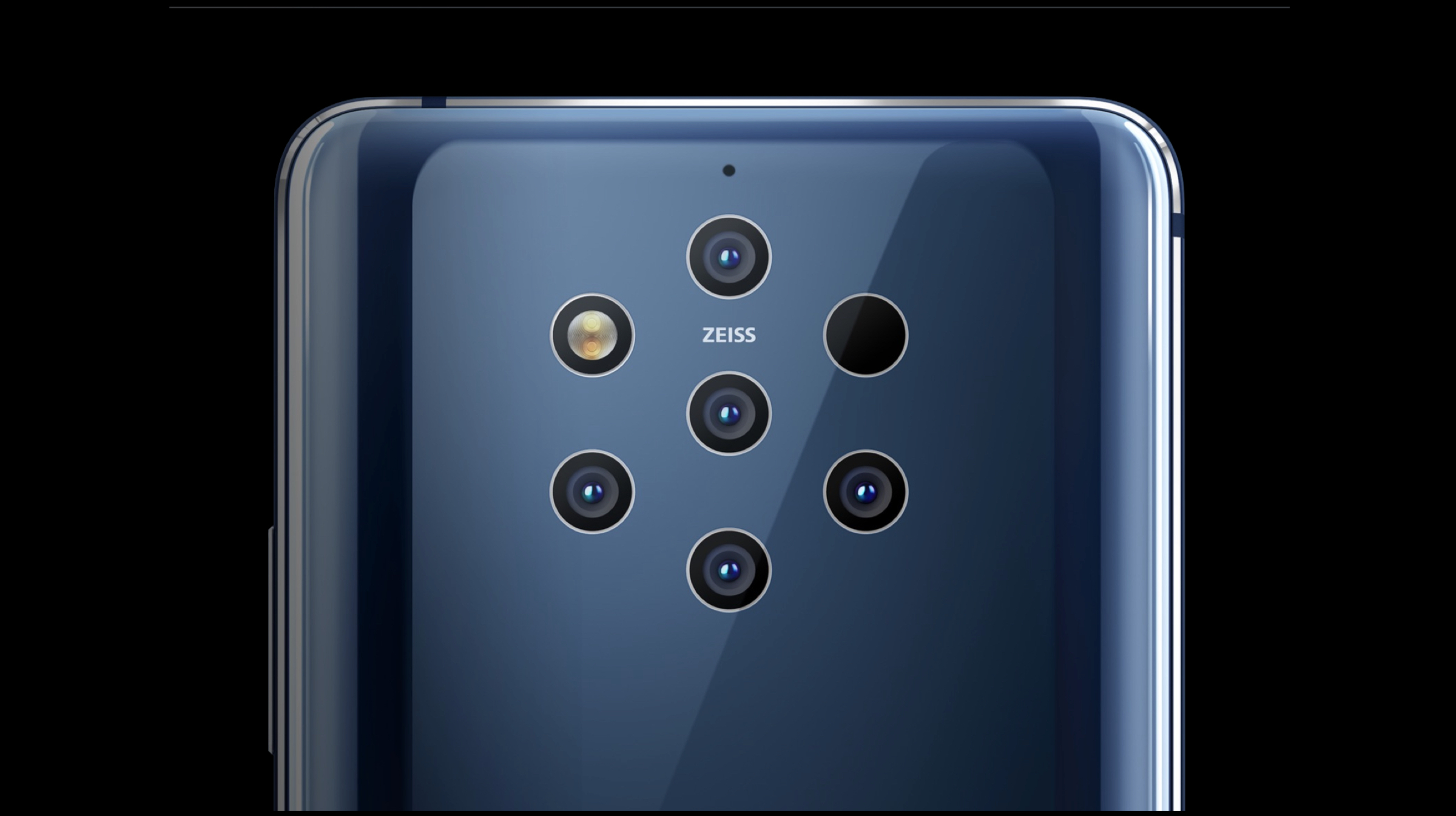
The Penta camera setup of the Nokia 9 PureView is located on the 2.5d curved rear glass panel. Its alignment mirrors that of a hexagonally shaped constellation. Out of the five sensors, two are RGB sensors that capture the image and video data in colour format. While the remaining three are Monochrome sensors which capture Black and White image and video data. Each of the camera sensors has a resolution of 12 Mega Pixel and use a 28 mm lens. The camera sensors have a pixel size of 1.25µm (ultra micron) which allows in capturing 1.25x the amount of light resulting in better lit pictures.
Uniquely, the Nokia 9 PureView also has a ToF (Time-of-Flight) imaging sensor which enables it in capturing the depth of field (DOF) in an image. As the name suggests, DOF is the distance between the farthest and nearest object in the frame. This additional information captured by the sensor is infused with the pictures captured with the five sensors resulting in an image that looks multi-dimensional. This image focuses mainly on the subject while de-emphasizing the other background elements. Supplementary, the focus of images captured on the Nokia 9 PureView can be readjusted after clicking the picture if need be.
Distinctive Camera Features
The Nokia 9 PureView, unlike most other smartphones, can also capture images in RAW and DNG format. This feature could be the sole reason to distinguish the newly launched device from its competition. RAW images, also referred to as ‘digital negatives’ are essentially unprocessed data that the sensor captures. RAW files preserve the most amount of information about an image and generally contain more colours and dynamic range than other formats. The prominent advantages of capturing images in the RAW file format are as follows:
RAW files contain full JPEG previews that were processed by the camera sensor dependent on the chosen settings.
In addition to basic exposure information, RAW files also store other camera-specific data such as picture controls and focus point.
DNG images are similar to RAW files except for the fact it is proprietary format developed by Adobe. Therefore, the software developed by Adobe including Lightroom can be used to manipulate DNG images. Additionally, DNG images can be previewed on most devices without the need for special software, unlike RAW format images. Noteworthy, the Nokia 9 can also edit both DNG and RAW format images.
Software and AI Algorithms
The Nokia 9 PureView with the combination of five cameras collects up to times more light in comparison to a single smartphone camera colour sensor. The smartphone captures images concurrently from all five sensors which with the help of software and AI algorithms are processed to produce the best output. Notably, the fusion process takes upto 30 seconds and occasionally, even longer. Nokia has partnered with a company called Light that in the year 2019 launched the L16 camera with 16 lenses. Nokia claims that the hardware and software of the Nokia 9 PureView work in perfect harmony to produce the greatest output achievable.










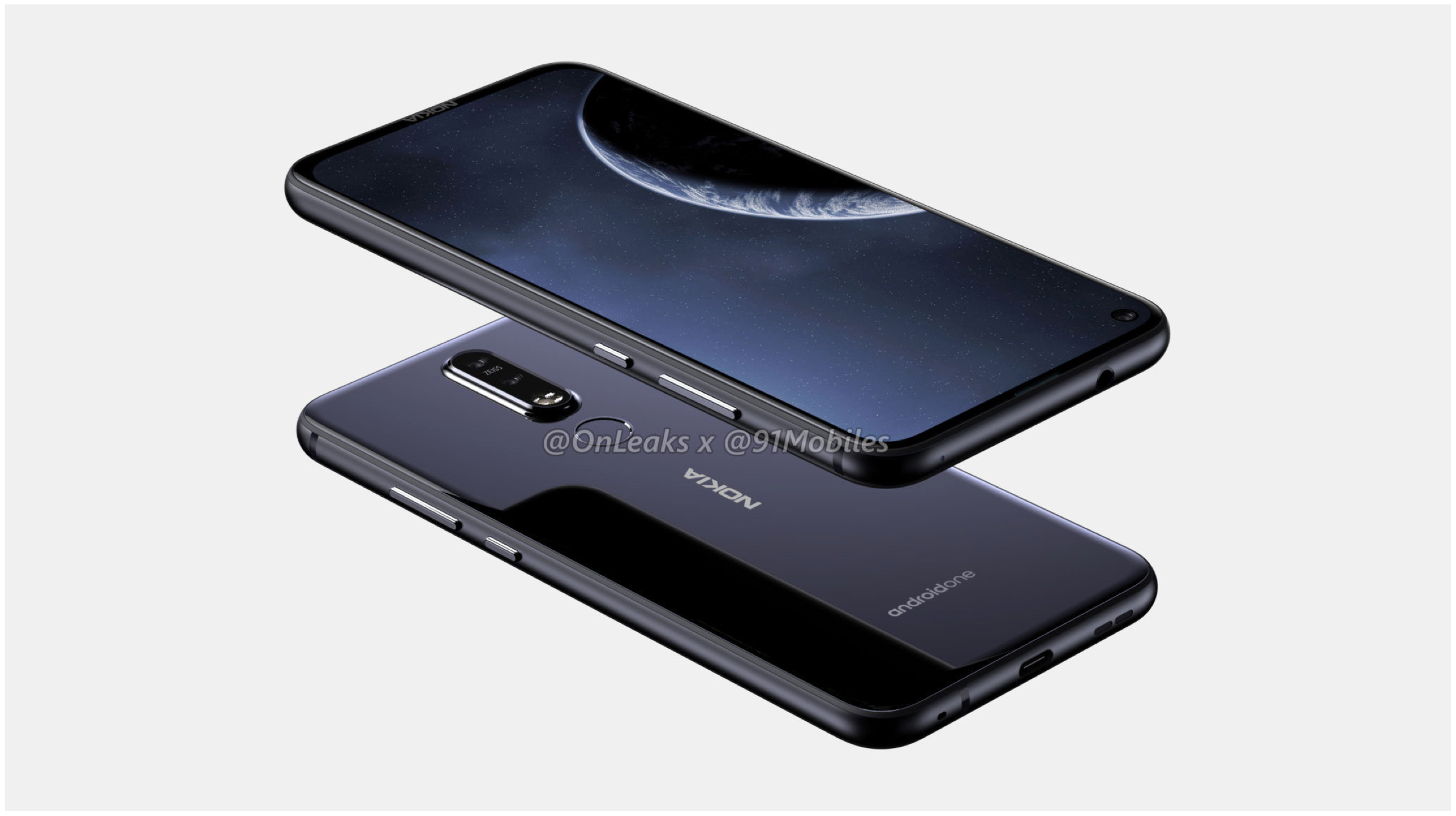 Till now, HMD Global has not released a full-display touchscreen smartphone, so it will be interesting to see the Nokia X71 in action. In addition to a punch-hole (which was previously seen on devices such as
  Possibilities are floating around regarding the fact that the Nokia X71 will debut as the Nokia 8.1 Plus, which will be a specced-up variant of the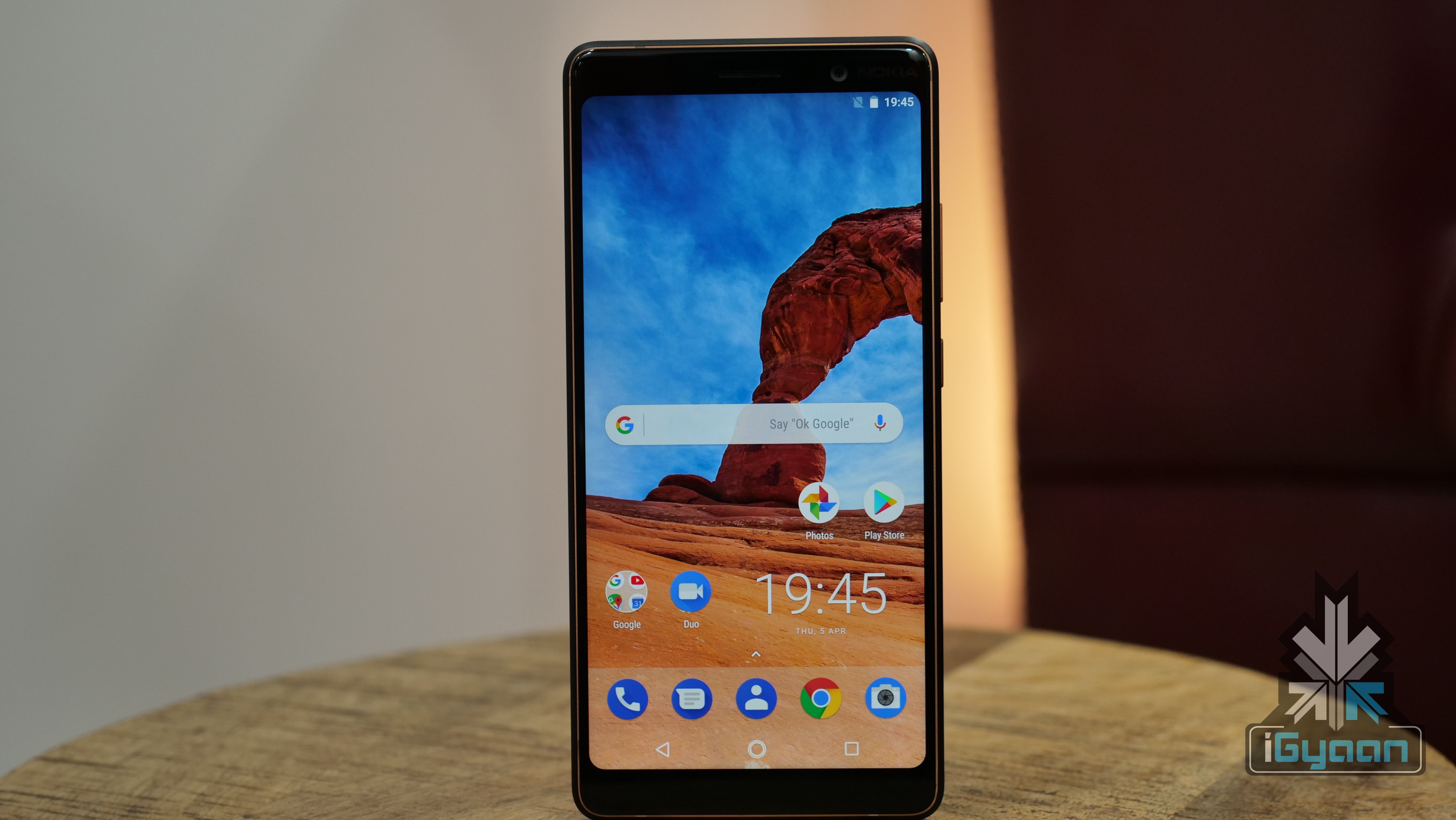
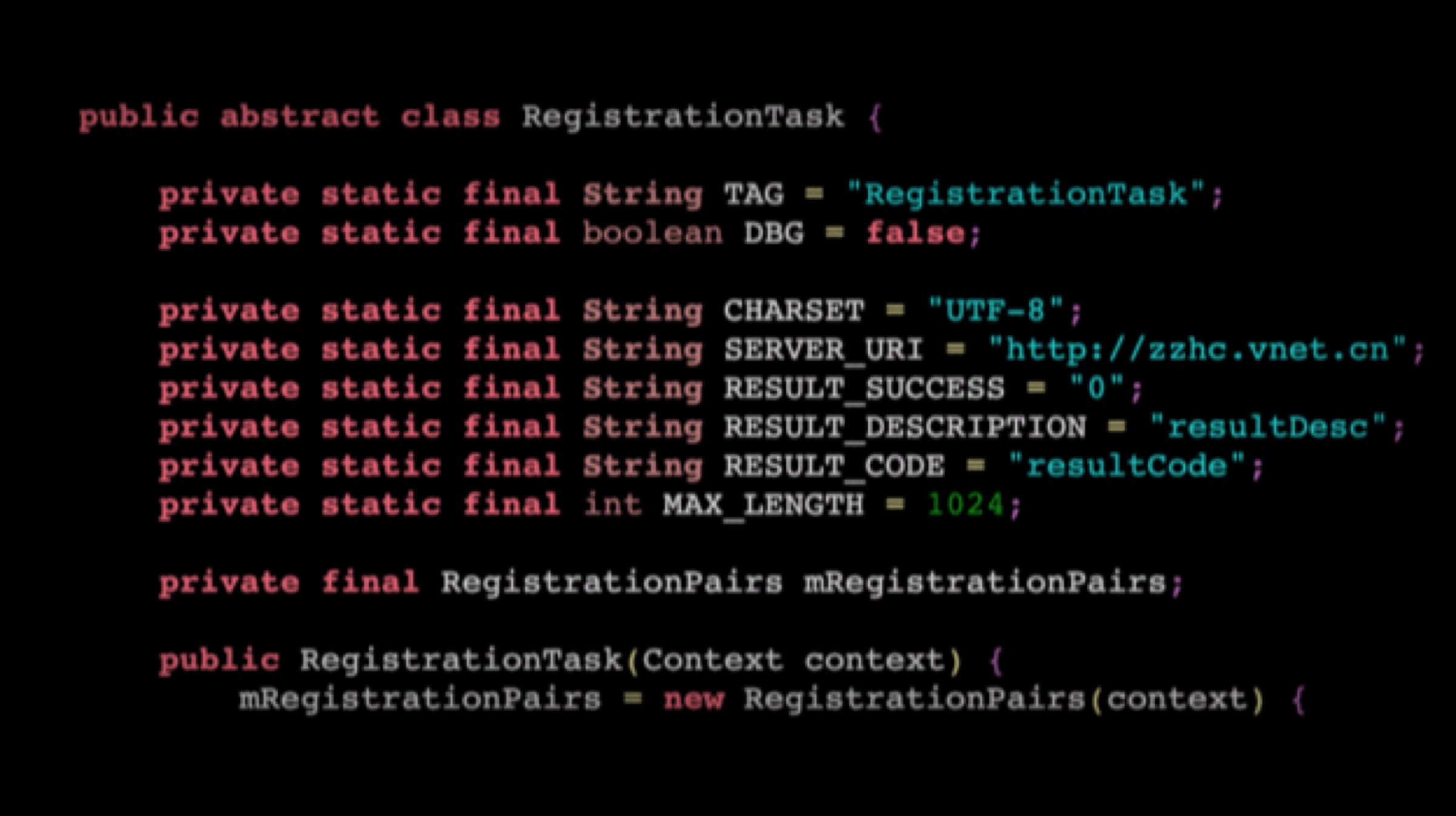 The Finnish company had mistakenly installed the Chinese device activation client on the Nokia smartphones which were intended to retail outside China. Consequently, the activation data was being sent to vnet.cn, a Chinese server located in the China Internet Network Information Center, or CNNIC. The domain is owned by the state-run Chinese Telecom operator.
 Also Read: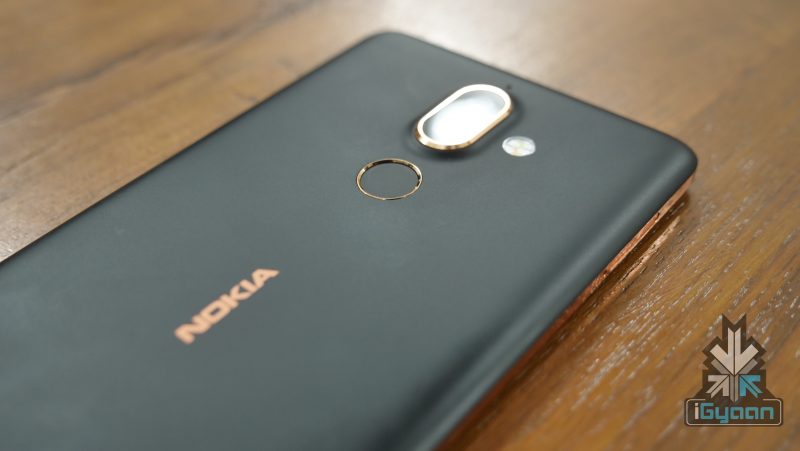
 Reports state that sensitive data was being sent to a Chinese domain whenever the device was being switched on or being unlocked. The transferred data included the SIM card number, geographical location and the device’s serial number. Interestingly, the domain name of the Chinese server was vnet.cn, which refer to the China Internet Network Information Center, or CNNIC. The aforementioned domain is owned by the state-run Chinese Telecom operator.
 Also Read: