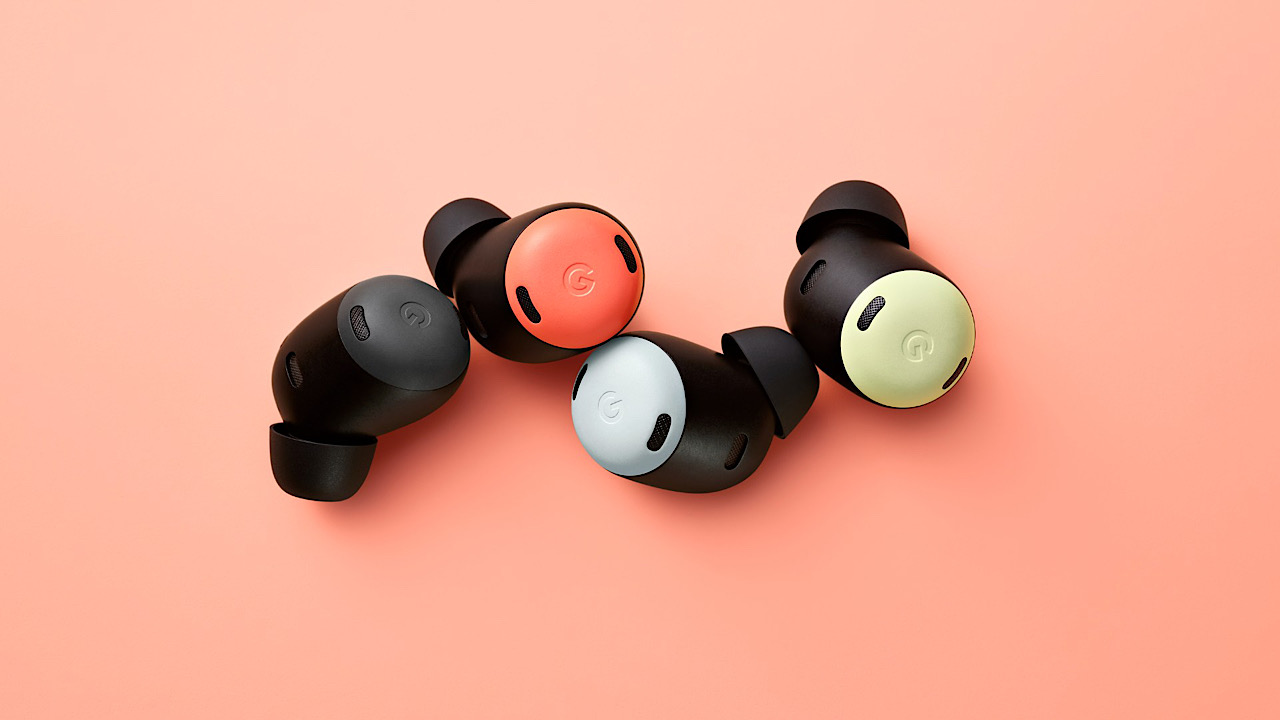
Tech giant Google has officially confirmed that it will be bringing the Pixel Buds Pro to India this month. The TWS earbuds will be up for pre-order starting July 21, with retail sales starting a week later on July 28. Google hadn’t revealed the availability of the Pixel Buds Pro when it was revealed globally back in May. The Buds Pro are Google’s first earbuds to come with Active Noise Cancellation. It will join the Pixel Buds A series that’s already on sale in the country.
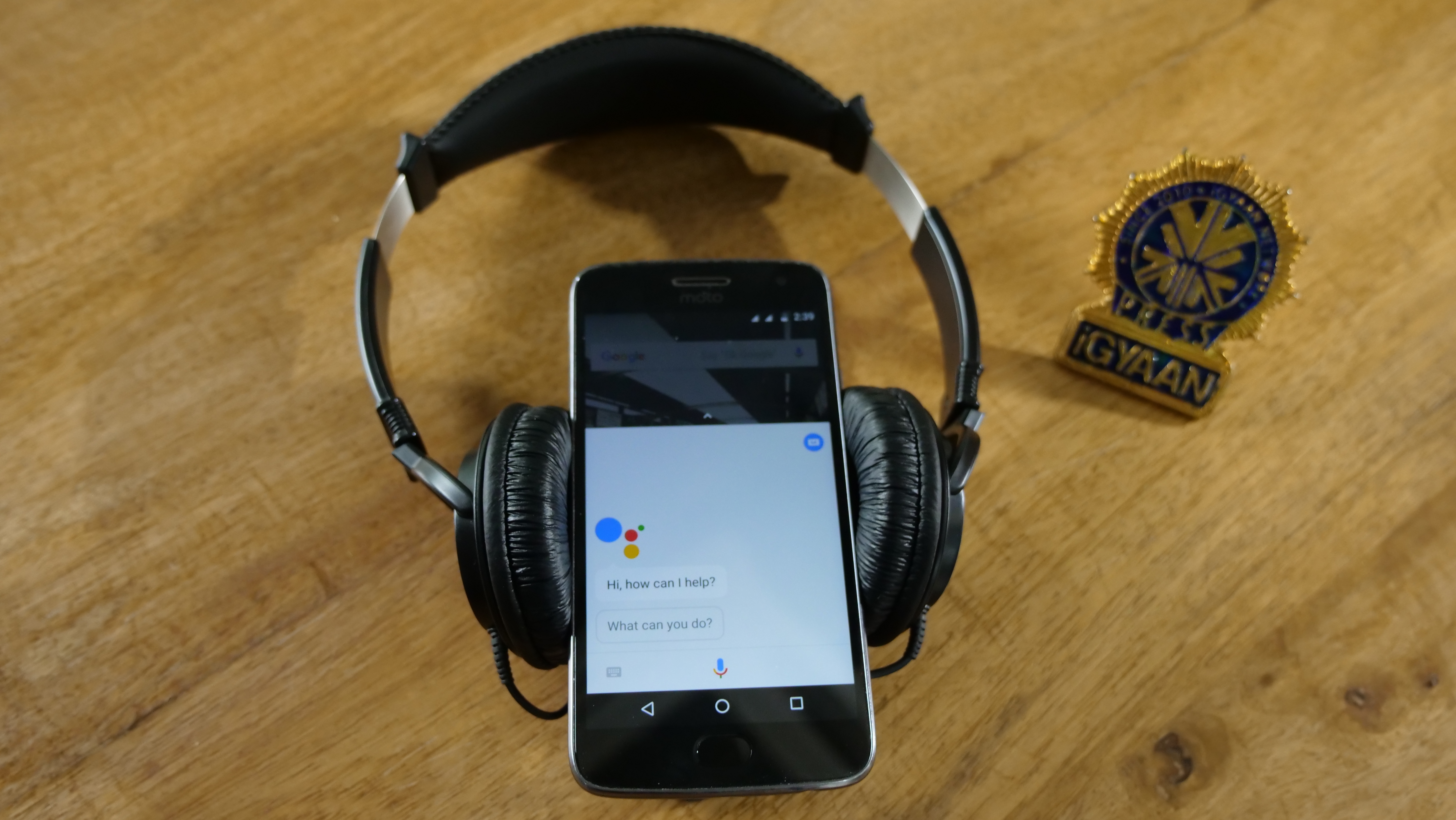
The Google Pixel Buds Pro come with custom-designed hardware, algorithms and sensors that allow the earbuds to automatically adjust both the fit and sound output. It allows support for hands-free Google Assistant and offers real-time translation of 40 languages.
Like the original Pixel Buds, the Buds Pro comes with features like Fast Pair and Volume EQ. New features other than ANC include transparency mode, and IPX4 dust and water resistance. Google has also confirmed that the Pixel Buds Pro will get Spatial audio head tracking at a later date via OTA updates.
Pixel Buds Pro price in India (tentative)
Prices for the Pixel Buds Pro in India haven’t been revealed yet. However, with the Buds being priced at $199(INR 15800) internationally, expect them to be priced between INR 15,000 – 20,000 here. The Pixel Buds A series was priced at $99 internationally and was launched in India at a price of INR 9,999.
Google Pixel 6a Release Date
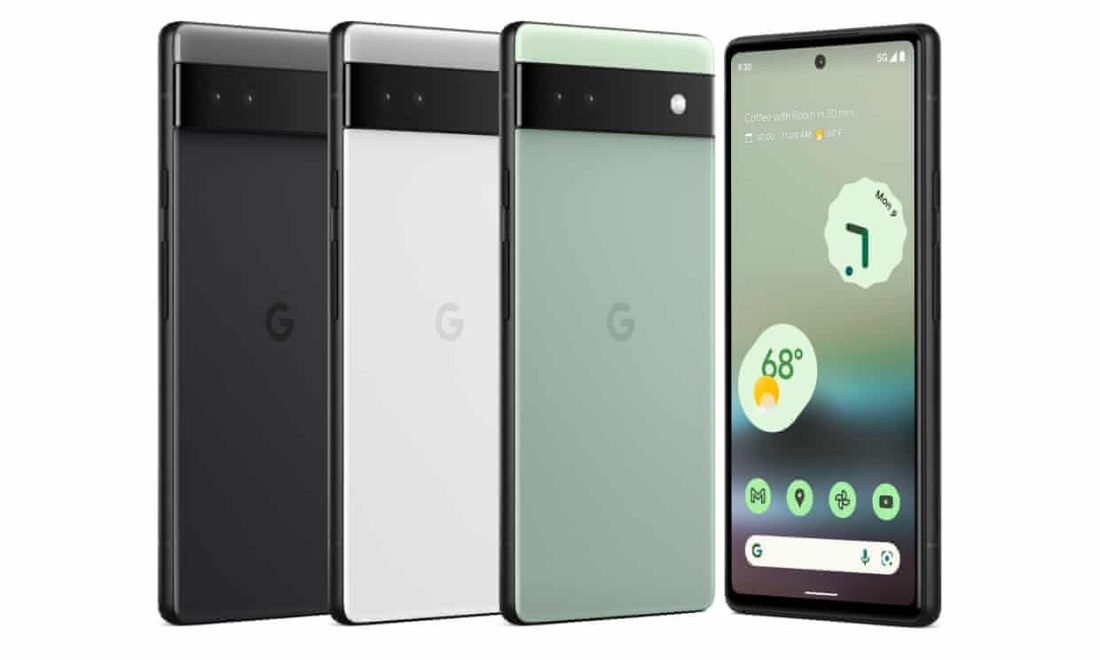
At the same Google I/O, the company also revealed the Pixel 6a. Google stated that the mid-range offering will be more widely available compared to its premium siblings. The Pixel 6a is going to be available for pre-orders globally from July 21 as well. Google already confirmed that the Pixel 6a will be launched in India. This will be the first time since the Pixel 4a, that launched two years back, that Google will launched a Pixel phone in India.
American technology giant Google is expected to launch two new smartphones in the month of October. These devices are revealed to be the Pixel 4 and Pixel 4 XL and will be a flagship offering from the company. Although the launch of the handsets is still a considerable amount of time away, the company has been hard at work in teasing certain details about them through a series of blog posts and tweets. Now, the upcoming Pixel 4 by Google has been leaked in the wild which confirms the design of the smartphone.
Pixel 4 Live Images
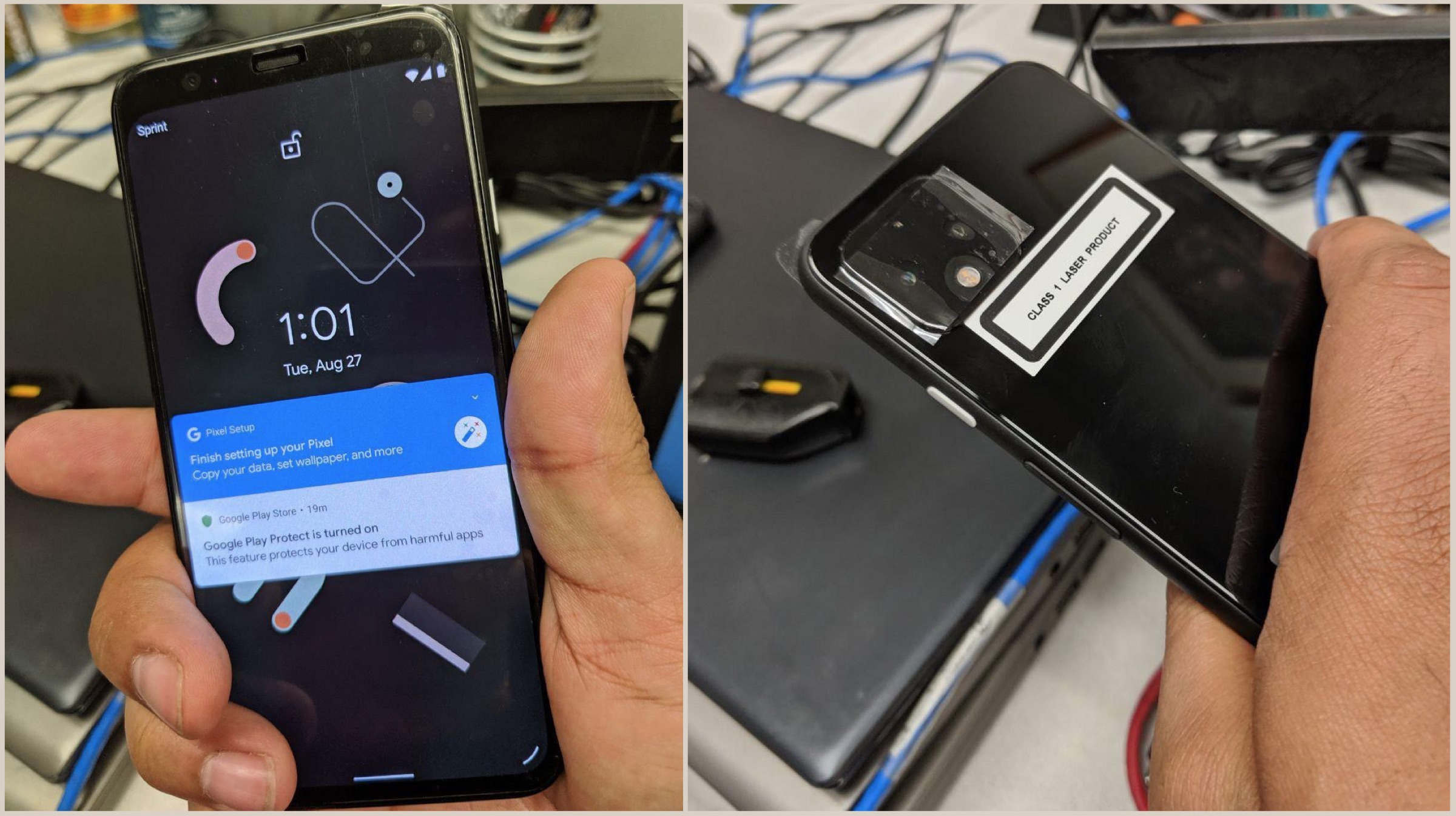
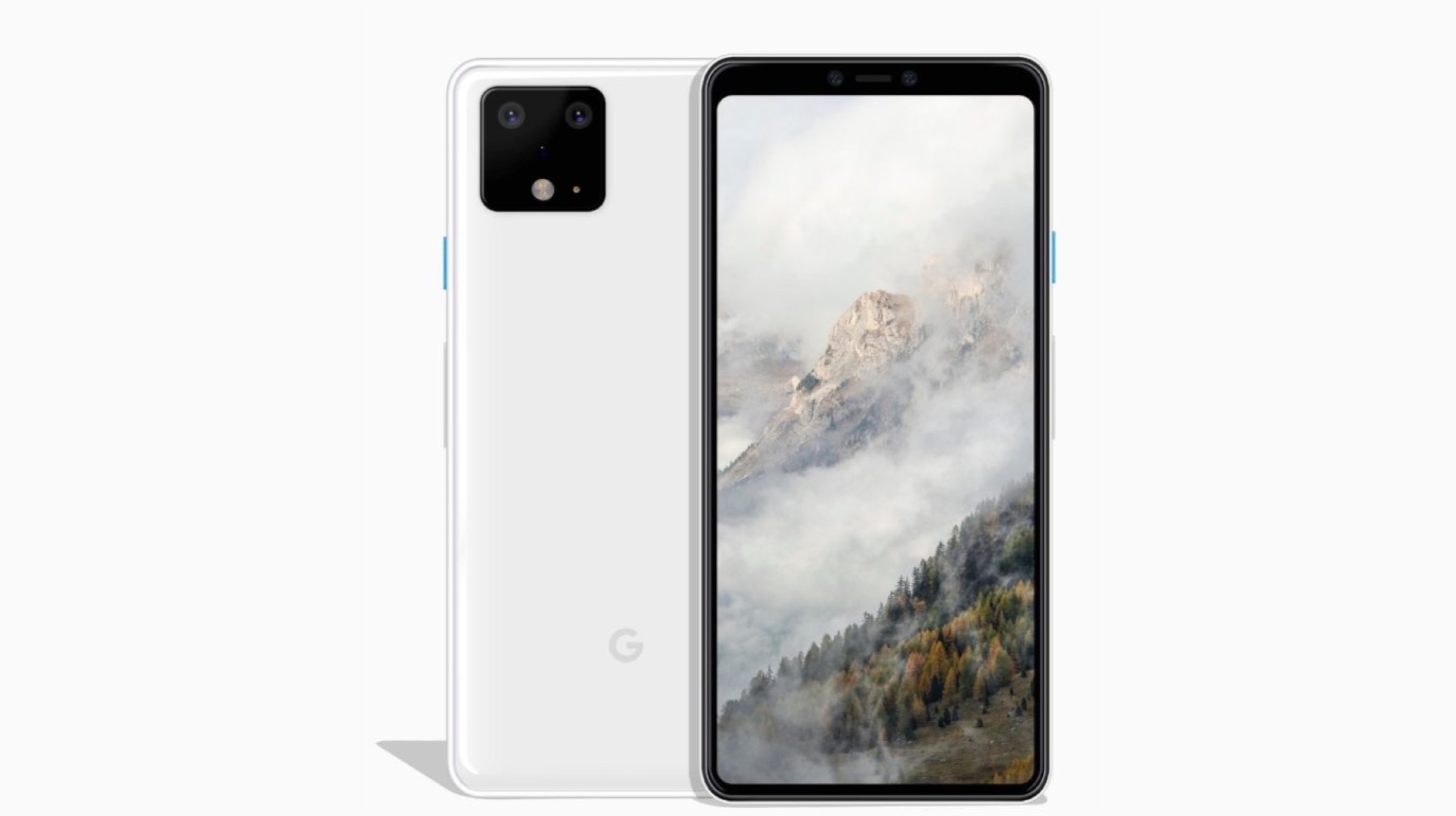
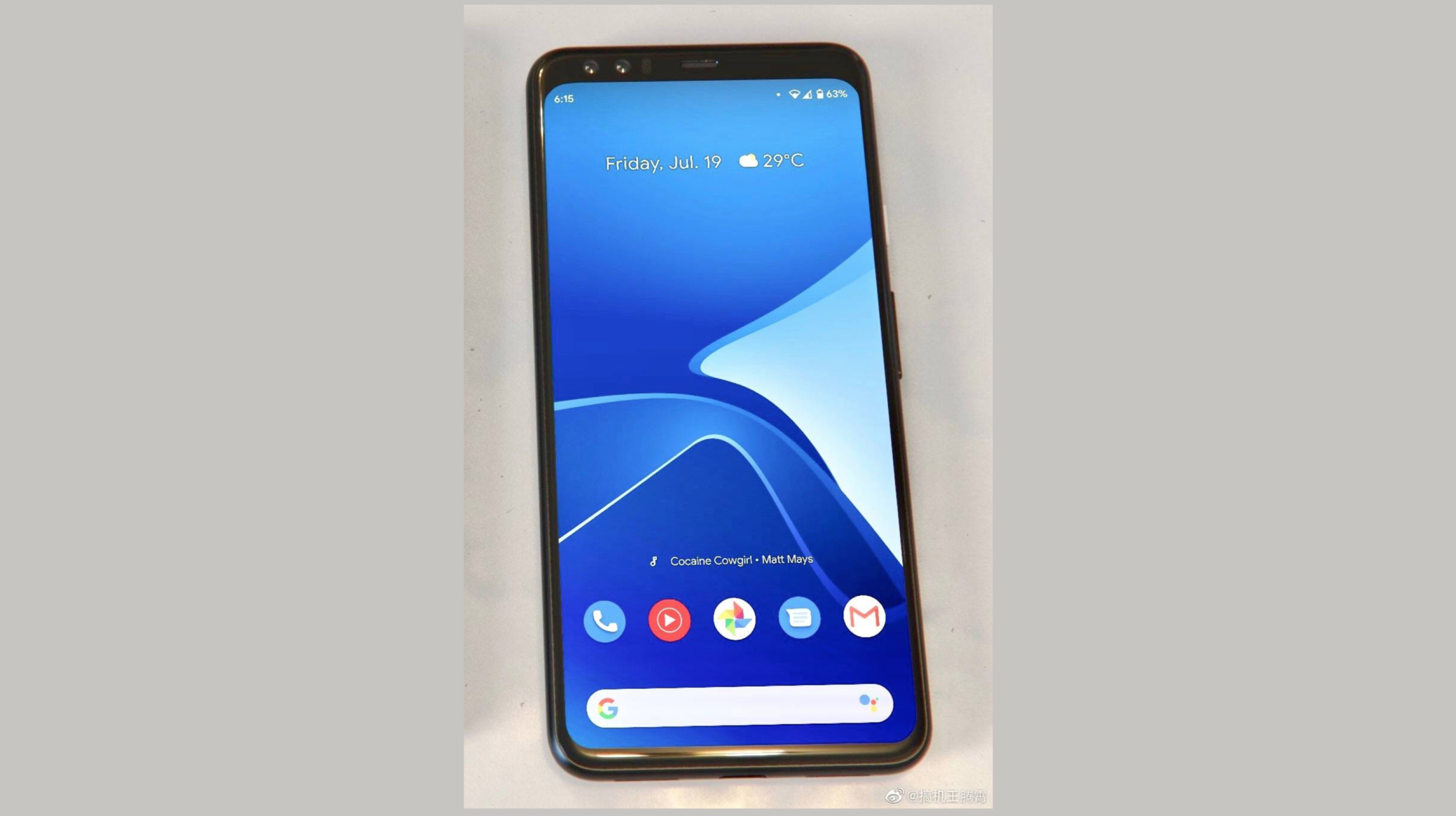
The first live images revealing the Pixel 4 in its full glory arrive courtesy of an unnamed source. The pictures confirm most of what we already knew about the smartphones, including the glass sandwich design, the large display with a prominent top bezel and a small chin. It seems to be running the Android 10 operating system, which is evident by the lock screen’s design and gesture shortcuts. Furthermore, the notifications prompt the user to set up their Pixel device, which reaffirms that it is indeed the next generation Google flagship. The sides of the leaked handset reveal a white coloured power button on the black unit, which is a unique quirk seen in Pixel devices. Unfortunately, it is not known from the images if they are of the Pixel 4 or the bigger Pixel 4 XL.
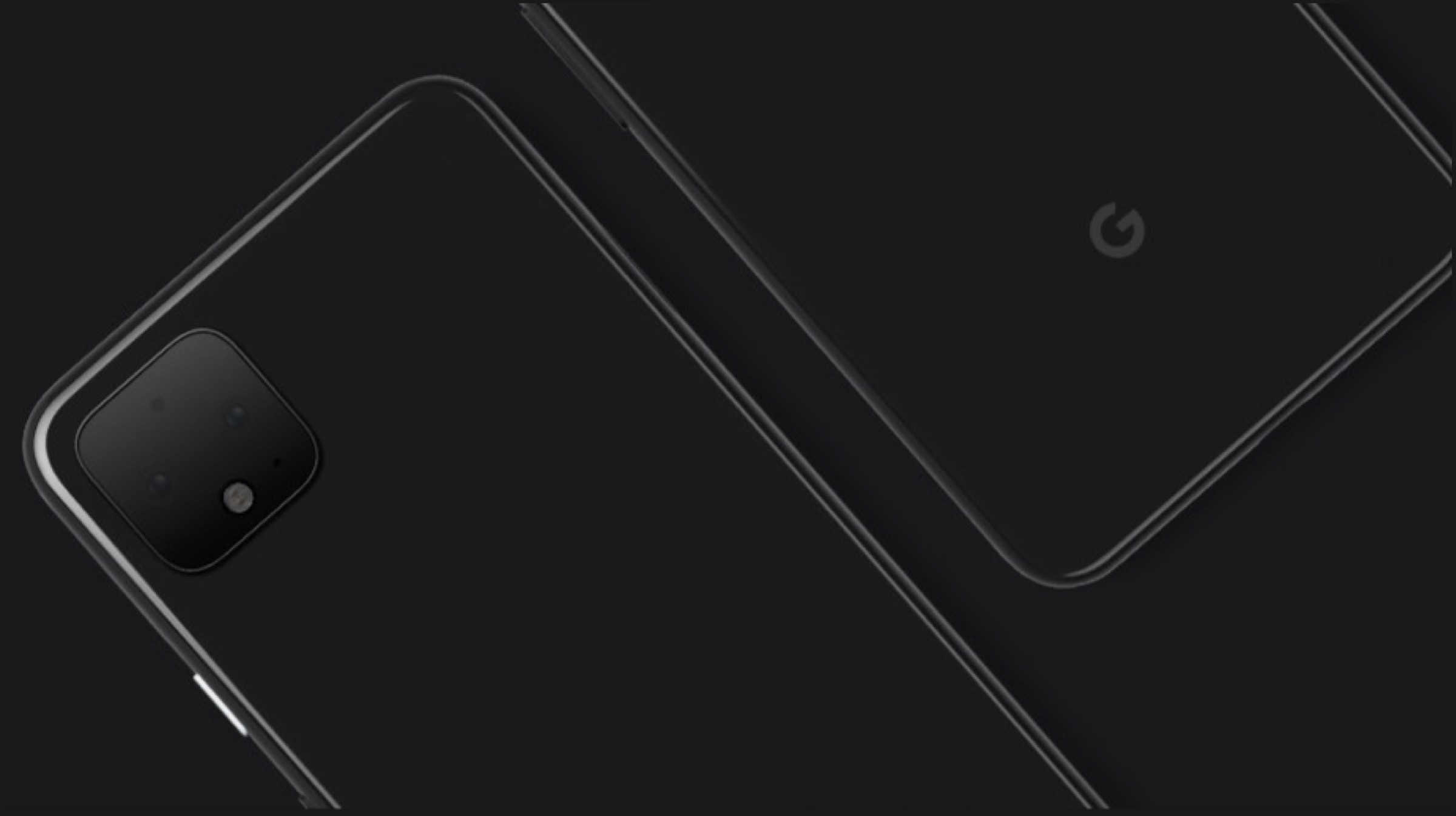
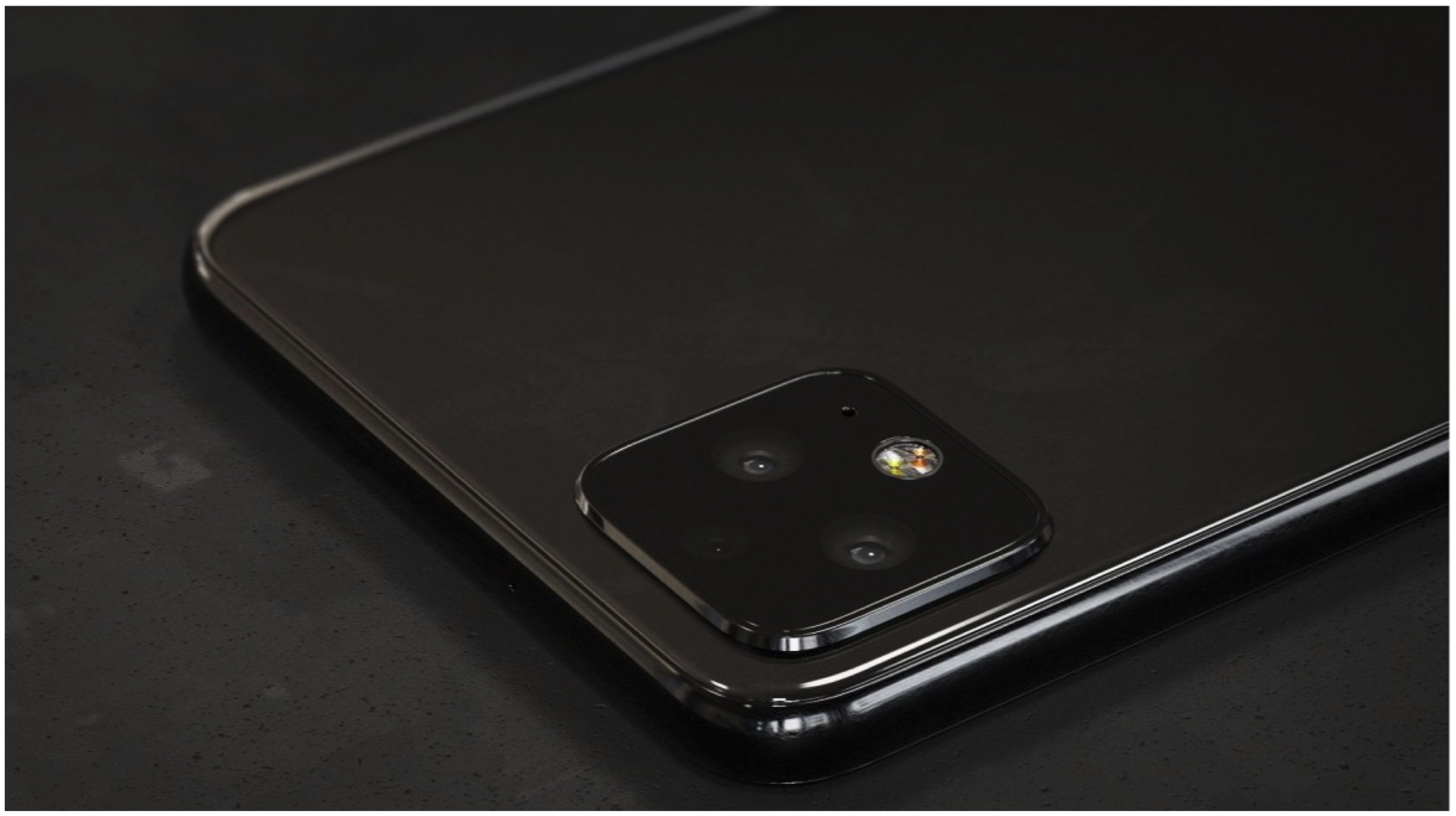
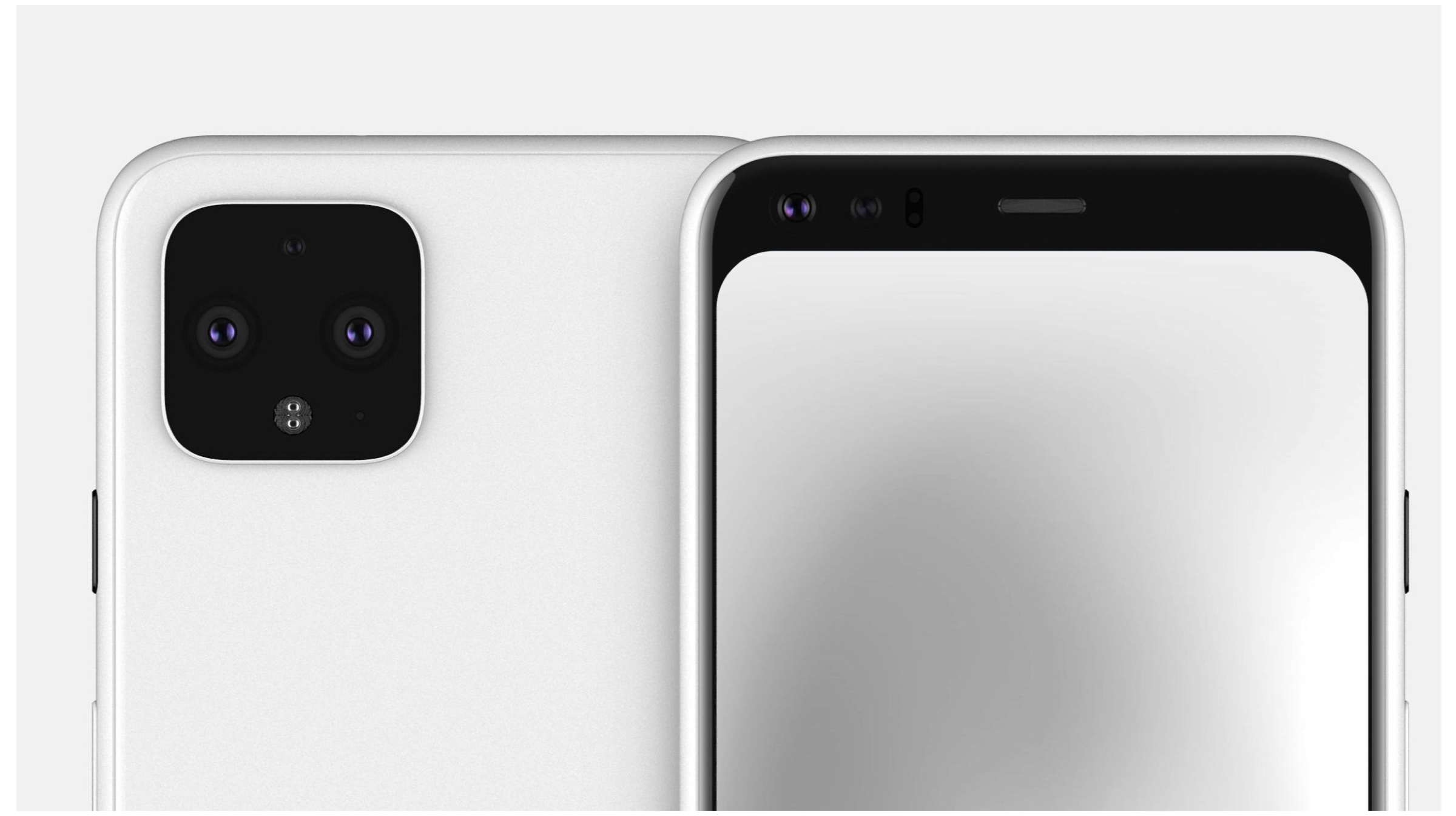
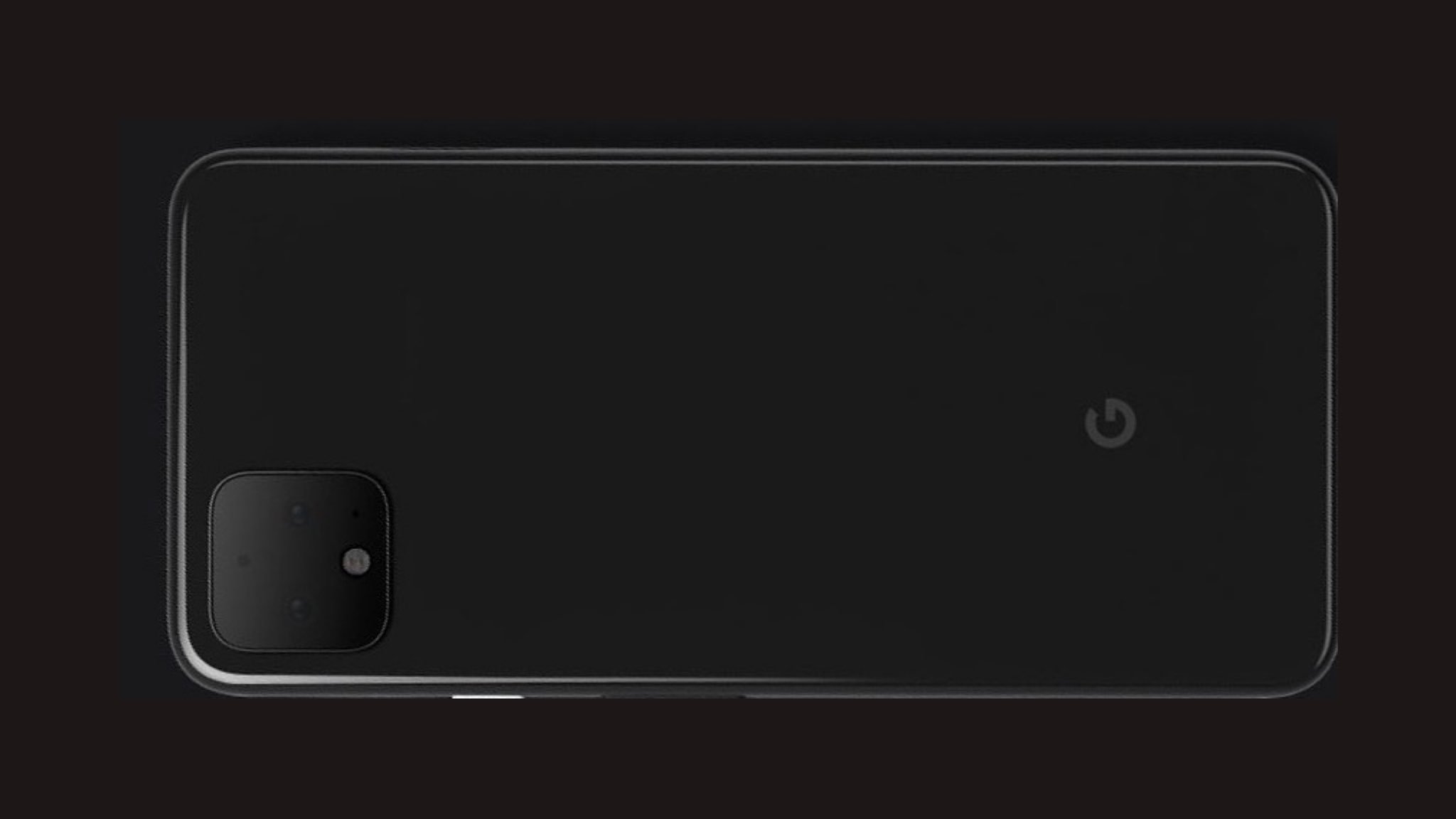
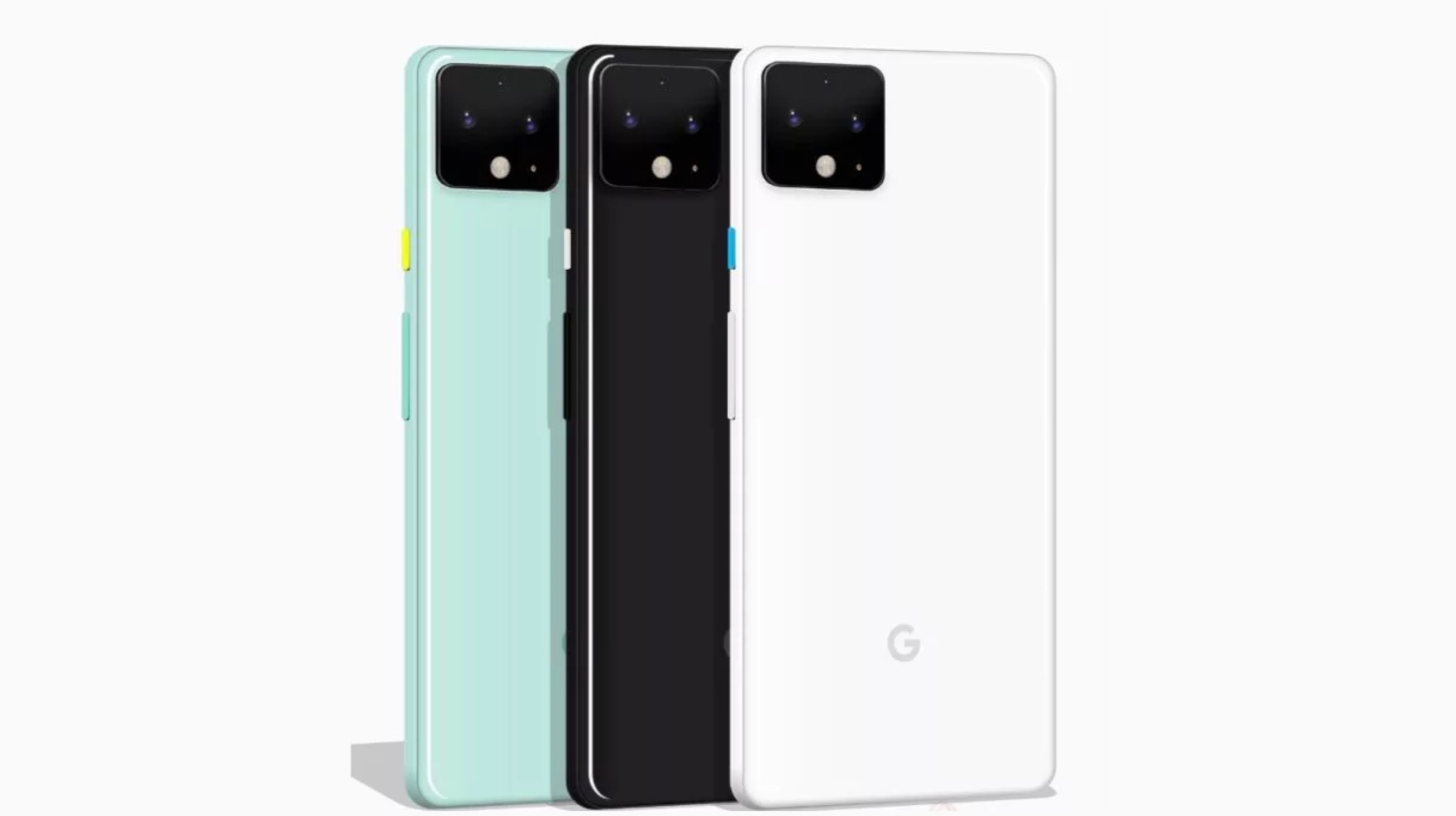
Over at the back, Google Pixel 4 is seen showcasing the polarising square camera module. It consists of two camera sensors, a spectral image sensor and an LED flash. While the former and latter are commonplace on modern smartphones, the use of a spectral sensor seems to be exclusive to the current and upcoming Pixel smartphones. It may be used to reduce the flicker while shooting a display of an electronic device. Talking about the camera, the handset may sport a 16MP telephoto lens alongside a standard wide lens.
Past reports of the Google Pixel 4 series elaborate the smartphone in detail. It has been confirmed to support advanced facial recognition and a soli radar chip. While the former is self-explanatory, the latter will allegedly let users control certain aspects of the user interface by certain motions of their hands from afar. Talking about specifications, the devices may run on the 7nm Snapdragon 855 SoC, 6GB of RAM and up to 256GB of internal storage. Since the expected launch is just over a month away, we may not have to wait too long to confirm our suspicions.
India is emerging as one of the greatest potential market for smart homes and by its extension smart home devices. In other words, India is a market that OEMs are targetting for smart speakers and displays. Two of the leading companies in this segment are Amazon and Google go head to head with new launches. Now, Google has finally launched its first smart display, Google Nest Hub, for the Indian market.
https://youtu.be/bBpSy7147g8
Google Nest Hub
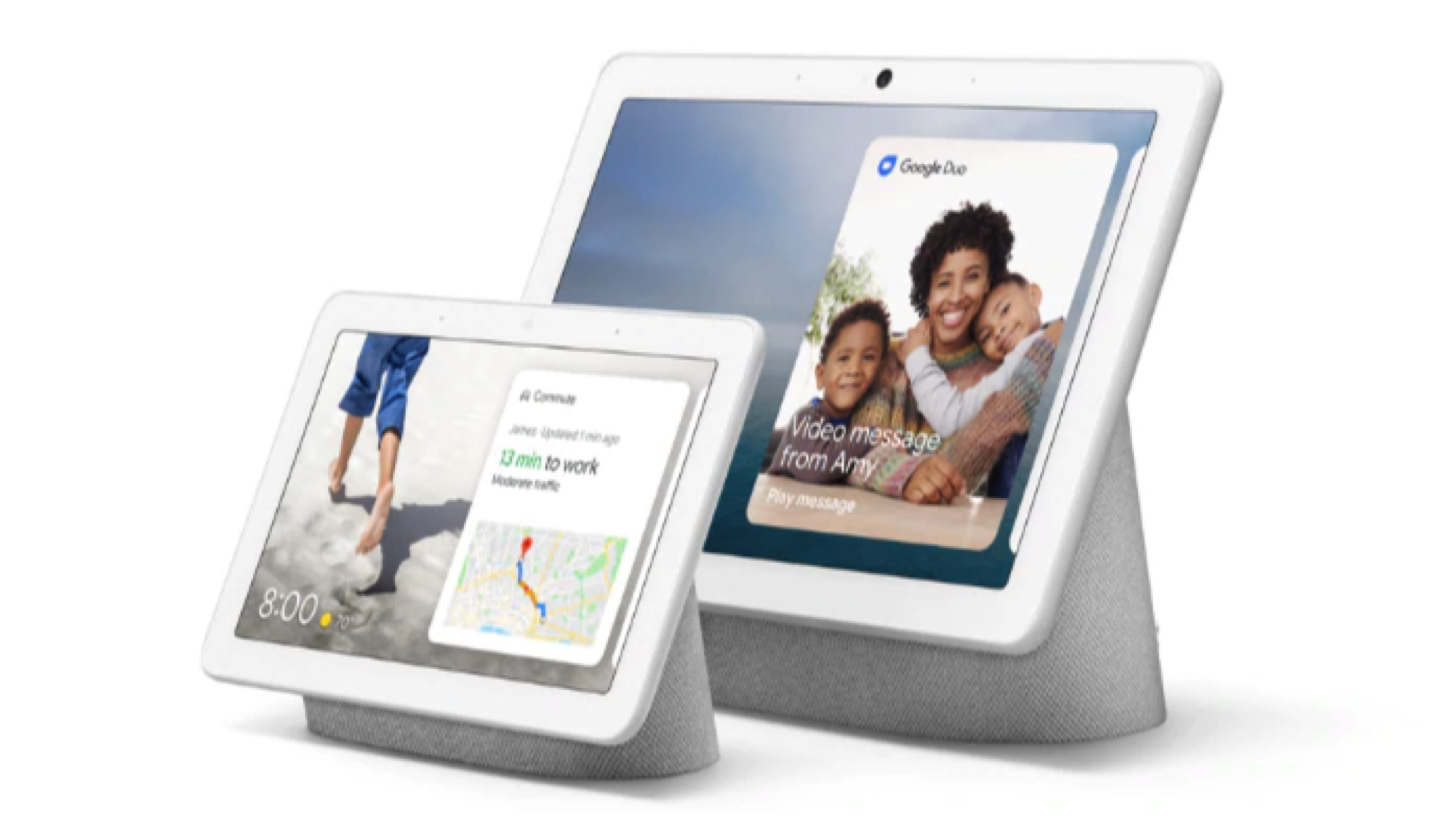
Google Nest Hub is basically the Home Hub rebranded which was launched back in October 2018. The device is a part of the Nest ecosystem which means it is compatible with other smart Nest home devices like Nest security cameras and more. Although the device has been technically out for about a year now the rebranded version is only now being launched in India.
Specifications & Features
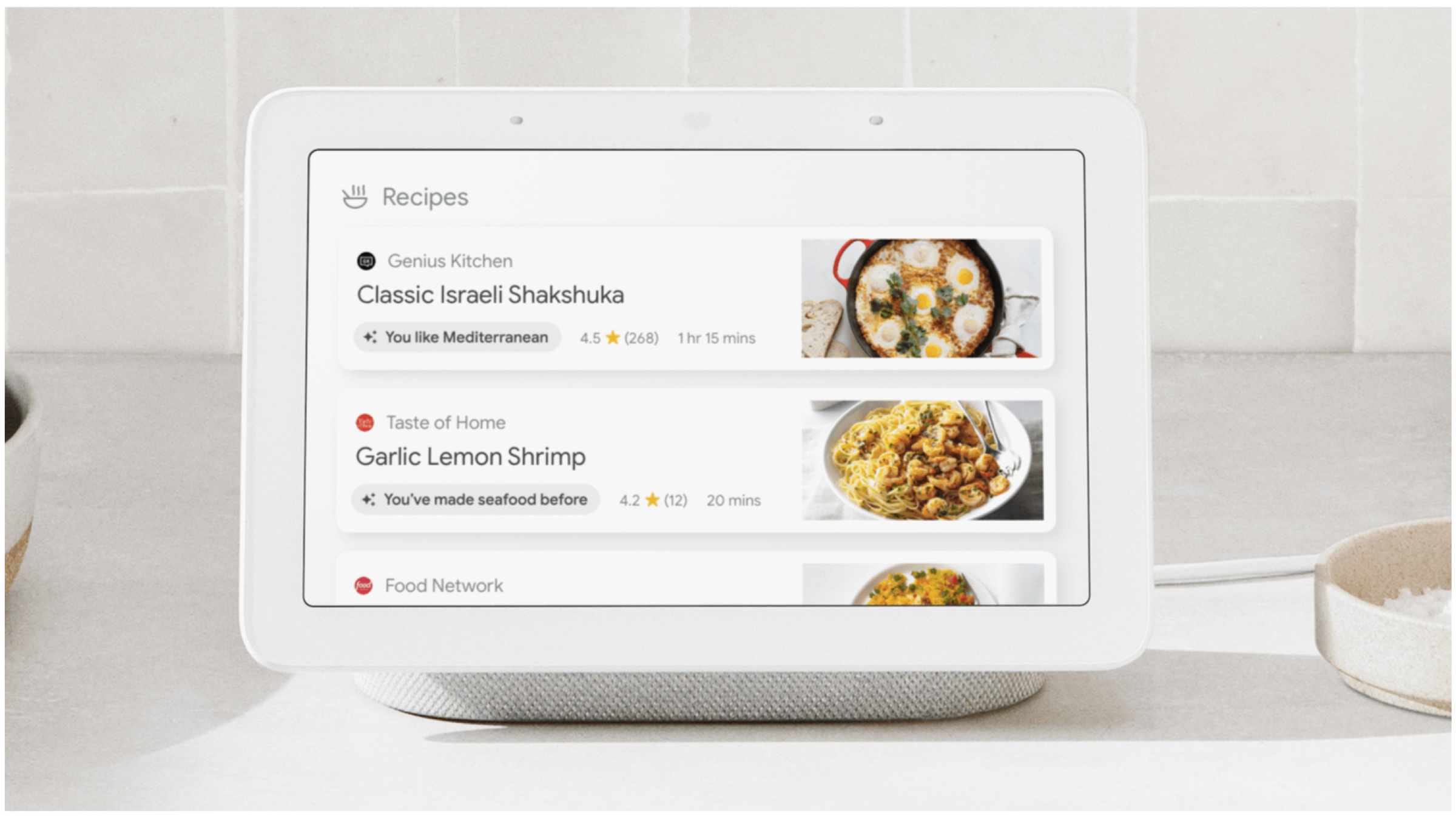
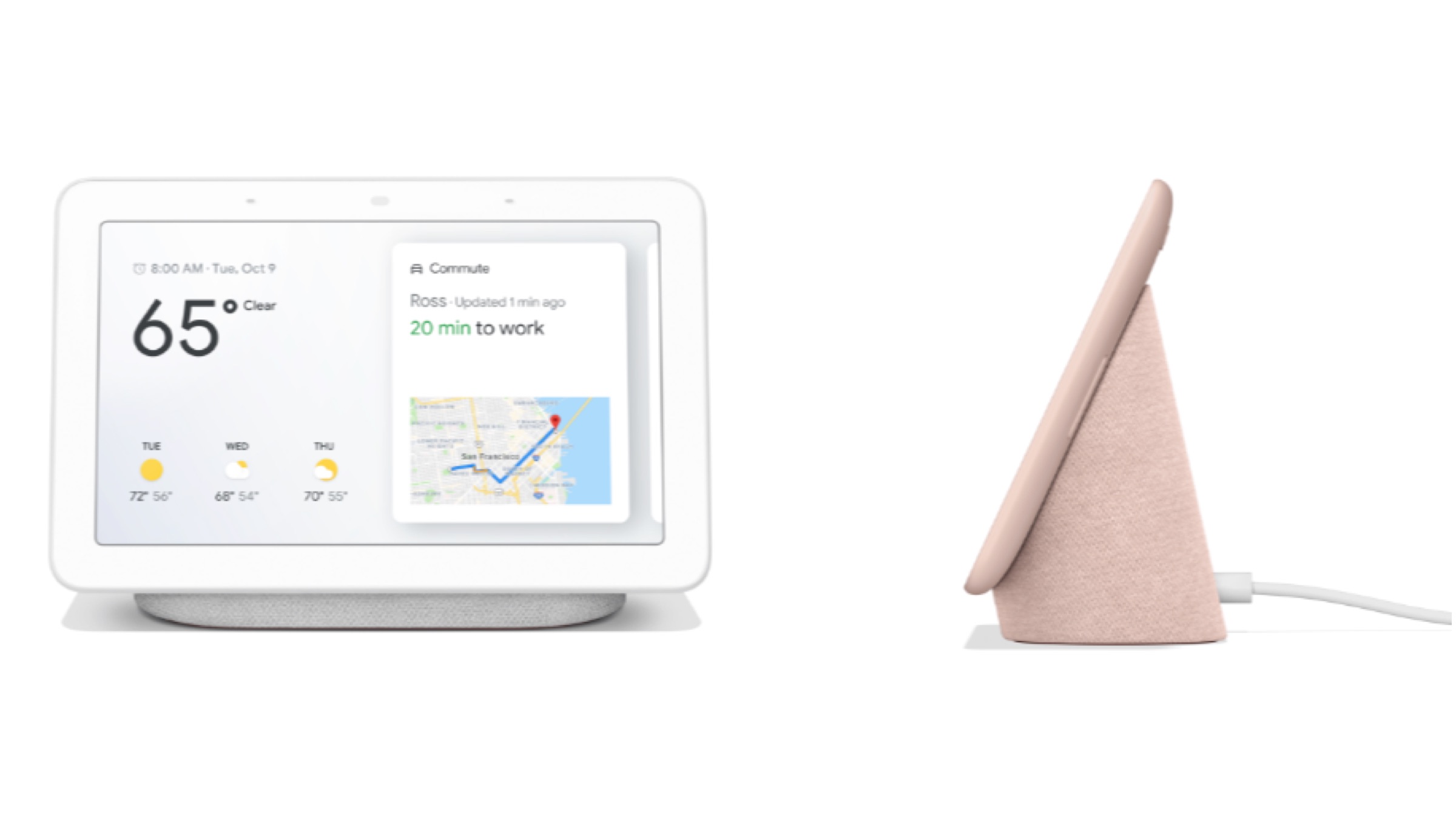
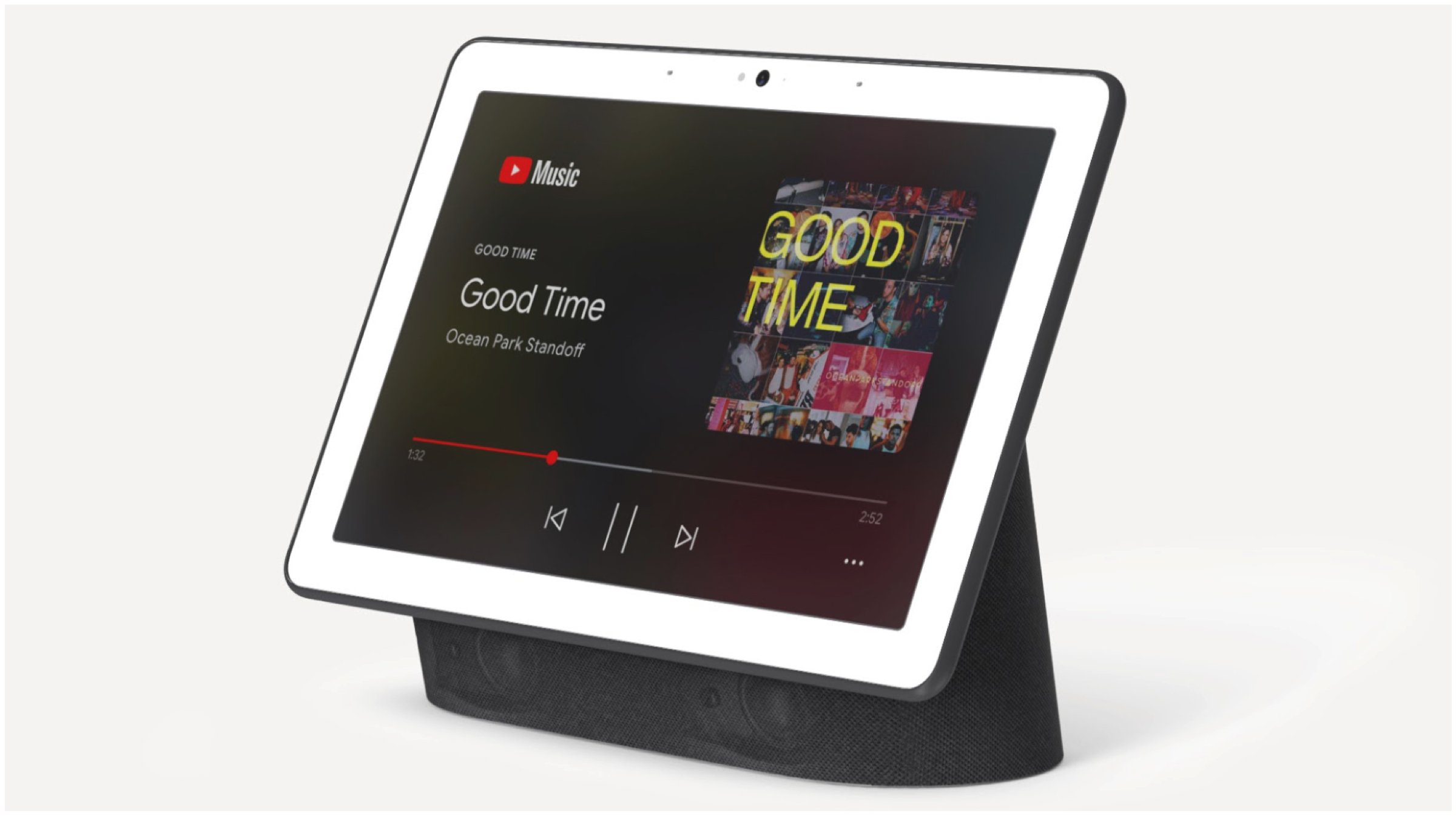
The Google Nest Hub is a smart display which means it basically looks like a tablet attached to a speaker. It has a 7 inch HD display through which users can interact with different functions. So, unlike a Google Home smart speaker which only has voice input, the it also offers touch input. The device is capable of controlling over 200 million product from over 3,500 brands which includes Xiaomi, LG, Syska and a lot more. Furthermore, it has deep integration with Google Assistant that lets users control most of these products just by voice.
Google’s Nest Hub is available for a price of INR 9,999. Users can purchase it from Flipkart and is bundled with a Xiaomi Mi Security Camera worth INR 1,799 for a limited period time. You can also purchase the smart display from Croma, Tata CliQ, Or Reliance Digital. Unfortunately, it is unknown if the larger 10 inch version with a camera will launched in India or not. The first smart display from the company could be a gateway for more Nest products from Google.
Back at the Google I/O in the month of May, the company announced that it is rebranding the Home lineup of devices to be called the Nest series. This means that going forward, all the smart speakers and smart displays that once featured in the Google Home range, will now be referred to as Google Nest devices. Now, the latest reports claim that the company is planning to add another smart speaker to the lineup. Allegedly called the Nest Mini, it will be the successor to the Home Mini speaker, which was first unveiled in the year 2017.
Google Nest Mini
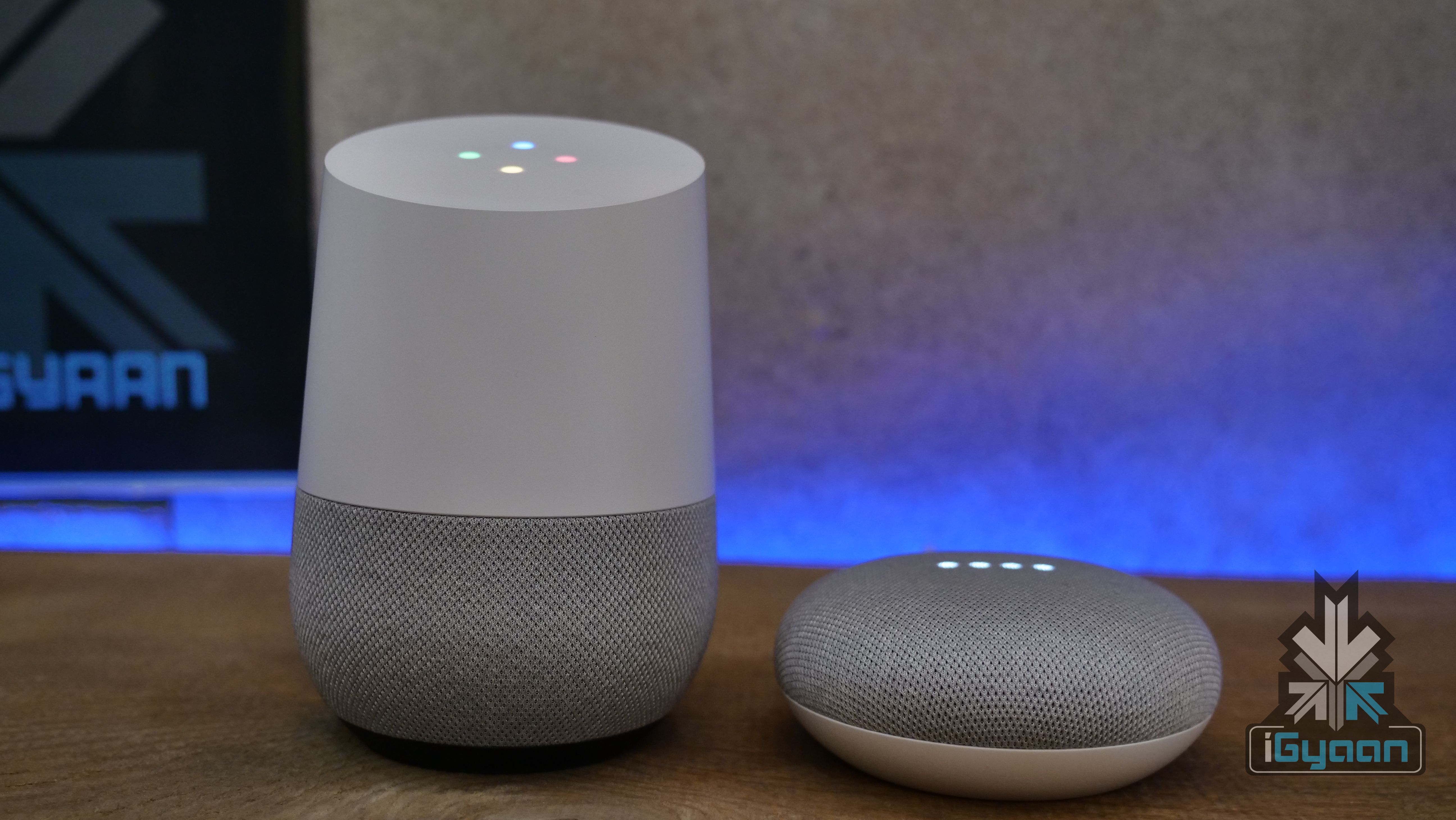
Google Home, Home Mini
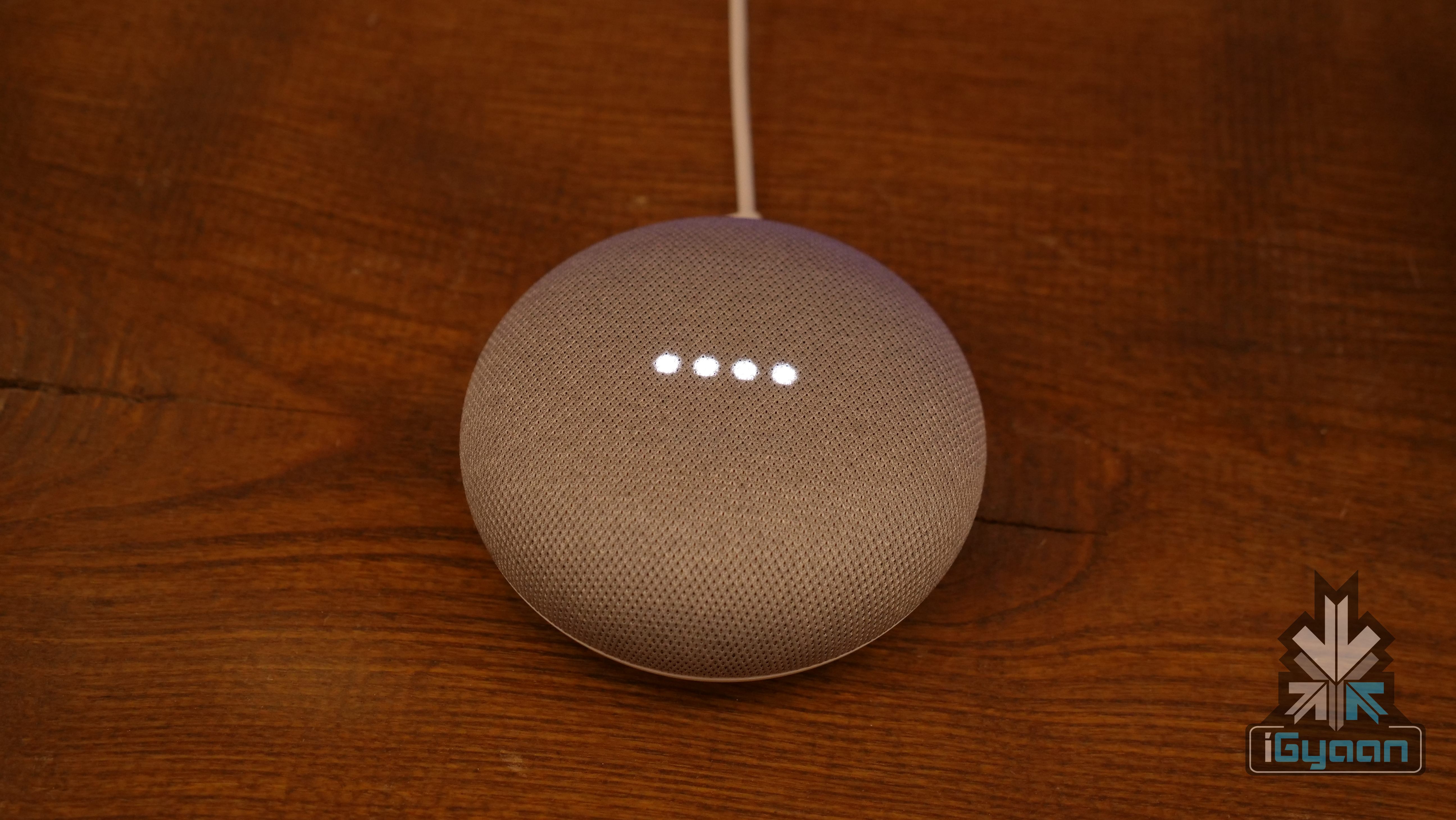
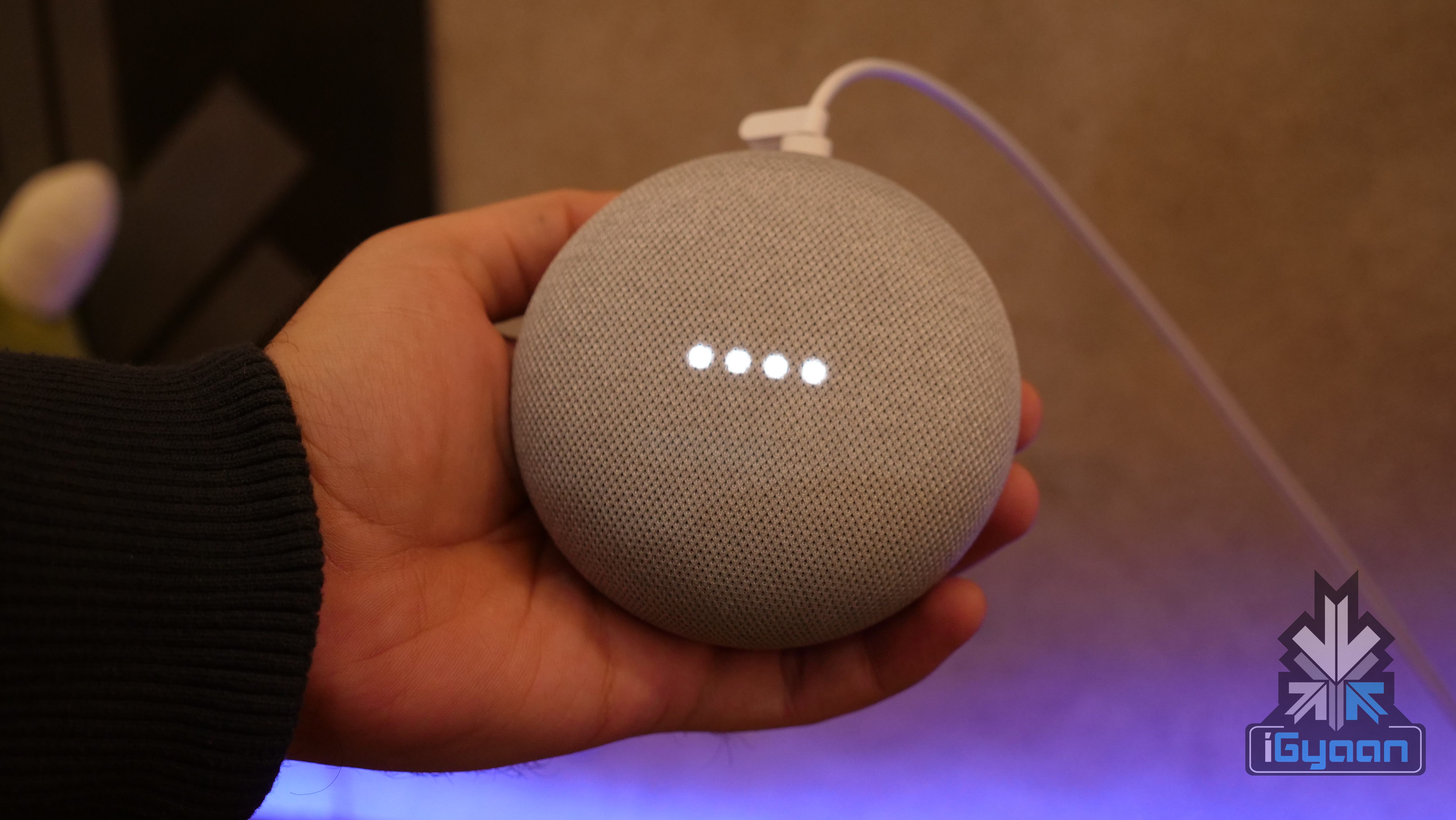
According to a report by a known publication, the upcoming smart speaker by Google will be known as the Nest Mini. It will have roughly the same size as its predecessor, with the latest device speculated to be slightly larger. New features that are expected in the upgrade are better sound quality, with more bass and higher maximum volume. It is being rumoured that the Nest Mini will bring along a wall mount built-in. This may be an indication that the speakers will be mountable on the user’s wall with the help of screws.
Another addition to the upcoming Google Nest Mini will be a 3.5mm audio port, which the Home Mini lacked. The addition of the port will allow users to connect their smartphone to the speaker directly via an auxiliary cable. It will also bring the device in line to its competitor, the Amazon Echo Dot, which has the 3.5mm audio port since its launch in the year 2016. The upcoming smart speaker may also have some kind of proximity awareness, which is speculated to include certain motion sensors. These may be able to detect emergency situations like fire and smoke, or may just be used for directional audio features.
Pricing for the Google Nest Mini is reported to stay the same, so the device, when launched may be priced at US$49 (INR 4,999 in India) just like its the Home Mini. The smart speakers are expected to launch alongside the Pixel 4 series of smartphones, which have historically been announced in October. If the aforementioned launch date turns out to be correct, which seems highly likely, we may not have to wait too long to confirm the details about the Nest Mini.
Google launched its first smart display, the Home Hub in the month of October last year. The device is a part of the Made by Google lineup and was rebranded as the Nest Hub at the Google I/O 2019. While it has been close to a year that the device has been available in a few international markets, it never made its way to the Indian shores. Until now, as the latest leak reveals that the Google Home Hub will be introduced next week in the country. Along with the information, the pricing of the device has also been revealed.
Google Nest Hub
The Google Nest Hub, which was known as the Home Hub previously features a 7-inch display which can be used to display various information, playing videos and surfing the internet. It also acts as a digital photo frame and displays pictures taken from the Android smartphones or Google cloud of the home-owner. In terms of connectivity, the Nest Hub uses Wi-Fi to connect to the internet. Like all other Google Home devices, the Nest Hub also has built-in speakers and Google Assistant integration built-in. This means that users can say the catchphrase “Ok Google” to use the various functions of the display hands-free. Reports have also revealed that when introduced in India, the upcoming device will be priced Rs. 8,999, which is close to the new discounted price of the Nest Hub in the US, which is US$ 129 (Rs. 9,200).
At the price mentioned above, the Google Nest Hub will be competing with the Amazon Echo Show 5, which also retails for the same price in India. While the former has a larger display than the 5.5 inches of the Echo Show, it does not have a camera for video calls that the latter boasts of. Also, the company has introduced the Nest Hub Max in the month of May. The latest device is an upgraded version of the Nest Hub with a larger display, better speakers and a camera intergration. Unfortunately, it looks like only the smaller device out of the two is going to make its way in India for now.
American technology giant Google is expected to launch two new smartphones in its Pixel lineup later this year. Dubbed the Pixel 4 and Pixel 4XL, these devices will be the successor to the Pixel 3 and Pixel 3XL from last year. While there is still some time for the handsets launch, the company has already revealed the design and key features of the Pixel 4 series through a series of tweets and blog posts. Now in a new reveal, first camera samples from the upcoming flagship smartphone have allegedly been showcased on photo-sharing website Instagram. The image shared reveals that the handsets may sport extraordinary zoom capabilities.
The reports reveal that the Director of Design at Google, Claude Zellweger posted an image on his Instagram page which was clicked inside the company’s Design Studio. On being complemented by another Google executive, he revealed that the image has been shot at 20x zoom mode from a Pixel smartphone. Judging from the details and the quality of the image, it was deduced that it is not taken from an existing Pixel device, as they lack the hardware and software prowess to do so. Hence it is expected that the picture was clicked by the upcoming Pixel 4. It was revealed in the past that the upcoming Google flagship may sport a secondary telephoto lens. It is thus possible that the image is taken from the said lens, further enhanced using the company’s software magic.
The Pixel 4 series by Google will be one of its most significant upgrades yet. The company has already confirmed how the back of the smartphones will look. It is also certain that the devices will be equipped with a Soli radar chip and advanced facial recognition; all of which will be fitted inside a thick forehead bezel. While the rest of the specifications are anyone’s guess, it is expected that the handsets will run on the Snapdragon 855 SoC, combined with up to 6GB of RAM. While not confirmed, it has been leaked that the devices may feature a high refresh rate display, similar to the one found on the OnePlus 7 Pro. Like all its predecessors, the Pixel 4 lineup may be introduced in the month of October, wherein all our pending questions will be answered.
Google Maps is one of the most popular apps for navigation. The search giants map application helps millions of users every day find their way around the town. It even helps businesses like Uber and Ola in finding customers as well. Now, Google is seeking to finally integrate its AR capabilities to the maps for real-time directions. The new feature was announced earlier this year and is finally rolling out for Android and iOS.
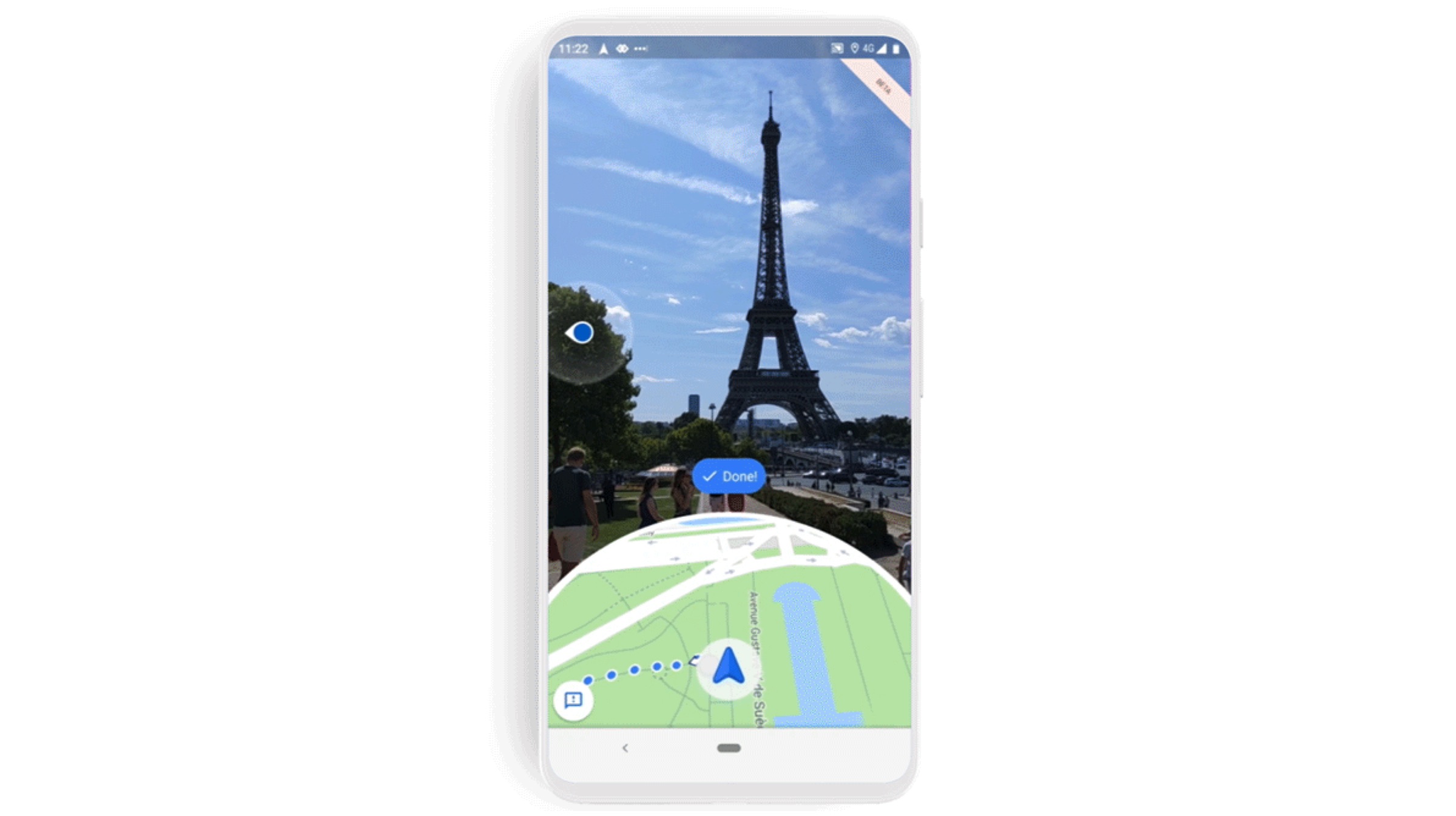
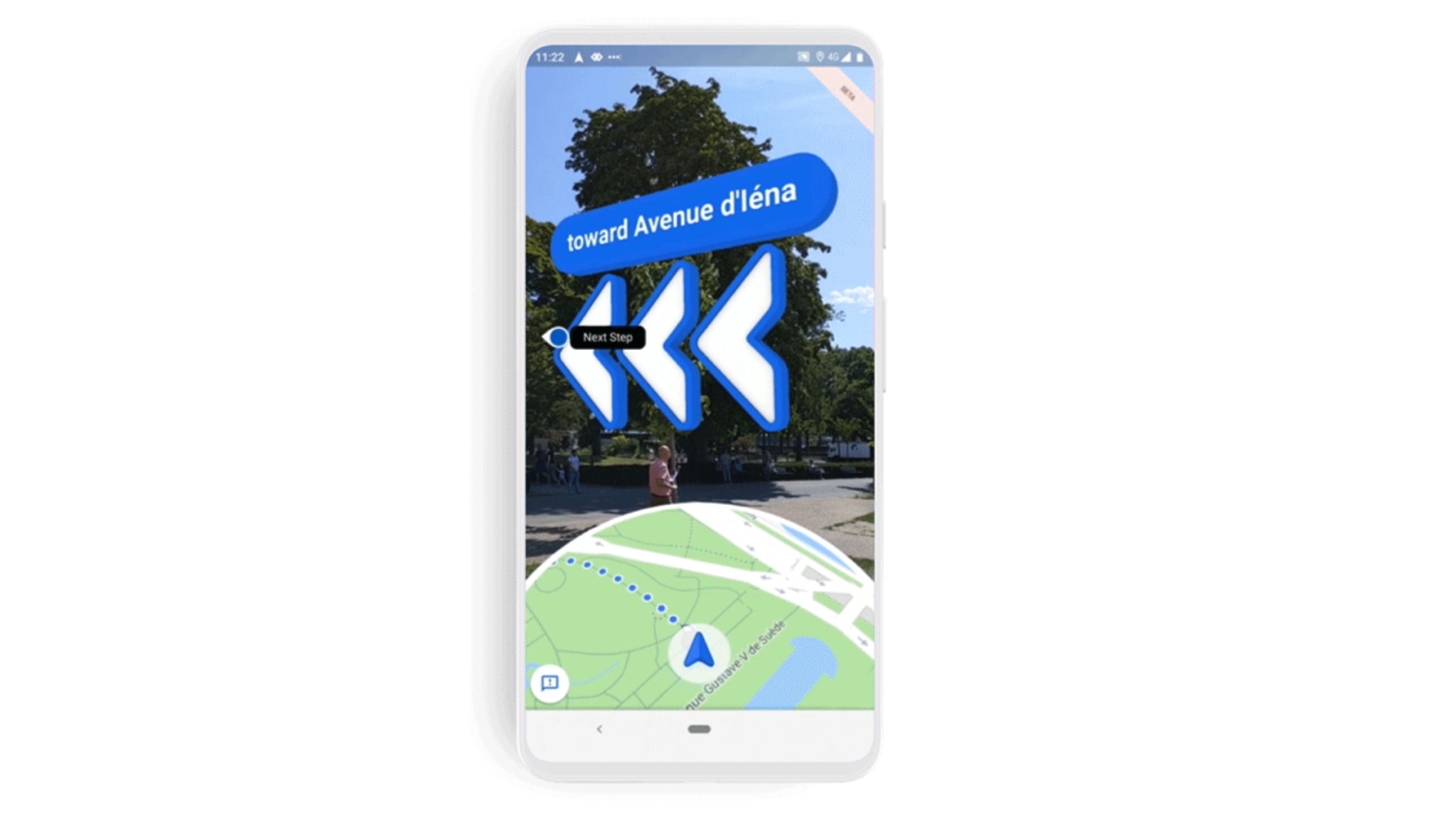
Google Maps Live View
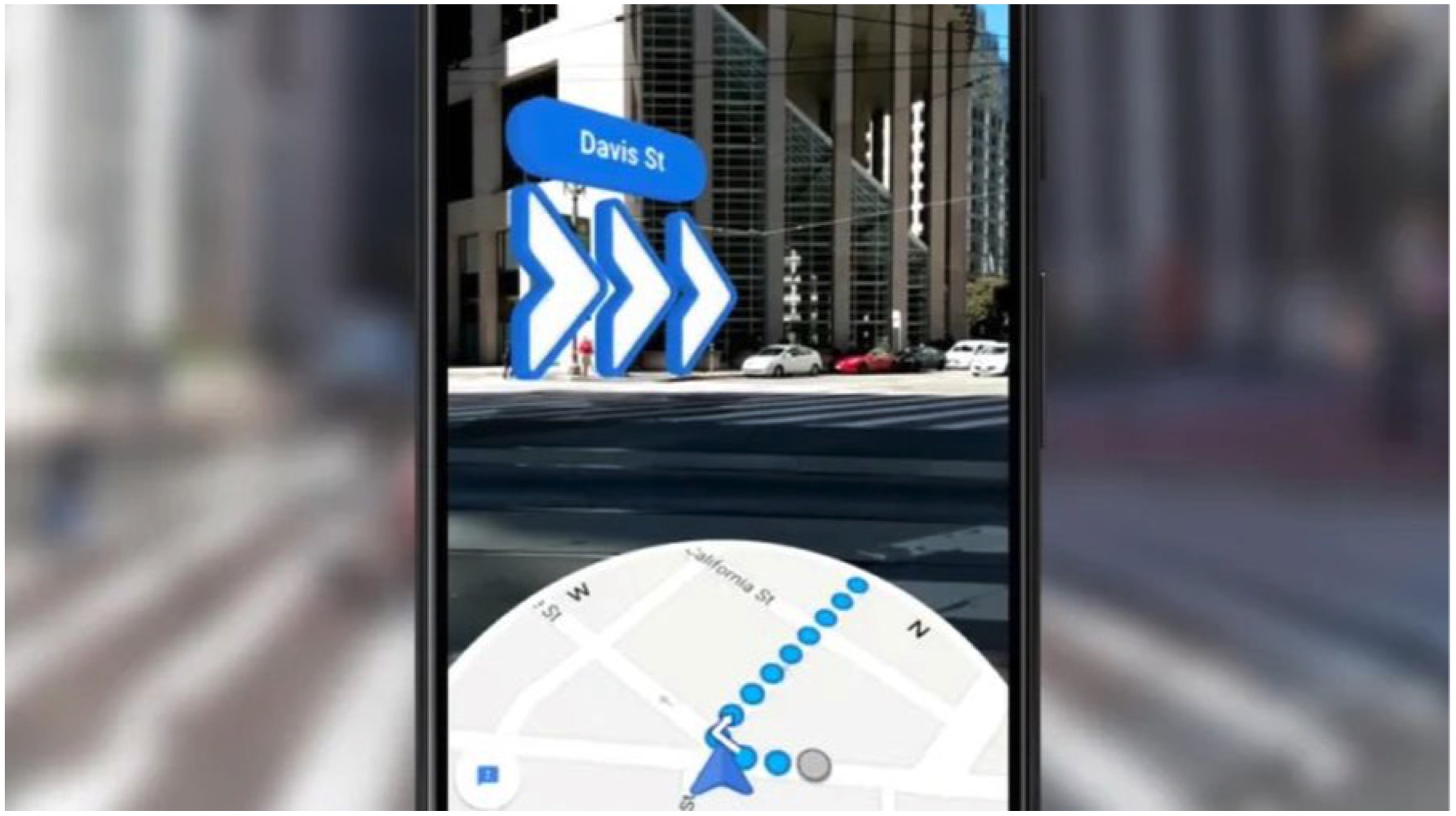
Google has already shown its prowess with augmented reality being integrated into smartphone cameras. It first appeared on Pixel phones and showcased real-time navigation in Google Maps through the lenses of handsets. The new feature allows users to hold up their phones and be directed via an arrow that provides direction to the destination.
The navigational features overlap on top of the camera view and make it far easier to locate buildings and landmarks around you. Nowadays, most modern smartphones feature an inbuilt function that facilitates augmented reality. In Android, it is called ARCore while iOS includes Arkite support. It allows devices to access Google Maps Live View which is in beta this week.
How To Try It Out
Users must first search for a location by typing it out or selecting it on the map.
Tap on the directions button at the bottom to start navigating.
Users must now select walking directions at the top of the screen.
Finally, tap on the new Live View option at the bottom of the screen.
The new Google Maps Live View feature is just a part of a much larger update to the mapping service. The company wants Travel and Maps to be a complete service through which trips are planned from the start to the end.
Google’s upcoming instalment in the Pixel series has been much-awaited worldwide. August and the arriving two months see the launches of certain big names in the industry such as Samsung, Apple and Google themselves. The Pixel 4 series had a lot of rumoursand leaks surrounding them already. Now, it has been reported that both search giant’s flagships will feature a 90Hz display panel.
Faster Refresh Rate Displays
A higher refresh rate panel on a smartphone isn’t something new. Previously, gaming smartphones such as Razer Phone 2, Asus ROG Phone 2, Nubia Red Magic 3 and more employ higher displays. However, the OnePlus 7 Pro certainly helped in making it a hot new feature for the mainstream audiences. Reportedly, Google Pixel 4 and Pixel 4 XL will sport a 90Hz AMOLED display. The base variant features a 5.7-inch FHD+ display while the larger variant will have a 6.3-inch QHD+ display. Google has aptly dubbed the new faster display panels as “Smooth Display.”
Camera
Google, for the first time, is finally employing more than one photographic sensor on its rear camera module. According to the report, the primary sensor is still a 12MP shooter with PDAF like previous iterations. The Pixel 4 series will also include a 16MP telephoto lens. Interestingly, Google is also claimed to be working on a DSLR-like attachment for the Pixel series this year. It will probably be an accessory that can be purchased separately post the smartphone launch.
More Rumours
Google’s Pixel 4 will be powered by a 2,800mAh battery, while the Pixel 4 XL houses a larger 3,700mAh battery. It is a slight downgrade from the Pixel 3 (2,915mAh) for the smaller variant. However, the larger version benefits from a noticeably improved over the Pixel 3 XL (3,430mAh). The Pixel 4 series will feature Qualcomm’s Snapdragon 855 and finally cross the 4GB of RAM to 6GB. The devices will be available in a 64GB or 128GB of internal storage models.
Furthermore, the Pixel 4 series will have stereo speakers, the Titan M security module and the latest Android with 3 years of software support. Additionally, we can also expect that Google will showcase its device alongside new Google Assistant features that will be exclusive to the devices as well. Google Pixel 4 and Pixel 4 XL will arrive in October at the company’s 4th annual Made by Google event. The event will also be held alongside the hardware developments from Mountain View company.
American technology giant Google started making hardware products under the Made By Google lineup back in the year 2016. These products include smart speakers under the Home range, smartphones under the Pixel lineup; plus other offerings like the Chromecast and Daydream VR Headset. Now, in a blog post by the company, a senior Google executive has promised to cut down on carbon footprints and use only recyclable materials in its hardware products in the future.
About Google’s Initiative
As mentioned above, Google has promised to cut down on its carbon footprints by using recycled materials for Made By Google lineup. These would include smartphones, smart displays and smart speakers among other offerings. To attain the goal set, it will make 100 percent of all shipments carbon neutral by the year 2020, which means they will be eco-friendly in terms of materials used. Also, by the year 2022, all of the Made by Google products will be manufactured with recycled materials to maximise the use of recycled content. While the materials used in the products will be recycled, the company has assured that they will go through necessary quality testing before being used in the devices.
Google notes in its blog post that between the year 2017 and 2018, its carbon emmisions for hardware products decreased by a significant 40 percent. For bolstering this further, the company launched the Power Project, which aims at providing some families in the US with energy and cost efficient Nest thermostats. While only time will tell if Google is actually sucessful in achieving its goal, its seems like a great initiative on the company’s part. Other smartphone makers such as Samsung are also trying to cut down on carbon emmisions, as it has used recycled packaging materials for its handsets for the last few years.
Previously, several reports had surfaced that accused both Apple and Google of listening to users’ private conversations. Both companies explained through their official channels that the recordings were transcribed to improve their respective voice assistants. Now, Apple and Google are reportedly shutting down the program which had contractors listen in on private conversations.
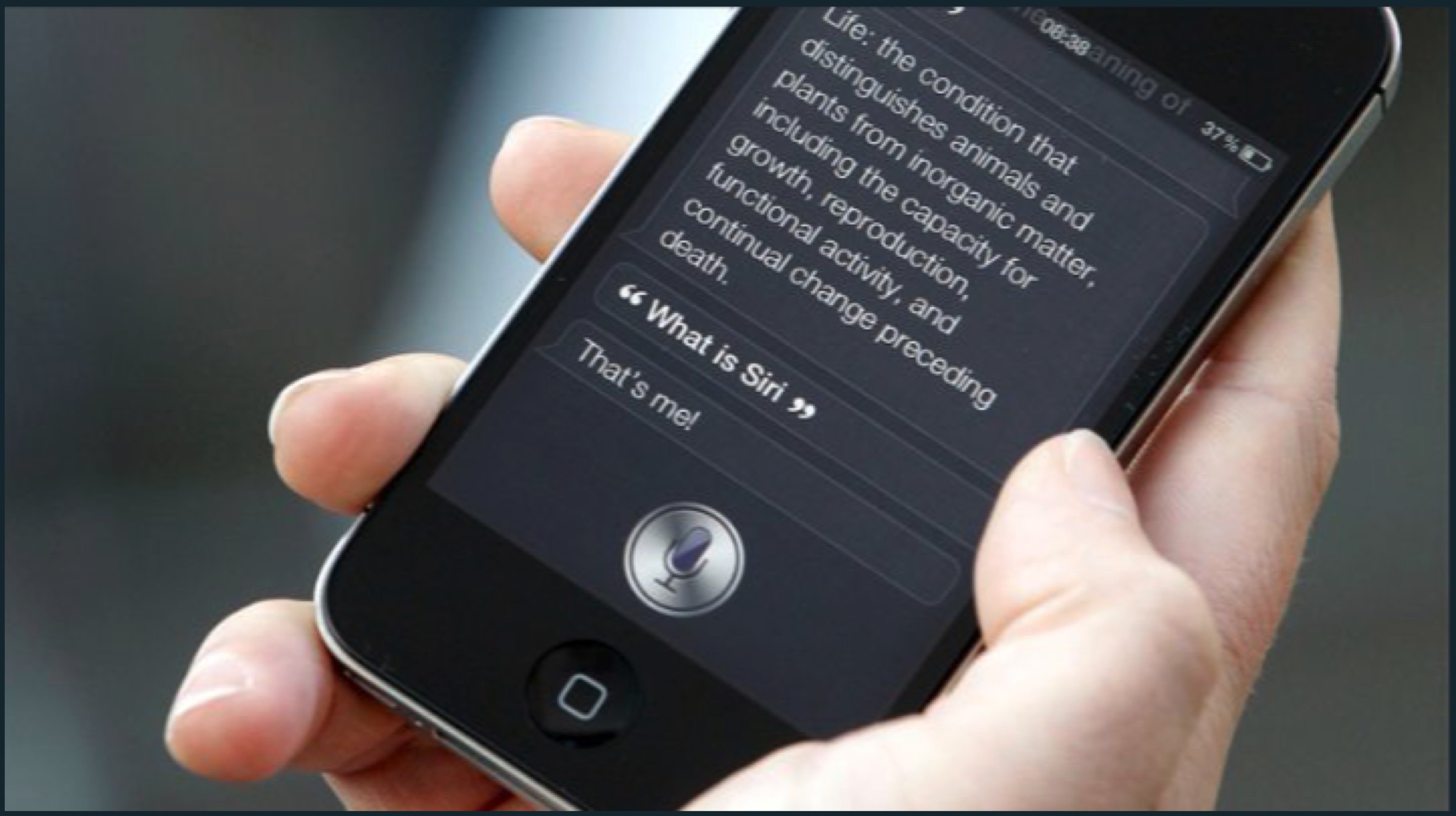
Google Assistant and Apple’s Siri are both voice assistants that occasionally sent voice recordings of their surroundings to their parent companies. The companies claimed that they had started the program of hiring contractors, who listened to the recordings, for the purpose of improving the user interaction with the voice assistants. As of today, Google and Apple have suspended their respective programs after facing backlash from the community and regulatory bodies.
Apple in a statement said that they wanted to conduct a global review of its program to retain trust users trust in privacy. Grading had third party contractors listen to the recordings from Siri. Now, users can opt-in for the program and participate in grading. Furthermore, Google after having faced allegations, after its Dutch user recording was leaked, has also suspended its voice assistant program. Its “Hey Google” wake word had inadvertently triggered and had recorded many private and sensitive moments. Hence, the company will review its program as well.
Notably, the concerns raised over user privacy have become an increasingly sensitive aspect in the European regions. It is expected that Governmental regulatory bodies will soon step in and investigate the matter separately. However, the issue has expanded to an international level and should require some form of mediation if carried forward.
The digital world has dug its roots deep into humans’ lives. We are now observing much more at risk than ever regarding our privacy and data. Companies like Google and Apple operate on a global scale and have influences over a much broader audience. It is a daunting prospect to think about when considering the control these companies have over the general public. Stay tuned for more updates regarding the matter.
Apple released its routine iOS 12.4 update for iPhones and iPads earlier this month. The update, like most software updates by the company claims of patching newly found security flaws and bugs. Now, in the latest report, it has been revealed that most of these serious security flaws that were patched in the iOS 12.4 update were originally discovered by Google security researchers. Out of the total six bugs reported, five have been already fixed, with one unknown flaw still remaining unchecked.
About The Security Flaws
The aforementioned security flaws in the latest version of iOS were found by two members of Google’s Project Zero bug-hunting team. These two people are named Natalie Silvanovich and Samuel Groß, who alerted Apple immediately upon finding the flaws. While what vulnerabilities were discovered have not been revealed for obvious security purposes, they have been claimed to be interactionless. This means they can be exploited without any interaction from the user of the iPhone. The flaw has been found in the smartphone’s iMessage application.
Among the total six security flaws found by Google, at least four relied on the attacker/hacker sending malicious code to an iPhone. It is recommended that users of the Apple iPhone who still have not updated their device, do so at the earliest. The remaining security flaw that still hasn’t been patched, is expected to be fixed with the next update of the iOS software.
Project Zero is a team of security analysts that are employed by Google. The team is aimed at finding zero-day vulnerabilities; that is bugs in software before they are found by anyone else for malicious use. These vulnerabilities, if left unchecked can be exploited by various criminal organisations, hackers and many intelligence agencies. Project Zero was announced by Google on the 15th of July 2014 and has been responsible for finding many serious security flaws with major software and devices.
It has been revealed that Google is working on the next generation of its flagship smartphones. Revealed to be the Pixel 4 and Pixel 4 XL, the devices will be the successors to last year’s Pixel 3 series. In an unprecedented move, the company showed off the handset’s design months prior to its launch. This made most of the leaks surrounding the Pixel 4 useless and gave Google the upper hand in building the hype around the smartphone. In what can be called another unique step, the company has revealed a few key features of the Pixel 4 in a new blog post.
In the blog post shared by Google, it has been revealed that its upcoming flagship smartphone Pixel 4 will support face unlock. The device is not expected to feature any form of fingerprint sensors, so facial authentication may be the only way to access the handset. The new feature is speculated to be as secure as FaceID found on newer Apple iPhones like the iPhone XS and iPhone XS Max. It will also be used for payment authentication inside the Play Store and supported apps.
The teaser by Google also showcases a different type of technology on Pixel 4. According to the video, the upcoming smartphone will support motion sensing via a barrage of sensors present on the forehead bezel above the display. This feature will be called Motion Sense and will use the Soli technology the company showcased a while ago. It will allow users to skip songs, snooze alarms and silence phone calls by waving their hands, according to Google. The feature is claimed to get better over time. At launch, Motion Sense will only be available in a select few countries, names of which are not known yet.
Unfortunately, more details about the Google Pixel 4 like its price and rest of the specifications are not known yet. However, it is expected that the smartphone, like its predecessors will launch in the month of October. So we do not have to wait too long to find out what the next generation of the device by Google will bring to the table.
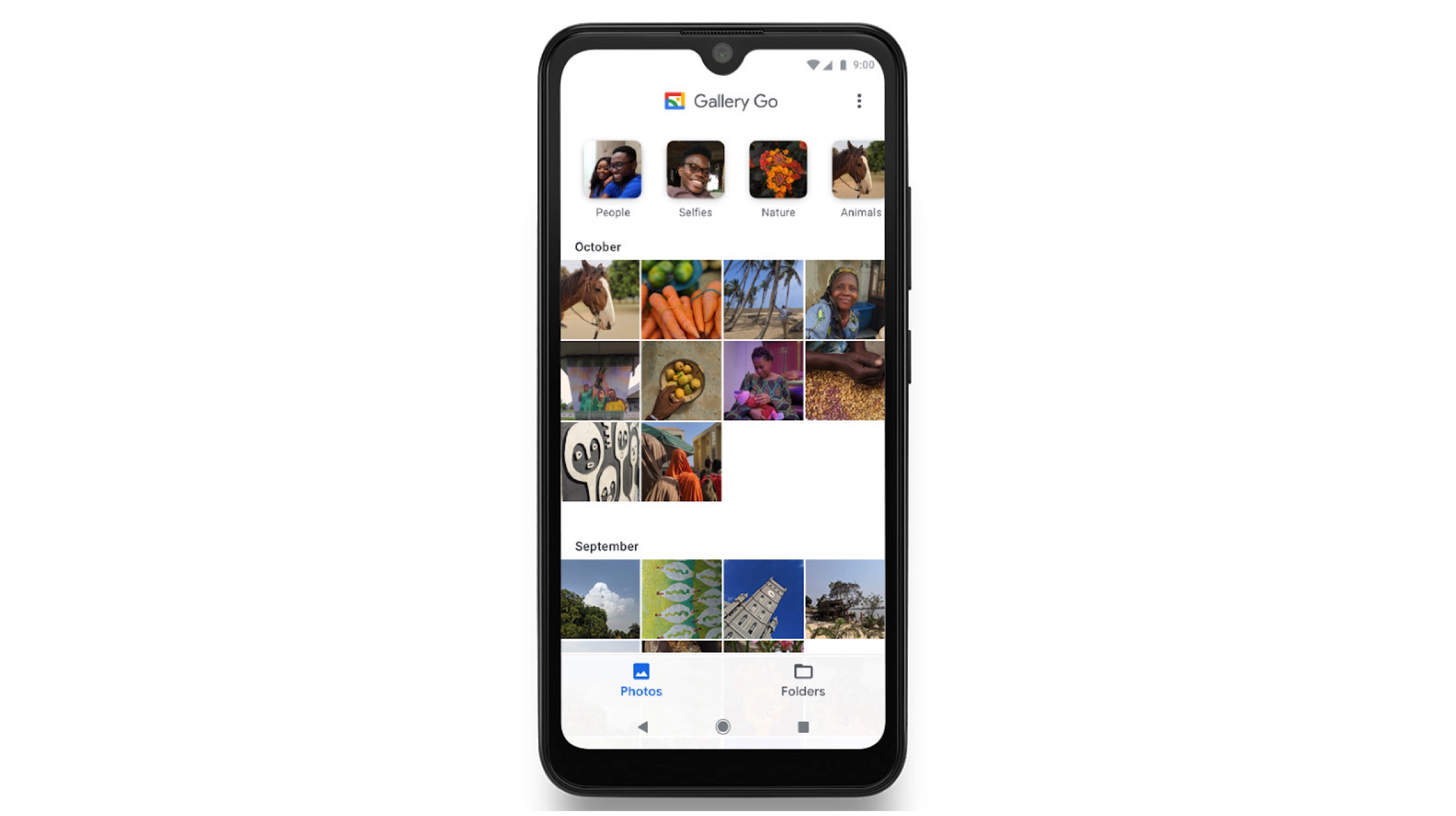
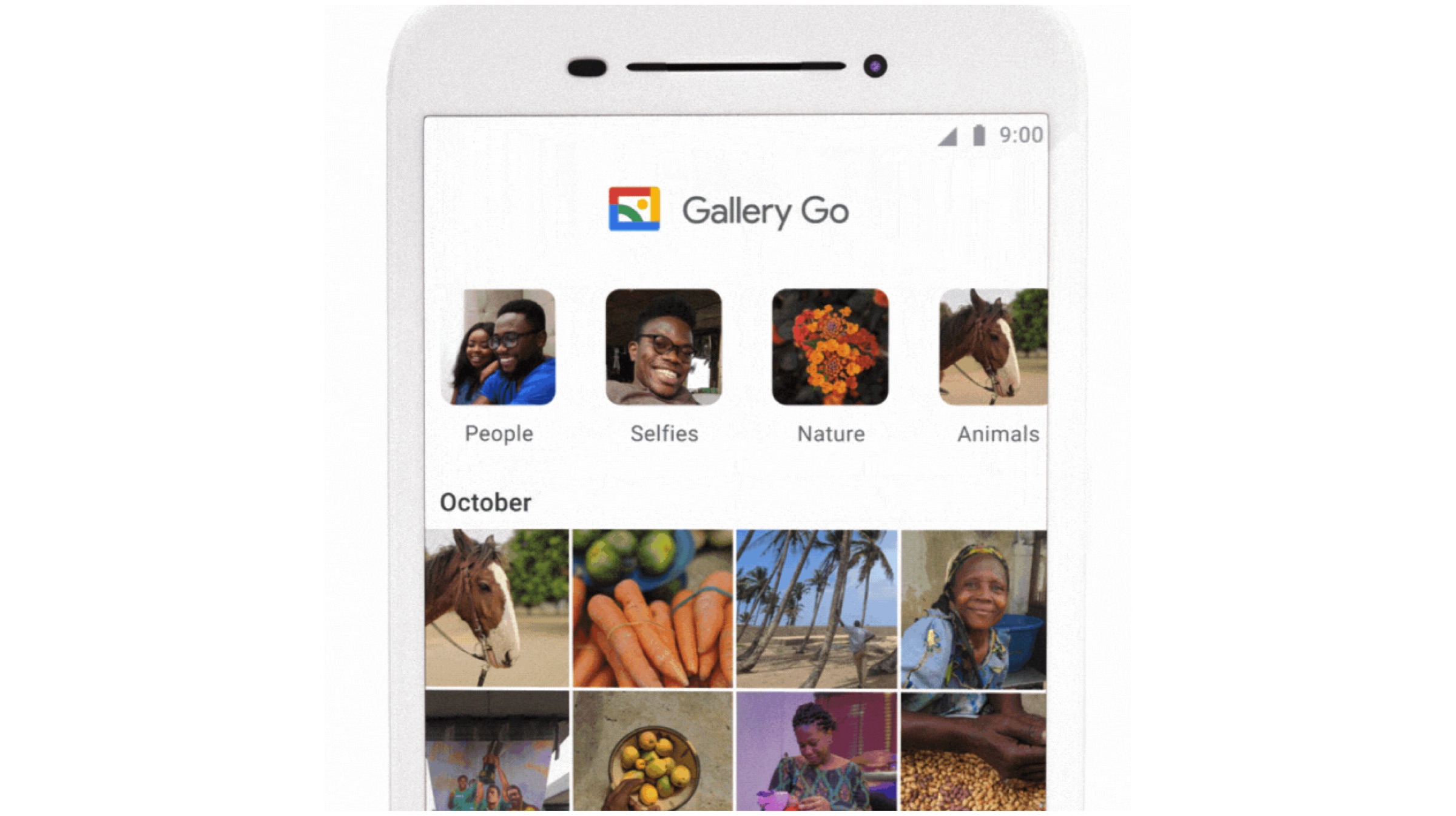
Google, one of the largest technology brands, has unveiled its latest software application to organize photos offline for Android devices. The search giant introduced its Gallery Go application which is a lightweight offline gallery app. The program was developed by Google for Nigeria which hints its focus for third world countries where data connectivity is not widespread. In addition, Gallery Go is built on a simple user interface to enable easy usability from first-time smartphone owners.
Features
Back in 2015, the company launched Google Photos which is a photo-sharing and online storage service. It is one of the most used application from the company and constantly gets updates that offer new features. Similarly, Gallery Go is in a sense a Lite version of the photo app and brings many of the great features from Google Photos. It is an offline gallery app with native support from organizing and cataloguing images. The application carries a negligible file size of 10MB and also works with SD cards to allow for easier transfer of images from smartphones.
Availability
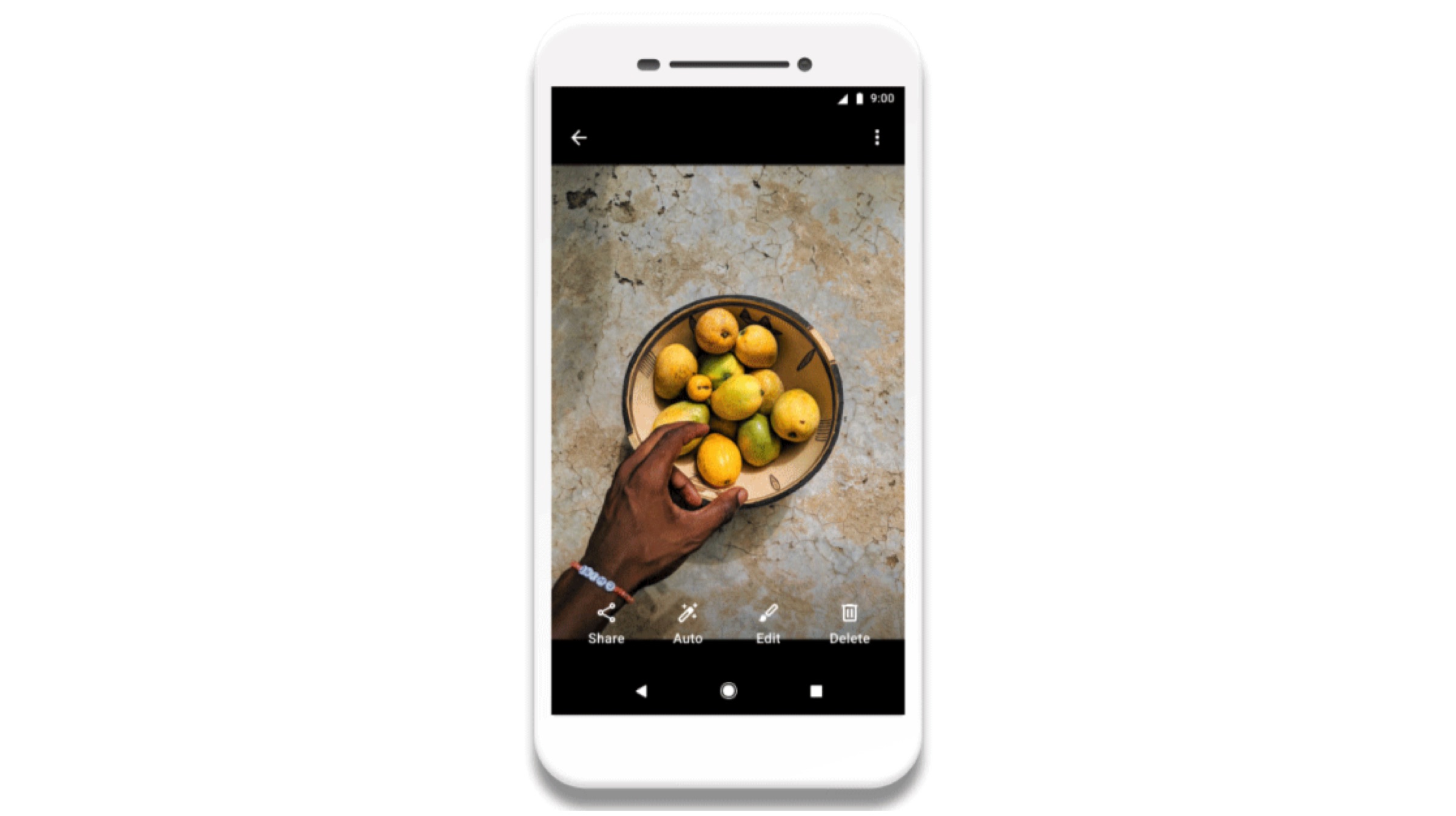
Furthermore, Gallery Go also features a simple editing tool that is useful for enhancing images. It is enabled via Google Photos Auto Enhance feature that automatically adjusts lighting and contrasts. The small app size carries a hefty punch with its functionality without ever slowing down users smartphones. Gallery Go is available on the Play Store for devices running Android 8.1 Oreo or higher. The application has been released globally but will unfortunately not carry some of the features such as “organizing according to people” in certain countries.
Gallery Go follows Google’s trend of making Go variants of its software which are lightweight and offer simpler functionality. The best example of this would be Android Go OS, a light version of Android OS. The company has made the app for users that do not have a reliable internet connection so even countries like India in its rural side can benefit. Users that are interested can download the app and try it out. Do let us know your opinions of the app in the comments section down below.
Google is bracing for the launch of its 2019 flagship smartphones which will be dubbed the Pixel 4 and Pixel 4 XL. In comparison to their predecessors, the Pixel 3 and Pixel 3 XL; the future smartphones will be a big departure both in terms of design and features. The company had already shared the rear design of the smartphone that reveals a dual-camera setup. Interestingly, it is the first time that a Pixel handset will feature more than one camera sensor on the rear.
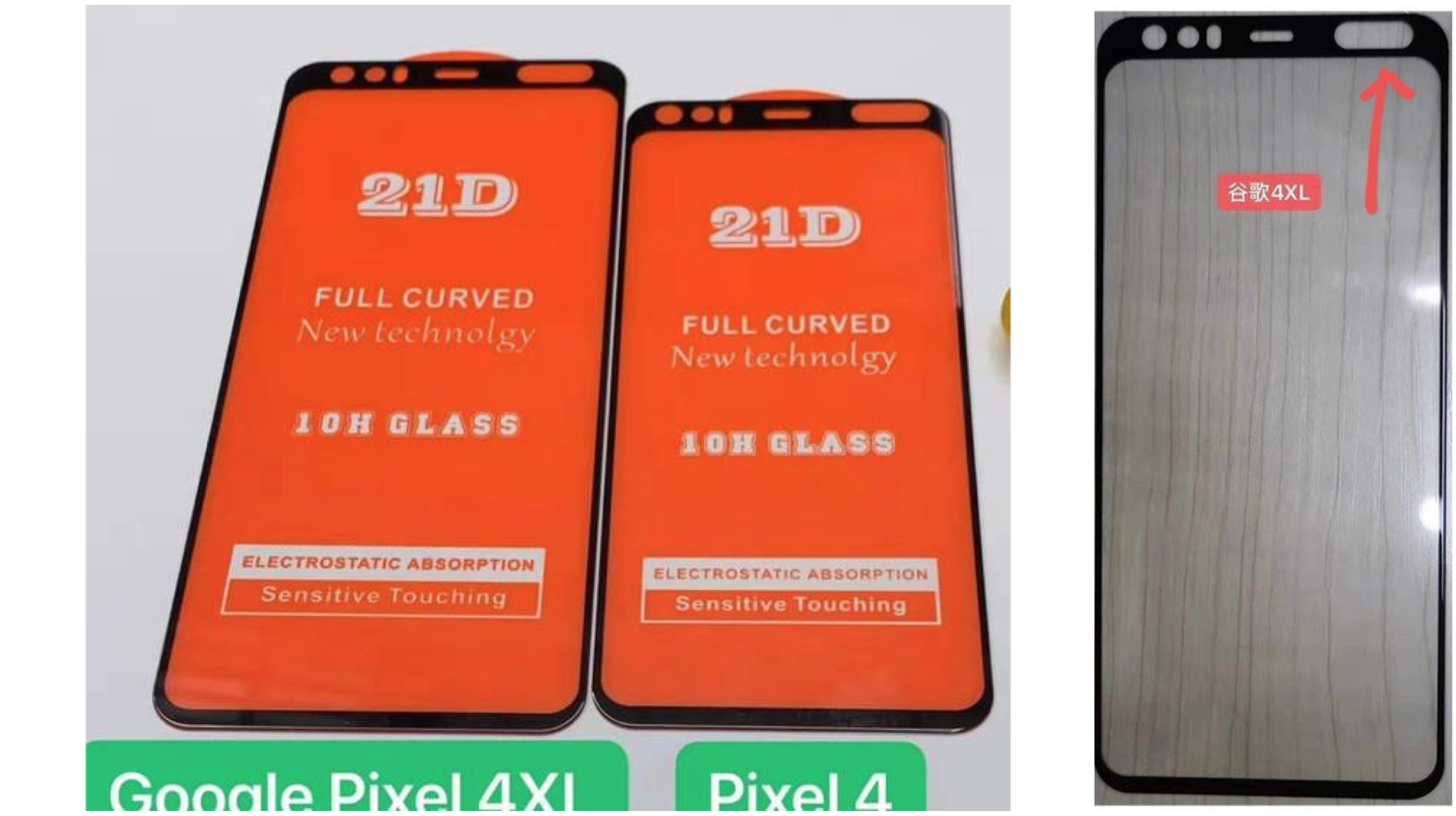
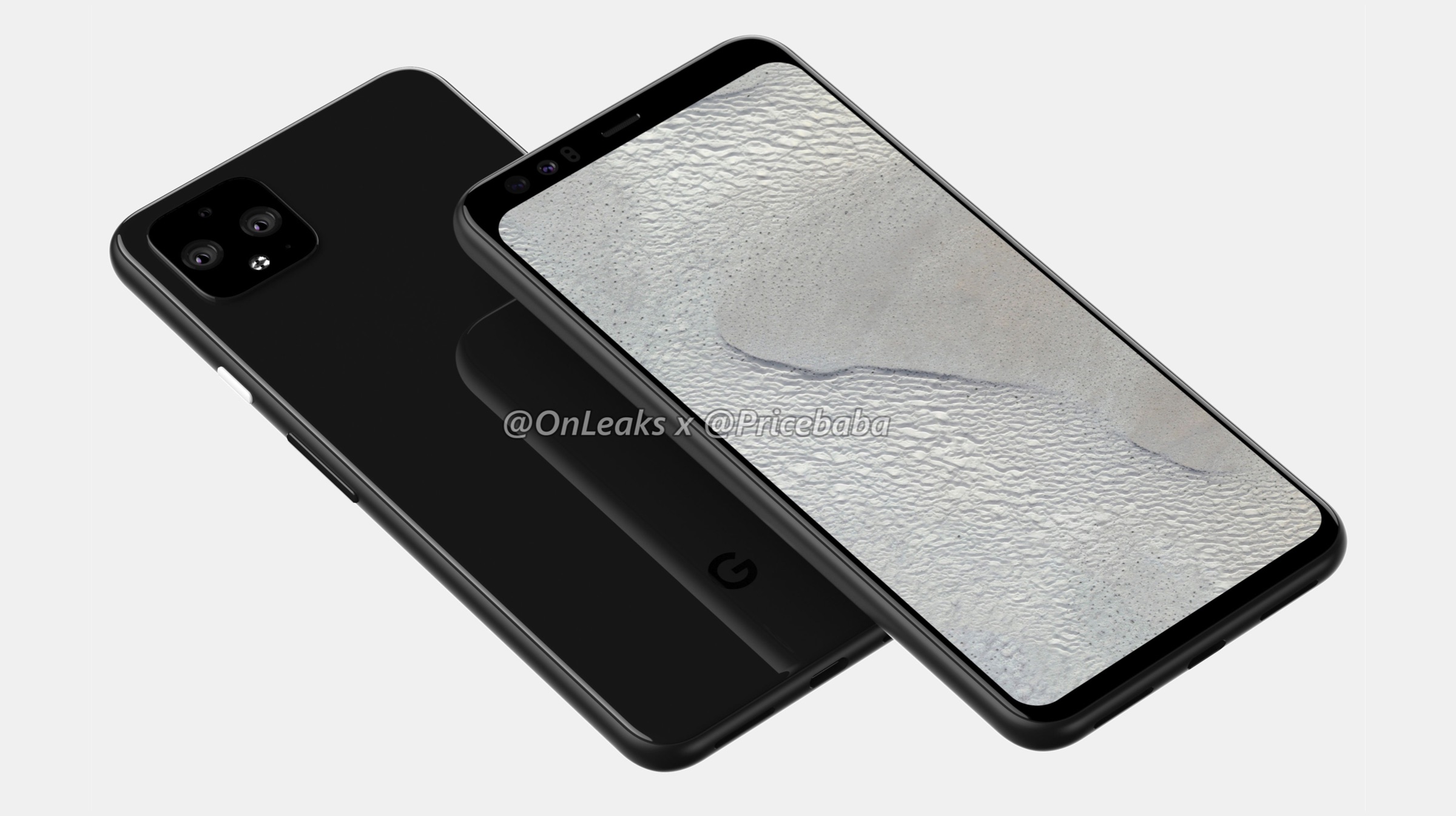
Although the images of Pixel 4’s front are yet to publicised, unofficial sources have revealed interesting findings of the smartphone. According to leaked screen protectors and unofficial renders, both devices in the lineup will have minimal bezels on all sides except for a lip on top of the display which is comparatively thicker.
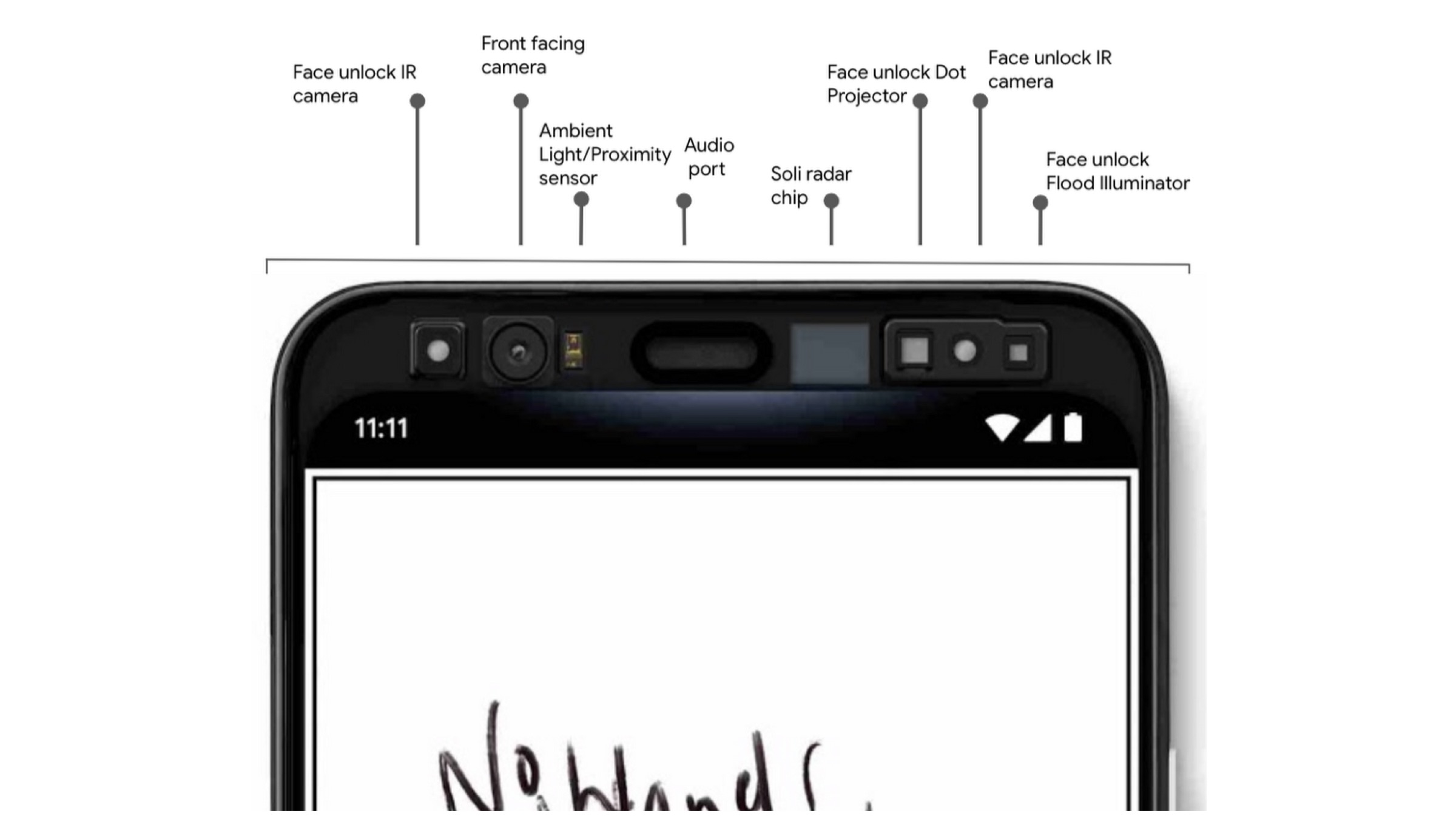
Noteworthy, the thicker forehead (as seen in the images) on the Pixel 4 and Pixel 4 XL is not just a design choice instead it features important components that will provide the smartphones with unique functionality. Moving from left to right, the tempered glass exhibits two holes which are likely to feature dual front cameras, an oval-shaped cutout that may house ambient light sensor, an earpiece cutout and finally a capsule-shaped slit which reportedly will hold the secret weapon on the future handsets.
It is alleged that the Google Pixel 4 smartphone duo will have a complex motion-detecting sensor which allows users to operate them without physically touching them. Perhaps, Google will make use of technologies and sensors that it had developed while working on Project Soli.
For readers who do not know, Project Soli is a gesture recognition technology that makes use of radio waves to determine the range, angle or velocity of objects nearby. The function of such a sensor is comparable to the mammal bat that uses sound waves for echolocation. Anyways, Google plans to make use of such technology in handheld smartphones which will open a whole new world of boundaries in terms of device interaction besides the conventional touch sensor technology.
Possible Uses Of Project Soli On A Smartphone
A lot of modern smartphones support the option to play, pause or change the music by drawing certain patterns even when the device is in a locked state. The Pixel 4 incorporating sensors developed with Project soli may be able to control these feature by performing certain motions like snapping fingers or rubbing one finger over the other.
As seen on smartphones from Motorola and Samsung that show device status by hovering your palm near the top of the display. Similarly, Pixel 4 may support certain motion gestures that will allow achieving the same with better precision and more flexibility.
These are only a handful of uses that we could think of at the time of writing this article. However, as previously mentioned the possibilities with the technology are endless.
Google Pixel 4 Specs
Although detailed specifications of the Pixel 4 lineup will only be publicised at the time of official launch, assumptions, based on its competitors can still be made. The smartphones are expected to pack the following specs:
Chipset: Snapdragon 855, Octa Core, Adreno 640
Display: Pixel 4- 5.5 inch, Pixel 4 XL- 6.3 inch
RAM: upto 6 GB
ROM: 128 GB, 256 GB
Memory Expandability: N/A
Operating System: Android 9
Biometric Security: Face Unlock, Indisplay Fingerprint Sensor
To sum it up, the Pixel 4 based on leaks will give a stiff competition to devices including 2019 iPhones and forthcoming Galaxy Note 10. However, in order to verify the leaks and claims, we will have to wait until their official announcement which is expected to take place in the month of September or early October.
Google is one of the most recognisable tech brands in the world. The company is popular for its search engine and since the last couple of years even smartphones. Google’s Pixel series initially took the world by storm and have always been highly awaited. It holds true even now as the hype and rumours surrounding its latest iteration with the Pixel 4 and Pixel 4 XL is already huge. Now, according to a new report a few key specifications of the future smartphones have been leaked.
Rumoured Specifications
A report claims that both Google Pixel 4 and Pixel 4 XL will have slightly larger displays than their predecessors, the Pixel 3 series. The Pixel 4 reportedly features a display with resolution of 2280 x 1080px over the 2160 x 1080px found on the Pixel 3. Furthermore, the Pixel 3 XL has a 3040 x 1440px resolution, an increase from the 2960 x 1440px resolution found in the Pixel 3 XL’s display. The report also claims that both Google flagships will shipped with 6GB of RAM over the 4GB found in the previous years model. For storage, a 128GB option for internal storage is reportedly available for both Pixel 4 devices but other configurations are still a mystery. It is also unclear if higher RAM variants will be offered on either of the two Google smartphones or just the Pixel 4 XL.
Design
Previously, Google had confirmed the design of its upcoming Pixel 4 series by sharing its renderings online. A square camera module can be observed which house two image sensors; it would mark the first time any Pixel device will carry more than a single rear camera. However, the exact function of the secondary camera is yet to be revealed. Going by previously leaked renders, the front of the device will have negligible bezels and an in display fingerprint scanner.
Google’s Pixel series have always garnered a lot of attention and media coverage prior and during the time of its release. Many of its design and crucial specs have been leaked but question still remains as to how the latest iteration will differentiate itself from the crowd. Smartphones such as Xiaomi’s K20 Pro prove that the flagship market is a heated segment for OEMs that face stiff competition. Google may have to step up with amazing software features to keep up with the crowd.
Conclusively, additional details regarding the Pixel 4 series is expected to be available in the arriving weeks and updates will soon follow.