A Google Blog post disclosed a bug in the company’s G Suite platform that had caused a small portion of the user base to have their secure passwords being saved in a plain text format. The American tech giant reports that the bug has been in the system for the past fourteen years unchecked, although it claims that the bug has not been abused till now and that their investigation into the matter yielded no evidence that pointed towards unwarranted access. Google has reset any of the passwords that may have been affected by the bug. 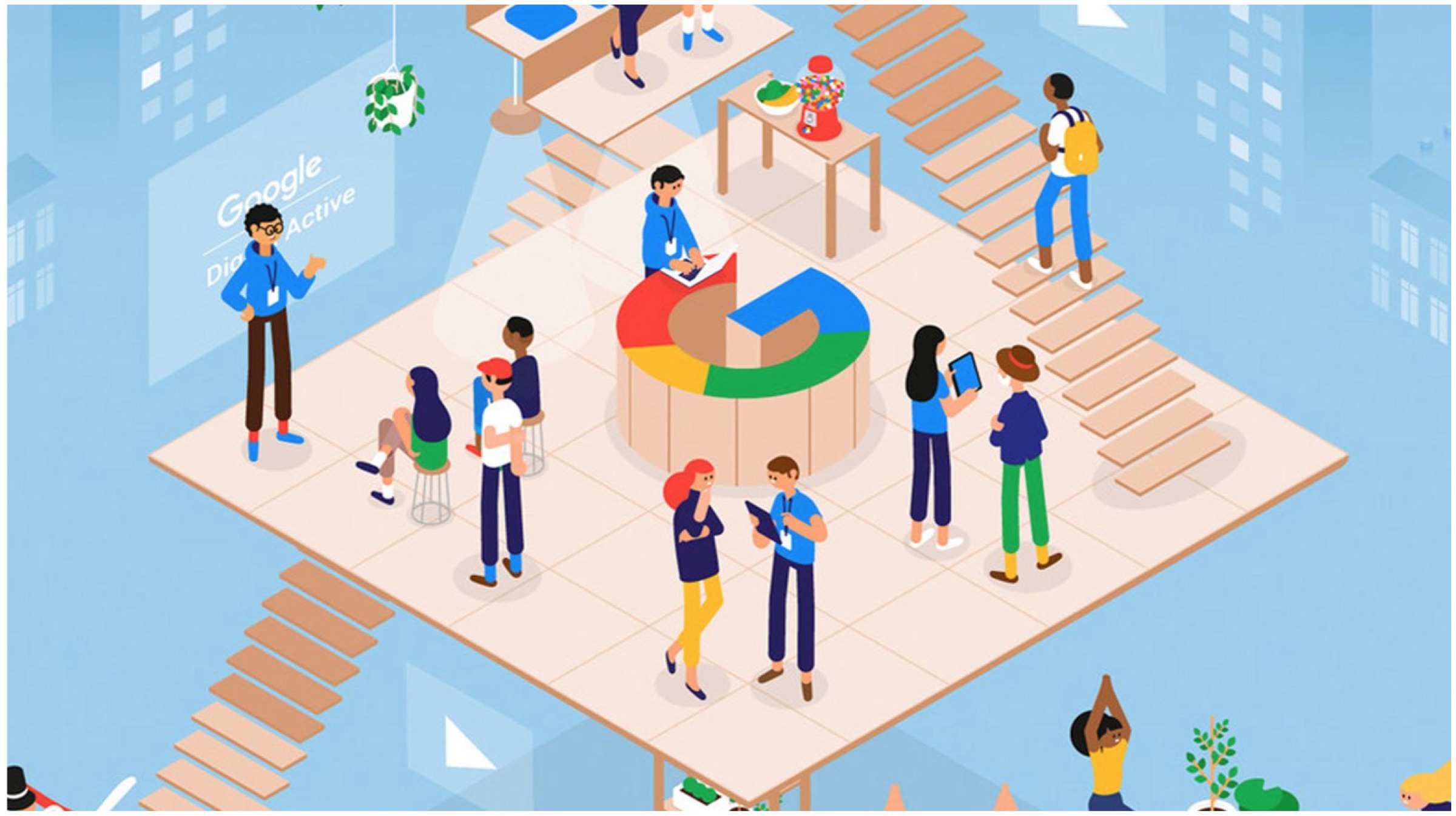 G Suite is the business/corporate version of Google’s Gmail and other Google related applications. Reportedly the bug was born out of a feature that was made specifically for companies, namely the Administrators to reset any user passwords or accounts for newly recruited employees. This process had the Admin console store the passwords in plain text instead of being encrypted. Google has since removed this function for Administrators.
Google thereon reassures how the unencrypted passwords were stored safely in the company’s own servers rather on the internet which is objectively easier to mediate. Google painstakingly explained the subtlety of cryptographic hashing to clear out all doubts surrounding the bug. Furthermore, all unchanged passwords will be reset automatically.
 Google has a relatively good track record of detecting bugs and glitches in their system, but this bug points a finger towards a myriad of tech giants and social media companies as well such as Facebook which had also previously saved several hundreds of millions of passwords in plain text. It was accessible to its employees. Similarly, Twitter had also asked its entire user base to reset their passwords due to concerns regarding private data account access.

Also Read: Valve Releases Steam Chat Application For iOS And Android Platforms
Along with the report of the bug and other technical jargon to it, Google also issued an official apology for this oversight and assured their users of their “industry leading” practices and control over the situation. Google concluded by explicitly stating the fact that the aforementioned bug went unchecked for 14 years was rather disconcerting to the company and equally disturbing for its users.



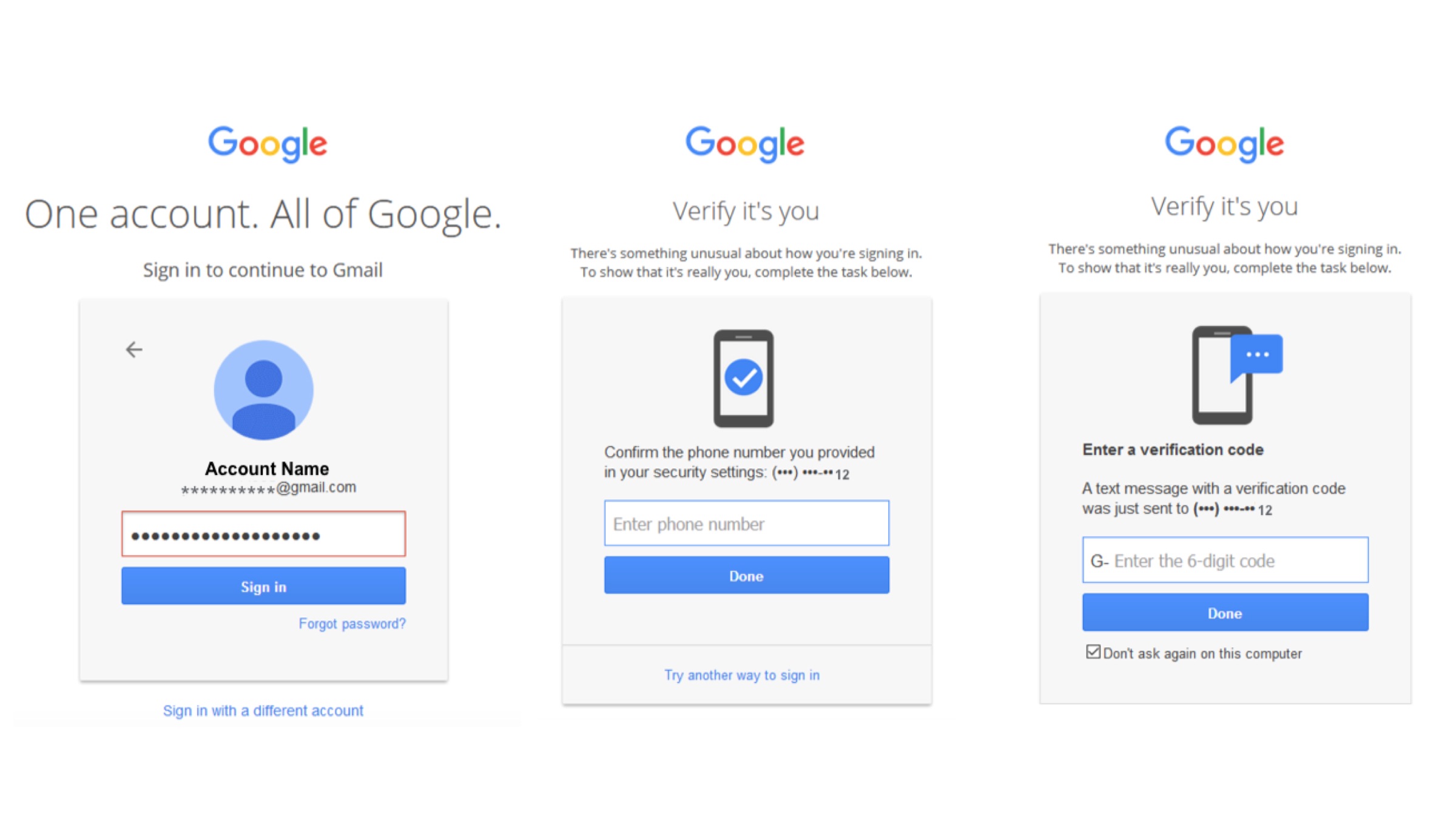
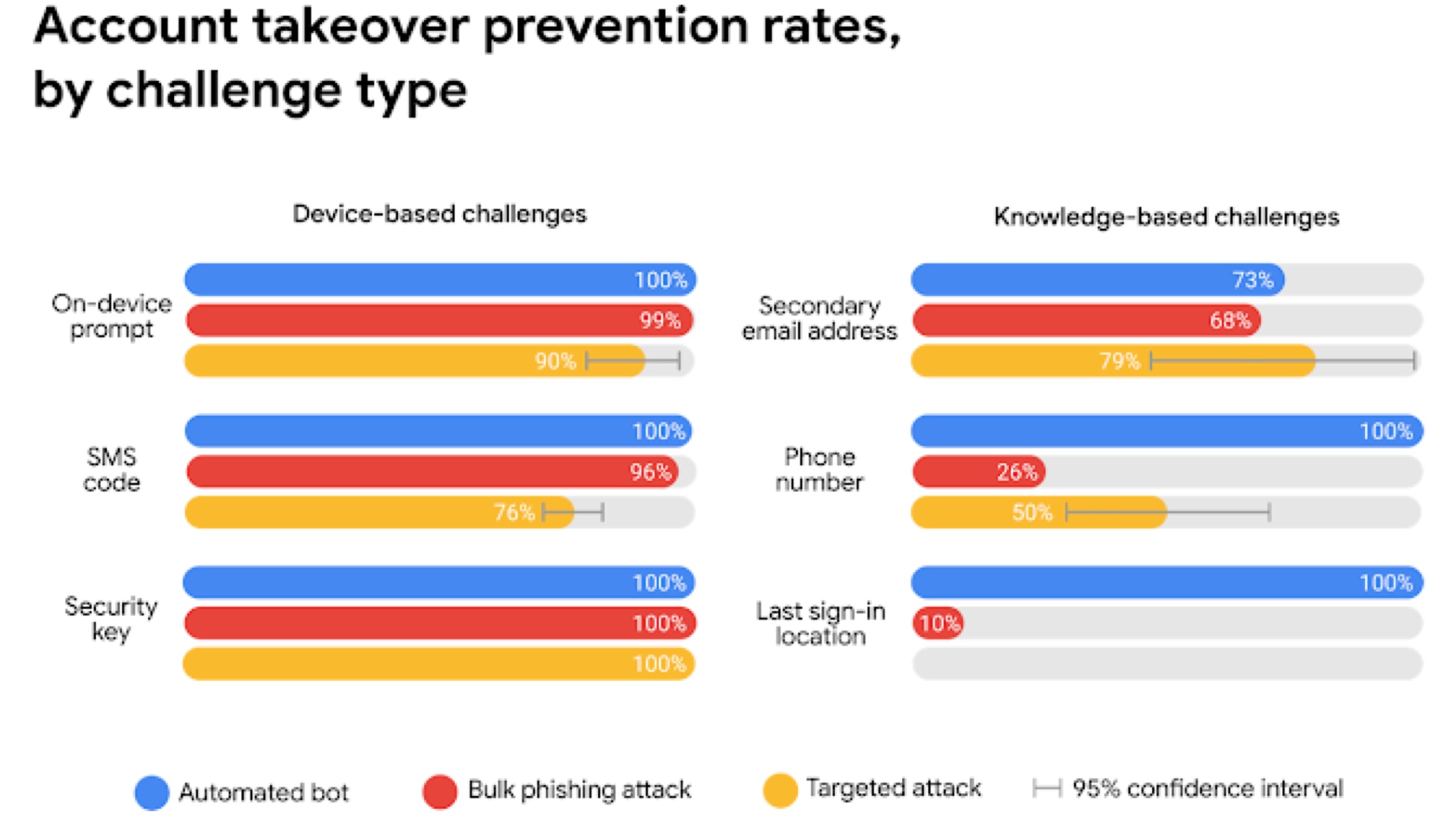 The year long study on security attacks was presented by the company at a gathering of experts and policy-makers, called the Web conference. Google’s research stated that adding a recovery phone number can block up to 100% of all automated bots, 99% of all bulk phishing attacks and 66% of targeted security attacks. This study was carried out with researchers from New York University and the University of California, San Diego primarily to highlight how basic “account hygiene” can keep accounts safe.
 Also Read:
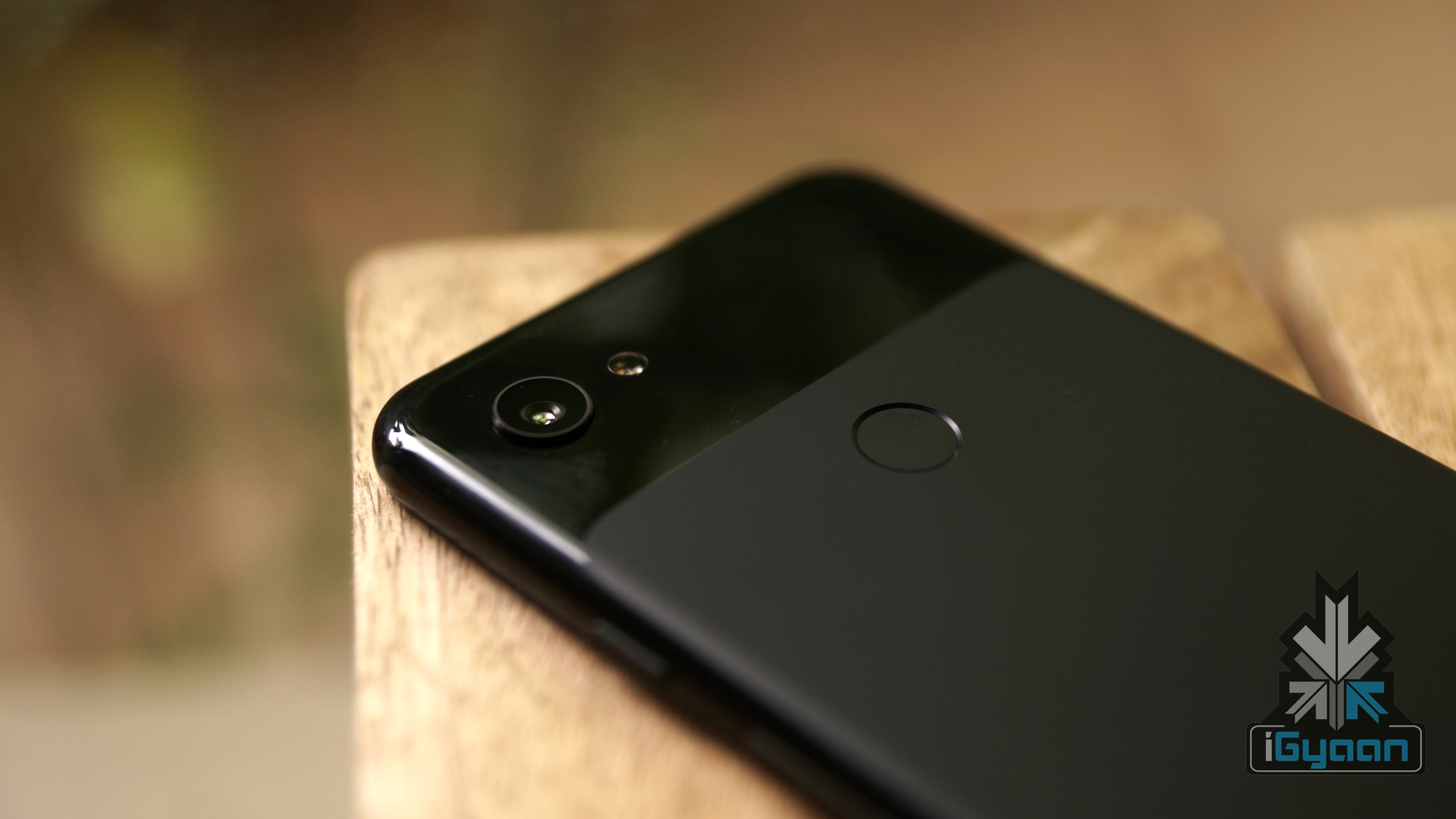
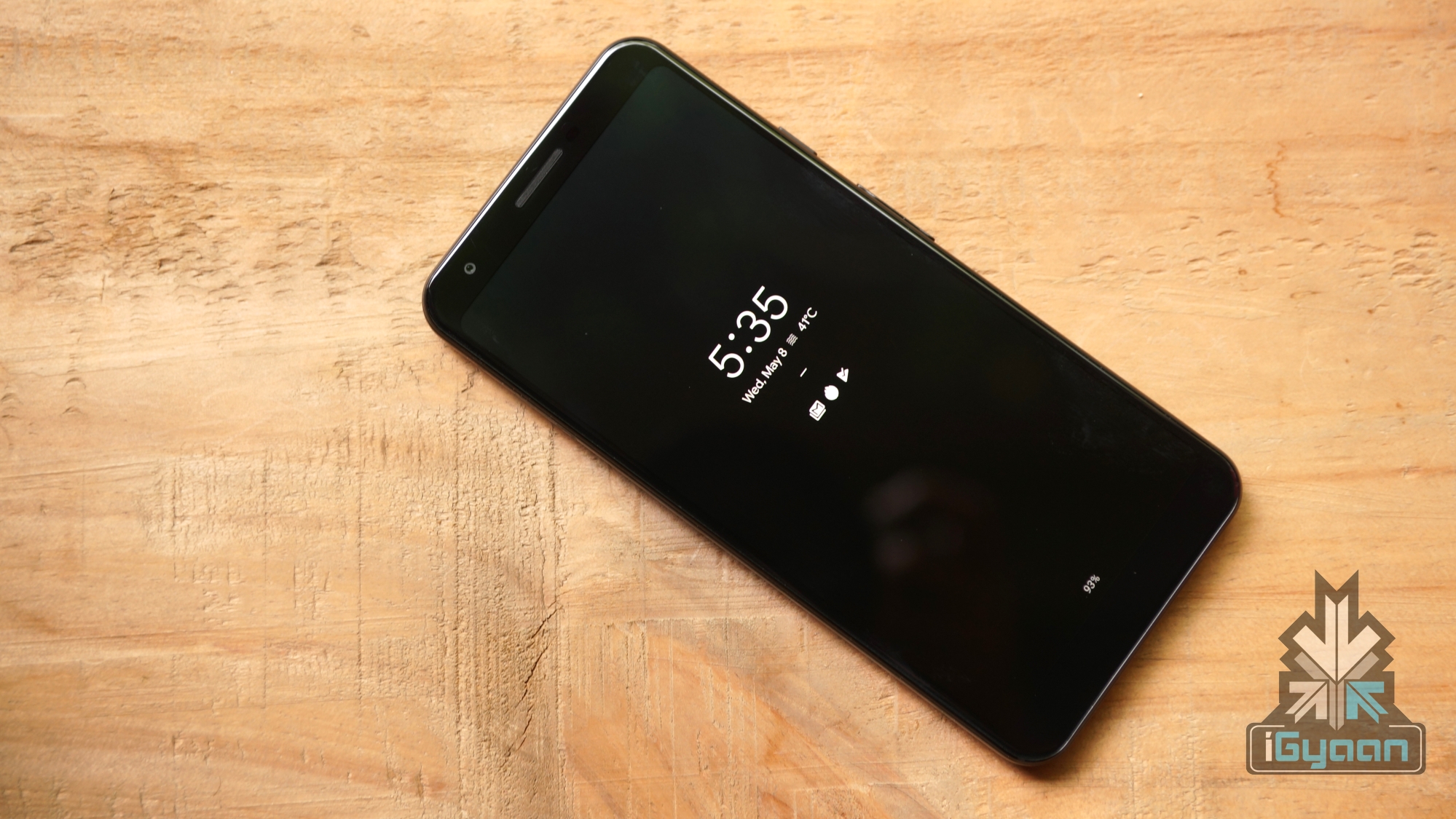
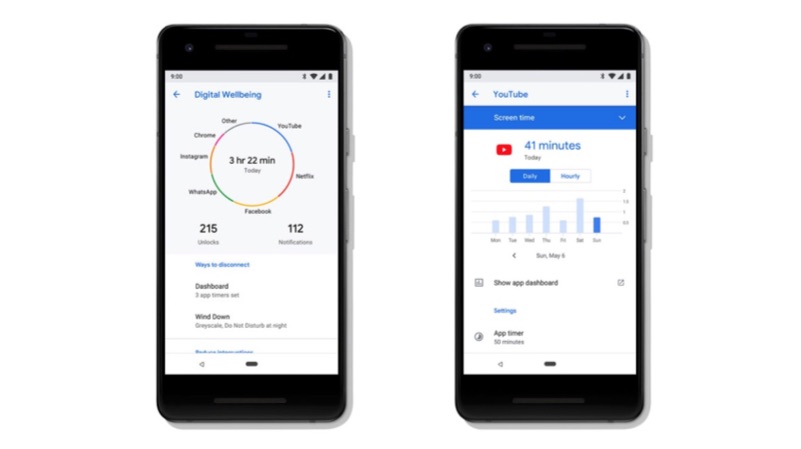
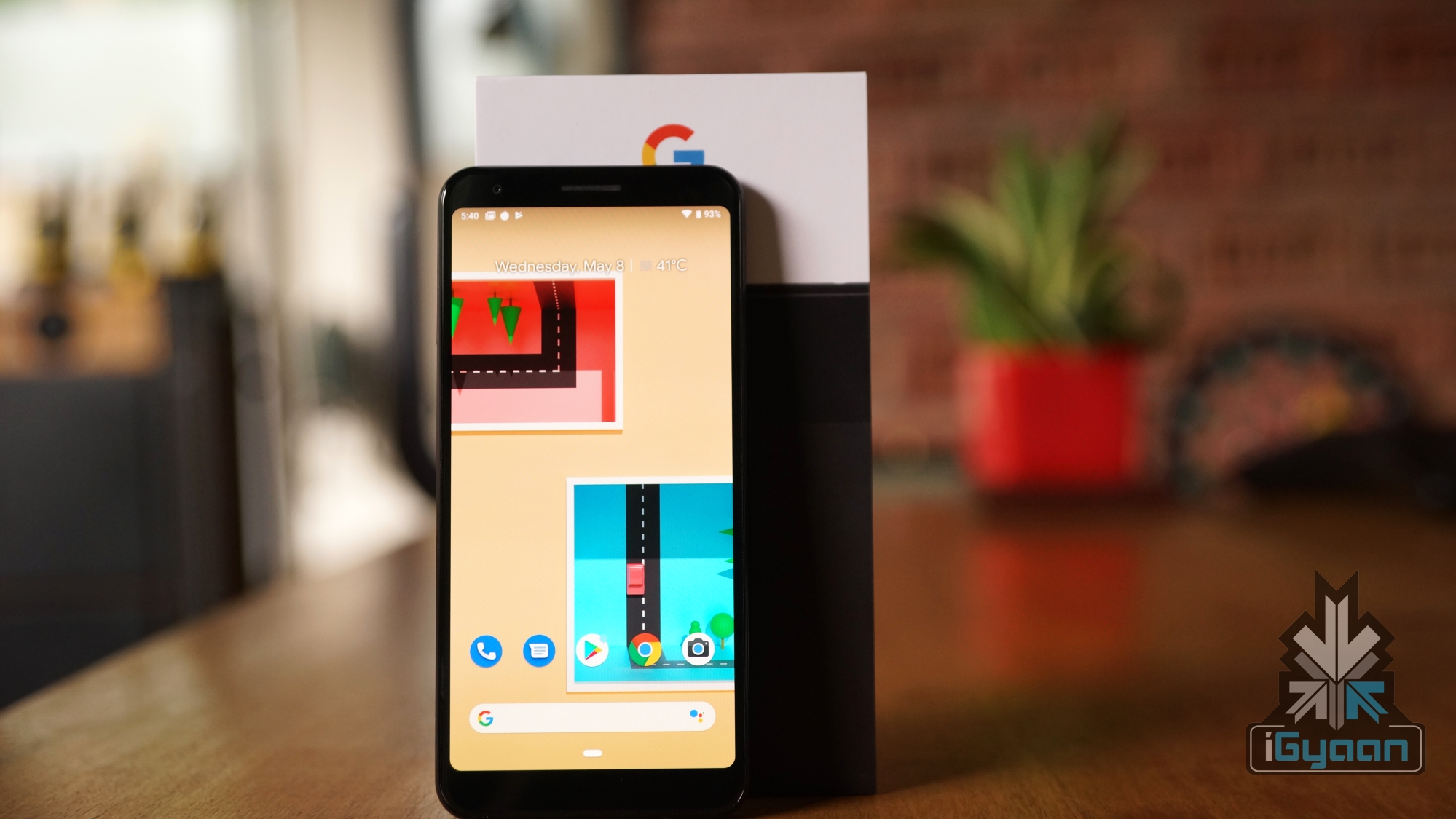
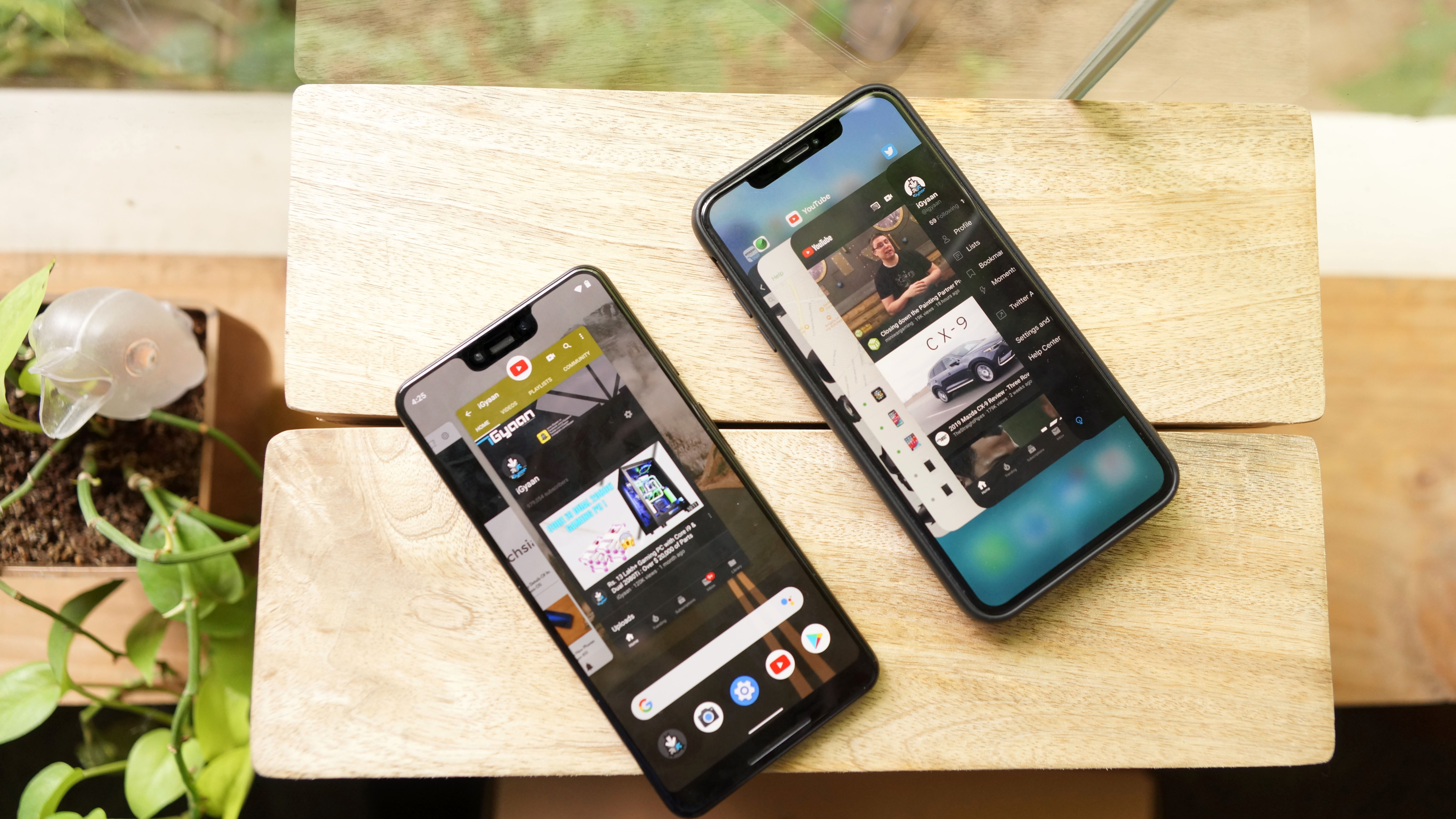
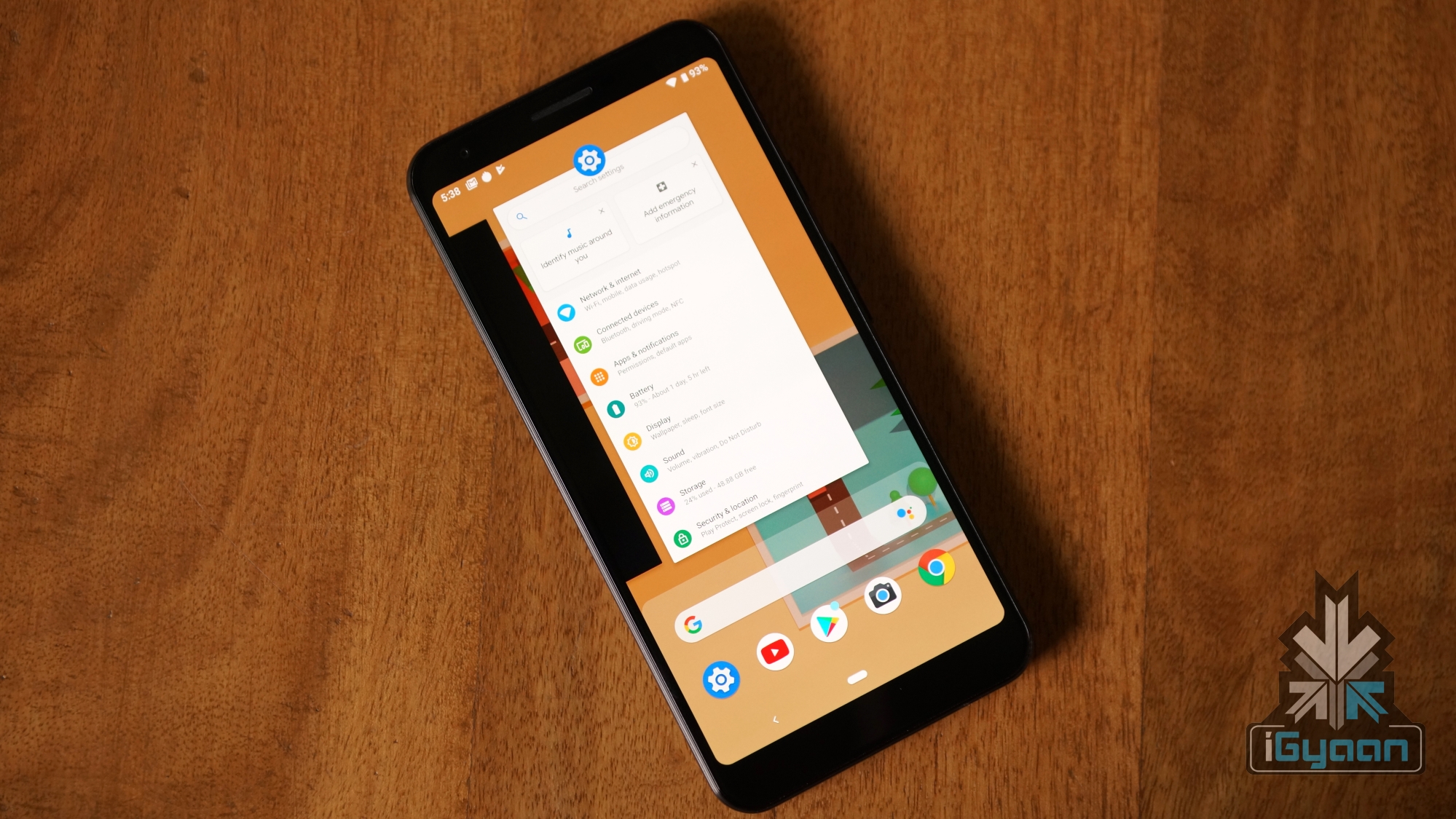
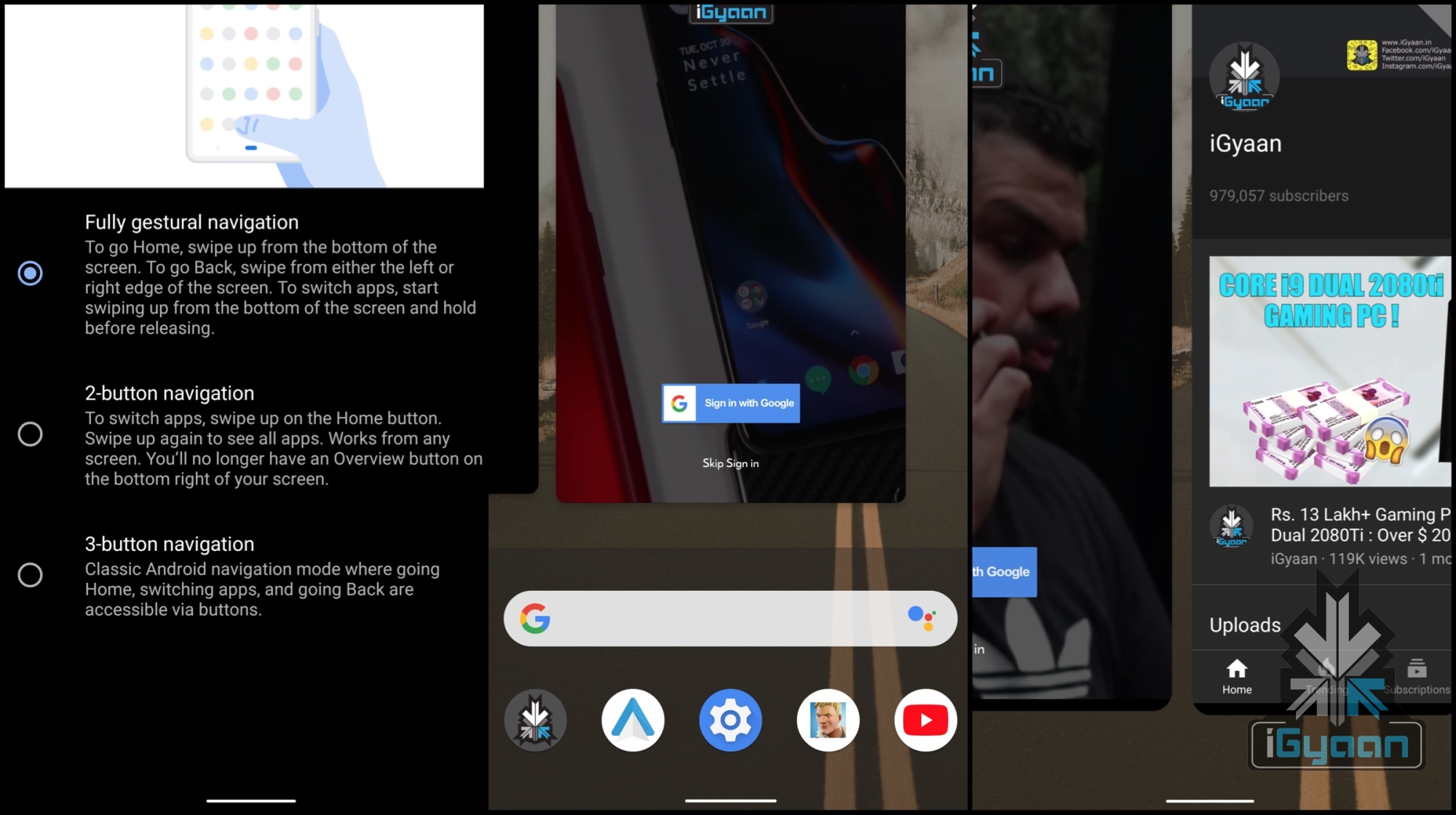 The Product Manager for Android clarified the underlying situation by saying that Google is solely encouraging OEMs to use the new navigation gestures. Since Gesture Navigation can be troublesome to incorporate with previously existing gestures, the company does not want this to be a bigger challenge for developers. He further added that Android has always been about choice, hence the company plans to keep it that way. Android Q will still include the original 3-button navigation bar, which was previously removed from Pixel 3 smartphones running Android P.
  Also Read:

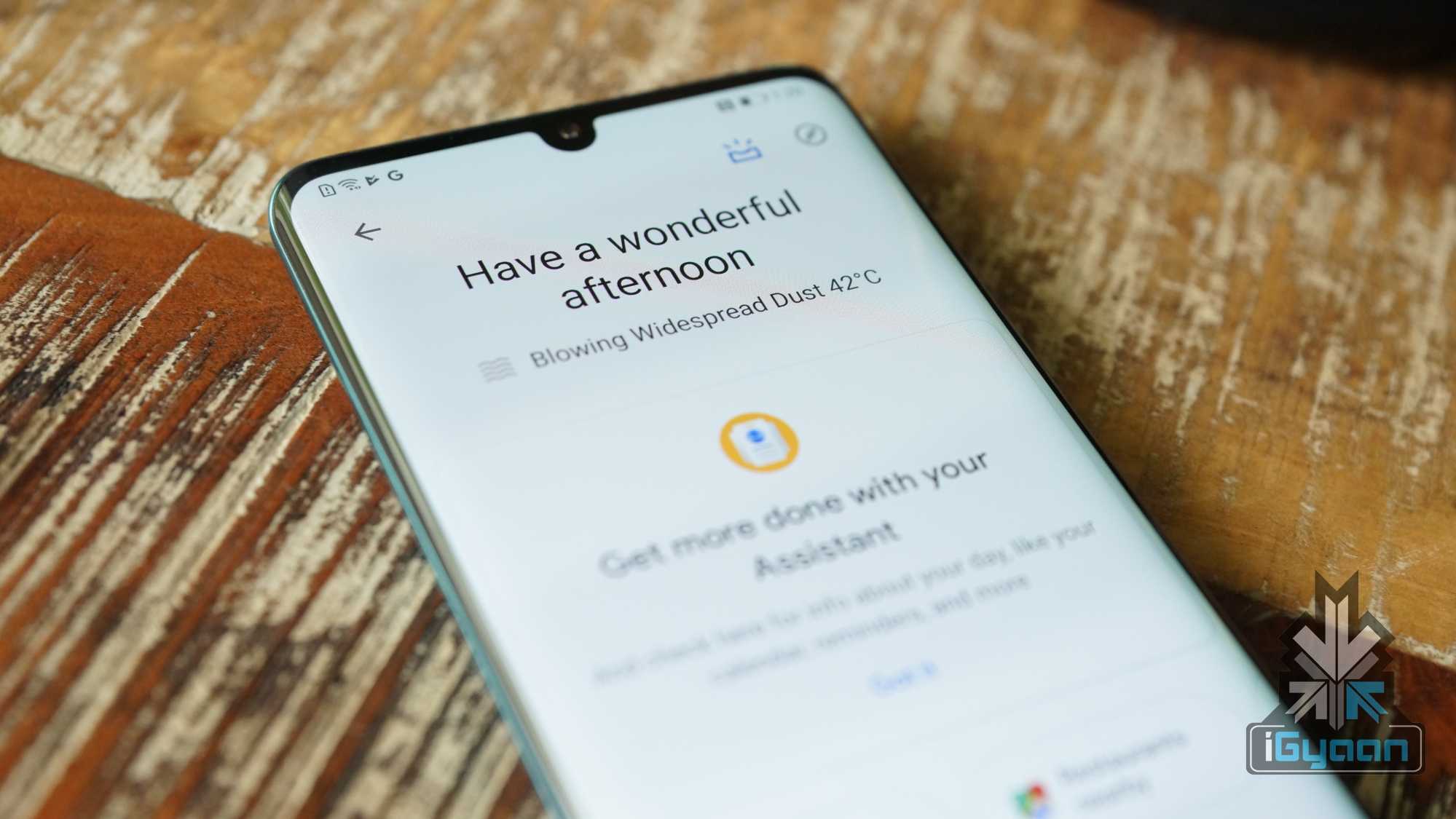

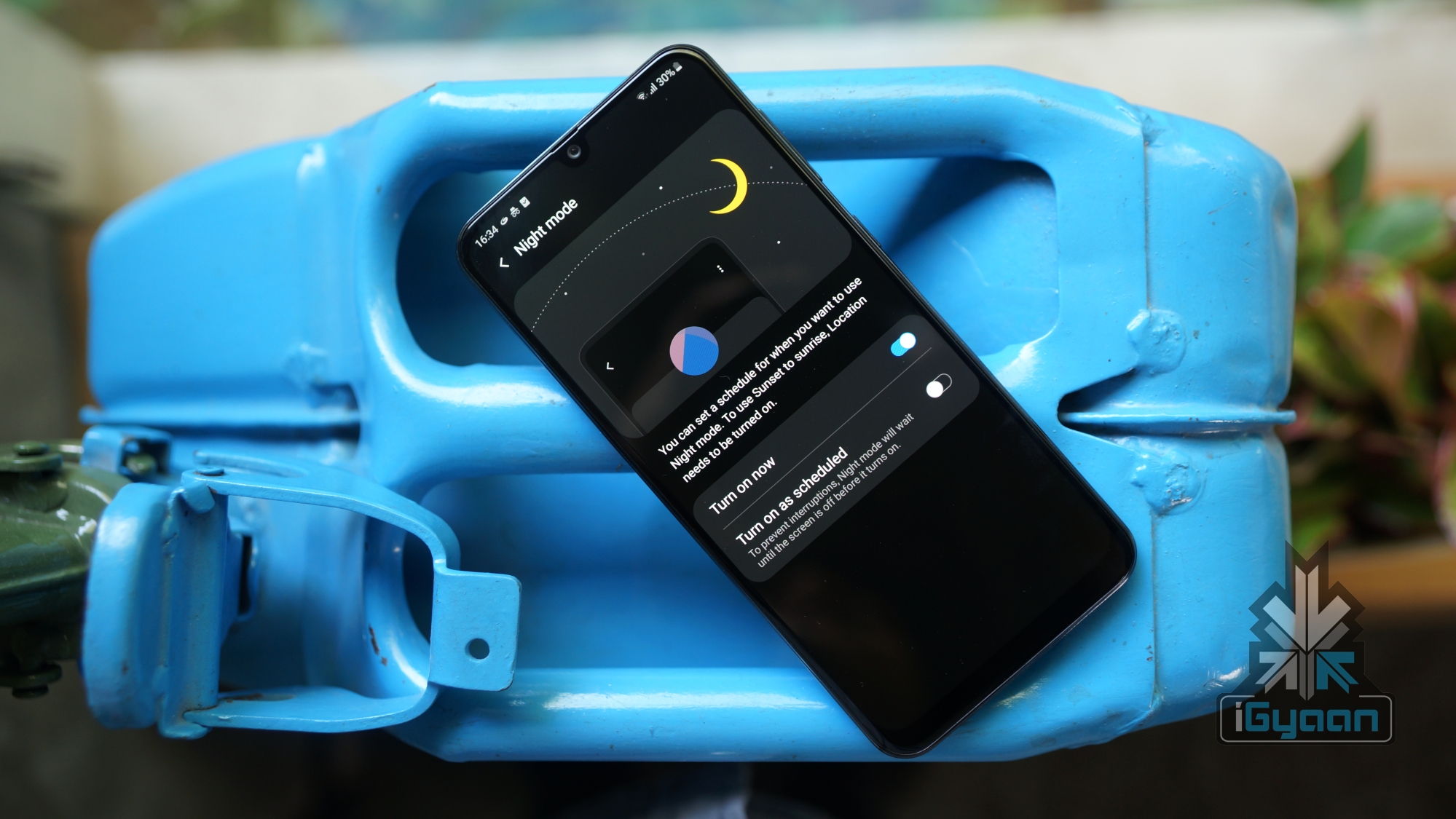 The dark theme is being adopted by an increasing number of operating systems and applications across various devices. As announced at the event, the dark mode will be activated by simply pulling down the notification bar and choosing the “Dark Theme” option from the Quick Settings menu. The mode can also be activated by turning the battery saver on.
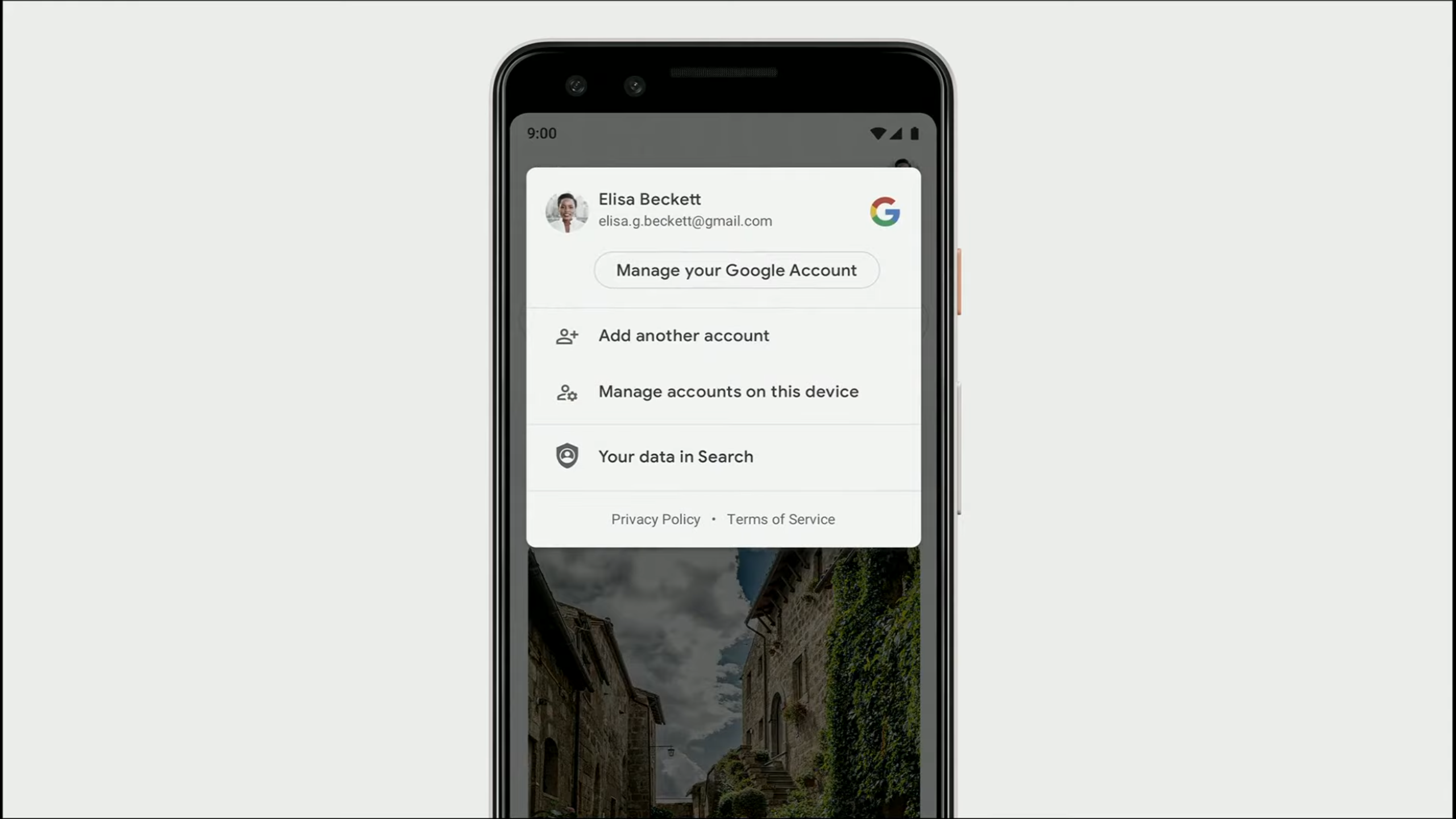 Google plans to integrate new security features into Android Q. The company will add a new “Privacy Section” under Settings, where users can adjust multiple security settings regarding their smartphones. The company states that users can now choose to share their location data with specific applications as per their requirements. Google will also add a feature to use the Android Q enabled device as a security key for logging into third party applications. The update system overhaul will ensure that users receive all the security patches and updates in the background, which will be installed without having to reboot the smartphone.
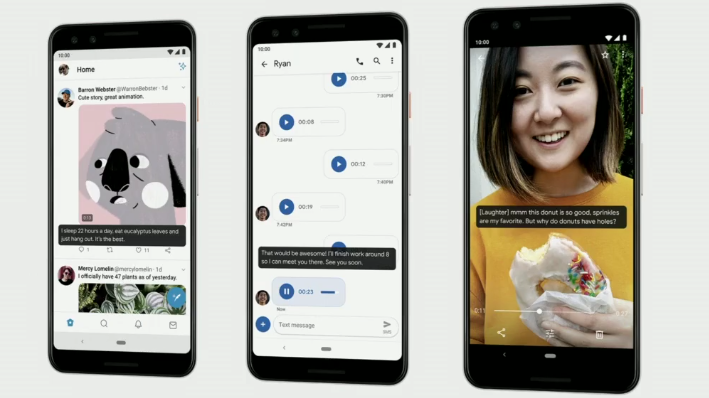
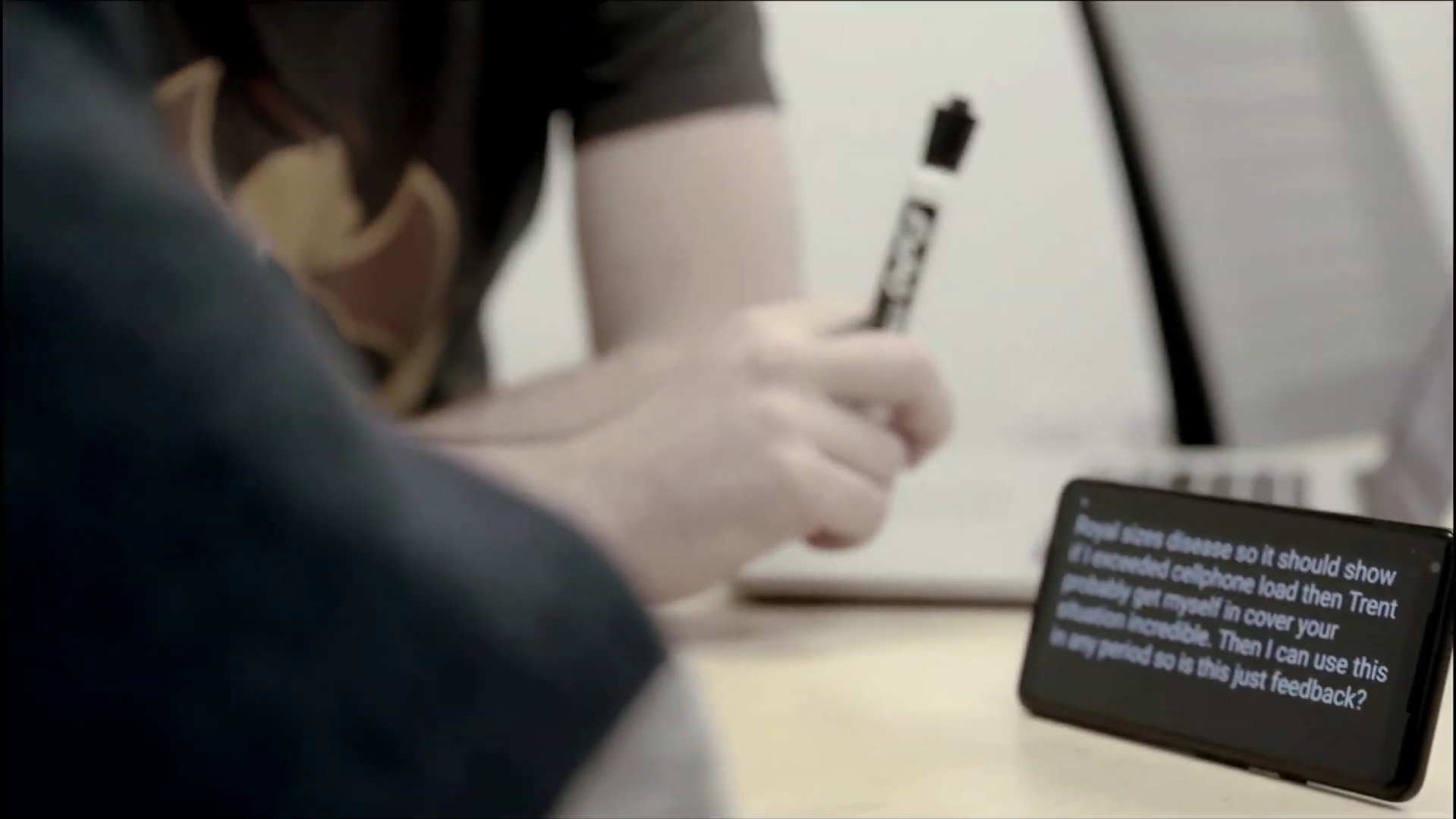
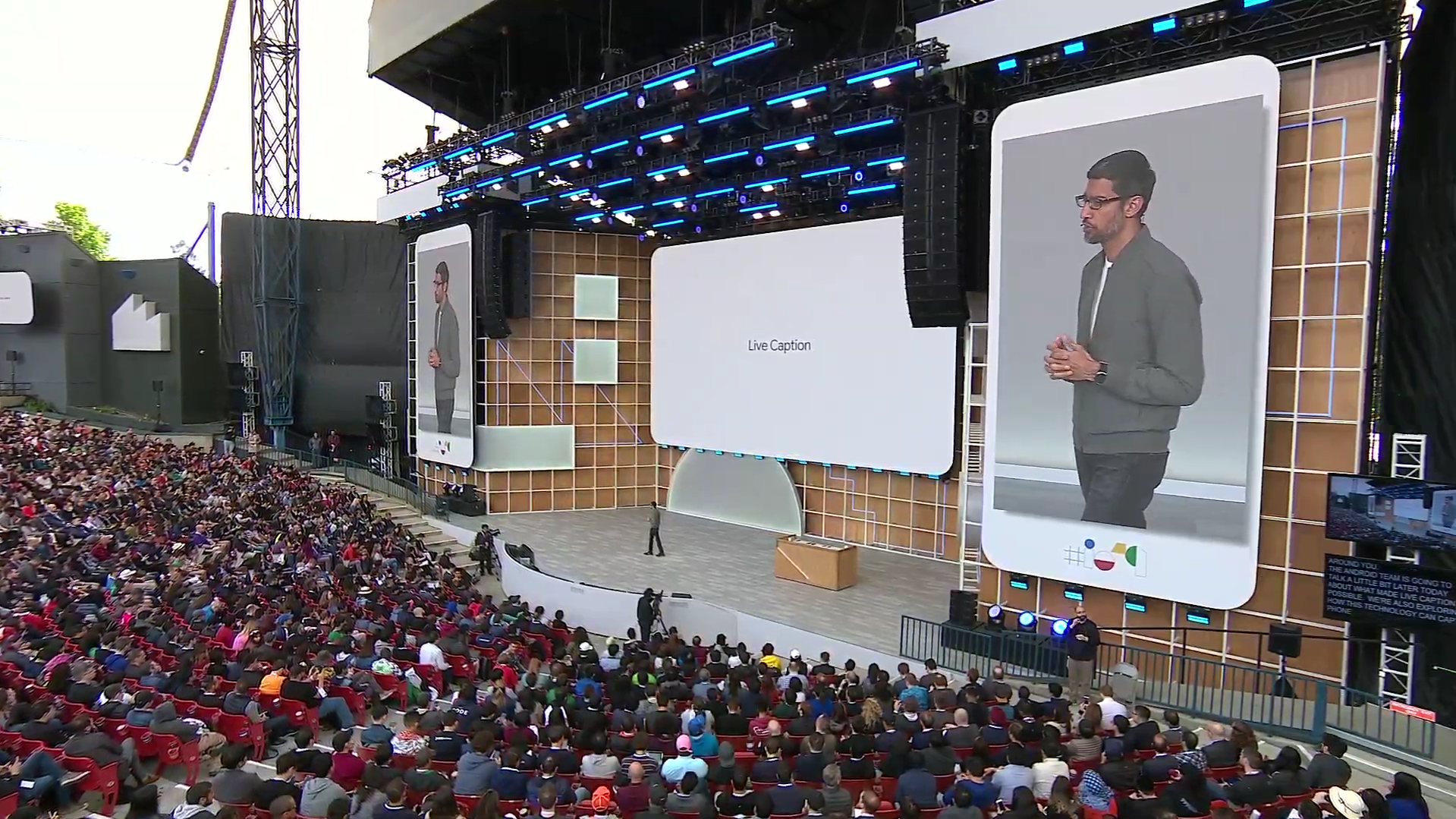 As per Google, around 500 million people around the world are either deaf or have some forms of hearing problems. Such a feature may help in making content more accessible and easily available to hearing impaired people. Google CEO Sundar Pichai further stated that the company is constantly working on products that enable a multitude of people to access Google services along with others.
 Also Read: