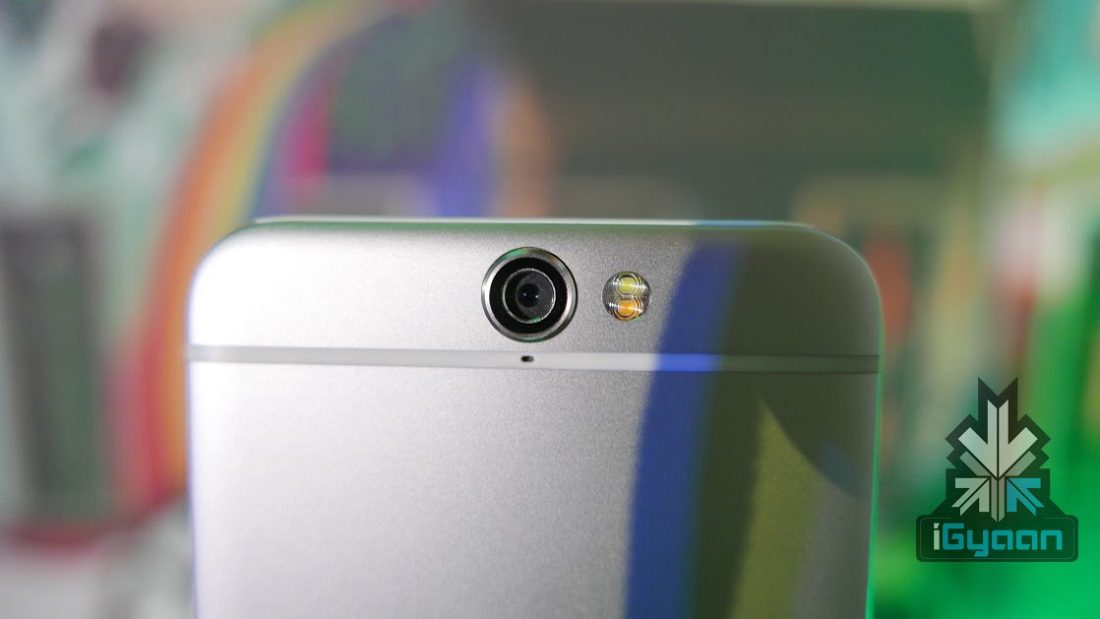
There’s a lot of uncertainty surrounding the launch of HTC’s next flagship device. The HTC One M10 has been floating between CES and MWC for a while. HTC is still enjoying the launch of the One A9, but fans have already been asking about the One M10, and HTC is likely to reveal the device within the first quarter. Here’s everything we know about the flagship device so far.
Display
Being a successor to the One M9, the HTC One M10 will look to improve on specs wherever it can. The new iteration is said to come with a 5.5-inch QHD display. You can expect some bright, crisp colours under a Gorilla Glass 4 protection.
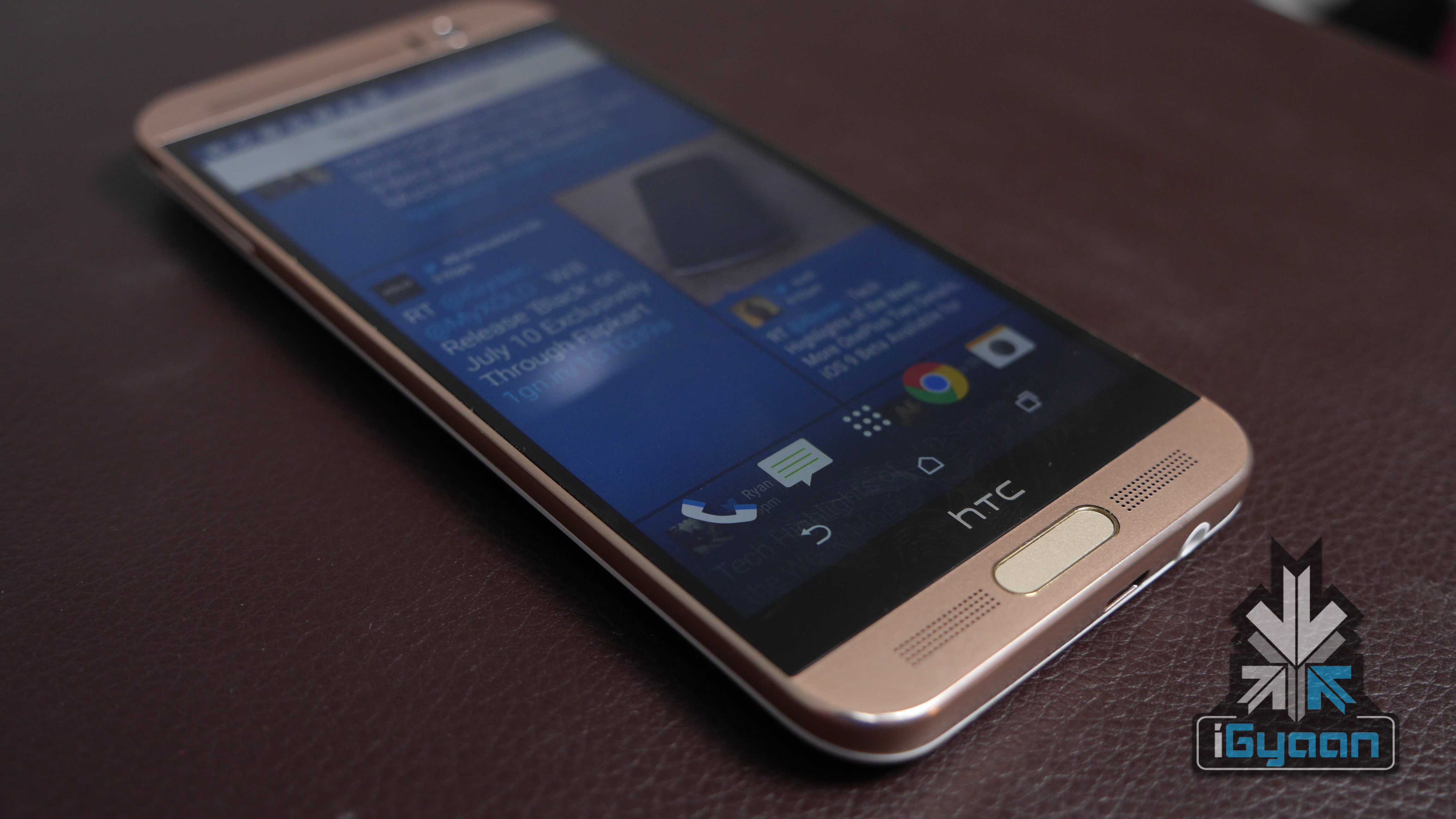
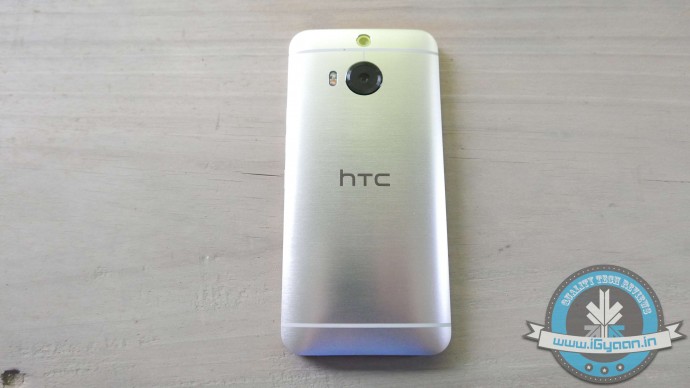
HTC One M9+
Design
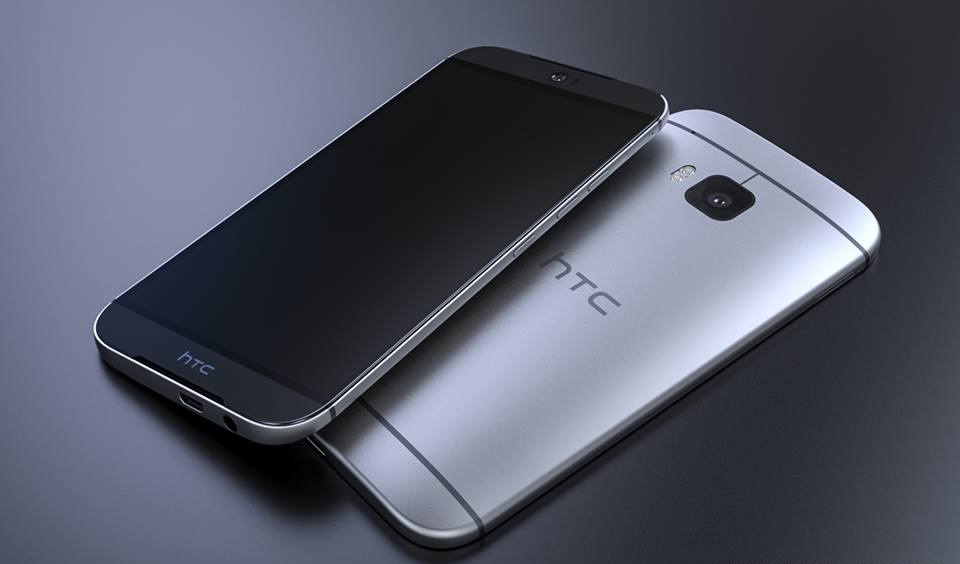
The design of the One M10 is expected to be slimmer and sharper than its predecessor. To help with that, the device will carry the all-metal, unibody form factor associated with HTC flagships, along with curved edges and bezels to give it an attractive look.
Camera
The One M9 had 20 MP primary camera that proved a little underwhelming, especially in comparison to the sharper, brighter images seen in Samsung’s Galaxy S6 and LG’s G4. HTC is going to have to make some serious improvements in the camera department if it wants to be a killer device. Rumours suggest that the One M10 will sport a bigger 27 MP camera with face detection autofocus technology.
The front camera also boasts of high megapixels for selfie lovers. However, these rumours should be taken with a pinch of salt. It is also possible that HTC will continue with a 20 MP camera and will rather focus on improving the quality of images.
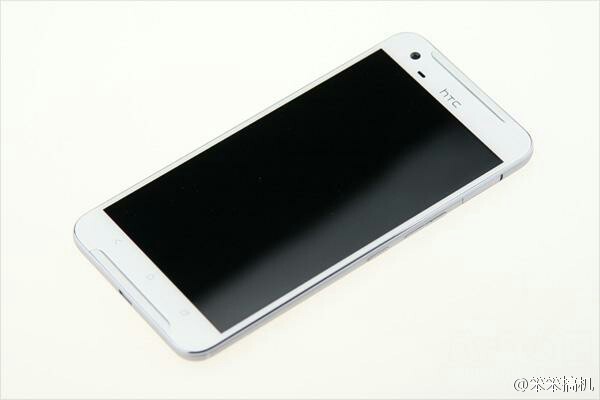
HTC One M10 Concept
Processor
HTC is perhaps waiting till the end of March to release the One M10 so that it can release its device with the new Qualcomm Snapdragon 820 chipset under the hood. You may remember that Samsung has claimed exclusivity of the new chipset for the first three months.
If HTC wants to come out with a powerful new flagship, then it will need to sport a powerful new chip to compete with the likes of the upcoming Galaxy S7 and Xiaomi Mi 5 devices, to name a few. Apart from the Snapdragon 820 chip, the One M10 will also use a graphics card that will improve graphic quality of images for visually appealing gaming experience,
Other Features
One of the highlights of the upcoming flagship is that it will feature a Touch ID fingerprint scanner for maximum security for the device. Other than that, the One M10 will likely sport 4 GB of RAM with 16 GB and 32 GB internal storage variants. The device is also rumoured to feature a battery capacity of 3,500mAh. The device will come pre-installed with Android 6.1, which is another good piece if information.
The above mentioned specs are merely a roundup of all the rumours that have been floating around. Over the next few weeks, you can expect more details to emerge as well as some confirmation for the existing rumours and some images of the device as well. Follow this space for more on HTC’s upcoming flagship smartphone.
CES, short of Consumer Electronics Show, is the place where new and shiny gadgets are revealed that sets the tone for the technology that year. CES 2016 will be no different. The event will take place at in Las Vegas from Wednesday, January 6 to Saturday, January 9, 2016. Here are some of the many technologies that will be unveiled at the four-day conference.
Samsung
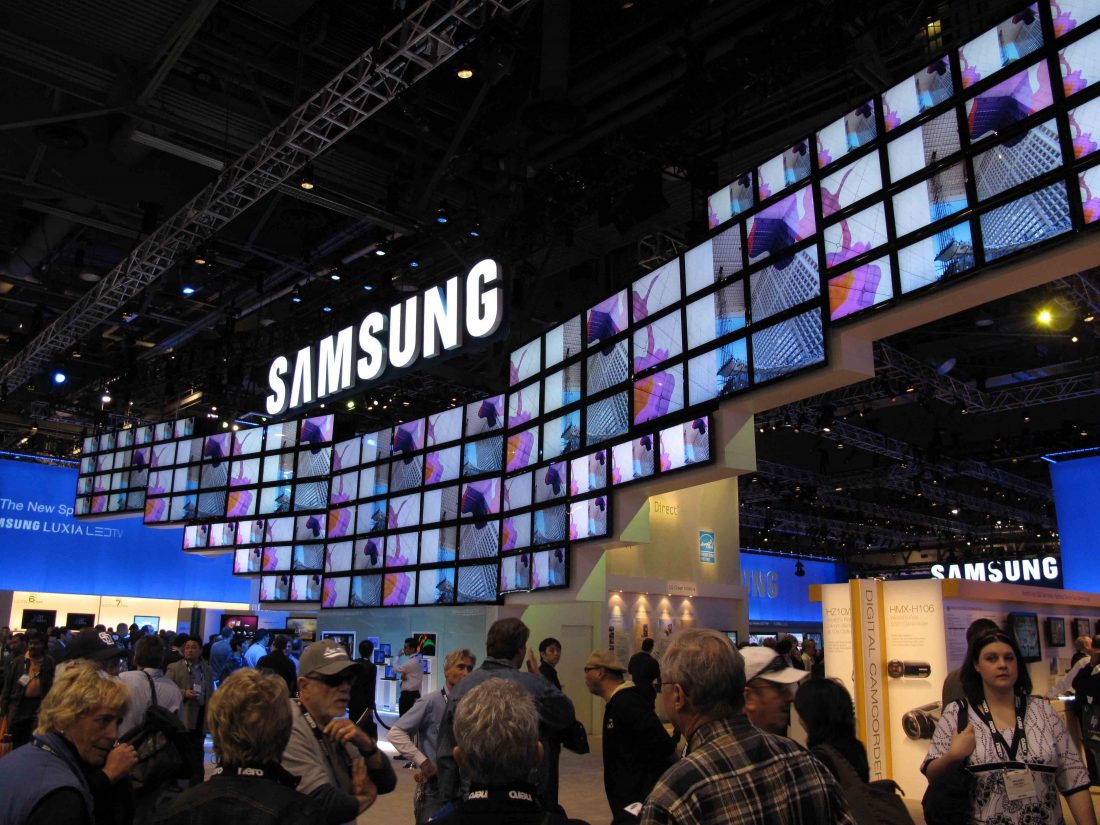
Samsung is likely to draw a lot of attention at CES 2016. Or perhaps that may have been the case when it was expected that the company would launch its next flagship Galaxy S7 devices at the event. However, this rumour has been almost completely denied. Samsung’s invitation puts highlight TVs and home appliances as their main showcases.
But this doesn’t rule out a phone launch by the company. It may not be the Galaxy S7, but Samsung has many other handsets in its pockets that are just waiting to come out. It is likely that the Korean-based company will reveal some mid-range devices – possibly the Galaxy A4 and A7 smartphones, or perhaps the new Galaxy Tab Pro and Note Pro tablets. On the TV front, you can expect some 4K and 8K products in the offing.
Camera Tech – BRITECELL
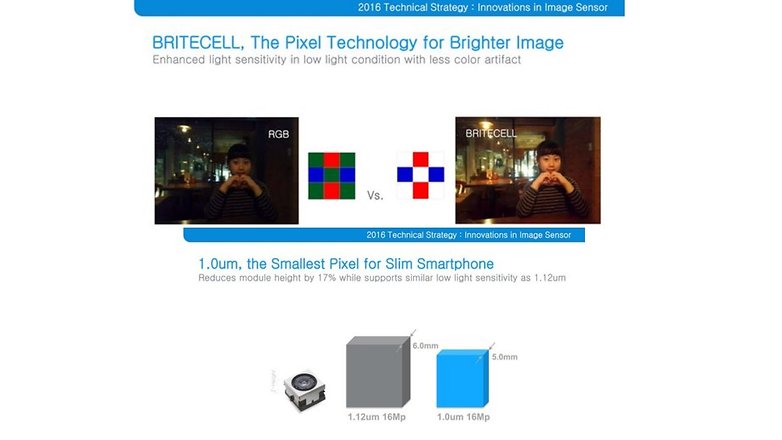
BRITECELL is Samsung’s new camera technology that IS expected in the upcoming Galaxy S7. The technology will be showcased at CES and viewers will get a sneak peek into what they can expect from the flagship handset, at least on the camera front.
Huawei Mate 8
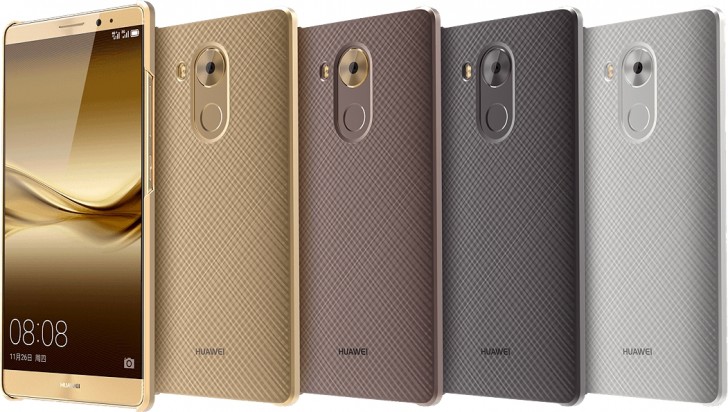
Huawei has been eager to launch the Mate 8 in the U.S and has received the green light for it. The device has already passed FCC and will be unveiled at CES 2016.
For those of you unaware about the Mate 8, the device sports a 6-inch 1080p touchscreen display and will be powered by Huawei’s new Kirin 950 chipset and an ARM Mali-T880 GPU. Furthermore, the handset will be available in 3GB and 4GB of RAM with 32GB and 64GB and 128GB storage variants. The Mate 8 has a large 4,000 mAh battery and will run on Android 6.0 Marshmallow.
HTC One M10
There’s a lot of uncertainty surrounding the launch of HTC’s next flagship device. The HTC One M10 has been floating between CES and MWC for a while. HTC is still enjoying the launch of the One A9, but fans have already been asking about the One M10, and HTC is likely to reveal the device soon enough.
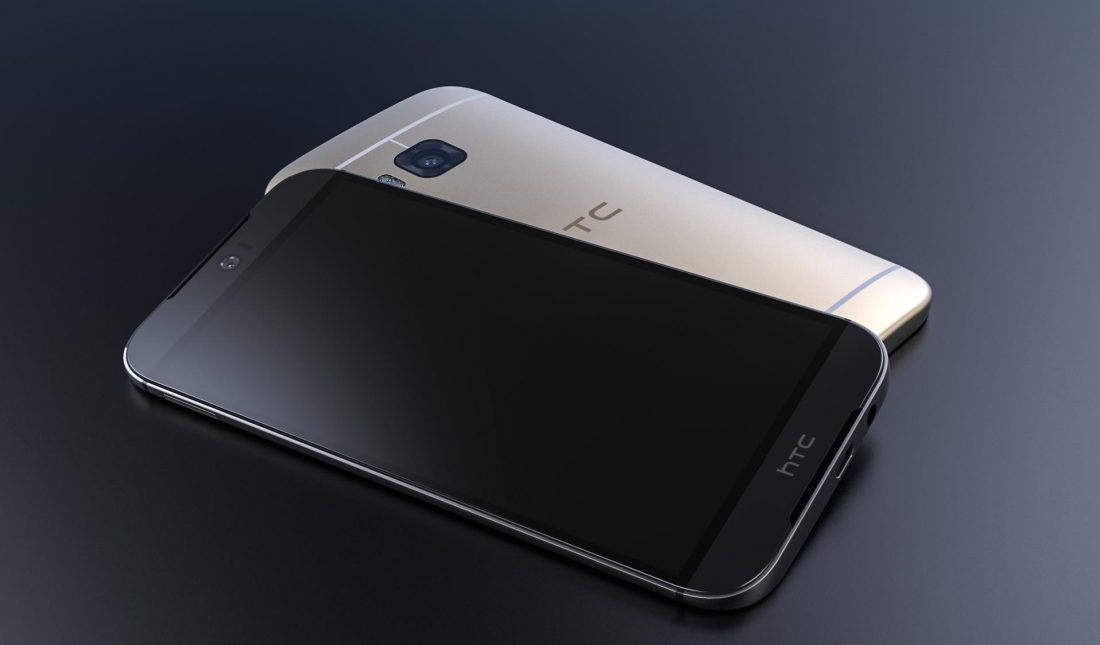
HTC One M10 Concept
What we know so far about the One M10 is that the handset will likely sport a 5.5-inch screen with 2 GB of RAM and 16 GB storage. The device will come pre-installed with Android 6.1, which is a good piece if information. More details will be known as we get closer to the unveiling.
VR
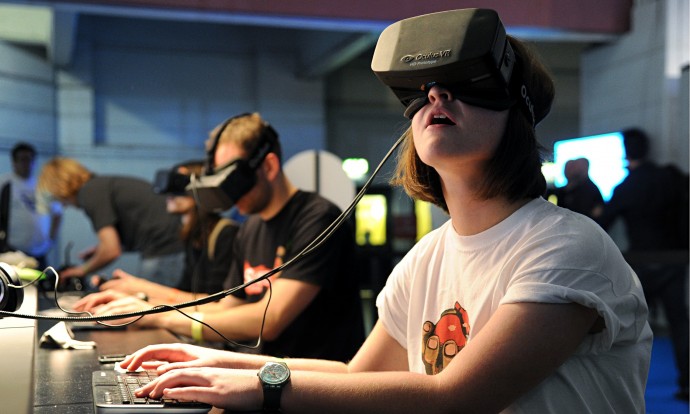
Smartphones and other technology aside, it in VR and autonomous cars that the CES 2016 will revolve around. The two technologies are set to be the highlights at the press conference. We’re slowly moving towards an age of wearable technology and virtual reality is the next big leap. 2015 has already seen the the Oculus Rift and in action, but 2016 will see the official launch of the headgear in the first quarter.
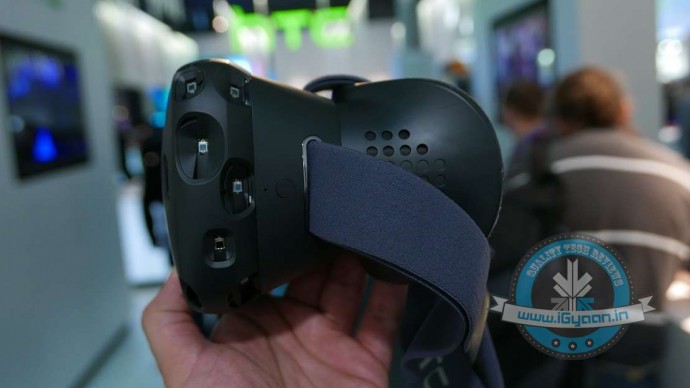
The Oculus Rift will not be the only VR headgear at the CES. Sony’s Project Morpheus, now known as Playstation VR, will also be at the event. Furthermore, Samsung may also reveal a second version of the Gear VR, though nothing has been confirmed on that front. Lastly, HTC is also likely to present a developer version of the Vive VR at CES 2016.
While these were the major names in the department let it be known that there are more than 40 companies presenting VR gear at CES. If that doesn’t tell you how the future of technology looks, nothing will.
Autonomous Cars
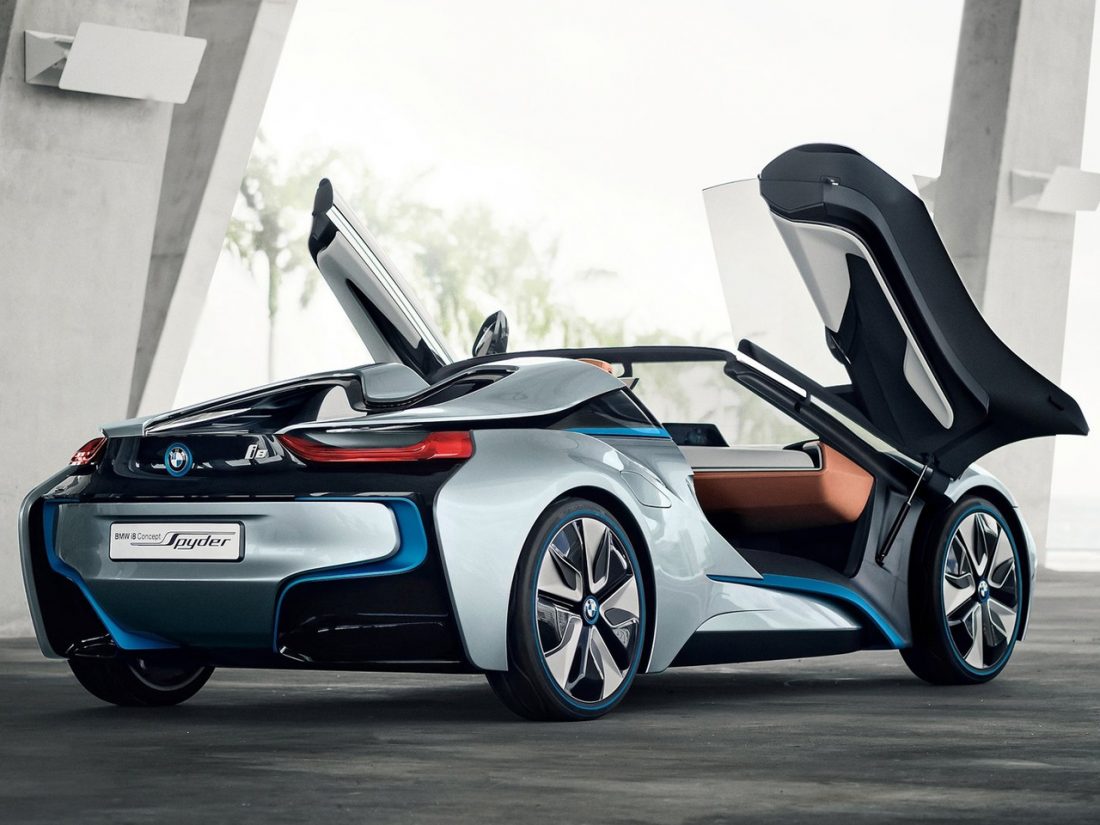
Finally, the other major focus at CES 2016 will be on smart cars. A number of players in the automobile industry are set to unveil autonomous or self-driving vehicles. Some of the speculated names include BMW’s i8 Spyder and the Apple Car. Volkswagen is also keen on shifting people’s attention from the the dieselgate scam, which is why the company is also ready to unveil its first all-electric autonomous vehicle. A teaser revealed earlier this month showing a boxy shape front has raised suspicion that VW is ready with its much-talked about microbus revival.
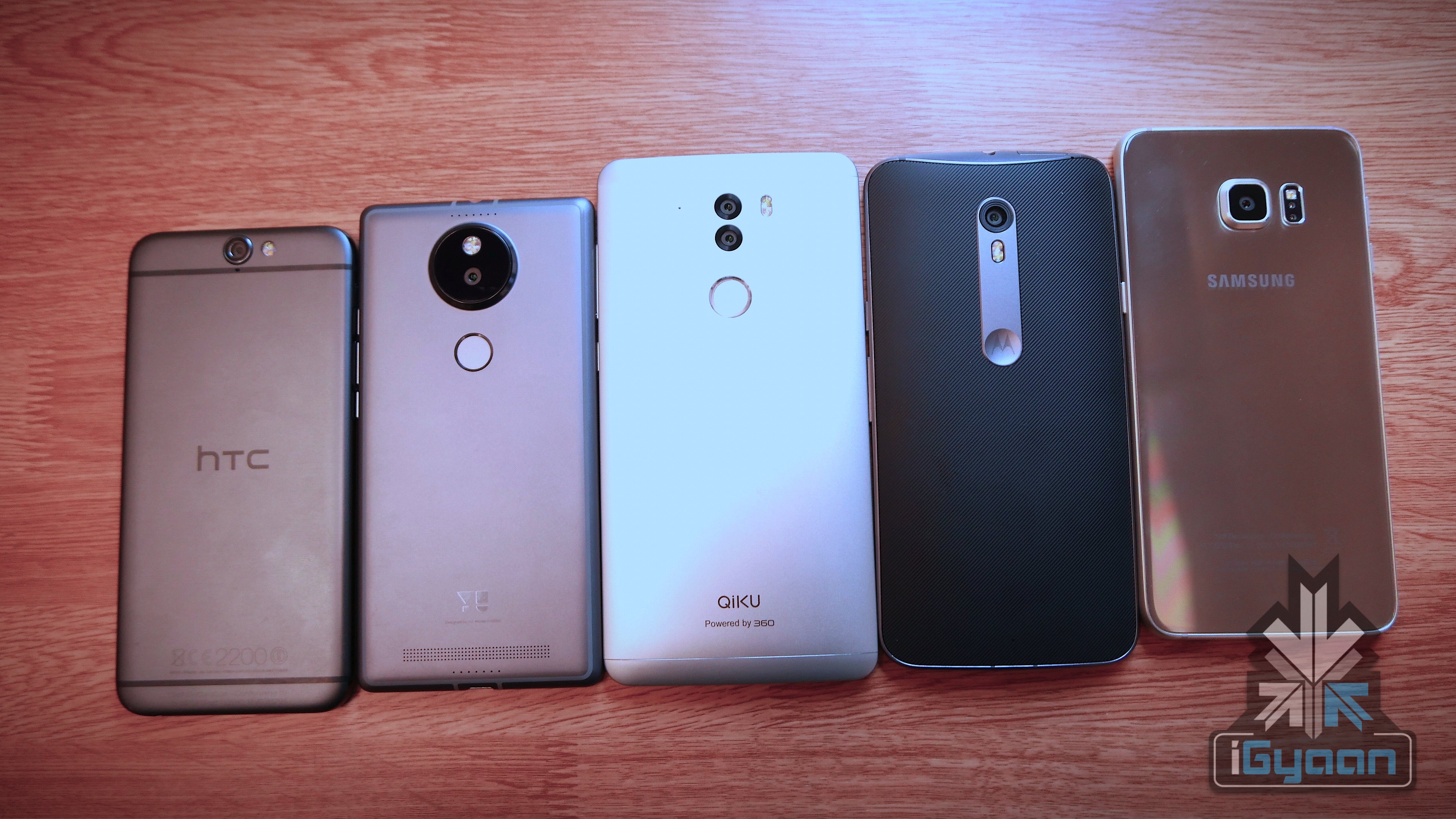
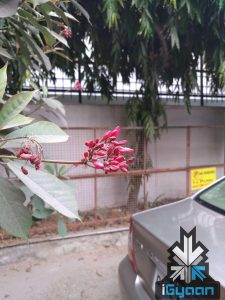
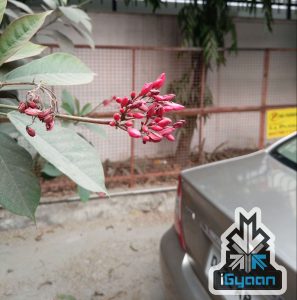
2015 has seen some top-of-the-line smartphones that have excelled in the camera department. We look at the Samsung Galaxy S6 Edge+, Moto X Style, HTC One A9, and Qiku Q Terra and how they perform with the snapper. The images taken are all in auto mode for better comparison.
Galaxy S6 Edge+
The one thing you can blindly trust about Samsung is their camera. The past few years, Samsung’s flagship devices have come with spectacular cameras that have become a kind of benchmark for other flagship devices. The primary camera of S6 Edge+ rocks 16 MP, 2988 x 5312 pixels, optical image stabilization, autofocus and LED flash, while the front camera has a 5 MP along with dual video call and Auto HDR.
Having one of the best sensors in the market is bound to get you some amazing captures. Pictures taken by the device appear incredibly crisp and clear, and the colours are close to what your eyes see. There is no added saturation here and the bench looks the right kind of orange. The wide angle shot also captures the sun, where other devices in this list have failed to do so.
HTC One A9
HTC’s new One A9 features a 13-megapixel primary BSI sensor behind an f/2.0 lens with OIS and a 4-Ultrapixel front camera. HTC launched the One A9 proudly ripping off the aesthetics of the recent iPhones. While the hardware may be still a way off, the HTC One A9 does well in the camera department.
The outdoor photos came out with a good amount of detail, accurate colors and spot-on white balance. The new One A9 delivers loads of sharpness and clarity. The device comes with a great deal of modes to improve the way things can be shot for the more professionally inclined. For example, there is a RAW mode that takes a little while to process the image, but it does this to give you the best shot possible.
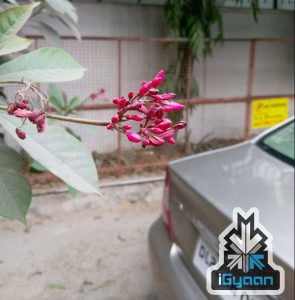
Thanks to the AMOLED display, the images look bright and crisp. However, the shutter speed isn’t the fastest in this list, but that can be ignored for a phone that isn’t quite a flagship device. The colour of the bench and the flower look saturated, but it also gives the picture a certain attractive gloss. Indoor images look good too but it’s still a bit darker when compared to the others.
Yu Yutopia
The Yu Yutopia is one of those devices that have been launched under the moniker of ‘flagship killers’. Sitting comfortably between the Rs. 20,000 to Rs. 30,000 range, the Yutopia made tall claims which it failed to deliver. The camera, however, doesn’t fail at all.
The Yutopia sports a 21 MP Sony Exmor RS IMX230 camera, which is considered one of the most powerful modules in the market today. The rear camera is also capable of capturing 4K video. The camera is fast and responsive and captures a lot of detail. The Yutopia’s shutter speed is indeed fast, as the company claims, at least on auto mode.
Moto X Style
The Moto X Style sports a 21 MP primary camera with f/2.0 aperture on the rear, and a 5MP wide-angle lens on the front (both with flash). The rear camera does not come with OIS, but the camera is an improvement over the others in the Moto X lineup.
In normal to low lighting, the rear camera does quite well. The images are sharp and detailed with just the right amount of vibrancy and saturation. Like the HTC One A9, the Moto X Style also adds a bit of saturation and warmth to the colours, but without making the photos look unnatural. The images are also sharp when zooming into a picture. Furthermore, the X Style is the only other device after the Galaxy S6 Edge+ that was able to capture the sun in the wide angle shot.
One down side to the Moto X Style would be the lack of a full suit of manual controls, which other devices in the list offer. That being said, the camera interface is very simple to use. You can tap anywhere on the screen to take a picture, and swipe right for your basic adjustment setting or swipe left to view your previous snaps.
Qiku Terra
For a debut phone, the Q Terra is massive in all aspects . The 6-inch device not only has a big build and sturdy design, but comes with some impressive specs as well. The Q Terra features a 13 MP rear sensor and an 8 MP front.
On the camera front the Q terra uses a DuoScopic Camera System that integrates two 13MP Sony back cameras – a IMX278 color sensor along with a B/W IMX214 sensor. The phone combines the two instantly for better results. Adding to this, the phone also offers an 8MP front camera with f/2.4 aperture. The images are not only rich in detail but also have great colours.
Outdoor pictures look quite decent with very little saturation. The colours look just like you would see them and the images stay sharp and clear even after zooming in. We found that the phone struggles on occasion to focus on a point. A few shots appeared blurry, but often the pictures were detailed and well balanced.
Conclusion
After taking several pictures with the above mentioned devices, we found that while the S6 Edge+ dominates the pack with its spectacular camera, other devices like the HTC One A9 and Yutopia feature some great sensors as well. The images are colourful and clear and the AMOLED display on the One A9 really adds more flavour to the pictures.
Qiku’s Q Terra doesn’t have much to brag about, but the device works well under outdoor conditions. Moto X Style is for the absolute basic photographers who want some quick, auto captures with no fuss. Though basic it may be, the X Style does come with a pretty solid camera.
If wearables is what you’re looking for, you’ve come to the right place. Read on to find out about the best pieces of wearable tech in 2015.
Apple Watch:
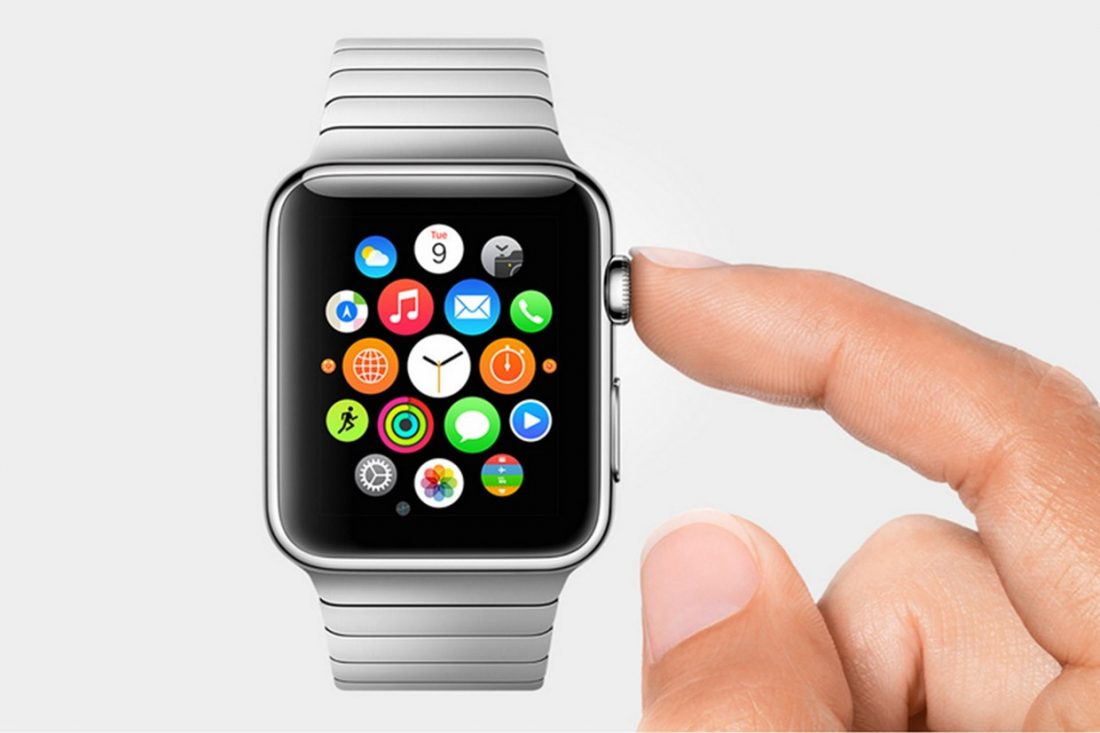
Apple released its Watch in April this year, and 7 months later it made it to the Indian market starting at Rs. 30,900. It’s available with Apple retailers across the country. The Watch comes in a variety of colours including gold, Rose Gold, Space Gray, silver anodized aluminium, polished silver or Space Black stainless steel, and 18-Carat Rose Gold or Yellow Gold, but not all of these variants made it to India. Click here for specs and all other details of the smartwatch.
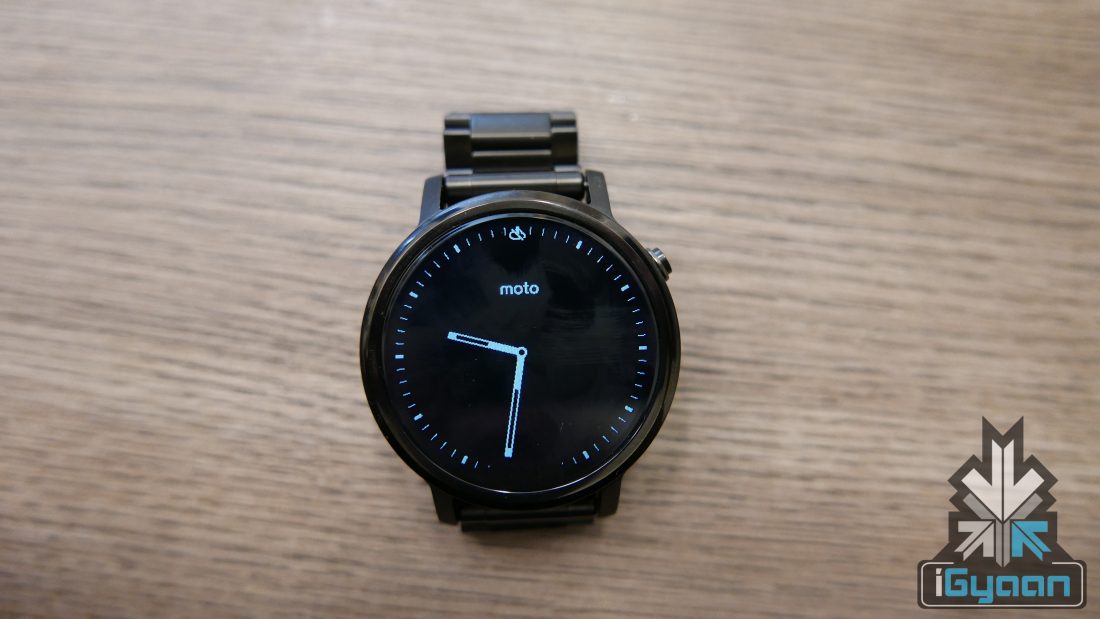
Moto 360 Gen 2:
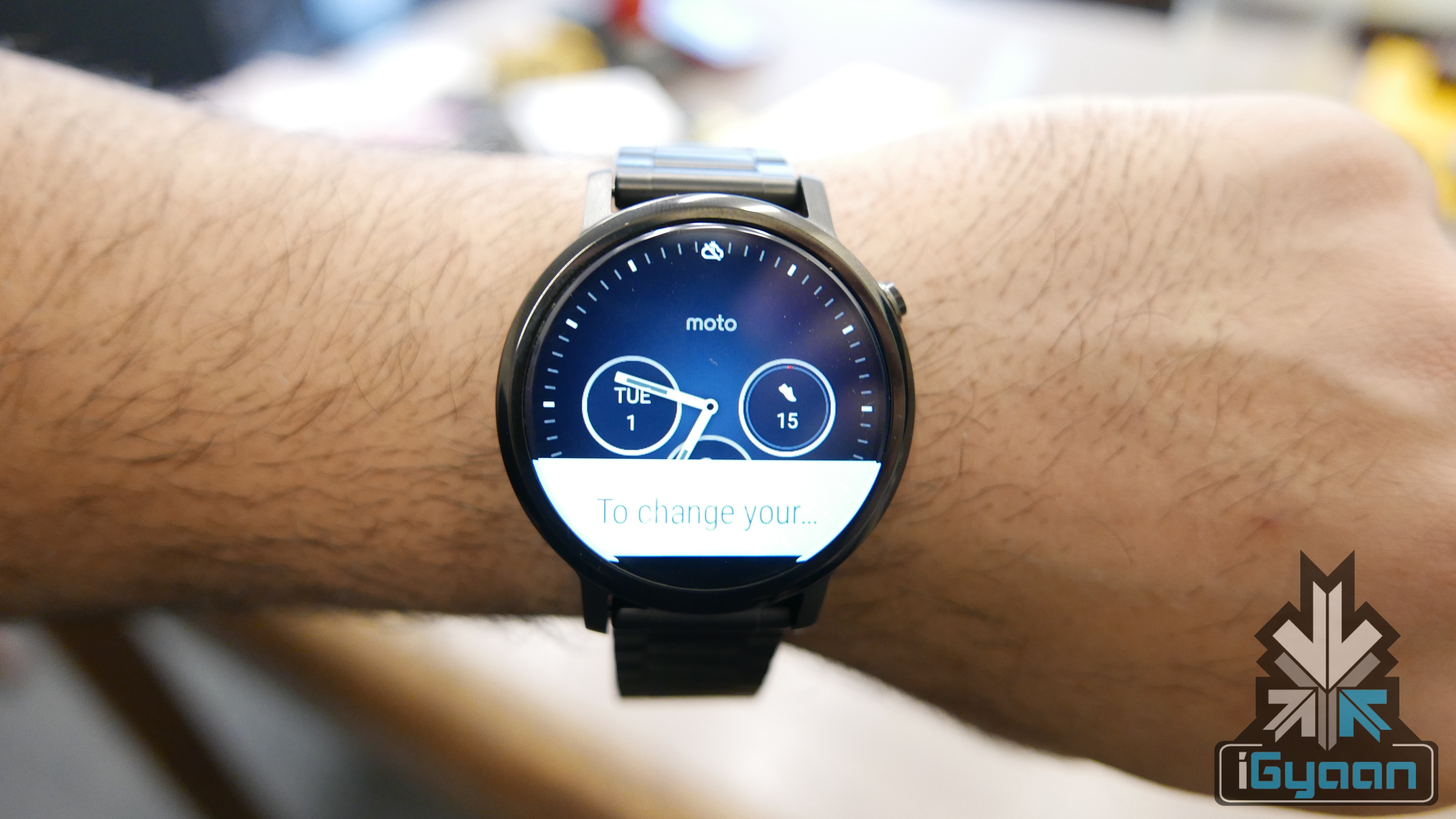
Launched at IFA Berlin this year, the Moto 360 Gen 2 arrived in India in early December. With a starting price of Rs. 19,999, the Moto 360 comes in two different sizes – a 42 mm male and female version, and a male-only 46 mm model. The bands of the watch can be chosen from metal and leather. Though there is also a silicon option available for the band, it won’t be arriving in India any time soon. Click here for the specs and a hands on of Moto 360 Gen 2.
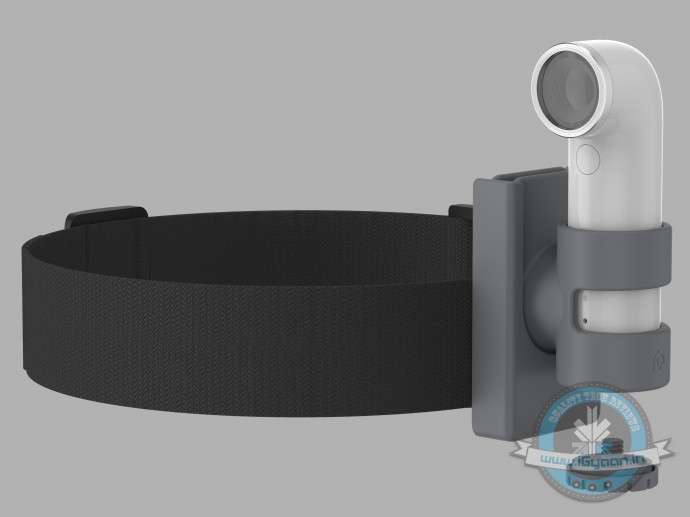
HTC Re Action Camera:
The new HTC RE camera is a take on Go Pro style action cameras but HTC calls it the first camera that is designed to be held, and fits naturally and comfortably in the palm of your hand. It comes in various colors and sizes with various mounting options and accessories. Specs wise the RE is pretty impressive. It is equipped with a 16MP 1/2.3” CMOS sensor with an Ultra wide angle: 146° lens (f/2.8) captures 1080p, 30fps FHD video and 720p, 4x slow motion video and it also has a Time-lapse video recording mode. Click here for more details.
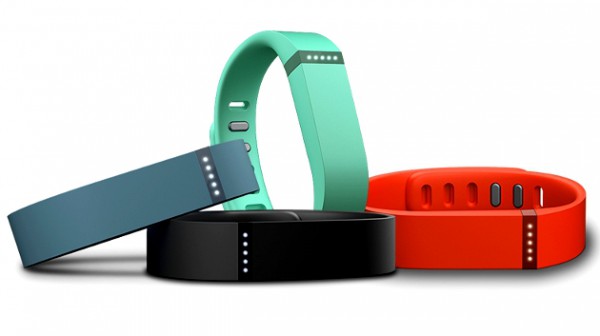
FitBit Fitness Wearables:
Fitbit, the world’s largest tech wearable brand, entered the Indian market in 2015 through a partnership with Amazon India. The company is popularly known for selling wearable technology, which helps monitor fitness. It offers its range of wearables on Amazon which include Zip, Flex, Charge HR and Surge. The prices range from Rs. 4,000 – Rs. 19,990. You can find more details and specs of FitBit wearables here.
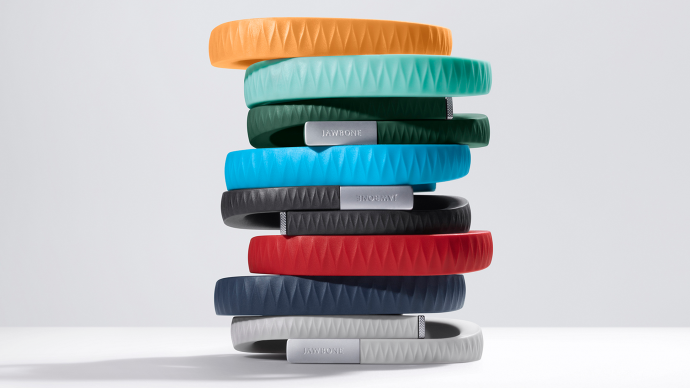
Jawbone:
Jawbone products give a better understanding of sleeping patterns, diet and physical movements. The company introduced its UP product range in India in September, 2015. This technology allows you to monitor your diet, sleep patterns and physical movement. The app in the gadget is equipped with Smart Coach – Jawbone’s coaching system which turns data into personalised guidance, giving you insights and challenges to help you improve your sleep, activity and diet. The UP activity trackers are of three kinds – UP Move, UP2 and UP3.
HTC is ready for its comeback and to help the Taiwanese company back on the tech map is their brand new One series phone the HTC One A9. This year has seen some major handsets from the company, but with all the backlash in their choice of chipsets in the HTC One M9 plus and pricing of their portfolio along with the sheer delay in launching phones, has left prospective HTC owners with a sour taste. We purposefully waited for HTC to reveal the price before concluding our Review. So that we could include it as a major factor for this review.
Overview
The HTC One A9 does what HTC has been trying to do for a while, make a fantastic all metal phone for a considerably affordable price without letting go of important specifications.
The HTC One A9 is a Snapdeal exclusive in India and has been launched for Rs. 29,999 . You can buy one here : SnapDeal
Build Quality and Hardware
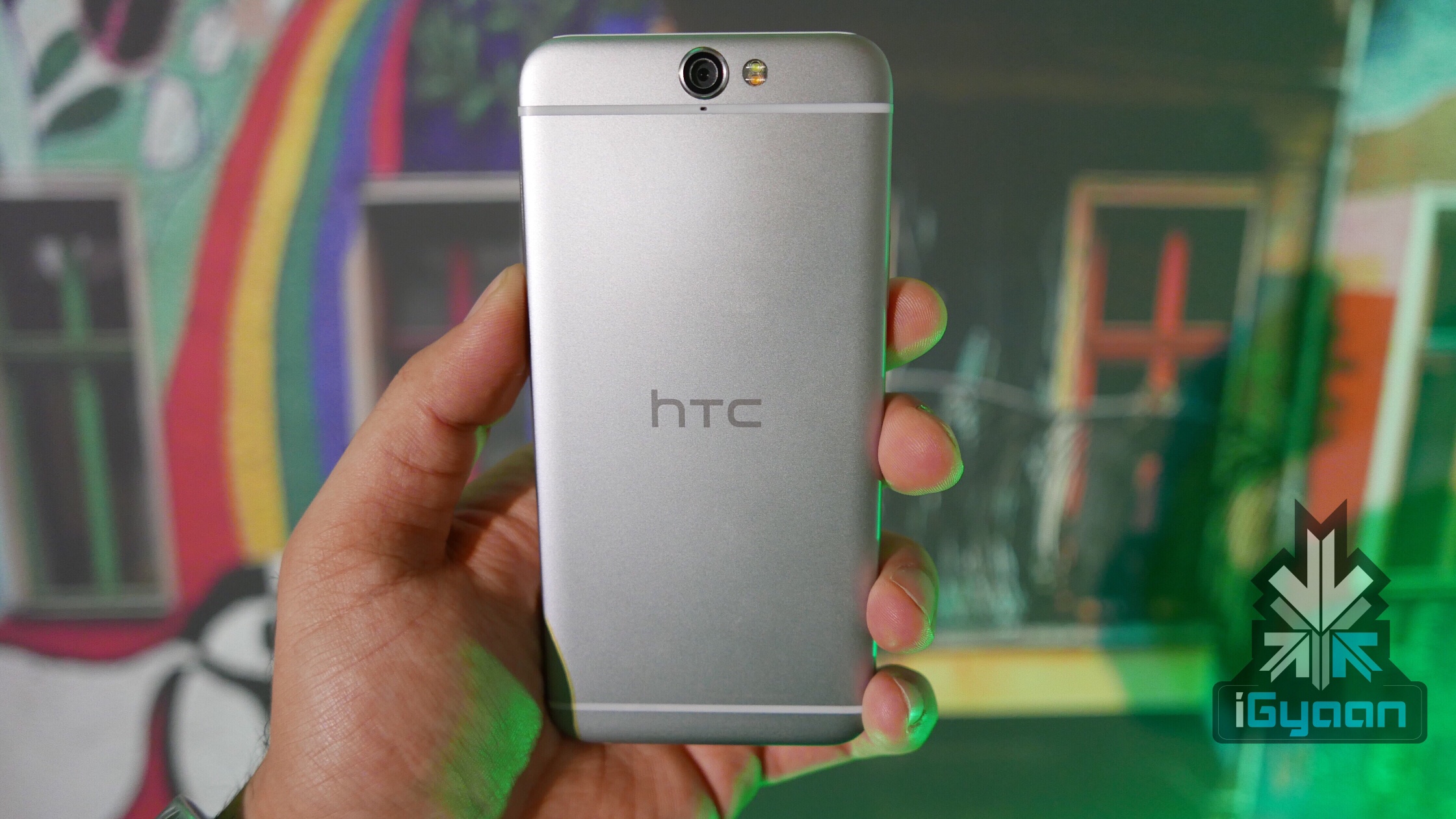
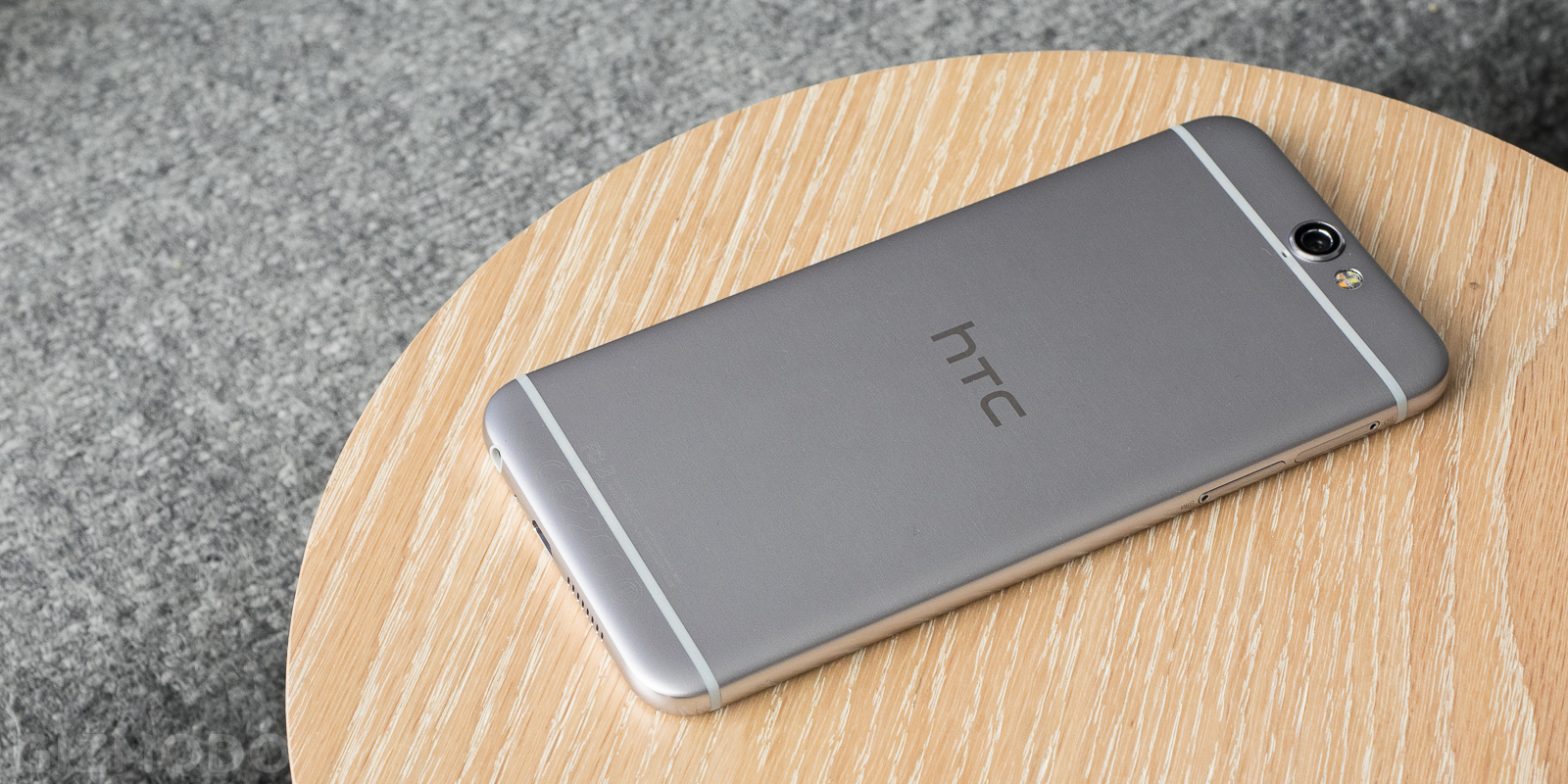
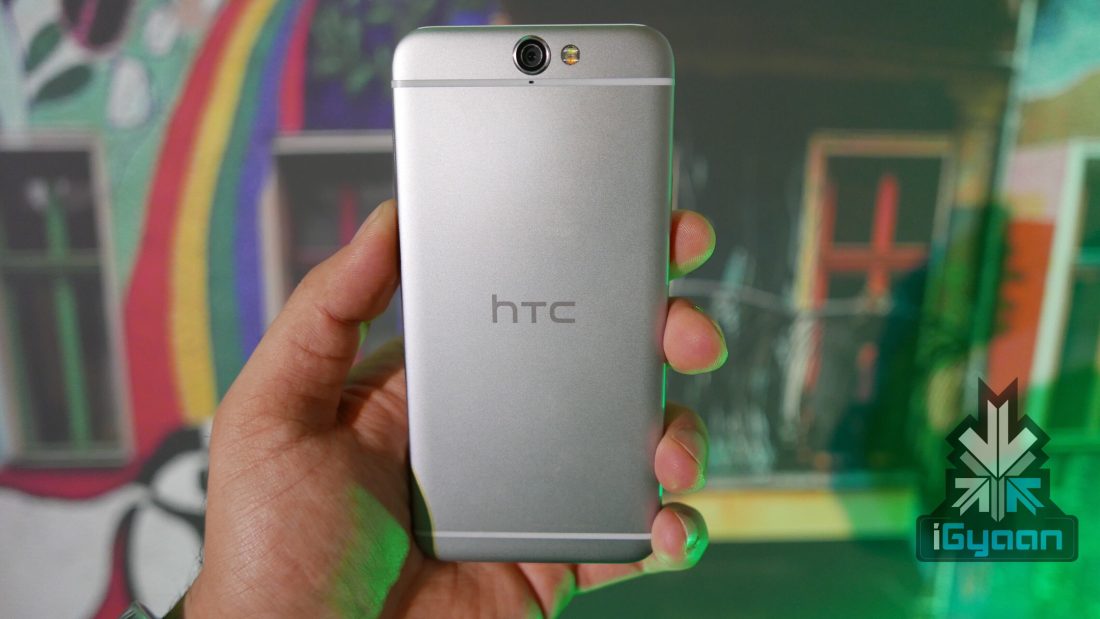
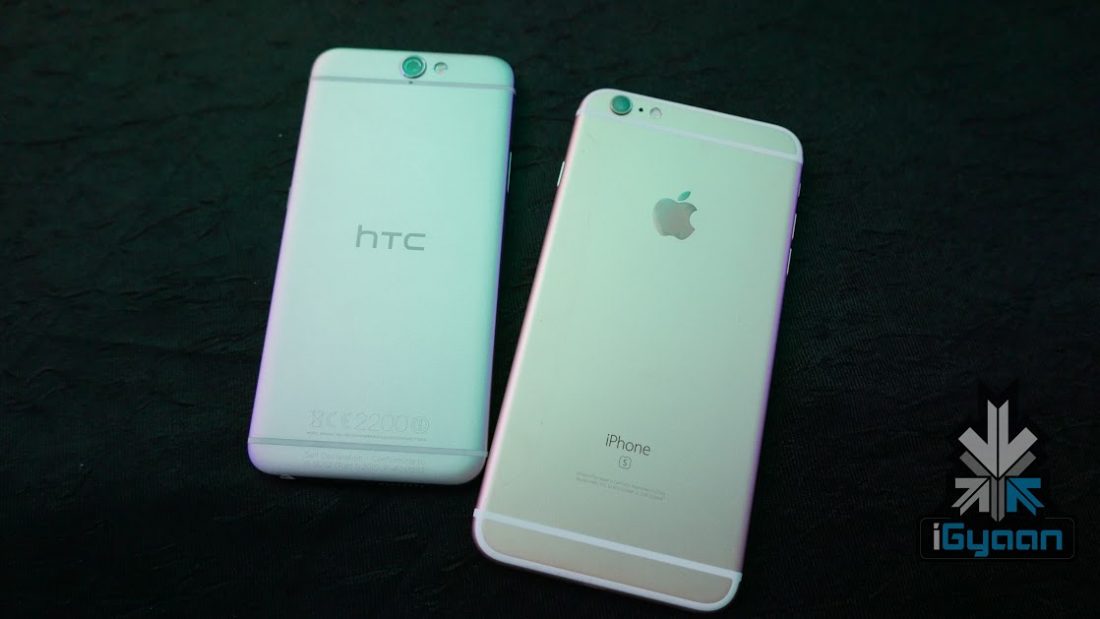
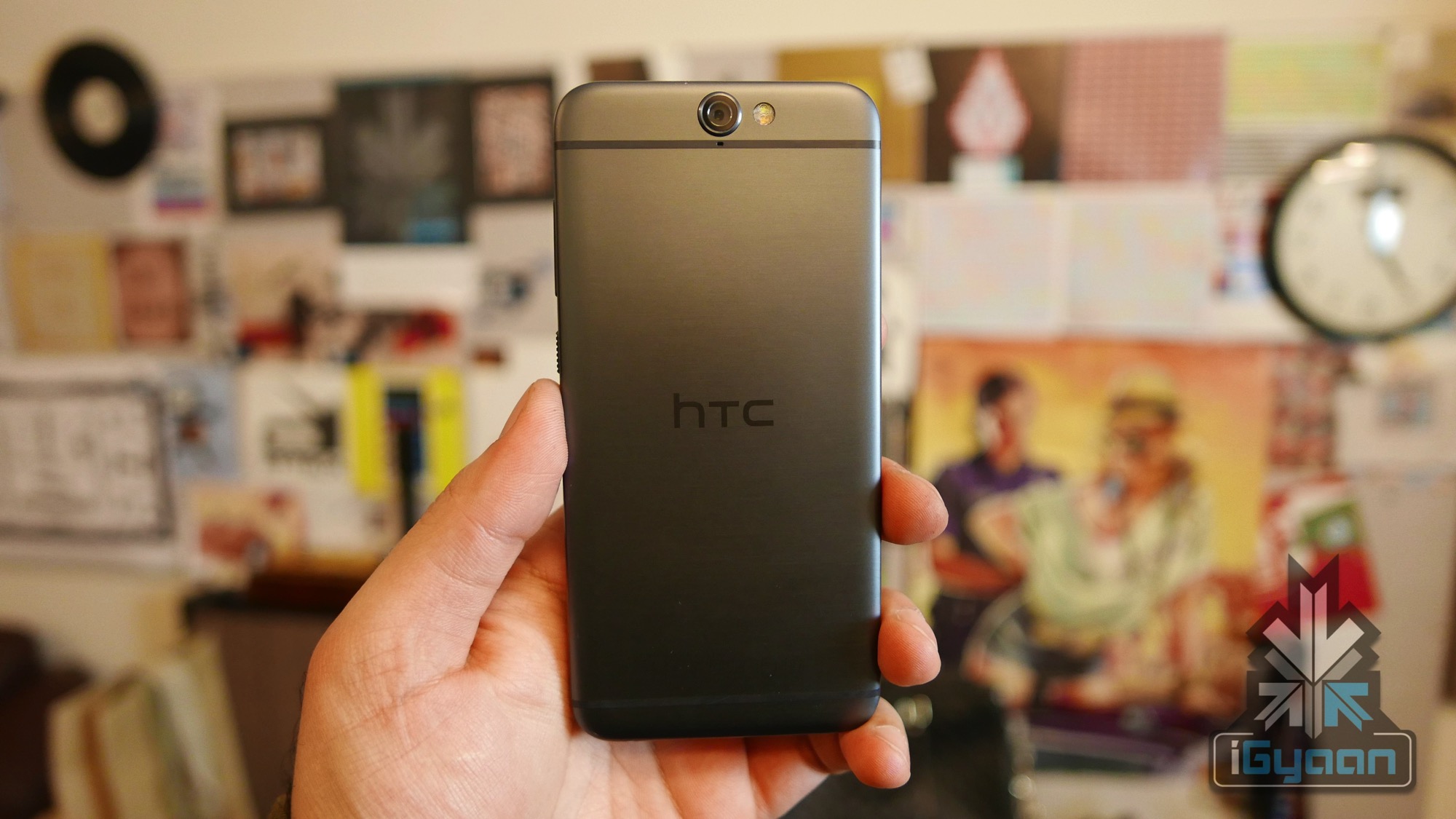
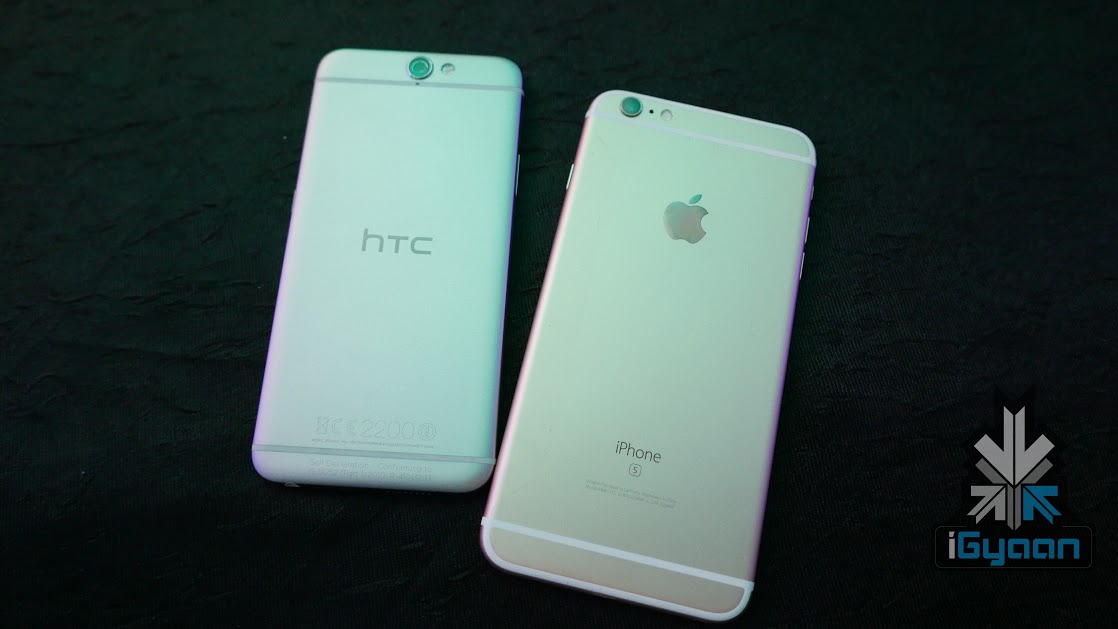
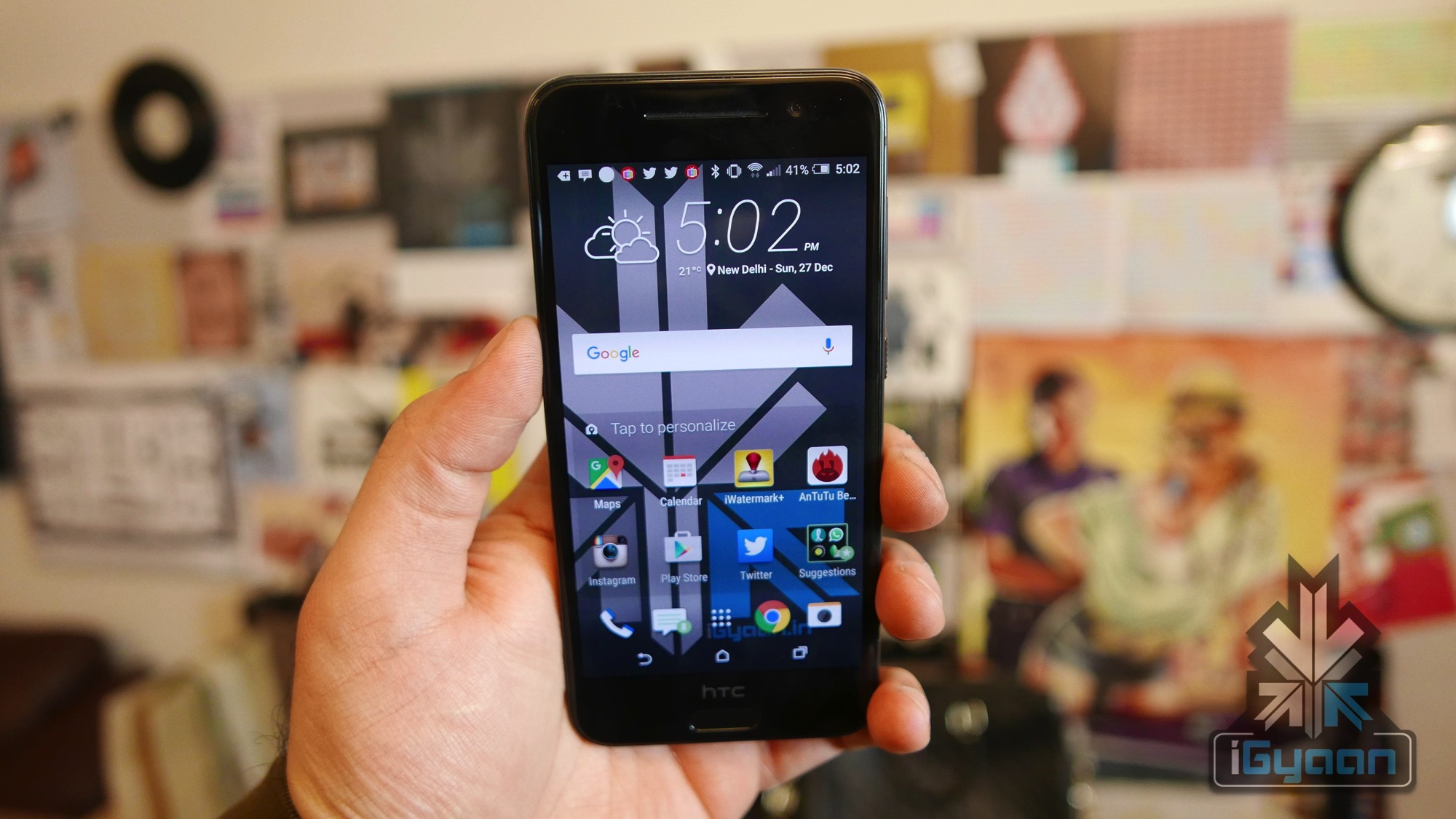
The all metal back and the overall design of the phone is familiar. The HTC One A9 resembles the iPhone 6/6s or vice versa. Whatever be the case the handset looks good and is available in a wide gamut of colours and options for the market however in India it has only been launched in the Gray and silver colours.
The phone is built extremely well and feels excellent in the hand, The rounded edges of the phone mould into your palms and make the hard metal feel smooth and soft to hold. The design is striking and the HTC One A9 is made so most of its pressure areas stay protected.
The bezel is beautifully matched with a curved edge front glass curves, which in itself is a Gorilla Glass 3. It should be noted that, Hardware wise HTC does lose out to the competition. The biggest let down for a consumer is specs on paper, when compared to the high price of Rs. 29,990 the specs do not match up. A Snapdragon 615 chipset is today found in phones that cost under 10K, so is 2 GB of RAM and a 5 inch display.
No one is giving points to HTC for the 2150 mAh battery or a Full HD display. The AMOLED nature of it is well appreciated and so is the brilliant fingerprint scanner that HTC has basically done a fantastic job with. All of this hardware doesn’t matter when it comes to the experience of the HTC One A9 which we will detail below. For those who are specification NERDs your review stops here. Move Along!
In all entirety what HTC is trying to do is simple. HTC phones are designed beautifully and work really well. I recently met someone who was still using an HTC One {M7} and was very happy with the handset, still happy with it!, Its almost 2016 for christ’s sake!
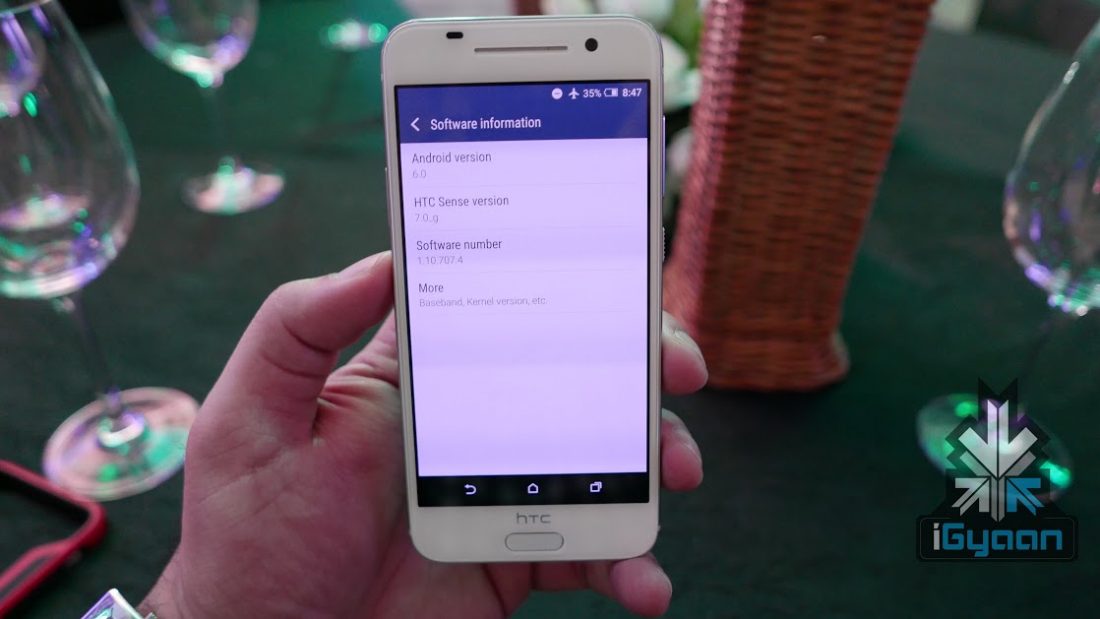
The phone comes with Android 6.0 out of the box, one of the not so many in this range that have the ability to say that. HTC has worked really hard into giving an experience that does not leave you disappointed. The company is trying to pull a cheap “Apple”, they want to give you the best experience, they do not want you to worry about “specs” and they want to do it relatively cheaper than Apple.
The problem with that logic is, that most who are non Apple Sheep, prefer to know what horse power is under the hood of their Android powered sedan. In that context, problems and bugs are often blamed on the hardware.
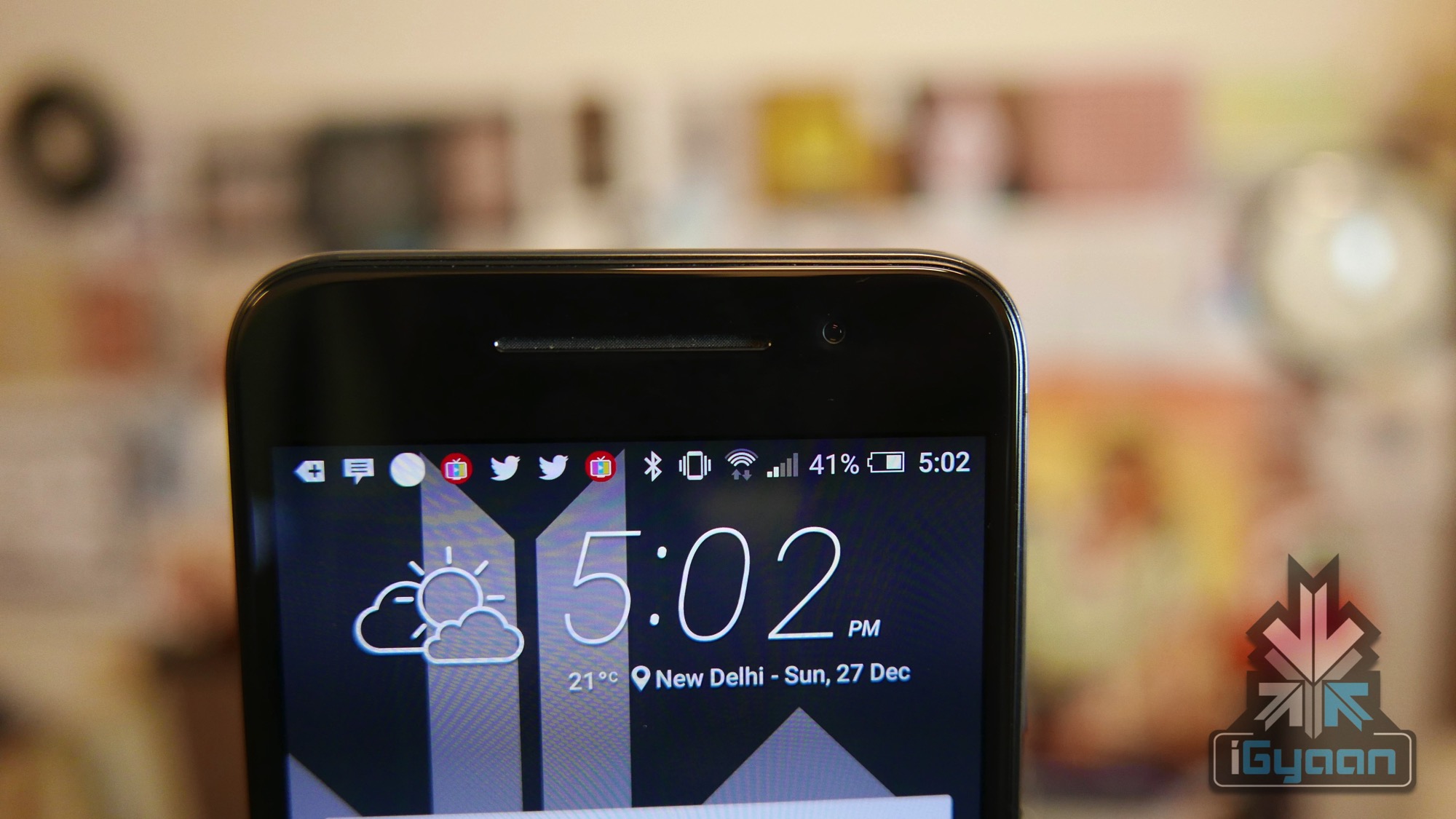
However, this is where HTC scores an epic WIN! From picking up your phone in the morning to keeping it away at night, you literally have no issues, slow downs, or crashes. This is what you are paying for, more than you should, but that is it.
Games work really well, so do day to day tasks. Multitasking is liquid smooth, and so is the intense processing in some of the many camera features bundled with the handset. The HTC One A9 is what you need to be looking at, for basically not worrying about using a smartphone. The temperature is controlled beautifully and the phone does not heat up or become uncomfortable to use.
Camera, Multimedia and Display
The camera combination on the HTC One A9 is a 13 MP main camera and an UltraPixel front camera which is roughly 4 MP with their large 2µm pixel size. The front camera miss autofocus, which honestly is not expected in this price bracket.
The rear camera shines when clicking images, the colours pop the dynamic range is excellent and focus quick. The camera is exceptionally fast and has zero shutter lag, something that HTC has done well in the past. The contrast and colour on the HTC One A9 is their best yet and the images really speak for it. You will find yourself clicking a lot of pictures, and video too, although many in this price segment offer 4k video. With the HTC One A9, you are still stuck at 1920 x 1080p video although with OIS, which offers good stability and sharpness.
The display is a AMOLED display which is appreciated by a lot of people for great colours and deep blacks. The viewing angles may not be as much as an IPS display, but AMOLED displays make for great media consumption.
The HTC One A9 is missing Boomsound speakers and the quality of sound that we are used to from HTC devices. The audio experience from the headphones is excellent and will the throughly enjoyed. Even though HTC no longer embraces Beats audio , some of the tweaks are present in the device and improve the audio experience.
Software and UX
HTC has managed to pull a bunny out of the hat, the Android 6.0 out of the box means many owners will cherish being on the latest OS, which is traditionally not the case with HTC. Apart from the Nexus 9 , most HTC devices are late to the latest Android party, in this case however HTC made an exception.
The UI is HTC Sense and works extremely well between the grid style icons and new blinkfeed. The Camera application is highly improved and quick to open and click pictures with. Nifty UI improvements make navigation quick and easy getting used to. You will still get all HTC personalisation features and easy migrate which will move you from any other phone to the new HTC One A9.
Quick and intuitive the software has been beautifully synced to work with the hardware on the HTC One A9 and it shows in the usage of the handset.
Networks and Battery
The HTC One A9 supports all major LTE Bands in India and works flawlessly on Airtel throughout its covered regions. Network dropped wherever other devices would drop it too. It does do a better job of holding on to the call while in transit.
Battery life is the one major question, while in most cases battery realistically drain out by 8 hours of use, sometimes it was much longer as much as 12 hours of use. The phone tends to last longer when it is not hunting for networks, and whereas this is the case with most phones, the HTC One A9 manages to last considerably longer if you are on Wi-Fi.
Function
Time
Talk Time
4.5 Hours
Music
10 Hours
Internet on LTE
5 Hours
Internet on WiFi
8 Hours
Conclusion
HTC made on hell of a phone with the HTC One A9, to add to possibly the strongest lineup of handsets for any company. But, just like many devices in the past the price does not seem to do it justice. While HTC phones are built to last, and look and feel great, have impressive UIs and software experiences along with hardware that is top notch and engineered to work well with their software. All of which you see on the HTC One A9, but since there is no calculation for experience of using a handset, the price will be truly the biggest letdown of the handset, and the only issue worth considering.
The HTC One A9 offers a user experience which is easy to forget about, because it does not bother you. HTC has finally understood what people want, but do they want it from HTC ? That may be real question. The HTC One A9 paces through the day of a modern consumer who is on the go , a slim and lightweight package, built well and around a smooth user experience, from software to customer service. One of the best phones in this price bracket and truly one worth your hard earned money.
The HTC One A9 is a Snapdeal exclusive in India and has been launched for Rs. 29,999 . You can buy one here : SnapDeal
If you’re looking for a phone priced between 30-40K, here are our recommendations. Let us know about your favourite smartphones in this price bracket in the comments below.
HTC One M9 Plus
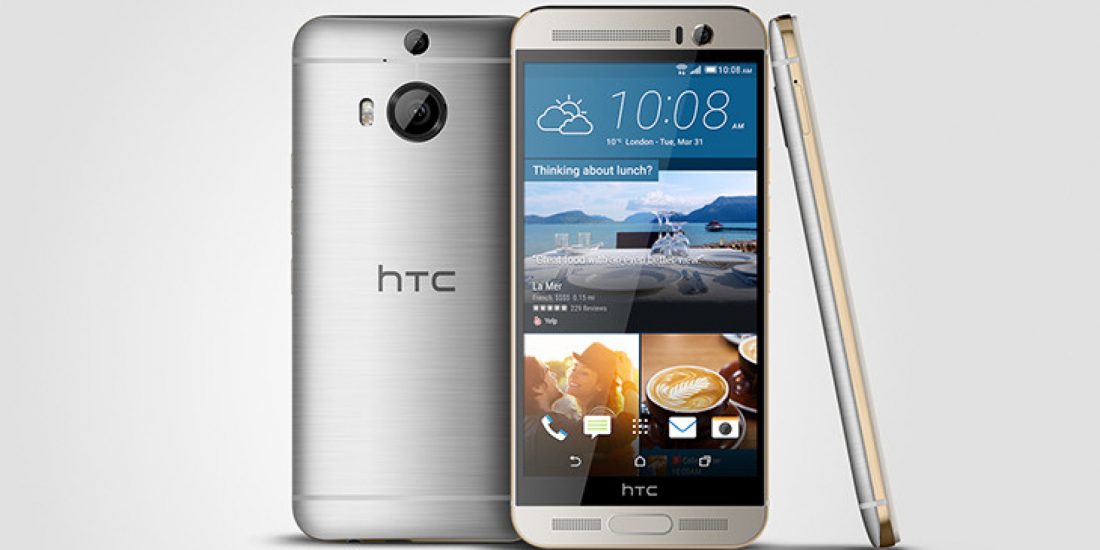
The HTC One M9 Plus packs a 20 MP primary camera with sapphire cover lens, auto focus, BSI sensor and ultrapixel front facing camera. It has a5.2-inch (13.2 centimeters) display with 1440 x 2560 pixels resolution. The phone is powered by 2.2GHz octa-core processor, 3GB RAM, 32GB internal memory expandable up to 2 TB, and it supports only a single SIM. The battery is marked at 2840 mAh.
Samsung Galaxy Note 4
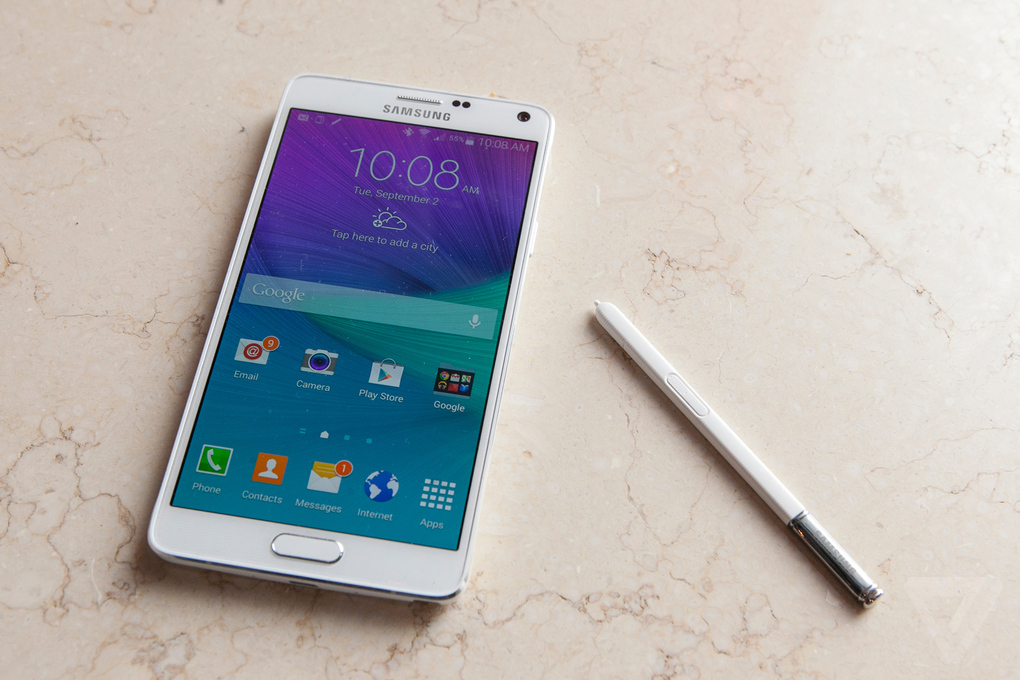
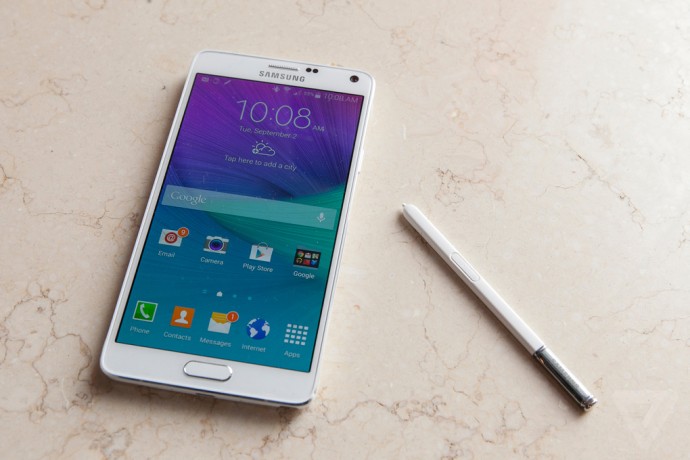
Galaxy Note 4 comes with a 5.7 inch QHD display and a 3,220 mAh battery with fast charging technology. It is powered by Snapdragon 805 chipset which is clocked at 2.7 gHz quadcore, coupled with 3GB RAM. It offers 32GB internal memory with support for expandable memory of upto 64 GB. Note 4 packs a 16 MP rear camera with OIS, along with a 3.7 MP front snapper allowing users to take wide-angle selfies. Samsung also added a fingerprint scanner feature along with a heart rate monitor on the back of the device. You can find our hands on of the Galaxy Note 4 here.
Huawei Nexus 6PThe 6P features a 5.7-inch QHD touchscreen, Qualcomm’s Snapdragon 810 chipset, with 3 GB RAM, a 3450 mAh battery and a USB Type-C port. The camera sports a 12.3 MP sensor with laser autofocus, dual-LED flash at the rear and a rather impressive 8MP on the front. This pure Android phone runs on the latest Marshmallow operating system. One of the main highlights of the Nexus 6P is the Nexus Imprint. The fingerprint sensor on the back is fast and fluid in accessibility, which according to Google only “gets better over time” as it learns more about your unique fingerprint. Click here for a detailed hands on of the device.
Nokia Lumia 1520
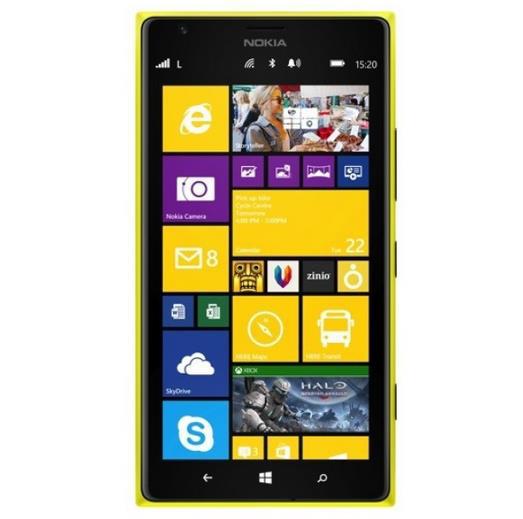
Even though Nokia Lumia 1520 was launched as early as 2013, this list wouldn’t be complete without it.The device features a 6-inch Full HD with 1080p display resolution. The device is powered by a Snapdragon 800 processor, sports a 20 MP PureView camera and has an inbuilt storage of 32 GB expandable upto 64 GB. Nokia has included a big 3400 mAh battery, the device is packed with a 2 GB of RAM. The polycarbonate build supports wireless charging. The price of the phone has now dropped to 39K after the initial price tag of about 47K during the time of its release.
LG G4: The LG G4 is an iconic design from LG, while many companies have attempted to make leather looking handsets (Note 3 and Galaxy S5), LG actually made a smartphone with a genuine leather back panel. The phone packs a 5.5-inch Quad HD LCD with 2560 x 1440 PX resolution. It is powered by Qualcomm Snapdragon 808 with 1.8 GHz hexa-core processor. The LG G4 also has dual sim (certain regions) and a removable and replaceable battery marked at 3,000 mAh, along with micro-SD expansion all of which is lacking in the Galaxy S6 and S6 Edge. Find the complete review of the smartphone here.
Samsung Galaxy S6
The S6 is equipped with 64-bit Exynos octa-core, a premium metal and glass based design. Additionally, the S6 has the most pixel intensive Quad HD display with 577 ppi for a unique, eye-popping multimedia experience, along with wireless charging and ultra power saving mode for improved convenience. For the complete specs and a hands on of the device, click here.
iPhone 6The iPhone 6 is available at an all time low of Rs. 41,000, falling pretty much in the 30-40K price bracket. The phone is a good buy at this price -it offers almost all features of the iPhone 6s (except for Force Touch) minus the hefty price tag. If there was ever a right time to buy an iPhone in India, it is now. iPhone 6 has a 4.7 inch display with a resolution of 1334 by 750 with 326 ppi, and is equipped with an 8 MP iSight camera. Find here the complete review of the iPhone 6.
In this list, we pick our favourite smartphones that fall between Rs. 15,000 to Rs. 20,000. Be sure to let us know your favourite in the comments below.
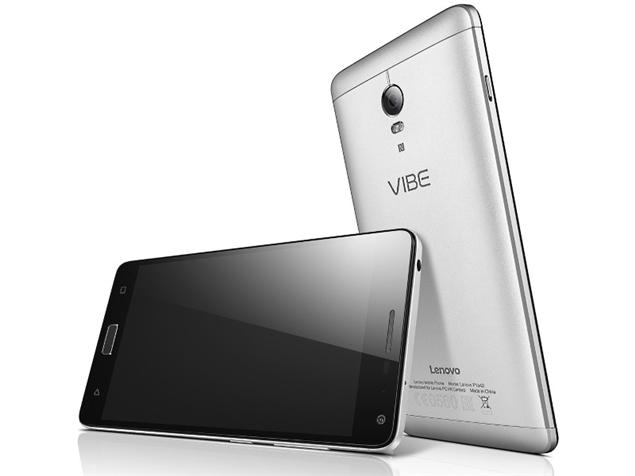
Lenovo Vibe P1
The Vibe P1 features a 5.5-inch full-HD (1080×1920 pixels) IPS display with Corning Gorilla Glass 3. It is powered by a Snapdragon 615 octa-core processor clocked at 1.5GHz with Adreno 405 GPU; 2GB of RAM and 32GB storage with expandable storage via microSD card. The device features a 13-megapixel rear camera and a 5-megapixel front; dual-SIM with dual 4G LTE support.
The Vibe P1 is available at a price of Rs. 15,999 exclusively on Flipkart.
OnePlus X
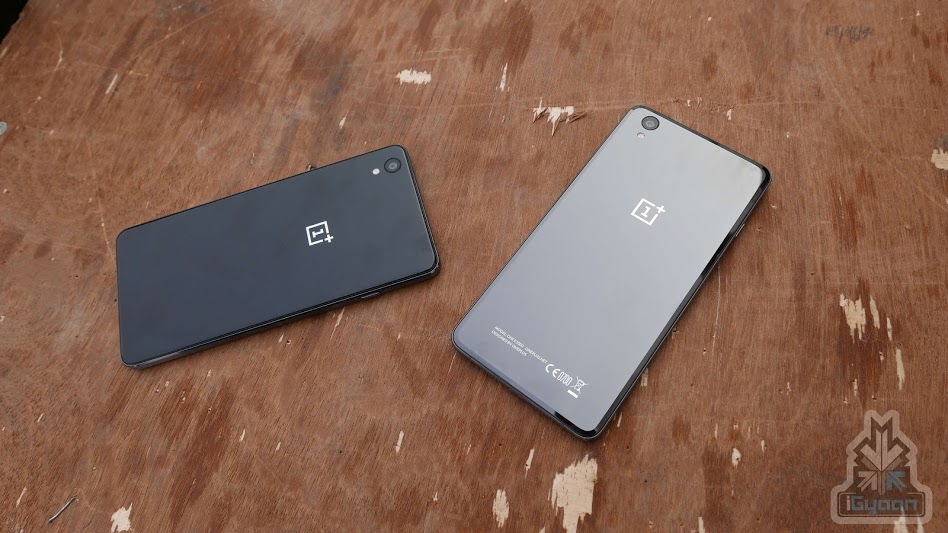
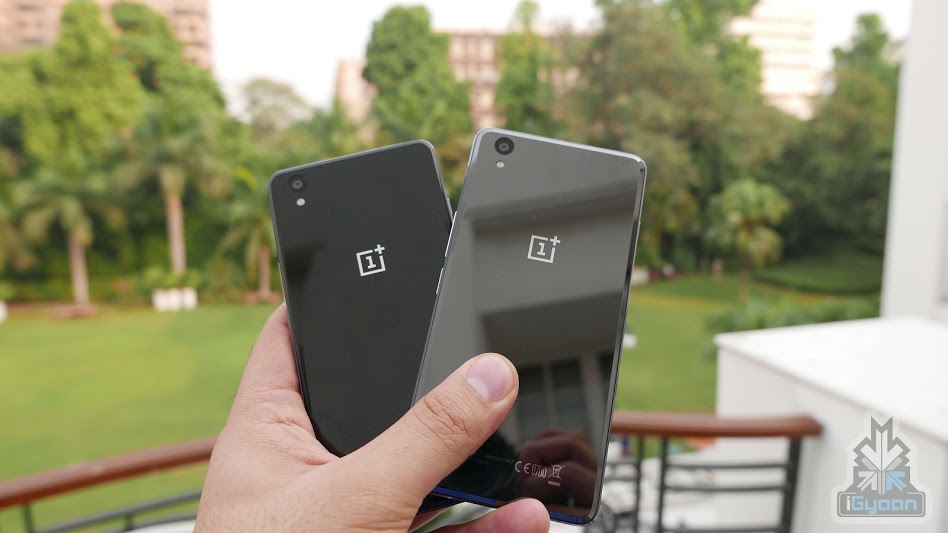
The OnePlus X sports a 5-inch AMOLED display (1920×1080), with a primary camera of 13 MP and a 8 MP front. The device runs on a 2.1 GHz Snapdragon 801 chipset. It features a 3 GB RAM with 16 GB internal storage and is expandable up to 128 via MicroSD card slot. The phone includes an alert slider, like the one found on OnePlus 2. The OnePlus X weighs around 138 gm for the onyx variant and a heavier 160 gm for the ceramic variant.
The Onyx variant of the OnePlus X is priced at Rs. 16,999 and as is available via invite system only. Check out our review of the OnePlus X here.
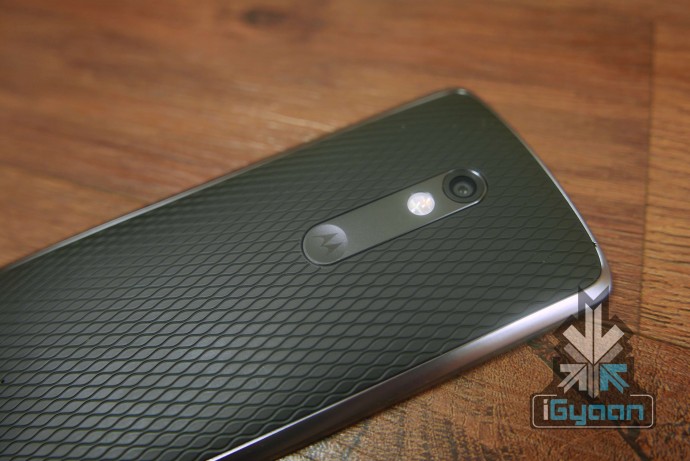
Moto X Play
The Moto X Play boasts of features that are sure to excite the masses. With a 21 MP camera, 3630 mAh battery, and expandable memory up to 128 GB, the Moto X Play is definitely worth its price. Other features include a 5.5 inch screen with Corning Gorilla Glass 3, Snapdragon 615, and an Octa-core 1.7 GHz Cortex-A53 CPU.
The Moto X Play starts at a price of Rs 18,499, and offers a variety of changeable colored back covers. You can check out our hands on with the Moto X Play to know more about the device.
Asus Zenfone 2
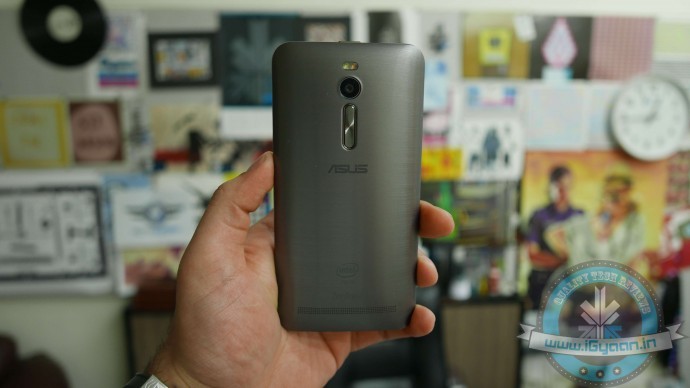
The 32 GB Zenfone 2 is priced at Rs. 17,999 and comes with a 5.5-inch 1920x1080p IPS Display, protected by Gorilla Glass 3. It is powered by an Intel Atom 23580 Quadcore processor with 2.3 GHz CPU and 4GB of RAM. The juice is supplied by an adequate 3000mAh non-removable battery and the smartphone comes pre-loaded with Android 5.0 Lollipop.
Asus Zenfone 2 has a 13MP primary camera and a 5MP front camera. The dual LED flash paired with the rear camera, comes in two colours, to help you get the right white balance. Both the microphones consist of the noise cancellation feature, thus enabling you to talk with least hassle. Check out our exclusive unboxing and hands on of the Vibe P1 for more.
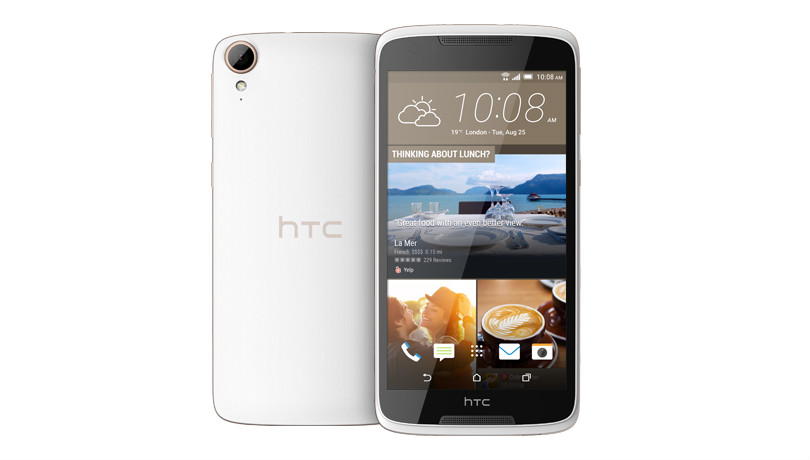
HTC Desire 828
The HTC Desire 828 arrived in India on the 14th of December. Priced at Rs. 19,990, the model comes with a 5.5 inch display with 1080 x 1920 pixels resolution and is powered by the Mediatek MT6753. It is run on the Android OS, v5.1 (Lollipop) and has a dual SIM (Nano-SIM, dual stand-by) connectivity.
It also comes with a storage of 16GB that is expandable up to 2 TB along with 2GB of RAM. On the camera front, the Desire 828 features a 13 MP rear camera and HTC UltraPixel front. The Desire 828 is the first model in the Desire lineup to. The device is packed with a Li-Ion 2800 mAh battery and supports a micro USB v2.0.
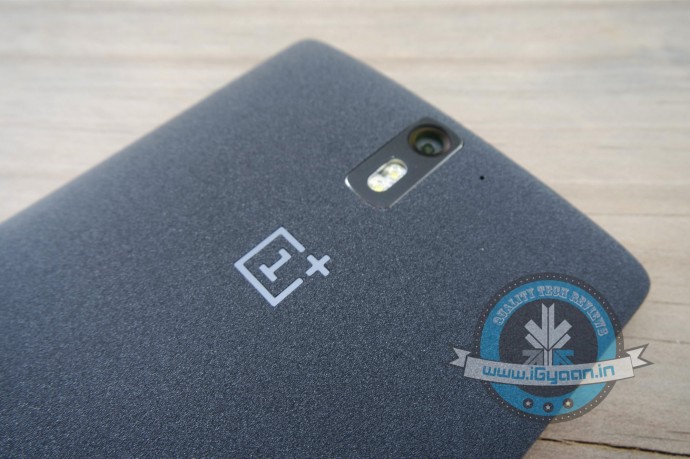
OnePlus One
Even though OnePlus’ debut handset came to India towards the end of 2014, the OnePlus One with 64 GB storage is still a great option today. The device sports a 5.5-inch LTPS display with a 1920 x 1080p resolution and Gorilla Glass 3. On the hardware front the device features a Qualcomm Snapdragon 801 SoC with Adreno 330 GPU, 3GB of RAM and 64 GB storage.
The OnePlus One also features a 13 MP primary camera with 4K video, a 5 MP front-facing shooter, and 3,100mAh battery. All in all the once touted ‘flagship killer’ is still worth your money. The device is available for Rs. 19,999 on Amazon India. Check out our review of the OnePlus One for more.
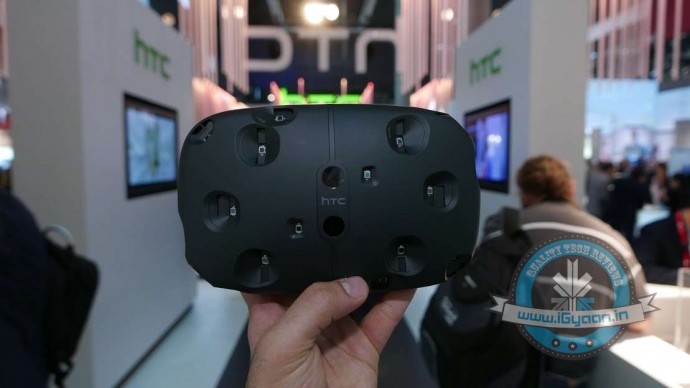
CEO Cher Wang made an exciting announcement about “a very, very big technological breakthrough” at the Vive Unbound developers forum in Beijing yesterday. No other details were divulged except that this upgrade for HTC Vive will be unveiled at CES ’16. This comes as a great comfort after HTC disclosed that buyers won’t get a chance to lay hands on the HTC Vive before April ’16.
Speculations about the retail price of this product have already begun. Once again, the CEO remained tight-lipped and made no mention of even an estimated price. The price will be an important factor with the device already facing competition from many VR-options in the market at competitive prices.
It can be assumed at this point, however, that the kit will cost more than its counterparts because of extra hardware. Wang remains confident this will not be a deterrent for consumers and says, “Why would I buy a handicapped product? You won’t like it.”
Additionally, Vive isn’t only for consumers. Automobile manufacturers like Audi will install it in its flagship stores to create virtual test drives, while other manufacturers are expected to follow suit. It will also be installed in hospitals to get a 3D scan of a patient’s head and therefore prep better for a surgery. We’ll only have to sit back and wait if HTC truly has to offer all that it promises in the realm of VR and 3D tech.
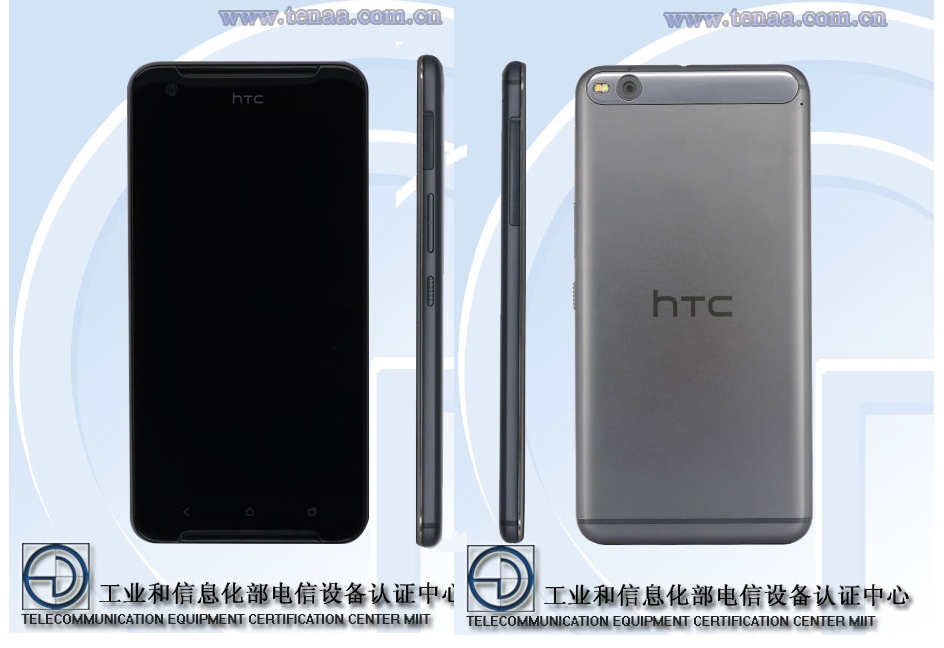
We have been talking about the HTC One X9 for a while now, with its TENAA certification and an expected early release next year. And yet again, the phone is in news. The latest in the series of One X9 updates is leaked renders of the device.
It shows the phone from various angles, giving us a better look at it. On the specs front the One X9 will sport a 5.5-inch full HD (1920x1080p) display and run on the Android Lollipop OS powered by 2.2GHz Octa-core processor, 2GB RAM, 16GB internal storage (expandable up to 1TB). It will feature a 13MP camera on the rear and a 5MP front.
Even though nothing is known of the official launch of the device, it is expected to arrive in the first quarter of 2016.
Last month HTC unveiled the Desire 828 smartphone along with the One A9. The Desire 828 will now come to India on the 14th of December. This model comes with a 5.5 inch display with 1080 x 1920 pixels resolution and is powered by the Mediatek MT6753. It is run on the Android OS, v5.1 (Lollipop) and has a dual SIM (Nano-SIM, dual stand-by) connectivity.
It also comes with a storage of 16GB that is expandable up to 2 TB along with 2GB of RAM. On the camera front, the Desire 828 features a 13 MP rear camera and HTC UltraPixel front. The Desire 828 is the first model in the Desire lineup to feature Optical Image Stabilisation in its main camera. The device is packed with a Li-Ion 2800 mAh battery and supports a micro USB v2.0.
“We are proud to unveil the first HTC Desire phone to feature Optical Image Stabilisation in its main camera and HTC UltraSelfie™ for a remarkable imaging experience and unparalleled selfies. With the HTC Desire 828 Dual SIM, we deliver an exquisite and personalised experience to our customers,” said Mr Faisal Siddiqui, President HTC South Asia.
The HTC Desire 828 Dual SIM comes in Dark Gray and Pearl White colours. And will be available exclusively on Flipkart for the consumers to buy from December 14, 2015 (12am) onwards at a price of Rs.19,990.
Here is a spec table of the HTC Desire 828:
Specifications
Desire 828
Display
5.5 inches
Resolution
1080 x 1920 pixels
Chipset
Mediatek MT6753
CPU
Octa-core 1.5 GHz Cortex-A53
GPU
Mali-T720MP3
RAM
2GB
Storage
16GB expandable up to 200GB
Rear Camera
13 MP
Front Camera
HTC UltraPixel
Battery
Li-Ion 2800 mAh battery
Operating System
Android OS, v5.1 (Lollipop)
Connectivity
Wi-Fi 802.11 a/b/g/n, Wi-Fi Direct, hotspot, GPS, Bluetooth
A leak on Twitter by @LlabTooFeR suggests that HTC’s next flagship smartphone will be called Perfume and will run on the yet-to-come Android 6.1 operating system. Apart from this piece of information, he also suggested that the HTC Perfume will be powered by the 8.0 version of the company’s Sense UI.
Remember reports about next HTC's flagship codename HTC O2? It's dead… HTC Perfume is next flagship. Android 6.1 and Sense 8.0_GP…
@LlabTooFeR had also earlier in the year, dismissed rumours about a Snapdragon 820 powered HTC O2 flagship smartphone, that was supposed to arrive with a 6-inch QHD display, 4GB RAM, 64GB/128GB internal memory, and a 3,500mAh battery.
As of now HTC has not confirmed any details of their upcoming flagship officially, and so all we know about the alleged Perfume is its OS and UI.
New reports suggest that the HTC One A9 will be sold for Rs.29,990 exclusively on Snapdeal. The registration for this will open on the 9th of December 2015 (tomorrow) and end on the 14th of December 2015. It will be available for consumers to purchase from the 15th of December 2015.
The HTC One A9 is the first non-Nexus device to come pre-loaded with the Android 6.0 Marshmallow. Additionally, the company has cut down on pre-loaded apps, opting for a purer Android experience. The One A9 sports a 5-inch Full HD AMOLED display with Corning Gorilla Glass 4 and 1080 x 1920 resolution.
A fingerprint sensor, 13-megapixel rear camera with low light OIS, 4MP Ultrapbixel front camera and a Hyperlapse editing tool are some of its other features.
Here are the complete specs of HTC One A9:
Specs
HTC One A9
Display
5-inch Full HD AMOLED with 2.5D Corning Gorilla Glass 4
“If at first you don’t succeed, try, try, try again”, reads a famous proverb; and the mobile phone industry did take this one very seriously. It is only after a series of miscalculations and faux pas has the smartphone now become one of the savviest tech gadgets to carry around. So let’s take a look at our past and see what our ancestors might have thought to be uber cool.
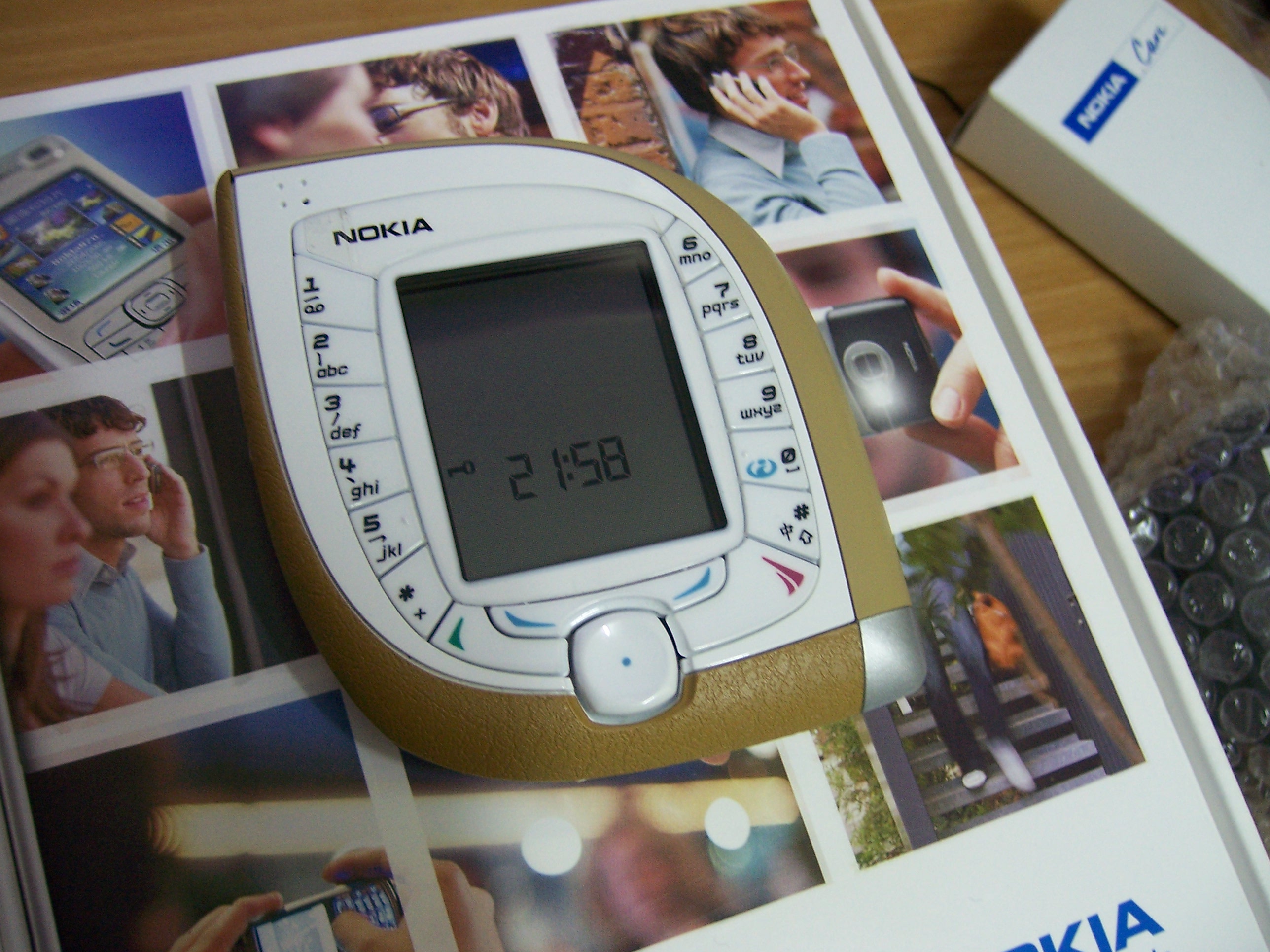
Nokia 7600
Let’s just look at this phone for sometime. Among the various questions that confound us, one of them is just where is the keypad? And that is not even the most important question. What was Nokia thinking by revealing this mobile phone in 2007, just when Apple launched the iPhone? Anyway, to answer the question about the keypad, there’s a 2 inch display and if you look at it hard enough you’ll see that it is surrounded by alphanumeric buttons on the sides and other keys (Menu and navigation keys) below the screen. Oh, and this tear drop Nokia phone was created for ‘fashionistas’. Well, we didn’t see Anna Wintour carrying it. ‘Nuff said.
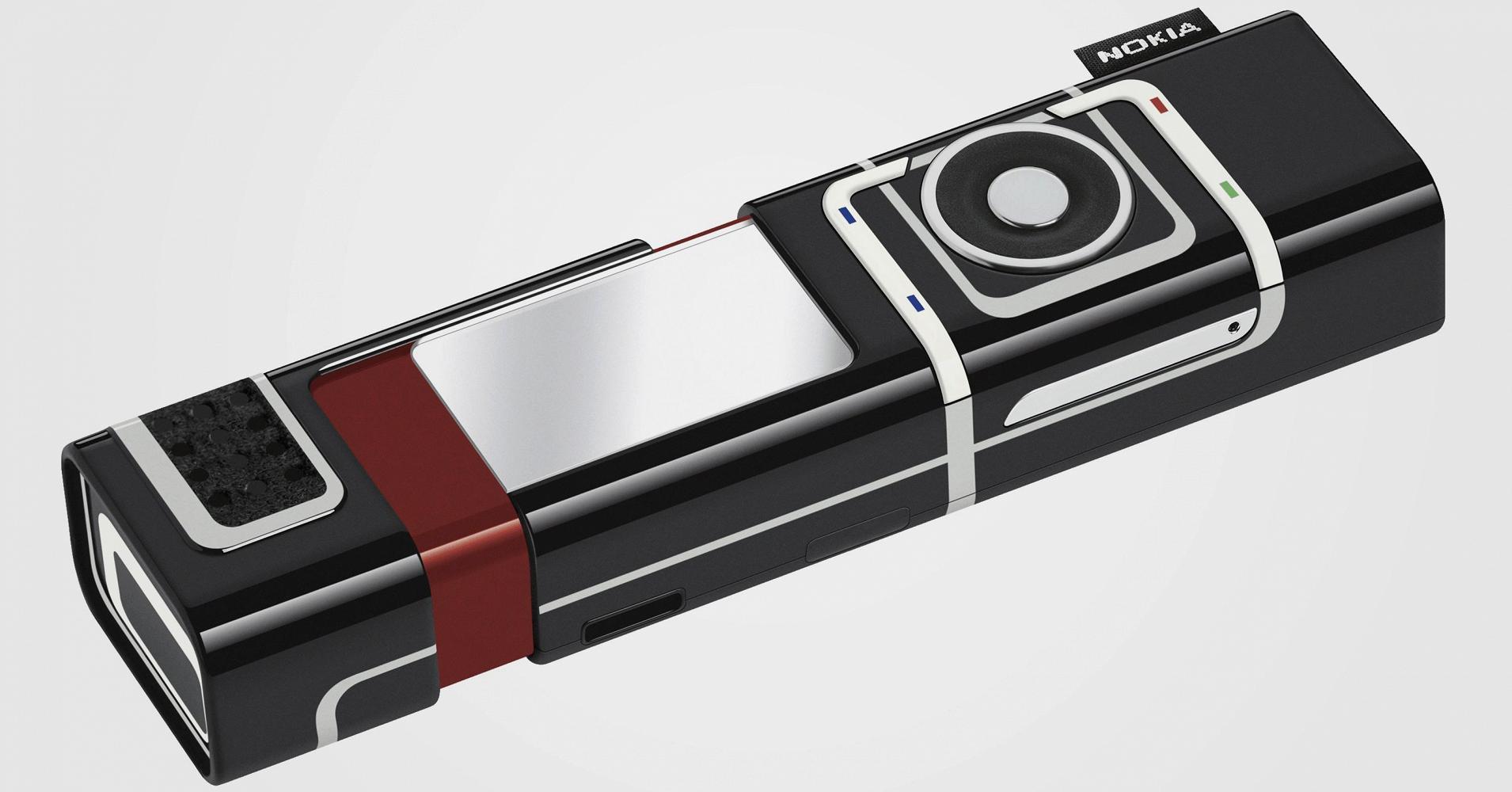
Nokia 7280
If you thought Nokia would learn from their previous mistakes, you thought wrong. At least previously we only asked about the keyboard; over here? Where is anything? Nokia thought that a lipstick shaped phone would be more fashionable than a tear drop. They were technically right, but this lipstick is making tears drop from our eyes. This phone has a 35 mm x 20 mm display and no keypad. That’s it. Just look at it until it disappears.
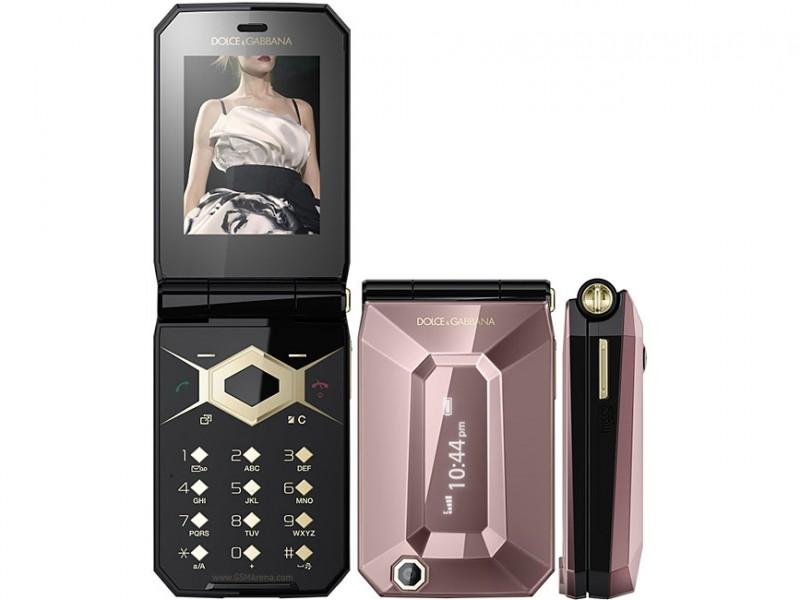
Sony Ericsson Jalou F100i
Do you know why this one has a visible keypad? Because it’s not Nokia! Regardless even Sony Ericsson Jalou F100i has its faults. First of all, it’s called ‘jalou’, which means jealousy in French, and unfortunately for them, it arouses none. The Sony Jalou was created especially for women and that is why the display could also double up as a compact mirror. Yes, Sony really understood women, they don’t really want to get any work done, they just want to look at themselves in the mirror. Hopefully, most people stayed away from this futile attempt at fashionable smartphone making.
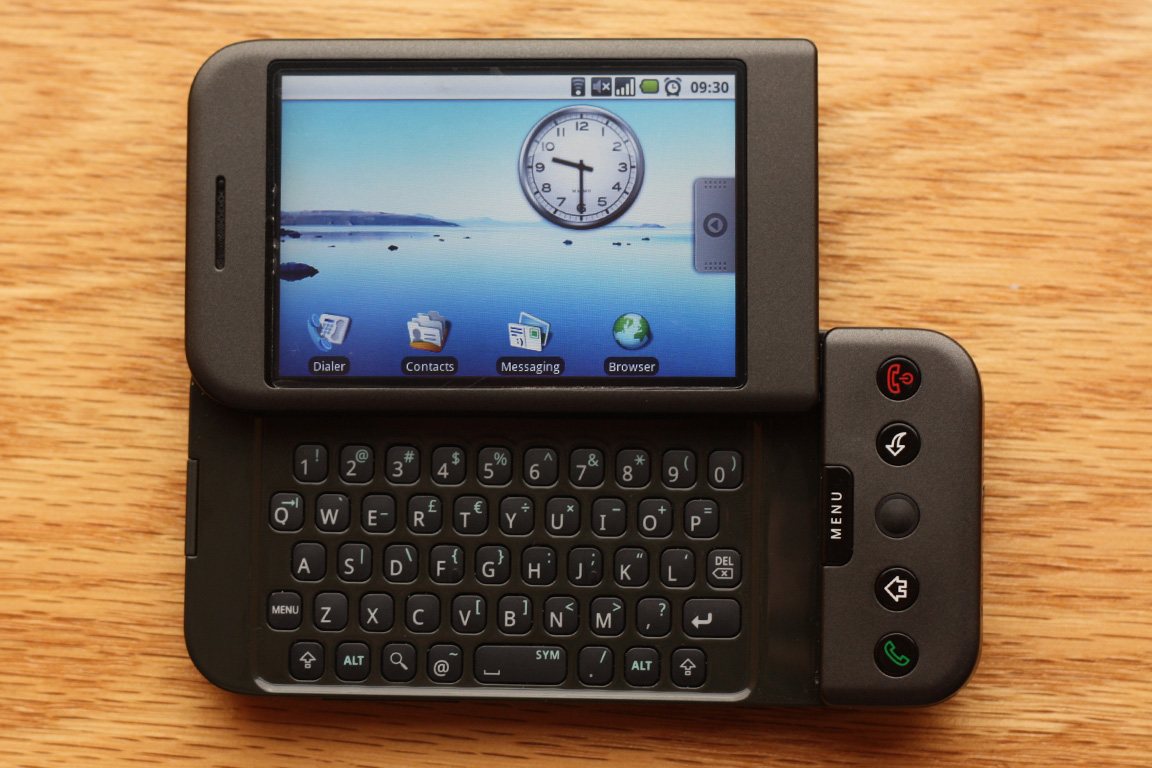
HTC G1
The HTC G1 was ironically called the “Dream”. Now, compared to the last few phones we mentioned, it probably is a dream. But it still falls short in design with his rather chunky and bulky looking keypad and screen. However, this seems to be its only fault, so it does look like we were getting closer to the “dream” of owning a modern and sleek cellphone.
Vertu Boucheron Cobra
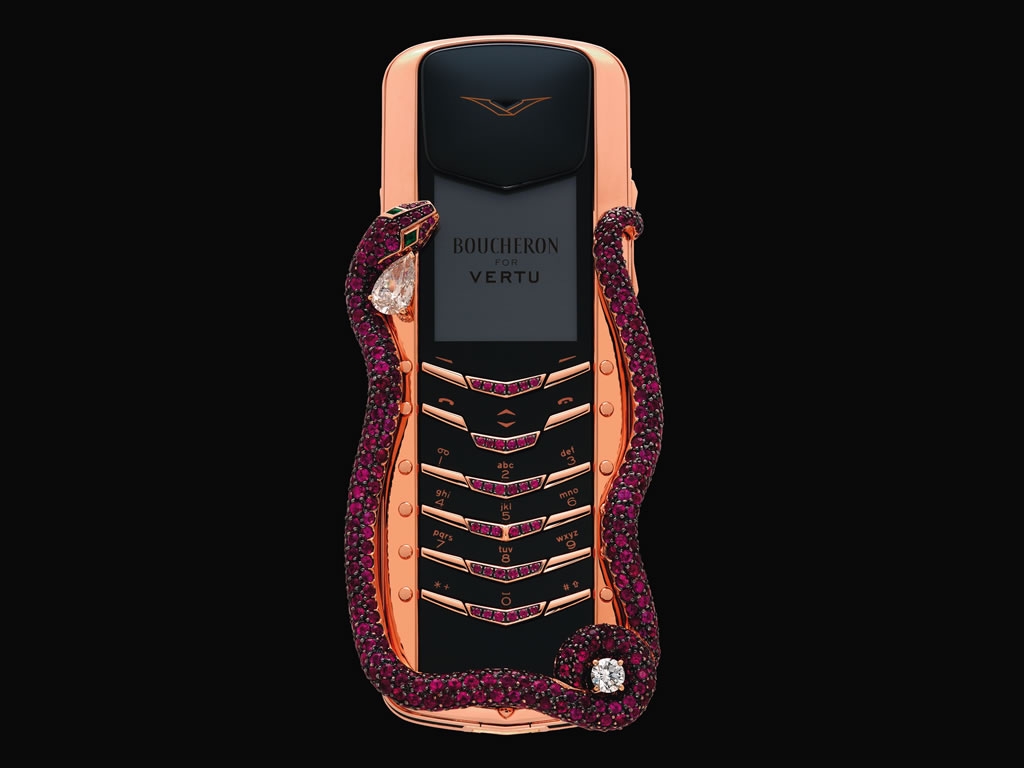
Just when you thought things were getting better, Vertu brought to us the Boucheron Cobra. Yes, a snake is one of the sleekest reptiles we have around, but putting them on a mobile phone will not make it look sleek, even if it is embedded with the costliest Swarovski diamonds. Yes, those are real diamonds on a rather ugly looking snake, which has been dumped on a rather small and expensive (Rs 1.75 crore approx) phone. This snake doesn’t look powerful or sleek and neither does the gadget. Luckily for us, Vertu has learnt from its mistakes and now creates better looking phones with a similar if not higher price tag.
Technology never ceases to surprise us and 2015 just proved this right. The year saw some brilliant smartphones being introduced to the market. Devices with high end specs, snazzy designs and all kinds of technological breakthroughs previously unencountered entered the tech circuit. Some handsets, however, were prettier than others, and we cannot help but talk about them in this top 5 of the most stylish smartphones this year.
1. Samsung Galaxy S6 Edge and S6 Edge+
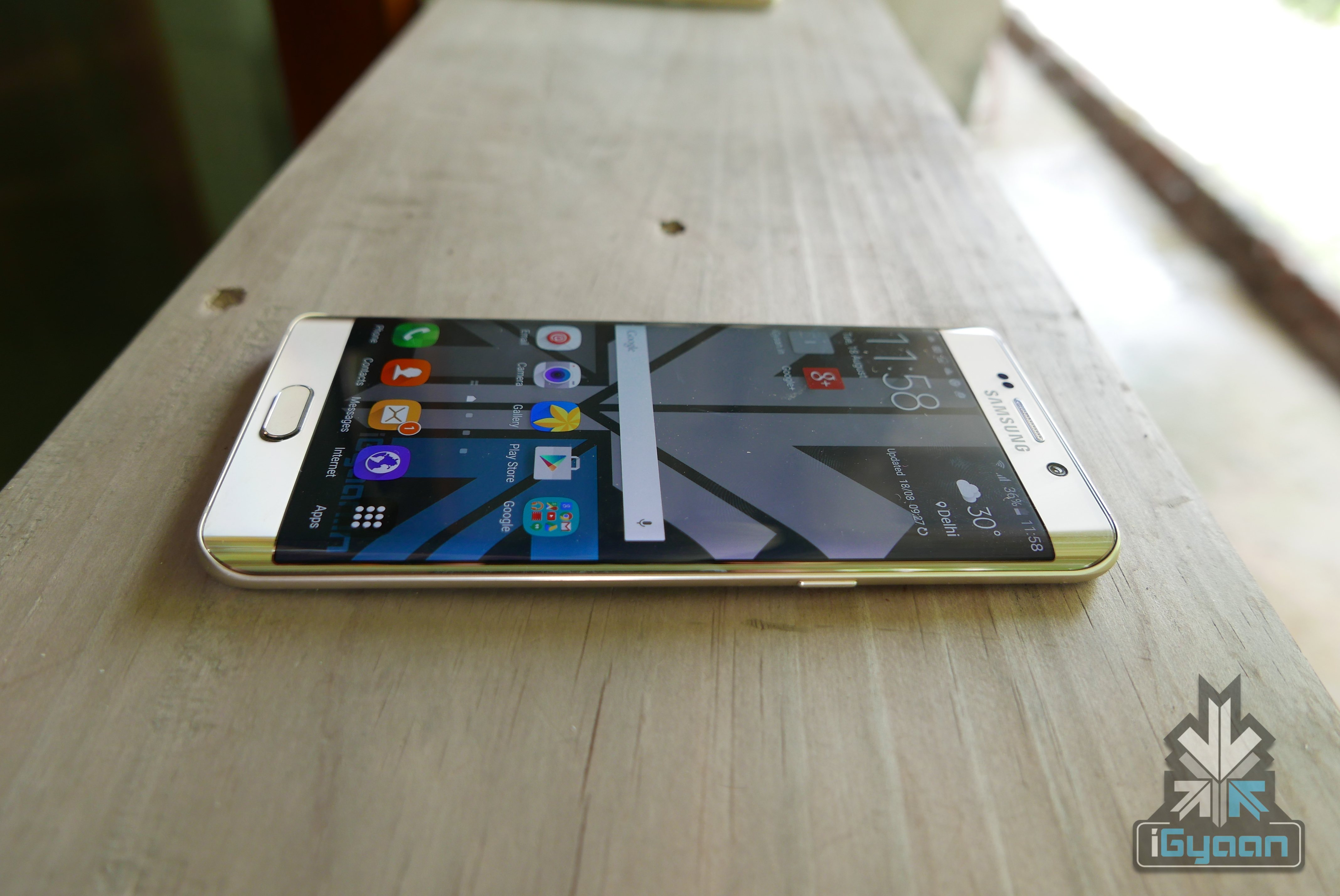
Samsung Galaxy S6 Edge+ is the company’s first big S series phone, as an add-on to the Galaxy S line of devices. The Galaxy S6 edge+ was designed to one up the iPhone 6 Plus in terms of specifications and hardware. But it did not simply stop there -the device is not only high on specs but the Galaxy S6 Edge and Edge+ with their curved screen and glass back are both a beauty to behold.
2. iPhone 6s and 6s Plus (Rose Gold Variant):
With iPhone 6s and 6s Plus, Apple did not make major design changes. In fact the only design change was that the new iPhones were heavier and thicker than their predecessors. Looks like the entire Bendgate-controversy did make Apple sit up and listen. The one design change that Apple did introduce, however, was a new colour variant -the rose gold.
Though the Apple device is not the only device to offer a rose gold variant, another example being that of Huawei’s Mate S, it’s definitely one of the most popular. Before the Apple haters get started -it is not us but the market which affirms this -the rose gold variant was the most pre-ordered version of the new iPhones.
3. Moto X Style and Moto X Pure:
The versions of these two smartphones that launched in India did not fare too well on the looks front. But the Moto Maker available outside India allows you to customise you device in great detail. From the back to the front, to the colour and texture and feel -pretty much all of it can be altered and modified depending on the taste of the user. Moto Maker has not arrived in India yet, but if sources are to be believed, it should be here soon. Looks like the day when you get to lay your hands on a customised Moto X Pure or Style in India is not far.
4. OnePlus X
OnePlus X was the company’s second device launched this year, closely preceded by OnePlus 2. OnePlus X was a bit of a downer in terms of performance and user interface, but that did not keep it from becoming one of the best phones in the price bracket. It’s also a very pretty looking phone with its slim and light body, very reminiscent of iPhone 4s. Despite its glitches with SD card and camera software, OnePlus X manages to do well solely based on looks.
5. HTC One A9
This device received a lot of hate and became a topic of great discussion owing to its iPhone-‘inspired’ design. Having said that, One A9 is indeed a very impressive looking smartphone for the metal unibody frame is a winner no matter which brand sports it. The curved edges and glass screen gives the device a premium look. The team behind the design of the One A9 have stated that great amount of time and attention has gone into its design, which does feel true.
HTC India launched the One A9 today. The phone famously criticised for its iPhone-like design will soon be available across the country.
The HTC One A9 sports a 5-inch full HD (1080p) display with Corning Gorilla Glass 4 protection. Under the hood, the phone is powered by Snapdragon 617 64-bit octa-core SoC paired with 3GB of RAM, 32 GB built-in storage, and a microSD card slot.
On the camera front, the One A9 features a 13-megapixel primary camera with OIS and a 4-Ultrapixel front camera. Other features include a 2,150 mAh battery with support for Quick Charge 2.0. Connectivity options include 4G support, Wi-Fi 802.11n, Bluetooth and GPS.
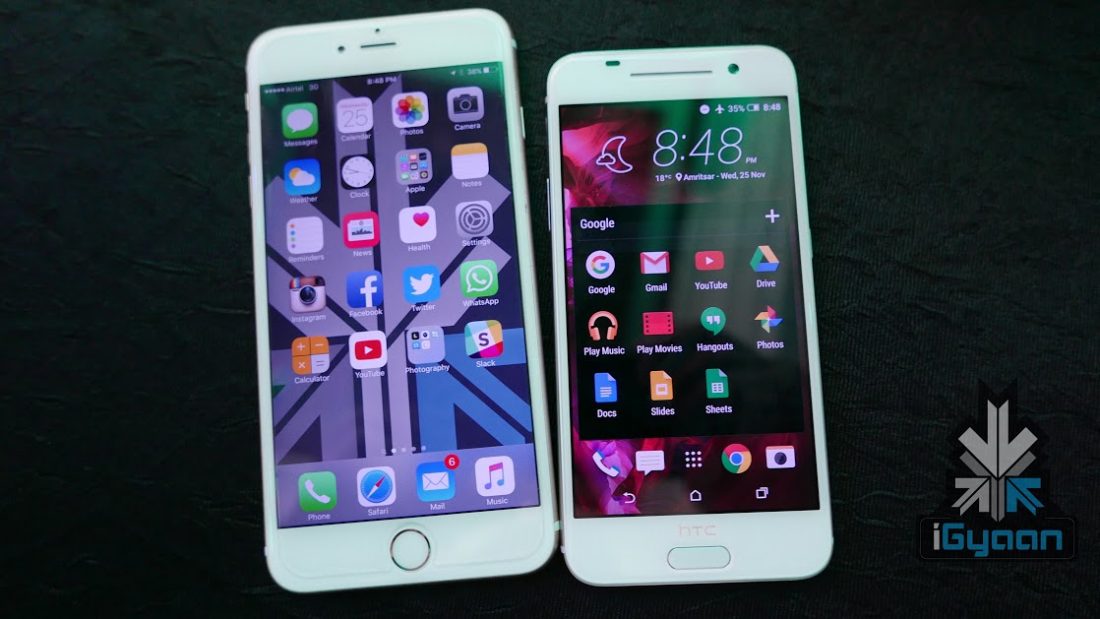
The first thing that comes to ones mind when holding the One A9 is that the device looks and feels exactly like the iPhone 6. The phone is light and the fingerprint sensor is highly sensitive. There is no denying the fact that HTC has explicitly ripped off the iPhone, and perhaps that’s not such a bad thing. For the one thing Apple does succeed in is create beautifully crafted devices, and HTC wants to bank on some of that magic to attract customers, albeit unabashedly.
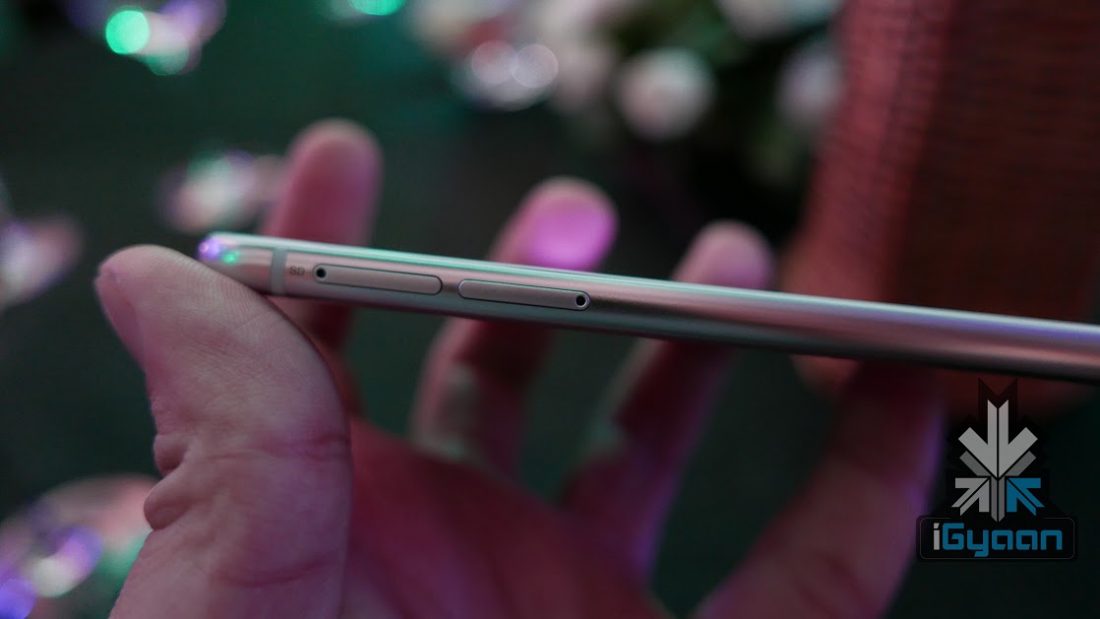
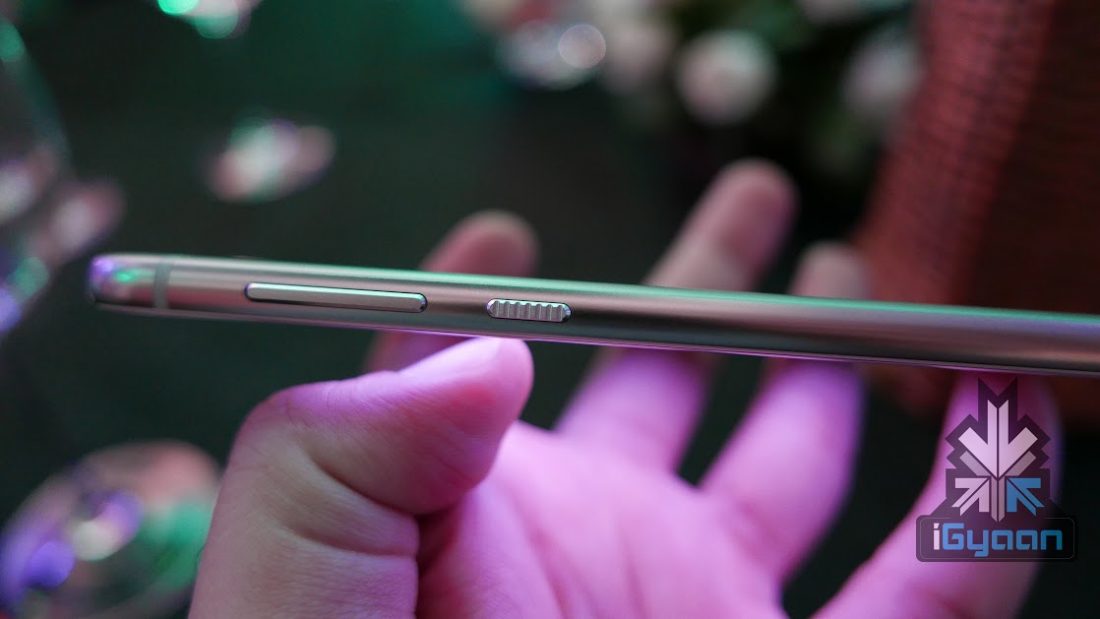
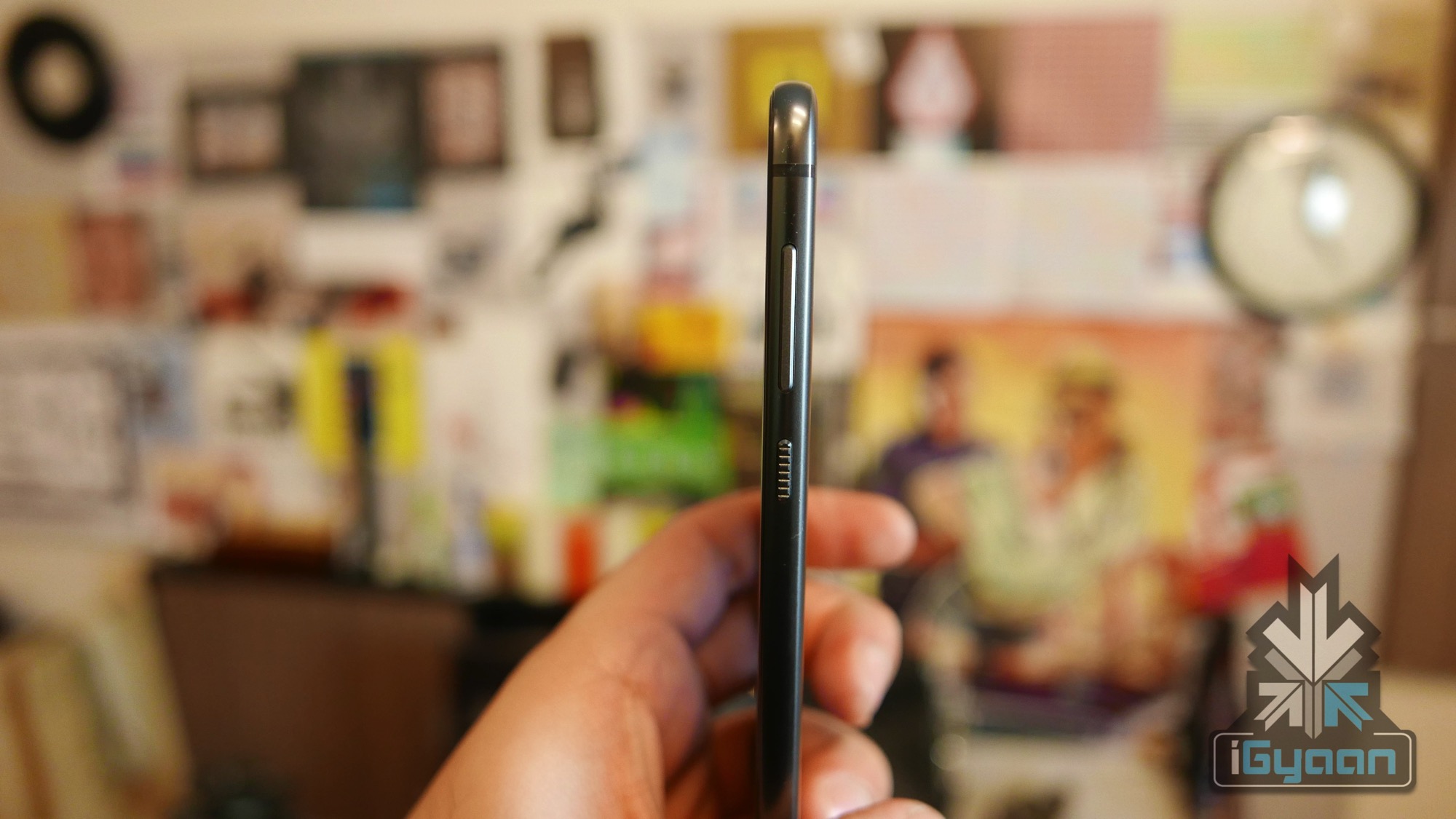
The HTC One A9 is a good device, and yes, we’re including the design aspect as well. But it doesn’t come quite close to a flagship killer. You can’t hate on the looks here, the metal unibody frame is a winner no matter which brand sports it. The curved edges and curved glass screen gives the device a premium look. The team behind the design of the One A9 have stated that great amount of time and attention has gone into its design, which does feel true. The power button on the side is thoughtfully textured so that its easily distinguishable from the volume control.
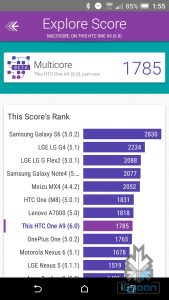
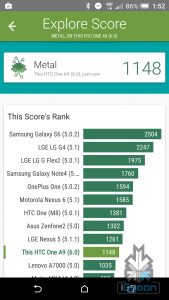
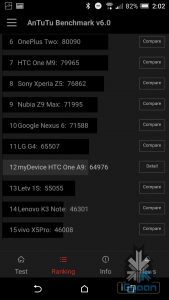
Moving from design to functionality, the Qualcomm Snapdragon 617 processor won’t beat the flagship phones with faster 808 or 810 chips or even compare to the latter when it comes to 3D gaming, but it’s powerful enough for normal smartphone usage.
The 3GB RAM variant handles tons of apps well and the overall feel is quite smooth. The device comes with Android Marshmallow pre-loaded, which makes it one of the first phones outside the Nexus devices to do so. With the Marshmallow OS you get features like Now on Tap and Doze, among other things. The device also allows for storage expandability up to 2TB even though the capacity isn’t something easy to find in your local store.
Moving over to the camera department, the HTC One A9 along with the Desire 828 have been launched with the tag line ‘the ultra selfie phones’. Indeed, the camera of the One A9 is quite good and manages to take decent images in low light as well.
Although today’s event saw the launch of the One A9, the company is yet to announce the Indian pricing or availability of said device. Approximate pricing of the device is touted to be about Rs. 26,499. Follow this space for more on the launch of the HTC One A9.























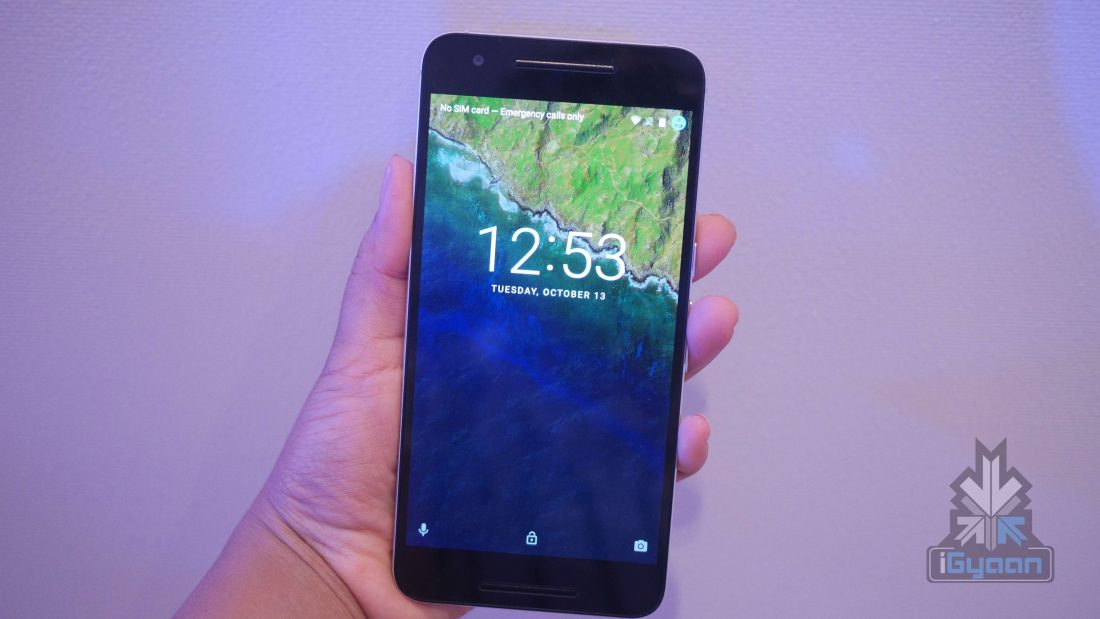 The 6P features a 5.7-inch QHD touchscreen, Qualcomm’s Snapdragon 810 chipset, with 3 GB RAM, a 3450 mAh battery and a USB Type-C port. The camera sports a 12.3 MP sensor with laser autofocus, dual-LED flash at the rear and a rather impressive 8MP on the front. This pure Android phone runs on the latest Marshmallow operating system. One of the main highlights of the Nexus 6P is the Nexus Imprint. The fingerprint sensor on the back is fast and fluid in accessibility, which according to Google only “gets better over time” as it learns more about your unique fingerprint.
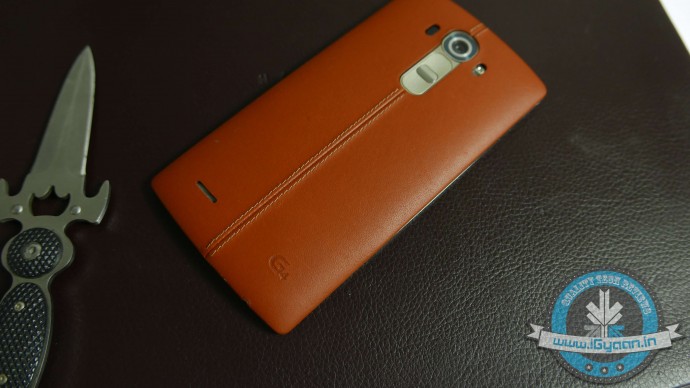 The LG G4 is an iconic design from LG, while many companies have attempted to make leather looking handsets (Note 3 and Galaxy S5), LG actually made a smartphone with a genuine leather back panel. The phone packs a 5.5-inch Quad HD LCD with 2560 x 1440 PX resolution. It is powered by Qualcomm Snapdragon 808 with 1.8 GHz hexa-core processor. The LG G4 also has dual sim (certain regions) and a removable and replaceable battery marked at 3,000 mAh, along with micro-SD expansion all of which is lacking in the Galaxy S6 and S6 Edge. Find the complete review of the smartphone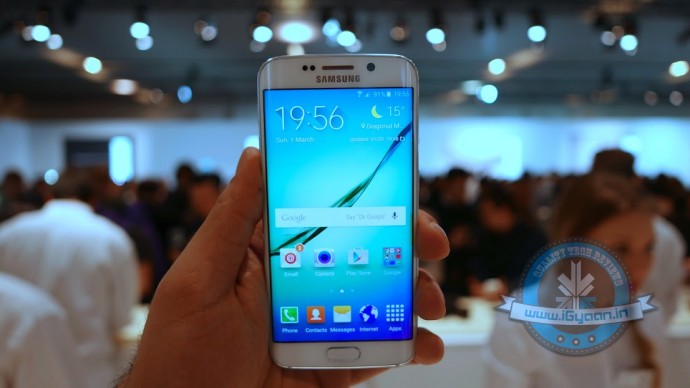
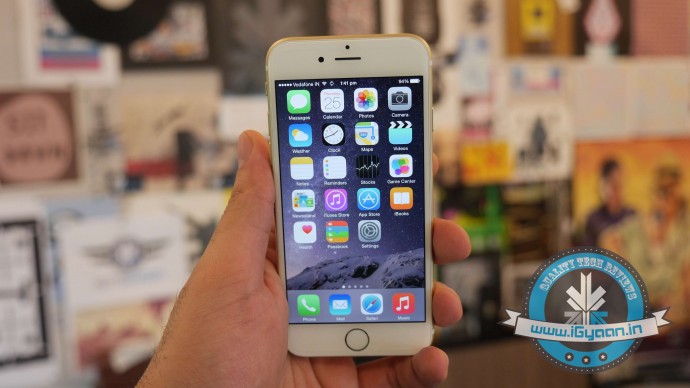 The iPhone 6 is available at an all time low of Rs. 41,000, falling pretty much in the 30-40K price bracket. The phone is a good buy at this price -it offers almost all features of the iPhone 6s (except for Force Touch) minus the hefty price tag. If there was ever a right time to buy an iPhone in India, it is now. iPhone 6 has a 4.7 inch display with a resolution of 1334 by 750 with 326 ppi, and is equipped with an 8 MP iSight camera. Find here the