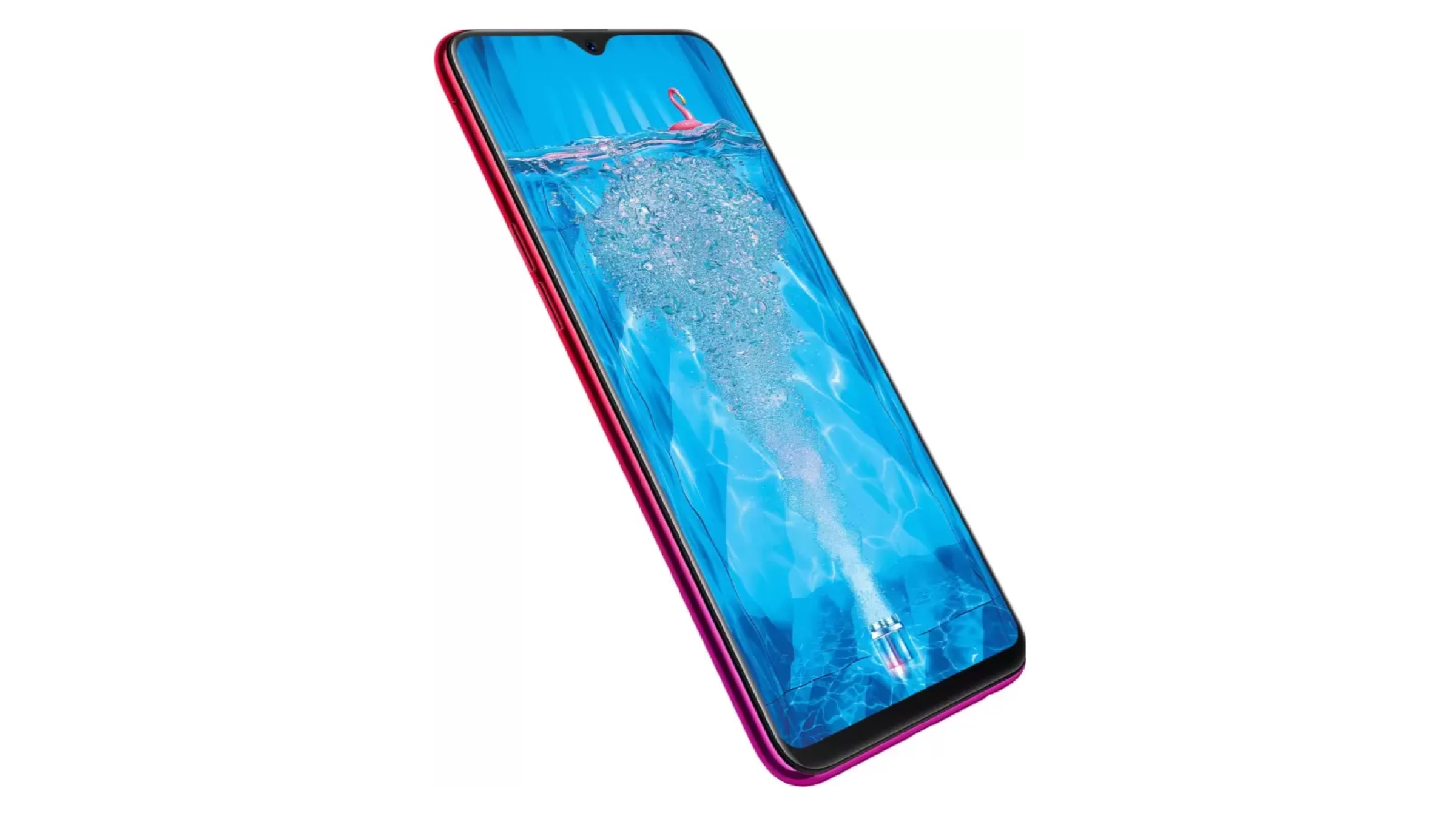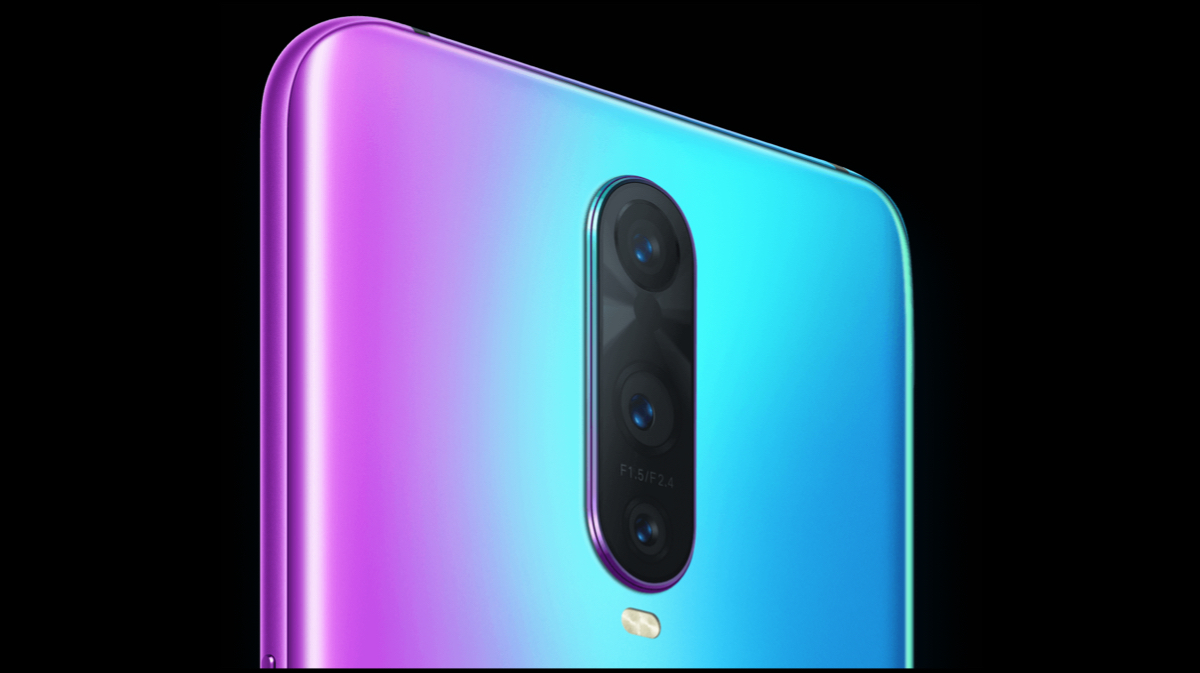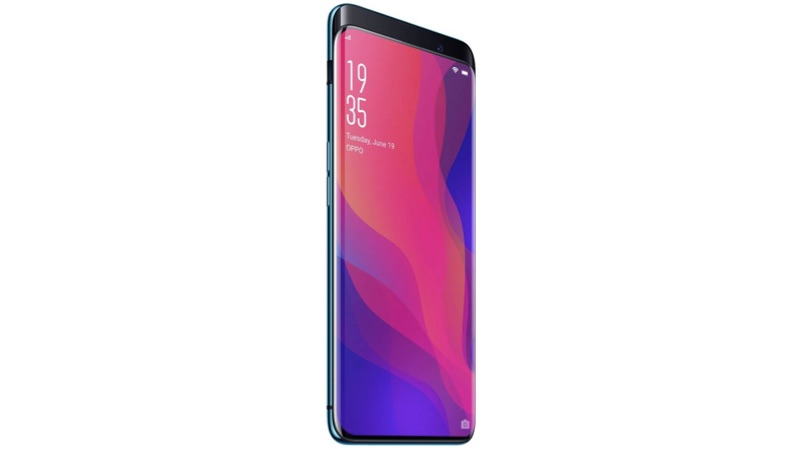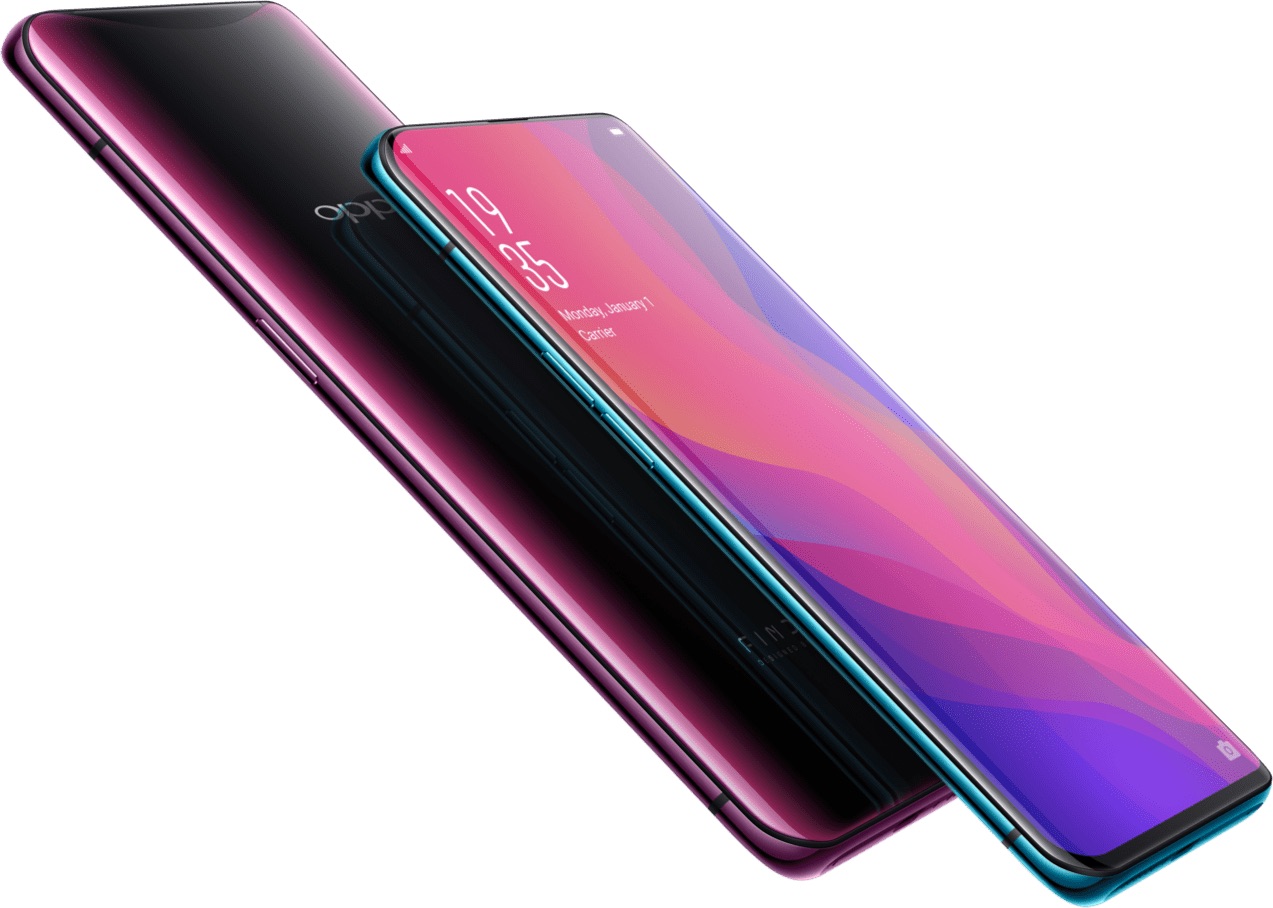
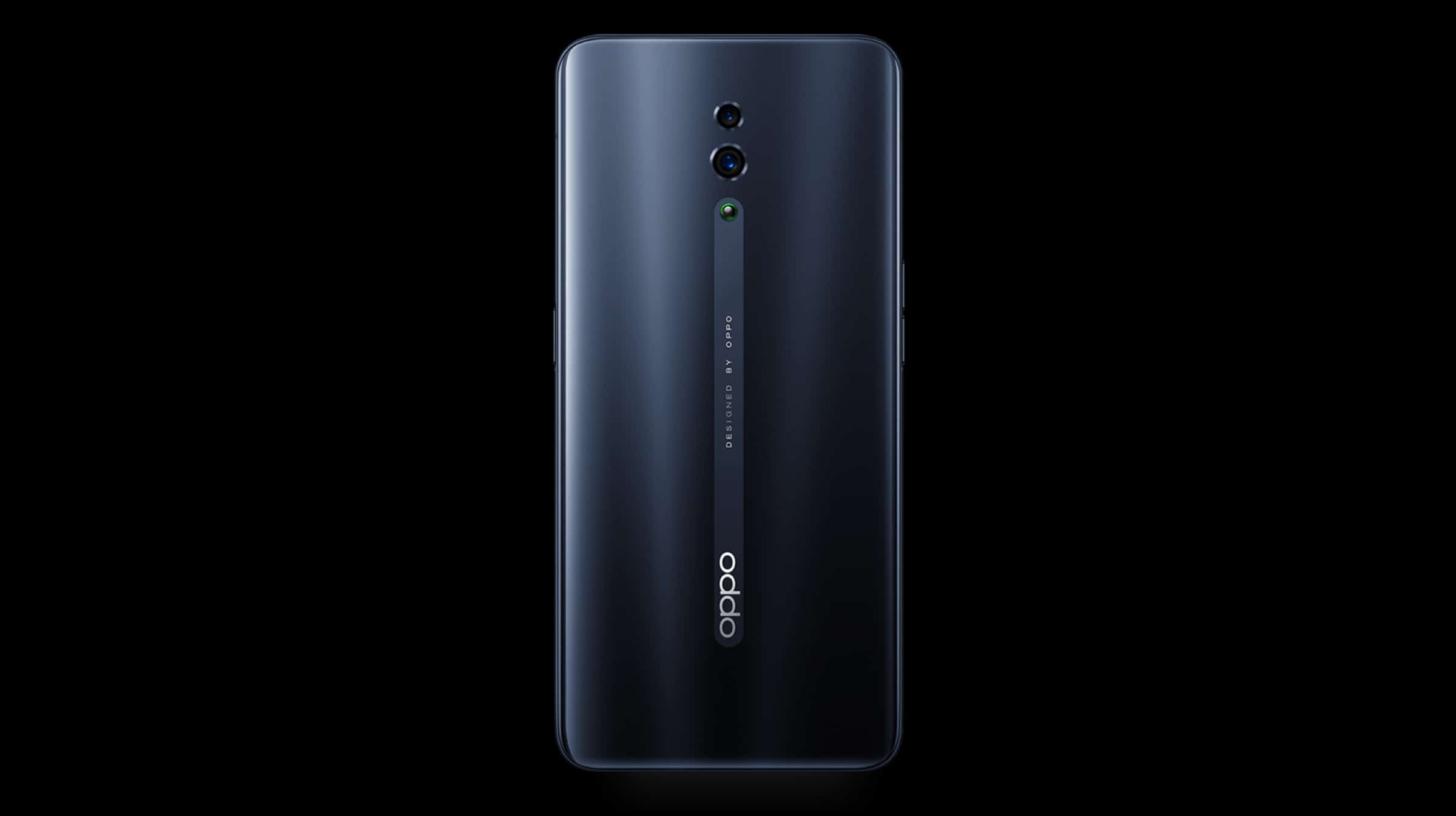
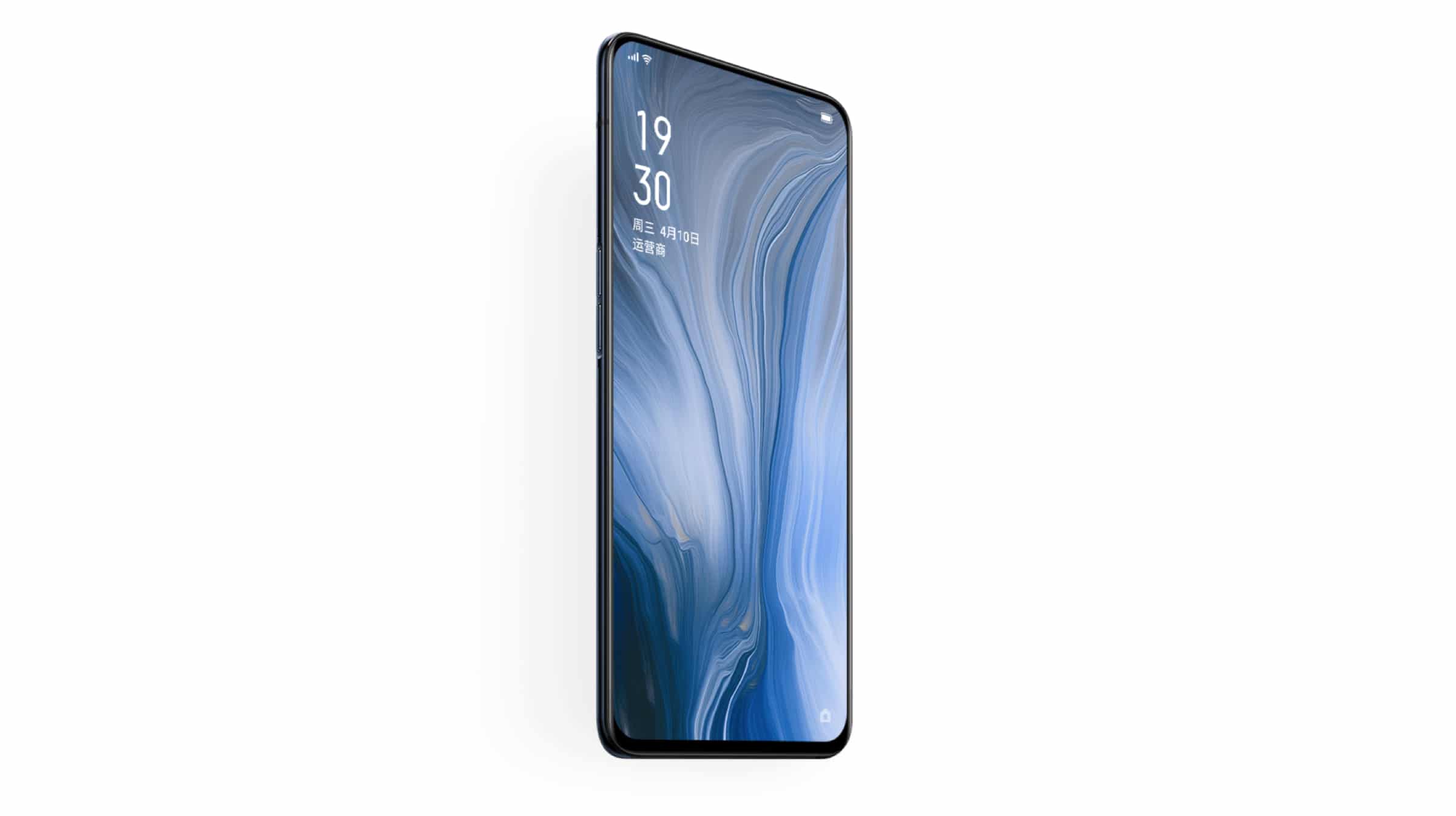
The Chinese smartphone manufacturer Oppo announced the Reno smartphone series on April 10, 2019. The smartphone featured the world’s first oblique pop-up camera, known as the SharkFin design. The device was warmly received by the audience. In recent news, the company will also release the budget variant of the Oppo Reno smartphone in Switzerland on April 24 this year, along with the top 5G variant in the lineup. Patents for the aforementioned budget smartphone were granted the company on April 9, 2019.
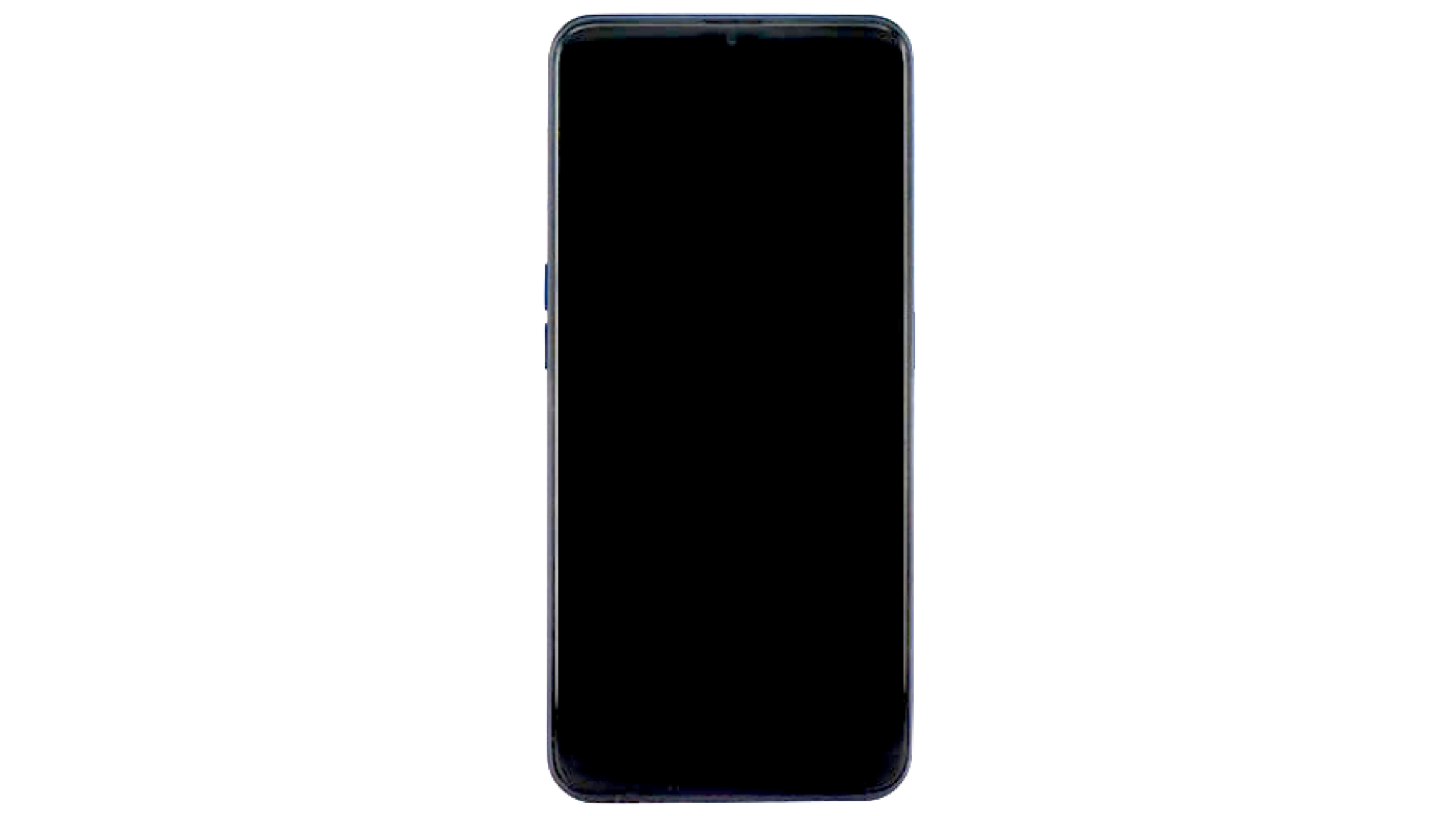
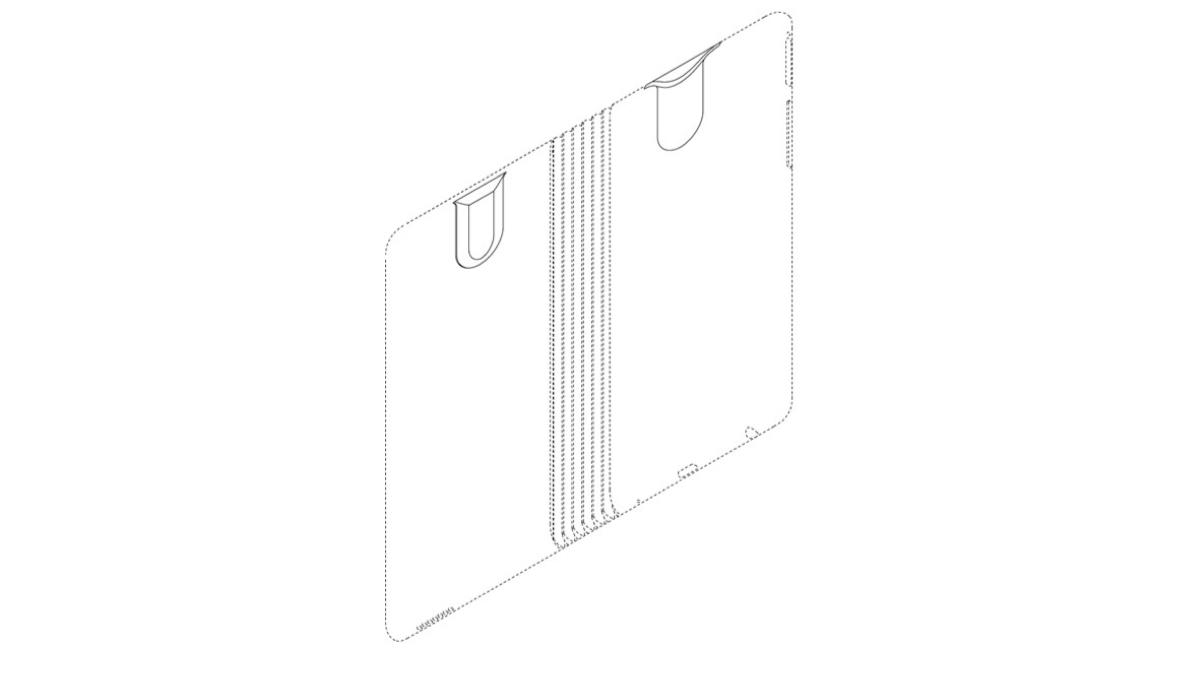
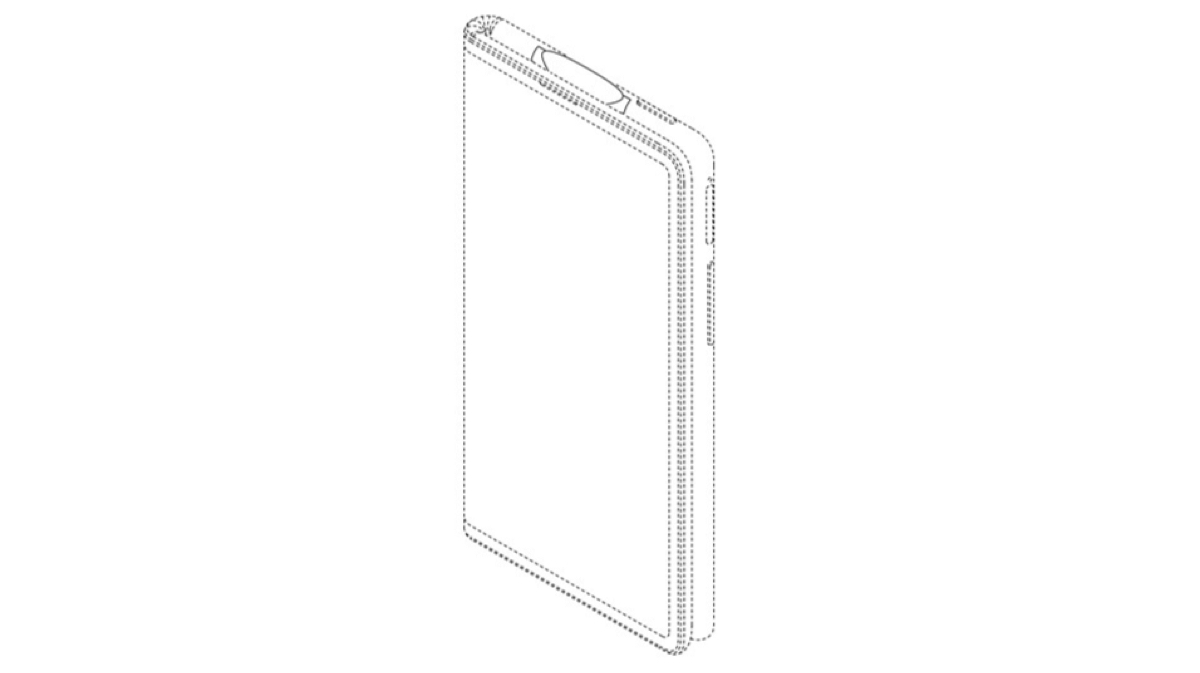
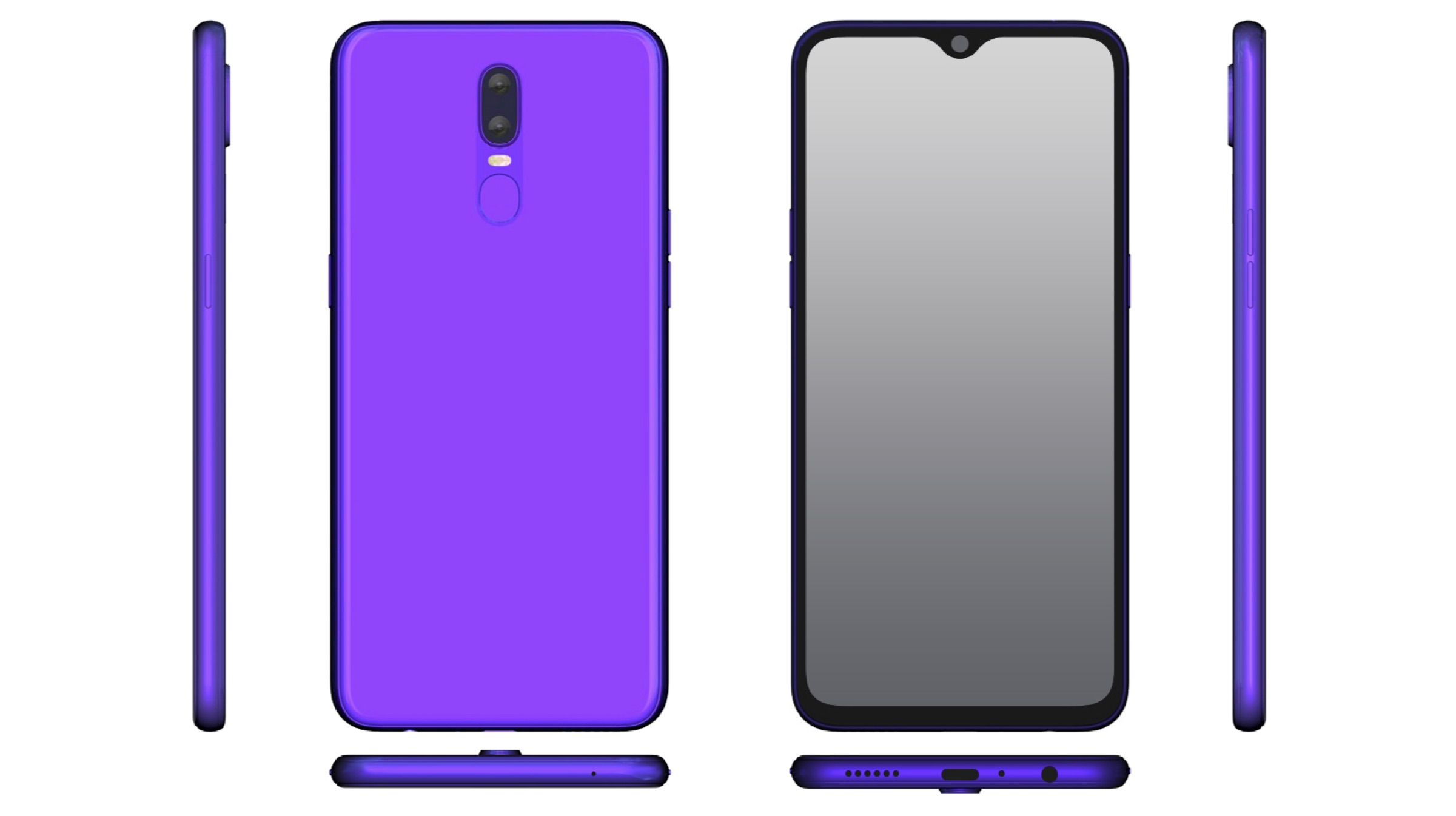
The design patent was first filed on May 3, 2018, and it showed multiple renders of a future budget Oppo smartphone. The patent was published by the Global Design Database of the WIPO (World Intellectual Property Office), and was originally filed by Guangdong Oppo Mobile Telecommunications. The patent contains sketches as well as colour renders of the possible Reno Lite smartphone.
Design And Features
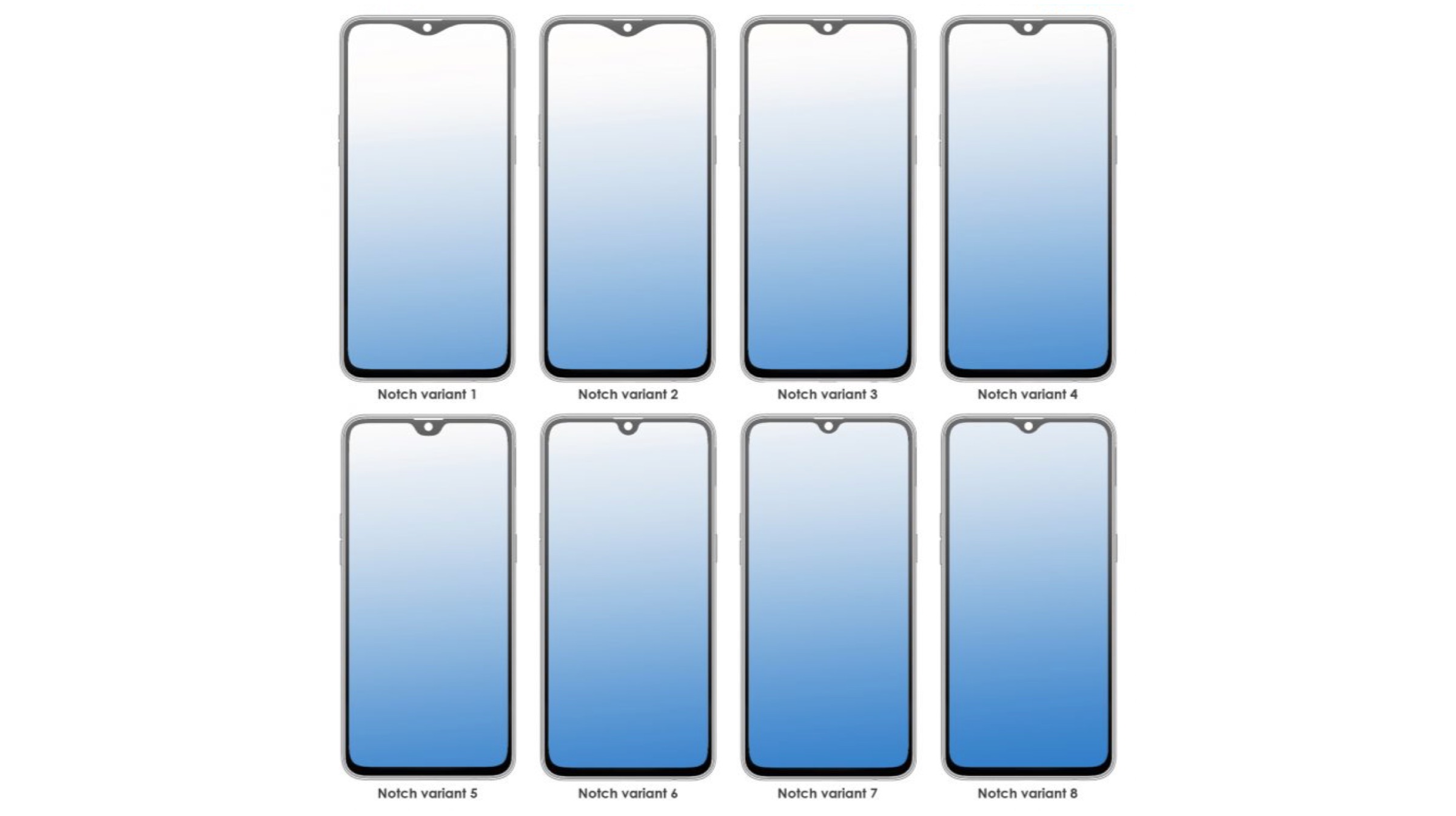
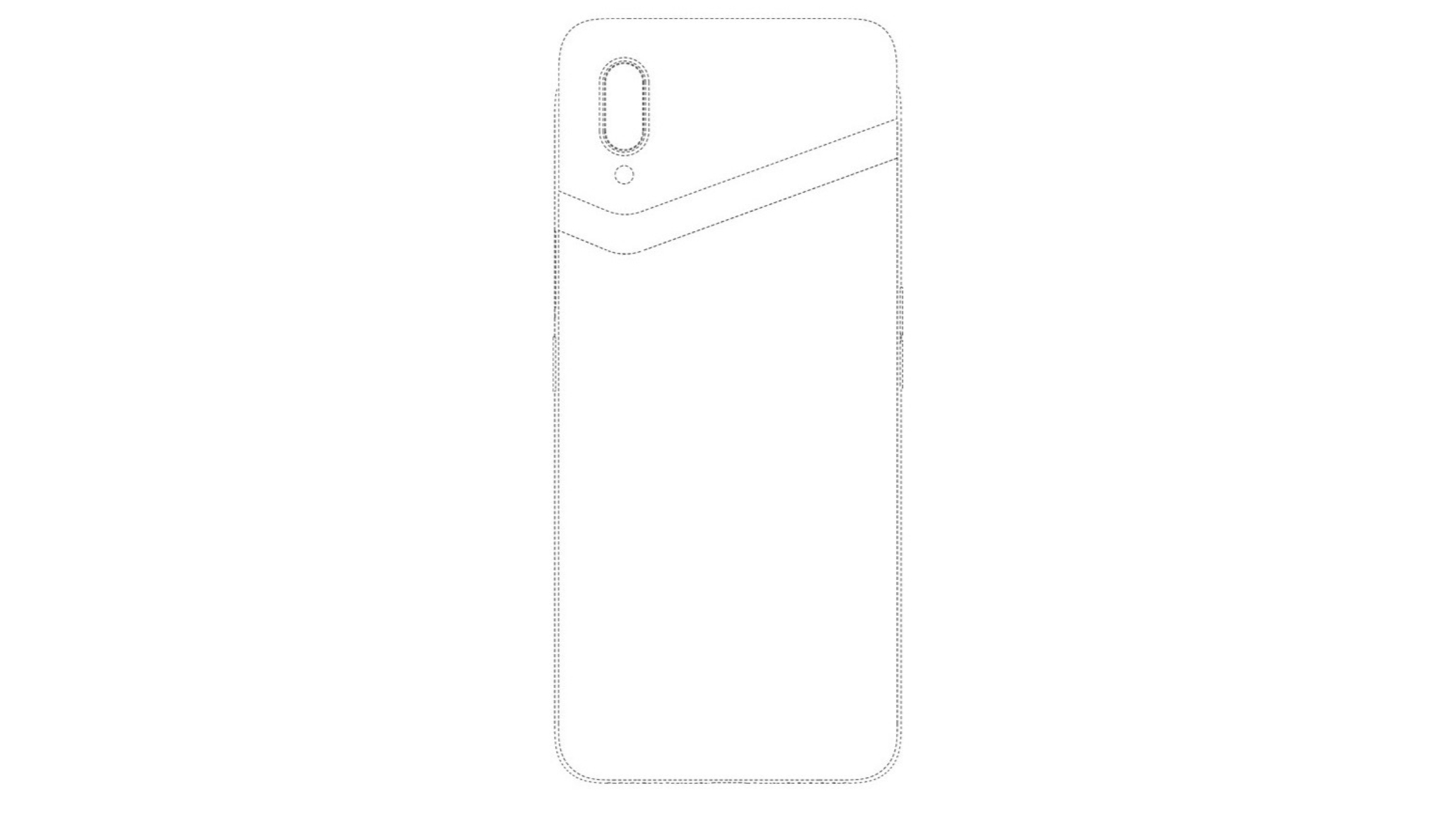
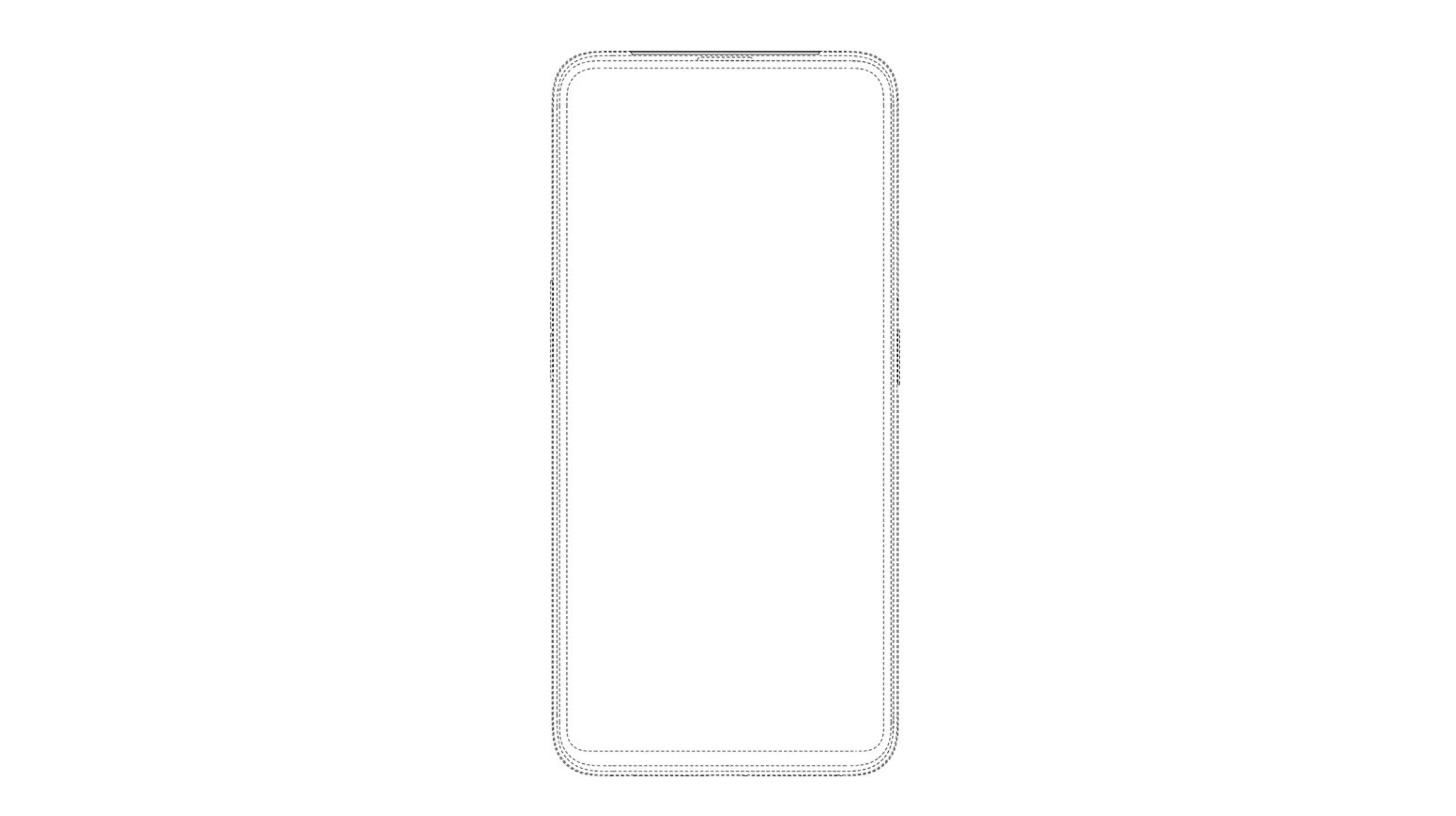
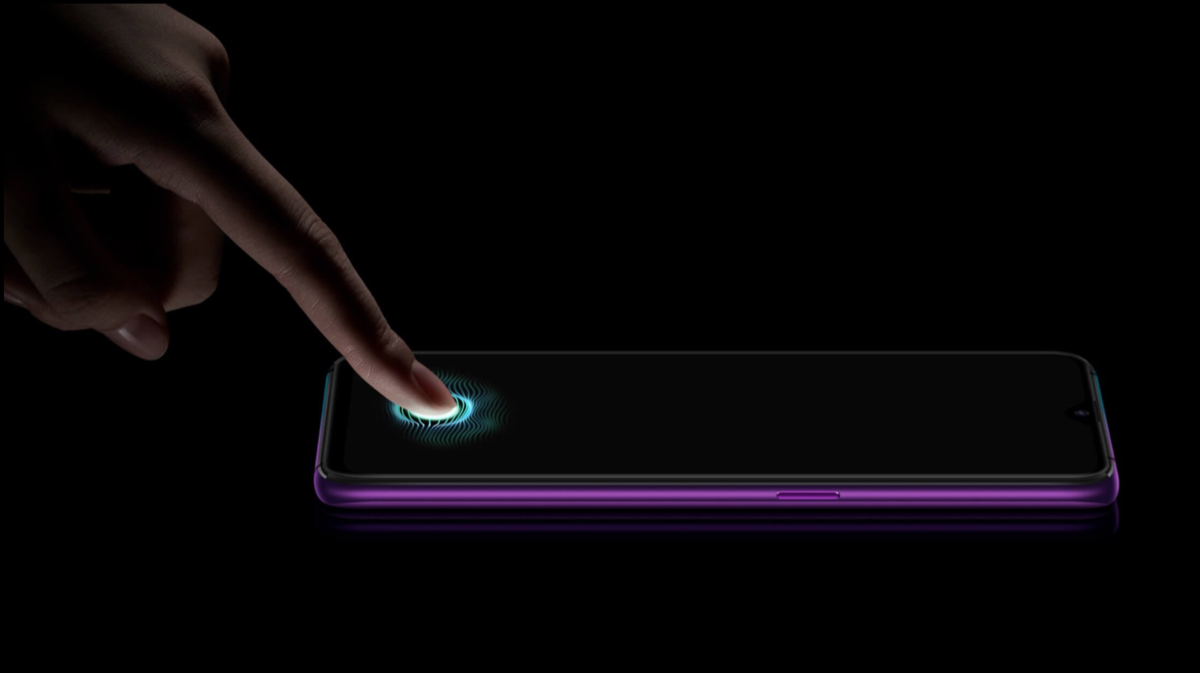
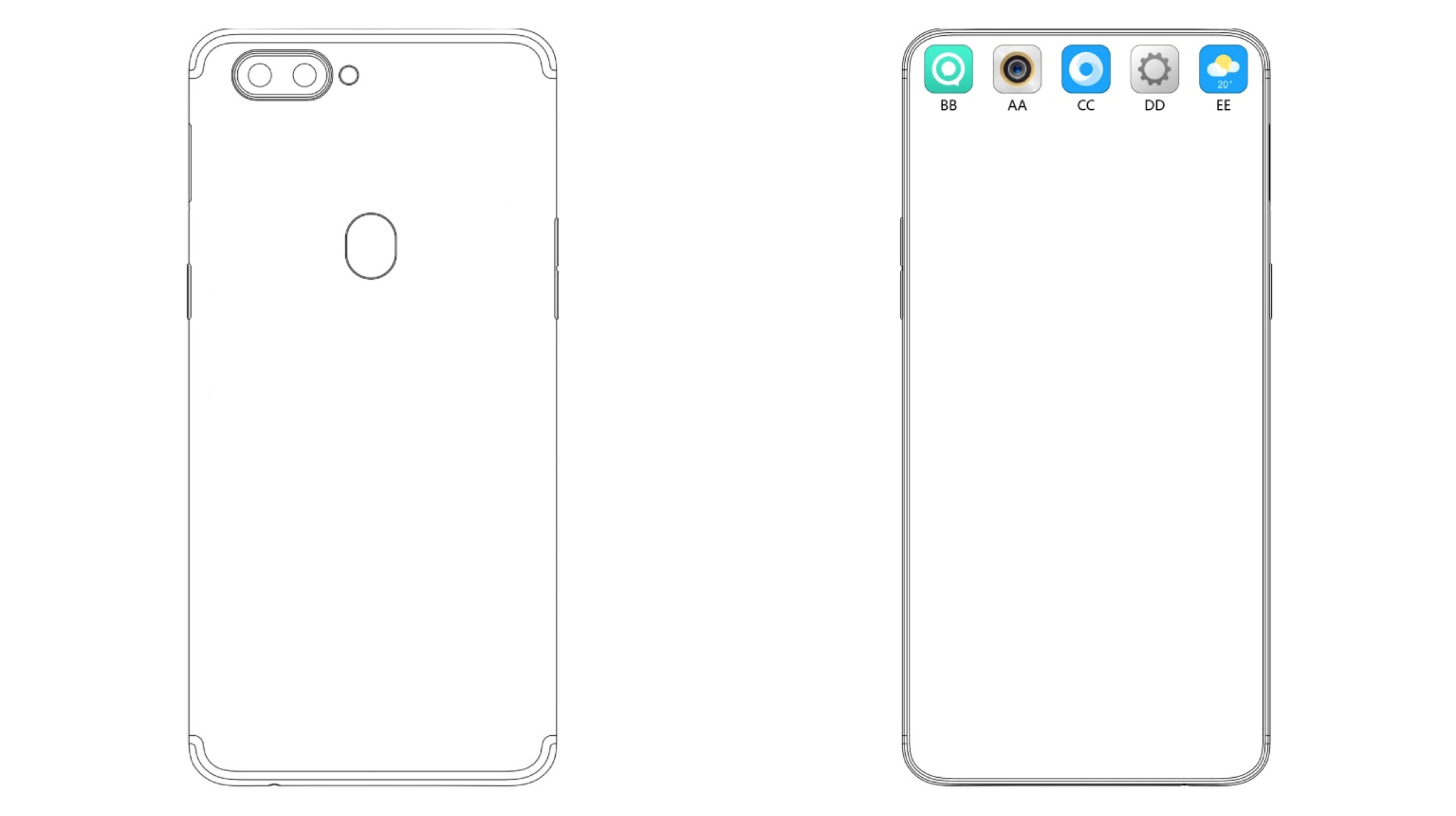
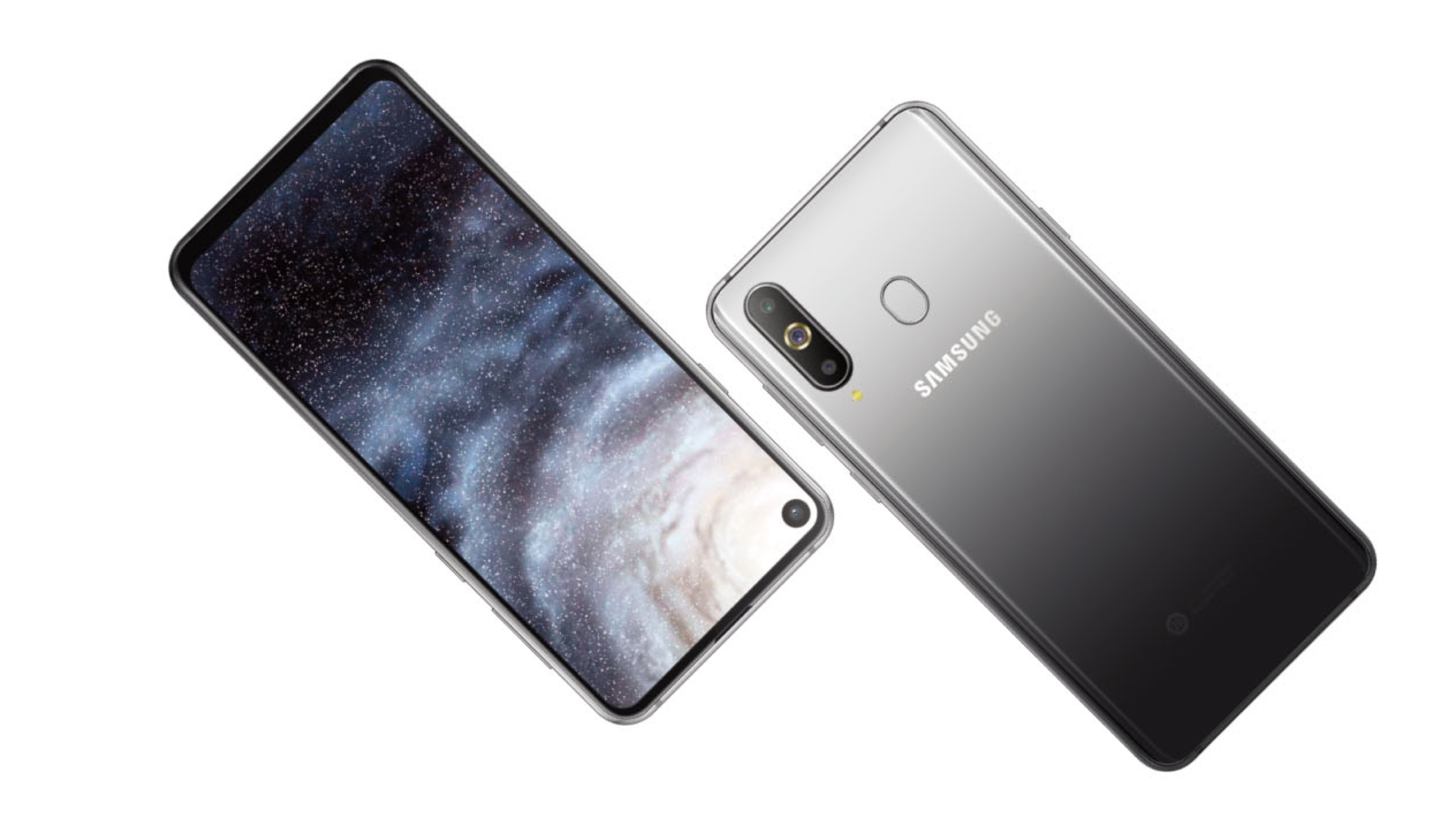
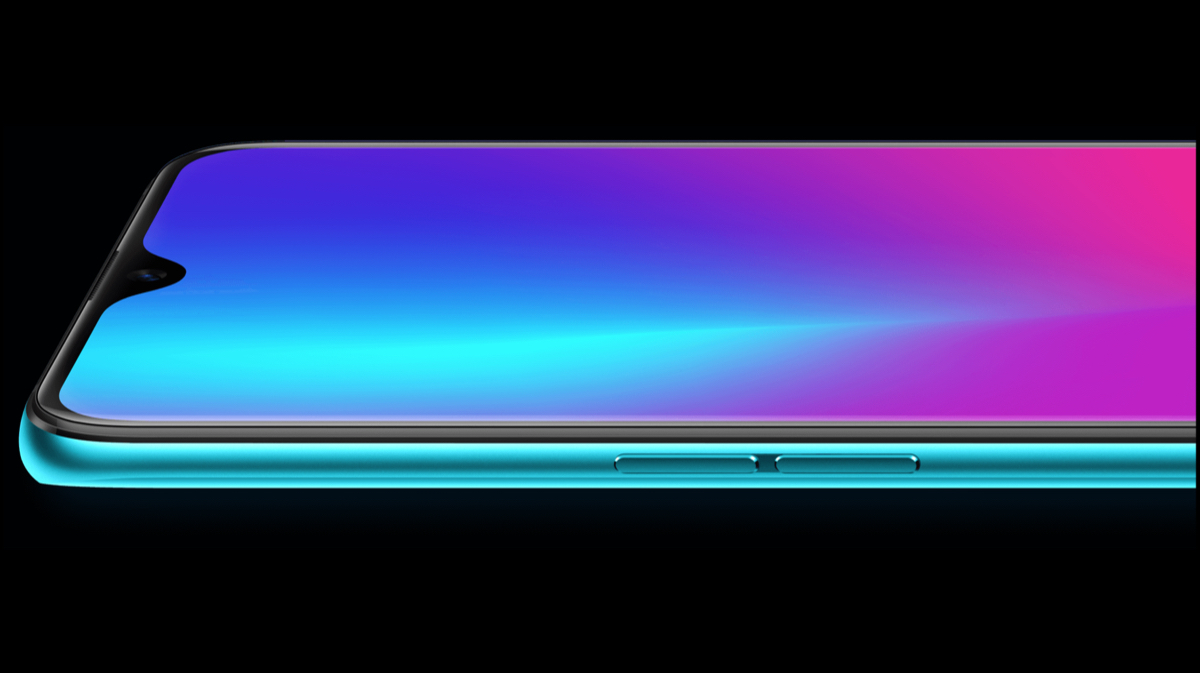
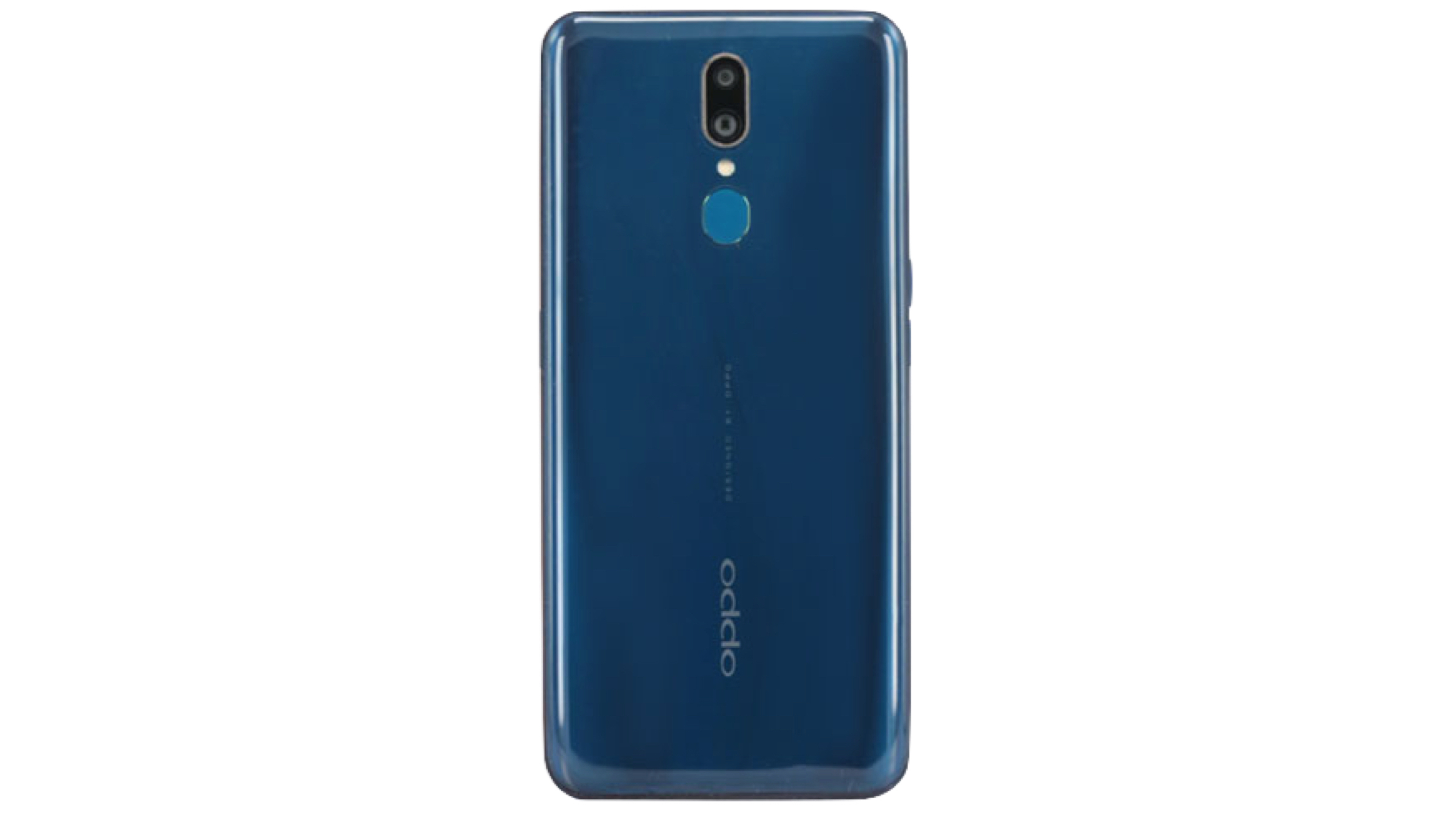
The front panel of the device has a conventional look. A waterdrop notch adorns the display panel, which houses the front camera. Interestingly, the patent images exhibited eight different notch variants, with minimal differences from each other. As mentioned before, the colour renders of only one device variant are present in the patent, indicating that it may be the final design of the smartphone. The device has a vertically placed dual rear-camera setup, with the LED flash placed at the bottom of the module.
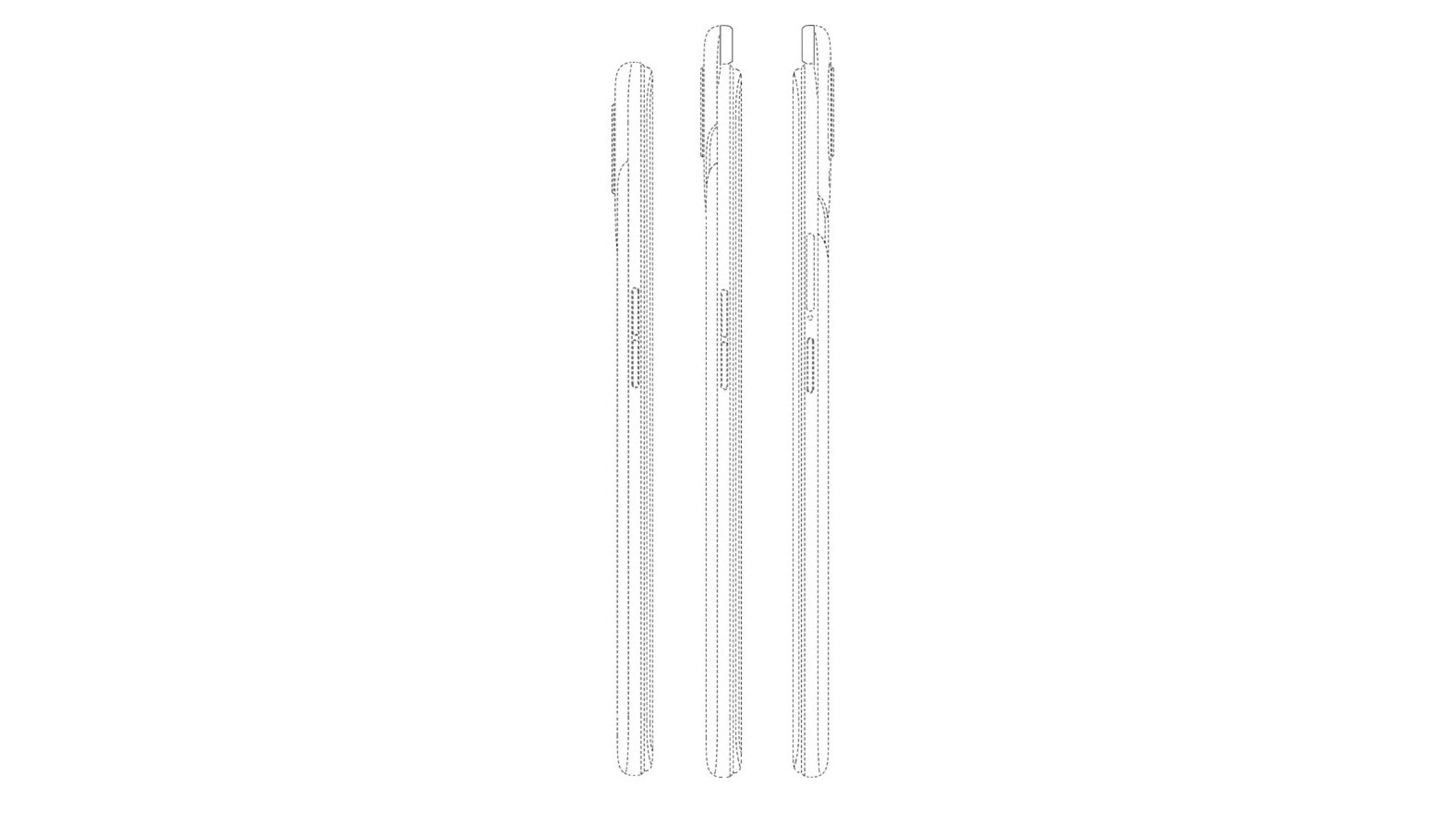
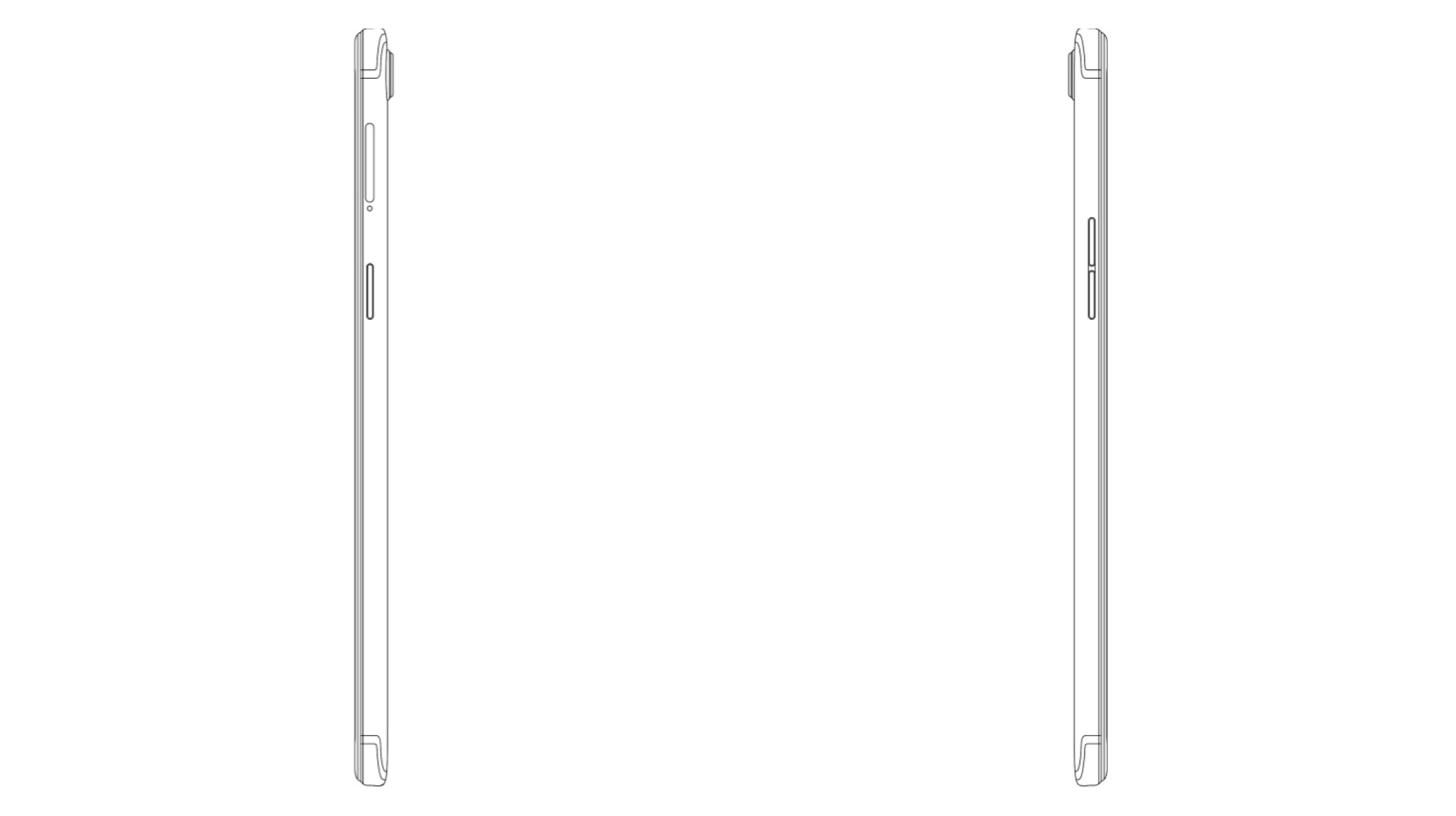
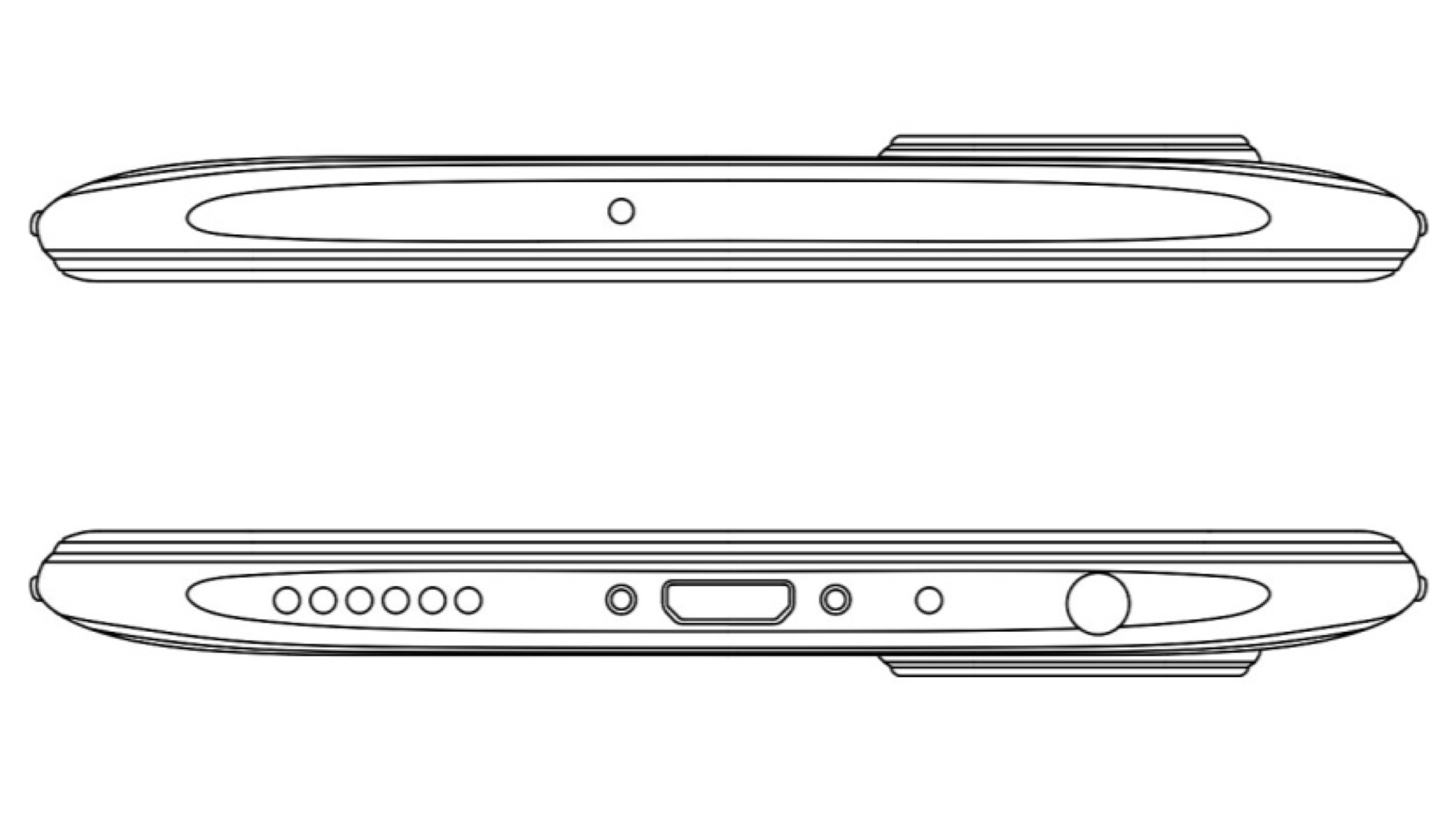
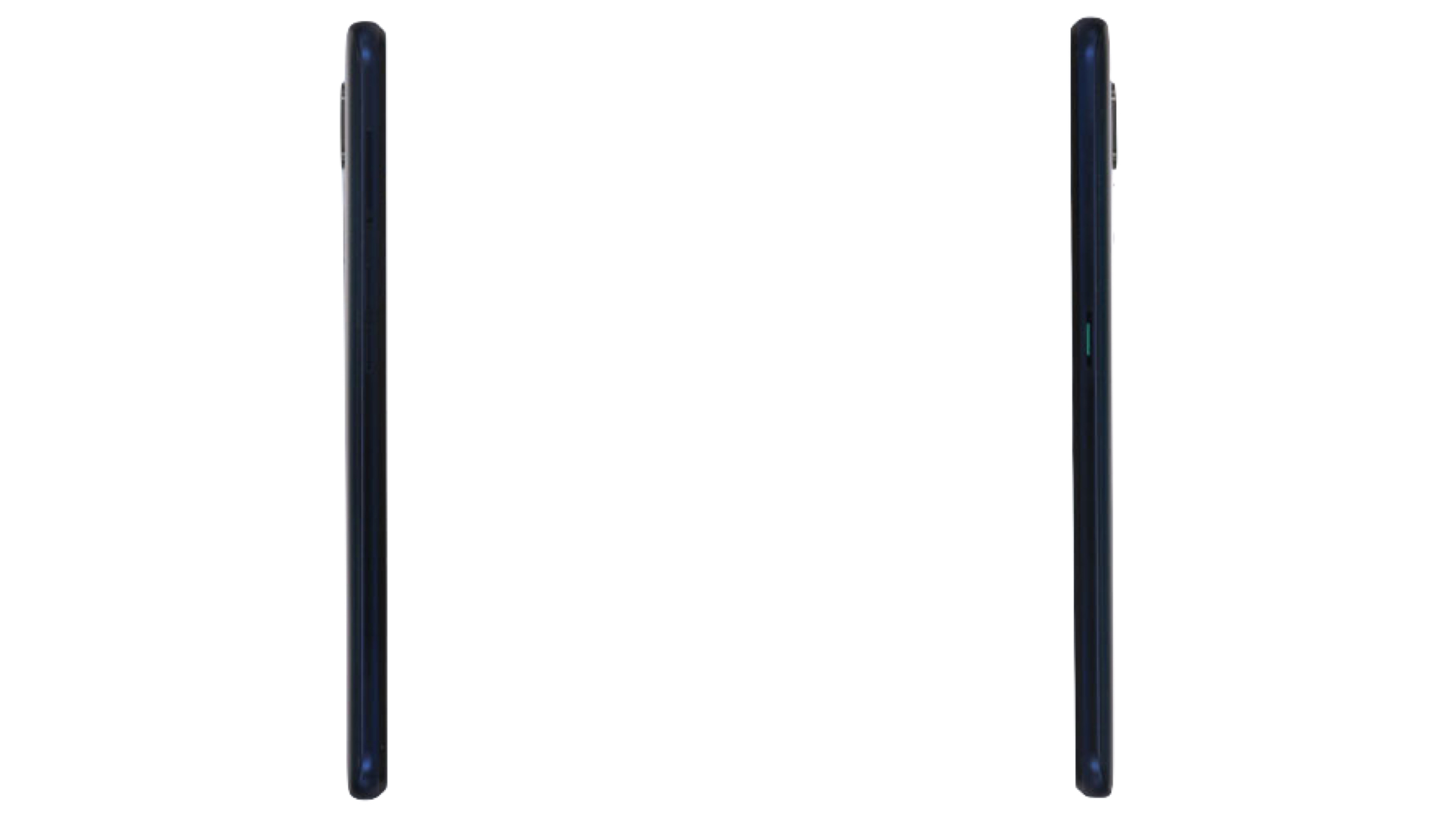 The left side of the smartphone houses two buttons, which appear to be the volume rockers. The right side of the device accommodates what appears to be the power/lock button. One microphone is present at the top of the smartphone, whereas the other microphone is placed at the bottom of the device, right next to the USB Type-C port, the speaker grille and the 3.5mm headphone jack.
Expected Availability
Also Read: Honor 8S Budget Smartphone Render, Specifications Leak Online
Additional features include the fingerprint scanner on the rear panel, which is placed just below the dual rear camera setup. The phone has a bit of a chin, which is clearly highlighted in the renders. The Oppo range of smartphones will be globally unveiled on April 24, where the company will announce the price and availability for the same. Reports say that the company will probably launch the smartphones at a very competitive price, which will enable the lineup to go up against the Galaxy A smartphone series by Samsung.



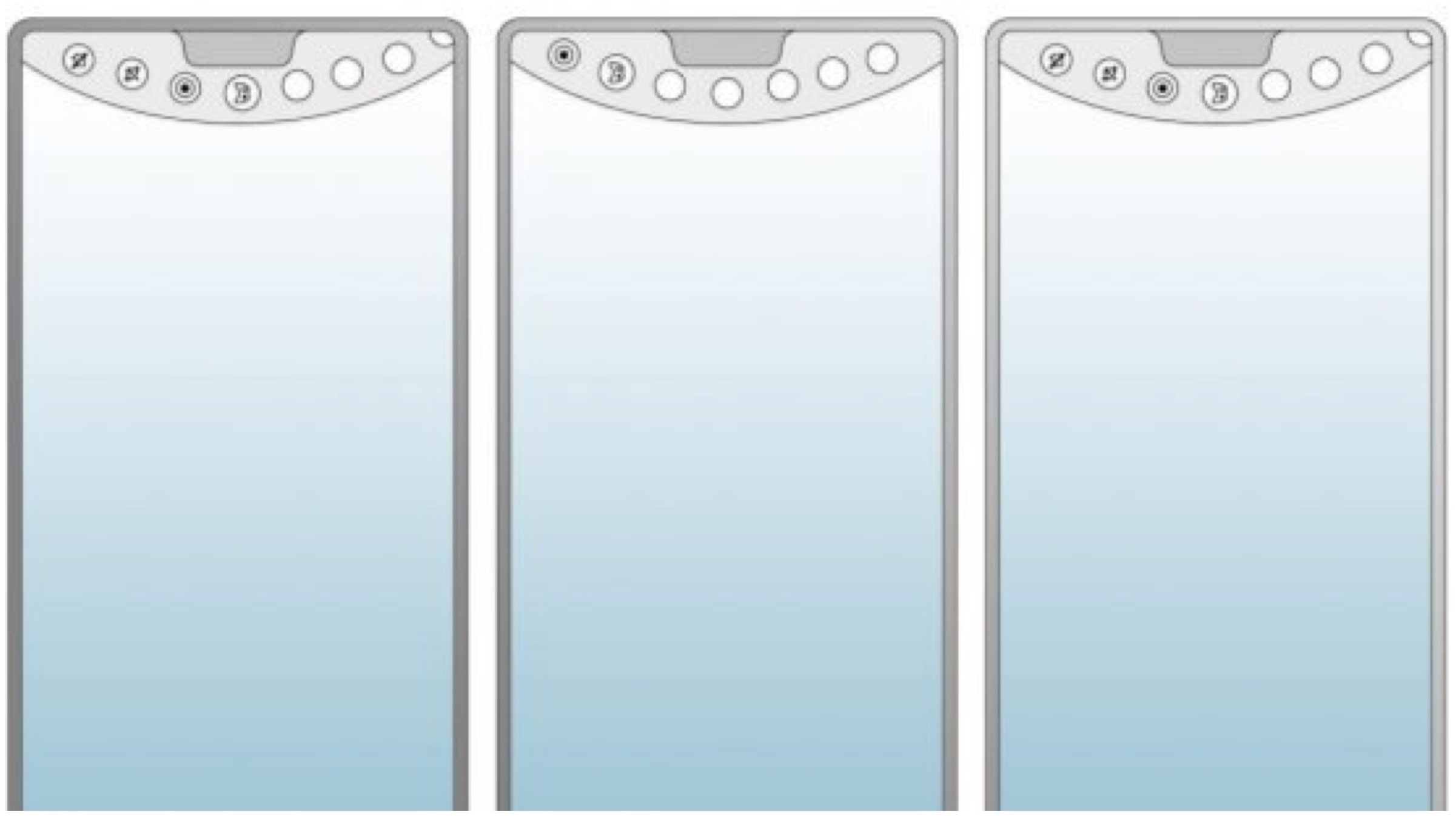
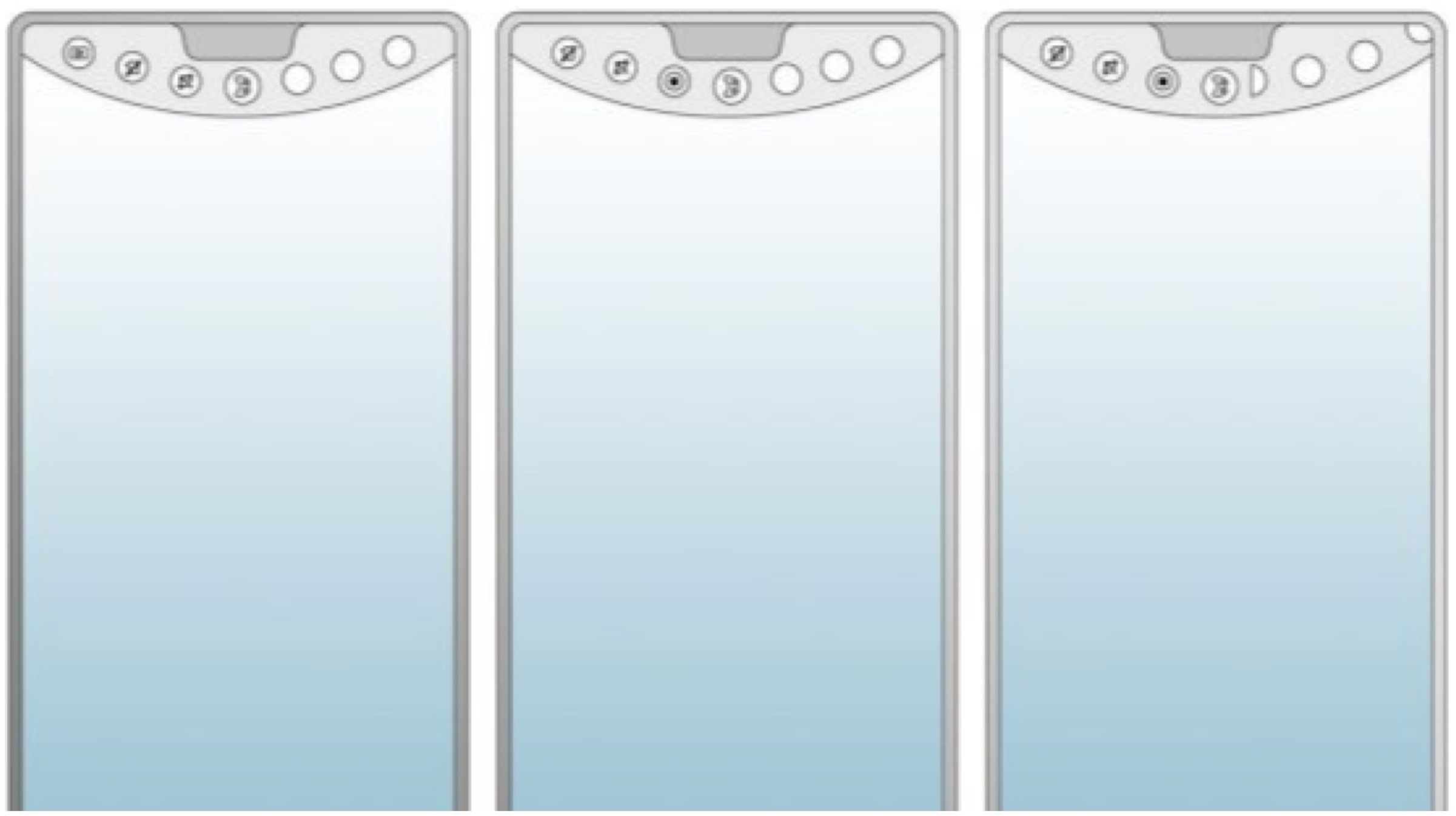 Smartphones are evolving rapidly, and sure enough, many devices have the capability to run multiple applications at the same time. Higher battery capacities imply that multitasking is even more viable in such devices. More graphic-intensive games can be run on such devices, so Chinese Smartphone manufacturer Oppo has patented a gaming interface, which will allow users to launch certain apps during gaming on the device.
 Also Read:
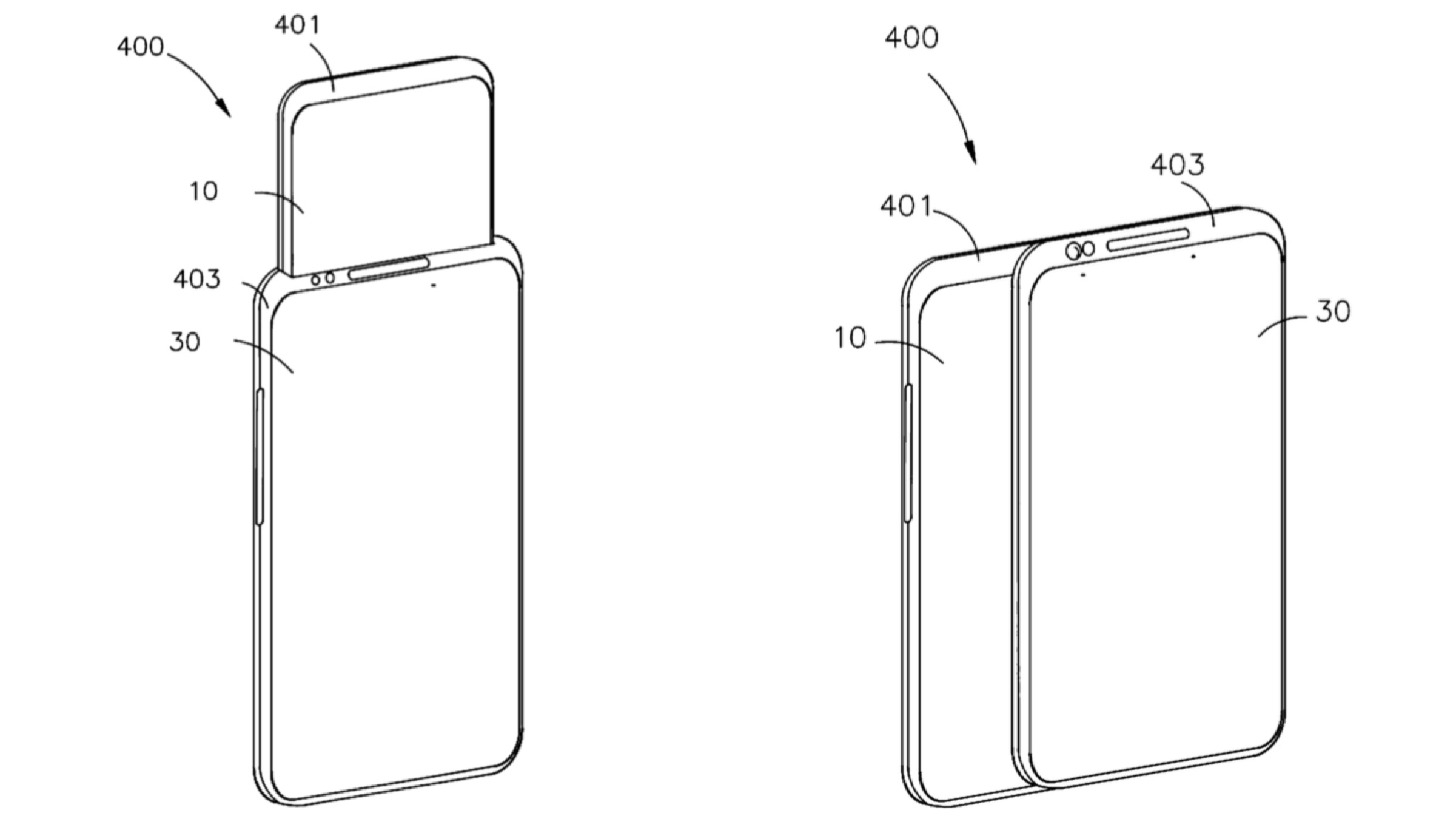 WIPO (World Intelectual Property Organization) published the patent on January 29, 2019. The patent originated from Guangdong Oppo Mobile Telecommunications, and it contained information regarding an “Electronic Device with a display panel”. The company that introduced one of the first pop-up camera modules in the market has now patented two new designs, one of which is a pop-up display design. That is right, the smartphone has a second display that pops out of the primary display. It may seem like an idea that no one has thought of previously, but Oppo has already put it on paper. And the design may have some really helpful functionalities.
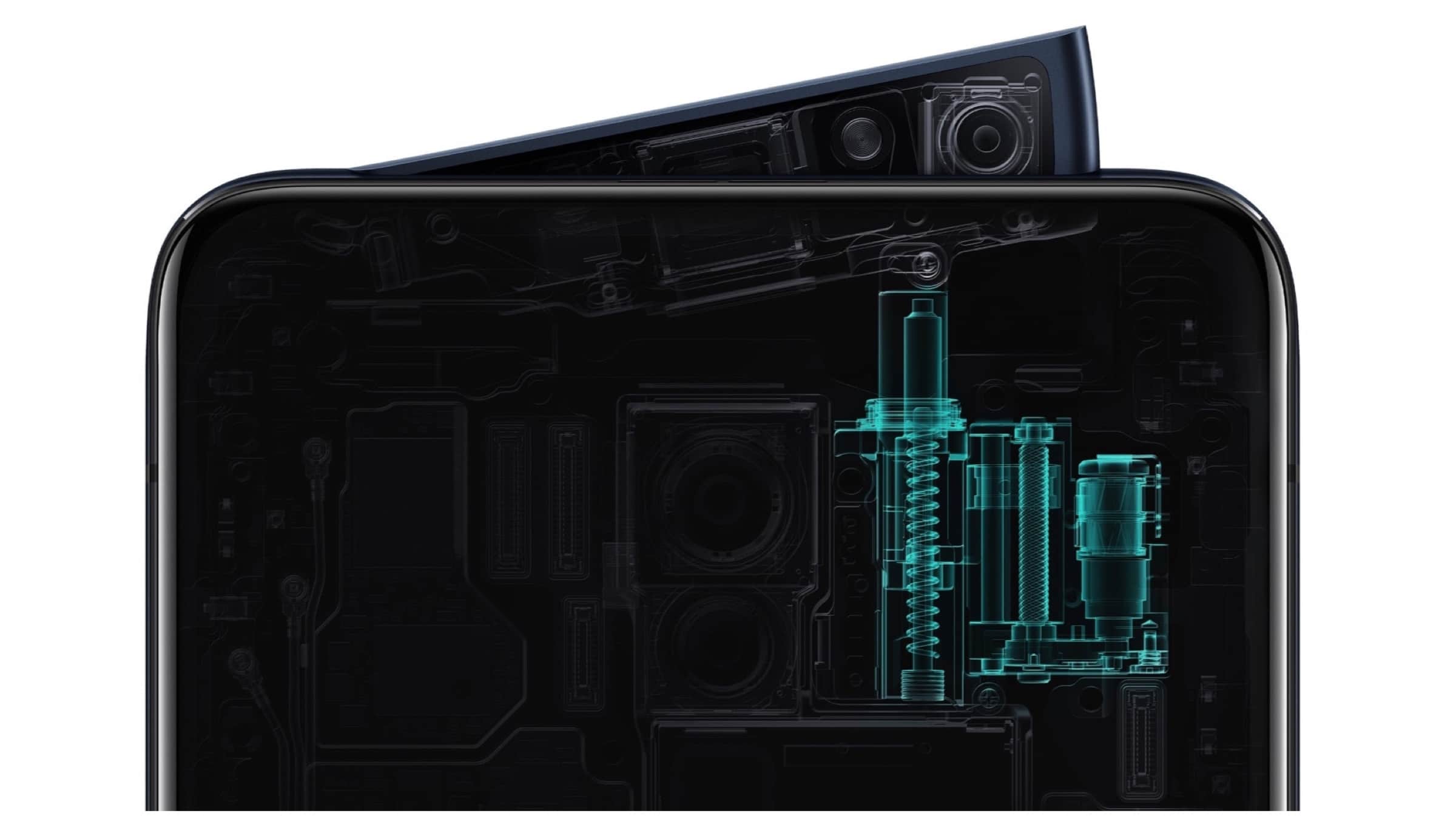
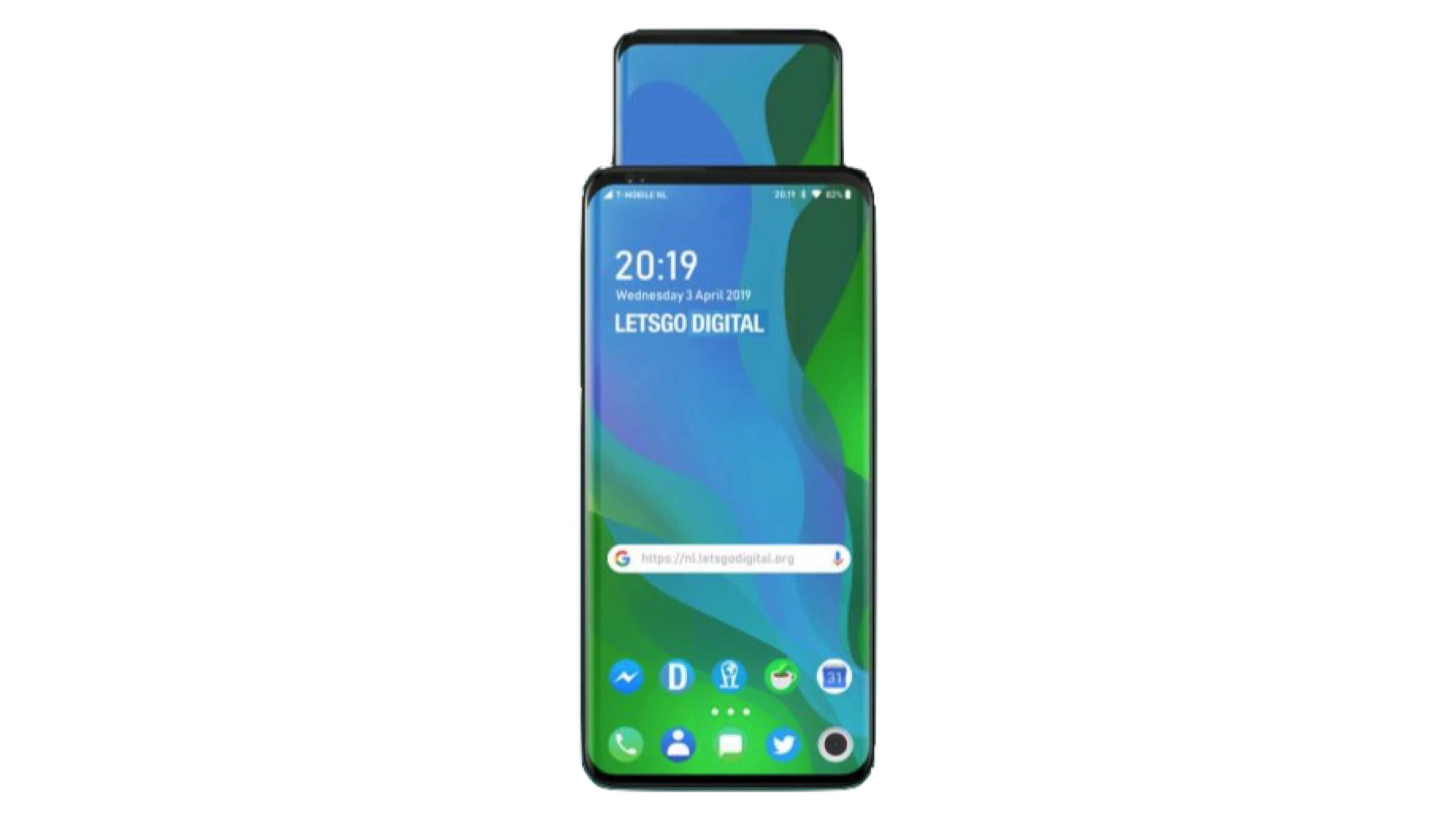 The first design is that of a pop-up display, and it is very similar to a pop-up camera’s mechanism, except the fact that instead of a camera, a screen pops out. Obviously, the second display is much slimmer and narrower than the main display of the device, and for the same reason, it has almost one-third the height of the primary display. Seemingly, a telescopic mechanism helps the second narrower display to pop out of the device. Where some people may argue that it is a useless feature, it may actually be beneficial for those who multitask a lot and use the keyboard in the portrait mode.
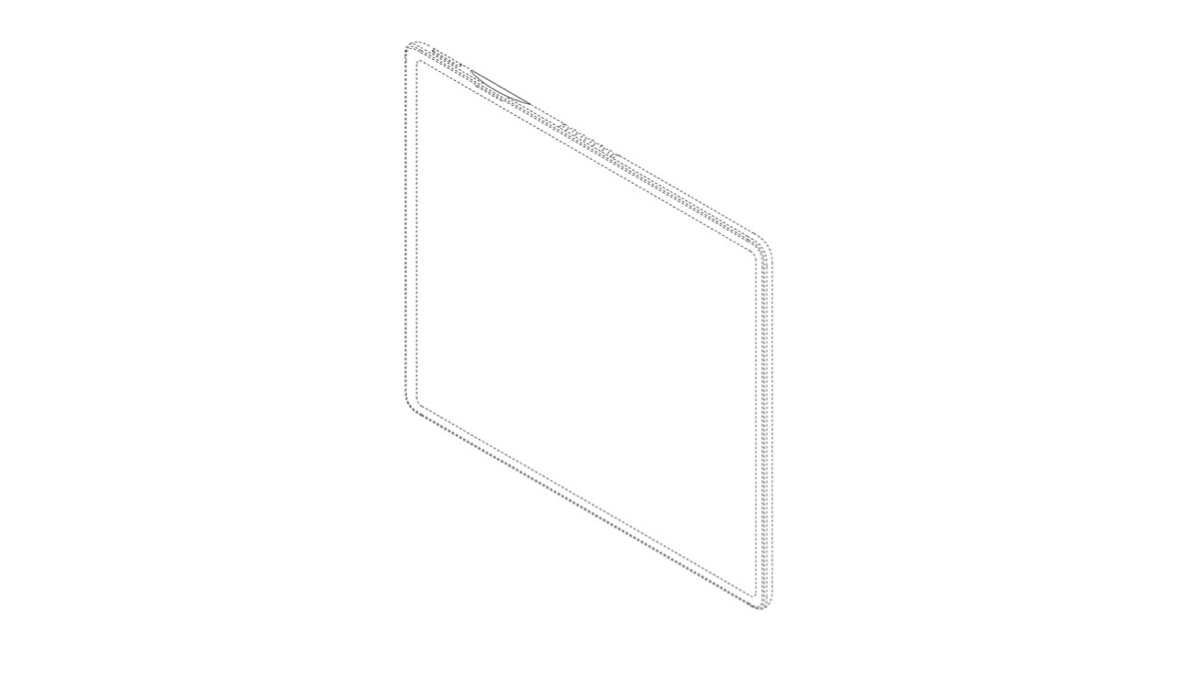
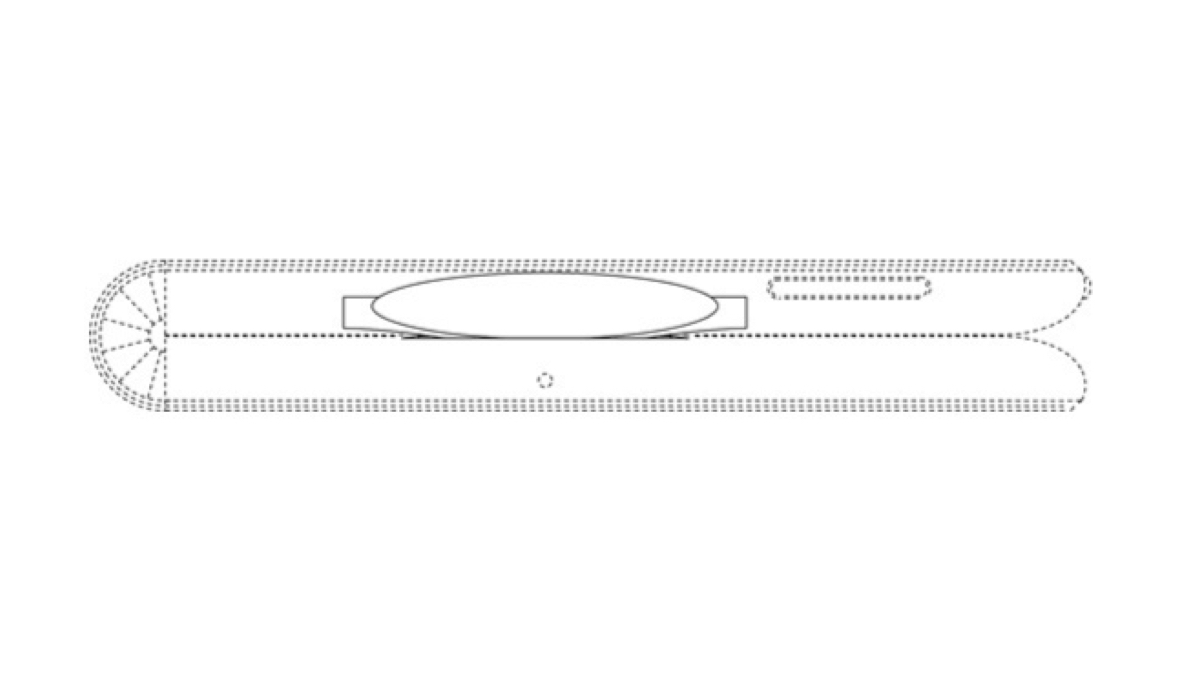
 The second design is also aesthetically pleasing. As per images, the screen does not pop up from the top, instead, a second screen slides towards the left using a guide rail mechanism. This design may remind a lot of users of the HTC Desire Z device, which was released in September 2010, almost a decade ago. The design was very convenient for people who were used to conventional QWERTY typing at that time. Now, when QWERTY keyboards are literally the standard, slider phones may make a comeback soon, albeit without the physical buttons.