Category: Brands and Companies

All Brands and Company Names

  • OnePlus 7 In Gradient Colours Surfaces Online

    OnePlus 7 In Gradient Colours Surfaces Online

    OnePlus is a considerably new company in contrast to competitors like Samsung and Apple. Nevertheless, the company has made a lasting mark in the heavily crowded smartphone industry. It is soon expected to launch the OnePlus 7 which will succeed the OnePlus 6T from the yesteryear. The upcoming smartphone is believed to be significantly different both in terms of design and features in comparison to its predecessor. The device has previously been subjected to several leaks which revealed its key specifications and price. A fresh leak claims that the company will launch its next flagship with new gradient coloured back panels. 

    OnePlus 7 Design And New Gradient Panels

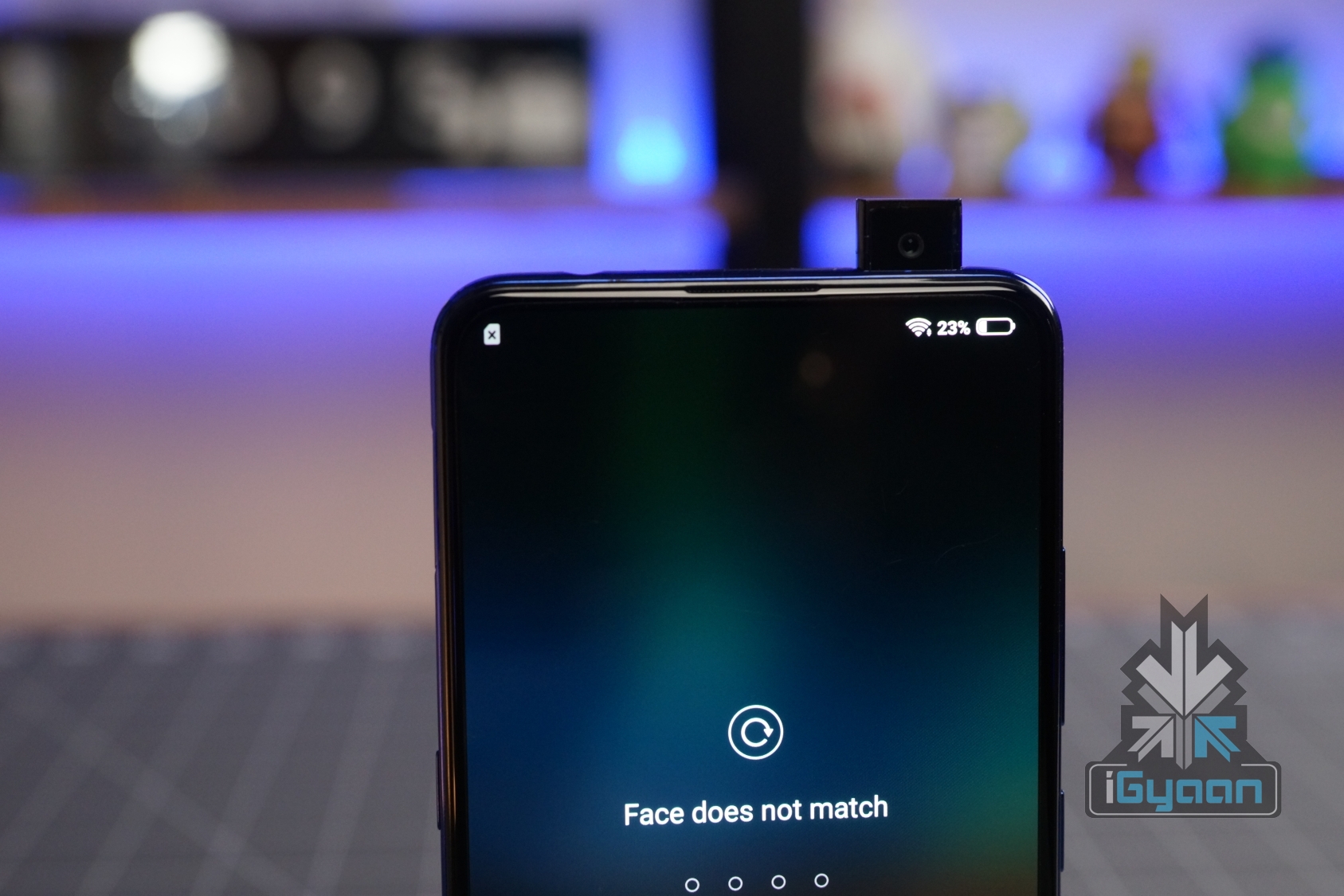
    The latest leak of the OnePlus 7 reveals a smartphone with a popup selfie camera which is reminiscent of the Vivo V15 Pro. The right side of the smartphone houses the power button and the sound profile slider while its left side houses the volume rockers. Surprisingly, the upcoming device features triple rear cameras which have been bumped up from two on its predecessor.
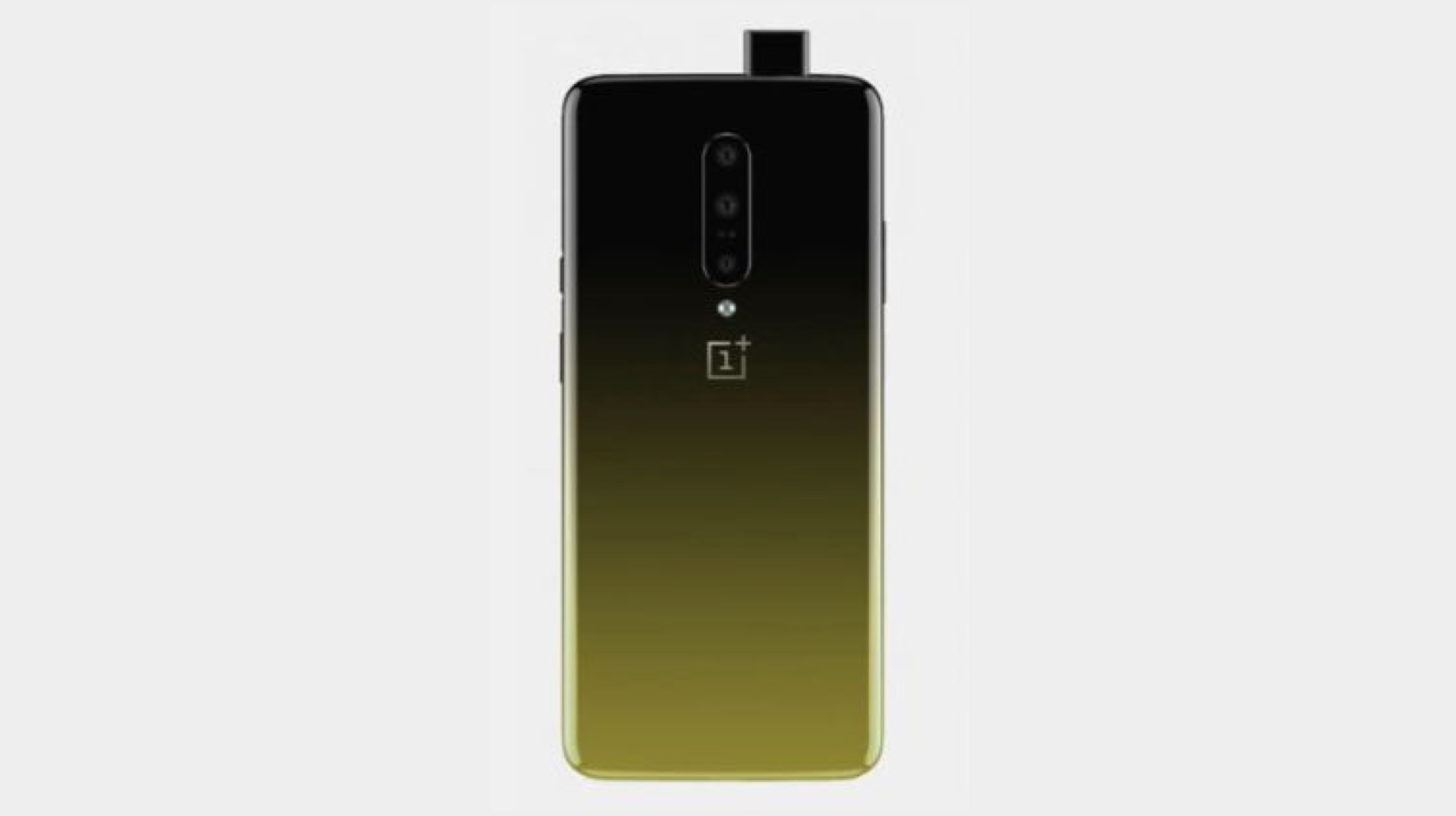
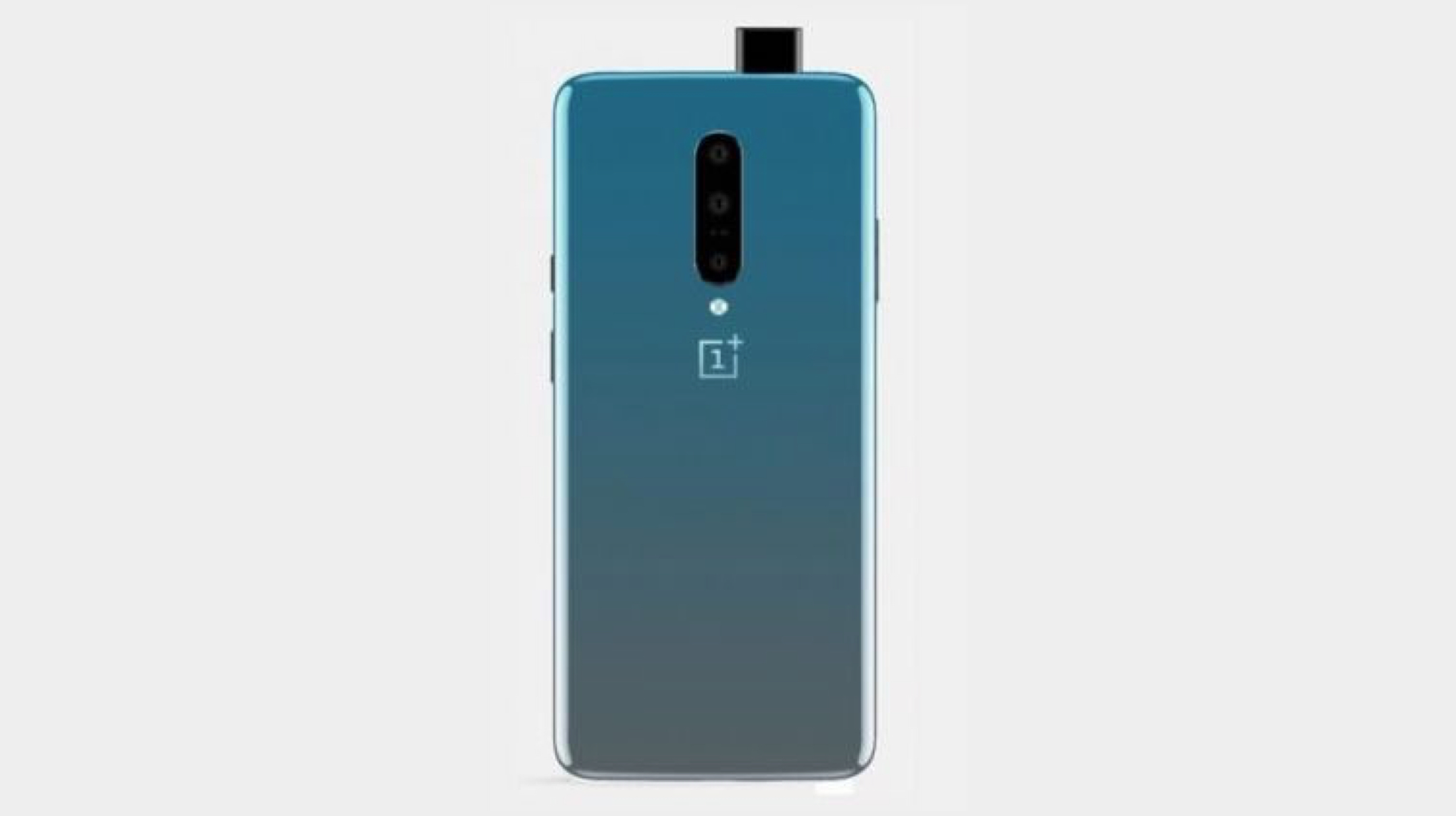
    Noteworthy, the rear panel of the OnePlus 7 which is assumed to be made out of glass has an attractive look with gradient finishes. The leaked images show three different coloured gradient finishes which include yellow, purple and cyan. The purple coloured gradient looks similar to the OnePlus 6T Thunder Purple, while the two other colours are brand new. The probability of OnePlus 7 being offered in these gradient colours is quite high.

    Not long ago, a YouTuber named Arun Maini got a chance to visit the OnePlus factory in China from where he revealed several intriguing facts. He shared a video in which he showcased a whole bunch of prototype glass panels with gradient finish for OnePlus smartphones which never made their way into the production handsets. Both the newly leaked renders and the previously shared video can be taken as a serious indication that OnePlus is likely to launch its upcoming flagships in the aforementioned gradient panels other than the traditional colours. 

    OnePlus 7 Leaked Specifications
    • Display: 5-inch AMOLED  
    • Operating System: OxygenOS 9 based on Android 9 Pie 
    • Chipset: Qualcomm Snapdragon 855
    • CPU: Octa-Core, Upto 2.84 GHz
    • GPU: Adreno 640
    • RAM: 8GB/12GB LPDDR4x  
    • Storage: 128GB/256GB 
    • Rear Cameras: 48MP + 20MP + 5MP, LED Flash 
    • Front Camera: 16MP Popup Selfie Camera
    • Security: Face Unlock + In-display fingerprint scanner 
    • Battery: 4000mAh, 44 W Super Fast Dash Charge 

    Also Read: Xiaomi Redmi Go Launched In India

    We will have to wait patiently for OnePlus’s official announcement to confirm the specifications and design of OnePlus 7. 
  • NVIDIA Announces $99 Jetson Nano CUDA-X AI Computer

    NVIDIA Announces $99 Jetson Nano CUDA-X AI Computer

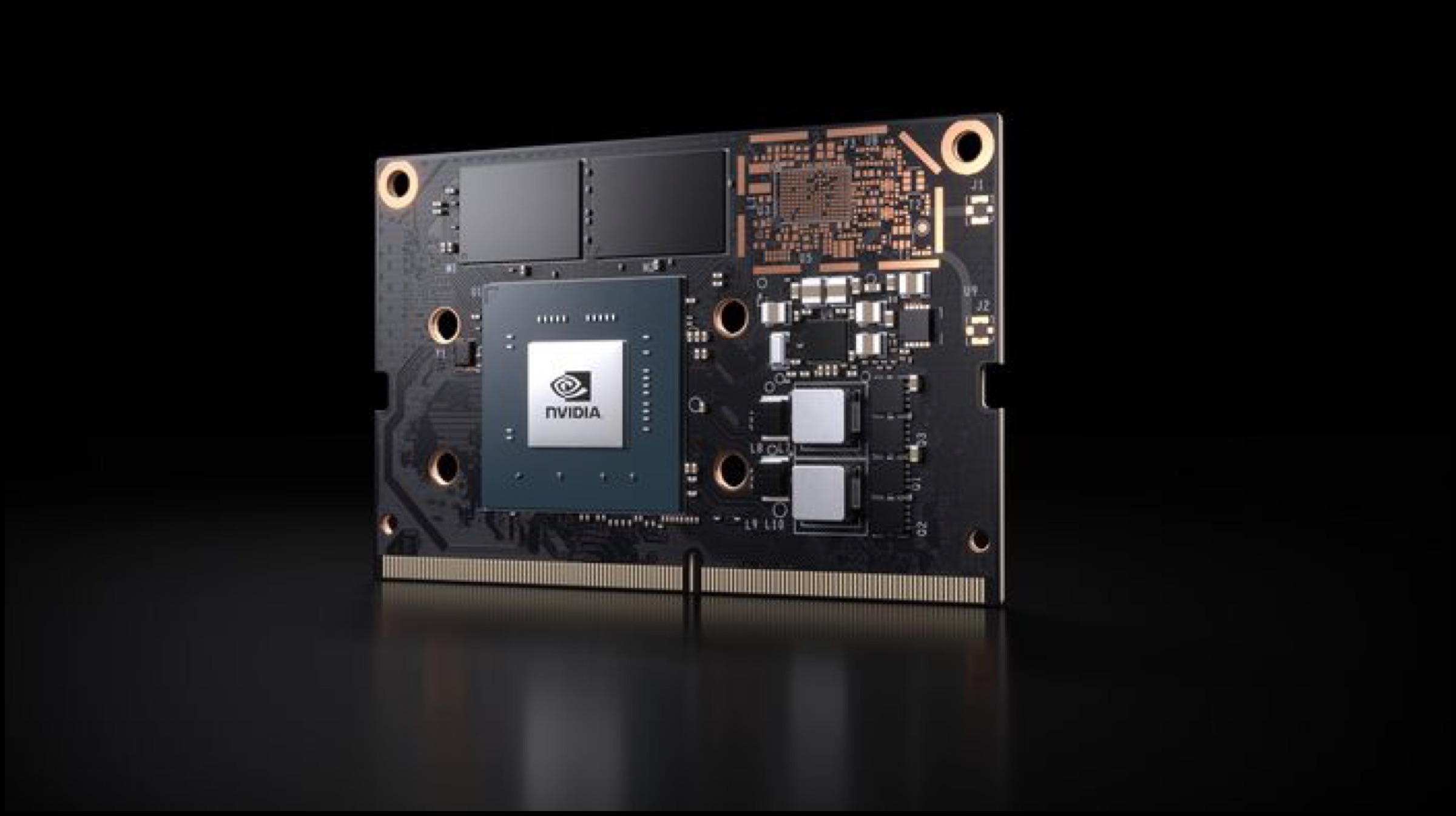
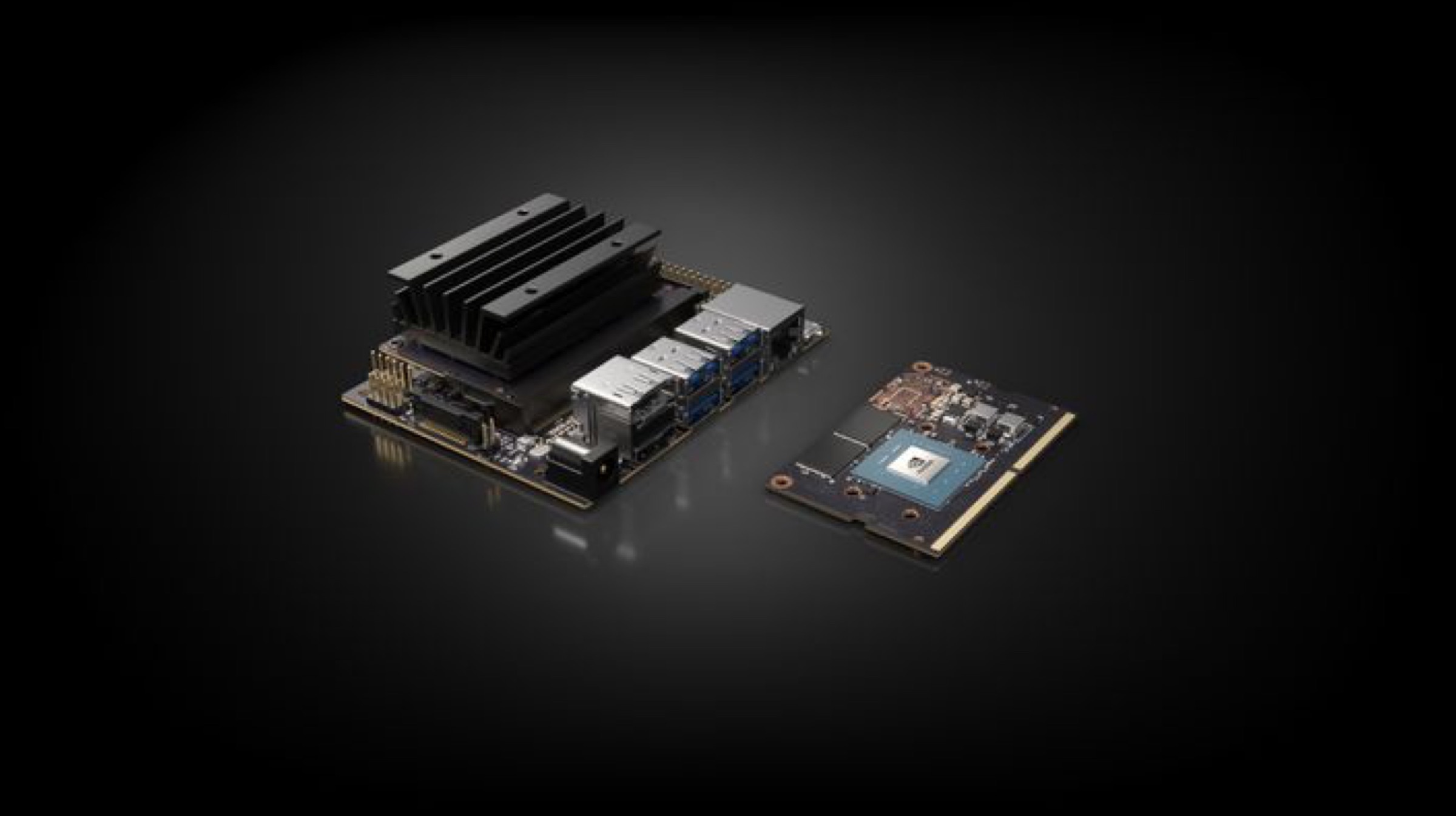
    At the GPU Technology Conference in California, NVIDIA unveiled the Jetson Nano AI computer which can be used to draft AI-based systems with ease. On March 18, the company announced that the Jetson Nano will be available in two kit options, listed below

    • Devkit for developers, makers and enthusiasts
    • Production ready module for companies
    Jetson Nano Features

    The Jetson Nano sports the CUDA-X AI computer, which brings accelerated computing to the platform. CUDA-X AI is a collection of software acceleration libraries designed on the NVIDIA’s programming model. The company claims that it delivers 472 GFLOPS of performance for AI-based computing. Remarkably, the CUDA-X consumes only 5 watts of power for operation.
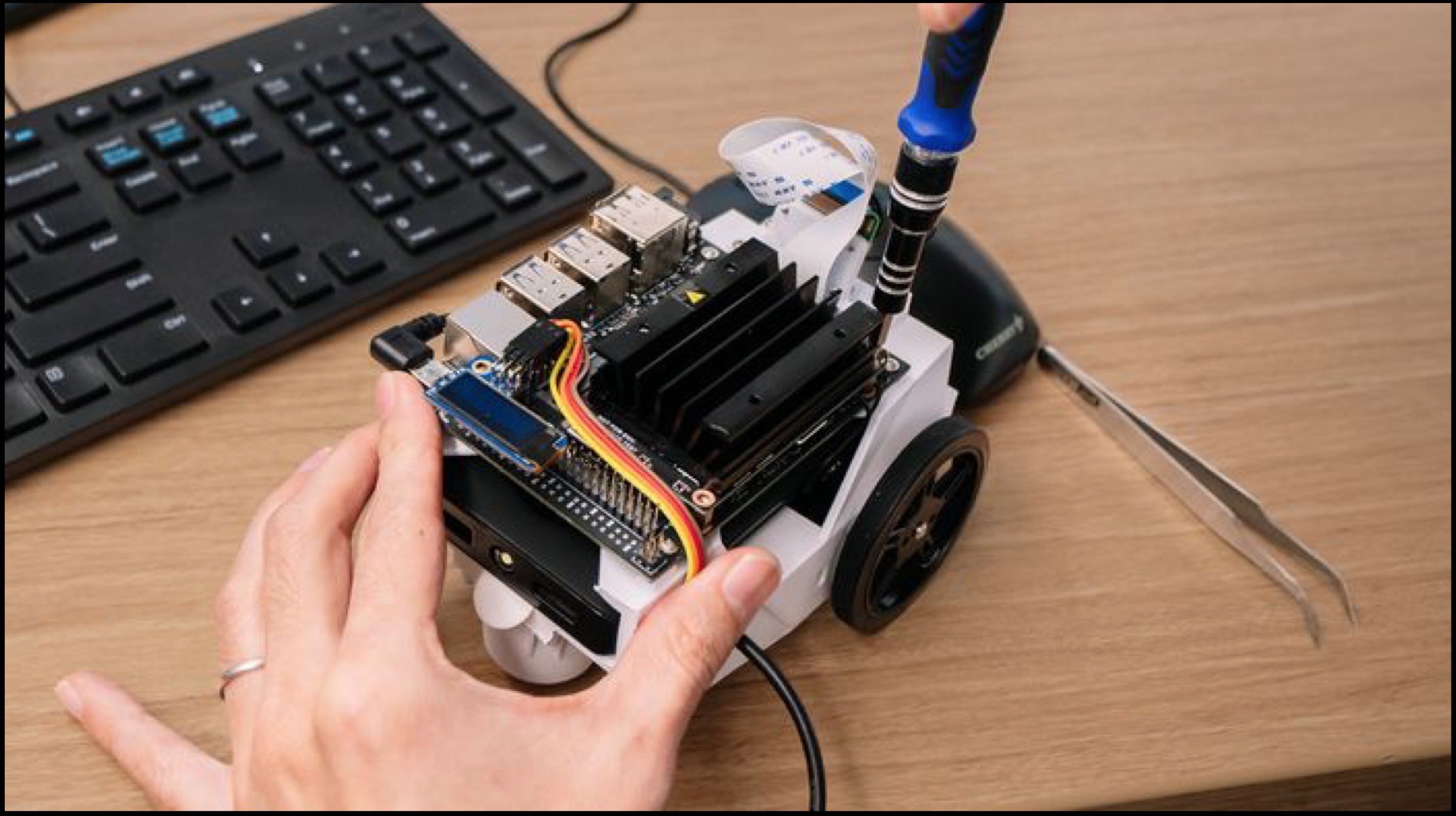
    The company previously released the Jetson AGX Xavier and the TX2 for autonomous machines and AI respectively. The latest Jetson Nano sports high resolution sensors that can process data parallelly. NVIDIA claims that it supports major AI frameworks to make it easy for developers to integrate their preferred models with the chip. It will enable users to create projects like drones and digital assistants with a framework of their choice. 

    The company also states that the chip has upgraded power management, clocking, memory and accessible input/outputs. It features Jetpack SDK, which is also designed on CUDA-X and has libraries for deep learning, computer vision, graphics and multimedia processing. It runs the Linux OS, which is fully compatible with NVIDIA’s AI platform. Moreover, NVIDIA includes a reference platform called JetBot to reduce the time taken for initial hardware assembly. All of the aforementioned source codes are available on Github, the company says.
    Jetson Nano Specifications

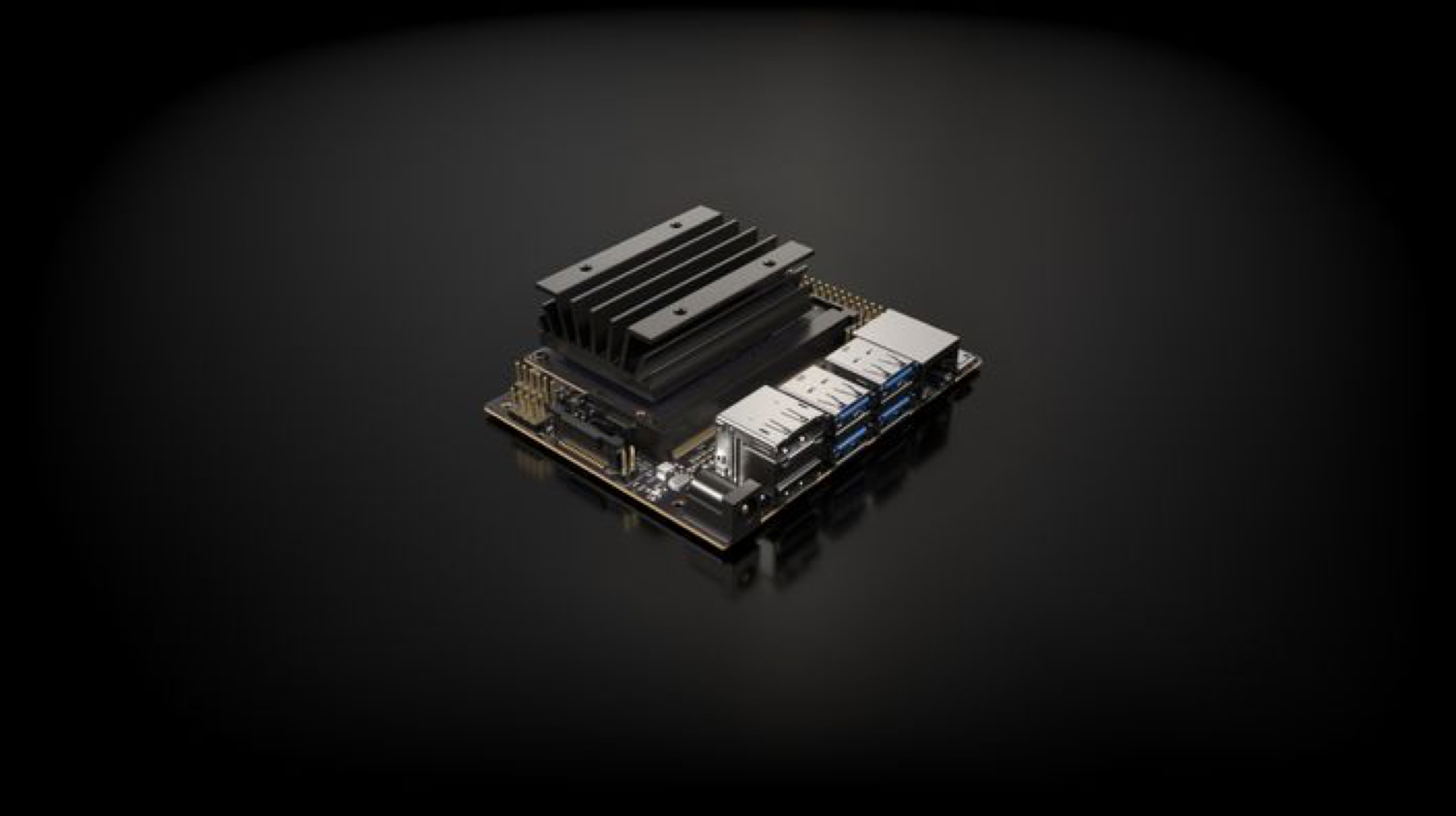
    The Jetson Nano runs on the quad-core ARM A57 CPU and a 128 core NVIDIA Maxwell based GPU. It supports 4K/60fps video modules. It has support for 4GB LPDDR4 memory with transfer rates of up to 25.6 Gbps, and a Gigabit Ethernet port for connectivity. As mentioned before, it runs Linux for Tegra. The module measures at 70mm x 45mm, whereas the whole devkit measures at 100mm x 80mm. 

    Price And Availability

    Also Read: Key Features Of Nubia’s Upcoming Red Magic 3 Gaming Smartphone Confirmed

    The NVIDIA Jetson Nano Developer Kit is available for US$ 99, whereas the Production ready module for the same can be purchased for US$ 129. The Jetson Nano will be available for purchase June onwards and will be retailed at NVIDIA’s global distributors.

  • Xiaomi Redmi Go Launched In India

    Xiaomi Redmi Go Launched In India

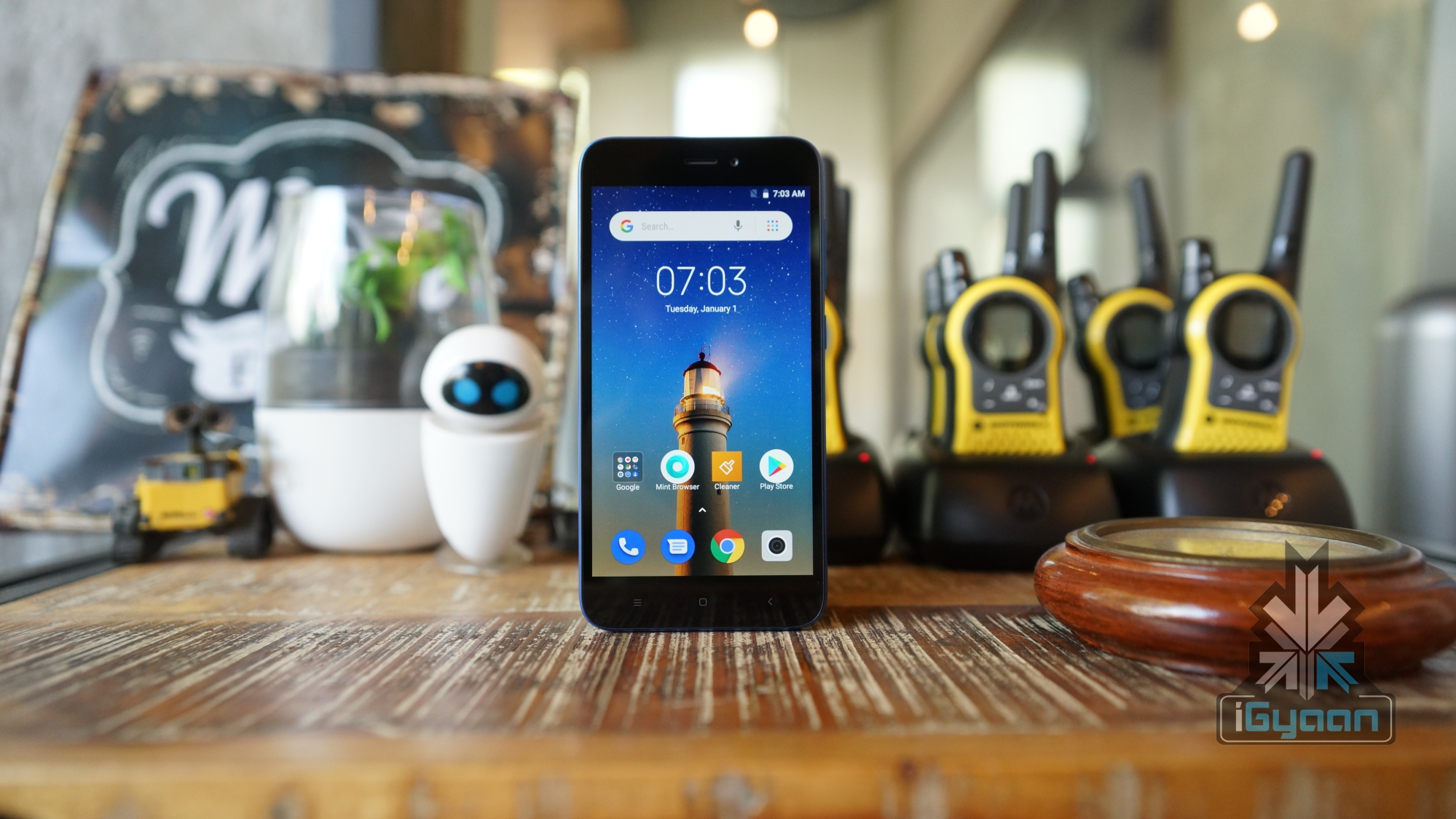
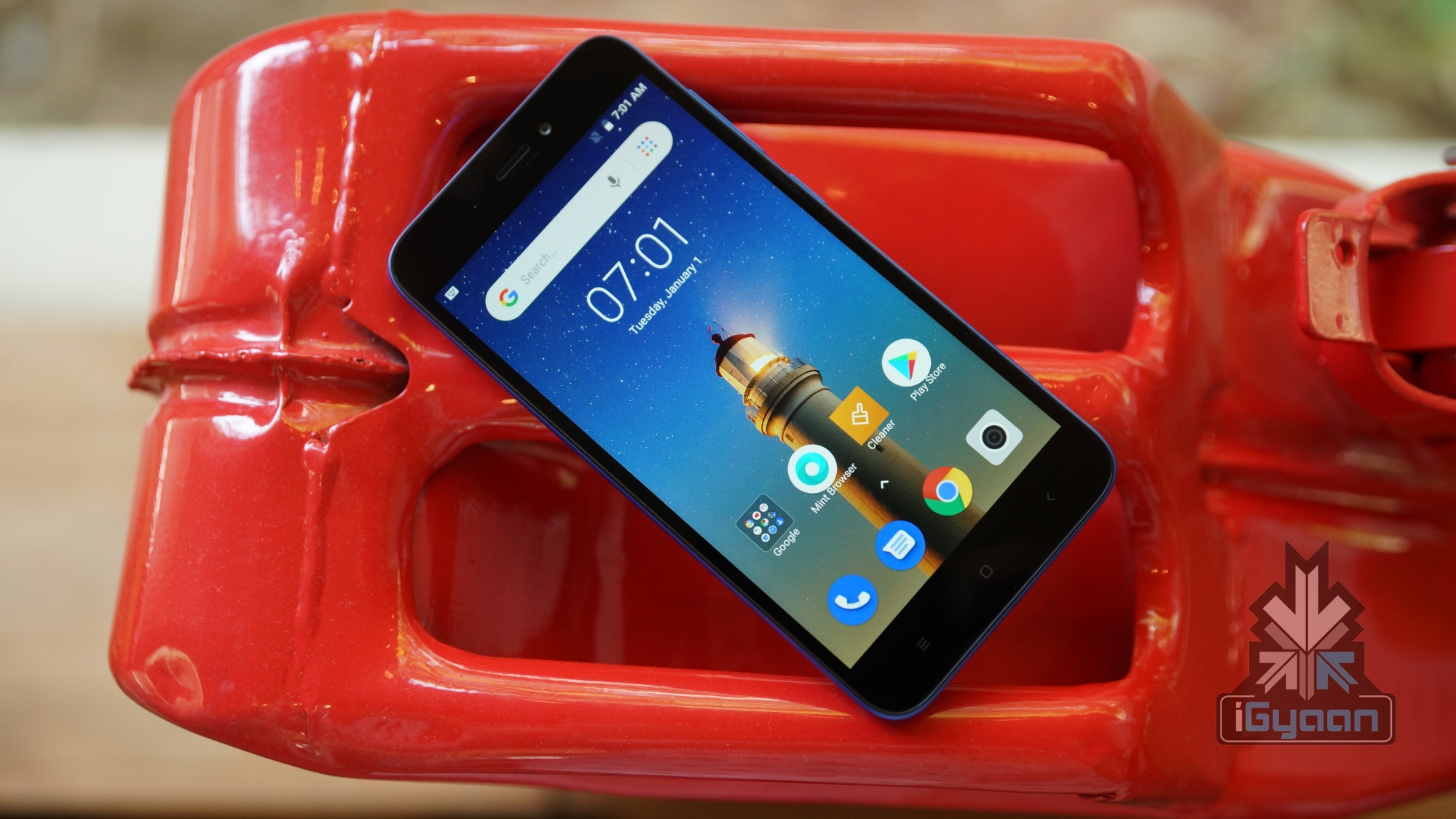
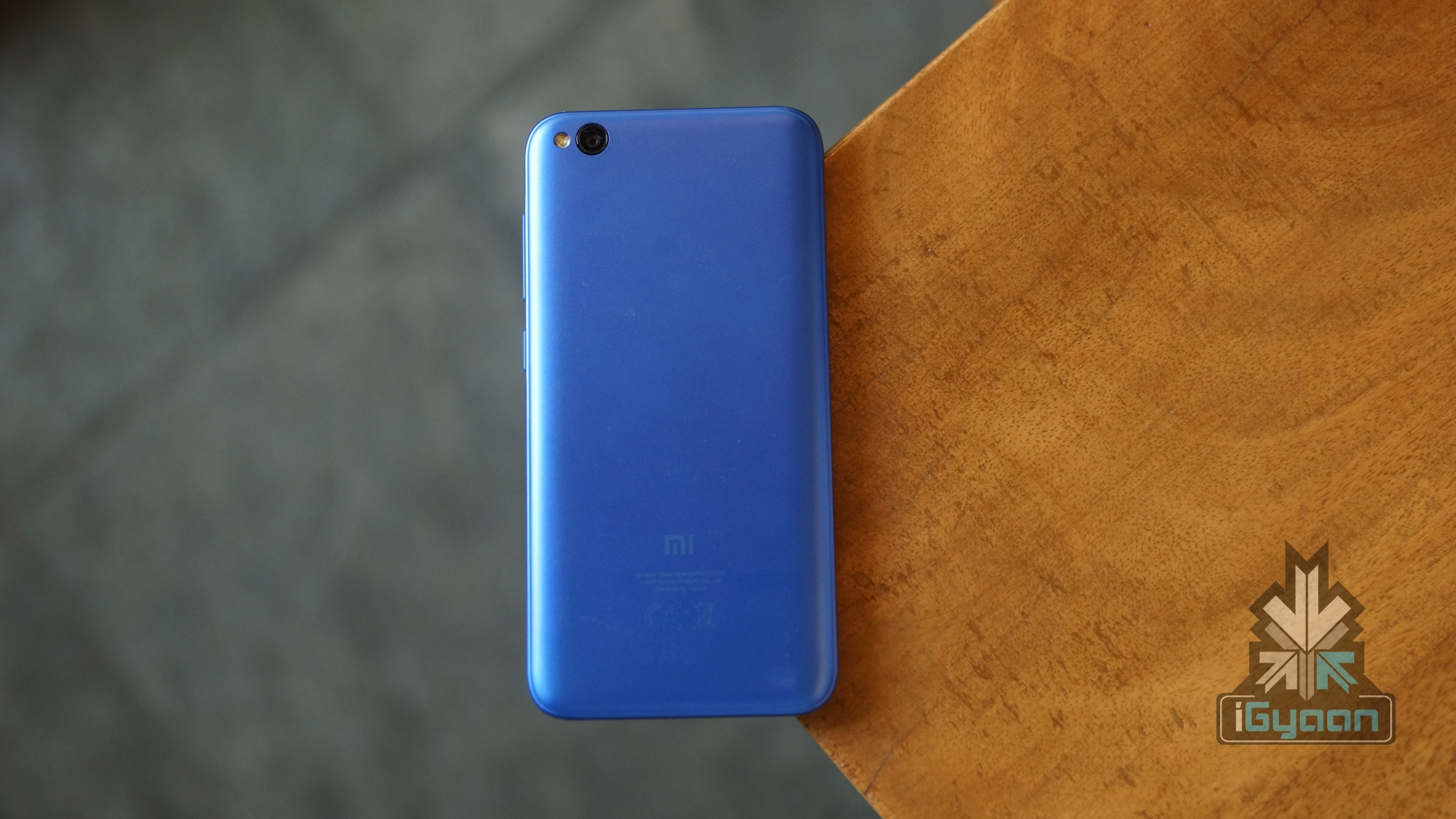
    Xiaomi at an event has launched the Android Go based smartphone, Redmi Go in India. It is the first smartphone from the company to run on the Android Go platform from Google. The devices under the initiative generally have low-end hardware and a skimmed down variant of the Android operating system which provides an optimised performance. Notably, the Redmi Go was first launched back in February in the Philippines.

    Design & Features

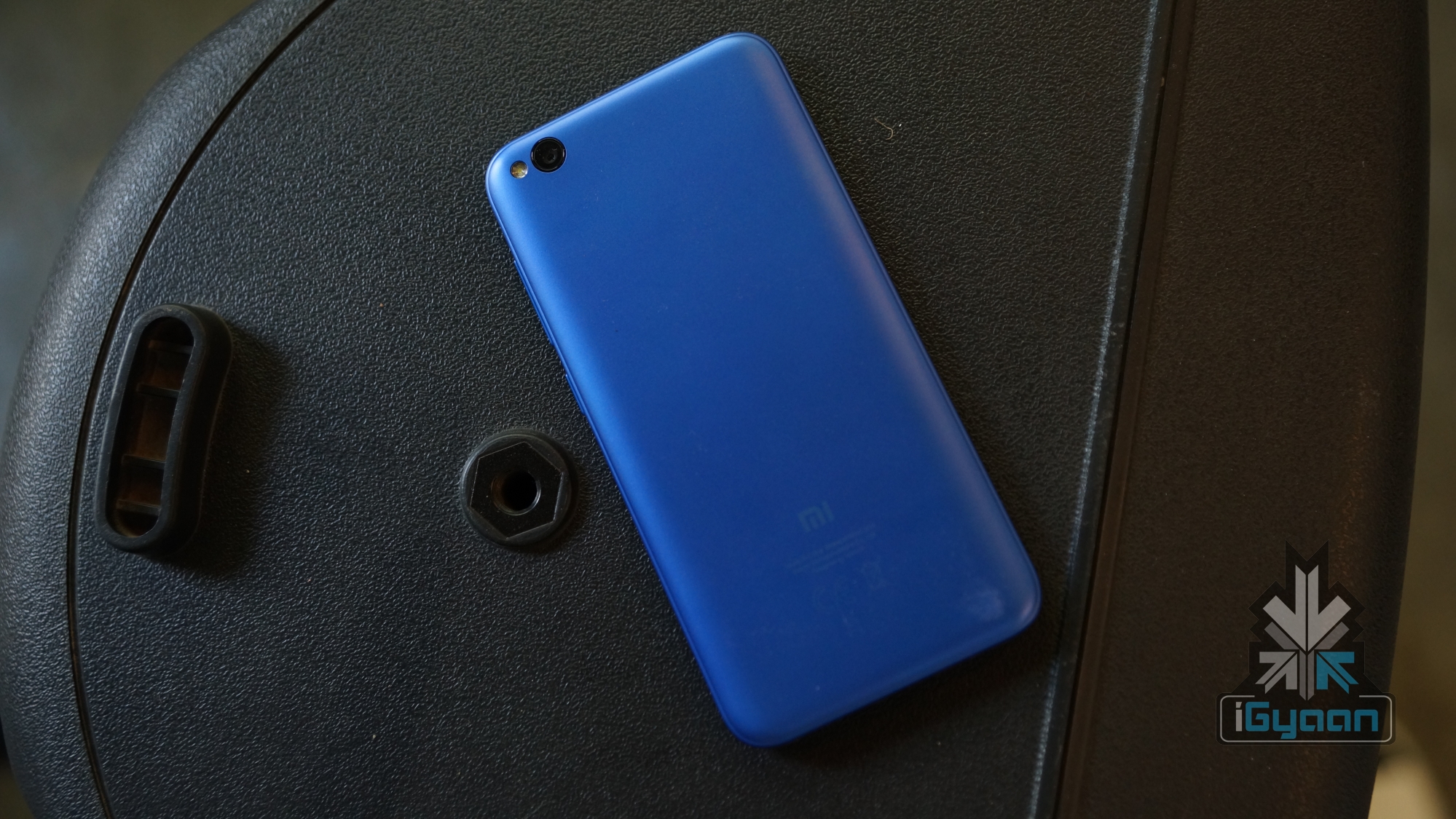
    The Redmi Go is the most affordable smartphone in the company’s portfolio. It has a polycarbonate body with significant bezels on the front. It measures 40.4 x 70.1 x 8.35mm and weighs 137g. It has a 5 inch IPS LCD display with a resolution of 1280 x 720. The display has a pixel density of 296 ppi and a maximum brightness of 380 nits. 

    Under the hood, the Redmi Go has been kitted with the Snapdragon 425 SoC which is manufactured using the 28nm fabrication process. The chipset has a Quad-core CPU and Adreno 308 GPU. In terms of optics, the smartphone has an 8MP primary camera at the back with an aperture of f/2.0. For selfies, there is a 5MP camera with an f/2.2 aperture on the front. For memory and storage, the Redmi Go is available with 1GB RAM and 8GB internal storage.

    The Redmi Go packs in a 3000mAh battery with support for 5W charging. The smartphone runs on the Android 8.1 Oreo Go edition out of the box. It also has a dedicated microSD support for memory expansion up to 256GB. The Redmi Go also supports more than 20 regional languages and supports the Google Assistant in Hindi.

    Pricing & Availability

    Also read: PC Gamers Will Get To Test Out Halo: The Master Chief Collection Pre-Release

    The Redmi Go has been launched at a price of Rs. 4,499. The smartphone will be available starting March 22 online on Flipkart and Mi.com. Offline sales will be handled by the company’s Mi Home outlets.


  • PC Gamers Will Get To Test Out Halo: The Master Chief Collection Pre-Release

    PC Gamers Will Get To Test Out Halo: The Master Chief Collection Pre-Release

    After Microsoft announced the arrival of the hugely popular Halo Series on PC, gamers have been ecstatic about it. Tweets clearly depict how excited people are because Halo is depicted as the game which helped sell Microsoft’s Xbox in the first place. Following the announcement, Microsoft has revealed that PC gamers will be granted the opportunity to test out the game ahead of its release. 

    Halo Insider Program

    Selected gamers who are a part of the game Insider Program will be able to test out the features of the game before it comes out. The Insider program will accept feedback and insights from gamers regarding the in-game progress and gameplay. Noteworthy, there is a chance that not everyone who signs up for the Insider program may get selected for the testing phase.

    About Halo

    First released for Microsoft’s Xbox in 2014, the Halo franchise will be available to play on PC via popular gaming portal, Steam. The franchise package will include Halo Reach, Halo: Combat Evolved, Halo 2, Halo 3, Halo 3: ODST, and Halo 4. It is interesting to note that all the iterations of the game will not be released at once, instead, Microsoft plans to release all the games in chronological order. This means that Halo: Reach will be the first game that will land in the hands of gamers. Even though the game was first released in the year 2010, it’s still a classic and is rated as one of the best gameplay experiences of all time by gamers worldwide

    Also Read: Xiaomi Launches The Black Shark 2 Gaming Smartphone With Snapdragon 855 SoC

    It is still not clear whether Microsoft will include support for 4K resolutions and 60 fps in the early iterations of the game. Fans are excited for the same though, probably because they will get to re-live the entire game universe all over again, this time in enhanced configurations. Furthermore, if players own the game on Xbox, they won’t be able to use the same copy on PC. This means that interested gamers will have to purchase a separate copy of the game in order to run it on their PCs. As of now, no concrete release date has been provided by the American company.   

  • Samsung Galaxy A40 Official Renders Leaked, Launch Imminent

    Samsung Galaxy A40 Official Renders Leaked, Launch Imminent

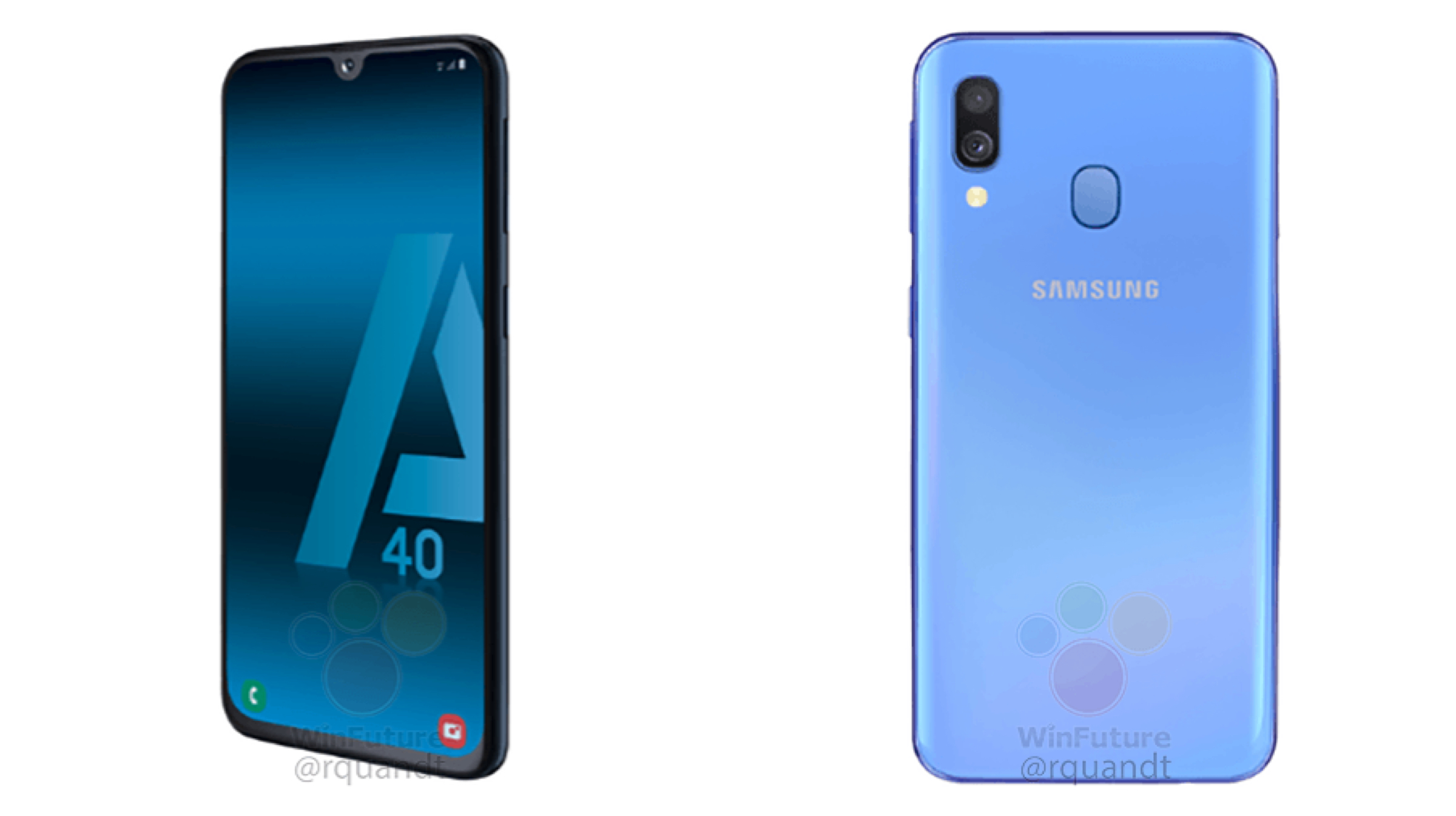
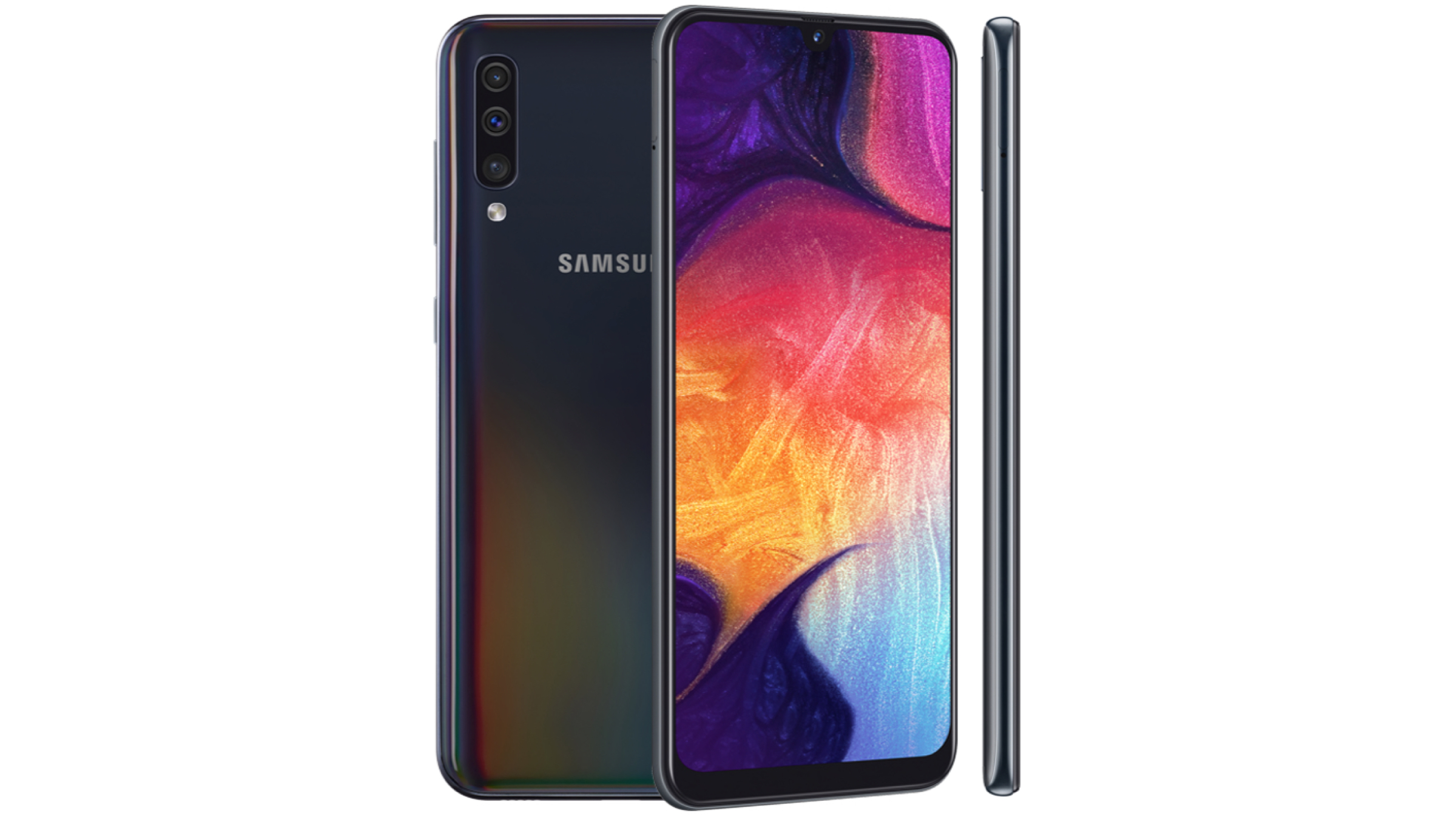
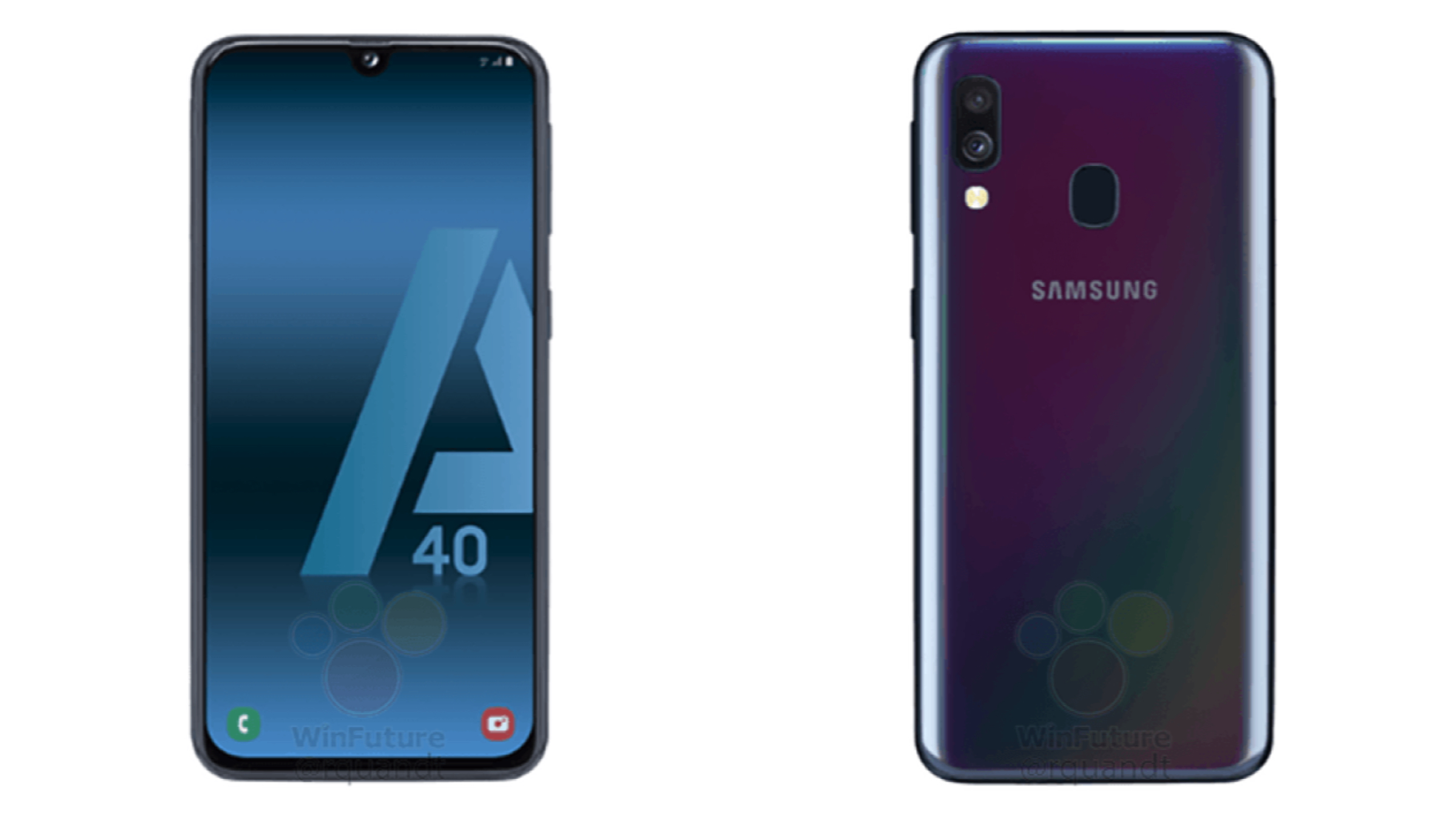
    Samsung launched the latest entrants in the Galaxy A lineup of smartphones, the Galaxy A10, Galaxy A30 and Galaxy A50 in India last month. The devices feature an all-new design, competitive specifications at an aggressive price to rival the ever increasing growth of Chinese smartphone OEMs in developing markets like India. Samsung is expected to announce a range of new devices in the Galaxy A series in the following months. One of the upcoming smartphones, the Galaxy A40 has leaked time and again and has now been freshly revealed in official renders. These renders unveil how the smartphone may look like.

    Galaxy A40

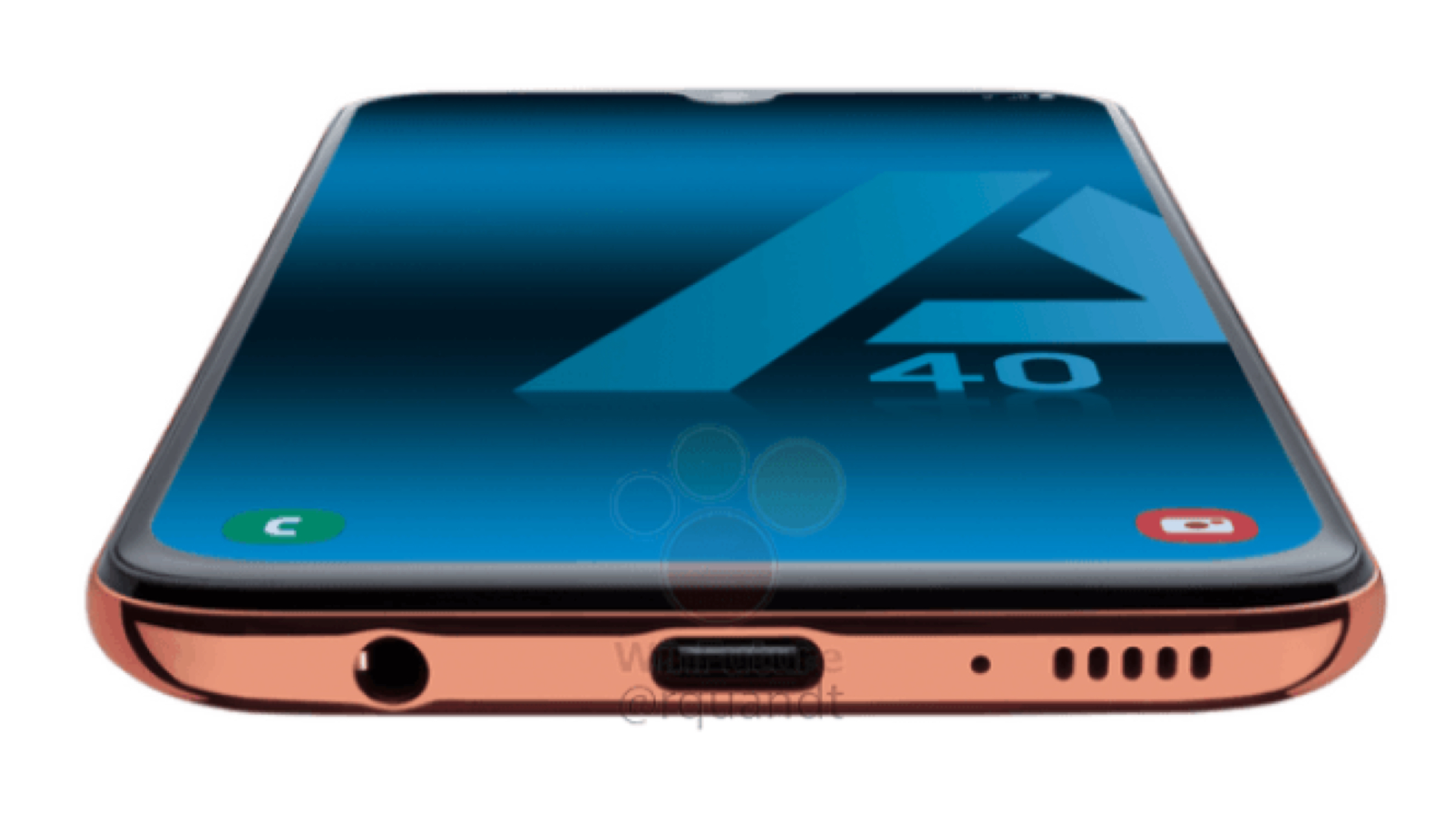
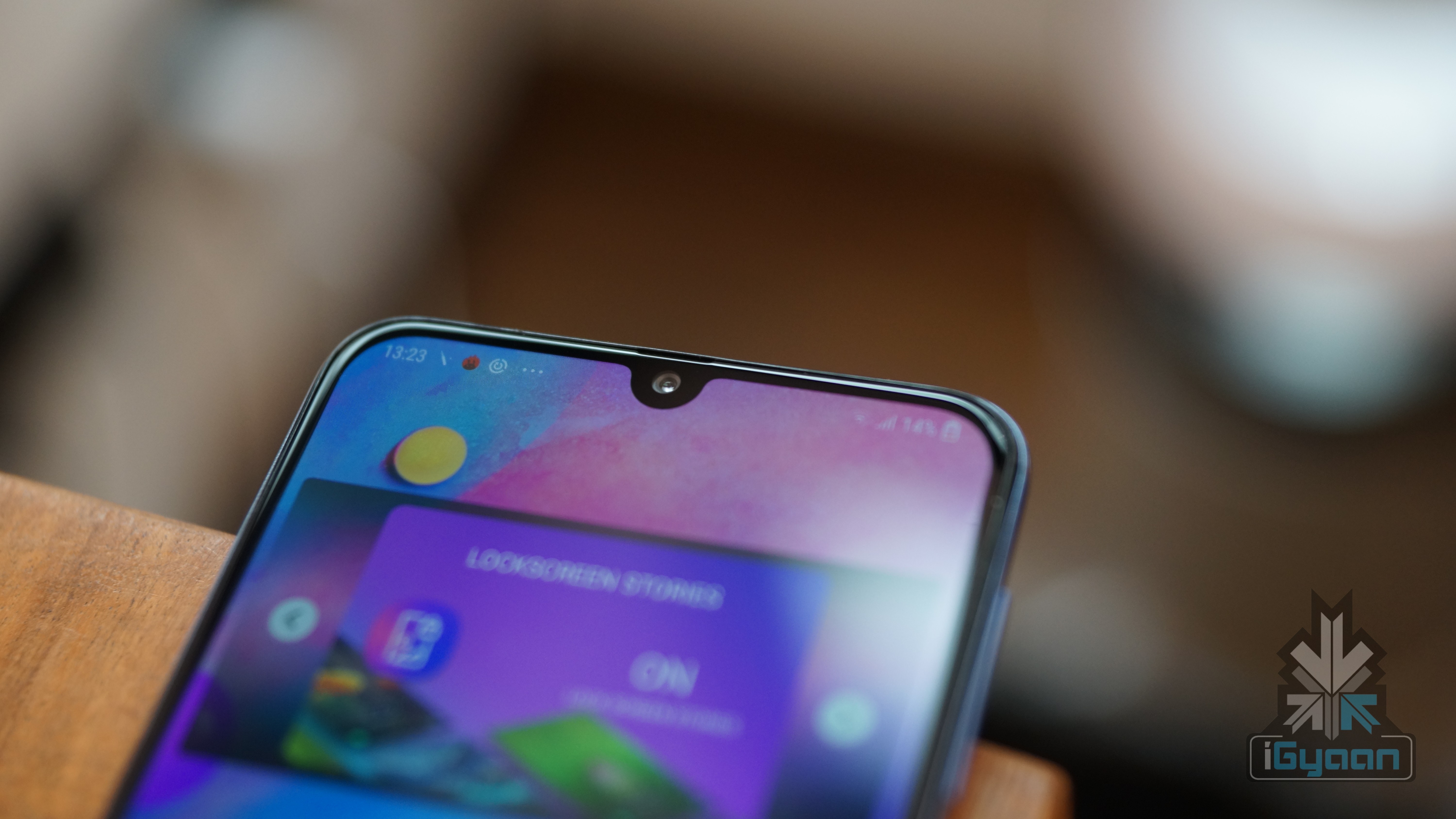
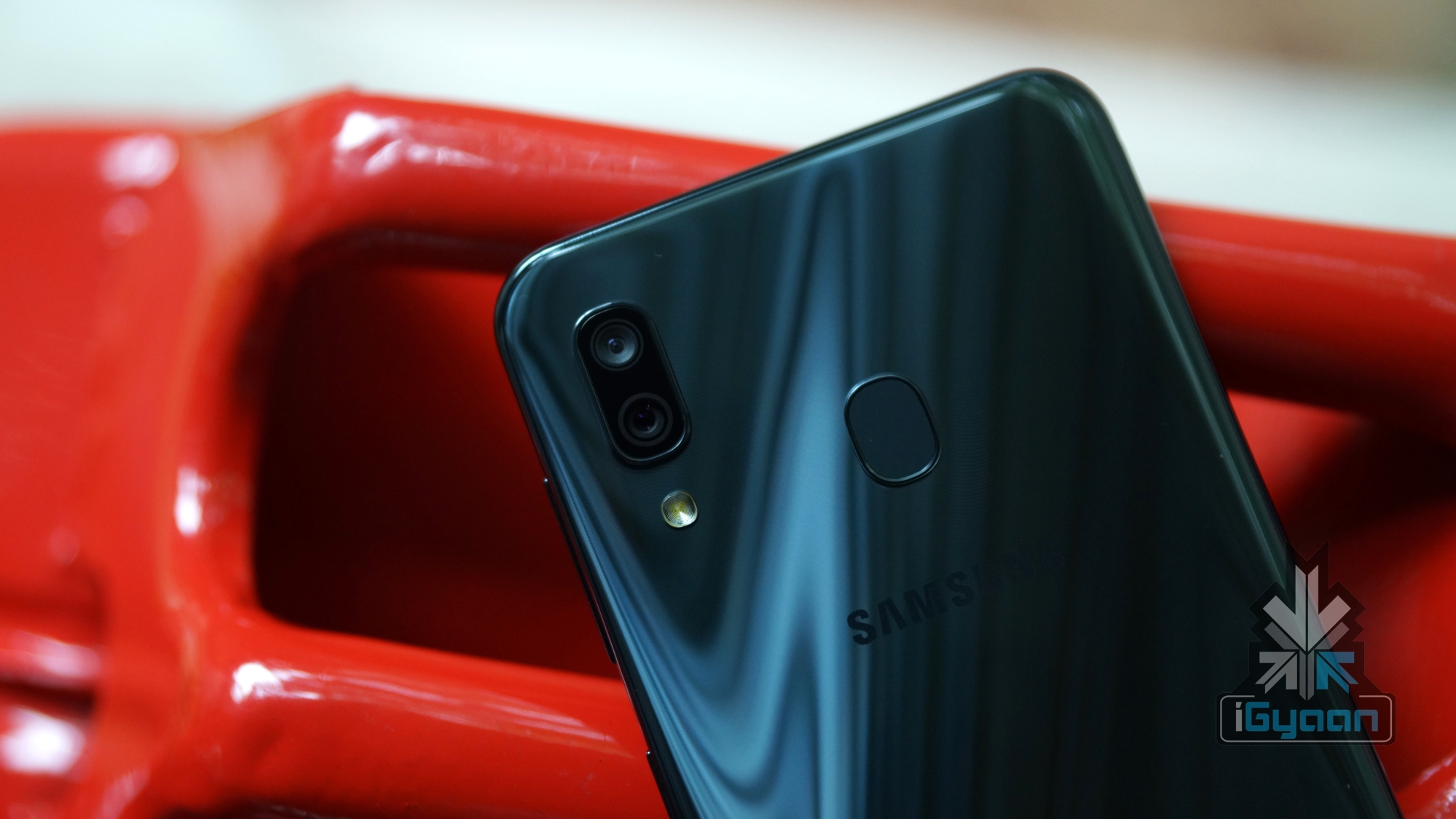
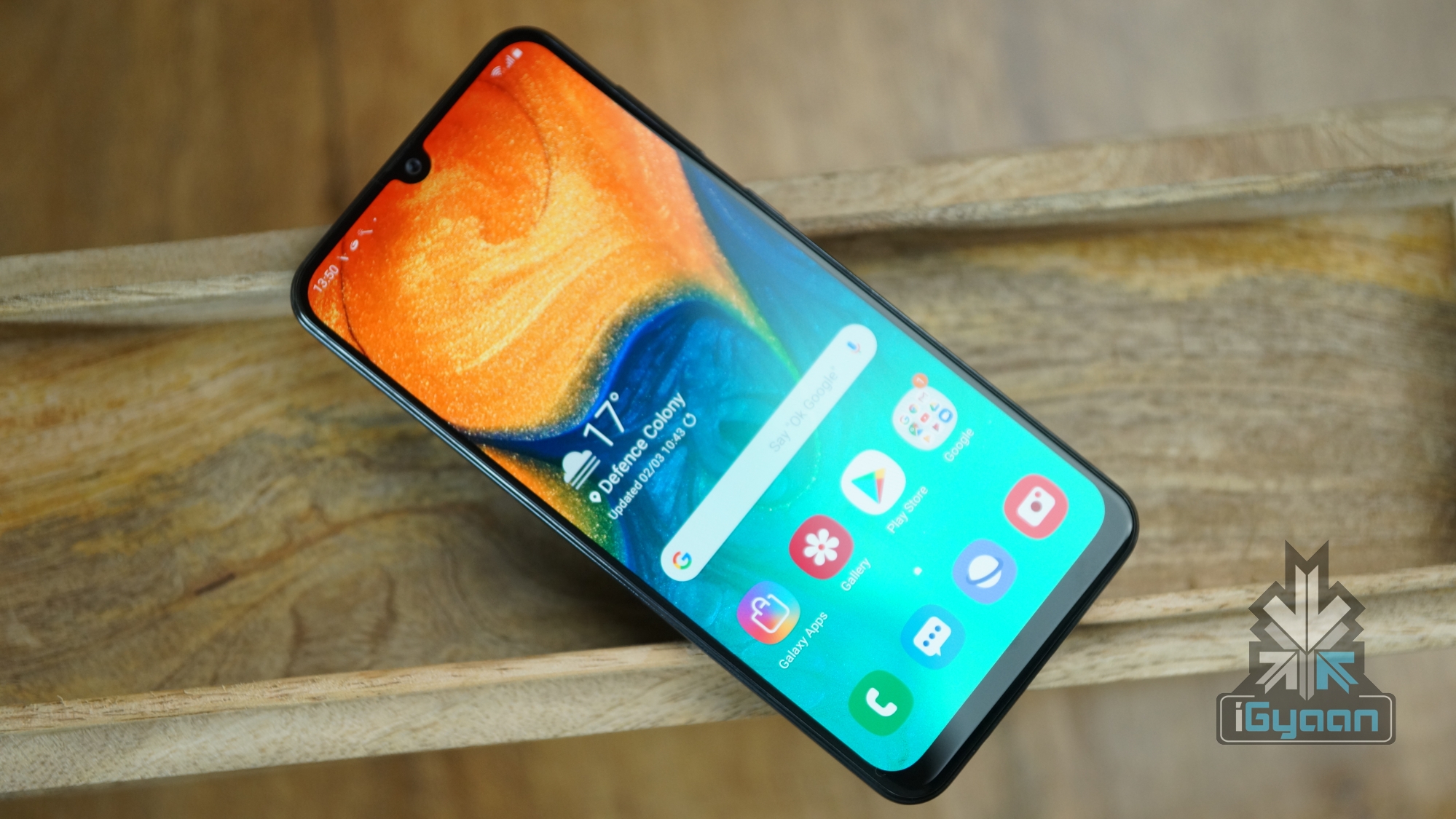
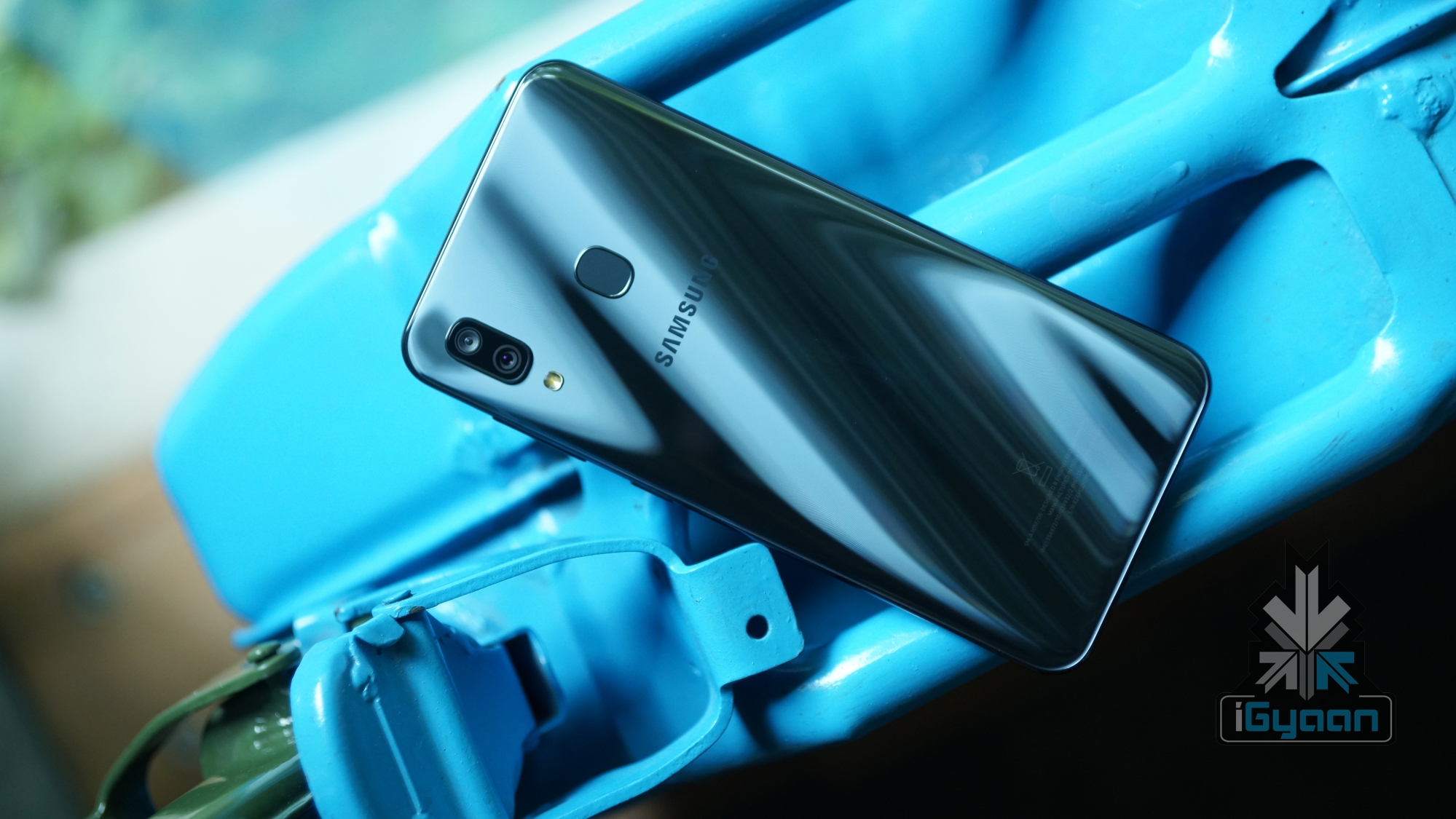
    The Galaxy A40 as the name suggests will sit between the Galaxy A30 and Galaxy A50 as Samsung’s new mid-range offering. The leaked renders reveal the smartphone will look a lot like its siblings, as the design and hardware are reminiscent of the Galaxy A30; but the gradient design on the back is similar to the one found on the Galaxy A50. While the specifications of the device aren’t known yet, it is expected to have an Infinity-U, 6.4 inches Super AMOLED display with a resolution of 2340 x 1080 px. There are minimal bezels around the display and a waterdrop notch up top. Noteworthy, this will be the same display type as the one found in its siblings. The Galaxy A40 will feature a rear mounted fingerprint sensor with support for face unlock technology.

    Under the hood, the Galaxy A40 is expected to be kitted with the 14nm Exynos 7885 SoC. The chipset consists of an Octa-core CPU and Mali G71 MP2 GPU. According to the leaked renders, the smartphone will have a dual rear camera setup which is likely to have a 13MP main sensor combined with an 8MP ultra-wide angle sensor. The front camera is expected to be a 16MP f/2.0 sensor housed in the notch on top of the display. For memory and storage, the smartphone will feature 4GB of RAM and 64GB of internal storage.

    Reports suggest that the Samsung Galaxy A40 will be powered by a 4000mAh battery like its siblings and will support fast charging via the bottom mounted USB Type-C port. It will also have a 3.5mm headphone jack and will run on the latest OneUI by the company on top of the current Android 9 Pie. 

    Pricing and Availability

    Also read: Key Features Of Nubia’s Upcoming Red Magic 3 Gaming Smartphone Confirmed

    The leaked official renders of the Galaxy A40 suggest that the launch of the smartphone is imminent. It may be announced at an event on the 10th of April. Unfortunately, no information about the pricing is known yet, but it is expected to cost around Rs. 17,999 in India.

  • Huawei P30, P30 Pro Pricing Leaked Ahead Of The Official Unveiling

    Huawei P30, P30 Pro Pricing Leaked Ahead Of The Official Unveiling

    The world’s second largest smartphone maker Huawei will unveil its next generation of camera oriented flagship smartphones, the P30 and P30 Pro at an event in Paris on March 26. They will succeed the Huawei P20 and P20 Pro which were released last year. Key specifications and features of the devices have either been confirmed by the company or have been leaked from several sources. Even official renders revealing how they would look like have been out for a while now. However, despite all of the information, there were no details about what these smartphones would cost. A known tipster Roland Quant on the microblogging website Twitter has revealed the prices of both the Huawei P30 and the P30 Pro. 

    Pricing

    According to the tipster, the Huawei P30 and the P30 Pro will be one of the most expensive smartphones the company has ever made. The P30 with 6GB RAM and 128GB internal storage will cost €749 (Rs. 58,107). The P30 Pro will start at €999 (Rs. 77,502) for the version with 8GB RAM and 128GB onboard storage. The version with 8GB RAM and 256GB internal storage will cost €1099 (Rs. 85,260). Unfortunately, no information is known about the price of the Huawei P30 Pro with 8GB RAM and 512GB internal storage; but early estimates suggest it will be priced at €1199 (Rs. 93,018).

    Huawei P30

    As the name suggests, the Huawei P30 will be the less feature rich variant of the high-end P30 Pro. It will feature a similar design to the Huawei P20 launched last year. Reports claim that the device will have a 6.1 inch OLED display with a resolution of 2340 x 1080 px. The smartphone will have an in-display fingerprint scanner with support for face unlock technology.

    The Huawei P30 is expected to run on the 7nm Kirin 980 SoC. The chipset has an Octa-core CPU and a Mali G76 GPU. In terms of optics, the smartphone has a triple rear camera setup consisting of a 40MP sensor with an f/1.8 aperture; and a 16MP ultra-wide sensor with an f/2.2 aperture; and a third 8MP telephoto sensor with an f/2.4 aperture. For selfies, there will be 32MP camera housed in the notch up front. The P30 will have 6GB RAM and 128GB of internal storage.


    According to reports, the Huawei P30 will be powered by a 3650mAh battery with a 22.5W fast charging support via the bottom mounted USB Type-C port. The smartphone will also support NanoMemory cards, a new memory standard the company introduced last year.

    Huawei P30 Pro

    According to the leaked renders, the Huawei P30 Pro has a similar design to the aforementioned P30. Most of the former’s characteristics are also comparable to the latter. The smartphone will have a larger 6.47 inch OLED display with a resolution of 2340 x 1080 px. Unlike the regular P30, the display edges will be tapered to the side, similar to the ones seen in the Mate 20 Pro. Like the regular variant, it also will have an in-display fingerprint with face unlock technology.

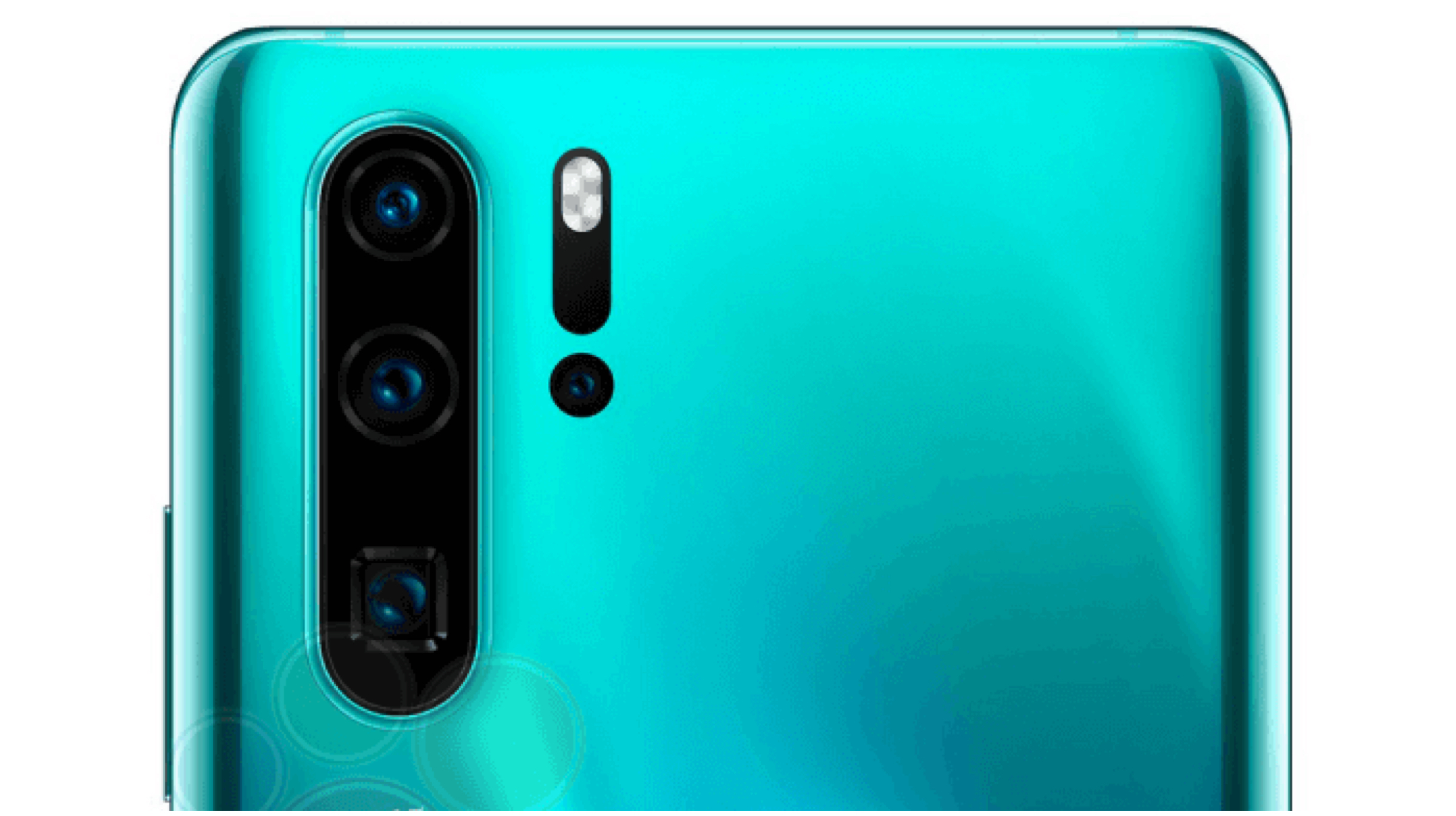
    While the chipset of the Huawei P30 Pro will be the same as the P30, the highlight of the smartphone will be its optics, especially the quad rear camera setup. It will be comprised of a 40MP sensor, combined with a 20MP ultra-wide sensor and a third camera with 10x lossless zoom. The third camera sensor will use a periscope style system to provide the handset with its zooming capabilities. A similar camera technology was shown by Oppo at the MWC 2019. The fourth camera will use a Time of Flight (ToF) sensor which will be engaged for clicking images with 3D and depth functionalities. The smartphone will be available in the following storage variants.

    • 8GB RAM and 128GB ROM
    • 8GB RAM and 256GB ROM
    • 8GB RAM and 512GB ROM 

    Also read: Apple Launches iPad Air 10.5 & 5th Gen iPad Mini

    According to reports, the Huawei P30 Pro will be powered by a 4200mAh battery with 44W fast charging support via the bottom mounted USB Type-C port. The smartphone will also support NanoMemory cards, a memory standard introduced by Huawei last year.

  • Xiaomi Launches The Black Shark 2 Gaming Smartphone With Snapdragon 855 SoC

    Xiaomi Launches The Black Shark 2 Gaming Smartphone With Snapdragon 855 SoC

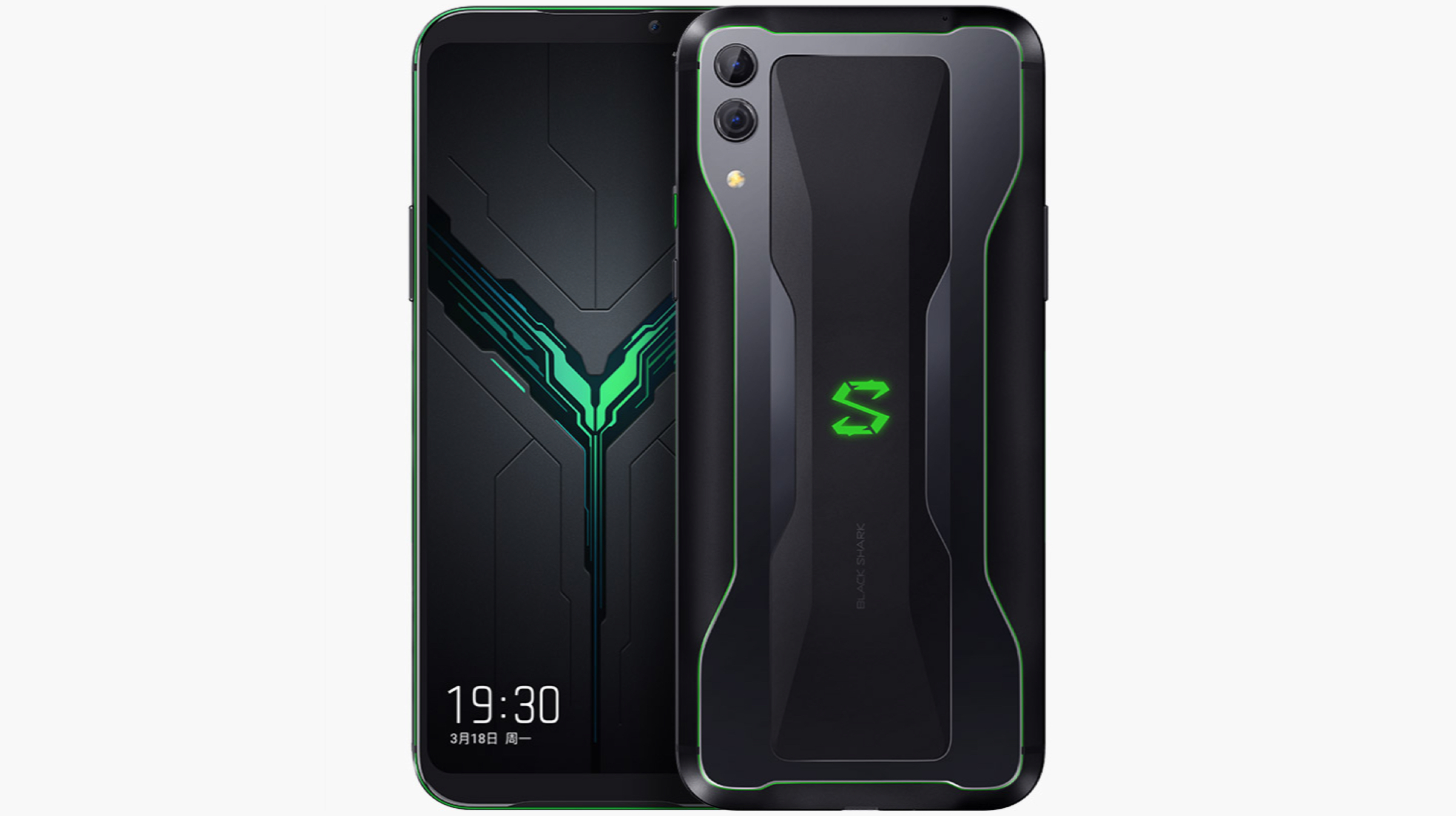
    Xiaomi launched the Black Shark gaming smartphone in the month of April last year which was followed up by the slightly specced up Black Shark Helo. After teasing its successor for a long time, the Black Shark 2 has been officially announced. The newly launched device has proper gaming pedigree with up to date features from the year 2019. 

    Black Shark 2 Design and Specifications

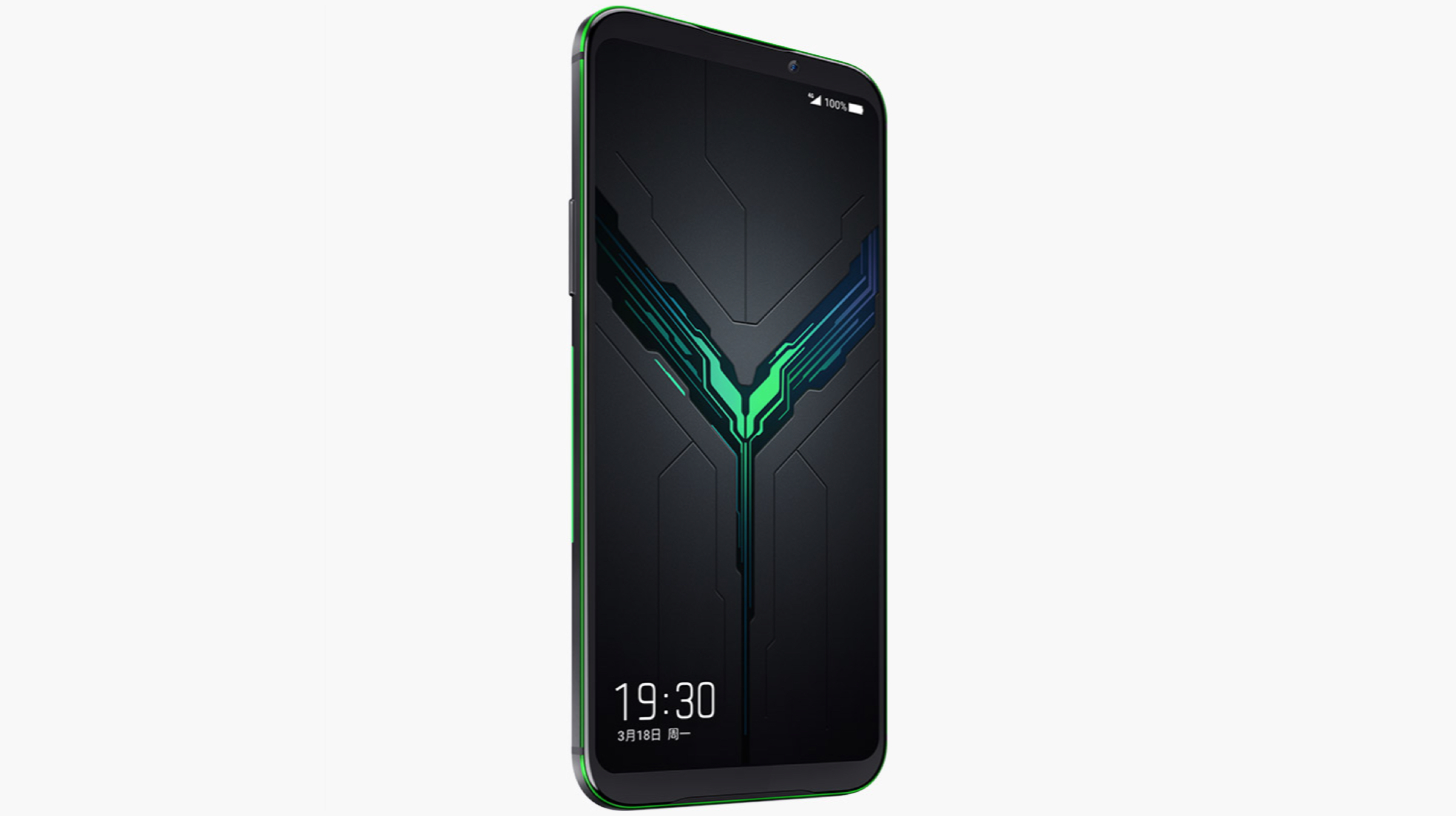
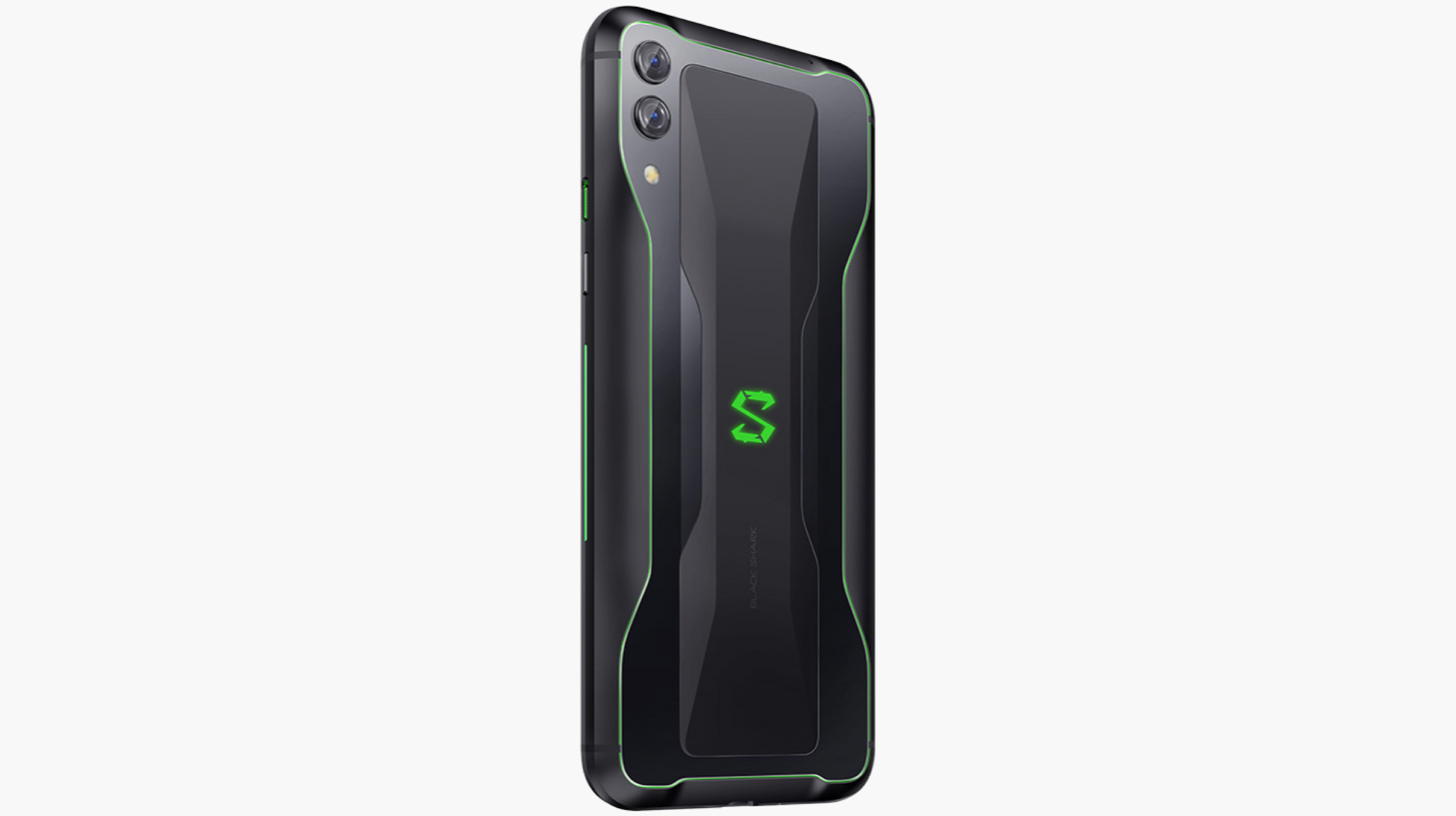
    The Black Shark 2 like its predecessors has an unconventional design with a distinctive design on the rear and a large screen display on the front. The smartphone measures 163.61 x 75.01 x 8.77 mm and weighs in at a hefty 205 grams. It sports a 6.39 inch AMOLED display which is surrounded by thin bezels on all sides. The smartphone’s display has a resolution of 2340 x 1080 px and a pixel density of 403 ppi. The display panel can reach brightness levels of upto 430 nits and has an aspect ratio of 19.5:9.


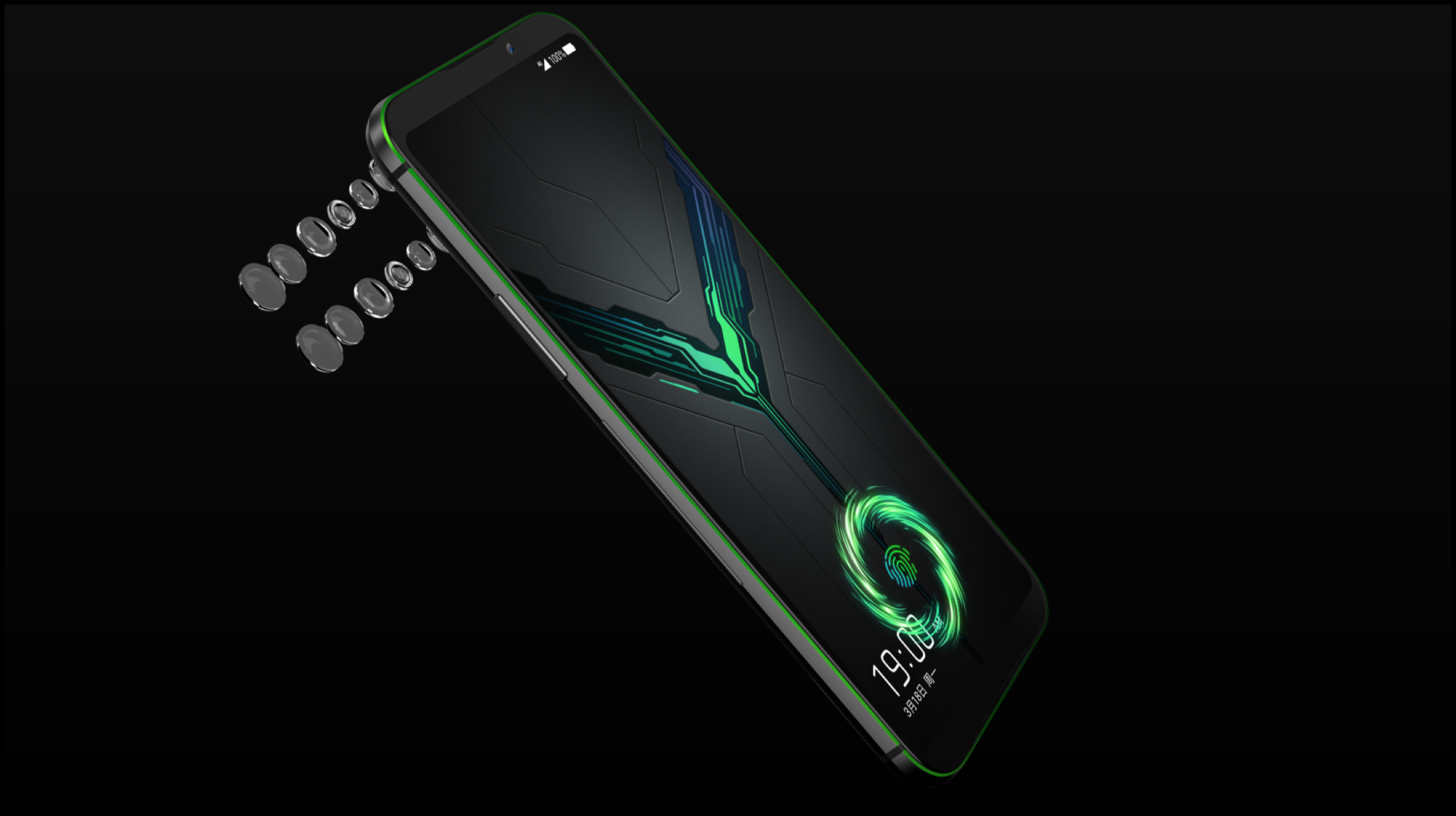
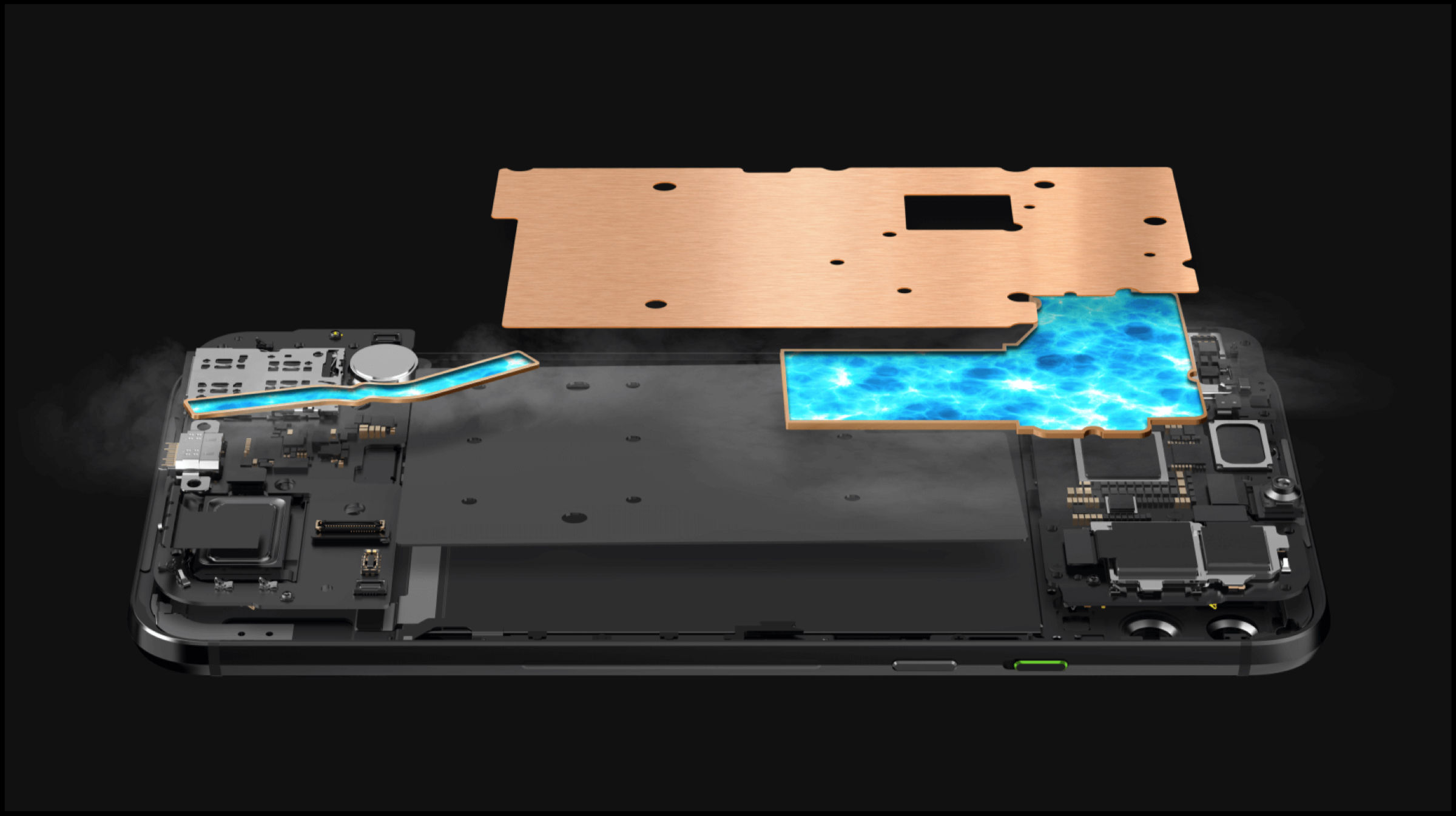
    Noteworthy, the AMOLED display also supports pressure sensitive controls which means the amount of pressure applied to the screen while playing games would affect the on-screen controls. For securely and swiftly unlocking the device it also features an on display fingerprint sensor. Talking further about the design of the Black Shark 2, its right side houses the power button and a shark slider which when toggled turns on gaming mode for optimised performance while the left side houses the volume rockers. The bottom of the device houses the USB Type-C port that can be used for charging and data transfer. To keep the temperature of the device under check while running heavy gaming it also has a vapour cooling chamber.

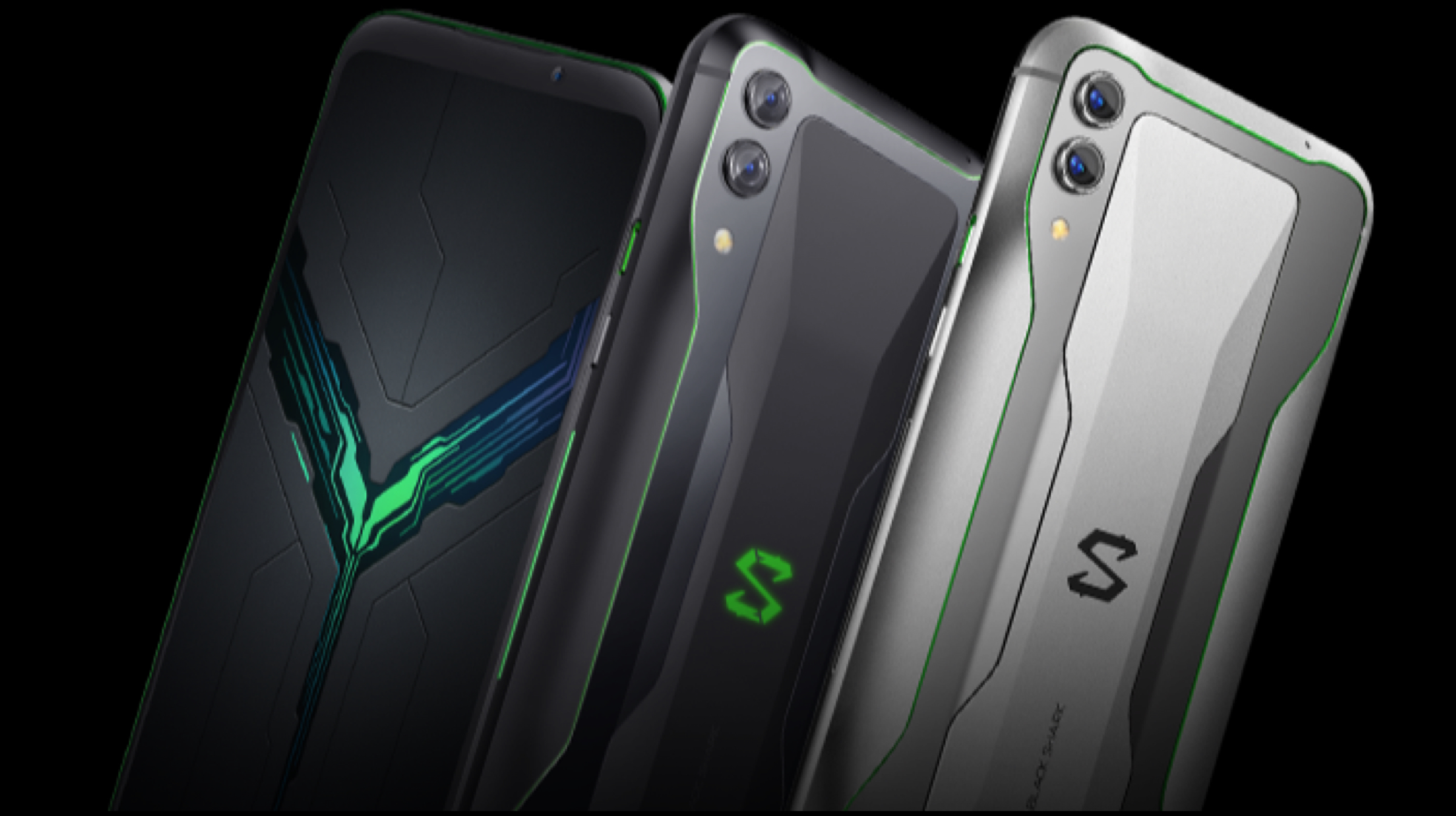
    The rear of the Black Shark 2 has a unique design with green coloured lines that run along the sides. The rear panel also harbours the company logo and dual camera setup. The dual camera setup consists of a 48 MP sensor, 12 MP sensor and an LED Flash which can also capture 2160p videos at 30 fps. It also has a 20 MP front-facing selfie camera which is placed in the bezel above the display. The front camera can also capture 1080p videos at 30 fps. 

    Under the hood, the Black Shark 2 features the Snapdragon 855 SoC which consists of an Octa-Core CPU along Adreno 640 GPU. The smartphone is powered by a 4,000 mAh battery which supports fast charging upto 27 W. Connectivity options on the device include 802.11 ac Wi-Fi, Bluetooth 5.0, Dual 4G VoLTE and GPS.

    Black Shark 2 Price, Colours and Storage Options

    Also Read: Apple Launches iPad Air 10.5 & 5th Gen iPad Mini

    The Black Shark 2 is available in two colour options which include Frozen Silver and Shadow Black. The price for different variants of the smartphone are as follows:

    • 6 GB + 128 GB – ¥3199 (Rs 32,600)
    • 8 GB + 128 GB – ¥3499 (Rs 35,700)
    • 12 GB + 256 GB – ¥4199 (Rs 42,800)

    Even though the company has not shared any details about its launch in India, it is likely to be launched soon in the country.


  • Apple Launches iPad Air 10.5 & 5th Gen iPad Mini

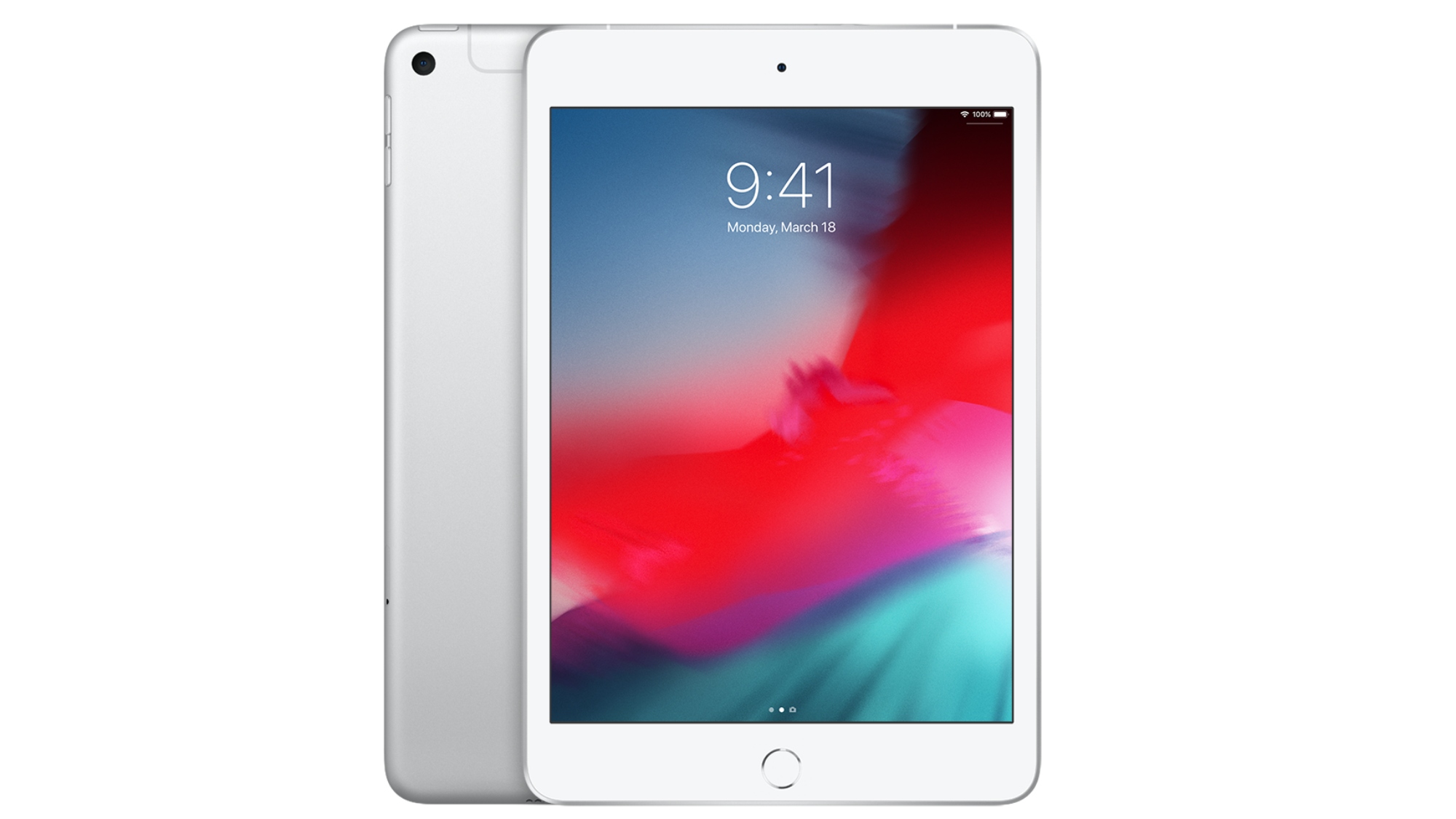
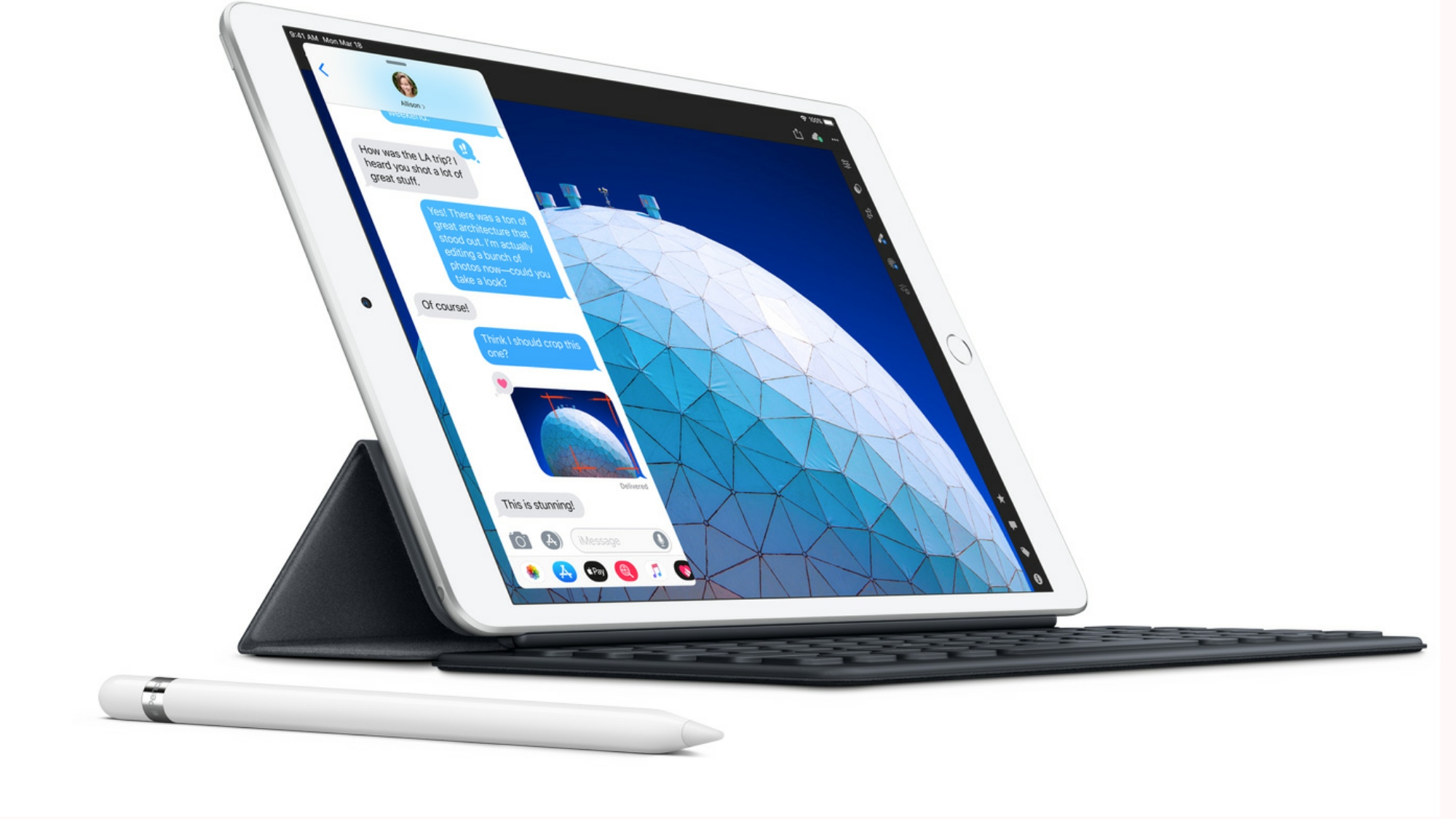
    Apple Launches iPad Air 10.5 & 5th Gen iPad Mini

    Apple has silently launched the iPad Air and the iPad Mini 5th Gen tablets. The company has sent out a press release that details about the newly launched tablet duo.   

    Features

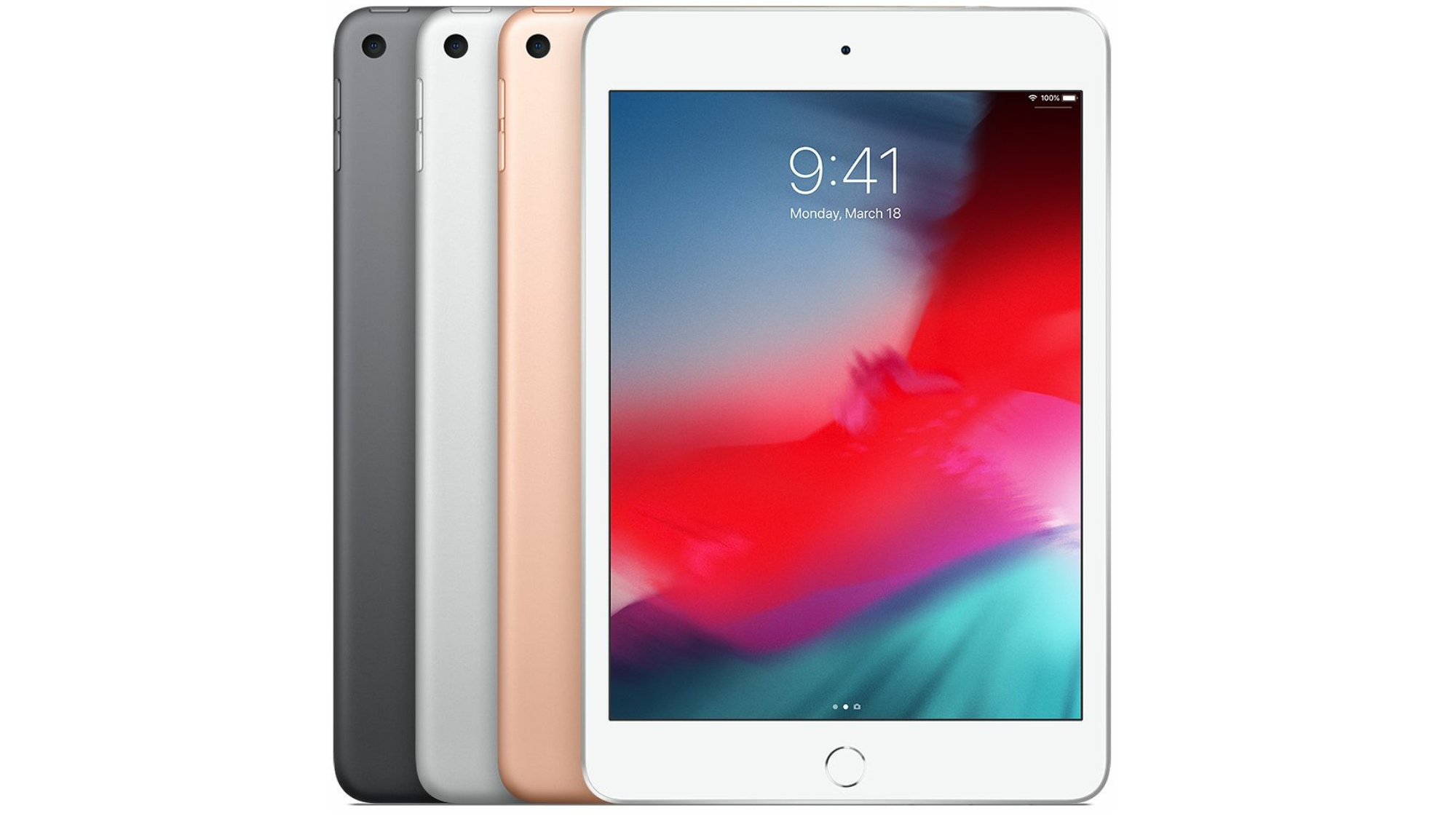
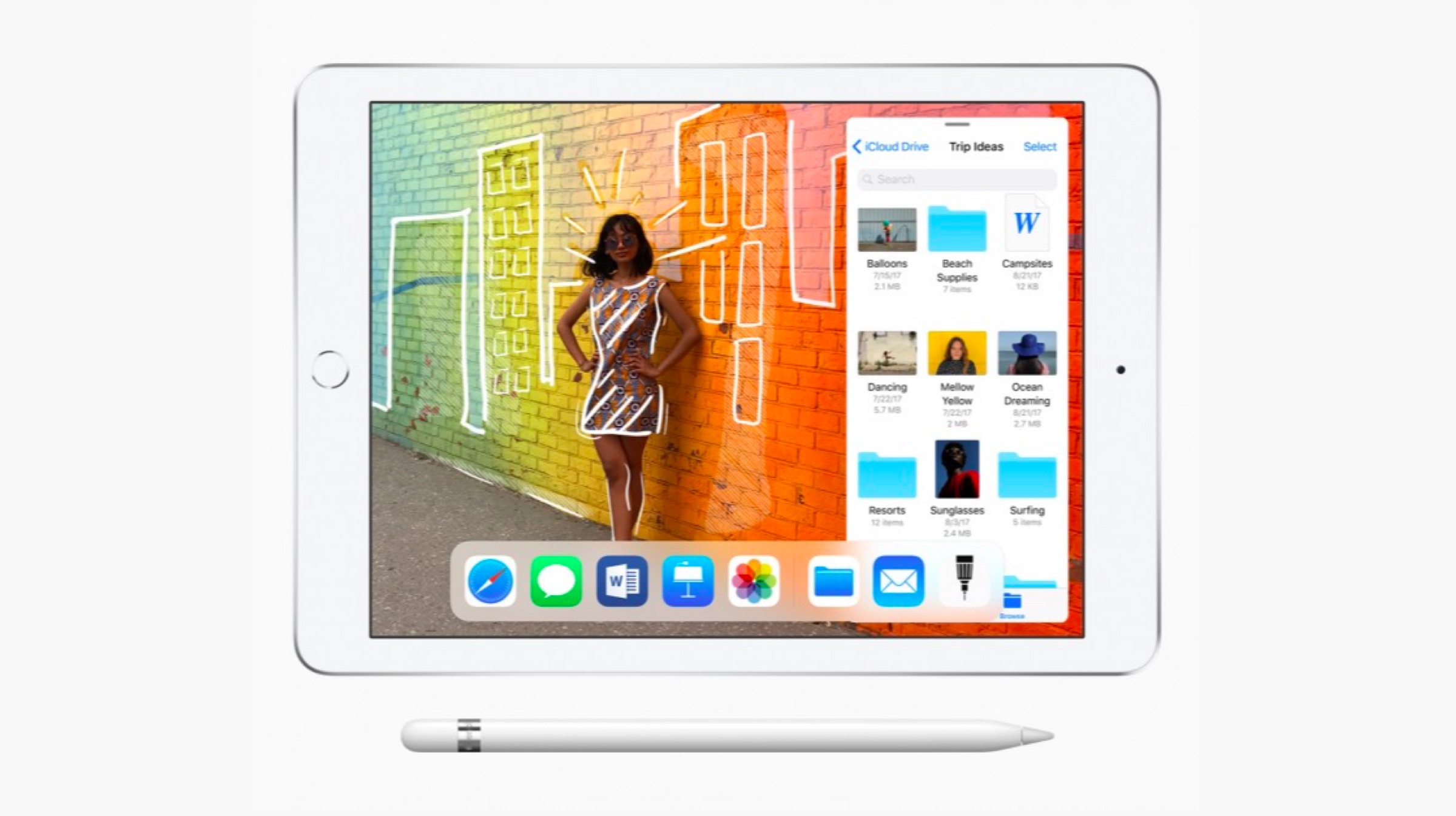
    Both the iPad Air and iPad Mini have an aluminium clad design with curved edges which are similar to previous iPad models. The bottom side of both the tablets is occupied by the lightning port which is flanked by dual stereo speakers while the top side houses the power button and the 3.5 mm audio jack. The right side of the devices house the volume rockers and the SIM card slot on the LTE variants. The front of the tablets has thin left and right bezels while the top and bottom bezels are quite prominent. The bezel above the display on both devices house the selfie camera while the bottom below the display houses the home button which also doubles as the TouchID fingerprint sensor.

    Apple iPad 2018

    The iPad Mini sports a 7.9 inch display while the elder iPad Air sports a 10.5 inch display. The display panel on the former has a pixel density of 326 ppi whereas the display panel on the latter has a pixel density of 264 ppi. The display on both the devices have a brightness level of 500 nits and are covered with an oleophobic coating which minimises the appearance of fingerprint marks and smudges on them.

    Both the tablets run on the Apple A12 Bionic chipset which was introduced with the current iPhone models including the iPhone XS, iPhone XS Max and the iPhone XR. The chipset is manufactured using 7 nm architecture which helps in boosting the battery backup of the device. The chipset also consists of a neural engine and an M12 coprocessor. The neural engine helps in boosting AI operations on the tablet while the coprocessor collects data from the sensors including the accelerometer, compass and gyroscope which are further sent to the CPU for additional calculation.

    The iPad Air and the iPad Mini also share the common camera sensors on both the front and the back. The front camera on both tablets has an f/2.2 aperture equipped 7 MP sensor while the rear camera sensor is an f/2.4 aperture equipped 8 MP sensor. The tablet duo can also capture 1080 HD videos from both the front and rear facing camera. Noteworthy, the rear cameras can also capture slo-mo videos at 120 fps and time-lapse video. Additional camera features on the devices include Live Photos, HDR for photos, burst mode and auto image stabilisation.

    The iPad Mini is powered by a 19.1 watt hour battery while the elder iPad Air is powered by a 30.2 watt hour battery. Apple claims a battery backup upwards of 10 hours on both the tablets. The tablets run on the latest iOS 12 and have a host of sensors which include three axis gyroscope, accelerometer, barometer and ambient light sensor. Exceptionally, the new devices also support the Apple pencil (sold separately). Therefore, taking notes and drawing masterpieces is now possible on the smaller iPad models other than the iPad Pro. The iPad Air 10.5 inch also supports the folio-style Bluetooth keyboard which is again sold separately.

    Price, Colour, Storage Options and Connectivity Variants

    Also Read: Dell Launches The Alienware Area 51m Gaming Laptop In India

    Both the iPad Mini 5th generation and the iPad Air 10.5 are available in three colour options which include Gold, Silver and Space Gray. The price for different variants of the newly launched tablets are as follows: 

    iPad Air 10.5 iPad Mini 5th Generation
    64 GB Wi-Fi – $ 499 (Rs 44,900) 64 GB Wi-Fi – $ 399 (Rs 34,900)
    64 GB Wi-Fi +Cellular – $ 629 (Rs 55,900) 64 GB Wi-Fi +Cellular – $ 529 (Rs 45,900)
    256 GB Wi-Fi – $ 649 (Rs 58,900) 256 GB Wi-Fi – $ 549 (Rs 48,900) 
    256 GB Wi-Fi +Cellular – $ 779 (Rs 69,900) 256 GB Wi-Fi +Cellular – $ 679 (Rs 59,900) 

    Apple Pencil (1st generation) is available for purchase separately for INR 8500. The Smart Keyboard for the 10.5-inch iPad Air is available for purchase separately for INR 13900 with layouts for over 30 languages, including simplified Chinese, French, German, Japanese and Spanish.

    iPad Mini 5th Gen Specifications

    • Display: 7.9-inch Retina LED,  2048 × 1536 pixels, 326 ppi
    • Operating System: iOS 12
    • Processor: Apple A12 Bionic
    • RAM: 2 GB
    • Storage: 64 GB/256 GB 
    • Rear Cameras: 8 MP, f/2.4
    • Selfie Camera: 7 MP, f/2.2 
    • Security: TouchID, Screen Lock
    • Connectivity: 4G VoLTE, Wi-Fi 802.11 ac, Bluetooth 5.0, GPS, Lightning Connector  
    • Battery: 19.1 Wh
    • Dimensions: 203.2 × 134.8 × 6.1 mm 
    • Weight: 300 G (Wi-FI), 308 G (WiFi + LTE)
  • Dell Launches The Alienware Area 51m Gaming Laptop In India

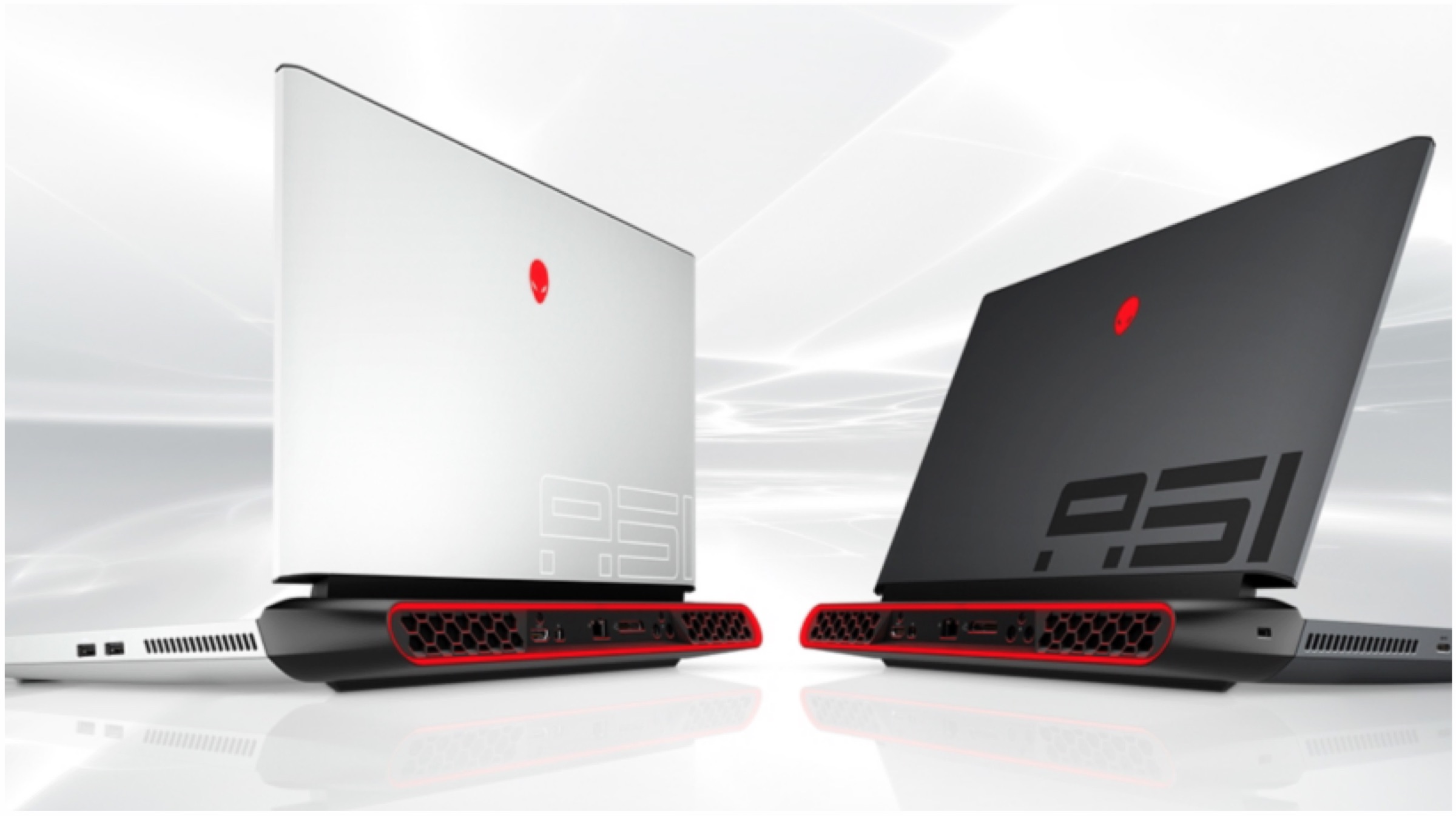
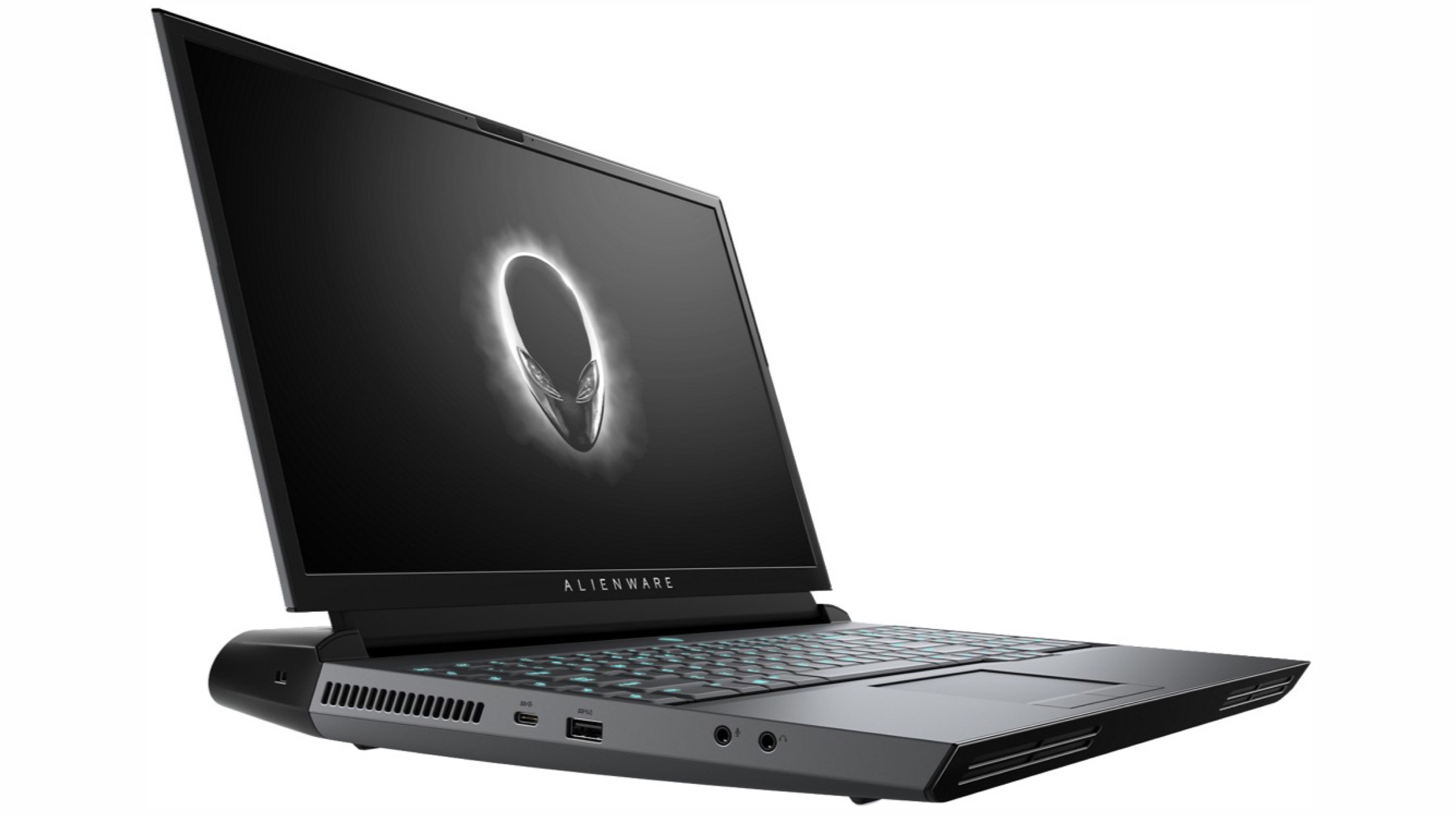
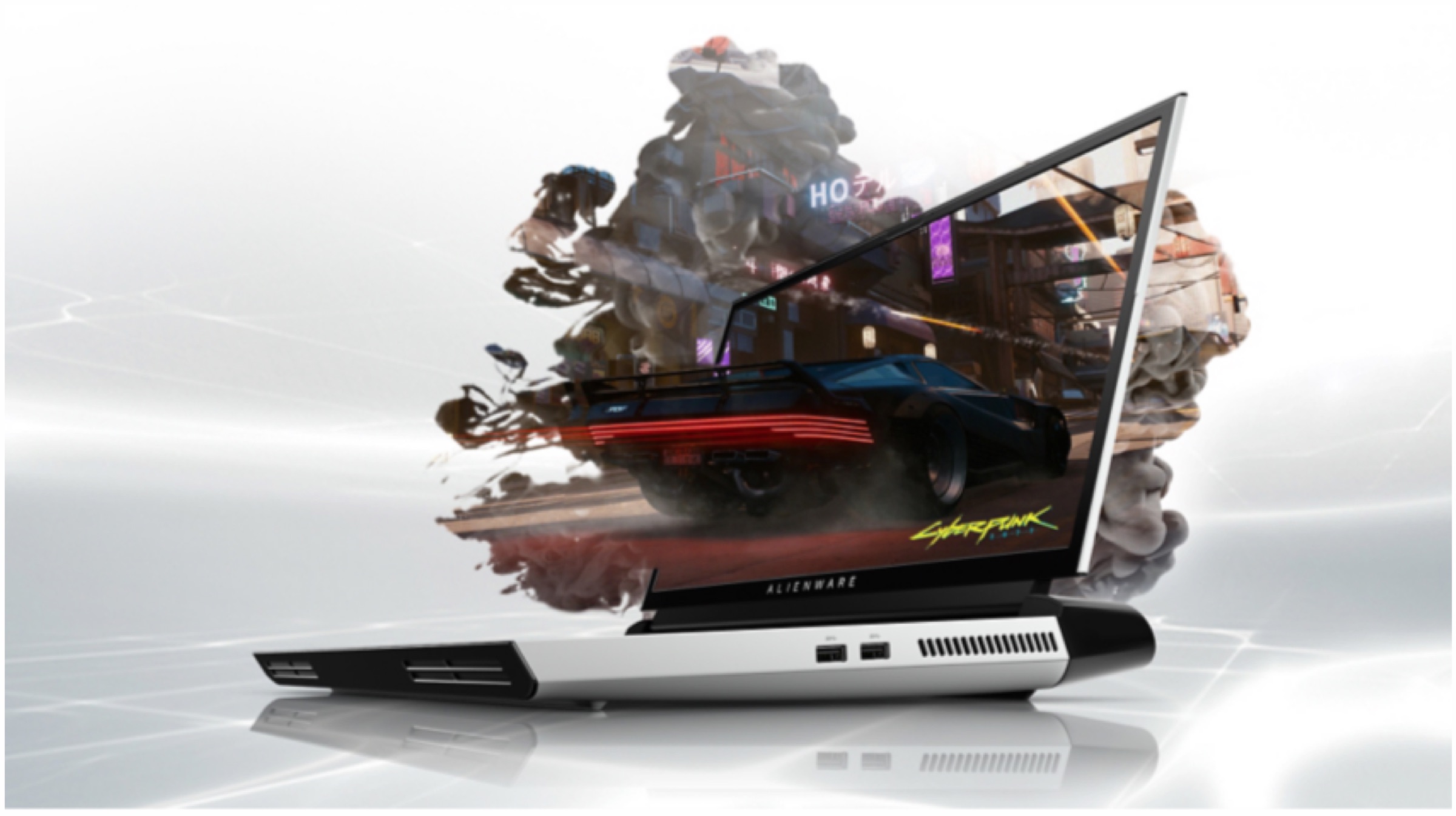
    Dell Launches The Alienware Area 51m Gaming Laptop In India

    Dell’s premier gaming brand, Alienware has brought it’s latest gaming laptop to India. Named the Area 51m, the laptop is speculated to be the most powerful gaming laptop in the world. Also, the company claims that it is one of the world’s first “highly customizable” gaming laptop. Users can swap out various modules of the laptop as per their dynamic requirements.

    Alienware Area 51m Features And Specifications

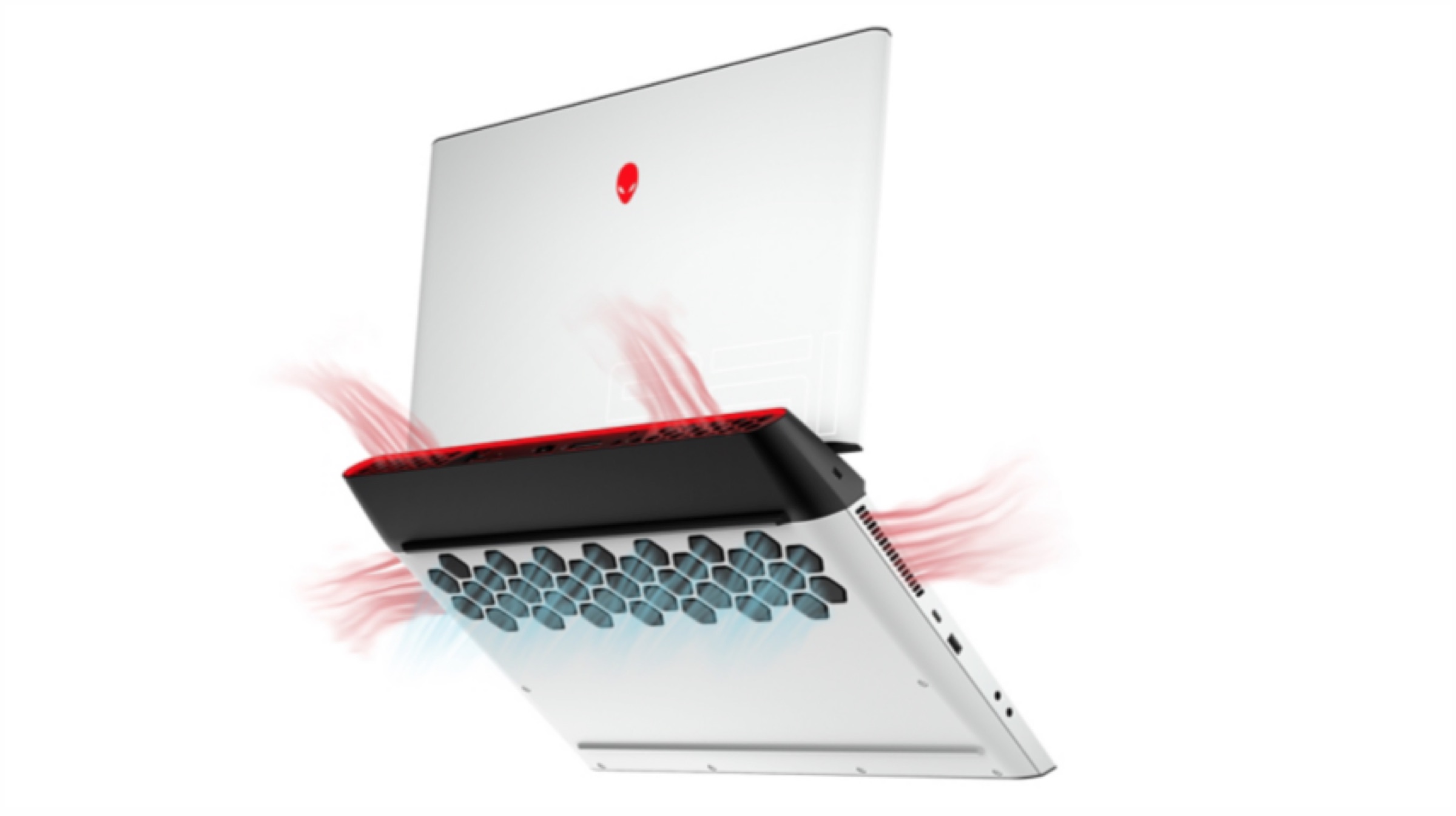
    The Alienware Area 51m has a modern design, which is referred to by the company as a “Legend” design. The RGB enabled laptop supports customizable lighting, which means that users can adjust the colour scheme of the keyboard, mousepad, the power button, the logo and the rear air vents separately. Using AlienFX lighting, users can design custom profiles and assign them to hotkeys for convenient switching.
    The laptop has the upgraded version of the signature Alienware TactX keyboard, which features N-Key rollover and programmable macro keys. Users can choose to include Tobii Eyetracking technology and NVIDIA G-Sync with the 17.3 inch Full HD Anti Glare IPS display. They can also choose between a 60Hz or 144Hz refresh rate on the aforementioned display.

    Dell states that Alienware Area 51m uses the company’s proprietary cooling technology called Cryo-Tech v2.0, which sports a dual-intake design, high voltage driving fans and load-balancing heat pipes to optimize component cooling. The laptop also has a honeycomb thermal pattern which helps in increasing airflow, the company claims. Moreover, the laptop is made out of magnesium alloy to increase rigidity.
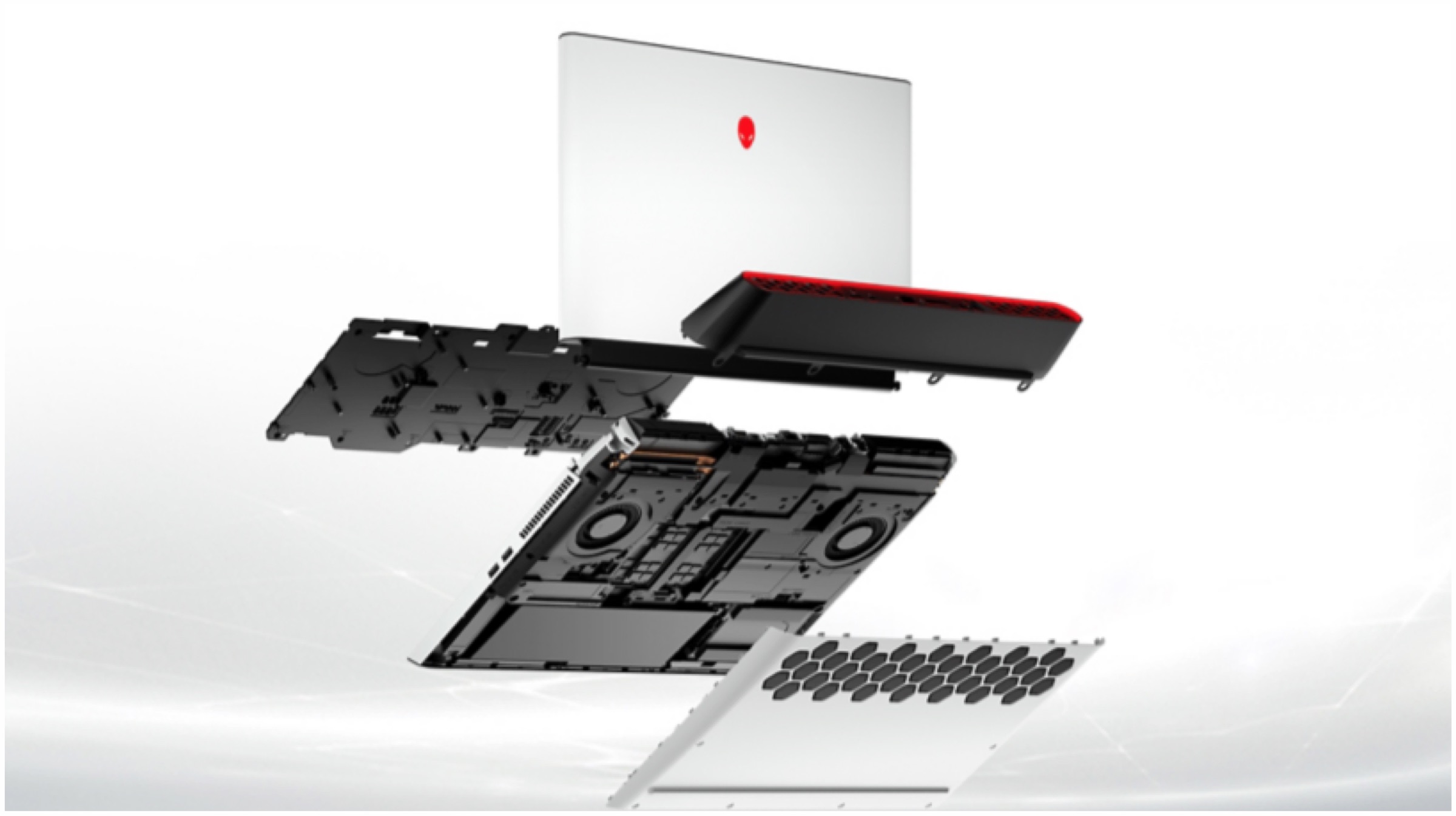
    The Area 51m can be customized to run on the 8th or 9th generation Intel Core processors. Users have an option of choosing from the i7-8700 CPU, the i7-9700k or the i9-9900K chip. Various GPU options for the laptop include NVIDIA’s RTX 2060, the RTX 2070 and the RTX 2080, all of which can be overclocked as per the user’s requirements. The laptop has 8GB, 16GB, 32GB and 64GB RAM options. In terms of storage, users can select from the following options:

    • 1TB (+8GB SSHD) Hybrid Drive
    • 256GB PCIe SSD + 1TB Hybrid HDD
    • 512GB RAID 0 (2x 256GB PCIe M.2 SSDs) + 1TB (+8GB SSHD) Hybrid Drive

    Users can upgrade their drives while customizing the laptop online to include even more memory options. The company claims that the level of customization present in the Area 51m is unlike any other gaming laptop in the market.

    A 90Wh battery powers the machine. The Area 51m features a 2.5 Gbps Ethernet port, which, the company claims, provides 2.5 times the speed of the conventional Ethernet connection. Moreover, the user can couple the laptop with the Alienware Graphics Amplifier to play games at enhanced framerates and resolution.

    The Area 51m has the following ports

    • (1x) Power/DC-in Jack
    • (1x) RJ-45 Realtek 2.5Gbps Ethernet Port
    • (2x) Type-A SuperSpeed USB 3.0 Port
    • (1x) Type-A SuperSpeed USB 3.0 Port with PowerShare technology
    • (1x) Thunderbolt™ 3 Port (USB Type-C™ with support for SuperSpeedUSB 10Gbps, 40Gbps Thunderbolt, and DisplayPort)
    • (1x) Alienware Graphics Amplifier Port
    • (1x) HDMI 2.0 Output
    • (1x) Mini-Display Port 1.4 (certified) Output
    • (1x) Headphone / MIC (retaskable)
    • (1x) Global Headset Jack
    • (1x) Wedge-shaped lock slot
    Price And Availability

    Also Read: What Does 7nm, 10nm Mean In Mobile CPUs?

    The Alienware 51m starts at Rs. 2,53,890 and can be customized/purchased via the Dell Official website. The laptop is available in two attractive colour options, Lunar Light and the Dark Side of the Moon.

  • Samsung To Launch Three New Galaxy-A Series Smartphones On April 10th

    Samsung To Launch Three New Galaxy-A Series Smartphones On April 10th

    Samsung has tried to redefine its strategy for the budget and mid-range smartphone market by launching the newly announced Galaxy M and Galaxy A lineup of devices in markets like India. The handsets offer a competitive mix of specifications at a lucrative price. A fresh teaser shared on the company’s official Twitter account suggests that it may launch new smartphones soon. The GIF file shared in the tweet has the text “A Galaxy Event” which hints at devices in the Galaxy-A lineup. The three silhouettes also suggest that the event may see the launch of three devices. These smartphones could be the Galaxy A40, Galaxy A60 and the Galaxy A90.

    Galaxy A90

    The Galaxy A90 is expected to be the most premium device in the current A series of smartphones. While most details of it aren’t known yet, it is expected to feature a similar design to its siblings. The device was previously leaked to have a mechanical pop-up camera or a rotating mechanical camera to achieve a high screen to body ratio. If the latest smartphones are anything to go by, the Galaxy A90 will have a Super AMOLED display and will run on the OneUI on top of Android 9 Pie. The company may use an entirely new type of Infinity Display on the handset. Like the last year’s Galaxy A9, it is also expected to have a quad-rear camera setup, details of which are unknown at the moment. The Galaxy A90 will most likely have an in-display fingerprint sensor. The device may run on the 10nm Snapdragon 710 SoC. The chipset has an Octa-core CPU and Adreno 616 GPU. For memory and storage, the smartphone may feature up to 8GB of RAM and 256GB of storage.

    Galaxy A60

    As the name suggests, the Samsung Galaxy A60 will be the elder sibling to the Galaxy A50; and is expected to carry major design and features from the device, albeit with a few upgrades. The leak suggests the smartphone will have the same ‘3D Glasstic’ gradient back. It will have a 6.7 inch Super AMOLED display with an Infinity-U notch on the top and a resolution of 2340 x 1080 px. Like the Galaxy A50, there will be an in-display fingerprint scanner with support for face unlock technology.

    The Galaxy A60 might run on the 11nm Snapdragon 675 SoC. The chipset sports an Octa-core CPU and Adreno 612 GPU. In terms of optics, the smartphone is expected to feature a triple rear camera setup comprising of a 32MP sensor; combined with an 8MP ultra-wide angle sensor and a 5MP depth sensor. For selfies, the smartphone will have a 32MP camera housed in the notch on top of the display. The device will be powered by a 4500mAh battery and is likely to support fast charging via the USB Type-C port. For memory and storage, the Galaxy A60 will be available in the following variants:

    • 6GB RAM and 128GB ROM
    • 8GB RAM and 128GB ROM
    Galaxy A40

    Samsung Galaxy A40 will be an affordable offering from the company which will sit between the newly announced Galaxy A30 and Galaxy A50. Reports suggest that the smartphone will have a similar design to its siblings, complete with a polycarbonate body and a ‘glasstic’ back. The display will sport an Infinity-U, 6.2 inch Super AMOLED panel with a resolution of 2340 x 1080 px.


    Under the hood, the Galaxy A40 is expected to run on the Exynos 7885 SoC which is manufactured using 14nm fabrication process. The chipset has an Octa-core CPU and a Mali G71 GPU. In terms of optics, the smartphone will feature a dual rear camera setup. In terms of memory and storage, the device will be available with 4GB of RAM and 64GB of onboard storage.

    Pricing & Availability

    Also read: What Does 7nm, 10nm Mean In Mobile CPUs?

    Samsung has announced that the new smartphones will be launched on April 10. Unfortunately, pricing of the devices isn’t known yet but reports suggest that the Galaxy A90 is expected to start around Rs. 29,999; the Galaxy A60 will be priced at Rs. 25,999 for the base variant; and the Galaxy A40 may cost Rs. 17,999. The smartphones will soon be available for sale after the official unveiling.

  • Redmi 7 With Snapdragon 632 SoC Launched In China

    Redmi 7 With Snapdragon 632 SoC Launched In China

    At an event held in China, Xiaomi’s subsidiary Redmi has launched its latest smartphone, the Redmi 7. It was announced alongside the Redmi Note 7 Pro which was launched in India last month. The newly launched Redmi 7 features a modern design, competitive specifications and a lucrative price.

    Redmi 7 Design & Features

    The Redmi 7 measures 158.65 × 76.43 × 8.47mm and weighs 180g. The smartphone has a 3D gradient design at the back and minimal bezels on the front and a waterdrop notch which the company calls ‘Dot Notch’. It has a 6.26-inch display with a resolution of 1520 x 720 px. The device runs on the latest MIUI 10 based on top of Android 9 Pie. There is a rear-mounted fingerprint sensor with support for face unlock technology.

    Under the hood, the Redmi 7 is kitted with the Snapdragon 632 SoC which is manufactured using 14 nm fabrication process. The chipset is comprised of an octa-core CPU and Adreno 506 GPU. For optics, the smartphone features dual-rear cameras consisting of a 12MP sensor with an aperture of f/2.2; combined with a 2MP depth sensor for taking portrait mode photos. For selfies, there is an 8MP camera housed in the waterdrop notch on top of the display. As far as memory and storage are concerned, the Redmi 7 will arrive in the following variants:

    • 2GB RAM and 16GB ROM
    • 3GB RAM and 32GB ROM
    • 4GB RAM and 64GB ROM

    The Redmi 7 is powered by a 4000mAh battery with support for 10W fast charging. The smartphone also supports memory expansion up to 256GB via a microSD card. The device also has a P2i coating for protection against accidental liquid splashes.

    Redmi 7 Price

    Also read: 5 Helpful Tricks To Earn A Chicken Dinner In PUBG Mobile

    The Redmi 7 will start at CNY 699 (Rs. 7,148) for the base variant with 2GB of RAM and 16GB of Internal Storage. The version with 3GB of RAM and 32GB of Internal Storage is priced at CNY 799 (Rs. 8,170). The top end variant with 4GB of RAM and 64GB of onboard storage is priced at CNY 999 (Rs. 10,216).

  • Xiaomi Poco F2 Running Android Q Spotted On Geekbench

    Xiaomi Poco F2 Running Android Q Spotted On Geekbench

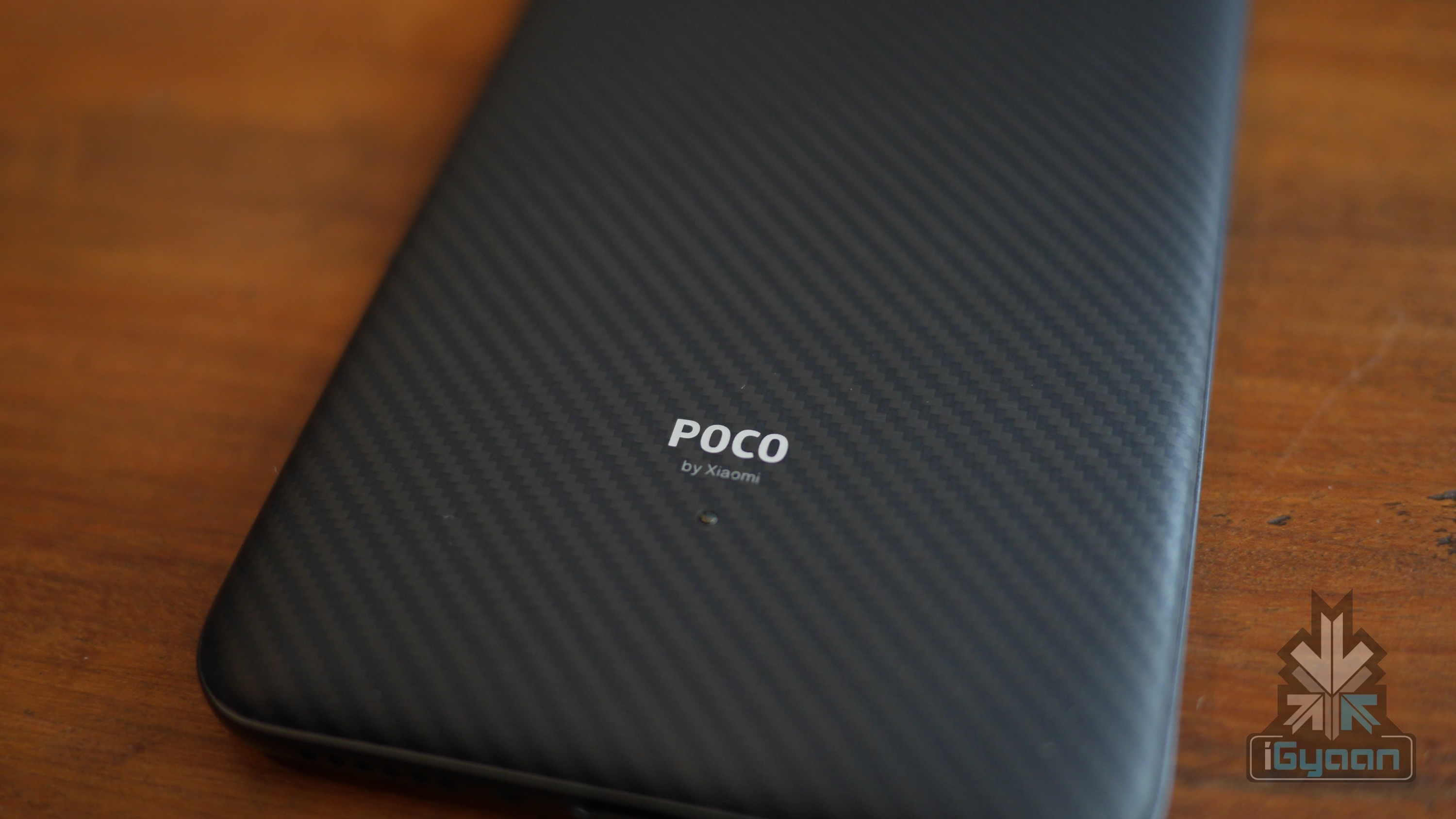
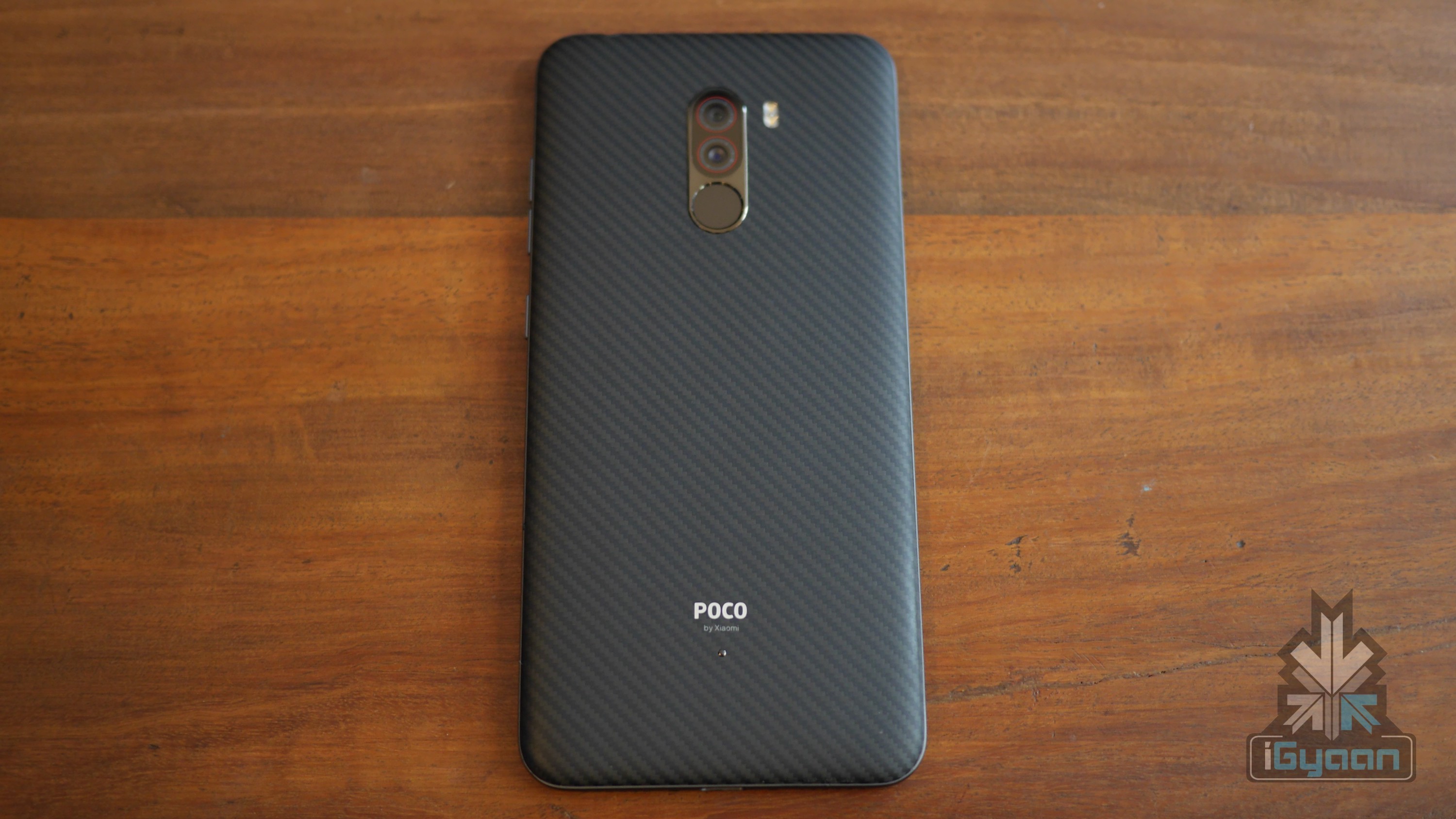
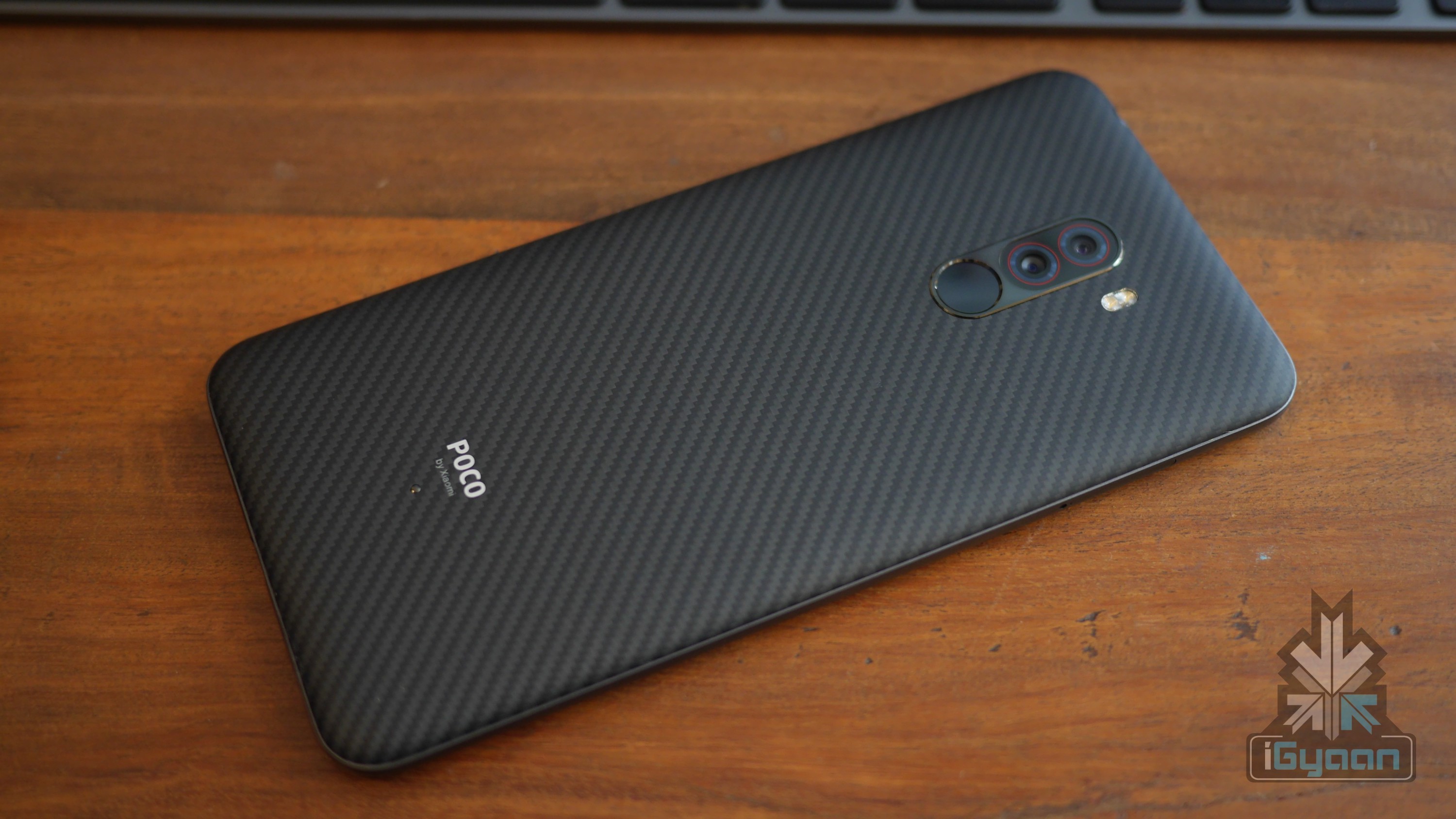
    Xiaomi launched the Poco F1 last year which due to its flagship features and aggressive pricing turned a lot of heads globally. The company has been long awaited to launch its successor with upgraded features. Pleasingly, the Poco F2 with up to date features has been spotted on the benchmarking website, Geekbench.

    Xiaomi Poco F2

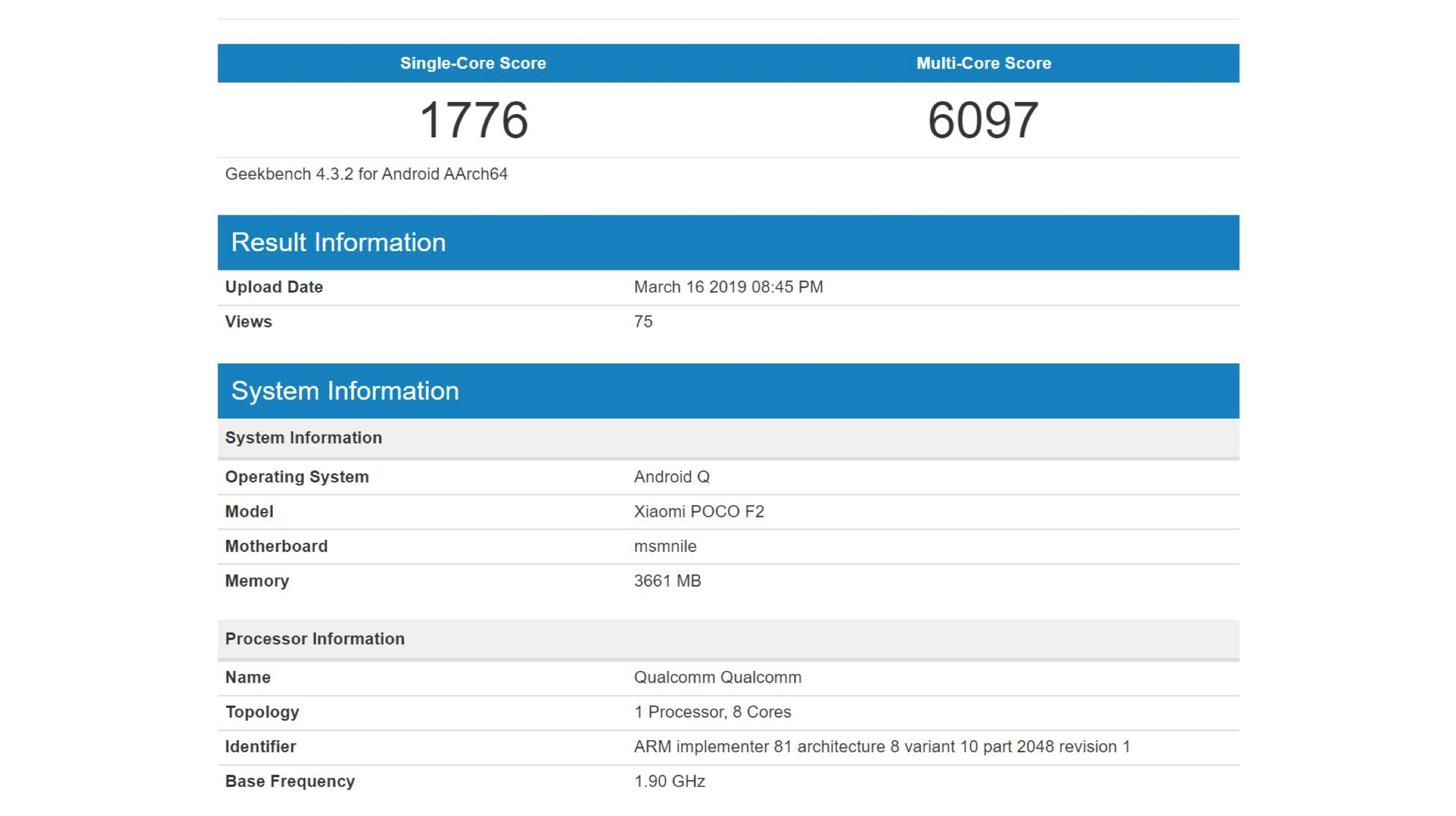
    The Geekbench listing of an unreleased Xiaomi smartphone was uploaded on March 16 which clearly mentions its name, the Xiaomi Poco F2. The device registers a single core score of 1776 points and a multi core score of 6097 points. Shockingly, both the single core and multi core scores of the Poco F2 are significantly less in comparison to that of the Poco F1. For reference, the Poco F1 registered a single core score of 2451 points and a multi core score of 8998 points in our tests.

    Intriguingly, the Poco F2 runs on the Android Q operating system which is the successor to Android Pie from the yesteryear. It runs the “msmnile” SoC which is the codename for Qualcomm’s latest flagship chipset, the Snapdragon 855. Surprisingly the device only has 4 GB of RAM. The considerably lower Geekbench score and only 4 GB of RAM hint that this could be a lite variant of the Poco F2. To further strengthen the claim about this being a lite variant, it must be noted that even the Poco F1 was offered with at least 6 GB of RAM. Therefore, the feasibility of this being an affordable lite variant is quite high. Other details including the battery capacity, camera resolution, screen size and price of the upcoming device will only be publicised once it is officially unveiled by the company. 

    Xiaomi Poco F2 Launch Date

    Also Read: Apple Told To Pay Qualcomm Over $31 Million In Patent Infringement Case

    It is hard to speculate a launch date of the Poco F2 or the Poco F2 Lite as Xiaomi has maintained silence about the launch of these devices till now. However, going by the company’s annual update cycle they are likely to be launched in the second half of 2019. 


  • Nokia 4.2

    Nokia 4.2

    Nokia 4.2 is the latest budget offering from HMD Global’s Nokia. It is a smartphone under an entirely new series. The device features a glass sandwich design with a notch on the top of the display. A key feature of the device is the dedicated Google Assistant button, pressing which will bring out the voice assistant instantly.

    [loop included_tags=”62093,55891,60056″ loading=”paged” layout=”f” postsperpage=”4″]

  • Nokia 3.2

    Nokia 3.2

    Nokia 3.2 is the latest budget smartphone from HMD Global’s Nokia brand. It is the successor of the Nokia 3.1 which was launched last year. It is a budget device featuring a polycarbonate body. The handset has Android One certification which suggests that it will receive software updates for two years. The Nokia 3.2 is targeted towards people who want a smartphone from a reputed brand at an affordable price.

    [loop included_tags=”62092,60056,55891″ loading=”paged” layout=”f” postsperpage=”4″]

  • Huawei P30 And P30 Pro Official Renders Leaked

    Huawei P30 And P30 Pro Official Renders Leaked

    Chinese smartphone maker Huawei will launch the P30 and P30 Pro smartphones at an event in Paris on March 26. The devices will be the latest flagships of the company which will succeed the P20 and P20 Pro from last year. The company has confirmed quite a bit of detail of the handsets and there have been numerous leaks in the past few weeks. Fresh renders have leaked the Huawei P30 and the P30 Pro from all their sides.

    Huawei P30

    The Huawei P30 will be the specced down variant of the higher end P30 Pro. It will feature a similar design to the Huawei P20 launched last year. Reports claim that the device will have a 6.1 inch OLED display with a resolution of 2340 x 1080 px. The leaked renders show no physical fingerprint scanner which suggests the smartphone will have an in-display fingerprint scanner along with support for face unlock technology.


    Reports claim that the Huawei P30 will run on the 7nm Kirin 980 SoC. The chipset has an Octa-core CPU and a Mali G76 GPU. In terms of optics, the smartphone has a triple rear camera setup consisting of a 40MP sensor with an f/1.8 aperture; and a 16MP ultra-wide sensor with an f/2.2 aperture; and a third 8MP telephoto sensor with an aperture of f/2.4. For selfies, there will be 32MP camera housed in the notch on top of the display. In terms of memory and storage, the P30 will have 6GB RAM and 128GB of internal storage.

    According to reports, the Huawei P30 will be powered by a 3650mAh battery with a 22.5W fast charging support via the bottom mounted USB Type-C port. The smartphone will also support NanoMemory cards, a new memory standard the company introduced last year.

    Huawei P30 Pro

    According to the leaked renders, the Huawei P30 Pro has a similar design to the aforementioned P30. Most of the former’s characteristics are also comparable to the latter. The smartphone will have a larger 6.47 inch OLED display with a resolution of 2340 x 1080 px. Unlike the regular P30, the display edges will be tapered to the side. Like the regular variant, it also has an in-display fingerprint with face unlock technology.
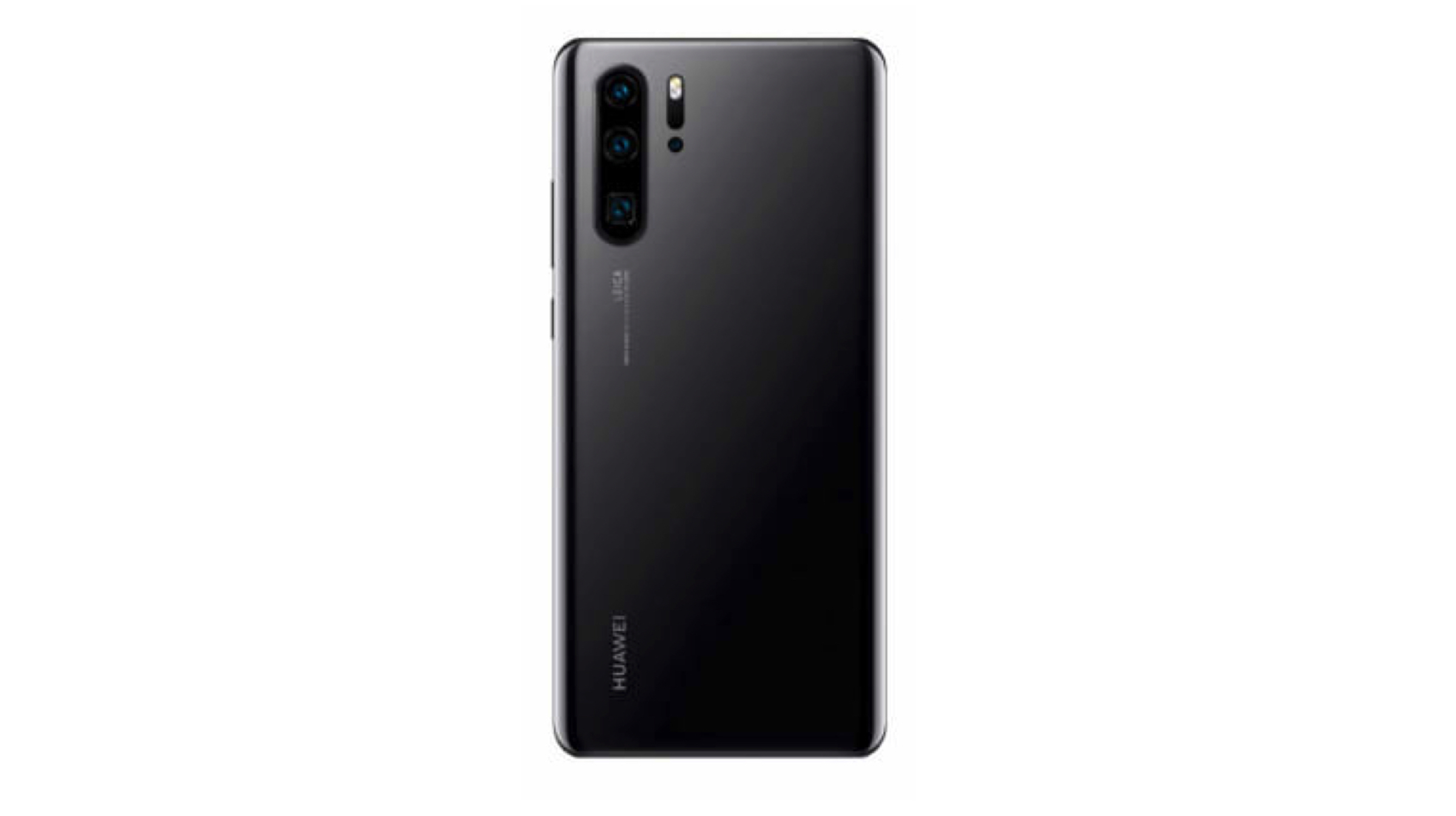
    While the processor of the Huawei P30 Pro will be the same as the P30, the highlight of the smartphone will be its optics, especially the quad rear camera setup. It will be comprised of a 40MP sensor, combined with a 20MP ultra-wide sensor and a third camera with 10x lossless zoom. The third camera sensor will use a periscope style system to give the handset its zooming capabilities. The fourth camera uses a Time of Flight (ToF) sensor which is employed for clicking images with 3D and depth functionalities. The smartphone will be available in the following storage variants.

    • 8GB RAM and 128GB ROM
    • 8GB RAM and 256GB ROM
    • 8GB RAM and 512GB ROM 

    According to reports, the Huawei P30 Pro will be powered by a 4200mAh battery with a whopping 44W fast charging support via the bottom mounted USB Type-C port. The smartphone will also support NanoMemory cards. The handset will be available in four colours, namely Black, Ice White, Twilight, and the recently leaked Sunrise Red.

    Availability & Price

    Also read: Samsung Galaxy A2 Core Android Go Smartphone Leaked

    The Huawei P30 and the P30 Pro will be launched at an event in Paris on March 26. It will be available for sale in Europe and China soon after the unveiling. Unfortunately, pricing of the devices is not confirmed yet. But, the P30 is expected to be priced at EUR 599 (INR 46,862) and the P30 Pro starting at EUR 799 (INR 62,509).


iGyaan Network
Privacy Overview

This website uses cookies so that we can provide you with the best user experience possible. Cookie information is stored in your browser and performs functions such as recognising you when you return to our website and helping our team to understand which sections of the website you find most interesting and useful.