Category: Business

  • Why Indian Smartphone Brands Lost To Their Chinese Counterparts

    Why Indian Smartphone Brands Lost To Their Chinese Counterparts

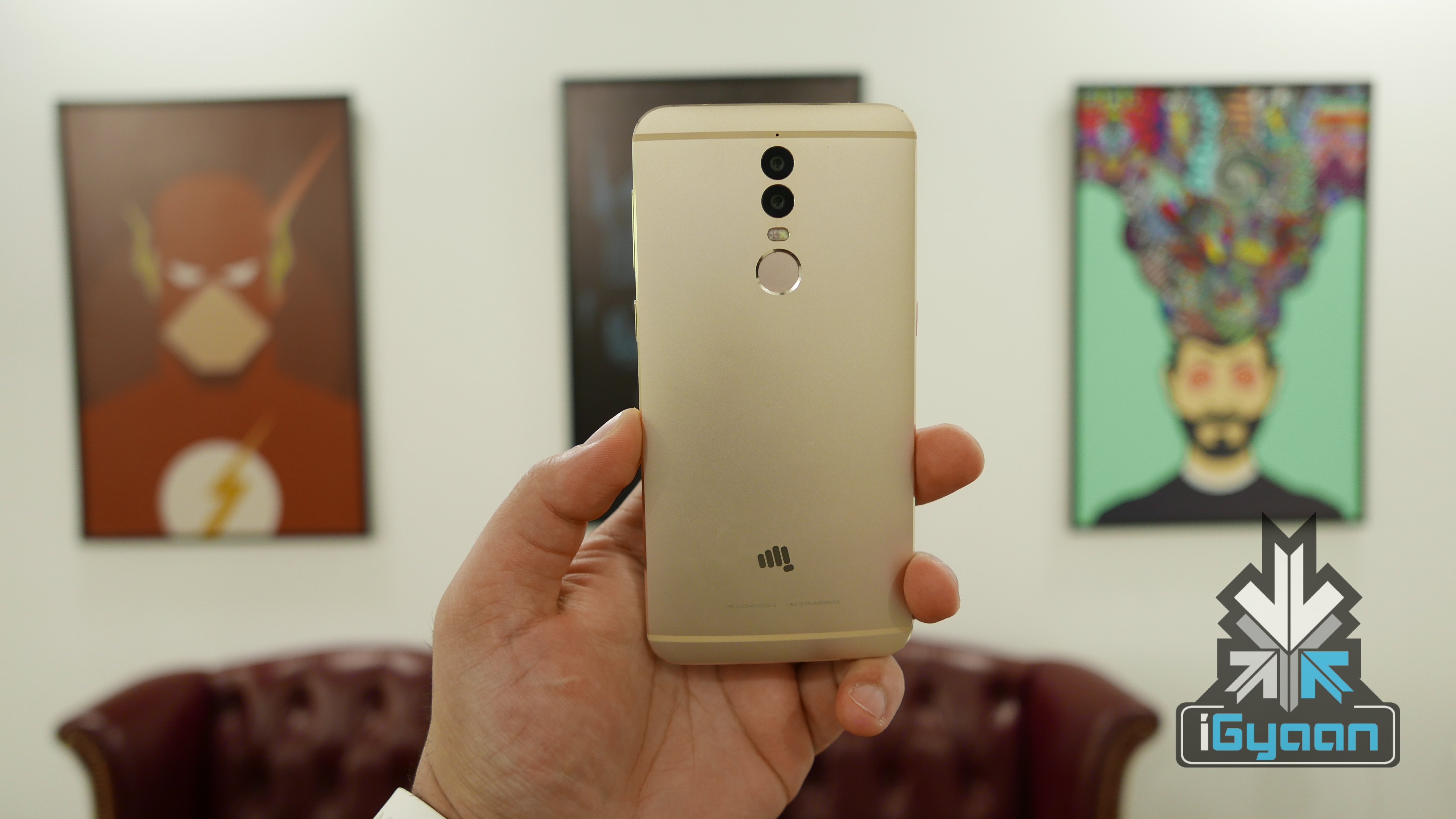
    Remember when big Bollywood names would advertise for Micromax and a great cricket catch would be known as Karbonn Kamal Catch? These names had become synonymous with smartphones in every household in India. But what happened to them? Why are these names not right next to Xiaomi or OnePlus in the sales records in India? With Micromax just having launched it’s first smartphone with a notch, almost a year behind other smartphone makers, we delve deep into what really happened. In this article we find out, from various reports, previous interviews, sales reports, online user feedback and everything else, how these companies went from being at the pinnacle of smartphone sales to losing everything.
    How Did These Companies Come Into Existence?

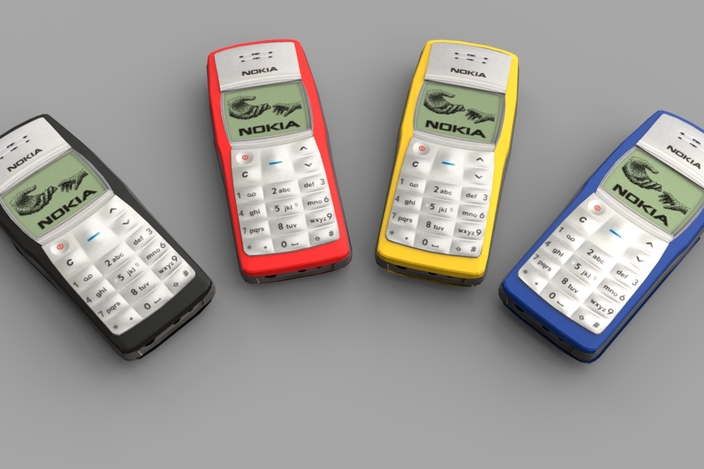
    Back in the day, the US market was starting to move towards smartphones from feature phones. In 2007, the first iPhone was introduced to the world, and it revolutionised the mobile phone industry. India was still largely a feature phone market with very few devices from Blackberry and Nokia’s Nseries phones that were called ‘multimedia smartphones’ being sold. These devices were expensive and were sold in high-end stores which almost always had a different section for the customers of such phones. Priced anywhere between Rs 25,000 to Rs 45,000, these phones were the envy of people who couldn’t afford them, and pride of people who could. Feature phones were still a large part of sales for players such as Nokia, Sony and Motorola.
    The dealers could make huge profits selling these phones. Now at that point in time, the market was open to any risk taker who could afford to get into the business of making their own brand. And so they did. Companies such as Micromax, Lava, Karbonn etc were all either dealers for smartphones, software companies or telecommunication ventures who wanted to make a mark on the emerging trends of smartphones. They, however did not have the production capability or the funding to start a production unit in India. This brings us to our next point, white labelling.

    What Went Right?

    White Labelling
    To understand white labelling, one needs to know what OEM and ODMs are. Original Equipment Manufacturers are companies that sell product made by other manufacturers under their own brand name. Original Design Manufacturers are companies that design and manufacture a product according to a different company’s needs who sell them under their own brand. Brands like Lava, Micromax and Karbonn saw this OEM and ODM relationship as a great scope for a business model for smartphone manufacturing.

    Chinese phones were already available in the Indian market, but they were not well received. No one wanted to invest in a ‘Chinese phone’ because these phones had no warranty and no after sales service. What the Indian companies did was ask manufacturers in China to design and build smartphones according to their needs and these manufacturers would build it and dump it in India. The Indian companies would then add their own branding to these phones and sell them in Indian markets with warranty and an after sales service promise. This was a great business model and these Indian brans gained ground quick!

    Cost Effective
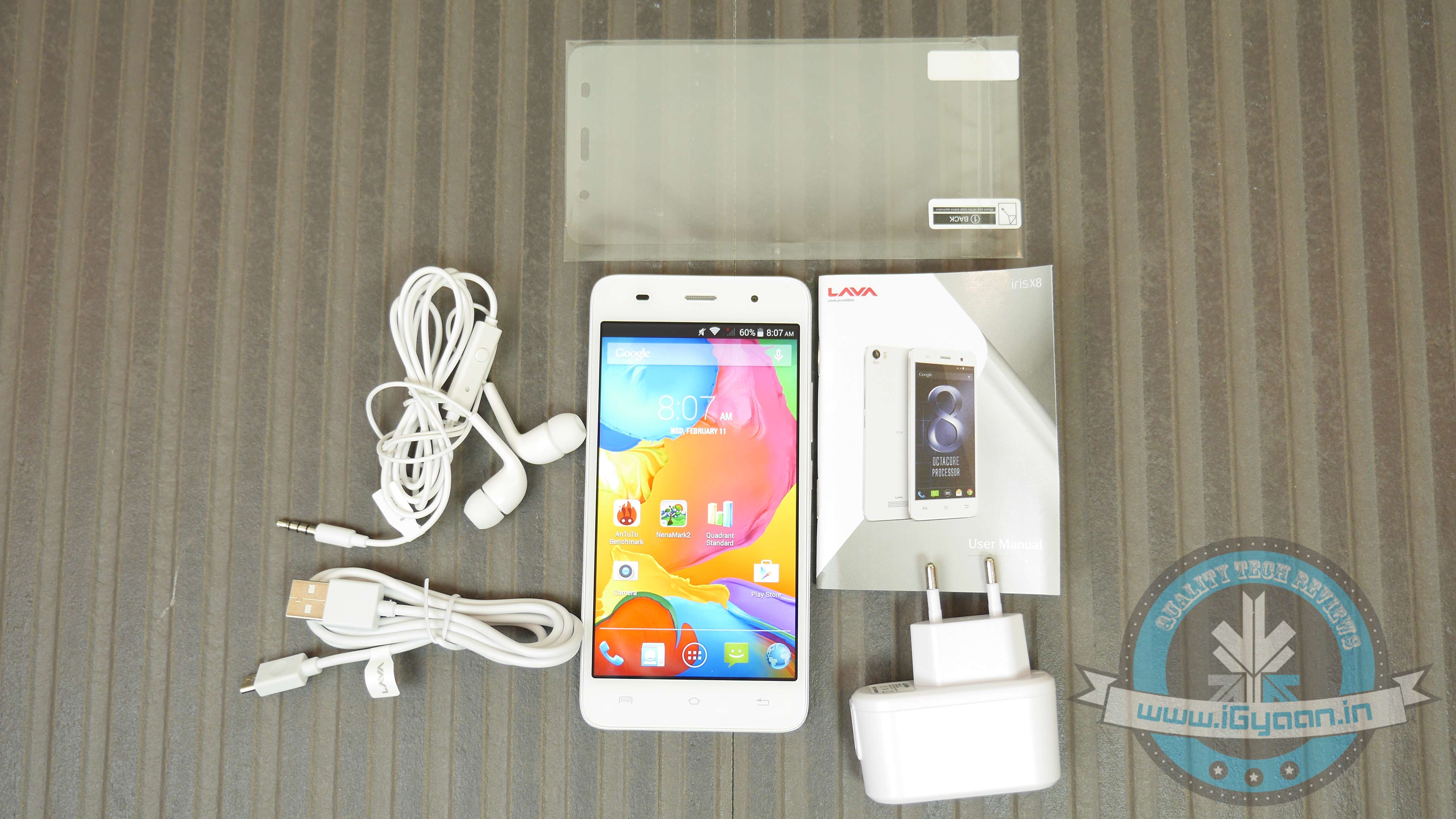
    One of the several reasons for the success of these phones were their cost effectiveness. They were providing feature rich phones, dirt cheap, compared to their more expensive counterparts like Nokia and Blackberry. iPhones were also seen from time to time, but were rare. Motorola was a big hit with their RAZR and ROKR series models but these were also getting sloppy. At the time, 2G phones were reigning the market and calling and texting were quite expensive for Indian consumers. But with the introduction of 3G in and around 2008, Internet users suddenly blew up.

    WhatsApp’s introduction a year or two later was also a major shift. Most of the expensive international brand’s phones wouldn’t support WhatsApp, and many would not support 3G. A massive number of people had to shift and so a great opportunity opened up for all manufacturers. Indian companies cashed in on this by introducing smartphones with bright LED touchscreens, Android based OS and a host of other features. These were priced at around Rs 10,000 – Rs 15,000. There was also one more feature that these companies, along with the internet boom, made famous. Let’s talk about that next.

    Dual Sim
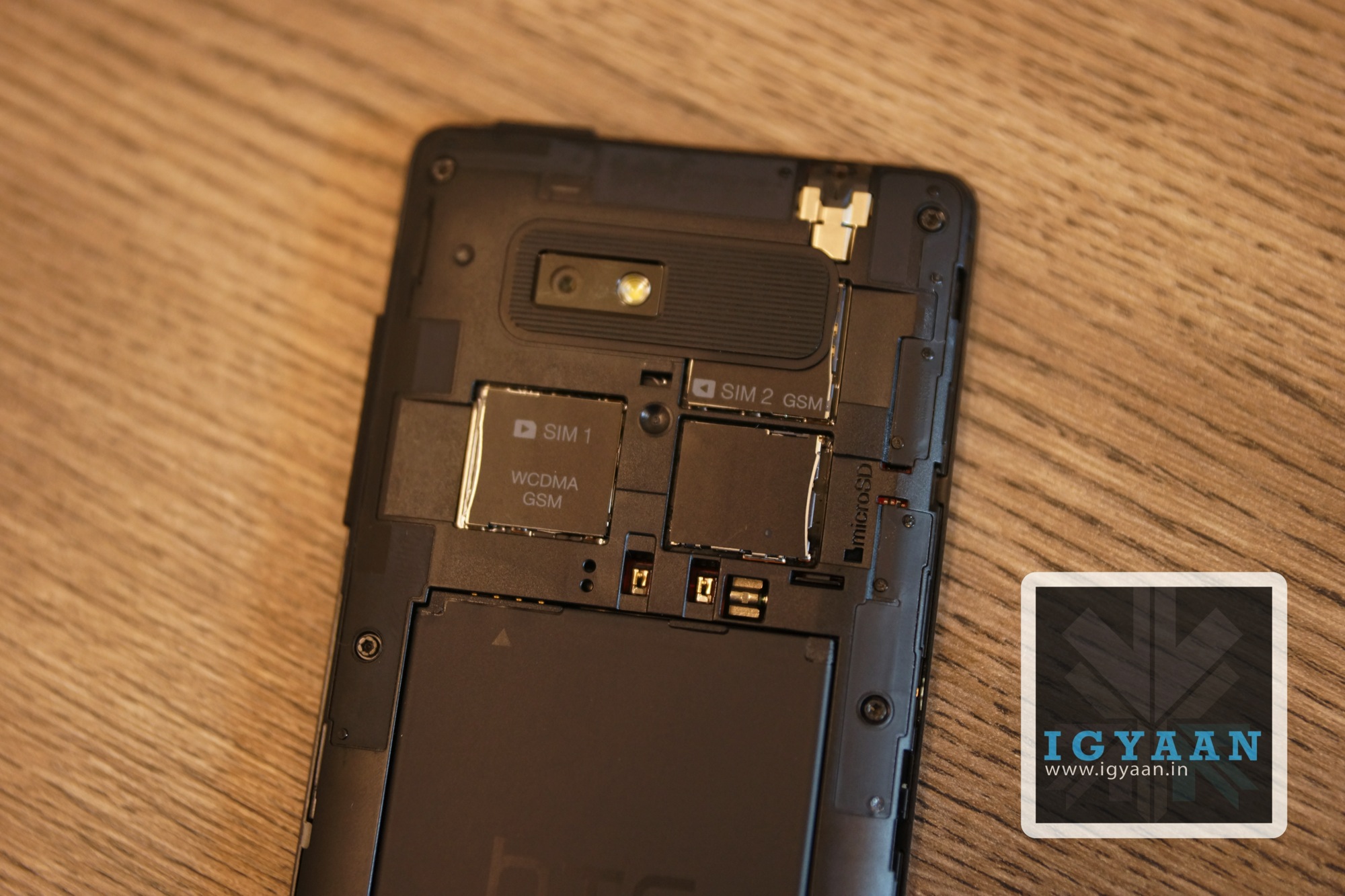
    When we say that the Indian companies were the talk of the town back then, we really mean it. From students in high schools and colleges to working professionals, everyone was a consumer of these Indian brands. Many shops even raised their prices at one point of time for the Micromax Canvas series of phones because of the high demand and low availability. These phones, among other things, introduced a feature that has stuck on even now. That feature is Dual sim cards.

    When companies such as BSNL and MTNL started providing cheap internet options, people wanted to use two sim cards in one phone.This was because porting phone numbers wasn’t really something one could do easily. The Indian manufacturers went to the Chinese ODMs and asked for a phone that could use two SIM cards. Thus in 2010, Spice mobiles launched India’s first dual SIM ( 3G + 2G) phone. Although Dual SIM isn’t a technology the OEM or the ODM invented, it was definitely seen as a useful feature for a particular market and brought into use by these companies.

    Faster Turnaround Time
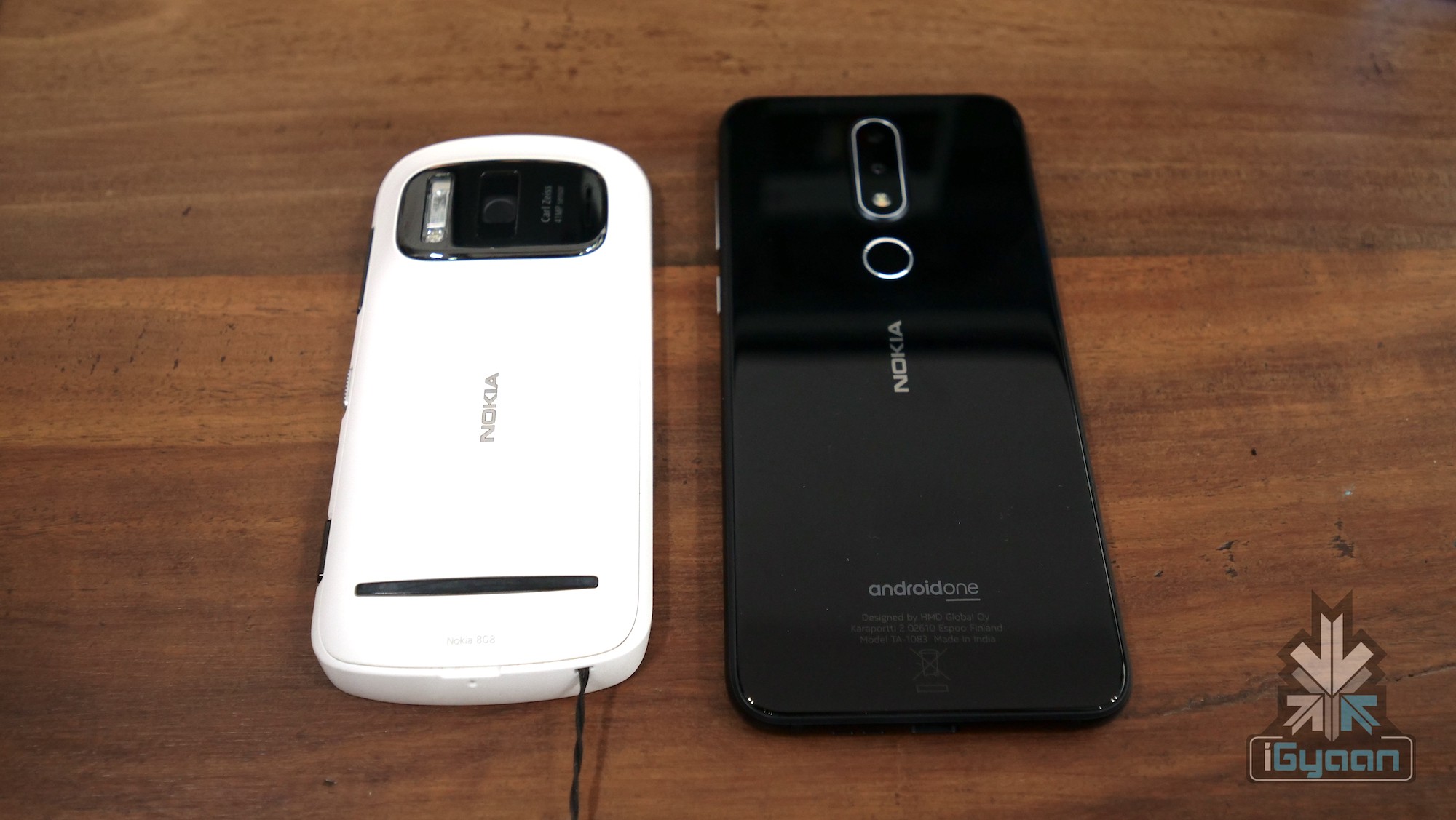
    White labelling also worked for these companies because of another reason. These phone manufacturers had a faster turnaround time, compared to Nokia, Sony or Samsung. They did not have to do their own research and development, neither did they have to design the phone, they could just bring a new model to a market much faster. A company like Nokia had to design, manufacture, market and sell these phones. These took at least a few months to achieve, from scratch. The ODMs meanwhile, did not have to worry about marketing and selling their products while an OEM did not have to worry about the design and manufacturing. This symbiotic relationship helped them bring newer models with the latest features to the market faster than many other established phone makers.

    What Went Wrong?

    Chinese ODMs Started Their Own Branding
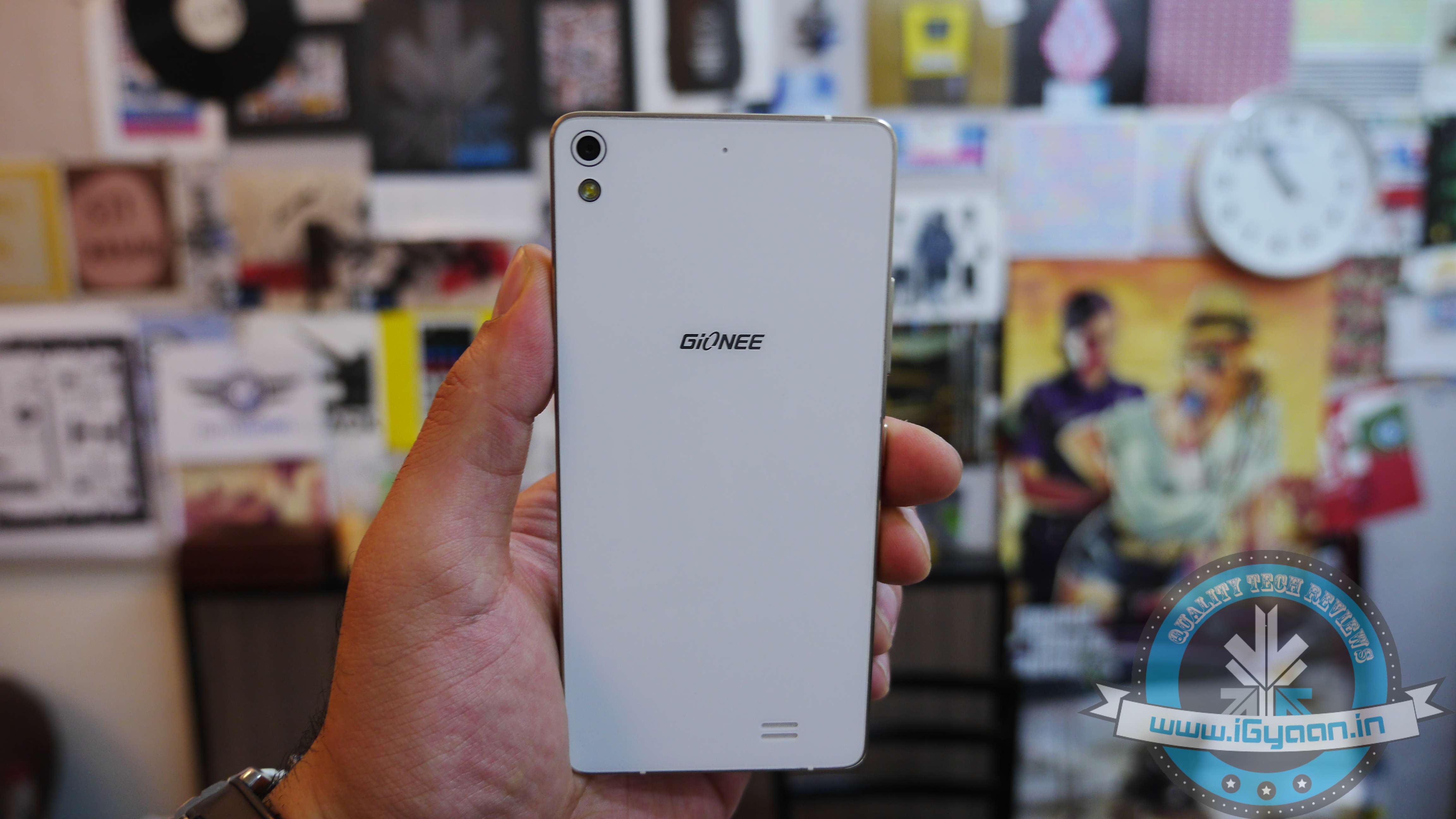
    Many ODMs in China understood the fact that the real money was to be made in the distribution and marketing of phones in markets like India. Working with the Indian companies, they had already learnt a lot about the market and the distribution channels. Many other established Chinese companies like Xiaomi also set their eyes on India at the time. These ODMs and other smaller Chinese brands started shipping their own branded smartphones to the country with a promise of better after sales service. But in order to compete with the already established brands, they needed o keep the pricing to a bare minimum. This is where the next turning point in the market comes.

    Online Sales
    Flipkart had already set up a good service channel and delivery channel owing to it’s online model of selling books and then later selling other items. Amazon entered the Indian market in 2013 when they realised the scope this market had. They also started with books and movies and slowly gained the customer’s trust. Indians were sceptical of using online channels to buy expensive products, specially electronics. But as the online revolution progressed, Indians started to slowly indulge in online shopping.

    One of the other factors for this was the introduction of 4G in 2012. This made internet services considerably faster and cheaper. These Chinese manufacturers saw the opportunity of cutting costs. Costs for establishment, delivery and distribution as well as a lot of other smaller expenses that the companies would’ve incurred if  they sold through offline channels such as retail stores. Online selling allowed the Chinese players to bring phone prices down a lot.

    Lack Of Vision
    The Indian companies were heavily invested in marketing and advertising their products and failed to realise that time and technology was moving at a rapid pace. They did not expect that the Indian market would shift so drastically. India, at that time, had come out of recession and the industrial production was growing instead of slowing down. People were slowly getting back their jobs and many started earning more than they were spending. This caused online sales to grow as well. The introduction of 4G was a huge change, and it rolled out in a matter of just a few months. Reliance Jio rolled out 4G phones and 4G connectivity and 3G suddenly became a backdated technology.

    Most Indian companies had a huge order booked for a lot of smartphone units. These suddenly became extremely hard to sell to the new customers who were looking to buy 4G phones. With 4G being extremely cheap, the Chinese manufacturers were ready for the 4G wave and they jumped in to sell their phones. This lack of vision for the future affected many companies and brought many more to their knees before their ultimate shut down.

    No Or Very Little R&D
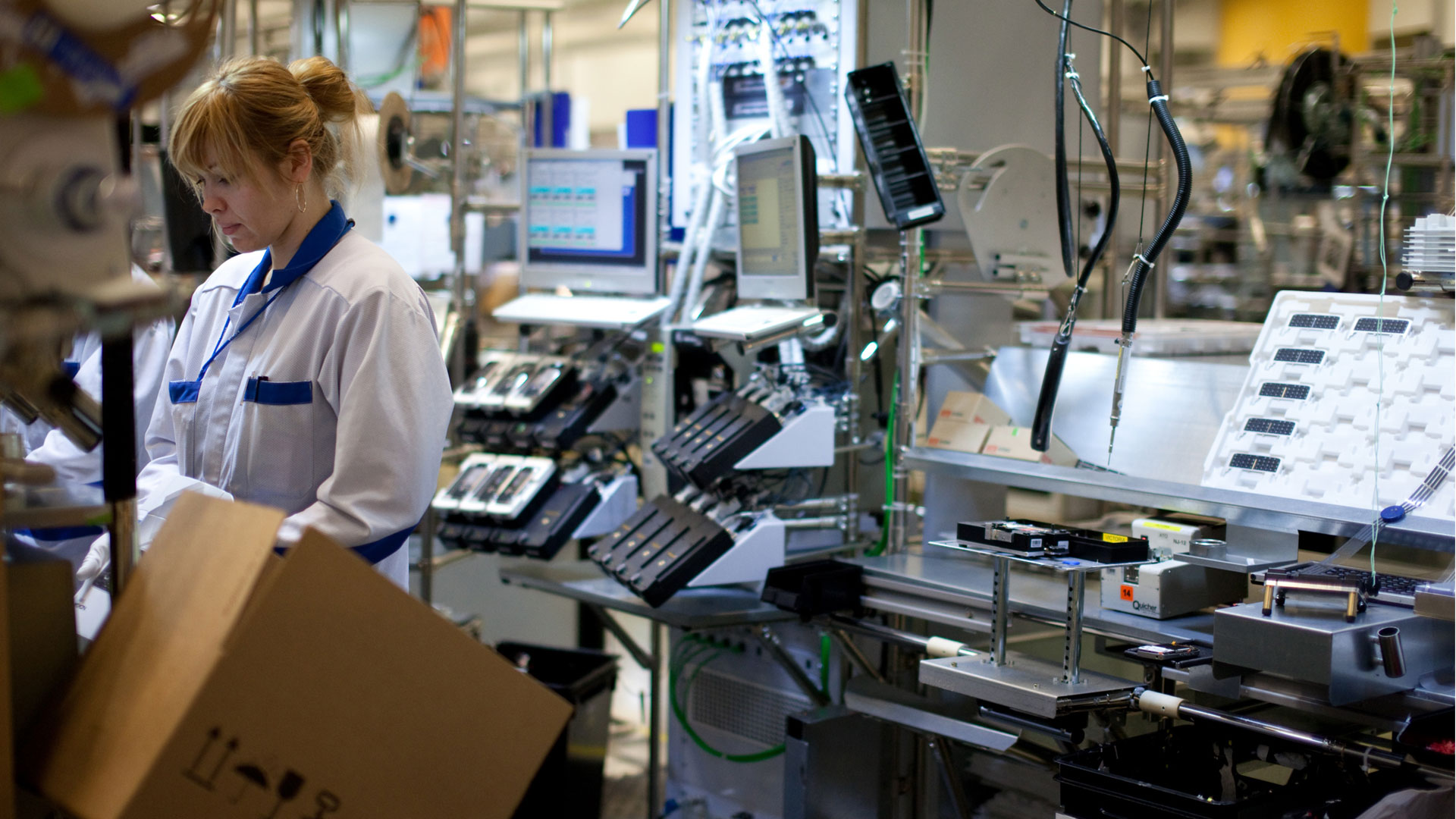
    The Indian smartphone companies were headed by strong businessmen but not technical or product people. They knew how to conduct a business with a given set of rules. But the smartphone market changes extremely rapidly and they couldn’t catch up. The Indian companies had no proper R&D department put in place. They had no or very few factories and relied mostly on ODMs for their products. With ODMs going their own separate ways to create new models of 4G phones, all the while, marketing and selling their own smartphones. Meanwhile the Indian manufacturers were left stranded with a huge number of smartphones to clear. This was one of the many reasons why a huge corporation like Nokia also fell short. R&D is an integral part of smartphone manufacturing and big companies such as Samsung, Apple and Huawei have a lot of manpower as well as capital dedicated to this sphere.

    Bad After Sales Service
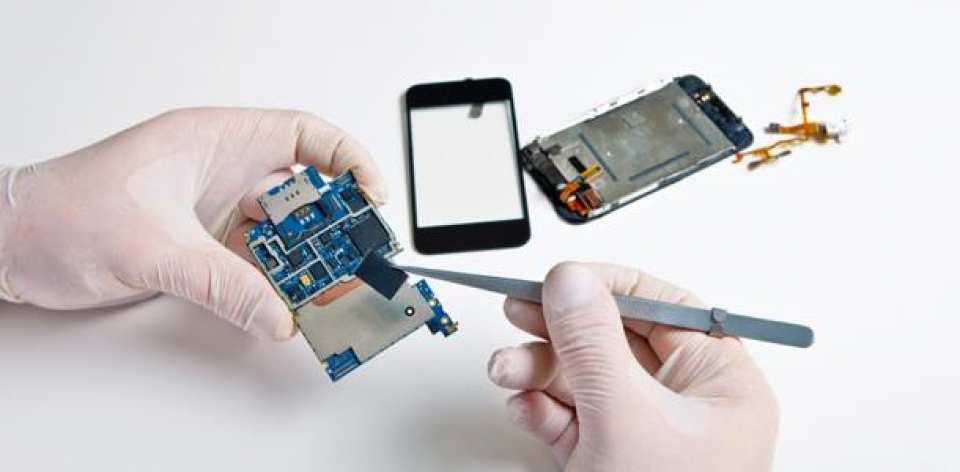
    There were several reasons for Indian consumers to buy Indian smartphones. But one of the top reasons was the guarantee of repair in case of any manufacturing issues. Most Indian companies failed on this promise. If you do a quick online google search, you will see that a majority of consumers were extremely unhappy with the after sales service. There are complaints of these companies taking the phone for months and not repairing or replacing it. Moreover, bad behaviour from the staff and a rampant complaint of overcharging were pushing customers away. This was the final nail in the coffin. Almost all smartphone users shifted to the newly launched Motorola, Xiaomi and OnePlus phones.

    While the Indian companies are slowly dusting off their archaic ways and slowly investing in R&D, they have a long way to go. It would be best if they skipped a few of the popular trends right now.  Instead, they should try to predict what trends are to come in the near future and work on that. We surely hope these companies get to play on a level playing field in the years to come, so that the Indian smartphone manufacturing market flourishes as a whole.
  • iPhone XR Is Apple’s Best Selling Model According To Apple

    iPhone XR Is Apple’s Best Selling Model According To Apple

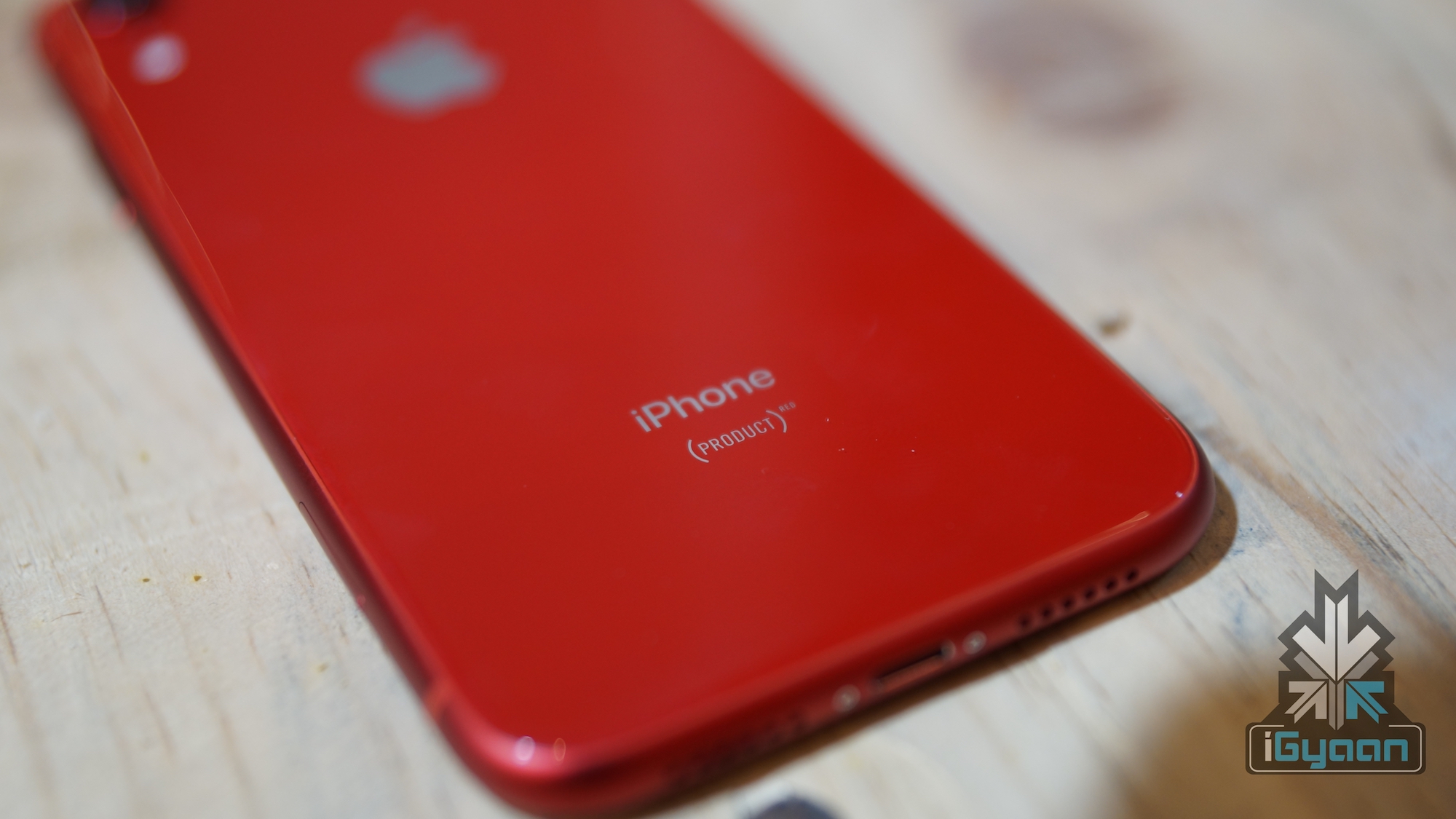
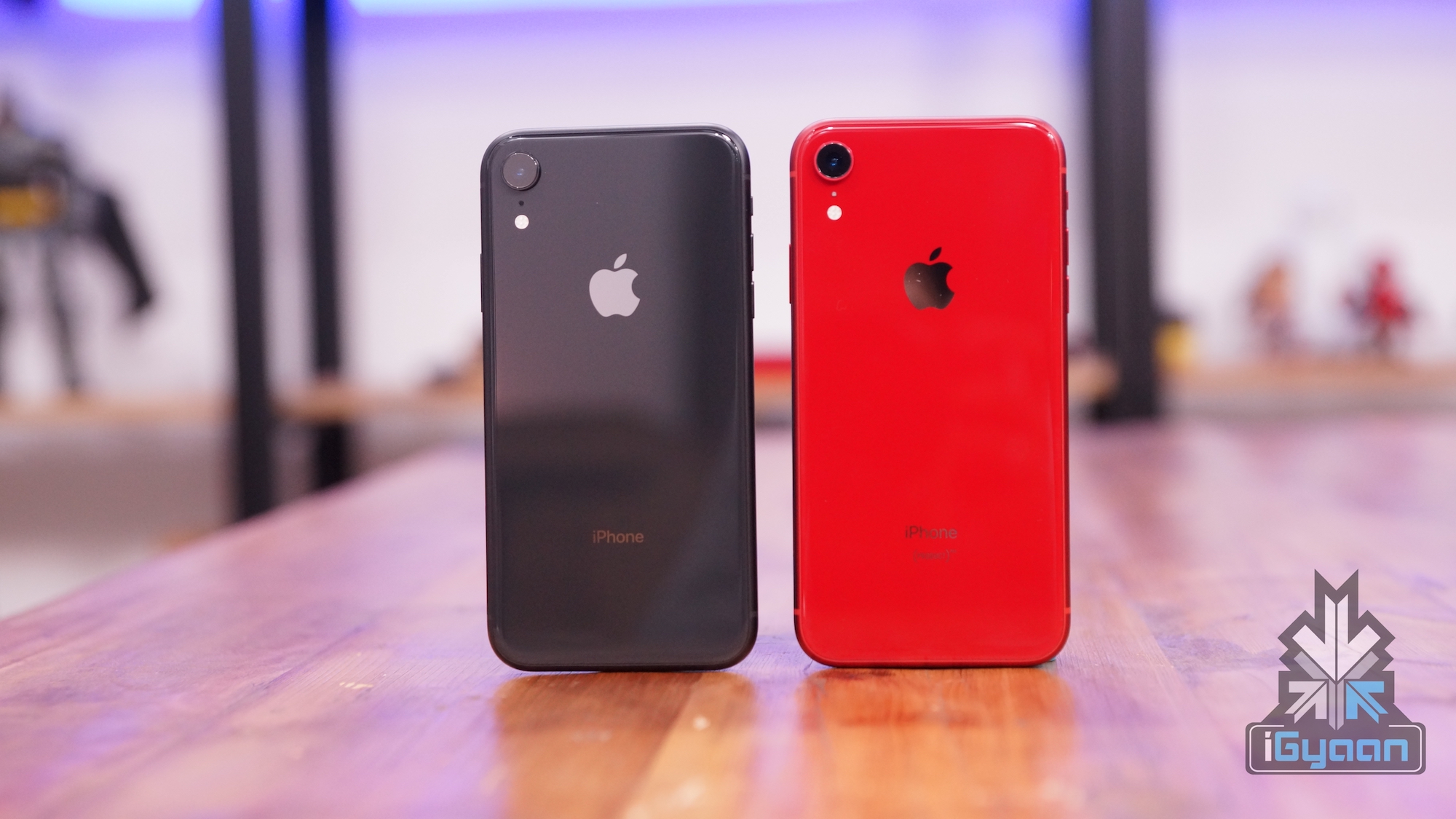
    Apple has debunked rumours that their cheapest iPhone model is not selling well. In a slew of recent reports, many news websites had claimed that Apple is reducing production of the iPhone XR. The reason given was because it is not meeting the estimated sales expectations from the company. But in a recent report,  an Apple executive was quoted to have said that the iPhone XR is their best selling phone yet.

    What Led To This Belief?

    Apple’s announcement that they will not be disclosing their unit sales data to their investors also added to the rumours. Even though the company is not providing their exact sales figures, they do occasionally disclose which of their models is selling better than the others. A recent report also suggested that Apple had reduced orders of the XR. This was believed to be because the demand was not matching the supply. Apple’s decision to bring back the iPhone X in Japan was also part of the reason for the media to feel that this was a pushback from the low iPhone XR sales.

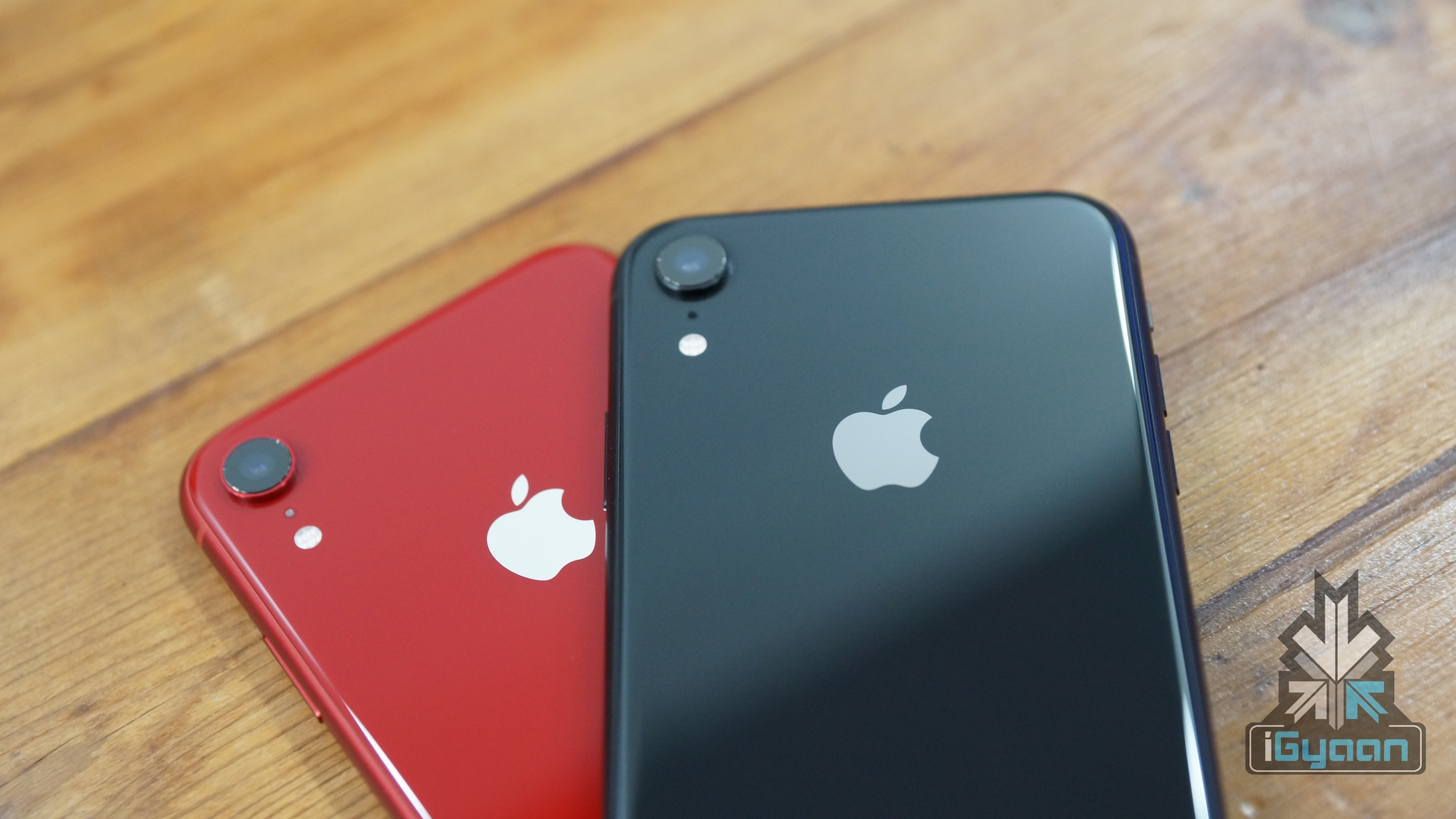
    According to Apple, the iPhone XR, iPhone 8 and iPhone 7 are selling quite well. Being a cheaper version of their higher end model, the iPhone XR was created for consumers who wished to jump in the Apple bandwagon but did not wish to spend as much as the iPhone XS.

    The iPhone XR is not ‘cheap’ per se if we compare it to the relatively less pricey Android phones. But it is the company’s cheapest current generation iPhone. With OnePlus entering the iPhone dominated US market, it will be interesting to see how both companies fight it out to stay ahead in the game. The iPhone XR is also available in more colours than it’s bigger siblings. It is only second to the iPhone 5C which saw it’s release back in 2013.

    Also read: Apple iPhone Xr Launched With LCD Display And FaceID

    The executive has also said that they have raised $200 million for the Product RED Global Fund so far. The Apple iPhone XR Red with a 3GB RAM and 64GB Storage is currently available on Amazon for a price of Rs 76,499 in India. 

    Check out our video about the iPhone XR


  • Amazon To Start Selling iPhones & iPads In Several Regions, Including India

    Amazon To Start Selling iPhones & iPads In Several Regions, Including India

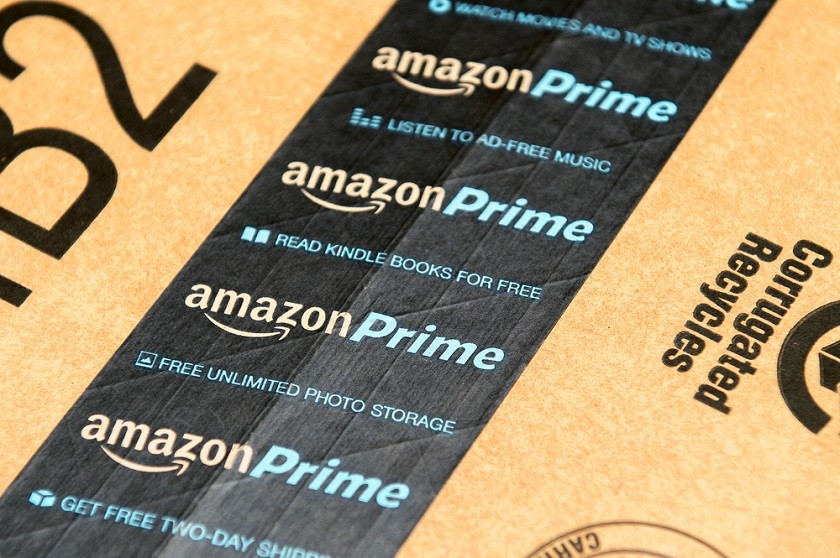
    Amazon has officially announced that it will be selling more Apple products on its website. This will be done when the holiday season starts. The move reflects on how important e-commerce platforms like Amazon are becoming, even for brands such as Apple.

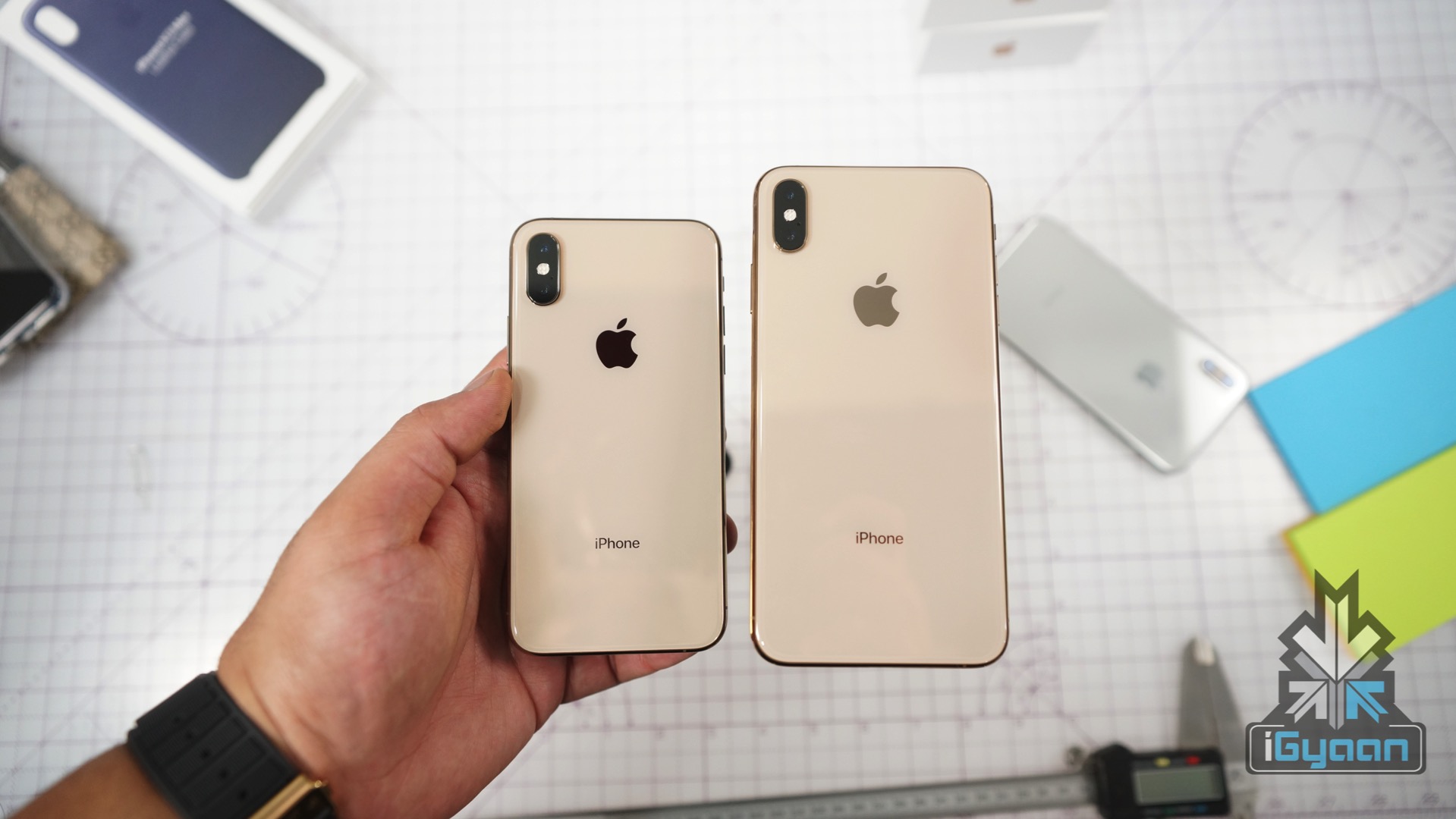
    Earlier, Amazon only sold limited items from Apple’s inventory such as Mac computers and Beats headphones. Since Apple offers direct competition to the e-commerce giant with some consumer products, the companies always has their differences. Some issues also rose over Apple not adopting Amazon apps into its devices, which saw its resolution later. Now, the e-commerce giant will sell the latest iPhones, iPads and the Apple Watch 4 in select regions. These include the United States, Europe, Japan and most importantly, India. The company is already stocking up the devices, so that they are available in plenty in the coming weeks. The Apple products will now be available exclusively on the Apple Amazon page.

    It’s Not All Additive

    The move also resulted in the elimination of third-party and unauthorised sellers who sell Apple products on Amazon. However, third party accessories supporting Apple devices will be found on the website. Only third- party sellers retailing Apple products will no longer be present . 

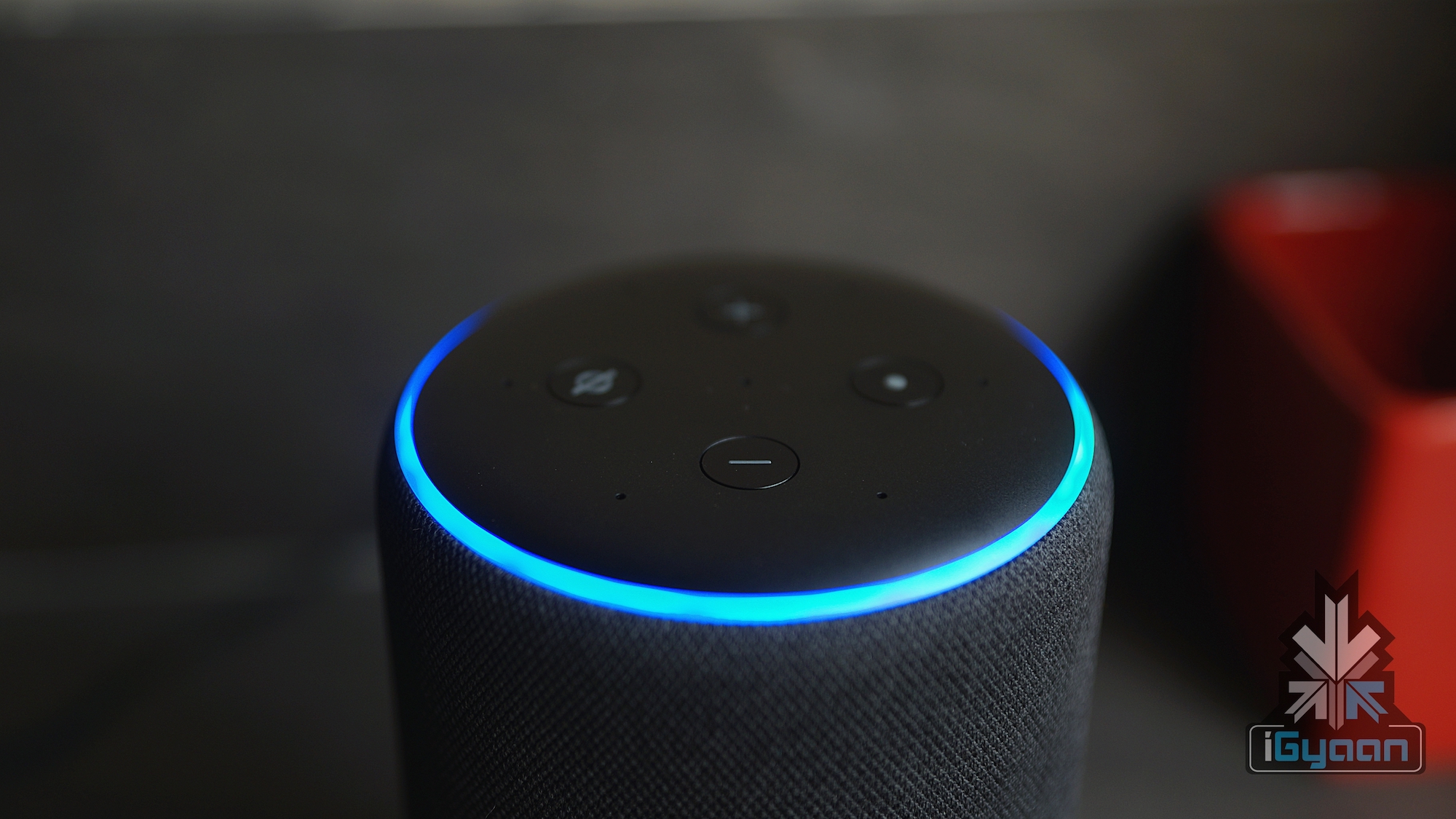
    The list of products will however not include the Apple HomePod, as it is a direct competition to the Alexa Powered Speakers offered by Amazon. The reasons for a stand-off between these tech giants are never-ending, but this seems to be a promising move towards a better future for consumers. As most of the consumers prefer to buy products from e-commerce websites, this is a welcome step.

    Apple has said that they will continue to work to improve the experience for Apple customers on Amazon and are looking forward to customers having ‘another great way’ to buy their products. A notable statistic is the fact that about 71% of Apple’s sales in 2018 came through distribution channels such as Amazon.

  • Amazon India Losses Grow To Rs. 6,287 Crore

    Amazon India Losses Grow To Rs. 6,287 Crore

    Amazon is fast becoming the country most popular market place, however it is also losing money fast. The company suffered a loss of Rs. 6,287 crore for the FY 2017-2018 from Rs. 4,831 crore compared to last year. The venue for Amazon in India however, grew  54% to Rs. 5,018 crore from Rs. 3,257 crore.

    According to Amazon the increase in the losses was due to improvements in the Amazon India infrastructure. The company spent big this year to increase its fulfilment centres and improve technology which includes the launch of the GST equipped Business Amazon.  The company also increased its total spending to Rs. 11,305 crore compared to Rs. 8,087 crore done by the e-commerce giant last year.

    Amazon hopes to rake in large incomes from the three waves of sales the company had in the month of October and the ongoing Diwali Sale. The company also expects business to be up in the month of November and December 2018 due to large festive shopping.

    Also Read : Amazon Funded Start-Up Unveils Smart Glasses With Alexa Support

    The company pays its full time directors of Amazon Seller services about Kandula Raghava Rao and Noorulamin Mohd Saheb Patel a combined Rs 5.5 crore in salaries a year. The company also claims to have filed Rs. 96.8 crore “under protest” in taxes to income and service tax departments. Amazon has grown substantially and now services 99% pin codes in the country.

    Amazon’s Rival in India, Flipkart India Private Limited reported a nine fold net loss of Rs. 2064 crore as compared to Rs. 245 crore in the previous financial year. One the flip side, Flipkart’s revenues rose by 39.11% to Rs. 21,658 crore from Rs. 15,569 crore.

  • Xiaomi Opens Largest Mi Home Store In Bangalore

    Xiaomi Opens Largest Mi Home Store In Bangalore

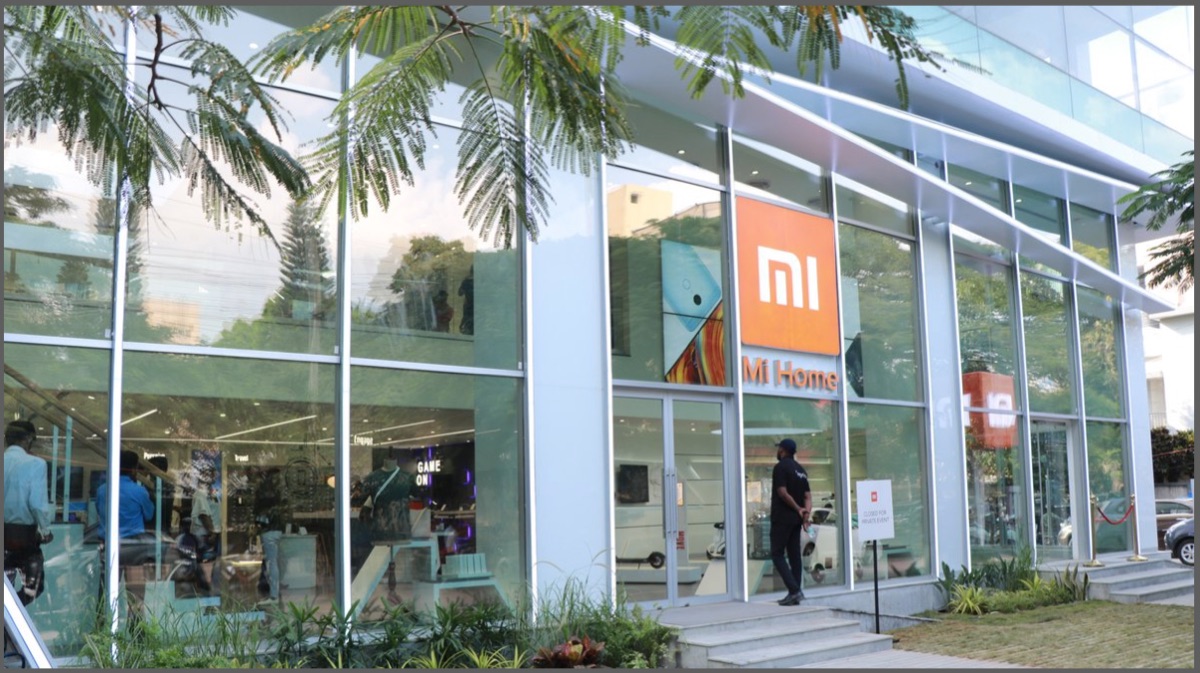
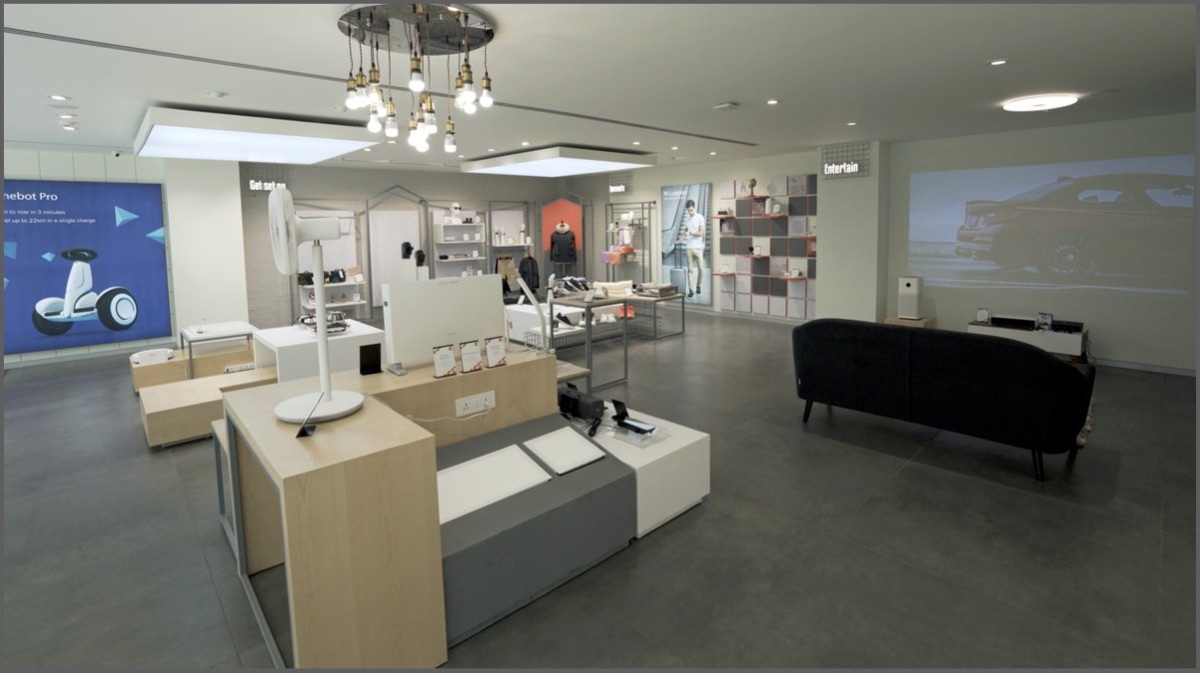
    Xiaomi tops the list in India in terms of smartphone and now, smart TV sales. The company had humble beginnings as a smartphone brand and has now branched out to various other aspects. In its conquest to establish itself as a full-fledged home brand, Xiaomi has made sure to slowly increase the presence of offline stores in India. The latest Mi Home experience centre in Bangalore, is the largest store that the company has in India. The move speaks volumes about the roadmap Xiaomi has planned for the country.

    The Mi Experience

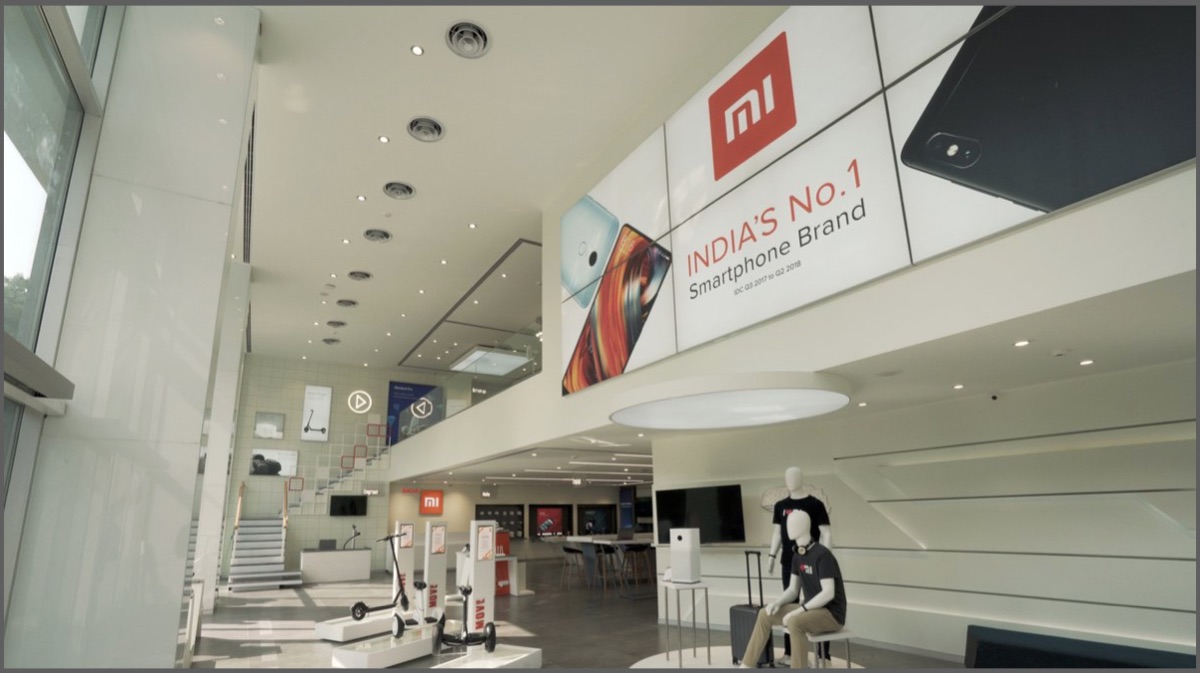
    The store covers an area of over 6000 sq.ft, spread over two floors. It hosts a variety of Xiaomi products, some which are exclusive to the Indian market. Another highlight is the fact that the store is made using eco-friendly materials. It is also equipped with special solar-powered charging stations. This is in sync with the company’s ideology to implement and promote pro-environmental measures.

    Apart from the products which are sold in India, the Mi Home store has more than 200 products which are sold globally. This includes the Mi Robot Vacuum, Mi Smart Laser Projector and the Mi Smart Washing machine to name a few. The store also has an engagement zone. It also features a Mi Home cafe where fans can host meet ups and also discuss and give feedback to the company. The store also has an engraving machine with which customers can engrave personalised logos onto their Xiaomi smartphones or power banks.

    Also ReadWhatsApp To Display Ads In Status Section

    Online Brands, Offline Stores

    Last month, Xiaomi had opened its TV manufacturing plant in Andhra Pradesh. At the launch, they had announced the intention of opening more than 50 physical Mi stores in India. The company has now moved to products such as Air Purifiers and even Luggage to ensure that they are an integral part of your life. Xiaomi also manufactures products such as toothbrushes. Experience zones and physical stores are crucial to building relations with customers. More and more companies are adopting this strategy. Samsung recently opened its largest experience centre in the world, in India. OnePlus also stressed on its plans to open more experience stores at the launch of the OnePlus 6T.

  • Apple Accused Of Unpaid Chip Royalties By Qualcomm

    Apple Accused Of Unpaid Chip Royalties By Qualcomm

    Apple and Qualcomm are at it again. Apple recently had accused Qualcomm of unfair patent licensing practices and Qualcomm has in turn accused Apple of patent infringement. Qualcomm revealed the amount of unpaid royalties by Apple in a hearing. The hearing was of one of the cases in a Federal court in San Diego. Apple however, have disputes about the amount. At this moment, the companies are involved in about 100 legal proceedings around the world. Qualcomm wishes 56 patents to be dropped and wants to follow the licensing dispute between the two companies instead. According to Qualcomm, Apple has $7 billion in unpaid chip royalty payments.

    Apple’s Reply

    Apple has, in a statement, said that for many years Qualcomm has unfairly insisted on charging royalties for technologies they have nothing to do with.  The company has also accused Qualcomm stating that the more Apple innovates with unique features for phones, the more money Qualcomm collects. Apple claims that this makes it more expensive to fund these innovations. Apple has accused Qualcomm of building its business on older, legacy, standards. They claim that Qualcomm has reinforced its dominance through exclusionary tactics and excessive royalties. The smartphone giant also said that the latter insists on charging Apple at least five times more in payments. This is in comparison to all the other cellular patent licensors they have agreements with combined.

    Also readApple Demands Bloomberg To Take Down Chinese Chip Hacking Report

    A U.S. International Trade Commission administrative law judge had, in September, ruled in favour of Qualcomm, stating that Apple had infringed on a power saving patent to extend battery life in mobile devices. The judge had also said that this will not hinder Apple from selling their phones in the US. Apple also said that Qualcomm is withholding nearly $1 Billion in payments from Apple as ‘retaliation for responding truthfully to law enforcement agencies investigating them’.

  • Smartphones To Scooters; Xiaomi’s Ever Expanding Portfolio

    Smartphones To Scooters; Xiaomi’s Ever Expanding Portfolio

    The Xiaomi Corporation was founded 8 years ago in China, by Lei Jun and seven other partners. In 2011, Xiaomi officially launched the Xiaomi Mi 1 smartphone with MIUI firmware based on Android. In 2012, the company launched their second smartphone, Xiaomi Mi 2 which the company claims sold over 10 million units within 11 months of its launch. The company since then has seen tremendous growth and in the last year crossed the 17 billion USD sales mark.

    Expansion Outside China

    Xiaomi announced their expansion outside China in 2014 and that is when the company launched their first smartphone in India. The smartphone was called the Mi 3 which due to its impressive specs and low price tag raked in a lot of sales for the company. The Mi 3 had the Quad-Core Snapdragon 800 SoC at almost half the price of the Google Nexus 5 and Galaxy s4 which had the same chipset. This smartphone changed the perspective people had about Chinese handsets. From being cheap and low quality to low-cost high-value products in the eyes of the consumers.

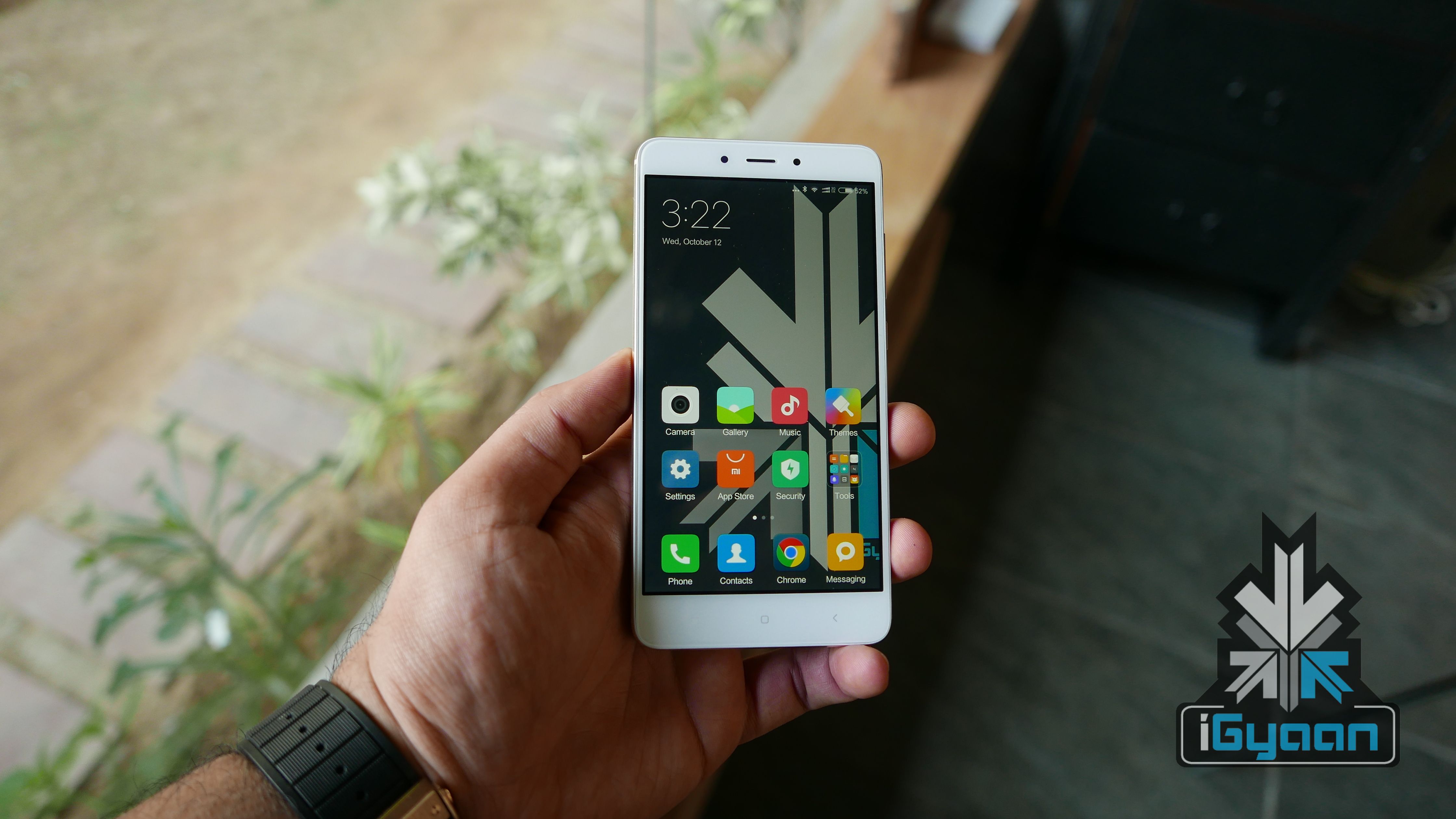
    2013-2014 was the period when India was seeing its massive e-commerce transition. It allowed Xiaomi to scale quickly and not wait to open physical brick and mortar stores. Since then, Xiaomi has continuously launched smartphones with latest specs at comparatively low prices. Some of the devices include the Redmi and Redmi Note series smartphones.

    Redmi Note 5
    Xiaomi Redmi Note 4

    At the same time, Xiaomi was performing well in other countries like Singapore and Brazil. Back in 2017, the company expanded into Pakistan and Bangladesh. Up until now, the company has been launching smartphones in Tier 2 countries but, according to the latest announcements it company is now moving into Tier 1 countries.

    Tier 1 Expansion
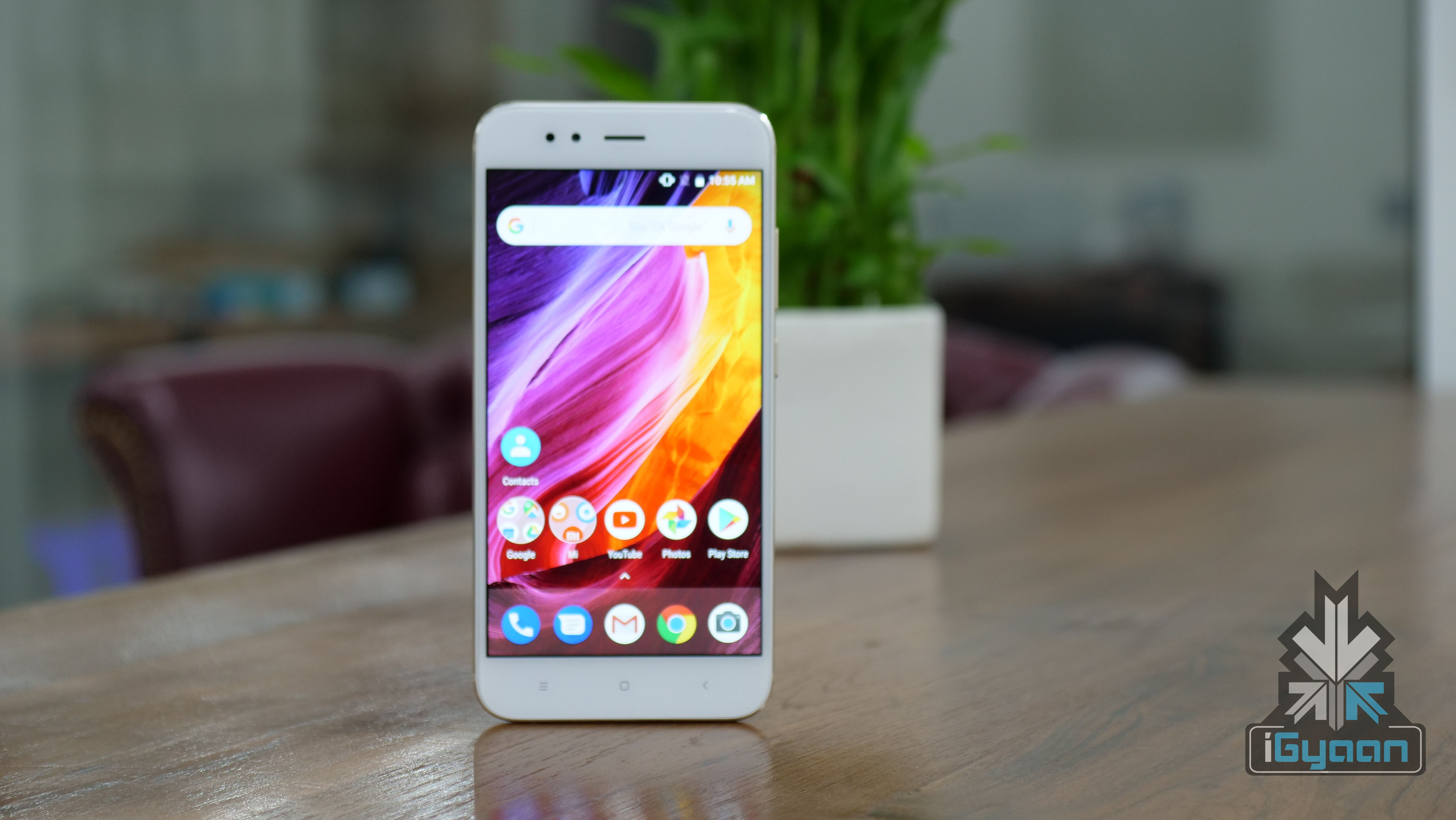
    Xiaomi Mi A1

    Last year Xiaomi spread their presence to Spain and France with the Mi A1 & Mi Mix 2 smartphones. Recently, the company has announced that they will officially make their way into the United Kingdom and Ireland. The Ireland launch is set to November 1 while the UK launch is set to November 8. The company will also open a physical MI experience store in White City, London after the launch. The company has partnered with Three UK to sell devices in both UK and Ireland. Three is a major telecom company in both the countries and will help with the propagation of products.

    Xiaomi apparently plans to be one of the biggest smartphones company hence, they are continuously expanding into new regions and markets.

    Smartphone’s The Limit?
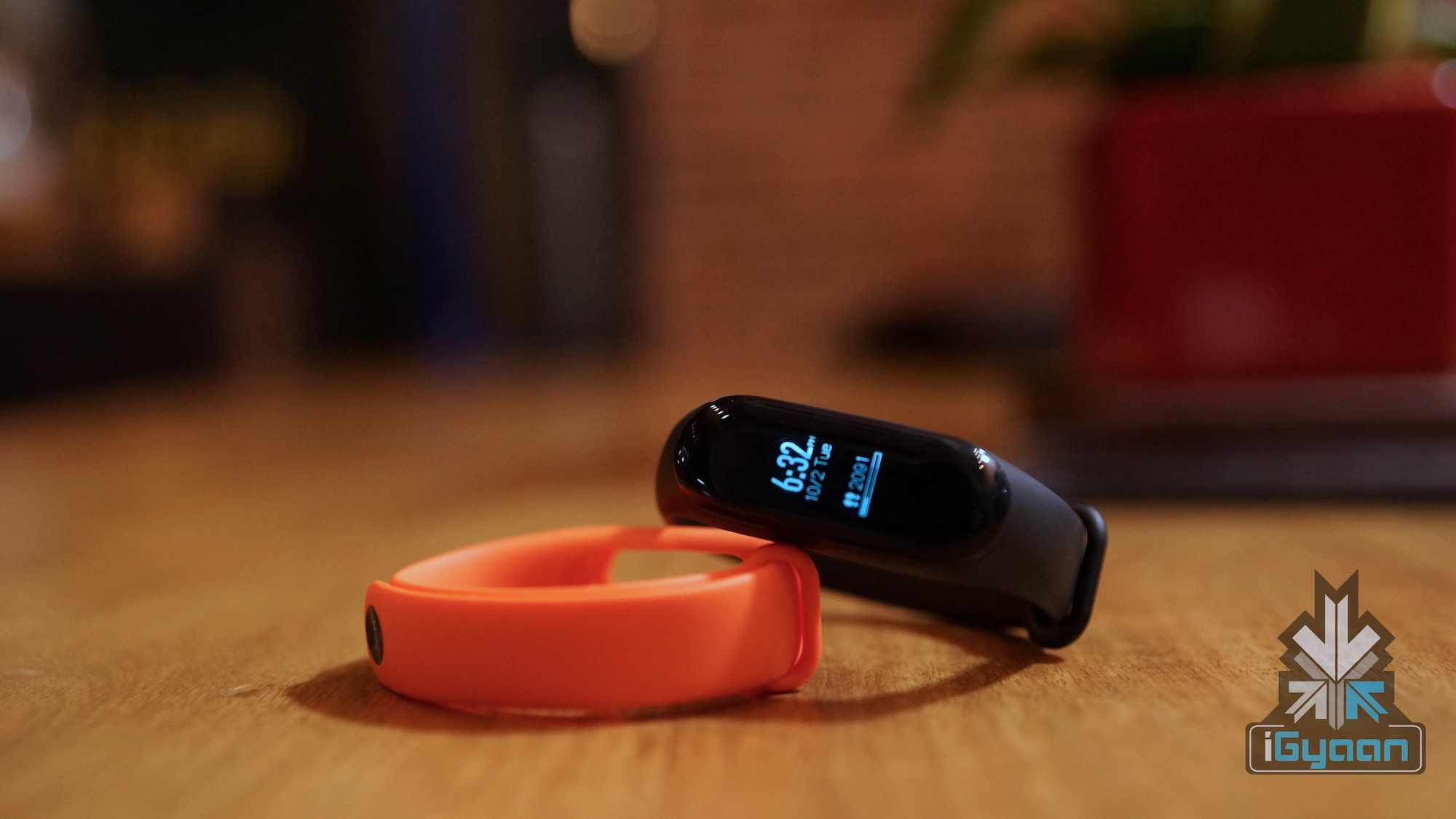
    Mi Band 3

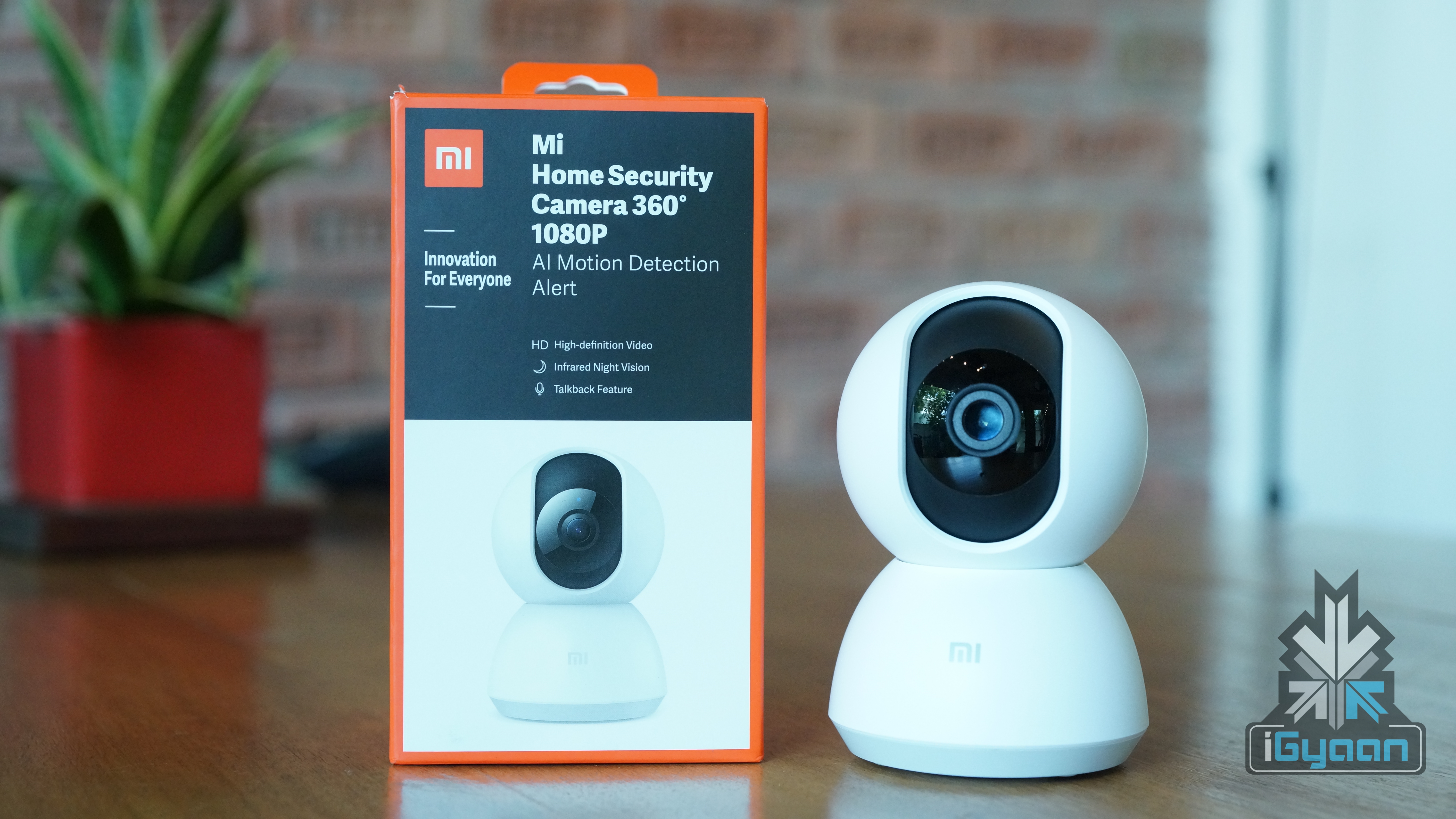
    The company is not only limited to smartphones, but they also offer a plethora of products ranging from security devices to fitness products and even Mi Televisions & other consumer appliances.

    Xioami is truly an unconventional company with unconventional strategies. The company keeps on acquiring start-ups and other unique companies to incorporate their products and technologies into their own offerings.

    The more products you surf for on the Mi Global website, the crazier it gets. The company makes mobility vehicles like electric scooters, mijia shoes, and has even started selling smartly designed luggage trollies.

    In other words, Xiaomi is not a company focused only on electronics. Whenever this ambitious company finds a product that can be improved or a problem that needs to be solved, they will rapidly develop solutions and products according to it. We can say this is just the start of a young, aspiring company and only time will tell what the future of the company holds.

  • Apple Demands Bloomberg To Take Down Chinese Chip Hacking Report

    Apple Demands Bloomberg To Take Down Chinese Chip Hacking Report

    A few weeks back, Blooomberg had reported that Chinese spies had compromised more than 30 US companies. This was apparently done by planting malicious chips into their servers while they were being manufactured in China. Through this chip, hackers where then able to create a backdoor into any networks running on the said server. The list of companies also includes tech giant Apple which has denied all the claims made by the report. Furthermore, Apple CEO Tim Cook had now asked Bloomberg to take down the report.

    The incident took place back in 2015, and according to the report, Apple had discovered the said ‘breach’. The report also states that Apple had cut ties with the vendor, Supermicro and reported the incident to the FBI. While the tech giant not only denies the report, it also made a detailed company statement signed by the Vice President of Information Security, refuting the claims of such an incident. However, Bloomberg did not back down after this. They proceeded to publish a follow up story which further backed up the original report.

    Apple’s Rebuttal

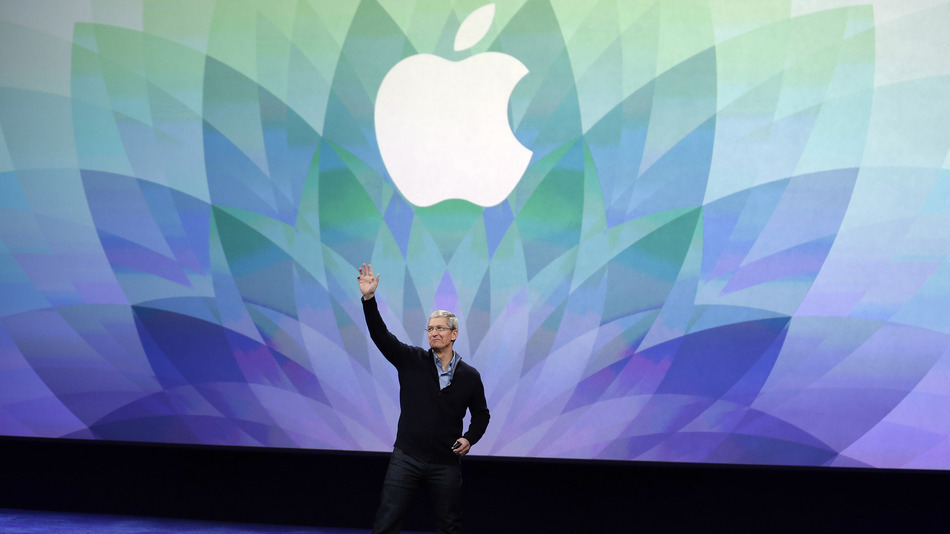
    Tim Cook Apple

    In an interview with a news agency, Tim Cook said that he was personally involved in the response to the story by the company. The CEO said that they searched through Emails, data centre records, financial records and shipment records and found nothing. He further said ,”This did not happen. There’s no truth to this”.  Bloomberg on the other hand, said that this the report is the result of more than a year of research and reporting which involves more than a 100 interviews. They claim sources such as government officials and insiders at companies who confirmed the attack. They further said “We stand by our story and are confident in our reporting and sources.”

    Also Read: Samsung Working On An In-Display Front Facing Camera

    This is the first time Apple has asked a company to take down a report for carrying false information. Earlier reports which showed the company in a poor light and were made from fragmented tales did not bother them so much. With both sides not willing to back down from their respective claims and defending their sides, it is difficult to say as to who is actually presenting the truth.

  • Huawei Plans To Manufacture Mobile Phones In India

    Huawei Plans To Manufacture Mobile Phones In India

    Many smartphone manufacturers like Xiaomi, Vivo, Oppo and OnePlus have already set up their manufacturing processes in India. Manufacturers are increasingly preferring India as a manufacturing hub over China because of the advantages in terms of labour and government’s favourability. Huawei, the $150 billion Chinese giant, has said to a news website that they intend to begin manufacturing phones in India as early as next year. They have already set up plans to open 1000 storefronts all across the country to gauge the market.

    Huawei’s Make In India

    The company’s VP has informed that they look at India strategically. They now intend to grow their presence through the launch of devices in the mid and premium end of the market. Manufacturing in India reduces the price of the smartphones for the Indian market drastically. Currently there is a 20% import duty levied on smartphones that will be negated once they are manufactured locally. This is specially important for a price sensitive market. In 2017, Huawei accounted 153 million in global smartphone sales. The company also stated that they plan to manufacture the phones with their partner Flex who has a factory in Chennai. This in turn will generate new jobs and will help India as well in the long run.

    Also Read: Huawei Crosses Apple, Becomes Number 2 Smartphone Maker Worldwide

    The company representative has also said that apart from China, they have seen a significant growth across many different markets including Europe. Xiaomi is currently the largest phone manufacturer in India. They buy their devices from Foxconn’s India unit. India is one of the most lucrative smartphone markets and has immense potential for growth. Huawei however is the largest phone manufacturer in China, which is the world’s biggest smartphone market. The company has also stated that they plan to import other products such as smartwatches and laptops for now. They have also indicated that they may manufacture these locally as well, once they start gaining popularity.

  • China Sees Decrease In Domestic Mobile Phone Shipments

    China Sees Decrease In Domestic Mobile Phone Shipments

    Telecommunications Research Institute of the Ministry of Industry and Information Technology recently released a report on the domestic phone shipments in China and it does not look too good for the smartphone market. In the period from January-September 2018, the domestic mobile phone market shipped 305 million units, down 17% year on year. September 2018 saw 91 new model launches, down 26.0% year-on-year and 65.5% quarter-on-quarter. 18 models of 2G phones, 1 model of 3G phones and 72 models of 4G mobile phones saw their release in that month.

    Reports also stated that in the period of January to September 2018, 2G mobile phone shipments were 16.762 million units, down 19.7% year-on-year. 3G mobile phone shipments were 49,000 units, down 90.9% year-on-year. While the 4G mobile phone shipments were 288 million units, down 16.7% year-on-year.

    635 new phones were launched since the beginning of the year. Out of this, 144 models were 2G compatible and 488 models were available with 4G support. 92% of the sales were garnered by the top 10 manufacturers in China. This includes giants like Xiaomi, Oppo and Apple.

    Smartphones

    Around The World

    September also saw Korean smartphone manufacturers Samsung beating Apple in the global smartphone market. This is hapenning as companies like Xiaomi, Huawei and Oppo are closing in. Apple however targets the top end of the market while most Chinese manufacturers target the lower end. This is much more price sensitive. Other manufacturers may win the race in terms of the number of phones sold but Apple almost always wins the profitability race.

    In Quarter 2, according to a research website, the best selling smartphone models were the Oppo R15, Vivo X21, iPhone X, iPhone 8 Plus and Honor 7C. A research analyst when talking about Q2 had commented that during the quarter, OPPO and Vivo also expanded their presence in the premium segment by launching devices like the Find X and Nex. According to him, the premium segment is likely to get more competitive in the later part of 2018.

  • Apple Secretly Bought Danish Visual Effects Startup

    Apple Secretly Bought Danish Visual Effects Startup

    For super secretive Apple, buying a startup is not something new. According to recent reports by a news website, Apple bought image processing software company Spektral for $30 Million. Apparently, they did not disclose the purchase which was made last year. The company is developing a software that can digitally separate a subject from it’s background.

    Also Read: ‘Apple Glass’ Could Be A Reality Soon As Apple Buys AR Centric Longmont

    Apple had introduced ‘Portrait Lighting’ last year which separates a subject and makes the background dark. There seems to be a correlation between the two but we are not entirely sure what they have planned for the future. The unique technology of Spektral is based on state-of-the-art machine learning and computer vision techniques. It can process images as well as video. The software can cut out people from a video in real time on a smartphone. It also promises to provide high quality detail.

    Spektral had created a technique called cutouts which they used in their software. The company was known by the name of CloudCutout at the time. This software negates the need for green screens and creates a mixed reality for the users. The news website also reports that the co-founder and Chief Technical Officer Toke Jansen now lists Apple as his employer. The company website suggests that the software provides a flexible trade-off between quality and computation time.

    Apple’s interest in augmented reality in the recent years has become extremely interesting. It has been pushing developers to create augmented reality apps for it’s iPhones and iPads with ARKit. Some Apple analysts have also hinted that some kind of augmented reality glasses might also be on its way. It can arrive as soon as 2020. Apple’s smart-glasses have the codename “T288”.

  • Xiaomi Starts Local Manufacturing Of Mi LED TVs In India

    Xiaomi Starts Local Manufacturing Of Mi LED TVs In India

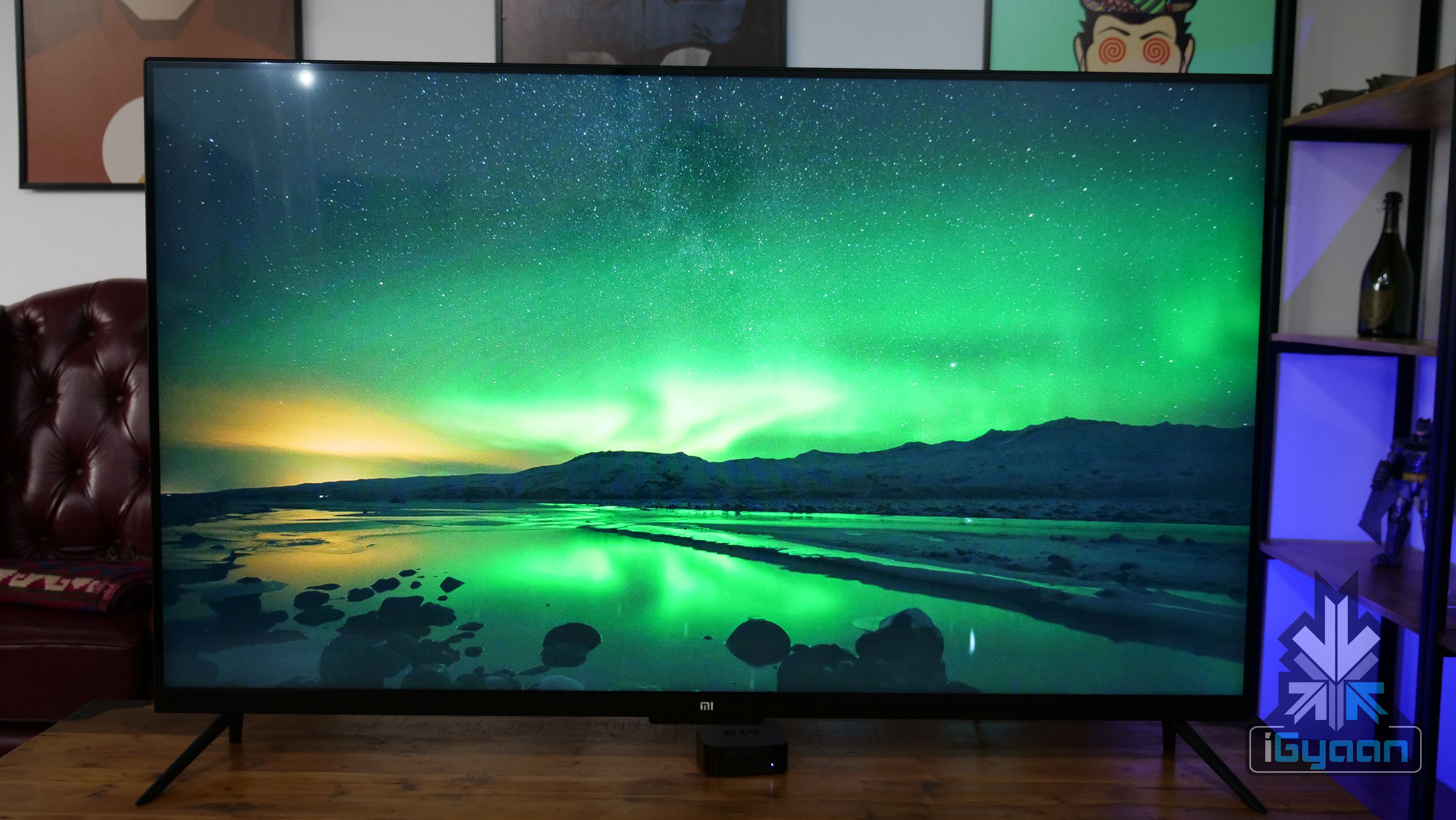
    Xiaomi has started manufacturing its Mi LED TVs in India. The smartphone giant inaugurated its first TV manufacturing plant in Andhra Pradesh today. It will do so in partnership with Dixon Technologies. The campus is located in Tirupati and spread over an area of 32 acres.

    The factory is set to employ more than 850 people and will have a production capacity of 100,000 Mi LED TVs per month by Q1 of 2019. The manufacturing plant will start local assembly of the Mi LED 4A Smart TV 32 inch and 43 inch variants for now. Xiaomi, might start the assembly of other models soon. The move is further cemented by a recent report by IDC which said that Xiaomi is now the number 1 Smart TV brand in India. The company has seen a major jump in its sales from Q1 to Q2 of 2018. Xiaomi has also set up 650 service centres across India for its Smart TVs.

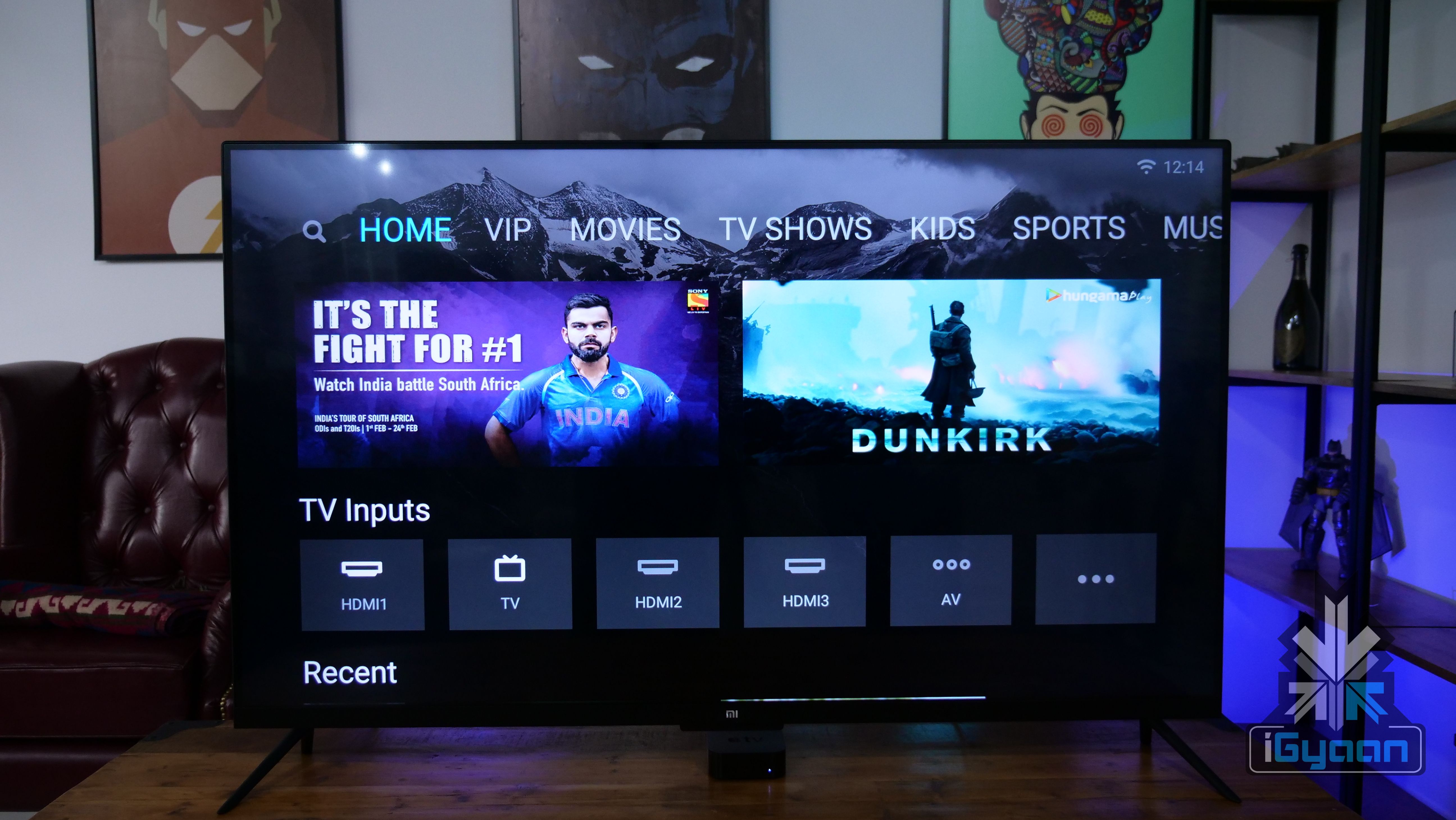
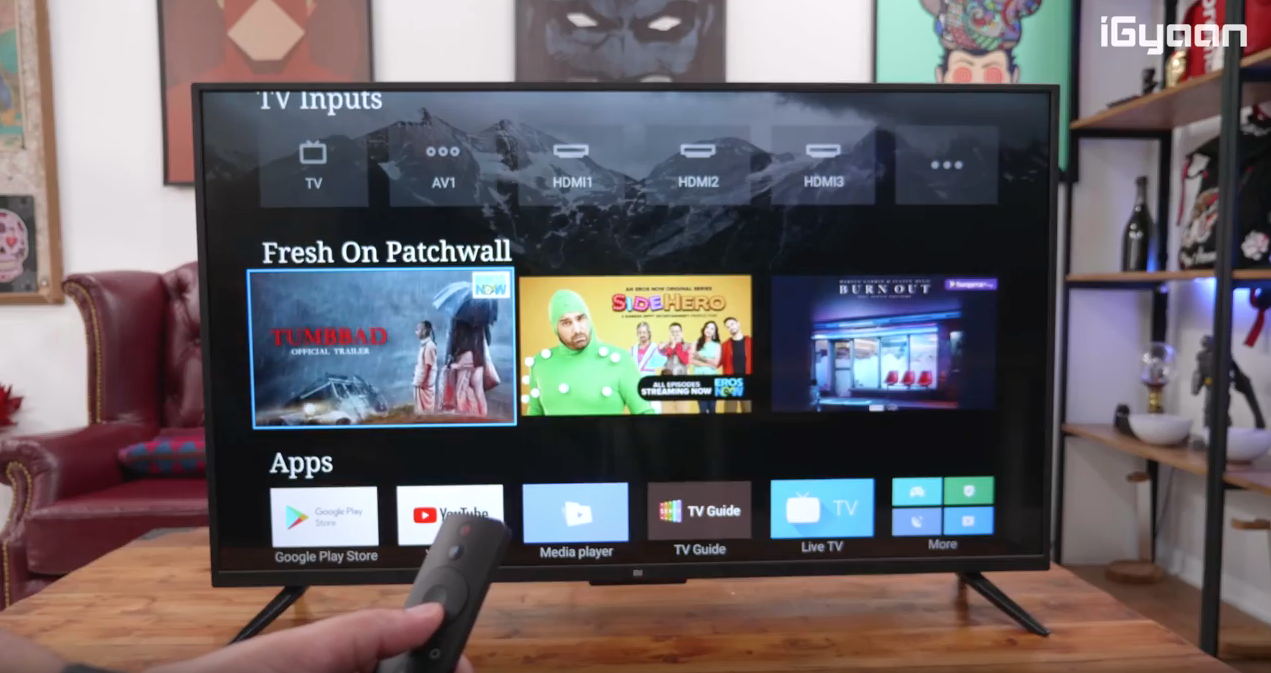
    Recently, Xiaomi launched a series of new LED Smart TVs, including a 4K variant. The smart TVs run on Android Oreo out of the box. They feature Google Play Store, Youtube and other Google Apps. The devices also have Chromecast built-in and Google Home support. Also featuring on the devices is an advanced voice search which lets you search for content on both online and offline channels. The devices will also receive Amazon Alexa support in sometime.

    The new TVs are available in 32 inch, 49 inch and 44 inch sizes and start at Rs 14,999. Click here for more information about the TVs.

    Xiaomi leads the country in terms of Smartphone sales, fitness wearable sales, power bank sales and now, Smart TV sales. From what stared as an entirely online brand, Xiaomi has grown rapidly and now aims to open 100 Mi Home stores in India by the end of this year.

  • Apple Buys Shazam For $400 Million, Plans To Make It Ad-Free

    Apple Buys Shazam For $400 Million, Plans To Make It Ad-Free

    Apple has completed the process of acquiring Shazam, the popular music identification app. The deal closed at $400 million. With the deal, Apple also made the promise to users to make the app ad-free.

    Shazam rose to popularity for its ability to identify songs playing in the background. This includes songs that may be playing on your radio, in a bar, or anywhere around you. The app only needs to listen to a fragment of the song. It can then provide you the name of the song, the artist and even the lyrics.

    Also read: Apple To Increase Shipments Of iPhone XR Due To Higher Demand

    Over the years, Shazam added a host of other features such as the ability to identify films and TV shows as well. It also uses AR features where branded codes can be scanned to unlock deals. Apple said that the app has always been one of the favourites and was in fact one of the first apps to be available on the App Store. It also added that Shazam has been downloaded over 1 Billion times in the app store.

    It is also known that Shazam has been integrated into Siri. When a user asks Siri to identify a particular song, Siri goes to Shazam’s database to find out. It can be expected that with this move, we can see a deeper integration of the app into Siri and a higher usability.

    This does not mean that Shazam will drop its support for Android. The statement by Apple says that the app will be ad-free for ‘all users’ which means that we will see continued support for Android.

  • YouTube To Shut Down Its Gaming App In March

    YouTube To Shut Down Its Gaming App In March

    YouTube recently updated its gaming hub to look more like the how YouTube normally looks on a laptop or desktop. Following this, it is going to shut down its dedicated gaming app in March 2019. Most of the features the app used has now made its way to the Youtube page, leaving the app redundant.

    The YouTube gaming app was launched in 2015 by Google to compete against Amazon’s Twitch. Twitch is a popular video game live-streaming site. The reason why Google felt this need can be seen in the numbers. 1.9 billion users visit YouTube every month, out of which about 200 million use the platform to watch other people playing video games. This is exactly what Twitch is built for, exclusively. Therefore, the company wanted to provided a dedicated platform to address the specific needs of gamers.

    The New Hub:

    The New Gaming Hub

    This didn’t work out in the way it was intended, as the company itself feels that the app is now redundant. Users have another alternative, of course.  The new YouTube gaming hub is more suited for users and is built around discovering creators, according to the company. The hub will also integrate more clearly on to the main site.  Another important aspect is that the hub will resemble the YouTube homepage, which users are familiar with and will find easier to navigate through.

    Personalised recommendations based on your watch history will appear at the top along with ‘top live games’ and latest gaming videos from subscribers. It will also include a dedicated slots for live streams and trending videos.

    The company has also worked to  ensure the experience is as good as one gets from Twitch. The entire layout has been changed, to make its easier to access videos. Now, if you choose a certain game, you get a whole lot of options. If one clicks on Fortnite, it will have various shelves such as VOD (Video on Demand), Live, creators, etc which are highlighted.

    The company plans to ensure that YouTube’s biggest user base stays in tact. The rising competition from Twitch has sounded off alarms and a call for action. You can have a look at the new gaming hub here.

  • Samsung Will Merge J Series With A Series, Reorganise Entire Lineup

    Samsung Will Merge J Series With A Series, Reorganise Entire Lineup

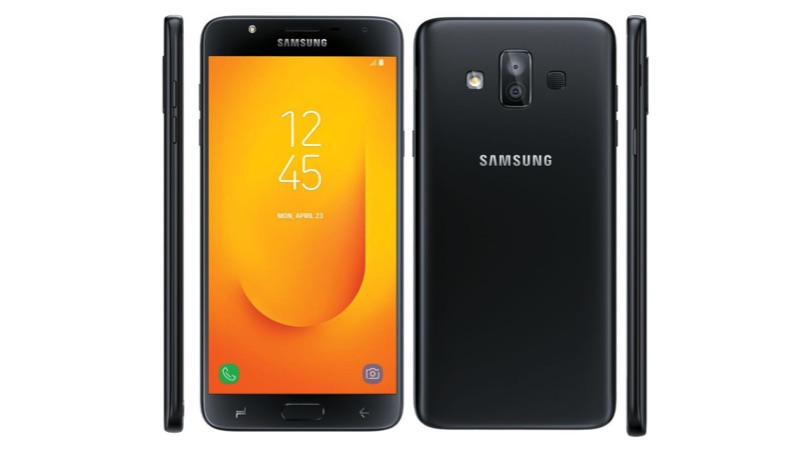
    Samsung is reportedly planning to discontinue its Galaxy J series of smartphones. Instead, it will merge its lesser priced lineup with the mid-range A series. The move is reportedly Samsung’s way to combat the rising competition from Chinese brands in the same price segment.

    The Galaxy J series is the budget lineup that the manufacturer provides. It will merge it with the A series, which will then cover the entire segment. Apart from this, Samsung is also planning to replace its Galaxy On series with a new Galaxy M lineup. The Galaxy M series will target the budget smartphone segment which is currently ruled by Chinese manufacturers.

    Also Read: Samsung Opens World’s Biggest Experience Centre In Bengaluru

    Galaxy J7 Duo

    Galaxy J7 Duo

    Samsung had taken a hit on sales in the budget smartphone segment. Most consumers believed that the company did not price the devices well. The new Galaxy M series will be priced competitively. This could mean that the manufacturer will experience a slight turbulence in its profit margins. However, this step could ensure that Samsung remains at the top where it matters the most.

    Samsung’s New Move:

    Xiaomi overtook Samsung to become India’s top selling brand recently. Though Samsung still continues to hold the top position in the global market. This is threatened by Huawei which is quickly climbing up the global market share. Brands like Huawei and Xiaomi are able to make such great sales by targeting the most important smartphone markets. China and India. China is currently the worlds biggest smartphone market, with India at a close second. India is the world’s fastest growing market and will soon overtake China, according to reports.

    Samsung’s move can turn it around for the company. By targeting the Chinese and Indian markets, the company may be able to report better sales. If the devices are priced smartly and devices with popular features are produced, these markets will react very well. The change in lineup, the setup of the world’s largest factory and world’s largest Samsung store in India really shows the effort that the company is putting into the country to ensure its market relevance.

iGyaan Network
Privacy Overview

This website uses cookies so that we can provide you with the best user experience possible. Cookie information is stored in your browser and performs functions such as recognising you when you return to our website and helping our team to understand which sections of the website you find most interesting and useful.