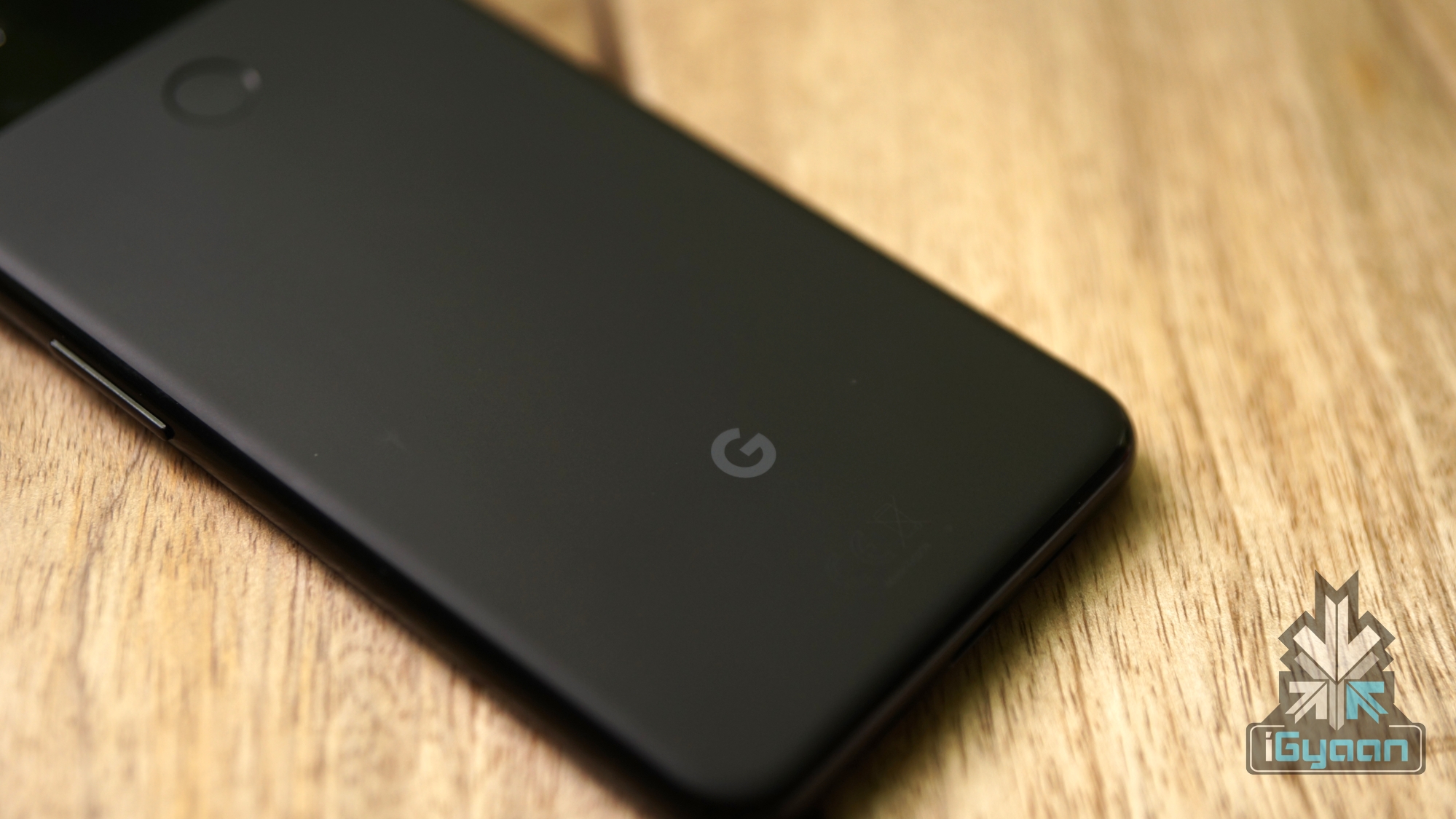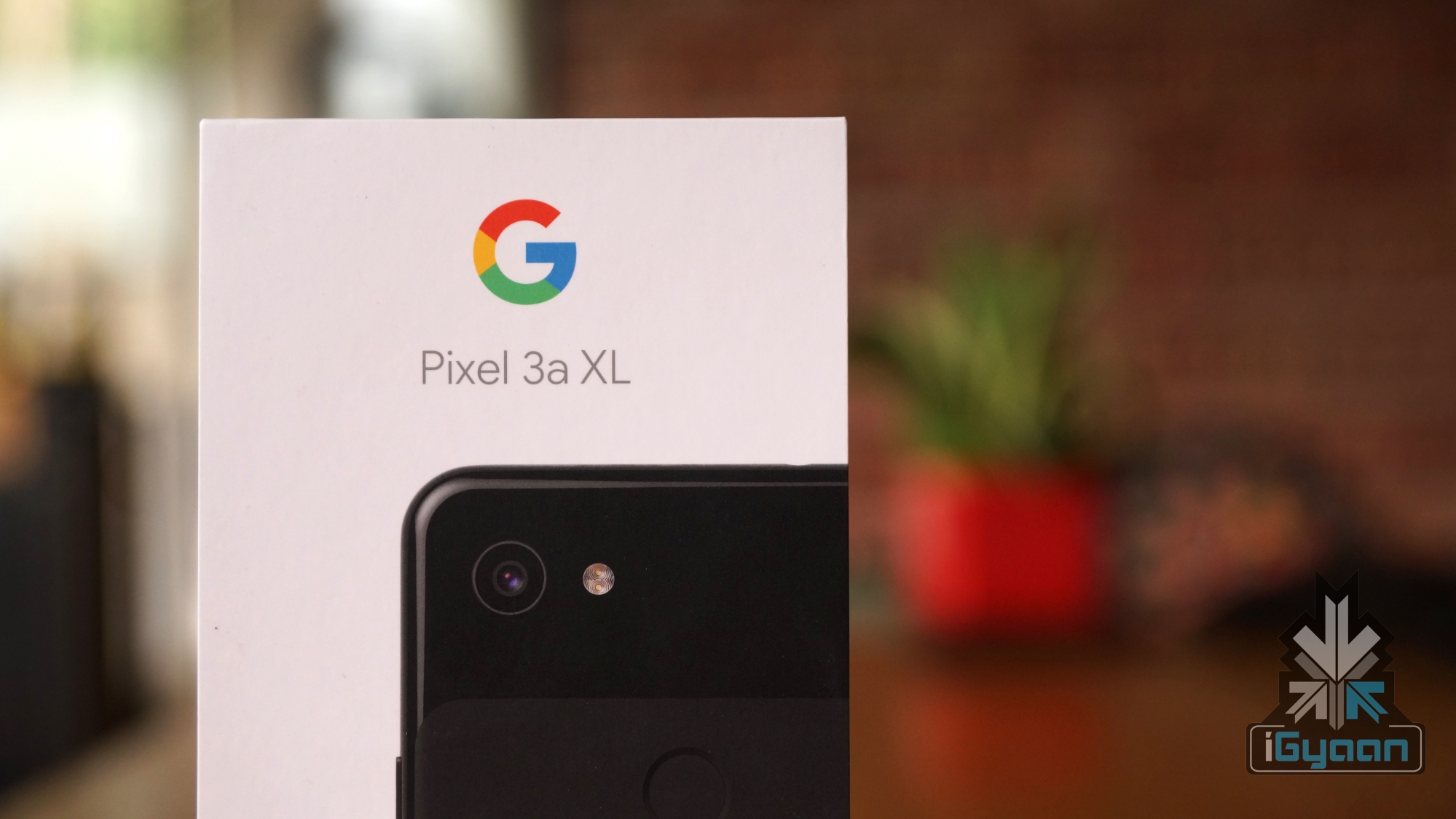
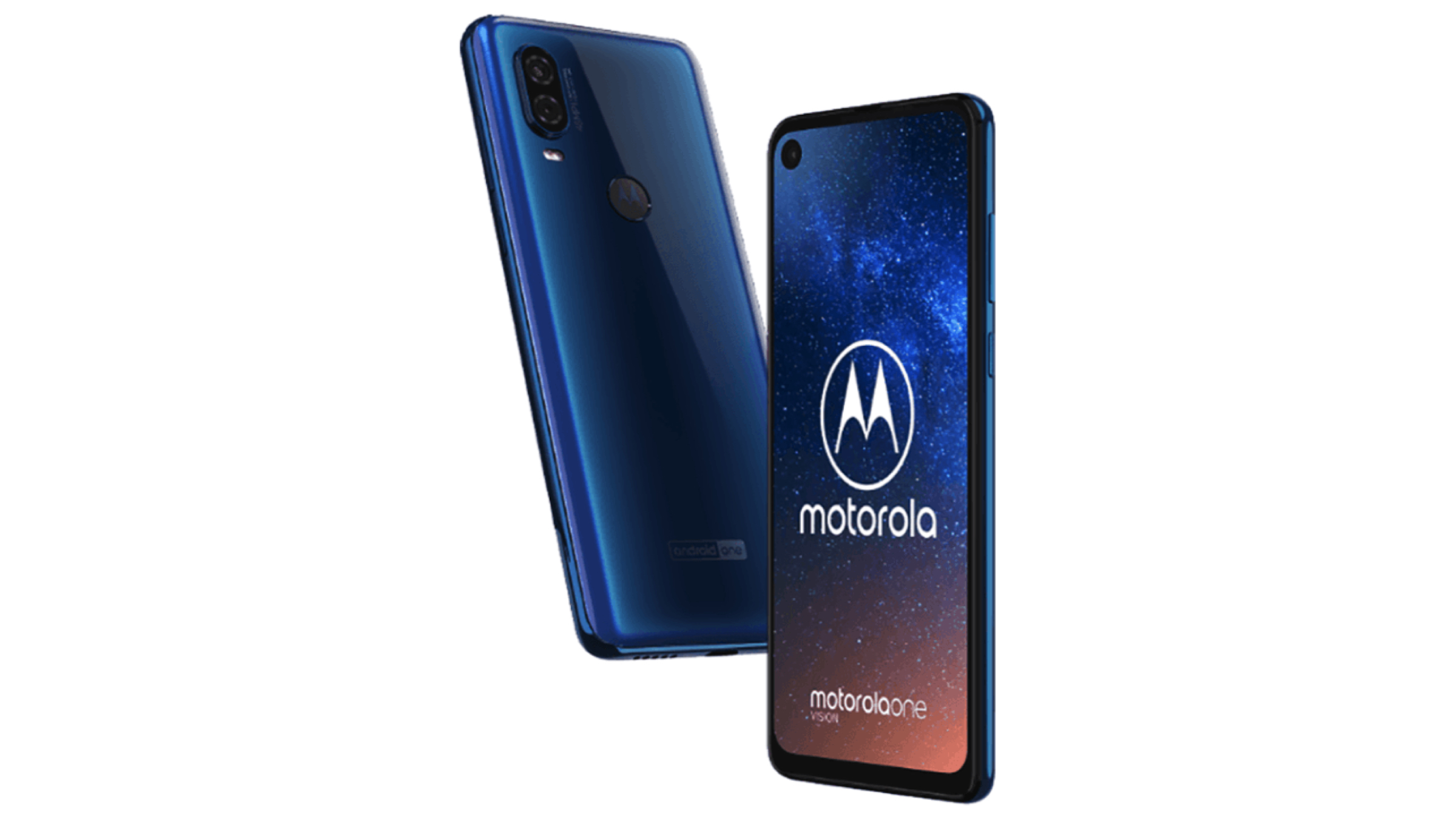
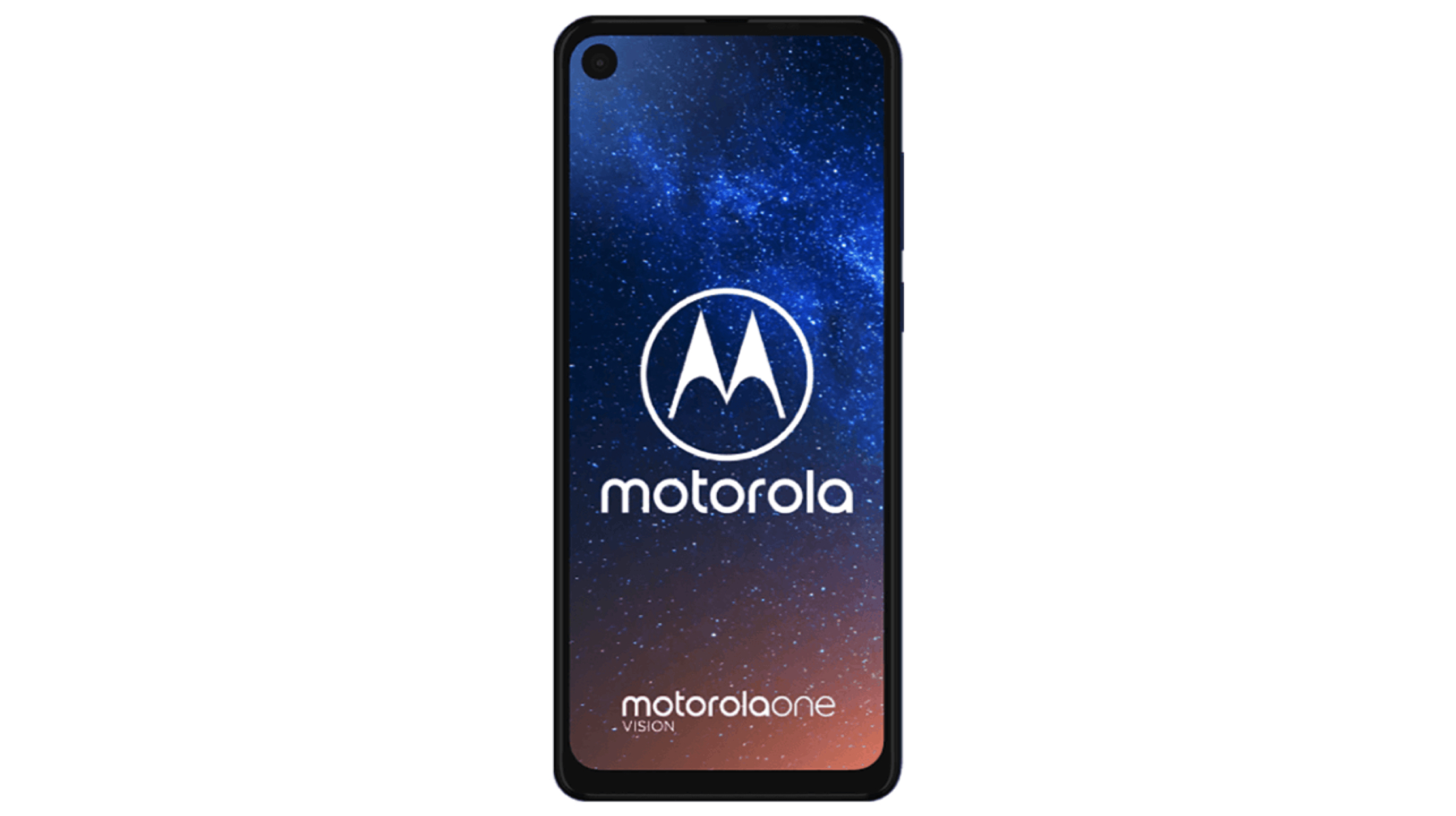
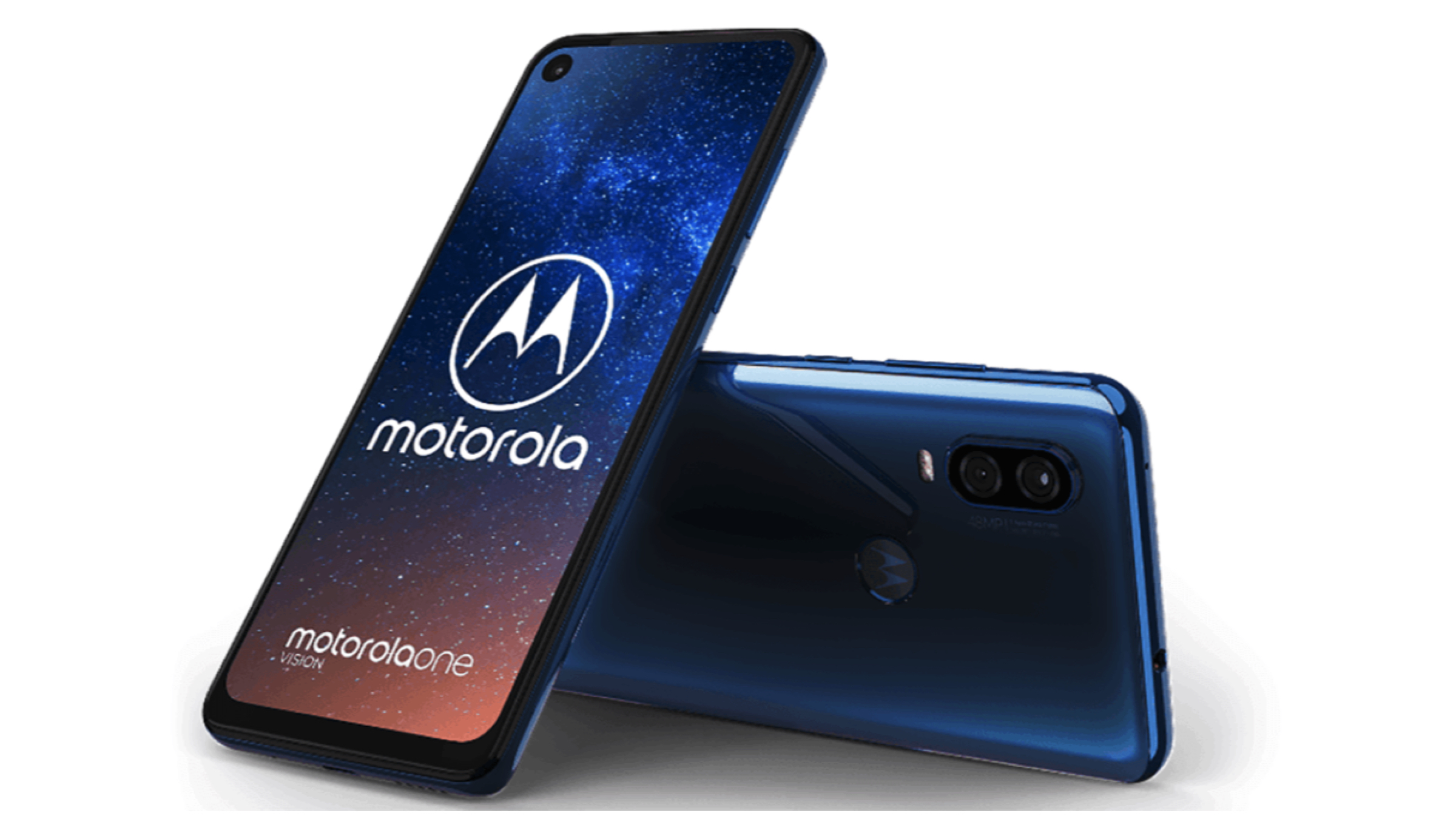
Google launched its latest smartphones, the Pixel 3a and Pixel 3a XL on the 7th of May at the Google I/O 2019 developer conference. The devices are the watered down variants of the company’s flagship offerings, the Pixel 3 and Pixel 3 XL. The newest smartphones boast of similar software and camera experience as their elder siblings albeit with a few compromises in the hardware department. It was also believed earlier that Google, who announced the latest Android Q Beta at the same event; will make it available for the Pixel 3a series as soon as its elder siblings. However, the company has announced that will not be the case; and the smartphones will get the update by the month of June.
Pixel 3a Android Q Beta
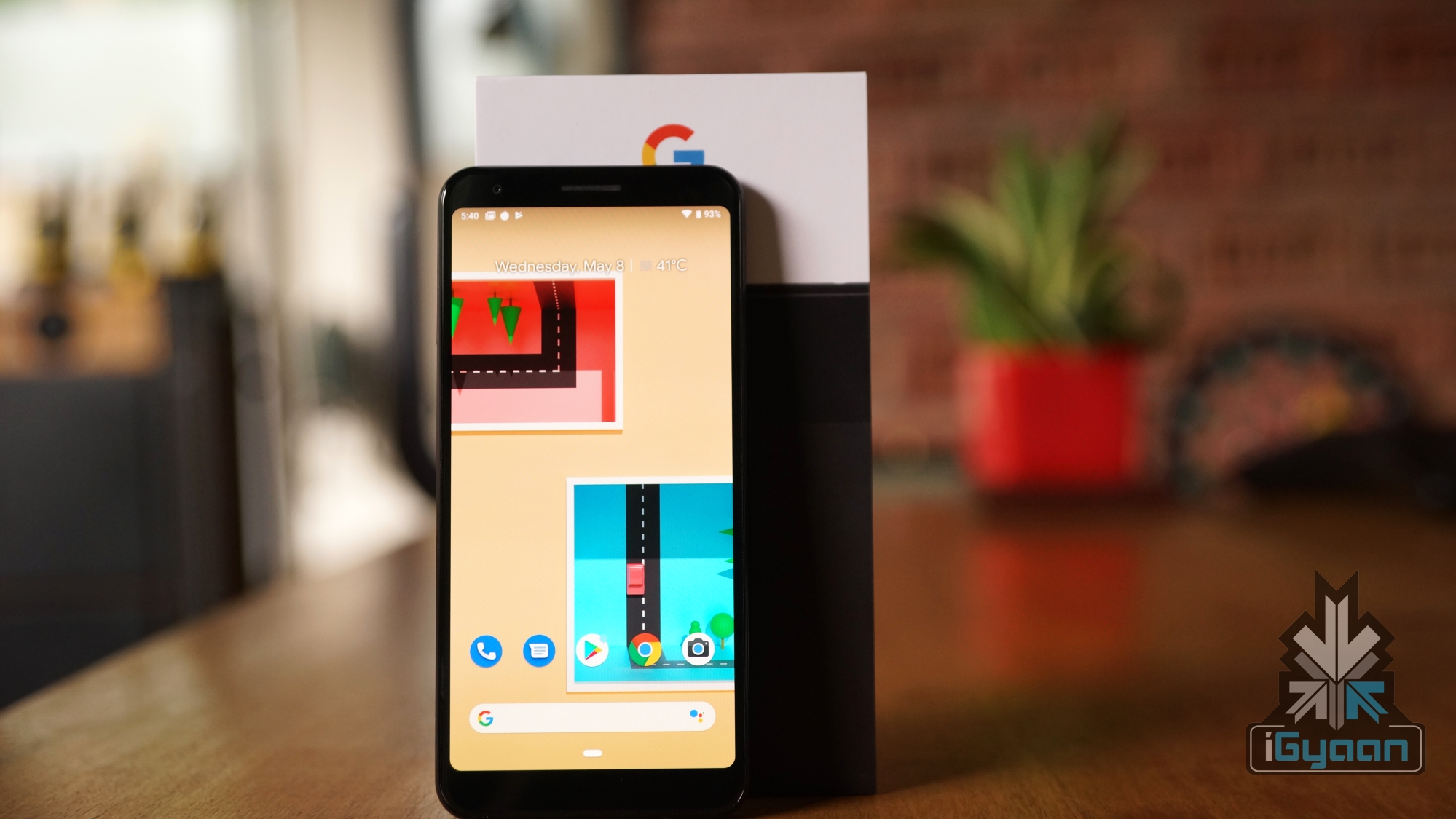
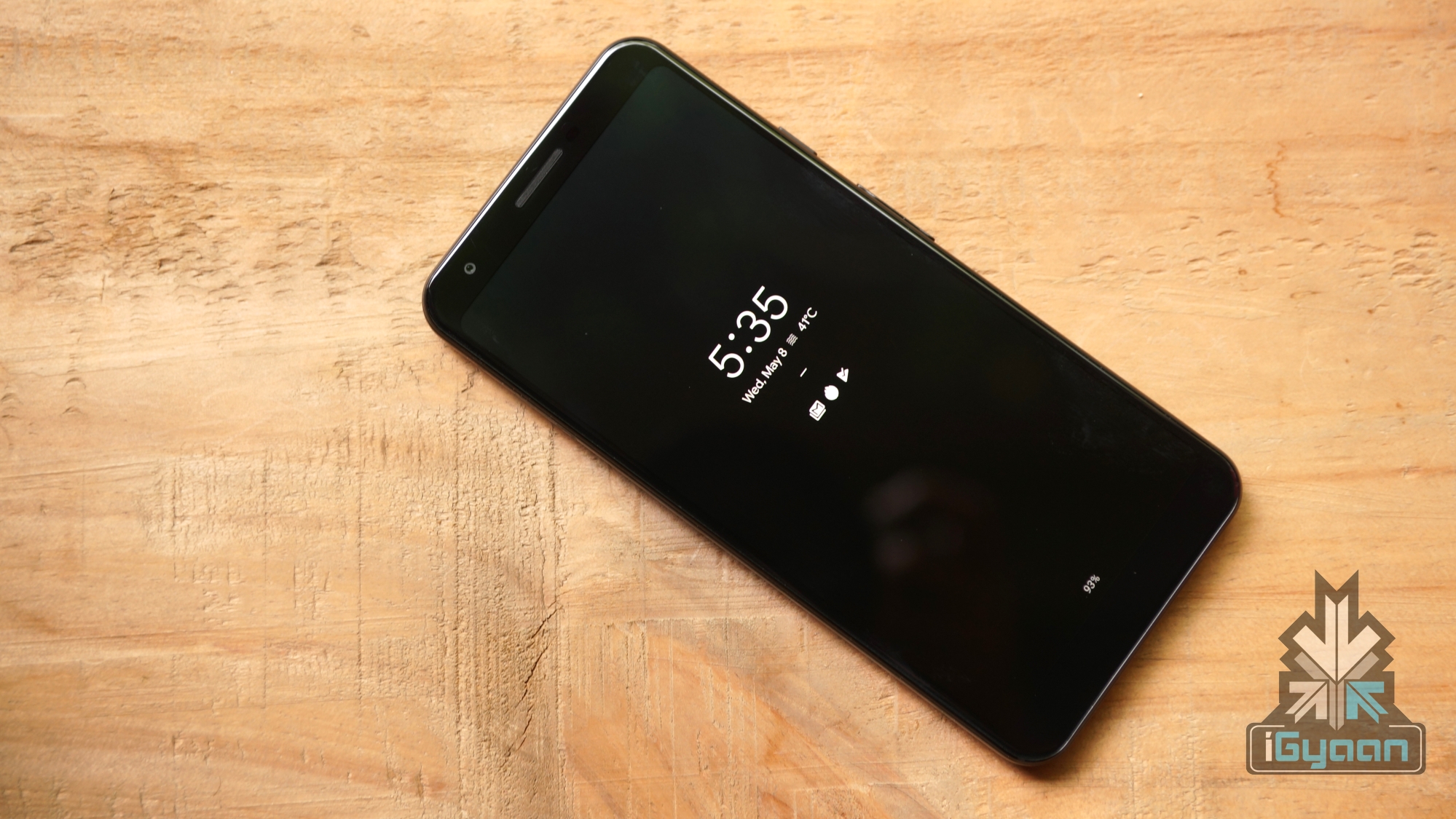
The Android Q Beta update can be installed on any Pixel smartphone or one from 21 different OEMs by signing in to the Android Beta Program. It was expected that the Pixel 3a series; soon after its launch will support the said software update, but as mentioned above that is not the case. Notably, the latest devices feature the March security patch; which may be surprising considering Google released the May security update a week ago. The company claims the handset will be directly updated to the June security patch via an Over The Air (OTA) update next month.
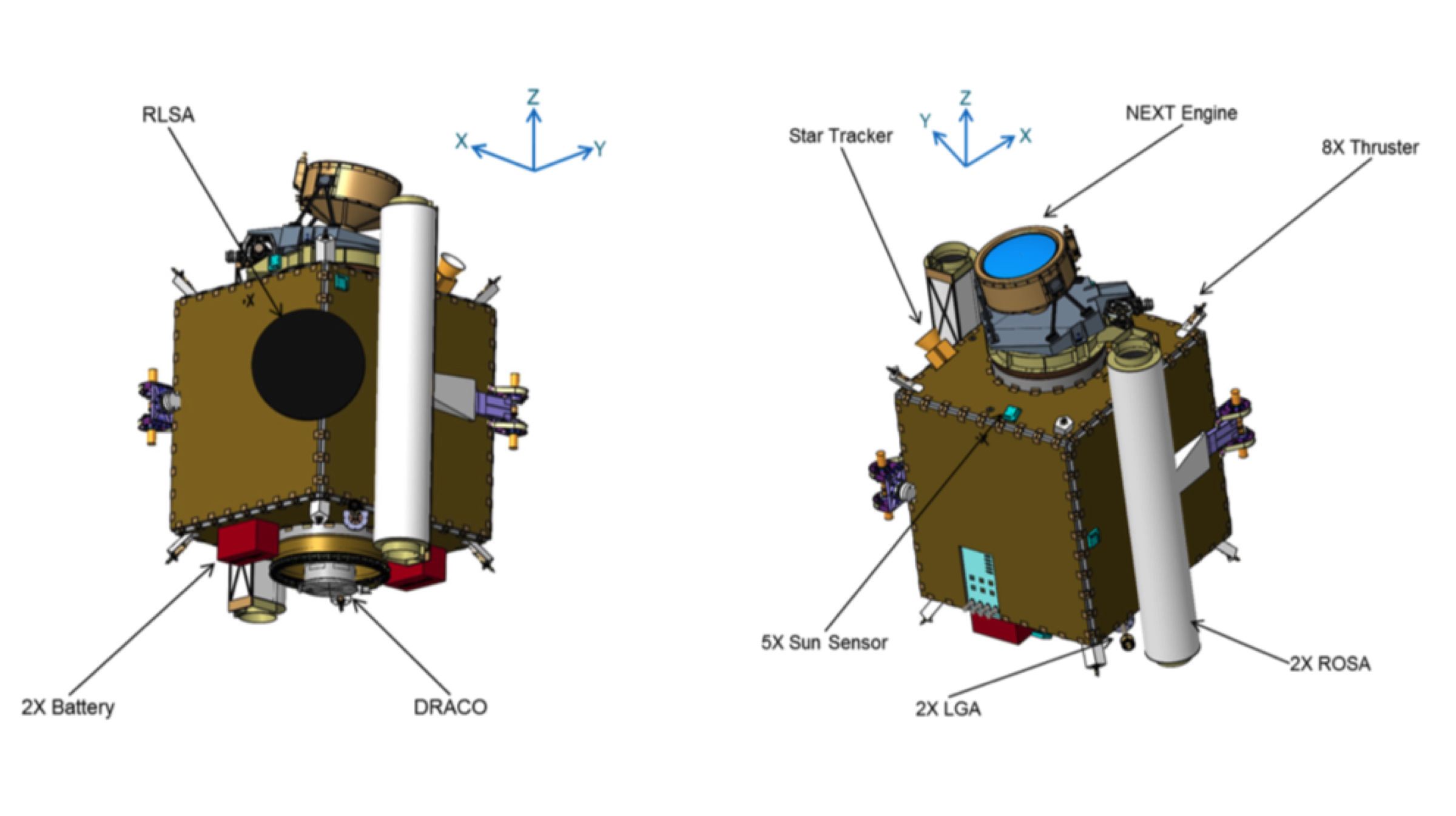
Also read: NASA To Crash A Spacecraft Into An Asteroid In 2022
Despite being mentioned on the website that the Pixel 3a series will be supported for Android Q Beta in June; some reports of the smartphone owners already installing the update has surfaced. This is seen as an oversight on Google’s part and expected to be fixed shortly. The news of the new devices not supporting the latest software update; nor being on the latest security patch is a big deal as Pixel handsets are known for the software experience and always staying up to date. It may create a decrease of trust amongst buyers of the company’s hardware in the future.





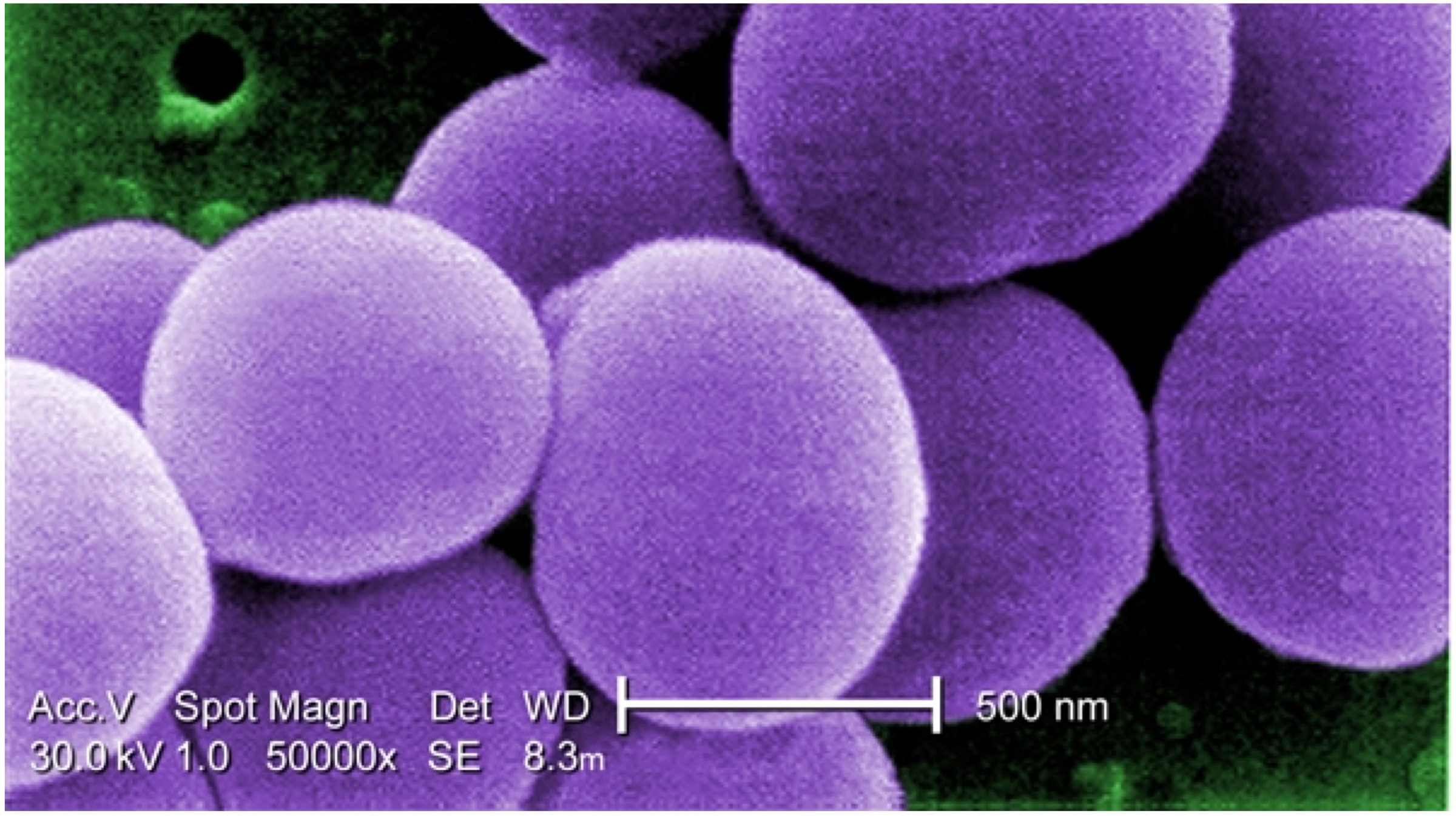
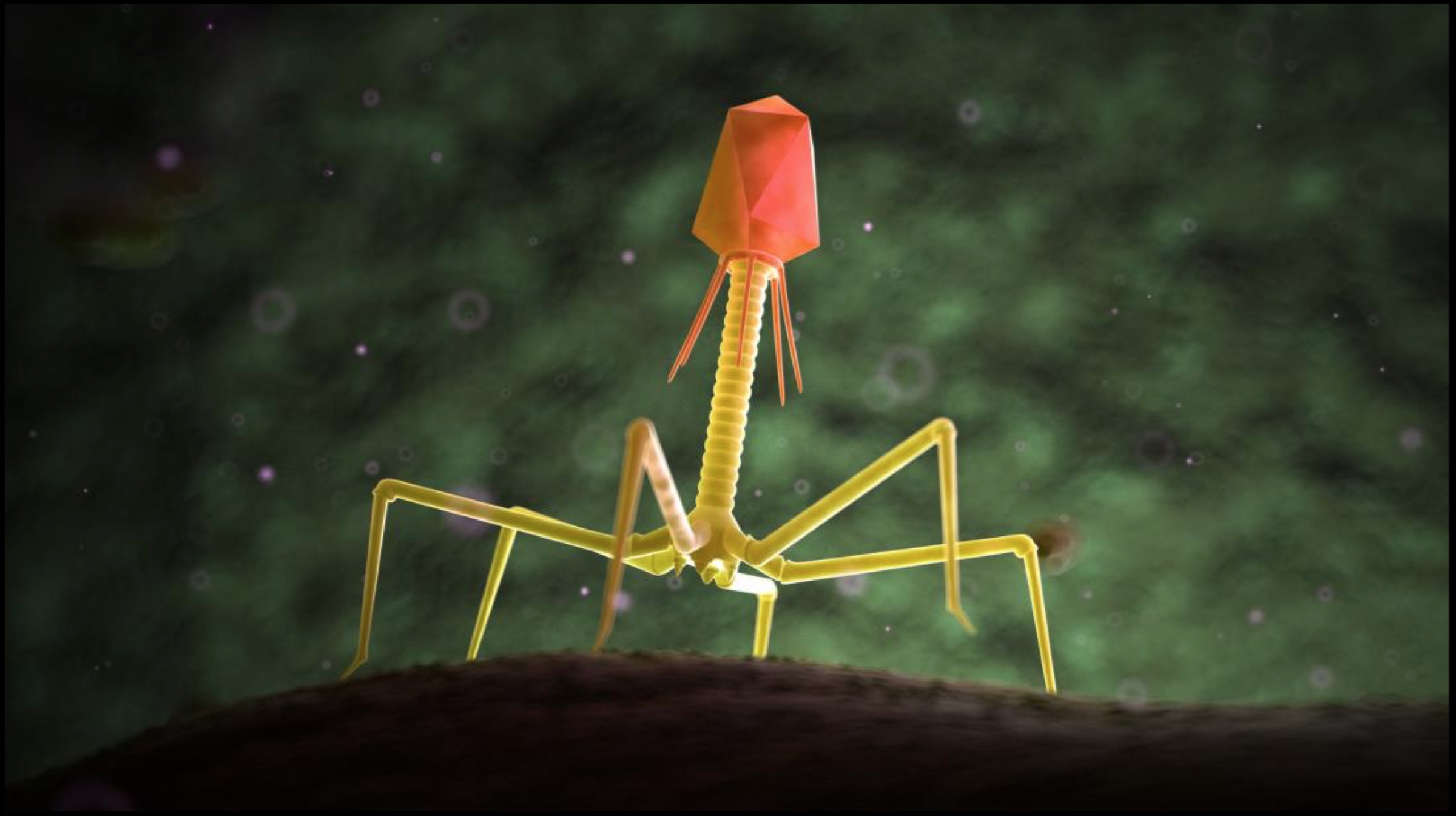 Researchers at the University of Pittsburgh in Pennsylvania and Howard Hughes Medical Institute (HHMI) in Chevy Chase have put forward evidence that suggests that a category of viruses known as “bacteriophages” can be the solution to antibiotic-resistant bacteria. These bacteria-eating viruses target and kill a variety of strains of bacteria that cause infection. An interesting fact to note is that there are an estimated 1031 bacteriophages on this planet, and different phages target different bacterial strains.
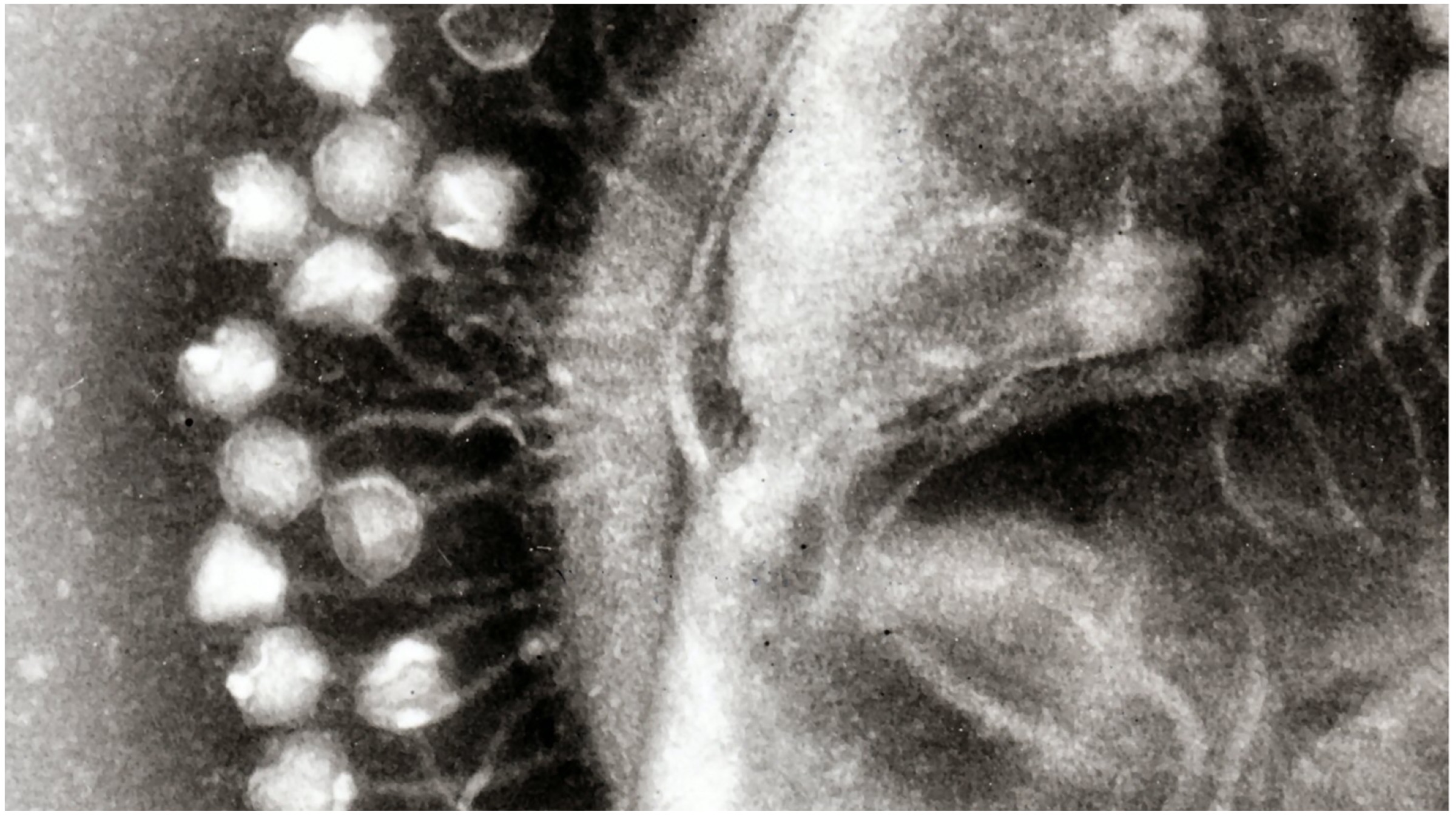 Using bacteriophages (or simply phages) to ward off infections is not a new idea at all. In fact, researchers from Britain, France and Russia were involved in similar investigations since the beginning of the 20th Century, which are proving to be fruitful just now owing to the advancements in research techniques. The “bacteria-attacking” technique was implemented in 2017, where a team of scientists lead by Professor Hatfull achieved a feat nothing short of a miracle.
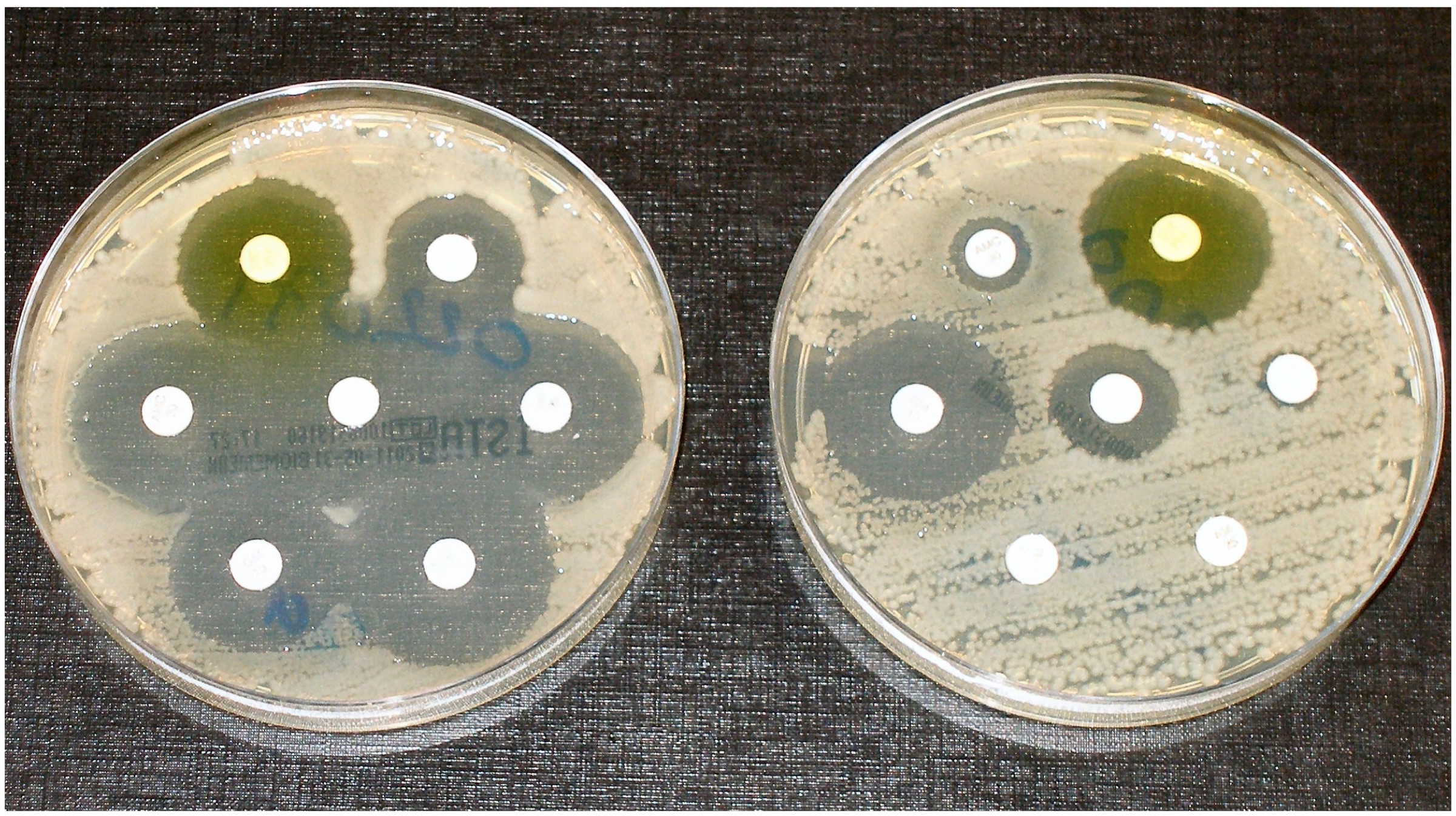 The team of scientists were able to treat an infection experienced by a 15-year-old patient with the help of carefully chosen phages. The patient suffered from cystic fibrosis, which increased the risk of infections because of a buildup of thick mucus in the lungs (and other organs). Moreover, the genetic condition is virtually incurable. After a double lung transplant, it was detected that the patient’s surgery wound was reddened because of a liver infection. Another patient with a similar condition also developed an infection after his surgery. When the infections showed signs of resistance to antibiotics, the scientists decided to use bacteriophages to kill the concerned bacteria.
 Also Read: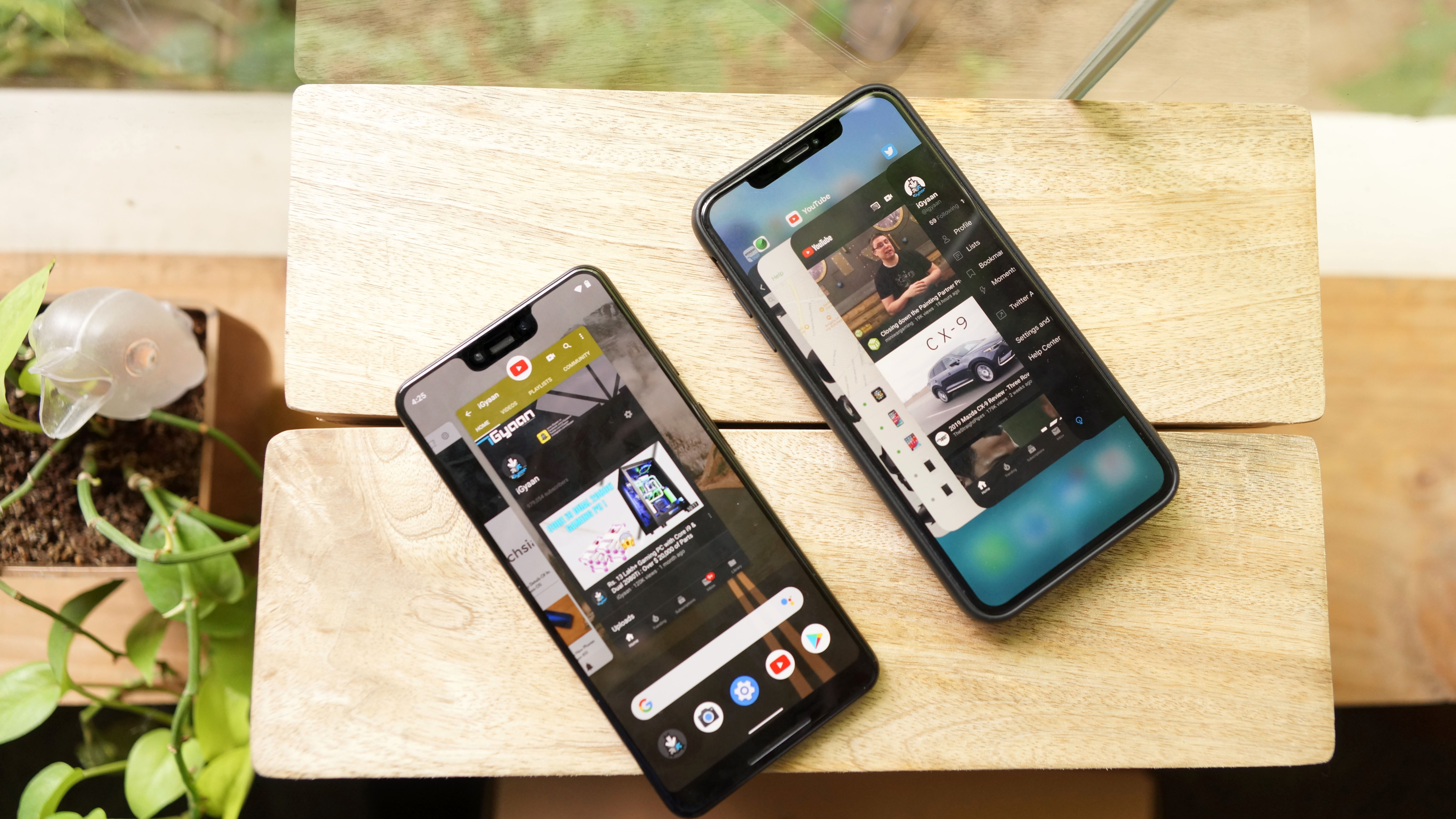
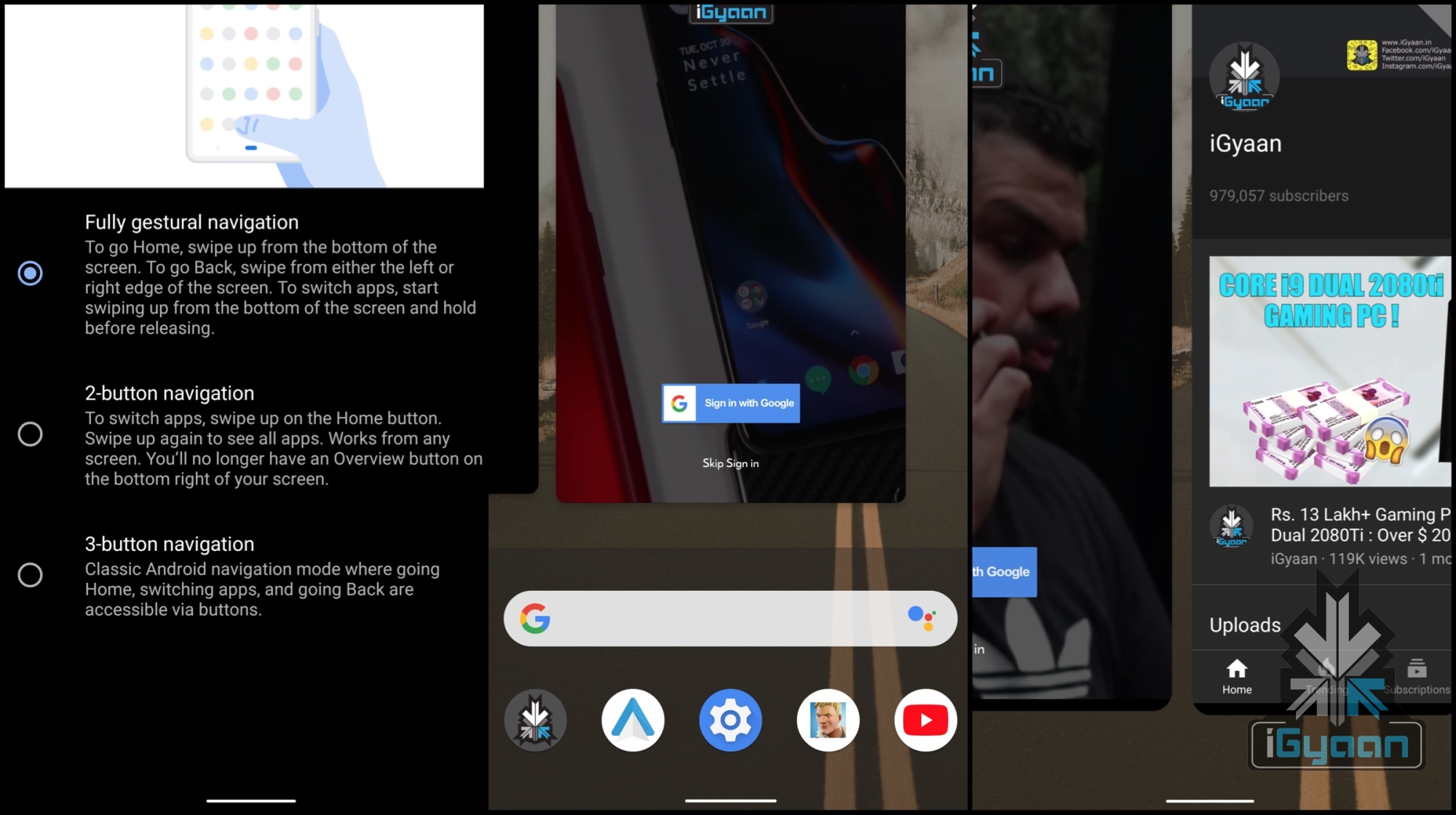 The Product Manager for Android clarified the underlying situation by saying that Google is solely encouraging OEMs to use the new navigation gestures. Since Gesture Navigation can be troublesome to incorporate with previously existing gestures, the company does not want this to be a bigger challenge for developers. He further added that Android has always been about choice, hence the company plans to keep it that way. Android Q will still include the original 3-button navigation bar, which was previously removed from Pixel 3 smartphones running Android P.
  Also Read:



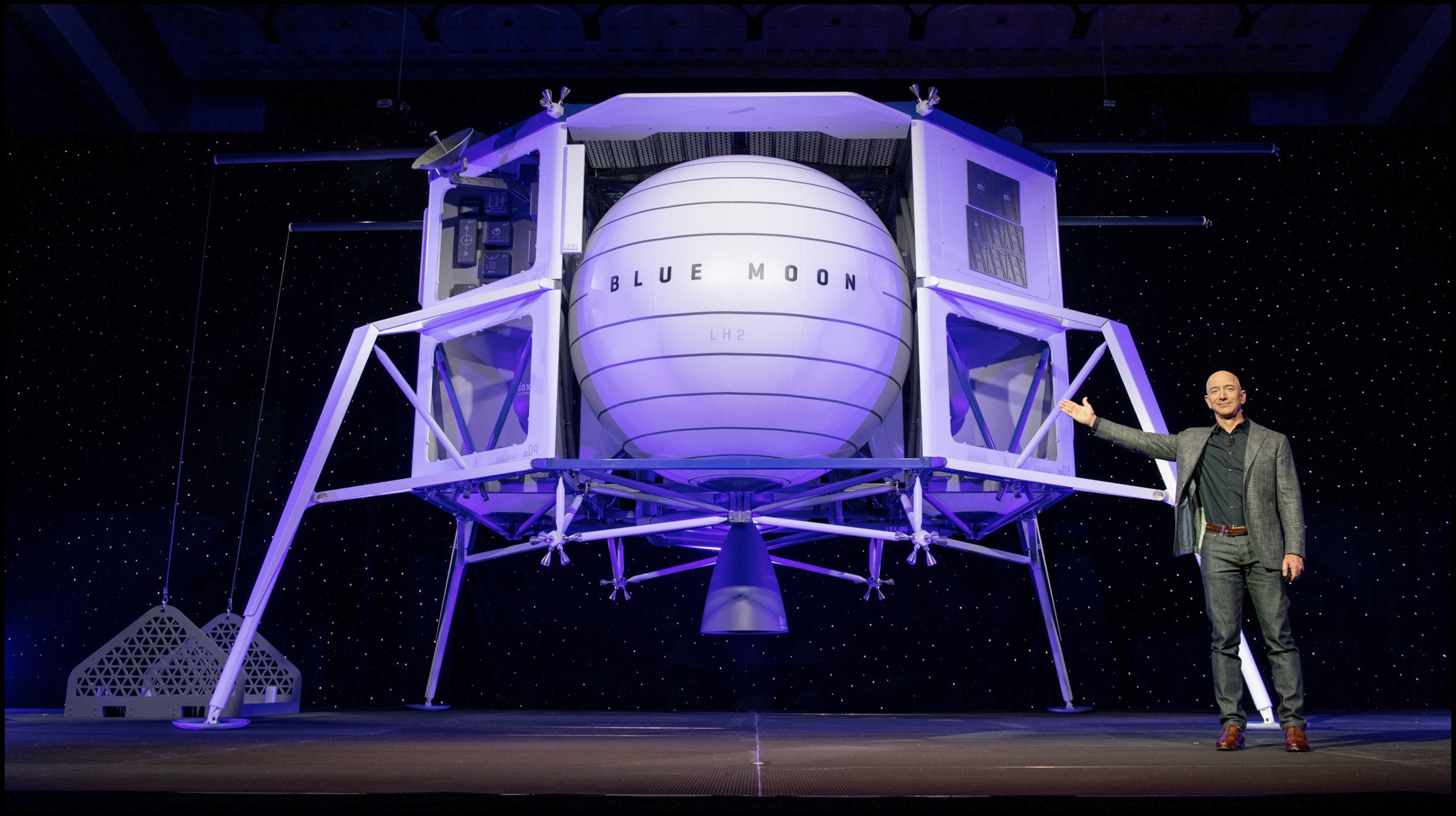
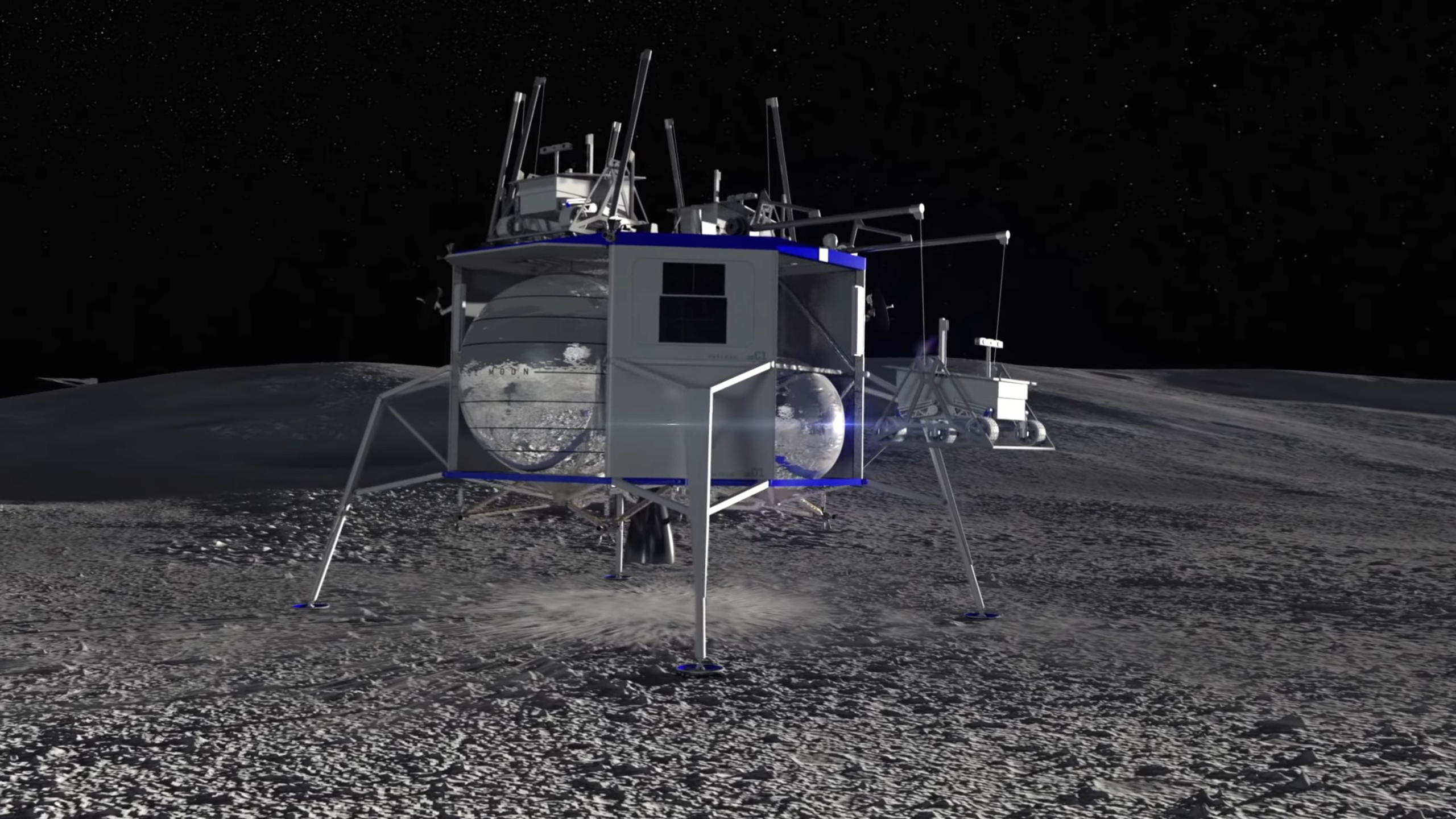 Known as the Blue Moon, the lander will be capable of autonomous space navigation. It will be able to perform soft landings on the surface of the moon while carrying payloads weighing between 3.6 and 6.5 metric tons. This implies that the Blue Moon will be able to carry a total of 4 large rovers simultaneously. This is a small part in a much larger plan to analyze the resources and the surface of the moon.
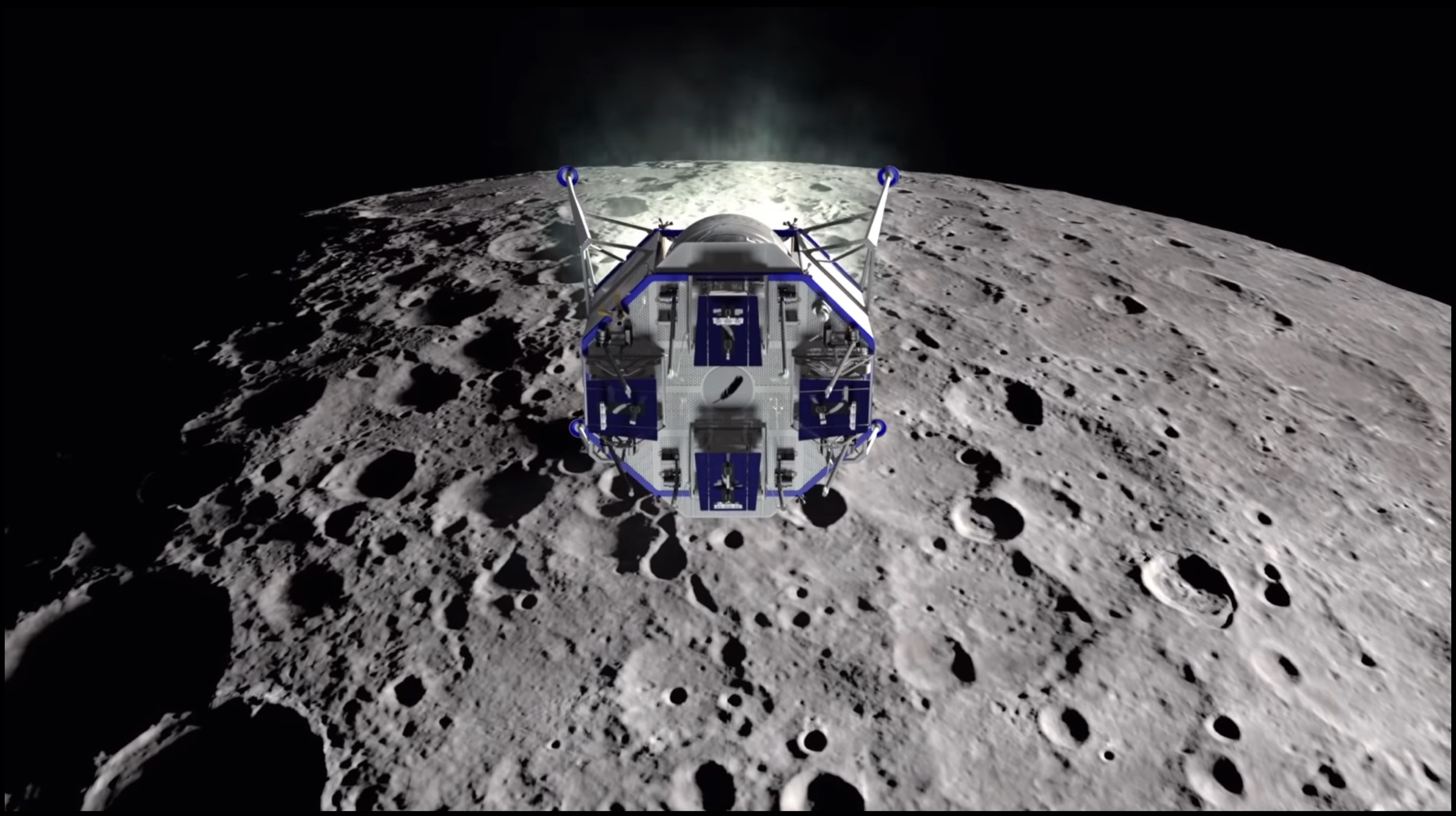 The richest man on the planet plans to instate American astronauts on the South Pole of the moon in the next 5 years. The
  Also Read: