Category: Apps and Software

Games, Apps, Softwares, Operating Systems and Software Hacks

  • Xiaomi Mi A1 Android 8 Oreo Rollout Suspended

    Xiaomi Mi A1 Android 8 Oreo Rollout Suspended

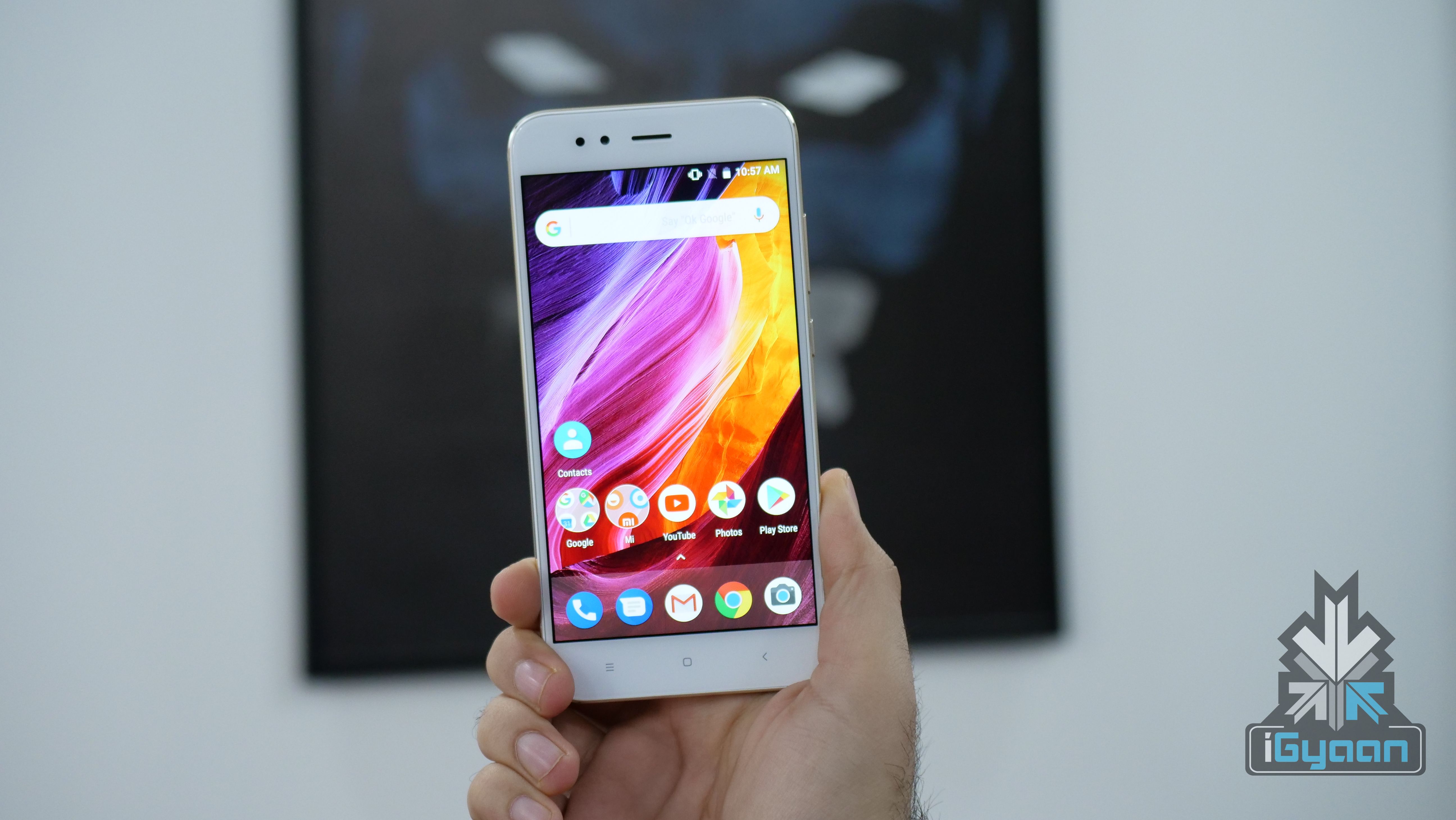
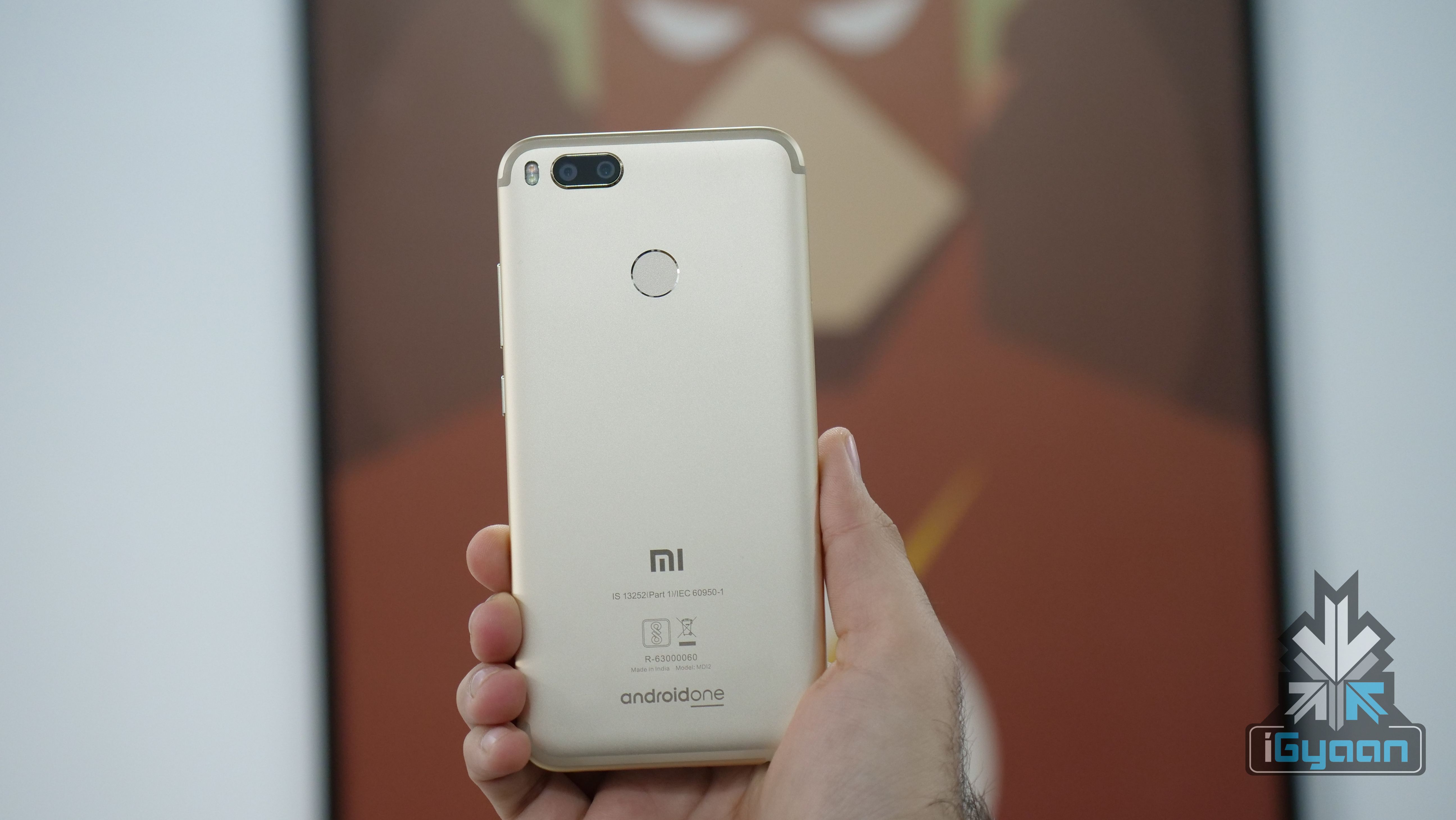
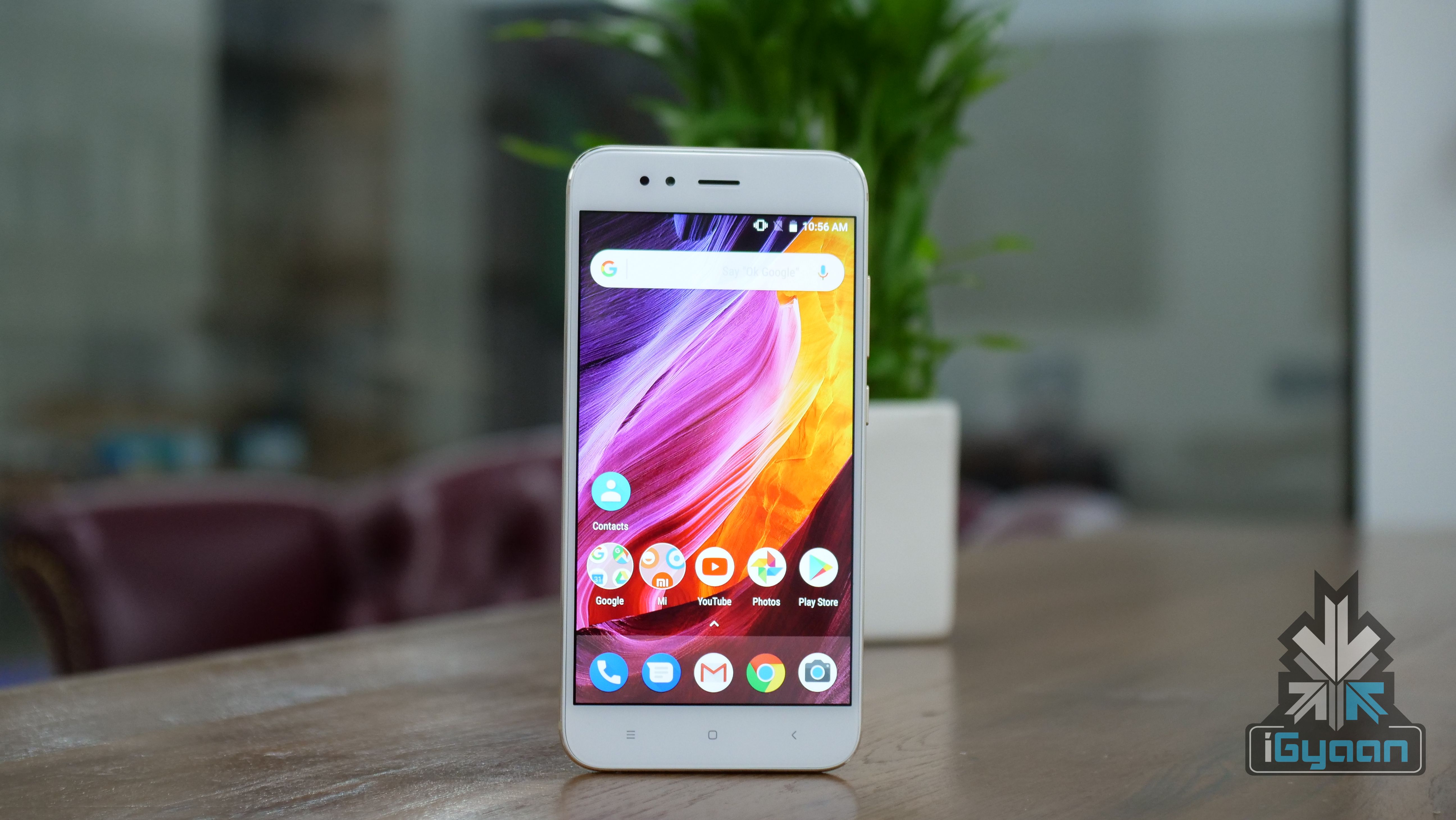
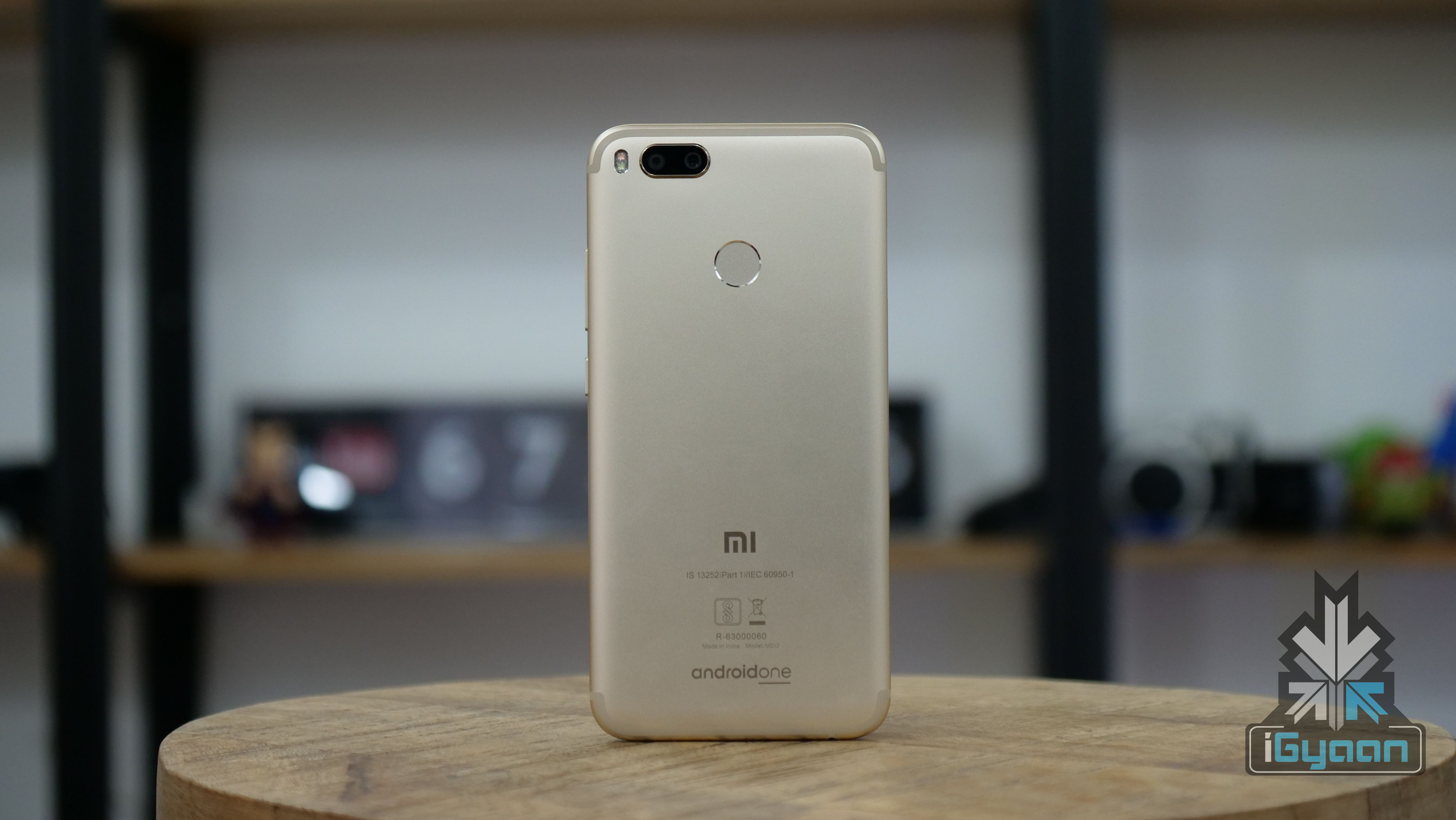
    Xiaomi launched the Mi A1 back in August of 2017 with stock Android 7.1 Nougat. This was the first instance of a Xiaomi smartphone running stock OS out of the box and the company promised an update to Android 8 Oreo by the end of the year. Technically, the company delivered on the promise and released the first software update to Android 8.0 Oreo on the 31st of December.
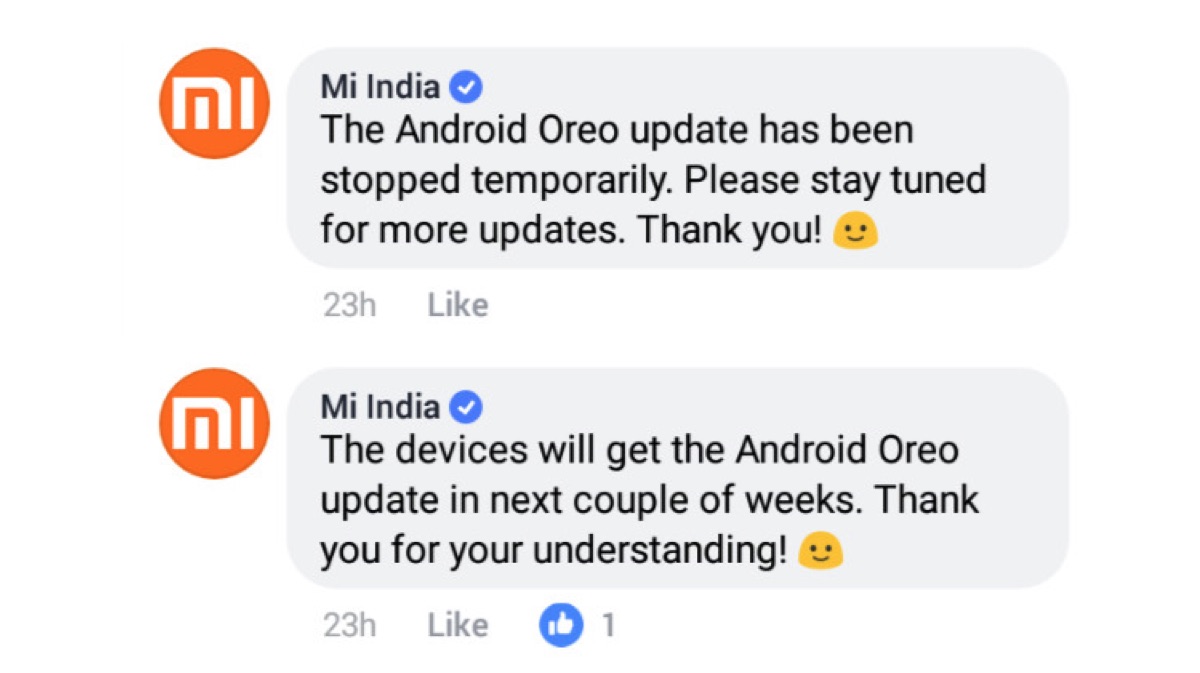
    However, Xiaomi has now suspended the rollout of Android 8 Oreo owing to a lot of users complaining about performance-related issues. Users have complained about issues pertaining to an unresponsive camera and dialer app, battery drain when Bluetooth is turned on, unresponsive ambient light sensor and recent app button.
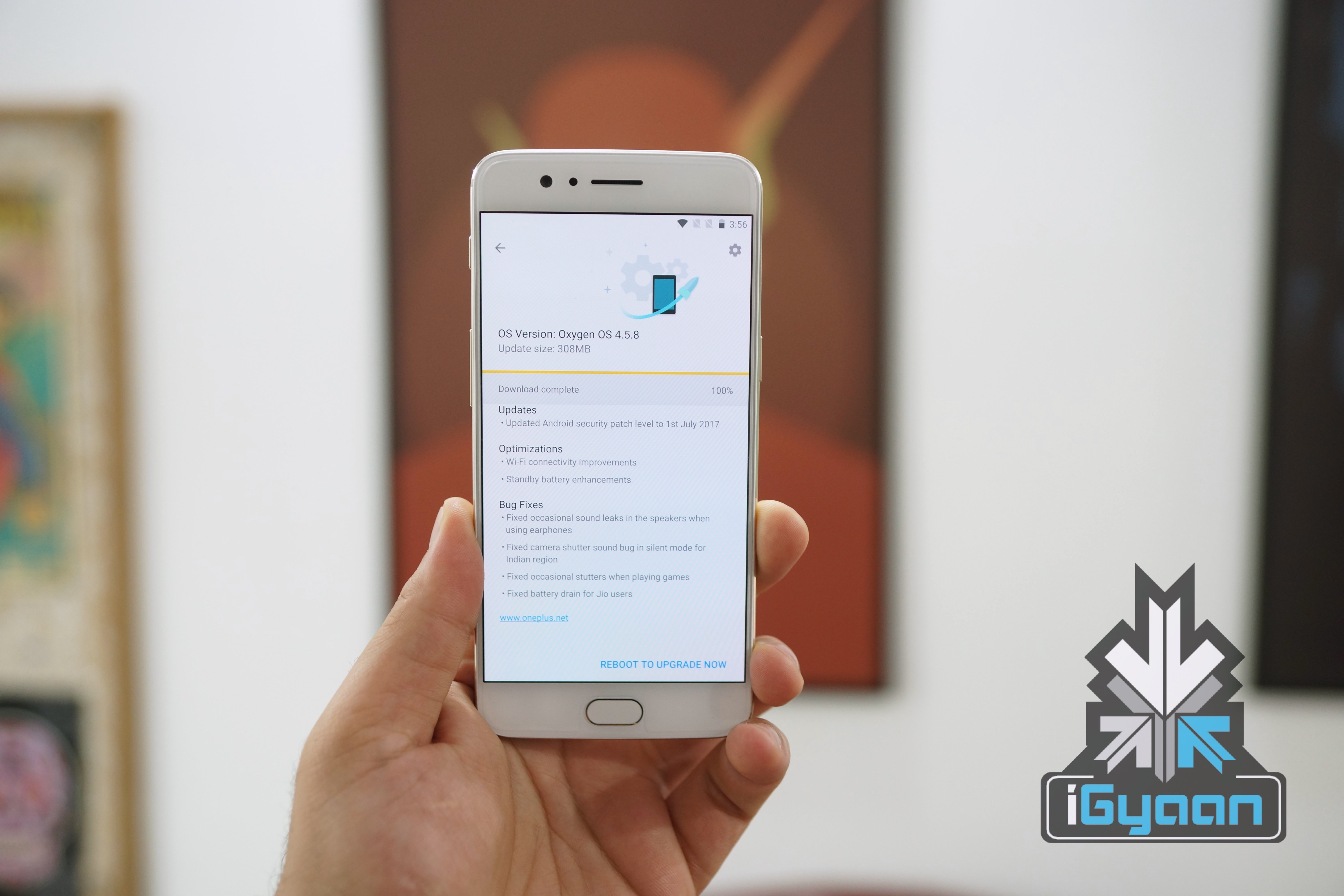
    Xiaomi isn’t the first company to suspend the Android 8 Oreo update. OnePlus had to recently halt the Android 8 Oreo update for the OnePlus 5 devices due to performance issues reported by users. However, the issues were fixed soon and the official rollout resumed a few days ago.

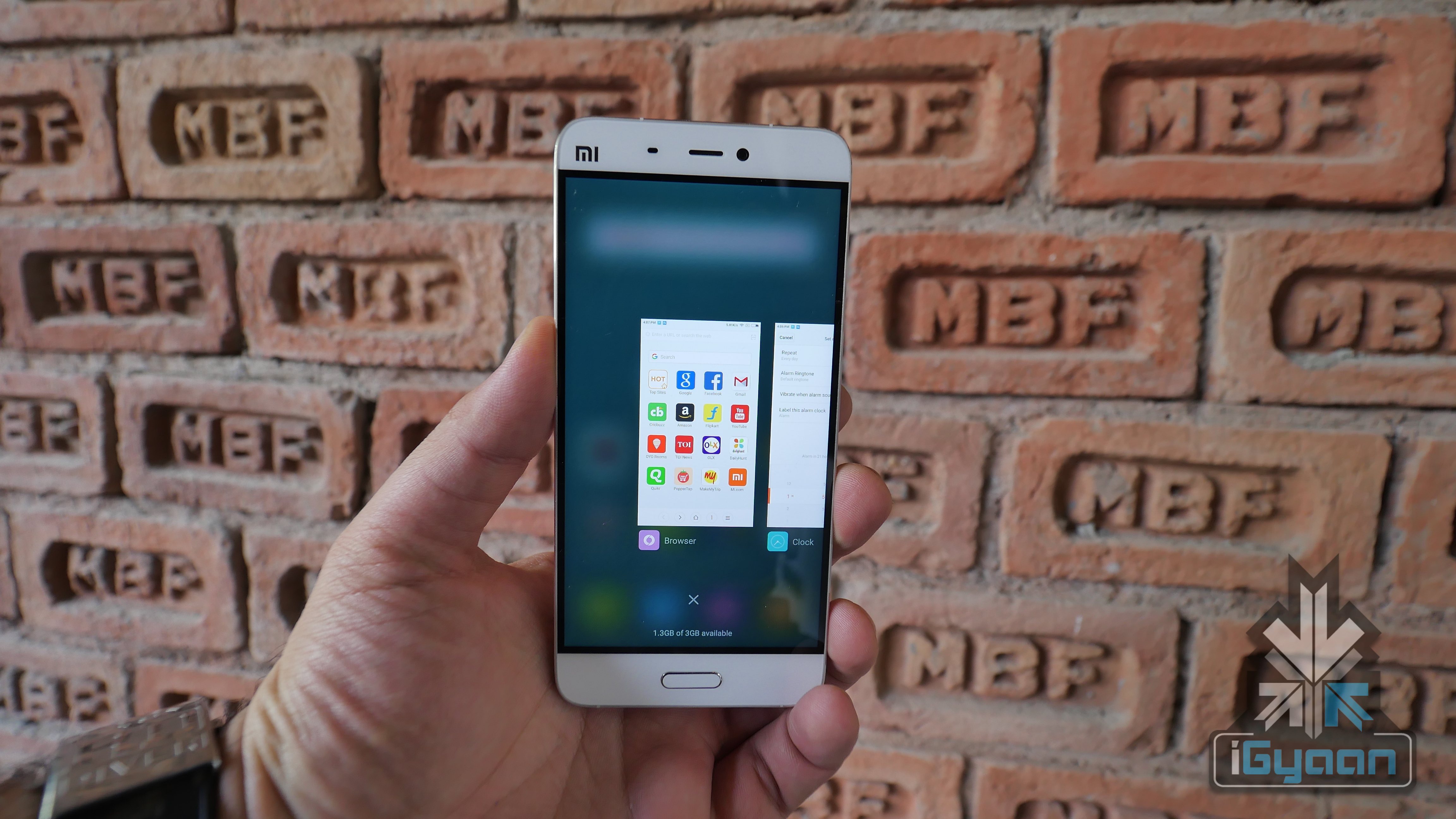
    The Mi A1 has a 5.5 inch 1920 x 1080 px LTPS display with Corning Gorilla Glass 3 on top for protection and aluminium unibody build.

    The smartphone has the Qualcomm Snapdragon 625 chipset, 8x ARM Cortex A53 2.0GHz 64-bit processor, 4GB RAM and 64GB of onboard storage which is expandable via microSD card. Handling the graphics under the hood is the Adreno 505 GPU. The Xiaomi Mi A1 has an IR blaster to control appliances in your home or office. The fingerprint sensor sits at the back of the device below the camera.
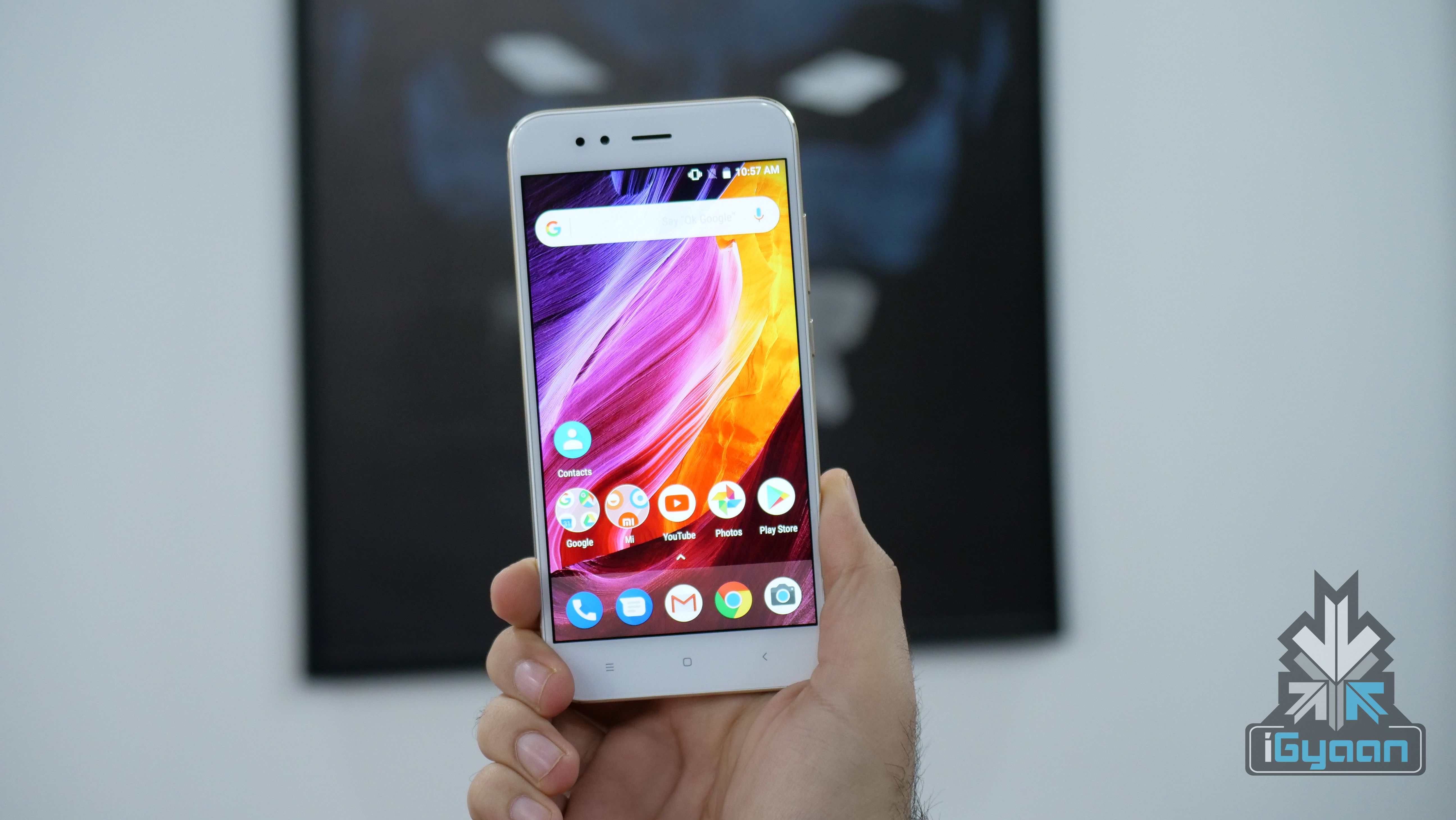
    Powering the device is a 3080 mAh battery and 2A charging through the Type C port.

    The Xiaomi Mi A1 has a 12MP equipped with a wide-angle lens with an f/2.2 aperture while the other one is a 12MP telephoto lens with an f/2.6 aperture. For landscape shots, Xiaomi has introduced a wide angle lens while on the front is a 5MP camera.
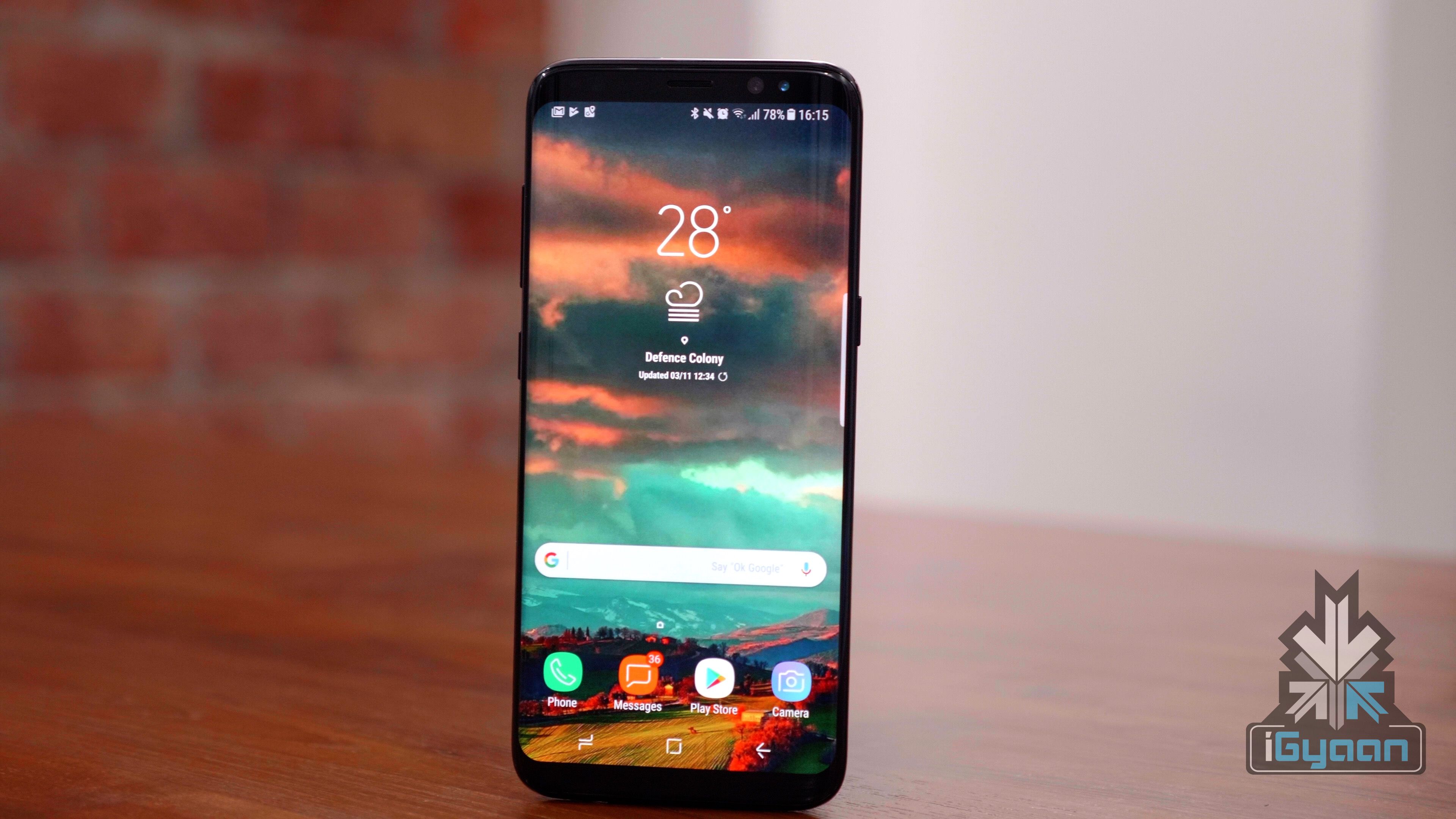
  • Samsung Galaxy S8 And S8+ Android 8.0 Oreo Is Coming Soon

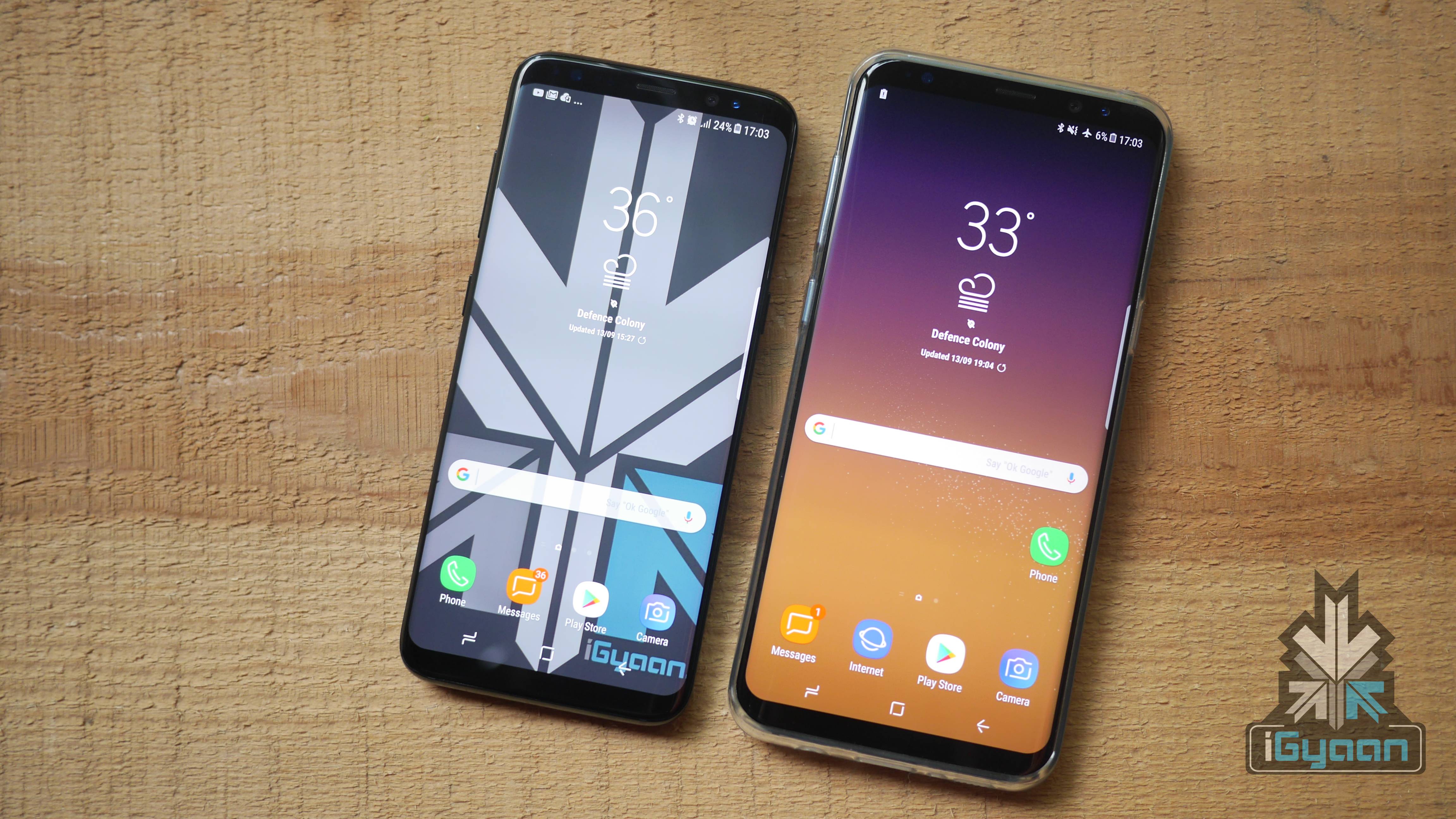
    Samsung Galaxy S8 And S8+ Android 8.0 Oreo Is Coming Soon

    The latest iteration of Android OS, Android 8 Oreo was officially launched back in August. While the Pixel and Nexus devices have moved on to Android 8.1 Oreo, some smartphones like the Moto X4, Xiaomi Mi A1, OnePlus 5 and others have already received an official update to Android 8.0 Oreo. Two of the most successful flagship smartphones of 2017, the Samsung Galaxy S8 and S8+ however, are still running  Android 7.1 Nougat.

    Not for too long though, as Samsung recently rolled out the last beta version Android 8 Oreo for Galaxy S8 and S8+ users. This means that the official release of the OS is not too far away as most of the bugs, if any, would’ve been ironed out by now. Samsung is not known for fast software updates and recently launched the Samsung Galaxy A8+ in India with Android 7.1 Nougat running out of the box.

    Read: Unboxing The Samsung Galaxy A8+

    However, Google recently announced the Project Treble and early reports suggest that the Galaxy S9 and S9+ will support Google’s Project Treble. With Project Treble, it is expected that the upcoming flagship devices from Samsung will receive the Android P update sooner than its predecessors.

    [amazon_link asins=’B06Y3GYZKW’ template=’ProductAd’ store=’igyaan-21′ marketplace=’IN’ link_id=’61e57840-f78c-11e7-9f06-eb84335bd074′]

    Project Treble is Google’s effort at reducing the time it takes for OEMs to receive the new OS and optimise it for its devices and then push out the update. A few months ago, Android received a new Vendor Interface, which is largely what Project Treble is about. The VI’s aim is to separate the “Vendor Implementation” (that is, “the device-specific, lower-level software written in large part by the silicon manufacturers”), from the Android OS framework.

    What this basically means is that Project Treble compatible smartphones will receive faster software updates since the OEMs won’t have to spend too long customising the latest build of Android OS.

  • Android 8.1 Oreo Running Pixel And Nexus Devices Have Lock Screen Swiping Bug

    Android 8.1 Oreo Running Pixel And Nexus Devices Have Lock Screen Swiping Bug

    Android 8.1 Oreo started rolling out to Google Pixel and select Nexus device back in early-December 2017. There have been reports of Pixel and Nexus users facing issues with the lock screen on their devices.

    Apparently, aggrieved users are unable to swipe on the lock screen of Pixel and Nexus devices that received an update to Android 8.1 Oreo. Users took to Pixel User Community forums and expressed their problems they are facing with their respective devices. Due to the issue preventing users to make swipe actions on the display, users haven’t been able to pick up incoming calls, unlock the screen, among other problems that are related to swipe actions.

    While Pixel 2 and Pixel 2 XL owners have had their fair share of hardware and software issues, Nexus devices are facing such software issues for the first time, since Android 8 Oreo has been smooth and more or less bug-free on other devices.

    Google appears to be aware of the issue as Orrin, a community manager at the Pixel User Community has stated that he’s ‘looking into that swipe issues that have been reported’. Google seems to be in a race against time to release new software updates that fix a plethora of issues reported by Pixel 2 and Pixel 2 XL users.

    Recently, soon after the Android 8.1 Oreo update, some Pixel 2 XL owners complained that they had to manually wake up the device during an incoming call. Something as basic as this is even available in a feature phone and should not be an issue for consumers who pay so much of money for a Pixel 2 XL device.

    With 2018, Google would want to leave the hardware issues behind and work on its Pixel 3 devices which would need to be much better than their predecessors to achieve any amount of success in the market.

  • Honor 7X Will Get Face Unlock Feature Soon

    Honor 7X Will Get Face Unlock Feature Soon

    Smartphones of 2018 are expected to have better facial recognition technology along with a fingerprint sensor. Even though facial recognition has been a part of Android phones for a long time now, it has received mainstream attention ever since the iPhone X launched with Face ID. Smartphones like the OnePlus 5T was launched with features like Face Unlock, which the company claims is more for convenience rather than security.

    [amazon_link asins=’B0784BZ5VY’ template=’ProductAd’ store=’igyaan-21′ marketplace=’IN’ link_id=’0312a78d-f537-11e7-8e5a-1326cb62e71a’]

    Honor boasted about its facial recognition software during its London launch event back in December. The company has now announced that the Honor 7X, the budget-oriented bezel-less smartphone will soon receive a software update which enables Face Unlock. In India, the Honor 7X is priced at Rs. 12999 and apart from the LG Q6, the Honor 7X will have a proper Face Unlock feature that the OEM will enable.

    Apart from the Face Unlock feature, there have been reports that Honor will launch the Honor 7X red colour variant in India, close to Valentines Day.

    The Honor 7X has a 5.9 inch LTPS IPS LCD display with a 2160 x 1080 px display which translates into an 18:9 aspect ratio.

    [amazon_link asins=’B077PWJQ57′ template=’ProductAd’ store=’igyaan-21′ marketplace=’IN’ link_id=’218901c1-f538-11e7-98c2-1de9cff44aab’]

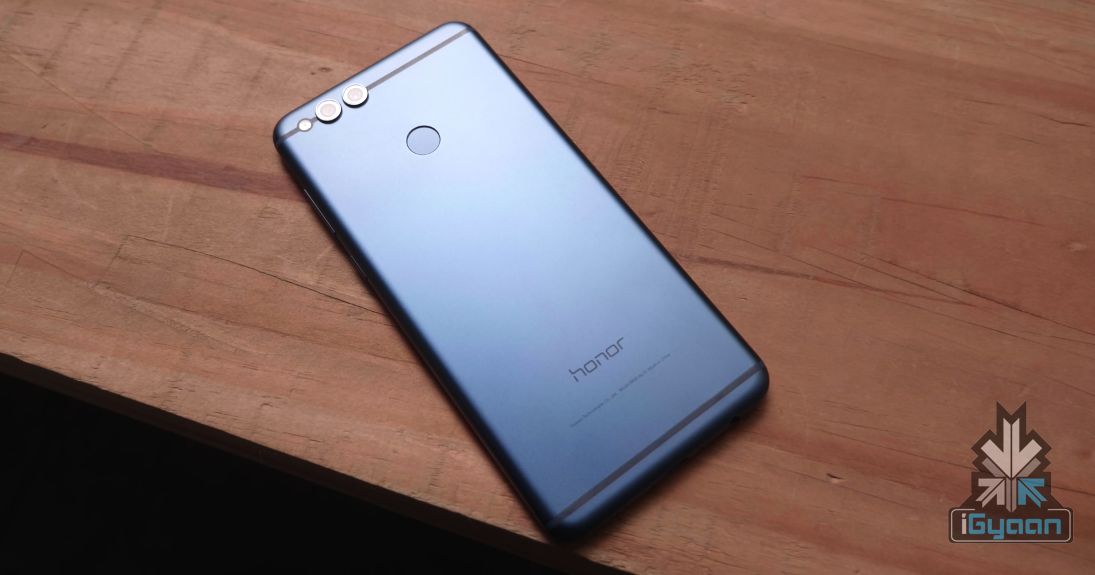
    Under the hood, the Honor 7X has the HiSilicon Kirin 659 chipset, Mali-T830 MP2, 4GB of RAM and two storage options of 32GB, and 64GB. The onboard storage is expandable up to 256GB via microSD card. The device is powered by a 3340 mAh battery which charges via a micro USB slot. Since the device has thin bezels, the fingerprint sensor is placed at the back of the below the dual-camera setup.

    The Honor 7X runs Android 7.0 Nougat with EMUI 6.0 on top which gives a user more options for customising their phones.

    The smartphone has a dual camera setup at the back. One of the cameras is equipped with a 16MP sensor while the other one is a 2MP depth sensor. The camera setup at the back has PDAF and records 1080P videos at 30fps. On the front is an 8MP camera which also records 1080P videos.

  • Less Than 1% Of Android Devices Run Android 8 Oreo

    Less Than 1% Of Android Devices Run Android 8 Oreo

    There is no denying the fact that the Android smartphone space is extremely fragmented. That leads to more and more smartphones getting left behind in the software game. Even today, in 2018, Samsung recently launched a budget tablet running Android 5.1 Lollipop which was launched back in 2015. Such decisions should not be acceptable for consumers regardless of the price point of the smartphone/tablet in question.

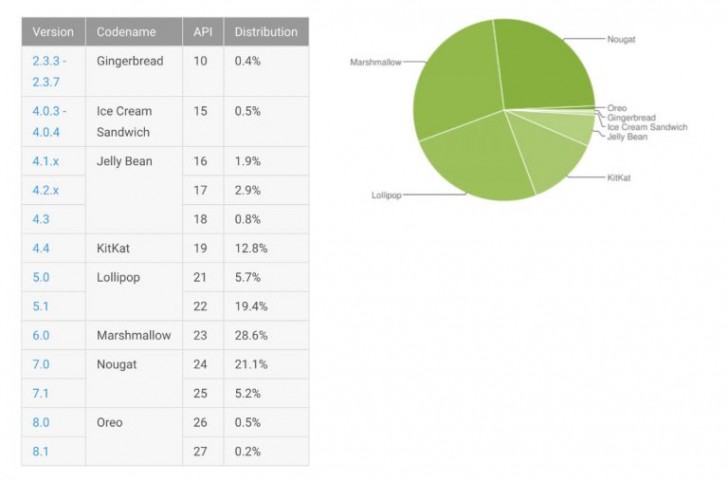
    A new report by Google further solidifies the argument that Android smartphones rarely get updated to new software in their entire lifecycle. Even in 2018, Android versions Lollipop, Marshmallow and Nougat dominate the market share. Android 8 Oreo running smartphones stand at a measly 0.7% which is less than Android 4.1 Jellybean. To put things into perspective, Android 4.1 Jellybean was released 5 years ago and its latest iteration, 4.3.1 was released four years ago in October of 2013.

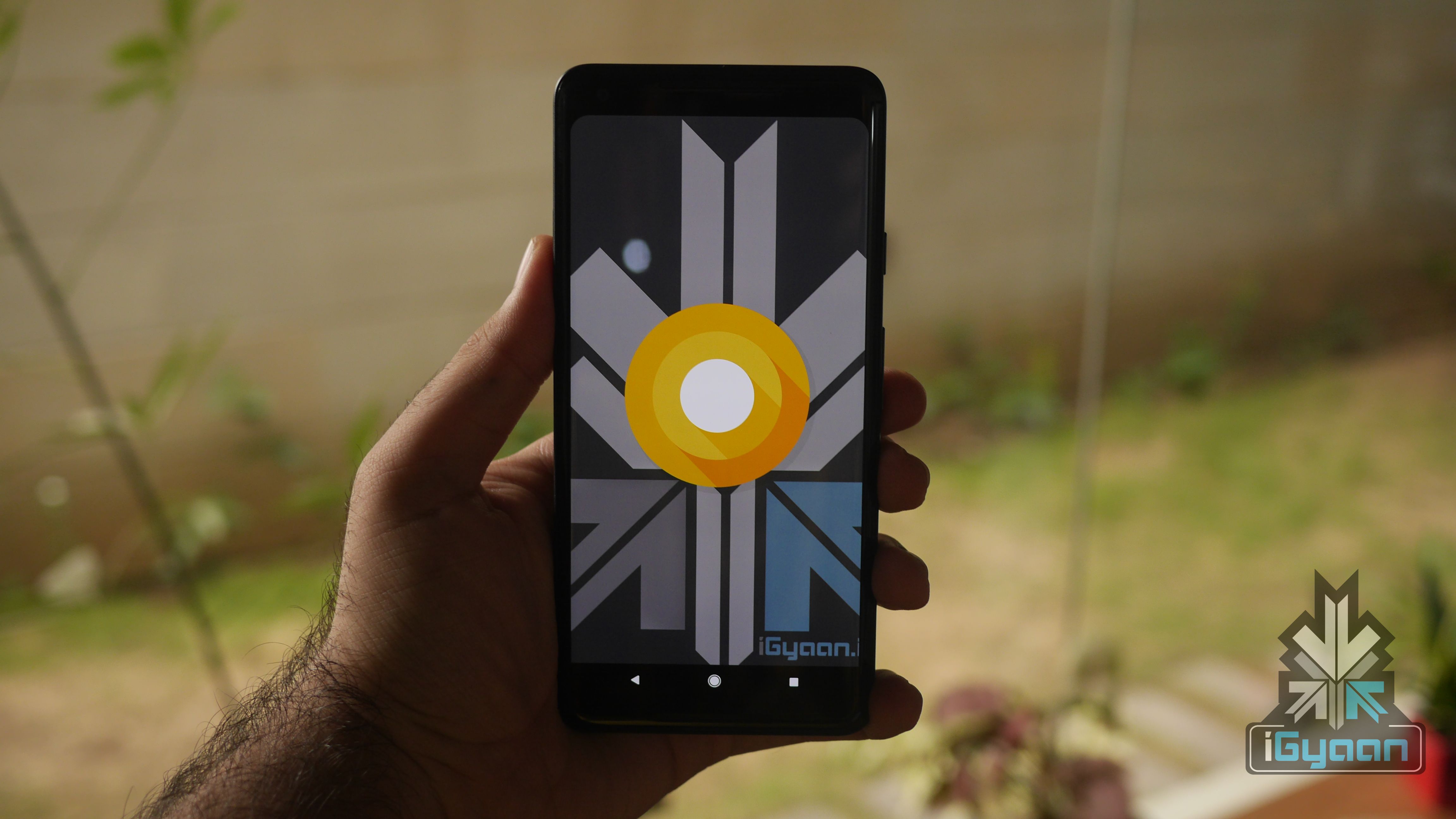
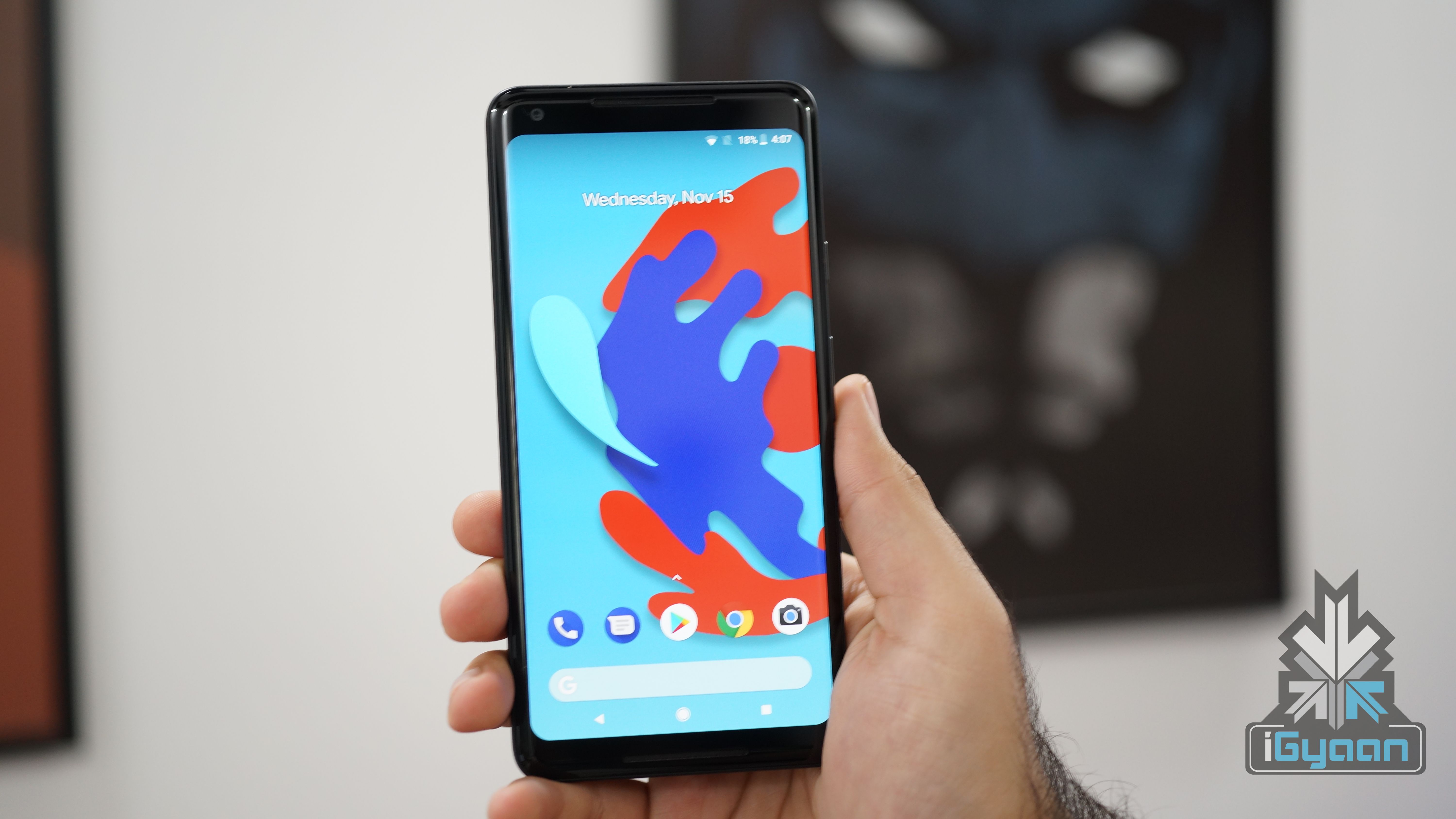
    Android 8 Oreo On Pixel 2 XL

    If you own a new 2017 smartphone that isn’t a Pixel or an Android One device, your smartphone would probably be running either Android 7 Nougat or Android 6 Marshmallow. Even though companies like OnePlus, Motorola have released Android 8 Oreo update for a few of its smartphones, the rollout happens in phases and hasn’t reached every device in the market.

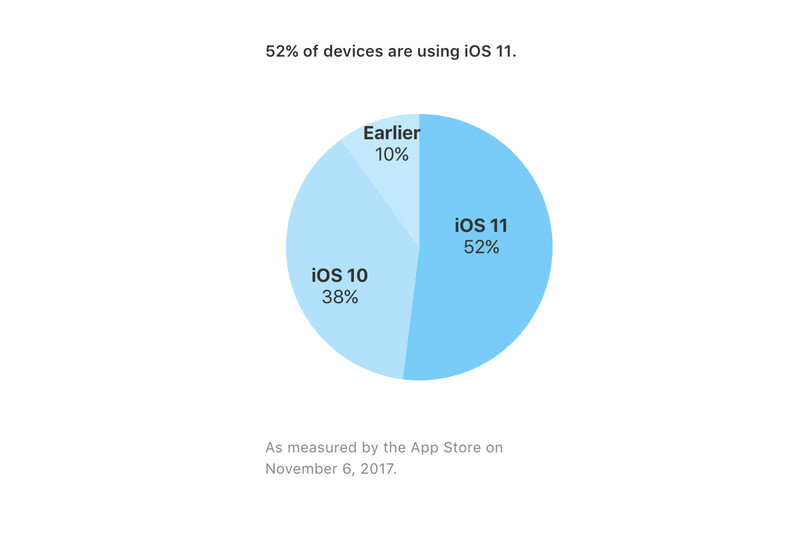
    In comparison iOS 11, despite its constant bugs and what seems like an unfinished software, has caught on really well in the market. iOS 11 is running in more than 52% of the iOS devices in the market right now. iOS 10 launched in 2016 is present in about 38% devices. iOS 11 might have the slowest adoption rate of all iOS versions so far, but, it is far more present in the market than its Android counterpart.

    Many reasons can be attributed to such a dismal adoption rate for Android versions but, despite the reasons, Android appears to be losing this particular battle against iOS.

    [poll id=49]

  • OnePlus 5 Android 8.0 Oreo Update Global Roll Out Begins

    OnePlus 5 Android 8.0 Oreo Update Global Roll Out Begins

    The OnePlus 5 was launched back in June of 2017 and within five months of being launched, was replaced by a better-looking variant, the OnePlus 5T. The company subsequently announced that manufacturing of the OnePlus 5 will be stopped but, the device will continue to get software support up to Android P, at least. A few days ago, after testing the beta version of Android 8 Oreo on the OnePlus 5, the company was about to seeding the stable build with OxygenOS 5.0.

    However, on the 3rd of January, the company cancelled the rollout due to some bugs found in the stable build of Android 8.0 Oreo. Here’s what exactly a OnePlus staff member said on the company’s official forums:

    Because of a bug on Oxygen 5.0, we have cancelled its global release. And we’re preparing for Oxygen 5.0.1, the partial release will go alive soon.

    [amazon_link asins=’B01FM8M0EI’ template=’ProductAd’ store=’igyaan-21′ marketplace=’IN’ link_id=’098e95a7-f2d3-11e7-9c78-25602025e64a’]

    The company has seemingly fixed the update and is now rolling out a new update with OxygenOS 5.0.1 and contains new fixes, presumably for those issues that caused the cancellation of the first build. The new fixes in question are for bugs related to the third-party camera application. It is also worth noting that this update is not compatible with devices with an unlocked bootloader.

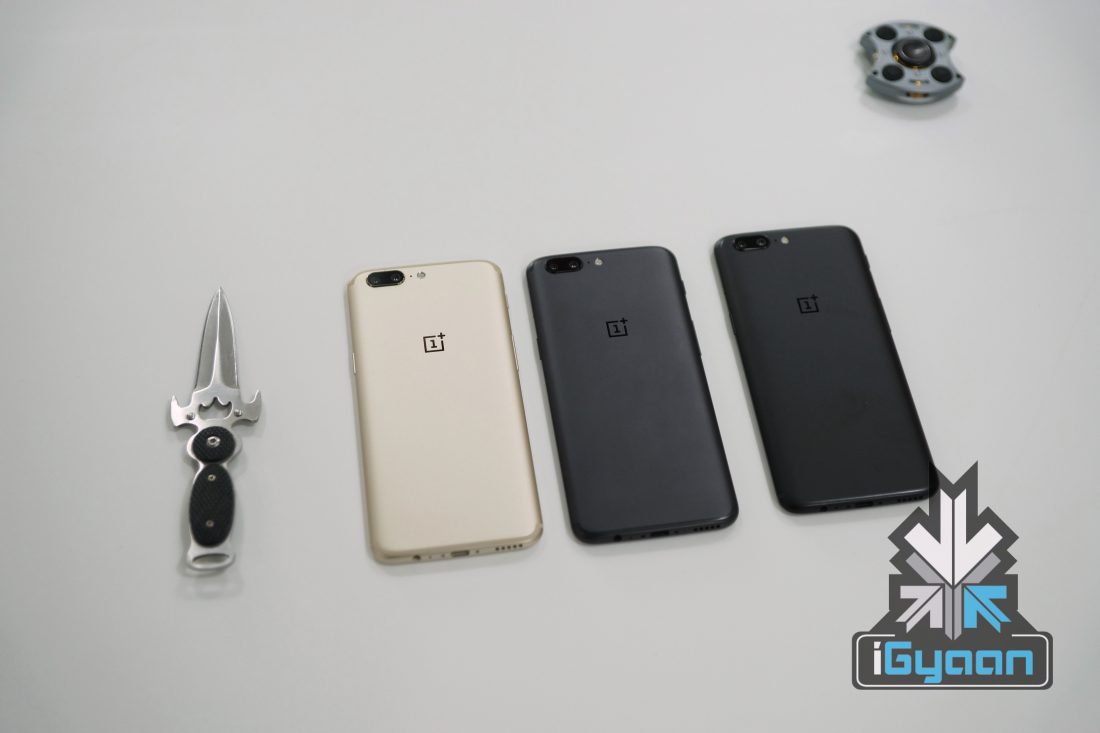
    The OnePlus 5, at the time of its launch, received a lot of flak for being identical to the iPhone 7 Plus. The company emphasised a lot on the device’s camera performance and upon its release, many people found it lacking. Another factor that hindered the popularity of the OnePlus 5 was its rise in price. The company launched the device at a price of Rs. 32999 for the 6GB RAM variant which was higher than the price of the OnePlus 3T and the OnePlus 5 did not have features like an IP rating or wireless charging.

    The OnePlus 5 still has the best in class specifications and with stock Android OS, the phone’s performance is up there with top flagship devices of 2017. With OnePlus 5T taking over the reins, it must be satisfying for OnePlus 5 owners to start receiving an update to the latest Android software available in the market. OnePlus recently announced that the OnePlus 5 will soon receive an update with Face Unlock feature which was a OnePlus 5T exclusive till now.

  • Xiaomi Introduces Full Display Gestures In The New Beta Build Of MIUI 9

    Xiaomi Introduces Full Display Gestures In The New Beta Build Of MIUI 9

    Xiaomi appears to be preparing its users for the future with the new beta build of MIUI 9. Ever since the iPhone X removed the home button, it has become increasingly inevitable that smartphones in the coming years will solely rely on gestures of navigation with the OS.

    With the latest beta update, Xiaomi has added ‘full display gestures’ that appear to be inspired by the iPhone X a lot. For example, in order to reach the home screen, the user has to swipe up from the bottom of the screen while swiping from the bottom to the top and pausing for a second brings up your recent apps. Other gestures include swiping from the left or right of the screen to the middle to take the user to the previous page. Over the years, Xiaomi has taken “inspiration” for Apple for its platform. From the MIUI layout to “MiDrop,” the not-so-subtle hints have always been there. Being one of the first Android smartphone makers to shift to all display gestures similar to the iPhone X will only strengthen the previous argument.

    Over the years, Android’s take on navigation within the OS has been different from that of iOS. While Android phones have had three navigation buttons, iOS has had a physical home button which solved multiple purposes like multitasking, invoking Siri and other gestures like swiping from the left or right of the screen to the middle to take the user to the previous page. So, when Apple introduced these gestures in the iPhone X, the transition was a lot smoother thanks to the presence of gestures in the past iPhones.

    Android, on the other hand, has used the three buttons, the home, back and multitasking button for every little navigation within the OS. These have either been software buttons or physical buttons, with nowadays OEMs offering the choice of both the navigation systems. When Android does shift to only gestures, the transition for users might not be as natural and organic as it was for iOS users.

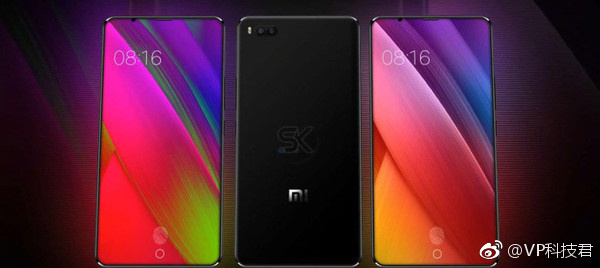
    A few Xiaomi Mi 7 renders were leaked with conflicting reports. Some suggested that the device will have an in-display fingerprint sensor while the other report claimed that Xiaomi is working on an iPhone X-like Face ID system. One thing in common, however, was the all-screen design of the phone. Xiaomi phones have had on-display as well as physical and touch capacitive navigation buttons. Introducing navigation via gestures a few months before the launch of the Mi 7 might hint at an all display design of the Mi 7 and the company’s foray into gesture-based navigation with Android.

    Xiaomi Mi 7 Renders

    For now, users with the Xiaomi Mi Mix 2, Mi Mix, Redmi 5, and Redmi 5 Plus can preview these gestures on their devices.


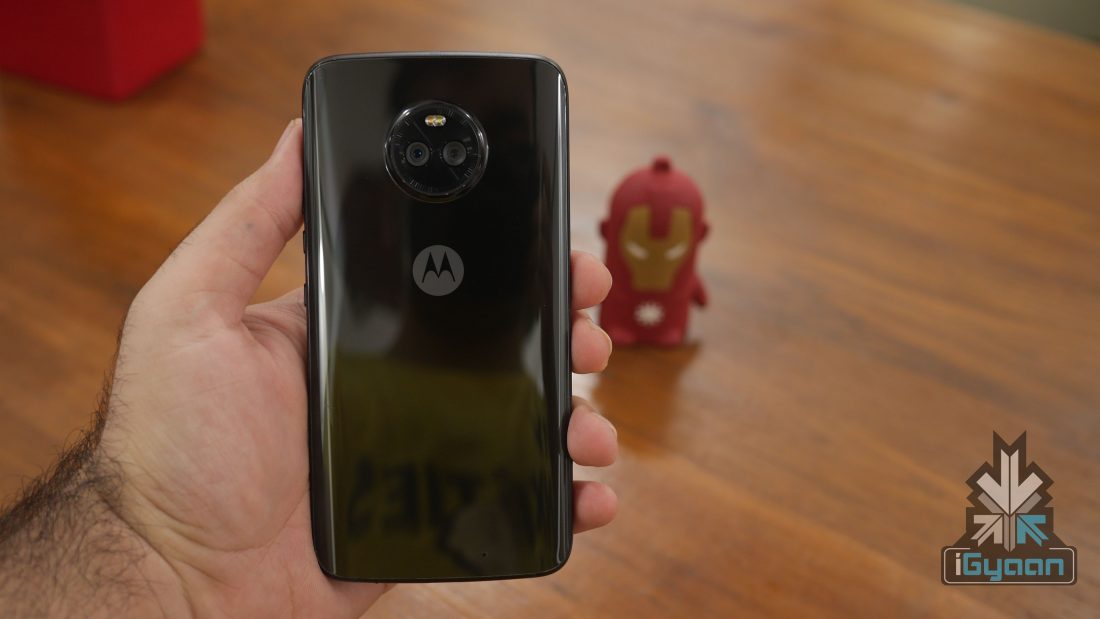
  • Regular Variant Of The Moto X4 Starts Receiving Android 8.0 Oreo Update

    Regular Variant Of The Moto X4 Starts Receiving Android 8.0 Oreo Update

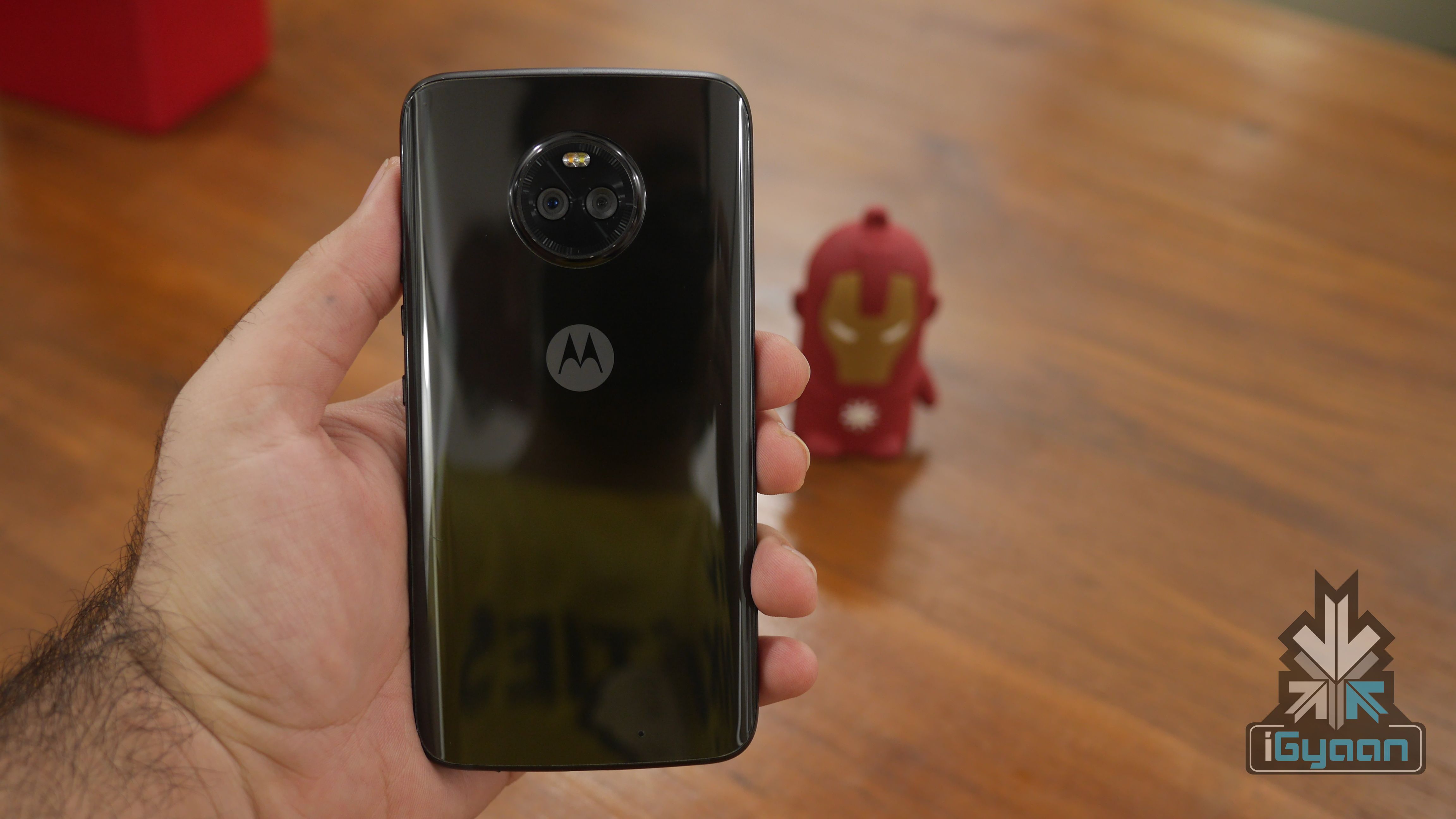
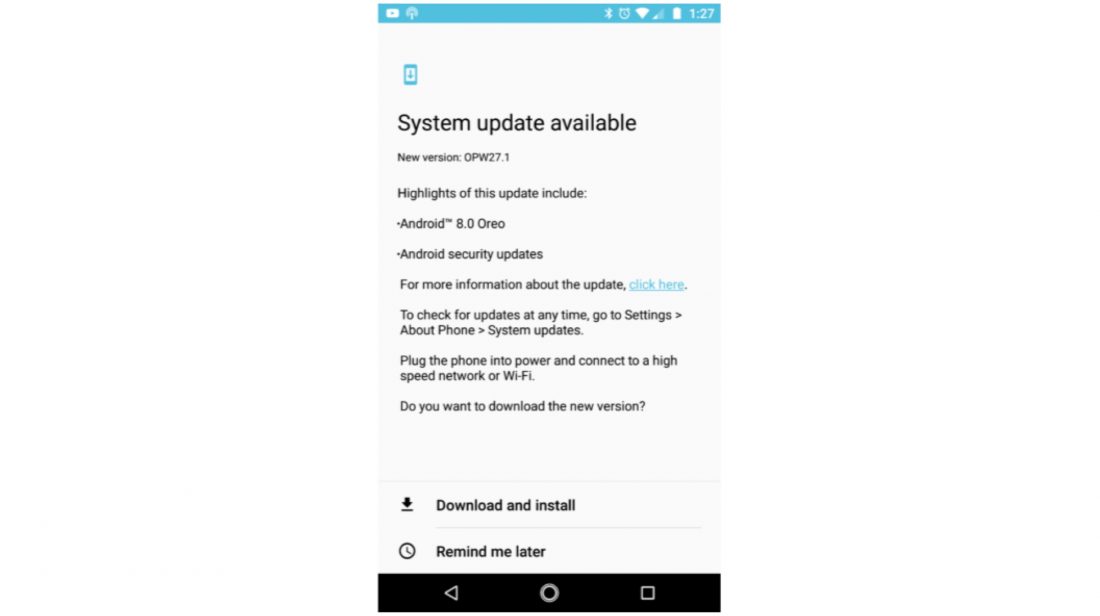
    Lenovo-owned Motorola is catching up with the Android 8.0 Oreo hype train real quick. After releasing the Android 8.0 Oreo update for the Android One variant of the Moto X4, it appears that the regular variant has also started receiving the new Android 8.0 Oreo update.

    A user tweeted the images of the update and screenshots post the update with a new layout and confirming that the device indeed is the Moto X4. The update has a build number of OPW27.2 and along with the new version of Android, also brings the December security patch. This means that Android Oreo features like Picture-In-Picture, Notification Dots and better back-end functioning will now be present in the Moto X4. An update to Android 8.0 Oreo also means that the device will now support all Bluetooth 5.0 features.

    The Moto X4 was launched in India at a starting price of Rs. 20999 and is one of the few phones in this price range that offers an IP68 rating for water and dust resistance.

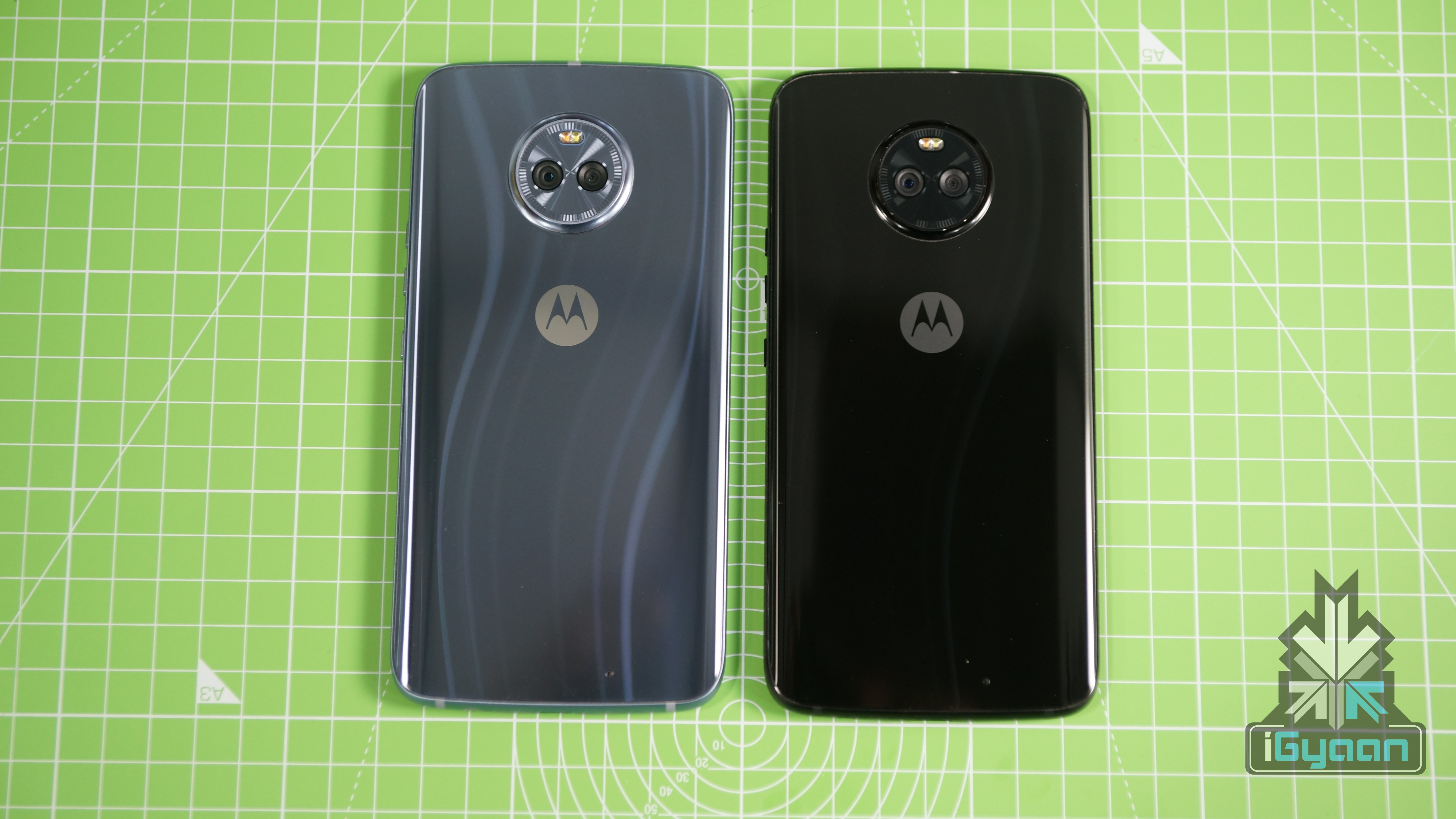
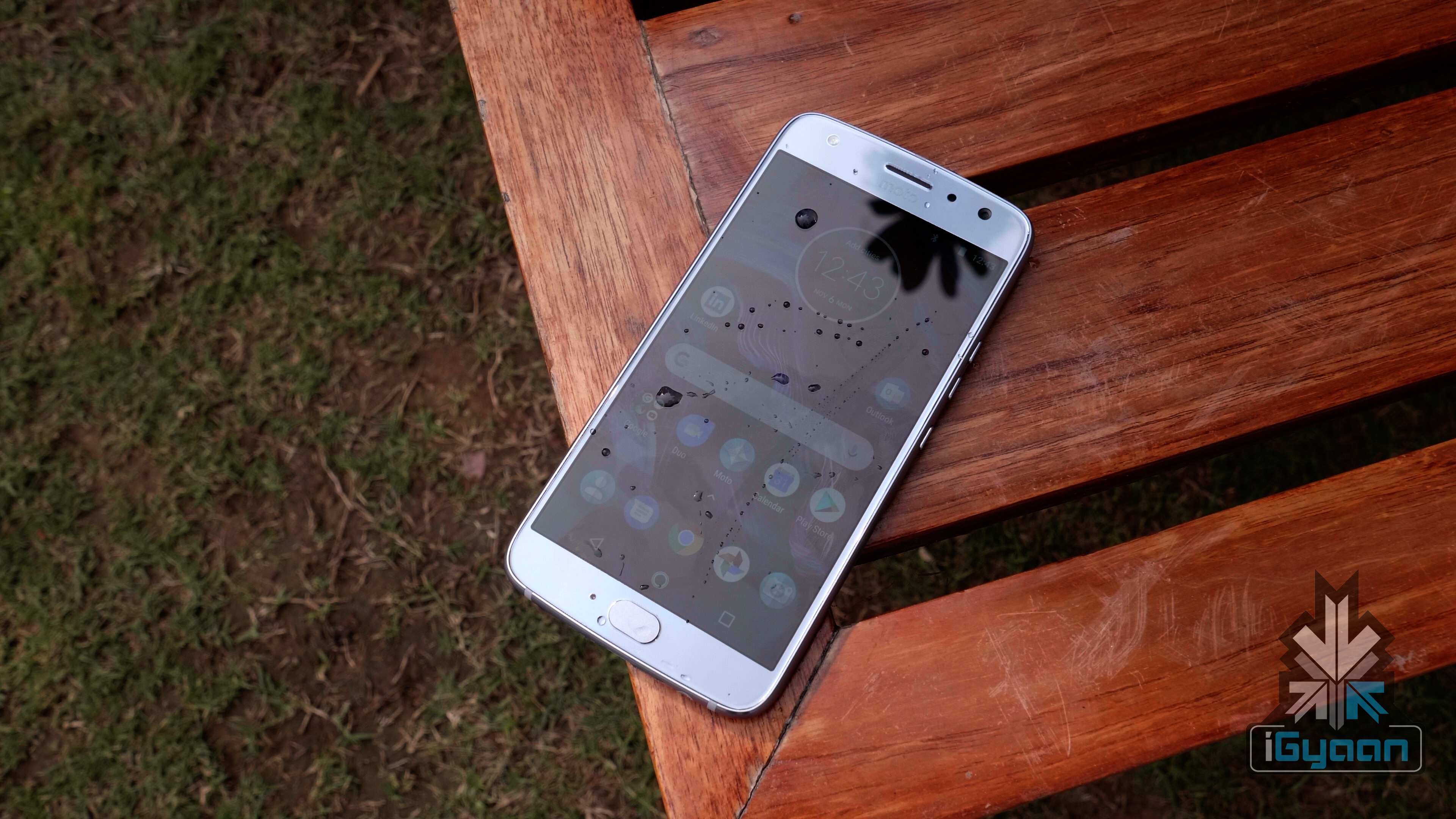
    The Moto X4 has a 5.2 inch 1920 x 1080 px LTPS IPS LCD display with Corning Gorilla Glass 3 on top for protection.

    The Moto X4 has the Qualcomm Snapdragon 630 chipset, 2.2 GHz octa-core processor and Adreno 508 GPU, along with 3GB or 4GB of RAM and 32GB or 64GB of onboard storage which can be expanded up to 2TB via microSD card. The fingerprint sensor is housed inside the home button which also doubles up as a single navigation button.

    The Moto X4 is powered by a 3000 mAh battery with TurboCharge capabilities.

    The Moto X4 has a dual-camera setup at the back. The main camera is a 12MP sensor with an f/2.0 aperture, and the 8MP secondary camera with an f/2.2 aperture is equipped with a wide-angle lens. The dual-cameras allow users to have depth effect shots, bokeh effect shots, ultra-wide angle shots, and selective focus shots. On the front of the device is a 16MP camera with an f/2.0 aperture and an LED flash. The cameras record 4K videos at 30 FPS.

  • The LG V30+ Will Soon Get Android 8.0 Oreo Update

    The LG V30+ Will Soon Get Android 8.0 Oreo Update

    The LG V30 was launched back in August at IFA Berlin. After slowly pushing out the phone in the western market, the South Korean tech giant finally launched its ‘Plus’ variant in India. The ‘+’ in the LG V30+ signifies more storage than the regular V30. The LG V30+ currently runs Android 7.1 Nougat with LG’s own custom skin on top.

    [amazon_link asins=’B077V1KR9B’ template=’ProductAd’ store=’igyaan-21′ marketplace=’IN’ link_id=’fab7c0f4-eac6-11e7-b789-5339f3e9ee8e’]

    Now, the LG V30 in South Korea has started receiving the much-awaited Android 8.0 Oreo update and a roll-out to other countries is not far away. This could be another reason why people might be drawn towards the LG V30+ in India since devices like the Galaxy S8 and S8+ are still running Android 7.1 Nougat with no signs of an Android 8.0 Oreo update.

    The LG V30+ has a 6 inch 2880 x 1440 px OLED FullVision display, LG’s first, with an 18:9 aspect ratio and Corning Gorilla Glass 5 for protection. LG’s nearly edge-to-edge OLED display has HDR 10 format for a high level of colour contrast and as announced, the smartphone is Daydream compatible.

    A big omission from the V30+ is the secondary display, which was a signature in the previous V series devices. Instead, LG has introduced a Floating Bar which displays shortcuts and can be disabled when not required.

    The LG V30+ has the Qualcomm Snapdragon 835 chipset, a 2.4GHz octa-core processor, 4 GB RAM and 128GB of onboard storage which can be expanded up to 2TB via a microSD card. The LG V30+ has an IP68 rating for water and dust resistance and MIL-STD 810G rating for durability.

    The LG V30+ is powered by a 3300mAh battery with wireless fast charging which supports 3.0 quick charge. The smartphone runs Android 7.1.2 with LG’s UX 6.0+ on top which offers a few customisation options.

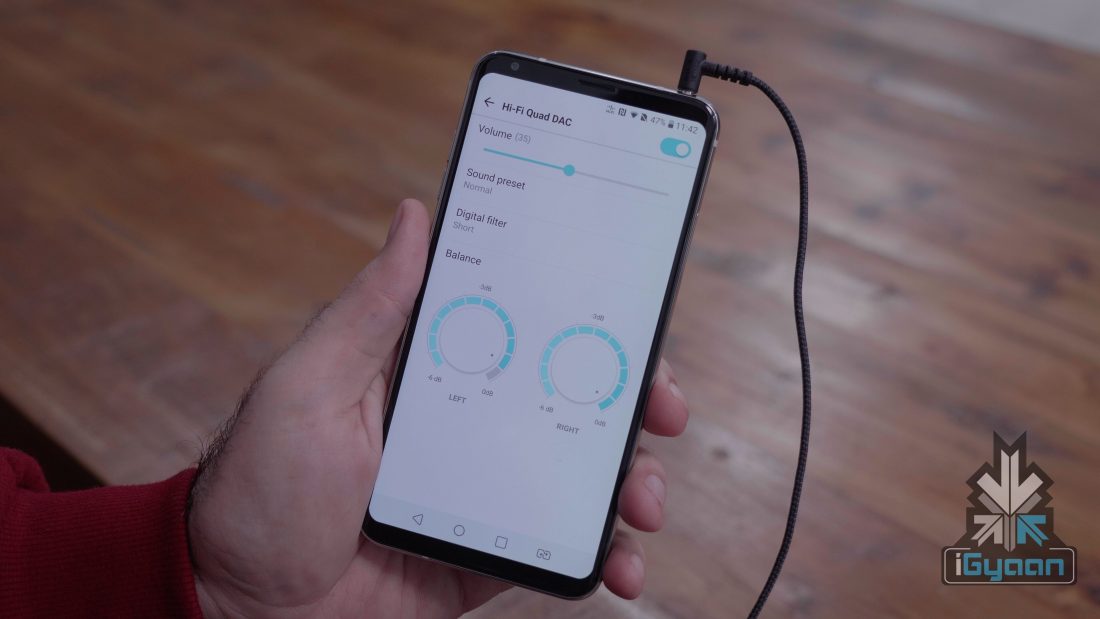
    The LG V30+ incorporates a 32-bit Hi-Fi Quad DAC powered by Bang & Olufsen with few sound presets like enhanced, detailed, bass and live. The smartphone also has support for Master Quality Authenticated (MQA) technology for high-resolution audio streaming.

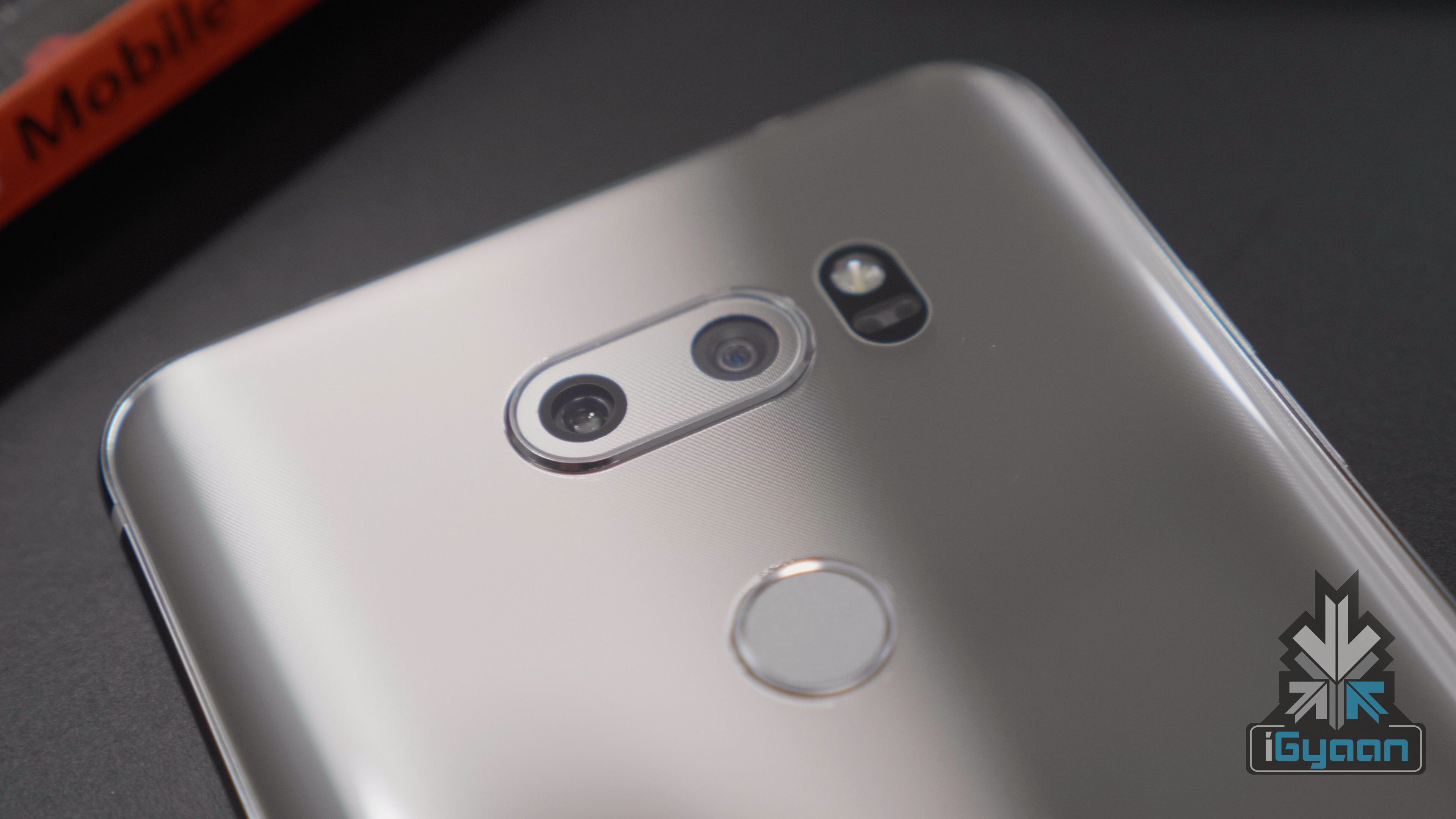
    Aside from the rear-mounted fingerprint scanner which also doubles as a home button, LG has introduced few new security features in the LG V30+ such as facial and voice recognition. The voice recognition will even work along with the music playback.

    The LG V30+ features a dual-camera setup at the back. As LG had announced, this smartphone has the first ever inbuilt camera unit to feature a 16MP crystal clear lens made of glass with an f/1.6 aperture and another 13MP wide angle lens with an f/1.9 aperture. The camera features laser detection AF, optical image stabilisation and electronic image stabilisation. On the front side, the LG V30+ sports a 5MP wide-angle camera with an f/2.2 aperture.

    Watch our unboxing –


  • Xiaomi Mi A1 Android 8.0 Oreo Update Would Enable Fast-Charging

    Xiaomi Mi A1 Android 8.0 Oreo Update Would Enable Fast-Charging

    Xiaomi launched the Mi A1 in India back in August at a price of Rs. 14999. Thanks to Android One program, the Xiaomi Mi A1 has a stock Android OS and will be supported by Google for the next couple of years with major software upgrades. At the time of its launch, Xiaomi promised that the Android 8.0 Oreo update will be seeded out to all Mi A1 phones by the end of the year. The company appears to on track to deliver on that promise as it has already seeded the third beta Android 8.0 Oreo update for the Xiaomi Mi A1.

    A report claims that with the new Android 8.0 Oreo update, the Xiaomi Mi A1 charges much quicker than it used to while running Android 7.1 Nougat. The report, however, conceded that the user charged the phone with a OnePlus charger and the phone went from zero to a hundred percent in 92 minutes while earlier it used to take over two hours.

    The absence of fast-charging despite having a USB-C port was a definite let down and Xiaomi appears to be making amends with the new software update. The report also notes that Oreo has made app loading much quicker and animations are much smoother now as well.

    The Xiaomi Mi A1 will end the year as one of the best budget smartphones of 2017 and even in the early parts of 2018, apart from the tough competition posed by the Honor 7X, there won’t be many competitors in this category. The Xiaomi Mi A1 is now available at a price of Rs. 13999 after it received a permanent price cut.

    To compete with the competition of the Honor 7X, Xiaomi recently launched a limited edition red colour variant of the Xiaomi Mi A1 as well, to offer something different than the usual pink, gold and black phones that smartphone makers launch.

  • OnePlus 5 Is Getting The OnePlus 5T Feature Everybody Is Raving About

    OnePlus 5 Is Getting The OnePlus 5T Feature Everybody Is Raving About

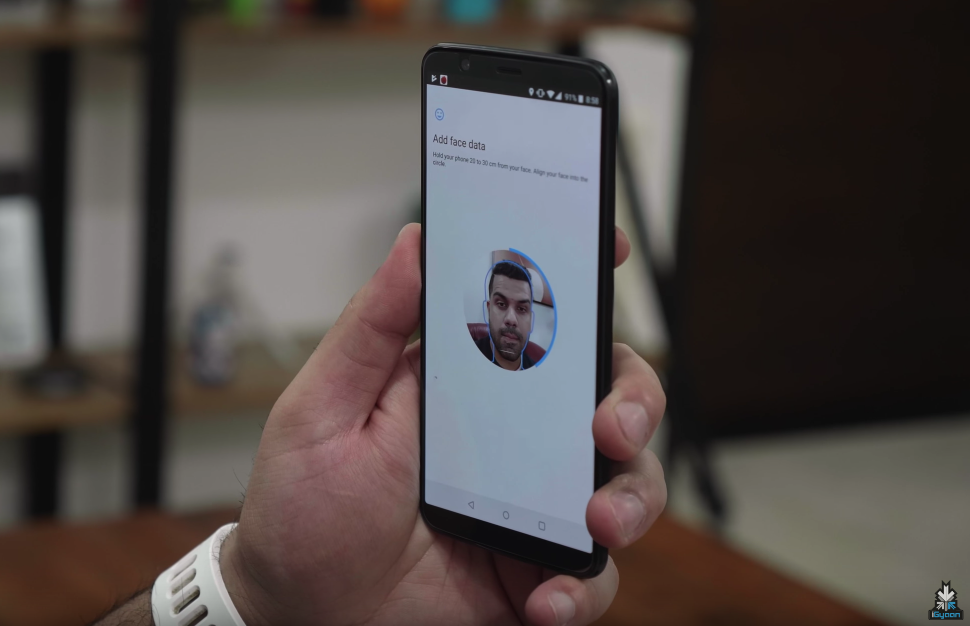
    The OnePlus 5T was launched back in November, just 5 months after its older flagship sibling the OnePlus 5 was launched. While many OnePlus 5 owners betrayed that the new device had come out just a few months later with a better design, in a nutshell, the OnePlus 5T was not that big an upgrade. The one thing that everybody has noticed about the OnePlus 5T is its Face Unlock technology. What was exclusive to the OnePlus 5T is now finally arriving in the OnePlus 5 as well.

    https://twitter.com/getpeid/status/944915403398098944

    [amazon_link asins=’B01FM8M0EI’ template=’ProductAd’ store=’igyaan-21′ marketplace=’IN’ link_id=’452ebc05-e952-11e7-ad0b-b3d612b3a656′]

    OnePlus co-founder Car Lei took to Twitter and announced that the Face Unlock feature will soon be coming to the OnePlus 5 as well. Unlike Face ID, OnePlus’ facial recognition doesn’t use any extra hardware and only makes use of the front-facing camera and software tweak. This is a welcome news for a lot of OnePlus owners especially those who felt dejected after the launch of the OnePlus 5T.

    The OnePlus 5 has also started receiving Android 8.0 Oreo update with OxygenOS 5.0 update. The company announced the new update on its forum page and detailed all the new features along with the new December security patch.

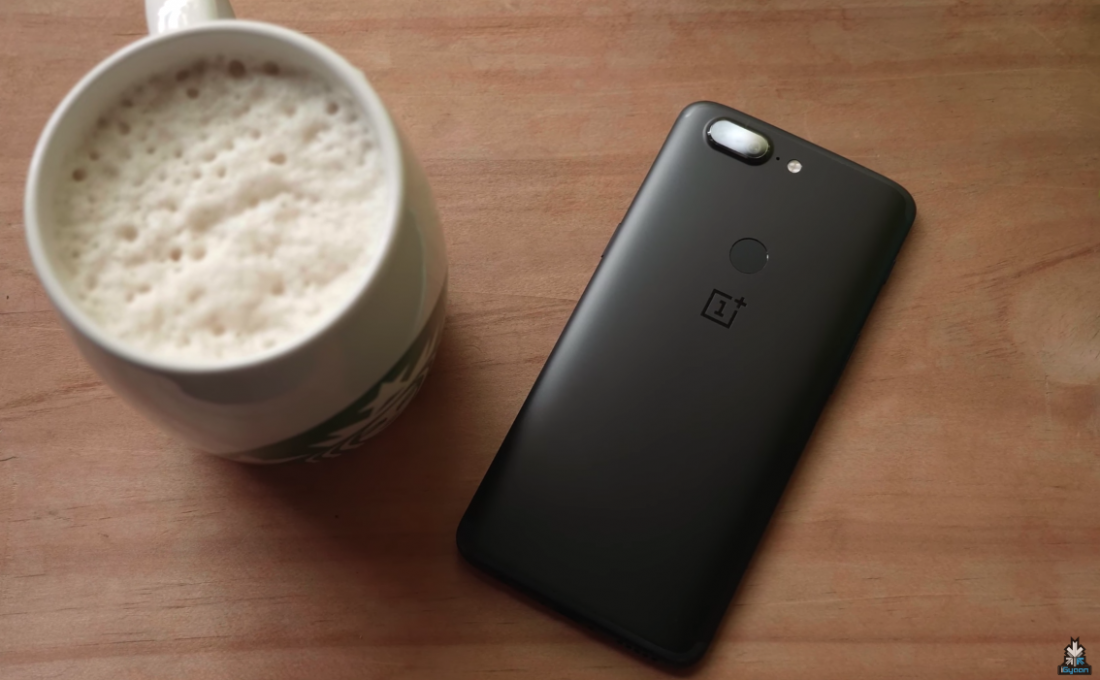
    In terms of specifications, the OnePlus 5 is almost identical to the OnePlus 5T in all aspects except the screen size and the primary camera setup. The OnePlus 5 has a 5.5-inch AMOLED display with a 1920 x 1080 px display while the OnePlus 5T has a 6-inch 2160 x 1080 px AMOLED display with thin bezels. The OnePlus 5 has a regular lens and a telephoto lens at the back while the OnePlus 5T has two lenses of the same size and the same f/1.7 aperture.
    [amazon_link asins=’B0756ZFXVB’ template=’ProductAd’ store=’igyaan-21′ marketplace=’IN’ link_id=’3862d33b-e952-11e7-a8fa-ed2fde25d236′]

    OnePlus recently announced that it will soon stop manufacturing the OnePlus 5 but, will support the device for the coming year and that it will also receive the Android P update.

  • Moto X4 Is Getting Android 8.0 Oreo Update

    Moto X4 Is Getting Android 8.0 Oreo Update

    Moto X4 Android One edition has started receiving Android 8.0 Oreo update. At the time of its launch, the company had promised an update of Android 8.0 Oreo by the end of the year, and it has delivered on the promise. In addition, the update also includes the latest Android security fixes.

    The Moto X4 that launched in India is the regular variant which, even though has a stock Android OS, is far from being an Android One phone. However, with the Moto X4 Android One variant receiving the Android 8 Oreo update, it is fair to assume that an update for the regular Moto X4 might not be too far away.

    The Moto X4 has a 5.2 inch 1920 x 1080 px LTPS IPS LCD display with Corning Gorilla Glass 3 on top for protection.

    The Moto X4 has the Qualcomm Snapdragon 630, 2.2 GHz octa-core processor and Adreno 508 GPU, along with 3GB or 4GB of RAM and 32GB or 64GB of onboard storage which can be expanded up to 2TB via microSD card. The fingerprint sensor is housed inside the home button which also doubles up as a single navigation button. The Moto X4 is powered by a 3000 mAh battery with TurboCharge capabilities. The company claims that the 15 mins of charge can give up to 6 hours of talk time. It has an IP68 rating for water and dust resistance.

    The Moto X4 has a dual-camera setup at the back. The main camera is a 12MP sensor with an f/2.0 aperture, and the 8MP secondary camera with an f/2.2 aperture is equipped with a wide-angle lens. The dual-cameras allow users to have depth effect shots, bokeh effect shots, ultra-wide angle shots, and selective focus shots. On the front of the device is a 16MP camera with an f/2.0 aperture and an LED flash. The cameras record 4K videos at 30 FPS.

    We will keep you updated as and when the Android 8.0 Oreo update for the non-Android One variant comes out.

  • OnePlus Could Be Sued For Face Unlock Patent Infringement

    OnePlus Could Be Sued For Face Unlock Patent Infringement

    OnePlus might be in some legal trouble if some reports are to be believed. The company is facing a possible patent infringement lawsuit that revolves around the Face Unlock facial recognition system on the OnePlus 5T. While the Face Unlock technology on the OnePlus 5T has received rave reviews from fans and critics alike, one company is definitely not a fan.

    SensibleVision is a company that works on facial recognition and biometric systems. George Brostoff, CEO and co-founder of SensibleVision claims that at least one of his company’s patents was infringed on by OnePlus’ Face Unlock system. One of the patents that he believed was used without permission, allows a phone’s screen to be used as an illuminator. Based on a video released by Forbes that shows Face Unlock in action, Brostoff claims that OnePlus is “likely infringing at the very least on our illumination patent.”

    In a statement, Brostoff said:

    This is nothing new. We have been doing this for years. It even appears that they may be using several patented technologies. We have not licensed our patents to OnePlus or their supplier. From the video on Forbes, they are likely infringing at the very least on our illumination patent.

    This is the definition of the patent in question right now:

    A camera is used for providing images to the facial recognition software where the display operates in a first mode for displaying images to a user and in a second mode for illuminating the user’s face for detection by the camera.

    It is also worth noting that patents are only valid in jurisdictions where they were granted. So, unless SensibleVision filed a patent application or was granted a patent for the illumination technology in China, there is no infringement, since the company is based in the US.

    It doesn’t appear that SensibleVision has yet taken a legal step towards addressing the issue. Stay tuned for more updates regarding this possible legal battle.

  • New Software Update Breaks Basic Functionality Of Pixel 2 XL

    New Software Update Breaks Basic Functionality Of Pixel 2 XL

    Google launched the Pixel 2 and Pixel 2 XL back in October to much fanfare. When both the devices were launched, there were hardware and software issues that marred the progress of the two devices and definitely persuaded a lot of customers away from the two devices.

    The latest software update for the Google Pixel 2 and Pixel 2 XL has brought new issues to both the Pixel 2 and Pixel 2 XL. After the latest software update, users have to physically wake up the screen to see who’s calling and accept or decline the call. That is a basic function that every feature phone also has, to wake up the screen and display who’s calling.

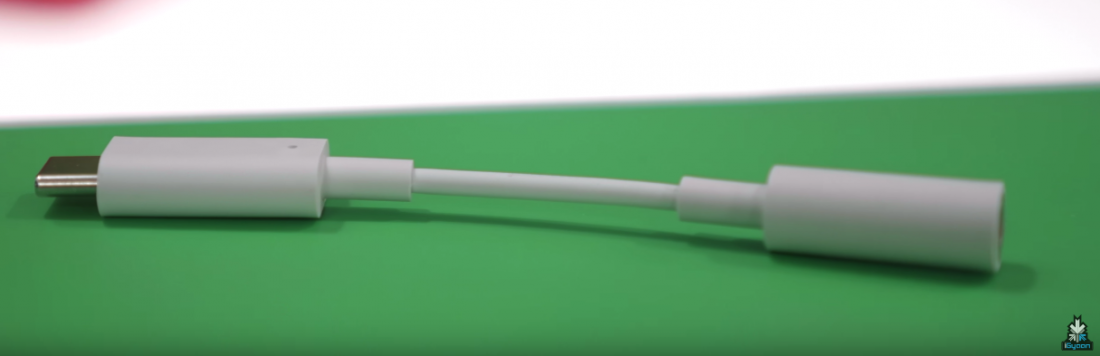
    The smaller of the two phones, Pixel 2 has its own set of issues. Since the latest software update, the USB-C to 3.5mm headphone jack dongle that comes inside the retail box is not working anymore. Users have reported that the adapter doesn’t work as the sound comes from the phone’s speakers instead of headphones.

    Google has not responded to any of the complaints so far.

    The Google Pixel 2 and Pixel 2 Xl are priced at Rs. 61000 and Rs. 73000 for the base variant, respectively. Users expect top-notch service and performance from phones that cost so much and it appears that the Pixel 2 devices are having a hard time coping with the demands of the consumers.

  • New Patent Reveals Apple’s Plan To Diversify Face ID Usage

    New Patent Reveals Apple’s Plan To Diversify Face ID Usage

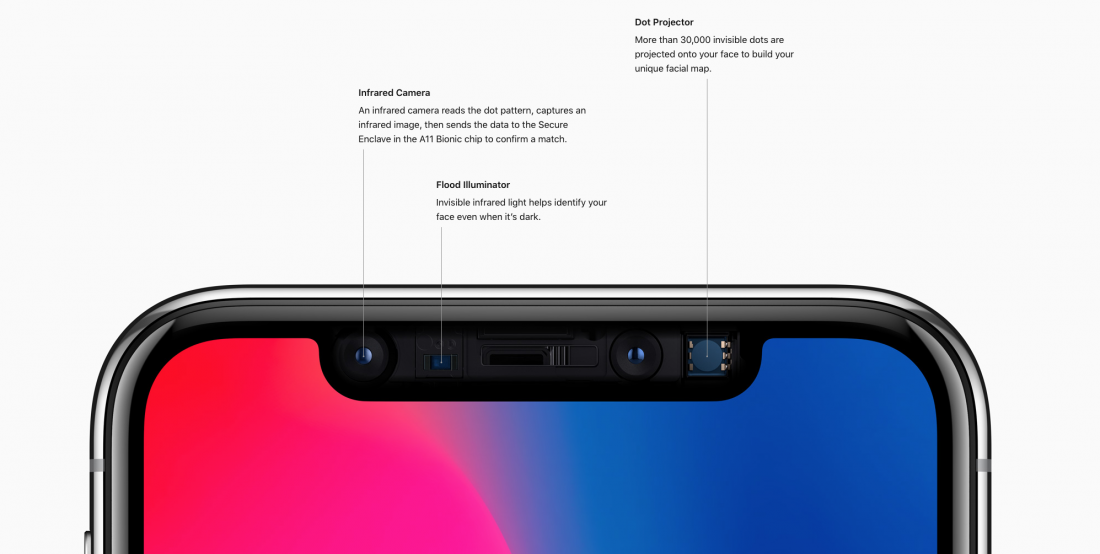
    Apple introduced its take on facial recognition technology, Face ID along with the launch of the iPhone X. The iPhone X represented the major design haul that everyone was waiting for ever since the iPhone 6 was launched. Over the course of time since the iPhone X was made available to the public, Face ID has received polarising reviews. While some people can’t wait for Touch ID to make comeback (which seems highly unlikely anymore) and the others like the implementation and believe that future software updates will make Face ID even better than it already is. Some of us have forgotten about the home button and embraced the gestures life.

    It is safe to assume that Face ID was not a one-off affair till the company figured out how to embed fingerprint sensors under the display. Apple believes that Face ID is the future and there have been multiple reports corroborating that future iPhones will drop Touch ID in favour of Face ID. A new patent filed by Apple has been unearthed, which reveals the company’s plan to diversify the implementation of Face ID on more than just the iPhones.

    The documentation describes Face ID technology that would fit iPhones, iPads, MacBooks, and iMacs. The patent, which was awarded to Apple on the 19th of December, reveals that Apple filed it all the way back in March of 2015

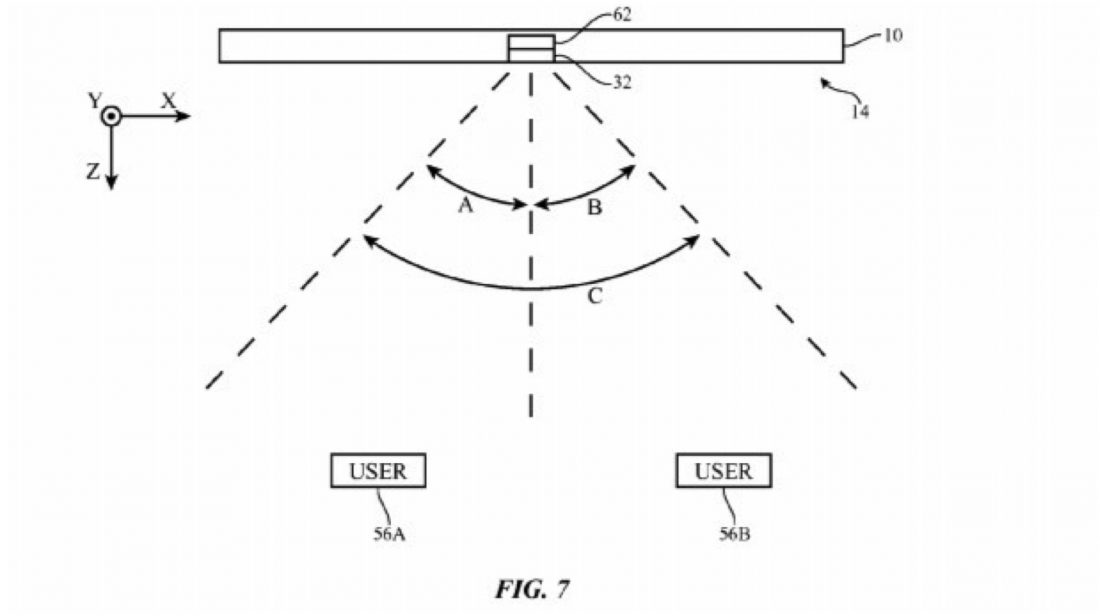
    The technology described in Apple’s patent could be used in a variety of smart devices, to automatically initiate actions based on whether a user is facing the display’s sensors or not. This is Apple’s description of the technology:

    Based on knowledge of how many users are present and the location of those users, device 10 may make adjustments to display 14 (e.g., to optimize brightness, content, audio, etc.), may turn on or off device features, or may take other suitable action. As an example, device 10 may activate a visible image sensor in device 10 when it has been determined that one or more users is present in the vicinity of device 10.

    The visible image sensor can then be used to gather additional information from the user (hand gestures, images of the user for a video conference, face detection data indicating where the faces of the users are located, etc.).

    It is fair to believe that this is true and that Face ID will be trickled down to all other iOS and macOS devices but, it is still just a patent and there are chances that just like a lot of patents, this could be thrown to the back burner.

iGyaan Network
Privacy Overview

This website uses cookies so that we can provide you with the best user experience possible. Cookie information is stored in your browser and performs functions such as recognising you when you return to our website and helping our team to understand which sections of the website you find most interesting and useful.