Smartphone News and Reviews, Latest Cellphones, Accessories, New Launches, Specifications, Details with Image and Video from Apple, Samsung, Lenovo, Moto, HTC, Xiaomi, Oneplus, Meizu, Sony, Lava, Micromax Yu Mobile and More.
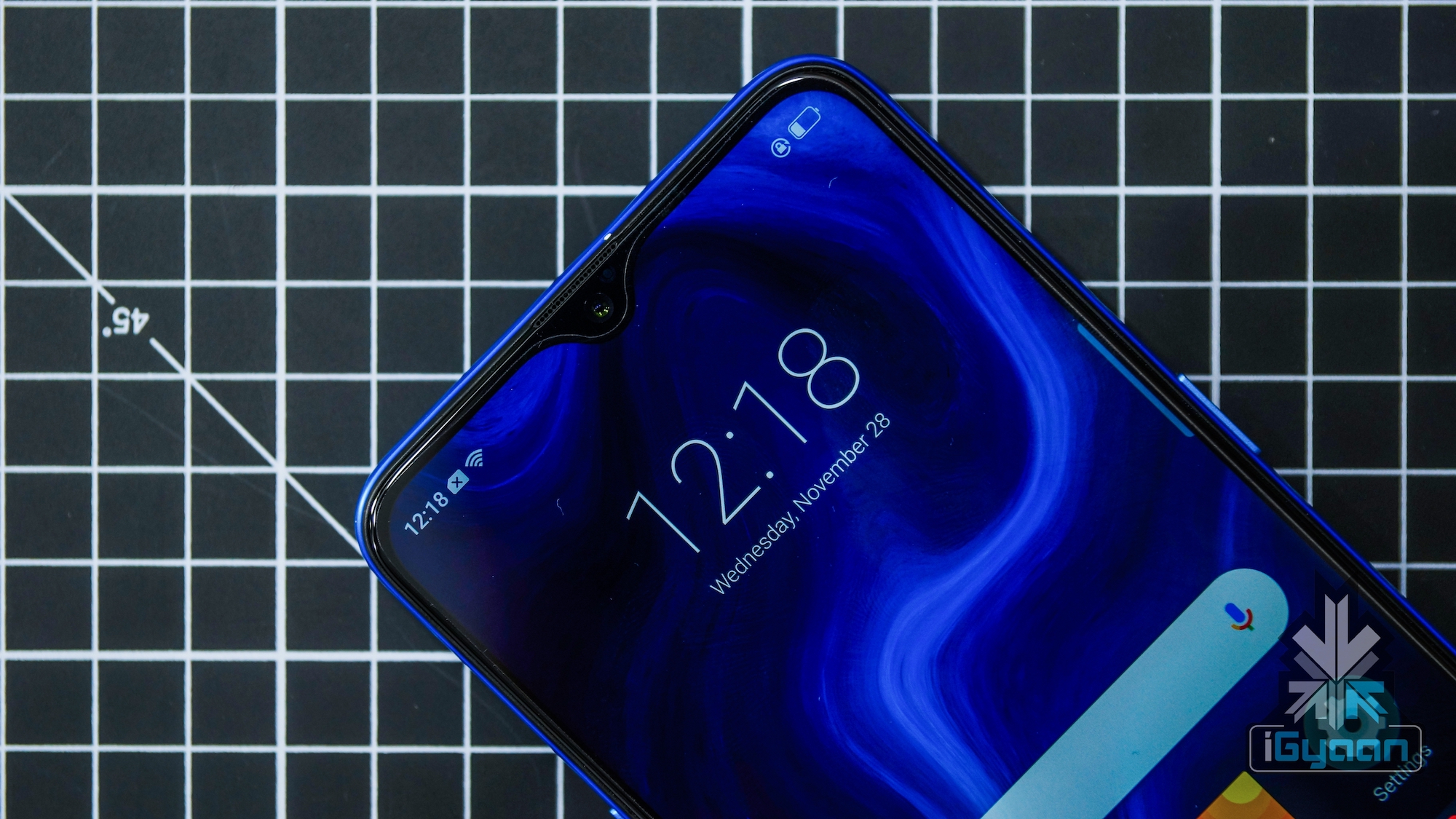
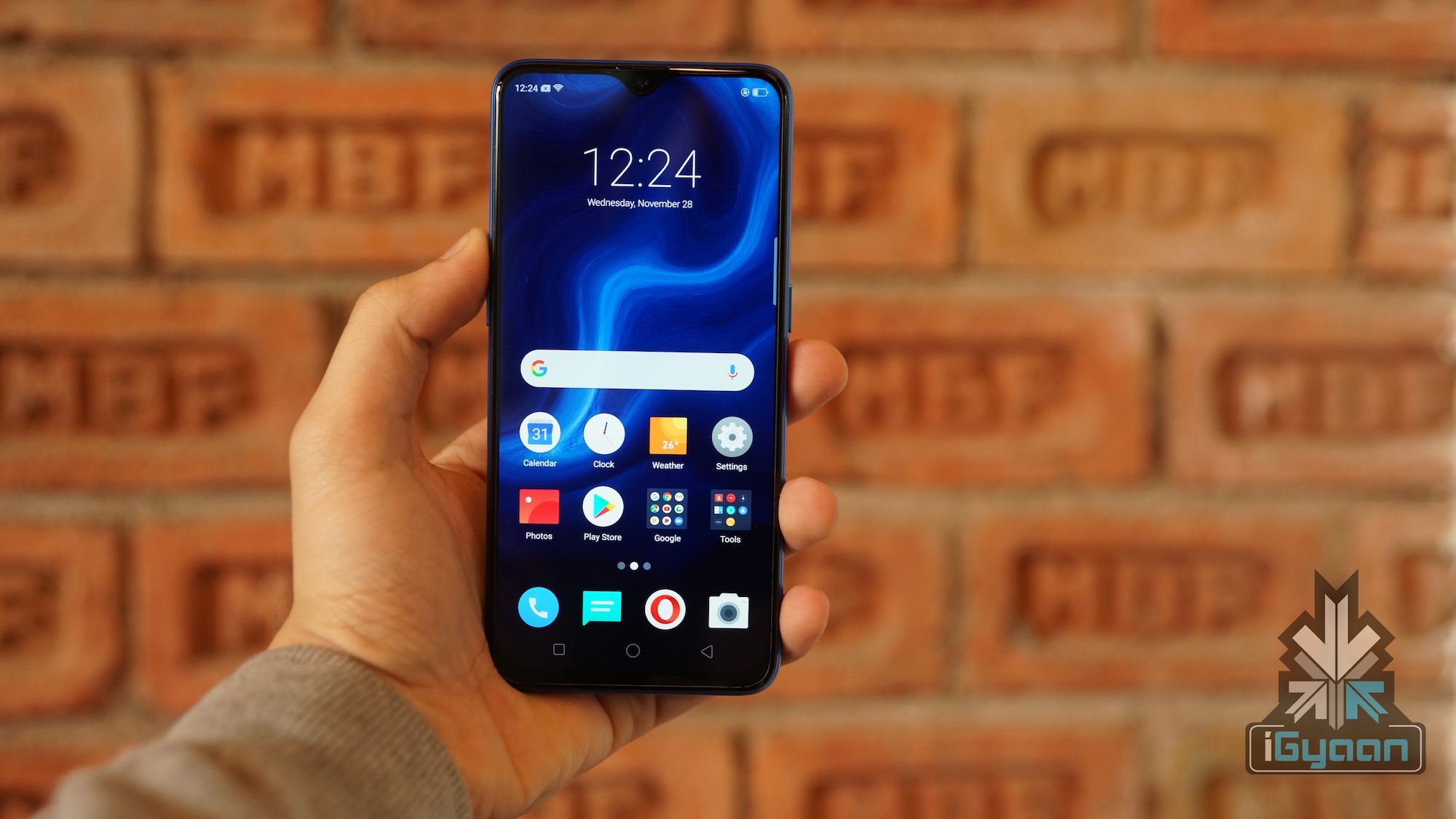
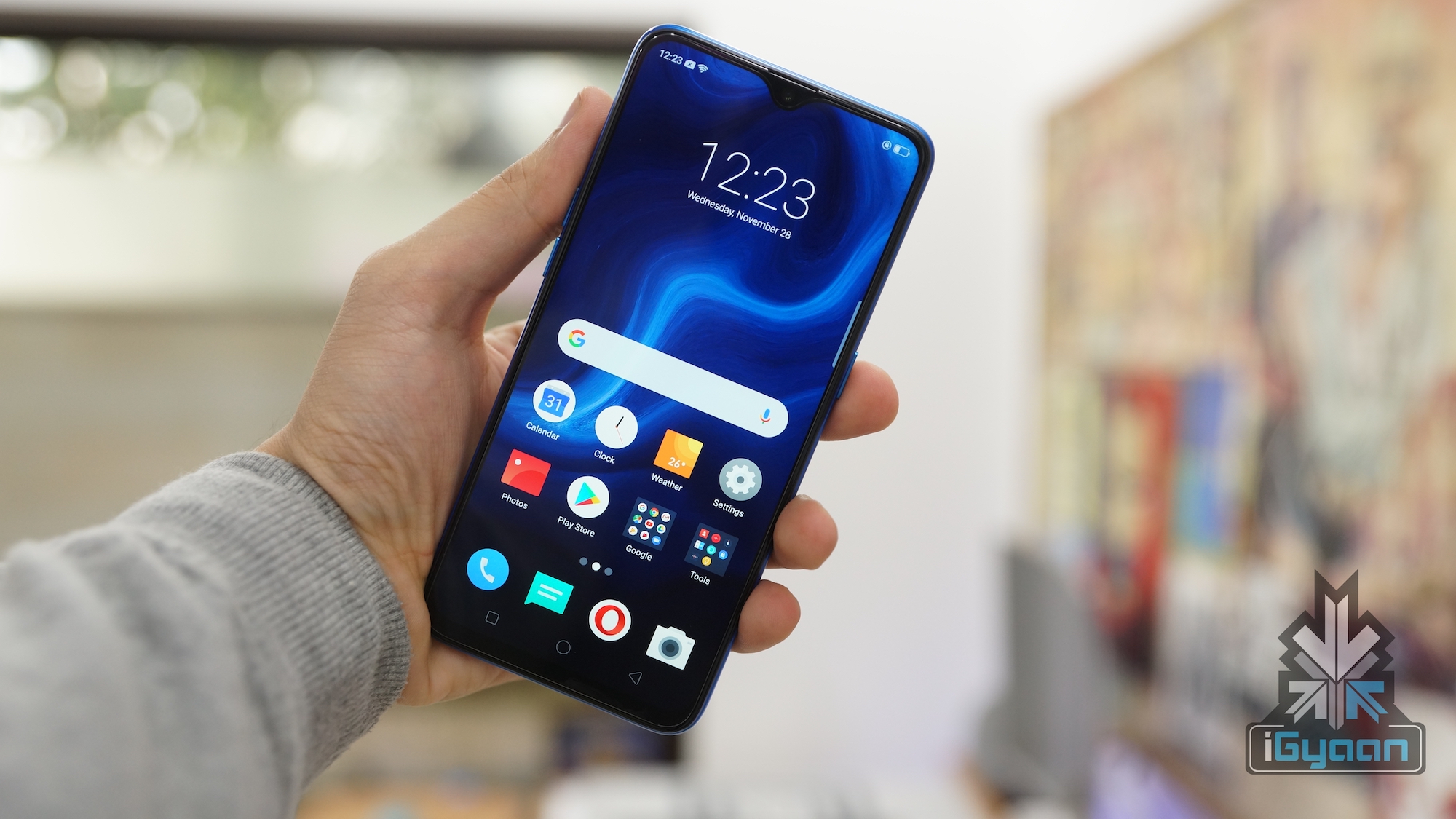
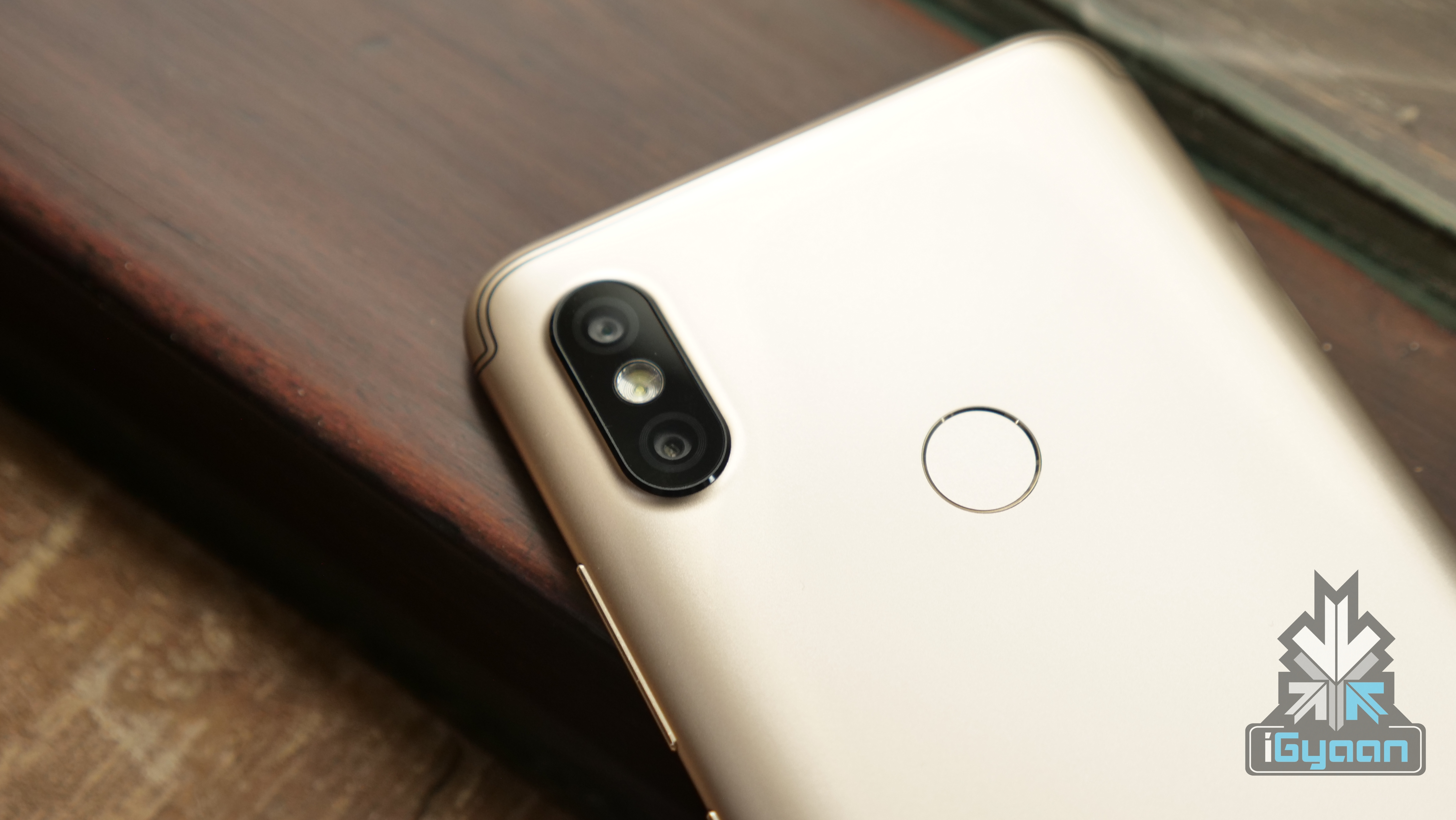
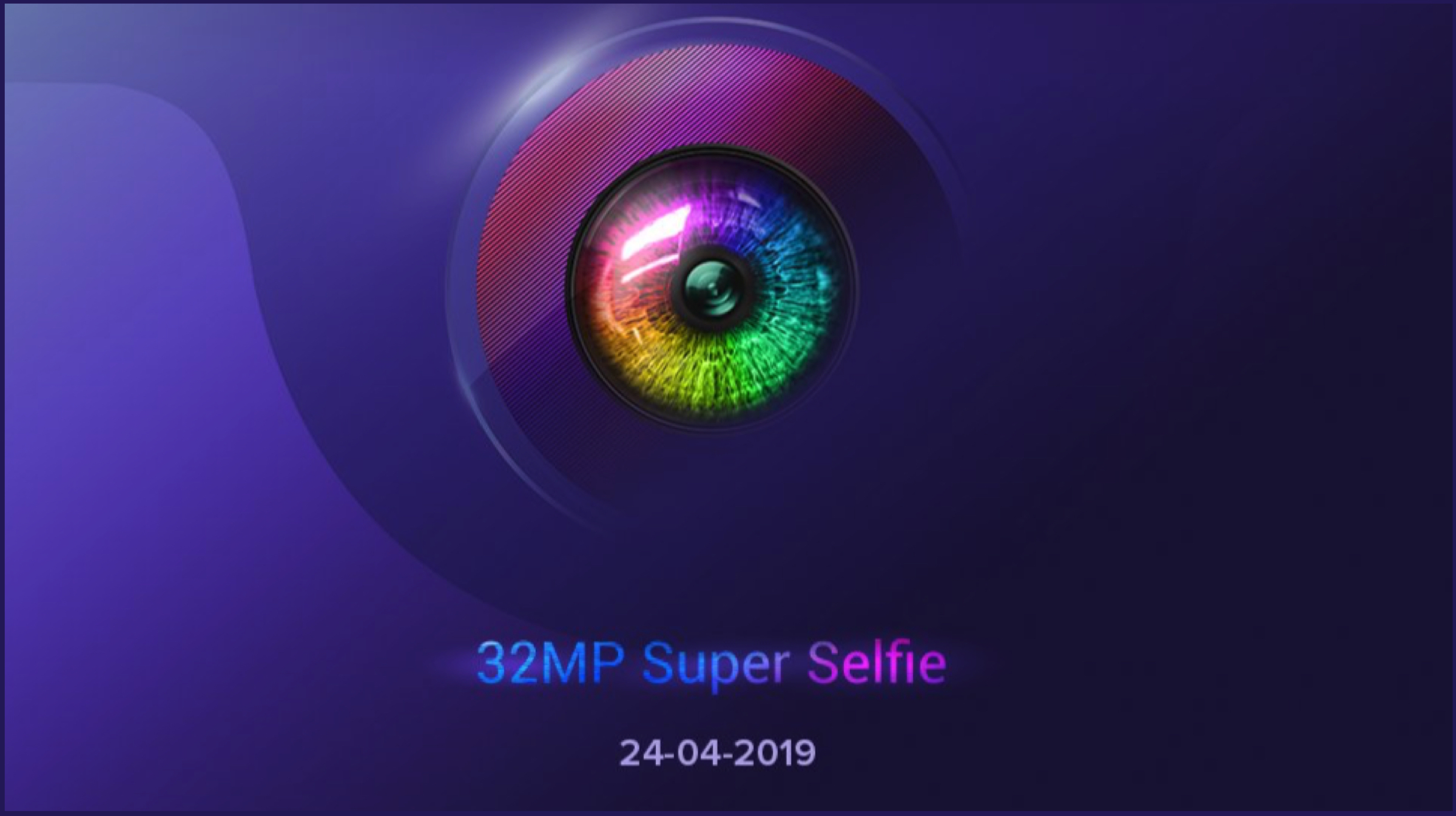
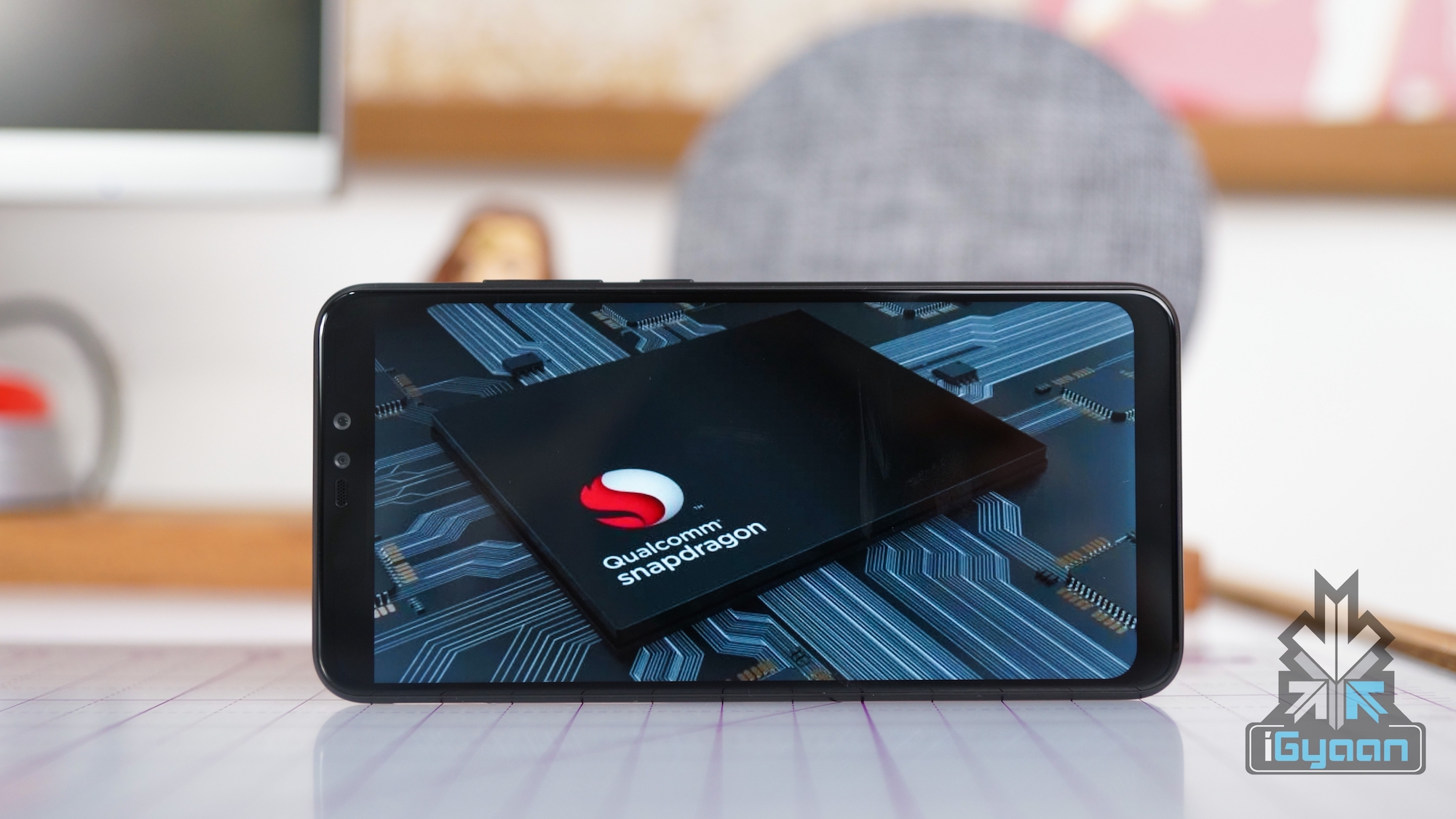
Xiaomi launched its first selfie focussed smartphone, the Redmi Y1 back in the year 2017. The device features a high-resolution front-facing camera and competitive specifications. The handset was followed by its successor, the Redmi Y2 the next year. A fresh tweet by a senior Xiaomi executive reveals the successor to the latter, allegedly called the Redmi Y3 will be launched on the 24th of April.
Redmi Y3
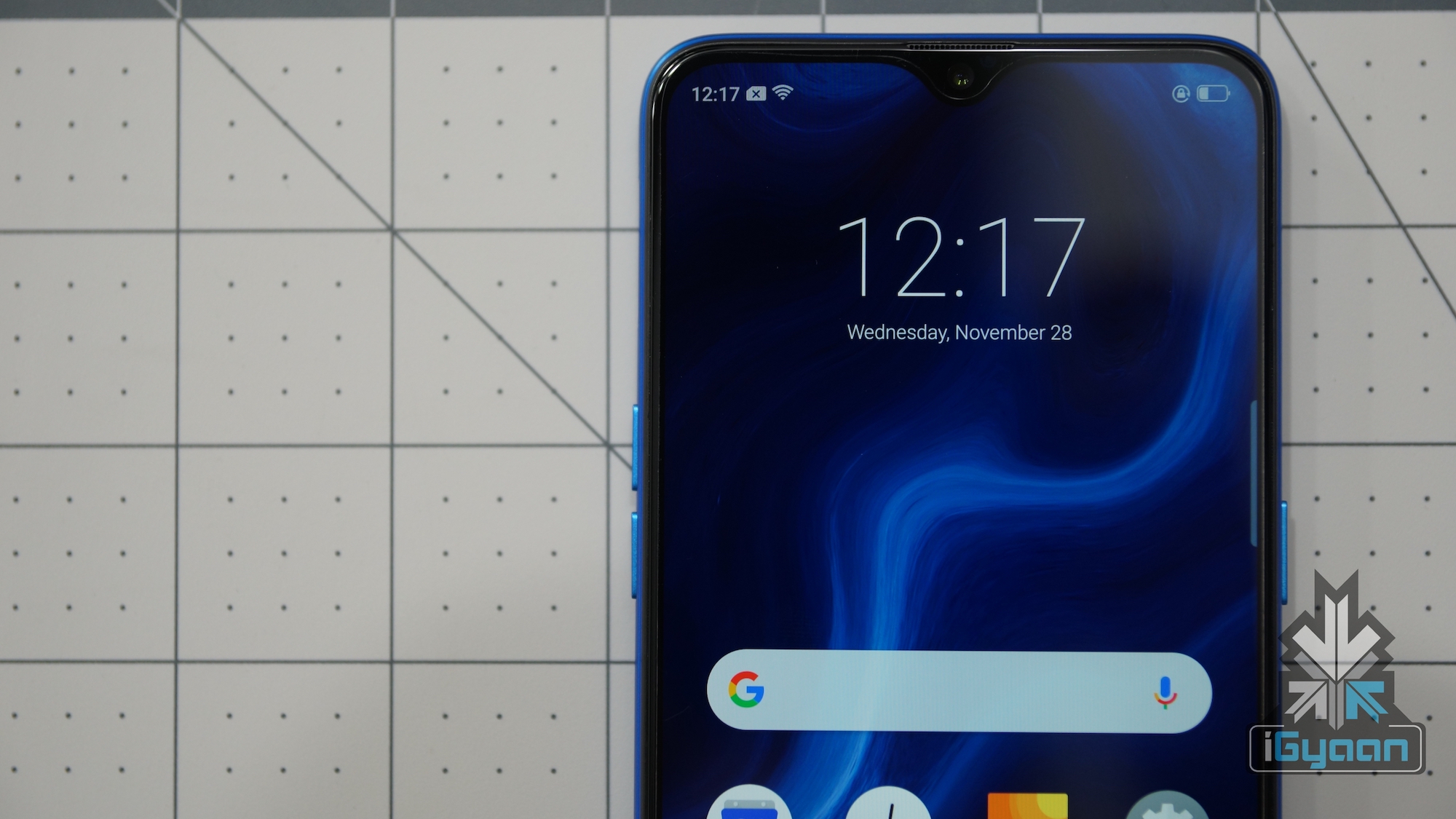
The upcoming smartphone from the company, the Redmi Y3 is expected to carry over a lot of features from its sibling, the Redmi Note 7. As previous versions of the selfie-centric series are known for borrowing features from the Note series of smartphones. Like its predecessors, the upcoming Redmi Y3 is likely to have a metal construction. A 6.3-inch display with an FHD+ resolution is expected. Like its siblings, the device may have a waterdrop notch to maximise the screen to body ratio. For biometrics and security, it will have a rear-mounted fingerprint sensor with support for face unlock technology.
Redmi Y2
Reportedly, the upcoming Redmi Y3 will run on the 14nm based Snapdragon 660 SoC. The chipset has an Octa-core CPU and Adreno 512 GPU. In terms of optics, the smartphone will have a dual rear camera setup; consisting of a 12MP main and a 2MP depth sensor. The tweet by the senior Xiaomi executive reveals the device will have a 32MP selfie camera. In terms of memory and storage, the handset may be available in the following variants.
Earlier leaks of the Redmi Y3 revealed it will run on the latest MIUI 10 on top of Android 9 Pie. In terms of connectivity, the smartphone will support Wi-Fi 802.11 b/g/n connectivity. Unfortunately, the company hasn’t announced the price of the device, but it is expected to cost starting Rs. 9,999. But we don’t have to wait too long to find out because as mentioned above, the Redmi Y3 will launch on the 24th of April.
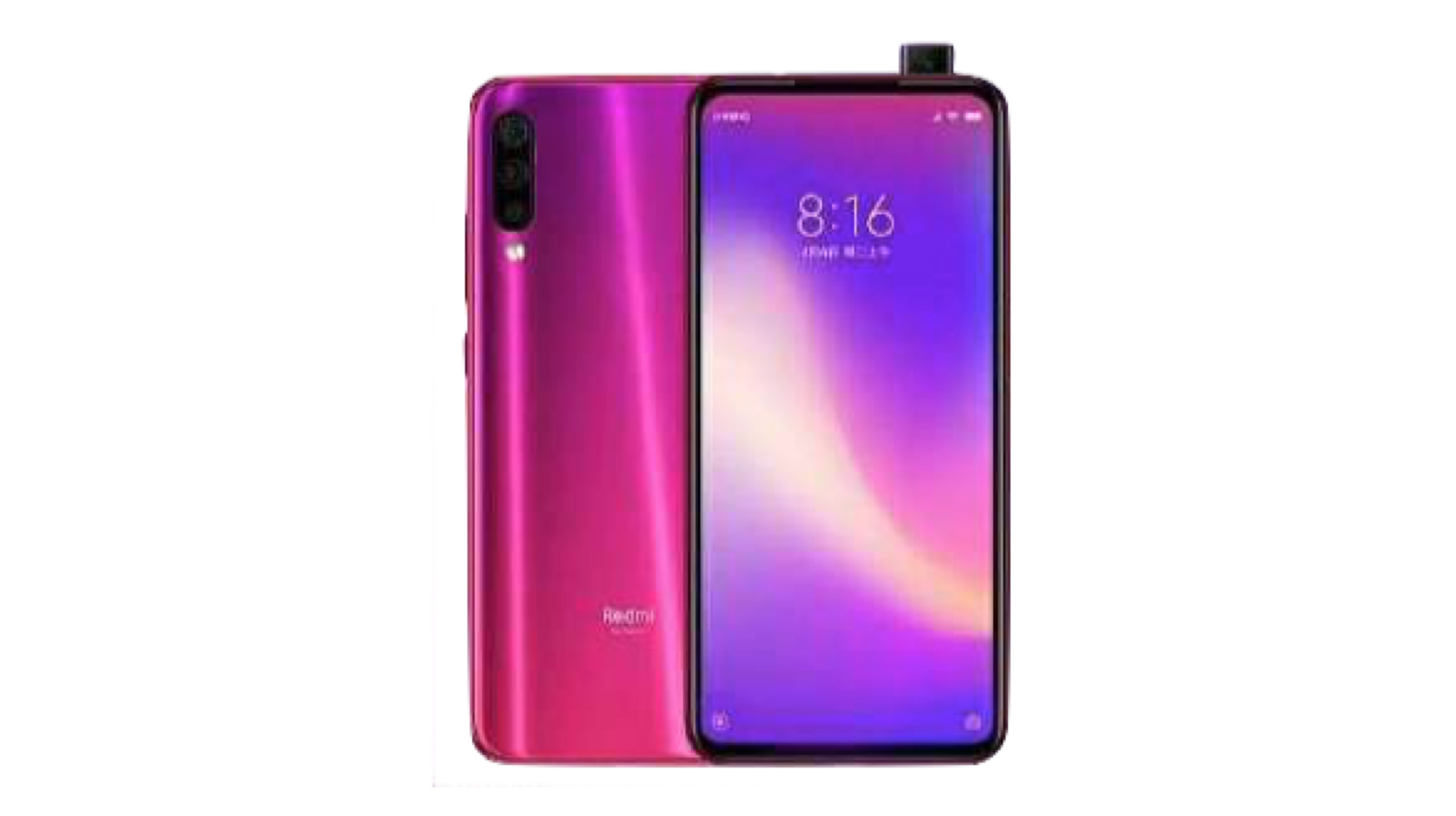
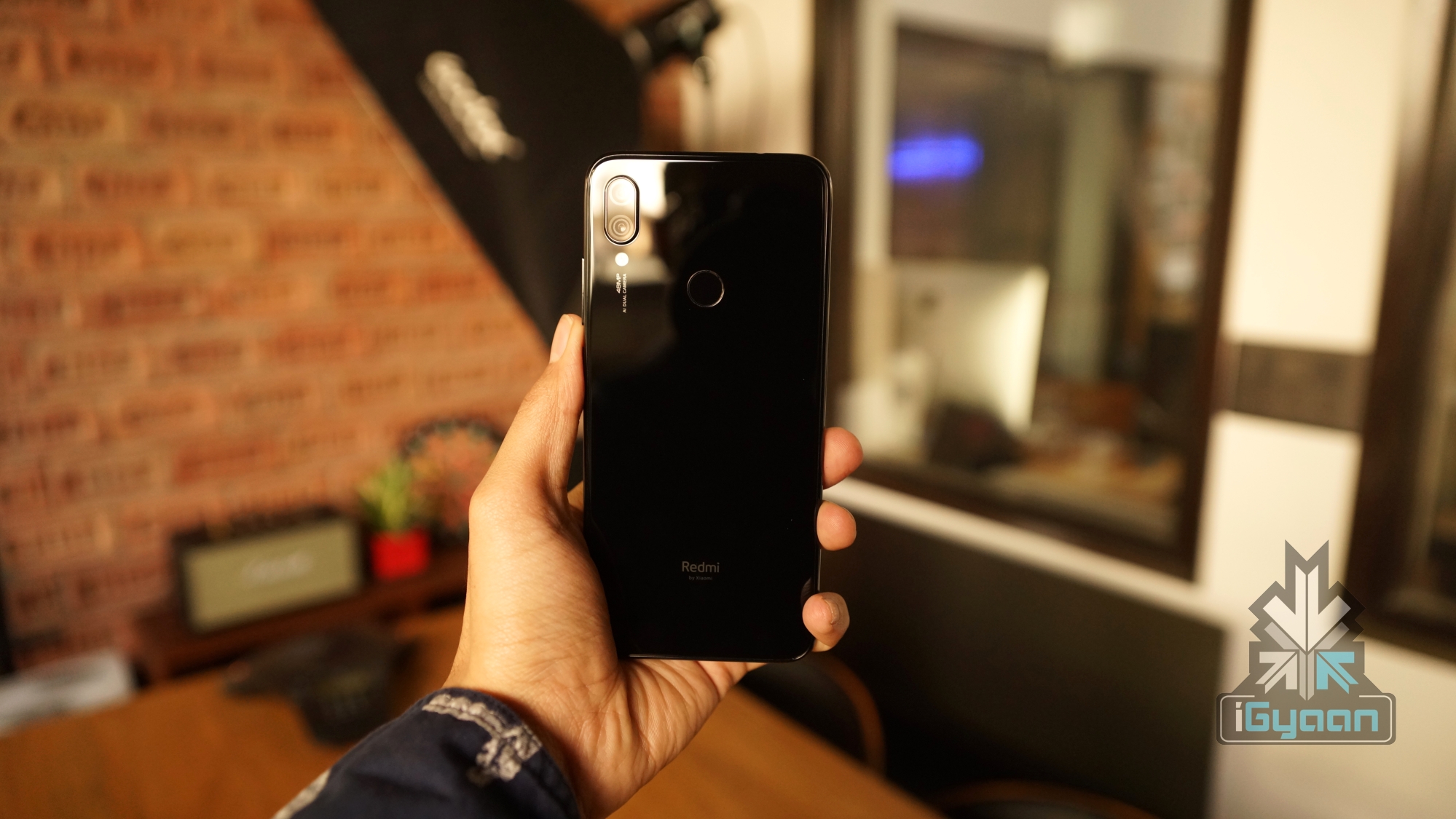
In the month of January 2019, Redmi parted ways from Xiaomi and became a separate brand. Redmi Note 7 Pro and the Redmi Note 7 were the first smartphones from the brand, and they received rave reviews globally. Time and again, the company has been dropping hints that indicate the launch of a Redmi flagship device. Previously, a public source revealed the design, chipset and other significant features of the smartphone. Freshly leaked images suggest that the “Redmi Pro 2” smartphone will sport a 3.5mm headphone jack and a pop-up camera like the Vivo V15 Pro.
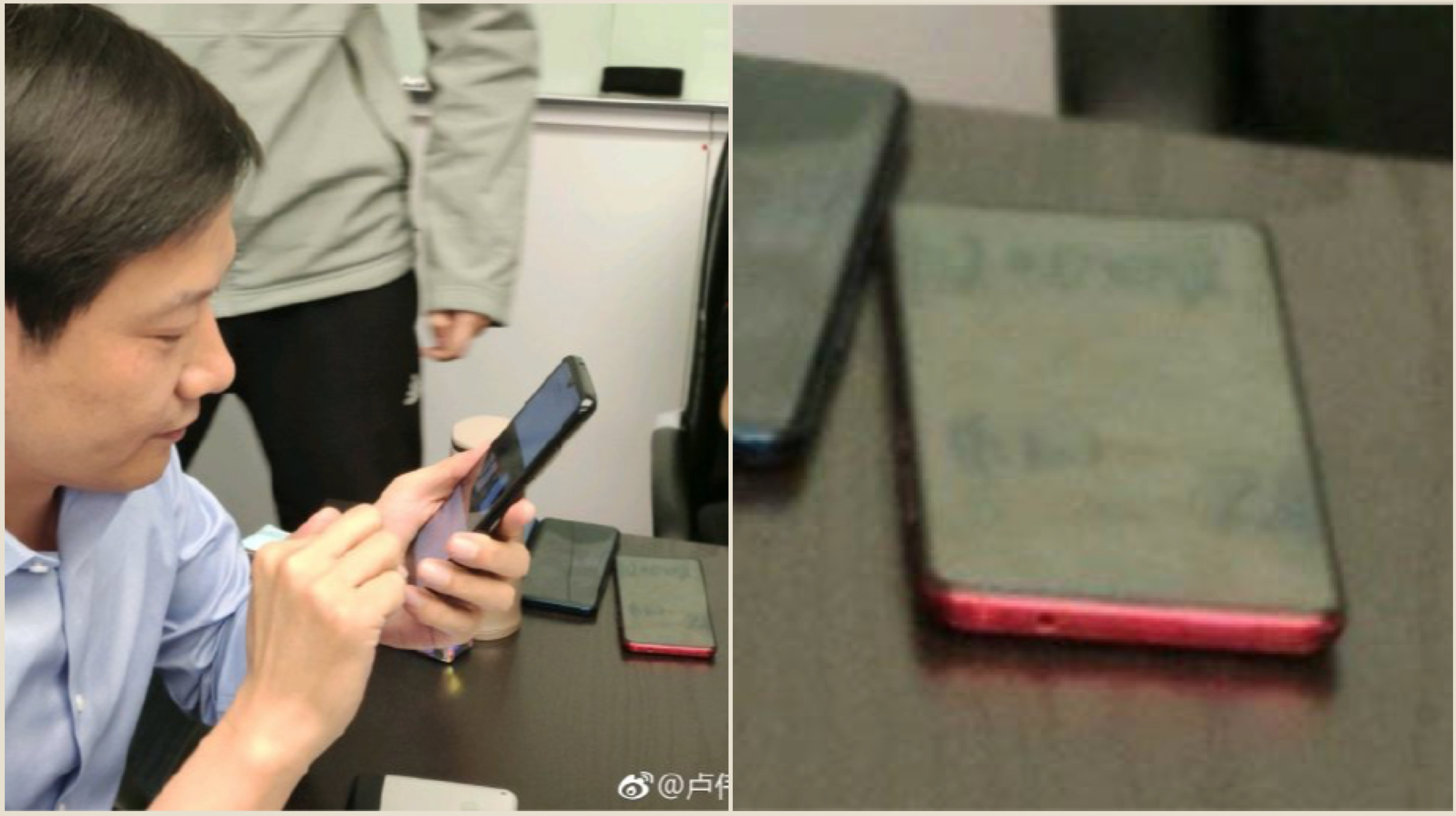
Today product director of Xiaomi, exposed suspected photos of Redmi 855 (later he deleted the post). As shown in the photo, the device uses a full-faceless screen with a 3.5mm headphone jack on the top. The front camera is hidden.#Xiaomi#Redmipic.twitter.com/PNDU1o3bZ7
The image was shared by the product director of Xiaomi, which was as quickly removed from the social media website, Weibo. The image shot on the Mi 9 SE exhibited some bottles, but that’s not all the image contained. Upon zooming in to the right section of the image, a device with a pop-up camera and a 3.5mm headphone jack is clearly visible. Since no Redmi smartphone features a pop-up camera as of now, it is quite plausible that the smartphone is Redmi’s upcoming flagship, which will allegedly be called the “Redmi Pro 2”.
Redmi Note 7 Pro
As per previous leaks, the Redmi Pro 2 will feature a similar design to the previously released Redmi Note 7 and the Note 7 Pro. Since the front camera is speculated to be housed in the pop-up mechanism, the device will feature a high screen-to-body ratio. As per images, the pop-up camera mechanism is present on the top left side of the smartphone, whereas the right side will house the 3.5mm headphone jack. The “Redmi Pro 2” is expected to sport a gradient design on the back panel. Furthermore, it may have an in-display fingerprint scanner which is slowly becoming the standard for flagship smartphones.
Xiaomi Redmi Note 6 Pro
It has been confirmed that the flagship smartphone will run on the top-of-the-line Snapdragon 855 chipset, which powers a multitude of flagship devices like the Samsung Galaxy S10 lineup. The chipset comprises of an octa-core Kryo 485 CPU and the Adreno 640 chip for graphics. The device is expected to sport a triple camera module, with a 48MP Sony IMX586 primary sensor. Reports also suggest that the front camera of the smartphone will have 32 MP resolution. In terms of memory and storage, the base variant of the smartphone is expected to feature 6GB of RAM and 128GB of internal storage. The device may be powered by a 4000 mAh battery with support for 18W fast charging.
As per previous leaks, the “Redmi Pro 2” will go on sale in China during the month of May 2019. The device is expected to be priced at CNY 2,499, which roughly translates to INR 25,600. The smartphone may make its way to India soon after its China launch.
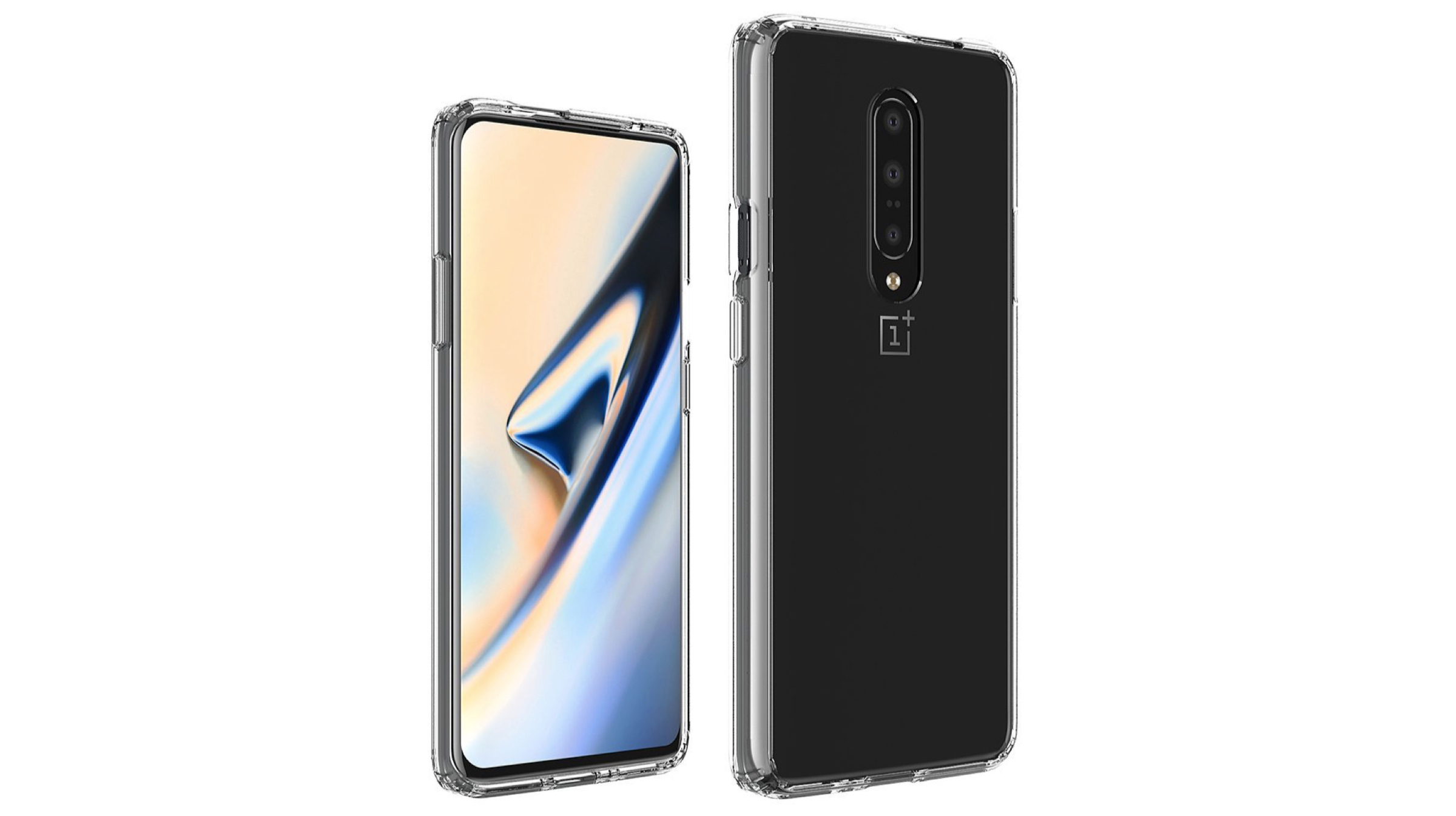
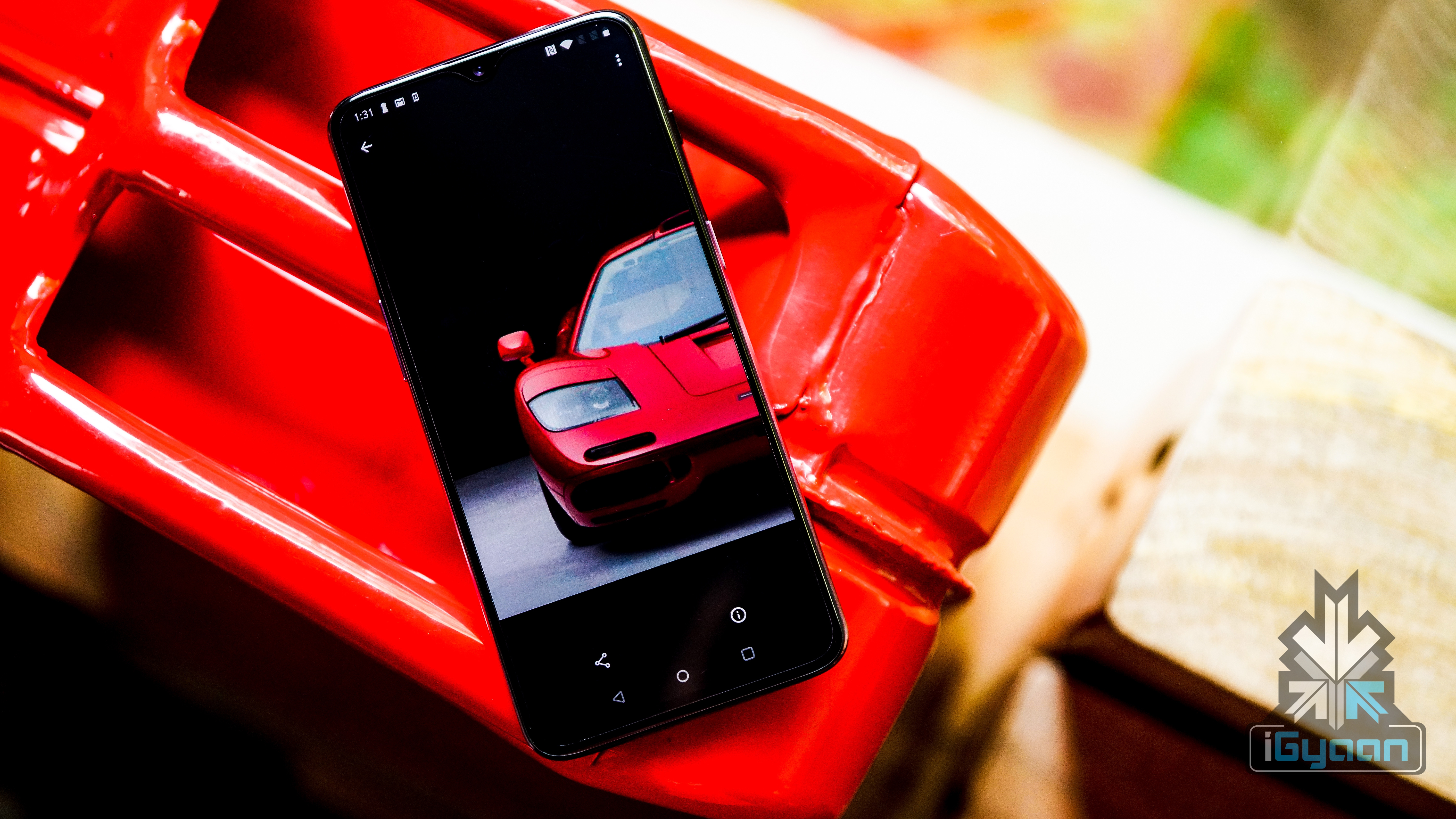
OnePlus, since its inception in the year 2013 has become a well-known smartphone OEM all over the world. Its last device, the OnePlus 6T received positive reviews for its affordability compared to similarly specced handsets. Now, fresh reports from a known gadget leakster on microblogging website Twitter has revealed when the company is going to launch its next flagship smartphones. Unlike past update cycles, the company is reported to two launch smartphones allegedly called the OnePlus 7 and the OnePlus 7 Pro. The leakster claims that both the smartphones will be launched on the 14th of May globally.
OnePlus 7, 7 Pro Specifications
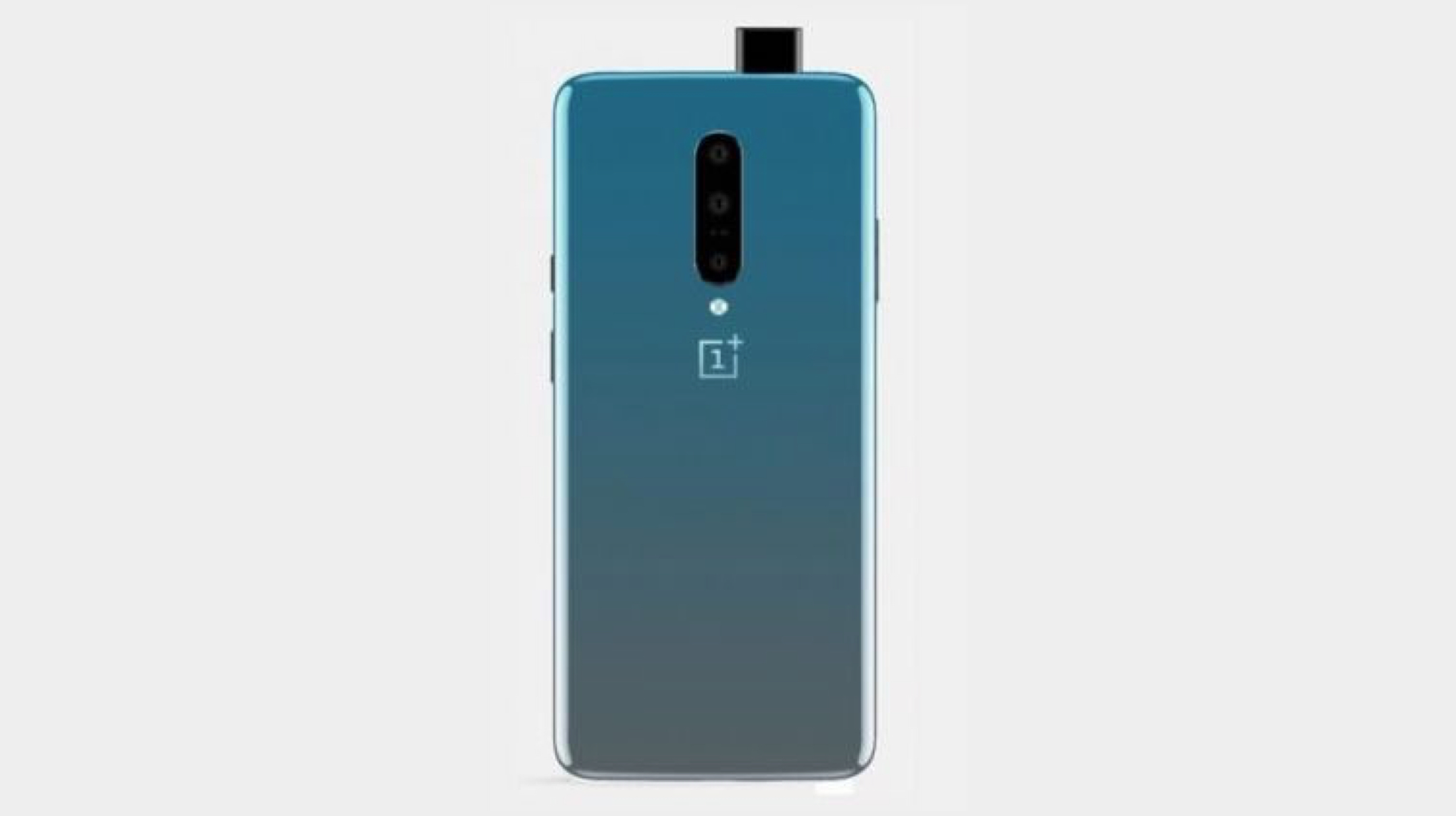
As mentioned above, OnePlus is expected to launch two new devices at the event. While the regular variant and the successor to the OnePlus 6T will be called the OnePlus 7, another variant with slightly bumped up specifications and possible support for 5G will be called the OnePlus 7 Pro. Apart from a few differences, key features of both the smartphones are expected to be similar. The leaks claim the former will have a 6.5-inch display while the latter is reported to sport a 6.67-inch display. Both devices will employ a pop-up camera to house the front-facing snapper in an attempt to maximise the screen real estate. Like the Samsung Galaxy S9, the Pro variant of the upcoming device will have a display that tapers towards the edges. Like their predecessor, the handsets will feature an in-display fingerprint scanner with support for face unlock technology.
Sources claim both the OnePlus 7 and the OnePlus 7 Pro will run on the 7nm Snapdragon 855 SoC. The chipset consists of an Octa-core CPU and the Adreno 640 GPU. In terms of optics, while both the smartphones will have a triple rear camera setup; the former will have a 48 MP sensor, combined with a 20 MP and a 5 MP sensor; The latter will feature a 48 MP main sensor, combined with a 16 MP telephoto and an 8 MP sensor. Both devices will have a 16 MP selfie camera housed in the pop-up mechanism on the top of the smartphone. In terms of memory and storage, the handsets may feature up to 12GB of RAM and 512GB of internal storage.
Previous leaks suggested the OnePlus 7 will be powered by a 4000 mAh battery with support for 44W fast charging. The Pro model may feature a bigger cell because of the rumoured support for 5G connectivity. Both the smartphones will run on the latest Oxygen OS 9 on top of the current Android 9 Pie.
As mentioned above, the latest flagships from OnePlus will launch on the 14th of May. Like every iteration by the company, it is expected they will be priced higher than their predecessor. While the OnePlus 7 is expected to start at US$ 569 (Rs. 40,000), the OnePlus 7 Pro may start at US$ 700 (Rs. 48,500).
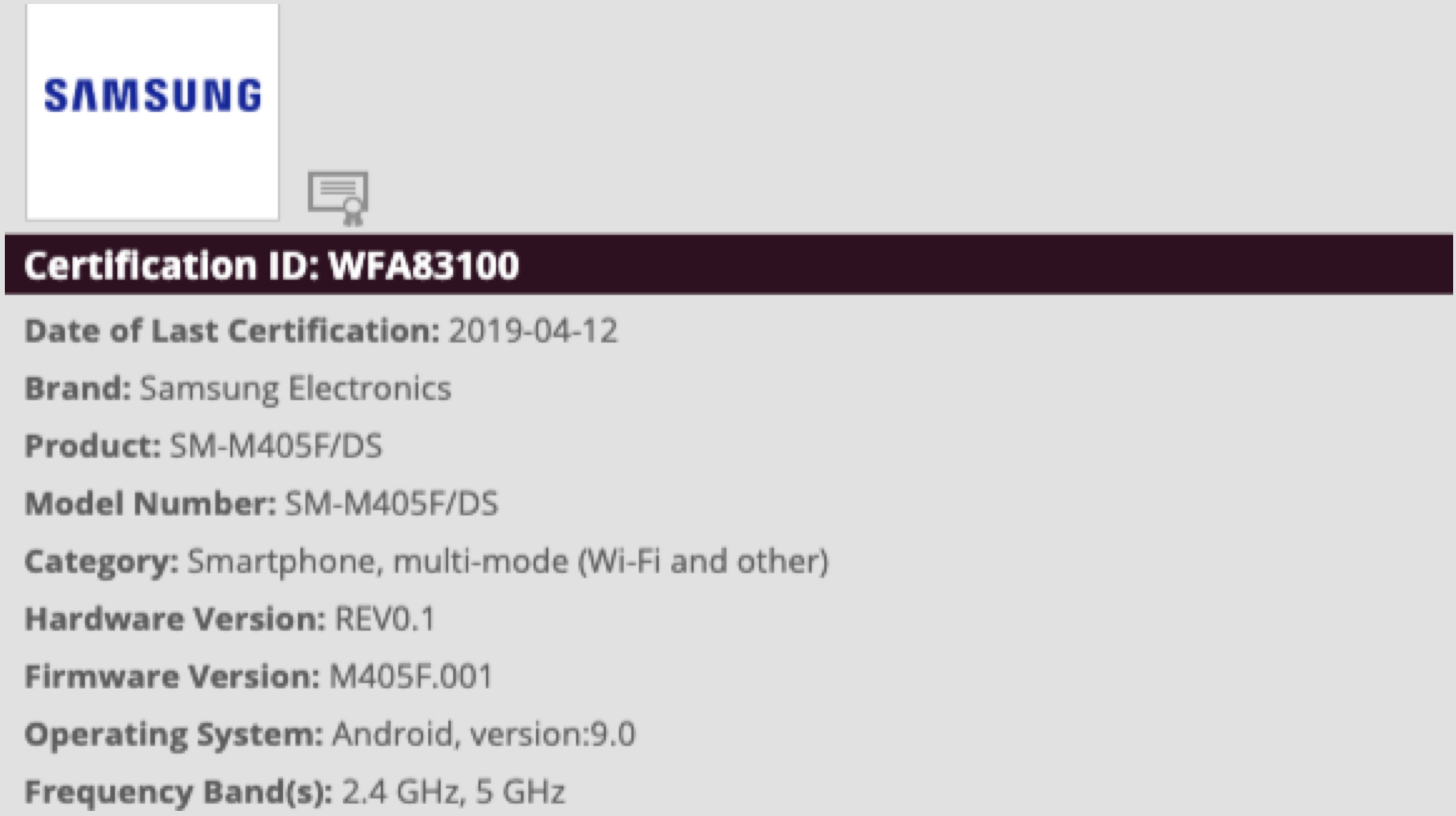
Samsung has been on a smartphone launch spree lately, after launching the Galaxy M series of devices in January, it introduced the current Galaxy A lineup. It seems like the company is planning to launch a new device in the former range of handsets. An unknown Samsung smartphone, believed to be the Galaxy M40 has been certified by the Wi-Fi Alliance suggesting an imminent launch.
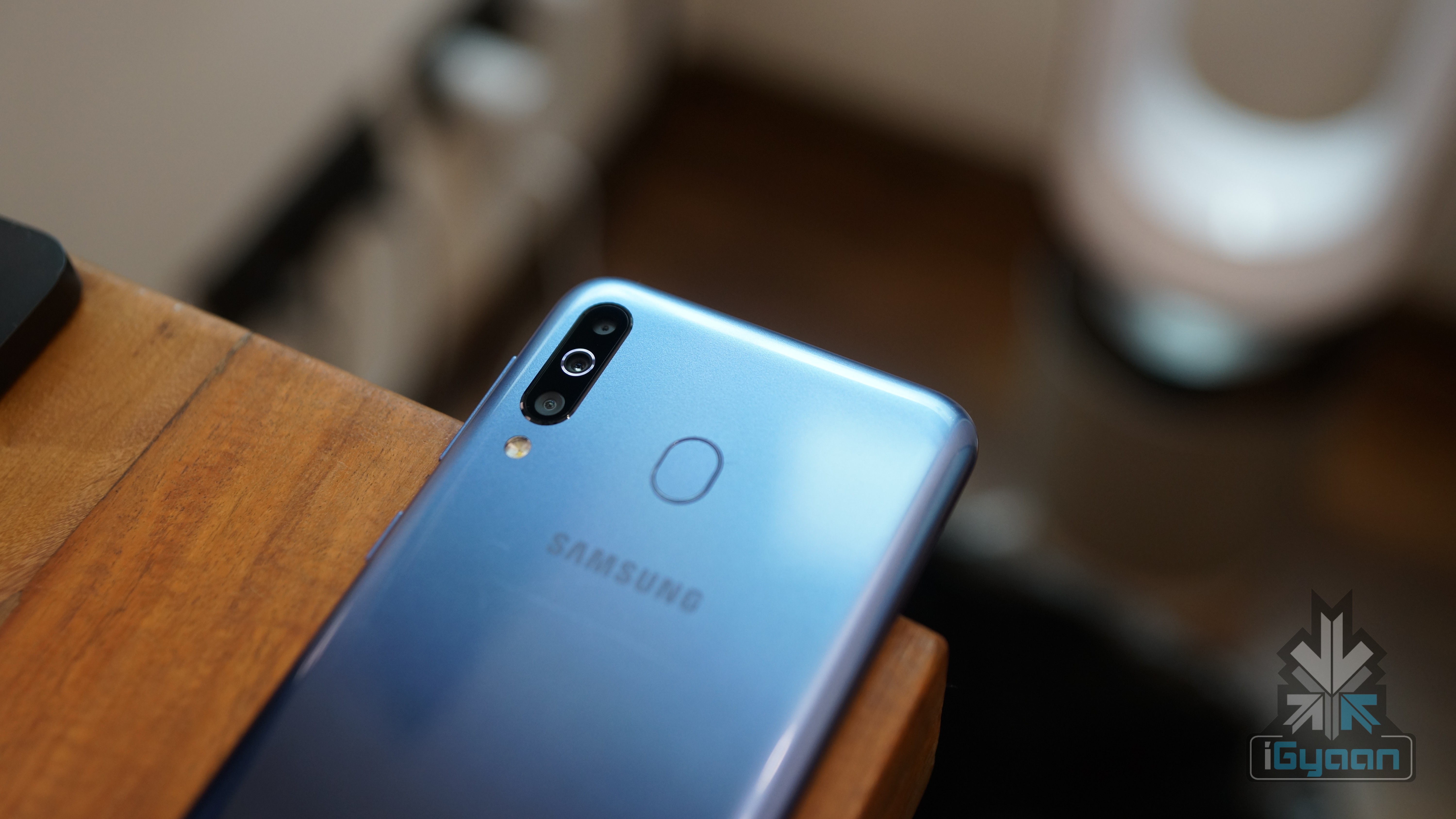
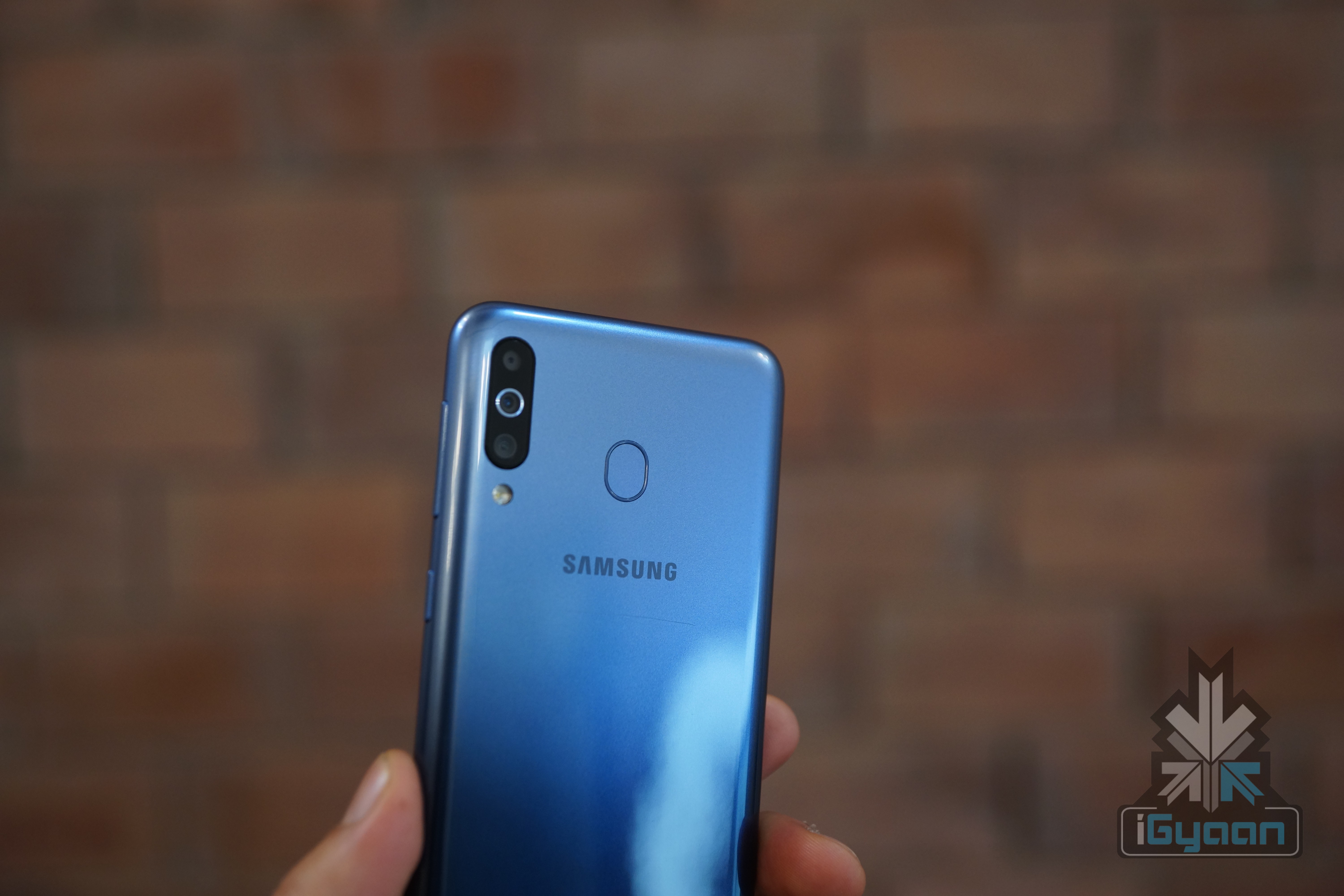
Samsung Galaxy M40
The Galaxy M40 will be the latest entrant in the Galaxy M series of devices. The listing on the Wi-Fi Alliance website mentions a smartphone by Samsung with a model number SM-M405F/DS. Since the Galaxy M30 had the model number M305F for the Indian variants, it is expected the aforementioned listing is of its elder sibling, the Galaxy M40. The upcoming device is expected to sport a polycarbonate design with an AMOLED display on the front. To maximise the screen real estate, an Infinity U style waterdrop notch may also be implemented on the top of the display. For biometrics and security, the handset may include an in-display fingerprint scanner with support for face unlock technology.
Galaxy M30
While the specifications of the Galaxy M40 aren’t known yet, it is expected to feature the 10nm Exynos 9610 SoC which was last seen in the Galaxy A50 smartphone. Like the Galaxy M30, a triple rear camera is also expected in the handset. The leaked listing of the device confirms it will run on the latest OneUI on top of Android 9 Pie. This is surprising considering the previous entrants in the lineup featured Android 8 Oreo out of the box. In terms of connectivity, the Galaxy M40 will have support for Wi-Fi a/b/g/n/ac bands and Bluetooth 5.0 on board.
Unfortunately, there is no official announcement from Samsung regarding the Galaxy M40 but the WI-Fi certification insinuates it might be launching soon. Expected price of the device will be Rs 19,990 for the Indian market.
When the Sharp J-SH04 was first released by J-Phone in the year 2000, it made ripples that laid the basis for some of the most innovated and researched upon technology today. Mobile cameras were never a thing before the 2000s. People had to carry a separate (much bulkier) camera if they had to capture images on-the-go, which, to be honest, wasn’t on-the-go at all. So when the J-SH04 was first launched in Japan, people were surprised, shocked and skeptical at the same time. Surprised because nobody could have ever thought of including a camera in a mobile phone. Shocked because it was actually a portable camera they could carry around. But most of all, skeptical, because of just one question: Will mobile cameras ever be able to replace conventional point-and-shoot cameras?
Where Multi-Camera Setups Became A Thing
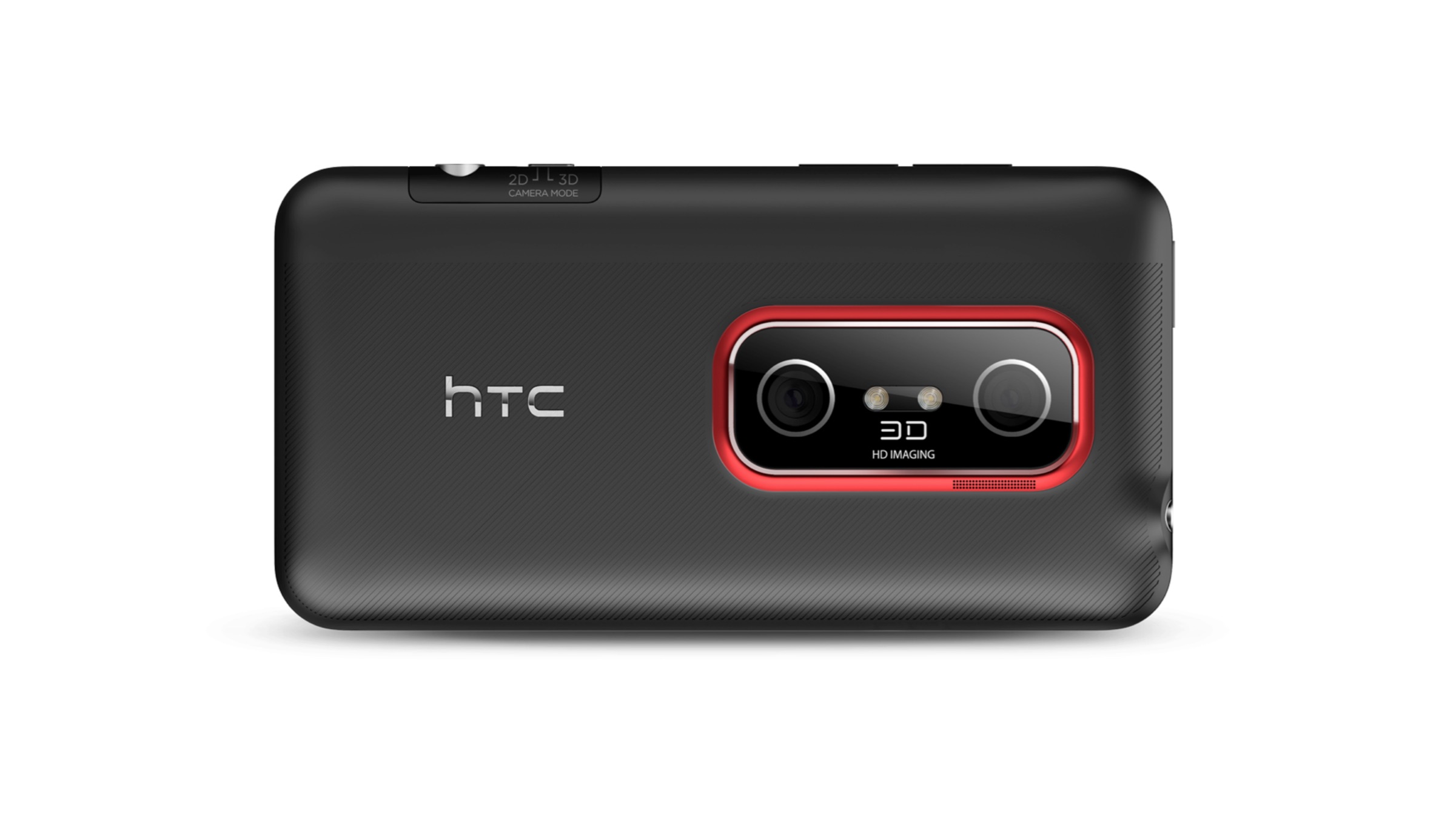
HTC EVO 3D
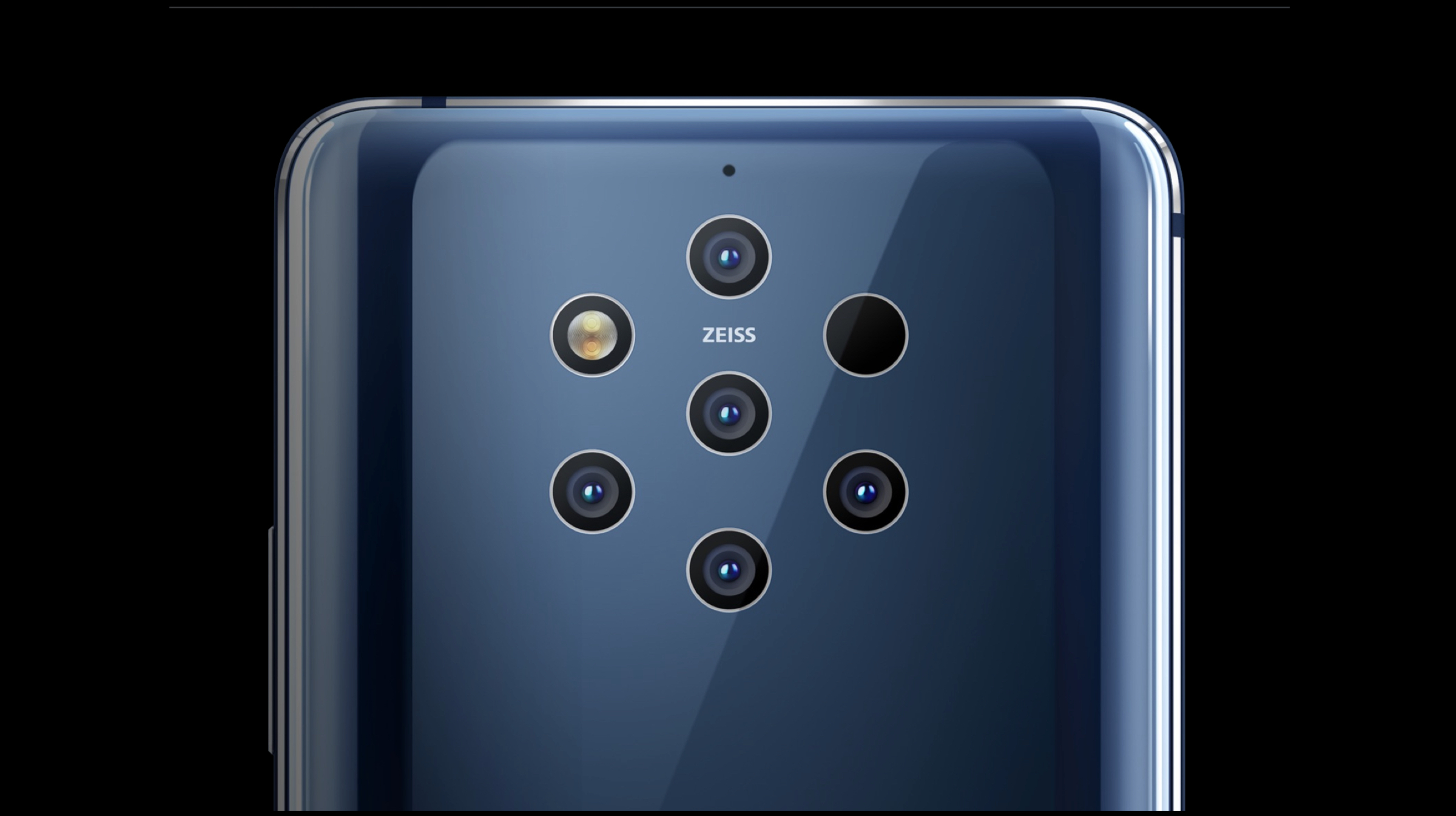
Fast forward to almost 11 years later, when HTC released the world’s first dual camera setup in a smartphone, which was the EVO 3D. The device claimed to capture the best-in-class 3D images at that time, but unfortunately, the device could never hit the home run in the market. The dual-camera technology, however, was adopted by multiple smartphone OEMs, and thereon, numerous smartphone with more than one camera made their way into the market . Dual cameras gave way to triple cameras, triple camera sensors were replaced by quad-camera modules and eventually, in February 2019, Nokia announced the world’s first penta-lens smartphone: the Nokia 9 Pureview. That is right, a smartphone with 5 rear camera sensors, all placed next to each other. The real question is, do we actually need that many cameras on a smartphone?
Nokia 9 Pureview
It seems that when companies ran out of megapixels to use with their cameras, they started incorporating multiple cameras with varied functionalities. However, it sure seems to be working out, as the overall image quality has drastically improved. Smartphone cameras with “crazy” zoom capabilities have occupied the market, and the selling point is, those cameras can zoom upto a point where the human eye stops comprehending. It all comes down to one statement: If you want your images worth all the effort, then you must spend on your smartphone. Because smartphone prices are directly proportional to increasing device camera standards.
Or Are They?
Benefits Of Additional Cameras
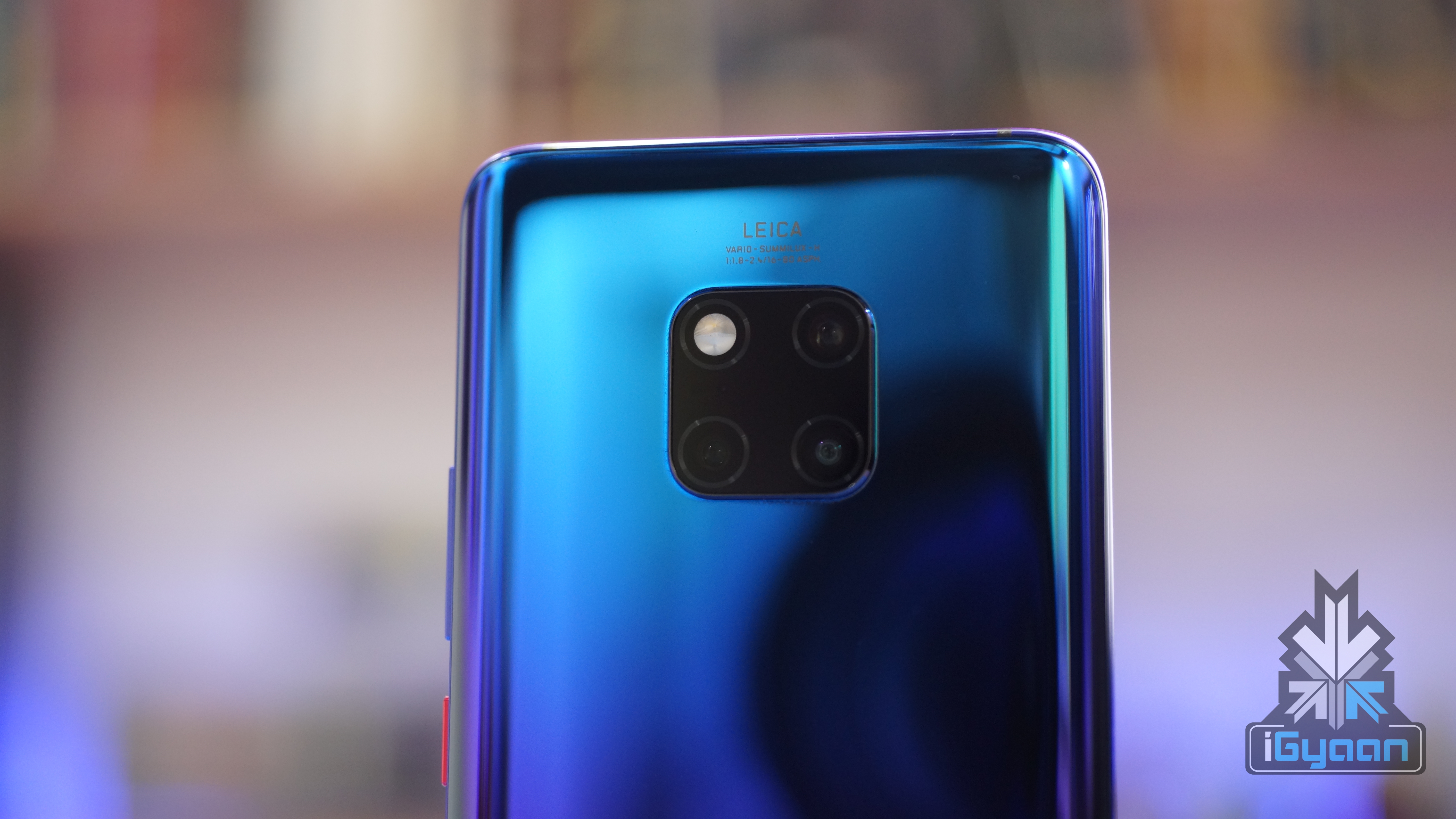
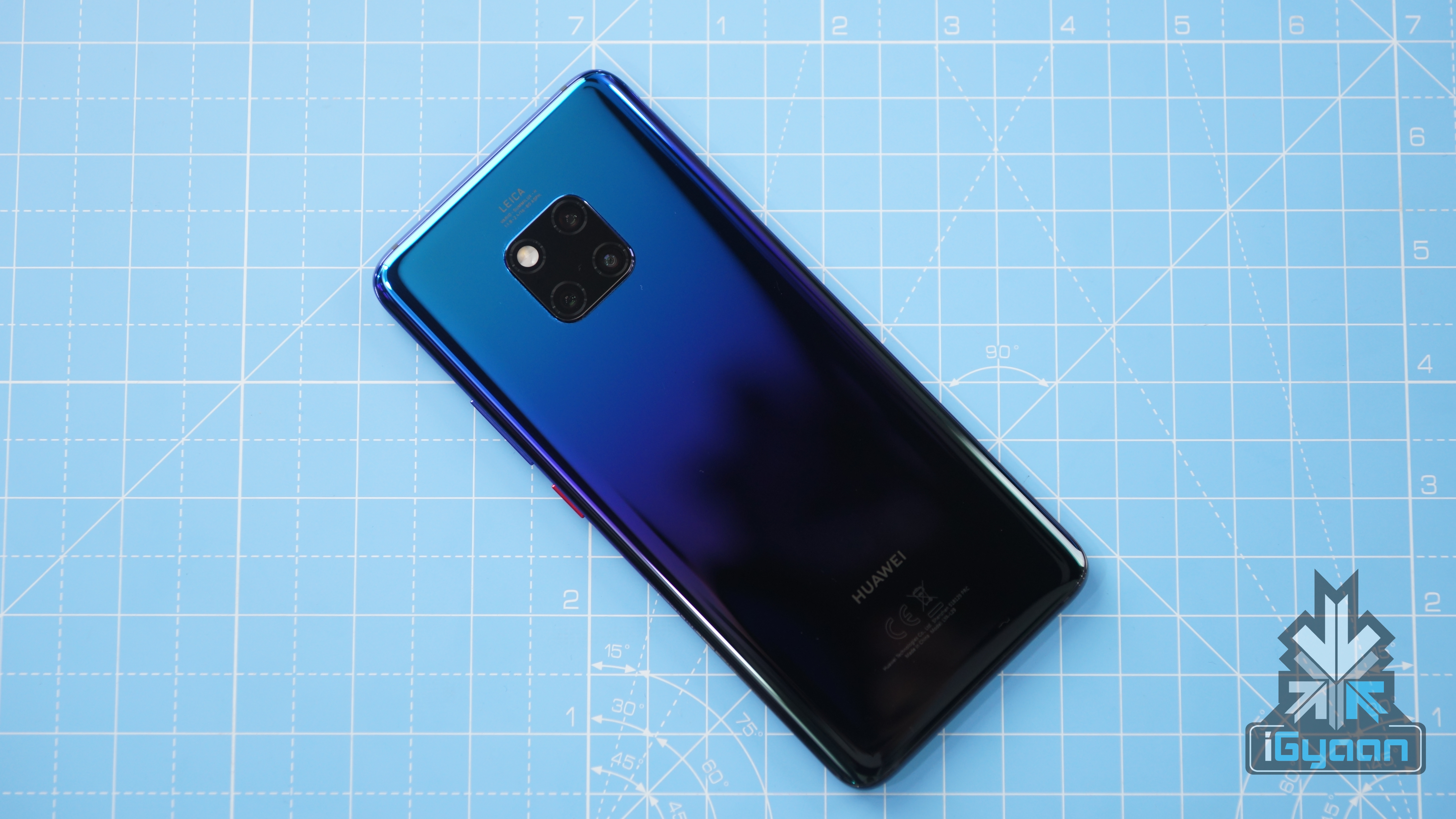
Huawei Mate 20 Pro
The additional camera sensors are not mereley gimmicks, in fact, they can be used in significantly enhancing the image quality. For instance, an ultra wide sensor has a lens with a shorter focal length than other sensors, enabling users to capture wider shots with a wider FOV (Field of view). A telephoto sensor enhances the zooming capabilities of the smartphone, and the monochrome sensor captures a drastically high amount of details in a scene with the the help of image capturing buckets (also known as photosites). Multiple camera sensors on a smarpthone can undoubtedly improve its photo and video capturing capability. However, it is not the sole factor that can impove a devices camera performance. As demonstrated by the Google Pixel smartphone lineup, a single sensor with optimised software can also produce praiseworthy results.
The Odd One Out
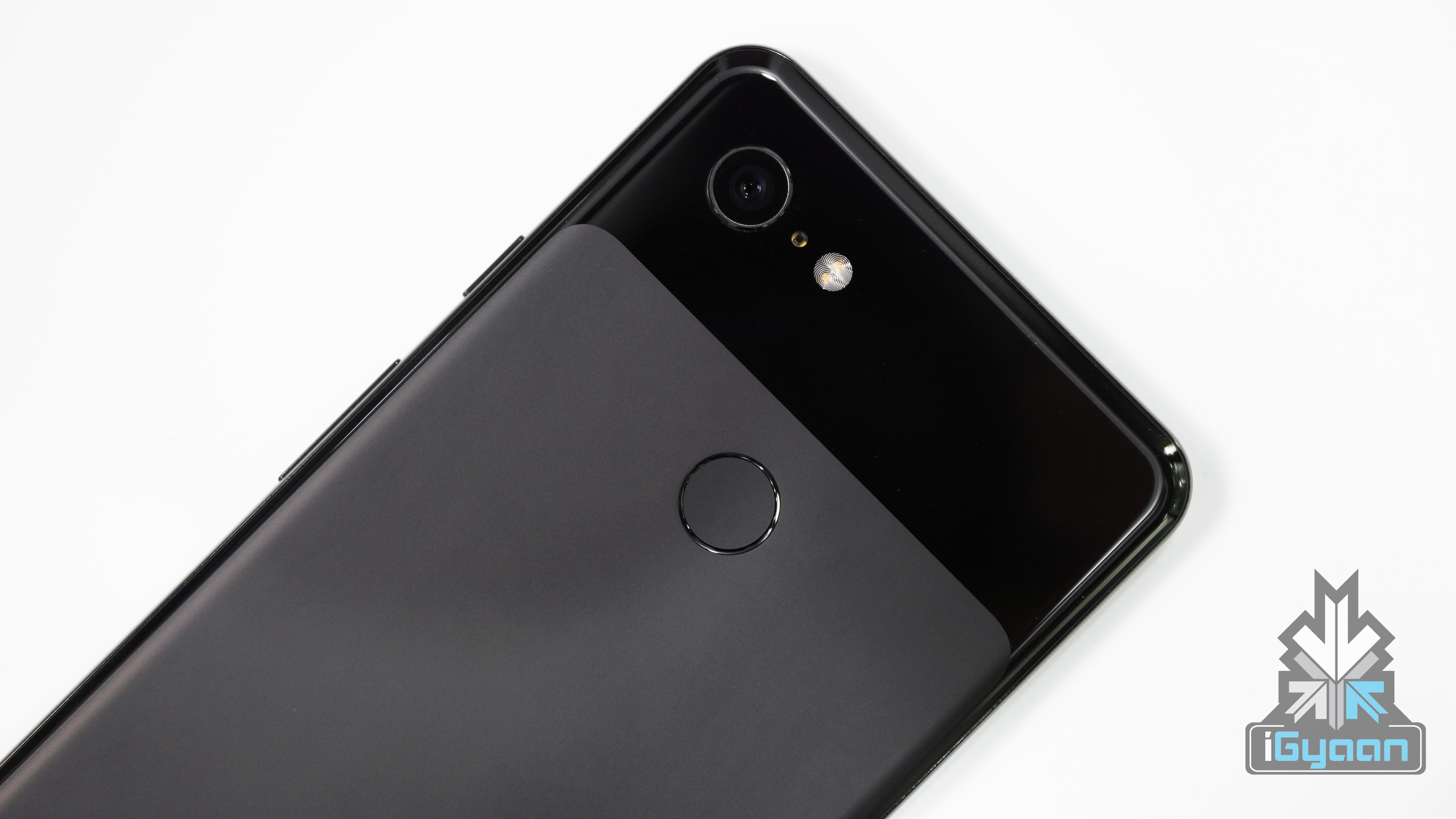
Google Pixel 3 XL
A very intriguing smartphone is the Google Pixel. Google’s current flagship smartphone, the Pixel 3 XL is one of the best camera smartphone in the market. Noteworthy, the device only has a single rear camera. How did the company manage to achieve such a feat with just one sensor? The answer lies in the software optimization, and Google has exceeded in that particular area. AI (Artificial Intelligence) integrated with Google’s camera supports robust image processing. And surprisingly it’s on par with several other smartphones that have multiple camera sensors. In April 2019, Huawei released the P30 Pro, which is plausibly the best device to showcase the benefits of a smartphone with multiple camera sensors.
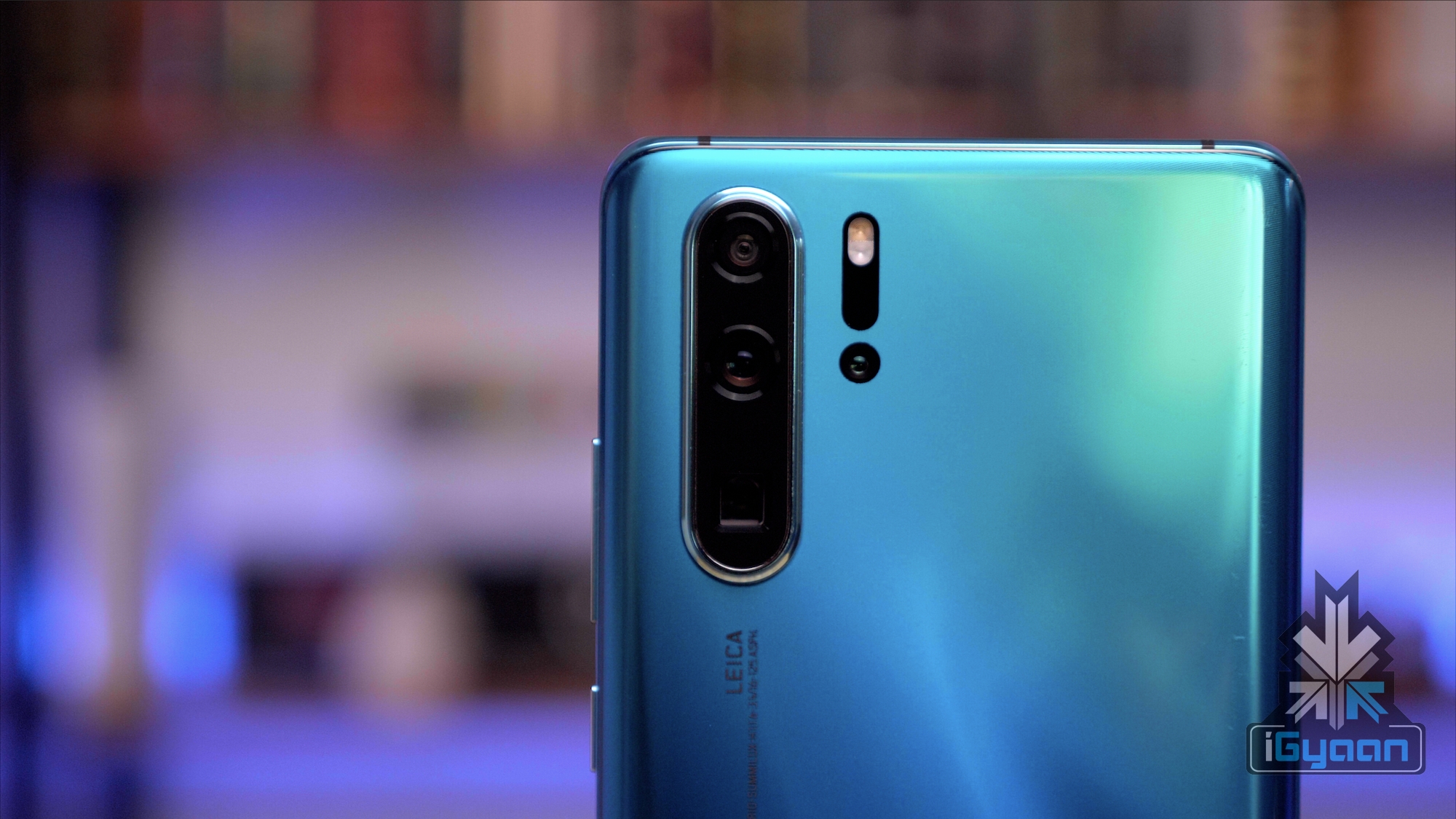
Huawei P30 Pro
The P30 Pro combines aggressive software optimization with three cameras and does wonders. In fact, the device features a very unique periscopic camera setup, enabling 5x optical zoom in the device. Furthermore, P30 Pro’s camera uses an RYYB sensor, as Huawei claims that the sensor captures 40 percent more light than a conventional camera sensor. This enables the P30 Pro to capture staggering night shots. In a dark room where the human eye has trouble perceiving details, the Huawei P30 pro makes it look easy. Moreover, the device is the only smartphone in the market which supports 50x digital zoom.
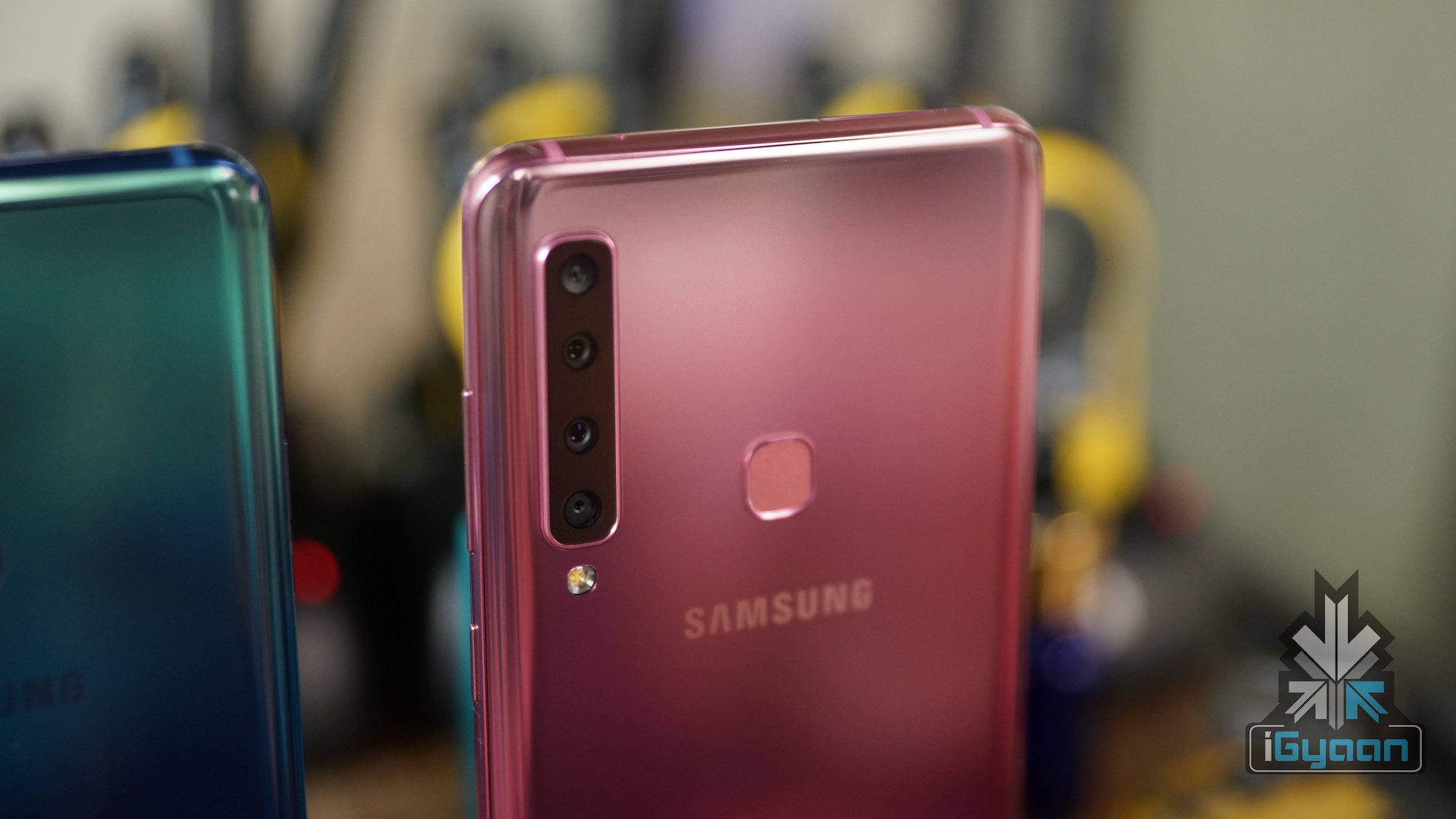
Samsung Galaxy A9
Both the aforementioned smartphones contradict each other’s statements. Is it just about the number of cameras on the device, or is it just concerned with the AI and software optimization of the same? Or maybe, a well-balanced combination where the software and a multitude of cameras work together to create a perfect image is all we need.
What Features Should You Actually Look For?
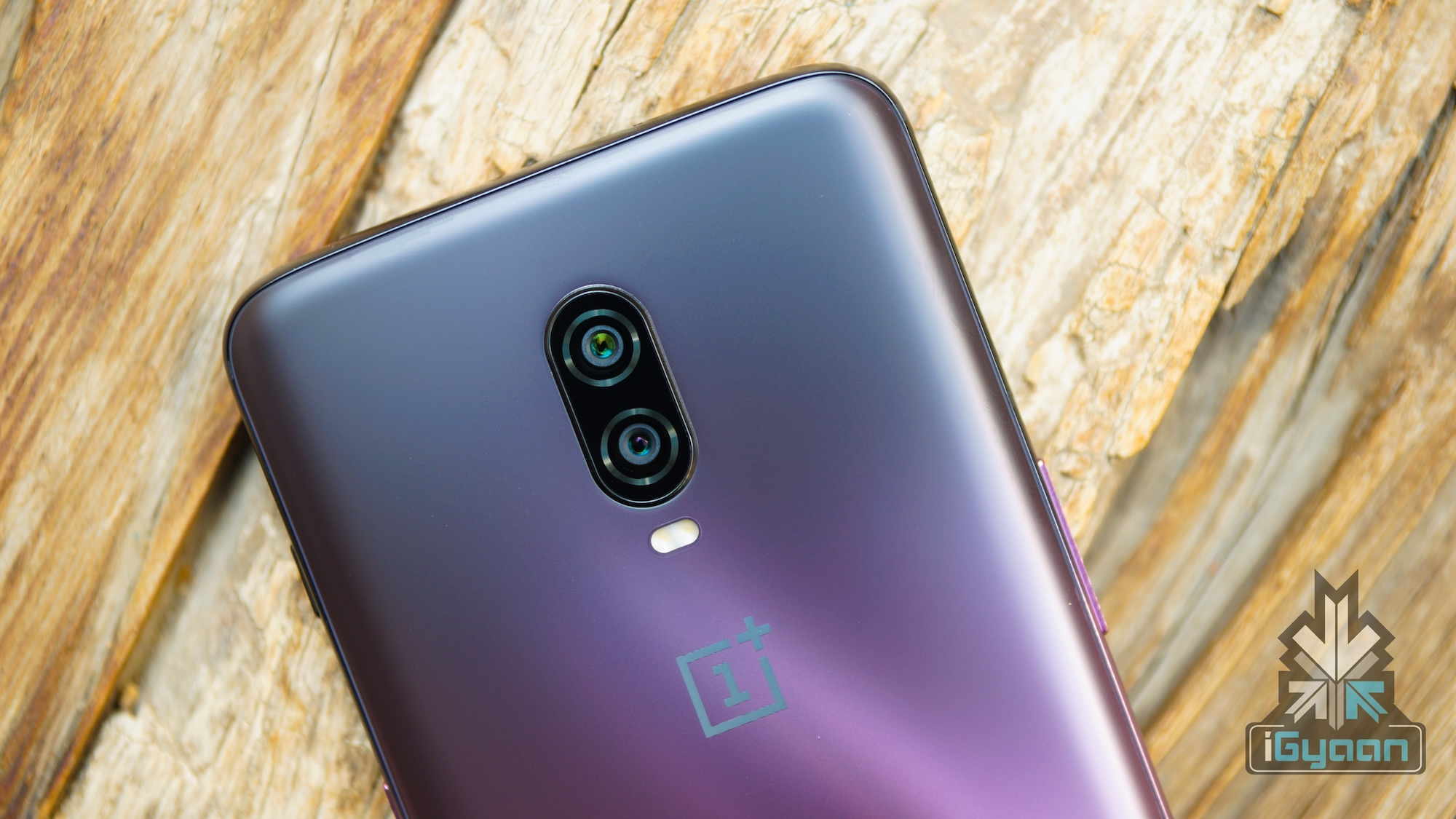
OnePlus 6T
In addition to image processing, smartphones with good zoom capabilities are also a necessity nowadays, because an all-round performing camera isn’t just born out of software optimization. If your preference is “portrait-mode-selfies”, prefer a smartphone camera with a wide aperture (size of the shutter hole). Furthermore, having a wider aperture on the smarpthone’s camera enables it to capture well lit shots in lower light. Last but not the least, Megapixels, even though they aren’t an accurate representation of how good the smartphone camera is (contrary to popular belief). More megapixels equals more details in larger images, so if you are into zooming and extracting details from the images, your first preference has to be the megapixel count.
Smartphone brands will keep rolling out devices with multiple cameras, that’s for sure, but as long as software advancements continue to flourish, devices with single cameras and multi-camera setups will keep going head-to-head. Even though “two cameras” do sound better than “one camera” on paper, it’s still relevant to the usage of the smartphone, as mentioned previously, but to answer the sought question, No. More cameras doesn’t necessarily pertain to the fact that the smartphone will capture better images than other counterparts with a lower number of cameras.
Samsung, the world’s number one smartphone manufacturer is known for creating some praiseworthy flagship devices. Taking the latest Galaxy S10 lineup as an example, the handsets perfectly blend in great hardware with appreciable software. But, in the past few years, it’s budget smartphones have been struggling to perform well in terms of sales due to fierce competition from Chinese OEMs. The company, in a bid to change that, launched the current Galaxy M and the Galaxy A series of devices. Not only the hardware on the handsets is noteworthy, but they also have a competitive price to maintain themselves in the game. So, has Samsung finally figured out the budget smartphone segment?
History Of Samsung’s Budget Smartphones
Galaxy On7
Before this year, Samsung had a convoluted lineup in which it placed its budget smartphones. There was the Galaxy J series, which started from the bottom of the barrel and continued to the mid-range price bracket. Then there was the Galaxy On Series, which targeted budget segment online. On the top end of things, there were the Galaxy A and Galaxy C lineup of smartphones. These were the company’s mid-range offerings which went up to the premium mid-range price bracket. No prizes for guessing, all the aforementioned devices looked archaic and did not really offer competitive specifications for the price they were targeting. In the end, Samsung had to discontinue all the devices in the above lineups and started to reinvent itself.
The Current Situation
Galaxy A30
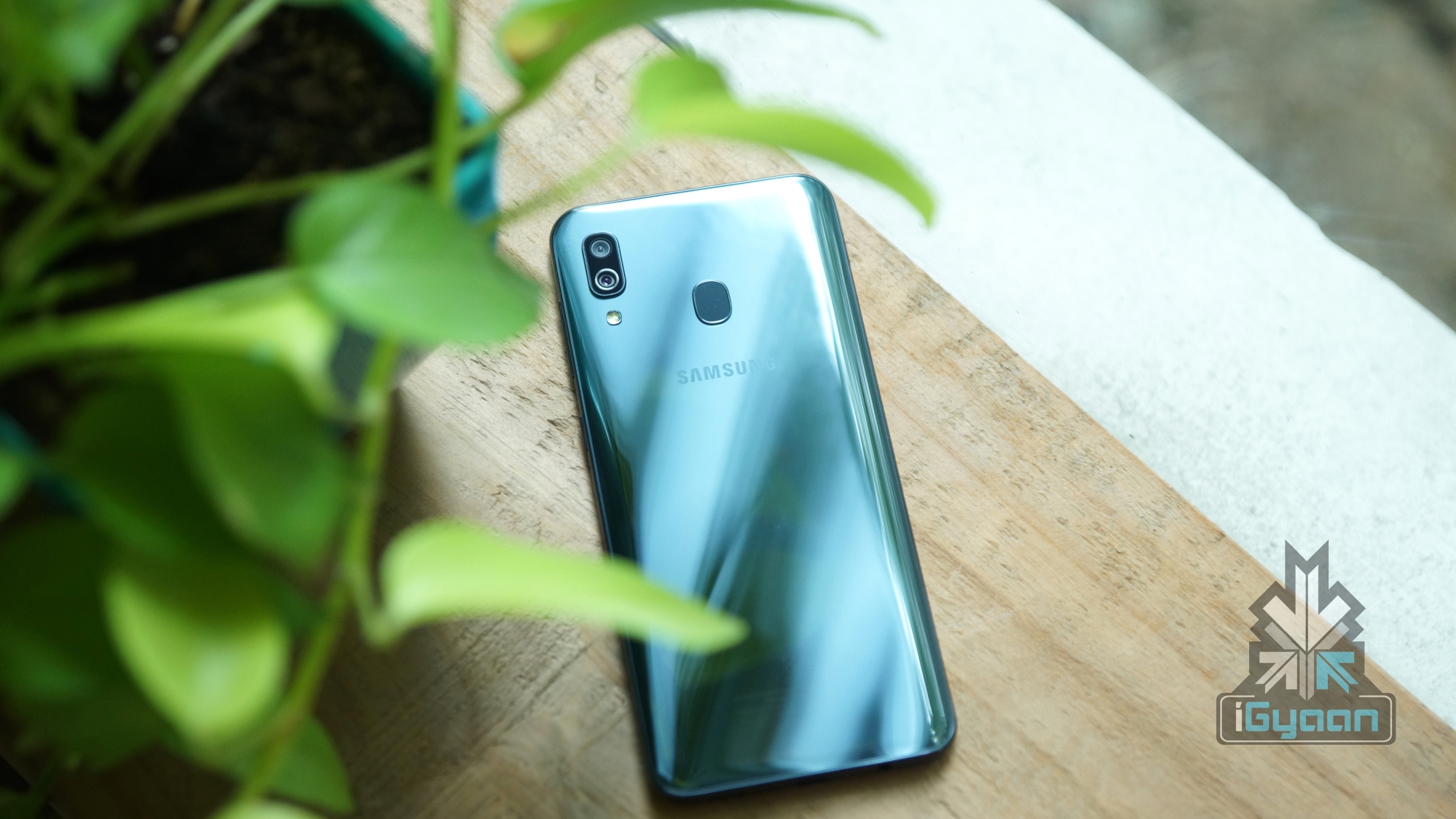
After struggling to understand what the consumers really wanted in a budget smartphone, Samsung went back to the drawing board. In an attempt to take over the market captured by Chinese rivals such as Xiaomi and Honor; it released the Galaxy M and the Galaxy A lineup of smartphones in 2019. As mentioned above, the devices changed what the company used to do in this segment, which has forced the competition to take notice. Not only they featured good, sometimes beautiful hardware, but the overhauled software experience with a good price tag was also a pleasant change. Notable devices of the series included the Galaxy M30, Galaxy A30 and the Galaxy A50. Most of these devices have already been the bestsellers for the company.
Galaxy M30
So, why did it take the company so long to devise a strategy that they knew was going to work? It is because it finally dared to take risks. Chinese rivals, while not as well known, have always attempted to do something different to stand out. While this may not always work, it does help in hogging the limelight away from the competition. Samsung, a huge player in the segment could not afford to take such a huge risk with little chances of payoffs. But, it seems like it finally made up its mind and has been offering distinctive features like the flashy ‘Glasstic’ glossy 3D back panel and a waterdrop notch.
While Samsung might have succeeded in discerning the market and the budget smartphone segment, it still has a long way to go. Catching up to its rivals just means giving them a headstart. For example, the Galaxy M30’s triple camera layout may be innovative for the price range, but its bland design and weaker gaming performance cannot be ignored. As these are the first iterations of the handsets, it is expected they will get better every year. No matter how late Samsung is to the party, there is no denying it has left a sizeable dent in it. Additionally, an extra amount of competition will eventually be good for the consumers for the number of choices there will be.
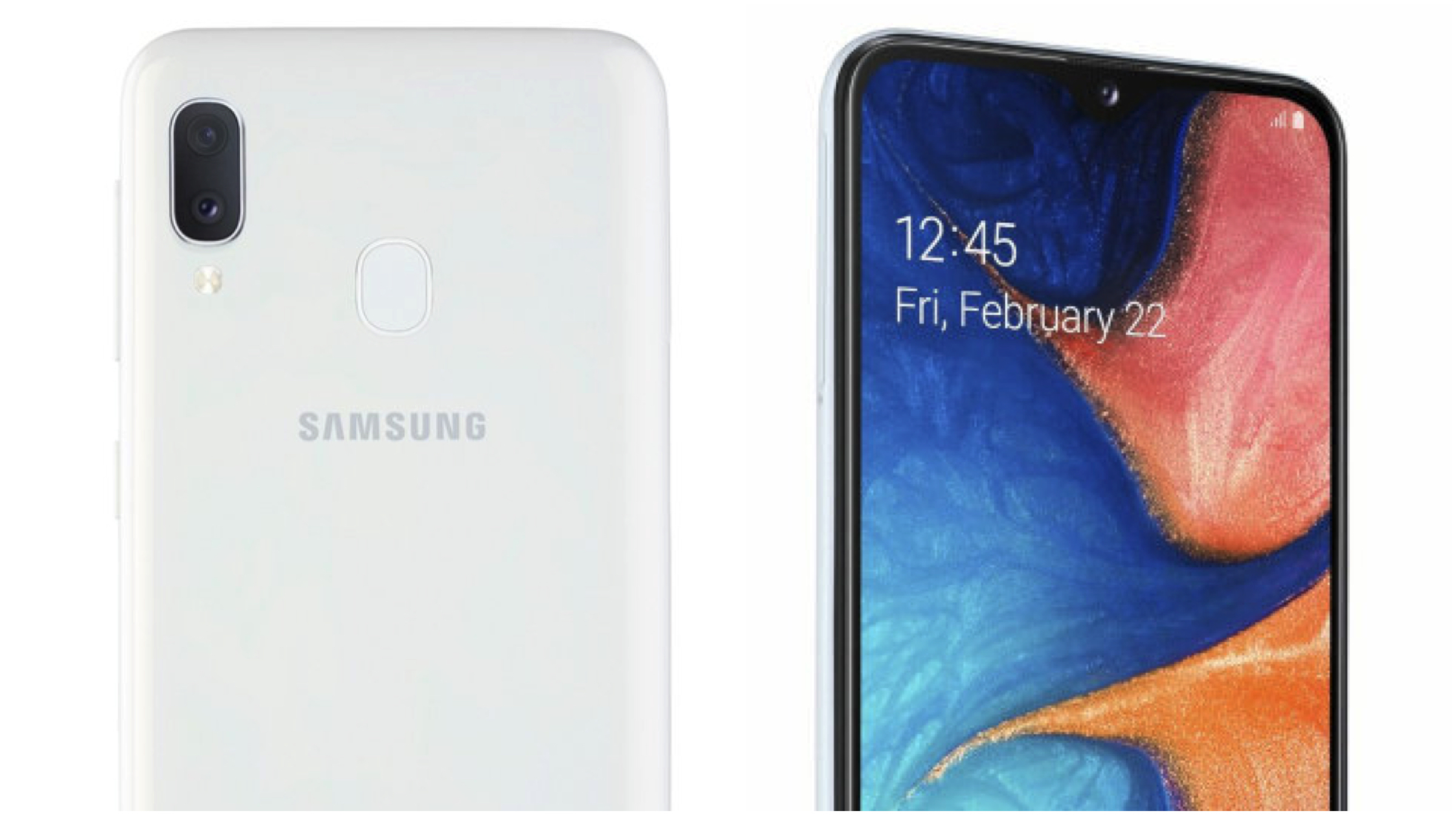
Samsung Galaxy A20e is the latest smartphone in the company’s mid-range Galaxy A lineup. The device features competitive specifications at a lucrative price. It has an Infinity V style waterdrop notch to increase the screen real estate as much as possible and uses a Super AMOLED display for the best media viewing experience on the smartphone.
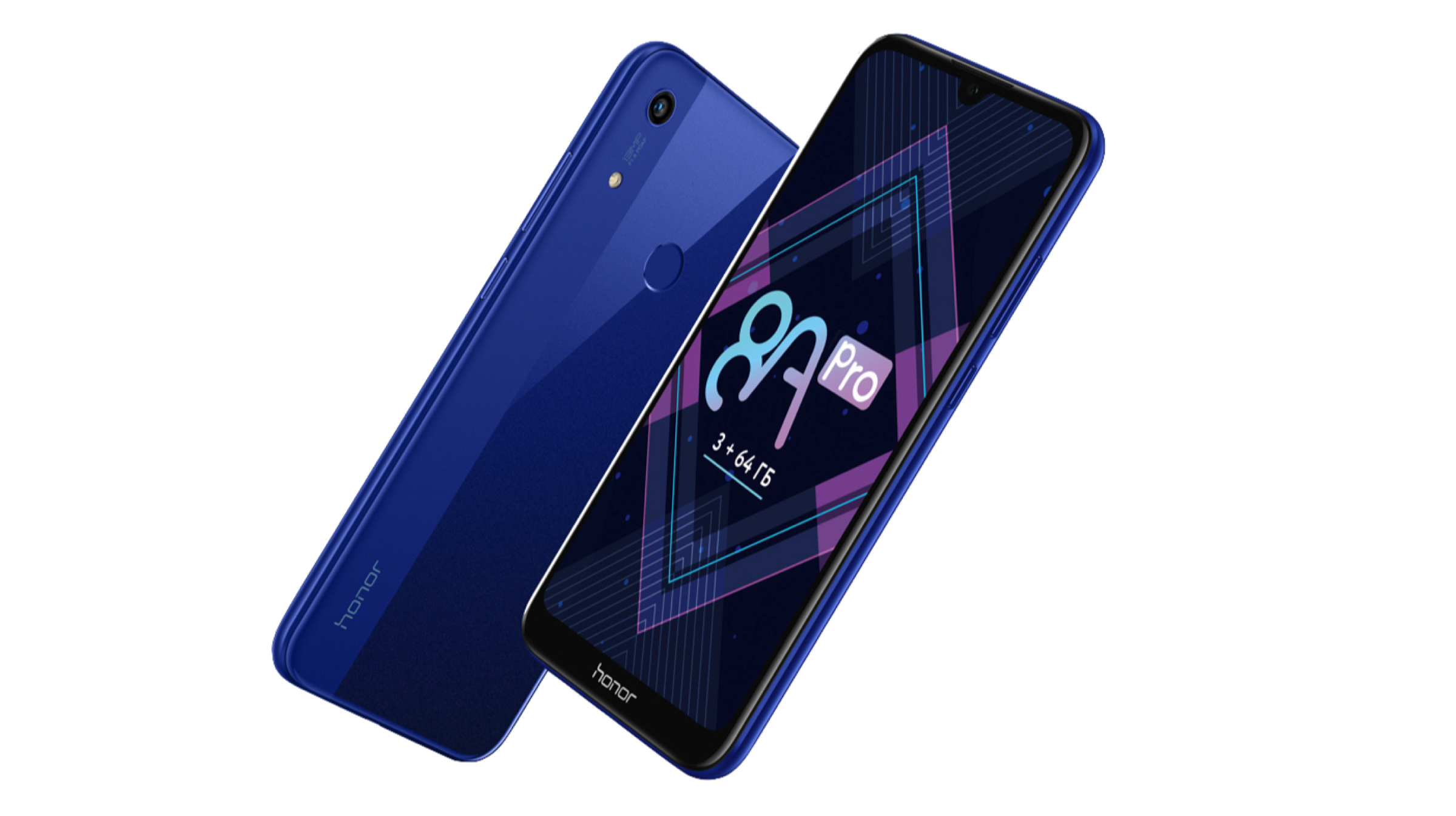
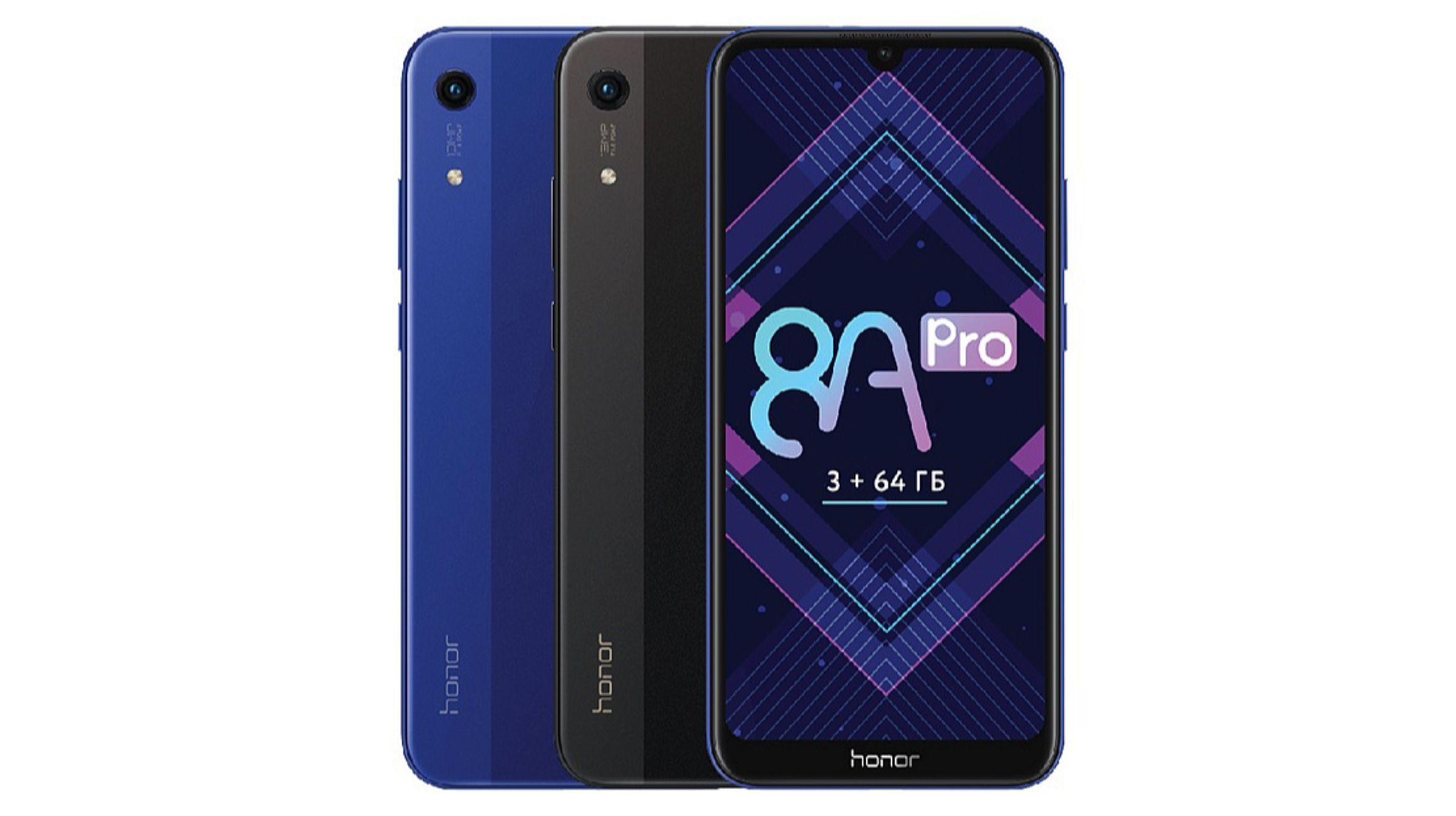
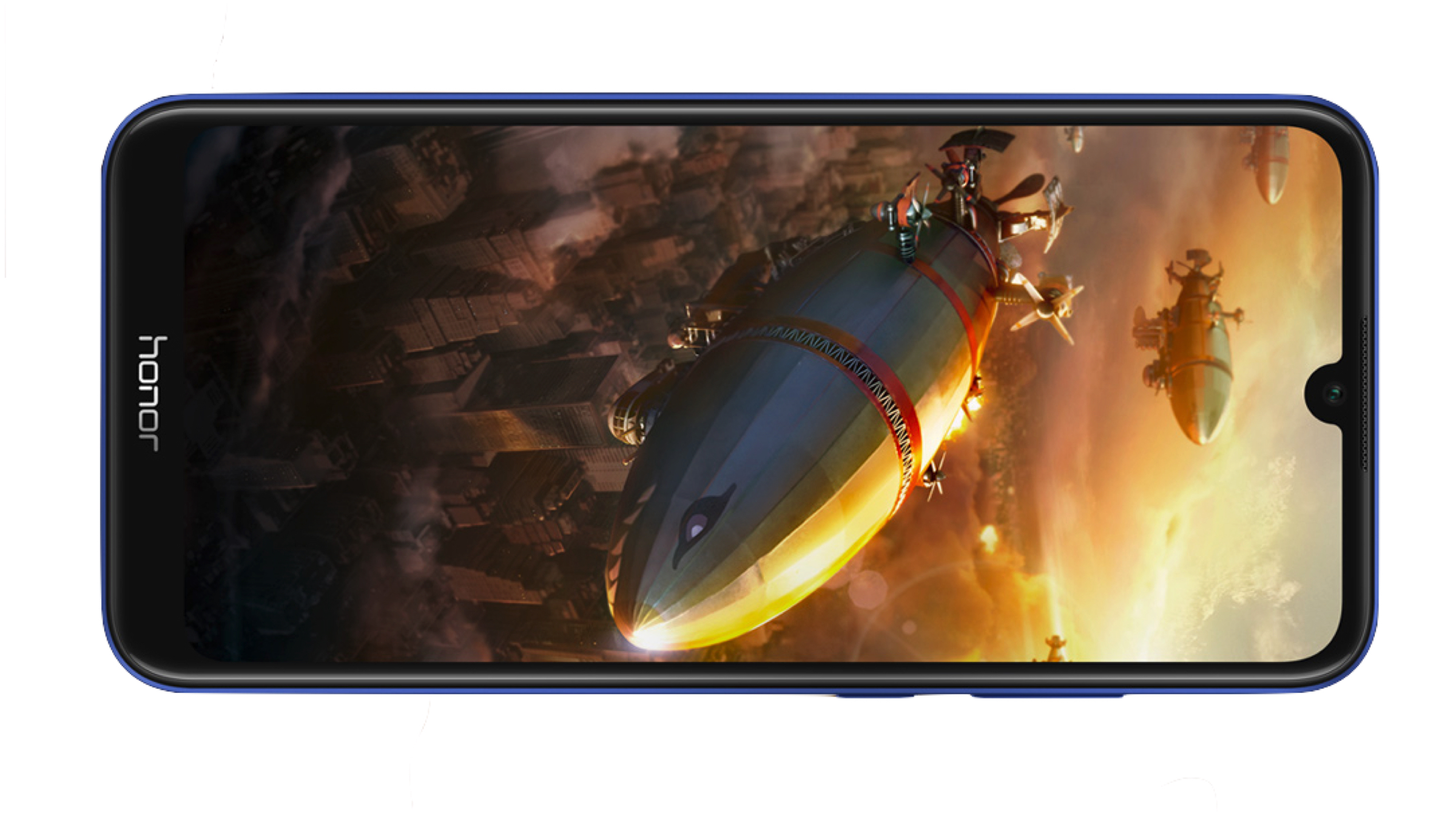
Huawei’s subsidiary Honor has launched its latest smartphone in Russia. Named the Honor 8A Pro, it is the more premium version of the Honor 8A released in January this year. The smartphone is targeted towards the budget market, features a modern design and boasts of competitive features at an affordable price.
Honor 8A Pro
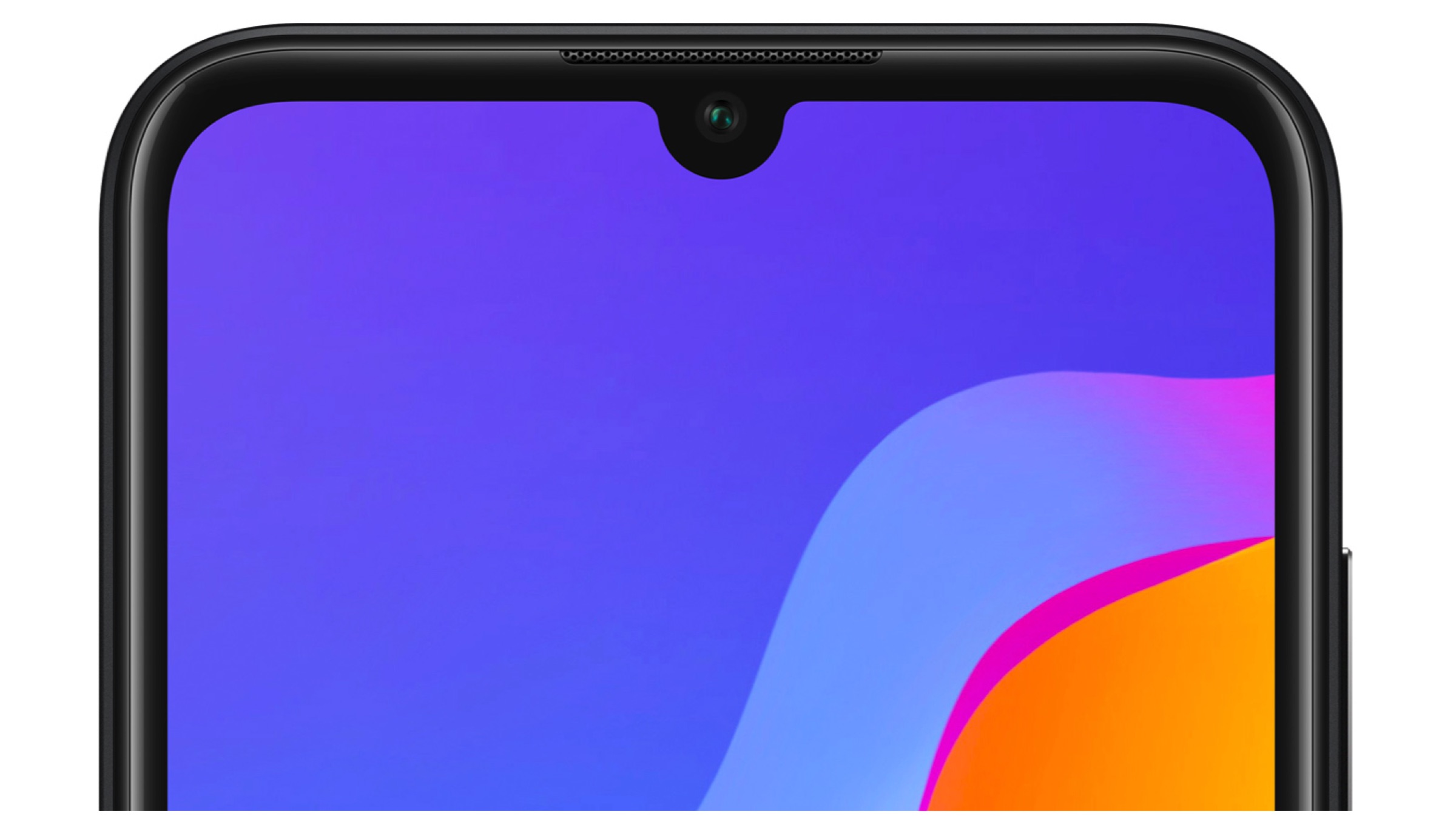
The newest smartphone from the company, the Honor 8A Pro measures 156.28 x 73.5 x 8.0mm and weighs 150g. Front of the smartphone is dominated by a 6.08 TFT LCD display with a resolution 1560 x 720 px. To attain maximum screen real estate, the company has used a waterdrop notch on the top of the display. For biometrics and securely unlocking the device, there is a rear mounted fingerprint sensor and support for face unlock technology.
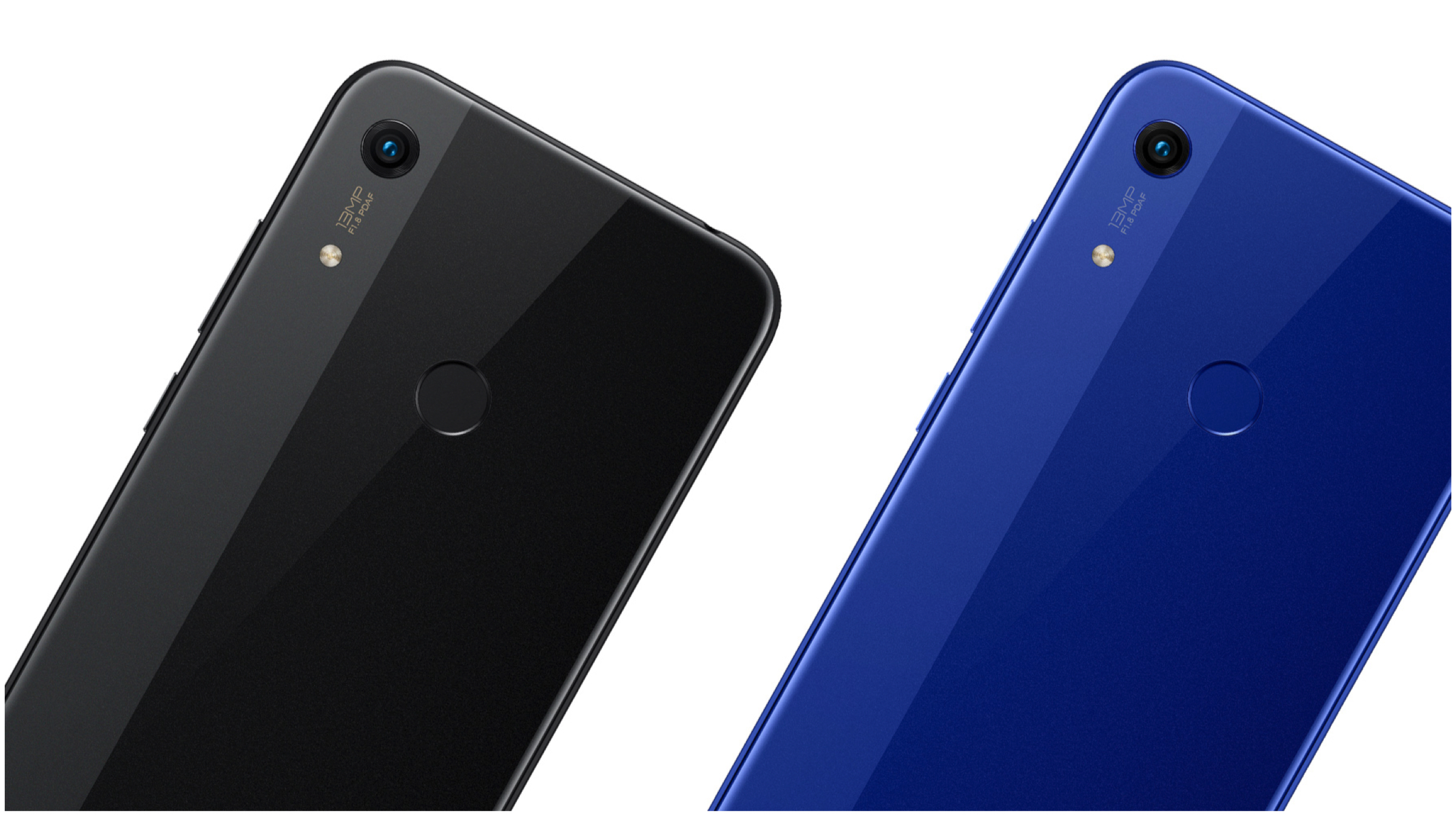
Under the hood, the Honor 8A Pro is kitted with the 12nm Helio P35 SoC. The chipset consists of an Octa-core CPU and a PowerVR GE8320 GPU. In terms of optics, the smartphone has a single 13MP rear camera and an 8MP front-facing snapper. For memory and storage, the device has 3GB of RAM and 64GB of internal storage. It is further expandable by up to 512GB with the help of a microSD card.
The Honor 8A Pro is powered by 3020 mAh battery with fast charging support through a micro USB port. For connectivity, the smartphone has Dual nano-SIM, 4G LTE support, Wi-Fi 802.11b/g/n and Bluetooth 4.2 connectivity. It runs on the company’s latest EMUI 9 on top of current Android 9 Pie and will be available in two colour variants namely Black and Blue.
The Honor 8A Pro is available to purchase starting April 12 in Russia. The smartphone carries the price tag of RUB 13,990 (Rs. 14,700). Unfortunately, the company has not provided any information regarding its launch date and price in India.
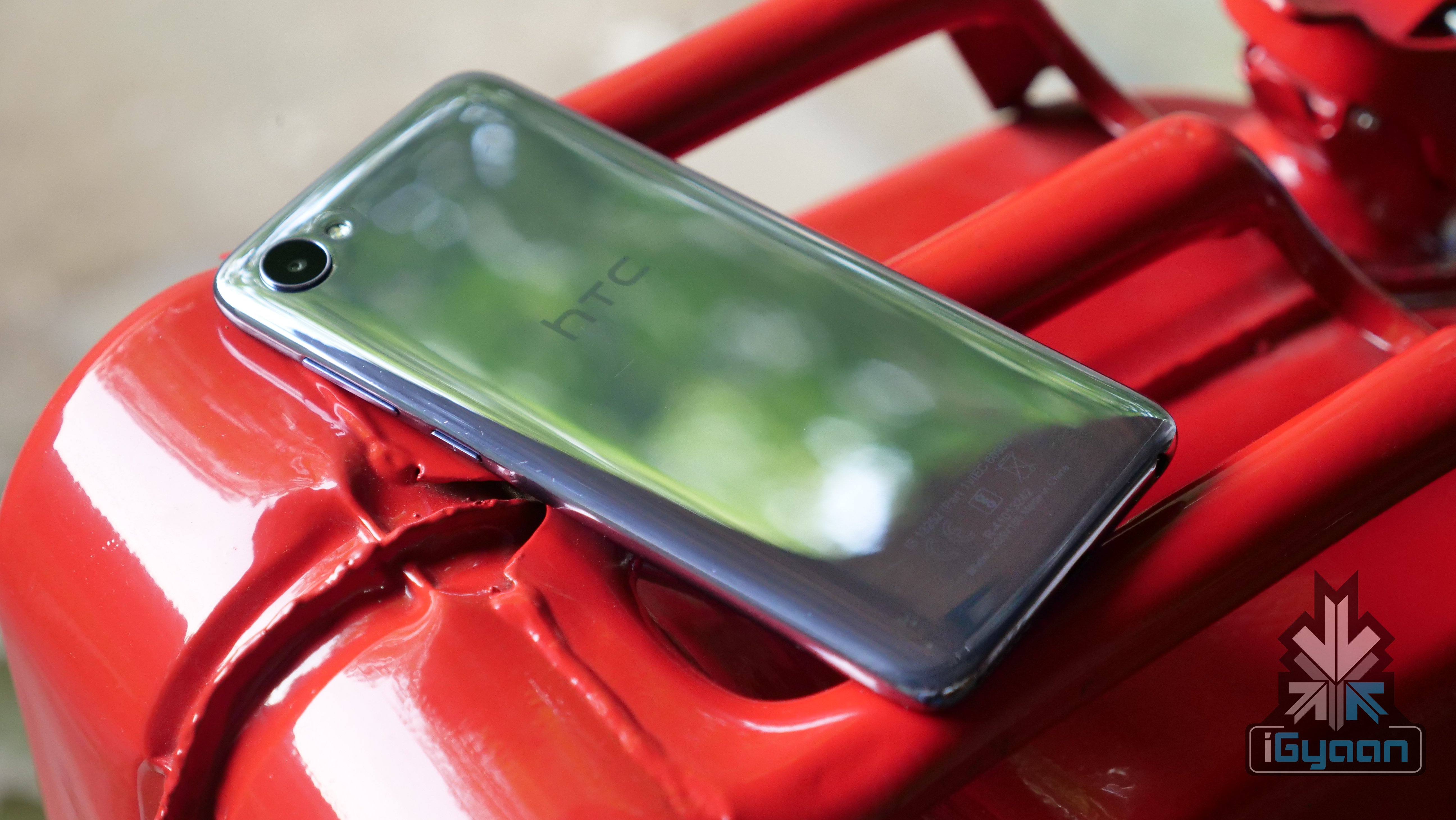
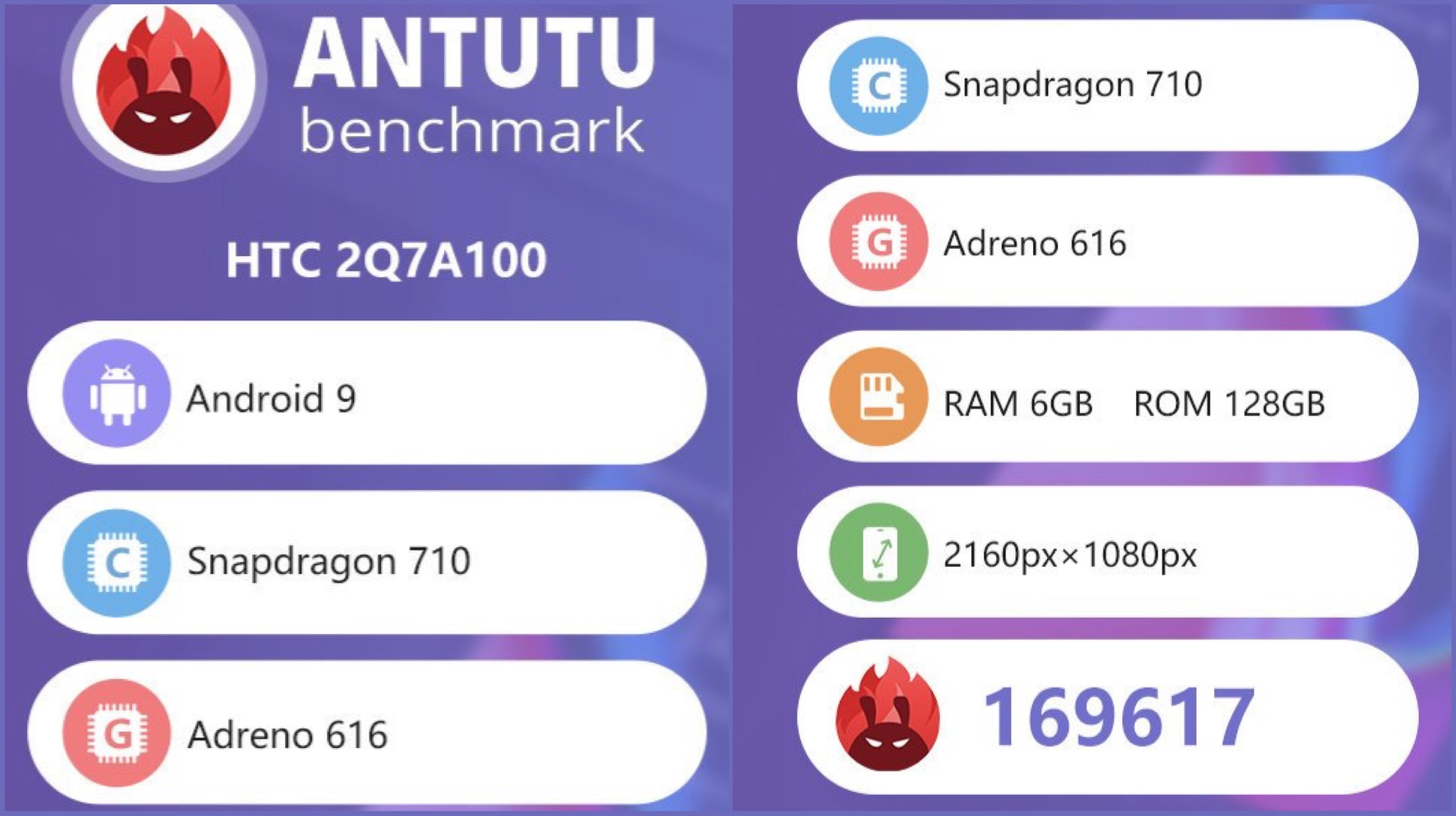
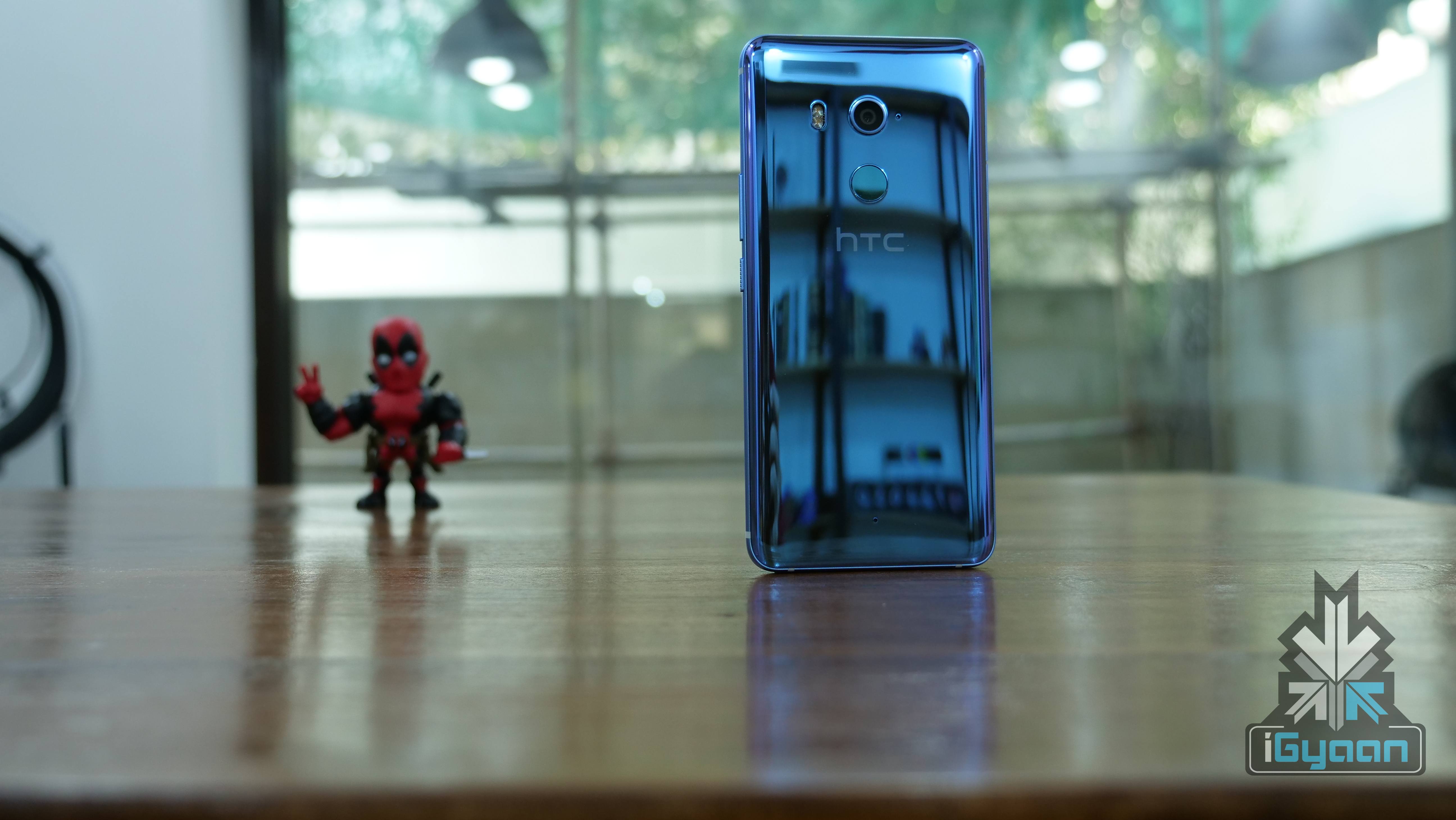
HTC is a Taiwanese company which is best known for its Android smartphones. Due to fierce competition from Chinese competitors like Oppo and Xiaomi, its sales have fallen sharply in the last few years. Speculations following the sales drop claimed that the company might exit the smartphone business altogether, but leaked benchmarks of a smartphone with contemporary specs suggest otherwise. The unreleased smartphone has been spotted on two major benchmark websites, Geekbench and Antutu which reveal its key features.
Benchmark Results
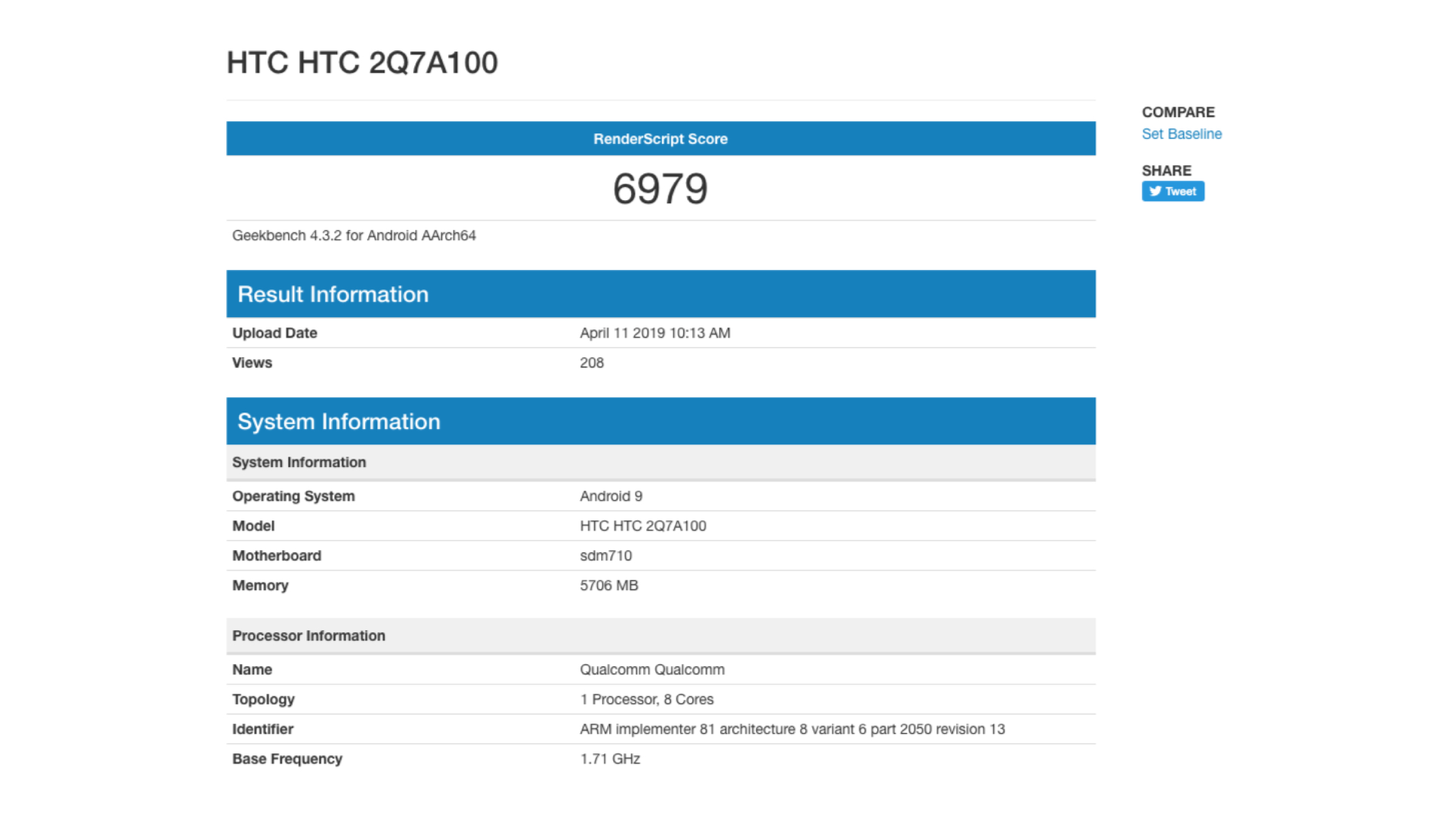
The unreleased HTC smartphone has been listed as model number “HTC 2Q7A100” on both the benchmarking websites. The specifications of the unreleased smartphone suggest it will be a mid-range device which will compete with the likes of the Redmi Note 7 Pro and the Samsung Galaxy A50. According to the listing, it features the Snapdragon 710 SoC which consists of an Octa-Core CPU and the Adreno 616 GPU.
The mysterious HTC smartphone has 6 GB of RAM and 128 GB of internal storage which might be further expandable via a microSD card. Even though the listing does not reveal the screen size of the upcoming device, it reveals an FHD+ resolution of 2160 x 1080 px. In the Antutu listing, it registers a worthy score of 169617 points and a score of 6979 points in Geekbench.
Unfortunately, HTC has not confirmed the authenticity of the leak, therefore, guessing the launch date and price is hard. Albeit, the specifications of the smartphone suggest it will be priced under the Rs 20k mark.
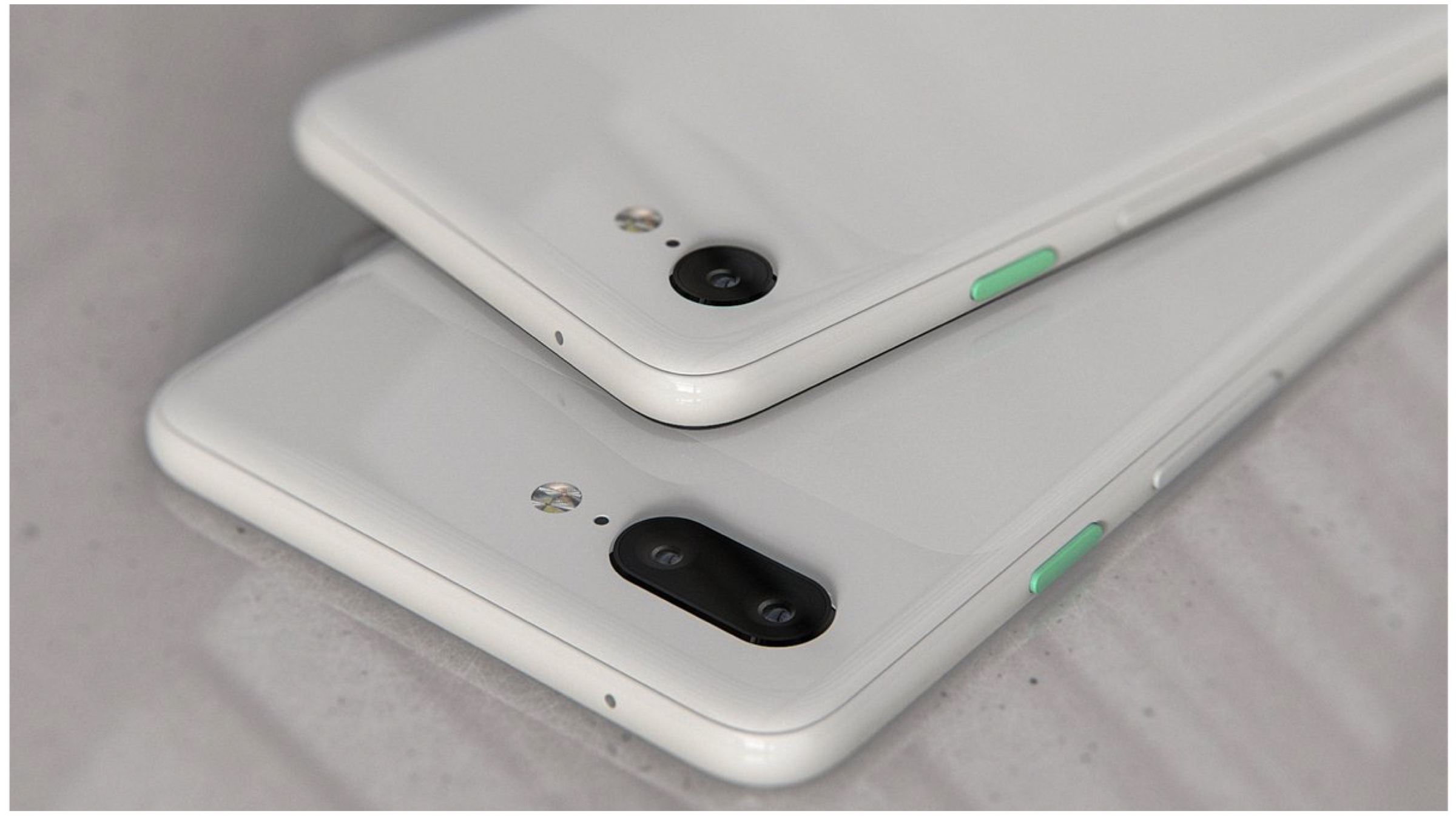
2019 seems to be like a big year for Google. Ahead of the anticipated launch of the Google Pixel 3a and Pixel 3a XL, the company is also building up hype for its next flagship devices, including the Pixel 4 and Pixel 4XL. The device has been spotted twice in the Android Open Source Project, indicating that the company is gearing up for the release of the devices later this year. In recent leaks, the codenames for the Pixel 4, Pixel 4 XL and a third unknown pixel device were revealed.
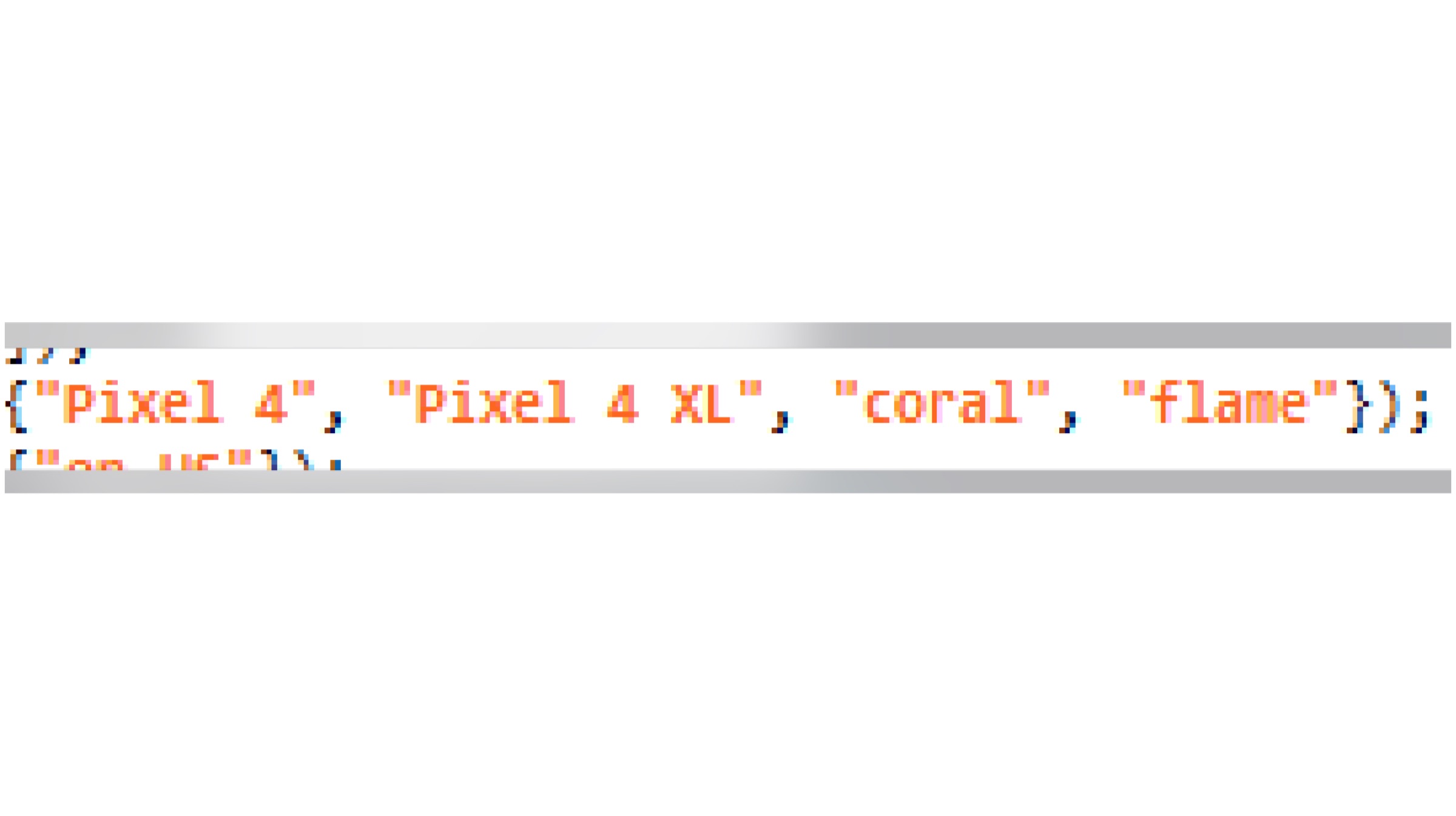
On April 11 2019, a commit (a move to make changes in a code permanent) was posted to the AOSP (Android Open Source Project), which was attempting to correct an anomaly of Android’s SELinux Policy. Regarding the code, the developers were trying to explain the fix for the aforementioned issue using the comments (comments are code lines that are not executed with the code) in the project. The list of internal files provided in the comments includes the codenames of a total of eight devices, out of which two are Panasonic devices, and the remainder are six Google devices.
Four of the aforementioned Google smartphones are already known (Marlin or the Pixel XL, Wahoo or the Pixel 2/2 XL, Crosshatch or the Pixel 3 XL and the Pixel 3a XL), leaving two unknown devices in the fray. Codenamed “Coral” and “Needlefish”, the two devices are the Google Pixel 4 and Pixel 4 XL respectively. Sources also reveal that a third codename is present, which is unusual for a Pixel device, because the codename is actually “Flame”. Since Google has always been using sea-life related codenames for its devices, this is a bit of a surprise, but in hindsight, a fish with the name of “flame angelfish” actually exists.
Furthermore, in a previous Geekbench listing, the alleged Google Pixel 4 is listed under the same codename i.e. Coral, confirming that the Google Coral is actually the Google Pixel 4. The smartphones were reported to feature the 7nm Snapdragon 855 chipset bundled with at least 6GB of RAM. However, the question which still remains unanswered is the identity of the third unknown device, codenamed “Needlefish”. Rumours say that it may be the much-anticipated Pixel Watch, but nothing can be said for sure. The Pixel 4 and Pixel 4 XL are expected to be unveiled in the latter half of 2019.
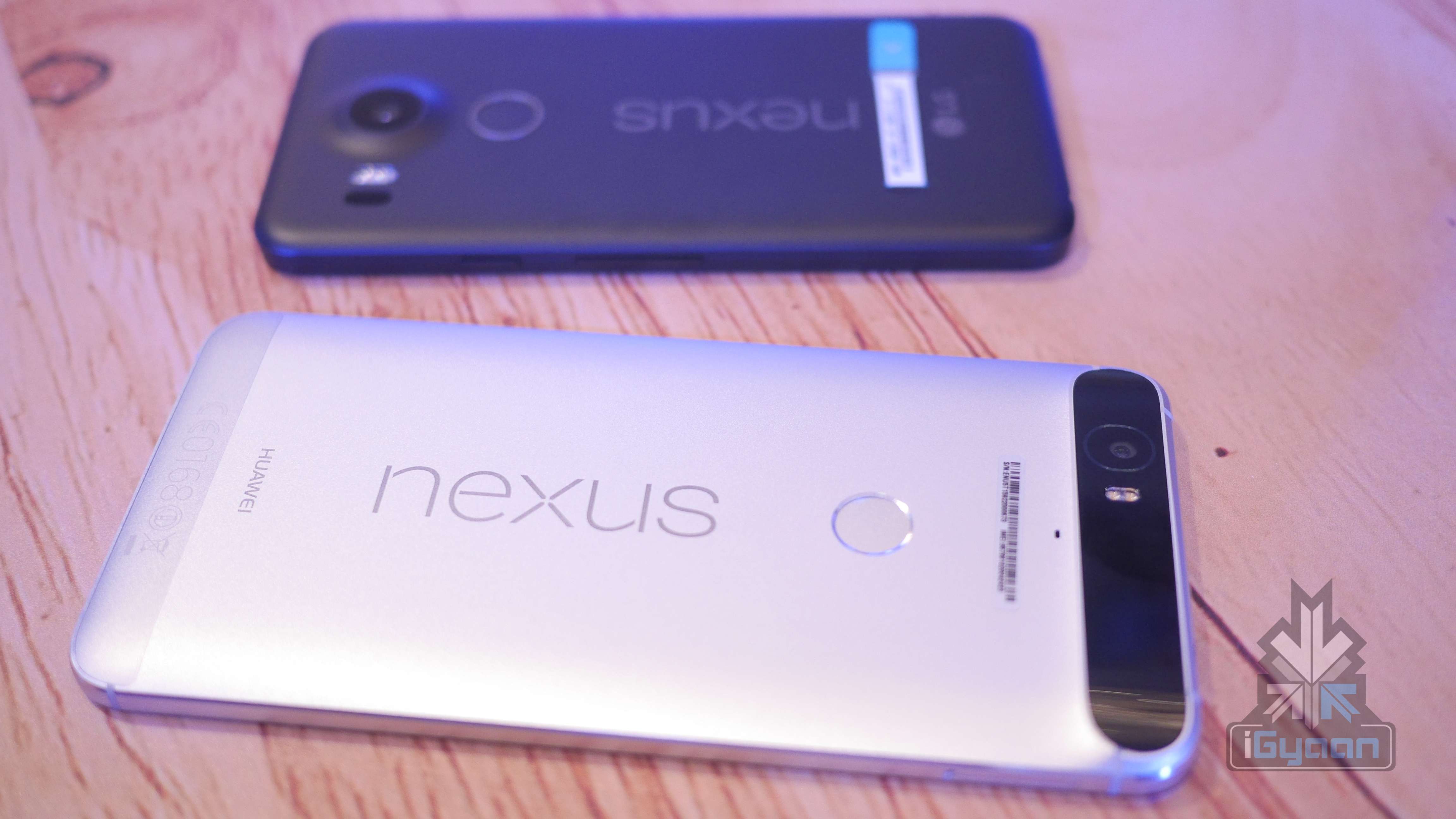
Google released the last smartphones in the Nexus lineup, the Nexus 6P and Nexus 5X in the year 2015. While the latter was made in collaboration with LG, the former was produced as a result of Google’s partnership with Huawei. Both the handsets, while offering a clean software and capable hardware had their fair share of problems. Among them, the most prevalent one was bootloop issues. This made the devices restart randomly regardless of the battery percentage and sometimes would get stuck in an infinite restart loop.
Nexus 5X and Nexus 6P
A lawsuit filed in the year 2017 alleged the issue of the bootloops was known by the manufacturers and wasn’t fixed knowingly. As a result, Google and Huawei have been directed by the court to pay $9.75 million as a settlement fee to the owners of the Nexus 6P. This results in payments of up to US$400 (Rs. 27,600) for participating plaintiffs.
About The Case
In a lawsuit filed in April 2017 by owners of the Nexus 6P who claimed Google and Huawei breached the warranty on the smartphone. It further stated the companies were fully aware of the issue but failed to fully respond to it and continued to sell the device. While the settlement has been directed, it is expected to be approved at the next court hearing, scheduled to take place on May 9. Notably, the amount will be available for owners who purchased the Nexus 6P after September 25, 2015.
Furthermore, the users of the Nexus 6P smartphone who weren’t part of the lawsuit may still be eligible for a settlement amount. They would need to submit proper documentation of the issues and will get at least US$ 10 (Rs. 700), leading to a maximum amount of US$ 75 (Rs. 5,200). Interestingly, a similar lawsuit was filed against LG for bootloop issues in its G4, V10, V20, Nexus 5X and G5 smartphones, wherein it was directed to pay US$ 425 (Rs. 29,400) per owner or US$ 700 (Rs. 48,400) in discounts.
Realme was started a sub-brand of the Chinese smartphone maker, Oppo in the year 2018. Soon after launching its first handset, the Realme 1, it separated from its parent company turning into an independent brand. In a short period since its initial launch, the company has launched several smartphones which have been warmly welcomed by consumers. Last month, the company launched the Realme 3, the second successor of the original Realme 1. Unexpectedly, a senior Realme executive confirmed that the company will soon launch a beefed up variant of the Realme 3 which will be called the Realme 3 Pro. A short while ago, in a Twitter post, the company announced that the upcoming smartphone will launch on the 22nd of April. Surprisingly, the specifications of the Realme 3 Pro have been leaked on Twitter before its official announcement.
Realme 3 Pro Specifications
Realme 3 With 3d Gradient Back
According to the leak, the Realme 3 Pro has a 6.3 inch LCD display that has a water drop notch up top. Noteworthy, the smartphone also has Corning Gorilla Glass protection to safeguard it against scratches. The water drop notch on the front of the smartphone accommodates the selfie camera which has a resolution of 16 MP.
Realme U1 With Waterdrop Notch
The Realme 3 Pro is reported to have a plastic body that has a 3D gradient design like its younger sibling the Realme 3. The smartphone also has a dual rear camera setup which consists of an f/1.8 aperture equipped Sony IMX519 16 MP sensor, 5 MP depth sensor and an LED flash.
The leakster claims the Realme 3 Pro is powered by a 4,230 mAh battery which supports 20 W VOOC charging. The smartphone will be kitted with the Snapdragon 710 SoC which is comprised of an Octa Core CPU and the Adreno 616 GPU. Another noteworthy feature of the upcoming smartphone is its triple slot tray which can accommodate dual SIM cards and a microSD card simultaneously.
The biggest and the most prevalent trend for this year is expected to be the advent of foldable smartphones. Smartphone OEMs like Samsung and Huawei have already showcased their devices with the technology. Japanese multinational giant Sharp has also joined the bandwagon and revealed a clamshell style foldable smartphone in a video. This is the first time the technology has been exhibited.
Sharp Clamshell Foldable Smartphone
The clamshell foldable smartphone from Sharp that has been showcased in the video features a similar design to the expected Motorola RAZR foldable smartphone leaked a few days ago. It has a Plastic OLED display which can be folded completely into half to turn the device into a more compact form factor. It has a wide notch on top of the display which is surprising to see in a foldable smartphone. Its mechanism uses strong magnets to keep the display securely shut when in the folded state. To reaffirm the durability claims, Sharp has assured it has tested the folding mechanism for up to 3,00,000 bends. Notably, this number is significantly higher than the durability claims of Samsung Galaxy Fold.
Unfortunately, Sharp hasn’t provided any specific launch date for a commercial smartphone featuring a clamshell, foldable design. According to the company, it may take years before a device featuring the technology may be released by it. However, Sharp is also a display manufacturer, so there may be a possibility that it may sell this technology to other OEMs to implement in separate devices. The video also doesn’t clarify if the display when folded time and again, will create a crease in the centre or not. Furthermore, the sound of the folding mechanism is also prevalent throughout the video, which may make the experience of using the smartphone cumbersome.
In the light of the recent news that Apple has started manufacturing the iPhone 7 in India, rumours came to light stating that the American technology organization will also start the manufacturing the iPhone X in India soon. It seems that the rumours weren’t rumours after all, as sources have confirmed that Foxconn will begin commercial production of the iPhone X series in India starting July.
As per reports, the production will begin in Foxconn’s 160-acre factory located in Chennai. Claims were also made regarding the fact that the company will step up its production capacity and will slowly expand towards manufacturing higher models of the iPhone lineup. Moreover, reports also stated that the expansion will largely depend upon the viability of the production process in regard to the next government. When the concerned organizations were contacted, no statement was received in return.
In 2017, Apple started manufacturing its first smartphone in India via Wistron, which was the iPhone SE, and the commercial production of the same started in a factory based on the outskirts of Bangalore. After iPhone SE, the iPhone 6S was placed under production in the same factory. Statistics indicate that more than 290 million Apple smartphones were manufactured in India in the year 2018, which is almost 5 times the number of devices manufactured in 2014.
As previously reported, Apple is revamping its market strategy in the country by shaping the perception of Indian smartphone consumers towards Apple. The American company also plans to undergo major changes to improve its marketing statistics in India. Since the iPhone X will now be manufactured in India, this might result in higher profits, leading to more capital invested in R&D (Research And Development) and improved sales statistics.
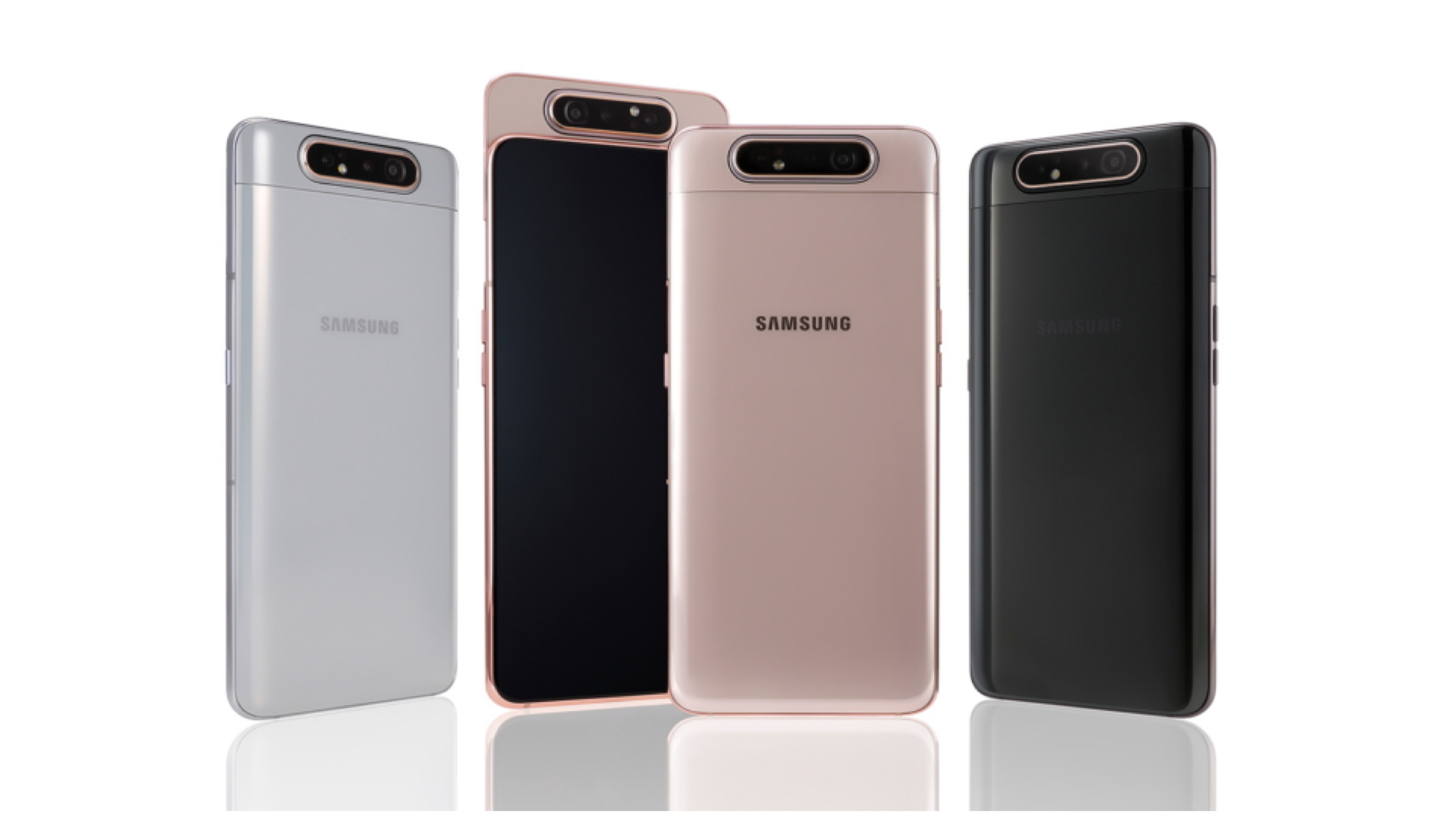
The Samsung Galaxy A80 is the latest and the most premium entrant in the current Galaxy A lineup and has been launched alongside the Galaxy A70. The smartphone sports many technological firsts for Samsung, including the design, display and the camera setup. In an innovative move, the company has implemented a sliding, rotating camera set up on the device which lets it capture high-resolution images from the front as well as the back of the handset.

 Also Read: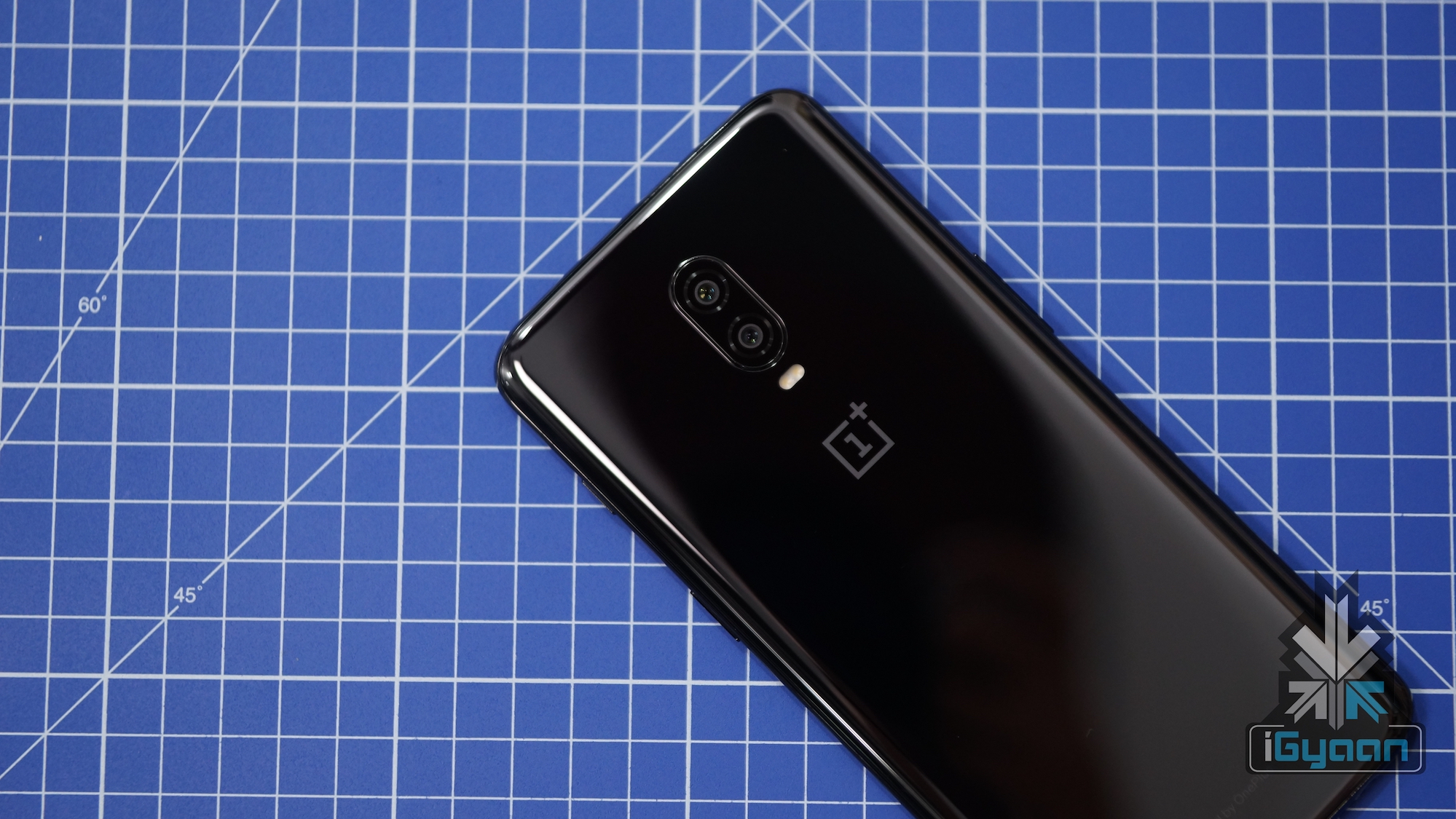

 On April 11 2019, a commit (a move to make changes in a code permanent) was posted to the AOSP (Android Open Source Project), which was attempting to correct an anomaly of Android’s SELinux Policy. Regarding the code, the developers were trying to explain the fix for the aforementioned issue using the comments (comments are code lines that are not executed with the code) in the project. The list of internal files provided in the comments includes the codenames of a total of eight devices, out of which two are Panasonic devices, and the remainder are six Google devices.
 Four of the aforementioned Google smartphones are already known (Marlin or the