Category: Tech

Latest Technology News, Alternative, Bio-Tech, Medical, R&D and Innovations

  • Facebook Is Paying Users For Tracking Their Smartphones

    Facebook Is Paying Users For Tracking Their Smartphones

    Facebook in a new announcement has planned to once again start paying users for being monitored. The ‘Study from Facebook’ application will monitor the user’s device, finding which apps are currently installed, duration of usage of said apps, track their location, and most importantly, record app data of users.

    Facebook

    The monitored app data can uncover which features are being utilized in an app. The social media giant claims that it will not be able to track any specific information like messages, passwords or websites visited. The application has been launched months after Facebook’s last attempt at a user-monitoring software. Facebook Research, which was terminated after various controversies arose with the app being specifically marketed to teens, exclusively on the iPhone. The defunct app through special certification allowed itself to circumvent the App Stores and gain special access within Apple devices framework. This was a clear violation of Apple’s rules and regulations causing it to be shut down in January.

    The company’s new move showcases its struggling effort in obtaining user’s data from their phones. Facebook, however, has learned a couple of things from its last public debacle. Study app will now only be available for people verified to be over the age of 18; being available exclusively on Android, where the users can choose to grant deeper access to the app. The monitoring software will now also highlight through different screens what type of user data has been collected and exactly how it’ll be used.

    Also ReadNintendo Roundup At E3

    Facebook has yet to specify exactly how much it will be paying the user’s to use the app. Although a recent blog post has confirmed that all research participants will be compensated. A PayPal account is mandatory for the study that will reference data that the company already has over the user and the data collected. The Study app has been launched in India and the US. Initially, only the users invited for a study by Facebook can use the app.
  • Google Pixel 4 To Support Air Gestures For Music Playback

    Google Pixel 4 To Support Air Gestures For Music Playback

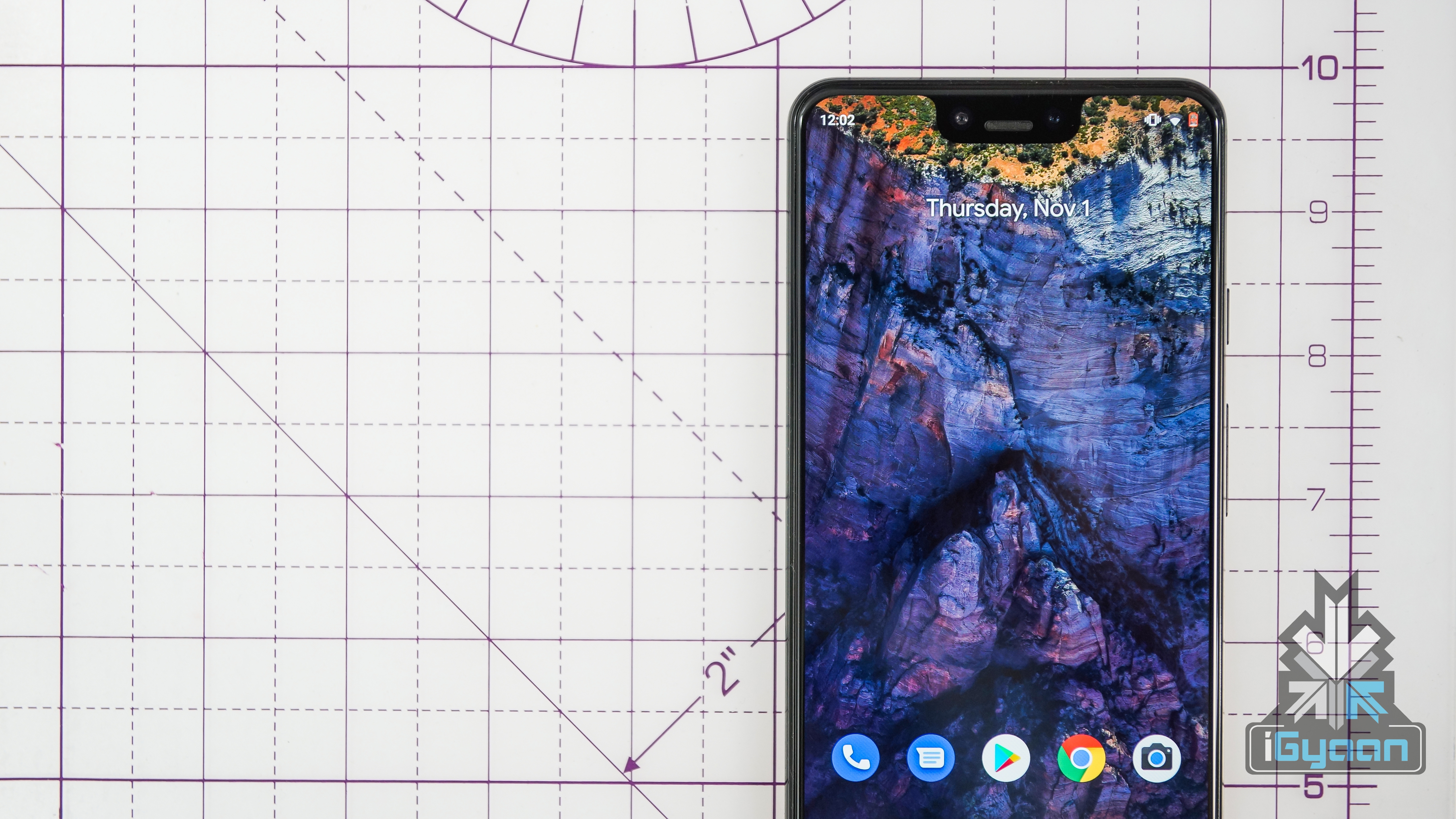
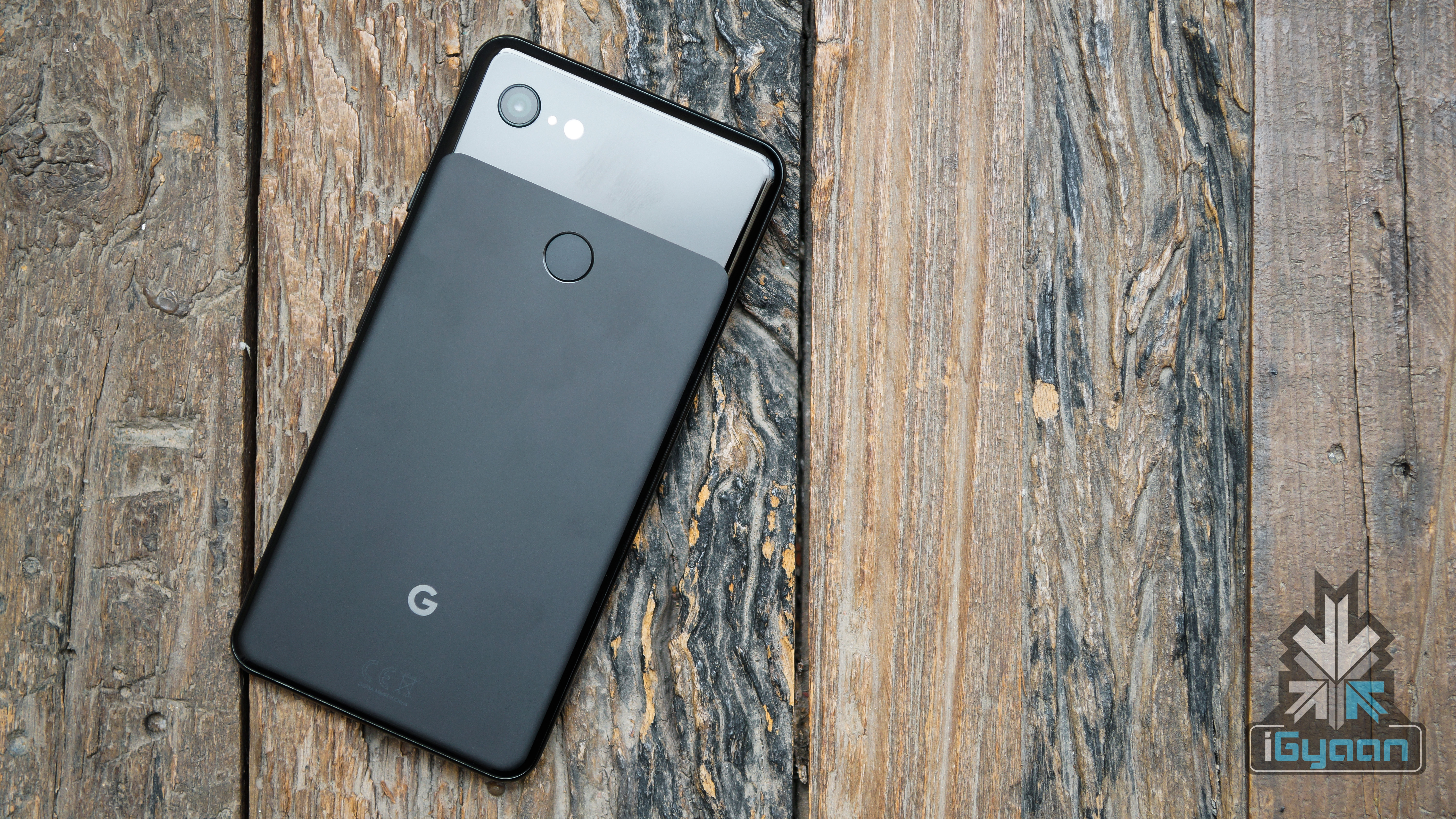
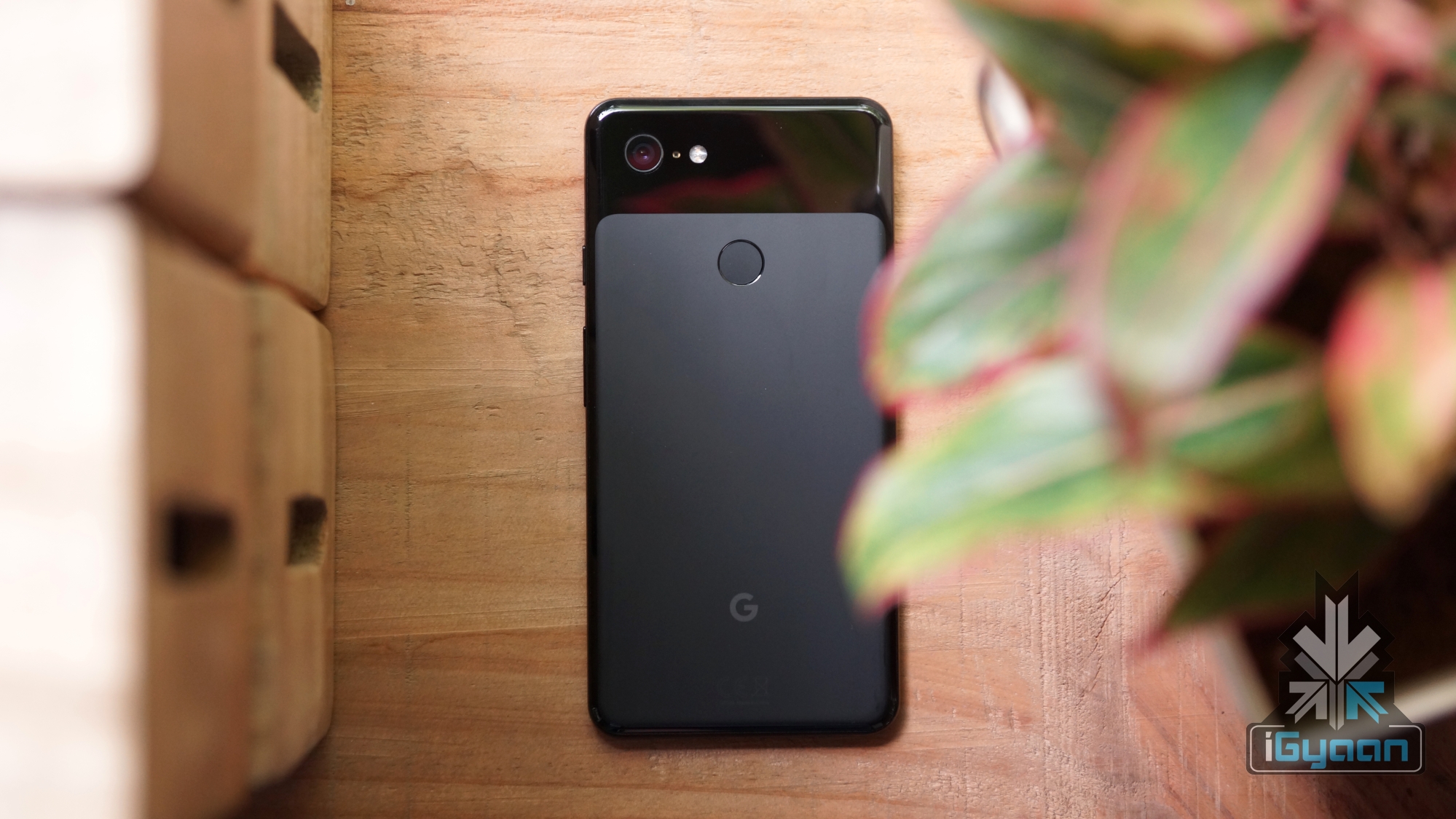
    It is expected that Google will launch the latest iterations of its Pixel lineup of smartphones in October this year. These devices, allegedly called the Pixel 4 and Pixel 4 XL will be the successor to the Pixel 3 and Pixel 3 XL from last year. While the launch of the devices is a few months down the road, details about them have already started pouring in. Now, fresh leaks in the Android Q source code reveals that the upcoming Pixel 4 handsets may have the support for Air Gestures, presumably for music playback.

    Air Gestures in Pixel 4
    Google Pixel 4
    Google Pixel 3XL

    According to reports, Google is working to incorporate air gestures in Pixel 4. This is believed to be because of two commands named ‘Skip’ and ‘Silence’ found in the code of the Android Q Beta. Likely to be media controls, the commands may be enabled via dedicated hardware detecting the user’s hand movements. As the Pixel lineup is the poster child for Android and all its core features; it is assumed that the gestures might make an appearance in the next generation of the smartphones. The new gestures will require an always aware sensor present inside the Pixel 4.

    Google Pixel 4

    Also read: Asus ROG Phone 2 With 120 Hz Display To Launch Soon

    Google installing air gestures in Pixel 4 falls in line with the company reviving its Project Soli, which was first shown off in the year 2015. Soli showcased a gesture-based control system for electronic devices. So the company may install the technology required for the gesture system to work on smartphones. A similar implementation was seen in the LG G8, which utilised a Time of Flight (ToF) sensor to capture hand movements for controlling certain elements of the device. Unfortunately, more details about the Pixel 4 are not available yet, but it is expected that more information is unravelled; as we move closer to the launch of the handsets in October.

  • Oppo Patents A Notchless Smartphone With Sliding Mechanism

    Oppo Patents A Notchless Smartphone With Sliding Mechanism

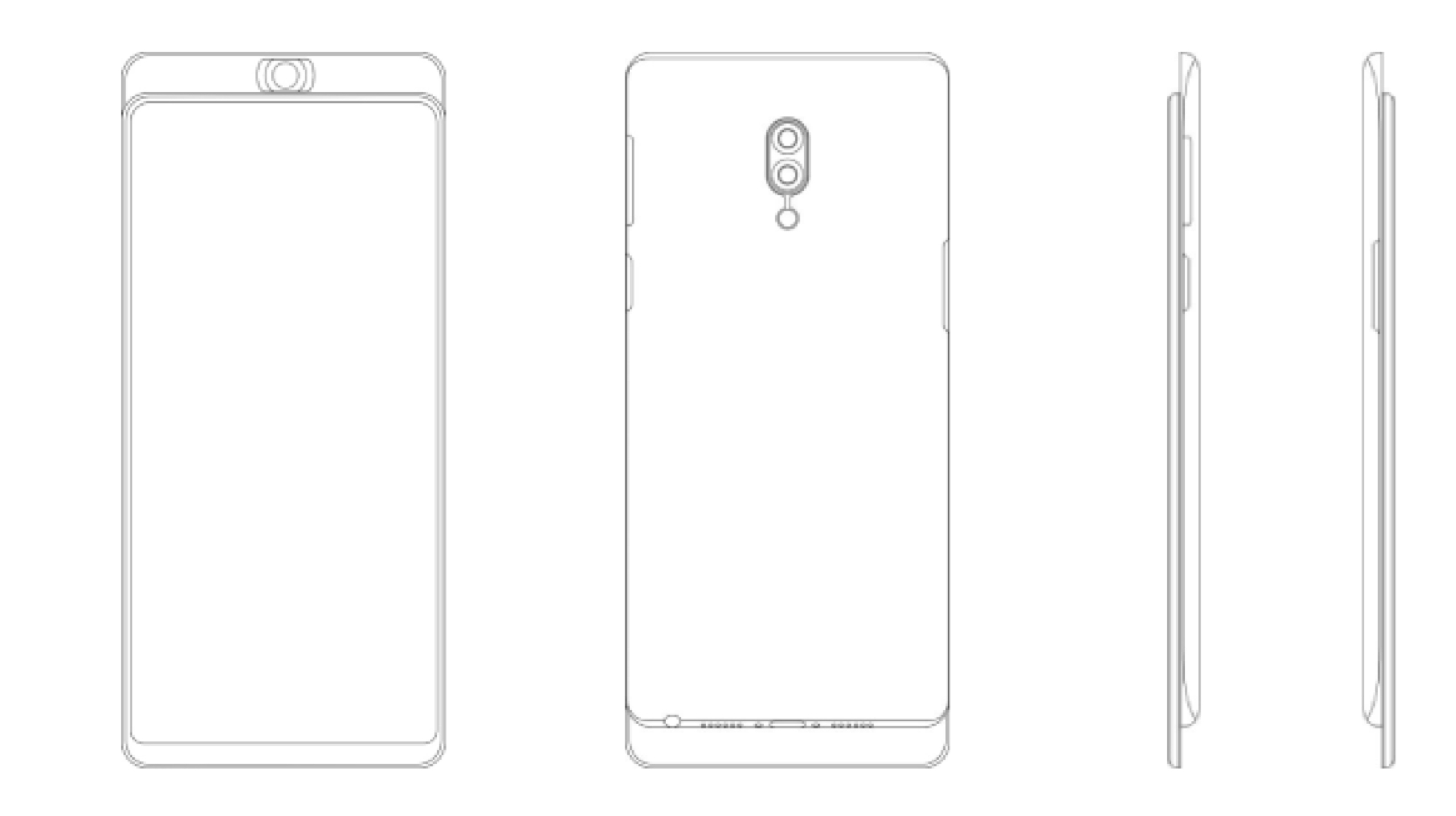
    Chinese smartphone maker, Oppo has launched a variety of distinctive smartphones in the past including the Oppo Find X and the Oppo N3. A freshly granted patent to the company reveals that it is working on yet another unique smartphone that has an edge-to-edge display and a sliding mechanism. The patent for the aforementioned smartphone was granted to Oppo by the WIPO (World Intellectual Property Office). 

    Patent Disclosures
    Oppo Smartphone Patent
    Oppo Smartphone Patent

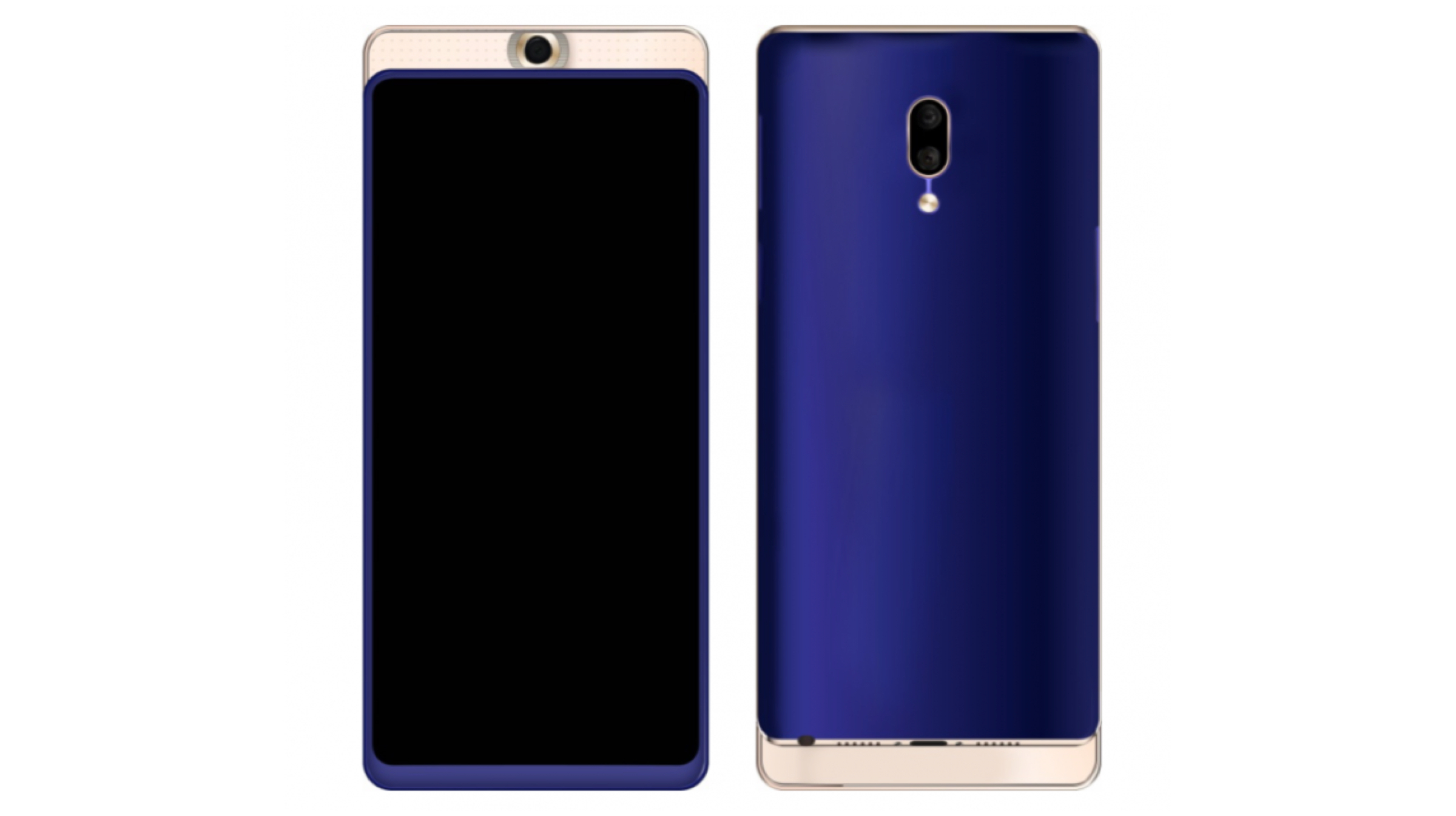
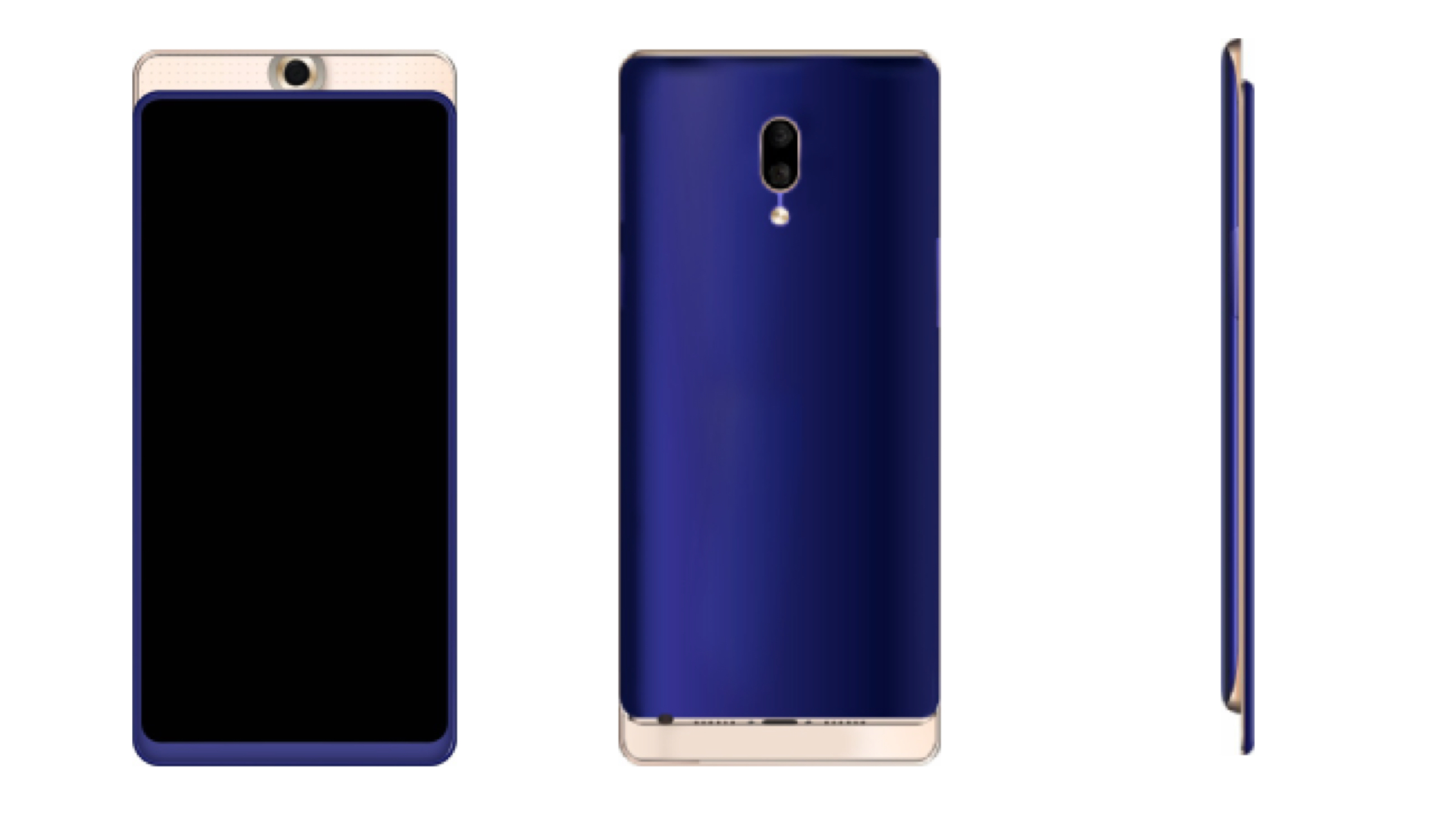
    As previously mentioned, the Oppo smartphone from the patent has a unique design with a sliding display. The front of the smartphone lacks any kind of obstructing notch and has minimal bezels around the display. The front facing selfie camera is placed in the bezel which remains concealed under the sliding mechanism. Also, the selfie camera has a circular shaped ring flash which will allow for capturing well-lit pictures in dark conditions.

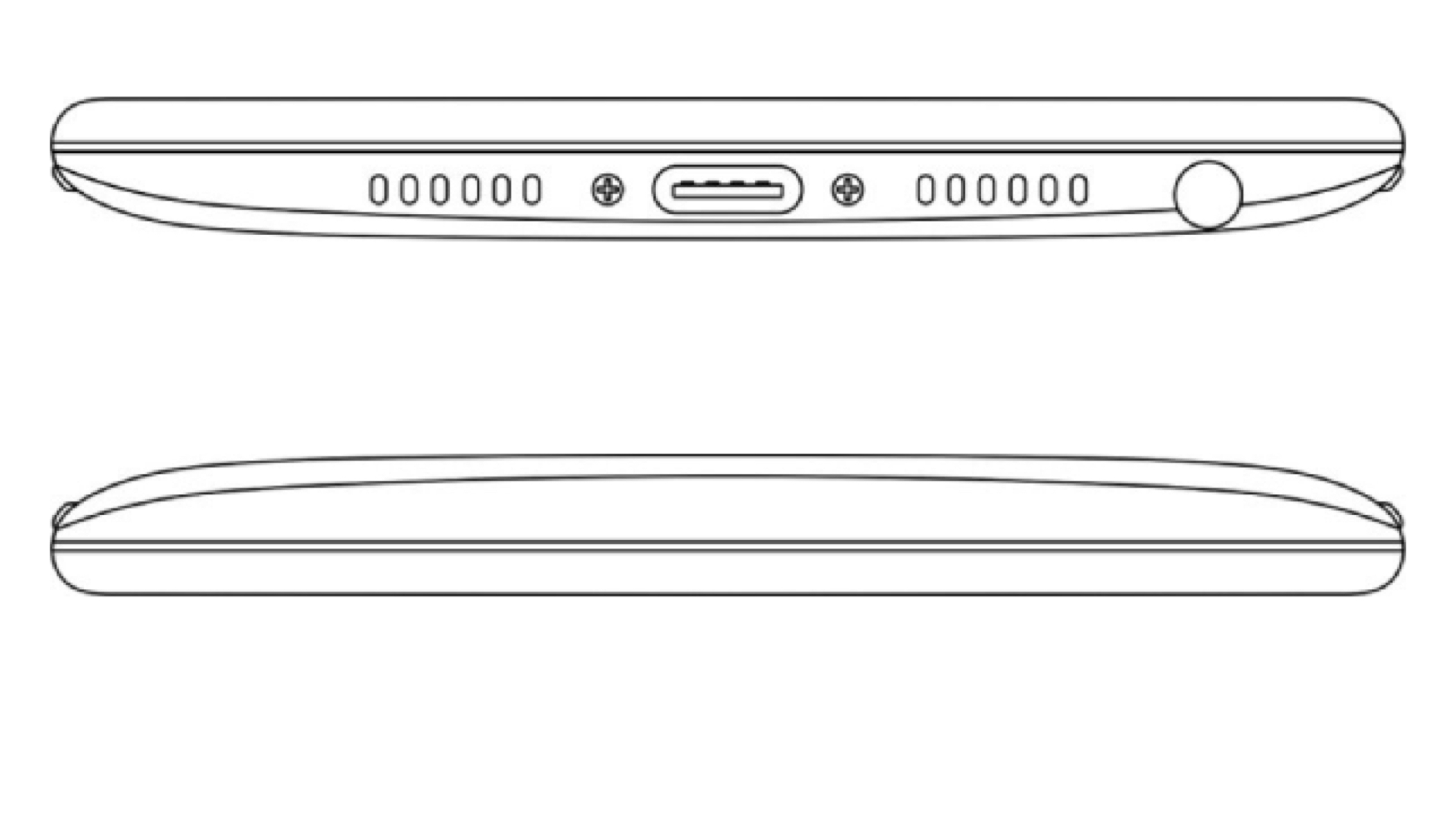
    Moving to the rear of the Oppo smartphone, it has a conventional design with a dual camera setup present on the upper half. The right side of the smartphone is occupied by the volume rocker and power button while the left side is occupied by what seems to be the SIM card tray. The bottom side of the device is occupied by the 3.5 mm audio jack and USB C port which is flanked by grilles on either side while the top side of the device is devoid of any controls or ports.

    Also Read: Asus ROG Phone 2 With 120 Hz Display To Launch Soon

    To get more details about the aforementioned Oppo smartphone we will have to wait patiently for the company to reveal more details. Also, it is not yet confirmed whether the device will ever see the light of the day or not. As a lot of patented devices never make their way to the commercial availability stage. 

  • Asus ROG Phone 2 With 120 Hz Display To Launch Soon

    Asus ROG Phone 2 With 120 Hz Display To Launch Soon

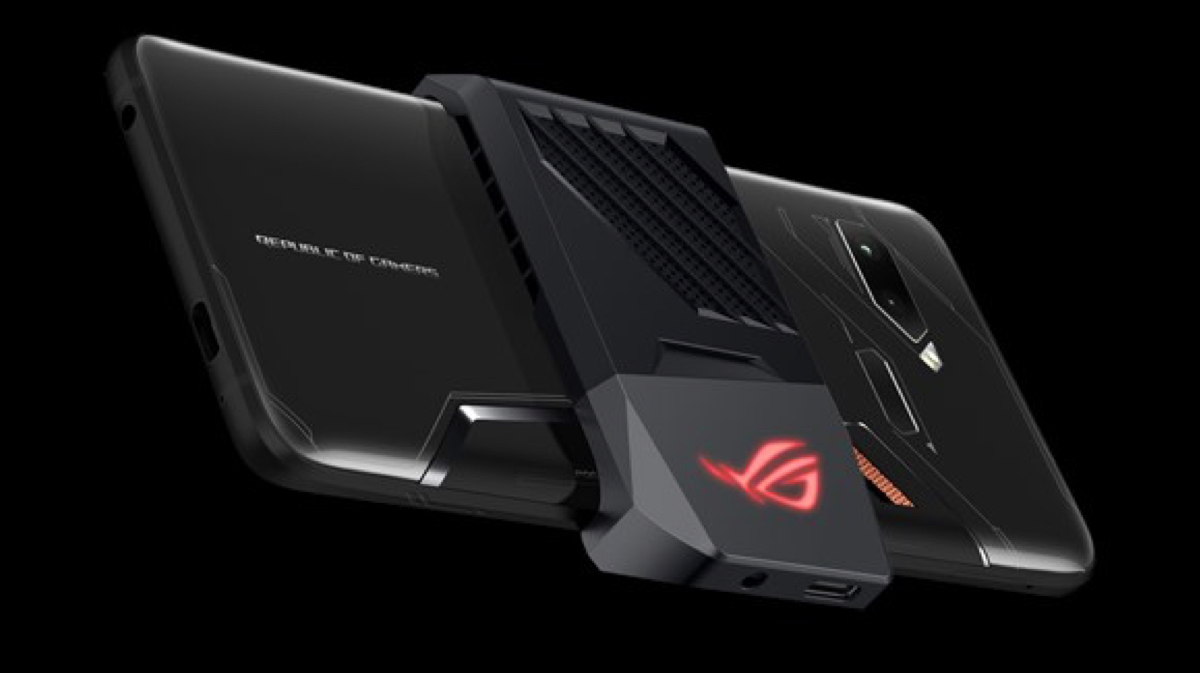
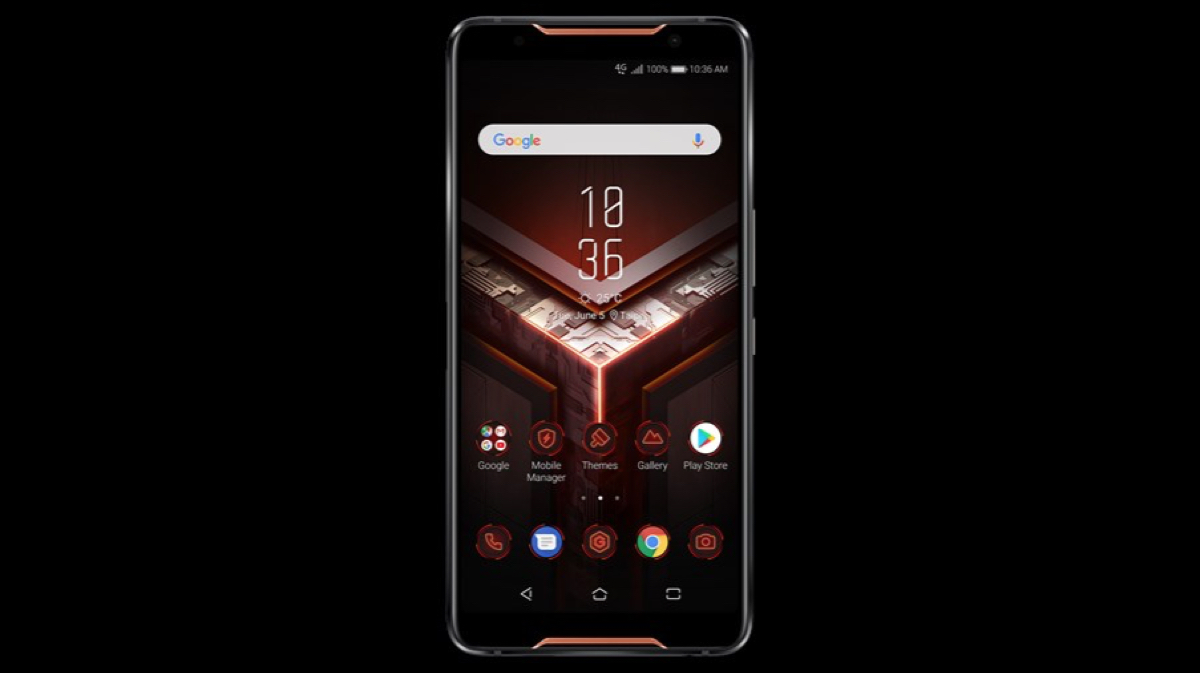
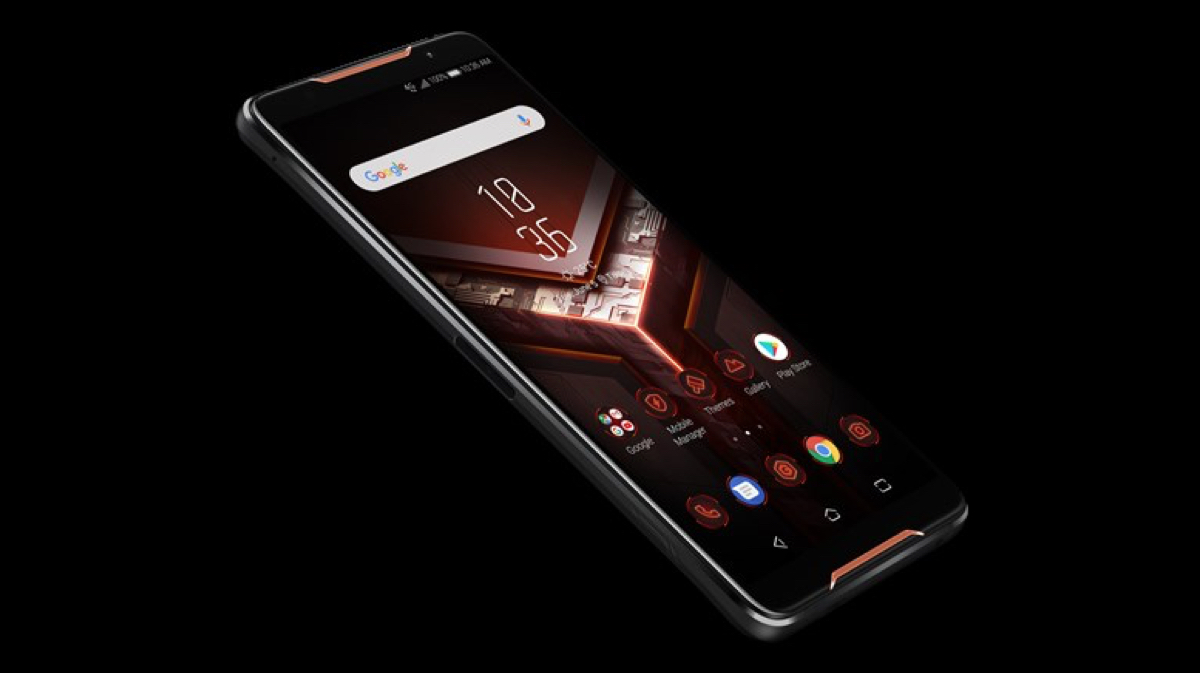
    With the rise in popularity for mobile gaming, the demand for gaming smartphones has also seen an upward trend. In the year 2018, Taiwan based Asus launched the ROG Phone which is packed with features that are designed and incorporated while keeping gamers in mind. As time passed, the device’s specification seems to fall short in comparison to its competitors including the Nubia Red Magic 3 and the Xiaomi Black Shark 2.

    To take on its competitors that pack flagship worthy features from 2019, Asus has been anticipated to launch a successor to the original ROG phone. Pleasingly, the company has officially revealed that the second generation ROG Phone is in the works and it will have a feature that is a segment first. ROG’s official account on Chinese social media website, Weibo confirmed that the Asus ROG gaming Phone 2 will have a praiseworthy 120 Hz refresh rate display. The said display provides for an enhanced viewing experience which is more pleasing to the eye. Noteworthy, it is not yet confirmed whether the future smartphone will use an LCD display or an AMOLED display. As AMOLED technology with this high refresh rate is yet to be unveiled by any company.

    Asus ROG Phone

    To boost the hype around the upcoming device, Asus has also collaborated with the game developer, Tencent which is renowned for the wildly successful PUBG Mobile. Other specifications of the upcoming smartphone will be revealed at the time of launch, however, following are the expectations from the device. 

    Asus ROG Phone 2 Expectations

    Snapdragon 855 SoC: Being a 2019 flagship grade Android smartphone, the apparent choice for the chipset on the Asus ROG Phone 2 is Snapdragon 855 which is seen on most other flagship devices from leading OEMs.

    4,000 mAh+ Battery: Running resource hungry tasks like games on a smartphone takes a jab on the battery draining it at a comparatively faster pace. Even though the original Asus ROG Phone has a large 4,000 mAh battery, an even larger capacity battery would be appreciated by the consumers. Also, with the ZenFone 6, Asus has managed to accommodate a 5,000 mAh battery. Therefore, the upcoming gaming focused device is also predicted to have a similar size battery.

    In-display Fingerprint Sensor:

    The original Asus ROG Phone has a rear mounted fingerprint sensor which was found on almost every 2018 flagship device. However, with the advancement in technology, the industry has shifted to an in-display fingerprint sensor which is concealed under the display. Accordingly, the Asus ROG Phone 2 is also expected to have an in-display fingerprint sensor. 

    6 Inch+ Display:

    The original Asus ROG phone Phone has a 6.0 inch AMOLED display with Full HD resolution. With the most mid-range and premium smartphones from 2019 having a display larger than 6 inch, the upcoming Asus ROG Phone 2 is predicted to have a display larger than its predecessor. It is expected to have a display which can range somewhere from 6.3 inch to 6.6 inch.

    Also Read: iPhone XR 2019 Battery Capacity Leaked

    To conclude, the expectations and predictions about the Asus ROG Phone 2 will be verified in the coming future with precise specifications being revealed at the time of official launch. The upcoming gaming centred device is expected to launch in the Q3 of 2019. 


  • iPhone XR 2019 Battery Capacity Leaked

    iPhone XR 2019 Battery Capacity Leaked

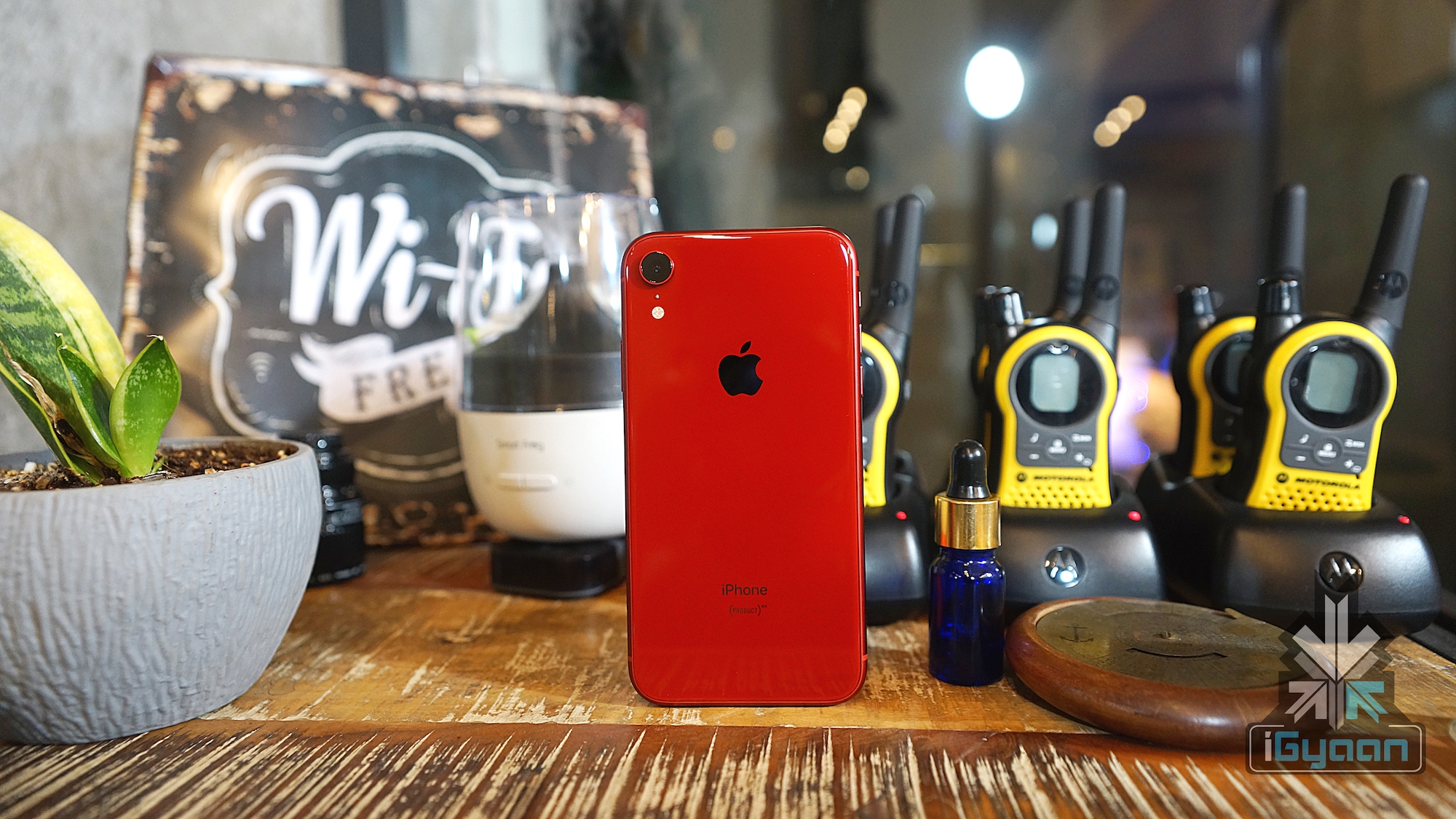
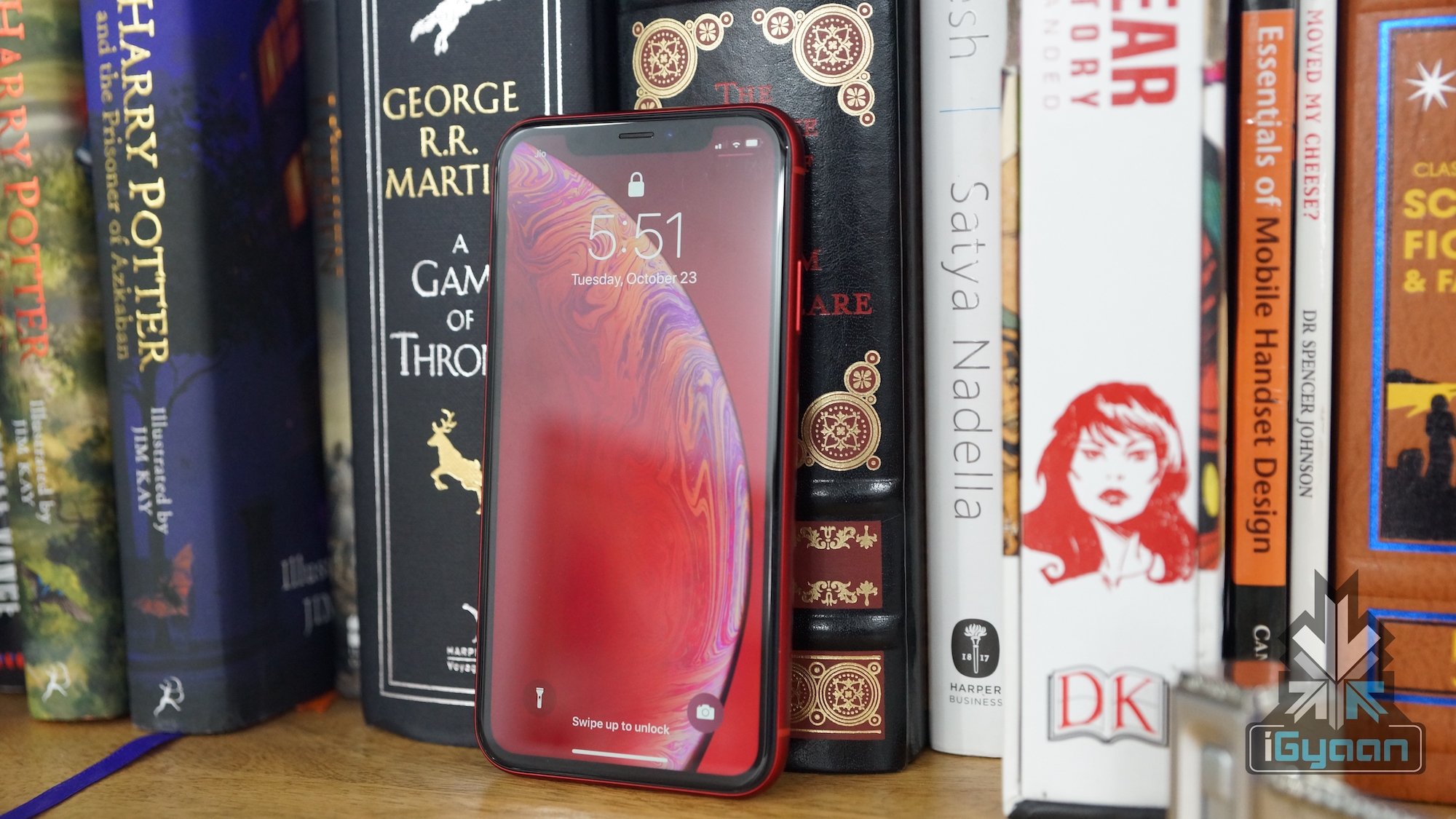
    American electronics giant Apple is expected to launch three new variants of its popular smartphone; the Apple iPhone later this year. The devices will be the successor to the iPhone XS, iPhone XS Max and the iPhone XR from last year. While there is still time before the handsets are officially announced by the company; new information about them has been surfacing online for a while now. In a fresh leak, a Korean media outlet has revealed the battery capacity of the most affordable iPhone to be released this year, the alleged iPhone XR 2019.

    iPhone XR 2019
    iPhone XR 2019
    iPhone XR

    According to the media outlet, the successor to the iPhone XR, which is purportedly called the iPhone XR 2019 will have a larger battery than its predecessor. It has been revealed that the smartphone will have a 3110mAh battery; which is around a 5 percent improvement over the 2942mAh cell found in the current generation of iPhone XR. The larger battery will make the device have the biggest battery in any single-celled iPhone; as the more premium variants have two different cells attached to each other for a combined larger capacity. The report also mentions that China’s Ameperx Technology Limited (ATL) has started mass production of the batteries for the iPhone XR 2019. The production was kicked off on June 9, with the packaging being done by another Chinese firm known as Huapu Technology.

    Apple iPhone XR 2019

    Also read: Samsung Galaxy M40 Launched

    The iPhone XR, when launched last year, was praised for its battery life as it used a lower resolution LCD display compared to OLED found in its elder siblings. Increasing the capacity of its successor insinuates that the iPhone XR 2019 may be another battery champ; among the slew of iPhones scheduled to release this year. The upcoming affordable iPhone has been leaked to arrive with two new colours, dual rear cameras and run on the Apple A13 SoC at the same price as its predecessor. Unfortunately, more details about the handset are not known at the moment, but they are expected to be unravelled as we move closer to the device launch.

  • Honor 20 Pro

    Honor 20 Pro

    Honor 20 Pro is the newest flagship device from the Chinese smartphone manufacturer. It runs on the Kirin 980 SoC which consists of an Octa Core CPU and the Mali G76 GPU. The device features a 6.26 inch LCD display. The Honor 20 is powered by a massive 4000 mAh battery. The quad rear camera setup consists of a 48 MP Sony IMX586 sensor, 16 MP wide angle sensor and 2 MP macro sensor in a vertical arrangement. The fourth sensor on the Honor 20 is a 8 MP telephoto sensor. Honor 20 Pro is priced at INR 39,999 for the 8GB+256GB variant. 

    [loop included_tags=”62521,64746,65302″ loading=”paged” layout=”f” postsperpage=”4″]


  • Samsung Galaxy M40 Launched

    Samsung Galaxy M40 Launched

    Korean electronics giant Samsung has launched the latest smartphone in its Galaxy M lineup, the Galaxy M40 in India. It is a mid-range device which takes the mantle of being the most premium handset in the series from the Galaxy M30. The Galaxy M40 boasts of competitive specifications at a lucrative price tag.

    Samsung Galaxy M40

    Samsung Galaxy M40

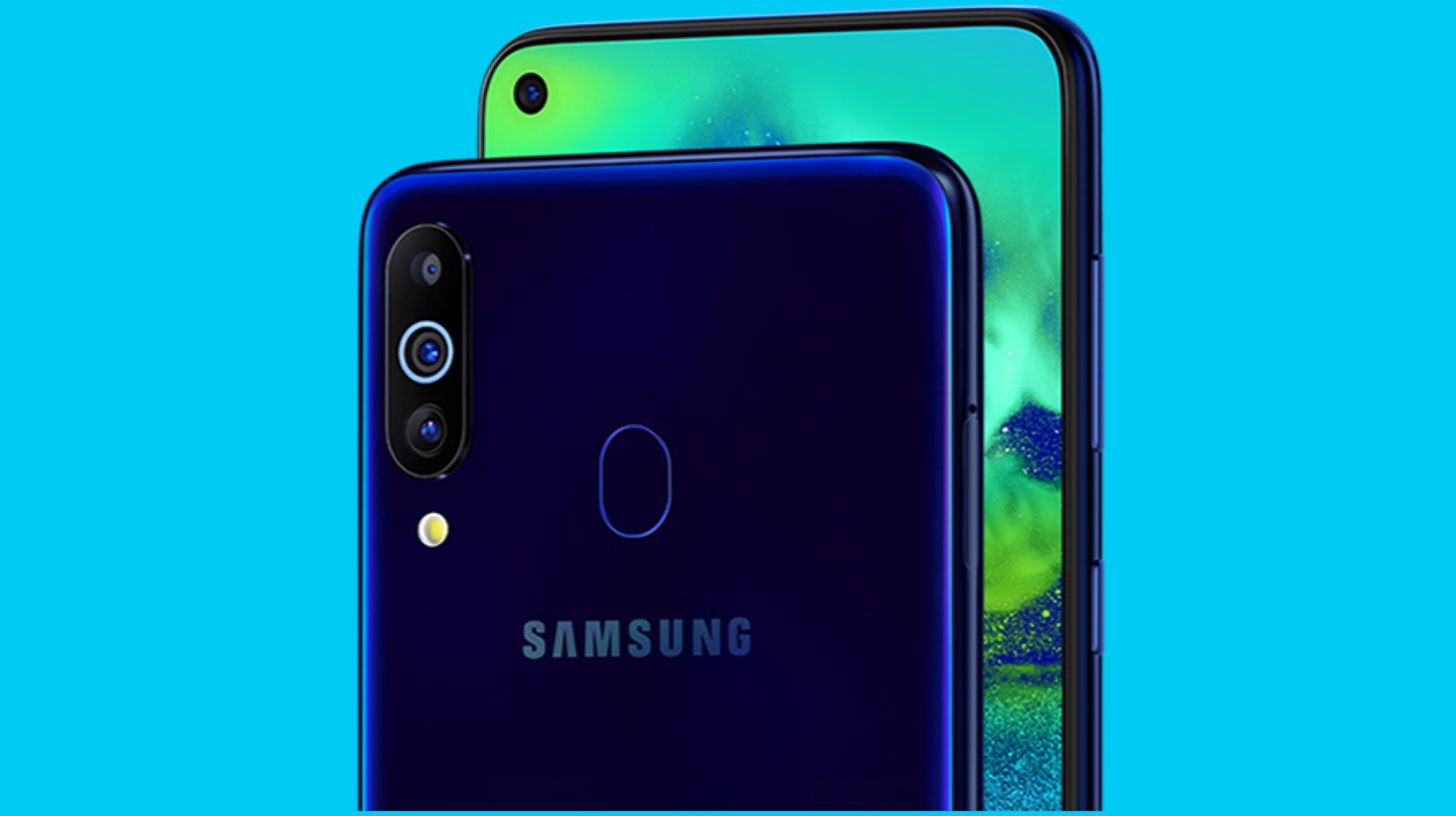
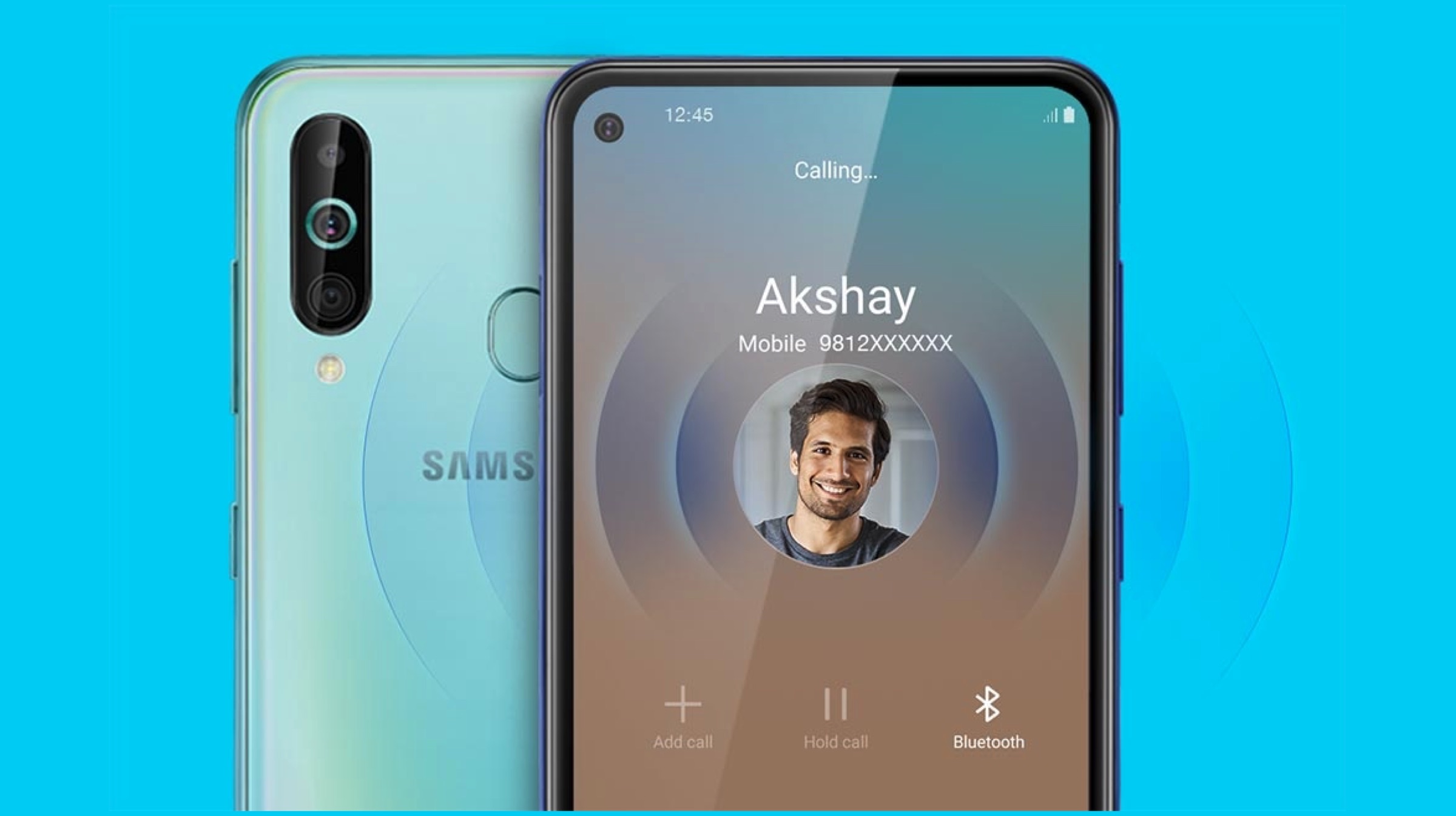
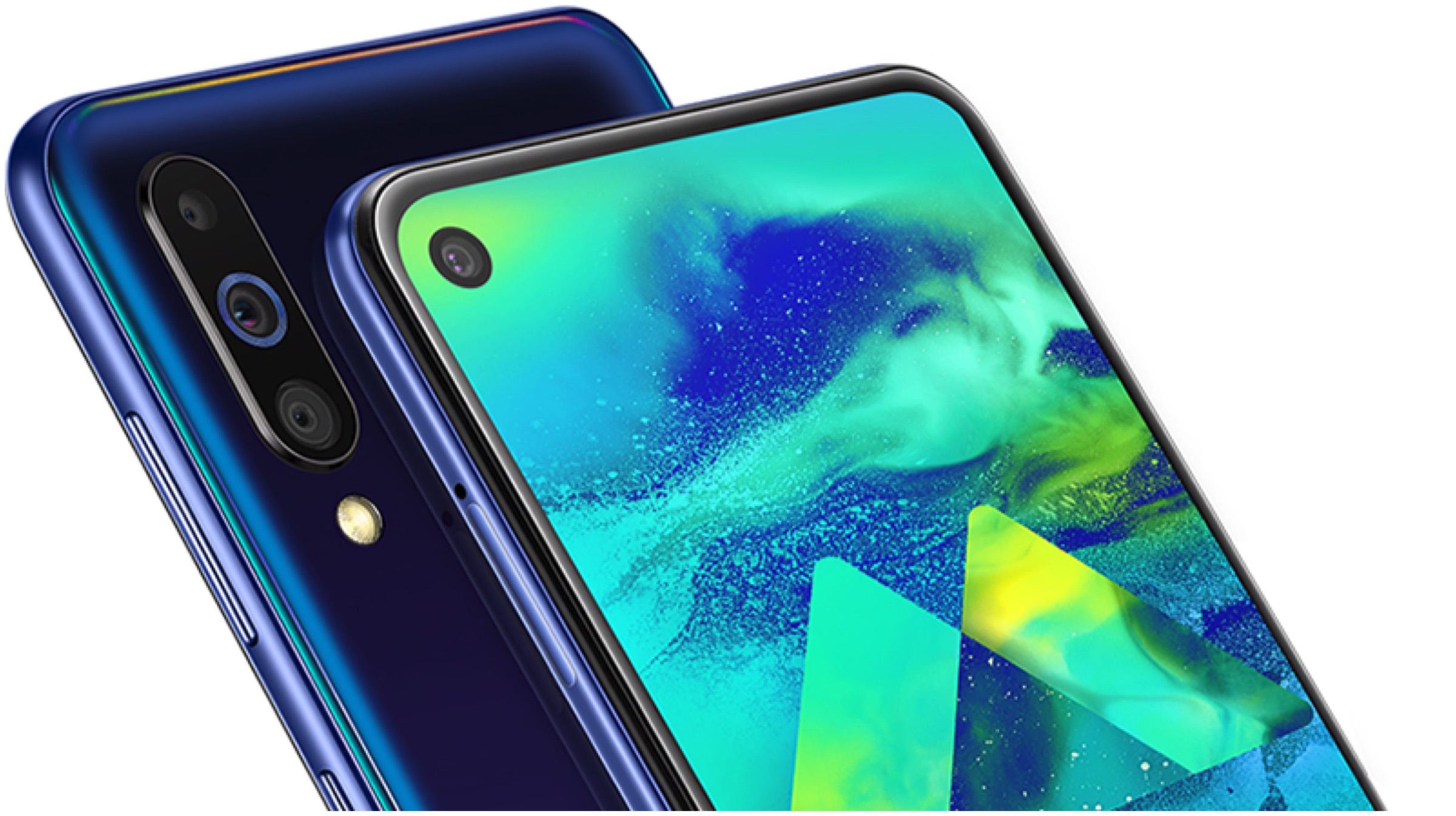
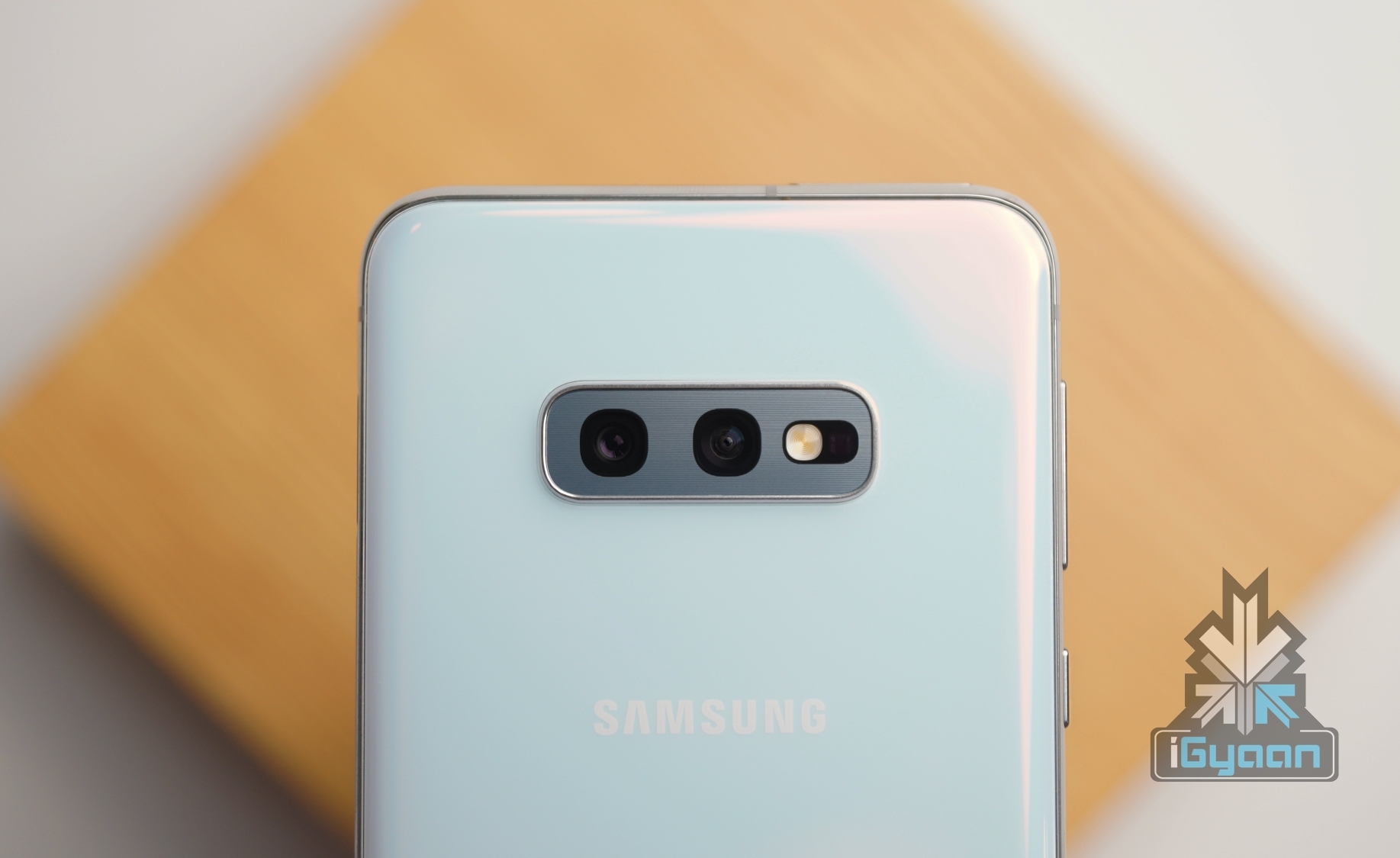
    As mentioned above, the Samsung Galaxy M40 is the latest mid-range offering from the company. The device features a polycarbonate body with an attractive gradient coloured back. It has a 6.3 inch LCD Infinity-O display with a resolution of 2340 x 1080 px. To maximise the screen real estate, the smartphone sports a hole punch cutout to house the front camera on the top left of the display, like the Honor View20; however, unlike that smartphone, the latest device eliminates the earpiece in favour of the company’s “screen sound” technology. This vibrates the entirety of the display to generate sound inside voice calls. For quickly accessing the handset, a rear-mounted fingerprint scanner with support for face unlock is also present on the Galaxy M40.

    The Galaxy M40 is kitted with the 10nm Snapdragon 675 SoC under the hood. It is comprised of an Octa-core CPU and the Adreno 612 GPU. The processor is also seen in smartphones from the likes of the Redmi Note 7 Pro and Samsung Galaxy A70. In terms of optics, the device has a triple rear camera setup. It consists of an f/1.7 aperture equipped 32MP primary camera; combined with an f/2.2 aperture equipped 8MP ultra wide angle sensor and an f/2.2 aperture equipped 5MP depth sensor. For selfies, an f/2.0 aperture equipped 16MP camera is expected to be housed in the punch hole cutout on top of the display. The Galaxy M40 has 6GB of RAM and 128GB of internal storage, which supports memory expansion via microSD.
    The Samsung Galaxy M40 is powered by a 3500 mAh battery with support for 15W charging. The smartphone runs on the latest OneUI skin on top of Android 9 Pie. This will make it the first device in the Galaxy M series to feature Android Pie out of the box. The handset is available in two colour options, Midnight Blue and Seawater Blue.

    Pricing & Availability

    Samsung Galaxy M40

    Also read: NASA To Test Safer, More Efficient Green Fuel For Spacecraft

    The Samsung Galaxy M40 has been launched at a price of Rs. 19,990. The smartphone will go on sale starting on the 18th of June at 12 noon; it will be available exclusively via Amazon India and Samsung’s online store.

  • AMD Reveals Prices Of Top End Ryzen CPU And Radeon GPU

    AMD Reveals Prices Of Top End Ryzen CPU And Radeon GPU

    AMD has taken the computing world by storm with its announcements of various new generation CPUs and GPUs. The American company’s latest lineup have spurred its competitors such as NVIDIA and Intel. Both companies’ have seen a downfall in their respective stocks post-AMD’s announcement two-weeks prior at Computex 2019. Team red went on stage about the pricing of some of its top-notch products at E3 gaming expo 2019.

    Ryzen 9 3950X

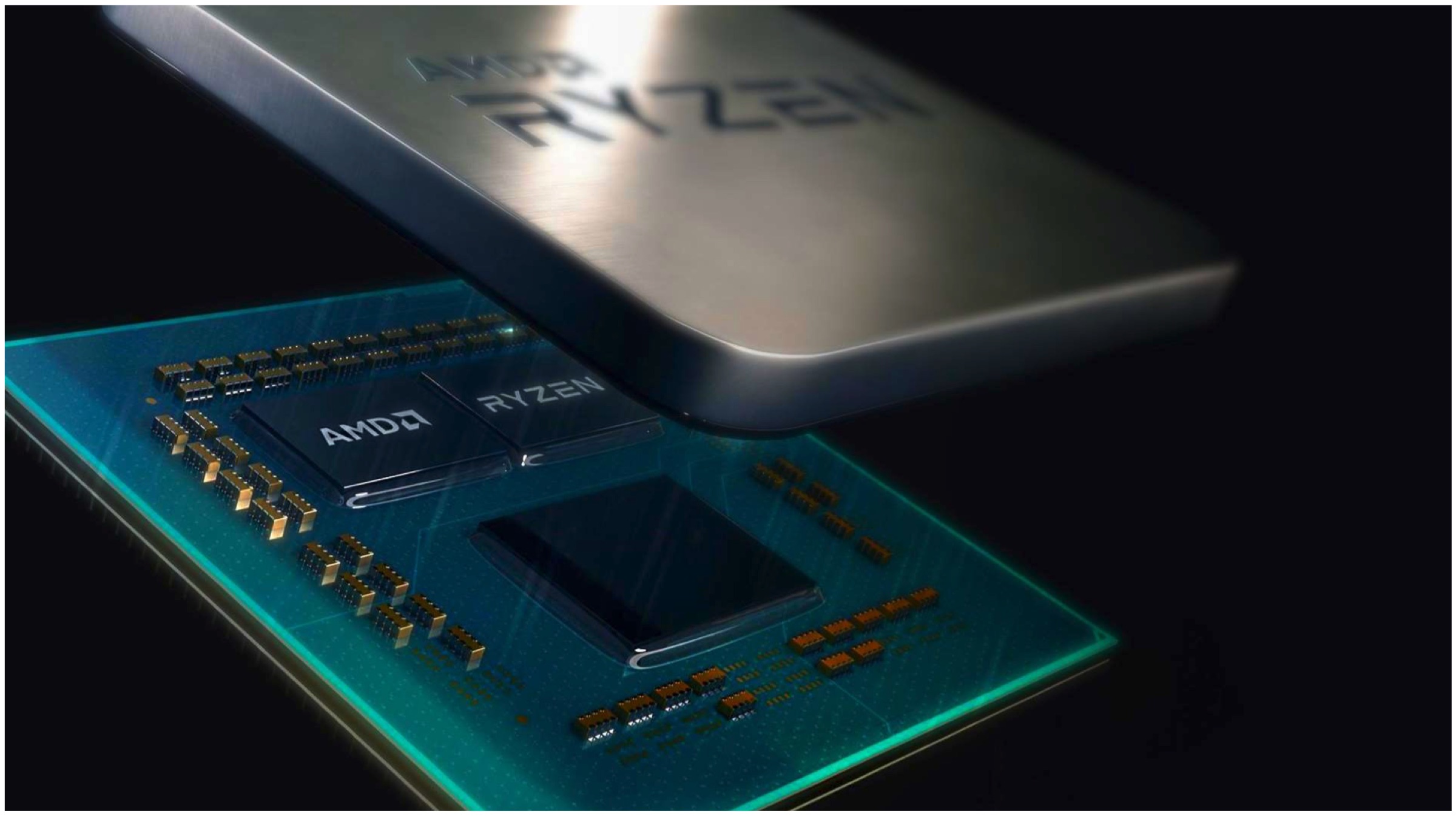
    AMD’s Next Horizon Gaming Event at E3 2019 gaming expo unveiled the pricing of the worlds only gaming-centric CPU with 16 cores. Ryzen 9 3950X is priced at $750 (approx. Rs.52,000). The 16-core/ 32-thread CPU chipset has a base clock of 3.5GHz base clock and a boost clock of 4.7GHz. The cache is a massive 72MB and a relatively low 105W TDP for a 16-core processor. Even a 16-core Threadripper from AMD is rated at 180 watts; Intel’s very own 16-core has a 165W TDP.

    The 7nm processors are proving to be much more power efficient and cheaper, not only in workloads for creators but for gaming performance as well. Apart from being the only 16-core gaming CPU, it is also compatible with an AM4 motherboard, becoming a Threadripper class capable CPU fully operational in a consumer grade small motherboards. Both Intel’s and AMD’s 16-core CPU draw a lot more power from expensive and large motherboards that harbour larger sockets.

    AMD

    Alongside the announcement, pricing was also revealed for its other lower-specced Ryzen 3000 series lineup. 

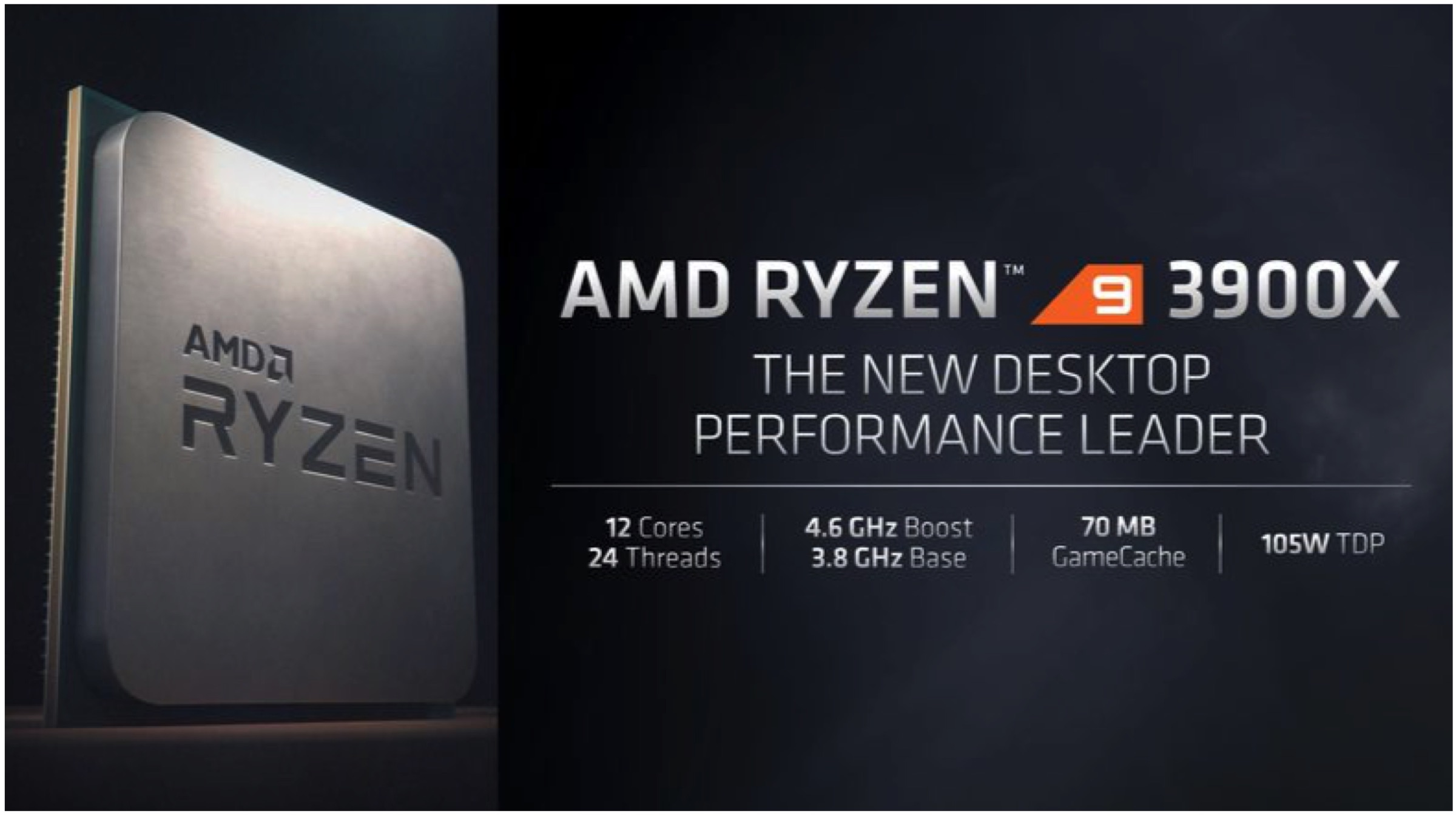
    • Ryzen 9 3900X – $499
    • Ryzen 7 3800X – $399
    • Ryzen 7 3700X – $329
    • Ryzen 5 3600X – $249
    • Ryzen 5 3600 – $199
    • Ryzen 5 3400G – $149
    • Ryzen 3 3200G – $99
    Radeon RX 5700 Series

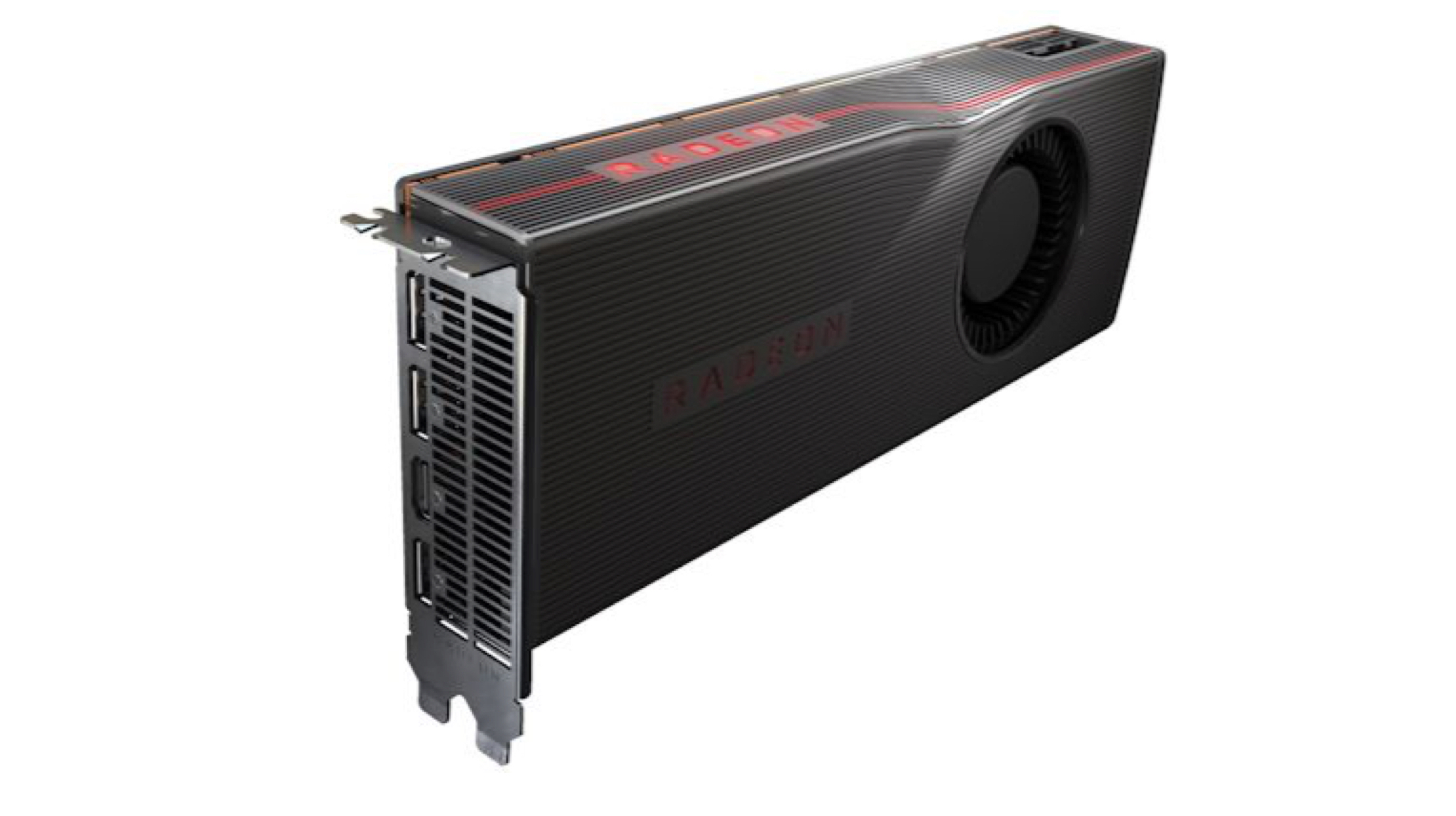
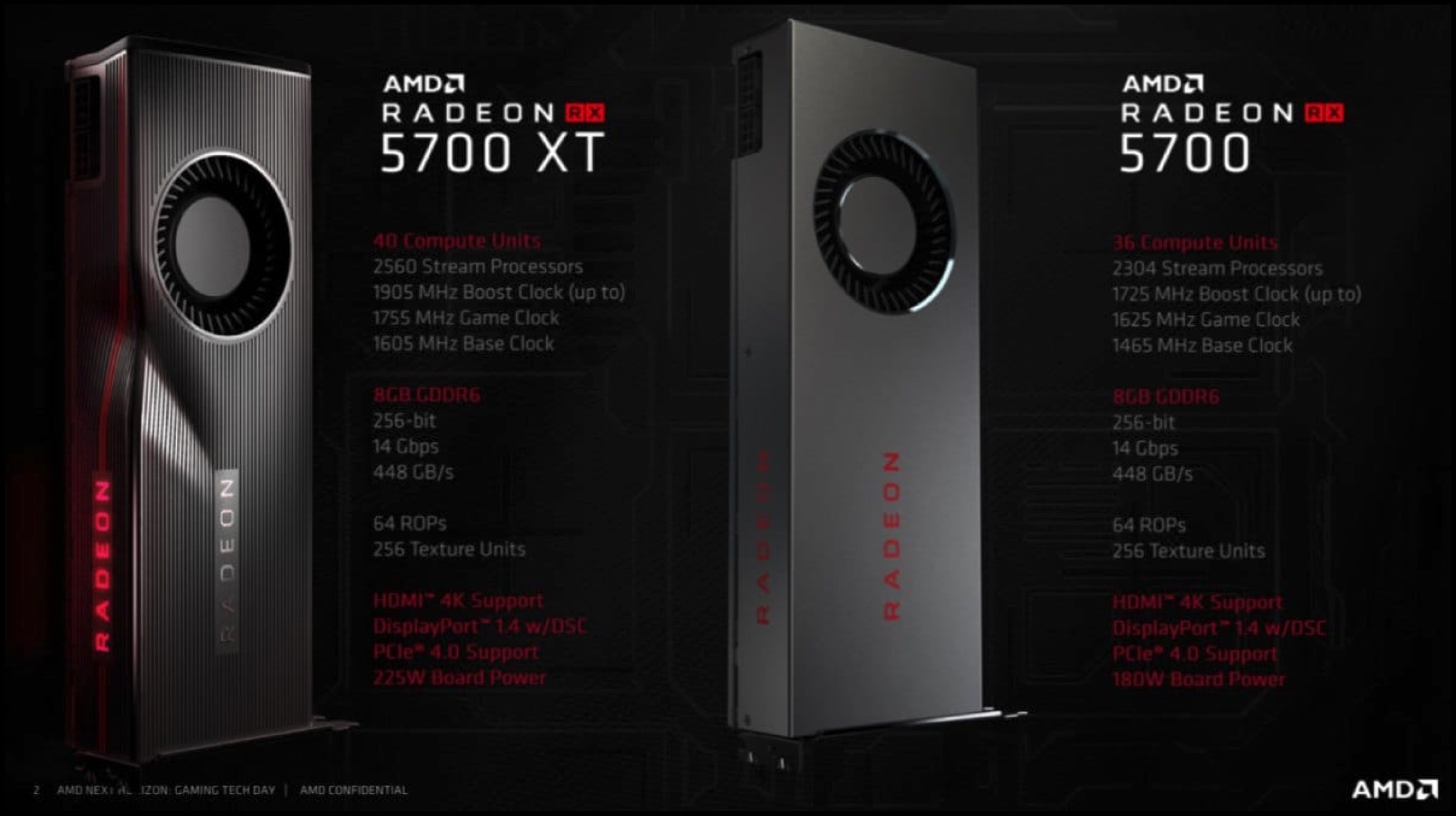
    AMD announced two variants of its upper-mid-price range GPUs that will compete with NVIDIA’s RTX series GeForce graphics card. The company is focusing on the price range that is more accessible to gamers and focuses on beating NVIDIA at a lower price bracket. RX 5700 will cost $380 (approx. Rs.26,500) and provide noticeably better performance compared to the RTX 2060 GPU priced at $350 (approx. Rs.24,500). The higher variant RX 5700 XT is priced at $450 (approx. Rs.31,000) and also bests the RTX 2070 priced at $500 (approx. Rs.35,000). 

    Additionally, AMD unveiled a new proprietary Radeon Image Sharpening that will be supported by almost every game without requiring developers’ support. This technique barely has an impact on performance and framerate while improving the overall visual fidelity. RIS was seen in demos at E3 and is technically capable of being adopted by other GPU manufacturers. The new software is exclusive to the RX 5700 series for now, while generic version called Contrast Adaptive Sharpening is being prepared for developers to directly integrate into their games. A new Radeon Anti-Lag has also been announced, that reduces input lag during stressful computations faced by the GPU. This will help give an advantage during competitive games with faster response times.

    AMD

    Also ReadUbisoft Roundup At E3

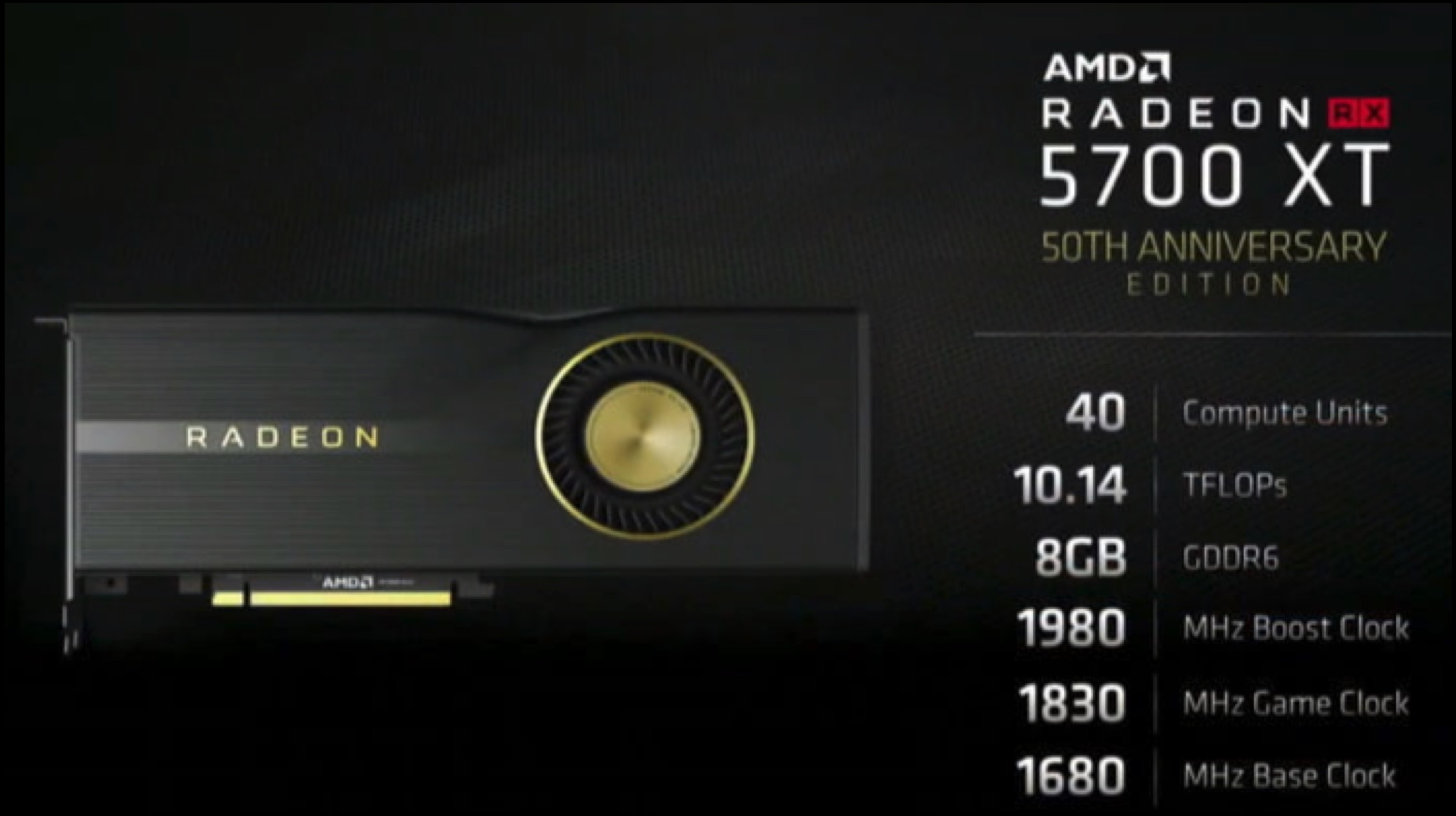
    The new AMD graphics card will be available on 7th July 2019 (7th day of the 7th month with the 7nm processor chips), along with a special 50th Anniversary Edition Radeon RX 5700 XT. The special edition features black chassis and higher clocks that allow the card to go over 10TFLOPs. AMD still has time before taking on NVIDIA’s current top-end GPUs with its upcoming NAVI GPU in 2020. 

  • Honor 20

    Honor 20

    Honor 20 is the latest flagship device from the Chinese smartphone manufacturer, Honor. It runs on the Kirin 980 SoC which consists of an Octa Core CPU and the Mali G76 GPU. The device features a 6.26 inch LCD display. The Honor 20 is powered by a 3750 mAh battery. The quad rear camera setup consists of a 48 MP Sony IMX586 sensor, 16 MP wide angle sensor and 2 MP macro sensor in a vertical arrangement. The fourth sensor on the Honor 20 is a 2 MP depth sensor. It is priced at INR 32,999 for the 6GB+128GB variant.

    Click here to buy the Honor 20 On Flipkart

    [loop included_tags=”62521,64746,65302″ loading=”paged” layout=”f” postsperpage=”4″]

  • Samsung Patents Smartphone With Extendable Display

    Samsung Patents Smartphone With Extendable Display

    The company which brought the first foldable smartphone to the market is reportedly working on another unique device with an equally unique display. Previously, a Samsung device with a flexible display was reported to be in the works. However, this time, the display is not just flexible. A fresh patent reveals that the South Korean company is developing a device with a special set of features. 

    About The Patent   
    Samsung Extendable Smartphone

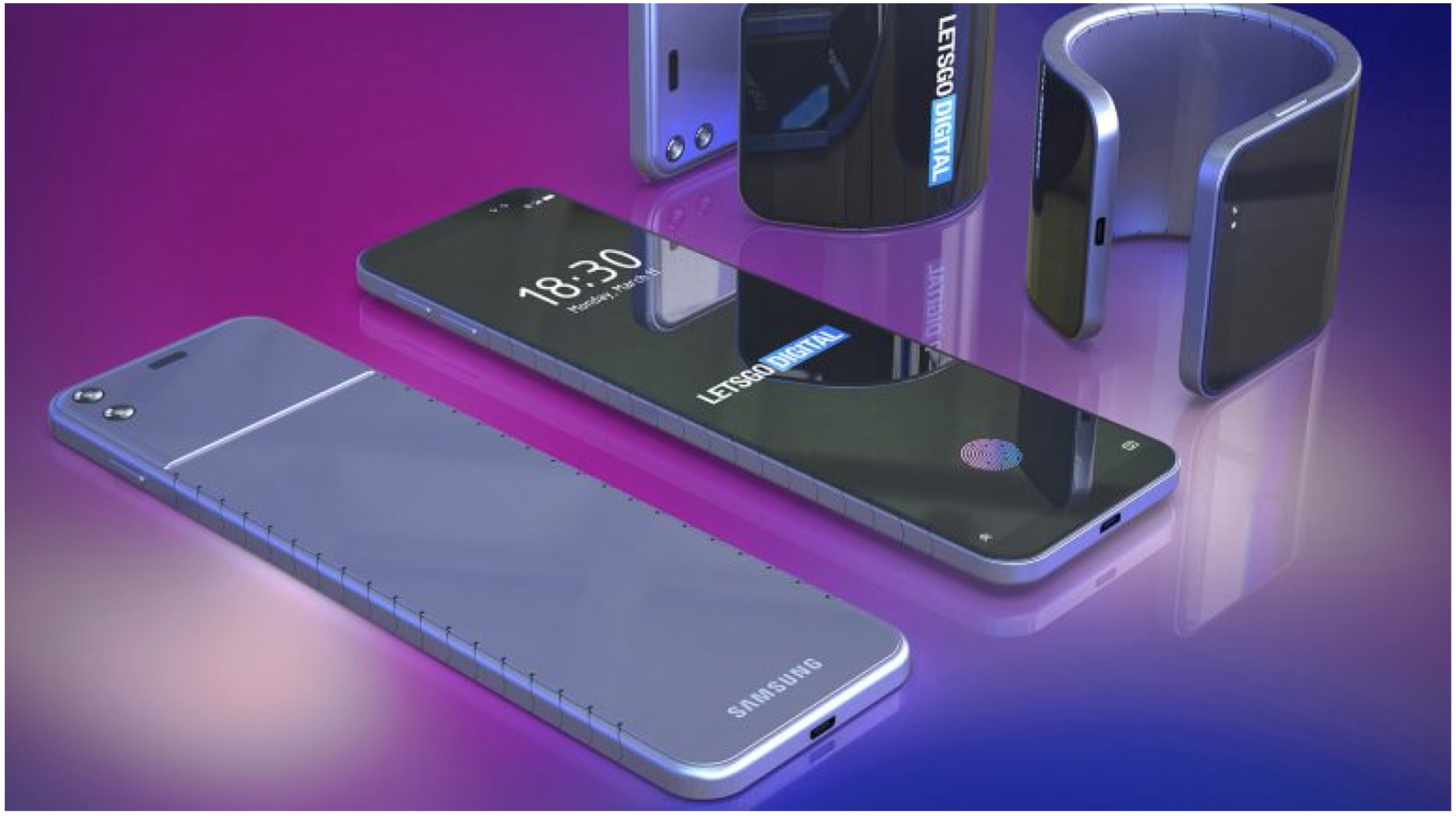
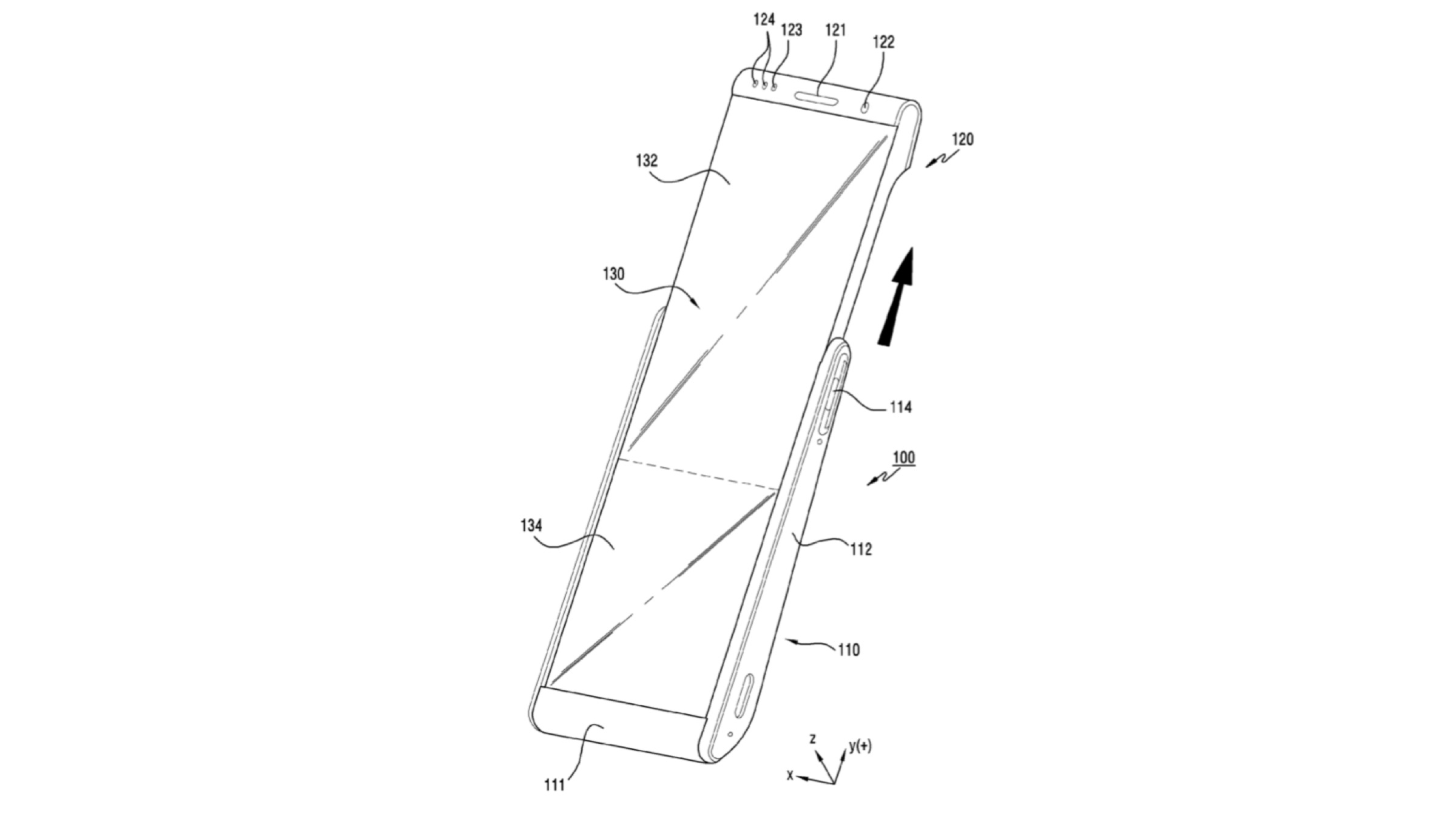
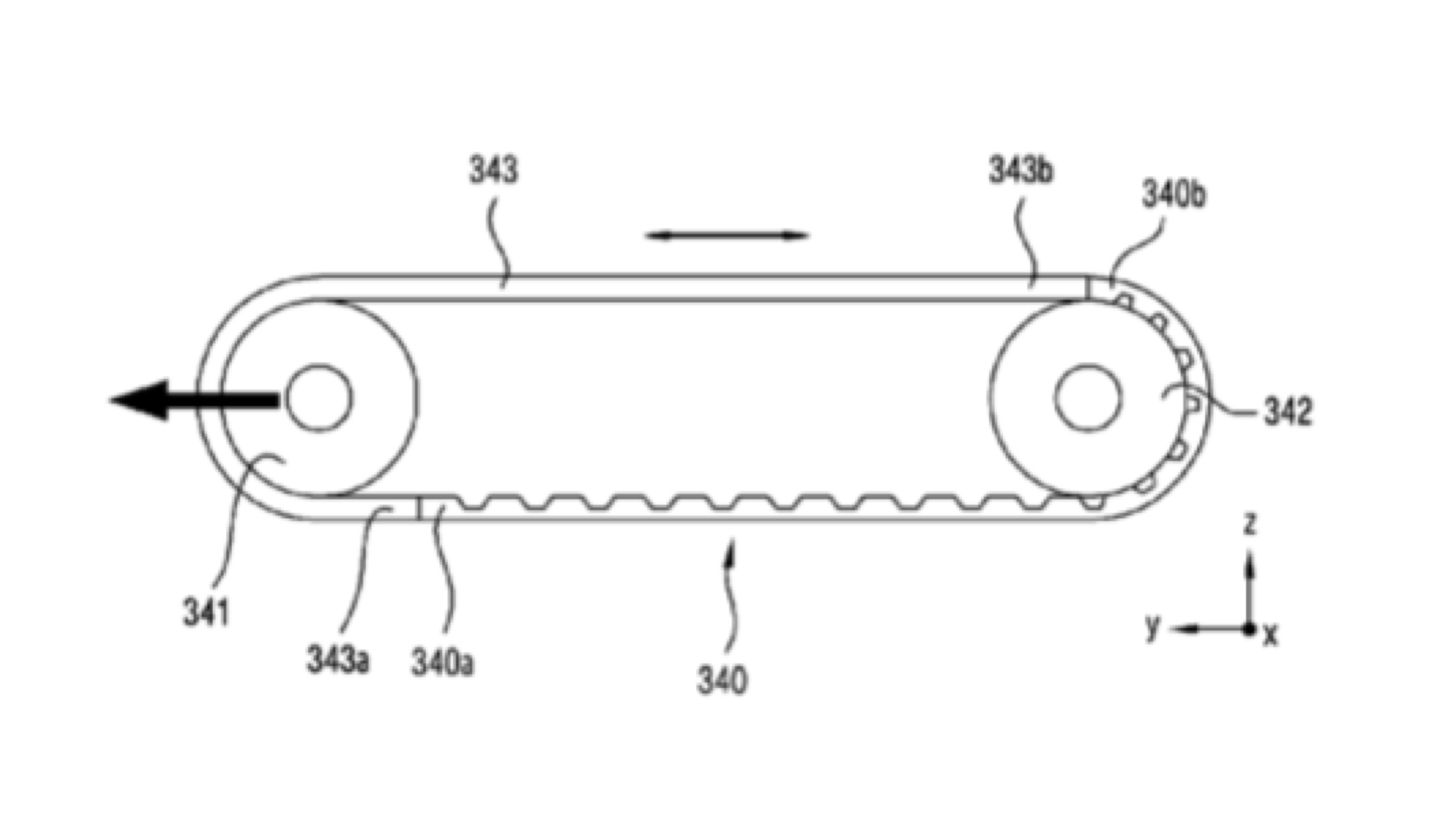
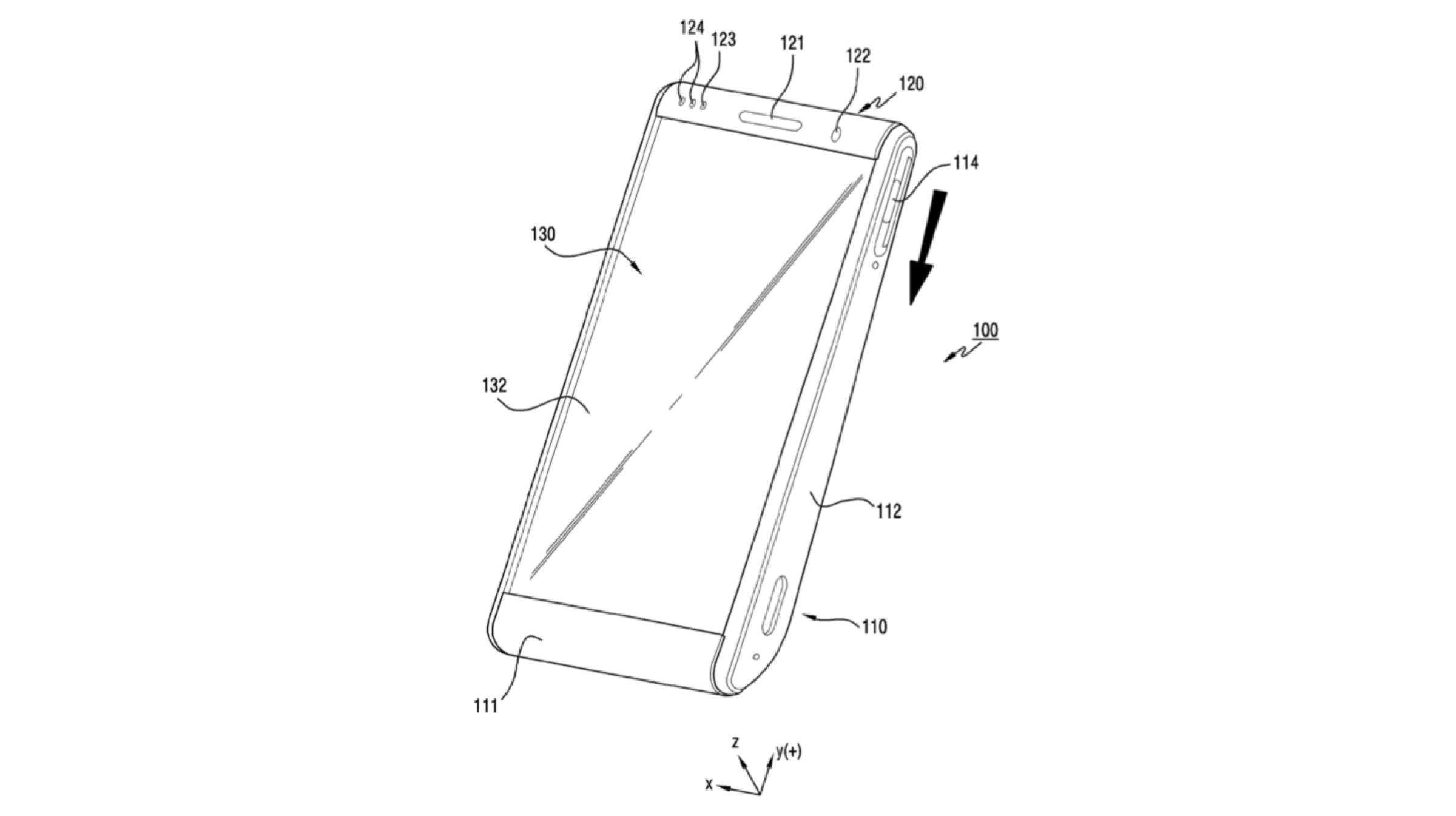
    The aforementioned patent was originally filed with the WIPO (World Intellectual Property Office) for an ‘Electronic device including a flexible display with expandable display area’ on November 28, 2018. The patent was published less than a year later on June 6 2019. It describes a smartphone with a roll-out flexible display that can create an extra large screen surface to use. Since the user preference is shifting towards larger sized smartphones, it makes sense to innovate a new technology such as this one. 

    The “non-extended” state of the Samsung smartphone looks like any traditional smartphone. The bezels on the top and the bottom are quite prominent, opposed to the bezel-less smartphones in trend these days. However, the design of the device shouldn’t be taken for granted, since the primary motive of the patent is to depict the working and design of the extendable display module. The final design of such a device can differ significantly from the original renders. 

    Samsung Extendable Smartphone

    Using a slider system, users can create an elongated screen surface that may have several implications. For instance, the smartphone can be useful while scrolling through web pages, or it can be used to play games that require a large screen surface, for instance, PUBG Mobile. Moreover, users can also use the expanded display on the Samsung smartphone to accommodate more users on the display during a video call or a conference call. The display is stored in a central housing so as to prevent any form of external damage. The sliding mechanism can be triggered automatically or manually. 

    Also Read: Huawei Has Shipped 1 Million Phones With Their Own OS

    As per the patent images, the forehead of the Samsung smartphone will house the earpiece as well as an LED notification indicator. The upper bezel also accommodates the front camera sensors. Optics also includes a dual rear camera setup. A USB Type-C port is present at the bottom of the device. If the flexible-cum-expandable smartphone design is viable, the company may use the technology to manufacture tablets in the future as well.

  • Amazfit Health Watch With 1.28 Inch Colour Display Announced

    Amazfit Health Watch With 1.28 Inch Colour Display Announced

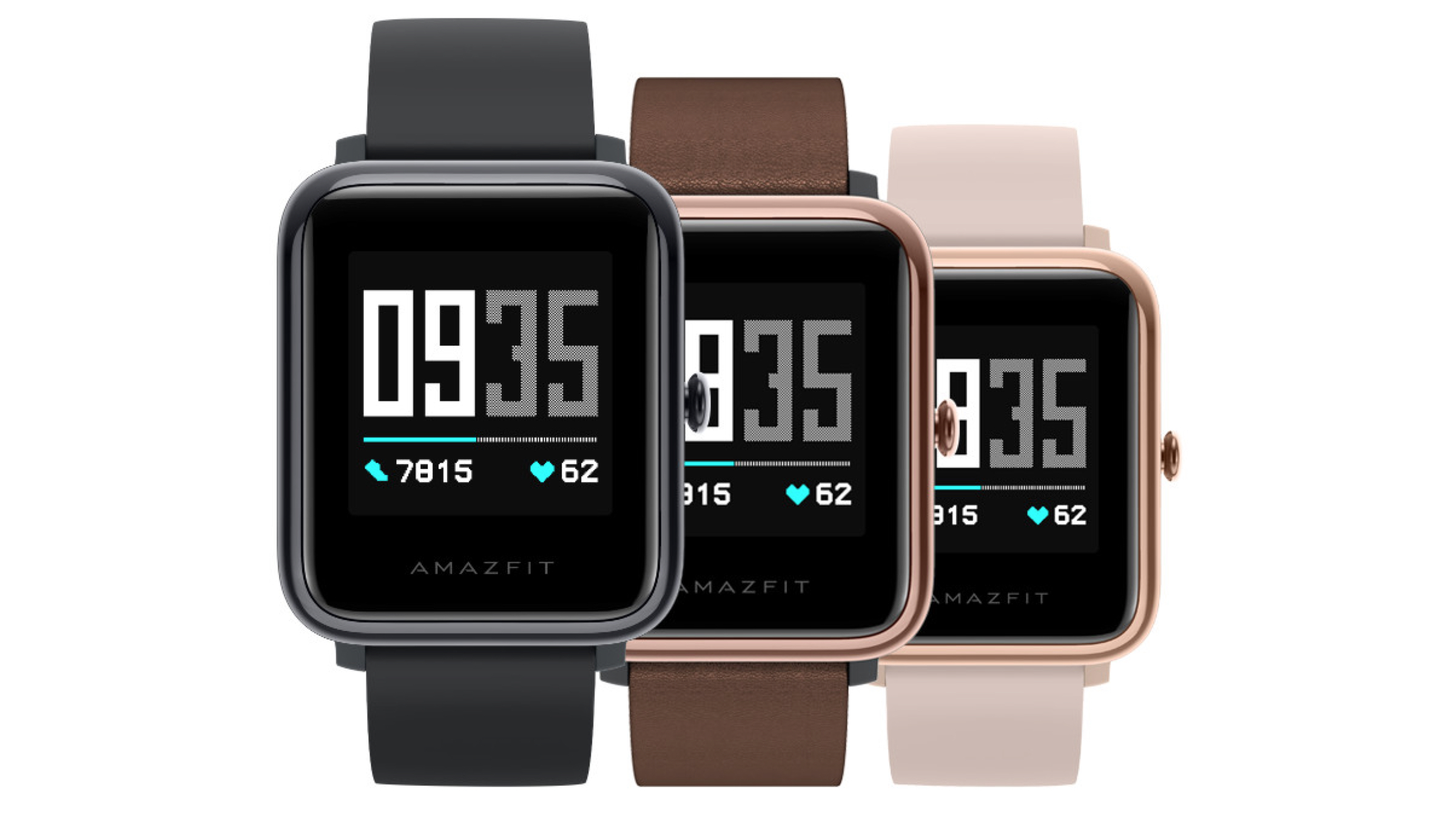
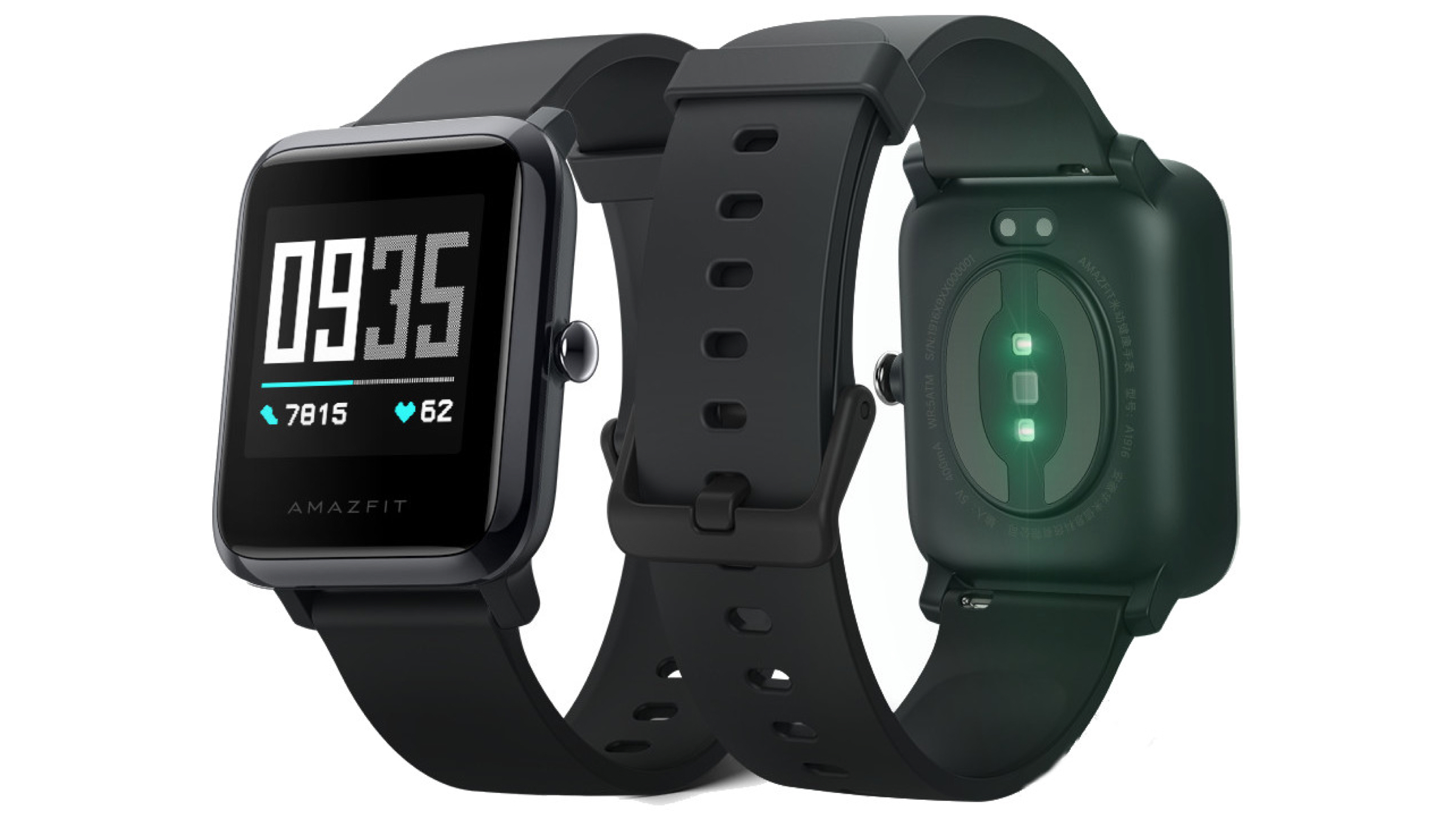
    Xiaomi backed Huami has launched the Amazfit Amazfit Health Watch at an event held in China. It is the successor to the original Huami Amazfit Watch and has a similar design to its predecessor. 

    HuamiAmazfit Health Watch Features and Design

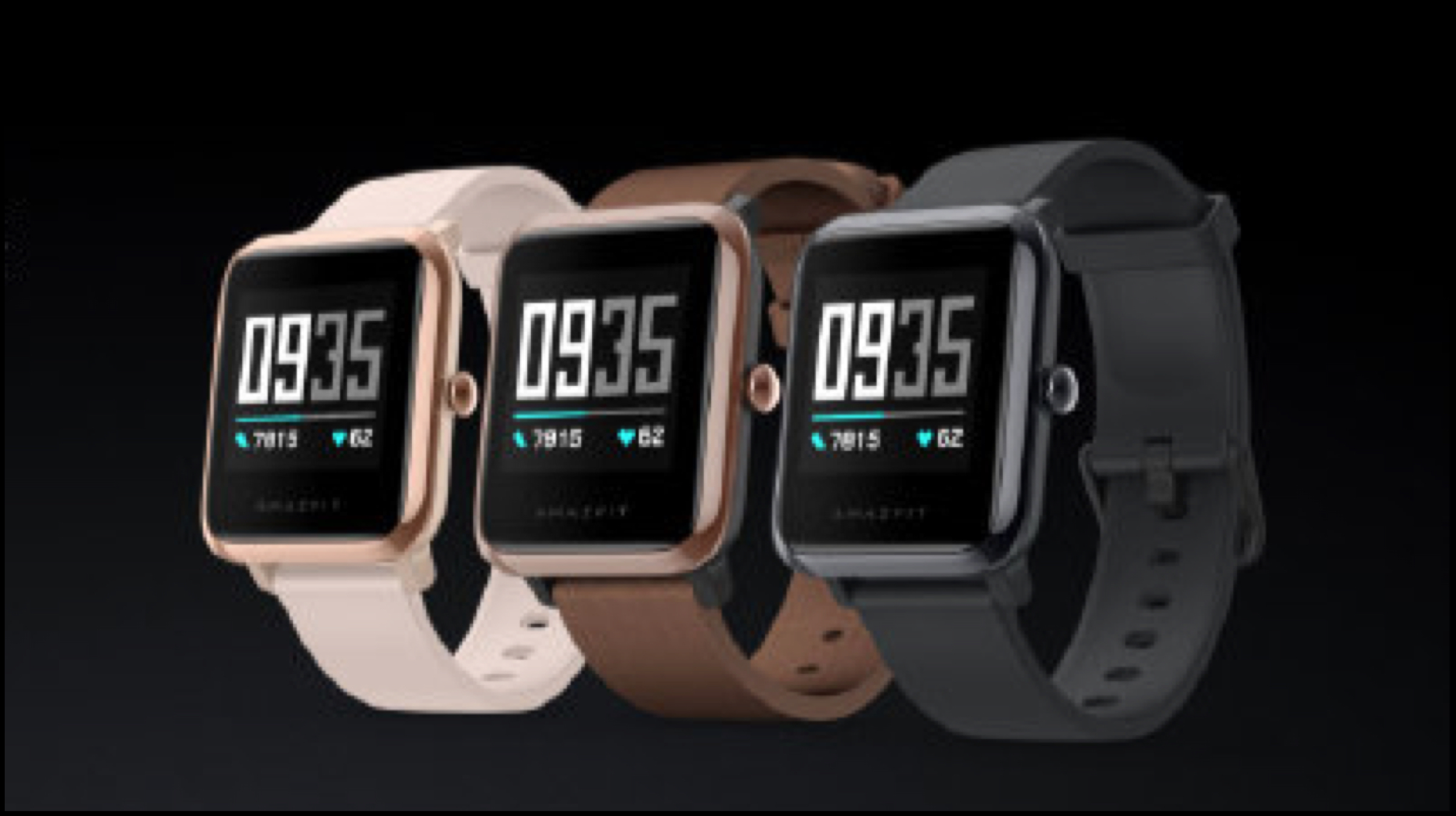
    The Amazfit Health Watch from Huami has a modern design with a square shaped housing. The smart fitness watch features a 1.28 inch colour display with 176 x 176 px resolution and tempered glass protection. Besides the touch screen display, the device can even be controlled via the right side mounted circular crown. The smartwatch supports narrowband network technology (NB IoT) so it is not necessary to be paired with a smartphone to track and collect fitness related data.

    The rear of the Amazfit Health Watch has a plastic build that features a PPG heart rate sensor and an ECG sensor. The latter measures the ECG of the wearer in 60 seconds which can be stored locally as well for upto 7 days. The smart wearable is powered by a 200 mAh battery which the company claims can provide for 7 day battery backup. The device runs on the Huangshan No 1 processor which is an in house developed chipset dedicated for wearable devices and has support for AI functionality. The chipset is used to track the data for fitness including ECG. The Amazfit Health Watch is also water resistant to 3 ATM or 30 metres.

    Also Read: NASA To Test Safer, More Efficient Green Fuel For Spacecraft

    The Amazfit Health Watch is priced at CNY 699 (around Rs 7000) and will be available for purchase in China later this month. It is available in three colour options which include Black, Brown with Rose Gold face and Brown with Gold face. The device is also expected to make its way into India in the coming months. 

  • NASA To Test Safer, More Efficient Green Fuel For Spacecraft

    NASA To Test Safer, More Efficient Green Fuel For Spacecraft

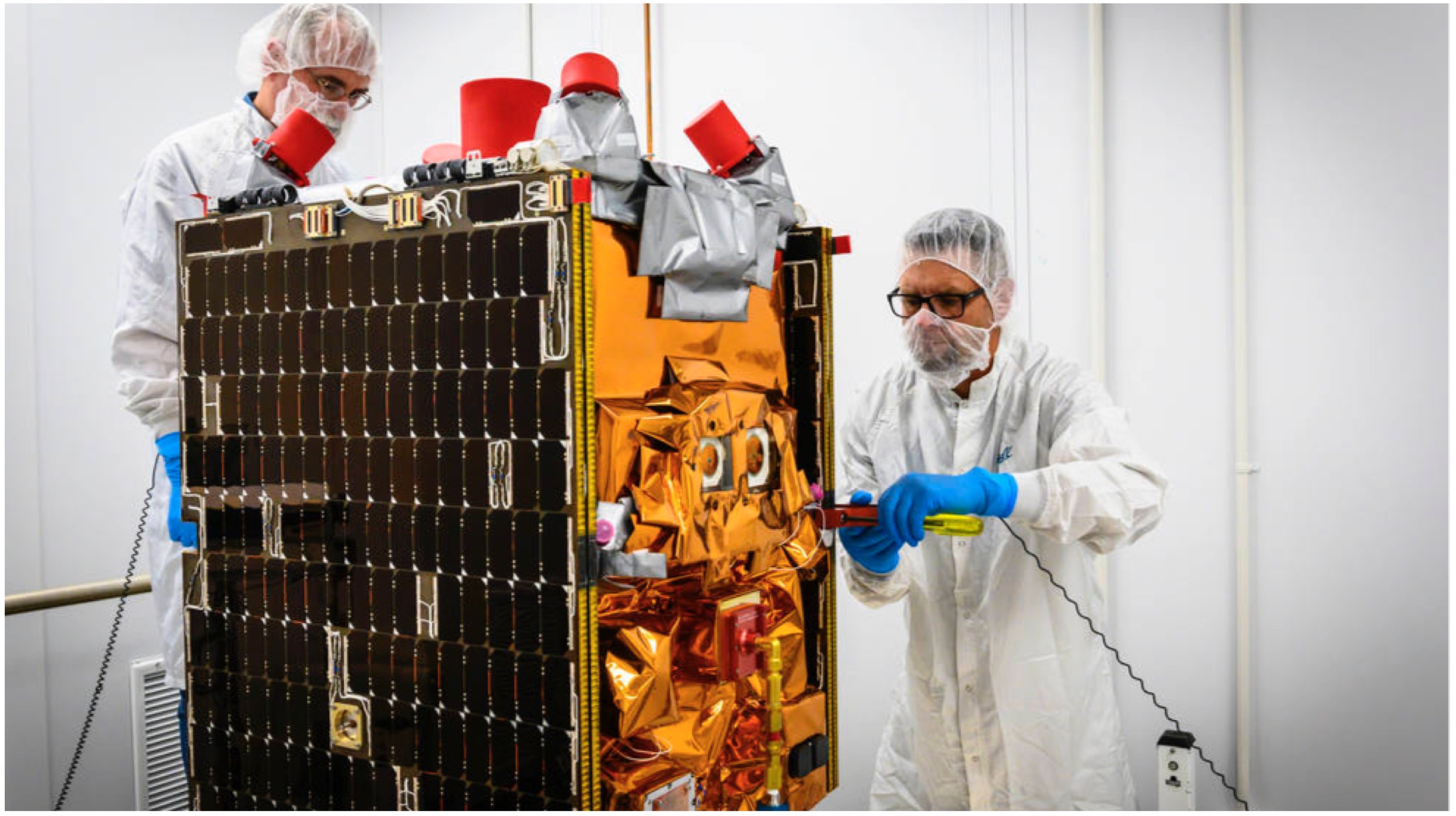
    The human race has seen drastic advancements in space exploration over the last five decades. However, humans missions still remain few and far between. The reason for that is considered to be the fuel used in the missions. Until now, most missions to space have used hydrazine, which is a dangerous and toxic chemical for humans to use and handle. Handling the colourless liquid requires some very strict safety precautions. Now, the National Aeronautics and Space Administration (NASA) of the United States has announced that it is planning on testing a new fuel for spacecraft. Dubbed the Green Propellant Infusion Mission (GPIM) it uses a non-toxic, rose coloured solution that can be a breakthrough in space exploration.

    About the fuel

    NASA

    The GIPM is a spacecraft which will use the aforementioned fuel to power the mission. The fuel in question is a “green” mix of hydroxylammonium nitrate with an oxidizer that assists it in burning. It is considered safe enough to fuel the spacecraft while it is still being built, which will fast forward the launch. Apart from being safer, the newest chemical is also significantly more powerful than hydrazine. According to NASA, the newer fuel will offer up to 50 percent better performance. This boost in efficiency can either be used by travelling more distance in an equivalent amount of hydrazine; or by reducing the amount of fuel required in a spacecraft. 

    NASA

    Also read: Huawei Has Shipped 1 Million Phones With Their Own OS

    If the GIPM by NASA is successful in justifying the need for the new type of fuel; it could pave way for longer, more resource intensive missions like sending humans to Mars or Moon. The aforementioned mission by NASA, GPIM is scheduled to launch in June on board a Falcon Heavy Rocket by SpaceX. This is the same mission carrying the LightSail 2 project which is being conducted to demonstrate controlled solar sailing.

  • Huawei Has Shipped 1 Million Phones With Their Own OS

    Huawei Has Shipped 1 Million Phones With Their Own OS

    In the month of May 2019, US Commerce department barred all American companies from having any trade relations with the Chinese tech titan, Huawei. The ban has been implemented on the basis of accusations that claim the Chinese company spies on user data with the help of back doors installed on its devices. This move has pushed the company in an uneasy spot where it cannot use either Android or Windows on its smartphones or computers.

    However, the company is working rigorously to neutralise the havoc that the trade ban has caused. Huawei was previously reported to be working on its own operating system for mobile devices which is expected to debut later this year. The said OS is allegedly called HongMeng and is reported to be cross compatible with Android OS. This implies that applications from the Android platform will work seamlessly with the upcoming OS from Huawei. According to a fresh report published by China Daily, Huawei has already shipped 1 million smartphones with the HongMeng OS onboard for testing. Besides supporting Android applications, the OS is claimed to have increased security functions to protect personal data.

    The OS will support mobile phones, computers, tablets, televisions, cars and even smart wearable devices revealed a senior Huawei executive in a WeChat group involving some internet experts. Intriguingly, Huawei has not started working on the OS following the US ban. Instead, the company has been developing such an operating system for over half a decade. This move was taken as the company had previously anticipated the rising dominance of Western companies in the field of software.

    Another report published by South China Morning Post states that in the year 2012, Huawei’s founder arranged a closed door meeting in the company’s heavily guarded premised that lasted for several days. The meeting was intended so that the top official could brainstorm the development of an OS that would safeguard the company’s future if a deal with the US goes bad. Reports also suggest that the company has pumped billions of dollars in the project since its inception without any form of direct contribution to the company’s revenue.

    Also Read: HTC Launches U19e And Desire 19+ In Taiwan

    It seems that Huawei which is a leader across several fields of technologies has also maintained a strong grip in ensuring that it’s hard earned dominance stays regardless of tough times. All in all, Huawei has tackled the massive destruction causing trade ban with strong preparation. Though we will have to wait patiently till the hyped up HongMeng OS is officially rolled out later this year. 

  • HTC Launches U19e And Desire 19+ In Taiwan

    HTC Launches U19e And Desire 19+ In Taiwan

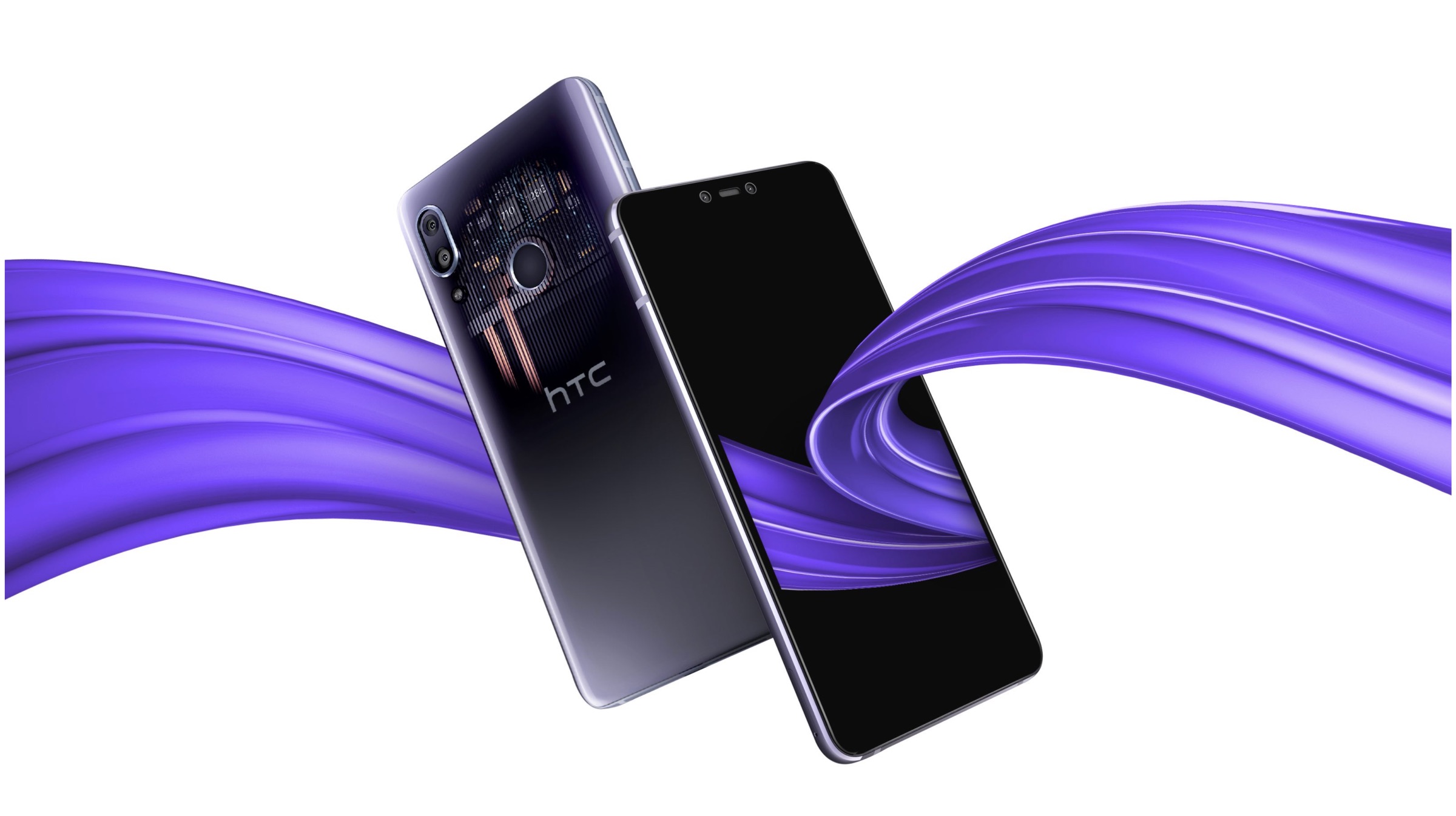
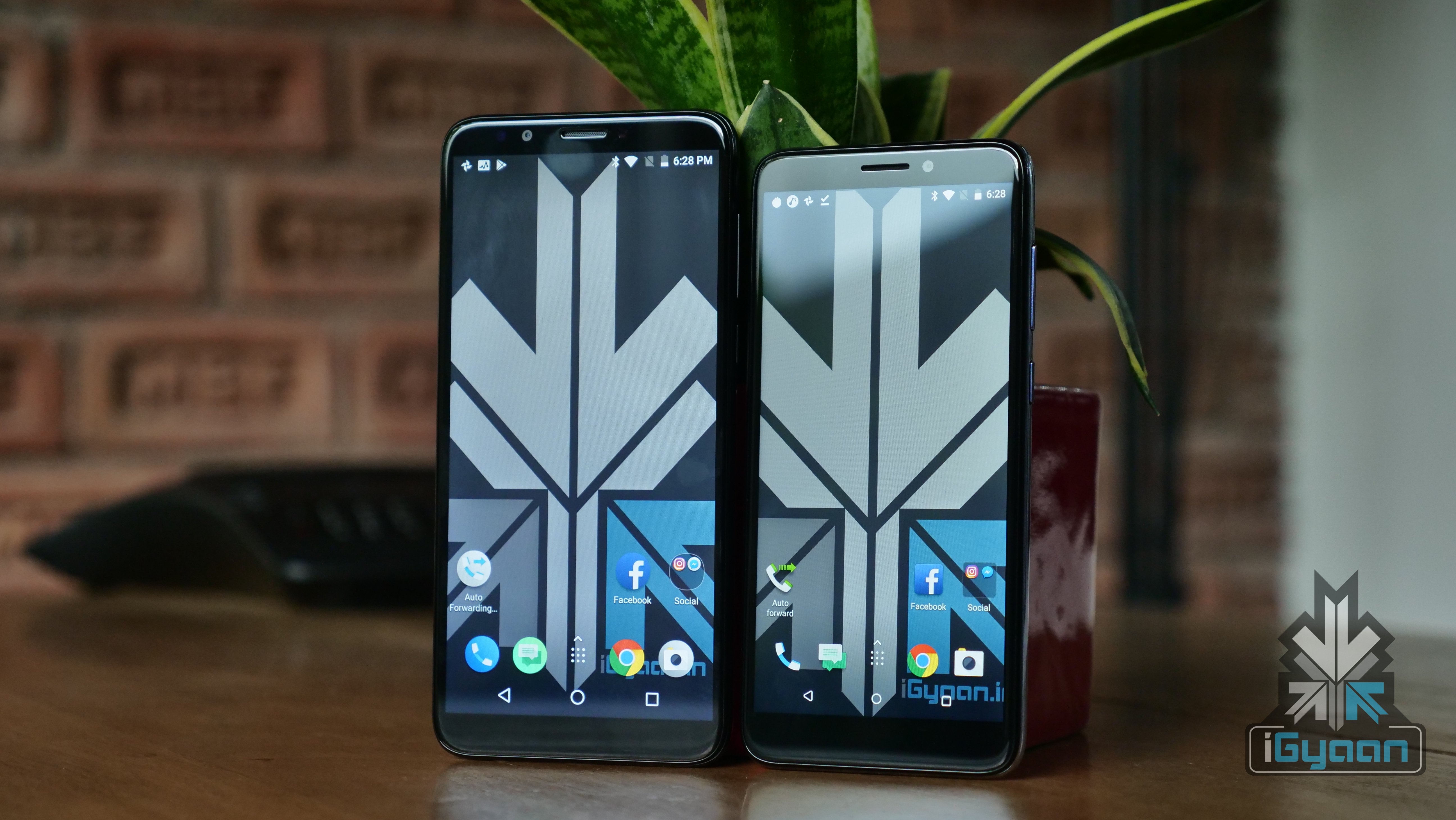
    Taiwanese smartphone manufacturer HTC has unveiled two new Android smartphones in its home country, which are the U19e and the Desire 19+. As reported previously, the company has been trying to make a comeback into the smartphone market for a long time now. It was not surprising at all to see why HTC chose its home market to launch the devices. Both devices look towards targeting the mid-range smartphone segment. 

    HTC U19e Specifications And Price

    HTC U19e

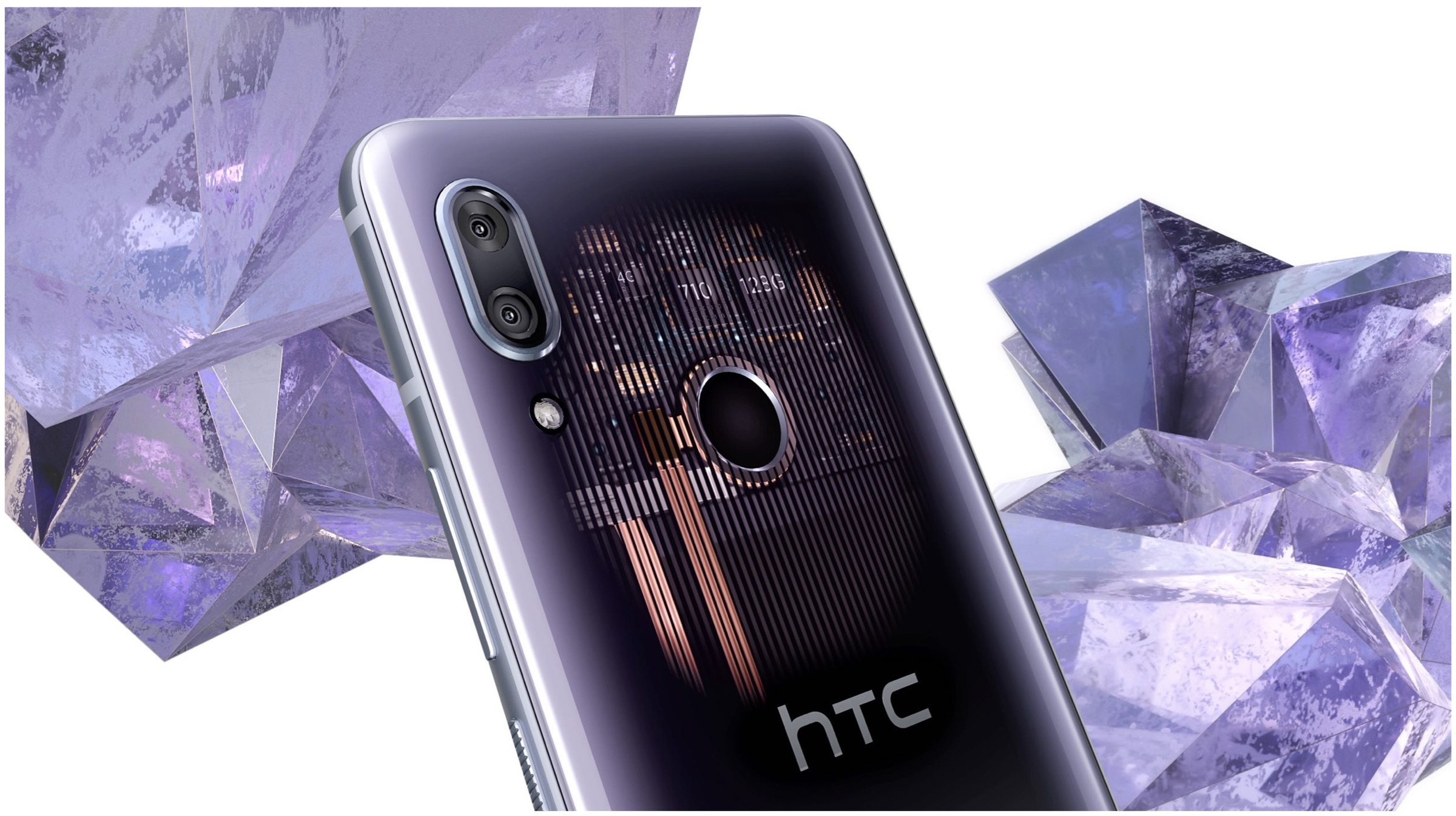
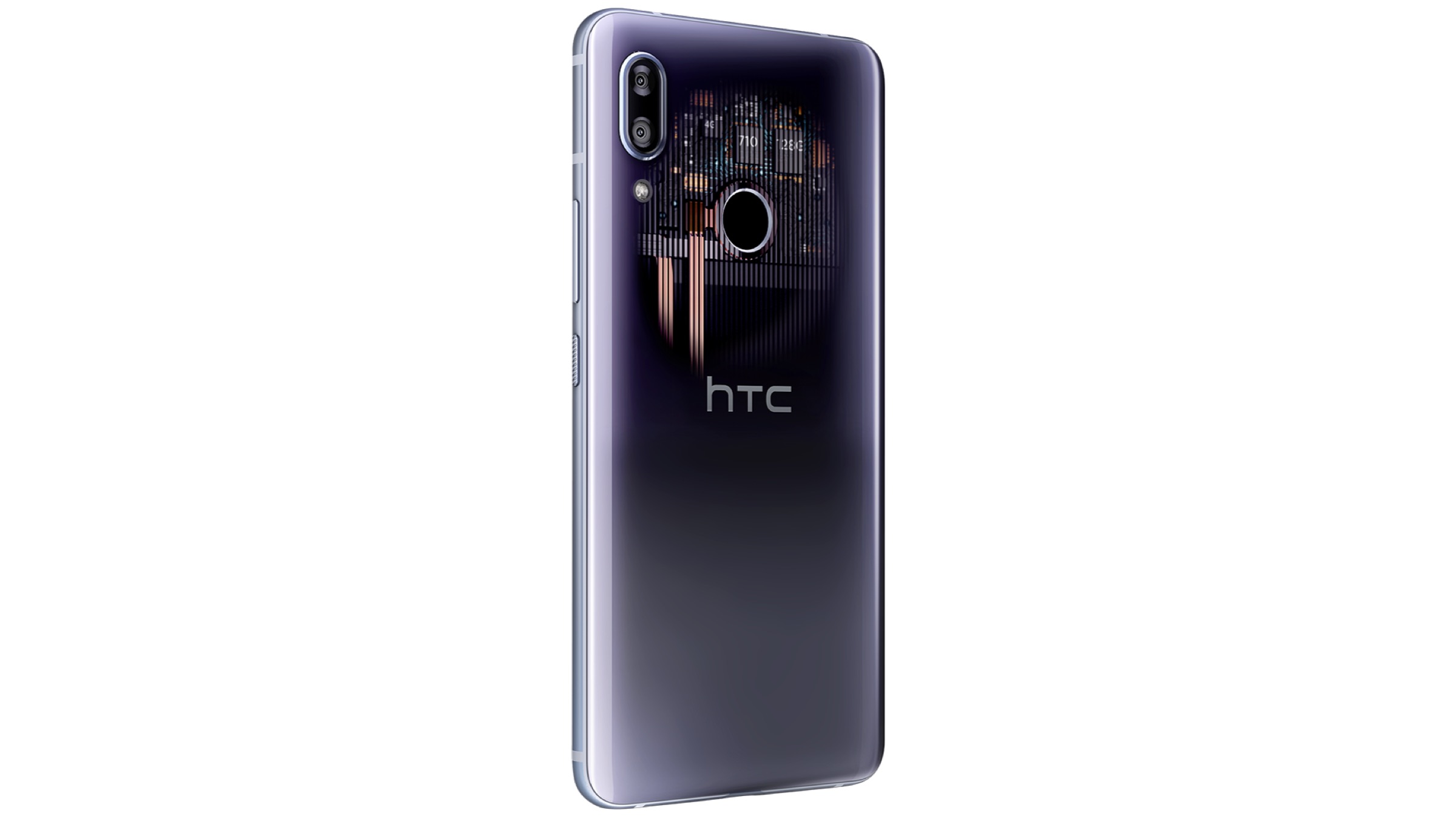
    The HTC U19e features a 6 inch LCD Full HD+ display with a 2160 x 1080 px resolution. The display has an aspect ratio of 18:9. Under the hood, it runs on the Qualcomm Snapdragon 710, which consists of the octa-core Kryo 360 CPU and the Adreno 616 GPU. It is paired with 6GB of RAM and 128GB of internal storage, with microSD expansion support.

    HTC U19e

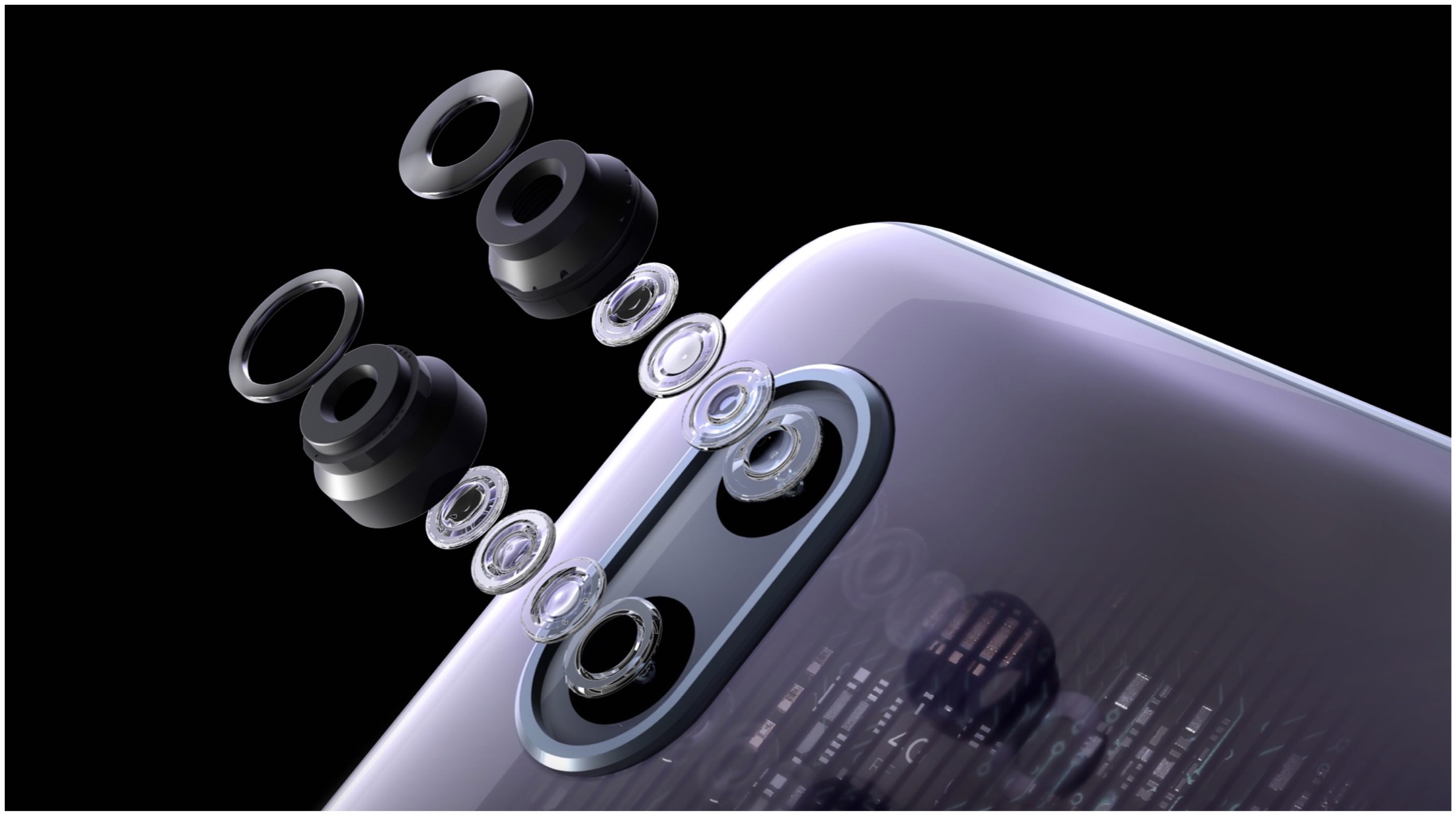
    Regarding the camera, the HTC U19e sports a dual camera setup, comprising of 12MP (f/1.8) primary camera and a 20MP secondary sensor. It supports 4K video recording with AI add-on features. For selfies, the U19e boasts of a 24MP (f/2.0) front facing camera. It is powered by a 3930 mAh battery with Qualcomm Quick Charge 4.0 support. Also, the smartphone features HTC BoomSound Hi-Fi. The device has been priced at TWD 14,900 (~INR 32,900)

    HTC Desire 19+ Specifications And Price
    HTC U19e, Desire 19+
    HTC U19e

    Alongside the HTC U19e, the company unveiled the Desire 19+. It features a slightly larger 6.2 inch HD+ screen than the U19e. The smartphone packs a MediaTek Helio P35 SoC, which consists of an octa-core Cortex A53 CPU clocked at 2.3 GHz and the IMG PowerVR GE8320 GPU. It is bundled with 4GB/6GB of RAM and 64GB/128GB ROM. 

    HTC Desire 19+

    Also Read: Xiaomi Mi Band 4 With Colour Display Launched

    In terms of optics, it features the first triple camera setup ever seen in an HTC smartphone. It can be broken down into a 13MP primary sensor, an 8MP ultra-wide lens and a 5MP depth sensor. For selfies, it has a 16MP front-facing camera which has support for facial recognition-based unlock and AI-enabled beauty modes. Both the smartphones will run Android 9.0 Pie out of the box. The pricing of the two variants is as follows: 

    • 4GB + 64GB: TWD 9,990 (~INR 22,000)
    • 6GB + 128GB: TWD 10,990 (~INR 24,200)

  • Xiaomi Mi Band 4 With Colour Display Launched

    Xiaomi Mi Band 4 With Colour Display Launched

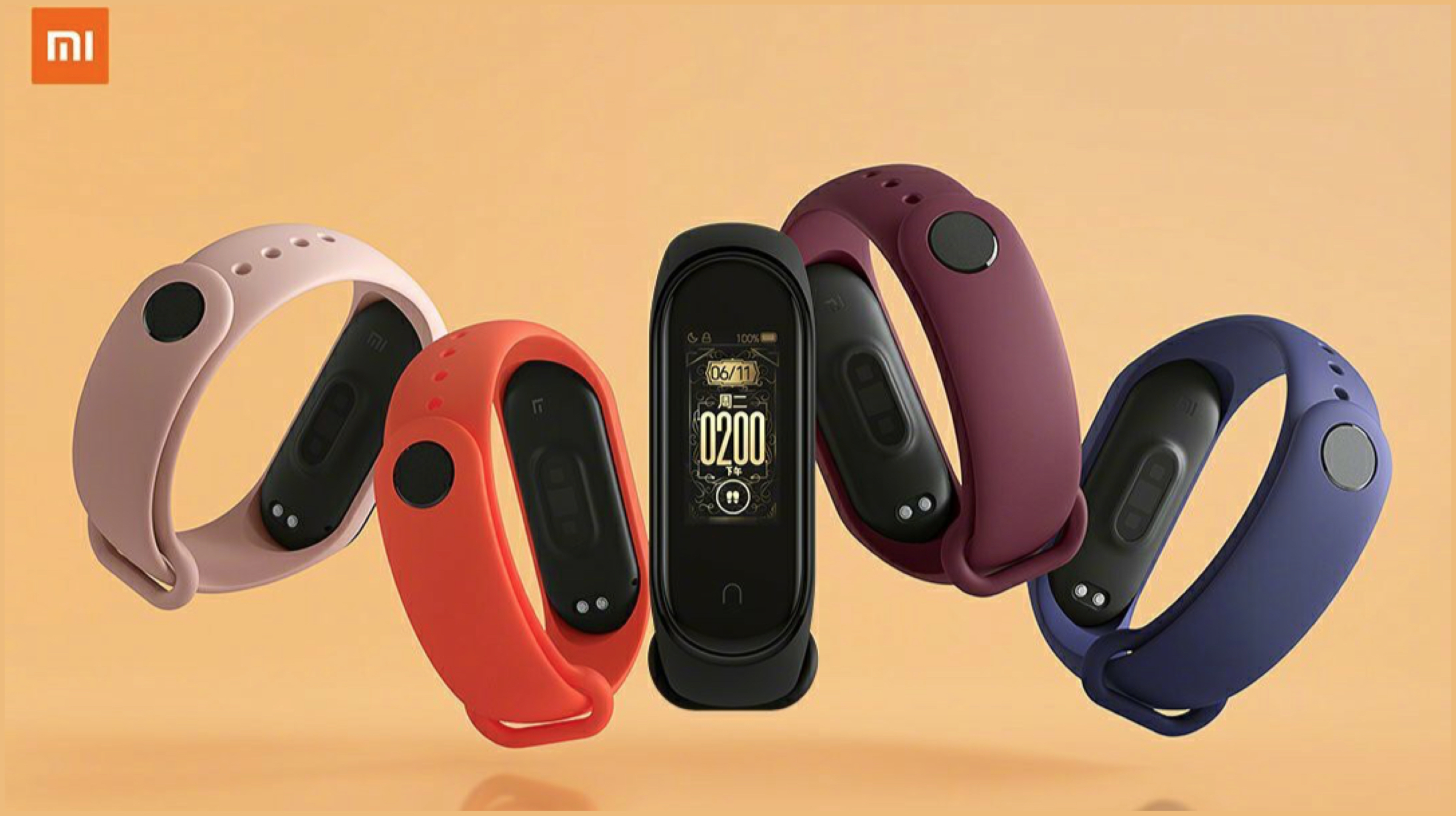
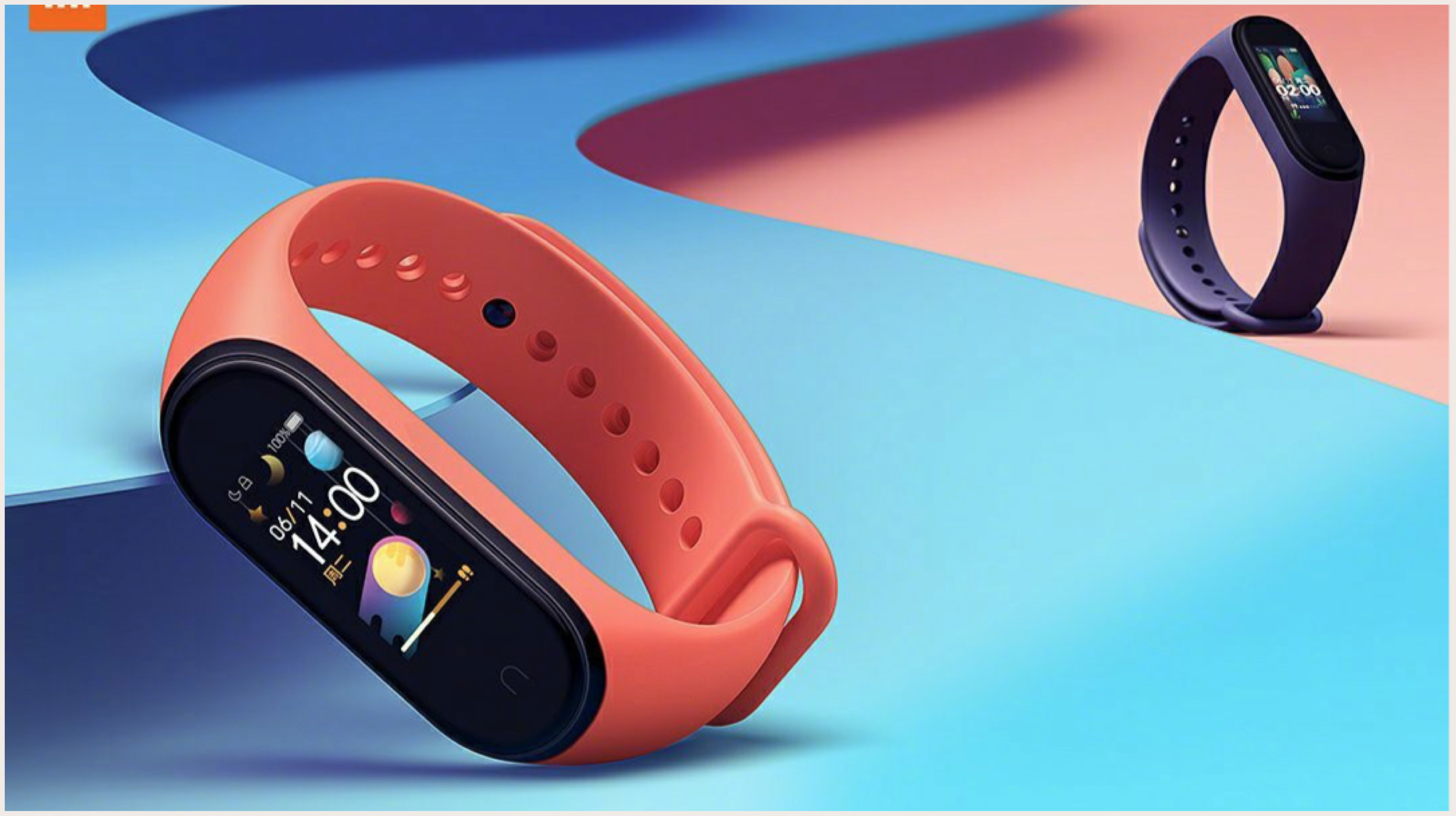
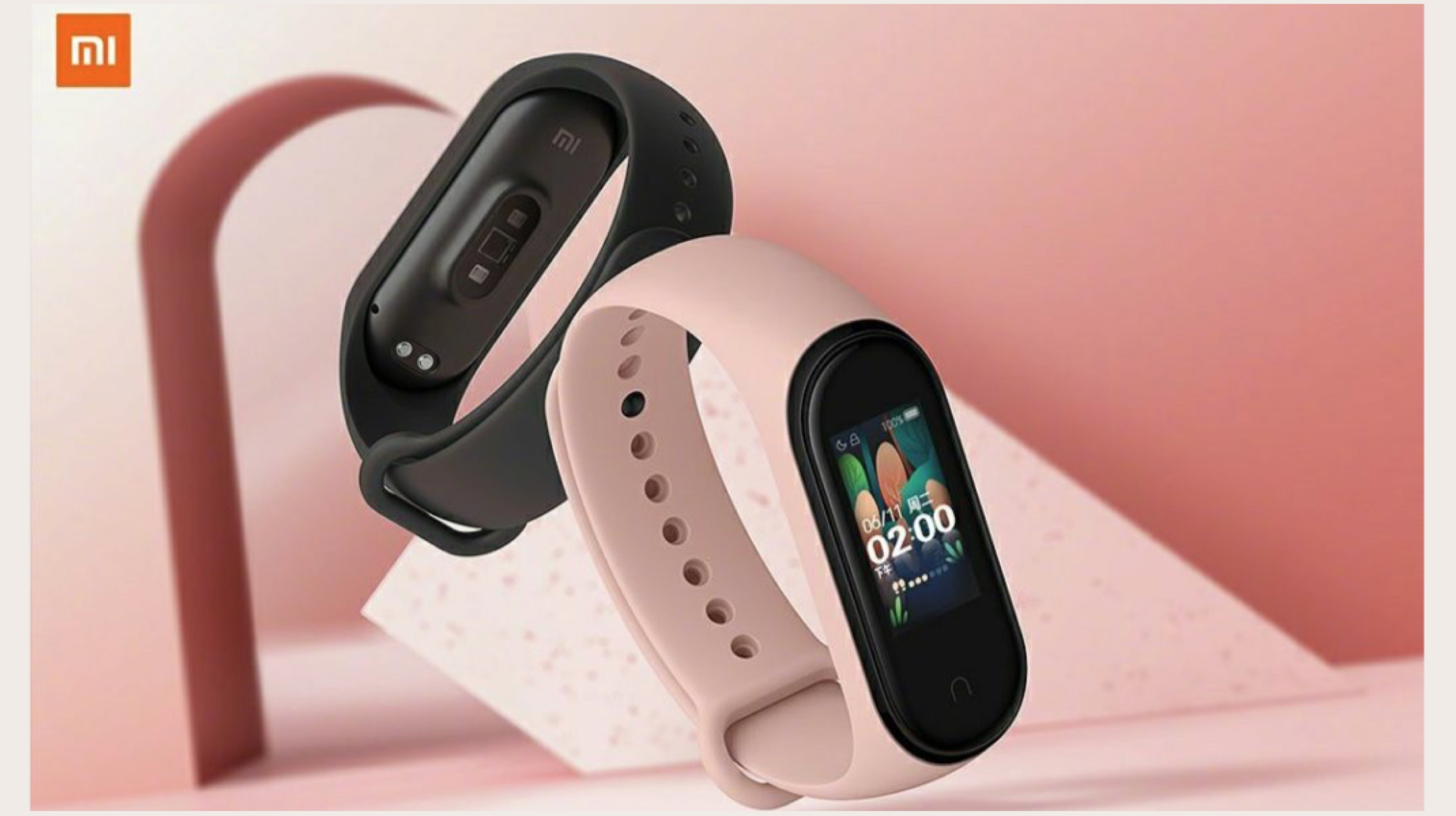
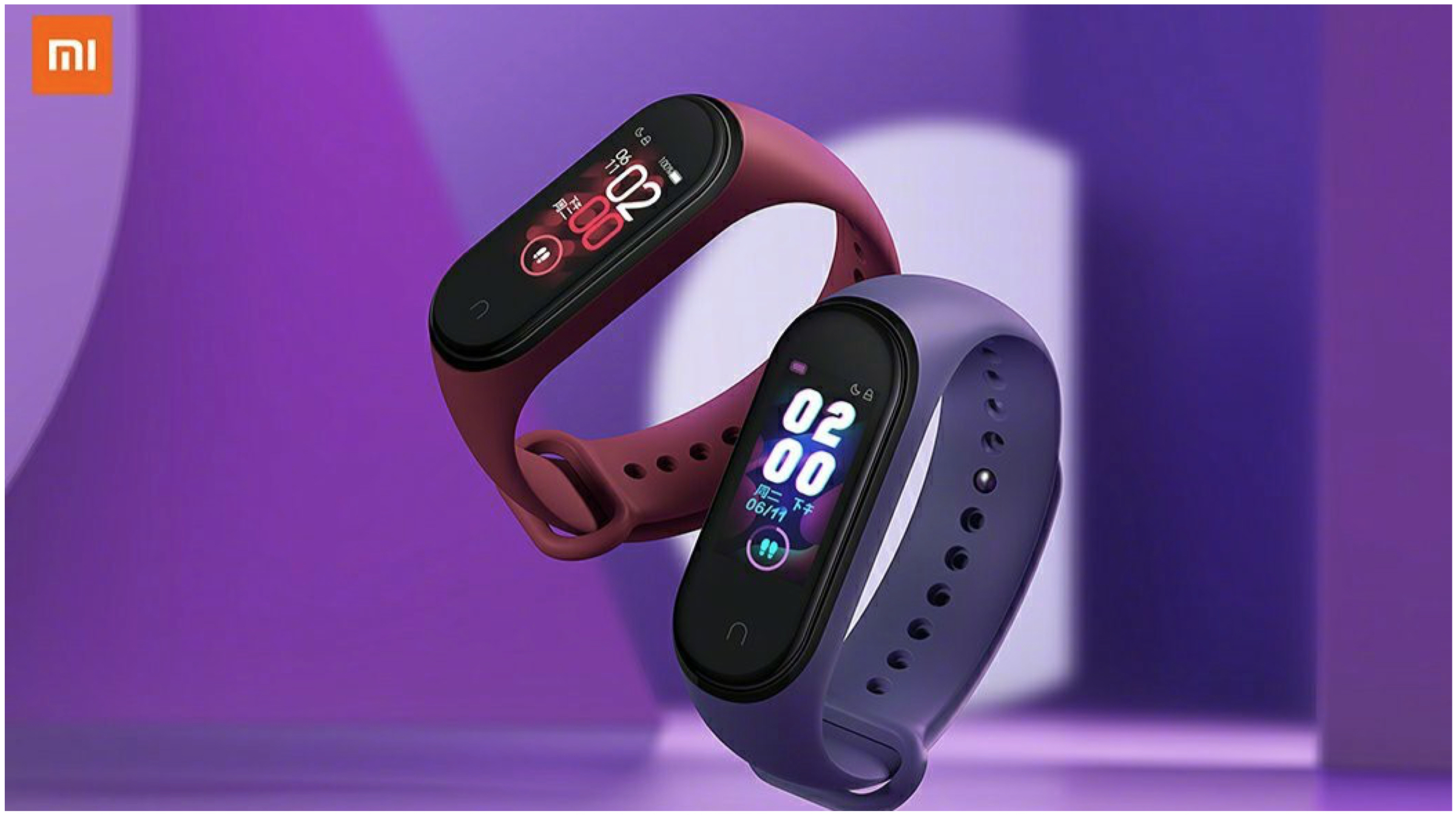
    After much speculations and leaks, Chinese smartphone OEM Xiaomi has launched the Mi Band 4 fitness tracker. It is the successor to the Mi Band 3 introduced last year and boasts of notable improvements over its predecessor. The wearable has been launched initially in China with global availability to be announced soon.

    Mi Band 4

    Mi Band 4

    As mentioned above, the Xiaomi Mi Band 4 is the latest fitness band from the company. The most distinguishable change of the device over its predecessor is the presence of a colour display. It has a 0.95 inch AMOLED touchscreen display with a resolution of 240 x 120 px which is significantly larger than the 0.78-inch monochrome OLED found in the Mi Band 3. In terms of design, the wearable is reminiscent to the previous generations, with a pill like a form factor and interchangeable silicone bands available in five different colours, Orange, Purple, Black, Burgundy and Beige. As it is a fitness band, there are also features like a step counter, heart rate sensor on board.

    In terms of connectivity, the Mi Band 4 is available in two variants, one with Bluetooth and the other with support for NFC (Near Field Communications). The latter is required for seamless payments with supported gateways. Notably, the latest wearable also has support for voice commands via the digital assistant present in the device. Like its predecessor, it is also rated for 5ATM water resistance. The Mi Band 4 has a 135mAh battery, which is again a notable improvement over the last generation’s 110 mAh capacity. Xiaomi claims a battery life of 20 days on a single charge with the device.

    Pricing

    Xiaomi Mi Band 4

    Also read: Honor 20 And Honor 20 Pro Launched In India

    The Mi Band 4 standard Bluetooth variant has been priced at CNY 169 (Rs. 1,700) while the version with NFC will cost CNY 229 (Rs. 2,300) for prospective buyers. The device is expected to launch in other countries including India soon.

iGyaan Network
Privacy Overview

This website uses cookies so that we can provide you with the best user experience possible. Cookie information is stored in your browser and performs functions such as recognising you when you return to our website and helping our team to understand which sections of the website you find most interesting and useful.