Xiaomi’s subsidiary Redmi launched its latest smartphones, the Redmi K20 and K20 Pro at an event in China on the 28th of May. While the former is a mid-range device, the latter is a flagship offering from the company. Both smartphones offer competitive specifications at a lucrative price tag. It was expected that the company will announce the handsets’ availability in the Indian market; however, no announcement regarding the news followed. Now, a senior Xiaomi executive has announced that both the Redmi K20 and K20 Pro will launch in India within the next six weeks.
Specifications
Mi fans! Here's a KNOCKOUT announcement! ? #RedmiK20 and #RedmiK20Pro are launching in India within 6 months.. ooops, I meant 6 weeks! ??
— Manu Kumar Jain (@manukumarjain) June 3, 2019
It's time India experiences the true #FlagshipKiller 2.0! ? RT ? if you are excited about these amazing devices.#Xiaomi ?? #Redmi pic.twitter.com/QN0JxH1osg
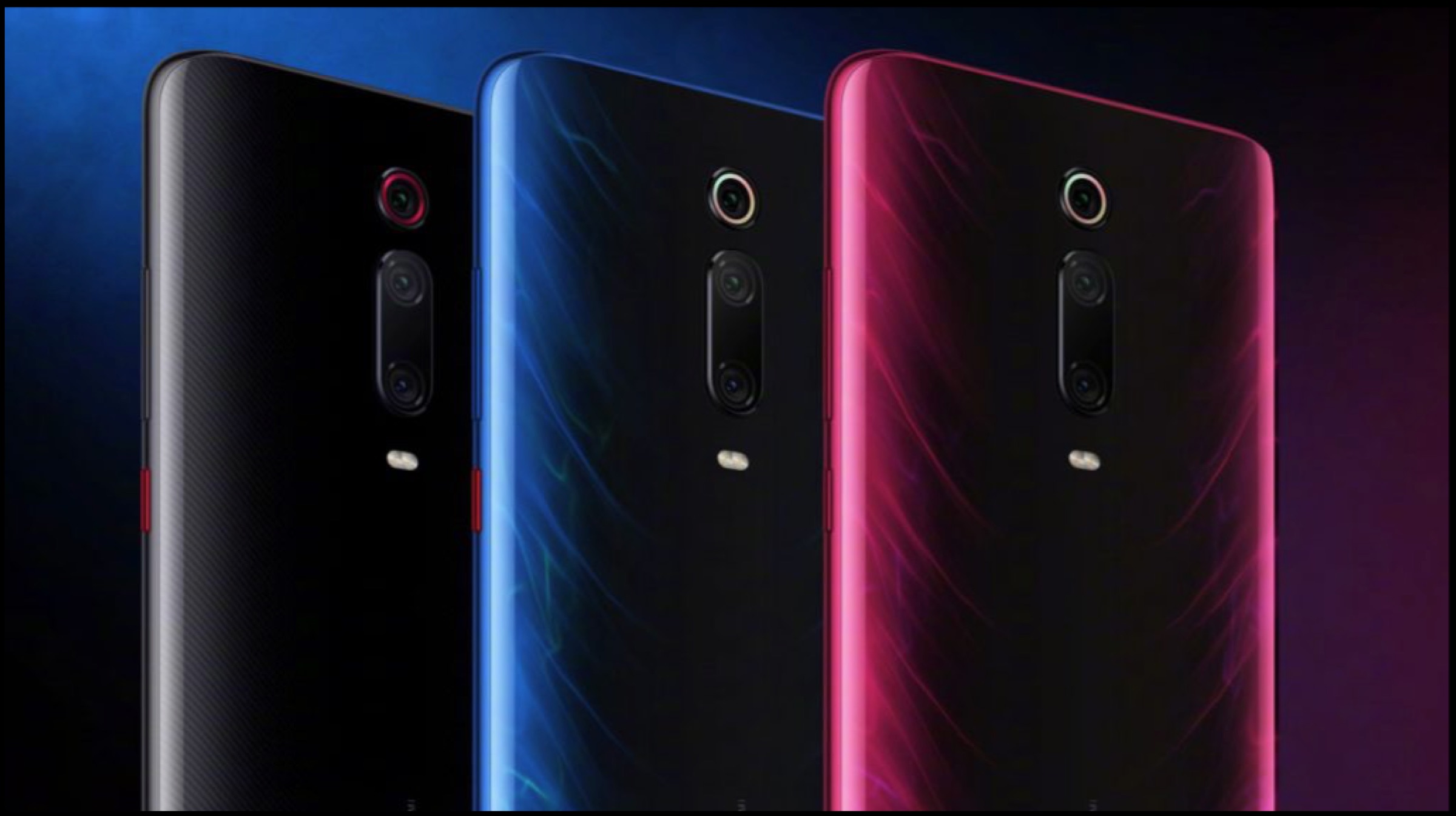
To recall, the Redmi K20 and the K20 Pro are the latest smartphones from the company. The devices have a glass design on the front and back with a metal chassis for reinforcement. They have an attractive gradient coloured design on the back. The handsets have a 6.39 inch AMOLED display with a resolution of 2340 x 1080 px. To maximise the screen real estate, they both have a pop-up mechanism on top to house the front-facing camera. For biometric security and unlocking the smartphones, the Redmi K20 series has an in display fingerprint scanner along with support for face unlock.
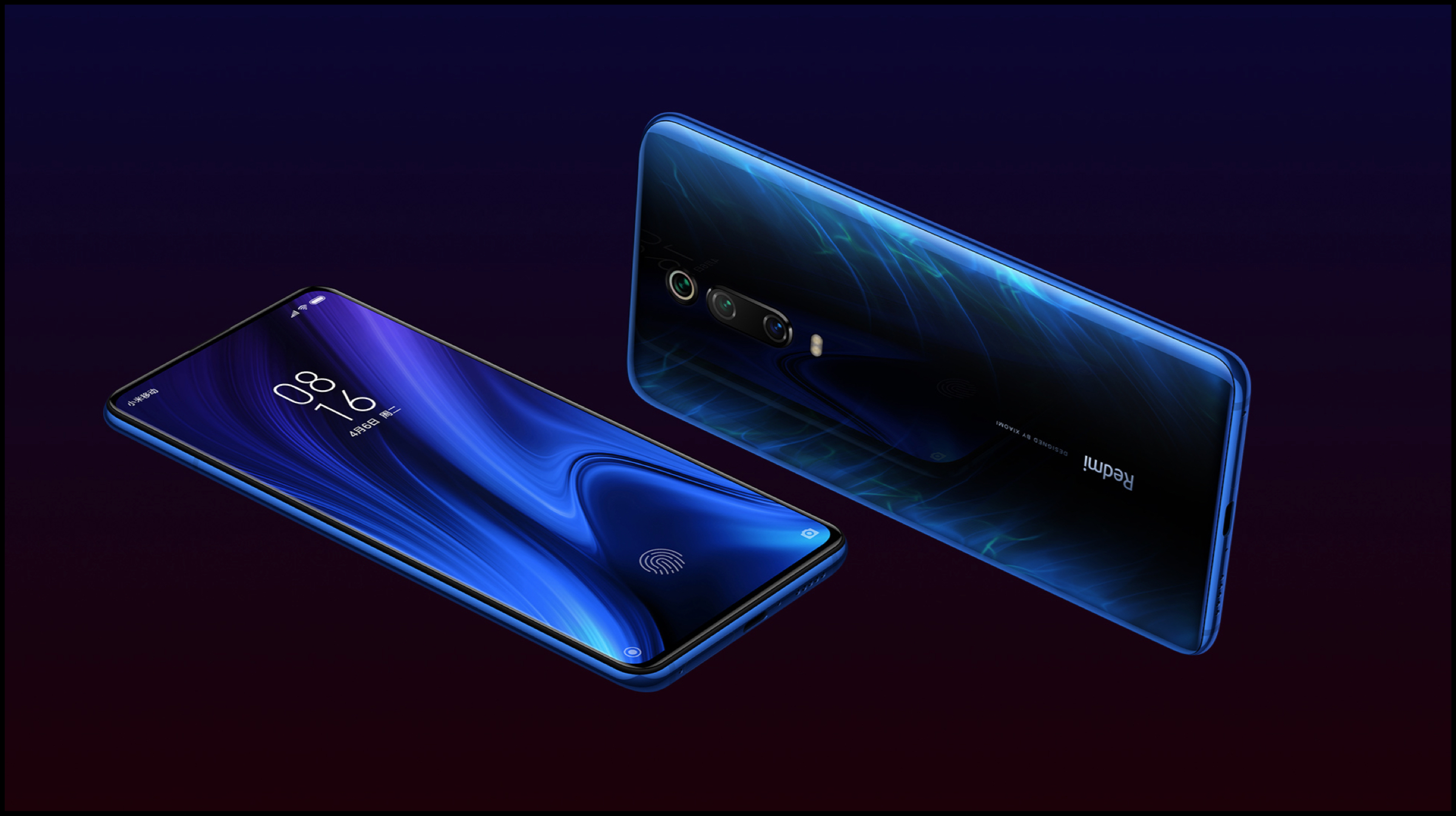
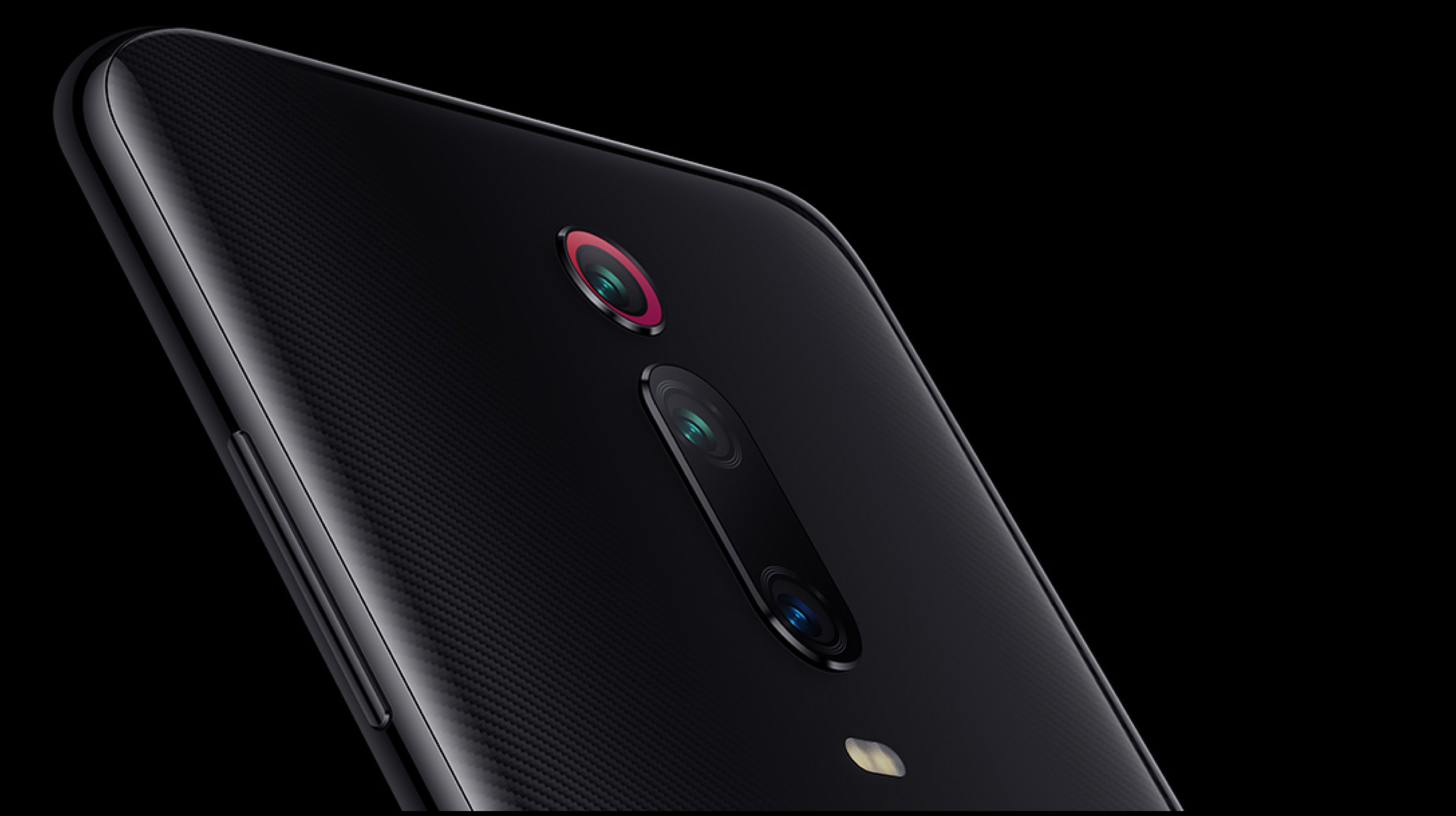
Under the hood, the Redmi K20 is kitted with the 8nm Snapdragon 730 SoC. The chipset is comprised of an Octa-core CPU and the Adreno 618 GPU. The more premium Redmi K20 Pro runs on the flagship grade 7nm Snapdragon 855 SoC which has an Octa-core CPU and the Adreno 640 GPU. In terms of optics, both smartphones have a triple rear camera setup consisting of an f/1.75 aperture equipped 48MP sensor, an f/2.4 aperture equipped 13MP ultra wide angle sensor; and a tertiary f/2.4 aperture equipped 8MP telephoto sensor. For selfies, an f/2.0 aperture equipped 32MP sensor is housed in the pop-up mechanism on top of the handsets.
Both the Redmi K20 and the K20 Pro are powered by a 4,000 mAh battery. However, the former supports 18 W fast charging while the latter supports 27 W fast charging. Both devices run on MIUI 10 which is based on top of the latest Android 9 Pie. The smartphones will be available in three colour variants namely, Blue, Red and Black. For memory and storage, the devices have up to 8GB of RAM and 256 GB of internal storage.
Pricing & Availability

As mentioned above, the Redmi K20 and K20 Pro will launch in the Indian market within the next six weeks. While the exact date of the announcement is not known yet, it is likely that the smartphones may be launched in the last week of June or first week of July. As far as pricing is concerned, the Redmi K20 is expected to be priced around Rs. 20,000, while the more premium K20 Pro may be priced around Rs. 30,000.


 The Truly Wireless Earbuds will be the latest addition to the “Project Rock” audio products. Named as the “UA True Wireless Flash Project Rock Edition”, the earphones are IPX7-rated water and sweat resistant. On a single charge, the earphones can last for about 5 hours. Upon discharging, they can be juiced up via the charging-cum-carrying case, which provides an additional 20 hours of recharge. The carrying case itself can be charged via a micro-USB 2.0 port. Regarding audio, the company has teamed up with JBL audio.
  The Project True Wireless Earphones feature UA TALKTHRU, which enables the user to lower the music momentarily to focus on the surroundings. This technology is similar to the one found in JBL’s own wireless earbuds. A golden bull logo is embossed on both the earphones, which doubles up as a button to activate noise cancellation and block out external audio. The earphones will ship with a set of antibacterial ear tips that will enable them to sit comfortably in the ear without falling off.
 Also Read:
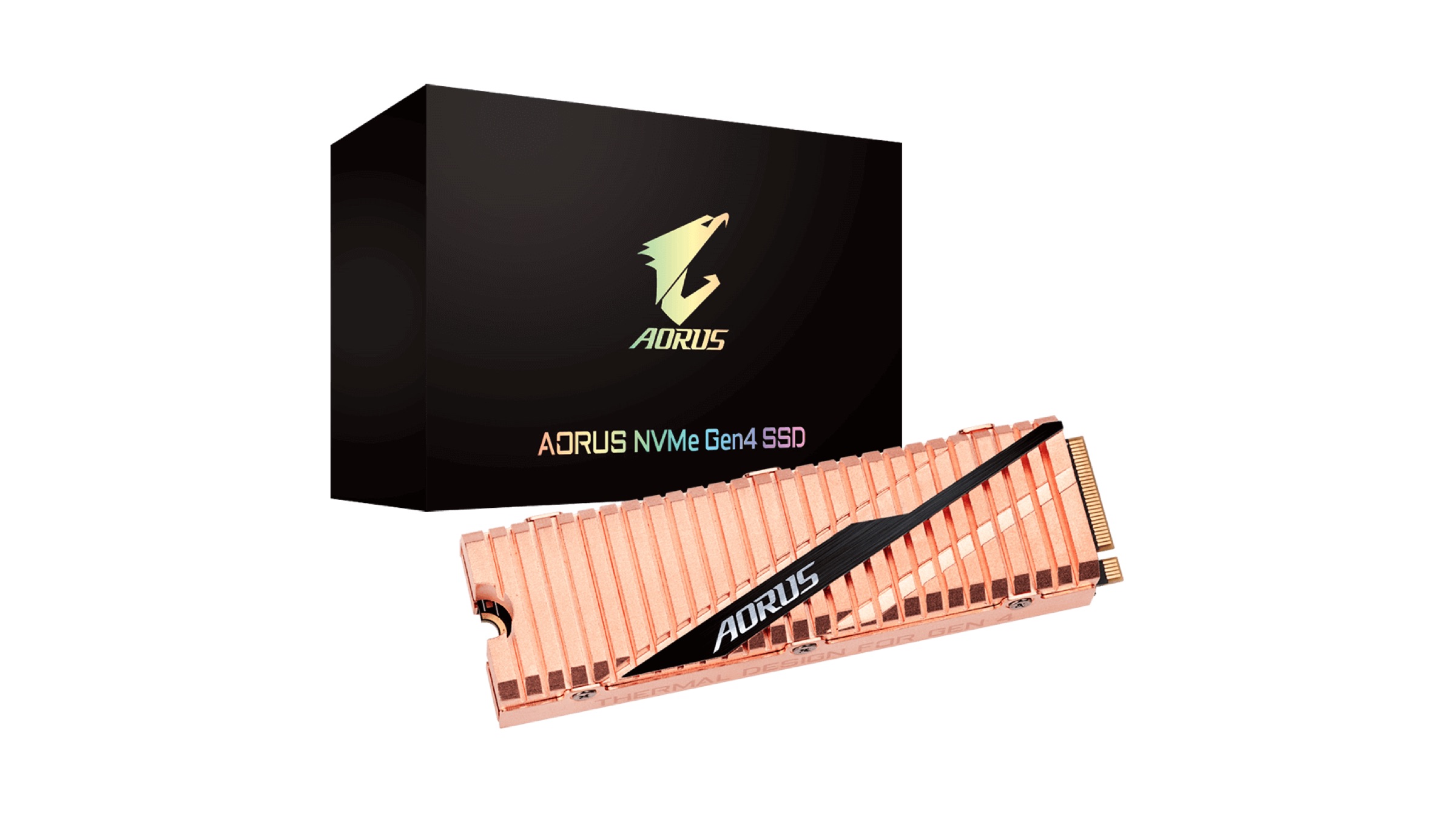
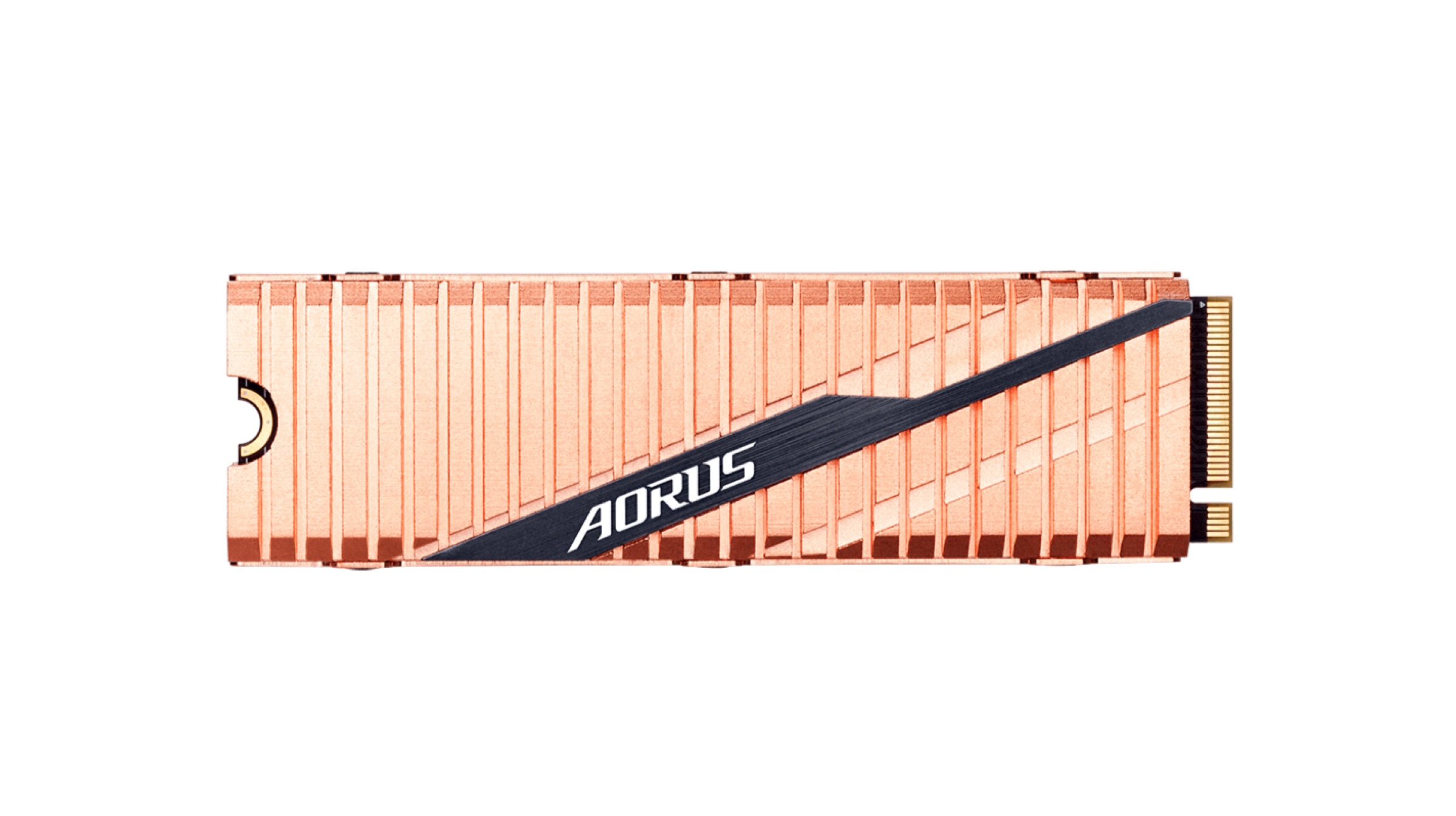 However, Corsair also launched its own Generation PCIe SSD on May 27, 2019. It can achieve a read speed of 4950 MB/s, which falls merely 50MB/s short of Gigabyte’s SSD. Both the SSDs offer almost 56% faster read speeds than the Samsung 970 nvme Solid State Drive, which is one of the fastest available SSDs in the market. The Gigabyte PCIe 4.0 utilizes the Phison PS5016-E16 controller and 3D Triple Level Cells (TLC) NAND flash memory chips manufactured by Japanese manufacturer Toshiba.
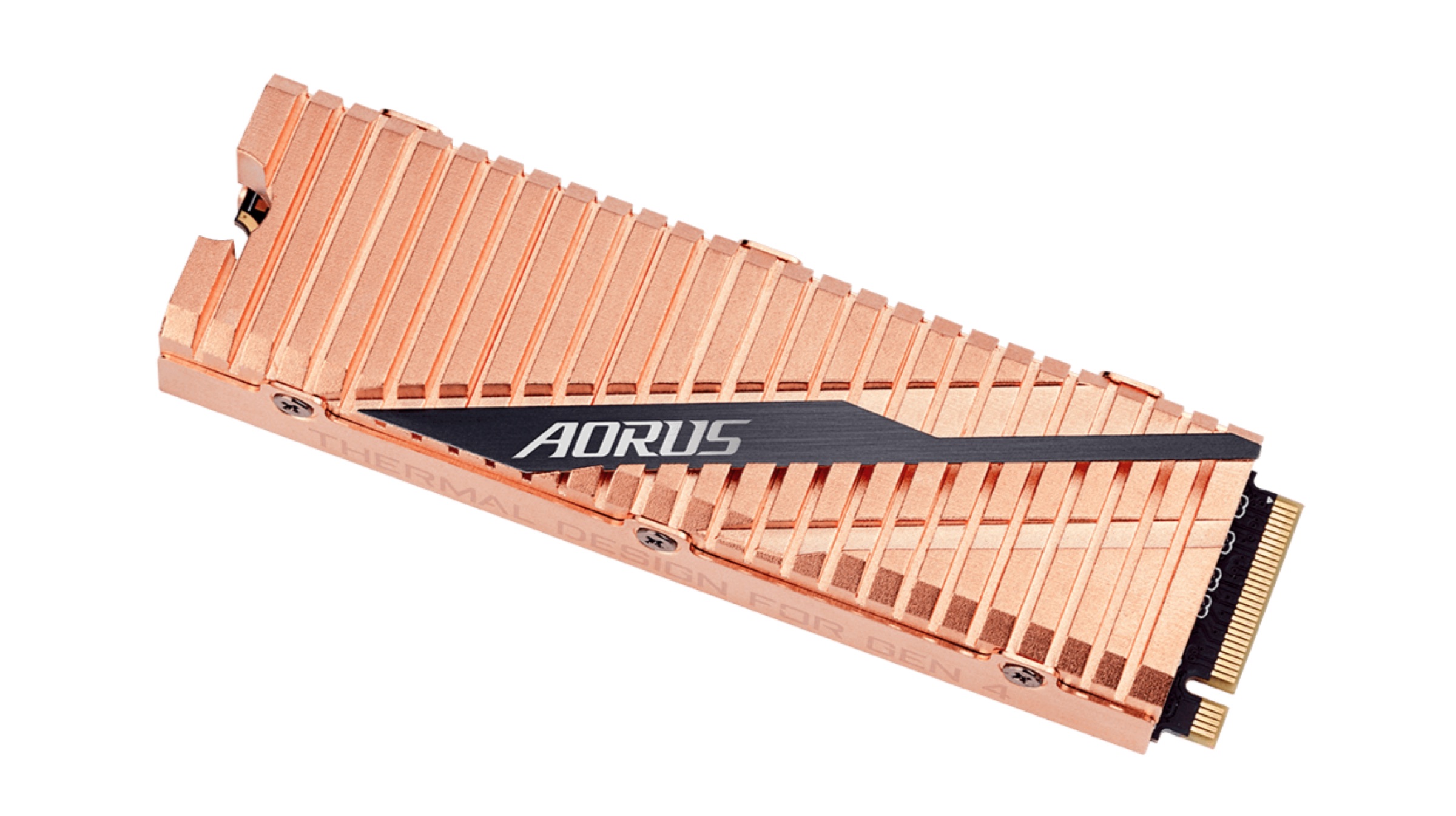
 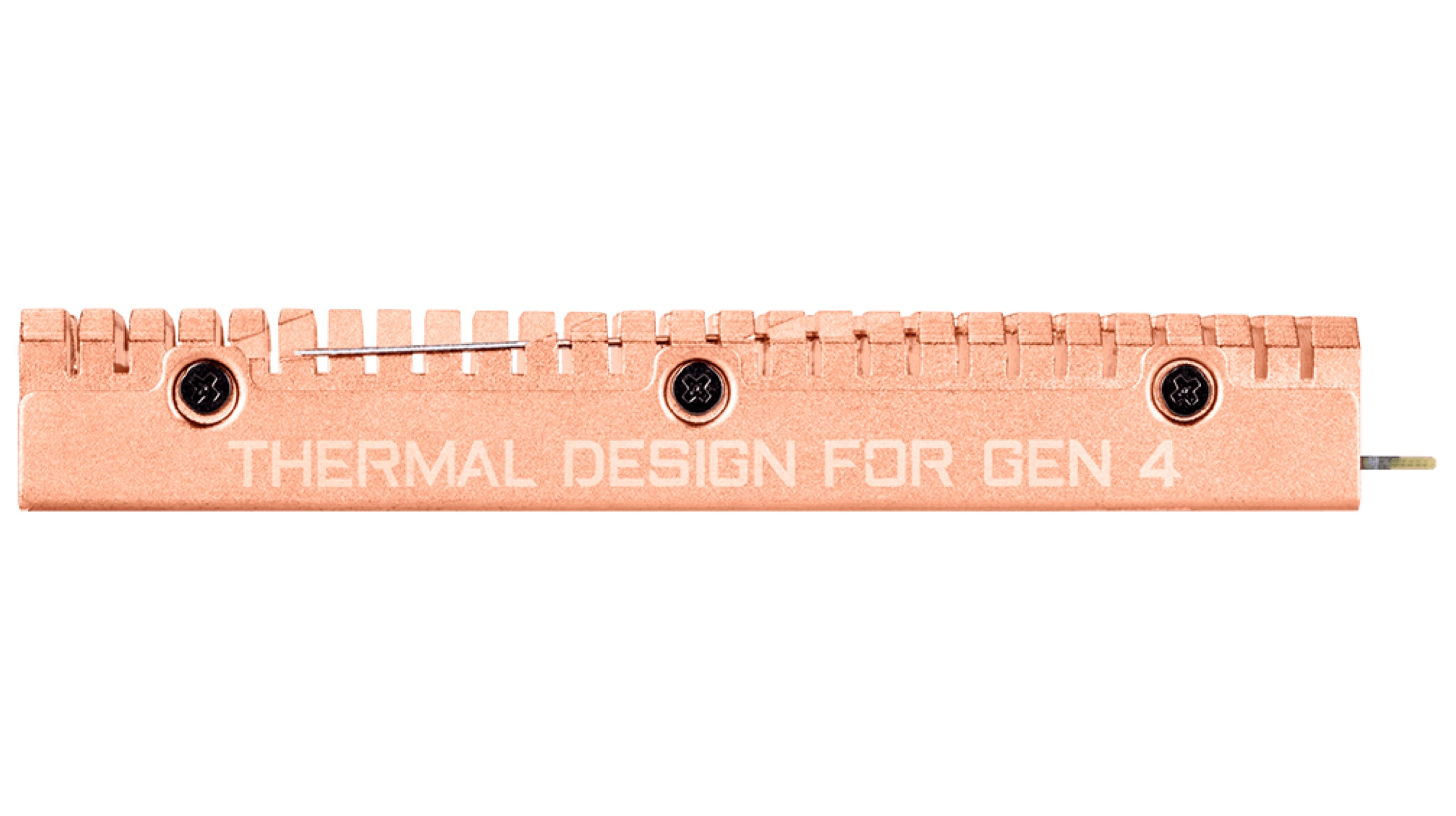 A full body copper heat spreader engulfs the AORUS NVMEe Gen4 SSD, so that the generated heat can be managed at higher read/write speeds. Since the temperature can increase drastically during operation, Gigabyte states that using the heatsink can reduce the temperature of the SSD by almost 14 percent.
  Also Read:
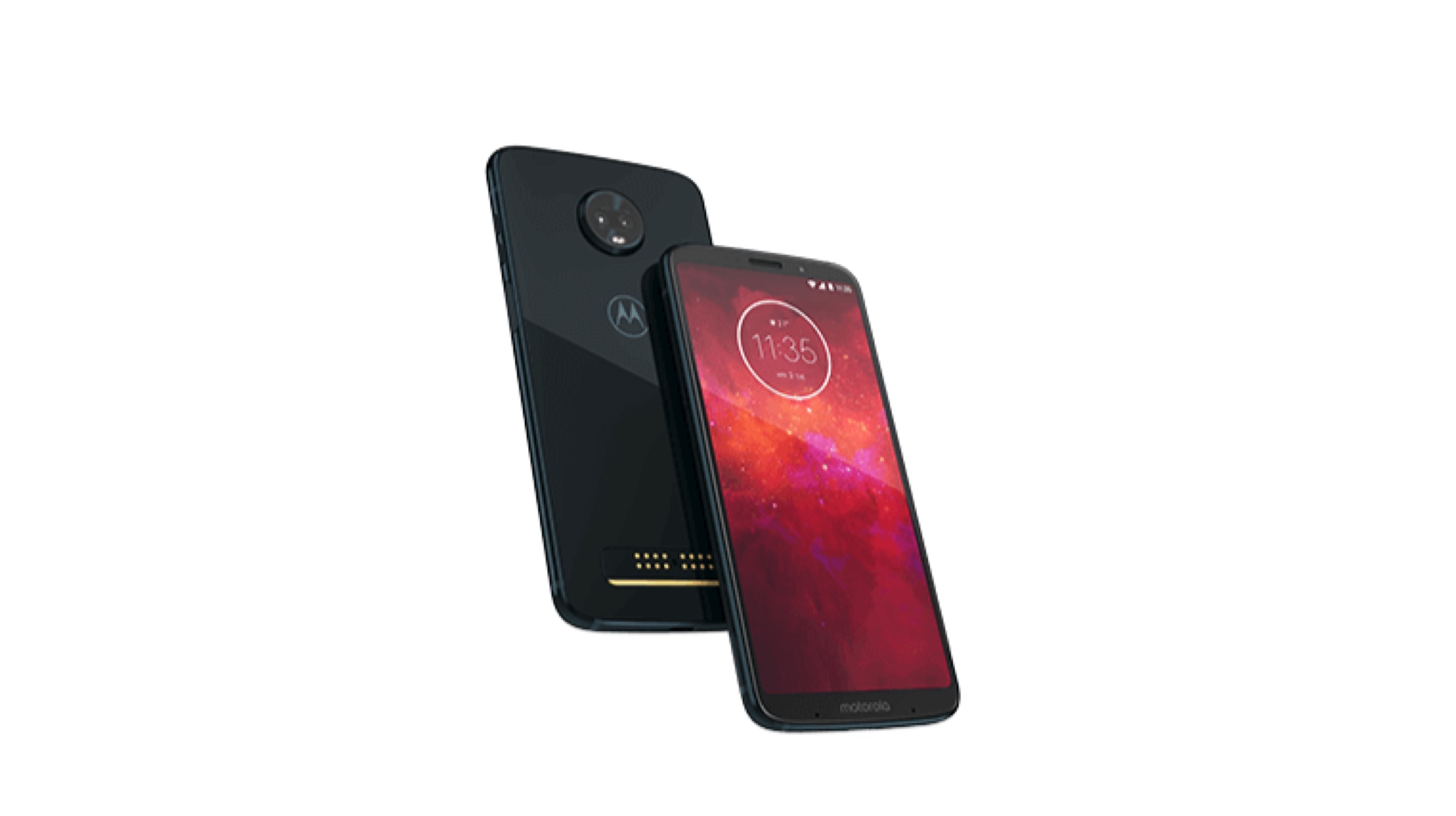



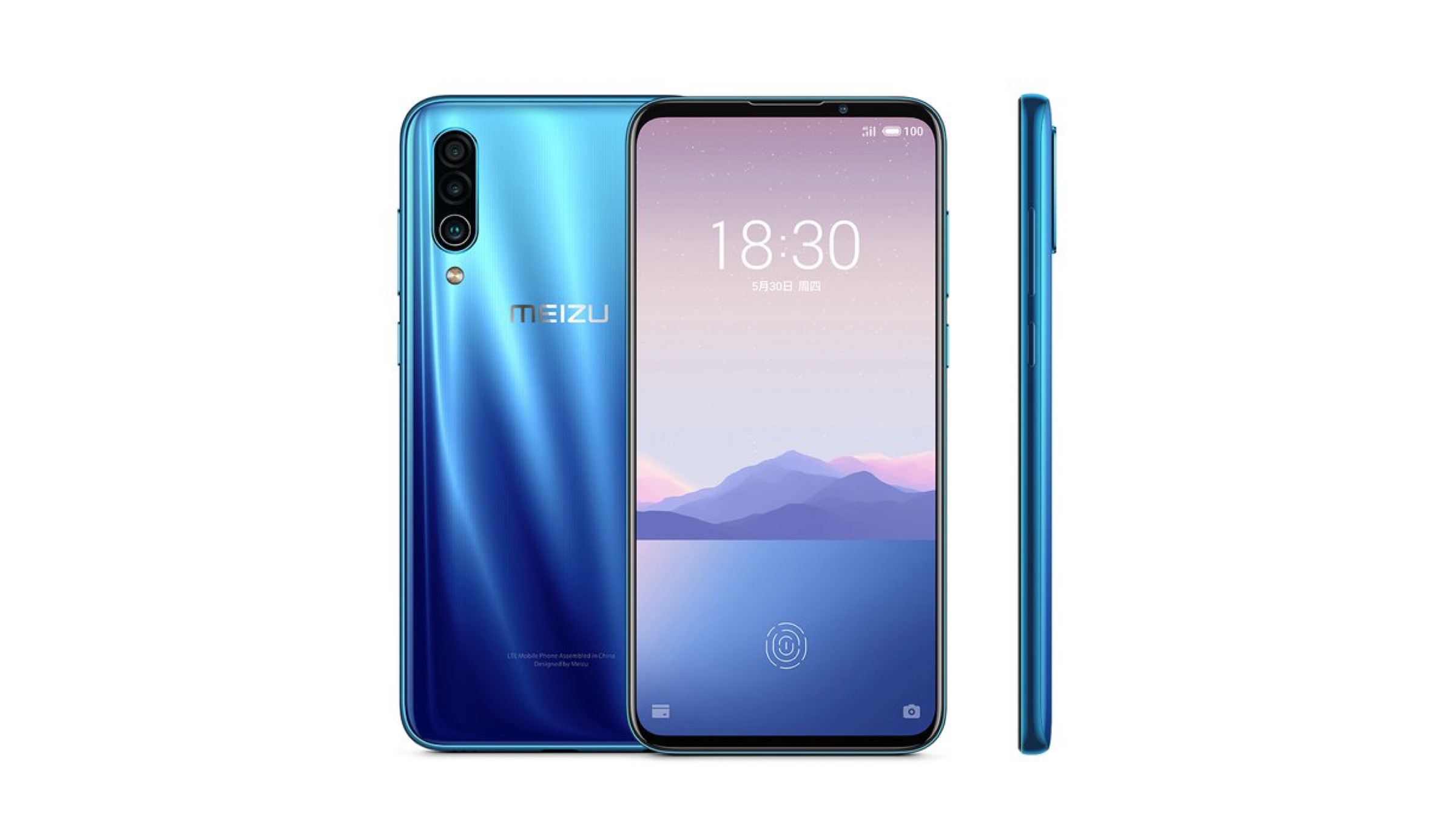
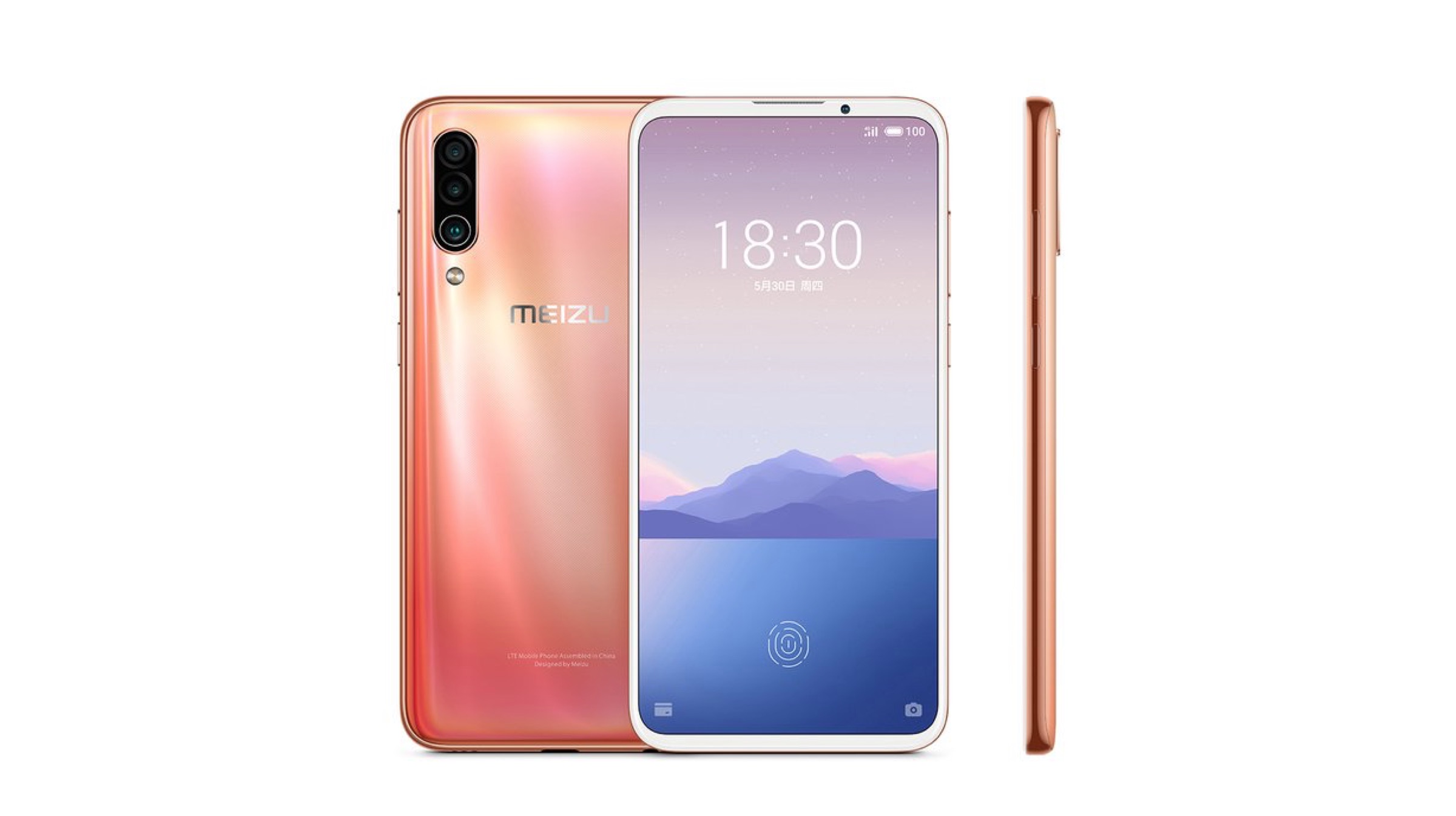 In terms of optics, the smartphone has a triple rear camera setup. It consists of a primary 48MP (f/1.7) Samsung GM1 MOD sensor, a secondary 5MP (f/1.9) sensor and a third wide-angle (118.8 degree) lens. For selfies, the Meizu 16XS is equipped with a 16MP front camera that supports HDR+ and portrait mode. Additionally, the selfie camera also has support for facial recognition technology.
 Also Read:
 The supercar sports a torque-vectoring AWD (All Wheel Drive) system and an eight-gear dual-clutch transmission. Even though the SF90 is less powerful than the top of line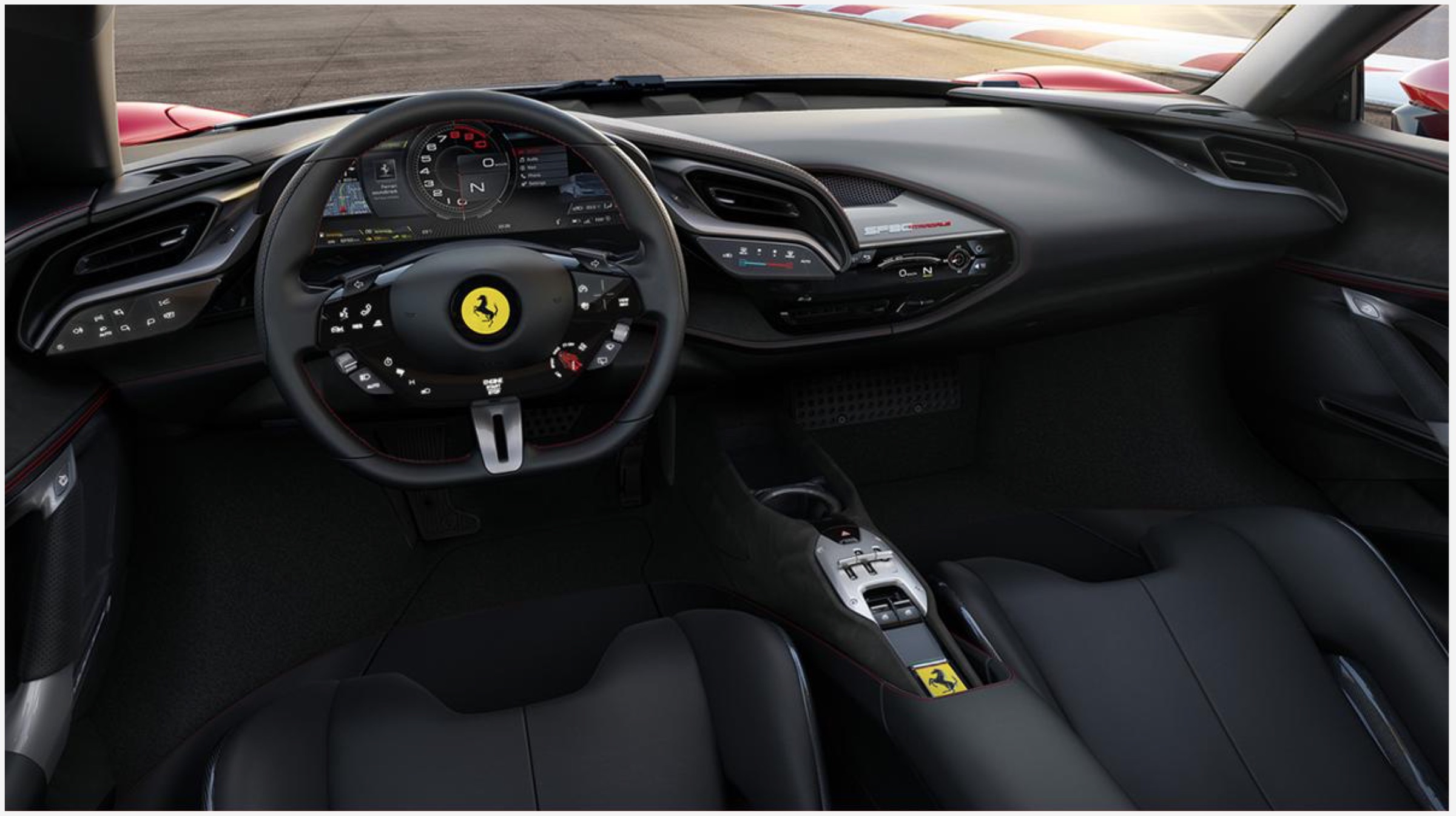


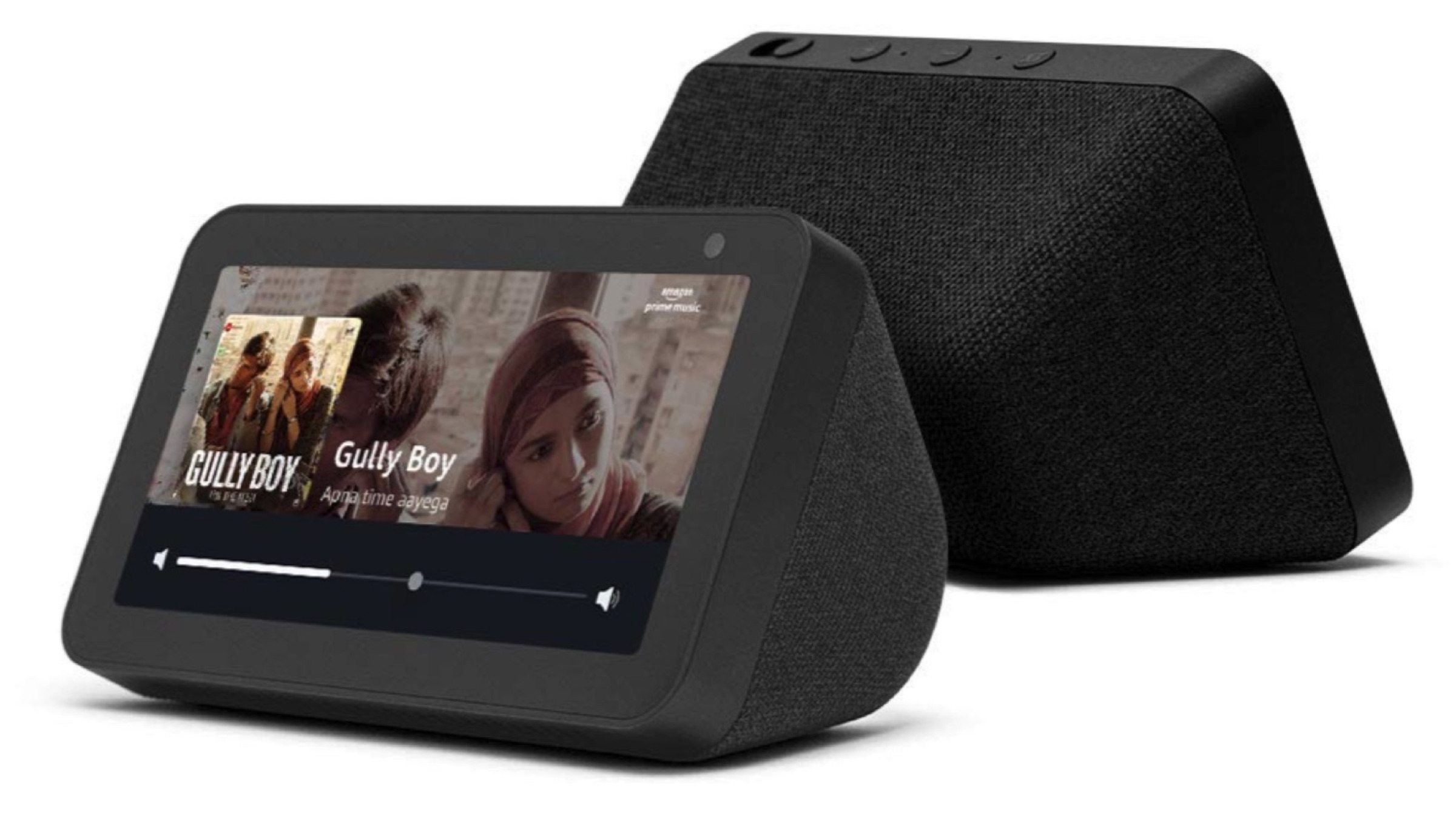
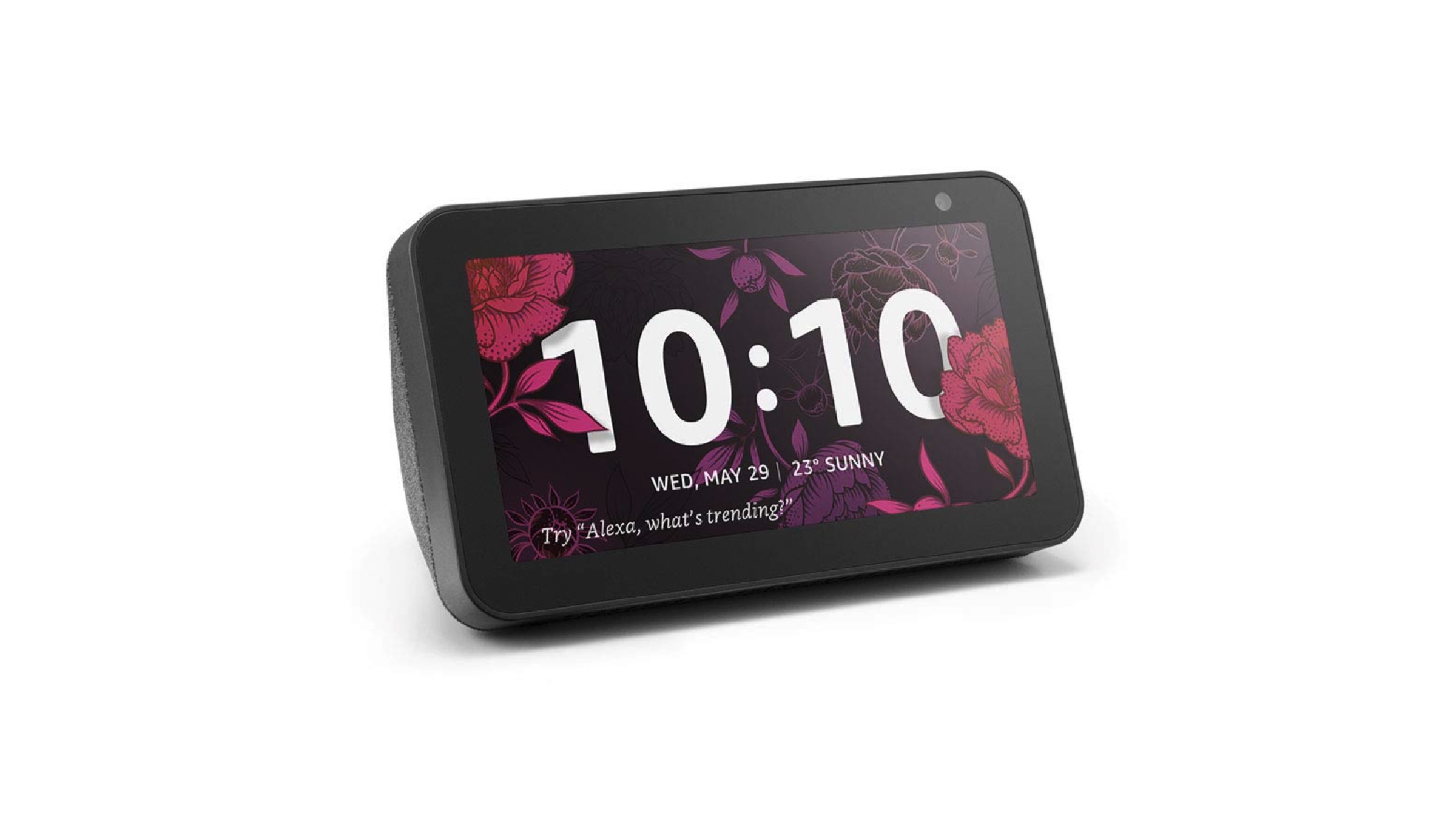 The smart display sports an ambient lighting mode to automatically regulate the brightness as per the surroundings. Solely using voice commands, users will be able to view how-to-clips from wikiHow. Additionally, the Echo Show 5 also features a smart home dashboard that can be used to control multiple connected gadgets. The camera can be used in combination with applications such as the Arlo Baby Camera, which can be used by parents to keep an eye on their babies from a remote location.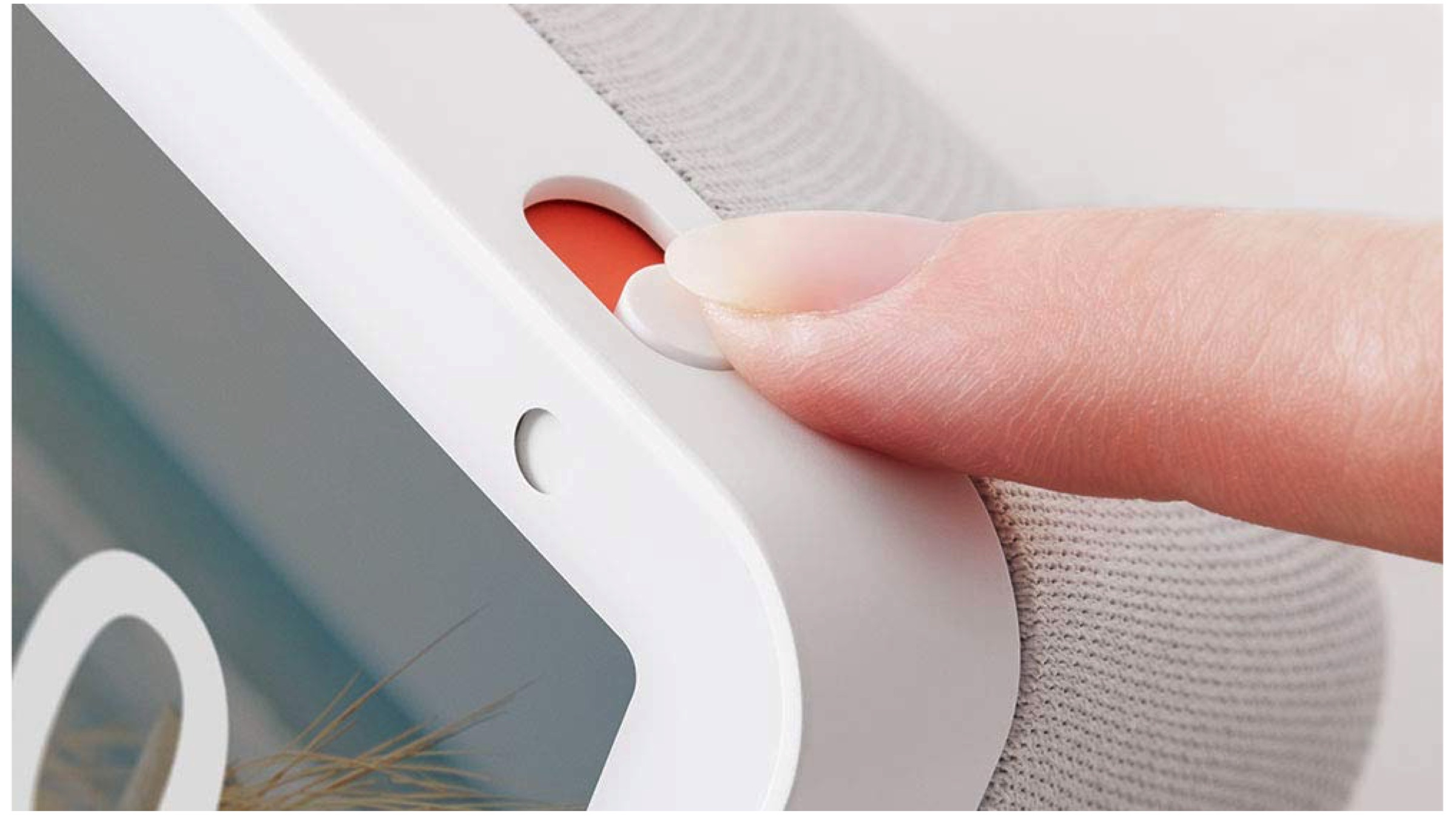
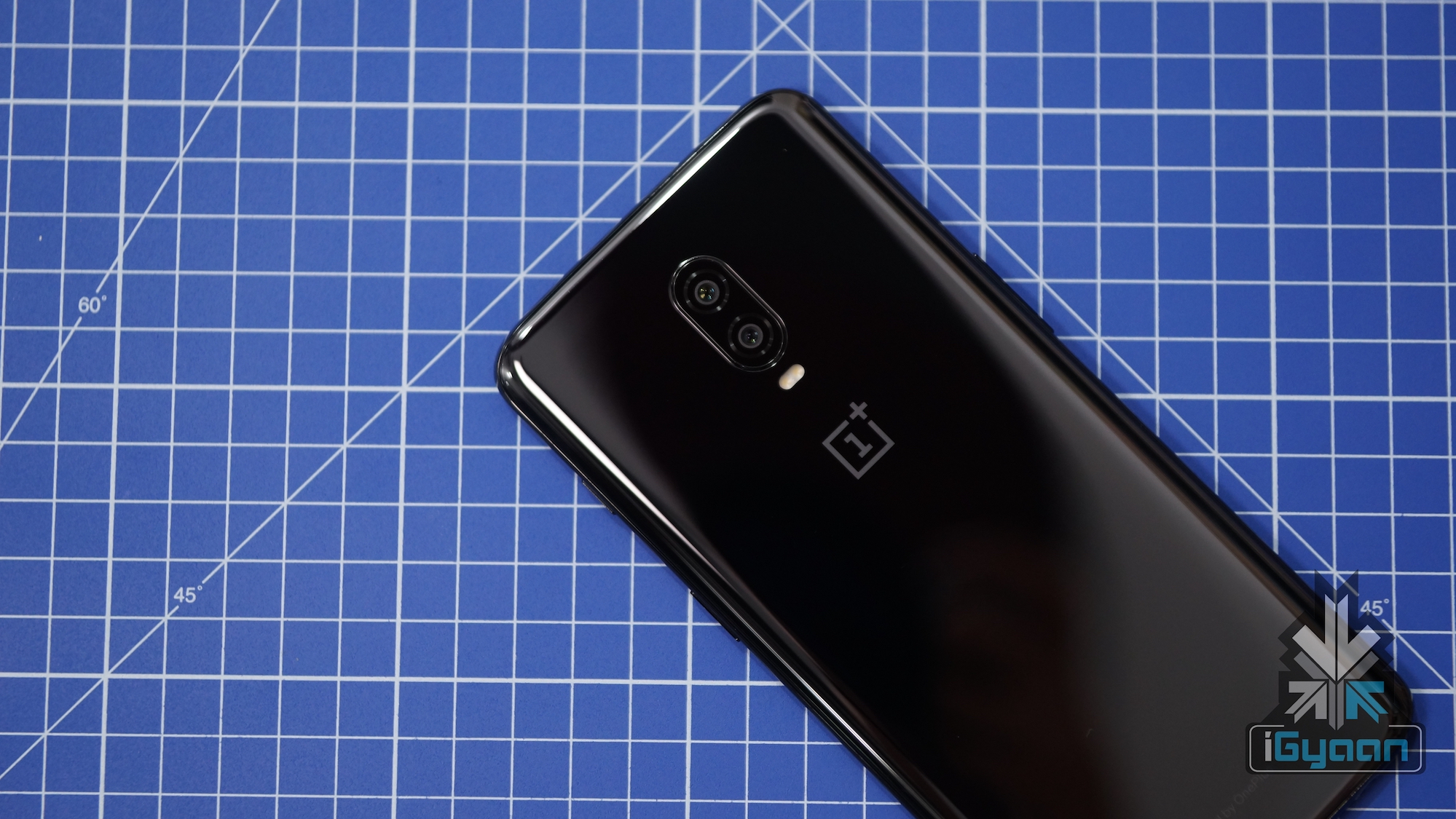
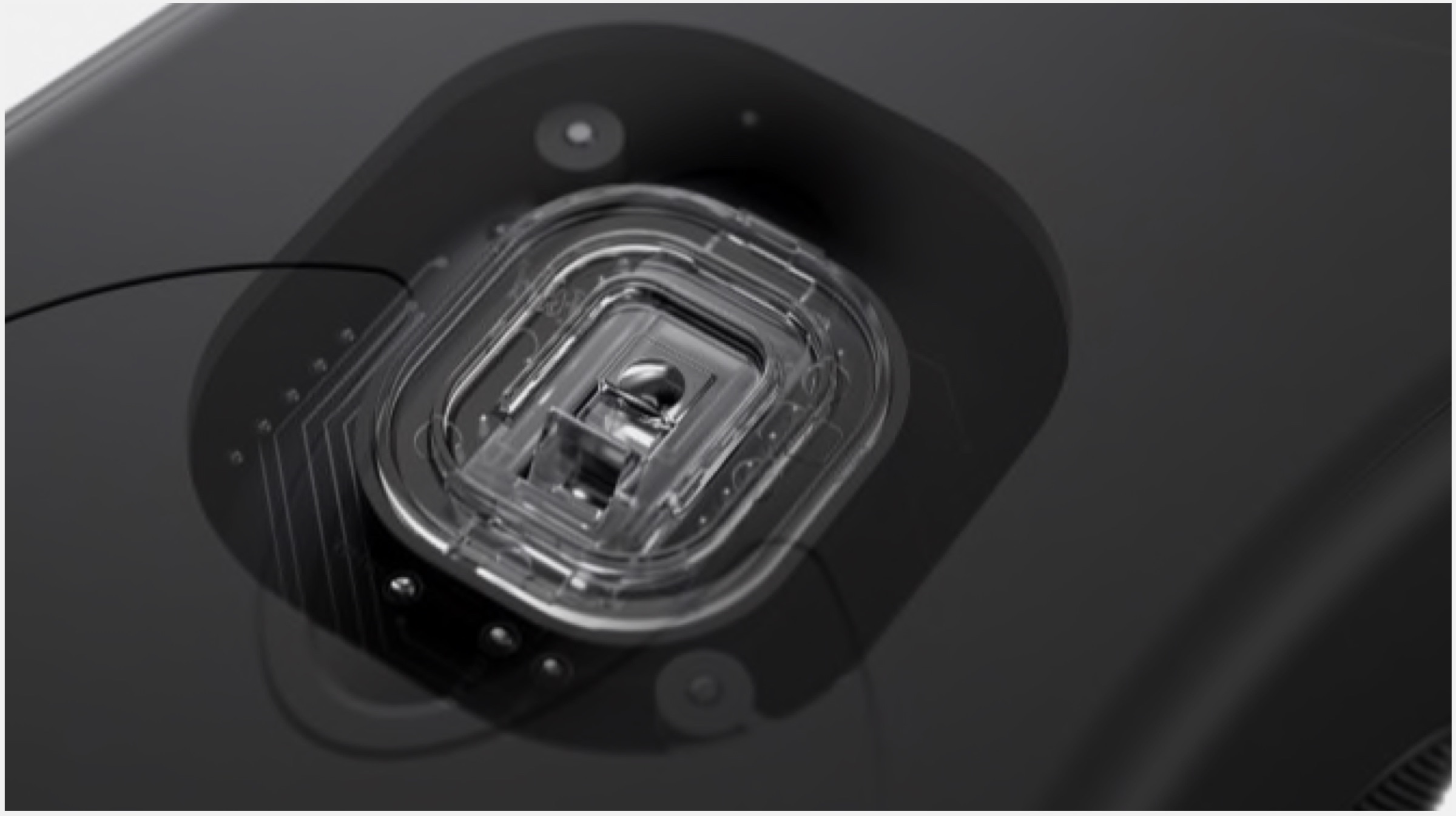
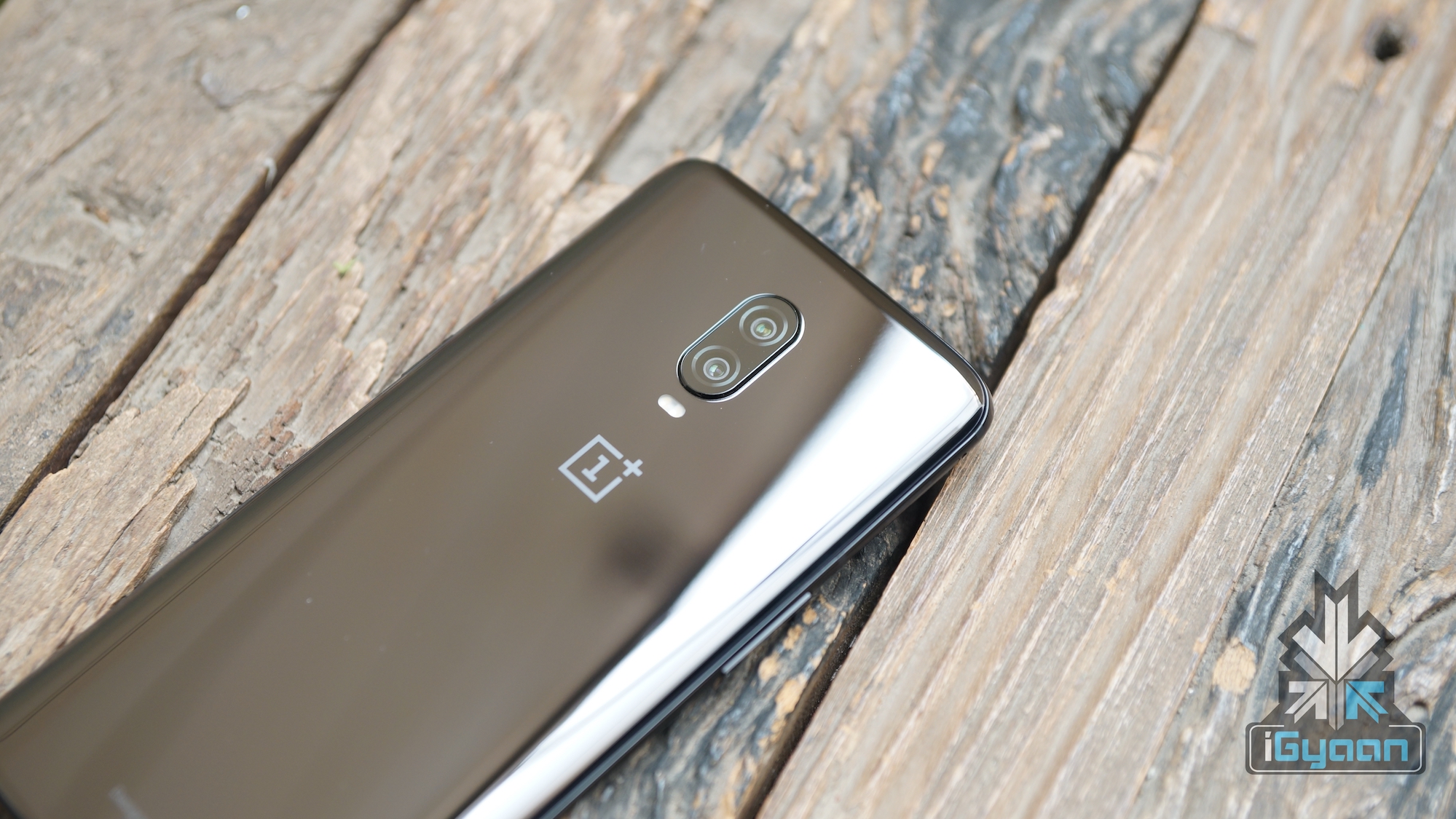 The OnePlus 7 has a glass back and front with narrow bezels around the display. The smartphone features a 6.41 inch Optic AMOLED display with FHD+ resolution. Similar to its predecessor, the handset has a waterdrop notch that houses the selfie camera. The smartphone has an in-display fingerprint scanner which has been carried forward from the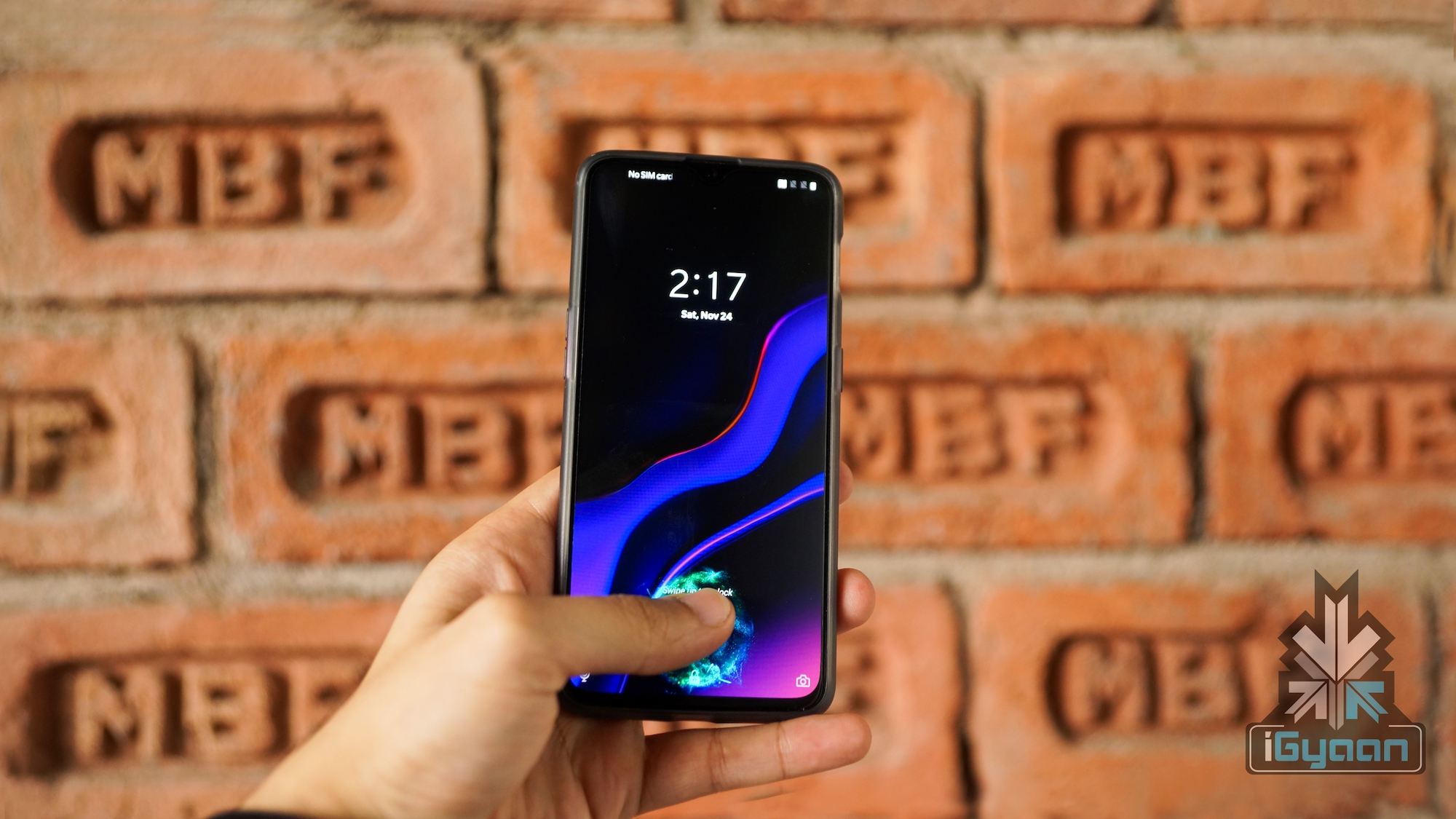
 The OnePlus 7 is powered by a 3700mAh battery with support for 20W fast charging. It runs on the company’s OxygenOS 9 which is built on top of the latest Android 9 Pie. At the time of launch, it will be available in 2 colour variants, Mirror Grey and Red.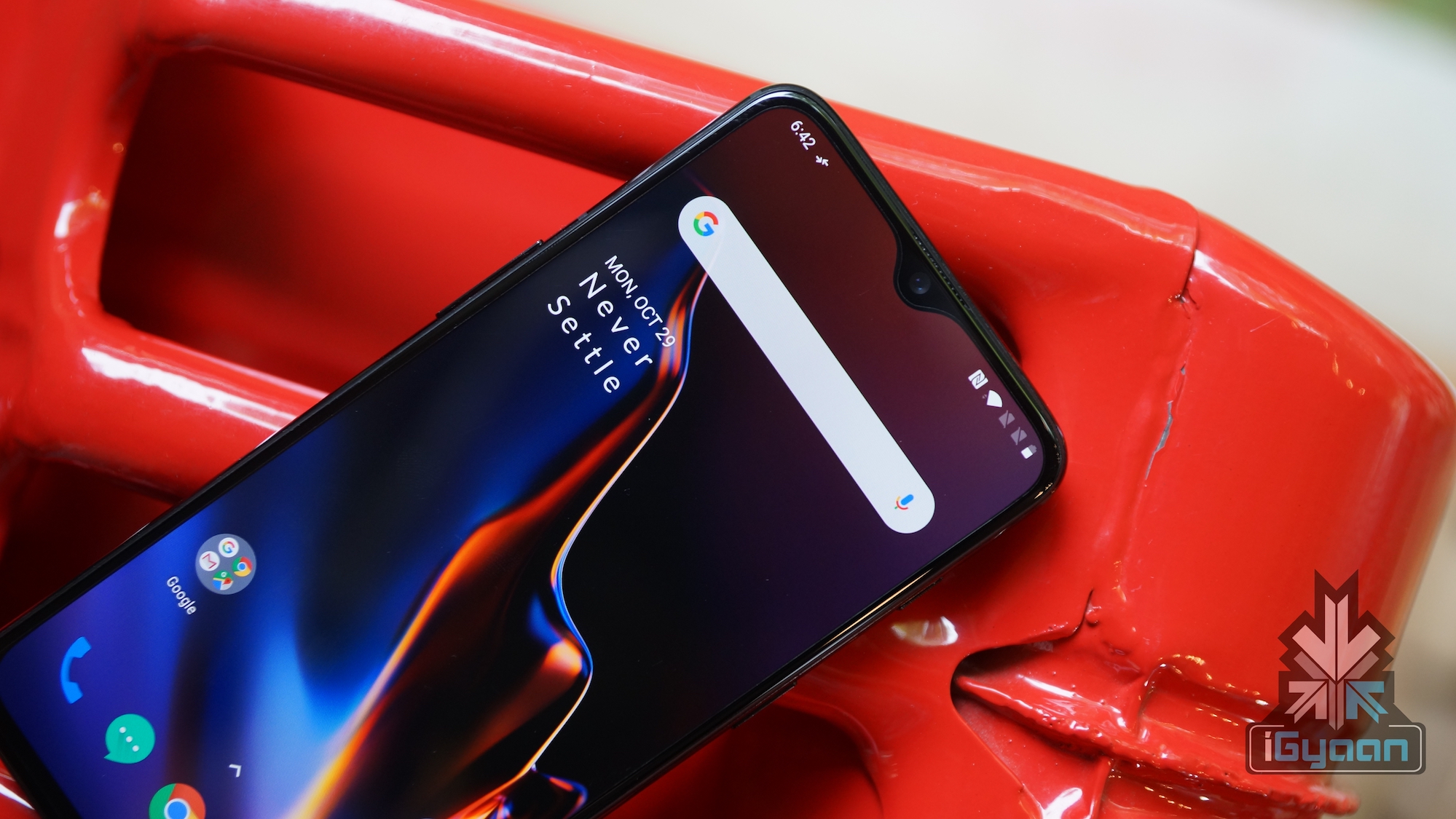









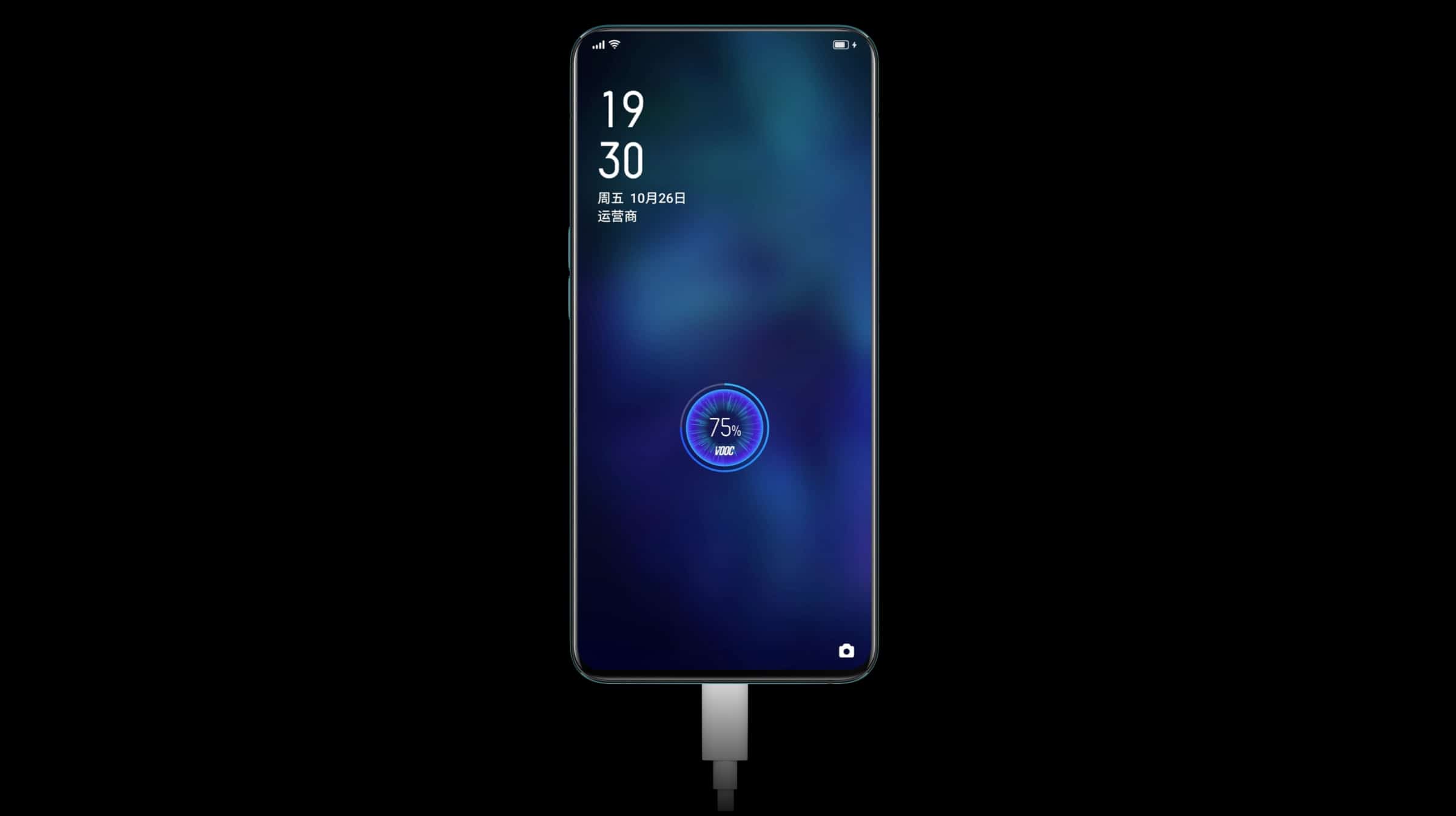
 The Oppo Reno ’10x zoom’ variant is kitted with the Snapdragon 855 SoC while the ‘standard’ variant is kitted with Snapdragon 710 SoC. Chipsets on both the smartphone variants have octa-core CPUs which can perform intensive tasks smoothly. The more affordable variant is powered by a 3765 mAh battery while the premium variant is powered by a 4065 mAh battery. Notably, both the variants support Oppo’s proprietary VOOC 3.0 charging technology. VOOC 3.0 allows the device to be charged with a maximum power of 20W which is equivalent to OnePlus’s Dash charge technology.
  Both variants of the Oppo Reno run on ColosOS 6.0 based on top of Android 9 Pie. Connectivity options on both smartphones include Bluetooth v5.0, 802.11 ac Wi-Fi, 4G VoLTE, NFC and a bottom mounted USB Type-C port. Both the ‘standard’ and ’10x zoom’ variants of the Oppo Reno also have an in-display fingerprint sensor, which is becoming the norm for mid range to premium-range smartphones these days.
 Also Read:
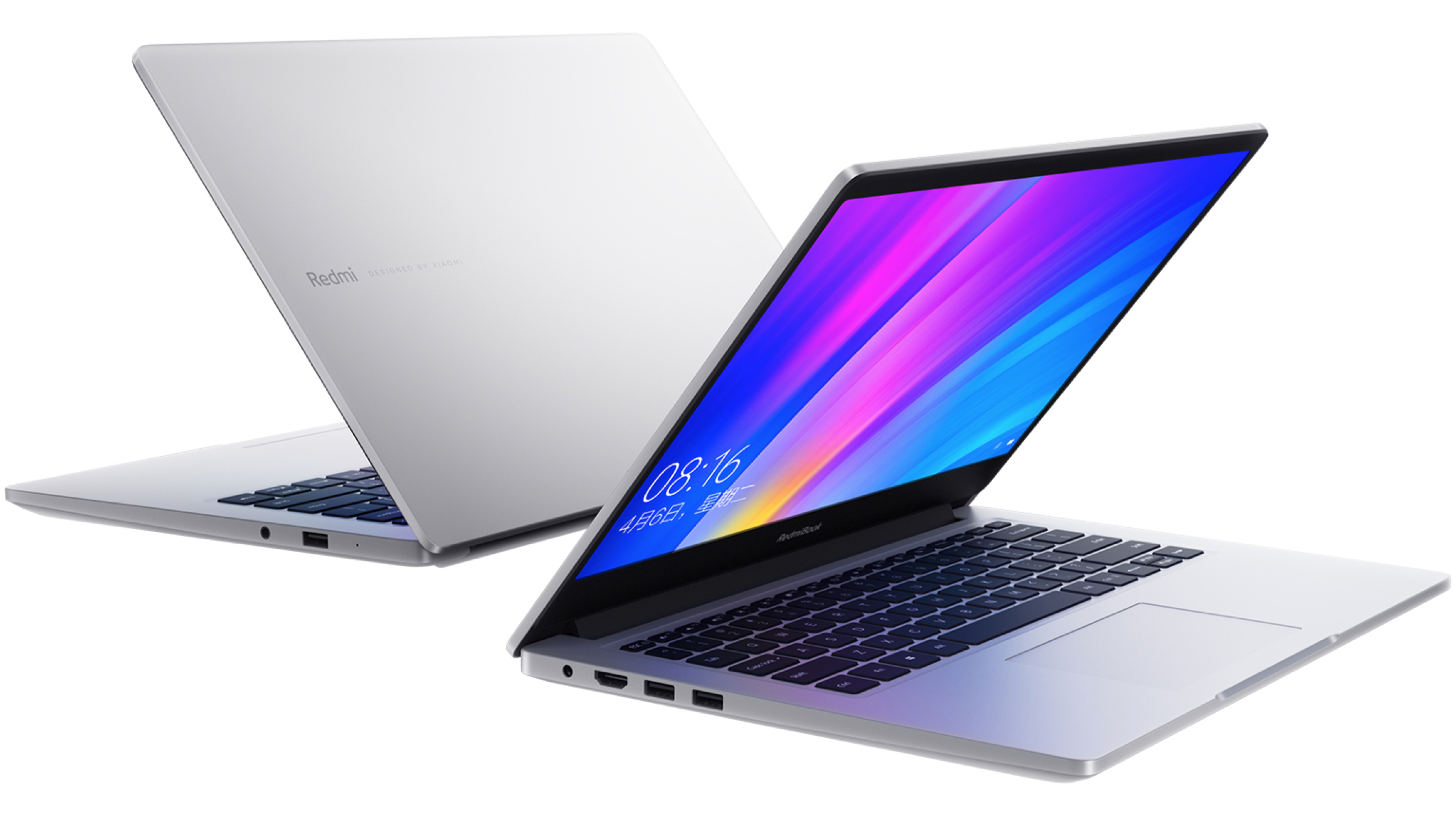
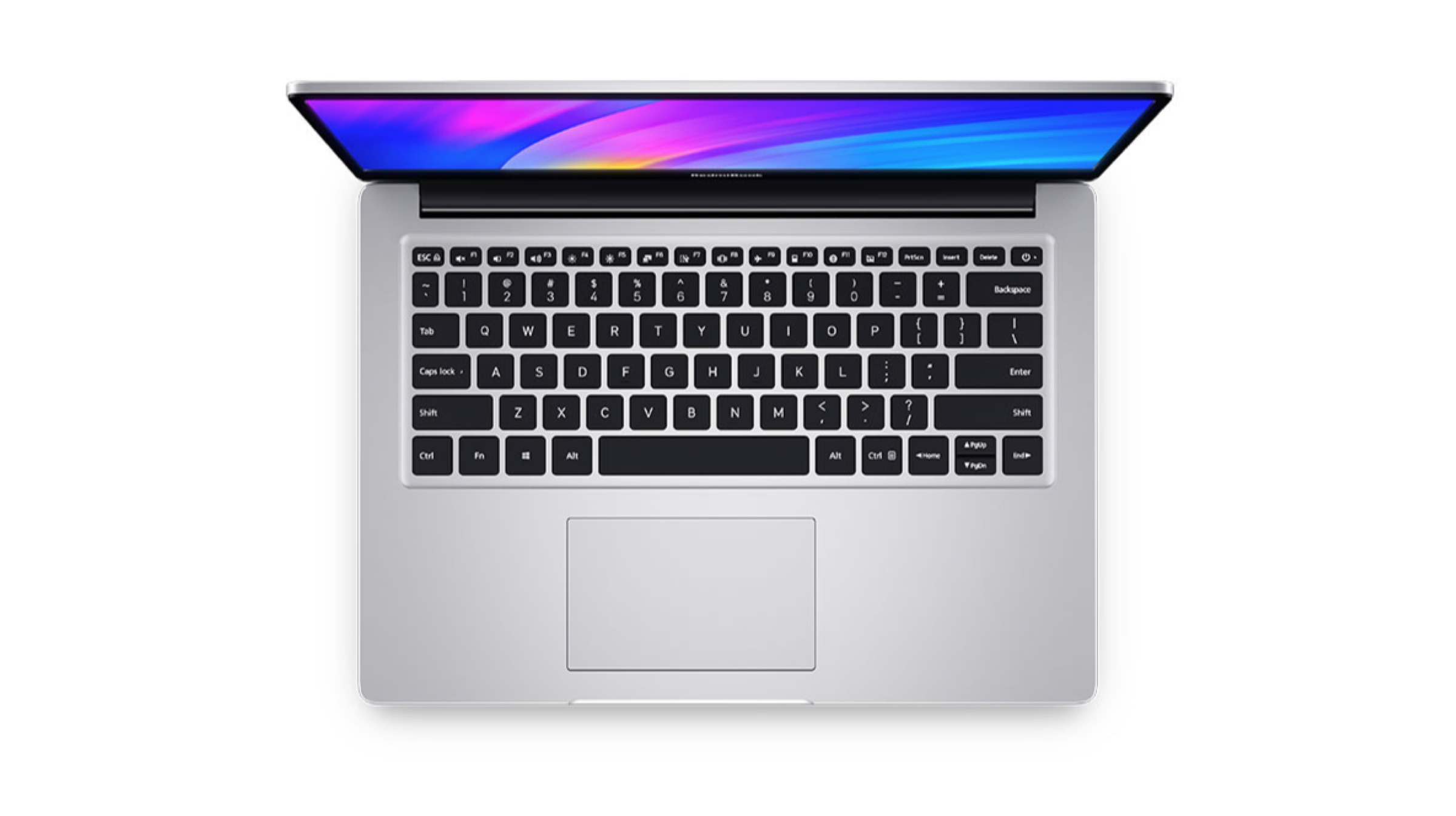
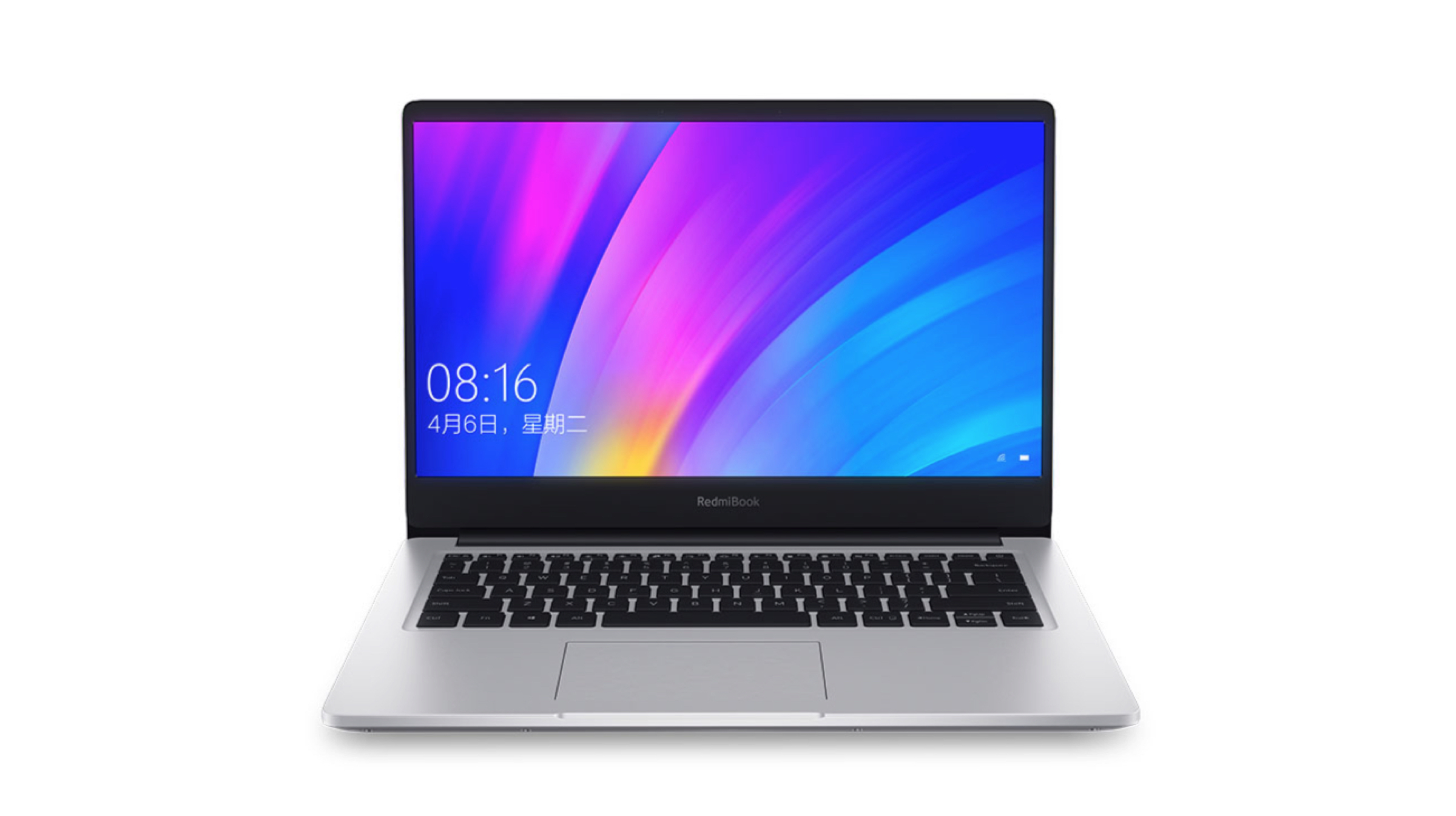
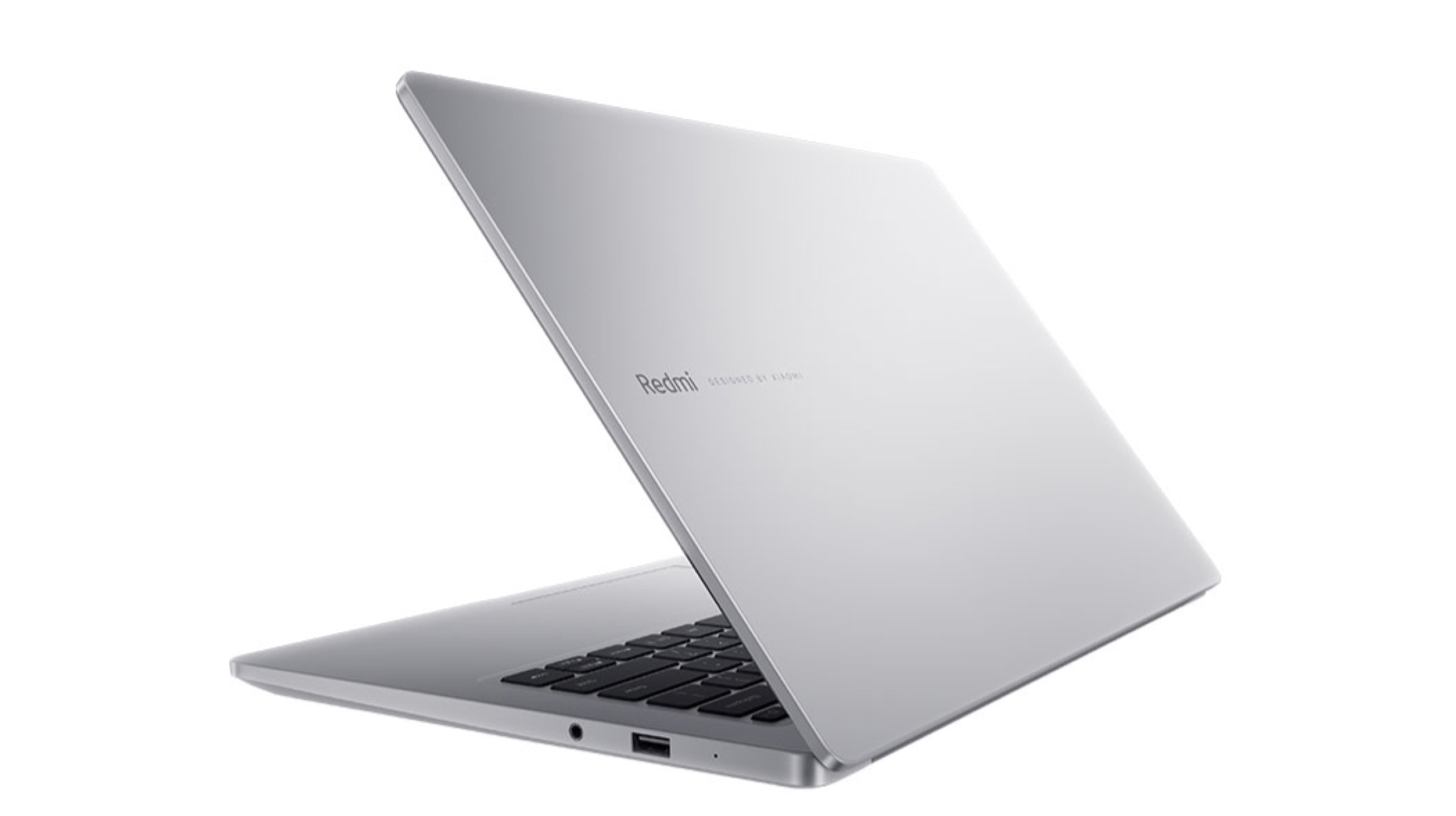 The laptop weighs at 1.5kg, which is quite light and is 17.95mm thick. As exhibited by the company, the RedmiBook 14 has air vents at the bottom and they cover an area of 2530mm2, allowing for improved airflow. The laptop features a Modern Standby mode, which reduces battery consumption on standby. It boasts of DTS audio technology which claims to provide bass-rich sound. In terms of battery, the laptop can last for 10 hours on a single charge.