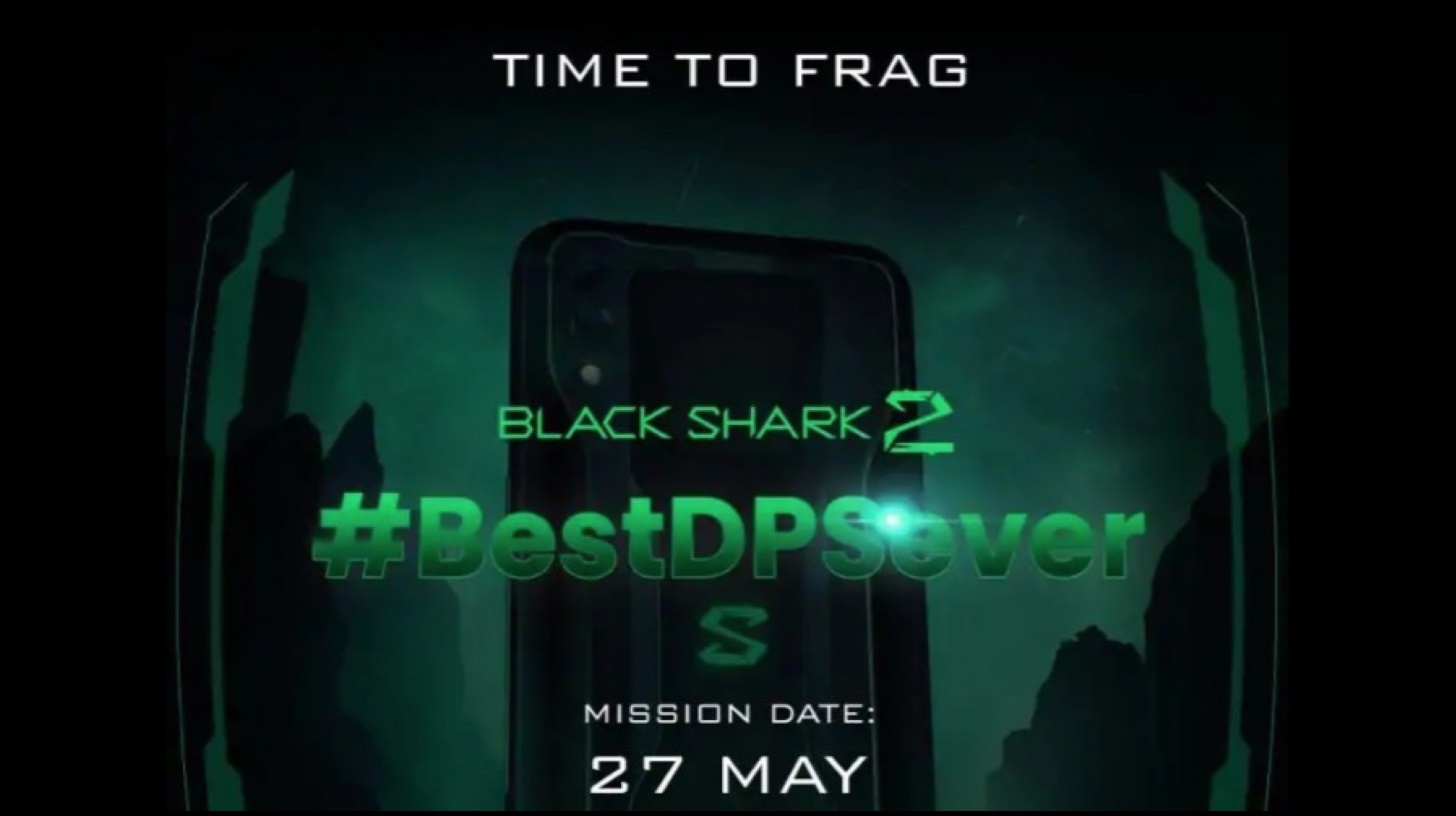
The highly anticipated Xiaomi Black Shark 2 gaming smartphone is heading towards its India launch, and it brings a host of features to the table. As per previous reports, the device passed its BIS Certification in India on May 7, 2019, indicating that the smartphone may be released in the same month. Latest reports state that the Black Shark 2 is scheduled for an India launch on May 27. Media invites for the same have confirmed the aforementioned launch date.
Xiaomi Black Shark 2: Specifications, Design & Features
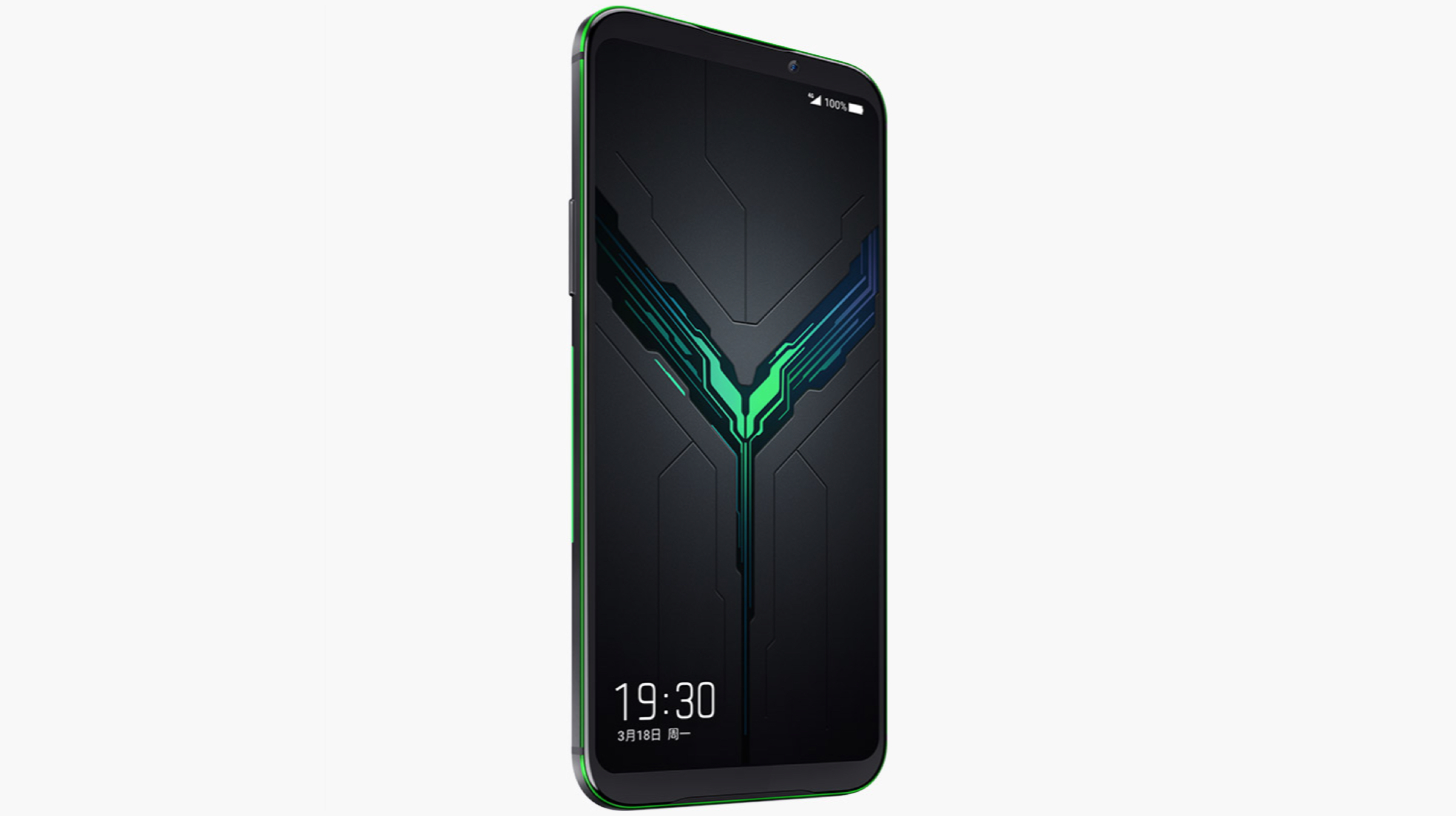
The Black Shark 2 picks up a fair share of design aspects from its predecessor. The smartphone measures 163.61 x 75.01 x 8.77 mm and weighs in at 205 grams. It features a 6.39 inch AMOLED display which is surrounded by thin bezels on all sides. The smartphone’s display has a resolution of 2340 x 1080 px and a pixel density of 403 ppi. The display panel can reach brightness levels of upto 430 nits and has an aspect ratio of 19.5:9. The AMOLED display is pressure sensitive, which can offer a variety of implications while playing games on the device. Biometric security options include an in-display fingerprint sensor.
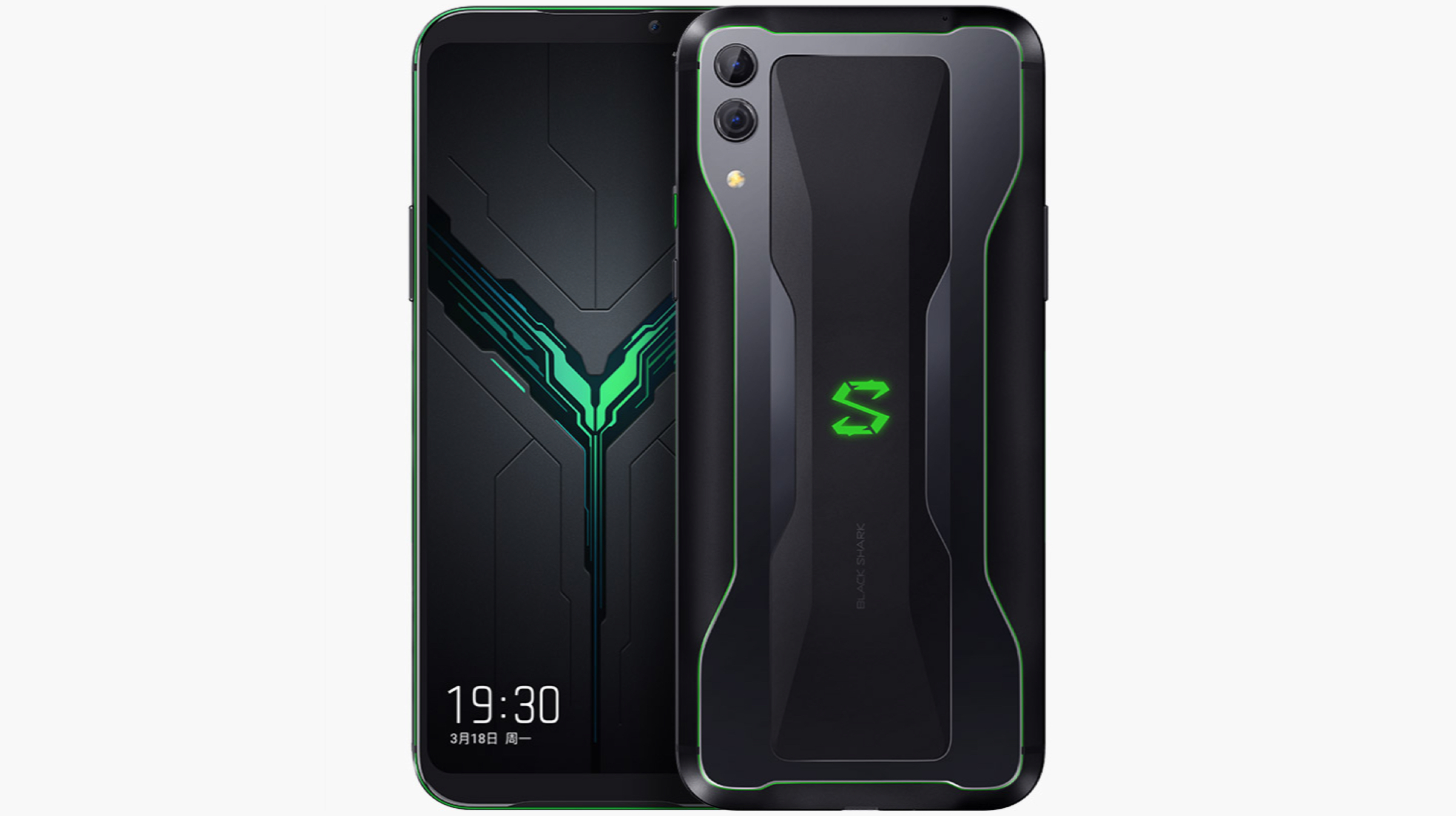
The right side of the smartphone houses the power button and a “shark slider” which when toggled turns on gaming mode for game-focused performance. The left side of the handset houses the volume rockers. The bottom of the device accommodates the USB Type-C port. Since it is a gaming device, it has a vapour cooling chamber to regulate high temperatures while intensive gaming sessions.
Under the hood, the Black Shark 2 runs on the Snapdragon 855 SoC which consists of an Octa-Core CPU and the Adreno 640 GPU. The smartphone is powered by a 4,000 mAh battery which supports fast charging upto 27 W. Connectivity options on the device include 802.11 ac Wi-Fi, Bluetooth 5.0, Dual 4G VoLTE and GPS.
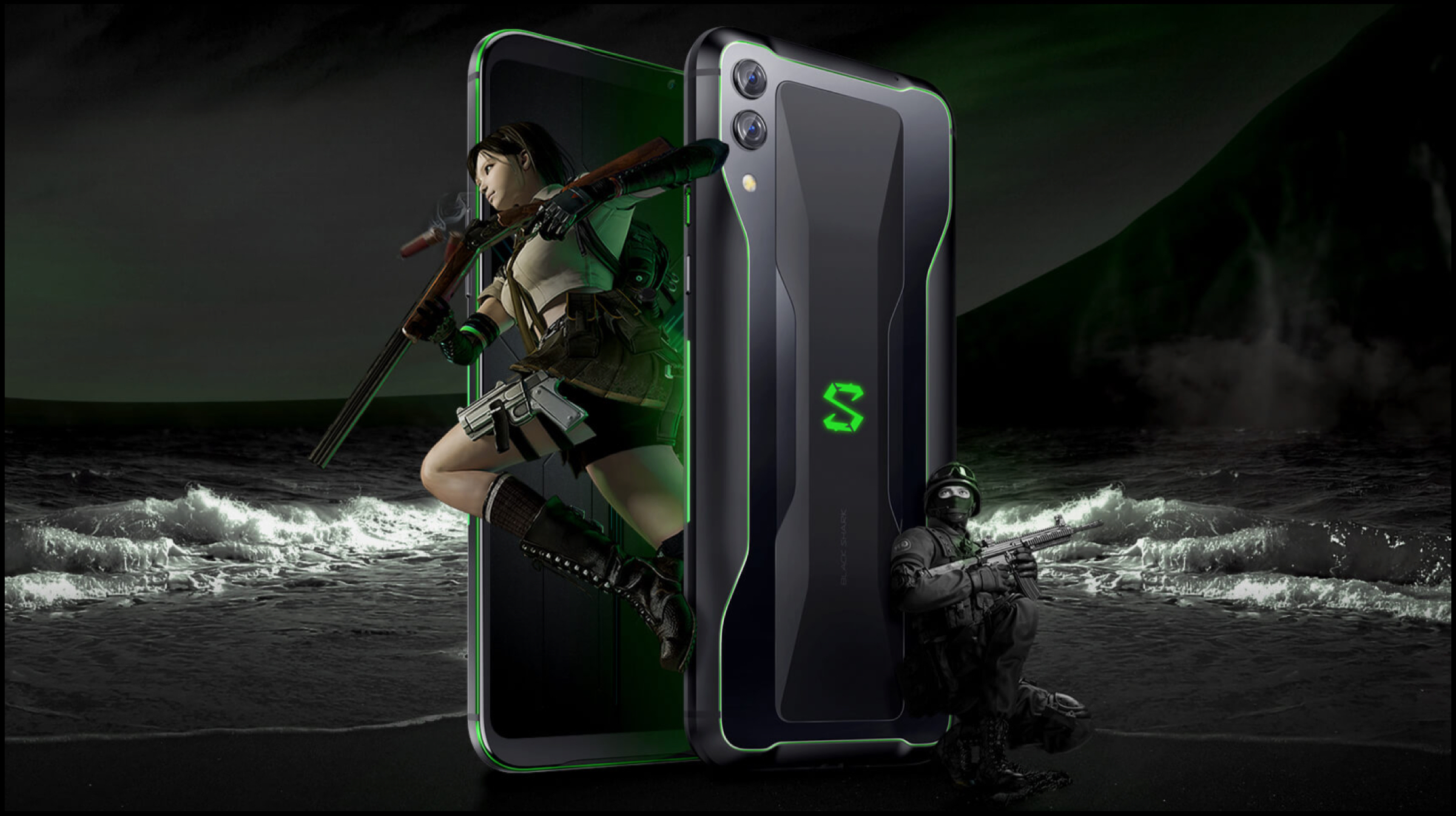
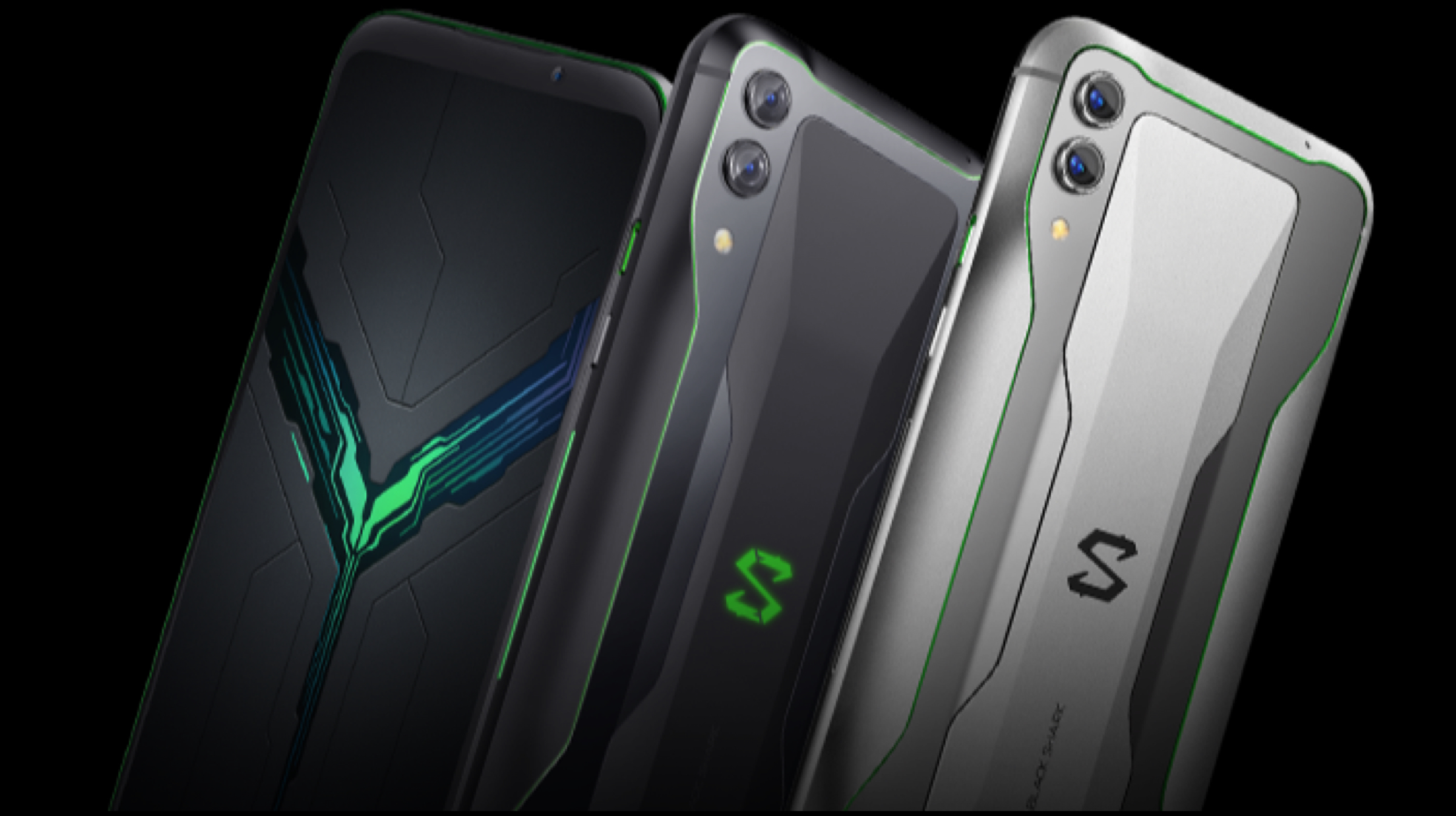
The rear of the Black Shark 2 has a unique design with green coloured decals that run along the sides. The rear panel also houses the brand logo and a dual camera setup, which consists of a 48 MP sensor, 12 MP sensor and an LED Flash. The camera can capture 2160p videos at 30 fps. For selfies, it has a 20 MP front-facing camera which is placed in the bezel above the display. The front camera can also capture 1080p videos at 30 fps.
Xiaomi Black Shark 2: Price, Colours And Storage Options
The Black Shark 2 is available in two colour variants which includes Frozen Silver and Shadow Black. The price for different variants of the smartphone are listed below:
6 GB + 128 GB – ¥3199 (~Rs 32,600)
8 GB + 128 GB – ¥3499 (~Rs 35,700)
12 GB + 256 GB – ¥4199 (~Rs 42,800)
Note that the prices for the smartphone might differ at the time of launch, since the prices mentioned above were roughly translated from its Chinese counterpart’s prices.
Since the popularity of gaming setups shot up over the past few years, we at iGyaan had an idea of putting together one of the most powerful gaming PCs ever assembled in the country. We researched the best components available in the market and top-of-the-line peripherals to go along with them. When we were done with the components, we decided to start working on building the Beast Gaming PC itself.
The Build has been divided into two sections: The components and the assembly. Check out the video for the PC parts below:
Given below is a detailed list of components that we used in our PC build.
Cabinet: Thermaltake Tower 900
The Thermaltake Tower 900 was a great choice for the build as it has a vertically mounted design, which can easily accommodate two cooling pumps. It is adorned on three sides with Tempered glass, so we can clearly showcase all the components on the build from multiple angles. Plus, the tower has a lot of expansion space, so if we decide to add more components in the future, it won’t be a hassle at all. It has an adequate amount of airflow and cable routing space for management. On top of everything, the white colour looks absolutely gorgeous and goes well with our black and white build theme.
We chose the Intel core i9 9980XE for our build simply because of the sheer magnitude of specifications it offers. The CPU has a total of 18 cores and 36 threads. Out-of-the-box, it operates at a base frequency of 3.0 GHz, but it can be overclocked to 4.50 GHz using Intel Turbo Boost Max Technology 3.0. The processor is compatible with a maximum memory size of 128 GB, which is what we intended to work with.
However, the main reason why we went for the 9980XE was the availability of 44 PCI Express lanes. Even though 44 lanes are still not sufficient for our build (since 32 lanes will be occupied by the dual GPU setup itself), the processor fit our build portfolio quite well. Because we didn’t intend to build the machine solely for gaming, the 9980XE will serve our 8K editing and rendering needs in the future as well.
The X299 was perfect for our build considering the fact that we will eventually convert this build into a Hackintosh setup. The Motherboard features a total of 5 PCIe slots which would accommodate our two Graphics Cards and our RAID arrays. Moreover, it also has 3 M.2 slots to house the extra memory chips that are not being included in our RAID setup. The heat shields were also a nice addition. The motherboard is solidly built and the white accents on the board complement our setup to the maximum. Also, the X299 supports RGB Fusion 2.0 which will help us to seamlessly synchronize our RGB strips and fans using the application.
As we mentioned before, we had support for 128 gigs of RAM in our setup, so that’s what we did. We went for the Vengeance Pro 32GB modules, which had 2 sticks of 16GB RAM each. The memory modules are themselves quite aesthetically pleasing, with a white casing and RGB support. They have DDR4 memory and a clock speed of 3200 MHz per stick. The RGB lighting of the modules can be regulated with the help of Corsair’s iCUE application.
Since we were planning to put together a RAID array setup for our build, we got 10 sticks of the 1TB Samsung 970 EVO SSDs. RAID storage uses multiple disks in order to provide fault tolerance and improves the overall performance of the system. Eight of our 10 sticks were included in our two ASUS Hyper M.2 x16 cards (four SSDs per card) whereas the rest of the two 970 EVOs were used independently in the setup.
The ASUS Hyper M.2 x16 cards support 4 NVMe M.2 (2242/2260/2280/22110) SSDs each. They are specially designed for Intel VROC and AMD Ryzen Threadripper NVMe RAID setups. Moreover, it has an additional cooling fan inside the bay to ensure that the storage sticks don’t overheat.
Owing to the sheer number and wattage of components being used in our build, we went for the Corsair AX1600i, which is titanium plus rated modular power supply unit. Its transistors are made out of Gallium Nitride instead of silicon, which ensures a lower resistance and faster switching. The fan speed of the PSU can be regulated with the help of the Corsair Link desktop application (users will have to connect the PSU to the system via a USB cable). Plus, the AX1600i claims to be one of the most silent PSUs in the market as of now. For the sake of our Black and White PC build, we decided to go for custom white Corsair cable sleeves.
Graphics Card(s): Zotac NVIDIA RTX 2080 Ti AMP edition (x2)
Bridge: EVGA RTX NV Link
In order to make our beast build resilient for times to come, we decided to go for two of the absolute flagship GFX cards from NVIDIA, the 2080 Ti. Each video card has 11 GB of GDDR6 memory and 14Gbps memory speed. Since we render 8K Red Camera footage for our videos, a dual 2080 Ti setup will provide the VRAM memory required to render the aforementioned videos in real time. Moreover, playing the most demanding games on the planet would be a breeze with the dual card setup. Both the 2080 Ti cards are linked with the EVGA NV Link bridge.
Cooling: Thermaltake Pacific M360 Plus Cooling Kit
Cooling: Antec C400 Glacial CPU Cooler
We wouldn’t want our beast build to overheat at any point in time, so we chose to hard-tube the entire system. The kit we used was the Thermaltake Pacific M360 Plus Cooling Kit. It includes a water block, the D5 pump, 3x120mm fans, 360mm radiator, clear coolant and 8 C-Pro compression fittings along with 2 adapter fittings and 4 PETG hard tubes. We are also using the Thermaltake Pacific 12mm bending kit for hard tubing. However, we came upon a decision to not install the hard tubing until all the components are completely installed, so to suffice until then, we chose the Antec C400 Glacial CPU cooler. It has a PWM silent fan and pure copper heat pipes.
As mentioned previously, the build will be used to edit and render high-resolution videos as well as to play graphics intensive games. To fulfil both the purposes, we chose the Samsung 48.9 inch Ultra-wide curved monitor which has a response time of 1ms and a refresh rate of 144 Hz. With a resolution of 3840 x 1080 px, the display features AMD’s FreeSync technology.
In terms of peripherals, the Razer Black Widow X really stood out as a build-compliant keyboard. Firstly, it is white so it complements the setup really nicely, and secondly, it features Razer’s top-of-the-line tactile Green mechanical switches. The keyboard has programmable keys and N-Key rollover to prevent any ghosting instances. Plus, it boasts of really solid build quality.
We chose the White Razer Lancehead as it has an ambidextrous design, along with rubber grips on either side. It has a 5G optical 16,000 dpi sensor and is claimed to be optimized for 50 million clicks. Users can customize various sensitivity profiles in the Razer Synapse application. Using Razer Chroma, a multitude of colour schemes can be synchronized between both the mouse and the Keyboard.
The Steelseries Arctis 7 is one of the most comfortable and good-sounding pair of headphones in the market. The two sweetest perks were the facts that they are wireless as well as white in colour. They connect via a 2.4GHz receiver so that latency loss is eliminated. The headphones are quite comfortable and have a battery life of almost 24 hours (as claimed by Steelseries after the latest firmware update).
The revolutionary Galaxy Fold was first unveiled at the Galaxy Unpacked Event in February 2019, and being the first one of its kind in the market, it had a lot riding on its shoulders. After an issue with the smartphone’s display came to light, the company recalled multiple review units and postponed the initial launch date for the same (26 April, 2019). However, as per latest reports, Samsung has overcome the hurdles that it previously faced and will re-launch the device next month.
Reports state that the South Korean company will test out the updated Galaxy Fold models with three US mobile carriers in the month of June. Furthermore, launch date in the same month will be confirmed by Samsung itself in the upcoming days. This will be a relieving piece of news for those who had pre-booked the smartphone and wanted to get their hands on the Galaxy Fold earlier than other consumers.
Issues In The Galaxy Fold
The first reports of the underlying issues with the Galaxy Fold’s display surfaced around 17 April 2019. Thereafter, many noted reviewers had stepped forward and reported that the inner display of the foldable device has stopped working. The major cause for the issue was later found out to the removal of the outer screen protector over the inside display. The South Korean company had bundled instructions along with the device indicating that the removal of the screen protector can lead to malfunction in the display. However, some devices still faced the same issue even without the removal of the screen protector.
Reportedly, some reviewers also pointed out the handset’s susceptibility to dust and debris owing to the gap in the hinge at the bottom of the smartphone. To fix the aforementioned issues, Samsung is speculated to introduce a protective plastic coating under the device’s frame, making it really difficult for a regular user to peel it off and cause screen issues. Also, the hinge gap will be reduced in order to make it less vulnerable to foreign material. Hopefully, the company’s attempt at fixing the problems will be fruitful. Noteworthy, even after the re-launch of the Galaxy Fold, it will still be the first foldable smartphone in the market, holding it’s edge over other brands.
Countless gadgets are released each year, with only a select few making it big. Nonetheless, many other gadgets which intend to solve a higher purpose might fail at the same. For instance, who wants to eat toast with his/her own picture imprinted on it? Well, some people do, because it’s apparently still being sold in the US and is the first gadget in our list. Speaking of lists, given below are some really weird gadgets that have been launched in the past years.
Selfie Toaster
Yes, a toaster exists that can customize your slice of bread with an image of your face. Even though it’s requirements may be very controversial, there is a reason why the US company “Burnt Impressions” still ships these novelty appliances for $75 per unit. Users can get the toaster to imprint their selfies onto a slice of bread via a custom laser-cut metal grilling plate, that is also made by the company. However, buyers have to upload their photograph at the time of purchase, which means that you will be stuck with staring at one image on a bread slice.
Pavlok
In an era of smartwatches and fitness trackers, there is a wearable that strives to make a mark as well. While conventional fitness trackers keep a track of how many steps you have walked in a day, the Pavlok has an entirely different motive, although for the betterment of many out there. The motive is pain. This may seem bizarre, but the Pavlok gives you a rather nasty zap if you are involved in a bad habit, such as biting your nails, smoking or cracking your knuckles. The body associates the pain signal to the bad habit you have cultivated, helping in lessening the same. Thankfully, the intensity of the shock can be controlled by the wearer, which can range from a slight tingle to an uncomfortable shock.
MoodMetric
There are times when some unwanted gadgets from sci-fi movies make their way into the real world, making you wonder if they actually are meant for the same. Such is the case with the “MoodMetric”, which is a ring that measures the body’s signals to determine the state of the mind of the wearer. The data is then relayed to the wearer’s smartphone, where he/she can gain insights regarding his/her mood. However, it is very unclear why a person will need a gadget to find out what their mood is like.
Sony Rolly
After the iPod hit the market and took it by storm, a lot of companies (including Sony) started experimenting on portable music players to hit the right chord. The aforementioned Japanese company made its entry with the launch of the Sony Rolly, which was a portable music player with a twist, literally. The music player was shaped like a football, and the best part was the fact that it danced to music. Costing at about US$ 399 at the time of launch, Rolly could twist, turn, roll and perform a host of other moves in sync to the music, all while flashing multi coloured lights. However, it didn’t even have a headphone jack at the time. Almost an year later, Sony discontinued the Rolly music player.
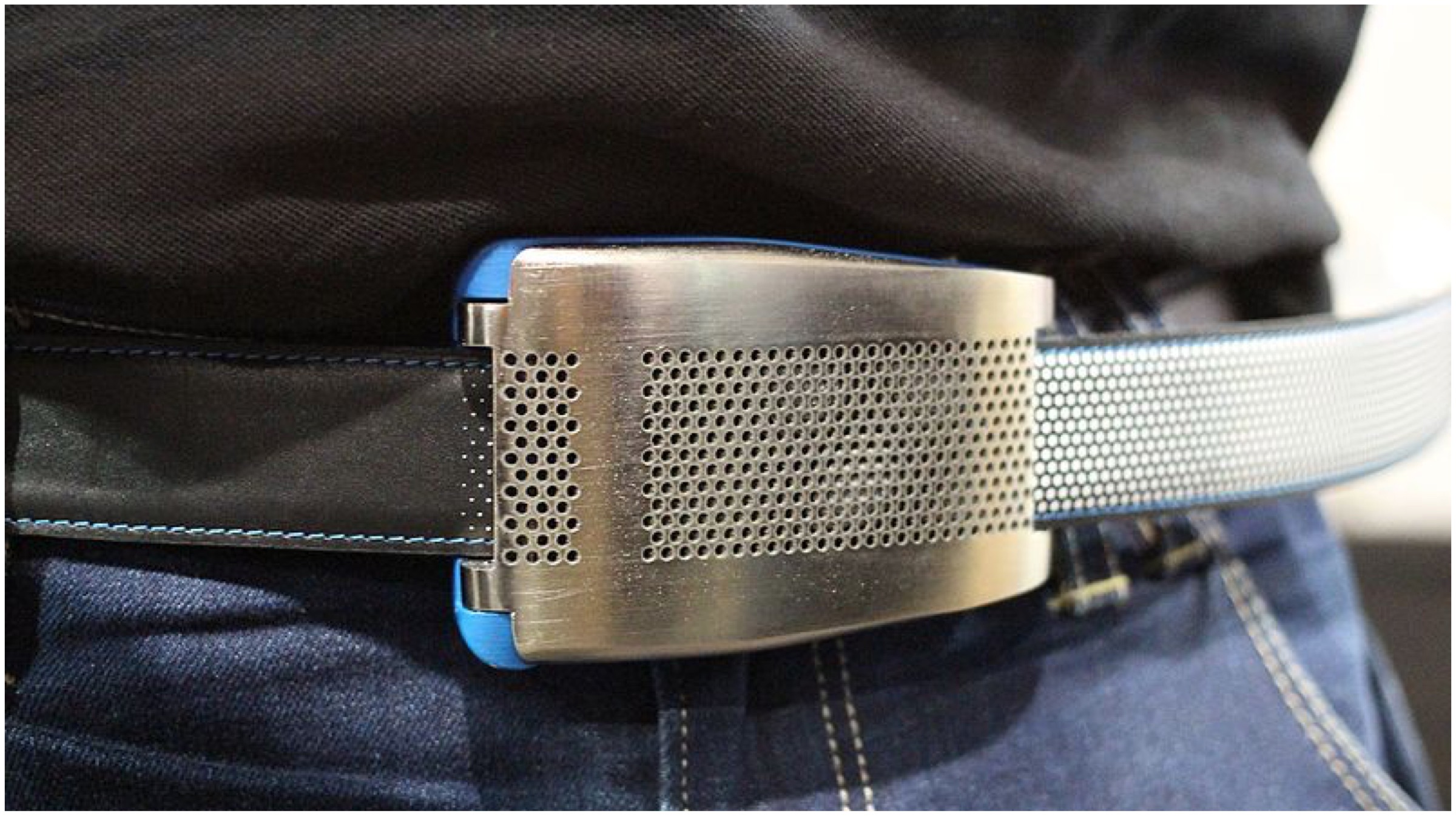
First showcased at the CES 2015, the smart belt intended to simplify some things that had to be manually simplified, simply saying. Belty could directly connect to a smartphone via an app that tracked the waist size of the wearer. Moreover, the wearer could use the application to tighten or loosen the belt on the move, which would save them the embarrassment of doing so in public. However, it’s been a long time since its announcement, and the company does not plan to release such a product in the immediate future.
As per statistics, more than 370,000 people die of coronary heart disease annually. The disease refers to a narrowing of the coronary arteries that supply oxygen and blood to the heart. As per latest research reports, a kind of rare gene mutation may prevent major heart diseases. Previously, scientists have abstained from targeting apolipoprotein B (APOB) gene because it carries a risk of fatty liver disease. However, naturally occurring mutation suggests otherwise.
The study was co-led by a researche from the Boston University of Public Health (BUSPH). The study unearths that protein truncating variants in the aforementioned apolipoprotein B (APOB) gene are directly linked to lower triglyceride and LDL cholesterol levels, which significantly lowers the risk of coronary heart disease by almost 72 percent.
What is FHBL?
Familial hypobetalipoproteinemia (FHBL) is a disorder that deprives the body of the ability to absorb and transport fats. The protein truncating genomes in the APOB are the major causes of the disorder. The people with FHBL are usually at a high risk of developing fatty liver disease. Using genetics, the researchers can target the gene responsible for the same and thereafter greatly reduce the risk of coronary heart disease.
The researchers sequenced the APOB gene in different members of almost 29 Japanese families with FHBL. Eight of the Japanese families had the previously mentioned protein-truncating variants in APOB, and the rest of individuals with one of those variants had lower LDL cholesterol levels than individuals who did not have an APOB variant. This clearly indicated that the carrying gene variants in APOB greatly reduce the risk of coronary heart disease. This discovery may lead to a massive reduction of such cases across the globe in the future.
When the mobile battle royale version of the popular FPS game Call of Duty was announced, fans were quite excited to witness the game in action on their smartphones. The company started accepting pre-registrations for the the same back in March 2019, and after two months, the closed beta of the game is now available for closed beta testing in select countries, including India. Moreover, new features of the battle royale game have been revealed by Activision.
Confirmed Features By Activision
Call of Duty has been confirmed with a host of new features, including several multiplayer modes as follows:
Free-For-All
Team Deathmatch
Hardpoint
Frontline
Domination
Except the Free-for-all mode which supports 8 players, all the other game modes support a total of 10 players per match. In the future, the game can be updated with popular game modes from the PC version of CoD (Call of Duty) such as Search and Destroy and Kill confirmed.
automatically when the crosshair is focused on the enemy, whereas in advanced mode, the player has to fire the weapon manually. Moreover, players can choose how they hold each weapon by default. For instance, shotguns can be set to hip-fire by default, while rifles can be set to ADS (aim down sights) by default. Apart from tweaking the HUD, players can customize their aiming sensitivity via a total 17 different sliders.
A total of seven maps have been announced by the developer, 5 of which are listed below:
Crossfire: Small desert town, good for shotgun-based gameplay
Standoff: Set in the border town between China and Kyrgyzstan
Crash: Features blind corners and great sniping spots
Killhouse: Great for small teams, set in a warehouse interior
Firing Range: Set in Cuba, this map will be a house to hectic domination games
As mentioned previously, the game will be available on both iOS and Android devices. If users have pre-registered for the game and haven’t received an email from the company yet, they just need to wait. As per Activision, the access to Call of Duty: Mobile will be rolled out in batches. The game is looking to go head-to-head against other battle royale games like Fortnite and PUBG Mobile.
The National Aeronautics and Space Administration in the US is planning to get women to the surface of the moon by the year 2024. In light of recent reports, it has been declared that the mission will be named Artemis, after the Greek Goddess of the Moon. This lines up perfectly with the fact that the first moon missions were named Apollo, after the Greek God of Sun and Light. NASA’s famous Apollo Missions introduced the Moon’s surface to the first men who walked on it, namely Neil Armstrong and Buzz Aldrin in 1969.
NASA Administrator stated that it is very fortunate that after almost 50 years after the first moon mission, the Artemis program will carry the next man and the first ever woman to the surface of the moon. He further added that within the next five years, the milestone will most likely be successfully shattered.
NASA announced the name of the mission report on May 13 2019, shortly after it unveiled its updated budget request for touching down on the moon by 2024. The program is still in its early stages. Reportedly, NASA has been working on space vehicles and capsules for a long time now, and even though they have not been occupied by any astronauts till date, NASA will commence test runs soon. A lot of new hardware, such as Lunar Landers are also being manufactured for the Artemis mission, which will soon become a reality.
With the intention of providing a full-screen experience to users, smartphone brands are incorporating different styles of front cameras in their devices. For instance, the OnePlus 7 Pro has a pop-up camera, whereas the Samsung Galaxy A80 has an innovative rotting camera setup. Following a similar trend, Chinese smartphone manufacturer Oppo seems to be working on a smartphone with a rotating camera module.
About The Patent
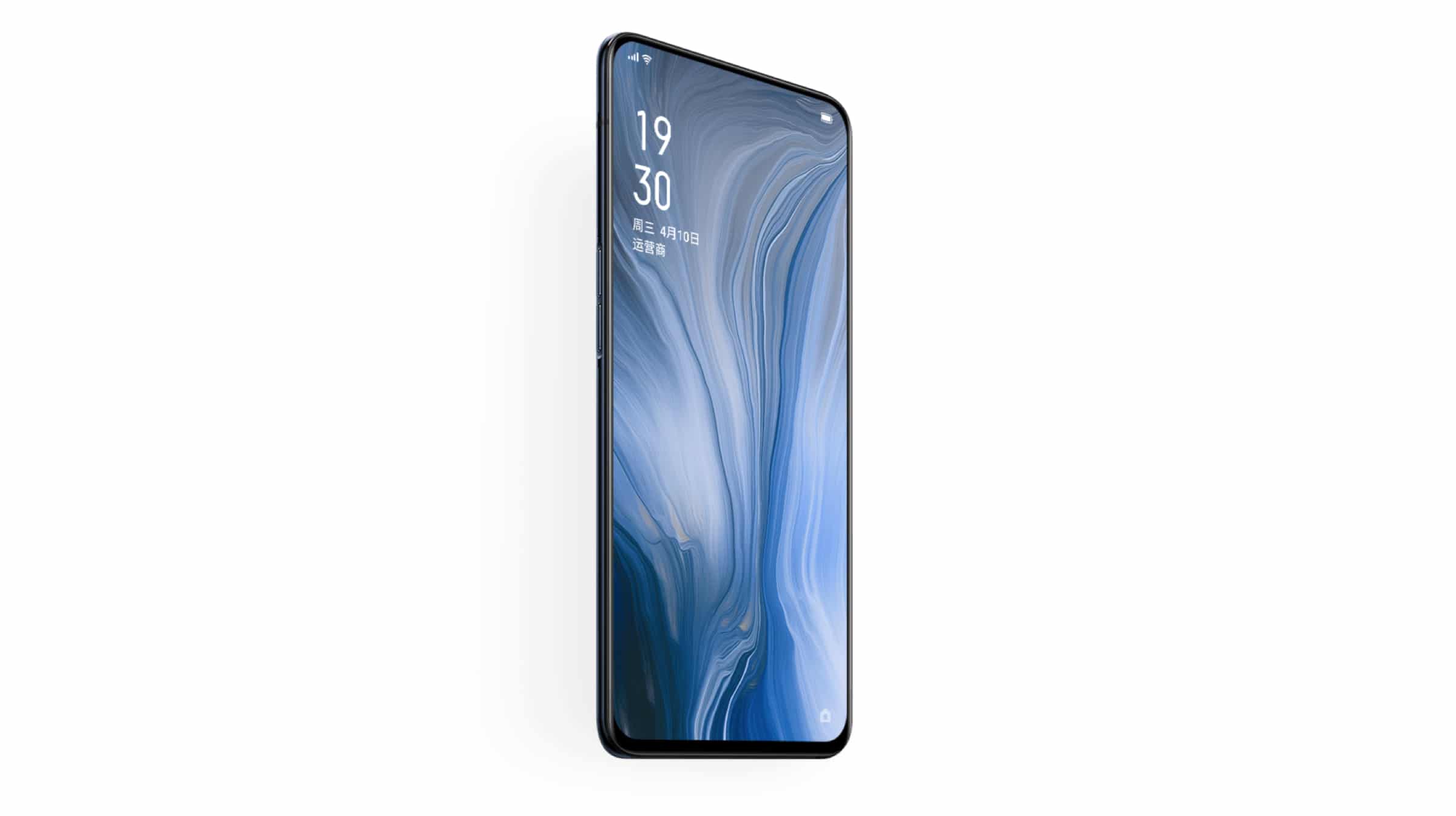
After the launch of the Oppo Reno with the unique shark-fin design, the company has been granted a patent which depicts a smartphone with a rotating camera system. The patent was filed by Guangdong Oppo Mobile Telecommunications in the end of the year 2018 with the WIPO (World Intellectual Property Office). The design was titled as a “Mobile Terminal” and was published on May 16, 2019. As mentioned previously, the patent exhibits a camera module design that can rotate 180 degrees around a pivotal axis.
The complete camera system consists of a total of 3 cameras, with two cameras placed together on one side and a single camera on the other side. Both the sides accommodate an LED flash. As per the patent, both the dual camera and single camera system can act as a selfie camera as well as the primary rear camera module. However, the patent provides no information regarding the fact whether both the cameras can be utilized simultaneously or not.
The camera system extends upwards via a 180 degree rotation. This will be possible with the help of a motor, although manual operation may be included as a feature as well. Similar to the ASUS Zenfone 6, the camera module can be held midway so as to capture the images from the desired angle. This feature can be used to shoot panoramic images as well. Since a variety of smartphones with similar design statements are expected to launch in the near-future, Oppo may follow suit as well.
Redmi is making an aggressive entry into the budget-midrange smartphone segment in India. The company received positive reviews for its latest devices, the Redmi Y3 and the Redmi 7, which targeted the budget smartphone segment. As per previous leaks and reports, Xiaomi is gearing up for the release of the Redmi Note 7s on May 20. Ahead of the launch of the same, camera samples of the Redmi Note 7s have been revealed by the company, which confirms that it will feature a dual rear camera system.
The samples include a multitude of images, which are captured in different lighting conditions. The daylight-captured images depict a sharp image with good colour contrast. The images captured in a low light showcase a decent amount of details with low noise. Since both the Redmi Note 7 and Note 7 Pro feature Night Mode, the upcoming device is expected to sport a similar option as well.
In terms of optics, the smartphone is expected to feature a dual rear camera module with a 48MP primary sensor and a 2MP secondary sensor. The watermark on the revealed images confirm this speculation. For selfies, the smartphone will have a 13MP front camera that is expected to be housed in a waterdrop notch up front. Under the hood, it is expected to be kitted with the Snapdragon 660 chipset, which consists of an octa-core CPU and the Adreno 512 GPU. Xiaomi is expected to keep the specifications of the Redmi Note 7s similar to the Chinese variant of the Redmi Note 7. As far as the price is concerned, it is expected to be priced between INR 10,000 and INR 15,000.
Just 4 years after the mass production of Penicillin began, the world’s first antibiotic-resistant bacteria were discovered. Even today, Antibiotic-resistant bacteria can cause infections that are virtually untreatable, and therefore consequently fatal. A majority of bacterial strands are slowly growing resistant to the use of antibiotics. This may lead to an increase in infections worldwide in the coming years. However, researchers have investigated a category of viruses, known as Bacteriophages which may able to counter the aforementioned bacterial strands.
What Are Bacteriophages?
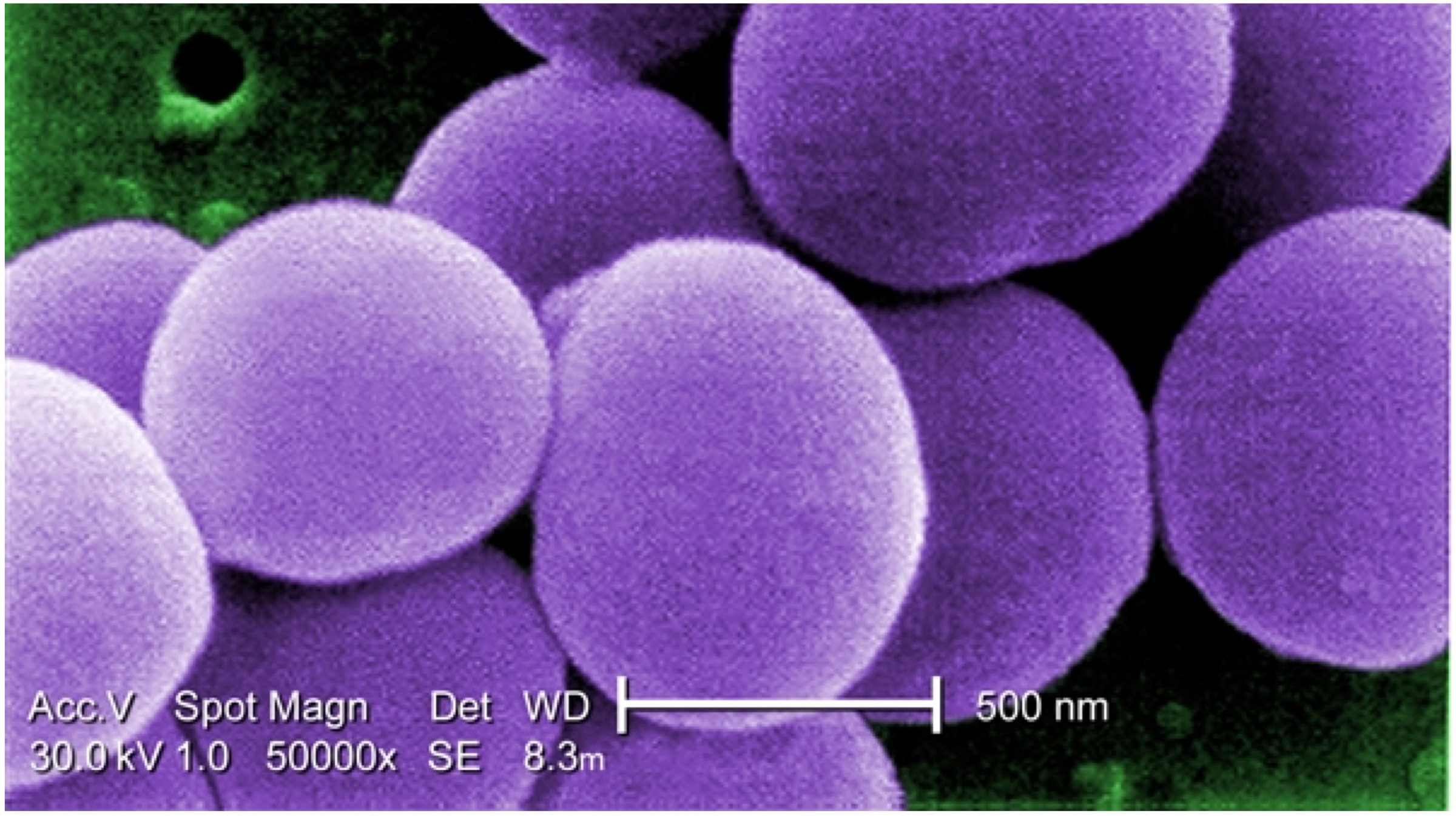
Researchers at the University of Pittsburgh in Pennsylvania and Howard Hughes Medical Institute (HHMI) in Chevy Chase have put forward evidence that suggests that a category of viruses known as “bacteriophages” can be the solution to antibiotic-resistant bacteria. These bacteria-eating viruses target and kill a variety of strains of bacteria that cause infection. An interesting fact to note is that there are an estimated 1031 bacteriophages on this planet, and different phages target different bacterial strains.
Using bacteriophages (or simply phages) to ward off infections is not a new idea at all. In fact, researchers from Britain, France and Russia were involved in similar investigations since the beginning of the 20th Century, which are proving to be fruitful just now owing to the advancements in research techniques. The “bacteria-attacking” technique was implemented in 2017, where a team of scientists lead by Professor Hatfull achieved a feat nothing short of a miracle.
How Were The Viruses Used To Attack Bacteria Strands?
The team of scientists were able to treat an infection experienced by a 15-year-old patient with the help of carefully chosen phages. The patient suffered from cystic fibrosis, which increased the risk of infections because of a buildup of thick mucus in the lungs (and other organs). Moreover, the genetic condition is virtually incurable. After a double lung transplant, it was detected that the patient’s surgery wound was reddened because of a liver infection. Another patient with a similar condition also developed an infection after his surgery. When the infections showed signs of resistance to antibiotics, the scientists decided to use bacteriophages to kill the concerned bacteria.
After months of research, a set of phages was discovered that could match the bacteria which infected one of the patients. The genomes of the other phage strands were then altered by Professor Hatfull to render them effective against the bacteria they needed to eliminate. Remarkably, when the bacteriophages were administered to the patient, his infection was mostly cured in a period of around 6 weeks. Moreover, the bacteria didn’t show any signs of resistance against the phages. Indicating that bacteriophages can be further incorporated to tackle drug-resistant infections.
Amongst a ton of other updates announced at the Google I/O, Google unveiled a variety of features that are bundled with its upcoming iteration of Android. Google’s new “fully gestural navigation” removes the back button from the navigation bar at the bottom of the screen. As per previous reports, Google made it mandatory that the OEMs ship their Android Q enabled devices with the new navigation gestures. However, latest developments state that Google will not force OEMs to adopt the new gesture navigation.
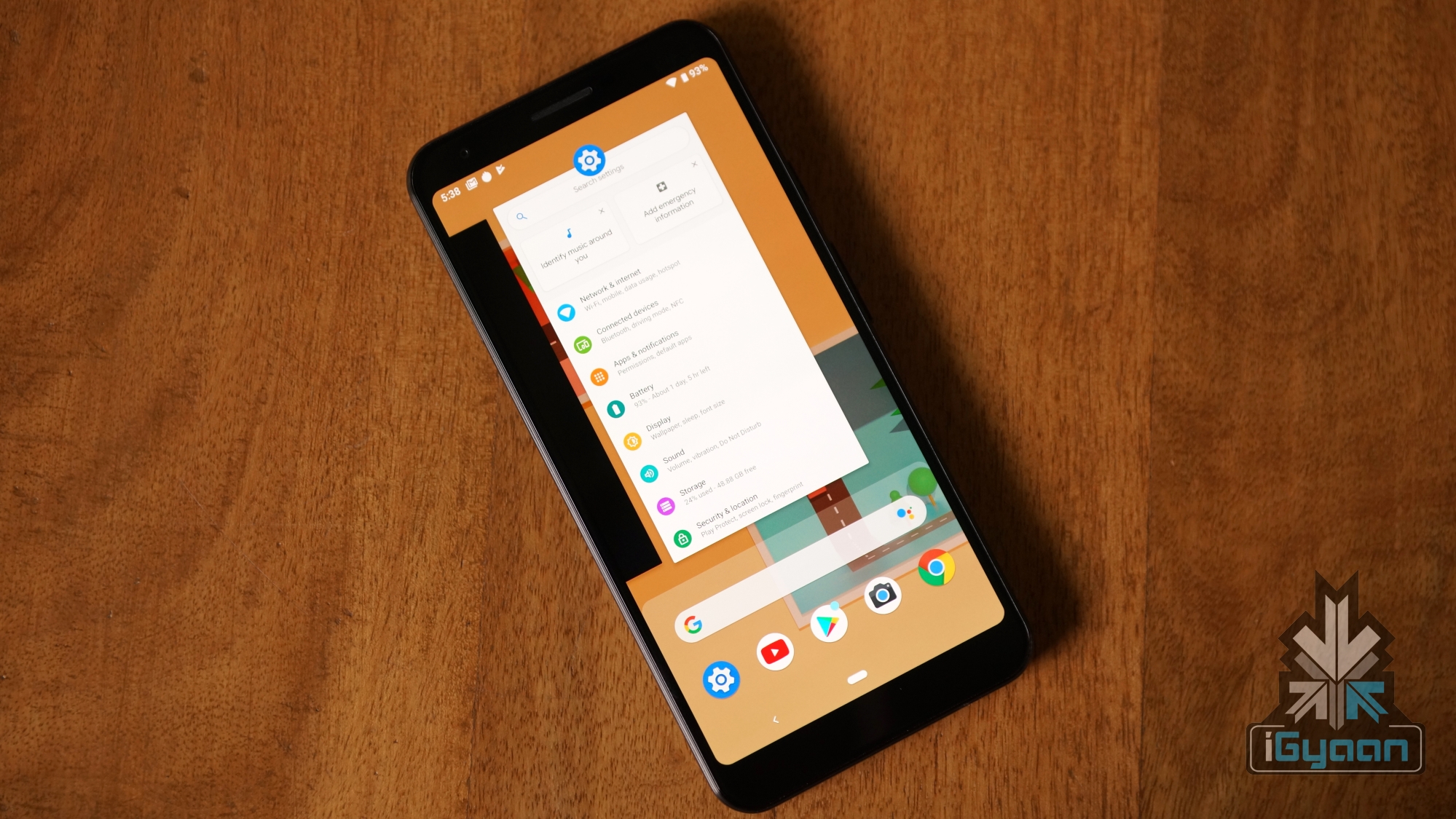
The Product Manager for Android clarified the underlying situation by saying that Google is solely encouraging OEMs to use the new navigation gestures. Since Gesture Navigation can be troublesome to incorporate with previously existing gestures, the company does not want this to be a bigger challenge for developers. He further added that Android has always been about choice, hence the company plans to keep it that way. Android Q will still include the original 3-button navigation bar, which was previously removed from Pixel 3 smartphones running Android P.
The new gestures introduced in Android Q resemble the gestural navigation of iPhones. Since the bottom section is now comparatively smaller and no longer includes any button. Users can swipe vertically up from the bottom to go to the home screen and swipe horizontally from the left or right to go back to the previous screen. Swiping diagonally from the bottom left or right corner to the middle of the screen will launch the Google Assistant. Whereas swiping left or right on the gesture bar will enable users to quickly switch between applications. Lastly, recent apps can be viewed by swiping up from the bottom of the screen.
Those on Android Q Beta can see these updates on their phones already.
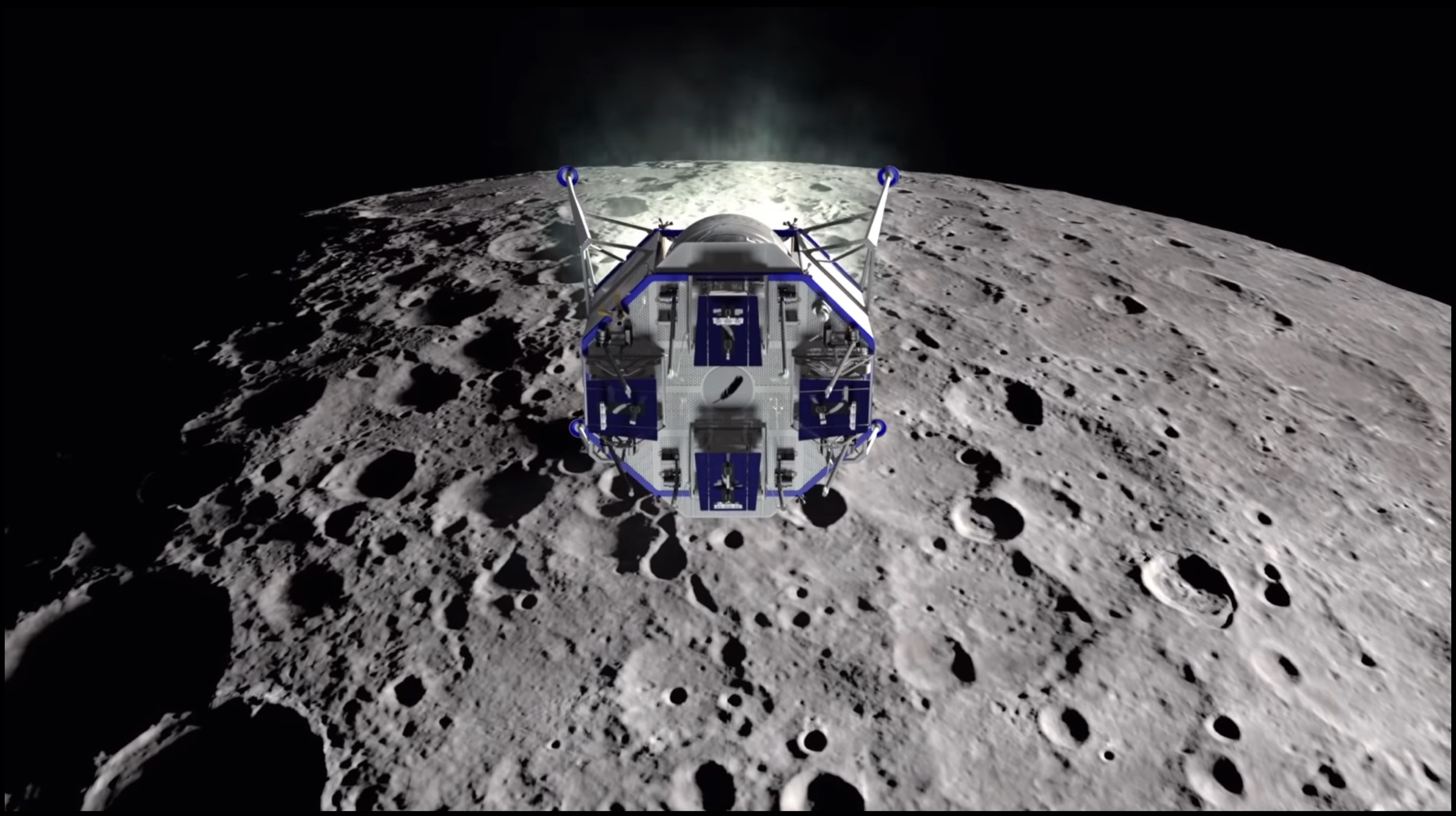
It’s an exciting time to be alive right now. Humans are closer to interplanetary space travel than ever before. Private space organizations including SpaceX are testing out space vehicles such as the Starship and Super Heavy that can safely transport humans to Mars. On the 9th of May 2019, Jeff Bezos unveiled a Lunar Lander that will fulfil the mission of establishing humans on the moon by the year 2024.
Known as the Blue Moon, the lander will be capable of autonomous space navigation. It will be able to perform soft landings on the surface of the moon while carrying payloads weighing between 3.6 and 6.5 metric tons. This implies that the Blue Moon will be able to carry a total of 4 large rovers simultaneously. This is a small part in a much larger plan to analyze the resources and the surface of the moon.
Why Do We Need To Send Humans To The Moon?
Today, our founder shared our vision to go to space to benefit Earth. We must return to the Moon—this time to stay. We’re ready to support @NASA in getting there by 2024 with #bluemoon. pic.twitter.com/UqQyMa9Zcn
Jeff Bezos has previously talked about his vision to “make space an accessible place for all”. The Amazon CEO believes that the earth cannot accommodate a trillion humans. In an attempt to prevent such a situation, he plans to develop an infrastructure that can sustain human life on the bleak rock that we all call “Moon”. Moreover, Blue Origin owned by Jeff Bezos is already working on a couple of space vehicles designed for short duration flights to the moon’s orbit. But that’s not it. Jeff also wants to harness the resources present on the moon in order to generate future-viable energy.
The richest man on the planet plans to instate American astronauts on the South Pole of the moon in the next 5 years. The Indian Space Research Organization’sChandrayaan-1 lunar orbiter collected data that confirmed the presence of more than 1 trillion pounds of ice at the lunar poles. The ice refuses to evaporate because the temperature on the moon’s surface never exceeds -250 degrees Fahrenheit. NASA wants to harness the ice to generate rocket fuel for future missions.
Amidst the “space race”, one question still looms over our heads. Will privately funded space organizations compete amongst themselves in the future? If so, how will this affect interplanetary travel? Advancements in aerospace will eventually speed up because of the evolution of technology. Nonetheless, the Blue Moon Lander is expected to undergo its first ignition test this summer, which will mark another integral step towards expanding the “space footprint”.
Separated from Xiaomi as an independent brand, Redmi has had great success in the Asian markets. According to reports , Redmi is expected to launch its first flagship smartphone soon. Rumours and leaks have brought a lot of features and specifications of the device to light. However, the launch date of the Redmi handset still remains unknown, owing to the fact that the company has decided not to divulge any details. Recent leaks suggest that the company may release not just one, but two new flagship devices in China soon.
The leak further suggests that the smartphones will be available in three colour variants: Blue, Red and Carbon Fiber. Furthermore, both the handsets will sport a similar storage scheme, which will be spread over 4 different configurations:
The Redmi flagship devices are expected to run on the 7nm Snapdragon 855 chipset, which comprises of the octa-core Kryo 485 processor and the Adreno 640 GPU. It is also speculated that the devices will feature the 3.5mm headphone jack and NFC (Near Field Communication) technology. The Xiaomi sub-brand is likely to host a press event in China on May 13 2019, which can unveil some concrete developments regarding the two flagship smartphones.
Whether Redmi will launch these phones in other markets, including India, is presently unknown. The only question that would remain; which flagship phone to buy and from which Xiaomi brand; Mi, Redmi or Poco ?
OnePlus 7 Pro is the latest flagship from the Chinese manufacturer. It features a 6.67 inch Fluid AMOLED display with a resolution of 3120×1440 px and a 90Hz refresh rate. It runs on the Qualcomm Snapdragon 855 SoC, which comprises of an octa-core CPU and the Adreno 640 GPU. In terms of optics, the smartphone has a 48MP Sony IMX586 primary sensor, a 16MP wide angle sensor and a third 8MP telephoto lens. For selfies, the OnePlus 7 Pro features a 16MP sensor housed in the pop-up camera mechanism. It is available in three colours: Nebula Blue, Mirror Grey and Almond. It is purchasable in three variants, listed as follows:
John Wick, an action-thriller movie series starring Keanu Reaves first released in the year 2014. The movie received positive reviews worldwide, especially from those who were impressed by the protagonist’s cold yet admirable personality. The third installment in the lineup, John Wick: Parabellum is all set to release on May 15 2019 worldwide. Ahead of the release of the aforementioned movie, reports have surfaced stating that an action-oriented fast-paced game based on the movie is under development.
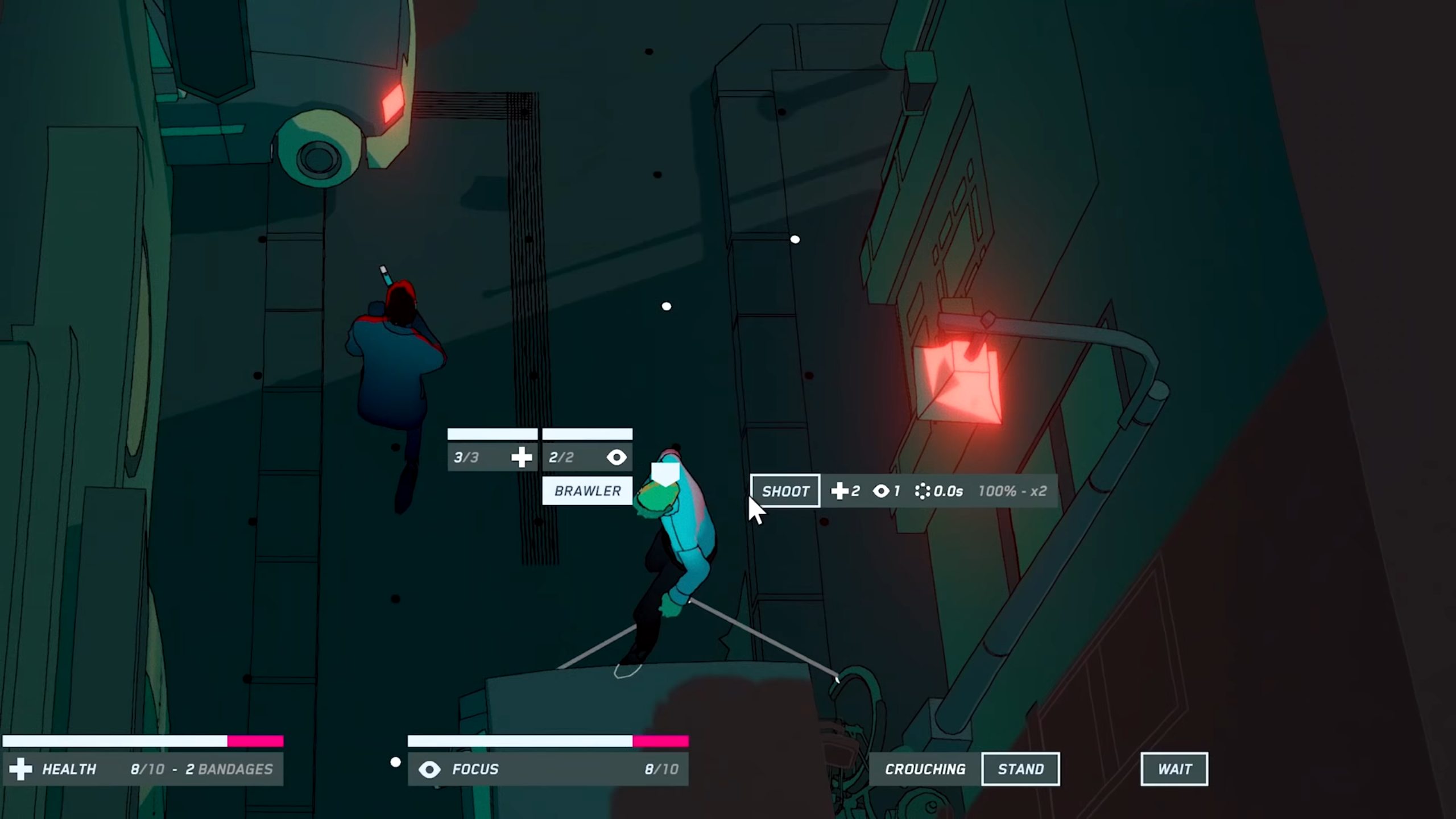
The lead director of the game, Mike Bethell has previously worked on a multitude of Indie games such as Thomas Was Alone and Volume. The upcoming game is called “John Wick Hex“, and is scheduled to release on a variety of platforms, including Windows PC, Mac and Consoles. However, the director has made it clear that the game will make its first appearance on Windows PC and Mac, with consoles following suit.
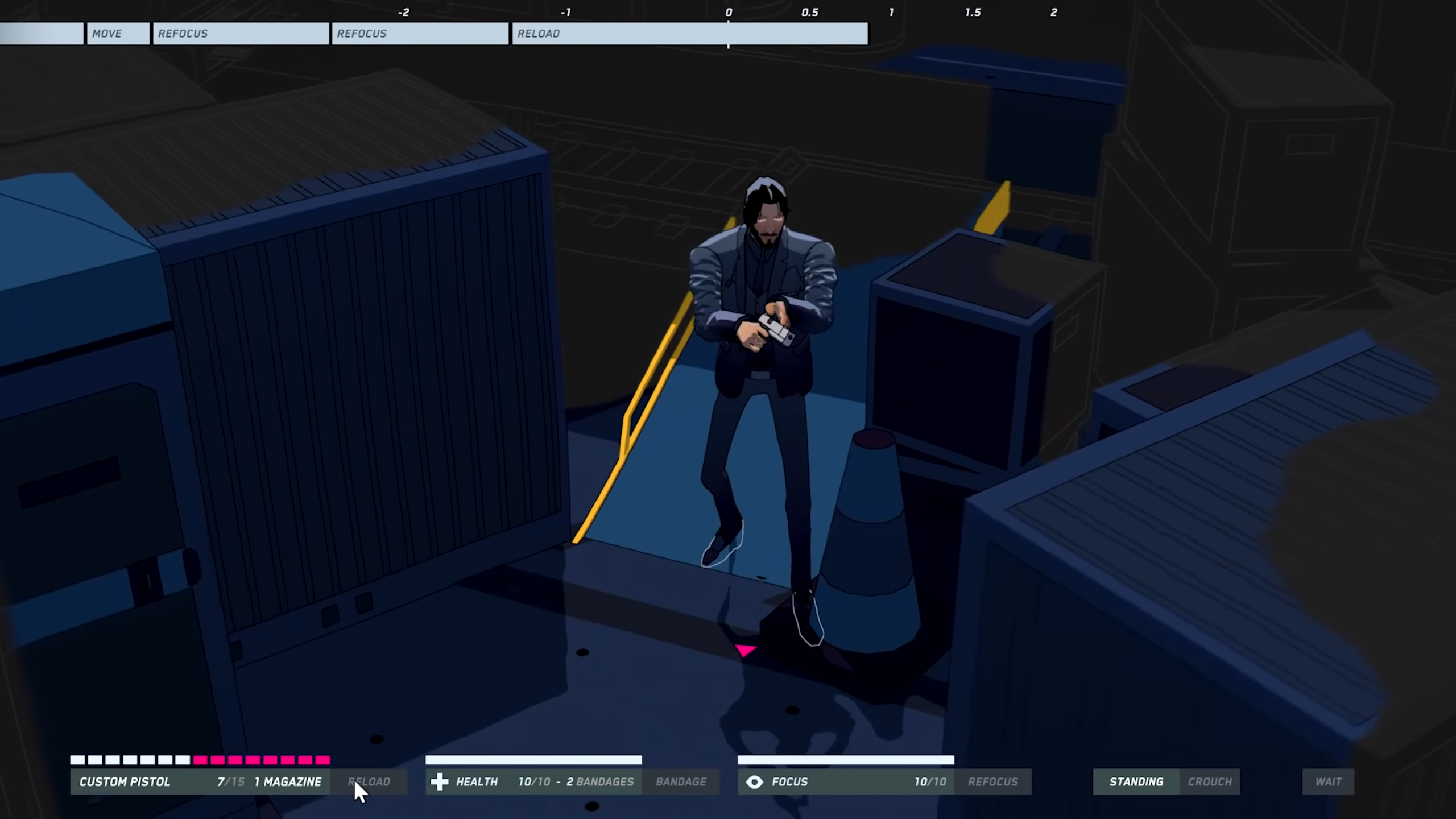
As per Mike, his team collaborated with John Wick’s creative and stunt crews in order to capture the essence of the action forms included in the John Wick movies. Reports also state that a very different action theme has been employed in the John Wick movies, which will be incorporated in the game as well. Furthermore, players will be able to unlock new weapons, suits and maps as they progress through the game.
One of the most intriguing parts of John Wick Hex is the fact that it will feature its own storyline, with almost a negligible number of plot elements derived from the movies. A lot of planning and strategy is also involved while playing the game, the developer says. John Wick Hex will include voices from Ian McShane and Lance Reddick, with more cast members on the cue. The game will be published by Good Shepherd Entertainment in the not-so-distant future, however, a concrete date of release has not surfaced yet.
 The Black Shark 2 picks up a fair share of design aspects from its predecessor. The smartphone measures 163.61 x 75.01 x 8.77 mm and weighs in at 205 grams. It features a 6.39 inch AMOLED display which is surrounded by thin bezels on all sides. The smartphone’s display has a resolution of 2340 x 1080 px and a pixel density of 403 ppi. The display panel can reach brightness levels of upto 430 nits and has an aspect ratio of 19.5:9. The AMOLED display is pressure sensitive, which can offer a variety of implications while playing games on the device. Biometric security options include an in-display fingerprint sensor.
 The right side of the smartphone houses the power button and a “shark slider” which when toggled turns on gaming mode for game-focused performance. The left side of the handset houses the volume rockers. The bottom of the device accommodates the USB Type-C port. Since it is a gaming device, it has a vapour cooling chamber to regulate high temperatures while intensive gaming sessions.
  Under the hood, the Black Shark 2 runs on the Snapdragon 855 SoC which consists of an Octa-Core CPU and the Adreno 640 GPU. The smartphone is powered by a 4,000 mAh battery which supports fast charging upto 27 W. Connectivity options on the device include 802.11 ac Wi-Fi, Bluetooth 5.0, Dual 4G VoLTE and GPS.
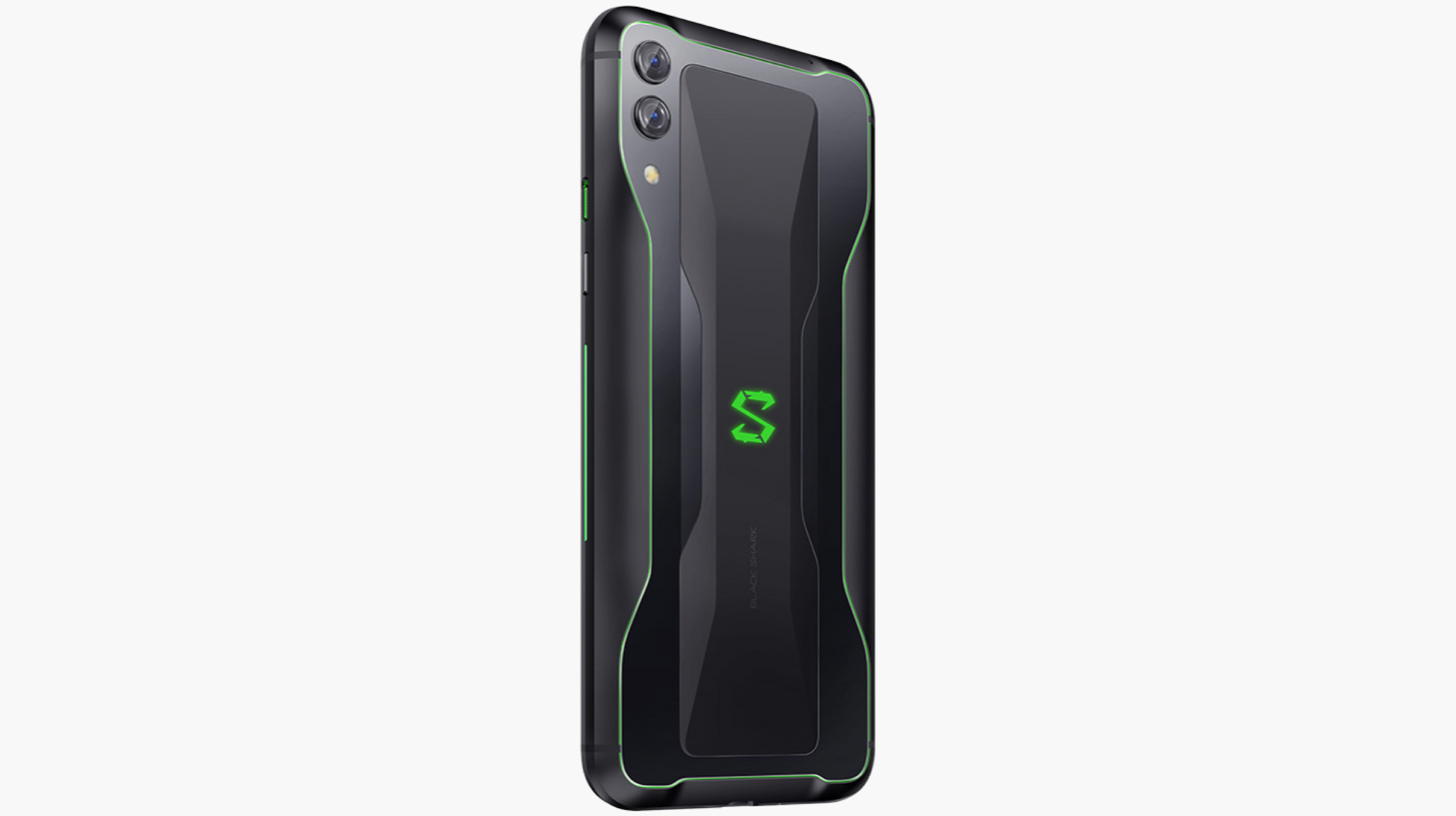 The rear of the Black Shark 2 has a unique design with green coloured decals that run along the sides. The rear panel also houses the brand logo and a dual camera setup, which consists of a 48 MP sensor, 12 MP sensor and an LED Flash. The camera can capture 2160p videos at 30 fps. For selfies, it has a 20 MP front-facing camera which is placed in the bezel above the display. The front camera can also capture 1080p videos at 30 fps.
 Also Read: Xiaomi Redmi Note 7s With 48 MP Camera Launched In India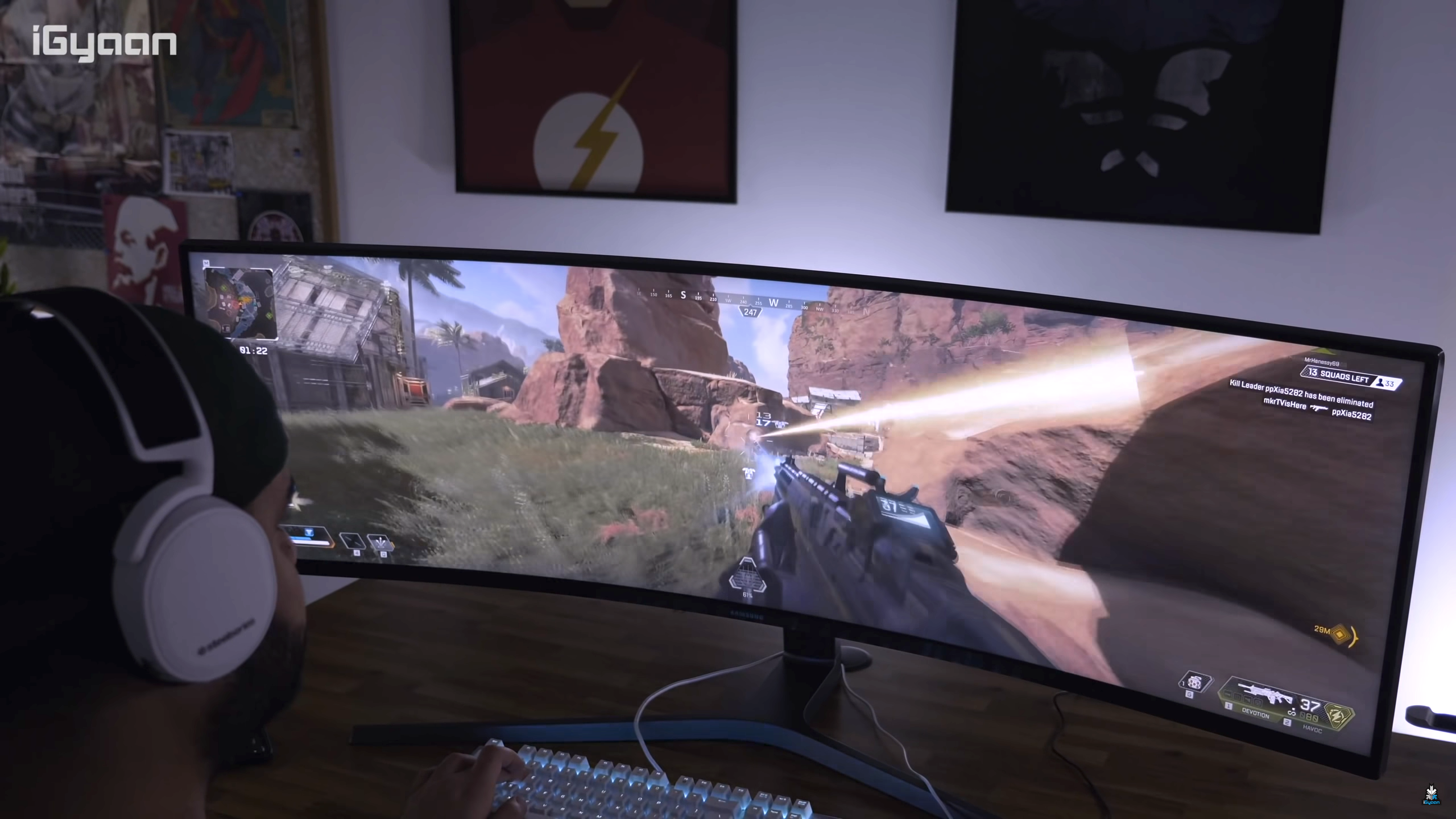
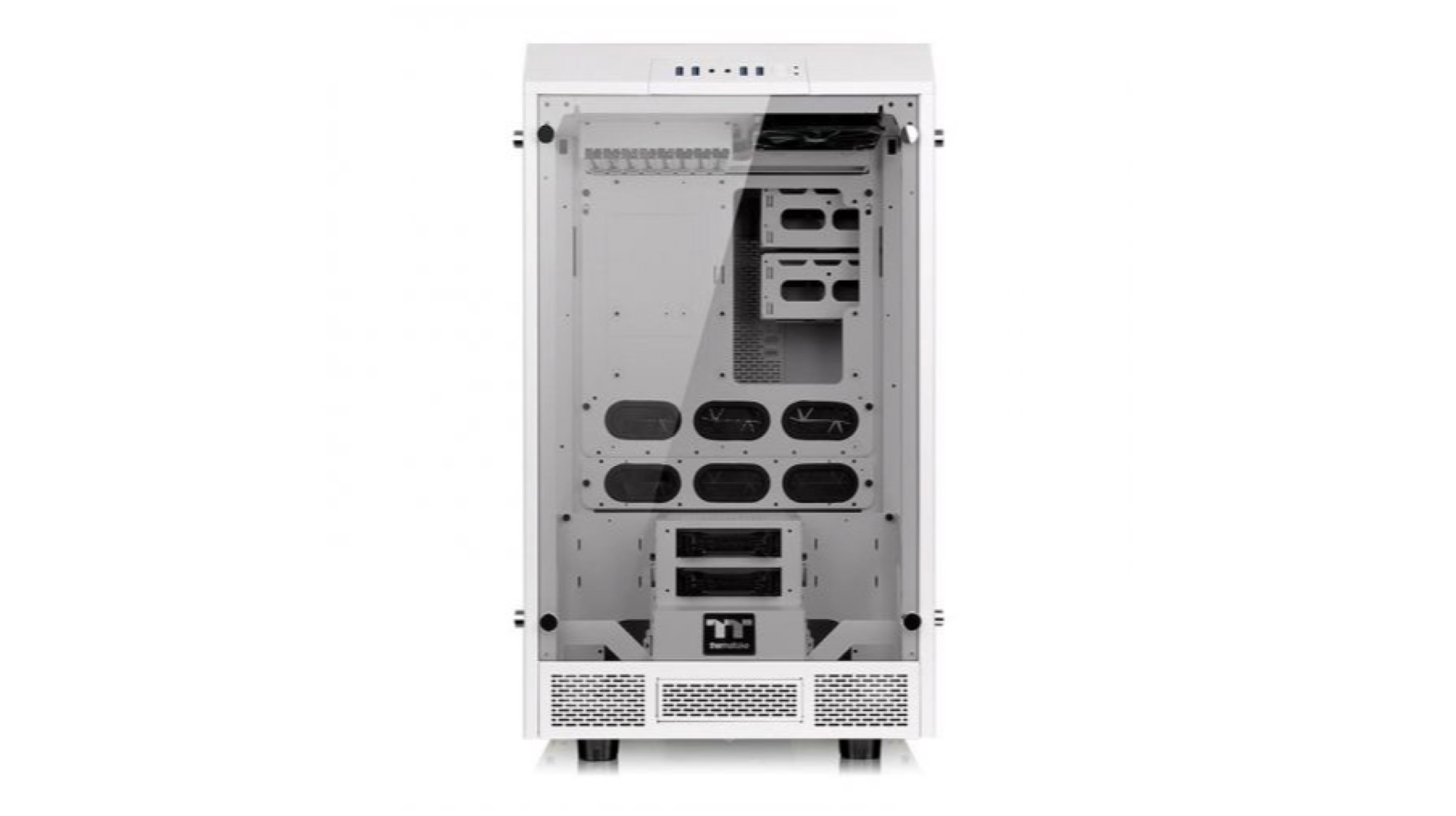 The Thermaltake Tower 900 was a great choice for the build as it has a vertically mounted design, which can easily accommodate two cooling pumps. It is adorned on three sides with Tempered glass, so we can clearly showcase all the components on the build from multiple angles. Plus, the tower has a lot of expansion space, so if we decide to add more components in the future, it won’t be a hassle at all. It has an adequate amount of airflow and cable routing space for management. On top of everything, the white colour looks absolutely gorgeous and goes well with our black and white build theme.
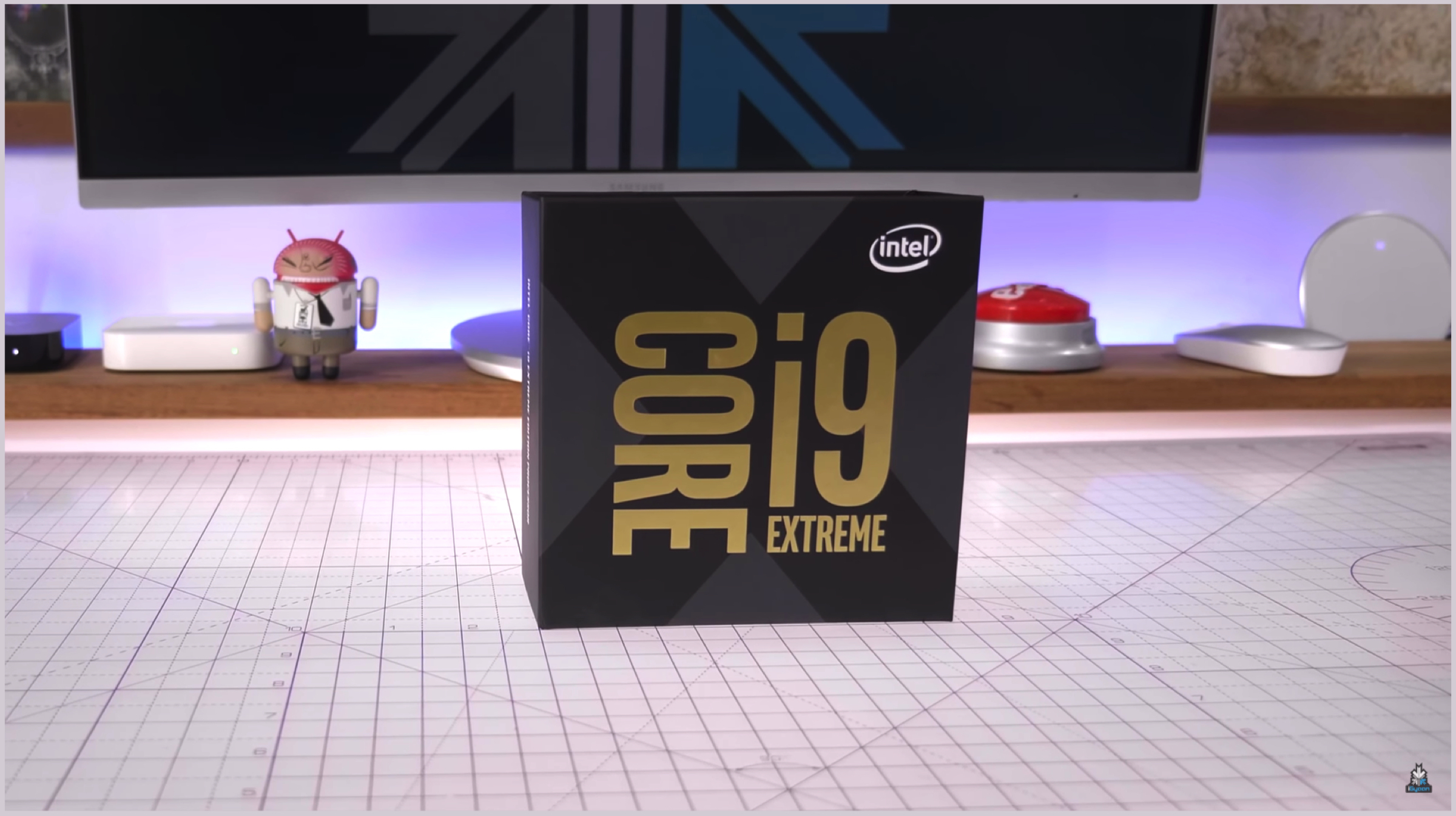 We chose the Intel core i9 9980XE for our build simply because of the sheer magnitude of specifications it offers. The CPU has a total of 18 cores and 36 threads. Out-of-the-box, it operates at a base frequency of 3.0 GHz, but it can be overclocked to 4.50 GHz using Intel Turbo Boost Max Technology 3.0. The processor is compatible with a maximum memory size of 128 GB, which is what we intended to work with.
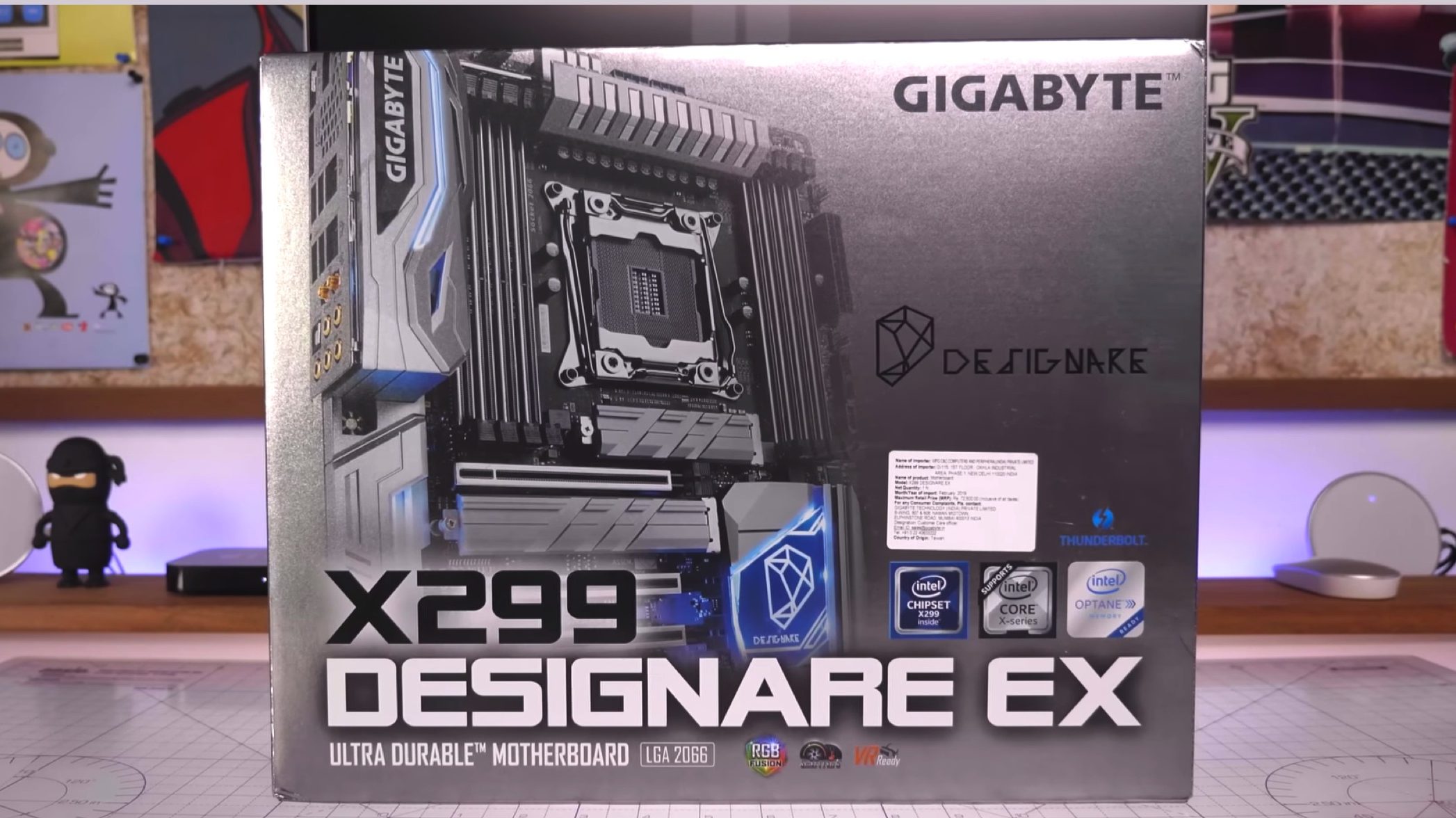 The X299 was perfect for our build considering the fact that we will eventually convert this build into a Hackintosh setup. The Motherboard features a total of 5 PCIe slots which would accommodate our two Graphics Cards and our RAID arrays. Moreover, it also has 3 M.2 slots to house the extra memory chips that are not being included in our RAID setup. The heat shields were also a nice addition. The motherboard is solidly built and the white accents on the board complement our setup to the maximum. Also, the X299 supports RGB Fusion 2.0 which will help us to seamlessly synchronize our RGB strips and fans using the application.
 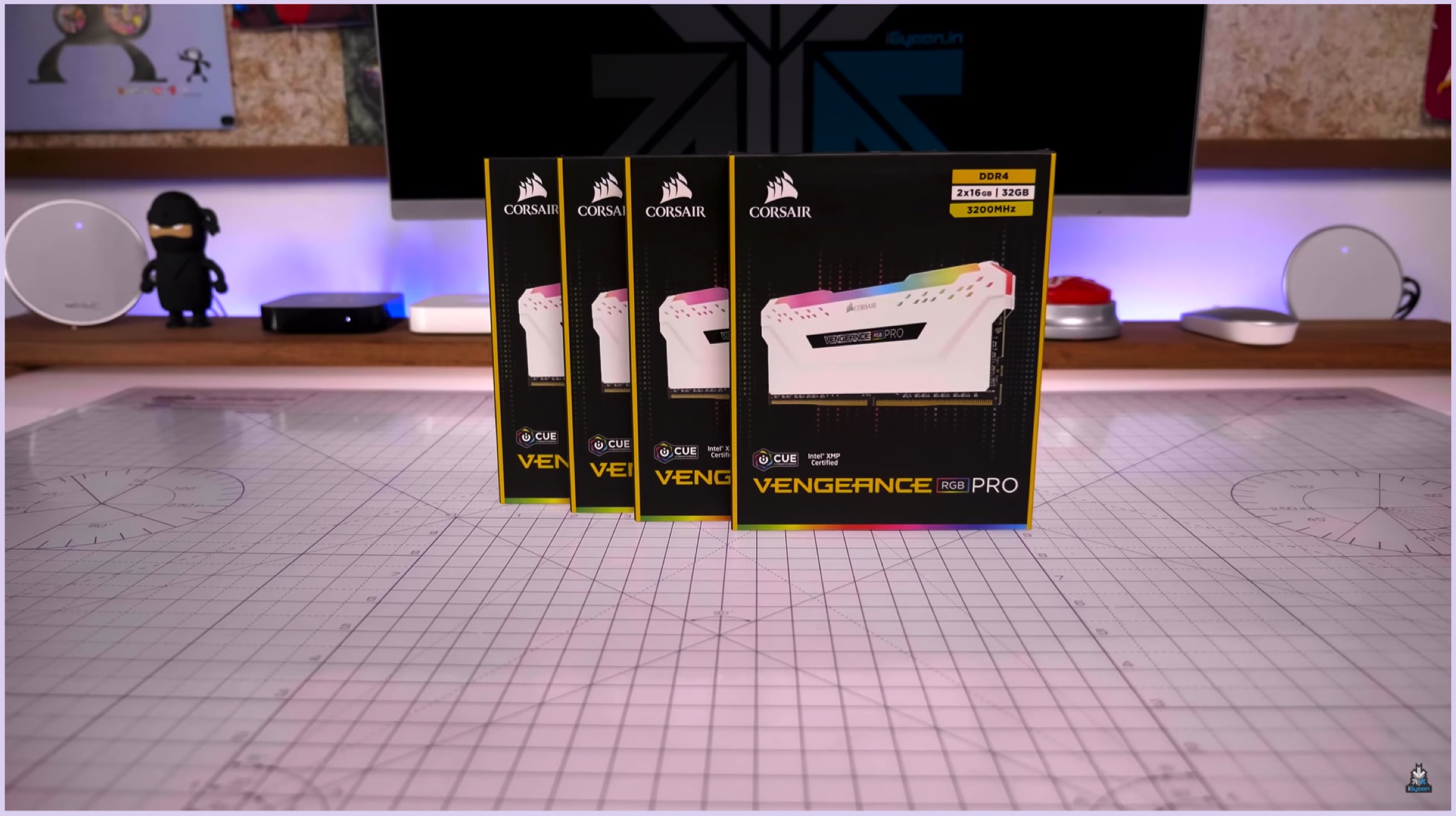 As we mentioned before, we had support for 128 gigs of RAM in our setup, so that’s what we did. We went for the Vengeance Pro 32GB modules, which had 2 sticks of 16GB RAM each. The memory modules are themselves quite aesthetically pleasing, with a white casing and RGB support. They have DDR4 memory and a clock speed of 3200 MHz per stick. The RGB lighting of the modules can be regulated with the help of Corsair’s iCUE application.
 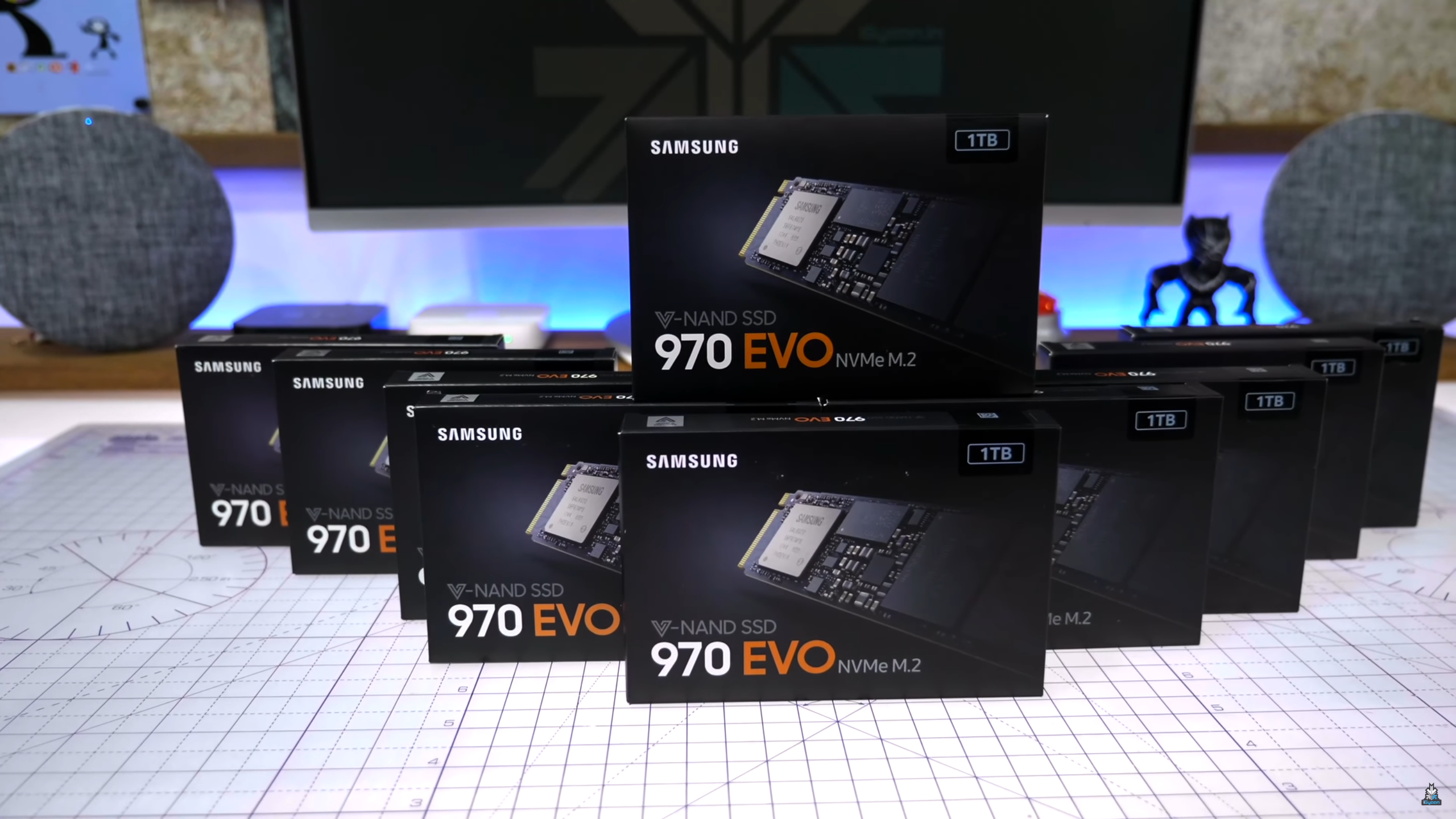 Since we were planning to put together a RAID array setup for our build, we got 10 sticks of the 1TB Samsung 970 EVO SSDs. RAID storage uses multiple disks in order to provide fault tolerance and improves the overall performance of the system. Eight of our 10 sticks were included in our two ASUS Hyper M.2 x16 cards (four SSDs per card) whereas the rest of the two 970 EVOs were used independently in the setup.
 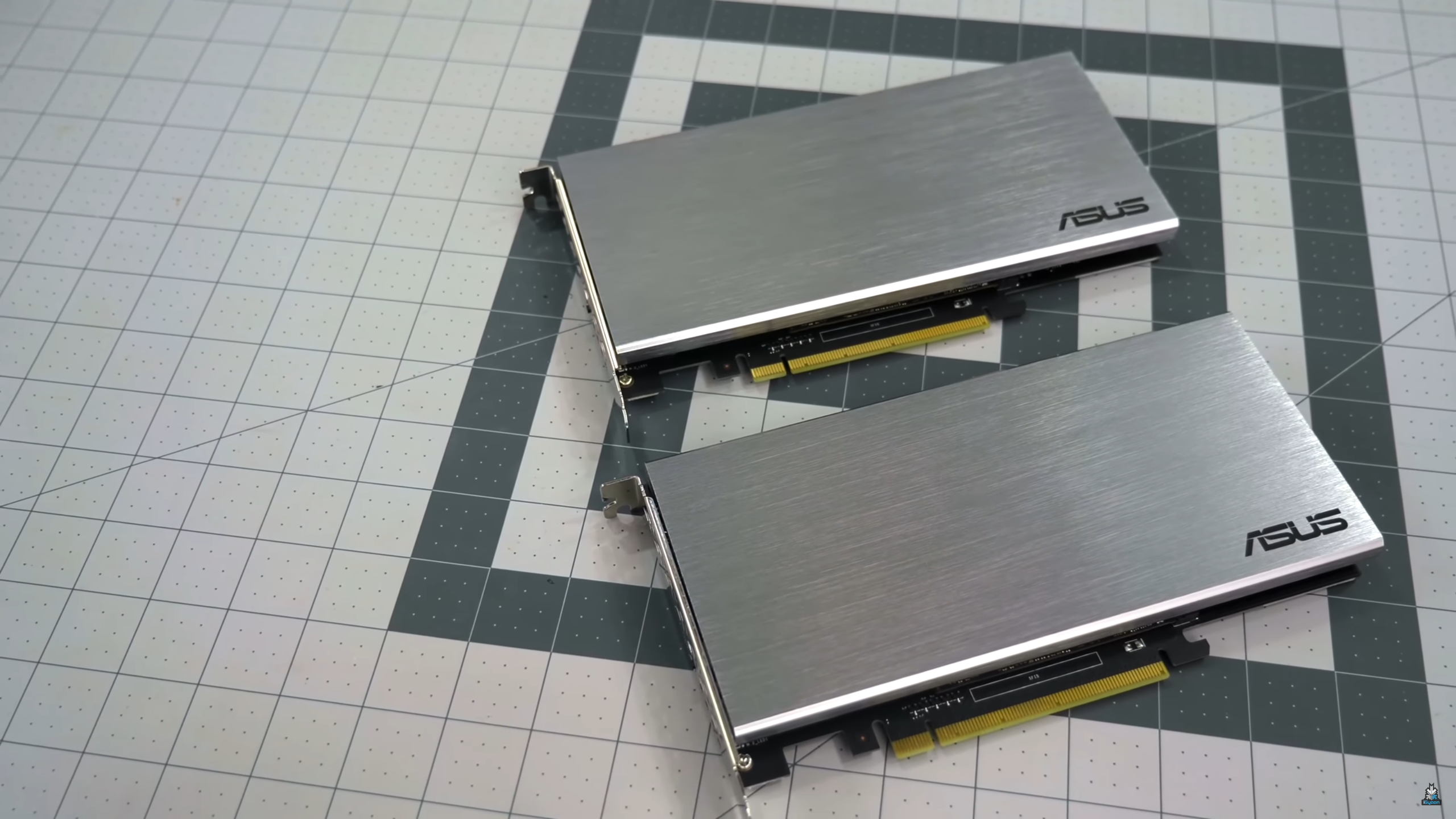 The ASUS Hyper M.2 x16 cards support 4 NVMe M.2 (2242/2260/2280/22110) SSDs each. They are specially designed for Intel VROC and AMD Ryzen Threadripper NVMe RAID setups. Moreover, it has an additional cooling fan inside the bay to ensure that the storage sticks don’t overheat.
 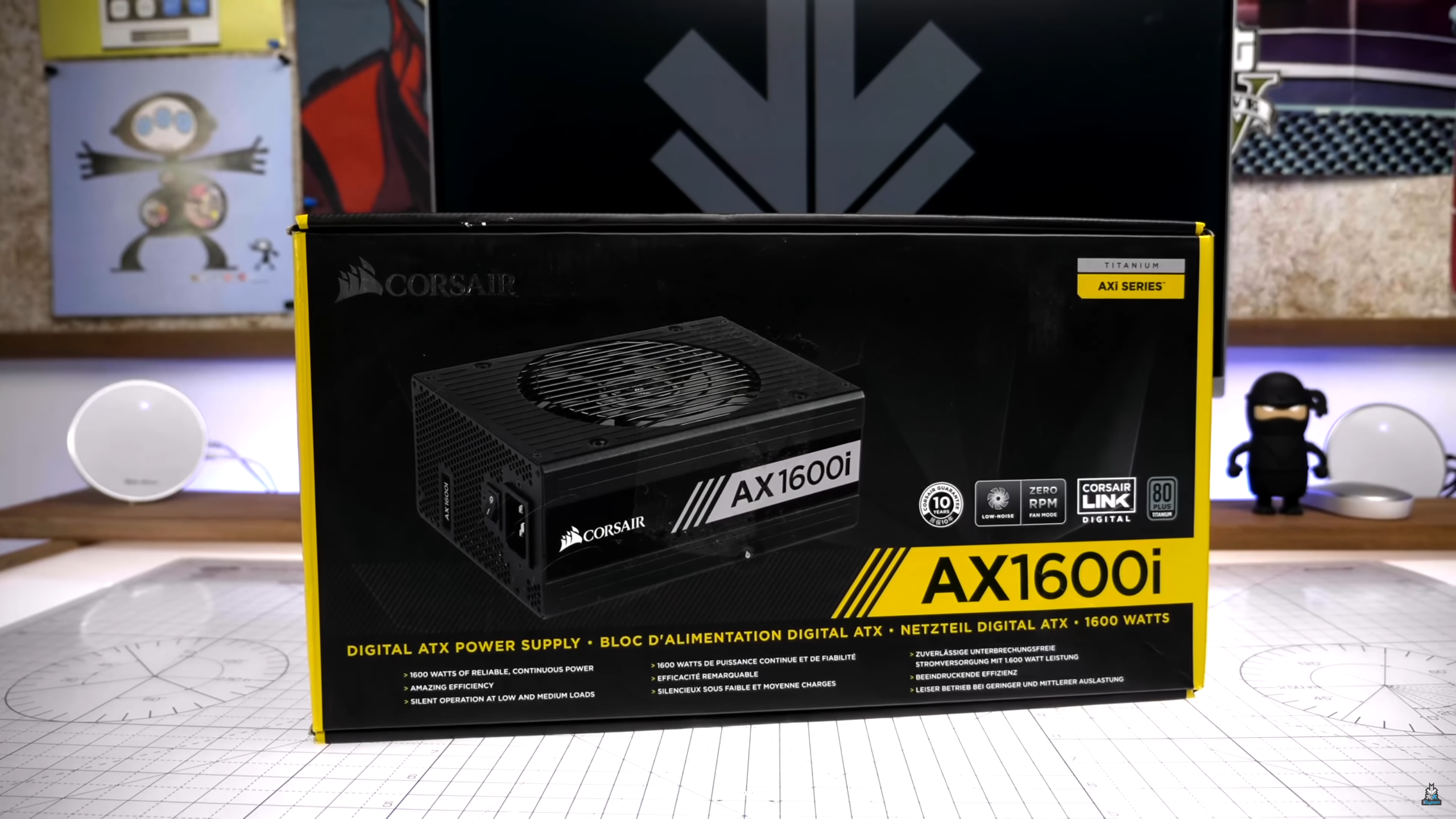 Owing to the sheer number and wattage of components being used in our build, we went for the Corsair AX1600i, which is titanium plus rated modular power supply unit. Its transistors are made out of Gallium Nitride instead of silicon, which ensures a lower resistance and faster switching. The fan speed of the PSU can be regulated with the help of the Corsair Link desktop application (users will have to connect the PSU to the system via a USB cable). Plus, the AX1600i claims to be one of the most silent PSUs in the market as of now. For the sake of our Black and White PC build, we decided to go for custom white Corsair cable sleeves.
  In order to make our beast build resilient for times to come, we decided to go for two of the absolute flagship GFX cards from NVIDIA, the 2080 Ti. Each video card has 11 GB of GDDR6 memory and 14Gbps memory speed. Since we render 8K Red Camera footage for our videos, a dual 2080 Ti setup will provide the VRAM memory required to render the aforementioned videos in real time. Moreover, playing the most demanding games on the planet would be a breeze with the dual card setup. Both the 2080 Ti cards are linked with the EVGA NV Link bridge.
 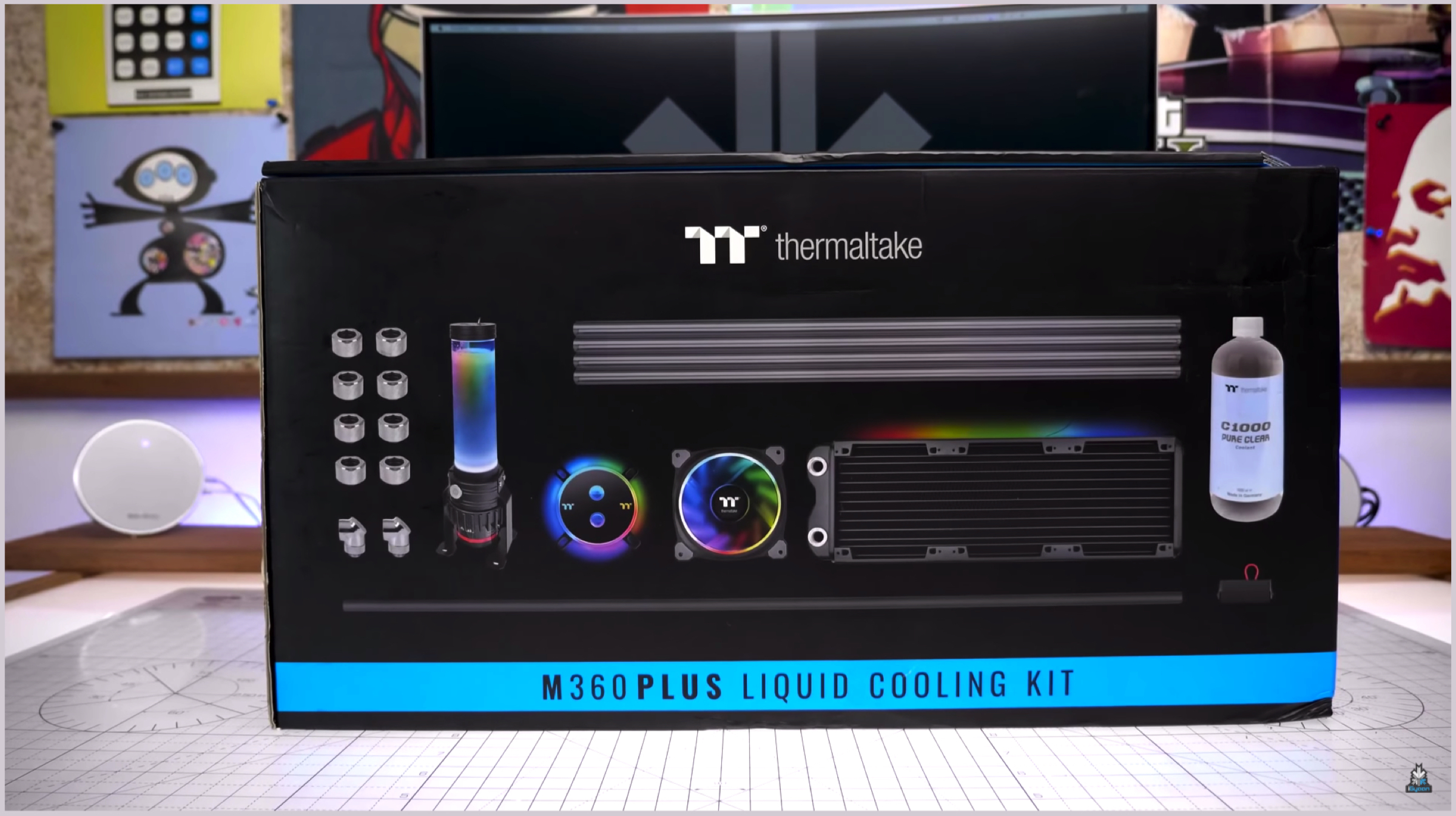 We wouldn’t want our beast build to overheat at any point in time, so we chose to hard-tube the entire system. The kit we used was the Thermaltake Pacific M360 Plus Cooling Kit. It includes a water block, the D5 pump, 3x120mm fans, 360mm radiator, clear coolant and 8 C-Pro compression fittings along with 2 adapter fittings and 4 PETG hard tubes. We are also using the Thermaltake Pacific 12mm bending kit for hard tubing. However, we came upon a decision to not install the hard tubing until all the components are completely installed, so to suffice until then, we chose the Antec C400 Glacial CPU cooler. It has a PWM silent fan and pure copper heat pipes.
 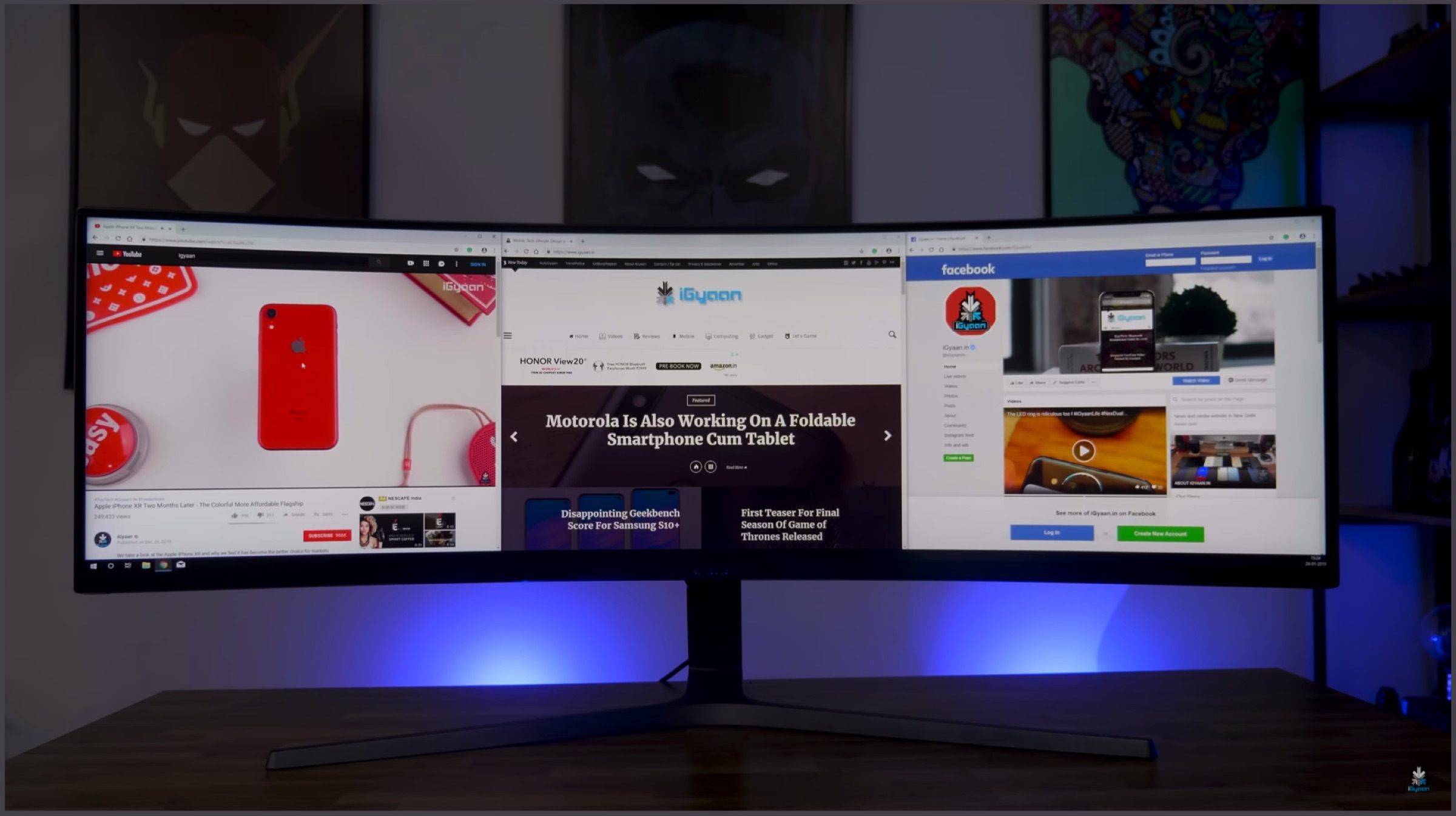 As mentioned previously, the build will be used to edit and render high-resolution videos as well as to play graphics intensive games. To fulfil both the purposes, we chose the Samsung 48.9 inch Ultra-wide curved monitor which has a response time of 1ms and a refresh rate of 144 Hz. With a resolution of 3840 x 1080 px, the display features AMD’s FreeSync technology.
 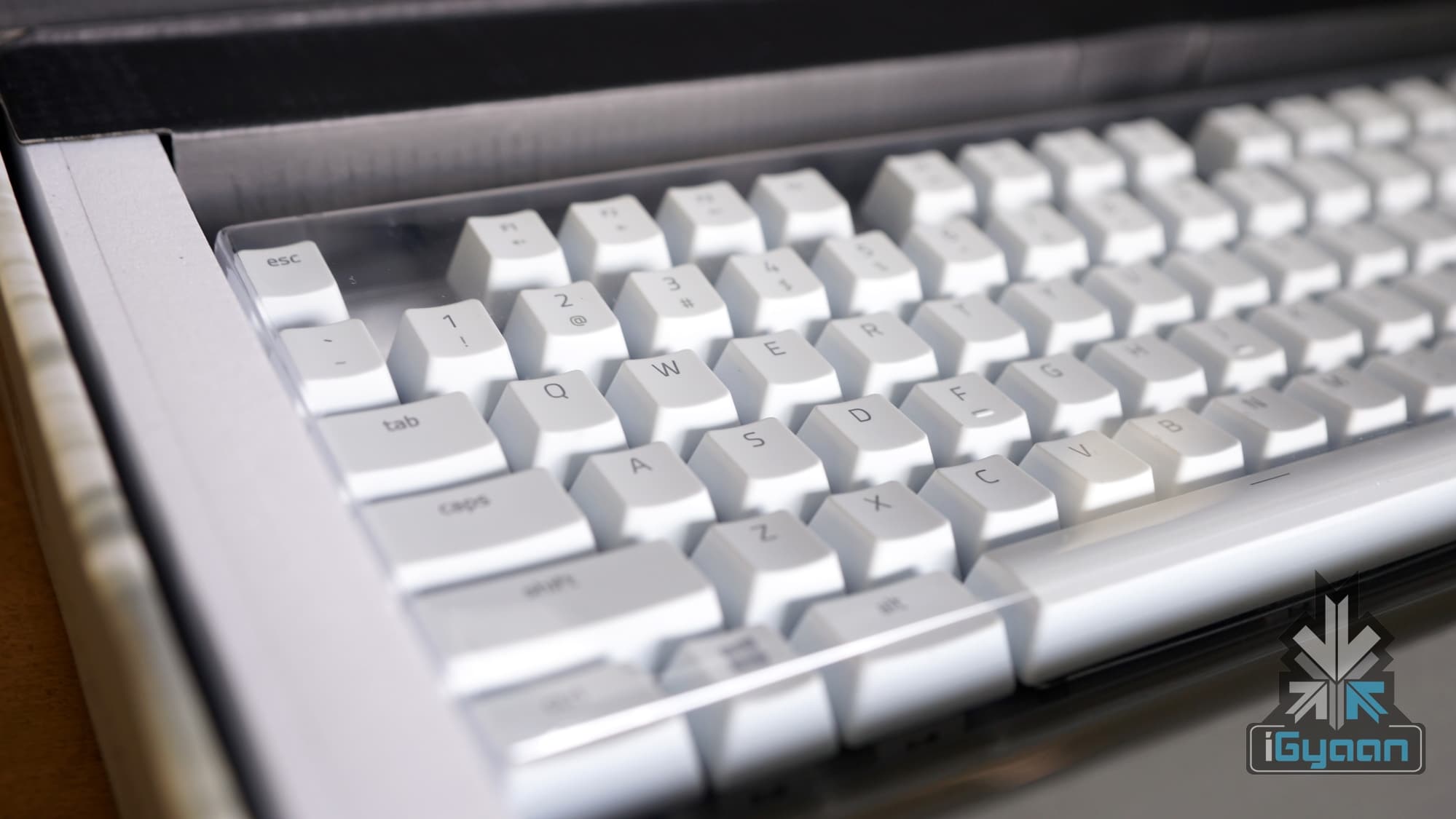 In terms of peripherals, the Razer Black Widow X really stood out as a build-compliant keyboard. Firstly, it is white so it complements the setup really nicely, and secondly, it features Razer’s top-of-the-line tactile Green mechanical switches. The keyboard has programmable keys and N-Key rollover to prevent any ghosting instances. Plus, it boasts of really solid build quality.
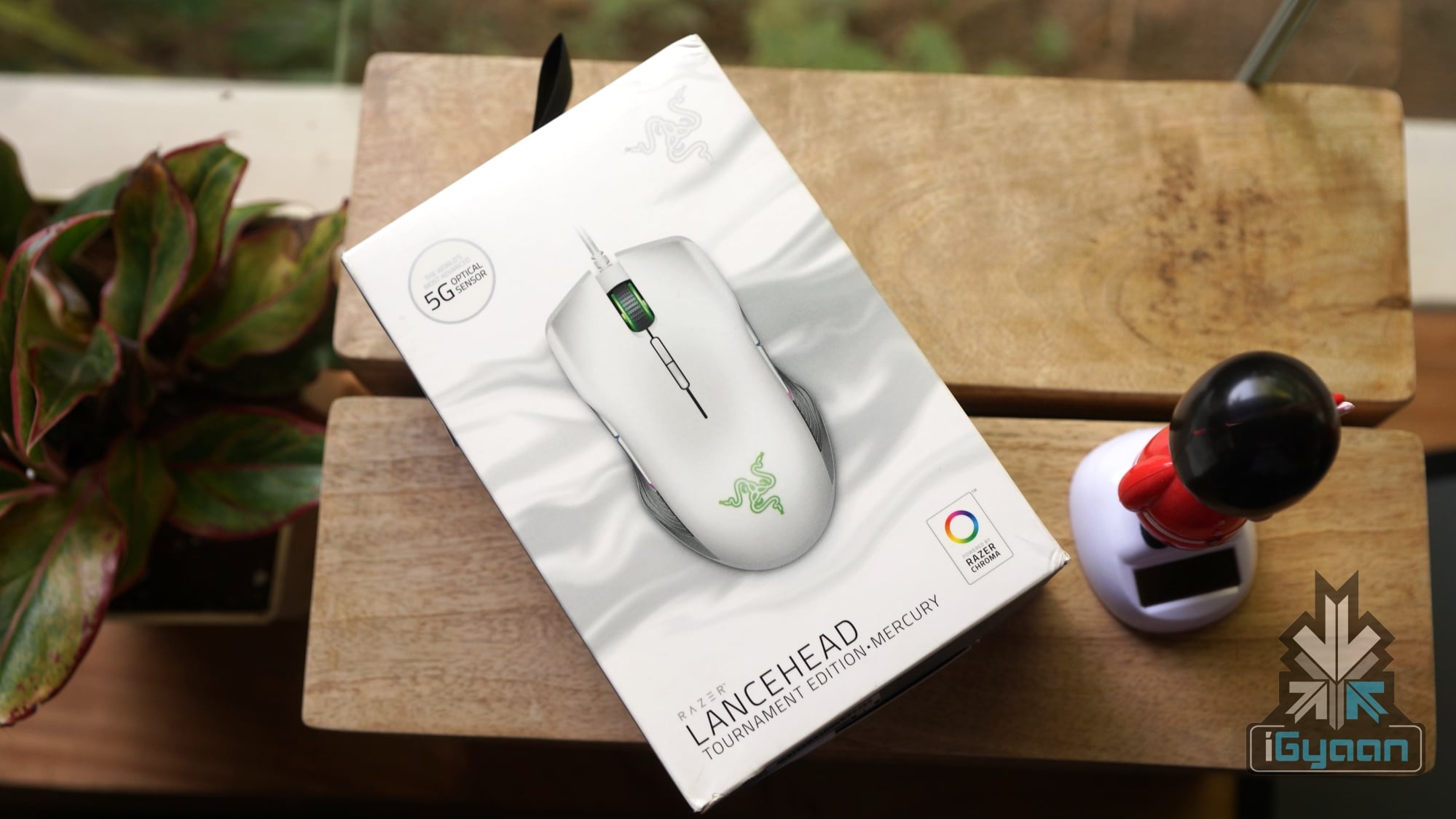 We chose the White Razer Lancehead as it has an ambidextrous design, along with rubber grips on either side. It has a 5G optical 16,000 dpi sensor and is claimed to be optimized for 50 million clicks. Users can customize various sensitivity profiles in the Razer Synapse application. Using Razer Chroma, a multitude of colour schemes can be synchronized between both the mouse and the Keyboard.
  The Steelseries Arctis 7 is one of the most comfortable and good-sounding pair of headphones in the market. The two sweetest perks were the facts that they are wireless as well as white in colour. They connect via a 2.4GHz receiver so that latency loss is eliminated. The headphones are quite comfortable and have a battery life of almost 24 hours (as claimed by Steelseries after the latest firmware update).
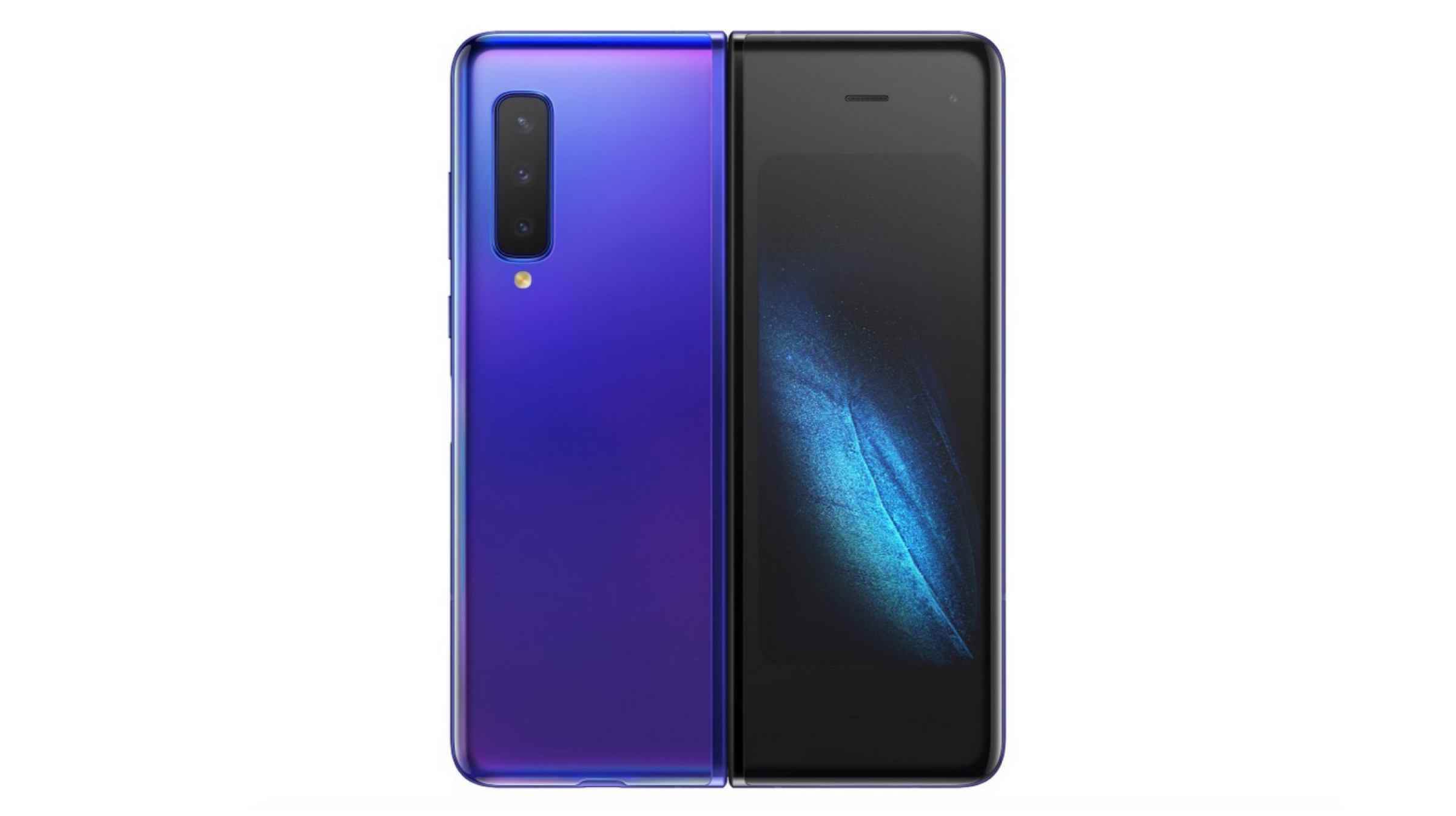 Reports state that the South Korean company will test out the updated Galaxy Fold models with three US mobile carriers in the month of June. Furthermore, launch date in the same month will be confirmed by Samsung itself in the upcoming days. This will be a relieving piece of news for those who had pre-booked the smartphone and wanted to get their hands on the Galaxy Fold earlier than other consumers.
 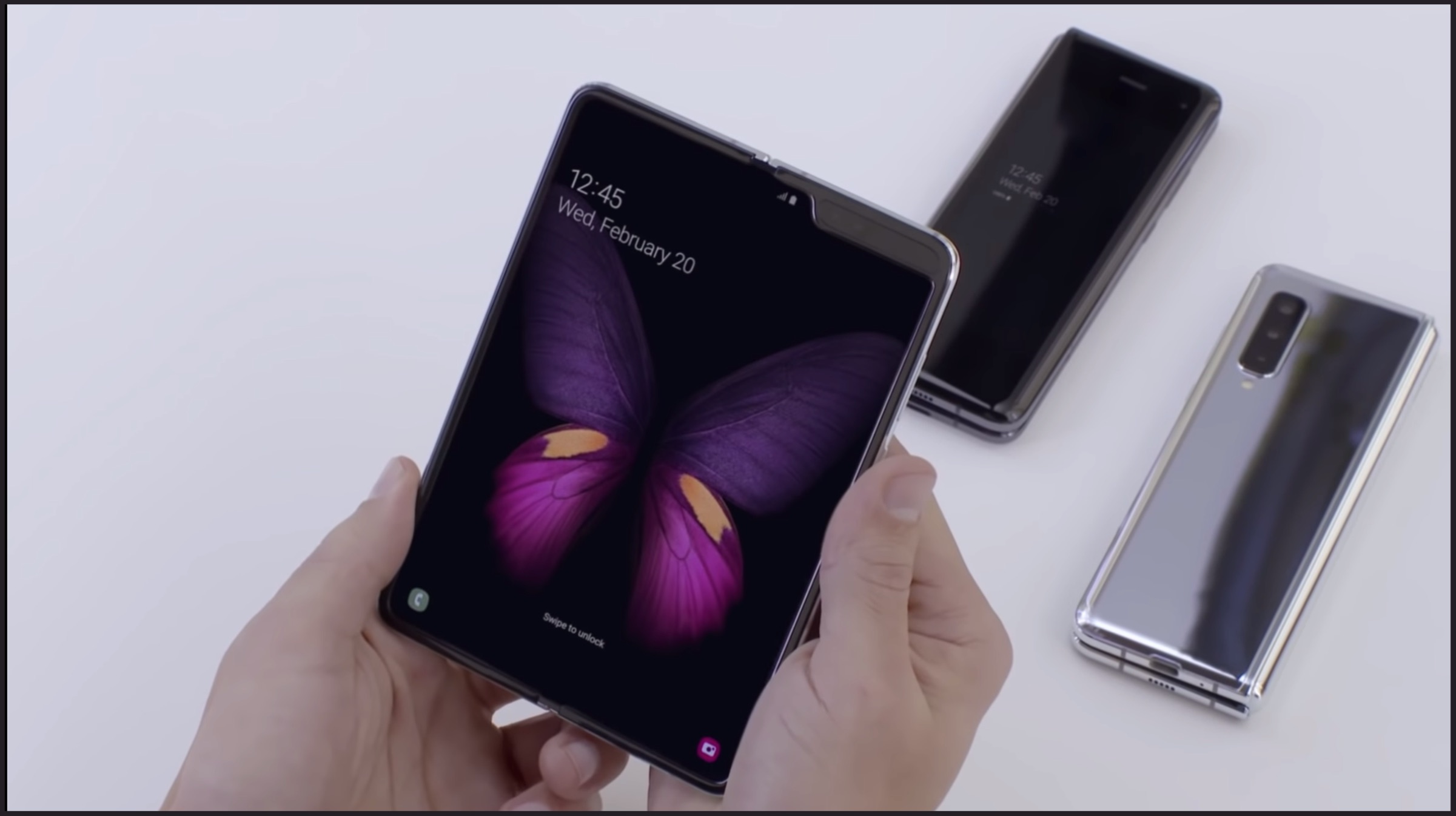 The first reports of the underlying issues with the Galaxy Fold’s display surfaced around 17 April 2019. Thereafter, many noted reviewers had stepped forward and reported that the inner display of the foldable device has stopped working. The major cause for the issue was later found out to the removal of the outer screen protector over the inside display. The South Korean company had bundled instructions along with the device indicating that the removal of the screen protector can lead to malfunction in the display. However, some devices still faced the same issue even without the removal of the screen protector.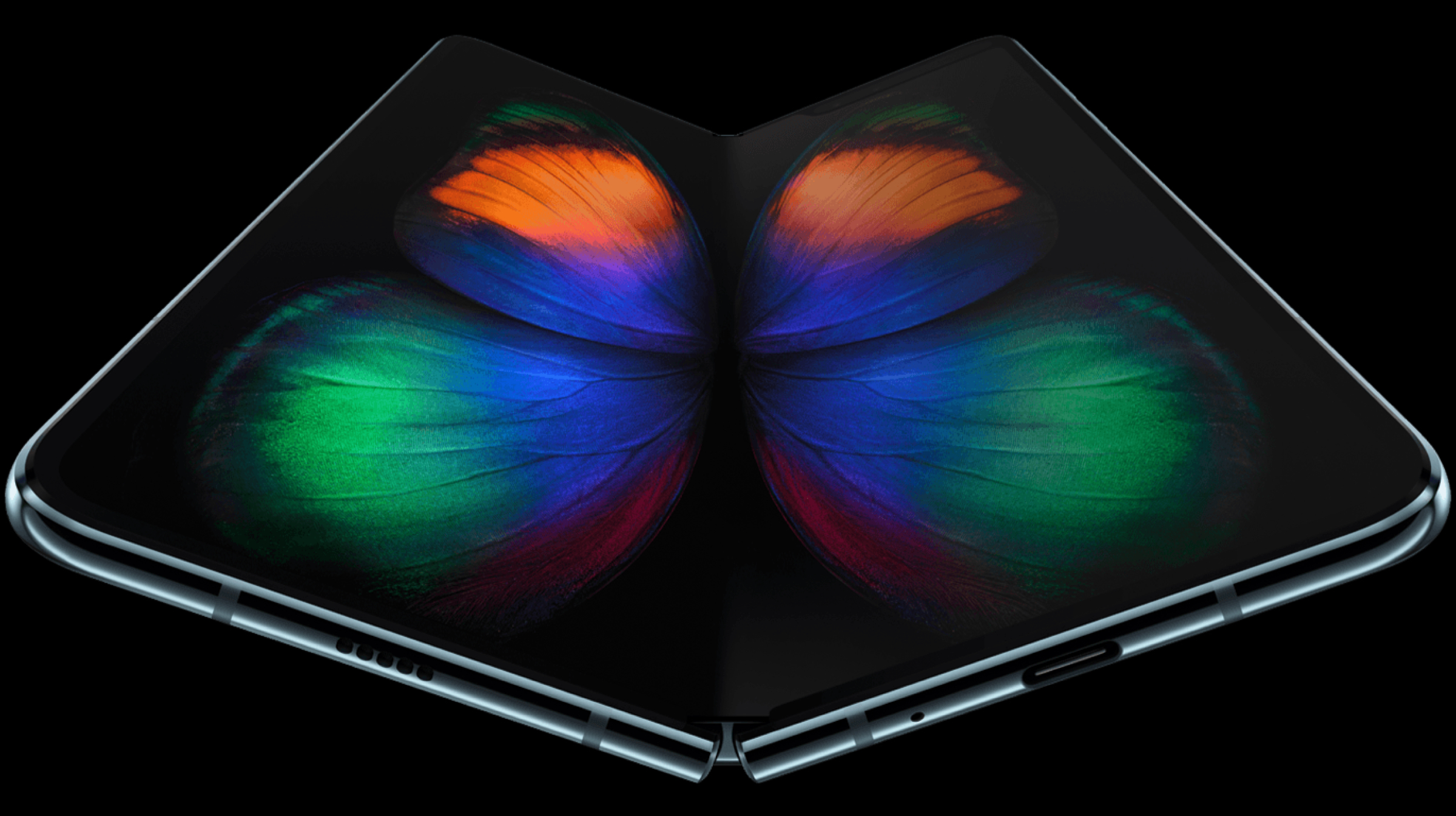
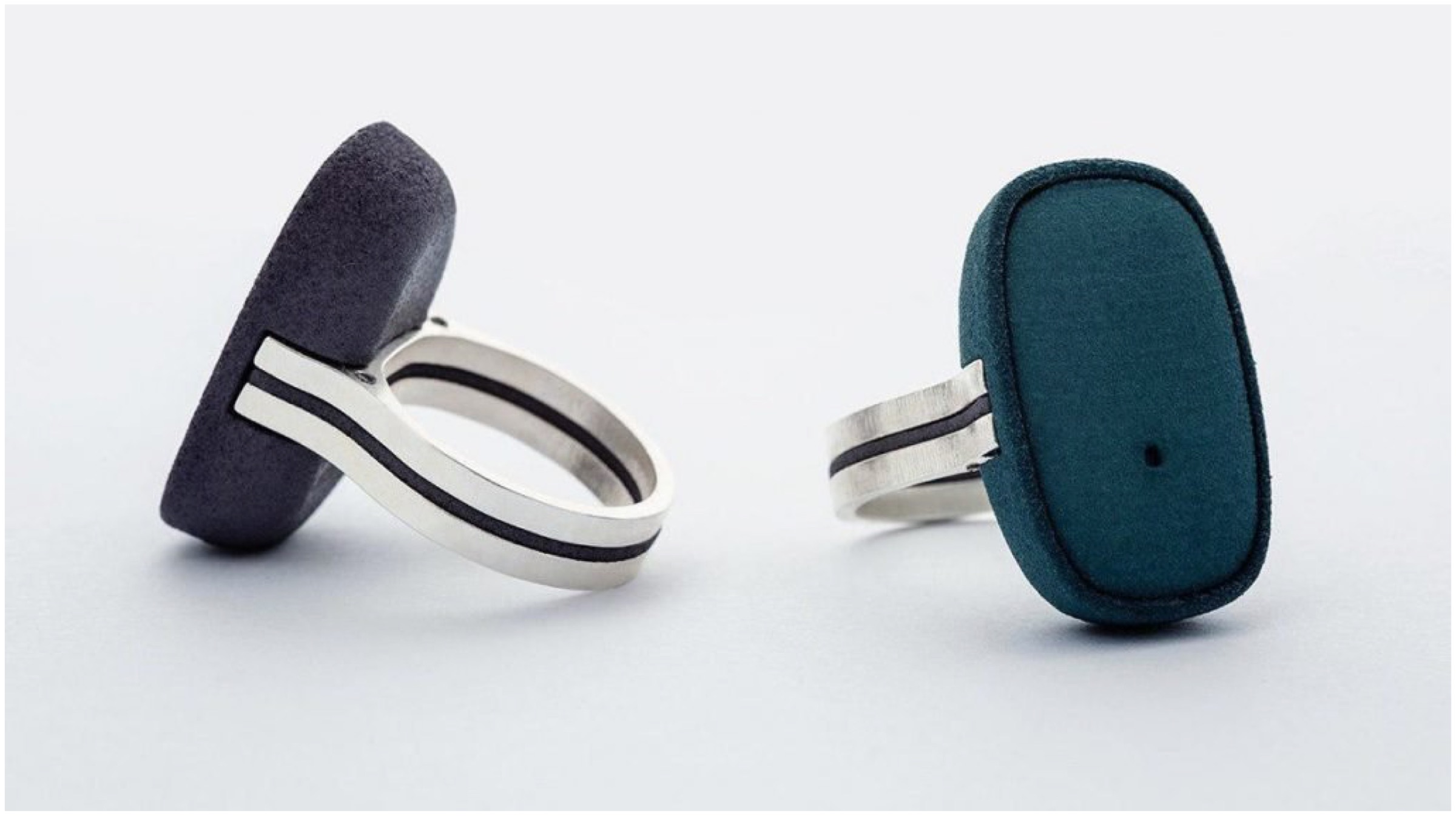
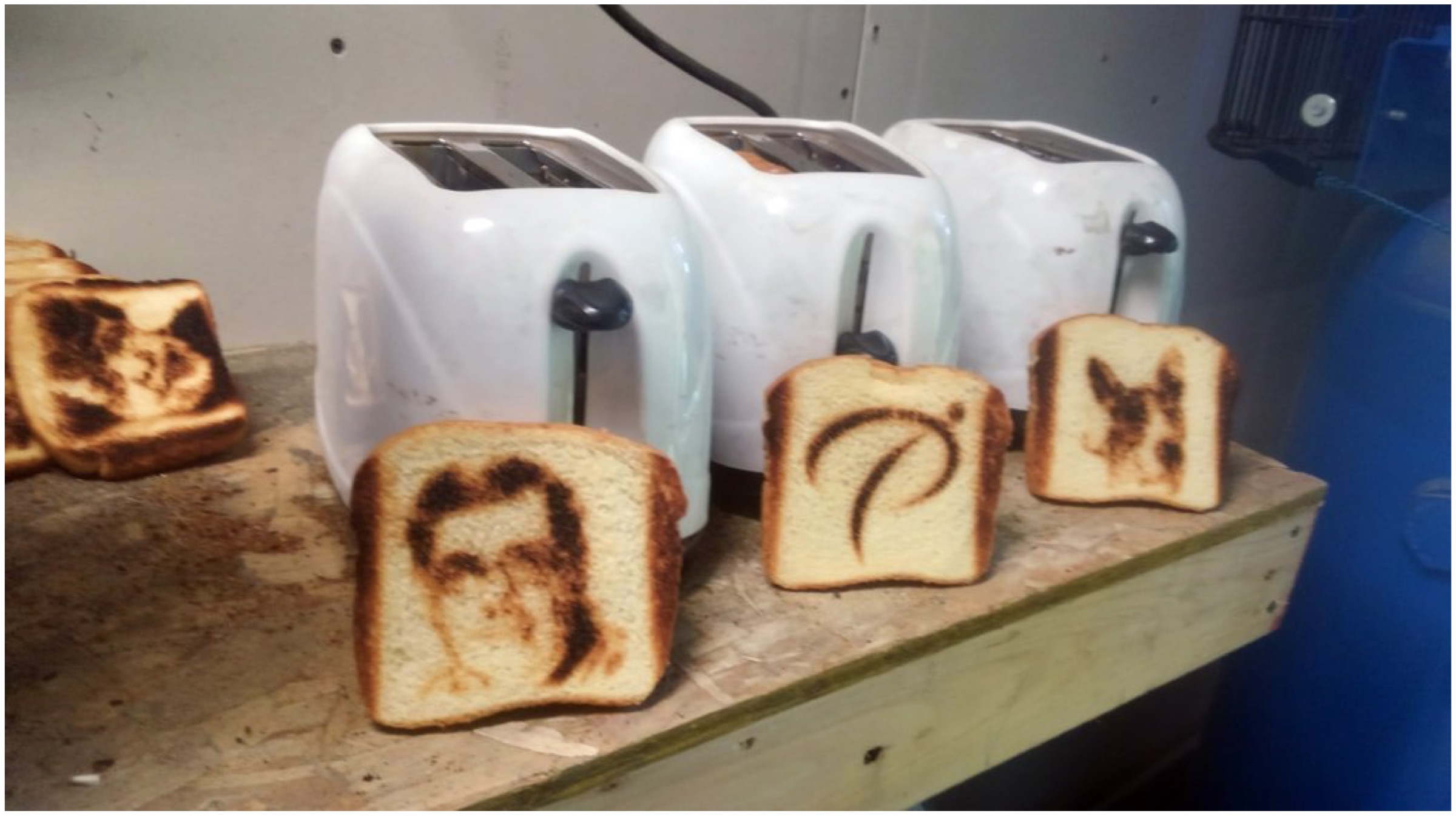 Yes, a toaster exists that can customize your slice of bread with an image of your face. Even though it’s requirements may be very controversial, there is a reason why the US company “Burnt Impressions” still ships these novelty appliances for $75 per unit. Users can get the toaster to imprint their selfies onto a slice of bread via a custom laser-cut metal grilling plate, that is also made by the company. However, buyers have to upload their photograph at the time of purchase, which means that you will be stuck with staring at one image on a bread slice.
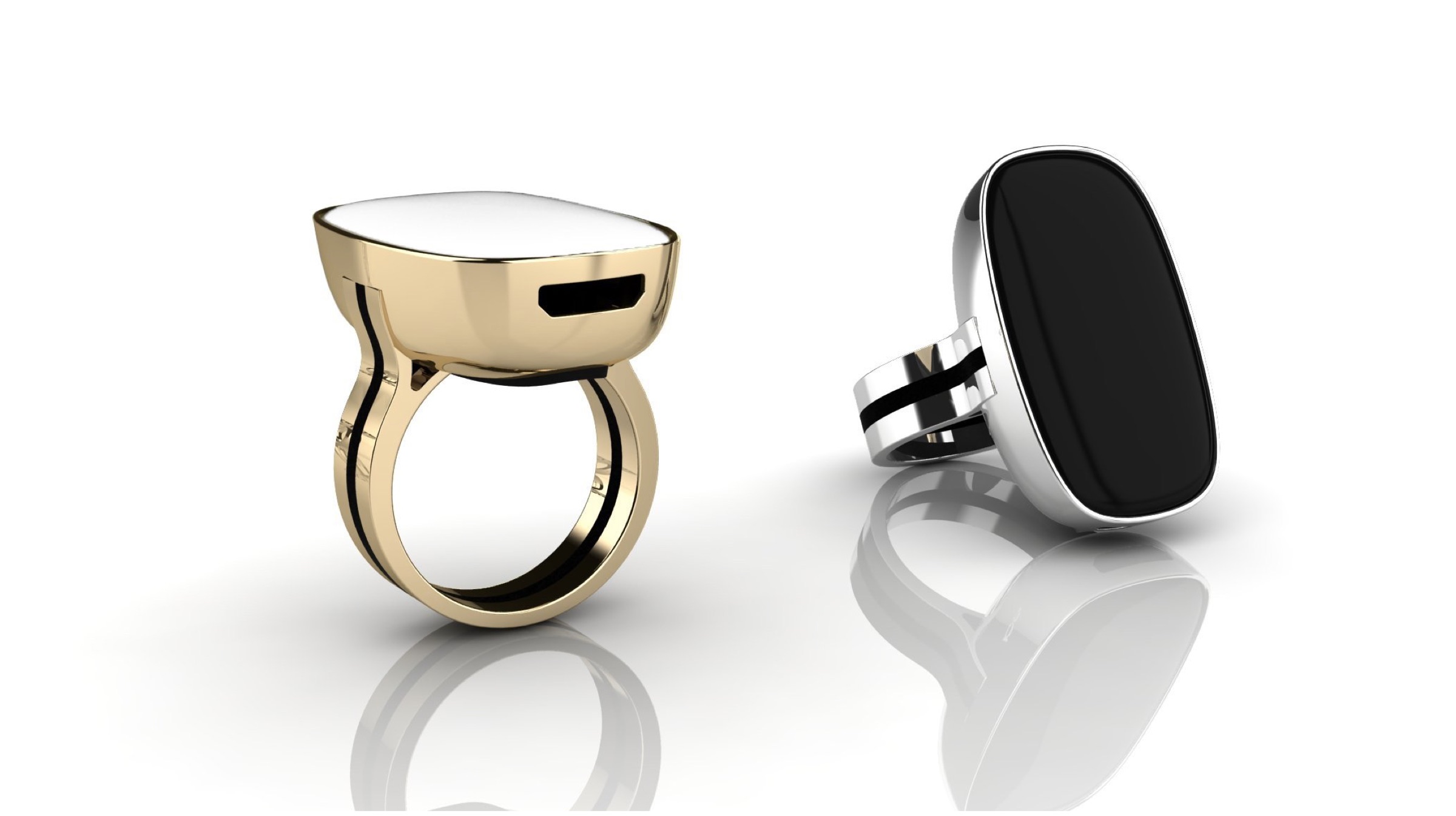 There are times when some unwanted gadgets from sci-fi movies make their way into the real world, making you wonder if they actually are meant for the same. Such is the case with the “MoodMetric”, which is a ring that measures the body’s signals to determine the state of the mind of the wearer. The data is then relayed to the wearer’s smartphone, where he/she can gain insights regarding his/her mood. However, it is very unclear why a person will need a gadget to find out what their mood is like.
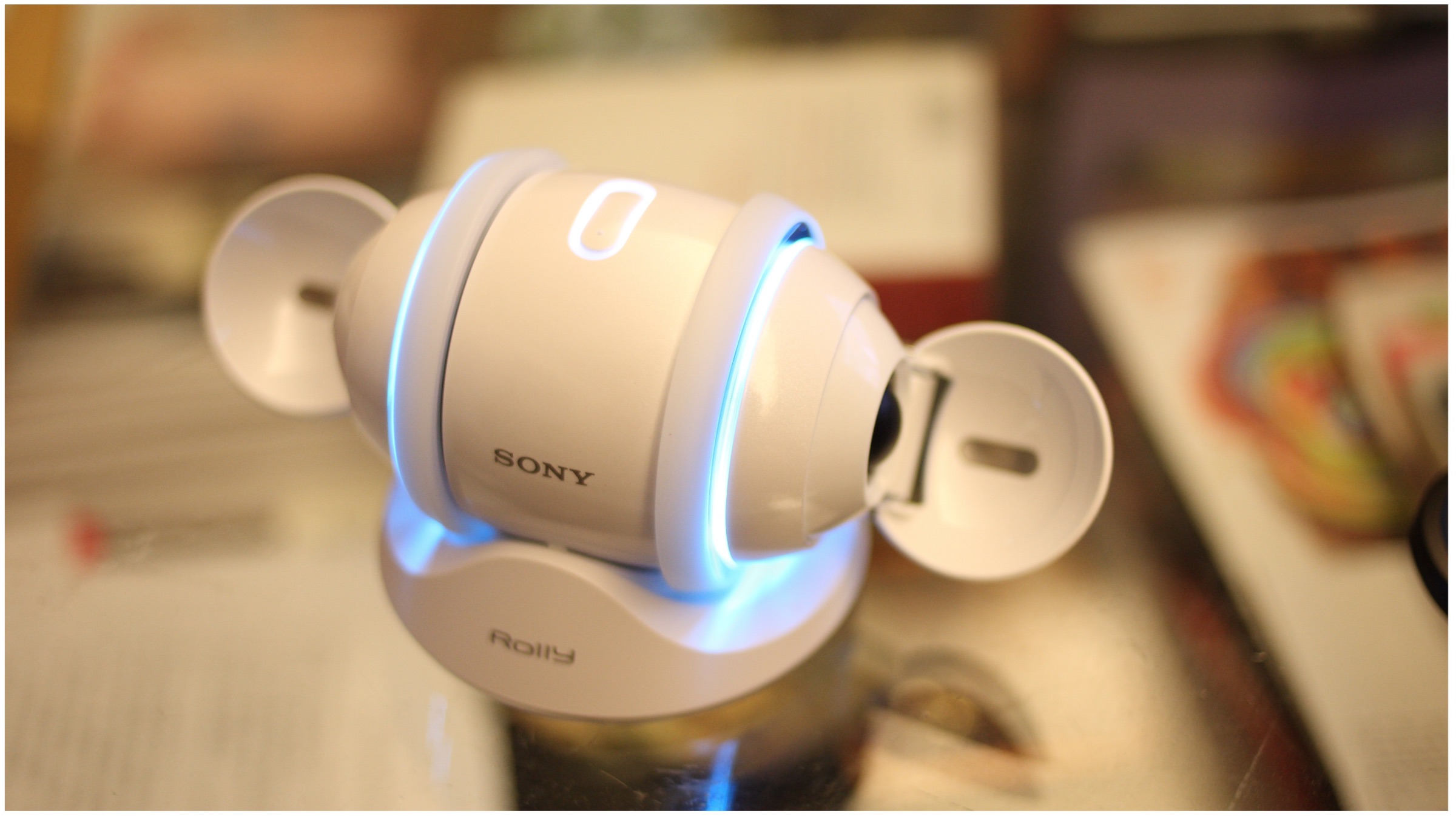 After the iPod hit the market and took it by storm, a lot of companies (including Sony) started experimenting on portable music players to hit the right chord. The aforementioned Japanese company made its entry with the launch of the Sony Rolly, which was a portable music player with a twist, literally. The music player was shaped like a football, and the best part was the fact that it danced to music. Costing at about US$ 399 at the time of launch, Rolly could twist, turn, roll and perform a host of other moves in sync to the music, all while flashing multi coloured lights. However, it didn’t even have a headphone jack at the time. Almost an year later, Sony discontinued the Rolly music player.
 Also Read:
 The study was co-led by a researche from the Boston University of Public Health (BUSPH). The study unearths that protein truncating variants in the aforementioned apolipoprotein B (APOB) gene are directly linked to lower triglyceride and LDL cholesterol levels, which significantly lowers the risk of coronary heart disease by almost 72 percent.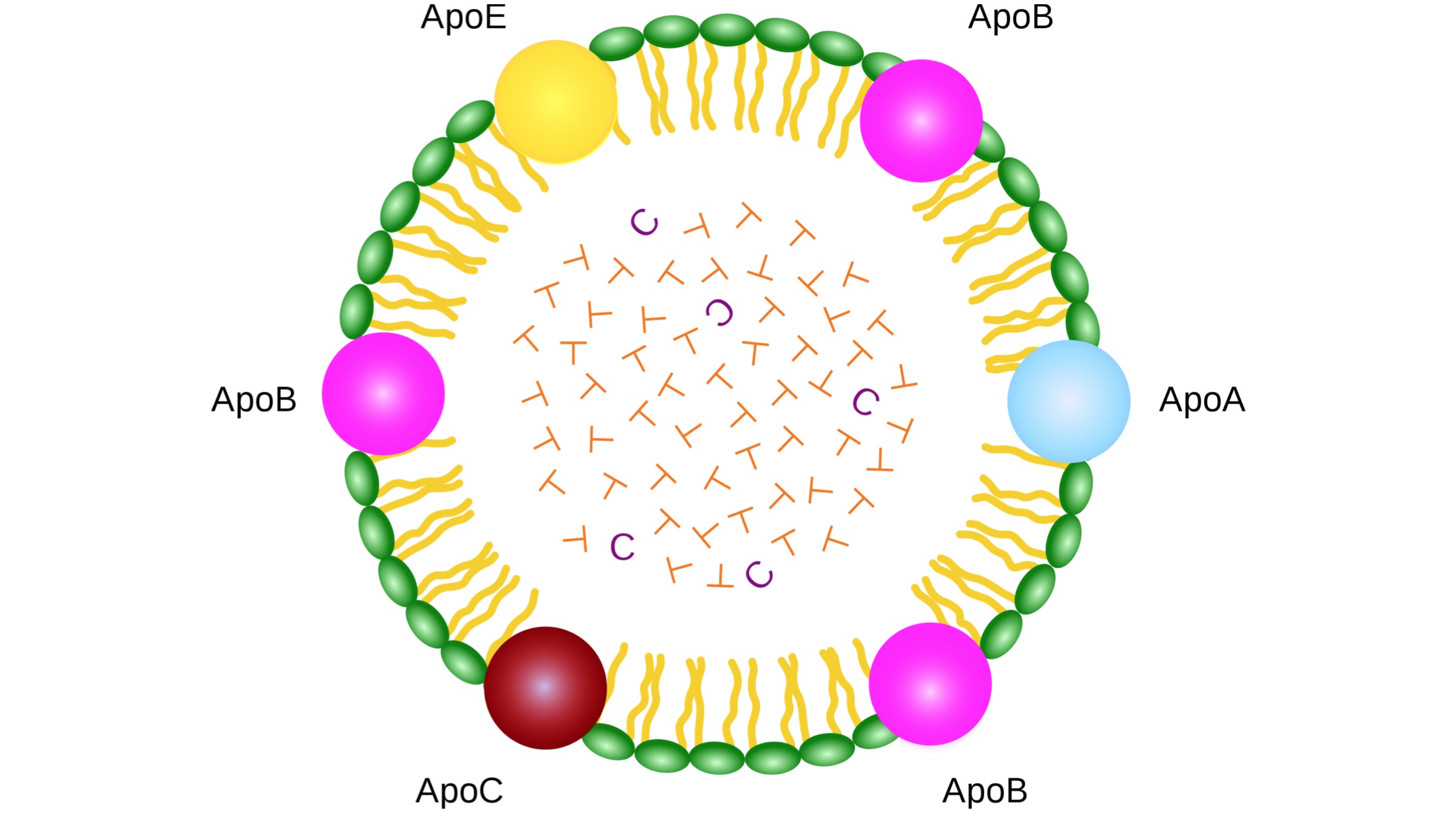

 automatically when the crosshair is focused on the enemy, whereas in advanced mode, the player has to fire the weapon manually. Moreover, players can choose how they hold each weapon by default. For instance, shotguns can be set to hip-fire by default, while rifles can be set to ADS (aim down sights) by default. Apart from tweaking the HUD, players can customize their aiming sensitivity via a total 17 different sliders.



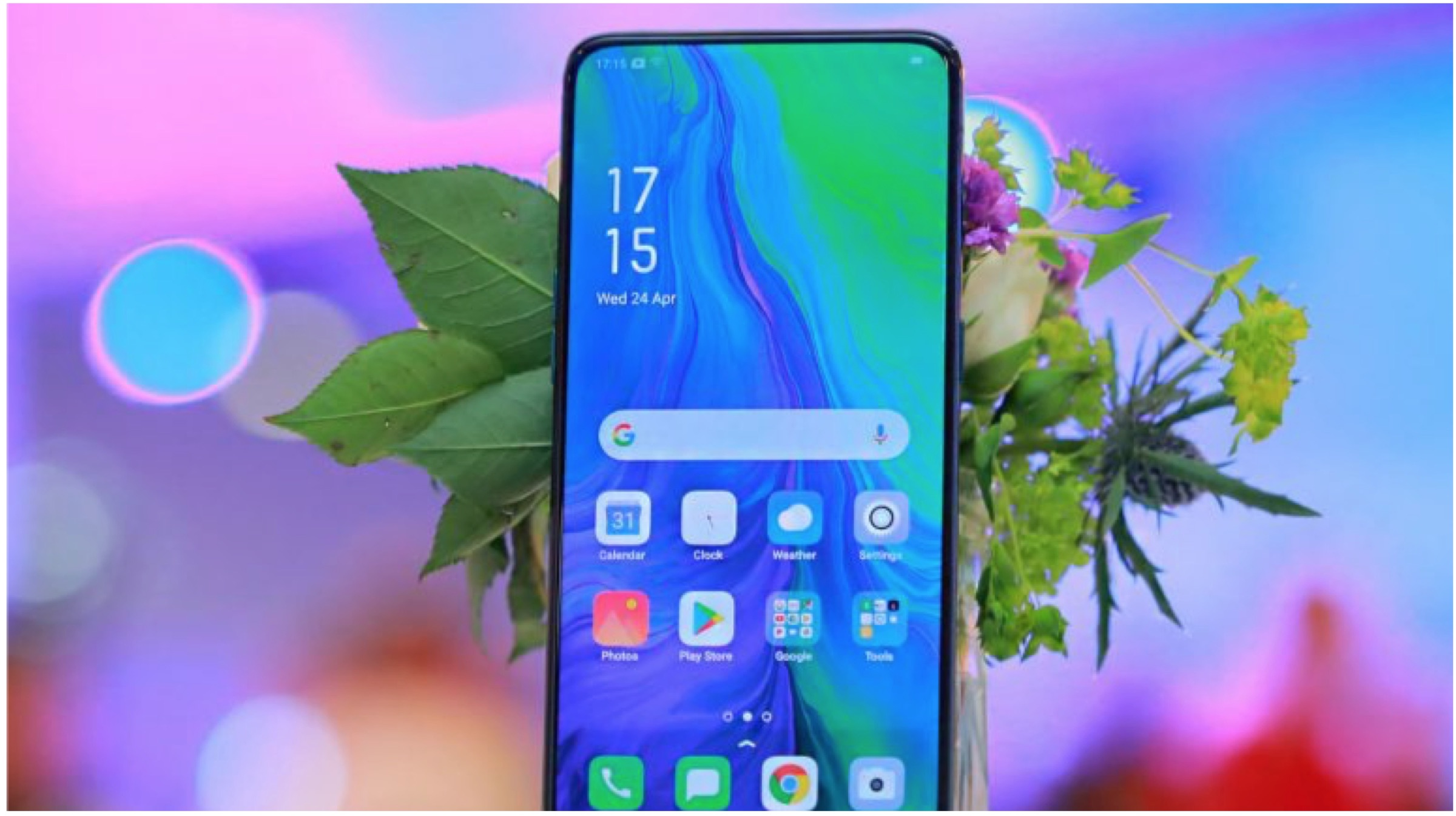
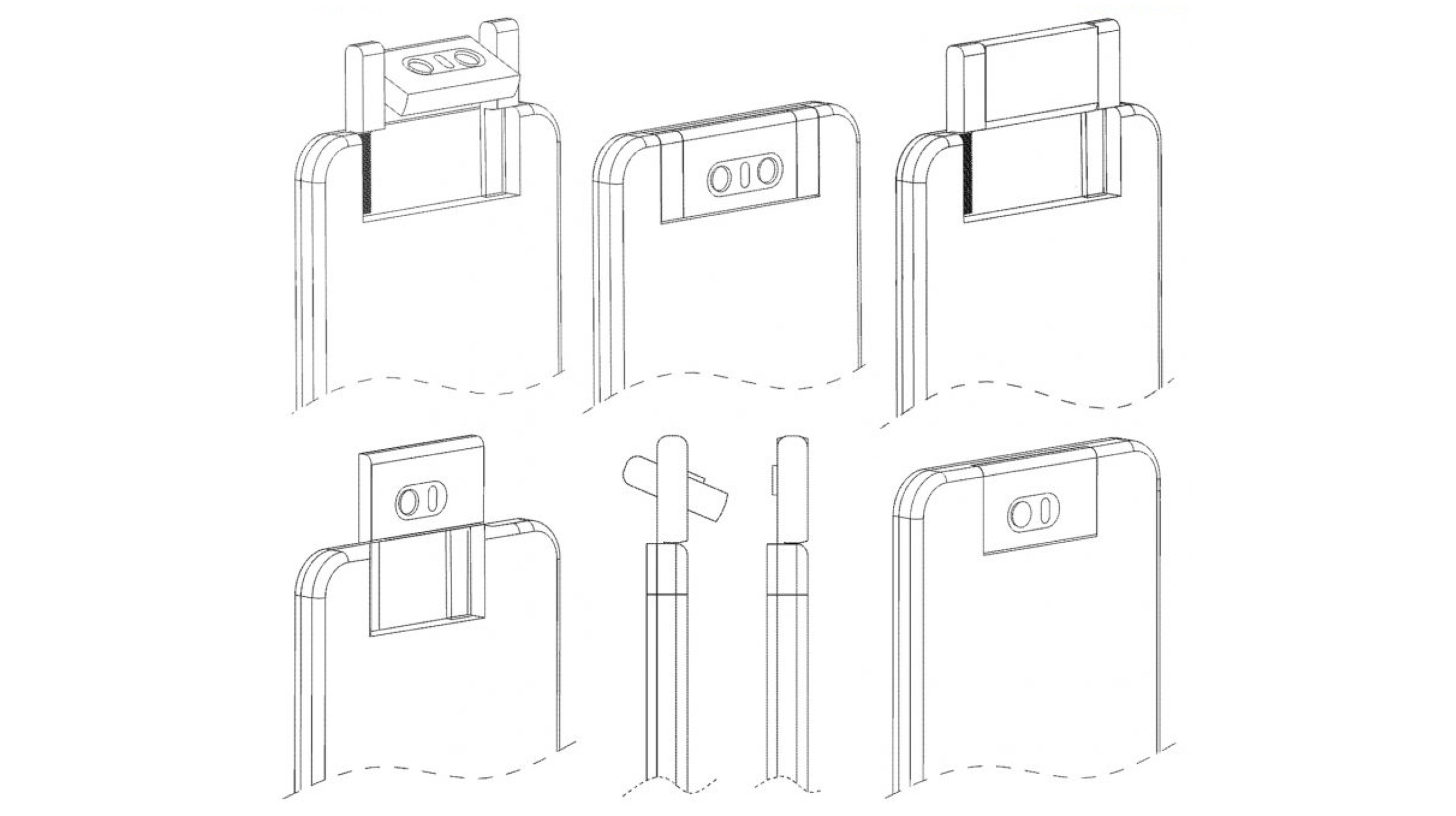 After the launch of the Oppo Reno with the unique shark-fin design, the company has been granted a patent which depicts a smartphone with a rotating camera system. The patent was filed by Guangdong Oppo Mobile Telecommunications in the end of the year 2018 with the WIPO (World Intellectual Property Office). The design was titled as a “Mobile Terminal” and was published on May 16, 2019. As mentioned previously, the patent exhibits a camera module design that can rotate 180 degrees around a pivotal axis.
  Also Read:
 The samples include a multitude of images, which are captured in different lighting conditions. The daylight-captured images depict a sharp image with good colour contrast. The images captured in a low light showcase a decent amount of details with low noise. Since both the Redmi Note 7 and Note 7 Pro feature Night Mode, the upcoming device is expected to sport a similar option as well.
  In terms of optics, the smartphone is expected to feature a dual rear camera module with a 48MP primary sensor and a 2MP secondary sensor. The watermark on the revealed images confirm this speculation. For selfies, the smartphone will have a 13MP front camera that is expected to be housed in a waterdrop notch up front. Under the hood, it is expected to be kitted with the Snapdragon 660 chipset, which consists of an octa-core CPU and the Adreno 512 GPU. Xiaomi is expected to keep the specifications of the Redmi Note 7s similar to the Chinese variant of the
 Researchers at the University of Pittsburgh in Pennsylvania and Howard Hughes Medical Institute (HHMI) in Chevy Chase have put forward evidence that suggests that a category of viruses known as “bacteriophages” can be the solution to antibiotic-resistant bacteria. These bacteria-eating viruses target and kill a variety of strains of bacteria that cause infection. An interesting fact to note is that there are an estimated 1031 bacteriophages on this planet, and different phages target different bacterial strains.
 Using bacteriophages (or simply phages) to ward off infections is not a new idea at all. In fact, researchers from Britain, France and Russia were involved in similar investigations since the beginning of the 20th Century, which are proving to be fruitful just now owing to the advancements in research techniques. The “bacteria-attacking” technique was implemented in 2017, where a team of scientists lead by Professor Hatfull achieved a feat nothing short of a miracle.
 The team of scientists were able to treat an infection experienced by a 15-year-old patient with the help of carefully chosen phages. The patient suffered from cystic fibrosis, which increased the risk of infections because of a buildup of thick mucus in the lungs (and other organs). Moreover, the genetic condition is virtually incurable. After a double lung transplant, it was detected that the patient’s surgery wound was reddened because of a liver infection. Another patient with a similar condition also developed an infection after his surgery. When the infections showed signs of resistance to antibiotics, the scientists decided to use bacteriophages to kill the concerned bacteria.
 Also Read: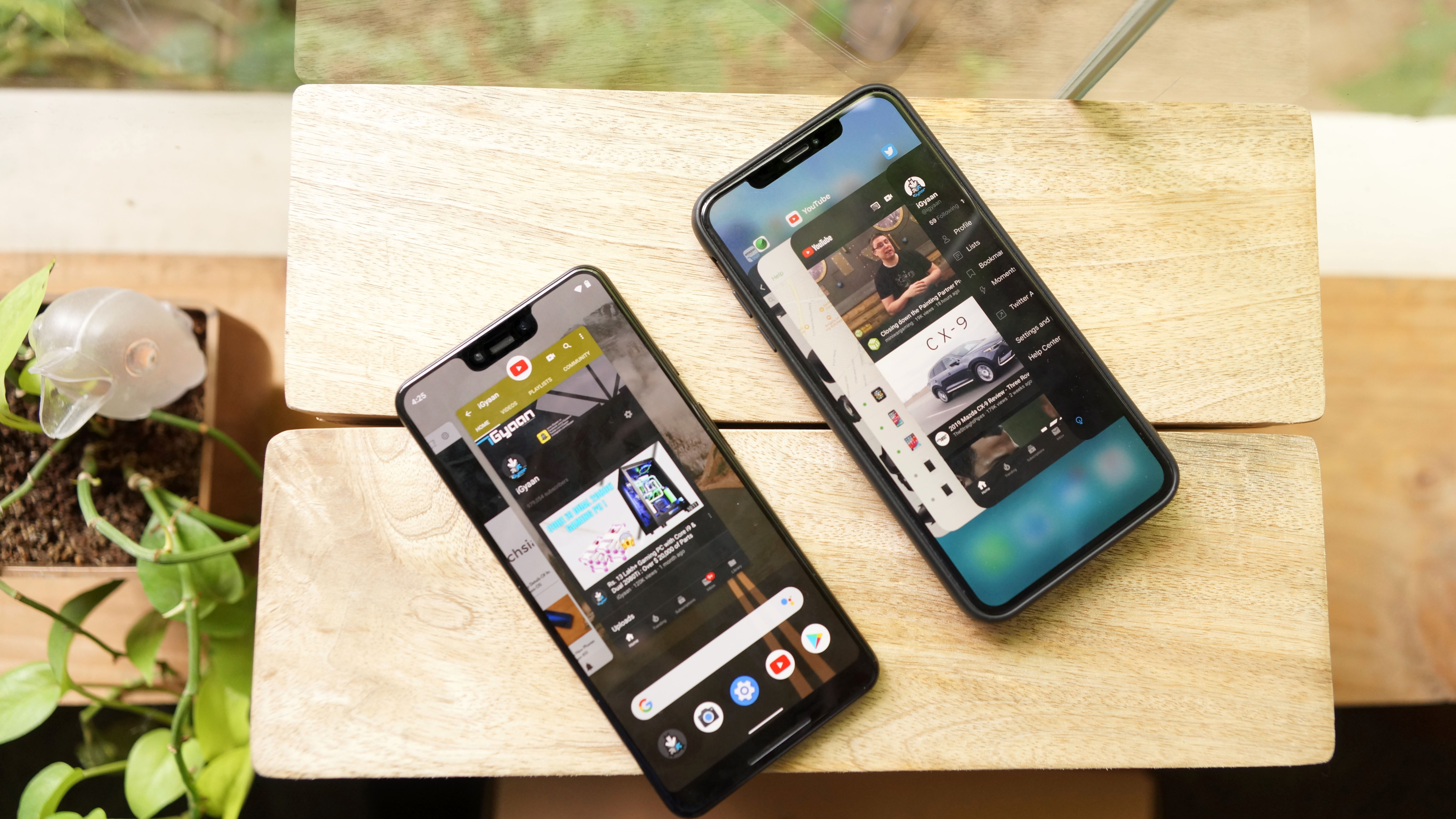
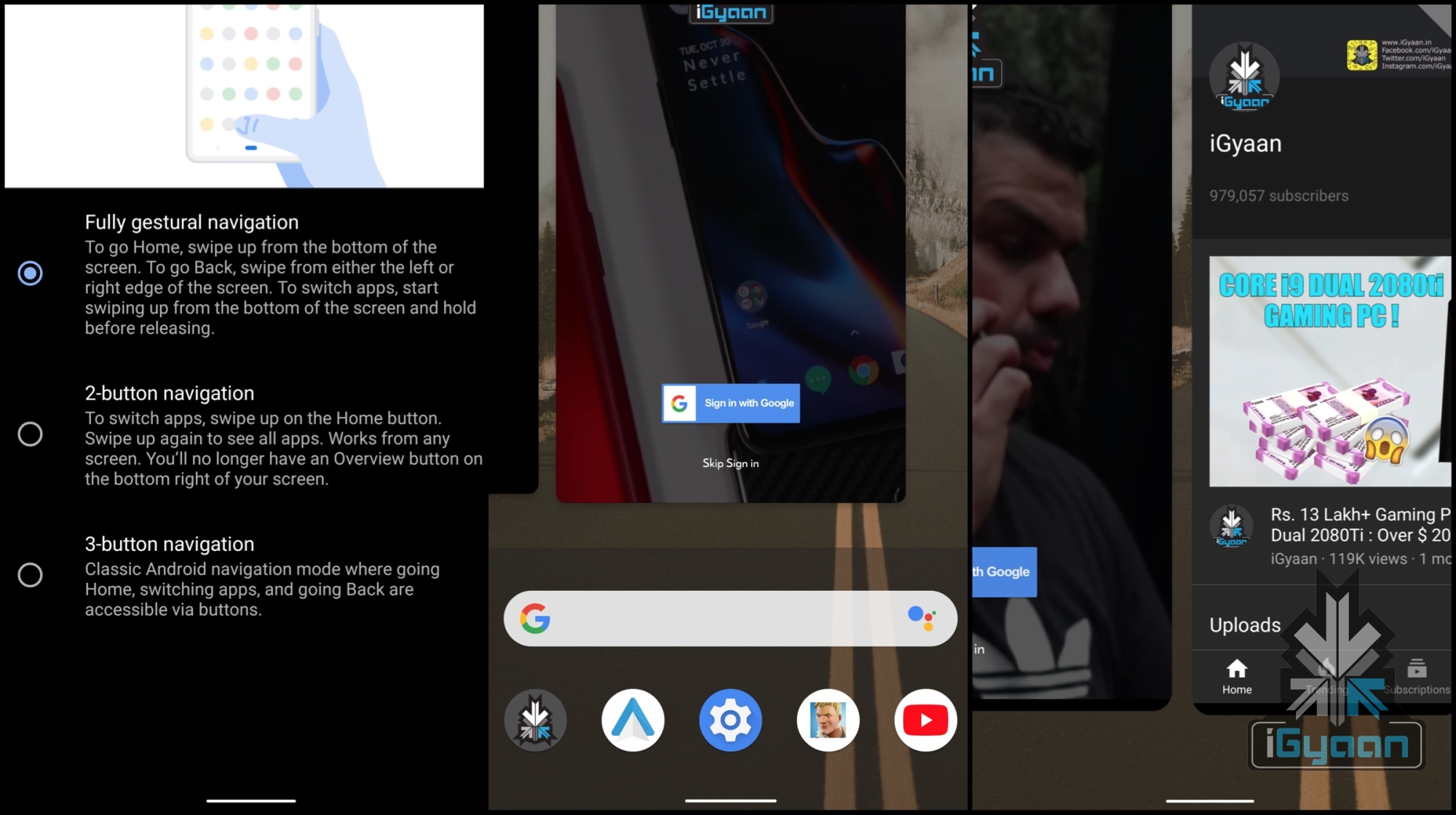 The Product Manager for Android clarified the underlying situation by saying that Google is solely encouraging OEMs to use the new navigation gestures. Since Gesture Navigation can be troublesome to incorporate with previously existing gestures, the company does not want this to be a bigger challenge for developers. He further added that Android has always been about choice, hence the company plans to keep it that way. Android Q will still include the original 3-button navigation bar, which was previously removed from Pixel 3 smartphones running Android P.
  Also Read:
 Known as the Blue Moon, the lander will be capable of autonomous space navigation. It will be able to perform soft landings on the surface of the moon while carrying payloads weighing between 3.6 and 6.5 metric tons. This implies that the Blue Moon will be able to carry a total of 4 large rovers simultaneously. This is a small part in a much larger plan to analyze the resources and the surface of the moon.
 The richest man on the planet plans to instate American astronauts on the South Pole of the moon in the next 5 years. The
  Also Read: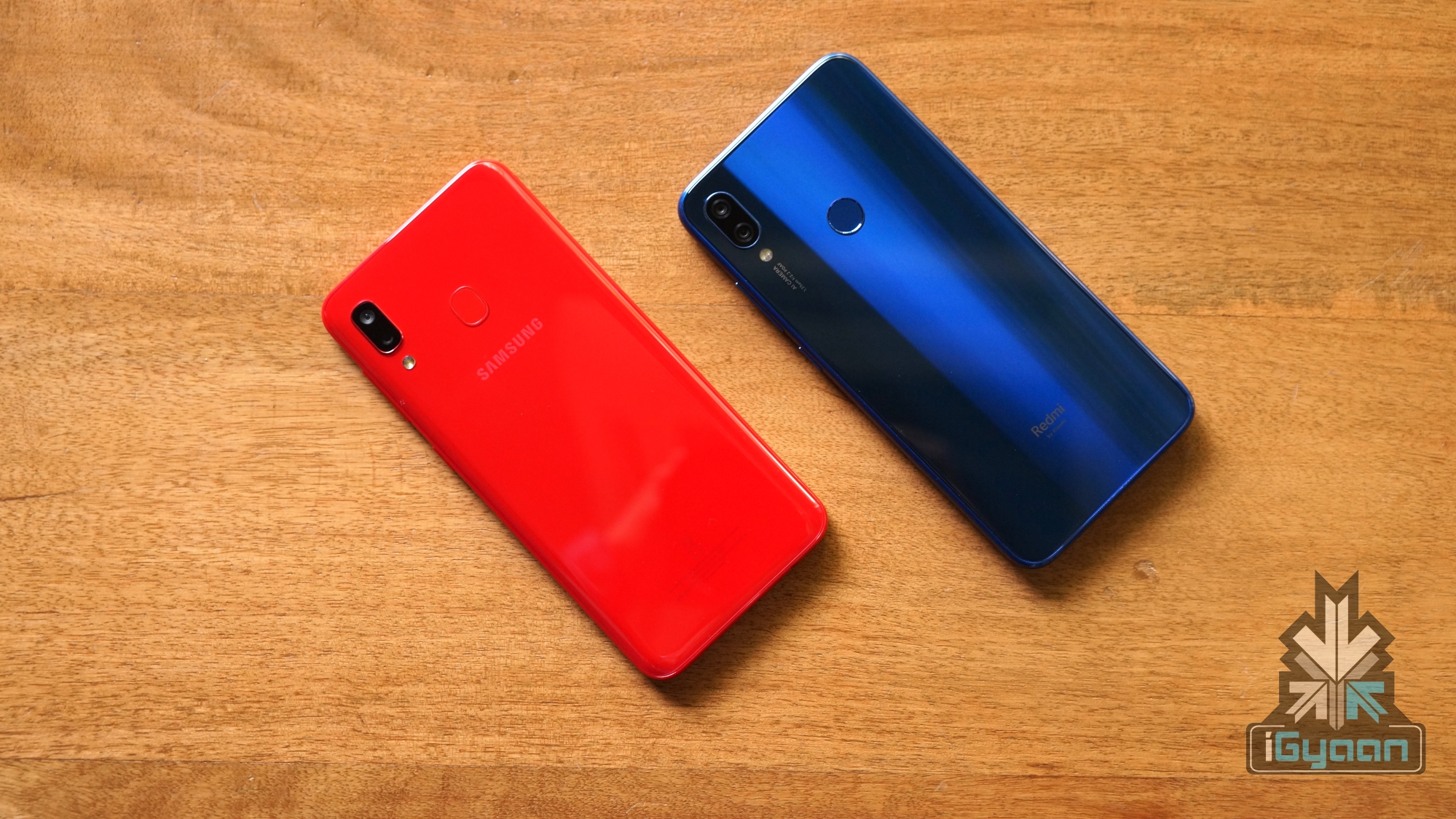
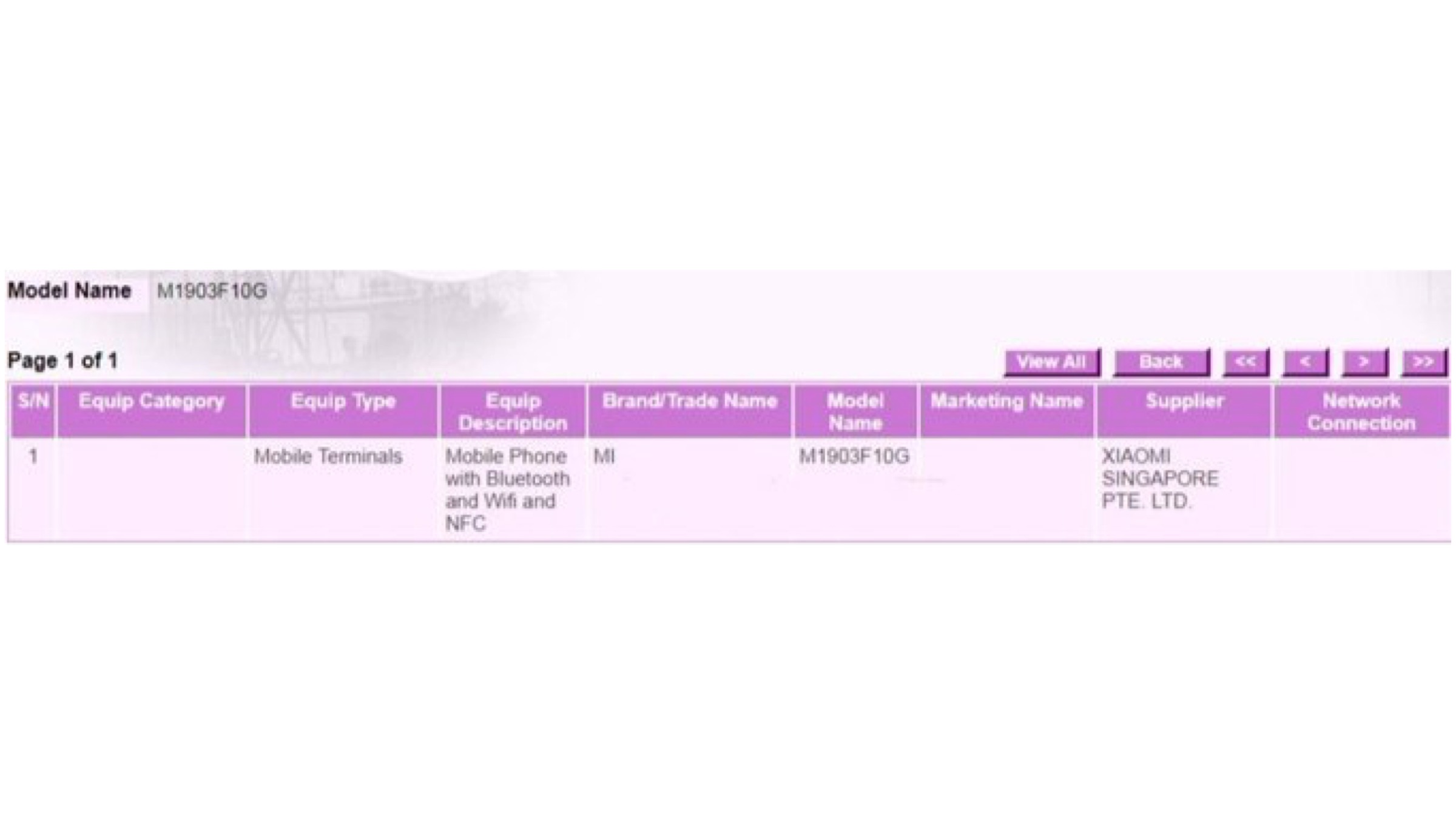 The leak further suggests that the smartphones will be available in three colour variants: Blue, Red and Carbon Fiber. Furthermore, both the handsets will sport a similar storage scheme, which will be spread over 4 different configurations:
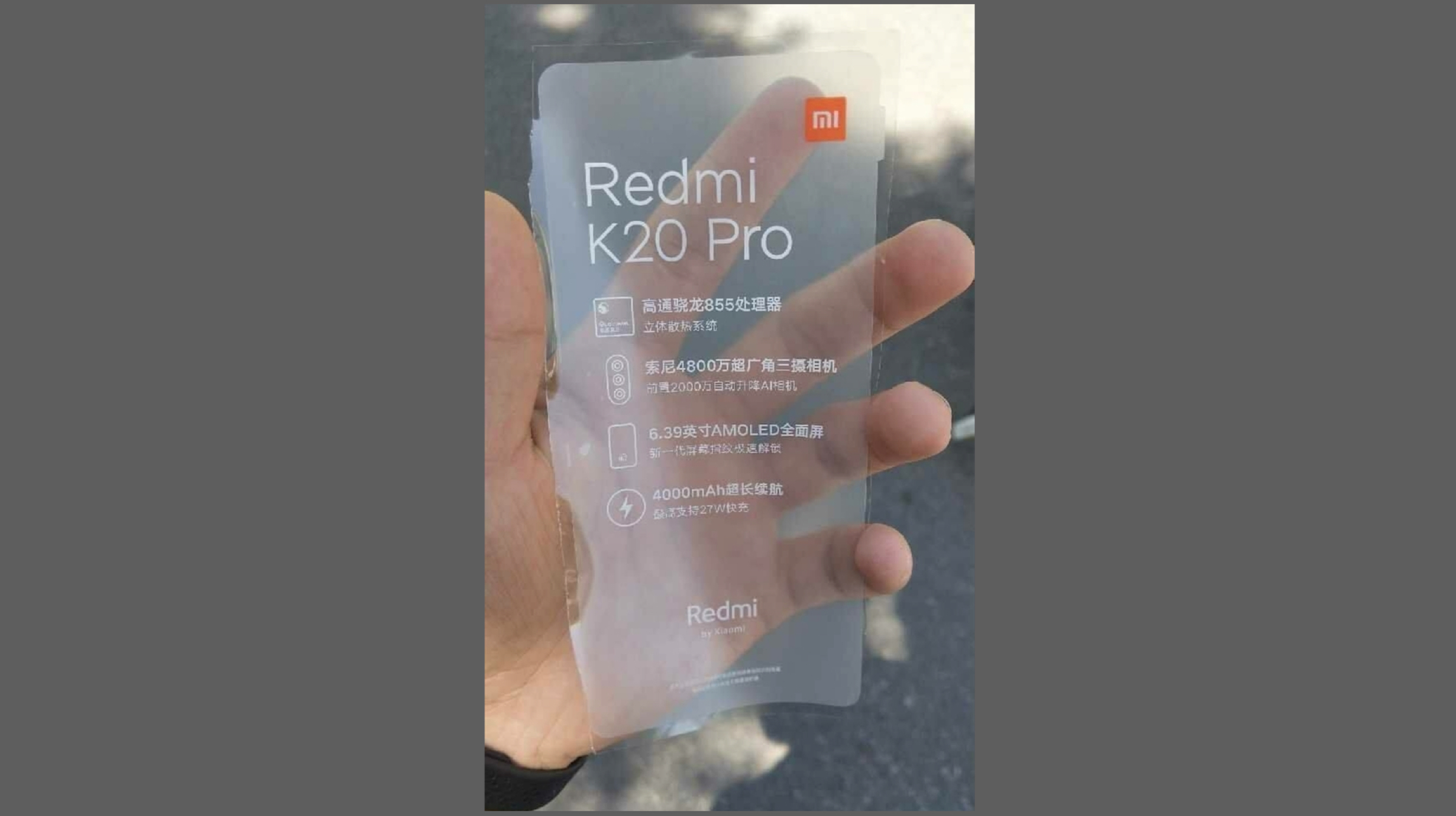 Previous leaks have also revealed that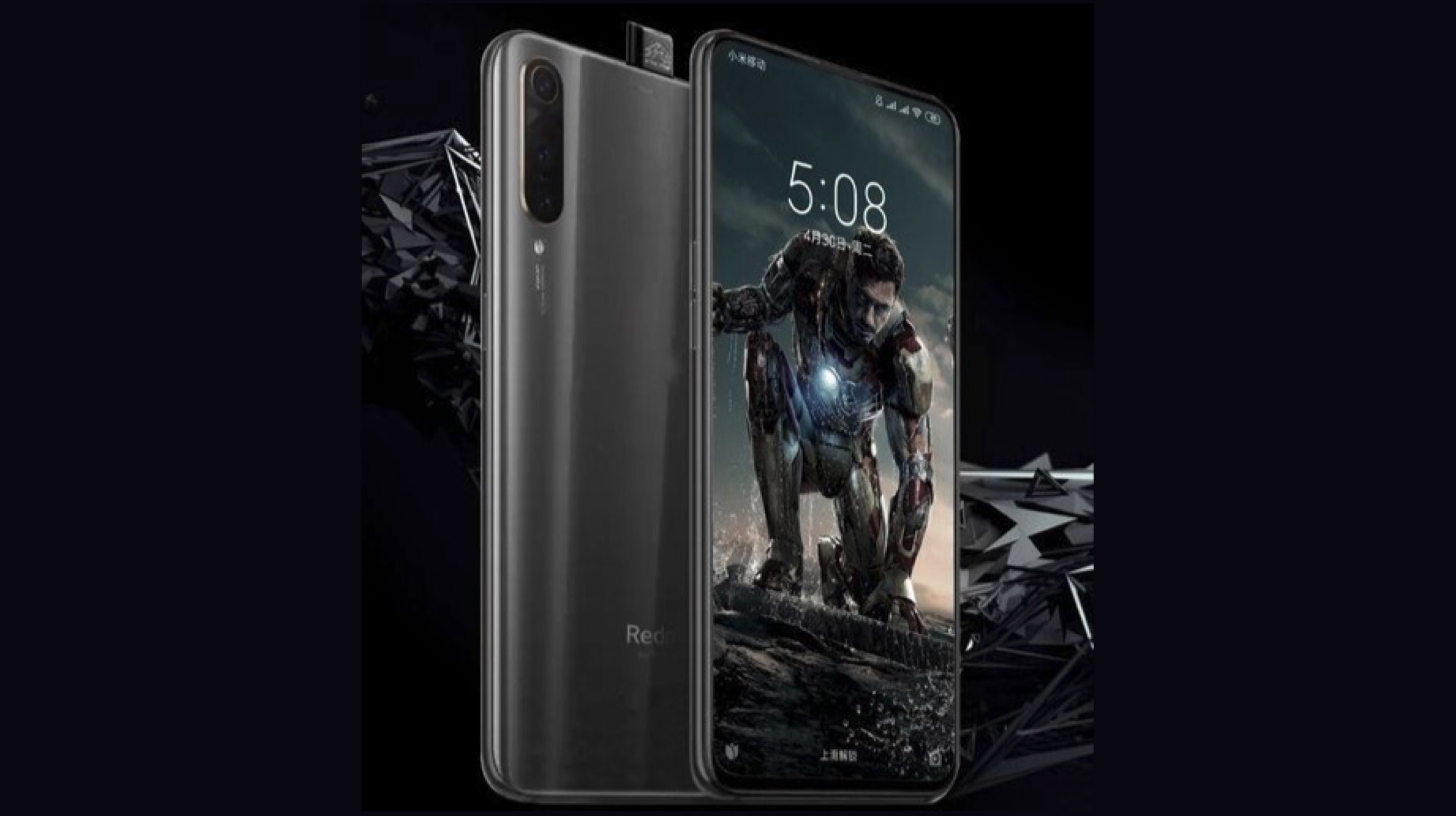

 The lead director of the game, Mike Bethell has previously worked on a multitude of Indie games such as Thomas Was Alone and Volume. The upcoming game is called “John Wick Hex“, and is scheduled to release on a variety of platforms, including Windows PC, Mac and Consoles. However, the director has made it clear that the game will make its first appearance on Windows PC and Mac, with consoles following suit.
  As per Mike, his team collaborated with John Wick’s creative and stunt crews in order to capture the essence of the action forms included in the John Wick movies. Reports also state that a very different action theme has been employed in the John Wick movies, which will be incorporated in the game as well. Furthermore, players will be able to unlock new weapons, suits and maps as they progress through the game.
  Also Read: