Author: Sahil Kapoor

  • High-End iPhones To Be Soon Manufactured In India

    High-End iPhones To Be Soon Manufactured In India

    According to a fresh report, the IT ministry of India has authorised a contract manufacturer Wistron’s Rs 5,000 crore plan to manufacture high-end Apple devices in the country. This project marks a significant achievement for the government’s ‘Make In India’ movement which it has been promoting heavily. The initiative intends to make the country a hub of production as it will generate employment and boost the nation’s economy.

    As previously mentioned Wistron is a contract manufacturer for the Cupertino based technology giant, Apple. The company currently manufactures two older iPhone models in India which include iPhone SE and iPhone 6S. These devices are still expensive taking Indian wages into consideration. Noteworthy, they would be about 40% pricier if they were imported, due to the government tariffs. 

    The Indian IT minister Ravi Shankar Prasad stated that another contract manufacturer Foxconn had submitted an application for a Rs 2,500 crore project which will further increase the production of iPhones in India. He also added that the government is not unsettled by the added incentives that China is currently providing in order to maintain its position as a leader in electronics manufacturing. 

    Advantages Of Setting Factories In India

    The key advantages highlighted by the Indian minister to choose India over China for manufacturing are as follows:

    • India has a rapidly increasing skilled taskforce, therefore the difficulty to find workers is almost non-existent.  
    • The country is currently the fastest growing market for smartphones in the world. Hence, international companies must keep a close eye to maintain their lead against the competition.
    • Another vital factor that makes India a lucrative destination for setting up factories is English fluency. This is one factor where India clearly beats China as the population of Englis speaking workers is considerably low. 
    Which High-End Devices Will Be Manufactured In India?

    Also Read: Is The Future Of Wearables With Or Without Smartphones?

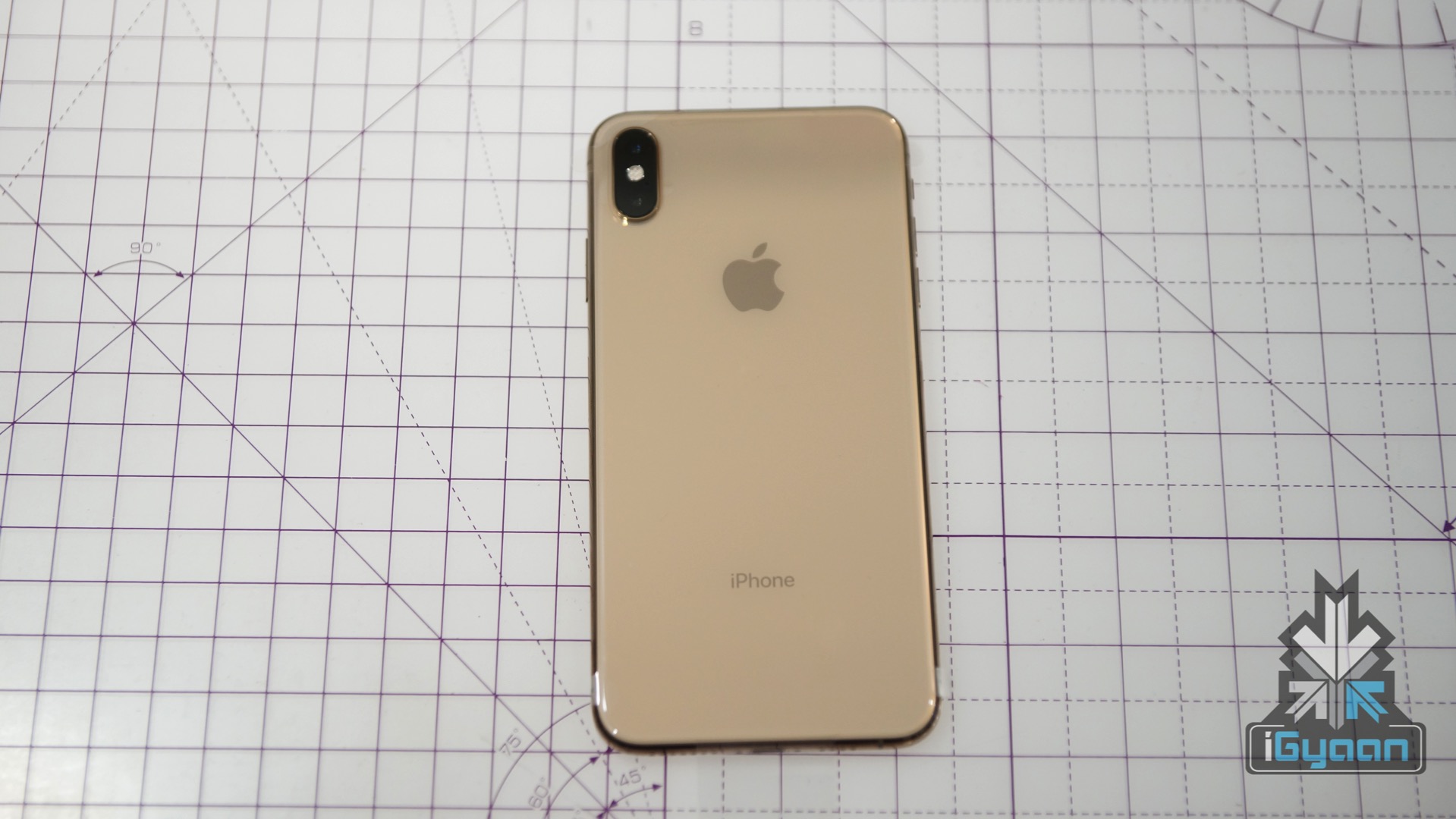
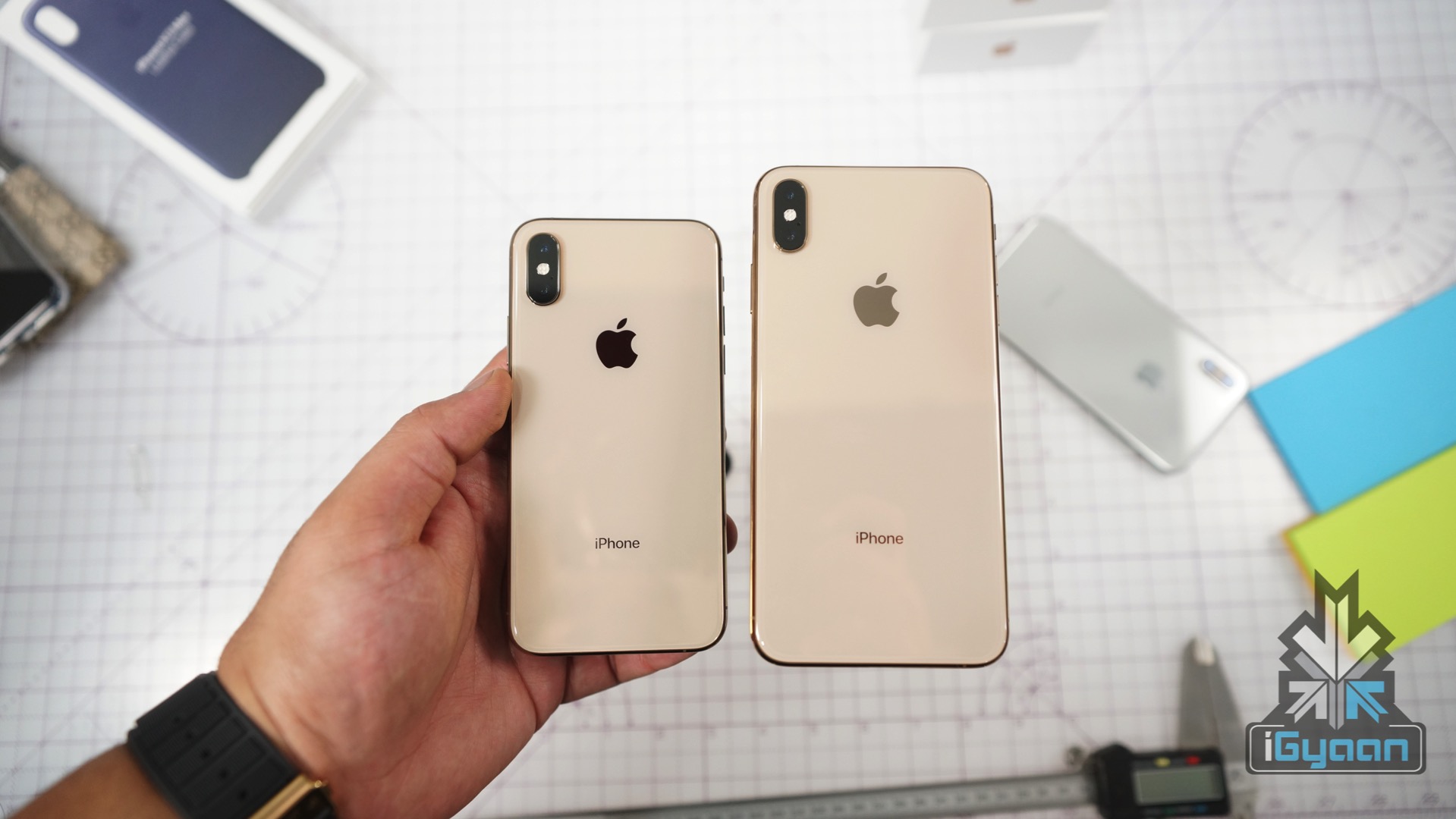
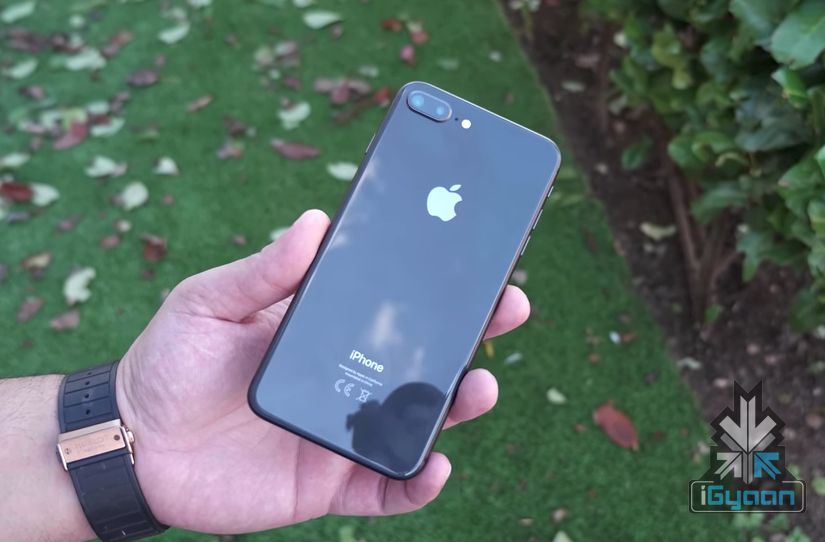
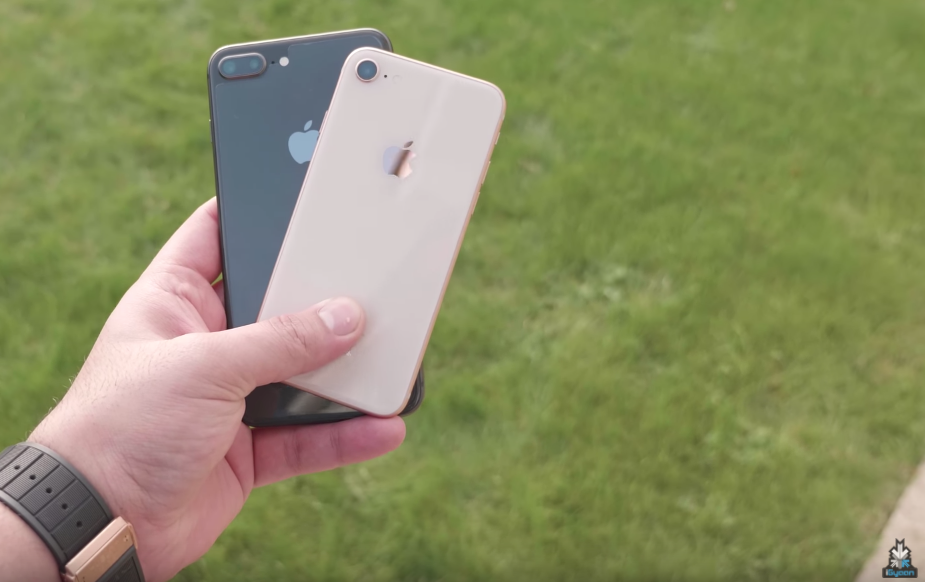
    It is not yet announced but the Wistron factory is expected to be used for manufacturing the iPhone 8 model. On the other hand, the Foxconn factory once approved and finalised will be used to manufacture units of iPhone XS and iPhone XS Max. The high-end iPhones manufactured in India will be significantly cheaper. Therefore, the reduced price of Apple iPhones in India is likely to give its sales a massive boost. 


  • Top Smartphones Under Rs 15000 In India, March 2019

    Top Smartphones Under Rs 15000 In India, March 2019

    Over the past few years, the competition in the smartphone market has gotten so tough that it has become overwhelming for customers to choose the best option depending on their need and usage. In this article, we will take a look at top smartphones under Rs 15000 which excel in their own way. 

    The Powerful Slayer – Redmi Note 7 Pro

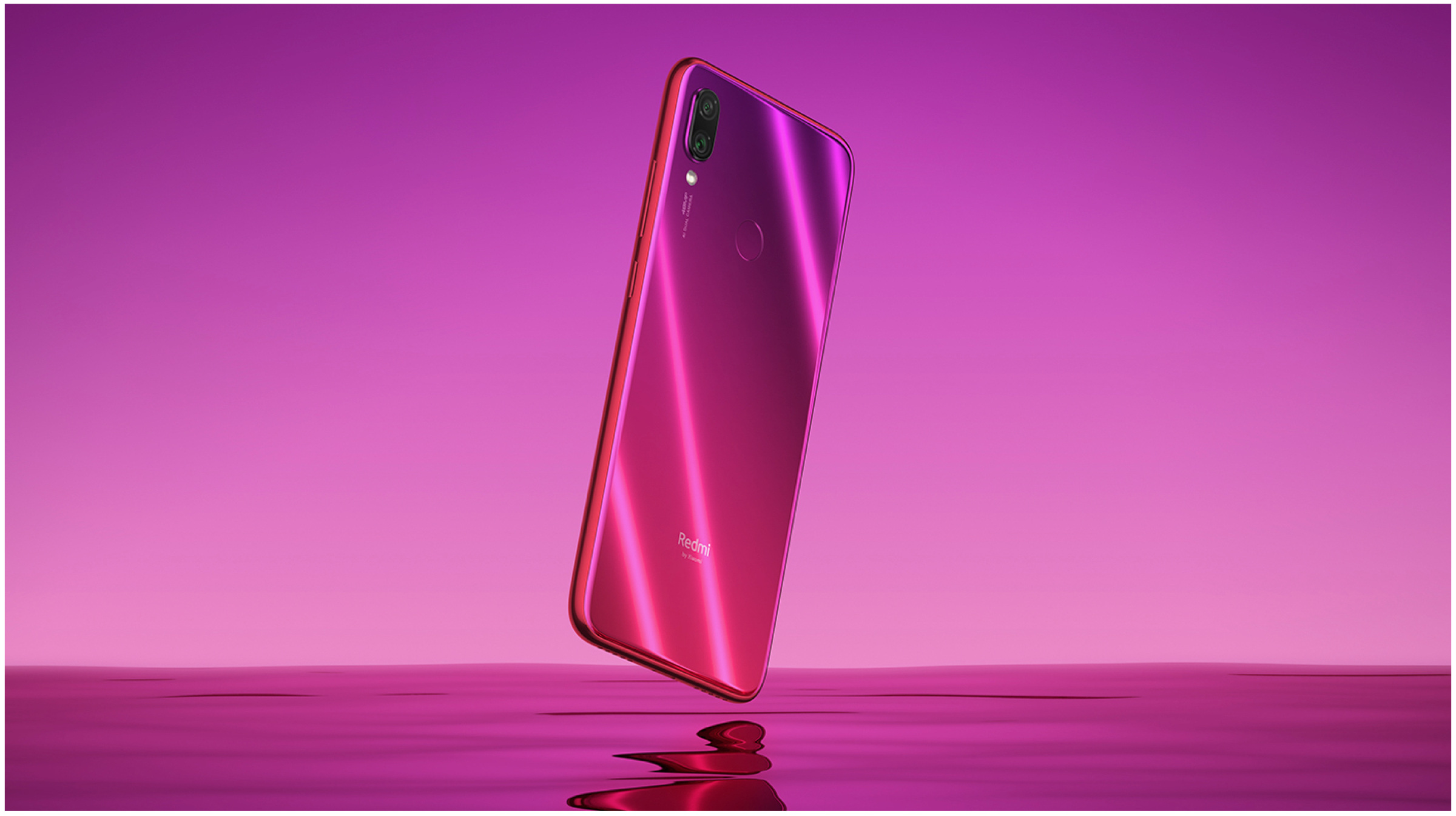
    The newly launched Redmi Note 7 Pro is a stellar smartphone accrediting to its powerful chipset and praiseworthy camera. It is kitted with the Snapdragon 675 chipset which is unheard of in this price segment. The second highlight of the device is its 48 MP rear facing Sony IMX586 sensor which is usually seen on high end devices like the Honor View 20. All in all, it is one of the best smartphones that are currently available at this price point.

    Specifications Summary:
    • Price: Rs 13,999
    • Display: 6.3 inch IPS LCD, 409 ppi
    • Rear Camera: 48 MP + 5 MP, Front Camera: 13 MP
    • SoC: Snapdragon 675, Octa-Core CPU, Adreno 612 GPU
    • Battery: 4,000 mAh, 18W Fast Charge Support (Charger sold separately)
    • Storage: 4 GB +  64 GB, Expandable upto 256 GB, uses SIM 2 slot   

    Click Here To Pre-book The Redmi Note 7 Pro

    The One With The Best Display and Battery – Galaxy M30

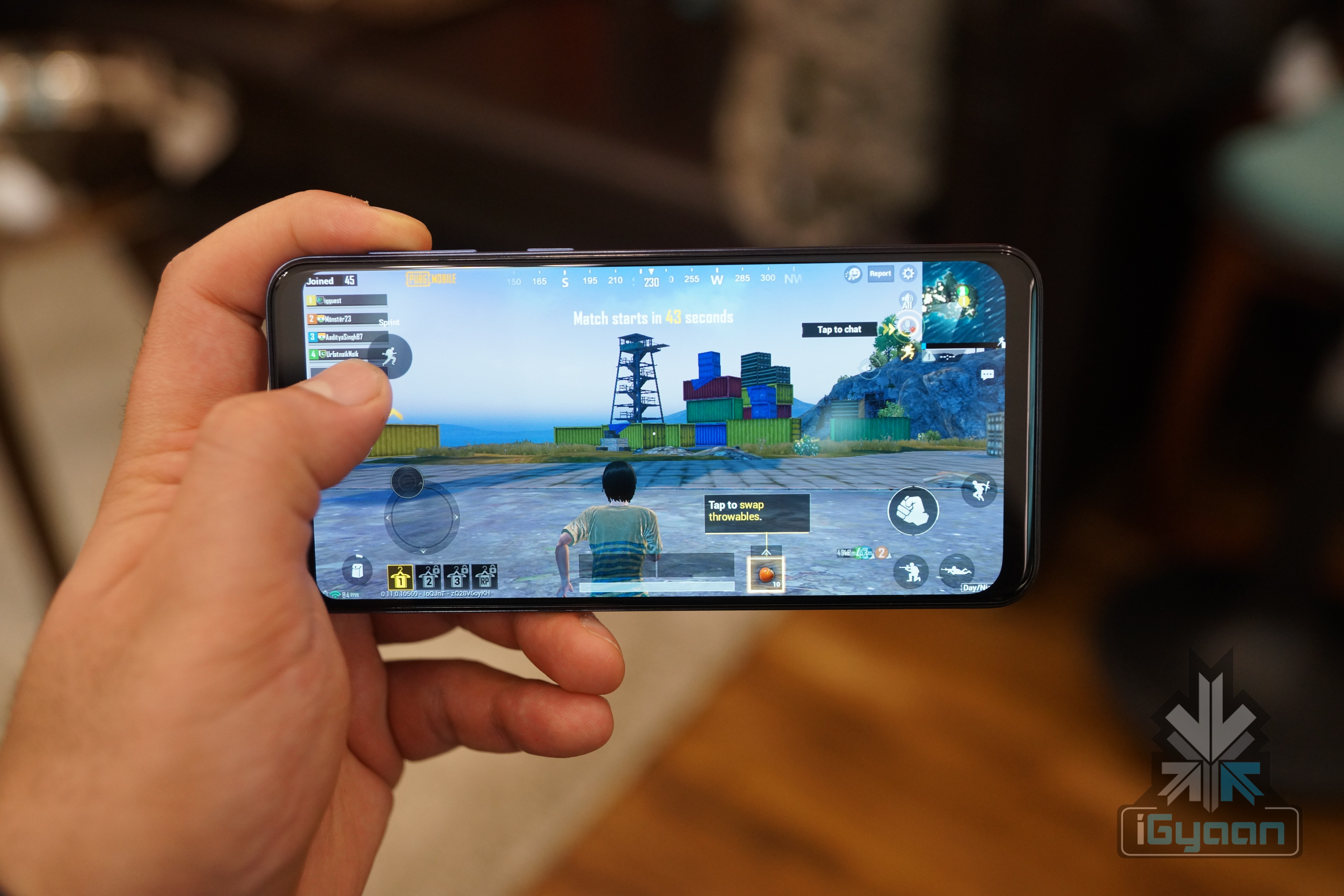
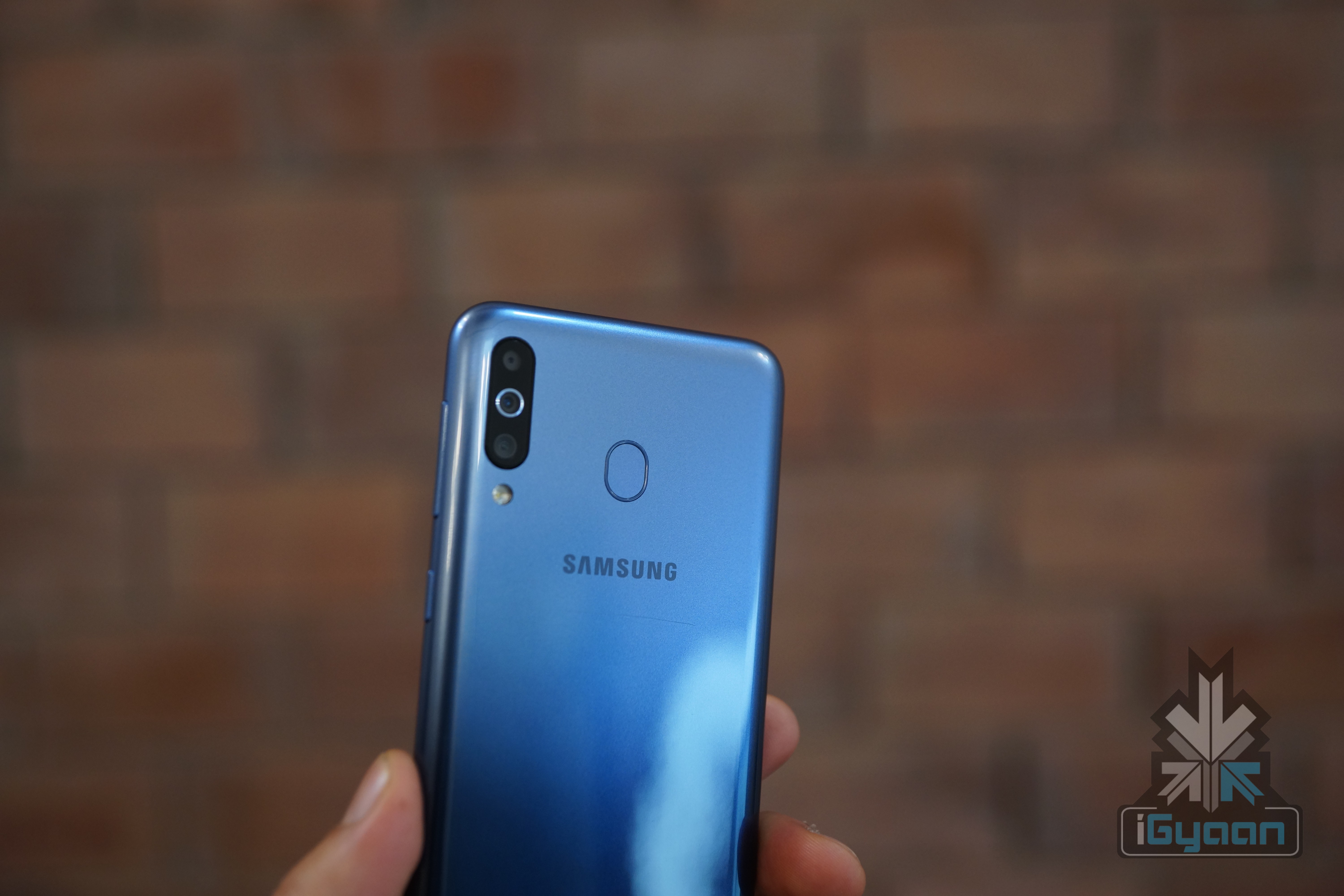
    Like the Redmi Note 7 Pro, the Galaxy M30 has been newly launched. It sports a 6.4 inch Super AMOLED display which has never been seen on a device in this segment. Furthermore, it is powered by a massive 5000 mAh battery which supports 15 w fast charging. Pleasingly, Samsung ships the smartphone with a fast charger. Noteworthy, the Galaxy M30 features a triple rear camera which consists of a 13 MP PDAF sensor, 5 MP depth sensor and a 5 MP sensor with 12 mm lens that can capture ultrawide pictures and videos. Another feature that the M30 offers is expandable memory upto 512 GB via a dedicated microSD slot.

    Specifications Summary:
    • Price: Rs 14,990
    • Display: 6.4 inch Super AMOLE, 394 ppi
    • Rear Camera: 13 MP + 5 MP + 5 MP (ultrawide), Front Camera: 16 MP
    • SoC: Exynos 7904, Octa-Core CPU, Mali G71 MP2 GPU
    • Battery: 5,000 mAh, 15W Fast Charge Support (included in box)
    • Storage: 4 GB +  64 GB, Expandable upto 512 GB, dedicated slot


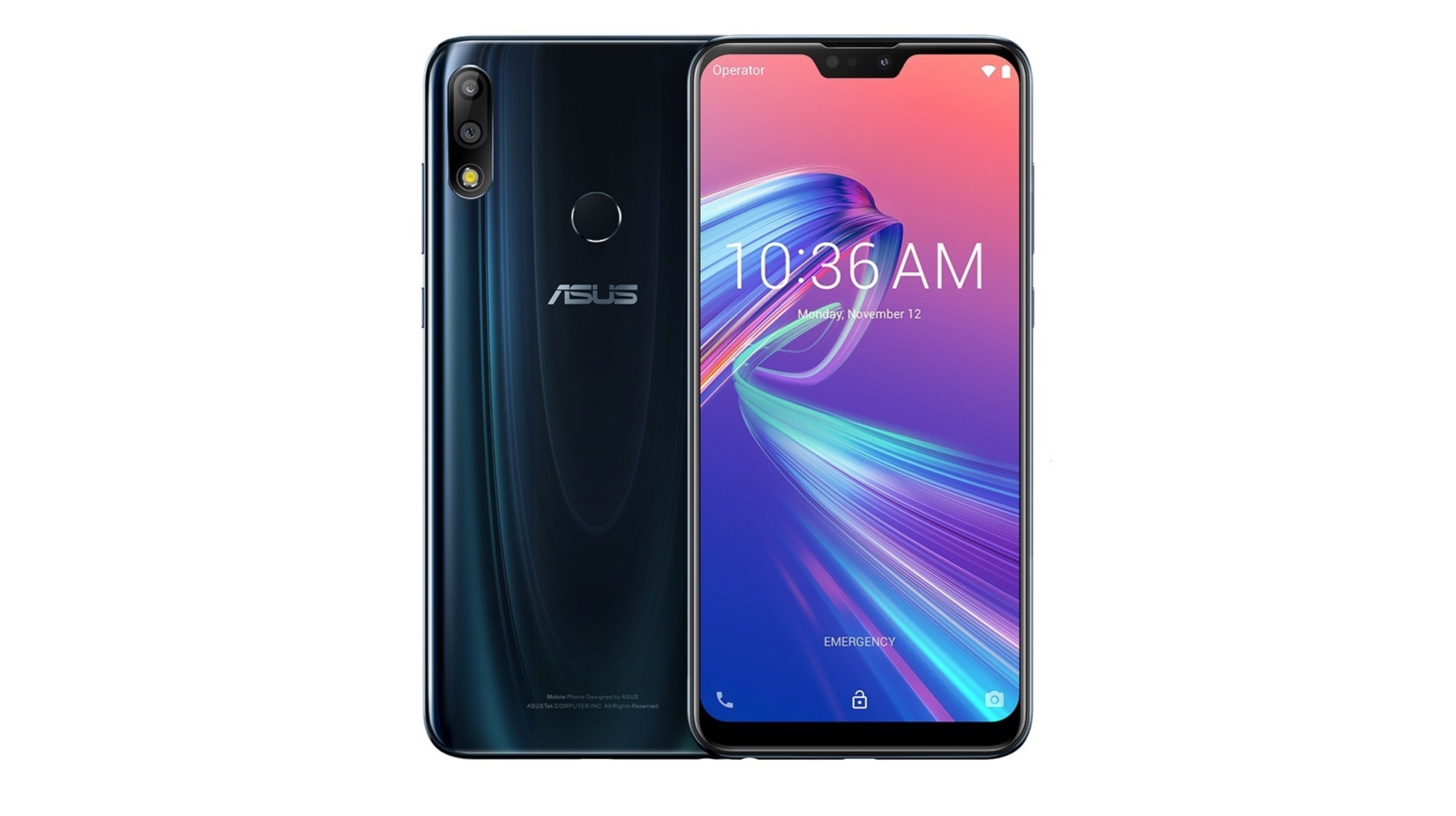
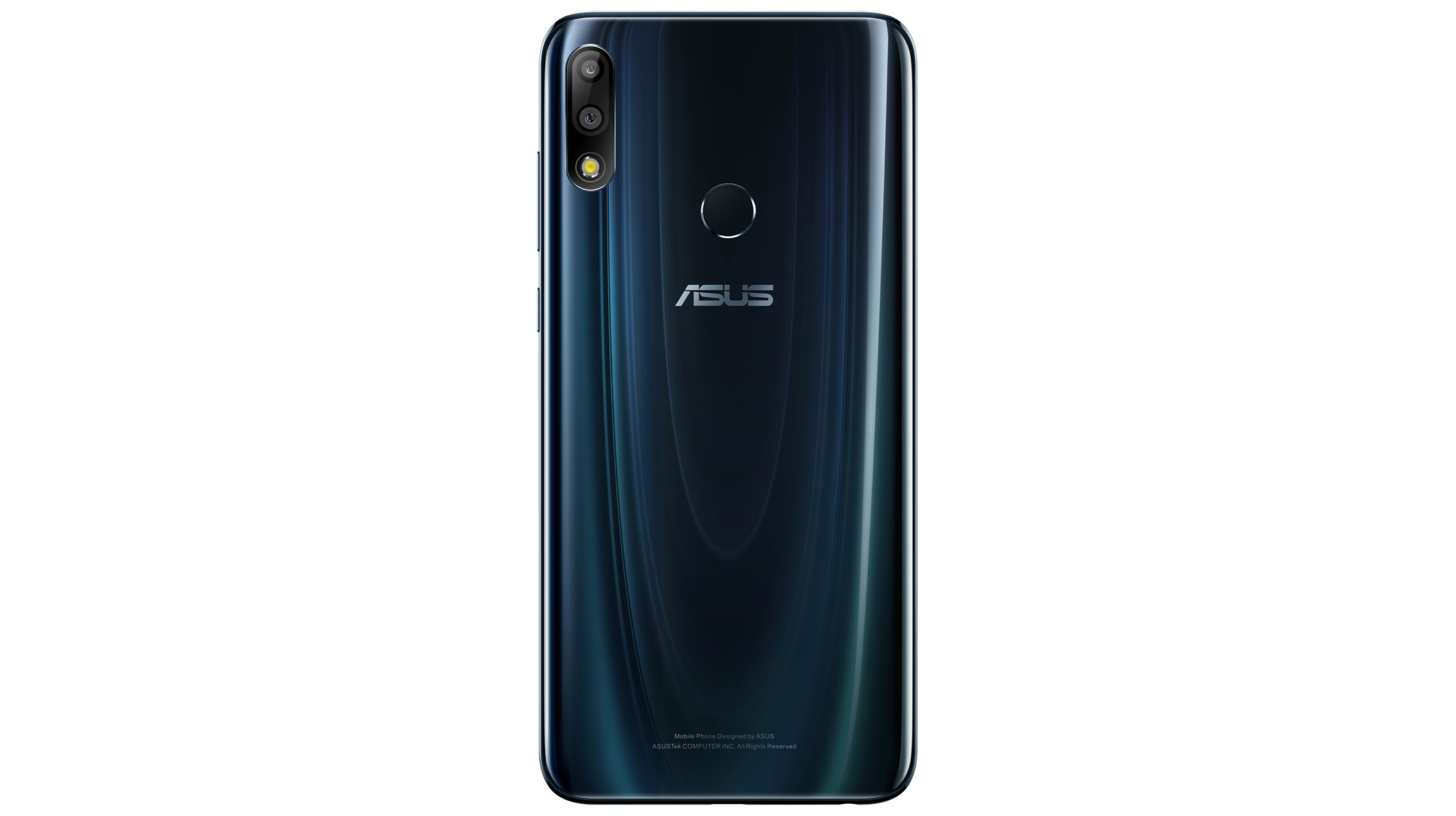
    Memory Monster – ZenFone Max Pro M2

    The ZenFone Max Pro M2 is the successor to the ZenFone Max Pro M1 which was warmly received by the Indian consumers. The device has a premium build with Corning Gorilla 6 protection on the front. It runs on stock Android OS which is fast and stutter-free. Like the Galaxy M30, it packs a massive 5,000 mAh lithium battery. It is the only device in our list whose 6 GB RAM variant is priced under 15k making it a good choice for performance enthusiasts and gamers. 

    Specifications Summary:
    • Price: Rs 13,999
    • Display: 6.26 inch IPS LCD, 403 ppi
    • Rear Camera: 12 MP + 5 MP, Front Camera: 13 MP
    • SoC: Snapdragon 660, Octa-Core CPU, Adreno 512 GPU
    • Battery: 5,000 mAh, 10 W Charging  
    • Storage: 6 GB +  64 GB, Expandable upto 512 GB via dedicated slot 

    Click Here To Buy Asus ZenFone Max Pro M2

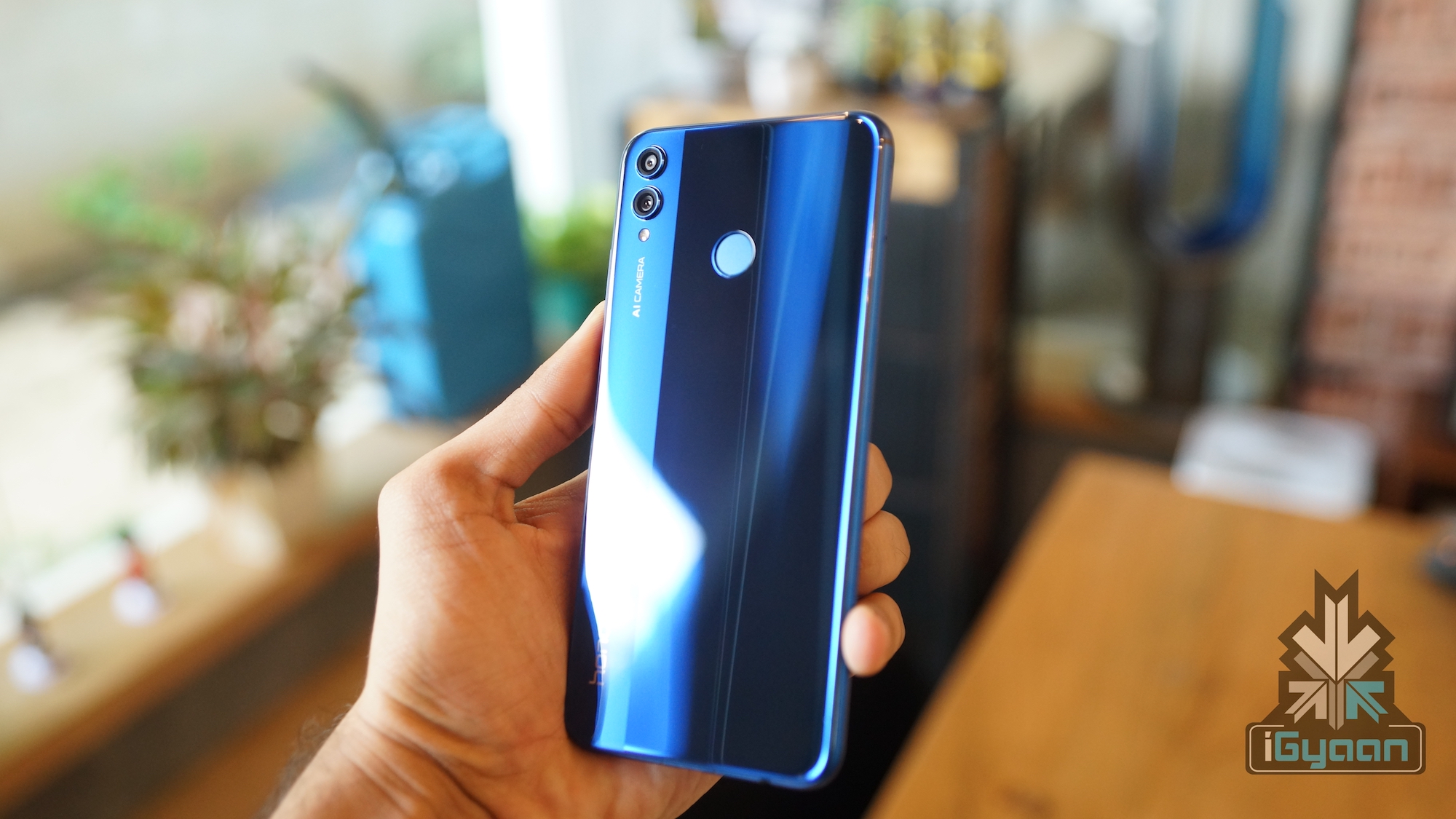
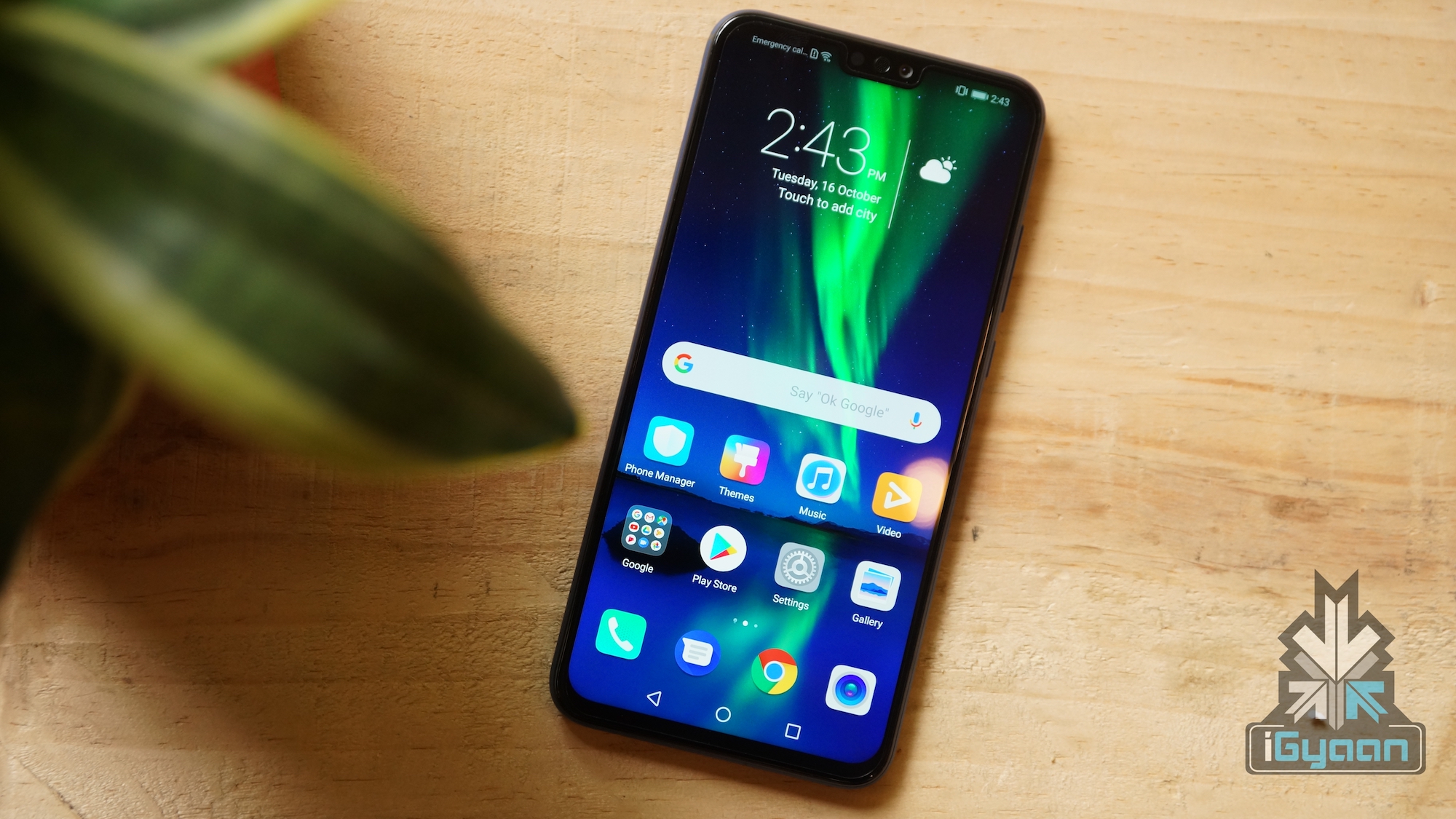
    The Looker – Honor 8x

    The Honor 8x is a well balanced smartphone that is generally overlooked by consumers. It has a top-notch build with an aluminium frame and glass on both the front and back. It packs a large 6.5 inch display with Full HD+ resolution which is protected with Corning Gorilla Glass 3. It features the Kirin 710 SoC which is manufactured using 12 nm fabrication process.

    Specifications Summary:
    • Price: Rs 14,499
    • Display: 6.5 inch IPS LCD, 397 ppi
    • Rear Camera: 20 MP + 2 MP, Front Camera: 16 MP
    • SoC: Kirin 710, Octa-Core CPU, Mali G51 MP4 GPU
    • Battery: 3,750 mAh, 10 W Charging  
    • Storage: 4 GB +  64 GB, Expandable upto 400 GB via dedicated slot


    Affordable Beast – Redmi Note 7

    The Redmi Note 7 is the less feature rich and more affordable variant of the Note 7 Pro. It has a 6.3 inch dewdrop notch display with Corning Gorilla Glass 5 protection on the front. Under the hood, it packs the Snapdragon 660 SoC which consists of an Octa-Core CPU and Adreno 512 GPU. It packs a large 4,000 mAh battery which supports QuickCharge 4.0. For photography, it has dual rear cameras and a single selfie camera.

    Specifications Summary:
    • Price: Rs 11,999
    • Display: 6.3 inch IPS LCD, 409 ppi
    • Rear Camera: 12 MP + 2 MP, Front Camera: 13 MP
    • SoC: Snapdragon 660, Octa-Core CPU, Adreno 512 GPU
    • Battery: 4,000 mAh, 18W Fast Charge Support (Charger sold seprately)
    • Storage: 4 GB +  64 GB, Expandable upto 256 GB, uses SIM 2 slot   

    Click Here To Pre-book The Redmi Note 7

  • ZTE Is Working On A Foldable Phone With A Clamshell Design

    ZTE Is Working On A Foldable Phone With A Clamshell Design

    ZTE is a Shenzhen based company that manufactures smartphones and telecommunication equipment. In the year 2017, the company launched an innovative smartphone, the Axon M that had dual displays which folded into a compact form factor. Although it cannot be truly termed as a foldable smartphone due to two separate displays, it definitely had a contribution in laying the foundation of modern foldable smartphones. Some of the modern-day foldable smartphones include the Samsung Galaxy Fold and Huawei Mate X. A freshly granted patent to ZTE indicates that the company is developing a distinctive smartphone with a foldable display.

    ZTE Foldable Smartphone Design

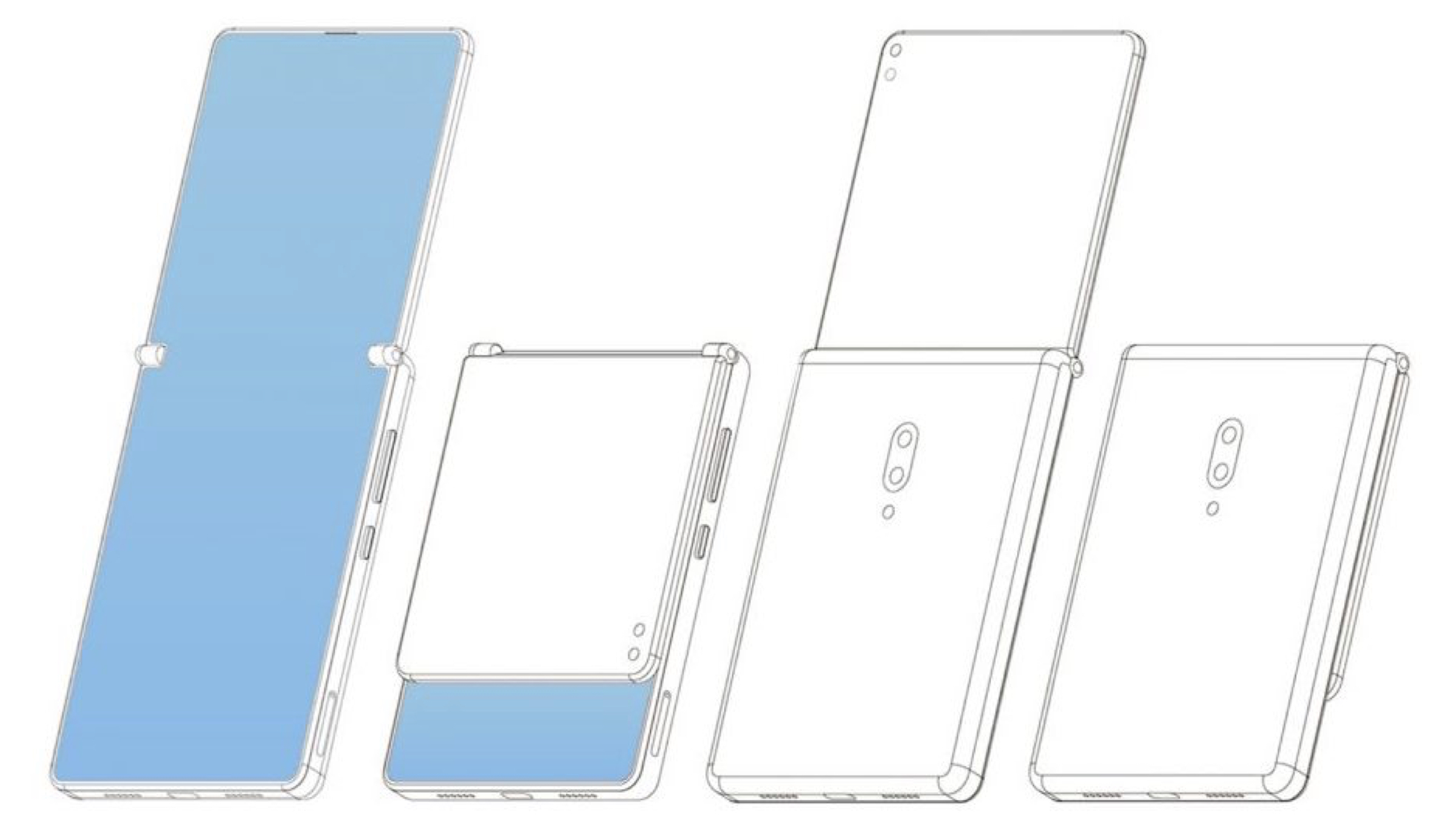
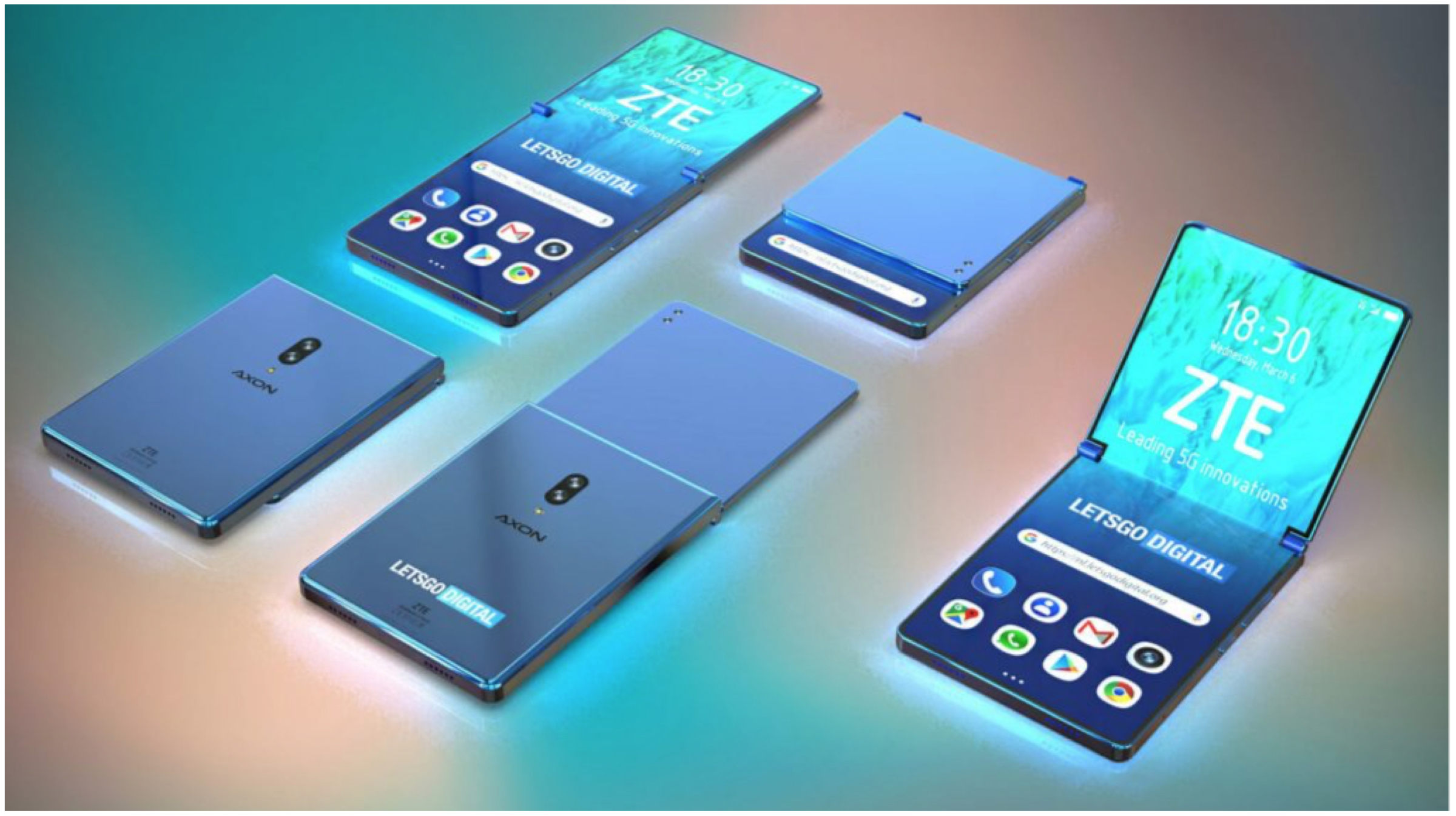
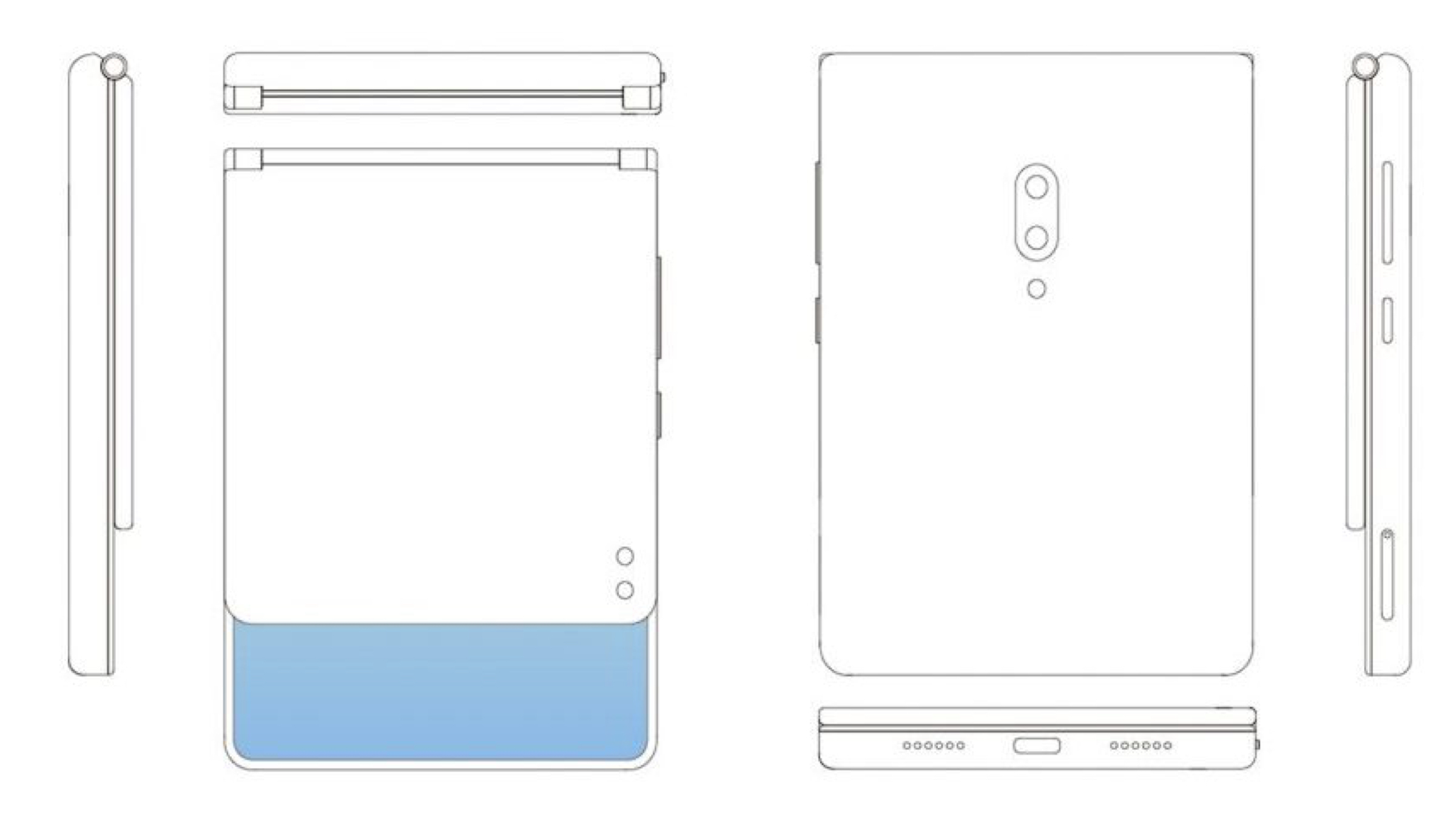
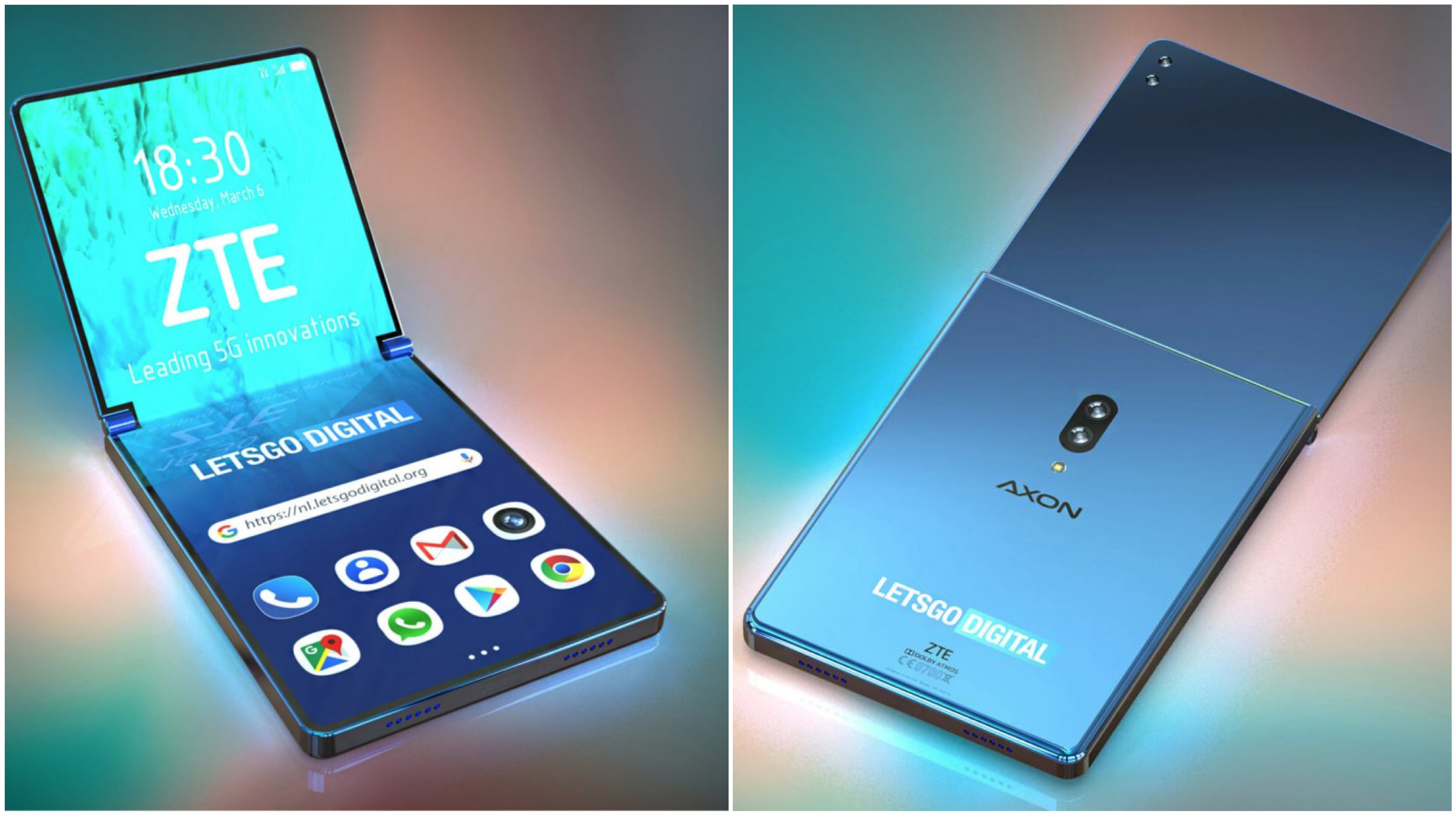
    ZTE filed a patent for a clamshell-style foldable smartphone with WIPO (World Intellectual Property Office) in the month of April last year which it was granted on 5th March 2019. The patent exhibits that the foldable smartphone being developed by ZTE is completely different from Samsung and Huawei’s offerings. In fact, it has a similar form factor to the unreleased foldable Moto RAZR.

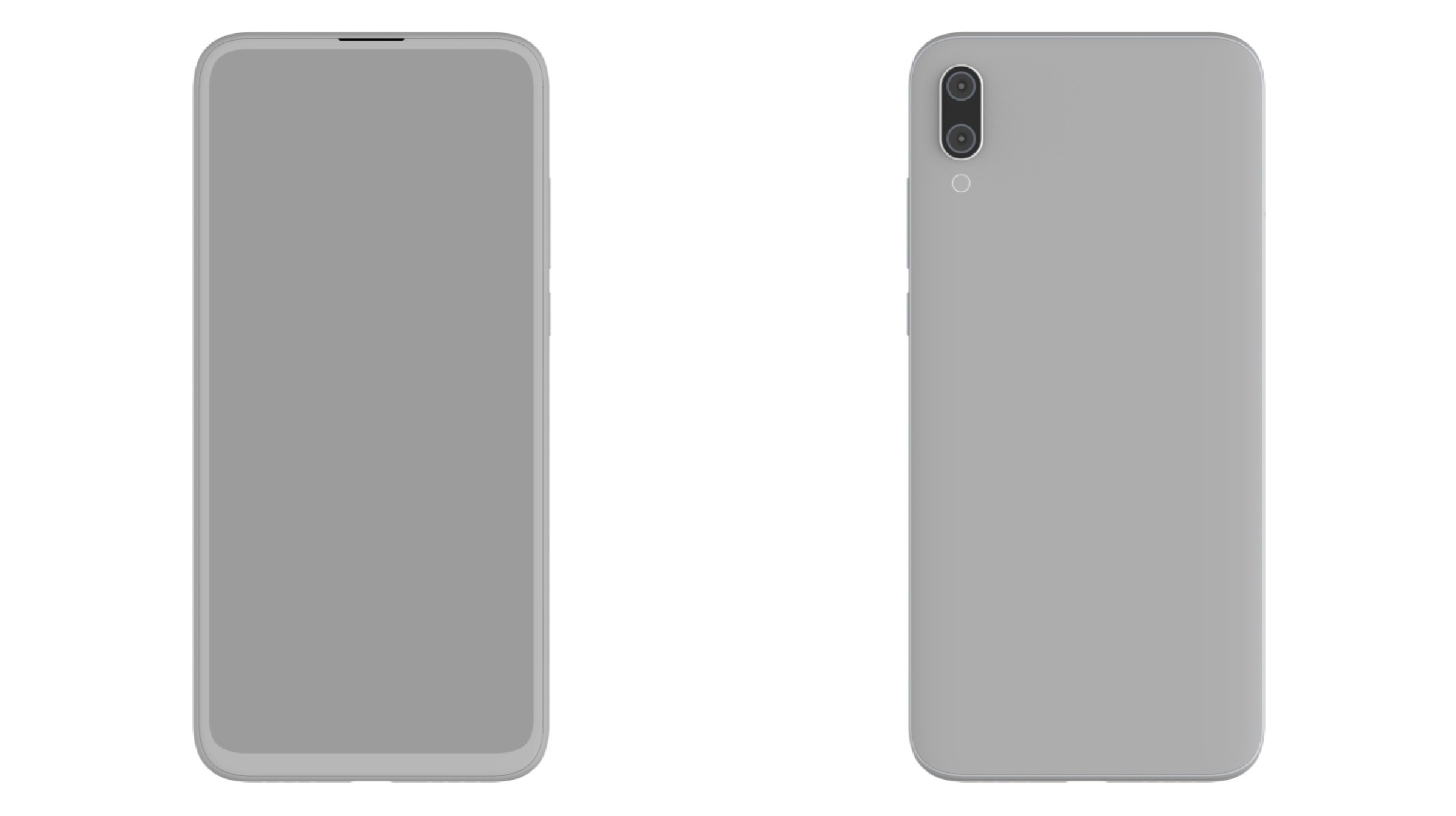
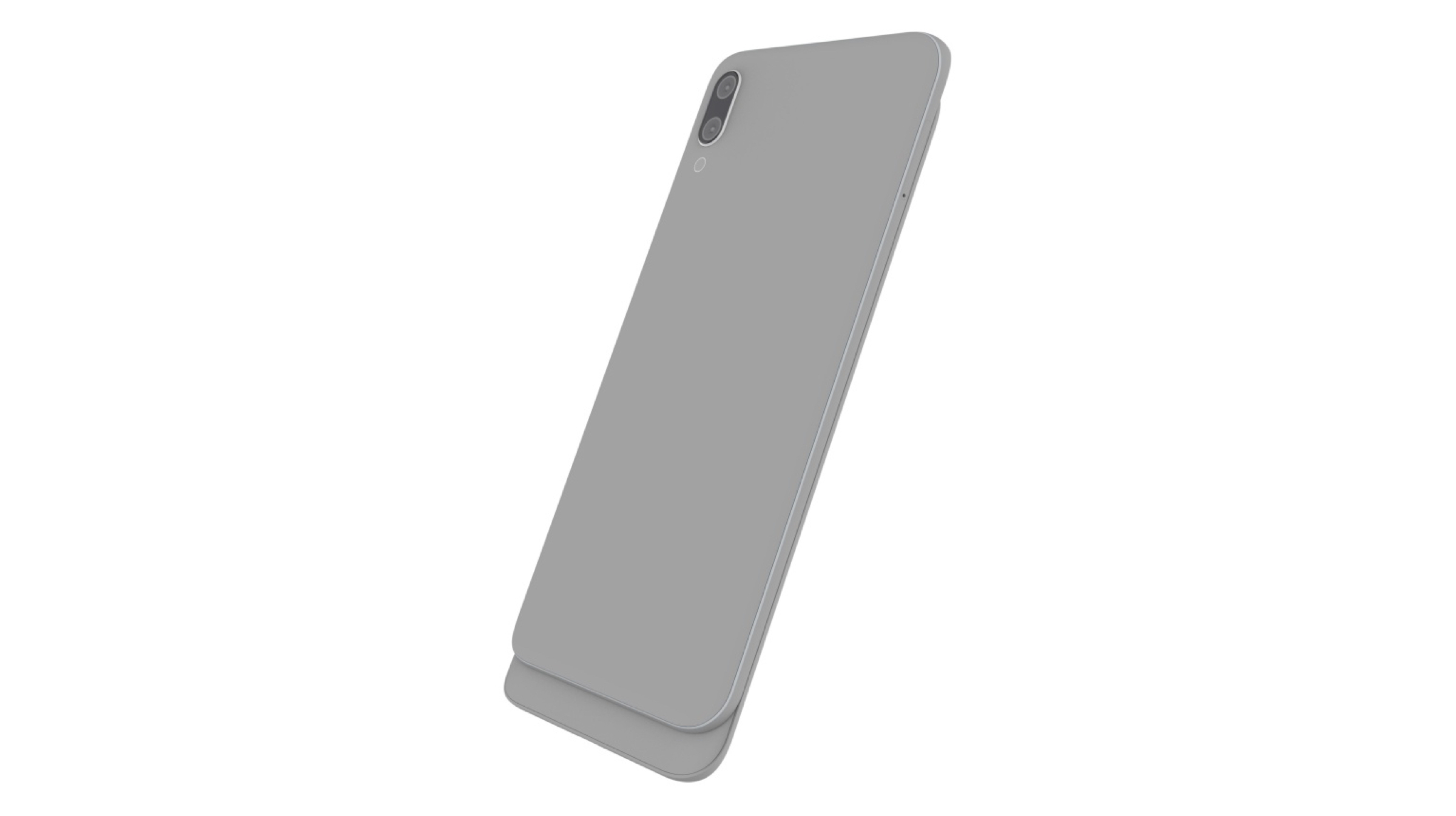
    As previously mentioned, the foldable ZTE phone has a clamshell style design which folds vertically. Distinguishingly, the display has an asymmetric fold with the top part being slightly shorter than the bottom. When the device is in its folded state, a small portion of the larger screen remains visible which might be used to display important notifications like phone call alerts. 

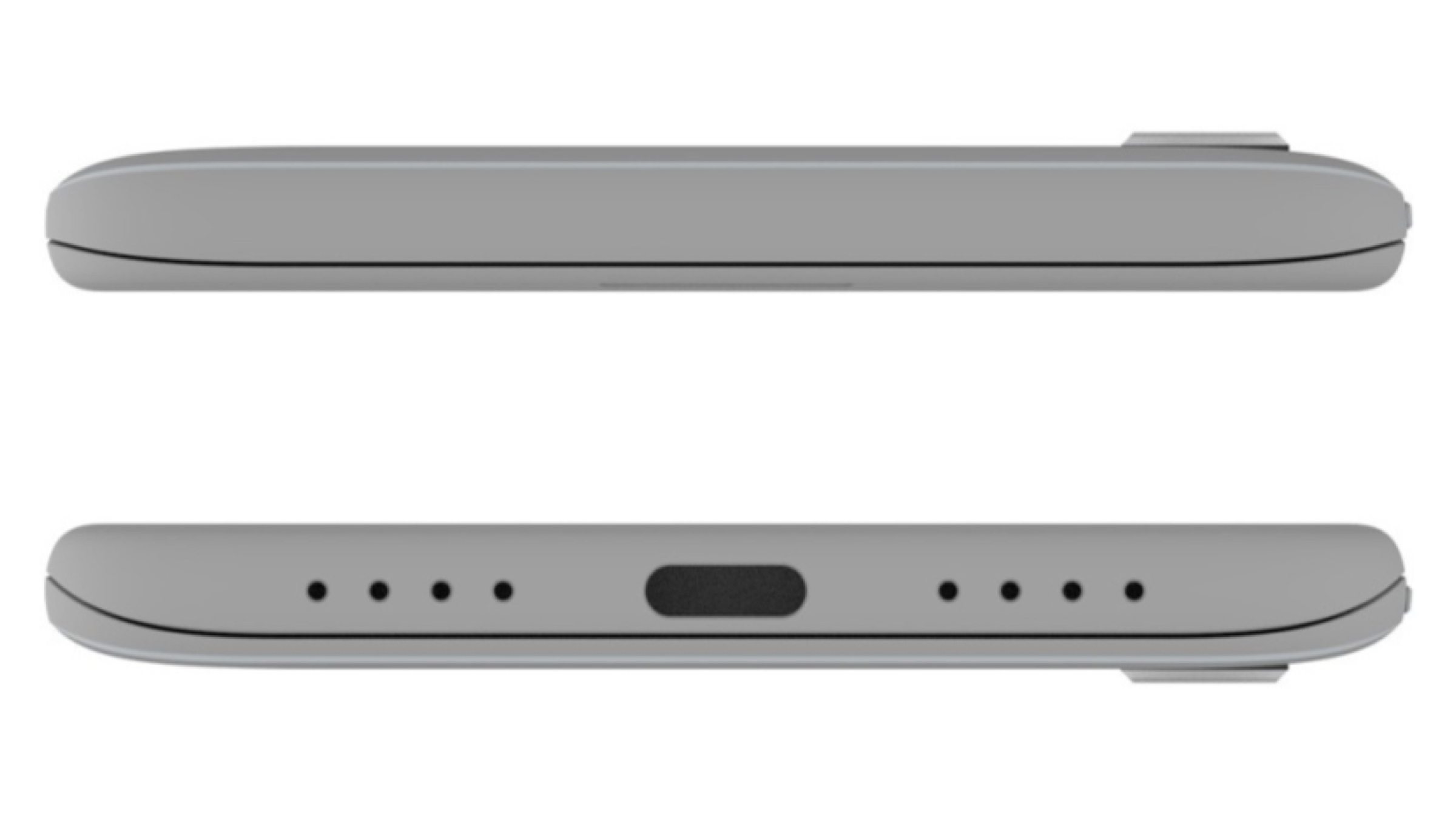
    The rear of the foldable ZTE smartphone is as unconventional as its front. The bottom half of the rear accommodates dual cameras along with an LED flash. Inversely, the top half is free from any components except for two unexplained circular cutouts. The right side of the device is occupied by volume rockers and power button while the bottom is occupied by a connector port which is flanked by grilles on either side. 

    Also Read: Nvidia Announces New GPU Driver, Game Bundle & G-Sync Compatible Monitors

    The foldable ZTE smartphone surely seems promising, however, it is hard to predict the launch date of such a device. Though we expect more information to be available when the company openly talks about it.  

  • Samsung Patents A Wireless Television

    Samsung Patents A Wireless Television

    Samsung is a leader in several fronts of technology including smartphones and televisions. Earlier this year the company had launched the world’s first smartphone with an ultrasonic fingerprint sensor in the form of Samsung Galaxy S10 and S10+. Another interesting product that the company is expected to launch is wireless Television. A freshly granted patent demonstrates how the aforementioned Television operates and functions. 

    Patent Revelations

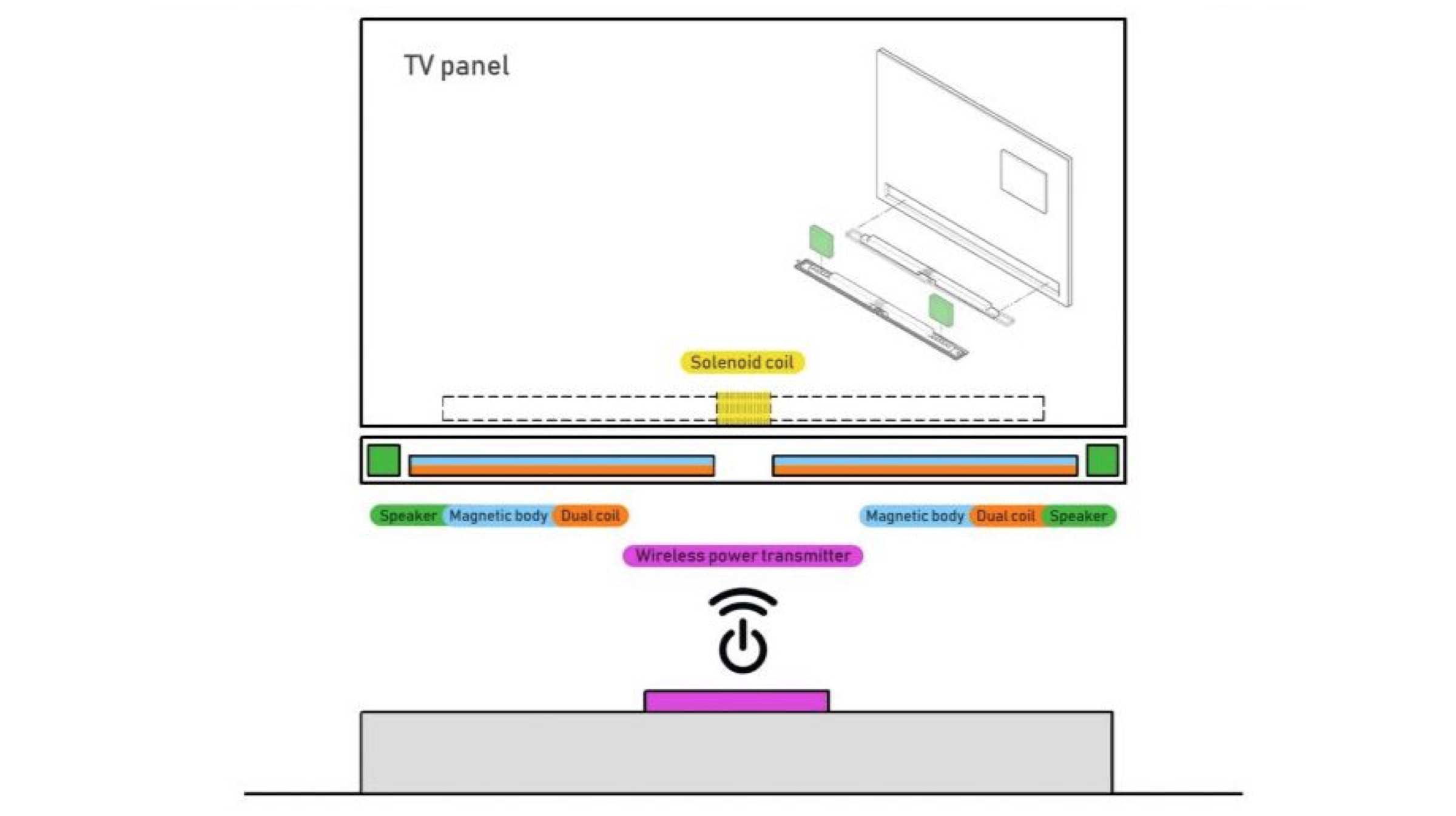
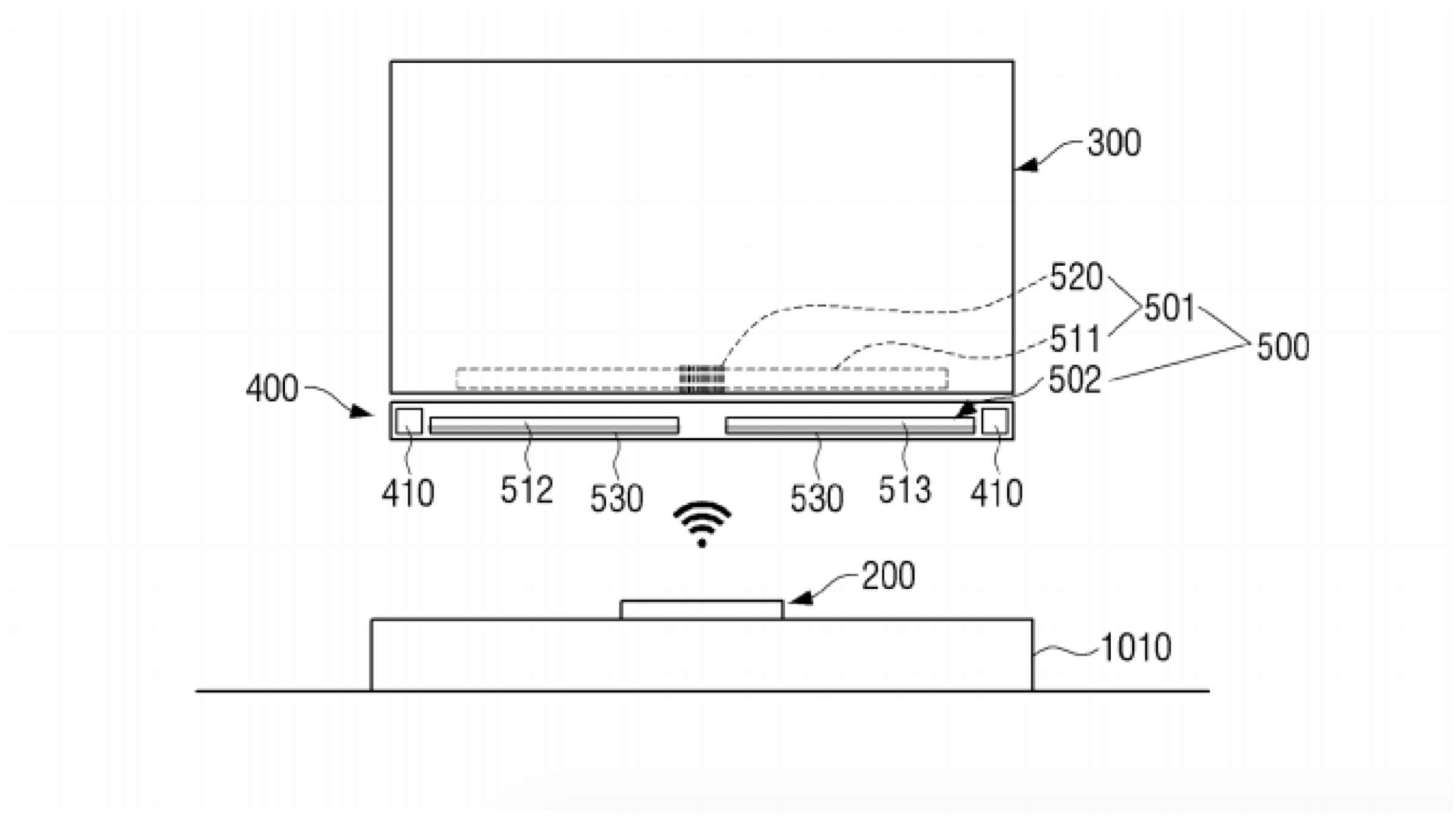
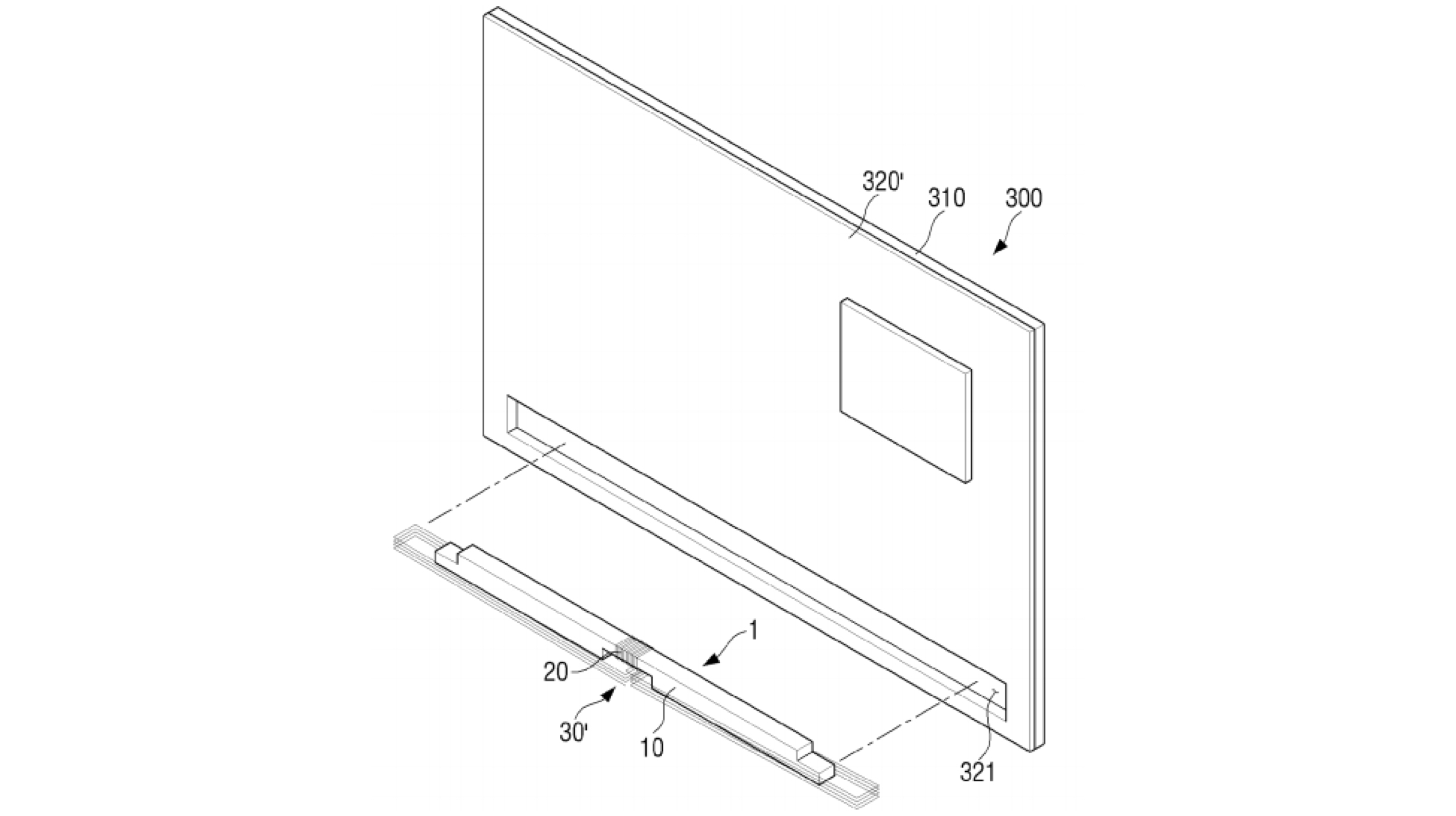
    Samsung filed a patent with WIPO (World Intellectual Property Office) for a wireless power transceiver and display equipment in the month of March last year. The patent was granted to the company on the 28th of February 2019, which details how Samsung envisions to power the TV wirelessly. Traditionally, wireless power transfer can be achieved with the help of using a wide coil. But, it is not feasible to accommodate the apparatus in thin televisions of the modern day.

    The patent granted to Samsung exhibits a slim bar-shaped wireless power transceiver which is mounted horizontally behind the TV unit. A transceiver is a device that can both transmit and receive connections. The power transceiver is provided with dual coils which are wound in opposite directions. The patent also details a power supply unit which is placed below the TV but does not physically touches the display unit. Except for this information, other details like the size of the display, type of the display are currently unavailable. According to reports, the TV with this technology will take a few more months to turn into consumer-ready products. Accordingly, the company can showcase such a TV at the upcoming IFA 2019 event or CES 2020.

    Also Read: Samsung Is Readying Two More Foldable Phones

  • Samsung Is Readying Two More Foldable Phones

    Samsung Is Readying Two More Foldable Phones

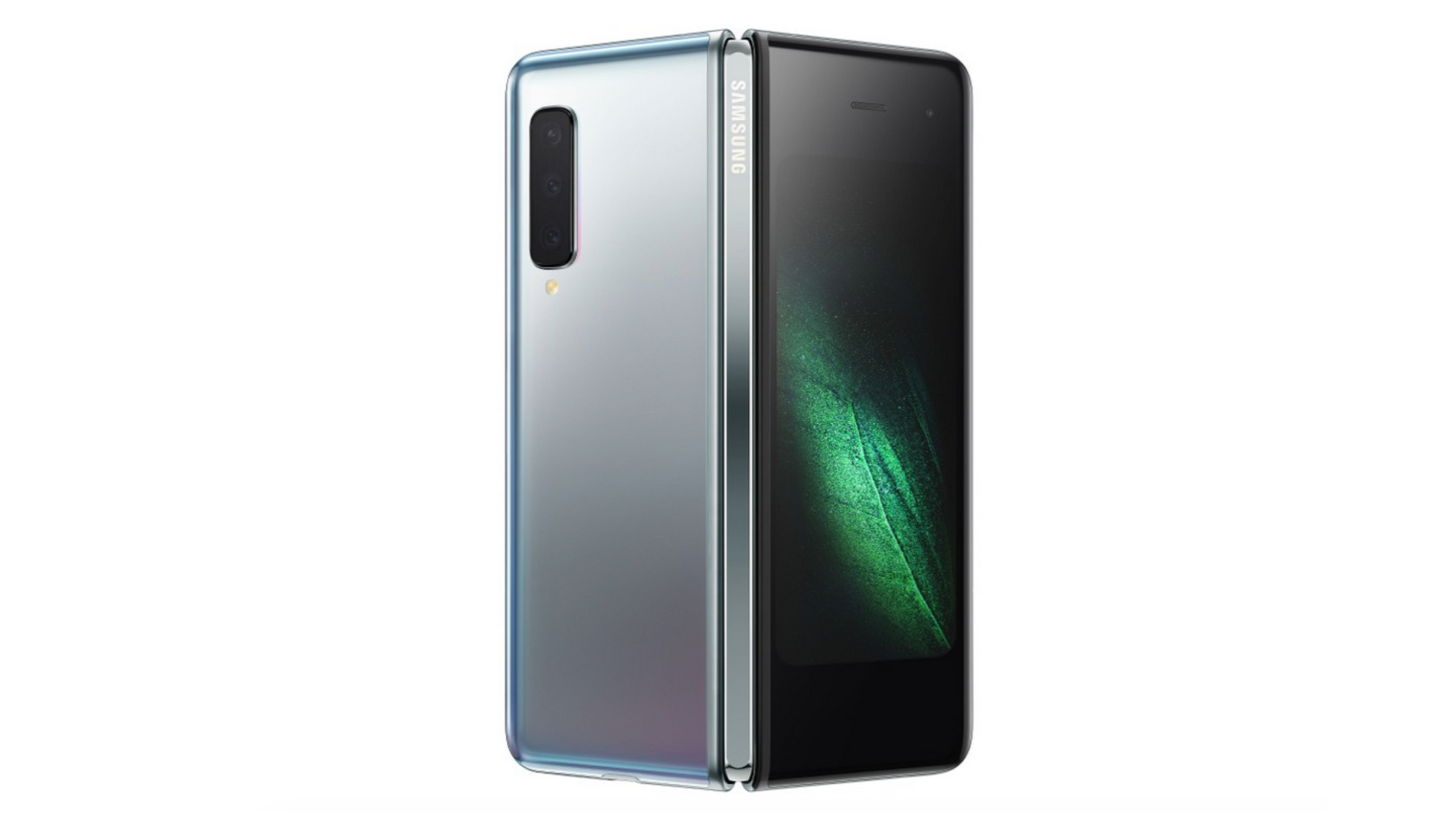
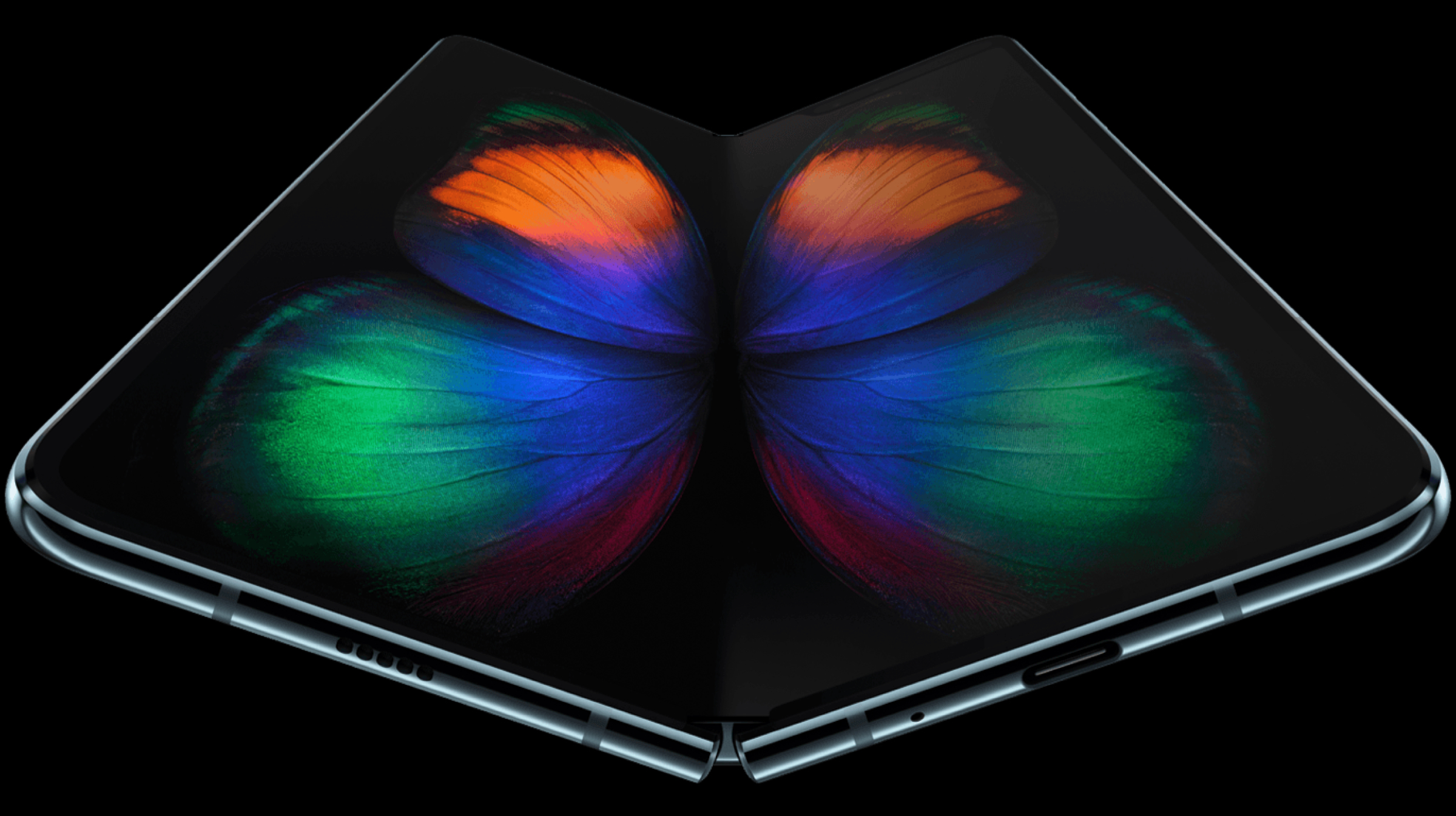
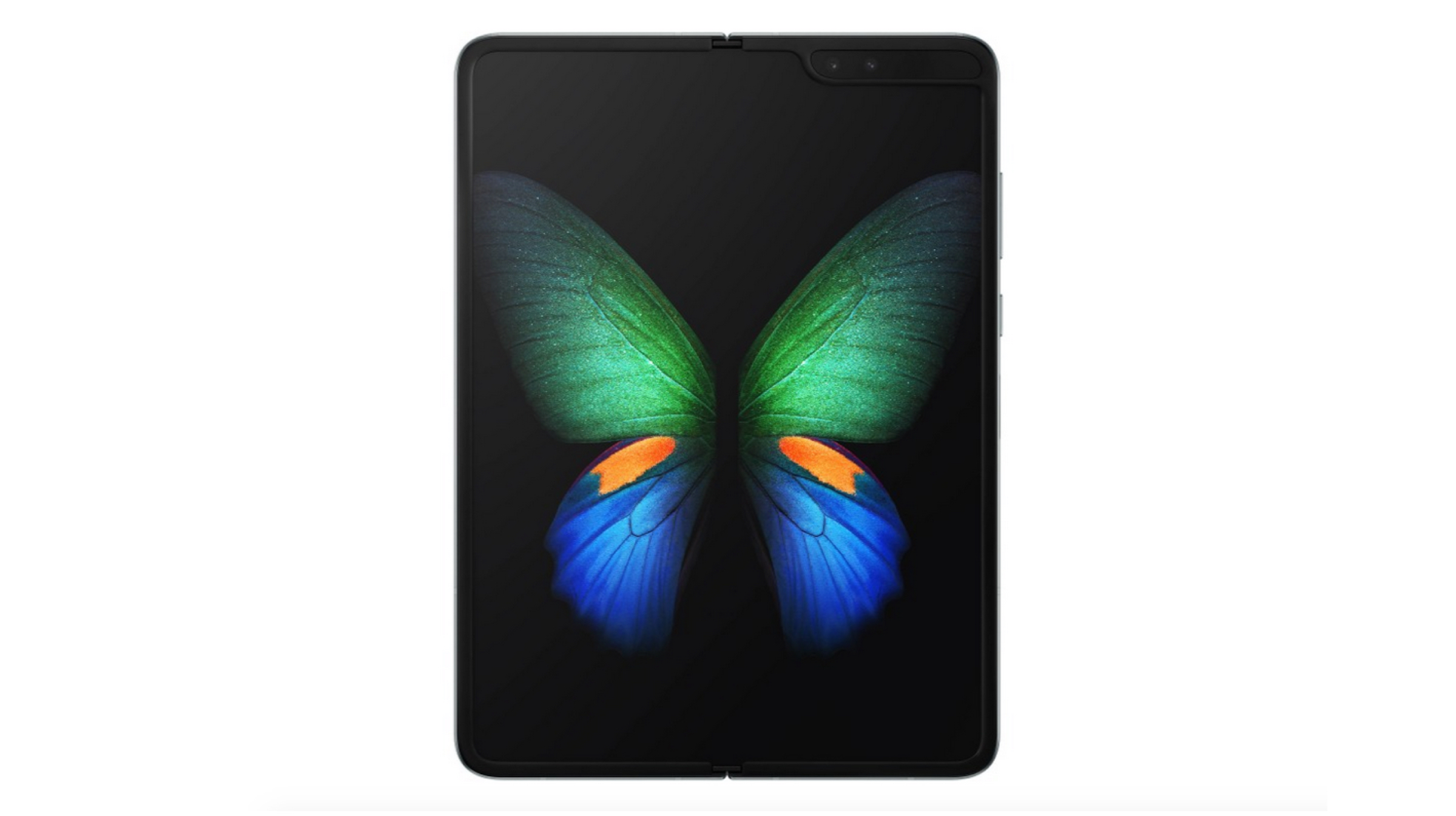
    Korean electronics giant, Samsung launched a revolutionary foldable smartphone called the Galaxy Fold last month. As the name suggests, the newly launched smartphone and tablet hybrid sports a foldable inner display. Except for Samsung, two other companies, Royole and Huawei have also launched foldable smartphones, the FlexPai and Mate X. Although the market for foldable smartphones is considerably new, analysts have high hopes from the device with this new form factor. According to a freshly published Bloomberg report, Samsung is developing at least two more foldable smartphones which have dissimilar designs in comparison to the Galaxy Fold. The two upcoming devices will provide a headstart to Samsung in the market that is expected to explode soon.

    Upcoming Foldable Galaxy Smartphones

    Samsung Galaxy Fold

    The Bloomberg report claims that out of the two upcoming foldable Galaxy devices, one will have a vertically folding display while the second type will have an outer folding display. The vertically folding smartphone is also reported to have a cover display which reminds of the unreleased foldable Moto Razr. On the other hand, the smartphone with an outer folding display is expected to similar to the Mate X. The former will only have one display. Therefore, it will be thinner than the Galaxy Fold.

    Noteworthy, the report points out that Samsung is currently trying several types of foldable smartphones. As of now, nothing has been set in stone. The vertically folding smartphone is reported to go on sale by the year of this year while the outward folding Galaxy smartphone will be released early next year. Samsung had previously claimed that it expects to ship 1 million units of a foldable smartphone in the year 2019. The upcoming smartphone will help reach the company to reach its anticipated target.

    Samsung Galaxy Fold

    In addition to the two unreleased foldable smartphones, Samsung is also working to improve the durability of the Galaxy Fold’s display. The previously launched device develops a crease on its display after it has been unfolded up to 10,000 times. Praiseworthy, Samsung is also considering to offer free screen replacement on the Galaxy Fold after it is launched in the month of April. 

    Price Of Upoming Foldable Galaxy Phones

    Also Read: Hyperloop: All You Need To Know About The Fastest Mode Of Public Transport

    Unfortunately, the price of upcoming foldable phones from Samsung is currently unavailable. Though the devices are reported to cost lesser than the Galaxy Fold which costs US $ 2000. As, the lower price can contribute to their higher sales. 

  • HTC Will Soon Make A Comeback In India

    HTC Will Soon Make A Comeback In India

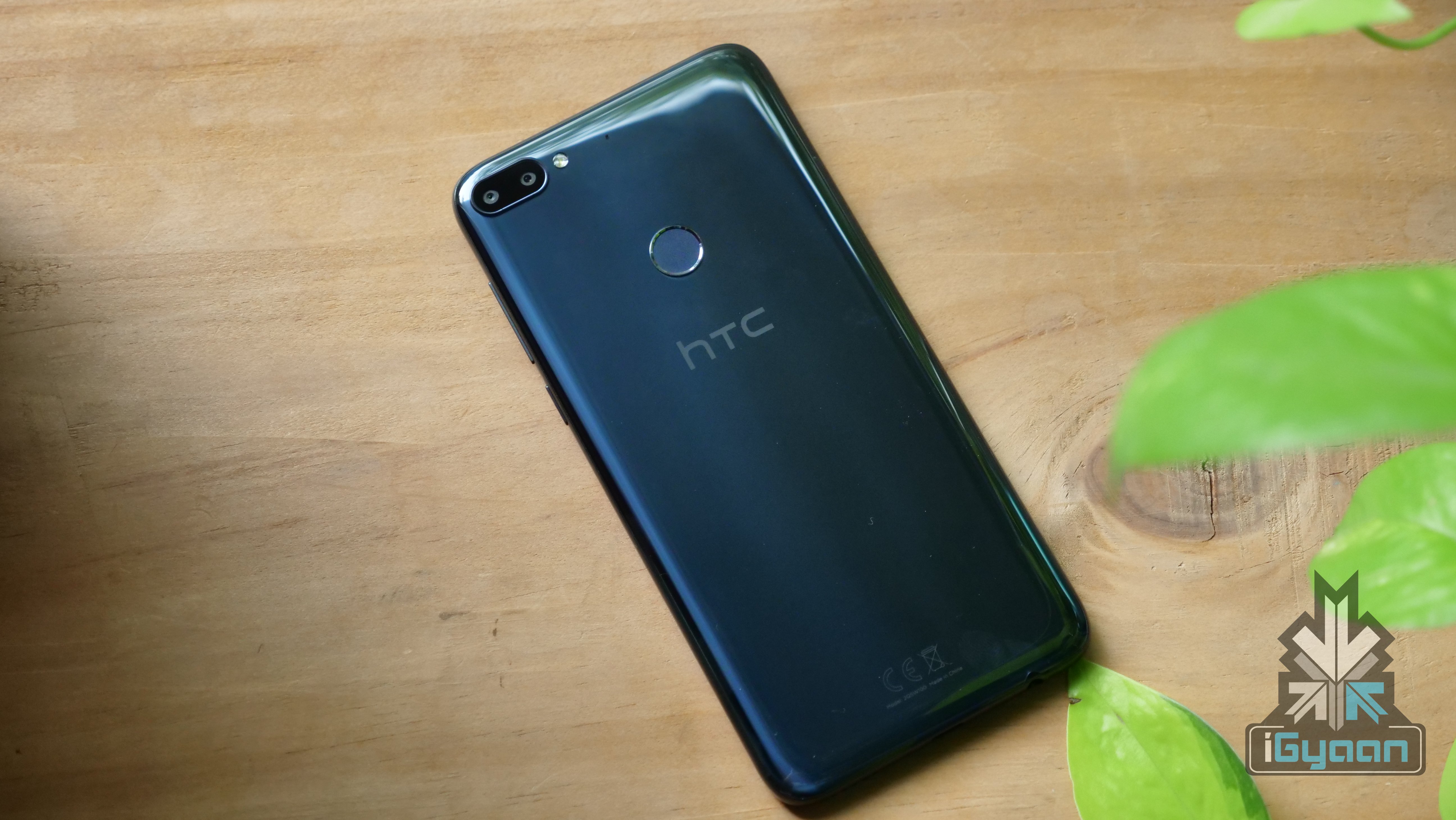
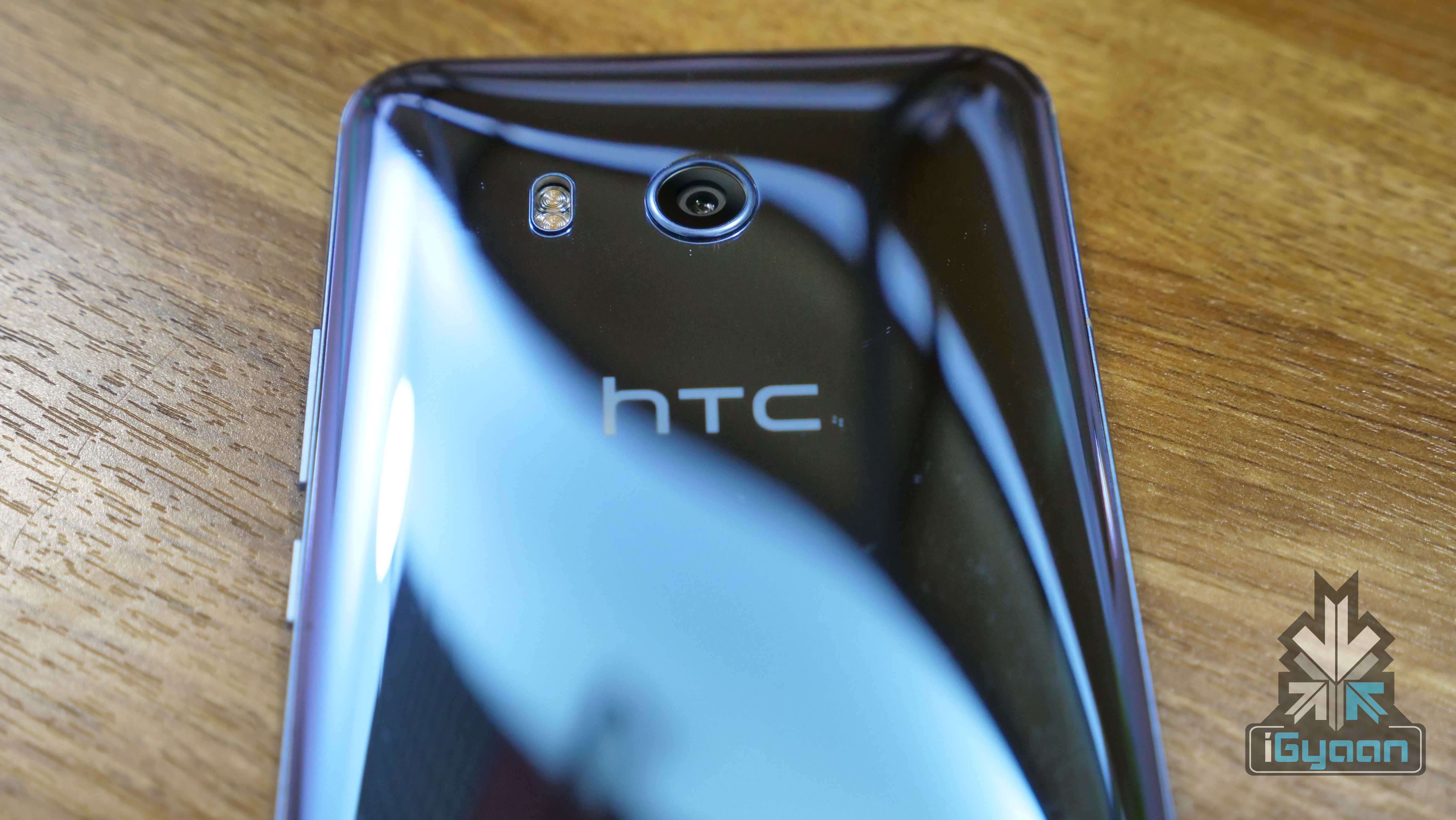
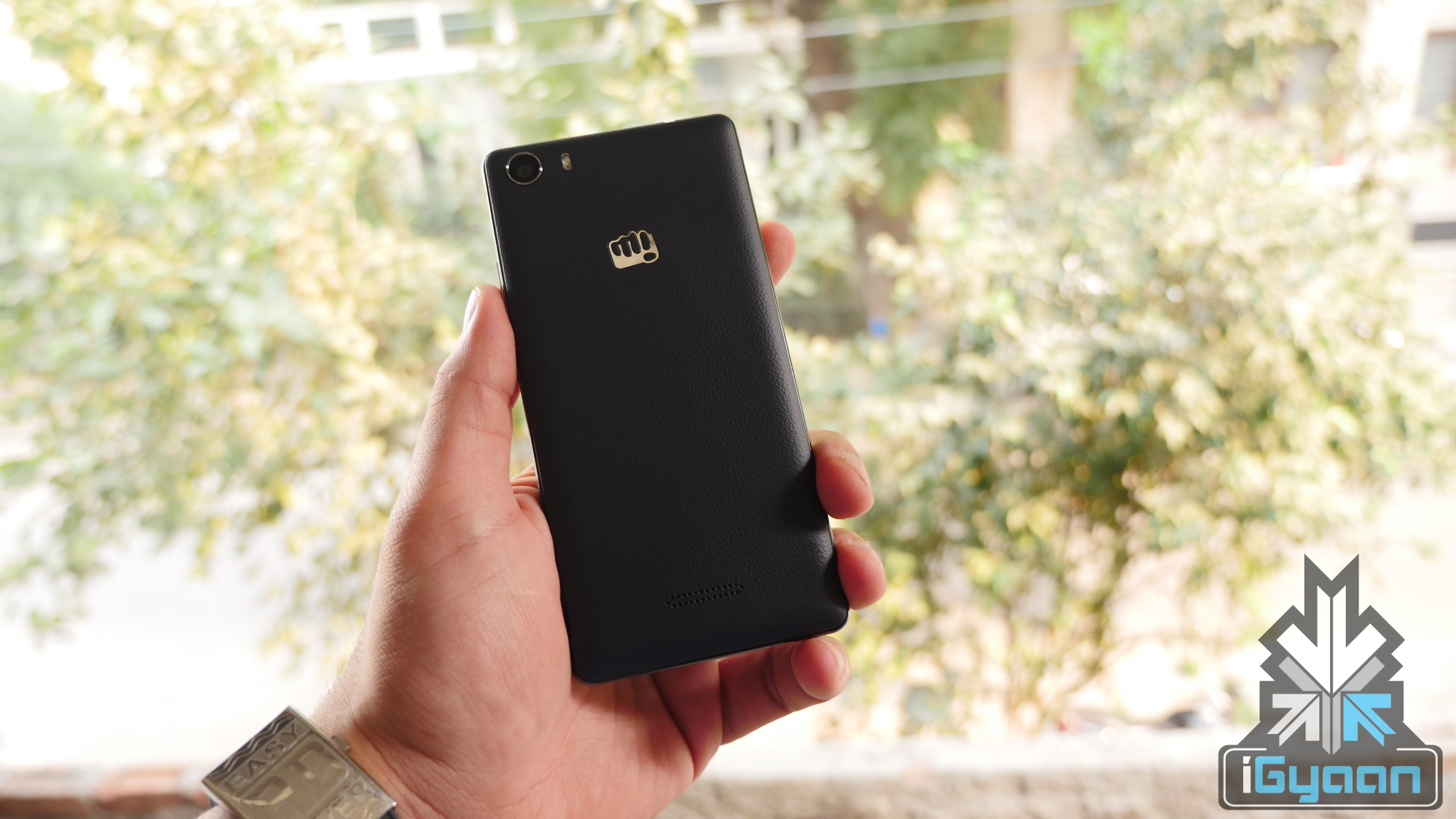
    Taiwanese smartphone maker, HTC has seen better days in the past accrediting to its software and hardware innovations. Noteworthy, it was the worlds first company to launch a dual camera smartphone, the EVO 3D. However, in an economy like India which is majorly driven by the specification to price ratio, HTC failed to persist and ceased its operations in the country last year. Reportedly the company is planning to make a comeback in India but in a completely different convention. The company is in talks with three Indian OEMs, Micromax, Lava and Karbonn which will license its brand name and will pay a royalty in return. 

    Why Would Indian Companies Want To License HTC’s Brand Name?

    In the last couple of years, the market share of Indian smartphone companies has fallen drastically. According to reports, Indian companies had a 40% market share in the year 2015 which had fallen to single-digit last year. Clearly, this is due to fierce competition from Chinese companies like Xiaomi and Oppo. The aforementioned Indian brands are currently focusing on feature phones and entry-level smartphones in order to thrive this deluge.

    Products offered by HTC in the past were mostly targetted towards the premium and mid-range segment. Assuredly the company had the brand value which pulled the customers to its offerings. Hence, Indian brands with the help of HTC’s brand name can tap into these segments which they are currently incapable of. 

    What To Expect In Terms Of Products?

    Also Read: Redmi Note 7 To Go On Sale For The First Time In India

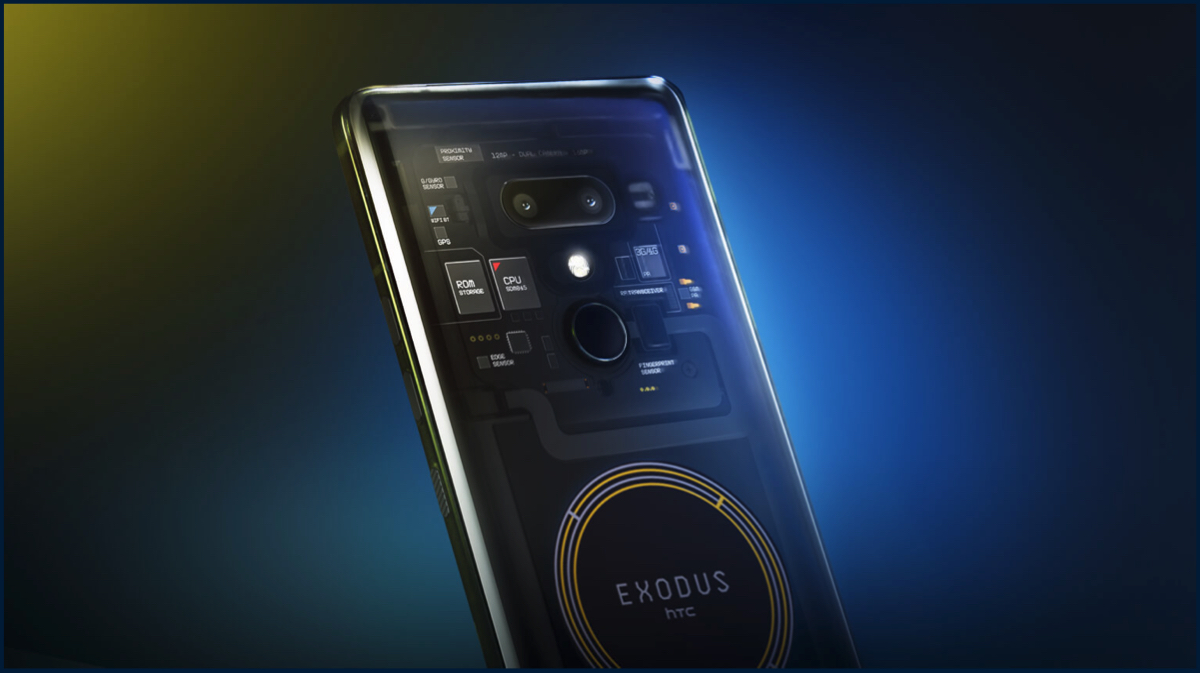
    It is unannounced what products will be sold under HTC’s brand name in India. Nevertheless, the portfolio will certainly include smartphones and it can also incorporate tablets and smart home products. One smartphone that the company can launch in the country is the HTC Exodus which is the world’s first blockchain smartphone. Another product that the company can launch is the 5G hub which as the name suggests is 5G compatible device. It is an attractive looking smart home gadget that has a built-in screen and runs on Android OS. Information about other products is expected to follow soon which we will keep you posted on. 


  • Penta Camera On The Nokia 9 PureView, What’s All The Hype About?

    Penta Camera On The Nokia 9 PureView, What’s All The Hype About?

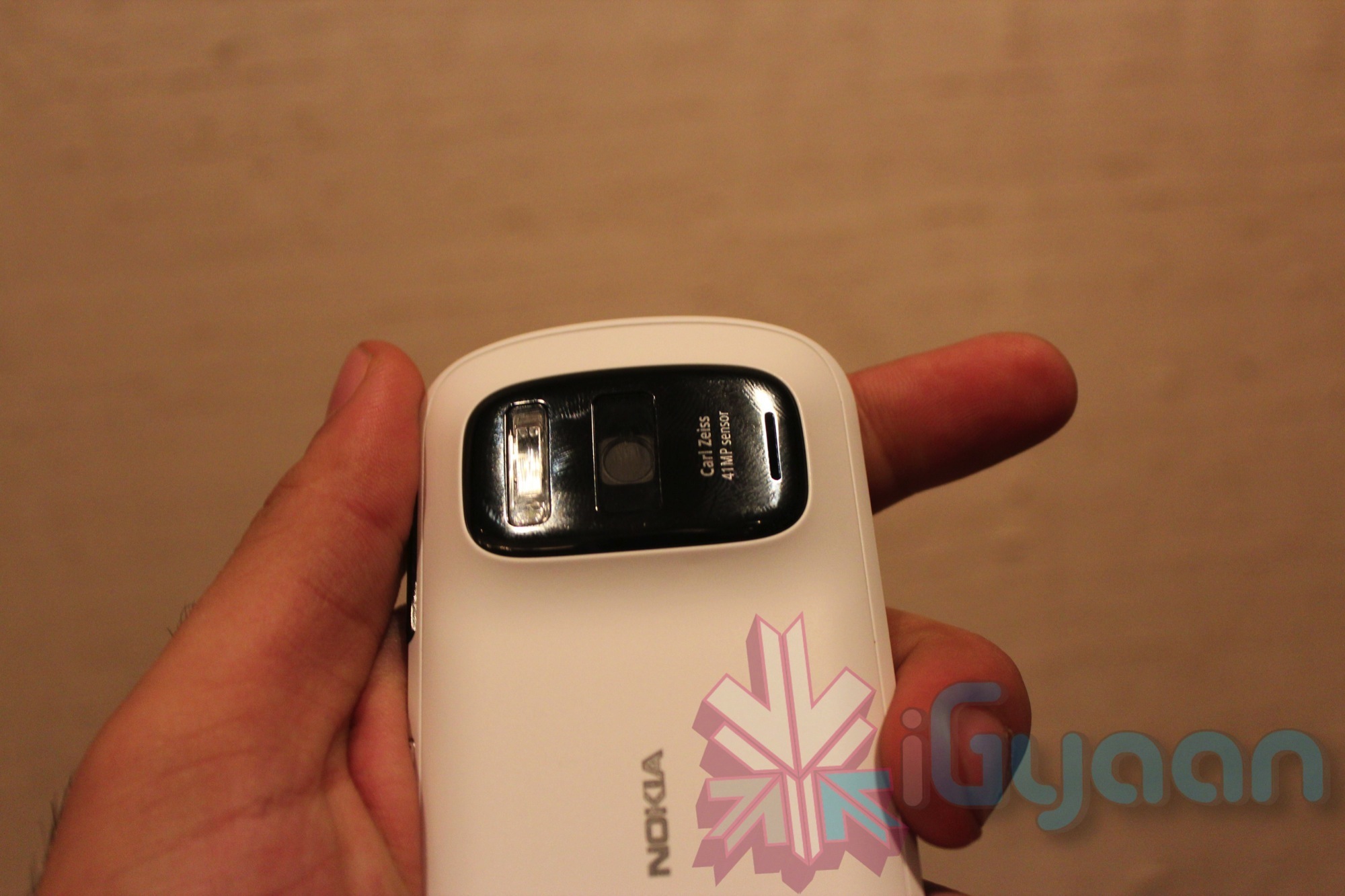
    Cameras on smartphones have evolved so much so that the need for bulky camera equipment including DSLRs and digital cameras have reduced greatly. Apple’s iPhone has been one smartphone that is renowned for its camera quality ever since its launch. Nokia, another leader in smartphone technology has also manufactured devices in the past that had remarkable camera capabilities. One such device is the Nokia 808 PureView from the year 2012 that featured a 41 MP rear camera sensor. Meanwhile, Taiwanese smartphone maker HTC launched the world’s first dual camera smartphone, the EVO 3D. This device kicked off the whole trend of multiple camera sensors on a smartphone. Having multiple cameras on a smartphone can surely provide its camera capabilities with a boost. However, Google with its Pixel lineup of smartphones have time and again proved that it is not necessary to have more than one camera sensors to capture excellent images.

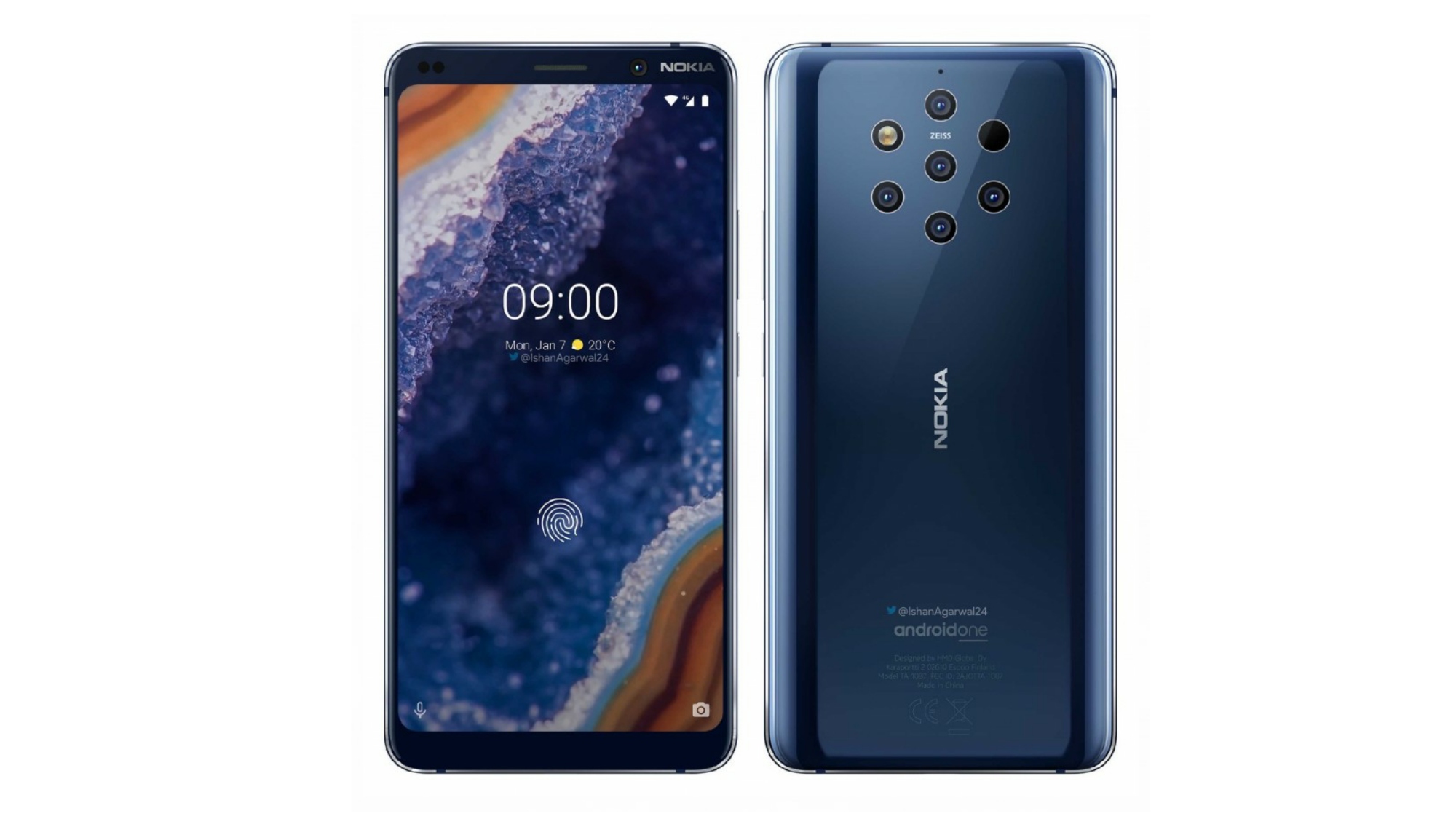
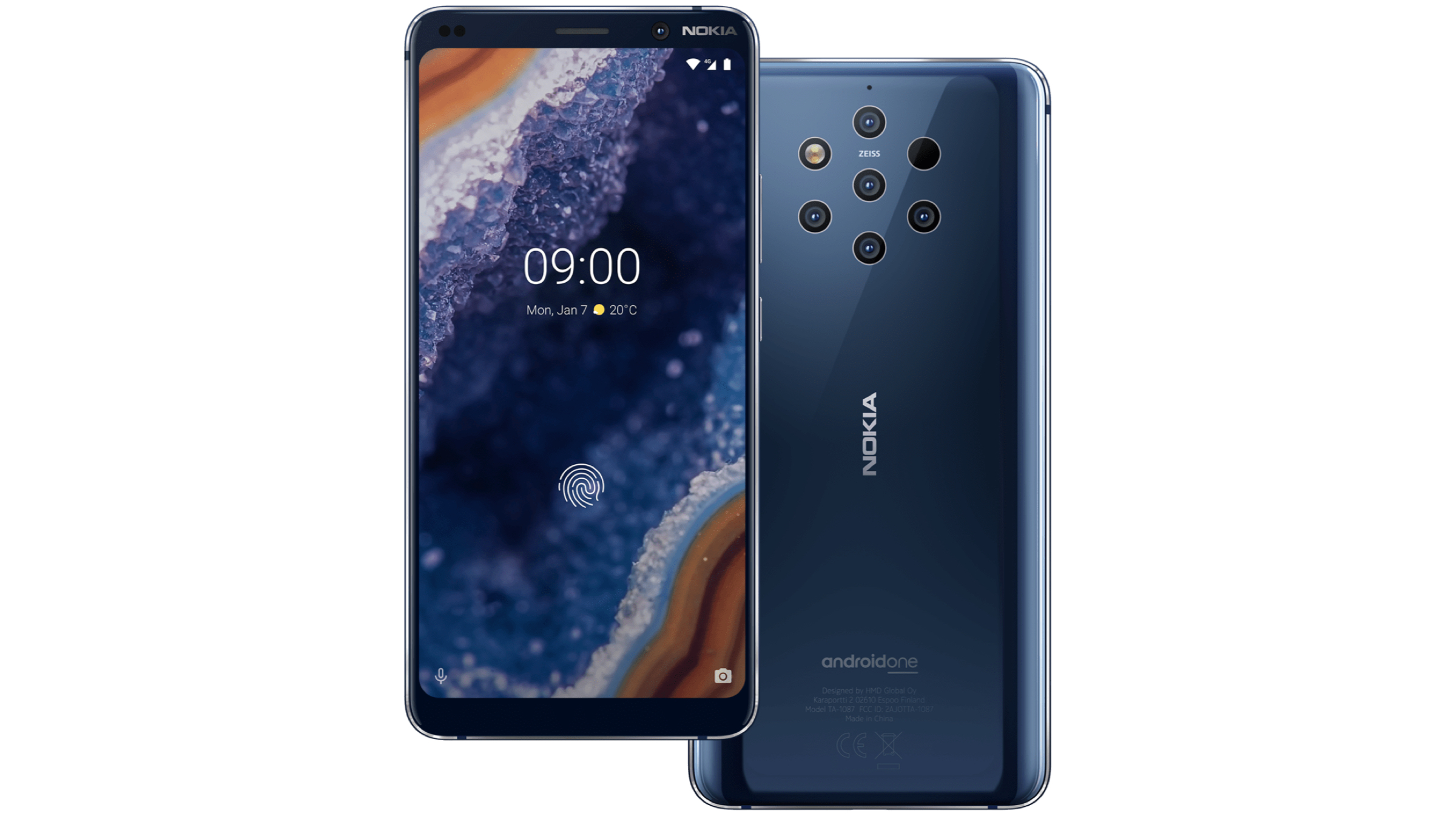
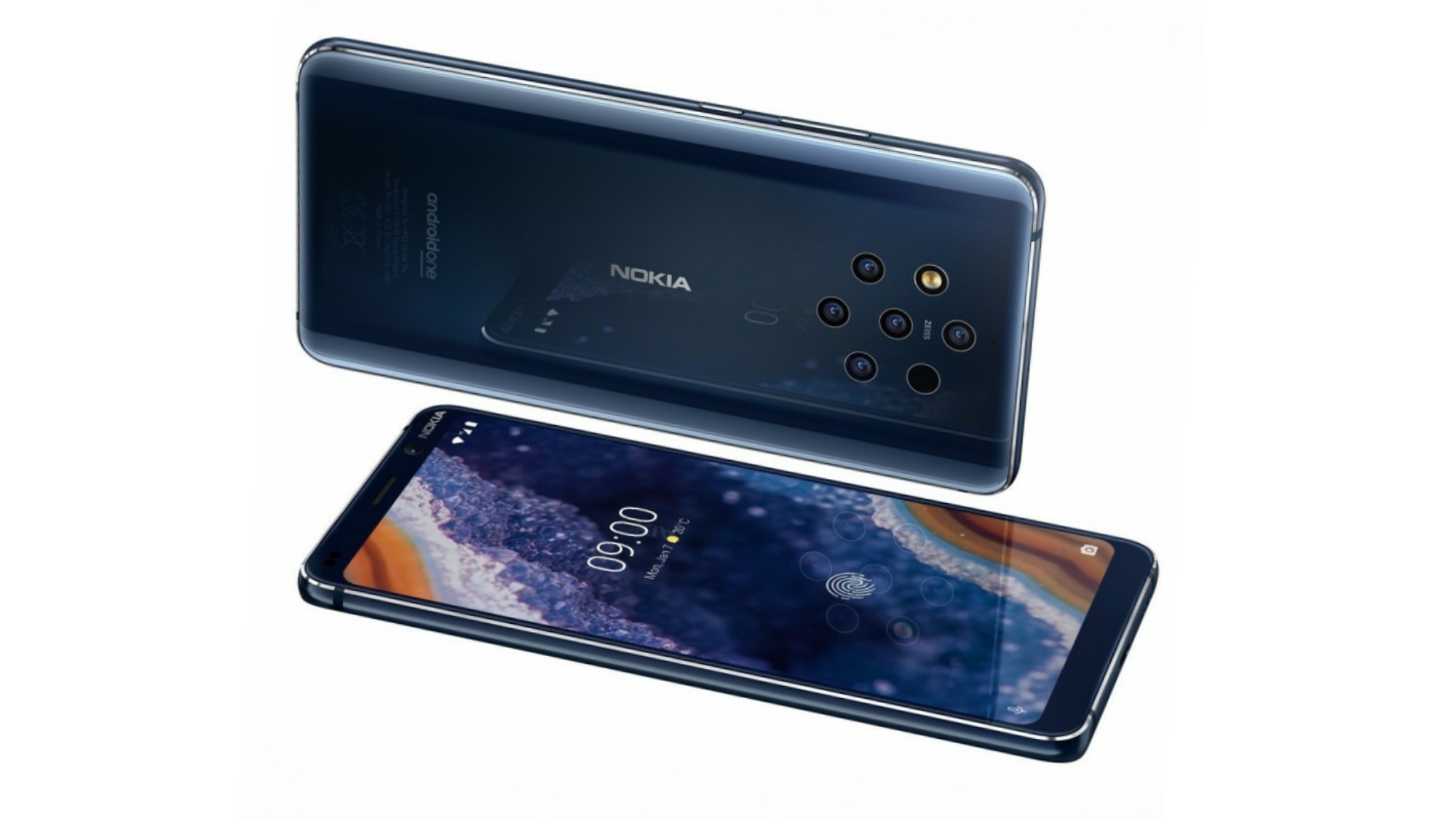
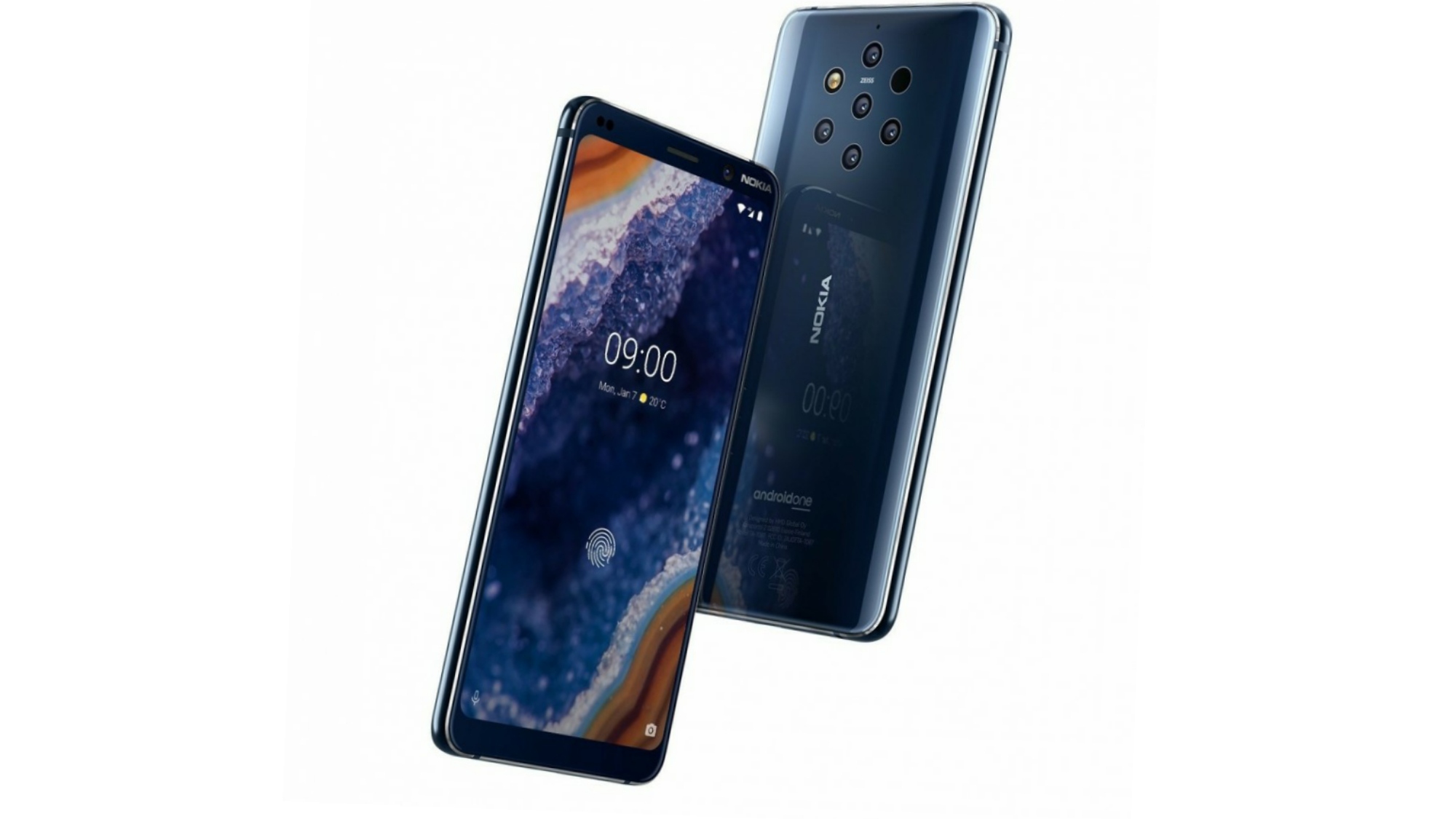
    Nokia, now owned by HMD global has unveiled its latest flagship smartphone, the Nokia 9 PureView. The smartphone was launched during the MWC 2019 which was held in Barcelona late last month. The newly launched smartphone is packed with high-end specifications, though its key highlighting feature is certainly the rear mounted Penta camera setup. Long before the launch of the Nokia 9 PureView, there have been boatloads of enigmas surrounding the camera setup it packs. In this article, we will spread some light on the strange-sounding man-made technological marvel to demystify all its element and aspects. 

    Composition Of The Penta Camera Setup

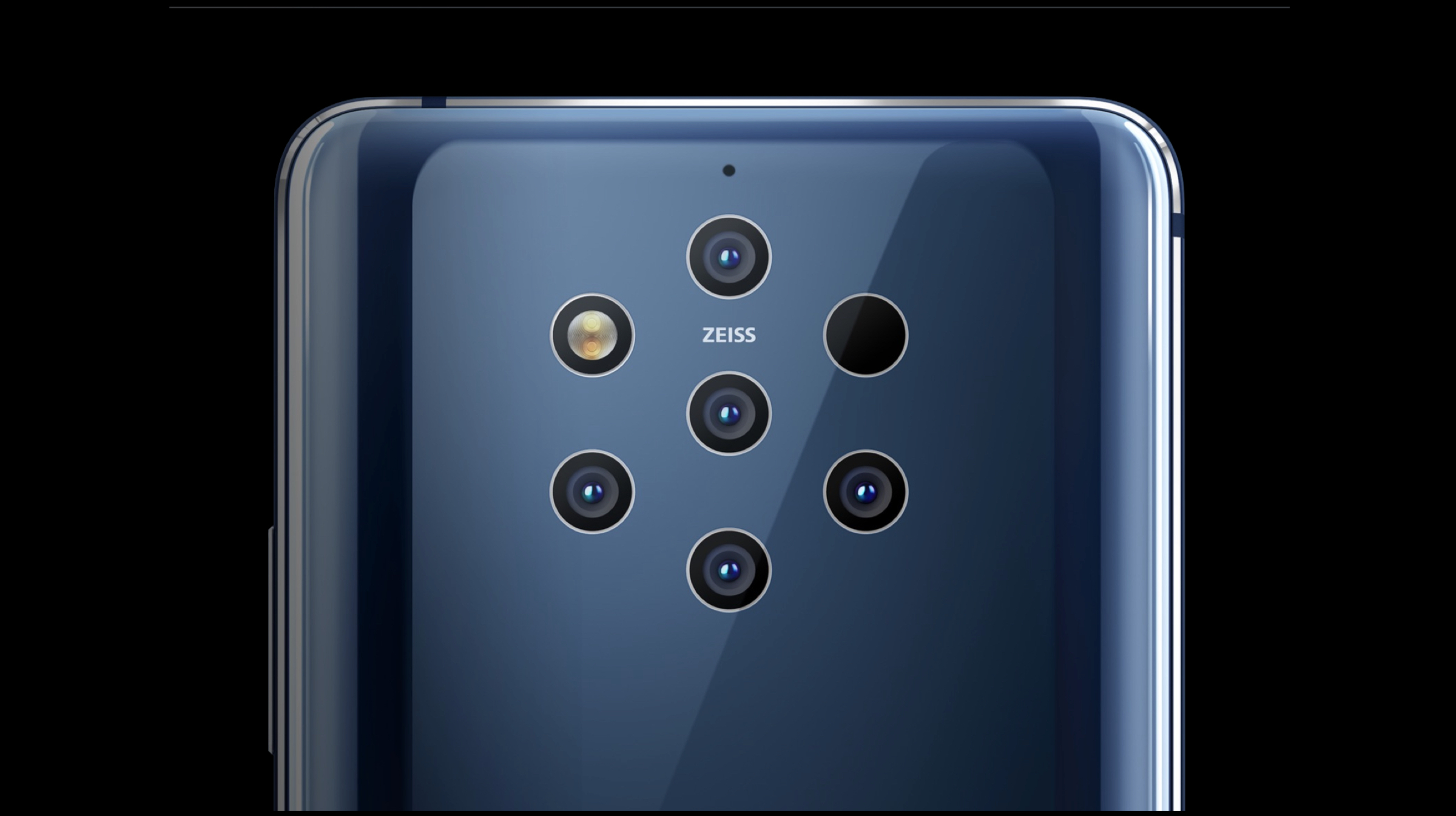
    The Penta camera setup of the Nokia 9 PureView is located on the 2.5d curved rear glass panel. Its alignment mirrors that of a hexagonally shaped constellation. Out of the five sensors, two are RGB sensors that capture the image and video data in colour format. While the remaining three are Monochrome sensors which capture Black and White image and video data. Each of the camera sensors has a resolution of 12 Mega Pixel and use a 28 mm lens. The camera sensors have a pixel size of 1.25µm (ultra micron) which allows in capturing 1.25x the amount of light resulting in better lit pictures.

    Uniquely, the Nokia 9 PureView also has a ToF (Time-of-Flight) imaging sensor which enables it in capturing the depth of field (DOF) in an image. As the name suggests, DOF is the distance between the farthest and nearest object in the frame. This additional information captured by the sensor is infused with the pictures captured with the five sensors resulting in an image that looks multi-dimensional. This image focuses mainly on the subject while de-emphasizing the other background elements. Supplementary, the focus of images captured on the Nokia 9 PureView can be readjusted after clicking the picture if need be.  

    Distinctive Camera Features

    The Nokia 9 PureView, unlike most other smartphones, can also capture images in RAW and DNG format. This feature could be the sole reason to distinguish the newly launched device from its competition. RAW images, also referred to as ‘digital negatives’ are essentially unprocessed data that the sensor captures. RAW files preserve the most amount of information about an image and generally contain more colours and dynamic range than other formats. The prominent advantages of capturing images in the RAW file format are as follows:

    • RAW files contain full JPEG previews that were processed by the camera sensor dependent on the chosen settings. 
    • In addition to basic exposure information, RAW files also store other camera-specific data such as picture controls and focus point.

    DNG images are similar to RAW files except for the fact it is proprietary format developed by Adobe. Therefore, the software developed by Adobe including Lightroom can be used to manipulate DNG images. Additionally, DNG images can be previewed on most devices without the need for special software, unlike RAW format images. Noteworthy, the Nokia 9 can also edit both DNG and RAW format images. 

    Software and AI Algorithms

    The Nokia 9 PureView with the combination of five cameras collects up to times more light in comparison to a single smartphone camera colour sensor. The smartphone captures images concurrently from all five sensors which with the help of software and AI algorithms are processed to produce the best output. Notably, the fusion process takes upto 30 seconds and occasionally, even longer. Nokia has partnered with a company called Light that in the year 2019 launched the L16 camera with 16 lenses. Nokia claims that the hardware and software of the Nokia 9 PureView work in perfect harmony to produce the greatest output achievable. 

    Nokia 9 PureView Specifications

    Also Read: What Is Wi-Fi 6; Understanding Different Wi-Fi Standards

    • Display: 5.99-inch P-OLED, 2880 × 1440 pixels, 538 ppi
    • Operating System: Android 9.0 Pie
    • Processor: Qualcomm Snapdragon 845
    • RAM: 6 GB LPDDR4x
    • Storage: 128 GB
    • Rear Cameras: 5 x 12 MP (2 RGB Sensors, 3 Monochrome Sensors)
    • Selfie Camera: 20 MP
    • Security: In-display fingerprint scanner
    • Connectivity: 4G VoLTE, Wi-Fi 802.11 ac, Bluetooth 5.0, GPS, USB Type-C
    • Battery: 3,320mAh, Qi Wireless Charging
    • Dimensions: 155 x 75 x 8 mm
    • Weight: 172 g
  • Full Specifications Of The Xiaomi Redmi 7 Leak

    Full Specifications Of The Xiaomi Redmi 7 Leak

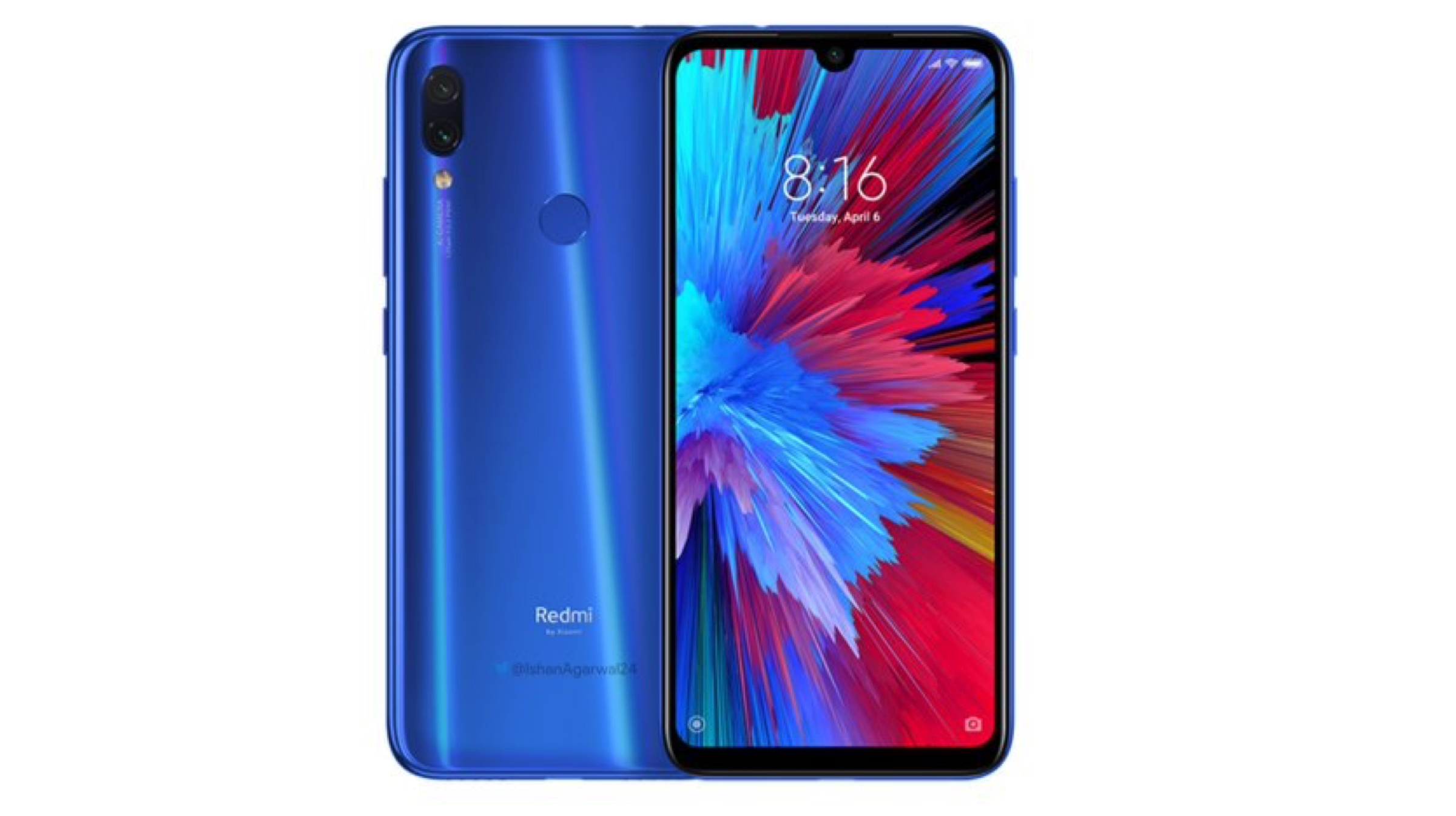
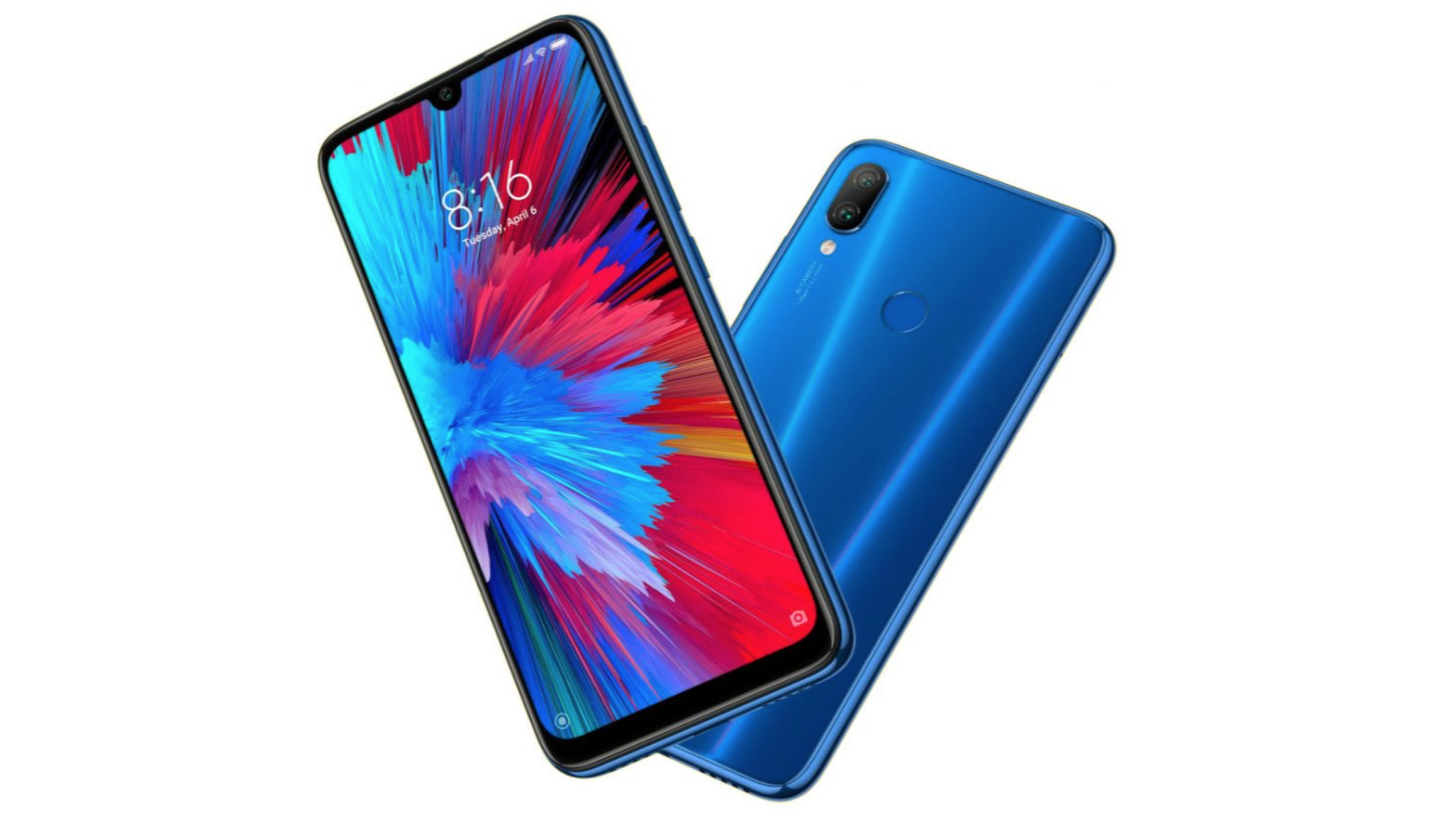
    Earlier this week, Xiaomi’s sub-brand, Redmi launched two new admirable smartphones, the Note 7 and Note 7 Pro in India. A listing on Chinese regulatory website, TENAA has revealed the specifications of the unreleased Redmi 7 which is supposed to launch soon. The smartphone will succeed the Redmi 6 which was launched last year. Going by the placing of its predecessor in companies portfolio, it will be a sub 10k smartphone will 

    Redmi 7 Specifications

    According to the TENAA listing, the Redmi 7 measure 158.65×76.43×8.47 mm and weighs in at 180 grams. The smartphone sports a 6.26 inch display that has a resolution of 1520 x 720 px. The device has a total of three cameras out of which two are placed on the rear while the third one is placed on the front. The dual camera setup at the rear is comprised of a 12 MP main sensor and an additional 8 MP sensor. The front facing camera of the smartphone uses an 8 MP sensor which is presumed to be housed in a waterdrop notch on the front of the display.

    The Redmi 7 is kitted with an Octa-Core CPU which is clocked at 1.8 GHz. Although the TENAA listing does not specify the precise chipset detail, going by the clock speed of the CPU, it is likely to be the Snapdragon 632 or Snapdragon 636. The smartphone is powered by a 3,900 mAh and runs on the latest Android 9.0 OS which will be skinned with MIUI. Connectivity options on the Redmi 7 include 802.11 ac Wi-Fi, Bluetooth, 4G VoLTE, Infrared and USB port. As of now, it is unclear whether the device will have a Micro USB port or a USB Type-C port. It also has a variety of sensors which include Gravity sensor, light sensor, distance sensor and a fingerprint sensor.

    According to the listing, the device will be available in three storage variants which are as follows:

    • 2 GB RAM + 16 GB ROM
    • 3 GB RAM + 32 GB ROM
    • 4 GB RAM + 64 GB ROM

    Except for the internal storage, it also supports memory expansion via a microSD card. The listing states two different memory expansion capacities, 256 GB and 512 GB. Although previously unheard from Redmi, the base variant might support only 256 GB of memory expansion. The TENAA listing does not provide any insight about the design and layout of the smartphone and it will be publicised once the device is officially announced. 

    Redmi 7 Price and Launch Date

    Also Read: Meizu’s New Smartphone Will Have A 48 MP Sony Sensor & Snapdragon 855

    Going by both the specifications and price of its predecessor, the Redmi 7 is assumed to be a sub 8k smartphone in India. Its launch date is currently unavailable but the company is expected to soon announce it. 

  • Realme 3 With 3D Gradient Unibody Launched

    Realme 3 With 3D Gradient Unibody Launched

    The highly anticipated Realme 3 has finally been launched. It is the successor to the Realme 2 which was launched last year. The newly launched smartphone is a significant upgrade over its predecessor and will compete with devices like the Redmi Note 7

    Realme 3 Looks and Features

    Click here to pre-book the Realme 3

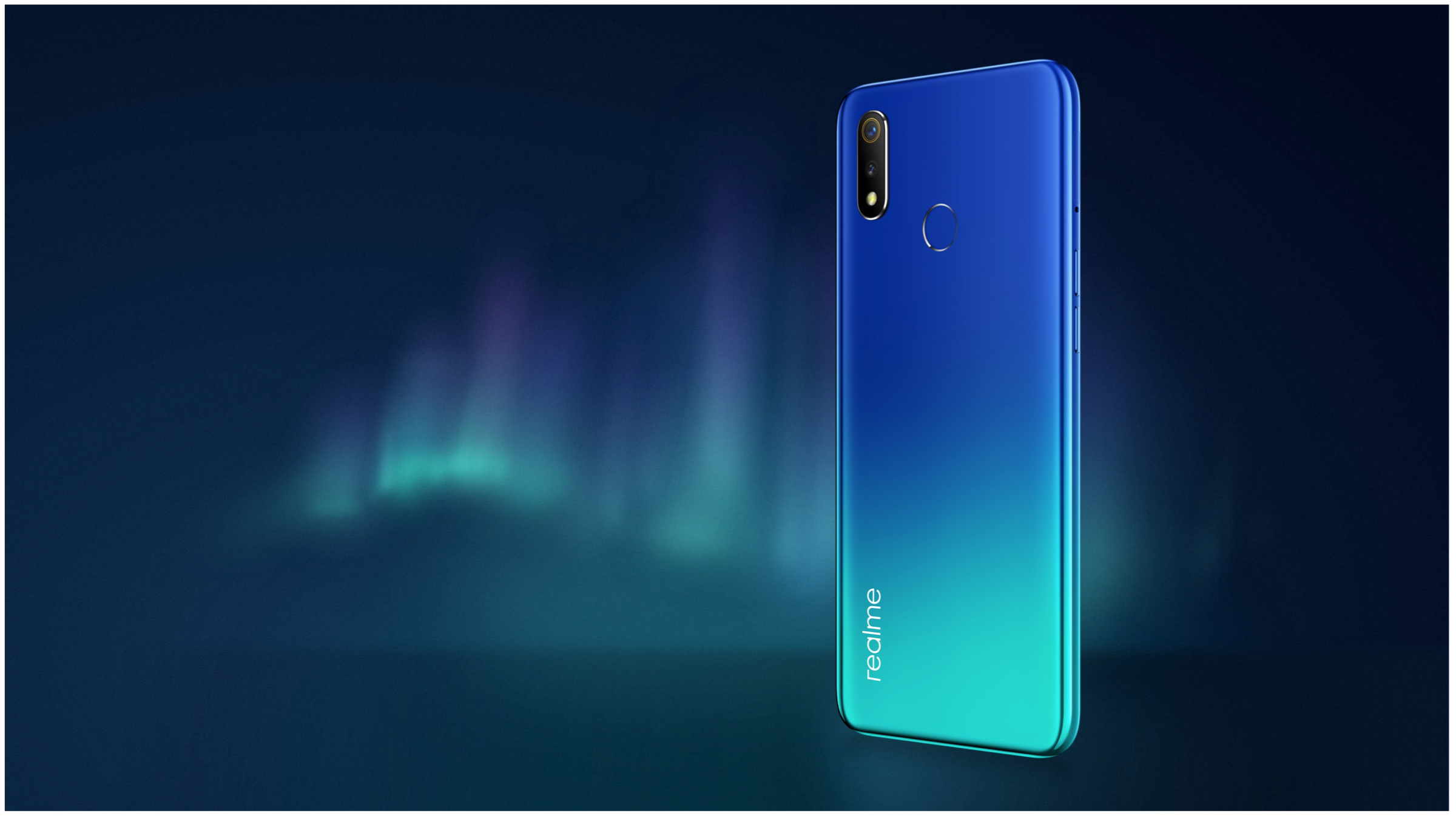
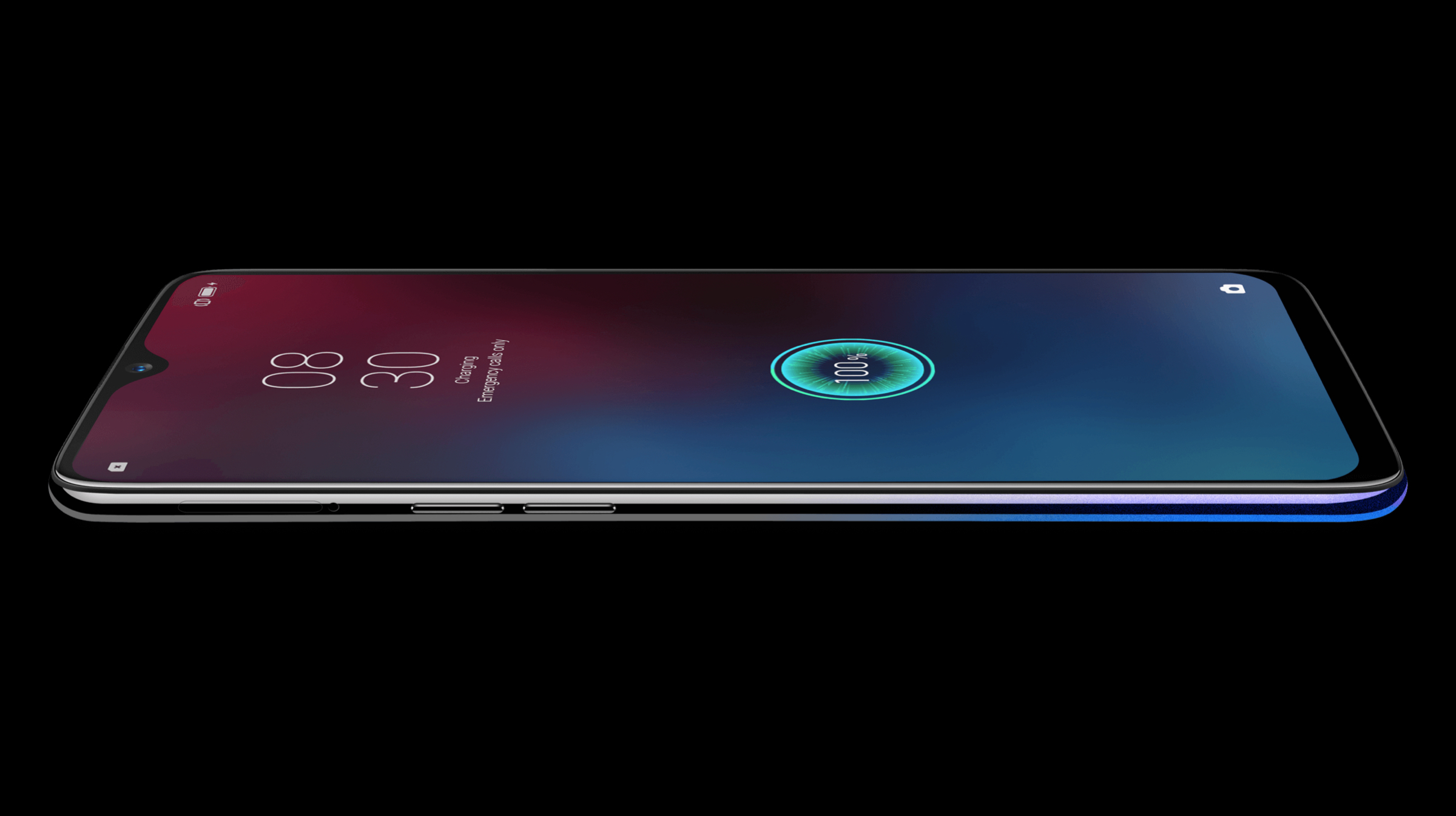
    The front of the Realme 3 accommodates a 6.2 inch Dewdrop notch display which is surrounded by thin bezels on all sides. Intriguingly, the handset is highly reminiscent of the OnePlus 6T. The rear unibody shell of the smartphone is made out of composite material that has a 3D gradient finish.

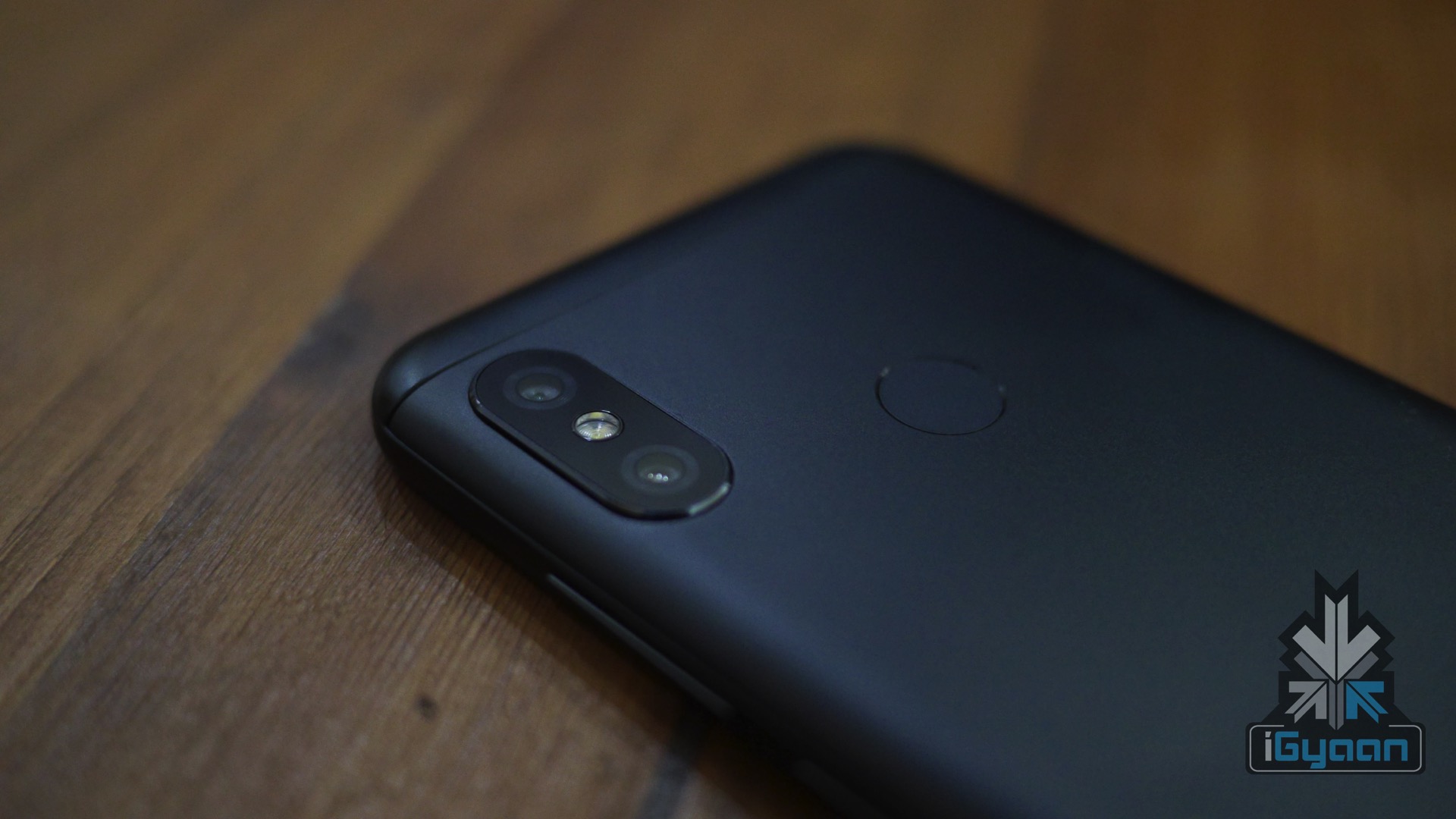
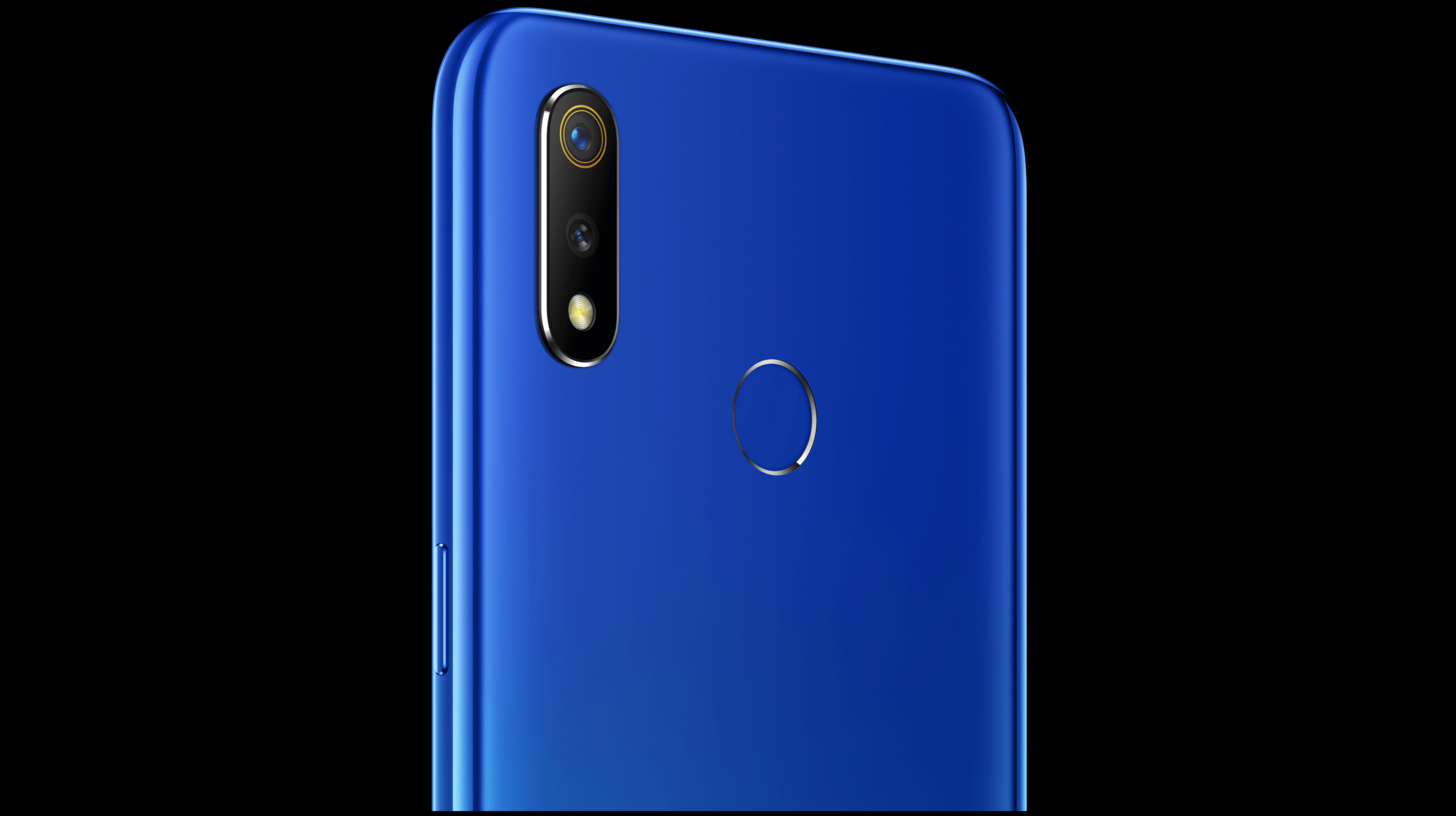
    The rear of the Realme 3 has a 3D gradient unibody which looks attractive. Moreover, the company claims it provides for an excellent graspability. The rear side of the device accommodates the dual rear camera, Realme branding and a Fingerprint sensor. The rear camera setup consists of an f/1.8 aperture equipped 13 MP sensor and a 2 MP sensor. Noteworthy, it is the first smartphone in its segment to have features like Nightscape and Chromaboost. The nightscape mode with the help of software captures well-lit pictures even in places which are dark or have poor lighting conditions. Whereas, the Chromaboost option boosts the colours of a picture which according to Realme are good enough to be shared on social media.

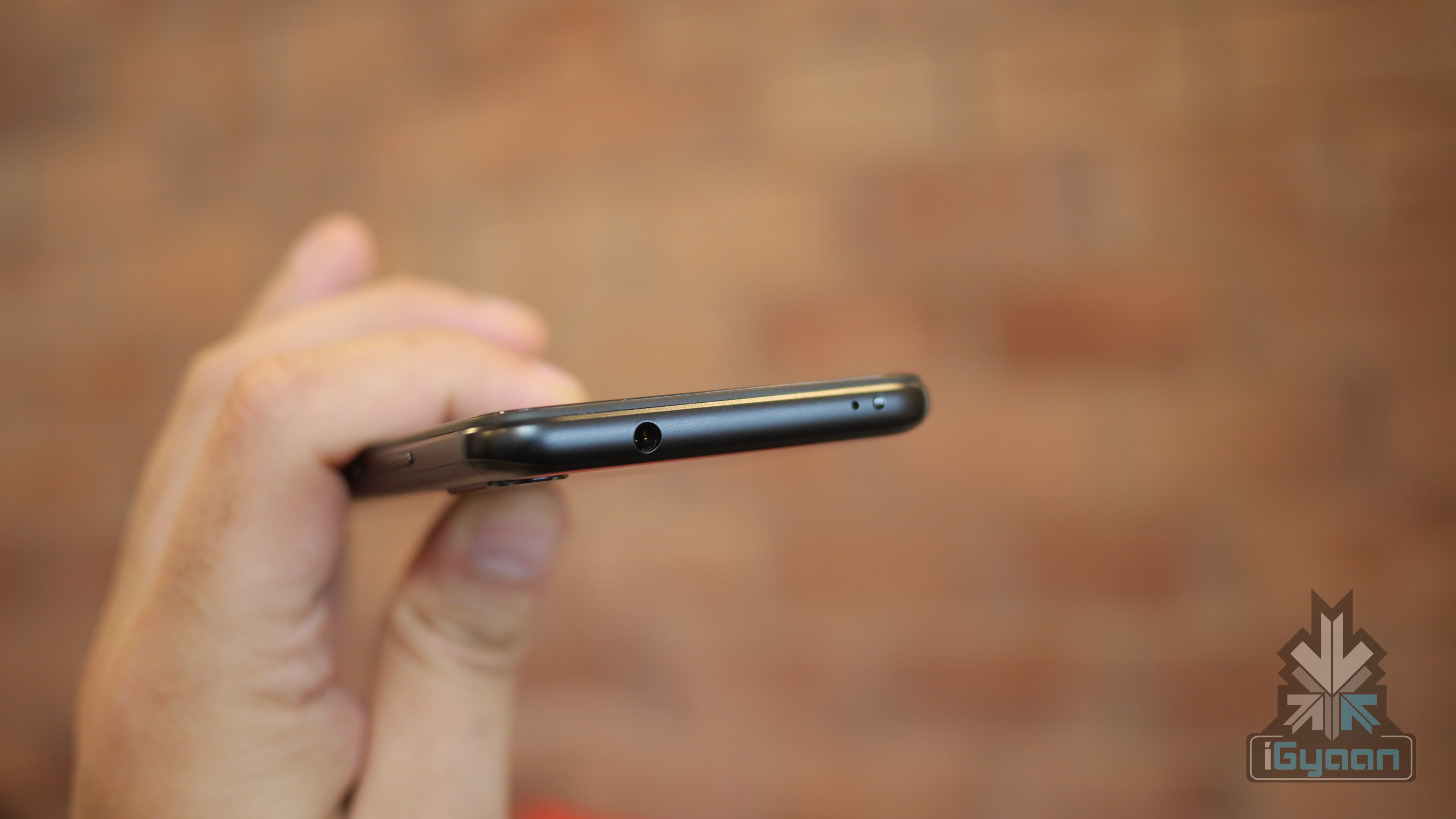
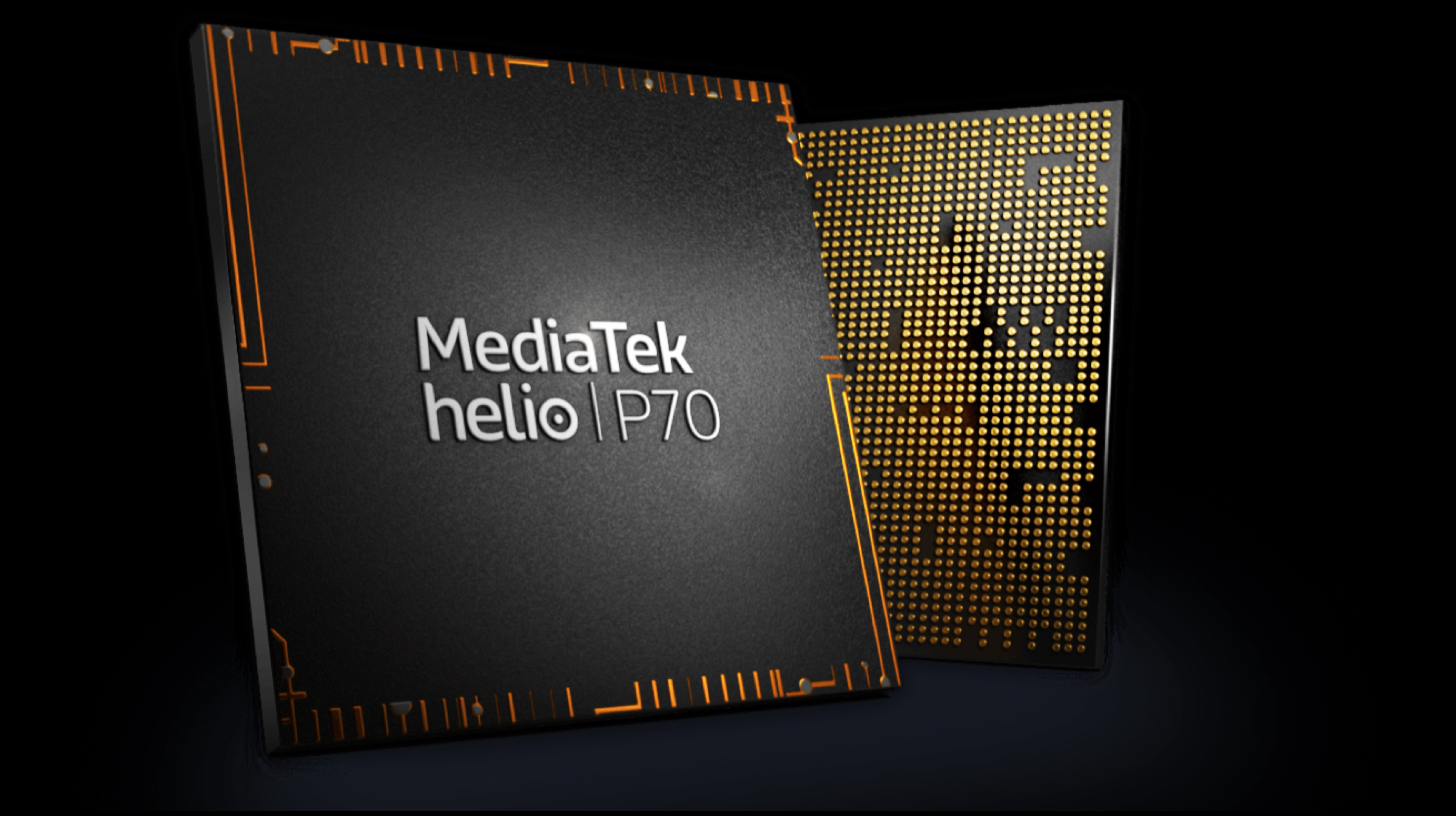
    Like the OnePlus 6T, the left side of the Realme 3 is occupied by the volume rockers and SIM card+ microSD slot while the right side is occupied by the power button. The bottom of the smartphone makes room for the Micro USB port, loudspeaker grille, 3.5 mm audio jack and microphone pinhole. Under the hood, the smartphone packs the Helio P70 SoC which is also present on its sibling, the Realme U1. The chipset consists of a Mali G72 GPU and an Octa-Core CPU which is clocked at 2.1 GHz. It is powered by a large 4,230 mAh battery which can be charged with 10 watts of maximum power. The device runs on Color OS 6.0 which is built on top of the latest Android 9.0 Pie. Some notable features that the Color OS 6 brings to the table include gesture navigation and AI battery management.

    Connectivity options on the Realme 3 include Dual 4G VoLTE, 802.11 ac Wi-Fi, Bluetooth 5.0, GPS, 3.5 mm audio jack and Micro USB port for charging and data transfer. Remarkably, Realme allows the users to unlock the bootloader of the smartphone from the day of its launch. 

    Price, Availablity and Colours

    https://www.youtube.com/watch?v=9khBEFQgIPc

    Also Read: OnePlus 7 Leaks Show Pop-Up Selfie Camera, Triple Rear Camera

    Click here to pre-book the Realme 3

    The Realme 3 Pro is available in three colour options which include Dynamic Black, Radiant Blue and Classic Black. It is available in two storage variants for which the price is as follows:

    • 3 GB RAM + 32 GB ROM – Rs 8,999
    • 4 GB RAM + 64 GB ROM – Rs 10,999

    In addition to the inbuilt storage, it also accepts memory cards upto 256 GB via the dedicated microSD slot. The device will be available for purchase from Flipkart.com and offline Realme stores from the 12th of March. 

  • Huawei Is Also Readying A Smartphone With Sliding Display

    Huawei Is Also Readying A Smartphone With Sliding Display

    To accommodate large screen displays on smartphones, OEMs have begun to minimise the bezels surrounding it. However, choosing this type of design leads to the predicament of where to place the front facing selfie camera. Smartphone manufacturers have tried several means to get around this issue. Some of which include a pop up selfie camera like on the newly launched Vivo V15 Pro or the sliding screen on the Mi Mix 3. Huawei, a leader in smartphone technology also seems to be developing a similar device with an edge-to-edge display that excludes a notch. A freshly granted patent to the company demonstrates a smartphone with sliding screen that conceals the front facing cameras.

    Huawei Patent Disclosures

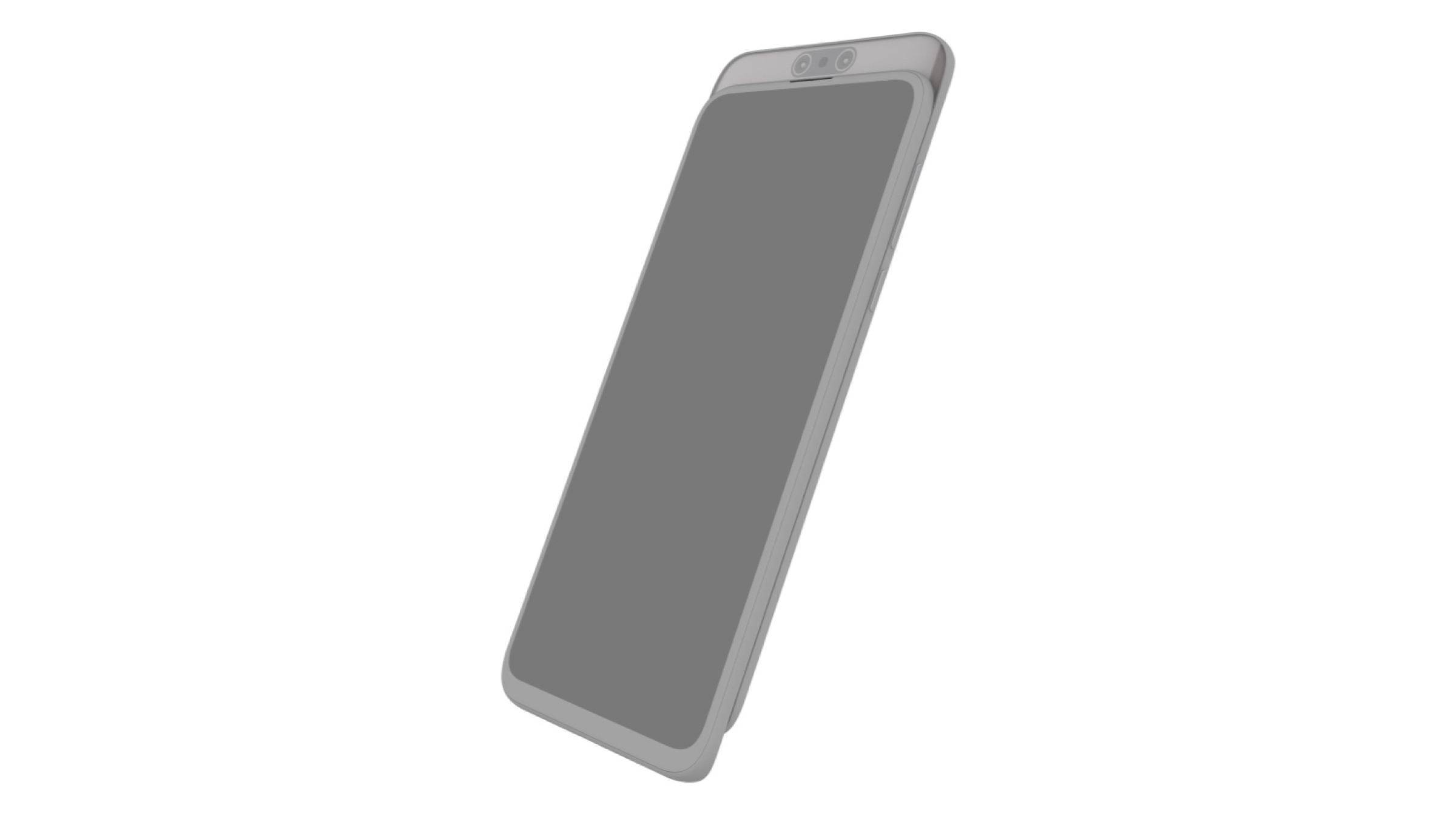
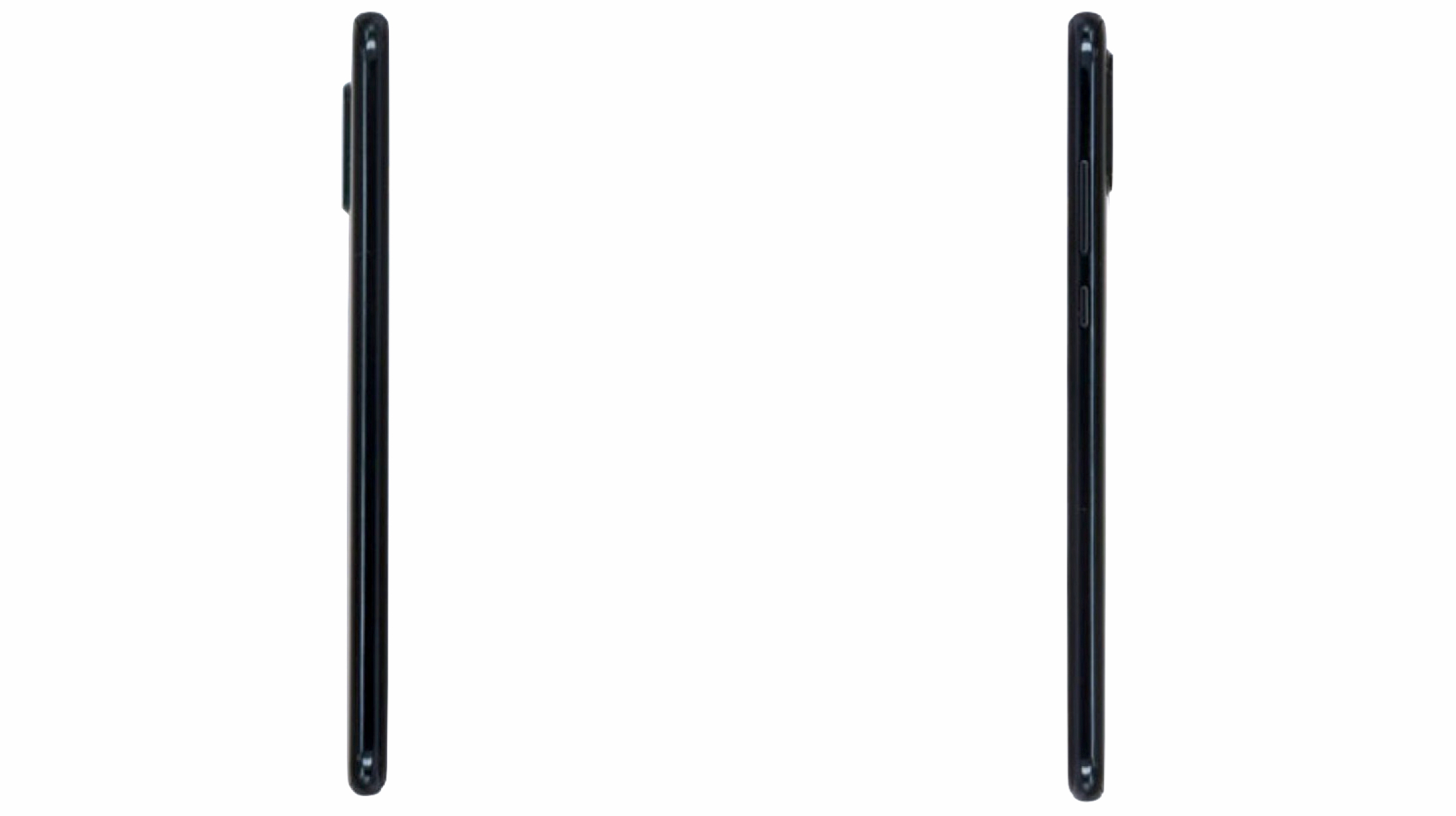
    The patent granted to Huawei exhibits a modern looking smartphone with thin bezels around the display. The key highlighting feature of the handset clearly is its sliding display which conceals a couple of front facing selfie cameras. The device has minimal bezels on all sides except for the bottom chin which is comparatively thicker. The earpiece to receive phone calls is built into the top bezel above the display of the device. The power button and volume rockers are placed on the right side of the handset while the SIM card slot is on the left.

    The rear of the handset has a well-recognised design with vertically aligned dual cameras and an LED flash. The device has a bottom mounted USB Type C port which is flanked by two grilles on either side. Unfortunately, any specifications of the smartphone are currently unavailable but are soon expected to follow.

    Also Read: Samsung Galaxy M30 Review

    The launch date of a Huawei smartphone with this design cannot be correctly predicted. However, the patents strongly suggest that such a device is under development. 

  • Huawei P30 Lite Spotted On TENAA, Sports A Waterdrop Notch Display

    Huawei P30 Lite Spotted On TENAA, Sports A Waterdrop Notch Display

    Chinese electronics giant, Huawei is set to launch its next camera-centric flagship smartphone lineup which will carry the P30 branding. The upcoming range will succeed the P20 lineup which was released last year. Like the range from yesteryear, the P30 lineup will have three smartphones which include the P30 Pro, P30 and P30 Lite. Renders and features of both the P30 and P30 Pro were previously leaked online. The most affordable device out of the trio, the P30 Lite has been spotted on Chinese regulatory website, TENAA which reveals its design and features. 

    Huawei P30 Lite

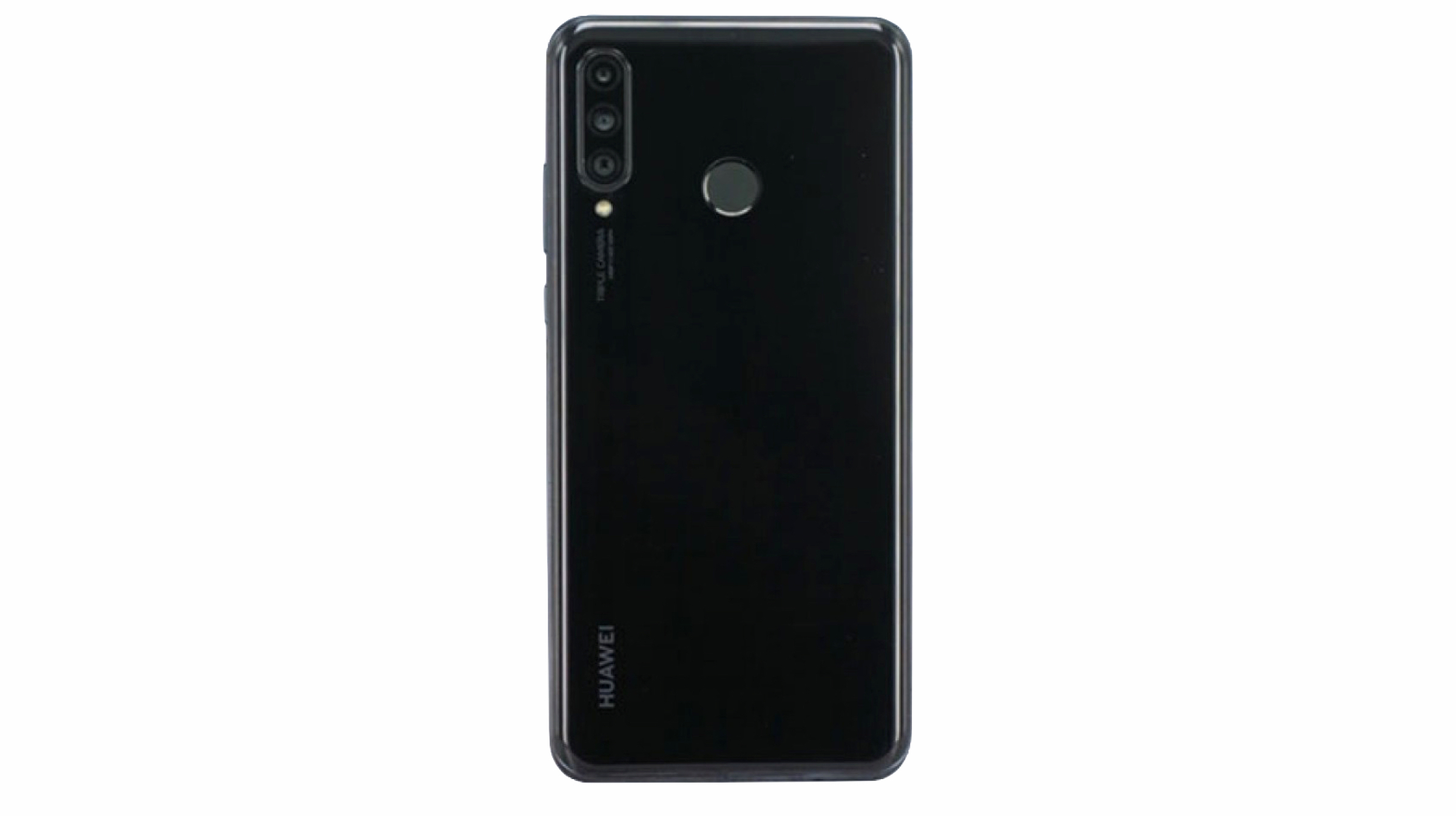
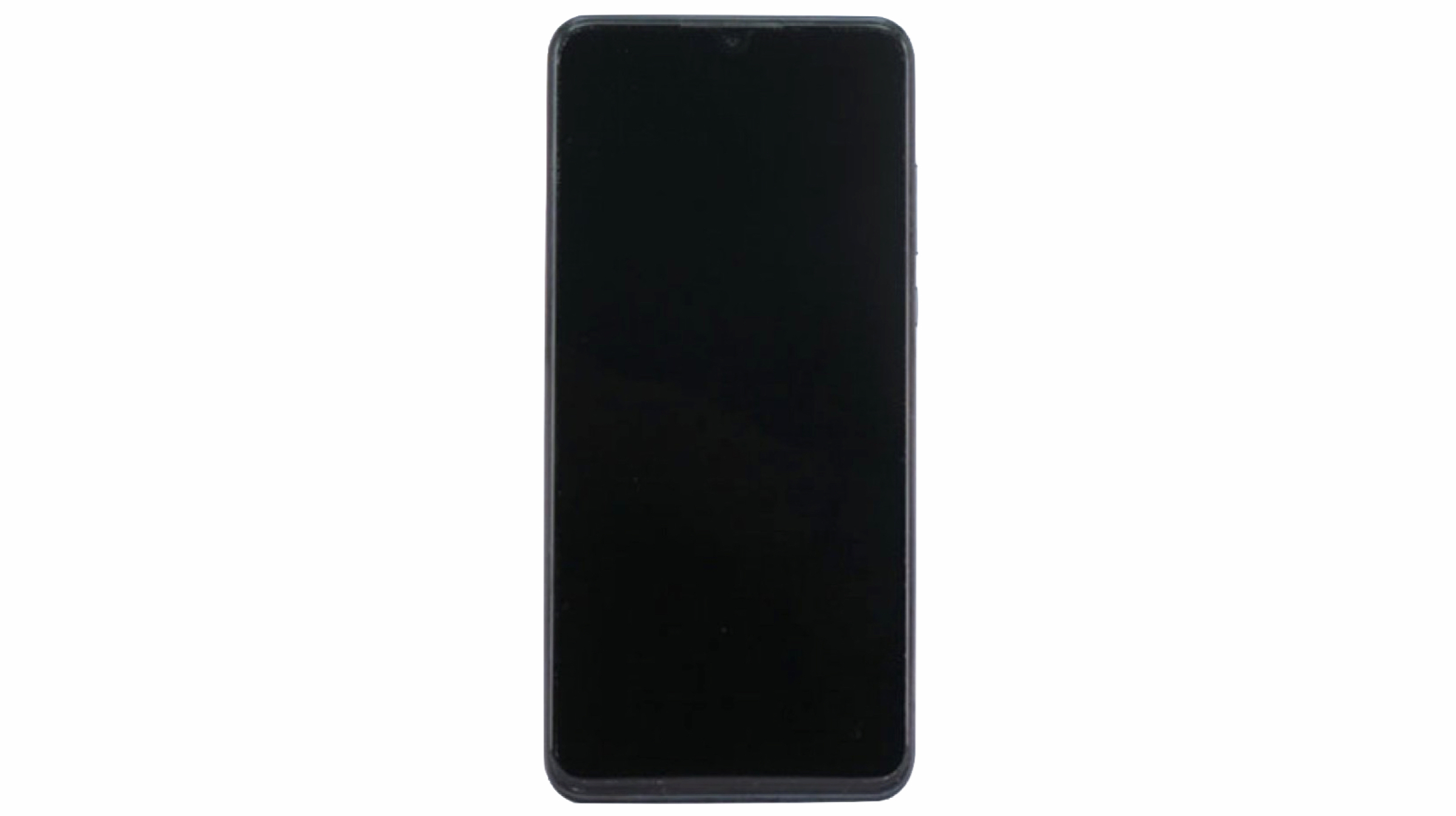
    The Huawei P30 Lite has a contemporary design with glass on both front and rear. According to the TENAA listing, the smartphone measures 152.9×72.7×7.4 mm and accommodates a 6.15 inch display on the front. Above the display sits the earpiece grille and a waterdrop style notch that houses the front facing selfie camera.

    Like most modern-day smartphones, the left side of the Huawei P30 Lite is occupied by the volume rockers and power button. The rear of the device has a neat design with a vertically aligned triple camera setup placed on the top left and an indented fingerprint sensor in the middle. The TENAA listing reveals that the handset is powered by a 3240 mAh battery which is likely to support fast charging. Other specifications including camera resolution and storage options will be unveiled once the company officially announces the device. 

    Price & Launch Date

    Also Read: Realme 3, Realme 3 Pro Will Launch On March 4, All We Know

    The exact price of the Huawei P30 Lite is yet unknown but it is expected to be priced around £320 (around Rs 30,000) like its predecessor, the P20 Lite. The P30 Lite along with the elder P30 and P30 Pro is set to launch at an event in Paris which is scheduled for the 26th of March. 

  • Samsung Galaxy M30 Vs Redmi Note 7 Pro Comparison

    Samsung Galaxy M30 Vs Redmi Note 7 Pro Comparison

    Samsung launched the Galaxy M30 on 27th of February in India which was soon followed by the Redmi’s Note 7 Pro. Both newly smartphones are packed with features and carry a lucrative price tag. In this article, we will put both smartphones against each other and discuss their features in detail. 

    Display:
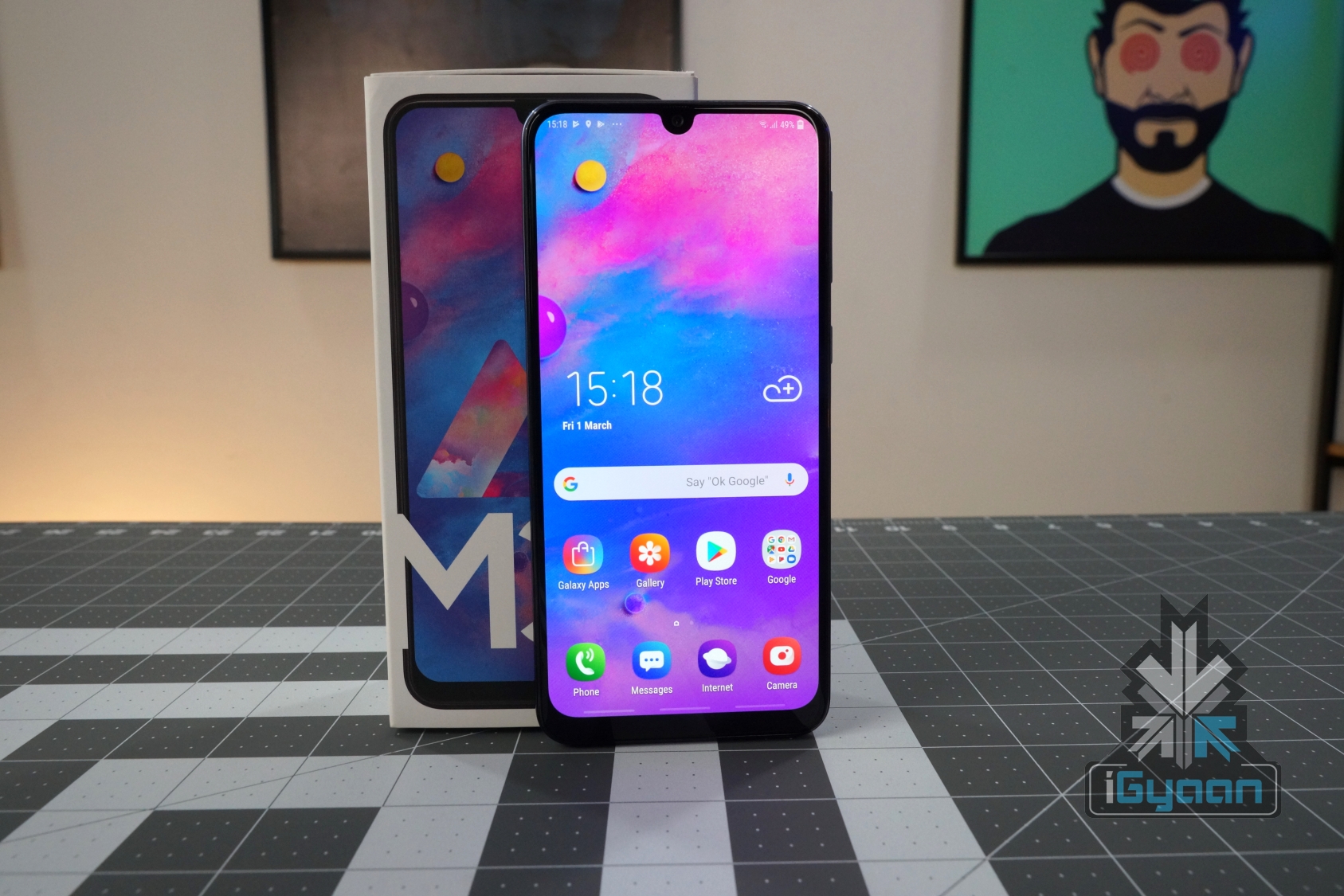
    The Samsung Galaxy M30 sports a 6.4 inch Super AMOLED display while the Redmi Note 7 Pro sports a 6.3 inch LCD display which is safeguarded with Corning Gorilla Glass 5. The Galaxy M30’s display has a pixel density of 394 ppi whereas the Note 7 Pro’s display has a higher pixel density of 409 ppi. Nevertheless, the variation between the ppi is virtually unnoticeable due to the meagre difference. However, Note 7 Pro’s LCD display is no match for M30’s Super AMOLED panel which has better colour reproduction.  

    Chipset: 
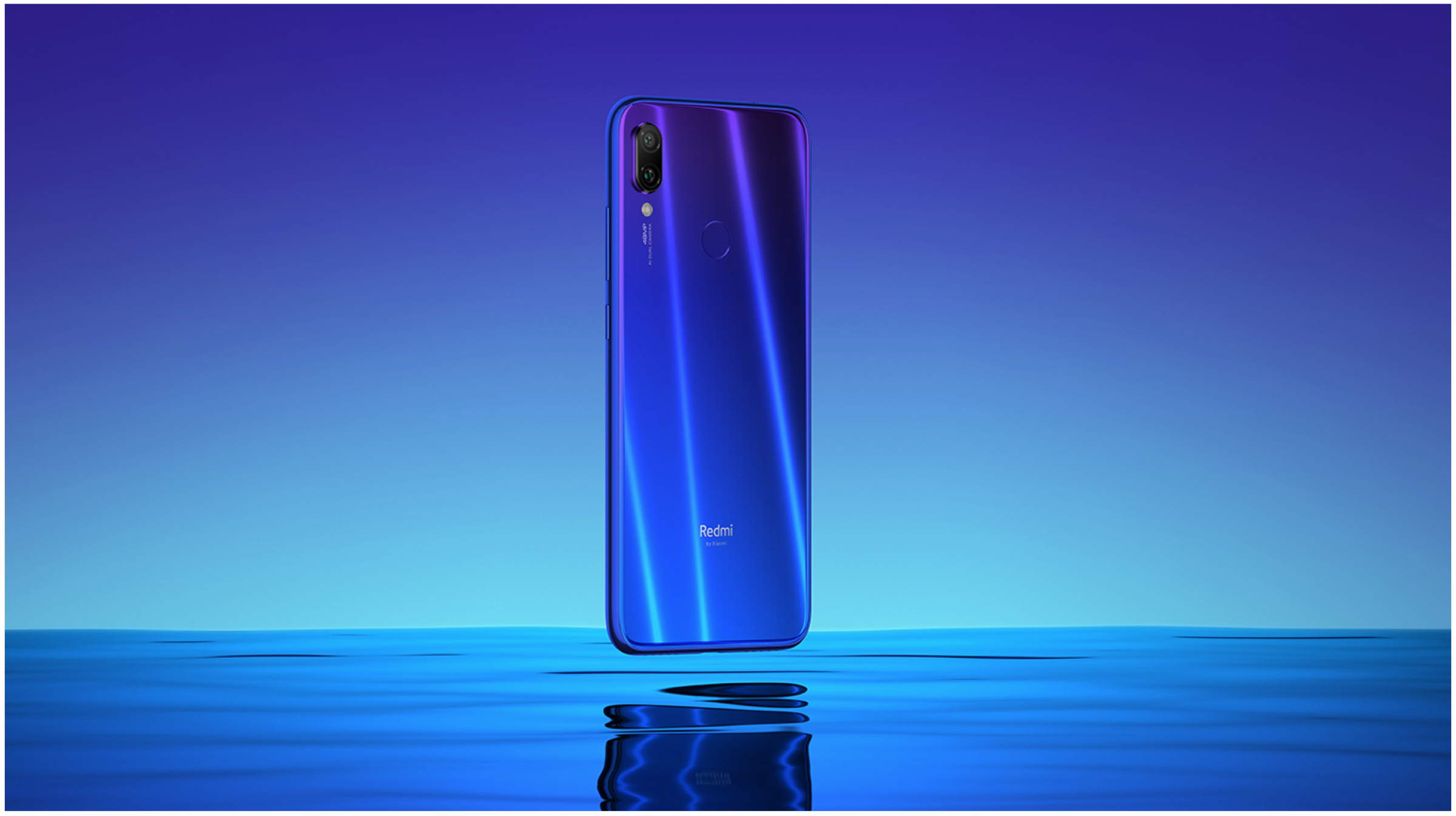
    The Samsung Galaxy M30 is kitted with the Exynos 7904 SoC which is designed and manufactured by Samsung. On the other hand, the Redmi Note 7 Pro packs the Snapdragon 675 SoC. The chipsets on both smartphones are comprised of an Octa-Core CPU however their innards are entirely different. The Exynos 7904 has two Kryo 260 Gold cores and six Kryo 260 Silver cores while the Snapdragon 675 has four Kryo 460 cores and four Kryo 460 Silver cores. Even though performance on the Galaxy M30 is honourable, the Exynos 7904 is secondary to Redmi Note 7 Pro’s Snapdragon 675. Furthermore, the Snapdragon 675 is manufactured using 11 nm fabrication technology and the Exynos 7904 is manufactured using 14 nm fabrication technology.

    Camera:
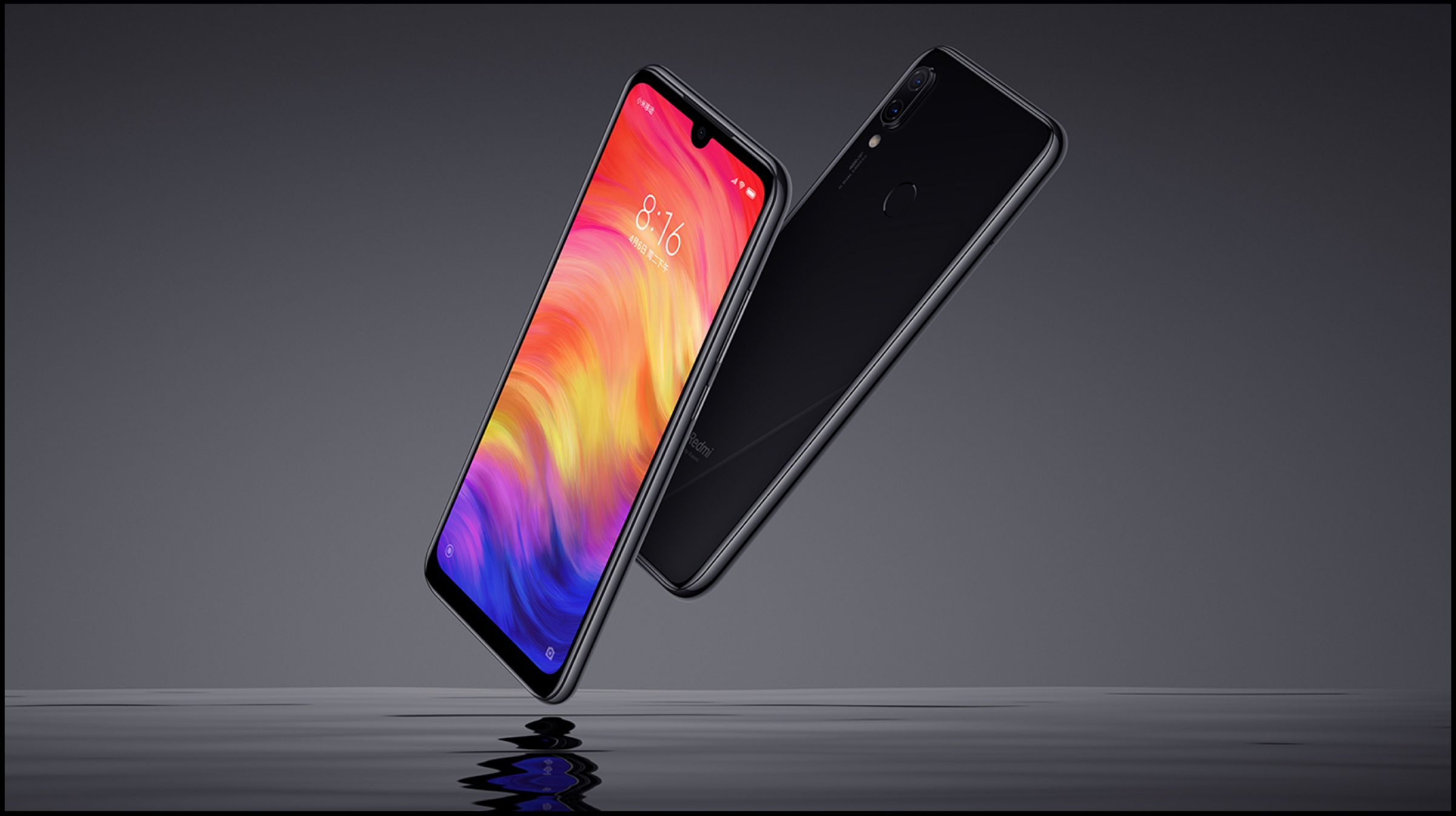
    Front facing selfie camera on both the Galaxy M30 and Redmi Note 7 Pro are housed in the notch above the display. The former has a 16 MP selfie camera while the latter has a 13 MP sensor. On paper, the Galaxy M30 is ahead of the Note 7 Pro in this department. Talking about the rear cameras, the M30 has triple sensors while the Note 7 Pro only has two. The Galaxy M30’s rear camera setup consists of 13 MP PDAF sensor, 5 MP ultrawide sensor and a 5 MP depth sensor. In contrast, Redmi Note 7 Pro’s rear camera setup consists of a 48 MP sensor and a 5 MP depth sensor. Though, the latter loses out in number it makes up for lost ground in terms of composition. The 48 MP rear camera on the Note 7 Pro is the Sony IMX586 sensor which is seen on high end devices like the Honor View 20.  However, it is noteworthy that by default the Note 7 Pro’s camera captures 12 MP resolution photos to conserve storage. Additionally, social media platforms including Snapchat and Facebook compress images to a great extent. Therefore, final results from both smartphones will be comparable if not equivalent. Though full resolution images captured on Note 7 Pro will undoubtedly outperform images captured on Galaxy M30 when viewed on a large screen high definition display. 

    Battery and Charging Speed:
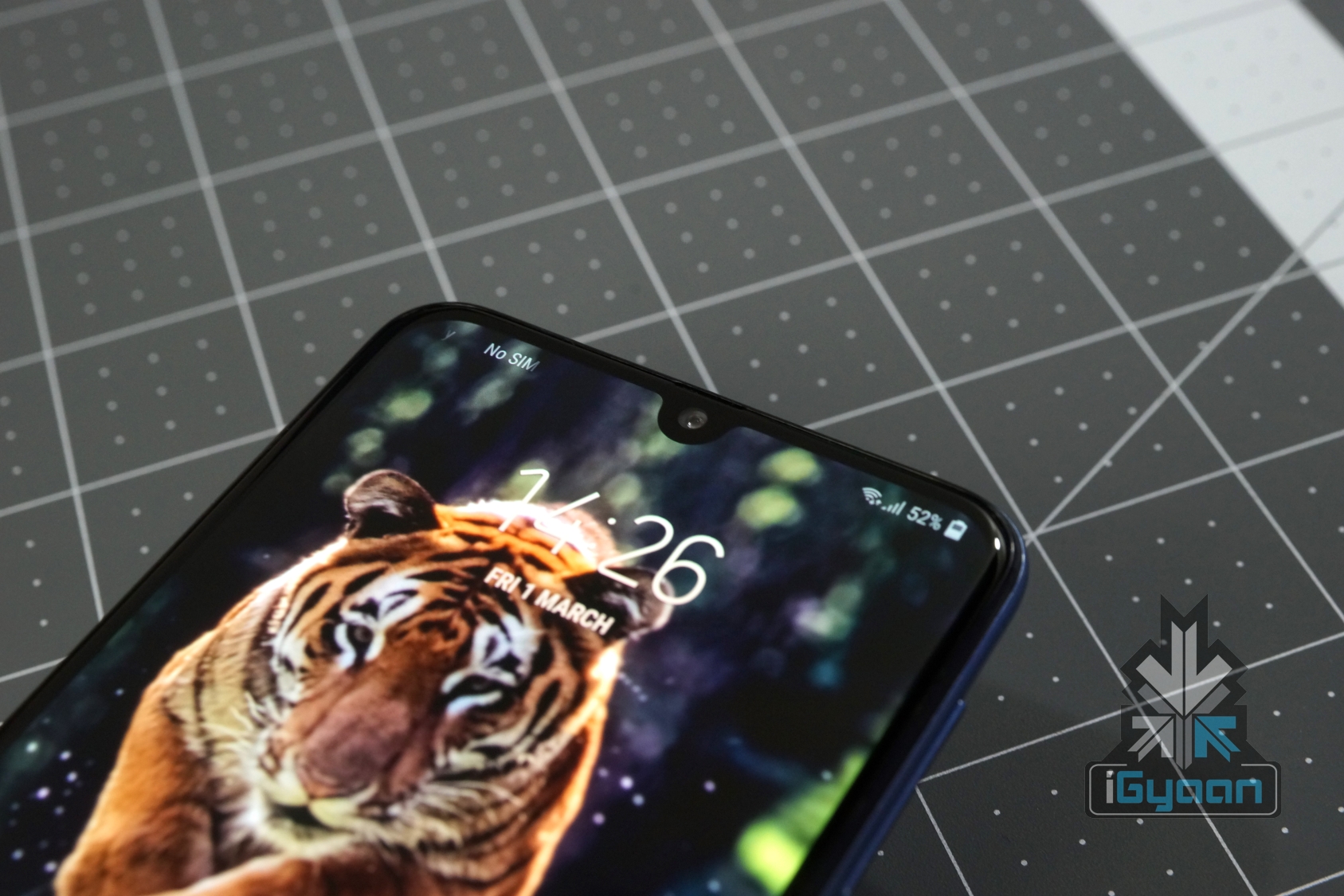
    The Samsung Galaxy M30 is powered by a massive 5,000 mAh battery while the Note 7 Pro is powered by a 4,000 mAh powerhouse. Even though the Galaxy M30 packs a larger battery, the 11 nm based Snapdragon 675 chipset on the Note 7 Pro consumes less power and strives to make up for a smaller battery. Furthermore, the Note 7 Pro supports 18 W fast charging while the M30 supports 15 W fast charge. Pleasantly, Samsung ships its device with a 15 watt fast charger whereas the Redmi Note 7 Pro is shipped with a 10 watt traditional charger. 

    Storage Options, Expandability and Price:
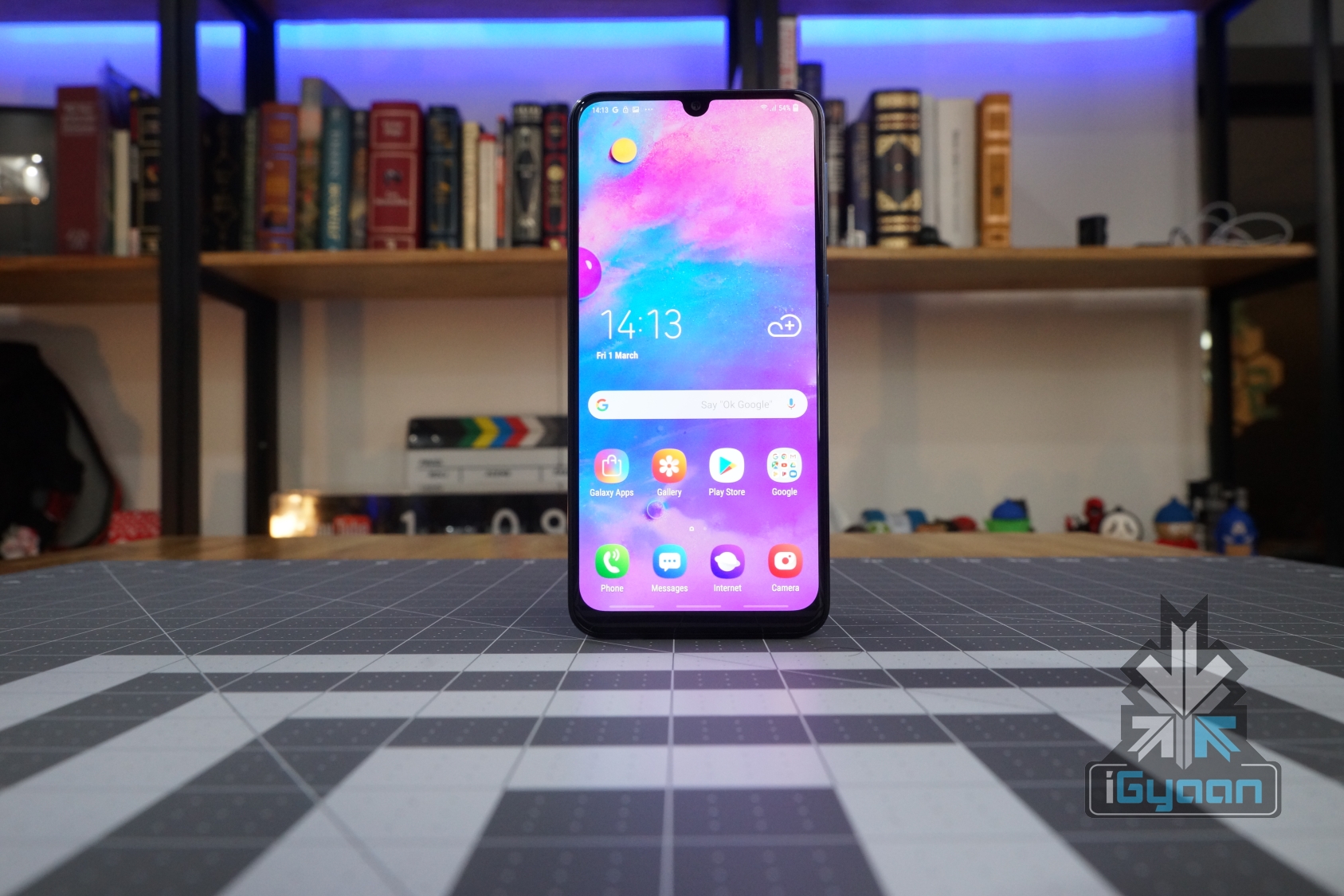
    Both the Samsung Galaxy M30 and Redmi Note 7 Pro are available in two storage variants which include 4 GB RAM plus 64 GB ROM and 6 GB RAM plus 128 GB ROM. Both devices also support memory expansion via a microSD card. Distinctively, the Galaxy M30 supports microSD cards of upto 512 GB while the Redmi Note 7 Pro only supports card of upto 256 GB. Furthermore, the Galaxy M30 has a dedicated slot for the microSD card whereas the Note 7 Pro uses SIM slot 2 for memory expansion. The price for different variants of the handsets are as follows:

    • Samsung Galaxy M30 (4 GB + 64 GB) – Rs. 14,990
    • Samsung Galaxy M30 (6 GB + 128 GB) – Rs. 17,990
    • Redmi Note 7 Pro (4 GB + 64 GB) – Rs 13,999
    • Redmi Note 7 Pro (6 GB + 128 GB) – Rs 16,999
    Design and Software:
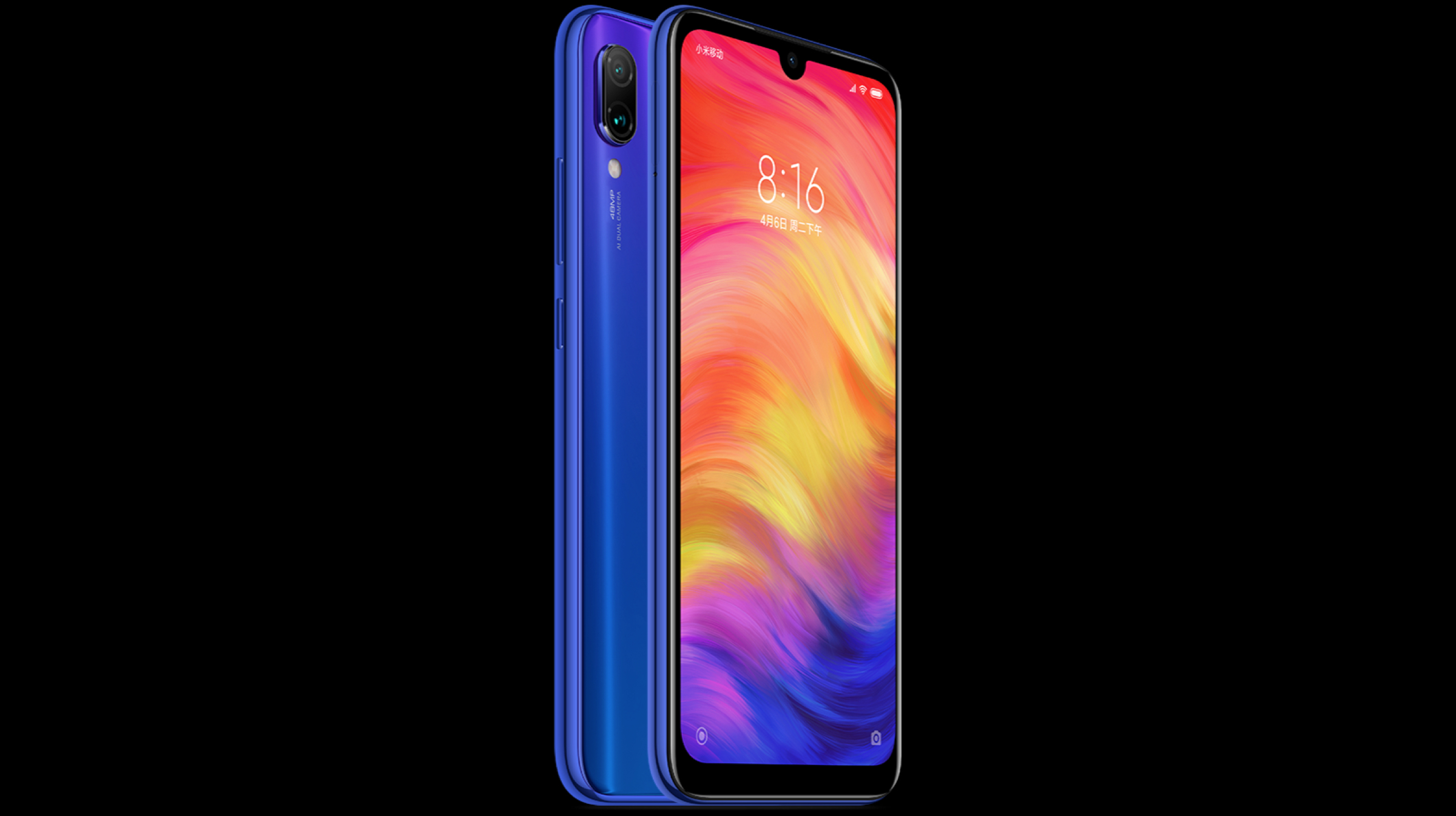
    Both Samsung Galaxy M30 and Note 7 Pro have a plastic chassis with a waterdrop notch display. Though the bezels around the display are slightly thinner on the M30. The rear panel of the Galaxy M30 is made out of plastic while the Note 7 Pro has a Corning Gorilla Glass 5 back panel. Placement of ports and connectors on both devices is alike. The right side of both smartphones is occupied by volume rockers and power button while the bottom side of both handsets accommodates the USB Type-C port, 3.5 mm jack and loudspeaker grille. Both devices also have a rear mounted fingerprint sensor and also support facial recognition. In terms of software, the Galaxy M30 runs on the older Android 8.1 Oreo OS which is skinned with Samsung’s custom UI. Inversely, the Note 7 Pro runs on the latest Android 9.0 Pie which as well is skinned with the company’s custom MIUI. 

    Conclusion:
    Also Read: Xiaomi Launches Mi Wireless Earphones In India

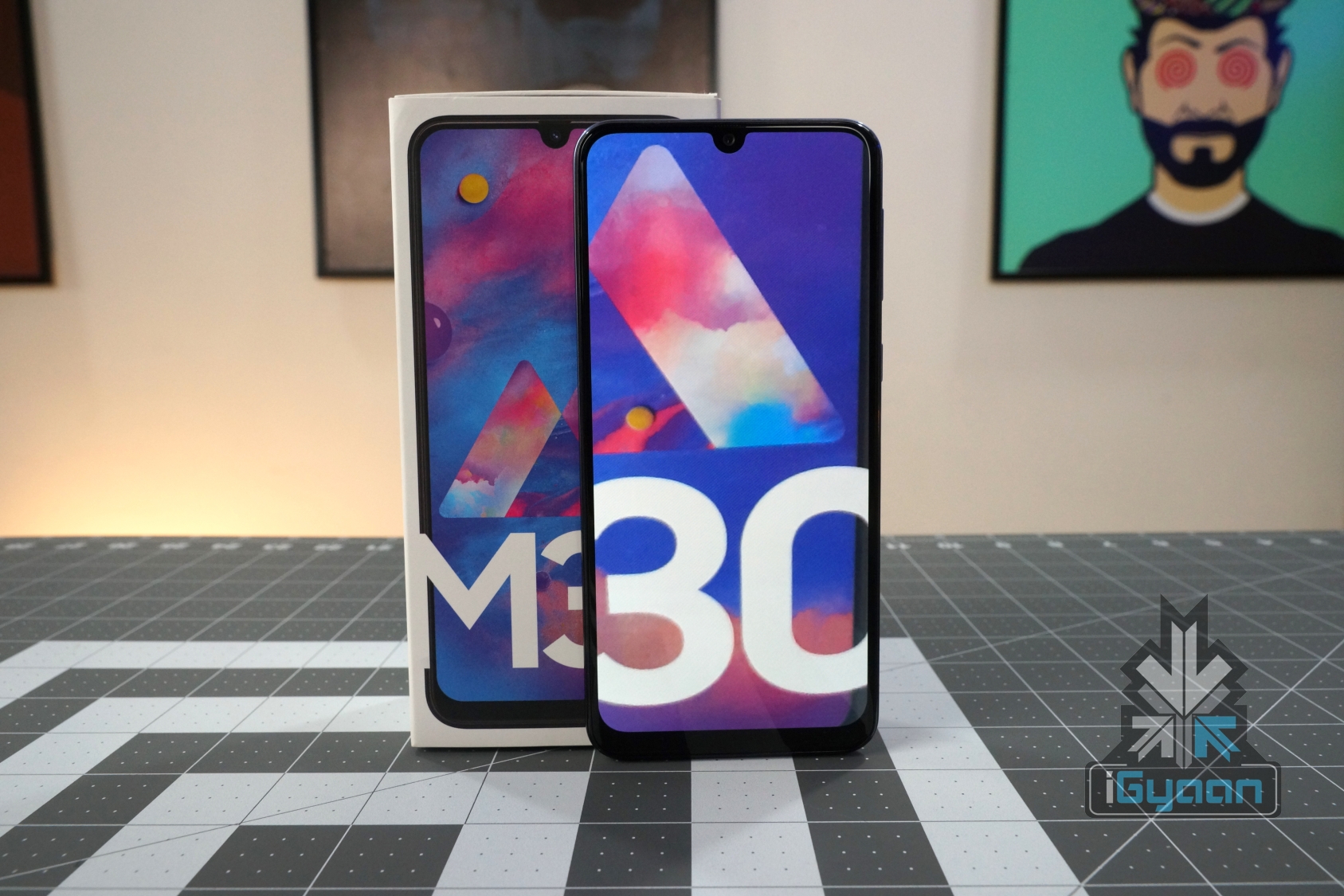
    Both the Galaxy M30 and Redmi Note 7 Pro have their own strong suits with a similar price point. Therefore, declaring a clear winner in this competition is tough. The choice of right handset is dependent upon the needs and wants of each buyer.

    Click here to pre-book Samsung Galaxy M30

    Click here to pre-book Redmi Note 7 Pro

    Specifications Galaxy M30 Note 7 Pro
    Price 4 GB + 64 GB -Rs 14,990

    6 GB + 128 GB- Rs 17,990

    4 GB + 64 GB -Rs 13,999

    6 GB + 128 GB- Rs 16,999

    Display

    6.4 inch

    Super AMOLED

    2280 x 1080 FHD+

    19:9  Aspect Ratio

    394 ppi

    6.3 inch

    IPS LCD

    2340 x 1080 FHD+

    19.5:9 Aspect Ratio

    409 ppi

    Chipset

    Exynos 7904

    14 nm Fabrication Process

    Octa-core (2×1.8 GHz Kryo 260 Gold & 6×1.6 GHz Kryo 260 Silver)

    Snapdragon 675

    11 nm Fabrication Process

    Octa-core (2×2.0 GHz Kryo 460 Gold & 6×1.7 GHz Kryo 460 Silver)

    RAM 4 GB

    6 GB

    4 GB

    6 GB

    Storage 64 GB, Expandable storage up to 512 GB

    128 GB, Expandable storage up to 512 GB

    64 GB, Expandable storage up to 256 GB

    128 GB, Expandable storage up to 256 GB

    Primary Camera

    13 MP, f/1.9, PDAF

    5 MP 12mm (ultrawide)

    5 MP, f/2.2, depth sensor

    2160p video@30fps

    48 MP, f/1.8, PDAF

    Sony IMX586

    5 MP, f/2.4, depth sensor

    2160p video@30fps

    Front Facing Camera 16 MP

    1080p@30fps

    13 MP

    1080p@30fps

    Battery 

    Non-removable Li-Ion 5000 mAh battery

    15 Watt Fast Charge Support

    Ships With 15 W charger

    Non-removable Li-Ion 4000 mAh battery

    18 Watt Fast Charge Support

    Ships With 10 W charger

    Other Features 3.5 mm Headphone Jack

    Fingerprint scanner

    Face unlock

    3.5 mm Headphone Jack

    Fingerprint scanner

    Face unlock


  • Samsung Galaxy M30 Unboxing And Hands-On

    Samsung Galaxy M30 Unboxing And Hands-On

    Samsung has launched the third smartphones in its online exclusive, Galaxy M series. The new handset carries the Galaxy M30 moniker and it is placed above the previously launched Galaxy M10 and M20. Like other Galaxy M smartphones, the newly launched device is packed with features and is priced aggressively. 

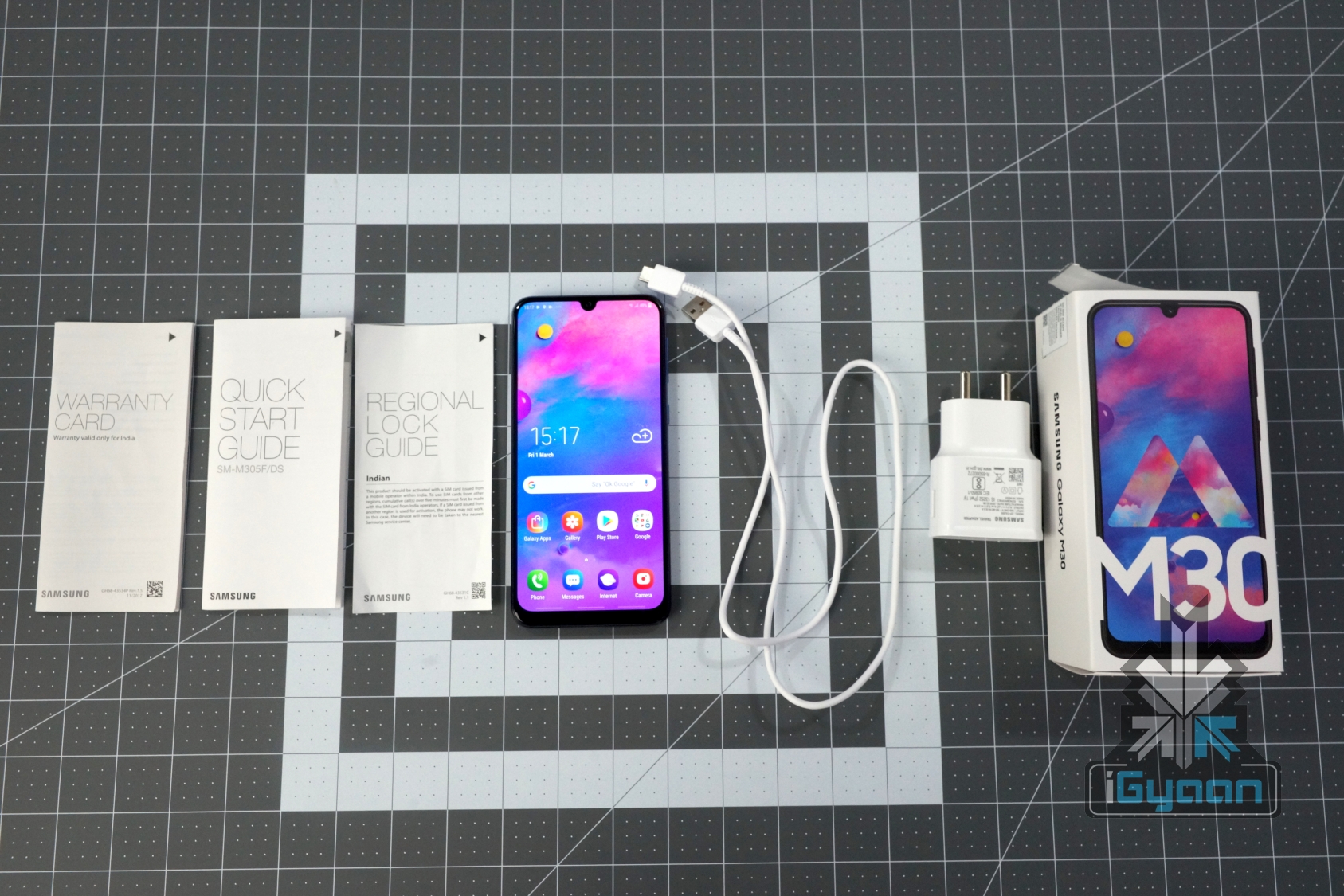
    What’s In The Box?
    • Galaxy M30
    • Quick Start Guide
    • USB Type-C Cable
    • 15 W Power Adapter
    • SIM Ejector
    Design & Display

    Click here to pre-book Samsung Galaxy M30

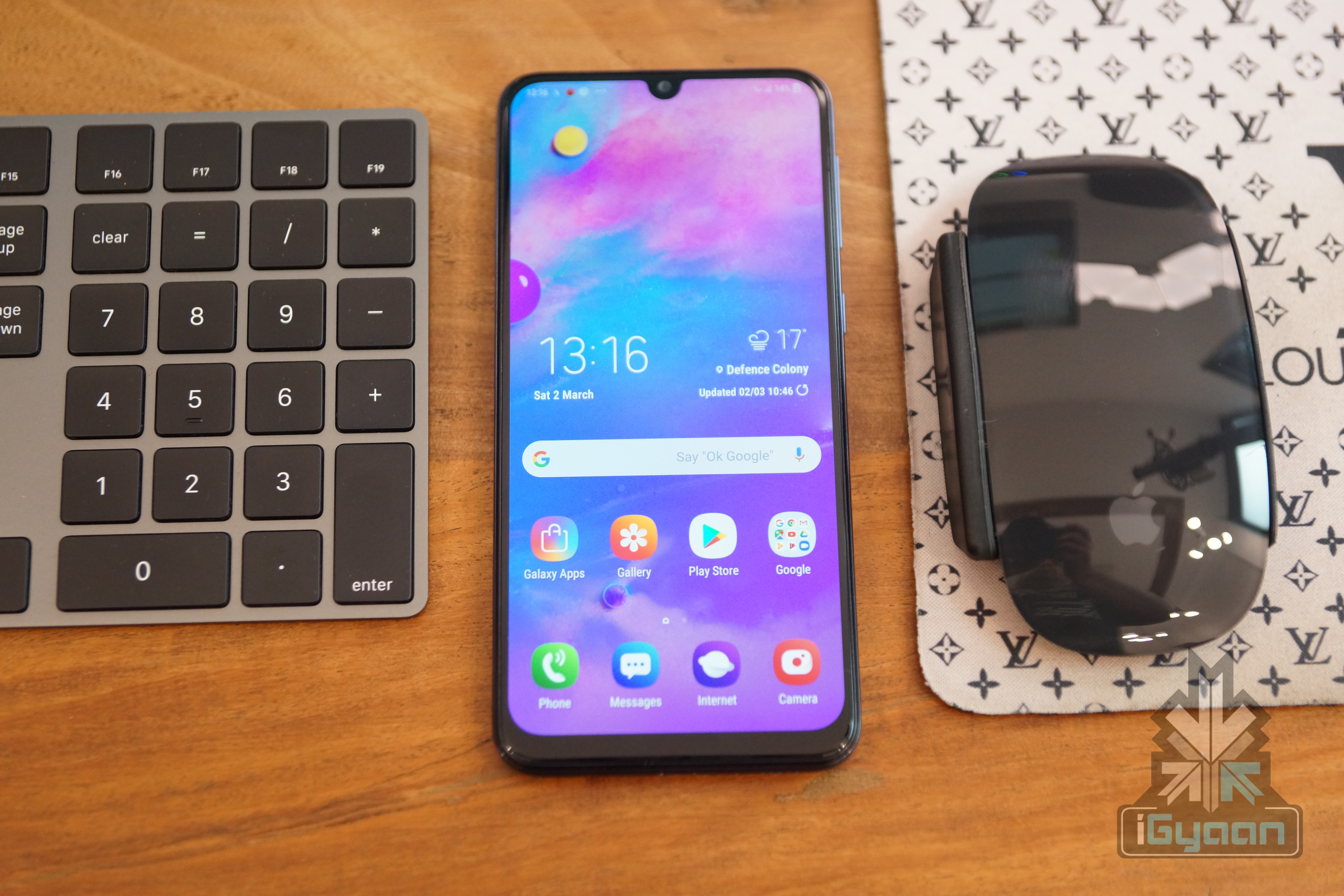
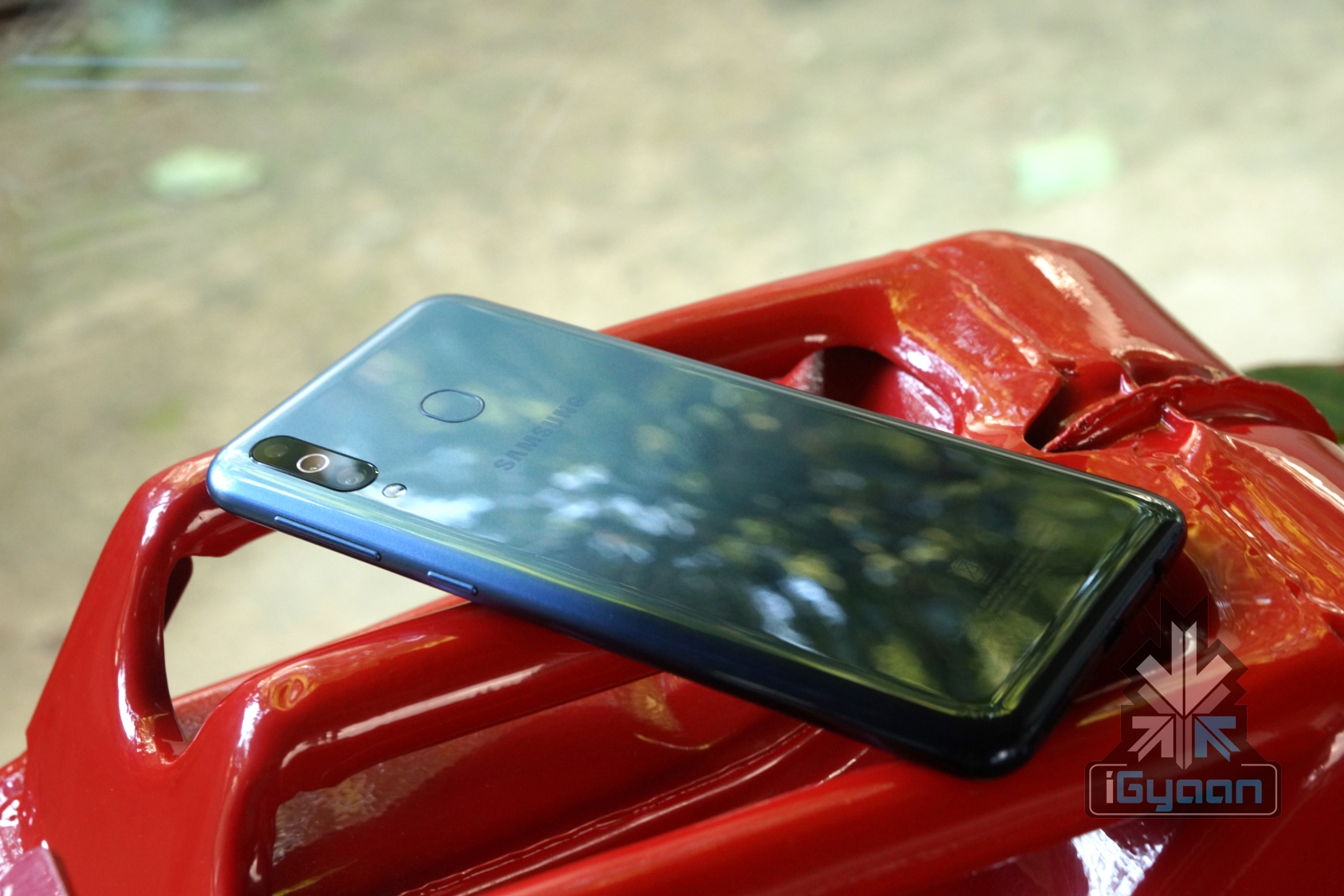
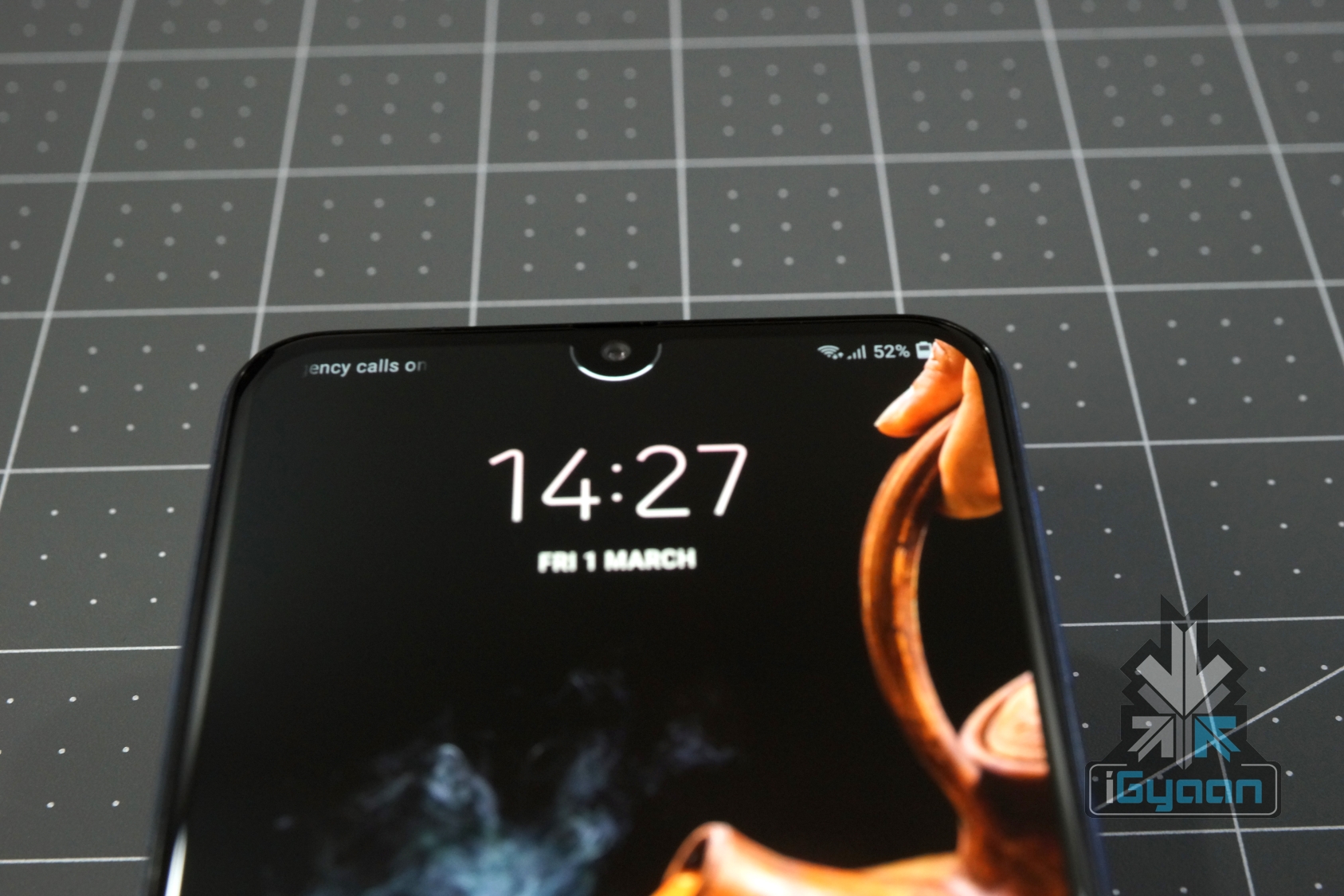
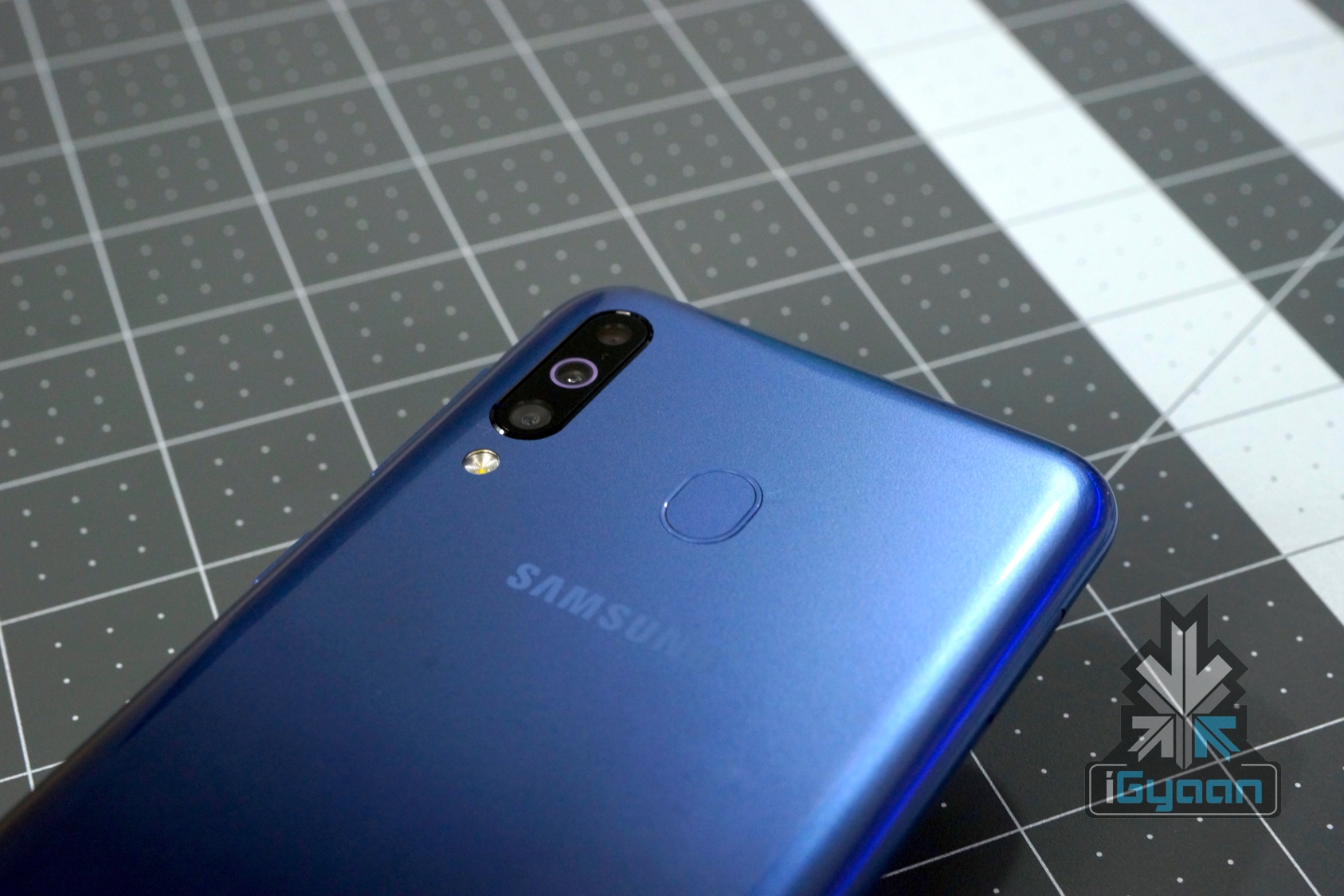
    The Samsung Galaxy M30 has a modern design with a 6.4 inch Infinity-U display on the front and gradient coloured plastic panel on the rear. The display of the smartphone has a Super AMOLED panel that has a resolution of 2280 x 1080 px and a pixel density of 394 ppi. The right side of the device is occupied by the power button and volume rockers while the left side is occupied by the SIM card + dedicated microSD card tray. The bottom of the smartphone accommodates the 3.5 mm audio jack, loudspeaker grille, microphone pinhole and USB Type-C port. 

    Chipset

    The Galaxy M30 is kitted with the Exynos 7904 SoC which is designed and manufactured by Samsung. The chipset is manufactured using 14 nm manufacturing process and it is comprised of an Octa-Core CPU and Mali G71 MP2 GPU. Out of the eight CPU cores, two Kryo 260 Gold cores are clocked at 1.8 GHz while the remaining six Kryo 260 Silver cores are clocked at 1.6 GHz. 

    Memory & Storage

    The Samsung Galaxy M30 is available in two storage variants which include 4 GB RAM + 64 GB ROM and 6 GB RAM + 128 GB ROM. Noteworthy, the smartphone is packed with LPDDR4x memory which is the fastest RAM technology currently available for mobile devices. The smartphone also supports memory expansion upto 512 GB via the dedicated memory card slot.

    Battery and OS

    Click here to pre-book Samsung Galaxy M30

    The Samsung Galaxy M30 is powered by an enormous 5,000 mAh lithium battery which supports 15 W fast charging via the bottom mounted USB Type-C port. Thoughtfully,  Samsung ships the device with a 15 W fast charging capable power adapter. The device runs on Android 8.1 Oreo out-of-the-box which skinned with Samsung’s UI. The device is also expected to receive the latest Android 9.0 Pie update in the near future. 

    Camera

    The Samsung Galaxy M30 has an f/2.0 aperture equipped 16 MP selfie camera which housed in the notch above the Infinity-U display. The triple rear camera setup of the smartphone is comprised of  f/1.9 aperture equipped 13 MP PDAF sensor, f/2.2 aperture equipped 5 MP depth sensor, 5 MP ultrawide sensor and an LED flash. The handset can also capture 2160p videos at 30 fps from the triple rear cameras and 1080p videos at 30 fps from the front mounted selfie camera. 

    Connectivity & Other Features

    In terms of connectivity, the Samsung Galaxy M30 supports dual 4G VoLTE, Bluetooth 5.0, 802.11 Wi-Fi, GPS, and bottom mounted 3.5 mm audio jack and USB Type-C Port. The rear of the smartphone features a fingerprint sensor which allows it to be unlocked securely and swiftly. Besides the fingerprint sensor and on-screen pattern lock, it also supports facial unlocking technology.   

    Price, Colour Options & Availablity

    Also Read: Xiaomi Launches Mi Wireless Earphones In India

    Click here to pre-book Samsung Galaxy M30

    The Samsung Galaxy M30 is available in two colour options which include Gradation Black and Gradation Blue. It is currently available for pre-order on Amazon.in and its deliveries will commence from 7th of March. The price of different variants of the Samsung Galaxy M30 are as follows:

    • 4 GB RAM + 64 GB ROM – Rs 14,990
    • 6 GB RAM + 128 GB ROM- Rs 17,990
  • Official Images Of Huawei P30 and P30 Pro Leak

    Official Images Of Huawei P30 and P30 Pro Leak

    Last year, Huawei launched the P20 and P20 Pro smartphones which certainly have a focus on photography. In addition to their commendable camera performance, both smartphones were packed with top of the line specifications from the year 2018. The company is set to launch their successors which will be called the Huawei P30 and P30 Pro. Before the official announcement, the images and features of the upcoming devices have leaked. 

    Huawei P30 and P30 Pro

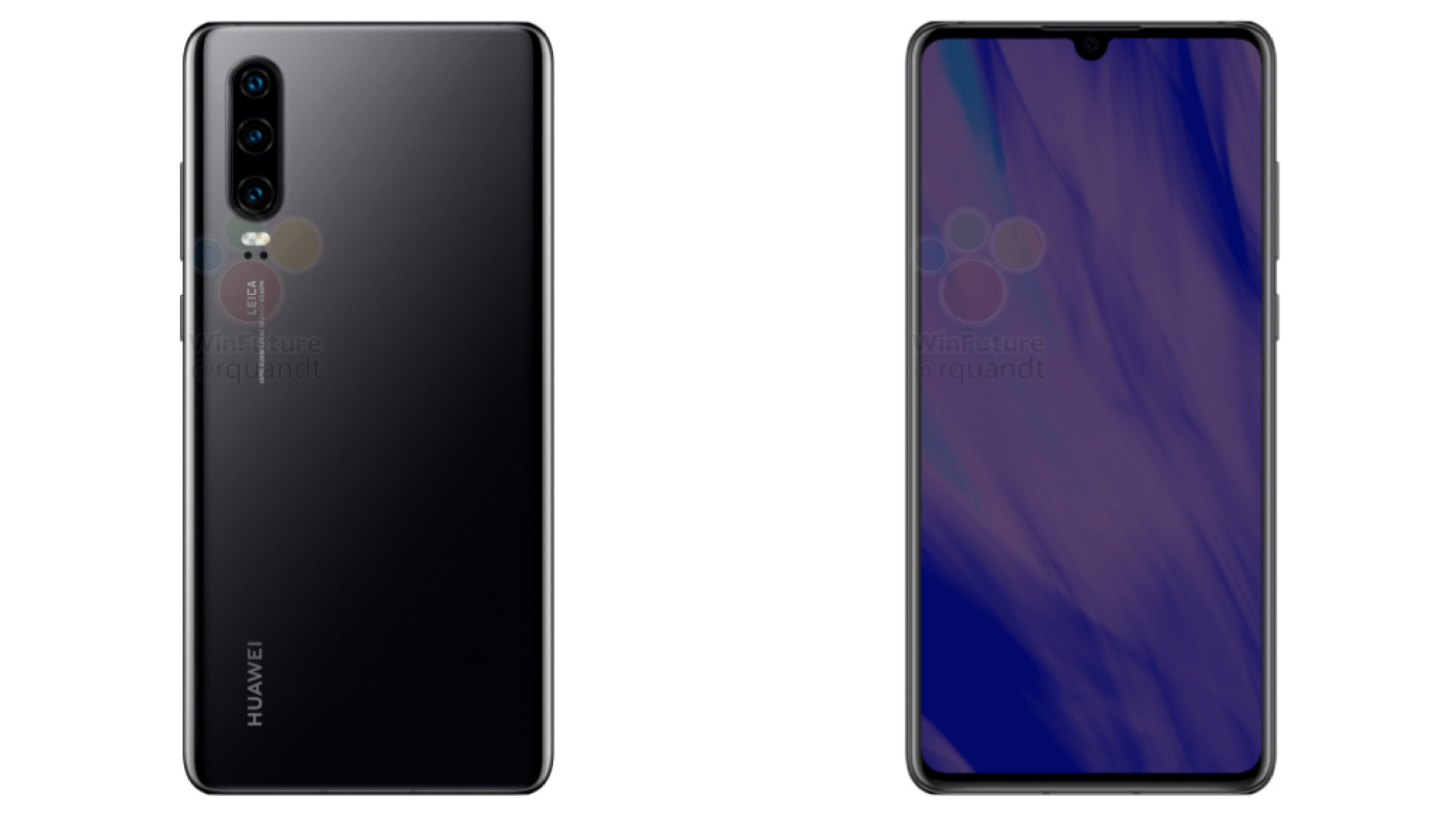
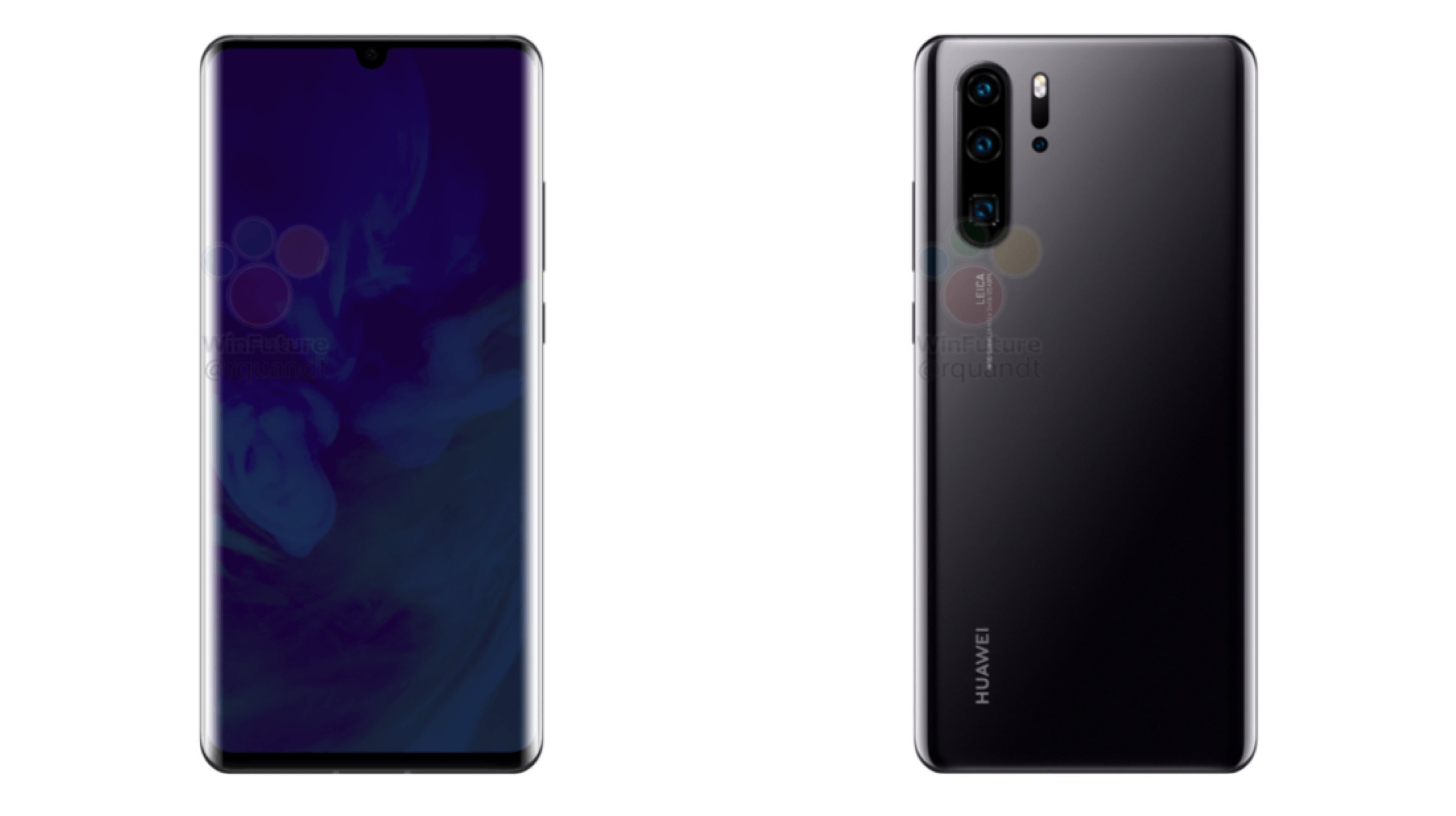
    The details about the Huawei P30 and P30 Pro were leaked by a notable leakster, @rquandt on Twitter. The source claims that the pictures shared by him are official images of the devices which reveal them from all angles. The images exhibit that both the P30 and P30 Pro have tall displays on the front with a water drop notch up top. Both smartphones have Gradient style glass back panel which house the company branding and rear camera setup. 

    Distinctively, the P30 Pro has a larger display than the standard variant. Furthermore, the display on the former tapers towards the side, unlike the latter. Another noticeable difference between the two devices is the number of sensors in their rear camera setup. The P30 Pro has a quad camera rear camera setup while the P30 has a triple rear camera setup.

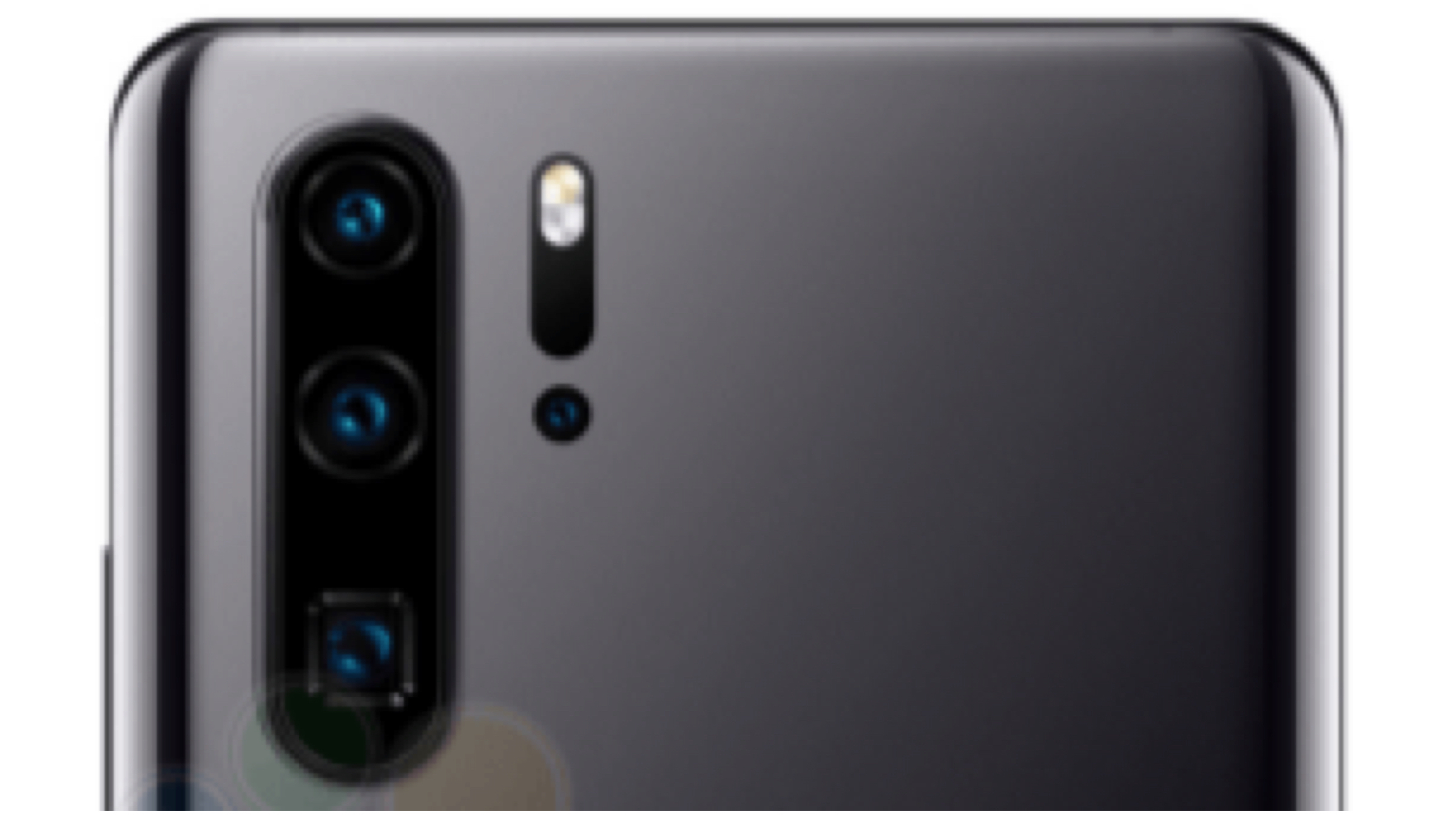
    Closely inspecting the rear of the P30 Pro reveals a square shaped sensor in the rear camera setup. According to the source, this sensor may have 10x optical zoom capabilities which are similar to Oppo’s 10x zoom capable camera sensor. However, it is yet unknown whether the sensor on the Huawei’s smartphone uses a movable glass prism-like Oppo or not. Examining the rear panel also reveals that the sensor has a variable aperture size of f/1.6 and f/3.4.

    Although it is now yet proclaimed, the smartphones are likely to run on the 7 nm based Kirin 980 SoC. The same chipset is also present on devices like the freshly announced Mate X and Mate 20 lineup. The chipset consists of an Octa-Core CPU and Mali G76 GPU. Detailed specifications including the screen size, battery capacity and resolution of the camera sensor will be publicised at the time of its launch date.

    Huawei P30 and P30 Pro Launch Date

    Also Read: Redmi Note 7 Pro Launched In India

    Both the Huawei P30 and P30 Pro are set to launch at an upcoming event in Paris which is scheduled for the 26th of March. 


  • Samsung Launches Galaxy A30 and A50 In India

    Samsung Launches Galaxy A30 and A50 In India

    In an effort to boost sales, Samsung been on a smartphone launching spree. Earlier this week, the company launched a new Galaxy M smartphone, the Galaxy M30. In an event held in Mumbai, India on 28th of February, the company has launched three new smartphones in its Galaxy A lineup which includes the Galaxy A10, Galaxy A30, and Galaxy A50. Like previous Galaxy A smartphones, the new devices also have a focus on photography. 

    Galaxy A30 and A50 Layout and Specifications 

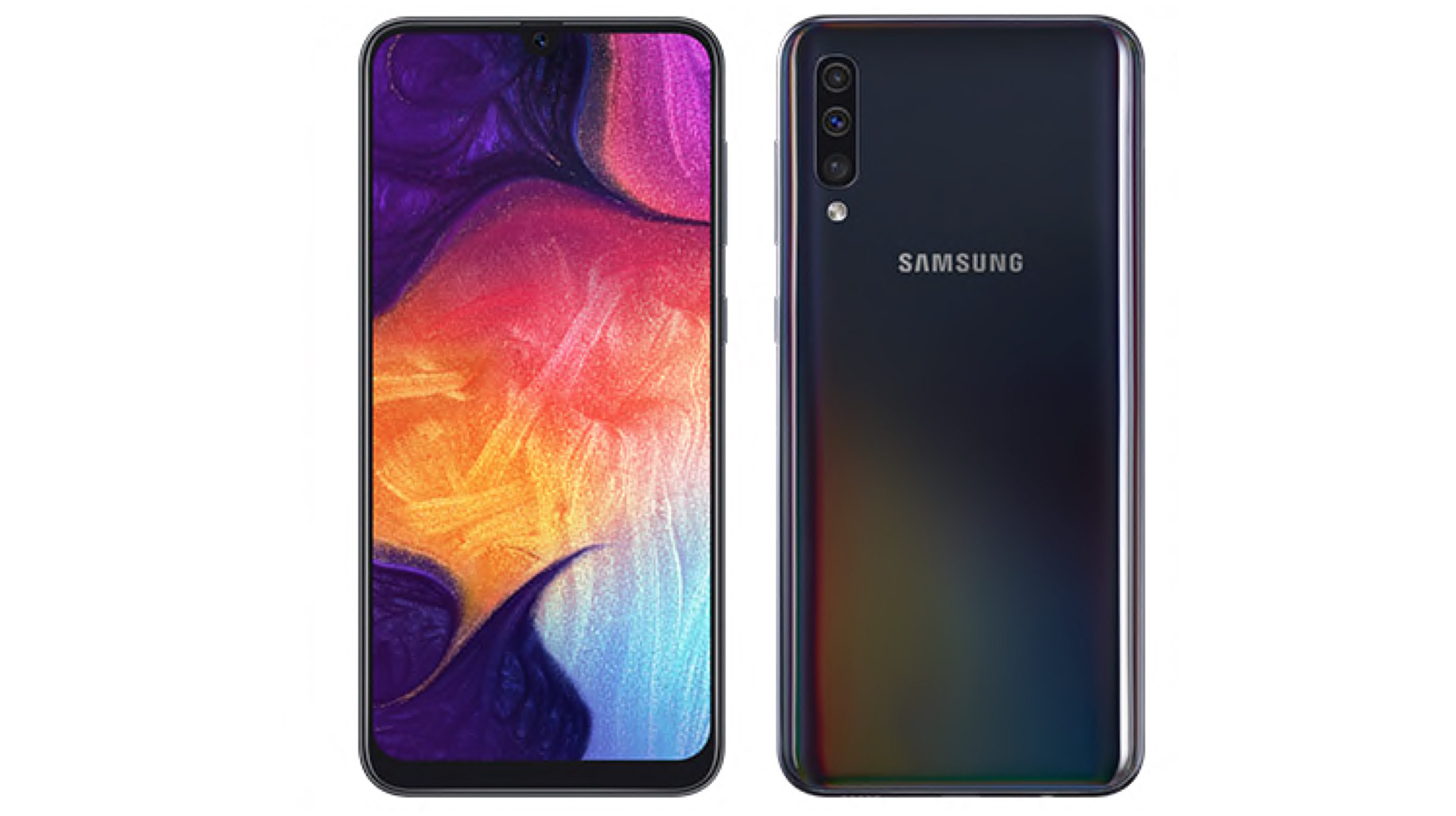
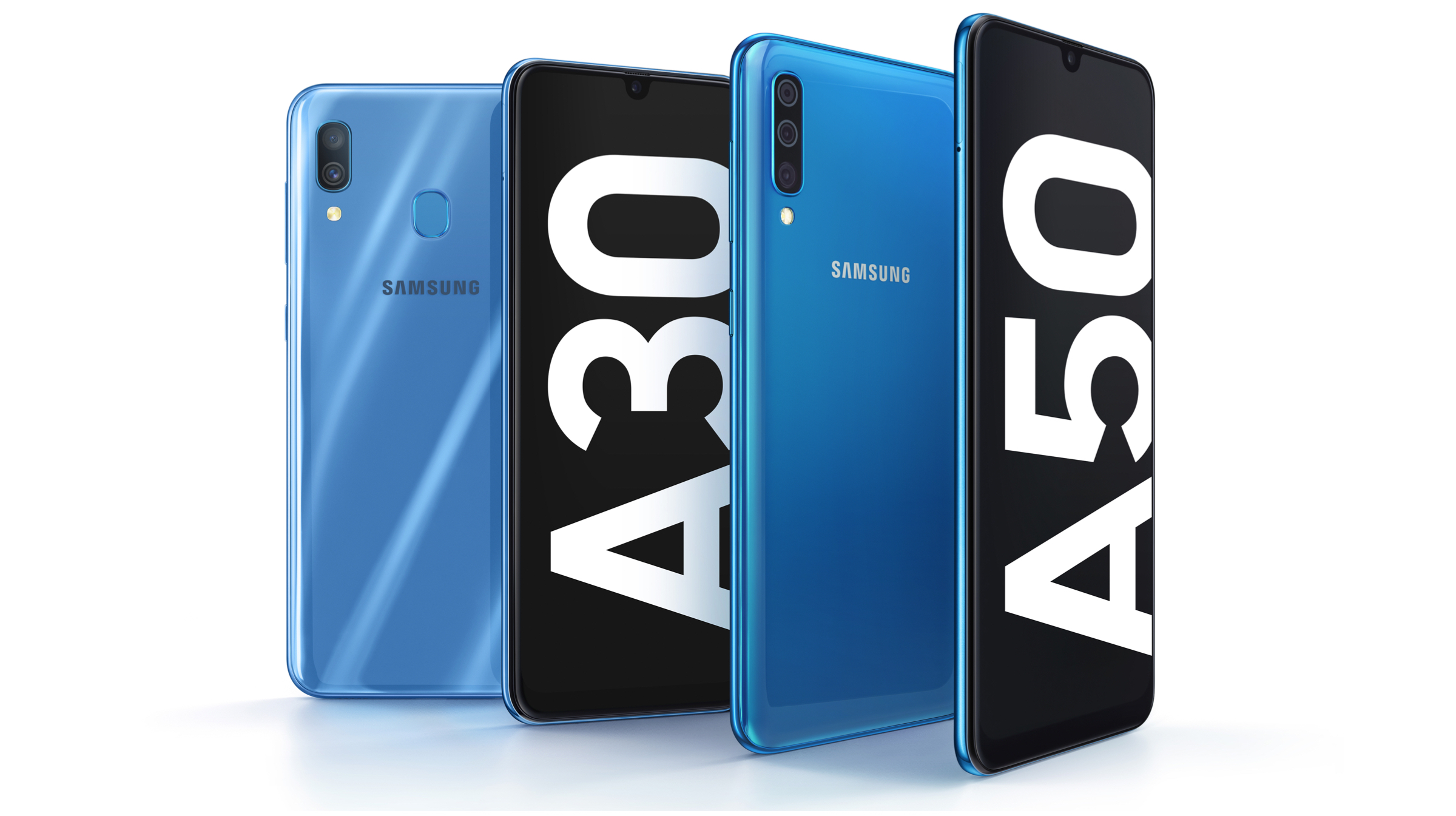
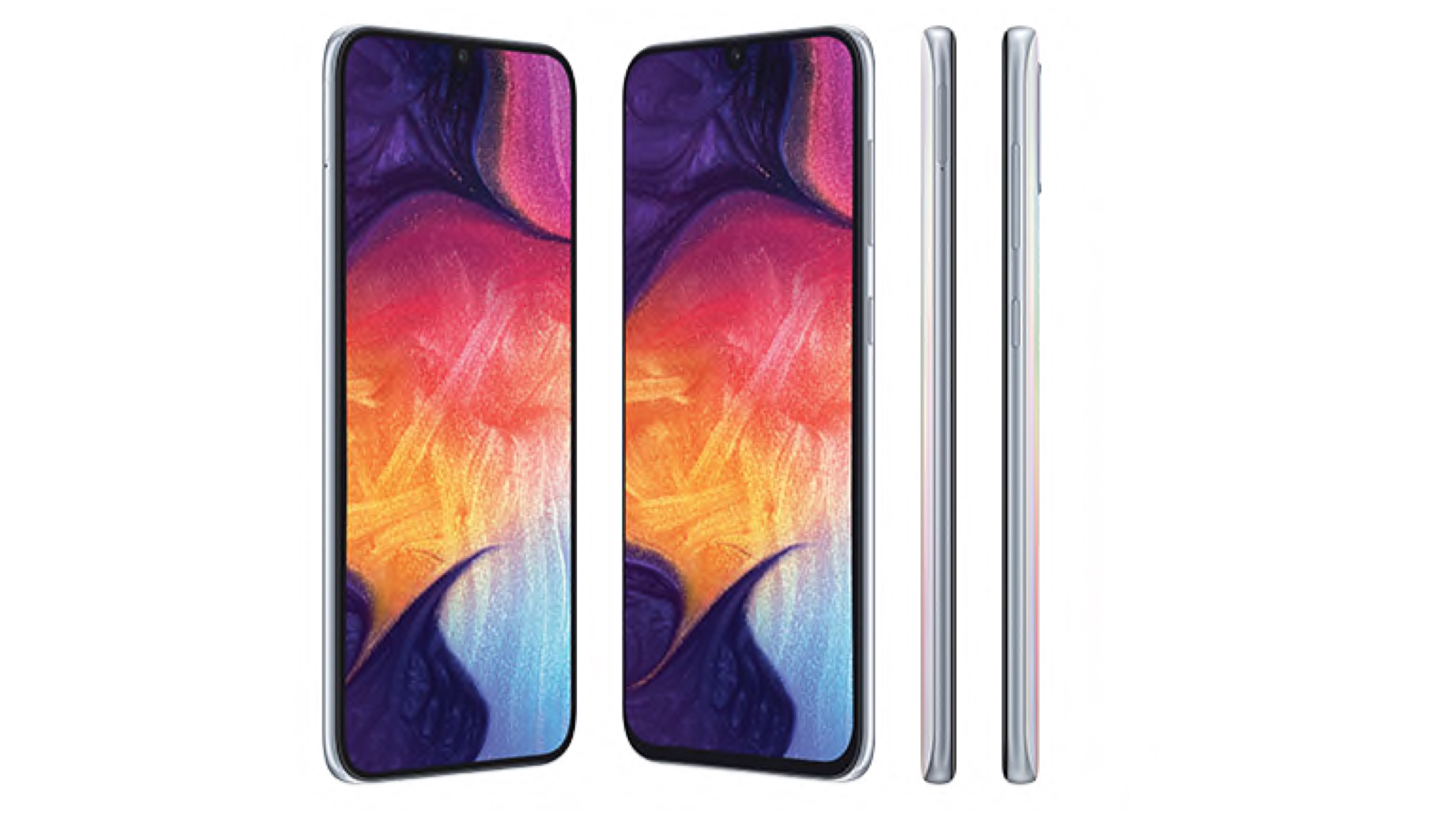
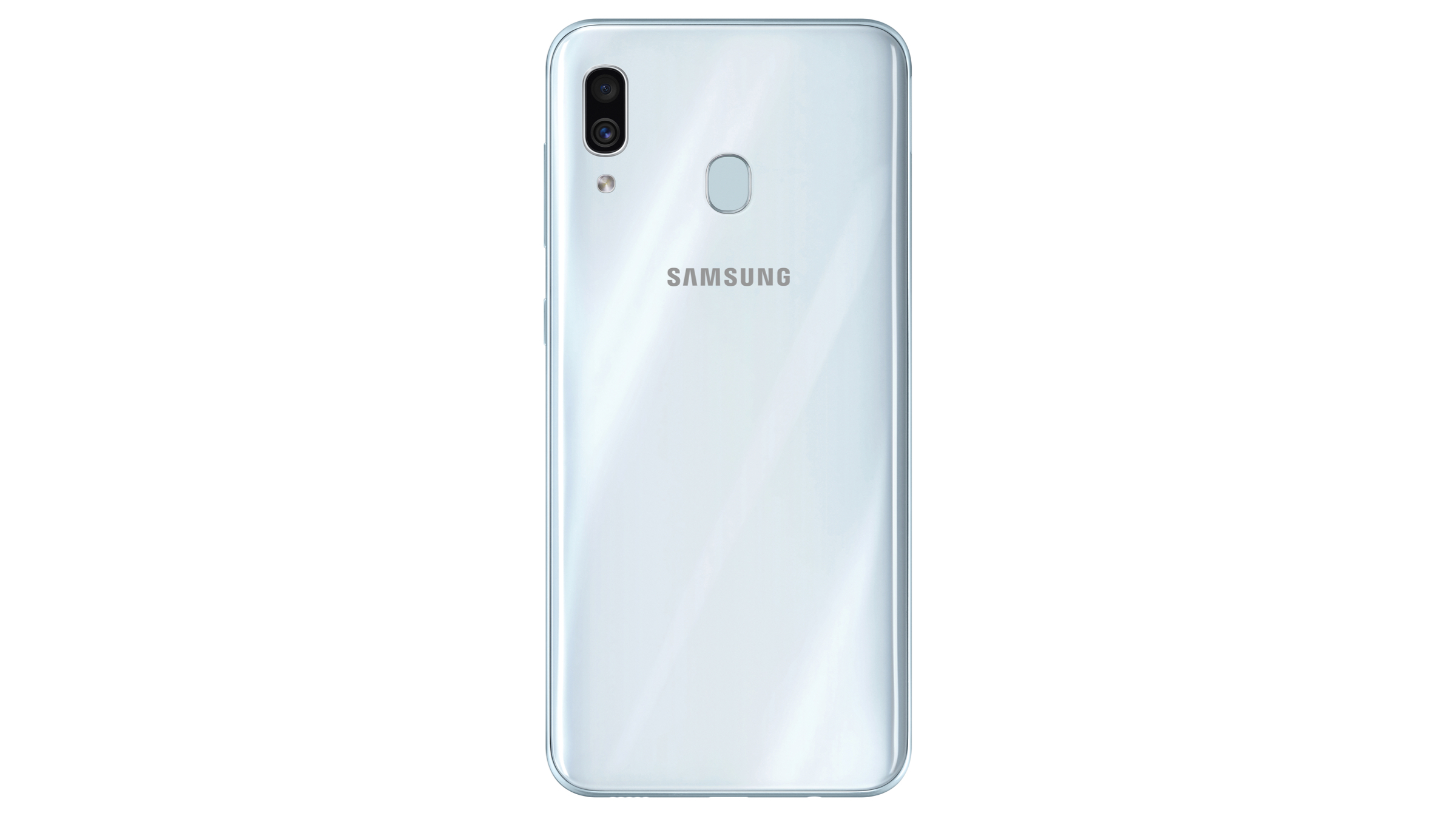
    Both, the Galaxy A30 and Galaxy A50 measure 158.5 x 74.7 x 7.7 mm which means that they share a common chassis. The front of the smartphones accommodates a 6.4 inch Infinity U display. The display on the devices uses a Super AMOLED panel that has a resolution of 2340 x 1080 px. Noteworthy, the elder A50 has an on screen fingerprint sensor to securely unlock it. The power button and volume rockers are situated on the right side while the SIM card tray is placed on the left side of both the handsets.

    The rear of both the Galaxy A30 and A50 have a ‘3D glasstic’ design which has a light glaring surface. The rear of the smartphones house the Samsung branding and camera setup with LED flash. Distinctively, the Galaxy A50 has a triple rear camera setup which is comprised of a 25 MP + 5 MP + 8 MP camera sensors. While the Galaxy A30 has a dual rear camera setup which is comprised of a 16 MP + 5 MP sensors. Notably, the more affordable Galaxy A30 has a rear mounted fingerprint sensor. 

    The front facing camera of the Galaxy A50 has a 25 MP sensor while the Galaxy A30 has a 16 MP sensor. Both smartphones are powered by a 4,000 mAh battery which supports fast charging via the bottom mounted USB Type-C port. Under the hood, the Galaxy A50 features the Exynos 9610 chipset while the Galaxy A30 packs Exynos 7904 chipset. The Exynos 9610 chipset consists of four Cortex A73 cores, four A53 cores and Mali G72 MP3 GPU. On the other hand, the Exynos 790 chipset consists of two Cortex A73 cores, six A53 cores and Mali G71 MP2 GPU.  Connectivity options on both smartphones include 802.11 ac Wi-Fi, Bluetooth 5.0, GPS and 3.5 mm audio jack. 

    Galaxy A30 and A50 Price, Variants and Availability

    Also Read: Motorola Confirms Foldable Smartphone, May Look Like The RAZR

    Both Samsung Galaxy A30 and Samsung Galaxy A50 will be available for purchase from 2nd of March through both offline and offline channels. The price for different variants of Galaxy A30 and Galaxy A50 are as follows:

    • Galaxy A30 4 GB RAM + 64 GB ROM- Rs 16,990
    • Galaxy A50 4 GB RAM + 64 GB ROM- Rs 19,990
    • Galaxy A50 6 GB RAM + 128 GB ROM- Rs 22,990


iGyaan Network
Privacy Overview

This website uses cookies so that we can provide you with the best user experience possible. Cookie information is stored in your browser and performs functions such as recognising you when you return to our website and helping our team to understand which sections of the website you find most interesting and useful.