Author: Vikhyaat Vivek

  • Nube Gaming Smartphone With Extendable Gamepad

    Nube Gaming Smartphone With Extendable Gamepad

    Handheld gaming machines have been in the entertainment industries for almost 40 years now. These type of devices have always been a hit or miss with the audiences centred around gaming. Sony is a great example of this with the successful PlayStation Portable aka PSP and the subsequent failure of the PlayStation Vita. However, with the mobile gaming market being the largest revenue generator for the industry, it was inevitable that hybrid technology would be born soon. Nube Mobile is currently developing one such gaming device.

    Nube

    Specifications & Design

    The company which is largely unheard of had patented designs last year regarding an extendable smartphone. These extended forms now include buttons such as controller D-pads and even joysticks, and may even feature special cooling functions. Nube Mobiles is based in Hong Kong and also works off of Spain in Malaga. According to the company’s own website, development is underway regarding two products. “One is a new smartphone for new players” while the other is a “new game based on one of the most popular films of the moment.”
    Nube

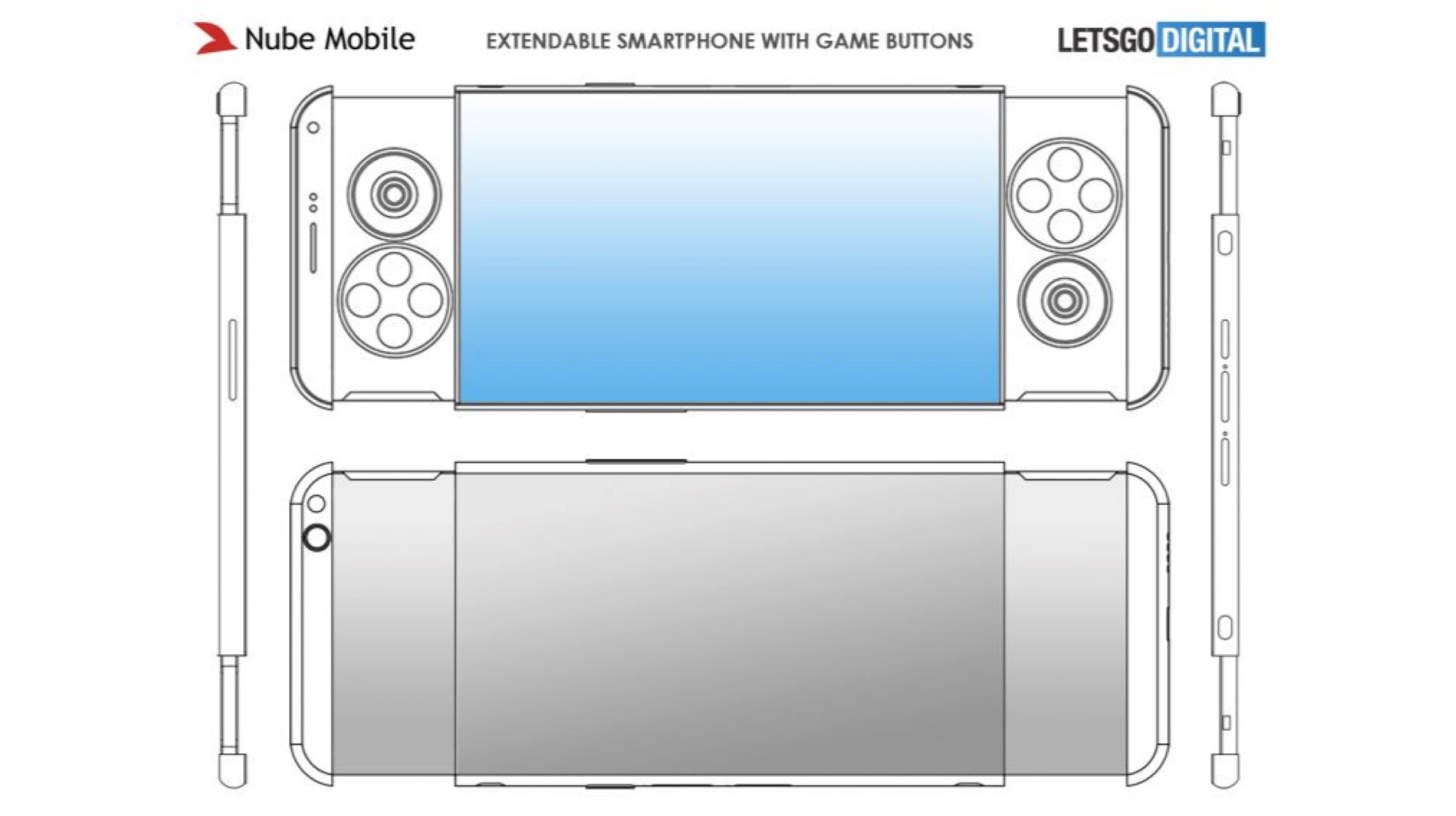
    The product in question is probably the hybrid device which at a glance would resemble a regular handset with bezels at the top and bottom. In addition to this, the key feature manifests itself once the corners bezels are pulled out from the device. Once fully extended gamepad buttons will flank the screen from the left and right sides. This, in turn, makes the smartphone look like a Nintendo Switch since the button layout is entirely similar. The Nube Gaming Mobile would although likely sport a larger and higher resolution display than the 6.2-inch HD screen found on the Switch.
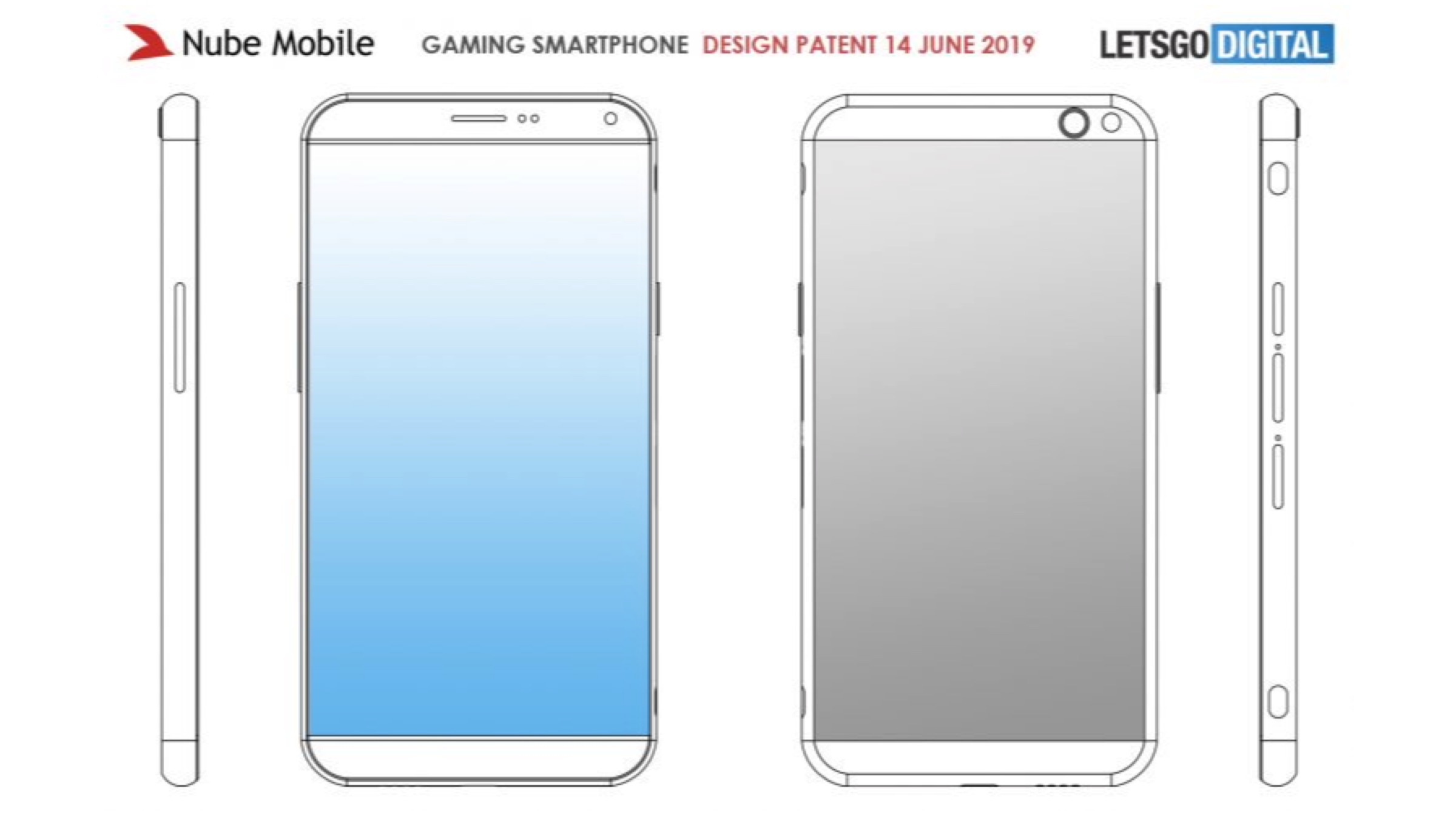
    Nube’s hybrid device has its buttons slightly encaved within the smartphone, just enough to slide in behind the screen. This makes it a practical smartphone and handheld gaming system simultaneously. Optional gamepad for smartphone do exist in the market, but no other company has it in-built within their handsets. Apart from the gaming peripherals, the essential front sensors are provided on the top like any other smartphone. The left side houses the volume rockers while the right has the power button along with two SIM card slots. The charging port is found at the bottom of the device alongside the apparently lone speaker on the left. 
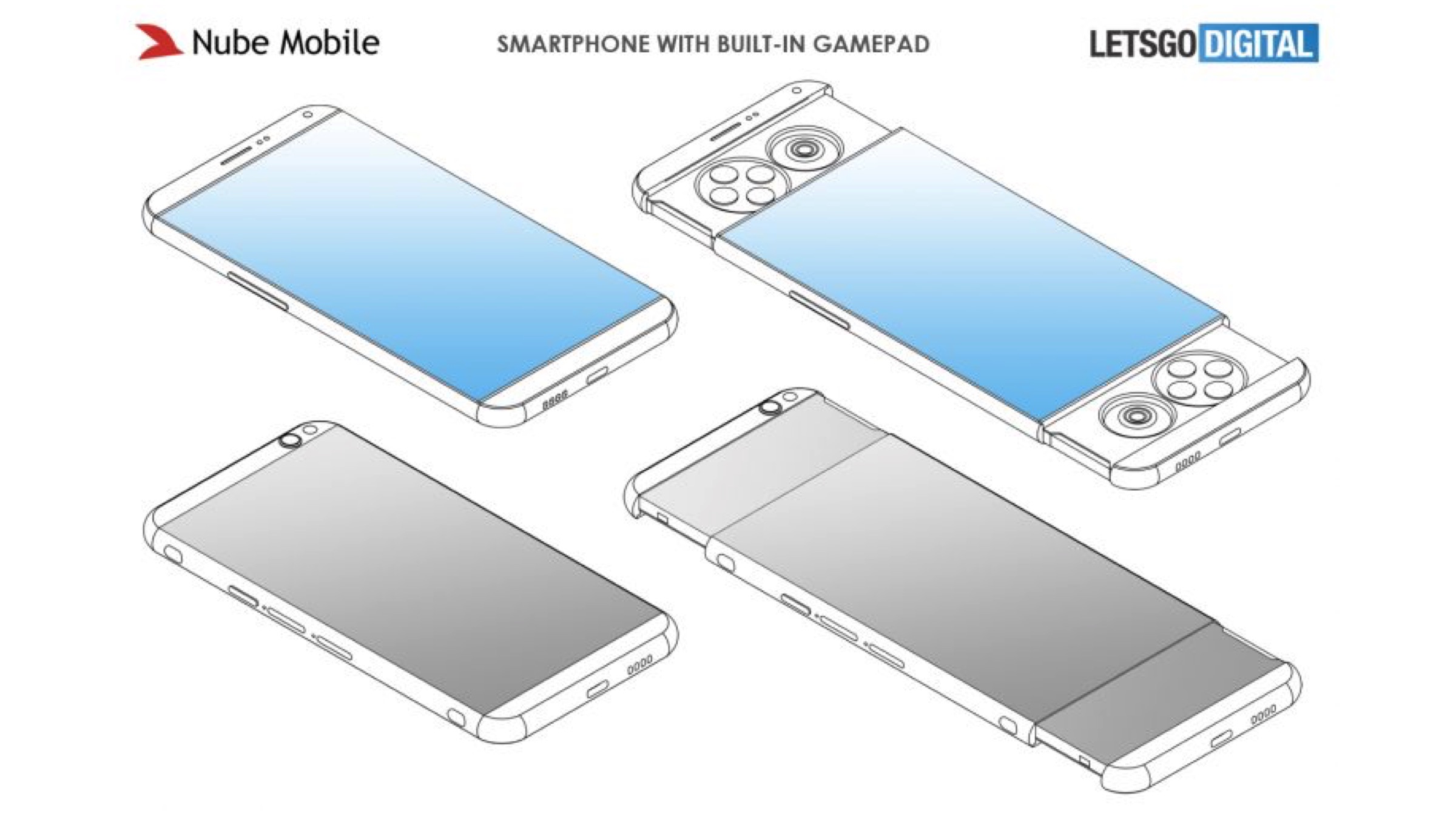
    Nube Mobile’s upcoming smartphone only has a single camera at the back with a flash. Notably, the camera modules will move when the controls are extended due to their placement. Unfortunately, internal specifications cannot be discerned but going by the trend, a high refresh rate with a powerful processor is expected. The device will also probably be powered by a large battery pack. The website claims that Nube Mobile’s have 5 years of video game industry experience and that the new products will be introduced soon.

    Nube

    Also ReadSamsung Patents A Gaming Laptop With Expandable Display

    With the mobile gaming market surpassing the PC and consoles in terms of revenue generated, a new shift in development focus has already started. Popular game studios for the aforementioned platforms are now taking the mobile market more seriously. This is evident with Activision bringing the Call Of Duty experience to smartphones. Official launch dates or any information was not provided by the company, but according to the website, the announcement would’ve been made in April. More updates are expected soon since the month has long since passed.
  • OnePlus Reveals Upcoming Oxygen OS Features

    OnePlus Reveals Upcoming Oxygen OS Features

    OnePlus has been busy with various software updates for its lineup of smartphones, especially the OnePlus 7 Pro. The Chinese company is well renowned and critically acclaimed for its user-centric business model. On multiple occasions, the company has added features or brought bug fixes relatively quick just after scouring its own community app. In a similar manner, the company has unveiled its planned catalogue of features and additions to its Oxygen OS.

    OnePlus

    What To Expect

    In a new post on the OnePlus Forums, the company has highlighted developing as well as planned features with the future update. The Open Beta build already includes a couple of these new features that aim to enhance the OxygenOS user experience. Notably, a small part has been confirmed to be product exclusive while the rest are generally available OS-wide. The said exclusive features include OnePlus 7 Pro’s horizon light customizability, whereas most OnePlus devices will receive a new step counter in the Shelf.

    OnePlus

    OnePlus has already given its approval for most of the feature requests which are currently being tested in various open and closed beta programs. For example, the horizon light feature lights up the edges of the OnePlus 7 Pro when a notification is received. This was done by the company to address customer grievances regarding the lack of LED notification lights. Unfortunately, the feature will not appear on the standard OnePlus 7 model or its predecessors.

    OnePlus 6T

    The developers in OnePlus have also seemingly confirmed working on video recording via the ultra-wide camera found on the latest flagship. The community had been requesting for this feature for a while, as only the primary shooter currently captures videos. OxygenOS is also slated to provide support for adaptive icons for its OnePlus launcher. Furthermore, functions such as a custom duration for Zen Mode, more apps in the recent menu and sound effect when the device is charging will be released by the developers.

    Other Notable Features 
    • Digital Wellbeing will be supported on OnePlus 5/5T/6/6T, and are currently available in the open beta.
    • Ability to block messages by specific keywords is also being tested under the closed beta and will be released soon.
    • Folders being considered for the app drawer for a simplifies and quicker way of finding applications.

    OnePlus

    Also ReadOPPO To Launch Under Display Camera Smartphone on 26th June

    OnePlus thrives on its great community by being actively involved and interactive with its user-base. This particular form of communication typically strengthens the loyalty of customers and attracts potential ones as well. Hence, the company ensures its accountability and responsibilities with its products. The features do not have a concrete launch date but will soon be available via updates or on the open beta for a first look.

  • OPPO To Launch Under Display Camera Smartphone on 26th June

    OPPO To Launch Under Display Camera Smartphone on 26th June

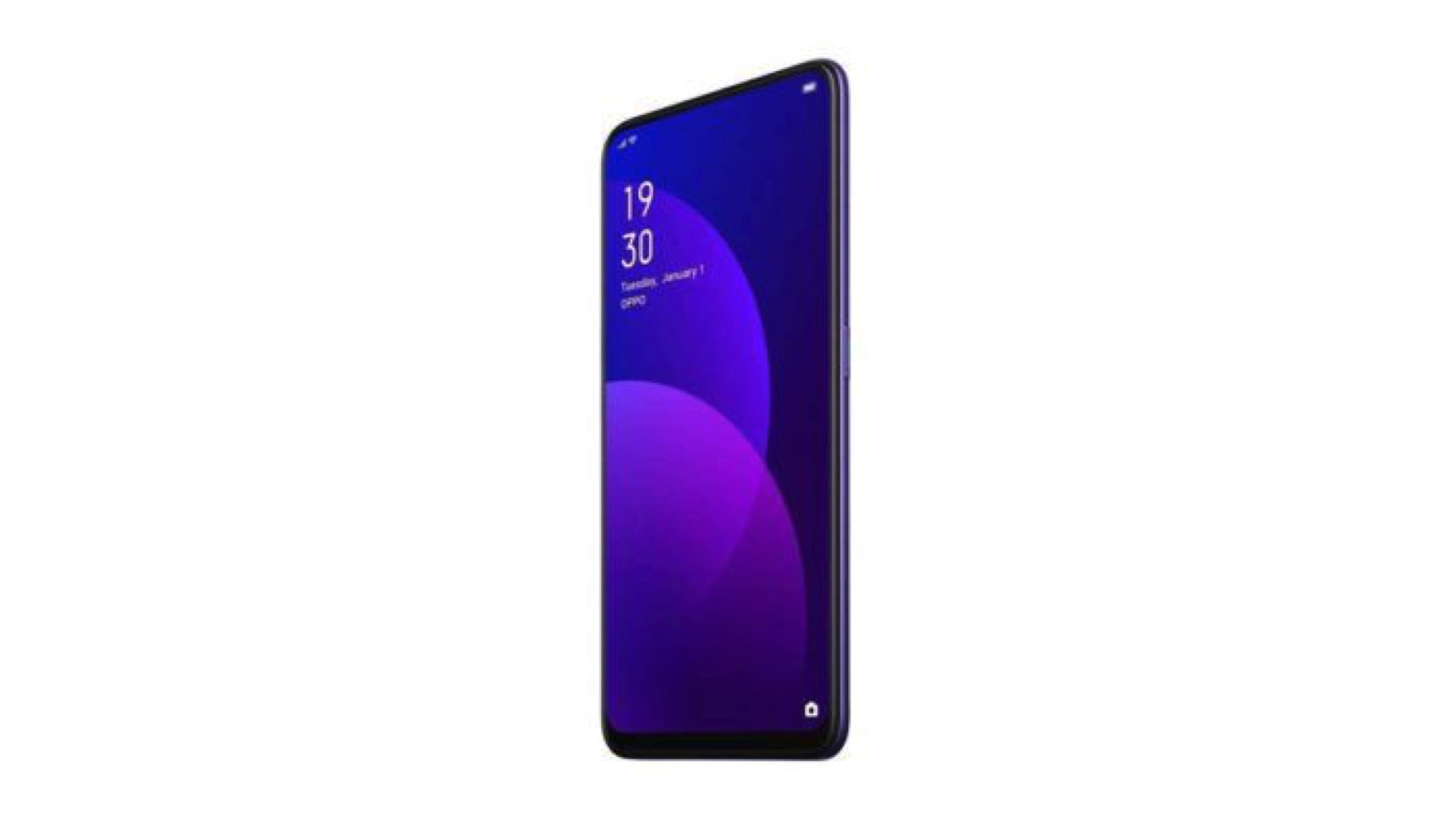
    Mobile World Congress 2019 is the largest mobile industry expo in the world which was held in Spain on Feb 2019. The Chinese market being one of the larger markets with its own set of exclusive devices from various company receives its very own MWC at Shanghai which is scheduled for 26th to 28th June. OPPO one of the well-known smartphone manufacturers has confirmed its attendance at the Mobile World Congress 2019 on Weibo. A poster shared by the company clearly indicates that it is planning to launch the first under-display camera in the world.

    OPPO

    Under-display camera smartphones essentially have its front camera within the front display but unlike a punch-hole module cannot be seen. The screen entirely encompasses the front panel with the camera under it. Earlier this month, Oppo had showcased its first functional prototype to the world, as did Xiaomi. Most OEMs have adopted a pop-up camera (like OnePlus 7 Pro) or rotating camera modules (such as Samsung Galaxy A80) for the full display solution. These are currently almost exclusively found in top-end or high mid-end range smartphones. 

    OPPO

    A short clip was previously shared by an OPPO executive which showcased a smartphone with the praiseworthy feature. It is uncertain if the aforementioned device is a prototype that is under development or an initial version of a smartphone that would be available commercially. The device had no visible seam for a front camera and had a full display panel at the front. This has probably given the world its first look into completely bezel-less smartphones.

    Also ReadSony Hexa Lens Smartphone Camera Specifications Revealed

    The smartphone industry is one of the most volatile markets in the world. New is generally outdated in a quarterly cycle whilst any sci-fi dream of today is a reality within a year. Popular Entertainment such as movies have frequently showcased futuristic gadgets and handsets, and now our lives edge closer to them. No indication or otherwise have been provided regarding when the device will be available or even what the model/name would be. However, these innovational strides in the industry are always a positive sight.

  • Motorola One Pro  With Quad Cameras Leaked In Renders

    Motorola One Pro With Quad Cameras Leaked In Renders

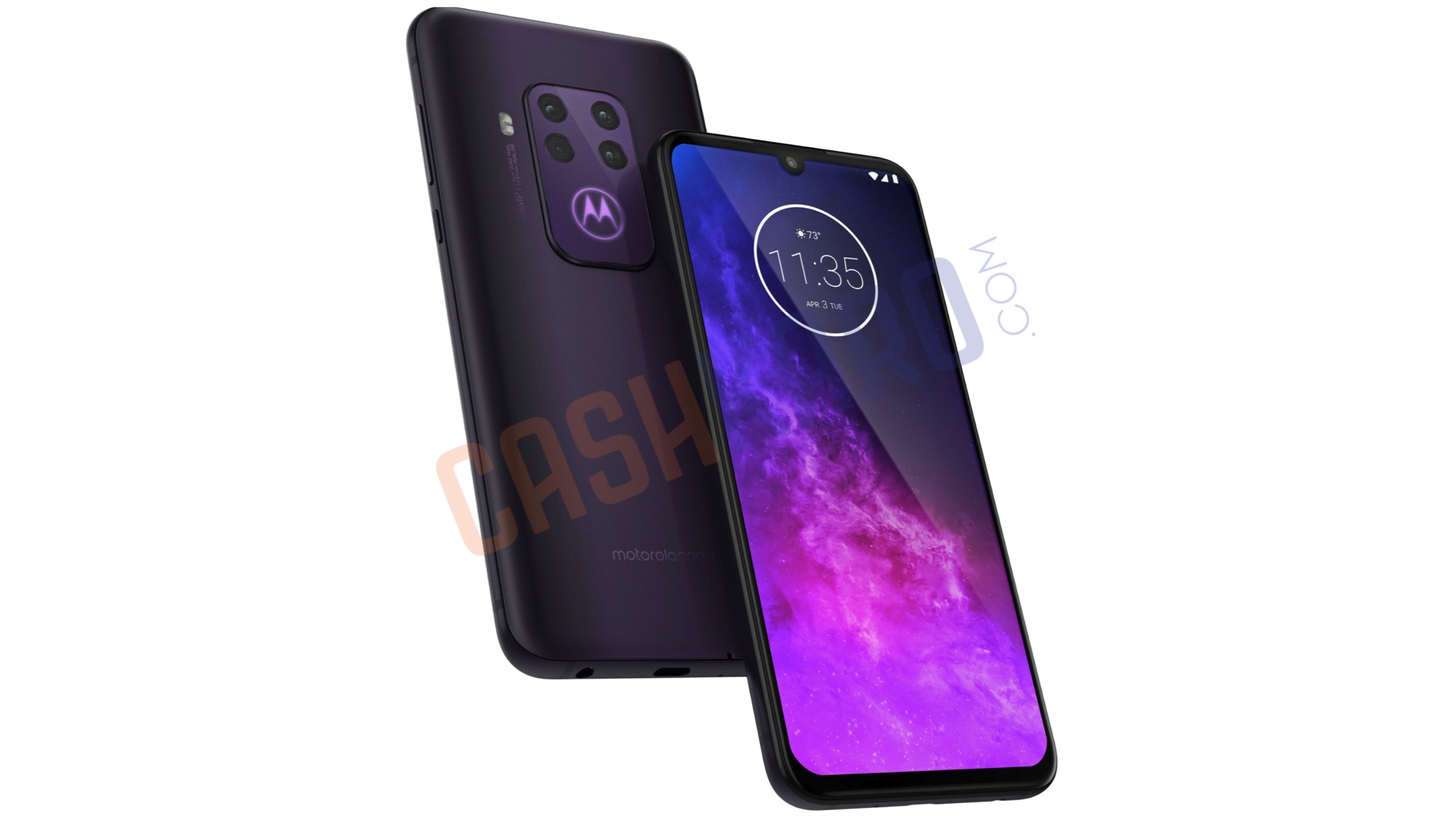
    The rumours of the first quad-camera smartphone from Motorola had surfaced in early April 2019. The first look at the renders of the device was showcased along with certain unconfirmed reports regarding specifications. Motorola’s upcoming device was initially claimed to be an early CAD renders for the Moto Z4, however, reports now claim that it is the upcoming Motorola One Pro.

    Motorola One Pro

    Specification & Design

    Motorola has not given any sliver of information regarding this device and is yet to confirm any reports. Hence, specific details or internal configurations are still unknown but the past leak did contain some information. Motorola One Pro is claimed to feature a 6.2-inch screen that is probably an FHD+ display panel. The dimensions of the handset are 158.7 x 75 x 8.8mm, 9.8mm when thickness of the camera bump is accounted for.

    According to the renders, Motorola One Pro has a 3.5mm headphone jack and a USB Type-C charging port which will likely support some form of fast charging. The volume rockers and power button are placed at the right of the screen, and the left is devoid of any seams. SIM tray is set on the top of the smartphone’s frame. The front of the device features a waterdrop-notch while the back has a rectangular module housing the four camera sensors. 

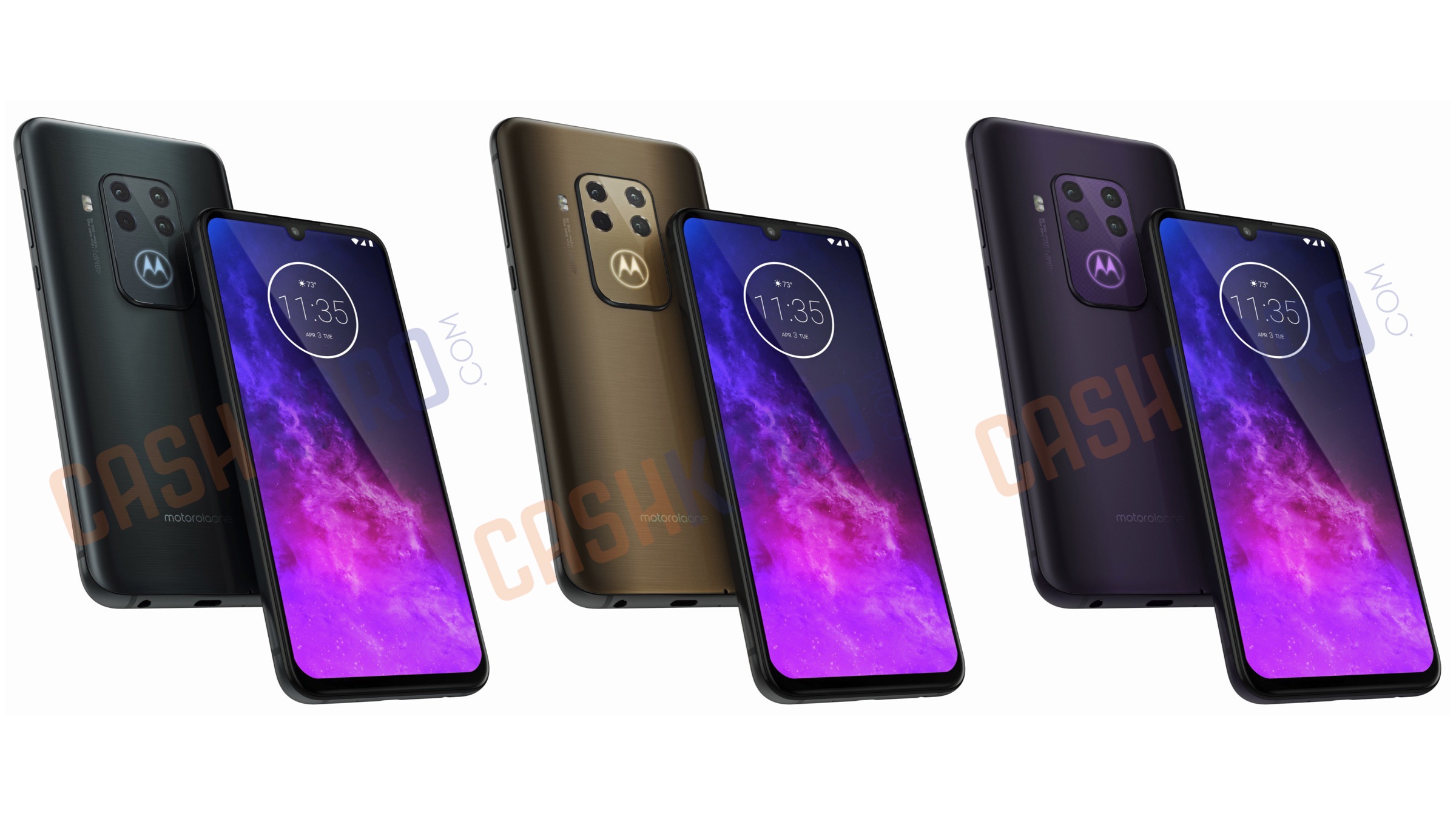
    Exact specifications and capabilities of the camera are still unknown, but apart from the previously reported 48MP primary shooter, a wide angle and telephoto lens would probably make an appearance. The camera bump also has the Motorola branding with the company’s signature batwing logo. For security, it seems as though an in-display scanner might be planned as well. Additionally, in the new Motorola One Pro renders, three more colour variants are also seen.

    Motorola One Pro

    Also Read: Samsung Galaxy S10 5G Pricing For European Markets Revealed

    The smartphone manufacturer has yet to announce a date for the Motorola One Pro but it is highly likely that word will be given out soon. So far nothing has been teased or announced, but the lack of a top grade flagship this year might see this device taking the Moto Z4’s spot for top honours. Furthermore, updates will be available in soon in due time.

  • Samsung Galaxy S10 5G Pricing For European Markets Revealed

    Samsung Galaxy S10 5G Pricing For European Markets Revealed

    The Samsung Galaxy S10 5G was unveiled by the Korean tech giant alongside its sibling Galaxy S10 series of flagship smartphones in the month of February 2019. However, unlike the Samsung Galaxy S10, Galaxy S10e and Galaxy S10+, the 5G capable variant was not available for purchase with the aforementioned trio. This version went on sale in South Korea much later in April 2019, and soon after went on sale in the UK and the US. According to a new report, the Samsung Galaxy S10 5G will also be launched in Europe shortly, carrying a price tag of EUR 1,249 (around Rs. 97,000). 

    Specifications

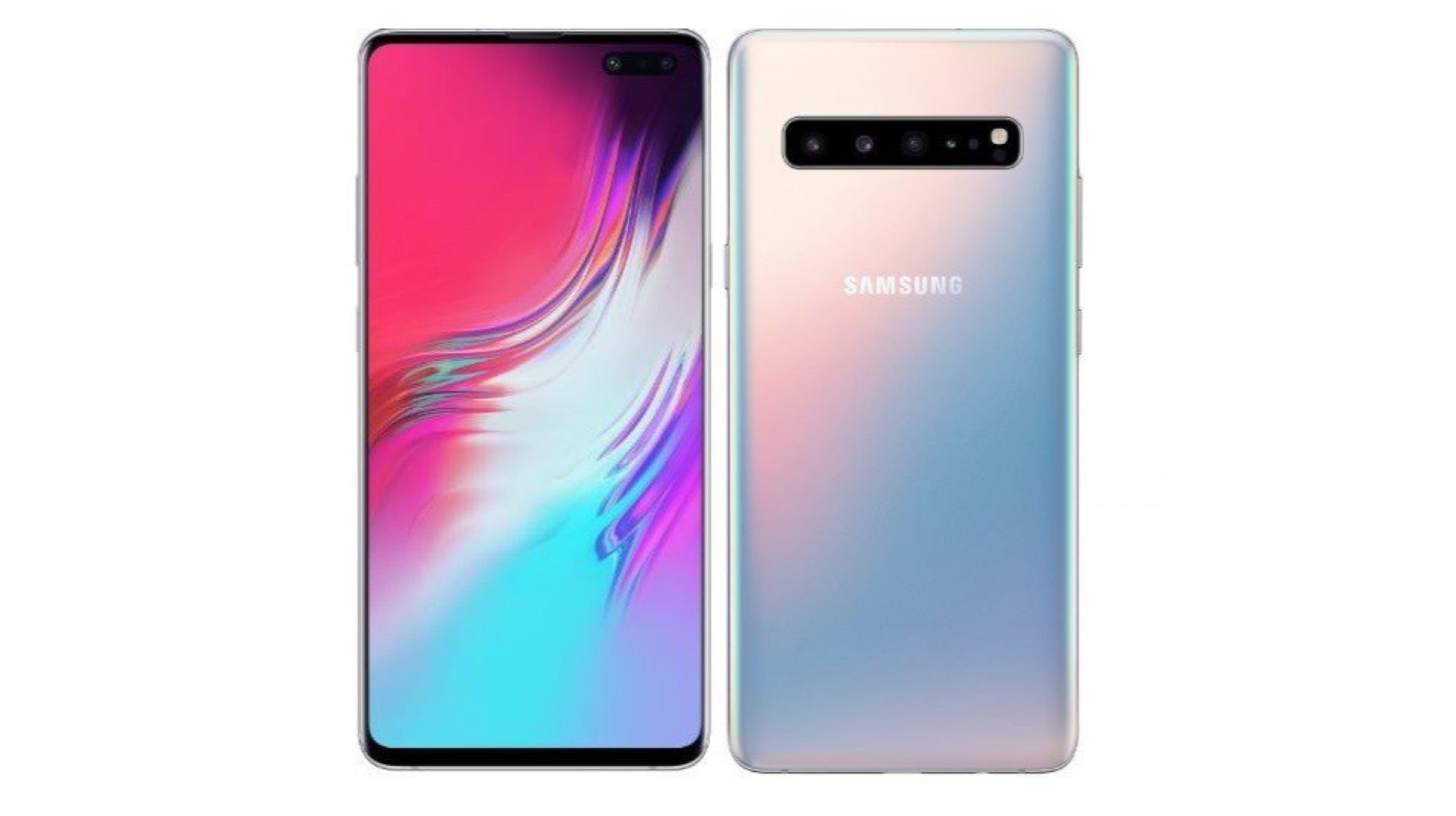
    The Galaxy S10 5G measures 162.6 x 77.1 x 7.94mm and weighs 198g. The design of the smartphone is reminiscent of the Galaxy S10+ with Gorilla Glass 6 on the front and Gorilla Glass 5 on the back. The display sports an Infinity-O, 6.7-inch Dynamic AMOLED panel with a resolution of 3040 x 1440 px. It has a pixel density of 505PPI and a 19:9 aspect ratio. Like its siblings the Galaxy S10 and Galaxy S10+, it features an ultrasonic in-display fingerprint scanner and has IP68 certification for water and dust resistance. 

    Samsung Galaxy S10 5G

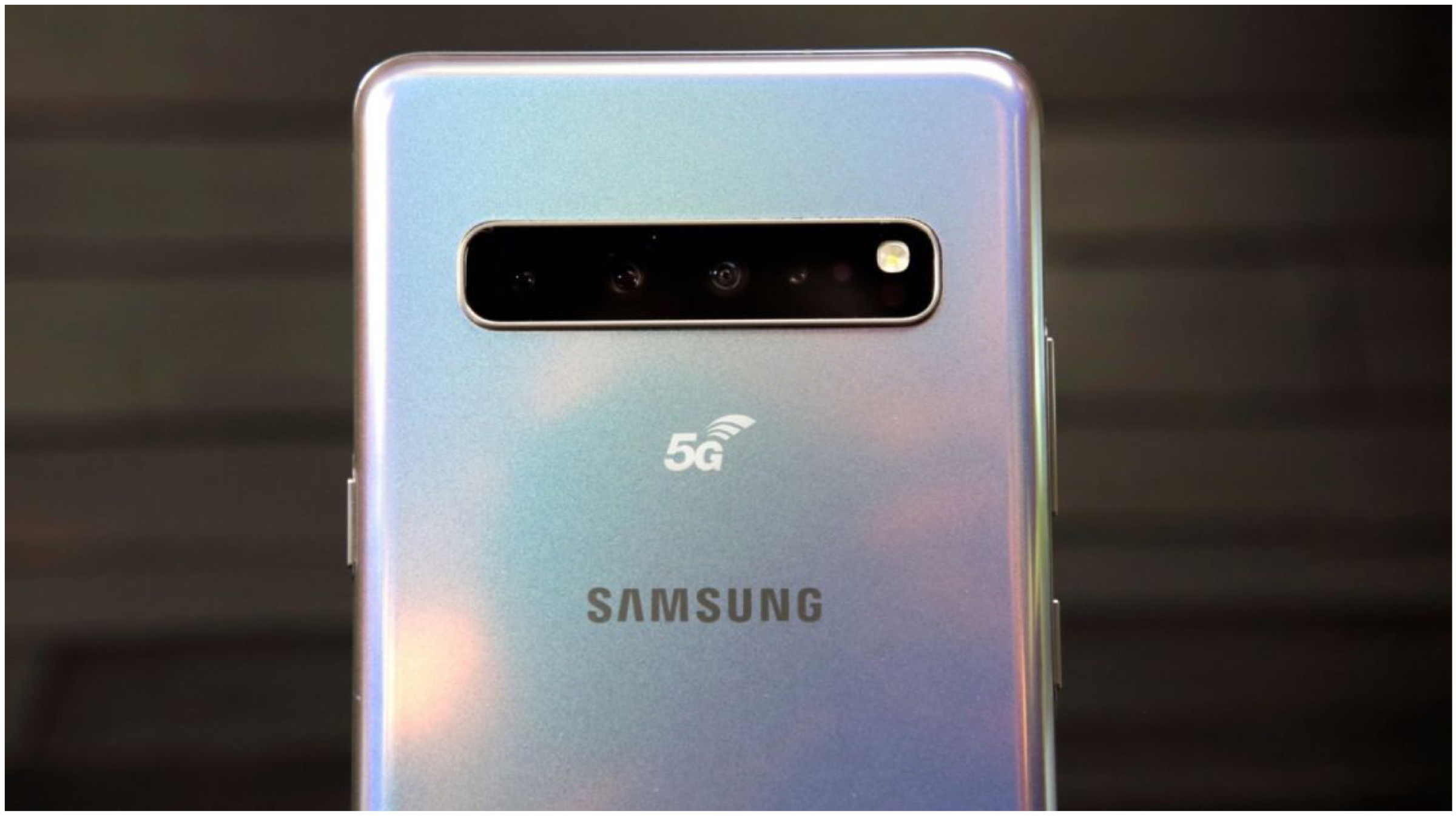
    The Galaxy S10 5G features quad rear cameras, unlike the triple rear camera setup found in the Galaxy S10 and the Galaxy S10+. This camera setup includes a 12MP f/1.5-f/2.4 sensor, 12MP f/2.4 Telephoto sensor, 16MP f/2.2 Ultra-wide angle sensor; and a Time Of Flight (TOF) camera for 3D depth recording. The device has two cameras on the front, which are comprised of a 10MP f/1.9 sensor and a secondary TOF sensor to assist with background blur in photos and videos.

    Samsung Galaxy S10 5GThe Galaxy S10 5G runs on the latest Qualcomm Snapdragon 855 SoC which is manufactured using the 7nm fabrication process. It has an Octa-core CPU and Adreno 640 GPU. The device features the Qualcomm X50 modem for 5G support. In terms of storage, it features 8GB of RAM and 256GB of onboard storage. There is no support for memory expansion via MicroSD.
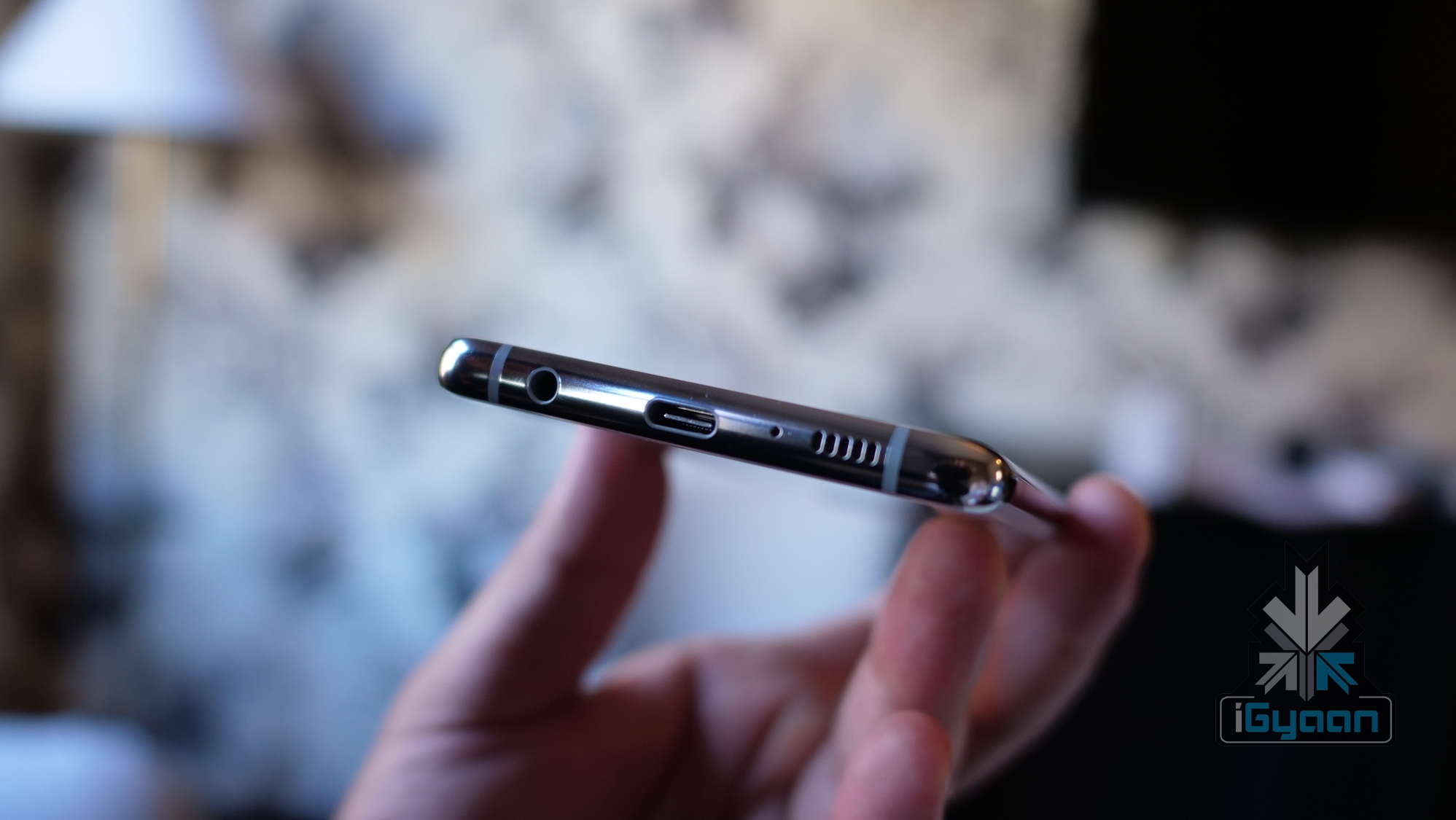
    The Galaxy S10 5G is powered by a 4,500mAh battery, larger than the 4100mAh present on the Galaxy S10+. The device supports 25W fast charging via the bottom mounted USB Type-C Port. Noteworthy, the premium smartphone also supports wireless charging. Like its siblings, it also has a reverse wireless charging feature.
    Also ReadPoco F1 Receives MIUI Update With May Android Security Patch

    Samsung with the Galaxy S10 5G’s introduction in the European market will ensure its place as one of the first OEMs to be prepared for the 5G wave. The higher bandwidth of networking is not new to the continent, but widespread implementation is still lacking. Hence, the smartphone manufacturer will be ready as the demand grows and the network matures into mainstream levels of consumption.

  • Poco F1 Receives MIUI Update With May Android Security Patch

    Poco F1 Receives MIUI Update With May Android Security Patch

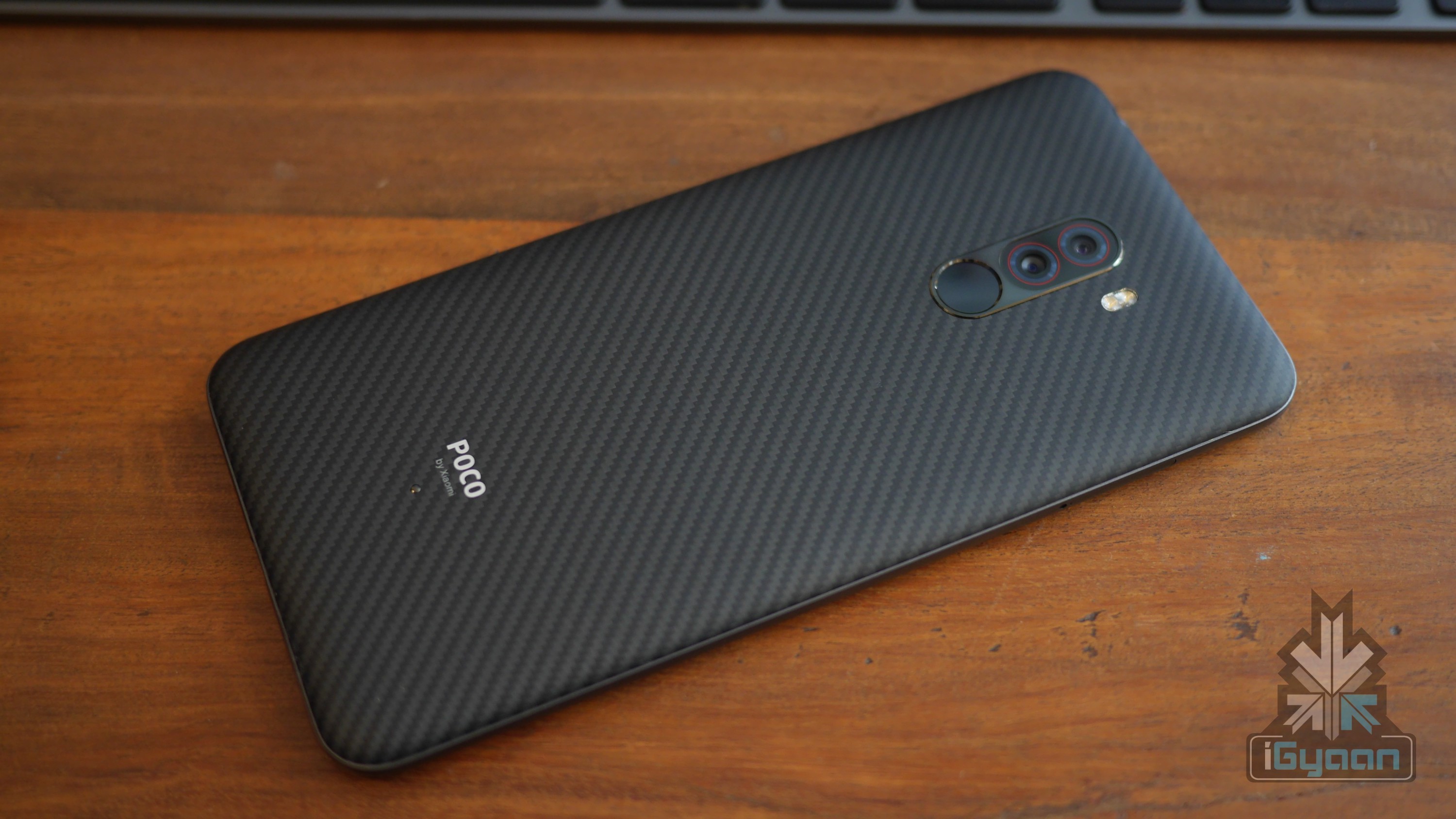
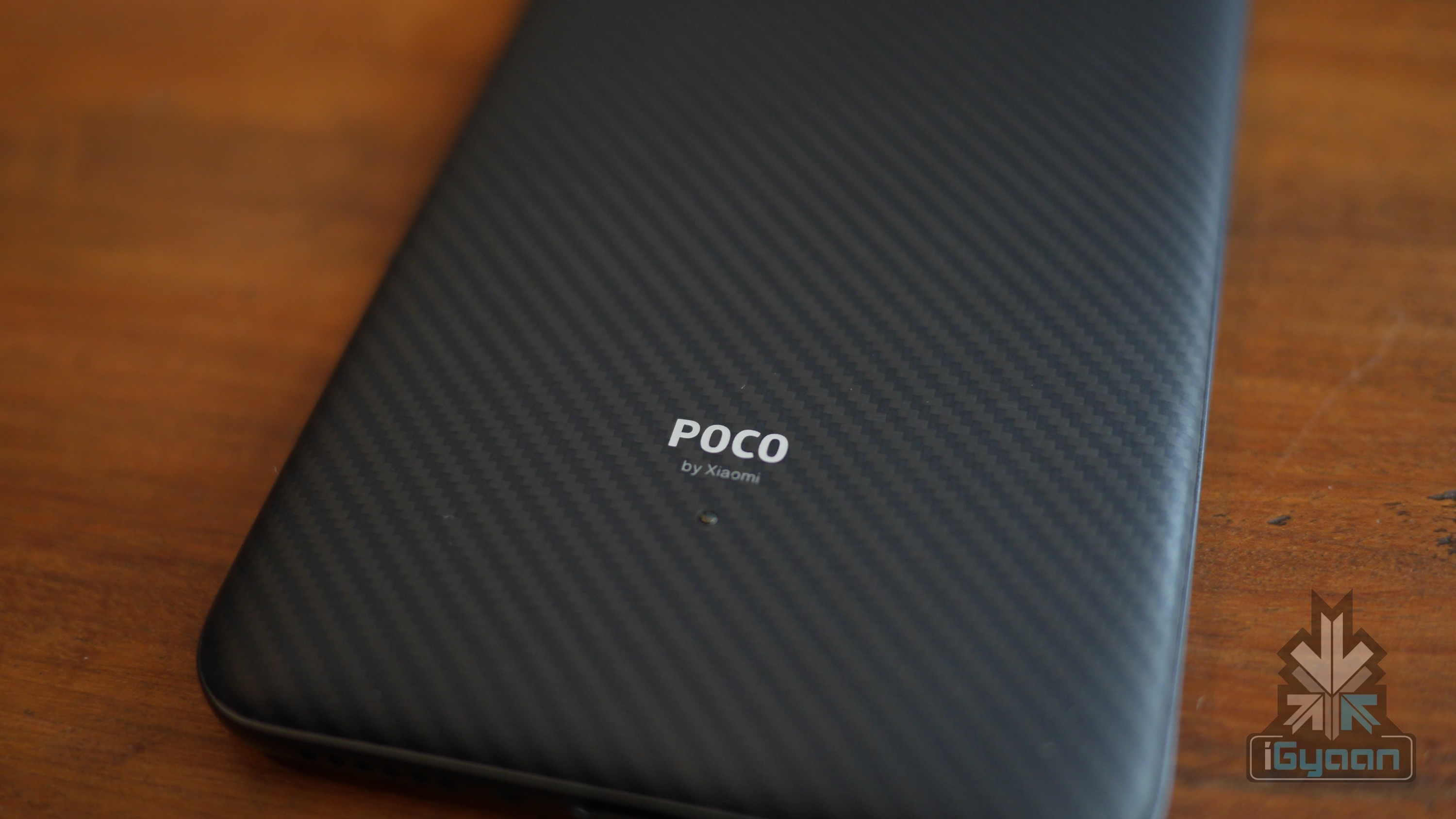
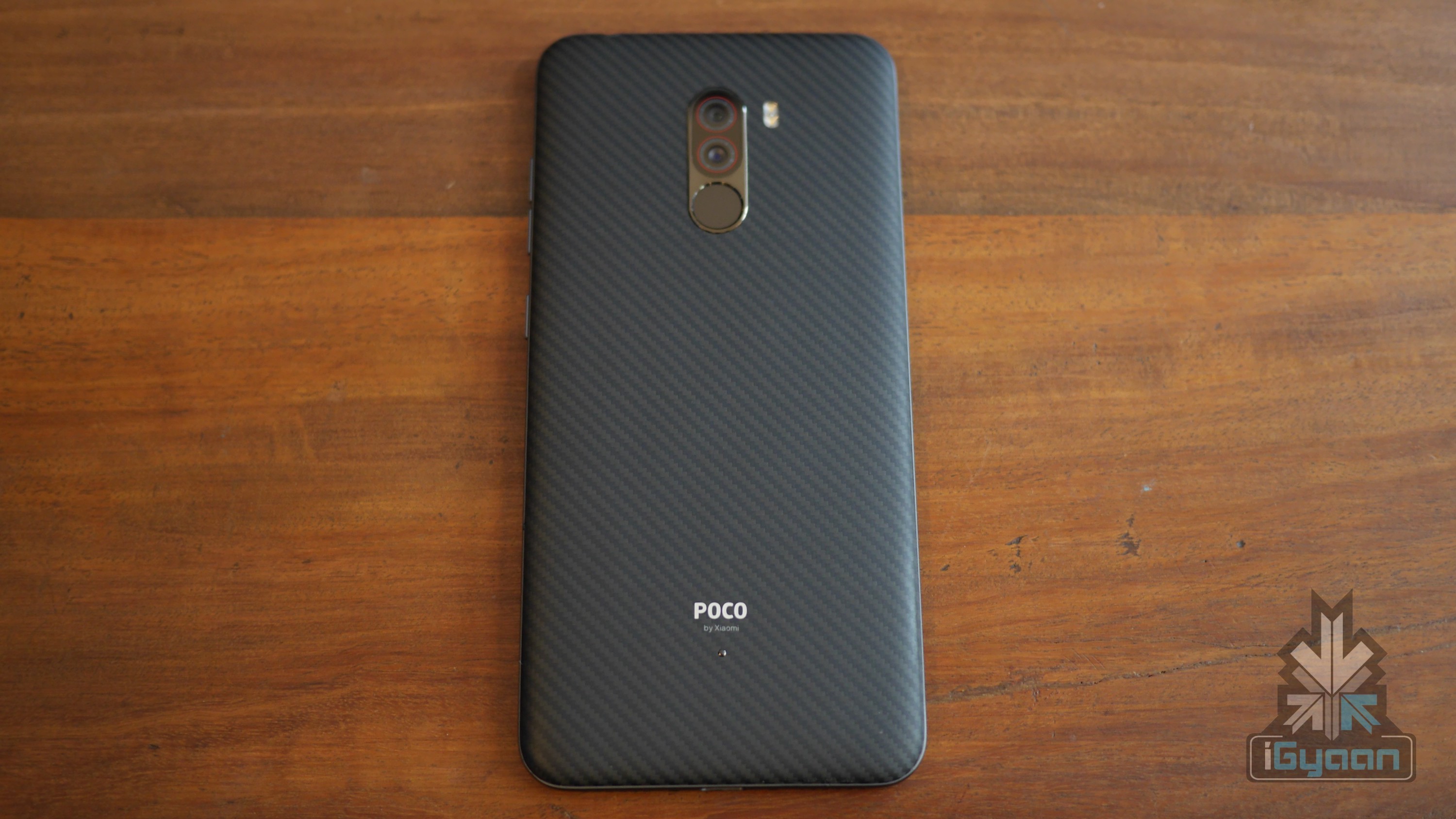
    Xiaomi had unveiled the Poco F1 in 2018, with a price tag that was below any of its competitors for the hardware offered. The company’s low budget powerhouse was received relatively warmly with its performance rivalling devices priced even upto three times higher. Xiaomi is still working on perfecting the formula with Poco F1, which has started receiving the latest MIUI update along with the May 2019 Android patch.

    Poco F1

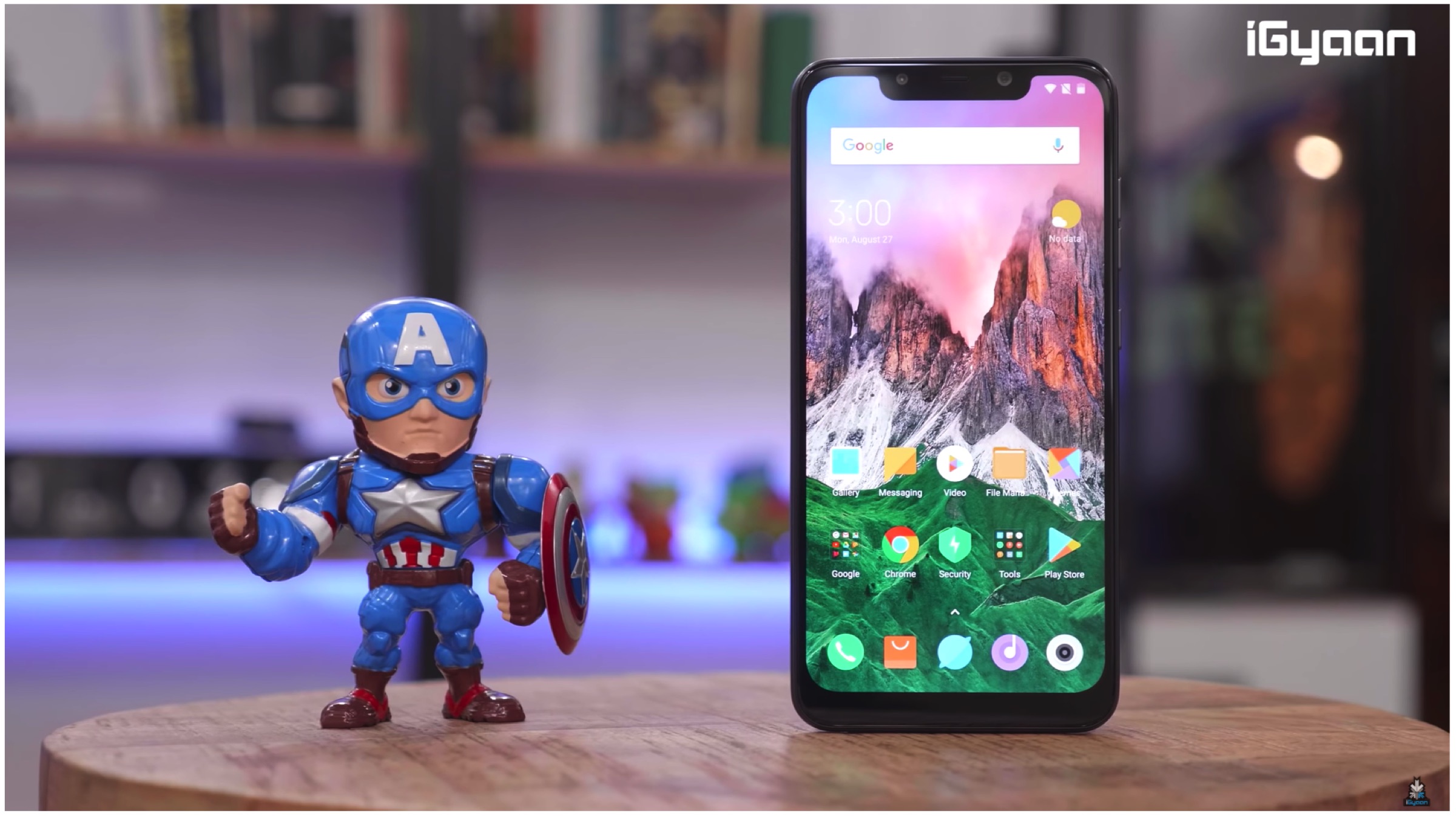
    MIUI v10.3.5.0 brings improvements across the board for the budget flagship. This update will also seek to address many of the bugs that have plagued the smartphone like fix regarding dual app functionality which suddenly disappeared for some users. The rollout of the new update includes new features, such as customizable lock screen clocks, as well. Furthermore, it has been officially confirmed by Xiaomi that the Poco F1 will receive the Android Q update. 

    Poco F1

    The device was formally unveiled running Android Oreo (8.0) under the MIUI last year. Notably, since launch, the handset has received Android Pie (9.0) alongside the MIUI 10 update in early 2019. The Poco F1 update carries a size of 387MB and is being launched in India in small batches. Users interested in finding out if they have received the update can check under the ‘System Update’ options in ‘Settings’.

    Also ReadIndia Asks WhatsApp To Digitally Fingerprint Every Message For Traceability

    Poco Officials have seemingly confirmed the arrival of Android Q on its budget smartphone alongside the beta program. The program will be an opt-in for anyone interested in the Poco Launcher 2.0. The new launcher is touted as a new experience and a slight preview has been provided on Twitter. Poco F1 had just received the MIUI v10.3.4.0 update back in April that brought features such as the 4K 60FPS recording capabilities, Widevine L1 support and a dedicated Game Turbo mode.

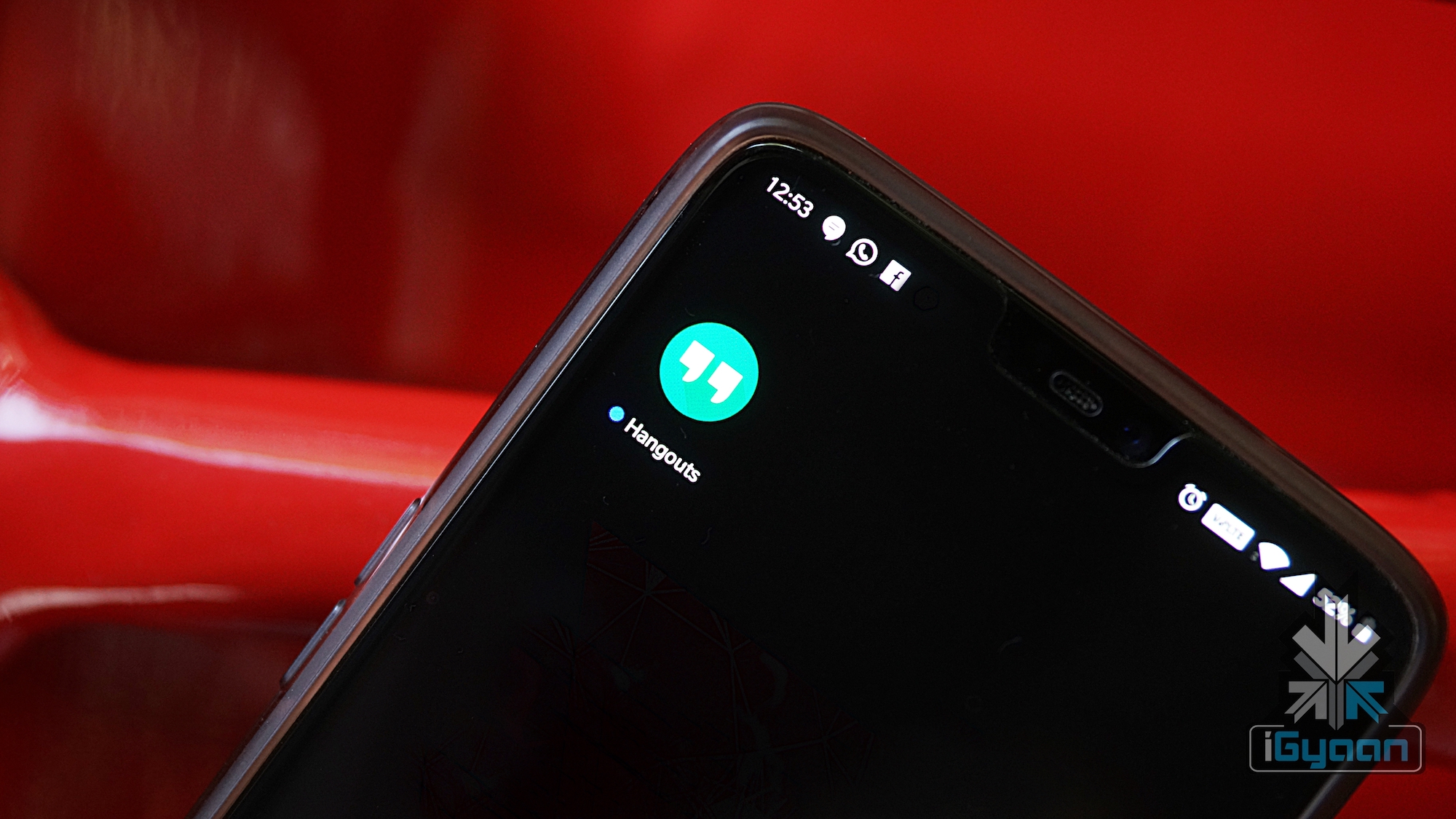
  • Google’s SMS Replacement App, RCS May Roll Out Soon

    Google’s SMS Replacement App, RCS May Roll Out Soon

    Google has finally taken a stance on its upcoming RCS chat (Rich Communication Service) functionality for Android devices. The feature was announced back in 2018, although its implementation has been rather slow. The blame is partly on various carriers as the next-gen texting format usually depends on networks adding support. This usually occurs one at a time inducing great delay. Hence, compatibility so far has been grey in nature. The tech giant, however, has now announced that it will take the lead on the projects roll out. 

    Google

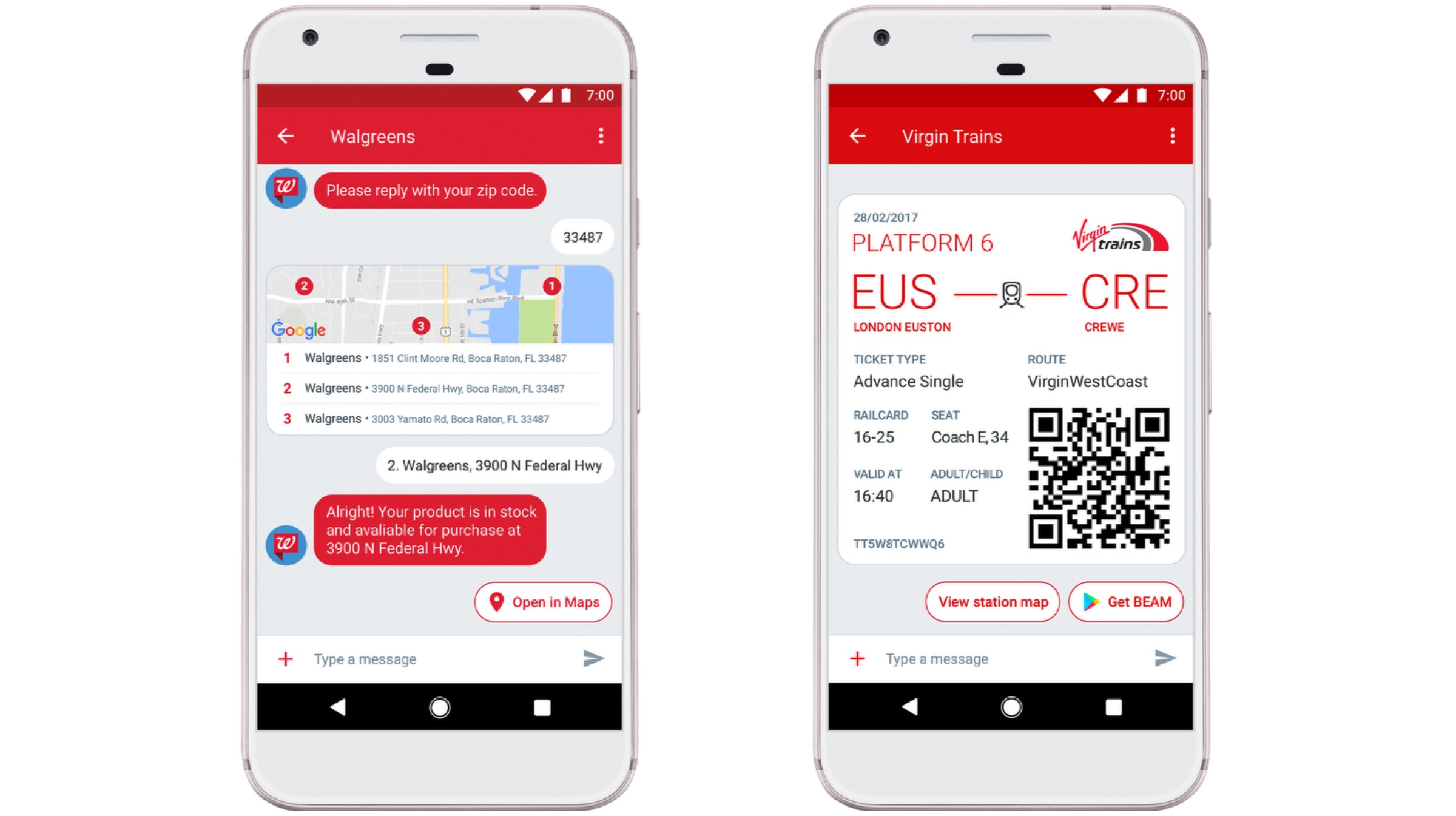
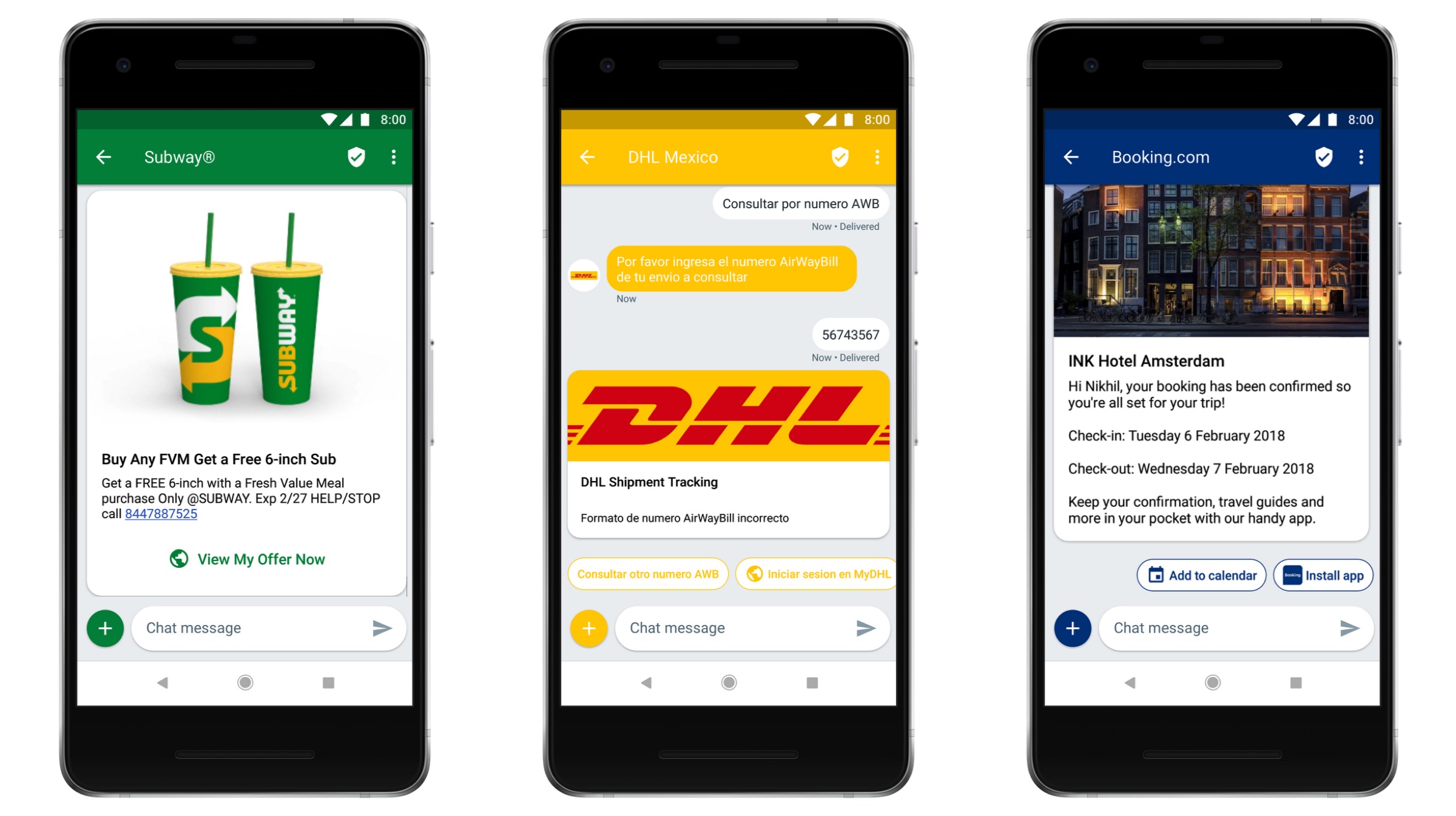
    RCS is said to be a new-gen replacement for SMS texting and will be initially made available for users in the UK and France in June. Users can opt-in for the service in the aforementioned countries. This service does not work on a central server and is designed to work with other devices that are compatible. Google passes the exchanged messages through its servers (which they claim are deleted as soon as they’re delivered) taking on a decentralized system. Hence, not requiring carrier support or complicated OEM policies.

    How Does RCS Work?

    RCS is essentially a peer-to-peer workaround for the carrier-driven model. The next-gen texting service is agreed on by most carrier across the globe to be a viable and necessary replacement for SMS. Similar to modern texting apps, it will provide many of the new features currently popular in base messaging apps. Compatible devices thereon receive high-quality media, read receipts and other new features with the service. Unfortunately, end-to-end encryption is still lacking right now.

    Google

    Google’s Android Messenger dubs the app as ‘Chat’ and will be optional for those that want to update to the RCS Chat. Furthermore, new smartphones will, by default, be offered on devices running Android OS. To enable the feature, click ‘Yes’ on the Chat prompt on the default messaging app. If another user in the same virtual room has RCS, it will be shown as Chat in the app. The service will work with any smartphone supported by the RCS Universal Profile, regardless of carrier support or even Google.

    RCS is a federated model with different carriers being responsible for delivering messages to users. This is unlike Apple’s iMessage that utilizes a central server based model. The complex nature of RCS is crucial for not having a single company benefitting and controlling the entire system, similar in nature to SMS.

    Also ReadSamsung Patents Smartphone With Dual Display

    Google has not passed every hurdle to be faced with RCS’s widespread induction. The tech giant has not announced a proper roadmap for the new chat technology being implemented in other countries. However, with Google’s hands-on involvement with the service, users can be assured of an earlier release than carriers.

  • Samsung Patents Smartphone With Dual Display

    Samsung Patents Smartphone With Dual Display

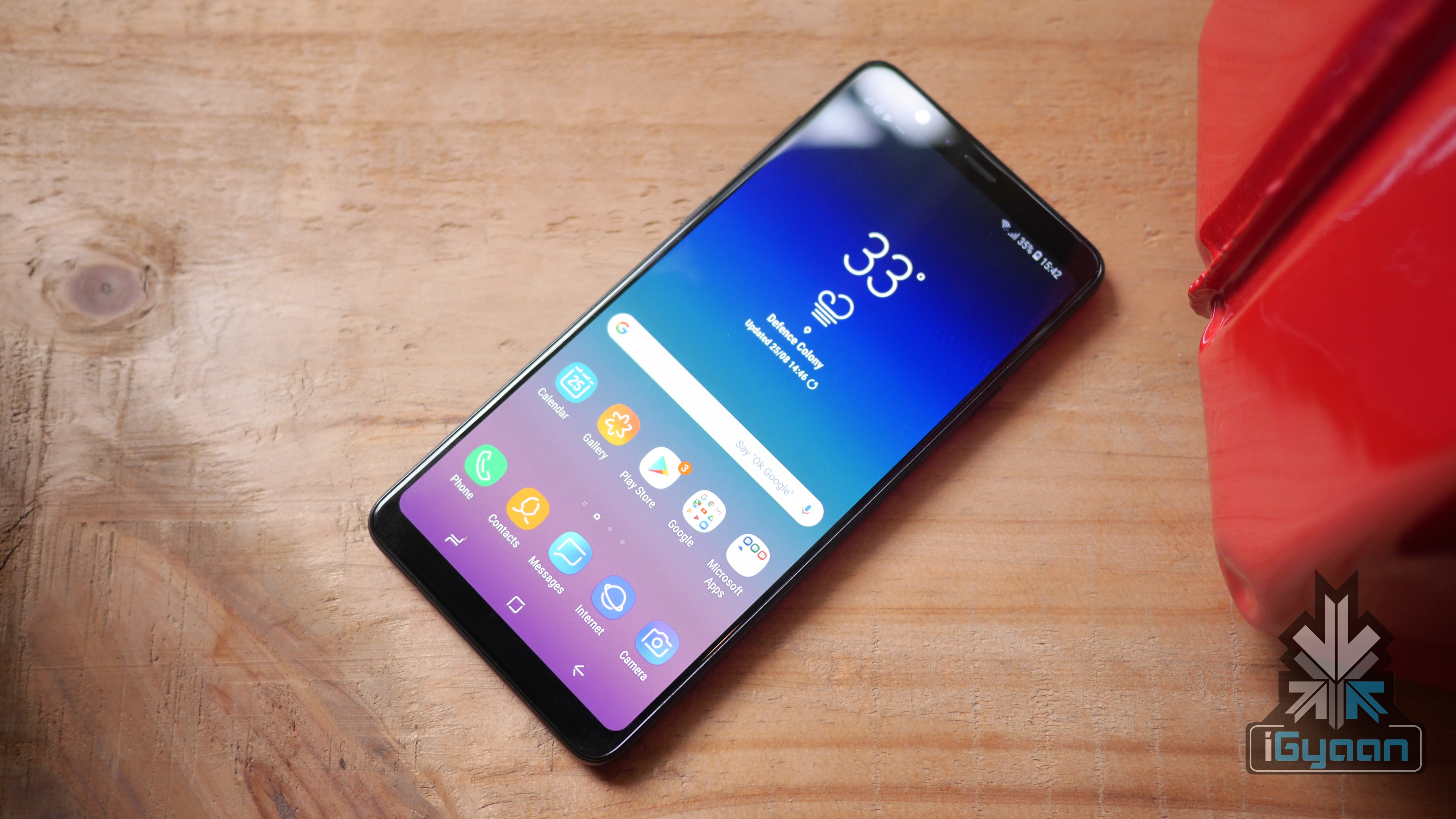
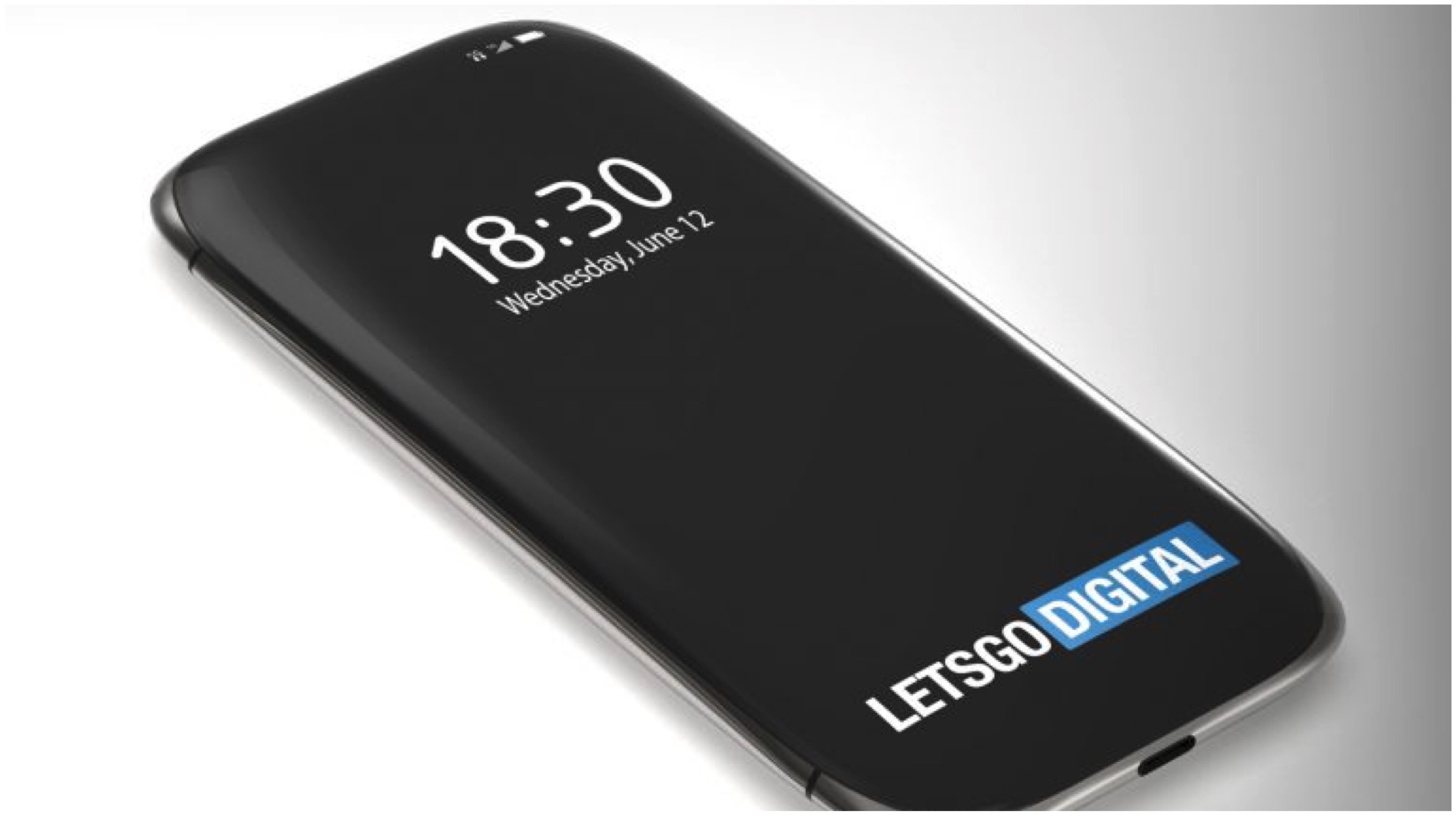
    The latest generation of smartphones follows a trend that has seen many OEMs try making an all display front panel. Hence, this sought to innovatively hide or exclude the front-facing camera altogether. Samsung was the first to introduce a punch hole front camera with the Galaxy A8s and now brings a new take to the mix. A freshly patented Galaxy device will apparently not have a front-facing camera and rather feature a display at the back which can be used to take selfies from the rear mounted camera.

    Samsung

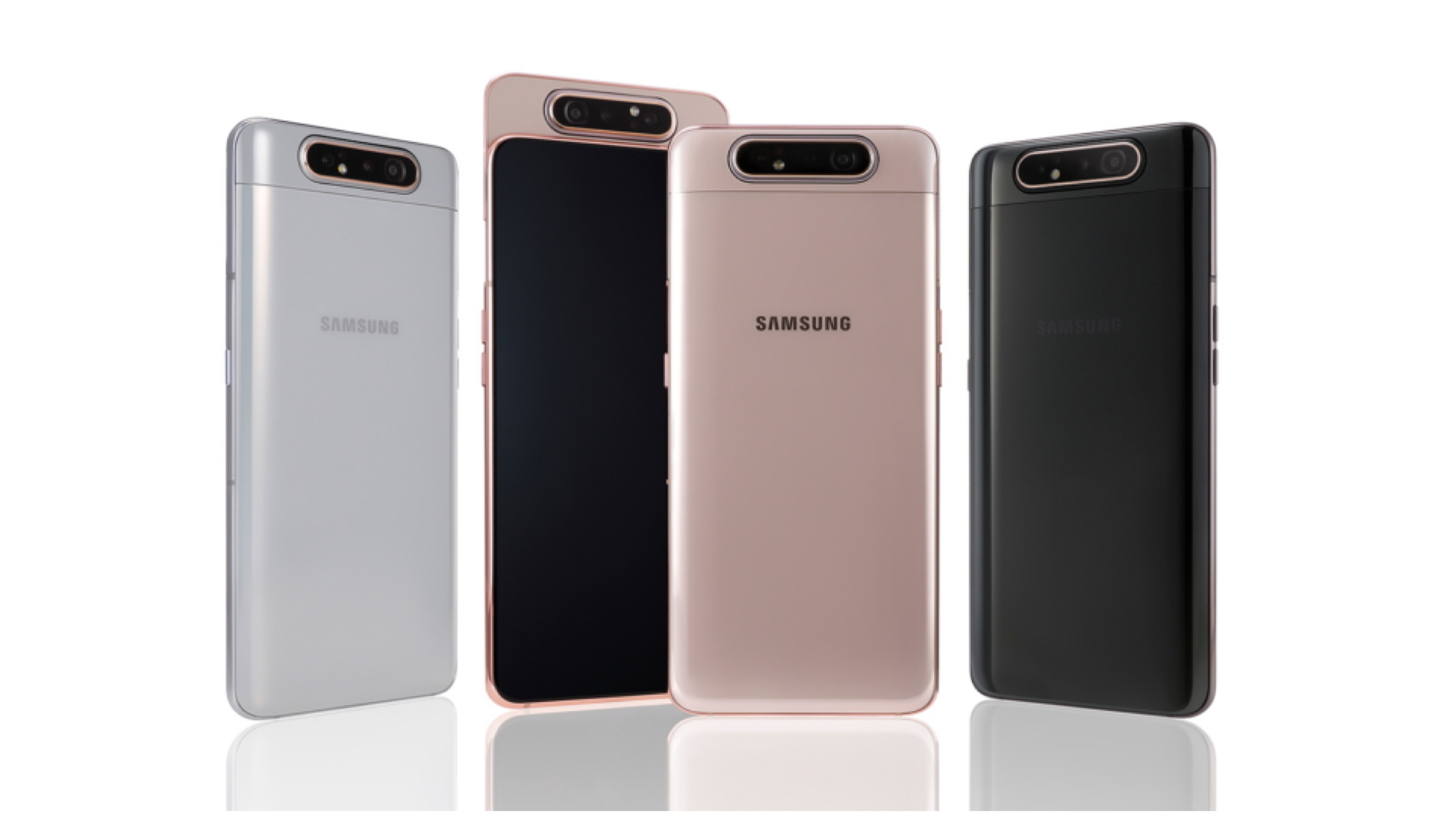
    Devices such as the OnePlus 7 Pro, that feature a pop-up front camera have become increasingly more common. Some even sport rotating and shifting cameras as well (see Samsung A80). The point of having a smaller display on the back extends to the ability to use the rear camera for taking selfies. Samsung is not the first with this workaround, Vivo Nex and Nubia X also feature a dual display functionality.

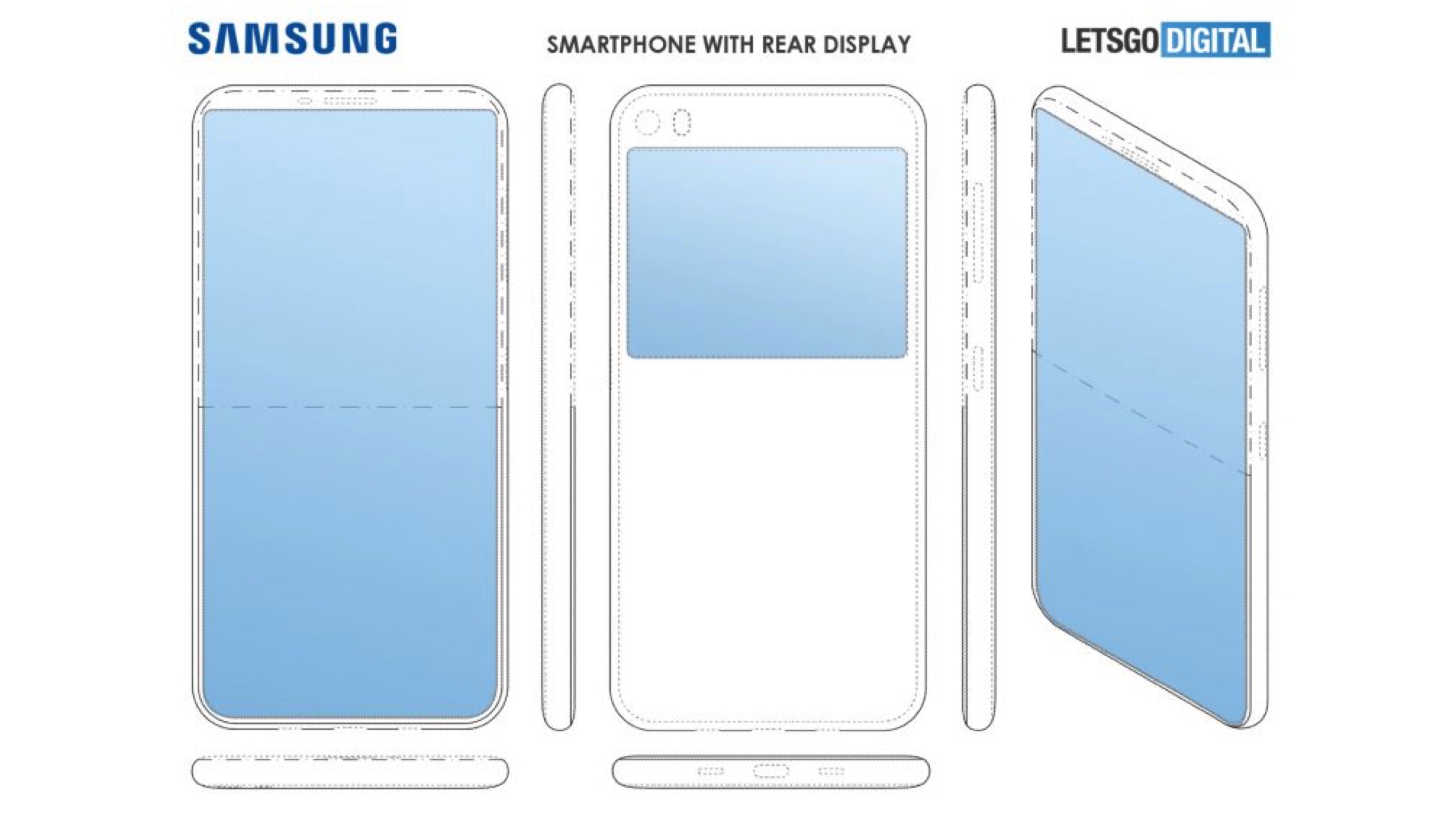
    The Korean company had previously filed a patent for a double-sided display, and now it is seeing its first implementation. The patents filed had showcased designs for the dual-display device that is taking a real form in development stages. The secondary display, according to the designs, is placed at the back right below the primary camera and is about half the size of the front screen. This makes selfie shots possible as the preview can be displayed on the back while clicking a photograph. 

    Samsung

    Apart from the photography implications of the patented dual-screen smartphone, no other information or features can be garnered. Looking at the renders, it is clear that there is no front camera only a speaker grill, and no 3.5mm headphone jack either. Any sign of a fingerprint sensor is also indiscernible, so an in-display sensor is probably the case. It is highly unlikely for Samsung to roll out this new feature on its flagship S series devices. However, the Samsung Galaxy A series might be the perfect place for testing such designs.

    Also Read: iPhones In 2020 To Arrive With 5G And A Smaller 5.4 Inch Variant

    The A series was the first to introduce a triple and quad camera set up alongside a new rotating camera technology for the company. So it is not far off to assume that the upcoming innovative device will be featured in this bold series. Samsung’s debacle with its foldable smartphone should make it more cautious over new releases but its brave steps forward are always appreciated by the industry and its community.

  • Honor 9X Pro Receives EEC Certification

    Honor 9X Pro Receives EEC Certification

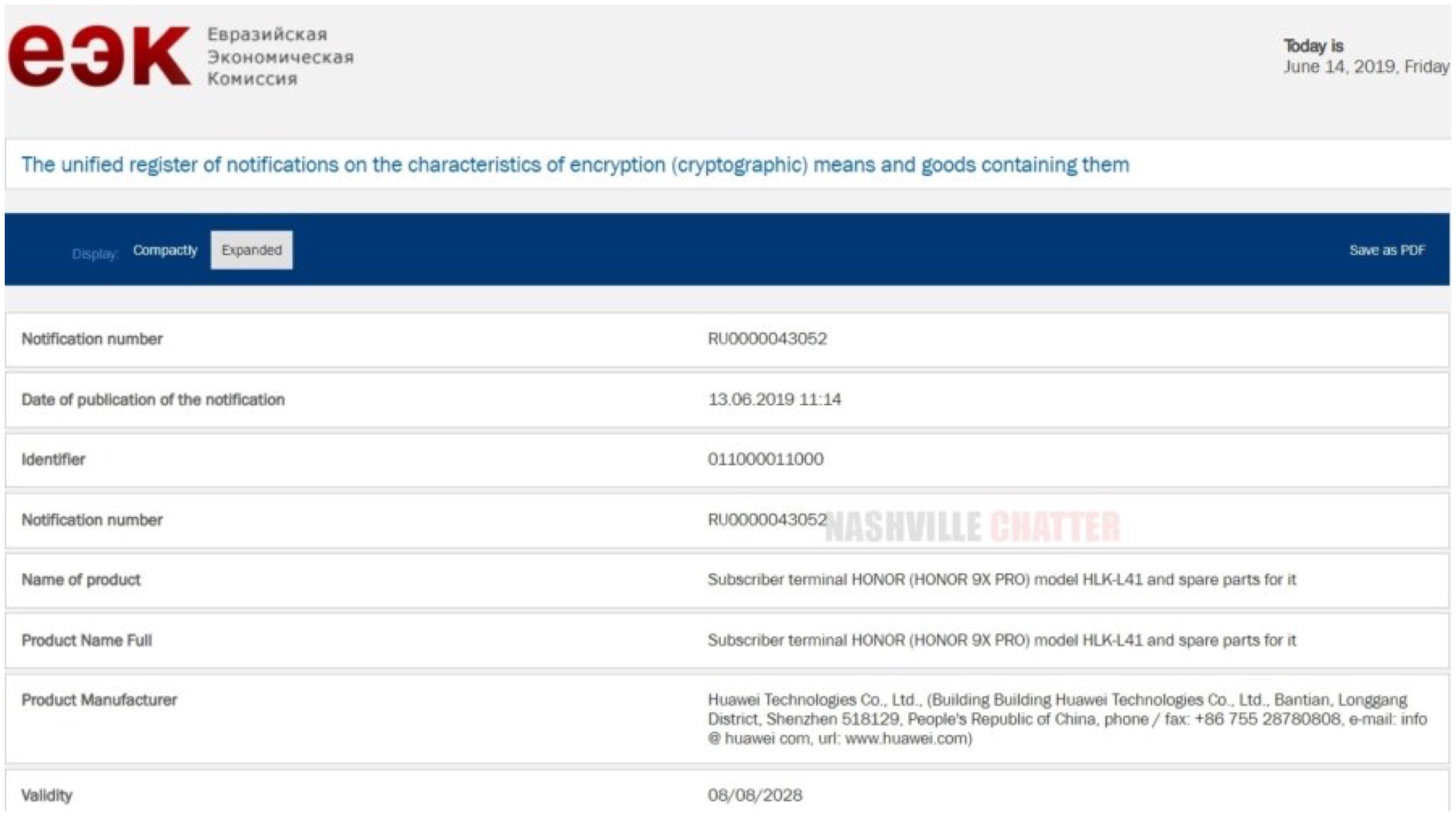
    The US trade ban on Huawei has in no way deterred the smartphone manufacturer. Business is still in full swing and new devices are always around the corner. An upcoming handset dubbed the Honor 9X Pro had previously received the Chinese 3C certification and now reports show that an EEC certification has also been granted. 

    Honor 9X Pro

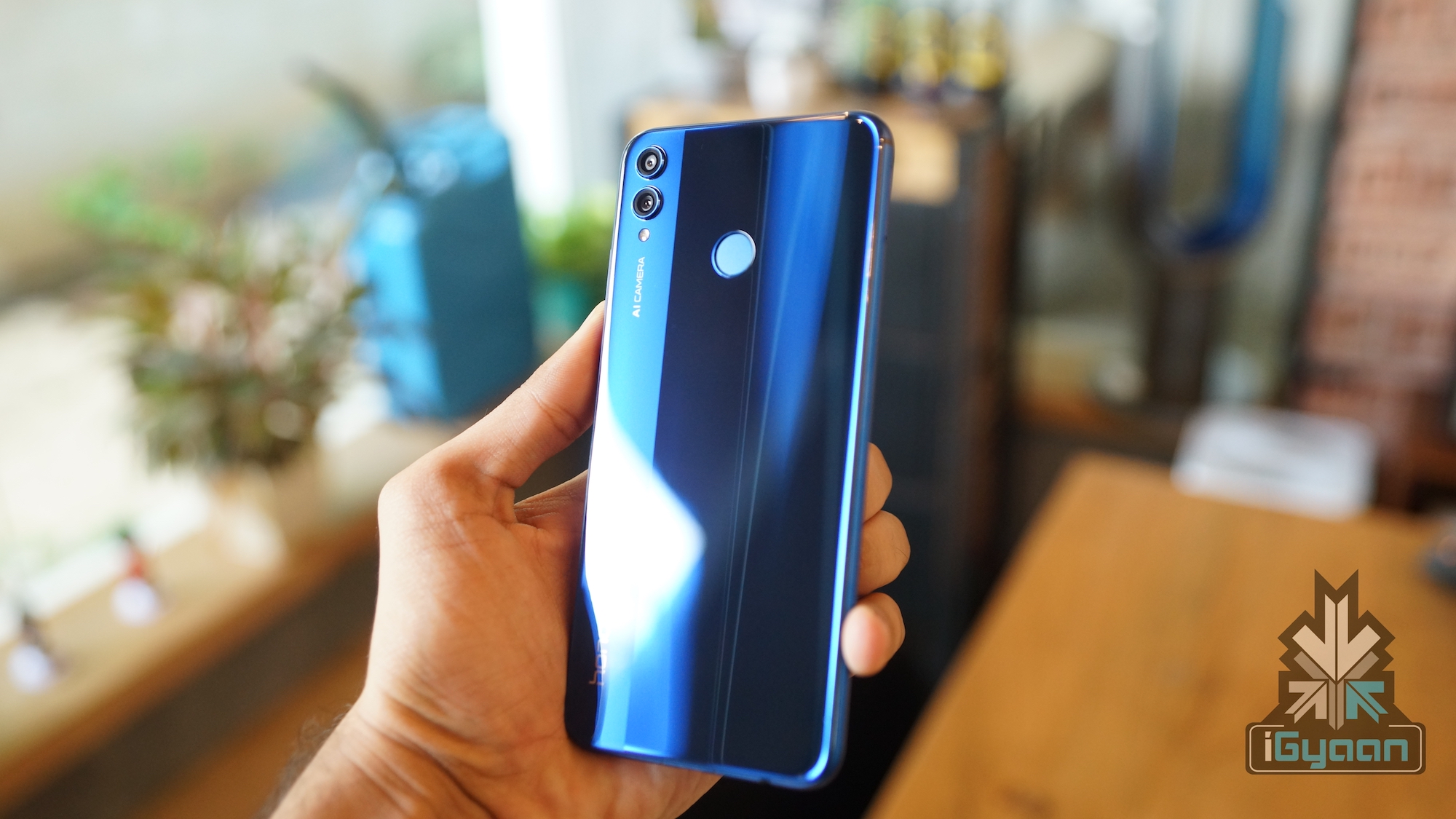
    Huawei, with the inclusion of this device, has also seemingly taken up the ‘Pro’ moniker ditching ‘Max’ from its past iterations. Actual details regarding the upcoming smartphones are still unavailable except for the model numbers. HLK-L41 for the Honor 9X Pro variant and HLK-AL10 for the standard version of the Honor smartphone.

    Specifications

    Honor 9X Pro

    The Honor 9X Pro and the standard 9X should, in some instances, be similar to the last year’s models that sported 7.12-inch and 6.5-inch screens respectively. The smartphone will probably upgrade its internal hardware whilst keeping the same display size. RAM and ROM configurations may also see improvements across the board with design changes being made as well. Huawei’s mid-range handset will probably have a waterdrop notch or punch-hole. The device is certified to be equipped with a 10W charger similar to its predecessor, Honor 8X. This implies that it might not be rated for faster-charging speeds.

    It may be plausible to assume that the Kirin 710 SoC might see a return again but a new chipset is also awaited. Other important aspects of the Honor 9X Pro like the camera and battery could also be upgraded over its past iterations. However, since no concrete evidence is available, no confirmations can be provided. The Honor 8X housed the Kirin 710 SoC paired with 6GB RAM and 128GB of internal storage. The device ran the Android 9 Pie OS running the EMUI 9.0 custom skin and had a rear mounted fingerprint scanner powered by a 3750mAh battery. Rather than having drastic new changes the handset could just have slight upgrades in different areas within the aforementioned specs.

    Also ReadNubia Red Magic 3 Gaming Smartphone Launched In India

    Unfortunately, no pricing for the Honor 9X Pro has been officially announced, however, it is expected to be within the price bracket of Rs.13,000 to Rs.15,000. Huawei is still going strong with new releases and leaks of its upcoming devices making rounds on the web. The Chinese company is one of the largest smartphone OEMs in the world and have yet to tone down its business scale even after the ban.

  • Xiaomi MIUI Update Will Introduce An App Drawer To Launcher

    Xiaomi MIUI Update Will Introduce An App Drawer To Launcher

    Xiaomi is one of the leading smartphone manufacturers in the world with a total market share of about 8 per cent (as of Q1 2019). This implies that there are effectively 100+ million Xiaomi devices running the MIUI. Hence, any update will impact a large number of people. According to reports, Xiaomi is planning on providing the MIUI with an app drawer which will be seen for the first time ever since its launch.


    The Chinese company’s UI has always lacked the aforementioned feature, and users looking for one had to turn towards third-party app launchers. However, this may very well change soon. Xiaomi is currently testing an app drawer in its stock MIUI launcher along with app shortcuts. POCO launcher was the first to include app drawers with the POCO F1 when it released in 2018. 

    Xiaomi

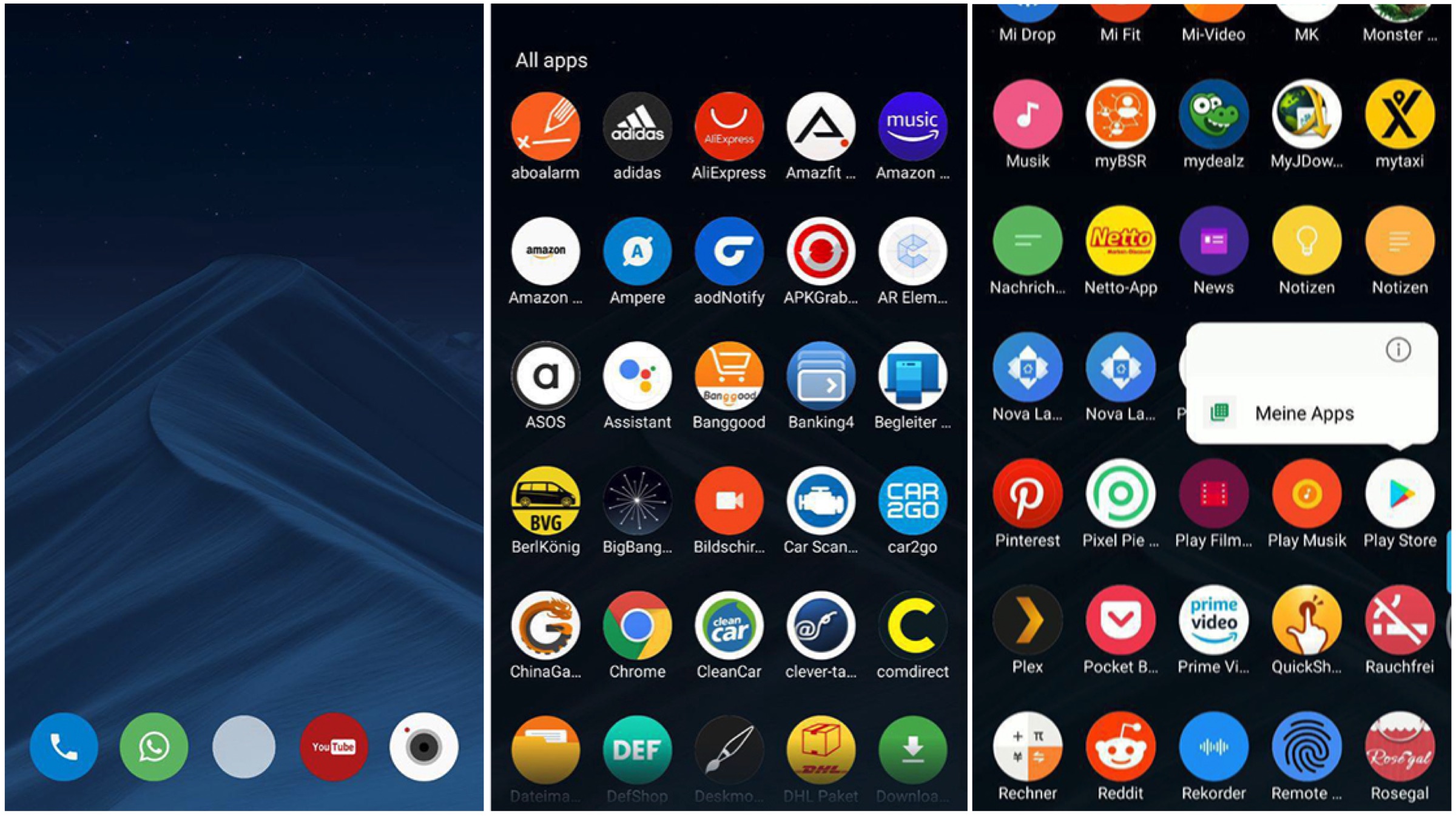
    The latest alpha build of the Xiaomi MIUI launcher, version 4.10.6.1025-06141703, is testing out the new feature. Users will now be able to tap on the middle button in the app bar found in the bottom of the home screen to open the app drawer. This is unlike any other current gen Android device that requires a swipe from the bottom. Furthermore, this addition to the user interface will probably be very well received as more customizability to consumers is always a good deal. 

    MIUI in its latest version also receives a new app shortcuts feature. These are programmable commands that pop up when an app icon is long-pressed. This was initially seen with the release of Android Nougat 7.0 and allowed users to launch a specified part of the app directly. The upcoming Xiaomi MIUI launcher is in its early stage of development and testing, meaning there is still time before it will go live. 

    Also ReadInstagram Testing Easier Recovery Of Hacked Accounts

    For those interested, it should be noted that due to it being in the alpha stages it is not likely to be polished or stable. Incidents like crashes during use will be probable, hence, it is not recommended to be downloaded and used by default immediately. The new launcher will be available to all that are devices running MIUI. Xiaomi has listened to its community that had longed for this feature since the POCO F1.

  • Sony Xperia 2 Spotted On EEC Website

    Sony Xperia 2 Spotted On EEC Website

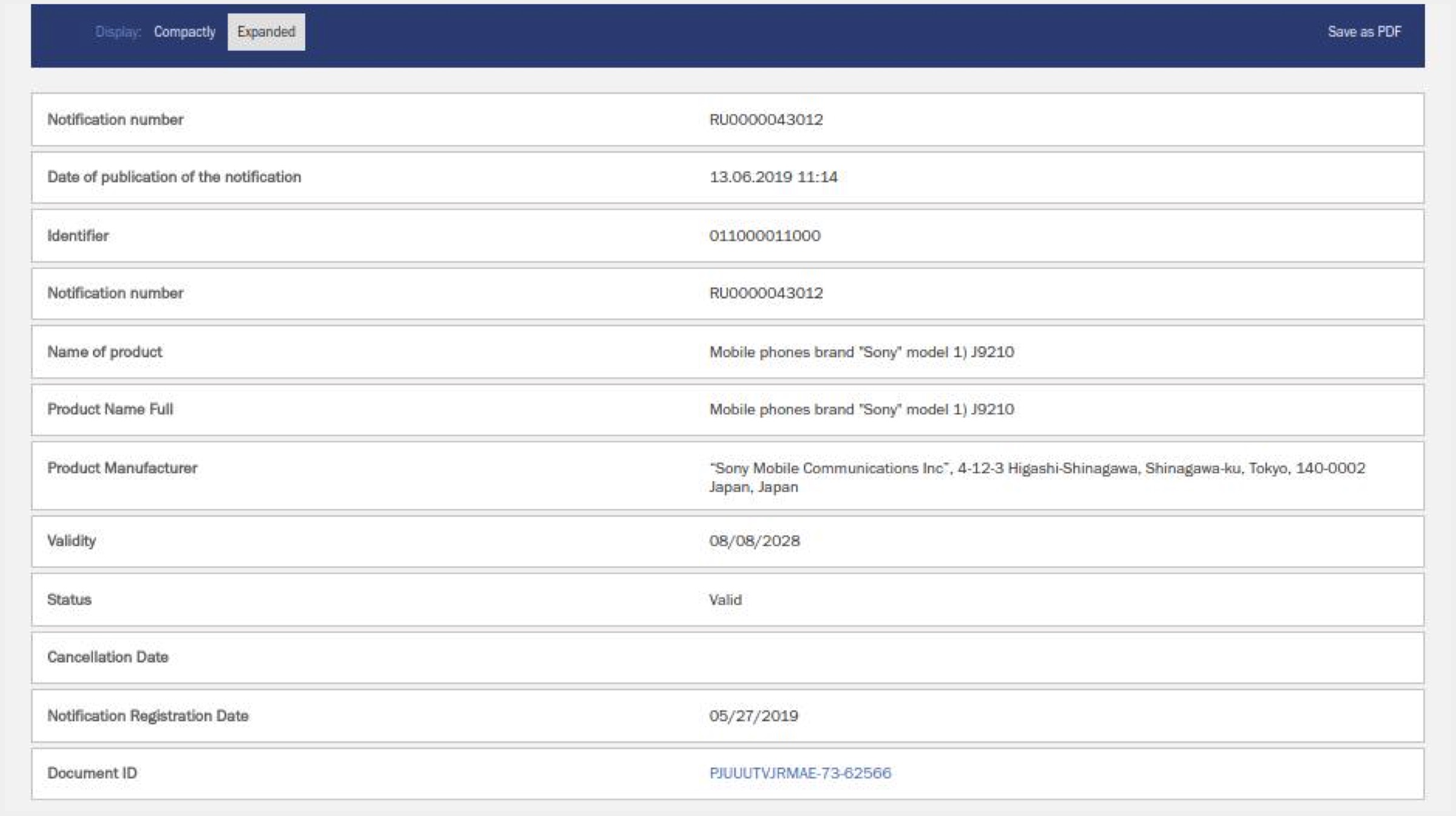
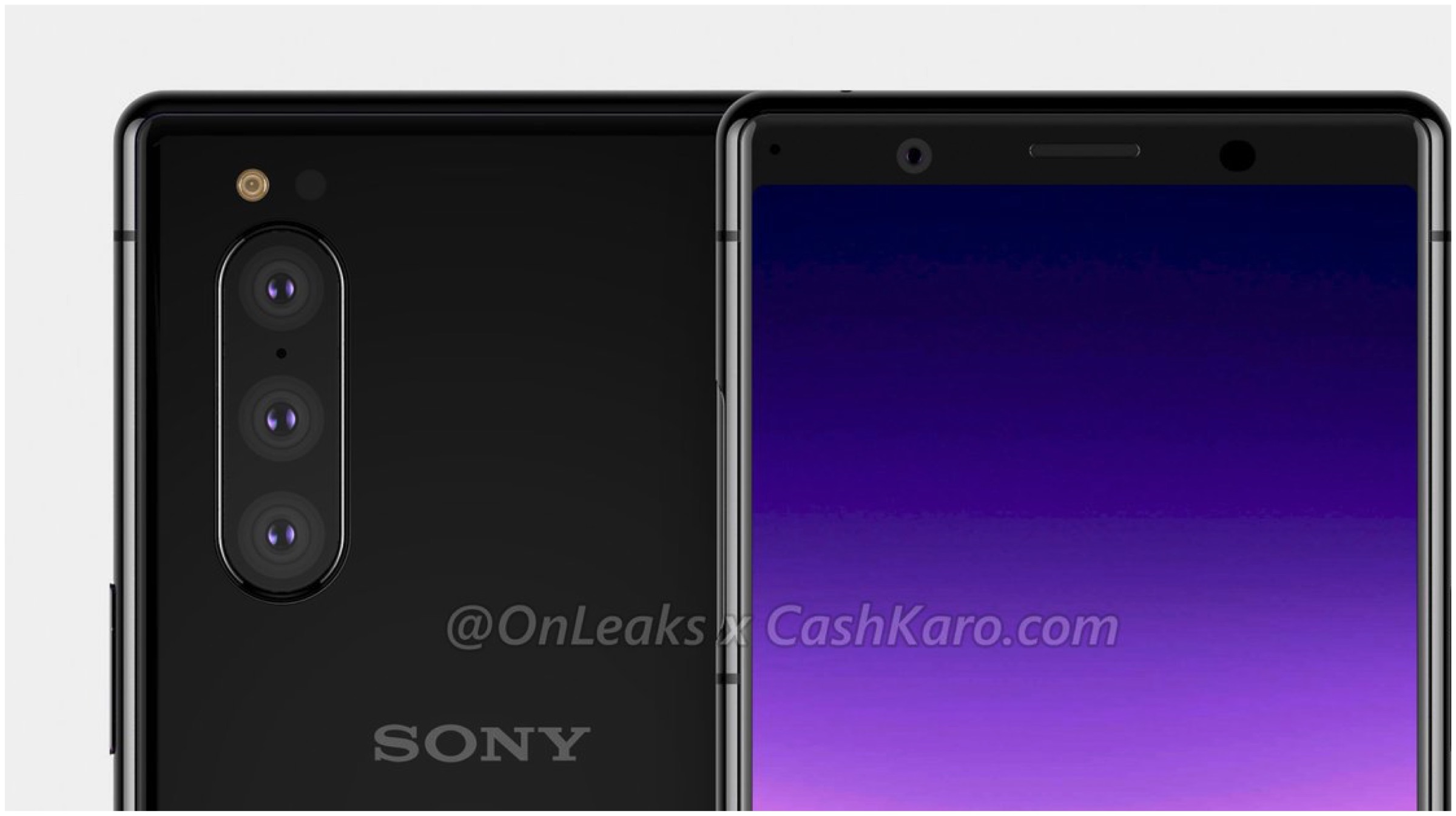
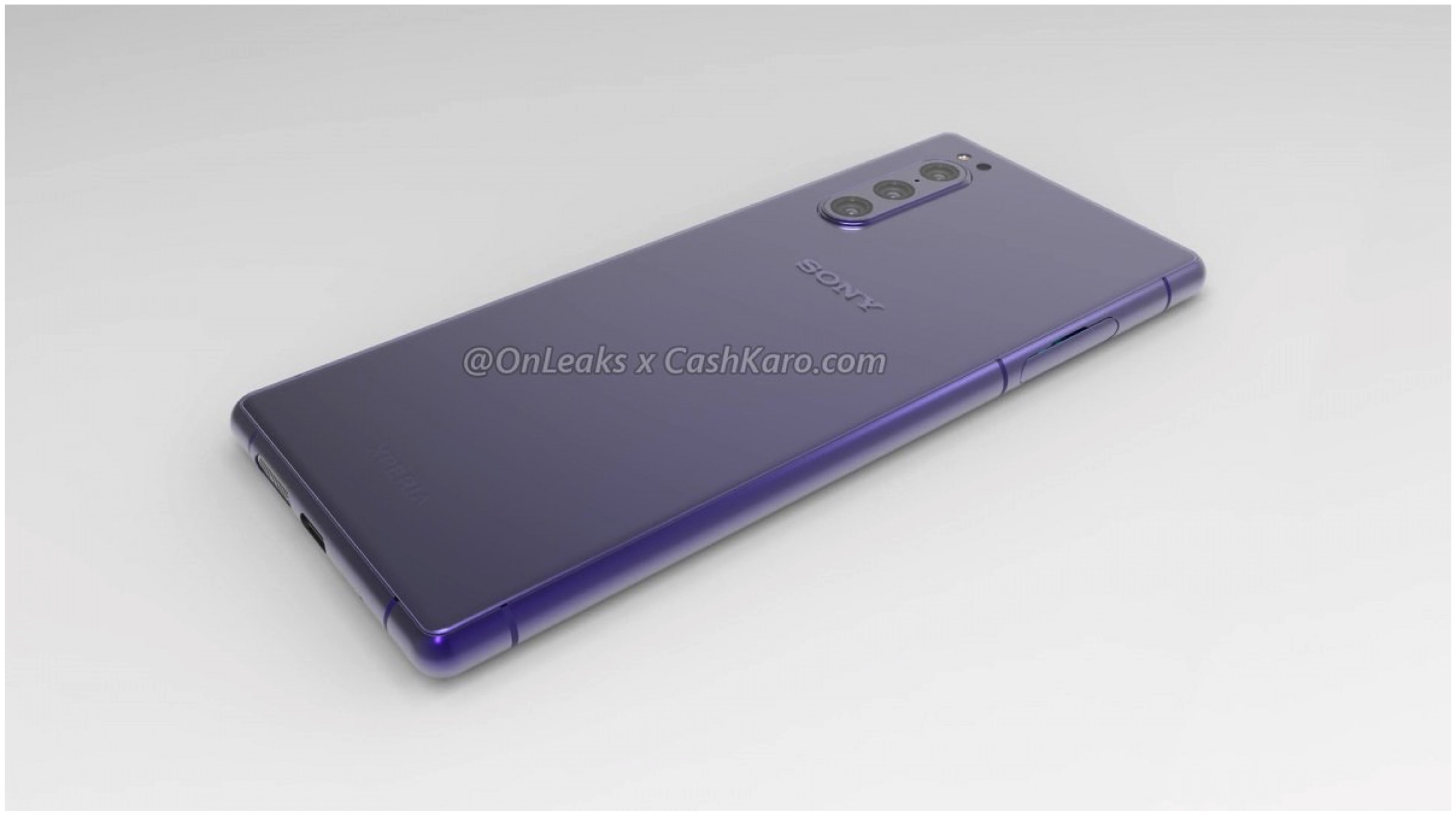
    An unnamed smartphone from Sony has been spotted on the EEC (Eurasian Economic Commission) certification. The device is yet to be announced or teased in any manner by the company, so finer details are still at large. What can be gathered, however, is the model number J9210 that may relate it to the Xperia 1 which was J9110 and may be its successor dubbed the Sony Xperia 2.

    Sony Xperia 2

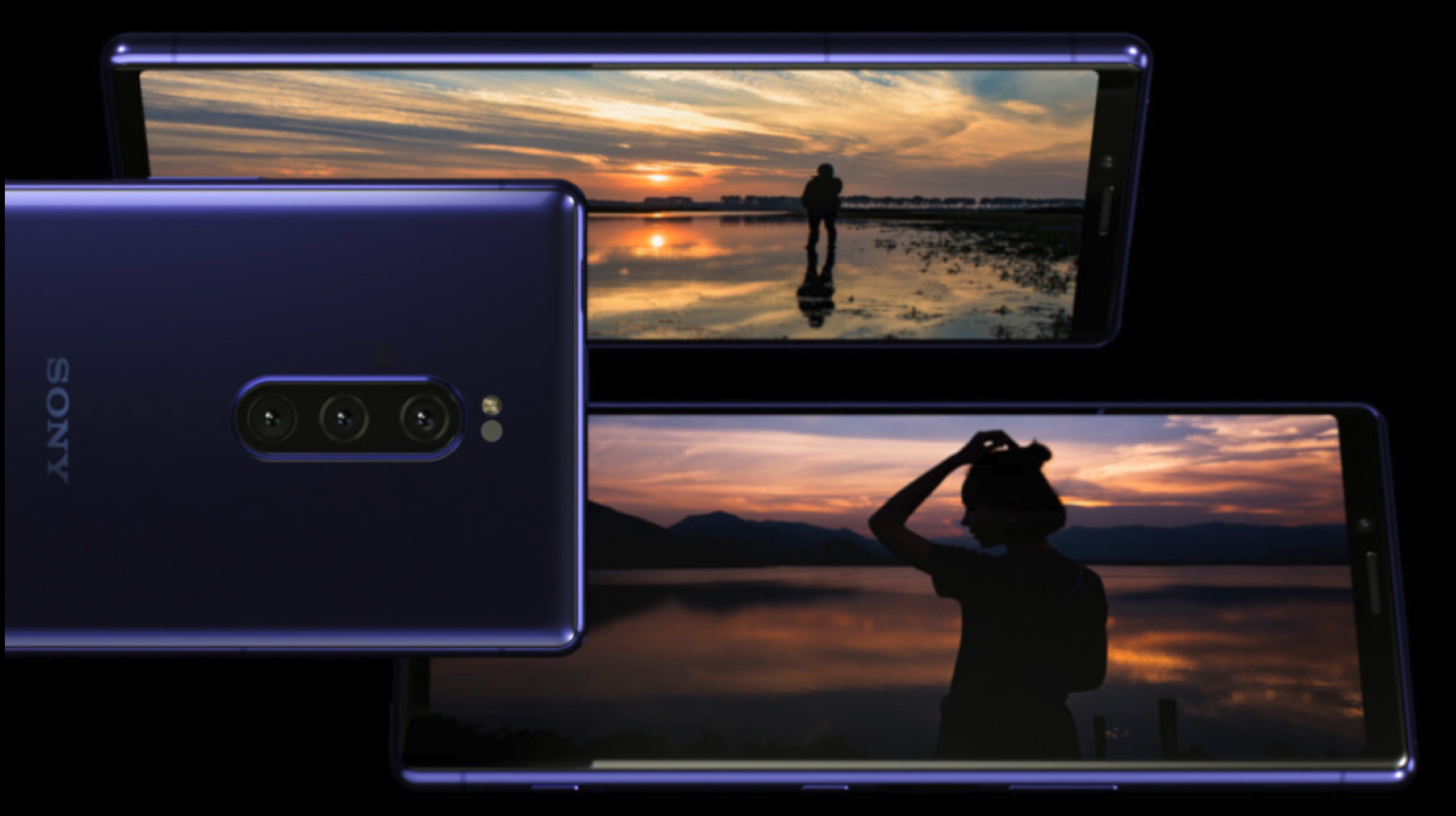
    The name of the smartphone may still differ from simply being a successor to the Xperia 1. Due to lack of any information, only speculations can be made regarding Sony Xperia 2’s specifications. The smartphone would most likely host the top of the line current gen hardware specifications. Sony Xperia 1 was released in February 2019 to a mixed reception. The device brought many desirable features to the table but lacked in other fundamental areas at the same time.

    Sony Xperia 2

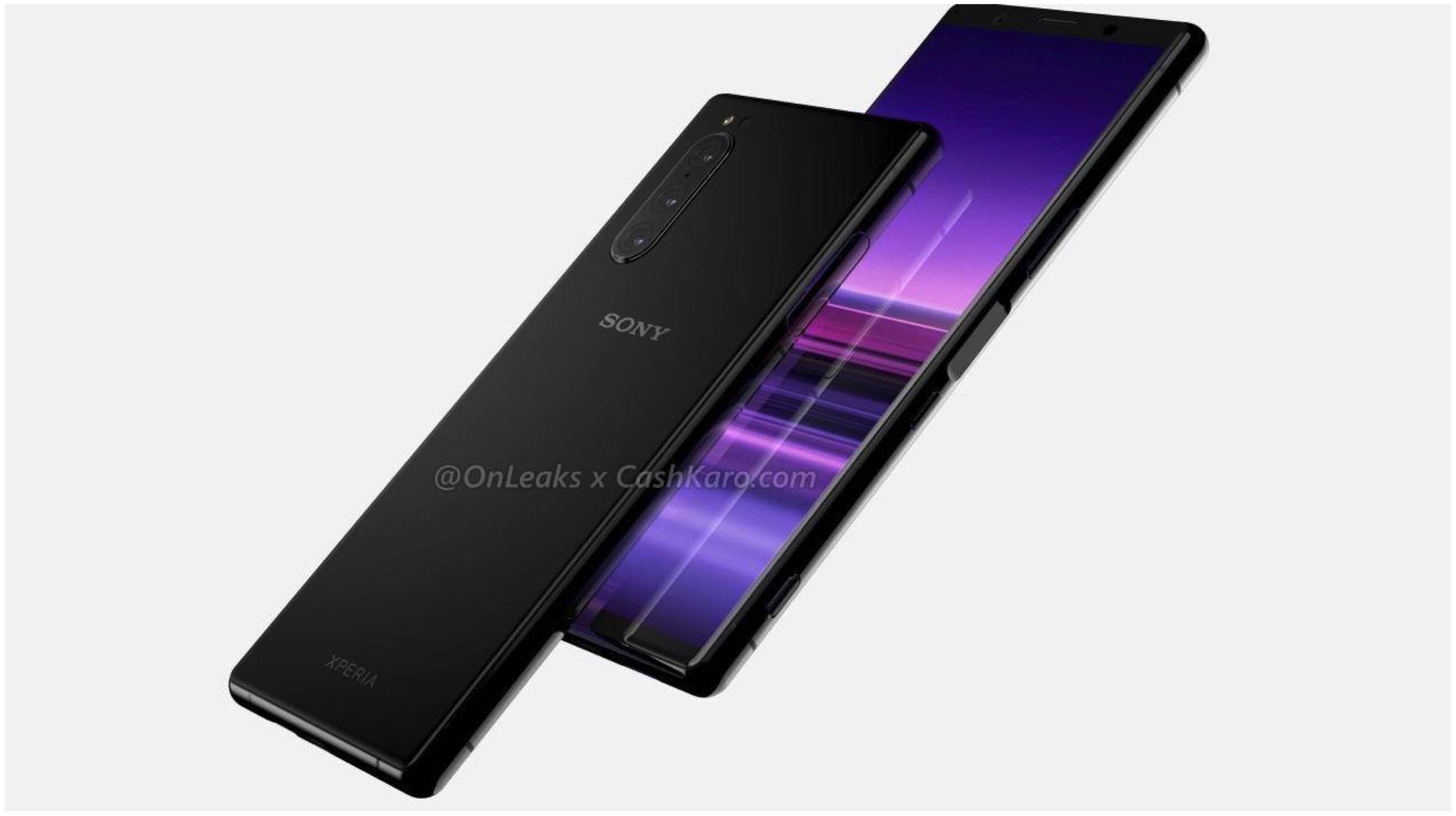
    The CinemaWide HDR OLED display of Xperia 1 was one of the key features introduced and will also probably see a return with Xperia 2. Likewise, the upcoming flagship similar to its predecessor would sport the latest Snapdragon processor from Qualcomm. Alleged renders of the Sony Xperia 2 showcase a triple camera setup as well, albeit in a different position. Furthermore, this device could be utilized as an opportunity by the company to make up for all the shortcomings of its previous iteration. Xperia 1 was infamous for its dim display and a glitchy fingerprint sensor on the side. 

    Sony Xperia 2

    Due to the lack of any form of concrete data, it is still unclear if this unannounced smartphone would be a standalone device or even simply a refreshed variant of the pre-existing versions from Sony. However, regardless of the name, the upcoming device will carry the unique 21:9 display with a similar camera sensor and even storage options in the Sony Xperia 2.

    Also ReadGoogle Accused Of Copying Song Lyrics In Search Results

    Sony has publicly withdrawn its production and shipping of its Xperia brand of smartphones in most countries like India and the US. The tech giant has already stated its desires to continue the Xperia brand that is failing in most markets. Now focusing on just the Europe, Japan, Taiwan and Hong Kong markets. So an Indian release is probably not being taken into account.

  • 1.4 Billion Apple iPhones And iPads Are Vulnerable To Hacks

    1.4 Billion Apple iPhones And iPads Are Vulnerable To Hacks

    Apple is looking forward to a very successful year overall with the announcement of iOS 13 and the upcoming iPhone 11. However, a company by the name of Cellebrite, notorious for its hacking capabilities regarding smartphones, has announced that it can hack into any and every iPhone device.

    Apple


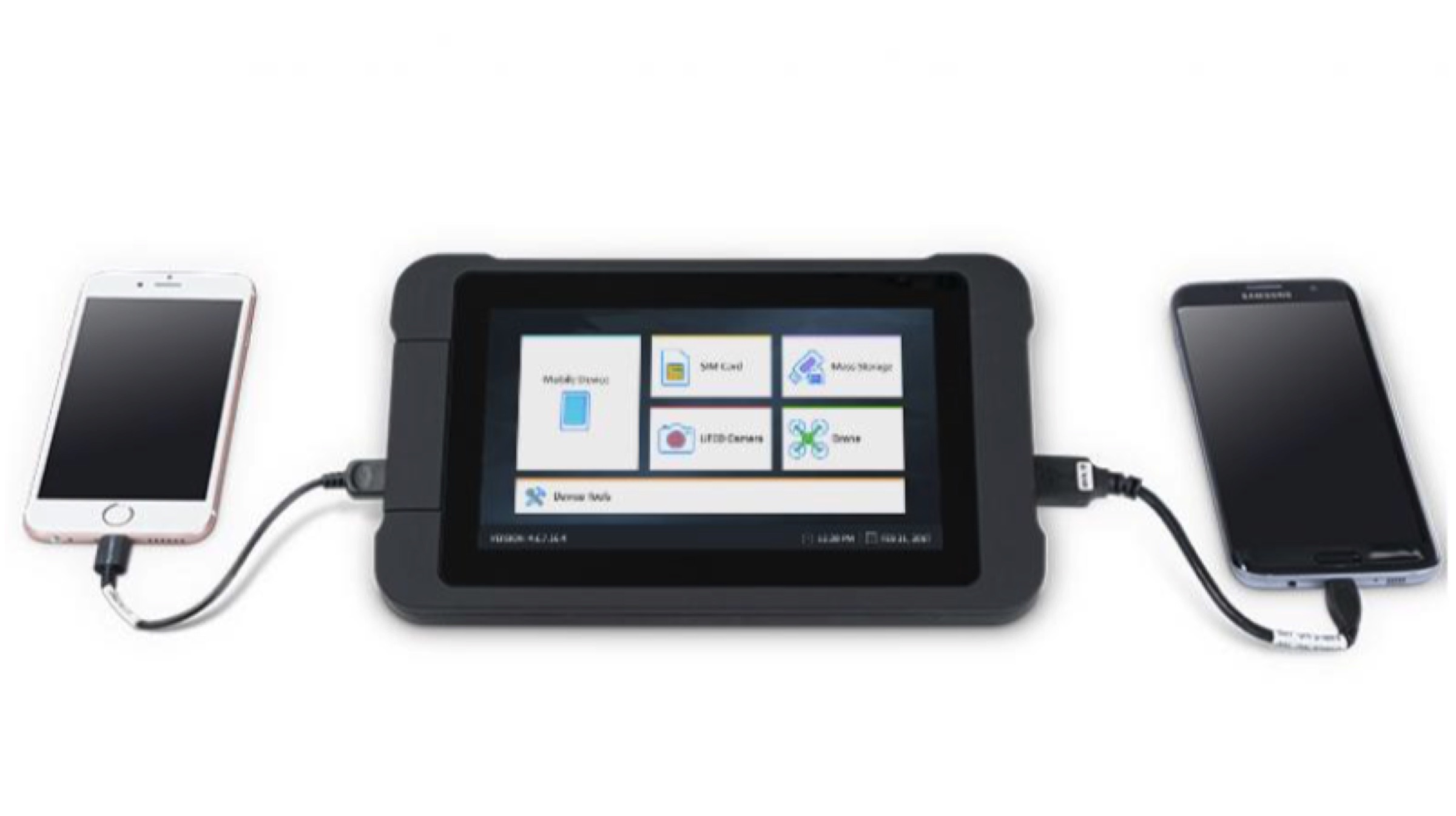
    The Israeli forensics company has reported that it can break into any iPhone or iPad regardless of what version of the OS they are running. Apple has stated that there are about 1.4 Billion active devices as of 2019. With this news, all of the users of these devices are vulnerable and potentially in danger of being hacked. Cellebrite has also claimed that it can hack Android devices as well.

    Apple iPad Pro

    Cellebrite is planning on selling this hacking tool that can perform complete data extraction from the systems of any iOS handset. Furthermore, claims made by the company carry a lot more weight considering the FBI had collaborated with Cellebrite to crack an iPhone back in 2016.  Apple at that time refused to provide a backdoor to the FBI hence, its deal with Cellebrite.

    Apple

    The hacking tool although requires individuals to be in physical possession of the iPhone or iPad that is to be hacked. Breaking in apparently also requires lengthy security checks to determine the entitlement of the person trying to crack the device. Reportedly, Cellebrite’s past kits have sold for $100 (approx. Rs.7,000) on eBay, making it accessible for those that seek to harm or pry into other’s affairs.

    Through this announcement, it is clear that a backdoor entry to every iPhone and iPads out there has been discovered. Apple is clearly in the dark regarding the exploit that may end up actually affecting millions of its active users. iOS 13 is going to cut off support for some of the previous generation smartphones, meaning a fix to certain users’ vulnerable devices may not even be provided.

    Also ReadHuawei Nova 5i Pro Listed On Chinese E-Commerce Site Before Launch

    Apple has been proud of its security features, using it as a weapon against its competitors. The company now has to prove that claim and fix the issue that may soon become a widespread problem. The implications of such tools are terrifying in context to a user’s privacy and sensitive data. If the exploit does go live, it can be used by various agencies and organizations seeking to either extract data or harm people’s lives.

  • Amazon Sued Over Alexa Recording Children’s Voices

    Amazon Sued Over Alexa Recording Children’s Voices

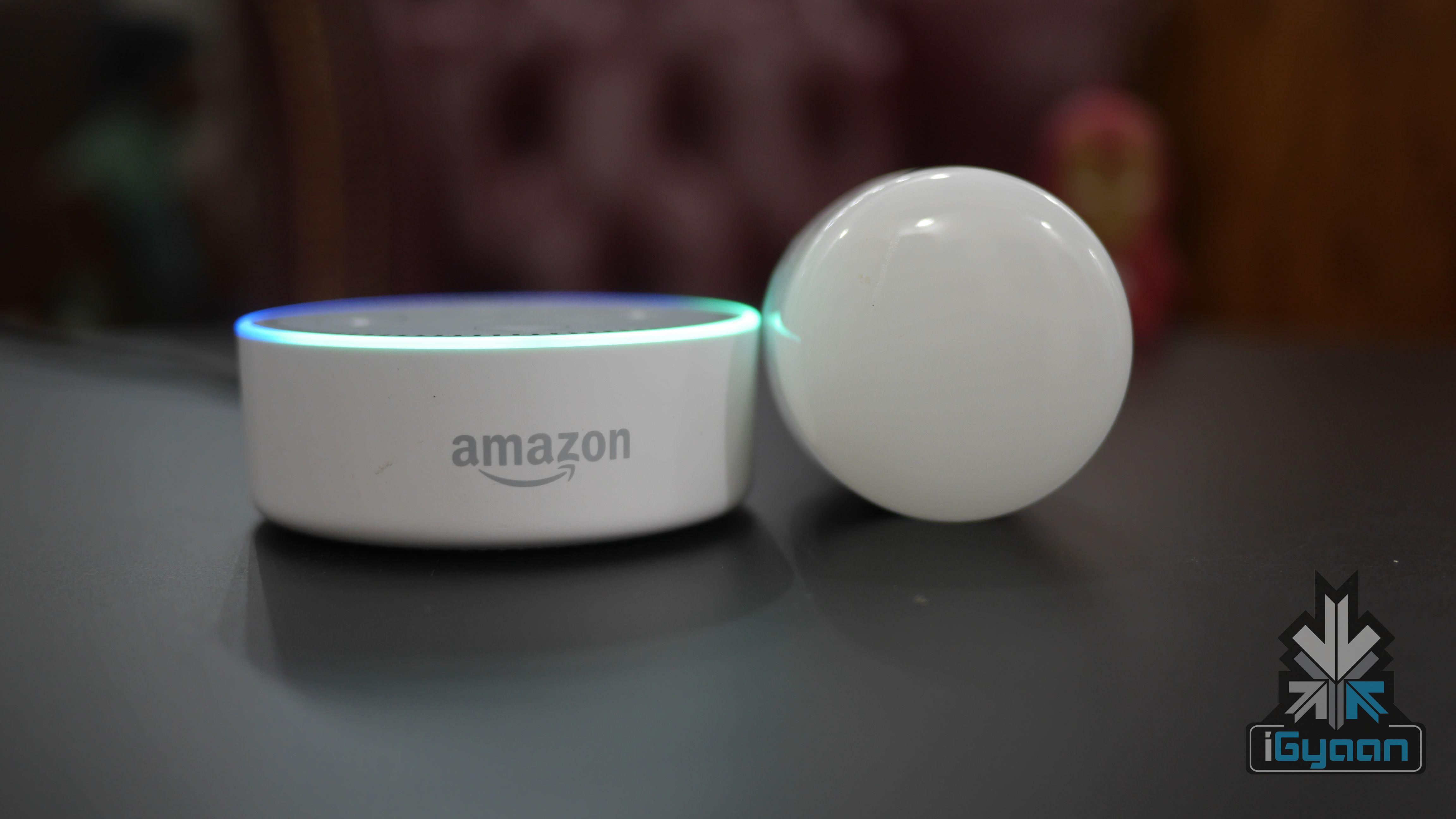
    In a new report, a Massachusetts woman is apparently suing Amazon over privacy related issues. The woman is seeking class action status to sue the company on the behalf on recording children’s voices on eight different states. The lawsuit was filed in the federal court on Seattle on the 11th of June. Amazon is being accused of illegally recording children via its Alexa voice assistant. Additionally, the illegal recordings were also being held by the company contributing,” a massive database of billions of voice recordings containing the private details of millions of Americans.” 

    Amazon

    The woman that filed the case stated that she had bought Amazon Echo Dot in August of 2018 and was not aware that her child was being recorded. The lawsuit states that children are not eligible to provide consent to being recorded. Furthermore, children at that age are incapable of understanding the implications of having their voices recorded by a company. Most children’ privacy-related issues are filed by referencing the federal COPPA (Children’s’ Online Privacy and Protecting Act) of 1996. This invokes state law, implying that Illinois, Florida, Michigan, Maryland, Massachusetts, New Hampshire, Pennsylvania, and Washington all require consent from both parties involved in the case of “the recording of oral communications.”

    For example, Apple’s Siri voice assistant abides by these laws by deleting any recordings taken for the tasks at hand. Amazon is being targeted with accusations of forming voiceprints comprising of millions of children. This could imply the company and even the Government being able to track kids’ use of Alexa devices in various locations while cataloguing detailed information on their life. Alexa can essentially record entire communications if the wake word is recognized. The prospect can be daunting considering the device can record private questions and encounters as well.

    Amazon

    Amazon is clear in its stance regarding user trust and privacy, however, the company collecting data of children under the age of 13 violates the COPPA regulations. The Echo Dot Kids has a system for getting parental consent, but the argument states that this feature is easily bypassable by a child. Moreover, a report shows that the voice recording on default is saved for an indefinite period of time instead of just retaining it for the given task, as defined by COPPA. These recording cannot be deleted without contacting Amazon’s customer services.

    Also ReadOnePlus Leaked User Email Addresses Caused By Security Flaw

    The Amazon Echo Dot Kids serves the purpose of educating and entertaining children but the reality of storing data paints a dark picture for the tech company. A home is a place for comfort and letting one’s guard down but products like these seek to potentially invade the sacred sanctity from within.

  • OnePlus Leaked User Email Addresses Caused By Security Flaw

    OnePlus Leaked User Email Addresses Caused By Security Flaw

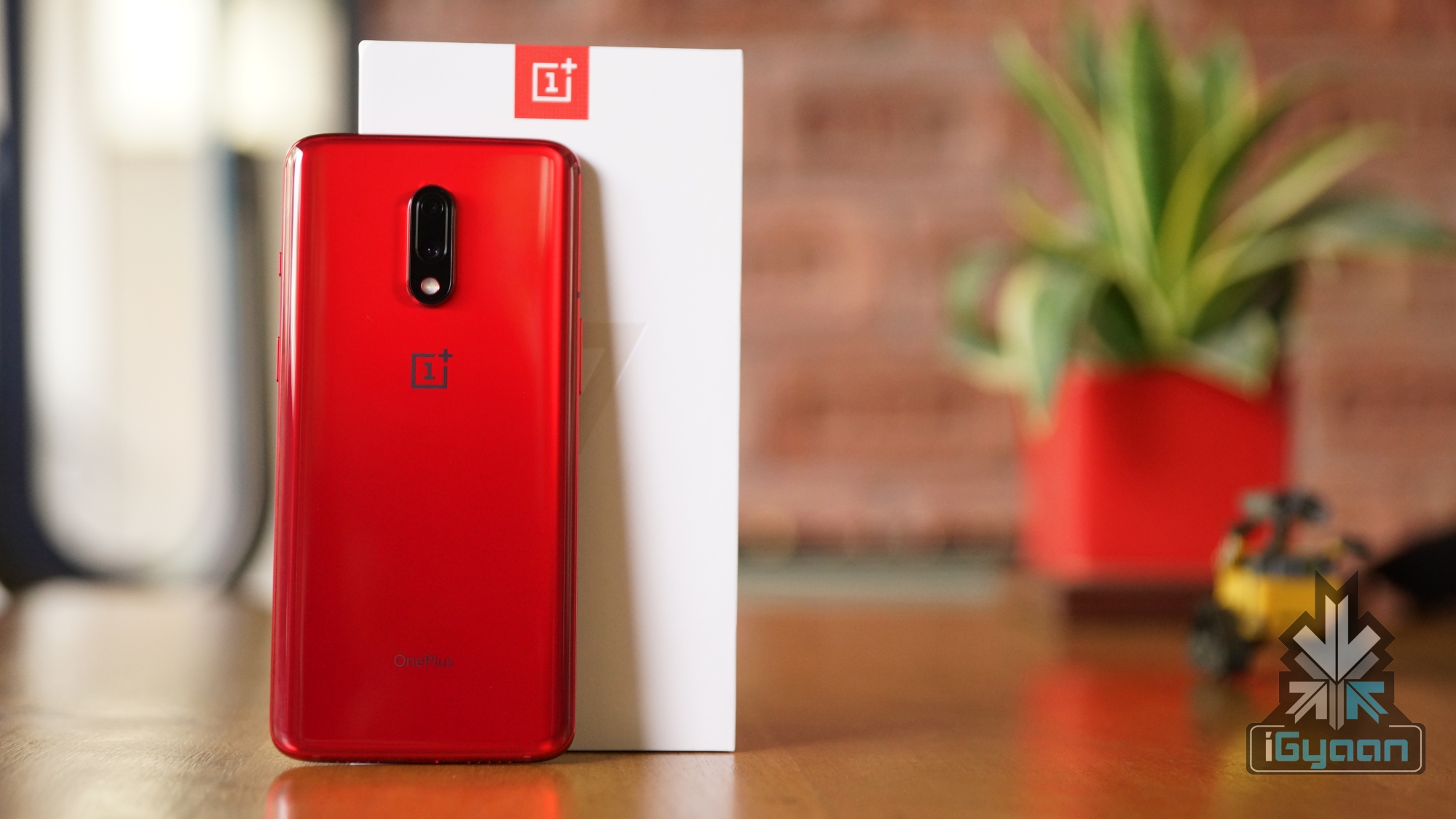
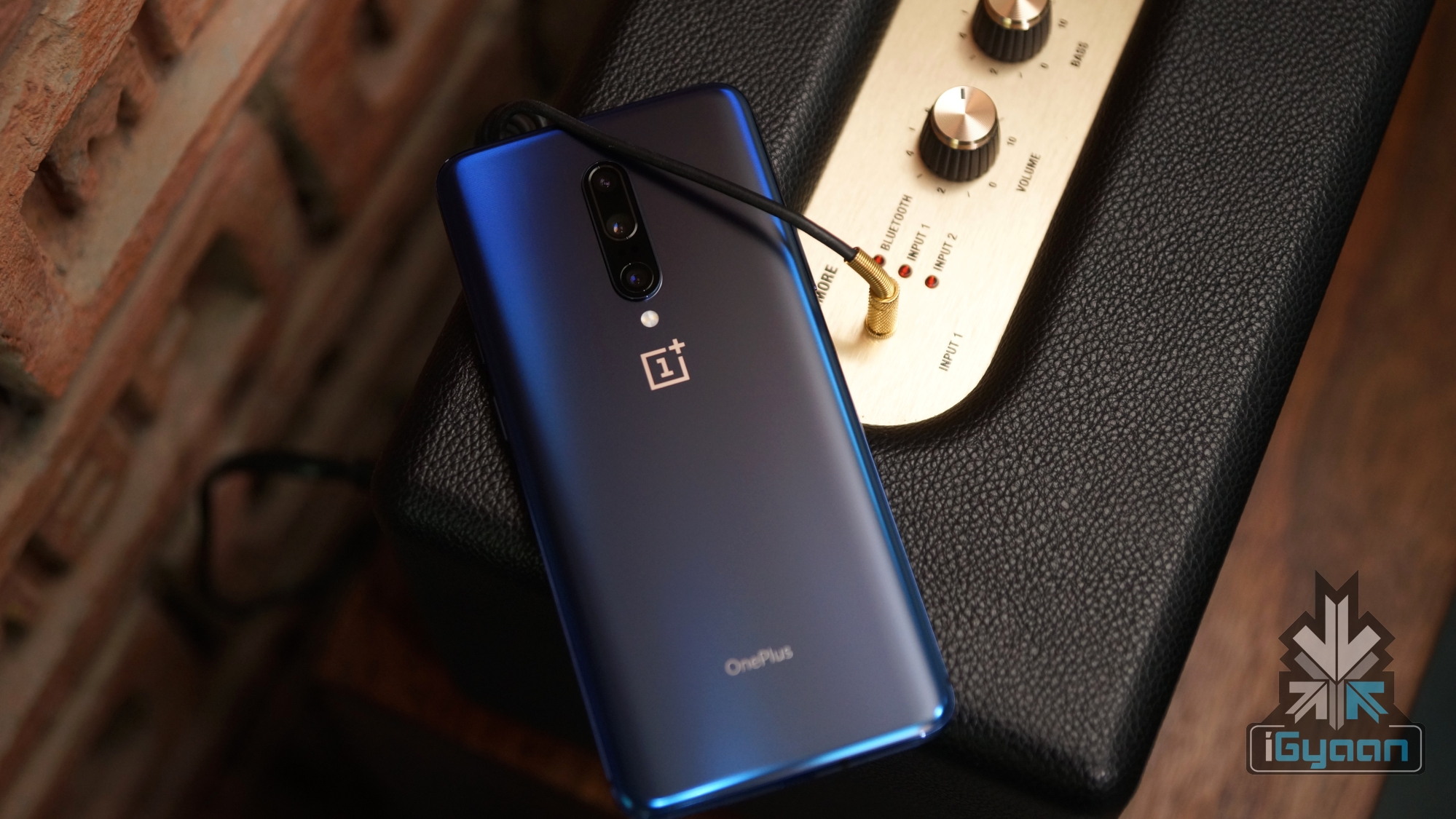
    OnePlus has seen a great degree of success in the global market, especially India. The smartphone manufacturer is cementing its place with various critically acclaimed devices. However, A new report uncovers a critical flaw in OnePlus’s various devices that are widely known and owned. The Chinese company has allegedly had its user’s email addresses leaked by a security flaw.

    OnePlus

    Every new device carries (by default) the ‘Shot on OnePlus’ app that has a security flaw that revealed email addresses of several hundreds of its user base. The aforementioned application provides a platform for OnePlus users to upload that can be used and seen by other customers globally. However, it was discovered that the API that enables the link between OnePlus servers and the app was allegedly leaking email addresses associated with photo submissions.

    OnePlus

    The company was made aware of the flaw in May and has since patched the mistake but more changes have yet to be made for a complete fix. This app can be accessed through the Wallpapers selection menu and asks users to log in with their email addresses to upload images. The selected pictures that get publicized on the company’s website were found to have an easily accessible API. This API required an unencrypted key to retrieve an access token that allowed anyone to view email addresses of original uploaders.

    OnePlus

    The API was hosted on the OnePlus official website and the company is not sure of how long the leak has existed. The company has started investigating the serious matter and are taking users reports received into account as well. Regardless of the fix, the API that got patched can still be bypassed, with an update for the same being worked on. OnePlus has reportedly obscured the email addresses available through the API by adding asterisks to its local parts.

    No reports have yet surfaced that point at any sort of exploitation caused by the security flaw. This was not the first time the company has faced a security issue, facing criticism for storing user data without consent back in 2017 via OxygenOS. A bootloader vulnerability on the OnePlus 6 had also hit the headlines in the year 2018.

    Also ReadiPhone 11 Series Multiple Camera Setup Confirmed

    Just a couple of years ago a company named OnePlus was barely heard of apart from the odd enthusiasts. Now the smartphone manufacturer has seen widespread popularity and growth in sales, especially in India. The company had arguably started the trend of manufacturing premium-grade smartphones at relatively affordable prices. Hence, the company’s stance on security and privacy is integral for the “Never Settle” moniker.

iGyaan Network
Privacy Overview

This website uses cookies so that we can provide you with the best user experience possible. Cookie information is stored in your browser and performs functions such as recognising you when you return to our website and helping our team to understand which sections of the website you find most interesting and useful.