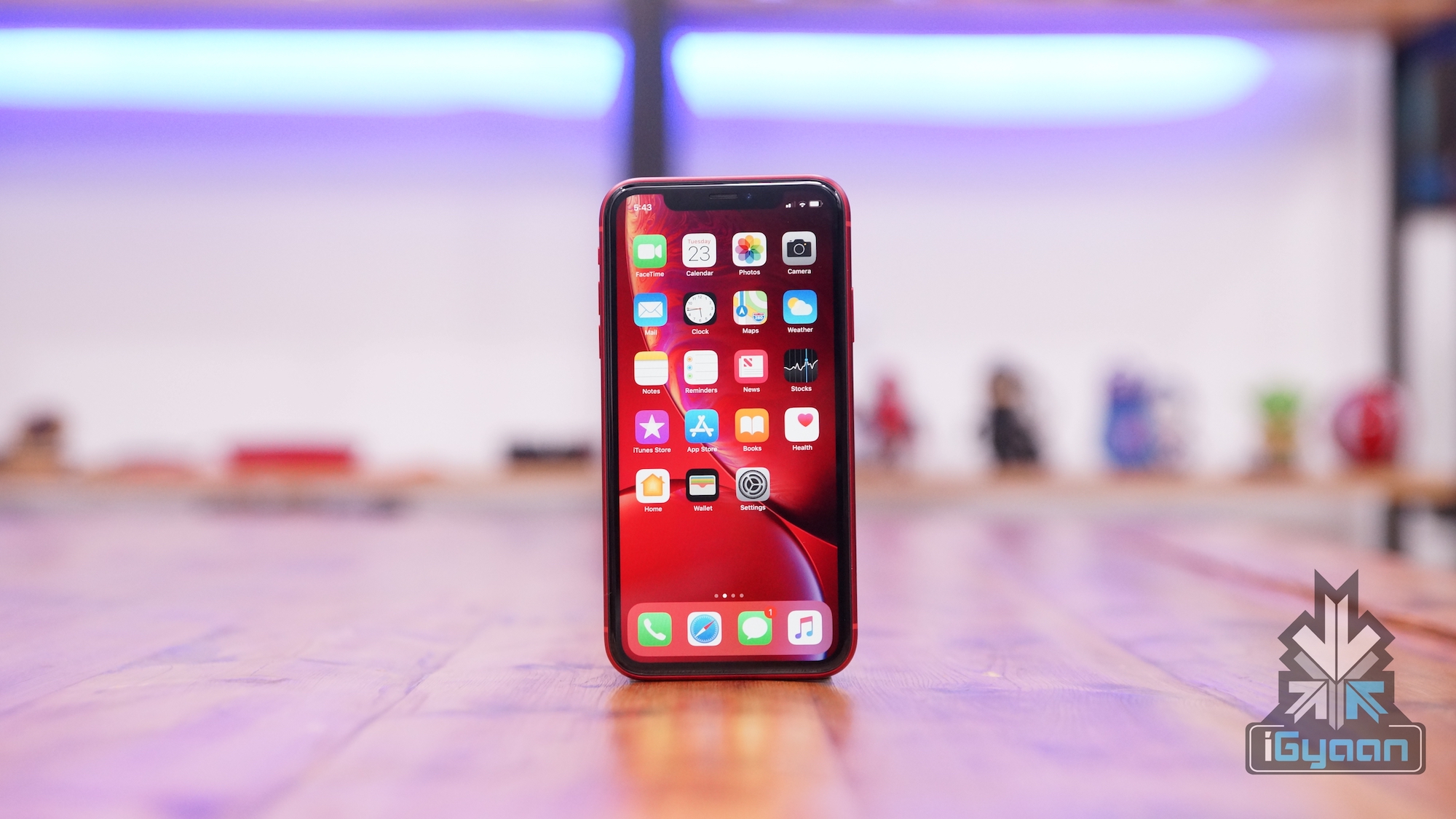
HMD Global, the parent company of Nokia, had launched the Nokia 8.1 smartphone back in December 2018. The handset carried Qualcomm Snapdragon’s 710 SoC and was a mid-range smartphone. Now, a new leak has revealed key features of its successor, the Nokia 8.2.
Nokia 8.1
Rumoured Specs
Nokia 8.2, similar to its predecessor 8.1, is also expected to be an upper mid-range smartphone. It means that it will be equipped with powerful specs right below flagship models like the Nokia 9 PureView. According to the source, the handset will sport a 32MP sensor at the front which will be housed on a motorized popup mechanism. Furthermore, it will be loaded with Android 10 Q along with Android One certification. For readers who do not know, Android One smartphones are guaranteed to receive two major OS update and 3 years minimum of security updates.
Nokia 9 PureView
Nokia 8.2 will reportedly be equipped with 8GB of RAM alongside 256GB of internal storage. Previously, there had been reports claiming that Nokia is releasing two 5G smartphones. One is likely a to be a flagship-grade device while the other is likely powered by a Snapdragon 700 series chipset. Nokia 8.1 was an upper mid-range smartphone with premium build quality so it can be speculated that Nokia 8.2 features a 5G modem with the unreleased Snapdragon 735 chipset.
Nokia launched the 8.1 in two storage and RAM variants that started from INR 26,999, hence, Nokia 8.2 might be priced within a similar bracket. It is possible that the latest iteration may touch the INR 30k mark or even cross it. Considering Xiaomi launched Redmi K20 with Snapdragon 730 starting at INR 21,999, Nokia might launch the 8.2 around the original 8.1’s asking price to stay competitive.
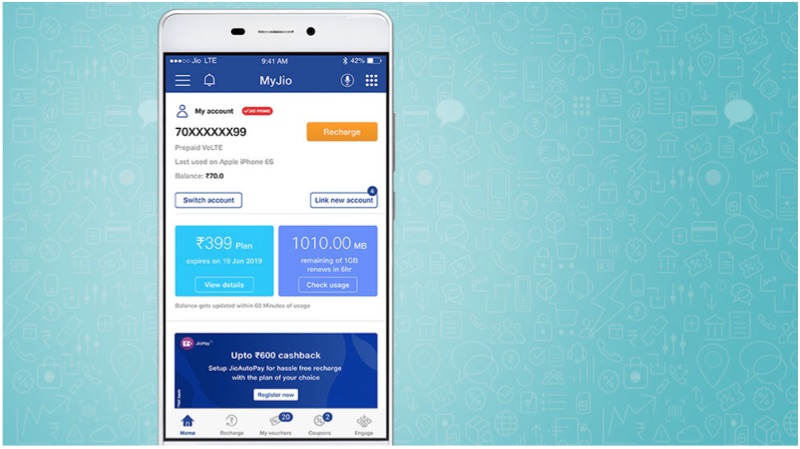
Reliance Group’s Jio is by far one of the most successful telecom company in India. According to certain sources, the Anil Ambani owned corporation is credited to even be the largest network provider in the country. Jio took India by storm back in 2016 with its highly lucrative business strategies for great offerings. Furthermore, India is reportedly one of the countries with the most affordable data rates which was again revolutionized after Jio’s introduction. Now, the company has launched Saarthi, its new digital assistant to aid in online transactions via its MyJio app.
How Does Saarthi Work?
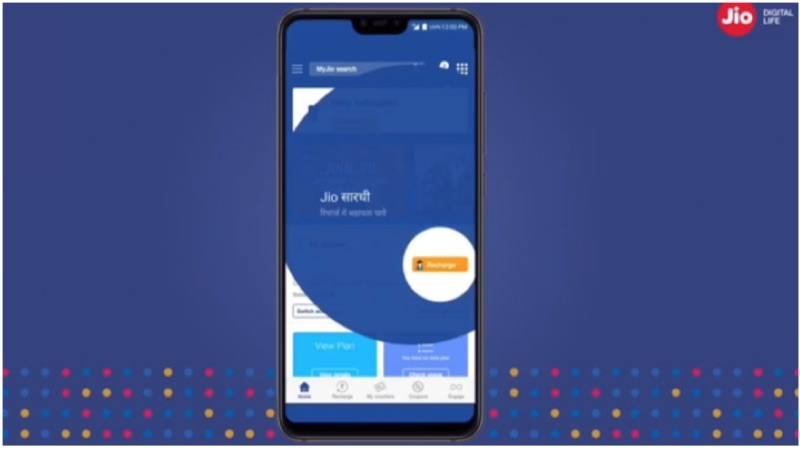
A large number of Jio users still relied on offline stores for recharges owing to wariness over online transactions, Hence, Jio is introducing Saarthi, a digital assistant made to ease the process of online recharges via the MyJio app. The assistant’s job is to help the users perform the necessary steps that are needed for digital recharges or online transactions. The app for Saarthi functions alongside the MyJio app but must be downloaded separately, Users can expect to see a prompt on the latest builds of MyJio.
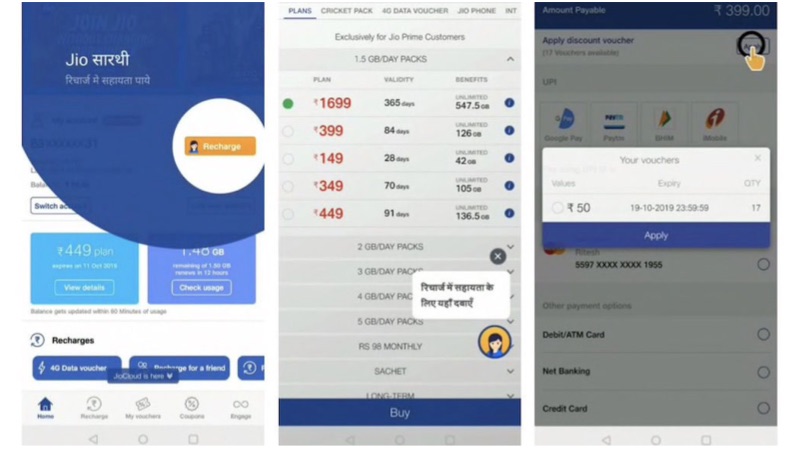
Saarthi is currently supported in two languages, Hindi and English, and will soon support 12 more regional languages in the arriving months. Additionally, the digital assistant will help users select recharge plans, adding credit or debit card details to save for future transactions and more. If you have ever made an online transaction via MyJio then Saarthi is little more than an additional convenience, however, for first-time users, it can be a great helping hand.
MyJio app is likely to send a prompt to activate Jio Saarthi in case of users never making an online transaction in-app. If you are on the latest version of MyJio, then a text-based prompt which can be opted in or out off. Once users download it, the assistant appears as a floating button if users select the recharge option. After that, users can request assistance from Saarthi by simply clicking on the button to get voice-based instruction on how to go about setting up bank details and more which can be rather complicating.
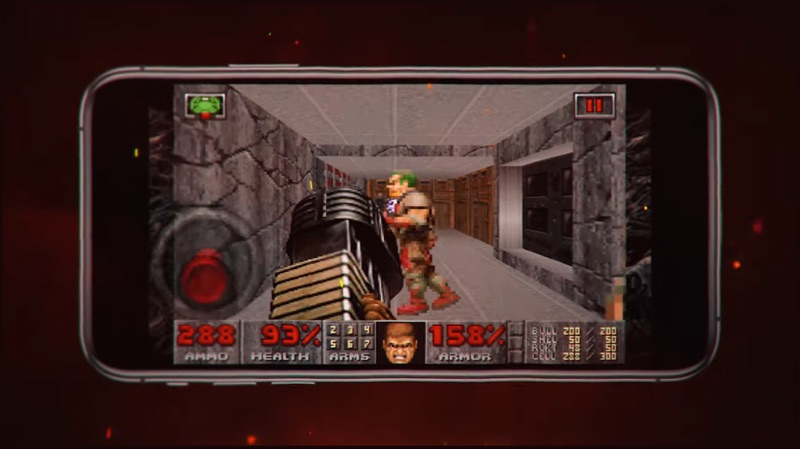
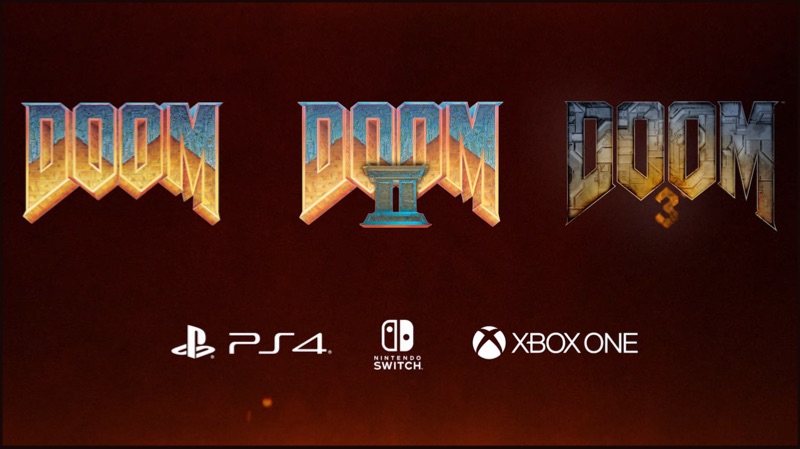
One of the gaming worlds most popular video game genre is first-person shooters. Games such as Call of Duty, Halo, CS: GO and much more follow this genre and are one of the most recognizable names in the industry. In a first-person game, the player is thrust into the shoes of the protagonist and sees the world through their eyes. Now, Doom, one of the progenitors of the popular genre sees a revival of its original trilogy with a platform-wide port to Android, iOS, PS4, Xbox One and Switch.
Quakecon 2019 saw the arrival of multiple big announcements from the event. One of which is that the first three Doom games will be made compatible on every major console platform alongside PC. Notably, the first two titles will also be available on iOS and Android devices as well. It is big news considering one of the forerunners of the most popular game formula will be resold again. It is in part a great homage to the games that helped forge the backbone of the gaming industry as we know and love today.
Furthermore, Bethesda, the game studio behind the legendary title, has also announced the inclusion of more games into Sony’s PlayStation (PS) Now service. PS Now is an online game streaming service and will now feature the remade Doom 2016 edition along with Wolfenstein: The New Order and Fallout 4. The latter two in comparison are relatively new and feature updated graphics modern graphics over the original iterations.
The first two entries in the series, Doom and Doom II will carry a price tag of $5 each (approx. Rs. 350). Doom III will be sold for $10 (approx. Rs 700). The announcement will revive the ancient games and their fan following. The Doom trilogy will be optimized for current-gen PCs, consoles and excitingly enough, smartphones. For more information regarding gaming stay tuned to iGyaan.
Apple is a company that has always promised its customers industry-leading security. For the most part, it holds true. The company is one of the better-trusted consumer brands in the world, at least in terms of data privacy. However, a new report has surfaced which claims that the tech giant is regularly listening on private conversations by its hired contractors through Siri, its digital voice assistant.
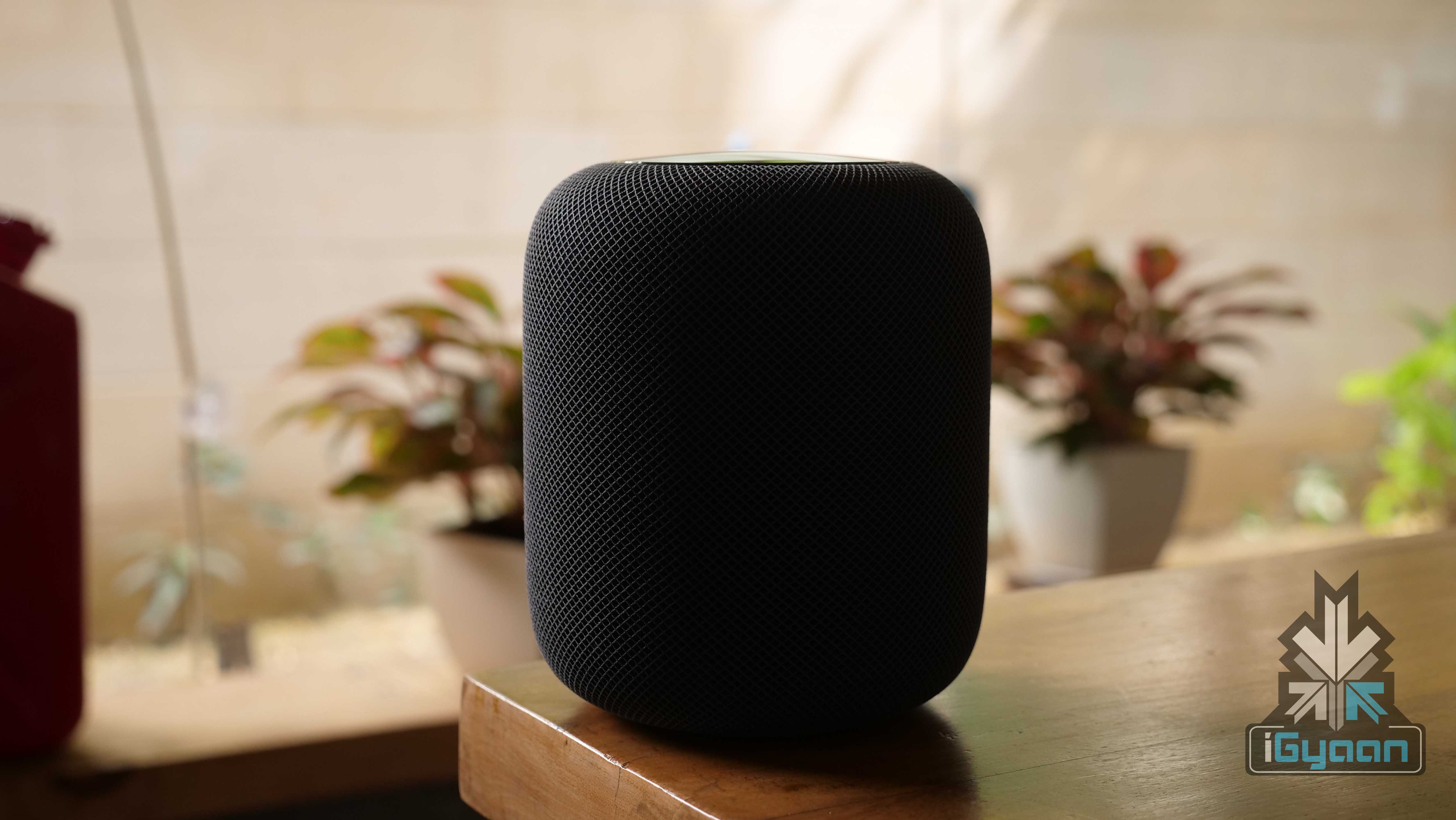
Home Pod
Initial reports had revealed that Apple was hiring contractors across the globe to listen to Siri recordings to improve the voice assistants capabilities. What came as a surprise was the fact that the company had failed to enlighten its users regarding this practice. Now, a fresh report suggests that there have been “countless instances” of recordings carrying sensitive information or private conversations. Furthermore, it has also been reported that some cases of illegal activities have also been caught in the recordings. Apple had initially promised users that anonymity is being maintained and no user info is accessible. However, a source claimed that the recordings also feature user data showing locations, contact details and app data.
Apple started the initiative of human interaction with Siri recordings to improve its interface and interactional capabilities. The company said that only a small portion of Siri requests are analysed and users’ Apple ID is not associated alongside the recordings. Addtionally, Apple claimed that all reviewers are under strict confidential guidelines and are undertaken at secured facilities. Although the contractors and audio reviewing isn’t a secret, its privacy terms do not inform users of the practice.
People conscious about their privacy and afraid of the accidental triggering of Siri can turn off the “Hey Siri” feature. The new accusation marks the increasing frequency with which even the most trusted brands are being doubted. In a modern interconnected world, data privacy is now increasingly more important. Apple has yet to respond to the latest reports but a statement is expected to arrive soon.
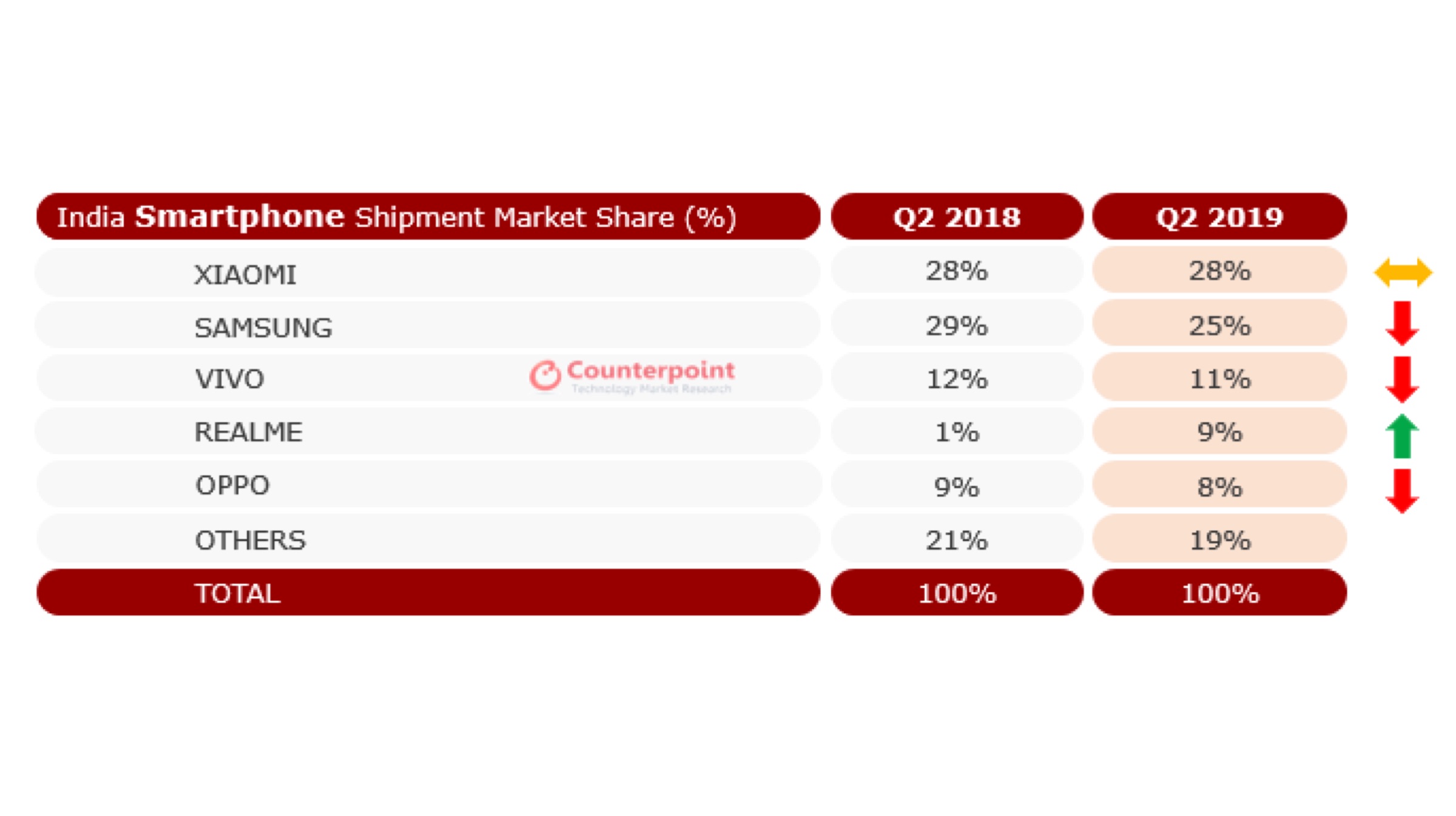
India is currently one of the largest smartphone markets and is also amongst the fastest growing one as well in the industry. According to a new report, the Indian smartphone market has broken previous records with a massive 37 million units being shipped in just the second quarter of 2019 alone. The increase is just a single digit growth but which the country gains steadily after each passing year.
Counterpoint, a research and analytical firm, has reported via its Market Monitor services that “the growth was driven via new launches, price cuts on older devices and channel expansion across brands.” One of the contributing factors were the expansion of offline centric brands to online stores. It includes online-website exclusive series which have helped boost sales of certain brands like OPPO and Vivo. In a similar fashion, brands that had been online exclusive have now shifted to offline shelves with partnerships with key retailers like OnePlus. Notably, various OEMs have seen success targetting multiple demographics within one series of smartphone that sport different specifications and price in the Indian smartphone market; similar to a flagship and its more inexpensive variants.
Furthermore, it has been reported that the most popular price range for smartphone is the INR 10,000 to INR 20,000 bracket. It includes all the mid range or affordable flagships which have become increasingly popular in the country. The handset trends such as notch display, multiple rear cameras, pop up selfie feature and in-display sensor technology are also being catered to in this price range to attract customers. The top 5 most popular brands in the Indian smartphone market from 2018 have seen some gains and losses but for the most part are still relevant.
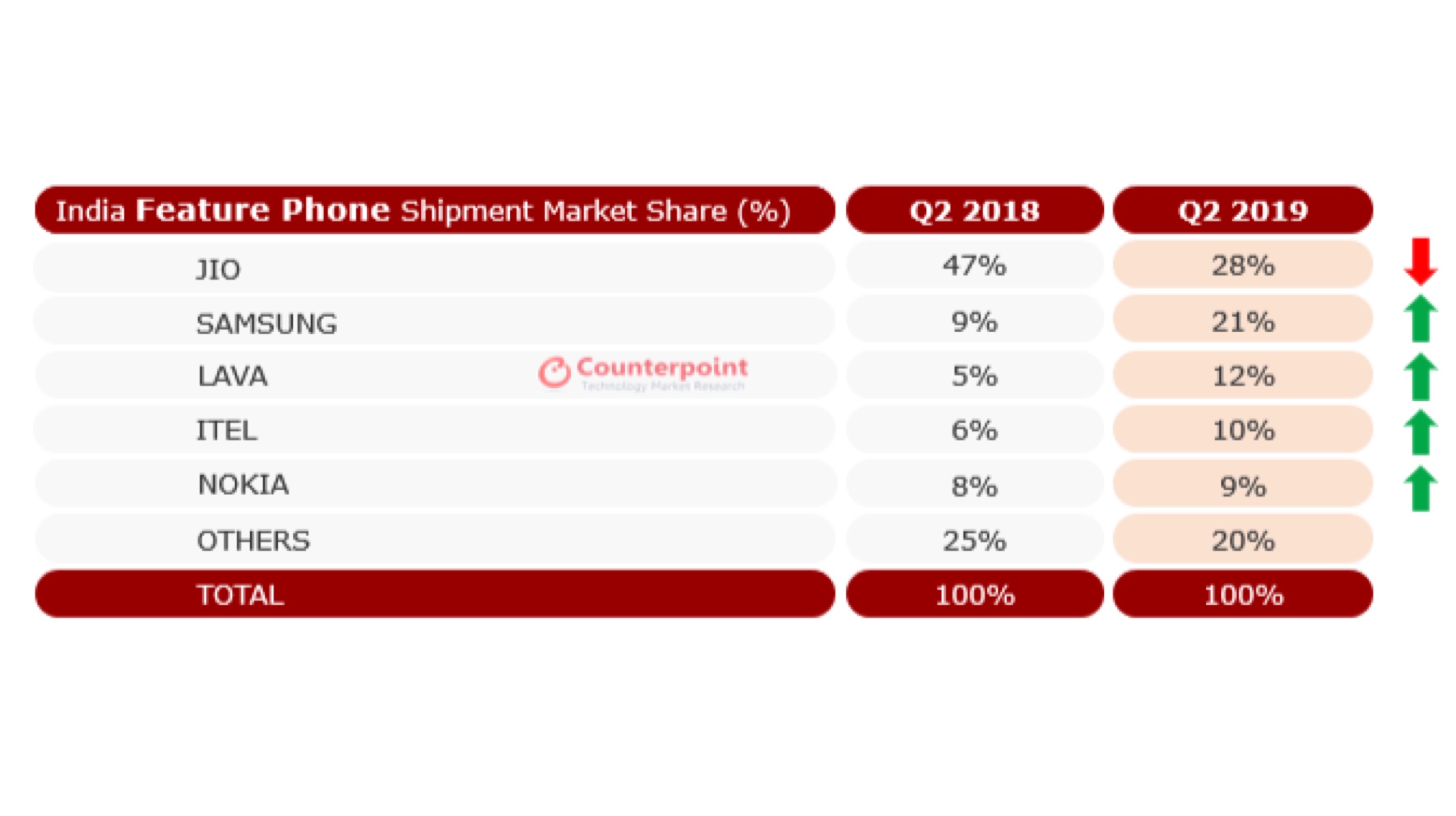
As the smartphone market grows, the older feature phones are currently witnessing a sharp decline in sales volume. A steep dive of 39% is being observed in the latters sales every year. The market research report shows the Indian smartphone markets potential for further growth. Companies such as Apple and LG taking initiative to start manufacturing in India is another great plus point. Made in India smartphones are cheaper than the shipped from abroad and are a great offering. All in all, the industry is brimming with choices and the current era is a golden age for customers.
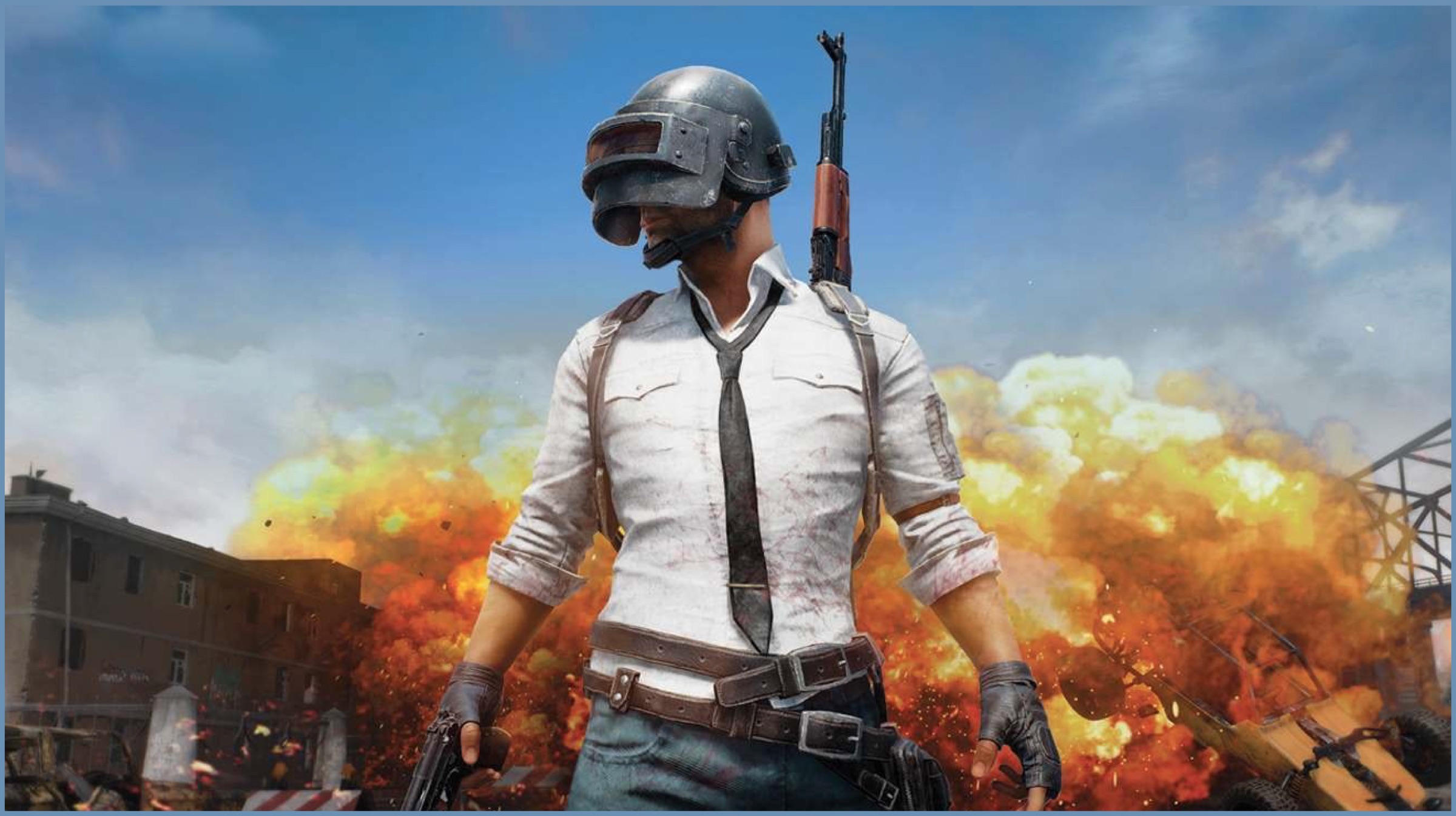
Tencent Corp, the game studio famous for porting the massively popular PlayerUnknown’s Battlegrounds to smartphones have just launched a new game. Owing to the explosive success of the original PUBG Mobile, Tencent Games have released a new watered-down version of the game named PUBG Mobile Lite. The game was in beta for a while now and has finally been launched in India.
So What’s New?
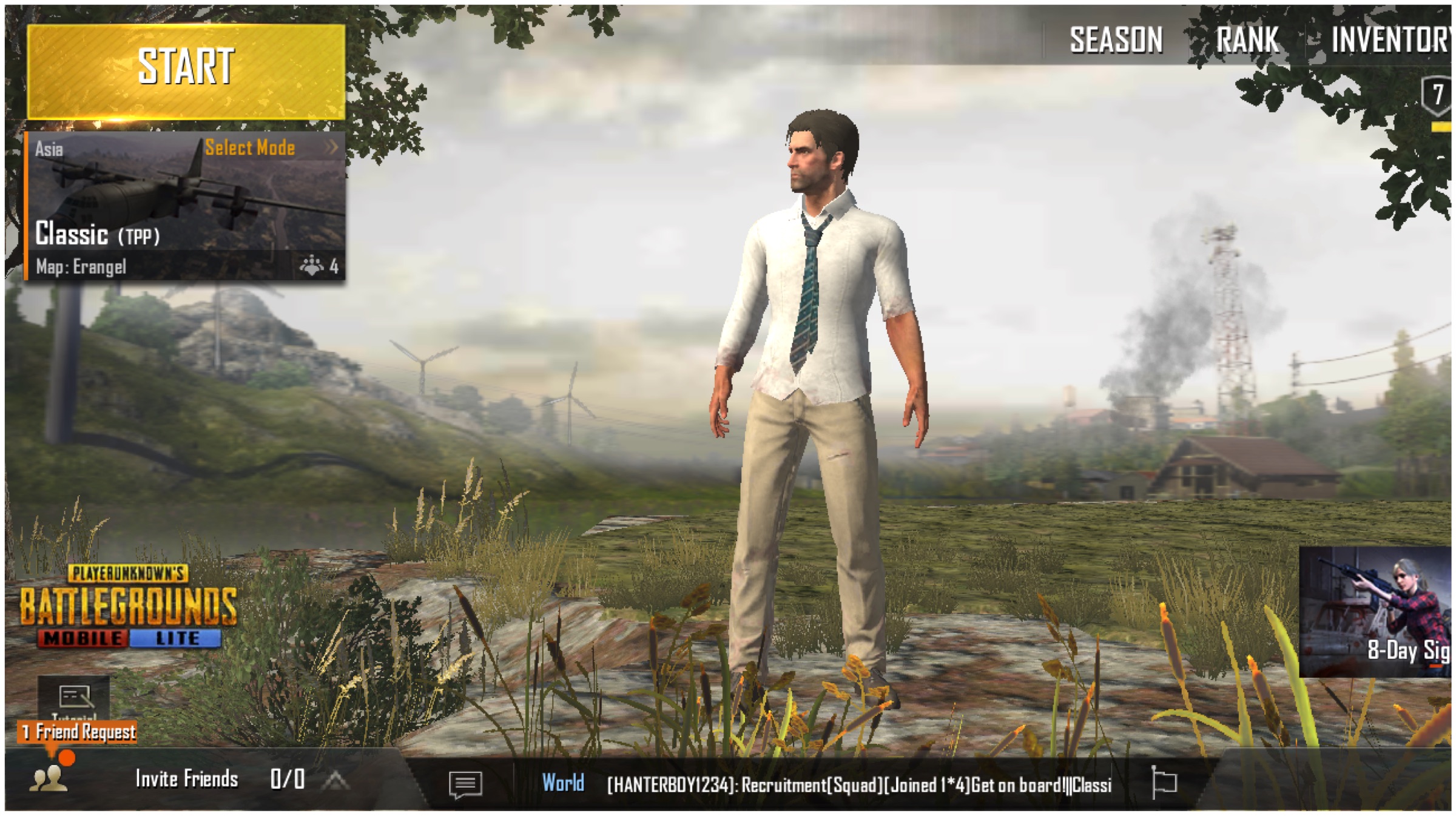
PUBG Mobile Lite is similar to PUBG Lite which was also launched with toned down graphical fidelity in comparison to its original. PUBG PC and PUBG Mobile are taxing games on their respective platforms, hence, to lower the barrier of entry a Lite version was launched for both titles. Here is a list of some of the new mechanics you will find in PUBG Mobile Lite
Aim Assist: PUBG Mobile utilized an aim assist system to aids its players aiming during gameplay. PUBG Mobile Lite takes it even further by enhancing this feature, mking it much more prmoinent. In the game, we were able to hip fire enemy combatants from range which was impossible in past iterations.
Recoil Control: In efforts for streamlining the experience, the game features heavily supressed recoil when firing different guns. It means that there is less kick when firing which also better aids aiming and firing.
Higher Time To Kill: PUBG Mobile Lite has significantly raised the TTK of the game. In other words, each player takes a lot more damage before being downed or eliminated completely. According to Tencent, the balancing was introduced to test and encourage a more aggressive style of gameplay.
Heal While Moving: Players are now able to heal or use boosters while moving. It is a feature which is also going to be introduced in PUBG PC and soon across other titles within the franchise. The new feature is much needed and will ensure better survivability during tense gun fights.
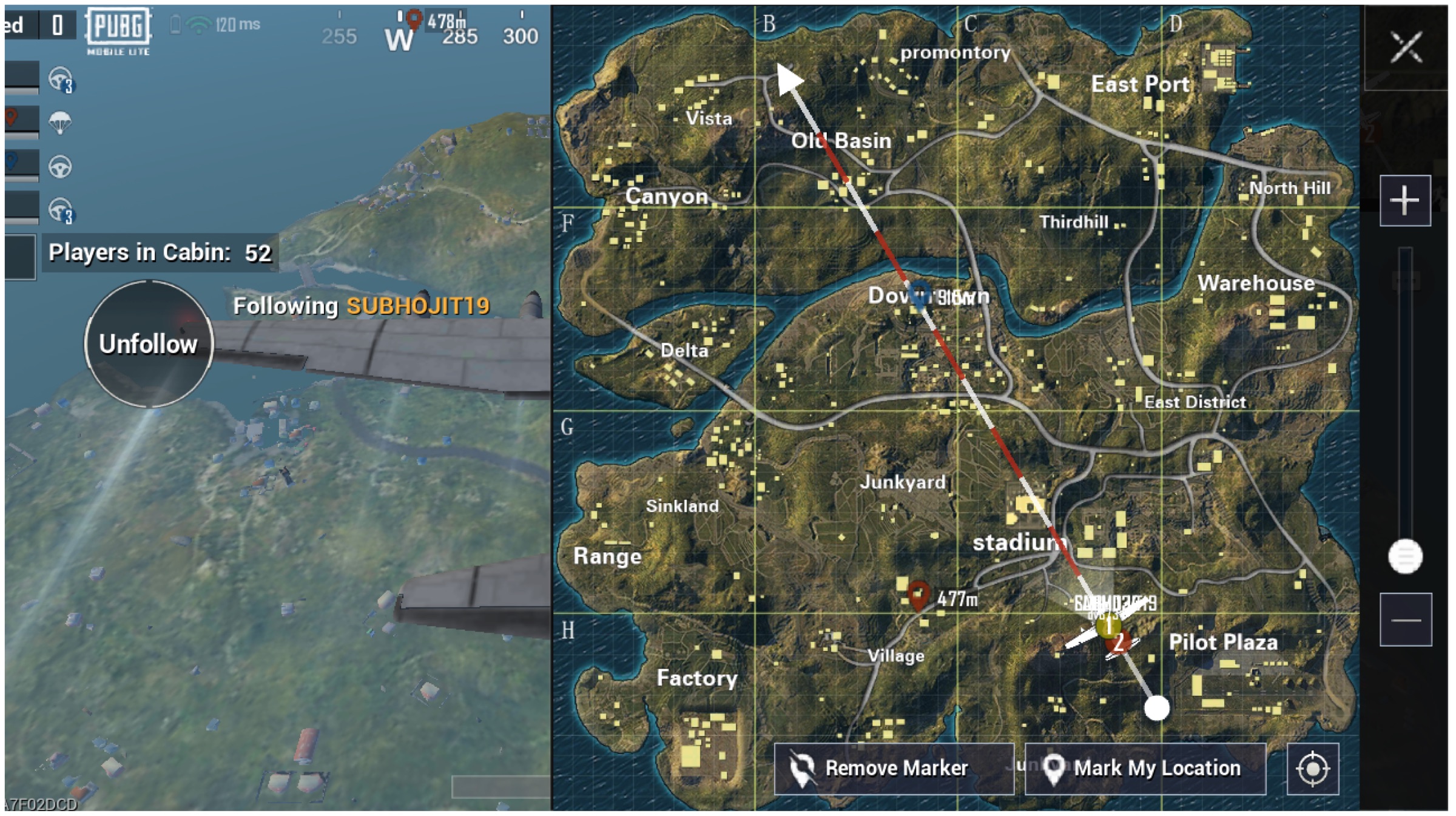
New Map & Smaller Amount Of Players: Currently, the only map offered in the game is an updated version of Eragnel. The map changes will also be reflected in other games and have been made for a narrative direction in the future. Notably, unlike other PUBG titles, the total amount of people dropping in to fight it out are just 60. It is lower than the other games in the franchise which featured 100 players.
Smaller Download Size: The new game from Tencent is about four times smaller than the original PUBG Mobile. The latter has a download size of about 2GB while the former fall just under 500MB in size.
First Look & Hands On
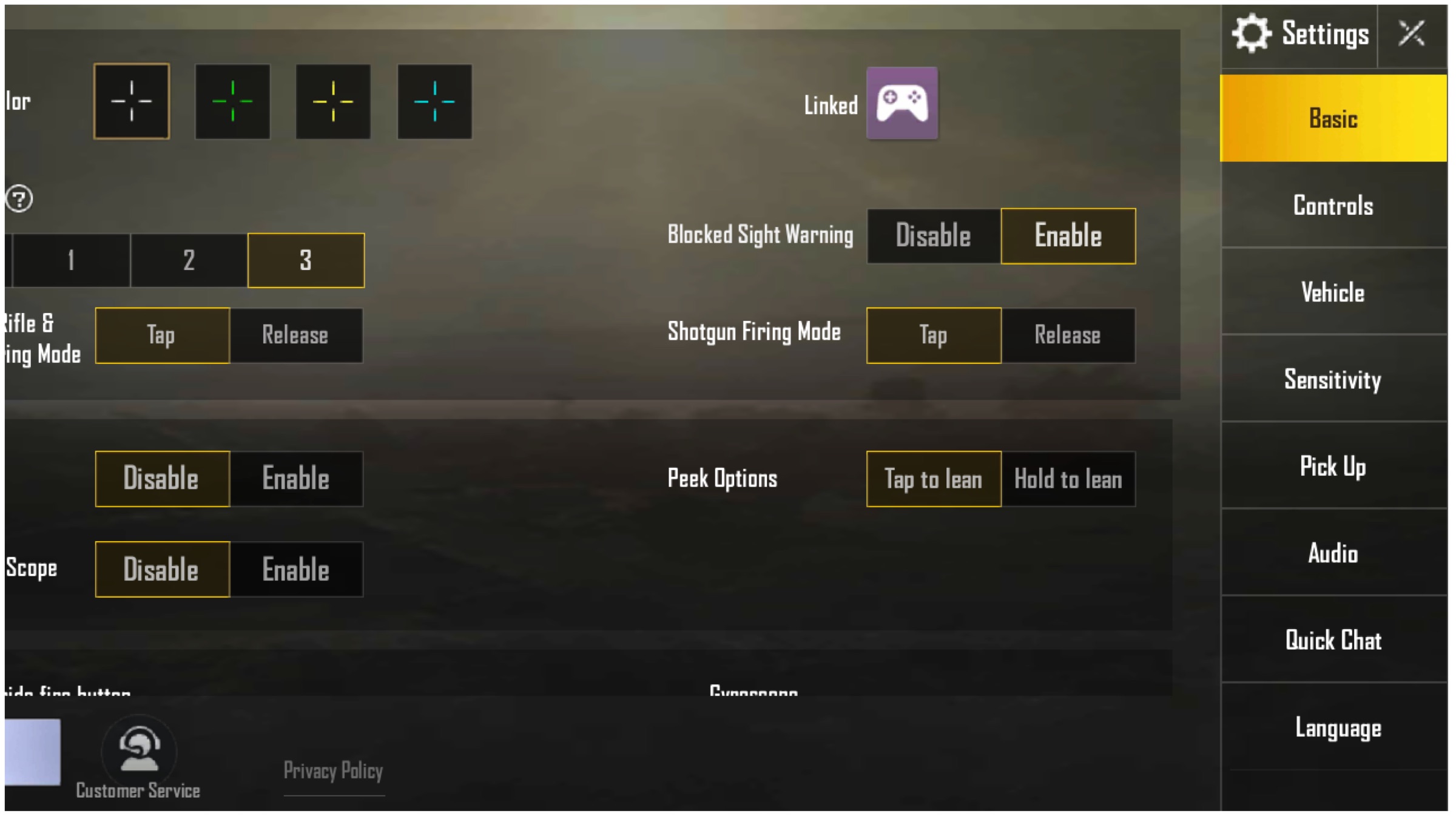
We fired up PUBG Mobile Lite on a low-end smartphone to test the minimum requirements of the game. It looks and plays almost identically to PUBG Mobile but with the lowest graphical settings. Speaking of which, graphical settings are not available for fine tuning in the game, rather the option itself is not present. While playing the game, we found it extremely easy to get kills in the game and have already achieved a “Chicken Dinner” on the second run. The game is highly rewarding and can be picked up by just about anyone.
PUBG Mobile Lite is an extremely easy game to get into and for those who wish to experience PUBG without dealing with experienced players, they can try this game right now. Unfortunately, since the game is relatively new, it still suffers from the annoying bot problems owing to a general lack of players. The problem is expected to soon be solved once more players join in. For seasoned PUBG Mobile players, this game will be right up there an area of expertise.
Availability & Conclusion
Tencent claims that the game was optimized for areas with an unstable network connection and will run on a minimum of 2GB RAM. The company made the decision to lower the entry to an authentic PUBG experience. Ironically, while playing the game we managed to get affected with occasional latency issues and even disconnection on a stable network connection. This could partly be due to the fact only two servers are currently offered.
We recommend casual gamers to try out the game as it still offers a true PUBG experience. The game is currently available in Google’s Play Store and is free to play. Comment down below on your experience with PUBG Mobile Lite and stay tuned for more gaming related news on iGyaan
For the 5th anniversary of Xiaomi’s entry into India, the Chinese company has entered the wireless headphones markets again. This time the company has offered an over the ear wireless headphones dubbed, Mi Super Bass Wireless Headphones. The review will be divided into multiple bases to give a detailed report on our experience with the new headphones. You can also check out our video review of the product on our YouTube channel.
https://youtu.be/KlozFFWbW38
Build
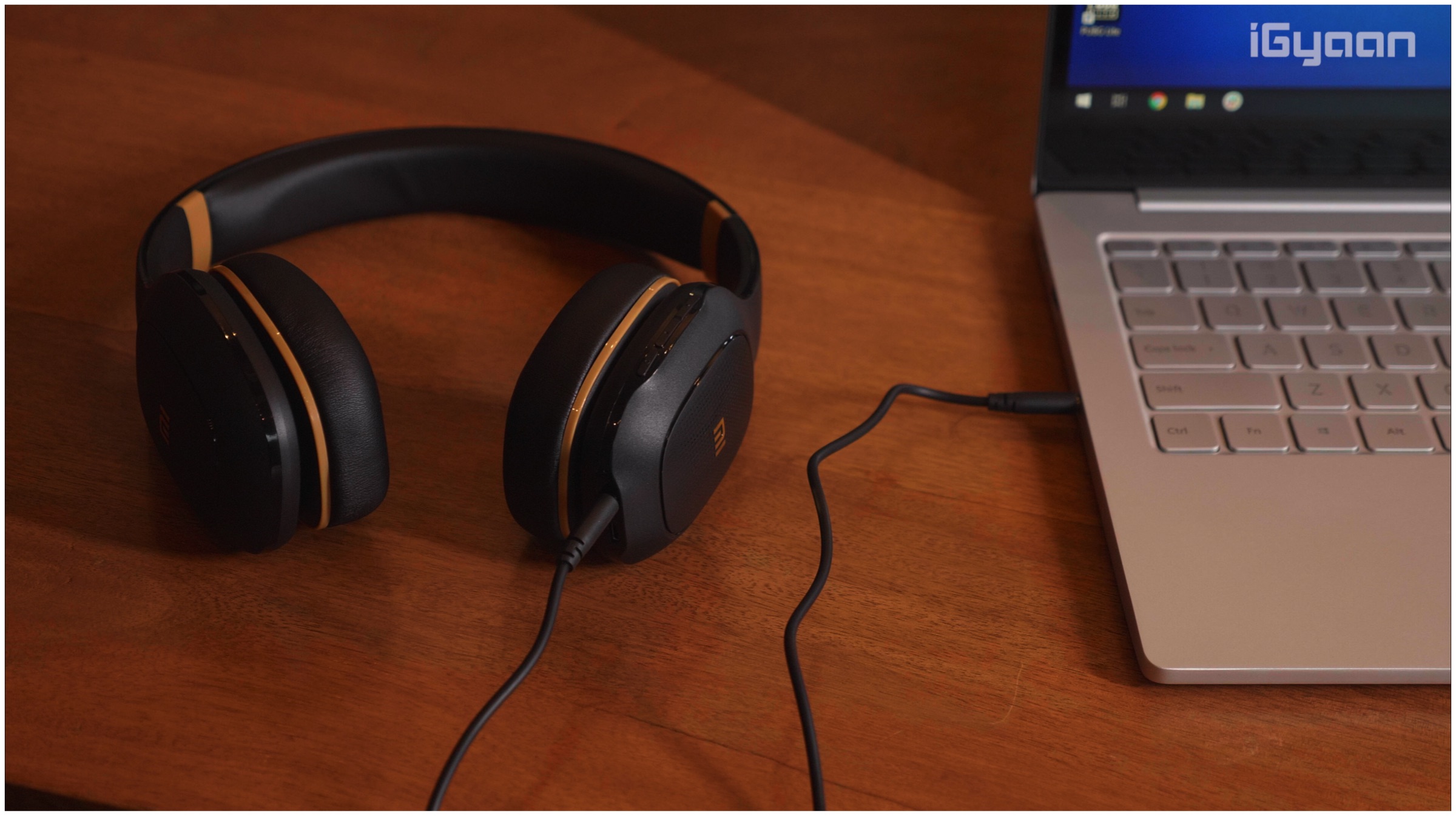
Xiaomi’s Mi Super Bass Wireless Headphones are made entirely out of plastic giving it a very light weighted feel. The headphones offer soft cushioning for its ear cups with padding on the upper portion of the headband as well. Furthermore, the headphones are more compact than most in the price range and should fit with both small and large heads with the help of its expandable headbands. Notably, despite being made of plastic, the headphones are really durable with our stress tests showing commendable flexibility and bending capabilities. The headphones also arrive with a pair of well-built aux cable and microUSB charger that is wrapped neatly via a rubber band for better storage.
Design
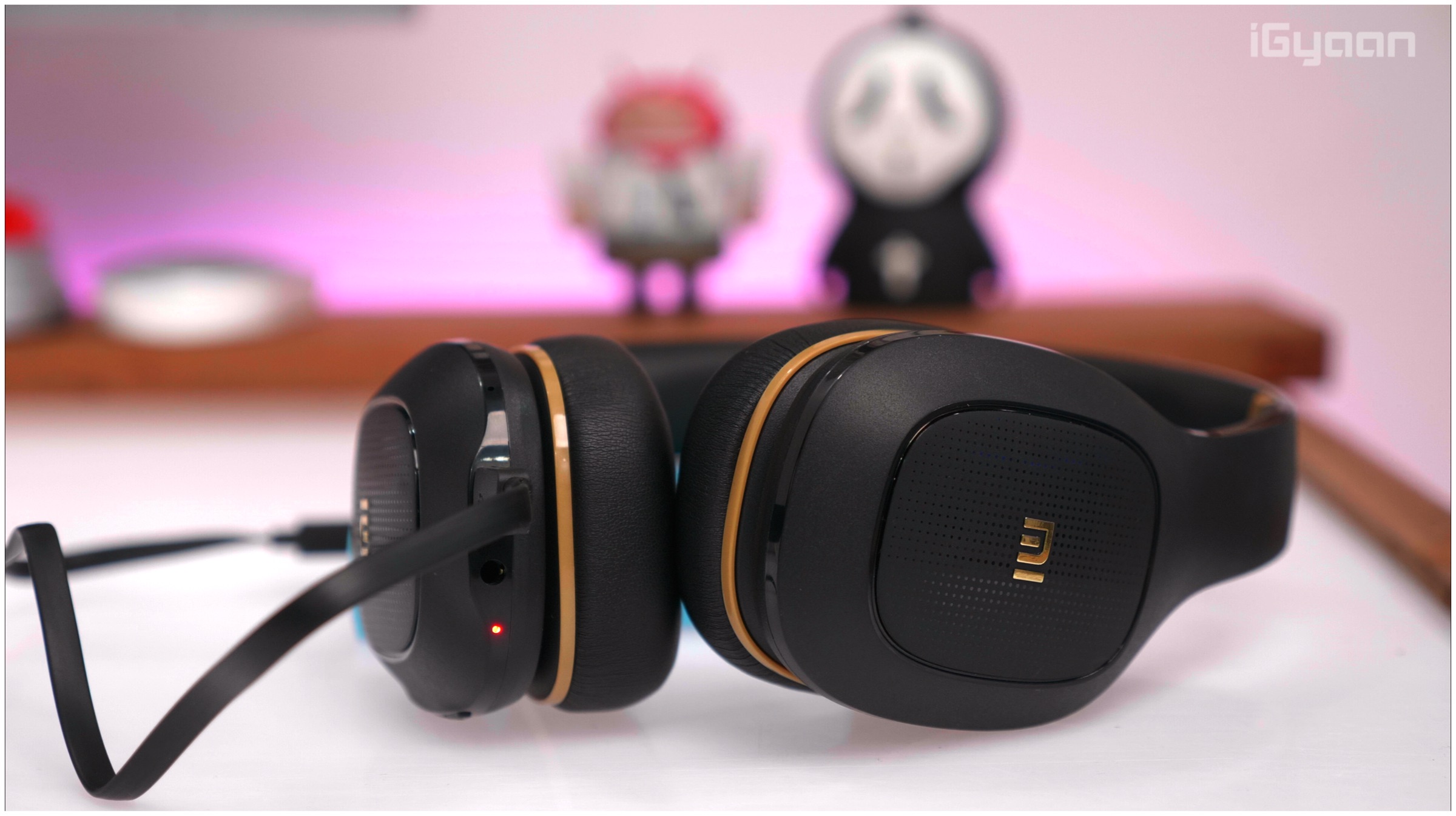
Xiaomi’s Mi Super Bass Wireless Headphones look premium from afar with elegant gold accents surrounding the ear cups rims and the headband. However, it is only the case from a distance. After holding the headphones you are reminded of its plastic feeling build quality owing to its really lightweight nature. For those interested in a premium glossy or metal built headphones, the Mi Super Bass might not be the right choice you.
Connectivity
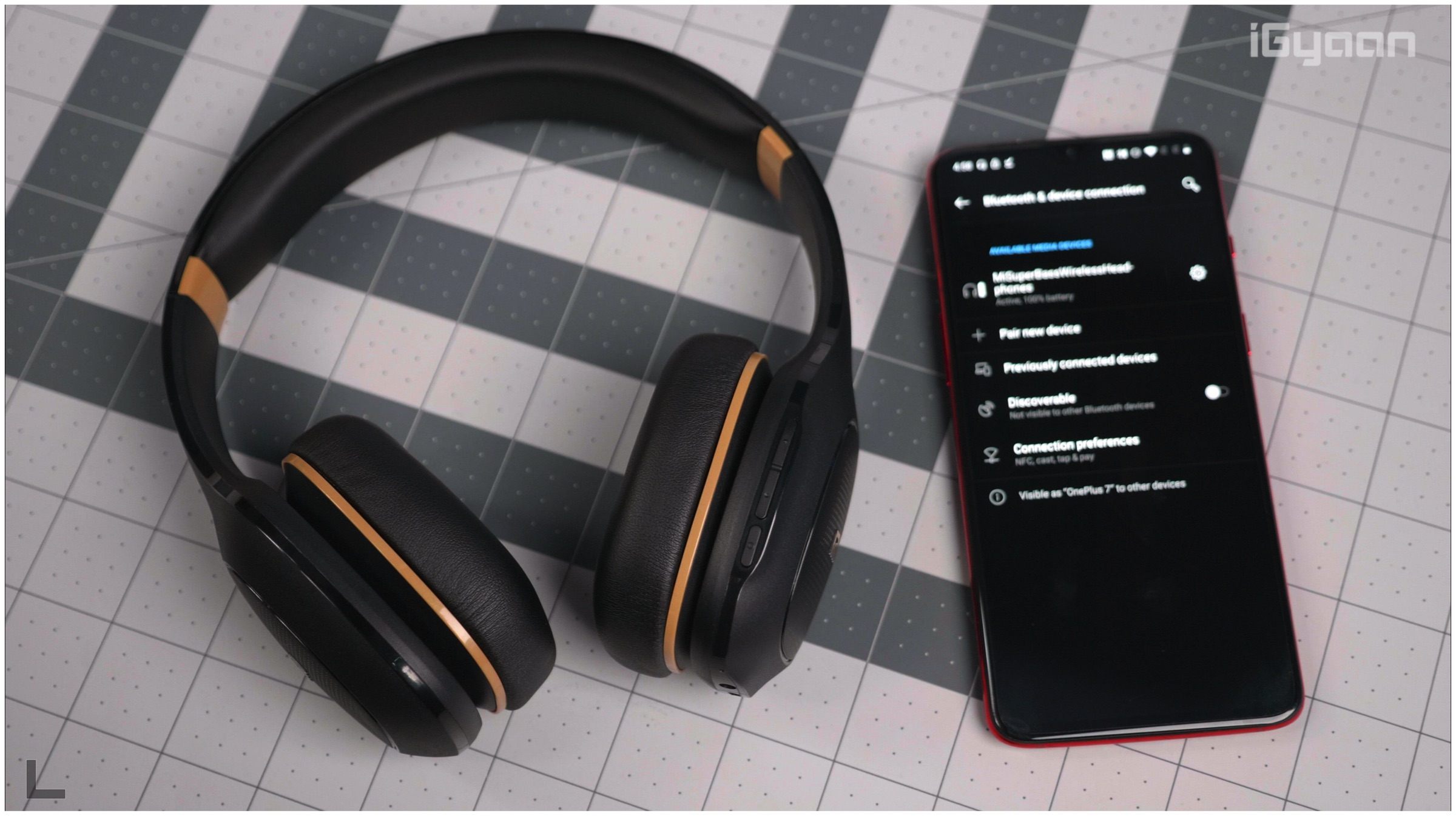
One of the key features offered by Mi Super Base Wireless Headphones is the inclusion of Bluetooth 5.0 connectivity. The newer technology is compatible with older Bluetooth 4.0 or even 4.2 models but will perform more reliably with newer phones. The latest version of Bluetooth offers a wider range of connectivity with lesser frequent stutters or lags whilst in use. Additionally, a 3.5mm audio cable is also offered in the box for those who do not wish to connect via Bluetooth or have run out of battery.
Battery Life
Xiaomi claims that the Mi Super Bass Wireless Headphones can run for 20hrs on a single charge via the microUSB cable. It turned to be more or less true in our tests that neared the company promises. Hence, it means that depending on usage habits, users can expect the headphones to last days on end at a single charge. Finally, the added feature of a 3.5mm headphone jack is a major plus point as the battery can no longer be a concern on the go if users carry the audio cable.
Sound Quality
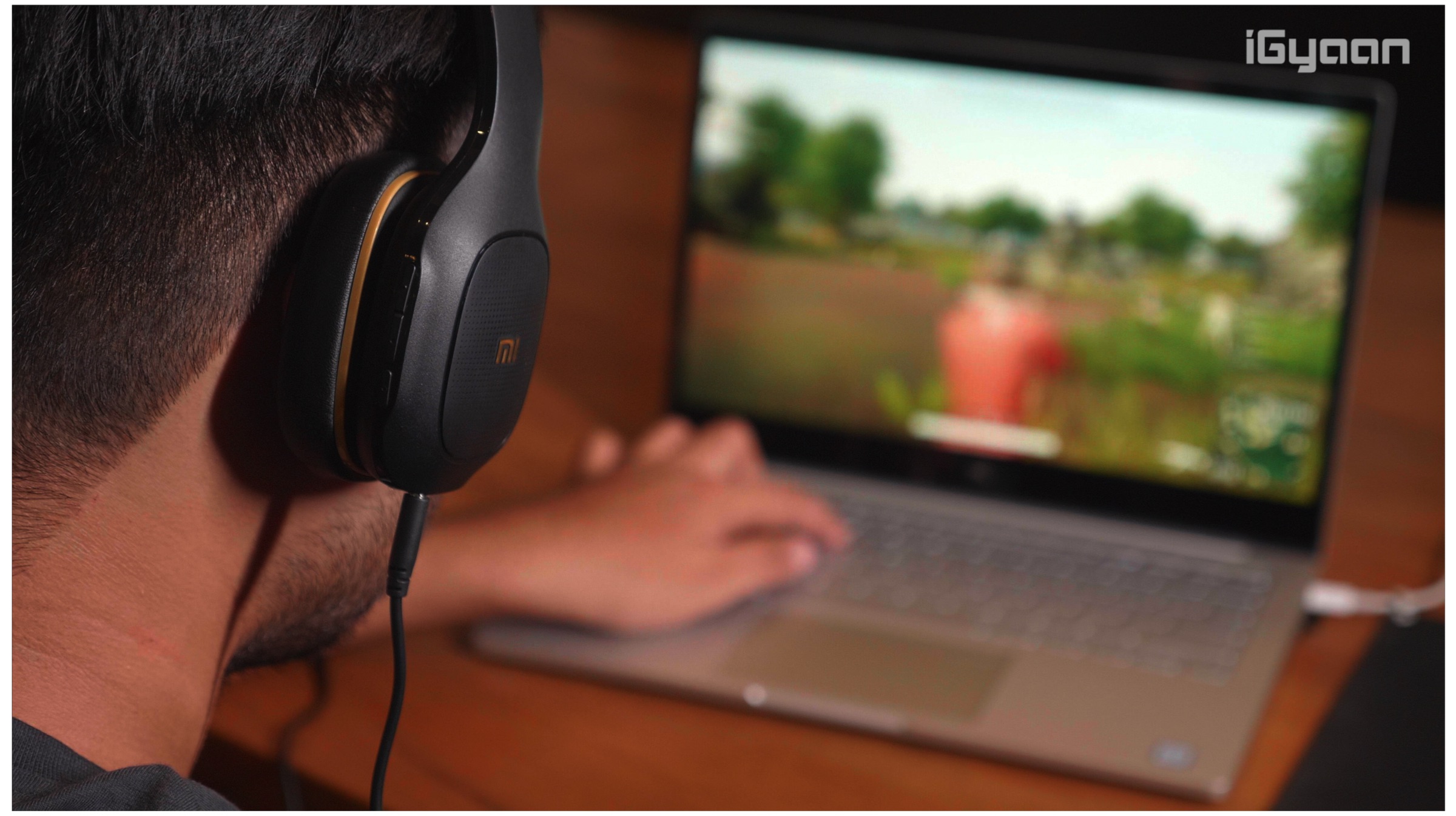
As the name suggests, the Mi Super Bass Wireless Headphones offer deep bass that translates to a better listening experience. The sound range is above average and struggles during the highs in a song but manages to finish off with good sounding lows. We also tested the headphones with games on both PC and mobile with PUBG Lite and PUBG Mobile. In our experience, the sound of bullets, explosions and even footsteps were clear and crisp so we can recommend this to casual gamers.
Xiaomi’s Mi Super Bass Wireless Headphones are available in two different colour accent variants, namely Gold and Red. Both versions is offered from Xiaomi at an affordable price of INR 1,799. The headphones were launched alongside Redmi’s K20 series and follow the same general formula of providing a solid value for money. Conclusively, we recommend these headphones for people looking for good sounding headphones at this price point, however, those that are looking for solid build quality, you might want to skip this one.
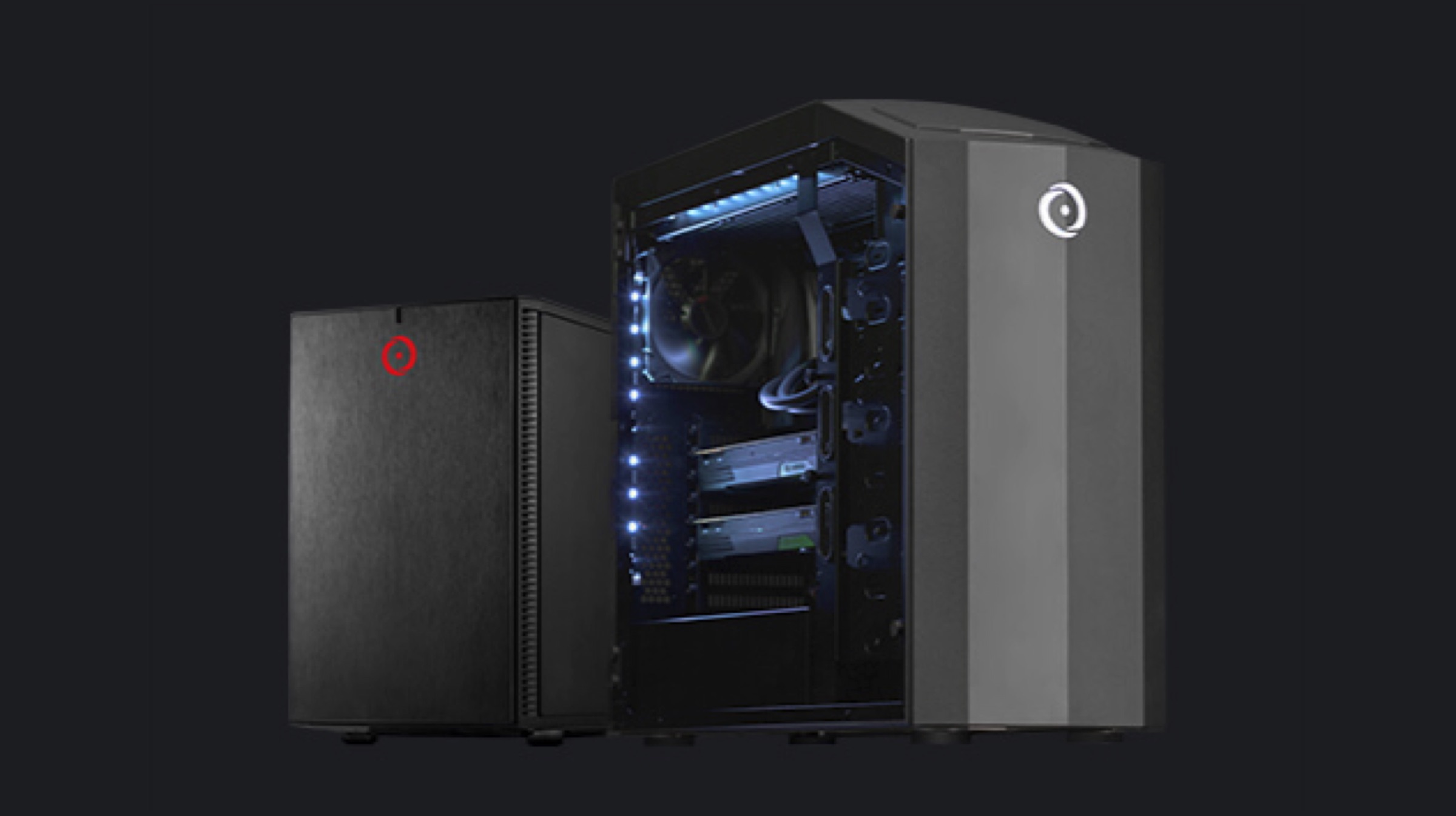
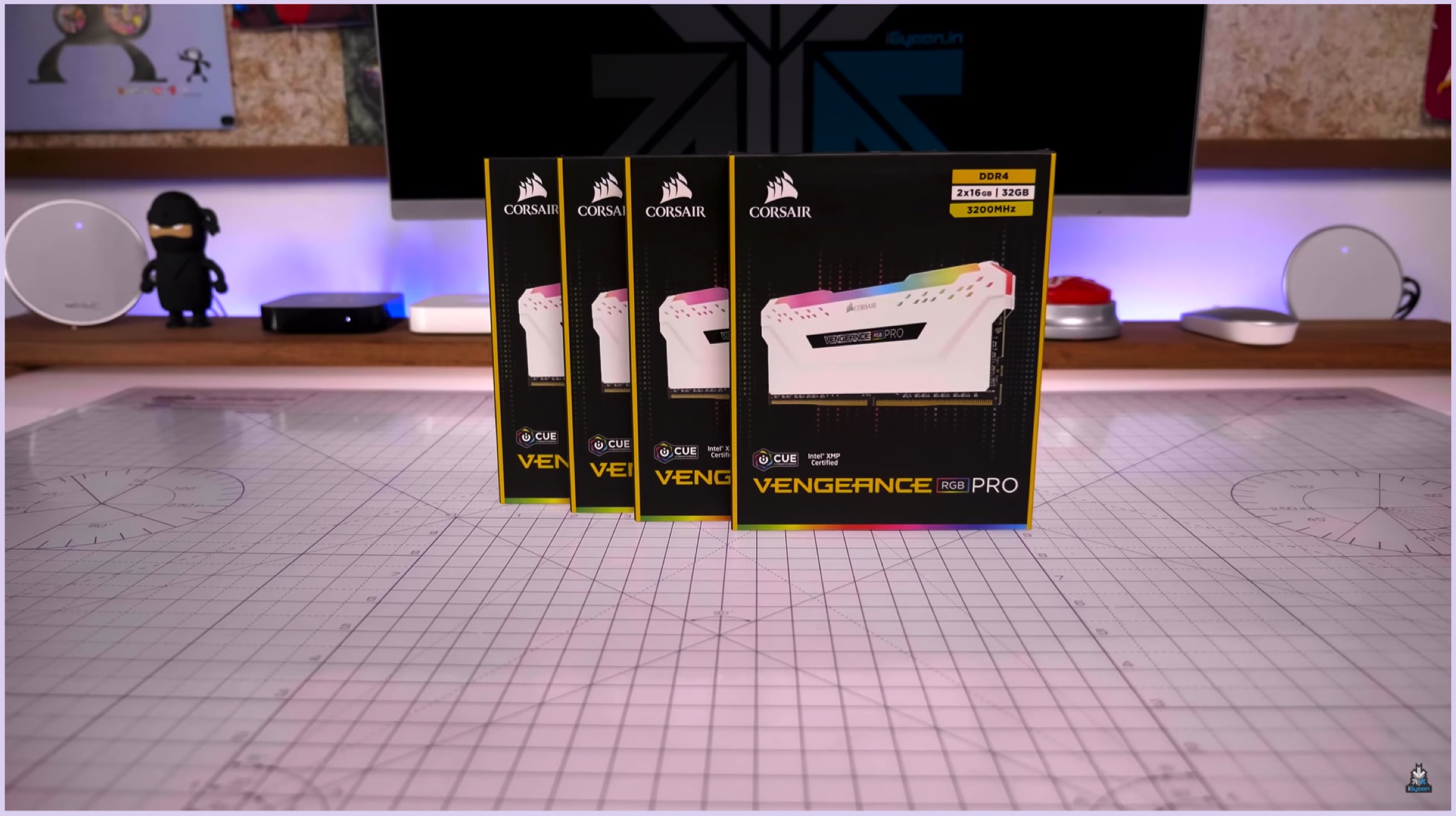
If you’re into the vast world of PC gaming and by its extension, PC building, you have probably come across the names Corsair or Origin PC. Both the companies are well known within the desktop gaming community and offer varying degrees of gaming technology and peripherals. Now, Corsair in an official statement has confirmed its move to acquire Origin PC.
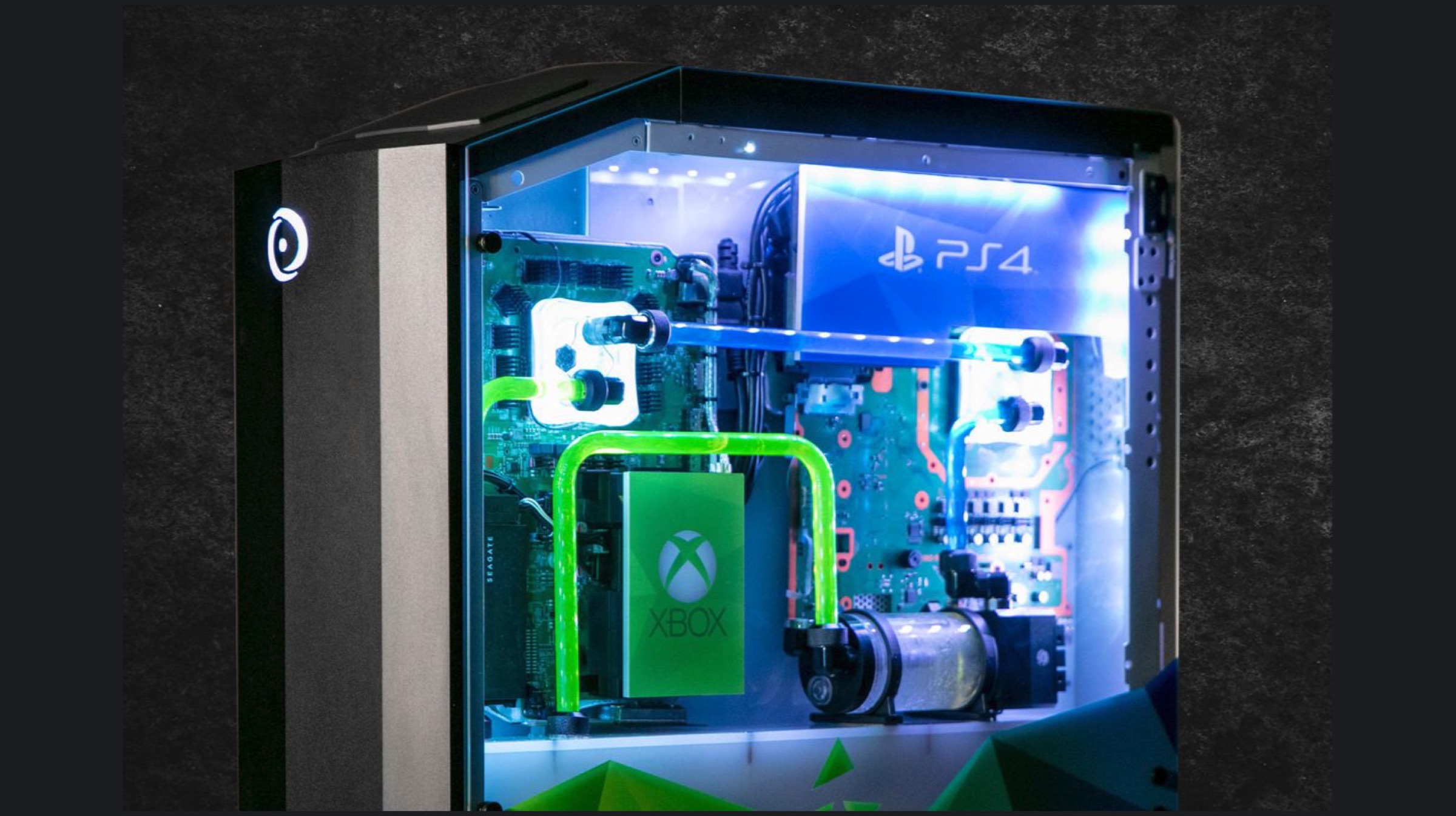
For those unfamiliar, Corsair is a company that is known for its gaming peripherals such as headsets, PC cases, RGB fans, RAM and much more. Essentially, if one is looking to build a custom PC, they will stumble upon Corsair. On the other hand, Origin PC is a company that sells pre-built high-performance gaming rig which helps skip much of the hassles of getting into PC gaming. Furthermore, Corsair’s acquisition of Origin PC does not, in fact, change a lot on the business operations side. The pre-built computer manufacturer will remain as a separate brand under Corsair and will still handle warranties, product support and purchases in the future.
Additionally, Corsair will still produce its own separate system like the Corsair One even after acquiring a well-known name in the pre-built PC industry. However, there will be certain changes that will be made to Origin PC’s various gaming builds. Corsair will incorporate its iCue software into the computers that will offer a system-wide lighting synchronization and system monitoring. By its extension, even the Hydro X series custom cooling solutions will soon be seen in Origin PC builds in the near future.
The press statement is big news in the gaming world as mergers always lead to more collaborations and innovation. Gamers can expect to see more added customisation options to soon be available on Origin PC gaming builds. Notably, Corsair acquired Elgato, known for its capture cards for streaming, back in 2018 so we are seeing a pattern of acquisitions. Stay tuned for more information related to gaming on iGyaan.
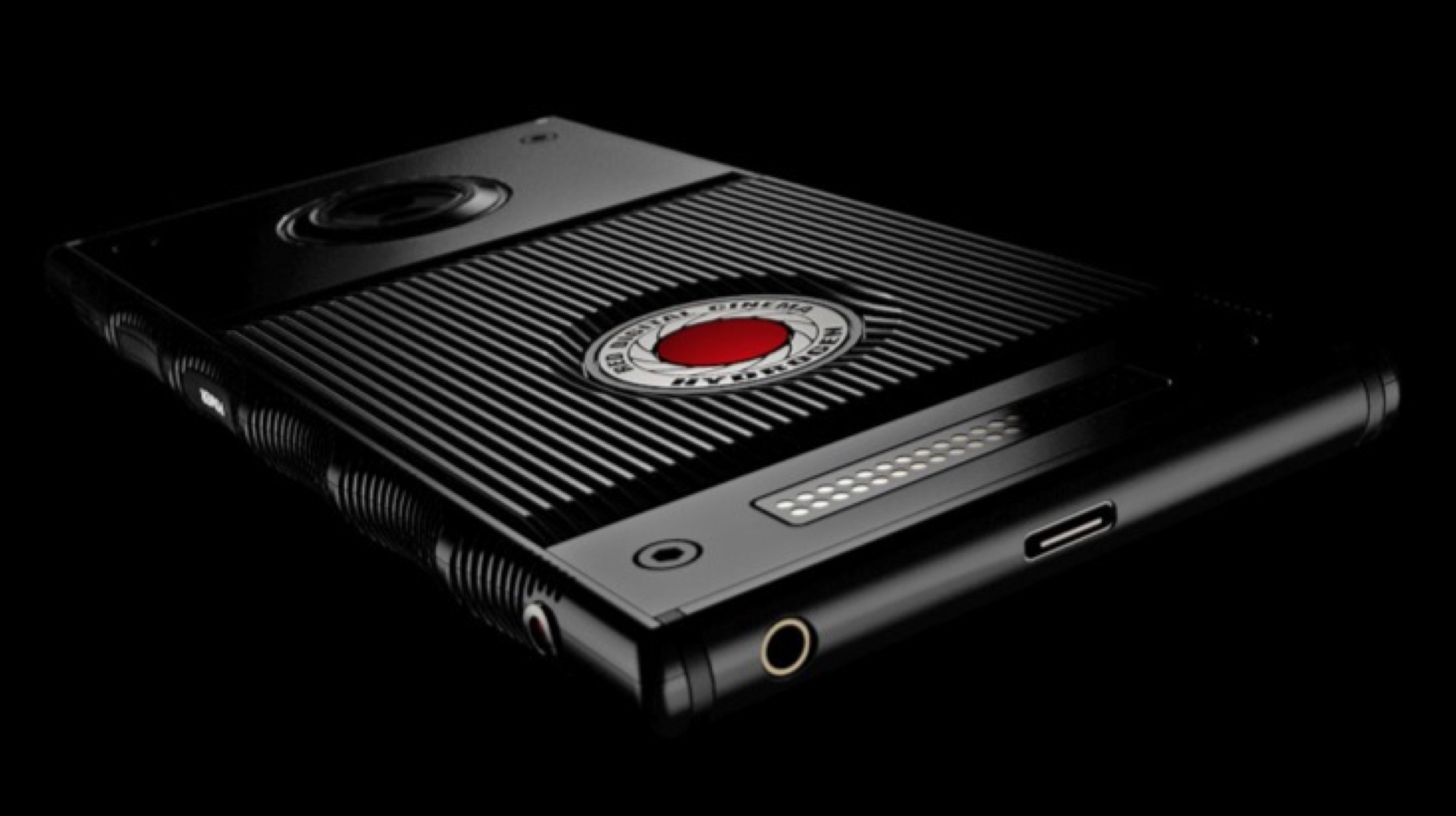
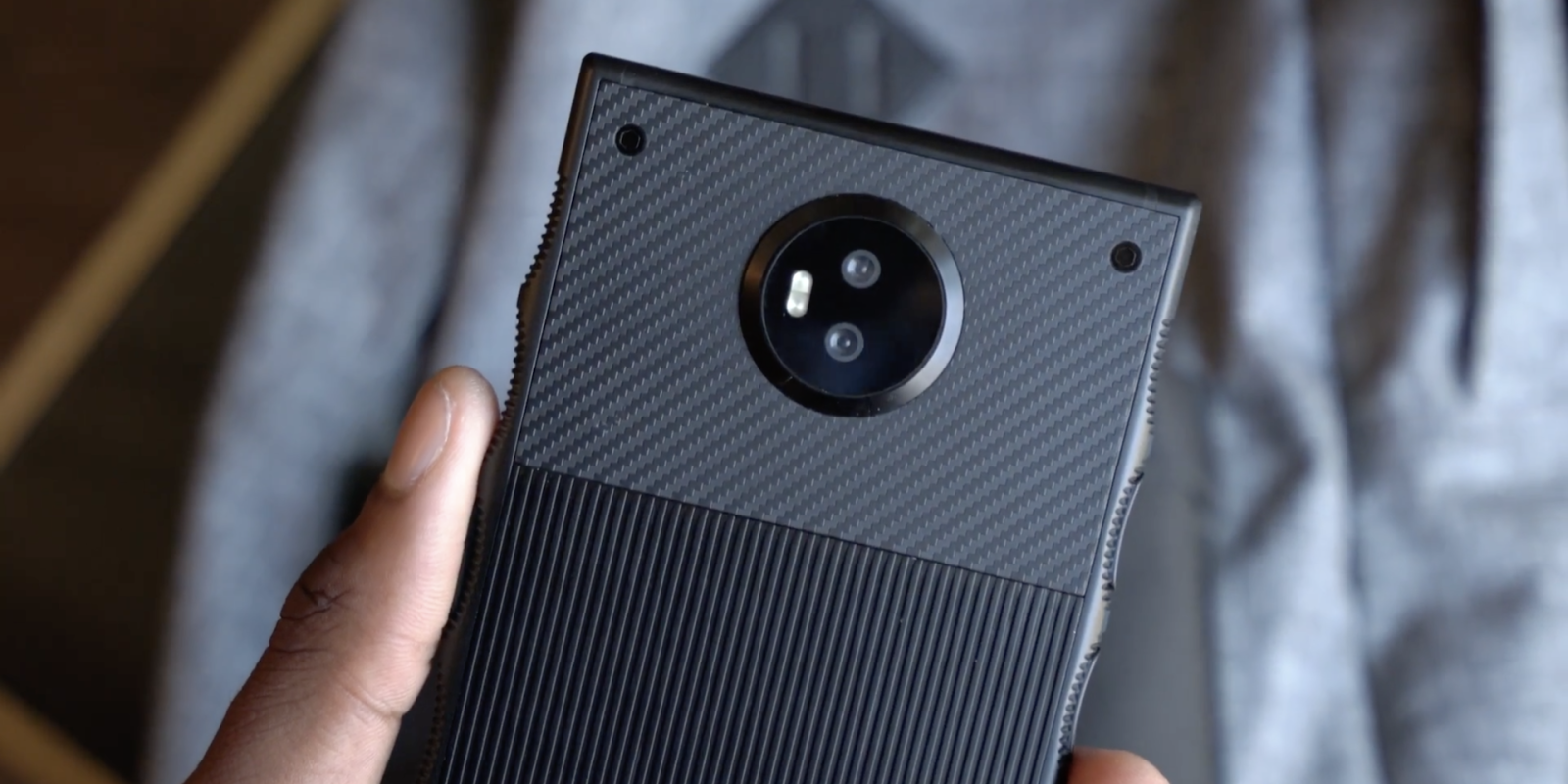
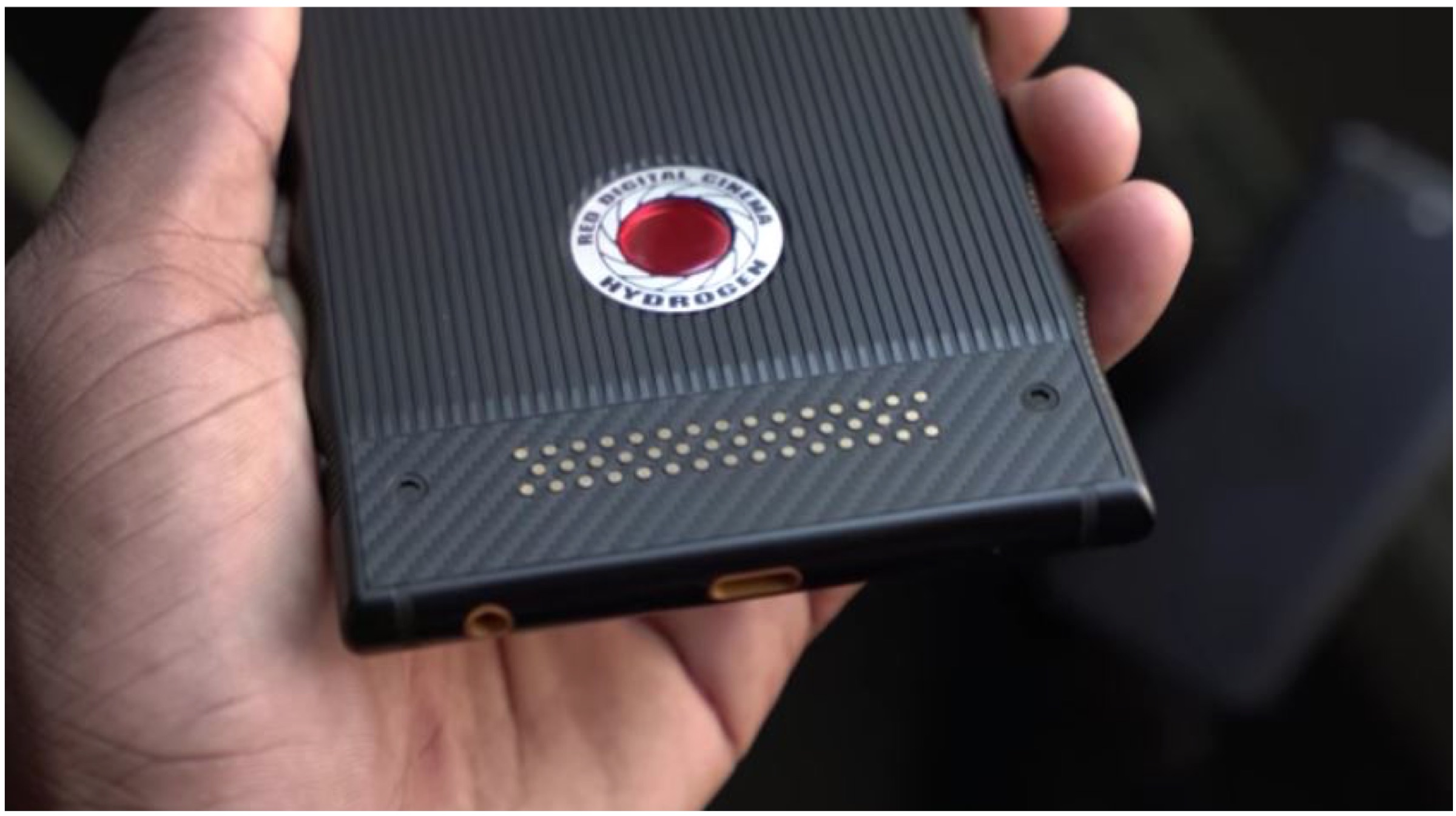
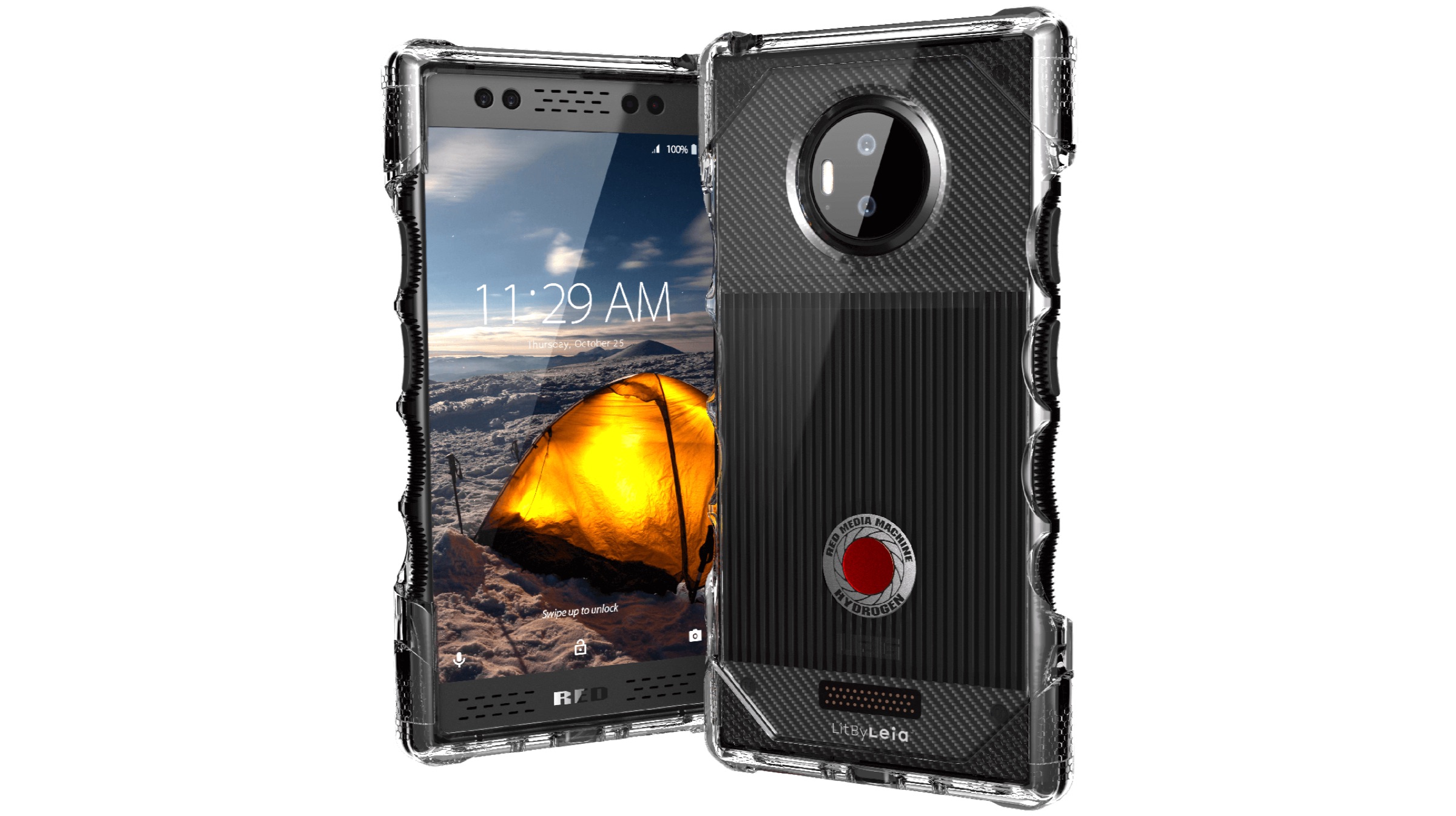
RED announced its first-ever smartphone back in May 0f 2018. The announcement led to the build-up of a lot of hype. Its popularity soared due to RED being a renowned name in the digital cinema industry owing to its cameras. The phone was much awaited prior to its launch but failed to deliver many of its basic expectations. RED’s Hydrogen One was a commercial failure because of its shortcomings on basic UI and even the camera, a department RED specializes in. Now, the company has gone on official forums to blame a Chinese ODM which was tasked with manufacturing the smartphone and has seemingly confirmed Hydrogen 2.
In the forums, RED explained why its bold endeavour into the smartphone industry wasn’t a success. Allegedly, RED claimed that getting the Chinese ODM (Original Device Manufacturer) that was tasked for making Hydrogen One to complete the work was “beyond challenging.” It explains why the smartphone had faced delays prior to its actual launch date. The phone faced disastrous levels of un optimization which RED claims were due to the poor software integration of the Snapdragon 835 SoC.
Furthermore, RED is now partnering up with a new ODM which according to the company seem much more capable. In the post, the company also confirmed the second iteration of the Hydrogen phone. The new device is being built from the ground up and is expected to release in 2020. Additionally, an attachable module that RED had promised is finally planned to be released. It is an improved Komodo module that will work with both Hydrogen One and Two and will allow for “cinema-grade images at the highest level at lower pricing.”
Unfortunately, more information regarding the upcoming RED Hydrogen Two is still unavailable. It is speculated that the device is still in its early stages of development and more details are expected to arrive later this year. Hopefully, the second iteration is a much better experience than the last and will hold true to any promises RED makes. Stay tuned for more updates.
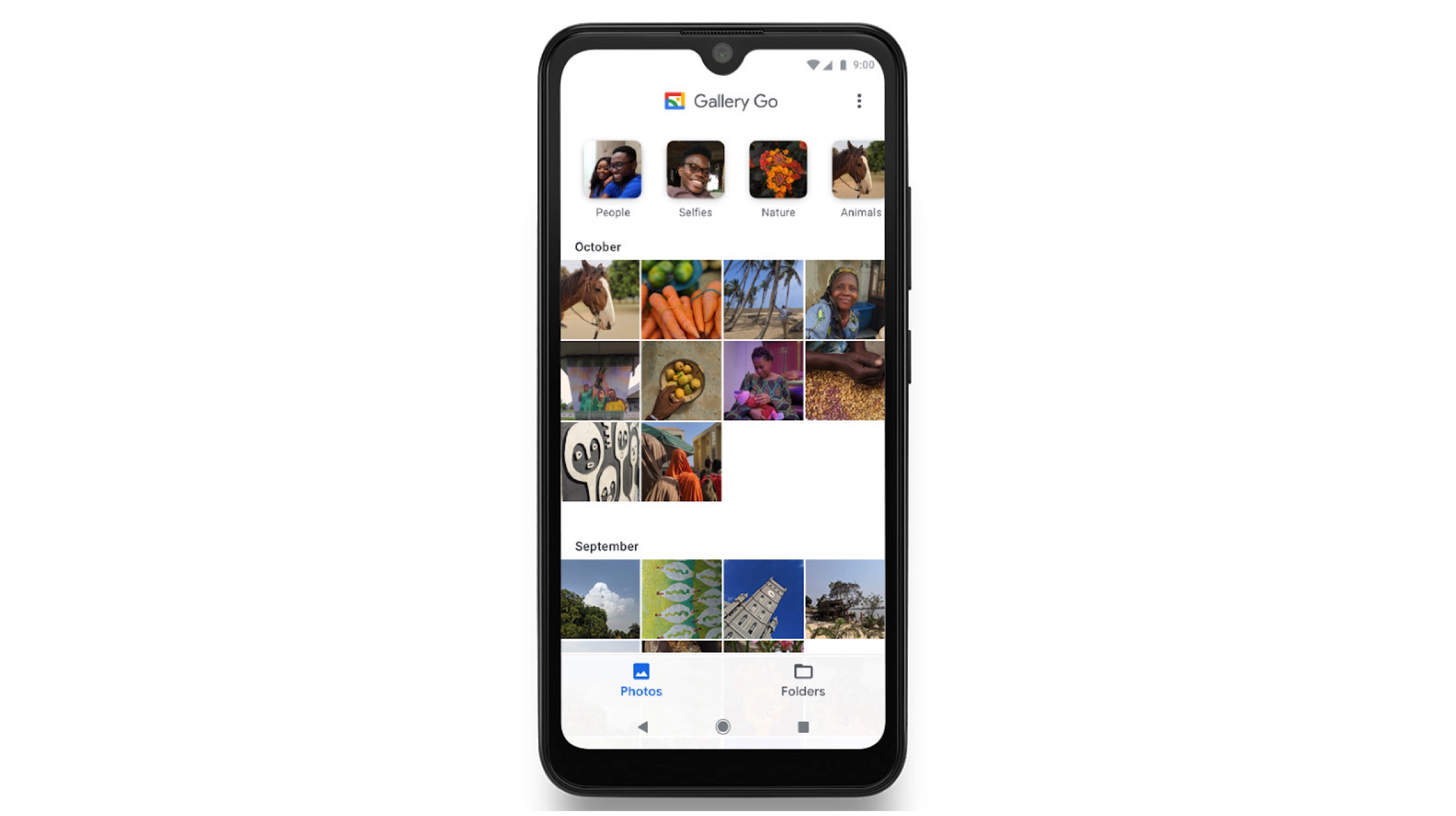
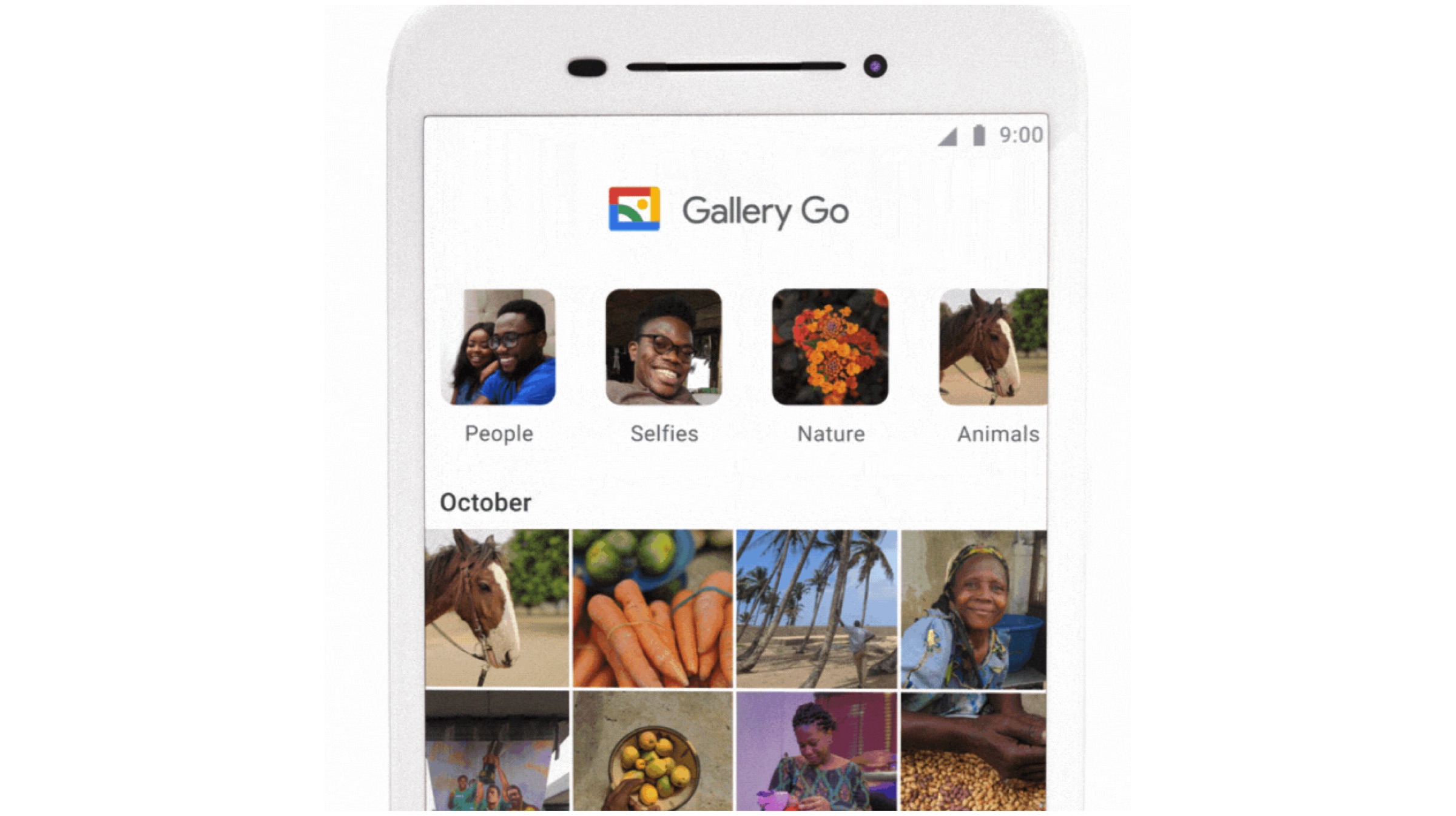
Google, one of the largest technology brands, has unveiled its latest software application to organize photos offline for Android devices. The search giant introduced its Gallery Go application which is a lightweight offline gallery app. The program was developed by Google for Nigeria which hints its focus for third world countries where data connectivity is not widespread. In addition, Gallery Go is built on a simple user interface to enable easy usability from first-time smartphone owners.
Features
Back in 2015, the company launched Google Photos which is a photo-sharing and online storage service. It is one of the most used application from the company and constantly gets updates that offer new features. Similarly, Gallery Go is in a sense a Lite version of the photo app and brings many of the great features from Google Photos. It is an offline gallery app with native support from organizing and cataloguing images. The application carries a negligible file size of 10MB and also works with SD cards to allow for easier transfer of images from smartphones.
Availability
Furthermore, Gallery Go also features a simple editing tool that is useful for enhancing images. It is enabled via Google Photos Auto Enhance feature that automatically adjusts lighting and contrasts. The small app size carries a hefty punch with its functionality without ever slowing down users smartphones. Gallery Go is available on the Play Store for devices running Android 8.1 Oreo or higher. The application has been released globally but will unfortunately not carry some of the features such as “organizing according to people” in certain countries.
Gallery Go follows Google’s trend of making Go variants of its software which are lightweight and offer simpler functionality. The best example of this would be Android Go OS, a light version of Android OS. The company has made the app for users that do not have a reliable internet connection so even countries like India in its rural side can benefit. Users that are interested can download the app and try it out. Do let us know your opinions of the app in the comments section down below.
Olympics is a long-running athletic event which is over a century old. The event is generally believed to be the pinnacle of all sporting events and hosts a myriad of different competitions that have the worlds best athletes compete against each other whilst representing their respective nations. In the event, the contestants strive to show the result of their years of hard training in front of a global audience. The top honour for the event is the legendary gold medal. Surprisingly, for the Tokyo 2020 Olympics, these prestigious badges will be made from precious metals recovered from recycled smartphones.
Smartphones are known to house over hundreds of tiny components. By its extension, those small but crucial parts are sometimes made of rare and expensive materials. Silver, bronze and even gold are materials that can be found in almost every device nowadays. Hence, programmes have surfaced worldwide for the recycling of electronic waste products with Apple being a notable name.
How They Were Made
The Tokyo 2020 organizing committee had started a two-year campaign to collect donated electronic devices from its citizens back in April 2017. It was undertaken to harvest the required metals. Over 78,895 tons of gadgets were received in total which included over 6.21 million smartphones. The end result saw an extraction of 32kg of gold, 3,500kg of silver and 2,200kg of bronze. 2020 Olympics organizing committee has revealed the designs of the medals one year prior to the actual event. The badge was designed by a person who won a competition that had entries from more than 400 professional designers and design students.
Olympic Medals
The Olympics’ medals that will be handed out to its first, second and third place winners are gold, silver and bronze respectively. The medals are 85mm in diameter and measure 7.7mm at their thinnest and 12.1 mm at their thickest. Gold medals use more than 6 grams of gold plating on pure silver, while the silver medals are made from pure silver. On the other hand, bronze medals are made from a red brass alloy consisting of 95% copper and 5% zinc.
Olympics 2020 will begin from 24th July in Tokyo till 9th August and would have multiple countries send their best athletes to compete for top honours. For those wondering why stores still buy obsolete, old or broken phones, its to recycle its components or sell it for the small amounts of rare materials they carry. So if you are in possession of such an old device, cherish the treasure it holds within.
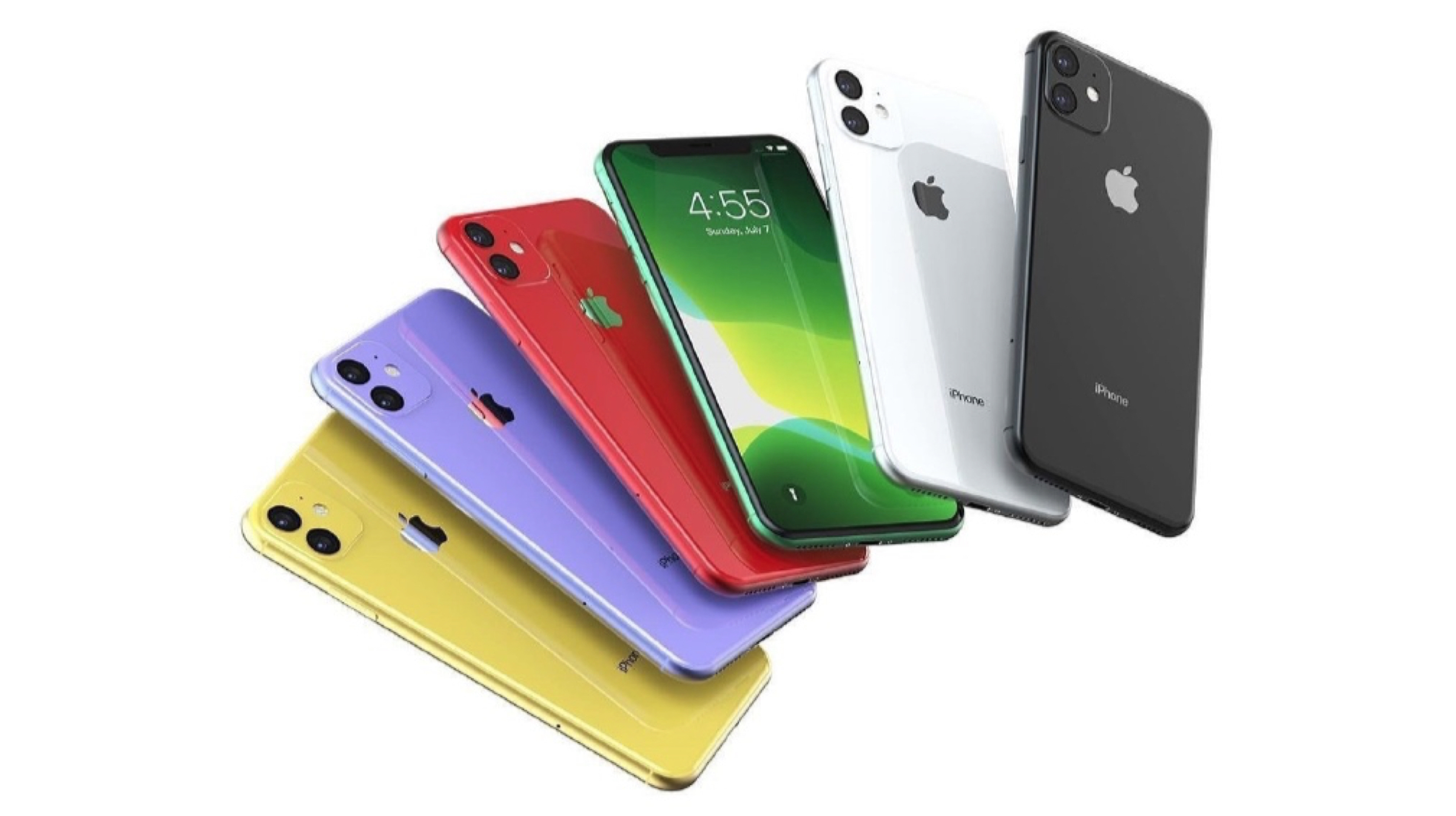
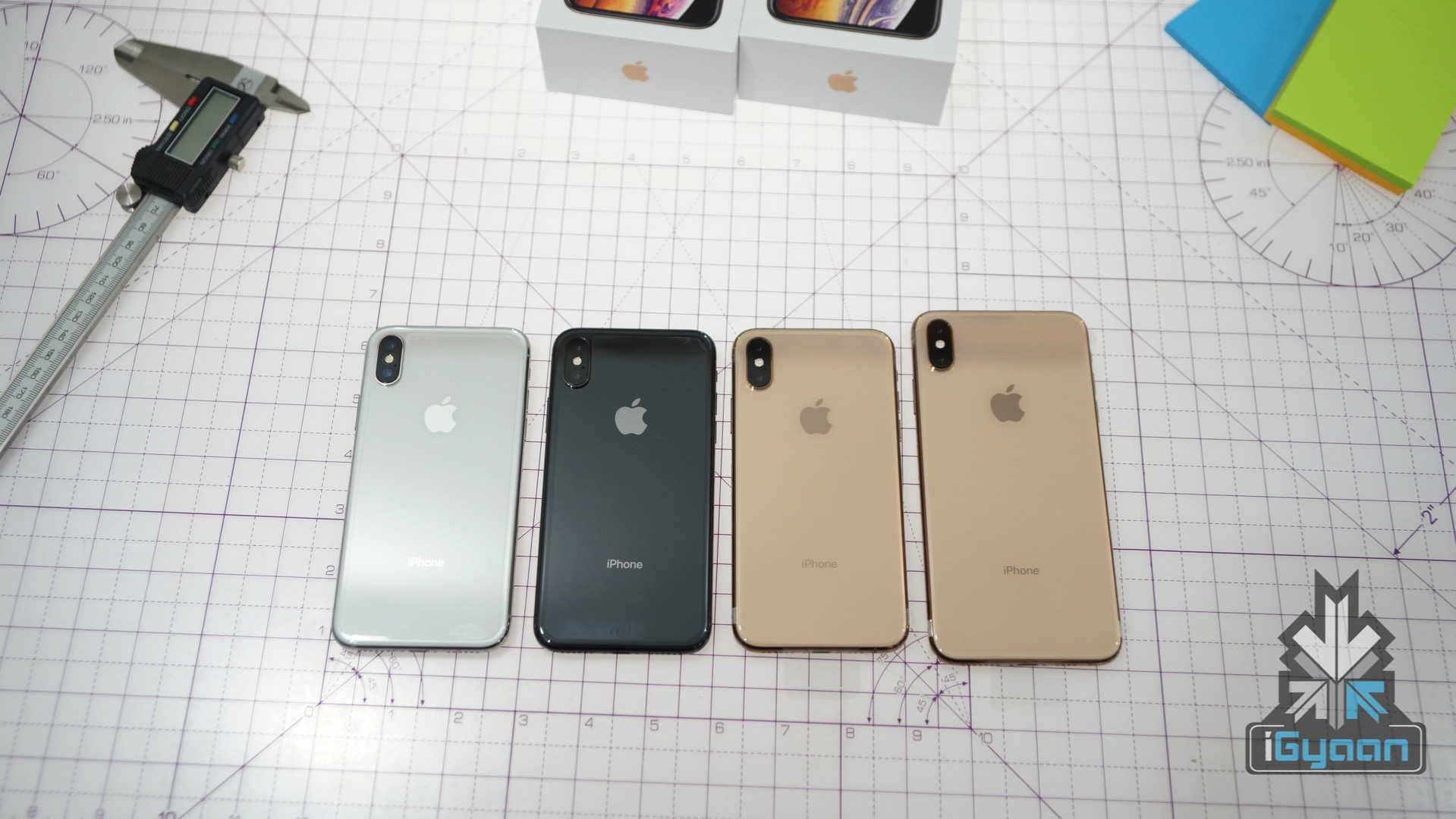
Historically, Apple releases the latest entry of its flagship smartphones in September. The latest models are reportedly dubbed iPhone 11 and will launch in three different variants. The traditional launch event will host the latest generation of iPhones that will be successors to their previous iterations; iPhone XS,iPhone XS Max and iPhone XR. Now, we have provided a small roundup of leaked internals and features of the upcoming smartphones.
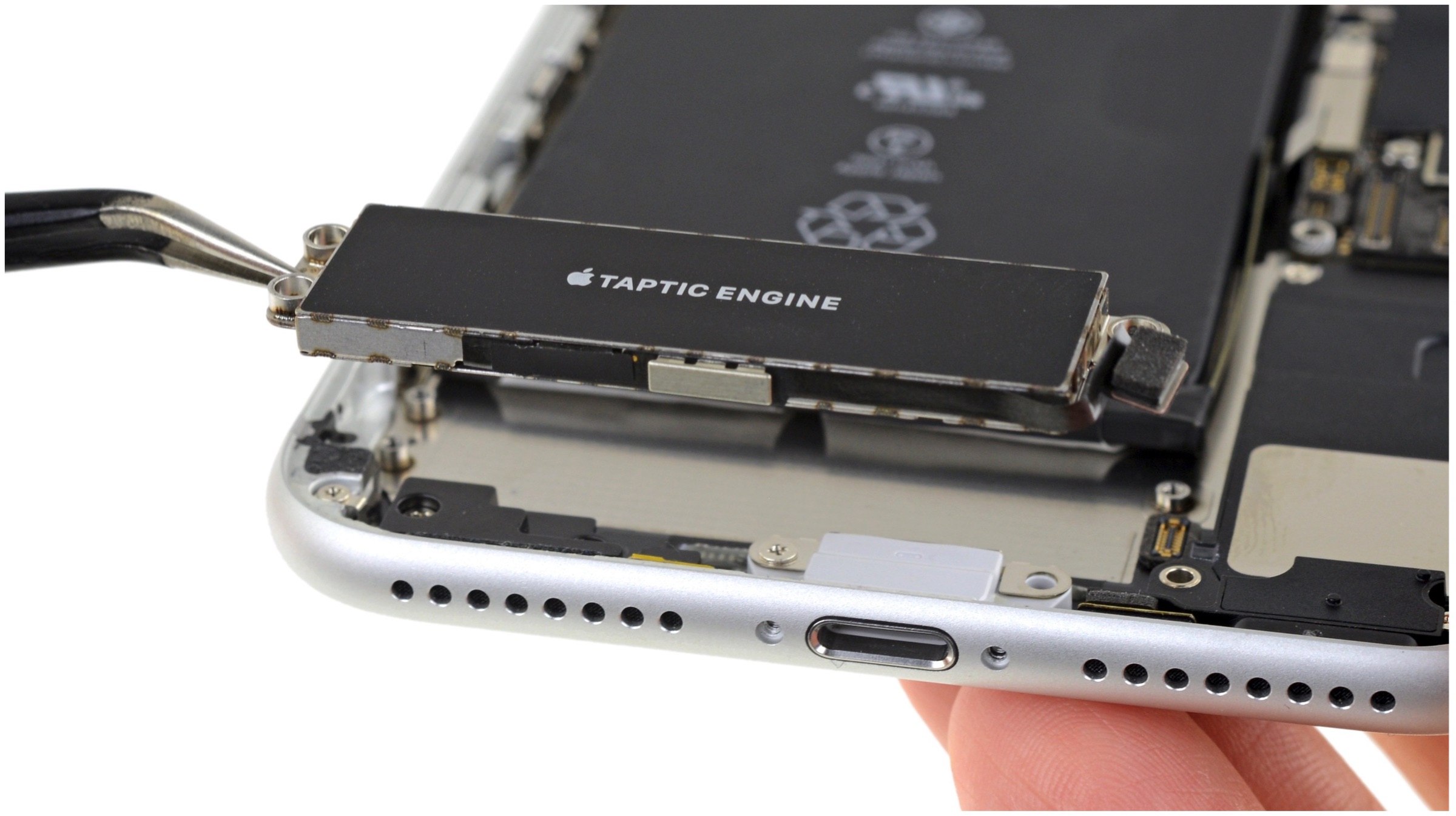
Reportedly, 2019 iPhone will feature similar resolution as its predecessors while keeping the lightning port and sport a new Taptic engine. It means that the upcoming Apple handsets will not carry the USB-C port that is already available on the latest iPad Pros.
Display & Ports
Previously, reports had unsurfaced claiming the tech giant to move towards a more AMOLED centric electronic product line. However, the 2019 iPhone XR might be skipping the new display which may arrive on its 2020 edition next year. The deal with Samsung for a large number of AMOLED panels will have Apple include such displays on a more broader scale in the near future. Additionally, the exclusion of a USB Type-C port is rather odd considering 2018 iPad Pro already features the universal port.
Internals & New Taptic Engine
2019 iPhone or iPhone 11 will run on the latest A13 SoC, codenamed Cebu, from Apple. It will be the latest instalment in mobile processors from the company and improvements are expected on power management and performance. A beefier version of the chipset might be included in the upcoming 2019 iPad Pro as well.
Past reports had suggested that Apple is moving to discontinue its proprietary Taptic Engine owing to cost and lack of flexibility. Now, a fresh report claims that ‘leap haptics’ from Apple will replace the previous engine for haptic feedback. Haptic feedback is a touch and pressure sensitive system that allows for more customised functionality. Users could press on apps and launch certain functions that were available. Apple is rumoured to be removing its Taptic Engine on iPhones for a new iteration that might be more cost-effective.
Brand New Camera
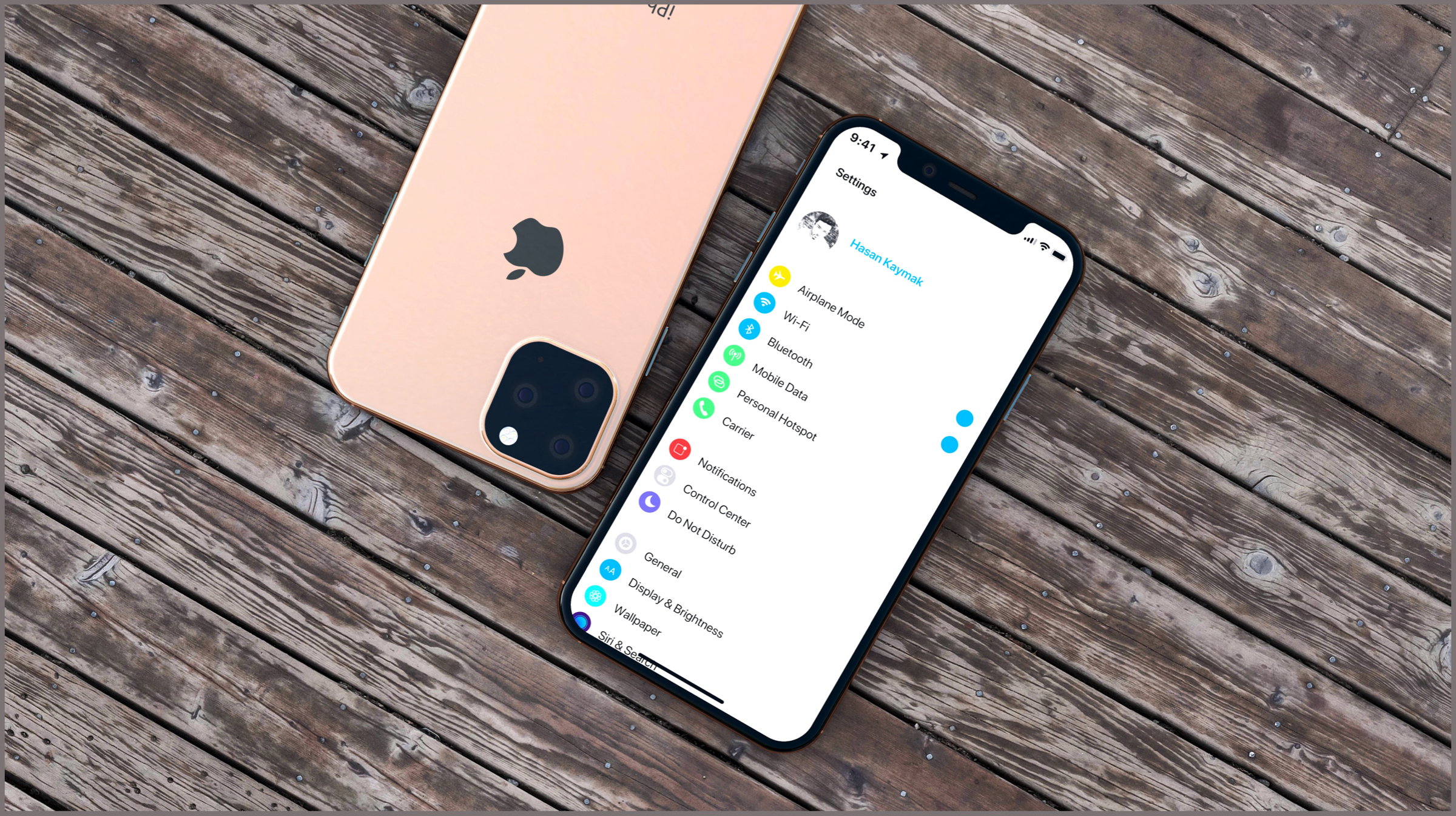
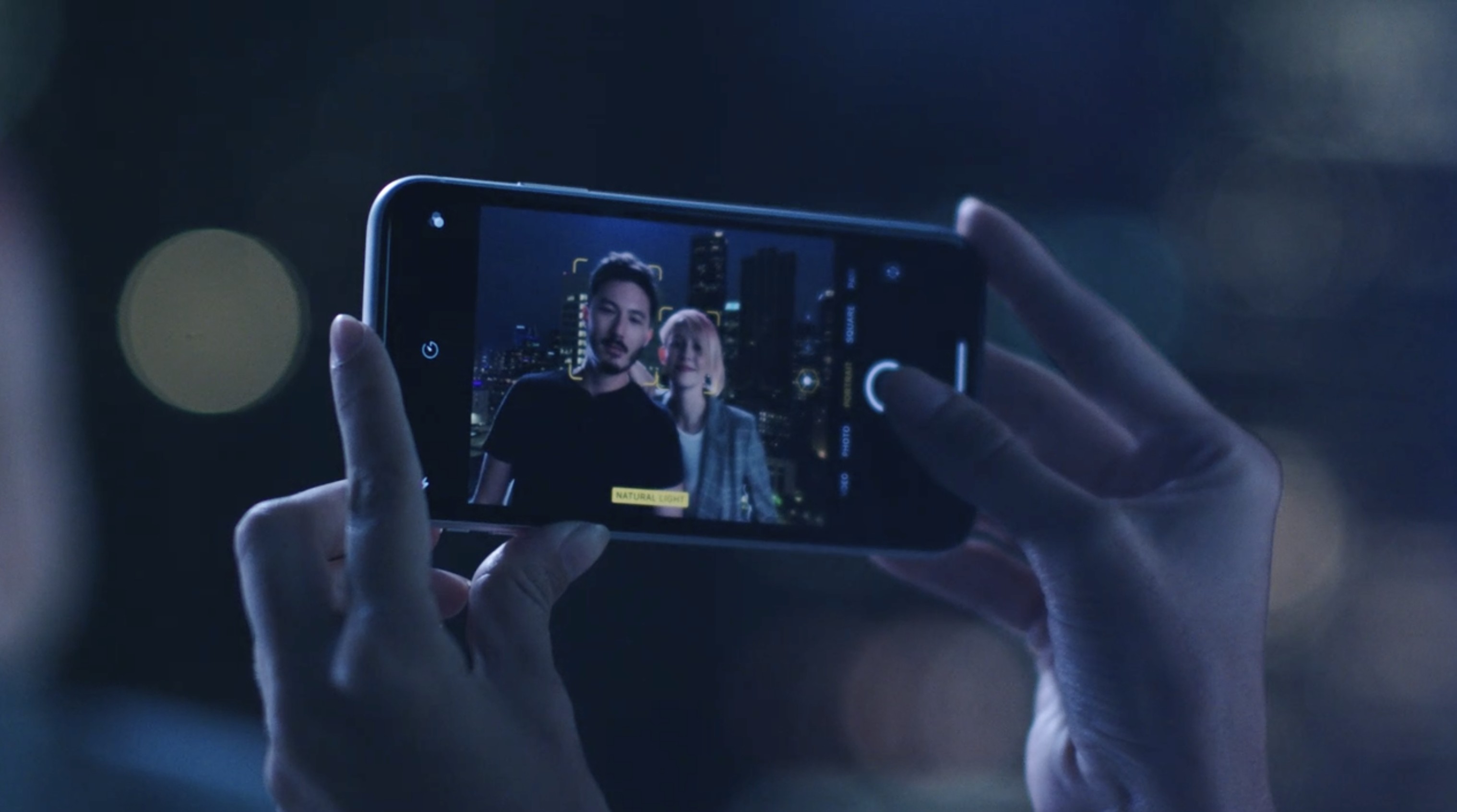
Many have already seen the new triple camera setup which is featured on the back of 2019 iPhones. The iPhone 11 and 11 Max will feature a triple camera on a square module at the back while the cheaper 11R only sports a dual-camera setup. The third additional sensor is now leaked to be a wide-angle lens which would allow for ultra-wide shots from the rear. Notably, one new feature that will be available to users is Smart Frame. It is a function that captures an image from both the primary and wide-angle lens which thereon lets the users manually adjust the framing, or perform automatic perspective and crop correction.
iPhone 11 Concept
However, the new function is only accessible for a limited time after a shot is taken and will discard additional footage soon after. The front-facing camera on the iPhone 11 will also see an upgrade. The selfie shooter is getting added support for 120fps slow-motion recording. A function which is not seen on a more broader scale in the current market.
As of right now, no concrete conclusions can be drawn about what is confirmed and what is false. Only Apple’s official launch announcement in September can clear all doubts and rumours. Stay tuned for more information regarding the upcoming iPhone. More information is expected to arrive soon and updates will follow promptly.
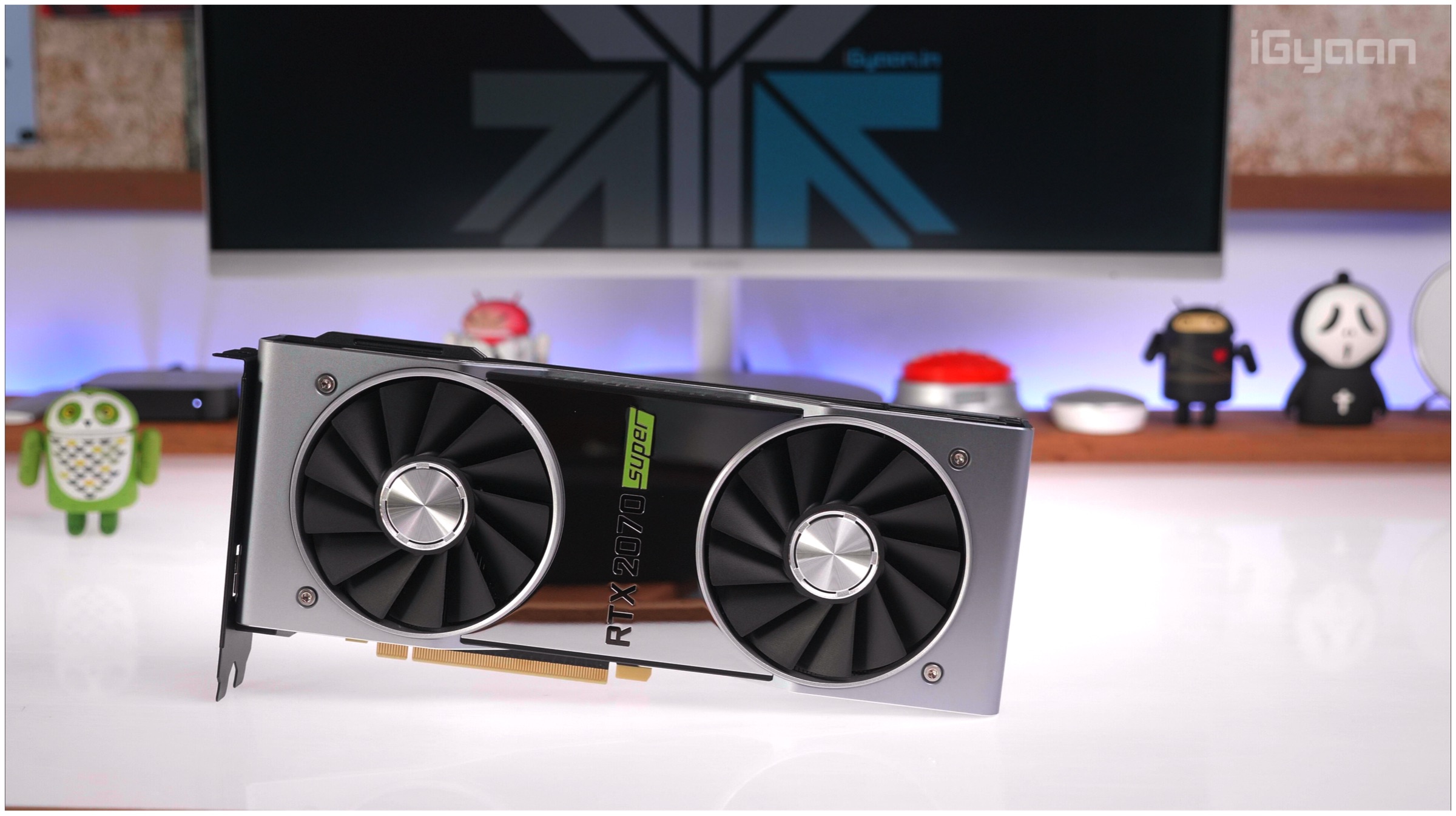
Reiterating on what was said before, it is the perfect time to be a PC gamer. NVIDIA had announced its RTX SUPER series cards at Computex 2019 and will mark the first refresh of its latest-gen graphics cards. Historically, Team Green has always led the charts in performance over its competitors. Even with the vanilla RTX series cards, the company has managed to stay ahead of any new-gen graphics cards released by AMD. We have already reviewed the RTX 2070 SUPER and now we see how the RTX 2080 SUPER holds up in its comparison.
Notably, the RTX SUPER series will replace their vanilla versions except the RTX 2060. Both standard RTX 2070 and 2080 will cease production to make room for the nominally faster SUPER variants. The review will follow a similar format as the prior tests and feature multiple categories to give detailed information to our readers.
Design
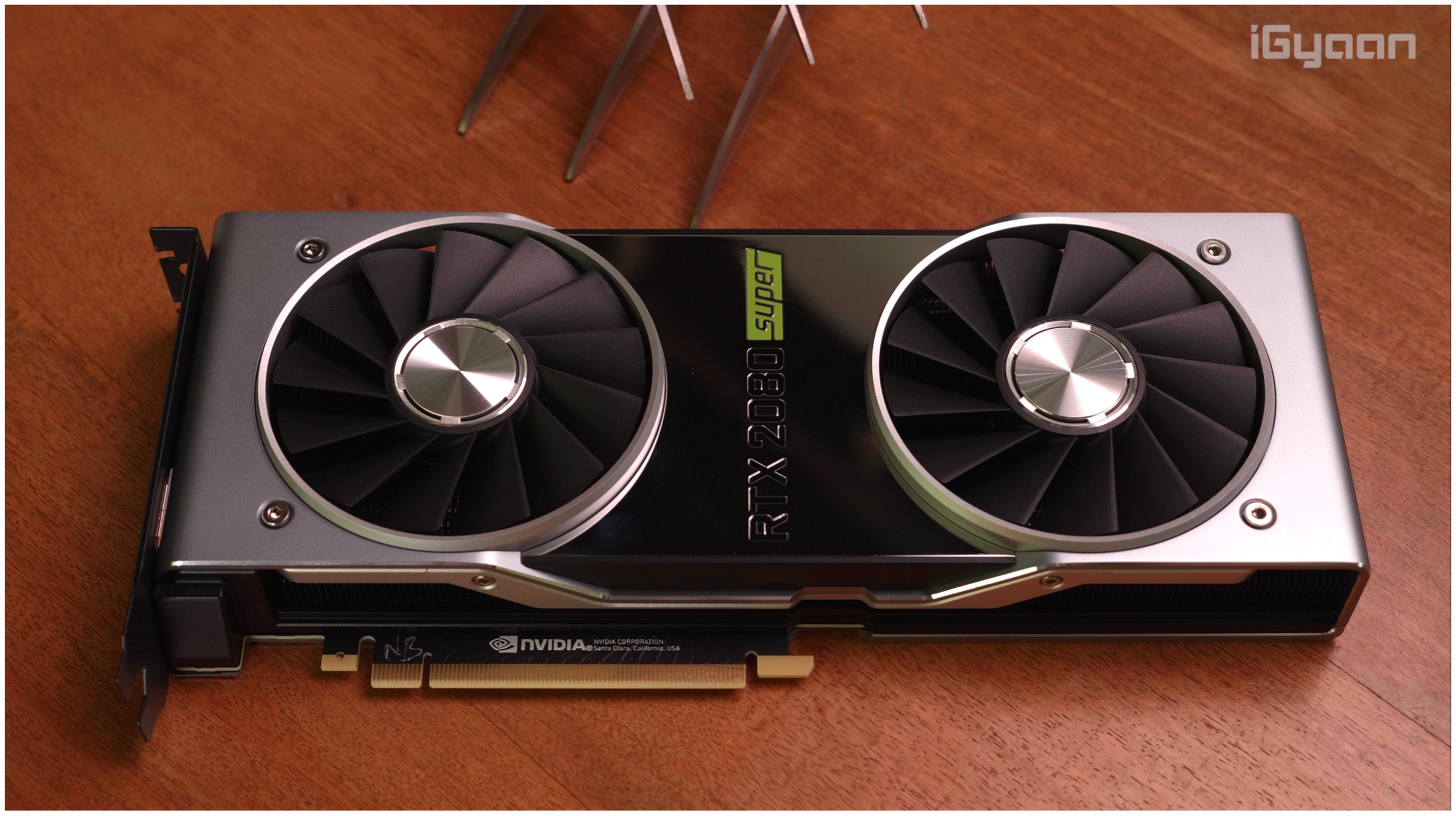
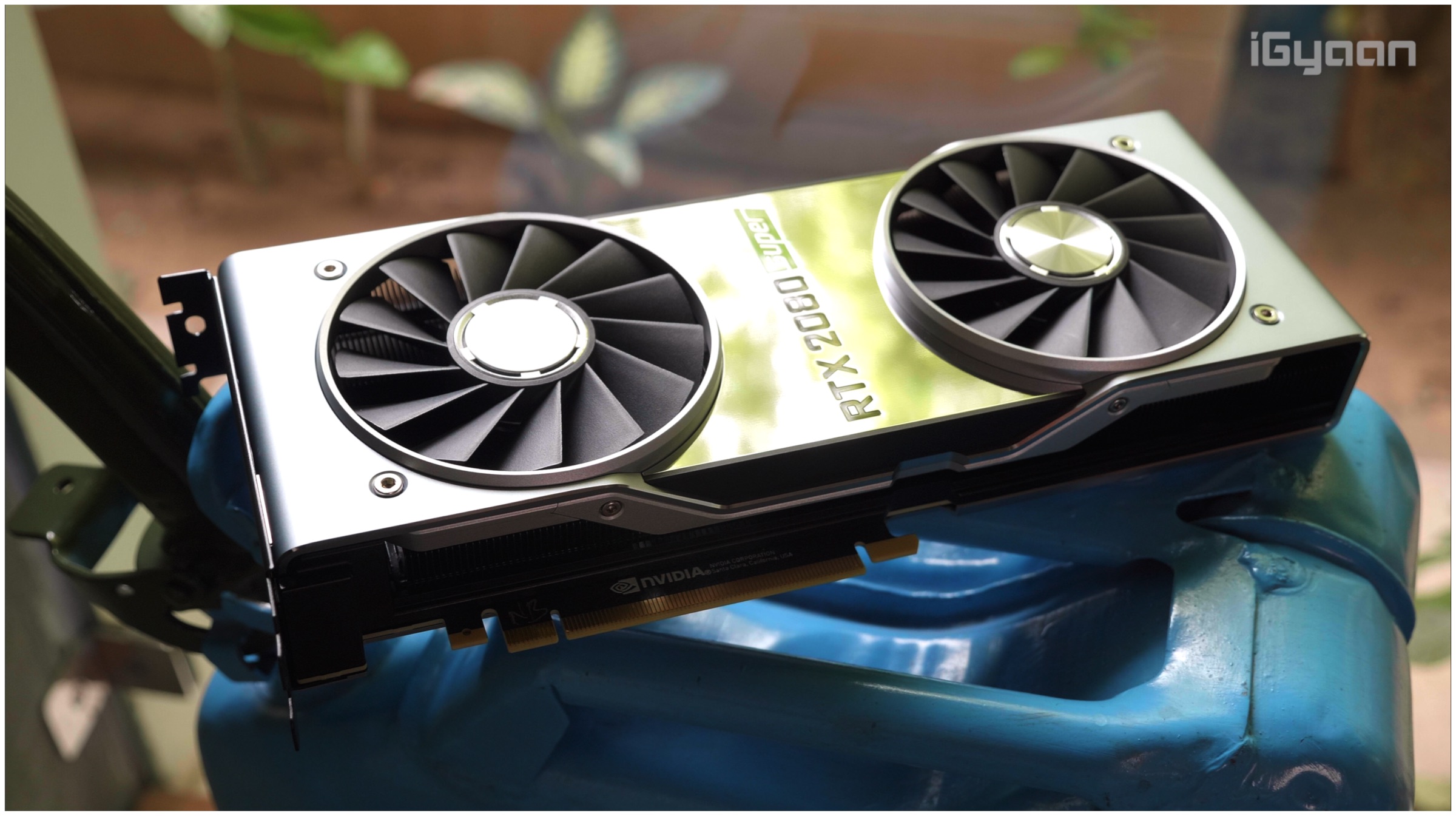
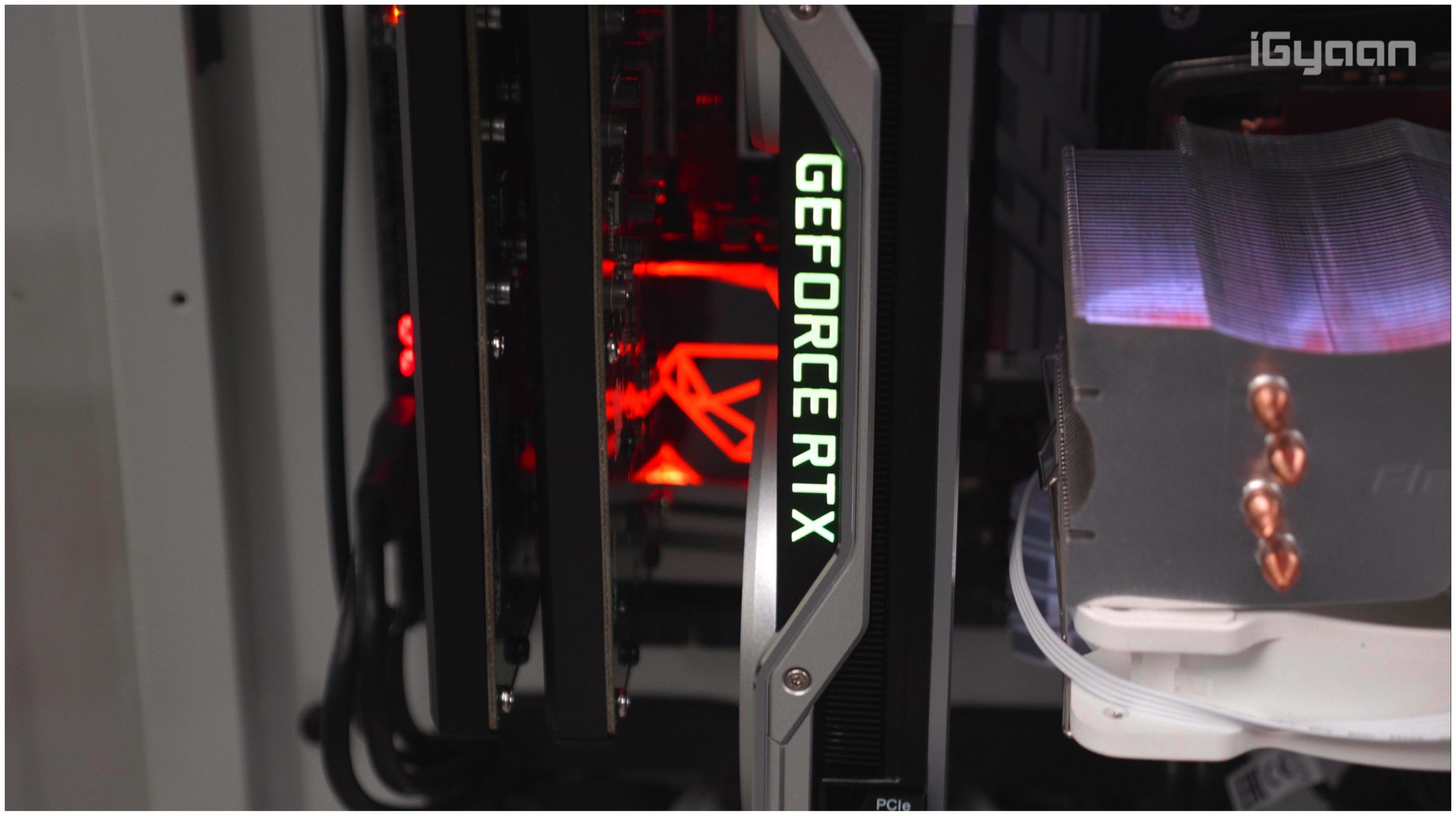
One of the key defining design element that the RTX 20 SUPER series feature is a new mirror finish on the steel front. The metallic texture is extremely reflective and houses the new name of the new SUPER GPU. RTX 2080 SUPER features a dual fan set up which is a welcoming change over the GTX 10 series single blower style fans. It enables a better thermal management system overall. The side houses GeForce RTX branding which is backlit by a green LED providing the graphics card with a minimalistic yet attractive aesthetic. We appreciated the sleek design, however, the design may vary depending on which 3rd party you buy it from. The version we tested was the Founder’s Edition sold directly by NVIDIA. Users can also expect triple fan variants from other retailers like Zotac, Gigabyte, MSI and much more.
Synthetic Benchmark
Users should keep in mind synthetic benchmarks record raw performance which does not always translate to a real world performance in games. Nevertheless, synthetic benchmarks do allow for better measurement of graphics cards productivity capabilities like video editing and rendering for professionals.
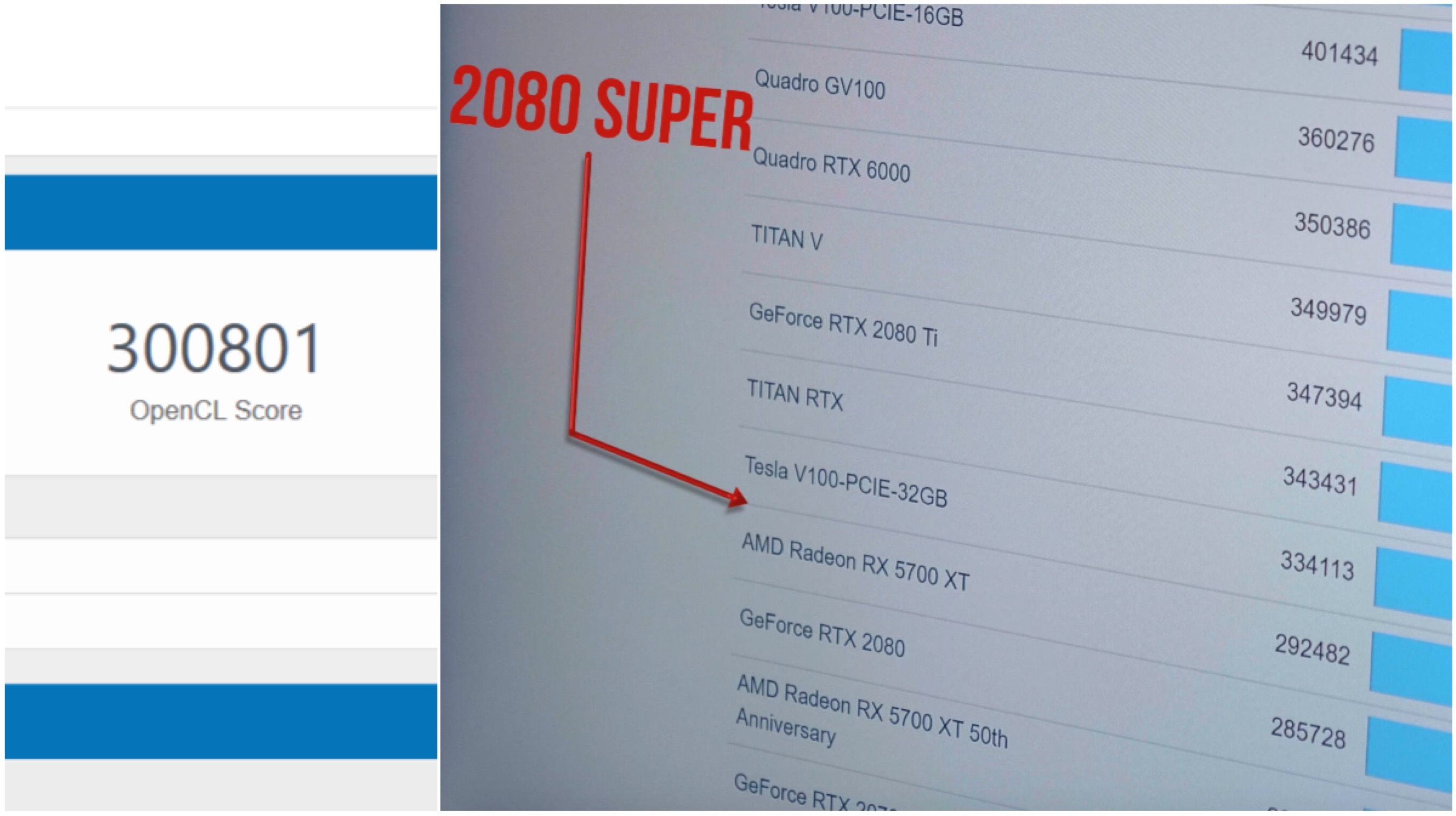
Geekbench 4 In Geekbench, the OpenCL benchmark has the RTX 2080 SUPER receiving a 300,000 score. The score is 10-15% boost over its predecessor the RTX 2080 but a significant bump over the RTX 2070 SUPER. Interestingly, the RTX 2080 SUPER sits right above the RX 5700 XT from AMD and below the RTX 2080 Ti.
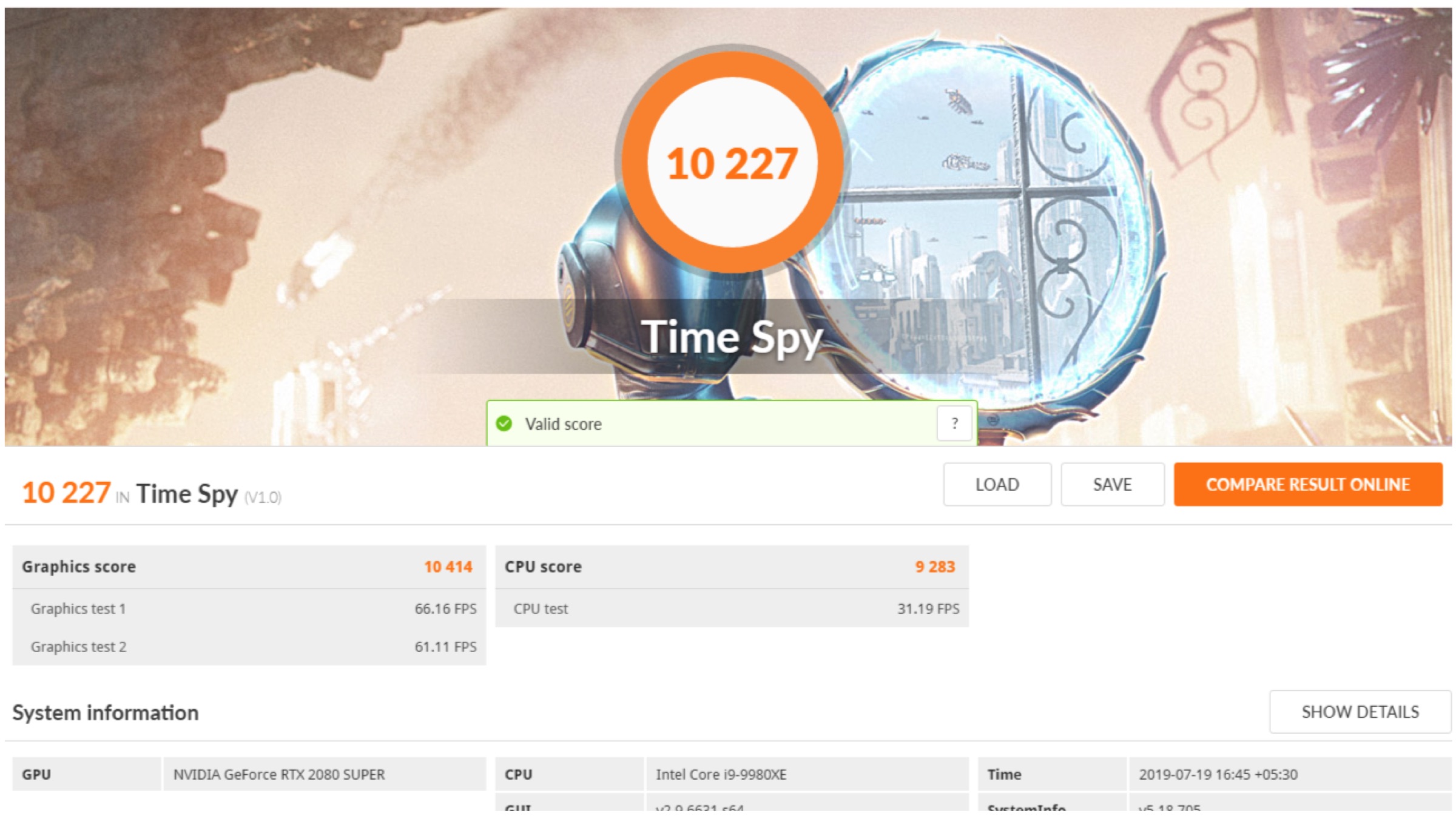
Time Spy Time Spy test under the 3DMark benchmarking software tested the RTX 2080 SUPER on a 1440p resolution. The result was a score of 10,227 and a 60+fps average; it is a nominal bump over its predecessors as even the 2070 SUPER came really close with comparable performance. We observed a similar trend across benchmarks with 2080 SUPER sitting in between the 2080 Ti and 2070 SUPER.
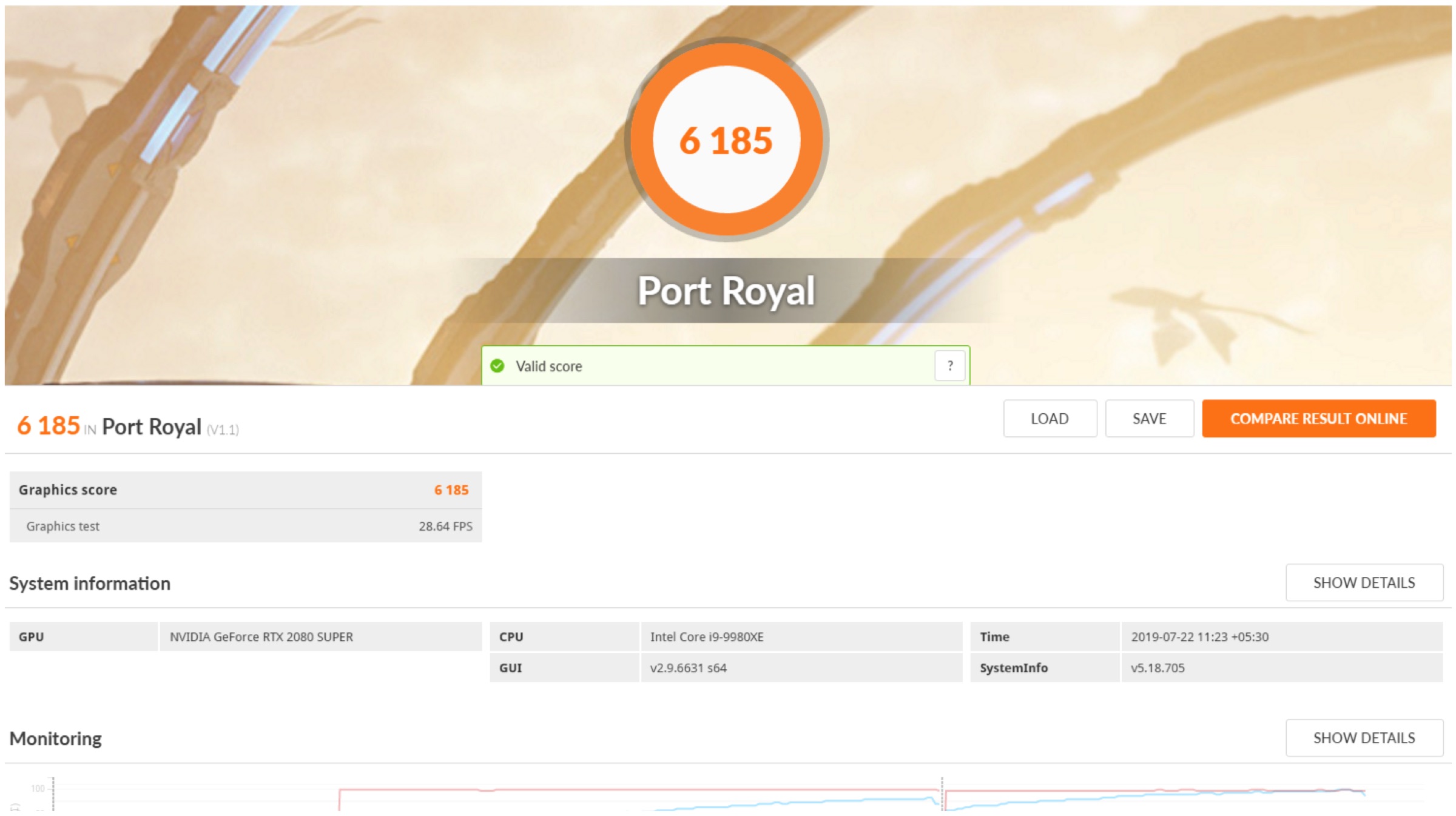
Time Spy Port Royal (Ray Tracing) 3DMark also offers a special benchmarking tool that can put the ray-tracing capable NVIDIA cards to the test. Port Royal with DXR enabled offered a score of 6185 with an average fps nearing 28.86fps. Its a minor improvement over the RTX 2070 SUPER which nears the 6000 marks as well and trails behind the RTX 2080 Ti that scored over 7000.
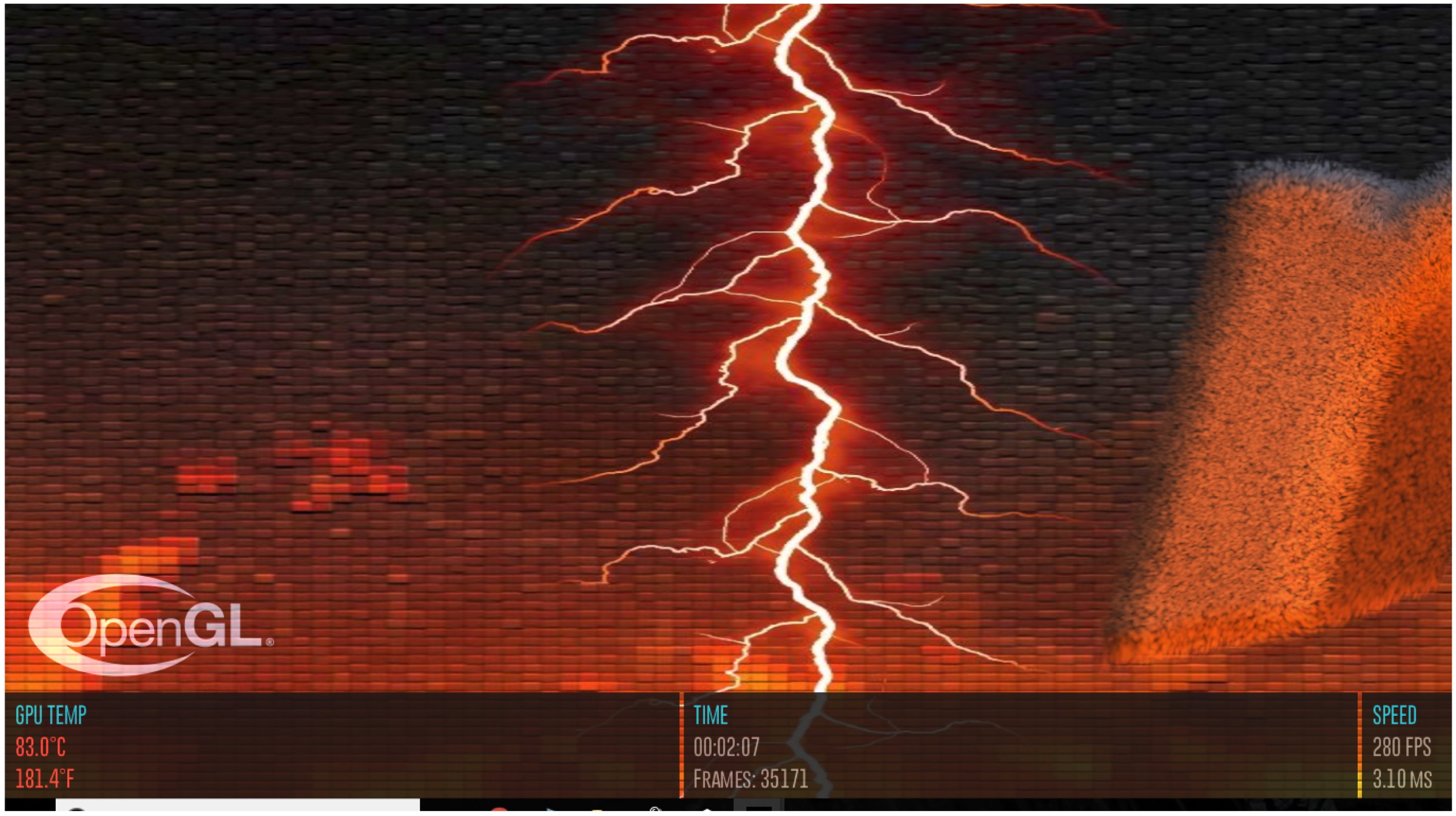
MSI Kombsutor (Stress Test) MSI Kombustor is a stress testing app that runs a rendering frame for the GPU to measure its endurance during load. The RTX 2080 SUPER reached 90% usage and during a 15-minute run, it barely crossed the 80-degree mark during our test. The frame rate counter sat stably at 280-290fps with no signs of thermal throttling.
Gaming Benchmarks
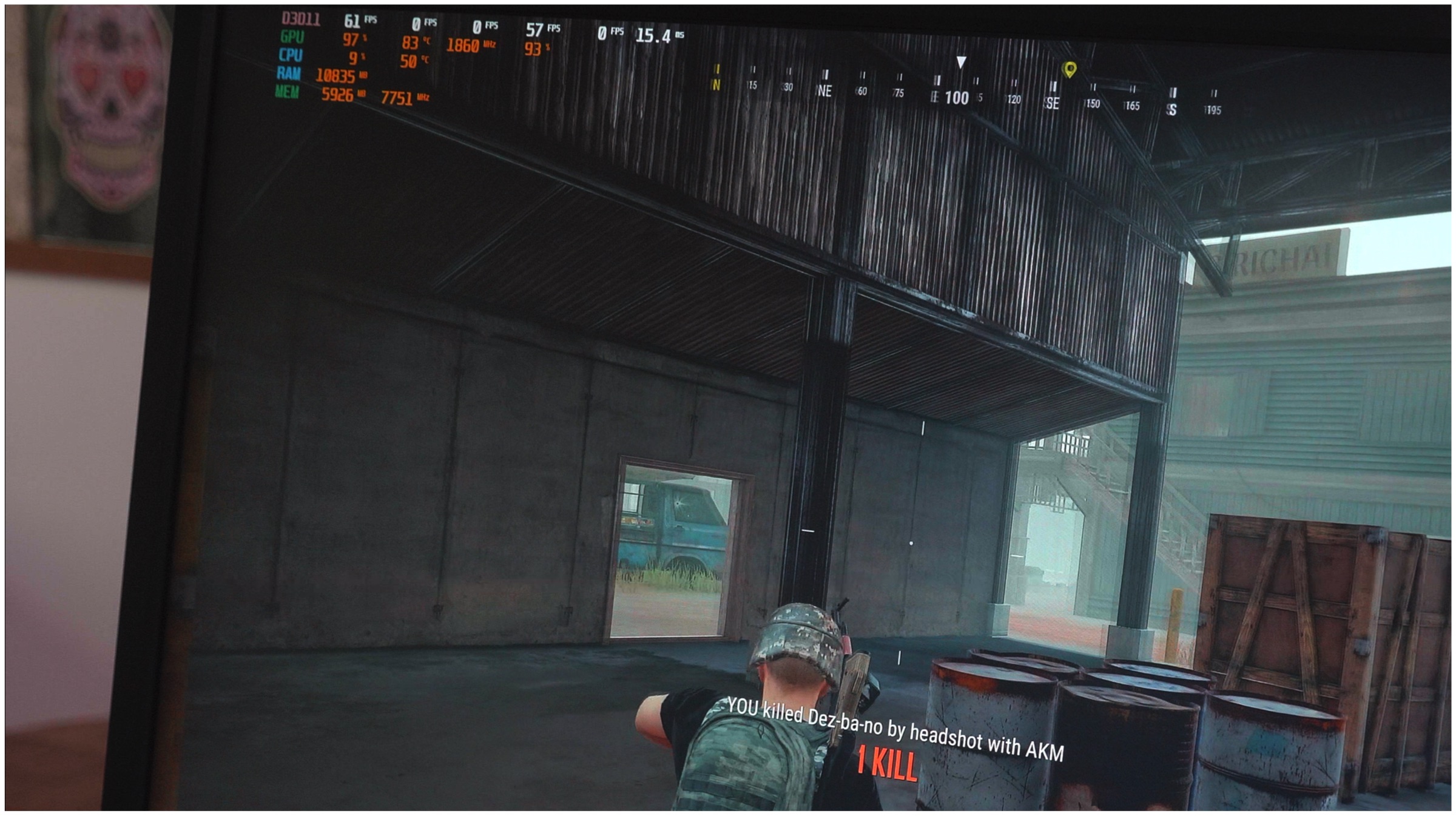
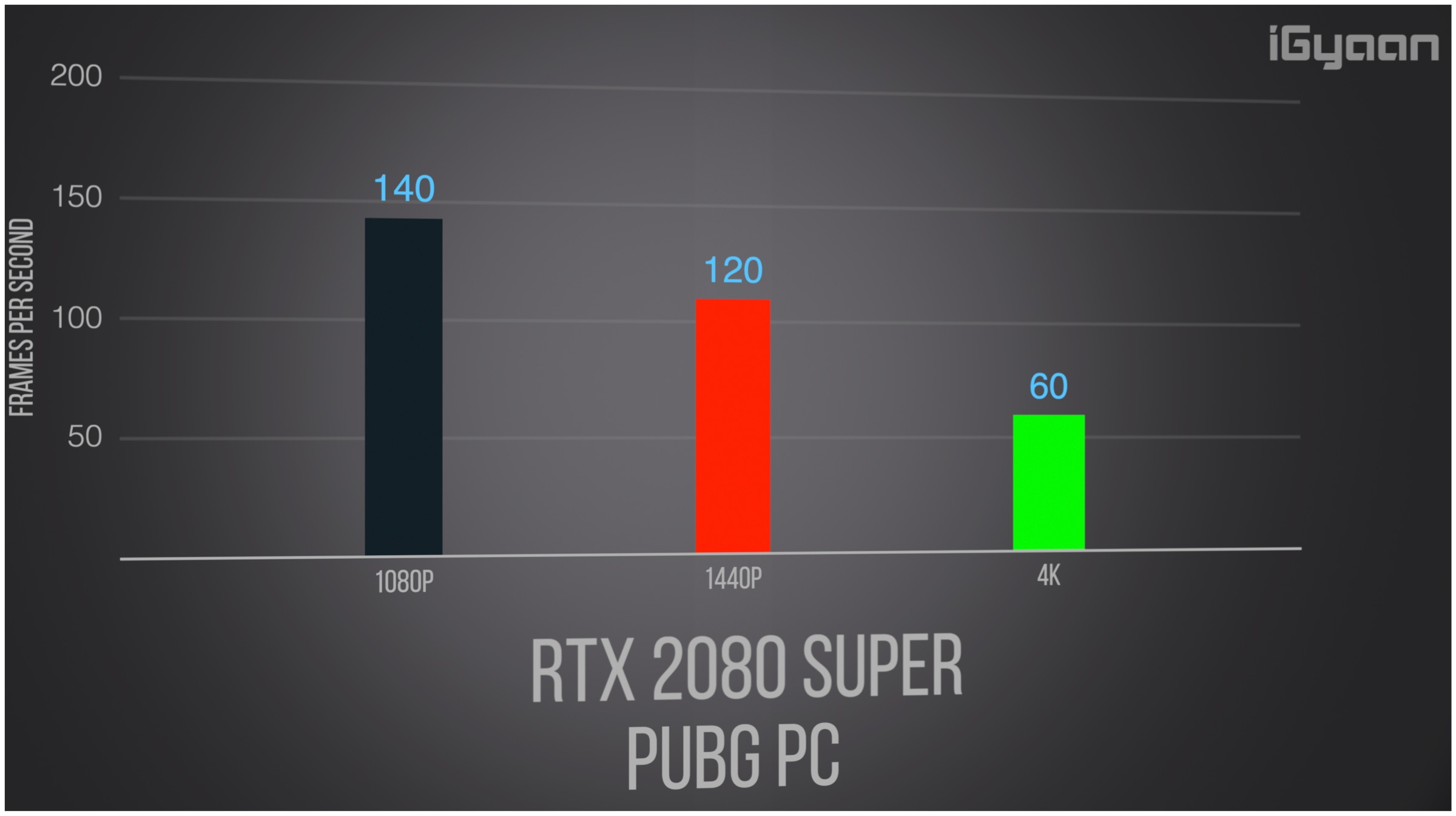
PlayerUnknown’s BattleGrounds PUBG was tested on 3 different resolutions while being set on the highest graphical settings possible. At 1080p the game performed admirably with framerates crossing 140fps; while On 1440p, the game managed to average around 120fps with occasional drops to 100fps during explosions in an open environment. 4K or 2160p saw the card take a massive hit in performance but still put out a stable and smooth 60fps on the high native resolution.
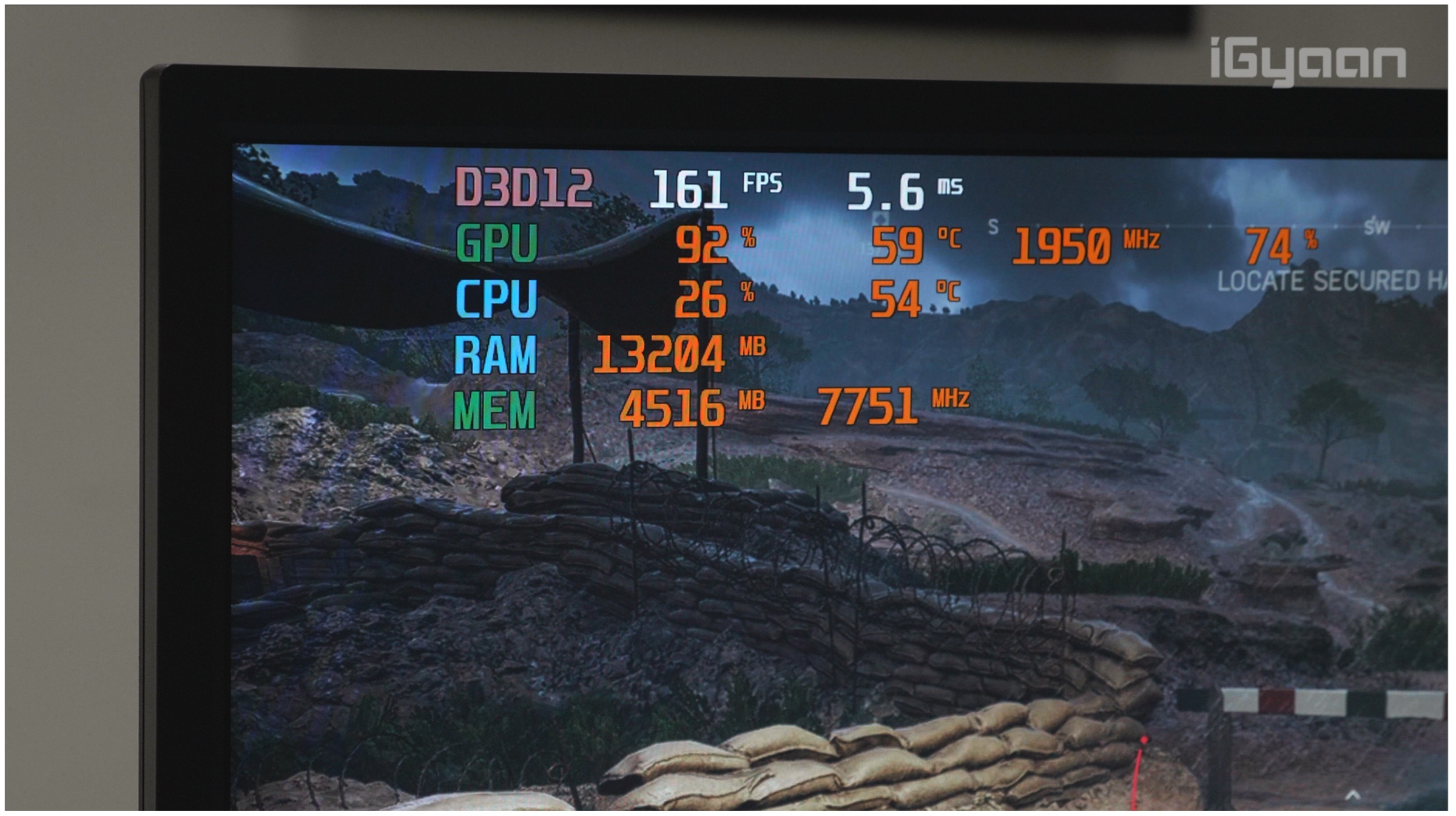
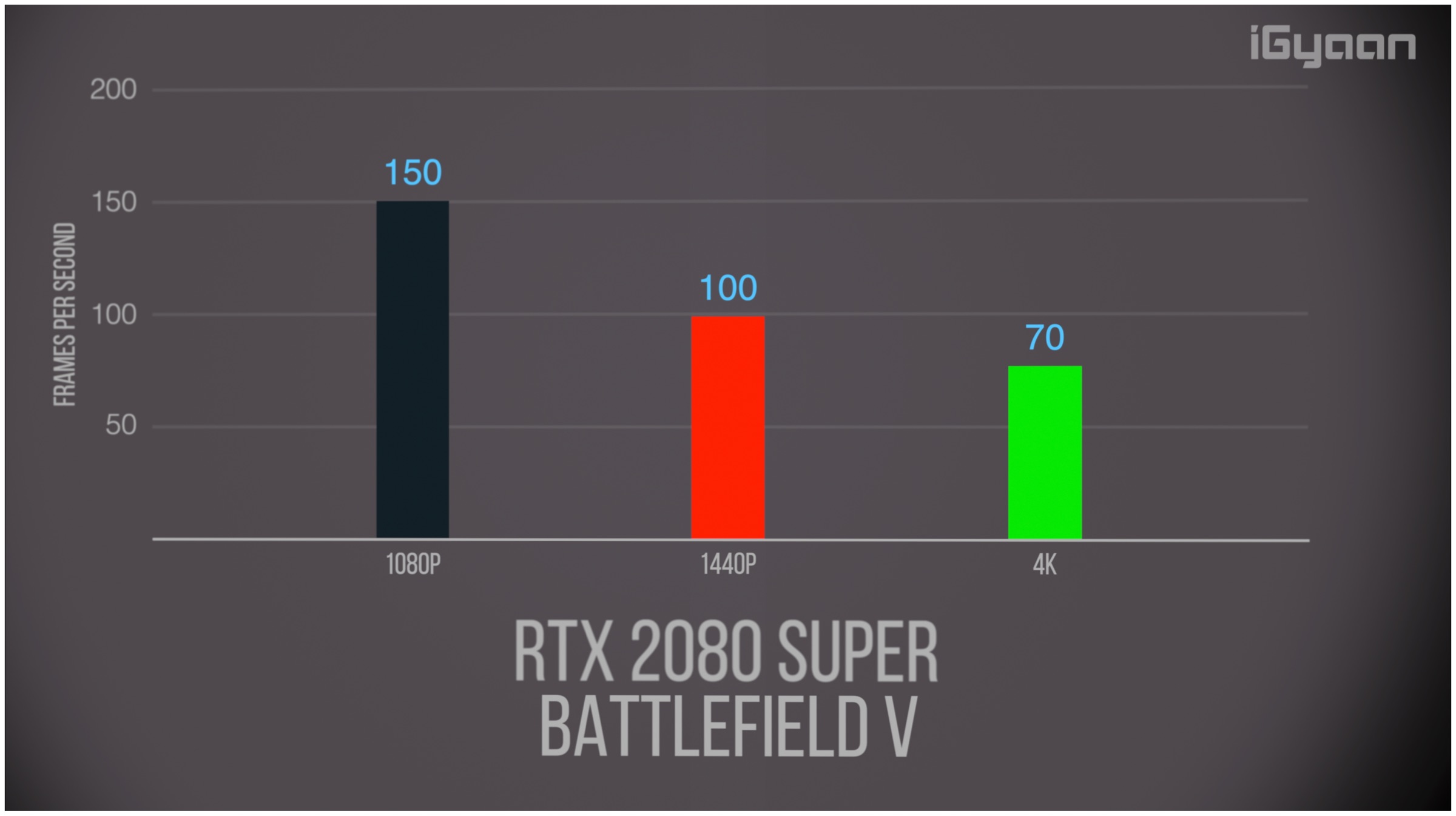
Battlefield V Similar to PUBG, Battlefield V was also run on three different resolutions to see any notable difference in performance. RTX 2080 SUPER managed to score an average of about 150fps while at 1440p it managed only about 100fps. All the settings were focused for the best graphical fidelity possible and 4K performance reached a stable 70fps.
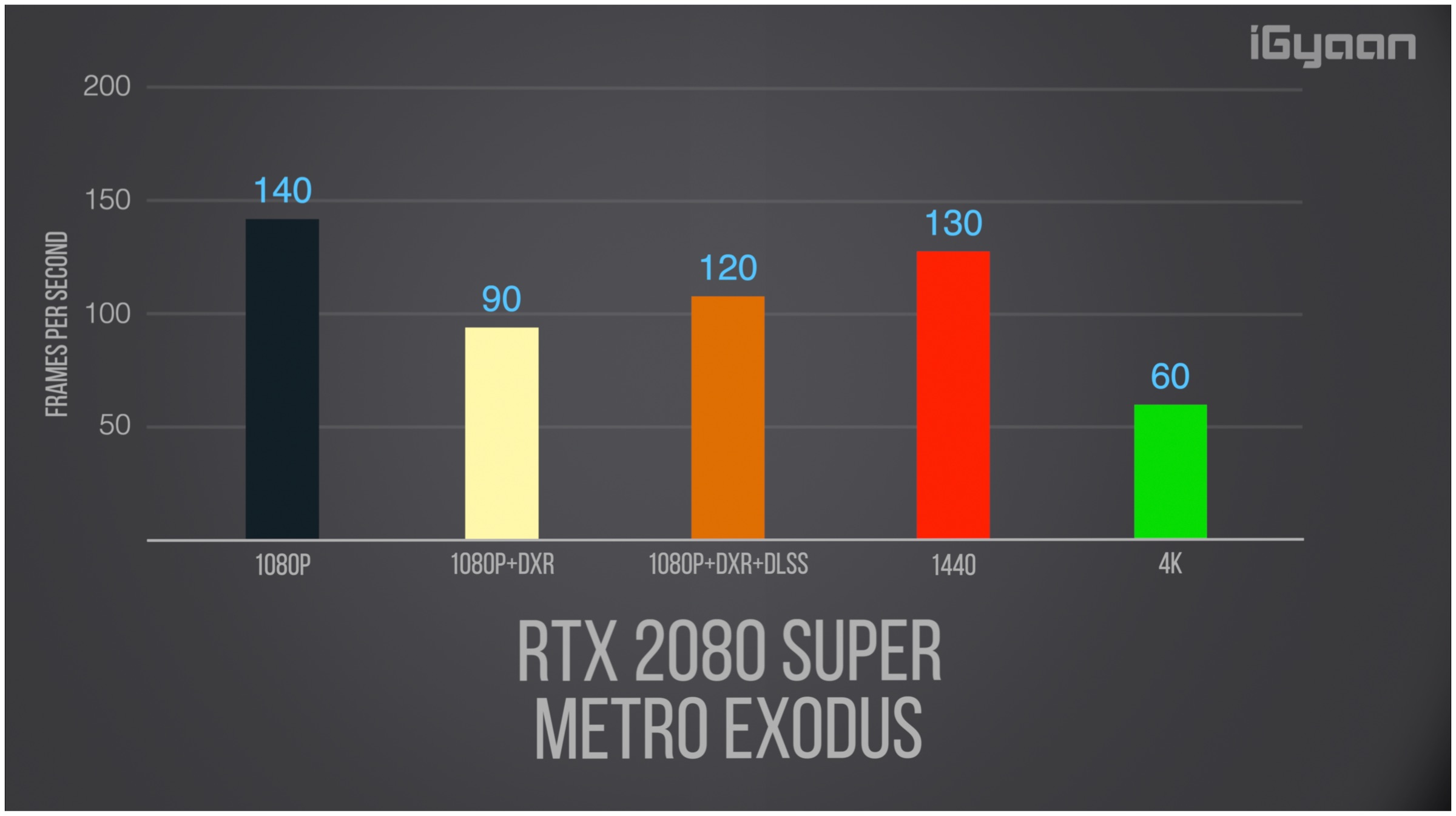
Metro Exodus Metro Exodus was a title launched with support for NVIDIA’s latest ray-tracing technique. It was one of the first game to do so and we tested the game with DXR settings on at 1080p. When the game ran on 1080p and DXR off, we saw an average of 140fps at maximum settings. After DXR is turned on we see a notable hit in performance and the game drops to an average of 90 fps and when DLSS was turned on the performance got bumped to 120fps. At 1440p, the RTX 2080 SUPER managed to churn out an impressive average of 130fps and even managed to offer a stable 60fps on 4K native resolution.
Cooling & Noise
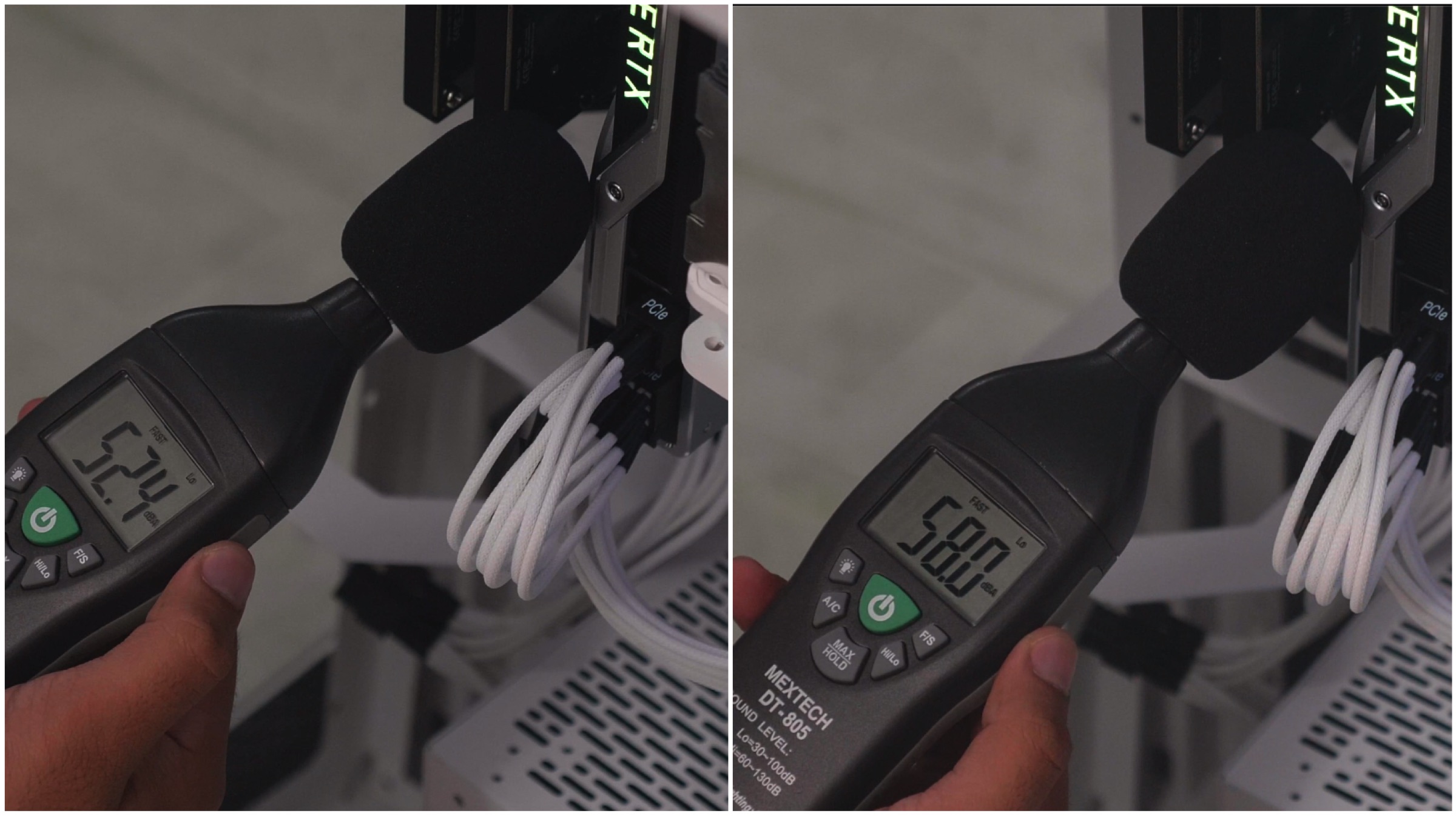
NVIDIA is renowned for a better thermal management solution over any of its competitors. Team Green has optimised its cards for optimal performance without overheating at all times. The MSI Kombustor test was a good wat to test it out and during loads, the GPU managed to hit the 80 degree Celsius mark with fans running on 57-58dBa audio levels. On idle, the card is still pretty audible at 52-53dBa and has a temperature within the 40-50 degree Celsius range during rest. All in all the RTX 2080 SUPER is a powerful card which should rarely face thermal throttling during peak gaming operations.
Driver Support
The GeForce RTX 2080 SUPER graphics card is the latest entry in the RTX SUPER series and is bound to receive the latest drivers. NVIDIA has already announced drivers for popular AAA game titles prior to the actual launch. The support will enhance graphical fidelity during gameplay and will also complement its ray-tracing solutions for great visuals. The list of the latest game titles that have been optimised by NVIDIA includes Wolfenstein: Youngblood and Madden NFL 20. Both games are the latest instalment in their respective franchises; a free copy of Youngblood will be available with the purchase of any RTX SUPER series graphics card from NVIDIA.
Price & Conclusion
NVIDIA’s GeForce RTX 2080 SUPER is available for a price tag of INR 61,400 in India (USD 599 in the US). Buyers should note that the above-mentioned price is for the Founder’s Edition from NVIDIA. The graphics card will be sold by various 3rd party retailers such as MSI, Zotac, Gigabyte, and many more may carry a slightly different price tag. For more information regarding availability, readers can check out NVIDIA’s official website; for those who wish to buy peripherals for an even greater gaming experience can also check out NVIDIA’s G-sync monitors.
The RTX 2070 SUPER retails for the INR 43,600 and USD 499 and offers performance on par with the RTX 2080. The tests have shown that the RTX 2080 SUPER offers only a marginal boost of performance over the last iteration. An average of 10-15% increase in performance is observed all the while carrying an additional INR 20,000. It is strongly recommended for people who are leaning more towards 1440p or 1080p gaming with ray tracing enabled to go for the RTX 2070 SUPER. The card is a powerful contender at a reasonable price point and should offer similar performance to its elder sibling. If gaming enthusiasts do wish to spend extra for the sweet 4K 60fps then look no further than the RTX 2080 SUPER.
In a bid to be ever innovative, OEMs have tinkered with each and every aspect a smartphone has to offer. For example, the display of a handset is one of its fundamental components with which serves the medium of interaction. Now, there are many companies that offer a display refresh rate higher than the standard 60Hz panel on their devices; the simple increase in refresh rate translates to a massive increase in responsiveness and significantly improved user experience. According to a fresh report, Apple is now also seeking to incorporate a ‘faster’ display on its future generation of iPhones.
Apple is considering a switchable 60Hz/120Hz refresh rate screen on the iPhone in 2020, and is discussing with Samsung and LG. pic.twitter.com/4aoU303umu
A renowned leakster shared on Twitter, that Apple is possibly looking into a higher refresh rate screen for its 2020 iPhones. The tech giant is reportedly in talks with leading component suppliers including Samsung and LG who specialise in smartphone displays. Hence, the upcoming iPhone of the following year is likely to feature a display that can switch between 60hz and 120Hz. Notably, the new display could be akin to the 120Hz ProMotion display that is featured on the iPad Pro or employ a similar technology.
iPhone 11 Concept Renders
ProMotion was developed to offer a seamless user experience that would enable a responsive ‘feel’ alongside amazing multi media consumption. Furthermore, it can be said that Apple is looking to better its smartphone offerings making them all the more appealing for its customers worldwide. The year 2019 wasn’t as relatively notable for the company with modest sales volume; but the arriving 2019 flagships and 2020 iPhones could potentially place it on the top of another mobile arms race.
iPhone XR
The company introduced its ProMotion display on its iPad Pro back in 2017. It was essentially a smart 120Hz display which adapted its refresh rate according to the content viewed; basically a dynamic refresh rate. The new display on the 2020 iPhone will sport a refresh rate doubling that of any current gen flagships offerings. Implications of Apple’s shift towards a uniform higher refresh panel across its flagship lineup is huge. We may soon see more OEMs adopting better and faster display panels on their flagships by default, meaning it could be a new industry standard soon.
We have already seen gaming smartphones like the nubia Red Magic 3 and the ROG Gaming Phone offer higher refresh rate panels. Apple, one of the biggest names in the mobile industry hasn’t lagged far behind either. Conclusively, even if the report is unconfirmed offers a first look at what the future iPhone may feature. The company has always been renowned for its crisp display, but a more responsive one just seeks to add another plus point. Unfortunately, additional information is currently unavailable so stay tuned for more updates that will arrive soon.
A couple of months ago, Activision the publisher behind the famous Call of Duty franchise announced its latest iterations. The new game is being called Call of Duty Modern Warfare which is a reboot of the original trilogy that was beloved by gamers. The original trailer that was revealed had seen the return of the series favourite Captain Price. Since then, a lot of hype has garnered for what people call, ” the game that will revive the Call of Duty games again.”
Now, Infinity Ward, the original developer behind one of the most popular first-person shooter game has dropped a new trailer and unveiled a new multiplayer game mode.
Call of Duty: Modern Warfare
Call of Duty Modern Warfare is a boots to the ground iteration of the popular franchise. It means that the game will no longer have its premise based on either the second World War or some sci-fi futuristic world; a theme common with the past iterations of the video game. The latest entry in the series will rather focus on the ‘Ugly Truth’ of war. A primary focus of the game will be the implications of global violence, terrorism as well as personal impact on the characters. Players are no longer simply in the shoes of a badass military character, but one with emotional depth and a sense of morality.
Multiplayer: Gunfight
The first trailer for Call of Duty Modern Warfare arrived on 30th May and revealed the first look of the game in all its glory. Now, Infinity Ward has uploaded the first look of its new multiplayer game mode on YouTube. Gunfight is the latest game mode to be incorporated in the game and will feature a 2 versus 2 man quick play style of gameplay. Team of 2s need to eliminate the enemy teams to win a round and the first to 6 wins the game. The game features small maps that are long in length but narrow in width. It’s a symmetrical map with both teams spawning on either end; players have about 3 routes from which they can attack the opposing team.
The upcoming Call of Duty Modern Warfare is the 16th instalment in the massively successful franchise and will be playable on PC, PlayStation 4 and Xbox One. Call Of Duty fans rejoice as their favourite franchises latest instalments drop in the arriving 25th of October. Since the game is heavily influenced by dark and realistic themes and depictions it may not be a suitable fit for all ages. It will be a bleak representation of the reality of our time and technology. Stay tuned on iGyaan for more information regarding more popular games.
















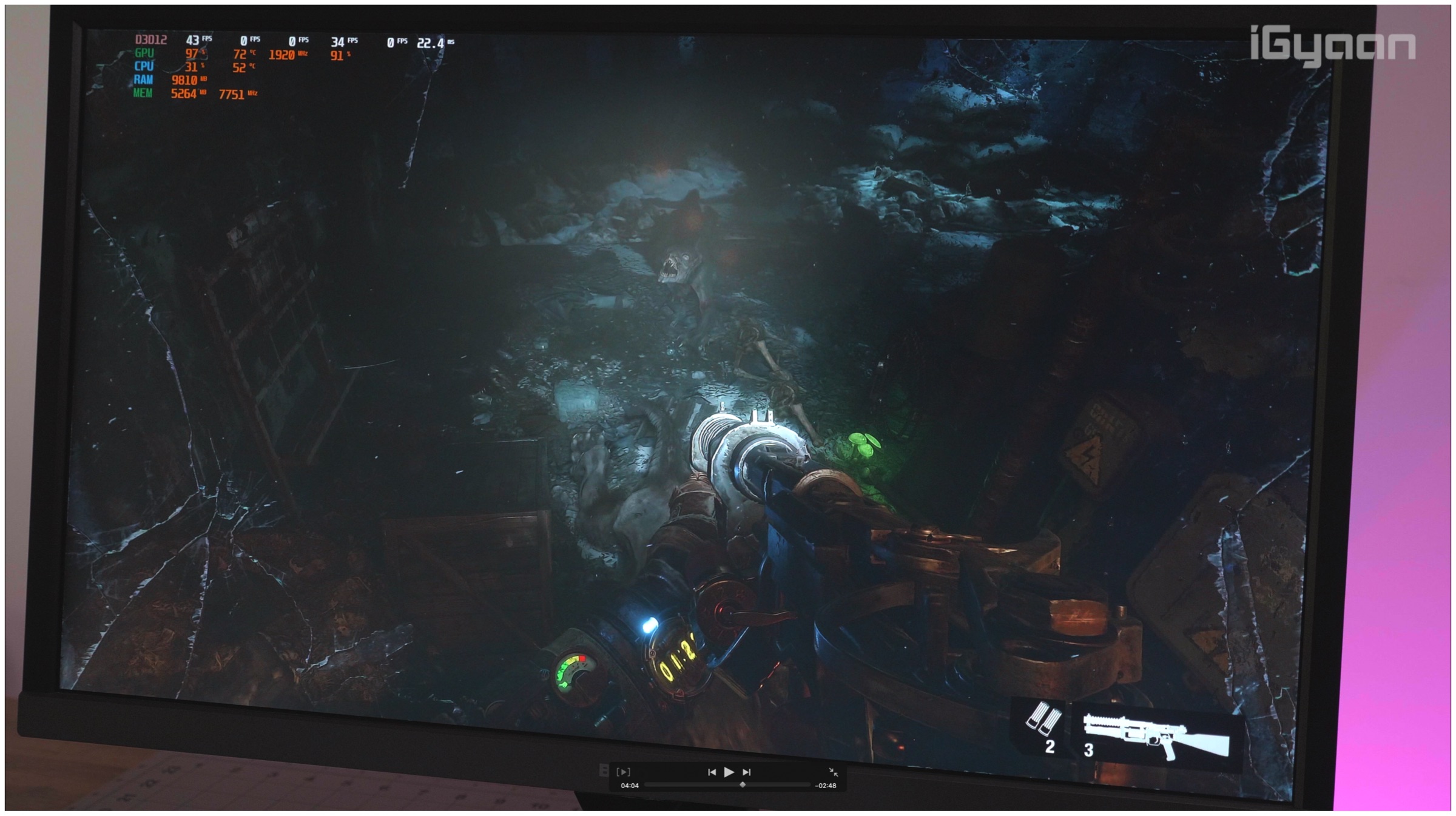 Metro Exodus was a title launched with support for NVIDIA’s latest ray-tracing technique. It was one of the first game to do so and we tested the game with DXR settings on at 1080p. When the game ran on 1080p and DXR off, we saw an average of 140fps at maximum settings. After DXR is turned on we see a notable hit in performance and the game drops to an average of 90 fps and when DLSS was turned on the performance got bumped to 120fps. At 1440p, the RTX 2080 SUPER managed to churn out an impressive average of 130fps and even managed to offer a stable 60fps on 4K native resolution.