Author: Yashonil Gupta

  • Samsung Galaxy A40 Official Renders Leaked, Launch Imminent

    Samsung Galaxy A40 Official Renders Leaked, Launch Imminent

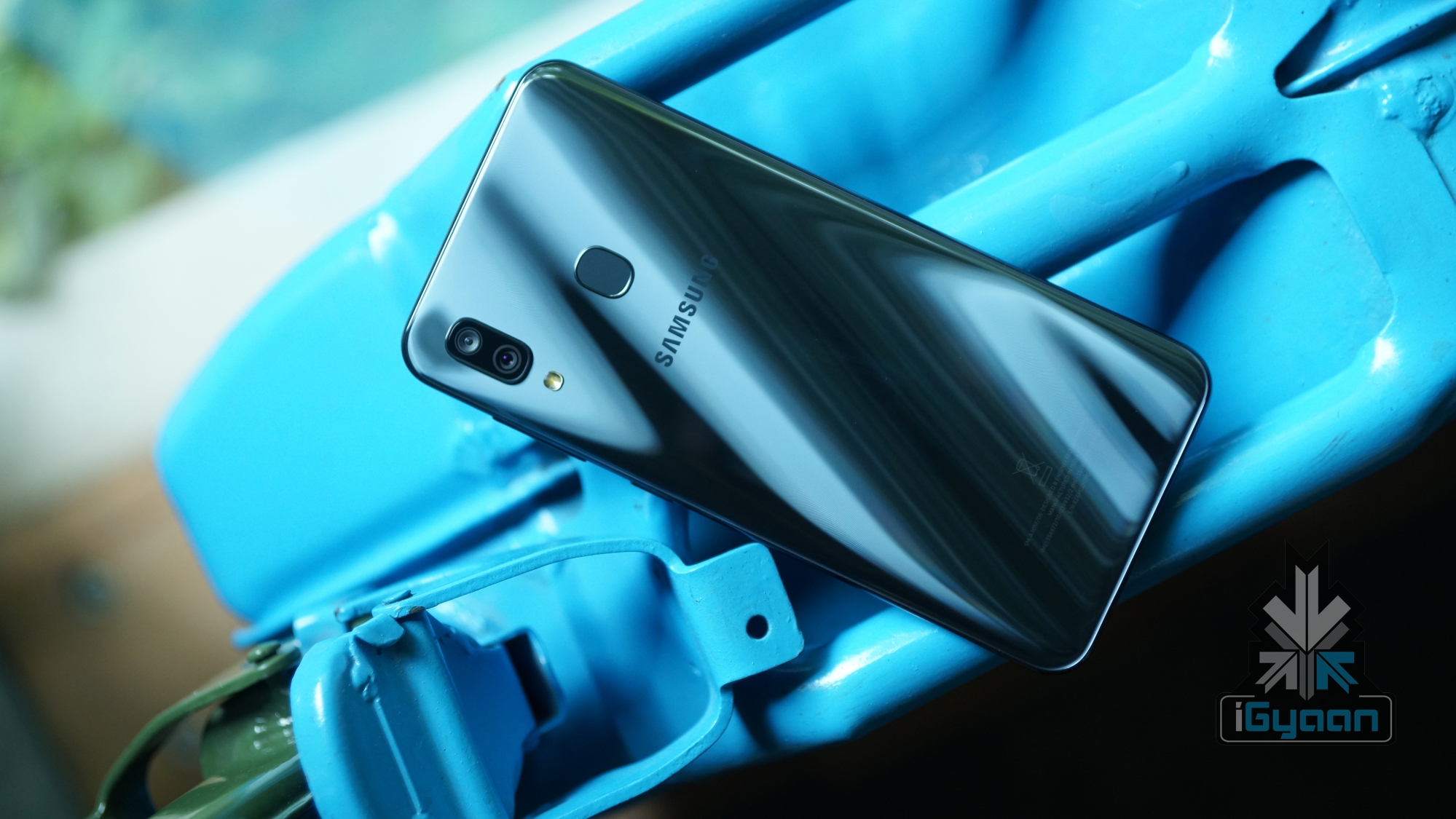
    Samsung launched the latest entrants in the Galaxy A lineup of smartphones, the Galaxy A10, Galaxy A30 and Galaxy A50 in India last month. The devices feature an all-new design, competitive specifications at an aggressive price to rival the ever increasing growth of Chinese smartphone OEMs in developing markets like India. Samsung is expected to announce a range of new devices in the Galaxy A series in the following months. One of the upcoming smartphones, the Galaxy A40 has leaked time and again and has now been freshly revealed in official renders. These renders unveil how the smartphone may look like.

    Galaxy A40
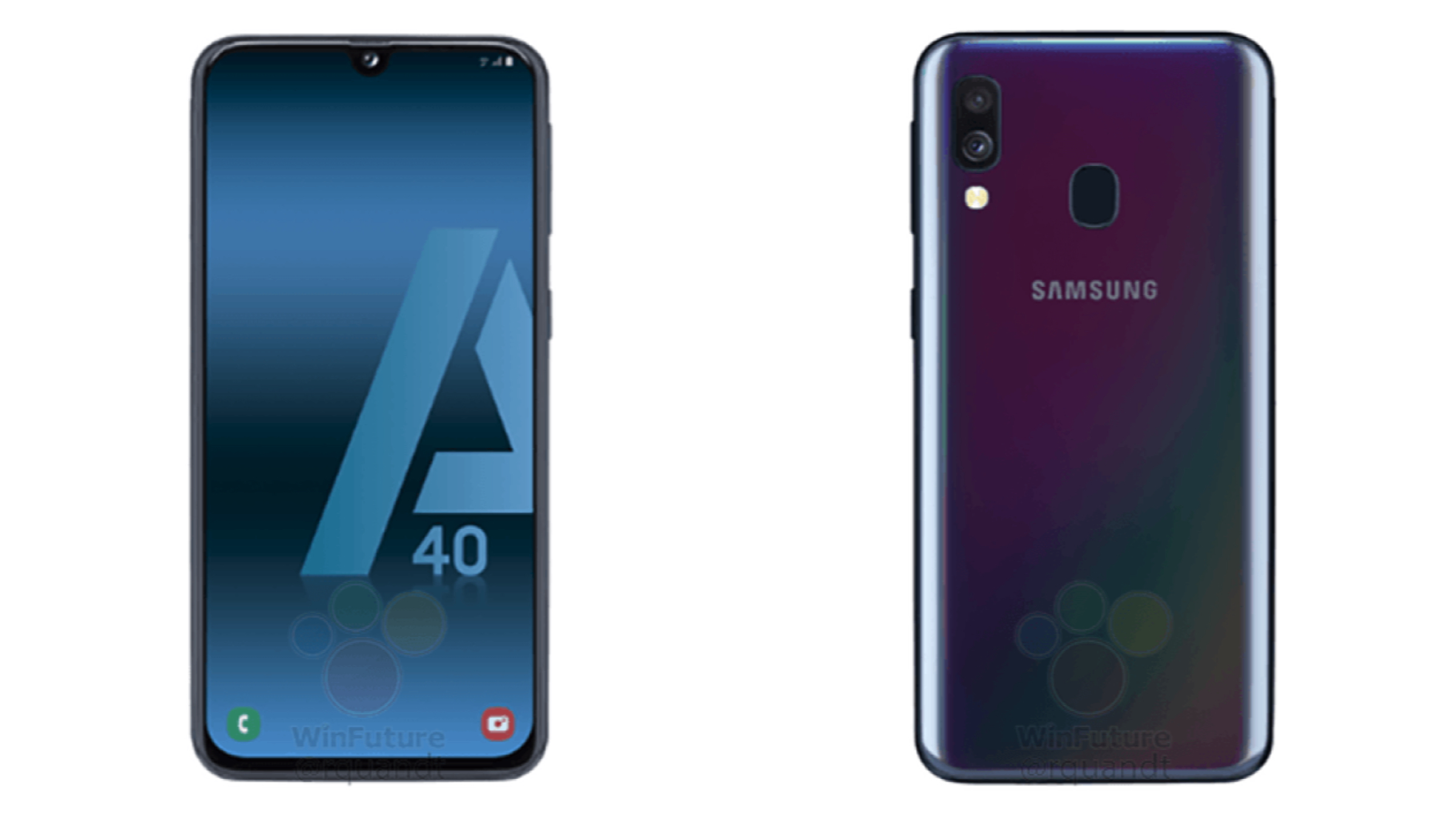
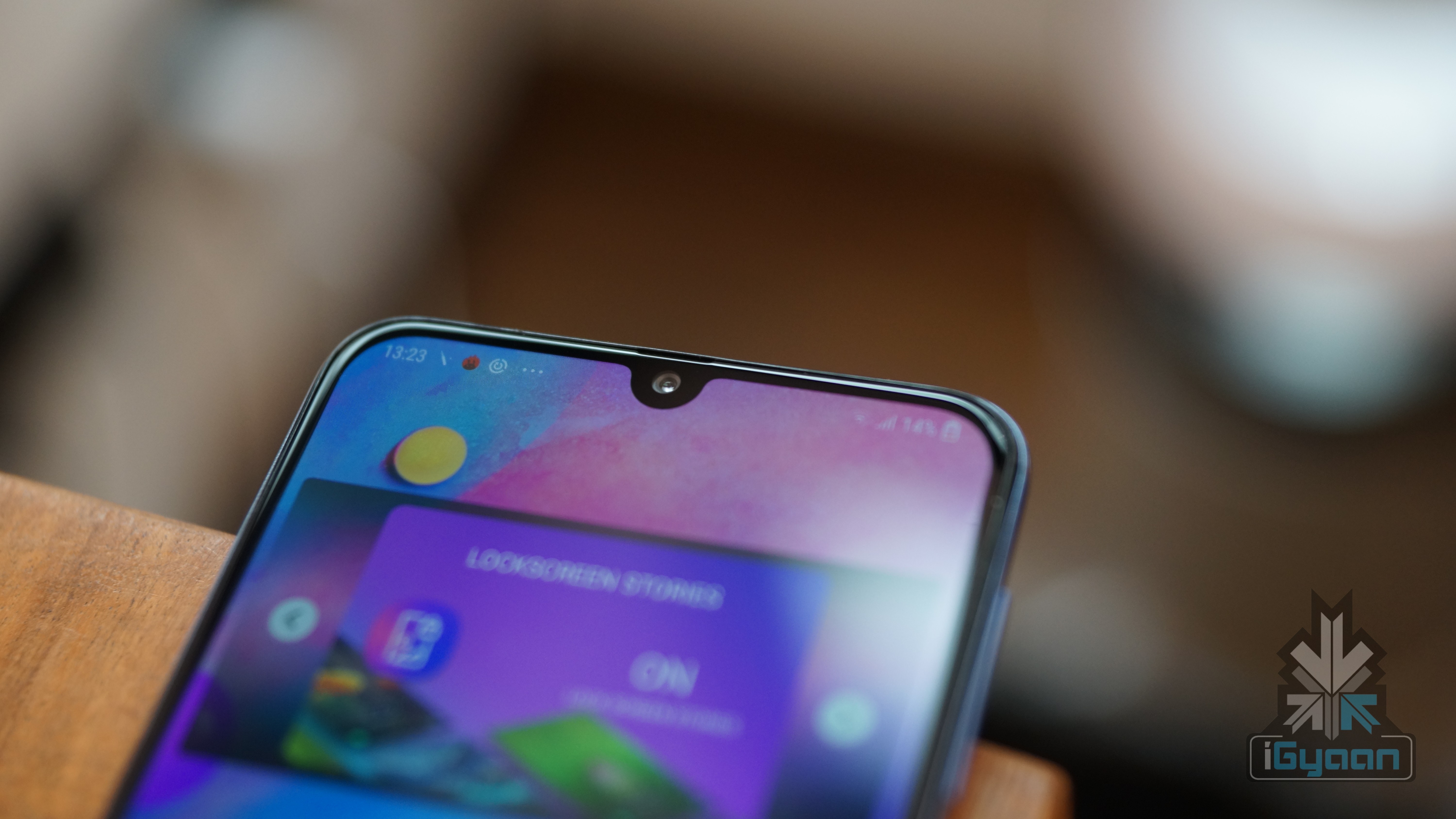
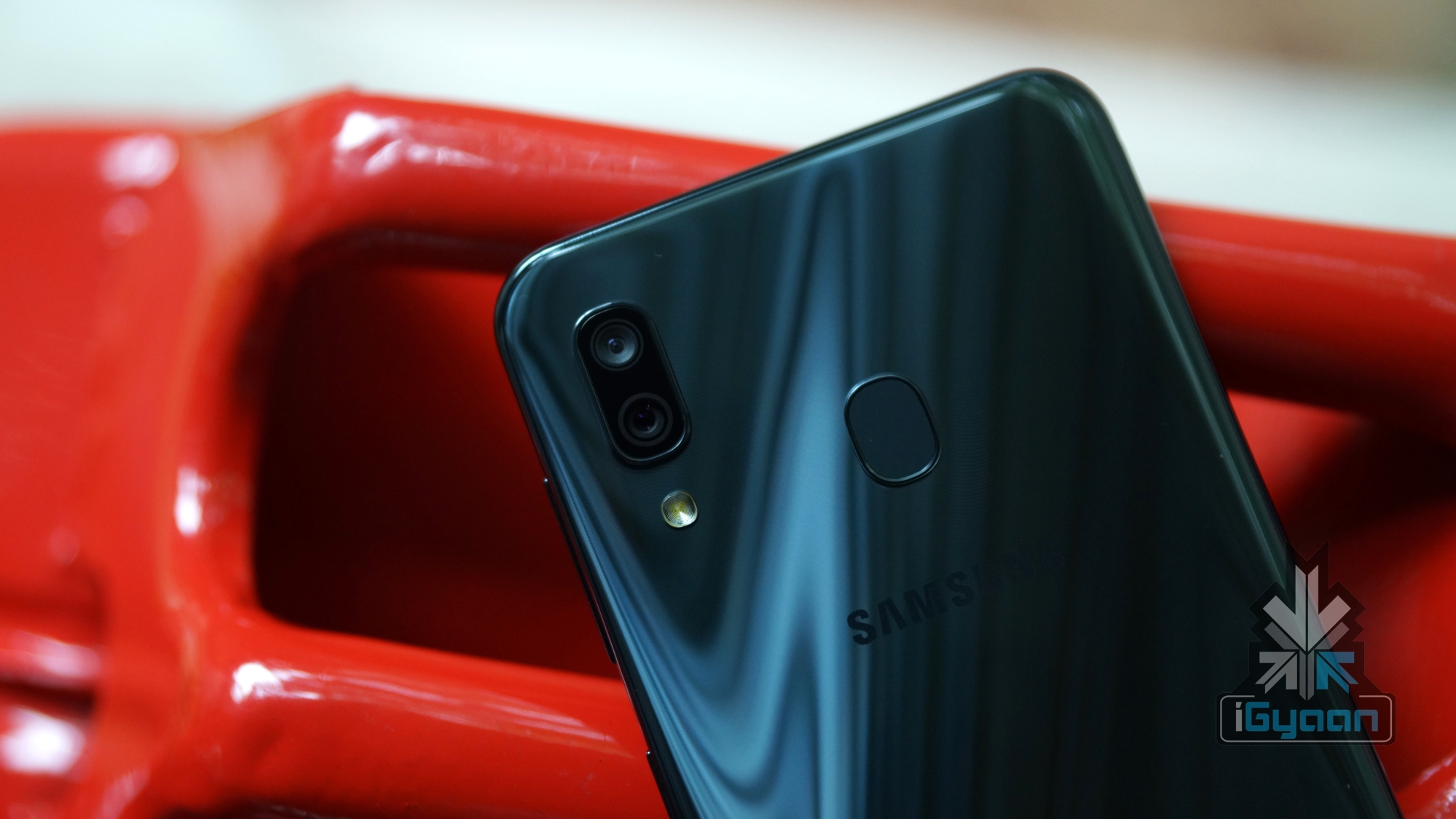
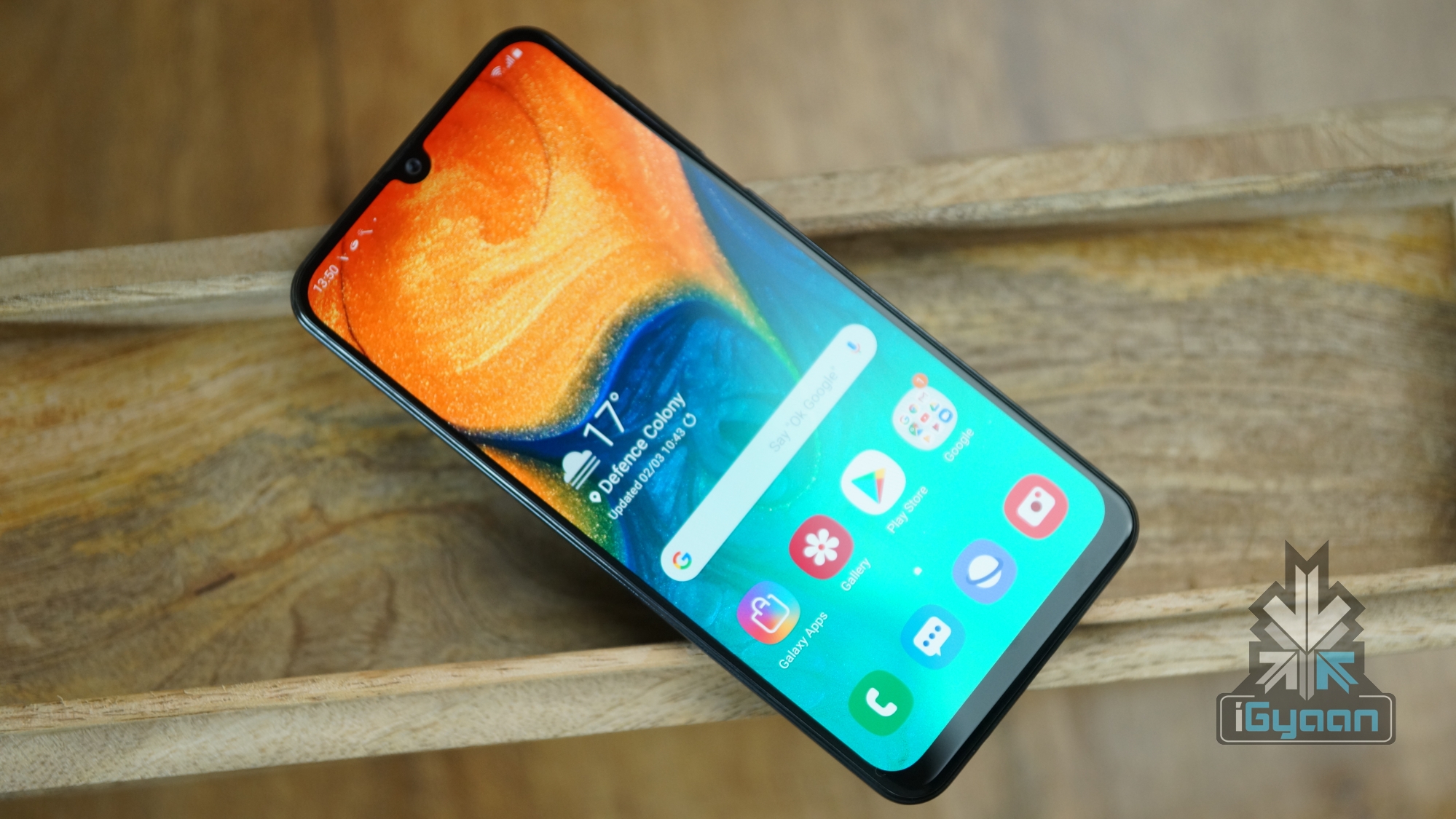
    The Galaxy A40 as the name suggests will sit between the Galaxy A30 and Galaxy A50 as Samsung’s new mid-range offering. The leaked renders reveal the smartphone will look a lot like its siblings, as the design and hardware are reminiscent of the Galaxy A30; but the gradient design on the back is similar to the one found on the Galaxy A50. While the specifications of the device aren’t known yet, it is expected to have an Infinity-U, 6.4 inches Super AMOLED display with a resolution of 2340 x 1080 px. There are minimal bezels around the display and a waterdrop notch up top. Noteworthy, this will be the same display type as the one found in its siblings. The Galaxy A40 will feature a rear mounted fingerprint sensor with support for face unlock technology.
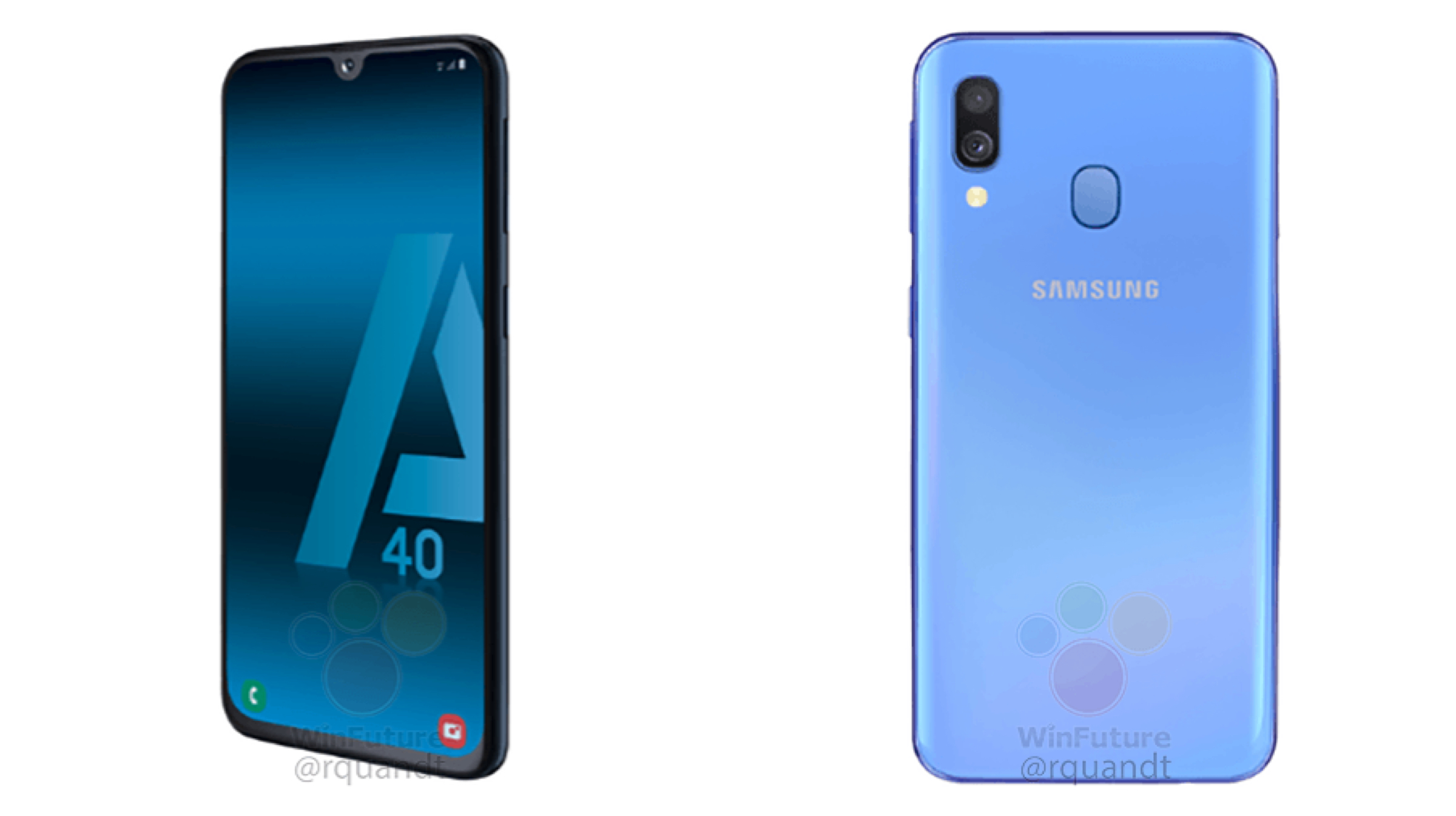
    Under the hood, the Galaxy A40 is expected to be kitted with the 14nm Exynos 7885 SoC. The chipset consists of an Octa-core CPU and Mali G71 MP2 GPU. According to the leaked renders, the smartphone will have a dual rear camera setup which is likely to have a 13MP main sensor combined with an 8MP ultra-wide angle sensor. The front camera is expected to be a 16MP f/2.0 sensor housed in the notch on top of the display. For memory and storage, the smartphone will feature 4GB of RAM and 64GB of internal storage.
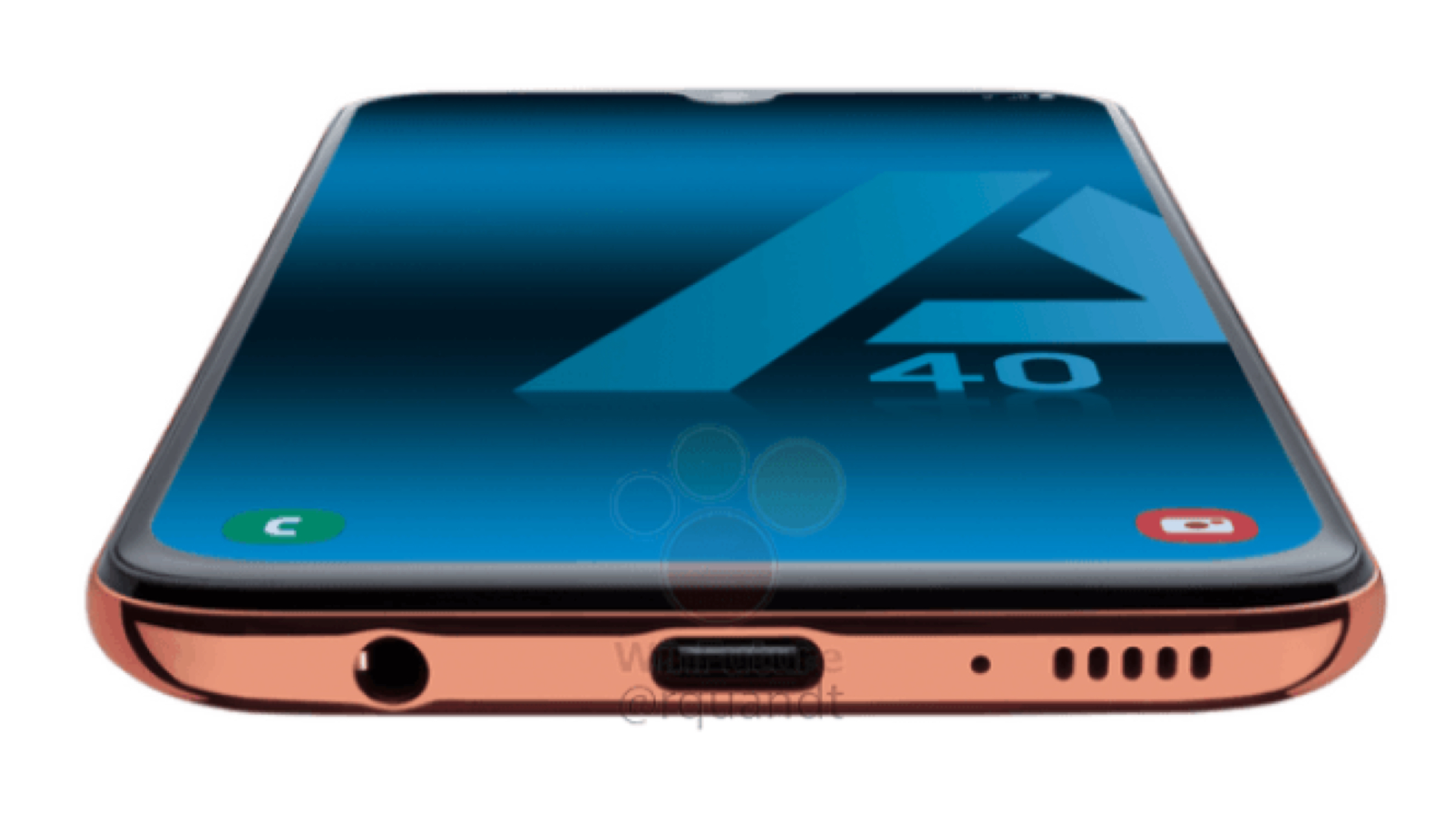
    Reports suggest that the Samsung Galaxy A40 will be powered by a 4000mAh battery like its siblings and will support fast charging via the bottom mounted USB Type-C port. It will also have a 3.5mm headphone jack and will run on the latest OneUI by the company on top of the current Android 9 Pie. 

    Pricing and Availability

    Also read: Key Features Of Nubia’s Upcoming Red Magic 3 Gaming Smartphone Confirmed

    The leaked official renders of the Galaxy A40 suggest that the launch of the smartphone is imminent. It may be announced at an event on the 10th of April. Unfortunately, no information about the pricing is known yet, but it is expected to cost around Rs. 17,999 in India.


  • Huawei P30, P30 Pro Pricing Leaked Ahead Of The Official Unveiling

    Huawei P30, P30 Pro Pricing Leaked Ahead Of The Official Unveiling

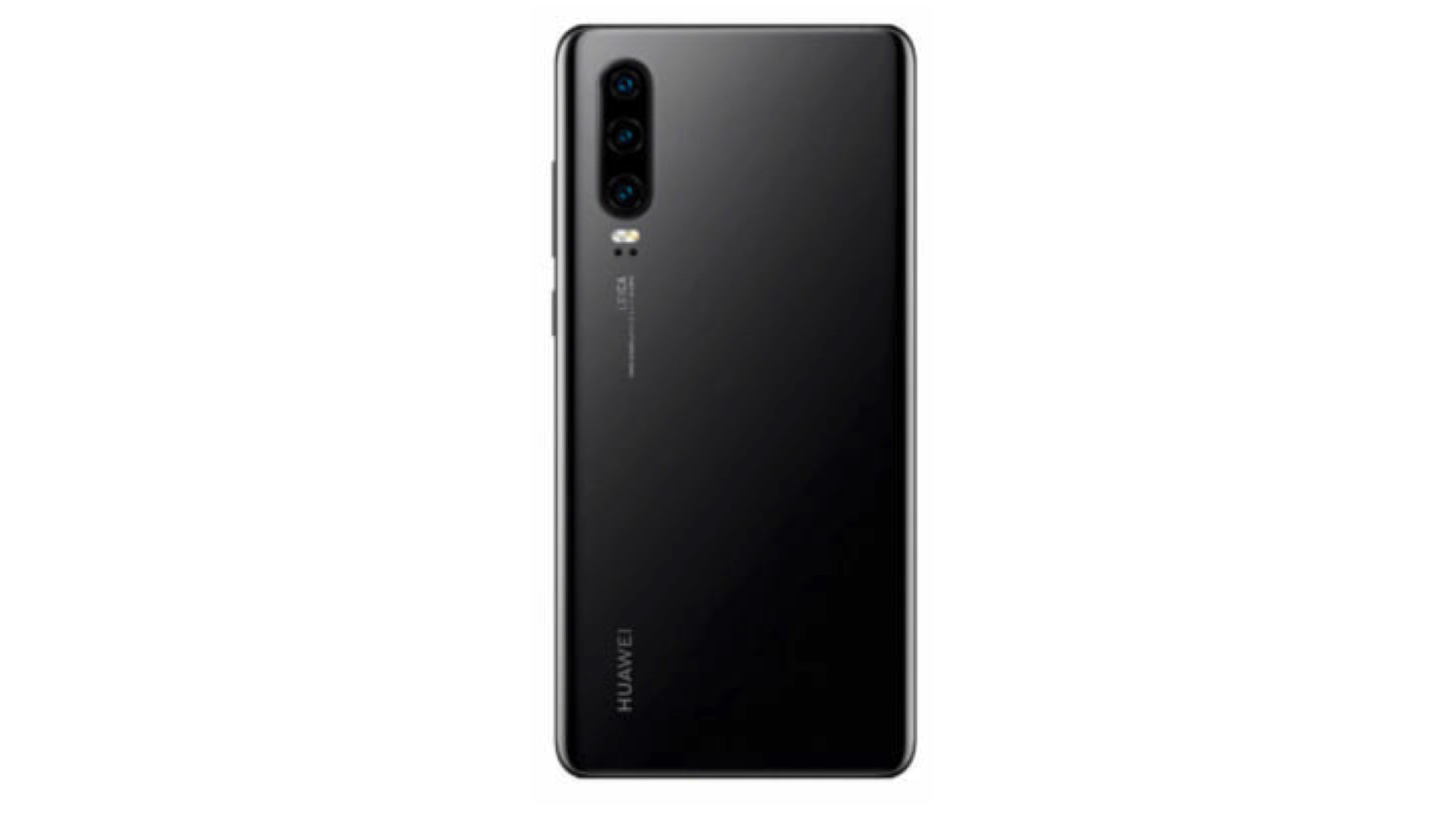
    The world’s second largest smartphone maker Huawei will unveil its next generation of camera oriented flagship smartphones, the P30 and P30 Pro at an event in Paris on March 26. They will succeed the Huawei P20 and P20 Pro which were released last year. Key specifications and features of the devices have either been confirmed by the company or have been leaked from several sources. Even official renders revealing how they would look like have been out for a while now. However, despite all of the information, there were no details about what these smartphones would cost. A known tipster Roland Quant on the microblogging website Twitter has revealed the prices of both the Huawei P30 and the P30 Pro. 

    Pricing

    According to the tipster, the Huawei P30 and the P30 Pro will be one of the most expensive smartphones the company has ever made. The P30 with 6GB RAM and 128GB internal storage will cost €749 (Rs. 58,107). The P30 Pro will start at €999 (Rs. 77,502) for the version with 8GB RAM and 128GB onboard storage. The version with 8GB RAM and 256GB internal storage will cost €1099 (Rs. 85,260). Unfortunately, no information is known about the price of the Huawei P30 Pro with 8GB RAM and 512GB internal storage; but early estimates suggest it will be priced at €1199 (Rs. 93,018).

    Huawei P30

    As the name suggests, the Huawei P30 will be the less feature rich variant of the high-end P30 Pro. It will feature a similar design to the Huawei P20 launched last year. Reports claim that the device will have a 6.1 inch OLED display with a resolution of 2340 x 1080 px. The smartphone will have an in-display fingerprint scanner with support for face unlock technology.

    The Huawei P30 is expected to run on the 7nm Kirin 980 SoC. The chipset has an Octa-core CPU and a Mali G76 GPU. In terms of optics, the smartphone has a triple rear camera setup consisting of a 40MP sensor with an f/1.8 aperture; and a 16MP ultra-wide sensor with an f/2.2 aperture; and a third 8MP telephoto sensor with an f/2.4 aperture. For selfies, there will be 32MP camera housed in the notch up front. The P30 will have 6GB RAM and 128GB of internal storage.


    According to reports, the Huawei P30 will be powered by a 3650mAh battery with a 22.5W fast charging support via the bottom mounted USB Type-C port. The smartphone will also support NanoMemory cards, a new memory standard the company introduced last year.

    Huawei P30 Pro

    According to the leaked renders, the Huawei P30 Pro has a similar design to the aforementioned P30. Most of the former’s characteristics are also comparable to the latter. The smartphone will have a larger 6.47 inch OLED display with a resolution of 2340 x 1080 px. Unlike the regular P30, the display edges will be tapered to the side, similar to the ones seen in the Mate 20 Pro. Like the regular variant, it also will have an in-display fingerprint with face unlock technology.

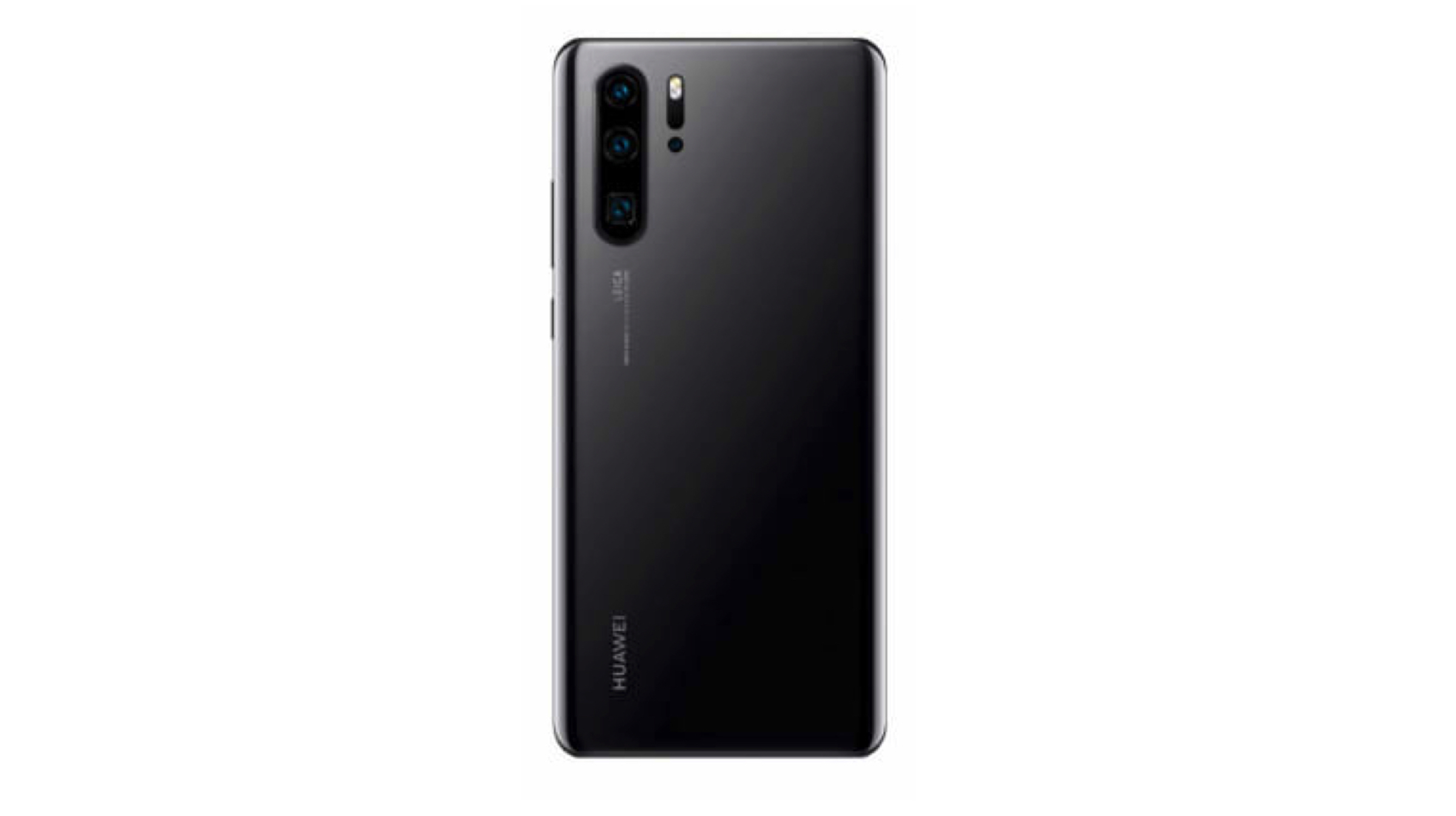
    While the chipset of the Huawei P30 Pro will be the same as the P30, the highlight of the smartphone will be its optics, especially the quad rear camera setup. It will be comprised of a 40MP sensor, combined with a 20MP ultra-wide sensor and a third camera with 10x lossless zoom. The third camera sensor will use a periscope style system to provide the handset with its zooming capabilities. A similar camera technology was shown by Oppo at the MWC 2019. The fourth camera will use a Time of Flight (ToF) sensor which will be engaged for clicking images with 3D and depth functionalities. The smartphone will be available in the following storage variants.

    • 8GB RAM and 128GB ROM
    • 8GB RAM and 256GB ROM
    • 8GB RAM and 512GB ROM 

    Also read: Apple Launches iPad Air 10.5 & 5th Gen iPad Mini

    According to reports, the Huawei P30 Pro will be powered by a 4200mAh battery with 44W fast charging support via the bottom mounted USB Type-C port. The smartphone will also support NanoMemory cards, a memory standard introduced by Huawei last year.

  • Samsung To Launch Three New Galaxy-A Series Smartphones On April 10th

    Samsung To Launch Three New Galaxy-A Series Smartphones On April 10th

    Samsung has tried to redefine its strategy for the budget and mid-range smartphone market by launching the newly announced Galaxy M and Galaxy A lineup of devices in markets like India. The handsets offer a competitive mix of specifications at a lucrative price. A fresh teaser shared on the company’s official Twitter account suggests that it may launch new smartphones soon. The GIF file shared in the tweet has the text “A Galaxy Event” which hints at devices in the Galaxy-A lineup. The three silhouettes also suggest that the event may see the launch of three devices. These smartphones could be the Galaxy A40, Galaxy A60 and the Galaxy A90.

    Galaxy A90

    The Galaxy A90 is expected to be the most premium device in the current A series of smartphones. While most details of it aren’t known yet, it is expected to feature a similar design to its siblings. The device was previously leaked to have a mechanical pop-up camera or a rotating mechanical camera to achieve a high screen to body ratio. If the latest smartphones are anything to go by, the Galaxy A90 will have a Super AMOLED display and will run on the OneUI on top of Android 9 Pie. The company may use an entirely new type of Infinity Display on the handset. Like the last year’s Galaxy A9, it is also expected to have a quad-rear camera setup, details of which are unknown at the moment. The Galaxy A90 will most likely have an in-display fingerprint sensor. The device may run on the 10nm Snapdragon 710 SoC. The chipset has an Octa-core CPU and Adreno 616 GPU. For memory and storage, the smartphone may feature up to 8GB of RAM and 256GB of storage.

    Galaxy A60

    As the name suggests, the Samsung Galaxy A60 will be the elder sibling to the Galaxy A50; and is expected to carry major design and features from the device, albeit with a few upgrades. The leak suggests the smartphone will have the same ‘3D Glasstic’ gradient back. It will have a 6.7 inch Super AMOLED display with an Infinity-U notch on the top and a resolution of 2340 x 1080 px. Like the Galaxy A50, there will be an in-display fingerprint scanner with support for face unlock technology.

    The Galaxy A60 might run on the 11nm Snapdragon 675 SoC. The chipset sports an Octa-core CPU and Adreno 612 GPU. In terms of optics, the smartphone is expected to feature a triple rear camera setup comprising of a 32MP sensor; combined with an 8MP ultra-wide angle sensor and a 5MP depth sensor. For selfies, the smartphone will have a 32MP camera housed in the notch on top of the display. The device will be powered by a 4500mAh battery and is likely to support fast charging via the USB Type-C port. For memory and storage, the Galaxy A60 will be available in the following variants:

    • 6GB RAM and 128GB ROM
    • 8GB RAM and 128GB ROM
    Galaxy A40

    Samsung Galaxy A40 will be an affordable offering from the company which will sit between the newly announced Galaxy A30 and Galaxy A50. Reports suggest that the smartphone will have a similar design to its siblings, complete with a polycarbonate body and a ‘glasstic’ back. The display will sport an Infinity-U, 6.2 inch Super AMOLED panel with a resolution of 2340 x 1080 px.


    Under the hood, the Galaxy A40 is expected to run on the Exynos 7885 SoC which is manufactured using 14nm fabrication process. The chipset has an Octa-core CPU and a Mali G71 GPU. In terms of optics, the smartphone will feature a dual rear camera setup. In terms of memory and storage, the device will be available with 4GB of RAM and 64GB of onboard storage.

    Pricing & Availability

    Also read: What Does 7nm, 10nm Mean In Mobile CPUs?

    Samsung has announced that the new smartphones will be launched on April 10. Unfortunately, pricing of the devices isn’t known yet but reports suggest that the Galaxy A90 is expected to start around Rs. 29,999; the Galaxy A60 will be priced at Rs. 25,999 for the base variant; and the Galaxy A40 may cost Rs. 17,999. The smartphones will soon be available for sale after the official unveiling.

  • What Does 7nm, 10nm Mean In Mobile CPUs?

    What Does 7nm, 10nm Mean In Mobile CPUs?

    Apple showed off the A12 Bionic mobile processors last year with the launch of the iPhone XS, iPhone XS Max and the iPhone XR. It was the first smartphone chipset to be built on a 7nm fabrication process. Soon after, chipset manufacturers including Qualcomm, Huawei released their 7nm mobile System on Chip (SoC) named Snapdragon 855 and Kirin 980 respectively. But what does ‘nm’ mean in CPUs and does reducing the size of the processor really change anything?

    Understanding The Composition Of CPUs

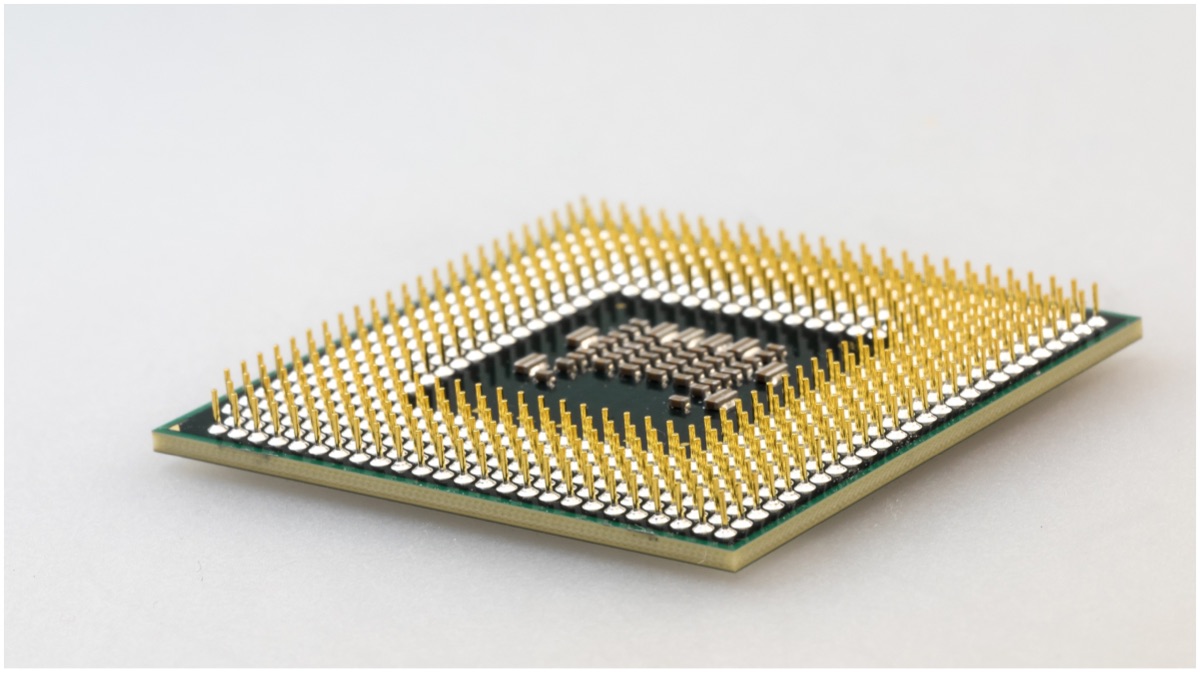
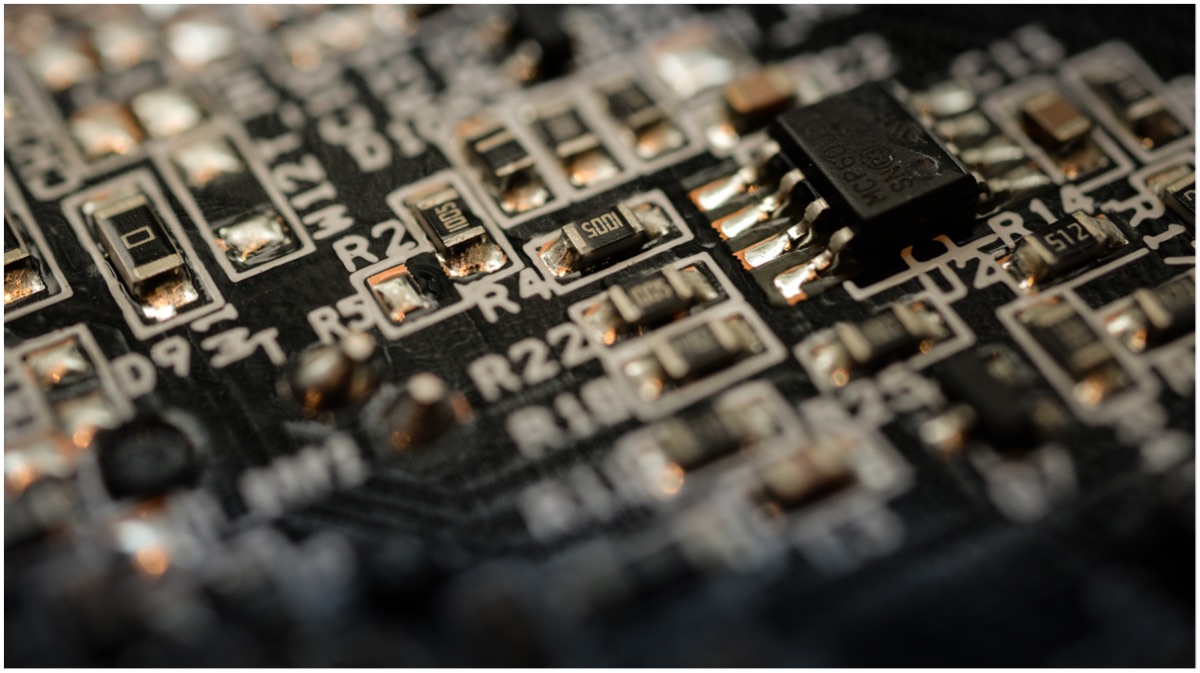
    Every CPU whether it is of a mobile device or a personal computer is comprised up of billions of tiny transistors, which is a semiconductor used to amplify or switch electronic signals and electrical power. The transistors essentially act as electrical gates which switch on and off to facilitate calculations. This obviously requires power to function. So theoretically, if a transistor is made smaller, it will use a lesser amount of power. This is because of the transistor’s ability to store electric charge decreases. 

    CPUs are manufactured using photolithography, which is a process where an image of the CPU and its components is etched drawn onto a piece of silicon, which is created from sand. The method of how this is achieved is referred to as the process node. The measure of how small the transistors can be made is counted in ‘nm’ which is the short form of nanometer and is a minuscule size. Notably, the first transistor that was ever created in 1971 measured 10µm which means 10 micrometres. It is also a small size in its own merit but is nowhere near the size we have achieved using the technology available today.  

    Does A Smaller Size Of CPU Matter?

    So, if a manufacturer claims that the newest CPU it has employed is smaller in size and will thus improve performance and efficiency, is it a correct thing to say? Well, technically yes as the power efficiency is improved by a smaller size of the chipset as explained above. Performance is also an aspect which is affected but not necessarily in a big way. While the faster a transistor toggles itself on and off, the better performance a device will have. But the difference can change with every manufacturer. Apple, Huawei and Qualcomm all have achieved 7nm fabrication process for their processors, but the performance differs a significant margin with each device.

    A way that manufacturers tackle performance difference is by providing better cooling technology with their CPU. Heating in a CPU can cause its performance to throttle, which means it will adjust the clock speed of the CPU based on the amount of heat it is currently generating. So more heating would cause the clock speed to decrease, ultimately affecting the performance of the device.

    What’s Next For Mobile CPUs

    The biggest change with the reduction in the size of processors will be seen on mobile devices. With major manufacturers already making the switch to 7nm technology for manufacturing the mobile processors, the next obvious step will be to go even further. A few weeks ago, reports claimed that Apple may introduce 5nm SoCs in iPhones starting the year 2021. This would implicate even better battery life and a significant performance boost. More chipset manufacturers like Qualcomm, Samsung and Huawei will also most probably make the switch by the same year.

    Downsides Of A Smaller Mobile Processor


    Also read: Worlds First Side Sliding Smartphone, The ZTE Axon S Surfaces Online

    No matter how much faster or efficient a smaller transistor size makes a mobile CPU, there are downsides. The most prevalent is the manufacturing of smaller chips. 7nm is already a substantially small number and going even smaller than that is not an easy process. Another problem with smaller SoCs is called ‘leakage’. It is a measure of the electrical charge the transistor allows to pass when it is off. This would mean that the transistor that allows more current to pass when the CPU is idle would consume more power. This drains battery faster and would certainly not be an ideal choice to be installed in devices. Smaller transistors are tricky to manufacture, which increases the chances of leakage if anything goes wrong in the production.

  • Redmi 7 With Snapdragon 632 SoC Launched In China

    Redmi 7 With Snapdragon 632 SoC Launched In China

    At an event held in China, Xiaomi’s subsidiary Redmi has launched its latest smartphone, the Redmi 7. It was announced alongside the Redmi Note 7 Pro which was launched in India last month. The newly launched Redmi 7 features a modern design, competitive specifications and a lucrative price.

    Redmi 7 Design & Features

    The Redmi 7 measures 158.65 × 76.43 × 8.47mm and weighs 180g. The smartphone has a 3D gradient design at the back and minimal bezels on the front and a waterdrop notch which the company calls ‘Dot Notch’. It has a 6.26-inch display with a resolution of 1520 x 720 px. The device runs on the latest MIUI 10 based on top of Android 9 Pie. There is a rear-mounted fingerprint sensor with support for face unlock technology.

    Under the hood, the Redmi 7 is kitted with the Snapdragon 632 SoC which is manufactured using 14 nm fabrication process. The chipset is comprised of an octa-core CPU and Adreno 506 GPU. For optics, the smartphone features dual-rear cameras consisting of a 12MP sensor with an aperture of f/2.2; combined with a 2MP depth sensor for taking portrait mode photos. For selfies, there is an 8MP camera housed in the waterdrop notch on top of the display. As far as memory and storage are concerned, the Redmi 7 will arrive in the following variants:

    • 2GB RAM and 16GB ROM
    • 3GB RAM and 32GB ROM
    • 4GB RAM and 64GB ROM

    The Redmi 7 is powered by a 4000mAh battery with support for 10W fast charging. The smartphone also supports memory expansion up to 256GB via a microSD card. The device also has a P2i coating for protection against accidental liquid splashes.

    Redmi 7 Price

    Also read: 5 Helpful Tricks To Earn A Chicken Dinner In PUBG Mobile

    The Redmi 7 will start at CNY 699 (Rs. 7,148) for the base variant with 2GB of RAM and 16GB of Internal Storage. The version with 3GB of RAM and 32GB of Internal Storage is priced at CNY 799 (Rs. 8,170). The top end variant with 4GB of RAM and 64GB of onboard storage is priced at CNY 999 (Rs. 10,216).

  • Two-Thirds Of The Antivirus Apps On Android Are Fake, Claims Study

    Two-Thirds Of The Antivirus Apps On Android Are Fake, Claims Study

    As more parts of the world get connected to the Internet, the risk of malicious programs downloaded online also increases. In a study conducted in the month of January 2019, AV-Comparatives, a reputed Austrian independent organization that tests and evaluates antivirus software; has found that about two-thirds of the antivirus applications found on the Google Play Store are fake.

    Criteria Of Testing

    The test on the antivirus apps was conducted on the Samsung Galaxy S9 and Nexus 5 smartphones to simulate real-world usage. The devices were claimed to be running on Android 8.0 Oreo and 6.0.1 Marshmallow respectively. The test was conducted using a process that included the following steps.

    • Opening Chrome browser and downloading the malicious sample
    • Opening the downloaded .apk file using a file explorer app
    • Installing the malicious app
    • Running the app

    The test conducted on the different antivirus applications checked them for their efficacy in protecting against around 2,000 common Android malware threats discovered in the year 2018. If at any given point of time, the antivirus app notified about the presence of the malicious app, the test was then concluded and the sample was considered detected. The organization claims that an automated Android testing framework ran the tests on the apps.

    Results Of The Study

    The study was conducted on over 250 antivirus applications that are currently available on the Google Play Store. Out of all the tested applications, only 80 were able to accomplish what they advertise that too a limited extent. However, it is noteworthy that these applications were only able to detect 30 percent of all malware laden programs.

    Android Pie Android 9 Google

    Around 170 apps were then found to be at risk, which essentially meant that they were either ineffective or unreliable. Some of the apps were identified to be risky because they used a third party engine; which means a base program that performs a core or essential function for other applications. The software engine in the apps was found to be poorly implemented.

    Also read: How Do Fingerprint Scanners Work? Are They Truly Secure?

    The company that owns Android OS, Google has been lately taking down the apps that it found malicious or worked in a different way than advertised. Going by the company’s streak, it will most probably take action and will ban most or all of the apps that were deemed fake in the study. It is also recommended that the users of antivirus apps check if the app they are using is identified as fake in the results. 

    See The Full Study And The List Of Apps Here

  • Nokia 4.2

    Nokia 4.2

    Nokia 4.2 is the latest budget offering from HMD Global’s Nokia. It is a smartphone under an entirely new series. The device features a glass sandwich design with a notch on the top of the display. A key feature of the device is the dedicated Google Assistant button, pressing which will bring out the voice assistant instantly.

    [loop included_tags=”62093,55891,60056″ loading=”paged” layout=”f” postsperpage=”4″]

  • Nokia 3.2

    Nokia 3.2

    Nokia 3.2 is the latest budget smartphone from HMD Global’s Nokia brand. It is the successor of the Nokia 3.1 which was launched last year. It is a budget device featuring a polycarbonate body. The handset has Android One certification which suggests that it will receive software updates for two years. The Nokia 3.2 is targeted towards people who want a smartphone from a reputed brand at an affordable price.

    [loop included_tags=”62092,60056,55891″ loading=”paged” layout=”f” postsperpage=”4″]

  • Huawei P30 And P30 Pro Official Renders Leaked

    Huawei P30 And P30 Pro Official Renders Leaked

    Chinese smartphone maker Huawei will launch the P30 and P30 Pro smartphones at an event in Paris on March 26. The devices will be the latest flagships of the company which will succeed the P20 and P20 Pro from last year. The company has confirmed quite a bit of detail of the handsets and there have been numerous leaks in the past few weeks. Fresh renders have leaked the Huawei P30 and the P30 Pro from all their sides.

    Huawei P30

    The Huawei P30 will be the specced down variant of the higher end P30 Pro. It will feature a similar design to the Huawei P20 launched last year. Reports claim that the device will have a 6.1 inch OLED display with a resolution of 2340 x 1080 px. The leaked renders show no physical fingerprint scanner which suggests the smartphone will have an in-display fingerprint scanner along with support for face unlock technology.


    Reports claim that the Huawei P30 will run on the 7nm Kirin 980 SoC. The chipset has an Octa-core CPU and a Mali G76 GPU. In terms of optics, the smartphone has a triple rear camera setup consisting of a 40MP sensor with an f/1.8 aperture; and a 16MP ultra-wide sensor with an f/2.2 aperture; and a third 8MP telephoto sensor with an aperture of f/2.4. For selfies, there will be 32MP camera housed in the notch on top of the display. In terms of memory and storage, the P30 will have 6GB RAM and 128GB of internal storage.

    According to reports, the Huawei P30 will be powered by a 3650mAh battery with a 22.5W fast charging support via the bottom mounted USB Type-C port. The smartphone will also support NanoMemory cards, a new memory standard the company introduced last year.

    Huawei P30 Pro

    According to the leaked renders, the Huawei P30 Pro has a similar design to the aforementioned P30. Most of the former’s characteristics are also comparable to the latter. The smartphone will have a larger 6.47 inch OLED display with a resolution of 2340 x 1080 px. Unlike the regular P30, the display edges will be tapered to the side. Like the regular variant, it also has an in-display fingerprint with face unlock technology.

    While the processor of the Huawei P30 Pro will be the same as the P30, the highlight of the smartphone will be its optics, especially the quad rear camera setup. It will be comprised of a 40MP sensor, combined with a 20MP ultra-wide sensor and a third camera with 10x lossless zoom. The third camera sensor will use a periscope style system to give the handset its zooming capabilities. The fourth camera uses a Time of Flight (ToF) sensor which is employed for clicking images with 3D and depth functionalities. The smartphone will be available in the following storage variants.

    • 8GB RAM and 128GB ROM
    • 8GB RAM and 256GB ROM
    • 8GB RAM and 512GB ROM 

    According to reports, the Huawei P30 Pro will be powered by a 4200mAh battery with a whopping 44W fast charging support via the bottom mounted USB Type-C port. The smartphone will also support NanoMemory cards. The handset will be available in four colours, namely Black, Ice White, Twilight, and the recently leaked Sunrise Red.

    Availability & Price

    Also read: Samsung Galaxy A2 Core Android Go Smartphone Leaked

    The Huawei P30 and the P30 Pro will be launched at an event in Paris on March 26. It will be available for sale in Europe and China soon after the unveiling. Unfortunately, pricing of the devices is not confirmed yet. But, the P30 is expected to be priced at EUR 599 (INR 46,862) and the P30 Pro starting at EUR 799 (INR 62,509).


  • Apple Told To Pay Qualcomm Over $31 Million In Patent Infringement Case

    Apple Told To Pay Qualcomm Over $31 Million In Patent Infringement Case

    In the follow up of a heated lawsuit between the noted chipmaker Qualcomm and prominent electronics company Apple, the latest ruling by the San Diego court has found Apple guilty. The company was told to pay a fine of over US$ 31 million to Qualcomm. The amount roughly breaks down to US$ 1.40 per iPhone sold by the company. Notably, it is the exact amount the lawsuit was filed for by the chipmaker. Apple was found by the court to have infringed three patents held by Qualcomm. It was sued back in the year 2017 citing that the company had violated patents related to assisting mobile phones getting a better life.

    What Are The Patents?

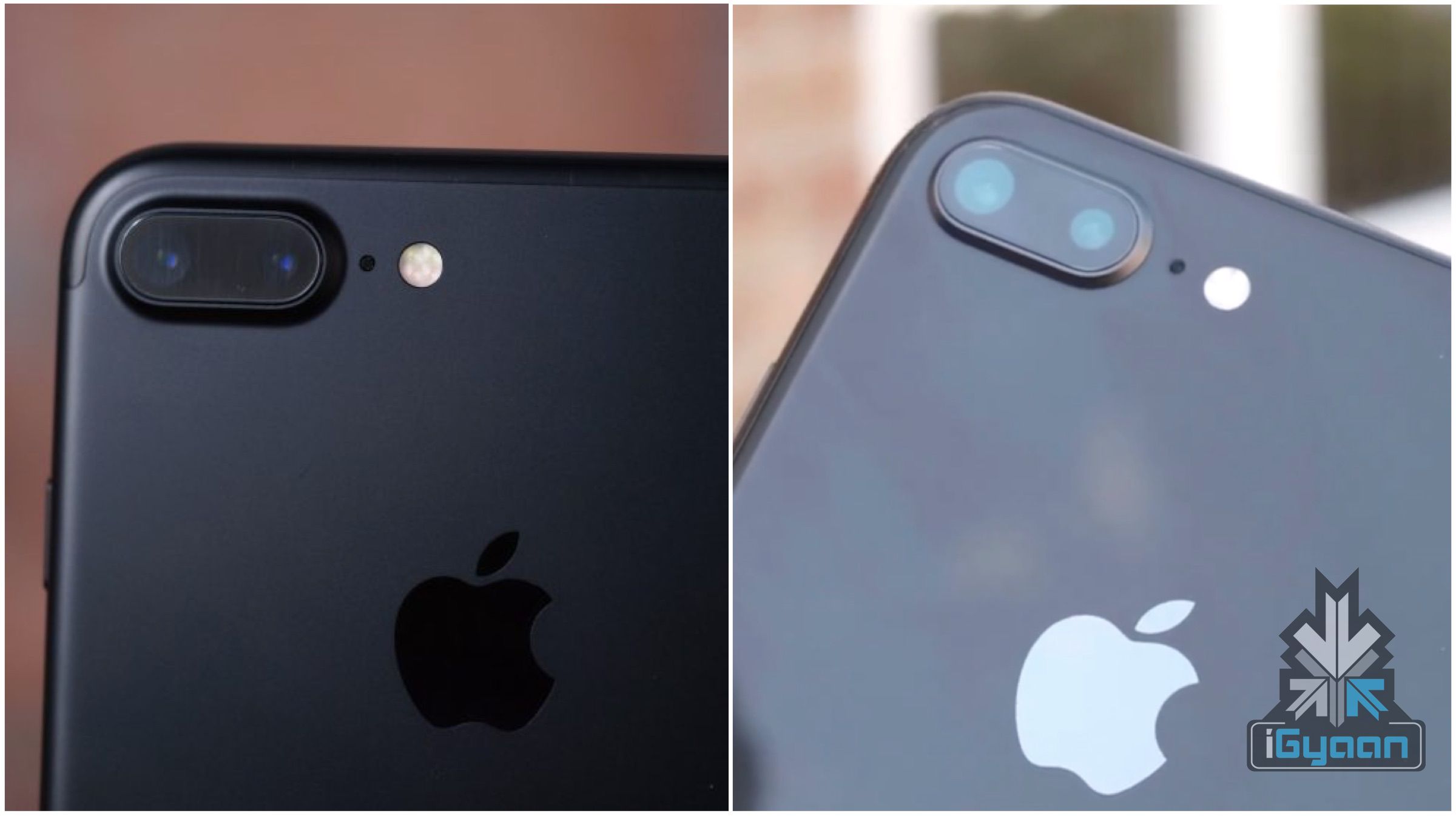
    The lawsuit filed by Qualcomm cited that Apple had violated at least three patents. The damages that it asked for applied to iPhones sold July 2017 onwards, which were kitted with Intel chips. Later in the year 2017, Apple replaced Qualcomm with Intel as its exclusive components supplier. As per reports, in the year 2016, Apple was also using Intel modems in some iPhone variants instead of Qualcomm modems. The devices included the iPhone 7 and 7 Plus. The patents relate to the following functions on mobile devices.

    • Allowing phones to connect to the internet instantly after being switched on
    • The efficiency of the smartphone’s battery and its relation with graphics processing
    • A traffic management function enabling faster data downloads

    Also read: Samsung Galaxy A2 Core Android Go Smartphone Leaked

    Interestingly, the past ruling by a German court banned the sales of Apple’s older iPhone models because of a similar patent infringement case. The company then swapped out the Intel’s modem that it had been lately using for the ones manufactured by Qualcomm. This leads the company to be allowed to continue the sales of the said devices. Notably, the biggest lawsuit between the companies will be settled in April 2019, in which Apple has accused Qualcomm of indulging in anti-trust practices and illegally withholding US$ 1 Billion worth of rebates from Apple.

  • Samsung Galaxy A2 Core Android Go Smartphone Leaked

    Samsung Galaxy A2 Core Android Go Smartphone Leaked

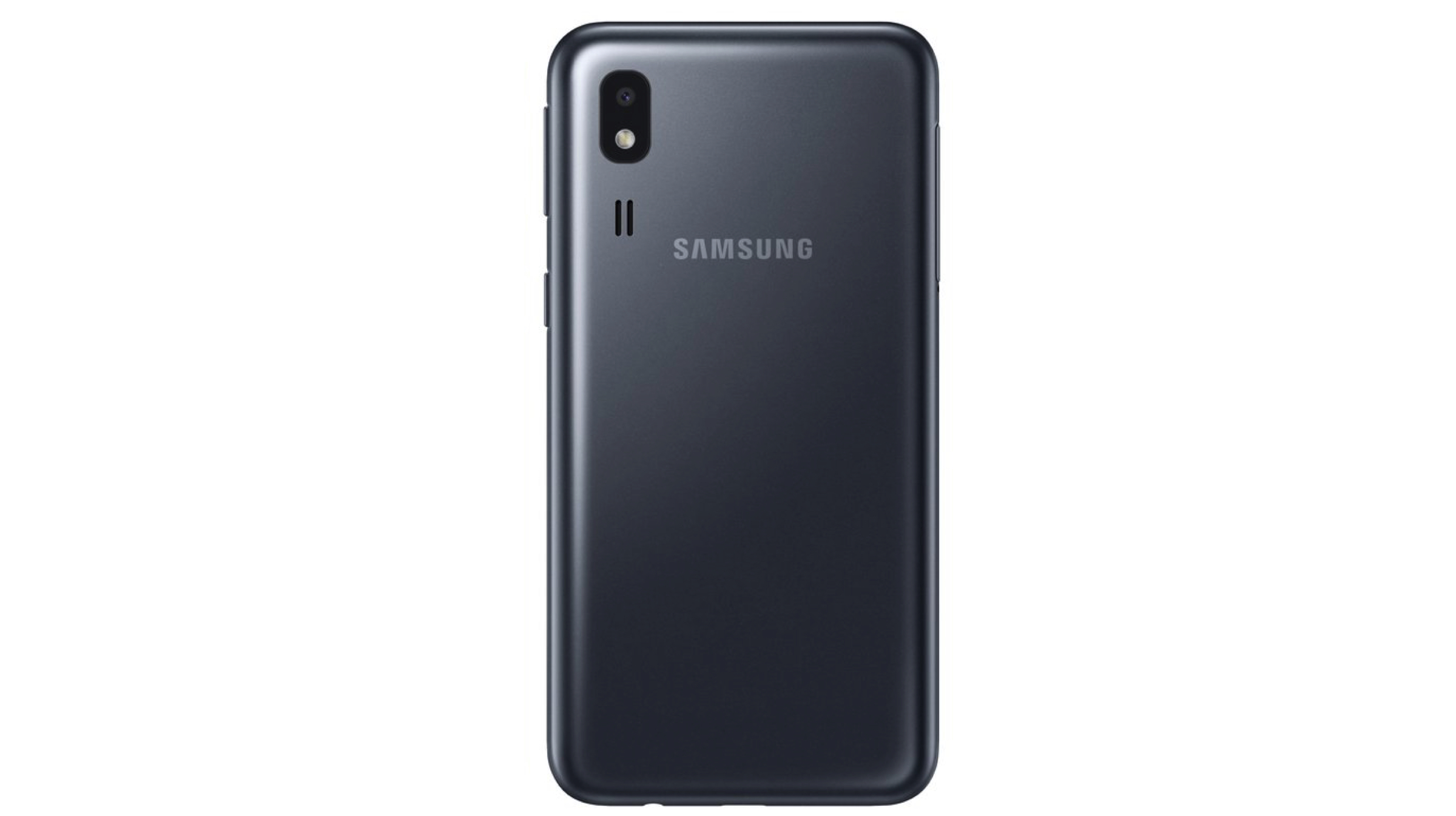
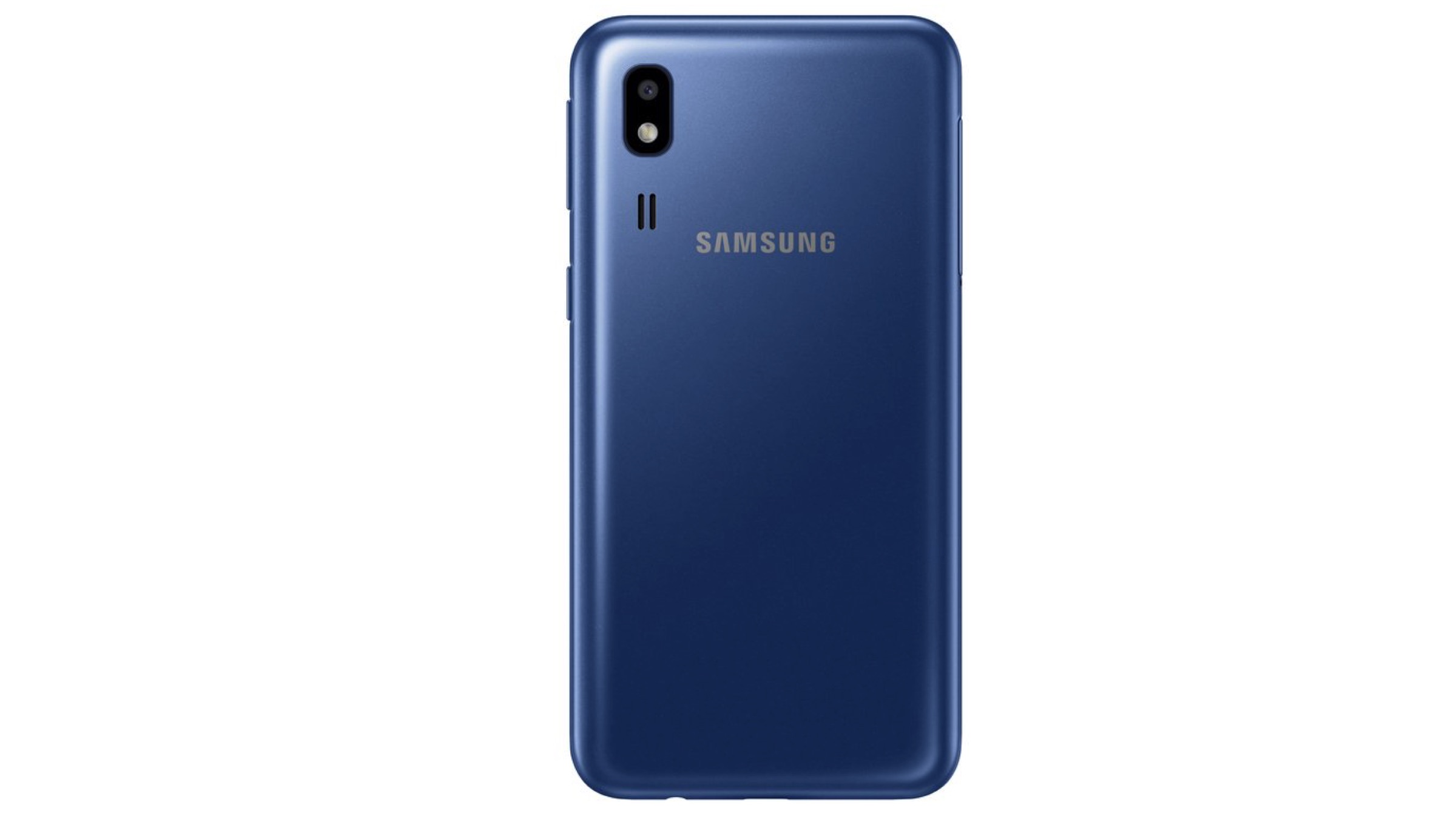
    Samsung has employed a shift in its strategy over the past few months. In an attempt to compete with the ever improving hold of Chinese smartphone OEMs in developing markers; it has launched devices offering competitive specifications at lucrative prices. The recent examples of this change are the newly launched Galaxy M and Galaxy A lineup of smartphones. In a gambit to capture the budget market, the company is planning to launch an Android Go certified device. This handset, alleged to be called the Galaxy A2 Core, has leaked in images on Twitter by a famous tipster.

    Galaxy A2 Core: Design

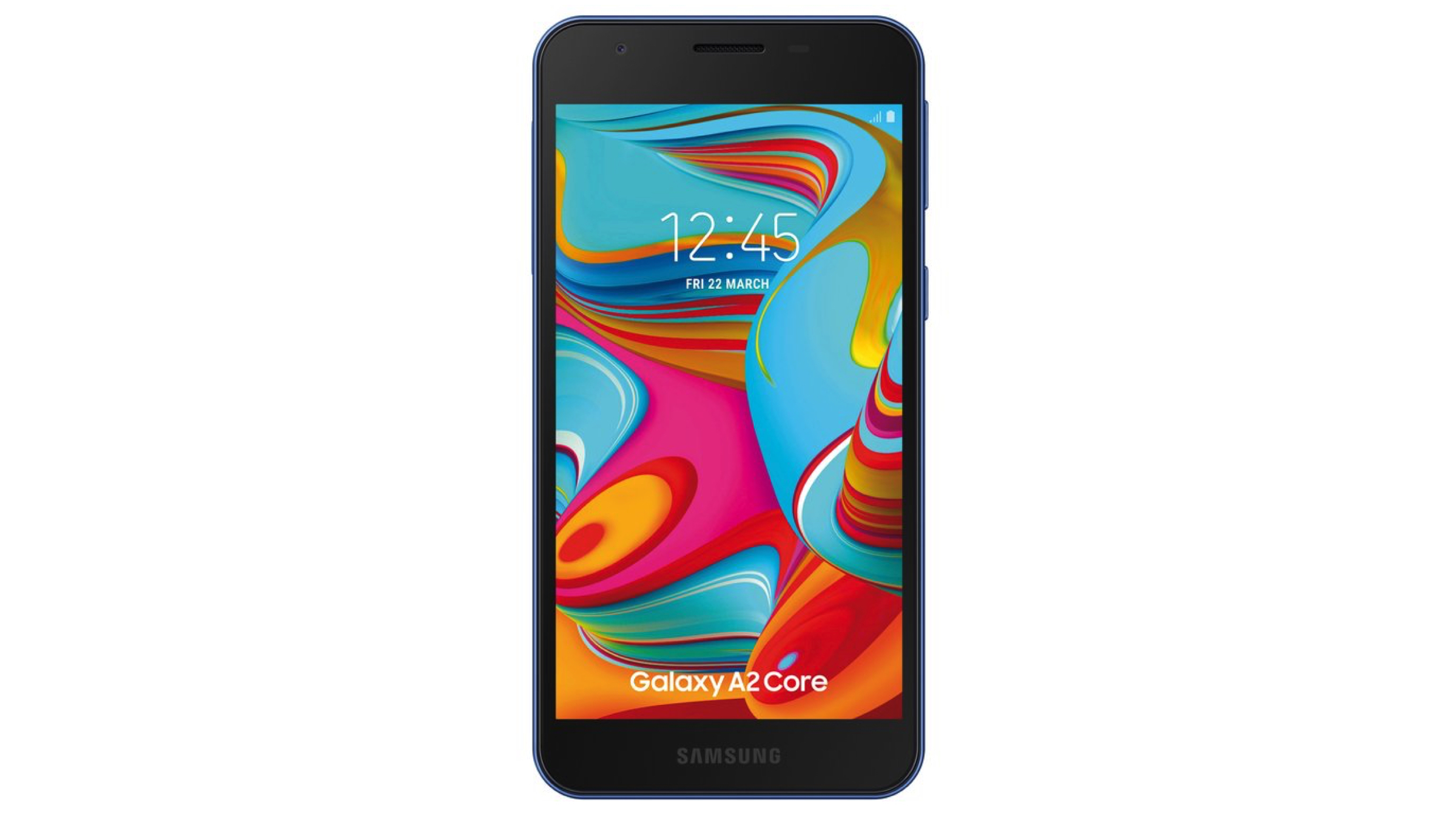
    The Galaxy A2 Core will be the next smartphone from the company to be certified under the Android Go program. This allows devices with less than or equal to 1GB of RAM to function better because of a lightweight software. The leaked image reveals the looks of the device in its entirety. The front of the handset has the display surrounded by significant bezels and the Samsung branding on the bottom. There is an earpiece on top, accompanied by the front-facing camera on the left and the proximity sensor on the right. The right side of the device houses the volume rockers and underneath them is the power button to lock/unlock the device. The left is expected to have the SIM card tray and the bottom of the device has the 3.5mm headphone jack.

    The back of the Samsung Galaxy A2 Core has a single rear camera setup with an LED flash. The main loudspeaker is present below the camera module and in the centre, there is the company’s branding. There is no physical fingerprint scanner in sight, so the smartphone may rely on face unlock technology; along with traditional unlocking methods like numerical pins, patterns and passwords.

    Galaxy A2 Core: Specifications

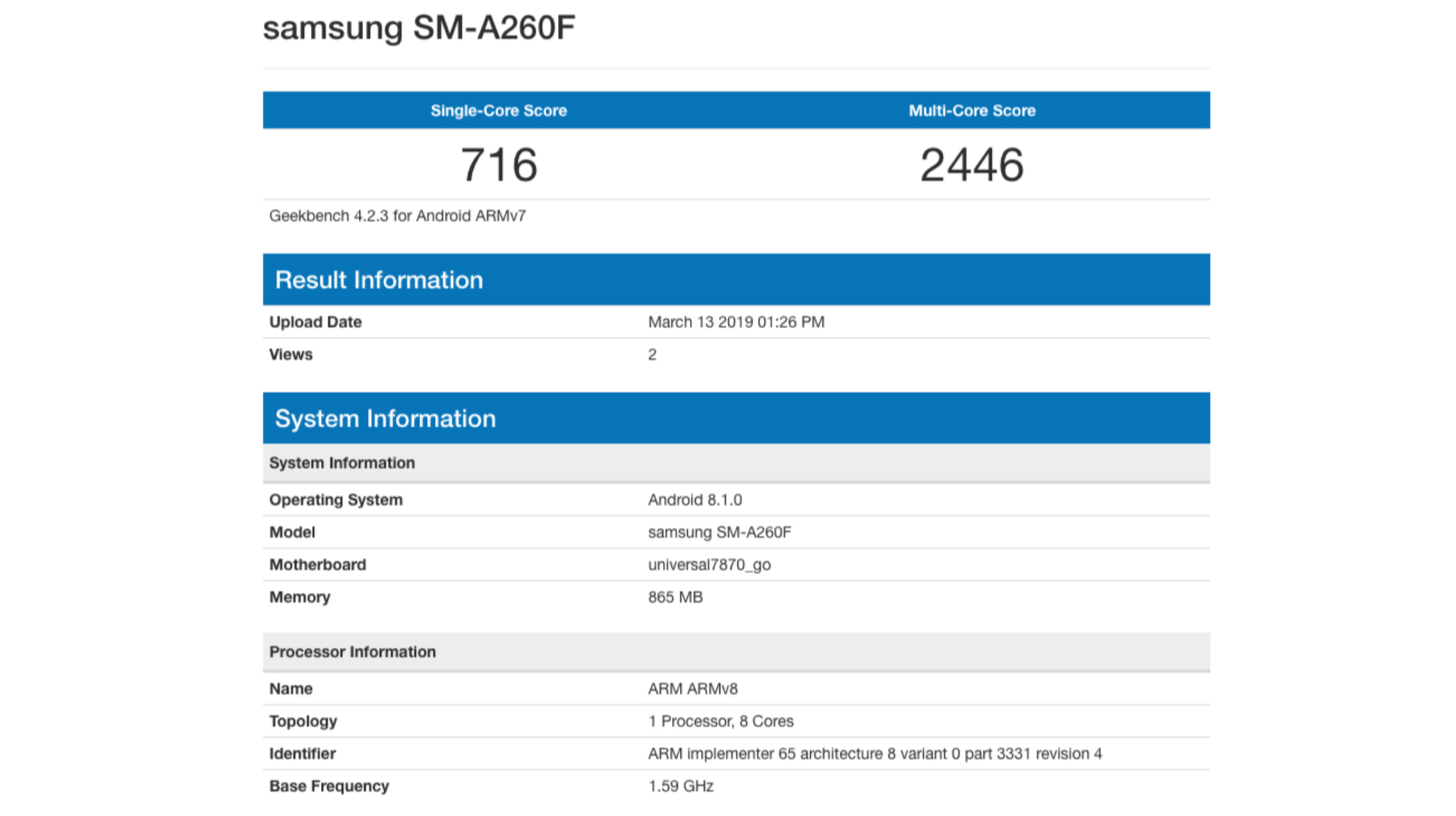
    While the leak doesn’t mention any specifications of the device, a recent listing on CPU benchmarking website Geekbench revealed key specifications of the Galaxy A2 Core. According to the listing, the model number of the aforementioned smartphone will be SM-A260F which falls in line to previous reports of the device. The device runs Android 8.1 Oreo Go edition out of the box and may feature Samsung’s Experience UI on top. 

    The Samsung Galaxy A2 Core runs on the 14nm Exynos 7870 SoC. The chipset has an Octa-core CPU and Mali-T830 MP1 GPU. The CPU has a base frequency of 1.59GHz which gives it a single-core score of 716 and multi-core score of 2446 on Geekbench. Galaxy A2 Core will have 1GB of RAM and 16GB of onboard storage.

    Pricing & Availability


    Also read: Google Pixel 4 XL Renders Reveal A Smartphone With Punch Hole Selfie Camera

    The leaked images and Geekbench listing suggests the launch of Galaxy A2 Core is imminent. Unfortunately, no details about the pricing of the device are known as of now; but given Samsung’s aggressive stance on pricing lately, it may be launched at a price of Rs. 5,999.

  • Huawei P30 Pro Leaked In Sunrise Red Colour, Full Details Revealed

    Huawei P30 Pro Leaked In Sunrise Red Colour, Full Details Revealed

    Huawei will launch its next generation of flagship smartphones, the P30 and the P30 Pro at an event in Paris on March 26. From all the confirmations by the company and the leaks on the side, it is confirmed that the devices will have a focus on photography. A fresh leak has surfaced which reveals that the Huawei P30 Pro will also be available in an all-new Sunrise Red colour which is a company first. 

    Huawei P30 Pro Specifications

    Key specifications of Huawei P30 Pro have also been  leaked before the official unveiling. In terms of design, it will have a similar appearance to the last year’s P20 Pro; but instead of a wide notch in the latter, the former will have a waterdrop style notch. The smartphone will have a 6.47 inch OLED display with a resolution 2340 x 1080 px. Like the Huawei Mate 20 Pro, the display edges will be tapered to the side. For biometrics and security, the device will have an in-display fingerprint scanner and will support face unlock technology.

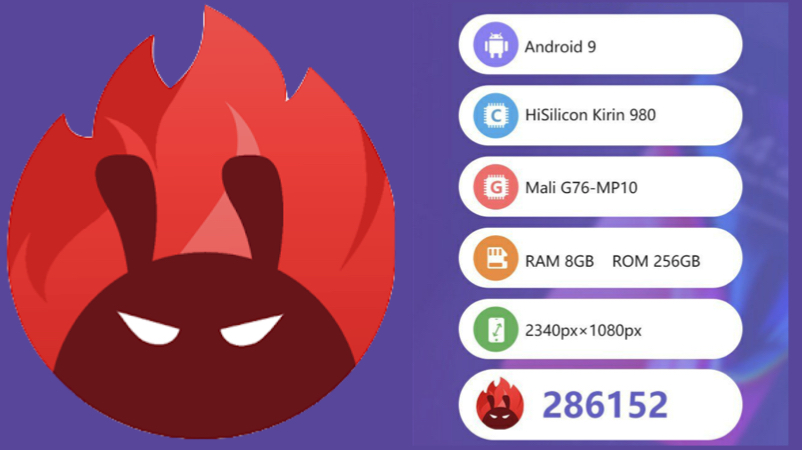
    A recent leak of the Huawei P30 Pro’s benchmark scores reveals it will run on the 7nm Kirin 980 SoC. The chipset is comprised of an Octa-core CPU and a Mali G76-MP10 GPU. The highlight of the smartphone will be its optics, especially the quad rear camera setup. It will be comprised of a 40MP sensor, combined with a 20MP ultra-wide sensor and a third camera with 10x lossless zoom. The third camera sensor will use a periscope style system to give the handset its zooming capabilities. The fourth camera uses a Time of Flight (ToF) sensor which is employed for clicking images with 3D and depth functionalities. The smartphone will be available in the following storage variants.

    • 8GB RAM and 128GB ROM
    • 8GB RAM and 256GB ROM
    • 8GB RAM and 512GB ROM 

    According to reports, the Huawei P30 Pro will be powered by a 4200mAh battery with a whopping 44W fast charging support via the bottom mounted USB Type-C port. The smartphone will also support NanoMemory cards, which the company introduced with the Mate 20 Pro. The handset will be available in four colours, namely Black, Ice White, Twilight, and the recently leaked Sunrise Red.

    Pricing and Availability

    Also read: Tesla Launches The Model Y Electric SUV

    The Huawei P30 Pro will be launched alongside the P30 and the P30 Lite in an event in Paris on March 26. It will be available for sale in Europe and China soon after the unveiling, with an India launch to follow soon. Unfortunately, the pricing of the device is not confirmed yet. But reports claim that it will be priced similarly to the Mate 20 Pro, meaning a price tag of US$ 1000 (Rs. 70,000) is expected.

  • Tesla Launches The Model Y Electric SUV

    Tesla Launches The Model Y Electric SUV

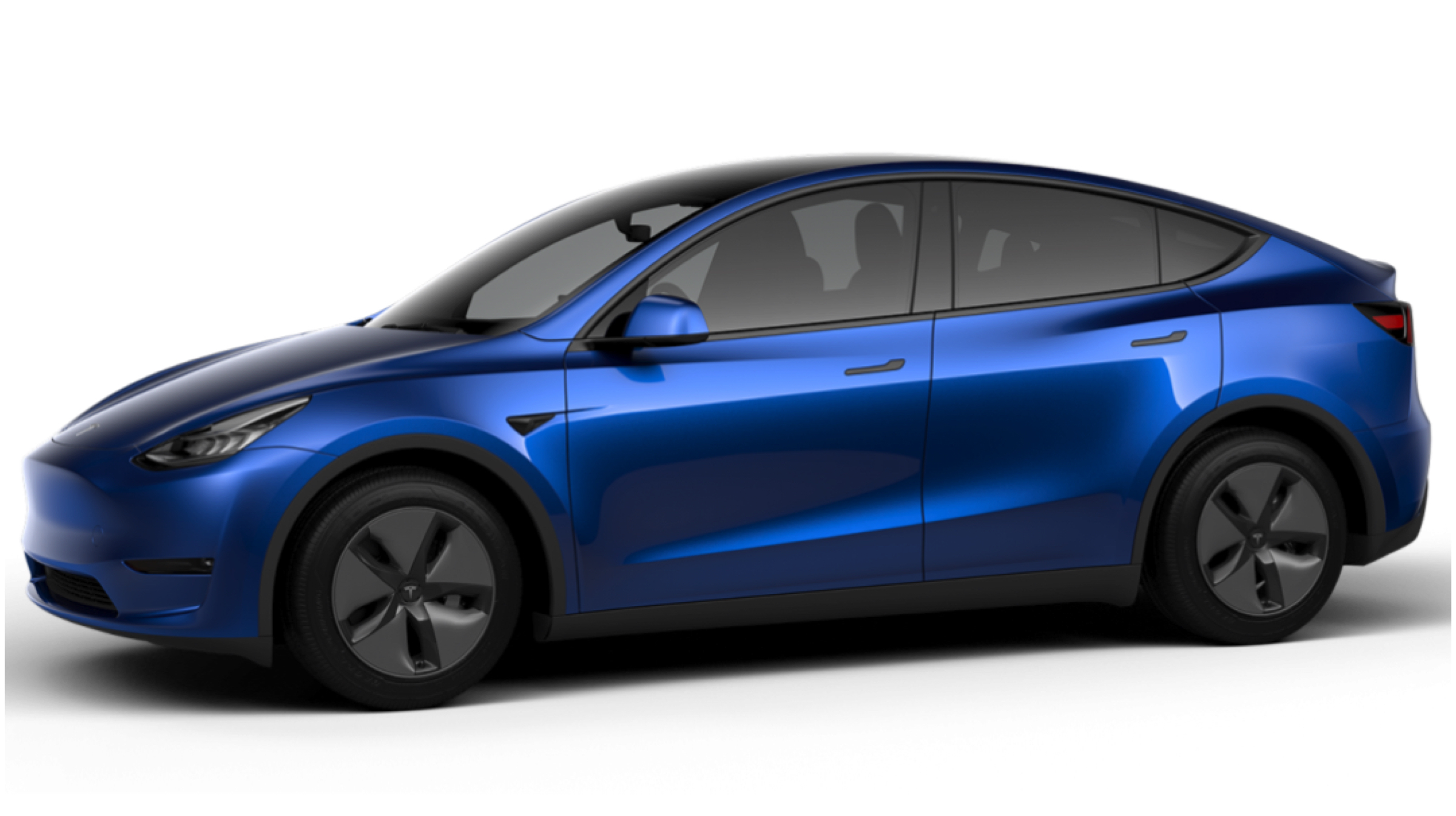
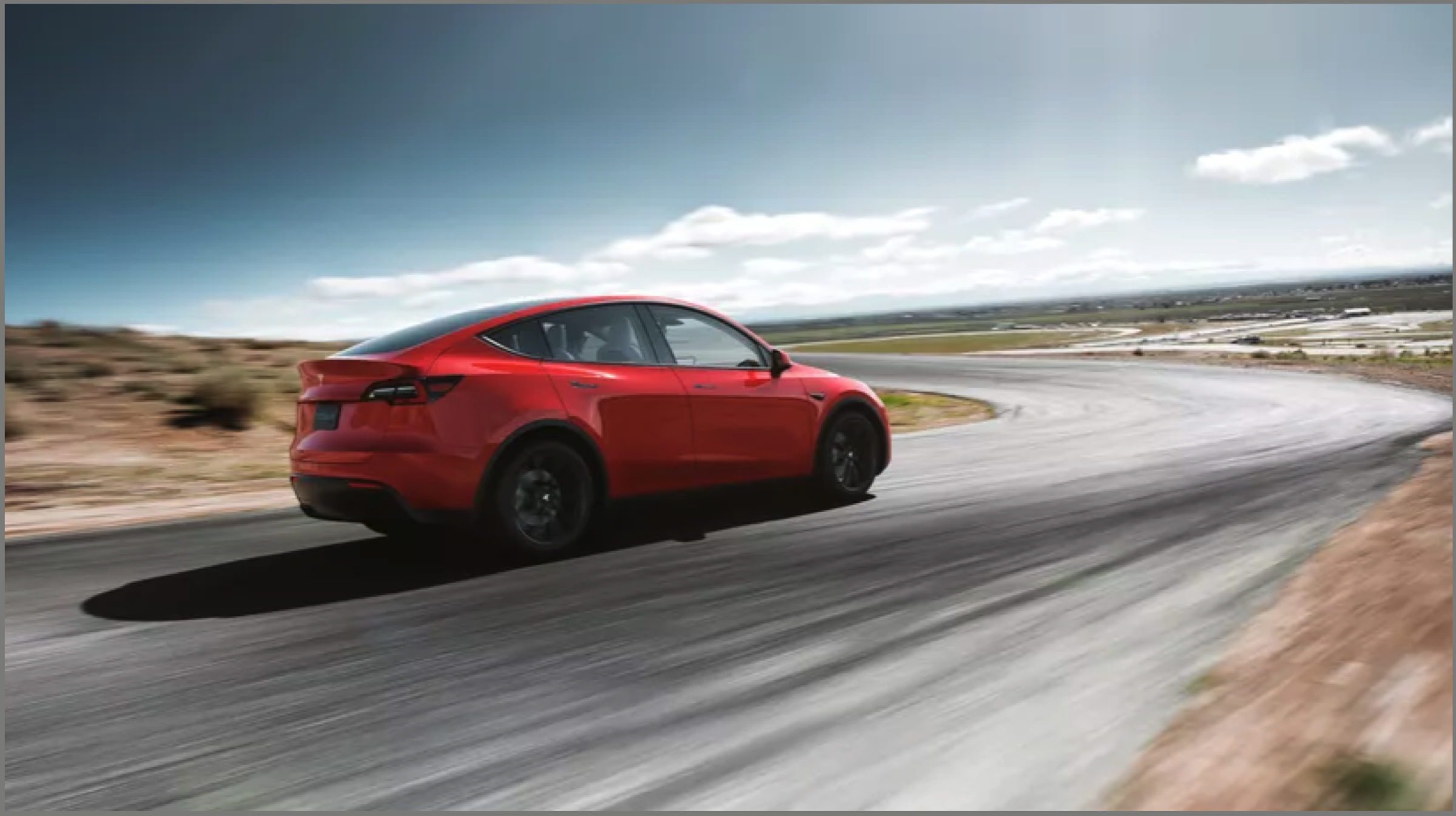
    After much hype and speculation, reputed electric carmaker Tesla has launched the Model Y, its newest electric Sports Utility Vehicle (SUV) on the 14th of March. It is the fifth car ever launched from the company and is only the second mass-market electric vehicle by the company since it was founded in the year 2003. The first one being the Tesla Model 3 which was introduced in the year 2017. Tesla Model Y was launched at the company’s design studio in Los Angeles, USA. 

    Tesla Model Y: Design & Safety

    The Tesla Model Y is the second SUV from the company, the first one, Tesla Model X was launched in the year 2015. The car shares many of its characteristics with the Model 3, which is the company’s most affordable car yet. Although the Tesla Model Y has the same design language as the Model 3, the cargo space has gone up from 15 cubic feet in the latter to a whopping 66 cubic feet in the latest SUV. The company promises a low centre of gravity, rigid body structure and large crumple zones which will protect the driver in case of accidents. Seating options have gone up from 5 in the Model 3 to 7 in the Model Y if the buyers choose to install a third seating row.

    Tesla Model Y: Performance & Driving

    While the two base models of the Tesla Model Y are rear wheel drive, there is an optional All-Wheel Drive (AWD) Dual motors in the more premium models. These motors provide the car with a digitally controlled torque to the front and rear wheels. Like other vehicles in the company’s portfolio, the Model Y has the Autopilot feature which allows for a partially autonomous driving experience. The car has a total of 12 ultrasonic sensors and cameras around the sides which, according to the company will detect nearby cars, prevent potential collisions and assist with parking. 

    Tesla Model Y: Interiors & Pricing

    Also read: Facebook Mobile Application Update Introduces Dedicated Gaming Section

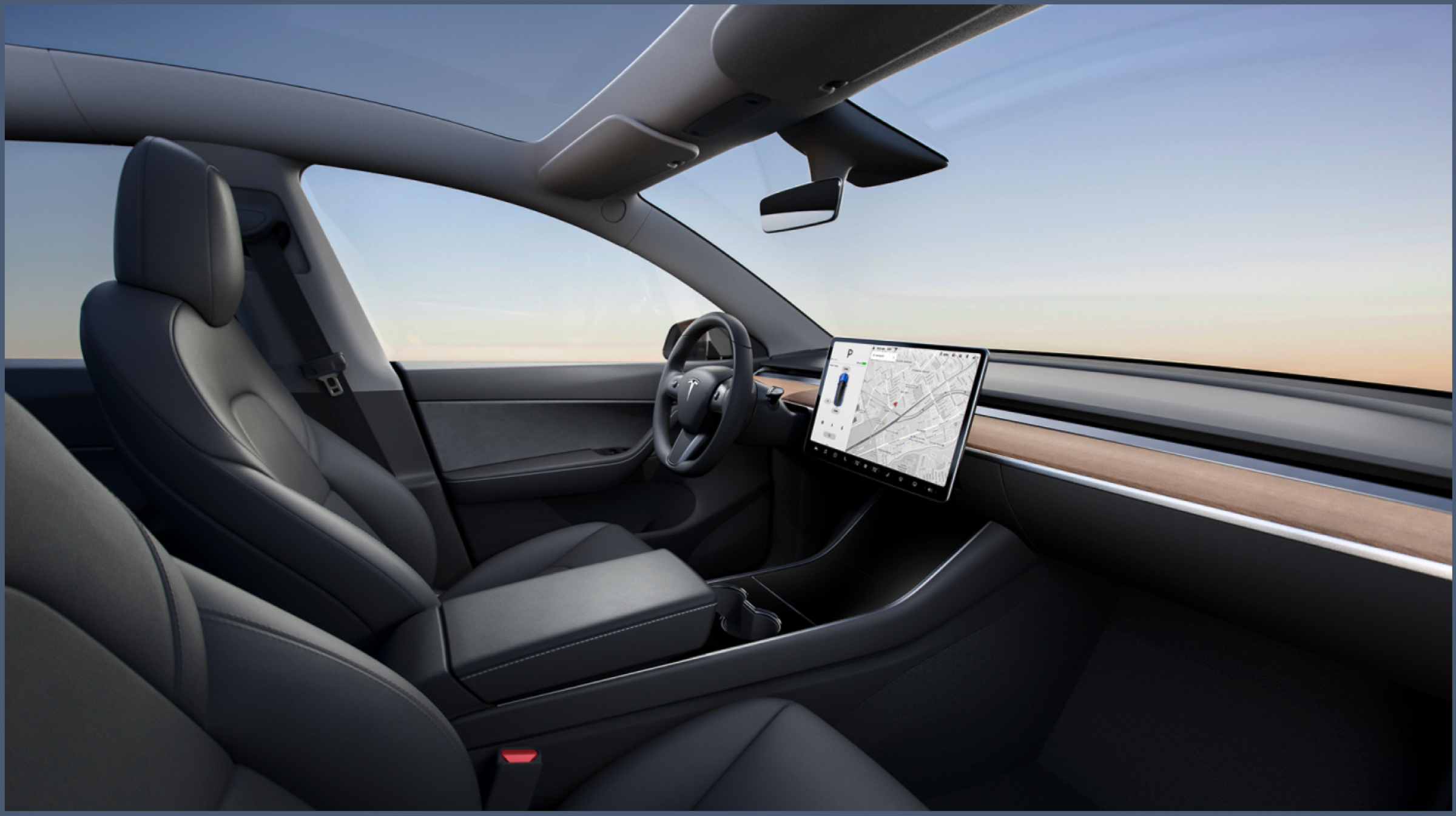
    The interiors of the Tesla Model Y resemble the one found in Model 3, with a minimalistic theme and an all-glass roof. There is a 15-inch touchscreen which doubles as the central console of the car. Over-The-Air (OTA) software updates for the car are also displayed and installed from the touchscreen console. Tesla will soon begin the production  of the Model Y and its deliveries will commence in the year 2020. The company has announced a total of four variants which along with their acceleration, top speed and price are mentioned below.

    Model Standard Range Long Range Dual Motor AWD Performance
    Range

    230 miles

    (370 km)

    300 miles

    (482 km)

    280 miles

    (450 km)

    280 miles

    (450 km)

    Top Speed

    120 mph

    (193 kmph)


    130 mph

    (209 kmph)

    130 mph

    (209 kmph)

    150 mph

    (241 kmph)

    0-60 mph

    (0-100 kmph)

    5.9 seconds 5.5 seconds 4.8 seconds 3.5 seconds
    Price

    US$ 39,000

    (Rs. 27,00,262)

    US$ 47,000

    (Rs. 32,54,162 )

    US$ 51,000

    (Rs. 35,31,112)

    US$ 60,000

    (Rs. 41,54,250)

    Deliveries Spring 2021 Fall 2020 Fall 2020 Fall 2020
  • Xiaomi POCO F1 Lite Spotted On Geekbench With 4GB Of RAM

    Xiaomi POCO F1 Lite Spotted On Geekbench With 4GB Of RAM

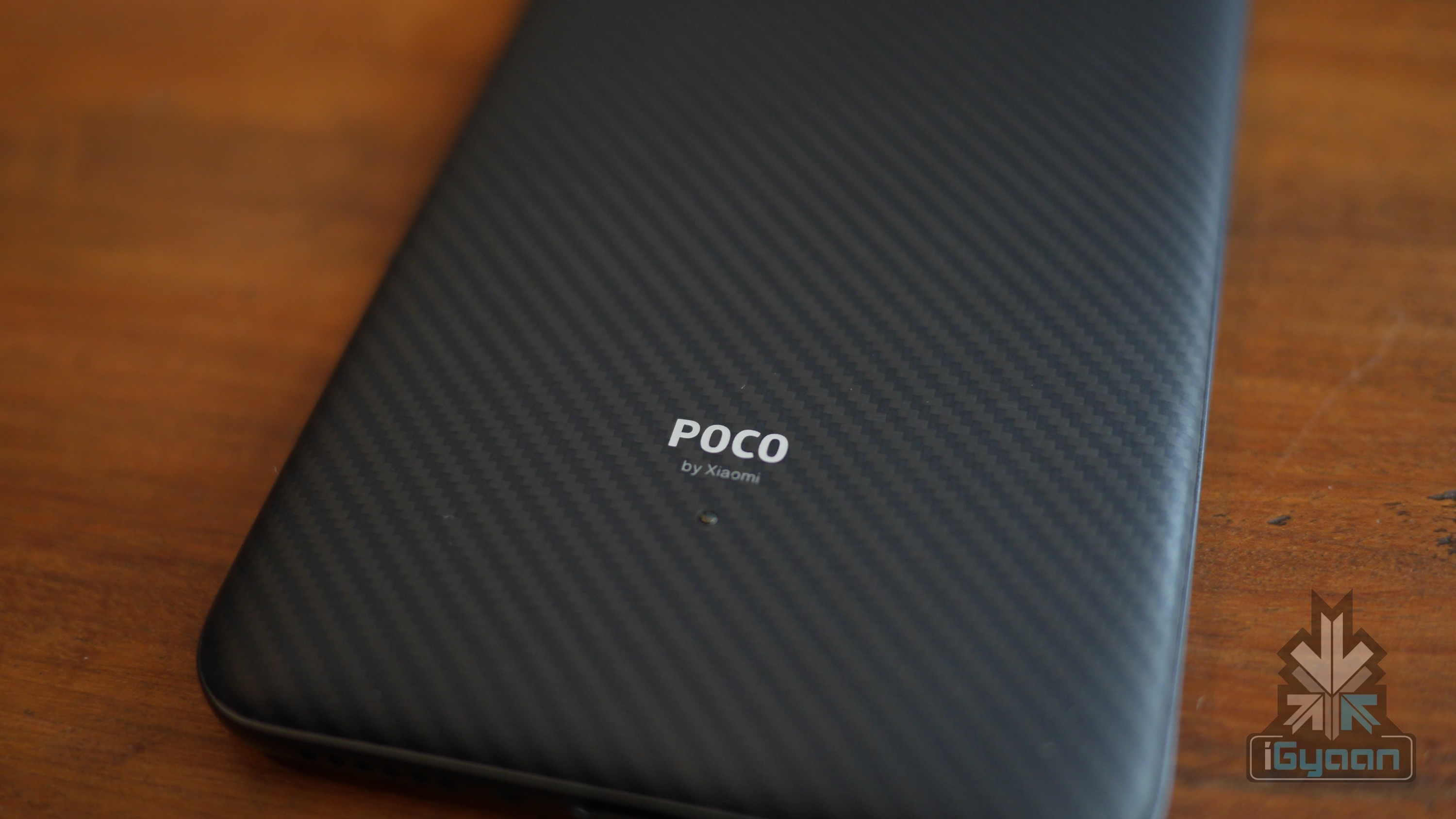
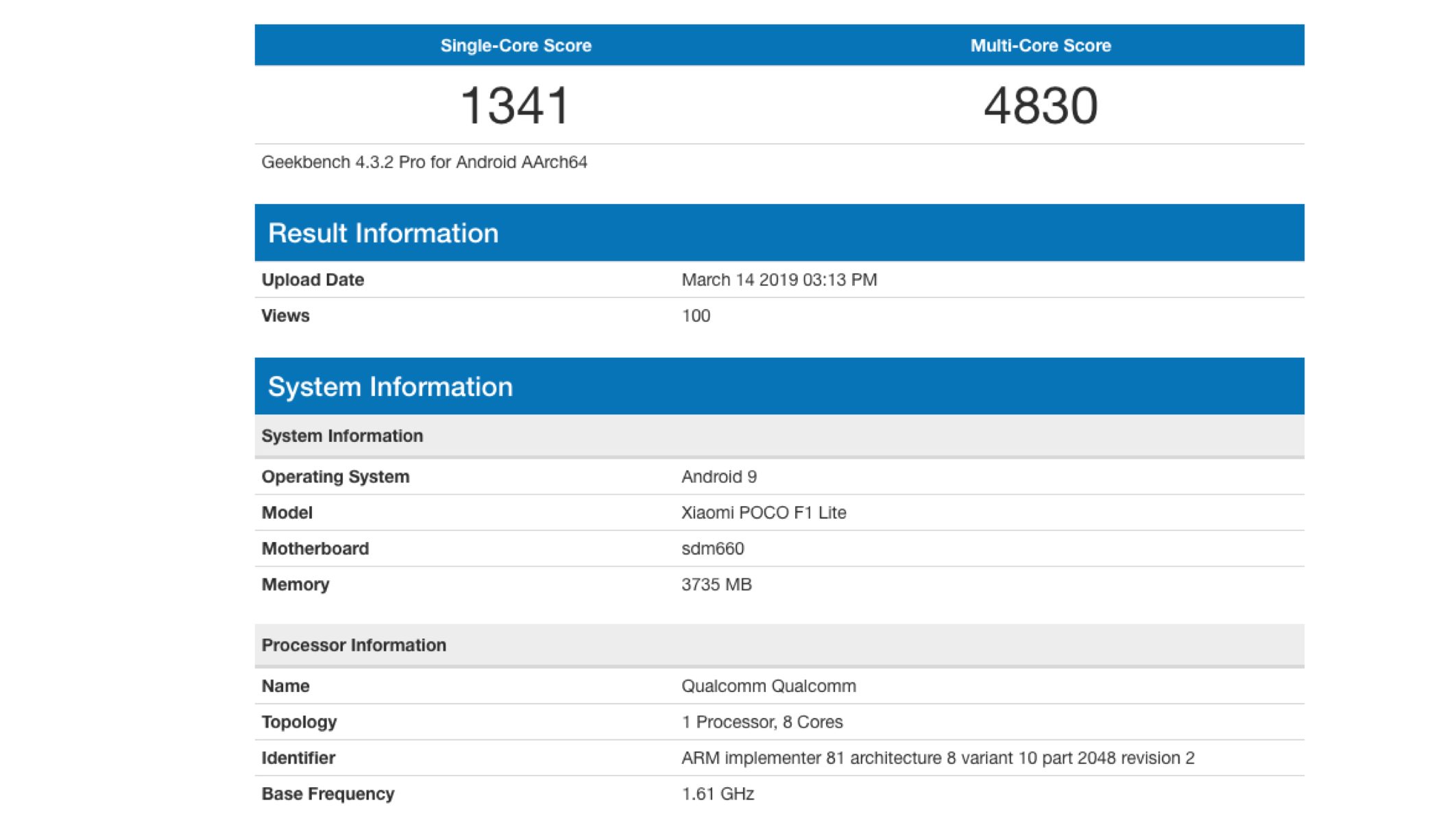
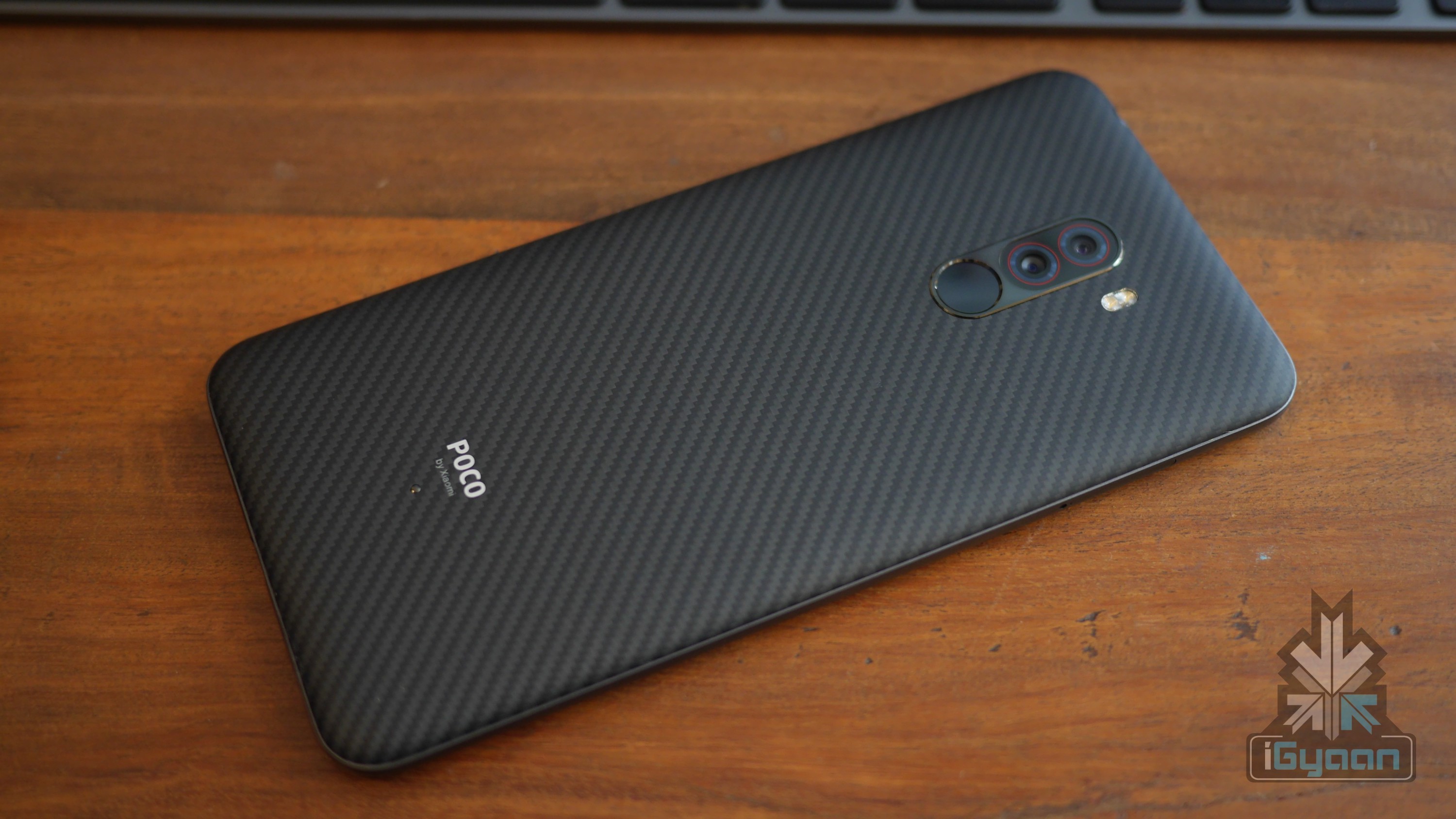
    Xiaomi launched the POCO F1 in the month of August last year. The budget flagship smartphone was well received because of its top of the line specifications and an affordable price. Fresh leaks have revealed that the company may be planning to launch a specced down version of the device. Geekbench listing of an unreleased smartphone, the Xiaomi POCO F1 Lite has leaked which confirms most of its specifications.

    Even though the Head of Pocophone Global, Alvin Tse replied to iGyaan’s tweet saying that he is not aware of a Lite version, evidence suggests otherwise, as the Geekbench listing explicitly lists the name of the device as the POCO F1 Lite.

    Xiaomi POCO F1 Lite

    The POCO F1 Lite will be the next smartphone from the sub-brand of Xiaomi. While the specifications of the device have been leaked, there is no information about its physical appearance. However, it is expected to feature a similar design language to its elder sibling, which has a polycarbonate body and a wide notch on top of the display. The listing reveals that the smartphone will have a Snapdragon 660 SoC which is manufactured using 14nm fabrication process. The chipset is comprised of an Octa-core CPU and the Adreno 512 GPU. Interestingly, the same processor can be found on the company’s newly launched Redmi Note 7. The POCO F1 Lite has been mentioned to have 4GB of RAM, but there may be a variant with a higher RAM capacity as well.


    The listing claims the CPU of the POCO F1 Lite has a clock speed of 1.61GHz which is lower than the Redmi Note 7’s base clock speed of 1.8GHz. Therefore, the underclocked speed is assumed to result in lower performance than the latter. Also, Xiaomi can tune the clock speed of the Poco F1 Lite before its official launch. This smartphone registers a single core score of 1619 and a multi-core score of 5138 on the same platform.

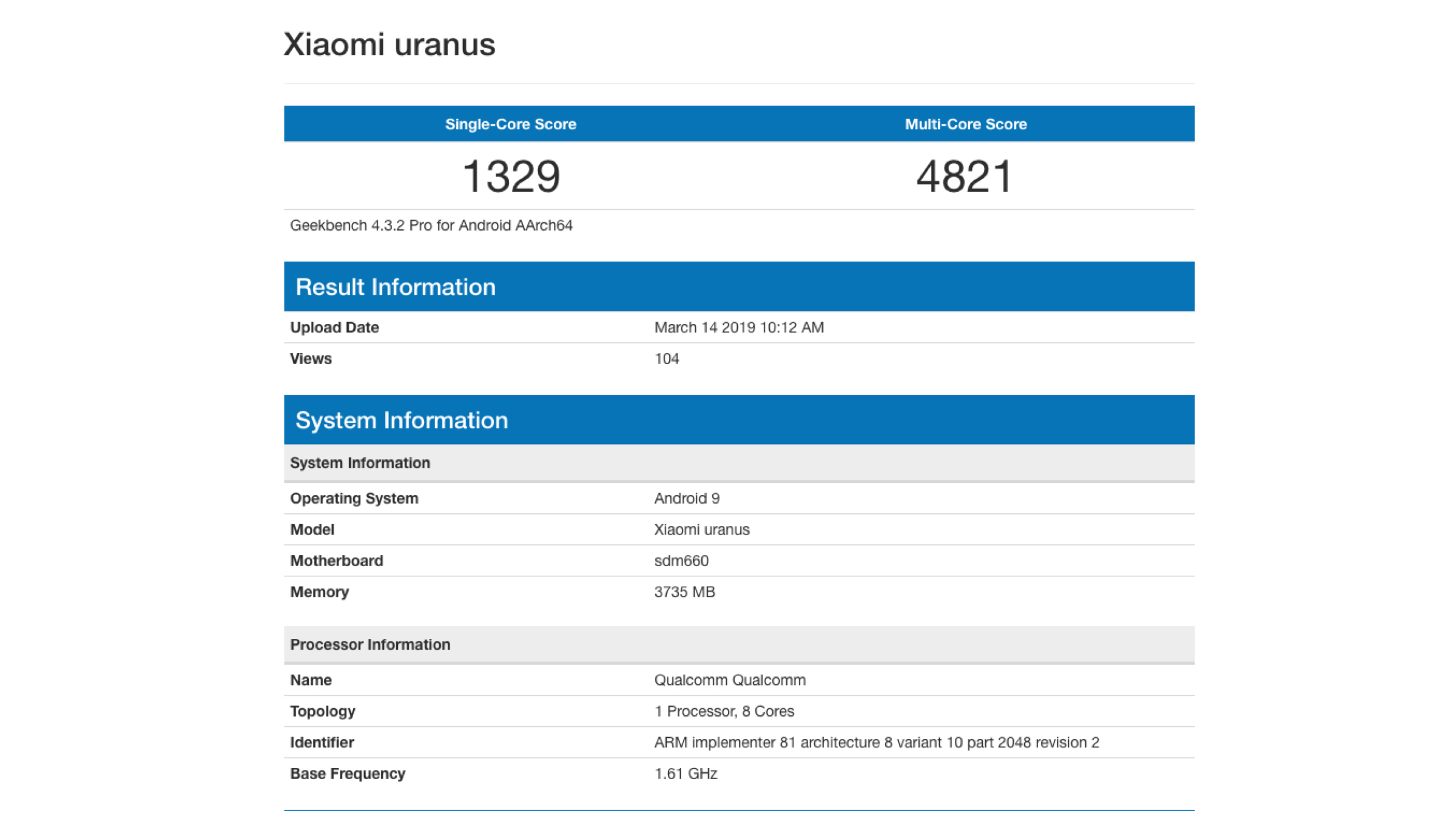
    Notably, another smartphone from Xiaomi has also been leaked on Geekbench. Codenamed the Xiaomi Uranus, it features similar specifications to the leaked POCO F1 Lite. It may be possible that this is the same device which will be released under a different name in certain markets across the world.

    Also read: Here Are All The Major Android Skins Currently Available

    The pricing and availability of the POCO F1 Lite are not known yet, but the Geekbench listing suggests its launch is imminent. Xiaomi is known to price its smartphones aggressively, so the smartphone may be priced under Rs. 10,000 in India.

  • Budget Oriented Redmi Go To Launch In India On March 19

    Budget Oriented Redmi Go To Launch In India On March 19

    Xiaomi has sent out invites for the launch of its next budget oriented smartphone, the Redmi Go. The device will launch on the 19th of March and will be the first Android Go smartphone from the company. The smartphones under the Android Go initiative generally have low-end hardware and a skimmed down variant of the Android operating system which provides an optimised performance. As the device has previously been unveiled in the Philipinne all of its specifications are well known.

    Xiaomi Redmi Go

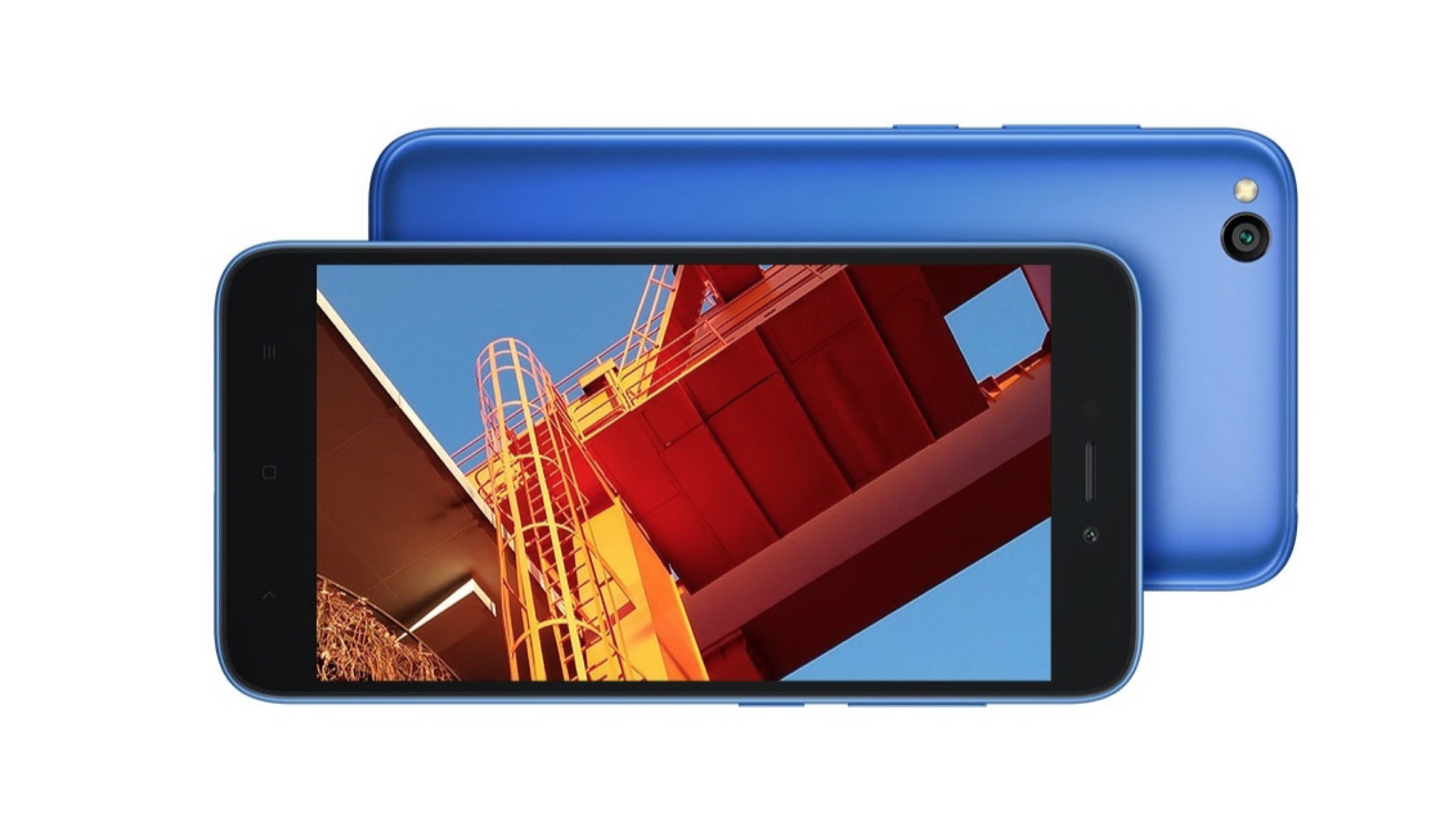
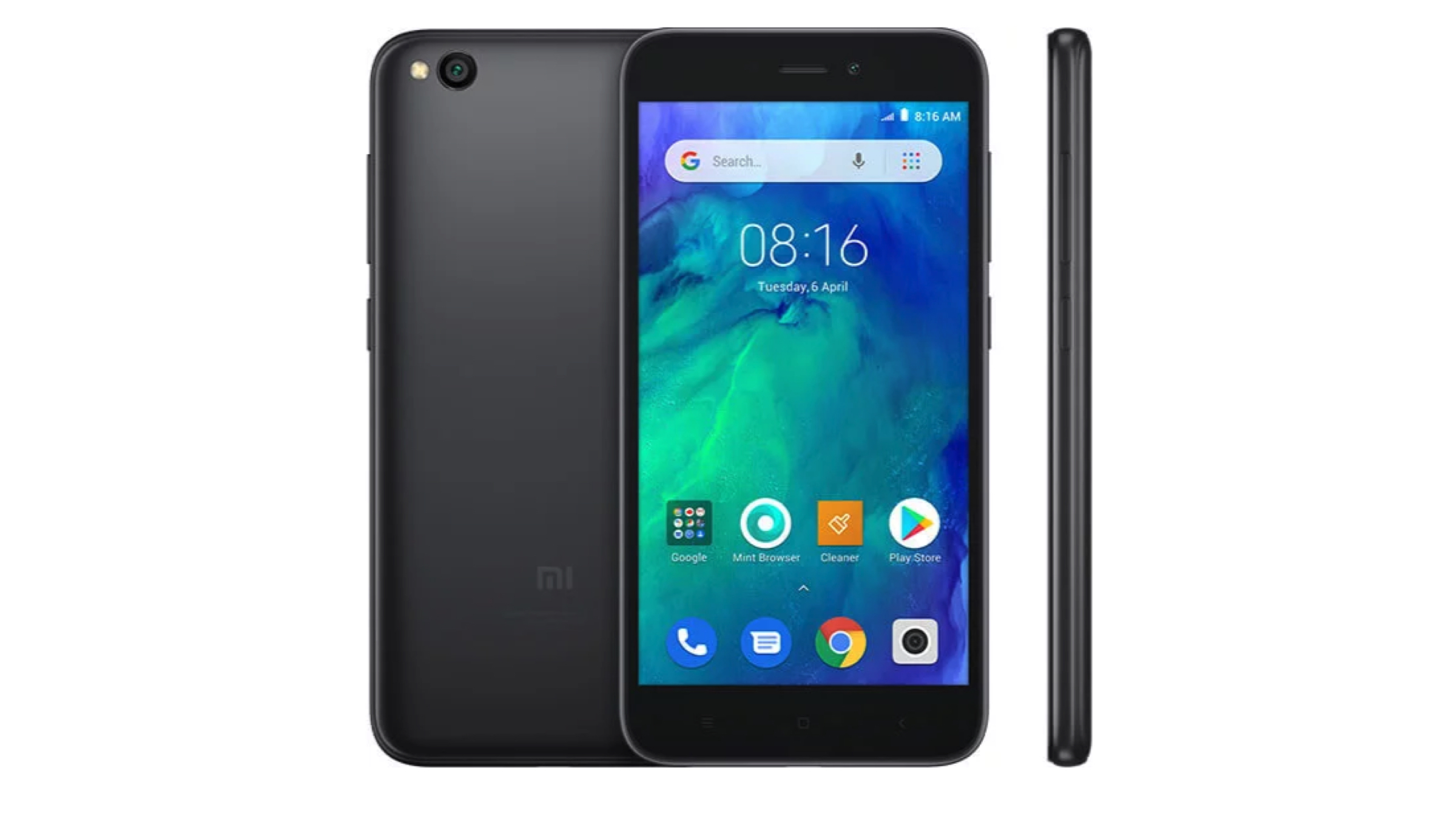
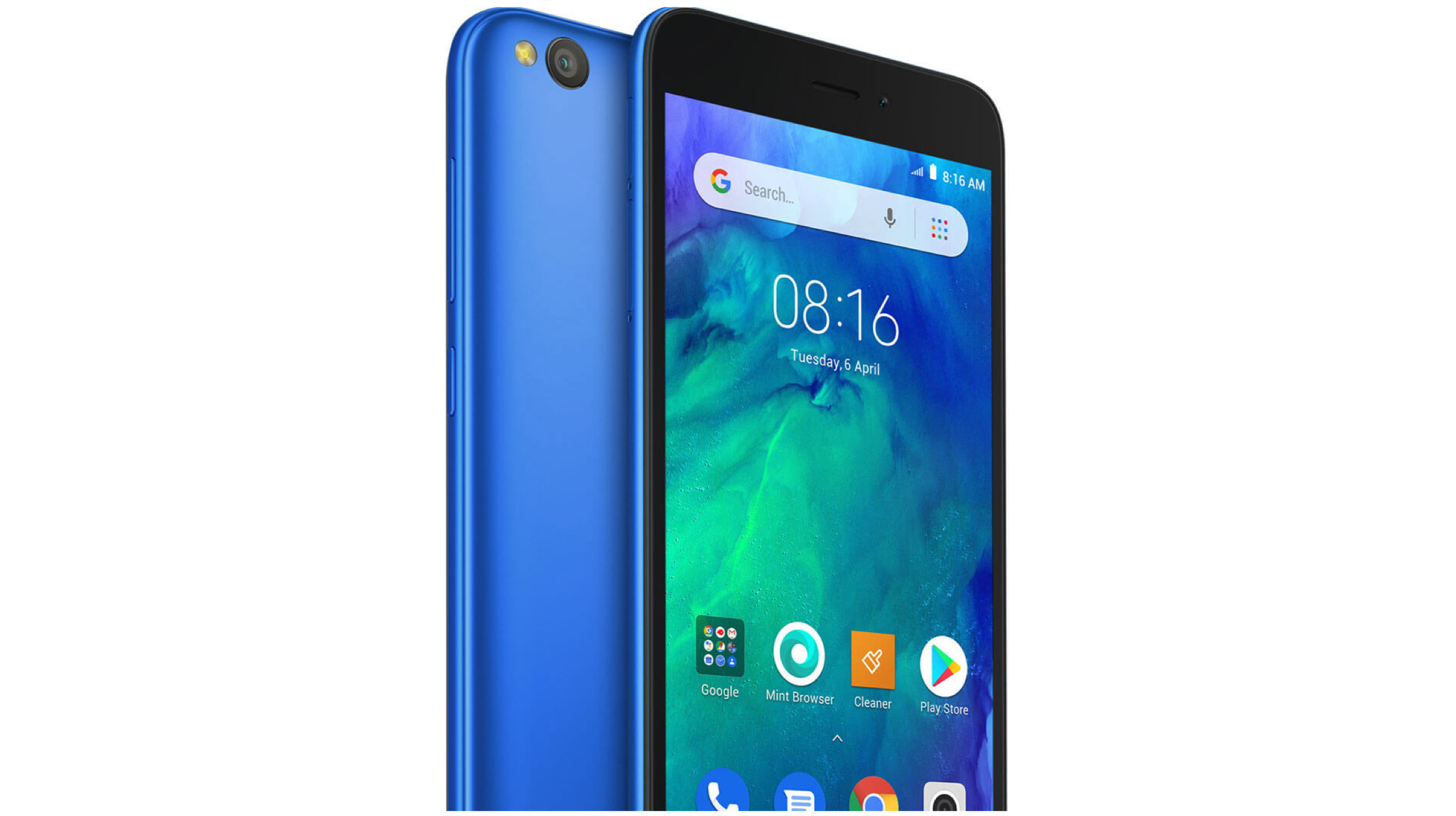
    The Redmi Go will have a similar design language to the Redmi 5A which was launched back in the year 2017. The Redmi Go has a polycarbonate body with significant bezels on the front. It measures 40.4 x 70.1 x 8.35mm and weighs 137g. It has a 5 inch IPS LCD display with a resolution of 1280 x 720. The display has a pixel density of 296 ppi and a maximum brightness of 380 nits. For biometrics and security, the Redmi Go relies on Face Unlock technology as it lacks a physical fingerprint scanner. In addition to facial unlocking, it also supports the traditional on-screen locking options.

    Under the hood, the Redmi Go packs the Snapdragon 425 SoC which is manufactured using the 28nm fabrication process. The chipset has a Quad-core CPU and Adreno 308 GPU. In terms of optics, the smartphone has an 8MP primary camera at the back with an aperture of f/2.0. For selfies, there is a 5MP camera with an f/2.2 aperture on the front. For memory and storage, the Redmi Go will be available in the following variants.

    • 1GB RAM and 8GB ROM
    • 1GB RAM and 16GB ROM

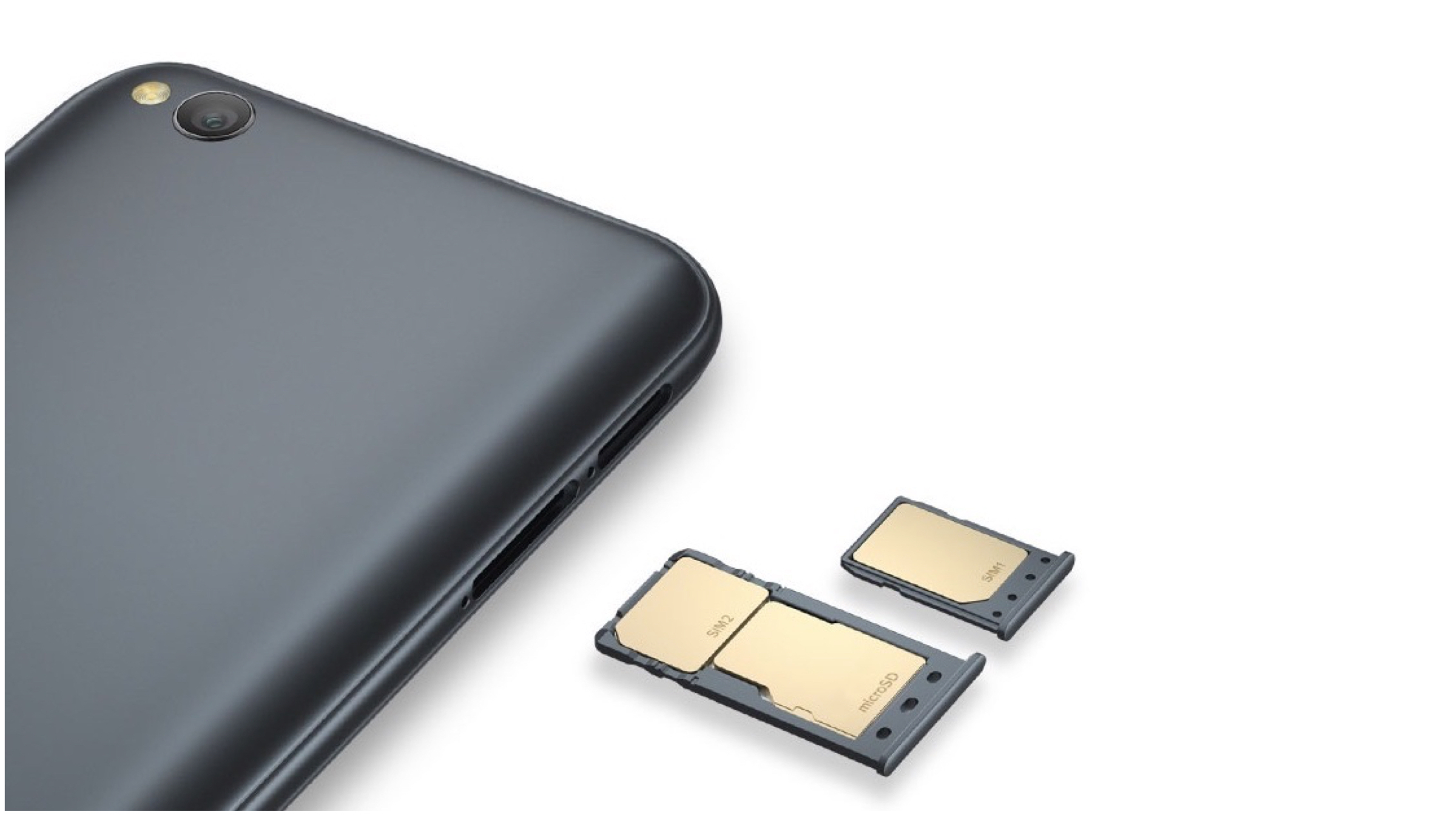
    The Redmi Go is powered by a 3000mAh battery with support for 5W charging. The smartphone ships with Android 8.1 Oreo Go edition out of the box. There is a Hybrid SIM card slot on the device with support for microSD expansion of up to 256GB as well. 

    Pricing & Availability

    Also read: Samsung Is Developing A Smartphone With An Invisible Punch Hole Camera

    The Xiaomi Redmi Go will be launched in India on March 19. Unfortunately, there is no information about the price of the device as of now. However, it is expected to be priced at Rs 3,499 for the base variant and 3,999 for the version with 1GB RAM and 16GB internal storage. 

iGyaan Network
Privacy Overview

This website uses cookies so that we can provide you with the best user experience possible. Cookie information is stored in your browser and performs functions such as recognising you when you return to our website and helping our team to understand which sections of the website you find most interesting and useful.