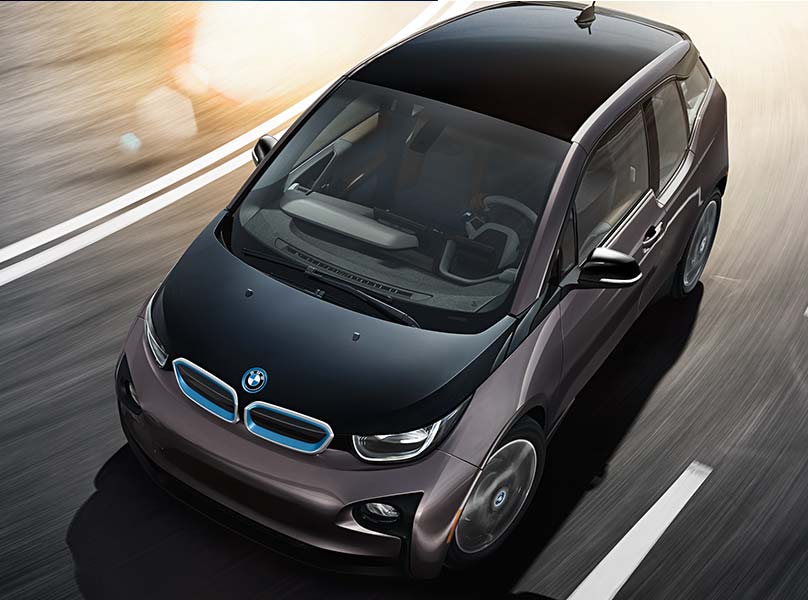
The news about Apple‘s electric car project is gaining traction day by day and according to a latest report, the company is negotiating with BMW to use i3 electric cars as a base for the project. Similar reports surfaced in March this year, but BMW denied such claims.
BMW i3
BMW’s i3 is an all-electric car which can run for 80 and 90 miles on a full charge. At a recharge rate of 20 miles per hour, it takes four hours to charge the car from a public charger. The body is made from carbon-fiber-reinforced polymer, which reportedly attracted Apple in the first place. The carbon fiber polymer can be of great use in the manufacturing process of iPhones and iPads. BMW used carbon fiber polymer to reduce energy consumption, so it can also be used to extend the battery life of Apple’s devices.
If Apple enters the car market with its electric car project, it would not only face Tesla (currently one of the major players in electric cars), but also Google, BMW and every other car manufacturer trying to break into electric cars.
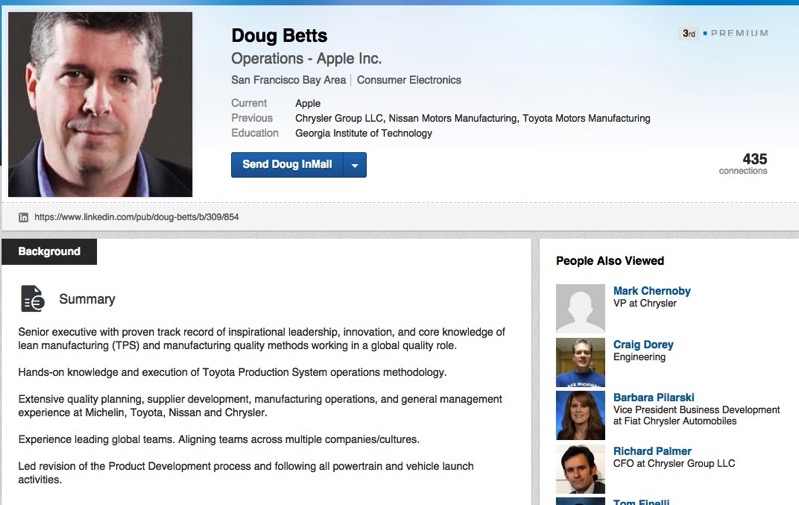
As we earlier reported, Apple is hiring new staff from automobile companies to start its electric car project, called Project Titan. The recently hired include Doug Betts, a former VP for Fiat Chrysler Automobiles (FCA) and Steve Zadesky, a veteran product designer and former Ford Motor Co. engineer.
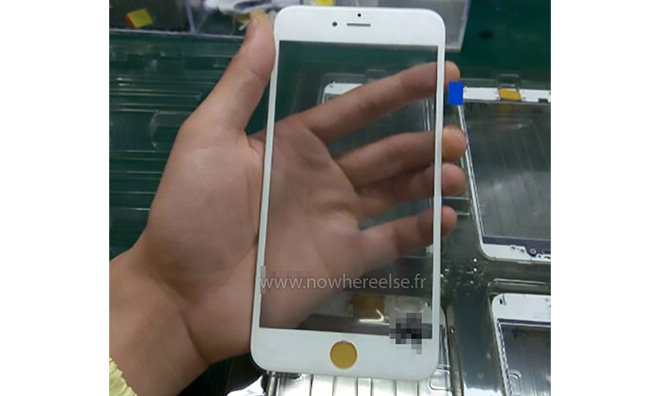
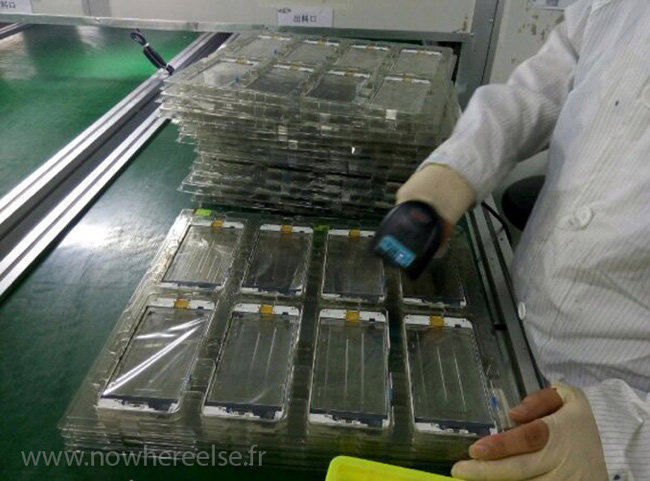
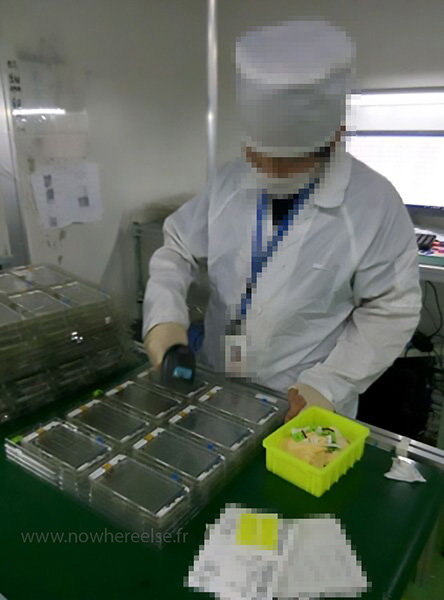
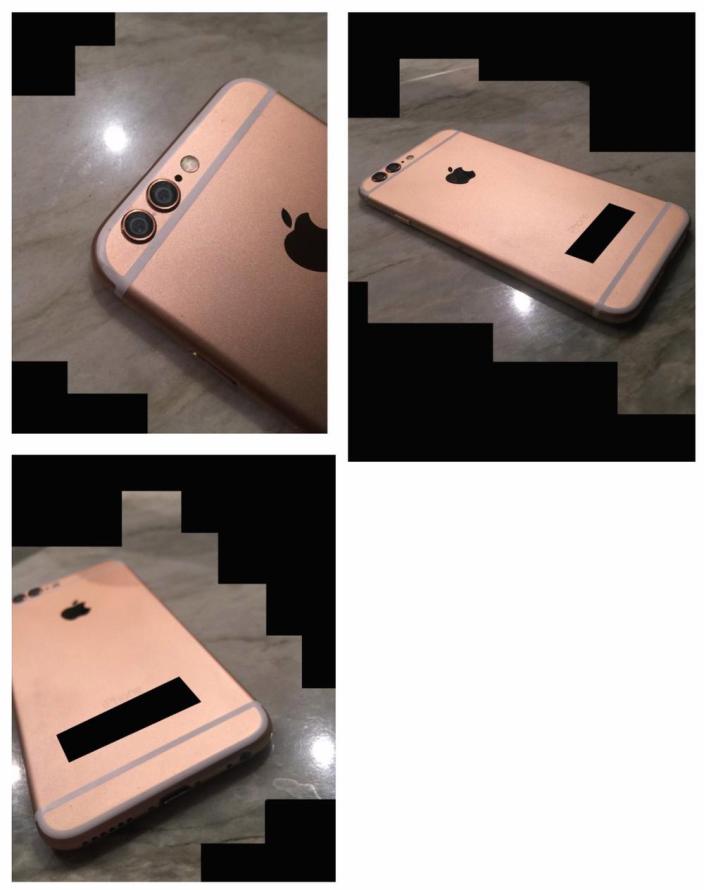
September is only a month away and it seems Apple has already started the preparations for the launch of the next iPhone. According to photos leaked on the French website nowhereelse (via AppleInsider), Apple has reportedly begun the production of the new iPhone.
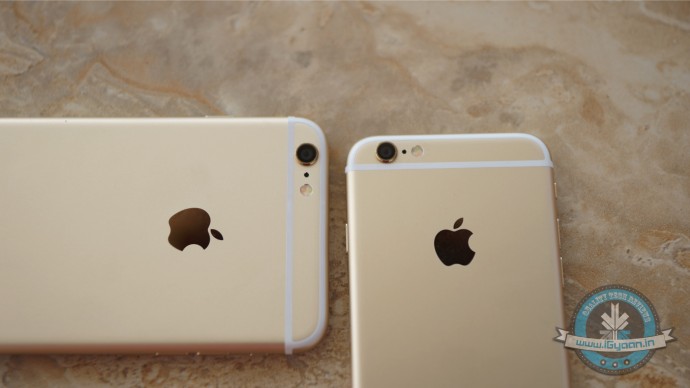
If we go by the photographs, it seems the latest iPhone will be identical to the existing iPhone 6 lineup. The leak cannot confirm though, if the material used is sapphire or alkali-aluminosilicate glass like Gorilla Glass.
Source: Nowhereelse
Source: Nowhereelse
Source: Nowhereelse
The photos also do not indicate the presence of Force Touch, which Apple will reportedly include in the new iPhone. ‘Force Touch’ is a feature that detects the level of force in a tap and responds accordingly. For example, a light tap on the screen will perform another task than a hard tap. Tiny electrodes surrounding the Retina display sense the difference in the amount of pressure applied on the screen. Thus, a user can perform simple tasks such as fast-forwarding a movie or using pressure to zoom in on a map with ease.
Earlier this month, it was reported that the next-gen iPhone would be thicker than the existing iPhone due to the integration of the ‘Force Touch’ feature. Also, Apple is reportedly integrating support for the feature in the beta versions of iOS 9, which will allow developers to make use of ‘Force Touch’ in navigation and media controls.
We have more proof that history repeats itself – after Android phone sales surpassed those of Windows computers in 2012, an analyst has estimated that the same thing will happen again, this time, it will be iOS devices instead of Android. As ZDNet reports it, an analyst has tweeted a trailing 12-month chart of iOS and PC sales using data from various companies.
If you look at the graph closely, you will see that while PC sales increased post June 2009, right when Microsoft introduced Windows 7 and experienced a sharp decline post June 2012, when Microsoft introduced Windows 8, a well-intentioned but misfired attempt for cross platform OS. At the same time, Apple introduced iPhone 4S, which set a precedent for future iPhone designs and was a notable improvement over iPhone 3GS. Not to forget, iOS 5 achieved what Microsoft tried to – cross platform OS for the iPad, iPhone and iPod.
Moreover, over the years, developers and manufacturers have made phones and tablets suitable for tasks that required PCs. For example, you can now create and edit a PowerPoint Presentation on your phone, a task which required a PC in earlier times. Apps like Instagram and Pixlr allow users to edit their photos at a basic level, WordPress’ app allows you to manage your blog on the go and more such apps have made it possible to ditch the PC for basic tasks. Still, the PC won’t be extinct right away, as there is still some use for it.
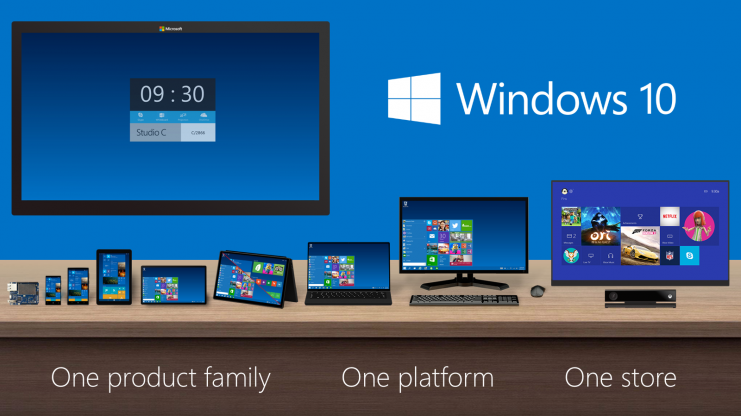
Microsoft still has a chance to beat Apple at its cross-platform game, when it rolls out Windows 10 next week. It seems Microsoft has learned from its mistakes; Windows 8 and Windows 8.1 and can hopefully regain its position as the leader of the PC market.
The announcement for the launch of the Apple Watch was met with great optimism and reviews encouraging the users to adapt to the product despite certain glitches. Fashion experts were also looking forward to its launch as it was hoped that Apple would finally launch a fashionable smartwatch that would be wearable.
Despite these reviews, the critical opinions seemed to overpower them, even post release. For instance, Brad Hargreaves initially predicted an 11 million sale in the third and fourth quarter which he later slashed down to 10.5 million. Most reviews seemed to tag the product as ‘destined for failure’ and no one would ever know since Apple rarely reveals sales numbers or internal statistics.
However a new report is said to show the Apple sales as “exceeding internal expectations” despite the pessimistic aura. Numbers never seem to fail Apple Inc. and as reported they have sold four million watches in the second quarter, giving them 75.5% of the global smartwatch market shares.
Global Smartwatch Vendor Shipments (Millions of Units)
Q2 ’14
Q2 ’15
Apple
0.0
4.0
Samsung
0.7
0.4
Others
0.3
0.9
Total
1.0
5.3
Global Smartwatch Vendor Marketshare (%)
Q2 ’14
Q2 ’15
Apple
0.0%
75.5%
Samsung
73.6%
7.5%
Others
26.4%
17.0%
Total
100.0%
100.0%
Total Growth: Year-over-Year (%)
~
457.3%
Source: Strategy Analytics
In direct comparison we have the Samsung smartwatch that sold only four hundred thousand watches giving them a 7.5% share in the market. Other brands like Motorola, LG etc. have sold around nine hundred thousand watches giving them a total of 17% of smartwatch sales. In total, Samsung plus the other smartphones own 24.5% of the market, with Apple far ahead of it with 75.5%. Hence, proving that Samsung and the rest have a long way to go before catching up to a Cupertino product.
The iPhone 6 is touted as being different from all the other iPhones especially since it catered to the ‘large screen’ demand. However, the rumours about the iPhone 6S do not mention a larger screen and it is precisely this reason that has made many analysts and firms wary about it’s success and appeal.
Macquarie, a global investment banking and diversified financial services group, writes:
Since the new phone will not be a size upgrade, we are concerned that the growth simply won’t be there. We are well aware that this is incredibly simplified, but because it is simple doesn’t mean it won’t impact the growth and stock.
The ‘comp issue’ mentioned above refers to the hypothesis that – if the iPhone is already doing so well then it would be difficult for the future creations to compete with what is already available.
Piper Jaffray, an investment bank and asset management firm also has similar worries and writes that the iPhone growth is expected to go flat in CY16. It is said that because of the level of excellence that the iPhone 6 surpasses, it will continue to be successful even after the announcement of a new device. Especially because the price of the iPhone 6 will drop.
Apple is expected to release their reports earnings later today and announcements for a new iPhone is anticipated.
As reported earlier by us, Apple has not yet made an official announcement about its new electric car project that is currently being called Project Titan. What we know about it, is that Apple has been on a recruiting spree, hiring about a hundred new professionals from Tesla, Ford, Mercedes-Benz and the like. They have also hired former deputy director of the Autonomous Systems Lab at the Swiss Federal Institute of Technology, Paul Furgale. In fact very recently, Apple just settled a law suit filed against them by automotive battery manufacturer A123 Systems accusing them of an attempt to use A123 employees to start a battery operation.
Their latest hire is Mr.Betts, a former VP for Fiat Chrysler Automobiles (FCA), who has also worked with Toyota and Nissan in the past. He worked at Chrysler from 2007 to 2014 and is said to have left one day after after the company had a relatively poor showing in a Consumer Reports quality survey. It is said that Mr.Betts may be the first major automotive executive to join Apple.
Furgale is said to be hiring recruits and researchers to work with him while Apple CEO Tim Cook is also said to have hired Steve Zedesky, a veteran product designer and former Ford Motor Co. engineer, to hire a 1000 member team and recruit employees from other parts of Apple.
This initiative from Apple Inc. comes at a time when many other software companies are looking at opportunities in the automobile industry by creating software savvy, driver-less cars. Google and Uber have also been reported as developing and testing what might be called the next-gen automobiles.
Source: [tw-button size=”medium” background=”#07ABE2″ color=”” target=”_blank” link=”http://www.wsj.com/article_email/apple-hires-auto-industry-manufacturing-veteran-1437430826-lMyQjAxMTI1NjIwMDgyODA4Wj”]Wall Street Journal[/tw-button]
If the latest fiscal report by Apple indicates anything, it is that the company owes its success to iPhones and Macbooks. Apple has posted its third quarterly results for 2015 and the company has performed better than last quarter, but apparently it wasn’t enough for the investors. The company’s share dropped down by 7%, around $60 billion in market value. Still, Apple has generated $49.6 billion in revenue and earned a profit of $10.7 billion, still behind its record of $18 billion that it set during the first quarter of this year.
Apple Watch isn’t the success that people had predicted it would be. Analysts estimated Apple to sell around 4 million units of the watch. The company did not specify how many units were sold, but according to Apple’s Chief Financial Officer, the Apple Watch generated around $1 billion in revenue for the company. The company has combined the sales figures of Apple Watch, Beats products and others, which the company says has generated around $2.64 billions. CEO Tim Cook said that “sales of the watch did exceed (our) own forecasts”, which means that not only Apple Watch but Apple’s acquisition of Beats by Dre has also paid off and will continue to do so in the near future.
The company’s latest report also mentions that for the second straight quarter, China is now the second largest market for Apple. Recently, the company has been trying to make products to suit Chinese customers, going as far as keeping the colour scheme of iPhone 5C according to Chinese preferences. While the sales in China are low from the last quarter, it is still the second largest base after the United States of America.
It will be interesting to see how the company performs in the next quarter, with the launch of the next iPhone and when Apple Music finally starts taking subscriptions.
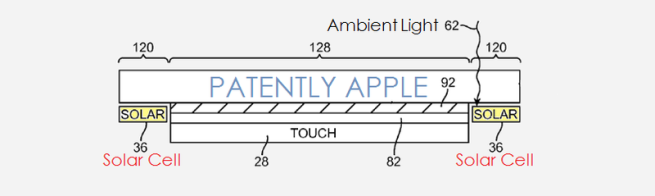
Apple’s new patent will solve two problems faced by smartphone users and manufacturers – longer battery life and energy conscious batteries. According to Patently Apple (via 9to5Mac), Apple has patented a technology that involves applying solar cells to a touch display surface like a trackpad or iPhone to store power for the device.
Apple is not the first one to think of incorporating solar charging into its devices. In 2010, Puma launched a phone in tandem with Sagem, which included a solar panel. It’s a different thing that the device didn’t work.
According to Patently Apple, Apple notes that “the wireless device has a touch sensor and a solar cell that converts ambient light into electrical power. Wireless communications circuitry transmits the touch input to the external equipment using the electrical power from the solar cell. Energy storage devices such as a capacitor and a battery can be charged using the electrical power.”
Source: Apple Patently
The above technology described can be used for Apple’s Wireless Keyboard or Magic Mouse, which require AA batteries and wirelessly transmit signals through Bluetooth. In the diagram procured by Patently Apple, it seems the new design would be applicable to only Magic Mouse and Magic Trackpad.
The potential doesn’t end here. In a few years, we can see the new design getting implemented into Macbooks, iPhones and Apple Watch, which could run continuously on solar power, allowing users to continuously perform tasks.
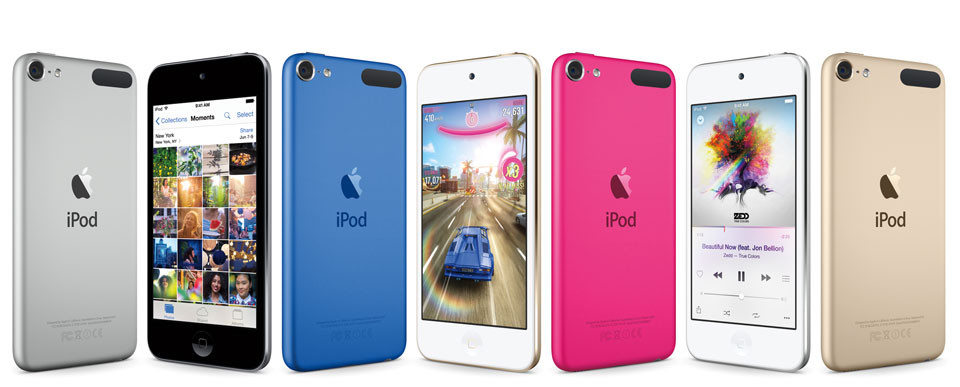
Apple’s iPod was once their hero product, now however, the story is completely different. Apple has ignored the iPod for two cycles of the iPhone. This time around the iPod gets an internal overhaul, with the new chipsets form the iPhone 6.
The new iPod also gets new colours along with some noticeable upgrades as well. The camera has been upgraded to a new 8 megapixel iSight camera. The new iPod Touch will also get an improved FaceTime HD camera, because who doesn’t want selfies on an iPod.
Apple’s A8 chip found in the iPhone 6 is used in the iPod Touch 2015, along with the old 4-inch Retina display. The new iPod touch starts at INR 18,900 for the 16GB model, INR 22,900 for 32GB and INR 26,900 for 64GB.
If you are in the US, 16GB edition will cost you back $199, you can get a 32GB option for $249, a 64GB variant priced at $299 and a first time 128GB model for $399.
Apple revolutionized the music industry when the iPod was launched 15 years ago. However, over the years, it has suffered the same fate as the Discman and the Walkman – it got replaced by a better system. Though it never matched the storage system that iPod offered, users started storing music on their iPhones and in the later years, streaming services such as YouTube, Vevo and Spotify literally killed the need for an iPod. It seems Apple hasn’t forgotten the iPod, despite the fact that it just launched its own streaming service.
According to a report by iGen, a French website, Apple may launch a new range of iPods in colours such as gold, electric blue and fuchsia, plus classic black, pink and grey sidereal. The new range will include iPod Shuffle, iPod Touch and iPod Nano. While the smaller models will not receive any major upgrades, the iPod Touch will be upgraded to 64-bit from the 32-bit A5 processor that the current one uses.
As Tech 2 puts it, the speculation is based on the code spotted inside the latest iTunes version. Apple has not yet confirmed the launch date for the new iPods.
It will be interesting to see how Apple presents the new iPods, considering that Apple just launched its streaming service and more music lovers are lapping up its features.
This week was loaded with new product releases and announcements from around the world. We have compiled a list of news that made the rounds.
Here are the top highlights of the week:
LG hints at Google Nexus Handset
According to rumors, Google has teamed up with LG to produce the next Google Nexus handset. The device will reportedly sport a 5.2-inch screen display, six-core Snapdragon 808 processor by Qualcomm, and 2700mAh battery pack. It seems Google wants to recreate the success of Nexus 5, which was manufactured by LG.
Instagram Now Allows 1080x1080p Squares
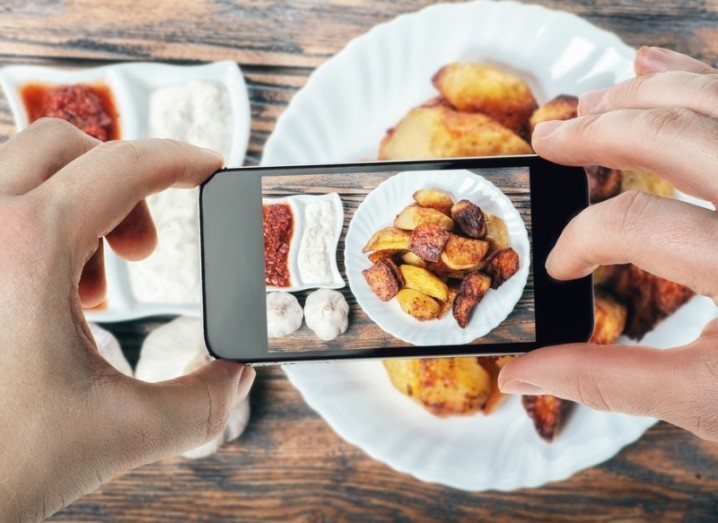
What’s the point of clicking photographs in HD if you can’t view it in Instagram? Instagram users can now rejoice as they can store images in HD resolution. The app has upgraded the resolution from 640 x 640 pixels to 1080×1080 pixels.
Truecaller Launches Messaging App to Keep Your Inbox Spam Free
Truecaller has launched its messaging app, Truemessenger, which basically serves the same function as its parent app – filter out spam and messages from unknown numbers.
OnePlus Two Details
With just two weeks left for the OnePlus 2 launch, here are some of the key details that have been revealed about the upcoming phone –
The phone will not be priced more than Rs. 28,500, OnePlus confirmed on Twitter.
OnePlus 2 will arrive with a 4GB RAM and may sport a metal body.
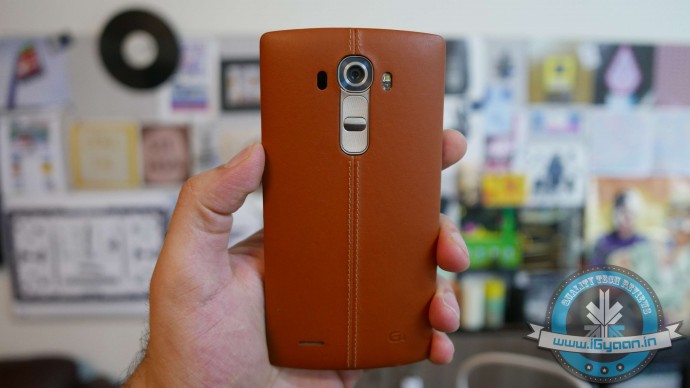
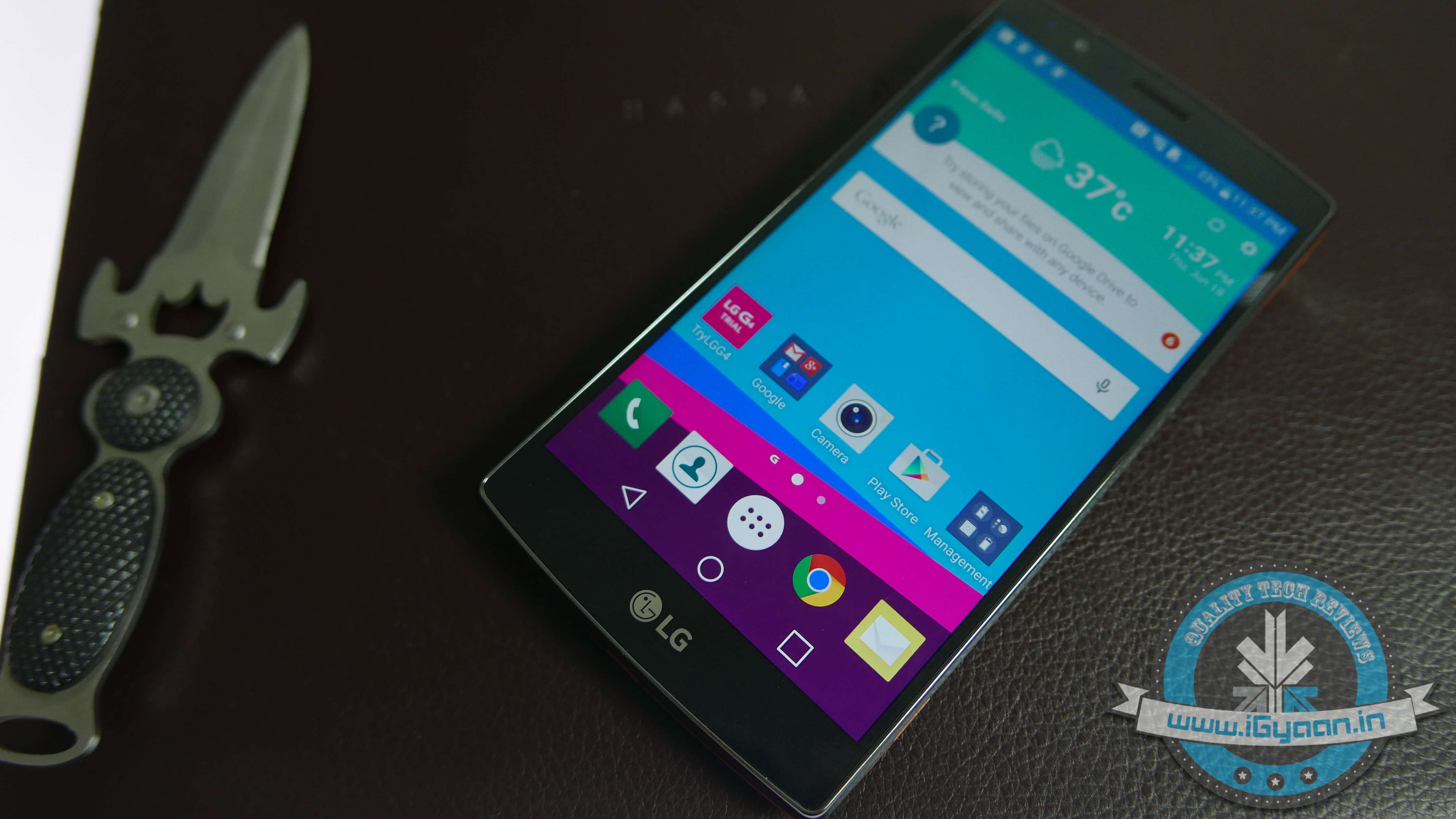
LG G4 Review
Check out our review of the LG G4 and find out if it is worth a hole in your pocket.
LG launches two new G4 variants
LG has released two new variants in its G4 lineup, the LG G4 Stylus and the G4 Beat.
Xolo Launches Black
Xolo has launched “Black” through Flipkart priced at Rs. 12,999. The company hopes the phone will be able beat to rivals Motorola and Xiaomi.
iOS 9 beta released for public
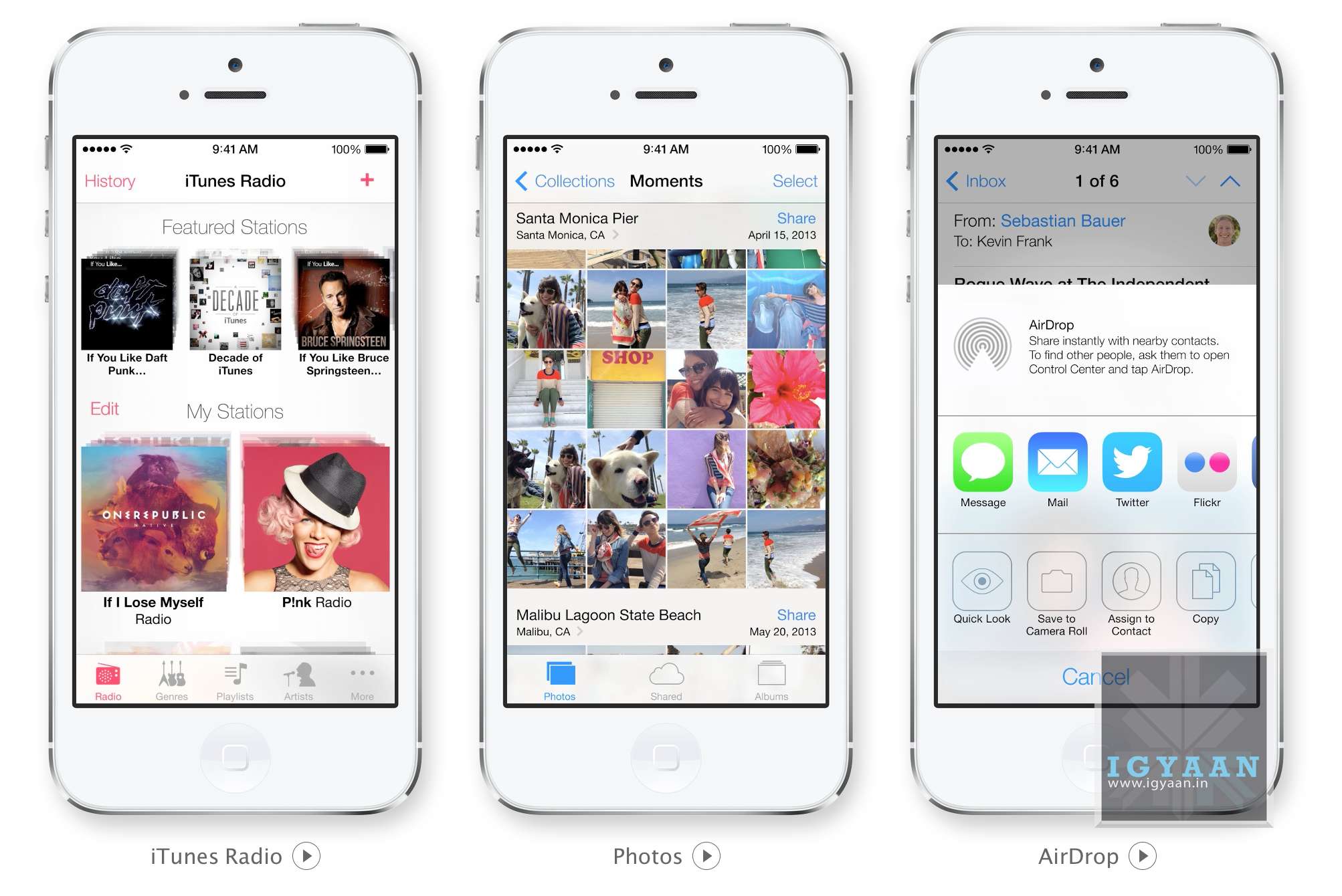
Apple has released the beta version of iOS 9 for the public. The company has introduced some new features such as separate folder for selfies and screenshots and Apple News.
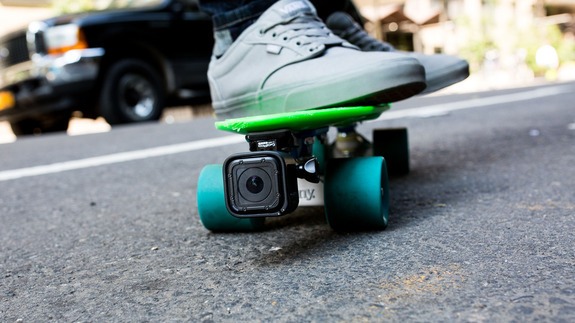
GoPro Is Back With the New Tinier GoPro Hero4 Session
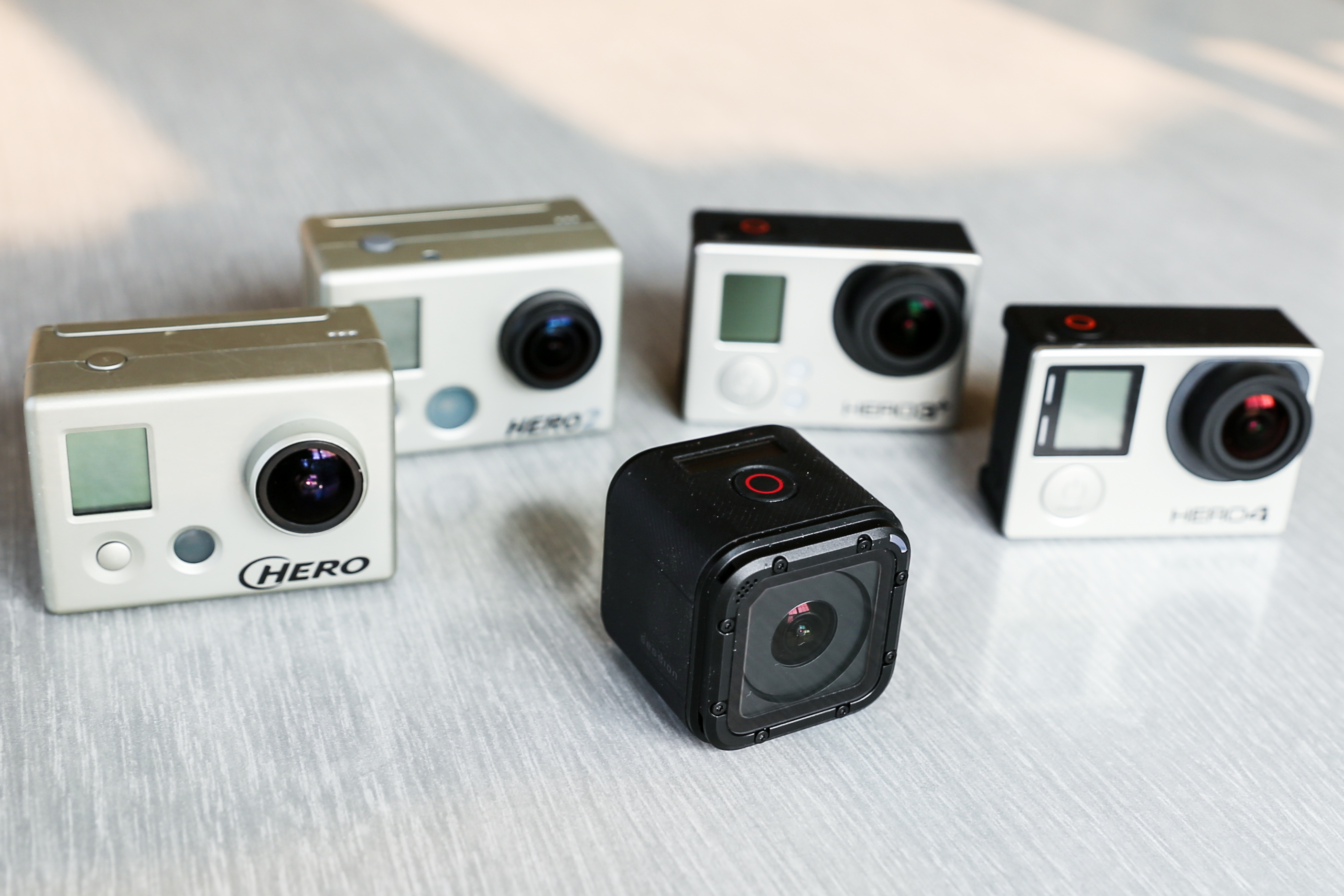
GoPro, the company well known for making incredible cameras for adventure and sports terrain, has unleashed their newest and the smallest beast yet, the GoPro Hero4 Session. The new camera is the first significant redesign of the company’s omnipresent camera in nine years.
The smartphone train keeps on moving forward as time passes by. With almost half of the year gone by, we’ve seen many new devices like Samsung Galaxy S6 and S6 Edge and HTC One M9. But the year is far from ending, and many companies have given out hints of their new unnamed devices. Let us check them out below
Apple iPhone 6s
The iPhone 6 and 6 Plus were released in September, and in the months leading up to that, the gossip mill went mental. Be ready for more of the same with the iPhone 6S, which will launch in September 2015 running iOS 9. As always, we’re presuming a faster processor and some upgraded specs, but little change to the design. According to rumours, the new devices will have a faster A9 processor, 2GB of RAM, a 12-megapixel camera, an additional microphone to enhance voice quality, and a new interior mechanical design to address some bending issues users experienced with the iPhone 6 and iPhone 6 Plus.
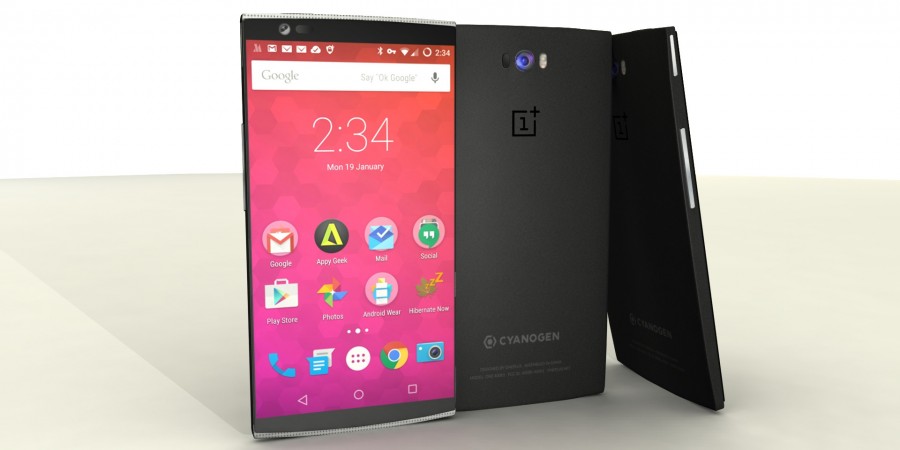
OnePlus Two
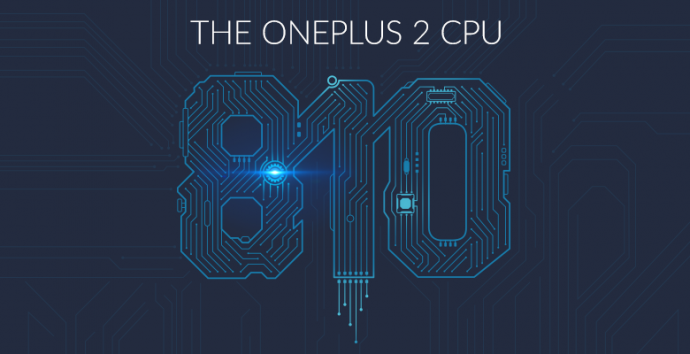
OnePlus One was one of the most successful Chinese electronic startup stories of 2014. This handset captured an enormous chunk of the mid-segment smartphone market. OnePlus announced a new device on June, which is expected to be the next OnePlus handset. According to OnePlus co-founder Carl Pei, the OnePlus 2 will surprise us, and is likely to focus on flagship-rivalling design rather than specs. The OnePlus 2 launches on 27 July, and will be the first product ever to do so in virtual reality. We already know it will feature OxygenOS, an upgraded Snapdragon 810 processor, USB Type-C and a fingerprint scanner; also expect 4GB of RAM, a 3300mAh battery and a 5.5in 2K screen.
Samsung Galaxy Note 5
Everyone always brags on about Samsung’s Galaxy S lineup, but it’s the Note series that really impresses. The Note 4 was unveiled at a Samsung Unpacked event prior to September’s IFA trade show (3 September 2014), and right now sits at the top of our fastest smartphone and best phablet charts. Traditionally Samsung’s Note launches are held at IFA in September, but rumours suggest we might see the Samsung Galaxy Note 5 as early as July to give it a headstart on the new iPhones.
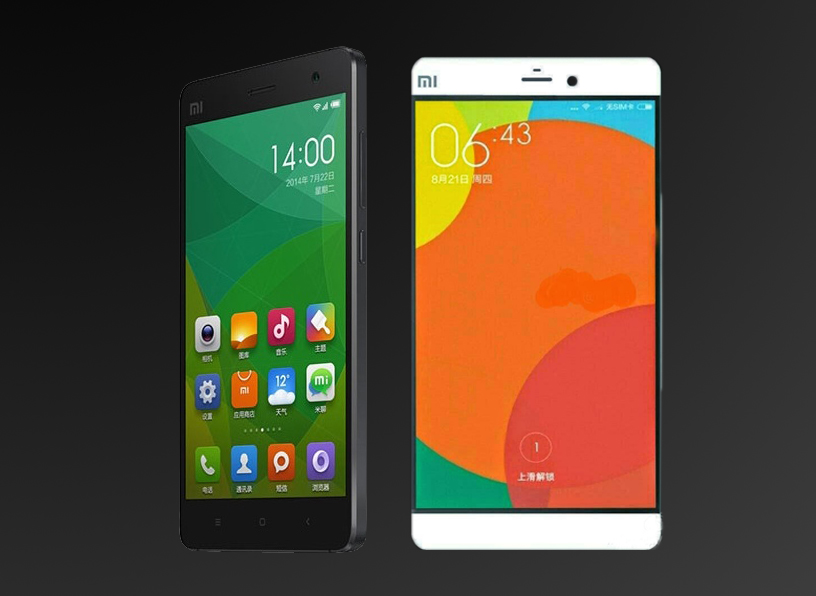
Mi5 and Mi5 Plus
Reports from Gizmochina claim two more devices will be joining Xiaomi’s line-up later in June 2015. These devices are larger copies of the Mi 4, expected to be named Mi 5 and Mi 5 Plus. The claimed specs of the devices were leaked on the Chinese social media site, Weibo. The Mi 5 is touted to have a 5.2-inch display with a resolution of 1440×2560 pixels. It is believed to be powered by the latest Qualcomm Snapdragon 810 chipset with either 3GB or 4GB RAM and will be juiced by a 3,000mAh battery. Its camera specification includes a 16MP primary camera.The device will also be infused with fingerprint technology. Its larger cousin, named as Mi 5 Plus, will feature a 6-inch screen with 4GB RAM, 32GB internal memory and a 16MP primary camera. While nothing has been mentioned about the price, some rumors claim that Mi5 is slated to be priced around Rs. 23,900. Should the rumor turn out to be true, Mi5 will become one of the strongest performing phones in the market. We hope Xiaomi announces Mi5 as early as possible.
LG G5
Rumours say that LG is now working on the successor of the G4, and will be bringing iris recognition system into play. Reports from Korean publications state that LG has teamed up with local biometrics specialist Irience to implement this feature in its next smartphone. Reports also indicate that the phone will be released in the last quarter of 2015. For now, this is the only information we have found out.
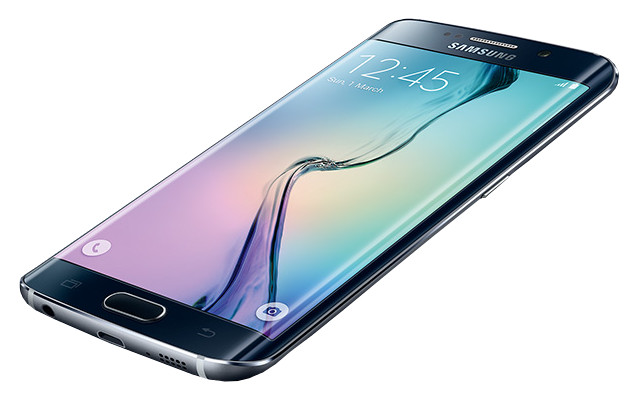
Samsung Galaxy S6 Mini and Galaxy S6 Plus
Samsung Galaxy S6 Mini
It seems like Samsung is on the move to expand its range of Galaxy lineups. The Korean company is reportedly working on a smaller version and a larger version of the Galaxy S6 and S6 Edge, namely, Galaxy S6 Mini and Galaxy S6 Plus respectively. Both the rumours emerged this week.
According to GSMArena, the smaller version, Galaxy S6 Mini, or ‘SM-G9198′, the device will be an iPhone 6 competitor. It will have a 4.6-inch HD display and run on Snapdragon 808 chip with 2GB of RAM. It will be equipped with a 15MP primary camera and a 4.7MP front camera.
Galaxy S6 Plus
Meanwhile, Italy’s HDBlog revealed that the company is working on a bigger version, possibly a phablet, on the Galaxy S6 line. For now, the device has been codenamed as ‘Project Zero 2?. Interestingly, the S6 and S6 Edge were codenamed ‘Project Zero’. According to the rumours, the device will just be like the Galaxy S6, only bigger and with a more powerful battery.
Microsoft Lumia 940XL
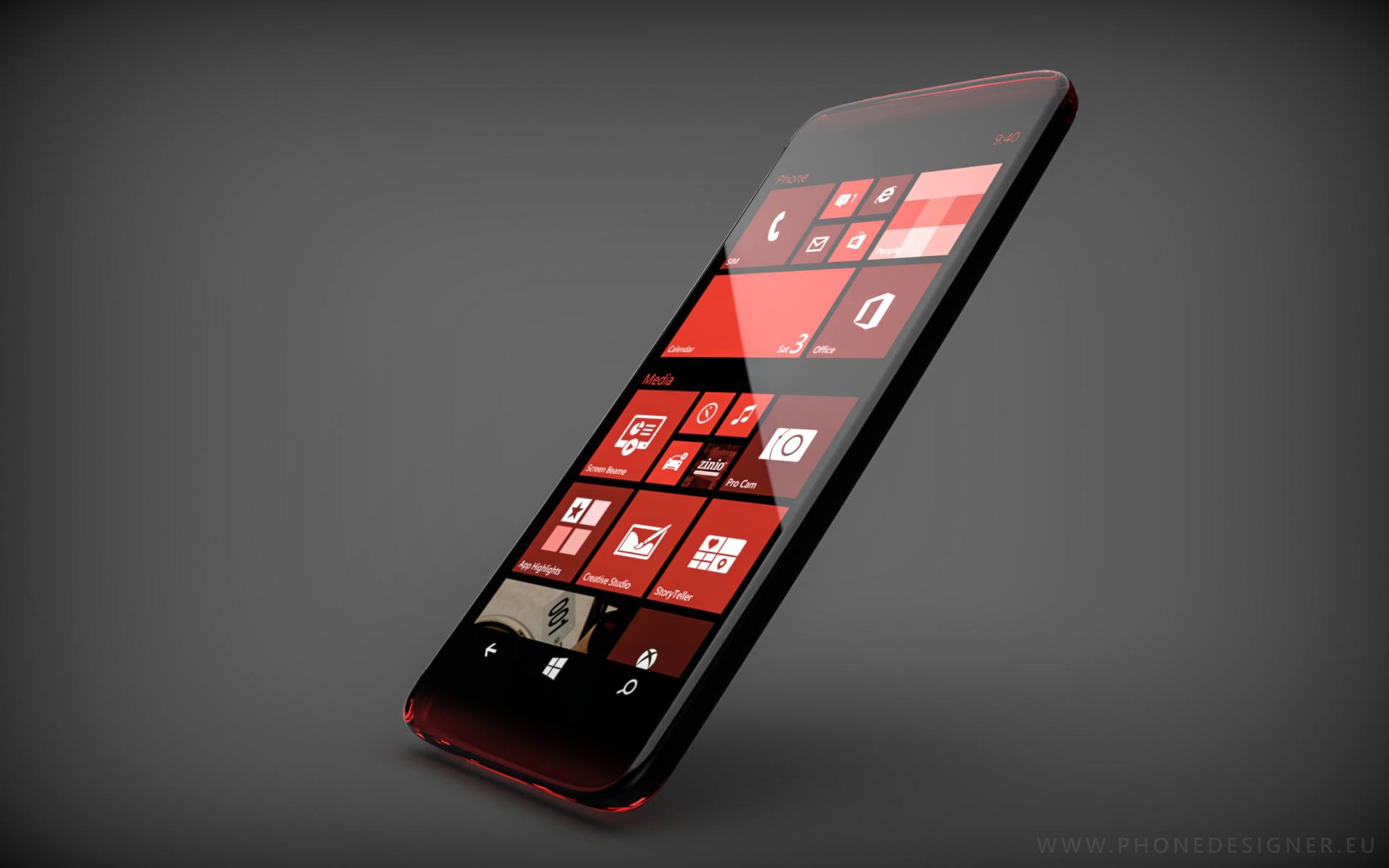
Microsoft had launched the Lumia 930 almost a year ago, and now, the company is back with its newest smartphone, the Microsoft Lumia 940XL. According to NokiaPowerUser, the device is a larger version of the Lumia 940. The device is expected to have a bigger 5.7-inch display with a slim design and a metal frame. The processor will feature a Qualcomm Snapdragon 810 processor paired with 3GB of RAM and 32GB of internal storage, a microSD card slot for expandable storage, a 5MP front-facing camera, a 20MP main PureView camera for photos and videos, and will feature native pen support as well.Further, it will also support USB C-Type and an Iris Scanner too. The specs sound very exciting, but the company has not officially confirmed the existence of such a device.
Motorola Moto X (third-gen)
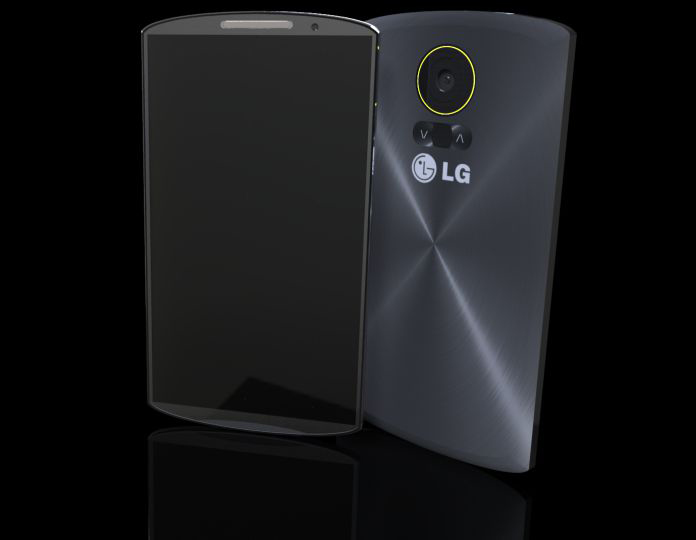
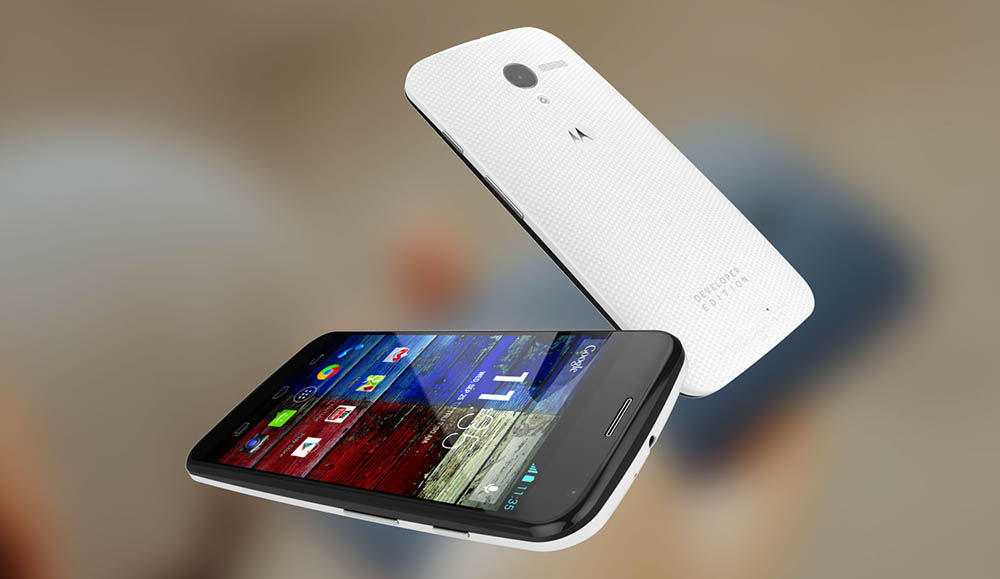
Motorola may launch the third generation of its flagship Moto X smartphones in the coming few months. According to STJS Gadgets, the third-generation Moto X is leaked by a Motorola insider, who claims to have a hold of details about the next Moto X. The upcoming smartphone on the Moto X series will sport a 5.2-inch QHD AMOLED display, used on the Droid Turbo. Under the hood will be a Snapdragon 808 chipset bundled with a massive 4GB RAM. The device will come pre-installed with Android 5.1.1 Lollipop.The front camera will be 5MP while the back will house a 16MP snapper with Clear Pixel Technology. The battery powering the device will also be mammoth at 3280mAh. The device will come in two storage variants – 32GB and 64GB.
Bonus
Nexus 5 2015
New reports have emerged that after months of speculation about with whom will Google team up with for its next Nexus device, it seems that LG could be the one to build the next, temporarily named, Nexus 5 2015. According to Android Pit, rather than basing the Nexus 5 2015 on the LG G4, LG will be creating the new handset from the scratch. The device would sport a 5.2-inch screen display, six-core Snapdragon 808 processor by Qualcomm, and 2,700 mAh battery pack, according to the rumours. It may also come in 64 GB and 128 GB variants and have a 16-megapixel rear camera and a five-megapixel wide-angle camera in front.
However, for now, neither Google nor LG has confirmed the news. Also, Google’s next mobile OS, Android M is set for an August release date. Hence, details regarding how many Nexus devices are going to be released and who would be building them will be out really soon.
Keep on checking iGyaan for more updates regarding these future devices!
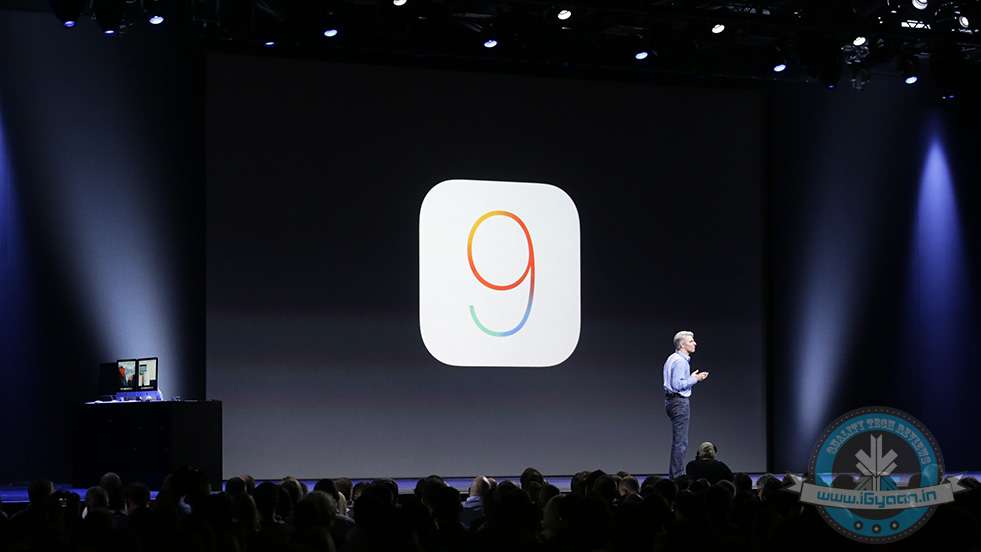
Apple has released a new beta version of iOS 9 to app developers, with several new features and changes being introduced. The beta version has been released to registered developers and is available for iPhone, iPad and iPod touch.
Apple News
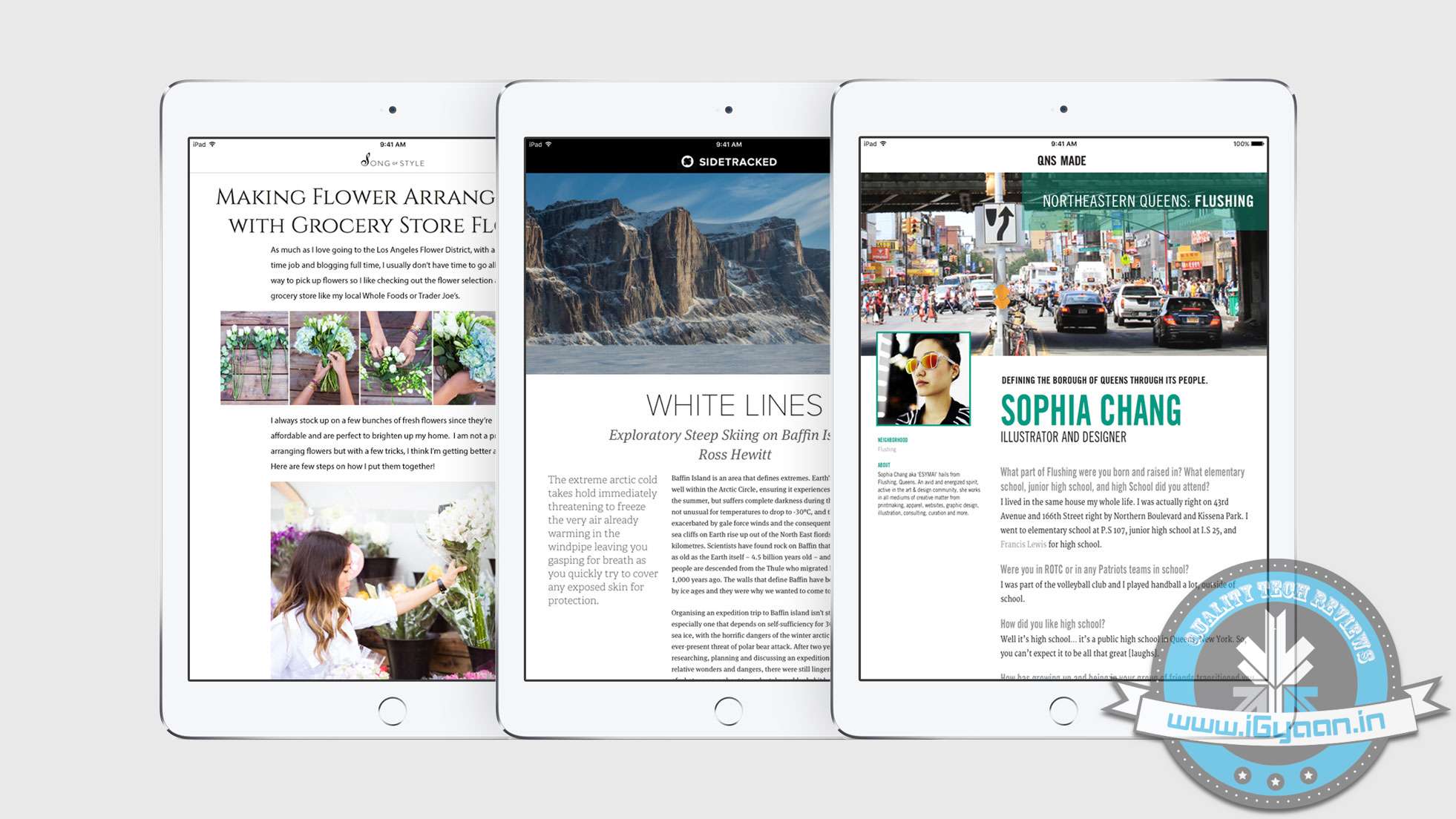
Most notable features of the new iOS beta version include Apple News and a separate folder for screenshots and selfies. Apple News is a Flipboard like app that curates news from different publications like The New York Times and Entertainment Weekly. The feed will show news according to your liking and allows you to save and share an article you like. For now, Apple News will include content from The New York Times, CNN, ESPN, The Atlantic, and Slate.
By segregating the selfies and screenshots folder, Apple has made it easier for users to organize and share the images. Under the current version, all photos clicked (screenshots, selfies, pictures) are stored in a single folder. Users prefer to send a screenshot rather than describe in a text. By separating images, it becomes easier to scroll through folders than a single folder.
iOS 9 beta also includes a new 4×4 grid layout for folders in iPads, a new calendar icon and even Siri gets an improvement – Apple has dropped the famous ‘ding’ activation sound.
Apple announced the latest version of iOS WWDC last month. The new software will be available to iPhone and iPad users in September.
The third beta version of iOS 9 is currently available to registered developers only and will be made available to public later this month.
It is impossible to overlook the fact that mobile cameras have changed a lot in the last few years. Far before the now memorialized words of “Let me take a Selfie,” having a camera in your back pocket or purse was something most of us took for granted. But just how far have mobile cameras actually come, and where are they headed in the future?
The first instant camera was made back in 1923. But, it wasn’t until 1948 that these devices gained popularity when the Polaroid camera came out, enabling the user to print instantly a photo in less than a minute.
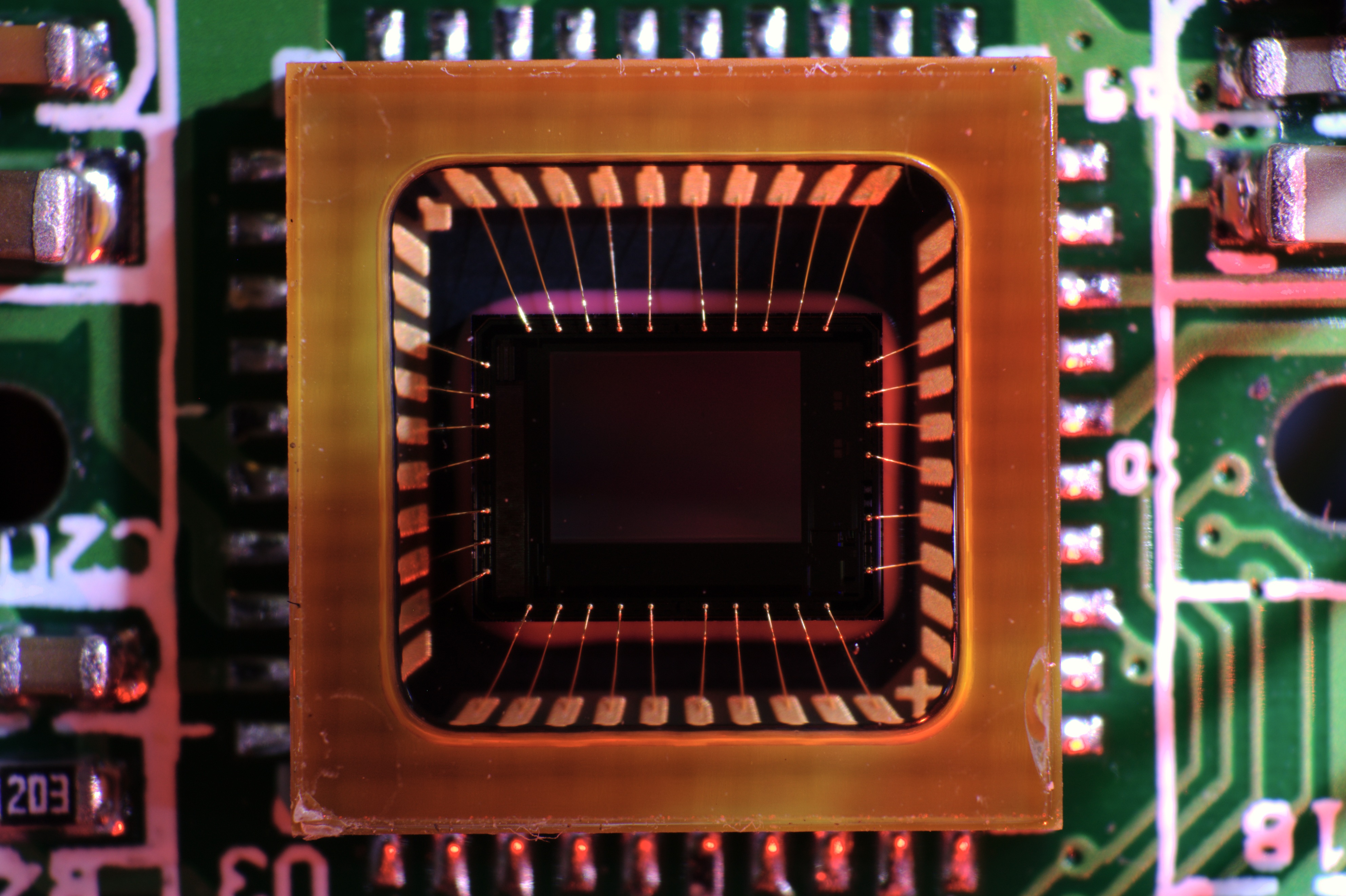
But that was just it. Enter Willard Boyle and George Smith, who invented the CCD Chip (Charge-Coupled Device Chip), which paved the way for digital cameras in 1969.
CCD Chip
However, it wasn’t until 1981 that a commercially available version would hit the market in the form of the Sony Mavica. This monster of a camera let users save up to 50 images on a video floppy disk and view them on a television screen. It paved the way for digital cameras to go mainstream, and it changed how photography would be perceived both literally and metaphorically.
The First Camera Phone
Just as digital cameras began to rise in popularity, cell phone manufacturers could not help but notice the rising trend. In 2000, Sharp produced the J-SH04, the very first phone with an inbuilt camera. It was a 0.1MP camera and was priced at $500.
Sharp J-SH04
This device became so popular that within two years, Sharp’s device served 40% of J-Phone users around the world. American phone businesses took note of the phone’s success and brought the technology to the U.S. in 2002, in the form Sanyo 5300 flip phones. The camera phone wars had officially begun.
The Second Camera Phone
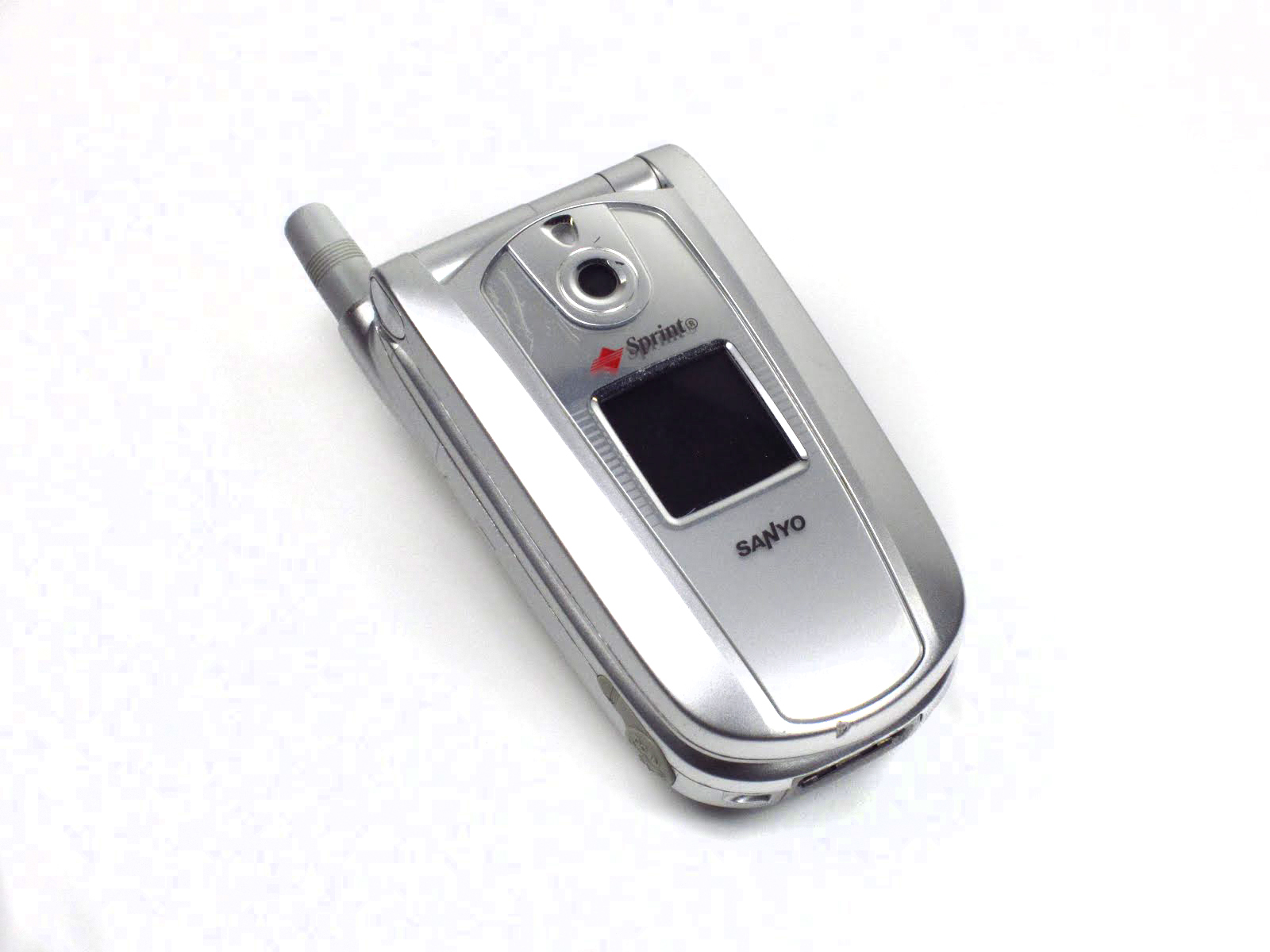
It was November 2002 before the U.S. embraced the crazy Japanese trend with the Sanyo SCP-5300 handset. It costed $400, and it highlighted a chunky clamshell design.
Sanyo SCP-5300
With a 0.3MP capability, it could capture shots at 640 x 480 pixels.The Sanyo SCP-5300 also had a basic flash, white balance control, self-timer, digital zoom, and several filter effects like sepia, black and white, and negative colors.
By the end of 2004 the camera phone was riding high. Over half of the phones sold worldwide had cameras in them in the first nine months of 2004, and two-thirds of all the phones shipped in the third quarter were camera phones. Leading the way was the Finnish manufacturer, Nokia.
Nokia Battles Its Way To The Top
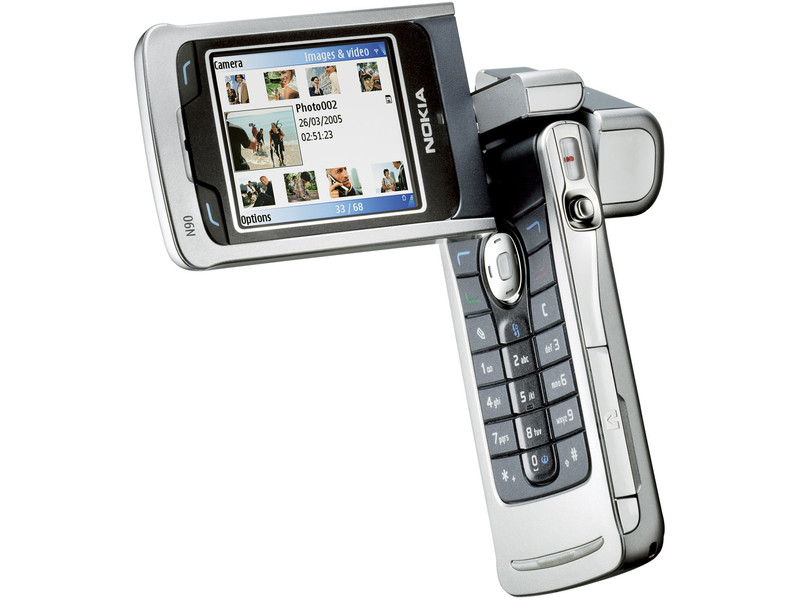
Nokia released the N90 in 2005, thus landing the camera phones to new heights. It featured a 2MP camera, along with Carl Zeiss optics, autofocus, and an LED flash. It instantly became famous because the rotating screen gave a feel of a camcorder.
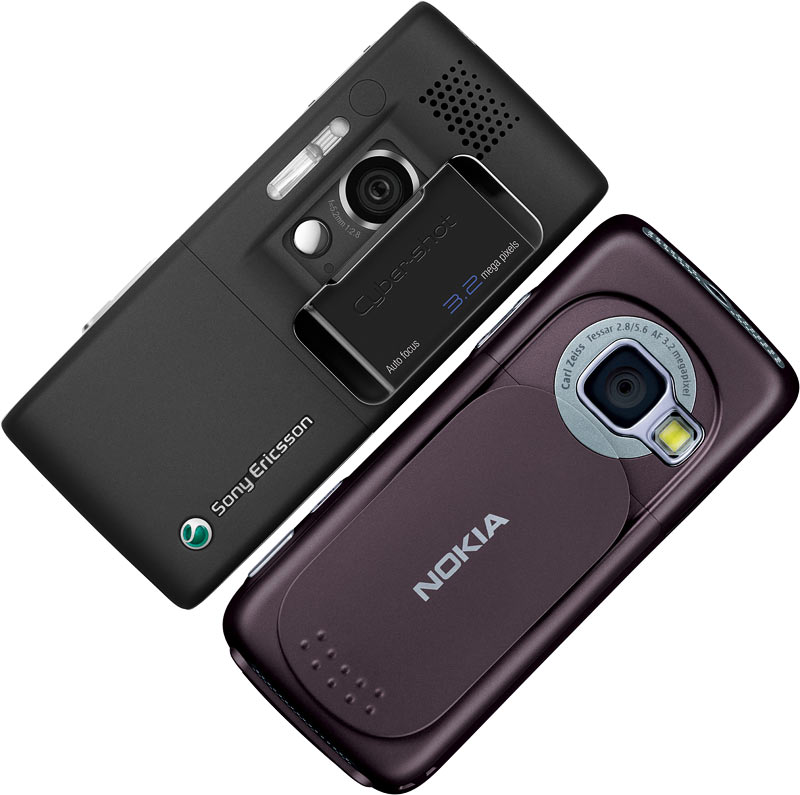
But, Nokia was not the only one who was reaching new heights of mobile cameras. Sony Ericsson’s K800i that was released in 2006 had a 3.2MP camera with auto-focus, image stabilization, and a Xenon flash. Naturally, Nokia countered with models like the 3.2MP N73, but in 2007 the feature phone reached its zenith.
Sony Ericsson’s K800i that was released in 2006 had a 3.2MP camera. Later, Nokia countered with models like the 3.2MP N73.
Nokia 95 was the first phone to feature a 5MP camera with the Carl Zeiss lens. It took excellent photos, and it could record video at 30 frames-per-second. In fact, 5MP remained as a high-end standard for several years. Sadly for Nokia, the smartphone debacle was just around the corner, and a good camera would not be adequate to keep Nokia on the rise.
Next In Line, Samsung and LG
In 2008, the Samsung i8510, also known as the INNOV8, held the first 8MP camera to hit the market, but in design terms, it looked like part of Nokia’s N range, which were getting steadily less popular.
Sample Photo using a Samsung i8510
Nokia followed suit with the N86, but it was LG that released the first touchscreen camera phone with an 8MP camera. It was called the LG Renoir.
The competition for megapixels proceeded, and Samsung hit 12MP first with the M8910 Pixon12 in 2009. It was soon surpassed by Nokia’s N8 in 2010 and the 16MP Sony Ericsson S006 at the end of the year.
The Rise Of Software Features For Cameras
Google gave Photosphere; Apple came out with Panorama mode, even BlackBerry came out with TimeShift. We have seen a lot of filters and effects mixed into various mobile platforms and are proving great for people who click photos in a not-so-normal perspective.
Shot by David K. in Dubai, United Arab Emirates as a part of Shot on iPhone 6 campaign
Camera Phones are not just developing the sensors and resolutions. They are also improving on the lenses, flashes, focussing capabilities and zooming capabilities too.
Apple’s Autofocus feature
We are observing today the acceptance of xenon flash, Dual-LED flash, Carl-Zeiss lens on camera phones. Camera phone hardware is bettering the hardware specs of stand-alone digital cameras. With the improved availability of raw processing power, location-awareness and the brilliant touchscreen displays, today’s camera phone’s are equipped to manipulate blink-detection, face-detection, smile-detection, touch-focus (sheer ability to focus on a particular spot on the frame by just tapping the touch-screen), Geo-tagging (thanks to GPS capabilities), Image stabilizer, Video Stabilizer, HD image resolutions, 4K Video Recording and much more.
We should talk about the full-HD Video recording capabilities that are made possible now. Optical Zoom and stand-alone camera capability (using a camera while the phone is switched off) are getting upgraded as well. In a new experiment, we mounted the Moto Turbo on a drone and got phenomenal results.
As smartphones become universal, they are quickly replacing traditional point-and-shoot cameras as the go-to devices for capturing quick photos. But not all smartphone cameras are designed equally. The iPhone 6 Plus, for example, has extremely fast autofocus and a dual-LED flash, and the Samsung Galaxy S5 Active can withstand dunks underwater and drops to the ground. In a high-tech world driven by steady consumer demand for bigger and better, it will be exciting to see where our tech will take us next!
Let us look at some of the brilliant iPhone photography that may give professional photographers a run for their money.
Shot by Brendan Ó. in Copenhagen, Denmark
Shot by Renee M. in Union City, CaliforniaShot by Satoshi H. in Tokyo, JapanShot by Dudley W. in Glen Etive, ScotlandShot by Robyn W. in Corvallis, Oregon
You can check out more of these amazing photographs here.
If another round of rumours is to be believed, it looks like Apple is planning on something big for the next iPhone. Apparently, according to WSJ, the tech giant has immense ambitions and has assigned the task of assembling 85-90 million handsets-complete with Force Touch- to its manufacturing partners. WSJ predicted that Apple’s sales growth approximates to 10% each year. The company ordered between 70 million and 80 million iPhone 6 and 6 Plus units for launch in 2014.
So far, we’ve learnt that the next iPhones will include Force Touch and a new casing to make the iPhone 6S wider, taller and stronger. The new model will run on iOS 9 and have an enhanced processor. Samsung might provide chipsets and displays for Apple’s forthcoming products, and iPhone 6S will be powered by a next-gen A9 processor and come with 2GB of RAM. The new model will run on iOS 9 and have an enhanced processor, as Apple announced at the WWDC this year.
It is also possible that Apple may release two variants of the iPhone, the smaller 6s variant, and a larger 6s ‘Plus’ version.
The upcoming iPhone 6s is rumored to be available in stores from 25th September this year. According to the source, pre-orders will start on 18th September, and it will go live physically on 25th September.