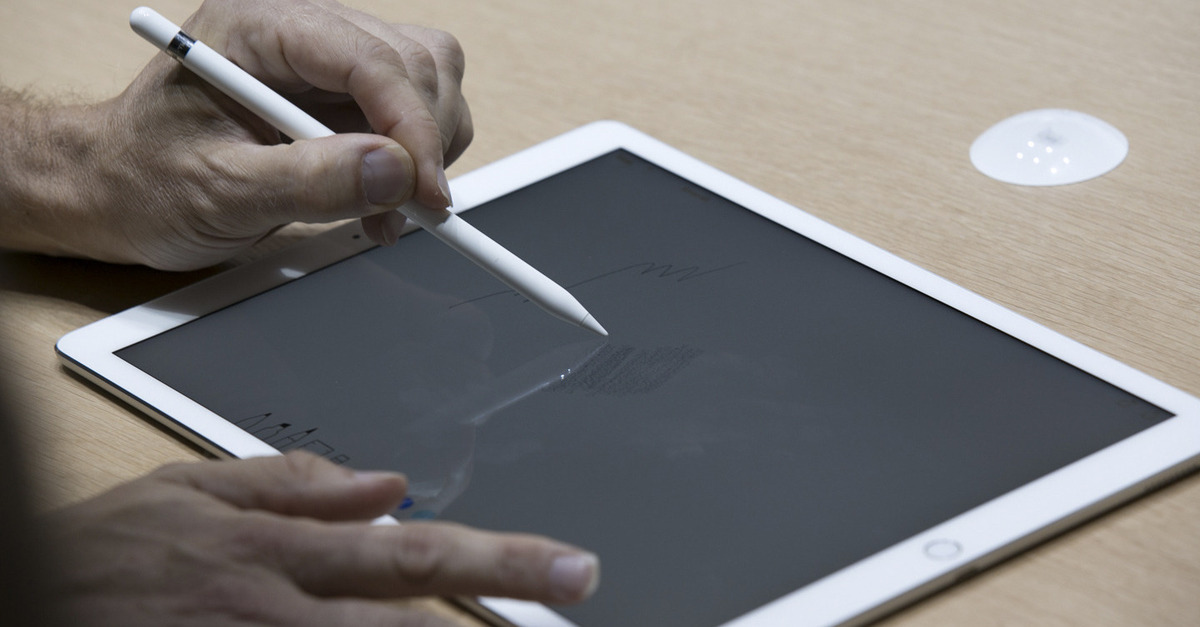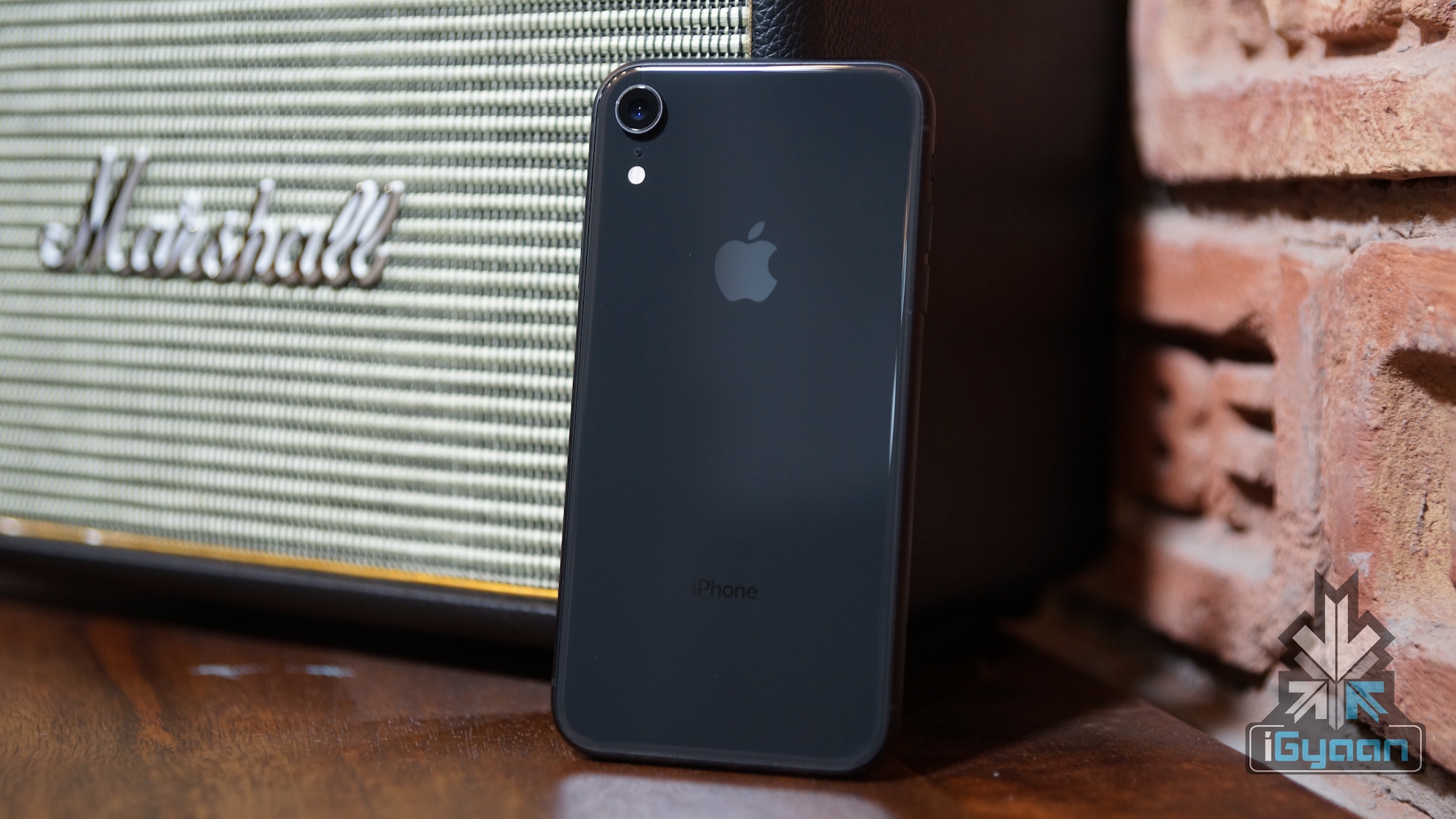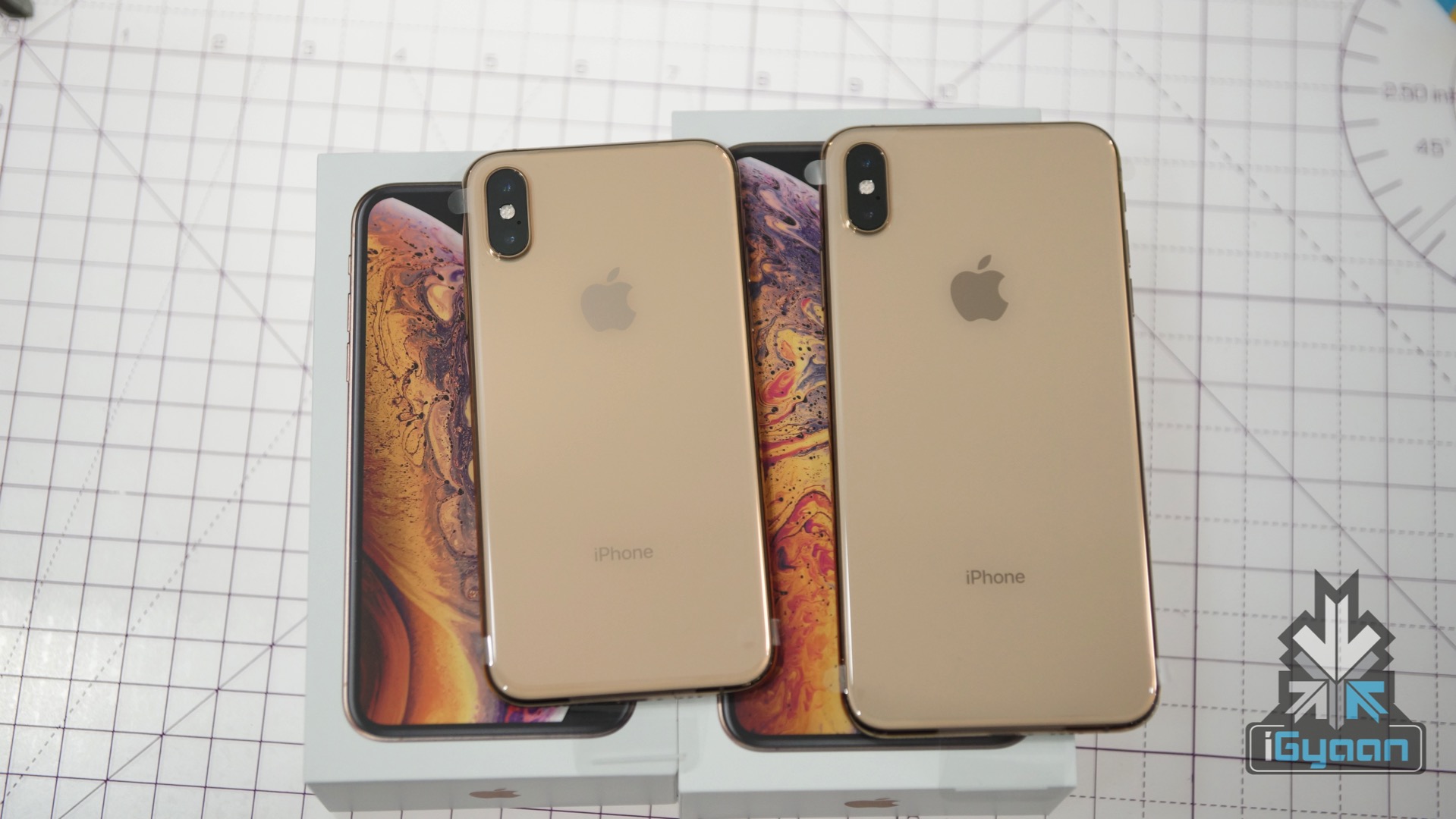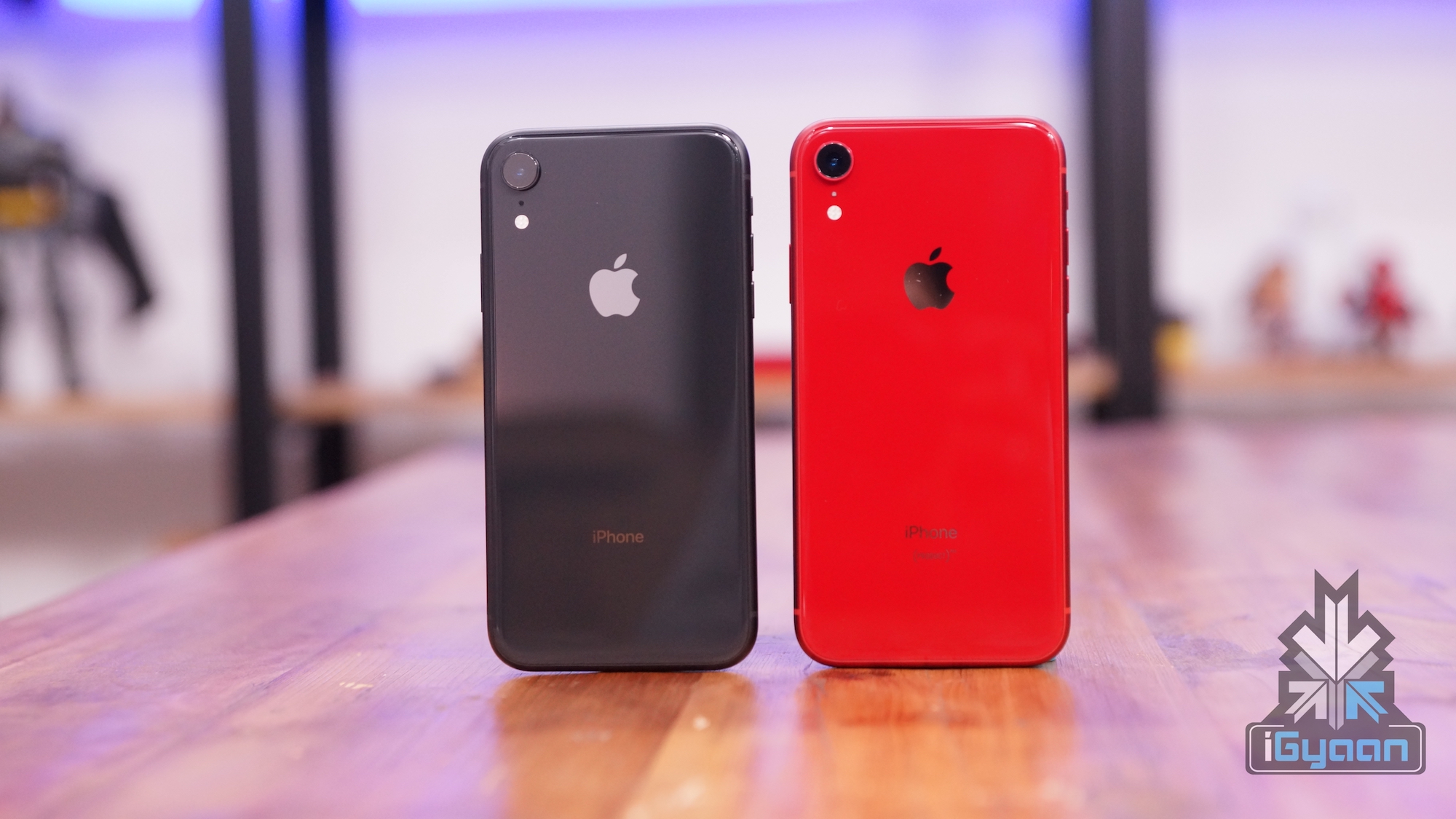
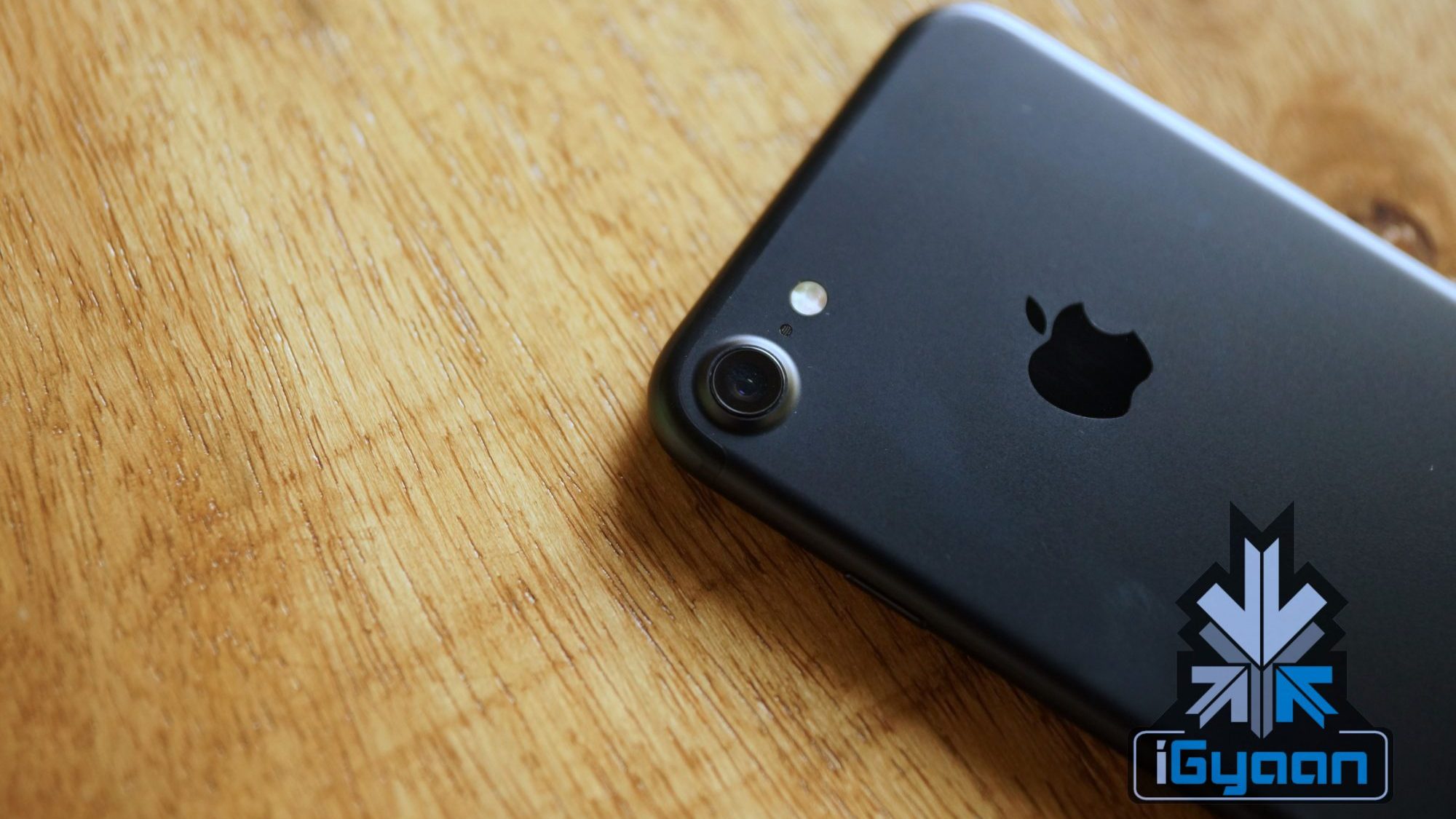
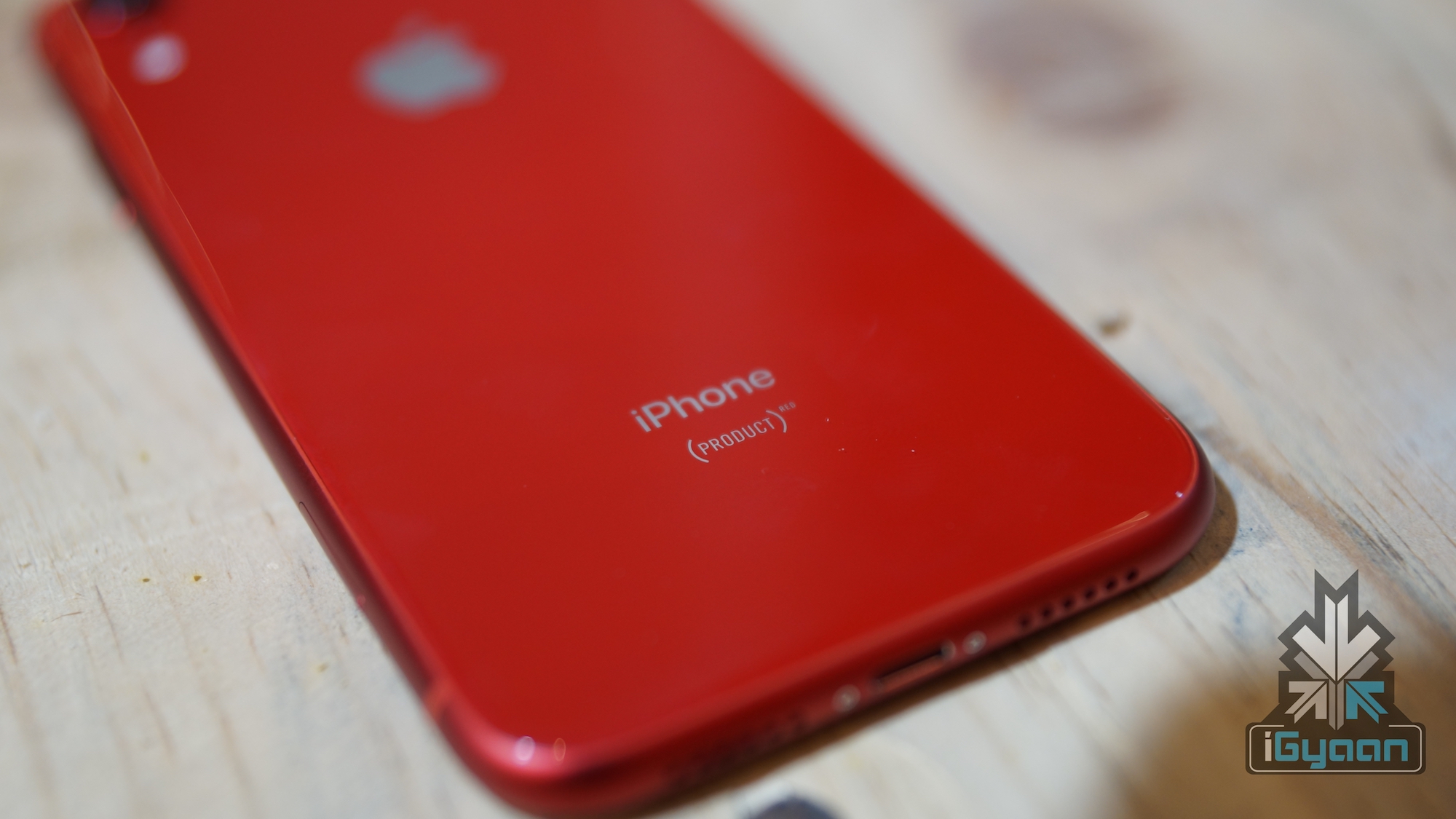
American electronics giant Apple is expected to launch three new iPhones and updated variants of the iPad Pro tablets later this year. The latest research note from renowned analyst Ming-Chi Kuo, he predicts both the smartphones and tablets will make use of new antenna technology. According to Kuo, who has been notably accurate with his leaks in the past, the iPhones and iPads will shift from using the Liquid Crystal Polymer (LCP) design to the Modified-PI material antennas when they launch later in 2019. The shift to the new antenna technology is expected to make mobile networks indoors more reliable.
LCP vs. MPI Antennas

As mentioned above, Apple will shift the antenna design in its upcoming devices from LCP to MPI material. LCP or Liquid Crystal Polymer design of the antenna is a low cost organic flexible layer that has some unique electrical properties making it suitable for antennae. It also behaves consistently across the entire radio frequency range, has a very low signal loss, making it useful for the application of 5G, the next generation of mobile connectivity. The LCP material is vastly seen in the application in products like Radio Frequency Identification (RFID) tags and mobile phones.
Also read: OnePlus 7 Pro Pricing In India Leaked Ahead Of Official Launch
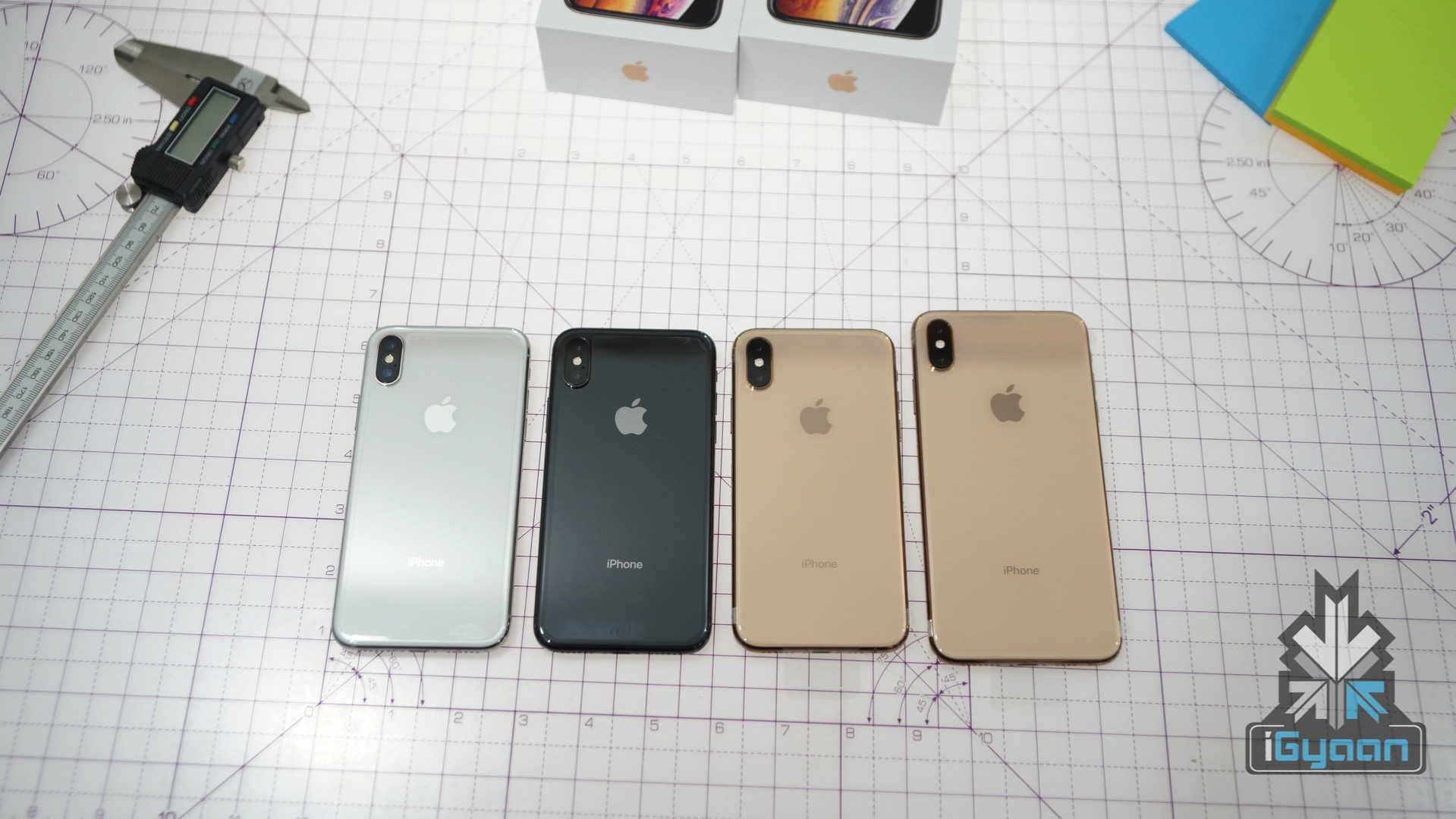
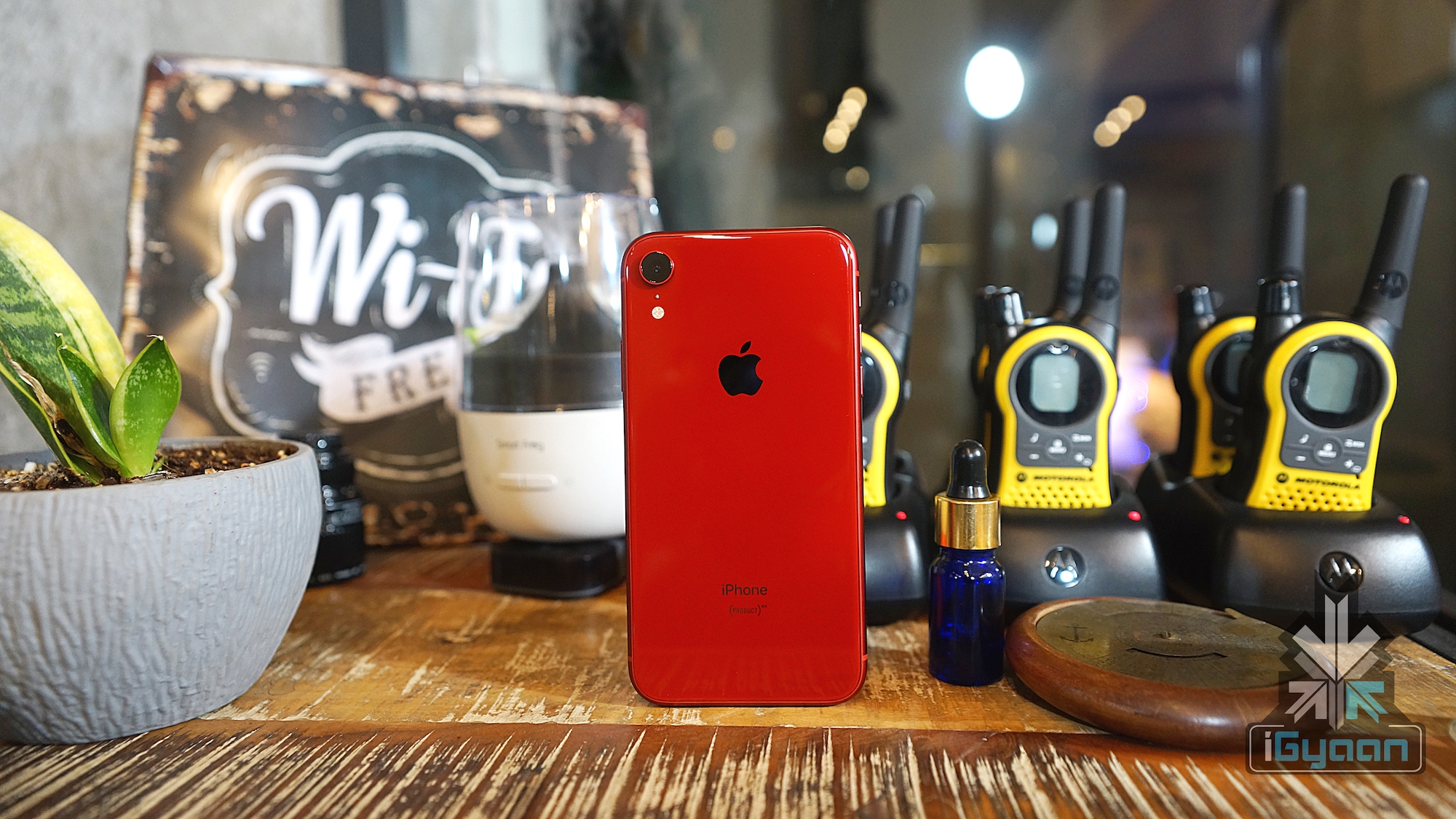
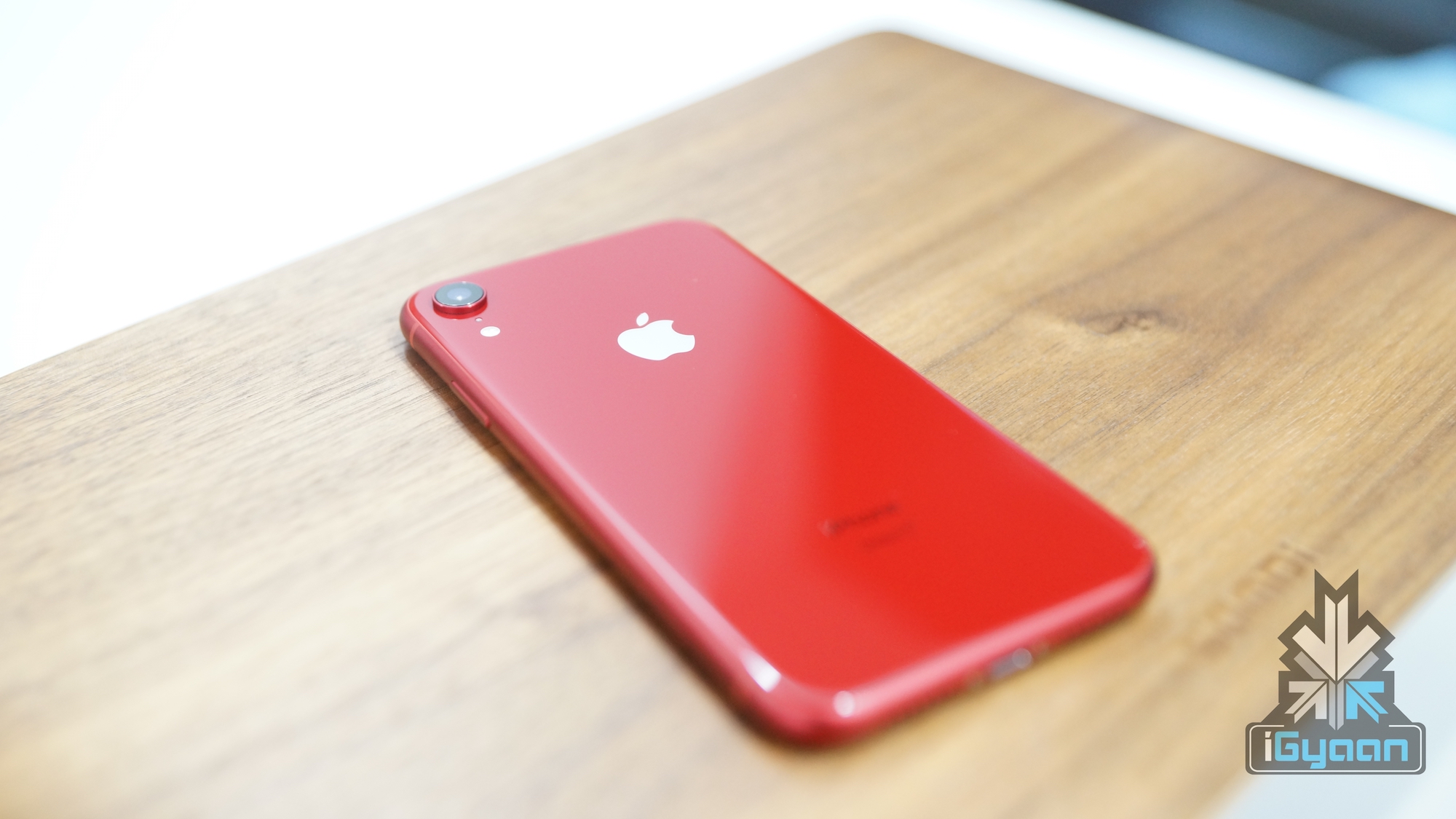
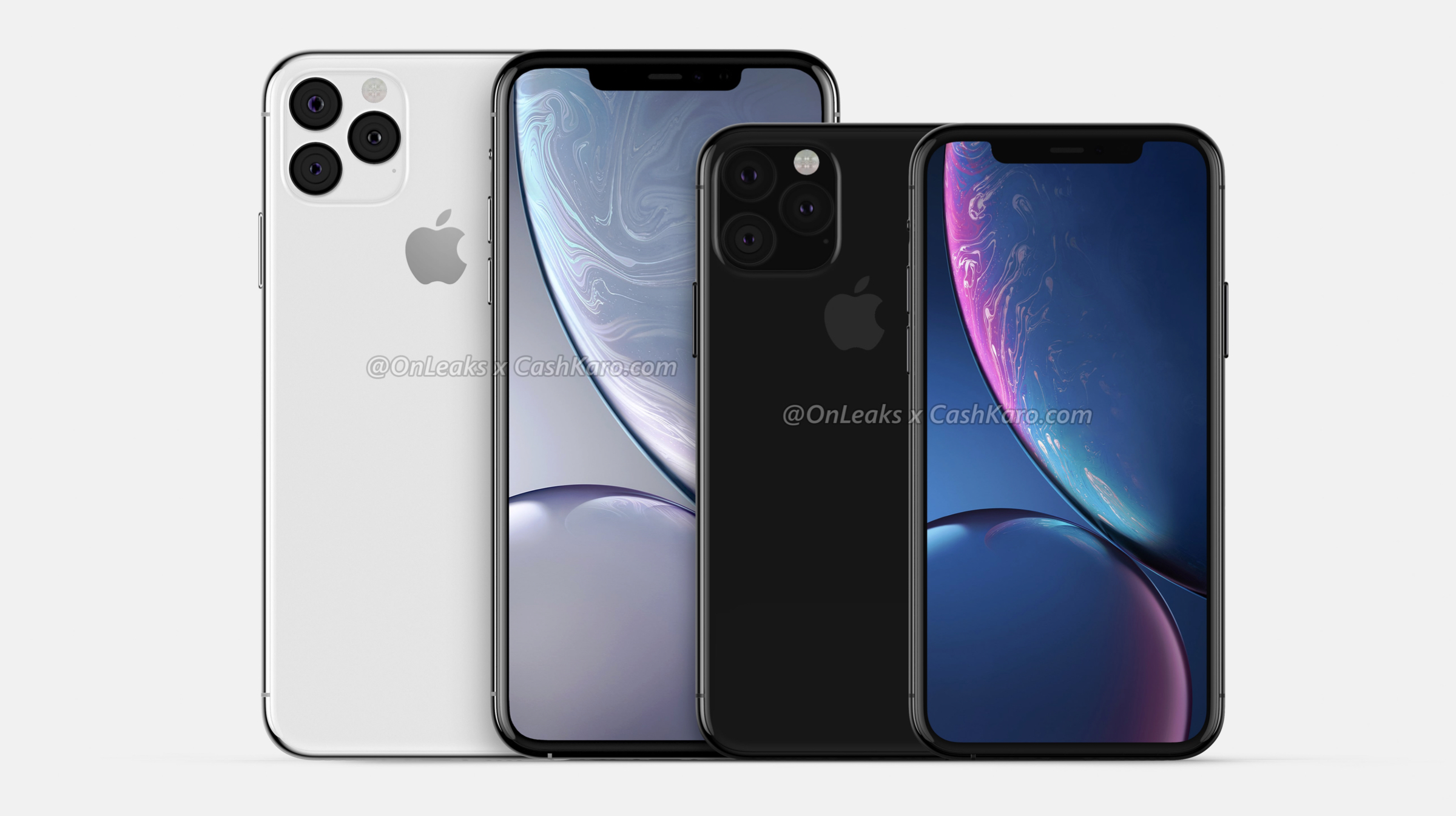
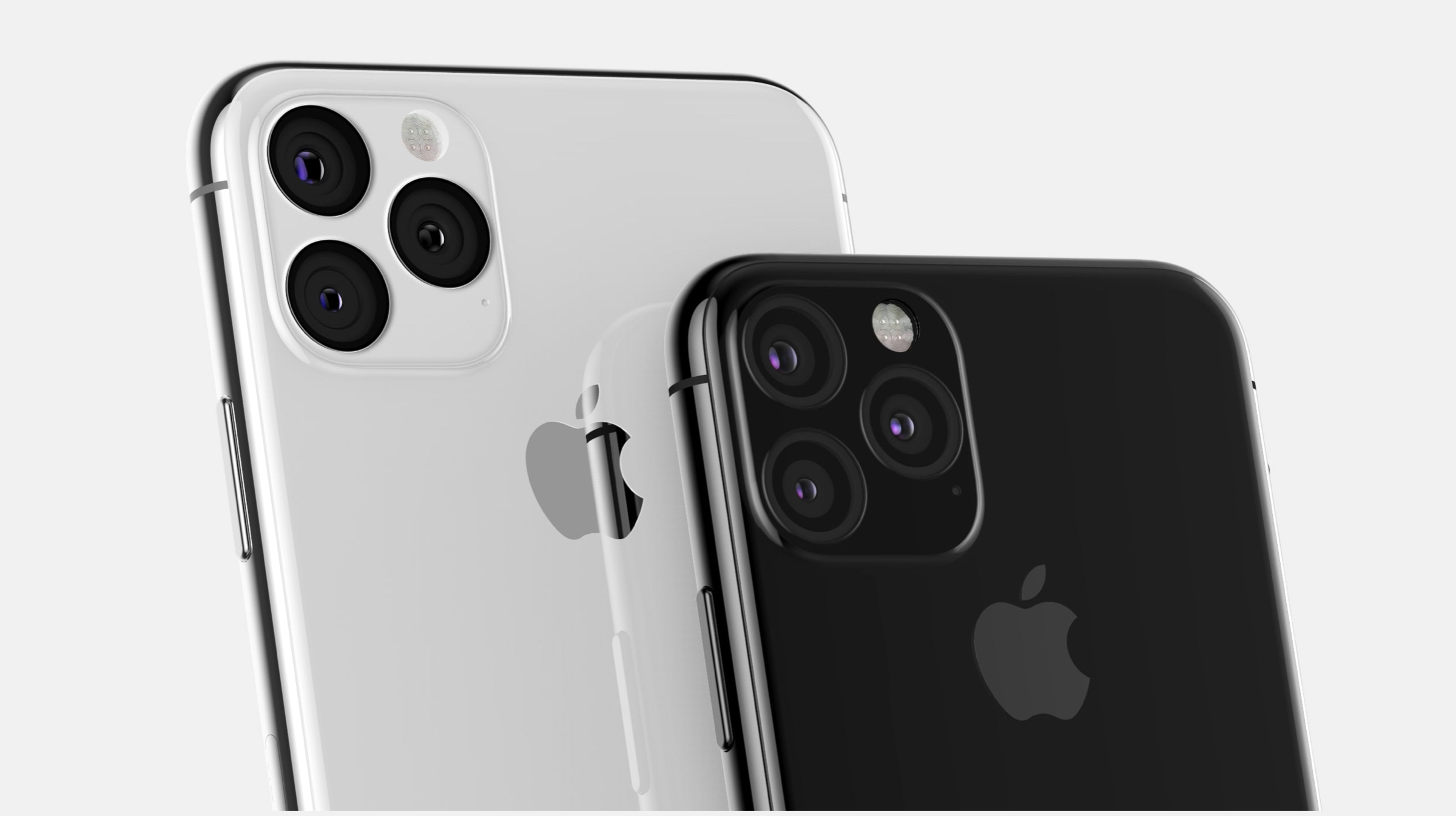
Modified-PI material for antennae, on the other hand, offers the same performance but are significantly more affordable. Interestingly, Apple uses six LCP antennas in its current generation of iPhones, namely the iPhone XS, iPhone XS Max and the iPhone XR. These six antennas will be replaced by two MPI and four LCP antennas in the upcoming iPhones and iPads. However, the analyst claims Apple will make use of the LCP antennas primary in the year 2020. This is because of the advantage of the technology for use in 5G devices, which the company is expected to introduce starting next year. Apple is expected to launch the new iPhones in the month of September later this year, while the iPad Pro is expected to be unveiled at the end of this year or early next year.





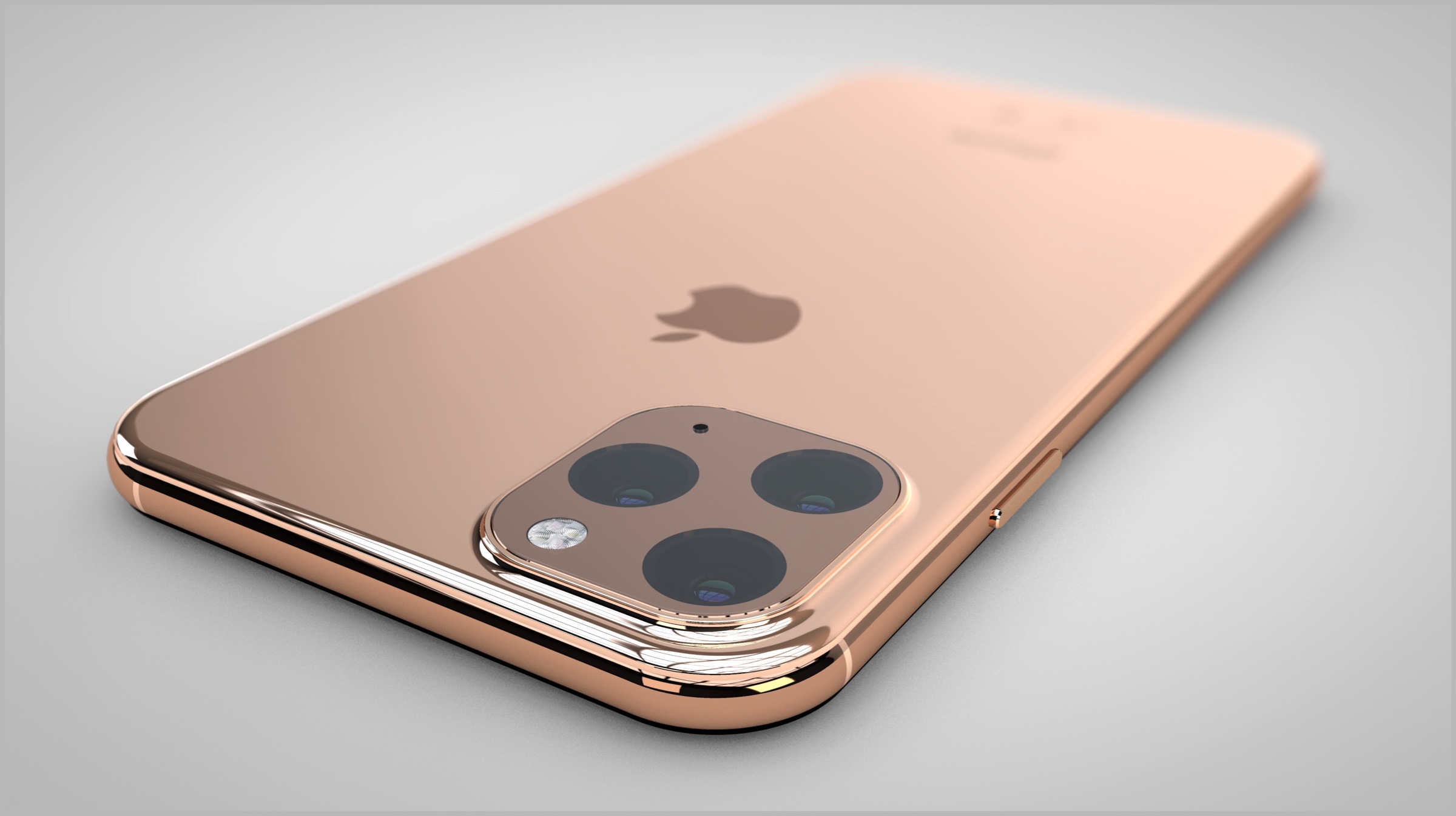
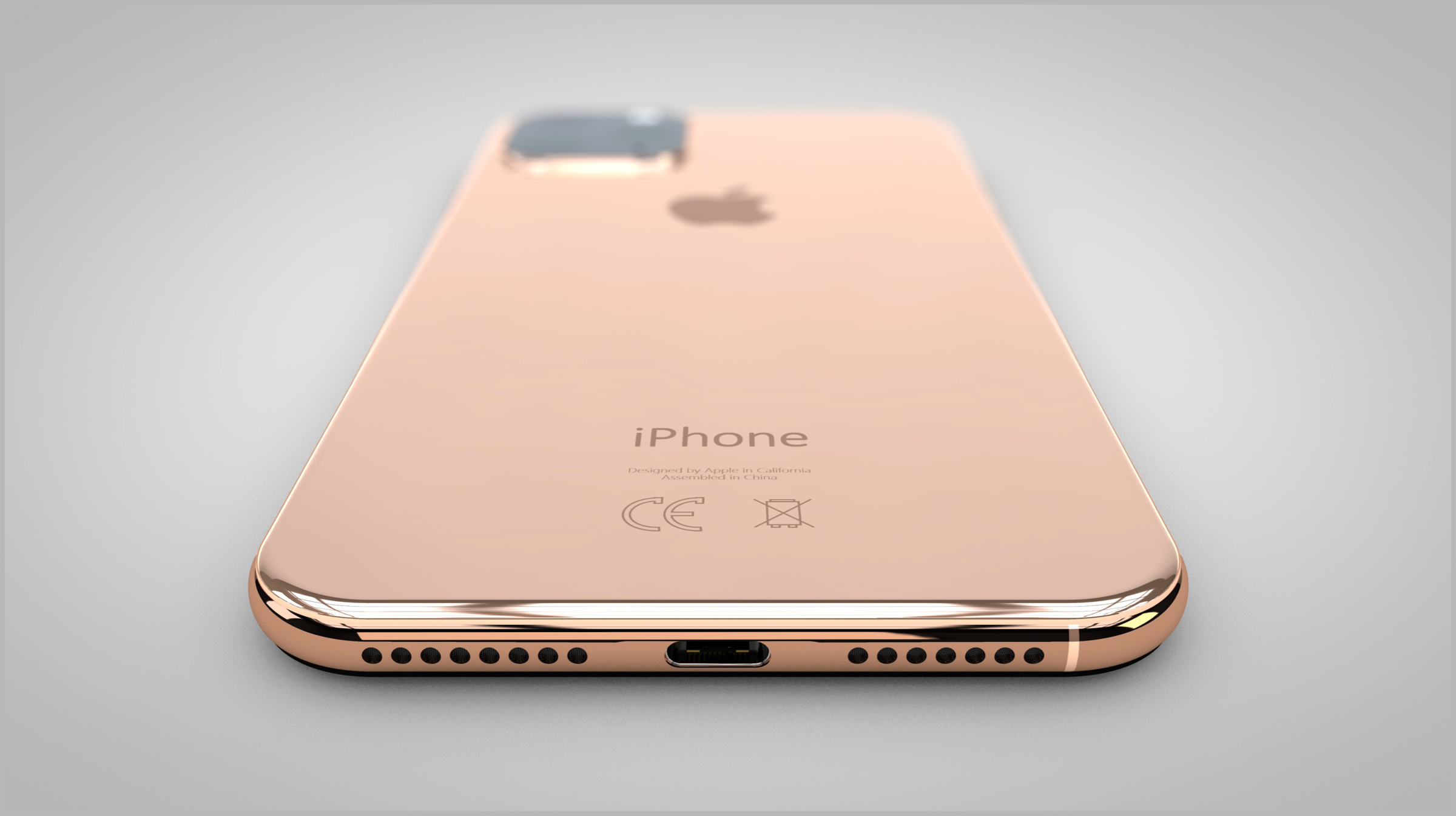
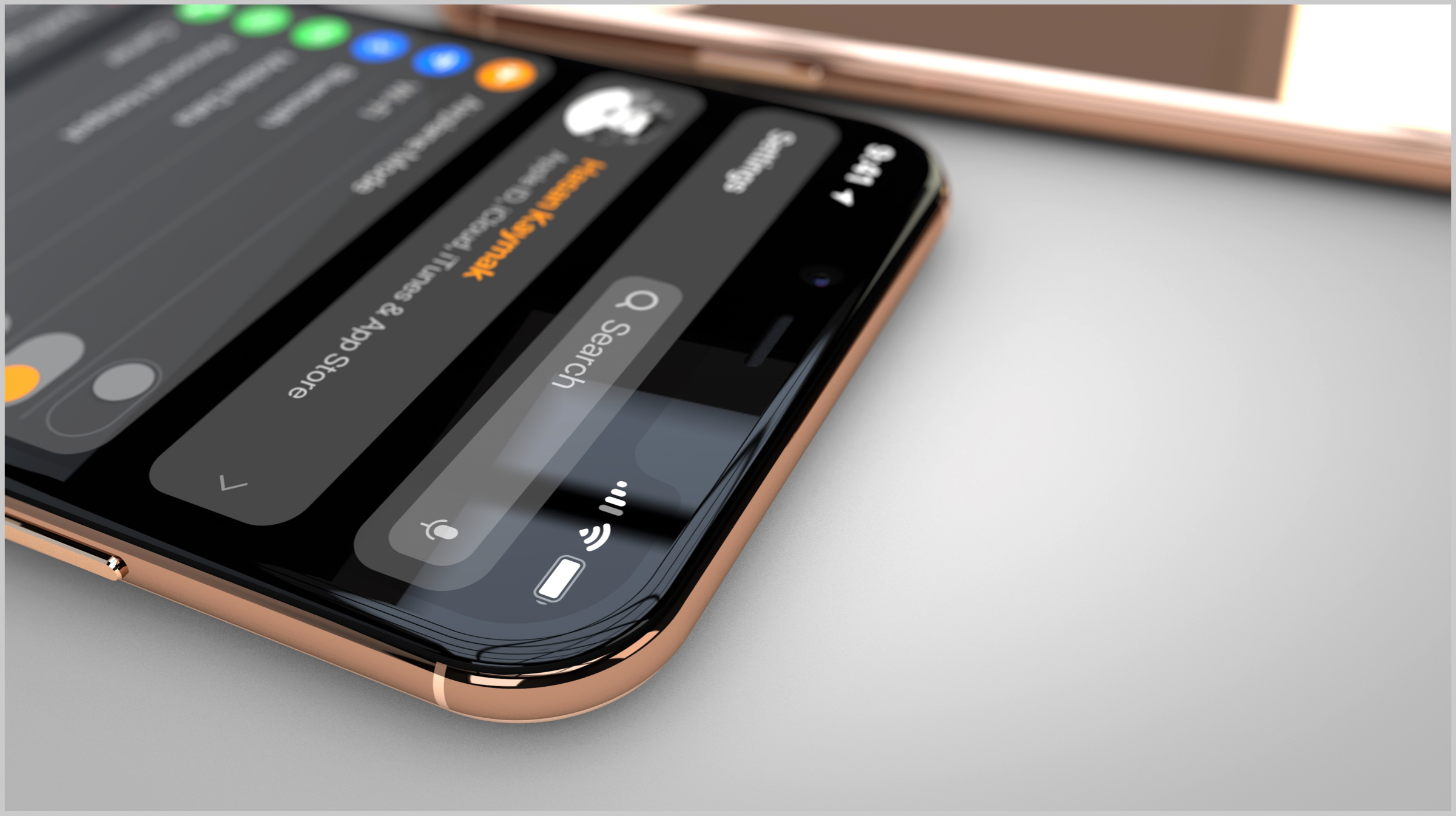

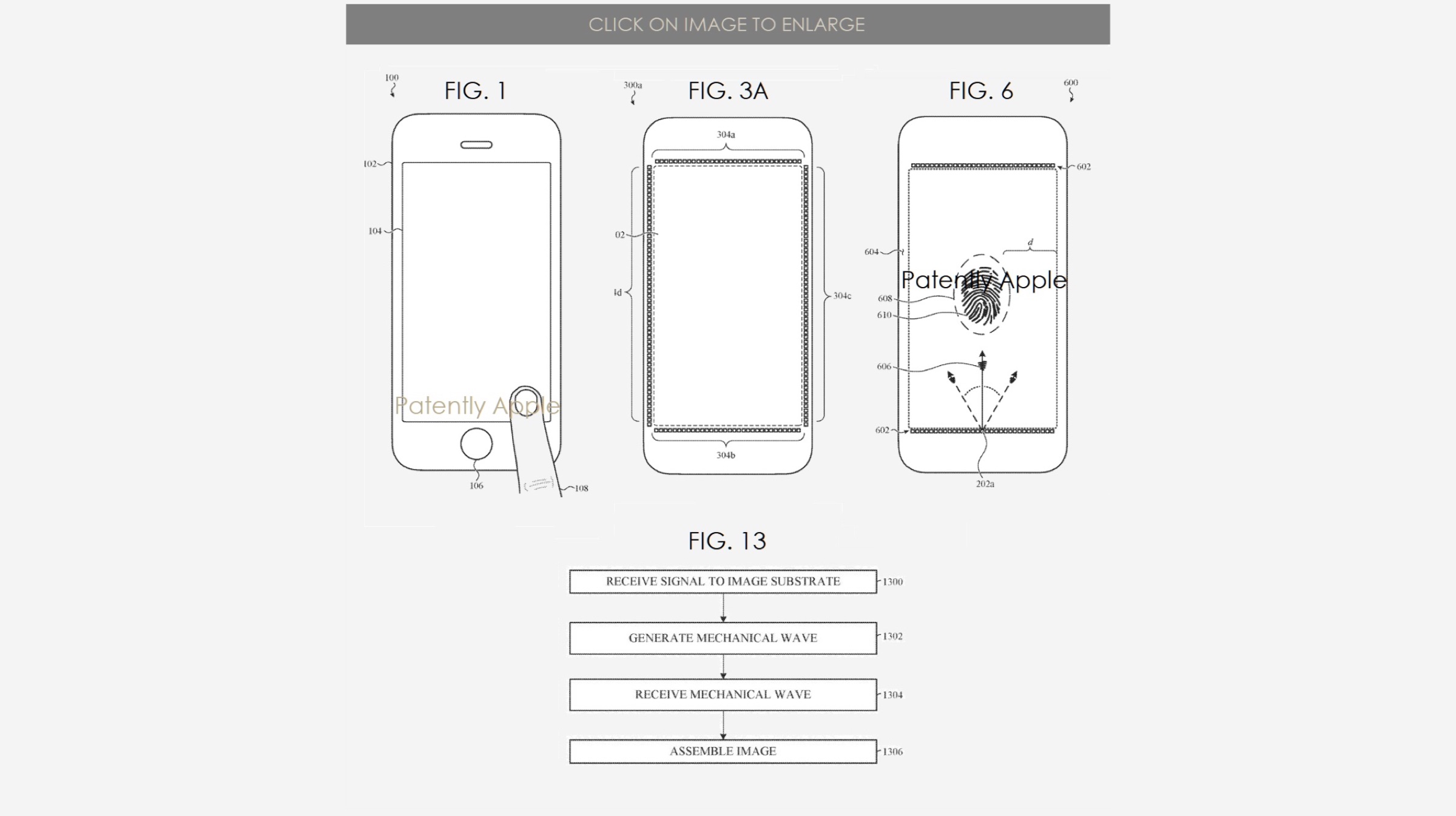 The patent showcases “methods of biometric imaging of input surfaces”, which directly relate to an acoustic imaging system. Using the aforementioned technique, a high-resolution image of the object can be mapped, in this case, a fingerprint. Since Apple has never used an in-display fingerprint scanner in any of its devices yet, this patent getting published may be a start for the company.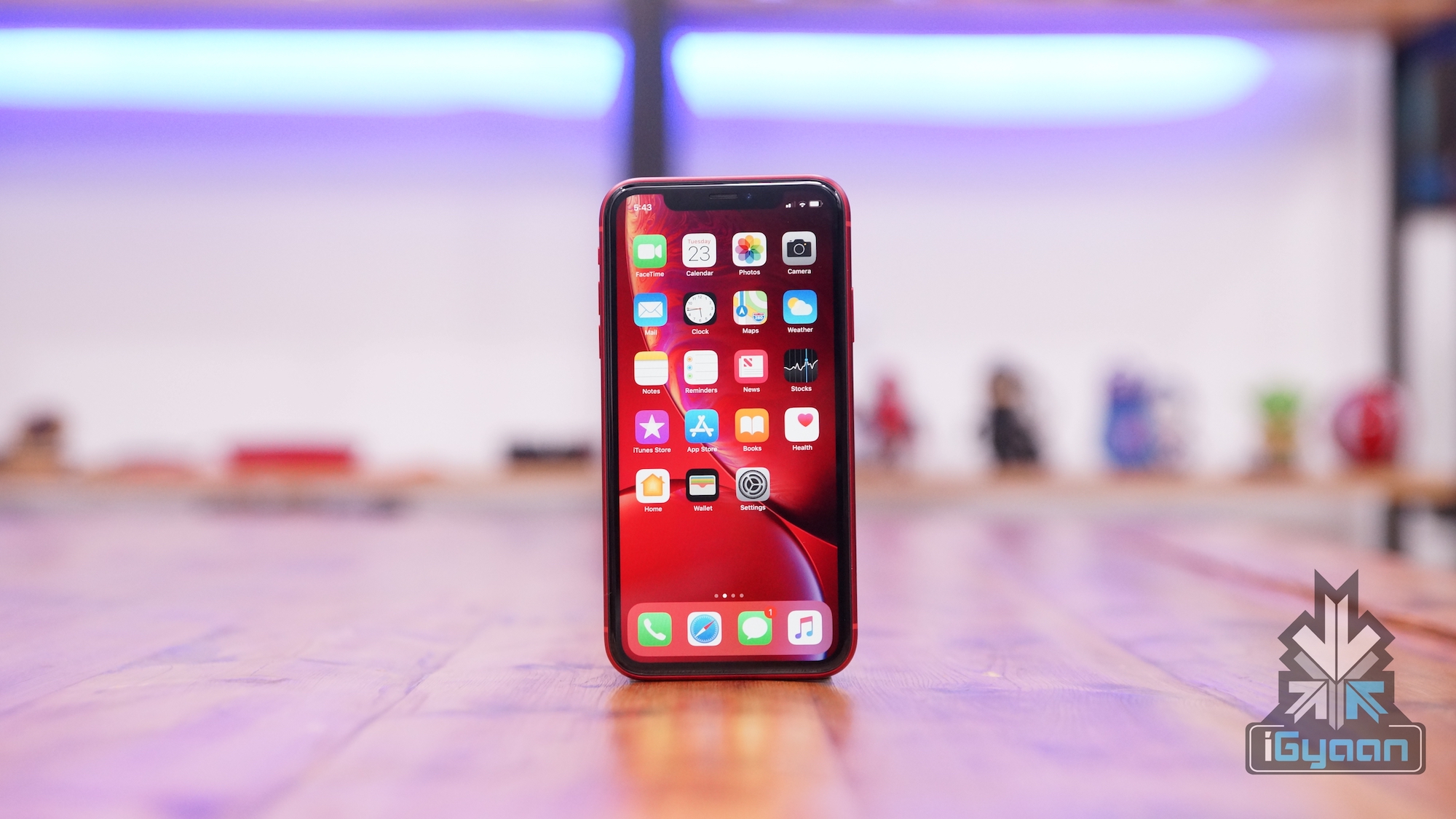

 As previously reported
 Also Read: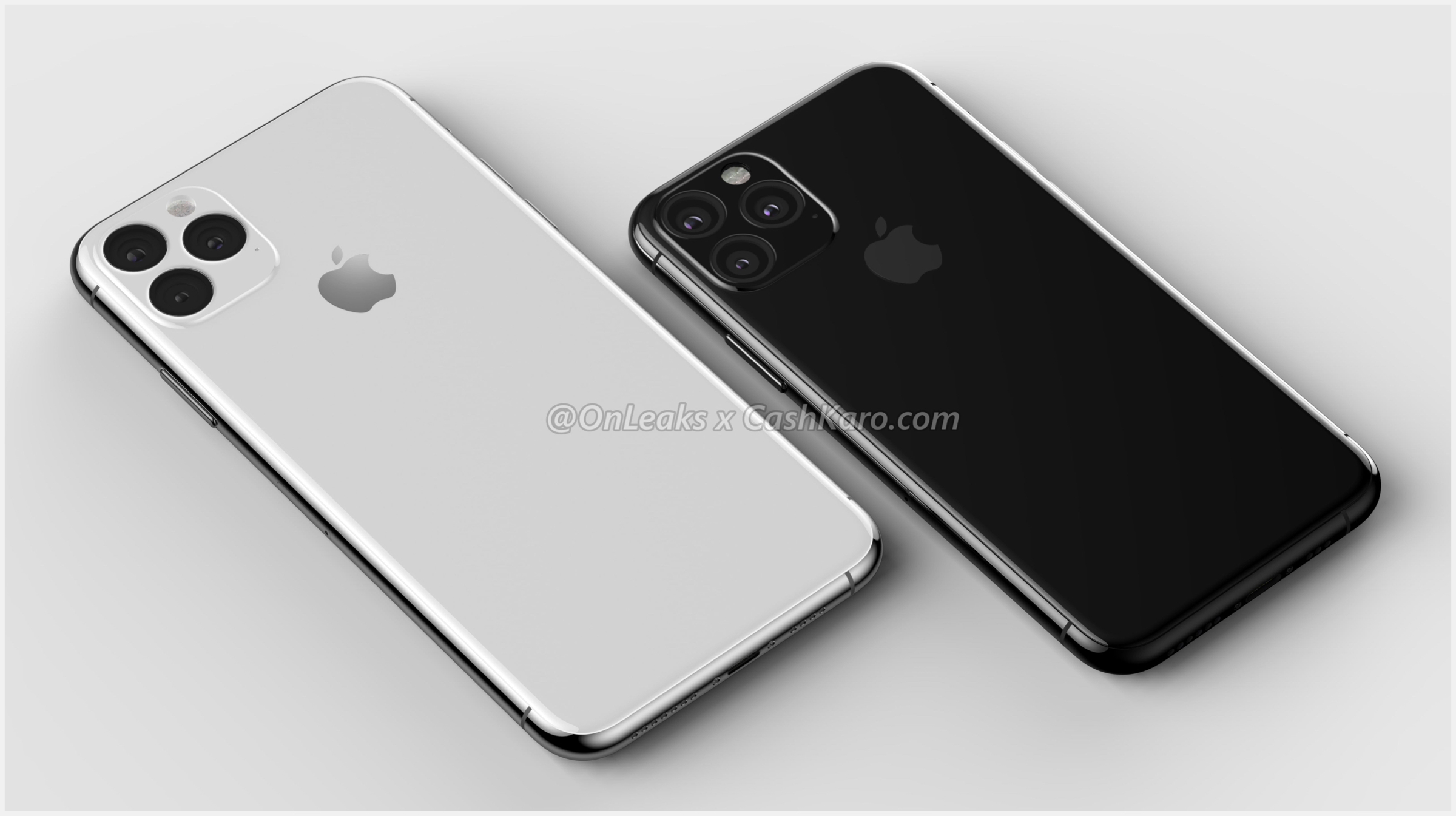
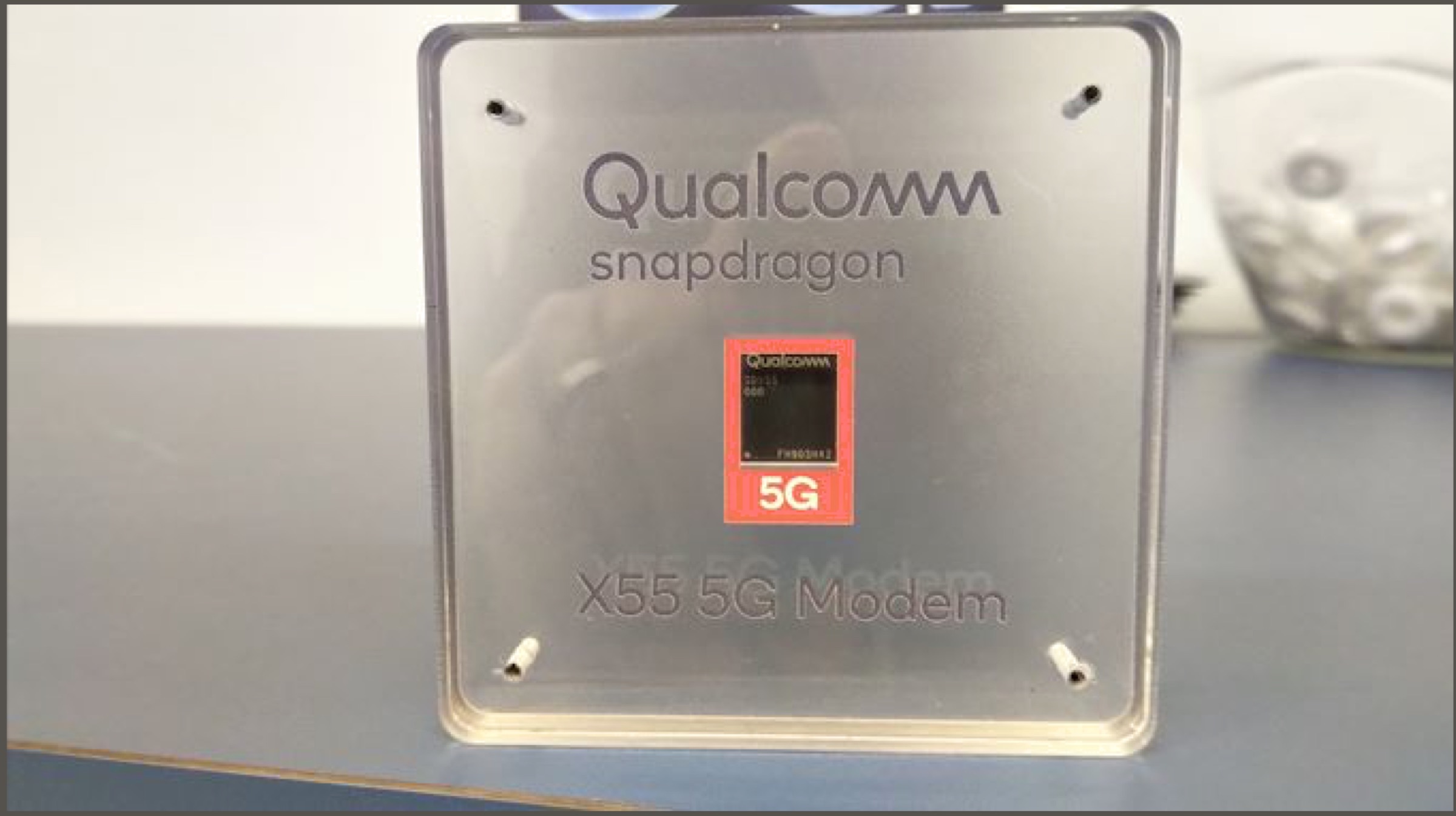
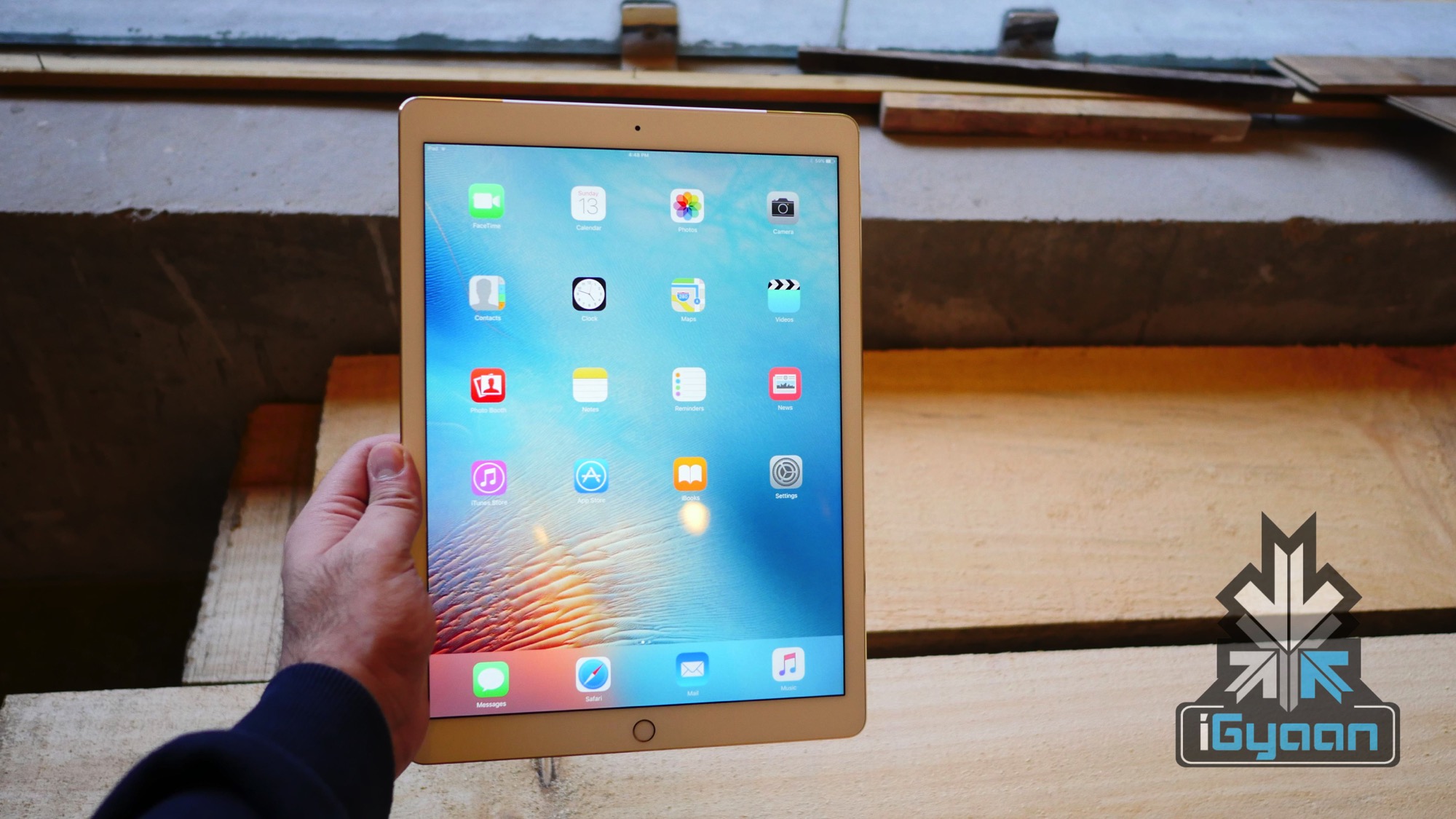
 As per noted analyst Ming-Chi Kuo, Apple will unveil a total of two iPad Pros in 2019, which will include an 11-inch variant and a second variant with a large 12.9-inch screen. This is not exactly surprising, since Apple always releases two iPad Pros every year, but the elephant in the room is the fact that Apple is planning to incorporate 5G modems in the future iPads, which will be released by early 2021 or late 2020. Yes, that’s a long way to go, especially since
  Also Read:
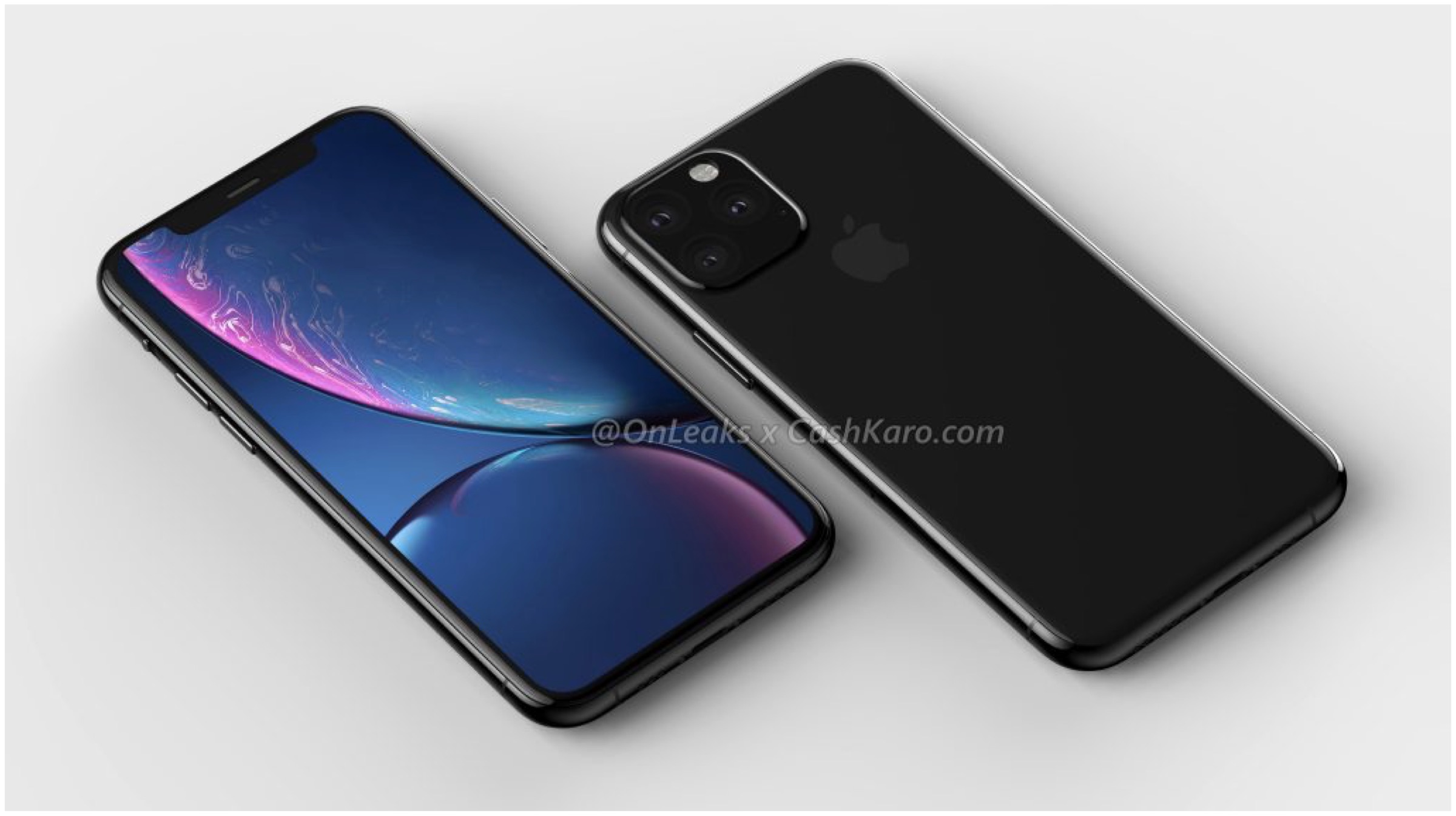
 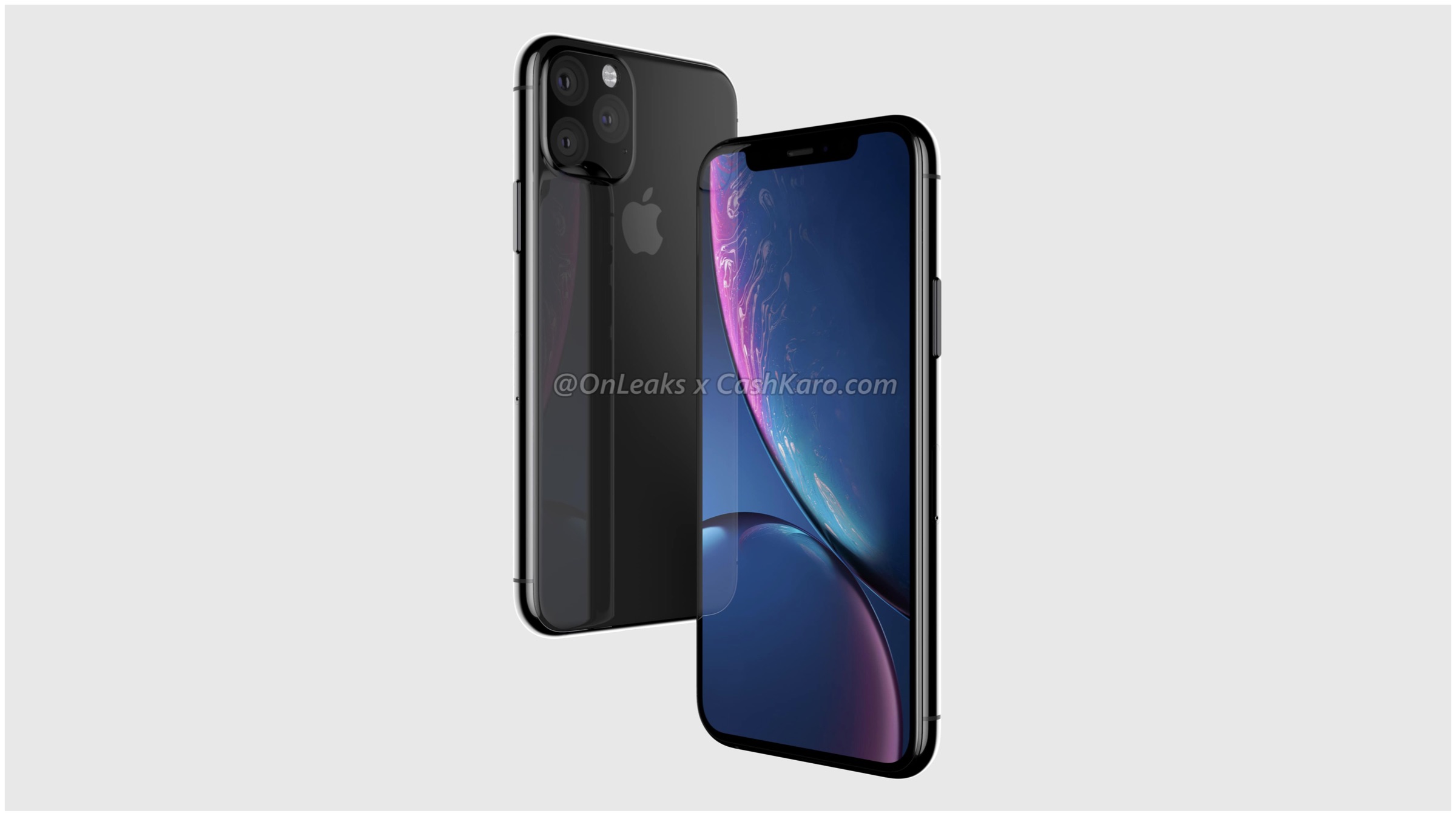 The leaks are in line with the
  Additionally, the renders showcase a 5.8 inch AMOLED panel, something which is unchanged from the
  Also Read:

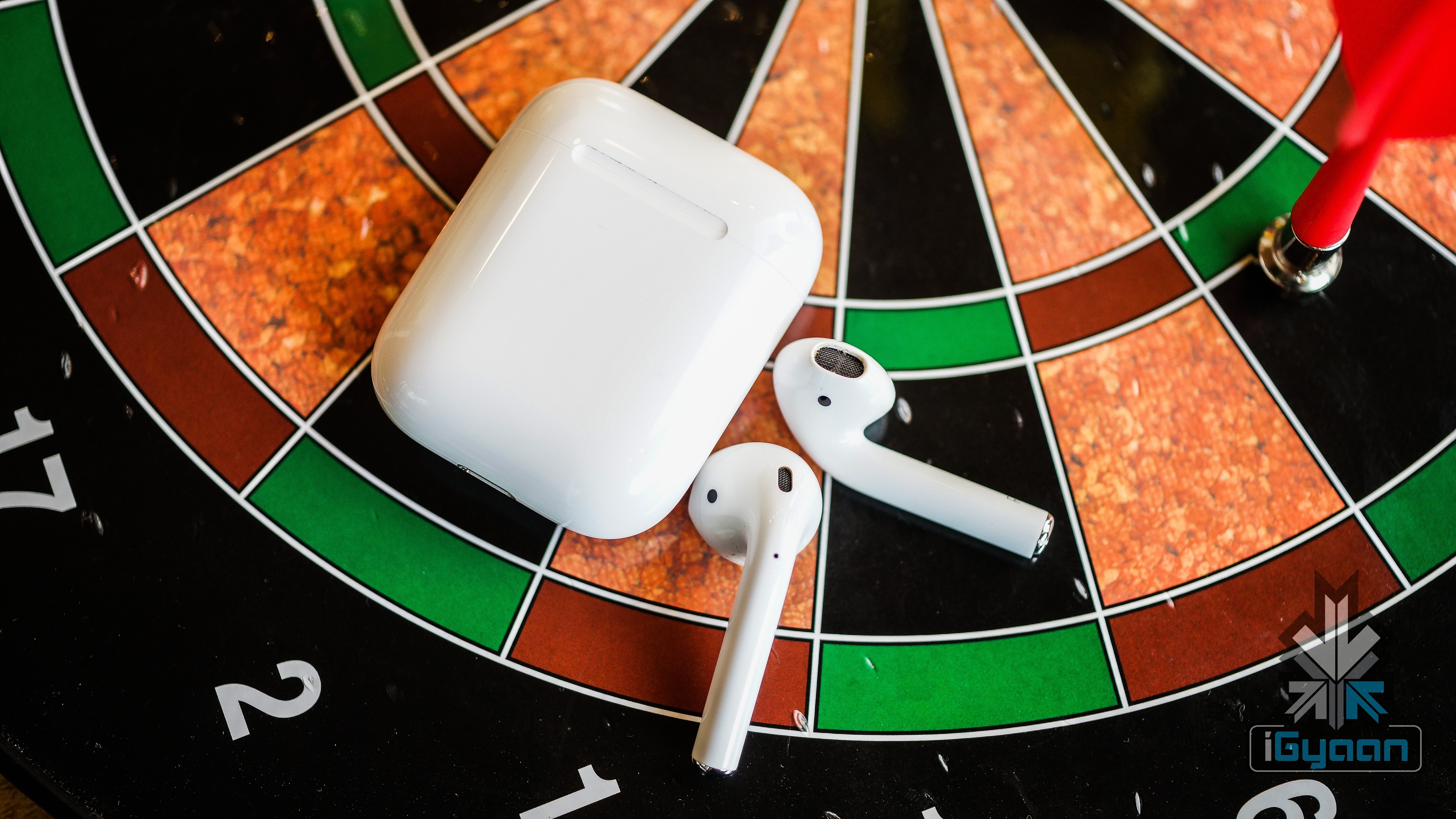
 The new alleged AirPods are expected to feature noise cancellation. Earlier this month,
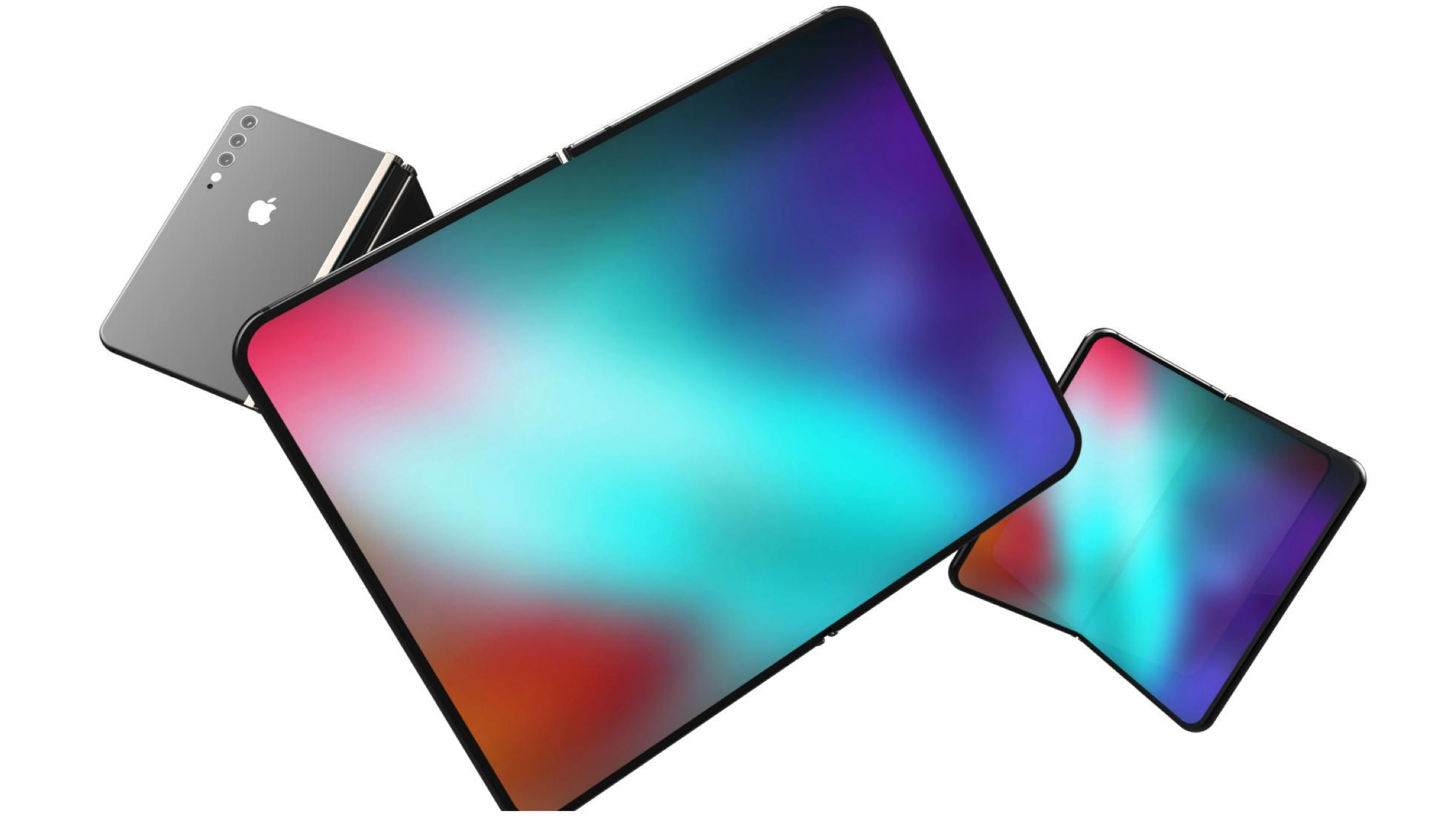

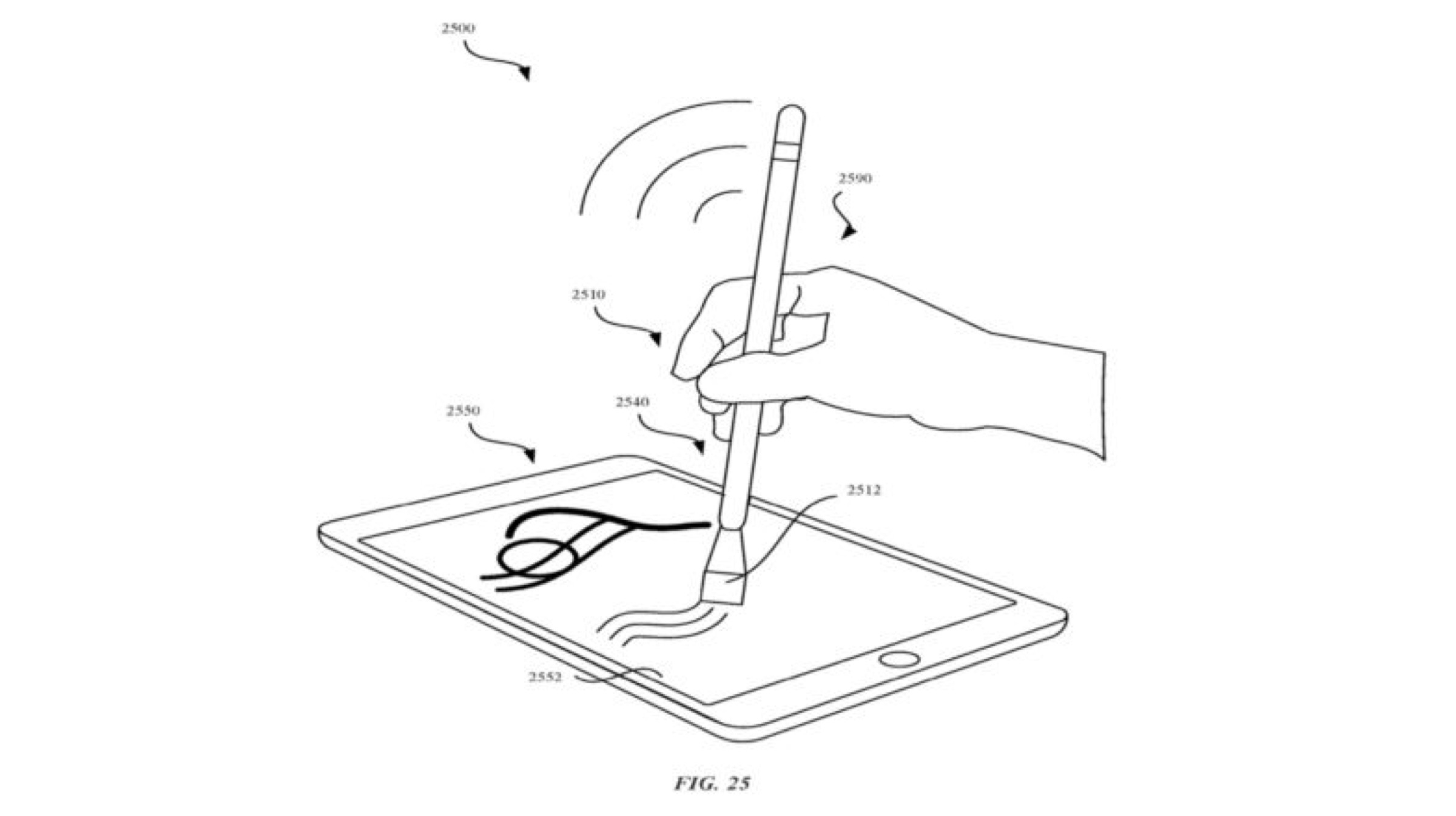 The speculated “Apple Paintbrush” was patented recently by the company, and the patent represents the “paintbrush” as a “Stylus with multiple inputs”. As per the patent, the “electronic paintbrush” has multiple flexible contact points. Apple’s patent further stated that all the flexible contacts can flex independently of each other, and a feedback response is generated depending upon the change in bending/flexing of the contact members.