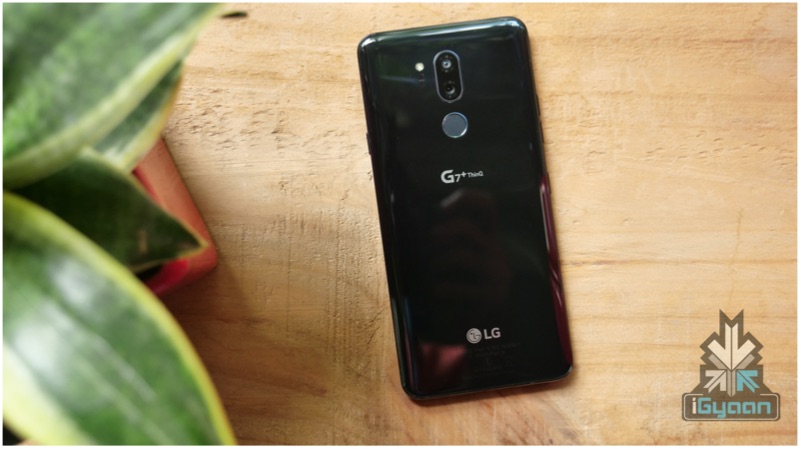
In the last few years, the dominance of Chinese smartphone OEMs has increased substantially in the Indian market. Makers like Xiaomi, Realme and Honor have seen exponential growth in sales while established brands like Samsung and LG had lost their grip on the same, at least on the budget side of things. The former tried to redefine itself by launching the online-only Galaxy M series back in the month of January. By providing competitive specifications at a lucrative price tag, the lineup has seen a good reception and has put Samsung back on the radar. Now, the latest reports claim that another Korean giant, LG is looking to do the same; by launching an online exclusive, budget smartphone lineup in India soon.
About the series
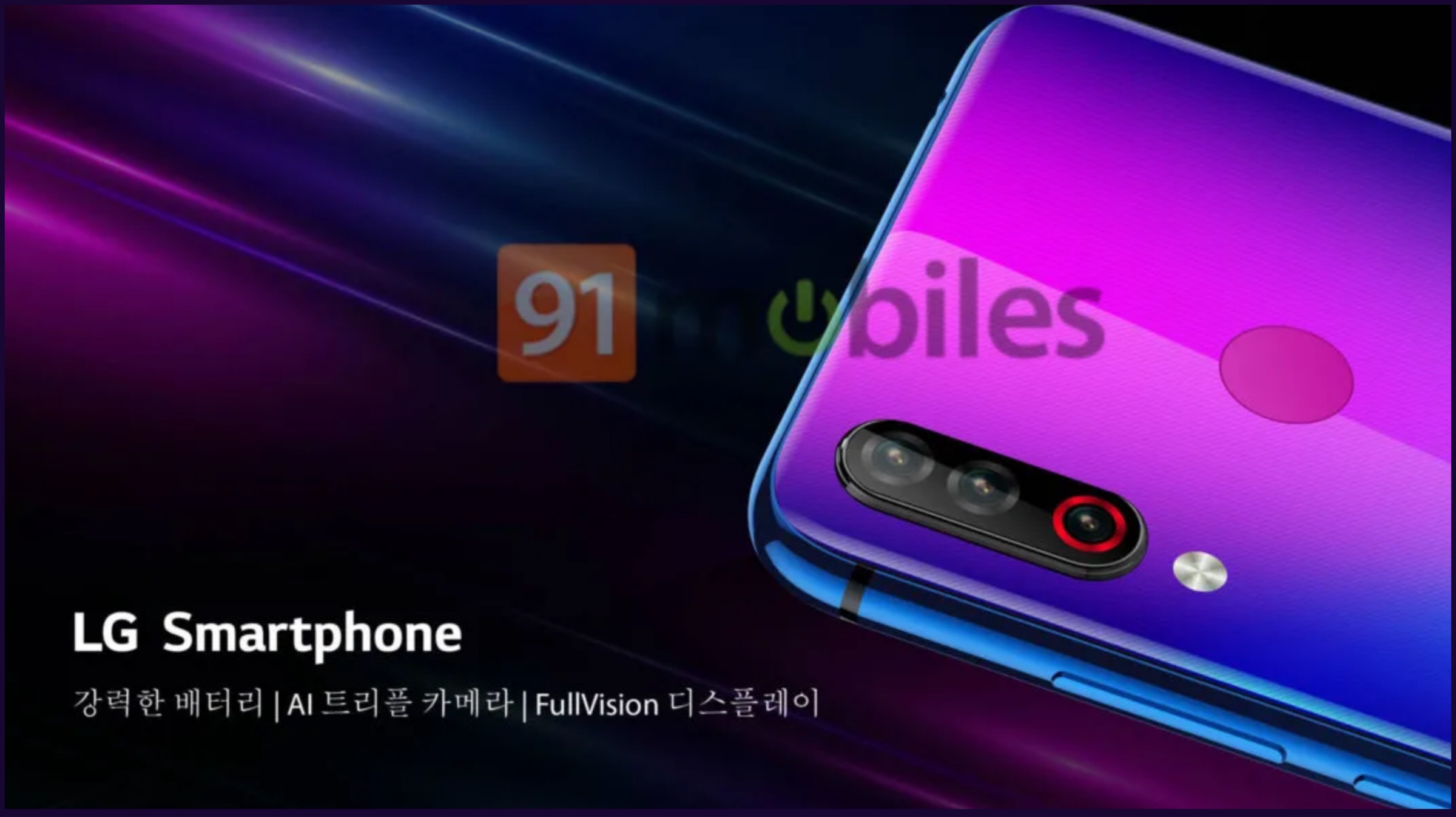
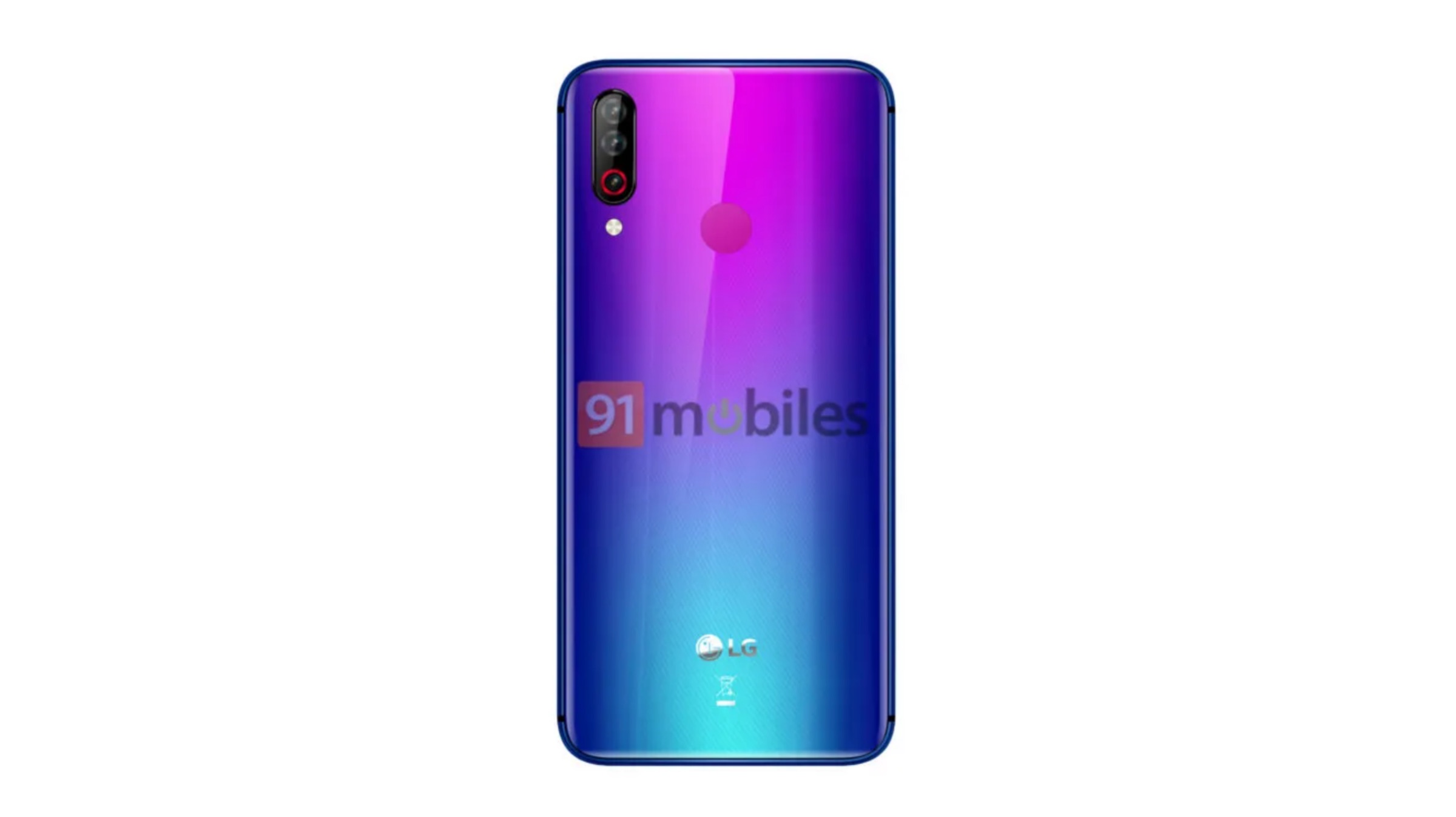
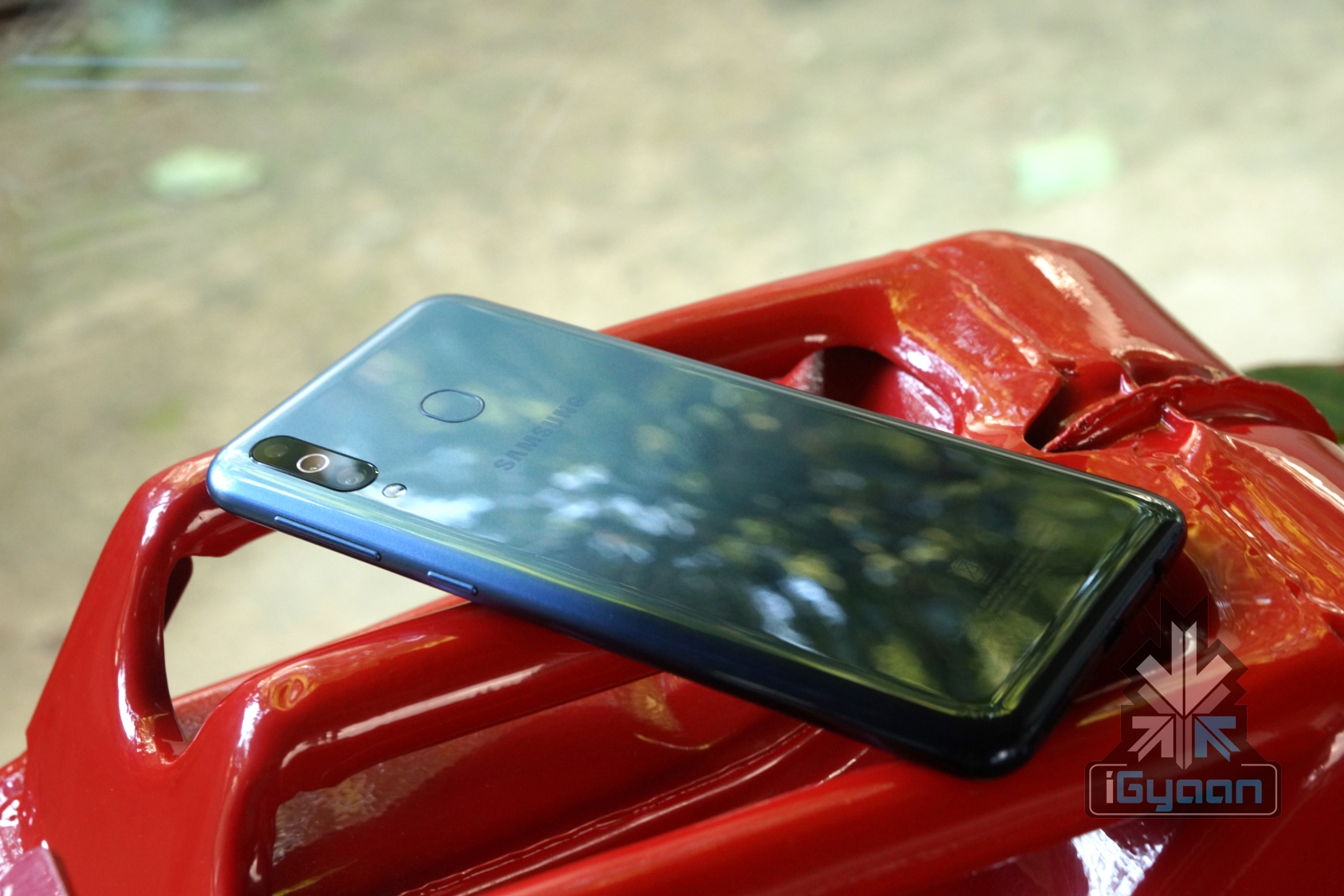
As mentioned above, LG is planning to introduce a new series of smartphones in the Indian market. This may be a budget lineup which will only be available to purchase online. Along with the information, images alleged to be of a device in the series have also been shared in the report. These images reveal a handset with a glass finish and gradient colour scheme on the back. The right side of the smartphone has the volume rockers and the power button. Over at the back, a vertically placed triple camera setup along with an LED flash is visible. The rear panel also has a rear-mounted fingerprint scanner with the LG branding present.
One of the leaked images of the latest LG smartphone also reveals it will have a FullVision display; which may be an indication that it will have a near edge of to edge display with minimal bezels around it. It is also known that the device will make use of AI in certain areas around the handset; presumably in the UI (User Interface) and the camera application. The reports further claim the series will borrow many features from LG’s flagship series, such as the G and V lineup of smartphones. Unfortunately, more details about the handsets are unknown at the moment. But it is expected that the company may make an announcement regarding them soon.
It seems that Facebook and Instagram are not the only platforms that suffered outages in the year 2019 so far, as Google Cloud services were down as well on June 3, 2019. The outage affected multiple applications such as Gmail and Nest. Furthermore, applications that implement Google Suite including Snap and popular voice-chat platform, Discord were offline as well. First reported by users in the United States, a similar issue was also brought to light by other users across the world.
As per a statement released by the company, the Google Compute Engine was suffering from a multi-region issue that was affecting Google Cloud services. Owing to network congestion in Eastern USA, users were experiencing extremely slow loading times and errors. Moreover, people reported issues with Google Nest that was not allowing them to change the temperature in their homes and apartments.
Reportedly, the issue was resolved a few hours later after its occurrence. Another statement put forward by the company confirmed that Google was conducting an internal investigation of the problem in order to prevent future recurrence of the same. However, concerns were raised regarding the vulnerability of Cloud-based software and applications. Since a multitude of services relies on Google’s Cloud Service, a lot of developers and organizations may start thinking about contingency plans in case an outage occurs again.
Even though the cost of hosting applications on a third-party cloud platform is quite low, it basically implies that the entirety of the service is dependant on one platform to function. In such a case, a backup storage or cloud storage can be helpful for the organization. This particular outage experienced by Google may be a wake-up call for network-dependant applications that suffer if the service stops functioning even for a short duration of time.
Xiaomi launched the latest iteration of its fitness wearable, the Mi Band 3 last year. It has been long speculated that the company will launch a successor to the device soon. Details about the upcoming wearable; purportedly called the Mi Band 4 have been leaked online in the past. Images of the device have surfaced online which reveal the updates inbound over its predecessor.
Mi Band 4
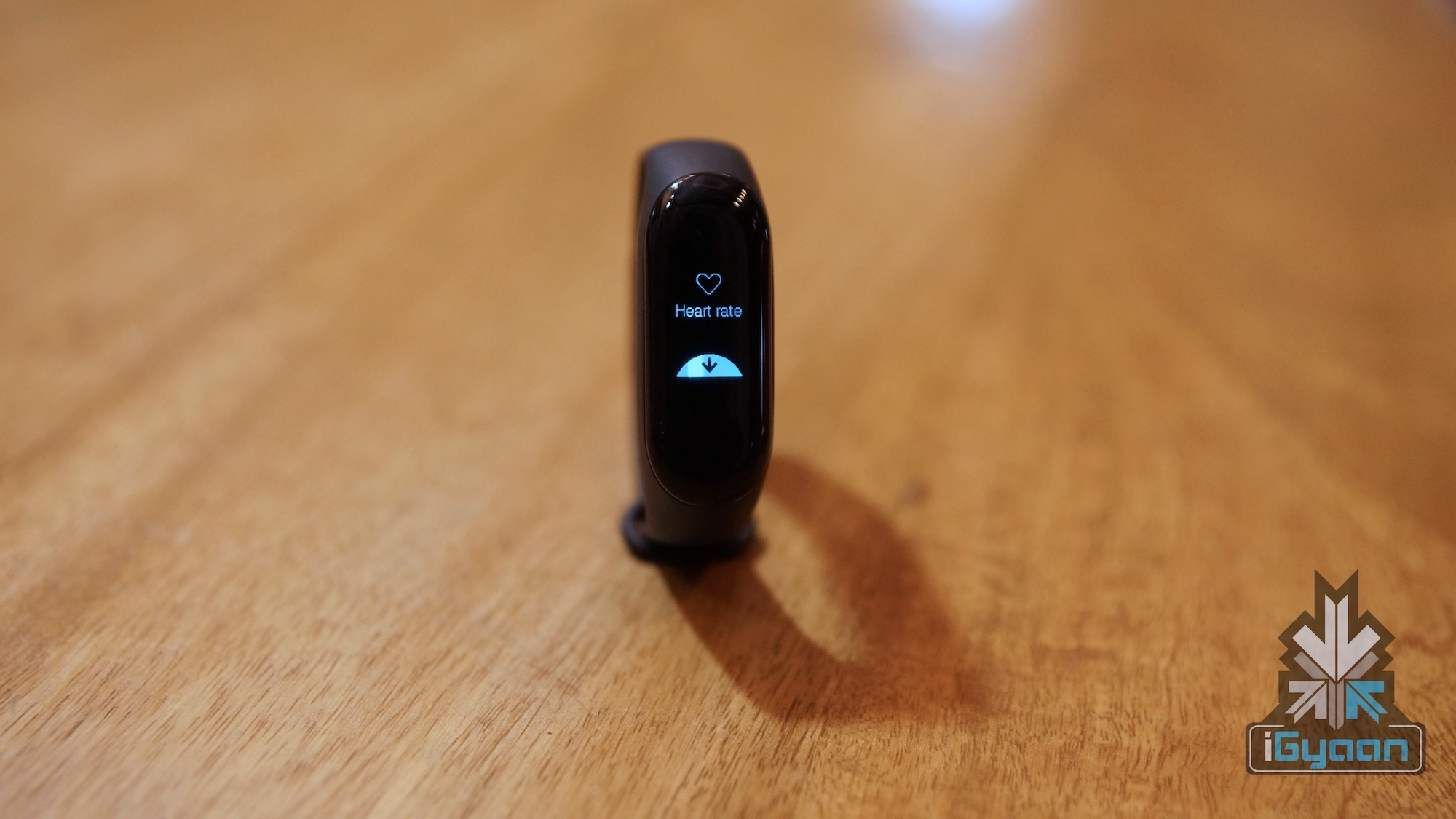
The Mi Band 4 will be the latest fitness wearable from Xiaomi. Images of the device reveal it will have a coloured display. This will be an improvement over the monochrome display found on the Mi Band 3. While its rest of the design is reminiscent of the previous generation, the addition of a colour display will make for a notable addition. As a colour display consumes more power than a monochrome display; the future smart wearable may have a 135 mAh battery which is a considerable bump from 110 mAh found on the current device. Noteworthy, disparate to previous Mi Band versions, the Mi Band 4 will have an inbuilt charging port. The previous generation devices have proprietary charging connectors; which have not been well received by numerous consumers due to their complexity.
The leaks in the past also reveal the Mi Band 4 will be offered in two variants. The affordable variant will only have support for Bluetooth 5 Low Energy (LE) while the top end variant will also support NFC. The rest of the features will reportedly be taken over from the Mi Band 3; including a heart rate tracker, a pedometer for counting steps and a water resistance rating. In terms of pricing, it is expected that the lower end, Bluetooth version of the Mi Band 4 will cost Rs 2,000 like its predecessor; while the NFC version may be priced in the neighborhood of Rs 3,500. The smart wearable is expected to be unveiled in the following weeks.
Apple, in a bold step of decentralizing focus, has decided to shift its vision towards the ‘peripheral’ products with more operational independence. Since the dawn of the iPhone, each new generation of the handset saw the inclusion of new technology within or alongside it. Products made by Apple were only in rare cases focused on providing an entirely standalone experience overall.
The iPad serves as a great example, marketed as a laptop replacement with more freedom in mobility while not sacrificing power. In most other cases devices developed like the Apple Watch only seemed to exist for the sake of supplementing the iPhone and its user experience.
Apple’s upcoming developer conference seeks to draw a road map for the company’s plans on moving away from the iPhones glory, around which products were based. The keynote presentation will have the upper echelon of the tech giant showcase the latest generations of Apple devices and software in San Jose. Going forward Apple seeks to make the Watches more independent, iPads that will actually reduce the needs for laptops, and cross-platform applications to run on every Apple products.
Future Of Apple Watch
Made to be the next great leap in innovation after the iPhone in 2015, the device has yet to reach the level that the handset has achieved years prior. Apple Watch which had the potential to push computing to even smaller frames while still providing the functionality to users had ended up relying on the iPhone.
However, with the inclusion of cellular connectivity support to the device two years ago and the upcoming software update with watchOS 6, the company will further branch off the Watch and the iPhone. The new update will bring features like an on-board App Store with calculator and voice recorder alongside new messaging capabilities.
iPad’s Potential
As brought up previously, the iPad has been marketed often being tagged as the worthy replacement for laptops. Apple has a more than capable hardware lineup which has beaten laptop grade processors in the past in performance but lacks severely when discussed by the software aspects.
The company seeks to improve on the OS that’ll give users more functionality and not something that would seem like a tweaked version of the iPhone iOS. Planned updates to include features like using multiple apps simultaneously and a refreshed Home Screen have been announced.
Seeking to aid developers, Apple will soon provide tools for iOS applications to be made available to other platforms within the company’s ecosystem. Applications will now be ported over to the Mac desktops and MacBook laptops, following the example of the iPad receiving its own versions of Apple’s News, Voice Memos, Home, and Stock apps from the Mac. This points towards a future with a single version of an App being available across every platform by Apple.
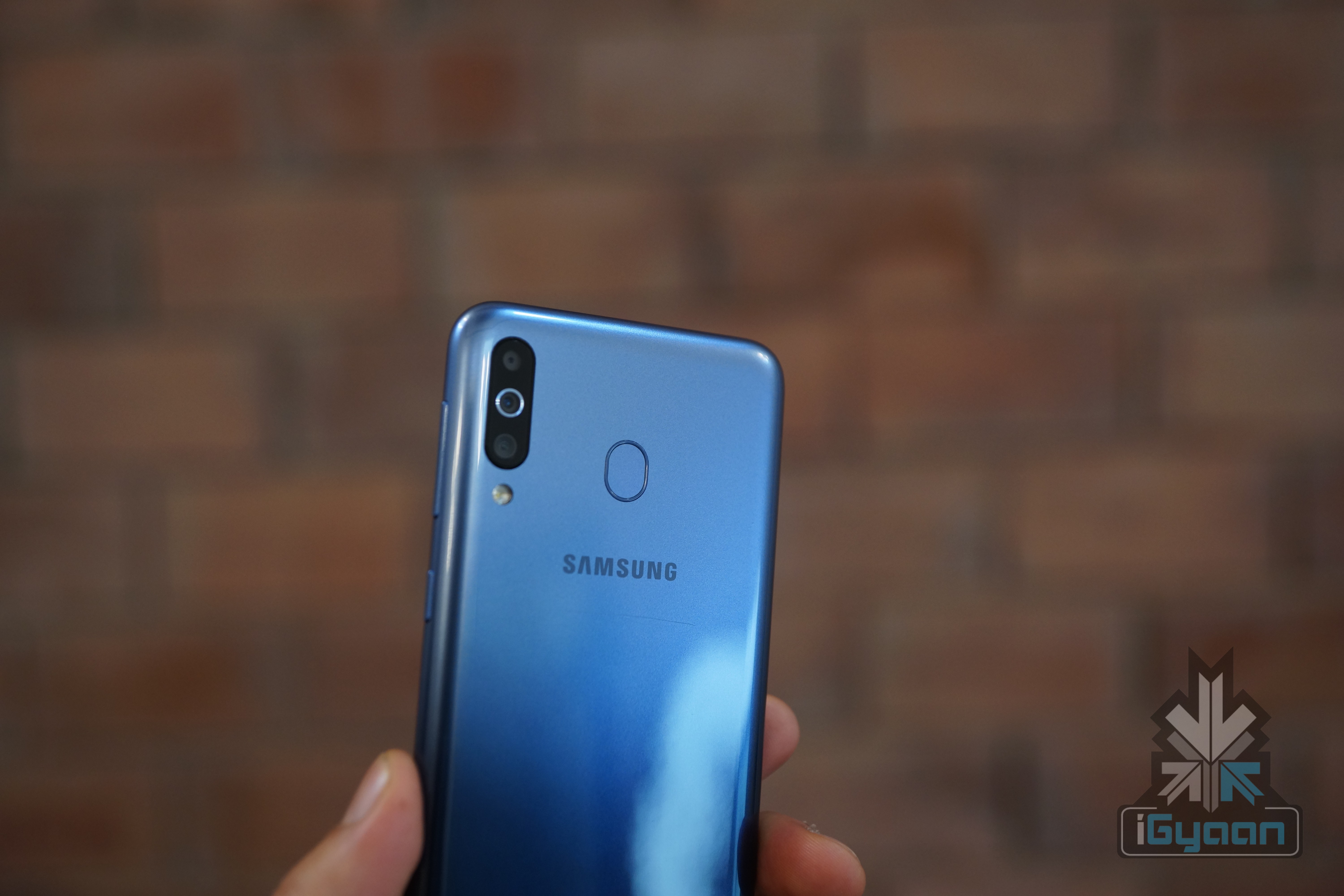
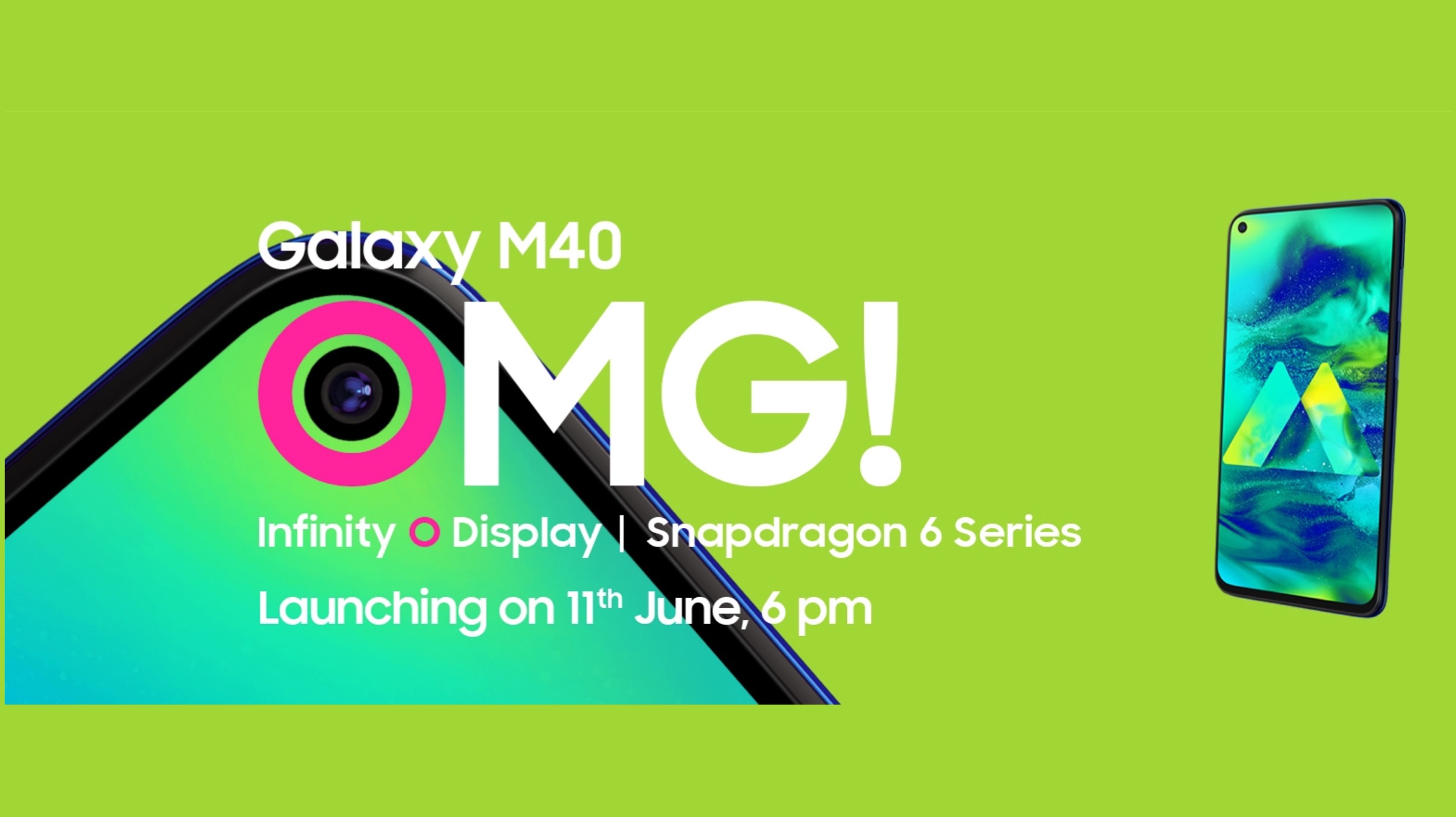
As previously reported, South Korean technology giant Samsung is all set to launch the Galaxy M40 smartphone on June 11, 2019. Similar to the other devices in the Galaxy M series, the Galaxy M40 is expected to provide decent specifications at a competitive price point. Samsung seems quite confident with the upcoming device owing to the success of the Galaxy M10, M20 and M30 in the market. As per fresh leaks, the smartphone is expected to feature a 32MP primary camera alongside two other sensors.
Galaxy M40: Leaked Specifications And Features
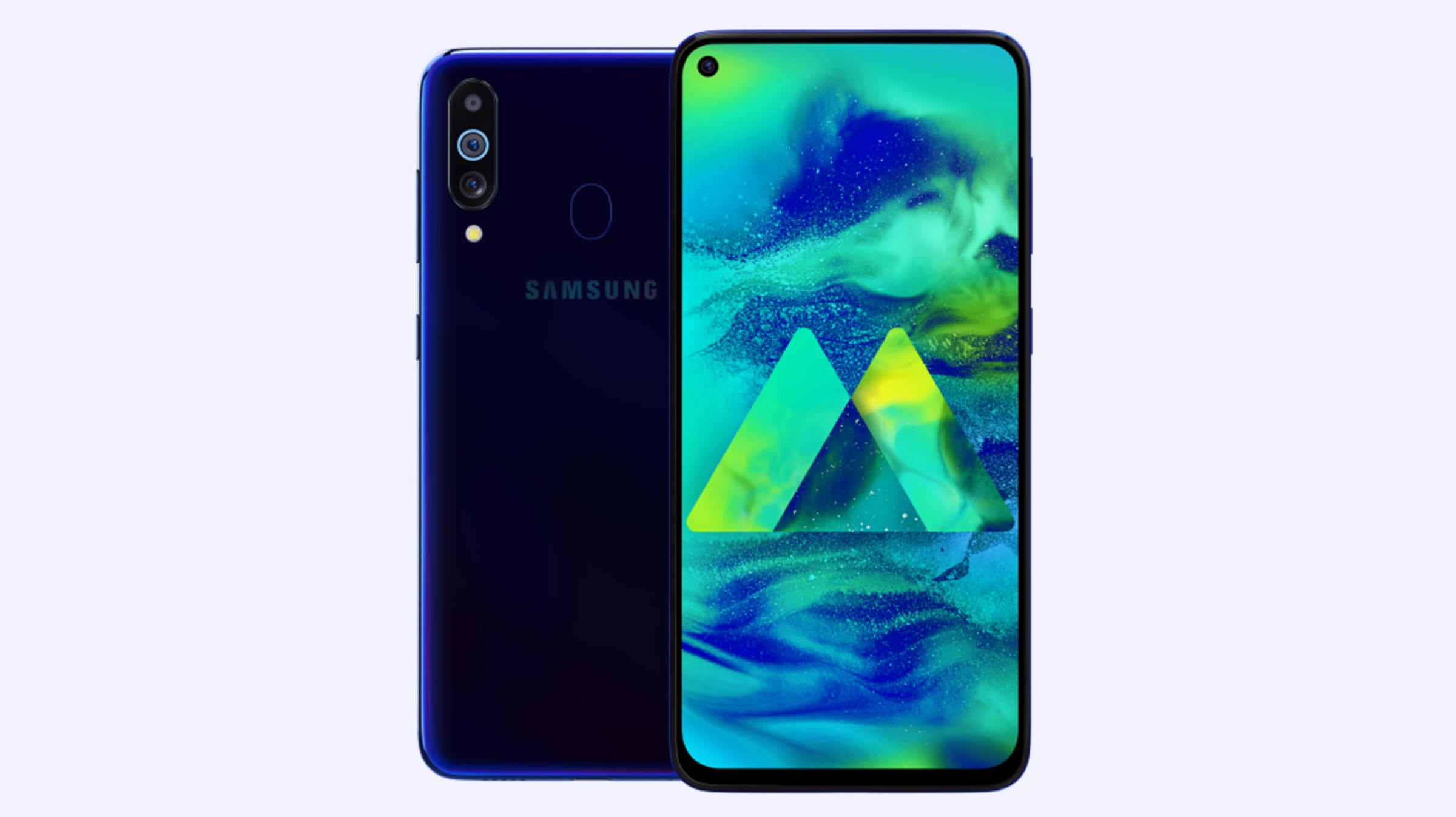
Leaks suggest that the Galaxy M40 will sport a 6.3 inch FHD+ display with a resolution of 2340 x 1080 px. The smartphone will boast of a high screen-to-body ratio thanks to the Infinity-O display (punch-hole display). The right side of the device will accommodate the volume rockers and the power button. The rear panel of the handset houses the triple camera setup, the fingerprint scanner and the company branding in the middle.
Samsung Galaxy M30
Under the hood, the Galaxy M40 will run on the Snapdragon 675 chipset, which consists of the octa-core Kryo 460 CPU and the Adreno 612 GPU. Information regarding different variants is unknown, but it is confirmed that the smartphone will launch with at least 6GB of RAM and 128GB of storage. It will be powered by a 3,500 mAh battery, unlike the Galaxy M30 (see review here), which packed a massive 5000 mAh battery.
Regarding optics, the Galaxy M40 will feature a triple rear camera setup, which will consist of a 32MP primary sensor, a 5MP depth sensor and a third 8MP ultra wide sensor. For selfies, it will sport a 16MP front camera housed in the in-screen cutout. Noteworthy, the M40 will be the first M-series smartphone to run on Android 9.0 (Pie) out-of-the-box.
As mentioned before, the Galaxy M40 will be unveiled by the company on June 11, 2019. Sources state that it will be priced around the price point of INR 20,000 (~$287). When launched, it will be retailed on an online-only basis, with the retailers being popular e-commerce website Amazon and Samsung’s own online store.
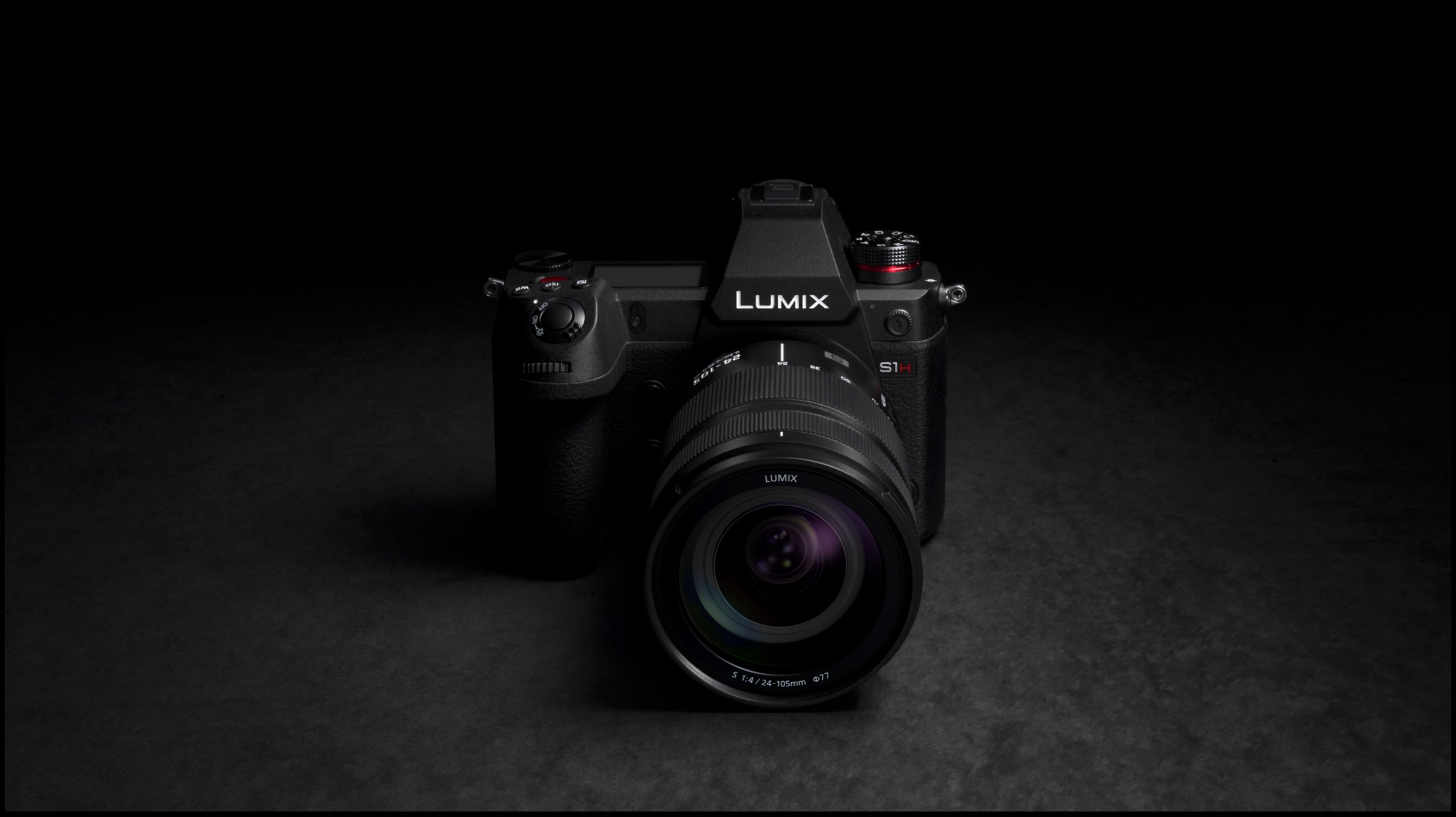
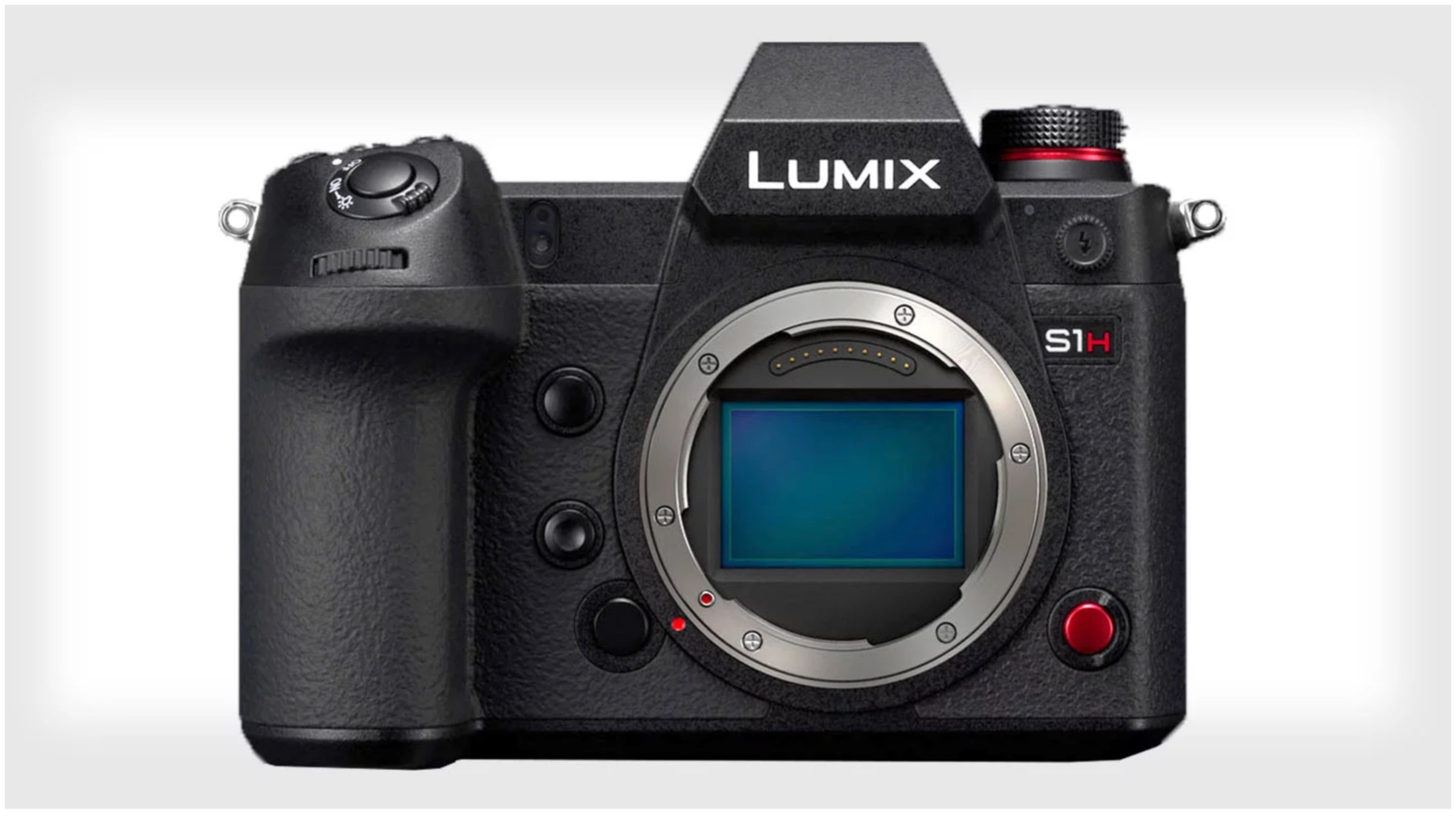
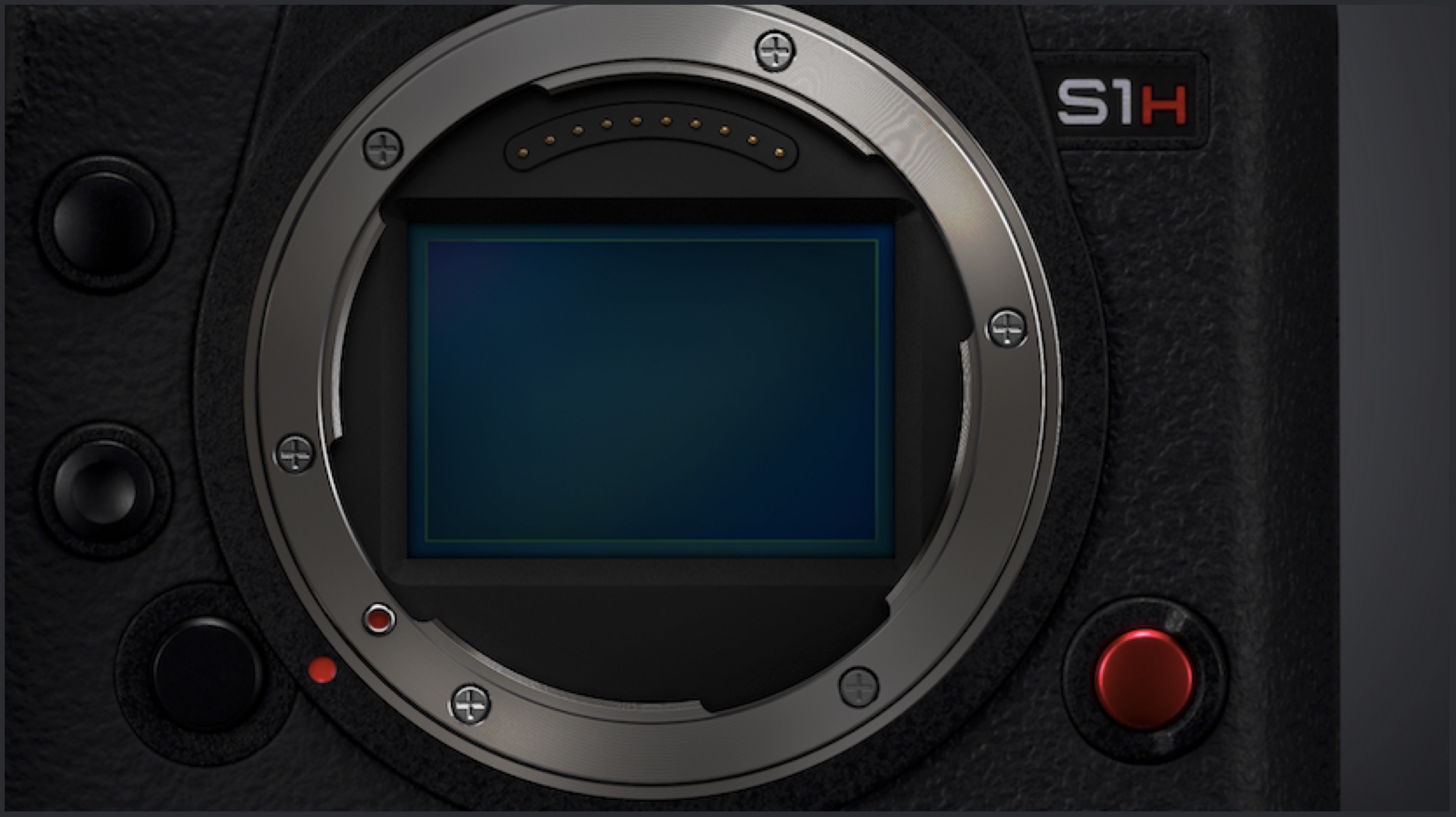
Japanese electronics company Panasonic is widely known for making capable mirrorless cameras under its Lumix brand. The company on 31st May has announced its latest offering, the Lumix S1H Digital Single Lens Mirrorless camera; which boasts of being the worlds first full frame camera capable of recording in 6K resolution at 24 frames per second (fps). It is the successor to the Panasonic Lumix S1 launched last year and features notable improvements over it.
Panasonic S1H
As a full frame digital camera, the Panasonic Lumix S1H claims many world’s first to its name. Like mentioned above, it is the world’s first to record in 6K resolution at 24 fps in a 3:2 aspect ratio; or in 5.9K resolution at 30fps with an aspect ratio of 16:9. It is also capable of recording 10 bit 4K DCI video at up to 60 fps, which is also a world’s first. The camera has a variety of recording formats like the 4:3 Anamorphic mode like present in the popular GH5 camera from the company. The Lumix S1H also claims a wide dynamic range of 14+ stops with the V-Log/V-Gamut mode. Noteworthy, this dynamic range is the same as the premium Panasonic VariCam video camera.
Unfortunately, Panasonic has not specified if the Lumic S1H will feature the in body image stabilization; like present in its predecessor, but it is assumed that the latest camera will pack in the stabilisation option. It also does not have any recording time limit, which may be a beneficial feature for shooting events. In terms of pricing and availability, the Panasonic Lumix S1H will be available starting fall, which generally refers to the fourth quarter of the year in the US; with the global availability to be announced soon. For pricing, the company’s latest offering is expected to be priced around US$ 4000 (Rs 2,78,300).
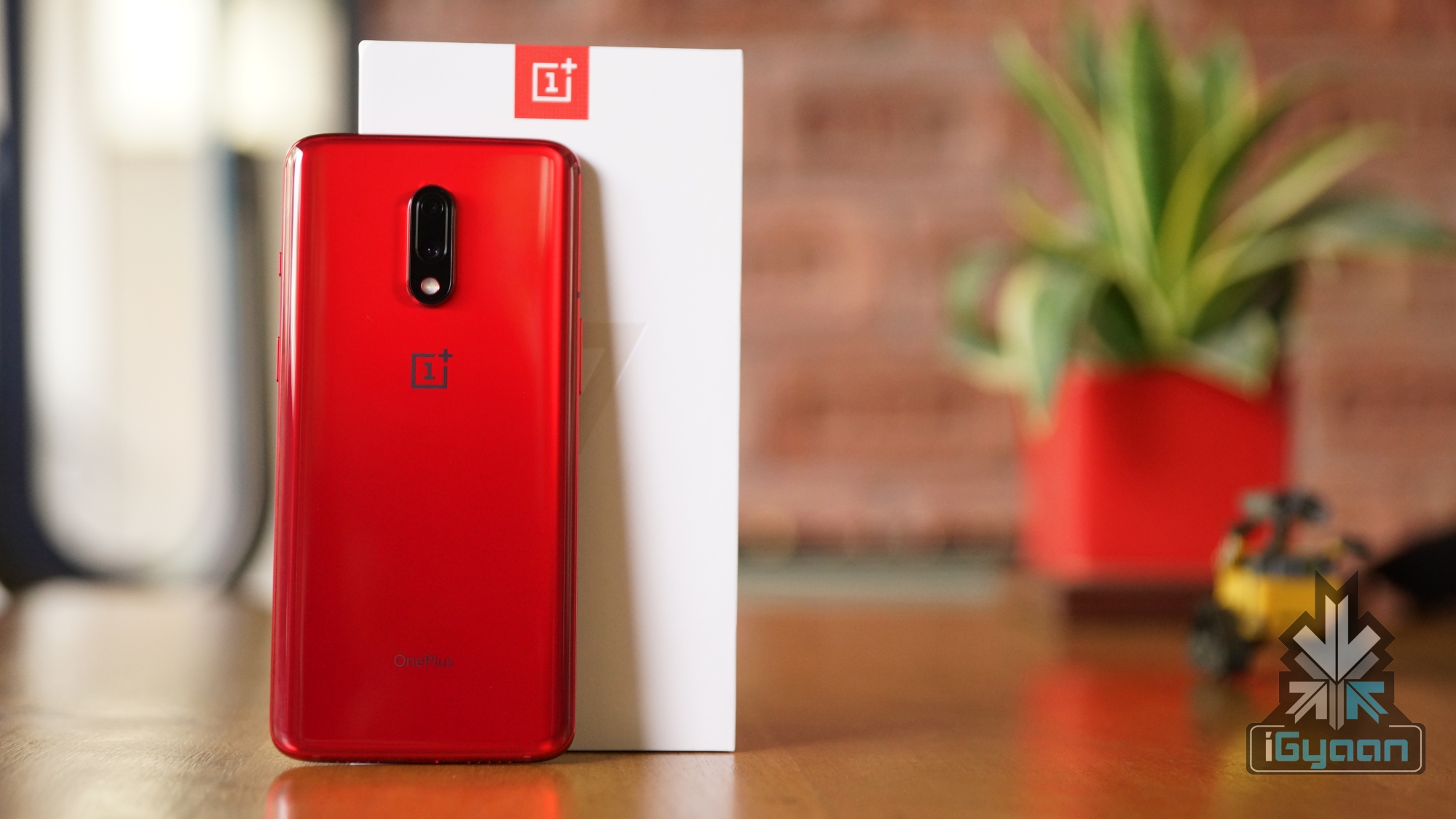
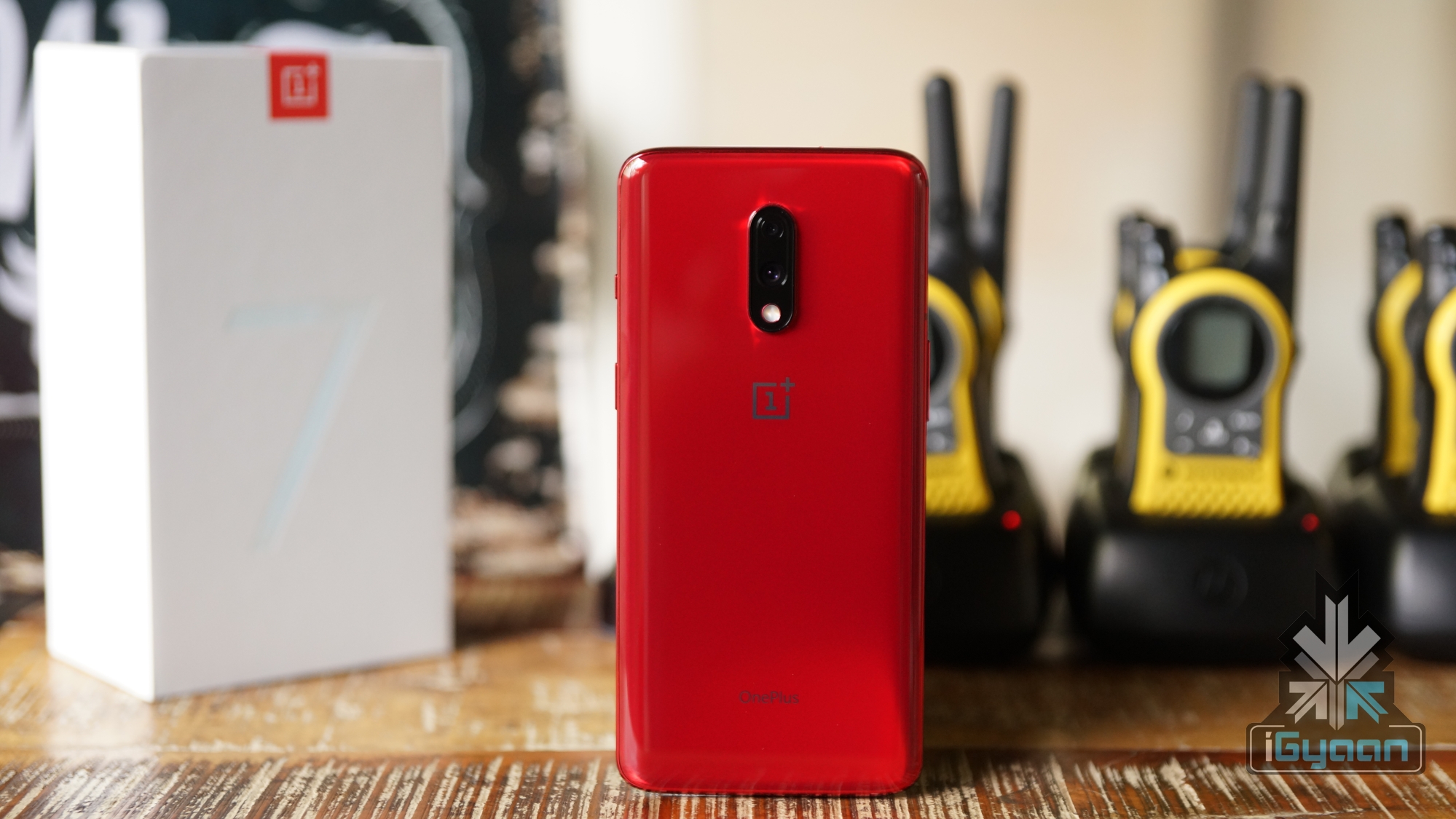
OnePlus 7 is the latest smartphone from the Chinese smartphone OEM OnePlus and was launched alongside the OnePlus 7 Pro on 14th of May. It is the successor to the OnePlus 6T from last year and features top tier specifications; which include a 6.41 inch AMOLED display, 7nm Snapdragon 855 SoC and up to 8GB of RAM and 256GB of internal storage.
Trade relations between the US and China are rising in intensity again with China preparing for a response against the US ban on Huawei. The southeast Asian country has taken special measures to restrict the trade of rare earth elements to the US, placing the western country in its own ‘entity’ list. This puts the US in a blacklist as an unfavourable foreign company.
Japan’s SoftBank, taking the market opportunity has announced its plans for building its 5G network with equipment from Nokia and Ericsson amidst the turmoil. Huawei prior to this had been the supplier for 4G and was planned to collaborate alongside SoftBank for the same.
The restrictions on rare earth elements stand as a signal from the Beijing leaders of its willingness to retaliate with countermeasures in place. This, however, is reported to only be actually deployed if the trade war between the US and China worsens with time. One of the important rare elements derived from China is Neodymium, a popular industrial grade element used to make magnets. It is often seen advertised spec sheets of audio gear such as earphones and headsets. The US according to various trade experts and researchers have no outside alternative worthwhile apart from China.
The Chinese phone manufacturer, Huawei sits in the middle of the trade war zone. Taking a massive hit on its business with the loss of its huge deal with SoftBank related to 5G networking. This incident came after Huawei was claimed to be a national threat by the US President Donald Trump and placed in the Bureau of Industry and Security’s Entity List that has its business operations in America crippled.
Actions questioning Huawei’s networking equipment and services have never been raised although concerns regarding security have driven its potential business operations away from it. The company’s affiliation with the Chinese Government only worsens relations with foreign companies like the Japanese SoftBank who’s decision is only a result of such accusations thrown about. Regardless of how soon or how smoothly the trade tensions die out, Huawei’s brand trust with confidentiality in mind will remain as trauma in the minds of its future partners.
Taiwanese company HTC is best known for its smartphones. However, due to intense competition in the space, courtesy of Chinese OEMs, sales for the company have fallen significantly in the past few years. It has been long speculated that the company may exit the smartphone business altogether. However, in the month of April, a mid-range HTC handset surfaced on performance benchmarking platforms Geekbench and Antutu which suggests otherwise. Now, the device has been granted Bluetooth certification which suggests an imminent launch.
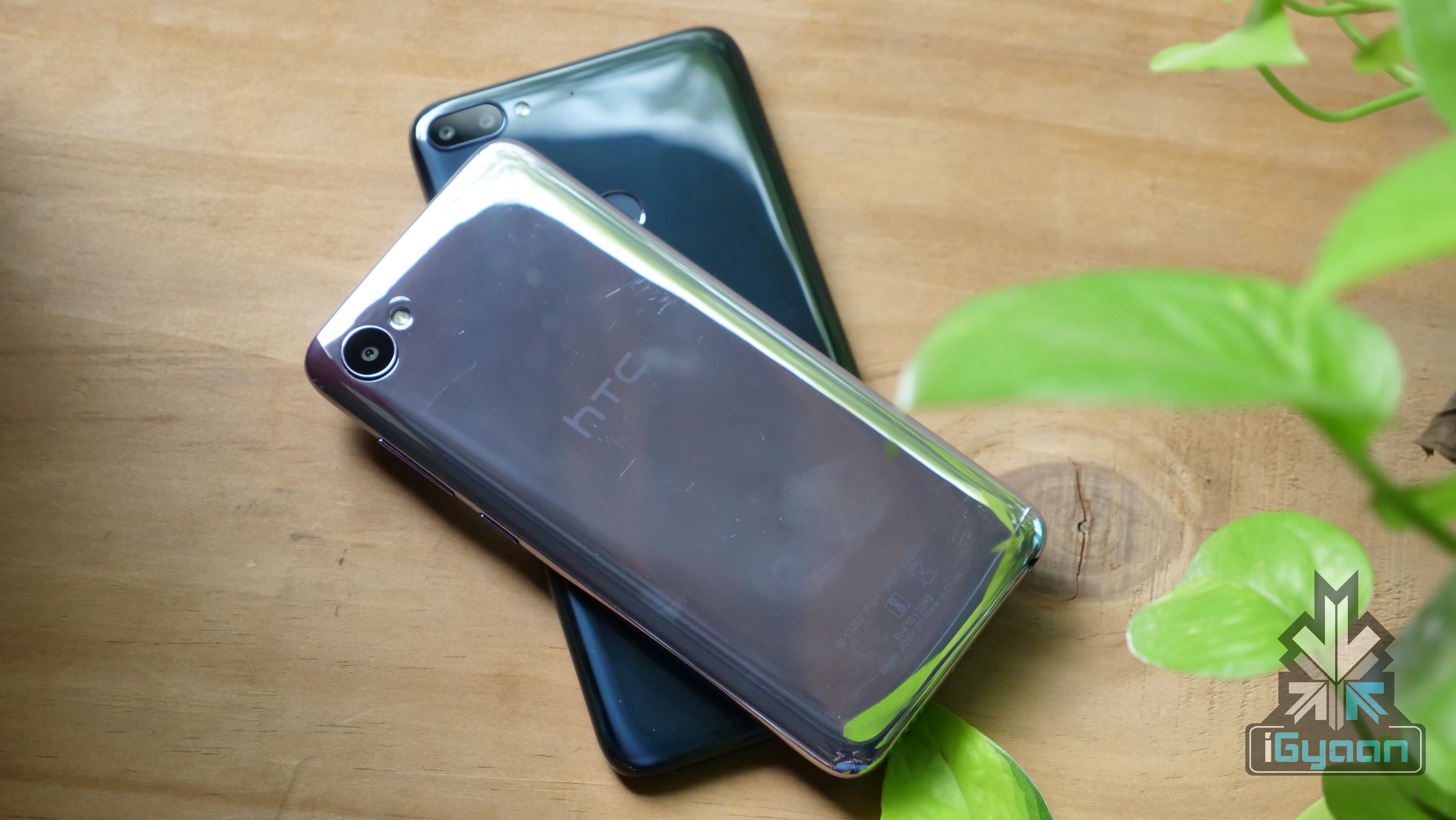
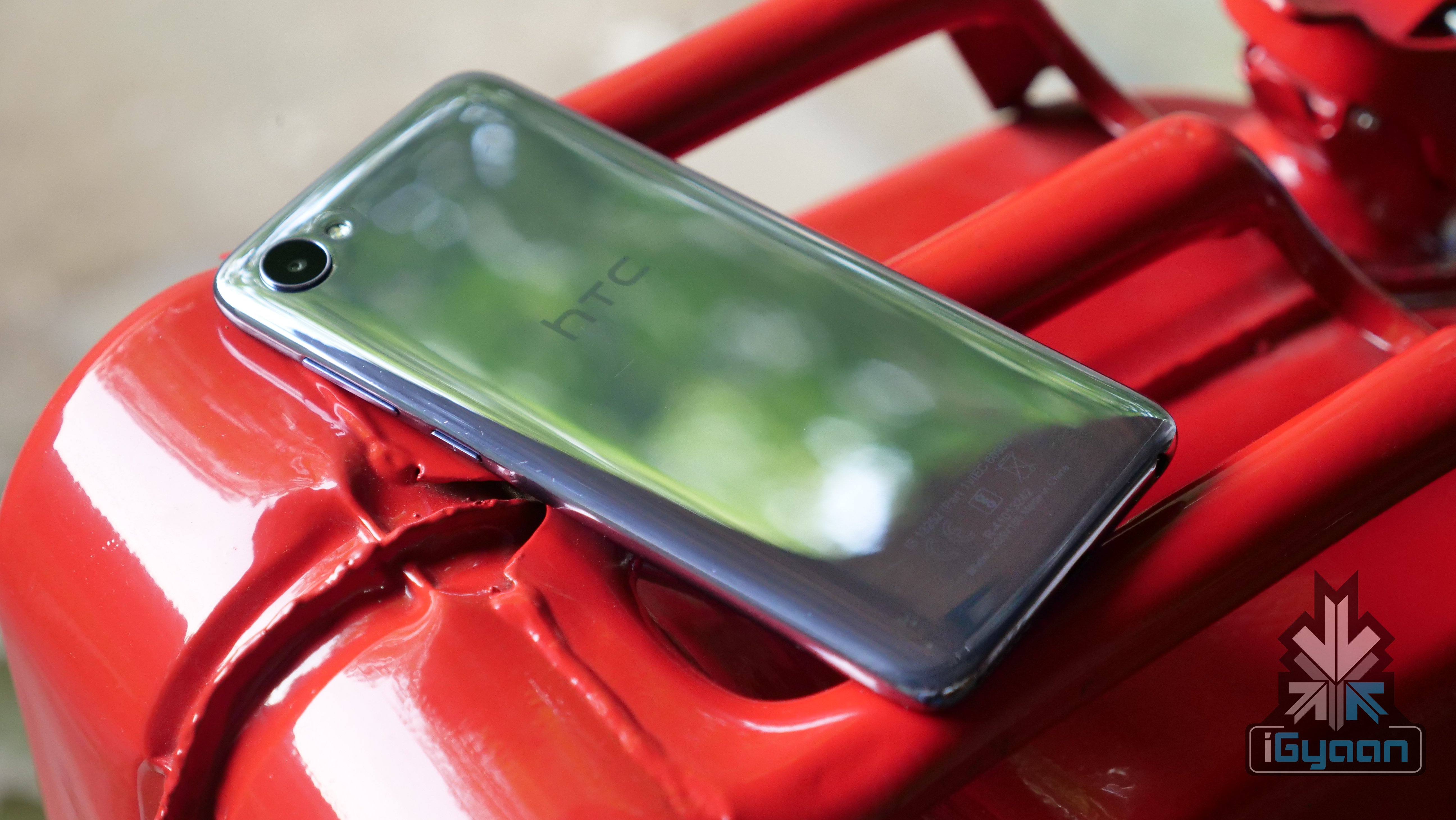
HTC Mid-range Smartphone
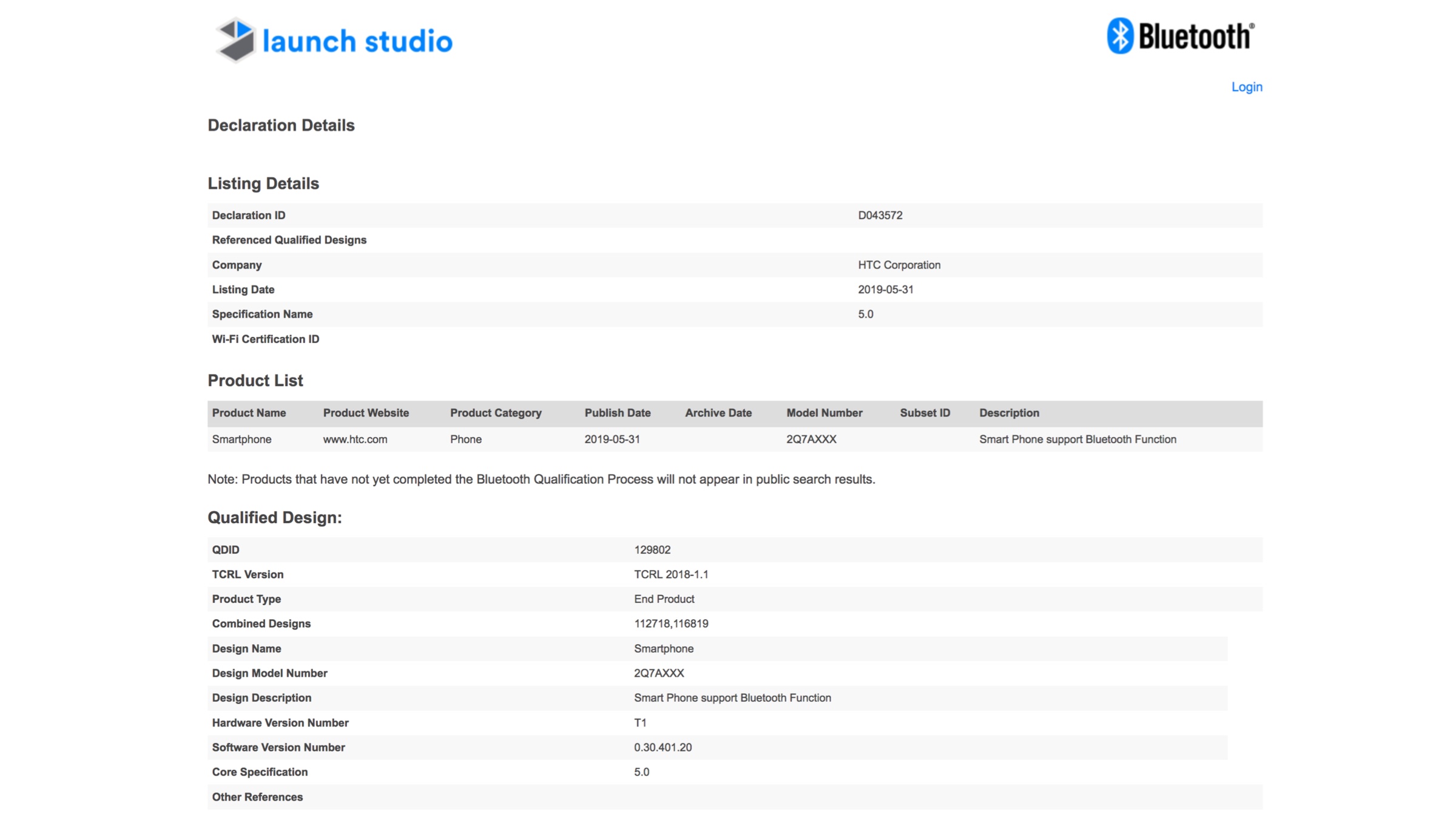
The mysterious smartphone from HTC is expected to be a mid-range offering. It has been certified by the Bluetooth Special Interest Group (SIG) with the model number 2Q7AXXX. This falls in line to the two previously leaked mid-range devices from the company. While the former had the model number 2Q7A100; the latter used the HTC 2Q741 moniker to identify itself. This insinuates the aforementioned handsets are part of a series that HTC may introduce soon. Unfortunately, the Bluetooth certificate of the smartphone does not add to the existing information about it, except for the fact that the upcoming device will have support for Bluetooth 5.0 Low Energy.
Previous leaks revealed the mysterious HTC mid-range smartphone will run on the 10nm Snapdragon 710 SoC. The chipset consists of an Octa-Core CPU and the Adreno 616 GPU. In terms of memory and storage, the device may have 6 GB of RAM and 128 GB of internal storage which might be further expandable via a microSD card. Even though the listing did not reveal the screen size of the upcoming device, it mentions an FHD+ resolution of 2160 x 1080 px. Unfortunately, HTC has not confirmed the authenticity of the leak, therefore, the price and the launch date of the upcoming smartphone by the company is anyone’s guess. But, the listing on the Bluetooth certification website hint toward an imminent launch.
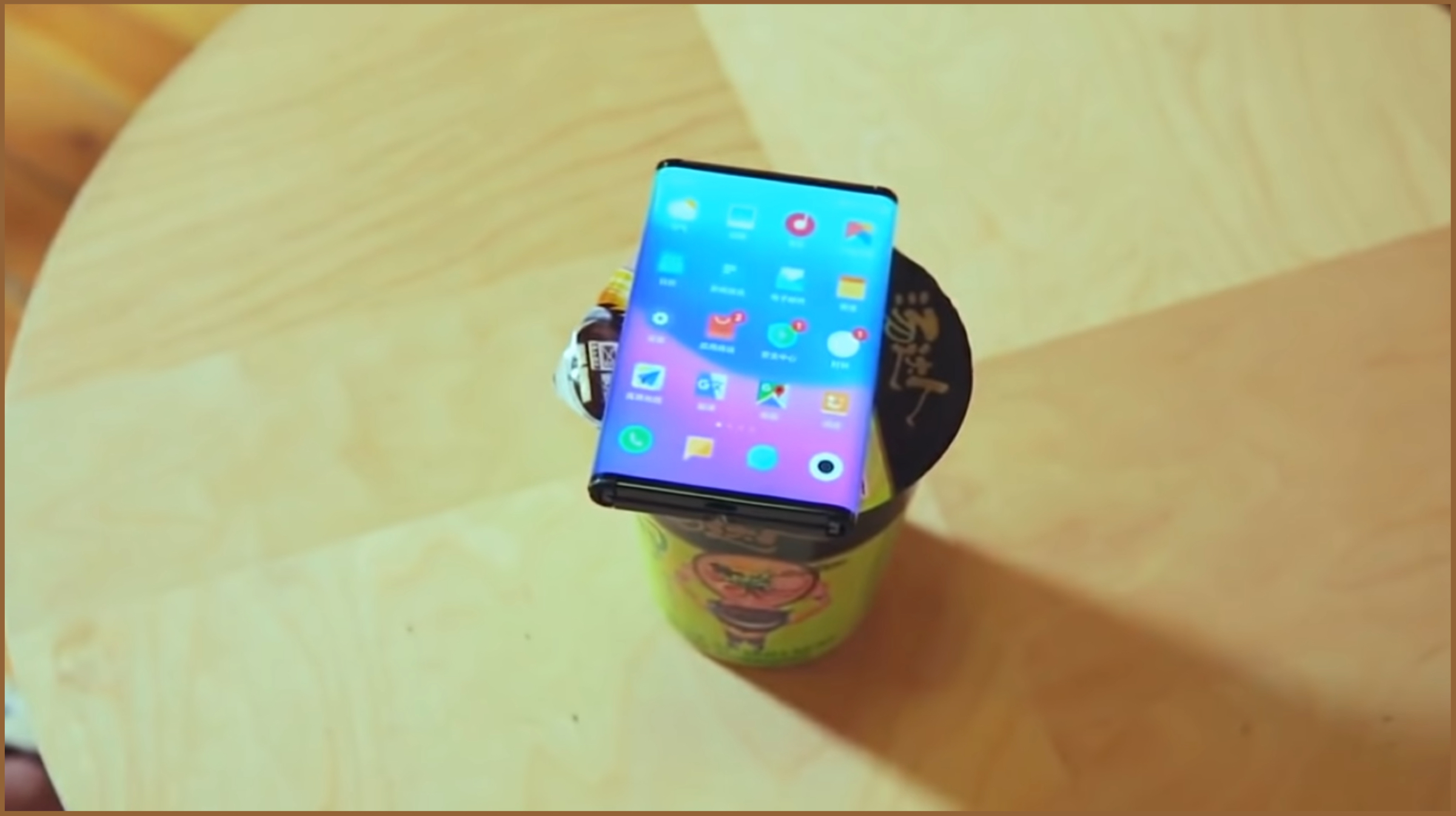
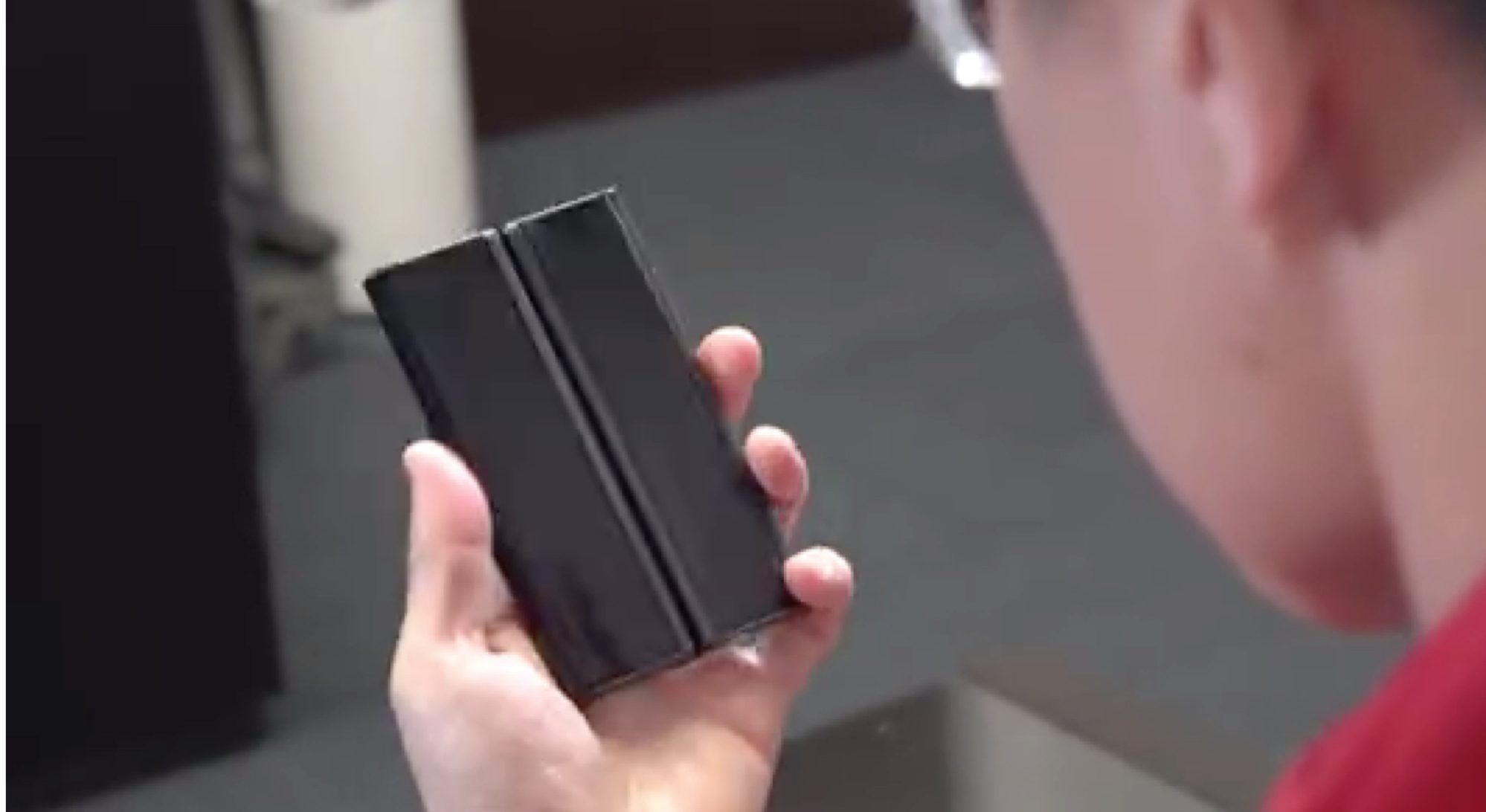
Foldable smartphones are expected to be the technology trend for the year 2019. Samsung and Huawei have both showcased their first devices capable of folding into half. These handsets are the Galaxy Fold and the Mate X respectively. While the former was deemed ready for sales a few weeks ago, incidents questioning the smartphone’s durability surfaced online. This led to Samsung recalling the units in a bid to fix the issues plaguing them. While the market waits patiently for the Galaxy Fold to show up again, the major blow of the incidents seems to have been suffered by Xiaomi.
The Chinese smartphone OEM showed off its foldable smartphone in a series of teasers and videos over the past few months. It was also reported the device could make its way into the market in a few months at half the price of the Galaxy Fold and the Mate X. However, due to the increasing market insecurities over Foldable Smartphones, Xiaomi seems to have pushed back the release of its foldable handset.
Investors in the Xiaomi supply chain, had revealed that while the launch of the device was earlier planned in the month of June, our original source claims it has been postponed for later in the summer. This will allow Xiaomi to further test their foldable device.
Due to the unfortunate incidents with the durability of the Samsung Galaxy Fold, and the following negative sentiments regarding foldable smartphones; Xiaomi is delaying the release, and further testing their product, and also making sure that the insecurity over the Galaxy fold failure will not impact the sales of their foldable device. Our source claims that the company may wait till another manufacturer releases a foldable device, before they unveil the phone in its entirety.
The company was claimed to have sourced foldable displays from the display maker Visionox. A patent for a foldable Xiaomi device was also discovered around the same time. The rumoured handset by the company is also expected to feature the Snapdragon 855 SoC, up to 8GB of RAM and 512GB of internal storage.
The major attraction with the foldable Xiaomi smartphone is claimed to be its price. Our source told us that the device could retail at half the price of the already announced handsets from Samsung and Huawei, retailing in at about US$ 999 and arriving in India at a lucrative price tag of Rs 74,999. The handset is now expected later in the Summer, possibly after Samsung re launches the Galaxy Fold, and while Huawei Mate X is also expected in the month of July.
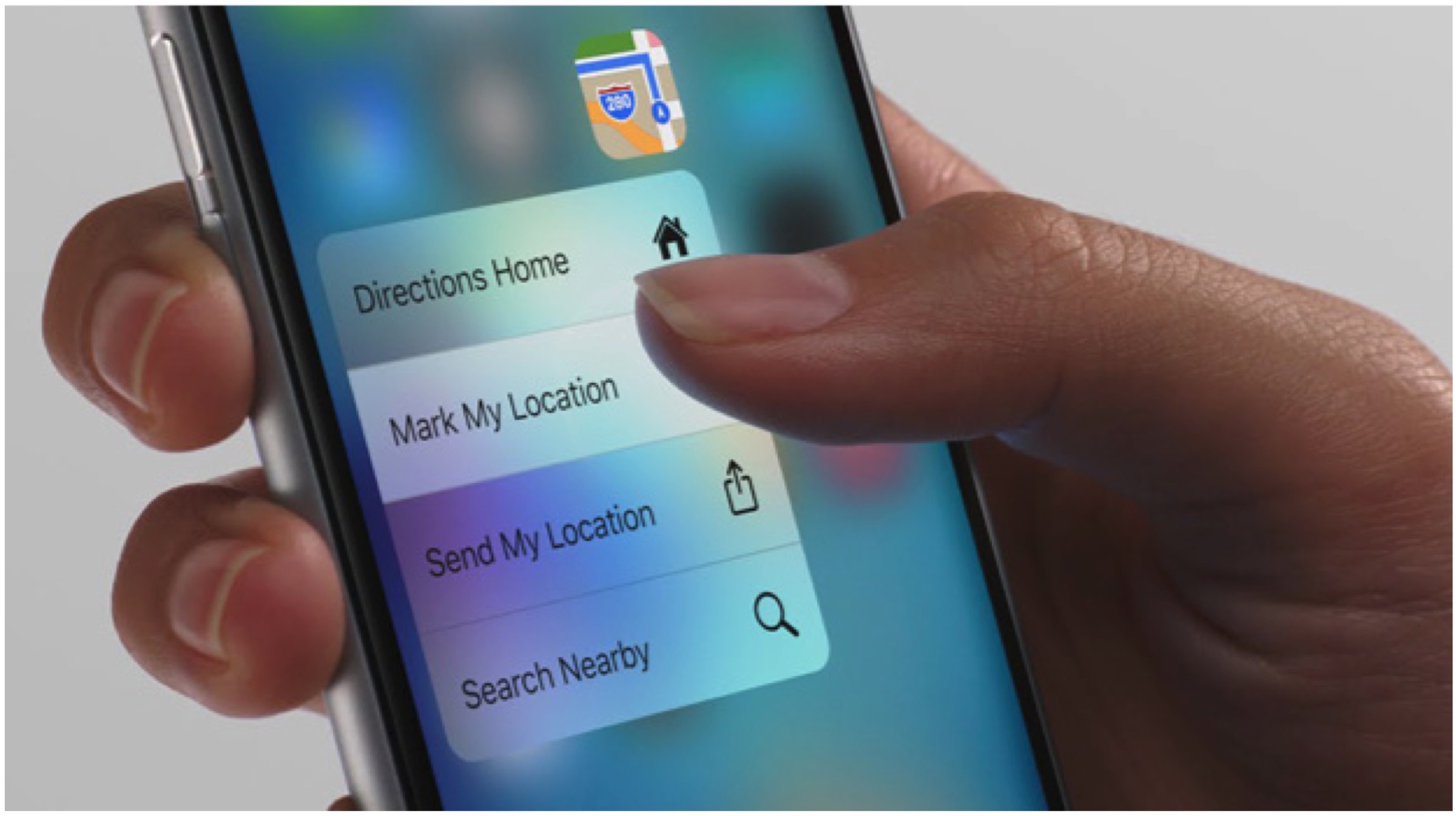
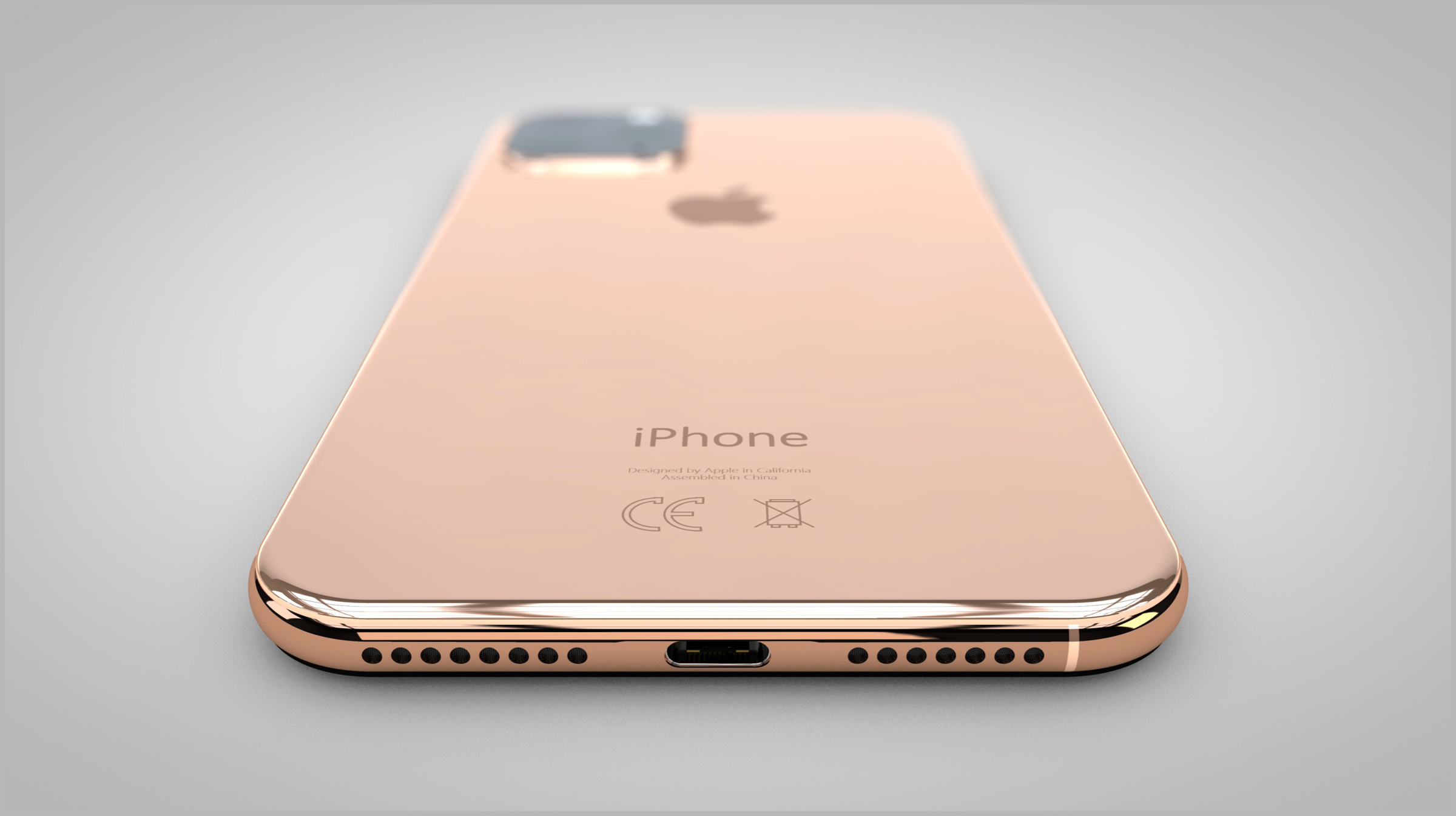
Apple’s latest generation of smartphones has been shrouded with plenty of rumours and speculations. The renders seem to strike the right chord with some but fail to impress others, regardless Apple is set to take centre stage with its latest lineup. Amongst the many leaks that have yet to be confirmed, the latest reports point towards the removal of 3D Touch input. The 3D touch is a feature that the company introduced in its handsets back in the year 2015 that has made a recurring appearance since and is now receiving a rain check with the latest generation of iPhones.
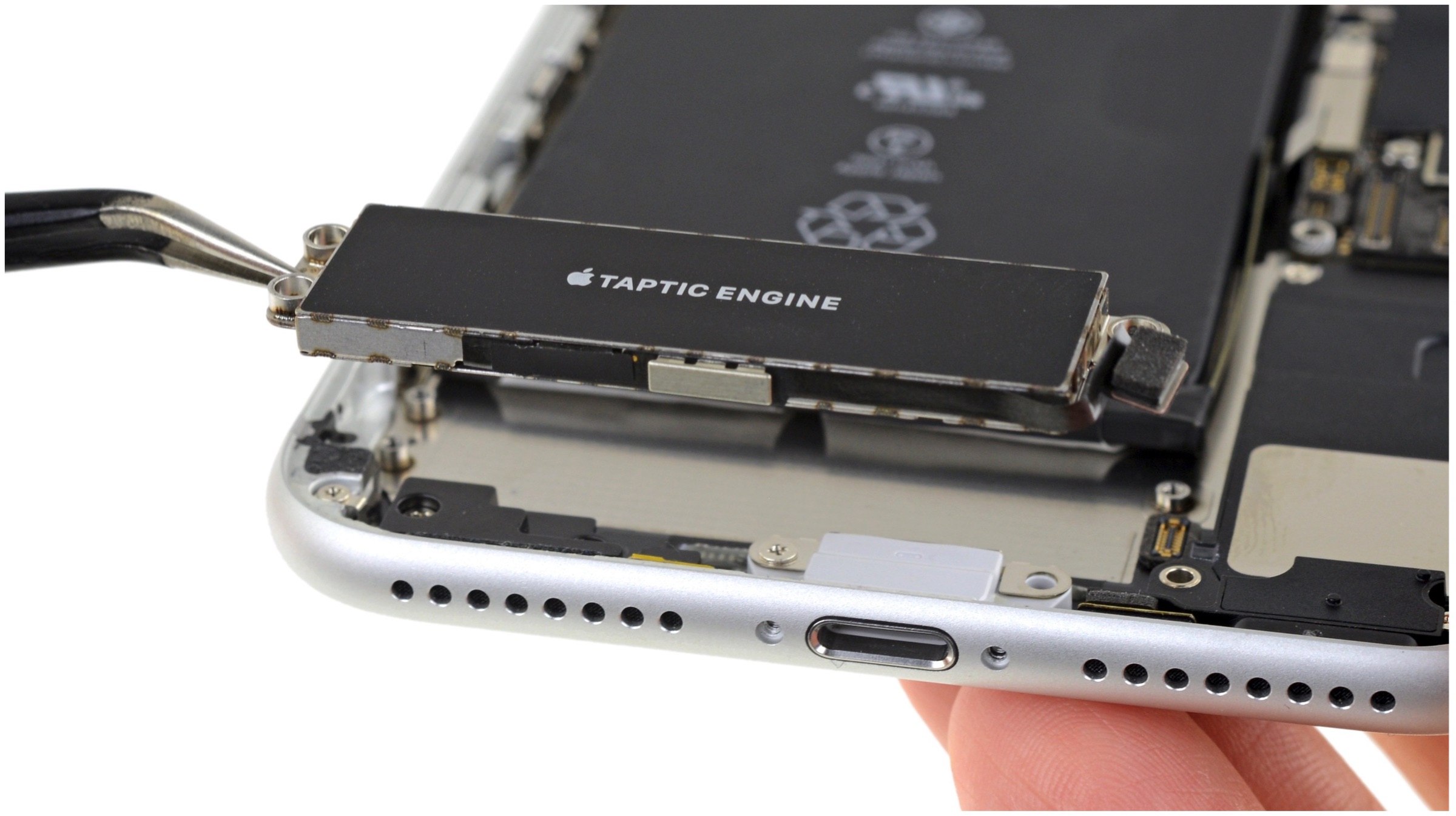
The exclusive pressure sensing technology from Apple has always been a cut above the rest was made possible by the company’s proprietary Taptic Engine. The seamless integration of 3D Touch within iOS added a varying degree of functionality to the user interface that saved time for users.
3D Touch allowed users to perform many useful ‘quick functions’ like ‘peak and pop’ where pressure on emails or other text-based apps allowed previews of messages and URLs without actually opening the said application or links. Apple, however, has been reported to have removed the Taptic Engine for cost efficiency and space management.
Apple’s Taptic Engine that powers the 3D touch is reportedly expensive to implement and takes up a lot of space inside the device. The company has sought to increase its profit margins and use the space for other potential components, like a larger battery. One of Apple’s best-selling iPhones the iPhone XR lacked the 3D Touch feature and still sold commendably. This is probably one of the major reasons that reassured Apple on its decision to make the feature optional.
Apple users have to, regardless of their stance on this decision, accept the removal of the Taptic Engine and lack of the 3D Touch functionality that was offered on previous iterations of iPhone models.
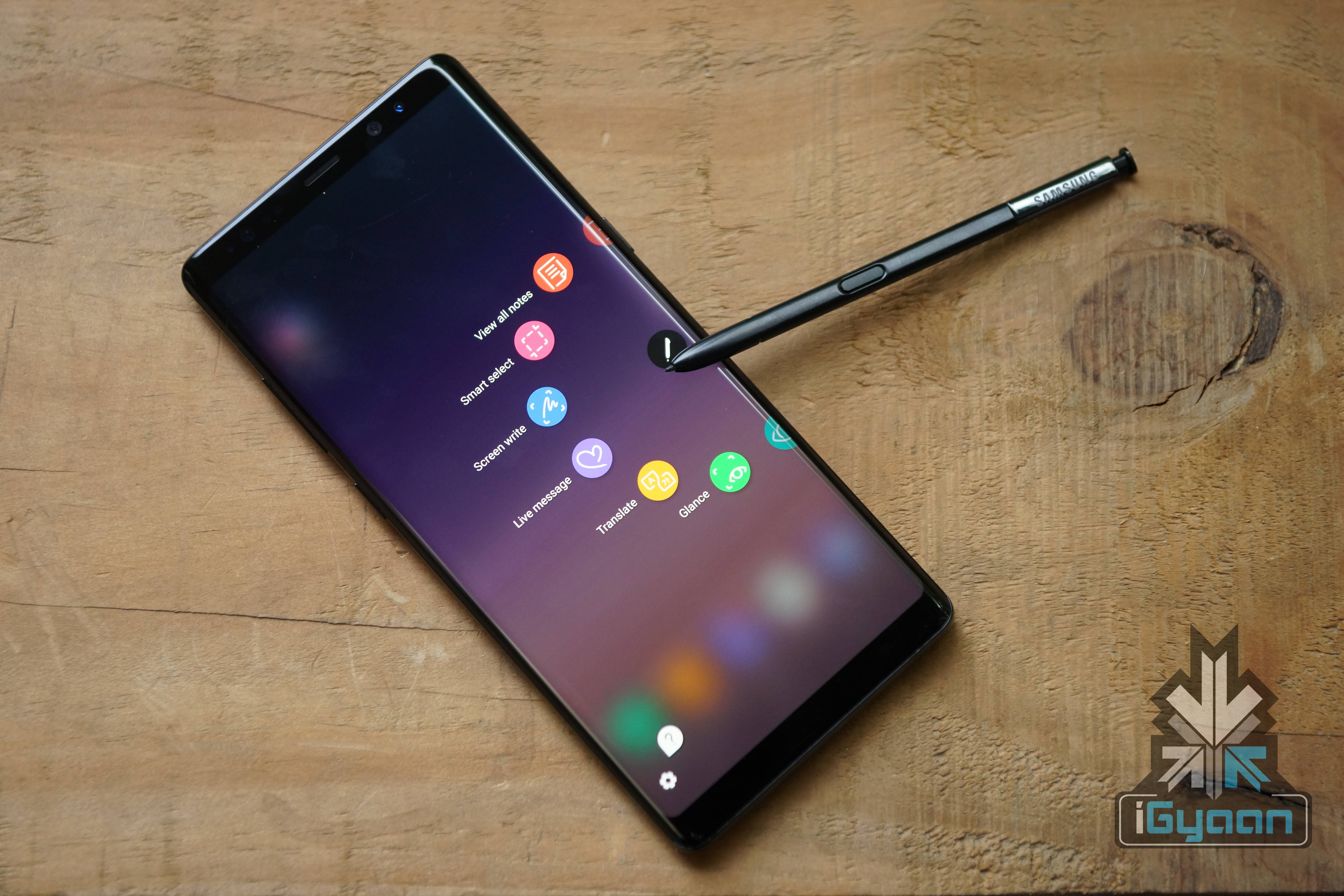
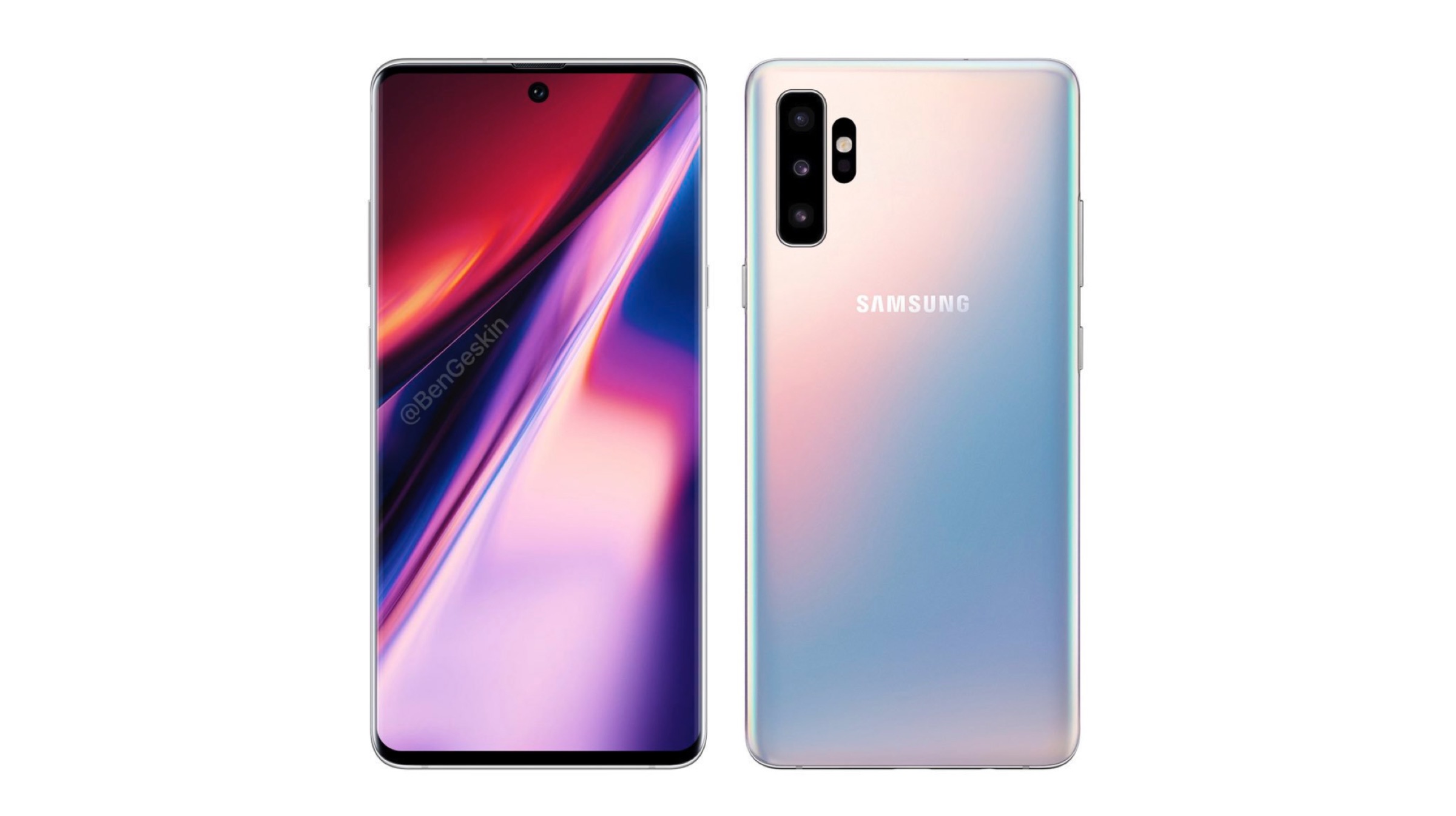
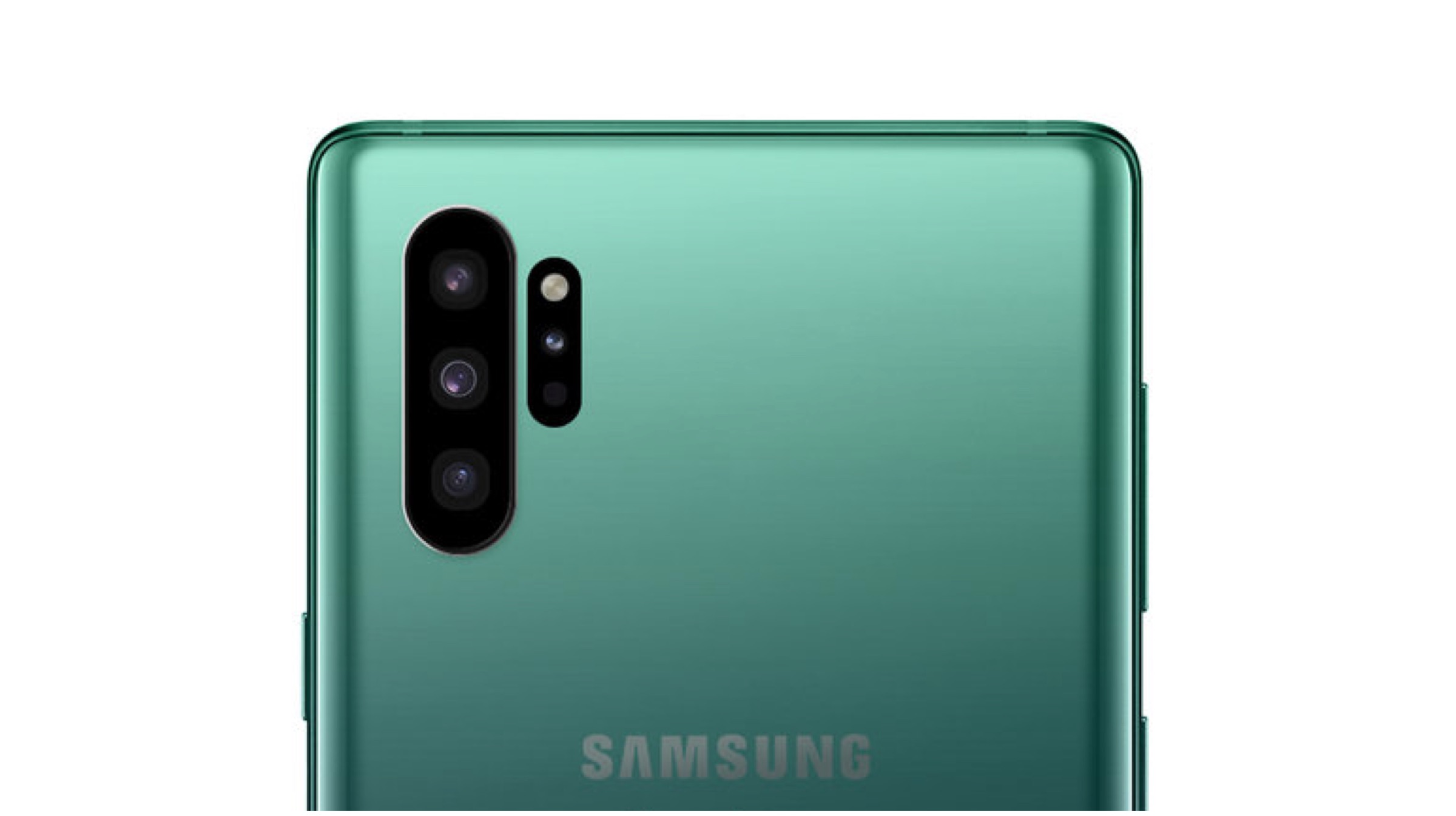
Samsung is known for launching its Galaxy Note series smartphones at the end of summer. Following the same launch cycle, the company’s upcoming flagship, the Galaxy Note 10 is expected to be unveiled in the month of August 2019. Ahead of its announcement, rumours regarding the device have started to surface. As per latest rumours, the 3.5mm headphone jack, which was retained in the Galaxy S10 seriessmartphones will reportedly not be present in the Note 10 devices. Furthermore, the flagship smartphone may not sport any physical buttons as well. The device will be released in two different variants, and both of them will sport the same button-less design.
The rumours further state that the exterior buttons of the Galaxy Note 10 handsets will be replaced by capacitative or pressure sensitive buttons, that will be accessed by the user via raised bumps or a textured surface along the sides. Another device with the same design factor is the Vivo Apex, which is a step ahead and excluded all forms of ports and buttons from the device. Both the volume rockers and power button in the aforementioned smartphone were capacitative. Moreover, the device lacked all forms of ports, including the charging port. It had to be charged using the magnetic POGO pins at the back.
The removal of buttons from the smartphone will result in the absence of any cutouts in the frame of the device. This implies that the the Note 10 will have a slimmer design with increased structural integrity. Also, an IP68 water and dust resistance rating is easier to attain with the removal of physical buttons. However, we can expect that the Note 10 will not go port-less anytime soon, since the inclusion of a stylus and fast charging renders it impossible to do so.
A similar change was introduced to smartphones a few years back, when manufacturers inadvertently moved in favour of removing physical ‘home’ buttons from the devices. For instance, the iPhone 6Swas the last smartphone from Apple that featured a physical home button. The downside to such buttons is their tendency to wear out after a duration of time. On the other hand, capacitative buttons are much more resilient as compared to physical buttons. Another factor is the space consumed by the physical button module inside the device. The removal of physical buttons can ensure more space for the screen and other components.
As mentioned before, the buttons are not the only feature that is being eliminated. Rumours state that the 3.5mm headphone jack, which has been present in all Samsung flagships till date (except the Galaxy Fold) will be ditched in the upcoming Galaxy Note 10 smartphones. Other popular smartphone brands such as OnePlus and Apple have already gotten rid of the headphone jack in their flagship smartphones, and it seems that the South Korean technology company is planning to follow suit.
The Samsung Galaxy Note 10 is expected to be unveiled in the month of August 2019. It is speculated to feature a quad rear camera setup, a 19:9 display and a 4,500 mAh battery in the top variant. Also, the company may introduce a new stylus for the smartphones, which will boast of an inbuilt camera with optical zoom.
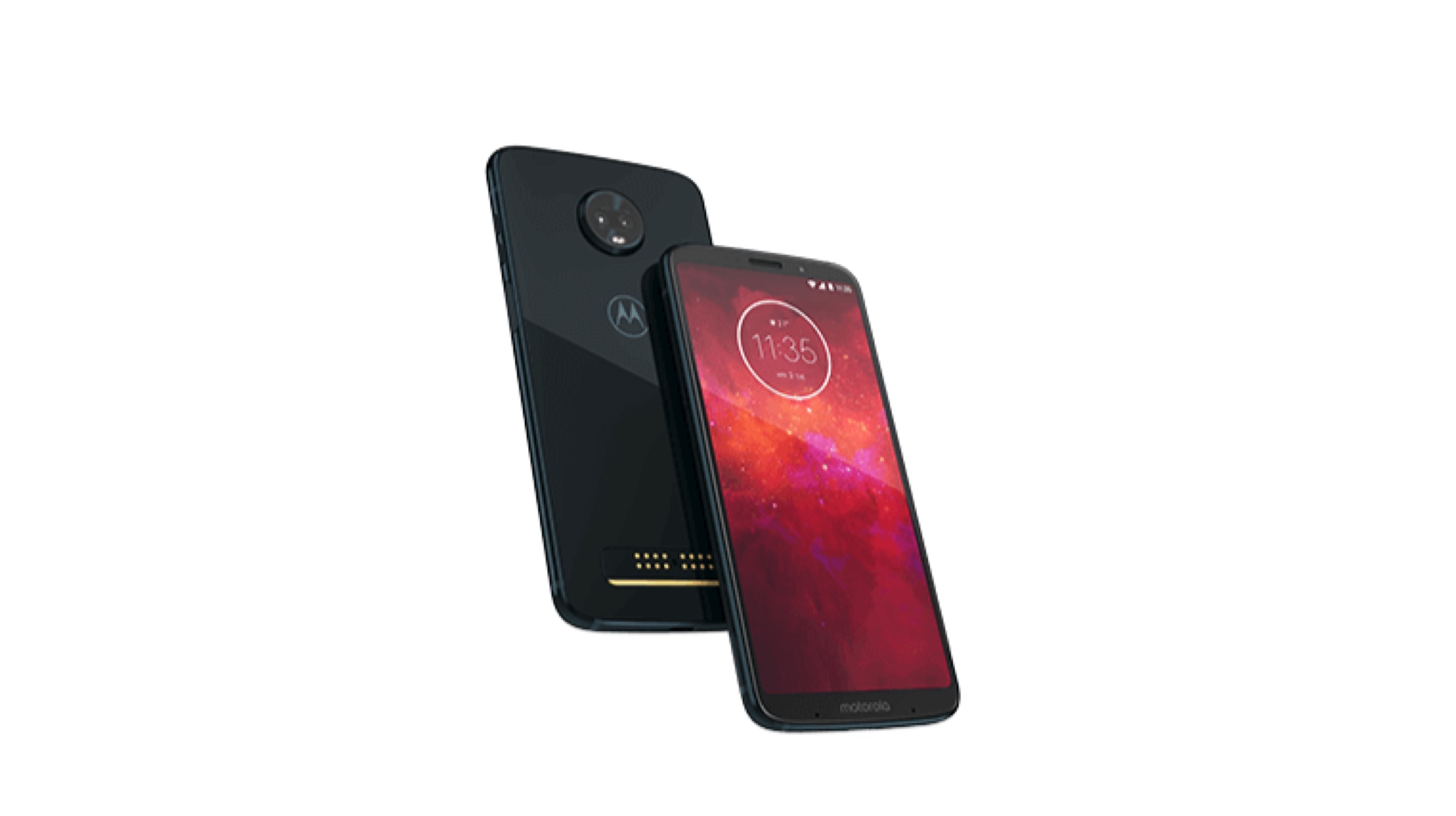
Motorola has finally given an official release date for the Moto Z4 this Thursday for its US and Canadian markets. The handset has been long awaited by fans across the world and going by past release cycles of the previous Z series by Motorola, it can be deduced that the Moto Z4 will be available in India in the coming months.
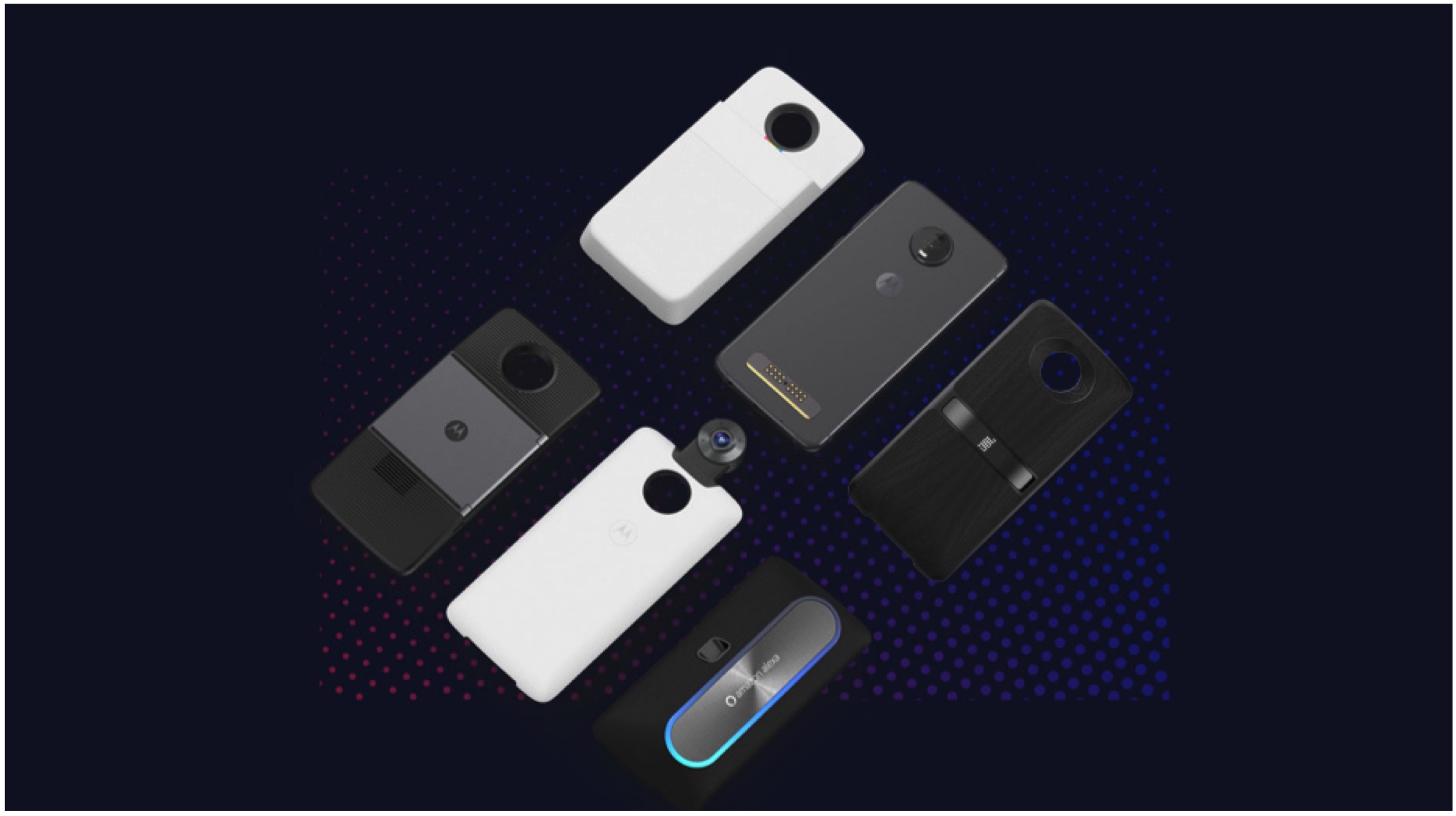
Numerous leaks had already made rounds on the internet and a surprising accidental listing of the smartphone on Amazon. The device was actually sold by mistake from Amazon and received by a customer who posted the unboxing and confirmed the support for Moto Mods.
Price and Availability
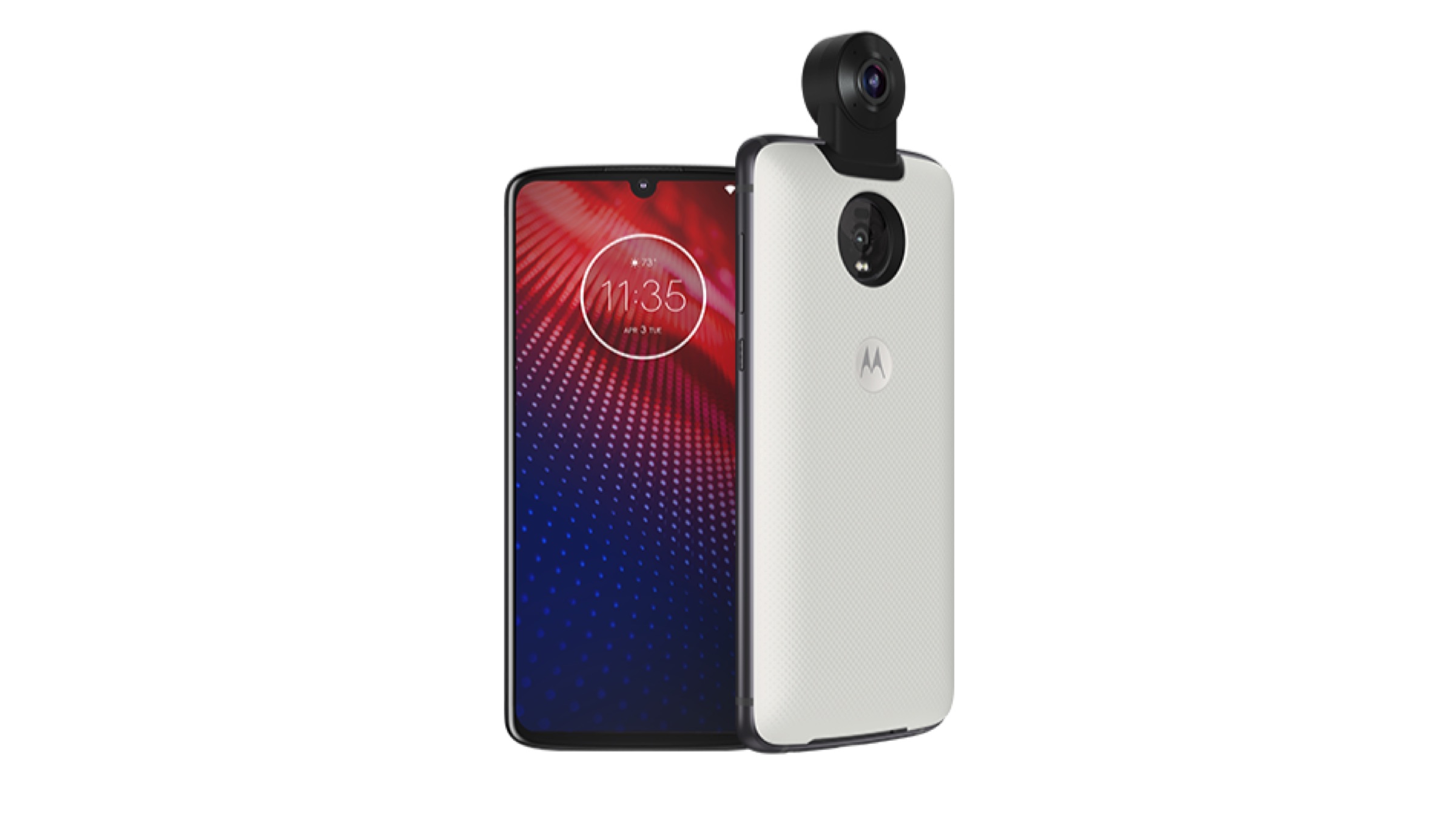
The Moto Z4 by Motorola carries a price tag of $499 (approx. Rs. 35,000) for its only available combination of 4GB RAM with a 128GB of internal storage. The smartphone will start its sale on June 6th in the US with pre-orders being currently available. The device will only be available in Canada later this summer with no official date released yet. Colour variants of the smartphone are confirmed to be in Flash Grey and Frost White. A 5G mod will be made for Verizon customers in the US for $199 (approx. Rs.14,000) with its original cost being $349 (approx. Rs.24,500). A Moto Mod that will feature a 360 Camera Mod will be bundled with the unlocked models at the same price according to the company.
Specifications
The Moto Z4 with Android 9 Pie is a single-SIM smartphone in the US with a dual-SIM variant claimed to be in production for the south-east Asian market, namely China and India. The device is equipped with a 6.40-inch full HD+ OLED display panel that has an aspect ratio of 19.5:9. Moto Z4 will have the Qualcomm Snapdragon 675 SoC octa-core processor along with 4GB of RAM.
The primary camera of the handset will only have a single 48-megapixel sensor with optical image stabilization. The sensor has an aperture of f/1.7 and a pixel size of 1.6-microns that takes 12-megapixel shots along with PDAF, laser autofocus and dual-LED flash. The front shooter also has a large 25-megapixel sensor (f/2.0) for selfies. The camera will be the key highlight of this device with the Quad Pixel technology (pixel binning). This will keep the image size lower than a full blown 48-megapixel image and should, in theory, have better low-light performance and improve overall details.
Moto Z4 will have 128GB of in-built internal storage that will be supplemented by the external storage options via microSD card (upto 2TB). Device connectivity options of the handset include 4G VoLTE, Wi-Fi 802.11 a/b/g/n/ac, GPS, Bluetooth v5.0, NFC, USB Type-C. The smartphone will include an accelerometer, ambient light sensor, compass/ magnetometer, gyroscope, proximity sensor, and an optical in-display fingerprint sensor.
Moto Z4 has no official IP rating but a P2i splash-proof nano-coating is provided for protection against accidental spillage. The phone is built out of 6000 series aluminium, and a 2.5D curved glass layer finish on top. Moto Z4s display is protected by Corning’s Gorilla Glass 3 an ageing but still effective anti-scratch measure. Measuring 158x75x7.35mm and weighing around 165g the device will be powered by a 3,600mAh battery that is reported to deliver around 2 days of battery life while supporting Motorola’s 15W TurboPower fast charging. The fast charging adapter will be included in the box.
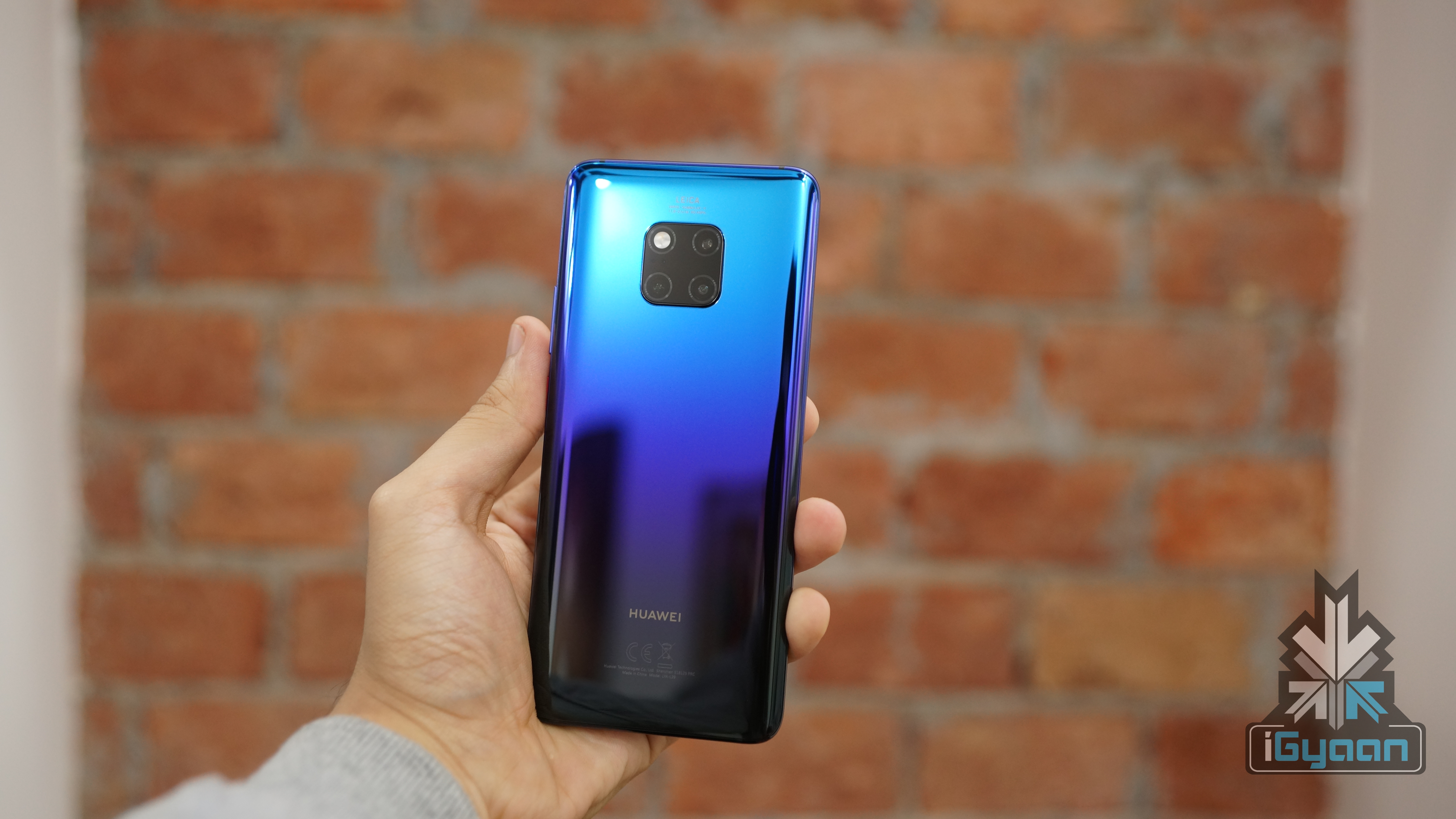
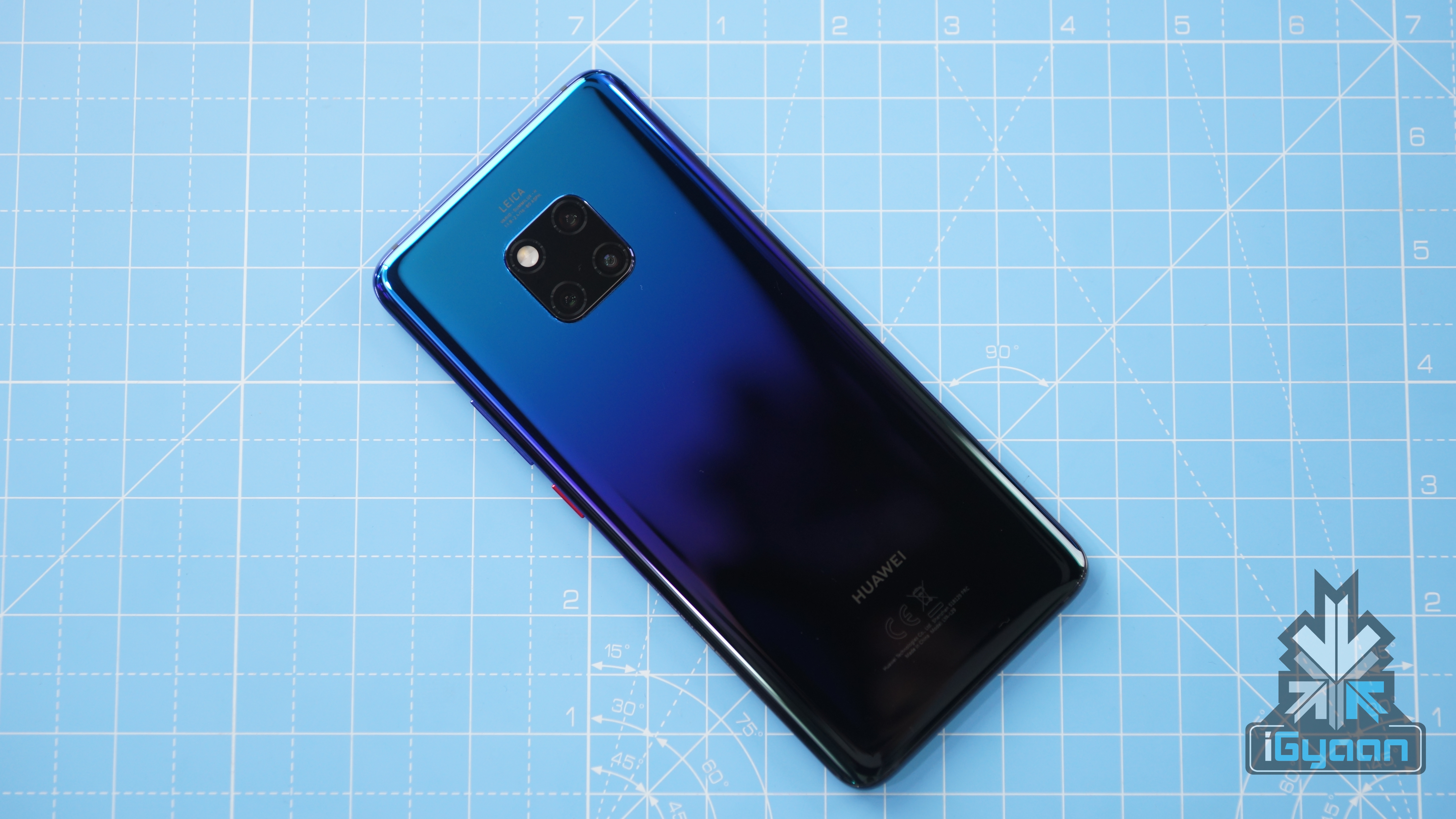
Huawei was recently barred from doing any business with American companies; after the US government included it in an entity list earlier this month. However, the company was later given a 90-day extension to finish all pending business after which the ban will be in its full effect. Due to this, smartphones from Huawei lost the Android license provided by Google and were also removed from the Android Q Beta Program. Now, Google has added the Huawei flagship device from last year, the Mate 20 Pro back to the list of handsets supporting the upcoming Android Q Beta update.
Huawei Mate 20 Pro Android Q
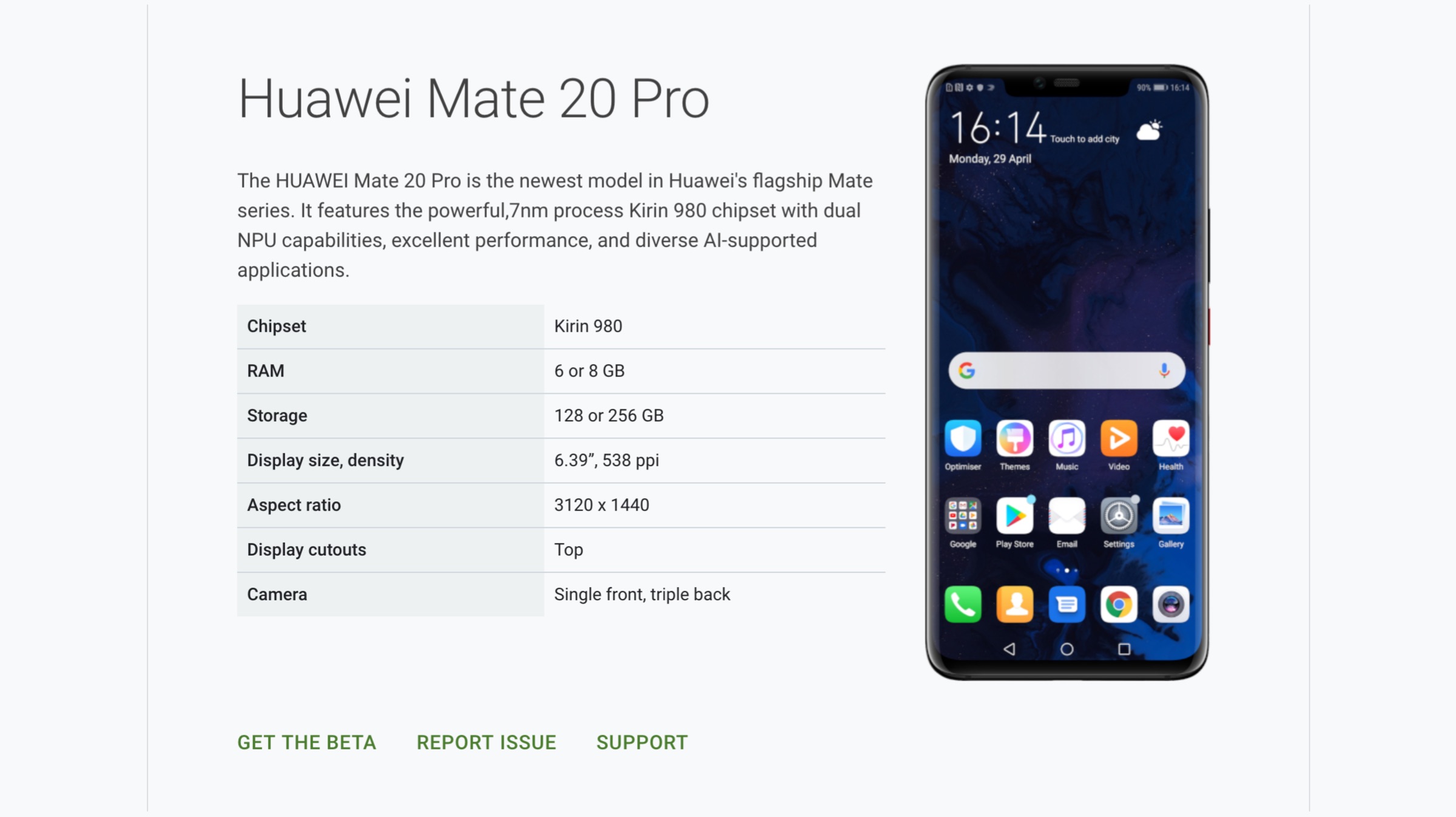
As mentioned above, the official website of Android has added the Mate 20 Pro smartphone by Huawei back to its Android Q Beta Program. The device was removed from the listing because of the ban placed by the US government; restricting any business between an American company and the Chinese OEM. With this, the handset joins the limited list of devices including the Asus Zenfone 5Z, LG G8, Nokia 8.1 to be a part of the Beta program. While the Mate 20 Pro was also removed from the Android Enterprise recommended devices and Google’s list of Android handsets last week; the listing in both cases have not restored the name of the Huawei flagship yet.
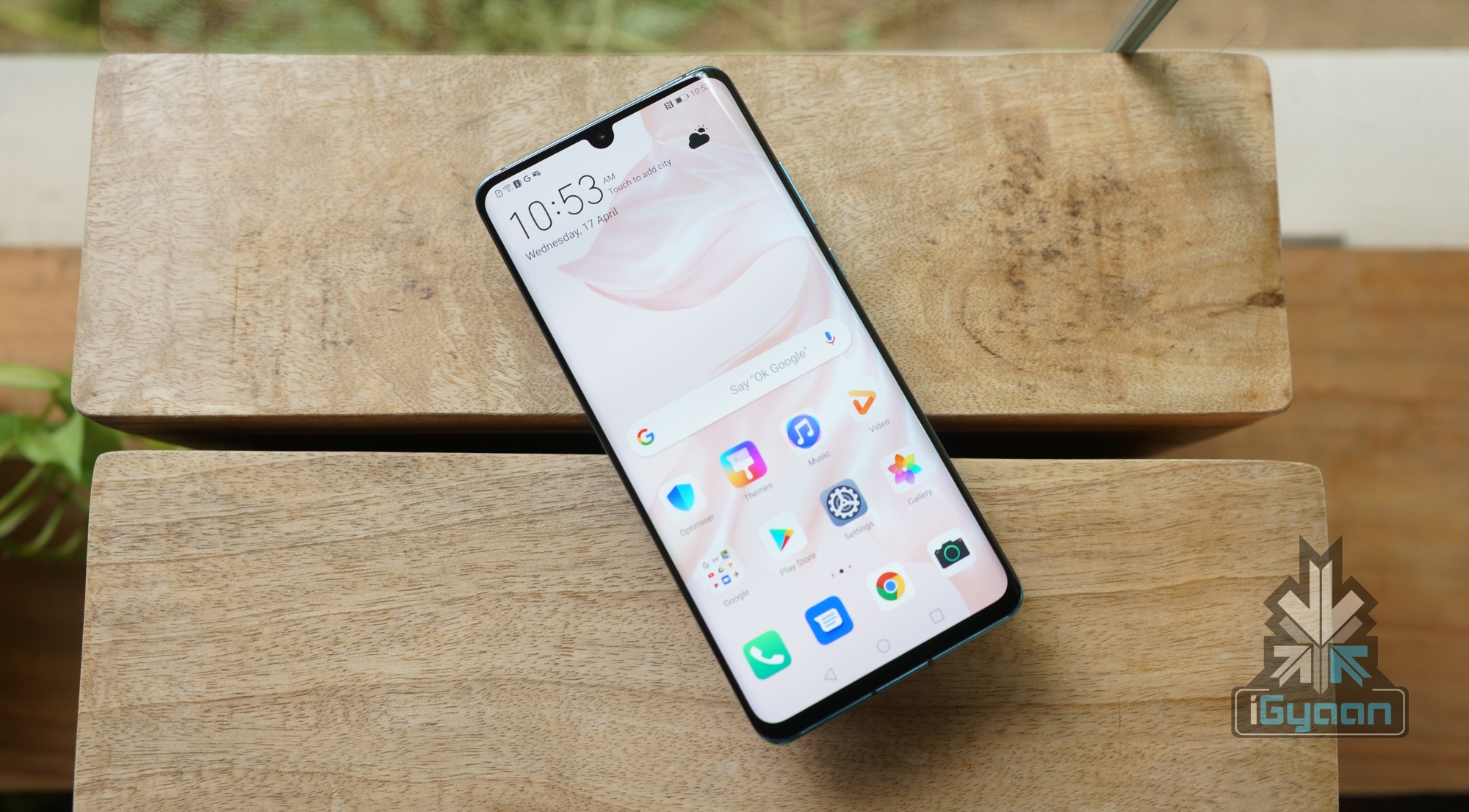
The addition of the Huawei Mate 20 Pro back to the Android Q Beta Program may be due to the 90 day extension period in effect. And since the smartphone has been added to the listing once again, it may insinuate that the handset will receive the stable update of Android Q after all. Unfortunately, it is not known if the company’s latest flagship smartphone, the P30 Pro; launched back in the month of March will receive the Android Q Beta update. However, an official announcement regarding the same is expected soon.
Watch the Unboxing and First Look of the Huawei Mate 20 Below:
OnePlus launched its latest flagship smartphones, the OnePlus 7 Pro and the OnePlus 7 at multiple events around the world; on the 14th of May. While the former has been made available for sale in most markets and targets a premium price bracket; the latter has just been announced to go on sale starting next week and is more affordable than ever. Here is our experience with the unboxing and hands-on of the latest flagship killer of OnePlus for 2019, the OnePlus 7. Click here to buy.
Video
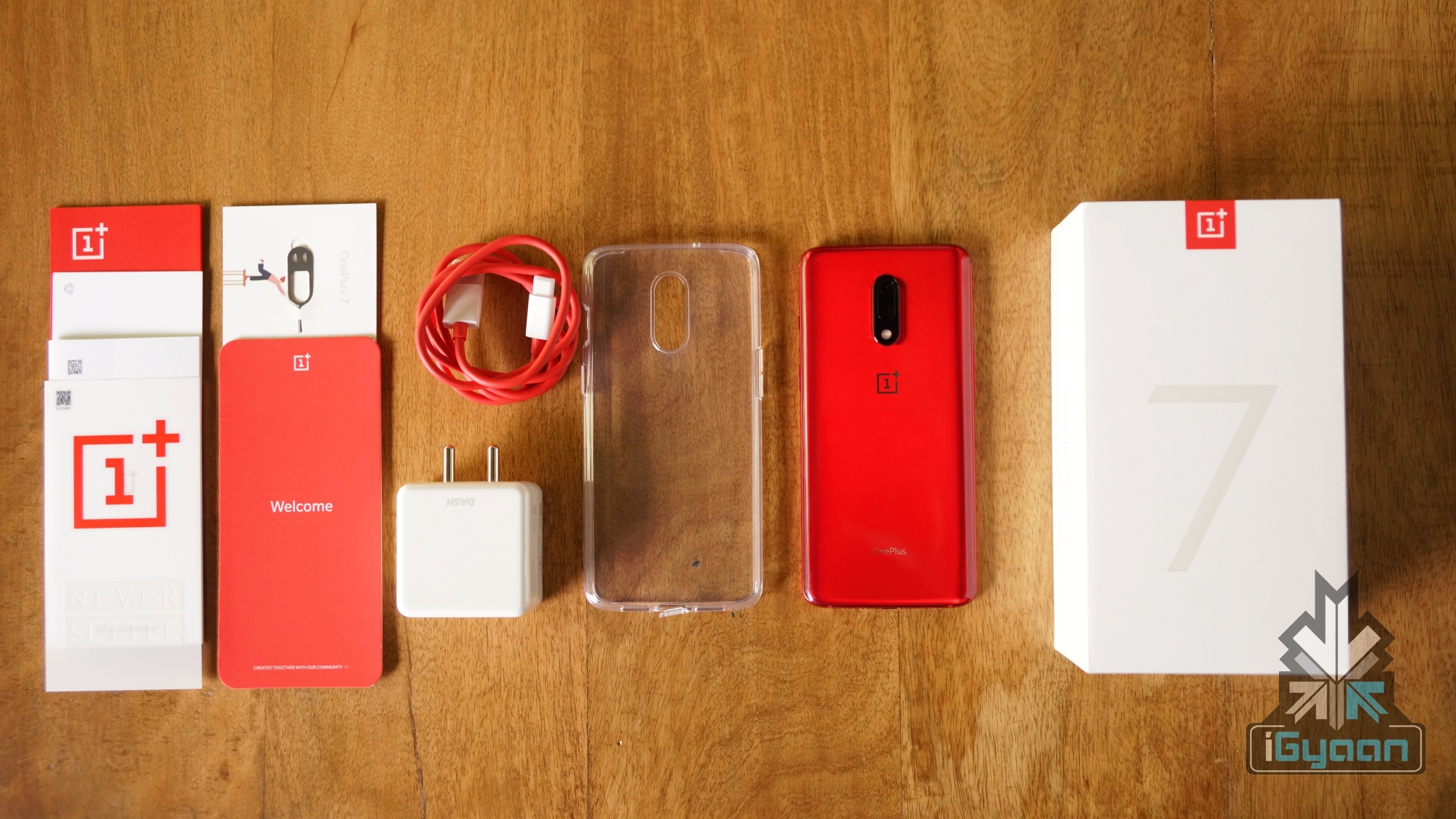
What’s In The Box?
OnePlus 7
Power Adapter
Type-C Cable
Quick Start Guide
Welcome Letter
Safety Information and Warranty Card
LOGO Sticker
Case
Screen Protector (pre-applied)
SIM Tray Ejector
Design
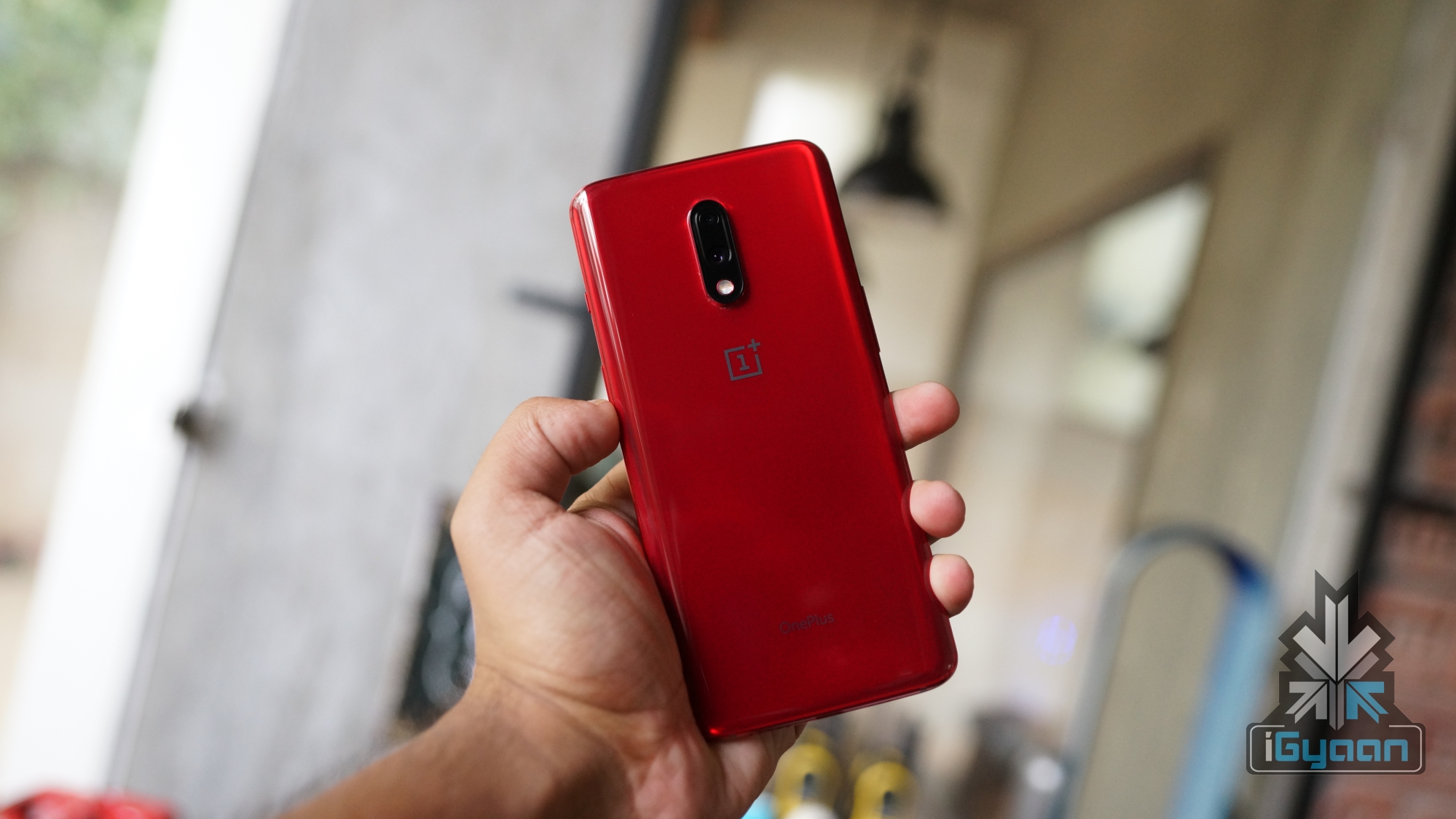
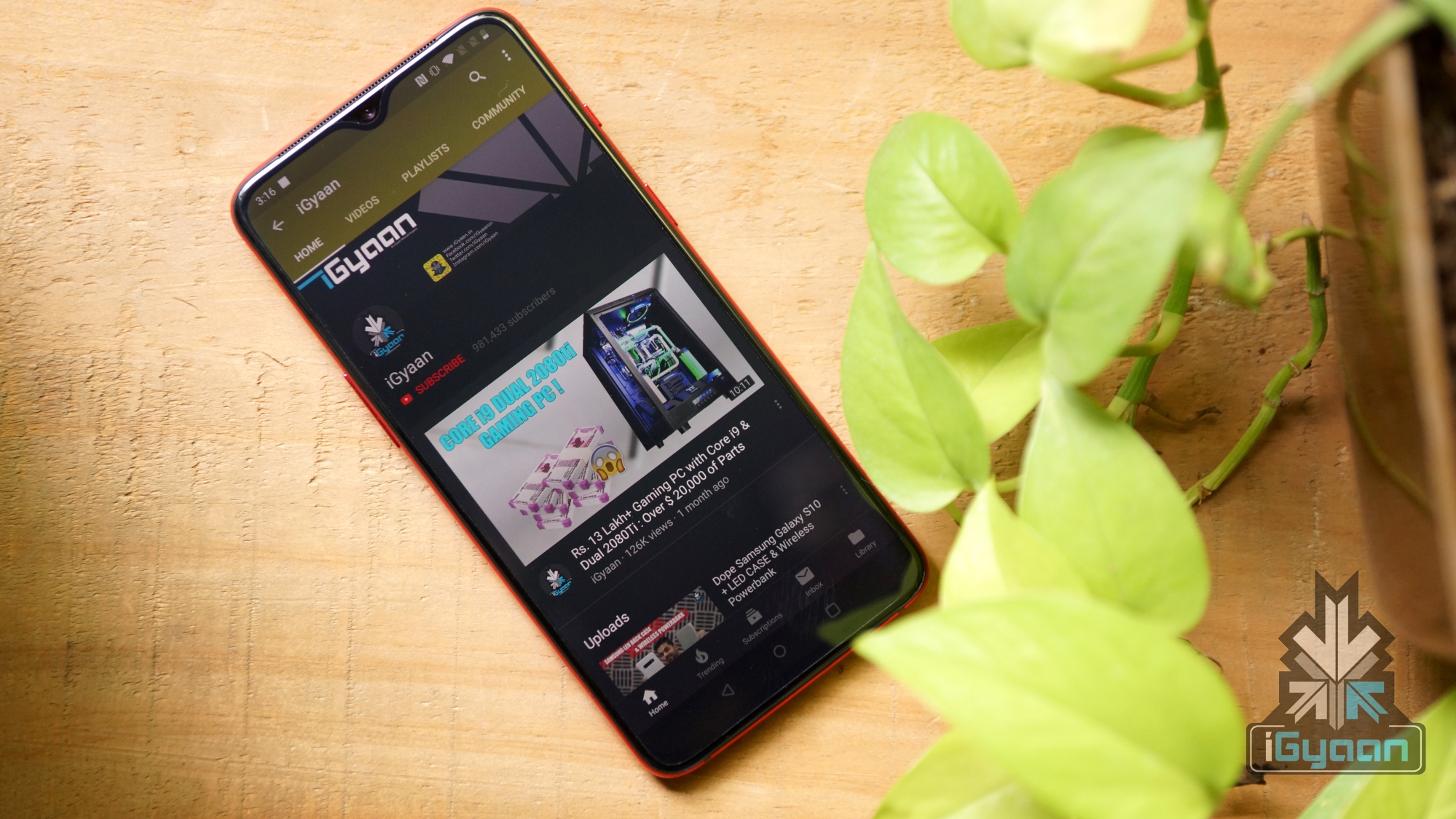
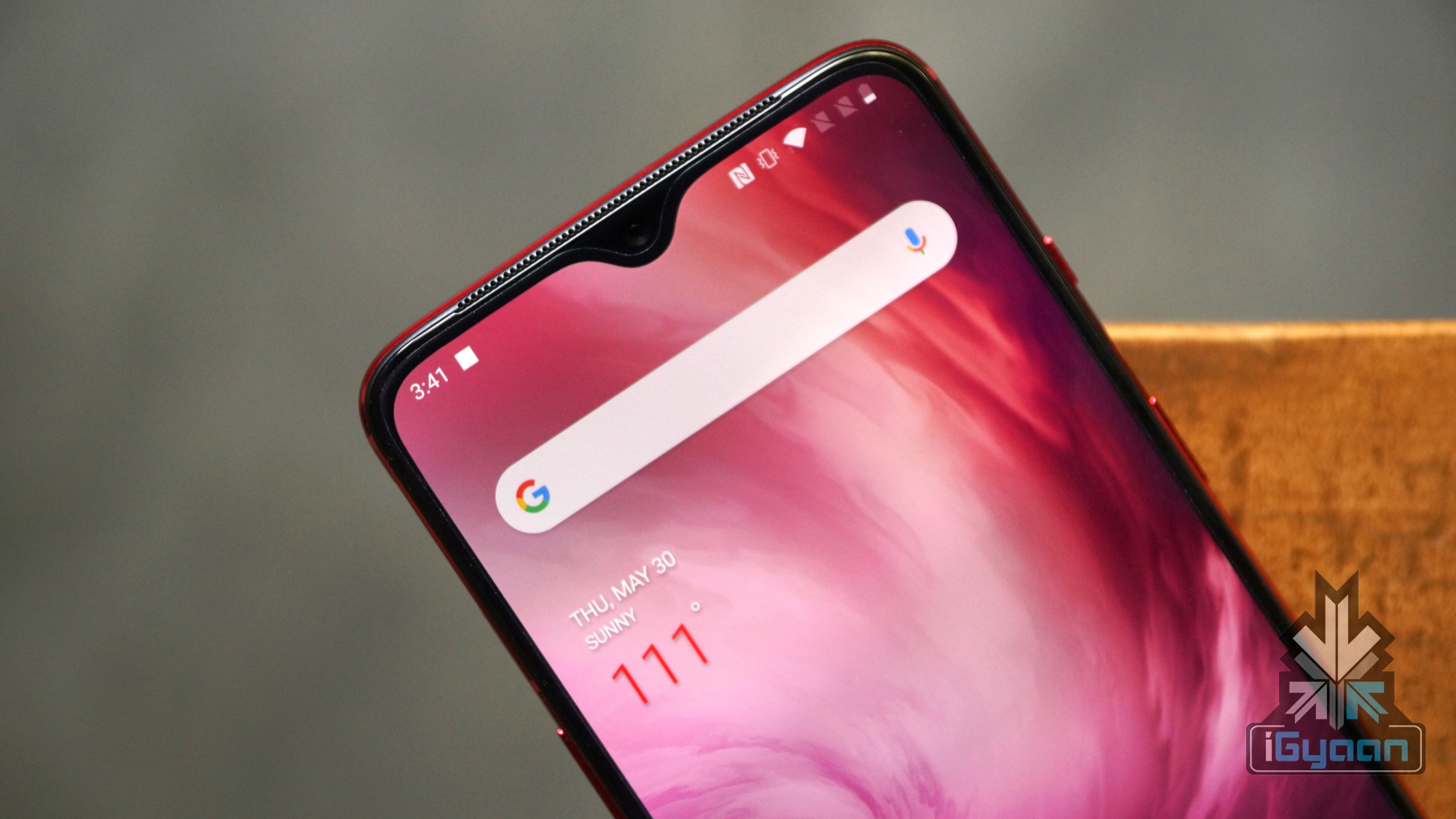
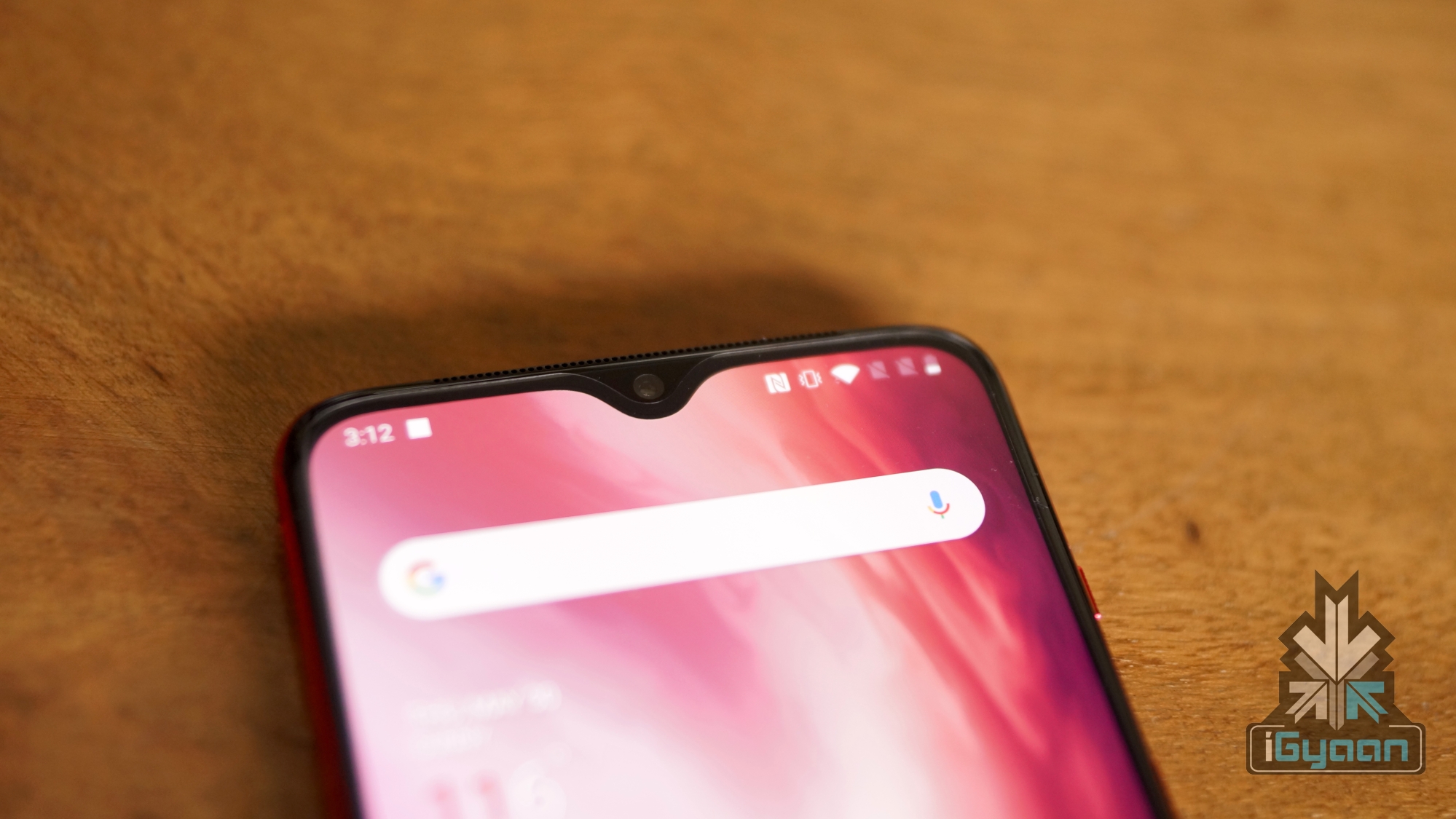
The design of the OnePlus 7 is reminiscent of its predecessor, the OnePlus 6T. The device measures 157.7 × 74.8 × 8.2 mm and weighs in at 182 grams. It has a robust build with glass on both the front and back which is held together with a metal chassis. The front of the smartphone has negligible bezels on all sides with a waterdrop notch on top of the display.
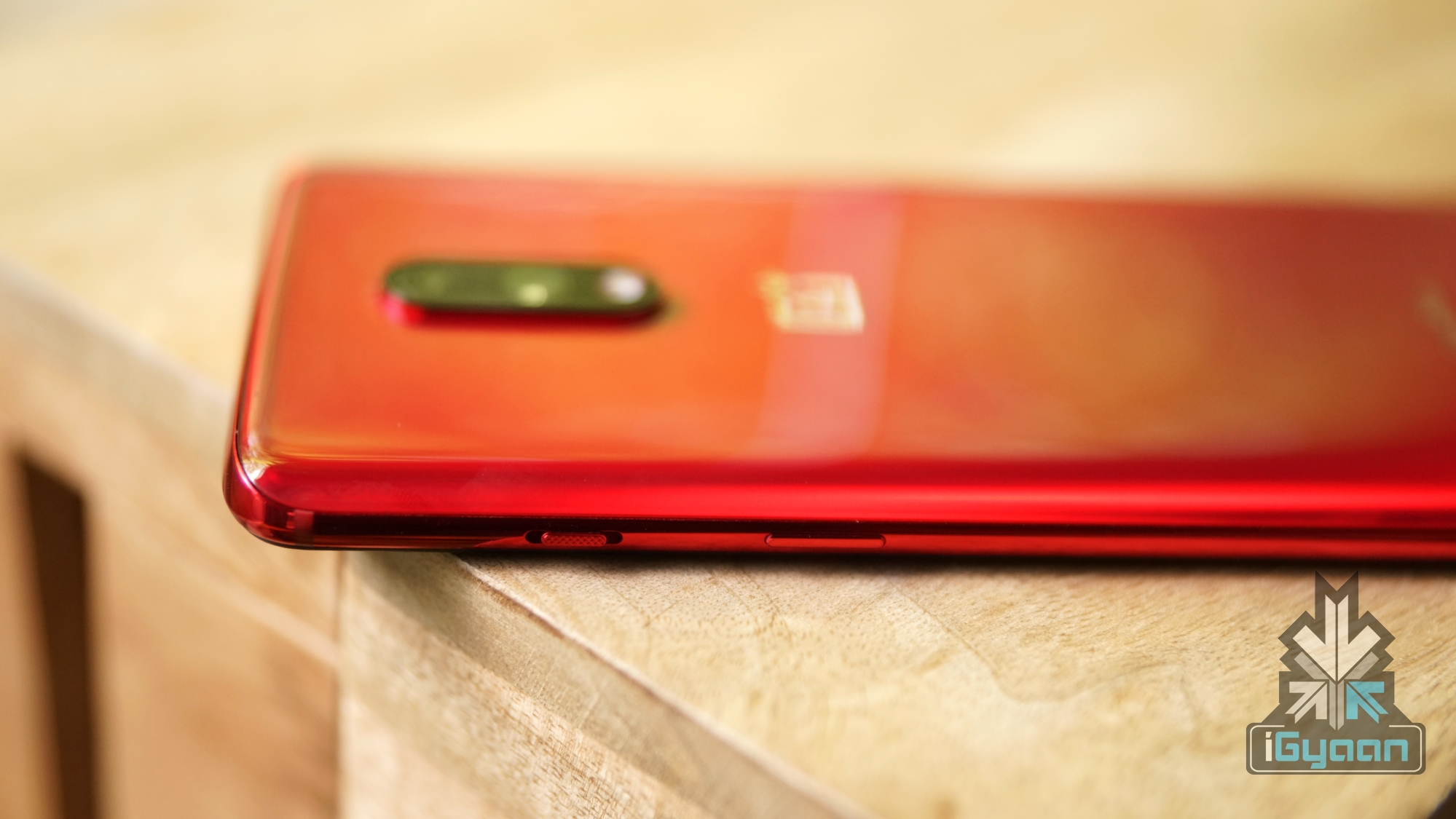
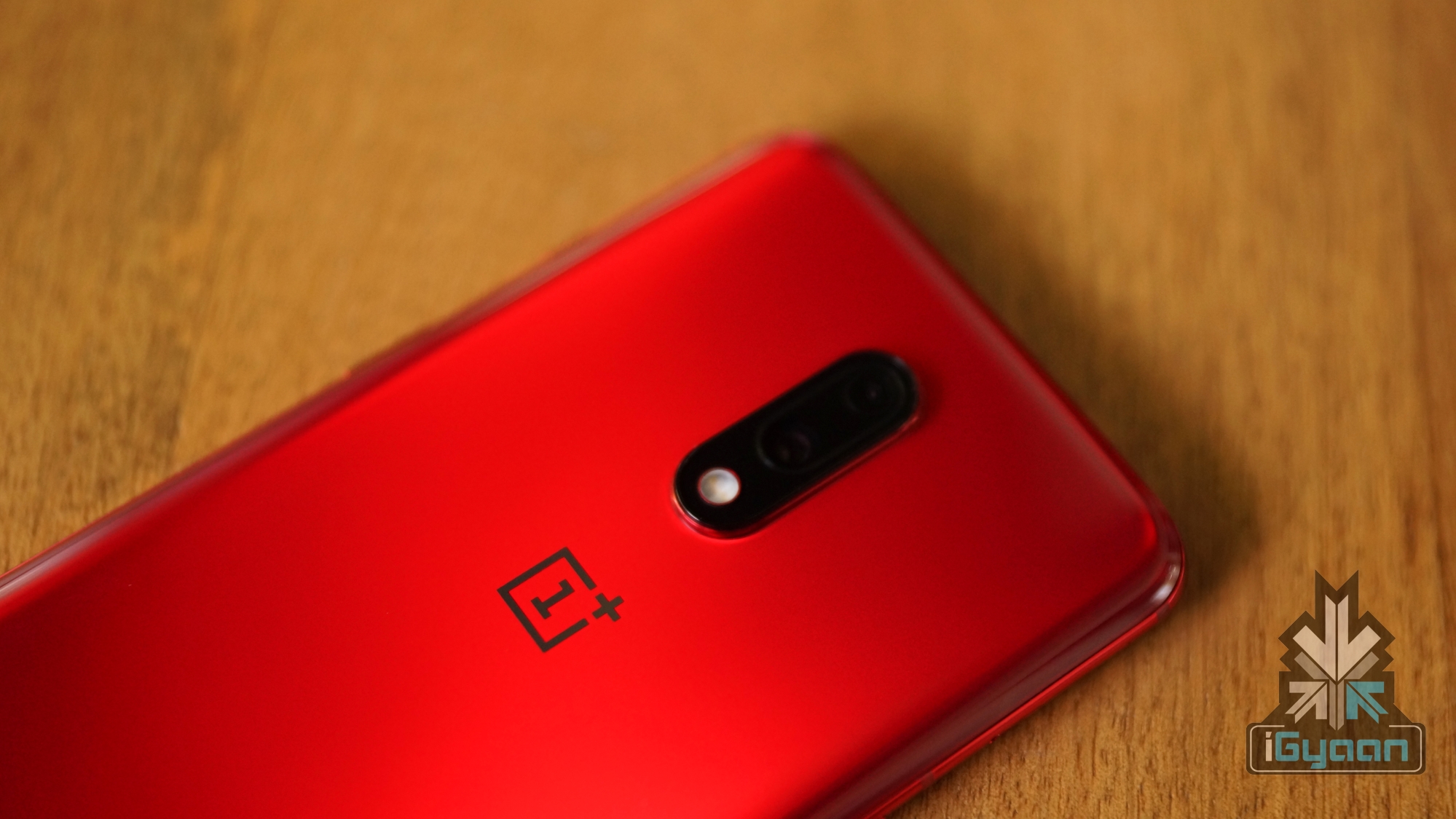
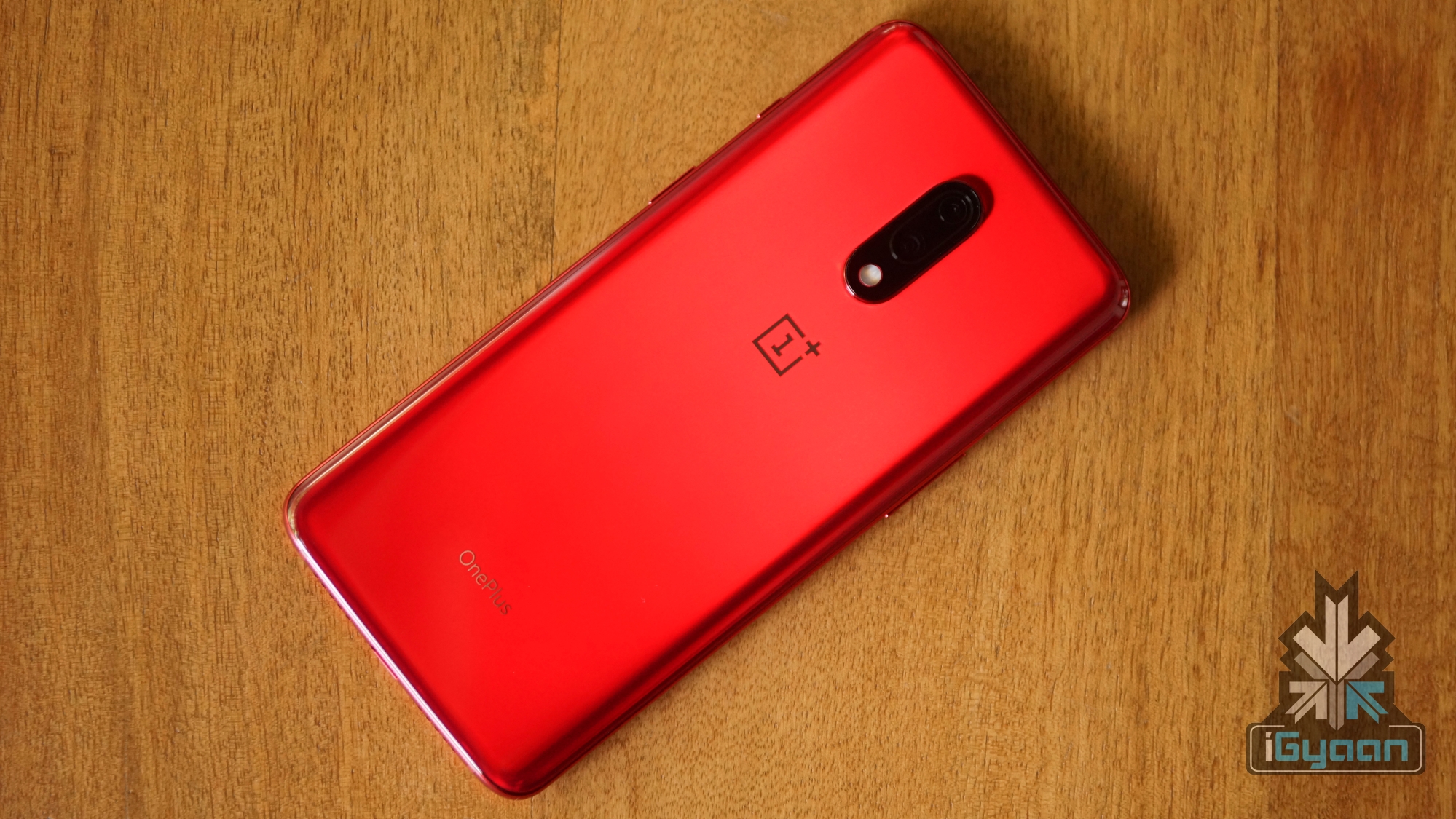
The OnePlus 7 houses the power button along with the mute switch on the right side of the smartphone. The left has the volume rockers along with the SIM card tray. Over at the rear of the device, on the attractive gradient coloured back panel the vertically placed dual rear camera with an LED flash is present. The company branding is placed on the bottom of the rear of the handset.
Display
The OnePlus 7 has a 6.41-inch Optic AMOLED display with a resolution of 2340 x 1080 px. The display on the smartphone is the same as its predecessor, with an aspect ratio of 19.5:9. It supports features such as Reading Mode, Night Mode and Video Enhancer. The display on the OnePlus 7 as mentioned above, has a waterdrop notch on top to maximise the screen real estate. It also houses the in display fingerprint scanner which is reported to be 1.5 times faster than the previous generation.
Processor
One of the key highlighting features of OnePlus 7 is its chipset. The smartphone is kitted with the Snapdragon 855 SoC which is also present on devices including the Galaxy S10 lineup (US Variant) and the Xiaomi Black Shark 2. The chipset is manufactured using a 7 nm fabrication process which makes it highly power efficient in comparison to the 10nm Snapdragon 845 that the OnePlus 6T incorporates. The Snapdragon 855 consists of an Octa-Core Kryo CPU and the Adreno 640 GPU.
Memory and Storage
The OnePlus 7 is available in two storage variants, the base model with 6GB of RAM and 128GB internal storage; and the top tier variant with 8GB of RAM and 256GB of onboard memory. It is also one of the world’s first smartphones after the OnePlus 7 Pro to feature UFS 3.0 2 lane storage. This should provide it with class-leading read and write speeds along with the LPDDR4X RAM which should result in fast performance.
Camera
In terms of optics, the OnePlus 7 has a dual rear camera setup consisting of an f/1.7 aperture equipped 48MP sensor; with an f/2.4 aperture equipped 5MP depth sensor. The primary lens uses the ubiquitous Sony IMX 586 sensor also found in smartphones such as the Redmi Note 7 Pro and the Honor View20. For selfies, the OnePlus 7 has an f/2.0 aperture equipped 16 MP sensor housed in the waterdrop notch on top of the display.
In terms of video recording, the rear cameras of the device are capable of shooting at 4K resolution at up to 60fps. Video from the front camera is restricted to 1080p resolution at 30fps. Additionally, the camera supports features such as HDR, Portrait Mode and Studio Lighting.
Battery and Other Features
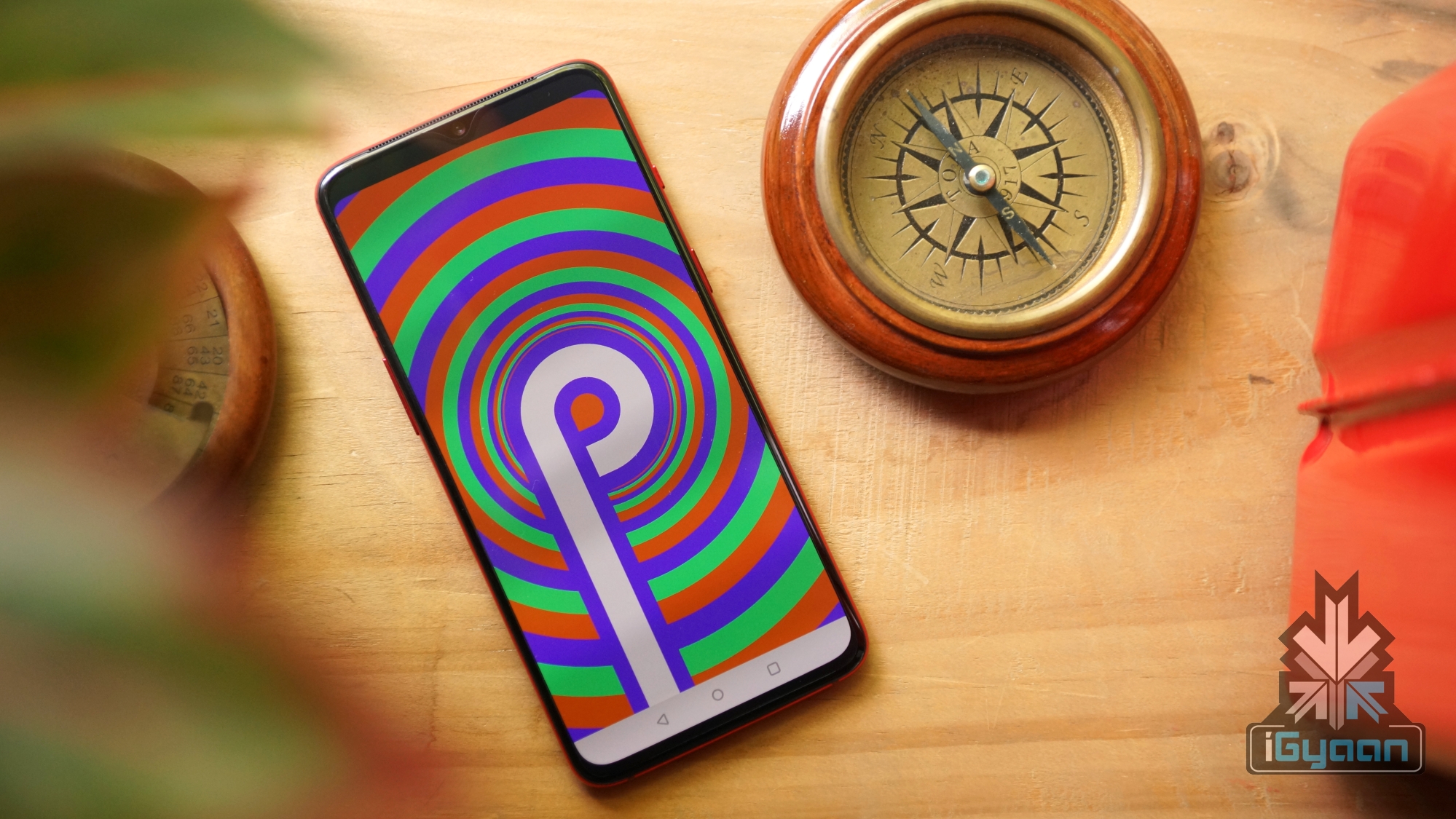
The OnePlus 7 is powered by a 3700 mAh non-removable battery which is the same size as its predecessor. For fast top-ups, the battery supports 20W fast charging via the bundled Dash charger inside the box. The device runs on the company’s homegrown OxygenOS which is based on top of the latest Android 9 Pie.
Connectivity and Colour Options
Connectivity options on the OnePlus 7 include dual 4G LTE, Wi-Fi 802.11 a/b/g/n/ac, Bluetooth 5.0, NFC, GPS and bottom mounted USB Type C Port. The USB Type C supports the USB 3.0 standard, which should make the read and write speeds on the device faster than before. The OnePlus 7 will available in two colour options at launch namely, Mirror Grey and Red.
The OnePlus 7 will go on sale starting the 4th of June at 12 noon exclusively on Amazon India. In terms of pricing, the base variant with 6GB of RAM and 128GB of internal storage has been priced at Rs 32,999; while the variant with 8GB of RAM and 256GB of onboard memory will cost Rs. 37,999 for prospective buyers.

 As per a statement released by the company, the Google Compute Engine was suffering from a multi-region issue that was affecting Google Cloud services. Owing to network congestion in Eastern USA, users were experiencing extremely slow loading times and errors. Moreover, people reported issues with Google Nest that was not allowing them to change the temperature in their homes and apartments.
  Also Read: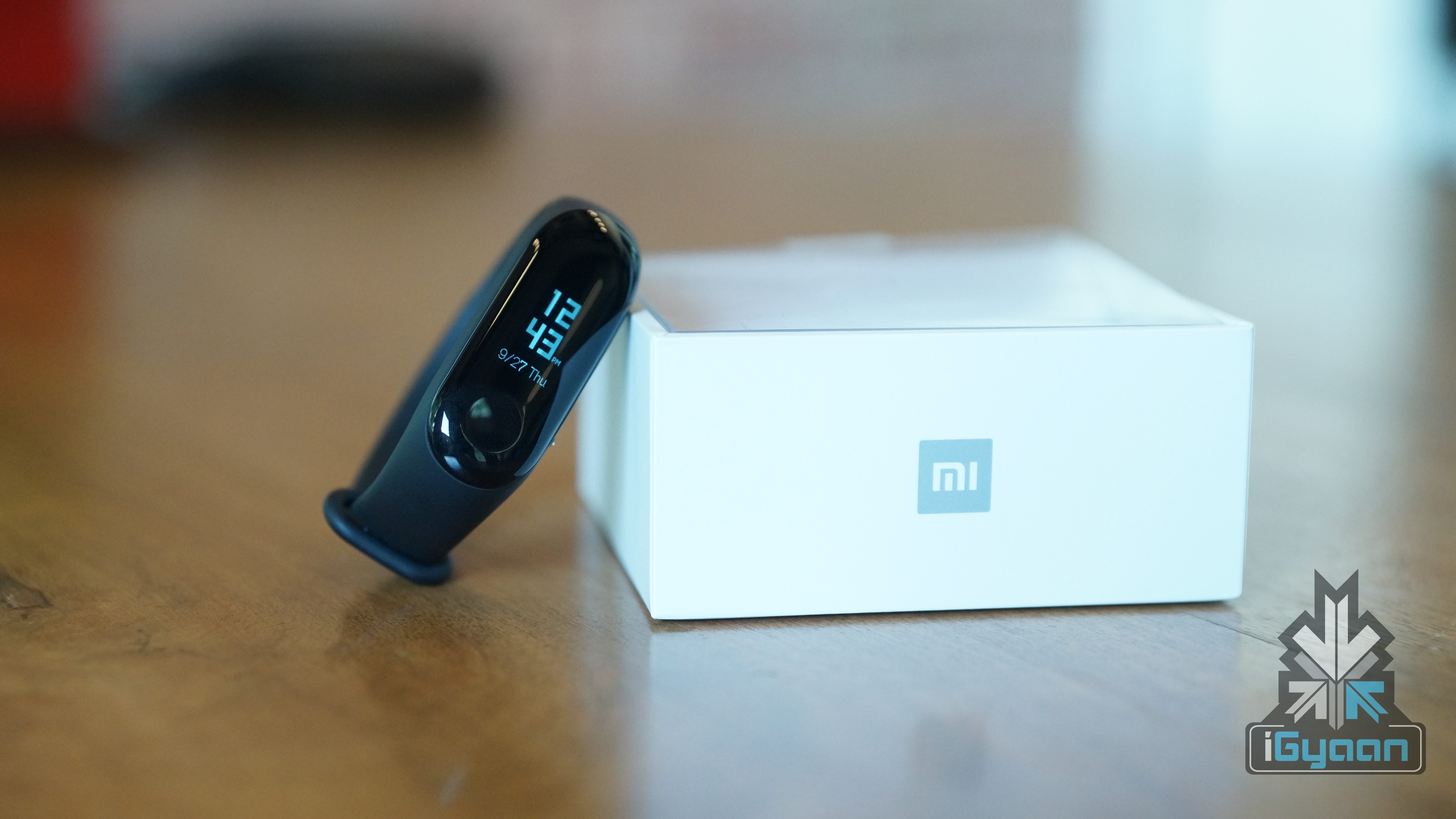









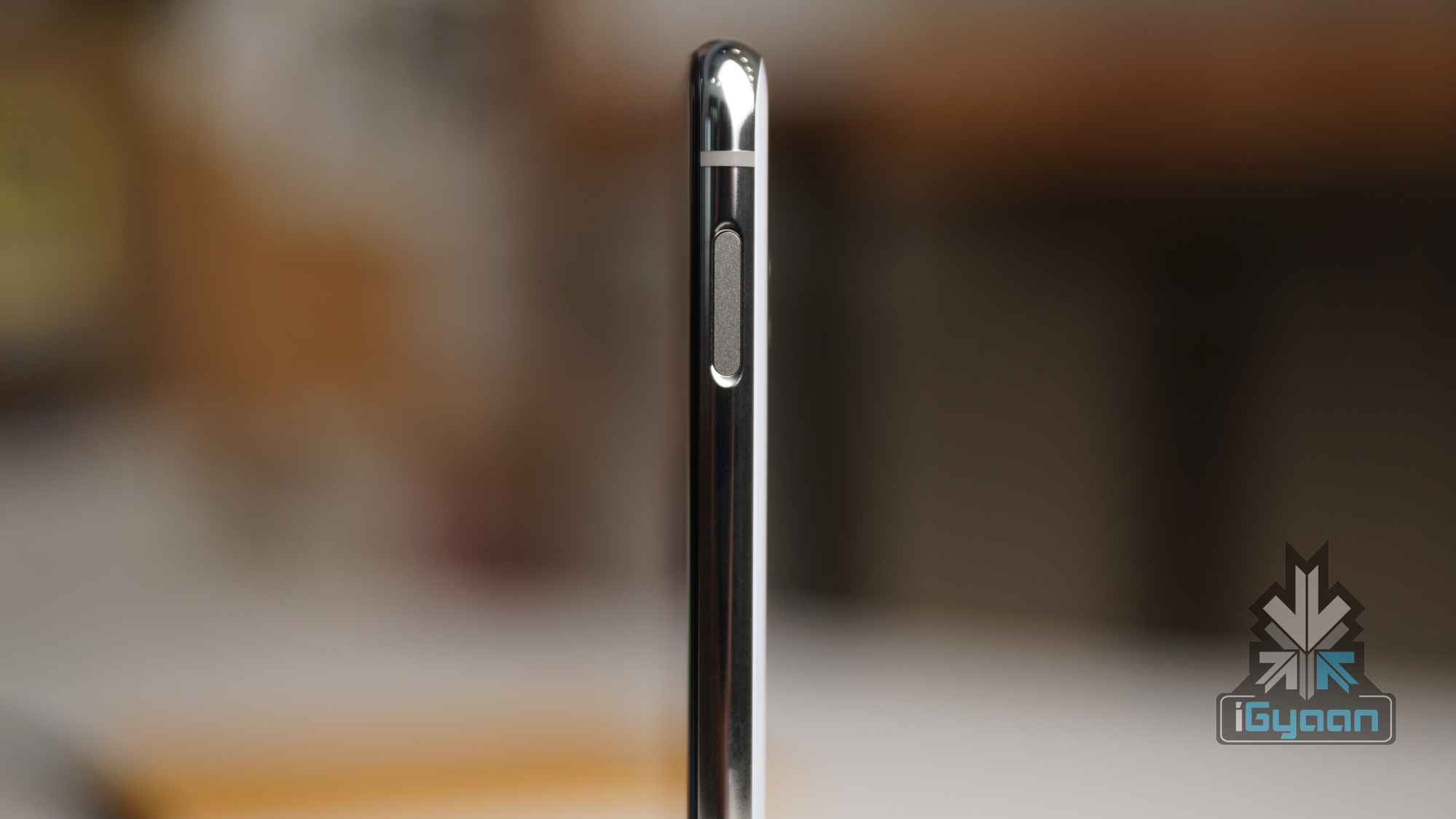
 The rumours further state that the exterior buttons of the Galaxy Note 10 handsets will be replaced by capacitative or pressure sensitive buttons, that will be accessed by the user via raised bumps or a textured surface along the sides. Another device with the same design factor is the Vivo Apex, which is a step ahead and excluded all forms of ports and buttons from the device. Both the volume rockers and power button in the aforementioned smartphone were capacitative. Moreover, the device lacked all forms of ports, including the charging port. It had to be charged using the magnetic POGO pins at the back.
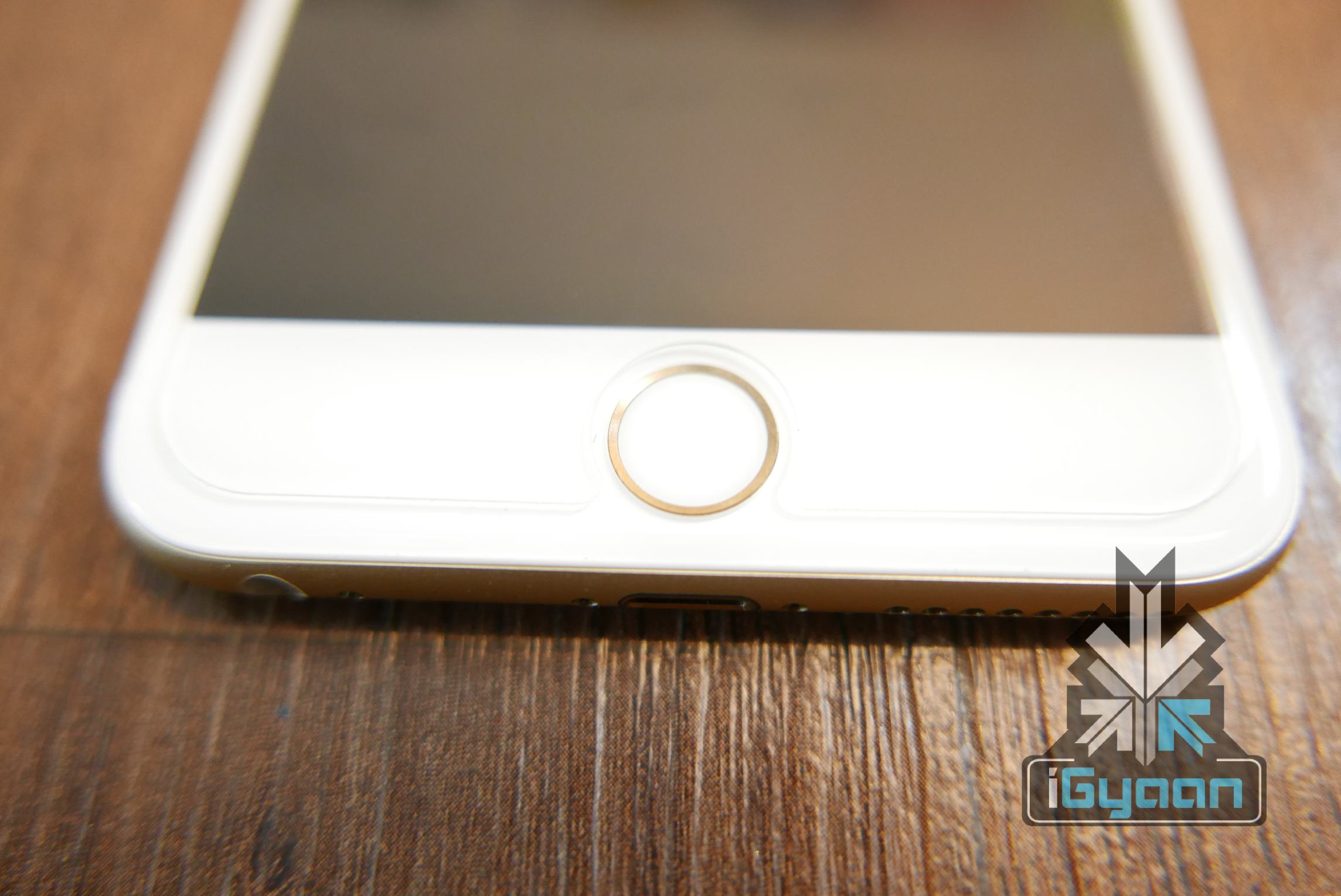 A similar change was introduced to smartphones a few years back, when manufacturers inadvertently moved in favour of removing physical ‘home’ buttons from the devices. For instance, the
  As mentioned before, the buttons are not the only feature that is being eliminated. Rumours state that the 3.5mm headphone jack, which has been present in all Samsung flagships till date (except the