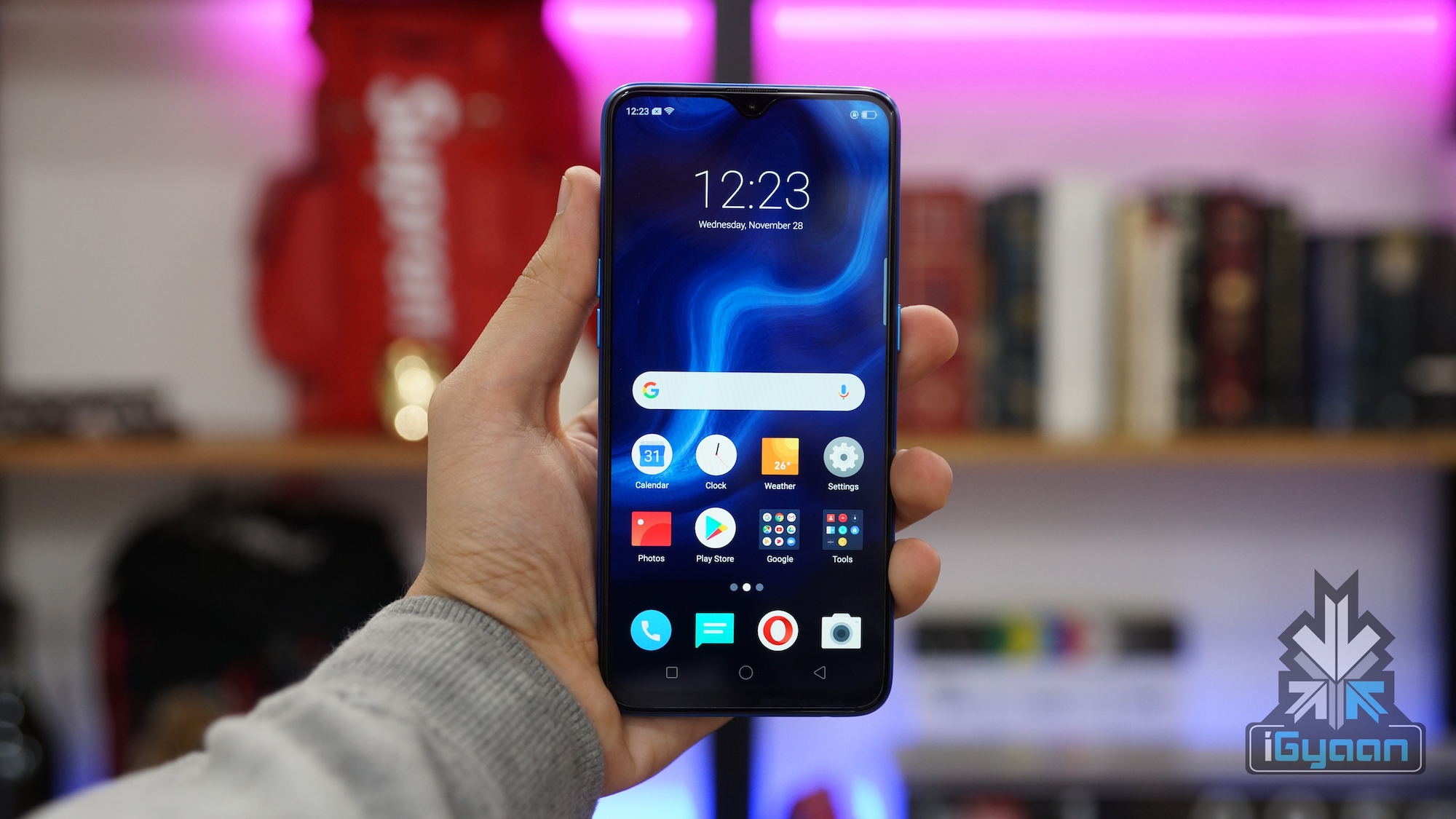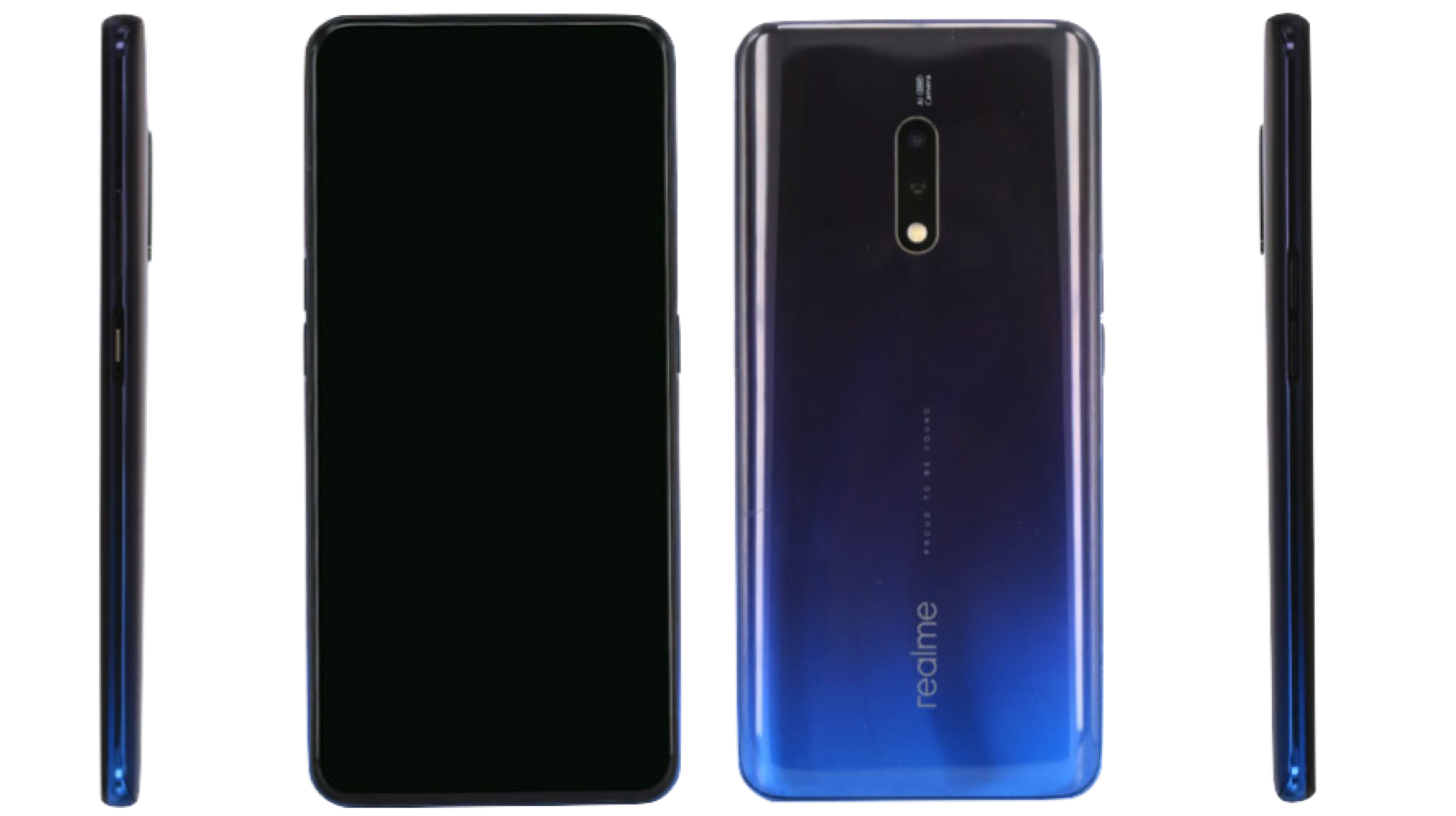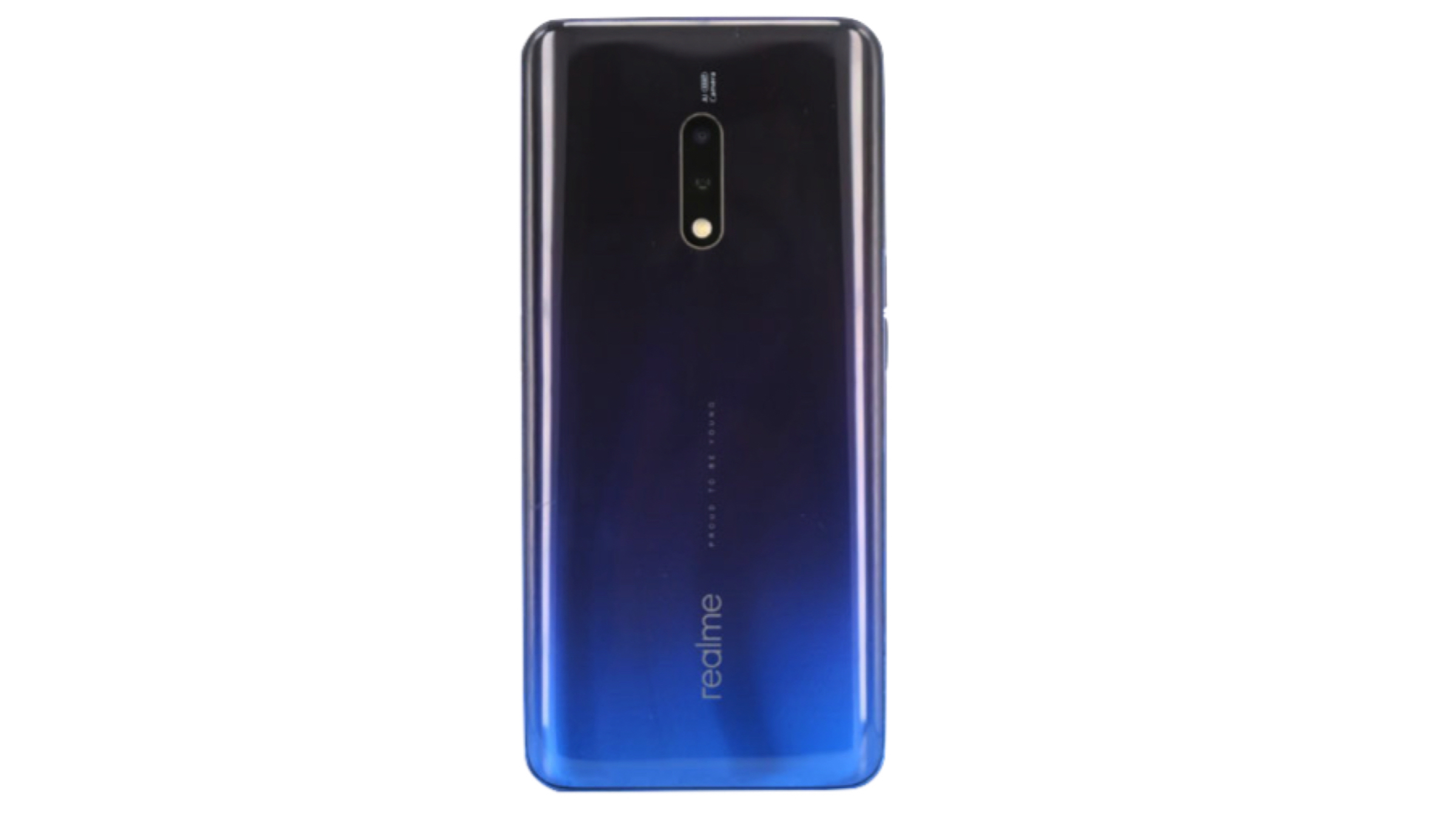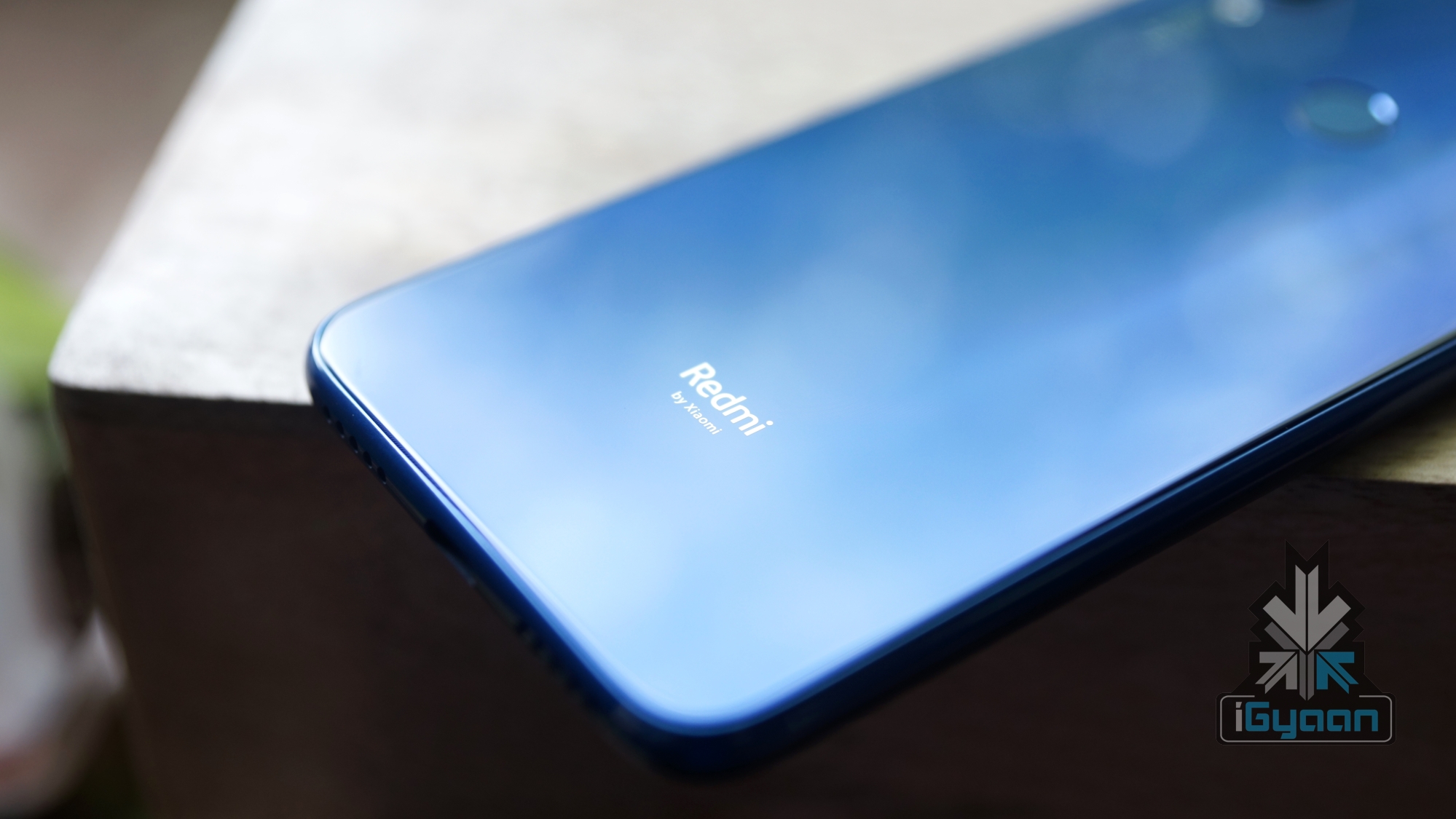
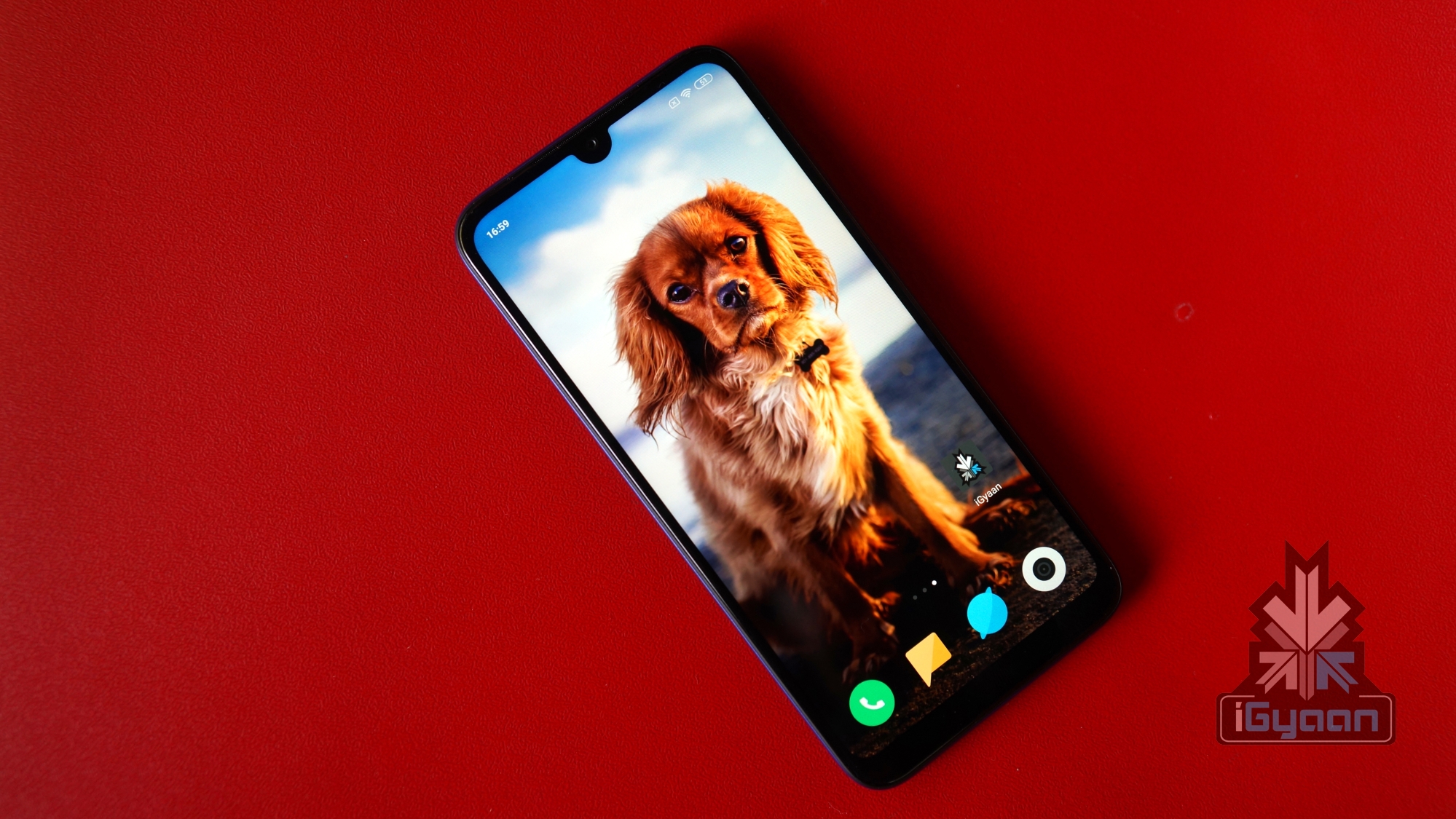
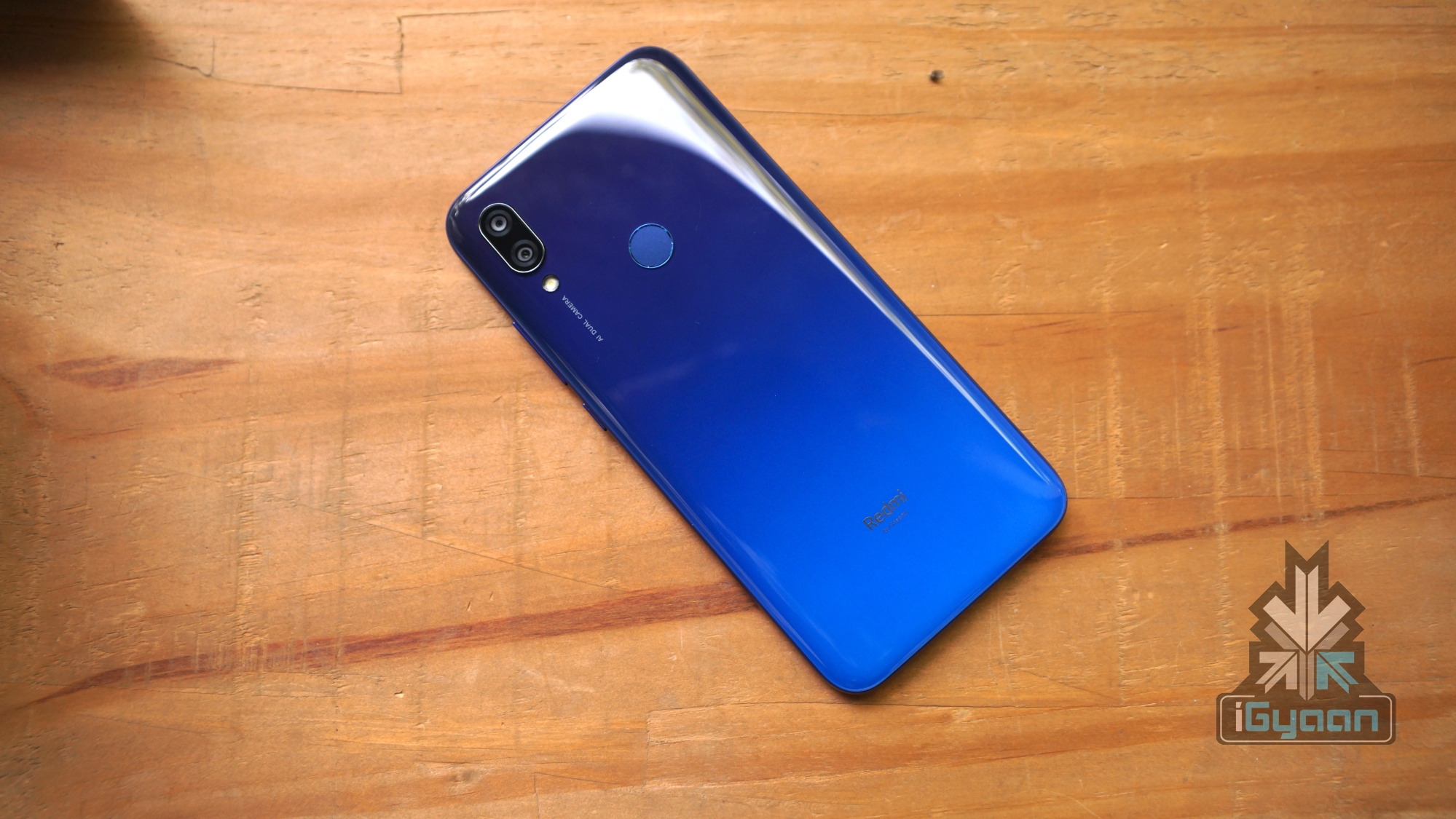
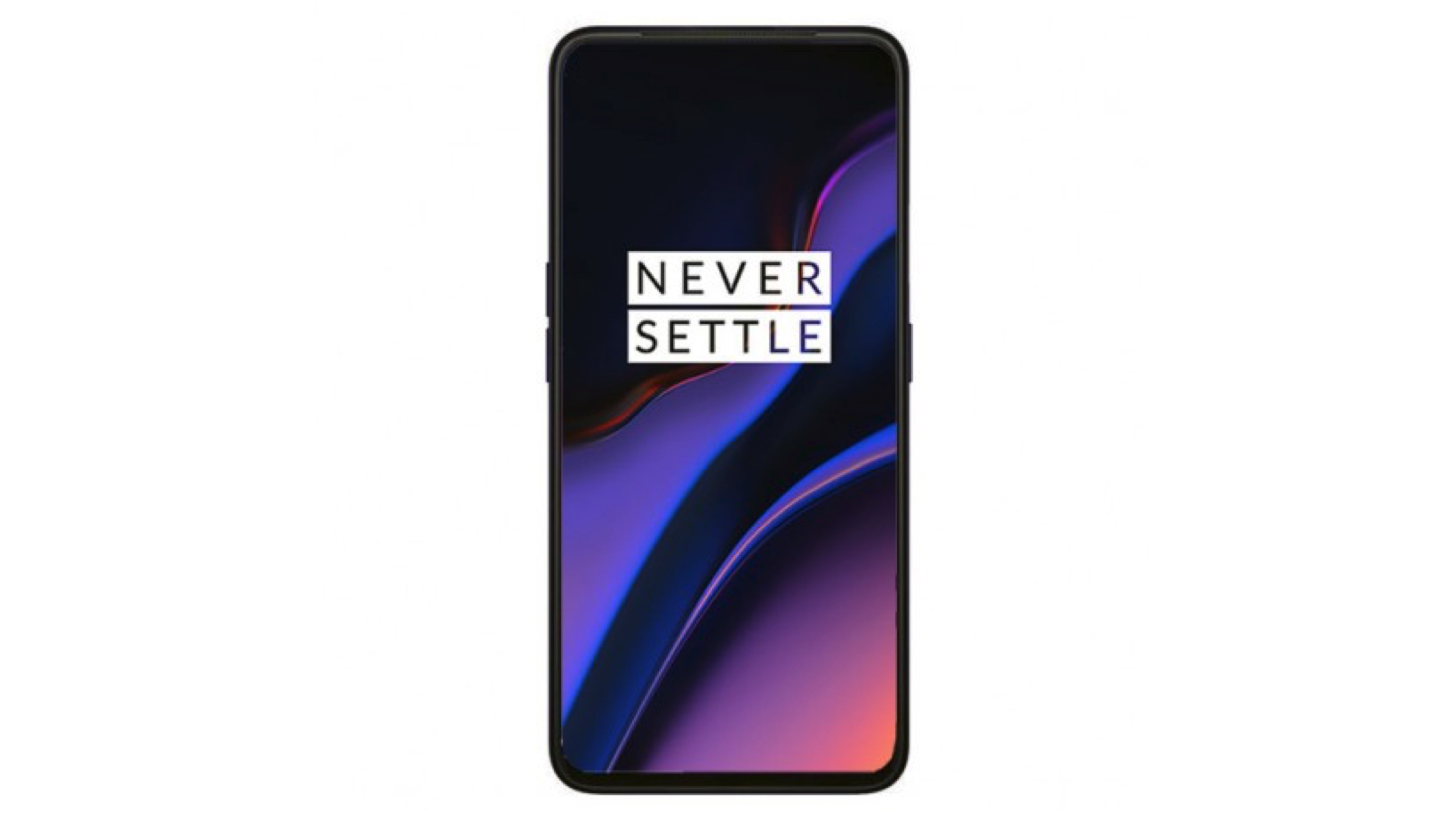
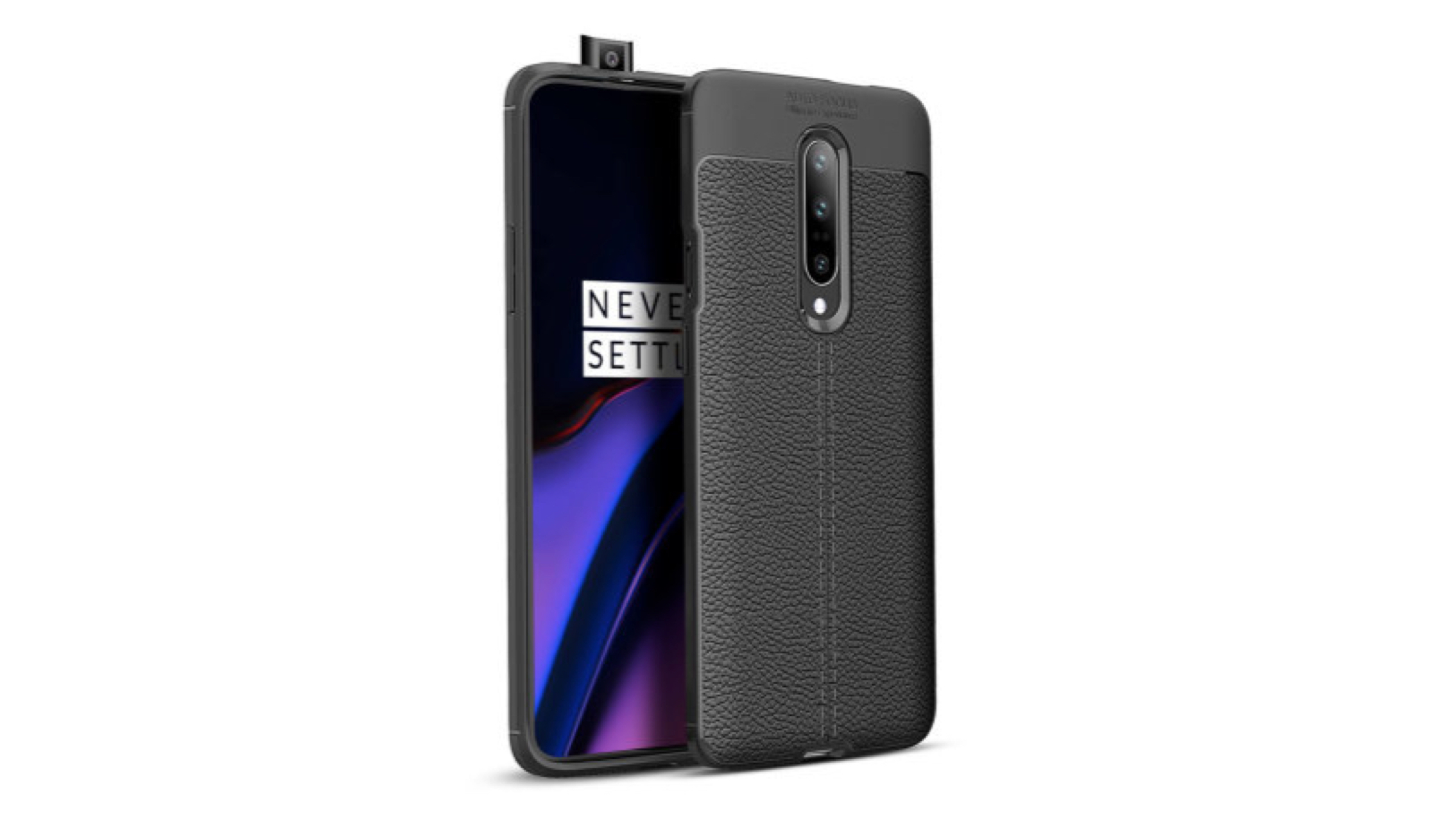
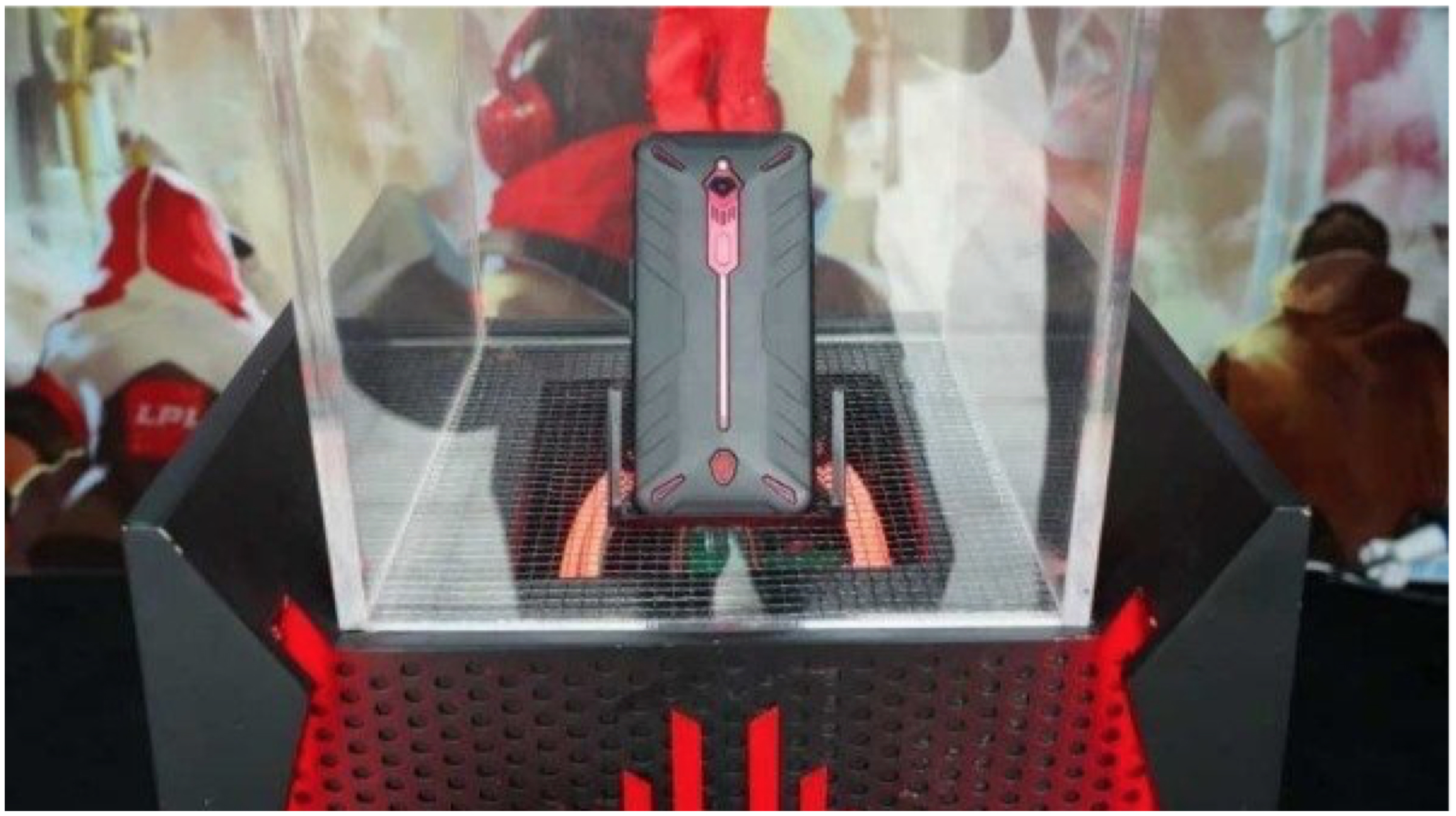
Redmi separated from its parent company Xiaomi back in the month of January this year. While the brand has since launched smartphones in the budget and the mid-range segment, it has been long rumoured to announce a flagship device. Key details of the handset have been leaked online time and again. The official Redmi account on Chinese social networking website, Weibo has shared a video revealing the flagship smartphone will have an elevating selfie camera like the Vivo V15 Pro. The device may also be made in partnership with the latest superhero movie, Avengers: Endgame.
Redmi Flagship Smartphone

The upcoming Redmi 855 smartphone will be the company’s first flagship device since its inception earlier this year. According to previous leaks, it will have an all-glass design on the front and back, like the Redmi Note 7 Pro. The handset will have a 6.39-inch display with a resolution of 2340 x 1080 px. The leaked video reveals the smartphone will have a pop-up camera mechanism to house the front-facing sensor which maximises the screen real estate. For biometric security and rapidly unlocking the handset, it is expected to feature an in display fingerprint scanner along with support for face unlock technology.
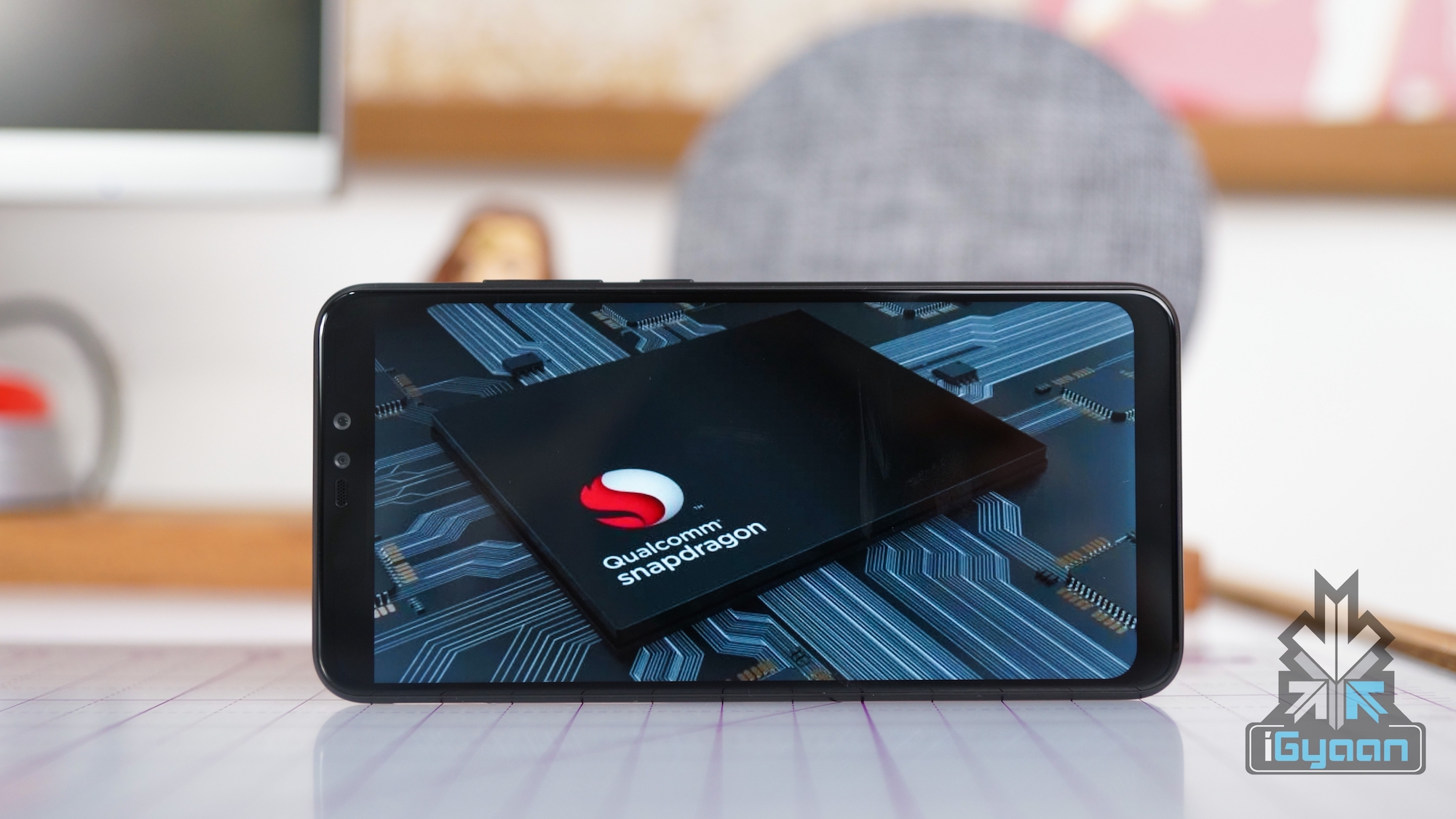
Previous leaks further reveal the flagship smartphone from Redmi will run on the Snapdragon 855 SoC which is manufactured using the 7nm fabrication process. The chipset consists of an Octa-core CPU and the Adreno 640 GPU. In terms of optics, the device will sport a triple rear camera setup, comprised of an f/1.8 aperture equipped 48 MP Sony IMX 586 sensor; a secondary f/2.4 aperture equipped 13 MP ultra-wide sensor, and a tertiary f/2.4 aperture equipped 8 MP telephoto sensor. For selfies, the handset will have an f/2.0 aperture equipped 32 MP front-facing camera housed in the popup mechanism on top of the display. In terms of memory and storage, the Redmi flagship may feature up to 8GB of RAM and 128GB of internal storage.
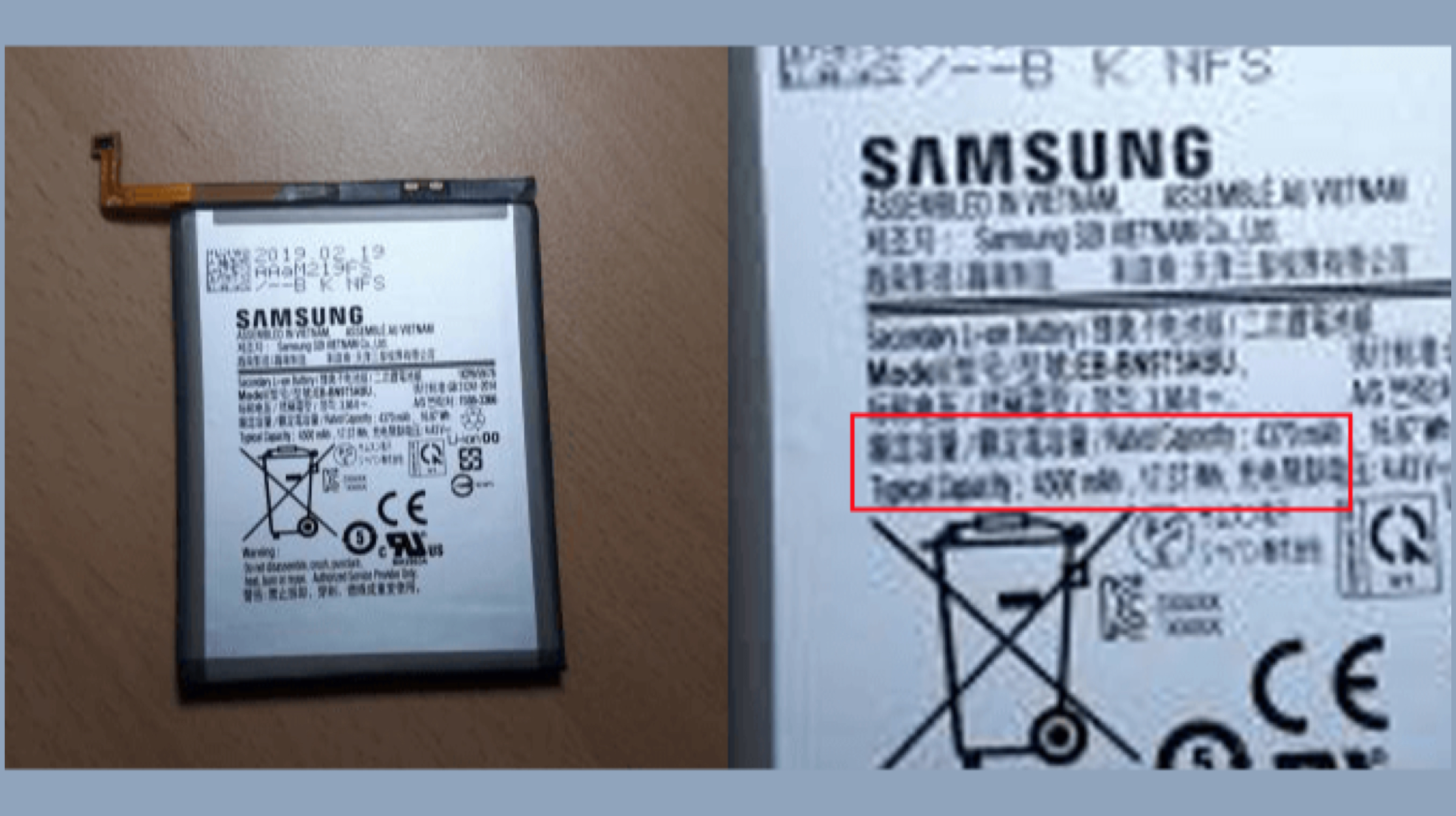
Also read: Samsung Galaxy Note 10 Pro Battery Details Leaked
The upcoming flagship smartphone from Redmi is expected to launch in the following weeks. As mentioned above, a limited edition variant of the device might be made in collaboration with the Avengers: Endgame movie which hit the theatres on April 26. It is thus expected to launch soon while the hype of the movie is at its apex. As far as pricing is concerned, since Redmi is known for pricing its products aggressively, the handset is expected to be priced under the Rs. 30,000 mark in India.

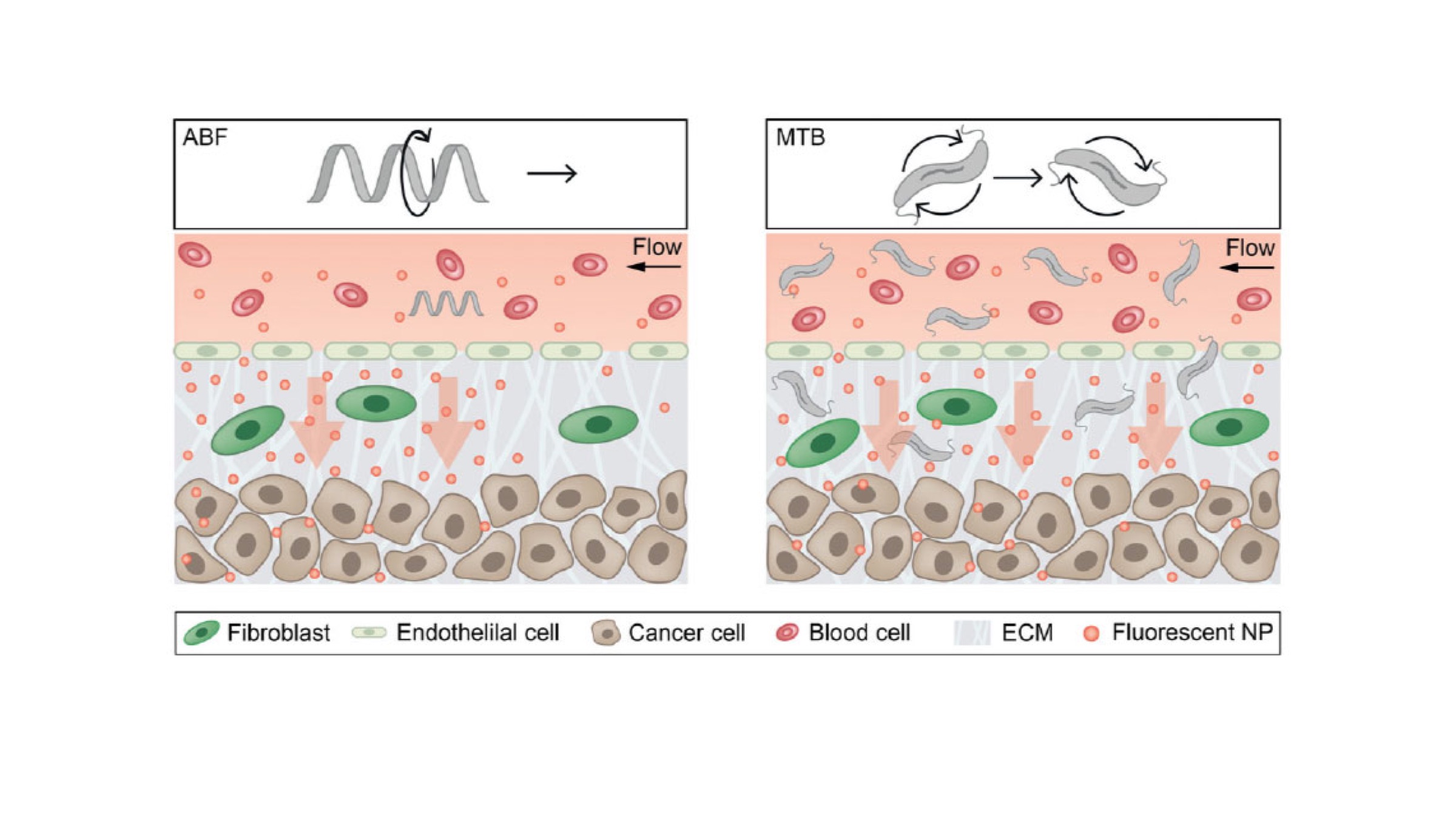 One of the biggest challenges while delivering drugs via nanoparticles is the exit strategy of the robots, implying that the micro robots can escape the blood vessels and accumulate in the desired spot for removal from the human body. Sangeeta Bhatia, a senior author of the aforementioned study states that it is tough to get the nanomaterials to the tissue in the lining of the blood vessel, but the use of magnetism to develop fluid forces, the nanoparticles can be pushed through the lining. The same study further states that swarms of naturally magnetic bacteria (Magnetotactic bacteria) can be also used to achieve the same result.
 Schurele, the assistant professor at the Swiss Federal Institute of Technology previously worked on magnetic microbots, and consequently she aimed towards making the nanoparticle drug delivery technique more efficient when she started working with Sangeeta Bhatia. The researchers used their micro robots to target diseased sites in the human body which were usually a host of tumours. Since they faced issues with the same, the team explored their options with magnetic bacteria to devise a method to push the particles to the target in a better way.
 Also Read:
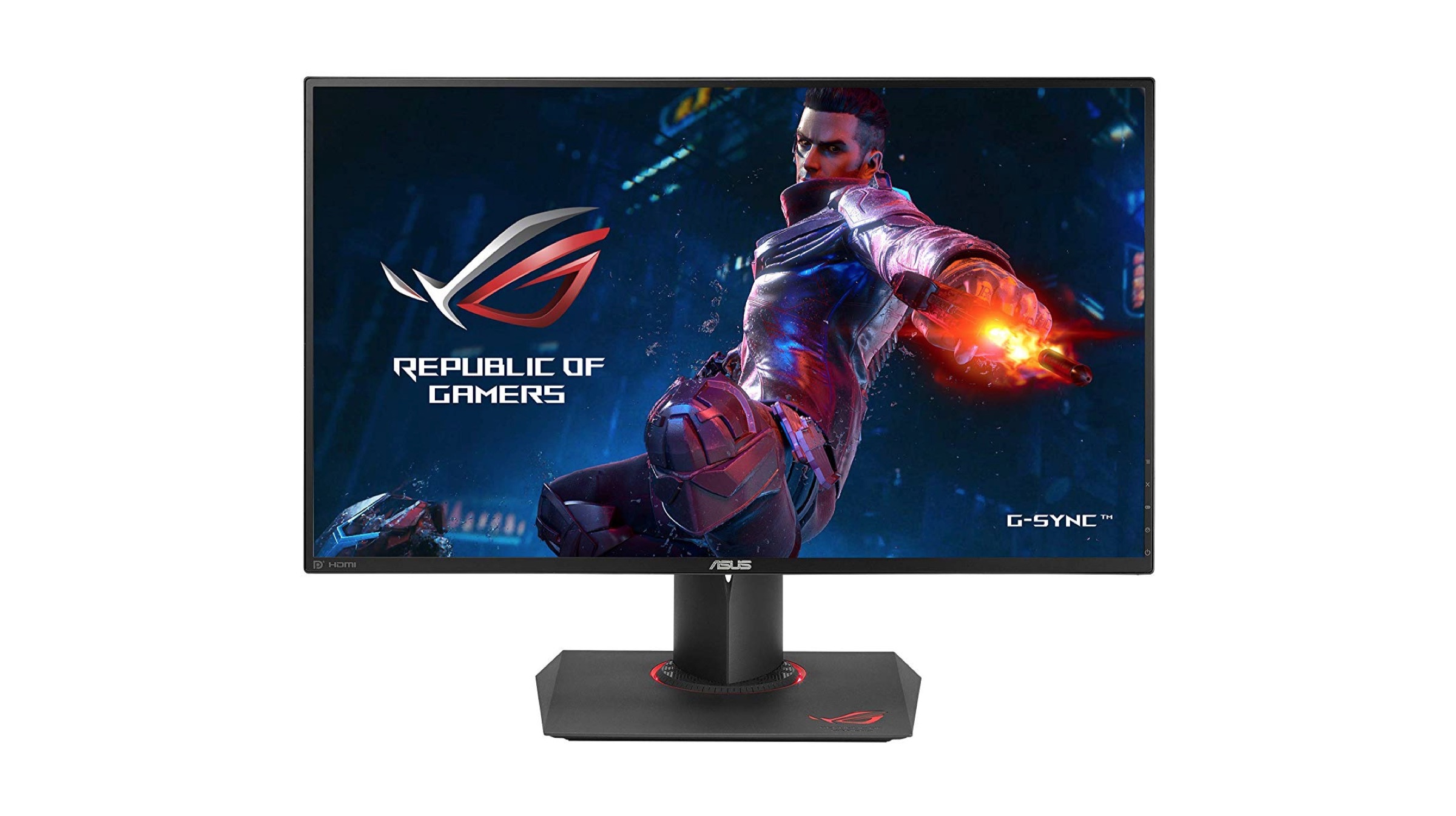 Since the beginning, gamers have been confused regarding their monitors. Should it sport an IPS panel, or should it feature a high refresh rate for a smoother gaming experience? The ASUS PG279Q features a 27-inch IPS panel with a resolution of 2560 x 1440 px, but at the same time, the monitor sports a refresh rate of 144Hz (which is further overclockable to 165Hz), making it a “best-of-both-worlds” experience. Furthermore, the monitor features G-Sync, which allows you to switch between your refresh rates only if you are using an NVIDIA graphics card. However, the monitor is slightly expensive, and it will set you back by US$ 800 or INR 83,999.
 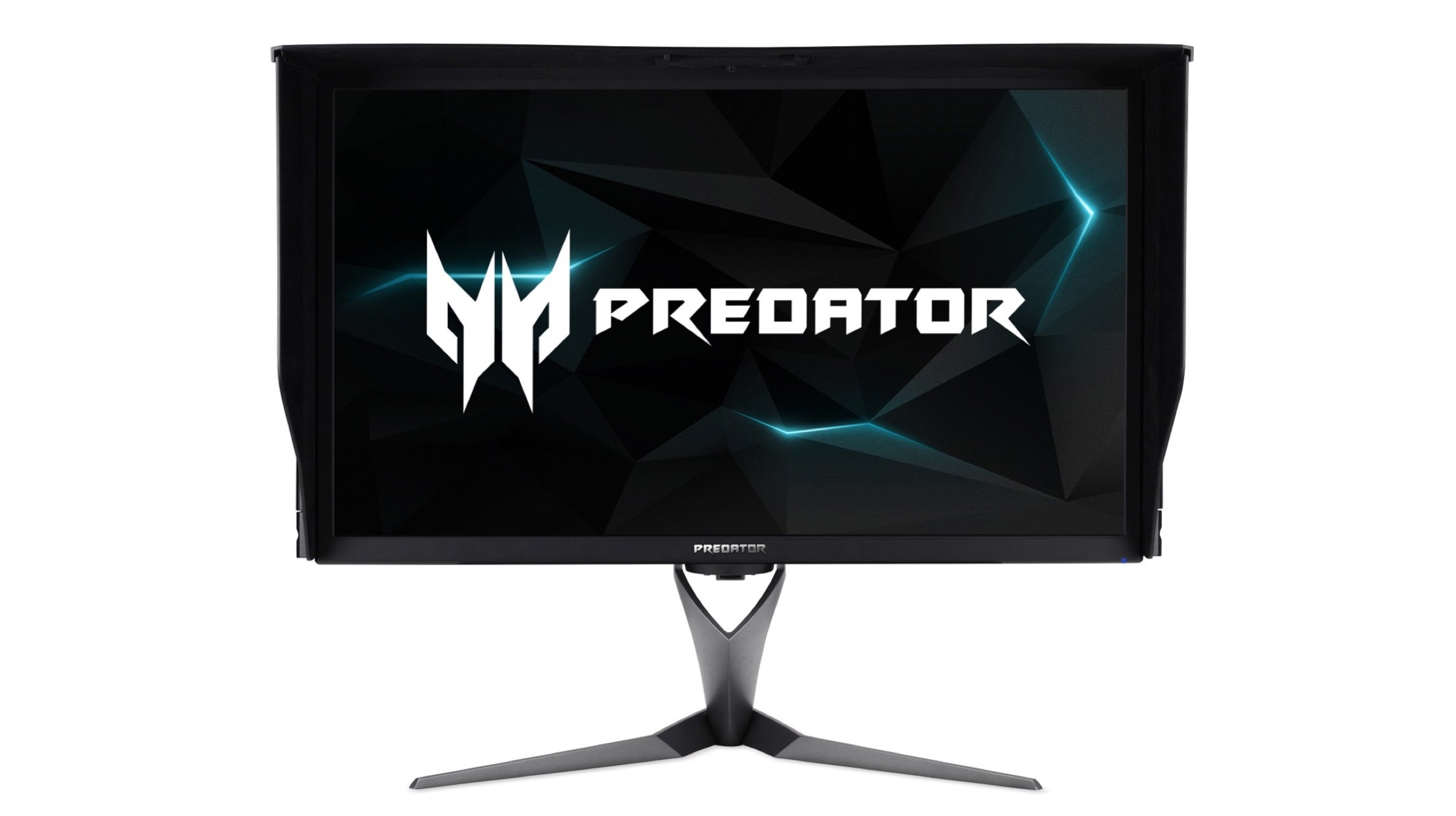 The Acer Predator X27 is a fantastic gaming monitor, which suffers a bit owing just to the price of the same. The monitor features an IPS panel, which is topped out a refresh rate of 144Hz. It supports 4K video playback, and a resolution of 3840 x 2160 px. The monitor supports VisionCare technology, which claims to reduce eye strain during long gameplay sessions. Moreover, G-Sync allows for a variable refresh rate in the monitor, making it the perfect fit for NVIDIA’s graphics cards. The Acer Predator X27 has a multitude of ports on both sides, including a total of 4 USB 3.0 ports as well as an HDMI 2.0 and DisplayPort 1.4. The real downside is the price, which tunes in at around US$ 2,000 (~INR 1,40,000), making it one of the most expensive gaming monitors in this list.
 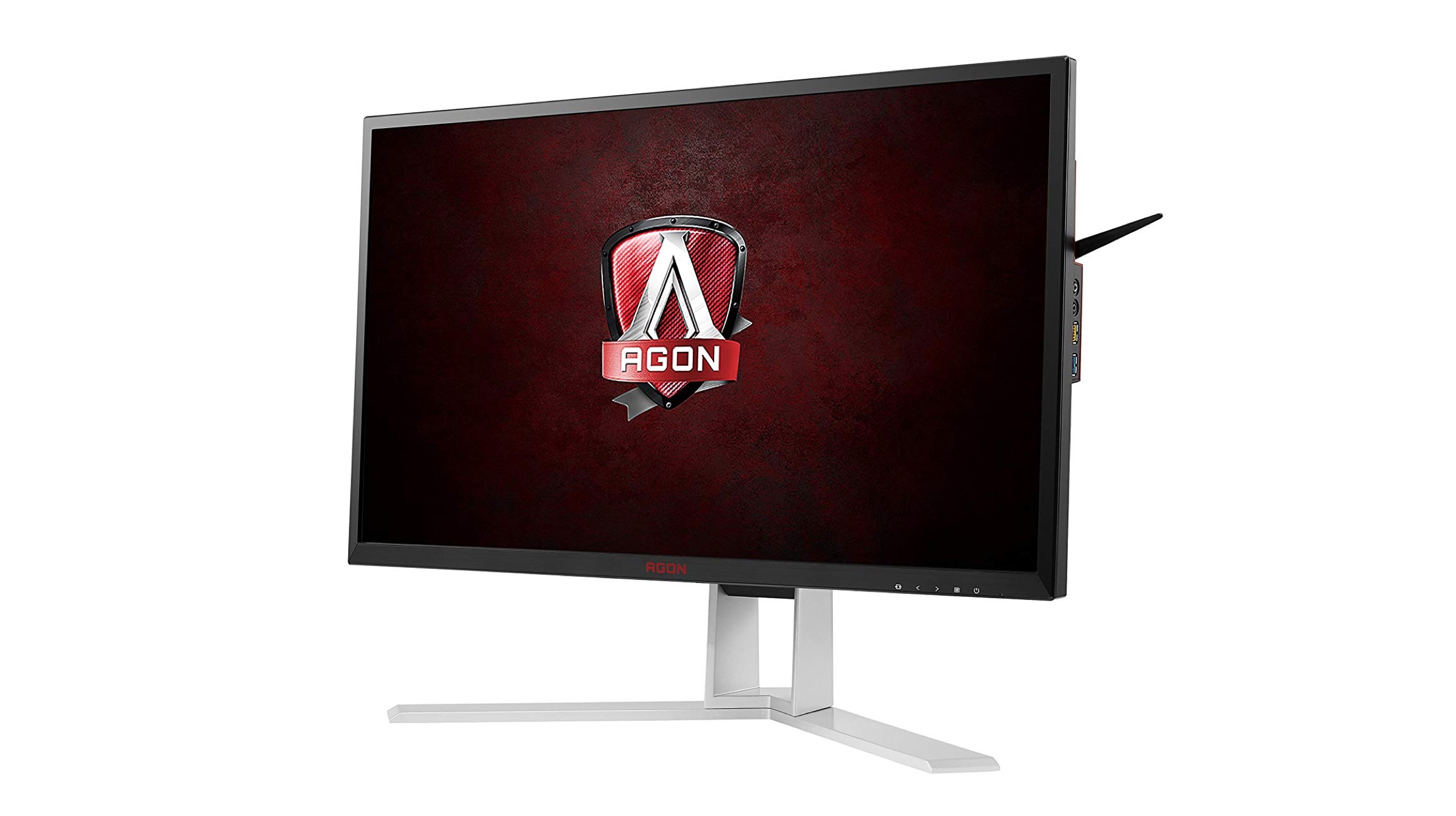 Few monitors in this list cater to just eSports players, and AOC AG273QCG is definitely one of them.The monitor ticks all the boxes if you’re are an avid eSports player and need a professional grade monitor to play on. It has a 27-inch screen with 1440p resolution and on top of that, it supports NVIDIA G-Sync in one variant and AMD FreeSync in the other. The monitor has a curved design and features a high refresh rate of 165Hz. Furthermore, AOC AG273QCG has a vibrance scale that has received rave reviews from a lot of users, making it the perfect pick if you’re into that thing.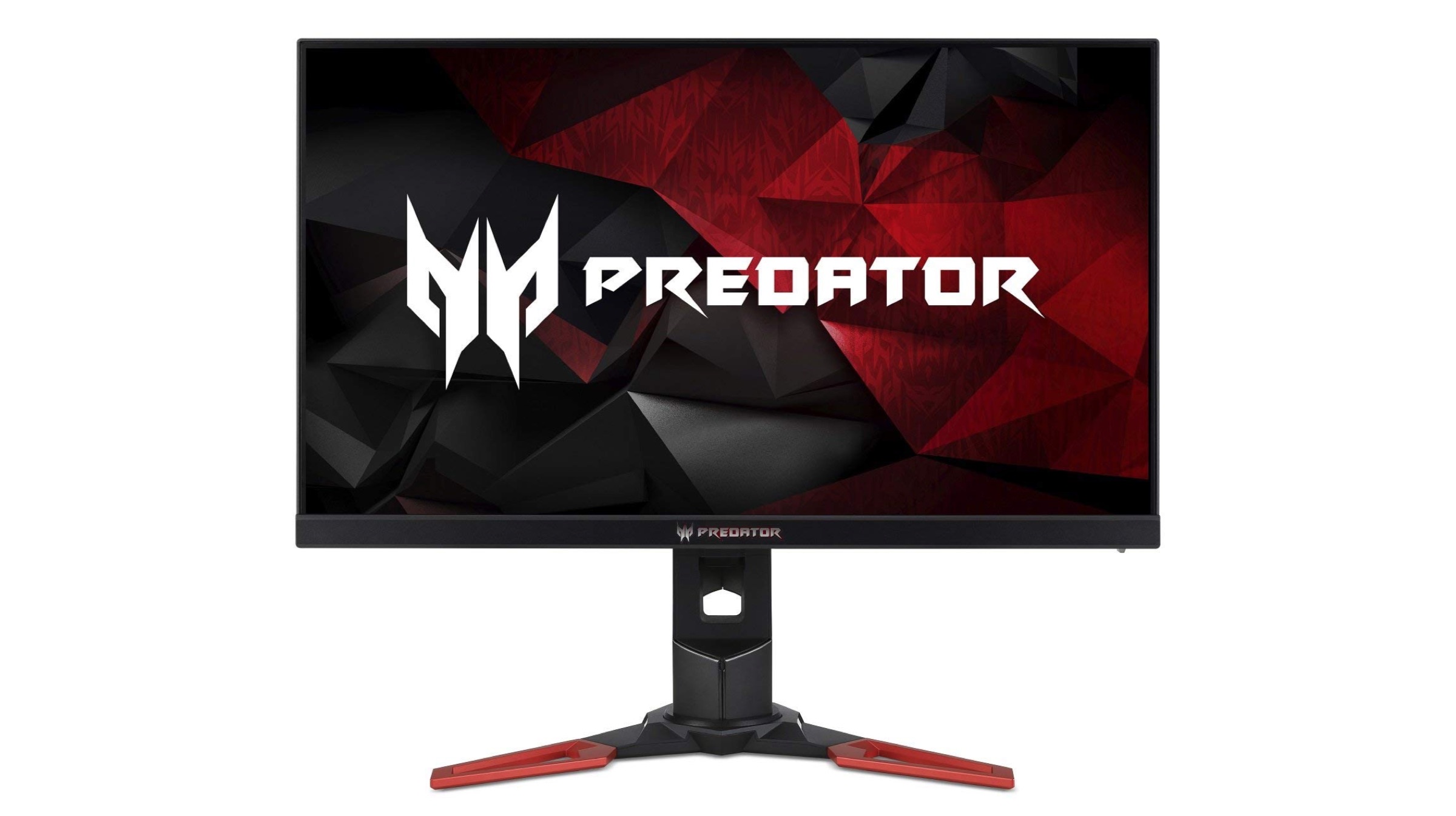



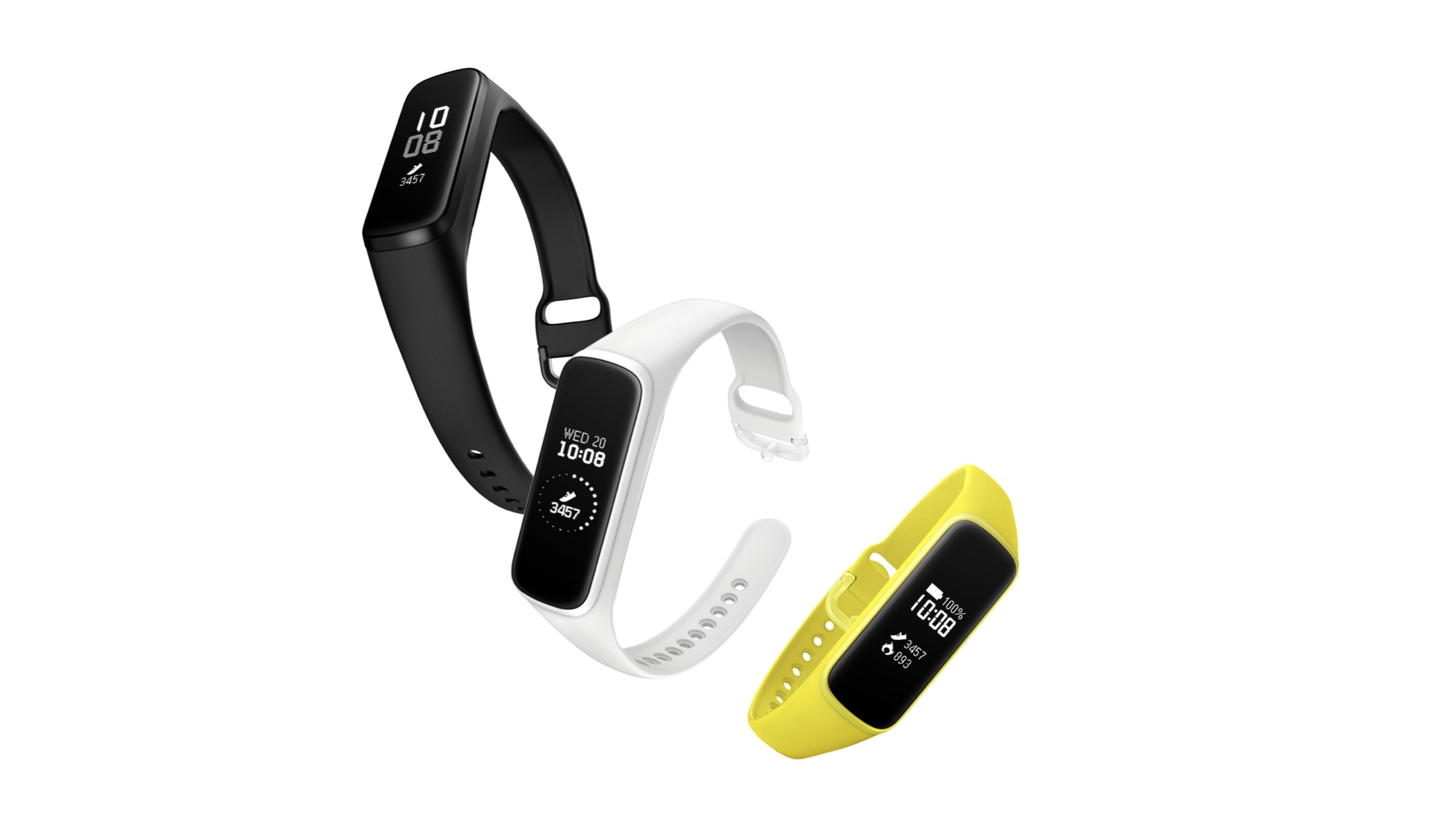
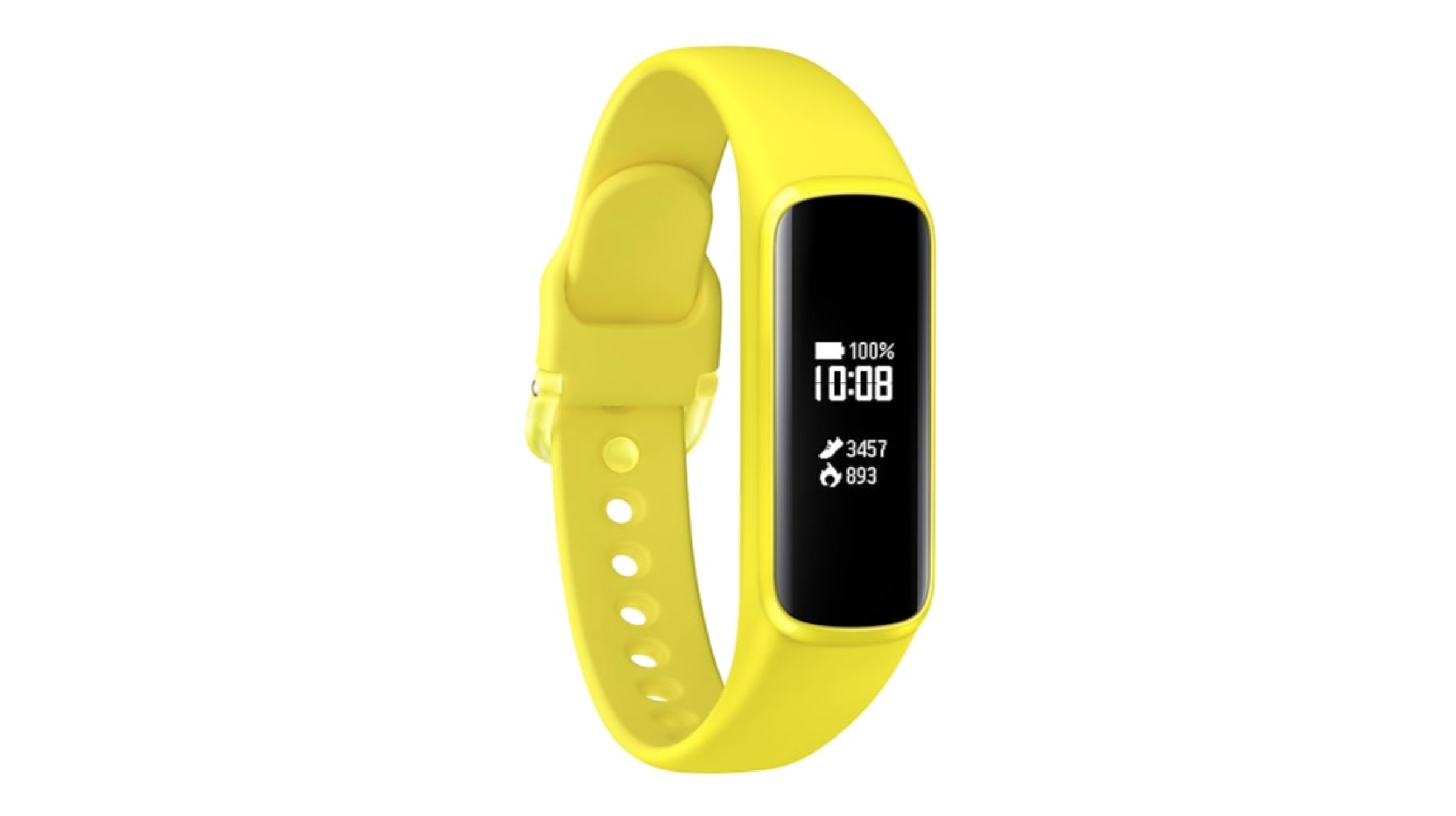 As per reports, the Samsung Galaxy Fit-e was previously supposed to be launched on May 21 in the United States, hence the fitness tracking suddenly appearing on Samsung’s Albanian website is probably a mistake. Moreover, the fact that the buying links on the website are not functioning at all gives a confirmation of sorts that this page may not be intended after all.
 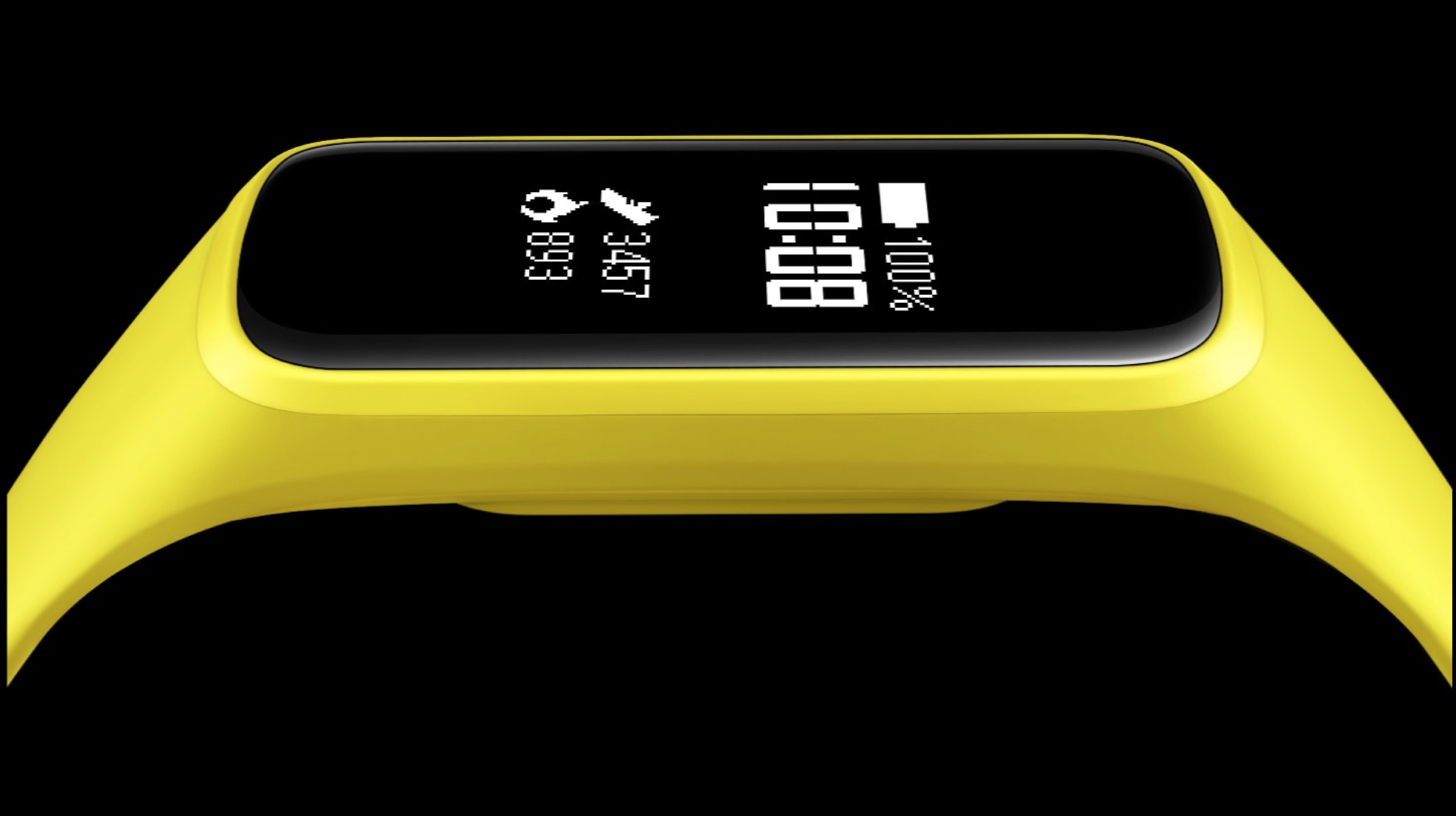 Nonetheless, the listed specifications of the Galaxy Fit-e informs that the fitness band runs on the FreeRTOS operating system. It features a monochrome PMOLED display panel, which is expected out of an aggressively priced fitness band. It sports Bluetooth v5.0, and packs a 70 mAh battery which enables the Fit-e to last an entire week, the company claims. It measures at 40.2 x 16 mm and weighs 15 grams.
  Also Read:

 Dr. Niklas Mattsson, the physician at Skåne University Hospital and the lead author of the aforementioned study stated that a protein called neurofilament light in the blood can be conveniently used to measure brain cell damage in various stages of Alzheimer’s disease. The protein leaks/spills out of damaged and dying nerve cells and travels into the cerebrospinal fluid, heading into the bloodstream shortly afterwards. As per previous studies, people who suffer from diseases like Alzheimer’s have a higher level of neurofilament light in the blood.
 Also Read: