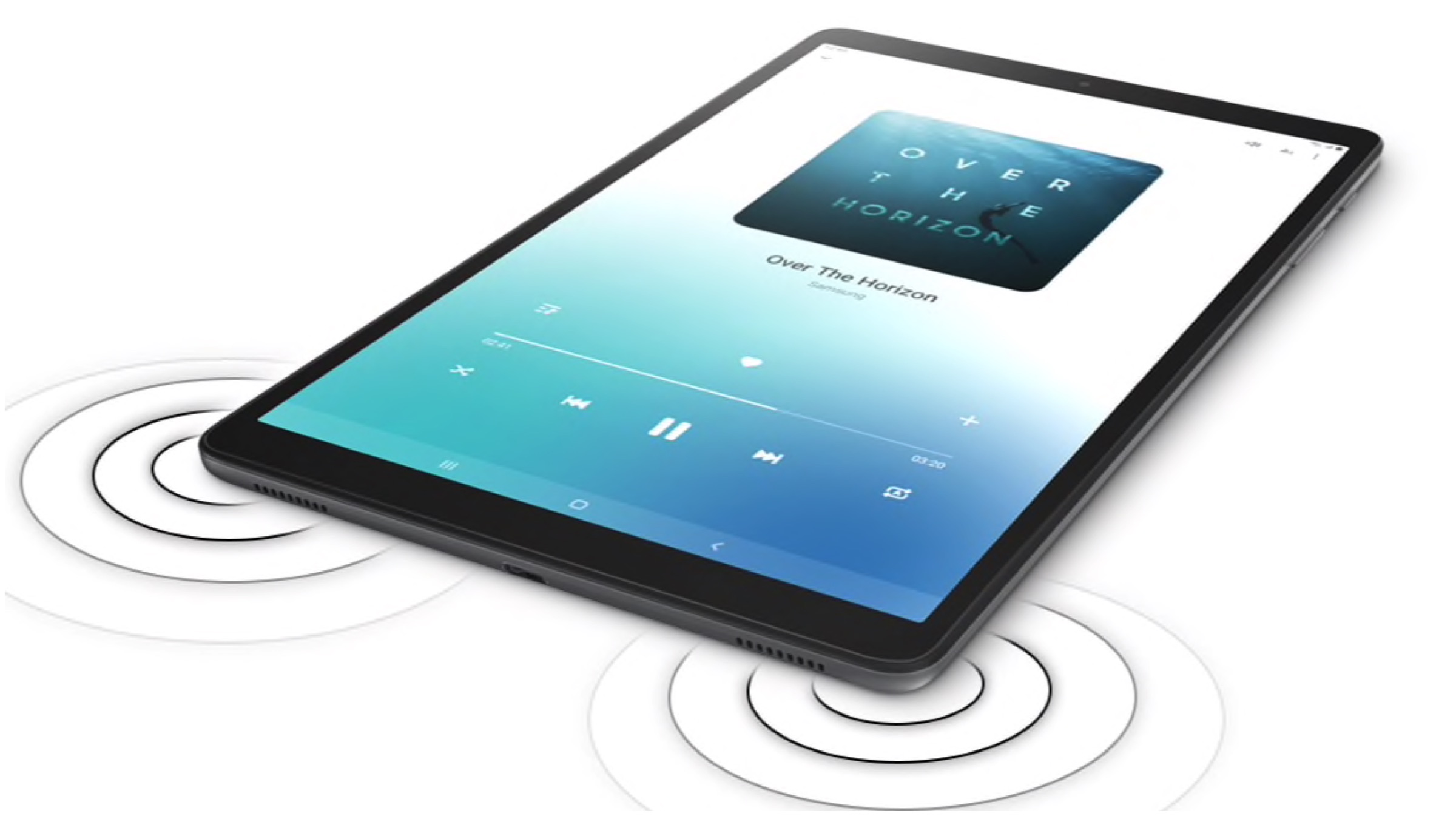
According to fresh reports, Samsung will launch a host of new devices in India this month. These are expected to be the Galaxy Tab 10.1 and Tab S5e tablets, along with the Galaxy A20 and Galaxy A2 Core smartphones. While previous reports have revealed many details about the latter two, The former two were announced by the company a while back.
Galaxy Tab 10.1
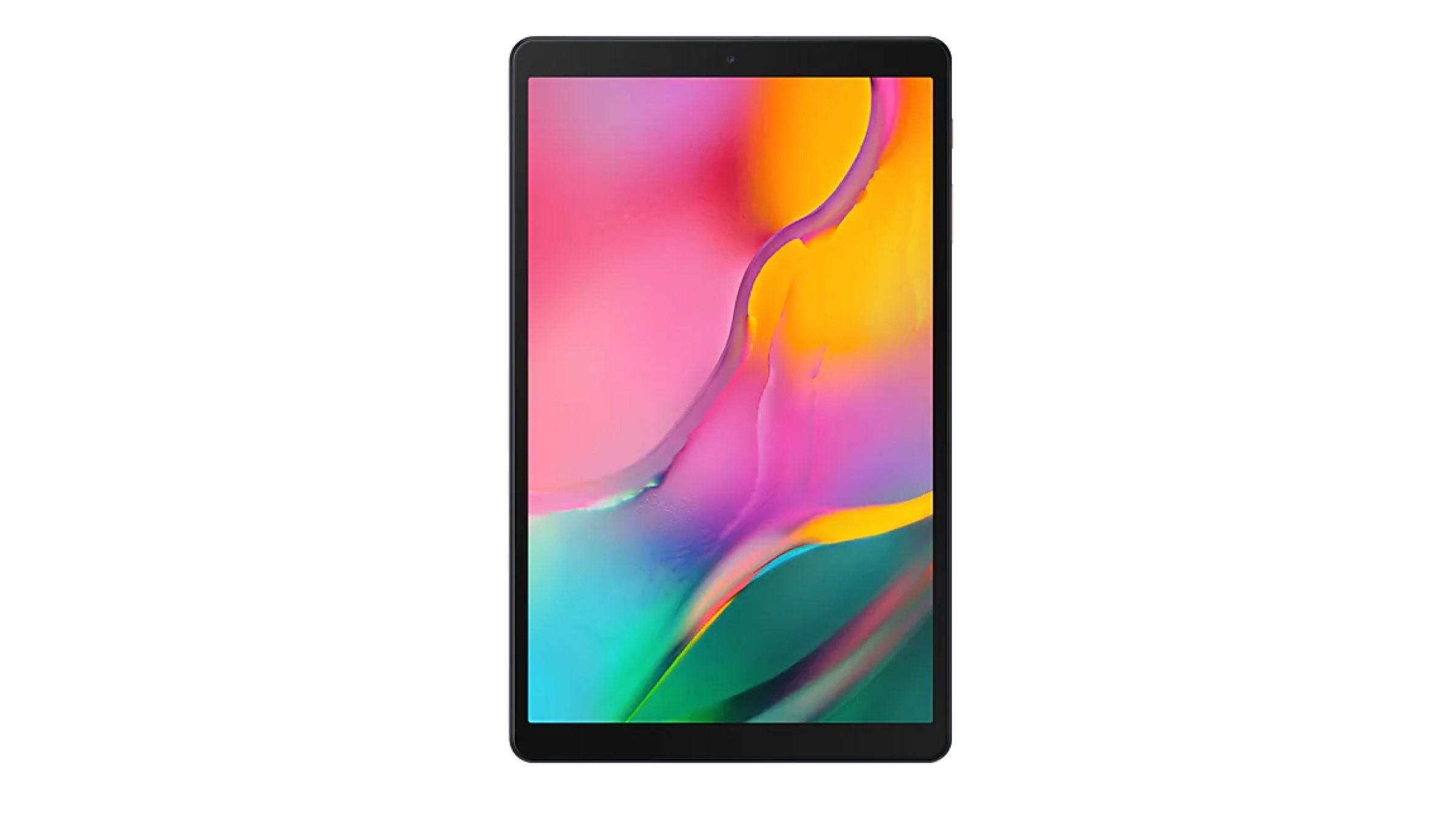
The Galaxy Tab 10.1 is the latest addition to the company’s tablet range. As it has been announced before, the details about the device are known. The tablet will feature a 10.1 inch IPS LCD display with a resolution of 1920 x 1200 px. The tablet has considerable bezels around the display, unlike the more premium offering, the Tab S5e.
Under the hood, the Samsung Galaxy Tab 10.1 is kitted with an Exynos 7904 octa-core chipset. In terms of optics, the tablet has an 8MP rear camera and a 5MP front-facing camera. Dual speakers with support for Dolby Atmos give the device its audio capabilities. The Galaxy Tab 10.1 is powered by a 6150mAh battery and will run on the company’s latest OneUI on top of current Android 9 Pie. The device has been priced at EUR 219 (Rs. 17,000) for the Wi-Fi version and EUR 269 (Rs. 21,000) for the LTE version in Europe.
Galaxy Tab S5e
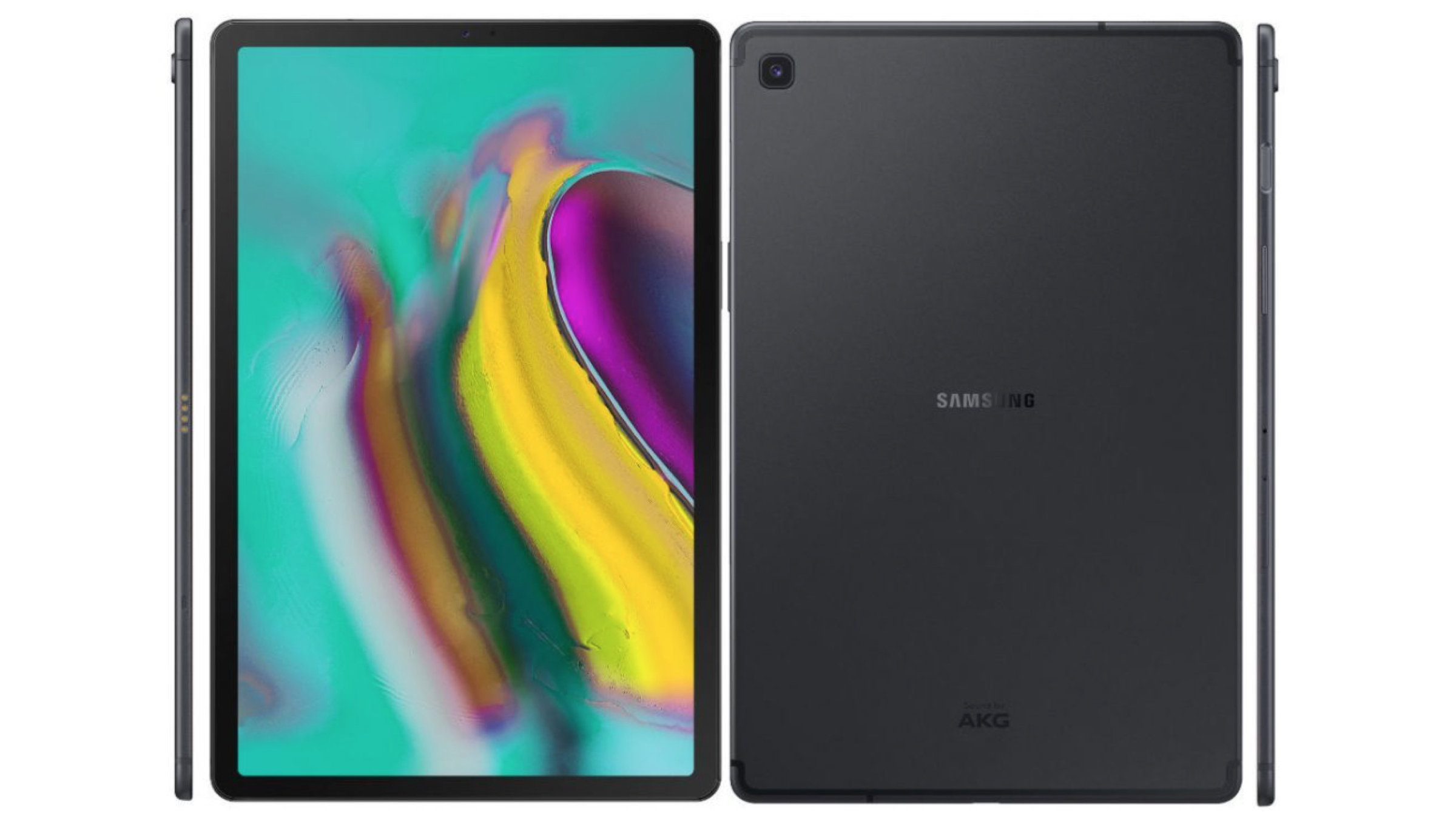
The Galaxy Tab S5e has a modern design with thin bezels around the display and a sleek side profile. On the front of the device sits a 10.5 inch Super AMOLED display that has a 16:10 aspect ratio. The display panel has a resolution of 2560 x 1600 px and a pixel density of 287 ppi. The top bezel of the tablet houses an f/2.0 aperture equipped 8 MP selfie camera.
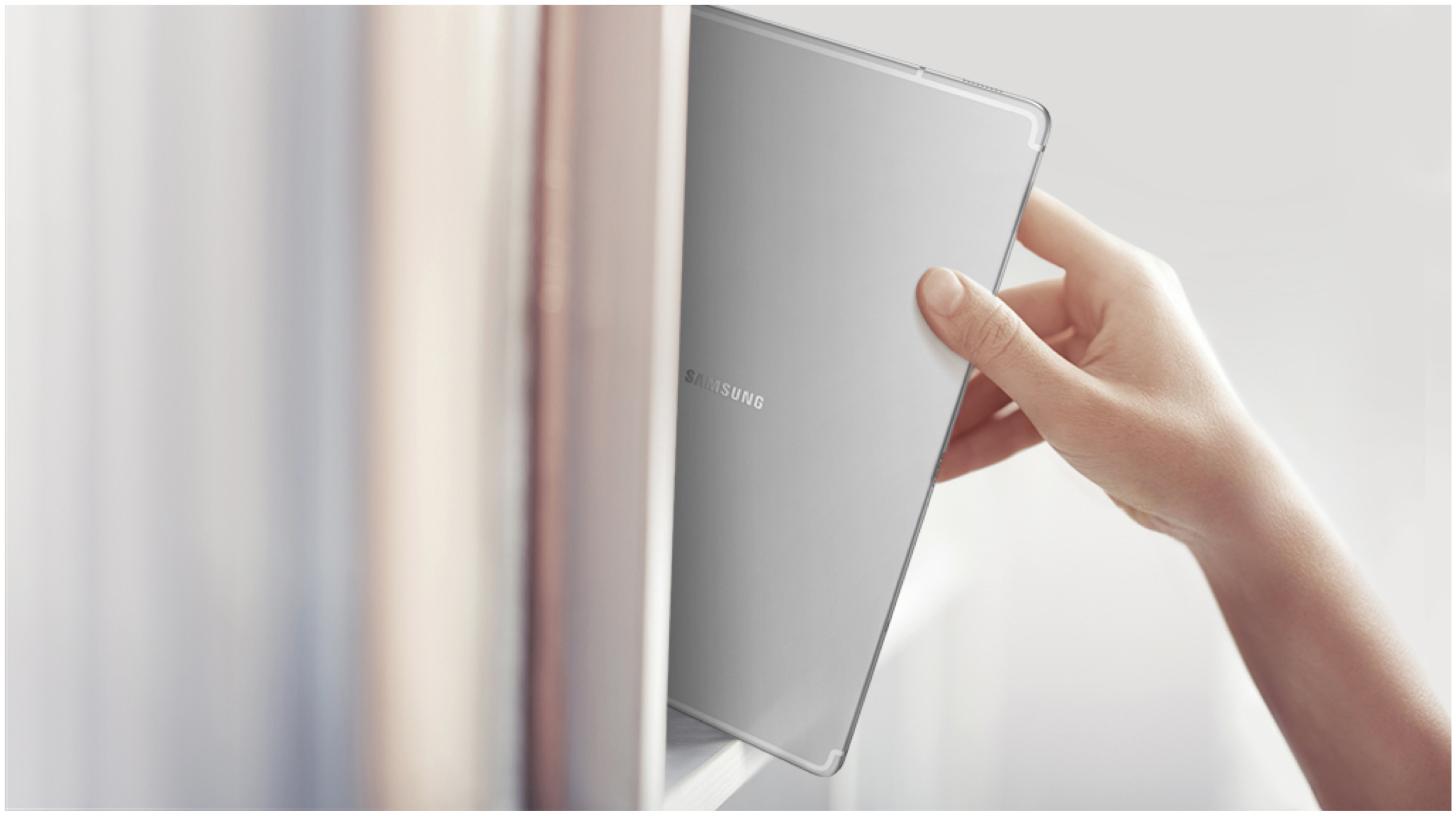
The rear of the Tab S5e is occupied by a 13 MP camera, Samsung branding and AKG logo. AKG is an Austrian company that is famous for its headphones and microphones. The company is now owned by Samsung and the logo behind the Galaxy Tab S5e conveys that the device has admirable audio output. The device can also capture 2160p videos at 30fps from the rear camera and 1080p videos at 30fps from the front shooter.
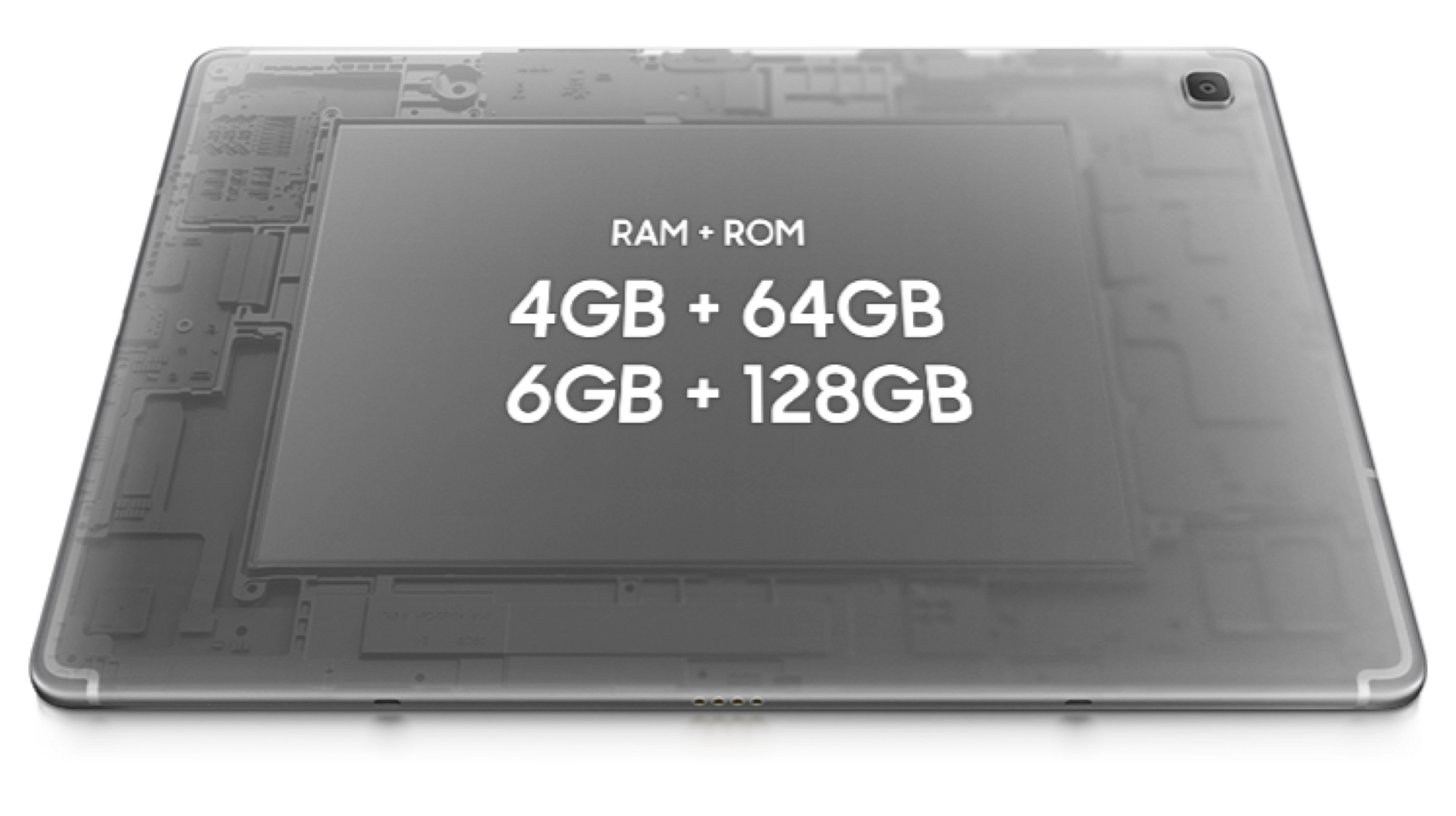
Under the hood, the Galaxy Tab S5e packs the Snapdragon 670 SoC which is comprised of Adreno 612 GPU and an Octa-Core CPU. Connectivity options on the tablet include 802.11 ac Wi-Fi, Bluetooth 5.0 and a bottom mounted USB Type-C port for charging and data transfer. It runs on Android 8 Oreo which is skinned with Samsung’s own UI. The device is powered by a mammoth 7,040 mAh battery that also supports fast charging. In terms of memory and storage, the tablet is offered in two storage variants which are as follows:
- 4 GB + 64 GB
- 6 GB + 128 GB
In addition to the inbuilt storage, the device also supports memory expansion up to 512 GB via a microSD card. The Samsung Galaxy Tab S5e is available in three colour options which include Black, Silver and Gold. It is available in both LTE and Non-LTE options for the price of US$ 399.99 (Rs. 28,500) for Wi-Fi and US$ 541 (Rs. 38,600) for the LTE version.
Galaxy A2 Core
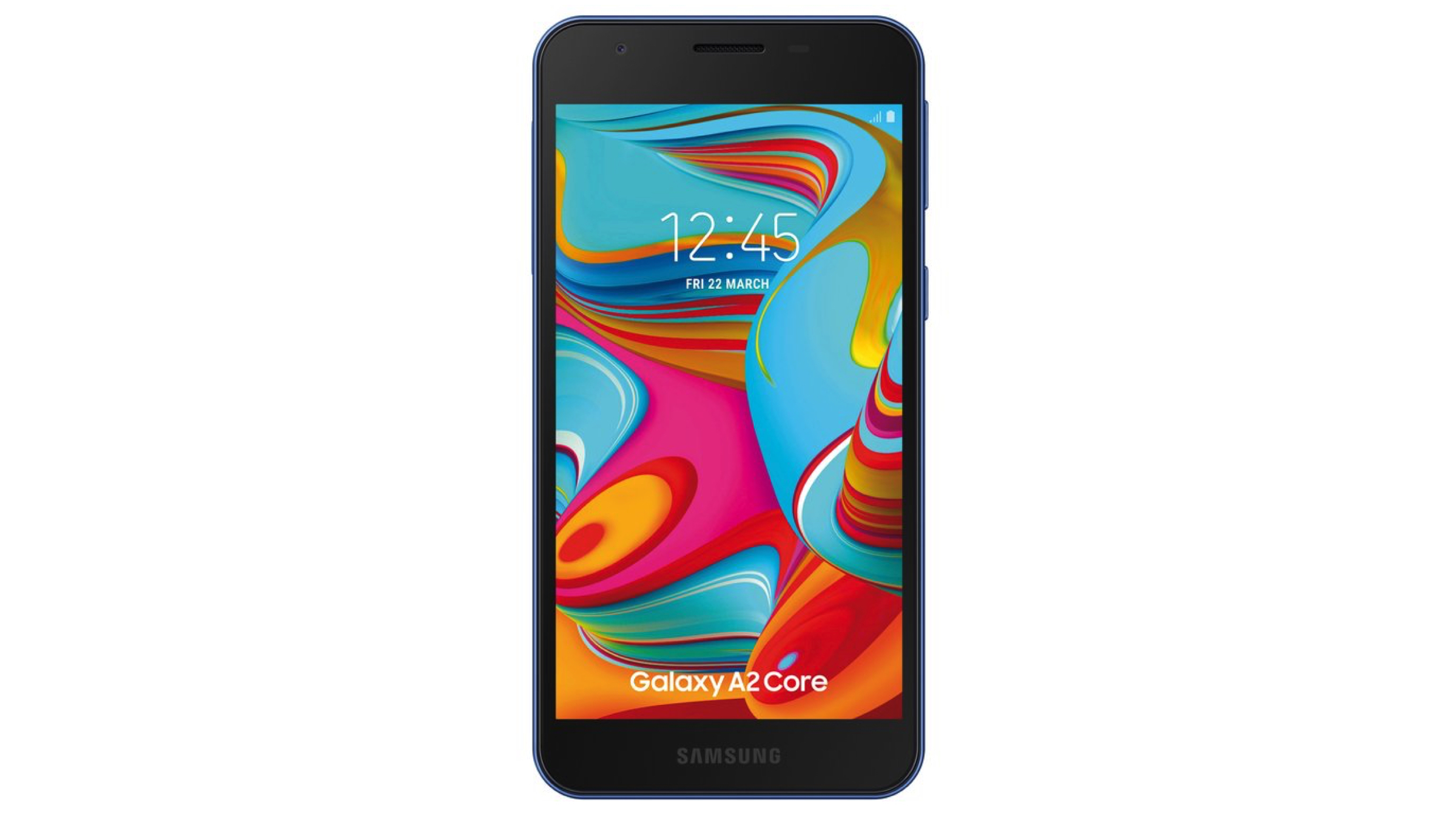
The Samsung Galaxy A2 Core will be the second Android Go device from the company, the first one being the Galaxy J2 Core. A few days ago, a known tipster leaked the images of the device. While the previous leaks don’t mention any specifications of the Galaxy A2 Core, a recent listing on CPU benchmarking website Geekbench revealed key specifications of the Galaxy A2 Core. The device runs Android 8.1 Oreo Go edition out of the box and is expected to feature Samsung’s Experience UI on top.
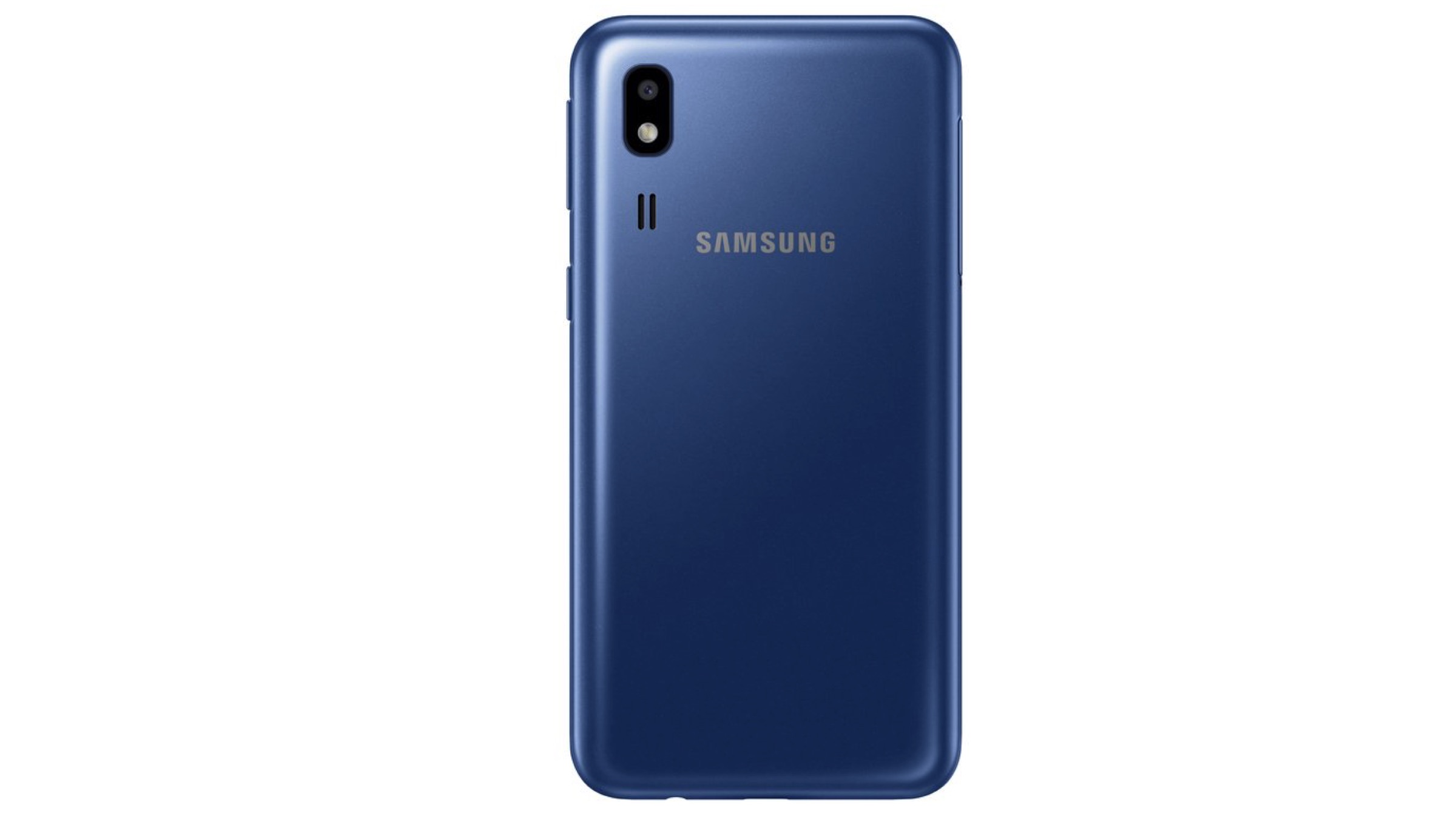
The Samsung Galaxy A2 Core runs on the 14nm Exynos 7870 SoC. The chipset has an Octa-core CPU and Mali-T830 MP1 GPU. The smartphone will have 1GB of RAM and 8GB of onboard storage. The leaked listing suggests that the smartphone may be on its way to the retail market soon. Given Samsung’s aggressive stance on pricing lately, the expected price of the smartphone is Rs. 5,990.
Galaxy A20
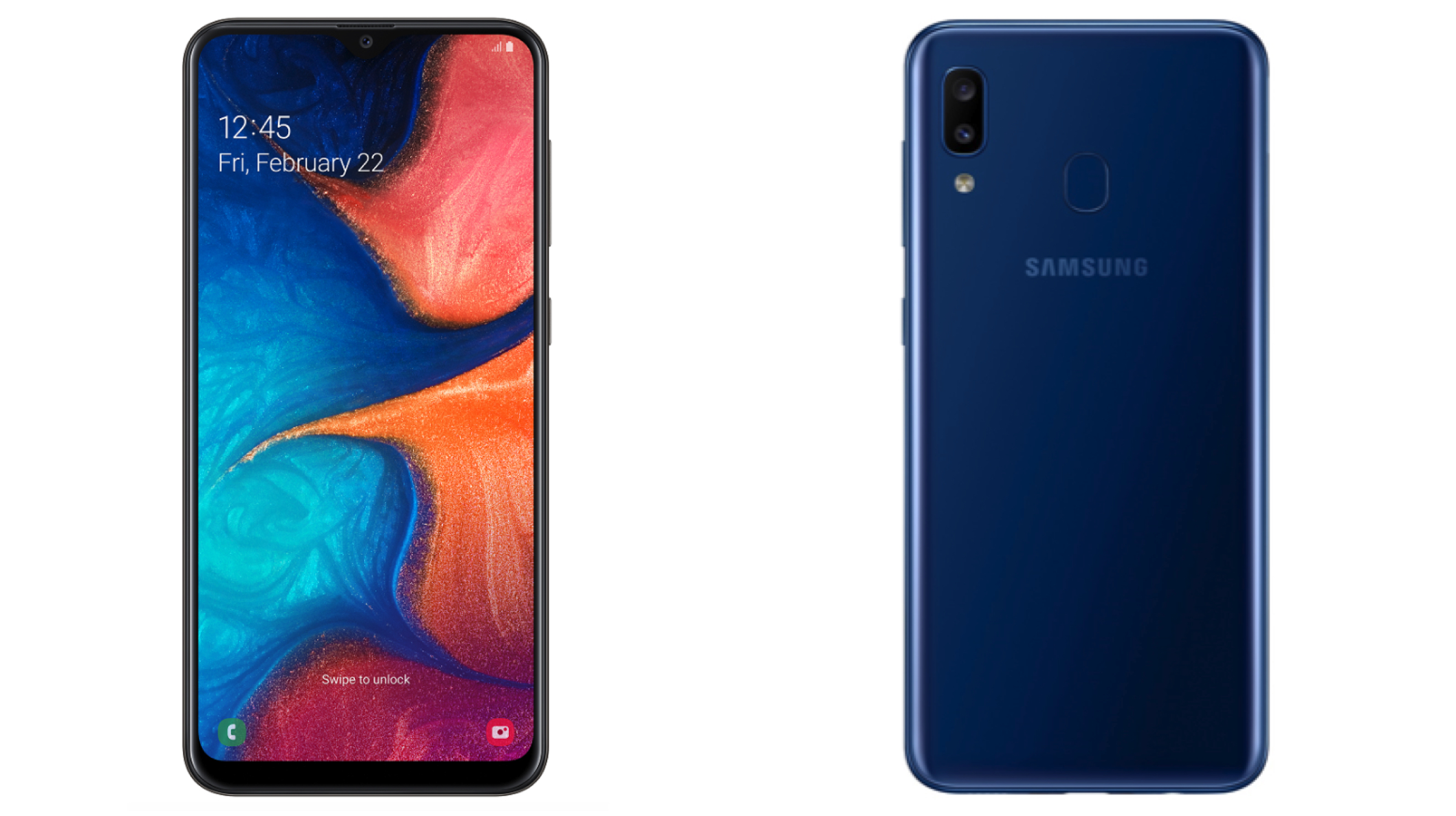
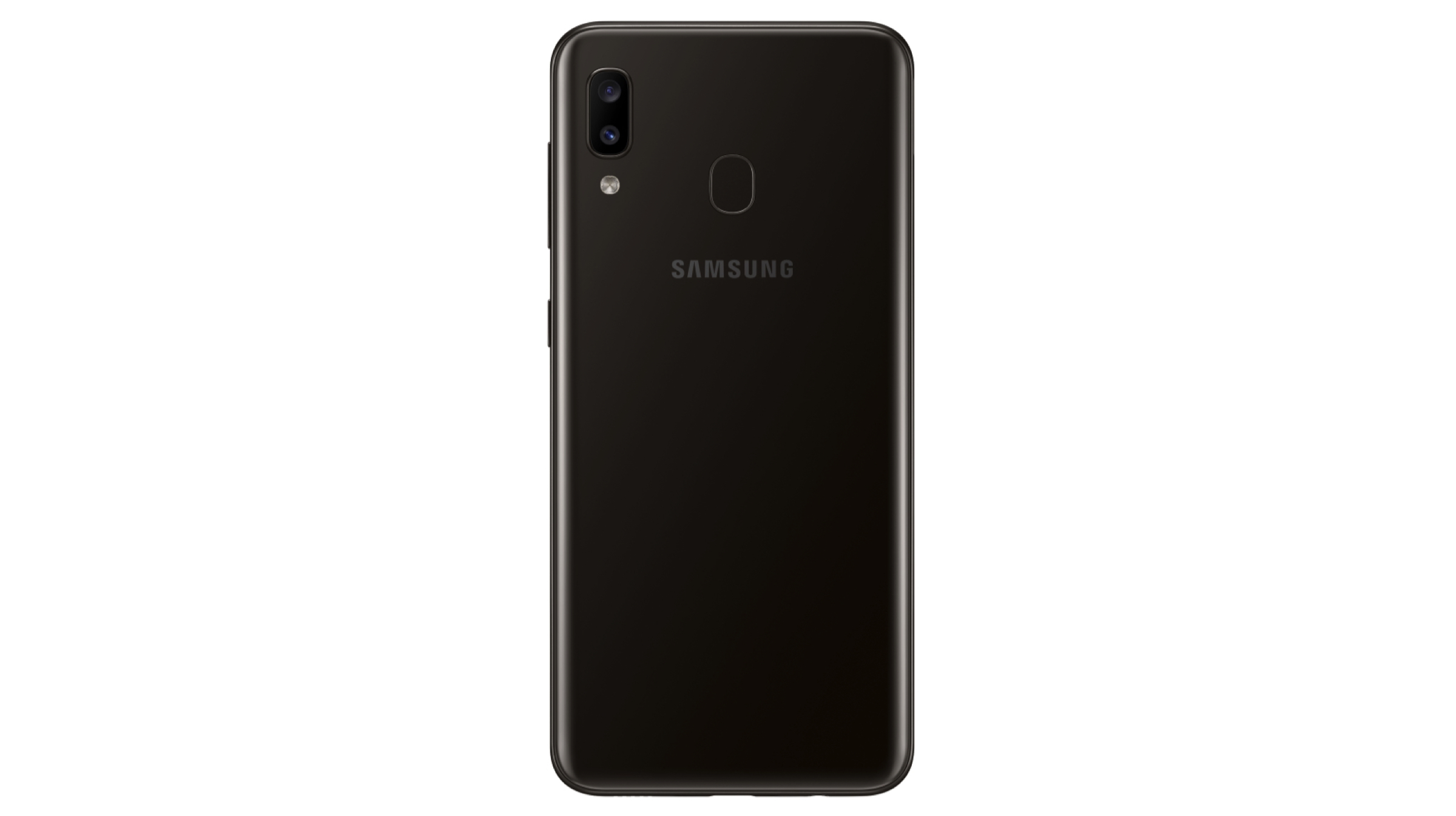
The Galaxy A20 features a polycarbonate body with a similar design language to the Galaxy A10 and the Galaxy A30. While the front of the smartphone resembles the former handset, the back is similar to the latter. The device has a 6.4-inch Super AMOLED display with a resolution of 1560 x 720 px. The front has minimal bezels all around the display with a small Infinity-V style waterdrop notch on top. The rear of the smartphone houses a fingerprint sensor which allows it to securely unlocked. Additionally, it also supports face unlock technology.
Also read: The Best April Fools Pranks By Technology Companies In 2019
Under the hood, the Galaxy A20 is kitted with the Exynos 7884 SoC which consists of an Octa-core CPU. The device has a dual rear camera setup comprised of a 13MP sensor with an aperture of f/1.9 and a 5MP sensor with an f/2.2 aperture. For selfies, it has an 8MP camera with f/2.0 aperture housed in the notch on top of the display. The smartphone is available with 3GB of RAM and 32GB of internal storage which is further expandable by up to 512GB with microSD support. The Galaxy A20 is powered by a 4000mAh battery, which is an upgrade over the 3400mAh found on the Galaxy A10. The Galaxy A20 was launched in Russia for the price of RUB 13,990 (Rs. 14,999) which would mean it would be priced similarly in India.
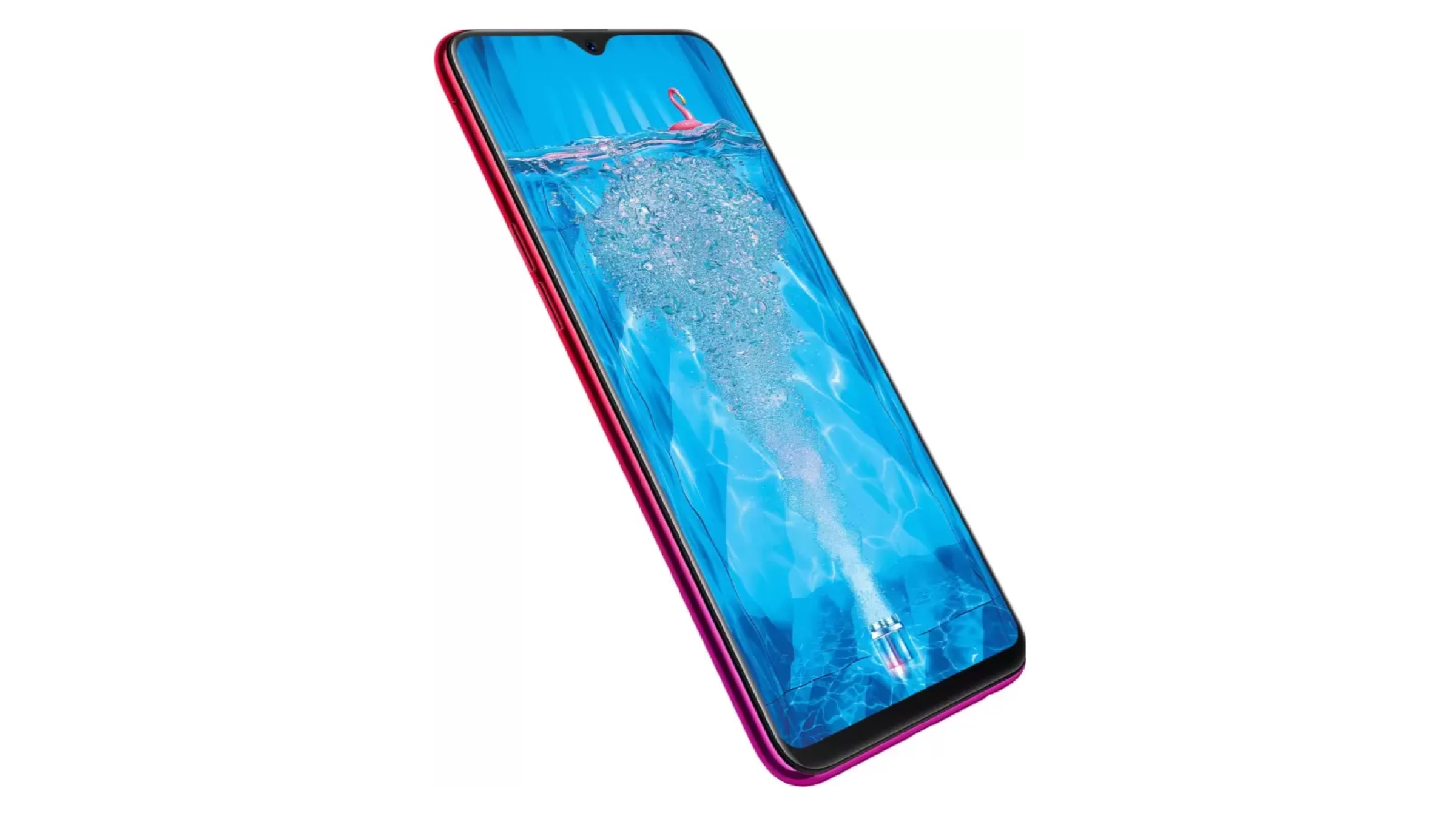
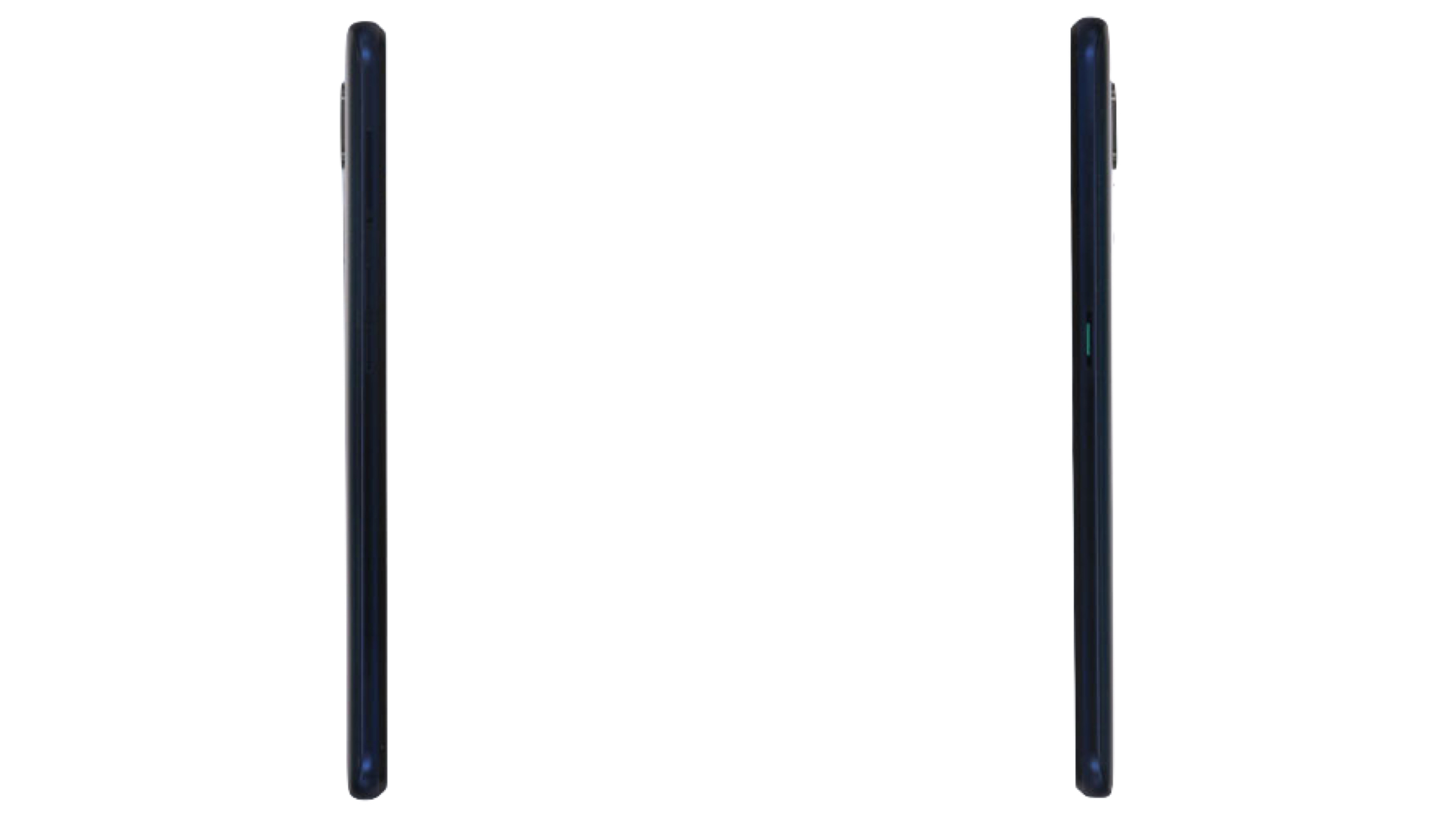
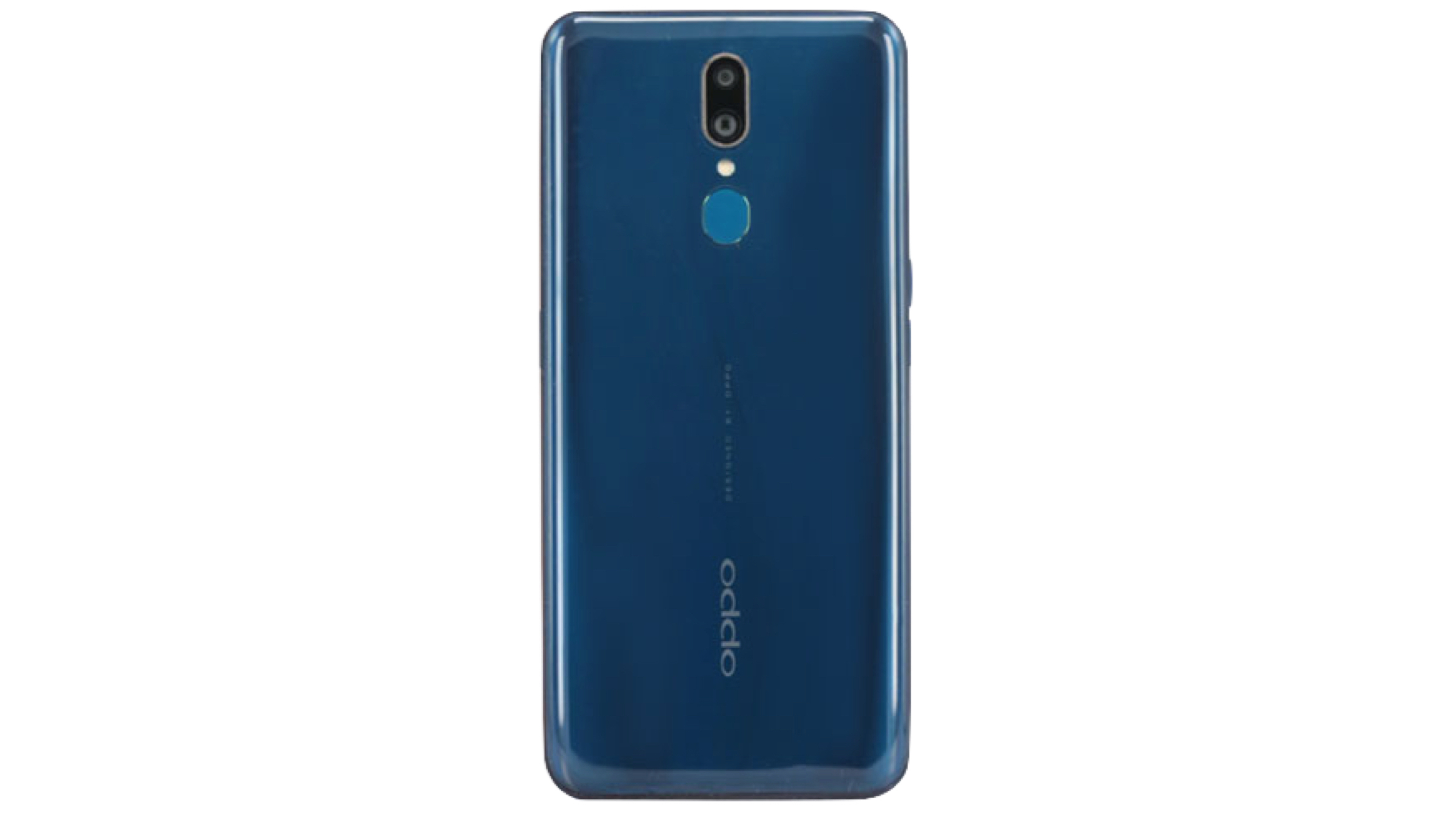 As per the aforementioned PCAT10 and PCAM10 listings on the TENAA website, the Reno Series will have a variant which will focus on the budget smartphone market. The images on the website clearly depict a waterdrop notch up front on the device, which will house the front camera. PCAT10 and PCAM10 are listed as two separate devices, whereas in reality, the listings indicate towards a single budget smartphone, which is allegedly the OPPO Reno Lite.
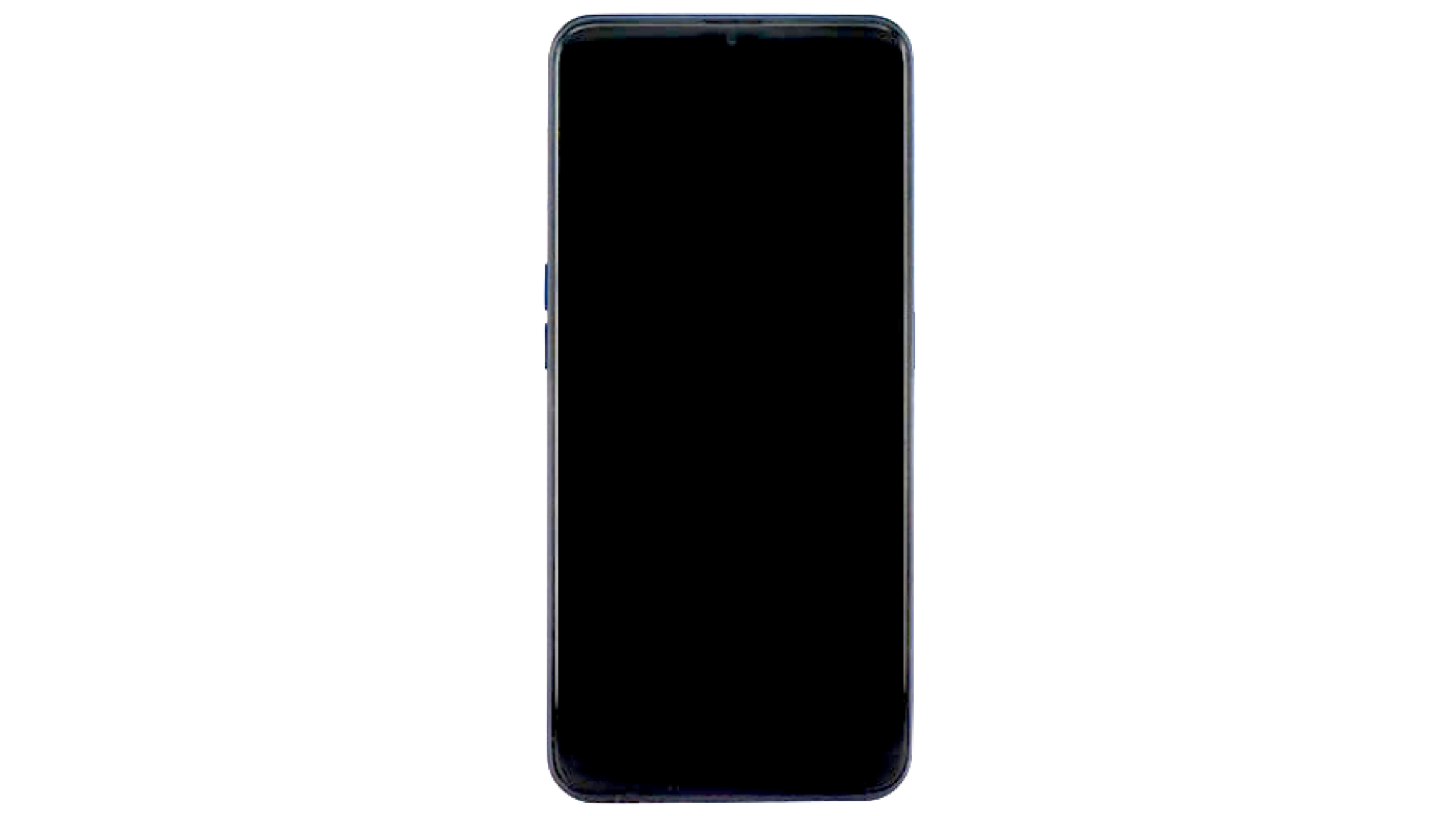 The listed variant sports a 6.5-inch TFT LCD display with a 2340 x 1080 px Full HD+ resolution. Both variants run on the Helio P70 chipset, consisting of an octa-core processor clocked at 2.1 GHz and the Mali-G72 MP3 GPU. The SoC is paired with 6GB of RAM and 128GB of internal storage for the top variant of the device. The smartphone packs a 3,910 mAh battery, with no apparent information regarding any fast charging support. The device weighs at 190 grams and is 8.3 mm thick.
  Also Read:



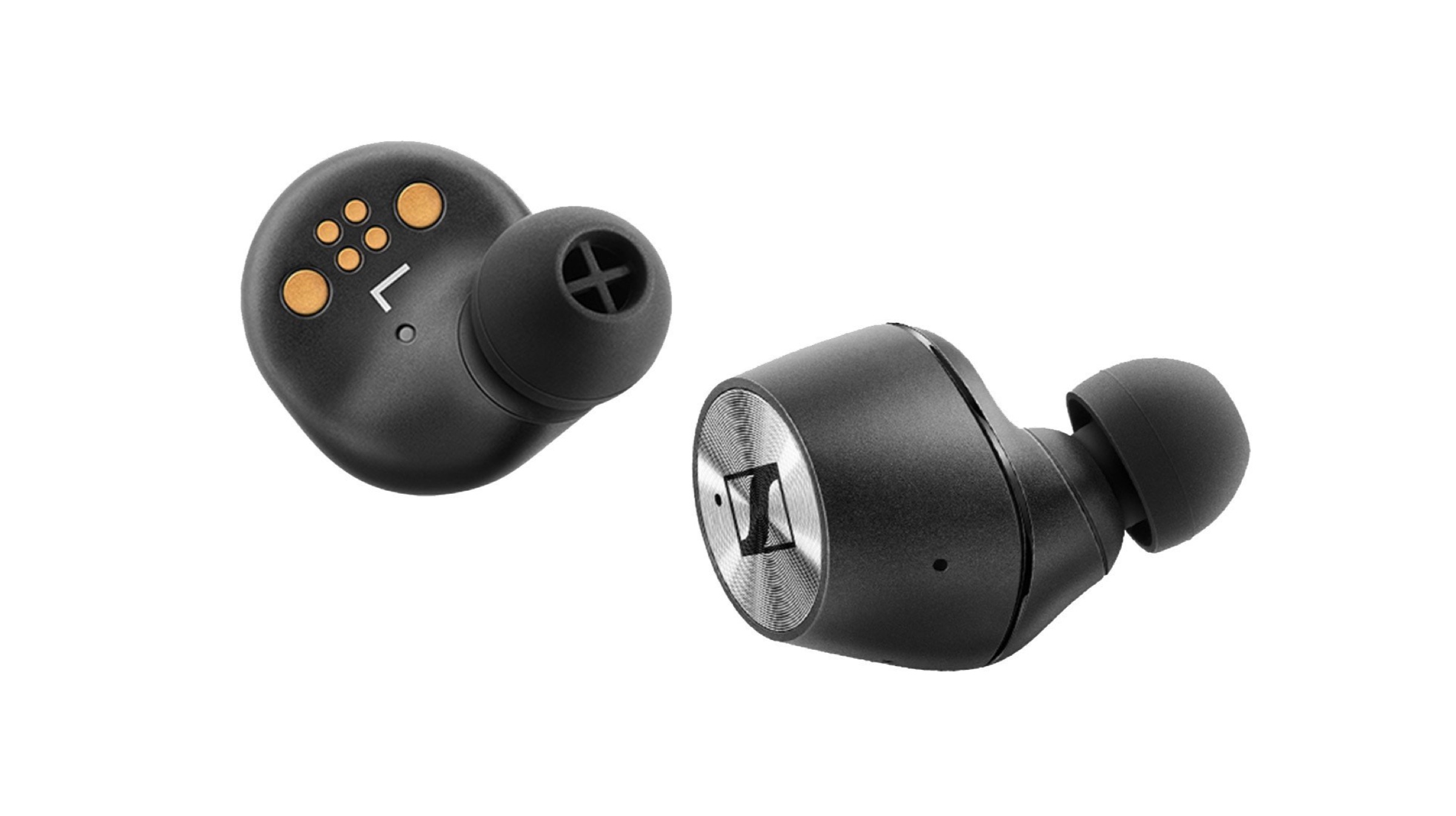
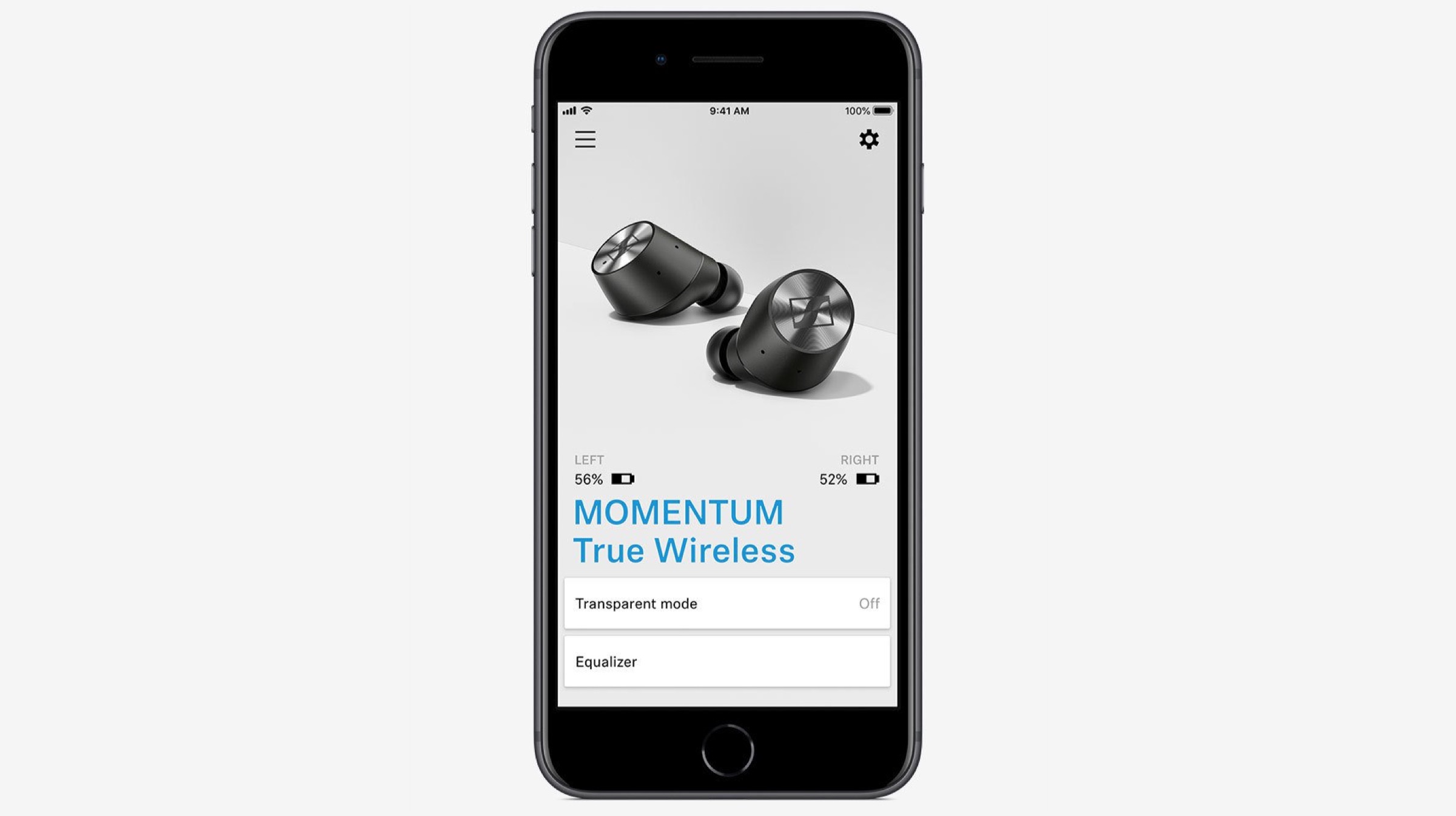
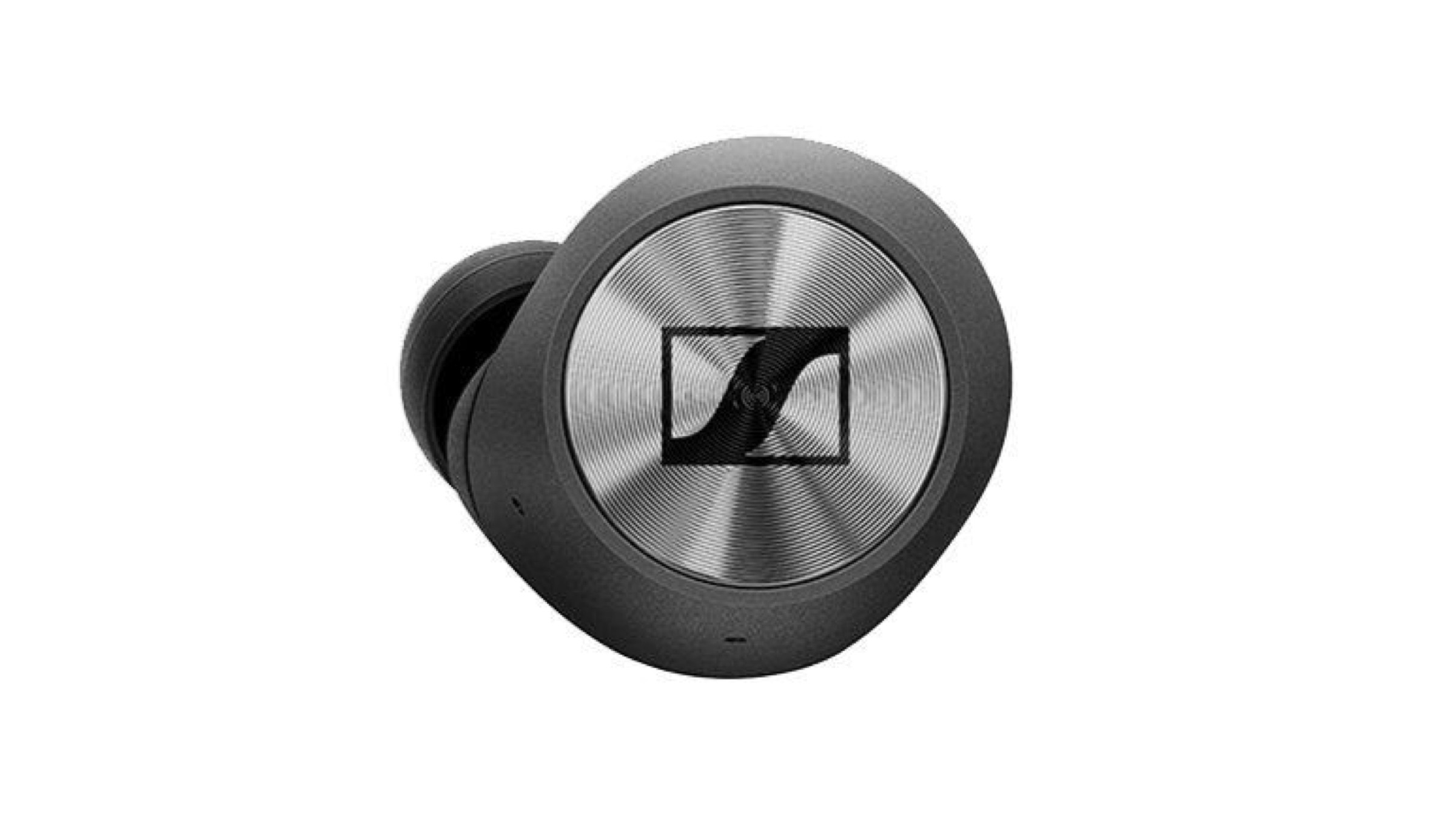 The first thing to notice regarding the Momentum earphones is the pricing, which is significantly higher than its competitors. The truly wireless earbuds are priced at INR 24,990, making them the most expensive of their kind in India. However, the company believes that the exceptional features of the Momentum earbuds make up for the exceptionally high price of the same.
 The earphones feature Sennheiser’s proprietary audiophile driver technology, which ensures superior stereo sound, the company says. A highlighting characteristic of the Momentum earbuds is the support for Qualcomm’s apt-X Low Latency, which is known to eliminate any lag while playing music from smartphones. ensuring real-time audio output. Furthermore, the earphones feature 2-mic noise cancellation beamforming technology and Transparent Hearing, so that users can hear sounds around them clearly without taking off the earphones, the company states.
 In terms of build quality, the earphones are housed in a black body with a polished metallic ring in the middle. Sennheiser claims that the earphones can be used both as audio instruments and fashion accessories. The earphones are IPX4 resistant to protect them from accidental water splashes. The earbuds ship with 4 different ergonomic ear tips, and similar to AirPods, the earphones have a touch interface. It can be used to control the music, answer phone calls and access the voice assistant.
 Also Read: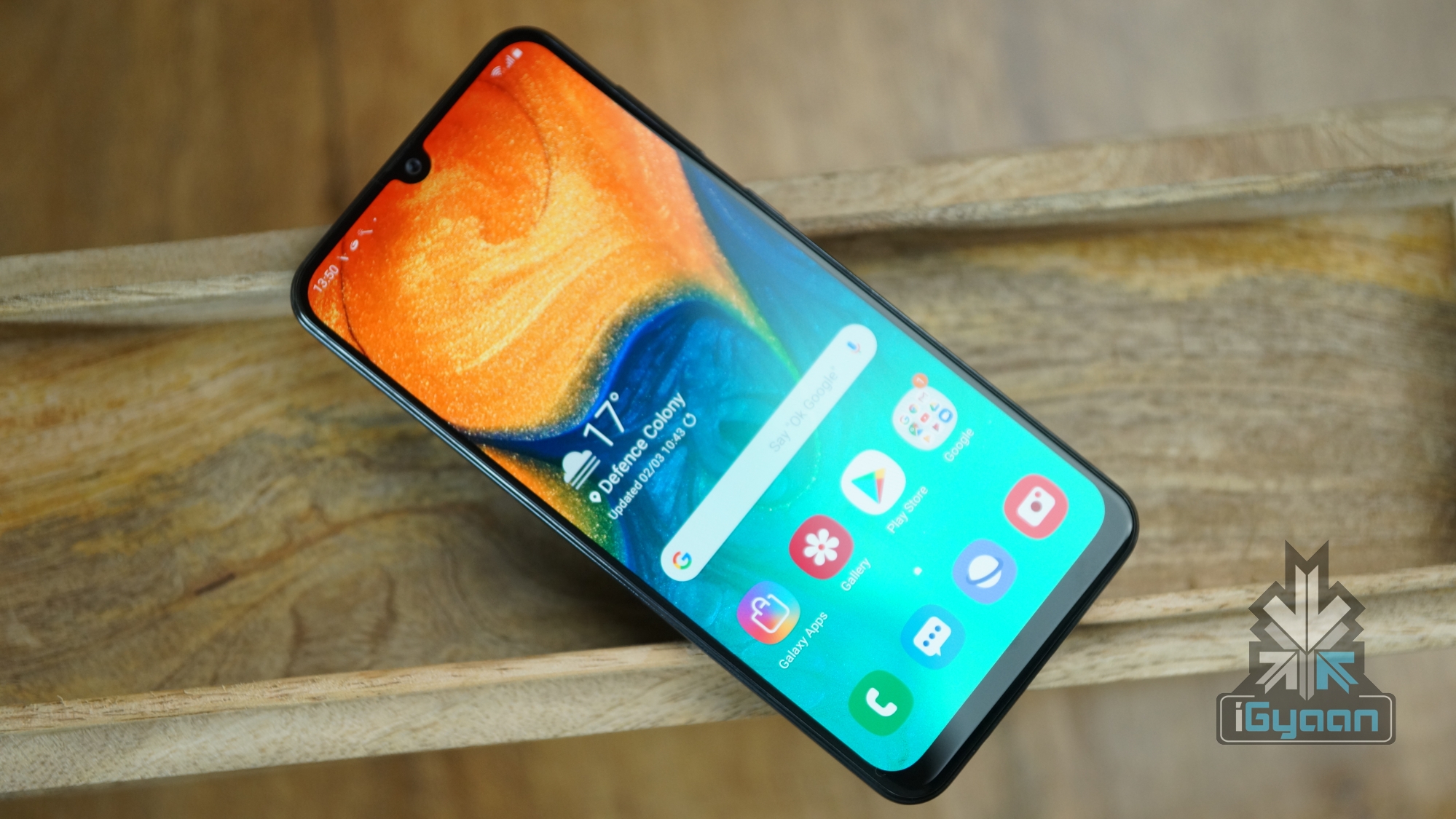

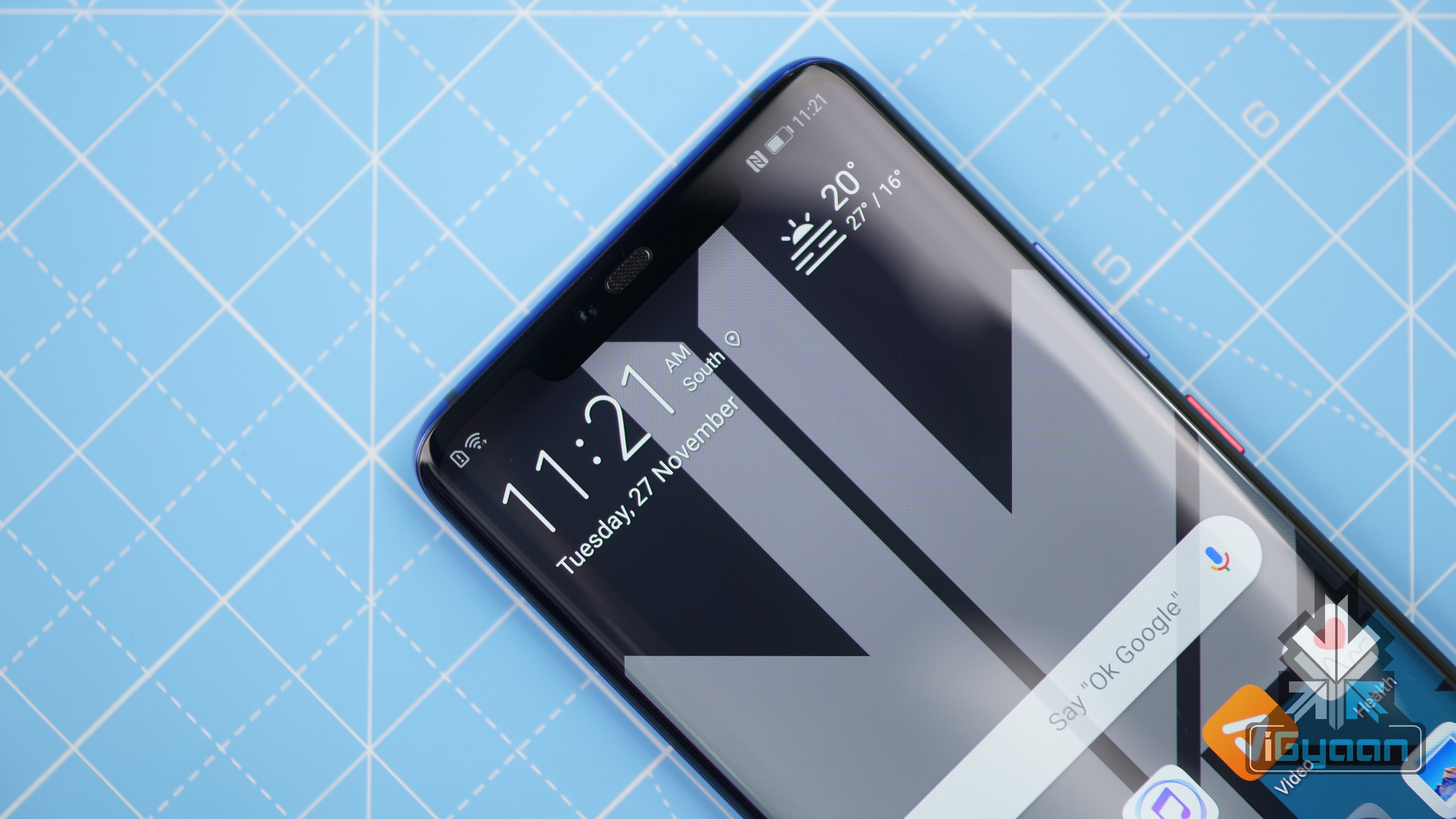
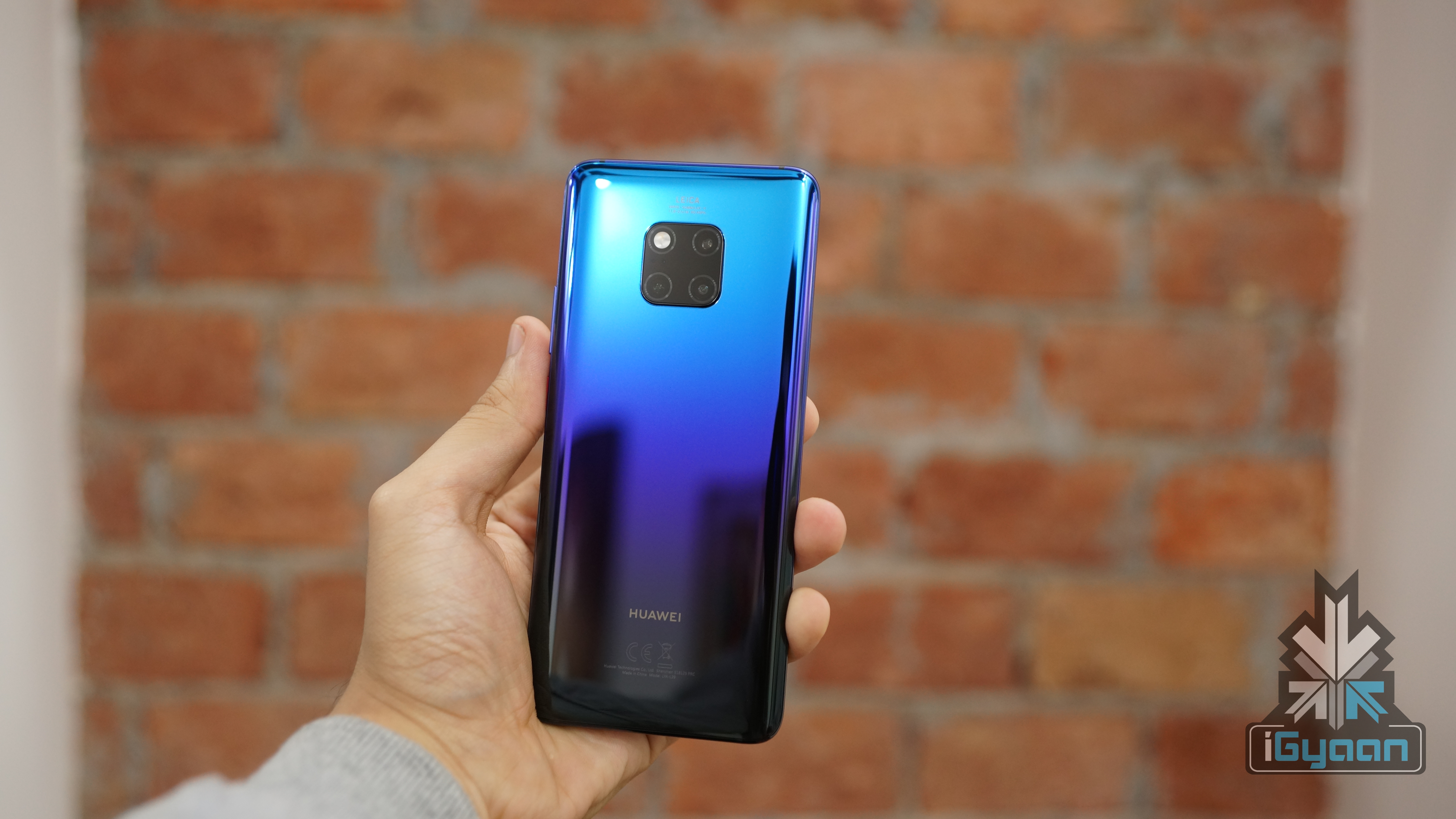
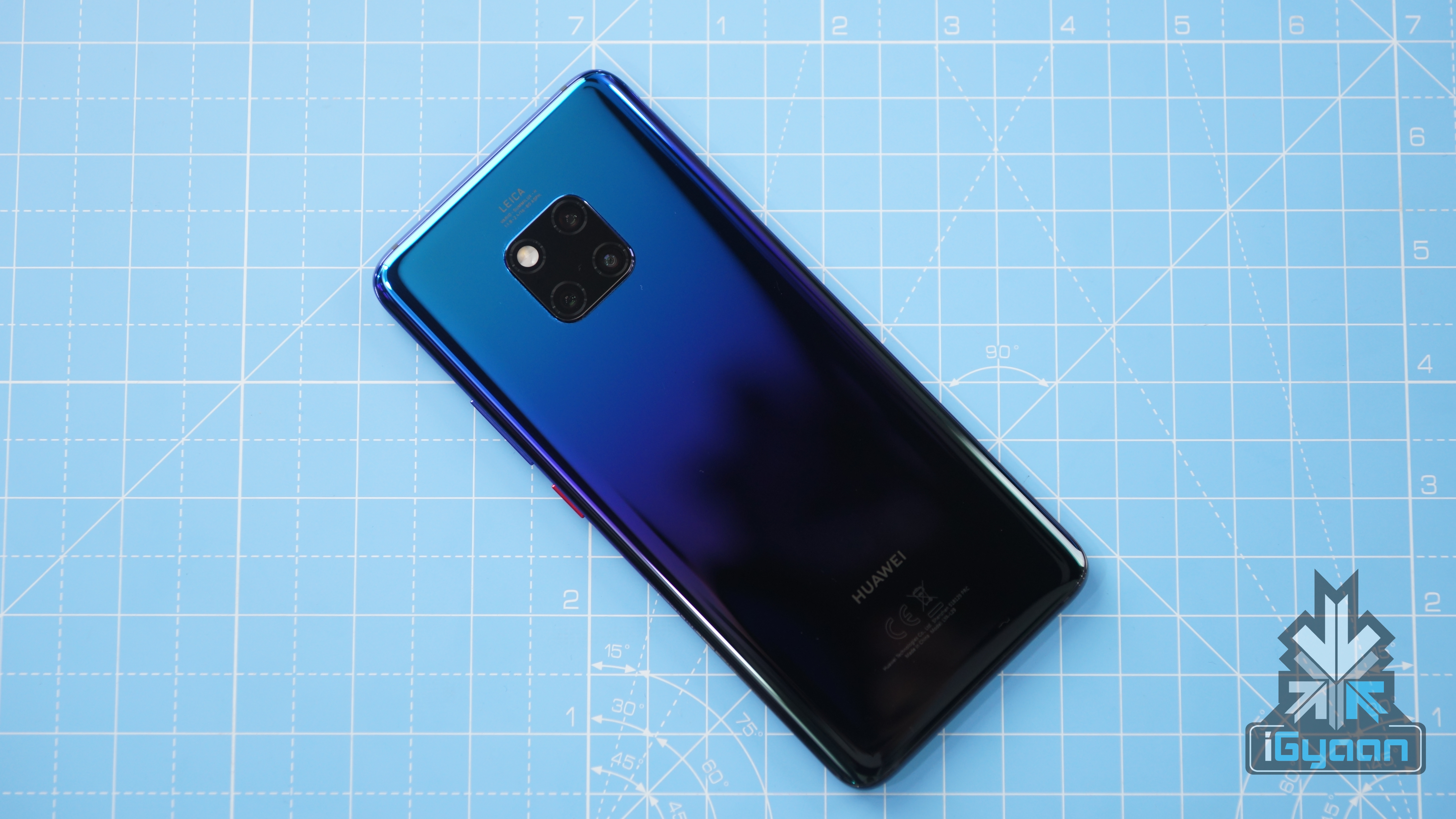 Huawei CEO revealed that the company will ensure 5G connectivity for the entire lineup of the Mate 30 series. He also stated the reason for the non-availability of 5G connectivity on the
 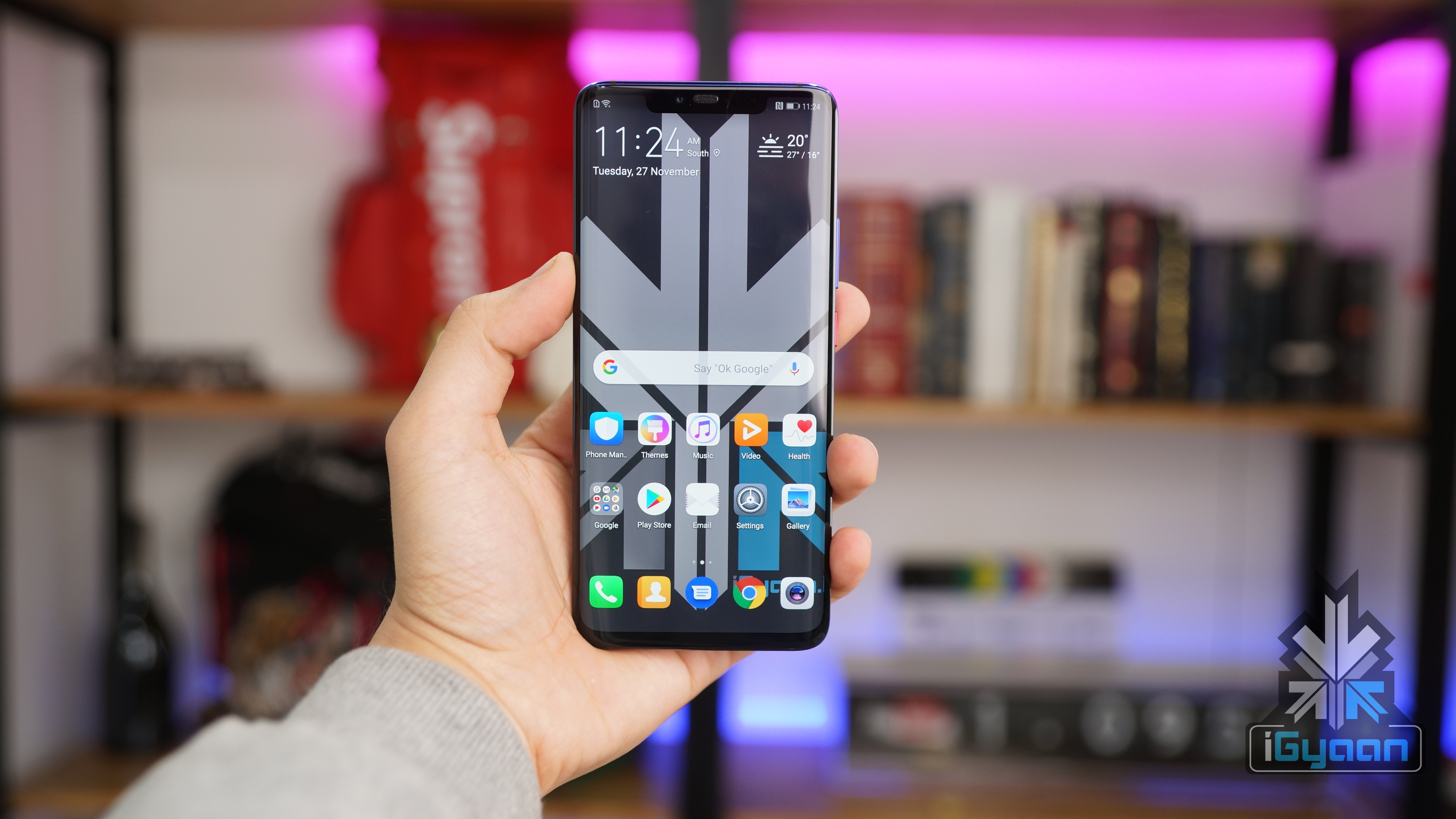 In another statement from Huawei’s CEO, 5G technology will be consumer-worthy this Fall and will be incorporated in the next series of smartphones, indicating that the Mate 30 series may hit the market near the months of September, October or November. Noteworthy, the
  Also Read: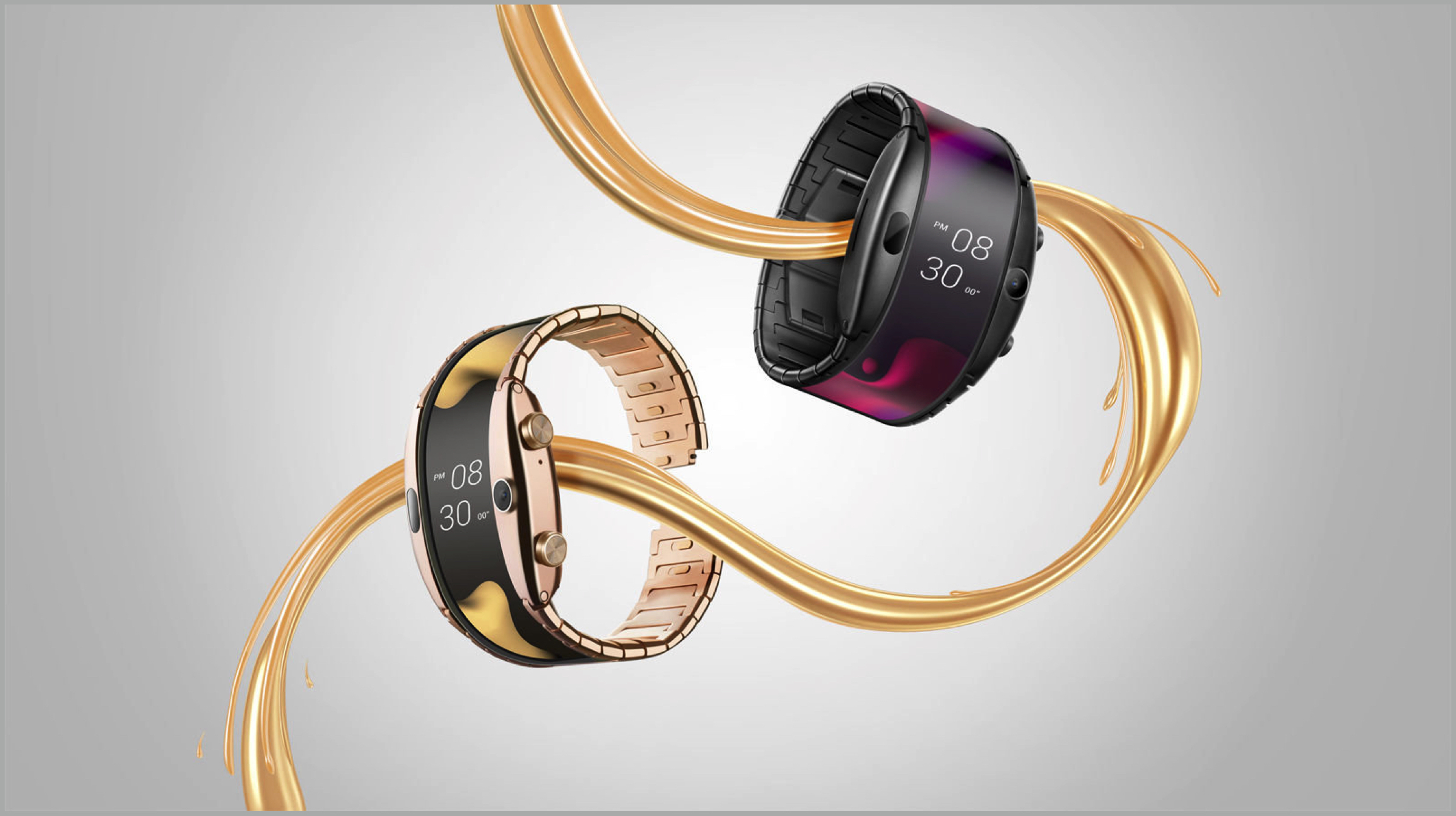
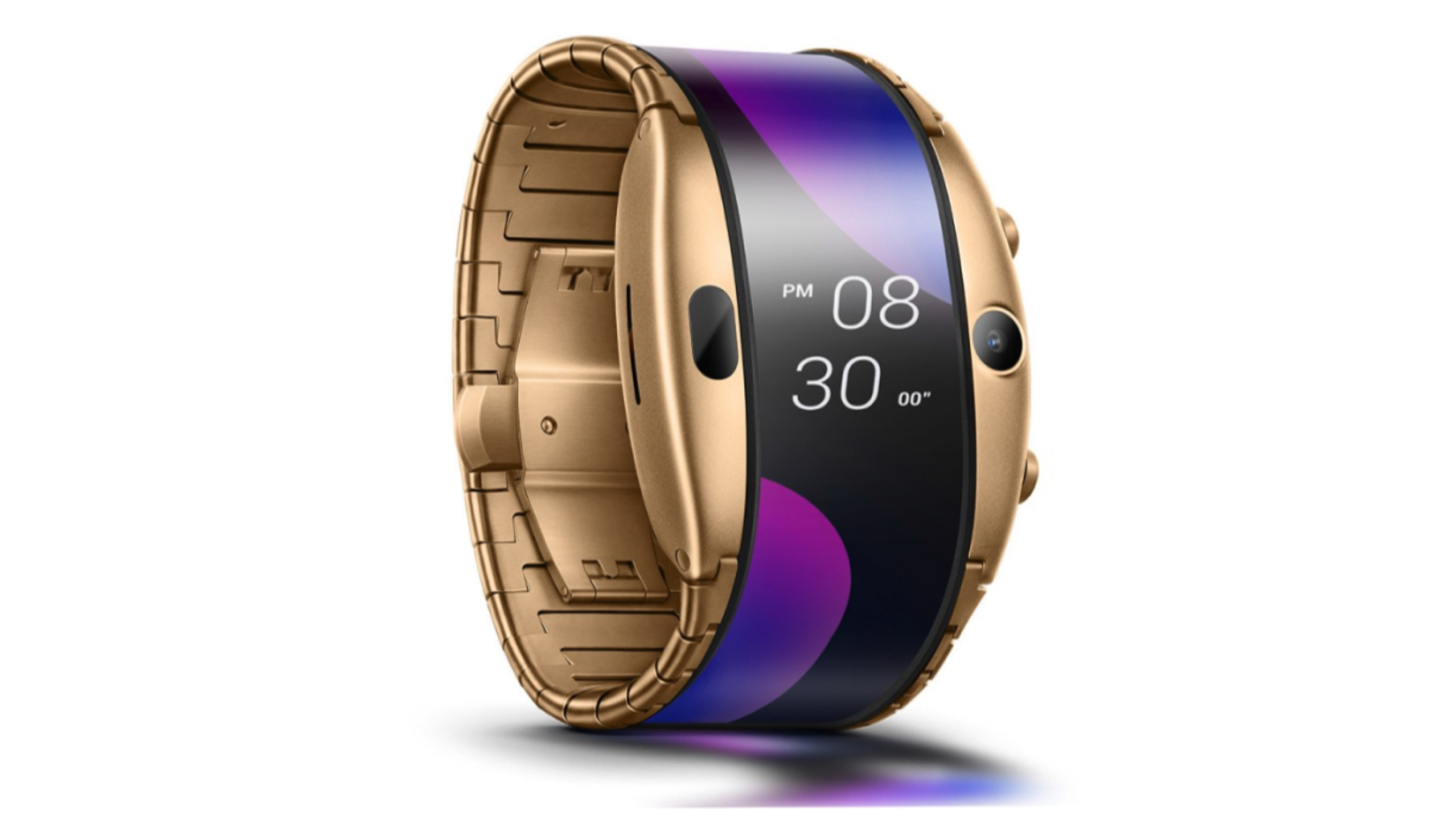
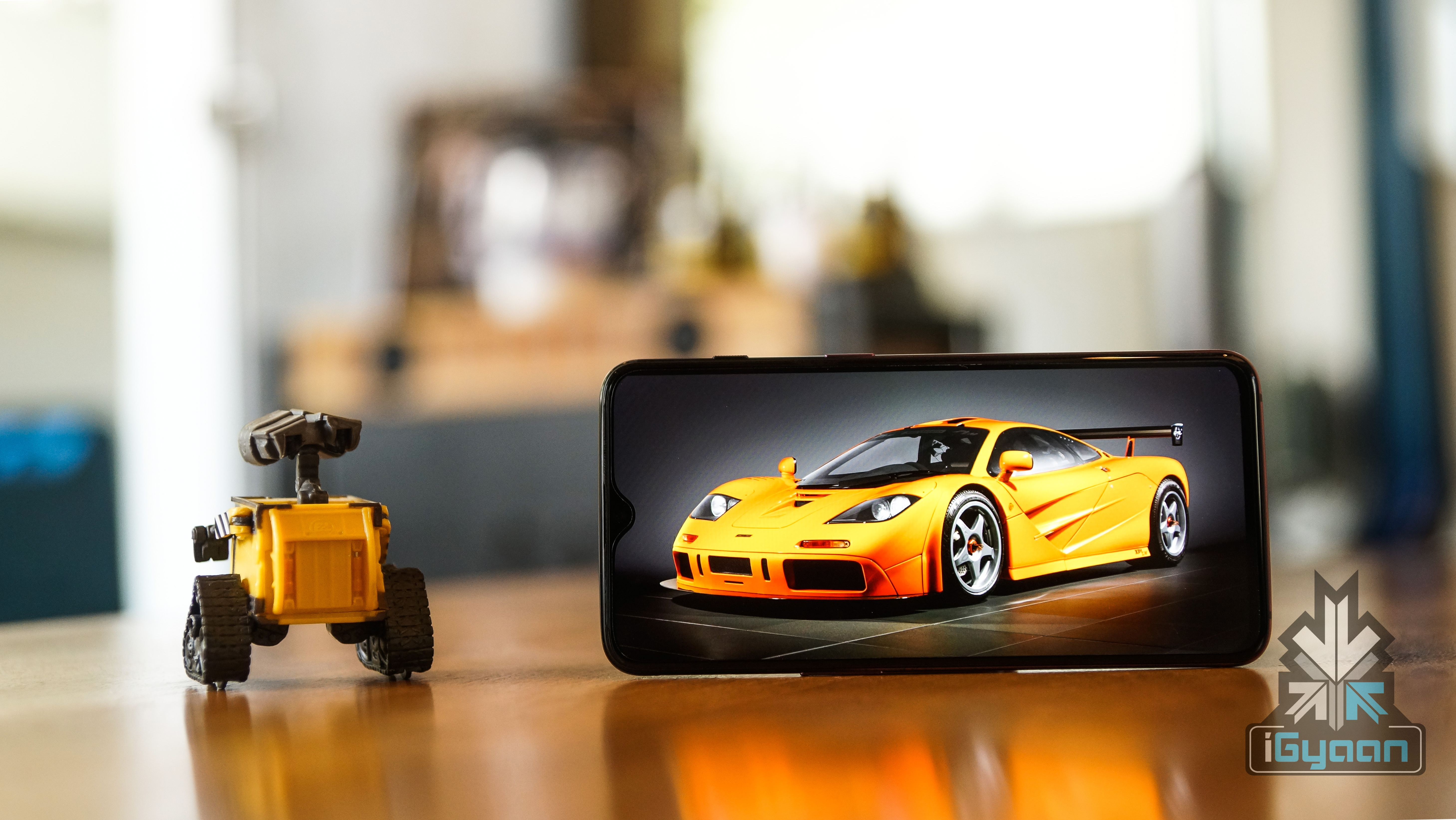 Furthermore, another very hilarious feature stated by OnePlus includes the integration of the OnePlus smartphone with the “Warp Car”, where the company claims that the car owners (this might sound a bit ridiculous) can replace the steering wheel with their OnePlus smartphones. Keeping the outrageousness of the features down a notch would have worked out better for the company. Something on the lines of the upcoming notch-less OnePlus 7.
 Moreover, the company states that the owners can easily drive the car using gesture controls on the smartphone-cum-steering-wheel. Apparently, swiping left and right on the OnePlus device will enable the car to turn to the respective directions, and swiping up and down will lead to the forward and reverse movement of the car respectively. In another hilarious statement, OnePlus promises the users that in the first OTA (over the air) update, users will get an airplane mode, which won’t necessarily help the car to fly (although OnePlus could have pulled it off too), but will disable all notifications so that a person doesn’t accidentally swipe the wrong way and crashes the car.
 Also Read:


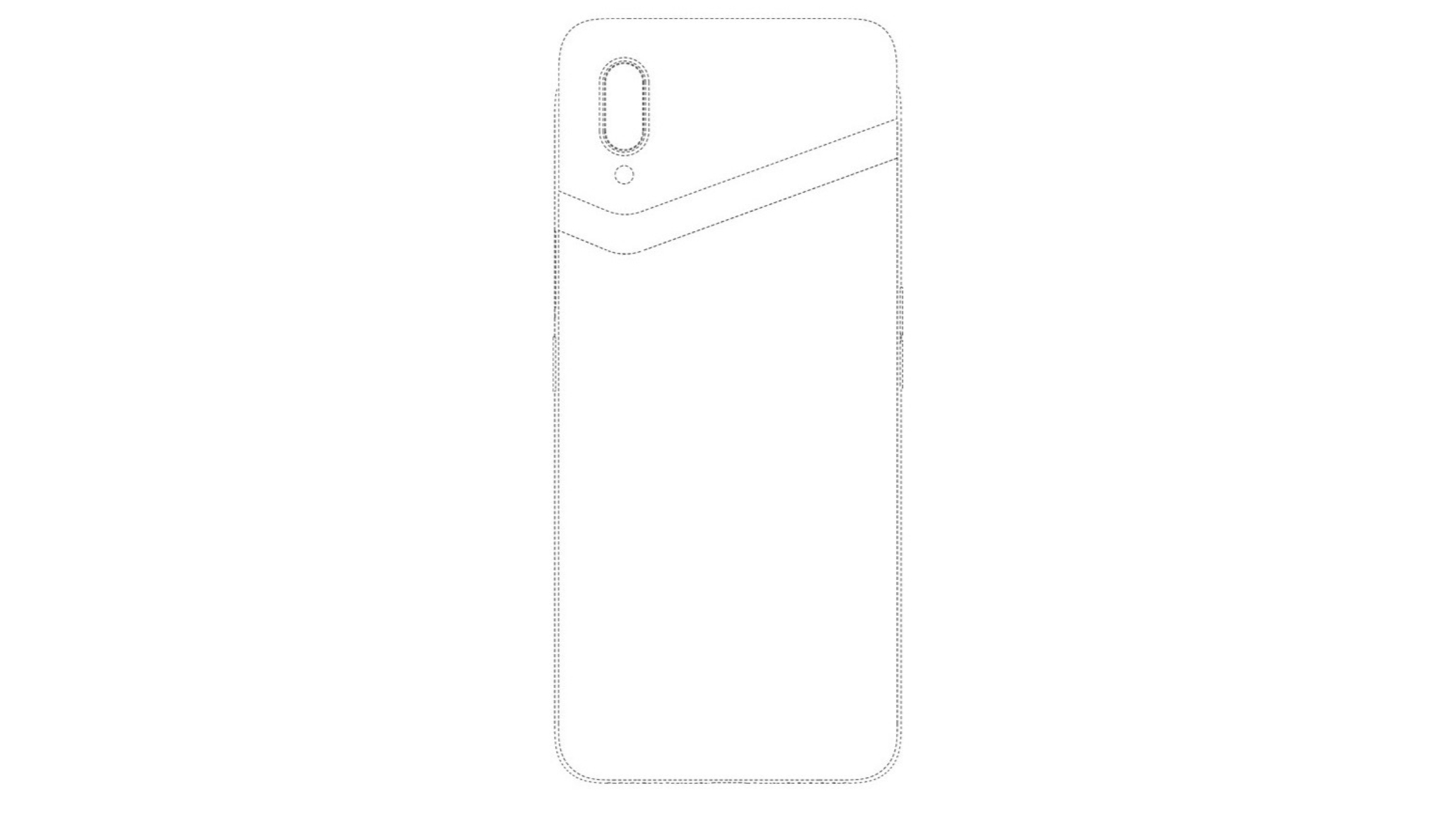
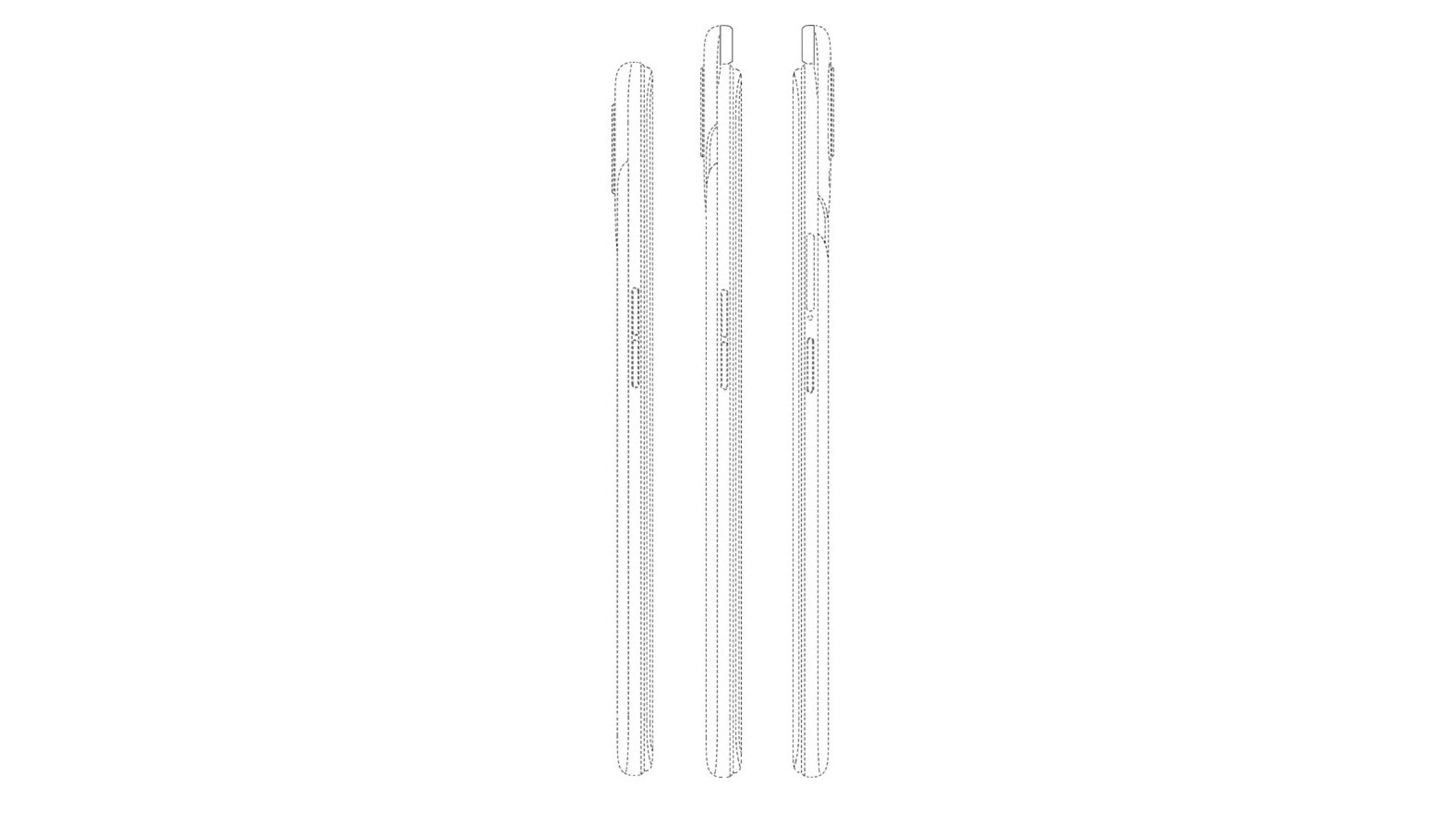
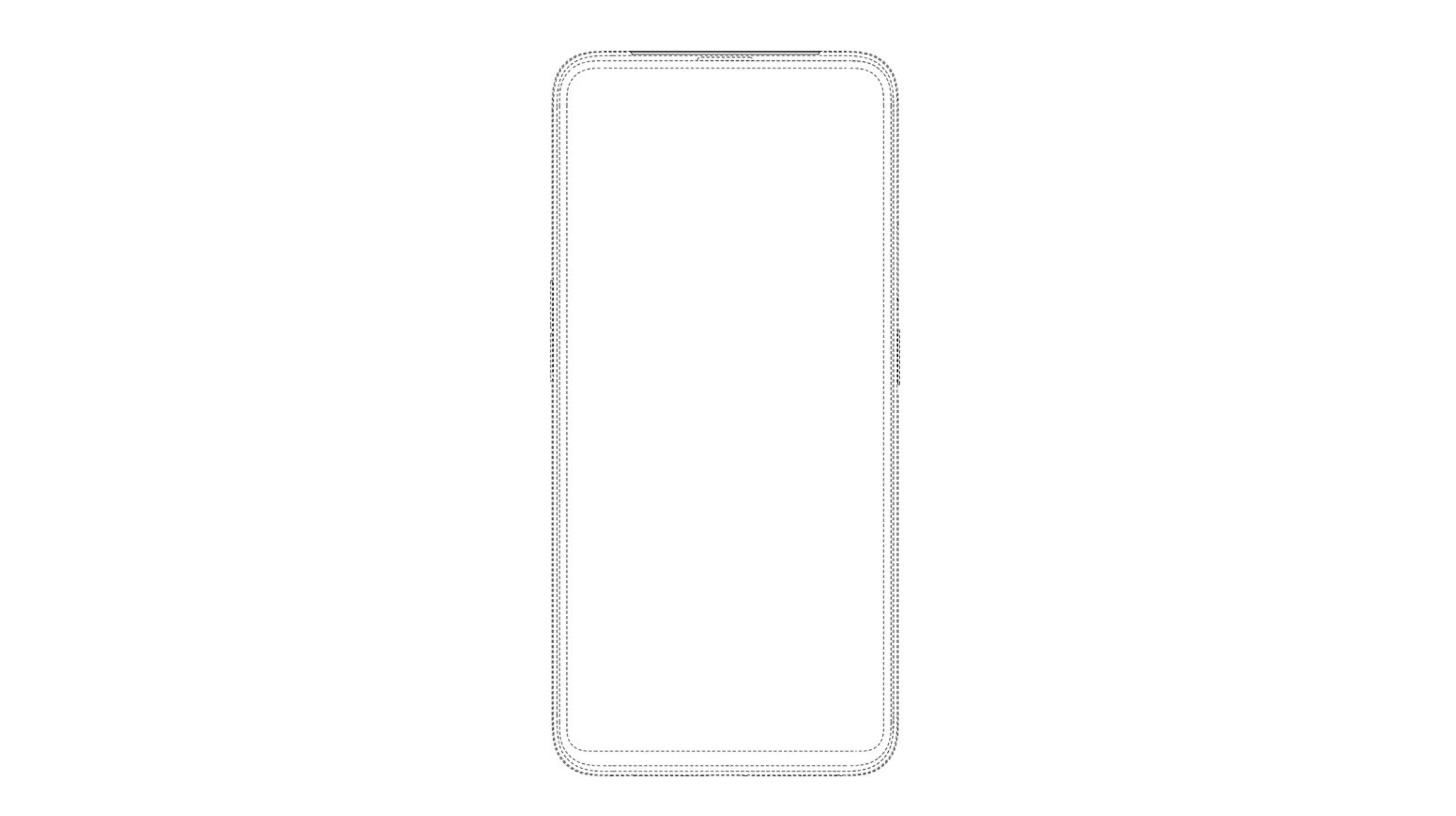
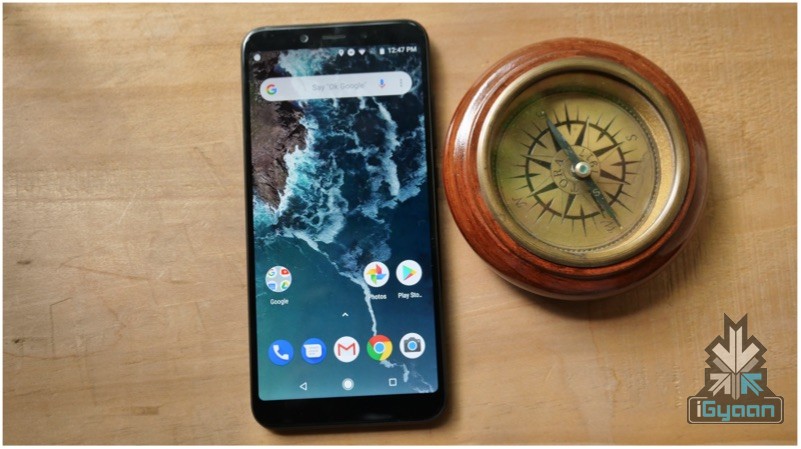
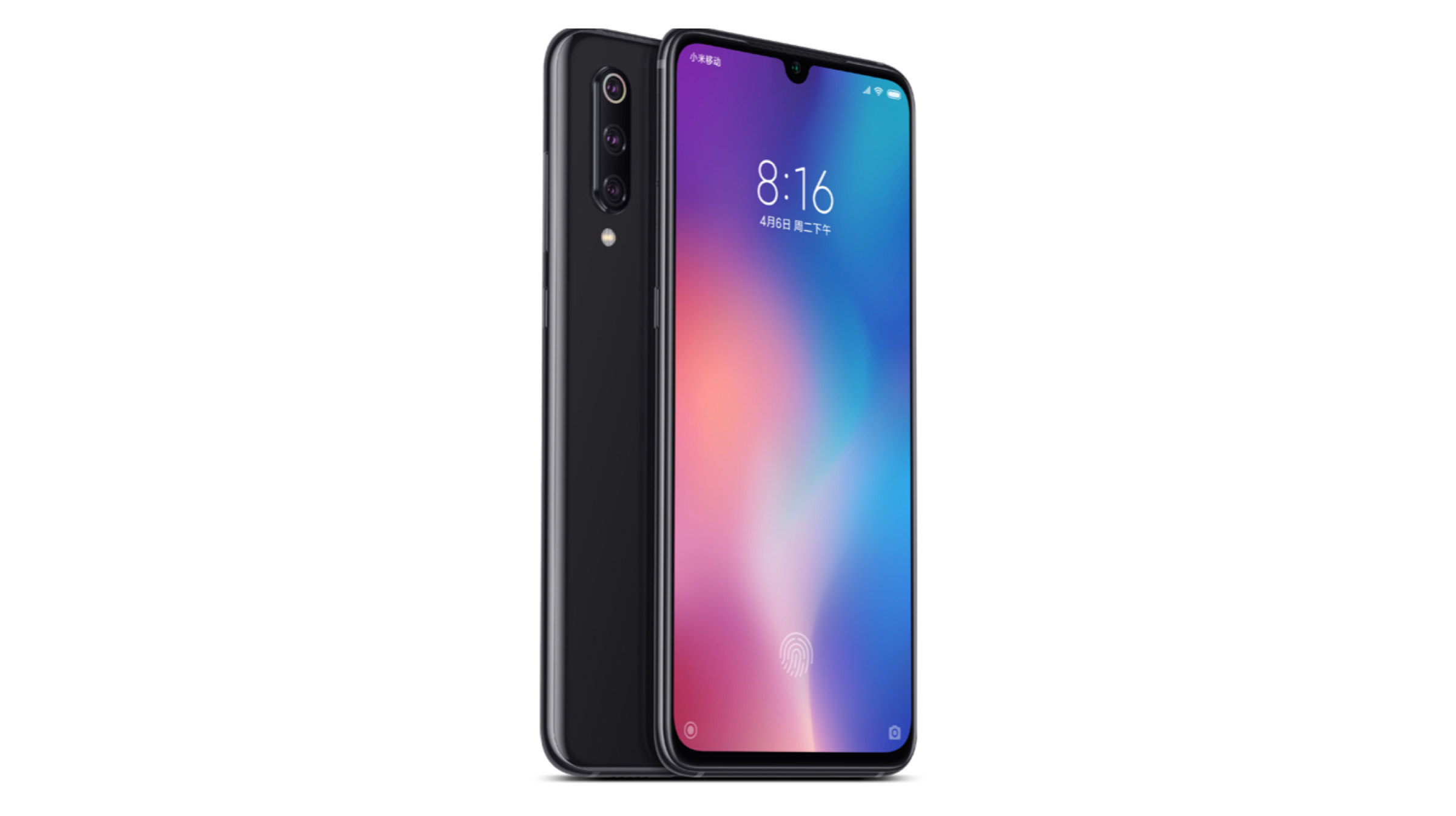
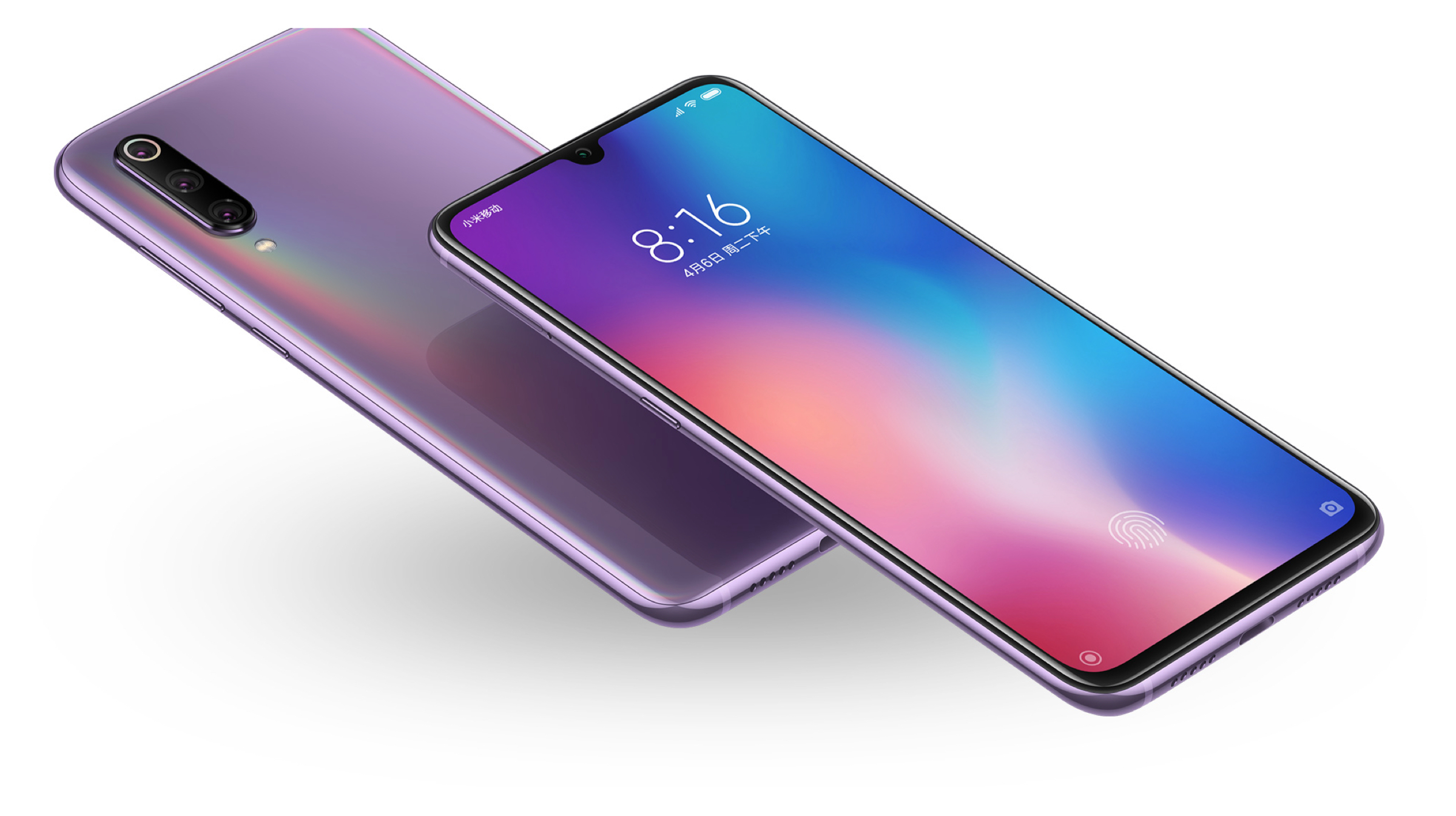
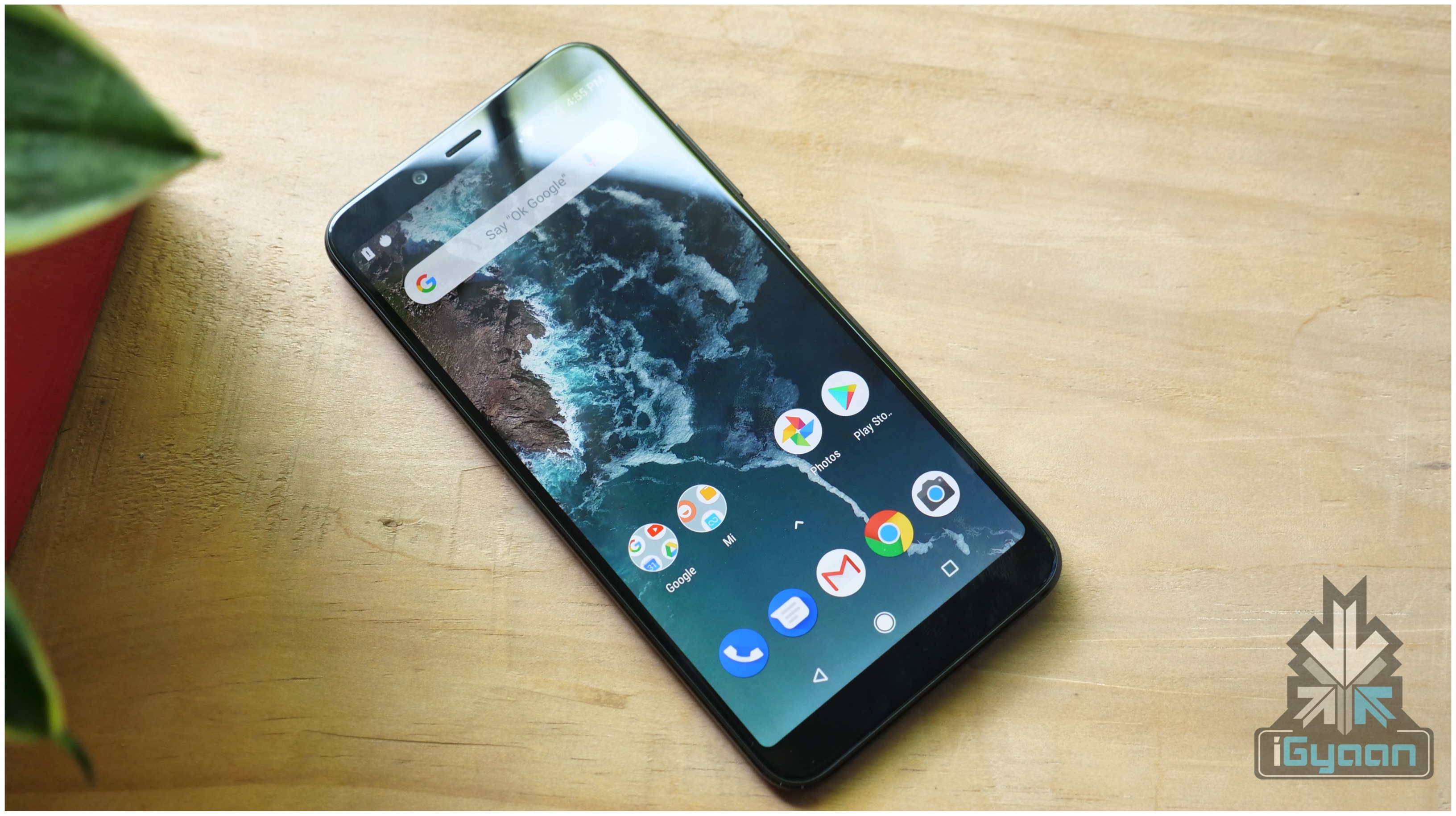 The rumoured Mi A3 is expected to sport a 6.4 inch AMOLED display with a waterdrop notch. The display panel of the upcoming smartphone will have a Full HD resolution and a 19.5:9 aspect ratio. The unreleased smartphone is also reported to have an in display fingerprint scanner, in order to meet the market norms.
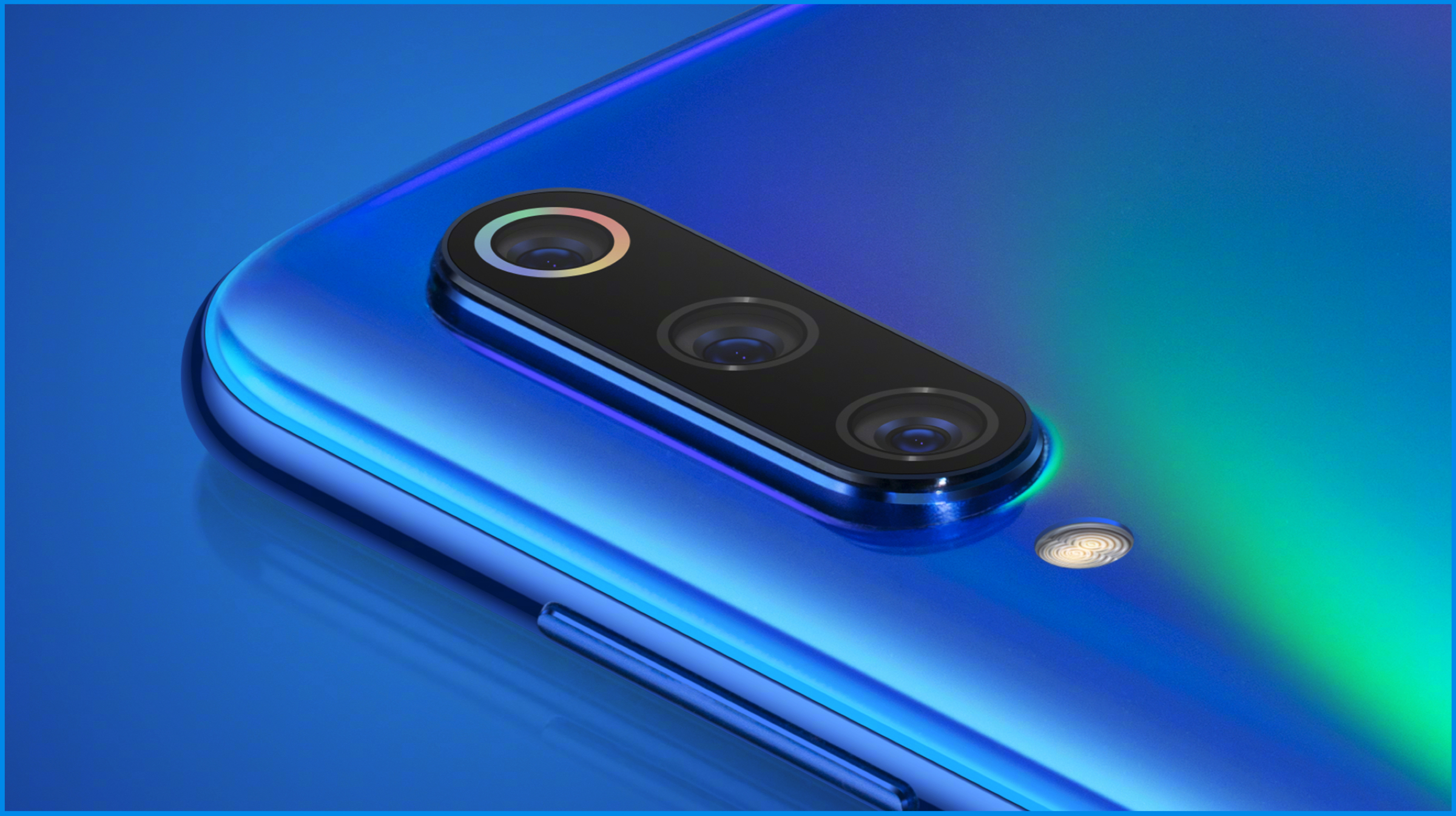 The Mi A3 is expected to run on the 11 nm Snapdragon 675 SoC, which is one of the latest chipsets in the market. It comprises of an Octa-Core CPU and the Adreno 612 GPU. Also, it may feature 6GB RAM and 64 GB of storage. The smartphone will supposedly sport a 32 MP front camera which will be housed inside the notch on top of the display. In terms of the rear camera, the device is speculated to have a triple camera setup which consists of a 48 MP Sony IMX586 sensor, an 8 MP depth sensor and 13 MP super wide angle sensor.
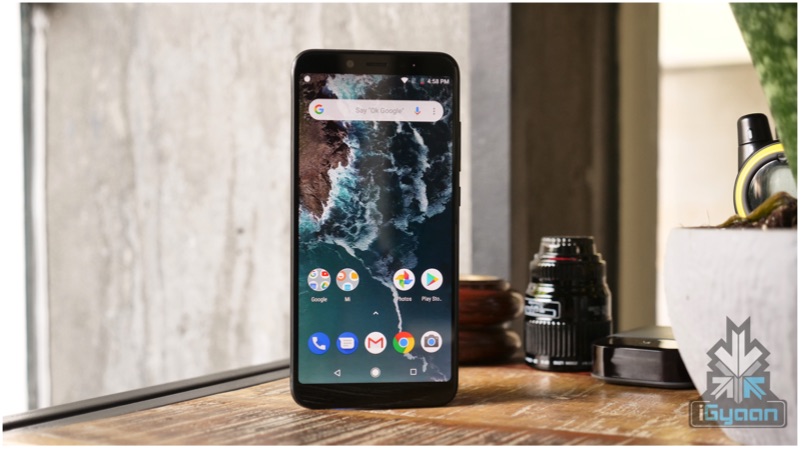 The Mi A3 may be powered by a 3300 mAh battery with fast charging support. As mentioned before, the smartphone is expected to run on Android One, guaranteeing software updates for the next two years. As far as the looks go, the Mi A3 may sport a 2.5D holographic glass panel, which will enhance the look of the smartphone.
 Also Read:

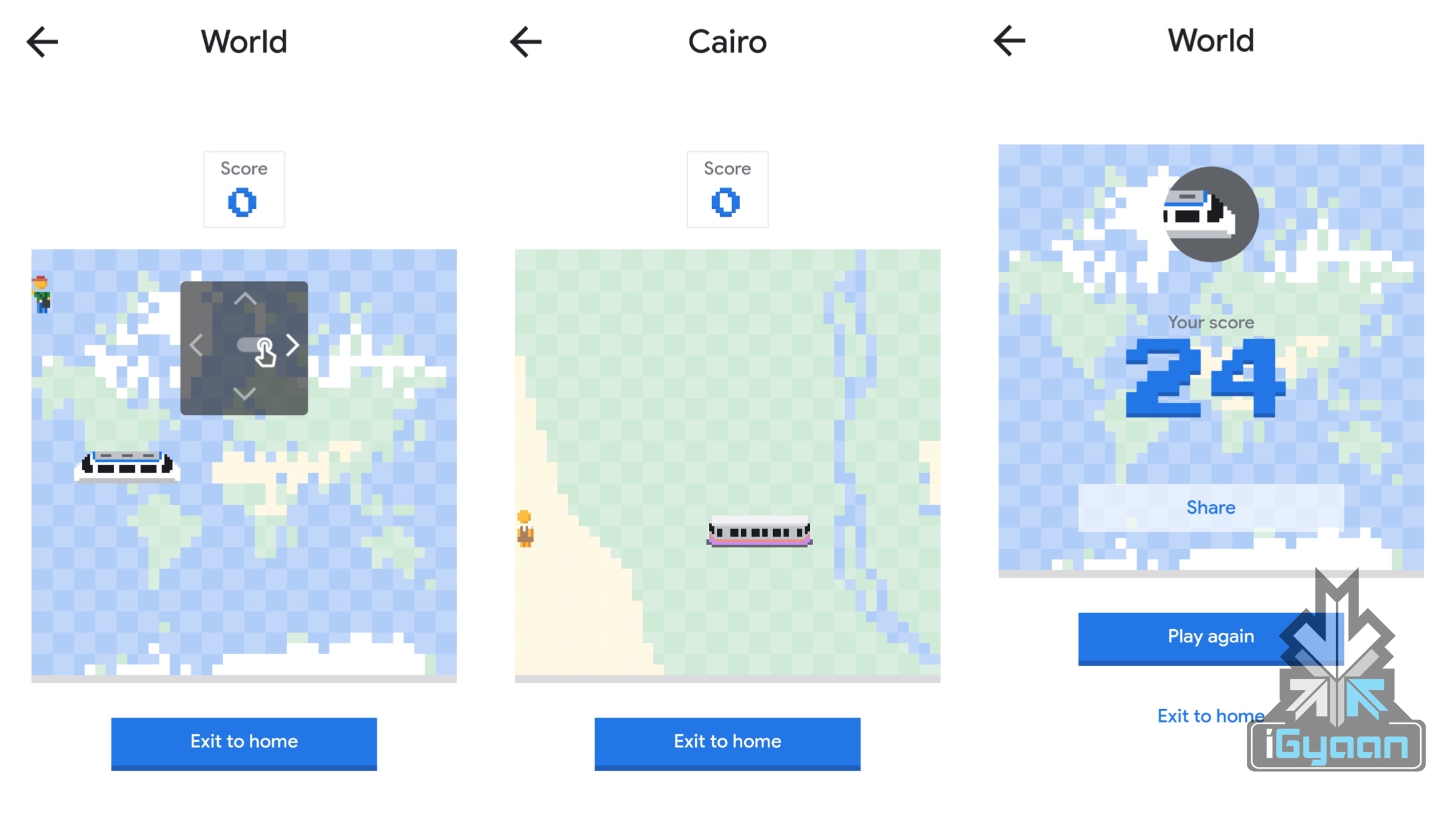
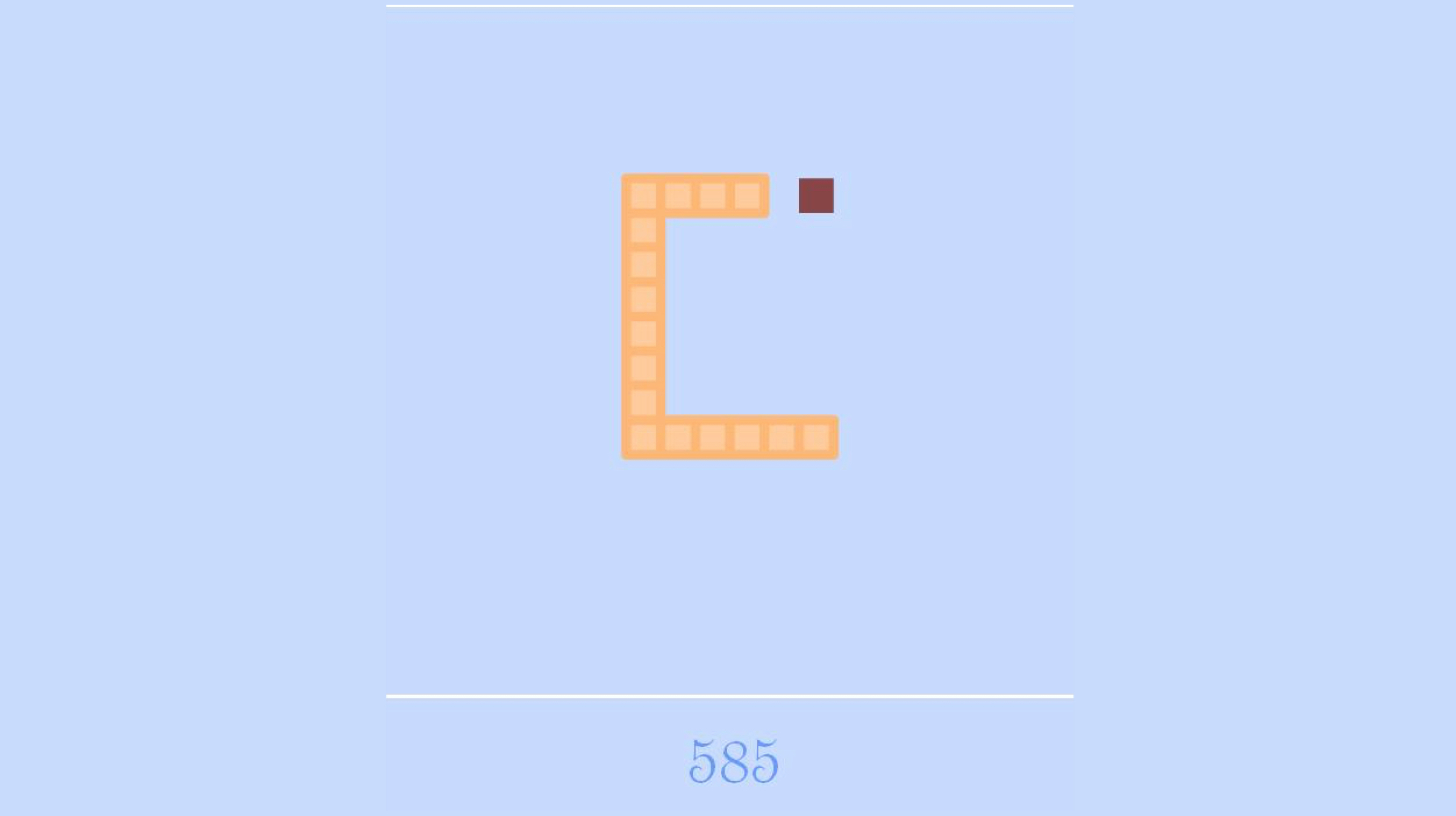 First introduced in 1997 on the Nokia 6110, the Snake game became an instant hit because of how simple and captivating it was at the same time. Needless to say, the game was continually modified into different forms as time progressed, but the basics remained the same. Users play as a snake, which has to keep eating “bits” or “food” to increase the score. Players would lose if they make contact with the walls or themselves while moving around the sandbox.
  Also Read:




 A lot of big game developers and publishers are already a part of Apple’s (game) plan. Sega, Konami, Annapurna and Platinum Games are just some of the companies that are backing Apple up on this. To gamers’ pleasant surprise, Hironobu Sakaguchi, the video designer who had a key role in the making of the acclaimed “Final Fantasy” series is also releasing a game called “Fantasian” on Apple’s new platform. The company also promises that new games will keep making their way into Arcade’s library, making sure that the subscribers are never devoid of fresh content.