Category: Gadget

All Gadget News on iGyaan, latest gadgets, top new gadgets, cheapest gadgets and expensive gadgets all the latest gadget news , reviews and featured stories

  • Apple To Release A 5G iPad Pro In 2020

    Apple To Release A 5G iPad Pro In 2020

    5G technology is a part of the hottest connectivity buzz right now, with smartphone brands gearing up to release 5G variants of their flagship devices in the immediate future. For instance, Motorola launched a 5G mod for the Z3 smartphone and Samsung released a 5G variant of the S10 which is scheduled to release soon. All things said, Apple is also looking to enter the market with a 5G device, but considering the recent conflict between Apple and Intel, such a device may not be seen anytime soon. However, recent reports suggest that the company may launch a 5G variant of the iPad Pro in not-so-distant future.

    5G Connectivity In iPads
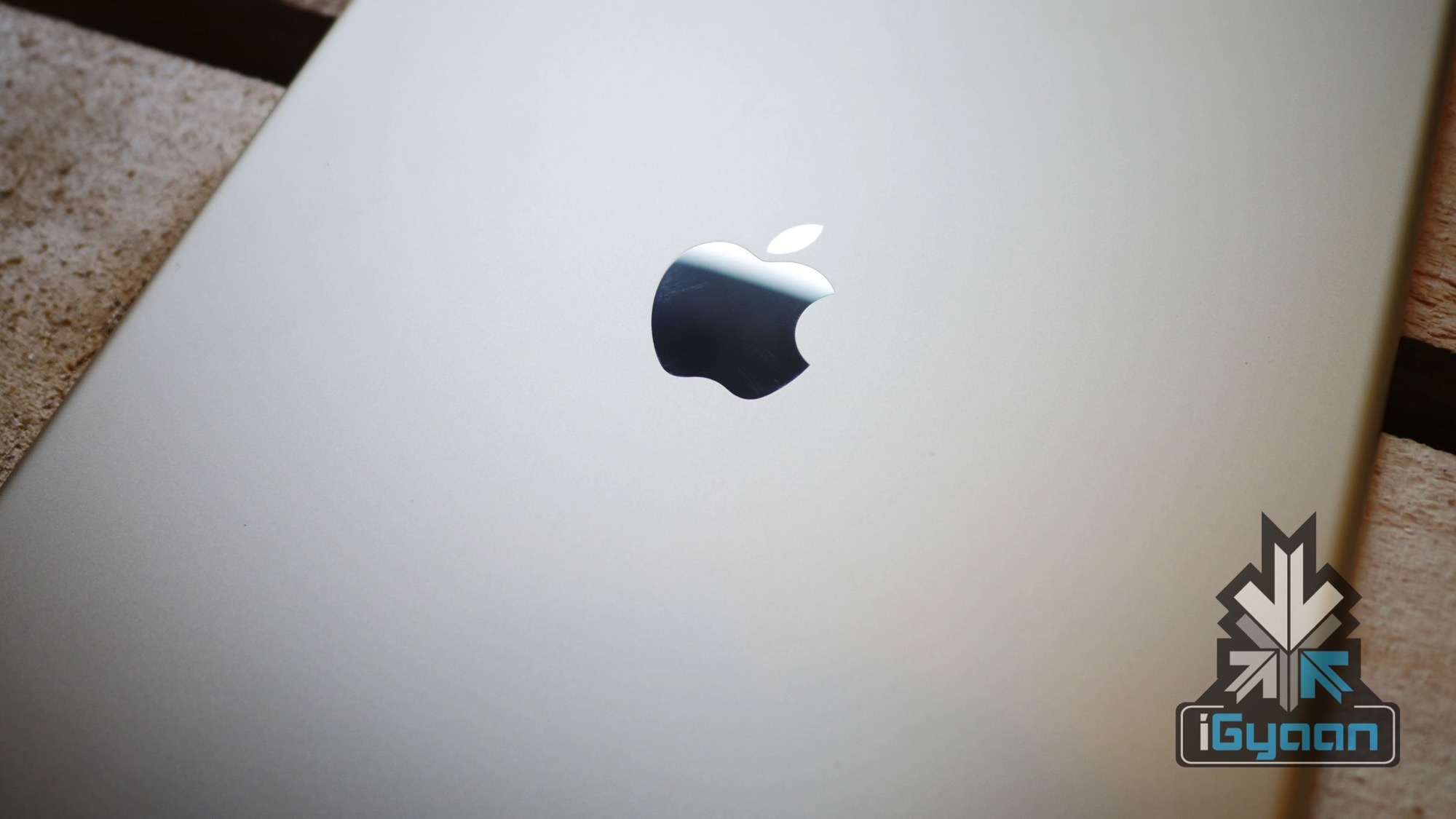
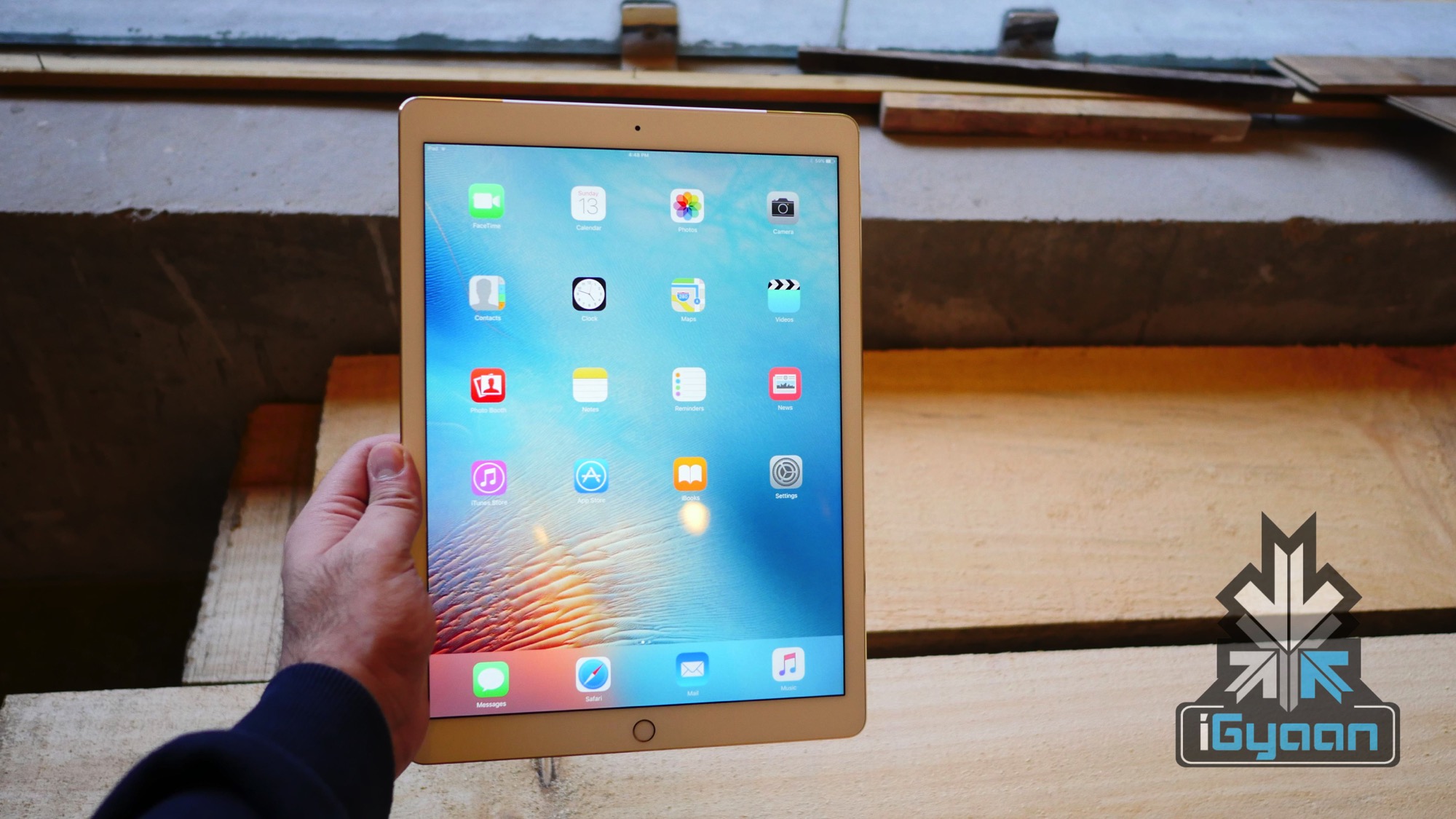
    As per noted analyst Ming-Chi Kuo, Apple will unveil a total of two iPad Pros in 2019, which will include an 11-inch variant and a second variant with a large 12.9-inch screen. This is not exactly surprising, since Apple always releases two iPad Pros every year, but the elephant in the room is the fact that Apple is planning to incorporate 5G modems in the future iPads, which will be released by early 2021 or late 2020. Yes, that’s a long way to go, especially since Apple is facing issues with its 5G chip manufacturers at the moment.
    new iPhoneAlso Read: Xiaomi To Launch A Smartphone With Snapdragon 730 SoC Soon

    The present iPad Pros, including the iPad Pro 12.9 and iPad Pro 11 have complete LTE support, which means that users can insert a 4G SIM card and use 4G internet on the device, implying that Apple can surely be expected to bring 5G support to its future iPads. Apple recently released the iPad Air and iPad Mini, which received rave reviews from users. Apple is speculated to release its first 5G iPhone in the year 2020, which implies that customers will have to wait a long time before they see the same connectivity being implemented on an Apple device. Nonetheless, the American company is also gearing up to release the iPhone XI later this year, and fans are surely looking forward to the same. 

  • Amazon Launches Echo Show Smart Display In India

    Amazon Launches Echo Show Smart Display In India

    In a bid to expand its lineup of smart home products for the Indian market, e-commerce giant Amazon has launched a new product in the country. Called the Echo Show, the device is a smart display with Alexa, the company’s virtual voice assistant built in. The product was originally launched back in the month of October last year in the United States. 

    Amazon Echo Show: Price & Availability

    The Echo Show

    The Amazon Echo Show smart display has been priced at Rs. 22,999 and will be available in a Black and a White colour variant. It is available to purchase from the online retailer and a few third-party sellers and will ship immediately. Initial buyers will also get a complimentary Phillips Hue smart bulb with the product. 

    Amazon Echo Show

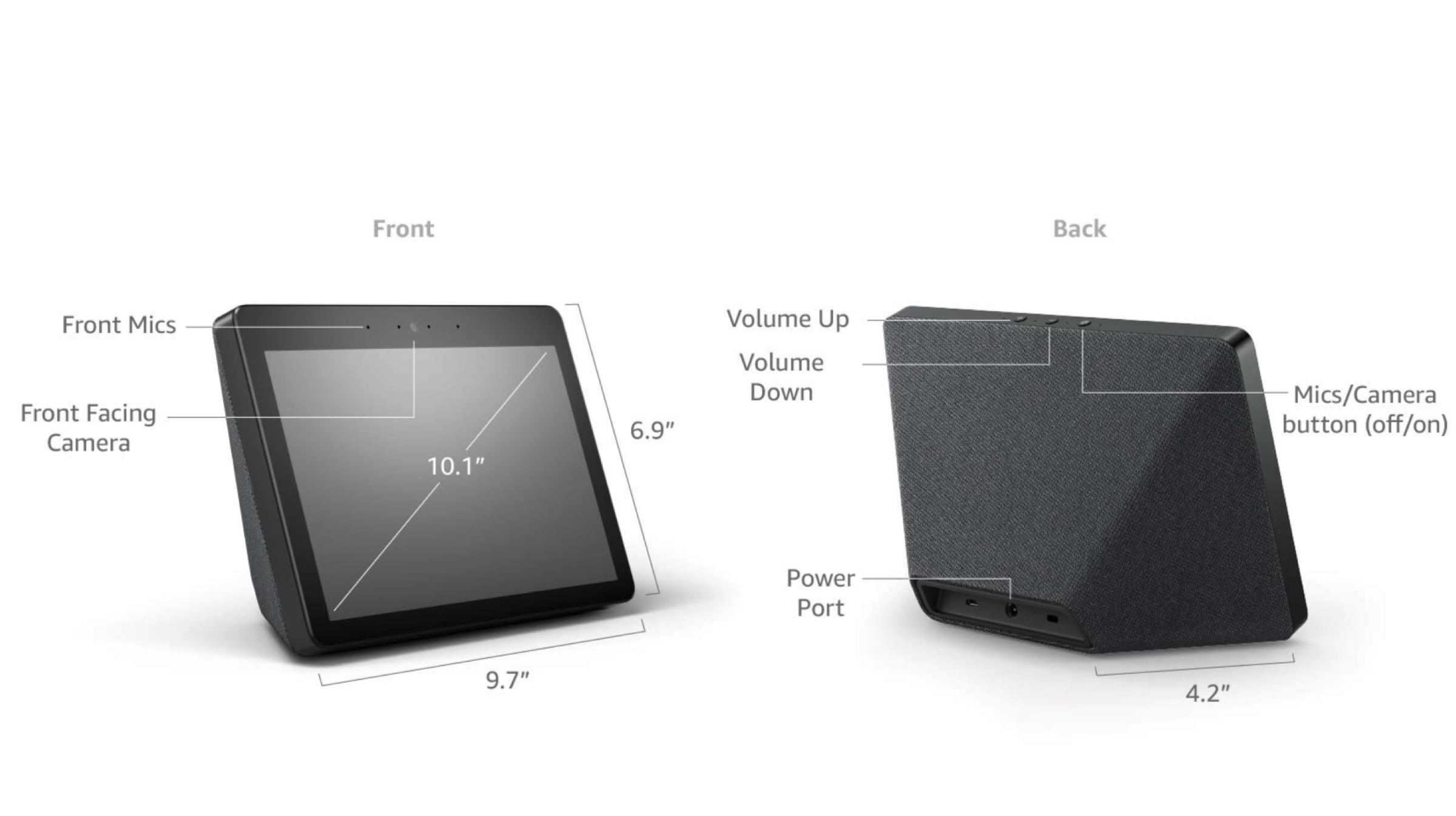
    The Amazon Echo Show features a minimalistic fabric design which is dominated by a 10.1-inch display on the front. It has an HD resolution and is capable of displaying necessary information on the screen. There are speakers on the rear of the device which are tuned by Dolby, a reputed name in Audio technology. As mentioned earlier, they have the Alexa voice assistant built in which would allow users to ask for information such as the weather, news or controlling other smart home products.

    Also read: Samsung Will Launch Galaxy Tab 10.1, Tab S5e Galaxy A20 and Galaxy A20e In India This Month

    The display on the Echo Show also enables video calling via the 5MP camera housed on top of the display. For easier voice recognition, there are eight microphones which support far-field recognition. This allegedly helps in hearing commands from far away in a room. For users who have multiple Echo smart devices, the Echo Show also supports a feature called multi-room music. This allows for music playback across all the devices at once in near perfect synchronization. There is also an option to visit websites using the pre-installed web browser. 

  • Samsung Galaxy Tab A 8.0 With S Pen Launched

    Samsung Galaxy Tab A 8.0 With S Pen Launched

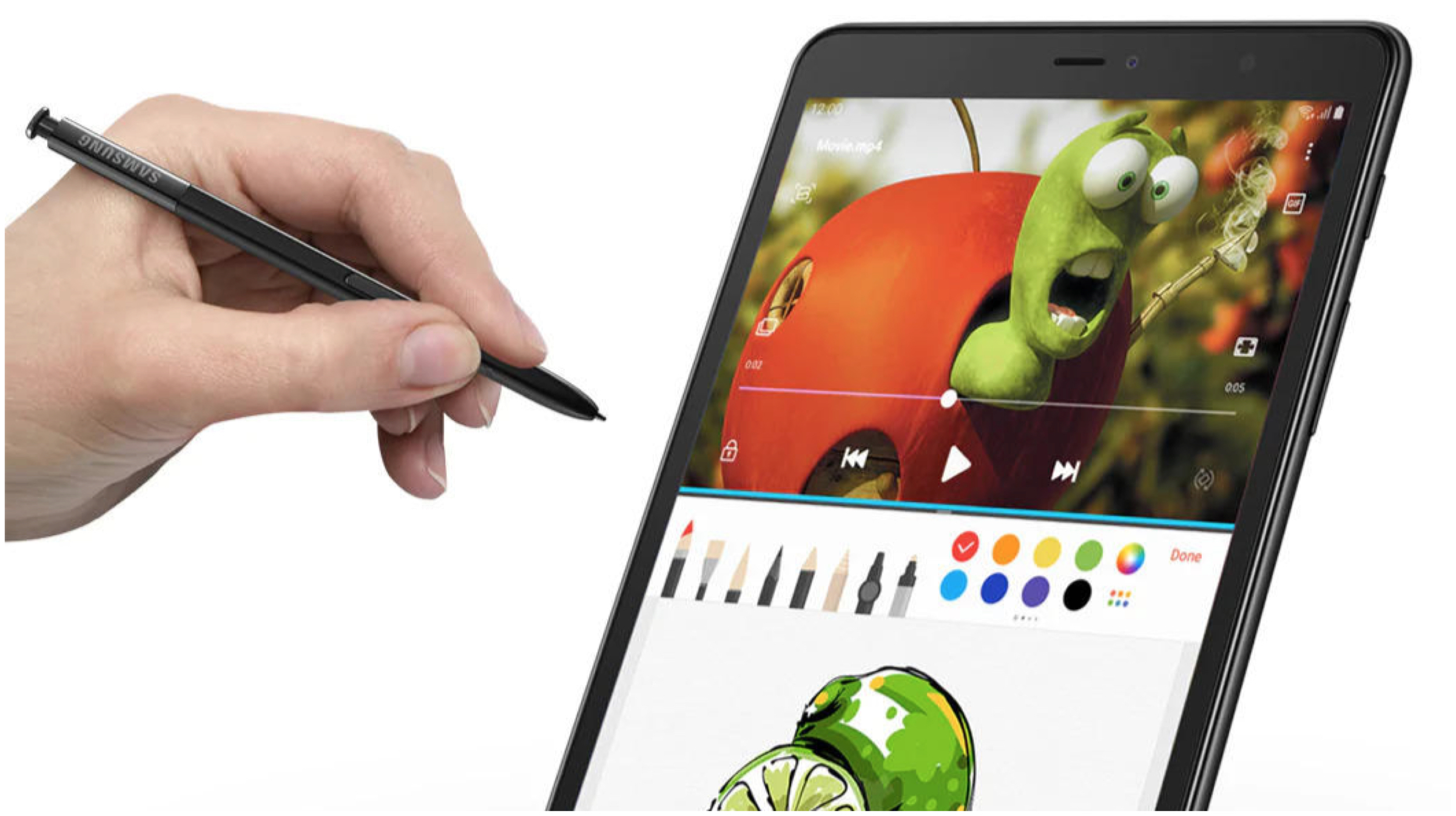
    Samsung is currently the world’s largest smartphone manufacturer. However, it has been struggling in the tablet industry which is largely dominated by the Apple iPad. In an order to improve the aforementioned state, the company has launched an 8-inch tablet, Galaxy Tab A which has a contemporary design, is packed with worthy specifications and is shipped with an S Pen. 

    Galaxy Tab A 8.0

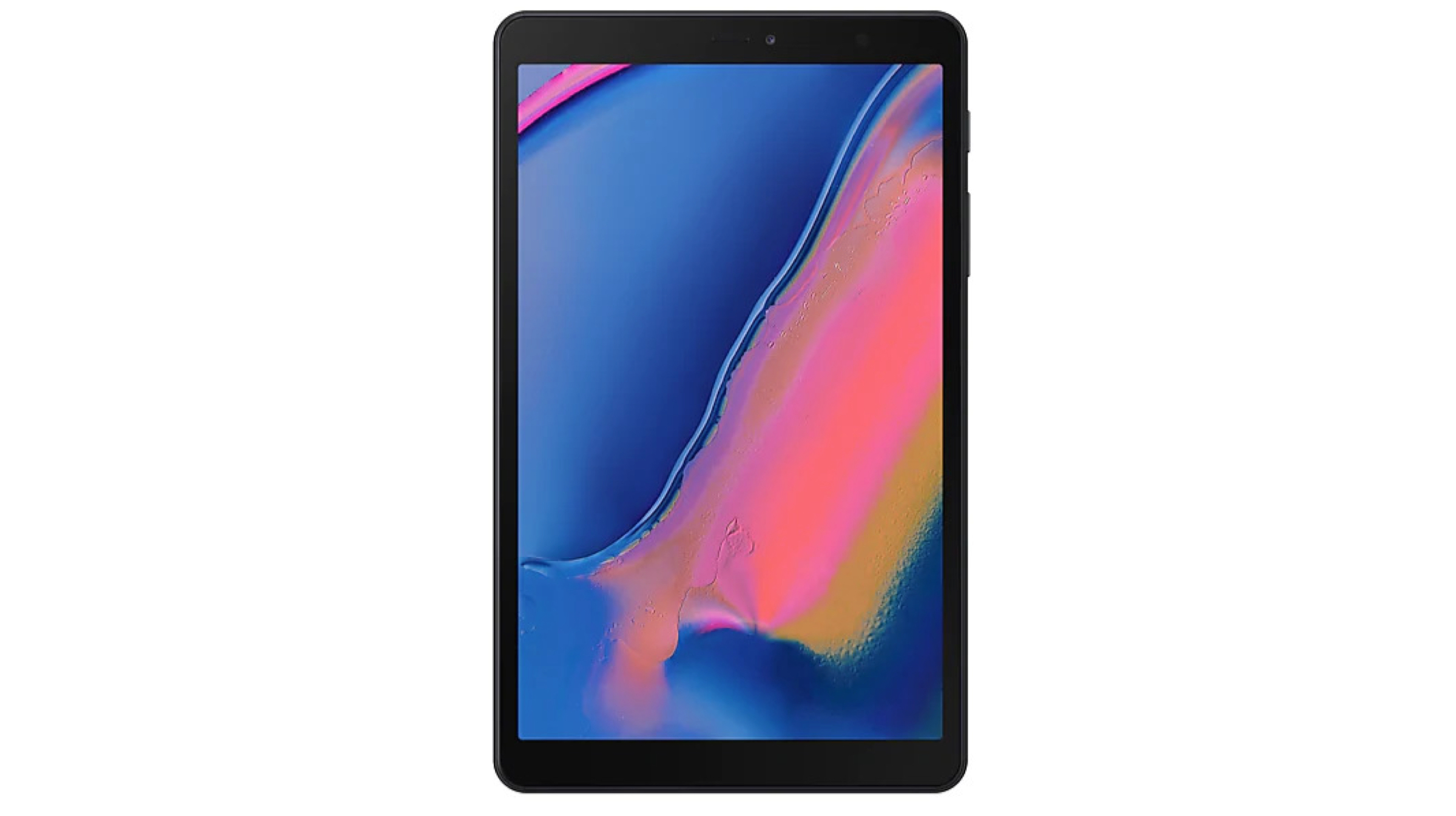
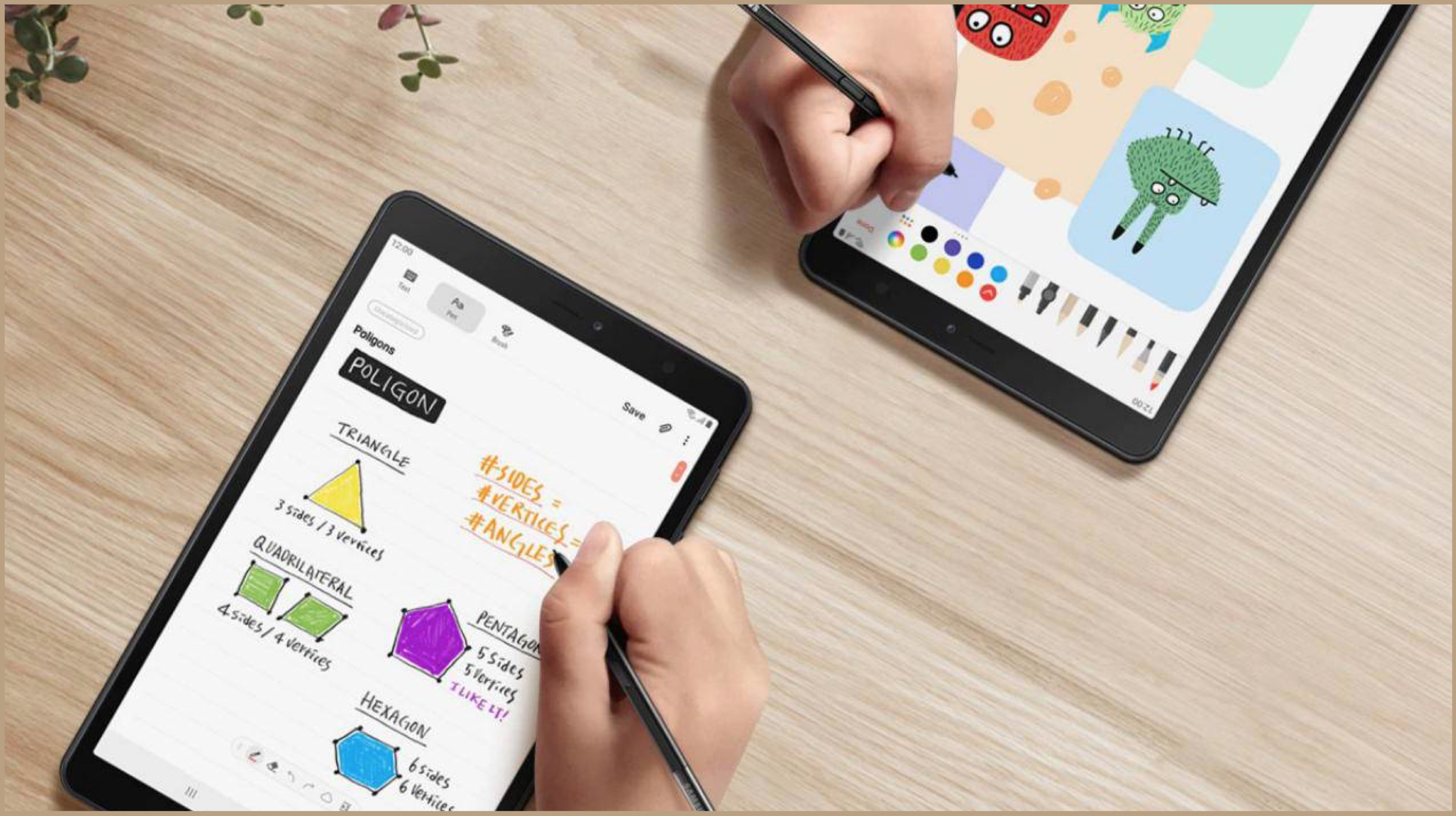
    The Galaxy Tab A 8.0 measures 201.5 x 122.4 x 8.9 and tips the scale at 325 grams. The front of the tablet harbours an 8-inch TFT display with 1920 x 1200 px resolution. The left and right bezels surrounding the display are quite thin while the top and bottom bezels are comparatively thicker. The bezel above the display makes room for the 5 MP front facing selfie camera and the earpiece for answering phone calls.

    Under the hood, the Galaxy Tab A 8.0 packs the Exynos 7904 SoC which consists of an Octa-Core CPU and Mali G71-MP2 GPU. In terms of memory and storage, it features 3 GB of RAM and 32 GB of ROM which is further expandable upto 512GG via a microSD card. The tablet is powered by a 4200 mAh battery and runs on an unspecified version of Android.

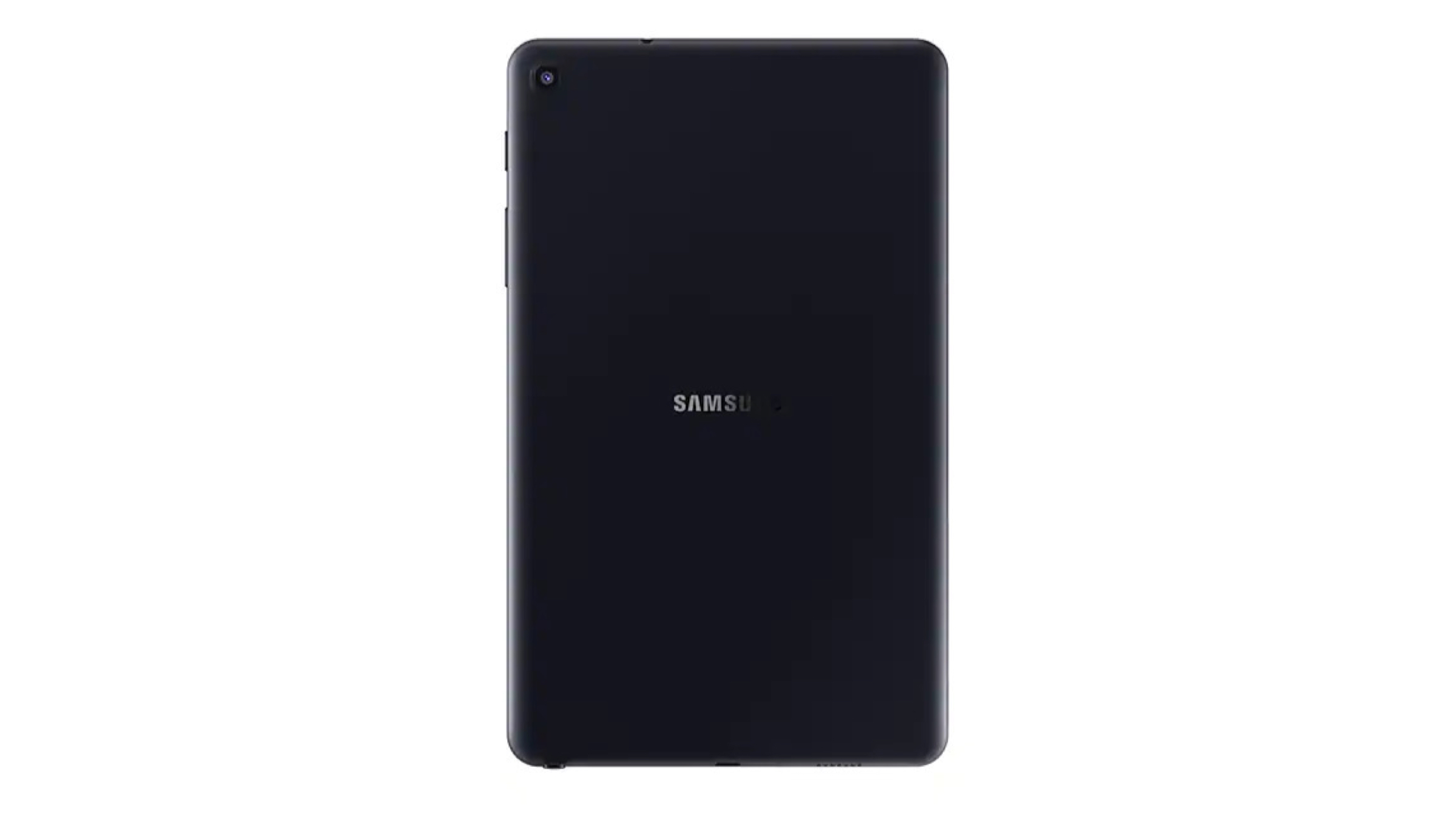
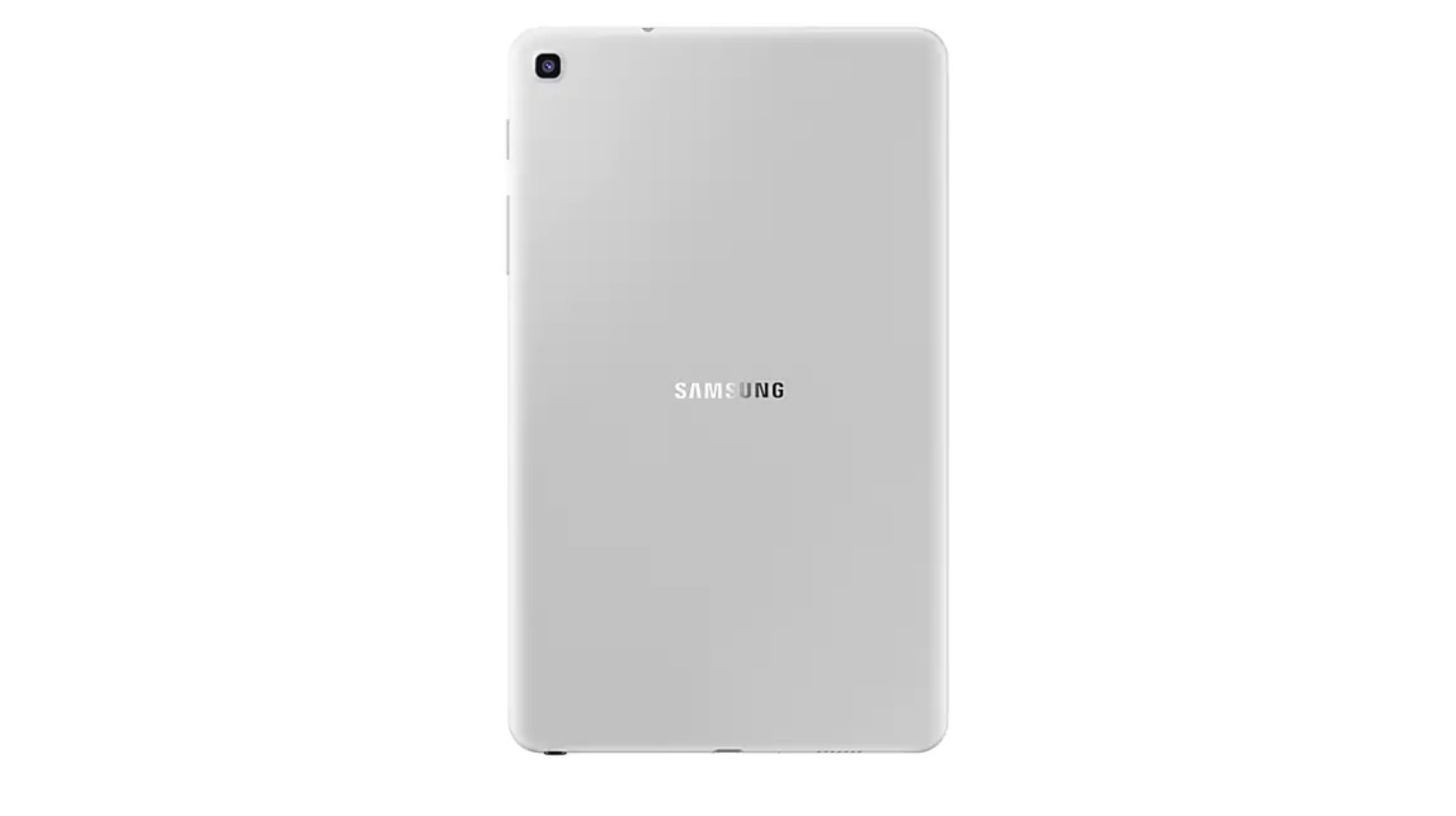
    The rear of the Galaxy Tab A 8.0 carries the company branding and an 8 MP camera which can also capture 1080p videos at 30 fps. Connectivity options on the device include 802.11 ac Wi-Fi, 4G VoLTE, Bluetooth 5.0, USB Type-C port and a 3.5 mm audio jack. The Galaxy S Pen is securely stored in the body of the tablet and is IP68 rated which makes it dust-proof and waterproof. It can be used for both taking notes and creating drawing illustrations.

    Also Read: Apple iPhone 11 with Triple Camera Leaked

    The tablet will be available in two Gray and Black colour options. Unfortunately, Samsung has not yet provided any details about the pricing or availability of the Galaxy Tab A 8.0. 

  • Huawei Introduces Wireless Charging Case For The P30

    Huawei Introduces Wireless Charging Case For The P30

    In an event held in Paris on the 26th of March, Huawei unveiled its latest flagship smartphones, the P30 and the P30 Pro. In addition to the smartphone duo, the company also introduced a variety of accessories for the devices. Both the newly launched smartphone are quite similar in terms of features and looks. One notable feature that the standard P30 misses out is the support for wireless charging. However, in order to provide the smartphone with this in-demand feature, Huawei has announced a wireless charging case. 

    Huawei P30 Wireless Charging Case

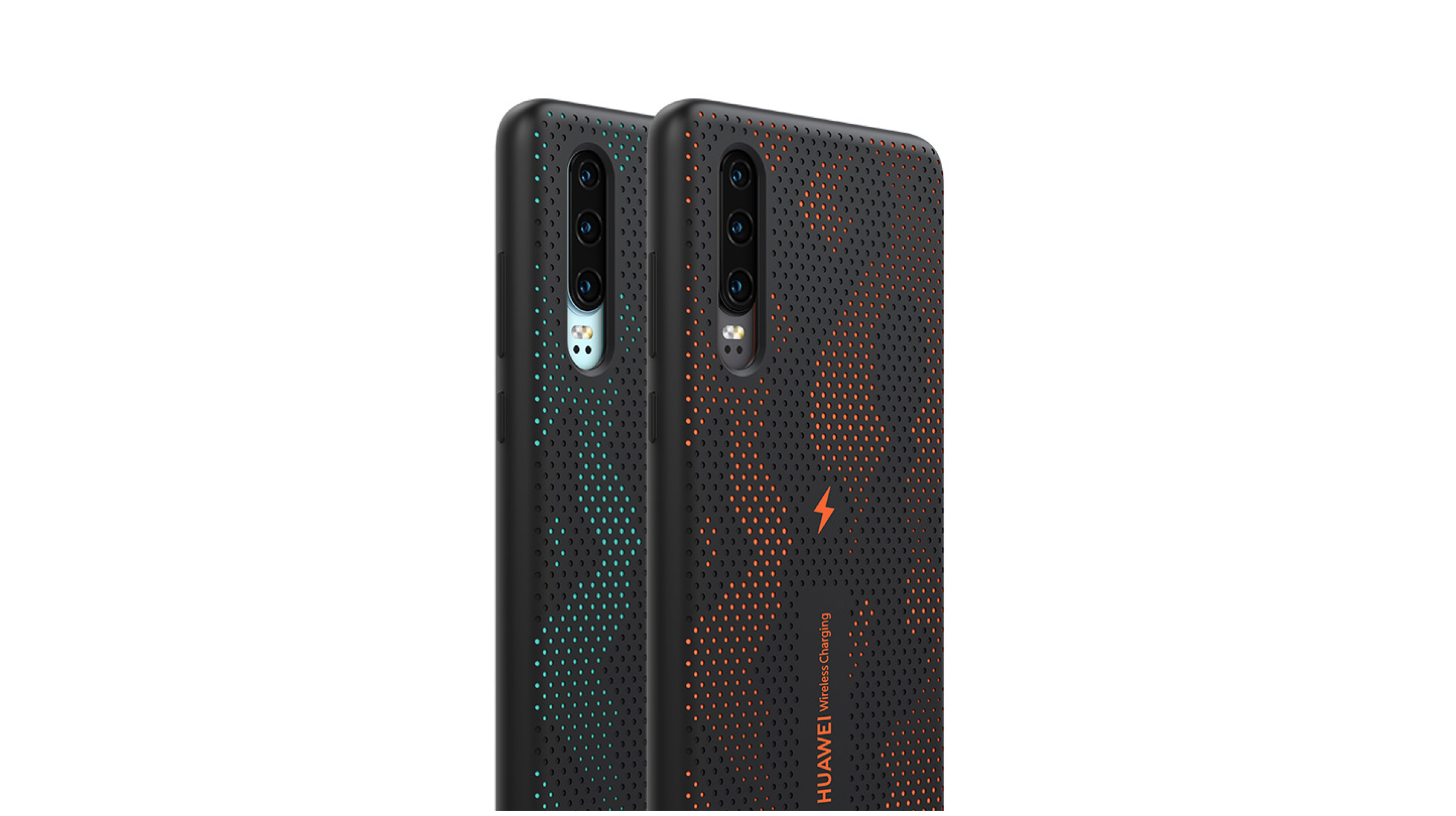
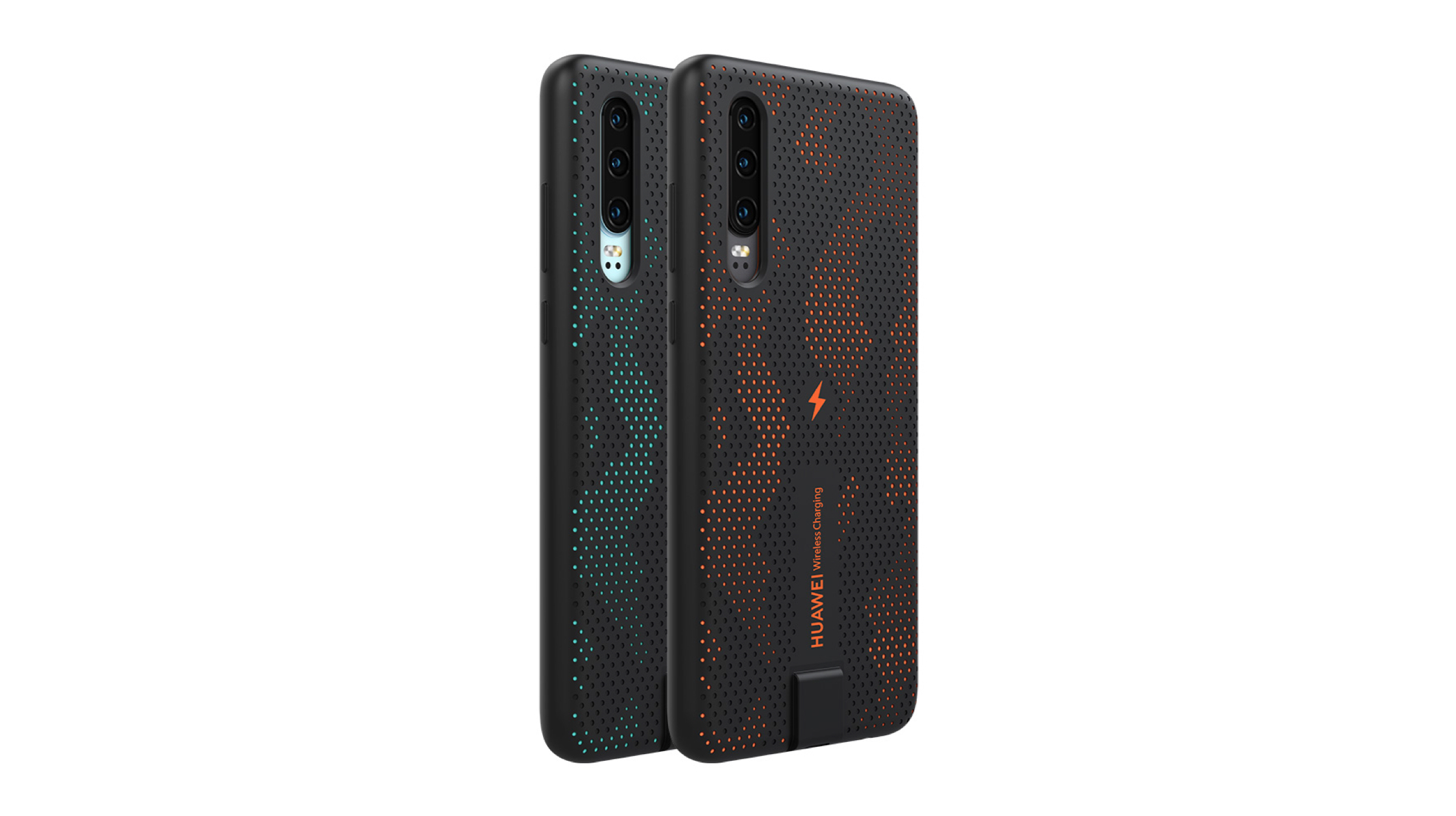
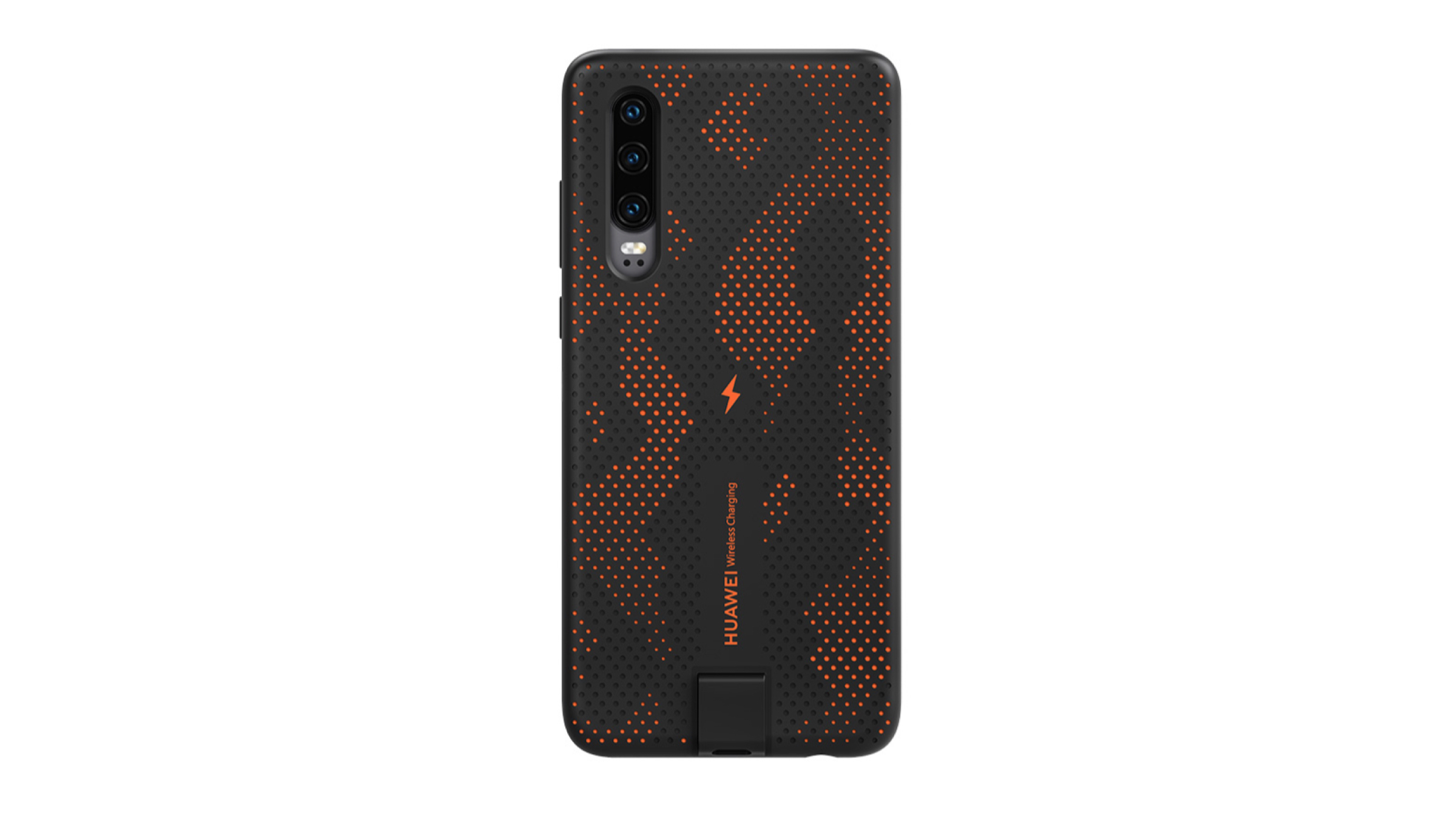
    The wireless charging case for the P30 has an attractive design with mesh grills on the rear. The case appears to be made out of plastic and rubber-like material which will provide for an easy-to-grip and comfortable experience. The rear also carries company branding and it has a precisely cut window for the triple camera and LED flash setup. Notably, the bottom side of the case has a slight ridge that sticks out of its surface.

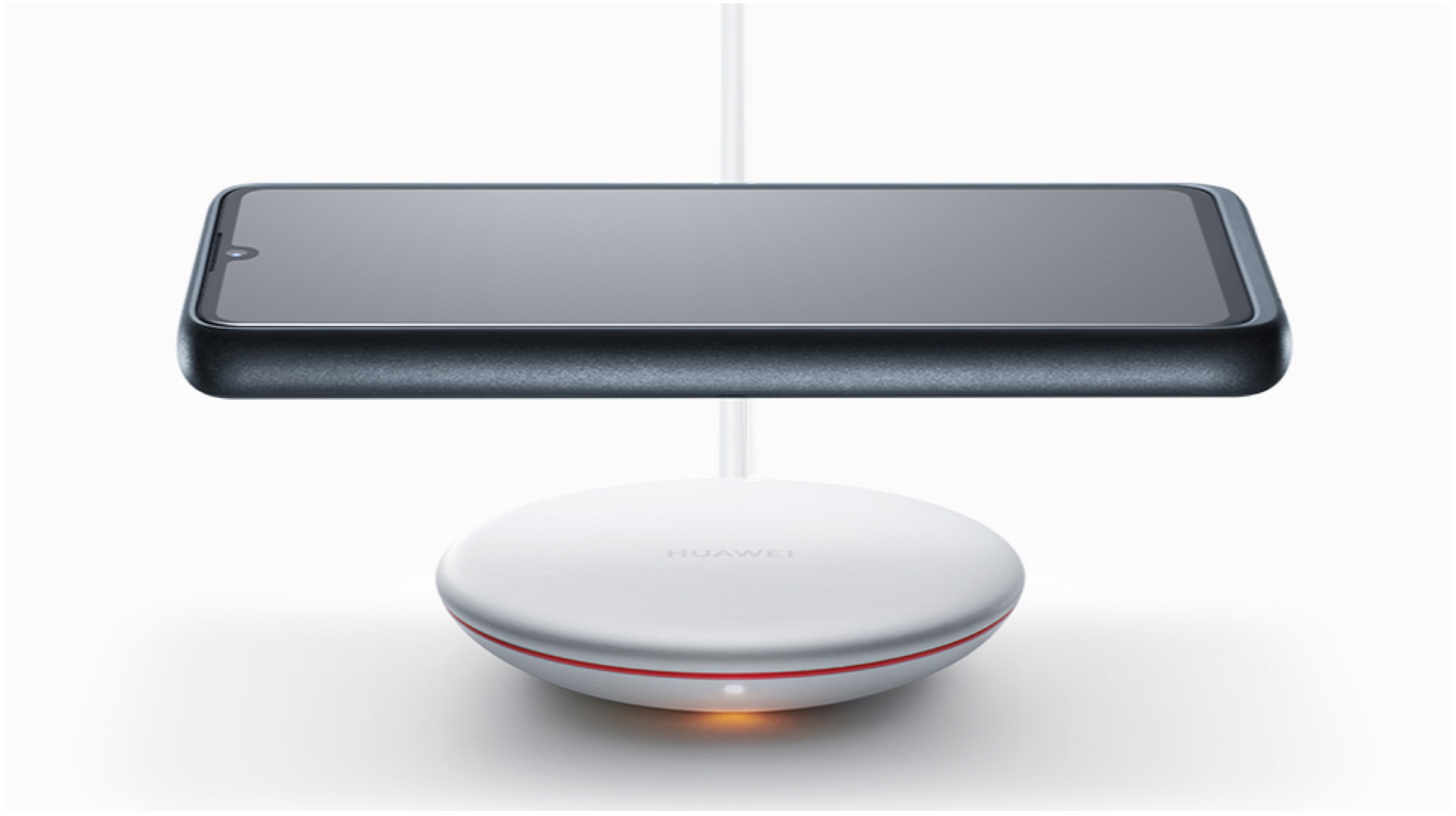
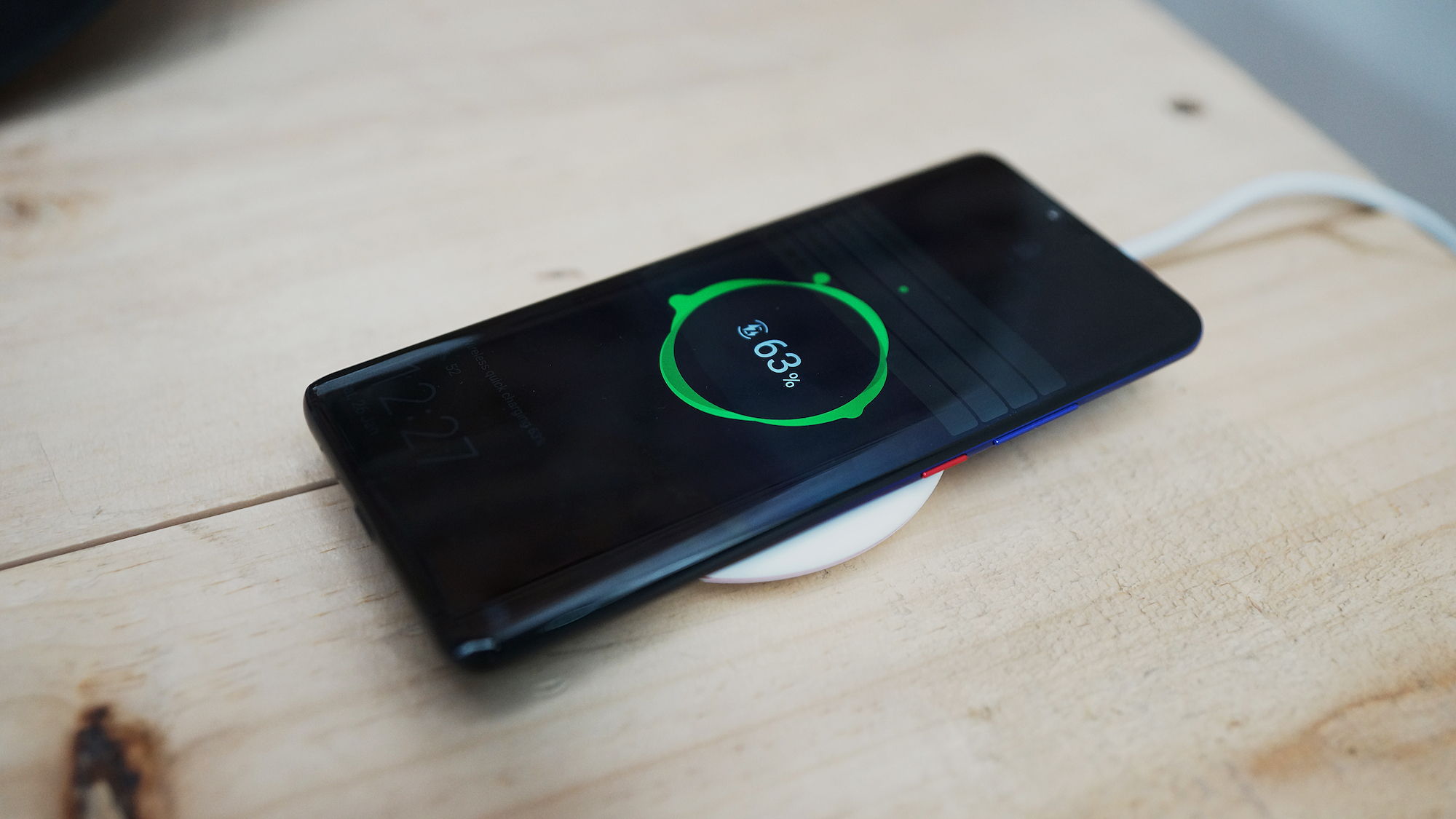
    The right side of the wireless case for the P30 has raised controls for the easy operability of the power button and volume rockers. The bottom of the case also has a cutout for the 3.5 mm audio jack which allows it to be used unobstructedly. The newly announced accessory is capable of charging the P30 with 10w of maximum power. Even though, company’s fast wireless charger can charge devices with upto 15W of power.

    Also Read: Here’s How Dark Mode Prolongs Battery Backup While Helping You Sleep Better

    The wireless charging case has been listed on the company’s website but its retail price is currently unavailable. However, it is expected to be a sub-US $ 100 accessory. 

  • Huawei Launches Promising Accessories Along With The P30 Pro

    Huawei Launches Promising Accessories Along With The P30 Pro

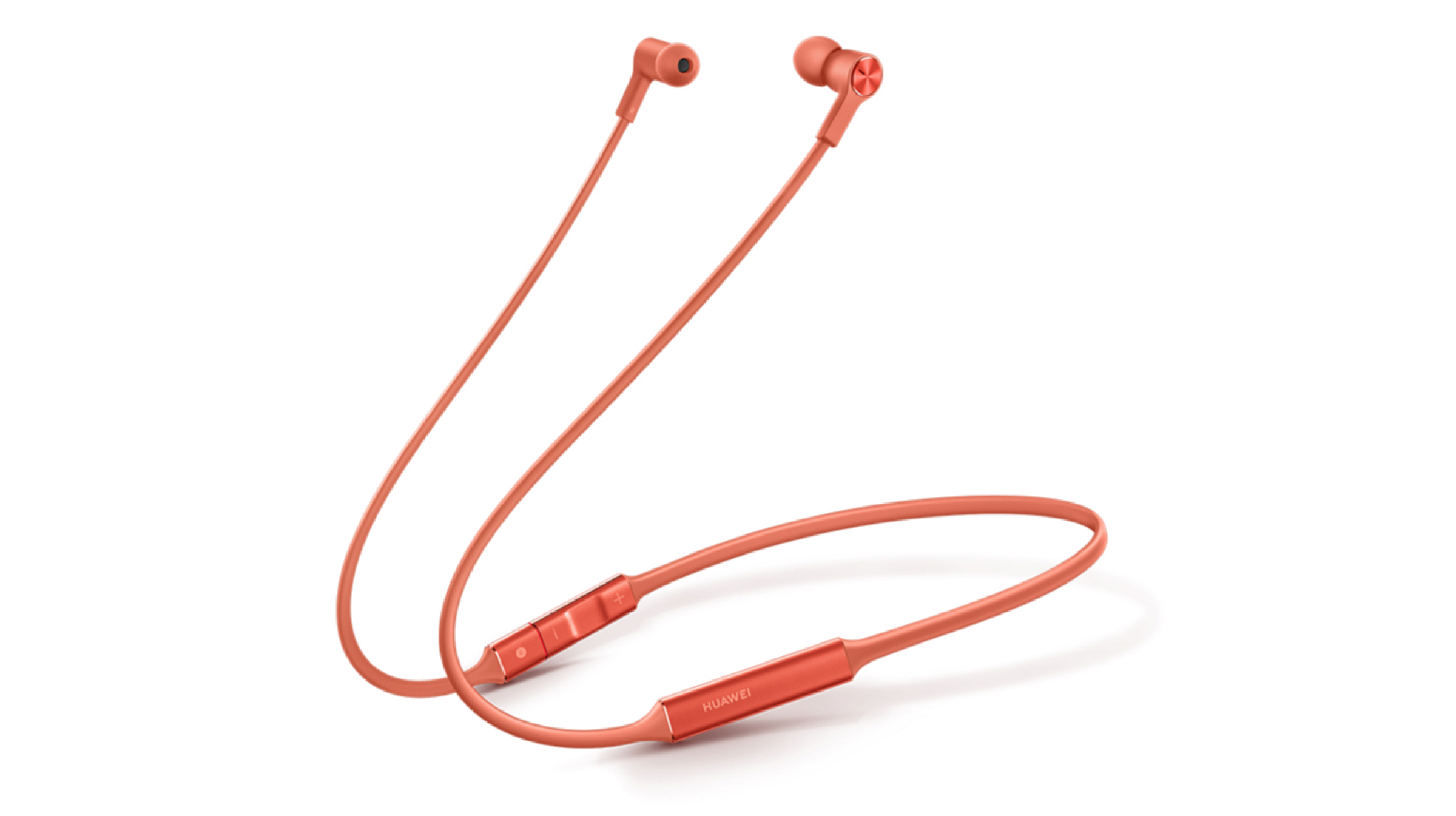
    After a long period of anticipation and teasers, Huawei finally launched the P30 and the P30 Pro smartphones at an event in Paris. The newly launched handsets are laden with top tier specifications and have a focus on photography. In addition to the flagship duo, the company has also launched a variety of accessories which include the Huawei FreeBuds, the Huawei FreeLace and the Huawei 12000 SuperCharge power bank.

    Huawei FreeBuds

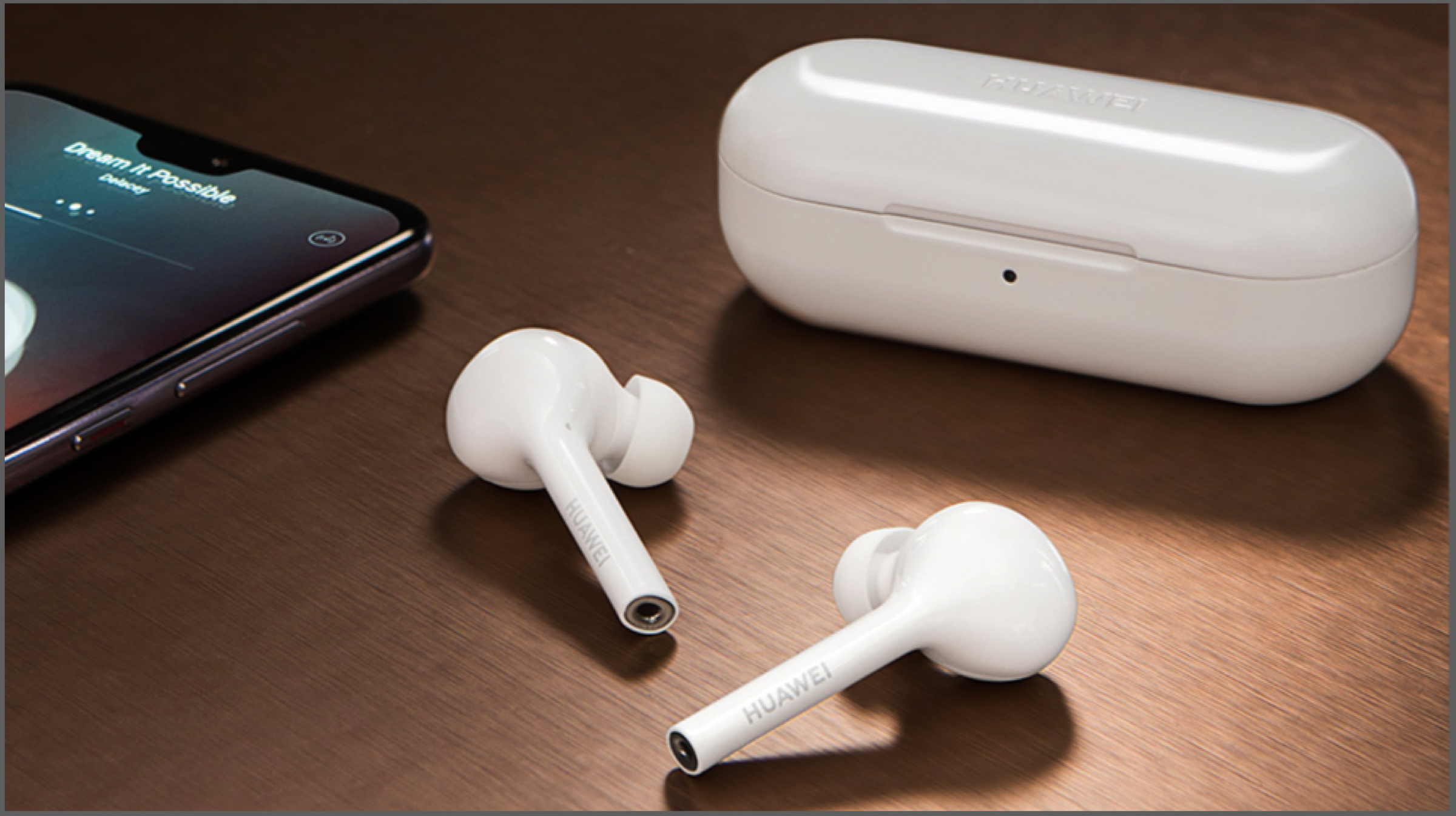
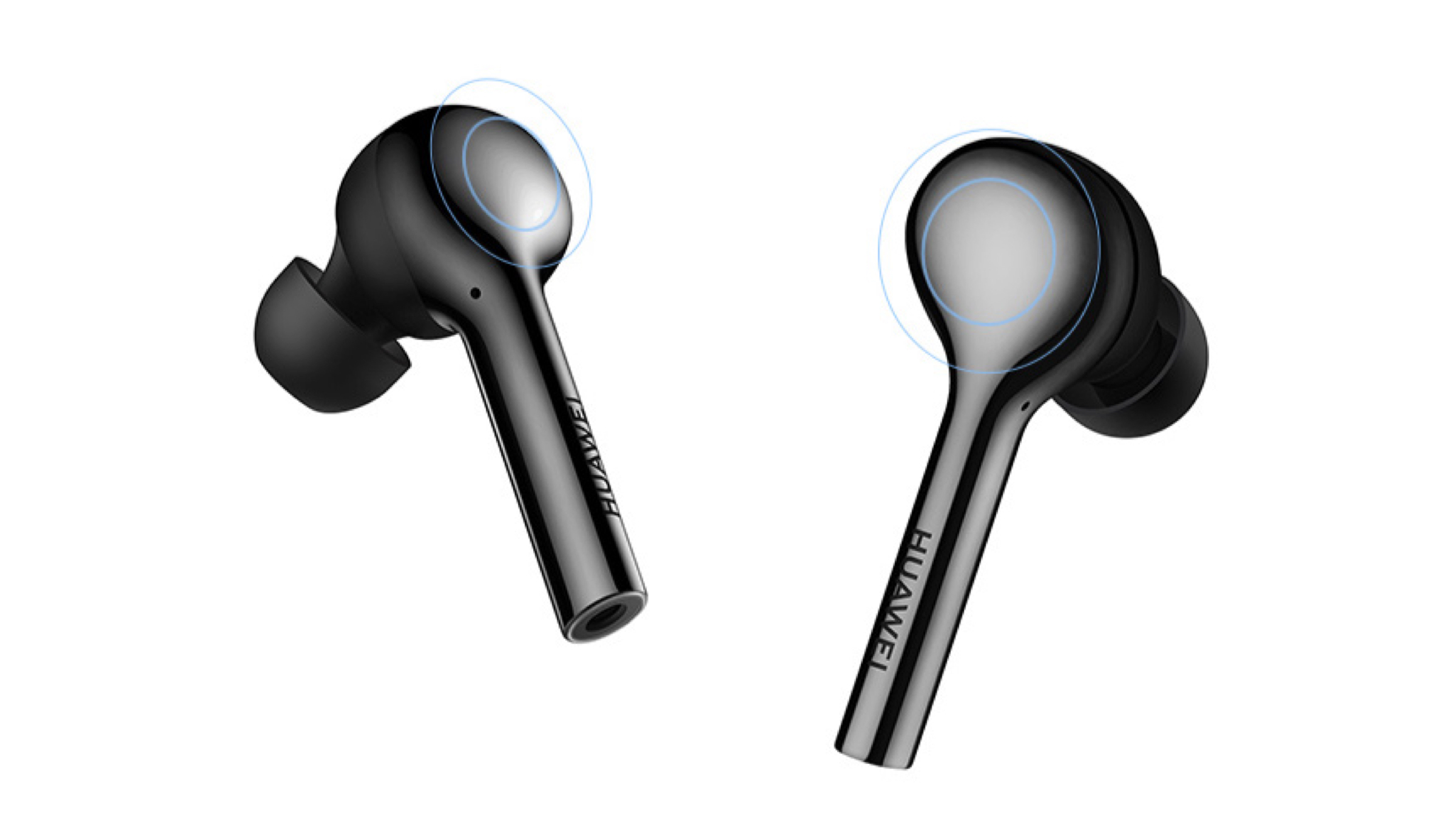
    The Huawei FreeBuds are a pair of wireless earphones which draw inspiration from the Apple AirPods. The wireless earbuds are shipped with an elliptically shaped case which is used for both storing and charging them. The earbuds have a touch-sensitive rear which can be used to control various functions. Double tap on the right earbud play/pauses the music while a double tap on the left earbud activates the voice assistant. Double tap on either earbud while an incoming phone call will answer it.

    The Huawei FreeBuds offer a playtime of up to 3 hours on a single charge while the charging case can be used to further increase the run time to 10 hours. After the initial Bluetooth setup, the earbuds auto pair to the device as the user opens the charging case. They also have inbuilt IR sensors which detect when an earbud is removed. The wireless earphones are also water resistant that allows them to be used while working out or in sudden drizzling conditions. The Huawei FreeBuds are available in two colours which include Black and White. The earbuds are available at a price € 118 (Rs 9200). 

    Huawei FreeLace

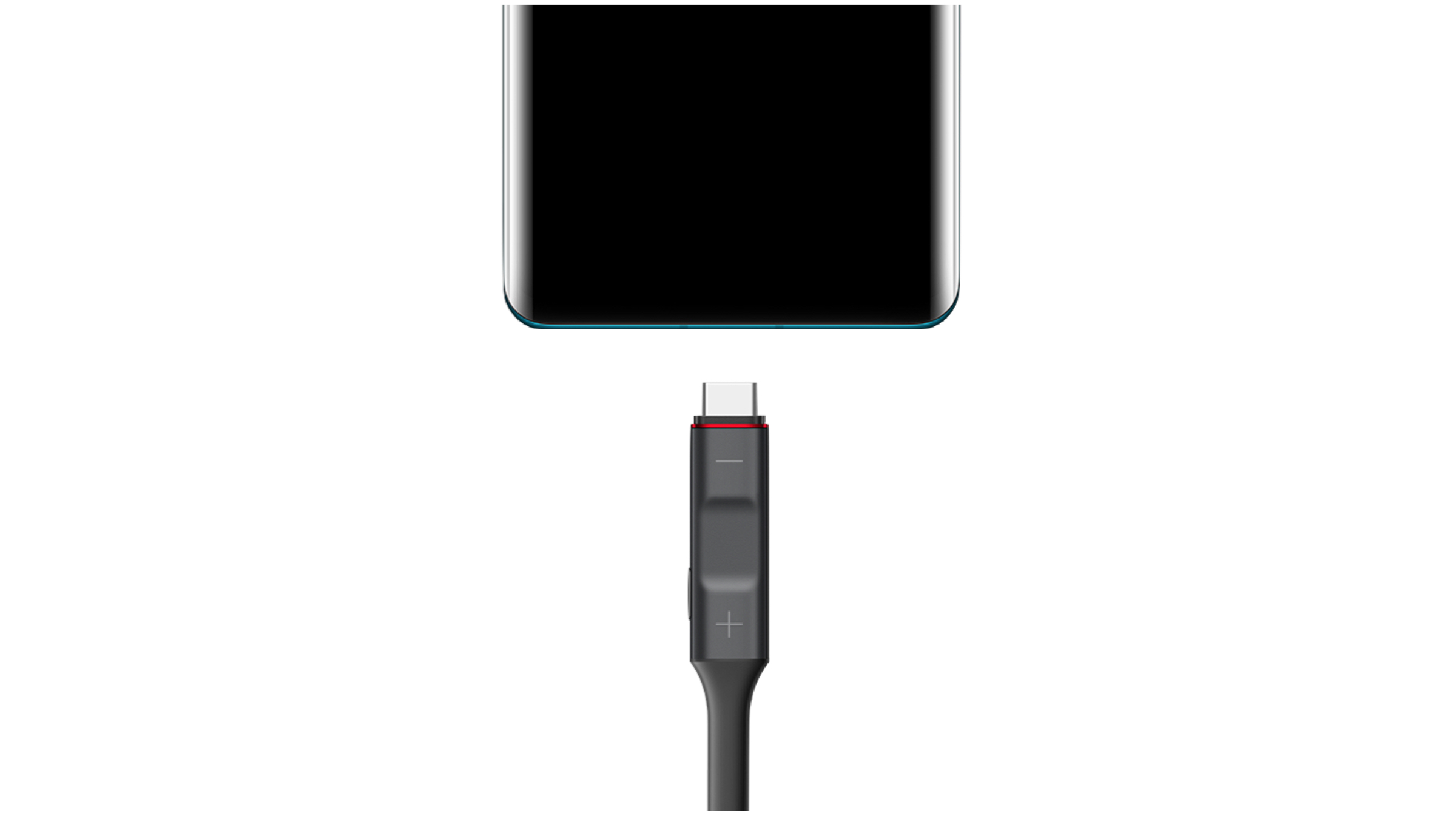
    The Huawei FreeLace is an around-the-neck style set of wireless earbuds like the OnePlus Bullets. Nevertheless, they have a highly distinguishing feature that is a built-in USB Type C port. Notably, the ports stay concealed until the user detaches the right side earpiece from the main unit. The connection port allows them to be charged from a Huawei device or any smartphone that supports reverse charging.

    The Huawei FreeLace has magnetic rear ends which when brought closer sticks together and automatically pauses the audio content being played. They also have inline controls which can be used to control the volume or play/pause the media. Huawei claims a battery life of 18 hours with support for fast charging. 5 minutes of fast charge can provide a listening time of up to 4 hours. Like the FreeBuds, the FreeLace is also water resistant due to its IPX5 rating. The neckband style earphones are available at a price of € 99 (Rs 7700). 

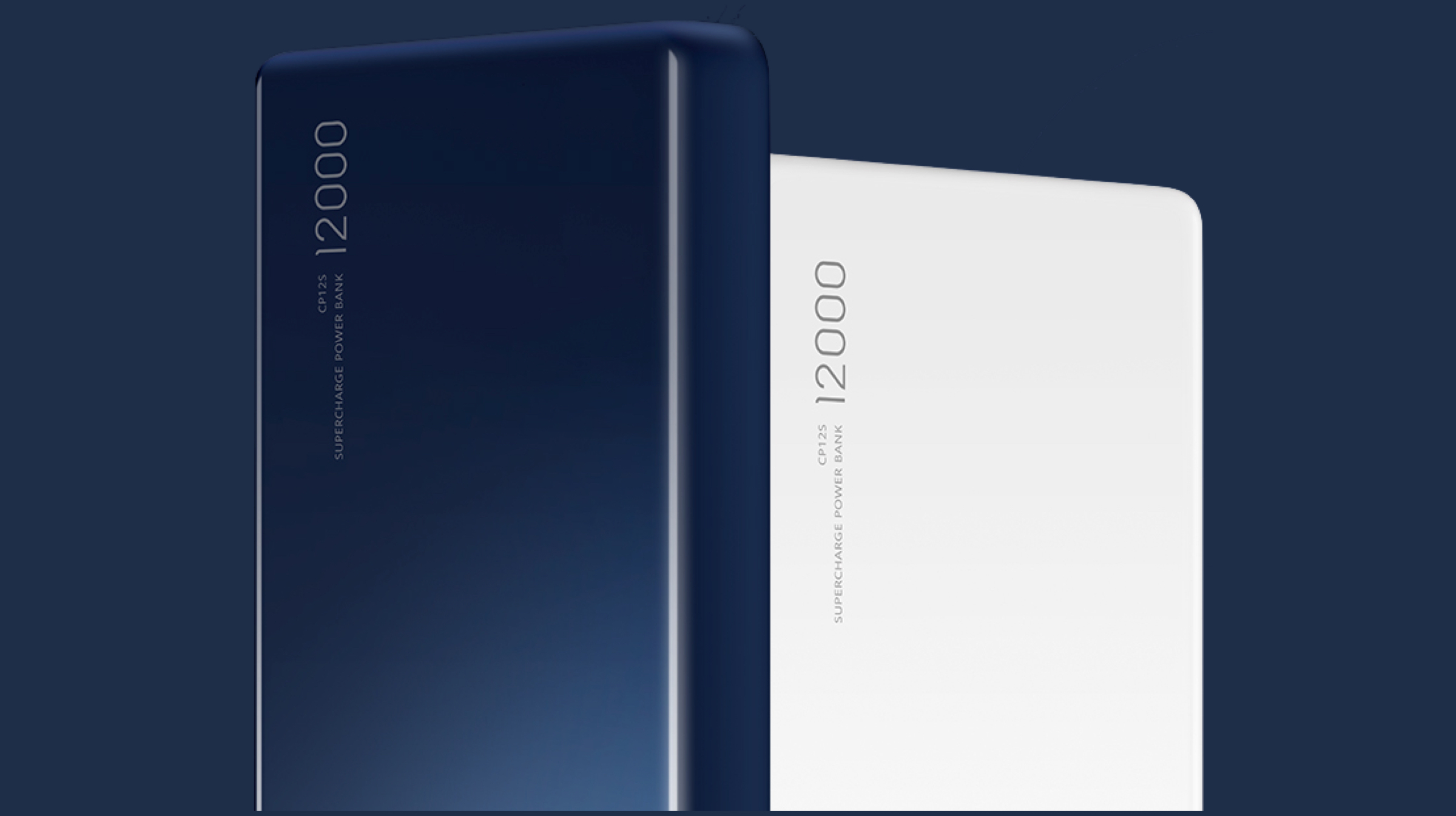
    Huawei 12000 40W SuperCharge Power Bank

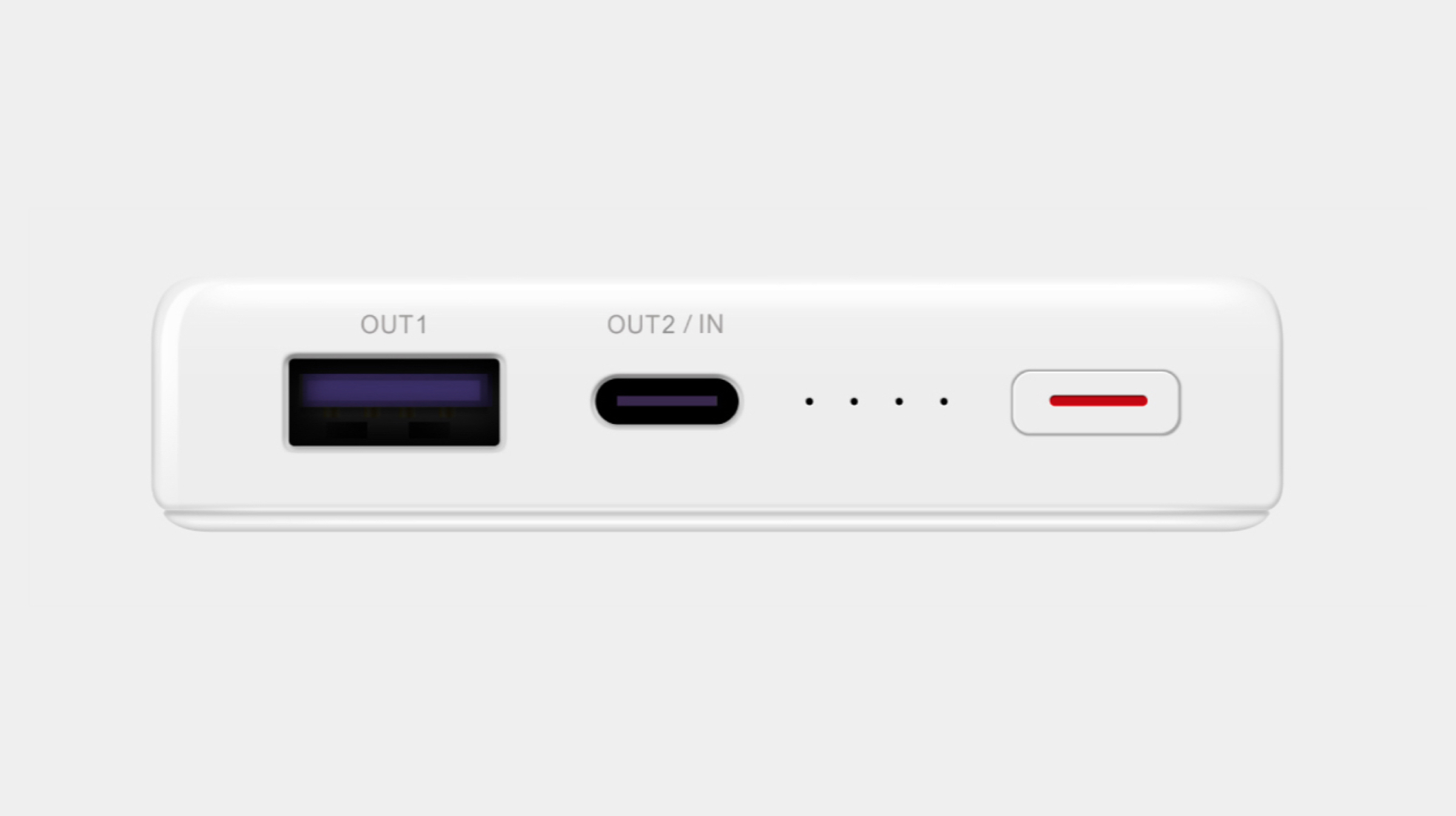
    As the name suggests, the newly launched power bank from Huawei has a 12,000 mAh battery. Noteworthy, it is capable of fast charging smartphones and other USB Type C devices with a maximum power of 40 W. The power bank has a chunky build that measures 135.4 x 69 x 15.5 mm and tips the scale at 227 grams. The top side of the device has 4 LED indicators, power on/off switch, USB Type A connector and a USB Type C connector which can be used for both power in and power out.

    Also Read: Xiaomi Mi 9X Leaks Before Official Announcement

    With the fast charge output of 40W, Huawei 12000 power bank is also capable of charging laptops. The device can be charged with 40 watts of power which can fully replenish its inbuilt battery in 2 hours and 14 minute or this time extends to 5 hours 25 minutes with a traditional 10w charger. The power bank is priced at € 99 (Rs. 7,700) and will be available for purchase soon.

  • Best Portable Bluetooth Speakers Under Rs. 2,000 In India

    Best Portable Bluetooth Speakers Under Rs. 2,000 In India

    With the ever-increasing advancement in technology, smartphones have evolved in a lot of ways over the years. But despite all of that innovation, one function of it hasn’t always been up to the mark. That feature is the sound or to be more precise, their inbuilt speakers. While devices like the  Apple iPhone XS, XS Max, XR, Samsung Galaxy S10 series and the Pixel 3/3XL offer stereo sound, there may always be a need for a more powerful, dedicated sound system. In selecting a good, portable wireless speaker, the options present in the market can be overwhelming. To make the choice easier, we have combined the best options under Rs. 2,000 available in the market currently.

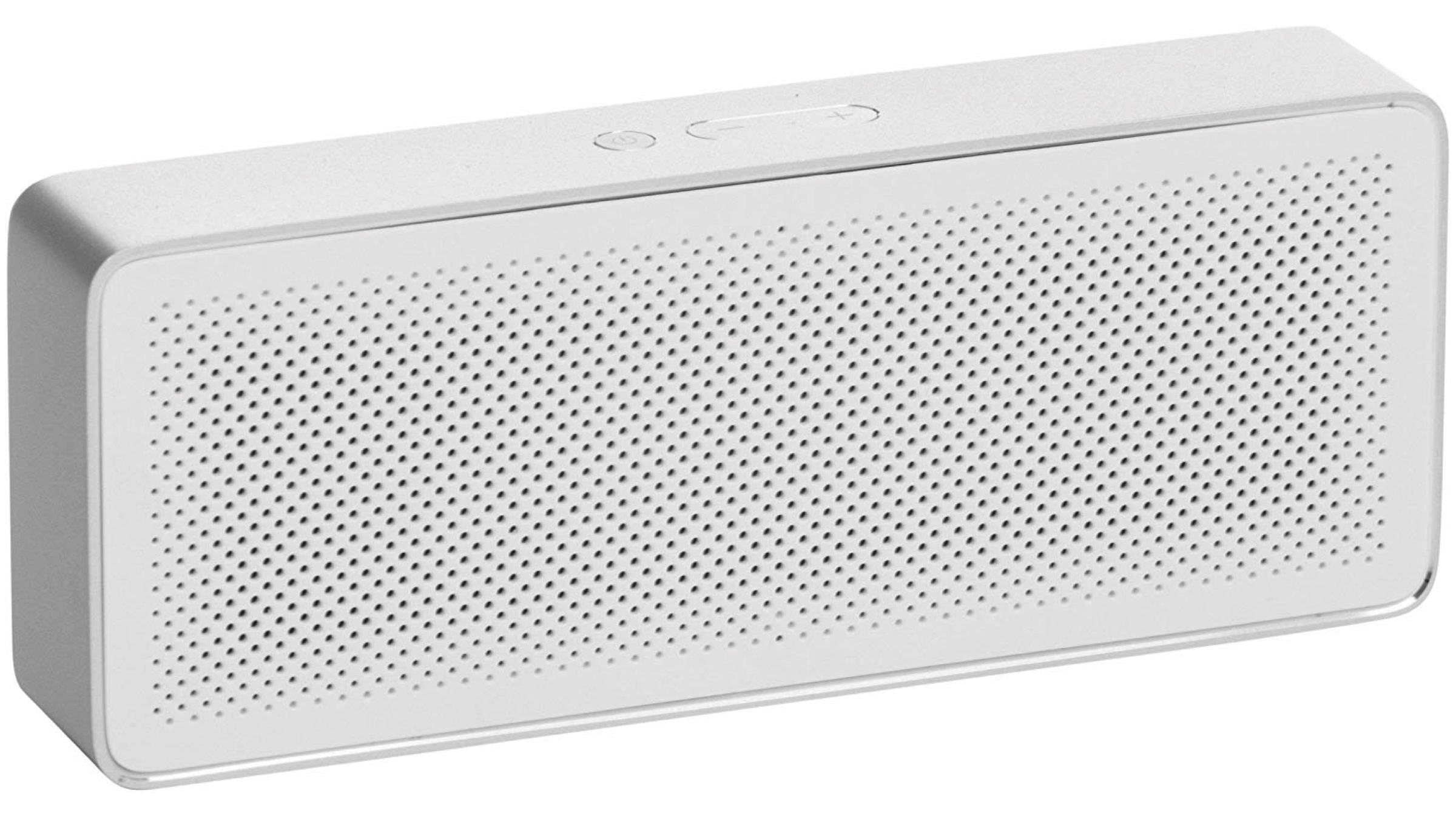
    Mi Basic 2 

    While talking about an affordable electronic device, it is quite inevitable to talk about Xiaomi. The Mi Basic 2 Bluetooth speaker is made out of aluminium frame and weighs 237g. Rated output of the drivers is 5W and the claimed battery life is 10 hours. With a great sound quality for the price, minimalistic looks and a portable design, the speakers are one of the best choices in the market currently.

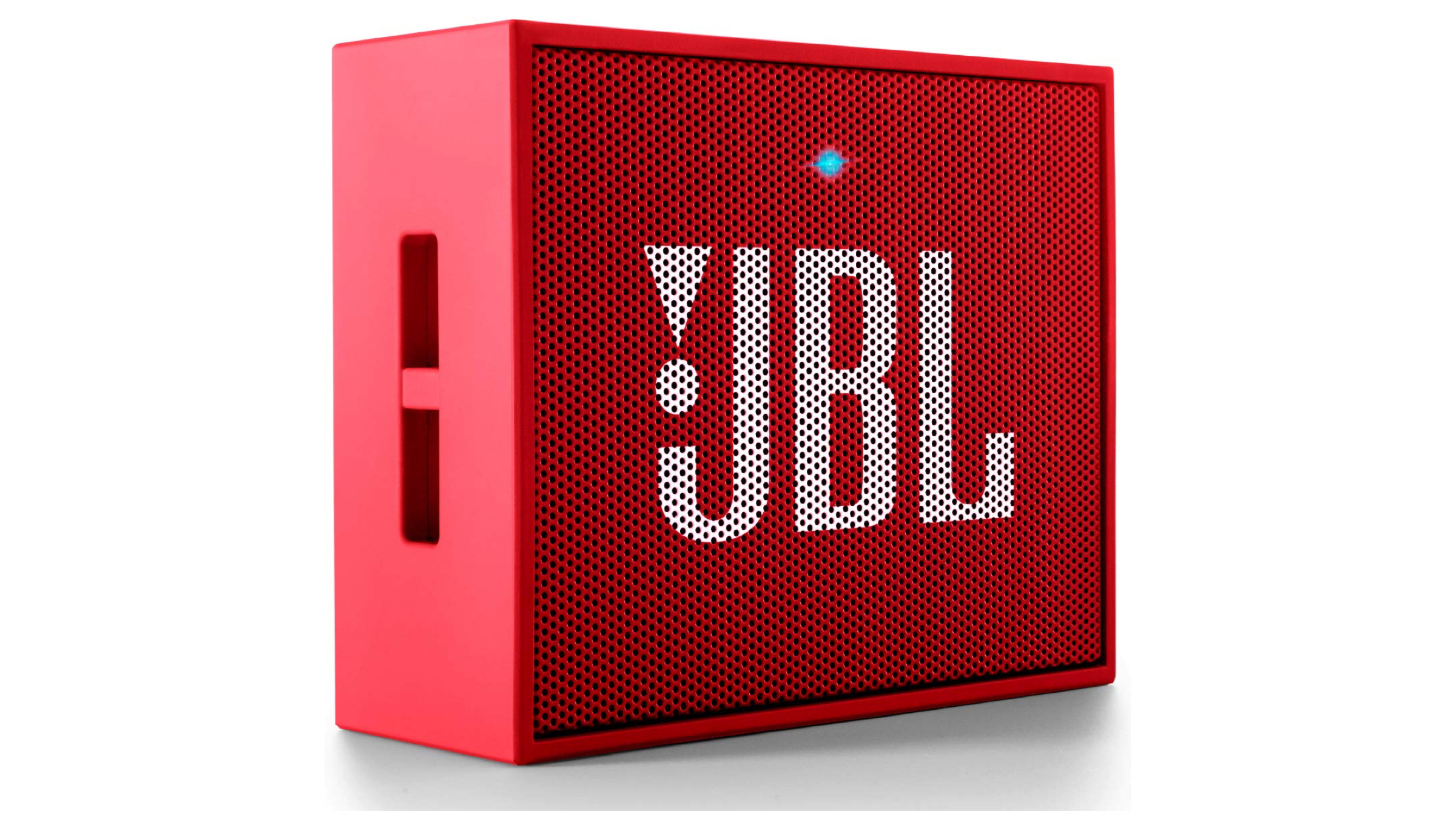
    JBL GO

    The JBL GO is one of the most popular speakers under Rs. 2,000. It is also bolstered by the fact that it is available in eight different eye-popping colours and weighs a nimble 132g. The maximum output power of the speaker is 3W. While this is lower than what the competition offers, the JBL GO is more portable and has the brand name of an audio equipment giant to back them up. Due to the sheer portability and looks alone, the speakers are one of the best options in the price range.

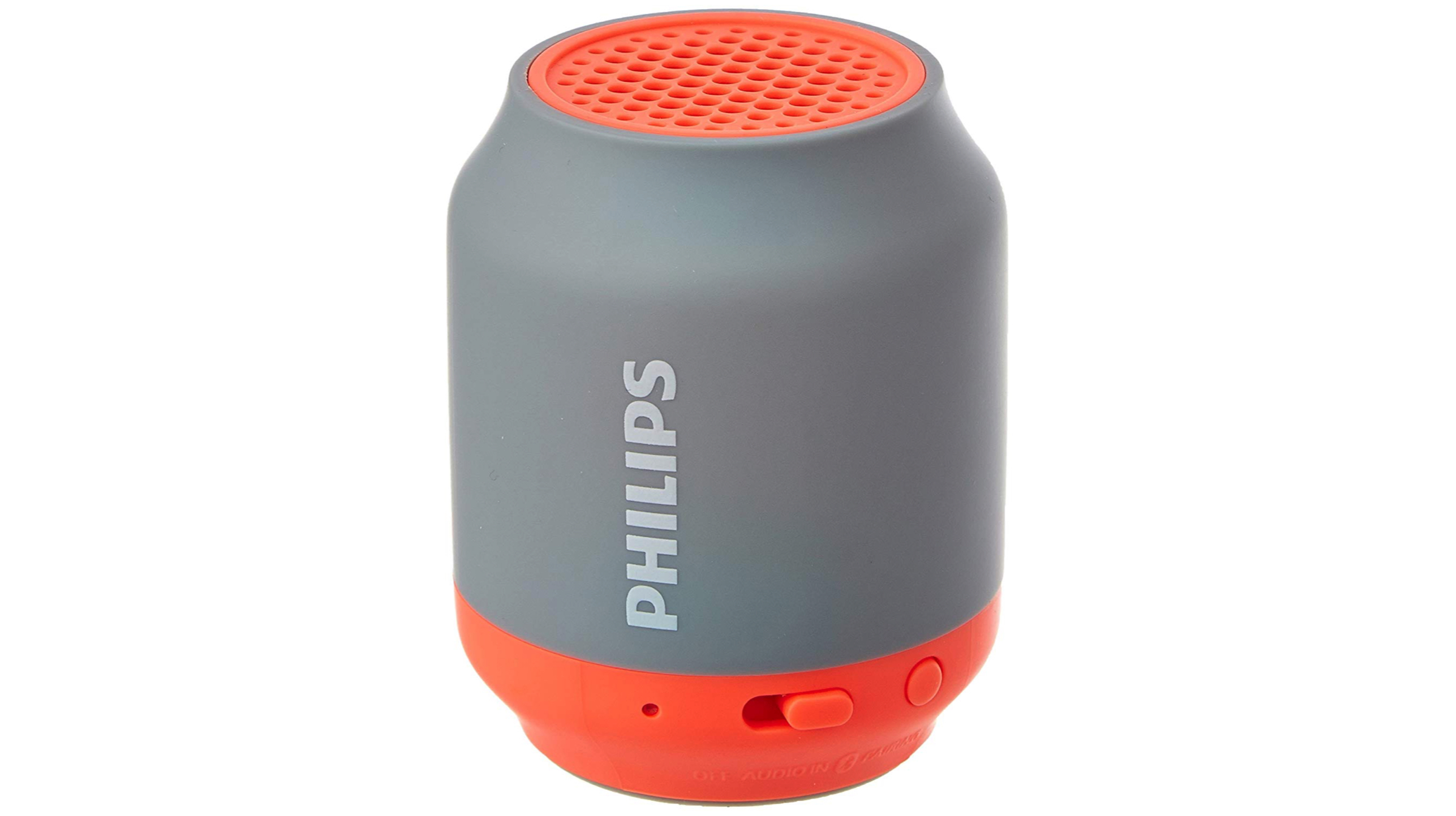
    Philips BT50B

    The Phillips BT50B is one of the most portable wireless speakers available in the market. Offered in four different colour variants, the sound output of the mono speaker is rated at 2W. While it doesn’t seem much on paper, it is a great sounding speaker when compared to its size. The rated battery life is 6 hours on a single charge and the weight of the speakers is a measly 90g. Also, the portability and a good sound output make it a great option in wireless speakers under the price of Rs. 2,000.

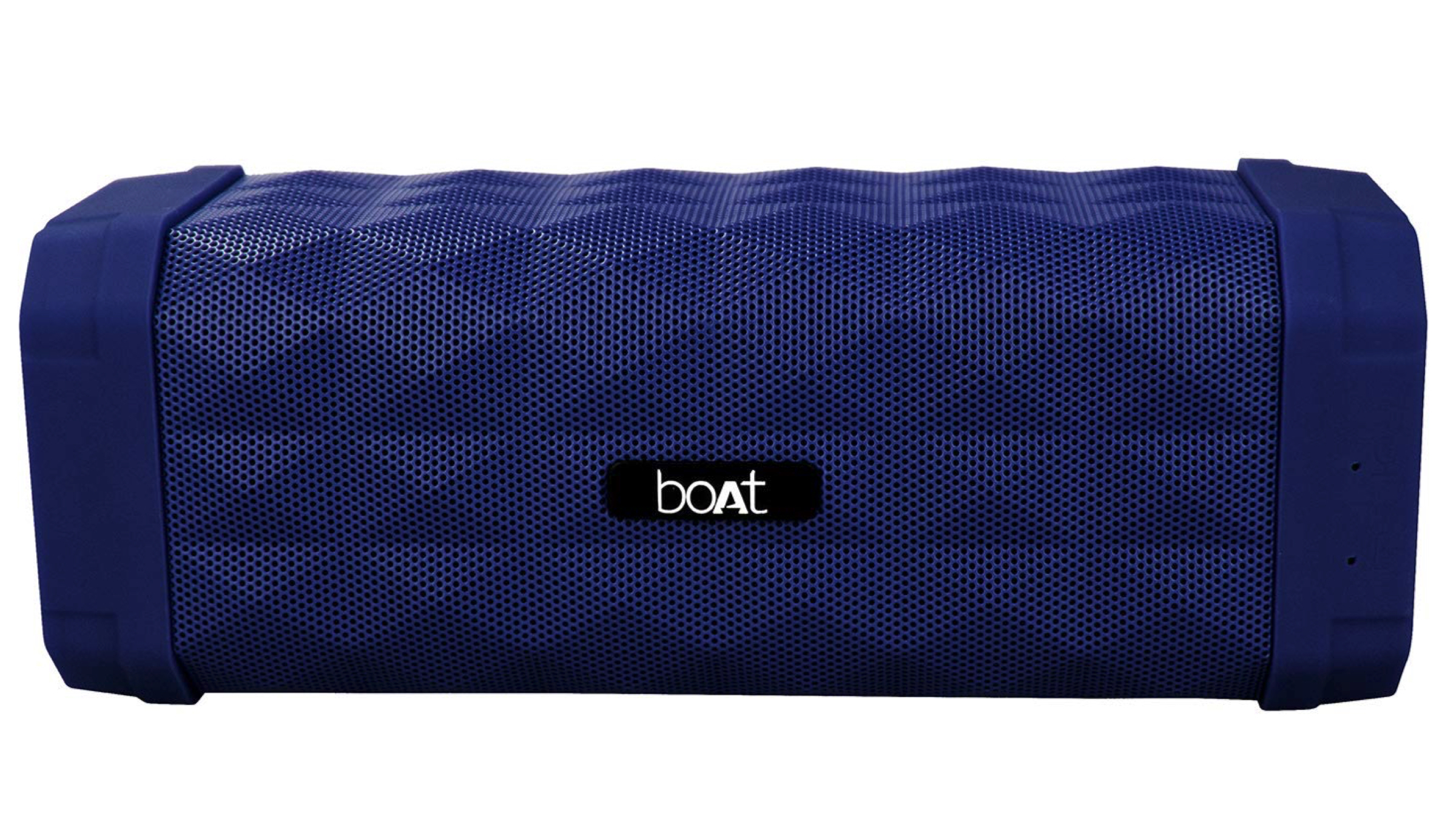
    Boat Stone 650

    The company Boat is known to make quality audio accessories at an affordable price. The Stone 650 is no different. While not the most compact options, the Bluetooth speakers offer a rugged build and an IPX5 rating for water resistance. Sound output is rated at 10W with the help of a dual driver setup inside. Battery life is also good, as the speakers are rated to last 7 hours on a single charge. Despite its size, the speakers weigh 653g which makes them fairly portable. The mix of a great sound and a competitive price makes it one of the best options in the market.

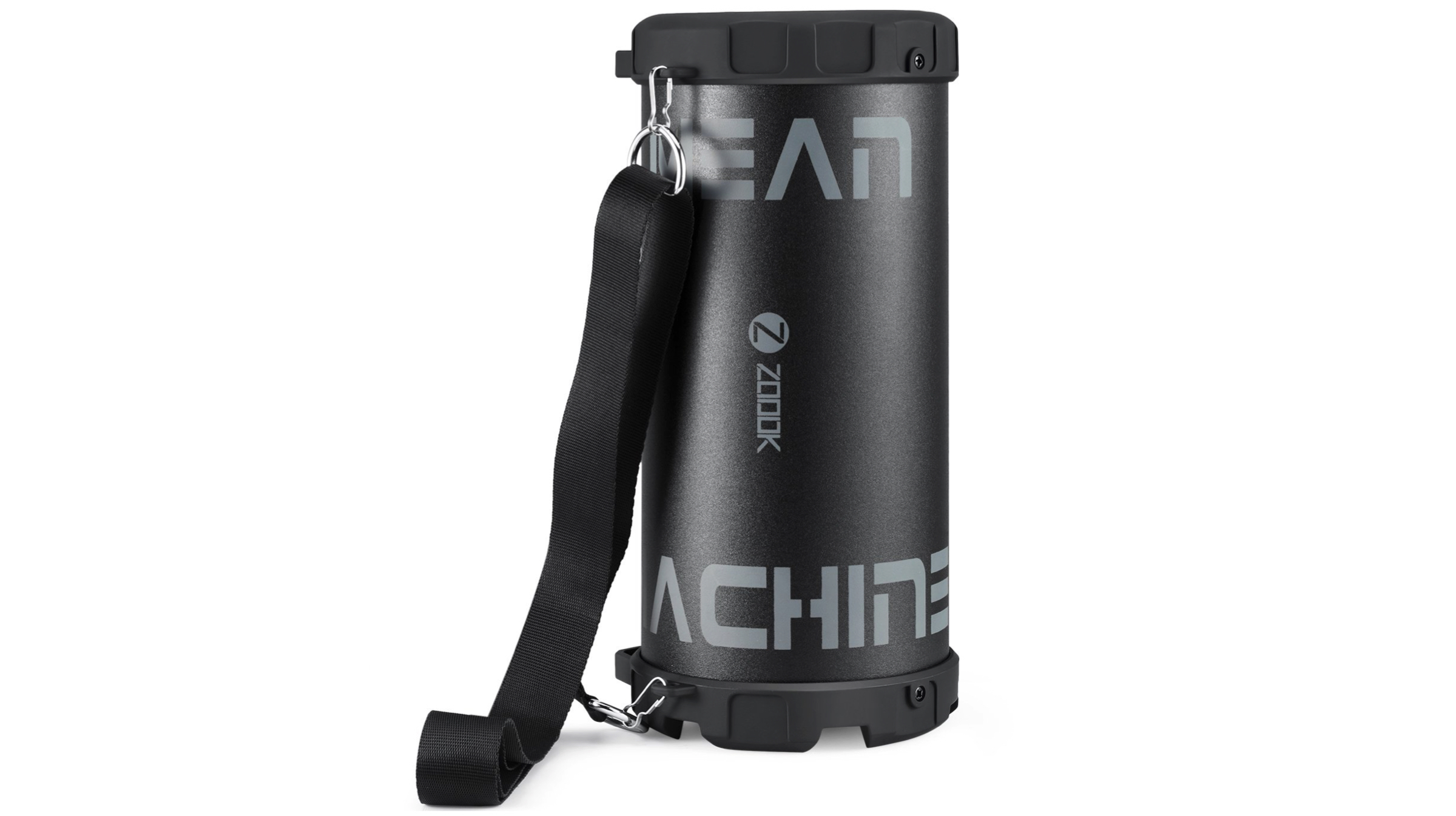
    Zoook Rocker M2-Mean Machine

    Also read: Steam Survey Shows The NVIDIA GTX 1060 As The Most Popular Graphics Card

    The Bluetooth speakers justify its naming perfectly, with a rugged and cylindrical design. The Zook Rocker M2 have a barrage of ports and slots to play music and charge the device. It has a shoulder strap that is included in the box, which makes them fairly portable and easy o carry around. The rated sound output of 10W and a claimed battery life of 6 hours on a single charge make it one of the best sounding and the best options available under the price of Rs. 2,000.

  • Apple Launches iPad Air 10.5 & 5th Gen iPad Mini

    Apple Launches iPad Air 10.5 & 5th Gen iPad Mini

    Apple has silently launched the iPad Air and the iPad Mini 5th Gen tablets. The company has sent out a press release that details about the newly launched tablet duo.   

    Features

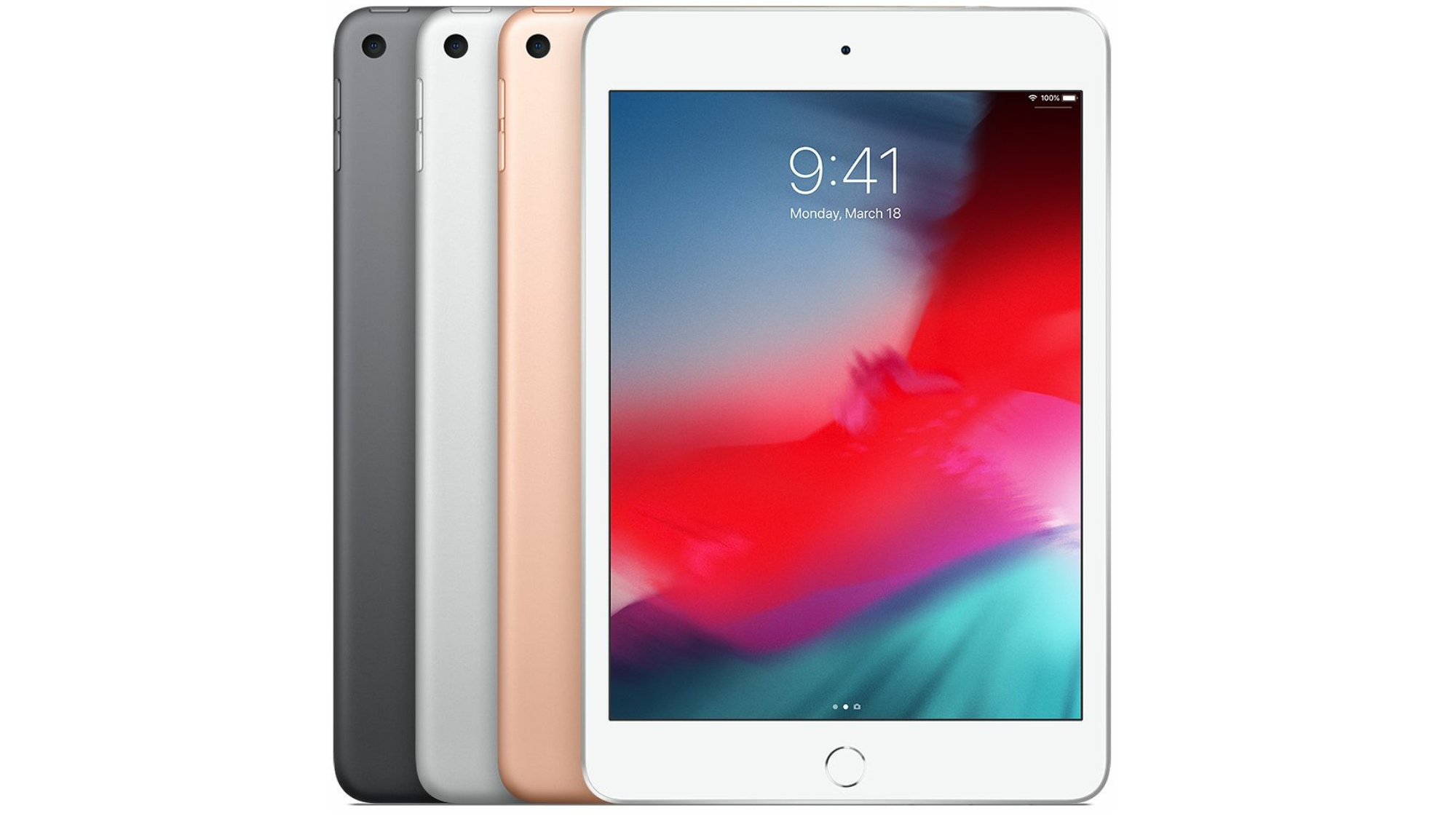
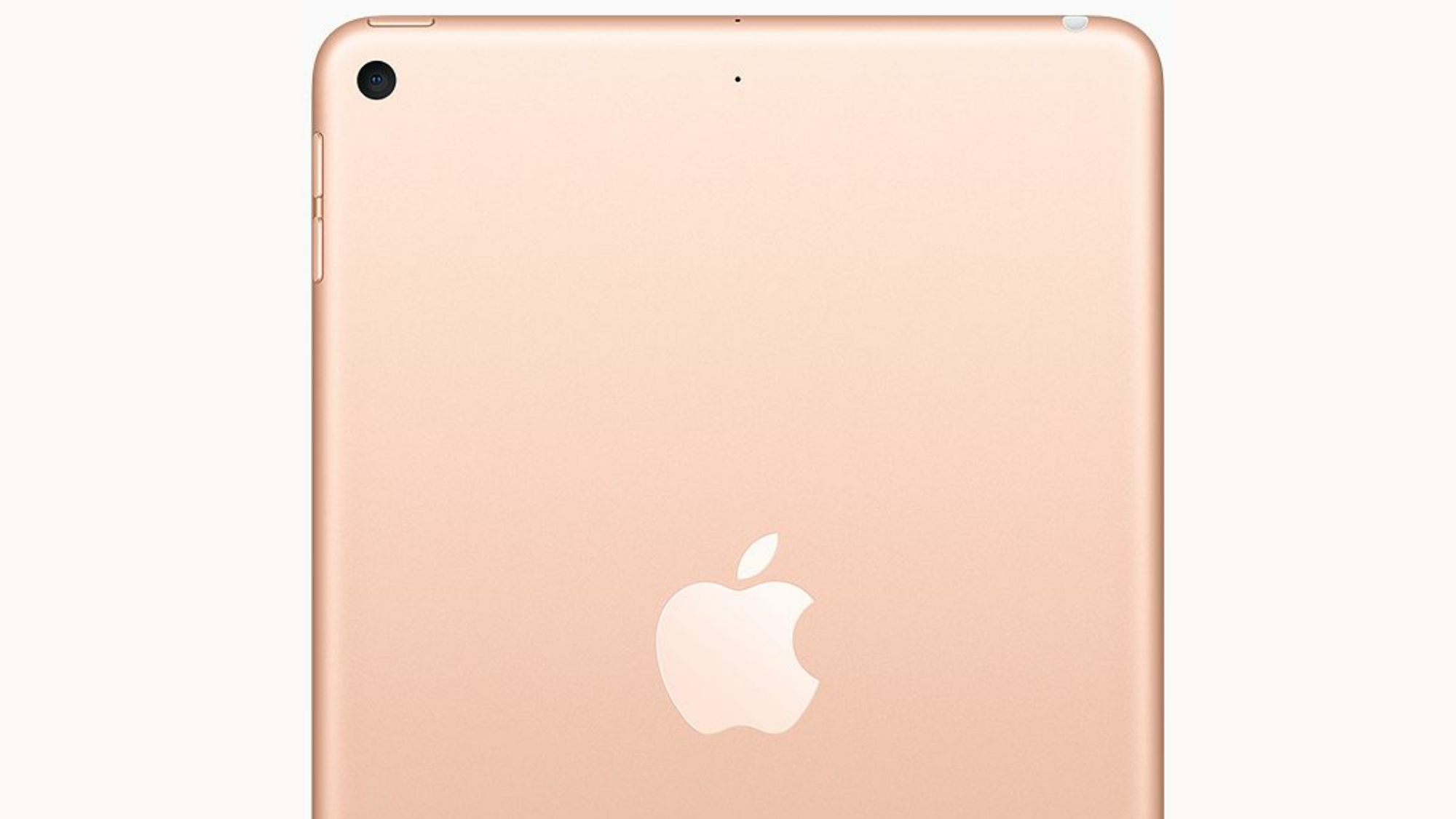
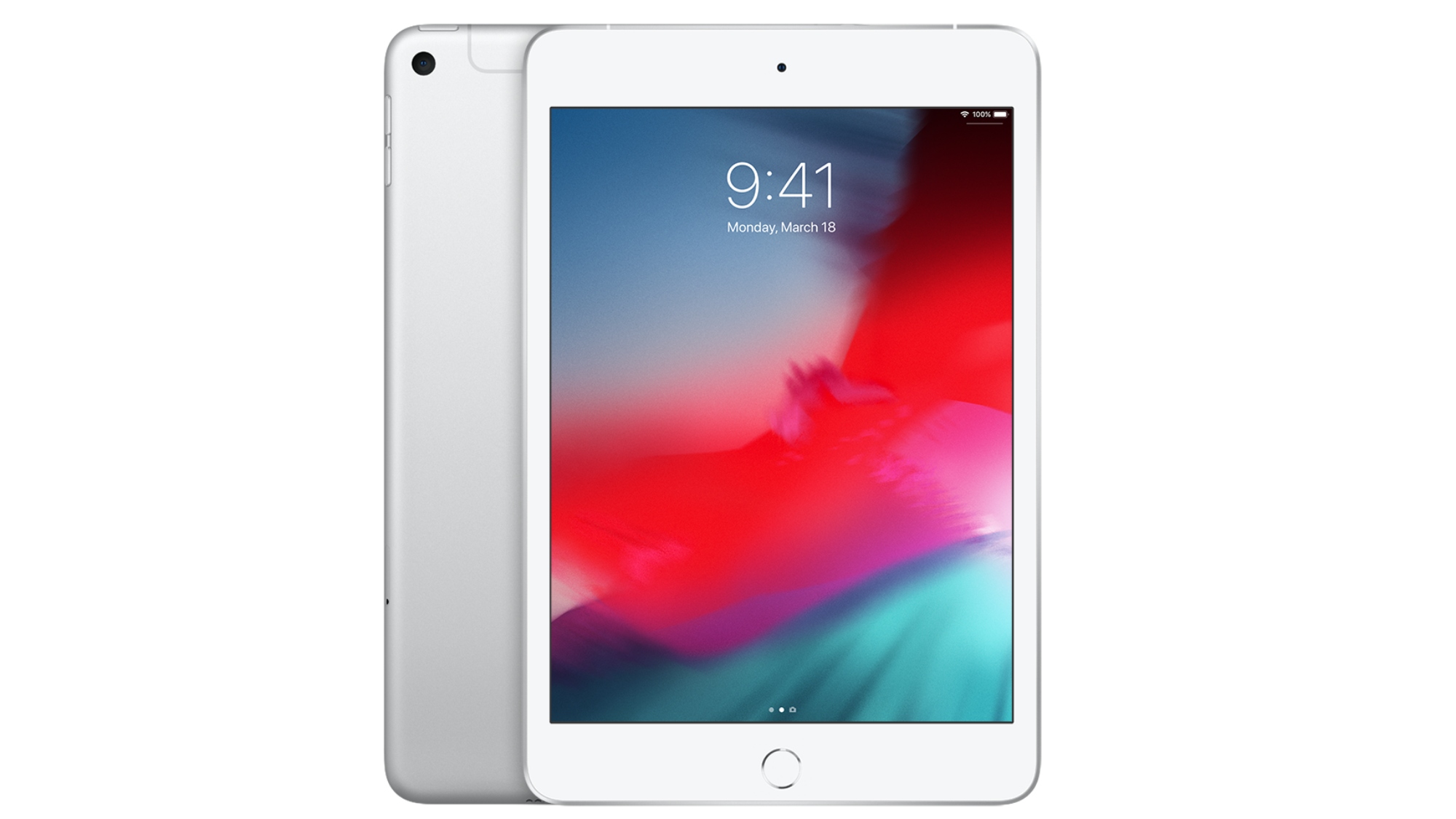
    Both the iPad Air and iPad Mini have an aluminium clad design with curved edges which are similar to previous iPad models. The bottom side of both the tablets is occupied by the lightning port which is flanked by dual stereo speakers while the top side houses the power button and the 3.5 mm audio jack. The right side of the devices house the volume rockers and the SIM card slot on the LTE variants. The front of the tablets has thin left and right bezels while the top and bottom bezels are quite prominent. The bezel above the display on both devices house the selfie camera while the bottom below the display houses the home button which also doubles as the TouchID fingerprint sensor.

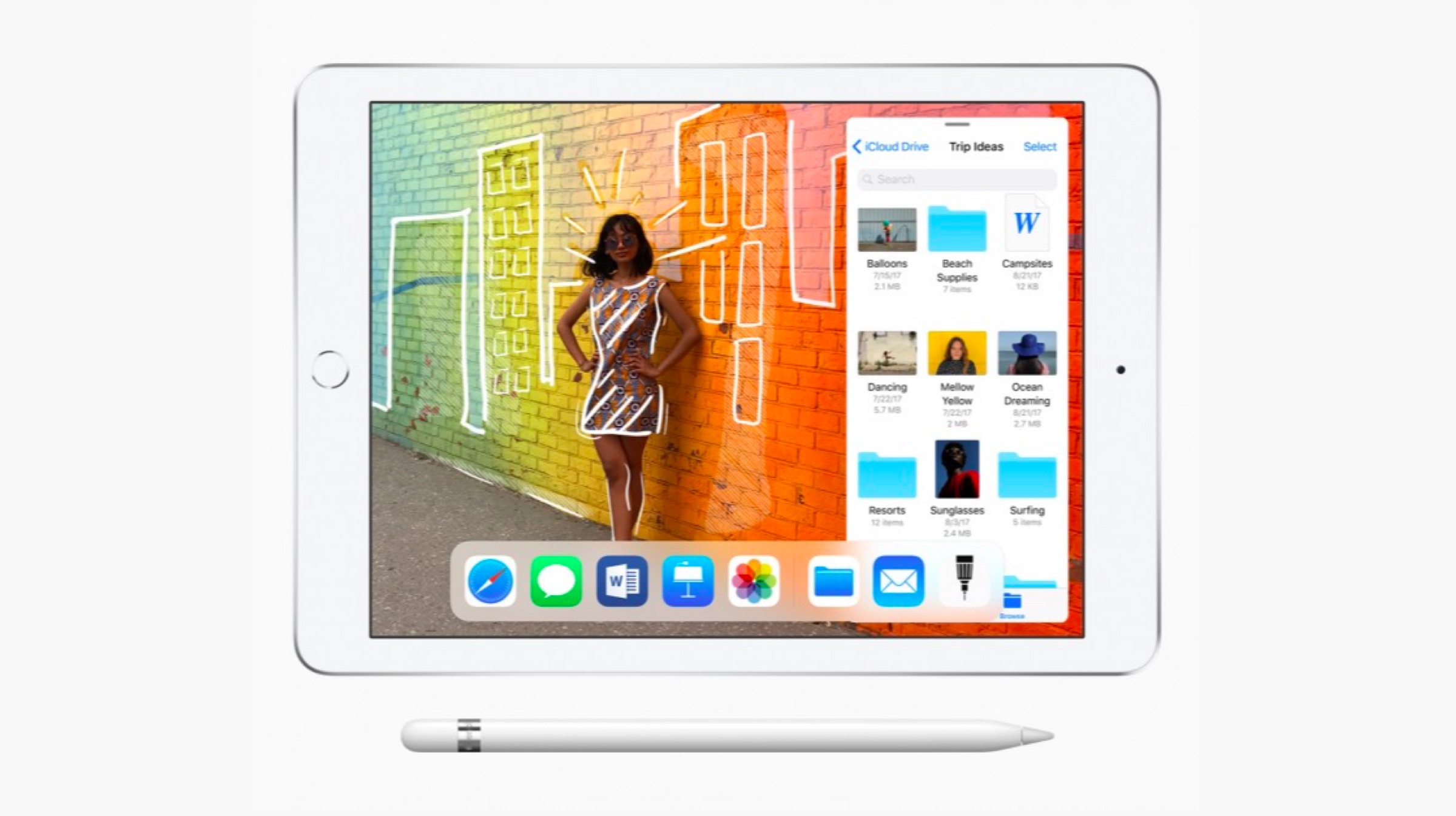
    Apple iPad 2018

    The iPad Mini sports a 7.9 inch display while the elder iPad Air sports a 10.5 inch display. The display panel on the former has a pixel density of 326 ppi whereas the display panel on the latter has a pixel density of 264 ppi. The display on both the devices have a brightness level of 500 nits and are covered with an oleophobic coating which minimises the appearance of fingerprint marks and smudges on them.

    Both the tablets run on the Apple A12 Bionic chipset which was introduced with the current iPhone models including the iPhone XS, iPhone XS Max and the iPhone XR. The chipset is manufactured using 7 nm architecture which helps in boosting the battery backup of the device. The chipset also consists of a neural engine and an M12 coprocessor. The neural engine helps in boosting AI operations on the tablet while the coprocessor collects data from the sensors including the accelerometer, compass and gyroscope which are further sent to the CPU for additional calculation.

    The iPad Air and the iPad Mini also share the common camera sensors on both the front and the back. The front camera on both tablets has an f/2.2 aperture equipped 7 MP sensor while the rear camera sensor is an f/2.4 aperture equipped 8 MP sensor. The tablet duo can also capture 1080 HD videos from both the front and rear facing camera. Noteworthy, the rear cameras can also capture slo-mo videos at 120 fps and time-lapse video. Additional camera features on the devices include Live Photos, HDR for photos, burst mode and auto image stabilisation.

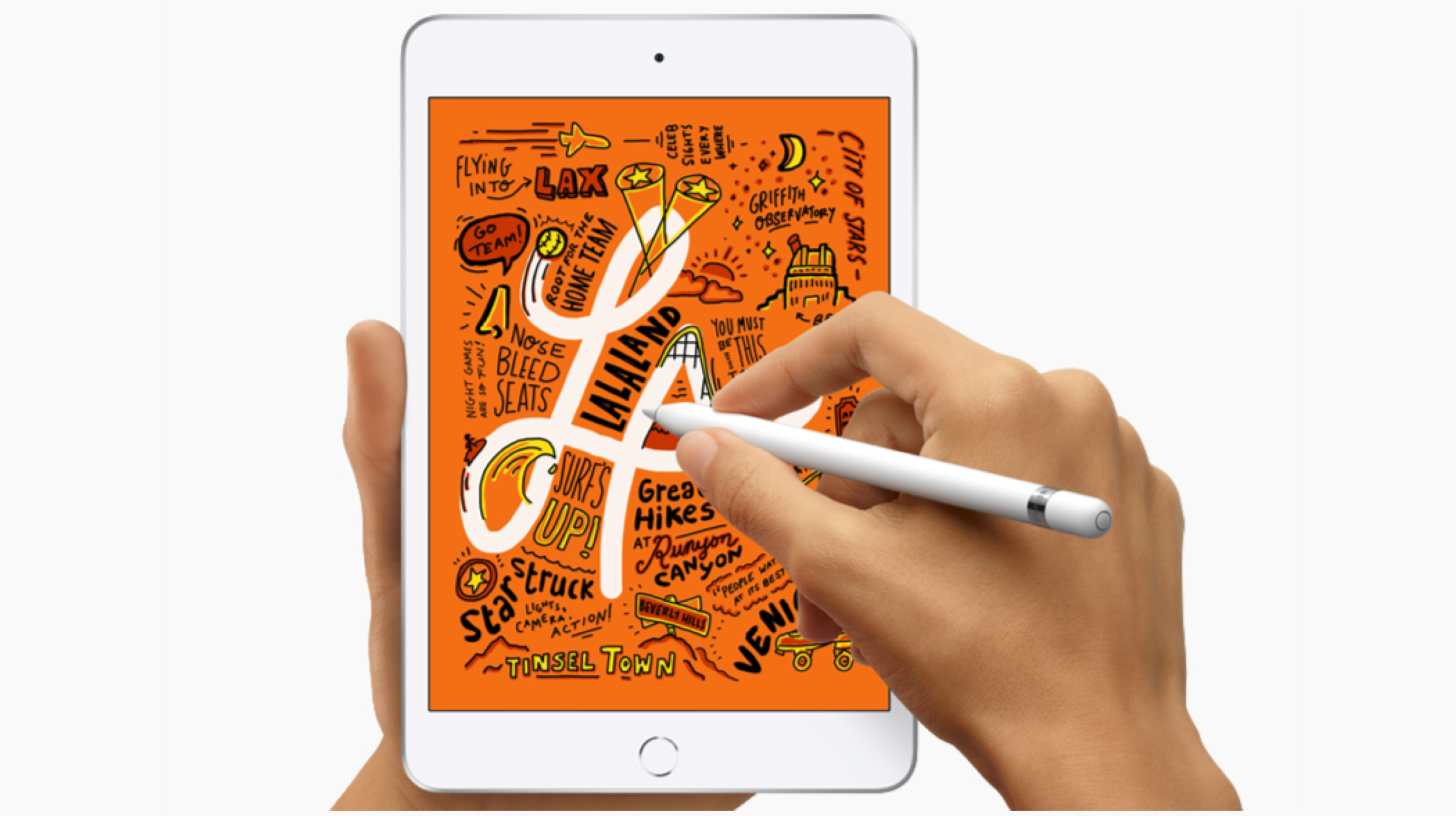
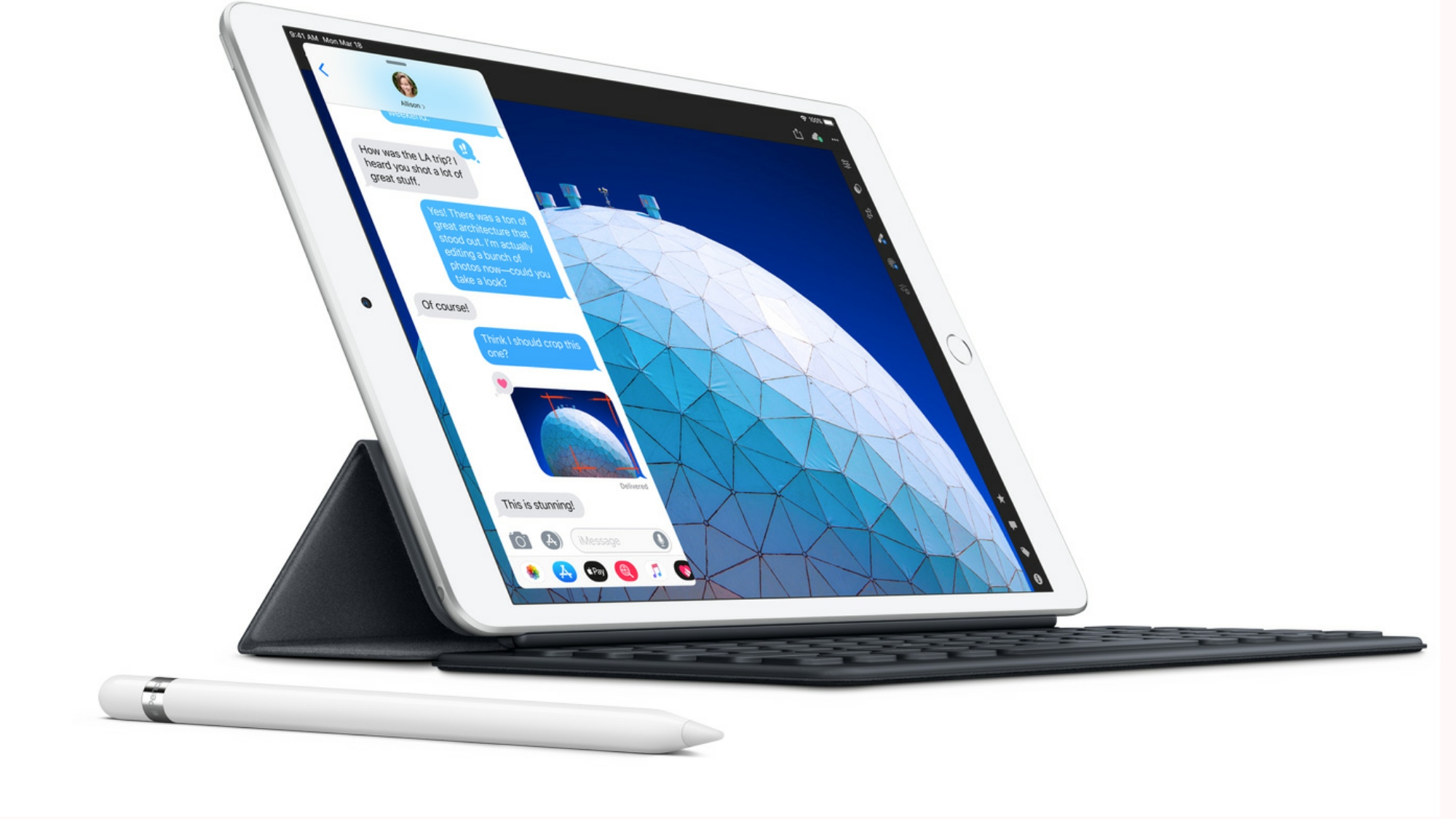
    The iPad Mini is powered by a 19.1 watt hour battery while the elder iPad Air is powered by a 30.2 watt hour battery. Apple claims a battery backup upwards of 10 hours on both the tablets. The tablets run on the latest iOS 12 and have a host of sensors which include three axis gyroscope, accelerometer, barometer and ambient light sensor. Exceptionally, the new devices also support the Apple pencil (sold separately). Therefore, taking notes and drawing masterpieces is now possible on the smaller iPad models other than the iPad Pro. The iPad Air 10.5 inch also supports the folio-style Bluetooth keyboard which is again sold separately.

    Price, Colour, Storage Options and Connectivity Variants

    Also Read: Dell Launches The Alienware Area 51m Gaming Laptop In India

    Both the iPad Mini 5th generation and the iPad Air 10.5 are available in three colour options which include Gold, Silver and Space Gray. The price for different variants of the newly launched tablets are as follows: 

    iPad Air 10.5 iPad Mini 5th Generation
    64 GB Wi-Fi – $ 499 (Rs 44,900) 64 GB Wi-Fi – $ 399 (Rs 34,900)
    64 GB Wi-Fi +Cellular – $ 629 (Rs 55,900) 64 GB Wi-Fi +Cellular – $ 529 (Rs 45,900)
    256 GB Wi-Fi – $ 649 (Rs 58,900) 256 GB Wi-Fi – $ 549 (Rs 48,900) 
    256 GB Wi-Fi +Cellular – $ 779 (Rs 69,900) 256 GB Wi-Fi +Cellular – $ 679 (Rs 59,900) 

    Apple Pencil (1st generation) is available for purchase separately for INR 8500. The Smart Keyboard for the 10.5-inch iPad Air is available for purchase separately for INR 13900 with layouts for over 30 languages, including simplified Chinese, French, German, Japanese and Spanish.

    iPad Mini 5th Gen Specifications

    • Display: 7.9-inch Retina LED,  2048 × 1536 pixels, 326 ppi
    • Operating System: iOS 12
    • Processor: Apple A12 Bionic
    • RAM: 2 GB
    • Storage: 64 GB/256 GB 
    • Rear Cameras: 8 MP, f/2.4
    • Selfie Camera: 7 MP, f/2.2 
    • Security: TouchID, Screen Lock
    • Connectivity: 4G VoLTE, Wi-Fi 802.11 ac, Bluetooth 5.0, GPS, Lightning Connector  
    • Battery: 19.1 Wh
    • Dimensions: 203.2 × 134.8 × 6.1 mm 
    • Weight: 300 G (Wi-FI), 308 G (WiFi + LTE)
  • Is The Future Of Charging Wireless?

    Is The Future Of Charging Wireless?

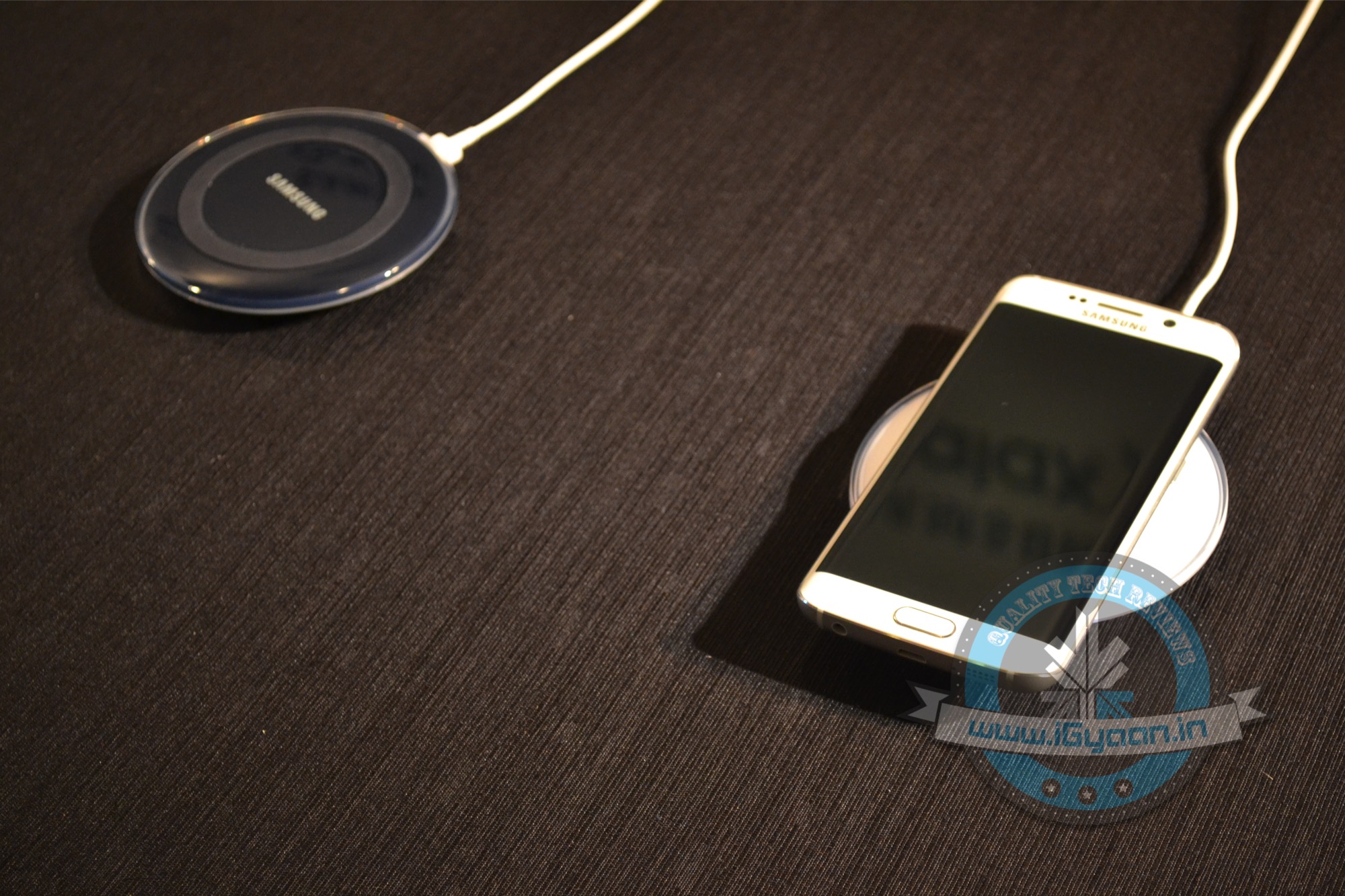
    Apple introduced wireless charging with the iPhone models in the year 2017 which include the iPhone 8, iPhone 8 Plus and the iPhone X.  While the technology was available for a long time in smartphones, its embracement by Apple made it mainstream. Smartphone OEMs followed Apple and started introducing wireless charging in their devices. The market of wireless chargers has also grown exponentially over the past two years. But, the technology is still imperfect and slow in its current state. So, what could be the next big thing in wireless charging and will we ever see a future without wires?

    Introduction and History

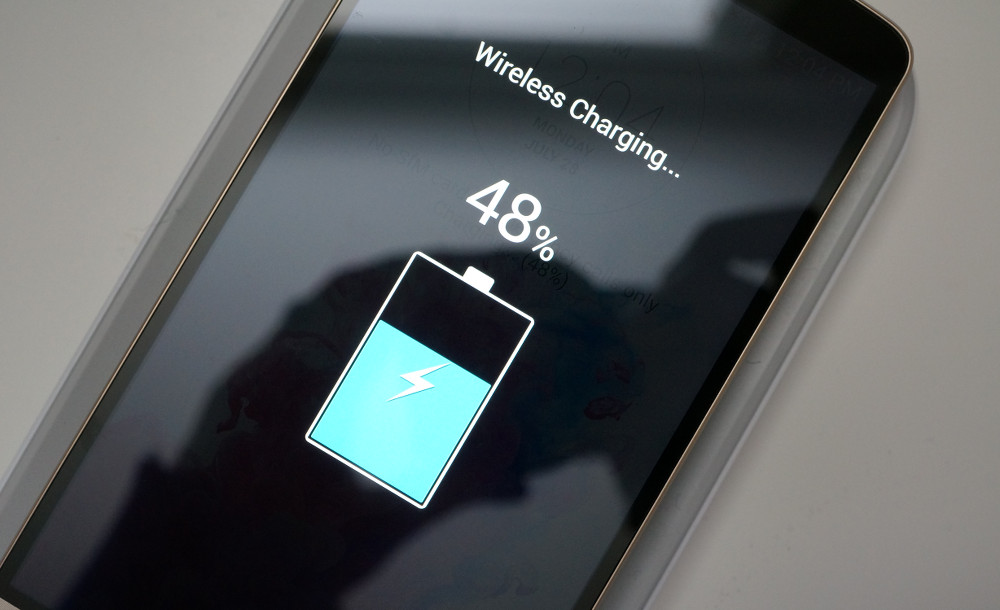
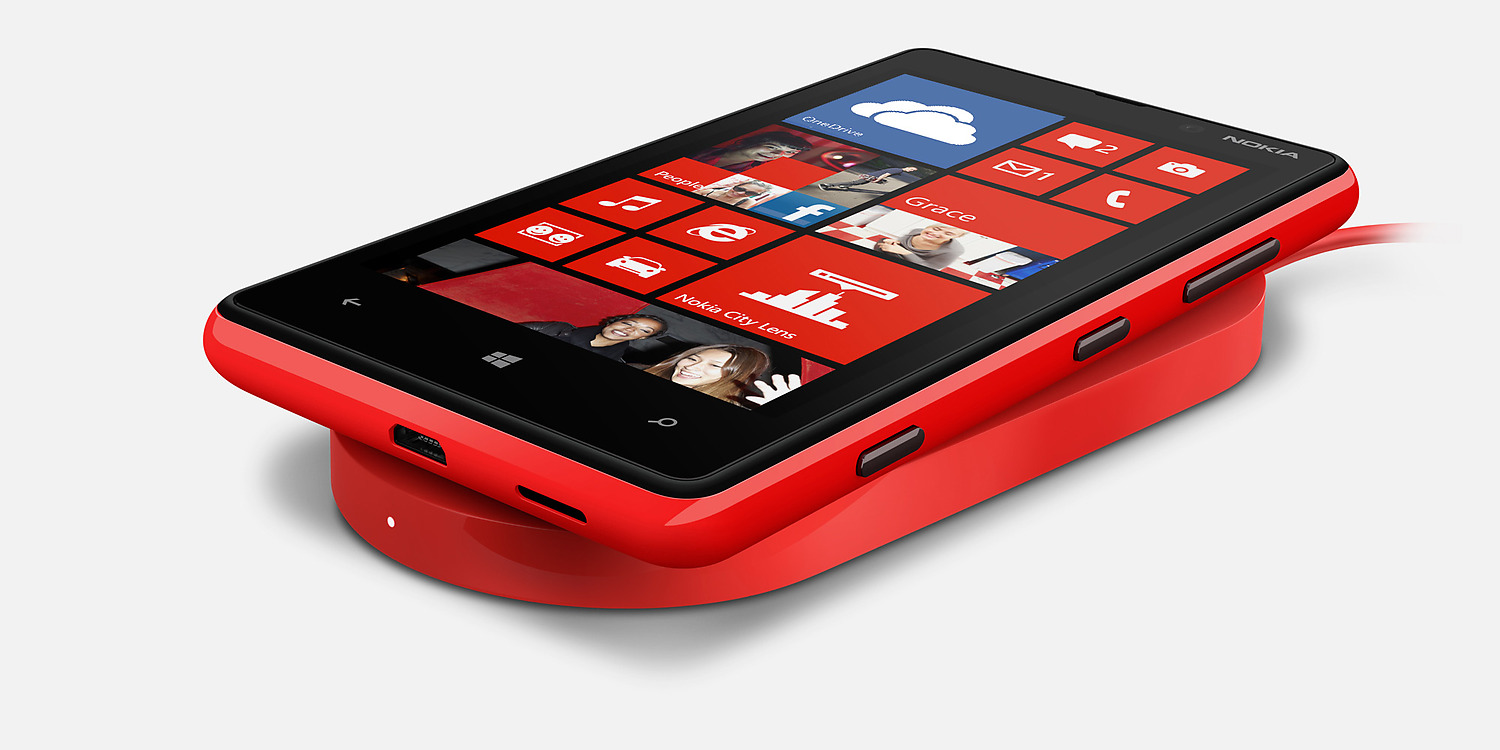
    Wireless charging is a feature that allows compatible electronic devices to recharge via electromagnetic induction. This allows the transfer of power without the hassles of cables and wires. The feature has grown to become immensely popular in smartphones lately.  It was first introduced with the Nokia Lumia 820 and 920 back in September 2012. Soon after that, OEM’s like LG and Samsung brought this feature to their flagship devices. In today’s day and age, the feature is more common and is generally observed in premium smartphones. This feature only works in smartphones that use glass, plastic or ceramic back as metal does not allow electricity to pass via induction technology.

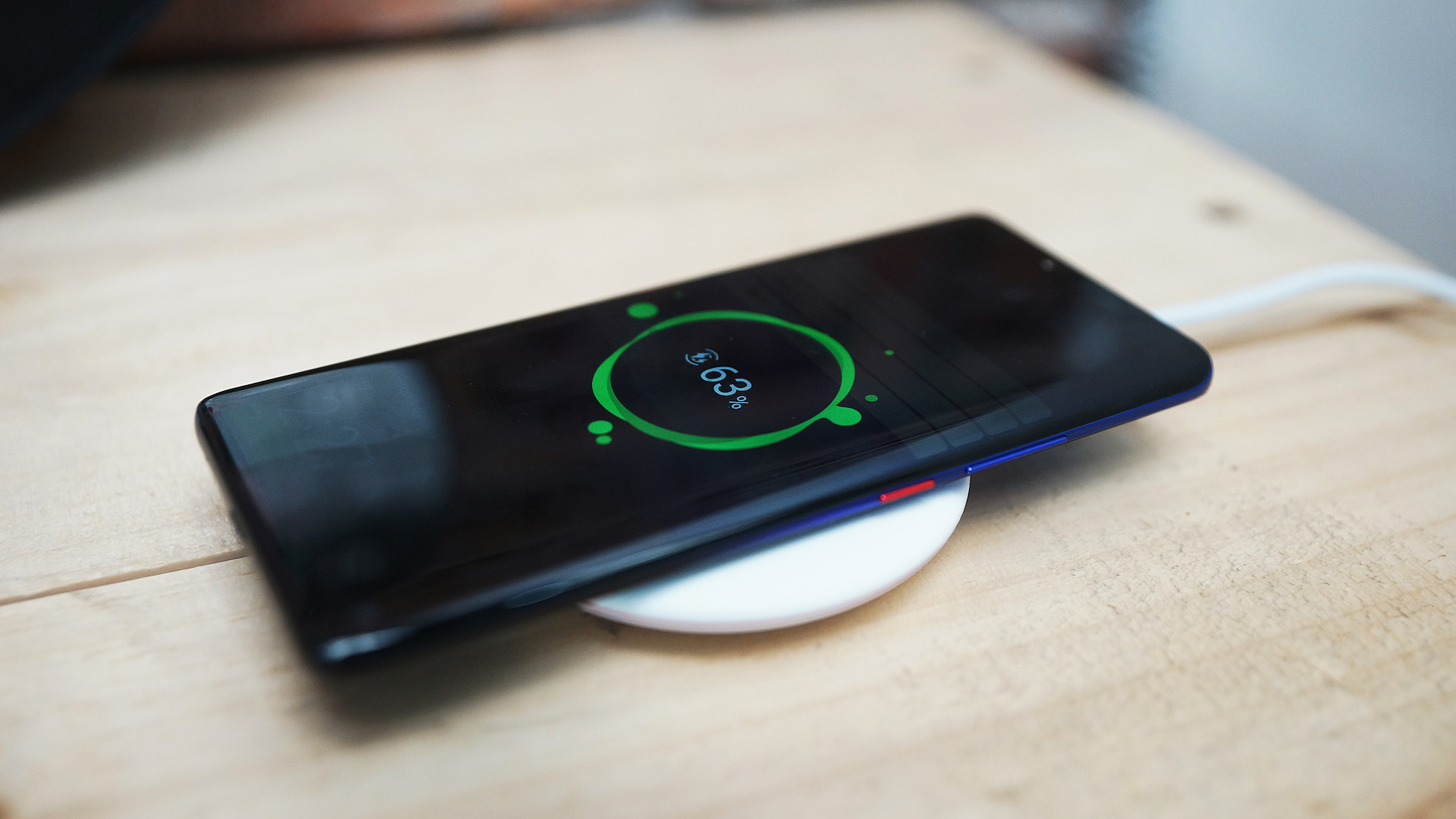
    Most smartphones that support wireless charging technology are certified by the Qi standard. This standard was established by the Wireless Power Consortium (WPC) in the year 2010. Some modern smartphones that make use of the Qi standard to pack wireless charging include Samsung Galaxy S10 series, iPhone XS, XS Max, Pixel 3, Pixel 3XL, and the Huawei Mate 20 Pro. A Qi certified dock or a charger is used which is connected to a wall outlet. The smartphone or any Qi-enabled device can be placed over the charger or on the dock to charge it. The current record for fastest wireless charging on a smartphone is held by Xiaomi’s latest flagship the Mi 9; which supports 20W wireless charging. 

    Why Wireless Charging?

    The Wireless Charging technology may not be in its best state right now, but it’s unarguably useful because of many reasons. Some of the reasons to choose the feature over conventional charging are highlighted below:

    • Convenience: This one is a no brainer, as just keeping a device over the charging dock is easier than plugging it in. This aspect of convenient charging makes the best case to switch to a Qi-enabled device.
    • Safer, because of a shielded connection: The feature uses induction, and there is no fiddling with wires, which makes this a safer way to charge an electronic device. One might argue that the wire is present but is needed to be handled with rarely.
    • Increased durability of ports: Regular plugging and unplugging an electronic device will mechanically wear out the connection port over time. With wireless charging, there is no need to fiddle with a wire, so the ports remain intact.
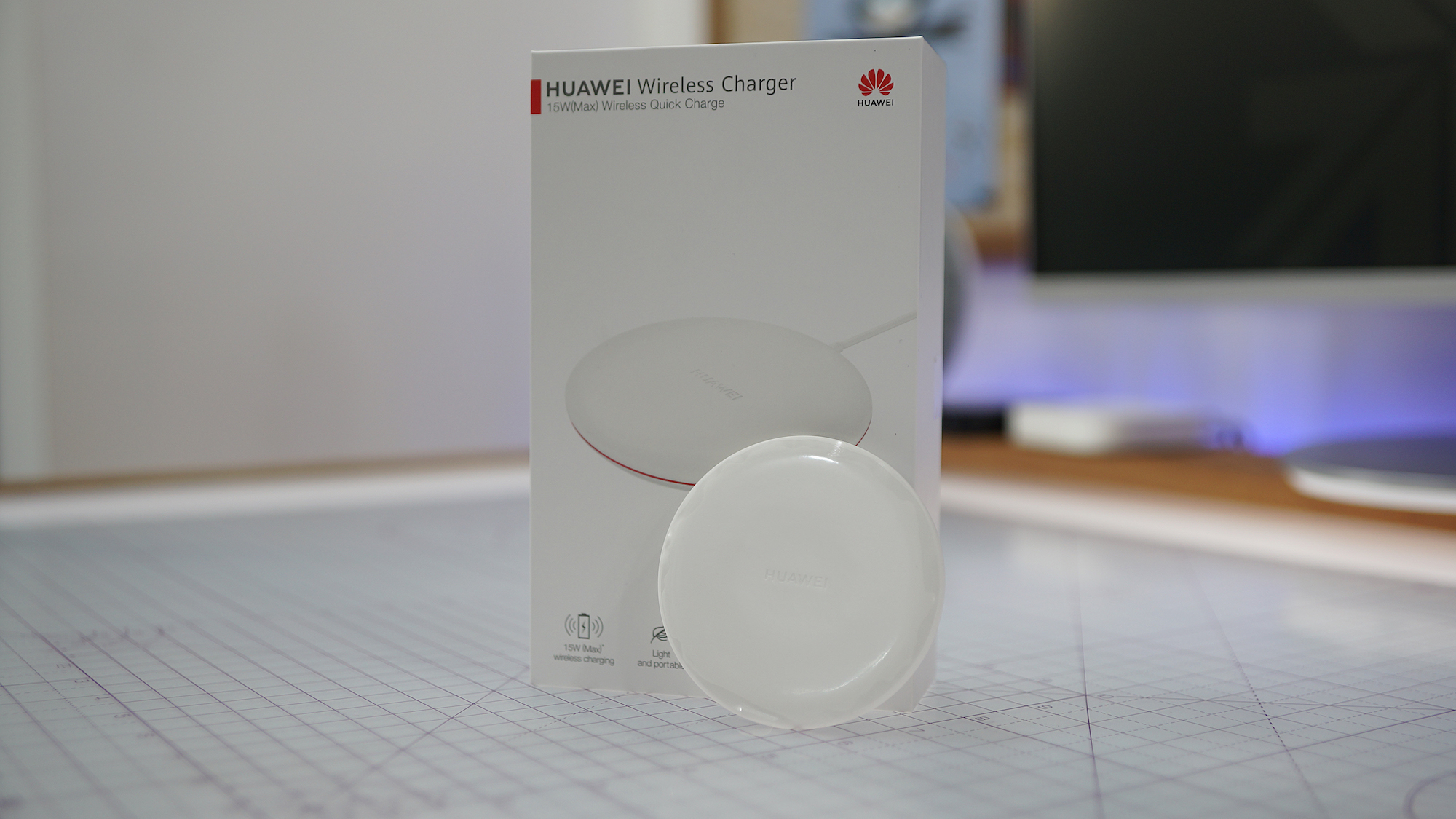
    • Increasing developments in technology: This point is valid for wired charging as well, but seeing how wireless charging has improved over the years, it will be very interesting to see what the future holds for this visionary technology.
    The Future Of Wireless Charging

    While wireless charging is a great feature to have and saves the user a lot of hassle in handling cables; it is still not as fast and efficient as wired charging. Also, there is no consumer solution currently available which can transfer current from a distance. The development of this technology is still in its nascent stage and the prototypes of it working aren’t very promising. Disney in the year 2017 showcased a prototype room which turned the whole space into a wireless charger. Unfortunately, this required an aluminium room and a metal pole in between. In order to create a wireless charging enabled room, designs and aesthetics take a backseat. 
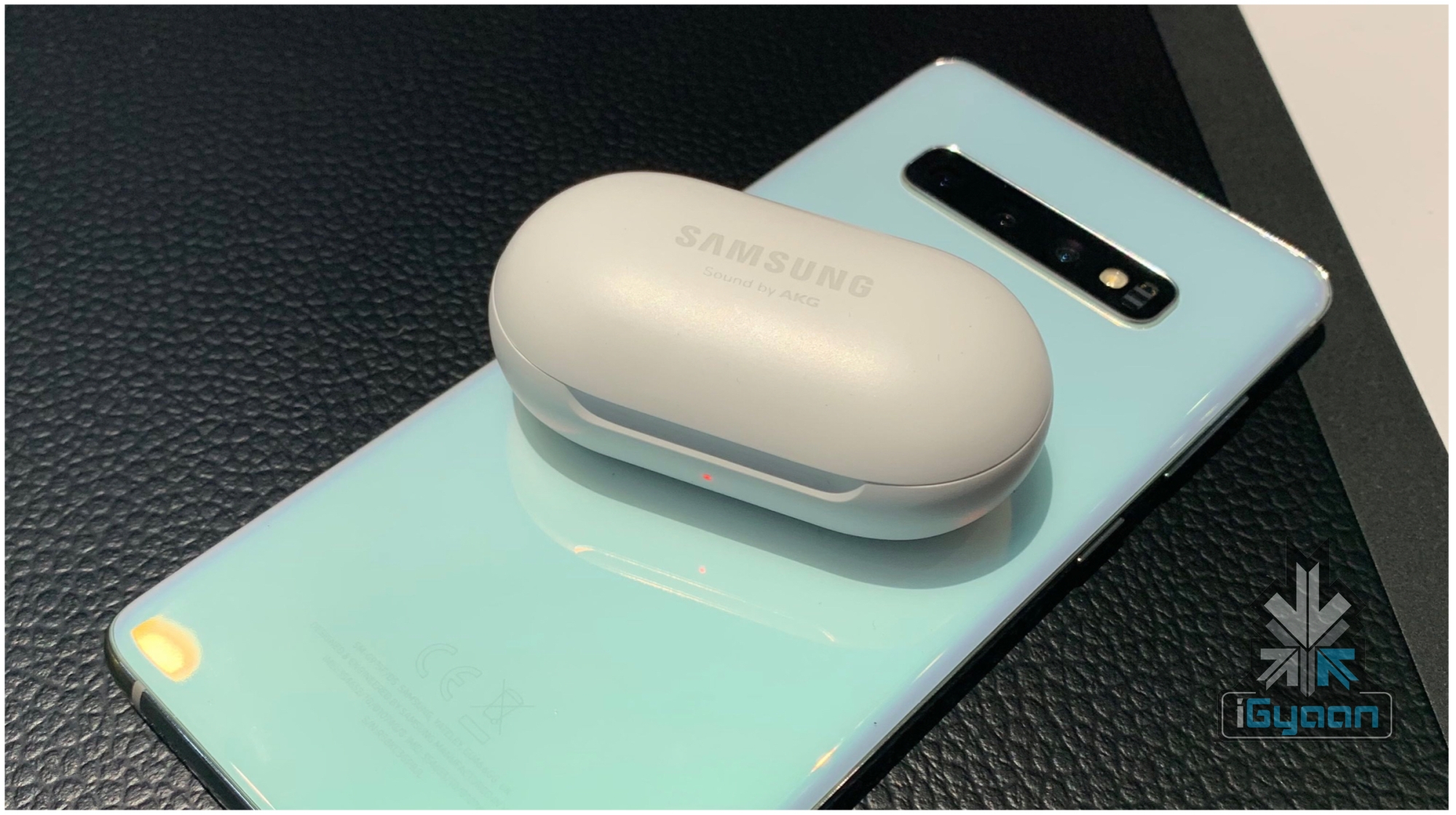
    Also read: OnePlus 7 Listed Online Confirming Price & Specifications

    One more problem with wireless charging is overheating. The manufacturers have struggled to increase the charging speed with minimal heating. Notably, overheating is the reason that has caused the production delay of the highly anticipated AirPower wireless charging mat from Apple. But as is the case with every new technology, wireless charging is also expected to get better with time and it is expected to work at a faster speed, that too from a distance and with much less heat dissipation. Vivo, the Chinese smartphone manufacturer has recently partnered with Energous; which is known for its long-distance wireless charging technology. This collaboration is expected to further increase the pace of development of wireless charging technology. The future of wireless charging seems very exciting and may lead to one where there are no wires, and our devices never run out of battery.

  • Understanding Different Realities; What is AR, VR And MR

    Understanding Different Realities; What is AR, VR And MR

    Technology has often changed the way humans have perceived the world and is expected to further challenge it in the future. The introduction of Augmented and Virtual Realities have revolutionalised different business sectors completely and have allowed for a better interaction with technology to create more immersive, engaging content. But, what do AR and VR mean? And what is the new technology that has debuted with the Microsoft Hololens, MR? Here is what these terms mean individually.

    Augmented Reality (AR)

    Augmented Reality is defined as “an enhanced version of reality created by the use of technology to add digital information on an image of something.” It usually interacts with the help of a camera which is used to capture details from the real world. The device from which the AR functions are used makes it possible to further enhance the experience by adding different layers to reality. Pokemon Go, a game from 2016 is a great example of AR technology being used. Apps like Instagram and Snapchat also use this technology to provide live face stickers. 

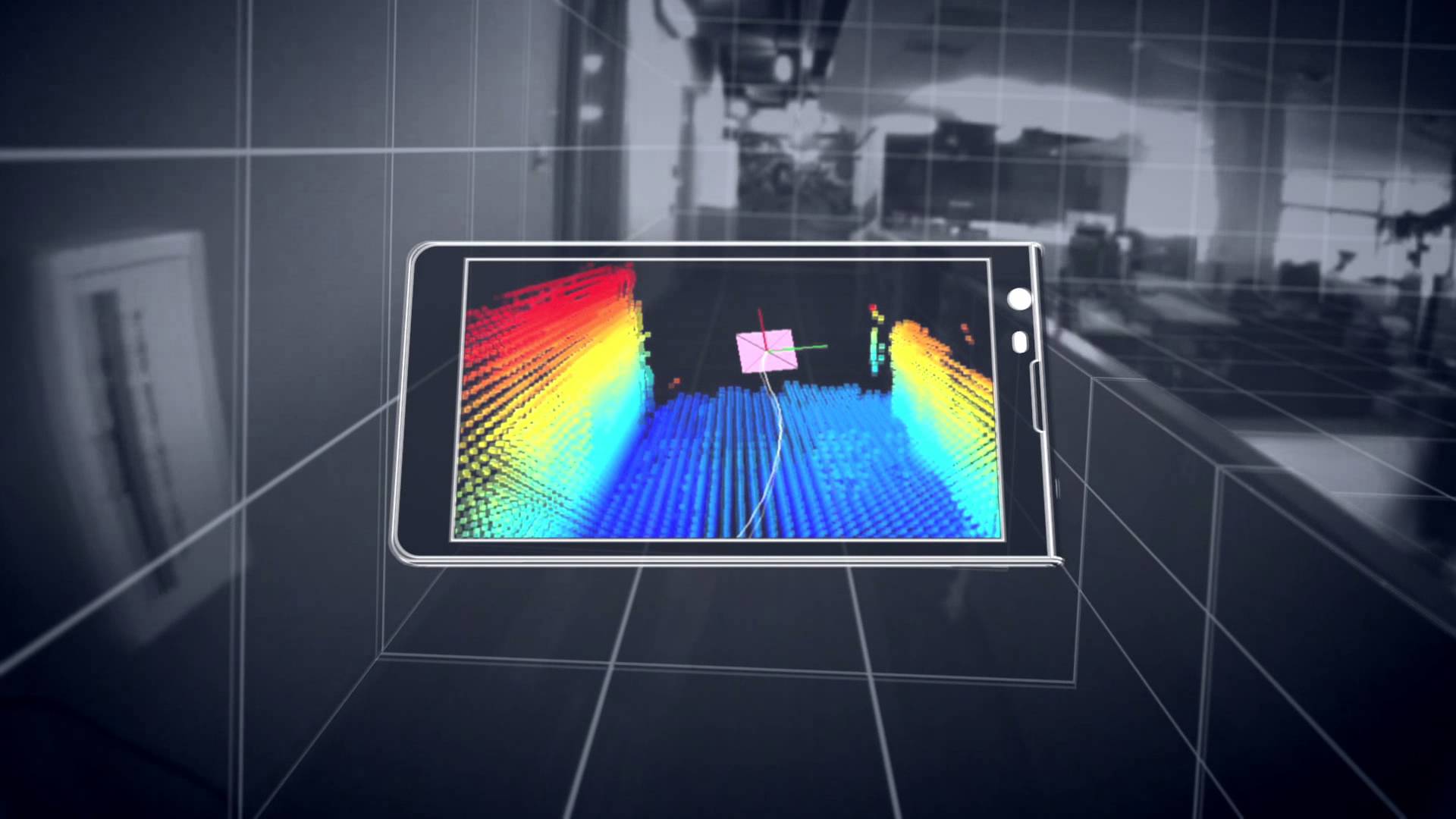
    Google tried pushing Augmented Reality with its Project Tango in 2014, which tried putting a dedicated camera with a spatial sense to capture depth. The Project was later shut down in 2017 because the company launched ARCore in 2018. The system used the already present hardware in a smartphone to use AR, which it debuted with the Pixel 2 and Pixel 2XL’s Playground feature. The AR technology is expected not to only make gaming better, but also have its use in departments like architecture and fashion.

    Virtual Reality (VR)

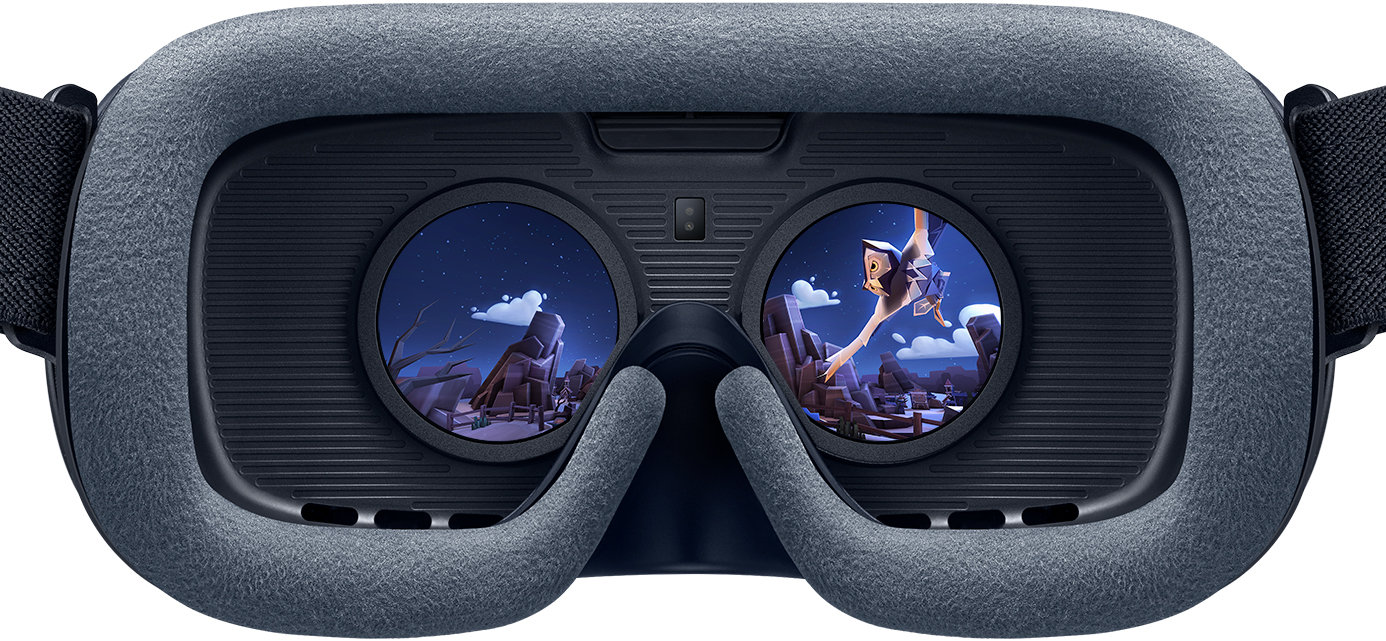
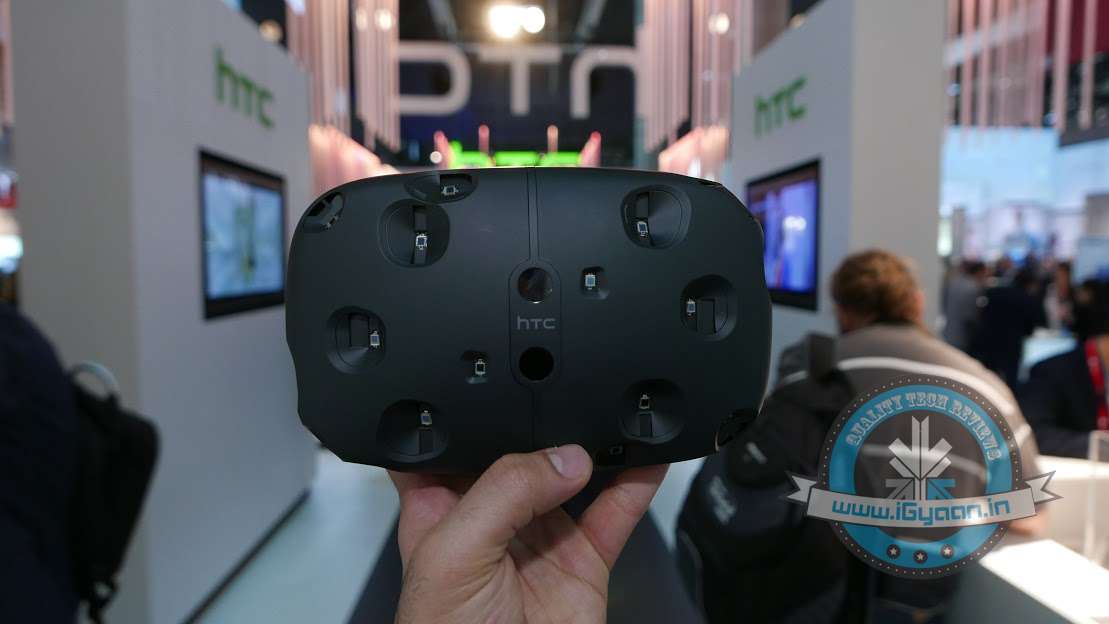
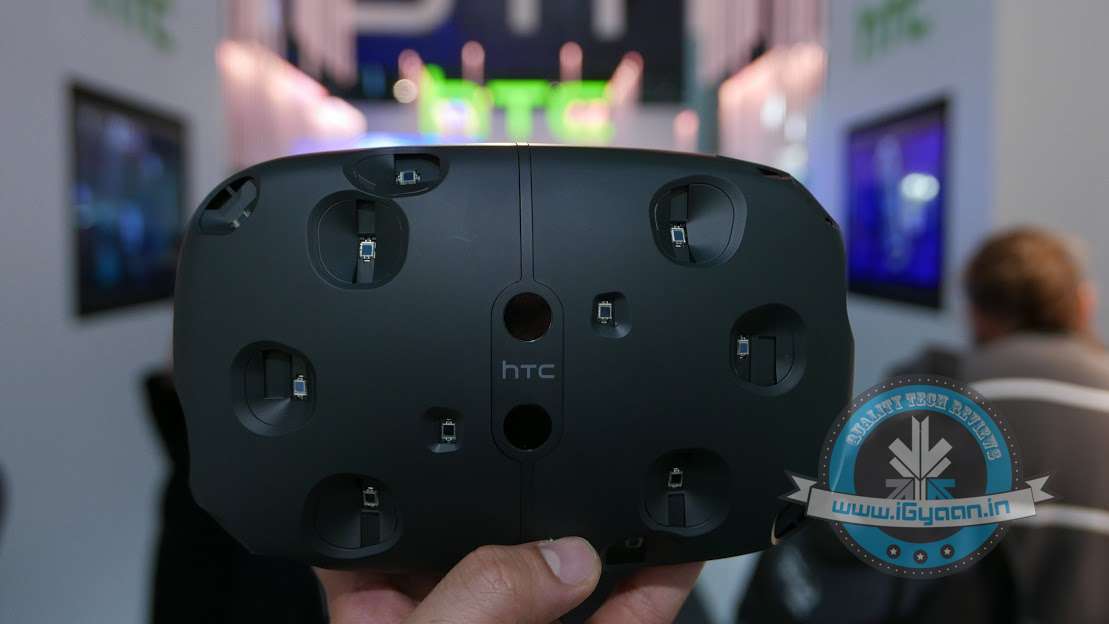
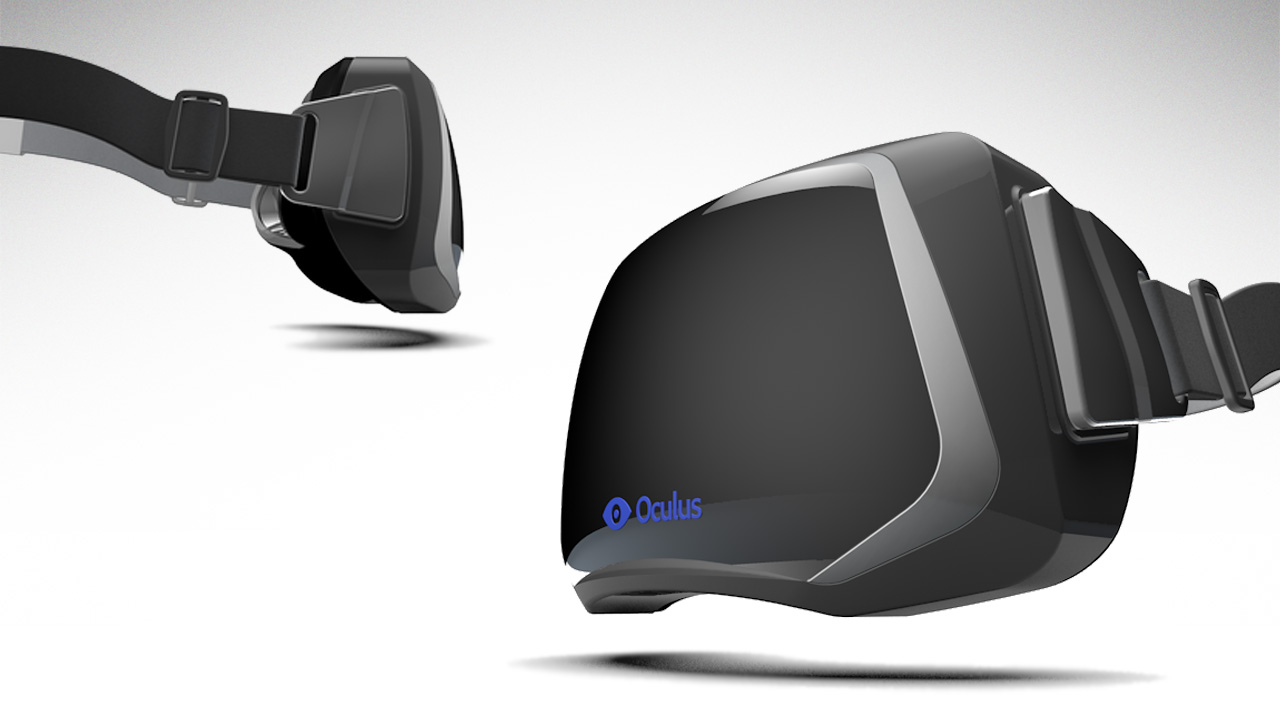
    Virtual Reality or VR is almost the opposite of AR. Instead of using any part of the real world or interacting with it, the technology uses a completely virtual world. This is generally achieved by a headset wrapped around the head with tiny displays in front of each eye. An alternate way is to use a smartphone inside the headset to create a virtual world. The famous VR headsets currently in the market are HTC Vive, Oculus Rift, Google Daydream View.

    The various applications of Virtual Reality are also considered to be groundbreaking. Despite the obvious use in gaming, the technology may be used in the training of various professionals like doctors, pilots and in the hospitality sector. Unfortunately, the native VR functionality is considered expensive and thus may not be suited for everyone. 

    Mixed Reality (MR)

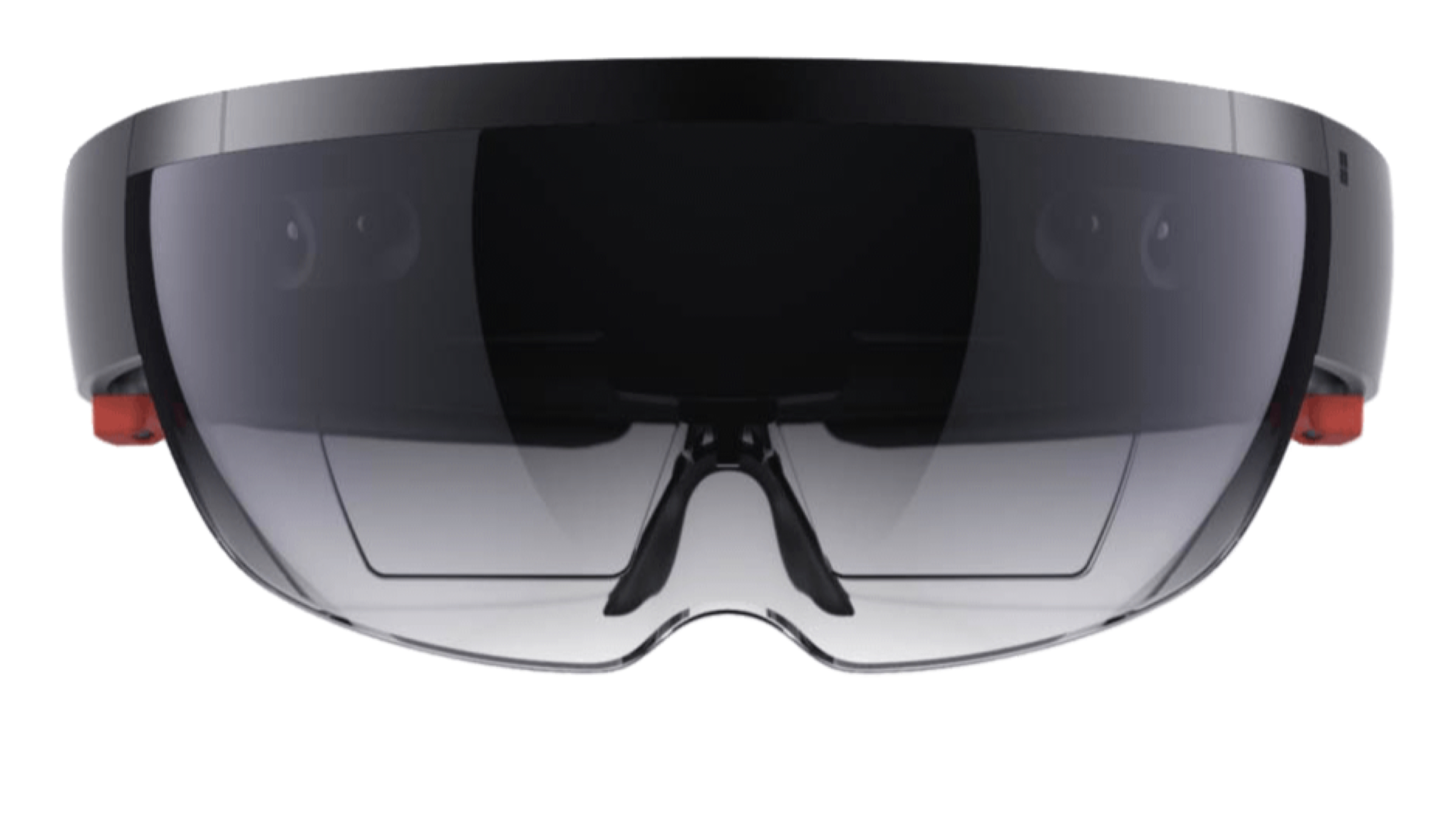
    The Mixed Reality or MR platform was popularised by Microsoft with its Hololens and makes use of the best parts about AR and VR and combines them together. This means that the technology will make use of a camera attached to the headset worn by the user. With the camera used for augmented reality, the Virtual effect rendered will create some form of isolation from the real world. Mixed Reality is expected to take off exponentially in a few years.

    Also read: Meizu Note 9 Launched With 48MP Rear Camera

    The real world case of Mixed Reality is expected to be more elaborate than both AR and VR. It is expected to be useful for industry workers and medical professionals. But, the technology is also deemed expensive in its current state and not available to everyone.


  • Best Portable Power Banks You Can Buy Right Now

    Best Portable Power Banks You Can Buy Right Now

    In the quest for a thin and light smartphone, the battery capacity of the device takes a hit. While most handsets have a battery life of up to a day, more power is always useful in the case of emergencies. Buying the right power bank for yourself can be both confusing and exhausting owing to the plethora of choices available in the market. To make this choice easier, we have compiled a list of portable power banks according to every need.

    The ‘Lite’ Power Bank:


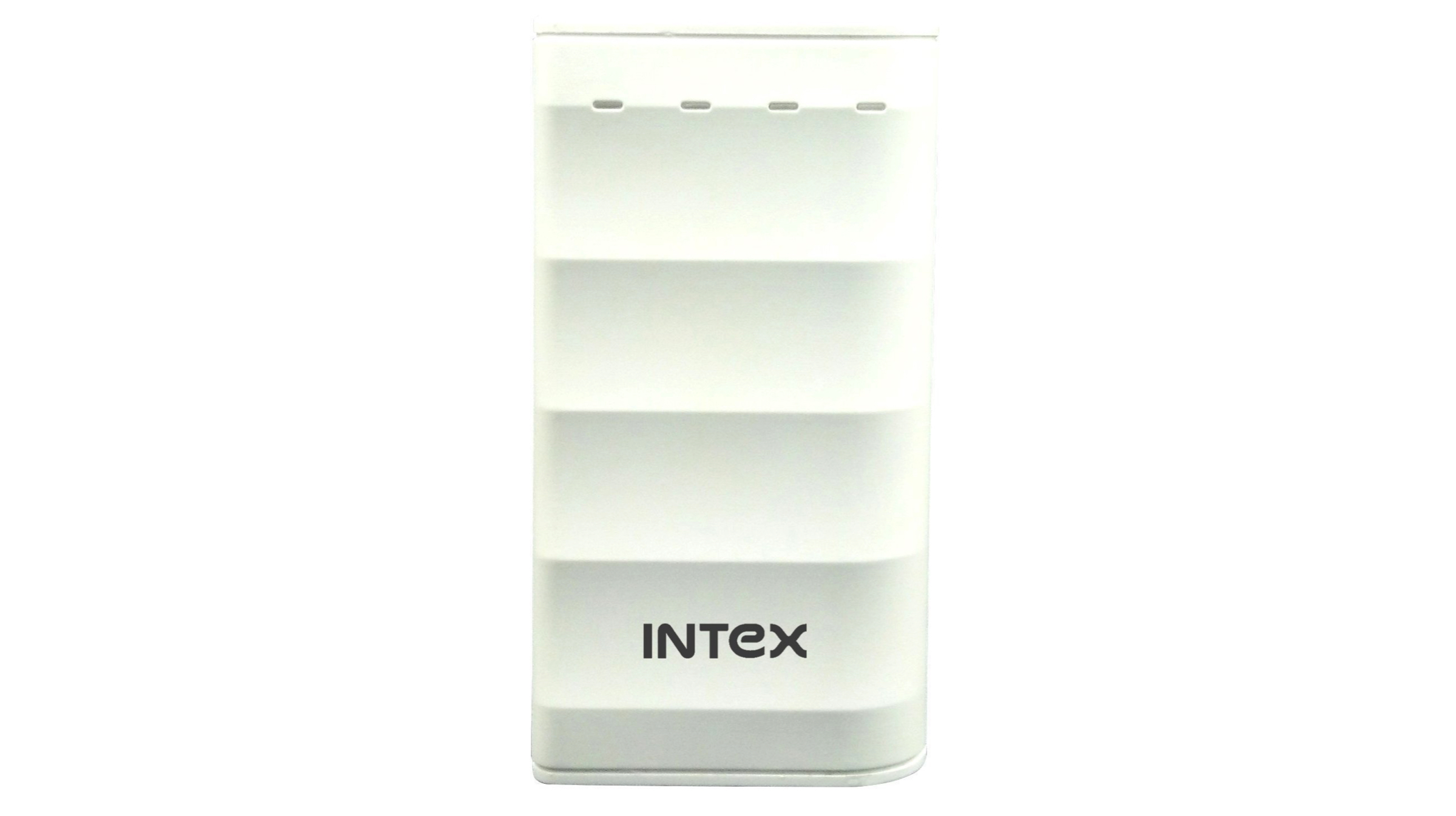
    Intex PB-4K: The Intex PB-4K boasts of light, sleek and portable design with a rated capacity of 4,000mAh. With a torch on board, the device offers more functionalities than one and is good to charge a standard smartphone once.


    The Best Seller:

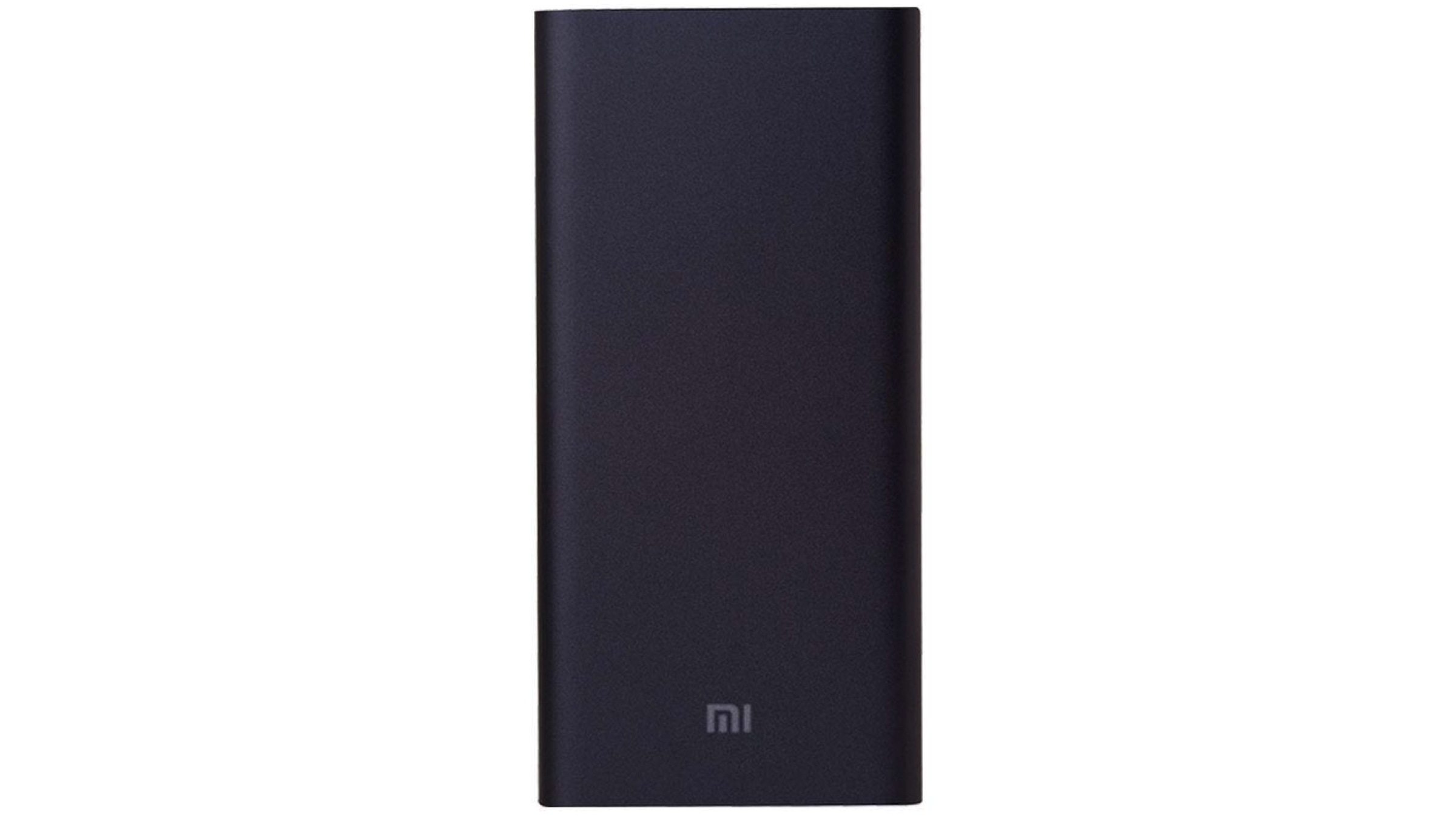
    Mi Power Bank 2i 10,000 mAh: The best selling of the bunch for a reason, the Mi Power Bank 2i has two USB ports and is capable of charging a standard smartphone a little more than twice. The power bank has an aluminium casing and a sleek body for easy portability.

    The Affordable Powerhouse:


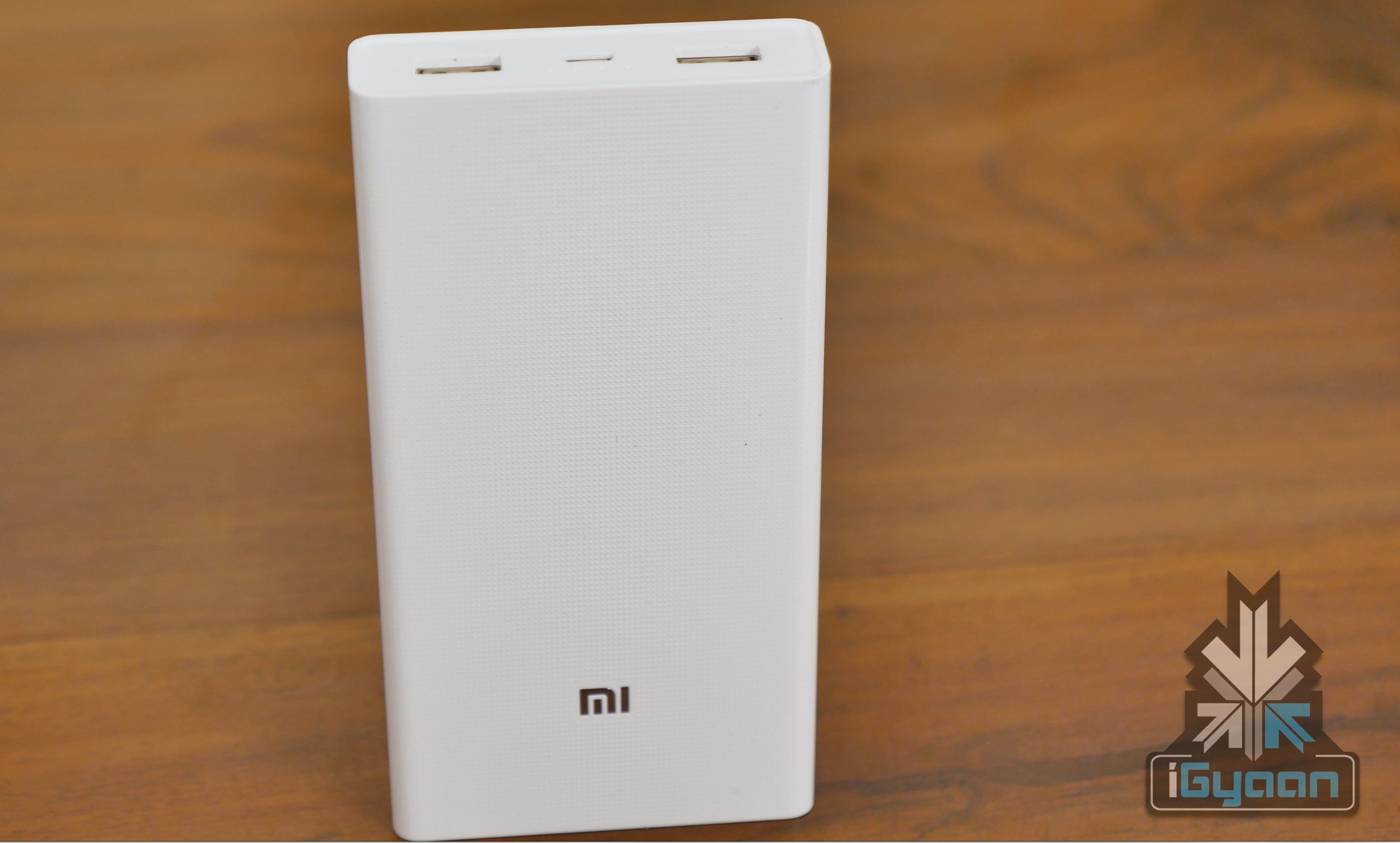
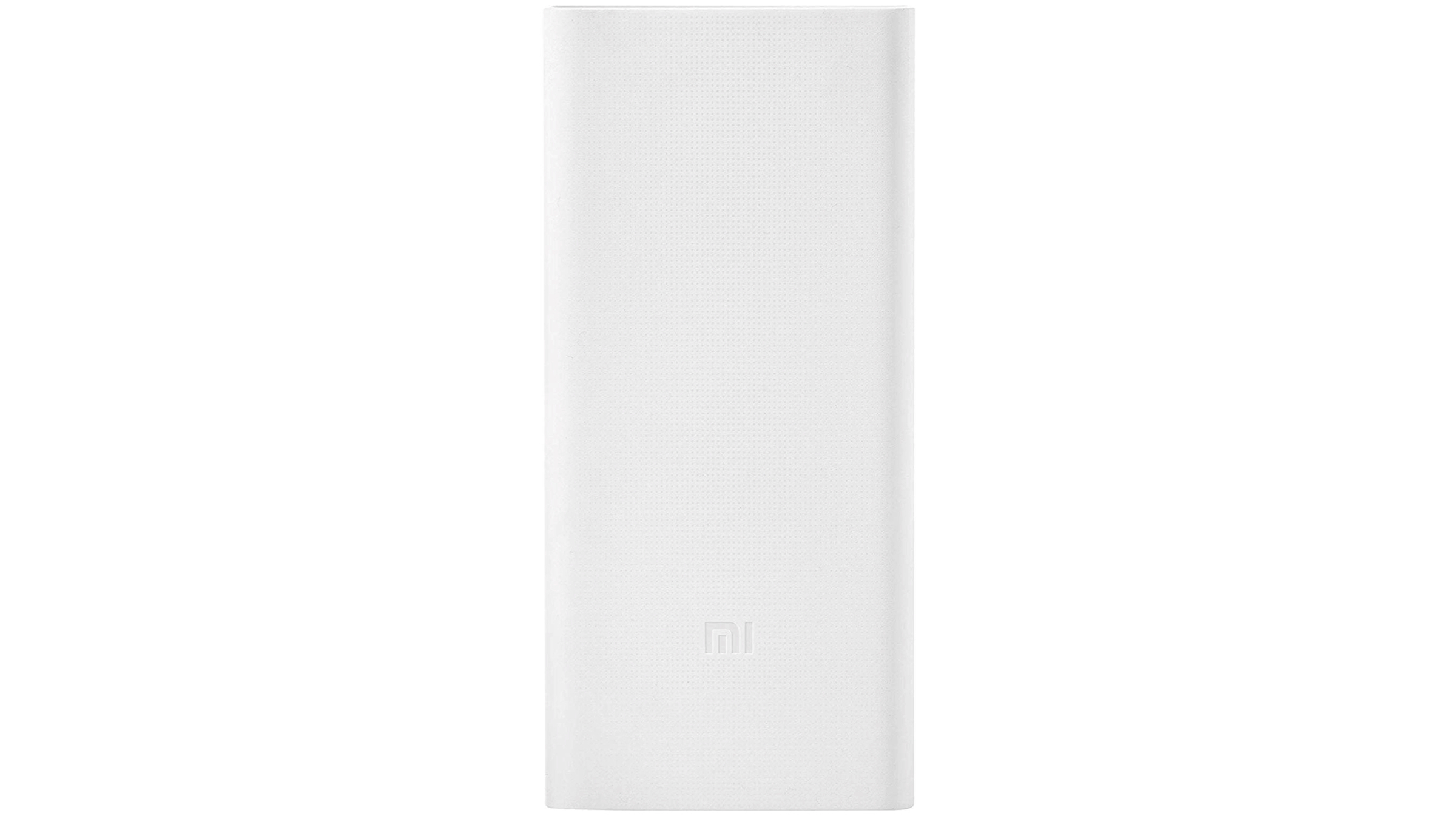
    Mi Power Bank 2i 20,000 mAh: The device has a rated capacity of 20,000 mAh and an affordable price, making it one of the most desired ones. Like its sibling, it also has an aluminium casing and a dual USB port. Despite having a large capacity, the size of the power bank is pocketable, making it easily portable.

    The Looker:

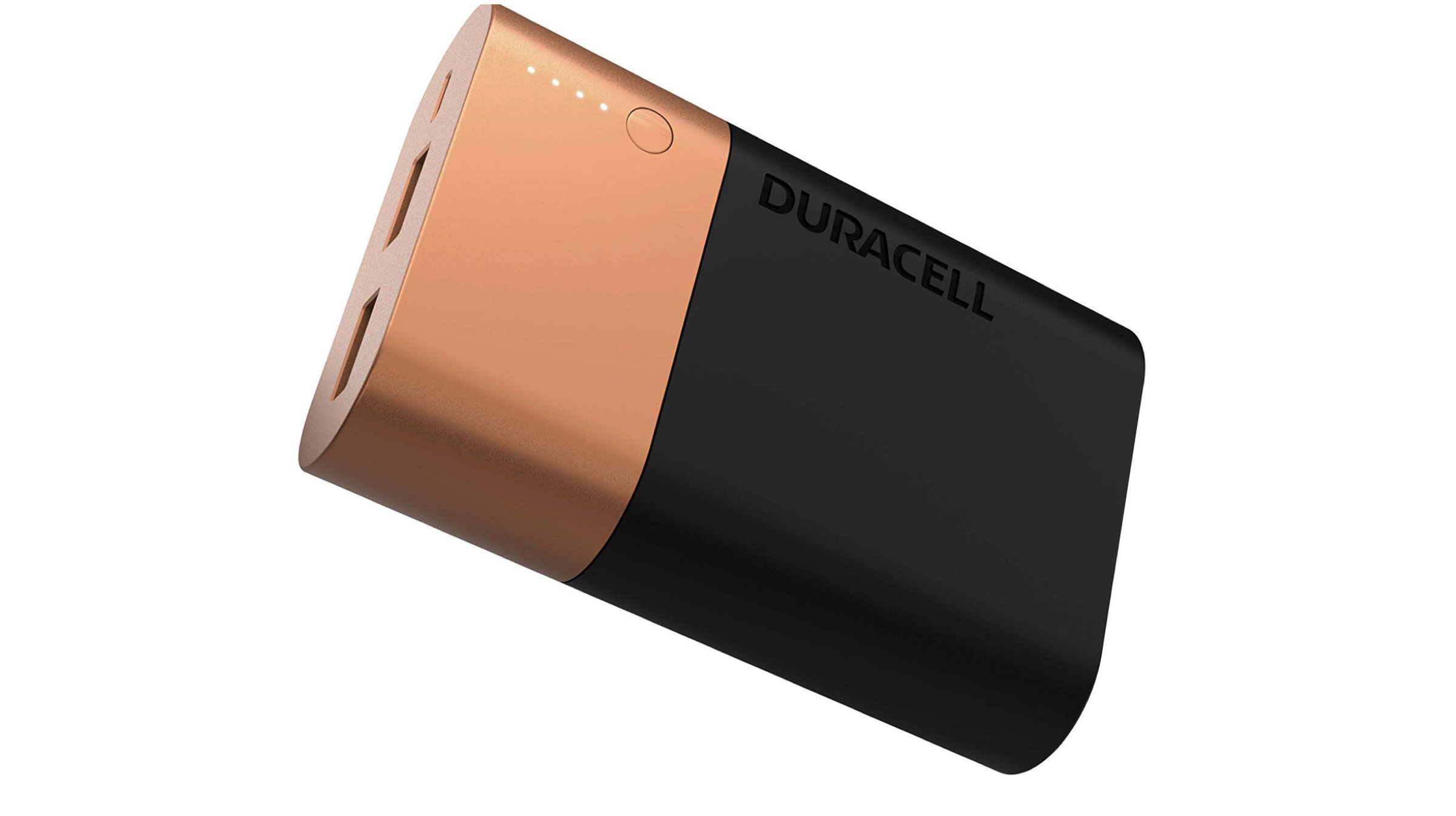
    Duracell PB10050: The Duracell Power Bank is one of the best-looking power banks available, deriving its looks from the brands’ well-known alkaline batteries. There are dual USB ports and support for fast charging on the device. It offers solid build quality and respectable 10,050 mAh battery which can charge standard smartphones twice.

    The Affordable Laptop Powerbank

    Also read: Penta Camera On The Nokia 9 PureView, What’s All The Hype About?

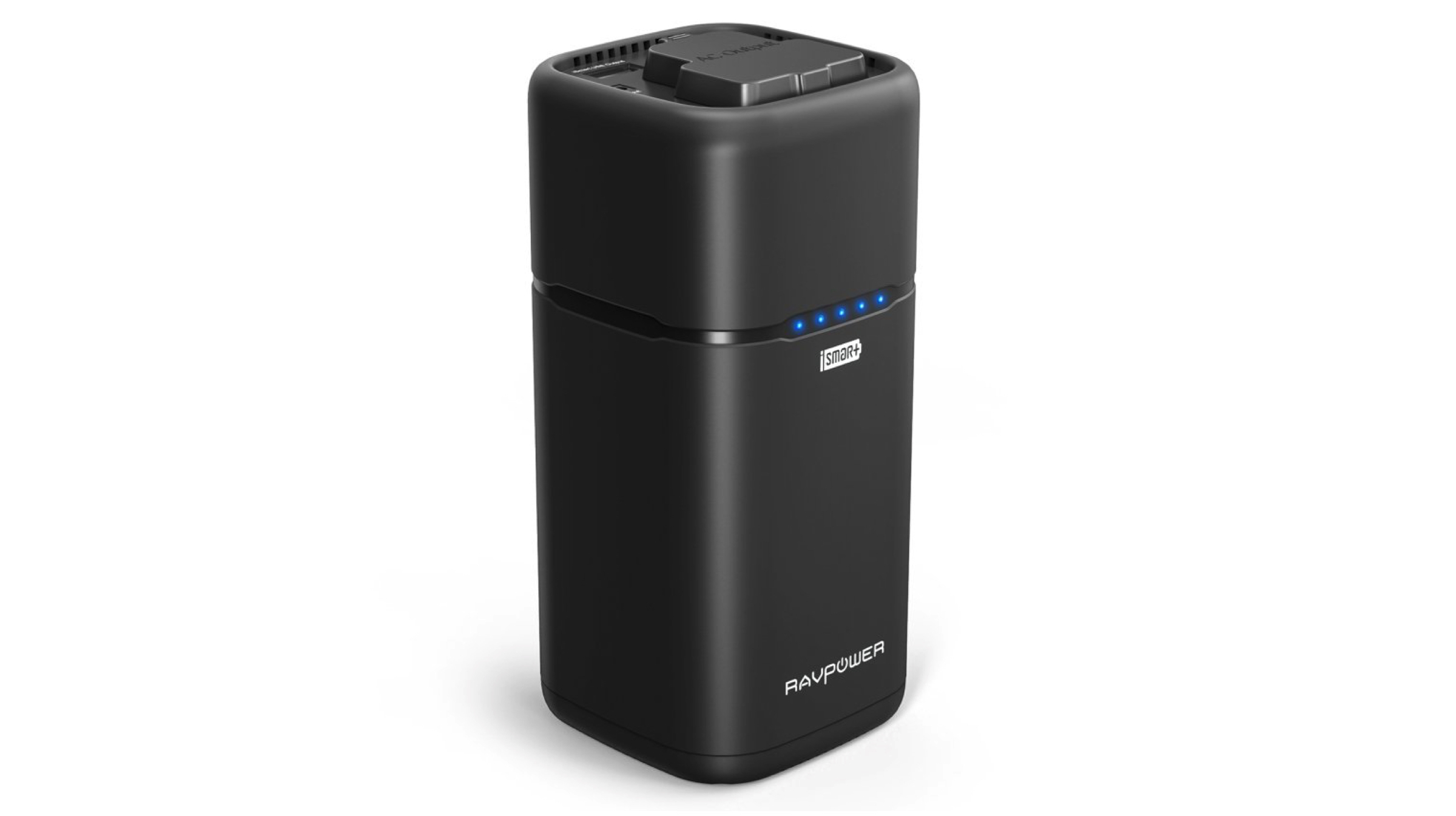
    RAVpower Portable 20,100 mAh: The RAVPower power bank is a powerhouse in more ways than one. Besides being quite portable and having a rated battery capacity of 20,100mAh, the device has an AC output port which makes it possible to charge laptops and devices which require an AC input. There are a USB Type-C port and a standard USB port. The AC port supports a maximum output of up to 65W.


  • Qualcomm Quick Charge Is Now Qi Wireless Charging Compliant

    Qualcomm Quick Charge Is Now Qi Wireless Charging Compliant

    Qualcomm, the pioneer of mobile chipsets has made an announcement at the MWC 2019, according to which its Quick Charge standard will support Wireless Charging. This will ease the transition of devices from wired quick charging to wireless quick charging techniques. As per the American electronics company, the new technology will focus on fast and consistent charging for supported smartphones.

    The new Wireless Charging pads will be powered by Quick Charge and will be compatible with Quick Charge 2.0, 3.0, 4 and 4+ adapters. The comoany will soon expand testing to QuickCharge for Wireless power. Additional tests will be performed, which will ensure Quick Charge and Qi interoperability. This will aim to provide a consistent wireless charging experience between the devices. 

    About The WPC

    The WPC (Wireless Power Consortium) includes over 650 companies and more than 3,500 different products which comply with their standards. They were the original creators of the Qi Global Wireless Charging Standard. Future consumers can still look for the same Quick Charge branding. Doing so will ensure that their QuickCharge adapters have gone through necessary compliance tests, rendering them safe to use.

    Company Statement

    Qualcomm has reported that it is working with major retailers to get rid of non-compliant accessories from catalogs. George Paparrizos, senior director of product management for Qualcomm Technologies made a statement regarding the new technology. He believes that the consumers will feel safer now that Quick Charge enabled wireless power pads have passed rigorous tests which were established by both the organizations.

    Also Read: Samsung Announces The Galaxy A30 And A50 At MWC 2019

    As per the company, Quick Charge is the largest developing ecosystem which supports fast charging. What are your views on the wireless Quick Charge technology? Share them with us in the comments below.

  • HTC Announces The Vive Focus Plus With Revamped Motion Controllers

    HTC Announces The Vive Focus Plus With Revamped Motion Controllers

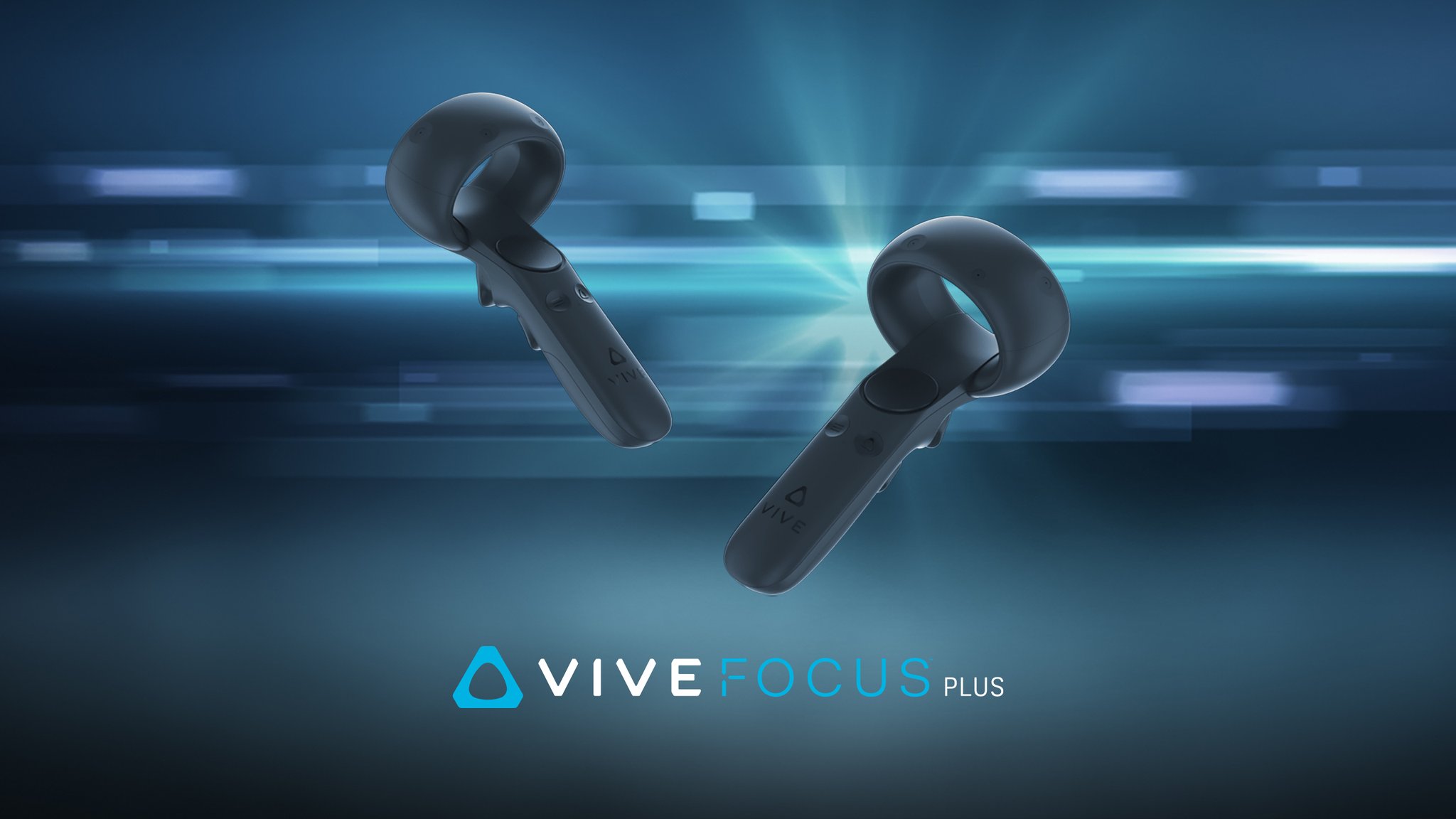
    HTC tasted a lot of success in the hands of the Vive VR Headsets, which clearly shows in the fact that the HTC Vive is one of the highest selling VR headsets worldwide.  The company has announced the Vive Focus Plus on February 21, which is a newer and upgraded version of the Vive Focus VR headset. First revealed in October 2018, the Vive Focus had support for three degrees of freedom. With the recently announced Vive Focus Plus, the controllers can be tracked in six different degrees, which means that you can now move the controllers around, not just rotate them on the spot.

    The Competition

    With the announcement of the ‘standalone’ Oculus Quest VR headset last year, competition for creating the ‘all-round performing’ VR headset has stepped up. The Quest will include a pair of controllers and will support the “arena-scale” tracking feature. This feature will enable the user to walk in areas of almost 4,000 square feet while retaining headset tracking. The Oculus Quest is set to be released this spring, whereas the HTC Vive Focus Plus will be released in the second quarter of 2019.

    Design And Features

    The headset of the Vive Focus Plus resembles the headset of the original Vive Focus in almost all aspects. It is equipped with the Qualcomm Snapdragon 835 chipset and provides the user with six degrees of freedom tracking. The VR headset has a 3K AMOLED display with 2880 x 1600 px resolution. The Vive Focus Plus runs on the Vive Wave platform, enabling its users to download new content and apps from the Viveport online store. Furthermore, HTC claims that the new edition of the Vive Focus can distribute its weight more evenly by increasing its contact area with the forehead.
    Availability

    Also Read: Samsung Galaxy S10e, Galaxy S10, Galaxy S10+ India Price Revealed

    The Vive Focus Plus will be available for purchase in 25 countries, some of them being Canada, USA, UK and Australia. HTC has not announced the price or launch date for its latest VR headset yet, but as mentioned before, users can expect it to go live on sale in the second quarter of 2019.

  • Google Didn’t Mention The Nest Secure Has A Built-In Microphone

    Google Didn’t Mention The Nest Secure Has A Built-In Microphone

    American search engine giant Google hasn’t had the best reputation when it comes to users privacy. The company failed to maintain user data when a serious security bug in its social media offering, Google+ was found. The company has once again found itself amidst controversy when it was discovered that one of is products, the Nest Secure has a built-in microphone which went unnoticed for more than a year.

    Google Nest Secure Controversy

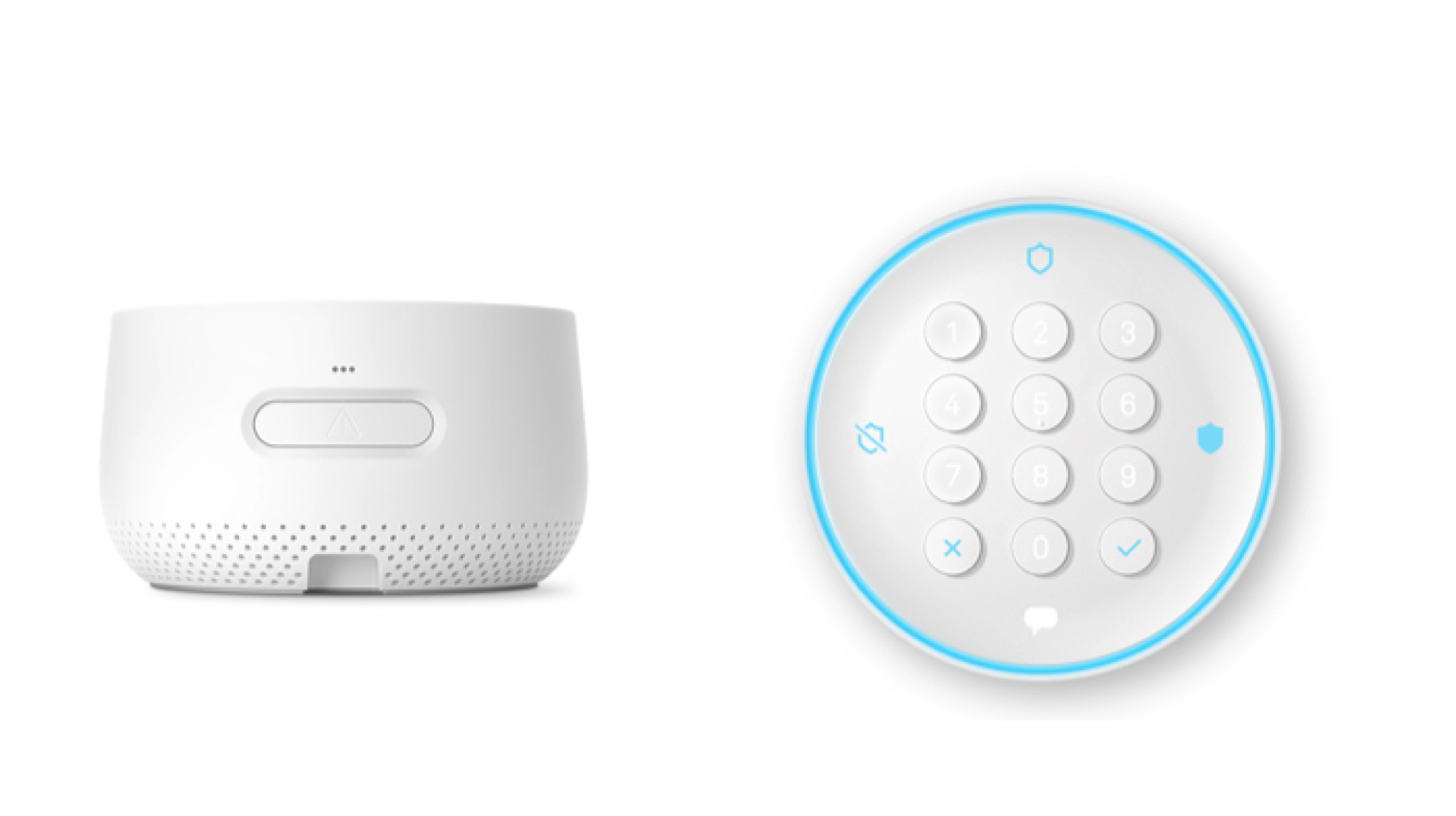
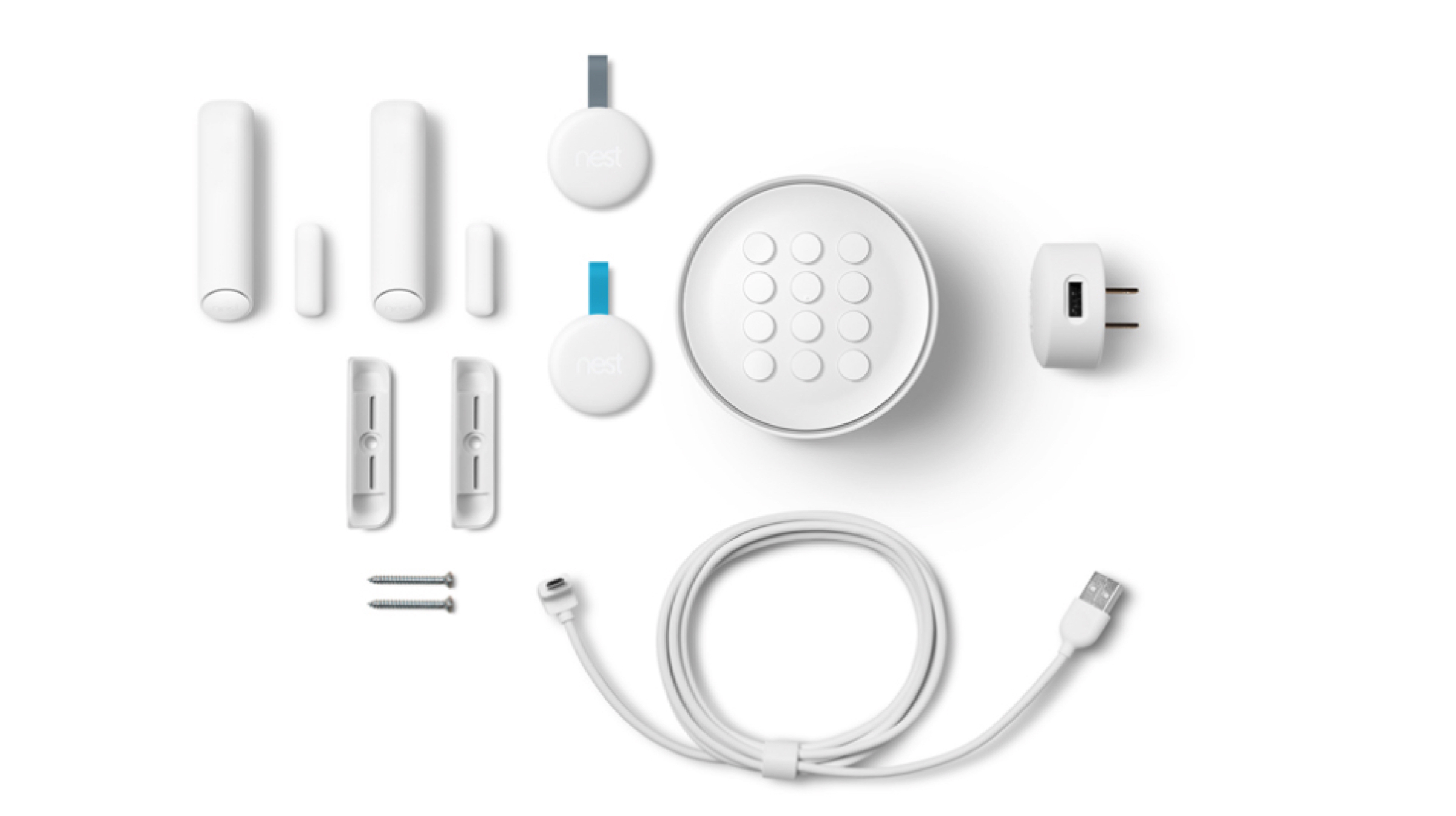
    Google acquired the home security company Nest in 2014 and then merged it under the Google brand last year. The Nest Secure bundle of devices were introduced in 2017. Google announced in early February this year that the Nest Guard, one of the devices in the Secure bundle, would double up as a voice assistant; as it will gain Google Assistant functionality. Using Google Assistant to work hands-free requires a microphone, and this microphone was never disclosed to have been present in the device. After the update, the users then would receive an email with instructions on how to turn on the microphone and set Google Assistant up on the device.

    The controversy also arises from the fact that the product page of the device didn’t mention the presence of the hardware for more than a year. The page has since been updated with a microphone mentioned in the ‘Audio and Lights’ section of the product description. This oversight on Google’s part is being taken down as a serious offence in breaching a users privacy. There have been many negative sentiments about the company’s actions, most of them coming from US politicians who are concerned about the user’s privacy.

    Also read: Samsung Galaxy S10e, Galaxy S10, Galaxy S10+ India Price Revealed

    Google has since clarified in a statement, that it never meant to keep the information about the presence of a microphone a ‘secret’. It also mentioned that the hardware was disabled until the update, and will continue to do so if the user desires.

  • Samsung Galaxy Home To Be Launched By April 2019

    Samsung Galaxy Home To Be Launched By April 2019

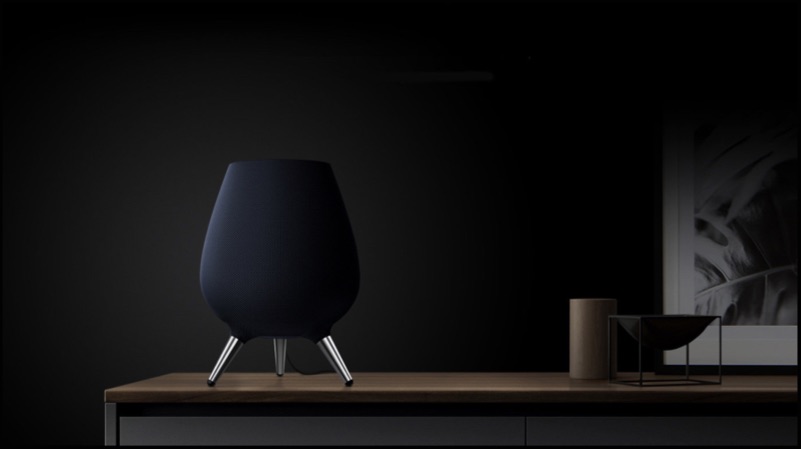
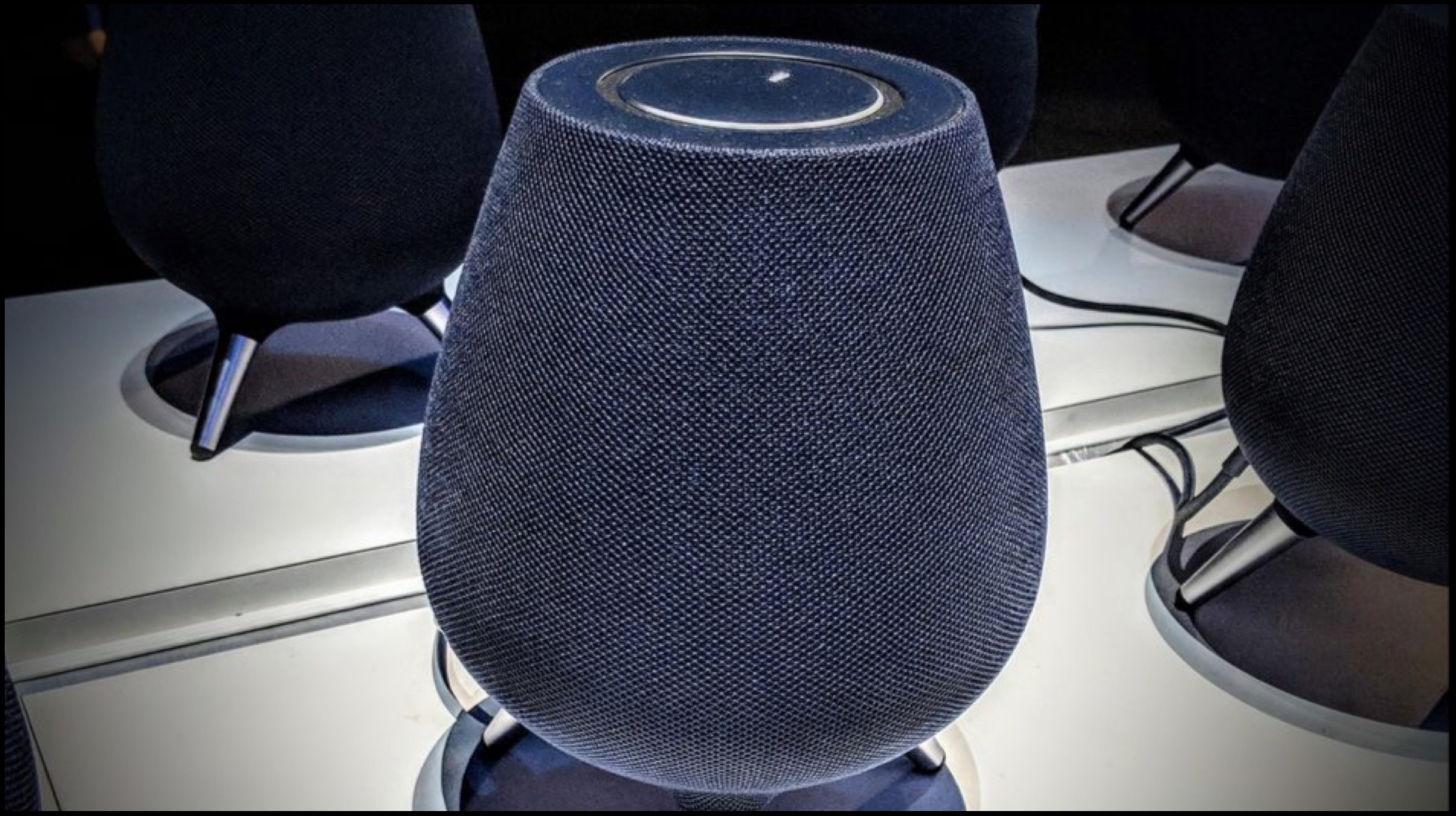
    Samsung unveiled the Galaxy Home smart speakers last year during the announcement of the Galaxy Note 9. Not just that, the speaker was also displayed at the Samsung Developer Conference even though the company abstained from making any statement on its official launch. During the Galaxy Unpacked 2019 event, Samsung has revealed that the Smart speakers will be available for purchase in the month of April this year. 

    Features

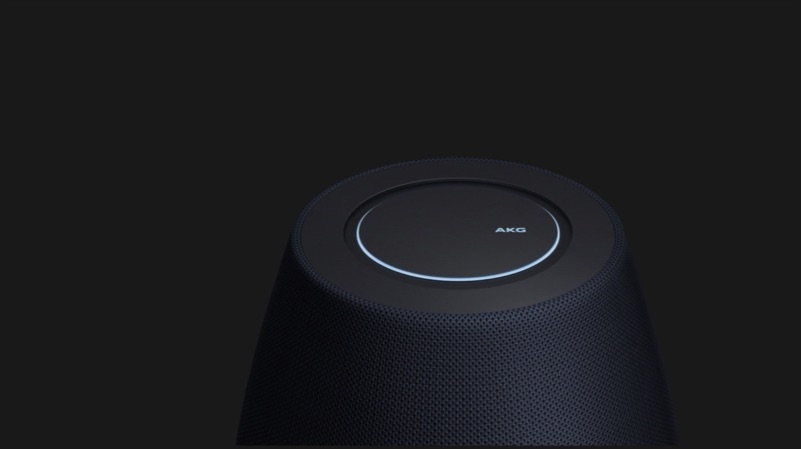
    The Galaxy Home would compete with similar smart speakers such as Amazon Echo and Google Home. Talking about voice assistants, Amazon Echo has Alexa integration while the Google Home uses Google Assistant. The smart speaker from Samsung will have the Bixby Voice Assistant. The sound quality is tuned by AKG, which was acquired by Samsung in 2017. The Galaxy Home can also be used as a smart hub for keeping tabs on the gadgets that are compatible with the platform.

    Bixby Integration

    Samsung Galaxy HomeAccording to Samsung, Galaxy Home is the only AI speaker that will transmit a wave of sound directly towards you when you communicate with the device. This means that the user will experience surround sound irrespective of their position in the room. It packs 6 different speakers and one subwoofer, all of which are housed in the same unit. Furthermore, the Galaxy Home also has 8 microphones with integrated ‘far-field’ technology. Users can say “Hi Bixby” from across the room and communicate with the smart speaker.
    Samsung Galaxy HomeAlso Read: Elon Musk Promises Tesla Will Release Full Autonomous Driving Feature This Year

    Surveys show that Bixby is used by only 4 percent of users in the US. In comparison, 44 percent of users use Siri and almost 30 percent have the Google Assistant as their primary voice assistant. Agreed, it’s a good-looking speaker, but Samsung may have to step out of the box a bit with the Galaxy Home.

  • Xiaomi To Launch A Wireless Charger Power Bank Alongside The Mi 9

    Xiaomi To Launch A Wireless Charger Power Bank Alongside The Mi 9

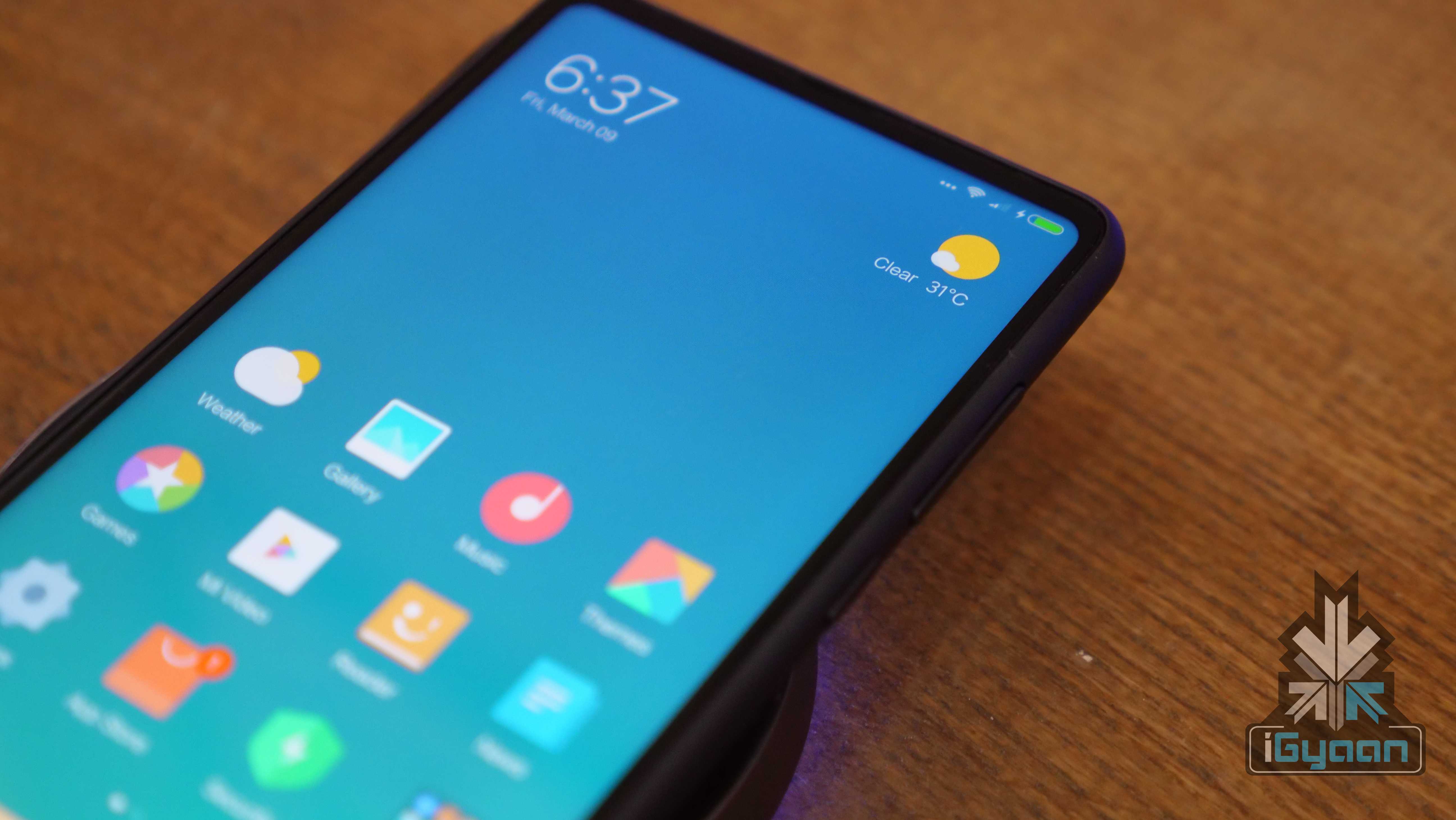
    Xiaomi will launch its next flagship, the Mi 9 at an event on February 20 in China. The smartphone will be a successor to the Mi 8, the company’s flagship device of last year. The upcoming device is likely to see significant changes in terms of design and features over its predecessors. According to fresh reports, the Mi 9 won’t be the only new product Xiaomi will launch at the event. In addition to the flagship smartphone, the company is also to launch a power bank with wireless charging support.

    History Of Wireless Charging

    Wireless charging is a feature that allows devices to charge via electromagnetic induction. This allows the transfer of power without the hassles of cables and wires. Wireless charging has grown to become immensely popular in smartphones lately.  The feature was first introduced with the Nokia Lumia 820 and 920 back in September 2012. Soon after that, OEM’s like LG and Samsung brought this feature to the mainstream market. In today’s day and age, the feature is more common and is generally observed in flagship smartphones. This feature can only be observed in smartphones that use glass, plastic or a ceramic back because metal does not allow electricity to pass via induction technology.

    The smartphones that have this feature mostly use the Qi standard. The Wireless Power Consortium (WPC) was established in 2008. The WPC established the Qi standard in 2010. Some modern smartphones that make use of the Qi standard to pack wireless charging include Samsung Galaxy S9 and Note 9, Apple iPhone XS, XS Max and XR, LG G7 ThinQ and V40 ThinQ and the Pixel 3.

    Xiaomi Wireless Charger Power Bank

    While not much is known about the wireless charger power bank, the reports say that only a version with 10,000 mAh capacity may launch at the event, with a 20,000 mAh one coming later. It will be the first power bank that supports wireless charging that Xiaomi has ever made. The launch of the charger may be an indication that the Mi 9 will support wireless charging. However, Xiaomi is not the first company to make a power bank with wireless charging support. Companies like Mophie and Haier have already released power banks capable of wireless charging.

    Also read: Samsung Galaxy Tab Active 2 Launched In India

    A differentiating factor in the Xiaomi Wireless charger power bank is expected to be fast, wireless charging. The device may also feature a USB Type-C port as an alternate way to charge.

iGyaan Network
Privacy Overview

This website uses cookies so that we can provide you with the best user experience possible. Cookie information is stored in your browser and performs functions such as recognising you when you return to our website and helping our team to understand which sections of the website you find most interesting and useful.