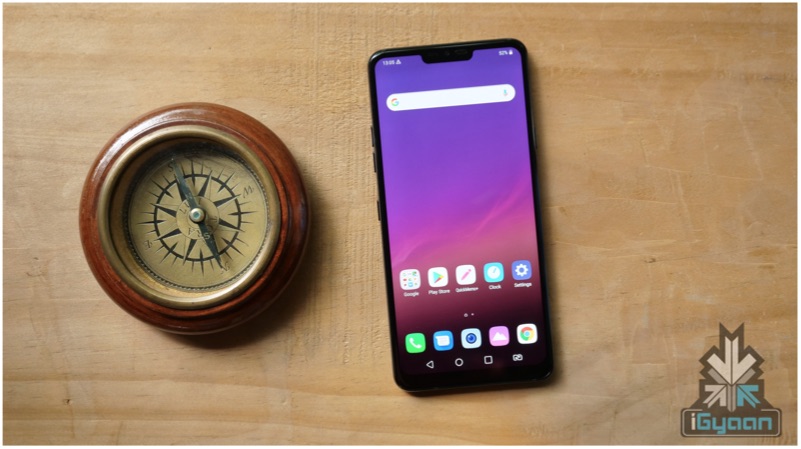
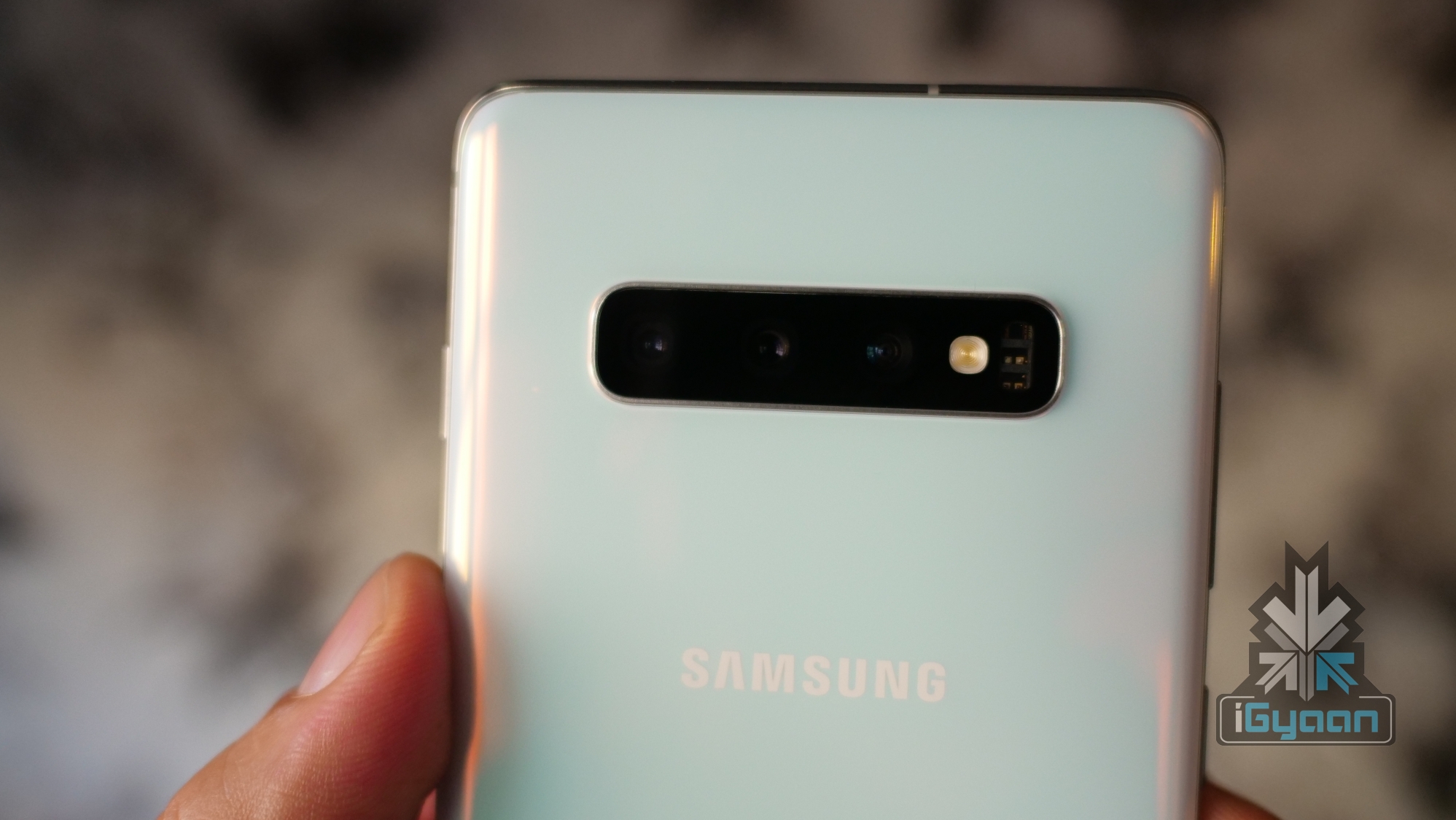
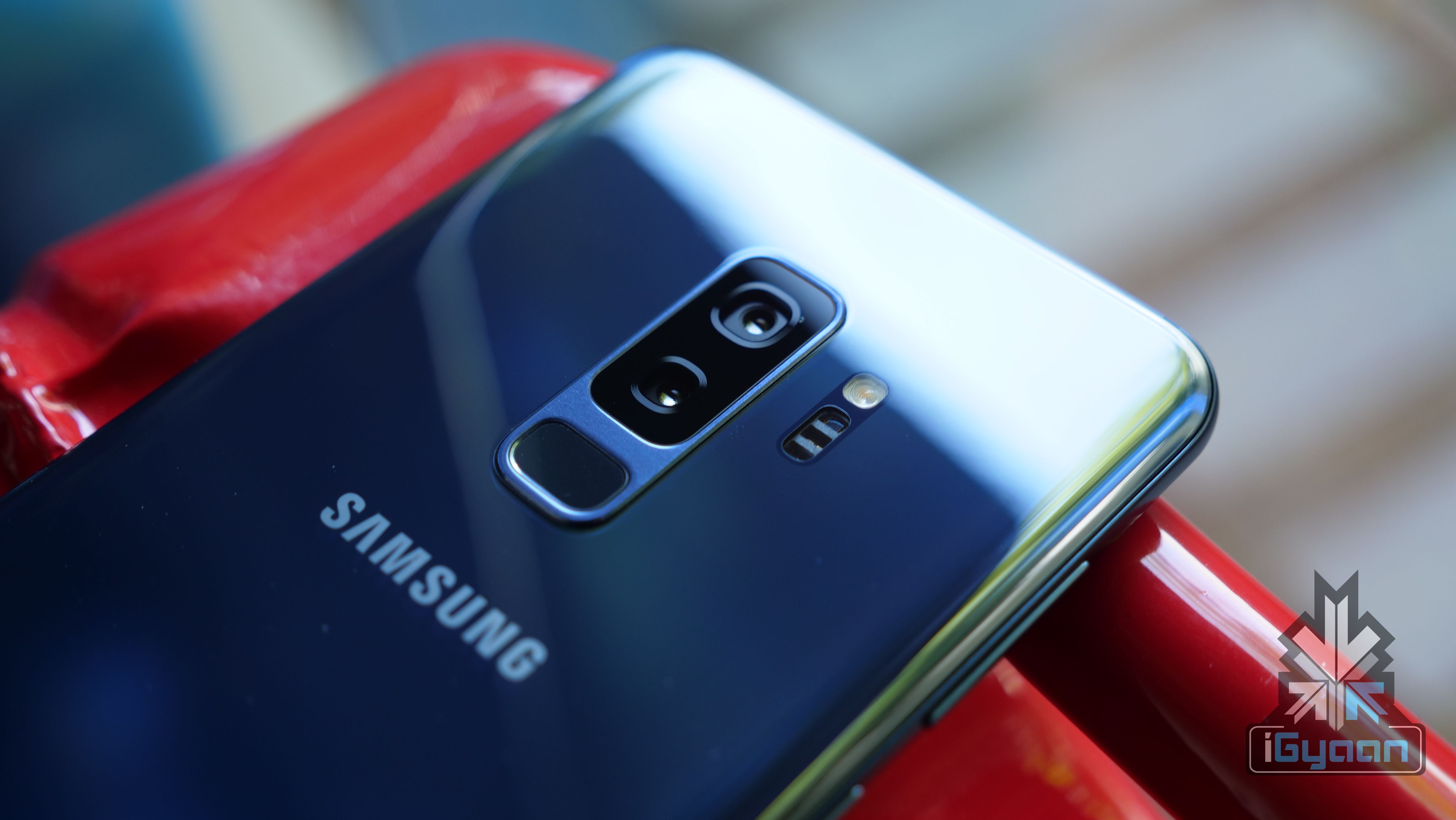
It has been revealed that Korean electronics giant Samsung may launch its latest flagship smartphone; the Galaxy Note 10 on the 7th of August. While there is still considerable time before the handset is officially unveiled, a few key details about the device have already been leaked. Now, fresh reports claim that Samsung has filed a trademark which confirms the presence of a Time of Flight (ToF) sensor in the upcoming smartphone.
Galaxy Note 10 ToF sensor
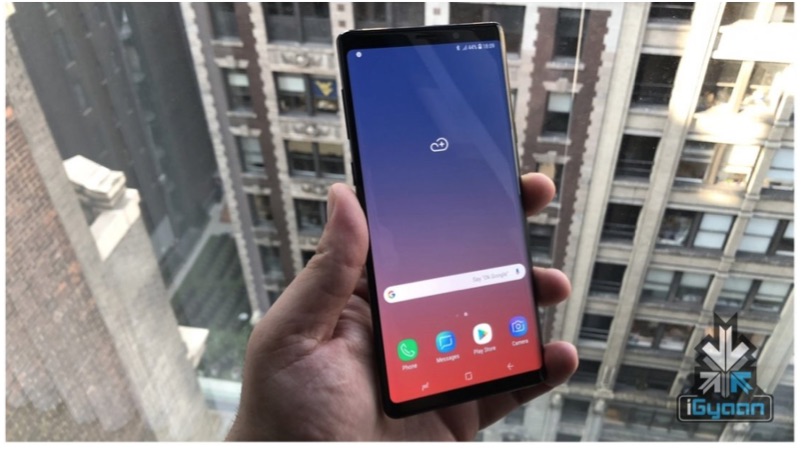
Galaxy Note 9
Samsung Electronics filed a trademark with the European Union Intellectual Property Office (EUIPO) on the 20th of June 2019. It was registered under the name Make & Play 3D and was submitted by an intermediary company named Abril Abogados from Madrid, Spain. This company has often acted on behalf of Samsung, so the connection makes sense. The description under the trademark mentions camera module for smartphones and ToF camera for smartphones. It all but confirms the presence of the sensor in at least one variant of the Galaxy Note 10; rumoured to be called the Galaxy Note 10 Pro.
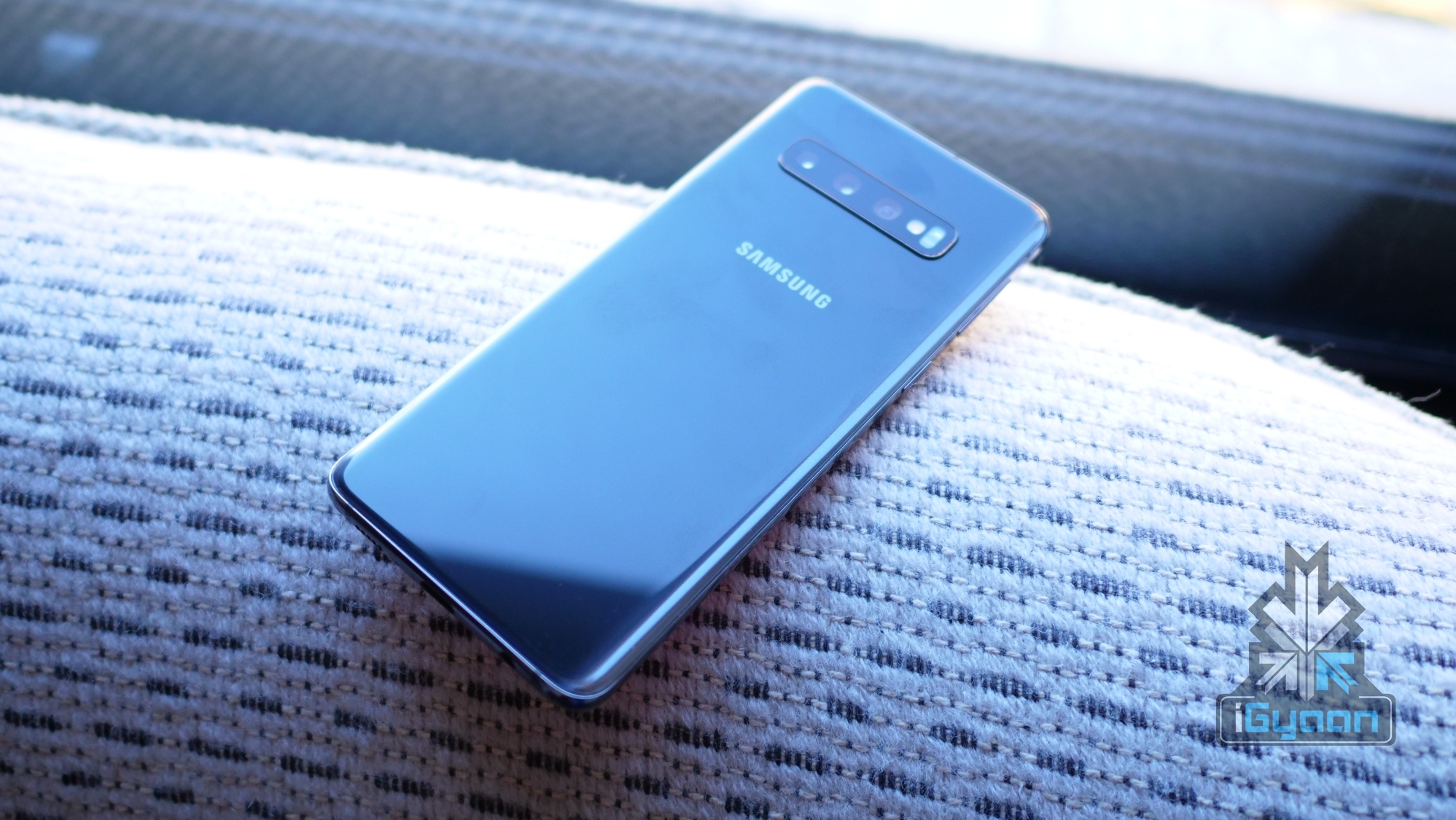
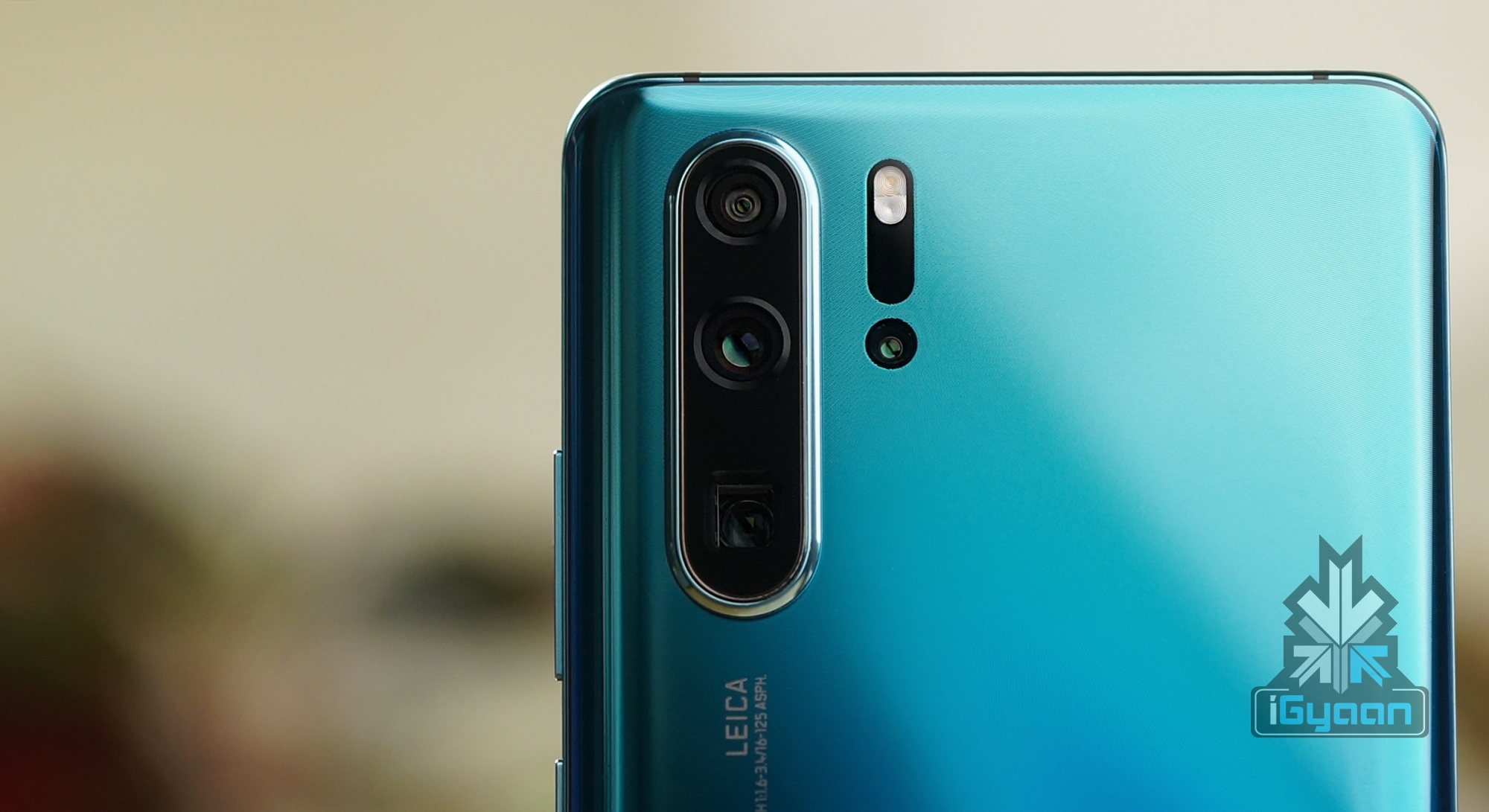
A Time of Flight (ToF) sensor as rumoured on the Samsung Galaxy Note 10 is generally used for depth mapping and AI features in smartphones. The sensor is also seen in handsets like the Huawei P30 Pro and LG G8. Even Samsung has used a ToF sensor in its Galaxy S10 5G; which was launched back in the month of February. The naming Make and Play 3D suggests the upcoming flagship device may utilise the camera module for AR purposes. It may sport a feature similar to Google Pixel’s Playground wherein users can put objects in real time using their camera. Unfortunately, more details like the price and specifications of the Galaxy Note 10 remains shrouded in mystery. But one can expect them to be revealed as we move closer to the August launch date.
It was revealed a while ago that Xiaomi is planning on introducing a new, selfie-centric smartphone series in China. This lineup was expected to be made in collaboration with the Meitu brand which Xiaomi acquired last year. Now, the CEO of the company has announced the lineup with a post on Chinese social networking website Weibo and revealed it will be known as the CC series. It was speculated that the company will also introduce new smartphones under the lineup with the announcement, but that didn’t happen.
Xiaomi CC series
As mentioned above, Xiaomi has announced the CC series of selfie centric smartphones made in collaboration with Meitu. The latter, before the former’s acquisition of its hardware business, was a known name in China in regard to smartphones that cater to the young generation. There were no devices launched as of yet, but it is expected that a handset with the moniker CC9 will be the first one to be launched under the series.
The senior Xiaomi executive in his post explained the reason behind the CC name, which stands for Colourful and Creative. The CC9 smartphone will also have a definitive meaning to its name. It is being released on the 9th anniversary of the Xiaomi brand, which is why the number is being added to the name. The teaser that was previously shown off reveals the CC9 will have a flip camera mechanism similar to the Asus 6Z launched a few days ago in India. Unlike the smartphone though, the CC9 will have a triple camera set up inside the module.
The smartphones under Xiaomi’s CC series will be developed by young company executives; which are being referred to as the Chic & Cool 90 team. According to the company’s CEO, the team will pursue design and aesthetics first and then core specifications later. This insinuates that the handsets under the CC moniker will not have top tier hardware and will be focussed towards the youth. Unfortunately, further details about the CC series of smartphones are not available yet but are expected to be unveiled in the following weeks.
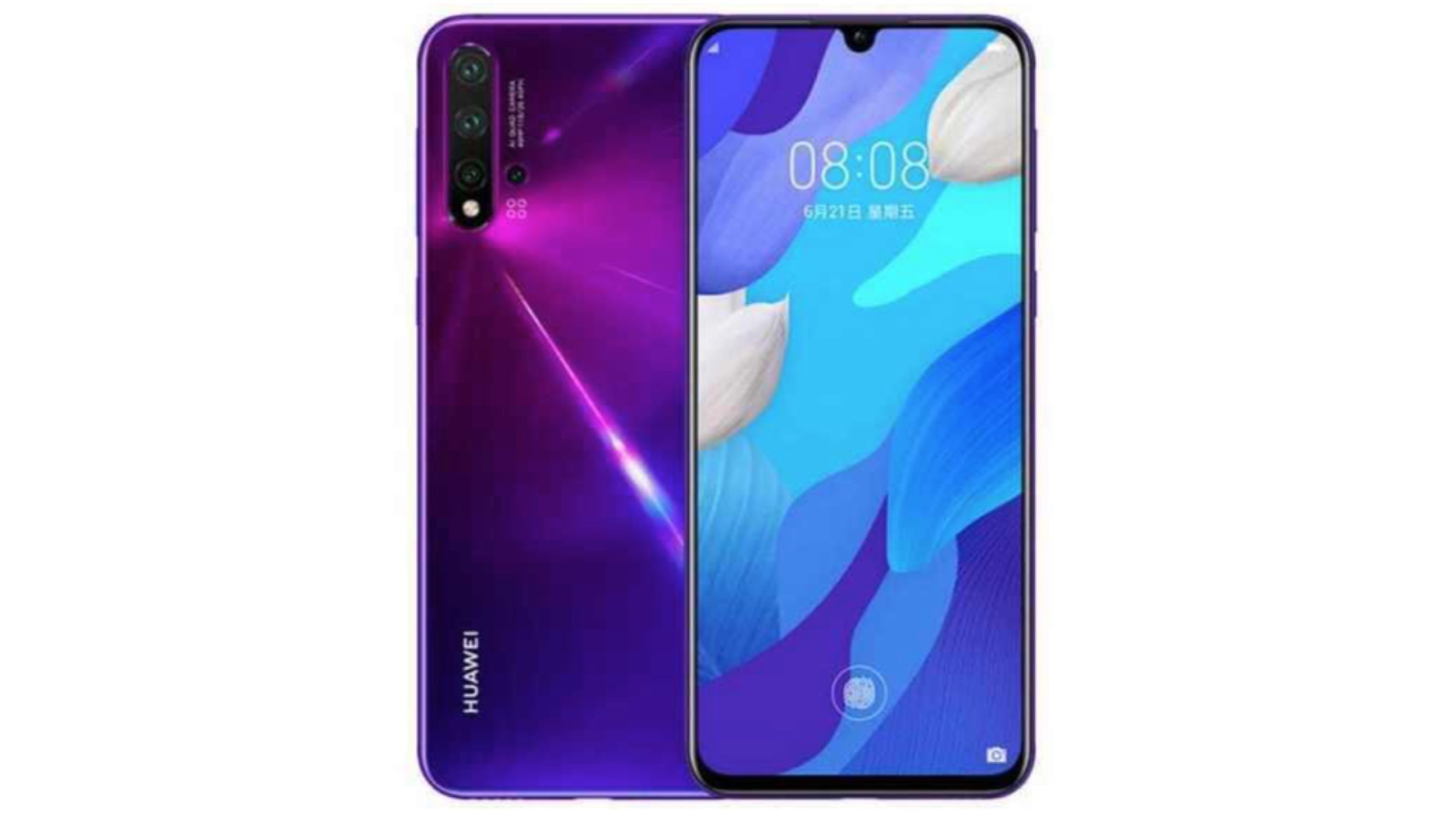
Huawei is still going strong despite the heavy setbacks caused by the US trade ban. The Chinese company has now launched the latest offerings in the form of Huawei Nova 5 and Nova 5 Pro. The former of the two is a mid-range smartphone while the other is a flagship-grade premium device.
Nova 5 & Nova 5 Pro
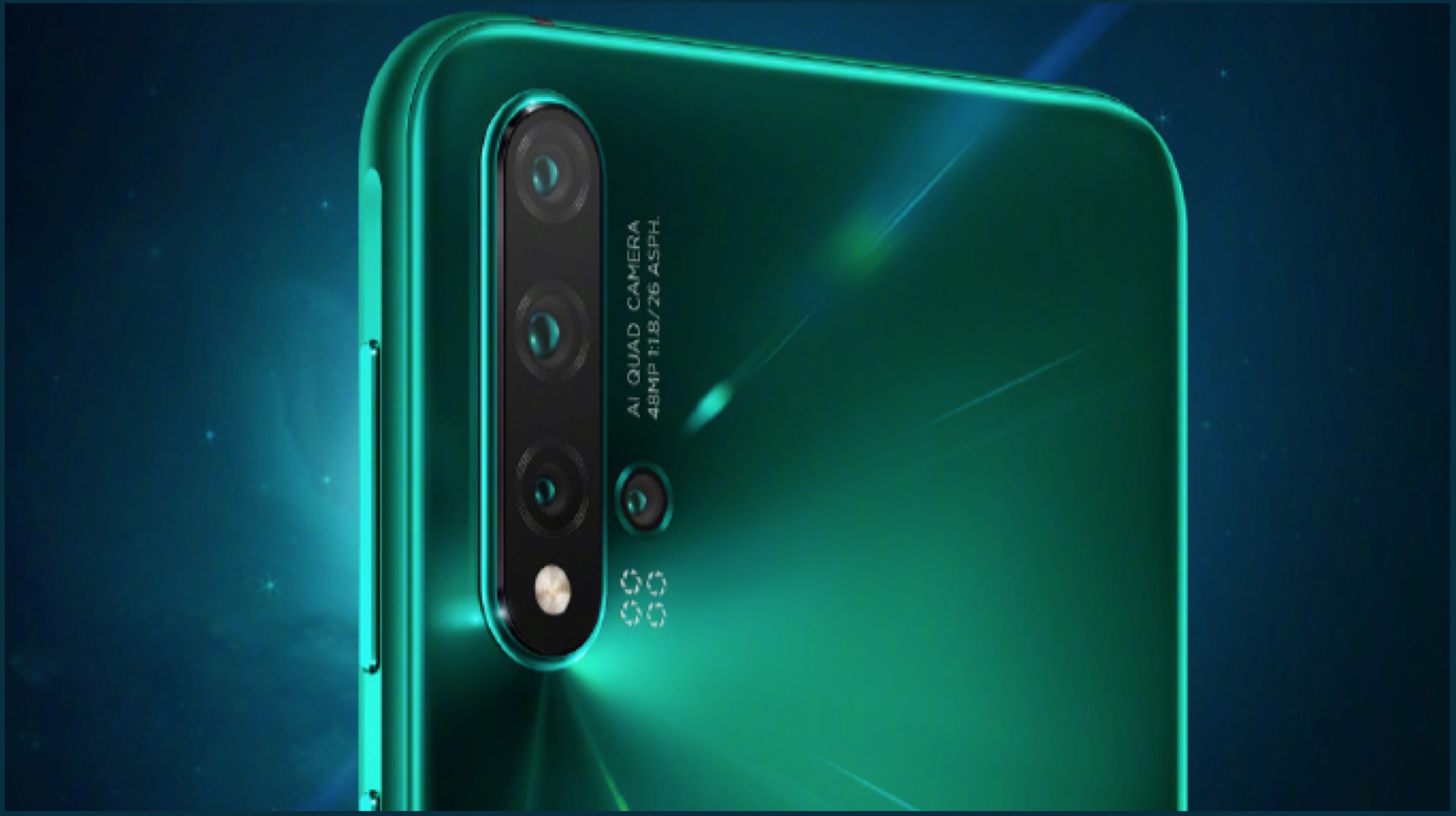
Both smartphones sport a 6.39 inch OLED display with FHD+ resolution alongside a 32MP camera sensor at the front. The rear shooter is a quad camera module with a 48MP, 16MP, 2MP and another 2MP cameras that will consist of a standard, wide-angle lens, depth of field, and macro sensors. Nova 5 is equipped with a 7nm Kirin 810 SoC processor with Mali-G52 GPU, while the high-end Nova 5 Pro will house the more powerful Kirin 980 SoC with Mail-G72 GPU. The chipset in the latter is currently also being utilized by other Huawei and Honor Devices including the P30 Pro, Mate 20 Pro and View 20.
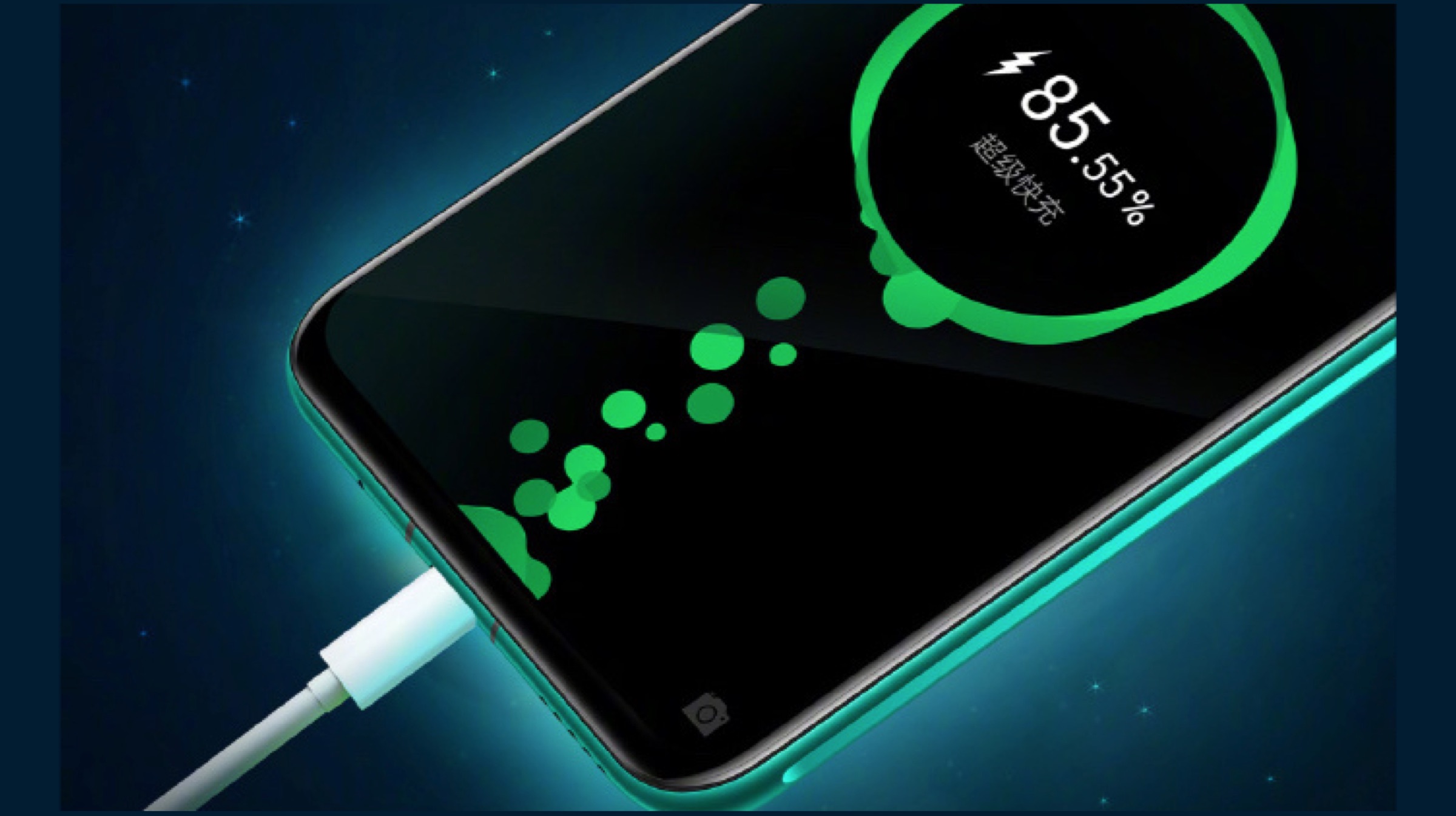
The latest smartphones also feature an in-display fingerprint scanner, which has increasingly become an industry standard. Furthermore, the lower variant will not support NFC, unlike the Pro version. The aforementioned smartphones will be capable of 40W fast charging for its 3500mAh battery. Huawei Nova 5 will be available in a single memory configuration of 8GB RAM with 128 GB of internal storage. On the other hand, the higher specced Nova 5 Pro will have two storage variants with 8GB of RAM and an option of either 128GB or 256GB of internal storage.
Special emphasis is being placed on the identical camera module of the mid-range and top-end devices. Huawei boasts of improved low-light photography with key regards on night portrait pictures.
The Nova 5 is priced at CNY 2,799 (approx. Rs.28,300 ) while the Nova 5 Pro has launched for CNY 2,999 (approx. Rs. 30,400) for the 128GB variant and CNY 3399 (approx. Rs. 34,400) for the 256GB. The smartphones are expected to be released for the global market in the following weeks.
According to a new report by Sensor Tower research group, a significant gap was observed in the revenues generated between iOS and Android app publishers. This income disparity was noticeable by a large margin. In Q1 of 2019, the top 100 application developers for Apple’s App Store on an average earned 64% higher than its Android counterpart Google Play.
Sensor Tower’s Store Intelligence uncovered App Store publishers earning an estimated amount of $83.8 million (approx. Rs.584 crores), whilst Android studios only garnered $51 million (approx. Rs. 355 crores). This survey was taken over the top 100 apps the Apple and Google platform. Both of these platforms have seen an annual growth of 12% from last years figures.
Gaming Apps
In the field of mobile gaming, the revenue gap was much smaller. However, App Store developers still held a large margin of lead with 48% over Android mobile game studios. Apple’s platform under this segment made $70 million (approx. Rs. 487 crores) to Play Stores $48 million (approx. Rs. 334 crores). This segment of gaming combined is still the largest revenue stream for the industry with the rise in popularity of mobile gaming.
Non-Gaming Apps
Furthermore, non-gaming apps paint a grim picture for Android. The gap between the App Store and Google Play app publishers is a massive 232% difference. Users from Apple spent an estimated $23.3 million (approx. Rs. 162 crores) in comparison to Android’s mere $7 million (approx. Rs. 49 crores). There is a revenue discrepancy of more than three folds. Notably, Apple does have a great advantage considering that Google services and Play apps are banned in China, the largest consumer of smartphone services
This essentially makes App Store a more profitable business venture regardless of the fact that Android is the more popular platform. It is reported that Android currently holds an estimated 75% of the OS market share whilst iOS holds just about 23%. Hence, although it should’ve been the other way around, various factors such as user preferences, demographics, and availability should be taken into consideration.
Google launched the first smartphone under its Pixel lineup back in the year 2016. The company since has been known for releasing two flagship handsets in the month of October each year. It is expected that the next iteration in the lineup will also follow the same pattern. These devices will be called the Pixel 4 and Pixel 4 XL and will be a successor to the Pixel 3 and Pixel 3 XL launched last year. While the launch of the smartphones is still a few months down the road, Google in a surprising move revealed how they will look like in a teaser image on Twitter last week. Now, a leaked render of the devices showcasing a new colour option called Mint has appeared online.
Pixel 4
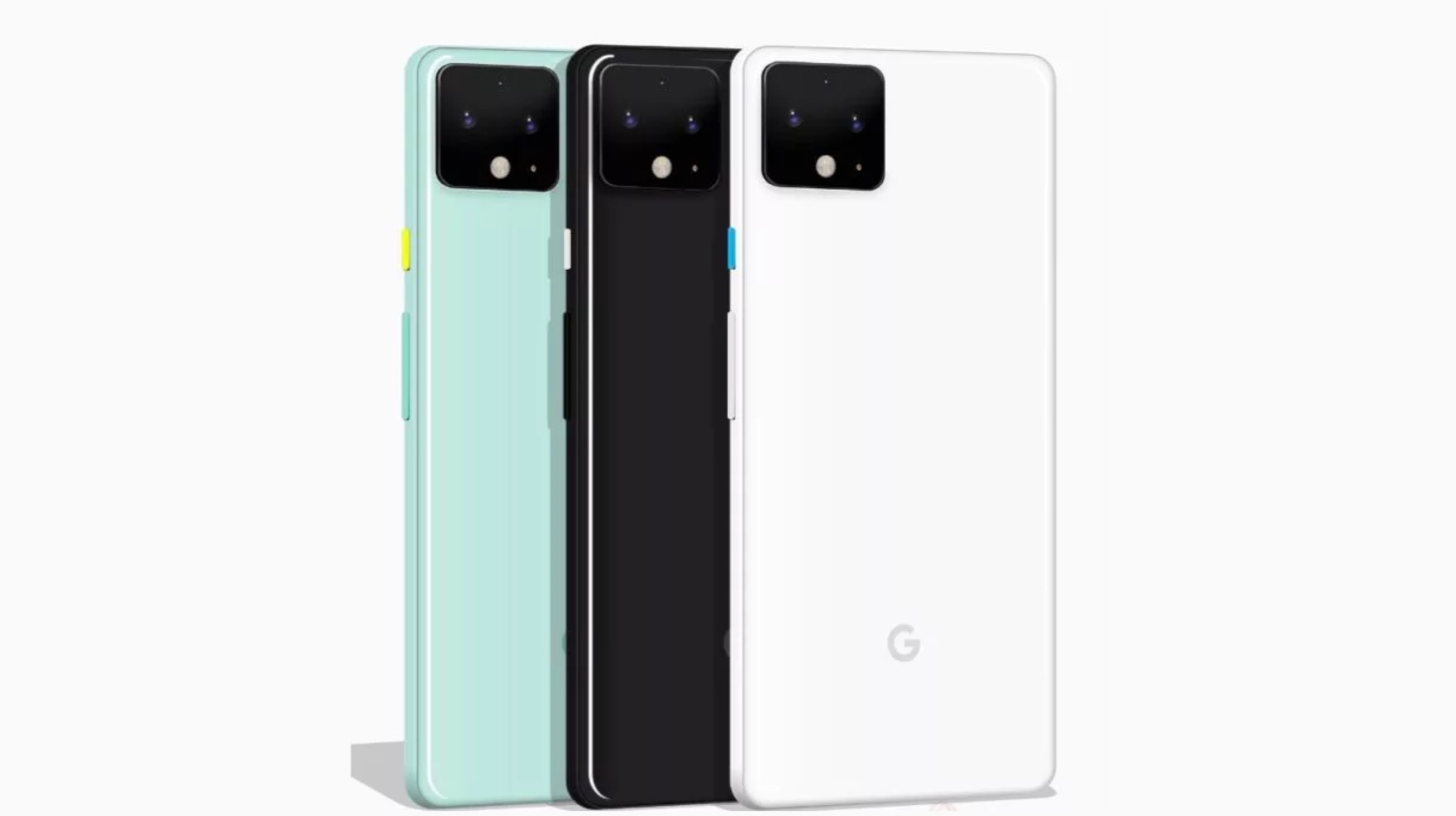
As mentioned above, the Pixel 4 series will be a flagship offering from Google. The leaked image reaffirms the design that was showcased by the company a while ago. The device features a glass sandwich design and a square cutout at the back which houses the camera system. The optical setup of the handsets will be comprised of dual sensors, details about which are unknown at the moment; which will be combined with a spectral sensor. This sensor was also present in the previous generation and helps in reducing the flicker while recording a display of an electronic device.
A contradictory design feature visible in the images of the Pixel 4 renders is the difference in the camera placement in the cutout. While the previous renders had the sensors on the centre part of the square module, the white render has them in the top half. It is believed to be an intentional feature to differentiate between the regular and XL model from the back like done with the Pixel 2 series in the year 2017. The previous models had the camera sensors and LED module swapped to distinguish them from each other. Similarly, the regular Pixel 4 may have the sensors on the top part while the Pixel 4 XL may sport them on the centre.
While the previous renders from Google revealed the upcoming flagship smartphones from the rear, there was no information on how the front of the devices will look like. Based on the latest renders, it has been showcased to have a different design to its predecessors. The handsets will have thin bezels around the display with a prominent forehead to house the front-facing sensors. The Pixel 4 series has been leaked to have two selfie cameras, along with a slew of sensors for facial recognition and motion gestures. Unfortunately, more details about the smartphones are shrouded in mystery, but they are expected to be revealed as we move closer to their launch in October.
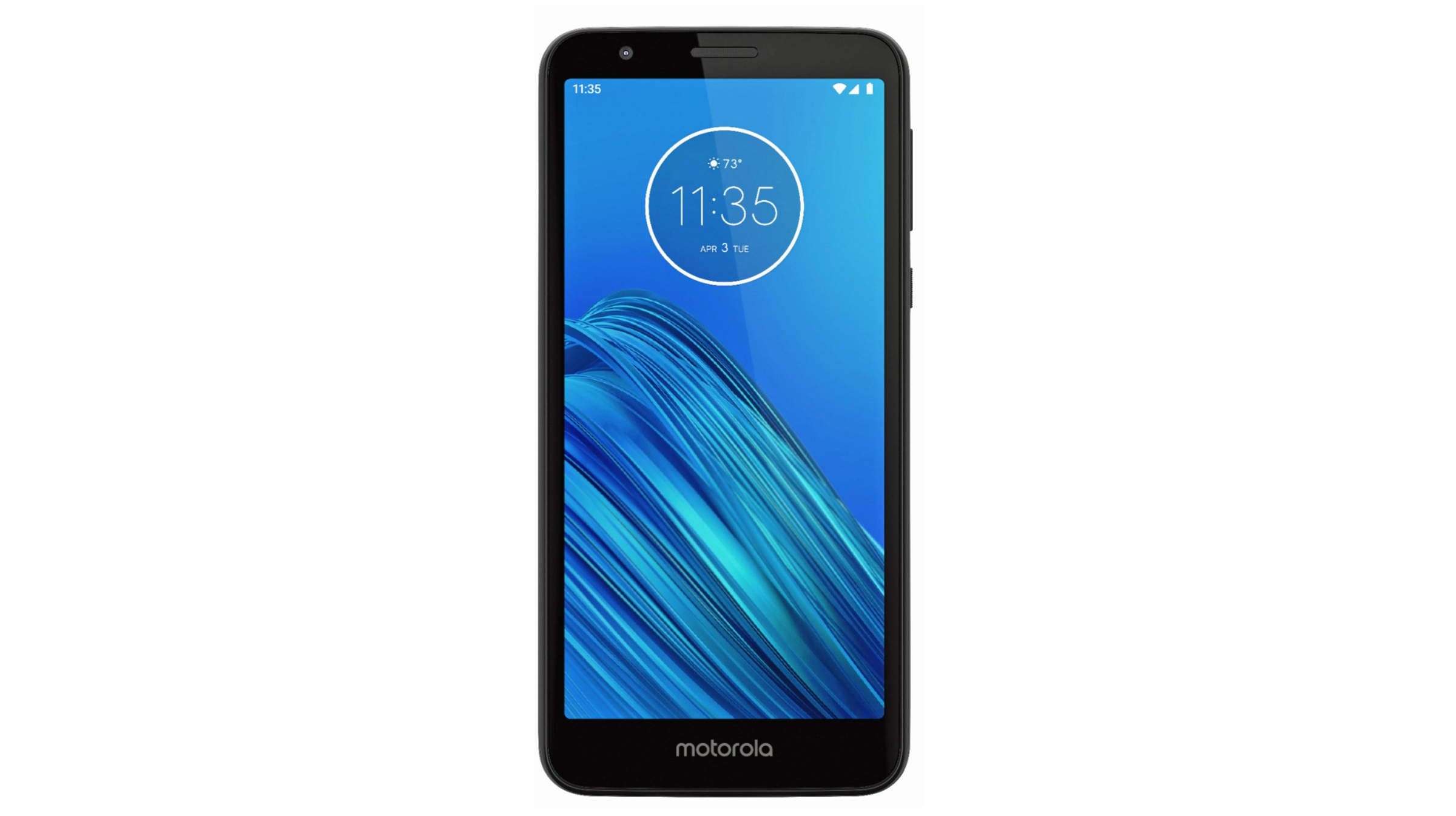
On the 20th of June, Motorola launched the Moto One Vision with an unconventionally tall display. Freshly leaked images of a smartphone suggest that the company is gearing up for the launch of another device. The said device is the Motorola E6 which will succeed the Moto E5 from last year.
The ‘E’ series of smartphones from Motorola are targeted towards the budget sector and the upcoming device is expected to fall in the footsteps of its predecessors. The renders of the Moto E6 were leaked on Twitter by a notable tipster who goes by the Evan Blass, therefore, the chances of them turning out true are quite high.
Motorola E6 Design
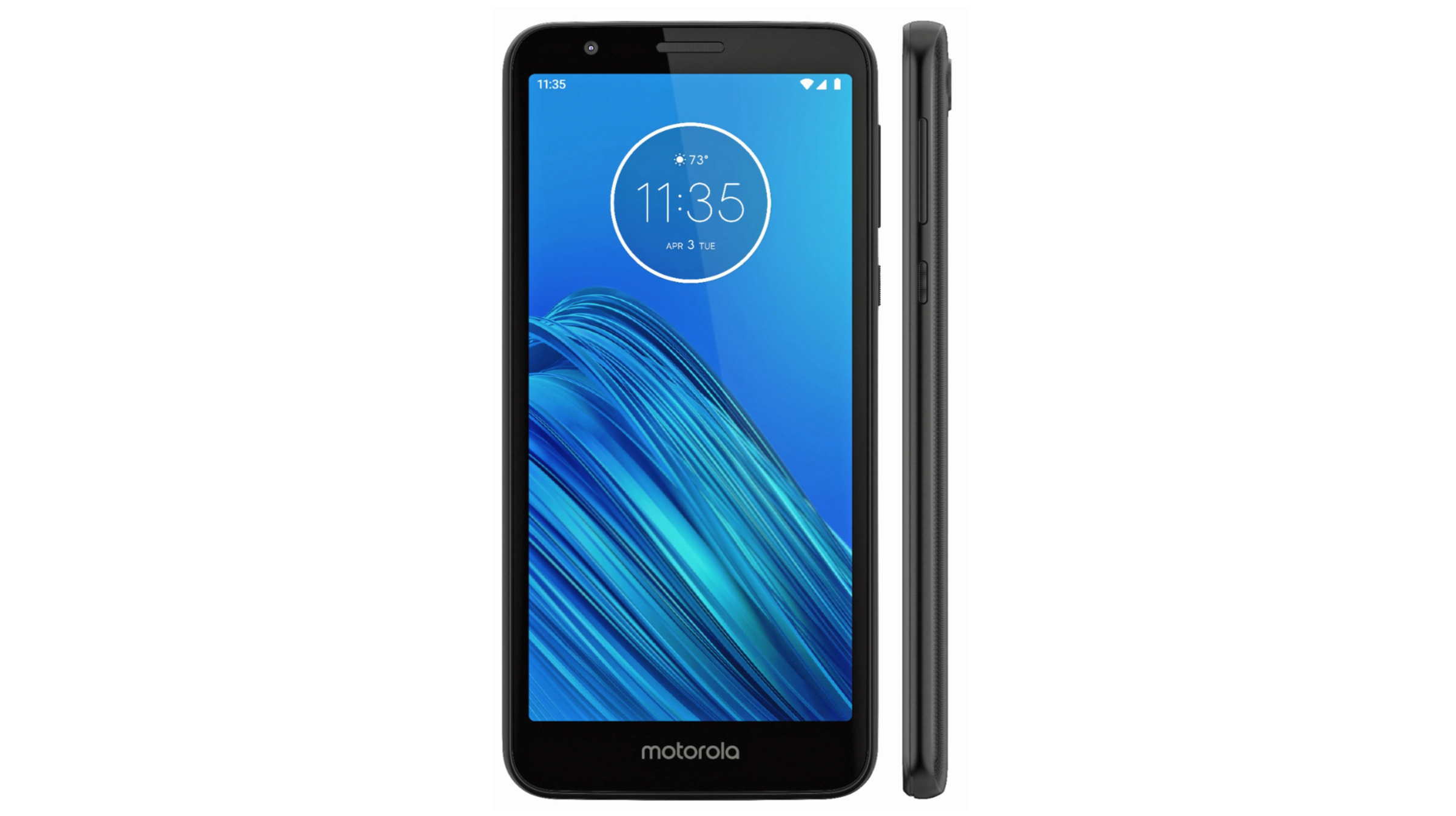
According to the leaked images, the Motorola E6 has a conservative design which is due to the fact that its display is surrounded by considerable bezels on all sides. The bezel above the display houses the front facing selfie camera and the earpiece while the bezel below the display is marked with the Motorola logo.
Similar to most modern Android smartphones, the right side of the Motorola E6 is occupied by the volume rocker and power button. While its left side is devoid of any ports or controls. The upcoming device also sports 3.5 mm jack which is present on the top. Though the images shared by the source do not exhibit the location of the USB charging port and SIM card tray, they are likely to be mounted on the bottom.
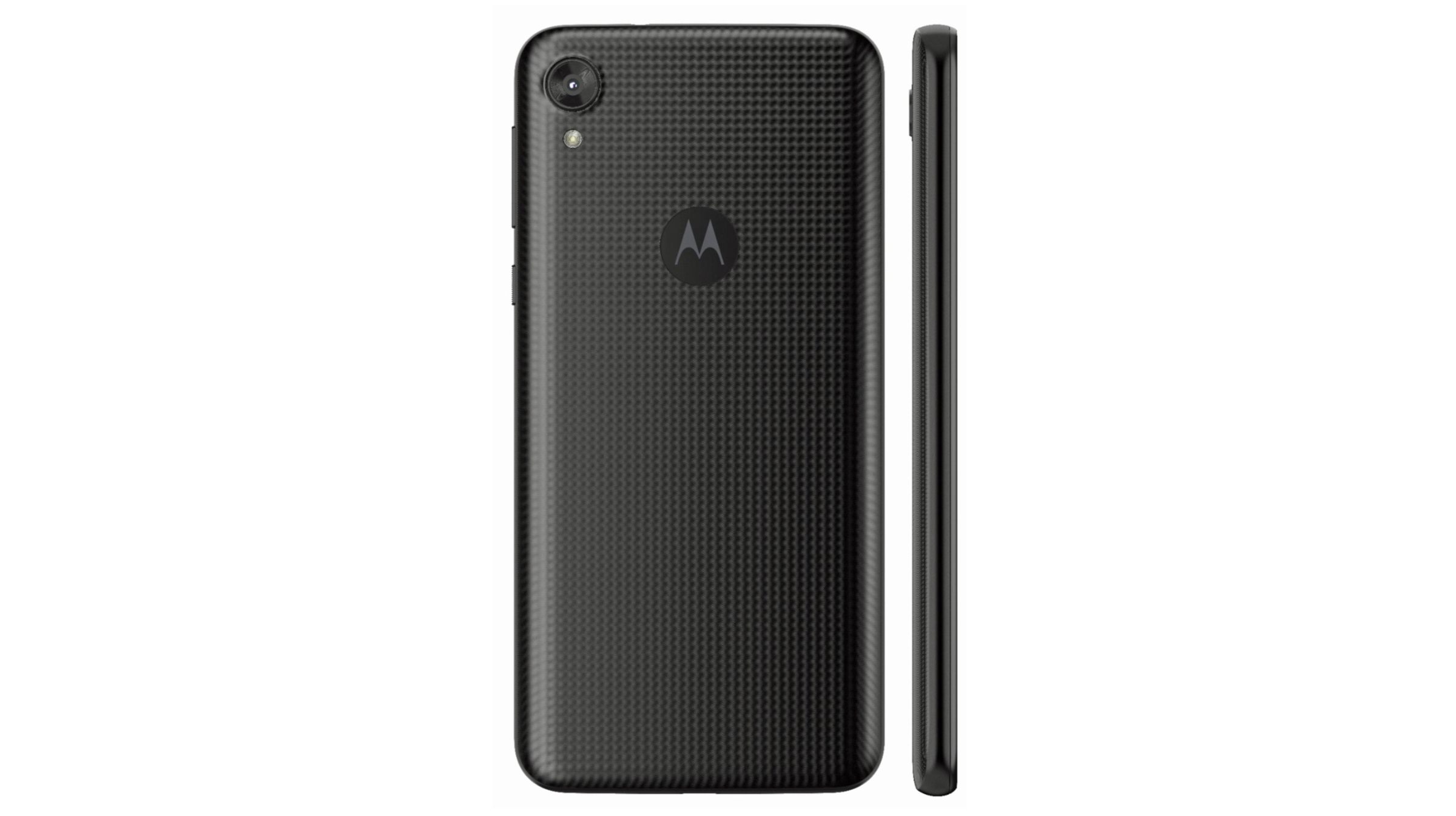
The rear of the alleged Motorola E6 houses a single rear facing camera along with an LED flash and what appears to be a fingerprint sensor. Due to lack of sufficient details, the presence of the biometric sensor cannot be confirmed. Even though the source has not provided any specifications of the device, previous Motorola smartphones in the ‘E’ lineup suggest that the future device will pack mediocre specs which will provide for smooth day to day operations.
Going by the build and design of the device, we feel that this could be a sub Rs 8,000 smartphone which will compete against the like of Redmi 7A. To sum up, we will have to wait for Motorola to verify whether the images are genuine or not.
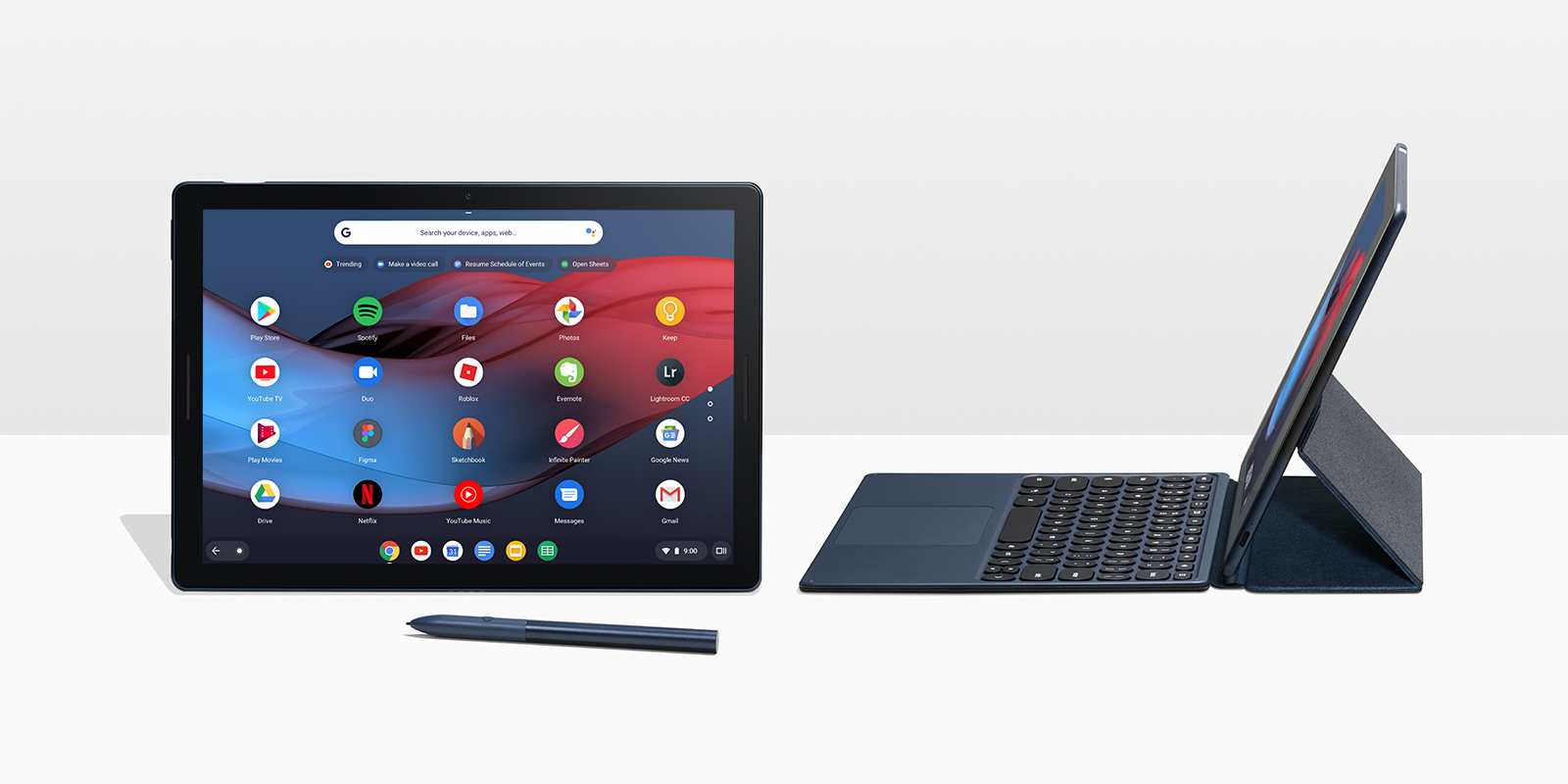
Google launched devices under the Pixel branding starting the Pixel C tablet in 2015. The American technology giant has since then expanded the lineup to smartphones, laptops and smart speakers. While the latter has found some success in the market; the company has always found itself struggling with making a perfect tablet. The last device from the company, the Pixel Slate launched last year received abysmal reviews owing to its poor software experience. Now fresh reports claim that Google has completely axed its tablet lineup and will no longer make them in the future. The company will instead focus on laptops starting forward.
As mentioned above, Google has killed its tablet lineup for the future. This news was corroborated by a senior Google executive on microblogging website Twitter. He claims that the company will be solely focused on making laptops like the Pixelbook, however, the team will be committed to supporting the existing tablets on the market from other OEMs.
The company has also revealed that it has cancelled two tablet products which were in development. The devices were both smaller in size than the Pixel Slate and would have released sometime after this year. Employees of Google who were working on the project have been moved to different areas of the company. The company informed about its decision to its employees on the 19th of June in an internal meeting.
While Google has decided it will stop making tablets altogether, it still plans on supporting the Pixel Slate for the long term. This essentially means the device will keep receiving software updates for the foreseeable future. It also signifies the dying popularity of tablet devices that are not the Apple iPad. The category has seen a sharp decline in popularity over the last few years because of the low demand and poor quality software support.
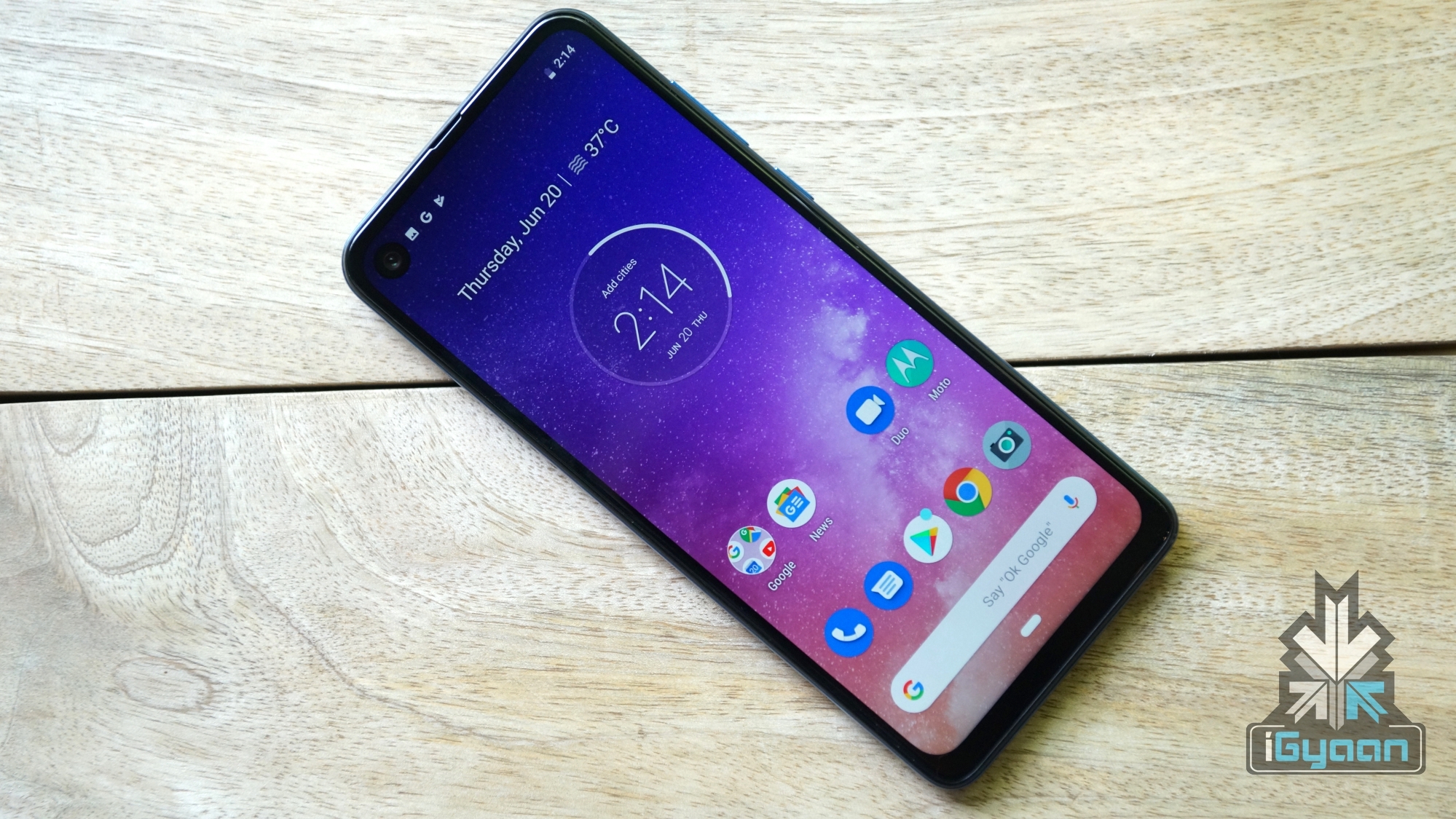
In the month of May, Motorola launched the One Vision mid range smartphone in Brazil, Thailand and Saudi Arabia. The highlighting feature of the device is its display which has an unconventional aspect ratio of 21:9 and a punch hole selfie camera. A month after the debut, the device has made its way to India. In this article, we will unbox the brand new offering from Moto and discuss its features in depth.
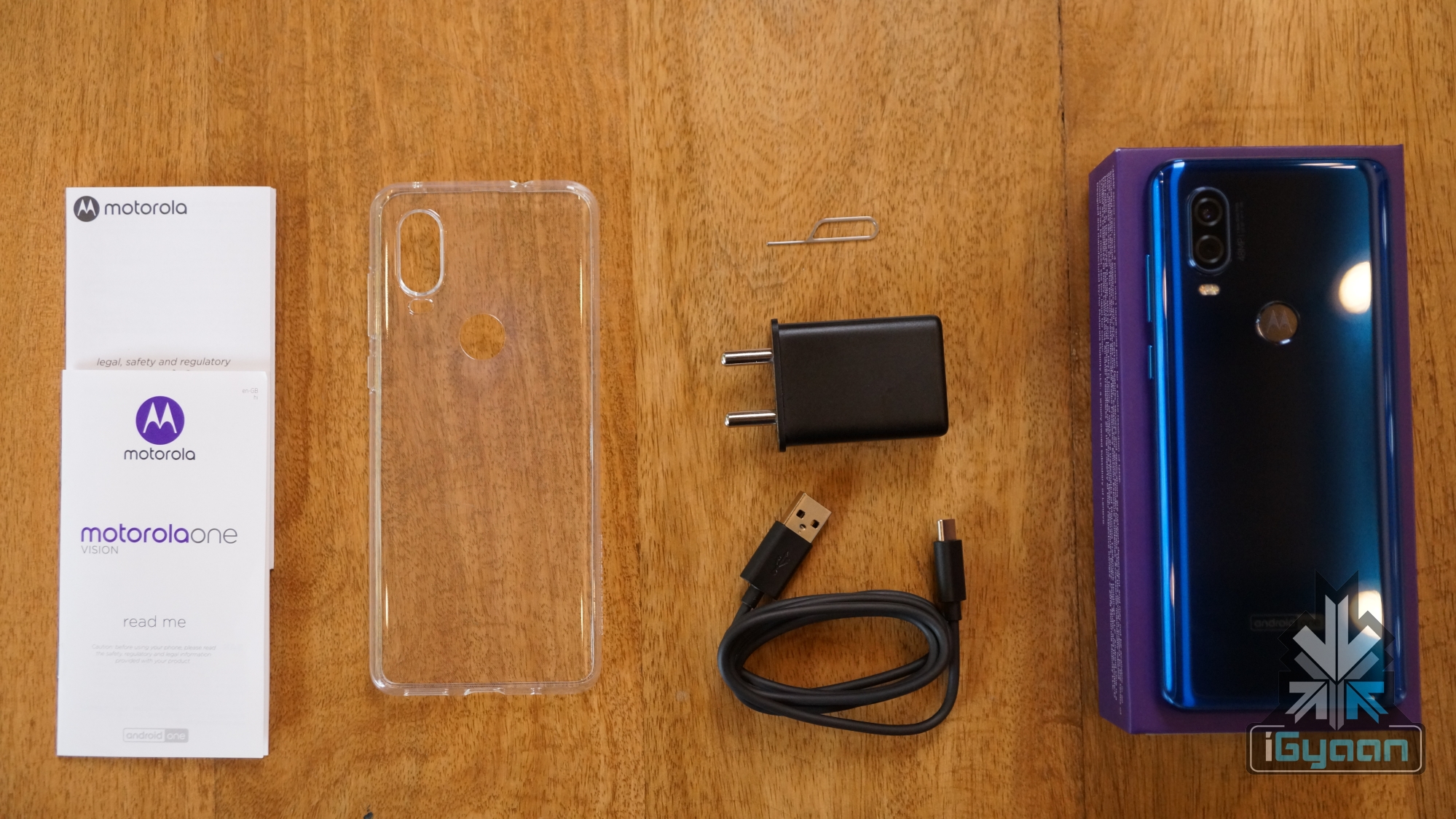
What’s In The Box:
Moto One Vision
Silicon Case
SIM Pin
Fast Charger
USB A To USB C data cable
User Manual
Safety Information
Display And Design
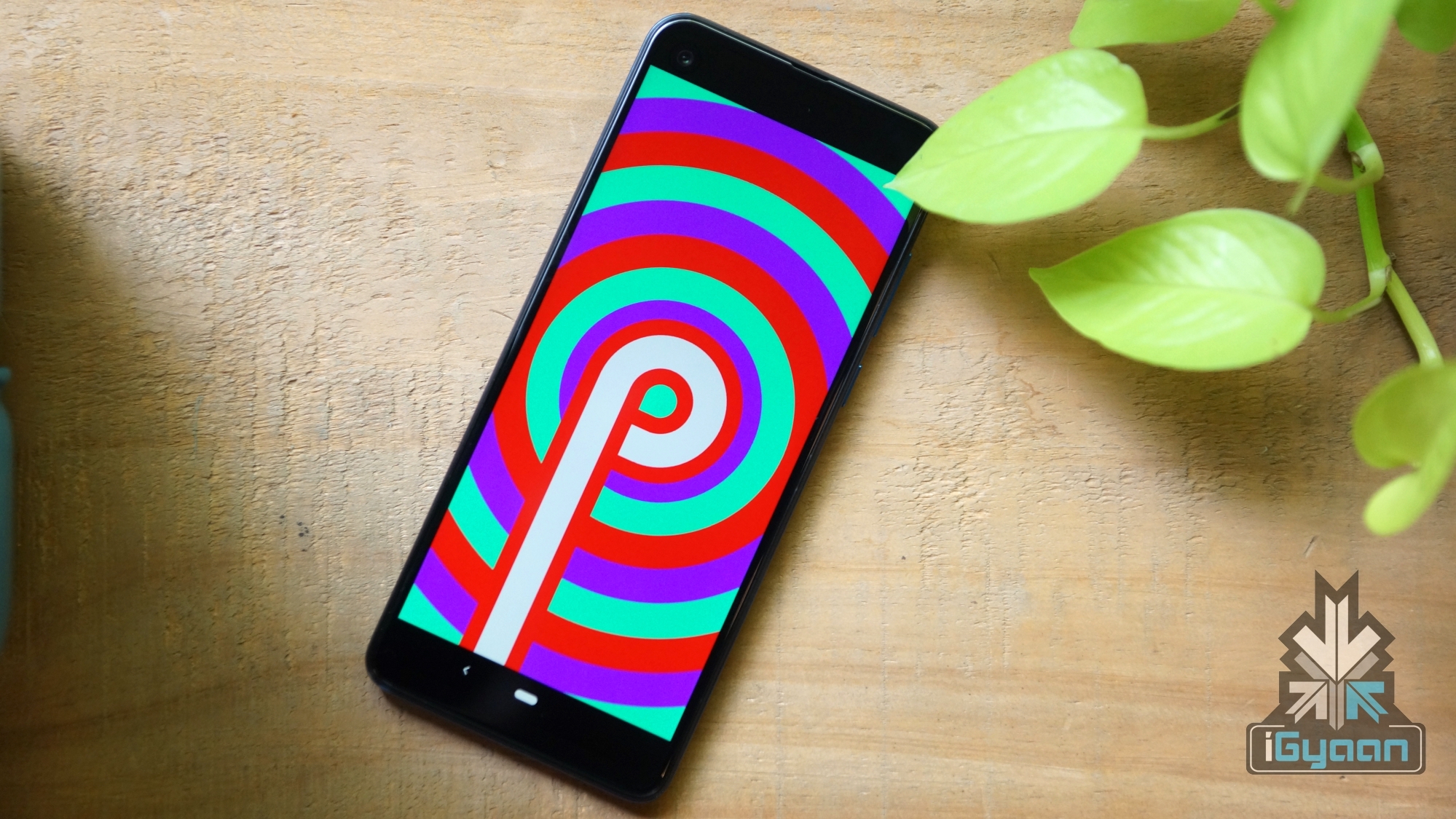
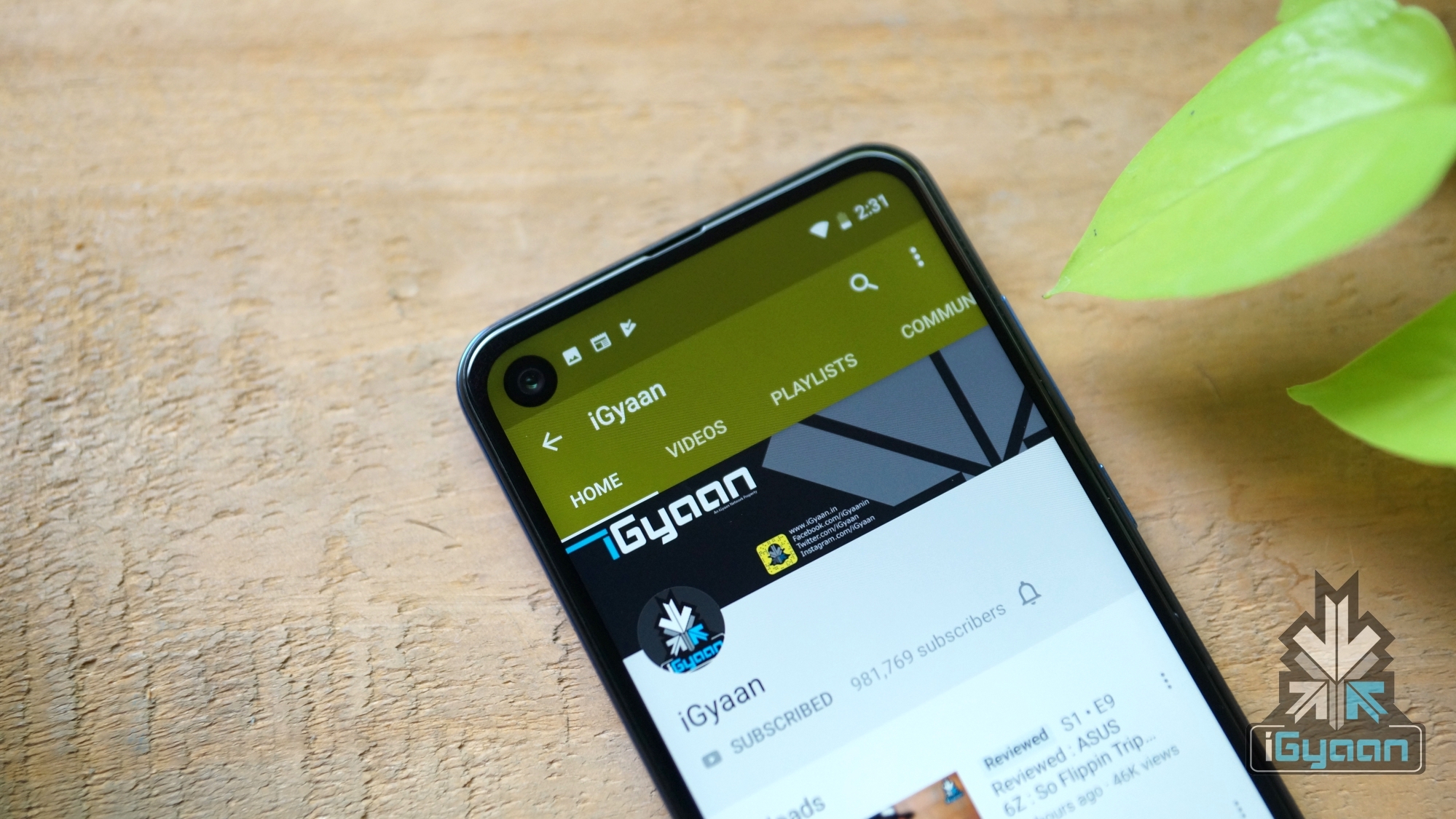
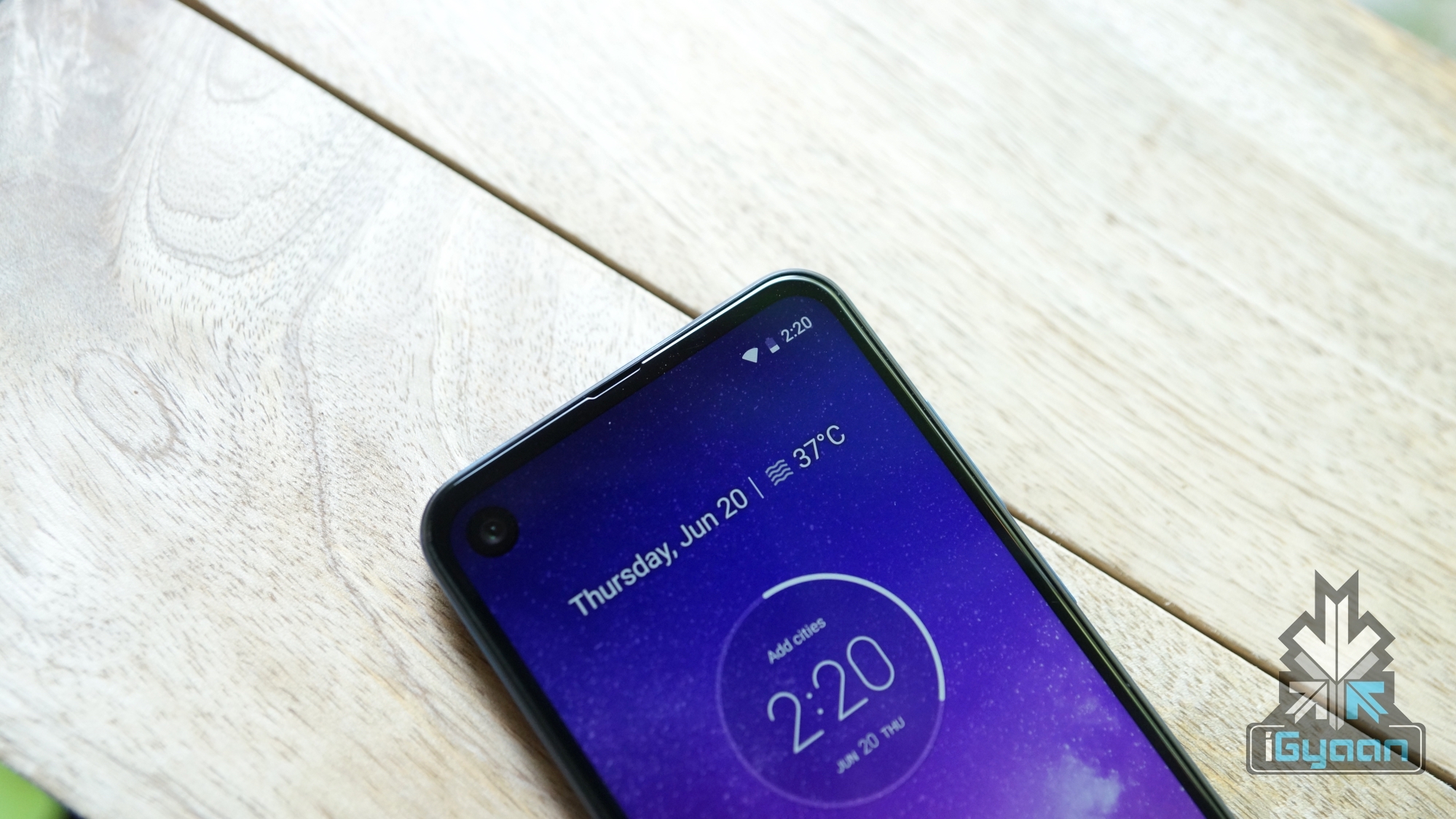
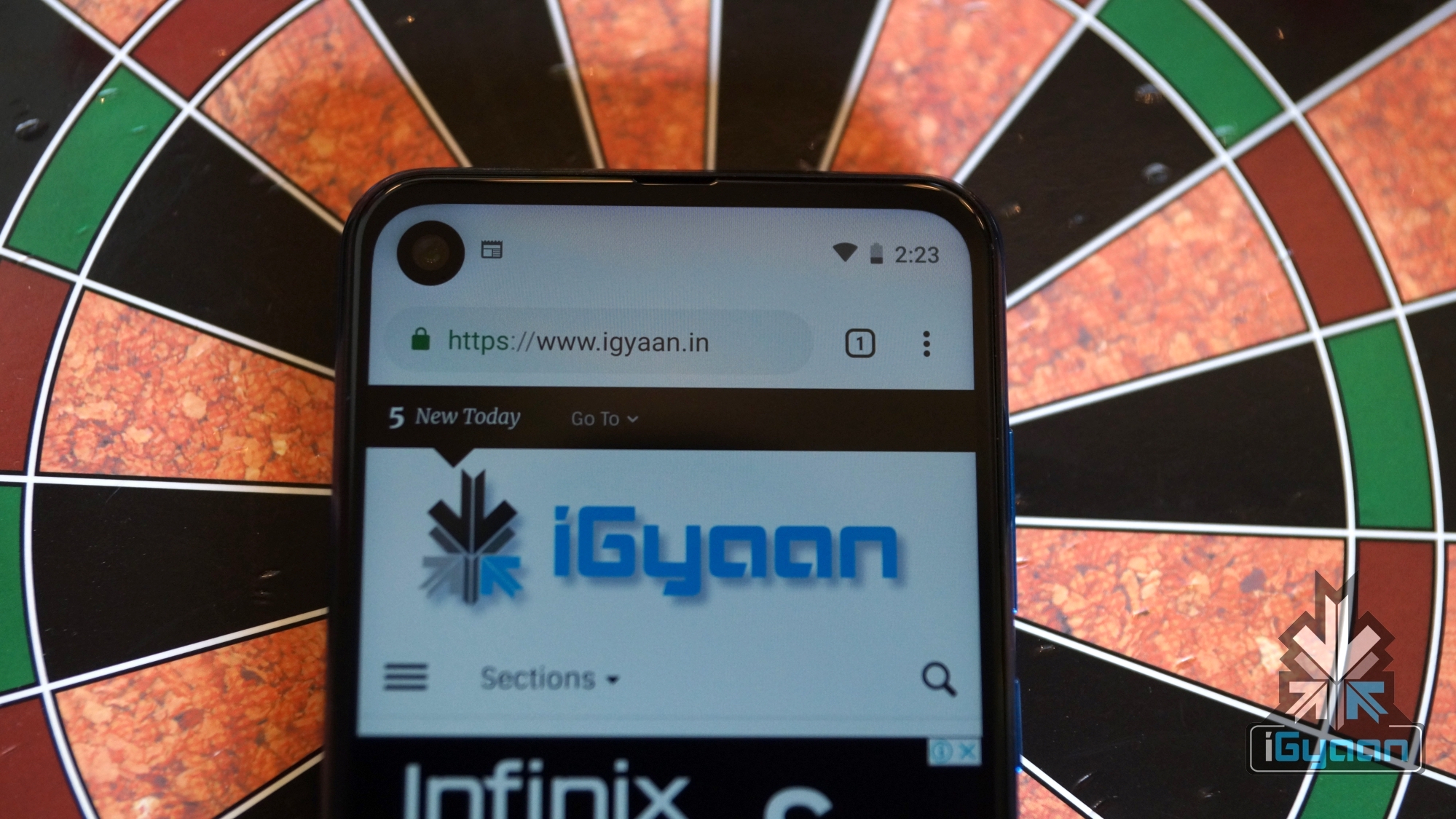
The Motorola One Vision has a distinguished design accrediting to the tall 6.3 inch display with 21: 9 aspect ratio that sits on the front and a glass back. The display panel has a resolution of 2520 x 1080 px that translates into a pixel density of 432 ppi. As previously mentioned the Motorola One Vision has a punch hole in the display that houses the selfie camera.
Noteworthy, it is the first smartphone available in India that has a display with a 21:9 aspect ratio. The uncommon aspect ratio allows the device to play video content from streaming services like Netflix and Amazon Prime in its native format. Therefore, despite having a screen size of 6.3 inch, it feels like the video is being viewed on a much larger display. This is due to the fact that the empty space which is usually filled by black bars on both the top and bottom on devices with 18:9 display is absent on the Motorola One Vision.
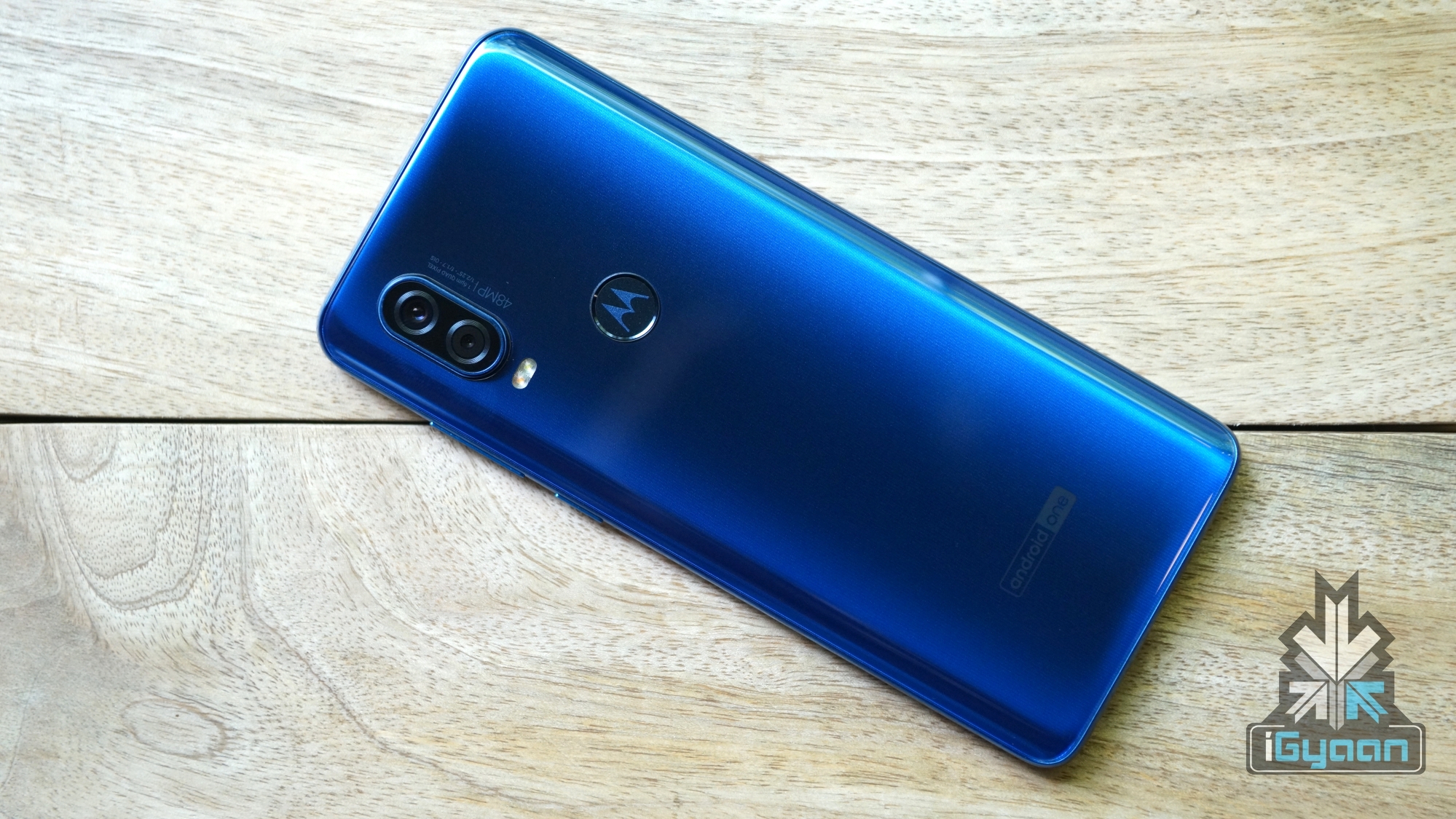
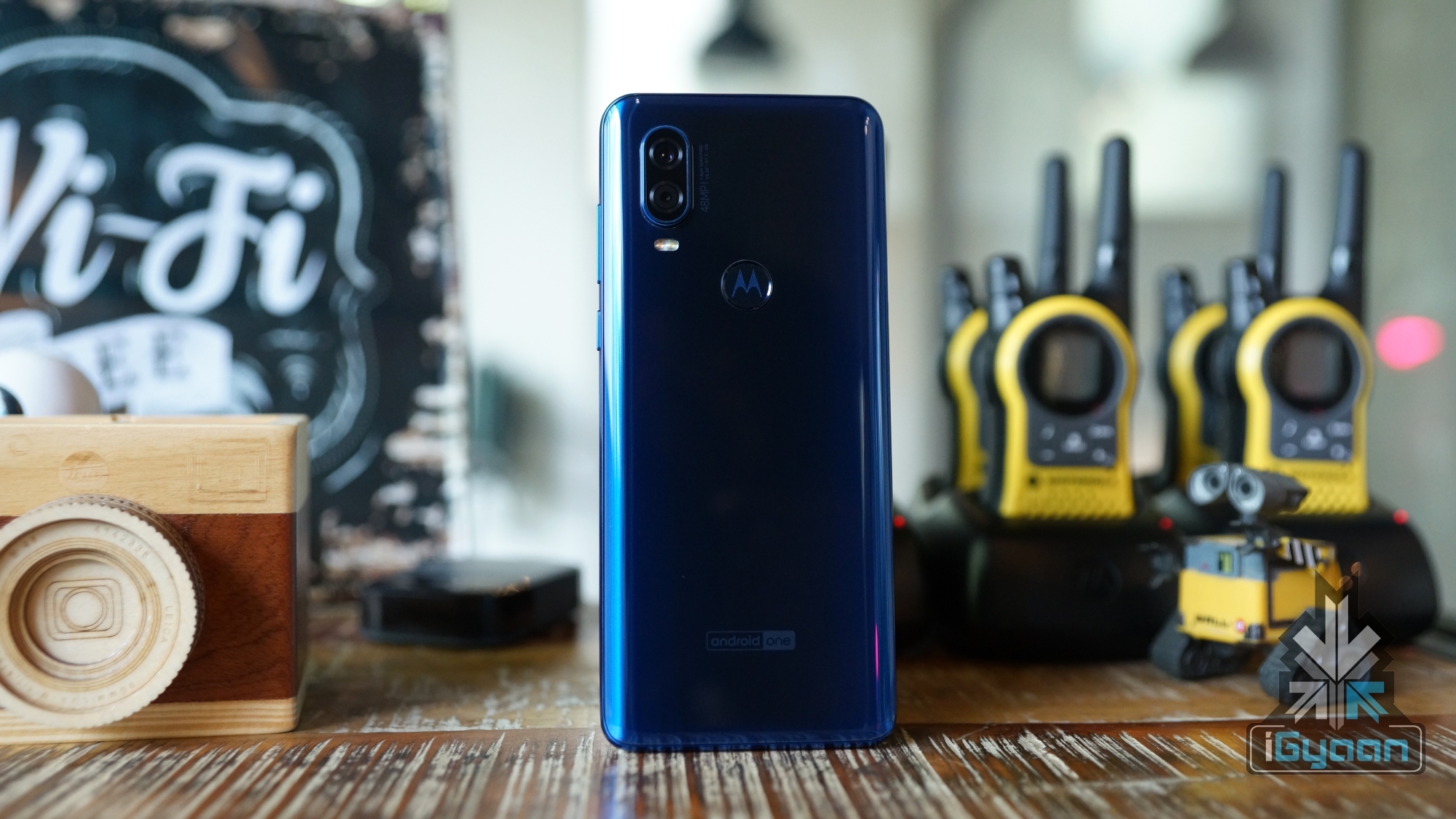
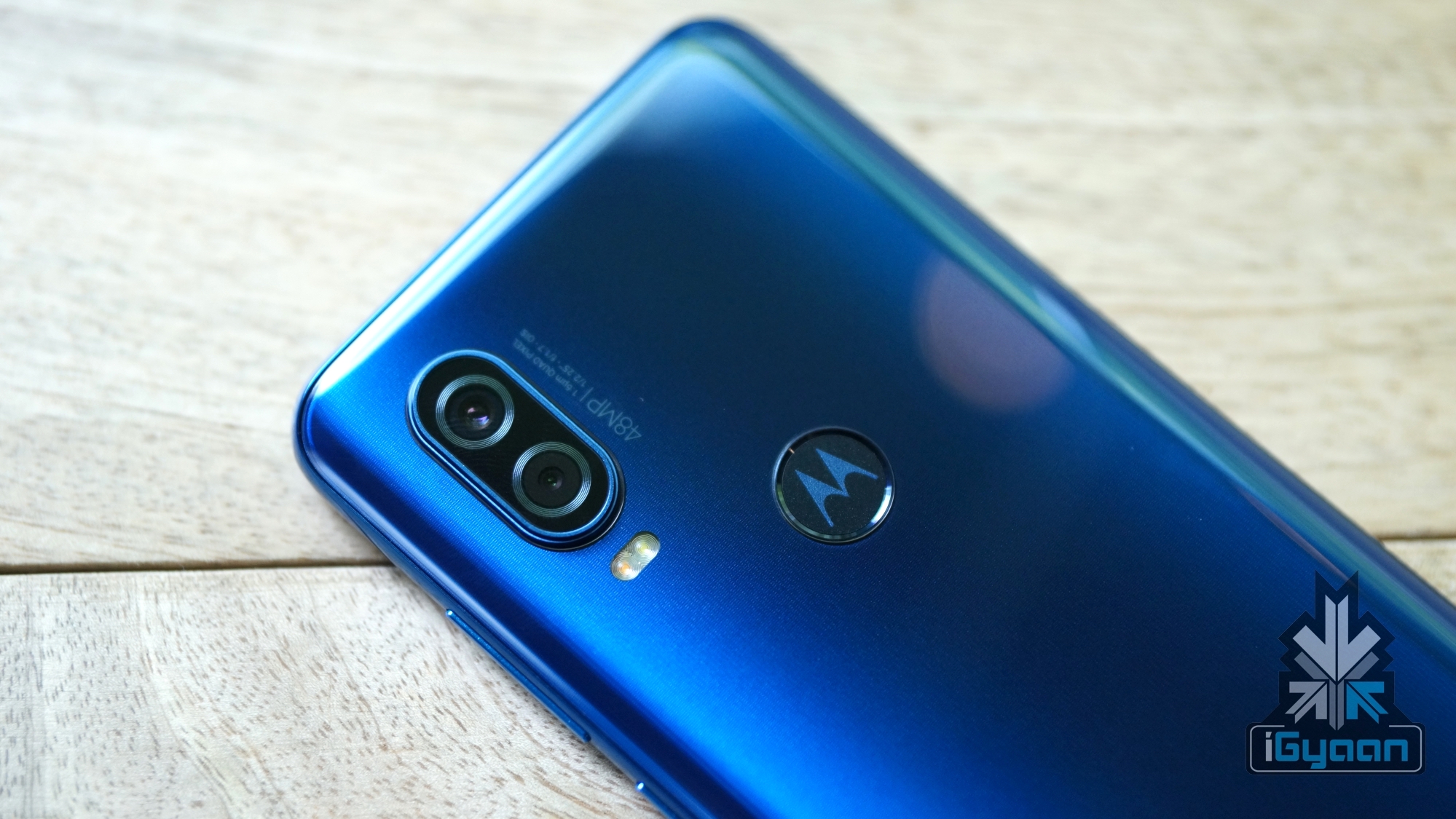
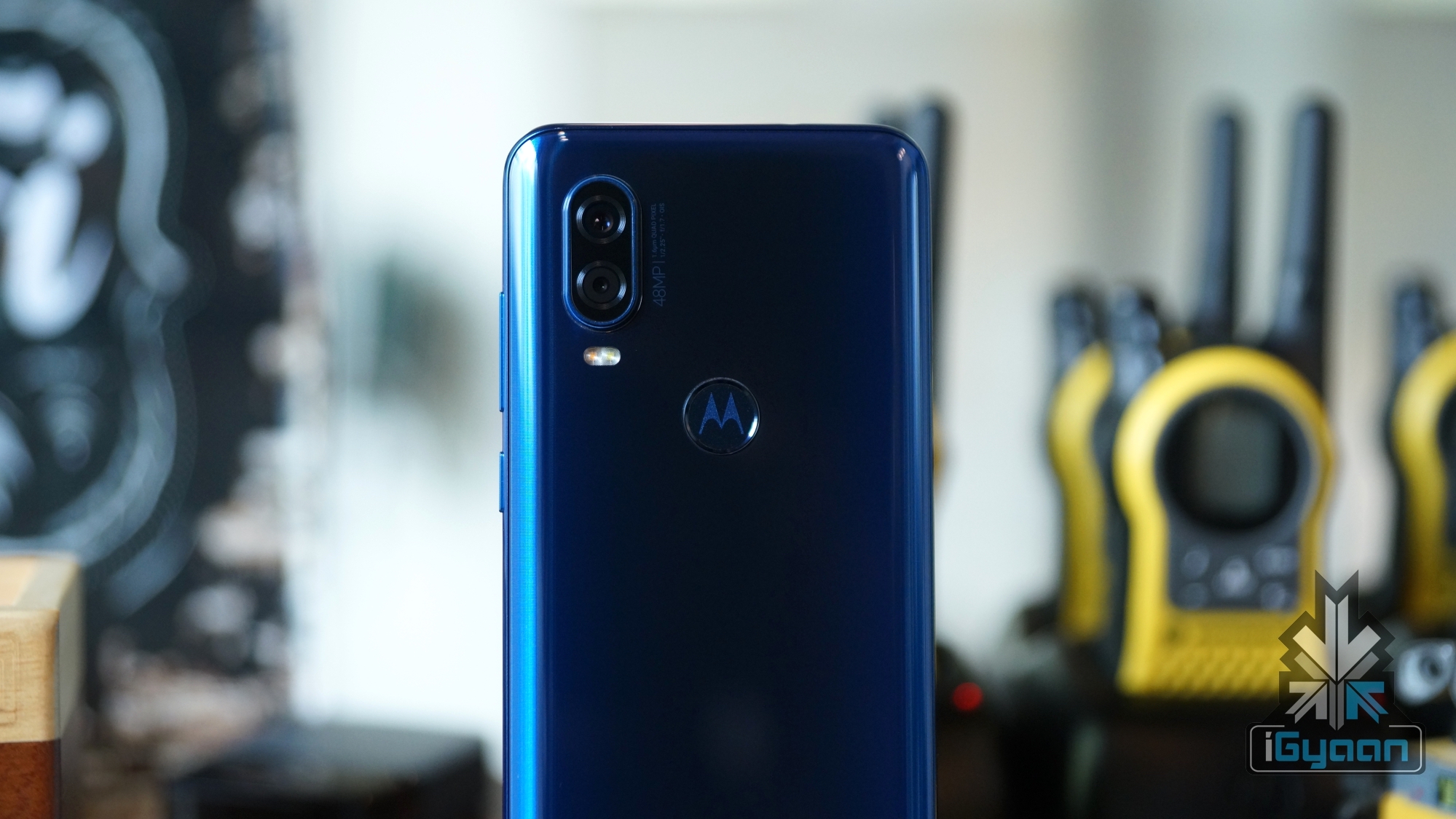
Talking about the rear of the smartphone, it has a glass back that houses the fingerprint scanner that carries the company branding, vertically aligned dual camera setup and Android One logo. The Android One logo registers that the smartphone is assured to receive two major Android updates for 2 year and security patches for 3 years.
Battery and Connectivity
The Motorola One Vision is powered by a 3,500 mAh battery which also support 15 W TurboPower charging with the charger provided in the box. Connectivity options on the smartphone include Wi-Fi 802.11 a/b/g/n/ac, Bluetooth 5.0, dual 4G VoLTE, GPS, NFC and bottom mounted 3.5 mm jack and USB Type C port which can be used for charging and data syncing. The Motorola One Vision also features a variety of sensors which include an accelerometer, gyroscope, proximity sensor and a compass.
Camera
The Motorola One Vision has an f/2.0 aperture equipped 25 MP selfie camera which is housed in the punch hole in the display. It also has a dual rear camera setup which consists of an f/1.7 aperture equipped 48 MP PDAF sensor and an f/2.2 aperture equipped 5 MP depth sensor. Notably, the 48 MP main rear camera is the Sony IMX586 sensor which is also present on flagship devices like the Asus ZenFone 6Z and Honor View 20. The smartphone is also capable of capturing 2160p videos @ 30fps while the video from the front camera is limited to 1080p @ 30fps. To produce pictures and videos with reduced blurring associated with motion, it supports OIS (Optical Image Stabilisation) technology.
Chipset, Storage and Other Features
Under the hood, the Motorola One Vision packs the Exynos 9609 SoC which is manufactured using 10 nm fabrication process. The chipset is manufactured by Samsung and the One Vision is the worlds first smartphone with a Samsung chipset except for the Korean companies own offerings. The SoC consists of an octa-core CPU which is clocked at 2.2 GHz and the Mali G72 MP3 GPU.
The Motorola One Vision has 4 GB of RAM and 128 GB of ROM. Besides, it also supports memory expansion upto 512 GB via the shared SIM slot. Another worthwhile feature of the device is the single bottom firing loudspeaker which supports Dolby sound. The device is also IP52 rated which makes it dust and water resistant.
The Motorola One Vision is available in two colour options which include Bronze Gradient and Sapphire Gradient. It will be available for purchase via Flipkart.com and select offline stores starting next week. The price of the single storage variant of the device is listed below:
Deepfake is a term which was initially coined in the year 2017. It is a technique that utilizes an AI to project combined videos and images onto source images through machine learning. Now, a fresh report from the Imperial College in London and Samsung’s AI research lab in the UK have showcased how a simple image and audio file can be used to make a singing video of a portrait.
Previously, the technique was used to produce life-like videos from still shots. The researchers are heavily employing machine learning to generate realistic looking results. A trained eye can easily notice the mechanical and almost scary imitation by the AI but it is still a great deal considering the amount of data actually needed is negligible. The technique can even be seen combining a portrait of Albert Einstein, the famous mathematician, to create a unique lecture.
On a more entertaining side of things, even Rasputin can be seen singing Beyoncé’s iconic “Halo” with comical results. Furthermore, realistic examples are also available with tweaked videos which were generated to mimic human emotions based on the audio that was input into the system. It has become remarkably more simplified with time to produce deepfakes, even if they are not commercially available.
However, people are being reasonably worried regarding the implications of the technique. This can potentially be used to spread large scale false information and propaganda using famous personalities as their templates by those that seek to gain from it. The US legislators have already started noticing the future complications that can potentially be faced. Deepfakes have already caused harm, especially for women, who have had fake pornography surfaced to create an embarrassing spectacle for them. Fortunately or unfortunately, it is still too early to say how much good or harms the technology might end up causing.
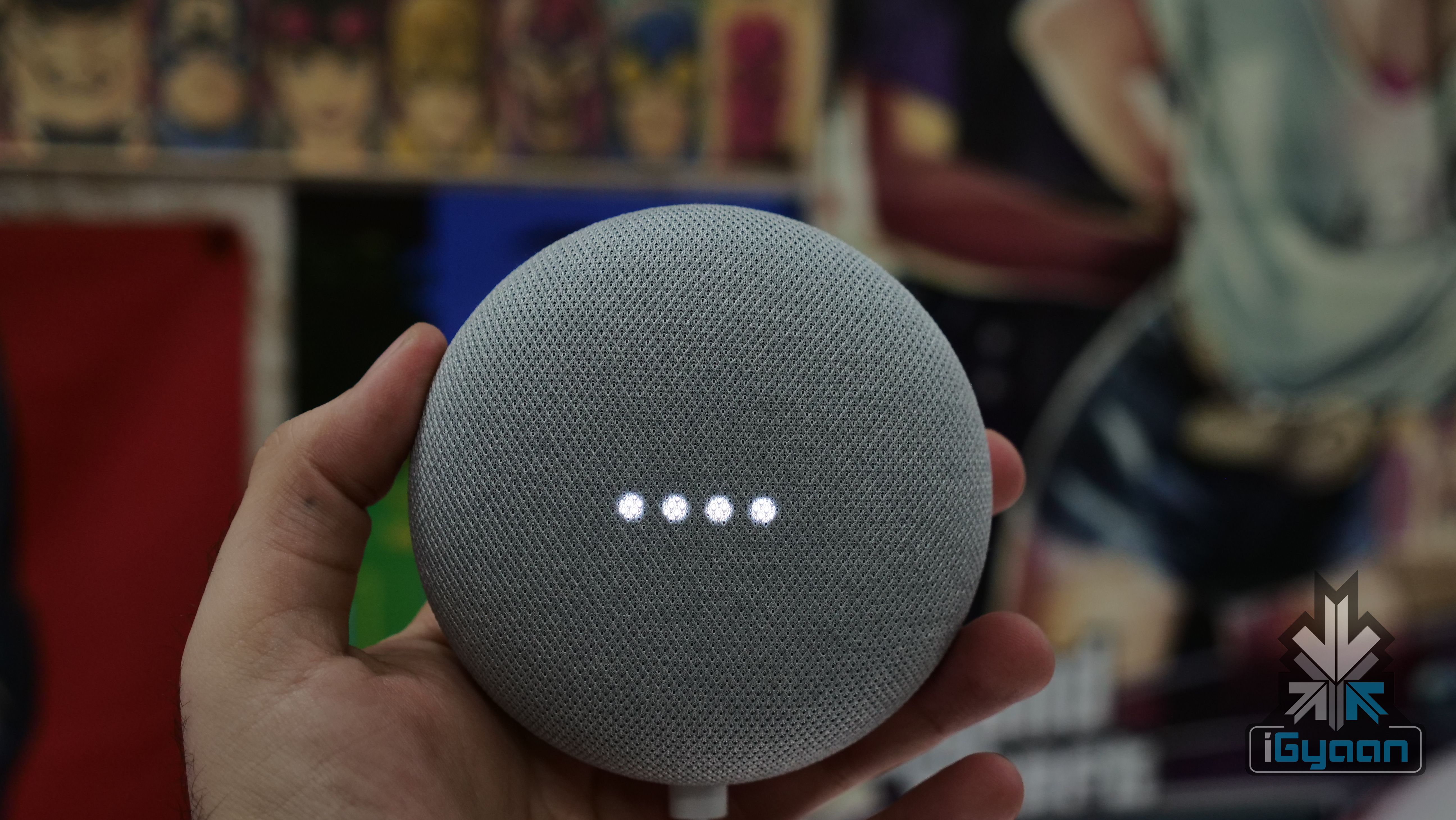
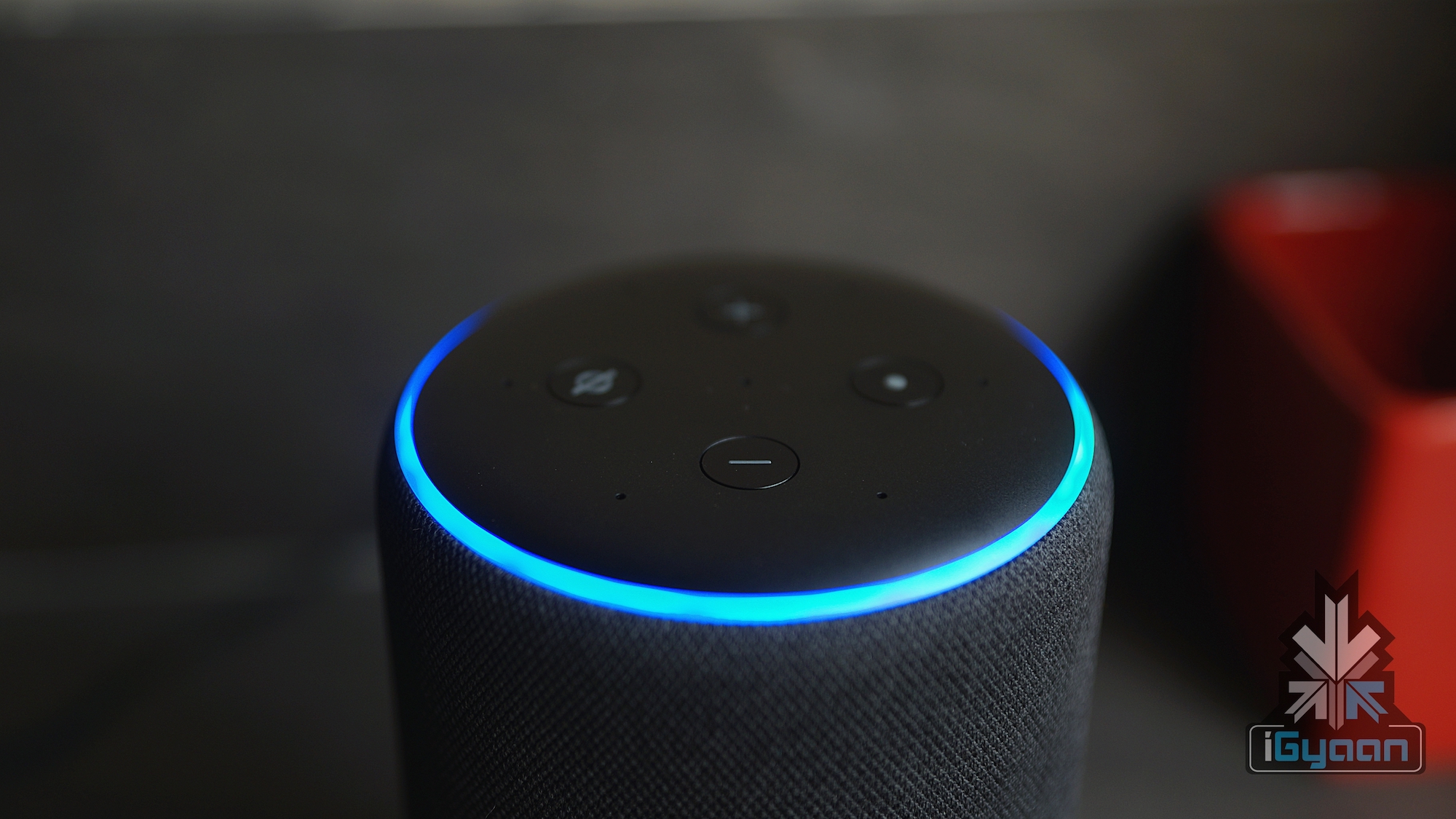
‘Smart’ homes nowadays are incomplete without a voice assistant enabled speakers. These smart speakers have been becoming increasingly more popular as a household gadget. They bring a variety of both entertainment and practicality to its users. Tech giants like Amazon and Google have pushed for these type of products with their own Echo and Home products respectively. Latest updates constantly add more functions to such gadgets, like the ability to detect heart attacks being developed by certain researchers for emergencies.
A dedicated team from the University of Washington are working towards perfecting a machine learning algorithm that can detect heart attacks. The algorithm is trained to monitor sounds for agonal breathing, where sharp gasps of air are taken by the victim suffering from a heart attack. However, this type of respiration only holds true for about 50% of the victims during cardiac arrest. This tool is being developed to be built into the aforementioned smart speakers to help save lives.
When detecting a heart attack, the devices can help raise an alarm even when the victim is incapacitated. The researchers behind the software are looking to make the process entirely seamless and in the background. This implies that the system can passively monitor the bedroom for breath patterns and under cases of attack it would automatically contact the authorities. A ‘contactless’ system from the smart speakers, as the team coined it, for relaying crucial information to concerned parties.
Unfortunately, the feature is far from being commercially viable as of right now. The algorithm is still being trained with a broad range of data to reduce false positive results regarding agonal breathing. A number of scenarios from different angles and distances to the smart speakers are being currently tested. Audio from real 911 calls that were recorded in Seattle is also being used to train the AI that will run the system. Additionally, the audios include samples from sleep studies, with the system detecting agonal breathing 97% of the time from a distance of upto 6 metres.
The system is relatively imperfect with false reports occasionally being treated positively. However, the team is working on ironing out such complications. Soon the world might just see a lot more applications similar to this in the future related to health, fitness and security with the smart speakers. For example, Alexa is capable of listening to the sound of glass breaking and alerting users of a potential break-in, a well thought after feature. Emergency safety nets are always a necessity as every life is important.
It was revealed a while ago that Korean electronics giant LG will launch a new budget-centric smartphone lineup in India. This will be called the W series and is expected to be an online exclusive lineup from the company. It is also believed that a total of three devices will be launched in the series, out of which the most premium one has been leaked in the past. Now, the most affordable of the lineup, the LG W10 has been leaked via a listing on the Android Enterprise website.
LG W10
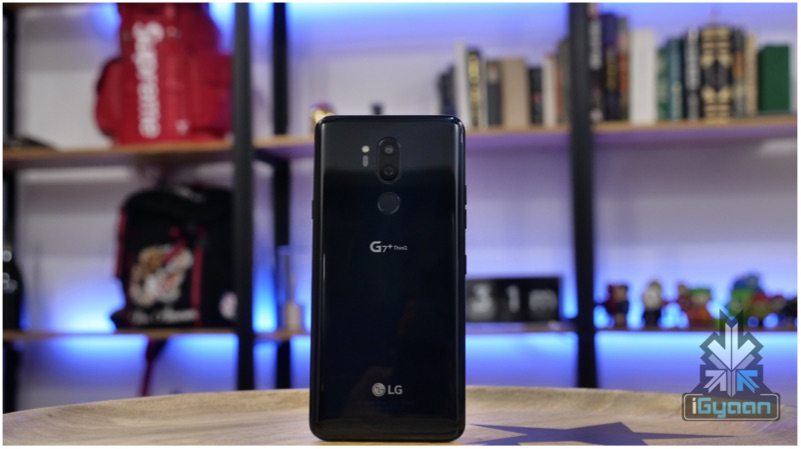
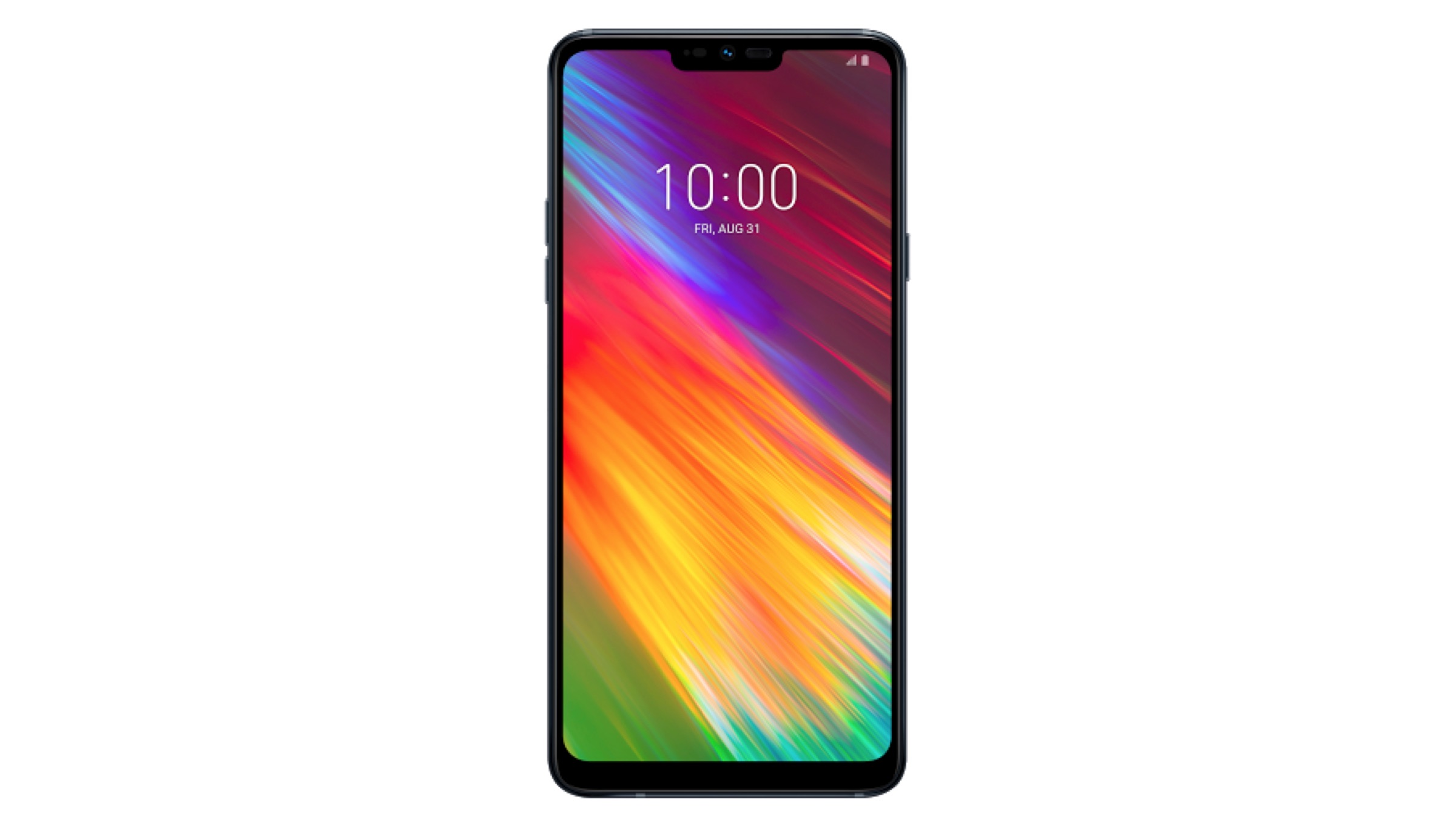
As mentioned above, the LG W10 will be the most affordable smartphone in the company’s upcoming W series. The image on the Android Enterprise listing website of the device reveals it will have a large display with a wide notch on top. This contradicts to a previous leak which exhibited a waterdrop notch on the handset. Other details of the LG W10 include a power button on the right-hand side and the volume rockers on the left edge. Overall, the device looks similar to the LG G7 ThinQ launched last year. It may be the case that it is the aforementioned flagship handset; whose image is placed as a placeholder on the website before the budget device’s launch.
Unfortunately, more details about the LG W10 are not known yet. However, the increasing intensity of the leaks insinuates its launch is drawing near. While the pricing of the LG W10 also remains a mystery, it is expected to be priced below Rs. 10,000 when it eventually launches. The LG W series will face a tough competition in the Indian market; rivalling the Galaxy M series, Redmi Note 7, Redmi Note 7 Pro and the Realme 3 Pro at the time of launch.
Samsung is expected to launch its latest flagship smartphone, the Galaxy Note 10 in the month of August. Leaks in the past have revealed quite a bit of information regarding the device and it is expected to be a significant update over its predecessor, the Galaxy Note 9. Now, a known gadget tipster who goes by the name Ice Universe on Twitter has revealed; that the upcoming handset from Samsung will have a revolutionary camera feature. The Galaxy Note 10 may be the world’s first smartphone with a triple variable aperture camera.
Galaxy Note 10 Variable Aperture
Samsung China engineers said that the Note10 camera will use a three-stage variable aperture: F1.5/F1.8/F2.4
As mentioned above, the tipster claims the Samsung Galaxy Note 10 will have a three-stage aperture system in the camera or a triple variable aperture. Aperture is the opening in front of the sensor which lets the light pass through to it. The variable aperture system will switch between three different aperture settings, which are f/1.5, f/1.8 and f/2.4 depending upon the lighting situations. The tipster reveals the source of the information is Samsung China’s engineers; who are possibly working on the development of the upcoming flagship smartphone. It is expected that the feature will only be available in the primary camera of the Galaxy Note 10, with the rest of the sensors sporting a fixed aperture.
The variable aperture feature was introduced with the Samsung Galaxy S9 series last year in February. Since then, it has made an appearance in successive flagship smartphone launches from the company; including the Galaxy Note 9 and the Galaxy S10 series. The aforementioned devices, however, used a two-way variable aperture system. This means that they can switch between an aperture of f/1.5 and f/2.4 depending upon the lighting conditions. Adding a triple stage variable aperture like rumoured in the Galaxy Note 10 will add a host of customisation and variations in images and video output from the device. The upcoming flagship smartphone as mentioned above may be launched on the 7th of August at an event in New York. The official announcement will confirm all the speculations and leaks so far.
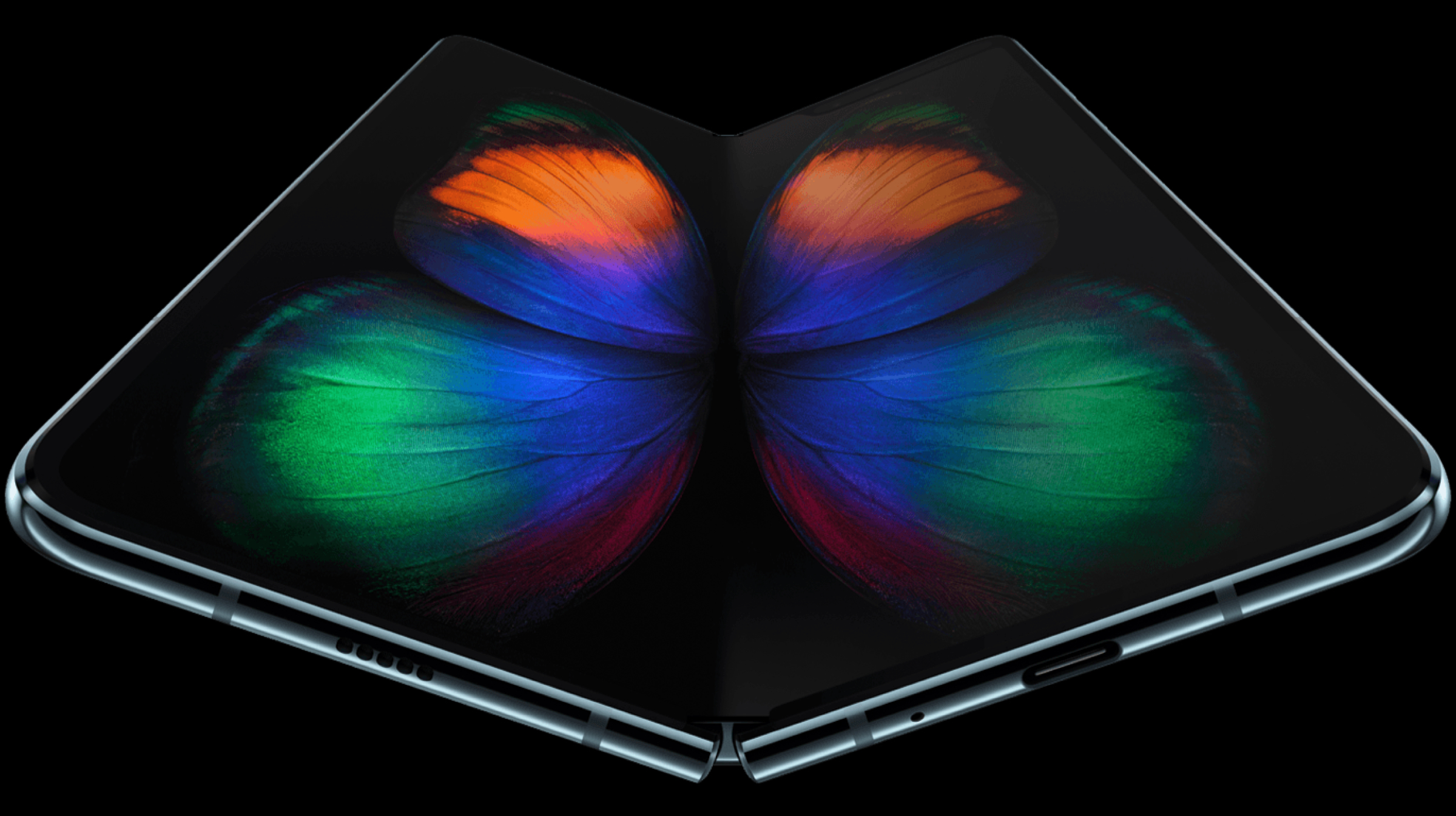
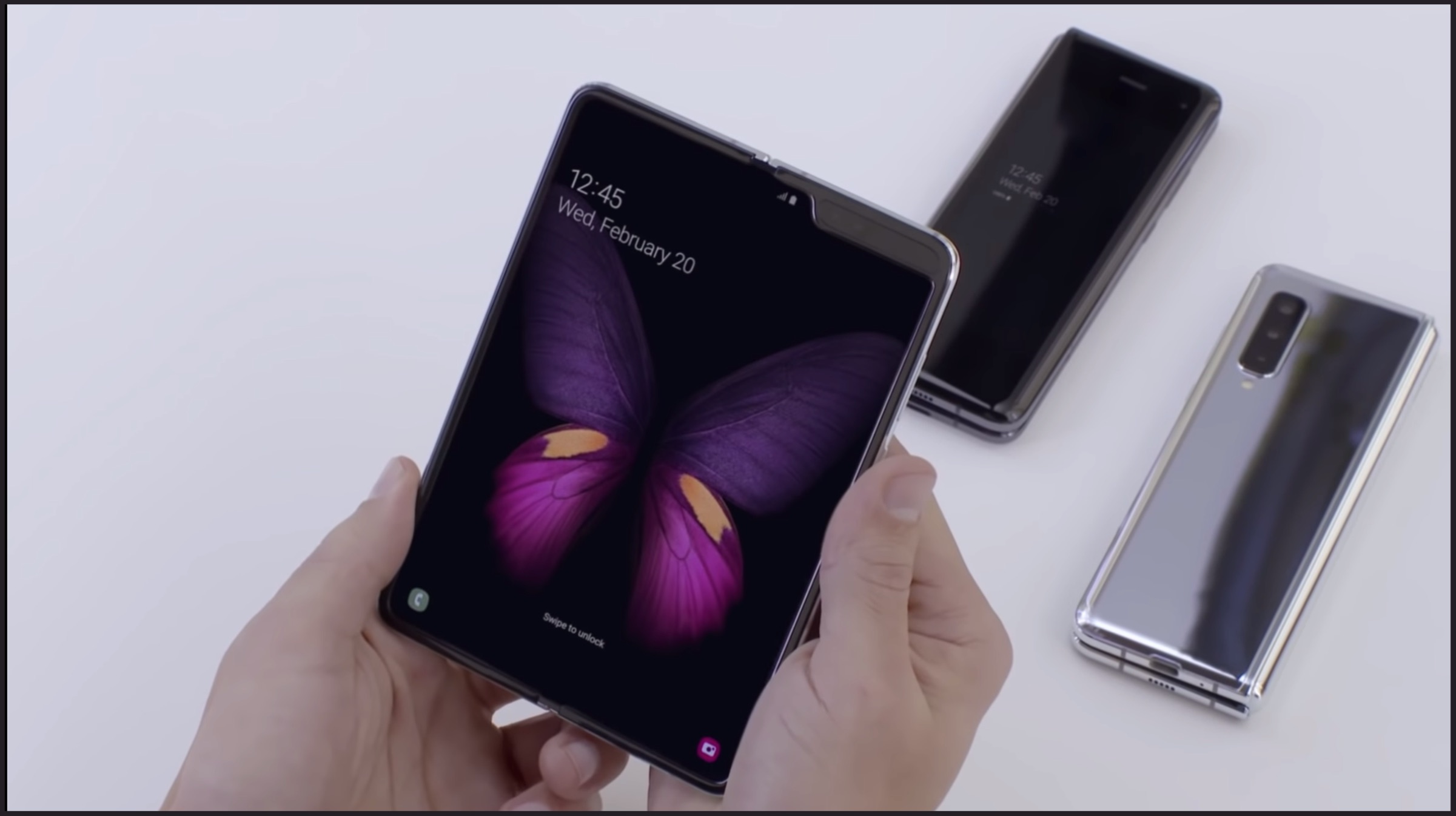
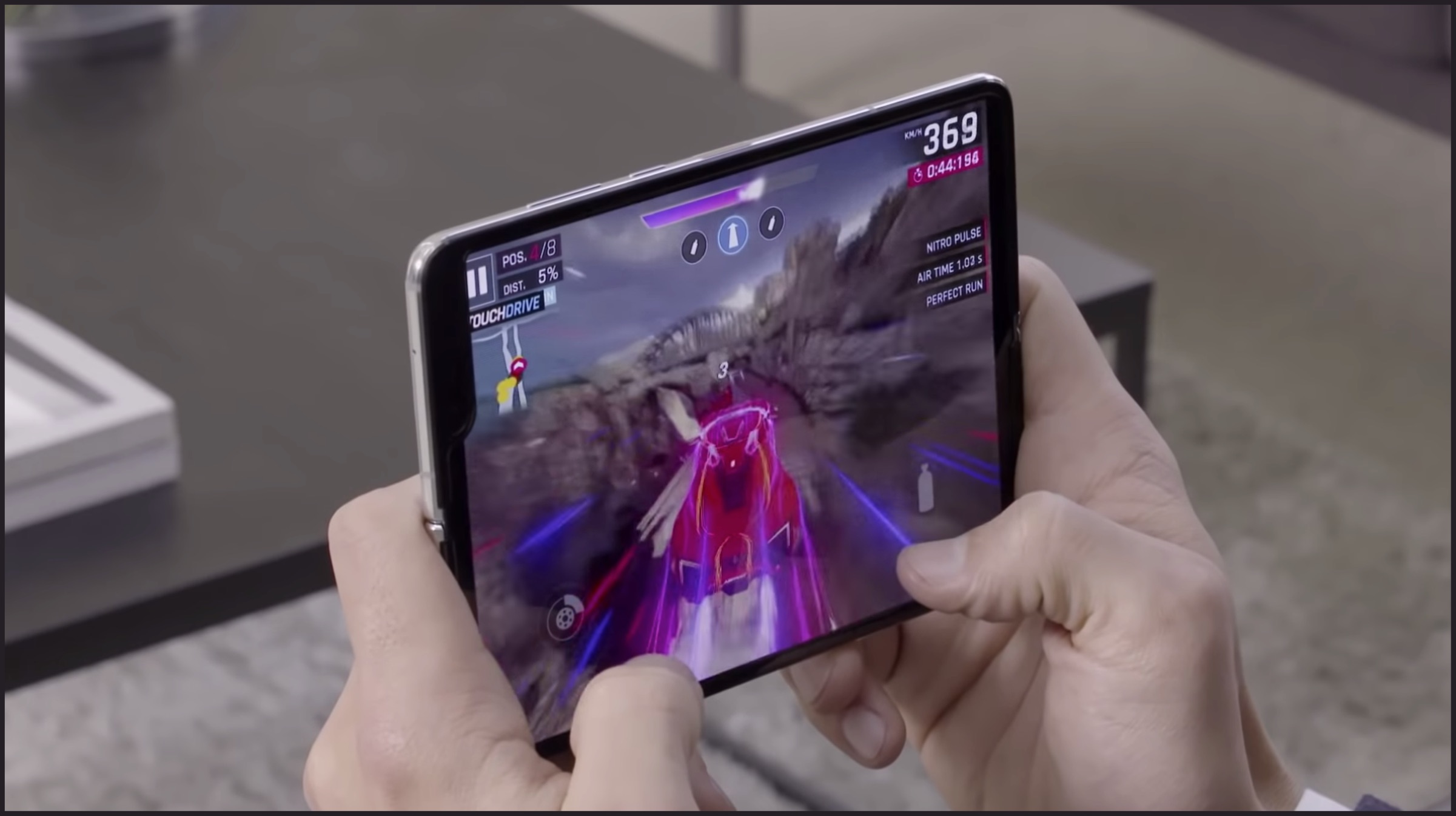
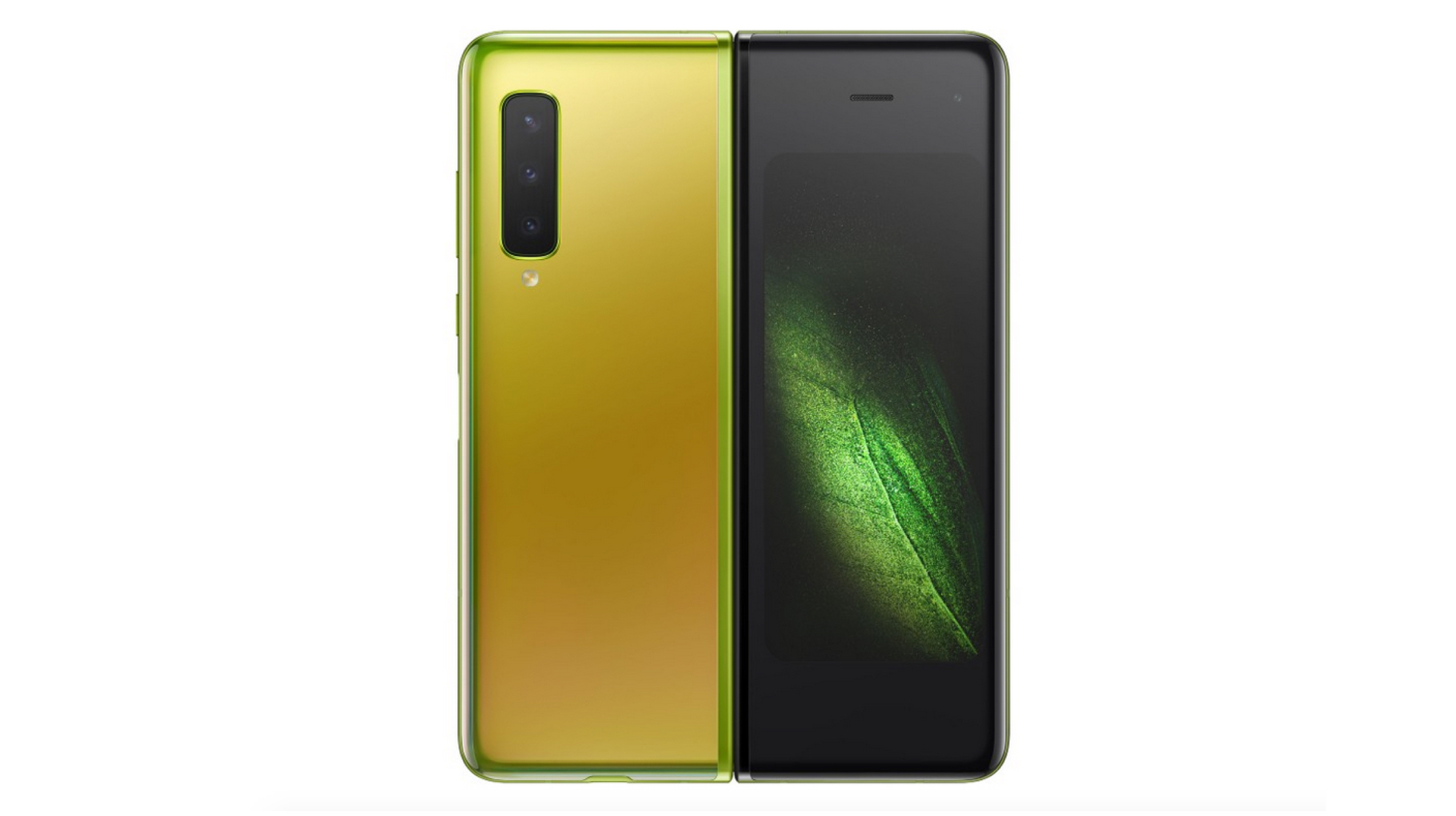
Foldable smartphones were all the buzz early this year with Samsung being at the centre alongside its highly anticipated Galaxy Fold. However, the smartphone that was expected to launch in April to the global audience had been inevitably delayed. The reason for this was the display issues faced by influencers which were sent pre-release units. Unfortunately, most of these units had fatal flaws that caused Samsung to take a step back. The Korean giant now claims that Galaxy Fold has been subjected to some changes and is finally ready for the world.
Huawei in a statement had held off from releasing its own Mate X foldable handset, fearing a similar reception as Samsung. The Galaxy Fold had ensured Samsung’s win in unveiling the first foldable smartphone but lost the quality in its product. All in all the device had proven to be rushed with its various screen related problems, the very aspect which was key. Ever since then Samsung has publicly announced that it has fixed issues that were plaguing its foldable devices screen. The tech giant further on, even claimed that the Galaxy Fold is even ready to be shipped to the international market.
The news was broken down by a senior company executive and Samsung is expected to bring an official announcement soon regarding the commercial availability. Notably, the company’s spokesperson’s have had a varying degree of replies to the initial debacle faced by the Galaxy Fold. The month of May had seen the company claim the device is ready, which was followed by a report that detailed how no progress was made. The latest announcement was made directly by Samsung’s Vice President and are likely to be more reliable than the ones in the past.
The Galaxy Fold is confirmed to launch soon by the company, although exact details have yet to be discerned. Speculations have popped up that even point at launch right before the upcoming flagship, the Galaxy Note 10. Since the initial release was planned for the US in April, it may see a similar trend in the coming weeks. Information will be available once updates are given out by the company.
In the month of February, the Chinese electronics giant, Huawei unveiled the revolutionary Mate X which is the company’s first foldable smartphone. Earlier this month, Huawei released a statement declaring that the commercial availability of the innovative device has been delayed to September which was previously set for June. A freshly granted patent to the Huawei suggests that the company might already be working on the Mate X successor that has an updated design.
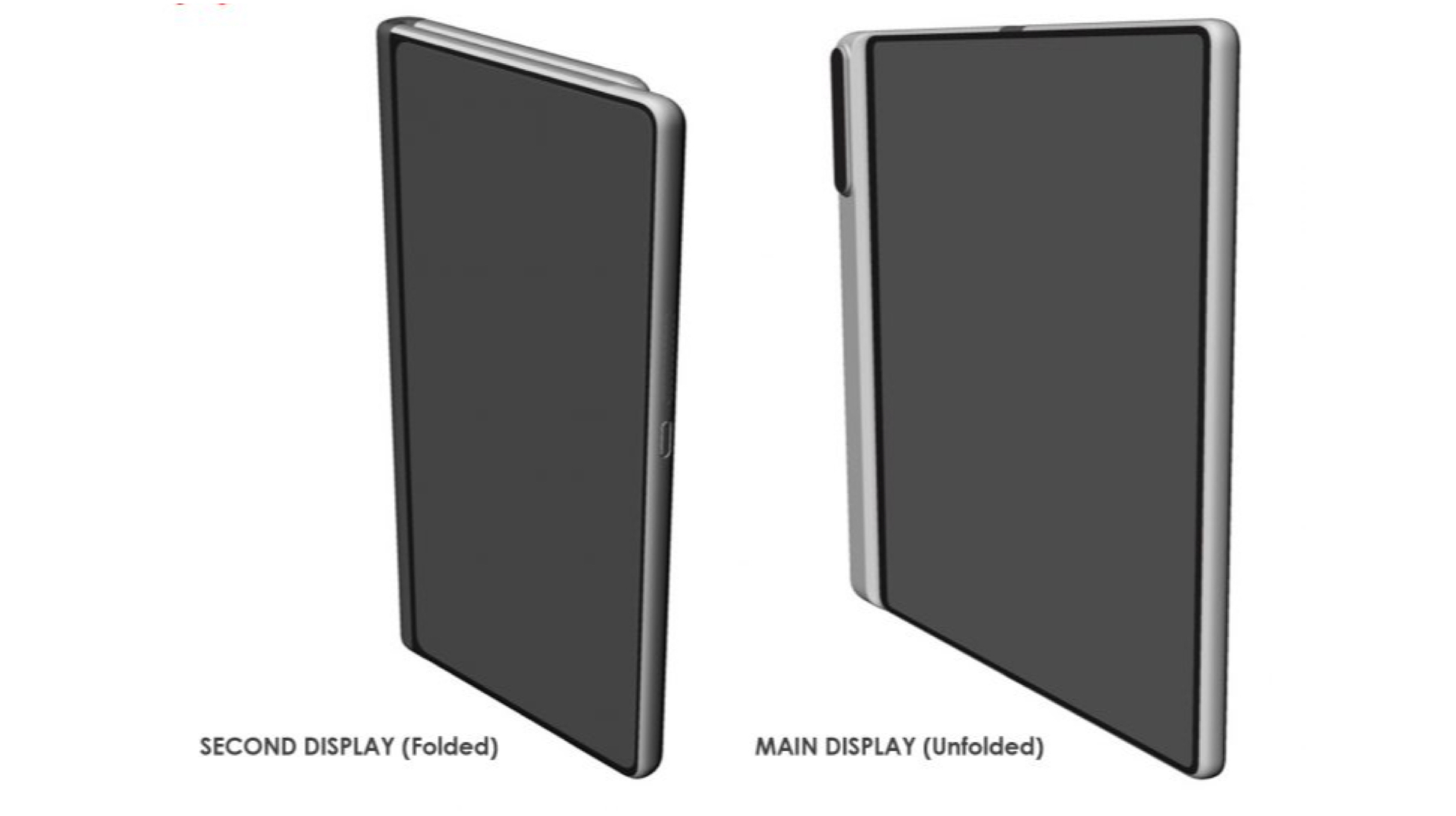
Huawei filed the patent for the said device with WIPO (World Intellectual Property Office) in July 2018 which was granted on the 18th of June, 2019. Unlike the original Mate X, the Huawei device in the patent has dual displays. Also, its main display folds inside which is disparate to its predecessor. Similar to the Samsung Galaxy Fold, it has a smaller cover screen which can be used as the primary display. On the other hand, when the user wants to consume content on a large screen, they can unfold the inner display.
The right side of the Huawei smartphone from the current patent houses a button that seems to be the power button. Notably, the button is quite narrow, therefore, unlike the original handset, it might not have a fingerprint scanner built into the power button. Instead, it might have an in-dispaly fingerprint scanner which is slowly becoming the global standard for premium smartphones. Also disparate to Mate X, the camera module on the device from the patent is placed on the front.
As of now, it is unclear whether this is a successor to the Mate X or an entirely different smartphone. Subsequently, in order to get more details about the patent, we will have to wait until Huawei speaks out about the device publically.
Motorola on the 20th of June has launched its latest smartphone, the One Vision. It is the successor to the Motorola One Power launched last year and was unveiled last month globally. The device features mid-range specifications combined with a modern design.
Motorola One Vision
The Motorola One Vision, as mentioned above, is the latest mid-range smartphone from the company. It measures 160.1 x 71.2 x 8.7 mm and weighs 180g. The device features a glass sandwich design on the front and back with a metal chassis for reinforcement. It has a 6.3 inch LTPS IPS display with a resolution of 2520 x 1080 px. The handset is one of the few to sport a 21:9 aspect ratio, like the Sony Xperia 1.
To maximise the screen real estate on the One Vision, it has a punch hole cutout on the top left corner of the display, which houses the front-facing camera. For biometric security and rapidly unlocking the device, a rear-mounted fingerprint sensor is present and it also supports face unlock. The smartphone runs on the latest Android 9 Pie and is Android One certified; which means it will receive two major software updates and security updates for three years. The handset has also been rated IP52 for water and dust resistance.
Under the hood, the Motorola One Vision is kitted with Samsung’s 10nm Exynos 9610 SoC. The chipset is comprised of an octa-core CPU and the Mali G72 MP3 GPU. In terms of optics, the smartphone has a dual camera setup on the back; which consists of an f/1.7 aperture equipped 48MP primary sensor combined with a 5MP depth sensor.
The primary camera uses the ubiquitous Sony IMX586 48 MP sensor, also seen in devices like the Redmi Note 7 Pro and the Asus 6Z. For selfies, an f/2.0 aperture equipped 25MP camera is housed in the punch hole cutout on the top left of the display. The camera supports video recording of 4K resolution at 30fps and has features like Optical Image Stabilization (OIS) for stable video output.
For memory and storage, Motorola One Vision has 4GB of RAM and 128GB of internal storage, which also supports memory expansion via microSD cards of up to 512GB in capacity. It is powered by a non-removable 3500mAh battery with support for 15W TurboPower charging. In terms of connectivity, the smartphone supports Wi-Fi 802.11a/b/g/n/ac, 4G LTE and Bluetooth 5.0. The device will be available in two colours, namely Bronze Gradient and Sapphire Gradient.
The Motorola One Vision has been priced at Rs. 19,999 and will be available for purchase starting next week On Flipkart. It will also be available to buy from certain offline retail stores later this month.



 Both smartphones sport a 6.39 inch OLED display with FHD+ resolution alongside a 32MP camera sensor at the front. The rear shooter is a quad camera module with a 48MP, 16MP, 2MP and another 2MP cameras that will consist of a standard, wide-angle lens, depth of field, and macro sensors. Nova 5 is equipped with a 7nm Kirin 810 SoC processor with Mali-G52 GPU, while the high-end Nova 5 Pro will house the more powerful Kirin 980 SoC with Mail-G72 GPU. The chipset in the latter is currently also being utilized by other Huawei and Honor Devices including the