Category: Tech

Latest Technology News, Alternative, Bio-Tech, Medical, R&D and Innovations

  • Screenshots Of Ark OS, The Android Replacement By Huawei Leaked

    Screenshots Of Ark OS, The Android Replacement By Huawei Leaked

    Chinese telecommunications giant Huawei was barred from doing business with any American company a while ago. Because of the sanctions placed by the American government, it lost access to softwares like Android and Windows from its devices. The company was then granted a 90-day breathing window to fulfil all unfinished business with US companies. It was then reported that Huawei has secretly been working on its own Operating System (OS) for mobile devices in a bid to replace Android. According to the latest reports, the company has filed the name “Ark OS” with the German Patent and Trademark Office (DPMA). This application was filed on the 24th of May.

    Ark OS
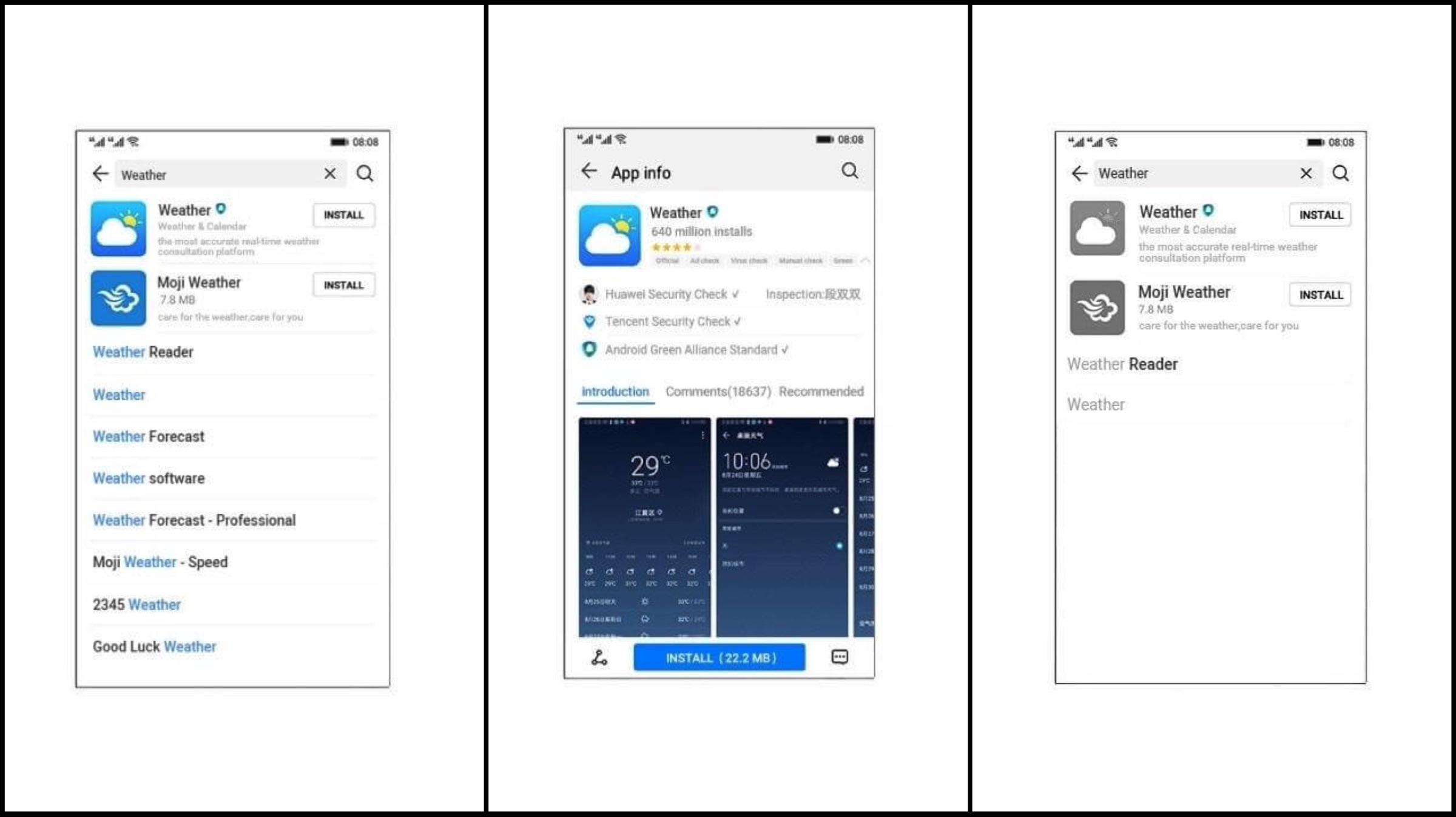
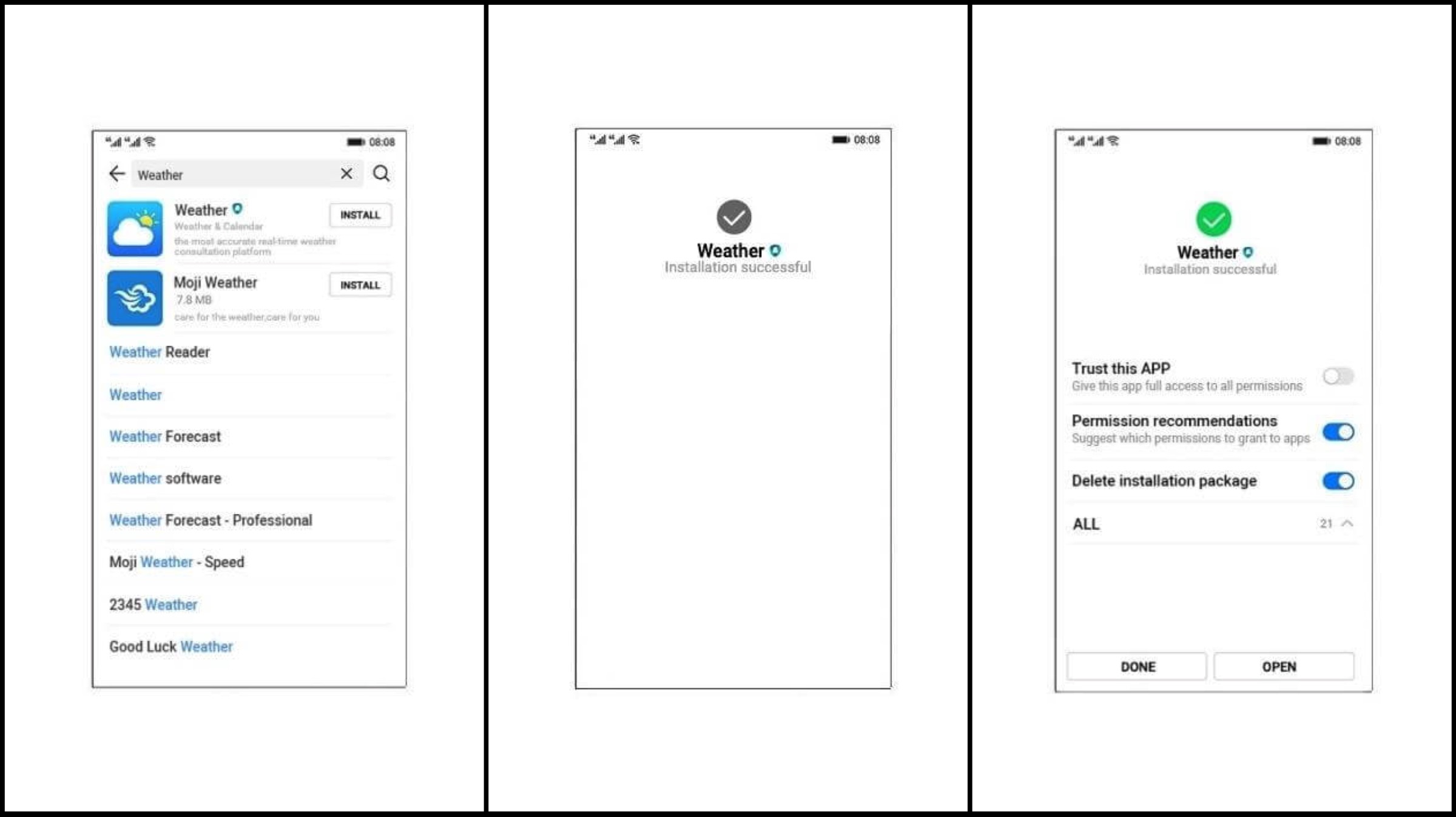
    Reportedly, Huawei filed a claim at the DPMA for the design of certain elements of an interface. In the patent application, the company also shared screenshots of the menus inside the said interface. The images are starkly different from what the company has been doing with the current Android skin called EMUI. The applications showcased in the screenshots are allegedly Android-based. This insinuates that the purported Ark OS will support Android apps natively and will give an option to download them using a third party store.
    Also read: Amazon Echo Show 5 Launched In India, Features A 5.5 Inch Display

    The screenshots of the alleged Ark OS also repeatedly mention the name of the “Android Green Alliance”. This is a Chinese association formed up of companies like Tencent and Alibaba. It was formed a few years ago in an attempt to introduce quality and design standards of their apps in the Android OS. While it is not known what role will the Alliance play in the Ark OS; it may set up a standard for testing the quality of applications eligible to exist on the app store on the upcoming OS. Unfortunately, Huawei has not announced when its Android replacing OS might debut. But it is expected to make an appearance before the 90-day deadline for the company gets exhausted.

  • Amazon Echo Show 5 Launched In India, Features A 5.5 Inch Display

    Amazon Echo Show 5 Launched In India, Features A 5.5 Inch Display

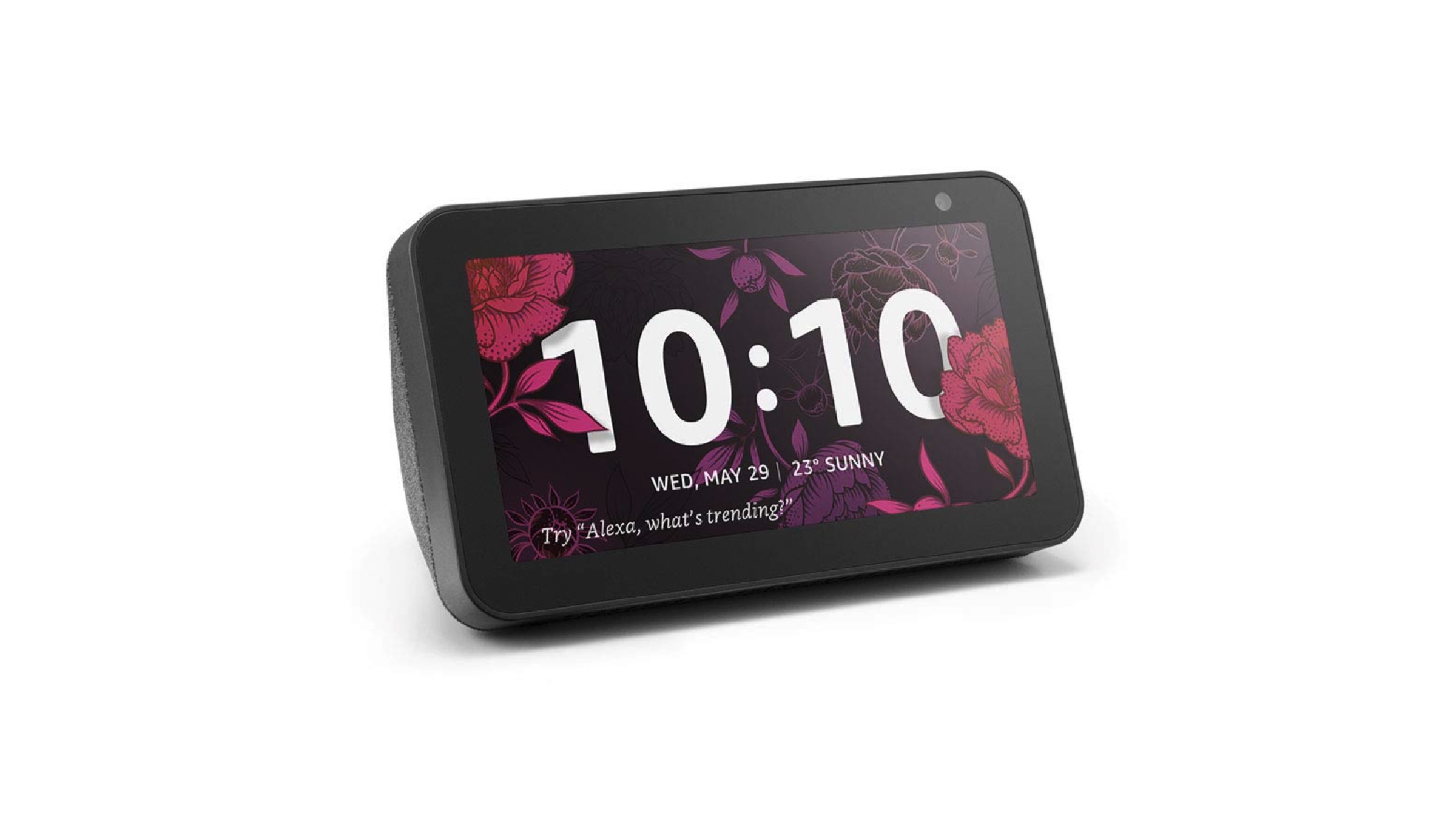
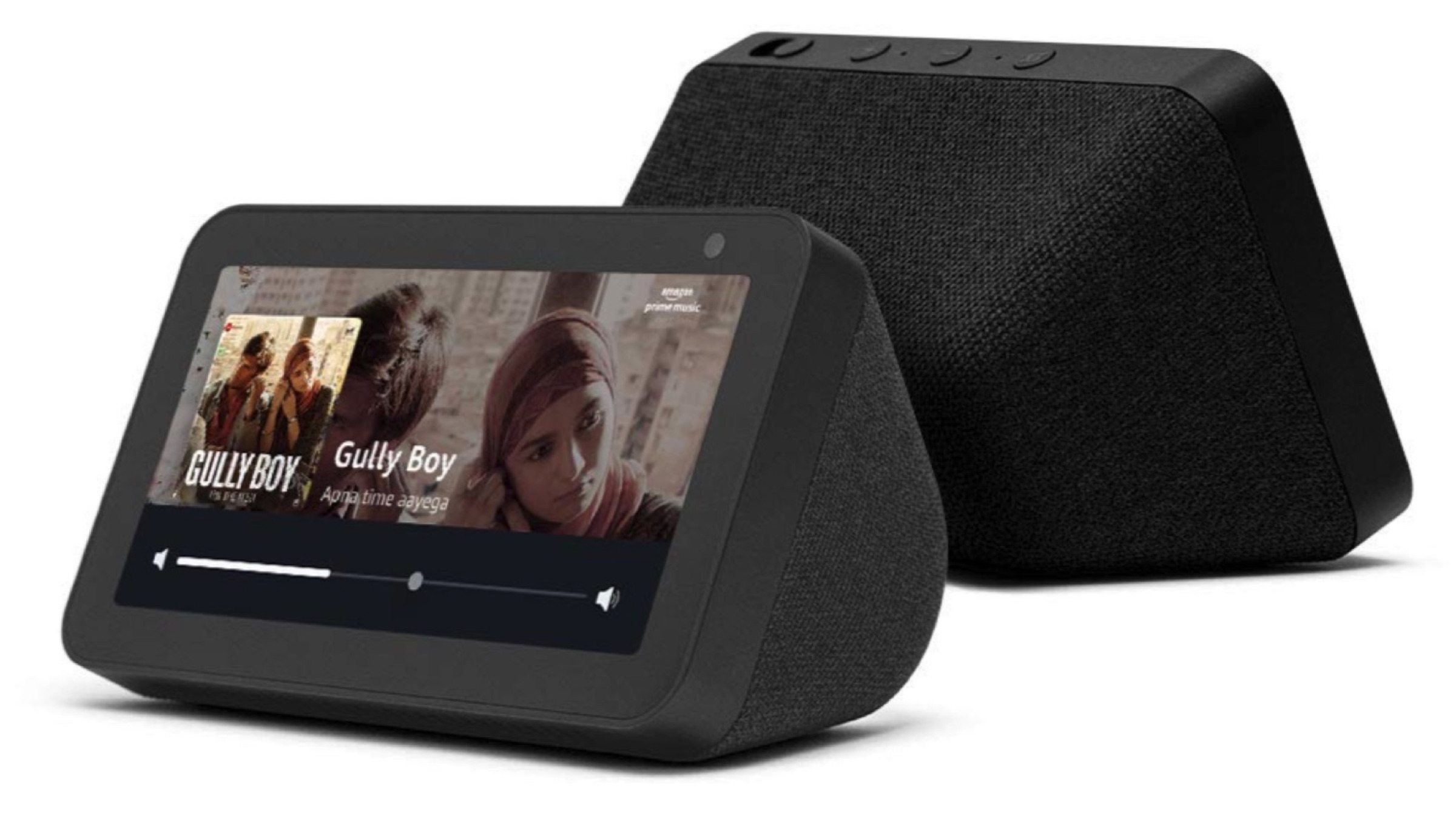
    In another “silent” announcement, Amazon has unveiled its latest smart display which is the Echo Show 5. The suffix ‘5’ in the moniker probably stands for the 5.5 inch display in the device and not the chronology of generations. Speaking of which this is the third iteration of smart displays from the American company. Its predecessor was launched in the month of October 2018 and was priced at INR 22,999. The latest variant, however, is priced at a lower price point owing to the smaller display. 

    Amazon Echo Show 5: Features And Specifications

    Amazon Echo Show 5

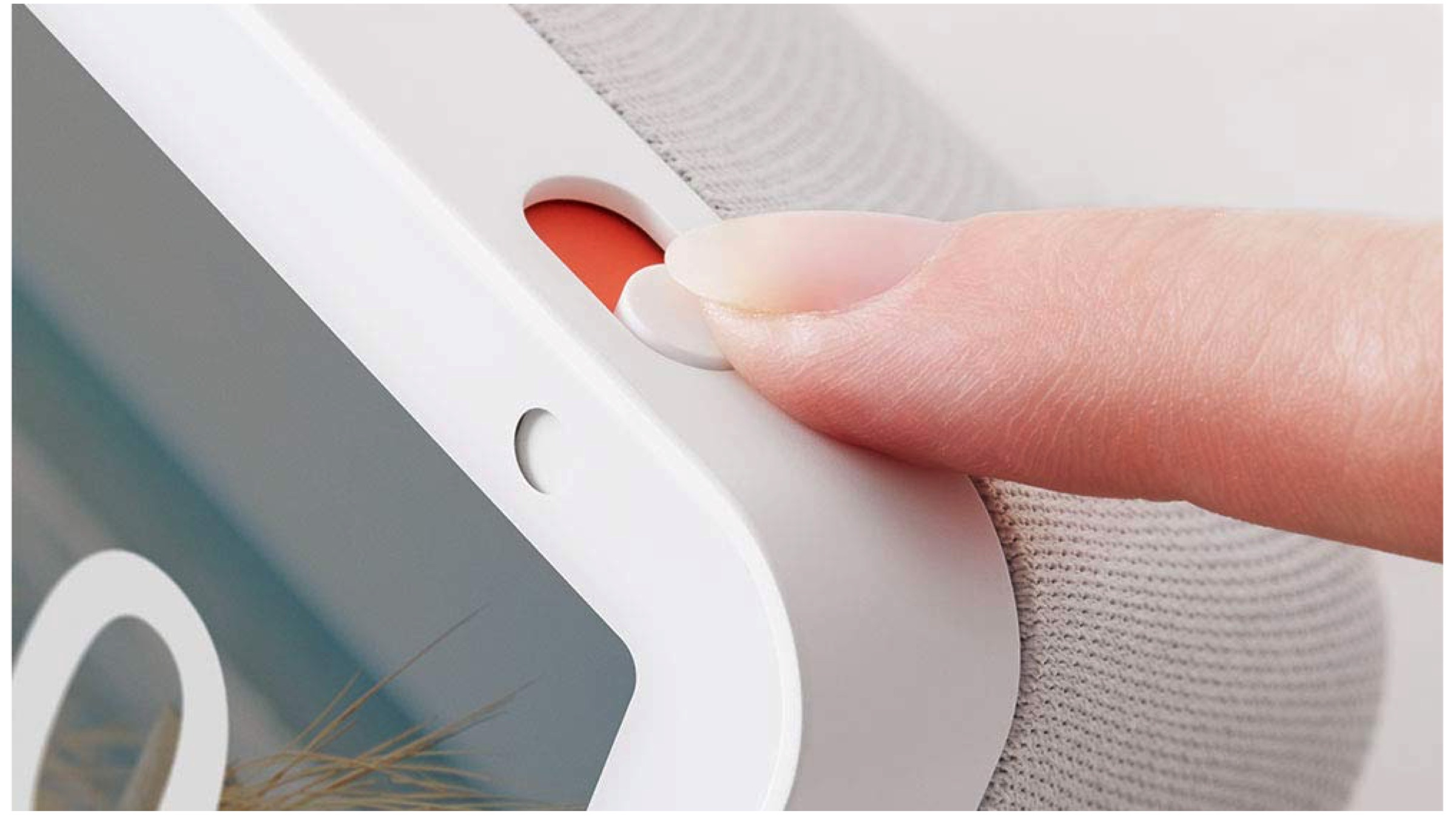
    The compact design factor of the Echo Show 5 indicates that the company intended the device to be meant for desk/bedside usage. The smart display has rounded edges and features a fabric finish on top. The design of the Echo Show 5 resembles that of Google’s latest smart display, the Nest Hub which was launched at the Google I/O conference 2019. However, Amazon’s smart display includes a camera, unlike the Nest Hub. An interesting feature of the device is a physical camera shutter that can be toggled with the help of a switch placed at the top. In light of rising security concerns, this is the first time that Amazon has included a camera shutter in its device. 

    Amazon Echo Show 5The smart display sports an ambient lighting mode to automatically regulate the brightness as per the surroundings. Solely using voice commands, users will be able to view how-to-clips from wikiHow. Additionally, the Echo Show 5 also features a smart home dashboard that can be used to control multiple connected gadgets. The camera can be used in combination with applications such as the Arlo Baby Camera, which can be used by parents to keep an eye on their babies from a remote location. 
    Amazon Echo Show 5

    Also Read: Korvaa: A Pair Of Biodegradable Headphones Developed By A Finnish Design Studio

    In terms of security, Amazon has also announced a new privacy feature alongside the Echo Show 5 that will be pushed out to all Alexa-enabled devices. Users can simply tell the Alexa voice assistant to wipe the history on the device to delete all the stored phrases and user information. The Echo Show 5 is available for pre-order via Amazon for INR 8,999 ($ 89.99 in the United States). It is available in two colour options, Black and White. The deliveries of the smart display will commence in the month of July 2019.    

    You can pre-order the Amazon Echo Show 5 below: 

  • Korvaa: A Pair Of Biodegradable Headphones Developed By A Finnish Design Studio

    Korvaa: A Pair Of Biodegradable Headphones Developed By A Finnish Design Studio

    “Electronics” and “Growing” are probably two words that may not have previously co-existed in the past, though not anymore. Reports claim that almost 400 million headphone units were retailed in the year 2018 alone. The highly popular gadgets are fabricated out of a variety of materials such as leather, plastic and mesh, all of which are not exactly environment favourable. As a solution, Finnish Design Studio Aivan has designed the Korvaa headphones that are extremely environment friendly. In fact, the materials used form a crucial basis of the environment itself.

    The headband of the Korvaa headset is born out of a 3D printer and designed with the help of a bioplastic formulated from yeast produced lactic acid. Notably, the earcup padding is made out of Hydrophobin. The compound is known for its ability to form a hydrophobic (water-repellent) coating on the surface of an object. It is essentially a foaming protein generated by a type fungus and plant cellulose. Instead of the mesh used in conventional headphones, the Korvaa headset uses a biosynthetic spider silk that is produced by microbes. The outer foam used in the headphones is a composite compound made out of mycelium and cellulose.

    Korvaa HeadphonesAlso Read: New MediaTek SoC Is All Set To Bring 5G Network On Budget Devices

    The headphones are a result of a joint venture between Avian, Aalto University and VTT Technical Research. First showcased at an event in Helinski, the headphones are still in a prototype stage, which means that except the outer casing, no electronic components are present inside the headset. However, The company aims to incorporate the same “growing electronics” technology in future headphones, so that e-waste generation can be put on hold. If the technology is developed further, bio-engineered products might be a common sight while shopping in the future. 

  • Microsoft Teases A New Operating System With AI Integration

    Microsoft Teases A New Operating System With AI Integration

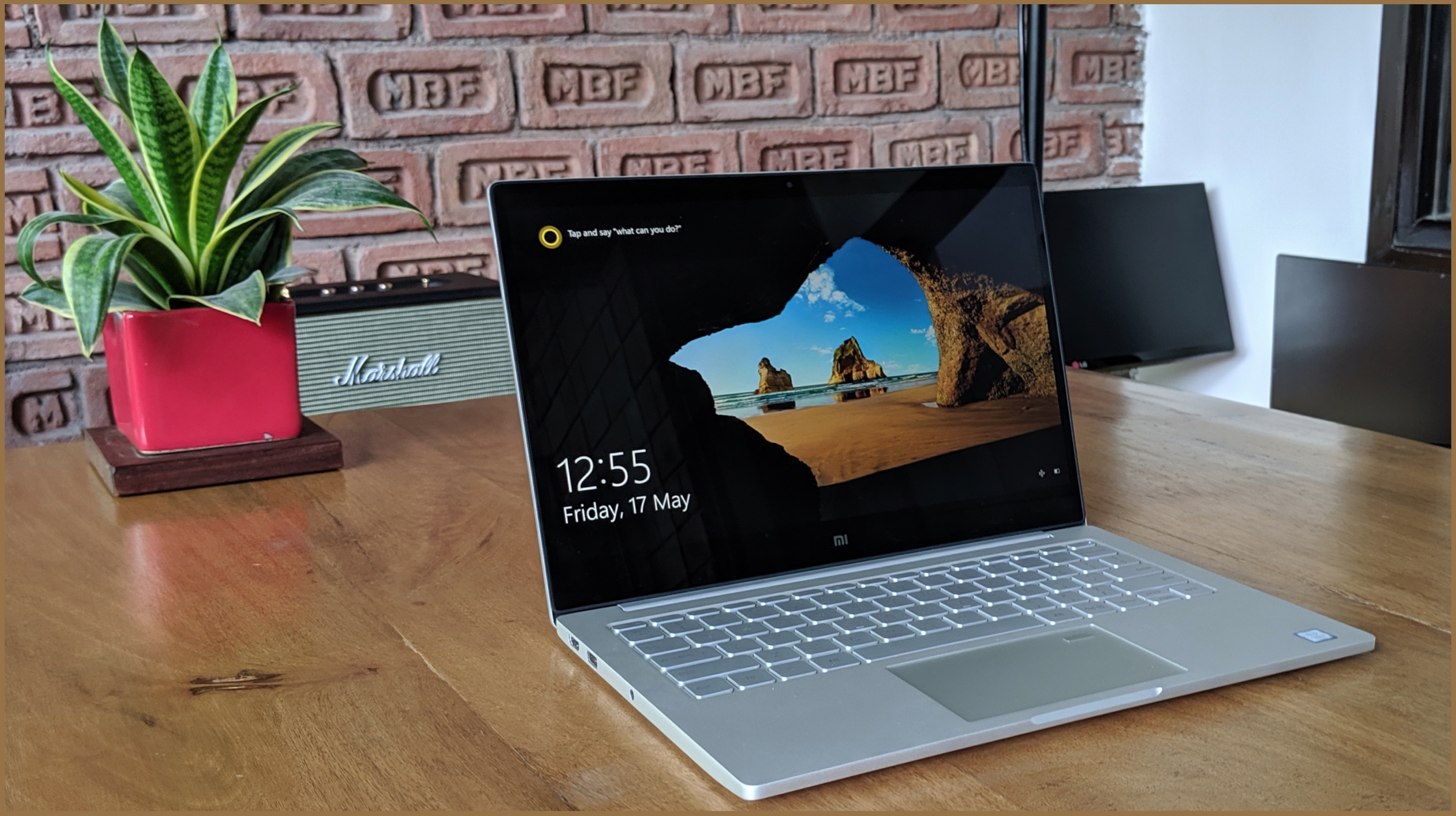
    Amidst major announcements in Computex 2019, Microsoft let a teaser out for its future plans on the software front. The long-awaited lite version of Windows OS (for the likes of Chromebooks) may or may not be included in the definition of Microsoft’s “modern” operating system.

    This modern OS as stated by Microsoft is not just a software version and rather it is a benchmark that would define the future of operating systems. With the functionality of the OS at its essence, the ‘seamless’ word was used quite a lot by Microsoft on stage and seamless updates being at the centre of it. Windows updates have improved exponentially over the years as promised by Microsoft but the company is not stopping there. It is now seeking to make the entire process occur in the background, never requiring the user to actively check for updates.

    Microsoft

    Current iterations of Windows OS handle software updates very differently, with comments pointing towards the similarities in relation to Chrome OS. The ‘modern OS’ is also supposed to be highly secure from the ground up. “The state is separated from the operating system; compute is separated from the applications.” This line by Microsoft’s Spokesperson points towards cloud computing at a level the industry has not yet been comfortable with but is a step towards the future which the company has kept in mind. “Sustained performance” as Microsoft puts it that is “always connected” to have zero interruptions. Sharing the workload with cloud solutions online to enhance user experience on devices. 

    All of these “enablers’ will be supplemented by an AI. In other words prediction based algorithm to get end results faster for the User. Microsoft there on goes to mention other sci-fi, futuristic but not far-fetched input methods such as voice, touch, and gaze, apart from the conventional mouse and keyboard combo. All this in a light form factor that adds to the mobility of the machine on which the OS is loaded.

    Also ReadNew MediaTek SoC Is All Set To Bring 5G Network On Budget Devices

    No finer details have been revealed as of yet. All that anyone has to go on is the teaser dropped today. The concept may still seem far away but more concrete information should soon follow in the coming months either through official channels or in the form of leaks and rumours.

  • The Pokemon Company Announces Three New Apps For Android & iOS

    The Pokemon Company Announces Three New Apps For Android & iOS

    The Pokemon Company which is the organisation responsible for licensing and managing the Pokemon franchise has announced three new applications for mobile devices. In a press conference held on the 28th of May, the company announced the future projects for the world famous franchise. These applications include the Pokemon Sleep, Pokemon Masters game and the Pokemon Home app.

    Pokemon Home

    The Pokemon games are known for their diverse nature. From the multitude of titles on the Nintendo consoles to games like Pokemon Go on mobile devices. With the upcoming Home app, trainers will be able to bring their Pokemon together. It is a cloud-based software that will let users manage their collected monsters across a variety of games. Additionally, the option of trading with friends or anyone around the world will also be provided. The Pokemon Home App is expected to launch early next year on Android, iOS and Nintendo Switch.

    Pokemon Sleep

    Pokemon Sleep

    With Pokemon Sleep, users will be able to wake up with Pokemon every morning. With an accessory called Pokemon Go Plus, users will be able to track their sleep and be rewarded for good sleeping habits. For tracking the sleeping patterns, the device will use an embedded accelerometer to track the sleep times and then sends this information to a smartphone via Bluetooth. It will also be capable of being used to play Pokemon Go during the day. Pokemon Sleep is scheduled to launch for mobile devices in the year 2020.

    Pokemon Masters

    Pokemon Masters

    Also read: New MediaTek SoC Is All Set To Bring 5G Network On Budget Devices

    One of the most exciting titles in the list, Pokemon Masters has also been announced for Android and iOS devices. It is made in a collaboration between the Pokemon Company and DeNA. In the upcoming game, players will able to fight alongside and with many famous trainers from the famous video games of the past. The company claims the gameplay will be optimised for mobile and touchscreen devices. The game will also seamlessly work with Pokemon Home, so the monsters caught will be transferrable. Pokémon Masters is scheduled to launch in 2019 with more details about this new mobile game expected next month.

  • New MediaTek SoC Is All Set To Bring 5G Network On Budget Devices

    New MediaTek SoC Is All Set To Bring 5G Network On Budget Devices

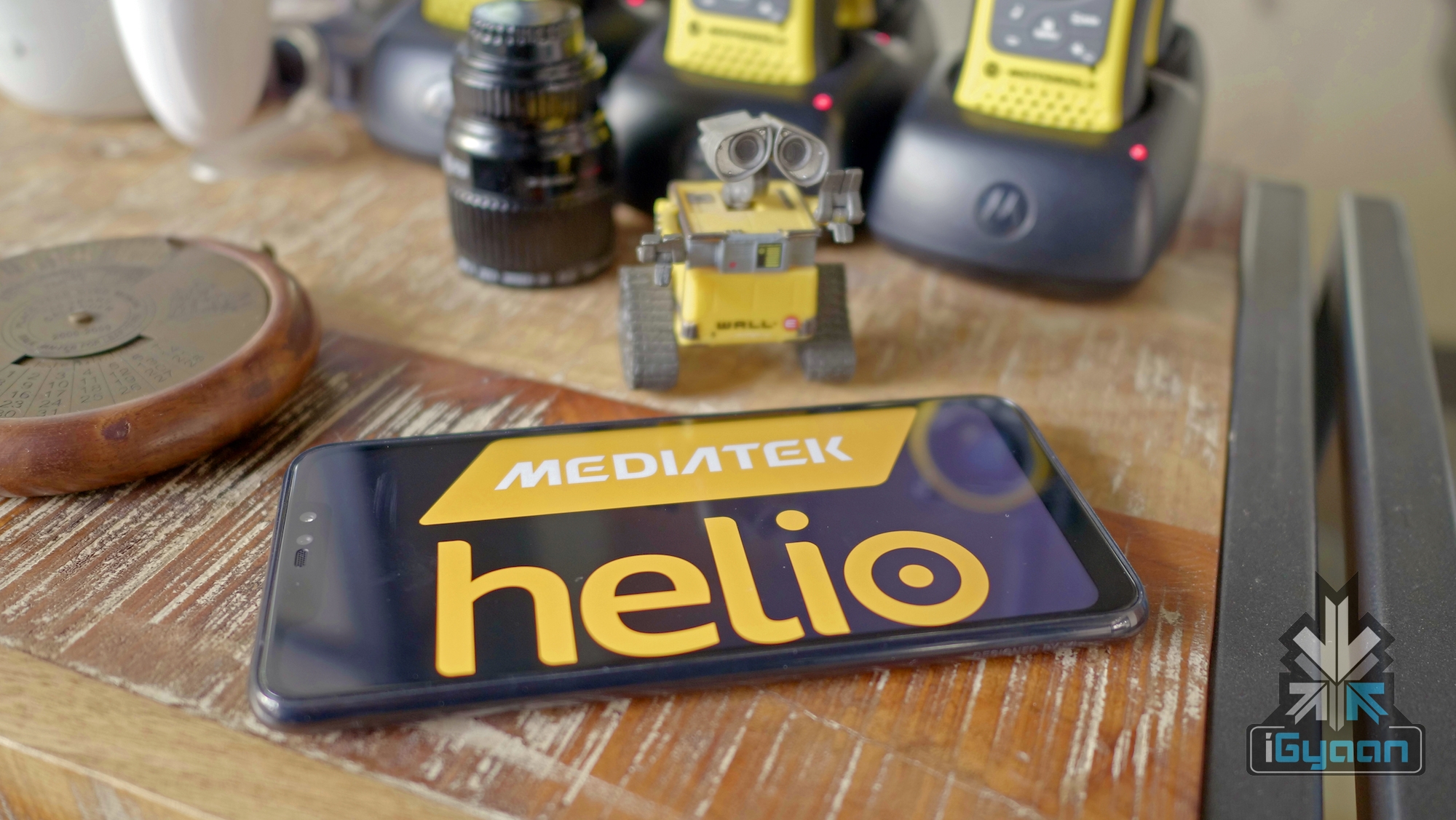
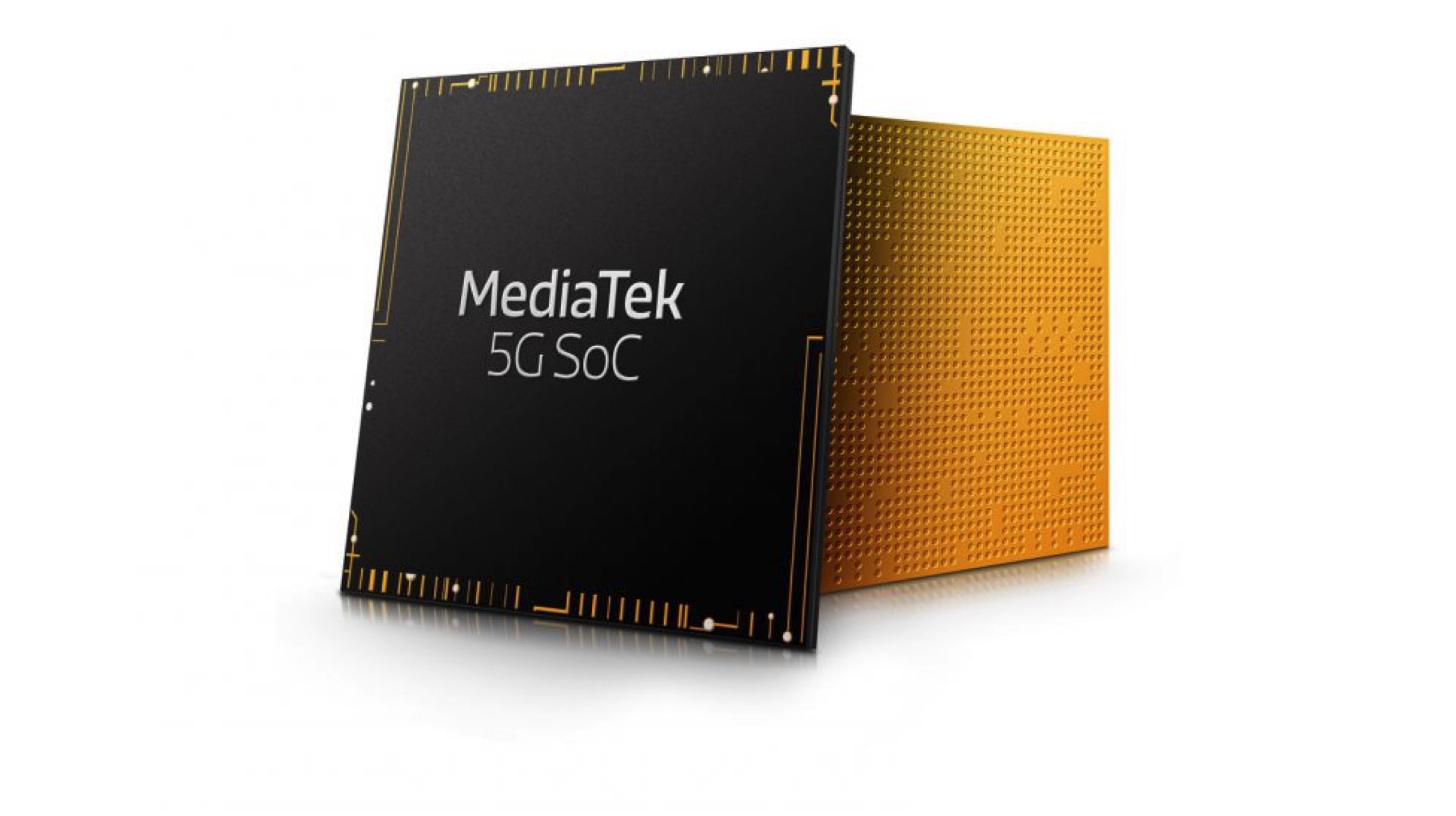
    With every new generation of the bandwidth update cycle, only the latest premium devices in the market seem to incorporate the upgrades. MediaTek however, made a bold statement on the matter by claiming to include the new 5G ready system-on-chip that offer the latest network capabilities on affordable devices. 

    MediaTek

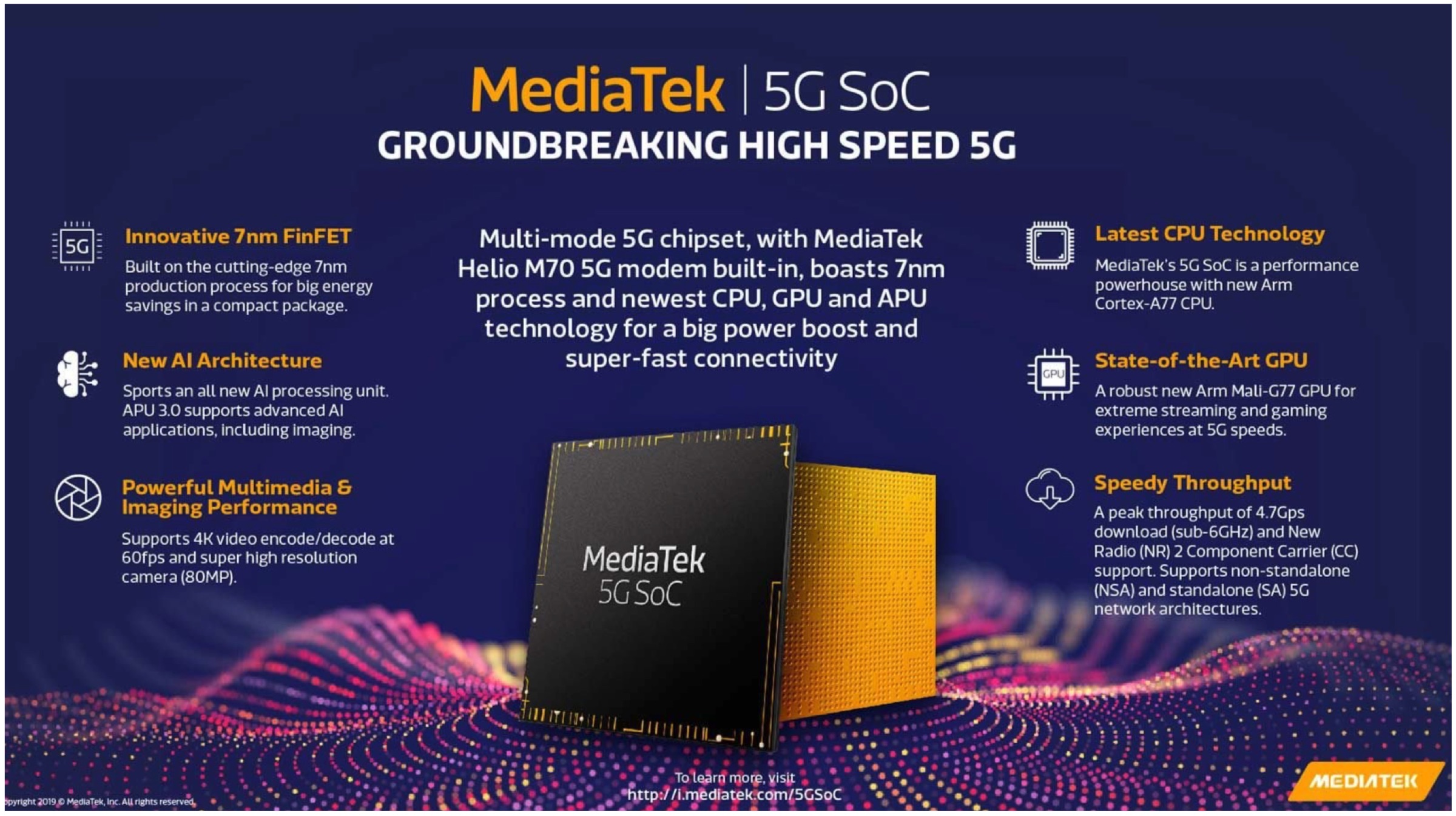
    The new 5G integrated SoC combines MediaTek’s M70 5G modem with the latest ARM CPU and GPU. MediaTek has always had a great impact on the lower end market in the industry where price plays the biggest factor in market share. Handsets like the Nokia 5.1 and Oppo R15 that utilizes MediaTek’s hardware are such examples. 

    MediaTek

    MediaTek’s 5G ready chipset is built on the 7nm architecture that would provide a good balance between performance to power efficiency ratio at the lower price bracket. The M70 modem, that will be integrated alongside ARM’s Cortex-A77 CPU and Mali-G77 GPU, will support sub-6Ghz networking spectrum in 5G. The MediaTek chipset is reported to be available before year-end for OEM’s and manufacturers while the first wave of handsets with the 5G SoC are expected to be seen in early 2020.

    The company lowers the cost of the 5G network by utilizing (in layman’s term) the slower of the two categories under 5G. This, in turn, gives it a broader covered network to work on over the very limited 5G setups that have the other higher networking speeds. Shrinking the chip size to 7nm also provides advantages with power efficiency and heat management. Unlike Qualcomm (Snapdragon 855 and Snapdragon X50/X55 combination), the new Helio M70 5G modem is in-built on the chipset. 

    Also ReadNokia 9 PureView To Launch In India On June 6

    The mid-range priced handset is the new ‘premium’ according to the Taiwanese chipmaker company. MediaTek’s core focus true to their philosophy shall keep them relevant in the market in front of industry giants like Qualcomm who’s chipset premium handsets would keep 5G network out of hands for customers that can’t afford it.

  • OnePlus 7 To Launch In India On June 4

    OnePlus 7 To Launch In India On June 4

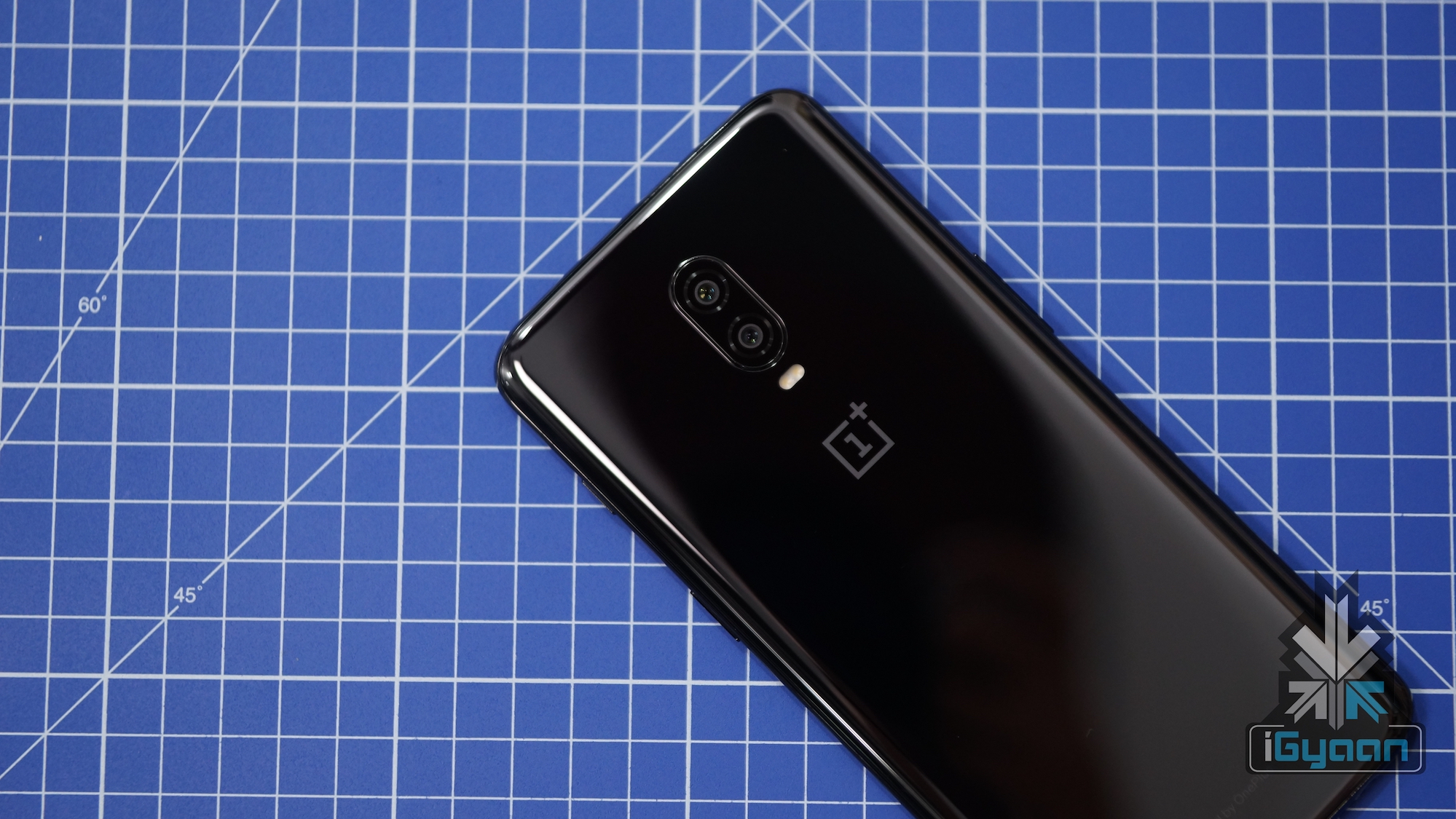
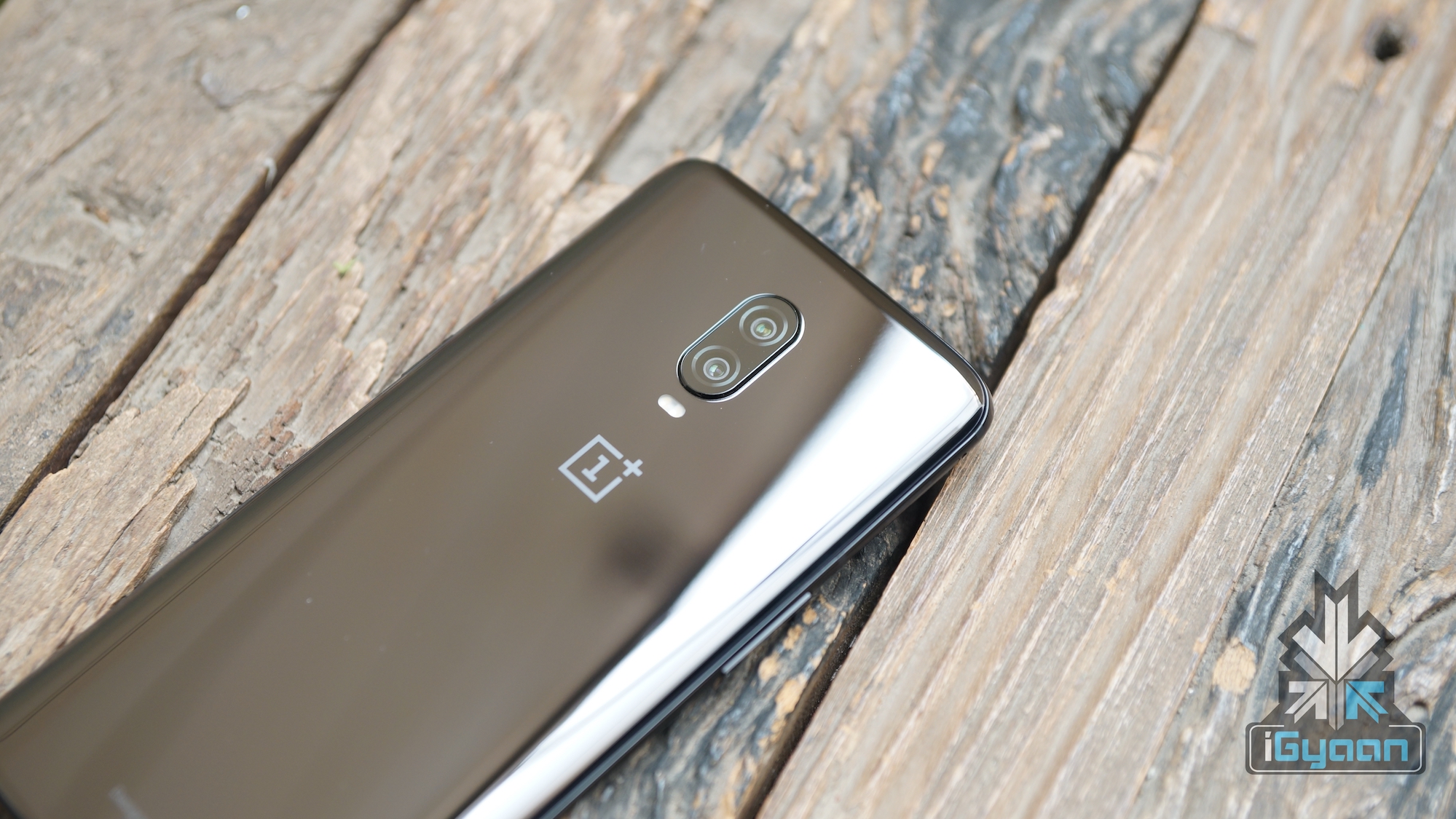
    Chinese smartphone manufacturer OnePlus has tasted success in regard of the positive reviews received by the OnePlus 7 Pro. At the launch event held on May 14, the company also unveiled its more affordable variant of the flagship called the OnePlus 7. Except the primary camera and the chipset, the OnePlus 7 and 7 Pro have some significant features that set both of them apart. The company initially announced that it will launch the OnePlus 7 in India somewhere in June, and as per an Amazon listing, the smartphone is making its way to the Indian market on the 4th of June, 2019.

    OnePlus 7 Specifications

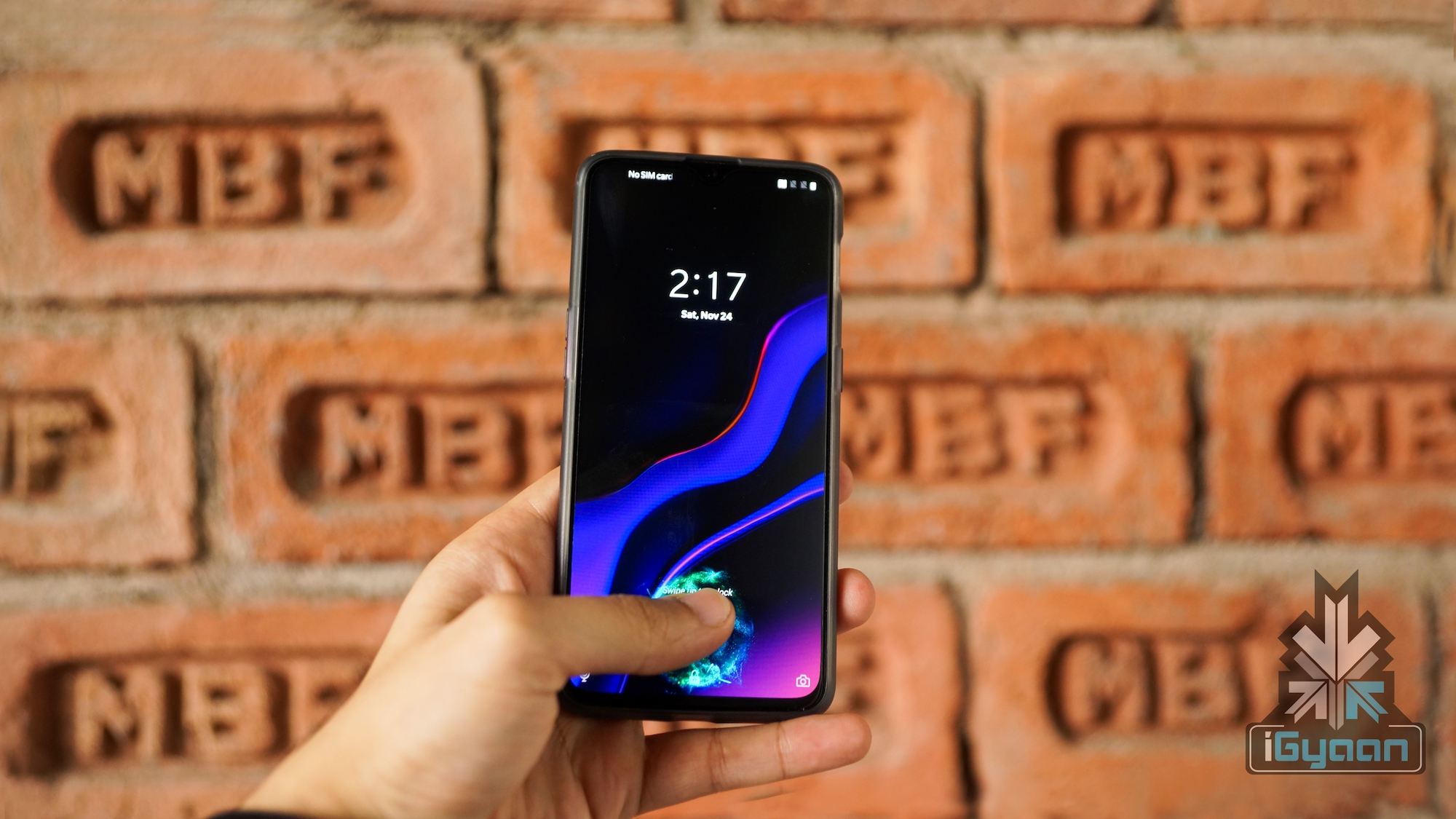
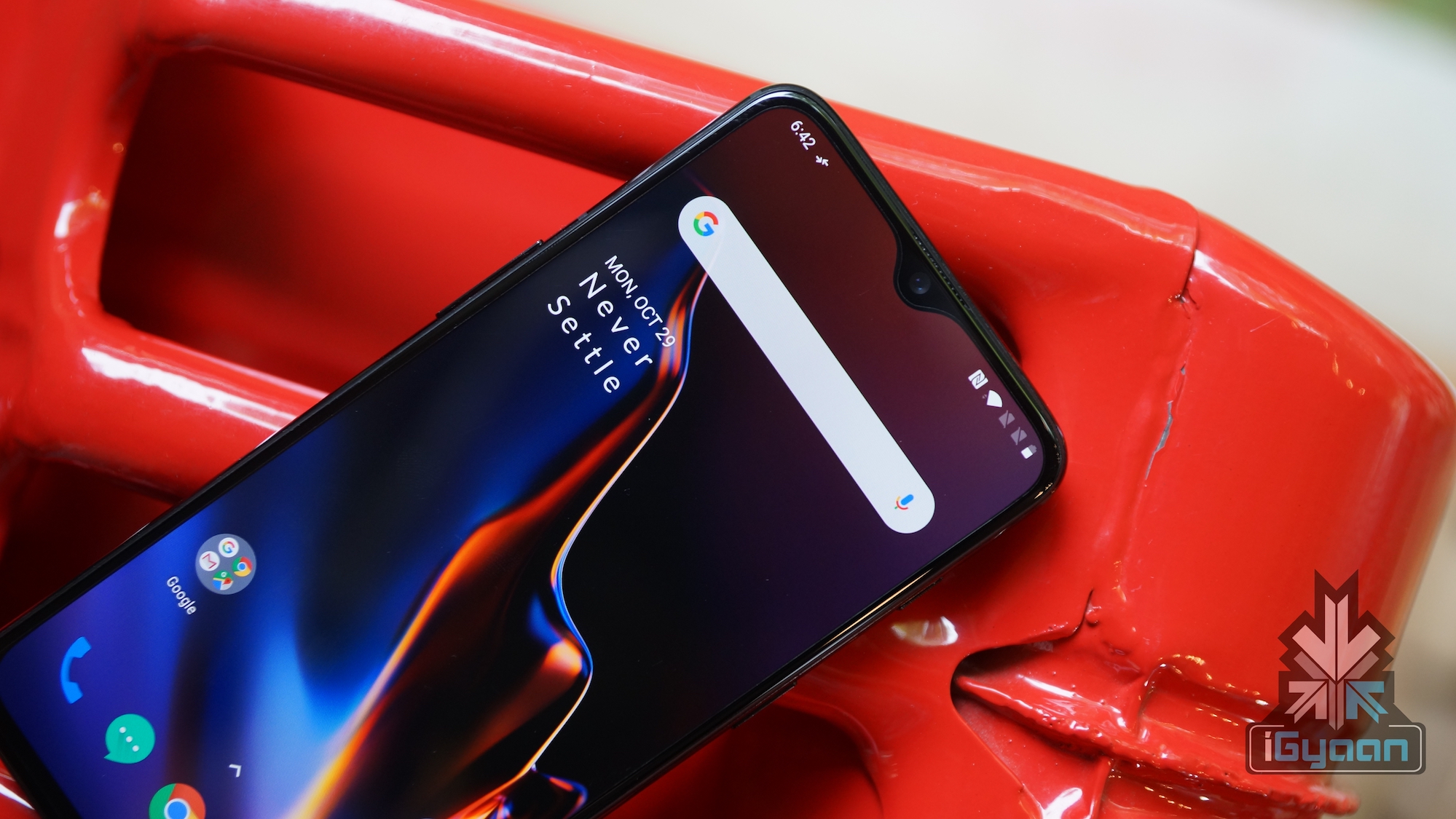
    The OnePlus 7 has a glass back and front with narrow bezels around the display. The smartphone features a 6.41 inch Optic AMOLED display with FHD+ resolution. Similar to its predecessor, the handset has a waterdrop notch that houses the selfie camera. The smartphone has an in-display fingerprint scanner which has been carried forward from the OnePlus 6T.
    Under the hood, the OnePlus 7 runs on the Qualcomm Snapdragon 855 SoC which is manufactured using 7nm fabrication process. The chipset consists of an octa-core Kryo 485 CPU and Adreno 640 GPU. In terms of optics, the smartphone has a dual rear camera setup consisting of a 48MP (f/1.7) primary Sony IMX586 sensor and a 5MP (f/2.4) depth sensor. For selfies, the device has a 16MP (f/2.0) camera accommodated in the notch up front on the device. Regarding memory and storage, it will be available in the following variants:

    • 6GB RAM and 128GB ROM
    • 8GB RAM and 256GB ROM

    The OnePlus 7 is powered by a 3700mAh battery with support for 20W fast charging. It runs on the company’s OxygenOS 9 which is built on top of the latest Android 9 Pie. At the time of launch, it will be available in 2 colour variants, Mirror Grey and Red.  
    OnePlus 7 Price & Availability

    Also read: Intel’s Showcases Twin Screen Gaming Laptop At Computex 2019

    As mentioned previously, the device has been confirmed to launch on the 4th of June and will be available for sale immediately thereafter. The smartphone will be priced starting at INR 32,999 for the 6GB+128GB variant. Additionally, the 8GB+256GB variant will be priced at INR 37,999. Popular e-commerce platform, Amazon will be the exclusive retailer of the OnePlus 7 in the country. 

    Users can check the Amazon.in listing of the OnePlus 7 here.

  • Nokia 9 PureView To Launch In India On June 6

    Nokia 9 PureView To Launch In India On June 6

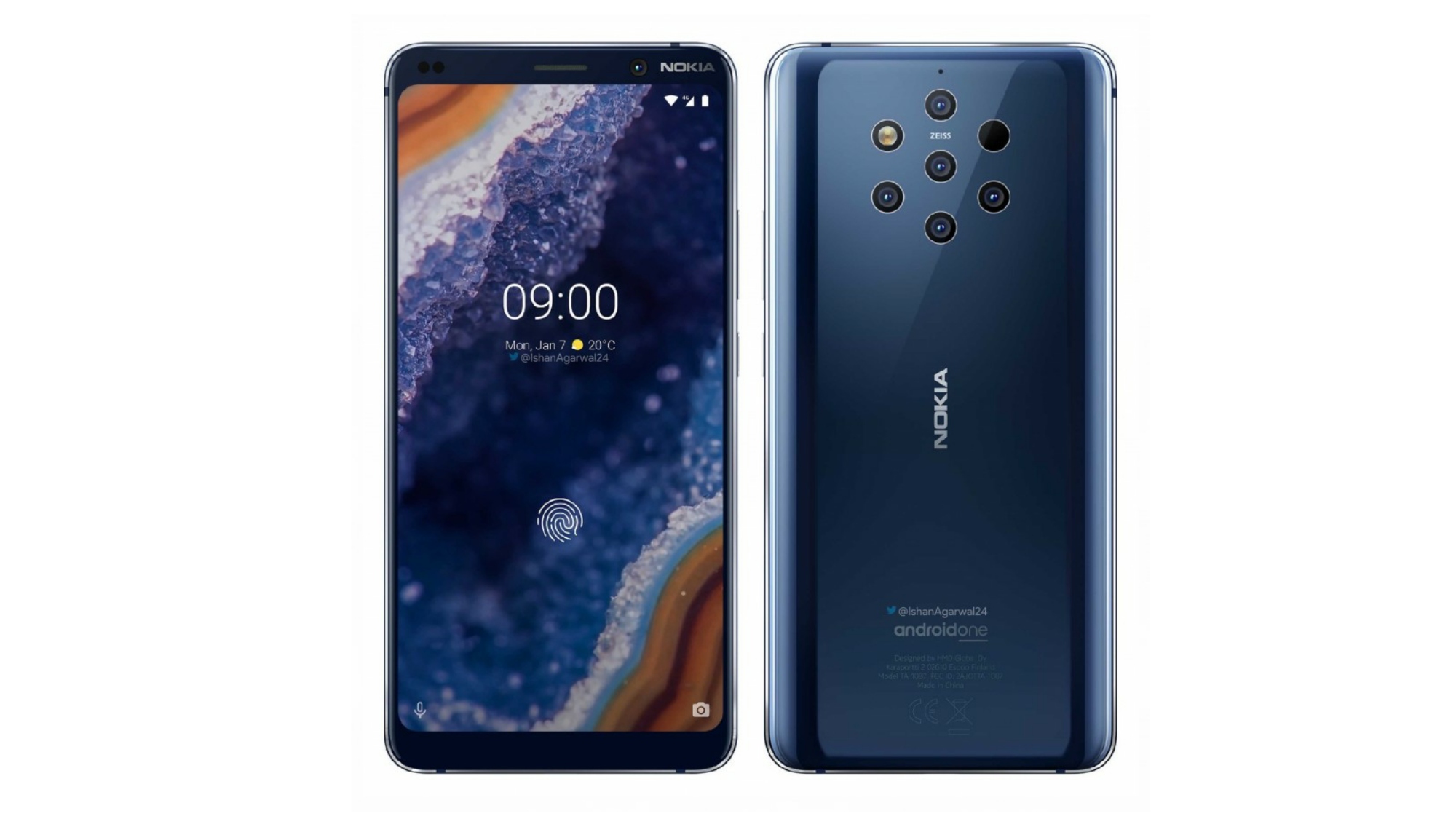
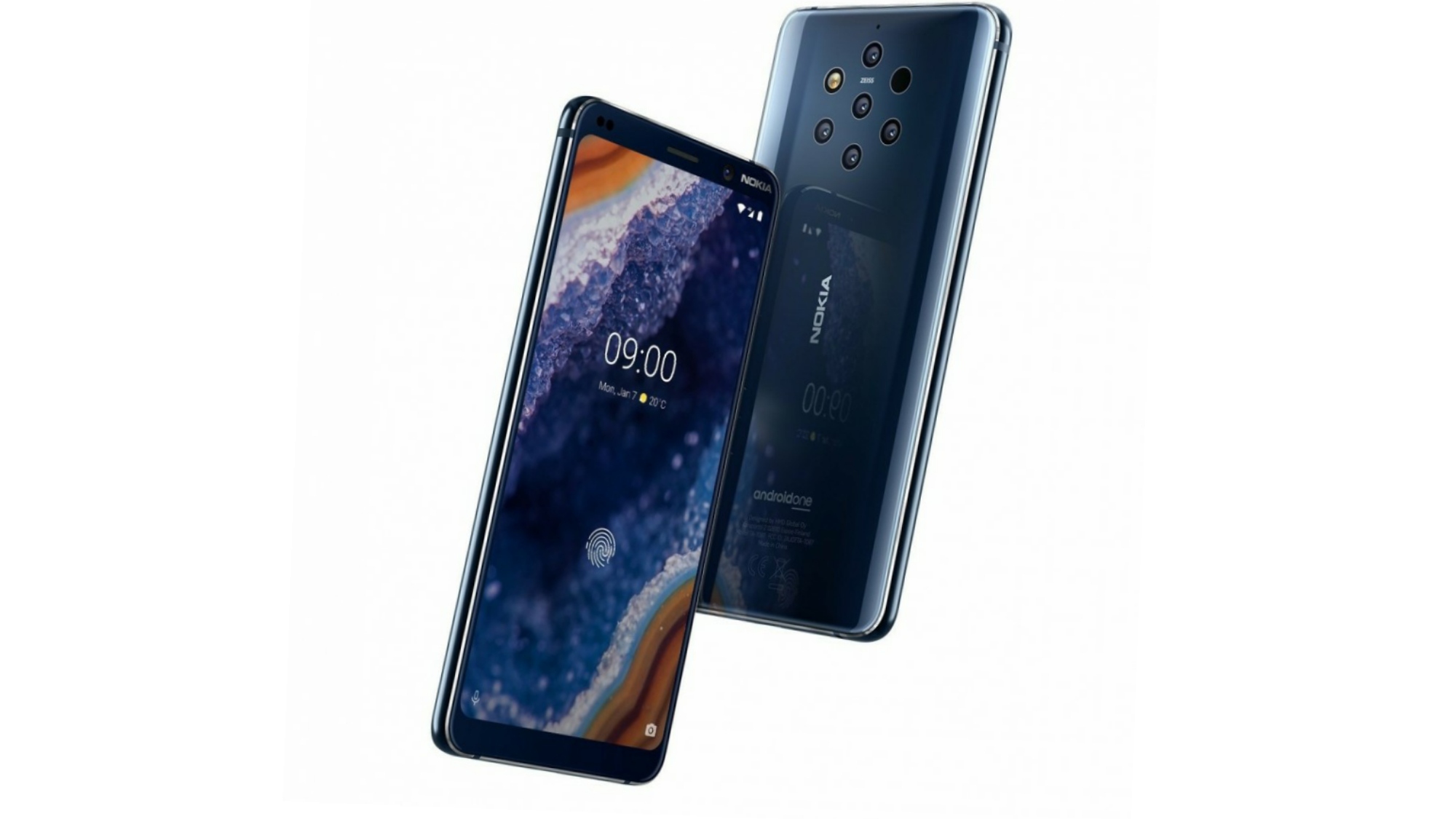
    In the month of February, HMD Global launched its long awaited Nokia 9 PureView which is a flagship grade smartphone. As the PureView branding suggests, the device has a focus on photography. Apparently the key highlighting feature of the smartphone is its penta rear camera setup which consists of five 12 MP sensors.

    For all the Indian customers who are patiently waiting for the device, this may be the time to rejoice. HMD Global has sent out invites for a press event which is set to take place in New Delhi on the 6th of June. Even though the press invite does not exhibit details about the Nokia 9 PureView launch,  it is the only major Nokia branded smartphone that is yet to land in the country. Other smartphones including the Nokia 3.2 and the Nokia 4.2 have already been made official for the Indian market. To recall following are the details about the Nokia 9 PureView.

    Nokia 9 PureView Specifications and Design 

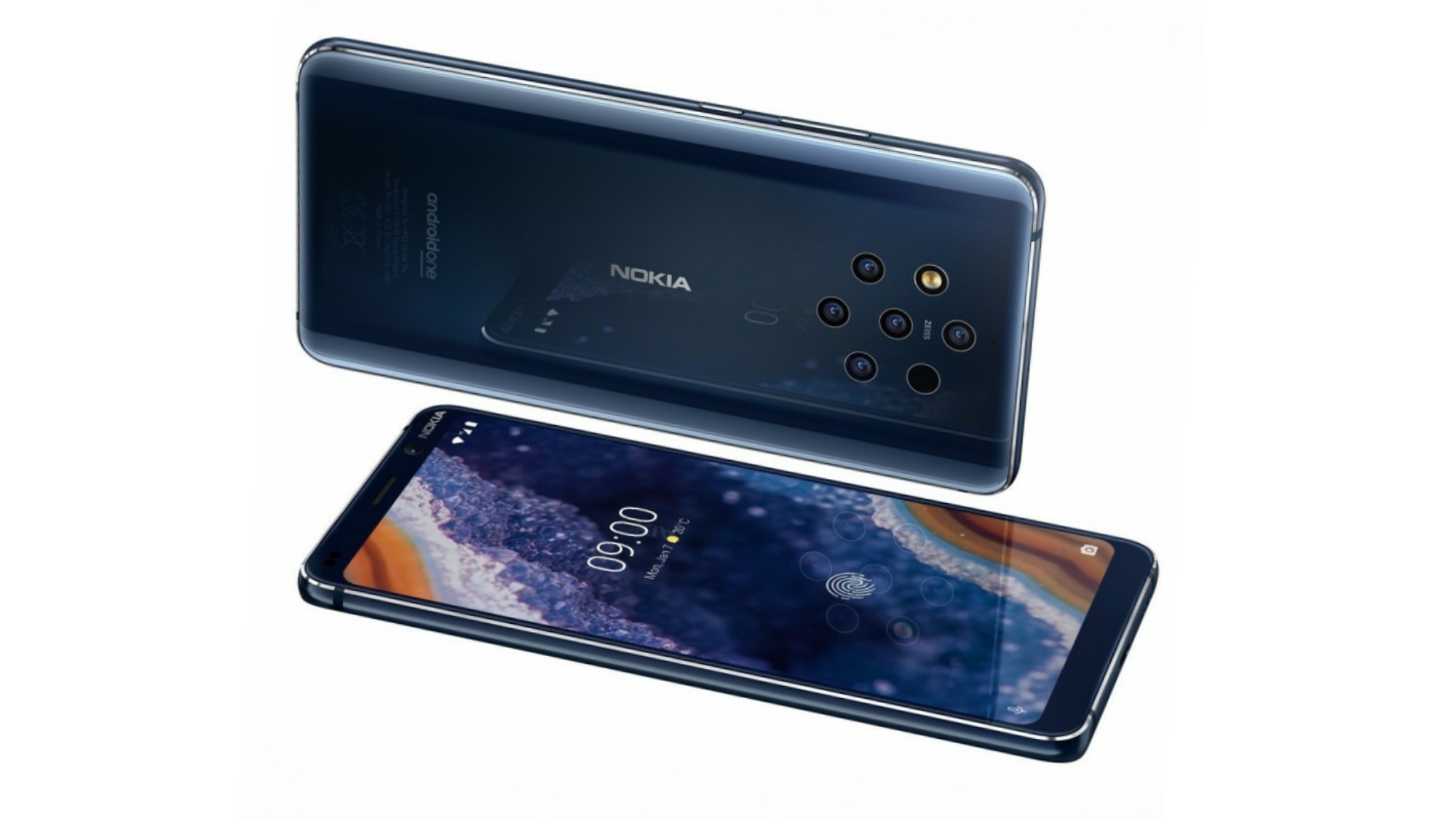
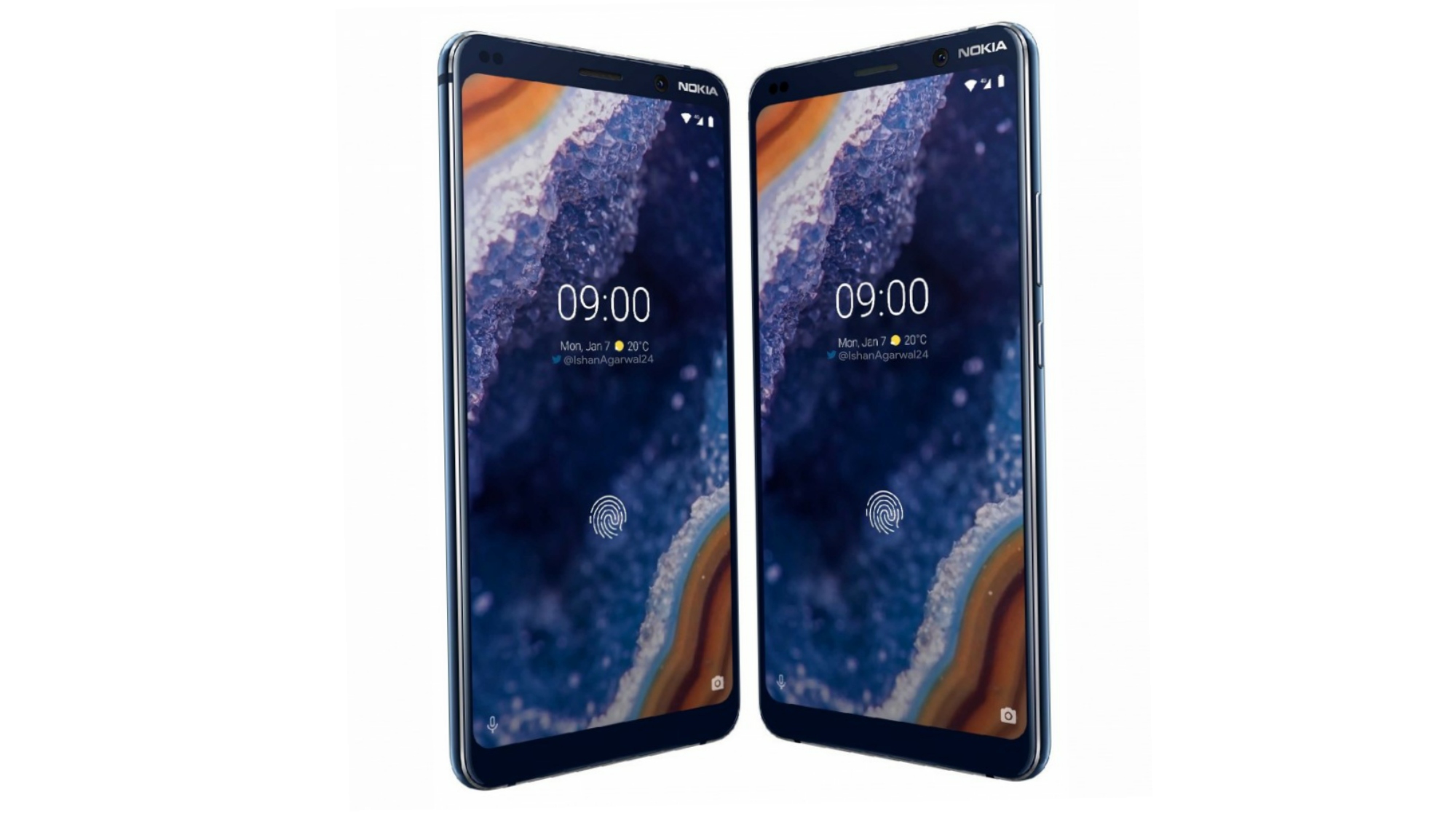
    The Nokia 9 PureView has a premium design with glass on both front and rear which is reinforced using an aluminium chassis. The device measures 155 x 75 x 8 mm and weighs 172 grams. It features a 5.99 inch Plastic OLED display that has a QHD resolution of 2880 x 1440 px and pixel density of 538 ppi. The left and right bezels around the display of the Nokia 9 PureView are negligible while the top and bottom bezels are comparatively thicker. The bezel above the display carries the Nokia branding, earpiece grille and a 20 MP front facing selfie camera which can also capture 1080p videos @ 30fps. For rapidly and securely logging into the UI, it has an in display fingerprint sensor which has become the industry standard.


    For added protection, both the front and rear panel of the Nokia 9 PureView is covered with Corning Gorilla Glass 5. The rear panel of the device carries the Nokia branding, Android One logo and its key highlighting feature, the penta camera setup. The rear camera setup consist of five 12 MP sensor and an LED flash. Out of the five cameras, two are RGB sensors while the remaining three are mono sensors.

    The Nokia 9 PureView runs on latest Android 9 Pie and the Android One logo at its rear assures the device is guaranteed to receive latest android updates for at least two years. The handset is powered by a generous 3,320 mAh battery which can be charged via the bottom mounted USB Type-C port. In addition to the wired charging it also supports Qi wireless charging. In terms of memory and storage, the device has 4 GB of LPDDR4x RAM and 128 GB of internal storage. In terms of connectivity, the Nokia 9 PureView supports 4G VoLTE, 802.11 ac Wi-Fi, Bluetooth 5.0, NFC, GPS and GLONASS. 

    Also Read: Intel’s Showcases Twin Screen Gaming Laptop At Computex 2019

    All in all, the Nokia 9 PureView is a worthy smartphone and if you are looking for a photography centric device, it may be the considerable choice. Exact price of the device is yet to be uncovered, however, going by European pricing it be priced around the Rs 50,000 mark.

  • Intel’s Showcases Twin Screen Gaming Laptop At Computex 2019

    Intel’s Showcases Twin Screen Gaming Laptop At Computex 2019

    Intel, the chipmaking company has a lot of buzz going around its various announcements (such as Project Athena) and prototypes that have been making rounds all over the internet. The company was seen highlighting one of those prototypes in Computex 2019 all the way from its Santa Clara Lab in the headquarters. 

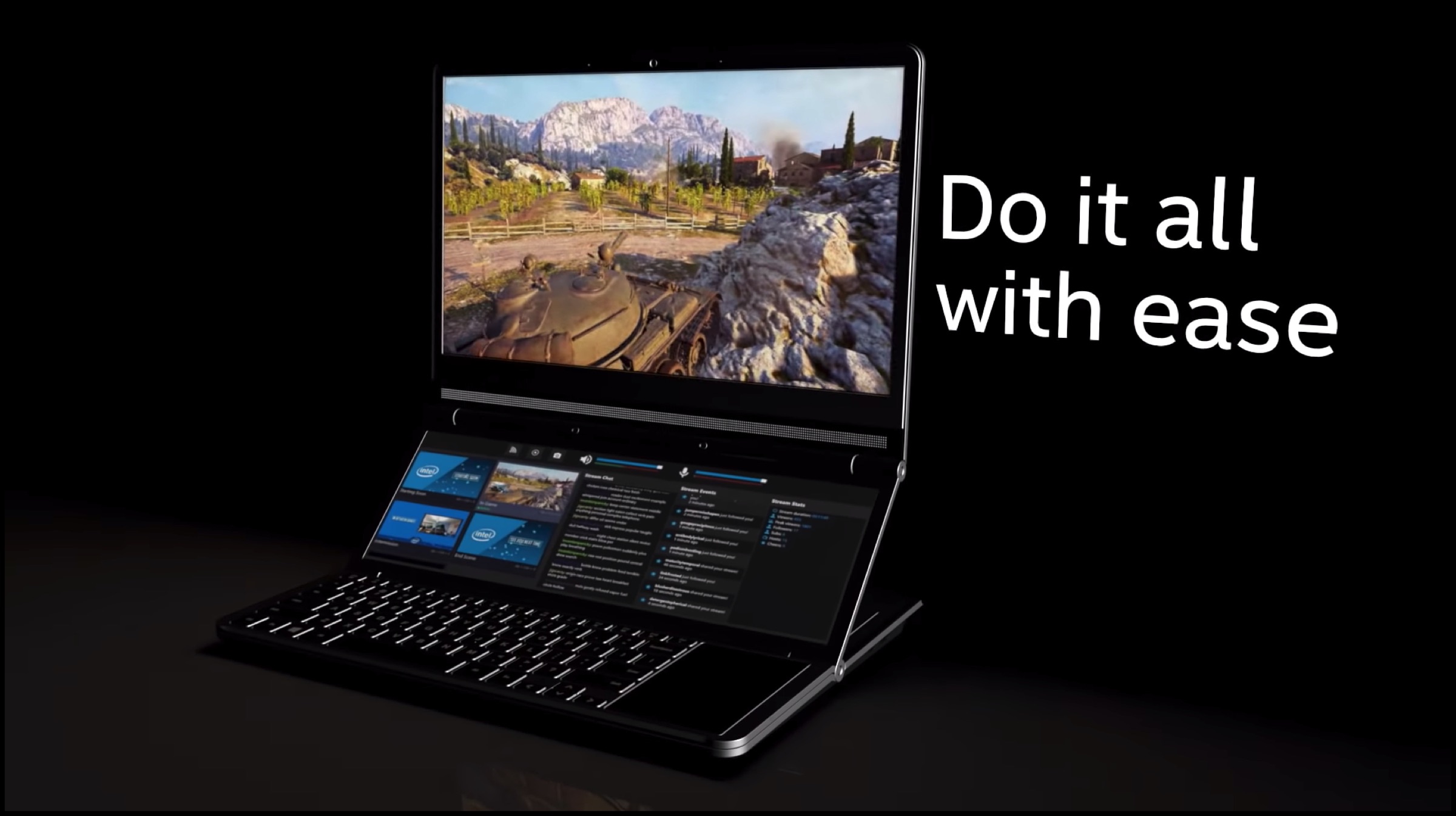
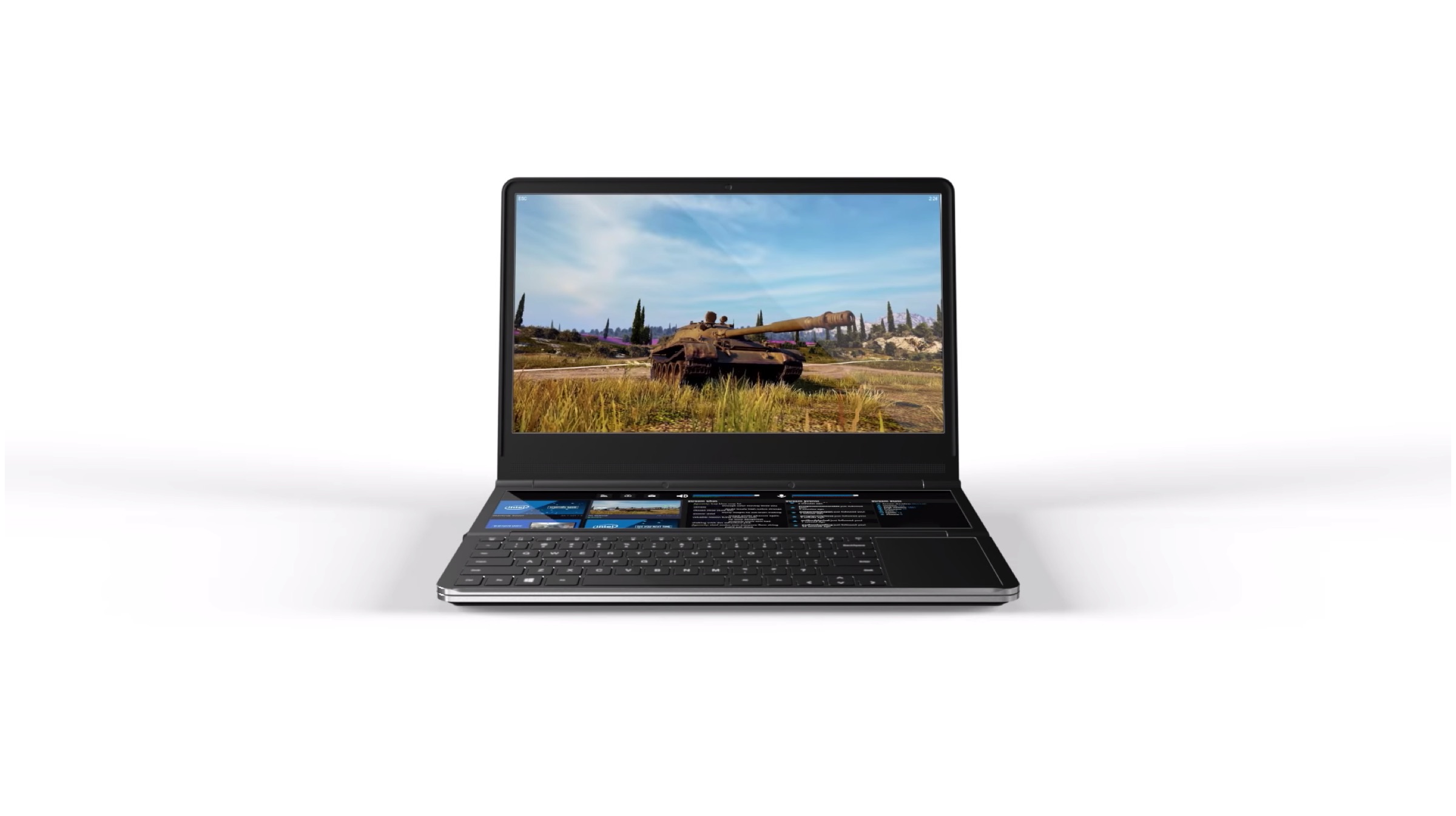
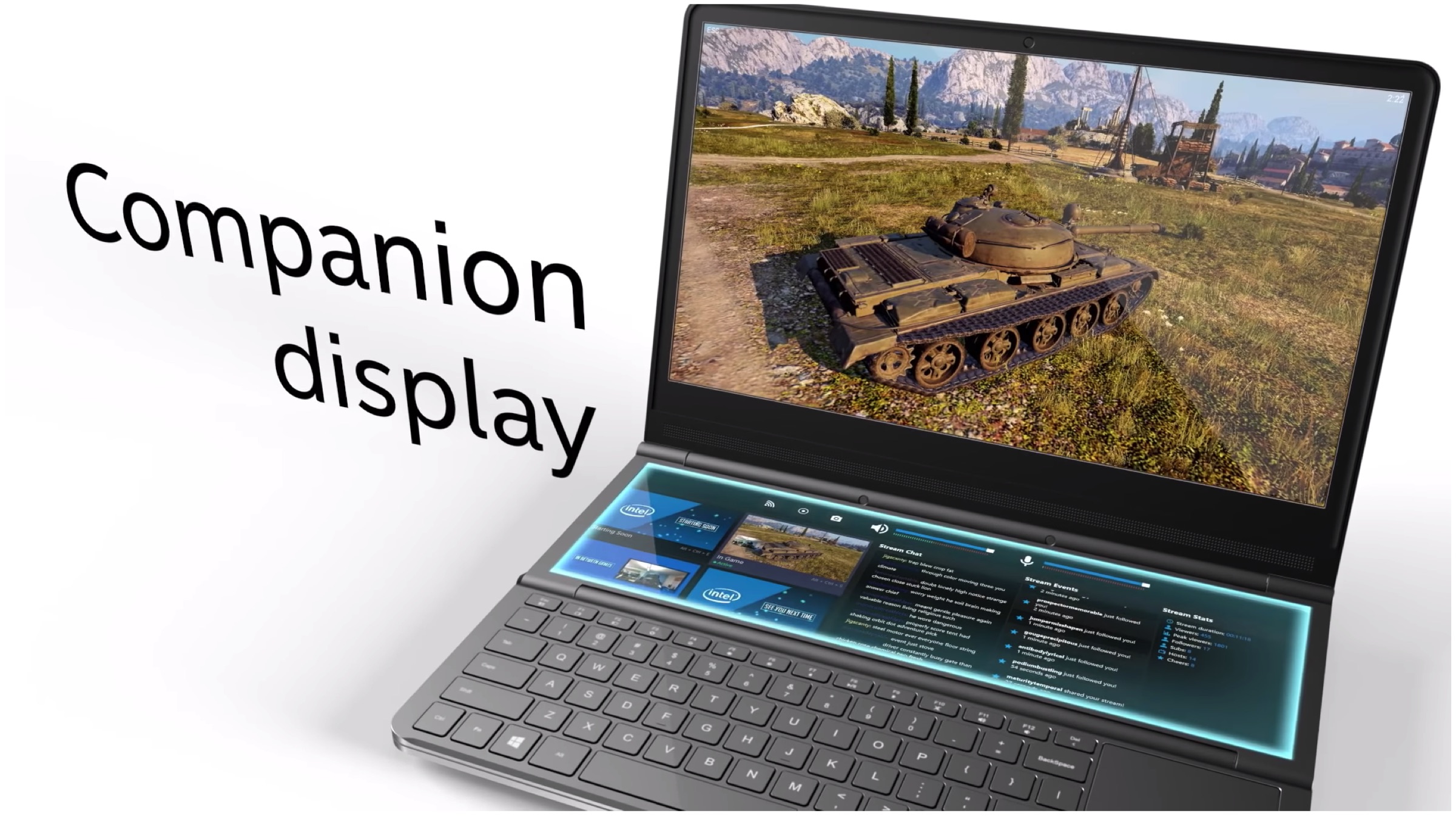
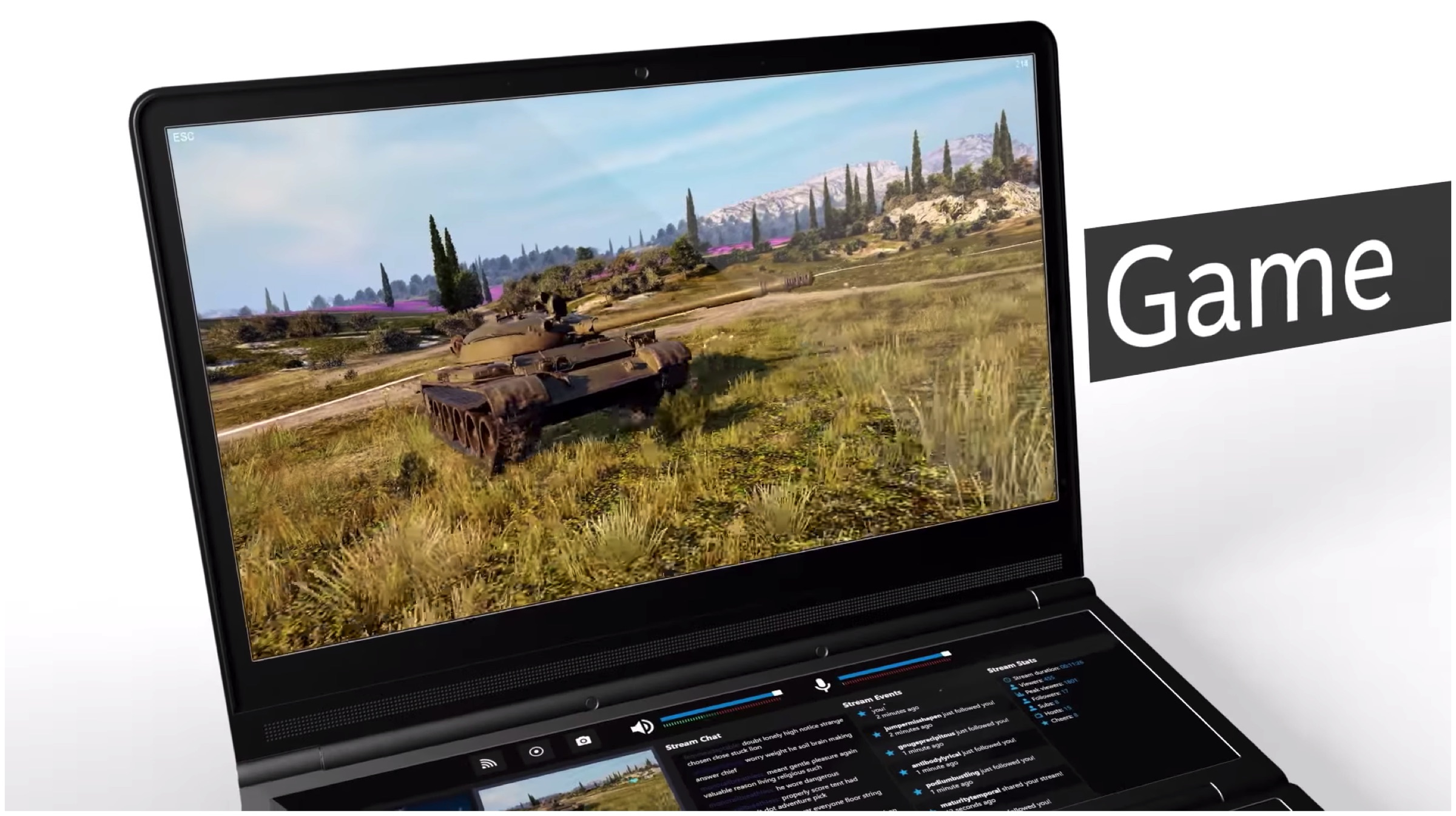
    Honeycomb Glacier may not seem like the name for a gaming system but Intel gets a pass on this for its innovation. Intel has supplied ample horsepower within this compact laptop. The key feature of this prototype is Intel’s attempt to place two full displays in the machine for an enhanced gaming experience.

    Intel

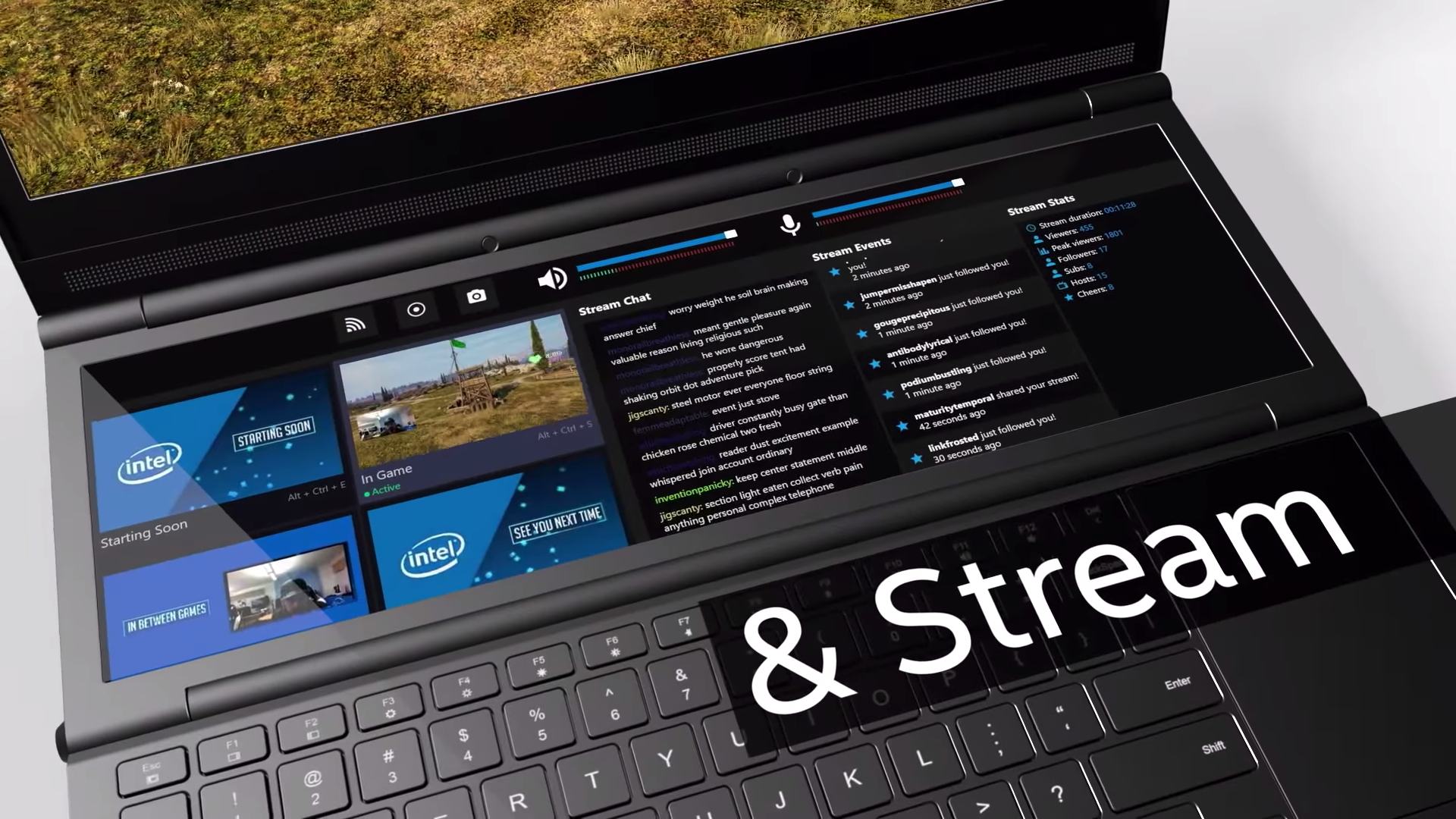
    The device is outfitted with a 1080p display panel for its main 15.6-inch screen while the secondary panel receives a 720p 12.3-inch 1920 x 720 display. Intel had partnered with Razer for the original Switchblade prototype back in 2011, the first laptop to have an entire screen as a touchpad, making this attempt their second endeavour for dual screens.

    Intel

    Intel sets itself apart from the numerous other OEMs, that have implemented a dual screen format, by actually having a second screen that does not necessitates having you look away from the primary screen. Users do not have to look down or divert their attention with a simple inclusion of a double hinge mechanism that raises the second screen to just below eye level that compliments the main screen.

    A unique hinge mechanism gives users the freedom of the elevation and angle that automatically stays in whatever position it was propped up on. This was achieved by one-way roller mechanical clutch. Pressing on a small black button on the left side disengages the clutch to fold the laptop. This special mechanism provides space for the cooling solution built specifically for the specially placed motherboard with a single fan.

    The prototype, Honeycomb Glacier had been reportedly running on a 45W 8-core i9 Intel CPU and NVIDIA GTX 1070, both units being overclocked. The near eye level hinge houses a Tobii eye-tracking camera, that enables smoother user interaction with the second screen interface in different applications like Discord and Twitch for gamers or Slack for work. Simply drawing your eye to the application puts it on focus.

    Also ReadKonami Celebrates 20 Years Of Contra With Anniversary Bundle

    Intel is optimistic about Honeycomb Glaciers new design and functionality that has generated much interest from other manufacturers seeking to derive from it. Dual-screen laptops are making their way into mainstream reality, soon becoming a common happenstance. 

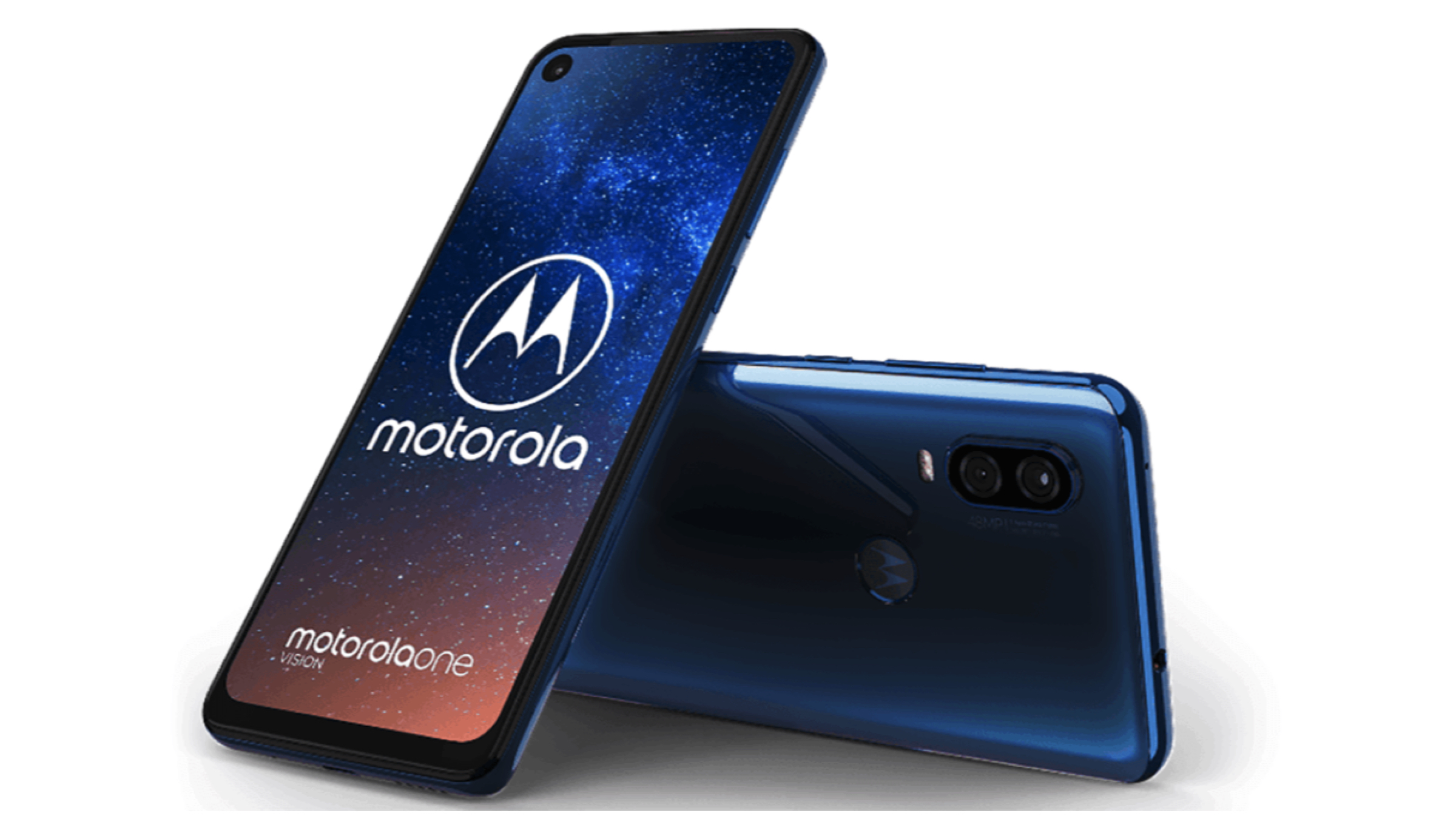
  • Moto One Vision With Punch Hole Display To Launch In India In June

    Moto One Vision With Punch Hole Display To Launch In India In June

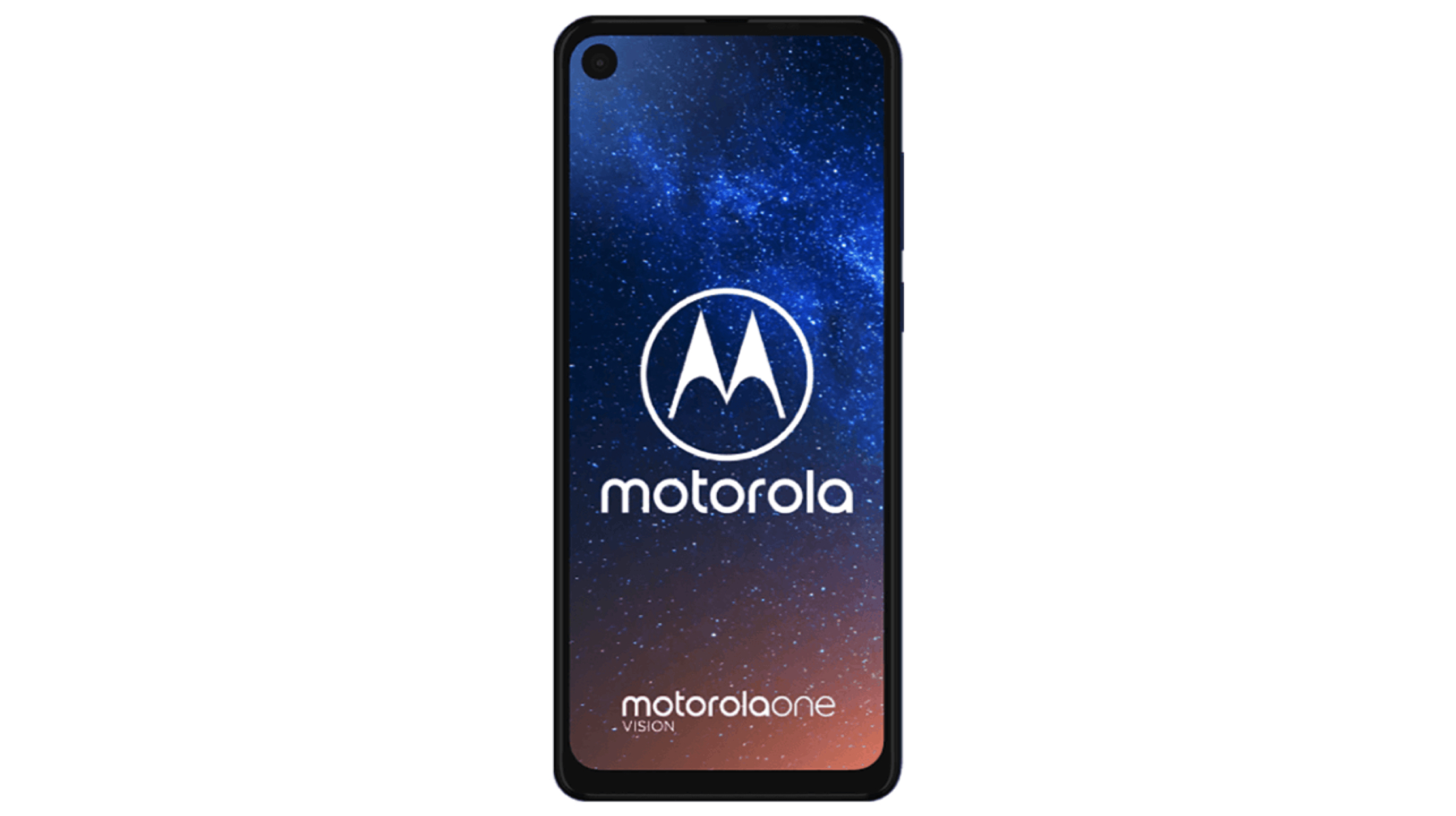
    Earlier this month, Motorola Mobility LLC launched its latest smartphone, the Moto One Vision in countries like Brazil, Thailand and Saudi Arabia. The key highlighting feature of device is its punch hole display that houses the front facing selfie camera. A tip received to 91Mobiles suggests that the handset will see its India launch in the month of June. To further strengthen the claim, the Moto One Vision had previously gained BIS certification which is mandatory for all devices that are set to launch in the country. 

    Moto One Vision Features

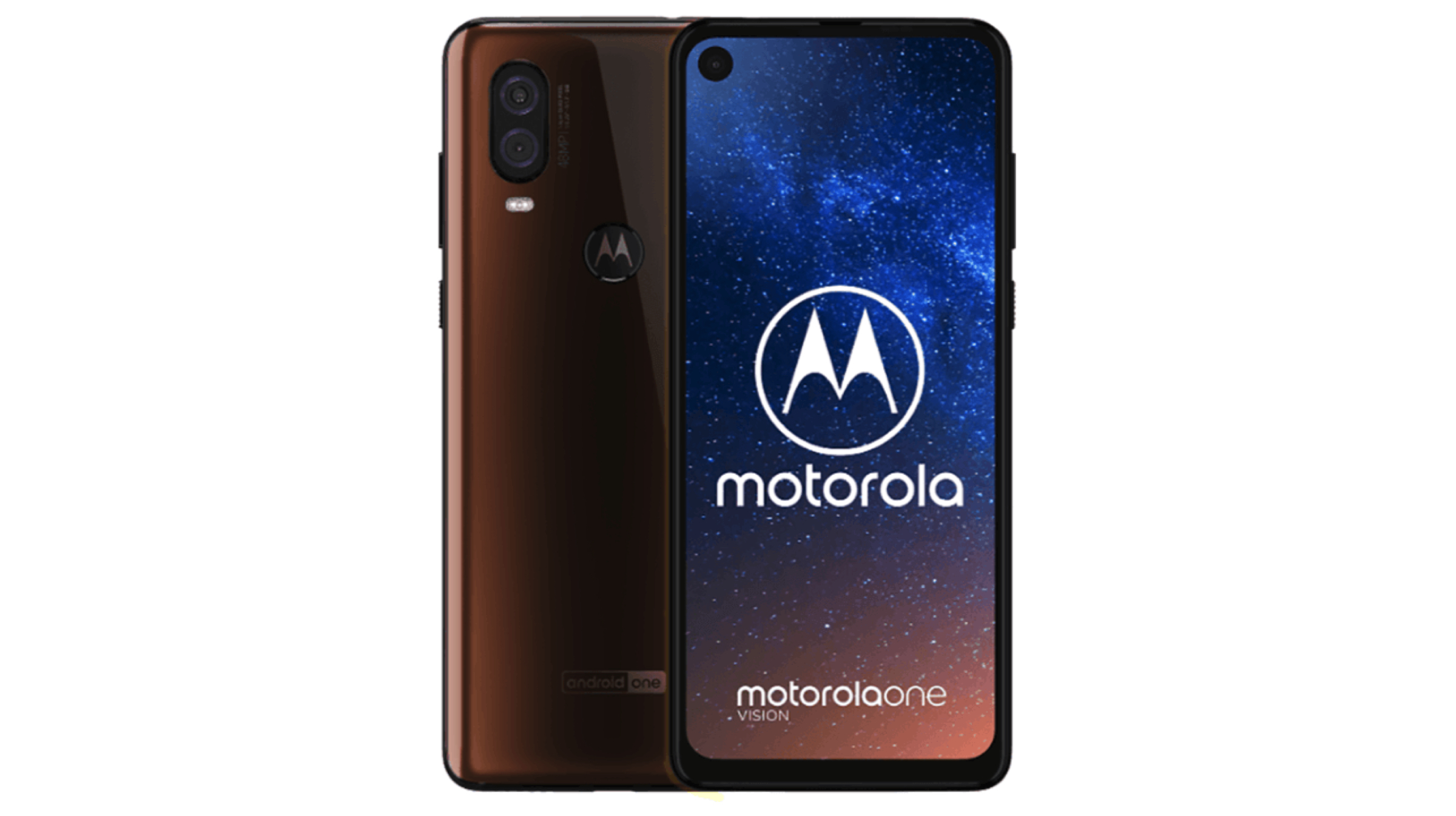
    The Motorola One Vision has a modern design accrediting to the 6.3 inch punch hole display that sits on its front. The display panel has a resolution of 2520 x 1080 px and pixel density of 432 ppi. To safeguard the display against scratches, the Moto One Vision gets Corning Gorilla glass protection (unspecified version). Intriguingly, the smartphone is kitted with the Exynos 9609 SoC which is manufactured and supplied by Samsung. This is the first time that a handset except for Samsung features an Exynos chipset. The SoC consists of the Mali G72 MP3 GPU and Octa Core CPU which is clocked at 2.2 GHz. In term of memory and storage, the smartphone is offered in a single variant that has 4 GB of RAM and 128 GB of ROM. It also supports memory expansion upto 1 TB via the shared SIM slot.

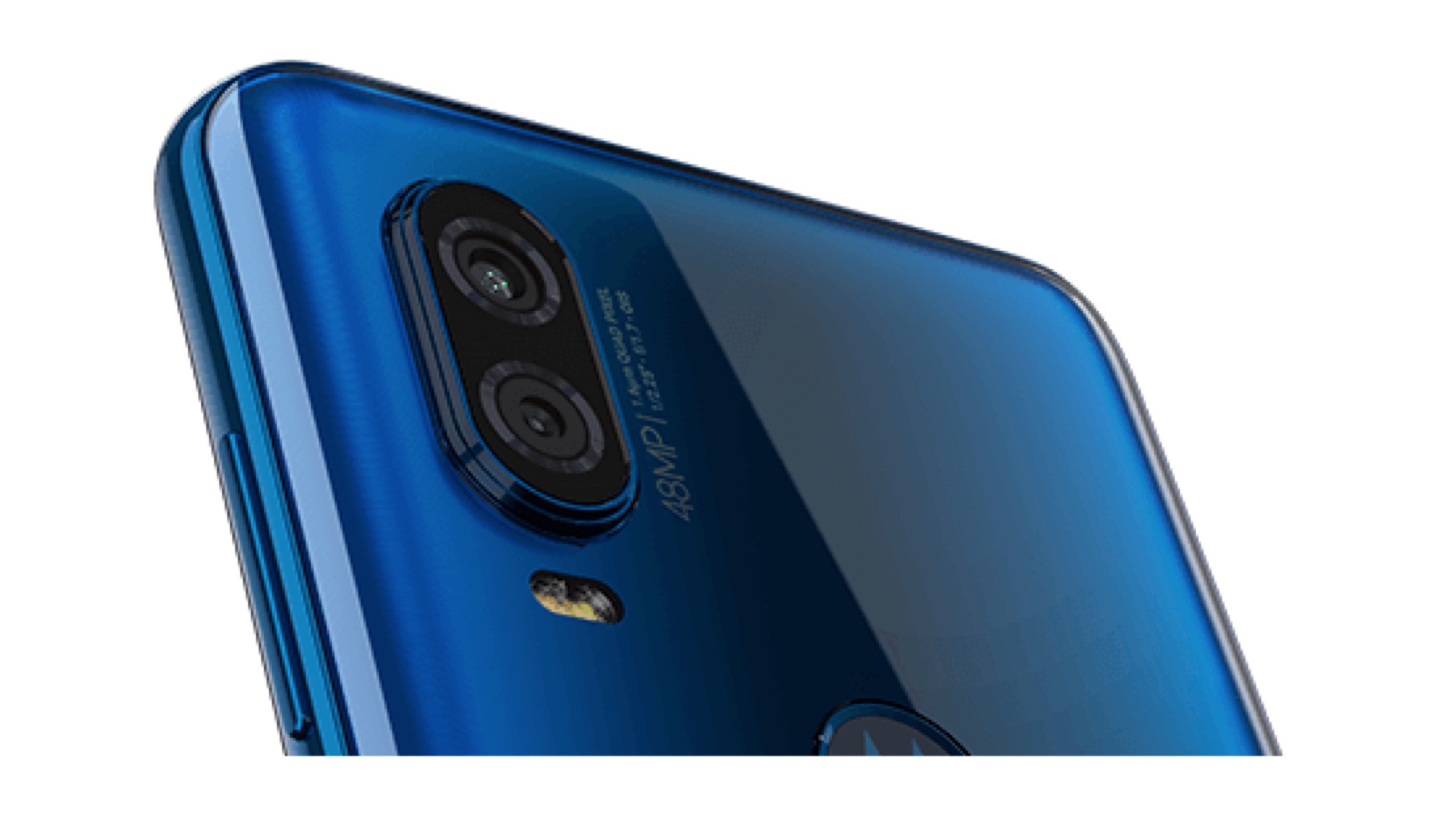
    For photography, the Moto One Vision has a dual rear camera setup which is comprised of an f/1.7 aperture equipped 48 MP sensor, a 5 MP depth sensor and a Dual LED flash. It also has 25 MP selfie camera which is present in the punch hole in the display. The smartphone is powered by a 3,500 mAh battery which supports fast charging upto 15 W. It runs on the latest version of Android 9 Pie which is bundled with Android One certification. The certification assures guaranteed Android updates for at least two years. Connectivity options on the Moto One Vision include Wi-Fi 802.11 a/b/g/n/ac, 4G VoLTE, Bluetooth 5.0, GPS and a bottom mounted USB Type C port. Like most modern mid range and premium smartphones, Motorola’s offering has also done away with the 3.5 mm audio jack. For safely and rapidly logging into to UI, it features a rear mounted fingerprint sensor. It is offered in two colour options which include Bronze gradient and Sapphire gradient. 

    Moto One Vision Price and Launch Date In India

    Also Read: Unlocking Bootloader OnePlus 7 Pro Results In Loss Of Widevine L1

    The precise launch date of the Moto One Vision is yet to be announced. However, as previously mentioned the device is expected to launch in the month of June in the country. Official price of the smartphone will also be revealed then. Though it is expected to similarly priced as the Thai and Saudi counterpart. Therefore it can priced between the Rs 20,000 and 25,000 price bracket.

  • Unlocking Bootloader On OnePlus 7 Pro Results In Loss Of Widevine L1

    Unlocking Bootloader On OnePlus 7 Pro Results In Loss Of Widevine L1

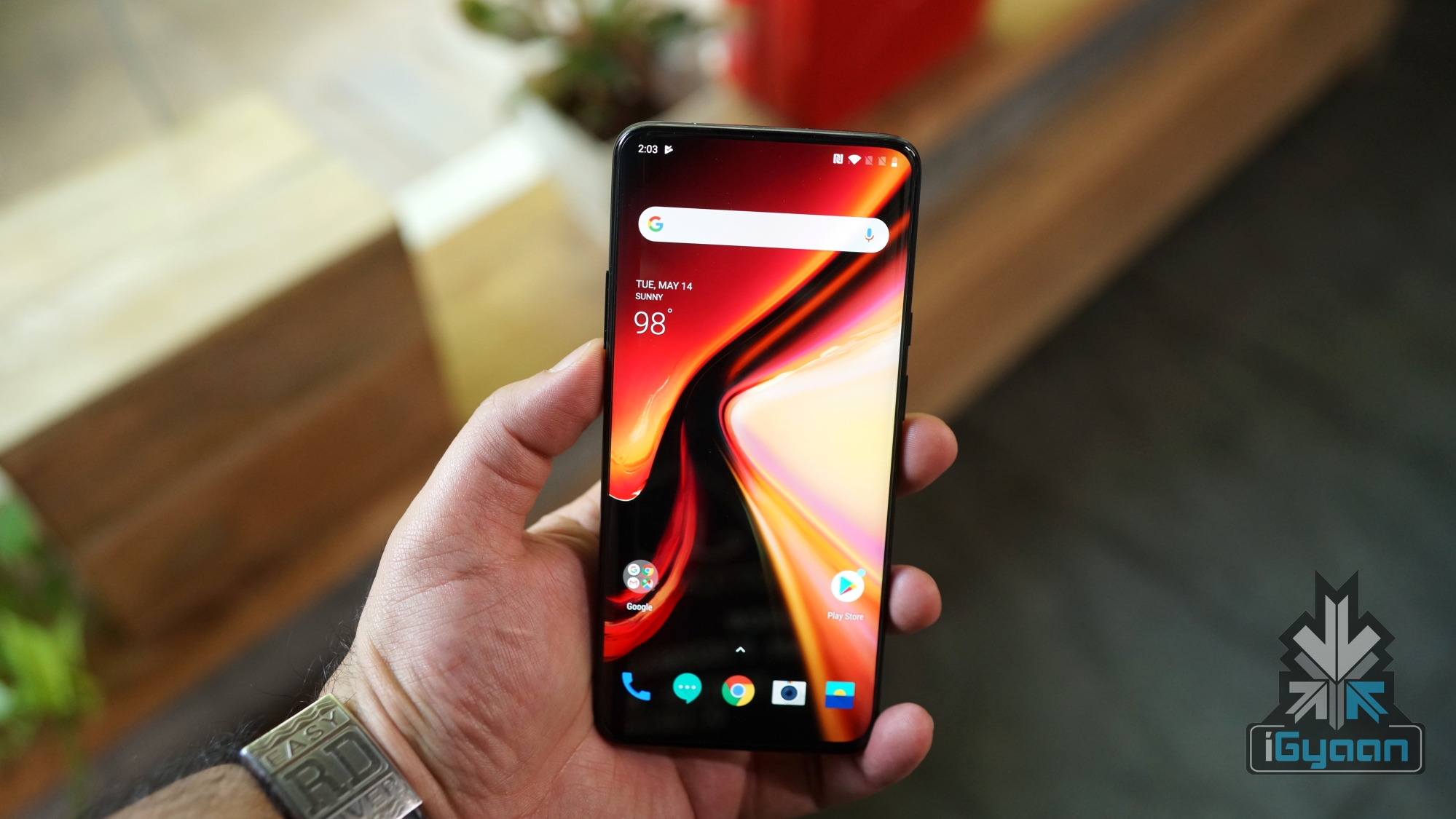
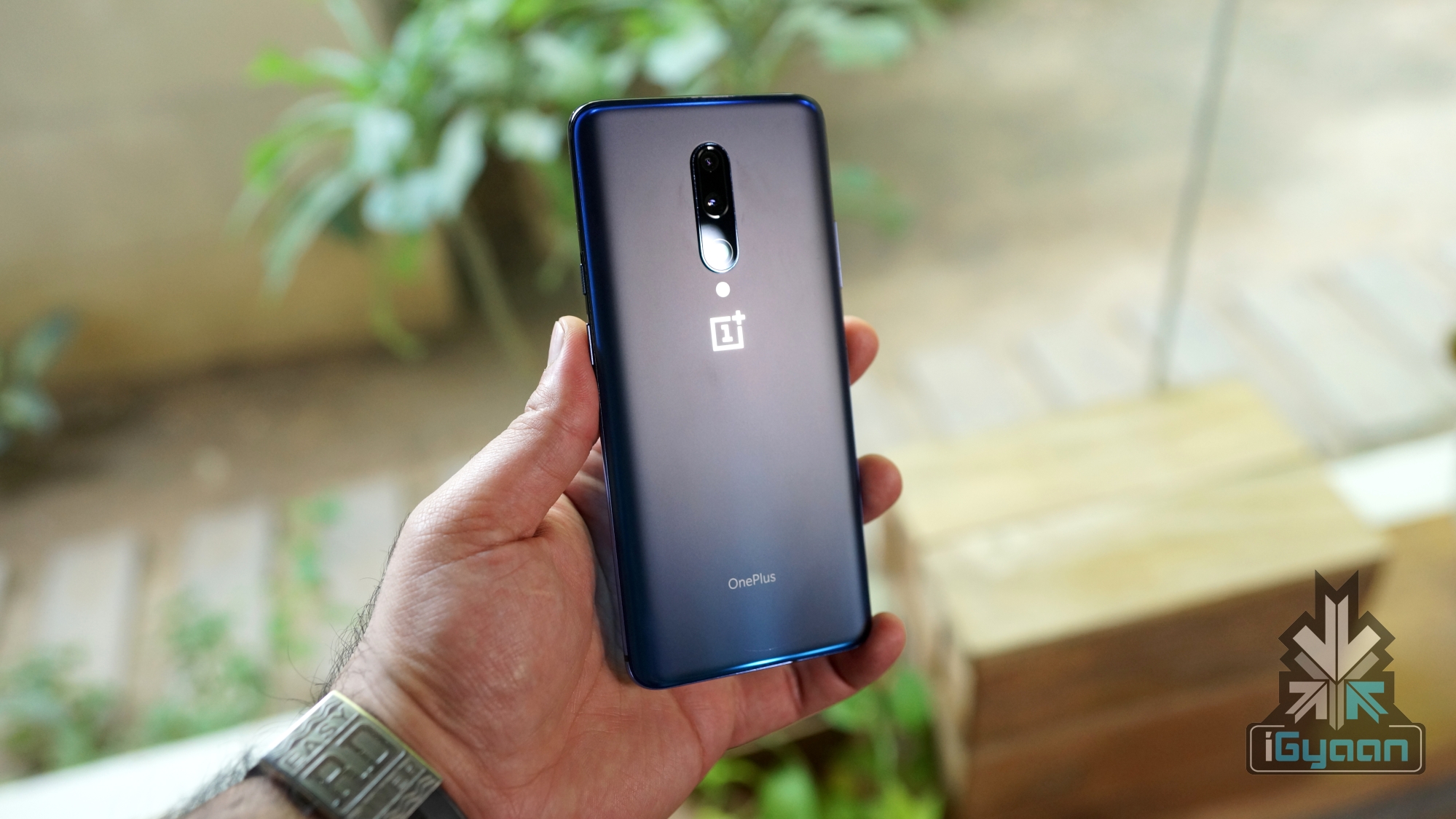
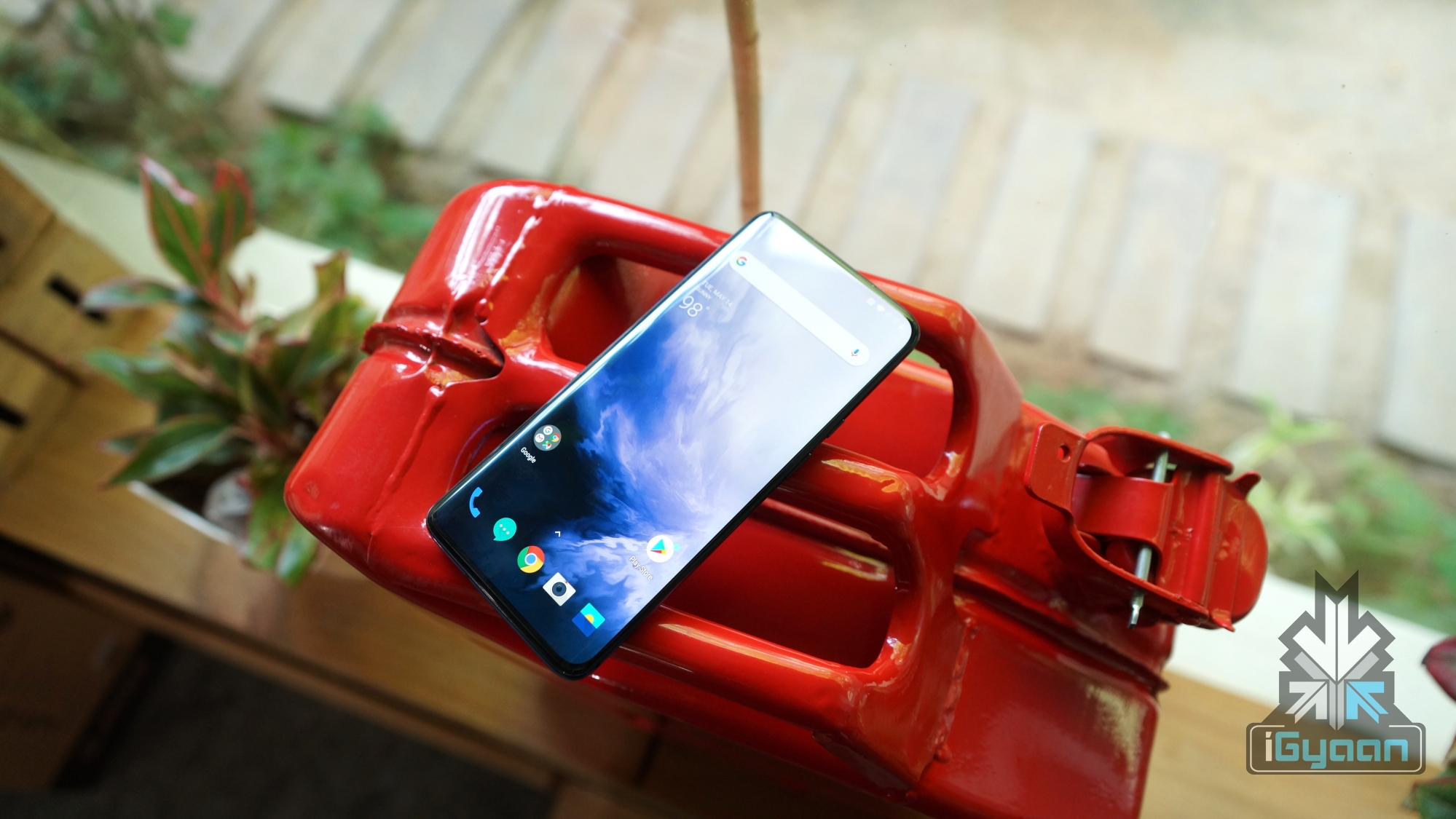
    After the sensational success of the OnePlus 6T from 2018, Chinese smartphone maker OnePlus launched its latest flagship smartphone in the form of OnePlus 7 Pro. In comparison to its predecessor, the newly launched device has received significant updates some of which include a 6.67 inch AMOLED display with 90 Hz refresh rate and a pop up selfie camera. Accrediting to the said features, the OnePlus 7 Pro has been warmly welcomed by the consumers across the globe. However, within the two short weeks of its announcement, the device has been hit with a couple of stumbling blocks.
    OnePlus 7 Pro Camera

    Freshly, a member on XDA developers discovered that unlocking the bootloader on the OnePlus 7 Pro will result in loss of Widevine L1 certification. The certification is essential for streaming HD content from applications like Netflix. Therefore, if a OnePlus 7 Pro user unlocks the bootloader on their handset, the device will be limited to streaming online content in 480p resolution. 

    What Is Bootloader & Why Do You Want To Unlock It?

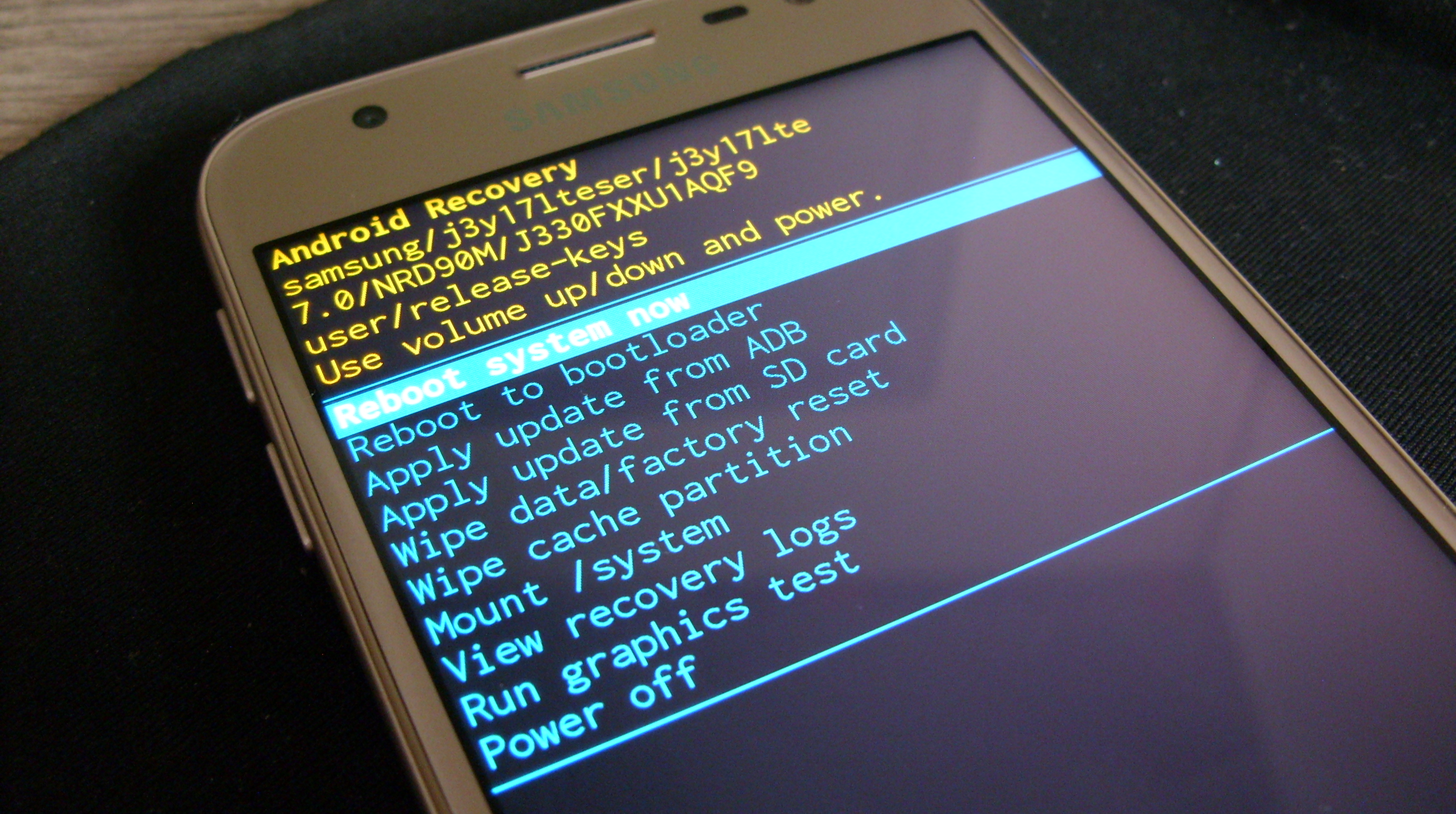
    Bootloader is a piece of code that runs before any operating system is  loaded into the system of a computer or smartphone. Each OS has a set of specific bootloader, therefore, in an effort to add custom ROM on a handset, the bootloader needs to be unlocked. OEMs generally tend to ship smartphones with locked bootloaders which ensures tight security. As with unlocked bootloader, users can unknowingly install malicious programs on their device resulting in compromise of software. OnePlus 7 Pro Front

    The previously mentioned stumbling blocks that the OnePlus 7 Pro has been previously subjected to are as follows:

    Also Read: Leaked iOS 13 Screenshots Reveal Dark Mode, New Reminders App

    Nevertheless, the OnePlus 7 Pro is an excellent smartphone Also issues like the high pitched noise from its earpiece are likely to be patched via OTA software updates. 


  • Galaxy Note 10 Rear And Front Camera Setup Revealed In Leaks

    Galaxy Note 10 Rear And Front Camera Setup Revealed In Leaks

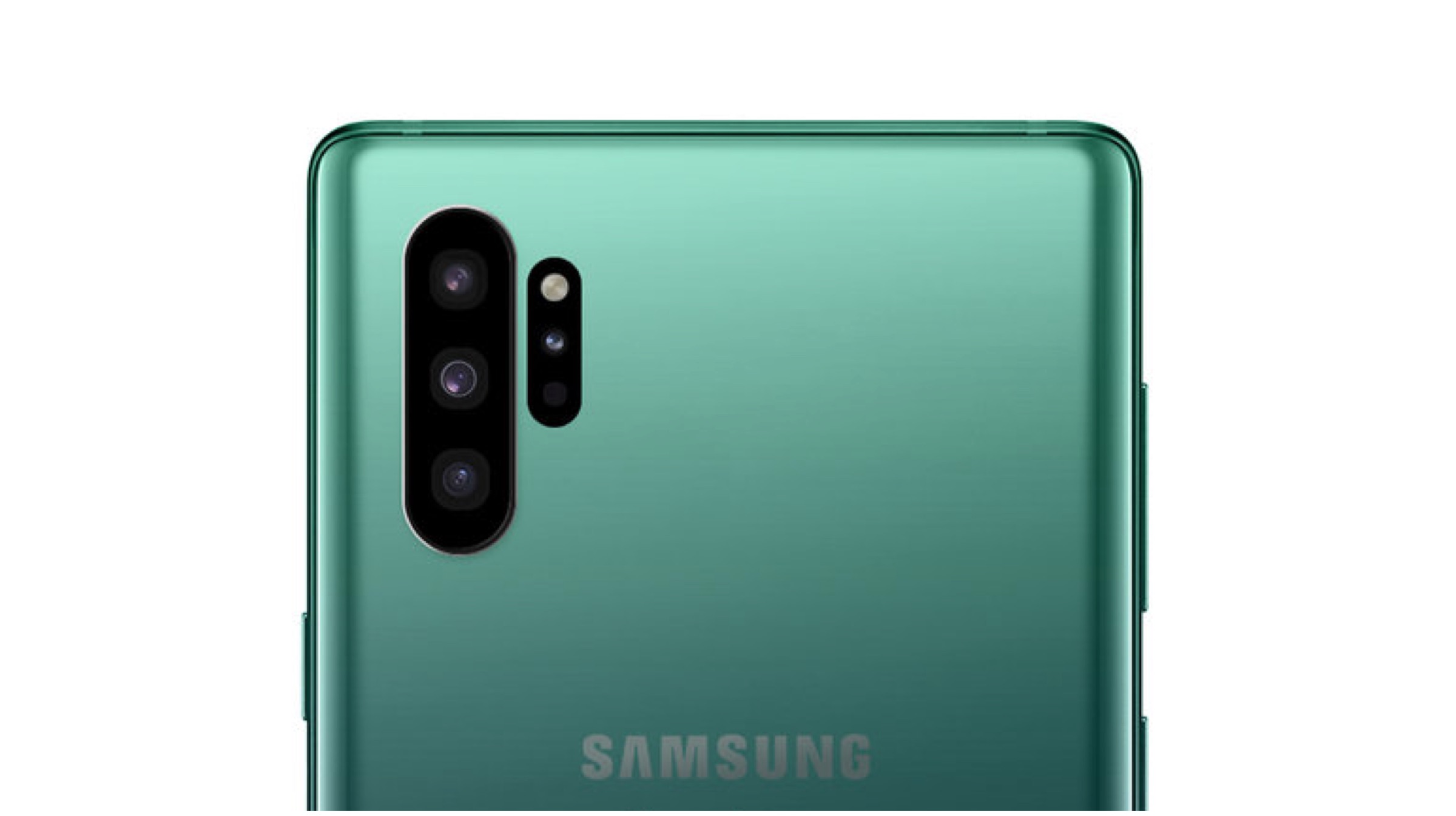
    Following the positive reviews received by the Samsung Galaxy S10 smartphone series, the expectations for the upcoming Galaxy Note 10 lineup are at an all time high. Leaks are pouring in from a variety of sources and have provided an idea of what’s in store for fans later in the year 2019. Previous leaks had indicated that the company’s next flagship will feature a quad rear camera setup. As per latest reports, the four cameras will be arranged in a style that shifts from Samsung’s conventional method of design. Noteworthy, the South Korean technology giant may incorporate a centrally placed punch-hole notch on the front of the smartphone.  Samsung Galaxy Note 10 RendersWhere the rear camera arrangement in the latest Galaxy S10 series smartphones is horizontal aligned on the upper half, the upcoming Note 10 is expected to have a vertical rear camera module placed at the top left section of the back panel. The renders strengthen the claim of the said camera sensor arrangement and reveal the positioning of each sensor. 
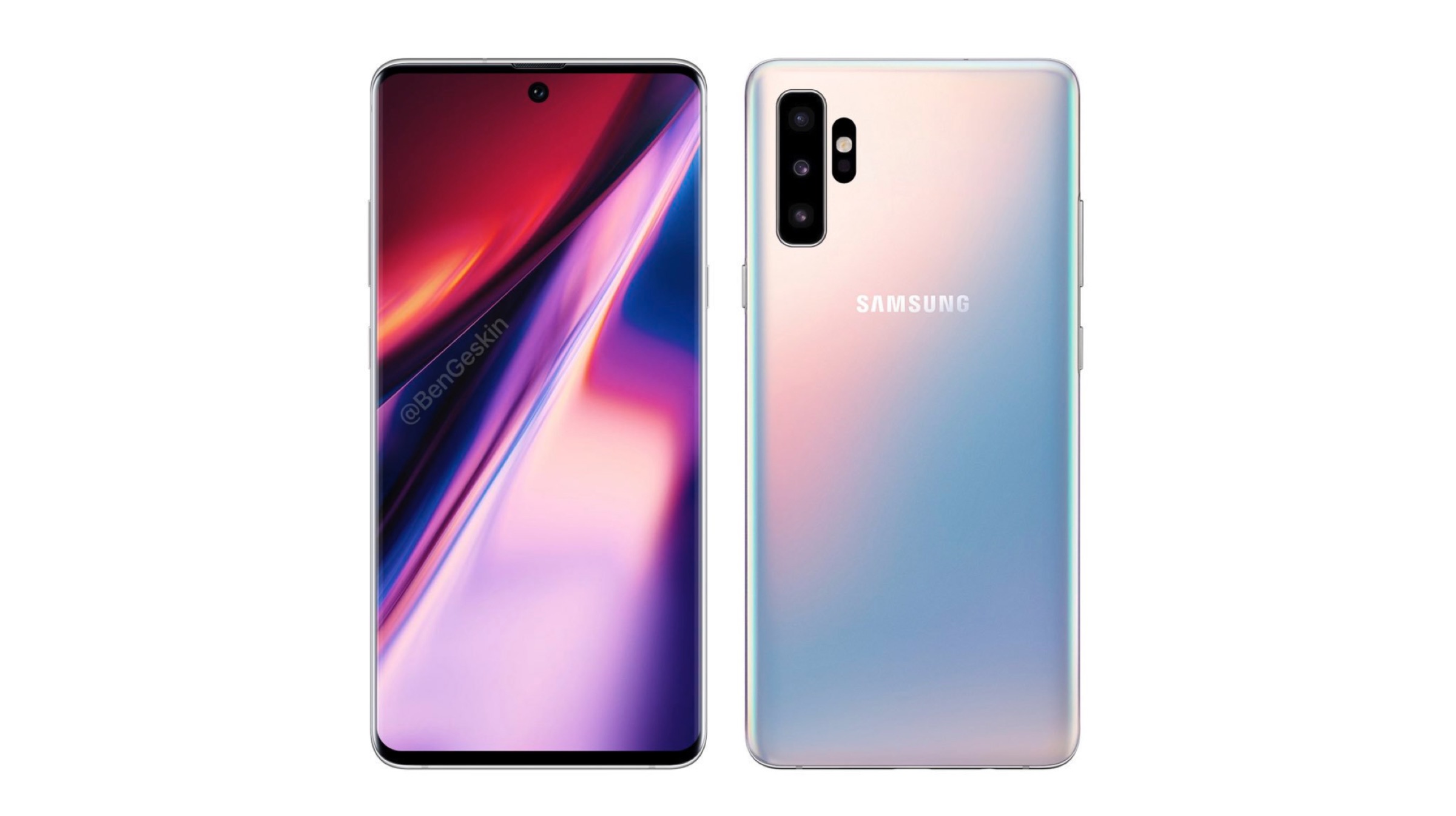
    The rear camera setup can be divided into two separate modules. The primary/bigger cutout houses the Primary camera sensor, the wide angle lens and a Telephoto lens. On the other hand, the smaller module accommodates the LED flash, the ToF (Time of flight) sensor and the Flood illuminator aka flash. Notably, the renders lack the presence of a heart rate sensor on the rear panel, indicating that that the Note 10 will do away with it similar to the Galaxy S10 5G.

    Samsung Galaxy Note 10 RendersAlso Read: Microsoft Classic IntelliMouse Receives A Makeover

    A deeper insight into other renders indicates that the Galaxy Note 10 will feature a punch hole display similar to the Galaxy S10 lineup. However, unlike the S10 series smartphones, the Note 10 will have a centrally placed notch, which is yet to be observed on any punch hole display . Besides the visionary look, this feature will allow for an increased screen-to-body ratio. Furthermore, leaks reveal that the flagship smartphone will retain the headphone jack, which may serve as a relief to potential customers. Although there is no official news regarding the launch date of the Samsung Galaxy Note 10, the device is rumoured to launch in the month of August 2019. 

  • Leaked iOS 13 Screenshots Reveal Dark Mode, New Reminders App

    Leaked iOS 13 Screenshots Reveal Dark Mode, New Reminders App

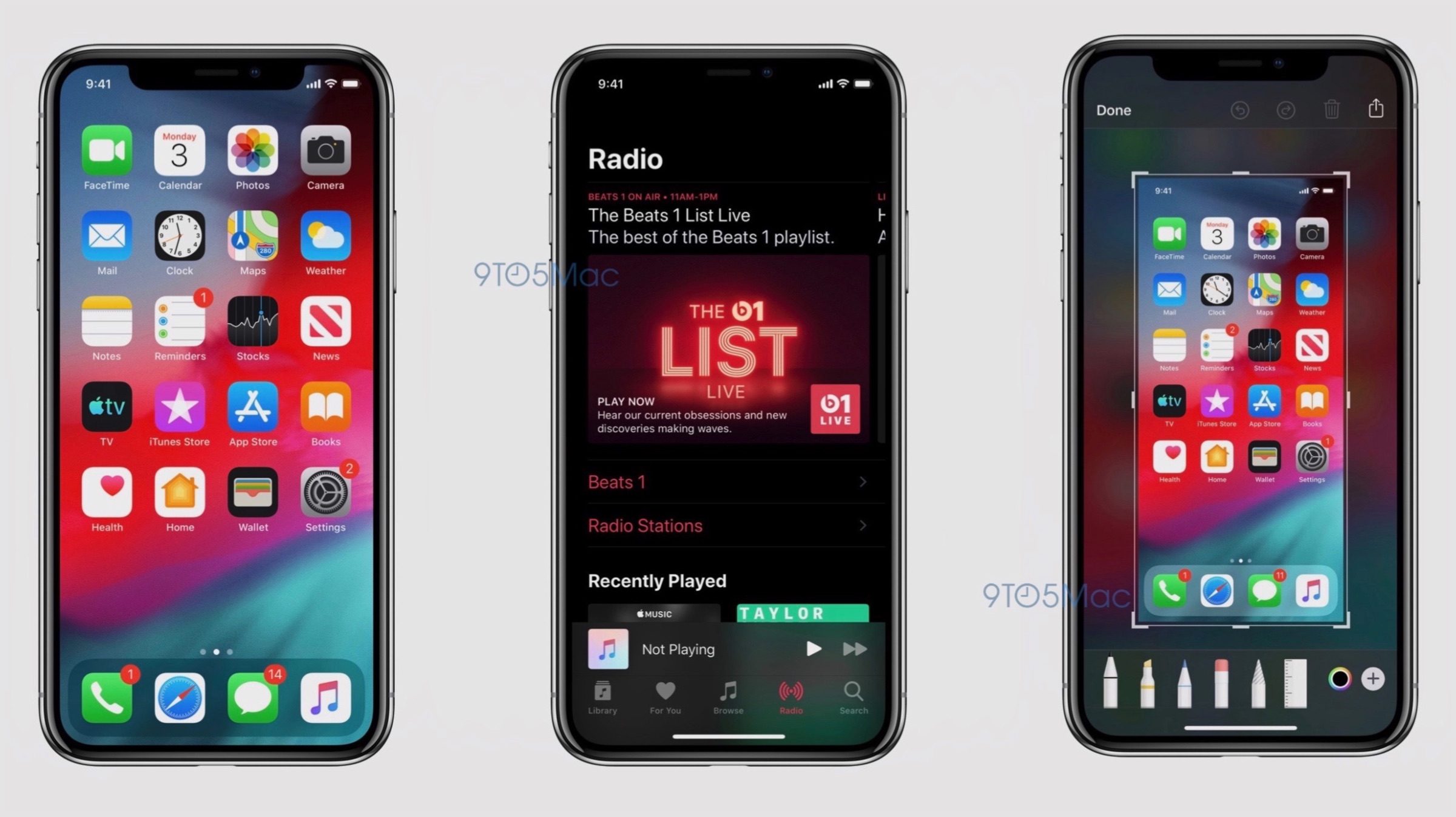
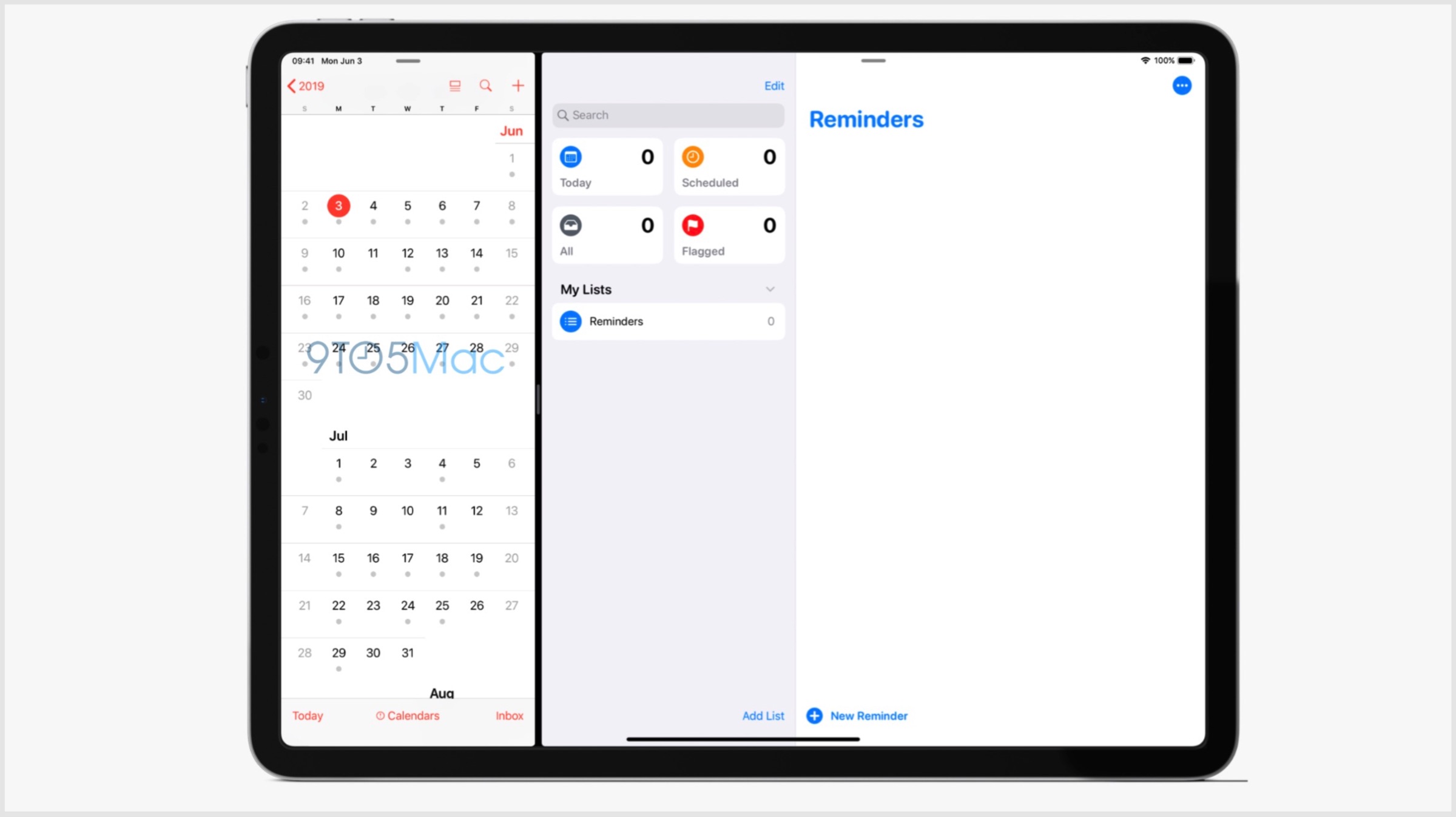
    American technology giant Apple is all set to begin the annual World Wide Developer Conference (WWDC) from the 3rd of June. The company uses the event to showcase its newest software to developers and enthusiasts. Like every year, it is expected that the next iteration of Apple’s operating system for its iPhones, iPads and iPods will be introduced at the event. Purportedly called the iOS 13, it is expected to bring about significant changes in the operating system, some details of which have leaked in the past. Now, a reputed source has obtained some screenshots alleged to be of the iOS 13. These confirm the presence of a native dark mode and an overhaul of the Reminders app. 

    iOS 13 Leaked Screenshots

    Apple iOS 13

    The leaked screenshots of the iOS 13 as mentioned above, confirm the presence of a native dark mode. While this feature has been leaked to be present in the software several times in the past, the images all but confirm it will be provided as an option. Turning on this setting will reportedly switch the system applications to a greyscale shade. Darker colours are easier to use at night and provide the device with a different appearance; so the feature has been highly anticipated in iOS for quite a while now. The second change visible from the leaked images is the new screenshot editor. Instead of showing a grey background after a screenshot, the upcoming iOS 13 will have a blurred version of the wallpaper; with more intuitive tools on the bottom. On iPad, this tray holding the tools can be dragged around the screen.

    Apple iOS 13

    Also read: Apple WWDC 2019, Launches, What To Expect

    The Reminders application on iOS 13 will also be receiving a major design overhaul. On the iPad, it will have a large sidebar with boxes corresponding to “Today”, “Scheduled”, “Flagged” and “All”. This will also include a search box with a collection of the list of reminders. Apple is expected to announce the beta version of the software on the 3rd of June; with a wider rollout to follow later in the year. With iOS 13, the company may phase out devices older than 2015’s iPhone 6s.

  • Dell Refreshes The XPS 13 With Intel’s Latest 10th Gen CPU Processors

    Dell Refreshes The XPS 13 With Intel’s Latest 10th Gen CPU Processors

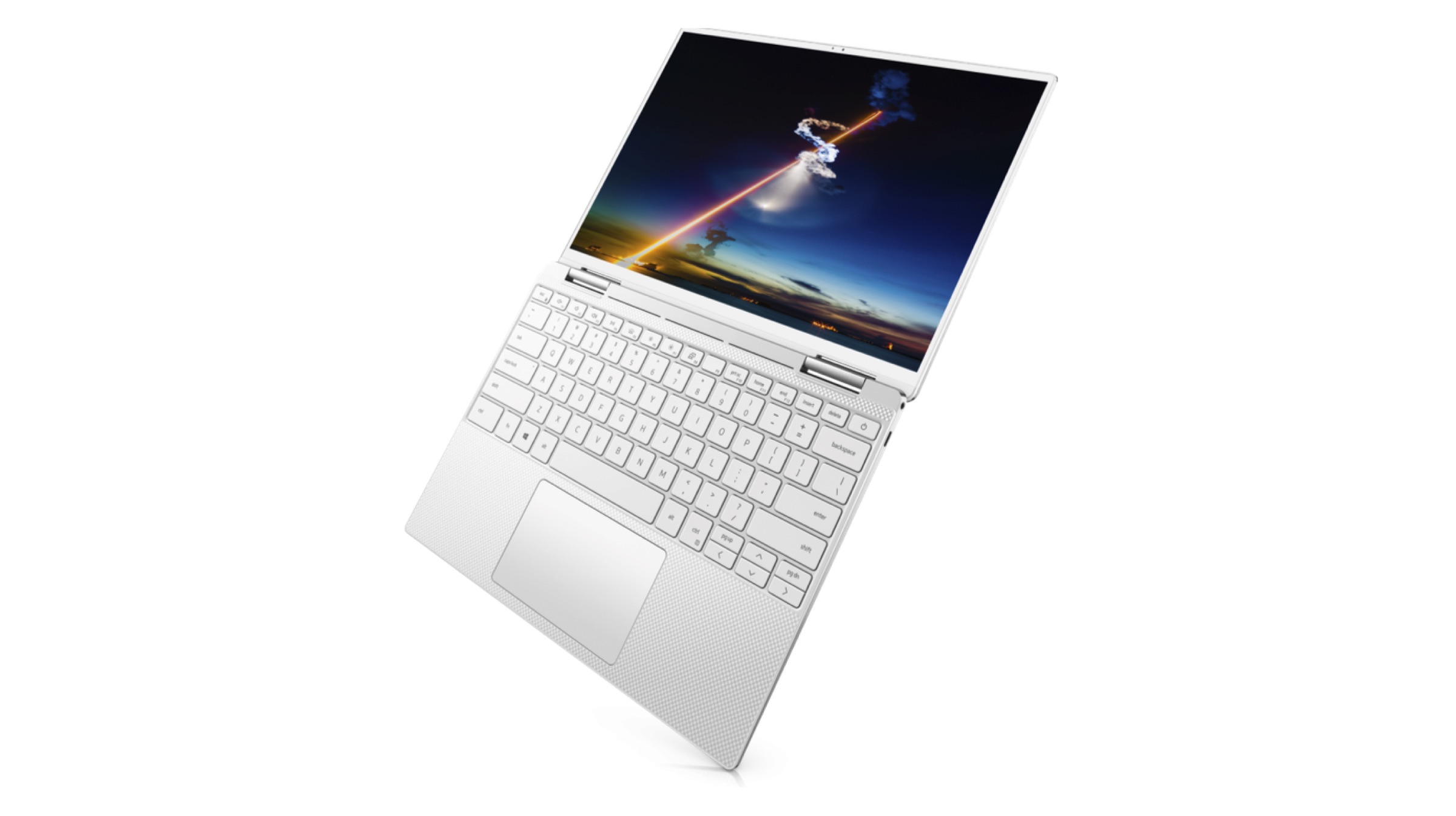
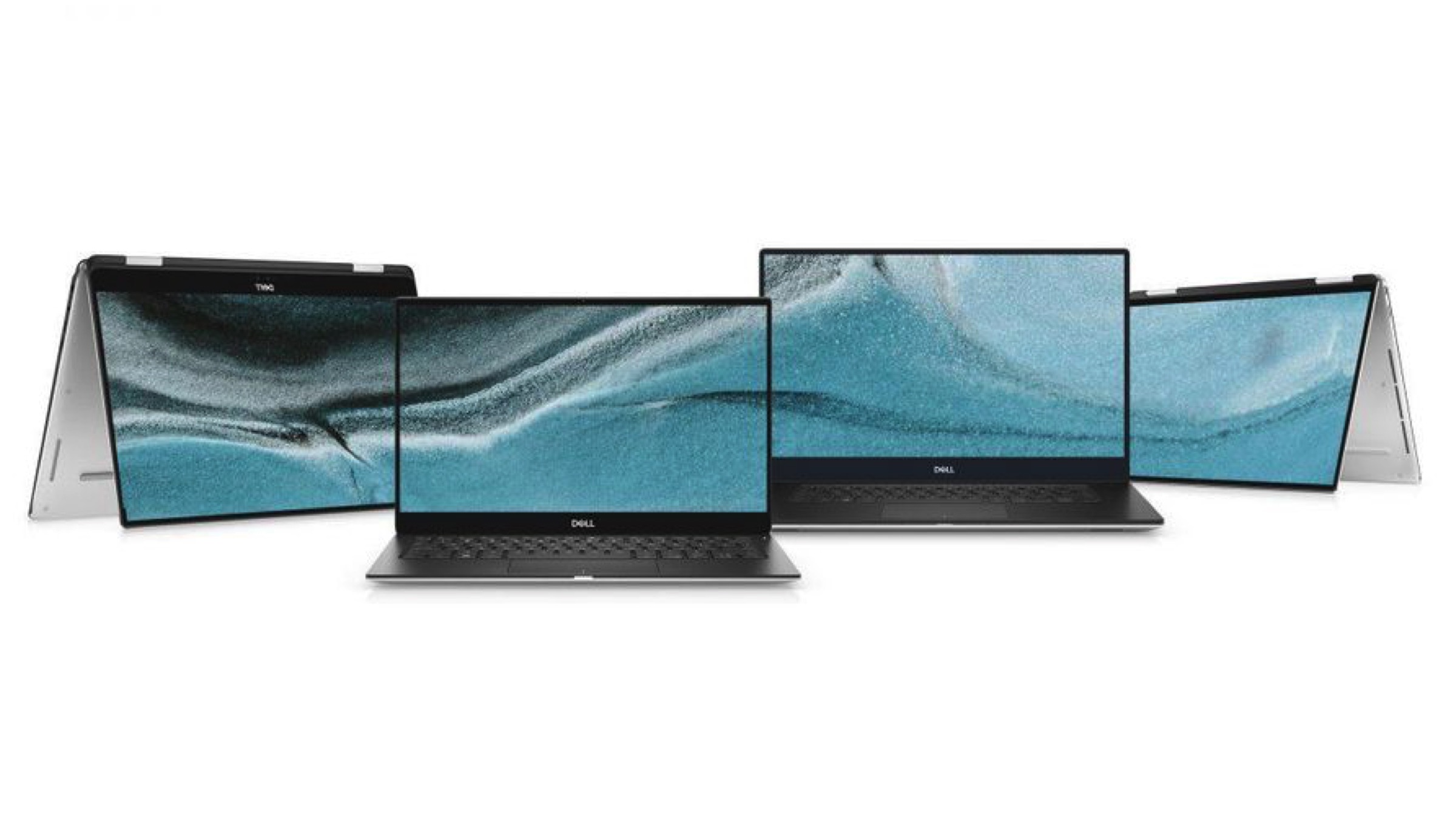
    Computex 2019 has seen its fair share of updates and overhauls in the specifications and design of laptops. However, none so far have crossed the generation in the processor unit. The Dell XPS 13 2-in-1 laptop previously received a minor update regarding the placement of the webcam back in CES in the month of January. The long-awaited Intel 10th Gen Ice Lake processor also makes a debut with the XPS 13.

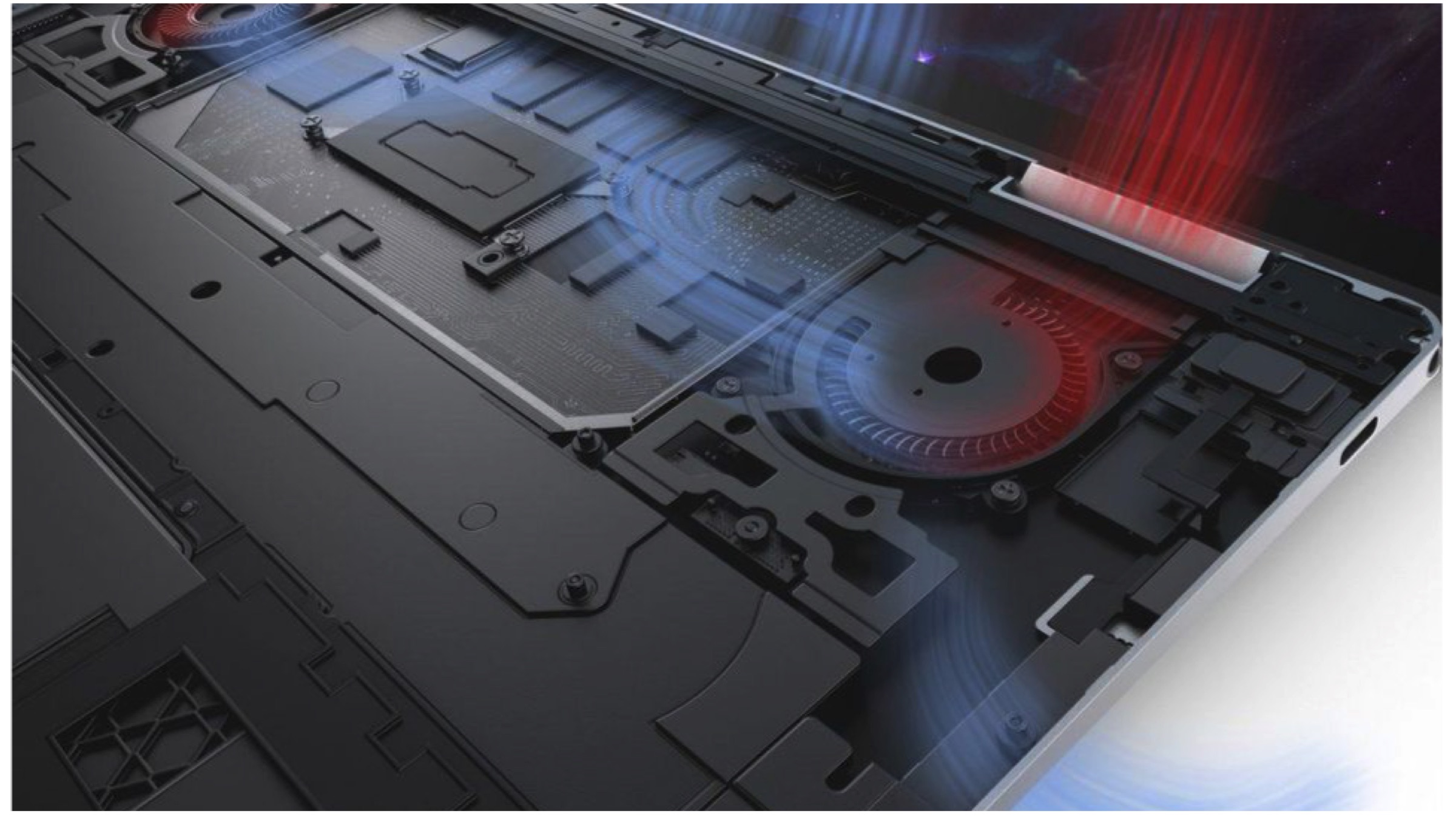
    Along with a new display and keyboard, the key change made is the upgrade to Intel’s latest generation of CPUs. Intel’s new 10nm Ice Lake chips in the Dell XPS 13 are based on the U-Series lineup of the 10th generation. The company had to add fans to the XPS 13 to utilize the more powerful processor over the Y-Series lineup which was made specifically for fanless laptops and is a worthwhile trade for better performance. Dell, for assurance, is going as far as to claim two and a half times more processing strength than the last iteration of the notebook with the addition of the latest chipset.

    Dell has also bumped up the screen size to 13.4 inches, changing the aspect ratio of the display to 16:10. This made the screen slightly taller than its previous versions. The latest version has a bigger keyboard and touchpad, which is a significant improvement over its predecessor. In a similar fashion to its variants from the past, the display options on the notebook are still FHD+ or 4K.

    The Maglev (Magnetic Levitation) keys make an appearance in the XPS 13 2-in-1 laptop, borrowed from the XPS 15 from 2018. However, it is not the exact same keyboard and slight touches are evident due to the presence of more metal than the XPS 15. For biometric security, a fingerprint sensor is placed comfortably alongside the keyboard.

    Also ReadIntel’s Project Athena Pushes Higher Industry Standards For Ultrabooks

    Additional variants of the XPS 13 are available with the latest iterations as well. Dell now gives the option of the 9th Generation Intel Core processors (i5, i7, and i9) along with the new GTX 1650 from NVIDIA and RAM upto 64GB. A new 4K OLED display is optional too. Dell has yet to announce the release of XPS 13 and XPS 15 in the global market, but the pricing of the regular XPS 15 sits at $999.99 (~ Rs. 70,000), and $1899.99 (Rs. 1,32,000) for the OLED variant.

  • Apple iPod Touch For 2019 Launched With Apple A10 SoC

    Apple iPod Touch For 2019 Launched With Apple A10 SoC

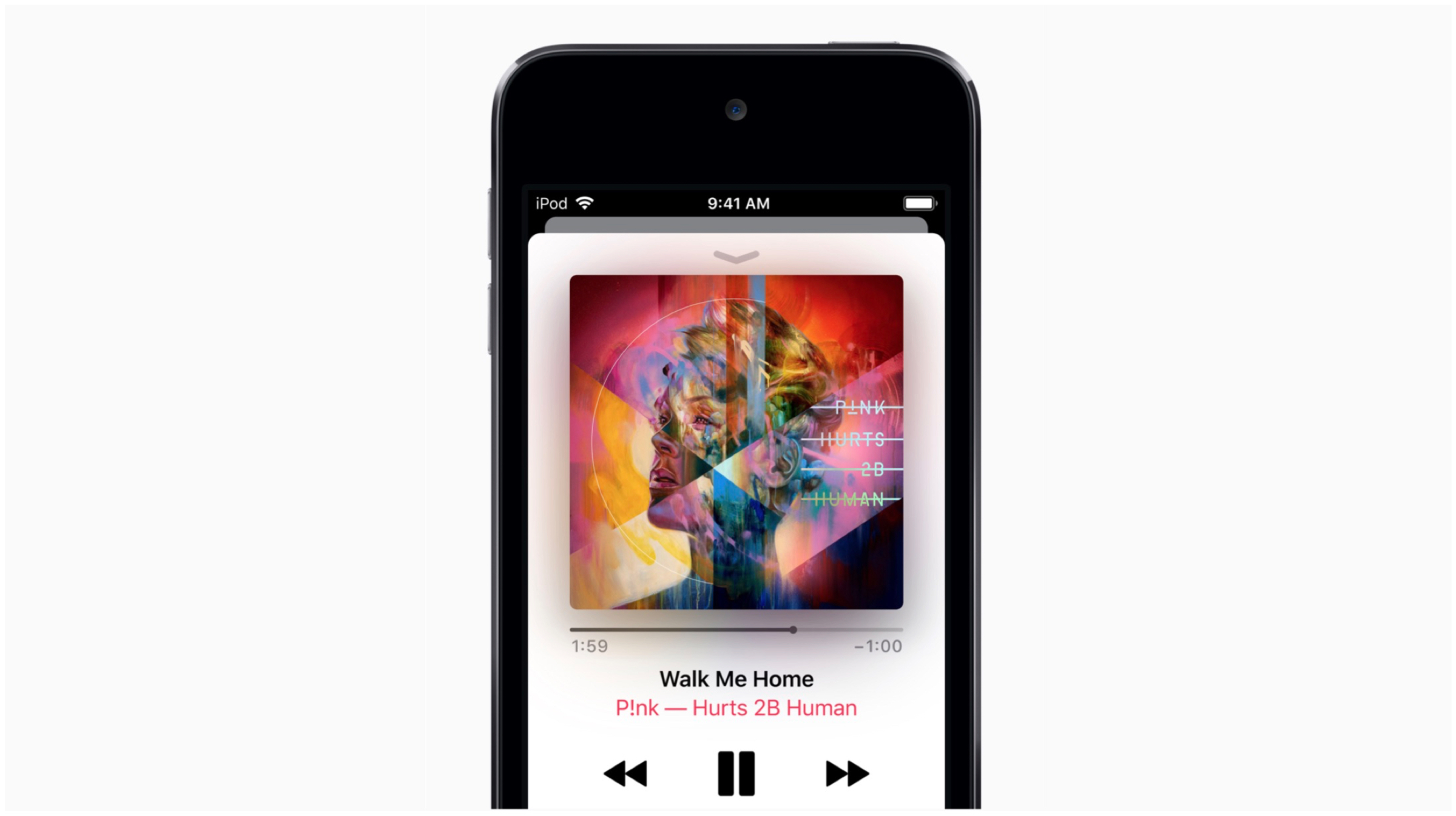
    Apple introduced the first generation iPod touch in the year 2007. The device revolutionized how people consumed music on the go with a portable music player that supported touch input. The company has announced the newest member of the lineup on the 28th of May with the launch of the seventh generation iPod touch. It is the successor to the sixth generation iPod touch introduced in the year 2015. The latest device boasts of improved performance and a better software support.

    iPod Touch

    Apple iPod Touch

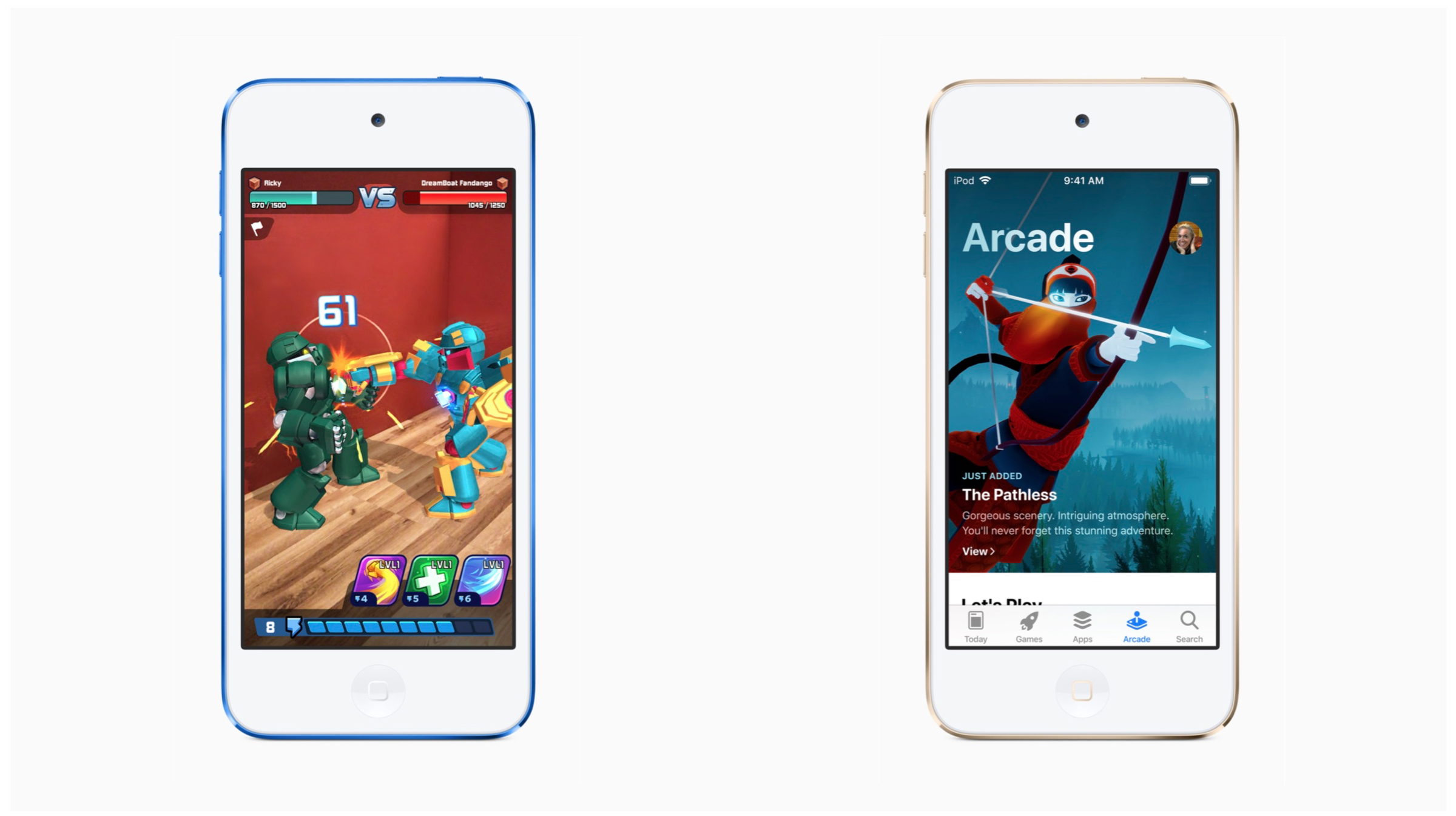
    The design on the seventh generation iPod touch is reminiscent of its predecessor, with a 4-inch display surrounded by considerably thick bezels and a home button on the bottom. Like the previous generation, the new device also has a single rear and front-facing camera. The biggest change in the latest iPod is that it is kitted with the the A10 SoC. This processor was last seen in the iPhone 7 and iPhone 7 Plus which were launched in the year 2016.

    Apple iPod Touch

    While the A10 chipset is not the most powerful one available from Apple, it will still able to run newest games on Apple Arcade, the company’s game subscription service, and support group Facetime video calls. The iPod Touch is also capable of running AR intensive applications for shared AR, persistent AR, which is tied to a specific location, and image detection. The portable music player will be available in six colour variants, namely; space grey, white, gold, blue, pink and (PRODUCT)RED.

    Pricing & Availability

    Apple iPod Touch

    Also read: Nvidia’s Studio Laptop Lineup Aims to Compete With 15-Inch MacBook Pro

    The latest generation of iPod Touch has been priced at Rs 18,900 for the 32GB storage version. The variant with 128GB internal storage has been priced at Rs. 28,900 while the top end 256GB storage model of the device will cost Rs 38,900. It will be available from Apple Authorised Resellers and select retail stores.

iGyaan Network
Privacy Overview

This website uses cookies so that we can provide you with the best user experience possible. Cookie information is stored in your browser and performs functions such as recognising you when you return to our website and helping our team to understand which sections of the website you find most interesting and useful.