Category: Tech

Latest Technology News, Alternative, Bio-Tech, Medical, R&D and Innovations

  • Tesla Unveils Faster Third Generation Supercharger

    Tesla Unveils Faster Third Generation Supercharger

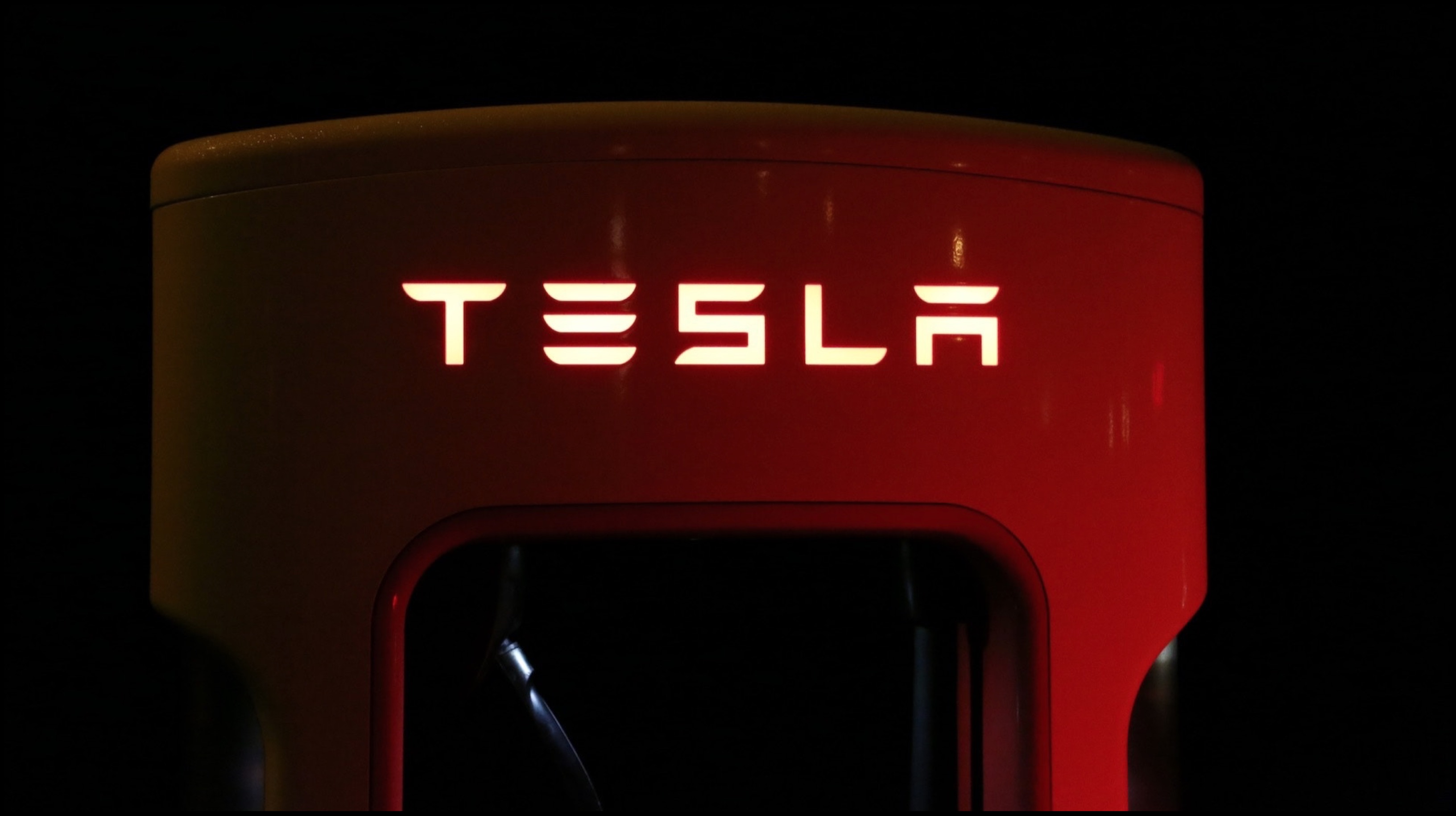
    At a customer event at Tesla’s California headquarters on March 6, the company launched its third generation Supercharger which is its fastest yet. It will be capable of charging the Model 3 at the rate of a whopping 250kW, adding another extra 75 miles of range in just about 5 minutes. The ‘V3’ Supercharger is a significant improvement over the company’s V2 Superchargers

    Supercharger Availability
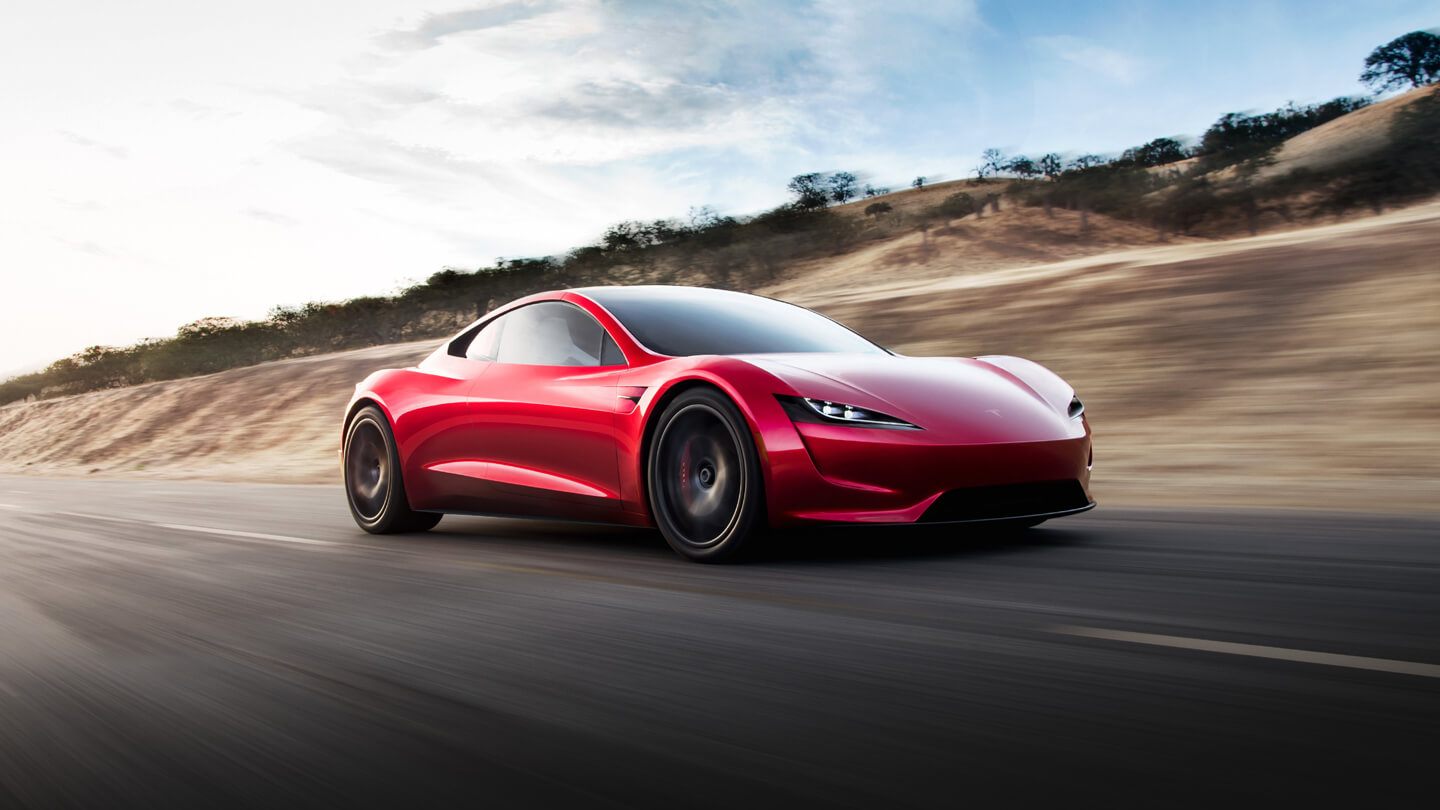
    The company stated that the installation of the first batch of V3 Superchargers will roll out in the second quarter of 2019. The consumers in the European and Asian-Pacific regions, however, will have to wait until the fourth quarter of the year to gain access to the V3 Superchargers. As of now, the first Supercharger V3 station is only accessible to members of Tesla’s early access program.

    Features And Updates
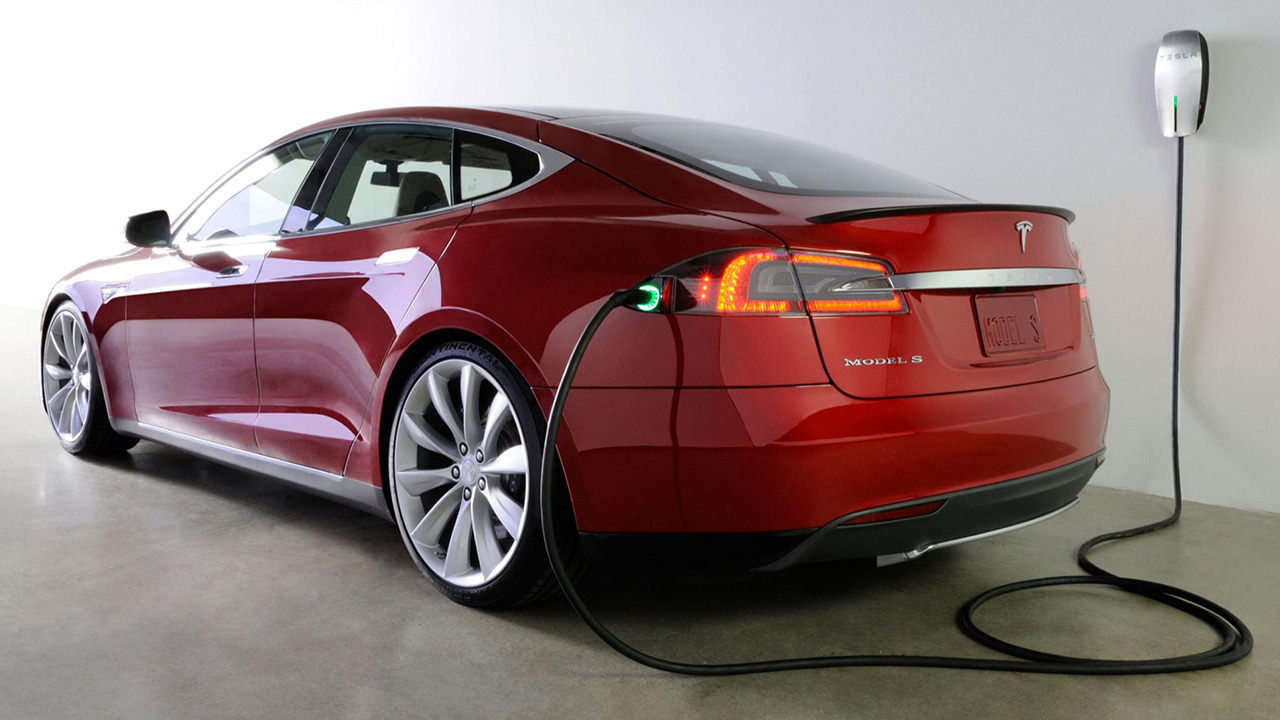
    As mentioned before, the Tesla V2 Superchargers were rated to a maximum output of 150 kW. However, Tesla users found that they were actually capped at 120 kW. The company later confirmed that the V2 Superchargers will be updated to 145 kW peak charge rate soon. Also, the company is rolling out a new feature called “On-Route Battery Warmup”, which will ensure that the car’s battery will automatically start heating up to the optimal temperature as the car is en route to a Supercharger. Doing so will reduce average battery charging times by 25 percent. 

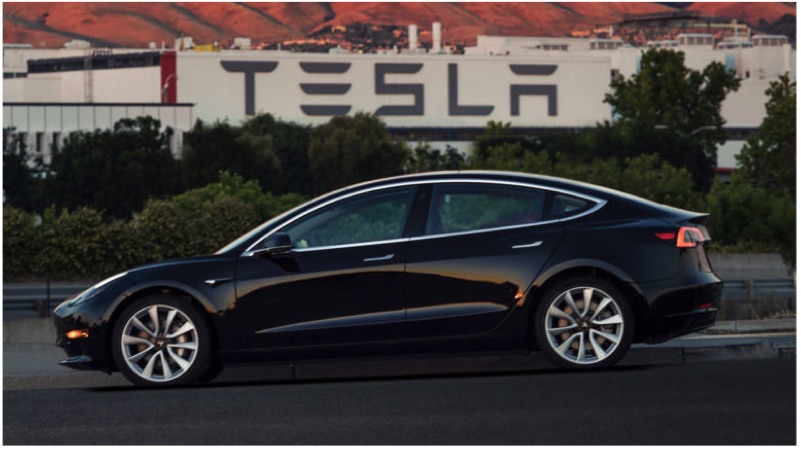
    Tesla Model 3 automobiles will be able to reap the full benefits of the V3 Supercharger. Owing to a better battery optimization, the Model 3 will be able to charge quicker than the Model S and Model X, which will stay capped at 120 kW for now. Although Tesla plans to upgrade the charging speeds in the aforementioned models, the company hasn’t provided complete details regarding the update.
    Tesla SmartphoneAlso Read: Tesla Will Unveil The Model Y SUV On March 14

    In addition, Tesla has also fixed a major issue with currently operating Supercharger stations, which is power splitting. Power splitting refers to “slower charging speeds” when multiple charging stations are being used at the same time. The V3 Superchargers aim to eradicate this problem by using built-in liquid coolant systems, ensuring that the Superchargers won’t catch fire spontaneously because of overheating.


     

  • Google Launches Bolo App To Improve Children Literacy In India

    Google Launches Bolo App To Improve Children Literacy In India

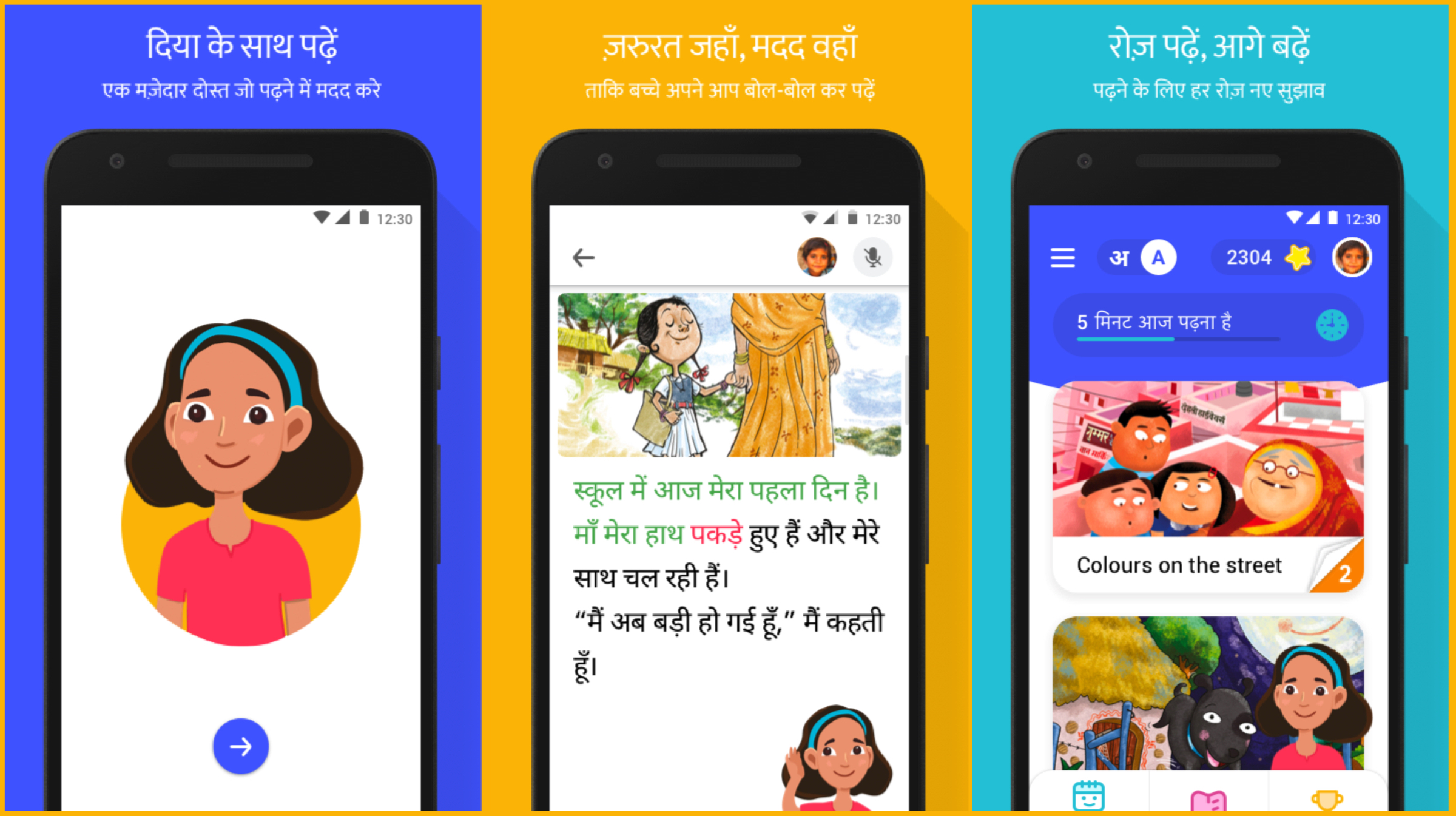
    In a bid to create more apps designed for the Indian market, Google has introduced a new app called ‘Bolo’. The app is aimed at improving children’s literacy in the country. It is available to download on the Google Play Store starting March 6. ‘Bolo’ is a Hindi term which means ‘to speak’ in English. The app is still in development, so there may be a few bugs to fix and changes to introduce before the company rolls out a stable version of it.

    Google Bolo App

    Google Bolo uses a Hindi UI and a personal assistant called Diya, which is also configured to speak in Hindi. The app is aimed towards children in primary grade, to improve their English and Hindi reading skills. This is achieved by encouraging the reader to speak aloud using the device’s microphone, and giving them instant feedback. It is completely free to use and works offline, so no internet connection is required. The stories that are available to read and practice are either in Hindi or in English, and it is expected that Google may add more languages to the platform soon.

    To make the stories engaging and interesting, Google Bolo features the aforementioned personal assistant called ‘Diya’ which uses the same speech technology as the Google Assistant. The assistant can also be used in case help is needed in the app. There are some word games as well, to make it more engaging and versatile. 

    Also read: ZTE Is Working On A Foldable Phone With A Clamshell Design

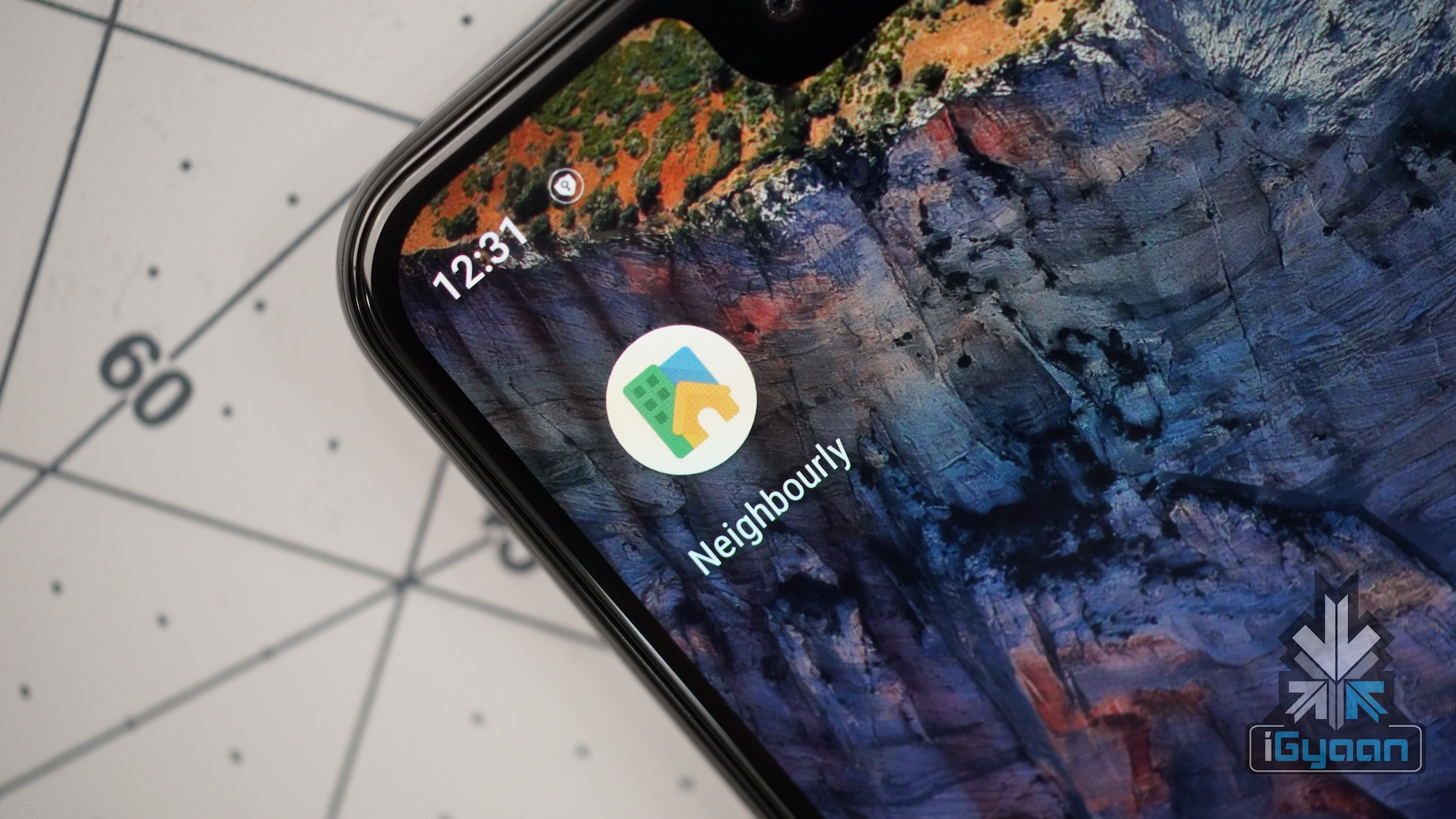
    This is not the first time Google has developed an India exclusive application. The last few years have seen the company release a bunch of apps designed for the country. Google Pay, which was formerly called Tez, was released back in August 2017. It is a Unified Payments Interface (UPI) app which has since gained immense popularity. Some other apps, like Google Neighbourly, can be used to ask questions about a particular neighbourhood. The Google Indic Keyboard also has been popular among the Indian audience, owing to its support for multiple local languages. The Go editions of popular apps like Youtube, Google Maps, have also been designed for countries like India.

    Click here to download Google Bolo from Play Store

  • Chinese Display Manufacturer Visionox Patents Foldable Device

    Chinese Display Manufacturer Visionox Patents Foldable Device

    2019 is looking to be a huge year for foldable smartphones, with companies like Samsung and Huawei already standing strong in the arena. Brands like Motorola, LG and Apple also have their foldable smartphones in development, as per reports. Xiaomi also reported that it is working on a foldable device in collaboration with another Chinese company. The company’s information wasn’t disclosed by Xiaomi, but recently, the name of the organization was discovered by sources, and it is Visionox Technology. 

    About Visionox

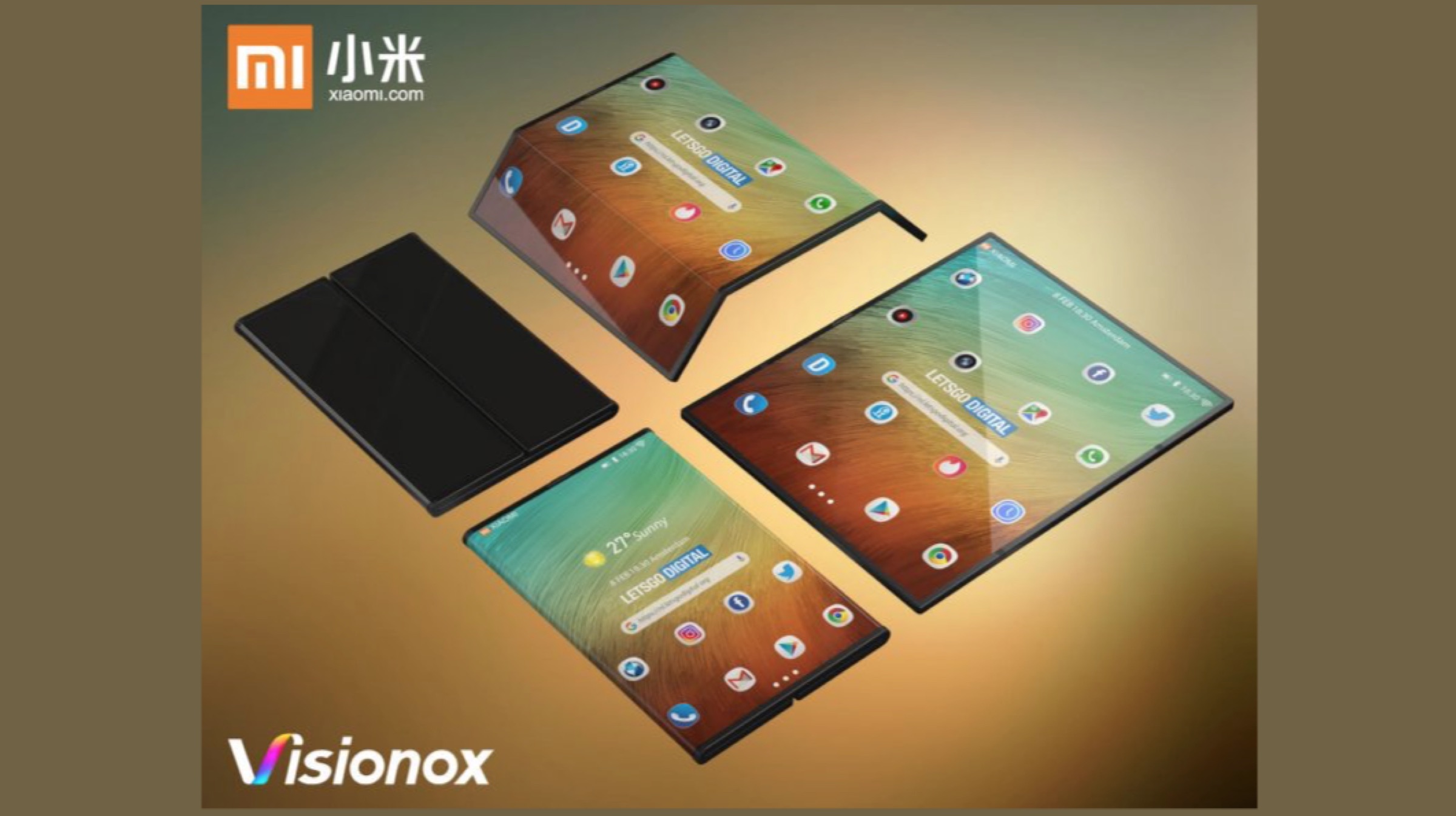
    The company has been manufacturing OLED screens for various brands across China, and it is reportedly developing a flexible AMOLED display for Xiaomi’s next foldable smartphone. A subsidiary of Visionox, Yungu (Gu’an) Technology filed a patent for design with the World Intellectual Property Office (WIPO), which was published in the Global Design Database on March 1, 2019.

    About The Patent

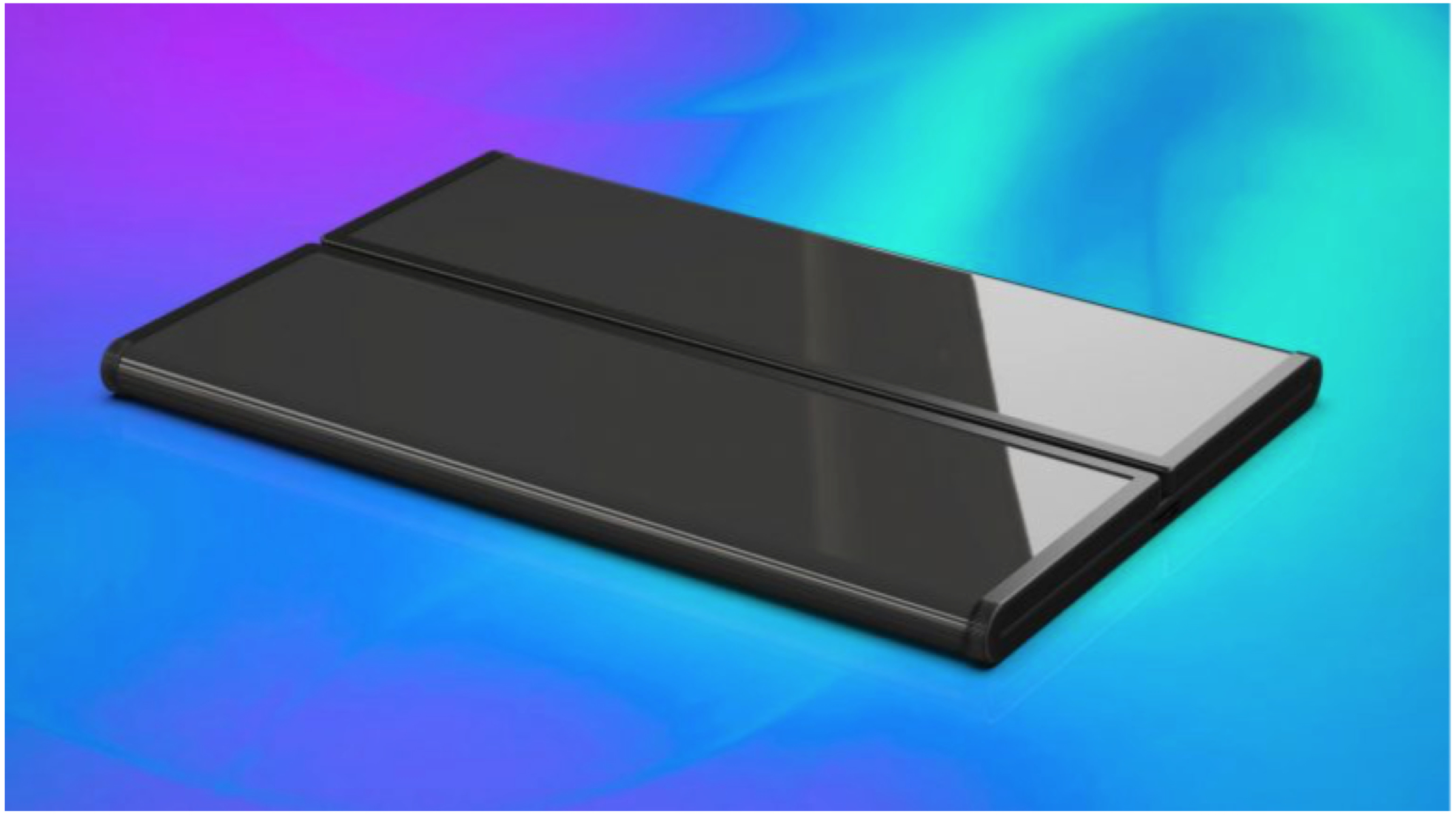
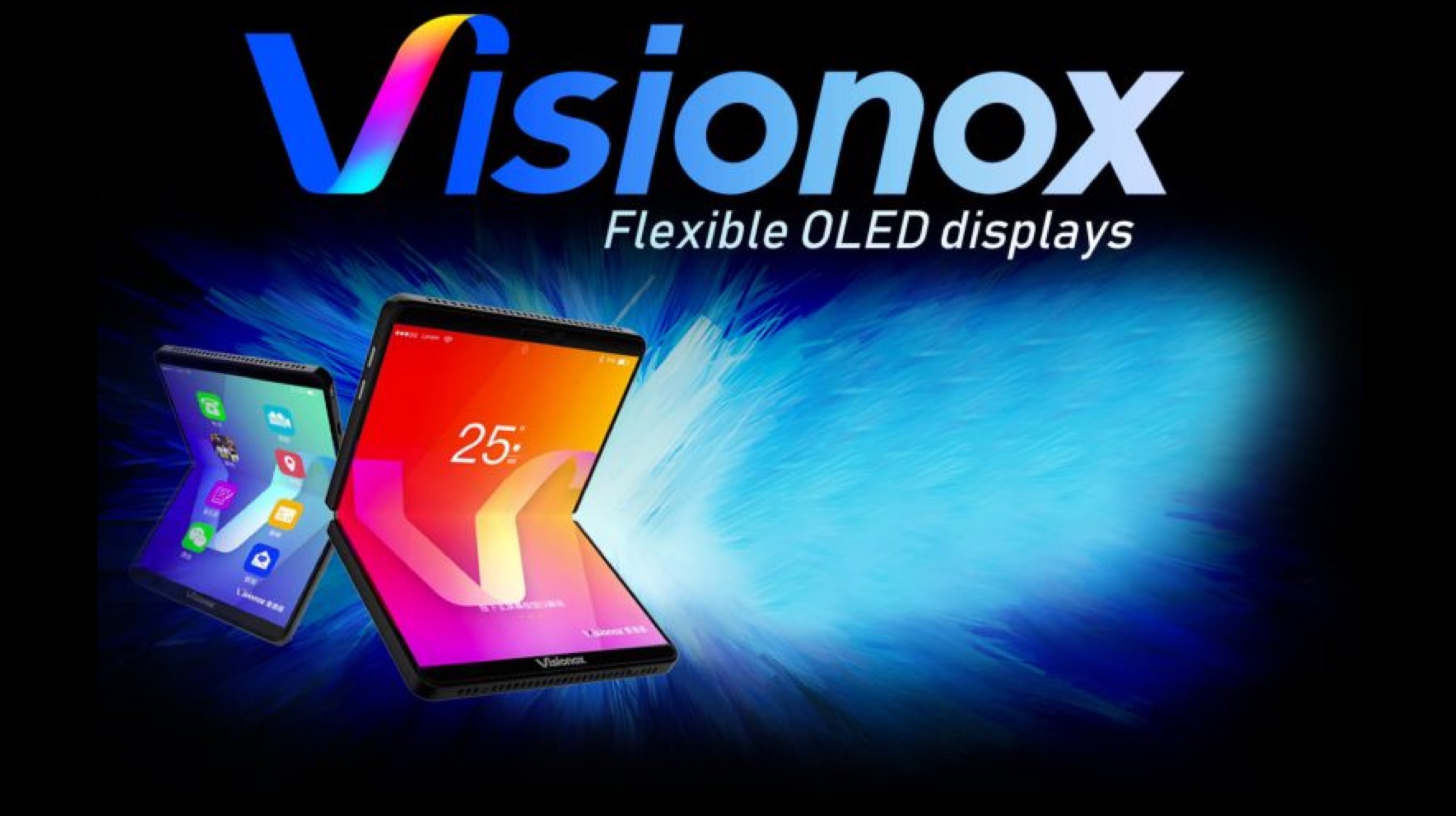
    The patent shows a foldable smartphone with the display on the outside of the device. However, the display does not seem to be flexible, since two different screens are clearly visible with a gap in between for the hinge. The design of the phone is similar to the ZTE Axon M. The main difference between both the smartphone designs is the presence of rounded corners on the ZTE device, which seems to be non-existent on Visionox’s display. Furthermore, Visionox’s screen is completely straight in the middle section, which gives it some resemblance to a tablet of sorts. Top and bottom bezels are prominent in the device, and a camera appears to be present on both the right and left side in the top bezel, right next to the earpiece.
    Also Read: Samsung Is Readying Two More Foldable Phones

    Visionox may or may not collaborate with Xiaomi on this device, considering that the patent for the foldable smartphone has been published for Visionox, not Xiaomi. Since ZTE is also one of Visionox’s partners, the ‘foldable display’ design may be witnessed on a ZTE offering. Regarding the availability of the device, no details are present as of now.

    The patent for the foldable device can be viewed here


  • ZTE Is Working On A Foldable Phone With A Clamshell Design

    ZTE Is Working On A Foldable Phone With A Clamshell Design

    ZTE is a Shenzhen based company that manufactures smartphones and telecommunication equipment. In the year 2017, the company launched an innovative smartphone, the Axon M that had dual displays which folded into a compact form factor. Although it cannot be truly termed as a foldable smartphone due to two separate displays, it definitely had a contribution in laying the foundation of modern foldable smartphones. Some of the modern-day foldable smartphones include the Samsung Galaxy Fold and Huawei Mate X. A freshly granted patent to ZTE indicates that the company is developing a distinctive smartphone with a foldable display.

    ZTE Foldable Smartphone Design

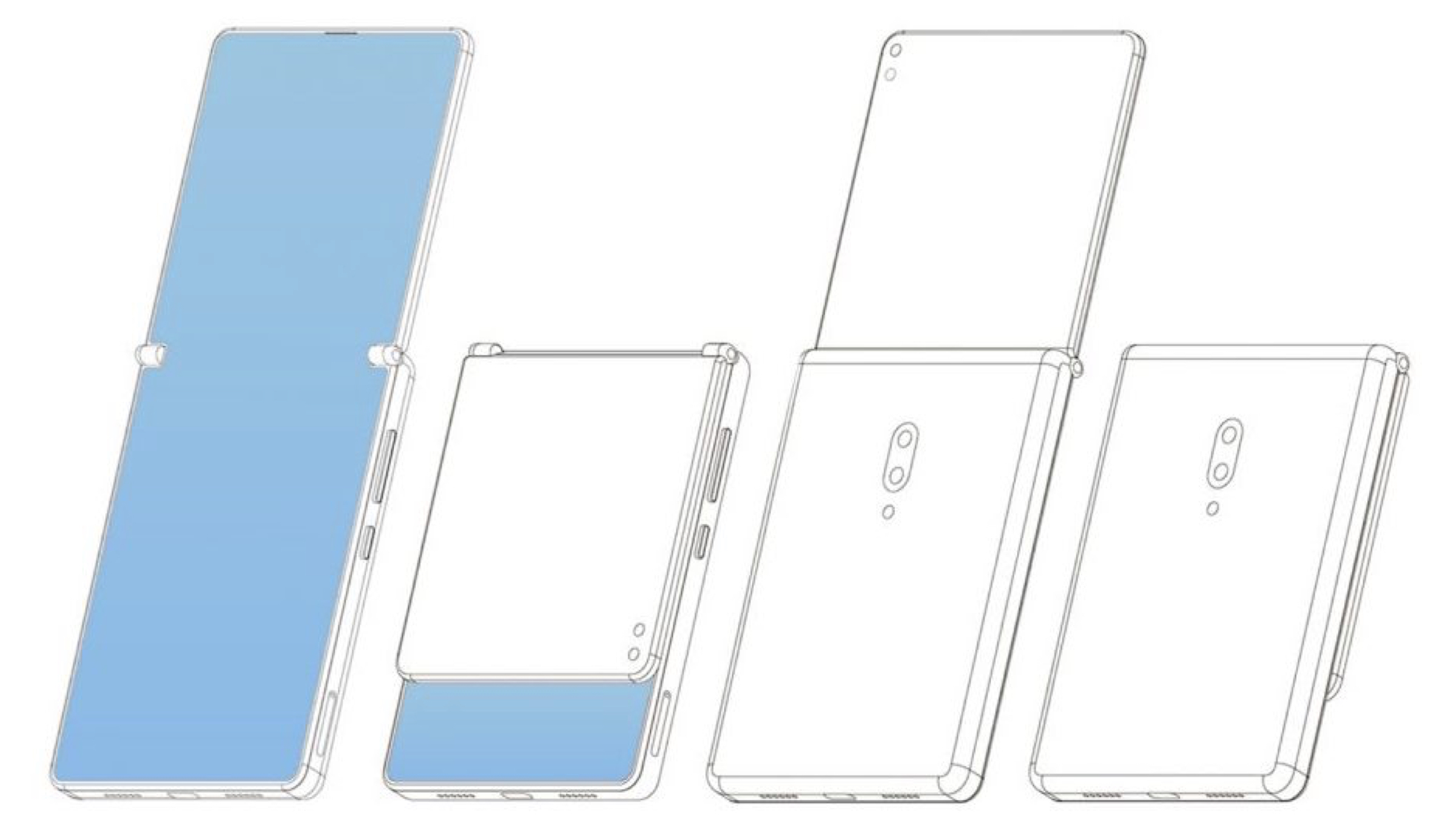
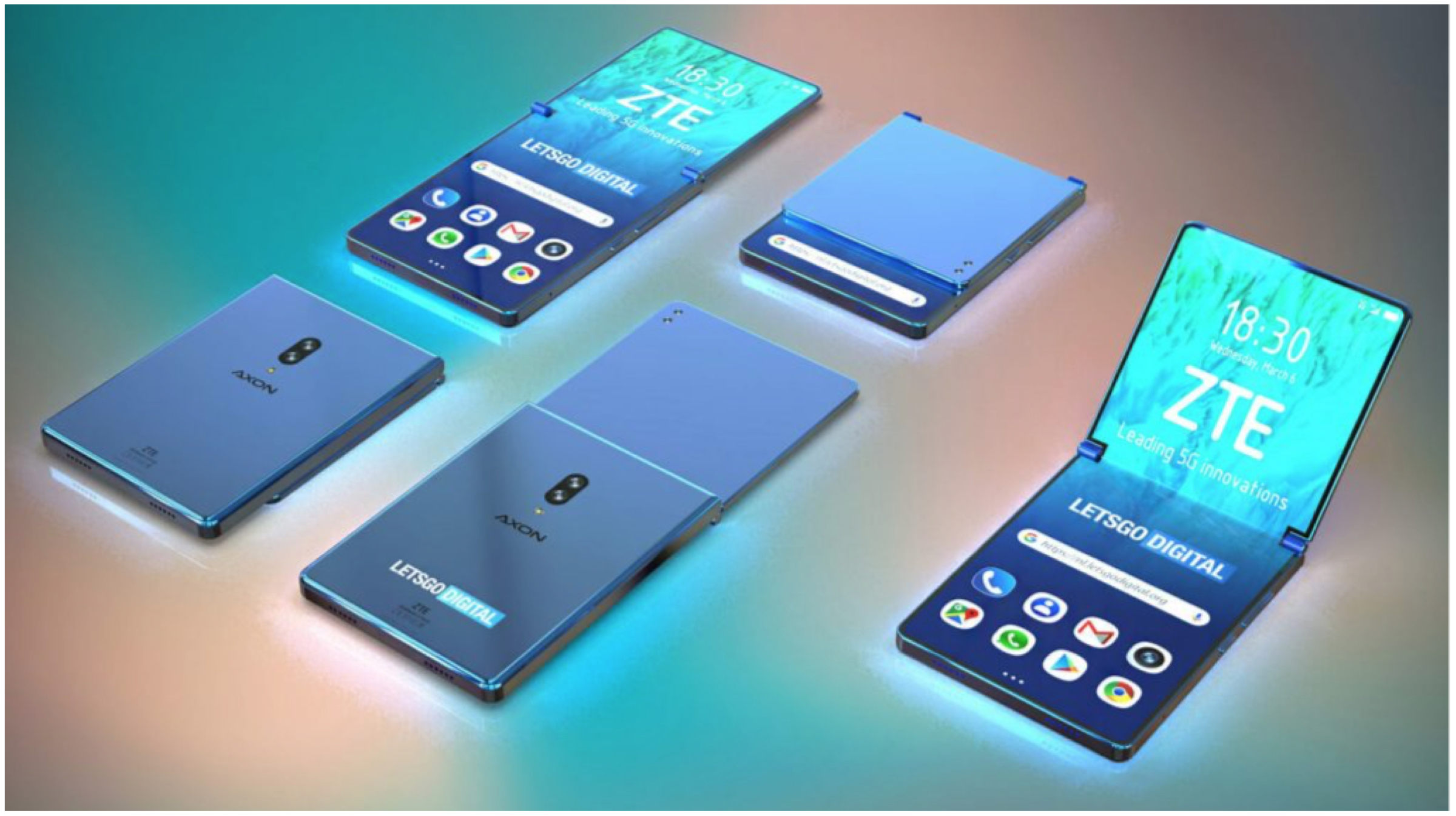
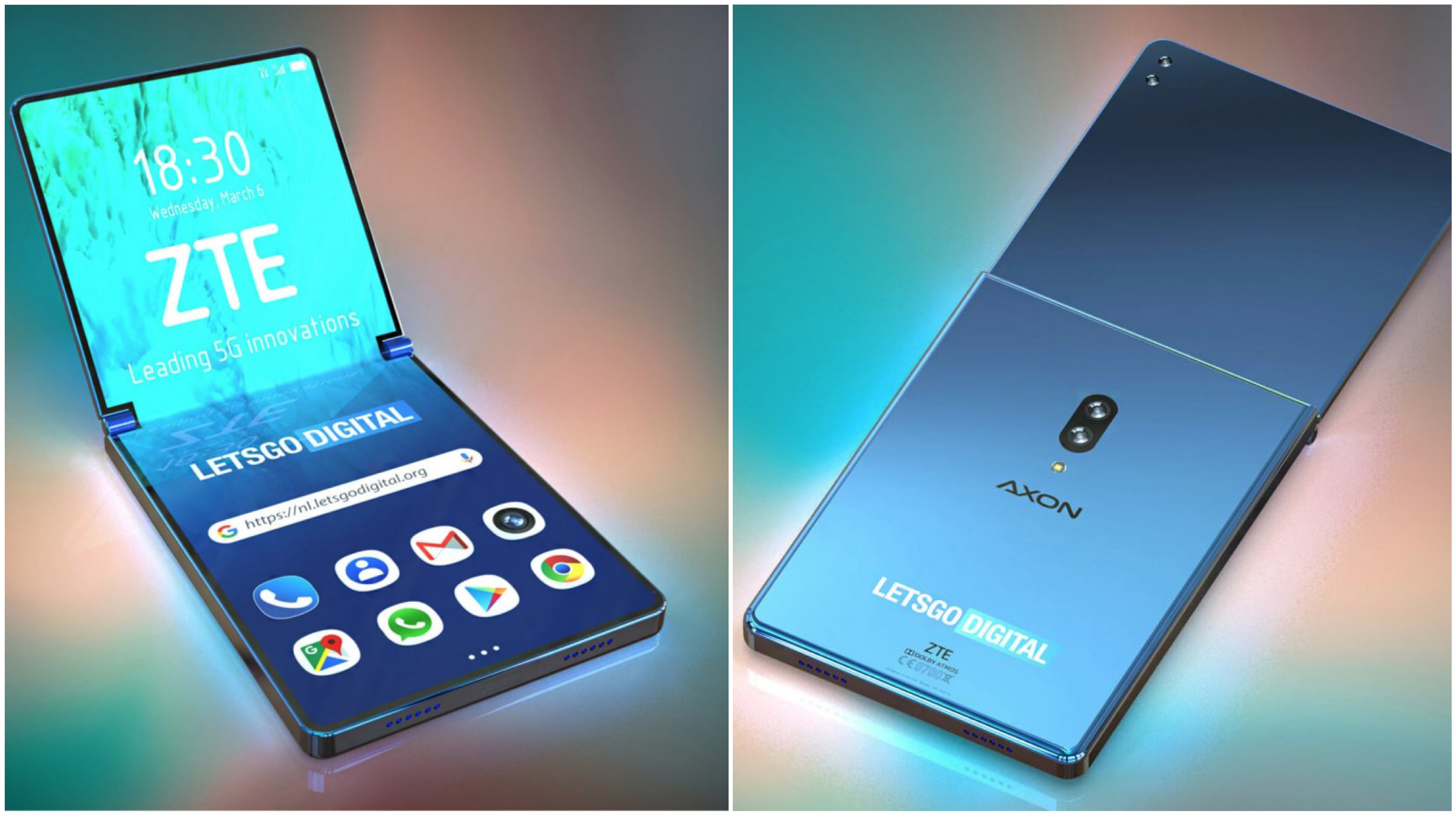
    ZTE filed a patent for a clamshell-style foldable smartphone with WIPO (World Intellectual Property Office) in the month of April last year which it was granted on 5th March 2019. The patent exhibits that the foldable smartphone being developed by ZTE is completely different from Samsung and Huawei’s offerings. In fact, it has a similar form factor to the unreleased foldable Moto RAZR.

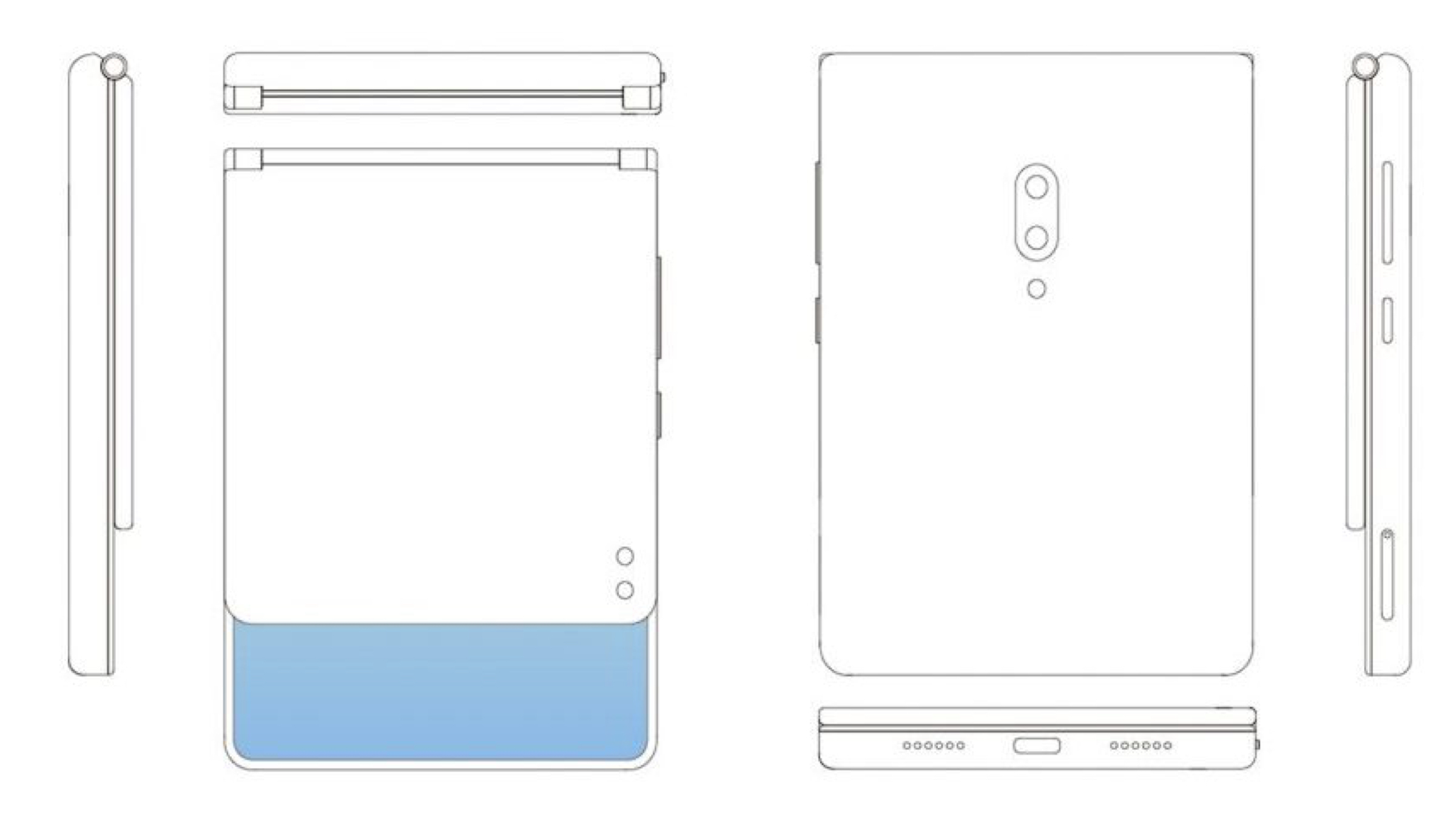
    As previously mentioned, the foldable ZTE phone has a clamshell style design which folds vertically. Distinguishingly, the display has an asymmetric fold with the top part being slightly shorter than the bottom. When the device is in its folded state, a small portion of the larger screen remains visible which might be used to display important notifications like phone call alerts. 

    The rear of the foldable ZTE smartphone is as unconventional as its front. The bottom half of the rear accommodates dual cameras along with an LED flash. Inversely, the top half is free from any components except for two unexplained circular cutouts. The right side of the device is occupied by volume rockers and power button while the bottom is occupied by a connector port which is flanked by grilles on either side. 

    Also Read: Nvidia Announces New GPU Driver, Game Bundle & G-Sync Compatible Monitors

    The foldable ZTE smartphone surely seems promising, however, it is hard to predict the launch date of such a device. Though we expect more information to be available when the company openly talks about it.  

  • Nvidia Announces New GPU Driver, Game Bundle & G-Sync Compatible Monitors

    Nvidia Announces New GPU Driver, Game Bundle & G-Sync Compatible Monitors

    Nvidia has given its users even more reasons to purchase its RTX series Graphic cards. The American technology company launched its RTX series of graphics cards in the second half of 2018, and they have been favourites amongst gamers and video editors owing to the new Ray tracing support. Now, the company is giving gamers the chance to take home a three-game bundle with the RTX graphic cards. Apart from this, Nvidia had a couple of other surprises for their gaming audience.

    Game Ready Driver

    Nvidia released the new 419.35 game ready driver package that extended optimization for games like Apex Legends, The Division 2 and Devil May Cry 5. Since the launch of Apex Legends, a lot of players are facing random game crashes, followed by an error message. Forums were being spammed by gamers for solutions but no successful fixes were posted by the company. With the release of the new driver, players should be able to get rid of this issue. The driver update also includes some bug fixes and tweaks for high data consumption issues.
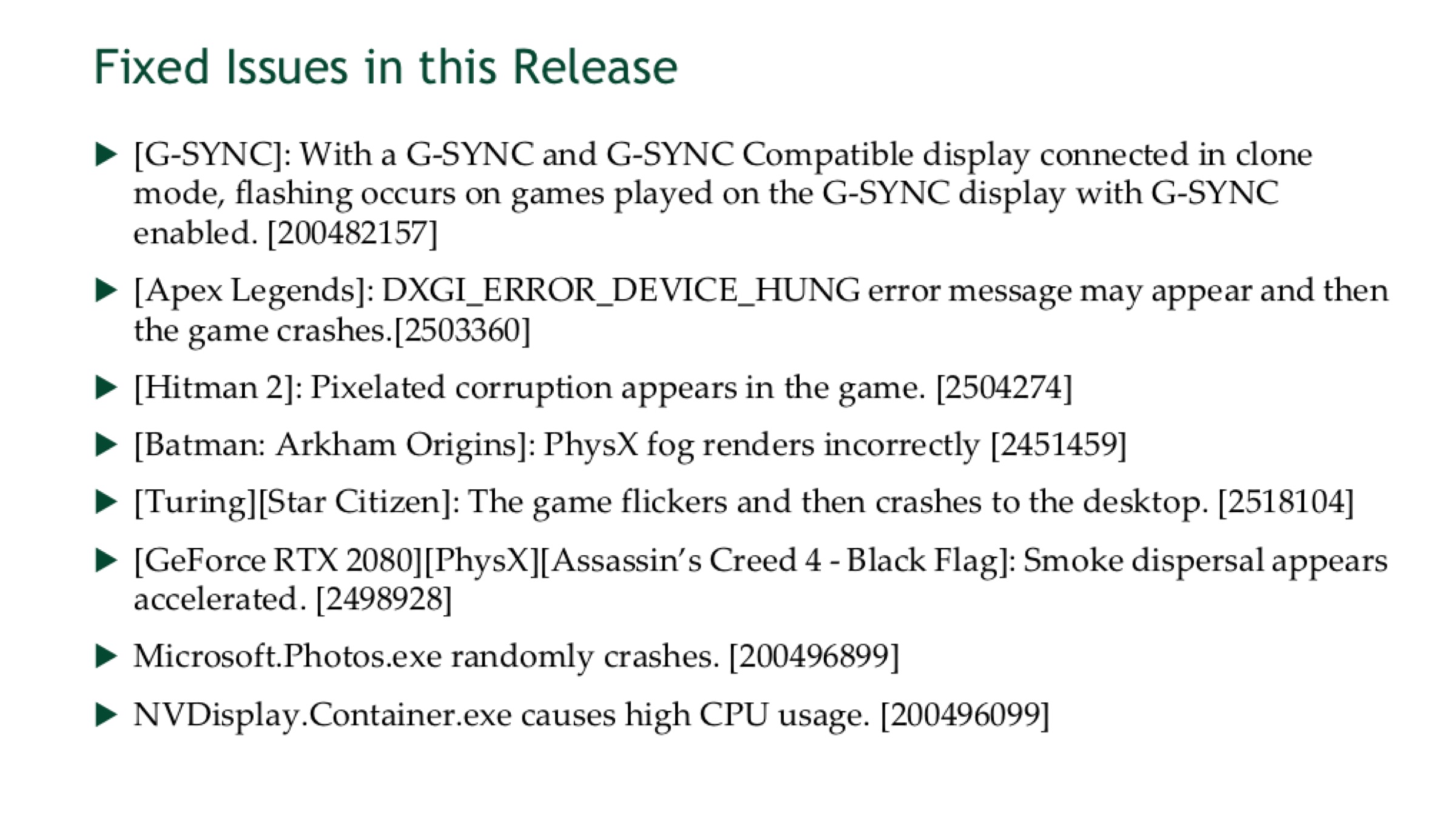
    The patch notes are available below. Additionally, you can download the updated display driver here

    G-Sync Compatible Monitors

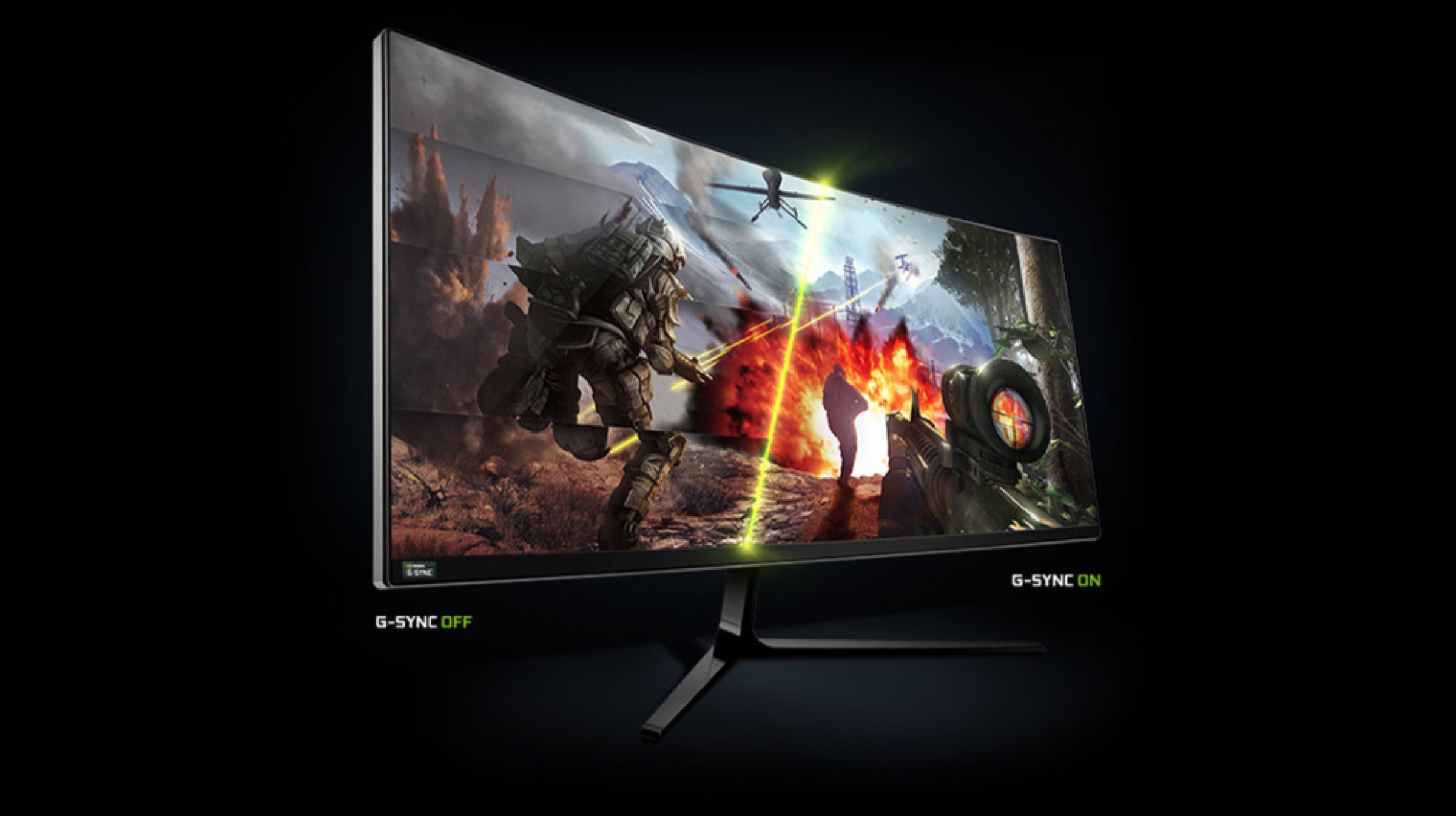
    The list of G Sync compatible monitors is growing day by day, and now the latest driver package has introduced support for three new monitors with G Sync. The latest additions include:

    • Acer ED237 A
    • Acer XF250Q
    • BenQ XL2540-B/Zowie XL LCD

    Nvidia is continuously testing new displays to see if they’re compatible with G Sync or not. Nvidia CEO says that the company will optimize the software that’s necessary to make the monitors G Sync compatible. If a user has a G Sync monitor, he/she can manually turn on G Sync support in the Nvidia Control Panel to check if driver support has been introduced for that specific model or not. However, Nvidia has warned the users not to experiment with the G Sync Nvidia control panel if their monitors are not certified by the same.

    Triple Threat Gaming Bundle

    To keep gamers on their heels, Nvidia has announced that it will give away a game bundle containing three A-list titles with the purchase of each RTX series graphics card, laptop or gaming desktop. The company has included digital codes for Battlefield 5, Anthem and Metro Exodus which the users can redeem on the respective accounts.

    Also Read: The Road To Bluetooth 5.0: Key Differences Between All The Bluetooth Versions

    If a user purchases the RTX 2080 Ti or the RTX 2080, all three games will be included in the bundle. However, the user will get only one of the aforementioned games if he/she purchases the RTX 2070 or the RTX 2060. More details regarding the offer are available here
  • Understanding Different Realities; What is AR, VR And MR

    Understanding Different Realities; What is AR, VR And MR

    Technology has often changed the way humans have perceived the world and is expected to further challenge it in the future. The introduction of Augmented and Virtual Realities have revolutionalised different business sectors completely and have allowed for a better interaction with technology to create more immersive, engaging content. But, what do AR and VR mean? And what is the new technology that has debuted with the Microsoft Hololens, MR? Here is what these terms mean individually.

    Augmented Reality (AR)

    Augmented Reality is defined as “an enhanced version of reality created by the use of technology to add digital information on an image of something.” It usually interacts with the help of a camera which is used to capture details from the real world. The device from which the AR functions are used makes it possible to further enhance the experience by adding different layers to reality. Pokemon Go, a game from 2016 is a great example of AR technology being used. Apps like Instagram and Snapchat also use this technology to provide live face stickers. 

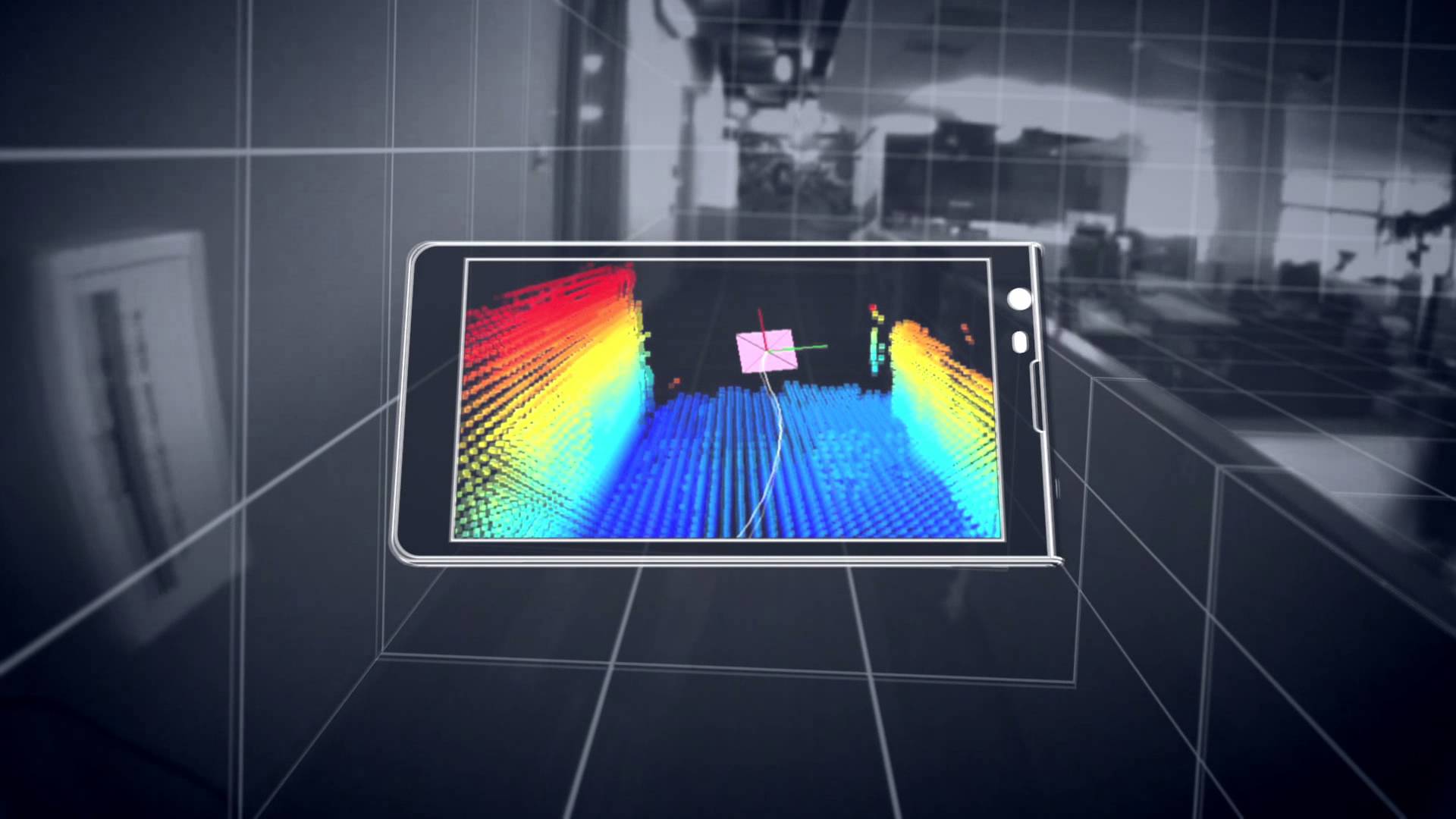
    Google tried pushing Augmented Reality with its Project Tango in 2014, which tried putting a dedicated camera with a spatial sense to capture depth. The Project was later shut down in 2017 because the company launched ARCore in 2018. The system used the already present hardware in a smartphone to use AR, which it debuted with the Pixel 2 and Pixel 2XL’s Playground feature. The AR technology is expected not to only make gaming better, but also have its use in departments like architecture and fashion.

    Virtual Reality (VR)

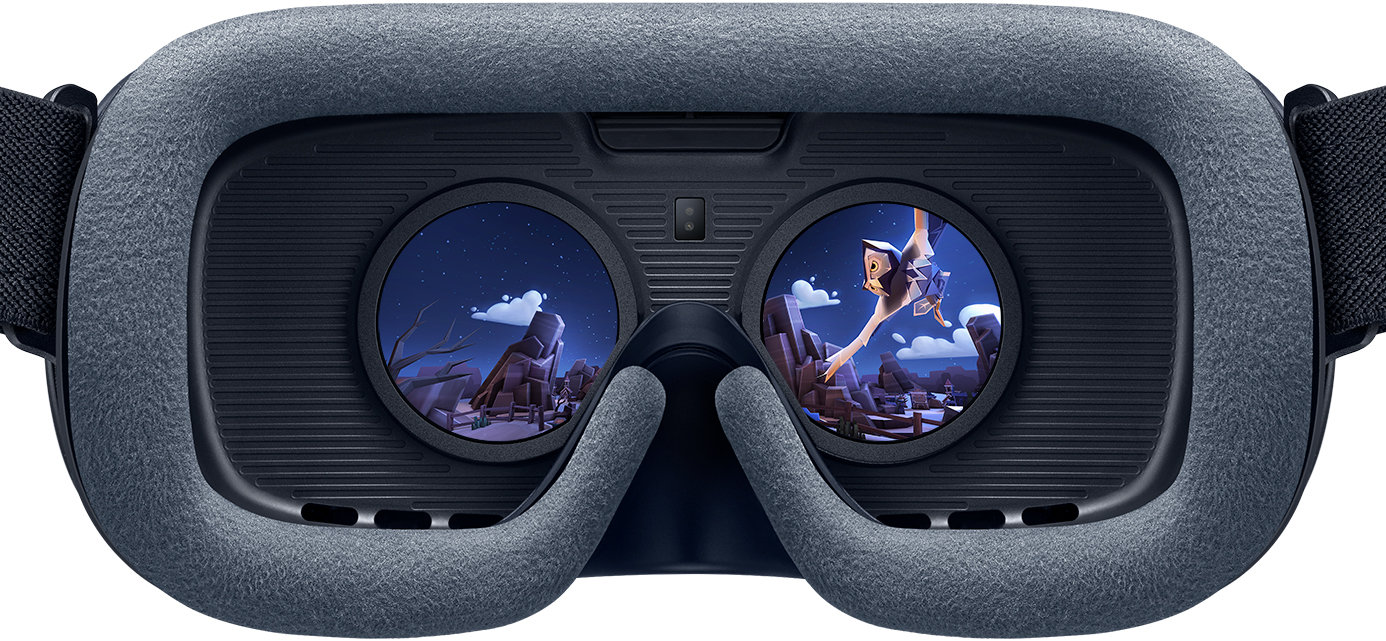
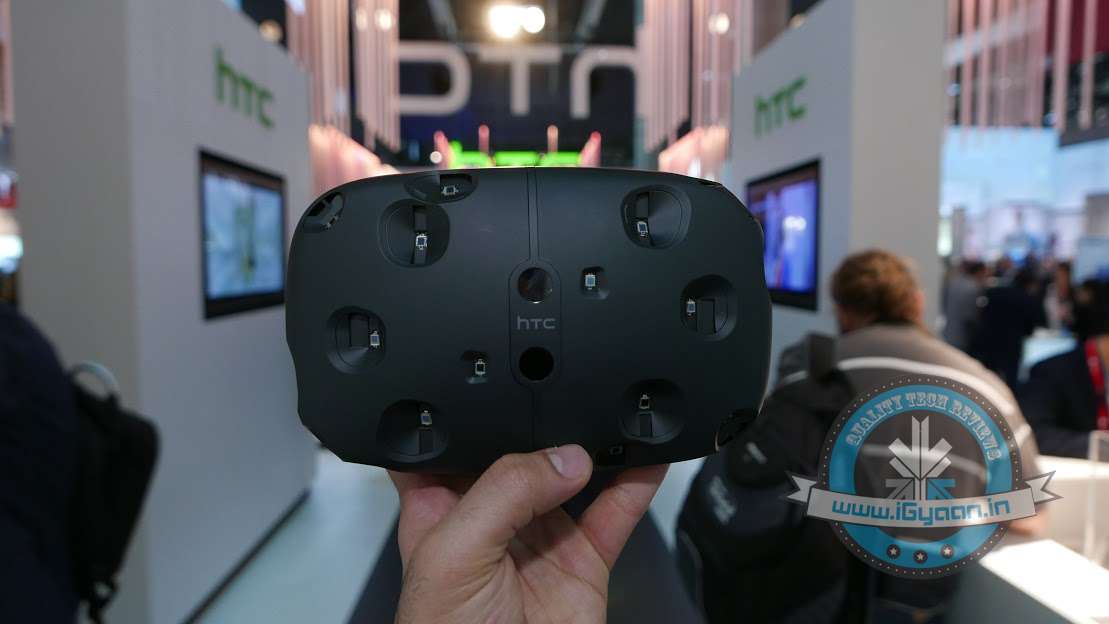
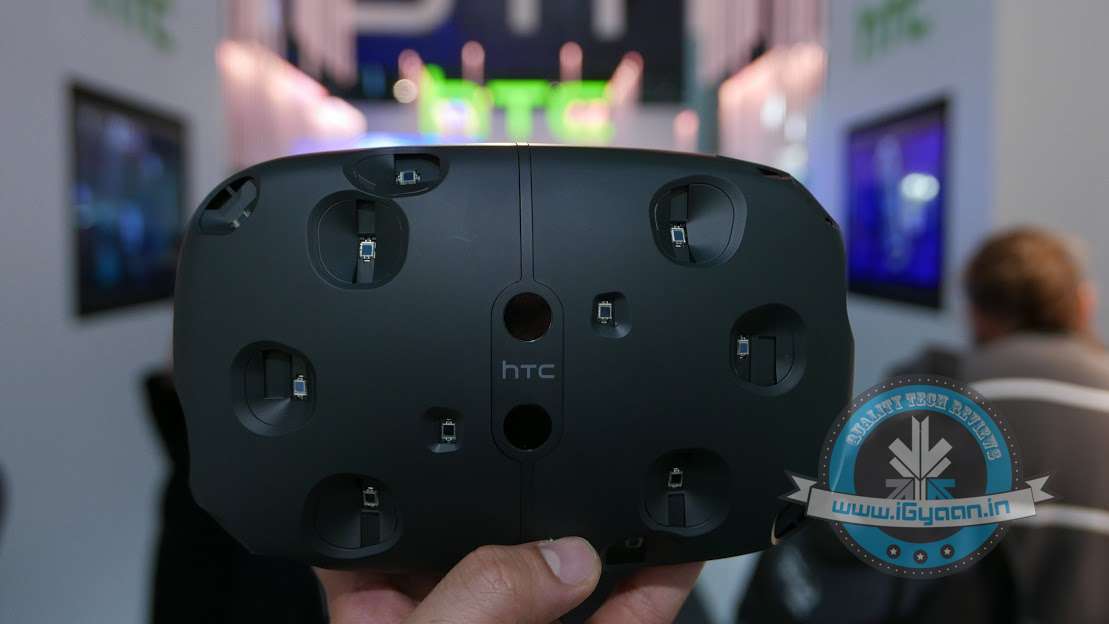
    Virtual Reality or VR is almost the opposite of AR. Instead of using any part of the real world or interacting with it, the technology uses a completely virtual world. This is generally achieved by a headset wrapped around the head with tiny displays in front of each eye. An alternate way is to use a smartphone inside the headset to create a virtual world. The famous VR headsets currently in the market are HTC Vive, Oculus Rift, Google Daydream View.

    The various applications of Virtual Reality are also considered to be groundbreaking. Despite the obvious use in gaming, the technology may be used in the training of various professionals like doctors, pilots and in the hospitality sector. Unfortunately, the native VR functionality is considered expensive and thus may not be suited for everyone. 

    Mixed Reality (MR)

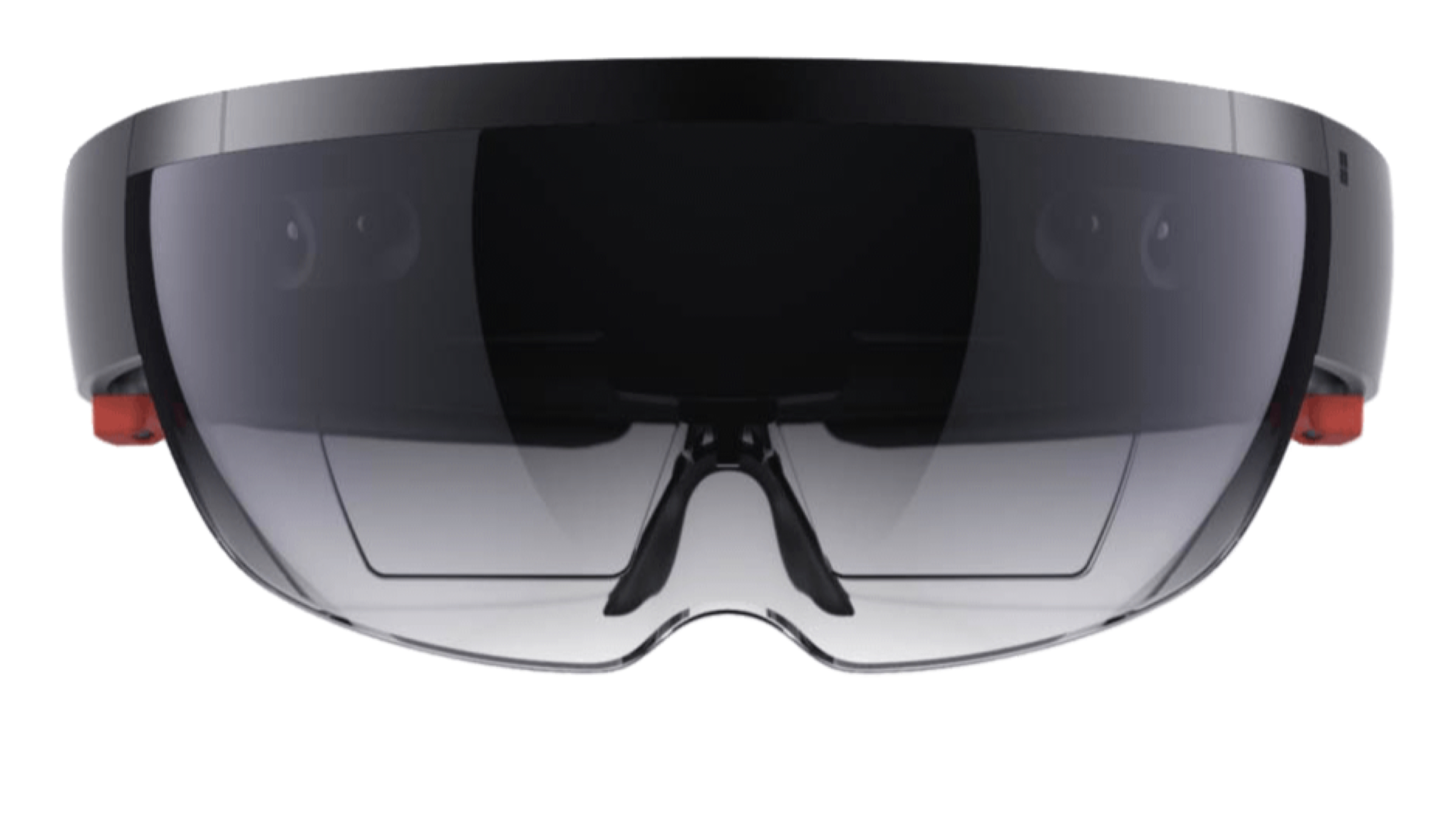
    The Mixed Reality or MR platform was popularised by Microsoft with its Hololens and makes use of the best parts about AR and VR and combines them together. This means that the technology will make use of a camera attached to the headset worn by the user. With the camera used for augmented reality, the Virtual effect rendered will create some form of isolation from the real world. Mixed Reality is expected to take off exponentially in a few years.

    Also read: Meizu Note 9 Launched With 48MP Rear Camera

    The real world case of Mixed Reality is expected to be more elaborate than both AR and VR. It is expected to be useful for industry workers and medical professionals. But, the technology is also deemed expensive in its current state and not available to everyone.


  • Huawei P30 Pro Will Feature a Periscope-Style Camera With Optical Zoom

    Huawei P30 Pro Will Feature a Periscope-Style Camera With Optical Zoom

    Huawei is all set to launch the P30 and P30 Pro in Paris on March 26, 2019. The company teased the smartphone by showing off its lossless zoom technology in its teaser video on Twitter. The smartphone will succeed the P20 Pro as the next flagship of the company. From what has been revealed about them, the devices seem to focus on photography, an aspect the series has been known to concentrate upon. The P30 Pro will have a Periscope camera to provide it with remarkable zooming capabilities.

    Huawei P30 Pro 

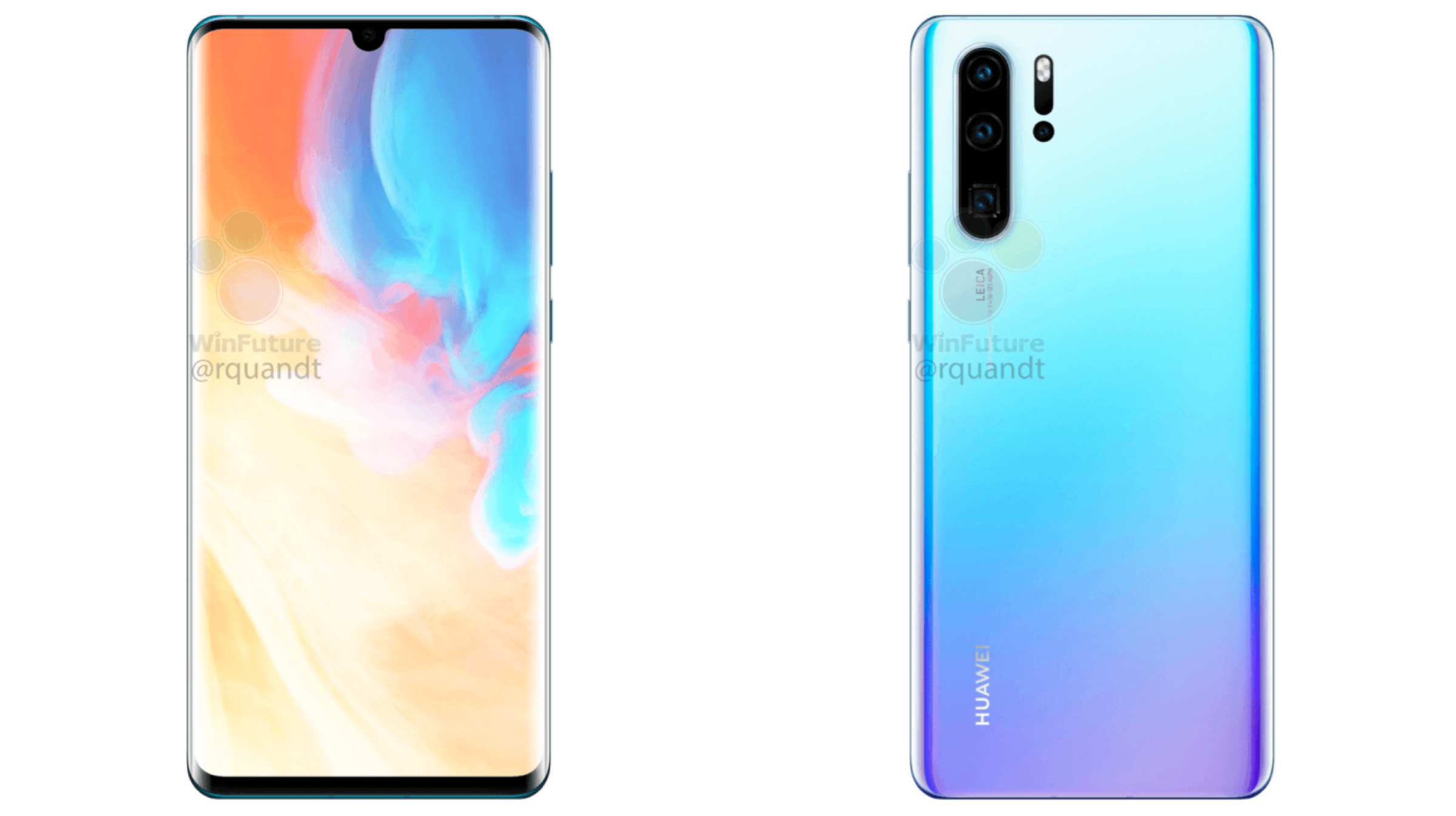
    The Huawei P30 Pro is expected to feature top-tier specifications matching its flagship tag. The leak reveals it will have a similar design to its successor, complete with glass on the front and the back. What will be different though, is the size of the notch on the device. The P30 Pro will sport a waterdrop notch surrounded by minimal bezels on all sides of the display. While most of the specifications aren’t known yet, the smartphone is expected to pack the latest HiSillicon Kirin 980 SoC which is also present on the Mate 20 Pro. The chipset is based on 7 nm architecture and comprises of an Octa-Core CPU and Mali G76 GPU. In terms of memory and storage, the device will be available in the following variants: 

    • 8GB RAM and 128GB ROM
    • 8GB RAM and 256GB ROM
    • 8GB RAM and 512GB ROM
    Huawei P30 Pro Periscope Camera

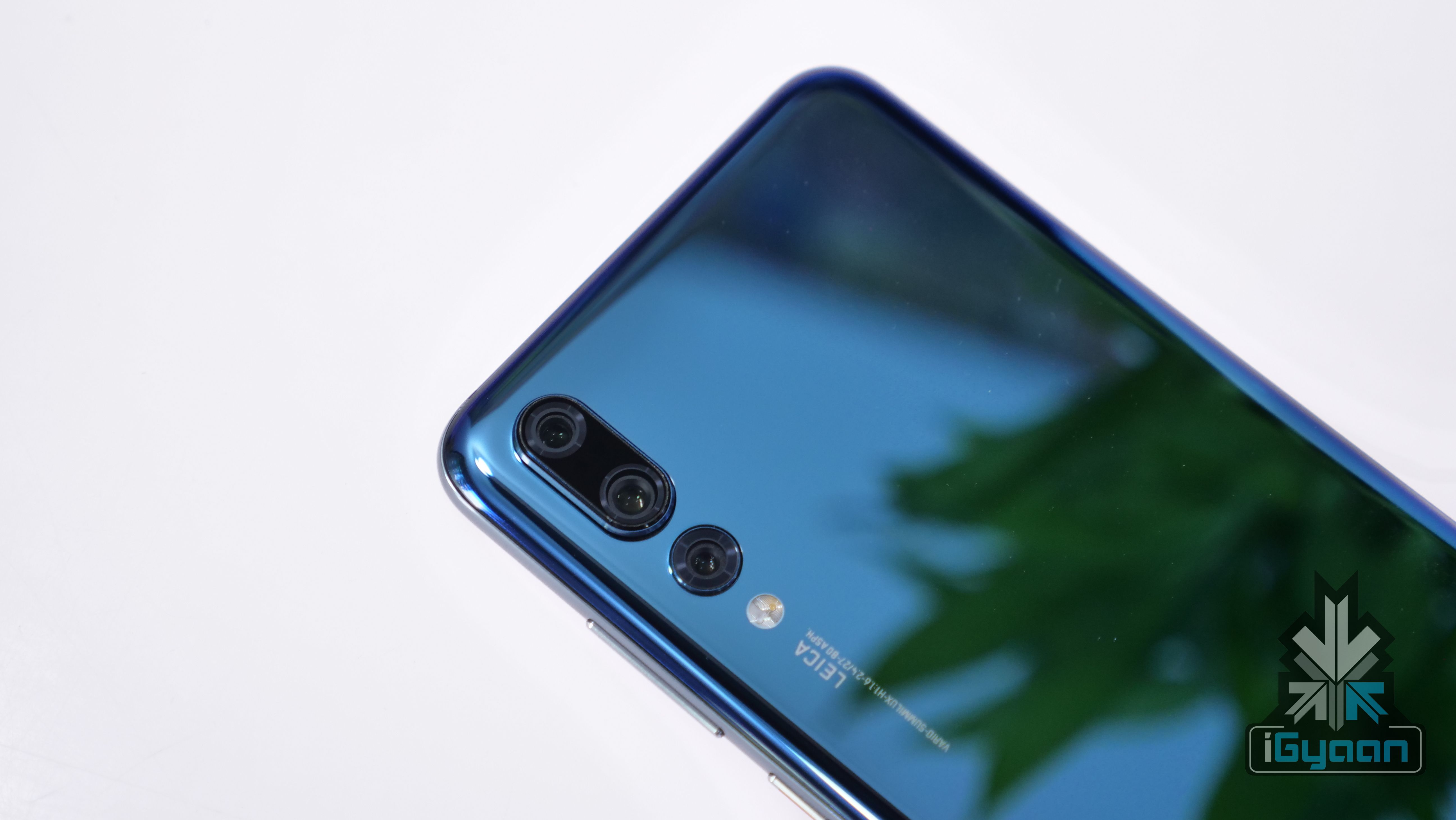
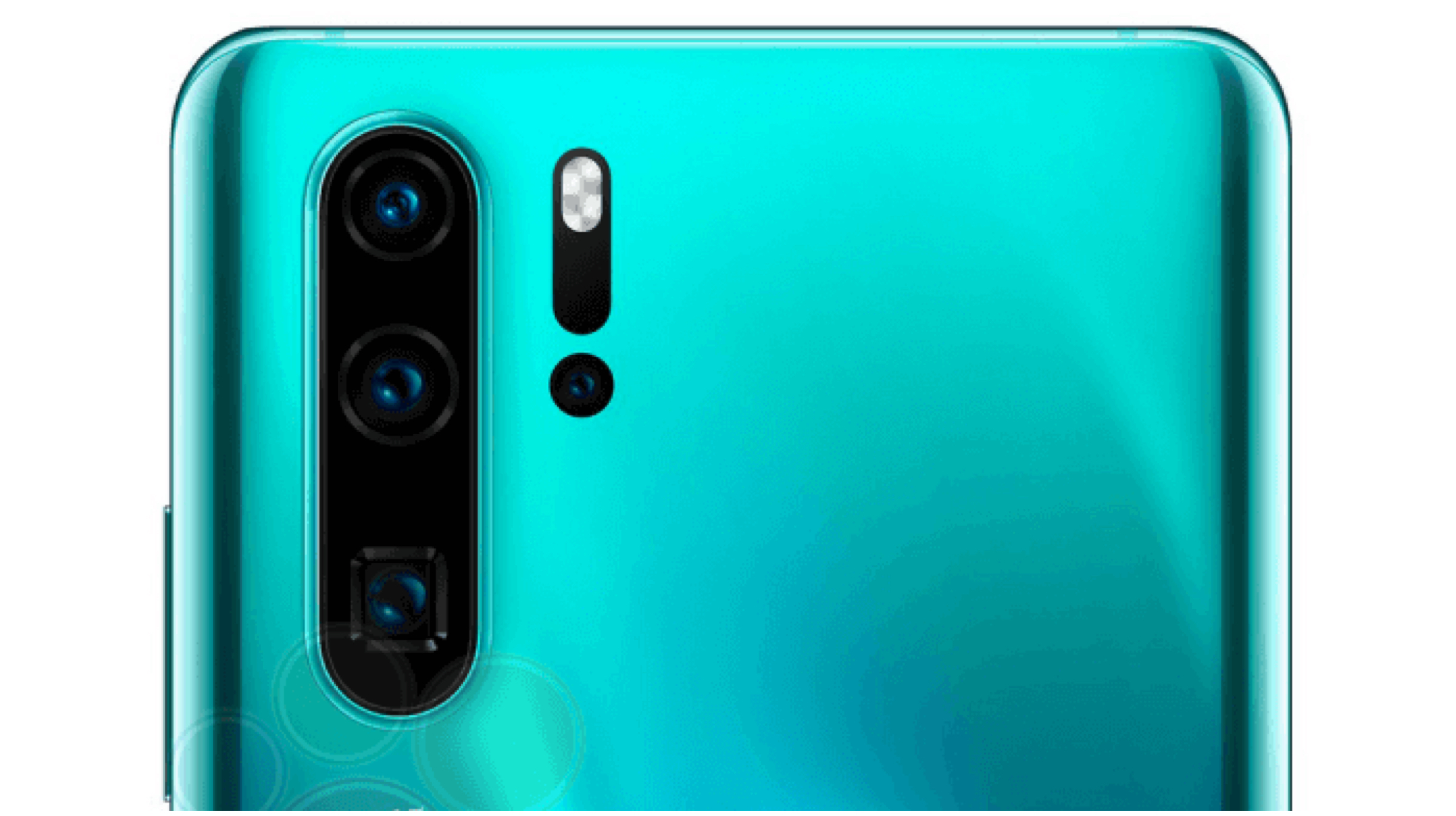
    The highlight of the Huawei P30 Pro will be its quad rear cameras. Besides a 40MP main sensor and a 20MP ultra wide-angle sensor and the periscope camera which is expected to sport a whopping 10x optical zoom. This is likely to be achieved with the help of an innovative camera sensor which is similar to the one shown by Oppo at MWC 2019. The company claims the sensor will also offer extreme low light capabilities along with the zoom. The fourth camera is expected to be a Time of Flight (ToF) sensor to capture depth.

    Huawei P30 Pro: Pricing & Availability

    Also read: Samsung Is Readying Two More Foldable Phones

    The Huawei P30 Pro will be launched alongside the P30 and the P30 Lite in an event in Paris on March 26. It will be available for sale in Europe and China soon after the unveiling, with an India launch to follow soon. Unfortunately, the pricing of the device is not confirmed yet. But reports claim the smartphone will be priced similar to the Mate 20 Pro, meaning a price tag of US $1000 (around Rs 70,200) is expected.

  • Samsung Patents A Wireless Television

    Samsung Patents A Wireless Television

    Samsung is a leader in several fronts of technology including smartphones and televisions. Earlier this year the company had launched the world’s first smartphone with an ultrasonic fingerprint sensor in the form of Samsung Galaxy S10 and S10+. Another interesting product that the company is expected to launch is wireless Television. A freshly granted patent demonstrates how the aforementioned Television operates and functions. 

    Patent Revelations

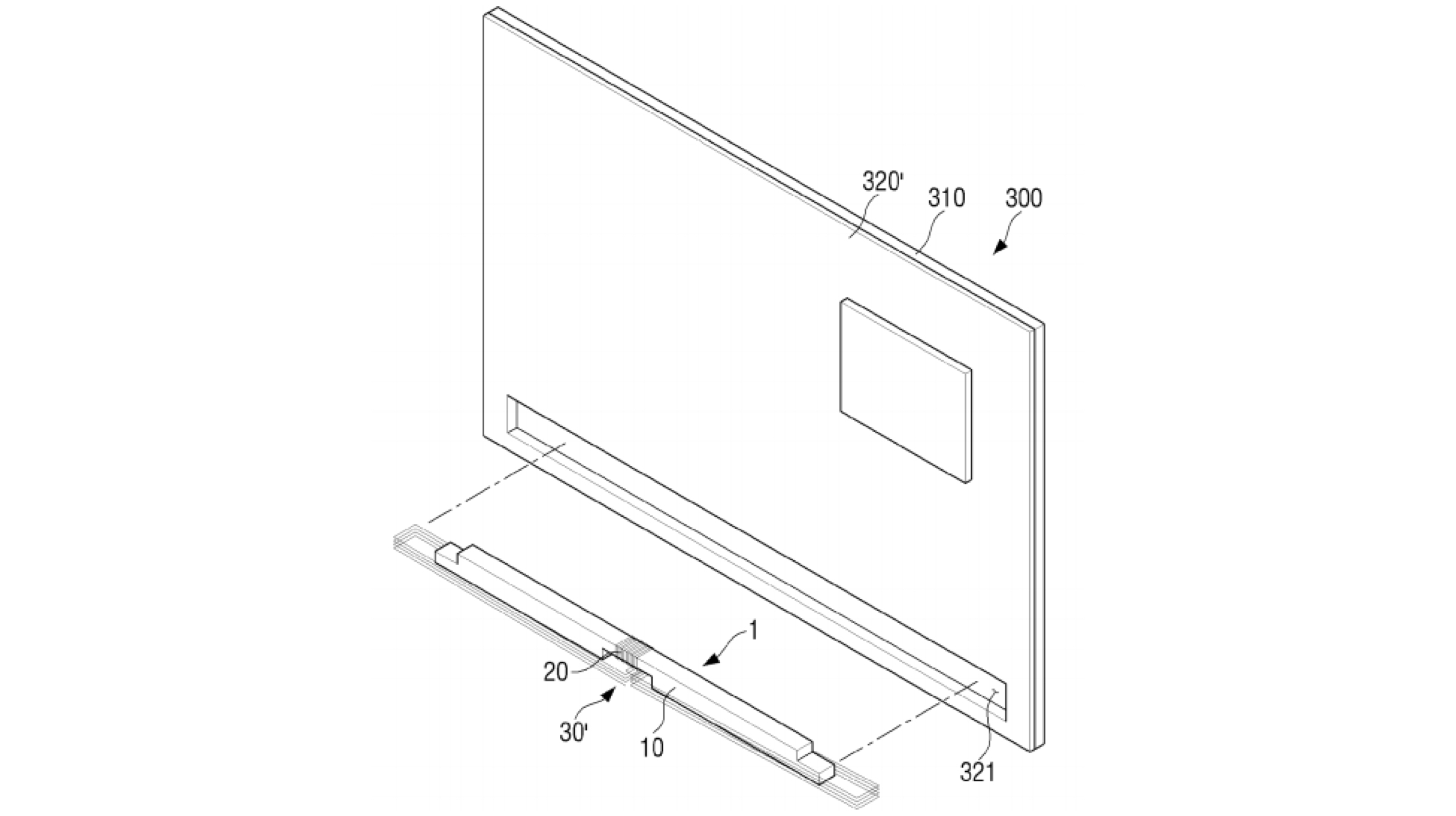
    Samsung filed a patent with WIPO (World Intellectual Property Office) for a wireless power transceiver and display equipment in the month of March last year. The patent was granted to the company on the 28th of February 2019, which details how Samsung envisions to power the TV wirelessly. Traditionally, wireless power transfer can be achieved with the help of using a wide coil. But, it is not feasible to accommodate the apparatus in thin televisions of the modern day.

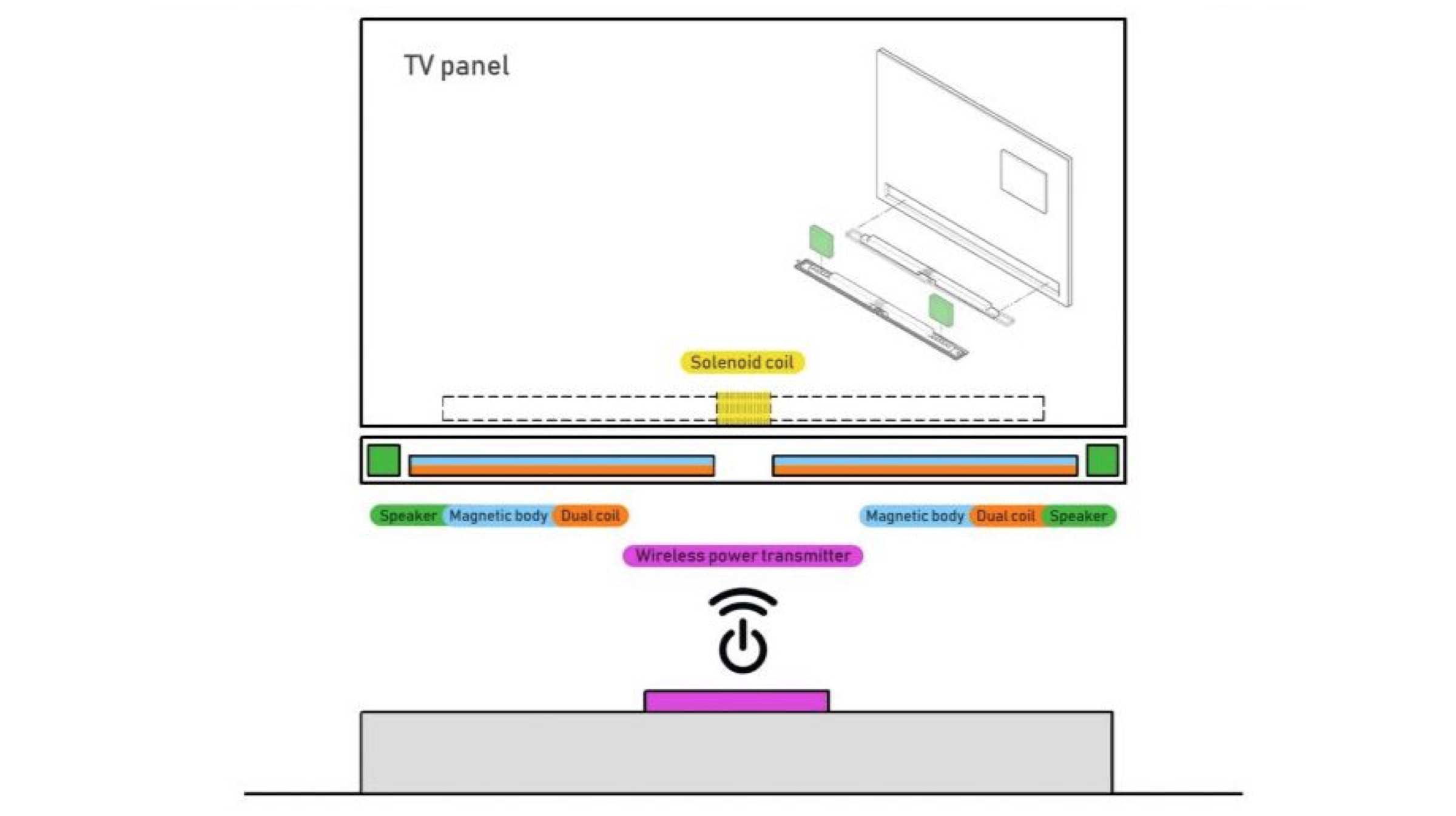
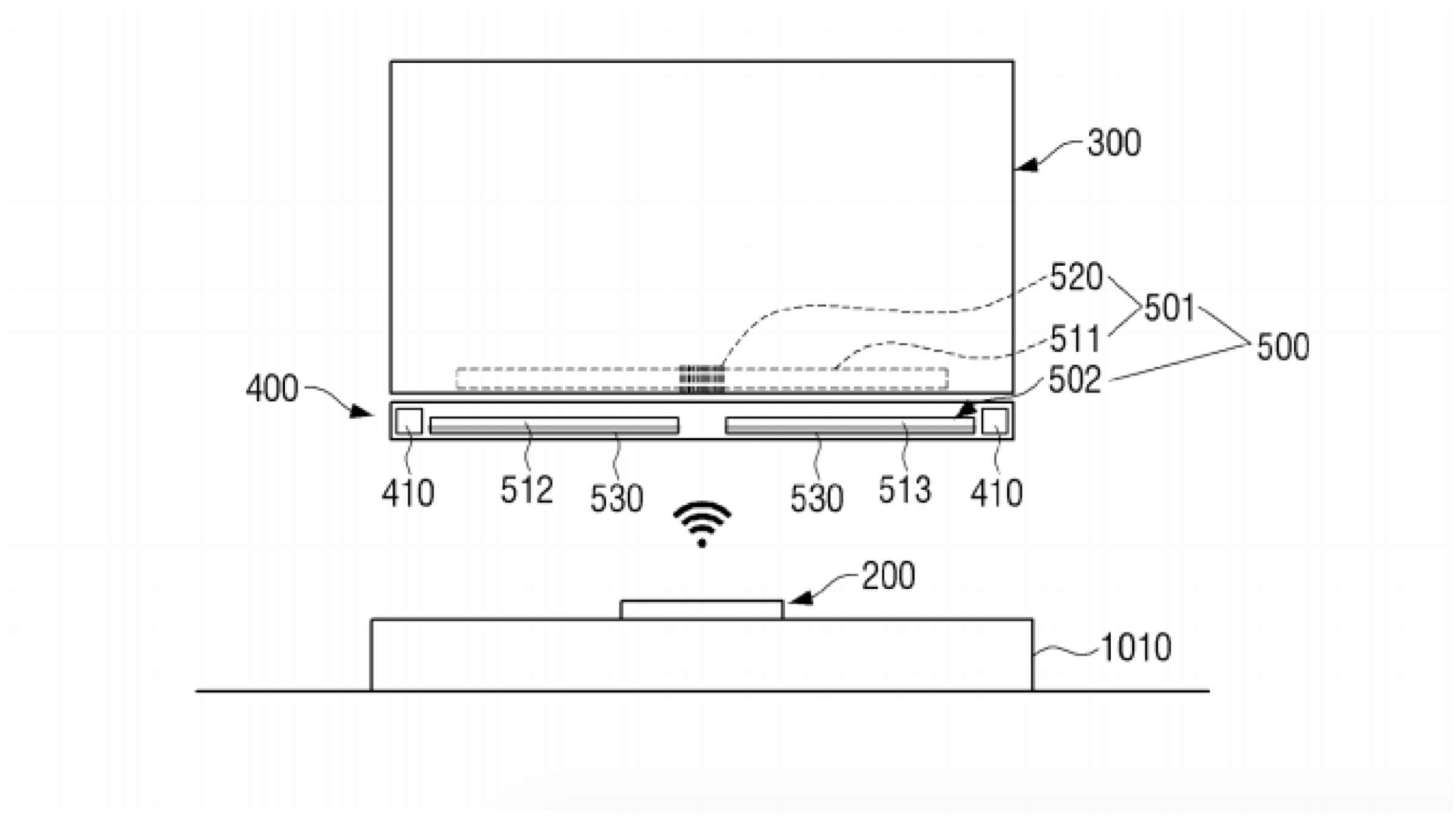
    The patent granted to Samsung exhibits a slim bar-shaped wireless power transceiver which is mounted horizontally behind the TV unit. A transceiver is a device that can both transmit and receive connections. The power transceiver is provided with dual coils which are wound in opposite directions. The patent also details a power supply unit which is placed below the TV but does not physically touches the display unit. Except for this information, other details like the size of the display, type of the display are currently unavailable. According to reports, the TV with this technology will take a few more months to turn into consumer-ready products. Accordingly, the company can showcase such a TV at the upcoming IFA 2019 event or CES 2020.

    Also Read: Samsung Is Readying Two More Foldable Phones

  • Samsung Is Readying Two More Foldable Phones

    Samsung Is Readying Two More Foldable Phones

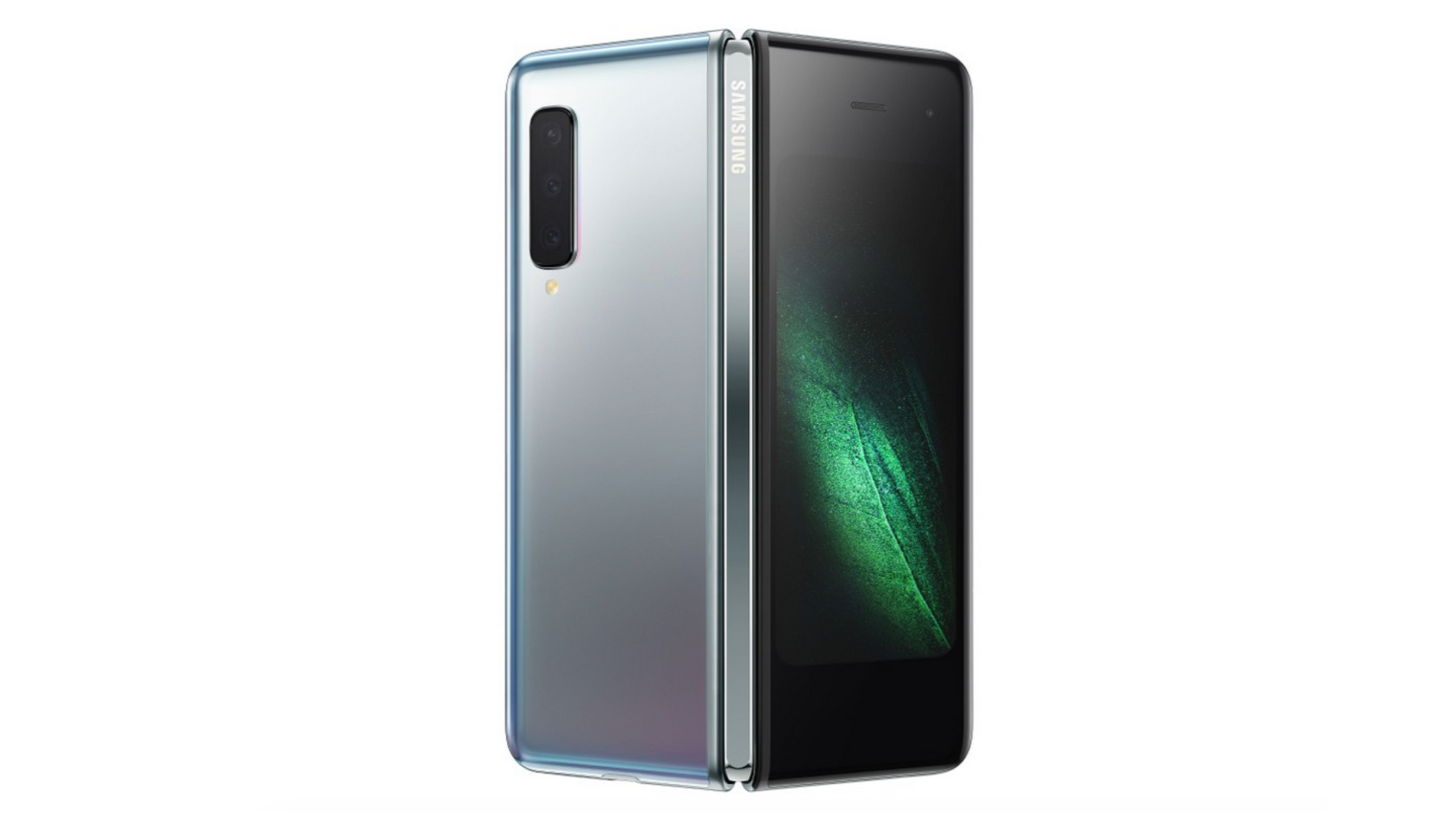
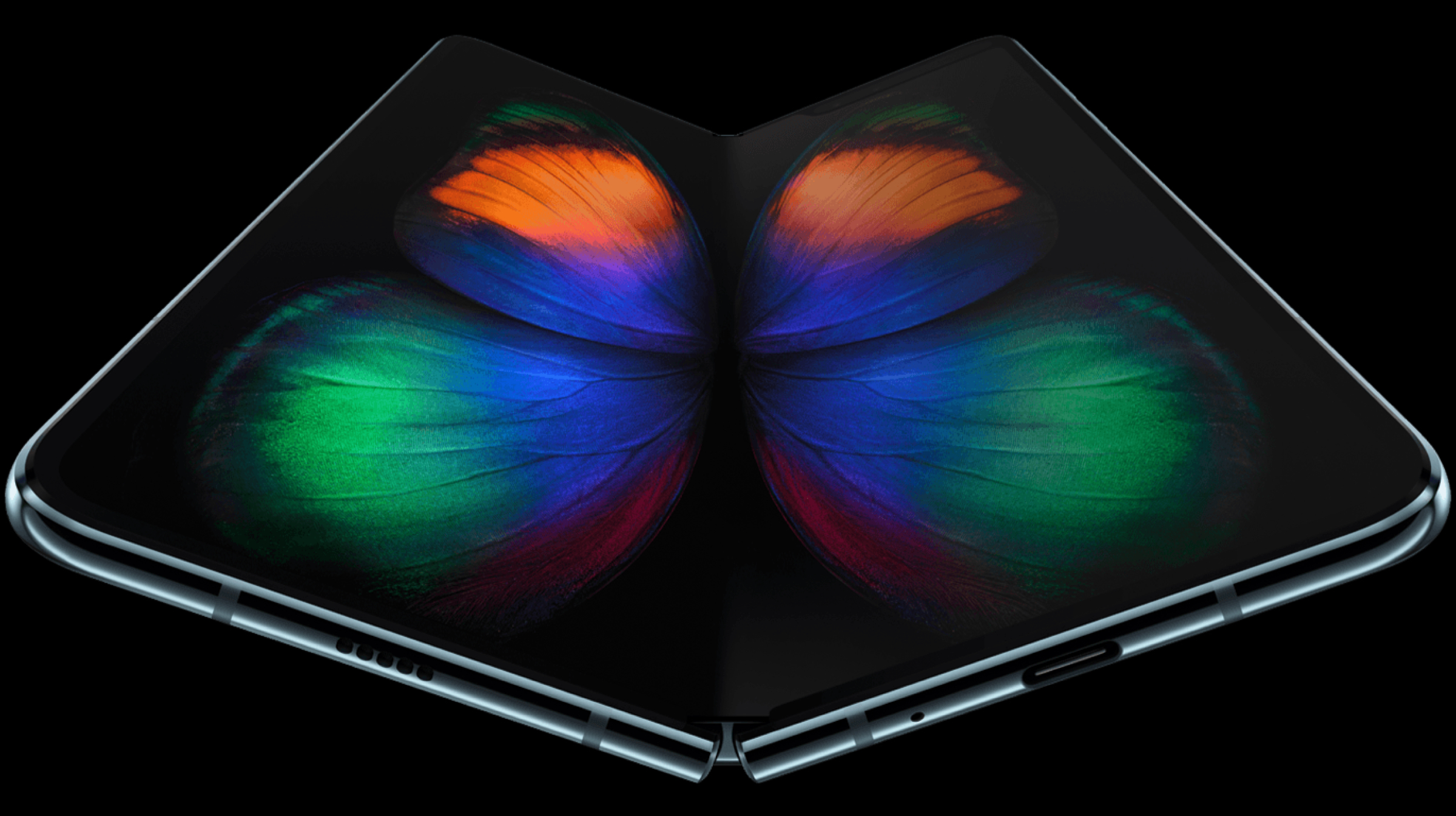
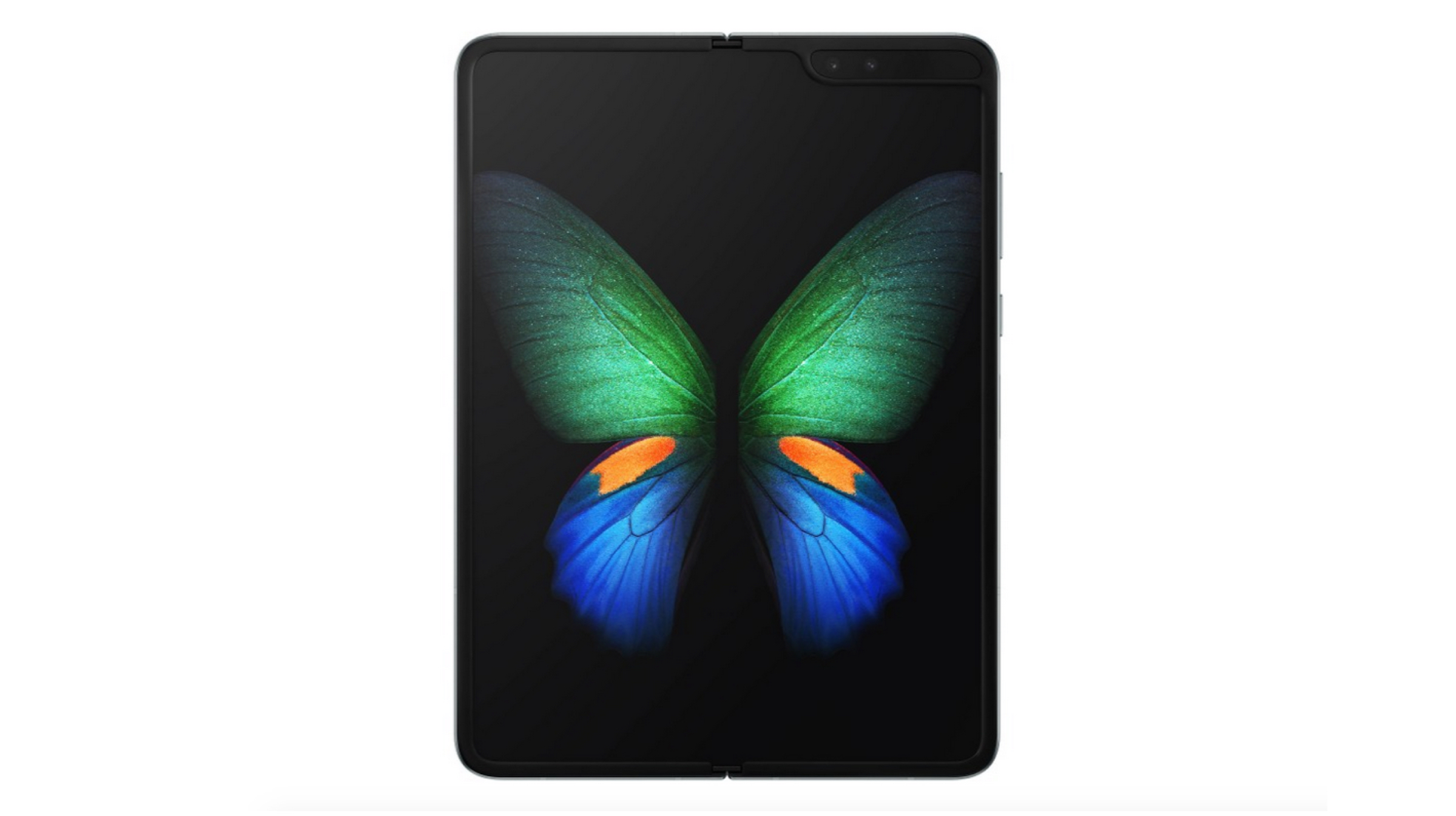
    Korean electronics giant, Samsung launched a revolutionary foldable smartphone called the Galaxy Fold last month. As the name suggests, the newly launched smartphone and tablet hybrid sports a foldable inner display. Except for Samsung, two other companies, Royole and Huawei have also launched foldable smartphones, the FlexPai and Mate X. Although the market for foldable smartphones is considerably new, analysts have high hopes from the device with this new form factor. According to a freshly published Bloomberg report, Samsung is developing at least two more foldable smartphones which have dissimilar designs in comparison to the Galaxy Fold. The two upcoming devices will provide a headstart to Samsung in the market that is expected to explode soon.

    Upcoming Foldable Galaxy Smartphones

    Samsung Galaxy Fold

    The Bloomberg report claims that out of the two upcoming foldable Galaxy devices, one will have a vertically folding display while the second type will have an outer folding display. The vertically folding smartphone is also reported to have a cover display which reminds of the unreleased foldable Moto Razr. On the other hand, the smartphone with an outer folding display is expected to similar to the Mate X. The former will only have one display. Therefore, it will be thinner than the Galaxy Fold.

    Noteworthy, the report points out that Samsung is currently trying several types of foldable smartphones. As of now, nothing has been set in stone. The vertically folding smartphone is reported to go on sale by the year of this year while the outward folding Galaxy smartphone will be released early next year. Samsung had previously claimed that it expects to ship 1 million units of a foldable smartphone in the year 2019. The upcoming smartphone will help reach the company to reach its anticipated target.

    Samsung Galaxy Fold

    In addition to the two unreleased foldable smartphones, Samsung is also working to improve the durability of the Galaxy Fold’s display. The previously launched device develops a crease on its display after it has been unfolded up to 10,000 times. Praiseworthy, Samsung is also considering to offer free screen replacement on the Galaxy Fold after it is launched in the month of April. 

    Price Of Upoming Foldable Galaxy Phones

    Also Read: Hyperloop: All You Need To Know About The Fastest Mode Of Public Transport

    Unfortunately, the price of upcoming foldable phones from Samsung is currently unavailable. Though the devices are reported to cost lesser than the Galaxy Fold which costs US $ 2000. As, the lower price can contribute to their higher sales. 

  • Meizu Note 9 Launched With 48MP Rear Camera

    Meizu Note 9 Launched With 48MP Rear Camera

    Meizu announced the successor of the Note 8 in China, which is the Note 9. The company’s mid range smartphone has a modern design and aims towards targeting the sub 20k segment of the smartphone arena.

    Specifications

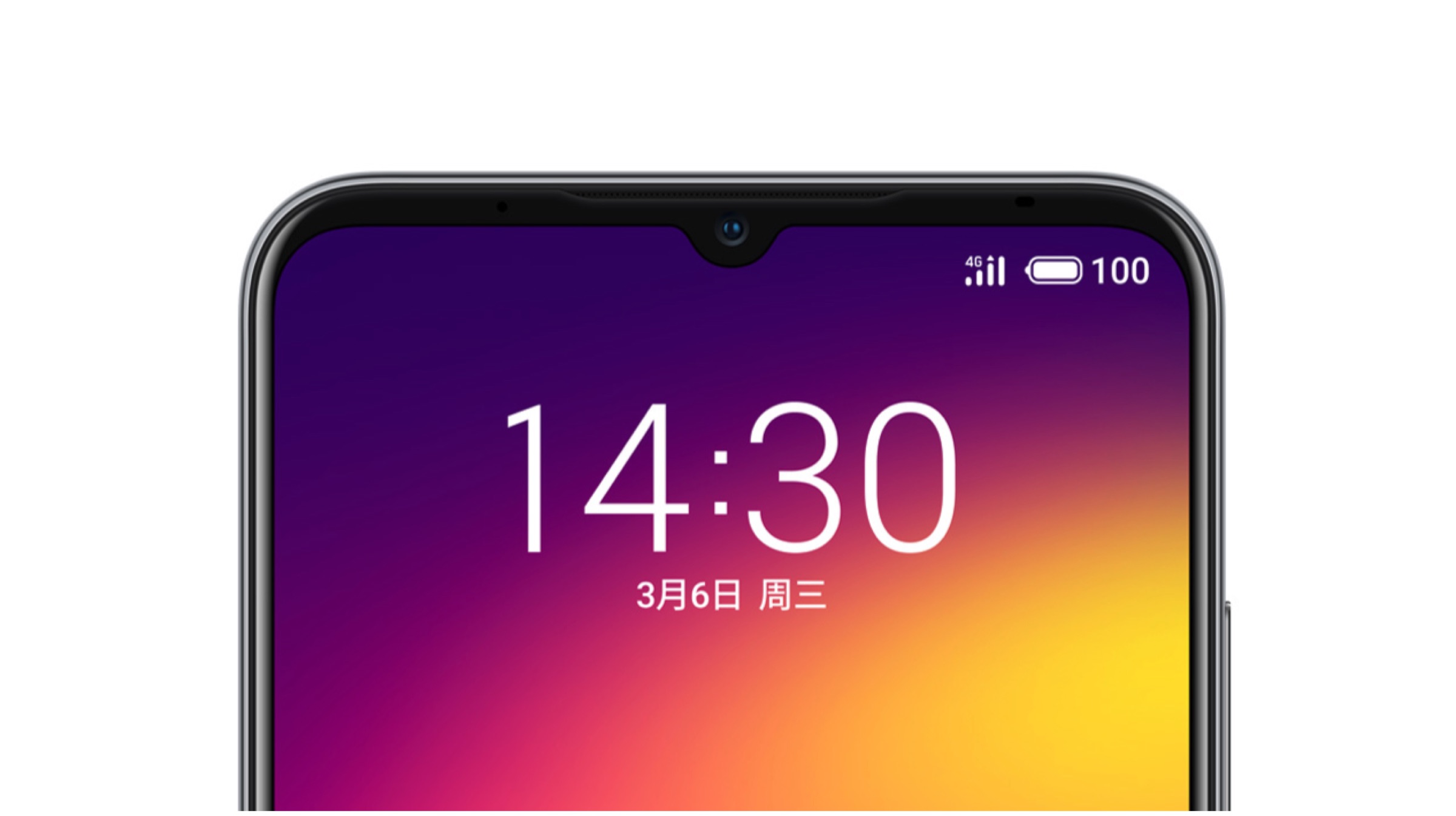
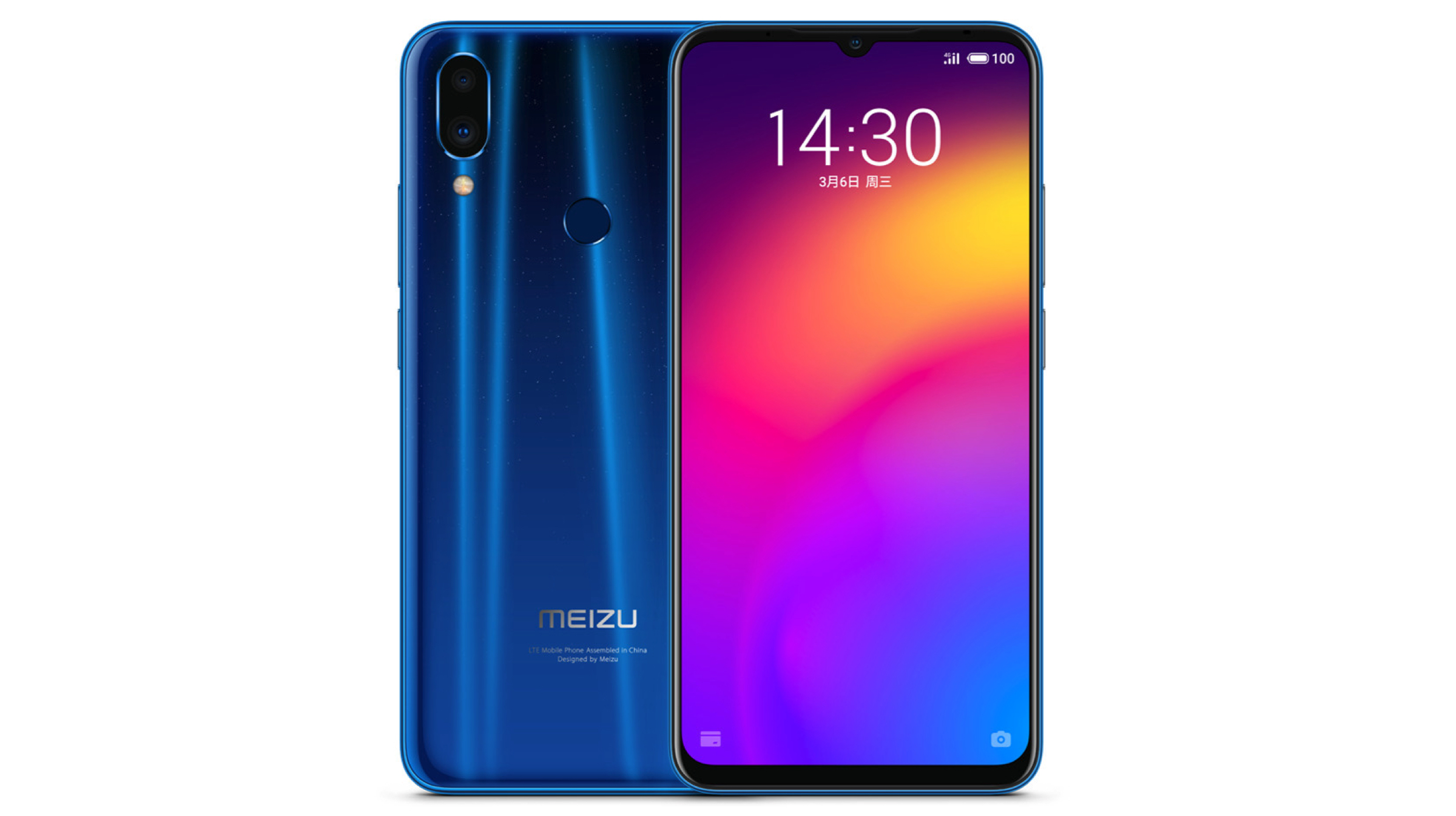
    The Meizu Note 9 sports a 6.2 inch FHD+ display with a waterdrop notch. It has an 89.2% screen to body ratio, owing to the 3 mm top, 3.1mm side and 5.35mm bottom bezels. The smartphone runs on the Snapdragon 675 SoC, which comprises of a Kryo 460 octa-core CPU and the Adreno 612 GPU. The handset is available in 4GB RAM and 6GB RAM, with 64GB and 128GB of internal storage.
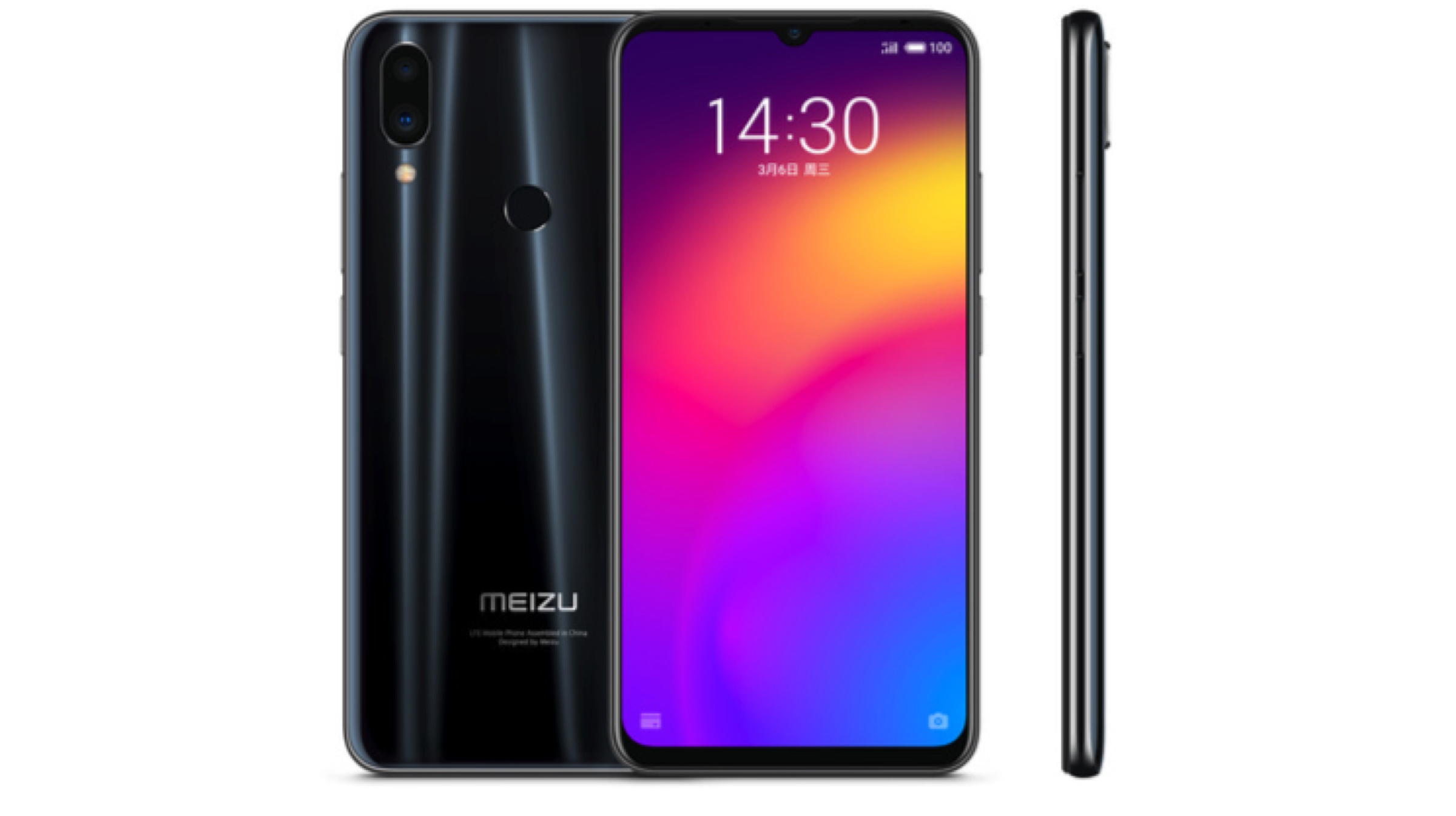
    The Meizu Note 9 features a dual camera setup on the back, which consists of a 48 MP (f/1.7) primary camera with the Samsung GM1 sensor and a secondary 5 MP depth sensor. The smartphone also has a front 20MP camera with face recognition 3.0.

    The Meizu Note 9 has a pleasing G3 curved design, and the back cover has a glass texture which the company claims to be a ‘high-gloss porcelain’ design. The Meizu Note 9 sports a rear mounted fingerprint sensor, and the company claims that it is capable of unlocking the phone in just 0.2 seconds. It is equipped with Hyper Gaming Optimization and Game Mode 3.0, which will help in regulating smartphone temperature by prioritizing the running game.

    Features And Availability

    The Meizu Note 9 is powered by a 4000 mAh battery with 18 W fast charging support. It features a 3.5 mm headphone jack which is placed at the bottom of the handset, right next to the speaker grille and the USB Type-C port. In terms of OS, the Note 9 will run the Flyme 7.2 UI which is based on Android Pie.
    Also Read: Meizu’s New Smartphone Will Have A 48 MP Sony Sensor & Snapdragon 855

    The device is launched in China for 1398 Yuan (around Rs. 14,700) for the 4GB+64GB version and 1598 Yuan (around Rs. 16,800) for the 6GB+128GB variant. The smartphone will be available in three colour options, Black, White and Sparkling Blue. It will go live on sale in China starting March 11. As of now, the smartphone’s availability in India is not confirmed. 


  • Hyperloop: All You Need To Know About The Fastest Mode Of Public Transport

    Hyperloop: All You Need To Know About The Fastest Mode Of Public Transport

    Before you wonder what the Hyperloop is, ask yourself this. How would it feel like to travel a distance of 150 kilometres in less than 15 minutes? Or covering a distance of 600 km in less than an hour? This sounds like something out of a science fiction movie, but in fact, it is a joint venture by the Space research and aerospace organization, SpaceX and electric automobile manufacturer, Tesla. The functional part is that it is a proposed mode of public transportation which can help people and cargo transit in small pods through vacuum tubes. The fun part is that the speeds inside the tube could exceed 600 miles per hour. Let that sink in.

    About The Hyperloop One

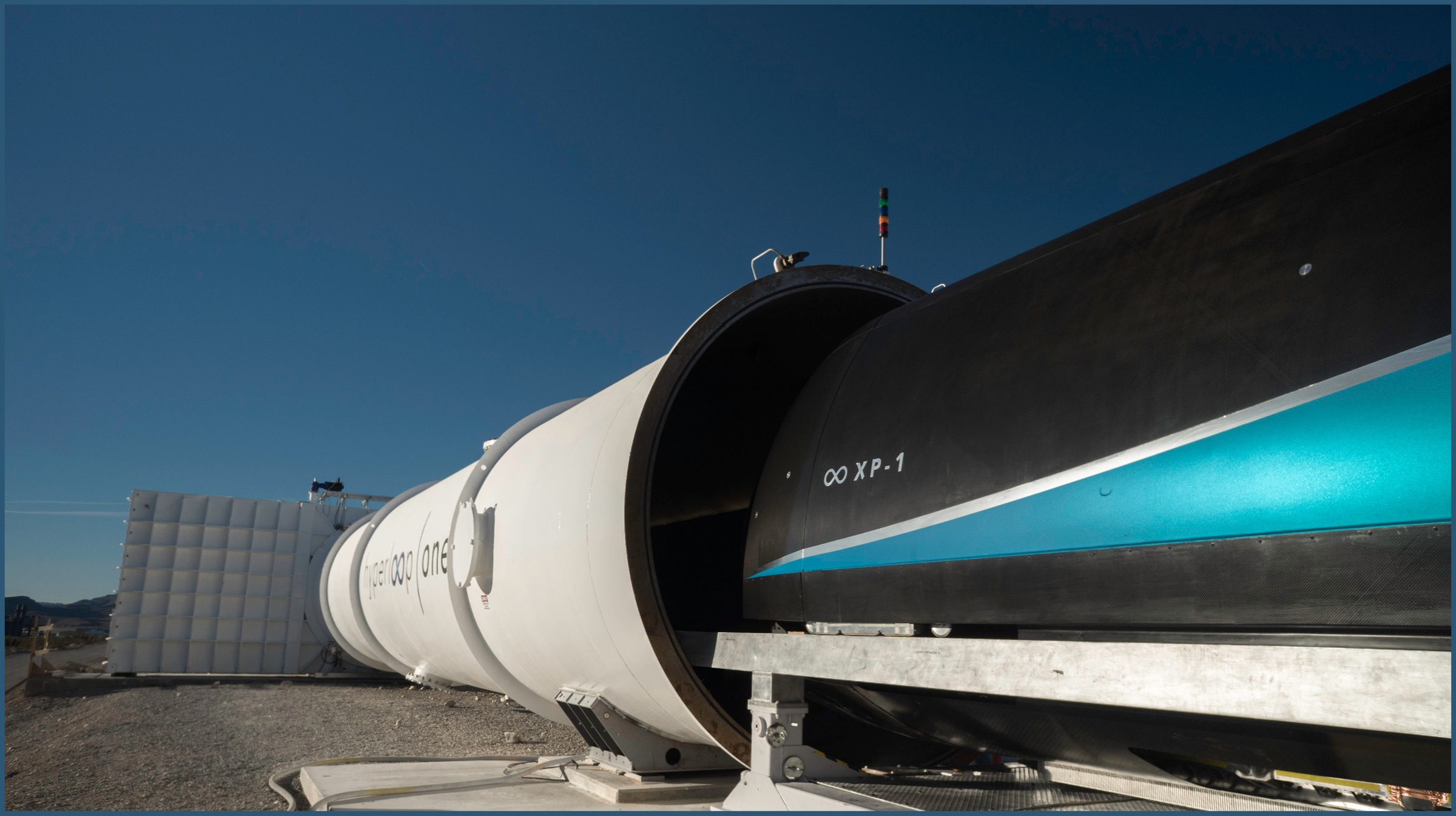
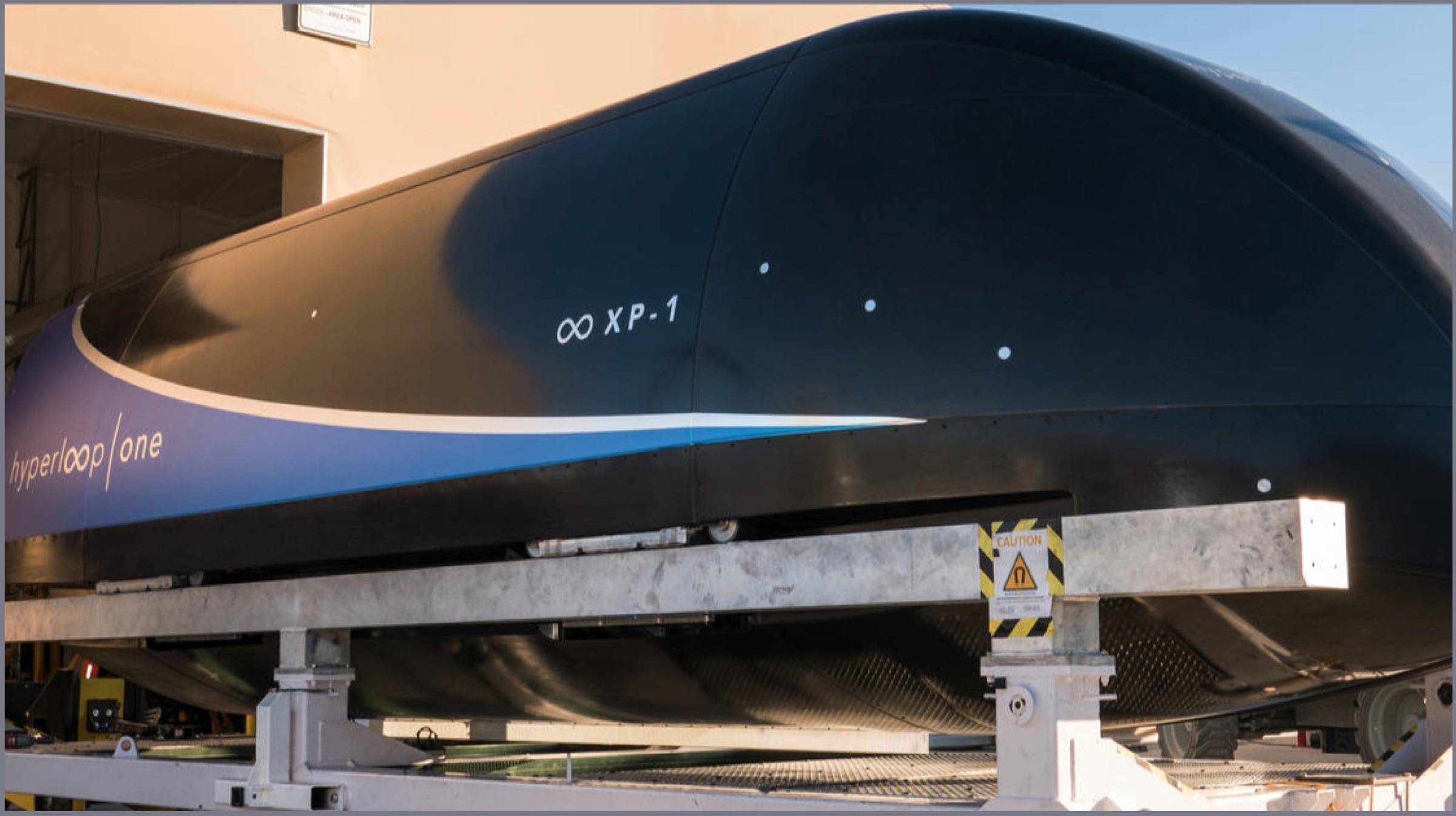
    The concept of the Hyperloop was promoted by Elon Musk, CEO of Tesla, SpaceX and Neuralink. Basically, the Hyperloop works by impelling the wheel-less pods through a tube which is maintained at near-vacuum or extremely low pressure. It ensures minimal air resistance and friction, implying that the power needed to propel such a pod is reduced massively. Magnetic Levitation or MAGLEV is the technology that ensures ‘zero contact’ between the pod and the tracks. As stated by the company, the pod glides at airline-like speeds for long distances, thanks to very low aerodynamic drag. The Hyperloop is currently being funded by organizations like DP World, Caspian VC and the Virgin Group. Till date, the project has raised almost US$295 million.

    Safety Concerns Regarding Travel

    Quite a fair amount of concerns surround the technology. For instance, questions arose regarding the construction of the tubes and the safety issues that accompany them. As per the company, Hyperloop is completely weatherproof, with tubes that can withstand almost 100 Pa of pressure without getting punctured. The tubes are made out of thick strong steel, and can safely stand strong against any forms of weather disturbances. In the rare case that there is any leak in the tube, a power boost would get the pod to the next station. Environmental concerns are not going to be a problem, the company states. It reports that carbon emissions are almost zero and the only sound you’ll hear from the pod travelling through the tube is a silent ‘whoosh’, something that you might hear when something fast passes by your ear.
    Hyperloop’s Plans In India

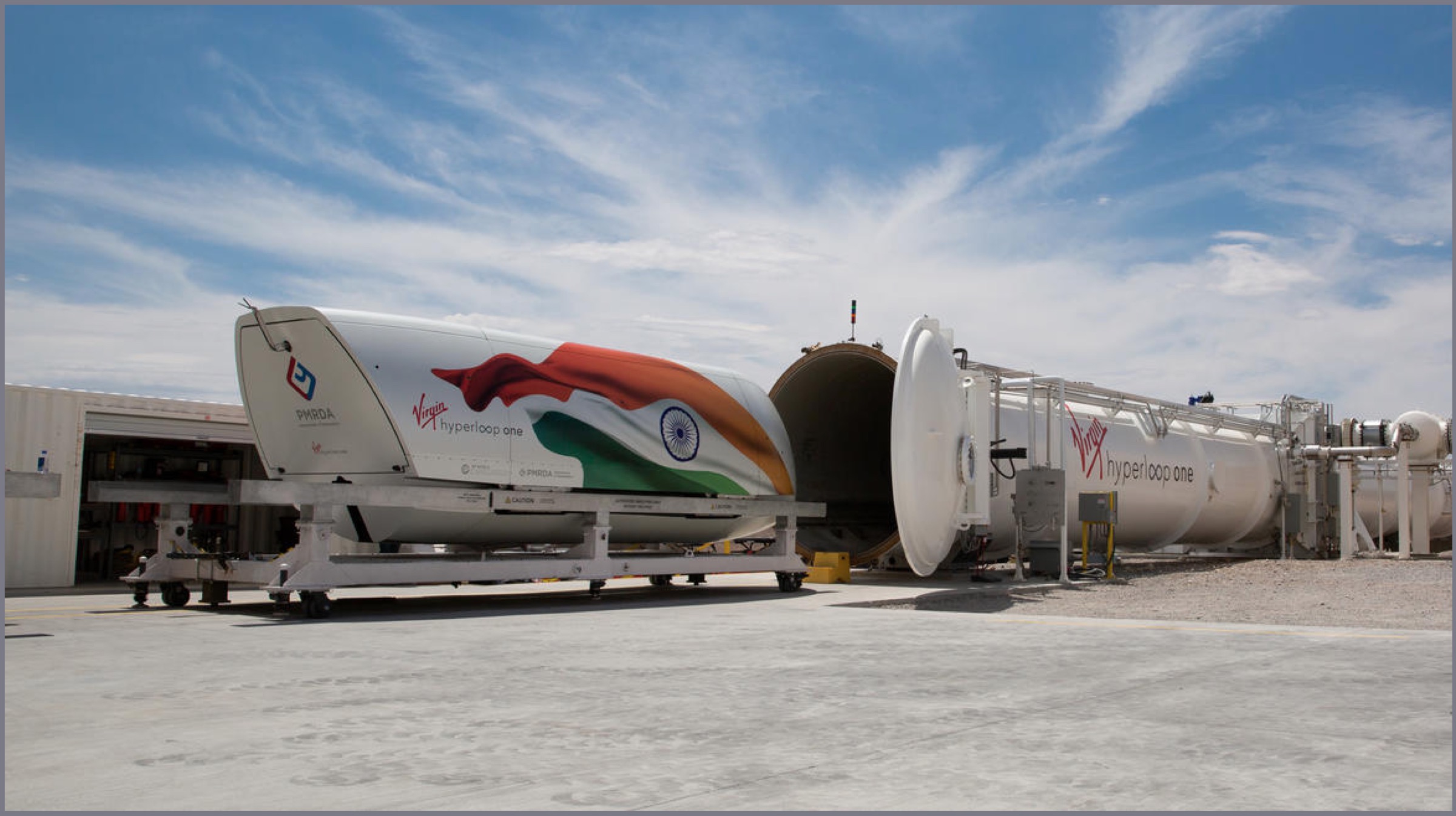
    The Hyperloop ‘one’ completed its first test ride successfully in July 2017. Currently, the company is initiating developmental stage oriented projects in India and Ohio. In July 2018, the Indian state of Maharashtra expressed their intent to construct a hyperloop route between Mumbai and Pune, which would enable a pod to cover the distance in under 25 minutes. Phase 1 of the demonstration is already underway, with the company already constructing experimental tubes and planning to complete a 7-mile (11.2 km) long tube soon.

    According to the company, India has a multitude of factors that make it ideally suited to a Hyperloop system. It has a low cost manufacturing base, strong political support, excellent engineering talent and above all, infrastructure demands. The Hyperloop will be even more functional than metros and subways, as people will be able to travel between cities in the time that it takes to travel within a city.

    The company believes that it will achieve extensive Hyperloop connectivity in different cities across the world by mid-2020s. India based DGWHyperloop suggests a Hyperloop corridor between Mumbai and Delhi, that would include the cities of Indore, Kota and Jaipur. A lot of certifications are still pending for this futuristic mode of transport, the company claims. Apart from transporting people, it can also make transporting goods faster than it ever was. Logistics will benefit a lot from the Hyperloop network. The company assures that once Hyperloop is on the roll, the tickets will be affordable as far as the pricing is concerned.

    Also Read: Tesla Will Unveil The Model Y SUV On March 14

    India is on the track to be host to one of the earliest Hyperloop networks in the world, with the first test ride to be implemented in an upcoming couple of years. Are you excited about it? Share your views with us in the comments below.

  • Samsung Launches The Galaxy S10 Lineup In India

    Samsung Launches The Galaxy S10 Lineup In India

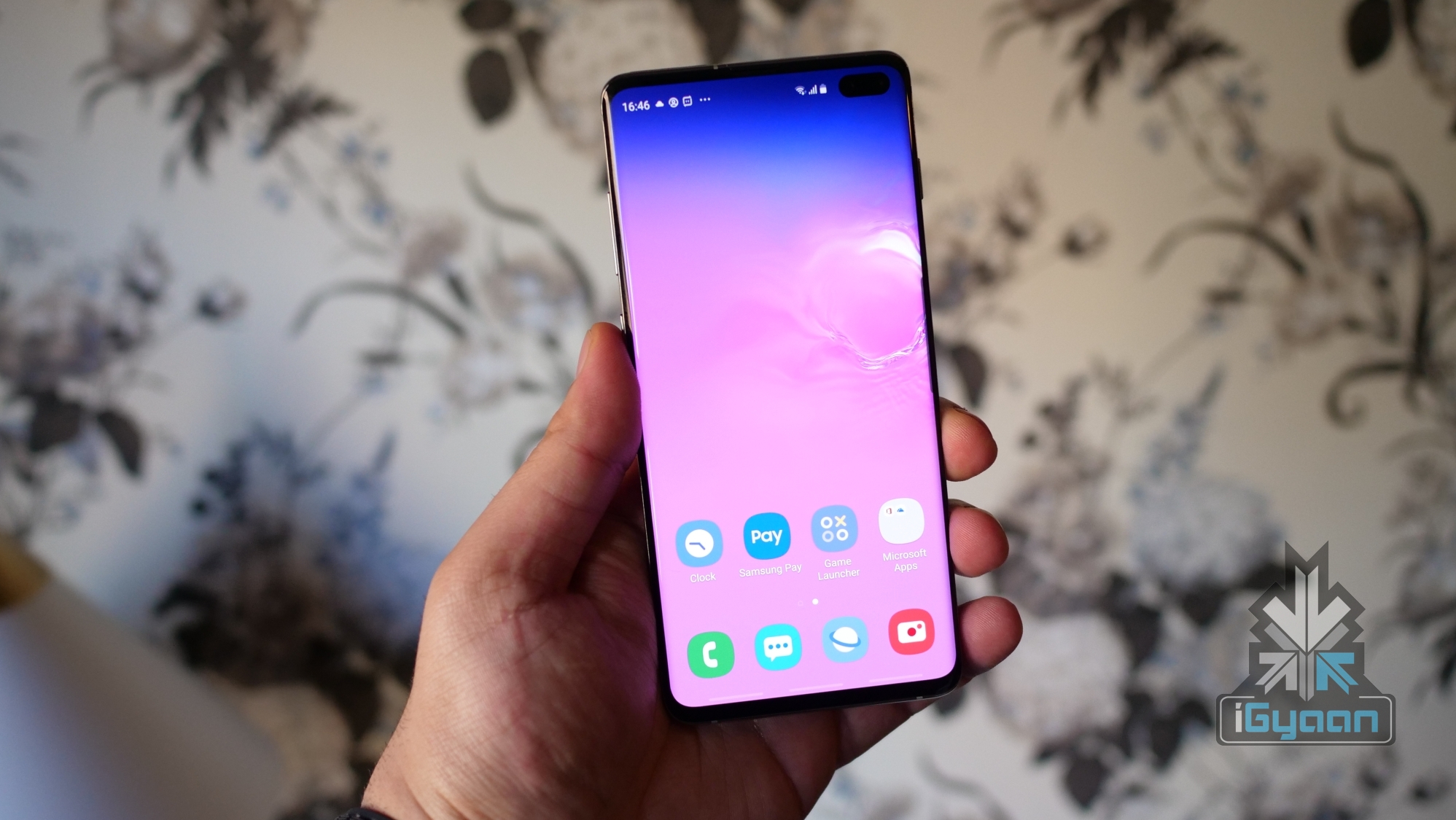
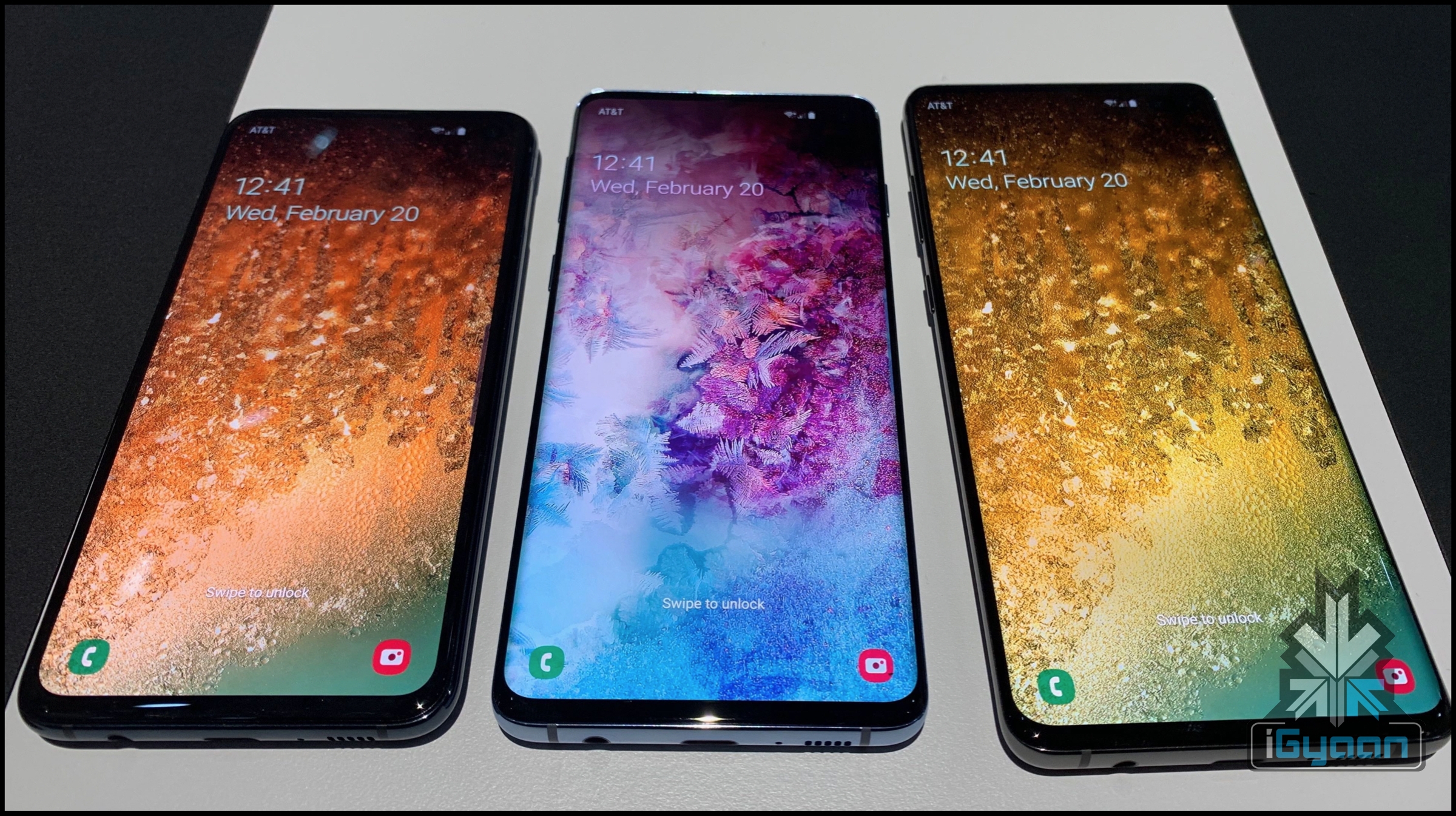
    Samsung has launched its lineup of 2019 flagship smartphones in India today, March 6. The devices launched today are the Galaxy S10e, Galaxy S10 and the Galaxy S10+. All the smartphones feature a modern design and have the company’s new Infinity-O display to house the front camera. 

    Galaxy S10: Price & Availability

    All the three models in the Galaxy S10 lineup will be available starting March 8 from the major online and offline retailers. For people who pre-booked the smartphones, will start getting deliveries from today, March 6. The price of all the three variants have been listed below.

    Model Galaxy S10e Galaxy S10 Galaxy S10+
    Price Rs 55,900 (6GB + 128GB) Rs 66,900 (8GB + 128GB) Rs 73,900 (8GB + 128GB)
        Rs 84,900 (8GB + 512GB) Rs 91,900 (8GB + 512GB)
          Rs 1,17,900 (12GB + 1TB)
    Galaxy S10 Series 

    All three newly launched smartphones are similar in most ways while differing in certain aspects like screen size, battery capacity, cameras and obviously, pricing. All smartphones feature a glass sandwich design and have the new Infinity-O displays. The devices feature Samsung’s new Dynamic AMOLED displays with support for HDR10+ content. All the smartphones run on the Exynos 9820 SoC in India, which is manufactured using 8nm fabrication process. It contains an Octa-core CPU and Mali-G76 MP12 GPU.

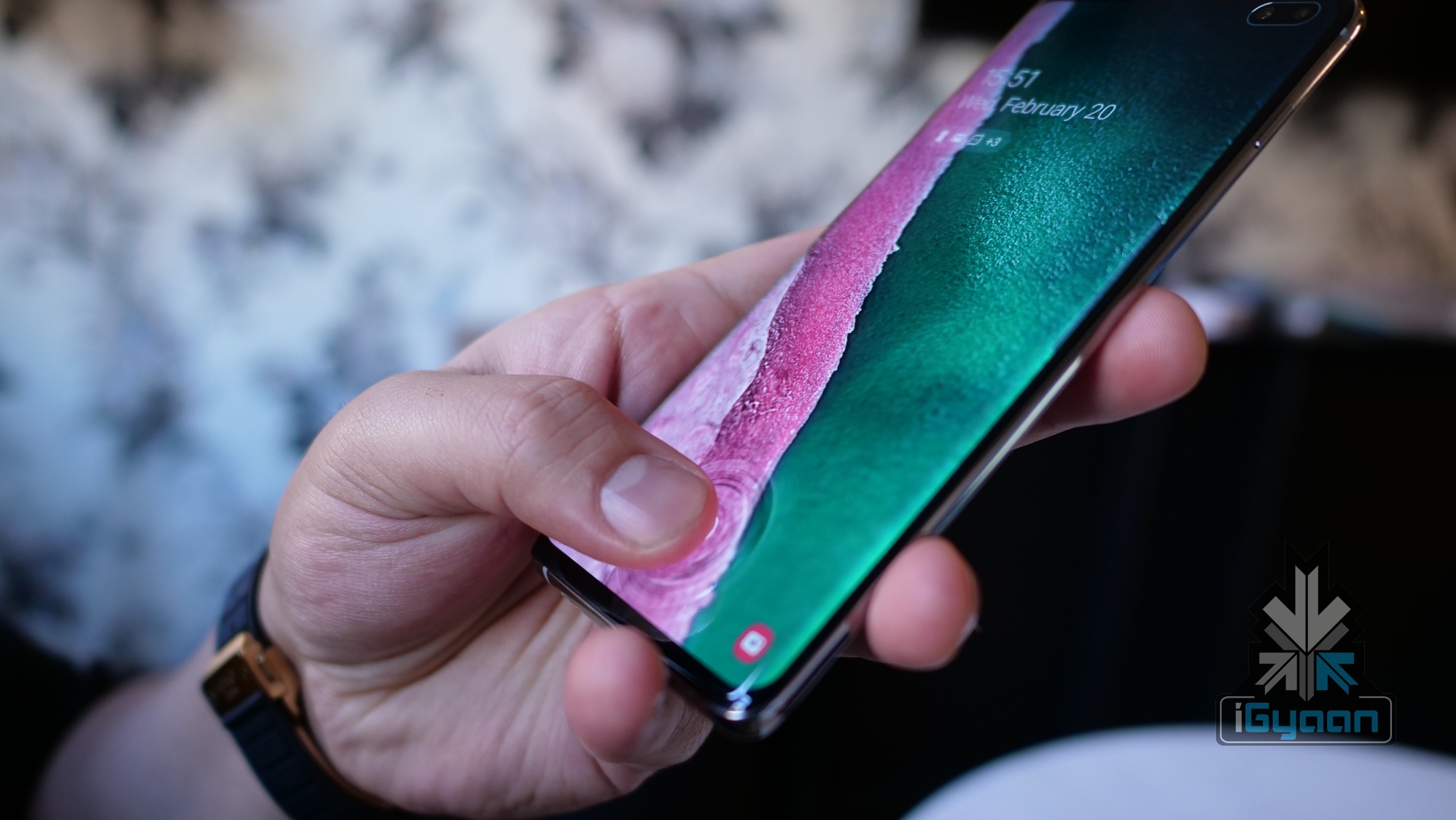
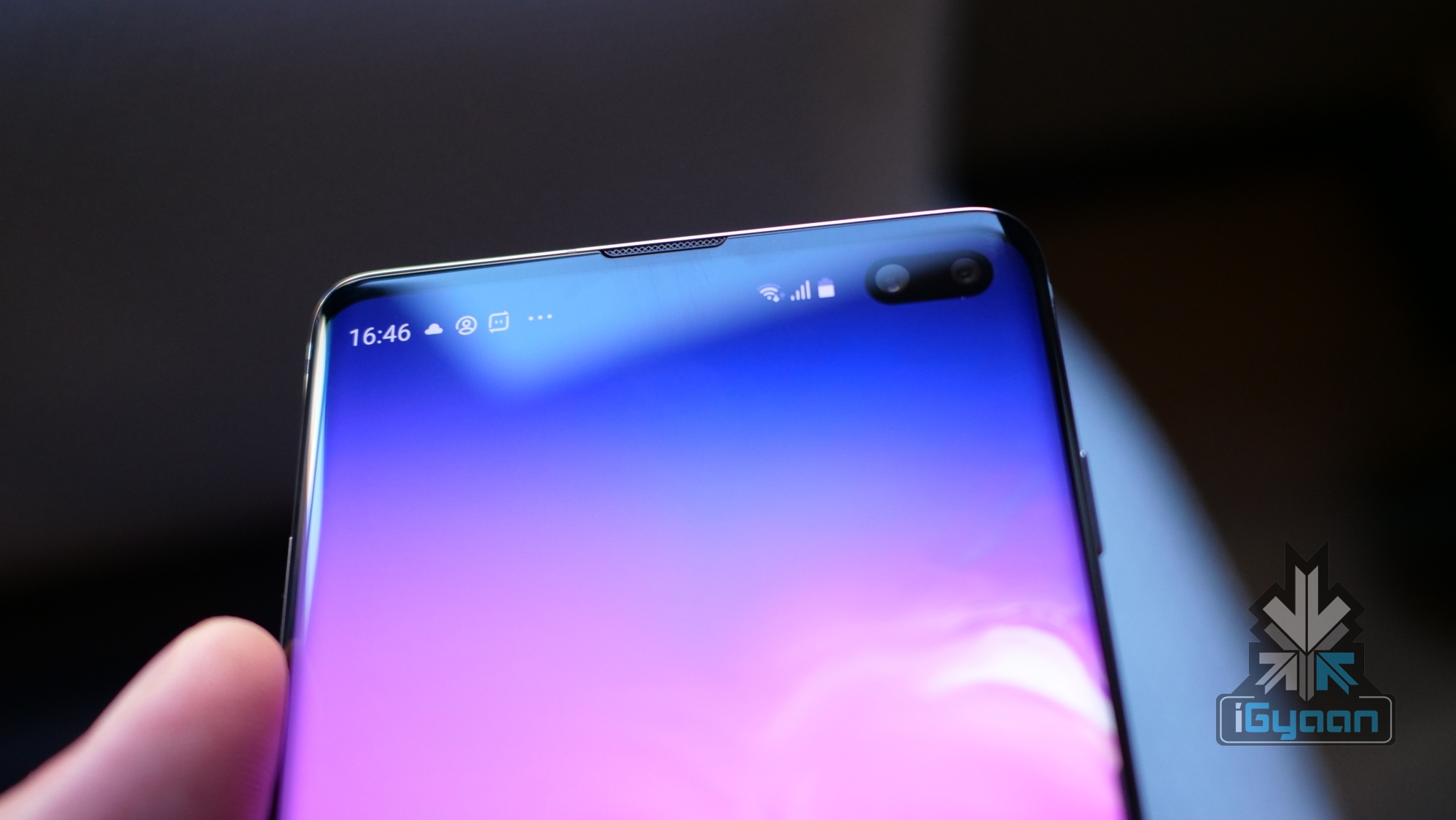
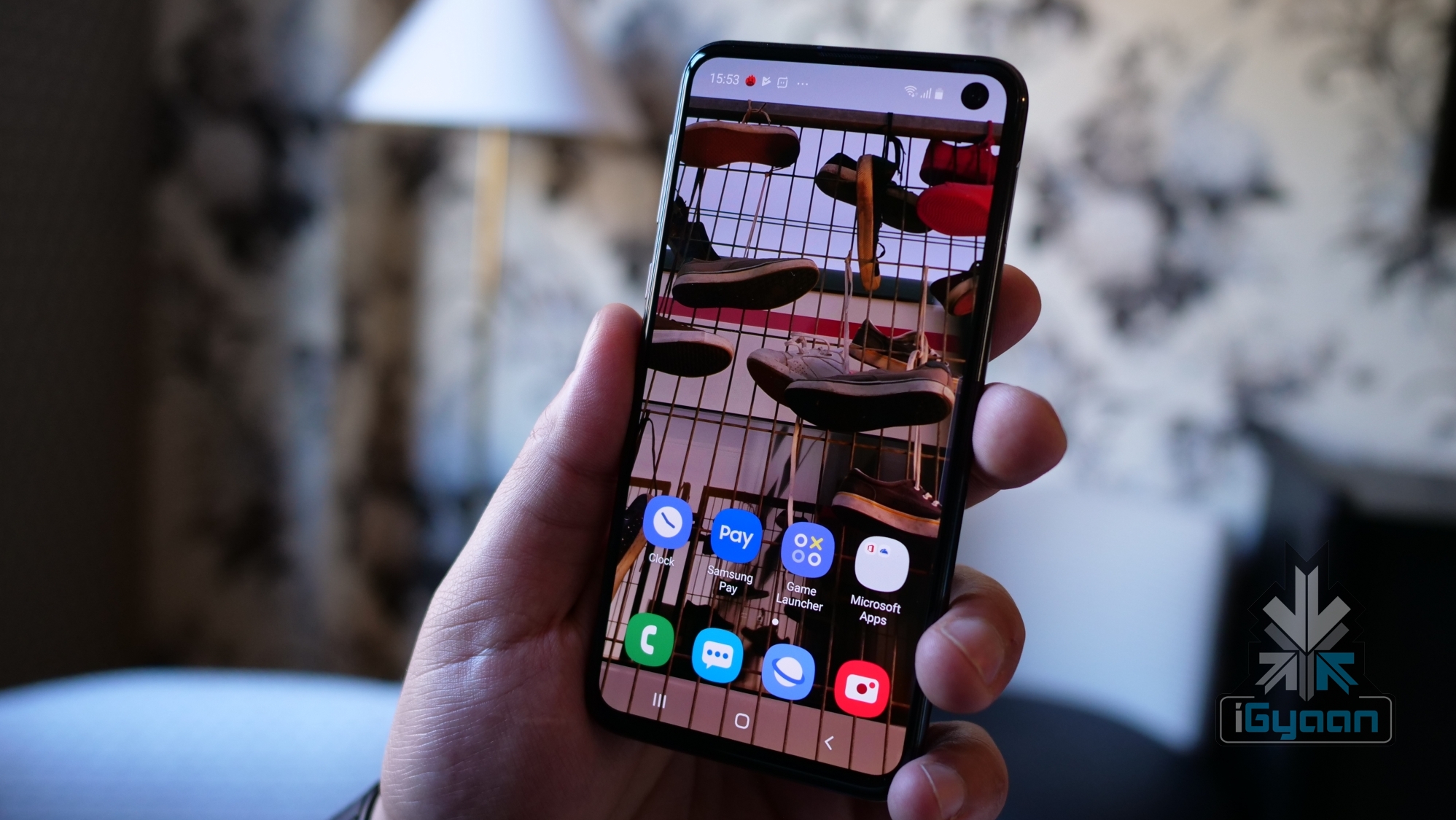
    Notably, the Galaxy S10 lineup differs in a few features, like the Galaxy S10e featuring a side-mounted fingerprint scanner and dual rear cameras; while its two elder siblings have an ultrasonic in-display fingerprint scanner and triple rear cameras. The screen size also varies on all devices, with the Galaxy S10e sporting a 5.8-inch display; while the Galaxy S10 and Galaxy S10+ have 6.1-inch and 6.4-inch display respectively. The front cameras of the Galaxy S10e and the Galaxy S10 is limited to just one sensor, while the elder sibling has two front-facing cameras.

    The Galaxy S10e is powered by a 3100mAh battery; while its elder siblings have a 3400mAh and a 4100mAh cell respectively. All the three smartphones have IP68 certification for water and dust resistance, support Wi-Fi 6, NFC, fast wireless charging and also support reverse wireless charging.

    Videos

  • India Has The Most Affordable Mobile Data In The World, According To A Study

    India Has The Most Affordable Mobile Data In The World, According To A Study

    A study conducted by a UK based broadband comparison website reveals that India has the most affordable mobile data rates in the world. The cost of 1GB data in the country is Rs 1.41 at its lowest and Rs 98.76 at its peak. The average cost of 1GB data in the country was calculated to be around Rs 18.34. The news arrives a few years after the arrival of Reliance Jio, the telecom operator that is credited for bringing down mobile data costs in the country.

    Mobile Data Rates Across The World

    Data from 6,313 mobile plans in 230 countries were gathered and analysed by Cable.co.uk between 23 October and 28 November 2018. The goal of the research was to find average rates of 1GB of mobile data in different countries. While India held the number one spot, it was followed by Kyrgyzstan and Kazakhstan for the number two and three rankings respectively. Interestingly, Asian nations make up half of the top 20 cheapest countries for mobile data, with India top and Sri Lanka, Mongolia and Myanmar also in the top ten. The global average was found to be $8.53 (around Rs 601).

    The most expensive mobile data was found to be in Zimbabwe, with an average price for 1GB of data $75 (Rs 5,292). The average data plans for a few countries are highlighted below:

    • USA – Rank: 182; Average Price $12.37 (around Rs 872.91)
    • UK – Rank: 136; Average Price $6.66 (around Rs 469.97)
    • South Korea – Rank: 201; Average Price $15.12 (around Rs 1,067)
    • Japan – Rank: 154; Average Price $8.34 (around Rs 588)
    • China – Rank: 165; Average Price $9.89 (around Rs 697.90)
    How To Make Mobile Data Affordable?

    Also read: Redmi Note 7 To Go On Sale For The First Time In India

    A senior executive at Cable explained how the countries make mobile data this affordable. He says “Many of the cheapest countries in which to buy mobile data fall roughly into one of two categories. Some have excellent mobile and fixed broadband infrastructure and so providers are able to offer large amounts of data, which brings down the price per gigabyte.” He also claimed that other countries with lesser advanced broadband networks were heavily reliant on the usage of internet through their mobile phones. This would make the rates of the said data low, in order to make them affordable.

  • HTC Will Soon Make A Comeback In India

    HTC Will Soon Make A Comeback In India

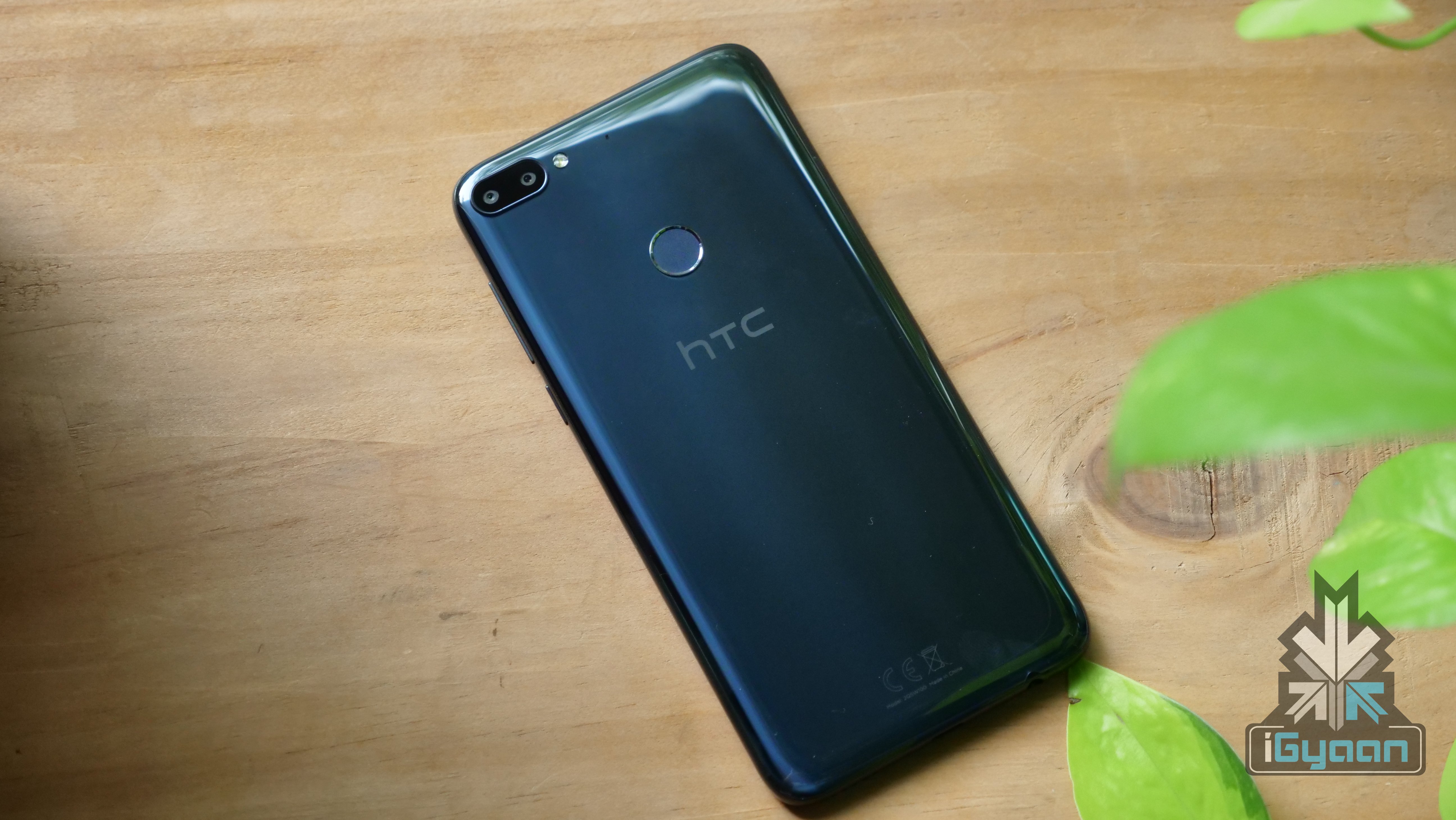
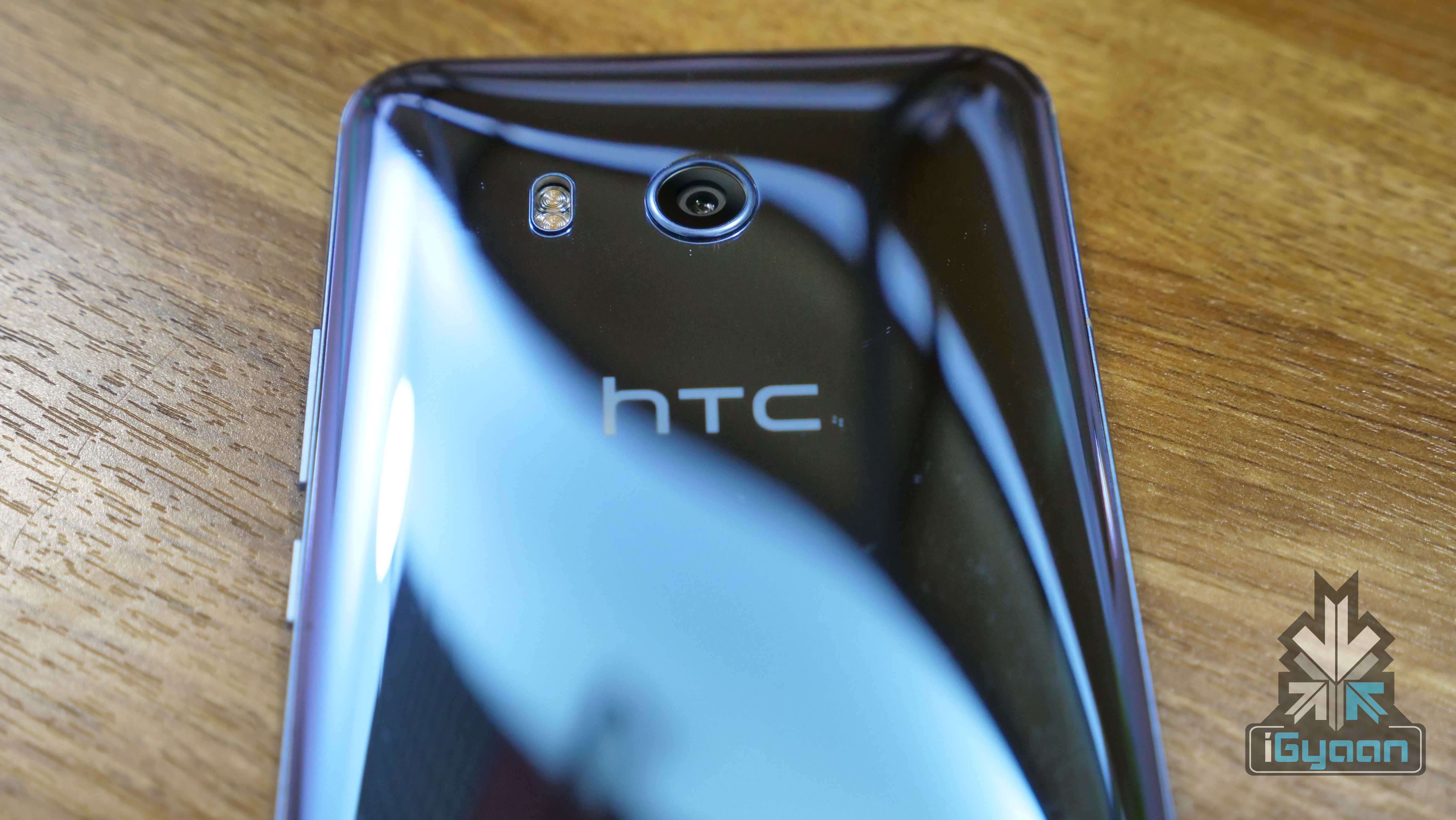
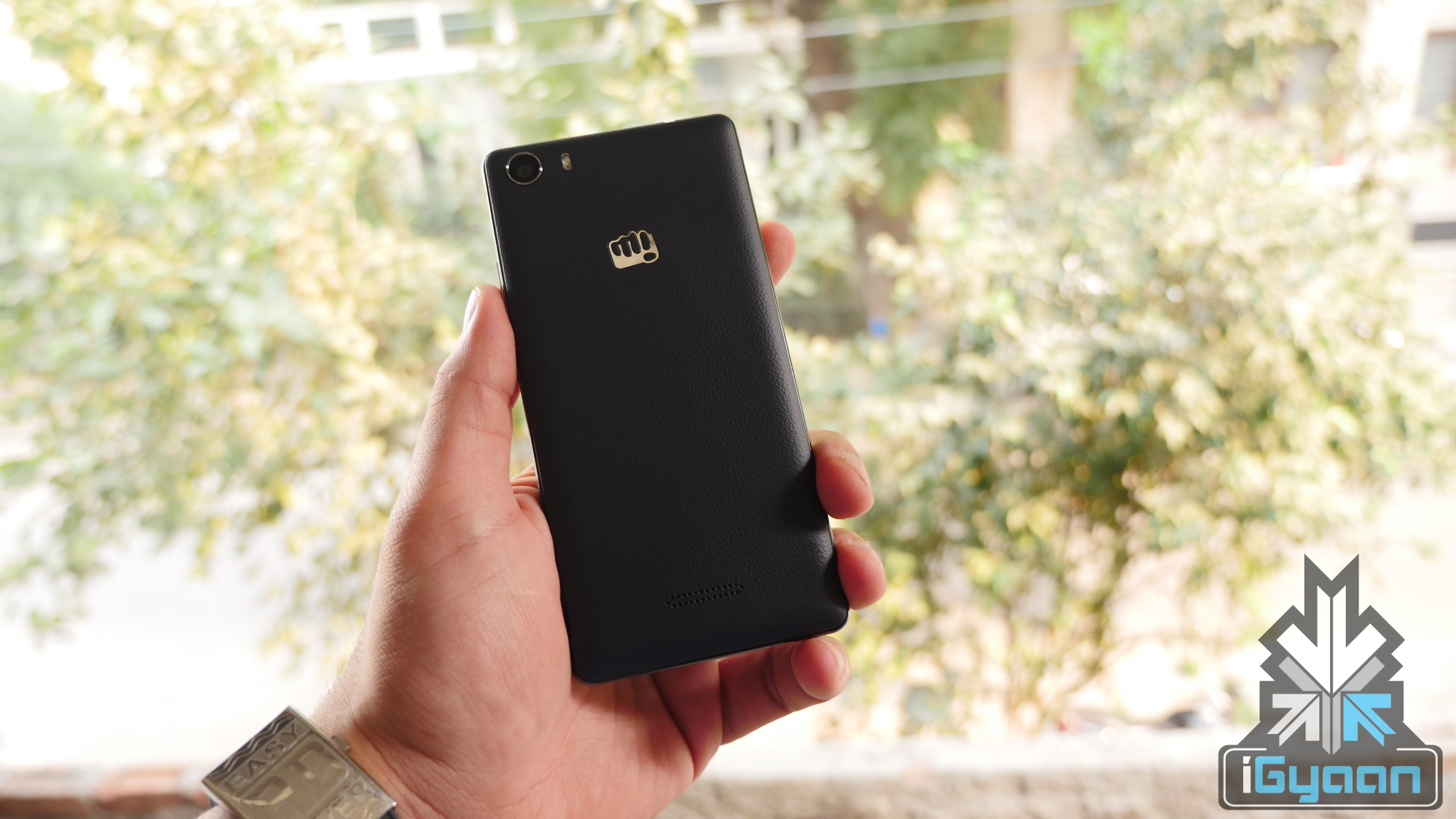
    Taiwanese smartphone maker, HTC has seen better days in the past accrediting to its software and hardware innovations. Noteworthy, it was the worlds first company to launch a dual camera smartphone, the EVO 3D. However, in an economy like India which is majorly driven by the specification to price ratio, HTC failed to persist and ceased its operations in the country last year. Reportedly the company is planning to make a comeback in India but in a completely different convention. The company is in talks with three Indian OEMs, Micromax, Lava and Karbonn which will license its brand name and will pay a royalty in return. 

    Why Would Indian Companies Want To License HTC’s Brand Name?

    In the last couple of years, the market share of Indian smartphone companies has fallen drastically. According to reports, Indian companies had a 40% market share in the year 2015 which had fallen to single-digit last year. Clearly, this is due to fierce competition from Chinese companies like Xiaomi and Oppo. The aforementioned Indian brands are currently focusing on feature phones and entry-level smartphones in order to thrive this deluge.

    Products offered by HTC in the past were mostly targetted towards the premium and mid-range segment. Assuredly the company had the brand value which pulled the customers to its offerings. Hence, Indian brands with the help of HTC’s brand name can tap into these segments which they are currently incapable of. 

    What To Expect In Terms Of Products?

    Also Read: Redmi Note 7 To Go On Sale For The First Time In India

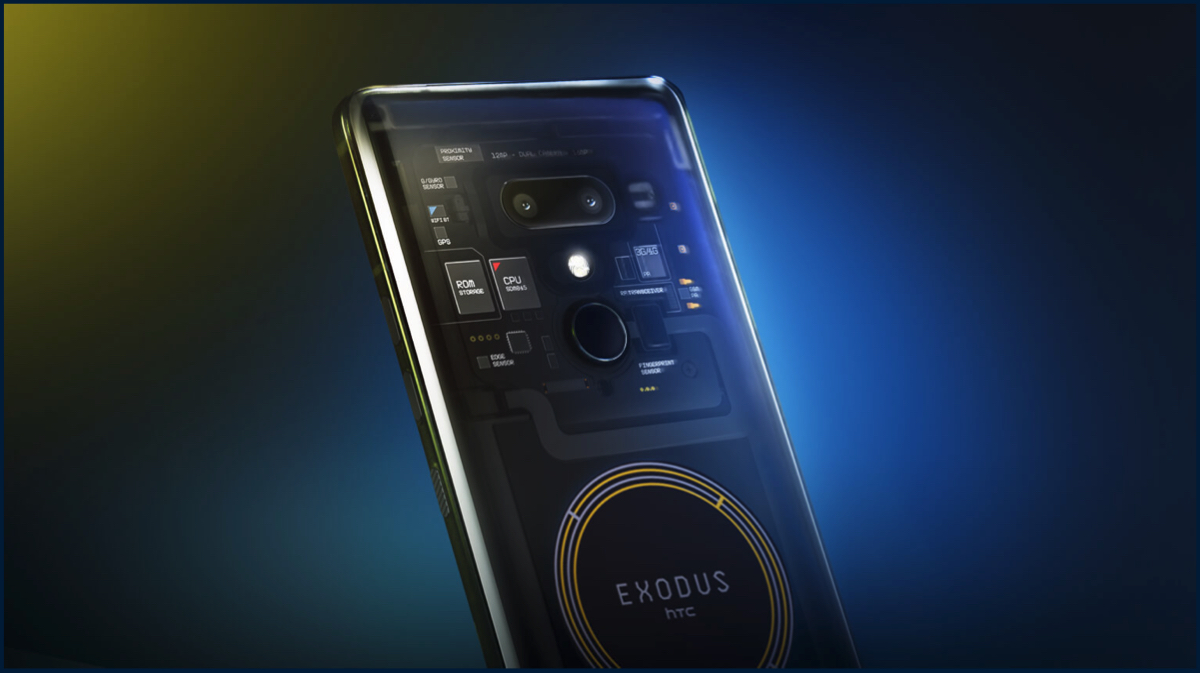
    It is unannounced what products will be sold under HTC’s brand name in India. Nevertheless, the portfolio will certainly include smartphones and it can also incorporate tablets and smart home products. One smartphone that the company can launch in the country is the HTC Exodus which is the world’s first blockchain smartphone. Another product that the company can launch is the 5G hub which as the name suggests is 5G compatible device. It is an attractive looking smart home gadget that has a built-in screen and runs on Android OS. Information about other products is expected to follow soon which we will keep you posted on. 


  • Redmi Note 7 To Go On Sale For The First Time In India

    Redmi Note 7 To Go On Sale For The First Time In India

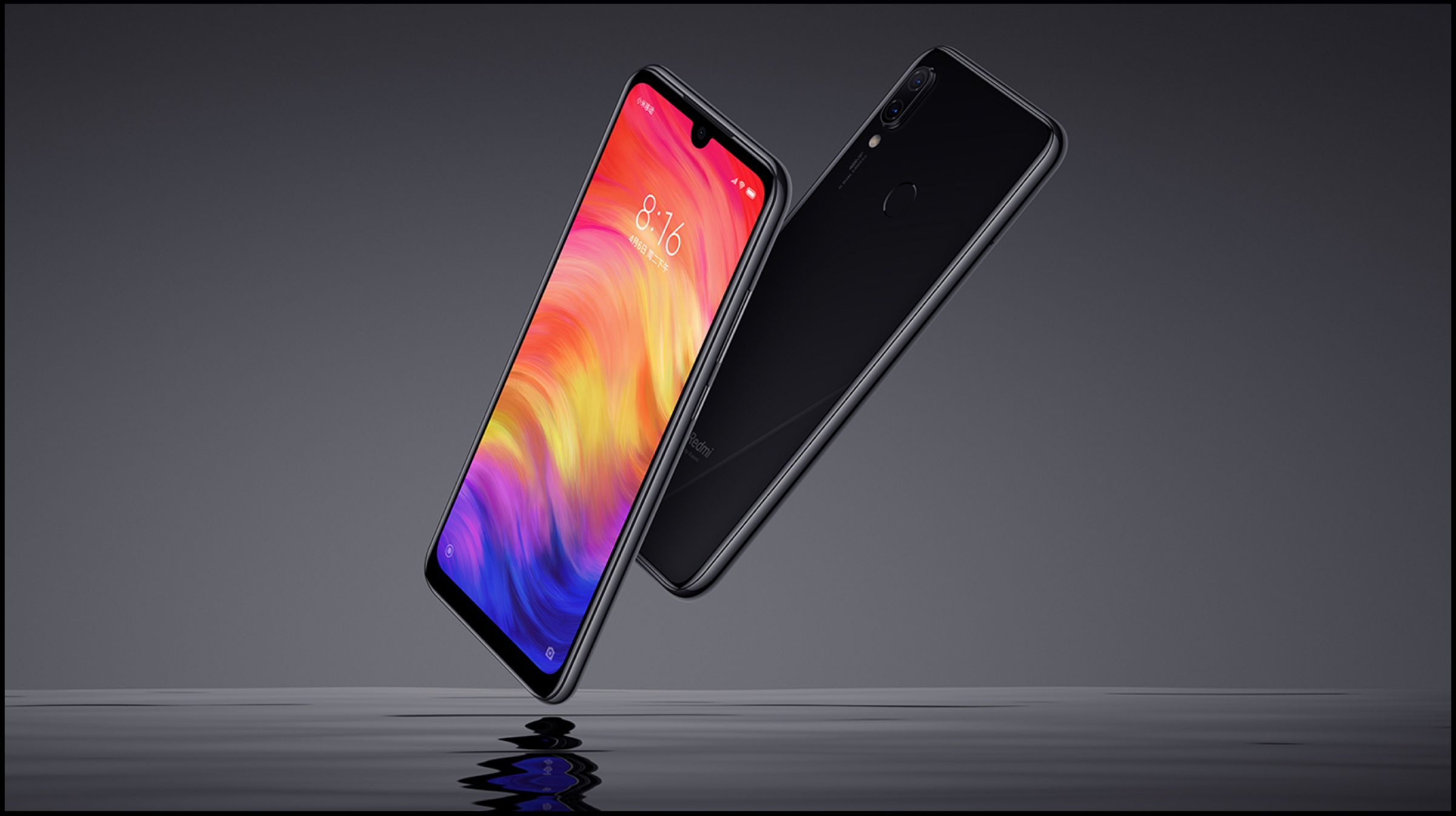
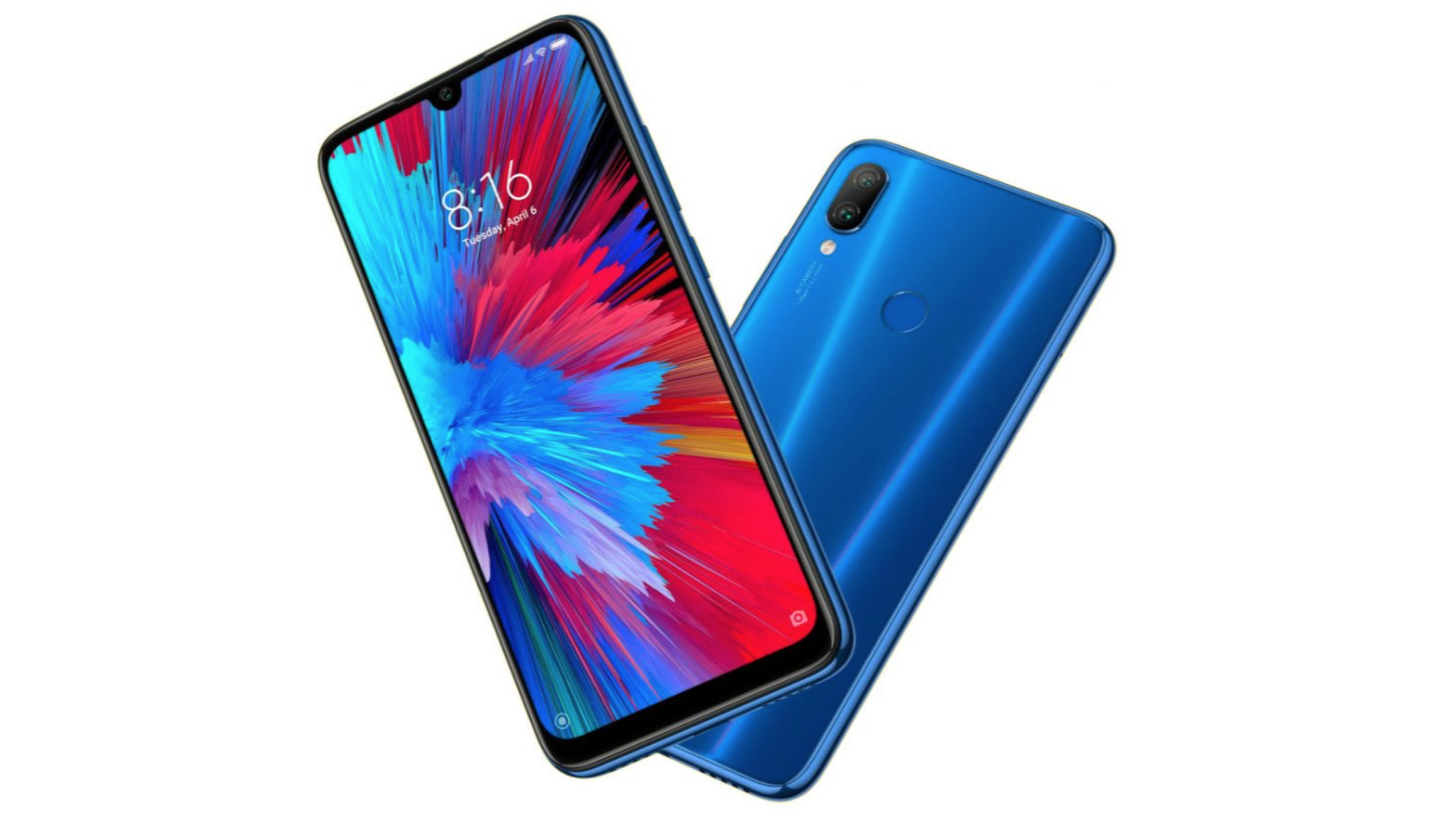
    The Redmi Note 7 is all set to go on sale in India for the first time today. The smartphone was launched alongside the Redmi Note 7 Pro on February 28. It is the first phone that Redmi has launched in India after separating from its parent company Xiaomi. The device features a modern design and ambitious specifications with a lucrative price tag.

    Redmi Note 7: Where To Buy?

    The Redmi Note 7 will be available at a price of Rs 9,999 for the version with 3GB RAM and 32GB of onboard storage. The variant with 4GB RAM and 64GB of internal storage has been priced at Rs 11,999. The smartphone will be available to order via flash sales on Flipkart and Mi.com from 12 noon on March 6. It will also be available offline from Mi Home outlets starting today. Reputably, the device also supports memory expansion upto 256 GB via a microSD card. 

    Click here to buy the Redmi Note 7 on Flipkart

    Redmi Note 7: Specifications & Features

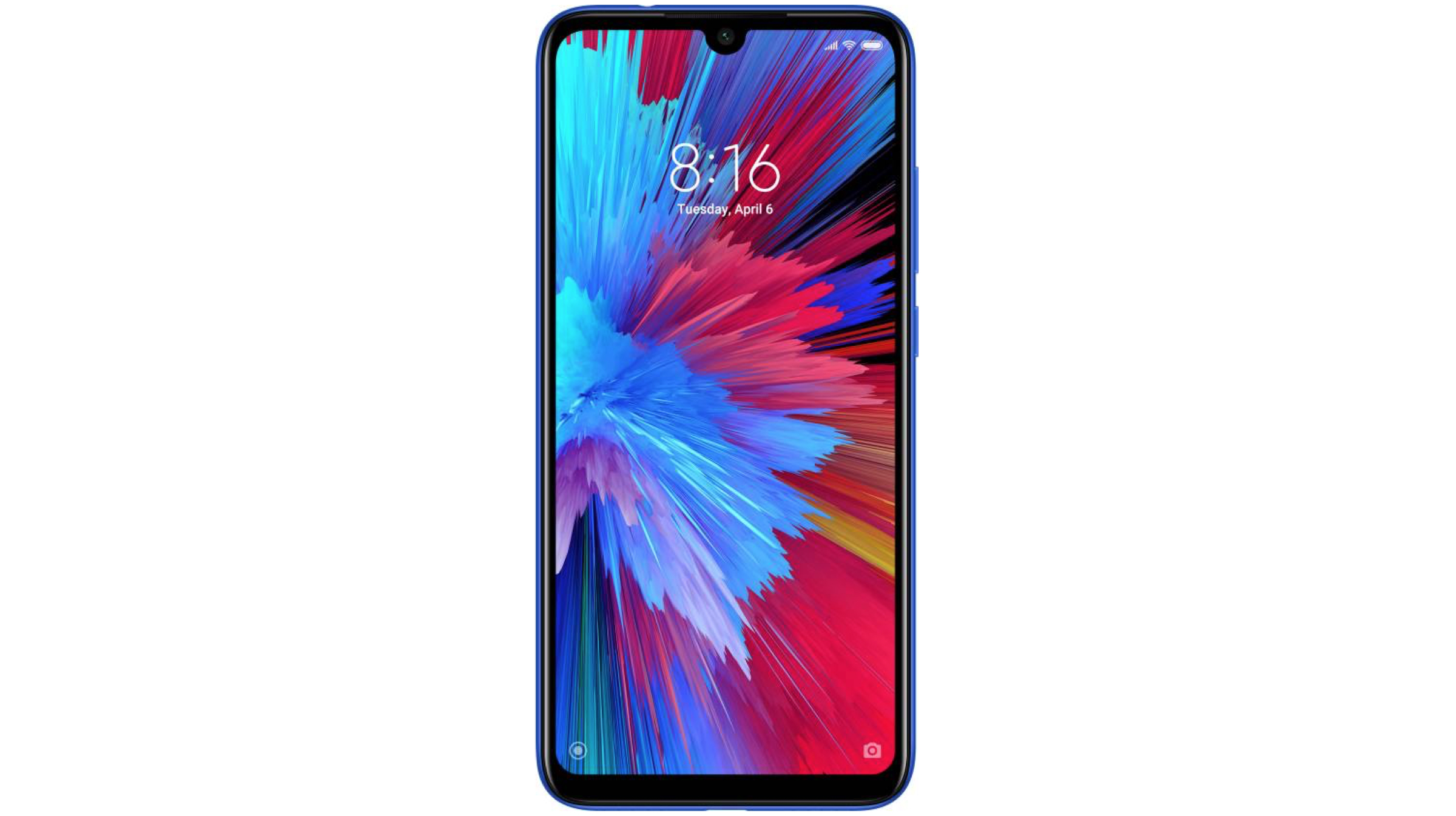
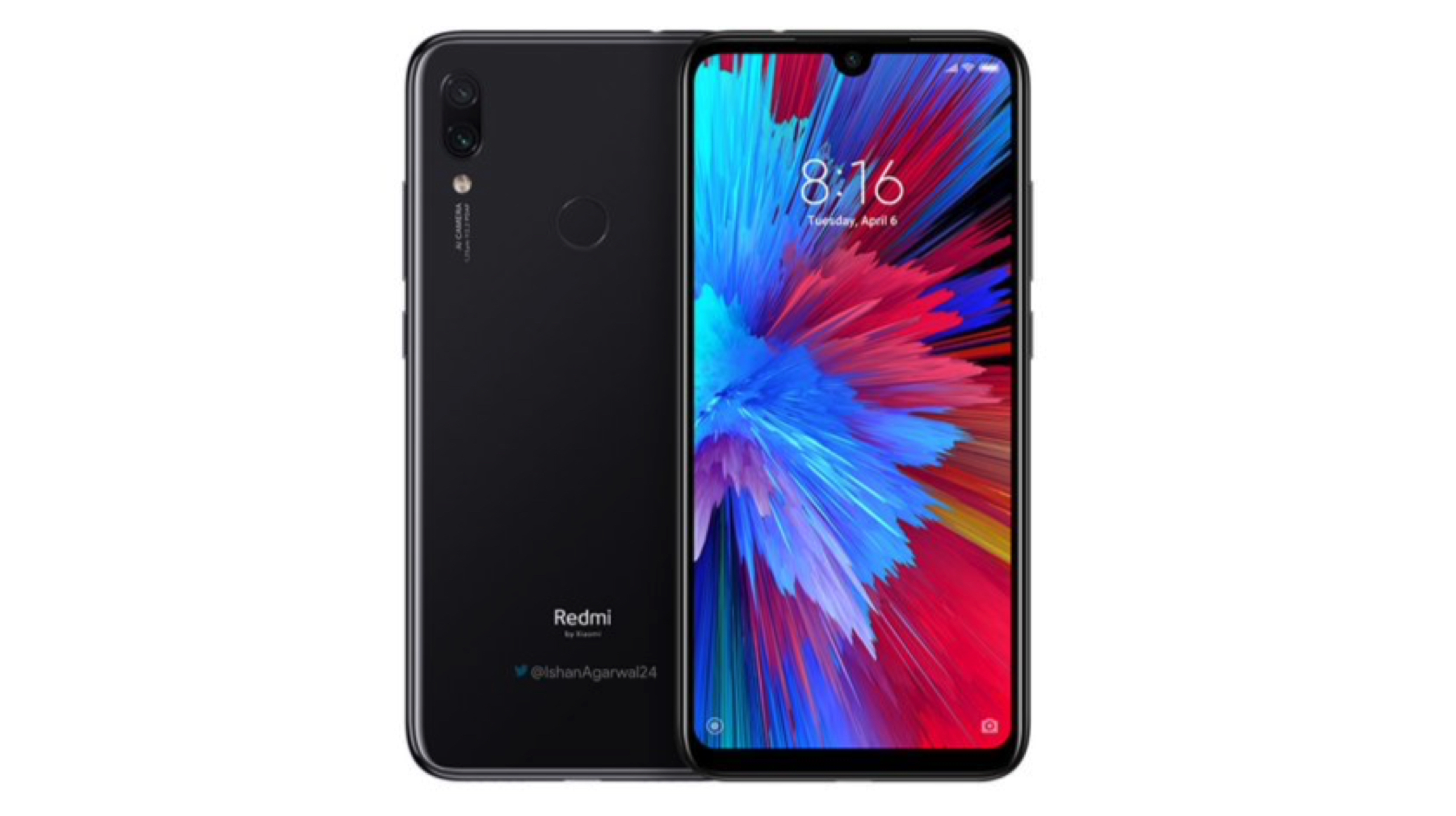
    To recall, the Redmi Note 7 is a budget offering from the company and features a modern design with Gorilla Glass 5 on the front and the rear. The smartphone has a 6.3 inch LCD display with a small waterdrop notch up top. The display panel has a 19.5:9 aspect ratio with a resolution 2340 x 1080 px and pixel density of 409 ppi. There is a fingerprint scanner on the back of the device and it also supports face unlock technology.

    Under the hood, the Redmi Note 7 runs on the Snapdragon 660 SoC which consists of Adreno 512 GPU and an Octa-Core CPU. Out of the eight CPU cores, four Kryo 260 cores are clocked at 1.8 GHz for better battery efficiency and four Kryo 260 cores are clocked at 2.2 GHz for maximum performance. For optics, the smartphone has a dual rear camera setup consisting of a 12MP main sensor with an aperture of f/2.2 and a secondary 2MP depth sensor. The front camera on the device has a 13MP sensor which is housed in the notch on top of the display.


    Also Read: Best Portable Power Banks You Can Buy Right Now

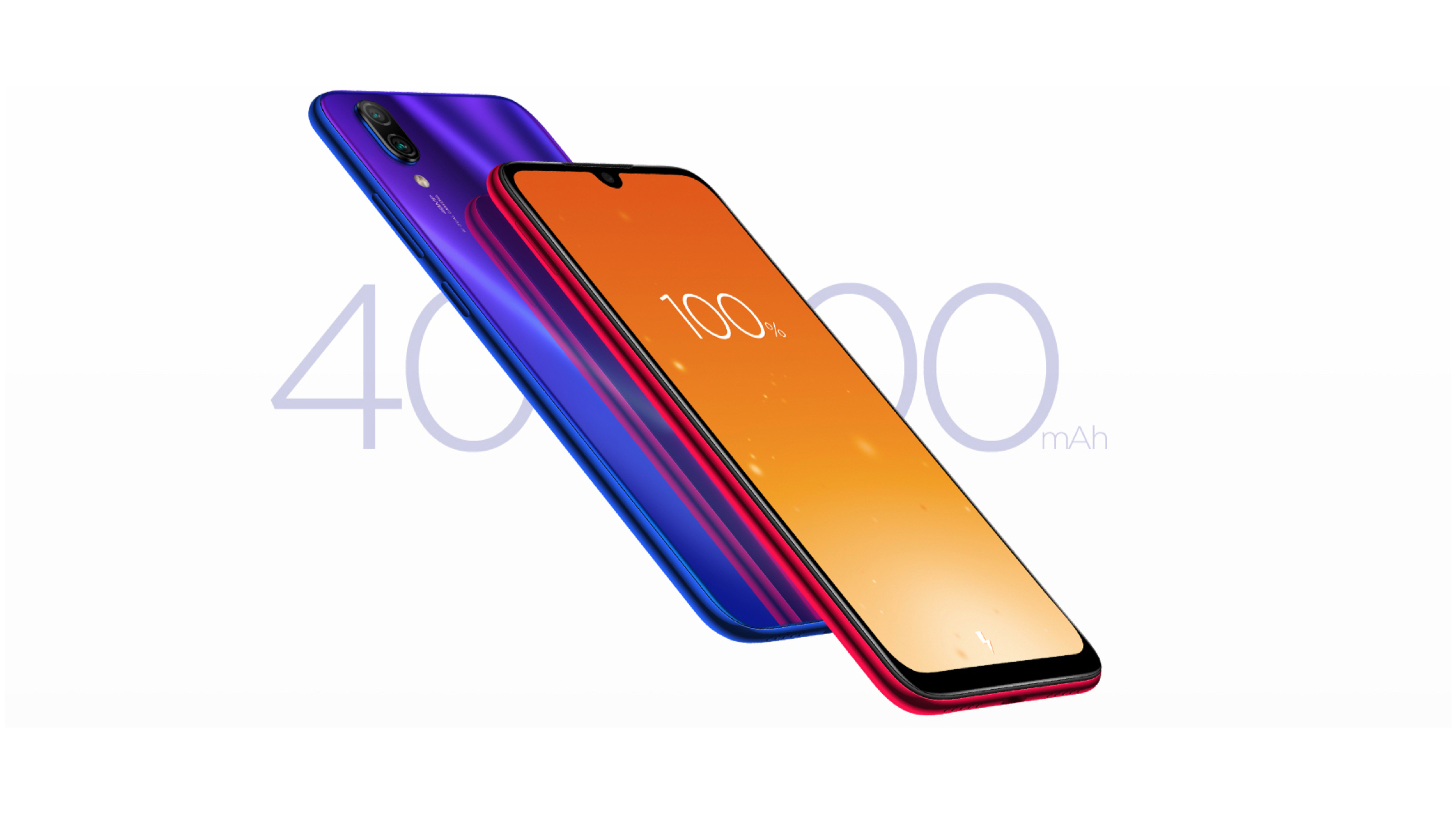
    The Redmi Note 7 is powered by a 4000mAh battery with support for Qualcomm Quick Charge 4. It allows the device to charge with a maximum input of 18W via the bottom mounted USB Type-C port. Connectivity options on the device include 802.11 ac Wi-Fi, 4G VoLTE, Bluetooth 5.0, GPS, and FM Radio. It also has a whole host of sensors which include an accelerometer, gyroscope, proximity sensor, and a compass.

    Click here to buy the 3GB + 32 GB Variant Of Redmi Note 7 

    Click here to buy the 4 GB + 64 GB Variant Of Redmi Note 7 

iGyaan Network
Privacy Overview

This website uses cookies so that we can provide you with the best user experience possible. Cookie information is stored in your browser and performs functions such as recognising you when you return to our website and helping our team to understand which sections of the website you find most interesting and useful.