Blog

  • Xiaomi Mi Band 4 Certified By NCC In Taiwan, Launch Imminent

    Xiaomi Mi Band 4 Certified By NCC In Taiwan, Launch Imminent

    Over the past few years, the market for smart wearables has been growing at a rapid pace. Chinese conglomerate, Xiaomi was one of the first companies to encash on the booming industry. The company launched its first activity tracker, the Mi Band in the year 2014 which was warmly welcomed by the consumers. After the success of the aforementioned device, the company launched two more fitness bands, the Mi Band 2 and the Mi Band 3 in the year 2016 and 2018 respectively. For quite some time, the company has been rumoured to launch yet another fitness band in the form of Mi Band 4. The former was previously certified on the mandatory Bluetooth SIG website which strengthened the claims of its presence.
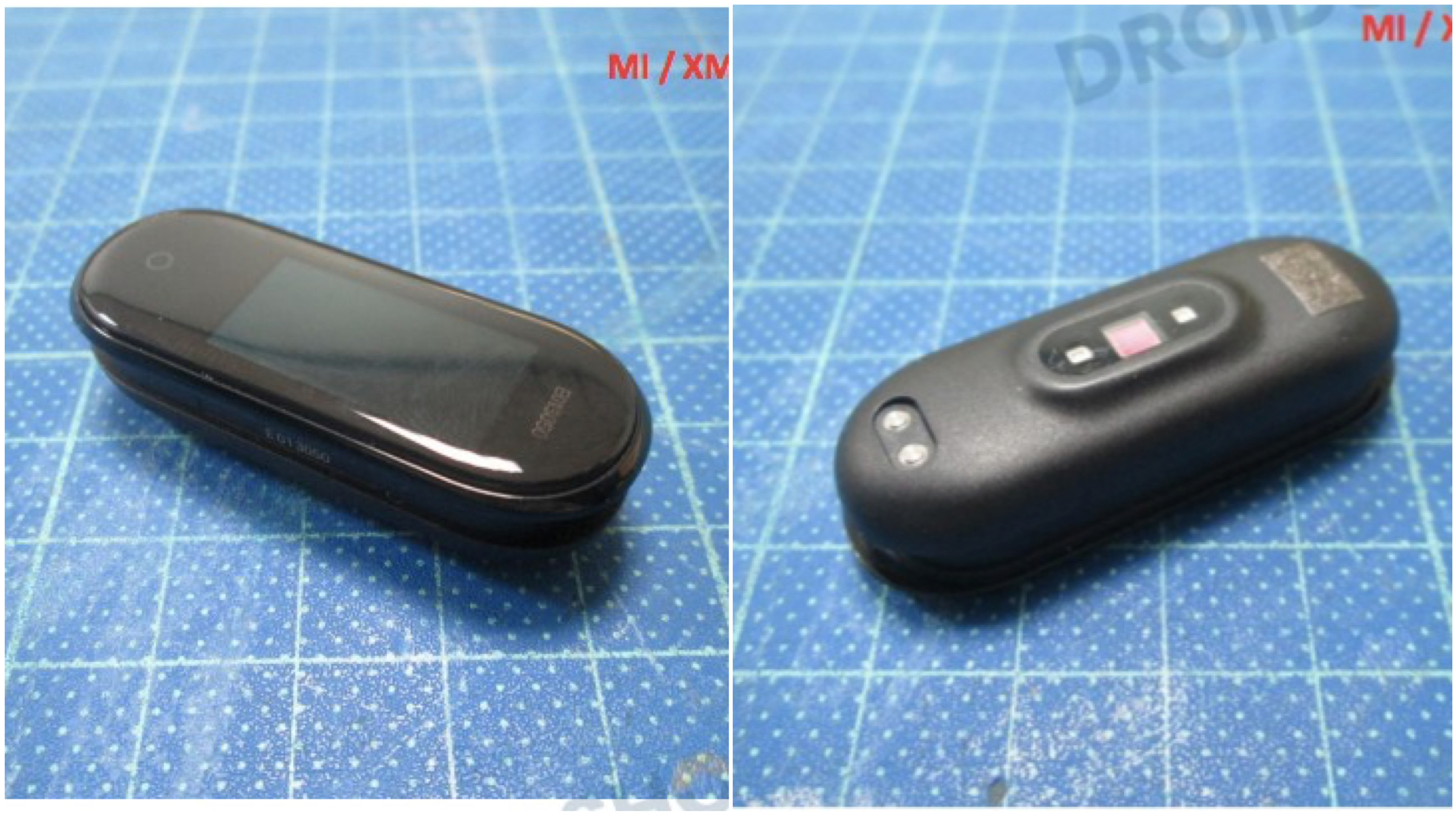
    The existence of the Mi Band 4 is now verified accrediting to its NCC Taiwan certification. The listing is sufficiently detailed to reveal the looks the features of the upcoming fitness band. Notably, in terms of looks, the device is not significantly different than its predecessor. However, the innards of the Mi Band 4 seem worthy of attention.
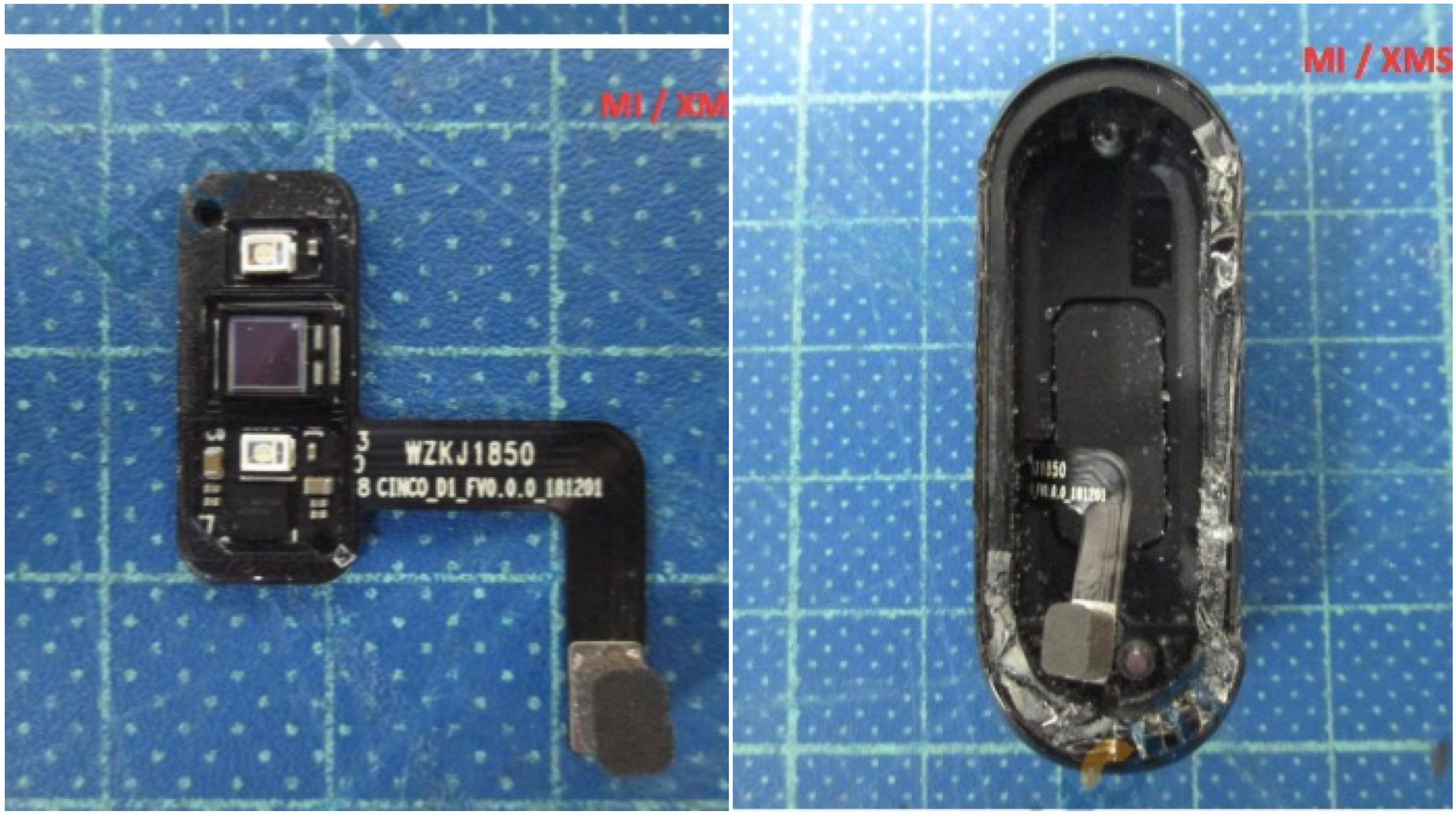
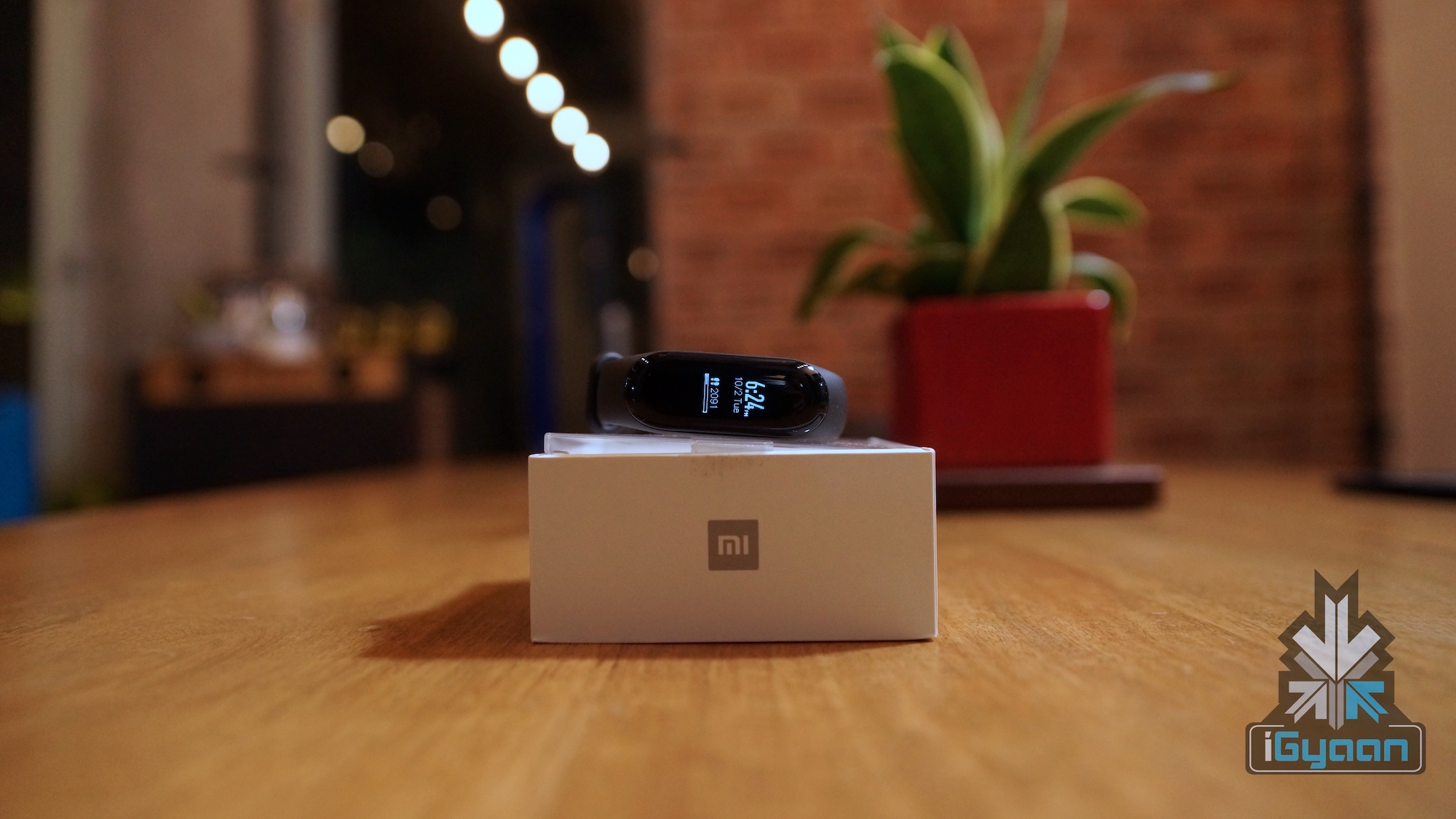
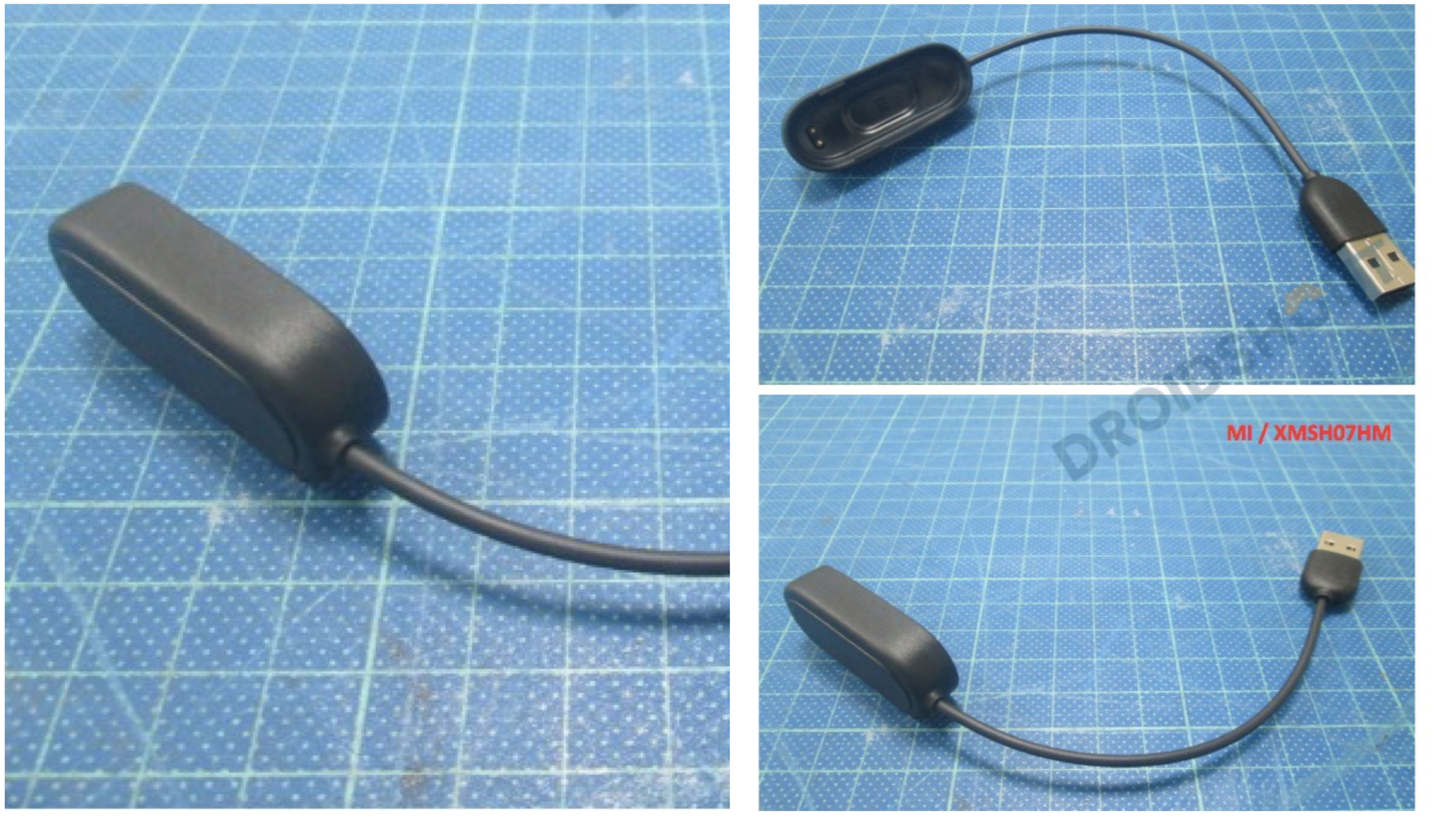
    The fitness tracker looks like an elongated capsule with plastic on the front and bottom. The top of the device accommodates a small display and control button while its rear is occupied by charging pins and a heart rate sensor. The cross section of the Mi Band 4 exhibits the heart rate sensor in all its glory which is an appreciable feature considering it will be aggressively priced. 
    Also Read: Lenovo Launches Ideapad S540 With NVIDIA GeForce GTX 1650 Graphics

    In terms of features, the Mi Band 4 will support Bluetooth 5.0 LE (Low Energy) which is assumed to provide a longer battery backup. Furthermore, the images also reveal the support for NFC connectivity. Though, reports claim that this feature will only be limited to the Chinese variant of the fitness tracker. All in all, the Mi Band 4 seems to be a worthy upgrade which going by the number of leaks and certifications will launch soon. 

  • US Researchers Have Designed An Inexpensive 3D Printed Microscope For Developing Countries

    US Researchers Have Designed An Inexpensive 3D Printed Microscope For Developing Countries

    Cellular Biology is one of the hottest fields in medical science right now. Scientists and Researchers are working on techniques to make cellular biology more accessible, and in such an effort, Researchers from the University of Connecticut have used 3D printing technique to manufacture a portable and affordable microscope that can provide high-resolution 3D images of cells, which can be further used to detect diabetes, malaria and other diseases.

    Bahram Javidi, the lead of the research team states that the microscope does not require any staining and labels, which will make the microscope easy to use. He further adds that the microscope will would be of extreme convenience in places where access to high-quality healthcare and medical research is limited. A multitude of diagnostic facilities can make use of the 3D printed microscope to test out cellular structures. 

    Design Of The 3D Printed Microscope

    The design of the 3D printed microscope is based on digital holographic microscopy. Bahram claims that the images produced by the portable microscope are almost twice the resolution of the images produced by traditional microscopy. The applications of such a device are not limited to research and medical science, rather, it can be used in defence and education as well. Since the entire microscope is manufactured out of 3D printed parts, it can be assembled anywhere and with relative ease. Moreover, unlike other scientific equipment, the 3D printed microscope is not expensive at all. Also, the incorporation of alternative components such as image sensors could drastically reduce the price point of the microscope when/if it is mass produced at some point. 

    How Does The 3D Printed Microscope Function?

    The core of the new microscope works in similar ways to a traditional digital holographic ones, where a digital camera captures the hologram generated when the light coming from the sample object interferes or colludes with the reference light wave. This process relies on a controlled setup where the environment has to be free of vibrations and temperature fluctuations. Instead, the newly manufactured equipment combines the two images using a super-resolution technique, which is scientifically referred to as Structured Illumination Microscopy. In this process, a structured light pattern is created with the help of a clear disc. 

    Also Read: Huawei Kirin 985 SoC To Debut In The Second Half Of 2019

    The involved researchers state that the 3D printed microscope is ready for use in the field. It can applied to a variety of fields such as diagnosing diseases and identification of concerned cellular structures. The researchers are already working to enhance the resolution of generated images and reduce the incoming noise, that too without leading to price hikes in the same. 

  • Lenovo Launches Ideapad S540 With NVIDIA GeForce GTX 1650 Graphics

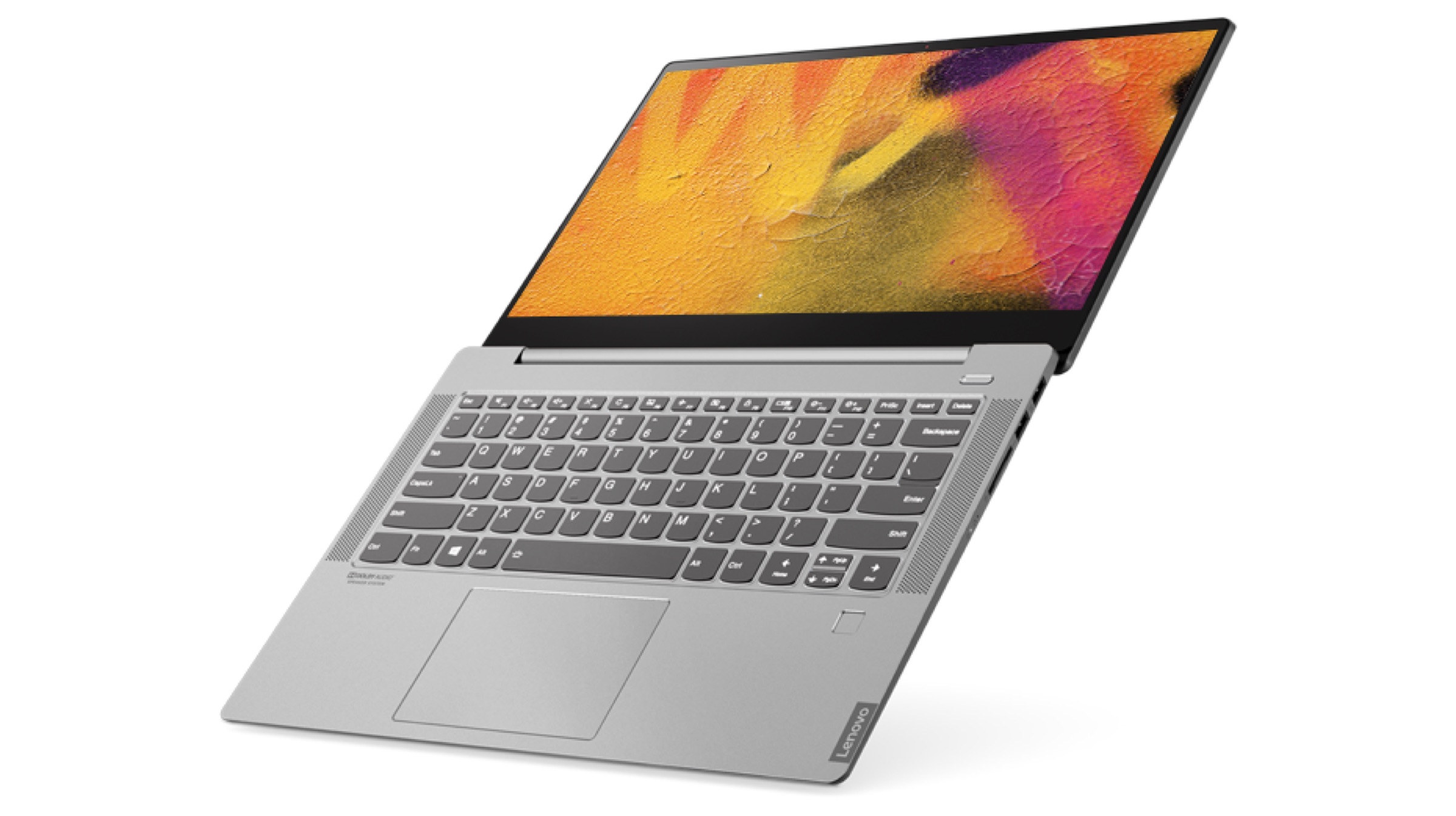
    Lenovo Launches Ideapad S540 With NVIDIA GeForce GTX 1650 Graphics

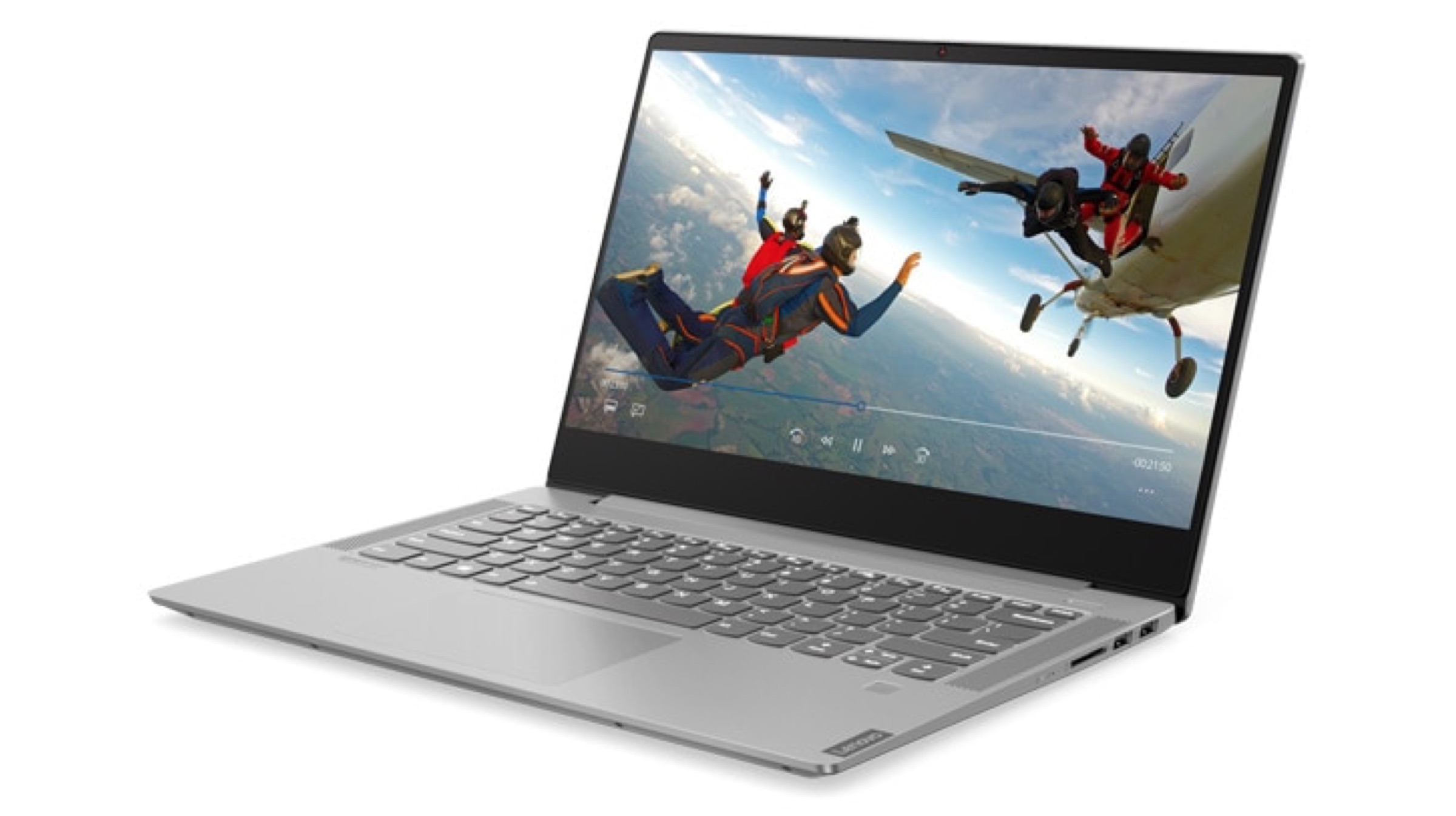
    Lenovo first showcased its Ideapad S540 notebook with GeForce MX250 graphics at the Consumer Electronics Show (CES 2019), and the company has now launched the same laptop with NVIDIA GeForce GTX 1650 graphics. The laptop is aimed towards entry-level gamers and content creators who don’t want to shell out a lot of money for a powerful laptop. Gamers can play their favourite games in Full HD resolution on the Ideapad S540.

    Lenovo Ideapad S540 Specifications And Features

     The laptop features a 15.6 inch Full HD IPS display with 300 nits of brightness. It runs on the 8th Gen Intel Core i7 (i7-8565U) processor, which is bundled with up to 12GB of RAM and up to 512GB PCIe SSD for storage. As mentioned previously, the Ideapad S540 features NVIDIA’s latest mobile graphics chip, the GTX 1650. It is based on the Turing architecture, which provides higher performance than its predecessors while consuming lesser power.

    As per reports, the performance levels of the GTX 1650 are almost 70 percent better than the GeForce GTX 1050 graphics card. The 4GB GDDR5 GPU chip features a total of 896 CUDA cores with a base clock speed of 1485 MHz and a turbo boost up to 1665 MHz. It does not require it’s separate power source, instead, it consumes power from the 75W power input from the PCIe bus. The company claims that the laptop provides a power backup of up to 12 hours. The Lenovo Ideapad S540 weighs at 1.8 kilograms. 
    Expected Price And Availability

    Also Read: AMD Marks 50th Anniversary With Limited Gold Edition CPUs And GPUs

    As of now, the product listing can be seen on Lenovo’s UK website sans any price for the same. However, given the inclusion of the GeForce GTX 1650 graphics, the laptop is expected to retail for somewhere around the price point of INR 60,000. Further details regarding the availability are expected to be revealed soon by the company. 

  • Huawei Kirin 985 SoC To Debut In The Second Half Of 2019

    Huawei Kirin 985 SoC To Debut In The Second Half Of 2019

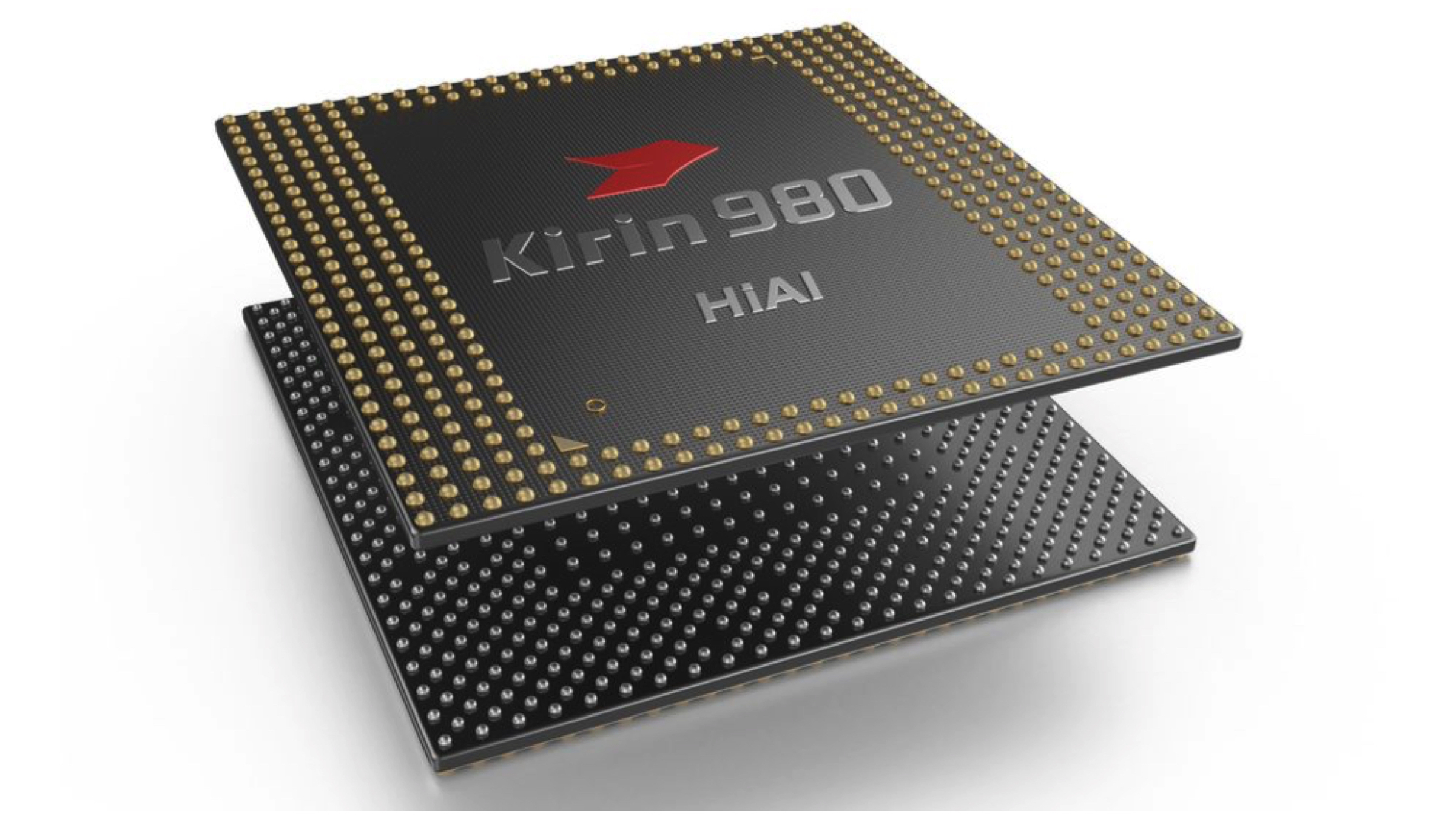
    Huawei, the second largest smartphone OEM in the world, announced the Kirin 980 mobile processor for use in its flagship smartphones last year. It was the successor to the Kirin 970 and was manufactured on a new, 7nm fabrication process which boasts of increased performance and efficiency. The SoC has since made its way in a number of devices including the Mate 20 Pro and the latest P30 Pro launched last month. According to a fresh report by a Chinese news source, Huawei is working on a successor to the Kirin 980 which will be called the Kirin 985 and will be announced in the third quarter of this year.

    Kirin 985 SoC
    Kirin 980

    According to reports, the upcoming Kirin 985 SoC will not be a significant upgrade over the last generation like its predecessor. It will, however, focus on refining the overall experience and improving the performance and battery life of smartphones featuring it. Like the Kirin 980, it will be featured in Huawei’s and Honor’s flagship smartphones and will be manufactured on a 7nm fabrication process. It will be manufactured by Taiwan Semiconductor Manufacturing Company (TSMC). Noteworthy, TSMC also produces mobile chipsets for use in Apple’s iPhones and iPads. 

    P30 Pro

    The upcoming Kirin 985 SoC will reportedly be manufactured using the FlipChip Package on Package (FC- PoP) method. This method of mobile chipset production allows the vertical stacking of transistors, which will increase its density. Because of the change in the manufacturing process, the performance is touted to increase by up to 20 percent.

    Also read: Pixel 3a, 3a XL Get Bluetooth Certification Ahead Of Official Launch

    It is also reported the new mobile processor from Huawei will have a 5G modem inbuilt, which insinuates all future smartphones featuring the chipset will have support for 5G networks. The company will start the mass production of the Kirin 980 in the third quarter of this year. The chipset is expected to first feature in the next device in the Huawei Mate series, presumably called the Mate 30.

  • AMD Marks 50th Anniversary With Limited Gold Edition CPUs And GPUs

    AMD Marks 50th Anniversary With Limited Gold Edition CPUs And GPUs

    On the 1st of May 2019, American chipmaker AMD will mark its 50th anniversary. To commemorate this significant feat, the company is offering limited Gold Edition versions of its high-end Ryzen 7 2700x CPU and the Radeon VII GPU. The PC parts will be offered across the globe between the 29th of April and 8th of June via select online and offline retailers. Additionally, some of AMD’s partner companies will also offer Gold Edition components like the motherboard during the sale.

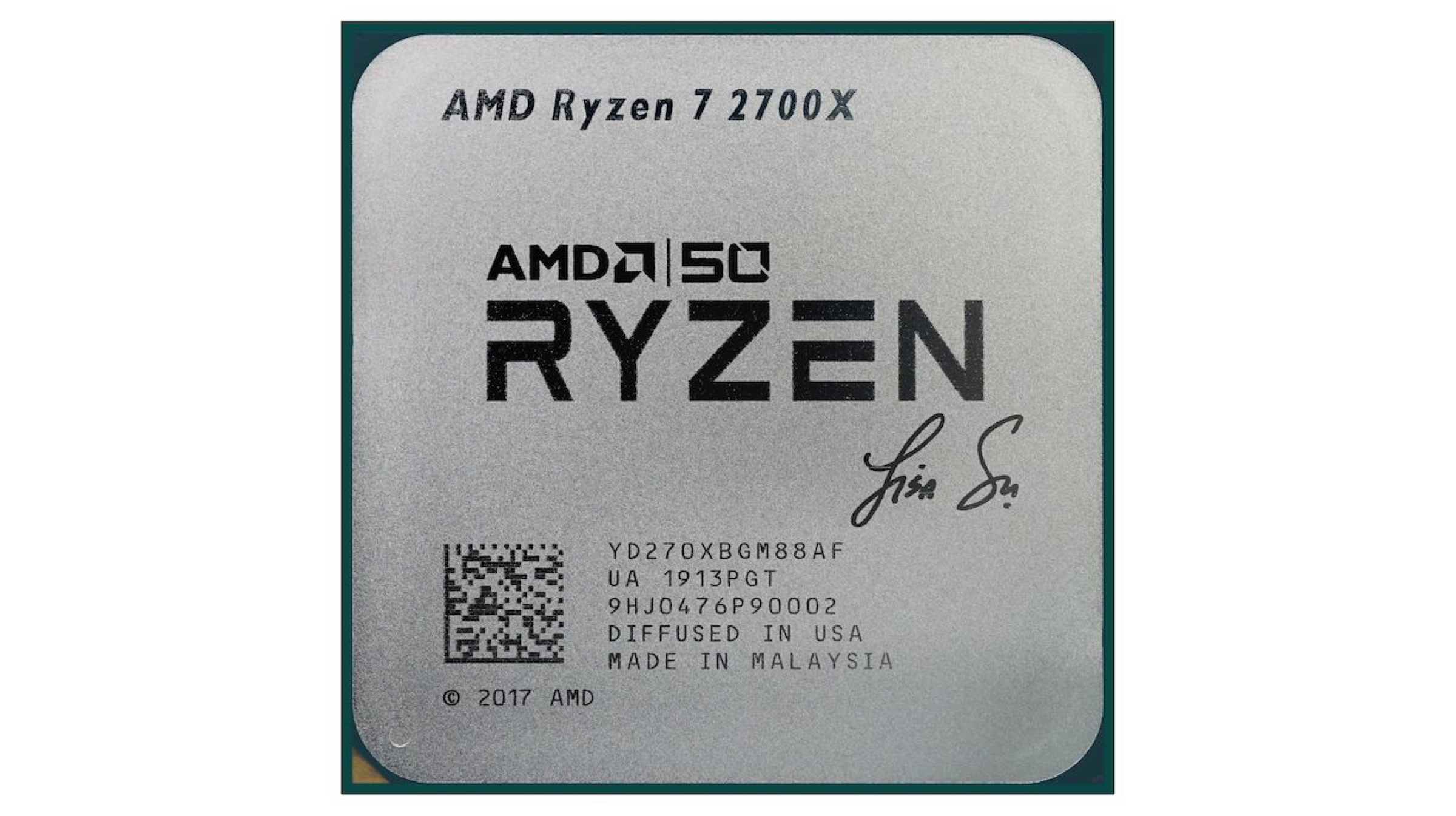
    Noteworthy, the Gold Edition components are no different than the standard variants in terms of specifications rather they have a distinctive look. The Gold Edition Ryzen 7 2700x CPU has an AMD50 logo etched on top while the heat spreader that ships with it has an etched signature of company CEO Dr Lisa Su. On the other hand, the Radeon VII CPU has a Red Cooler shroud and redesigned packaging with AMD50 logo and gold accents.

    Talking about the specifications, the Ryzen 7 2700x is an Octa-Core CPU that has 16 threads. It has a base clock speed of 3.7 GHz and a maximum boost speed of 4.3 GHz. The chip has 768 kb of L1 cache, 4 MB of L2 cache, 16 MB of L3 cache and is manufactured using 12 nm FinFET technology. The Radeon VII is the world’s first GPU to be manufactured using a 7 nm fabrication process and is comprised of 13.2 billion transistors. It has 60 compute units and 3840 stream processors with 16 GB HMB2 RAM with 1 TB/S memory bandwidth.

    The Ryzen 7 2700x Gold Edition CPU carries a price tag of US $ 329 while the Radeon VII Gold Edition costs US $ 699. AMD is yet to disclose the price and availability of the components for the Indian market which might happen soon as the date of the anniversary is approaching fast.

    Also Read: Pixel 3a, 3a XL Get Bluetooth Certification Ahead Of Official Launch

    Besides the commercial availability of the limited edition parts, AMD will also be hosting an open house party at its office in Markham, Ontario, where fans and members of the public are invited to see a demonstration of products and interact with the staff.  


  • Pixel 3a, 3a XL Get Bluetooth Certification Ahead Of Official Launch

    Pixel 3a, 3a XL Get Bluetooth Certification Ahead Of Official Launch

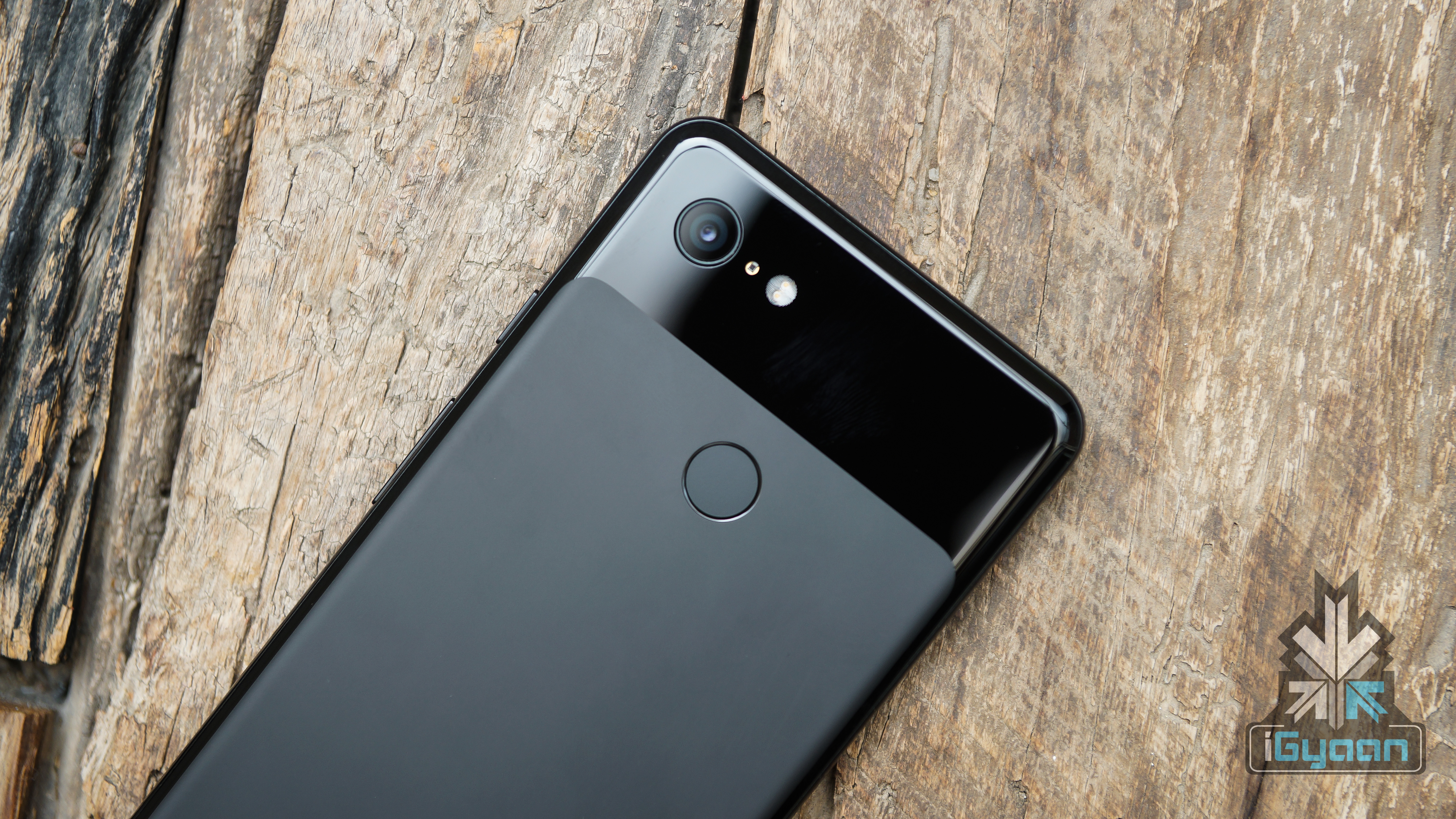
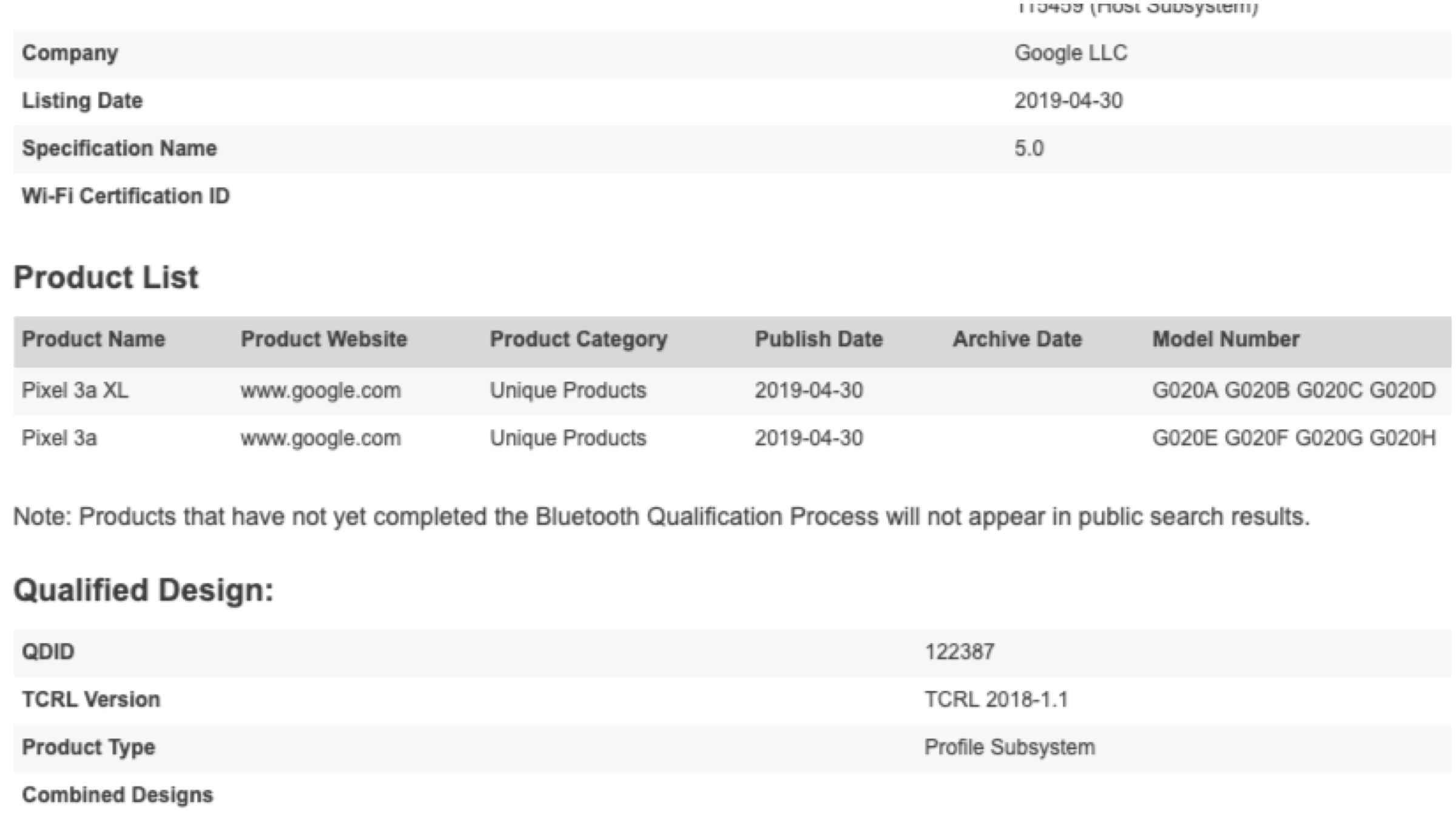
    American technology giant Google is anticipated to launch two new smartphones in the month of May. These devices, alleged to be called the Pixel 3a and Pixel 3a XL will be the watered down variants of the Pixel 3 and Pixel 3 XL handsets launched last year. In the fresh development of the upcoming smartphones, they have been granted Bluetooth certification and have been listed on the official Bluetooth launch Studio website.

    Pixel 3a/3a XL

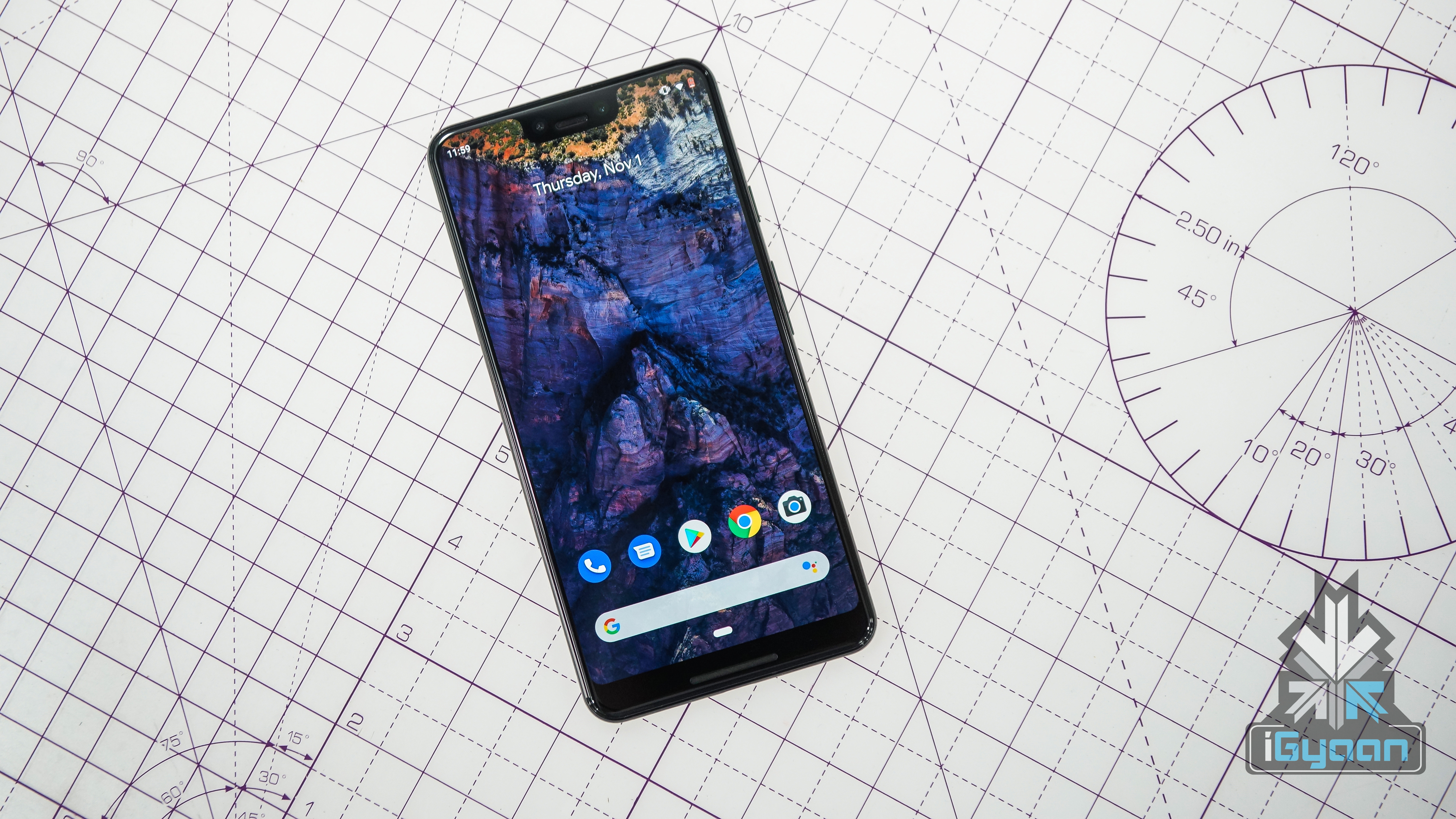
    The upcoming Pixel 3a lineup will be Googles first mid-range offering. The smartphones have been previously leaked to sport a design that is reminiscent of their elder siblings. However, the material of choice is expected to be polycarbonate instead of metal and glass on the Pixel 3 & 3 XL. The front is expected to be dominated by a 5.6-inch OLED display on the Pixel 3a while the Pixel 3a XL will have a 6 inch OLED display. For biometrics and security, both the devices will have a rear-mounted fingerprint sensor.

    Google Pixel 3XL

    Under the hood, the Pixel 3a and 3a XL are reported to run on the 10nm Snapdragon 670 SoC. The chipset is comprised of an Octa-core processor and the Adreno 612 GPU. For optics, a 12 MP rear camera is expected in both the smartphones, while the front camera will have a resolution of 8 MP. In terms of memory and storage, the devices are expected to have 4GB of RAM and up to 64GB of onboard storage.

    Past leaks suggest that both the smartphones in the Pixel 3a lineup will be powered by a 3000 mAh battery with support for fast charging. Like its elder siblings, they are expected to run on the current Android 9 Pie with a stock interface and will receive fast software updates. The leaked images also confirm the presence of a 3.5mm headphone jack on at least one of the two devices. The listing on the Bluetooth certification website reveals the smartphones will support Bluetooth 5.0 connectivity. 

    Pricing & Availability

    Google Pixel 3XL

    Also read: Apple To Include 18W Charger, USB-C To Lightning Cable With 2019 iPhones

    It is expected the company will launch the Pixel 3a smartphone duo at Google I/O next month. The previous leak of the pricing of both the devices revealed the Pixel 3a will start at CAD 649 (Rs. 33,900). While the Pixel 3a XL will start at CAD 799 (Rs. 41,600). 

  • Sony PlayStation 5 May Feature 8K Gaming And Ray Tracing

    Sony PlayStation 5 May Feature 8K Gaming And Ray Tracing

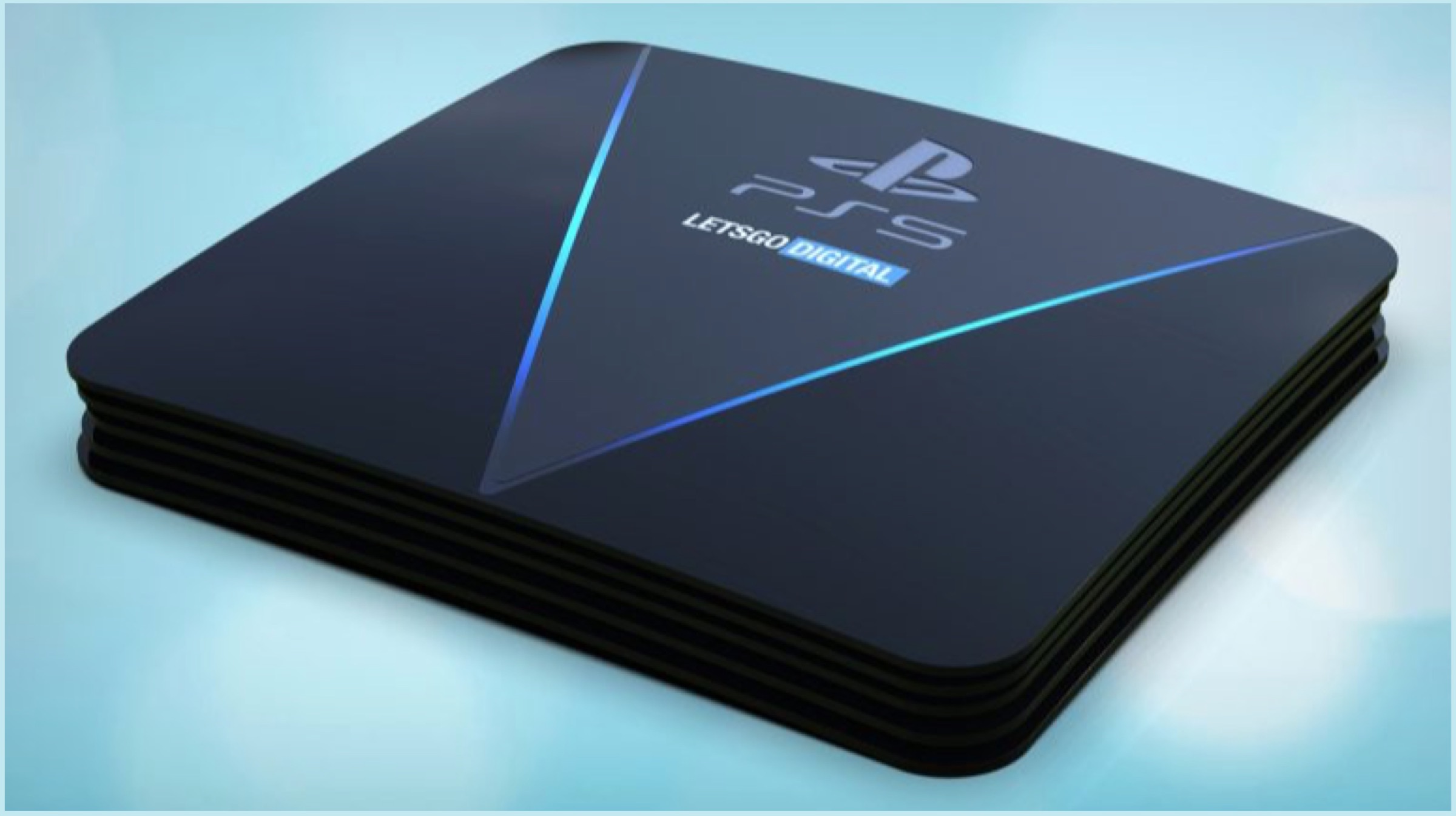
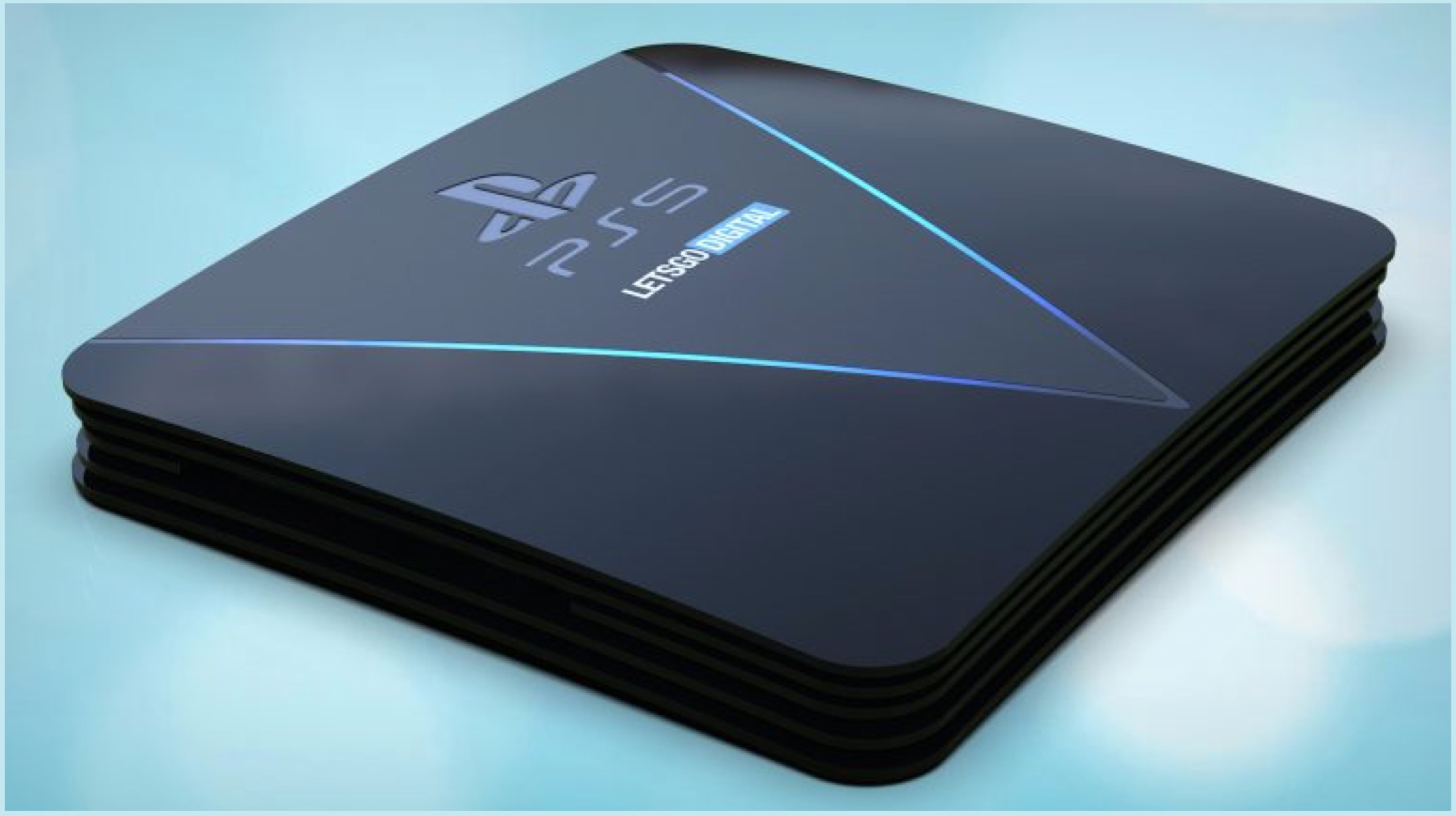
    When gamers talk about gaming consoles, very few machines come to mind. One of them is the Sony PlayStation series, which has been one of the most popular gaming console lineup so far. The first PlayStation was unveiled in the year 1994, and since then, the company has released 3 more iterations of the same. The last console by Sony was the PlayStation 4, which dates back to the year 2013. As reported previously, the company seems to be working on the fifth and upcoming gaming console, the PlayStation 5. As per latest reports, the Sony PlayStation 5 may feature 8K gaming and a host of other features. 

    Sony PS5: Expected Features 

     The Japanese manufacturer previously revealed information regarding some features of the upcoming console. For instance, the PlayStation 5 is expected to sport 3D audio technology, which will enable gamers to have an immersive gaming experience. Another speculated feature of the PS5 is the incorporation of a Solid State Drive or an SSD. This will lead to visibly faster game load times and seamless switching between various applications within the console’s interface. 
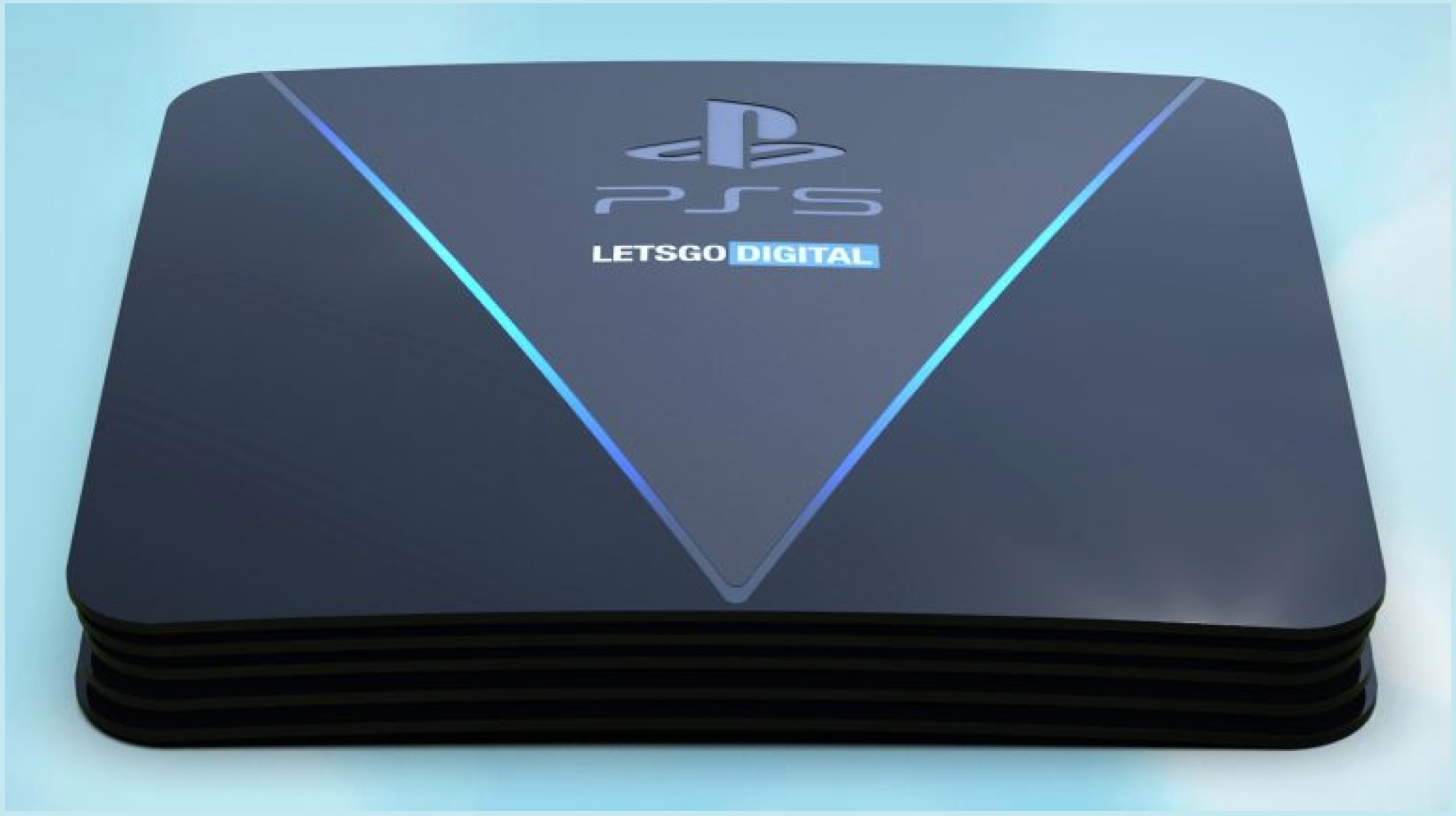
    The Sony PlayStation 5 is expected to be the first console to sport 8K resolution gaming. Of course, to take full advantage of the same, gamers will need to plug in their console to an 8K supported panel, but Sony making a move for future-proof gaming will surely be appreciated. Last but not the least, some new PS5 games may support Ray Tracing. Ray Tracing simulates the interaction of real world light with real time objects in the game, which leads to lifelike graphic rendering. Battlefield 5 was the first game to support Ray Tracing on NIVIDA RTX powered PCs, and we can expect developers to release more titles in accordance with Ray Tracing technology if consoles start supporting it too. 
    Expected Price And Availability

    Also Read: Apple To Include 18W Charger, USB-C To Lightning Cable With 2019 iPhones

    The PlayStation 5 is not expected to release anytime soon though, in fact, reports state that the PS5 may not see the light of day before the year 2021. However, other sources state that the PS5 might make its way into the market by the end of the year 2020. Either way, Sony is known for releasing their consoles according to a 7-year-product-cycle, so something along the aforementioned lines can be expected for sure. It is expected to be priced somewhere around US$ 550 (~INR 39,000) considering that the price of the PlayStation 4 Pro was US$ 400 (~INR 31,000). Furthermore, companies like Nintendo and Microsoft may release their gaming consoles around the same time, which may provide some solid competition to Sony’s console.  

  • Apple To Include 18W Charger, USB-C To Lightning Cable With 2019 iPhones

    Apple To Include 18W Charger, USB-C To Lightning Cable With 2019 iPhones

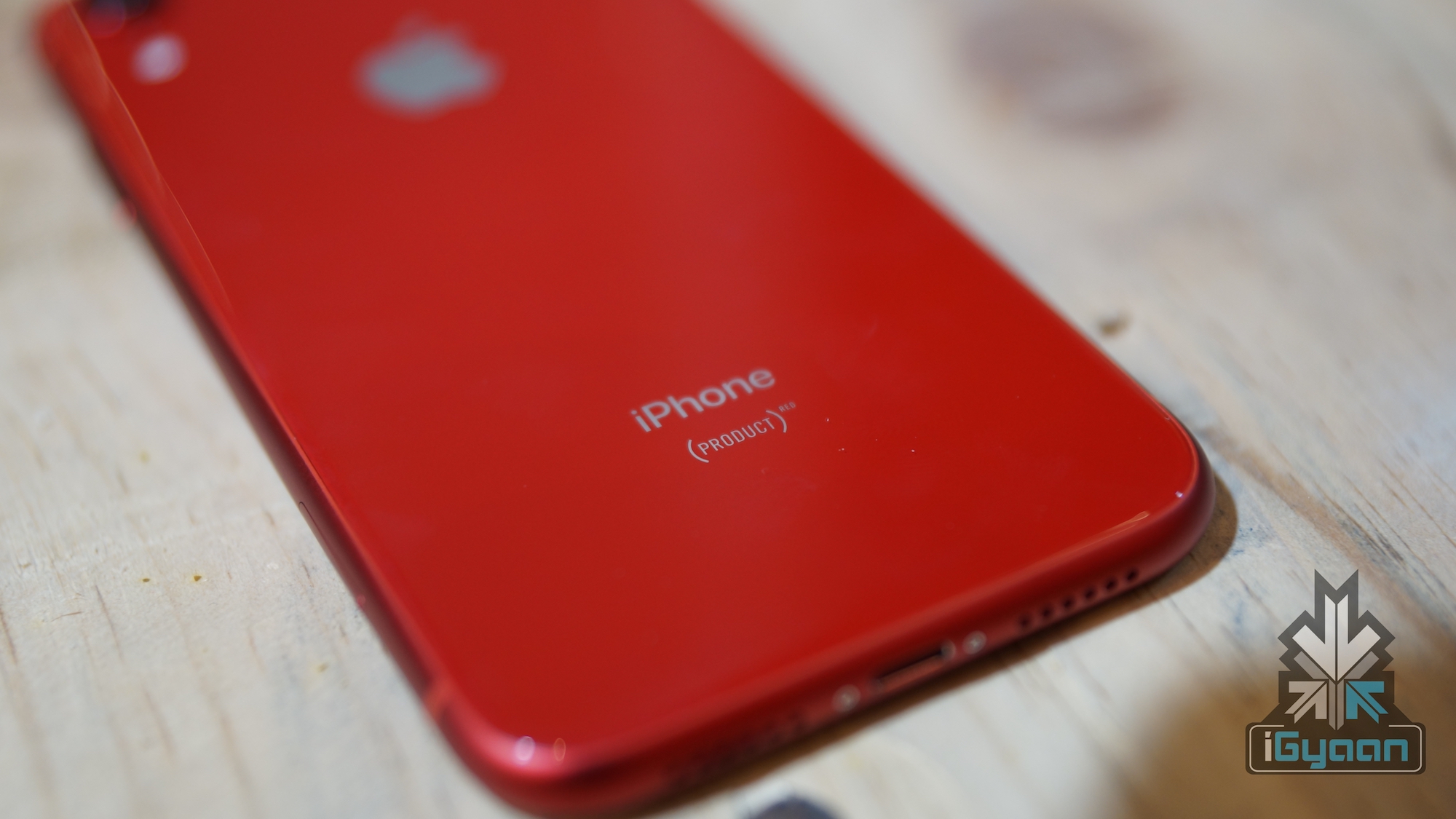
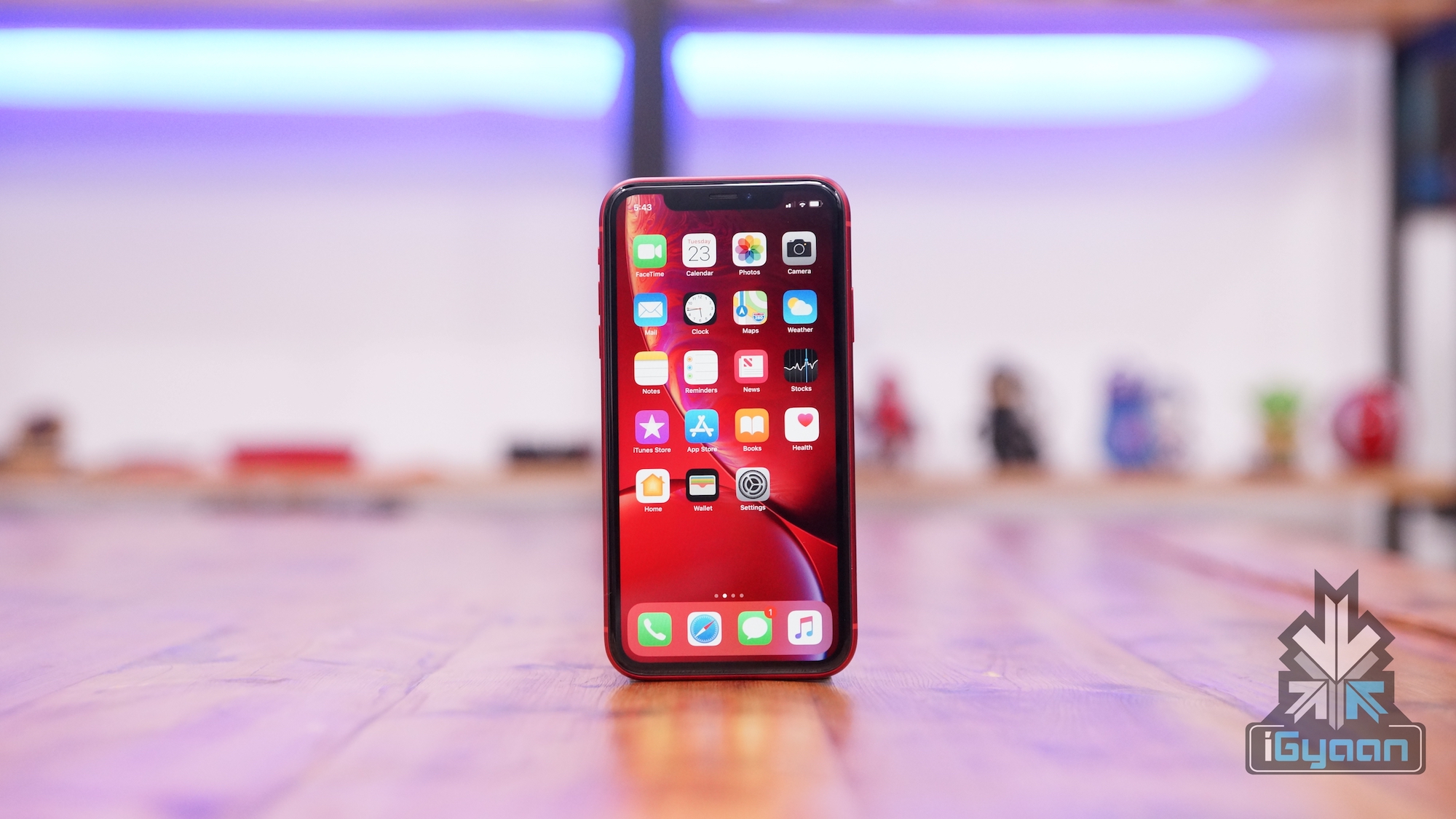
    Apple is expected to launch three new iPhones in the month of September this year. These smartphones will be the successor to the iPhone XR, iPhone XS and iPhone XS Max respectively that were launched last year. In the latest report by a Japanese blog, it is claimed the company will include new accessories with the upcoming iPhones. According to the source, all three smartphone variants will ship with an 18W charger and a USB Type-C to Lightning Cable in the box.

    New iPhone Accessories
    iPhone XR

    Apple has been providing the fast charging feature in its smartphones since the iPhone 8, iPhone 8 Plus and the iPhone X launched in the year 2017. However, the devices are not shipped with a fast charger and users must purchase it separately if they want to make use of the functionality. It was rumoured last year that Apple will bundle an 18W fast charger with the 2018 iPhones but the reports turned out to be false. But with the launch of the iPad Pro tablet late last year, Apple for the first time bundled an 18W fast charger along with it. Therefore, the company is expected to provide the aforementioned accessories with future iPhone models; which includes an 18W power adapter and a USB Type-C to lightning cable.

    Also read: OnePlus 7 Pro Screen Protector Leaks, Reveals Front Design

    It has been anticipated that Apple, as it did with the 2018 iPad Pro, will switch to USB Type-C in its future iPhone models. Since the iPhone 5 launched in 2012, the company has used a proprietary connector called the Lightning port. While the above reports put an end to them; it is still expected the company is towards making a gradual transition to the users, so that they find it easier to switch. Shipping a USB Type-C to Lightning cable will also make connecting future iPhones to a MacBook easier as purchasing a separate cable won’t be required.

  • OnePlus 7 Pro Screen Protector Leaks, Reveals Front Design

    OnePlus 7 Pro Screen Protector Leaks, Reveals Front Design

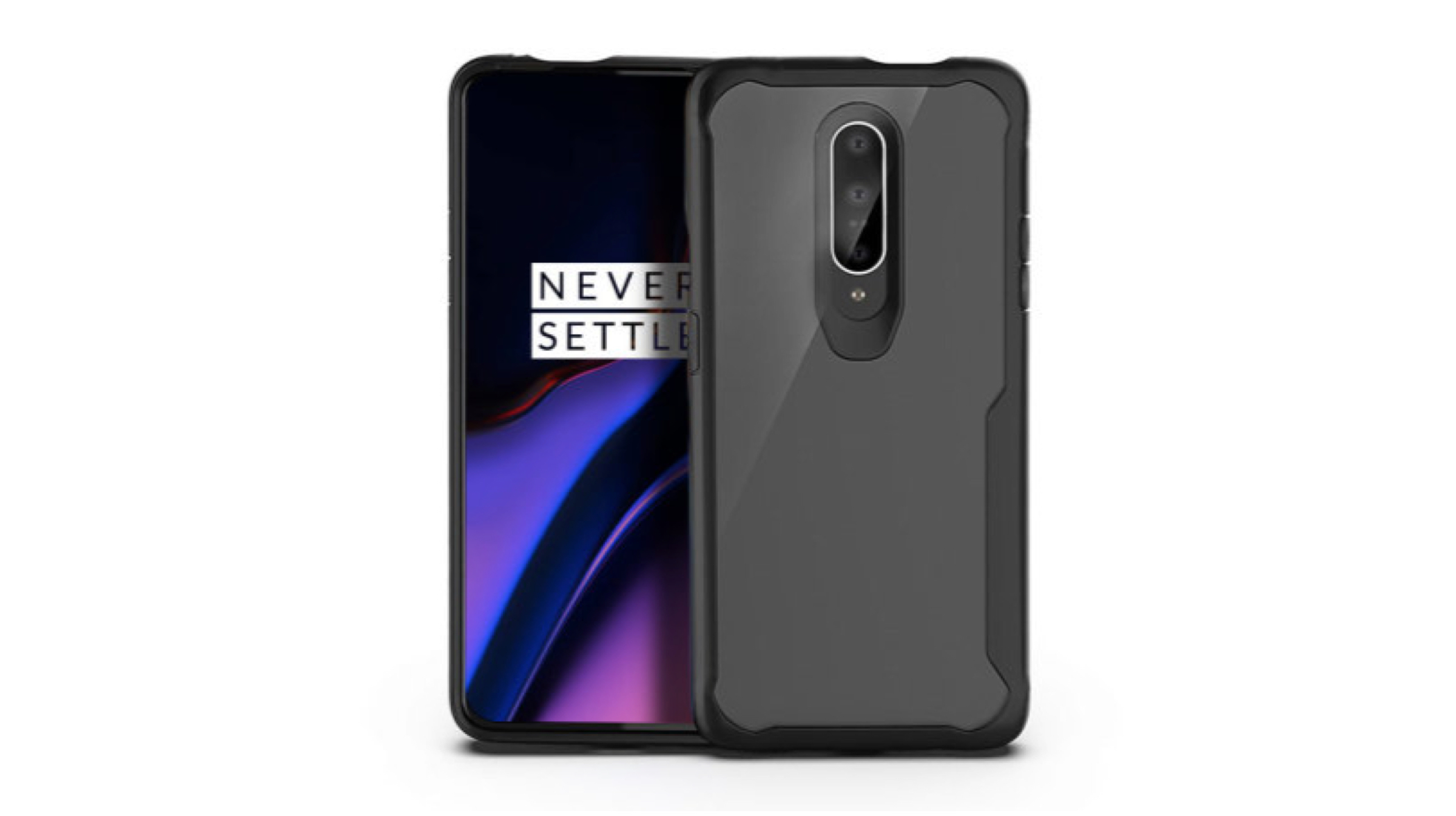
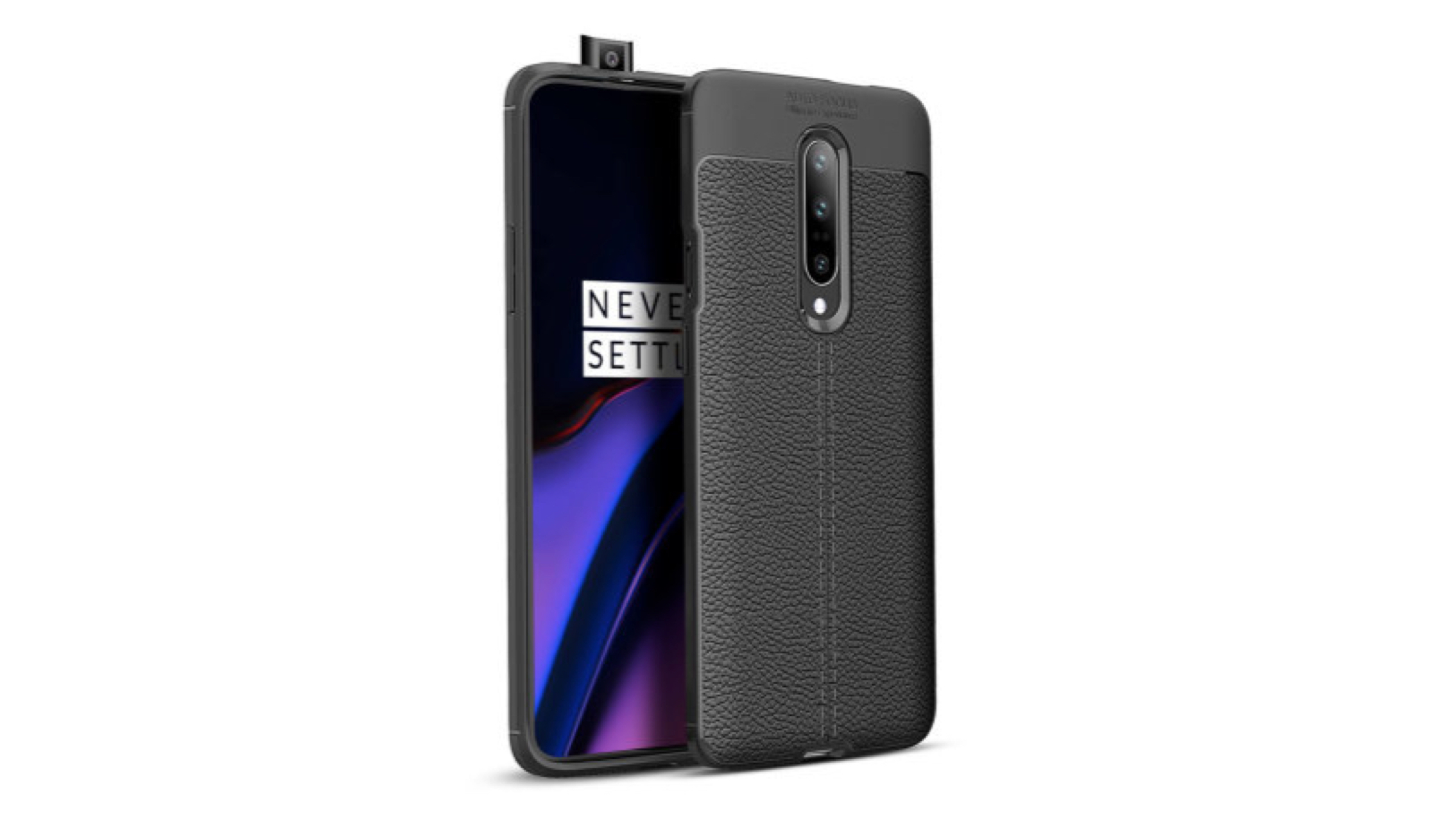
    OnePlus is set to launch its latest smartphones, allegedly called the OnePlus 7 and the OnePlus 7 Pro on the 14th of May. Details about the upcoming smartphones have been revealed time and again by both the official and unofficial sources (1,2). A reliable leakster who goes by the username Ice Universe on Twitter has shared two images of screen protectors which purportedly belong to the OnePlus 7 Pro. The aforementioned accessory gives a fair idea of what the device will look like.

    OnePlus 7 Pro Screen Guard and Design Details

    The OnePlus 7 Pro was previously reported to have a significantly different design in comparison to its predecessor, the OnePlus 6T and the latest leak suggests likewise. The alleged screen protector reveals that the smartphone will have negligible bezels around the display which will provide it with a high screen to body ratio. Notably, like the Galaxy S10 and the S10+, the upcoming smartphone also has a display that tapers towards the sides. Furthermore, it reveals the OnePlus 7 Pro does not have a notch on top of the display which further strengthens the claims of pop up selfie camera like the Vivo V15 Pro

    Even though the current leak does not report any specifications of the device, past leaks have exposed the same. To recall, the OnePlus 7 Pro will be kitted with the Snapdragon 855 SoC which consists of an Octa-Core CPU and the Adreno 640 GPU. Like the current flagship, the upcoming device will have an indisplay fingerprint sensor, a 4,000 mAh battery which supports 30 w dash charging. 

    Also Read: Moto E6 Specifications Leak Online Before Official Launch

    To conclude, all details including price and precise specifications of the OnePlus 7 Pro will be made official on the 14th of May when the company formally announces it. 

  • Moto E6 Specifications Leak Online Before Official Launch

    Moto E6 Specifications Leak Online Before Official Launch

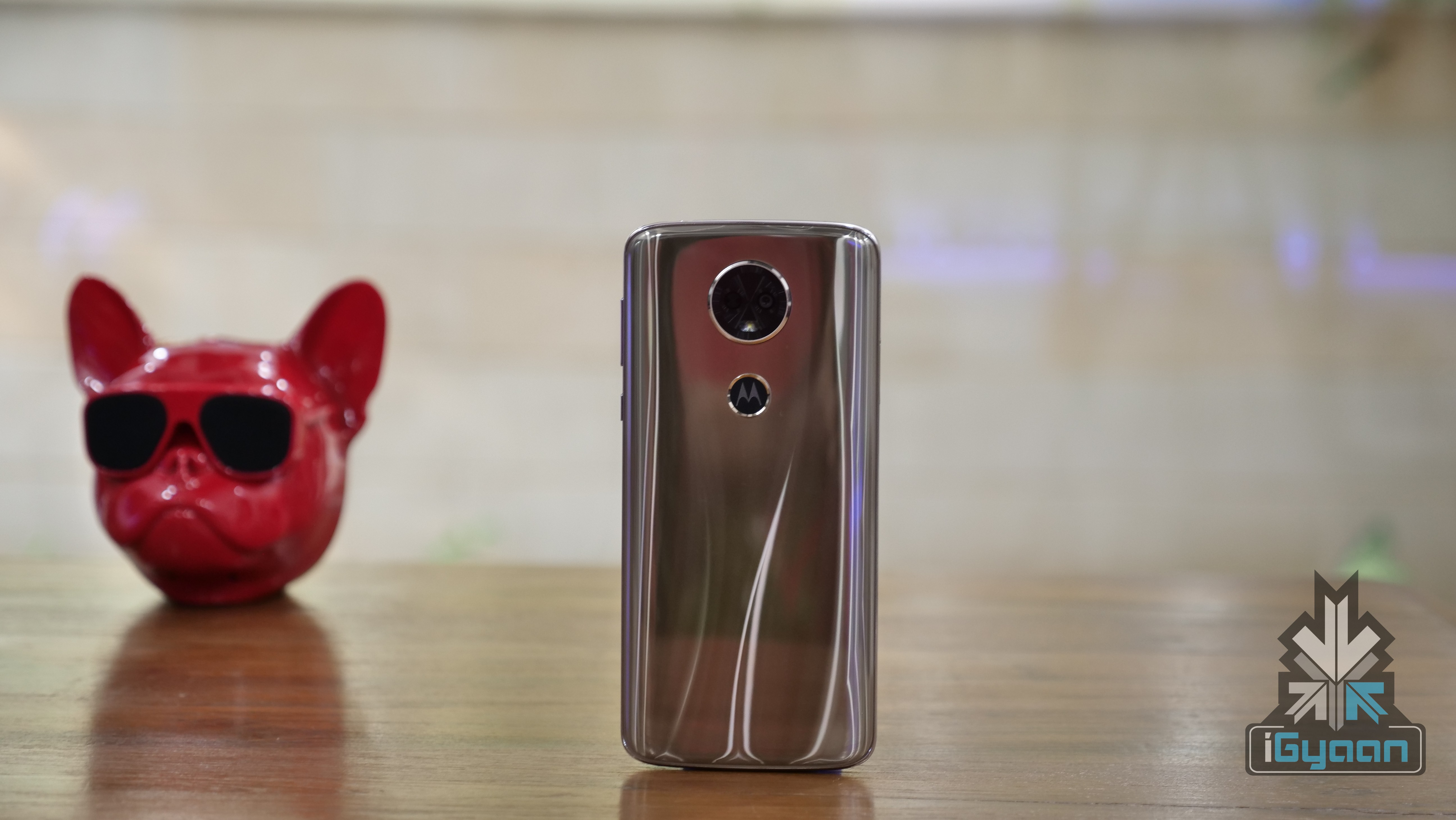
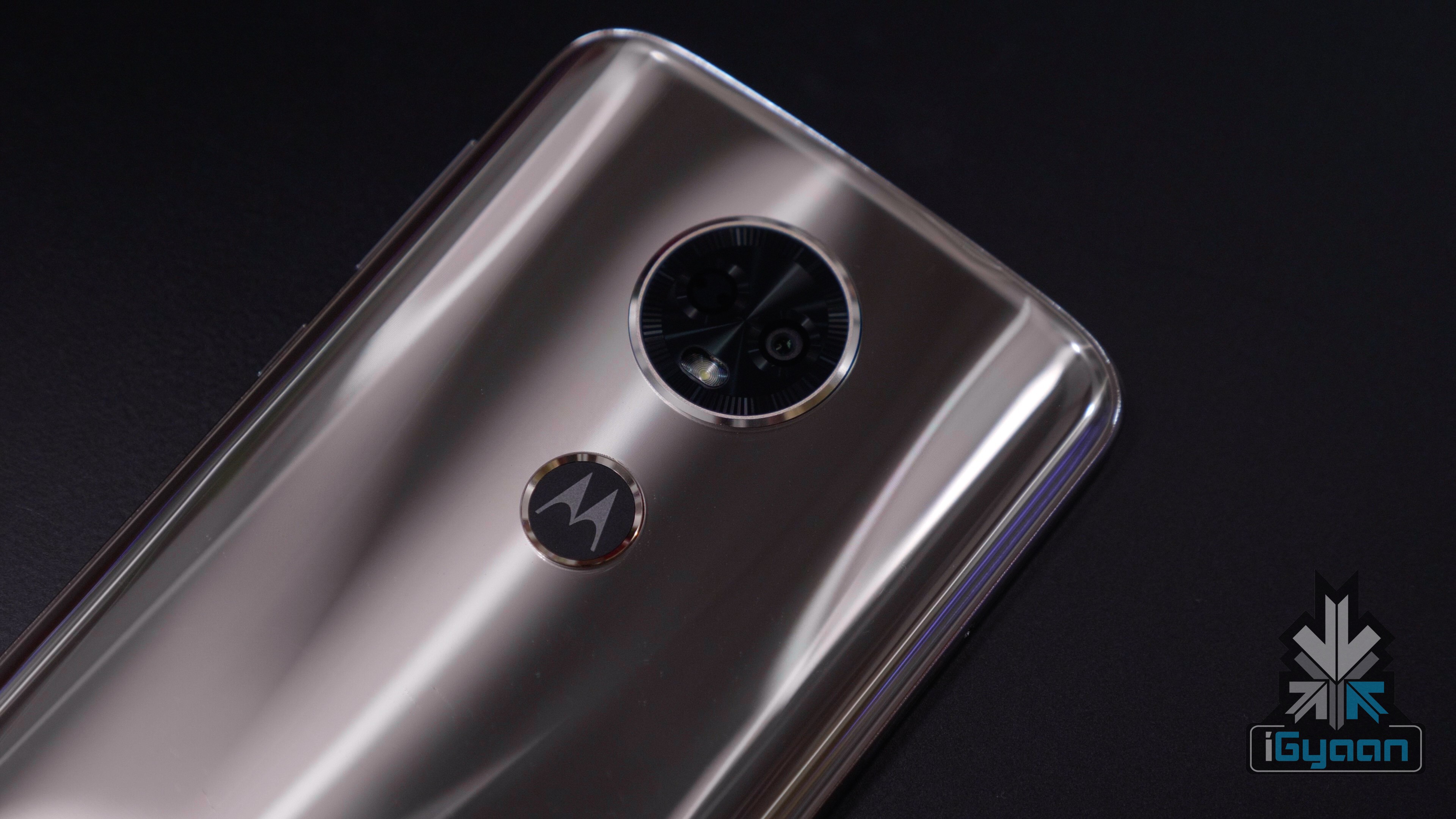
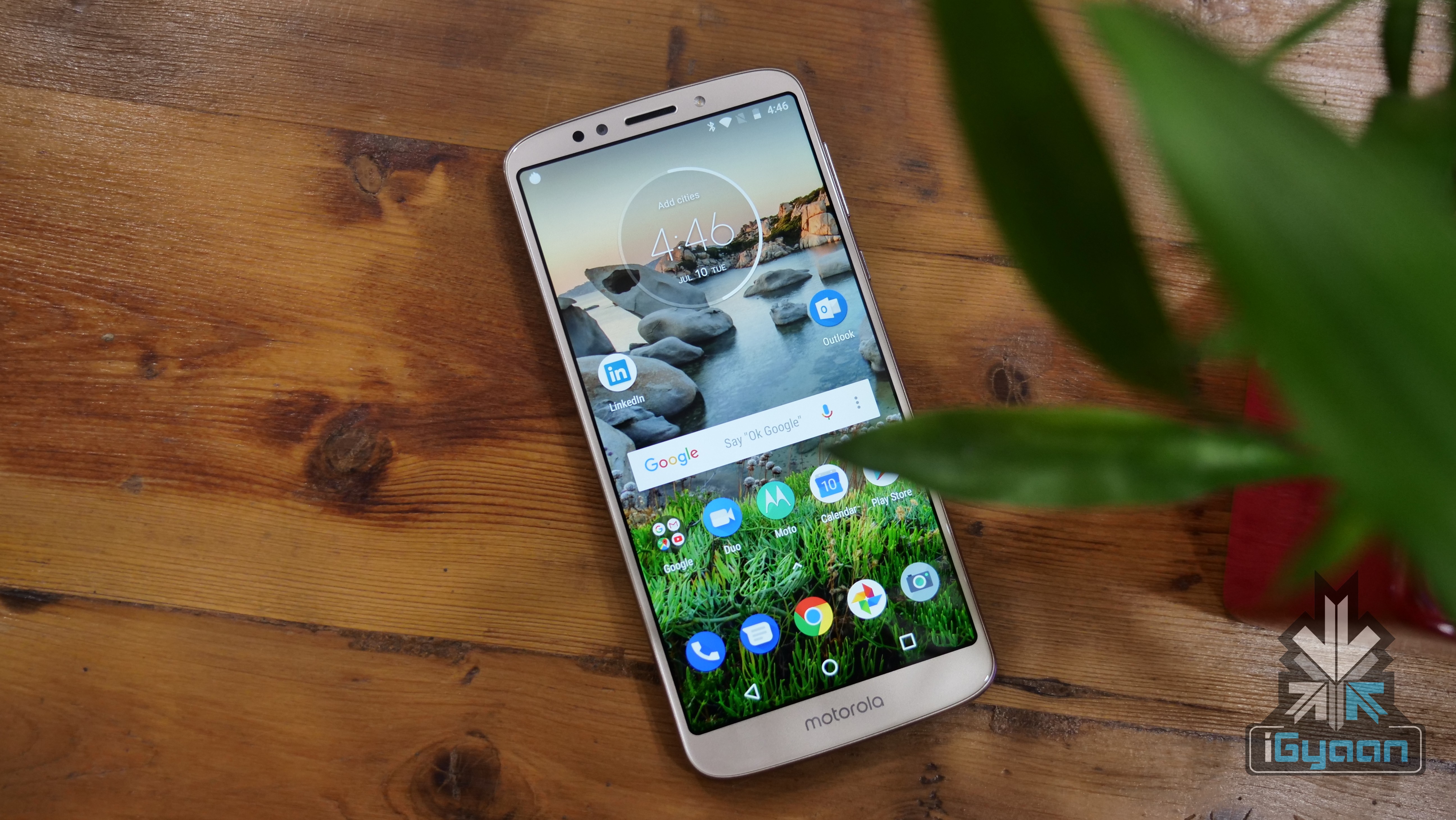
    Motorola launched the Moto G7 series of smartphones at an event in Brazil in the month of February. The devices boast of a new design by the company, with competitive features at a lucrative price tag. In a fresh tweet, a known tipster has claimed a new handset by Motorola, codenamed “surfna” is in the works. This smartphone is expected to be the budget-centric, Moto E6 which has been anticipated for a while now.

    Moto E6
    Moto E5 Plus

    The Moto E6 will be the next entrant in the company’s budget smartphone lineup. It is expected to feature a similar design to its predecessor, the Moto E5, complete with a polycarbonate body. According to the source, the device will have a 5.45-inch display with a resolution of 1440 x 720 px. Like the new Moto G7 Play and G7 Power, a display notch is expected on the handset to maximise the screen real estate. For biometrics and security, the Moto E6 may sport a rear-mounted fingerprint scanner with support for face unlock technology.

    The leak further insinuates Moto E6 will be kitted with the 28nm Snapdragon 430 SoC. The chipset is comprised of an Octa-core Cortex A53 CPU and the Adreno 505 GPU. In terms of optics, the smartphone will have a single f/2.0 aperture equipped 13 MP rear camera. For selfies, an f/2.0 aperture equipped 5 MP sensor is also expected to be housed on top of the display. For memory and storage, the device will be available in the following variants.

    • 2GB RAM and 16GB ROM
    • 2GB RAM and 32GB ROM

    Also read: Xiaomi Redmi Y3 First Sale In India Today

    The leak further reveals the Moto E6 will run on the latest Android 9 Pie and will feature a stock interface with some customisations by Motorola. Unfortunately, details about the battery capacity of the smartphone are not known yet. The tipster claims the device will launch soon on a few mobile carriers in the US. The Moto E6 is expected to retail at around Rs. 8,999 when it is launched in India.

  • Xiaomi Redmi Y3 First Sale In India Today

    Xiaomi Redmi Y3 First Sale In India Today

    On the 24th of April Redmi launched two new smartphones for the Indian market which include the Redmi Y3 and the Redmi 7. The budget-oriented Redmi 7’s first sale was held on the 29th of April while the photography focuses Redmi Y3 will go on sale for the first time in India today. 

    Xiaomi Redmi Y3 Price and Availability

    The newly launched Xiaomi Redmi Y3 will be available for purchase today at 12 noon on the Amazon India website, Mi.Com/in and offline Mi stores. It is offered in three colour options which include Prime Black, Bold Red and Elegant Blue. The smartphone is available in two storage options for which the price is as follows:

    • 3 GB + 32 GB- Rs 9,999
    • 4 GB + 64 GB- Rs 11,999

    Click here to buy the Xiaomi Redmi Y3

    Xiaomi Redmi 7 Features and Specifications

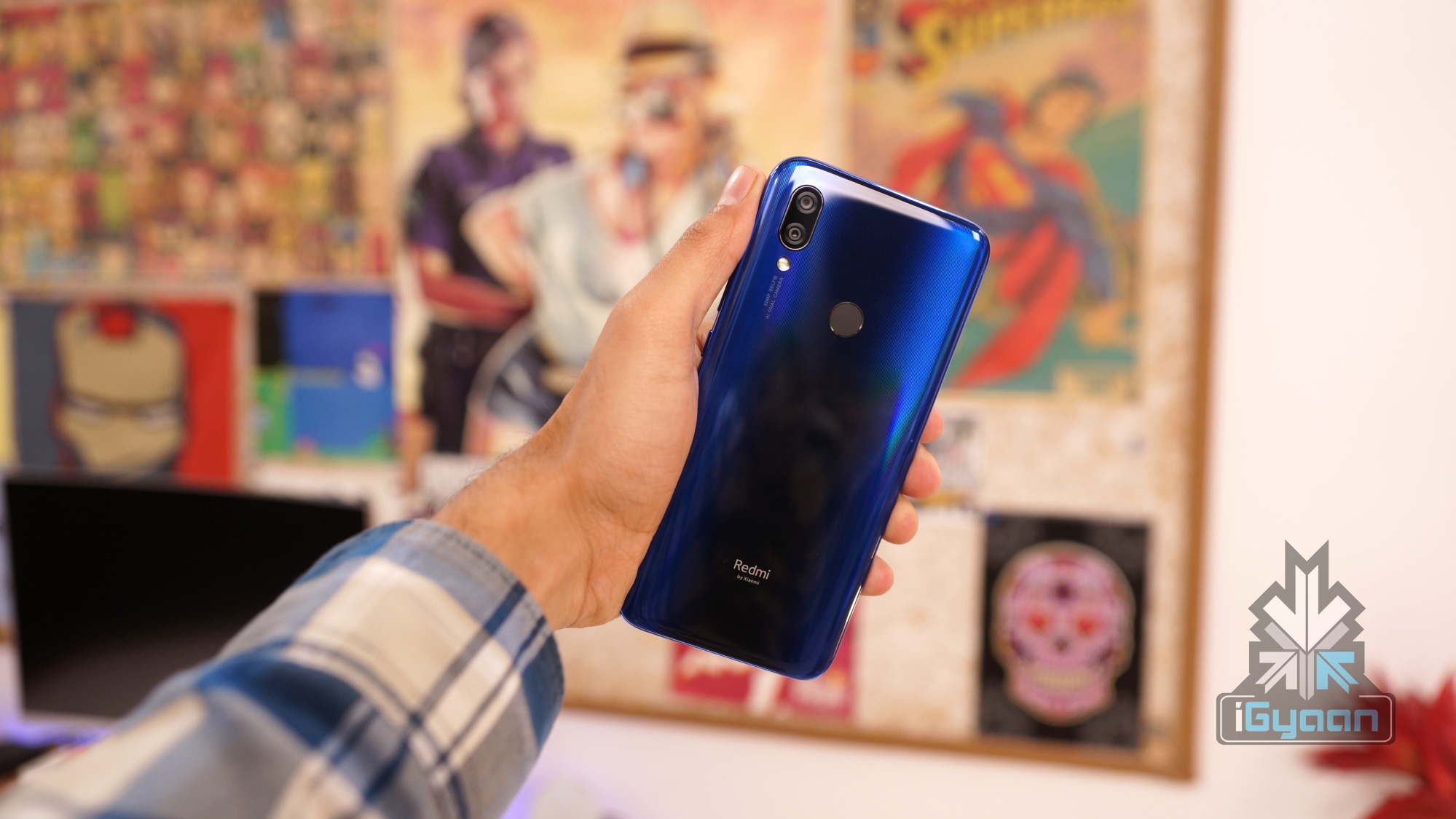
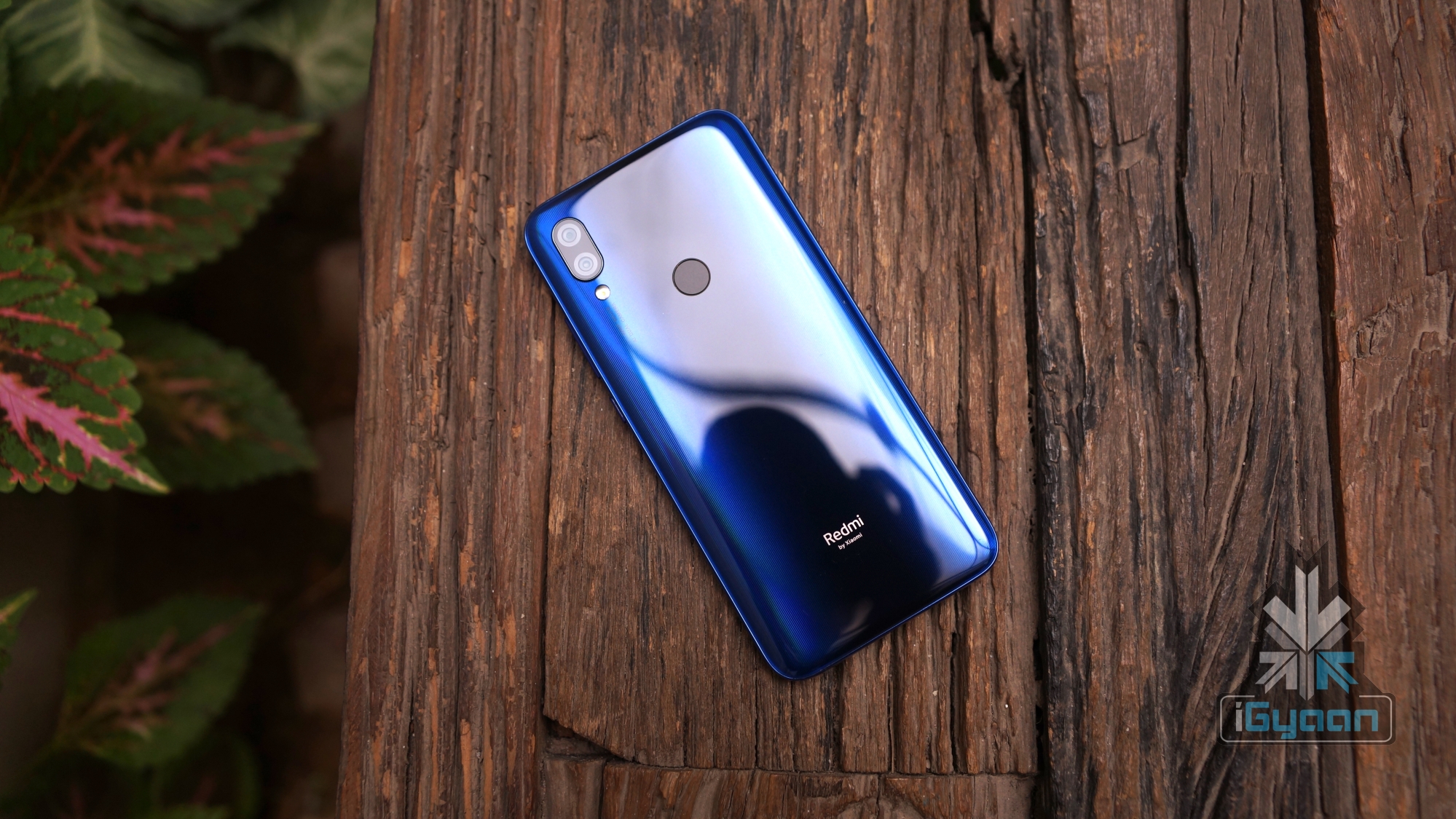
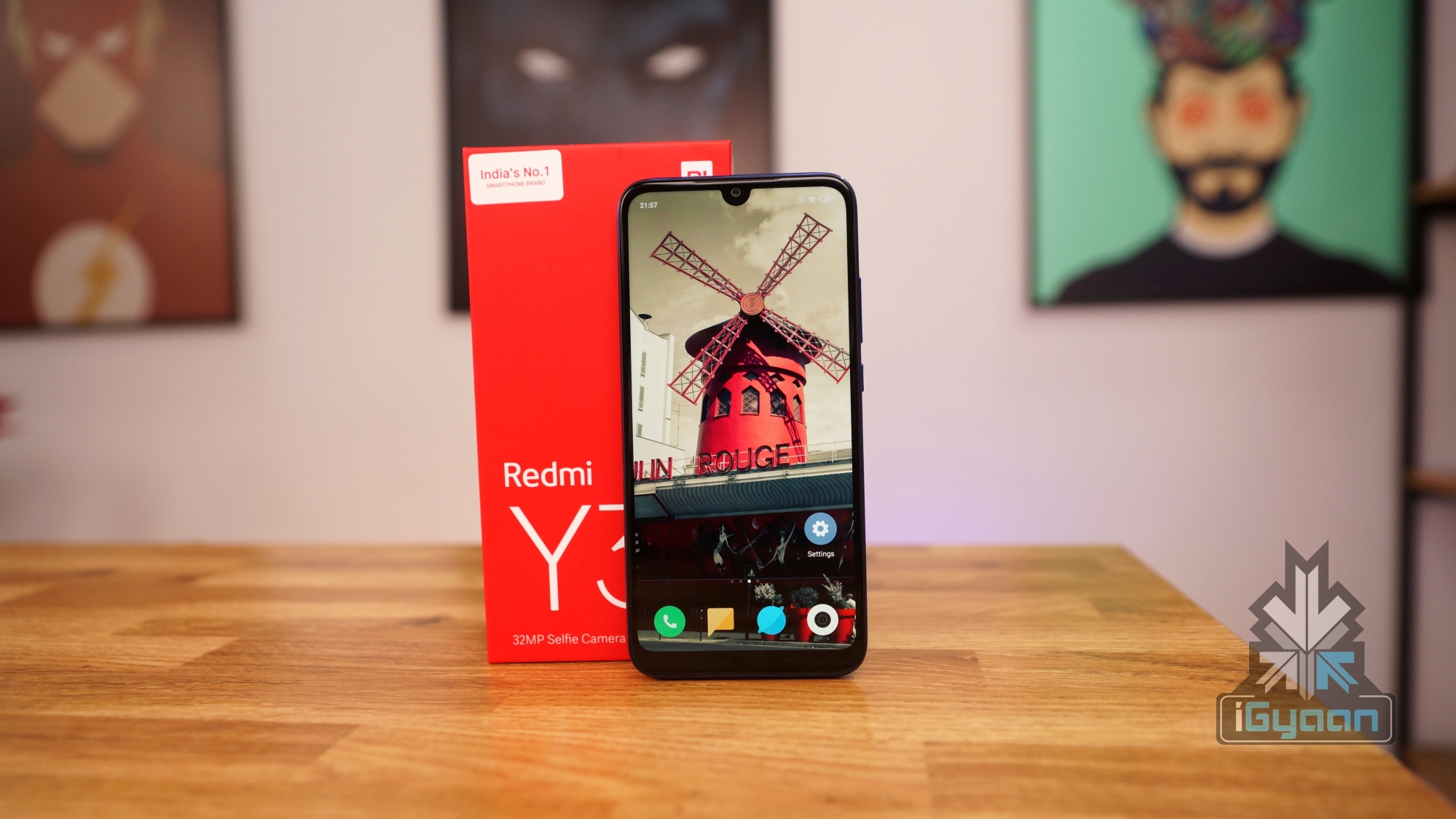
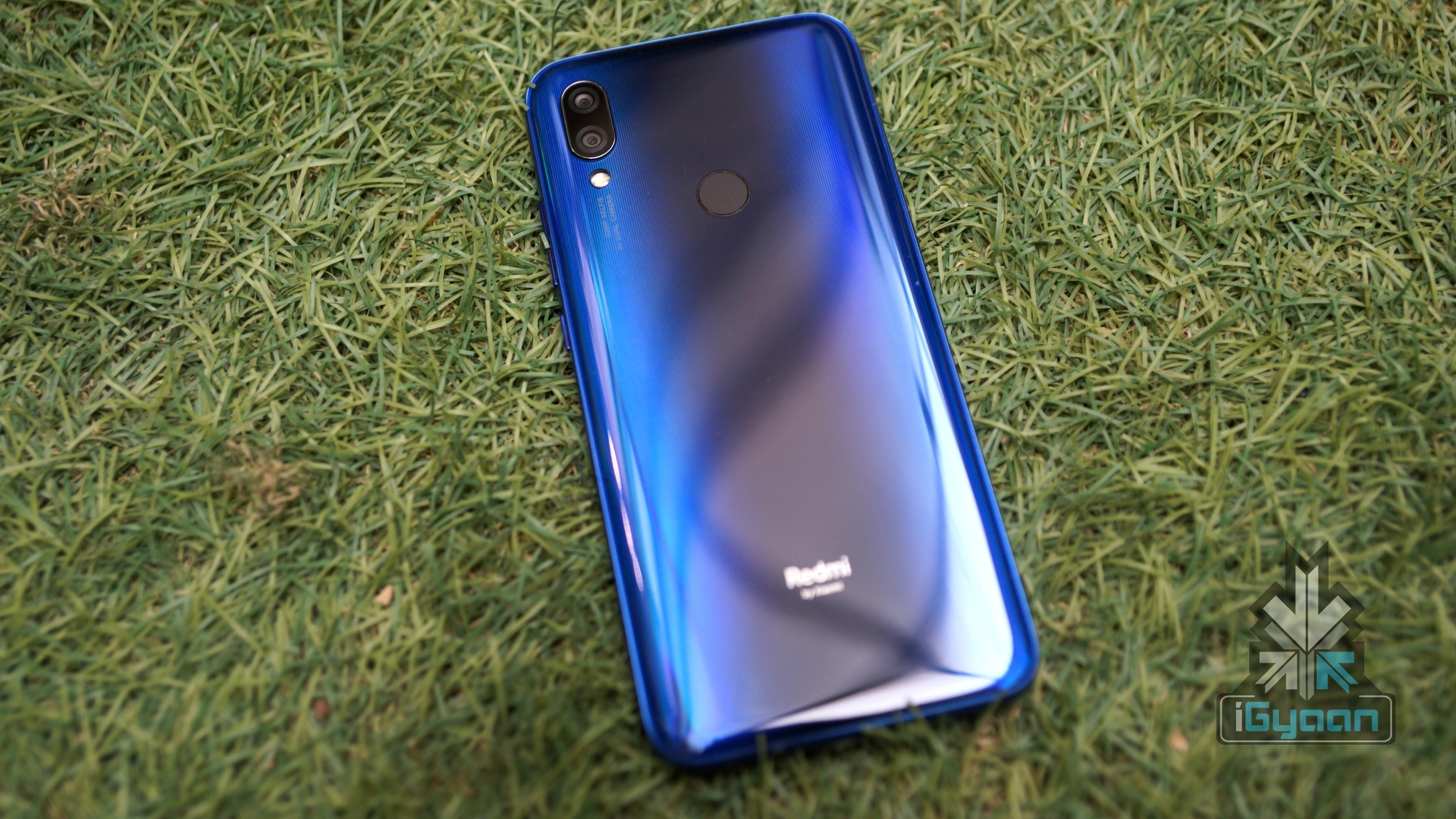
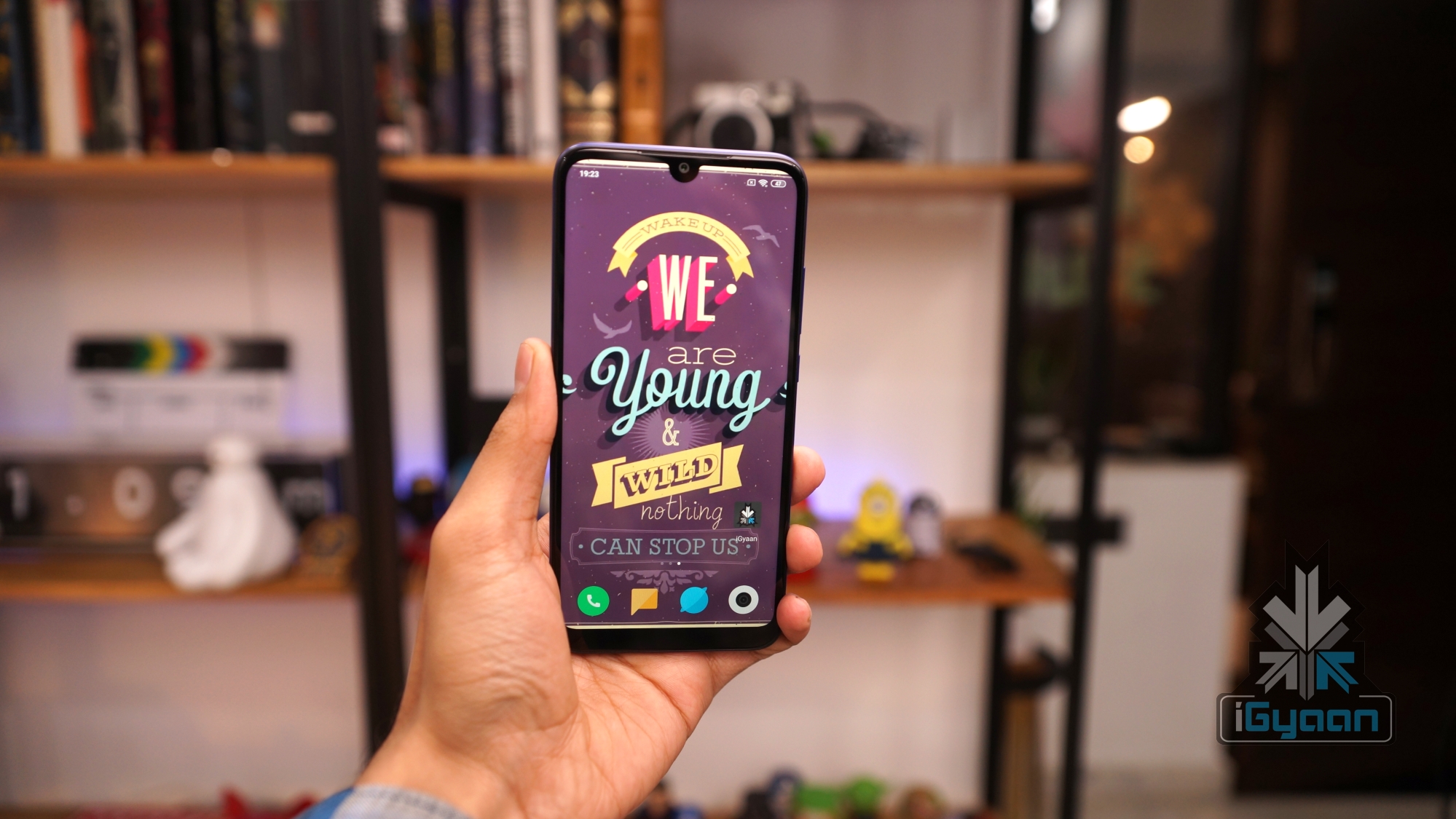
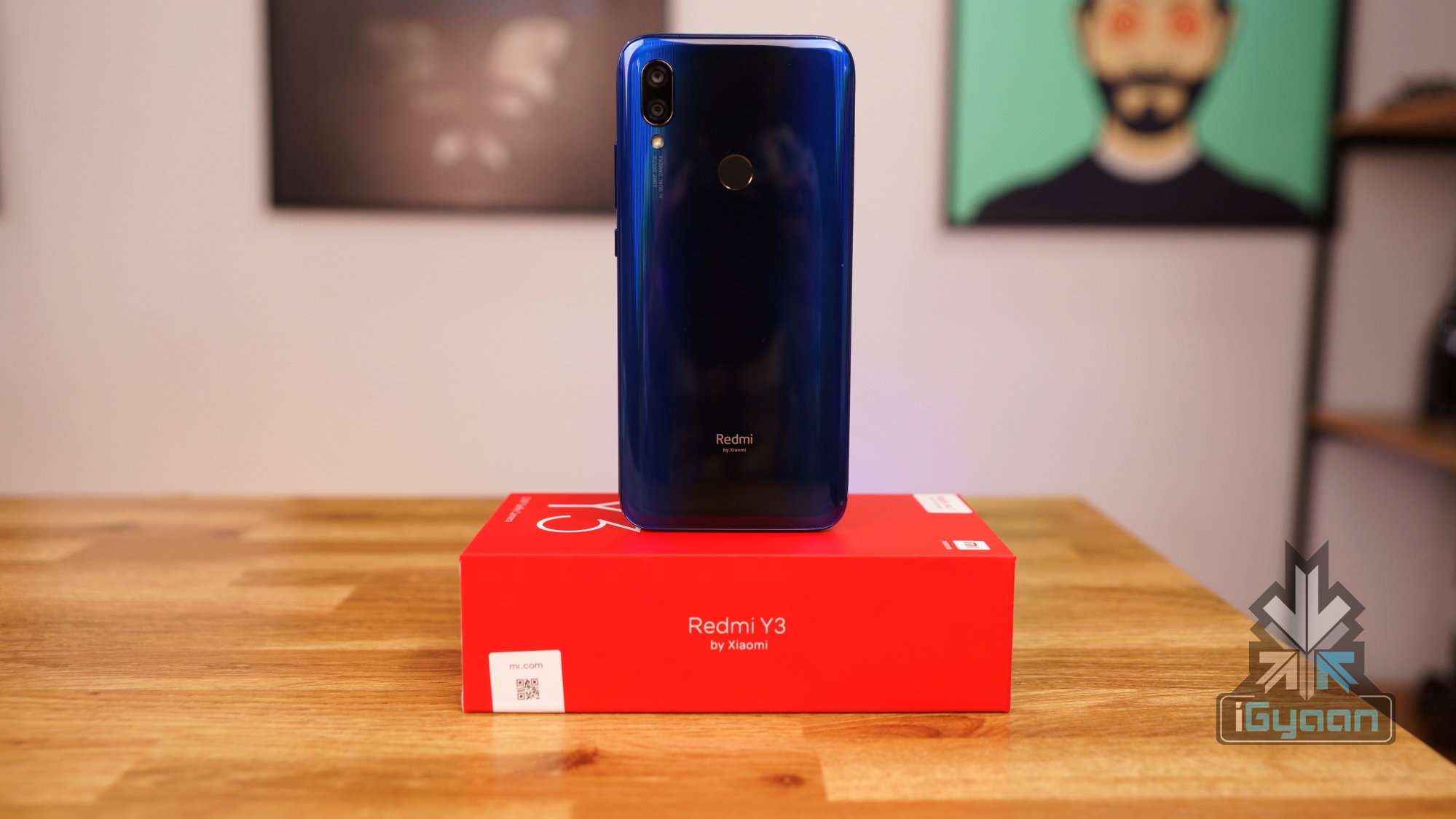
    The Redmi Y3 has an elegant design with a large screen display on the front and an attractive Aura Prism panel on the rear. The smartphone measures 158.5 x 76.43 x 8.47 mm and weighs in at 180 grams. The front of the device accommodates a 2.5d 6.26 inch display that has a resolution of 1520 x 720 px. The display panel has a 19:9 aspect ratio and is covered with Corning Gorilla 5 which protects it against scratches and accidental drops.

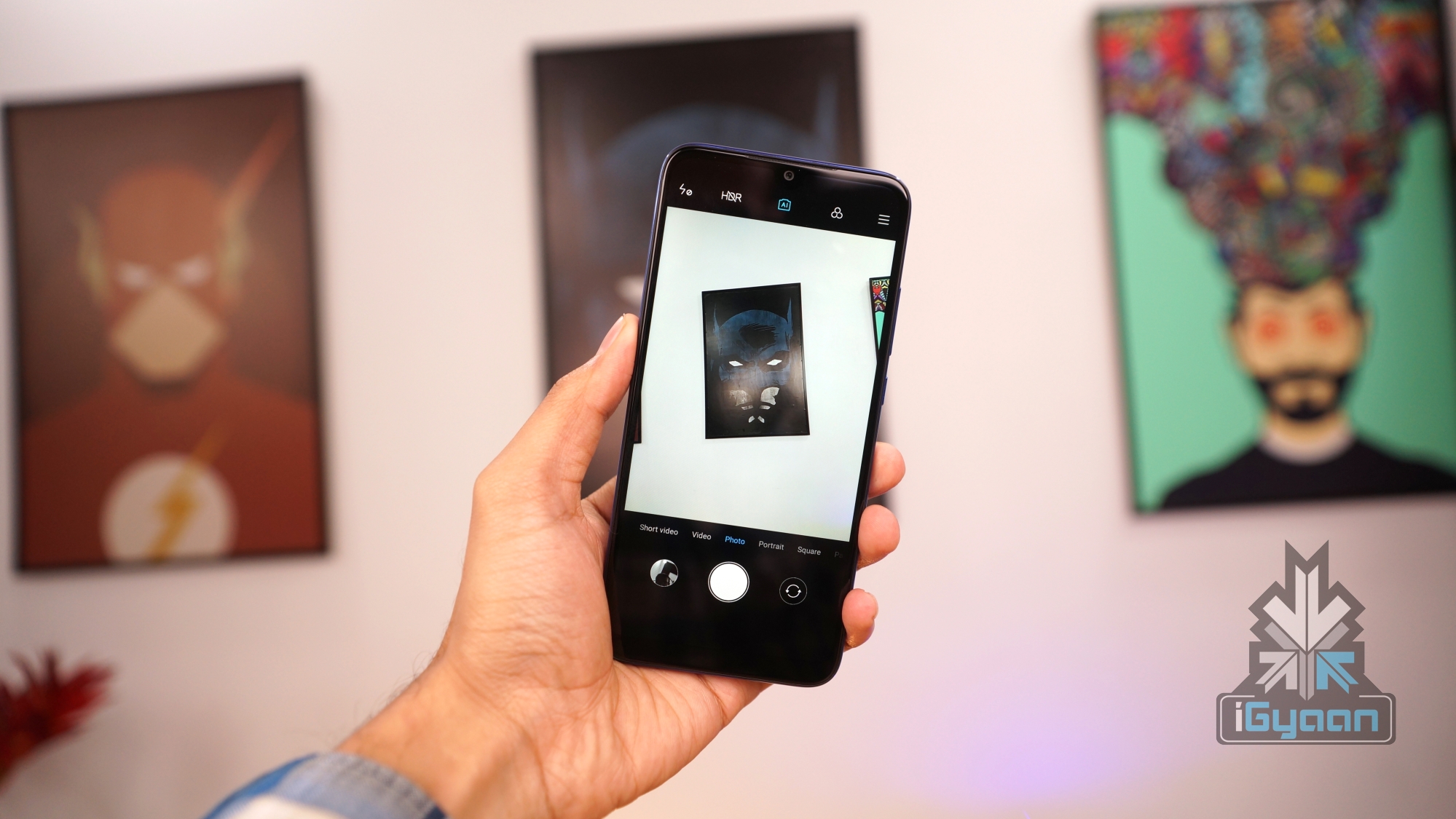
    Like the Redmi Note 7 and Redmi Note 7 Pro, the Redmi Y3 also has a dot notch on the top of the display which houses its key highlighting feature, the 32 MP selfie camera. In a segment first, it also supports EIS (Electronic Image Stabilisation) which helps in capturing better handheld shots. The selfie camera also supports Auto HDR and AI portrait mode which can artificially beautify photographs. Another new feature that the Y3 brings to the table a ‘Palm shutter’ which as the name suggests can be used as a trigger to command the camera shutter.

    Click here to buy the Xiaomi Redmi Y3

    The back of the Redmi Y3 has an artistic multicoloured panel which houses the company branding, dual rear-facing cameras and thefingerprint sensor. The rear camera setup of the handset is comprised of a 12 MP sensor, 2 MP sensor and a dual LED flash. The handset can also capture 1080p videos at 60 fps from the rear camera.

    Under the hood, the Redmi Y3 is kitted with the Snapdragon 632 SoC which comprises of the Adreno 506 GPU and Kryo 250 Octa Core CPU. The device runs on MIUI 10 which is based on Android 9 Pie and is powered by a 4,000 mAh battery. It also has the hydrophobic P2i nano-coating which safeguards it against accidental liquid spillage or unexpected drizzles.

    Click here to buy the Xiaomi Redmi Y3

    Connectivity options on the Redmi Y3 include Dual 4G VoLTE, Bluetooth 4.2, 802.11 b/g/n Wi-Fi, 3.5 mm audio jack and bottom mounted Micro USB port. Notably, the Micro USB port on the device is anti-rust treated which prevents it against corrosion mostly faced by consumers residing in coastal areas. It also has an IR blaster on top which can be used to wirelessly control appliances.

    Also Read: HTC To Launch New Cryptomining Smartphone Before 2019 Ends

    In addition to the inbuilt storage, it also supports memory expansion upto 256 GB via the dedicated microSD card slot. 

  • HTC To Launch New Cryptomining Smartphone Before 2019 Ends

    HTC To Launch New Cryptomining Smartphone Before 2019 Ends

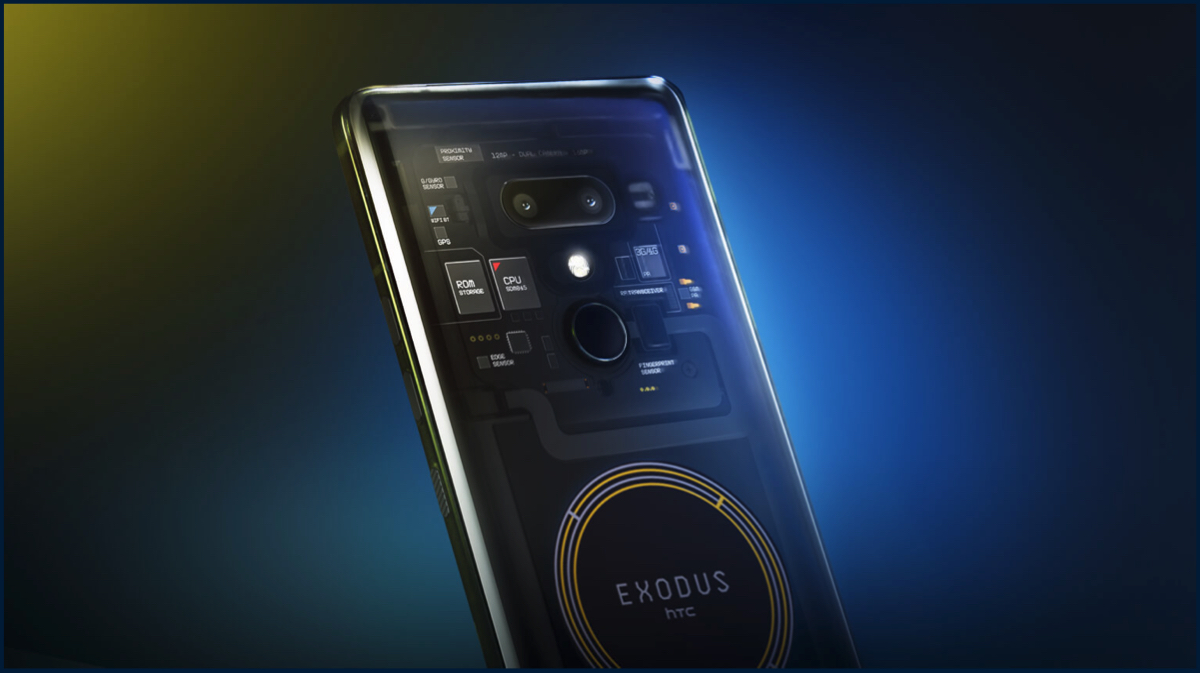
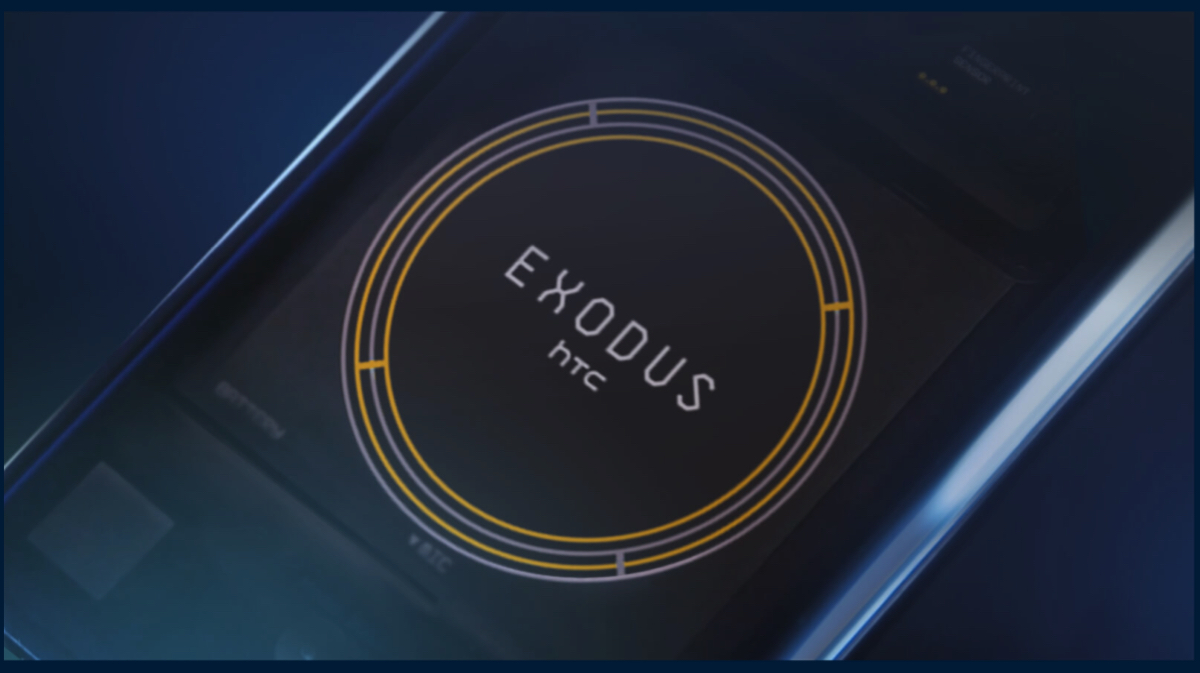
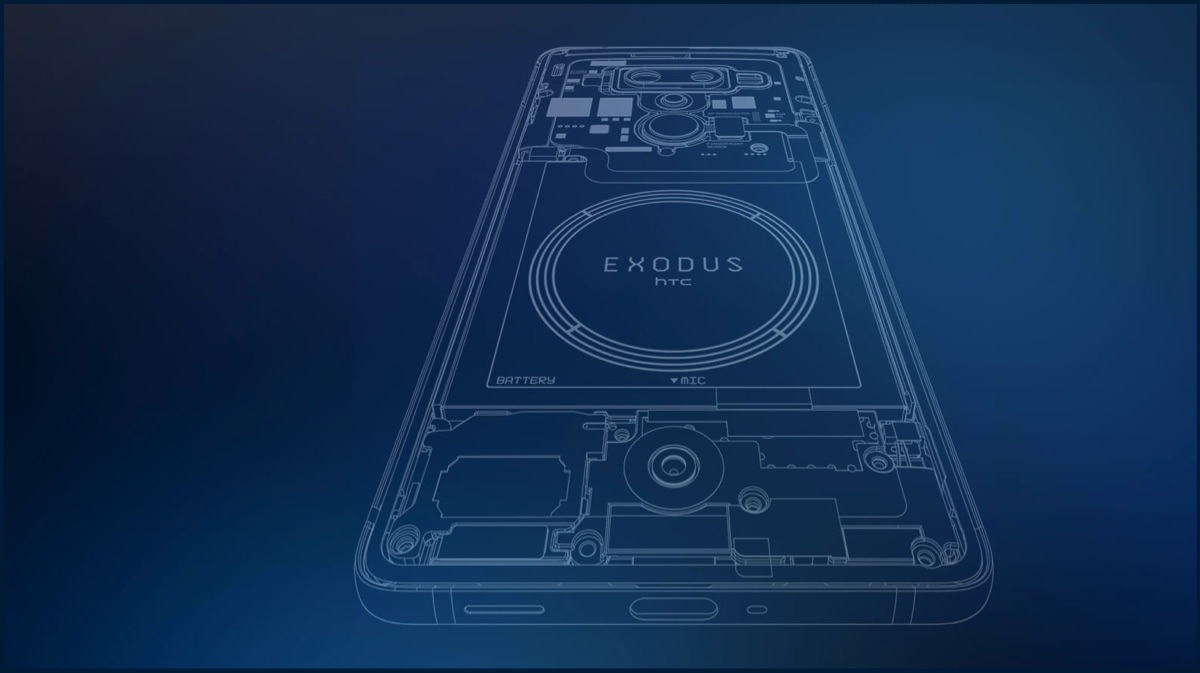
    HTC short for High Tech Computer Corporation is known for developing smartphones with unique and quirky features. Noteworthy, it was the worlds first company to launch a dual camera smartphone in the form of the HTC EVO 3D. Late last year, it launched the HTC EXODUS 1 which is the worlds first crypto mining smartphone. A fresh report claims that the company is planning to launch its second-generation blockchain focused smartphone which will allegedly be called the HTC EXODUS 2. 

    HTC EXODUS 2 Features and Launch Date
    HTC Exodus 1

    According to a former HTC executive, the company plans to launch the aforementioned smartphone before 2019 ends which will help it boost slumping smartphone sales while continuing to expand its blockchain ecosystem. In addition to mining cryptocurrency, the smartphone will also have a wallet for storing this form of digital currency. Even though the source does not reveal any details or specifications of the upcoming smartphone, it is likely to feature beefed up specifications in comparison to its predecessor.

    HTC Exodus 1

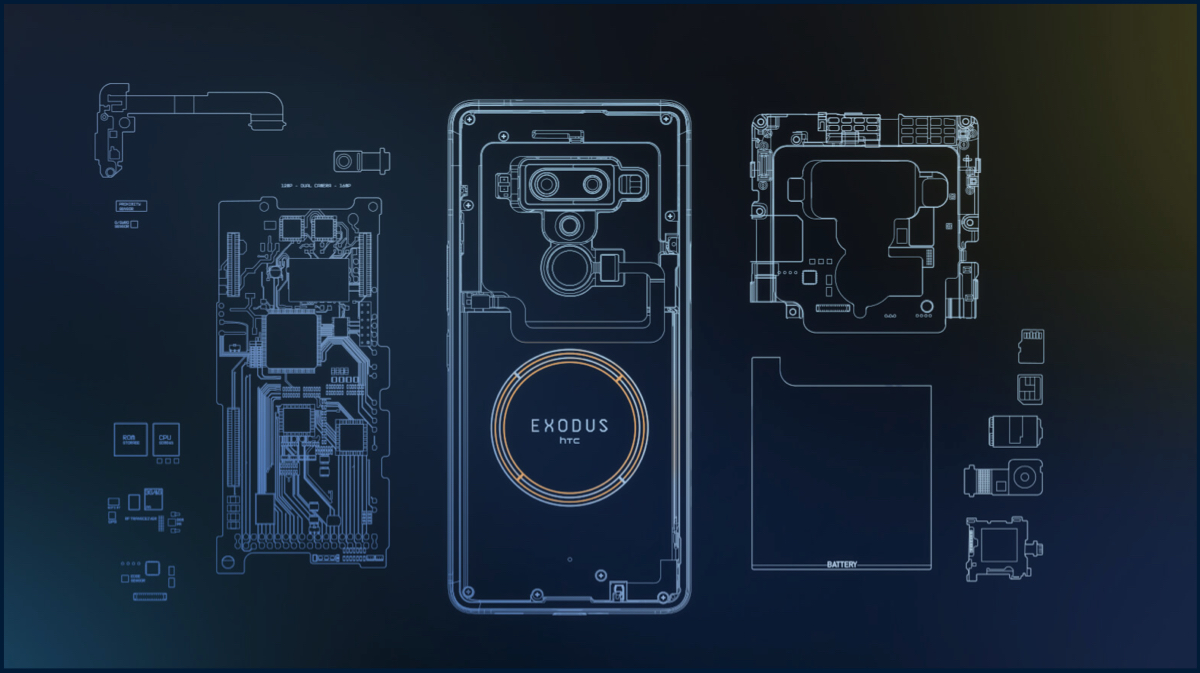
    Assumedly, HTC EXODUS 2 will be kitted with the Snapdragon 855 SoC which is one of the best flagship chipsets for Android smartphones. The chipset is manufactured using 7 nm fabrication process and it comprises of an Octa-Core CPU and the Adreno 640 GPU. Like its predecessor, the upcoming device is expected to support Edge Sense 2 technology, IP68 rating, Zion Wallet a large screen display with QHD+ resolution. Conclusively, precise details of the device will only be revealed once HTC makes it official later this year. For refrence, the specifications of the HTC EXODUS 1 are as follows:

    HTC EXODUS 1 Specifications
    HTC Exodus 1

    Also Read: Apple Hired Intel’s 5G Modem Lead Developer Ahead Of Qualcomm Settlement

    The HTC EXODUS 1 has a 6 inch Quad HD+ display with an 18:9 aspect ratio. For photography, it features 12 MP + 16 MP dual rear cameras and 8 MP + 8 MP dual front cameras that support natural Bokeh effect. The rear cameras can record 2160p videos @ 60 fps with HTC’s 3D audio recording. Under the hood, the HTC EXODUS 1 runs on the Snapdragon 845 chipset. In terms of memory and storage, it has 128 GB of UFS 2.1 ROM and 6 GB of DDR4x RAM. The device is IP 68 dust & water resistant and supports Single Sim 4G LTE. It has an inbuilt Zion wallet that securely stores the cryptocurrency. The HTC EXODUS 1 runs on Android Oreo and has a 3,500 mAh battery with fast charging support.


  • Apple Hired Intel’s 5G Modem Lead Developer Ahead Of Qualcomm Settlement

    Apple Hired Intel’s 5G Modem Lead Developer Ahead Of Qualcomm Settlement

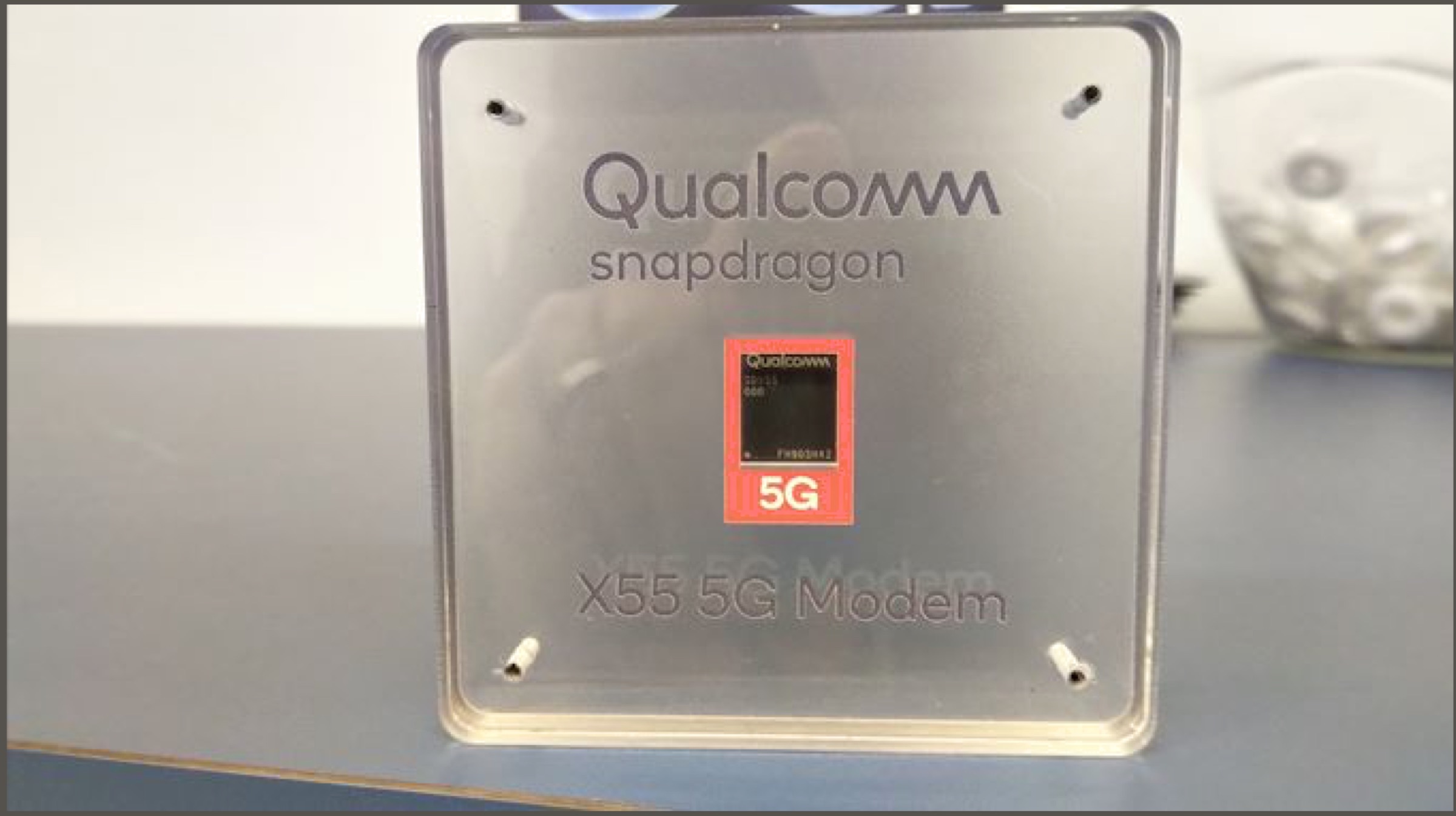
    Apple, Qualcomm and Intel have been a subject of a multitude of legal issues lately. The companies have been involved in conflicts over a variety of reasons, the major one regarding the supply of 5G chips to Apple. Previously, Qualcomm and Apple were involved in a 6-Year License agreement regarding 5G modems, following which Intel exited the 5G modem business. As per latest reports, Apple hired the lead modem developer of Intel before settling with Qualcomm and letting Intel go. 

    Qualcomm X50 5G Modem

    A leaked email cited the aforementioned facts, in addition to the news that Umashankar Thyagarajan, the developer involved was hired just two months before the settlement. As per sources, Umashankar played an important role at Intel in the development of 4G modems, and was also working on the 5G XMM 8160 modems. After his exit from the scene, Intel was forced to rethink its chip development strategy. Consequently, Intel announced its departure from the 5G business on the same day as the Apple-Qualcomm deal went down.

    As previously reported, the company had raised concerns regarding Intel’s pace of the development process of 5G chips, following which Apple’s 5G iPhones were eventually delayed up to 2020. Seeing the 5G competition in the market from brands like Samsung and Huawei, Apple was forced to rethink its partnership with Intel. While Apple was unsatisfied with Intel’s results, the latter reverted by saying that Apple is a demanding client and that it is very conflicted with Apple regarding the partnership. 

    Also Read: Samsung Patents PlayGalaxy Game Link Service For Galaxy Devices

    In other reports, Apple was planning to step-up it’s in house modem manufacture after Intel delayed the production of the 5G chips. This step was taken in order to reduce the dependence on third-party suppliers, but unfortunately, adopting a manufacturing strategy like this will still cost time, delaying future 5G iPhones up to 2021. Since Apple is taking matters into its own hands now, 5G support can be expected fairly soon from the American multinational company.

  • Samsung Galaxy Home Mini Smart Speaker Passes Bluetooth Certification, Launch Imminent

    Samsung Galaxy Home Mini Smart Speaker Passes Bluetooth Certification, Launch Imminent

    Samsung launched its first smart speaker, the Galaxy Home alongside the Galaxy Note 9 smartphone last year. While the speaker isn’t available to buy yet, it boasts of Bixby integration and powerful sound output. Fresh leaks suggest a smaller sibling of the Galaxy Home might be on its way. Another smart speaker, named Galaxy Home Mini has just received its Bluetooth certification suggesting an imminent launch.

    Galaxy Home Mini
    Samsung Galaxy Home
    Galaxy Home

    An Artificial Intelligence (AI) speaker by Samsung with model number SM-V310 was spotted on the Bluetooth Studio website. The name mentioned in the listing is Galaxy Home Mini, which the name suggests will be the more affordable model of the regular Galaxy Home. While the website doesn’t mention more information about the device, it is revealed the speaker will support Bluetooth 4.2 standards. The Home Mini will also run the Bixby voice assistant which was introduced back in the year 2017 alongside the Galaxy S8 and Galaxy S8+

    Google Home Mini

    The Galaxy Home Mini smart speaker will compete against the likes of the Google Home Mini and Amazon Echo Dot. Both the latter have been available in the market for a while now and are very popular among those looking for a portable smart speaker. Additionally, while Google’s offering runs the Google Assistant, the Echo Dot features Alexa voice assistant. Both the digital assistants have been present in smartphones and speakers for a while now and offer a more refined experience than Bixby in its current state. 

    Also read: Intel’s Leaked Roadmap Reveals No Signs Of A 10nm CPU Till 2022

    As far as the pricing and availability are concerned, the recent Bluetooth certification hints the Galaxy Home Mini may be announced soon. It may be available alongside the much delayed Galaxy Home smart speaker in the following weeks. In terms of pricing, the device is expected to be priced similar to its competitors. So the Galaxy Home Mini may retail at around US$ 50 (Rs. 3,500).

  • Intel’s Leaked Roadmap Reveals No Signs Of A 10nm CPU Till 2022

    Intel’s Leaked Roadmap Reveals No Signs Of A 10nm CPU Till 2022

    More and more companies are adopting the 10nm fabrication process for their processors, but Intel does not seem to be affected in the least, as a leaked roadmap for the company’s future CPUs reveals that Intel will not be releasing any 10nm based processors anytime soon. 10nm processors offer considerable improvements over current generation 14nm fabricated processors. For starters, 10nm CPUs have closely placed transistors, implying that signals travel at a higher speed between various components of the chipset. Moreover, since the transistors are closely placed, power consumption is noticeably reduced. It seems, however, that Intel has some plans of its own.

    Intel Coffee Lake CPUs

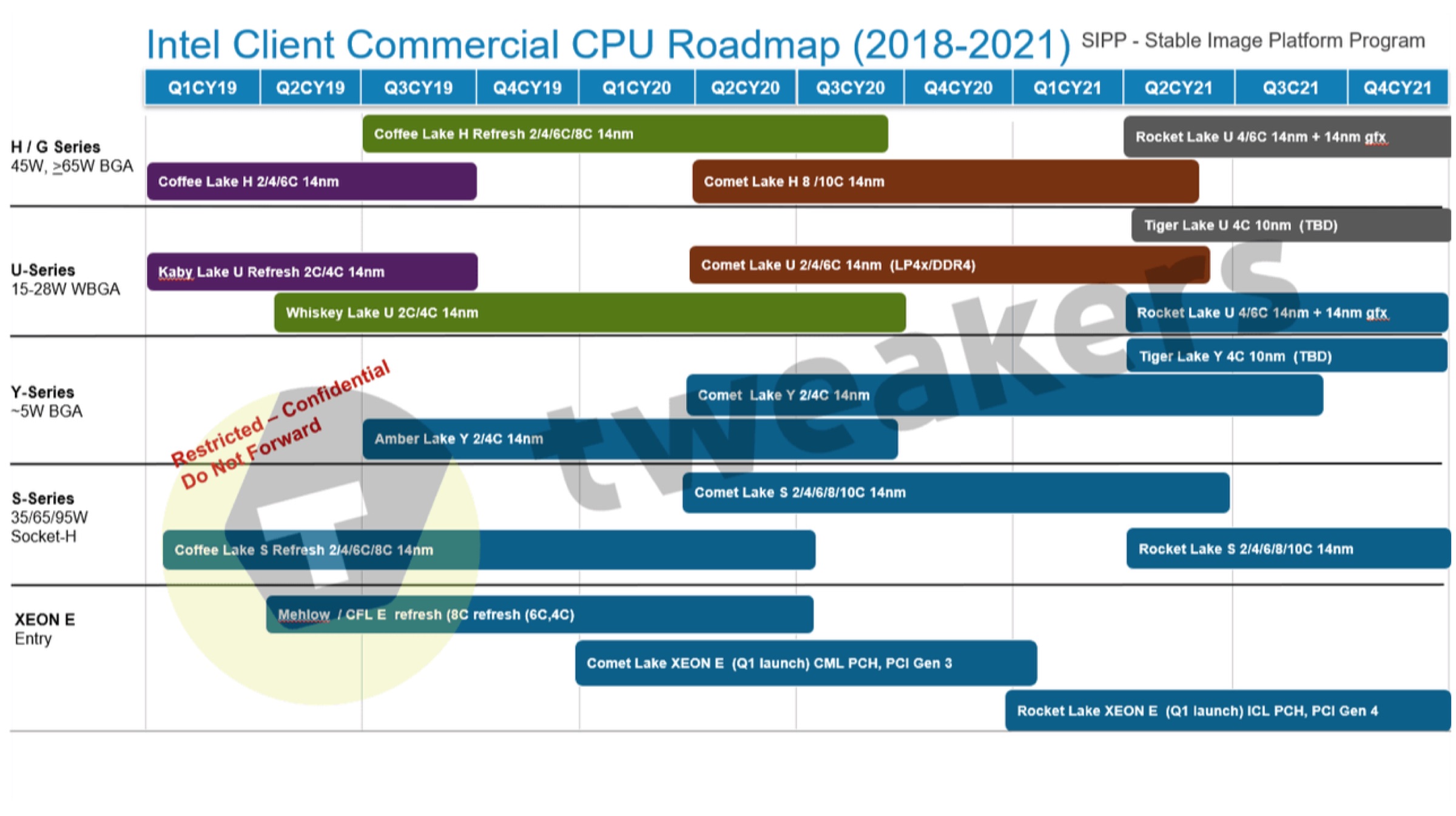
    First leaked on April 24 by a Dutch website, the roadmap highlights Intel’s key plans over the next two years. As per the roadmap, the company will launch a whole new refreshed lineup of Coffee Lake CPUs in the latter half of 2019. Intel will then follow up the Coffee Lake processors with the Comet Lake series of processors in the early half of the year 2020. Since Intel often labels its desktop processors as the “S-series”, it’s clearly visible in the roadmap that Intel will keep working on 14-nm S-series processors until 2022. 

    Intel Tiger Lake CPUs

    Another highlighting fact is that the company has marked its upcoming 10nm “Tiger Lake” processors as TBD, or To Be Decided. Tiger Lake architecture-based CPUs will be released as the “U-series”, and they will be specifically targeted towards mobile devices such as laptops. Planned for release somewhere in the second quarter of the year 2021, the TBD label on the aforementioned CPUs may mean that the company might have different plans for them. 

    Also Read: Samsung Patents A Distinctive Smartphone With Display On Front And Back

    Furthermore, as mentioned previously, Intel will release the Comet Lake desktop CPU range based on the 14nm process in the second quarter of the year 2020. The processors will feature a 10-core architecture. Also, in the year 2021, Intel will provide an overhaul to the Comet Lake lineup, which will then be called the “Rocket Lake” series. It may be possible that Intel is actually developing a 10nm desktop CPU that may be announced in the near future. Even if the roadmap shows otherwise, fans should take this news with a grain of salt, as the company hasn’t provided a statement regarding the same yet. 

iGyaan Network
Privacy Overview

This website uses cookies so that we can provide you with the best user experience possible. Cookie information is stored in your browser and performs functions such as recognising you when you return to our website and helping our team to understand which sections of the website you find most interesting and useful.