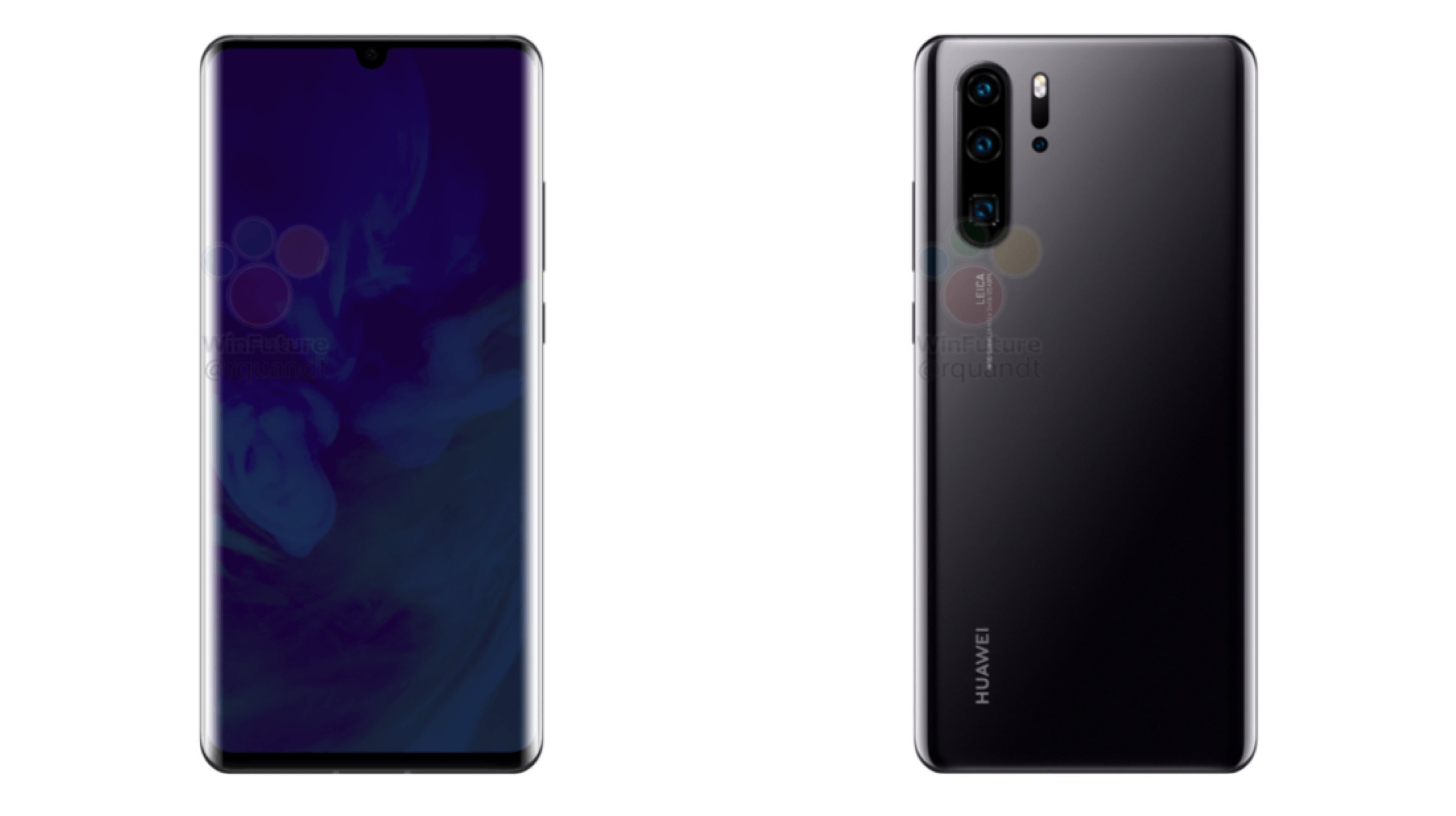
Huawei is known for incorporating the latest innovations with each iteration of its smartphones, seeing how the Chinese manufacturer has launched some really popular devices over the last couple of years. The company has announced that it will unveil the highly anticipated P30 series of smartphones on the 26th of March 2019. Huawei has been teasing an extraordinary feature of the P30’s camera, called lossless zoom. It will enable users to zoom up to 10x without any loss in image quality. On March 13, a design patent was granted to the company, which indicates that it is working on a device with two displays and a similar aforementioned camera.
About The Patent
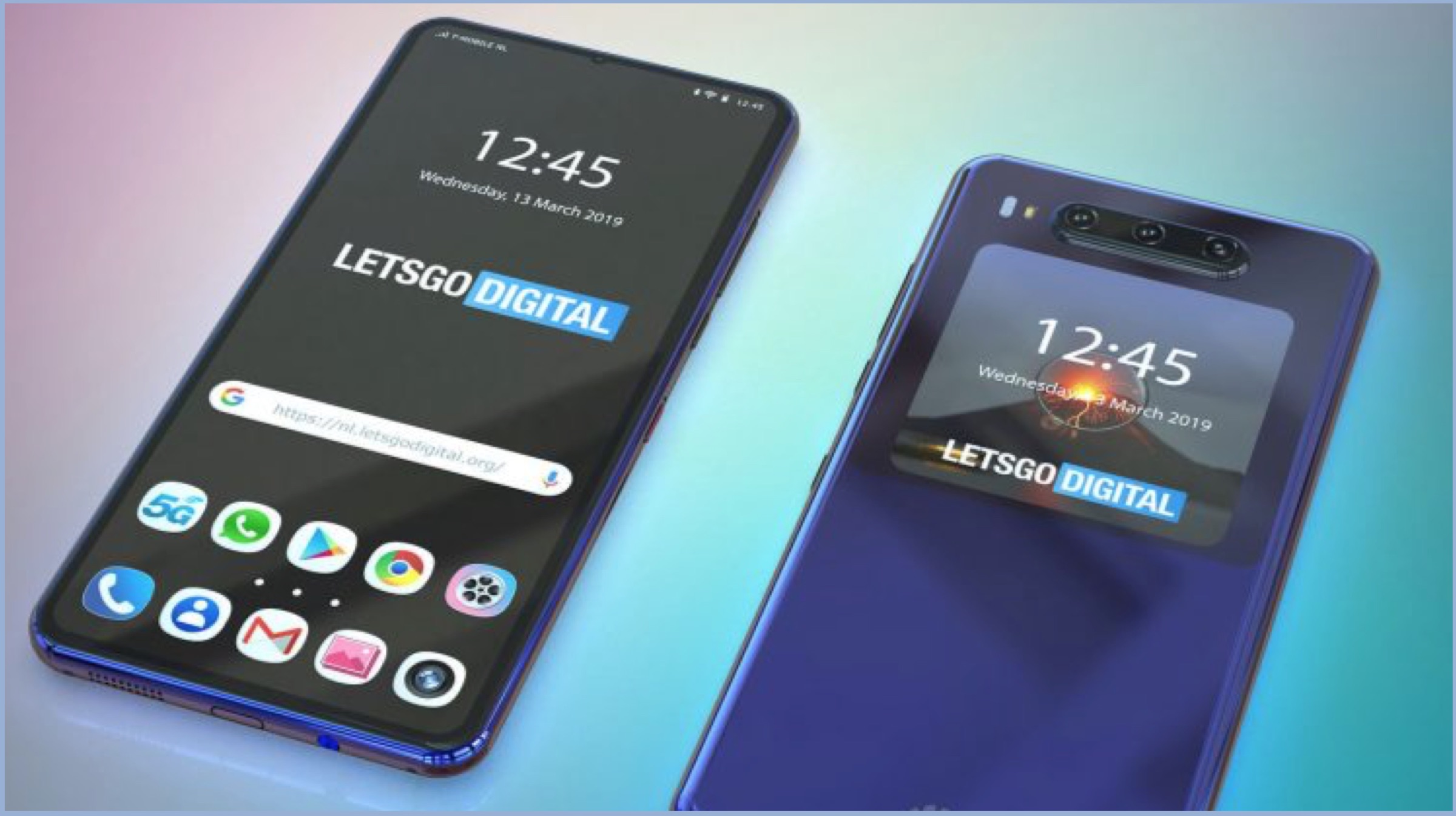 The freshly granted patent reveals that Huawei’s new device will sport a periscopic camera lens as well as dual displaya. The smartphone from the patent will most likely succeed the Huawei Mate 20 series. The design patent was filed on November 28 2018, by a law firm based in Germany on the behalf of Huawei Technologies. The patent was published on February 28, 2019, by both the European Union Intellectual Property Office (EUIPO) and the World Intellectual Property Office (WIPO).
Design And Features
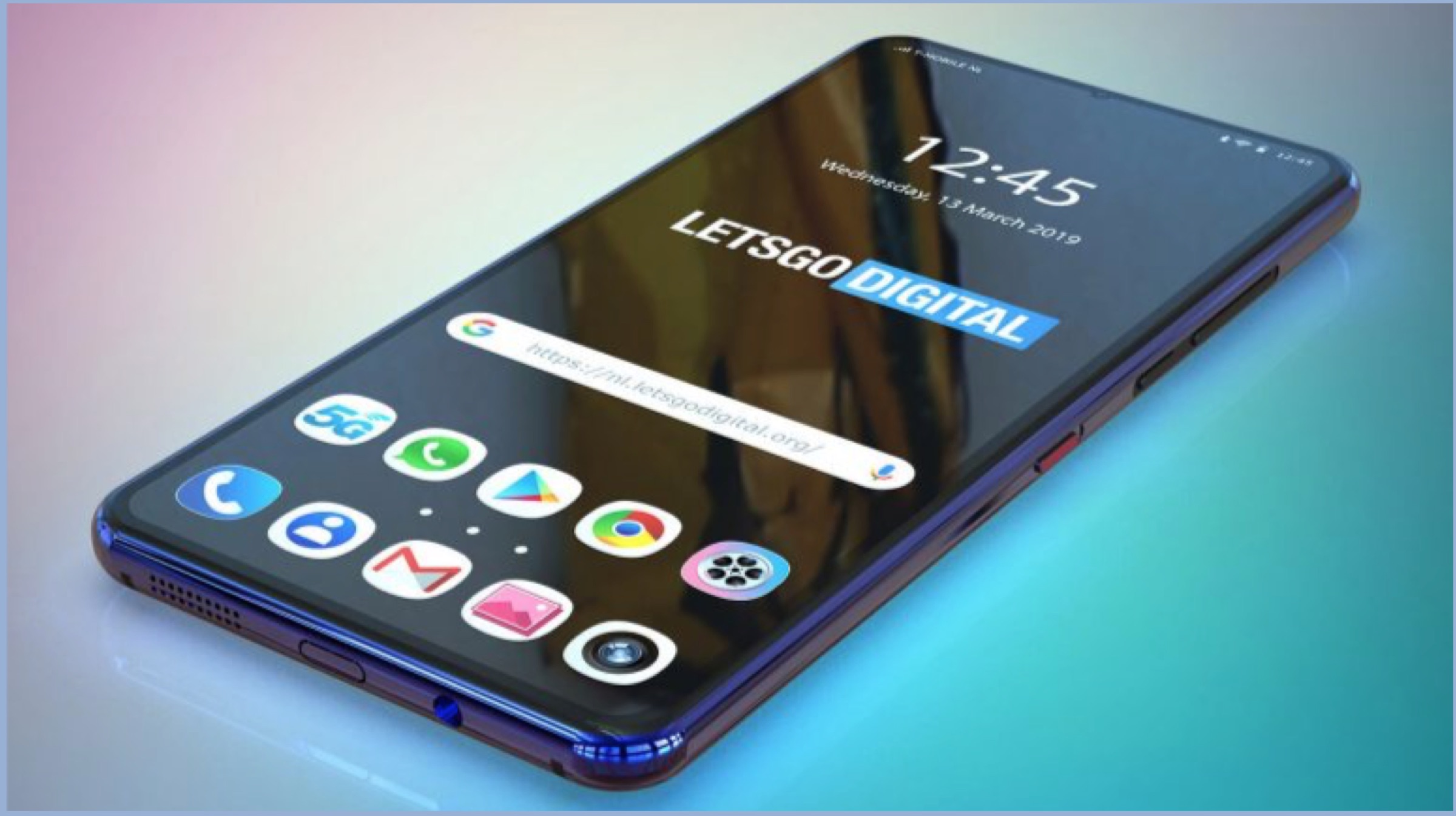
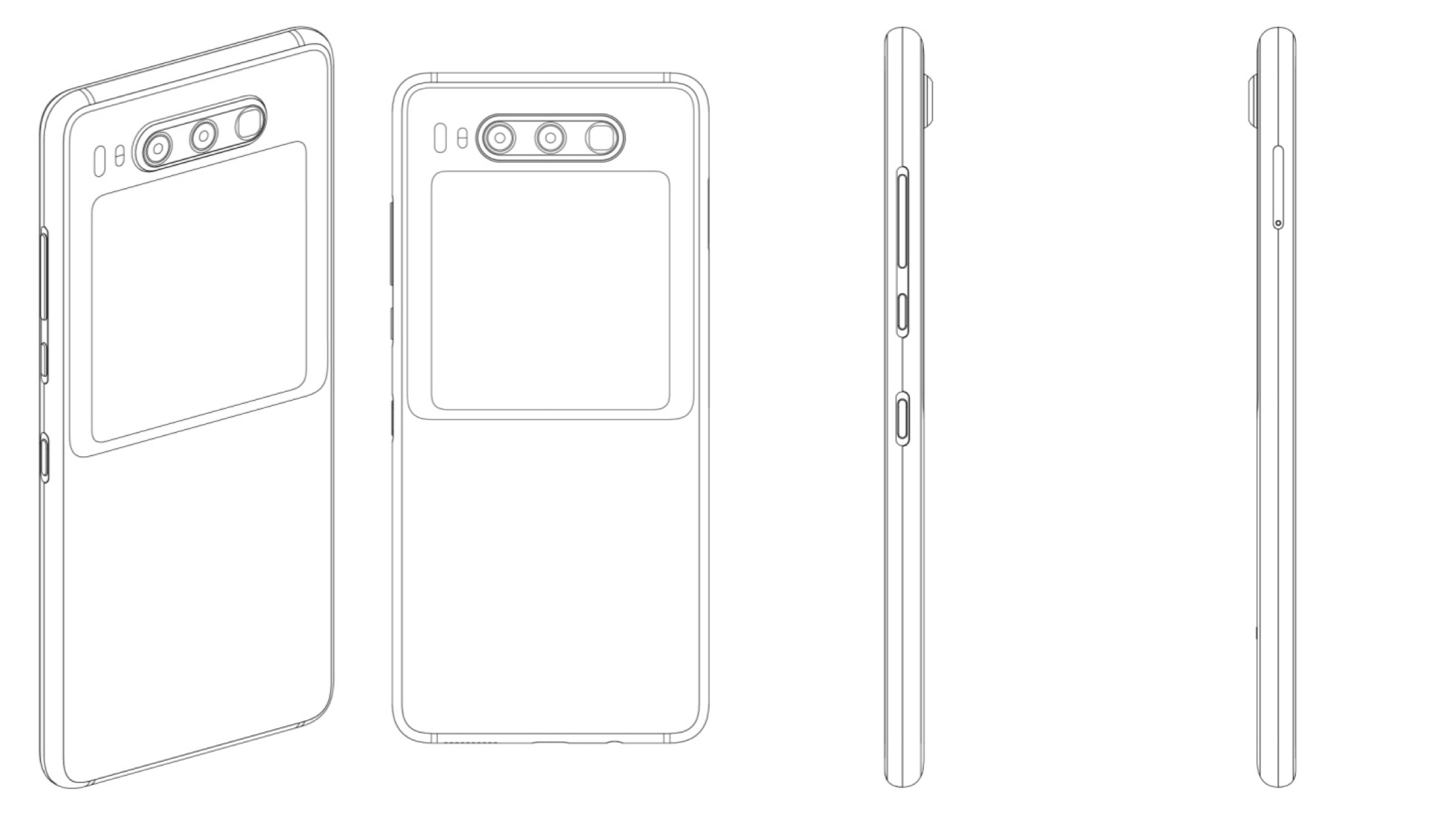 The most unique feature of this patent is evidently the second smaller display that is placed on the rear. Placed directly below the camera, the “almost square” screen will supposedly be used to take improved selfies in portrait mode, thanks to the advanced camera module of the device. Moreover, the user will be able to use the device even while it’s upside down. A similar screen setup was previously seen in the Vivo Nex, which was launched in the year 2018. The Nex was also equipped with a second screen which covered the back of the smartphone
The Huawei smartphone will be equipped with a horizontal triple camera setup at the back, unlike the vertical camera setup in the upcoming P30. A square shaped lens in the setup suggests that the company will use a similar periscopic camera system which will also be present in the upcoming P30 series. Also, the patent indicates an LED flash and built-in laser autofocus on the device.
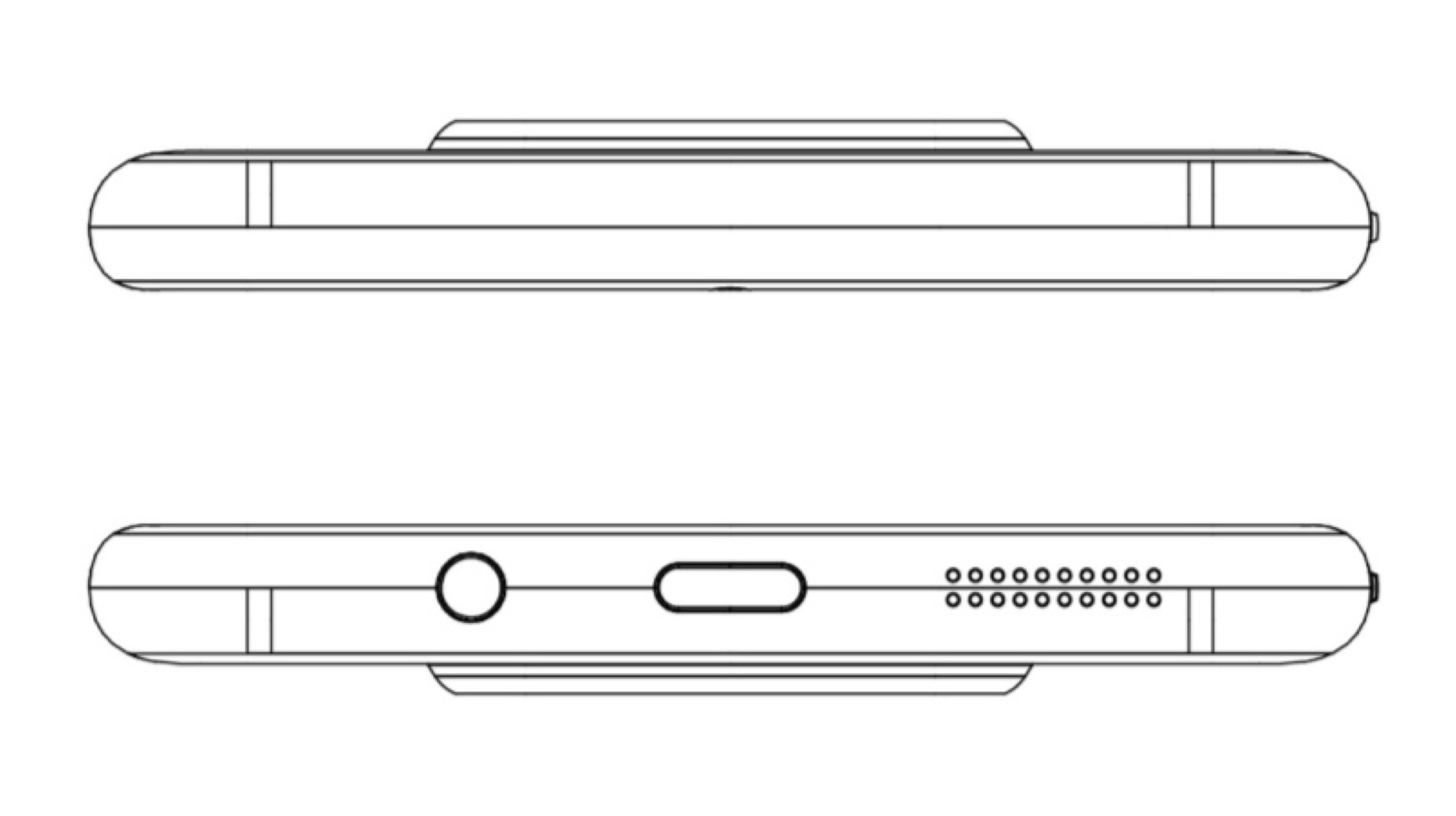 The patent shows that the Huawei device also houses a ToF (Time of Flight) sensor in the front notch for face recognition. Noteworthy, the Vivo Nex was launched without a front camera or sensor so as to implement a full-screen design. Furthermore, the patent also shows a 3.5 mm headphone jack placed at the bottom of the device, placed right next to the USB Type-C port and the loudspeaker grille. The left side of the smartphone houses the volume rockers and the lock/power button, along with another button that may be used to hot-switch between the two screens. The right side, on the other hand, houses the SIM card tray.
Availability
 Also Read: Google To Launch A Gaming Console And Streaming Service At GDC 2019
Huawei will probably launch the speculated Mate 30 series in the second half of the year 2019. The device is expected to be a strong contender in the premium flagship segment, considering the fact that the Mate 20 and Mate 20 Pro received rave reviews globally. The EUIPO patent can be viewed here and the WIPO patent can be viewed here.














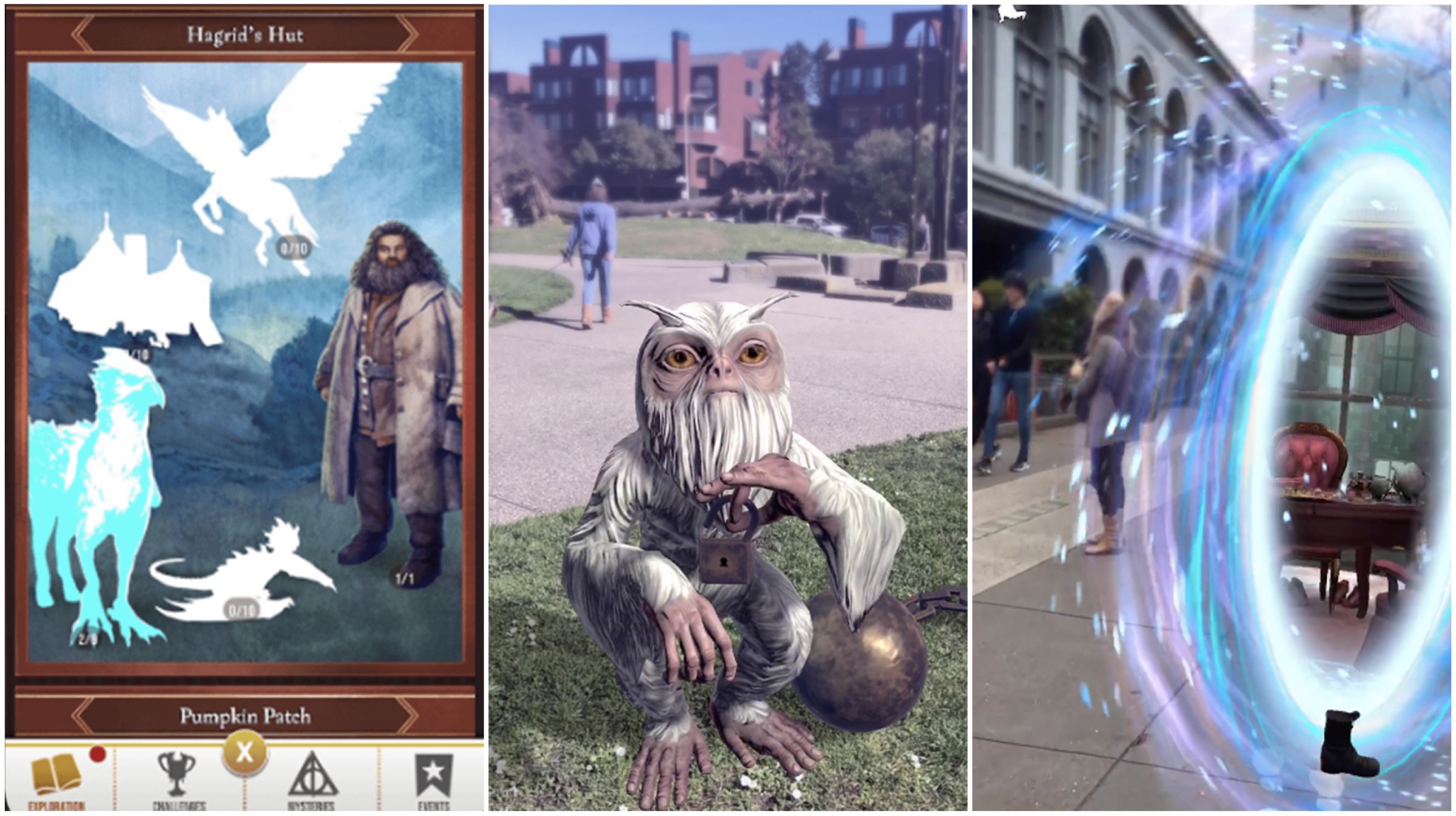 The first look of the game is now out, thanks to Warner Bros. and Niantic Games. The primary mission of the game is to save non-magic folk (also known as Muggles) from evil wizards, and capture them all before they cause any more havoc. The players will play as a recruit of the Statue of Secrecy Task Force, which is a venture by the Ministry of Magic and the International Confederation of Wizards to lock down all the rogue wizards that threaten the sanctity of the wizarding world.
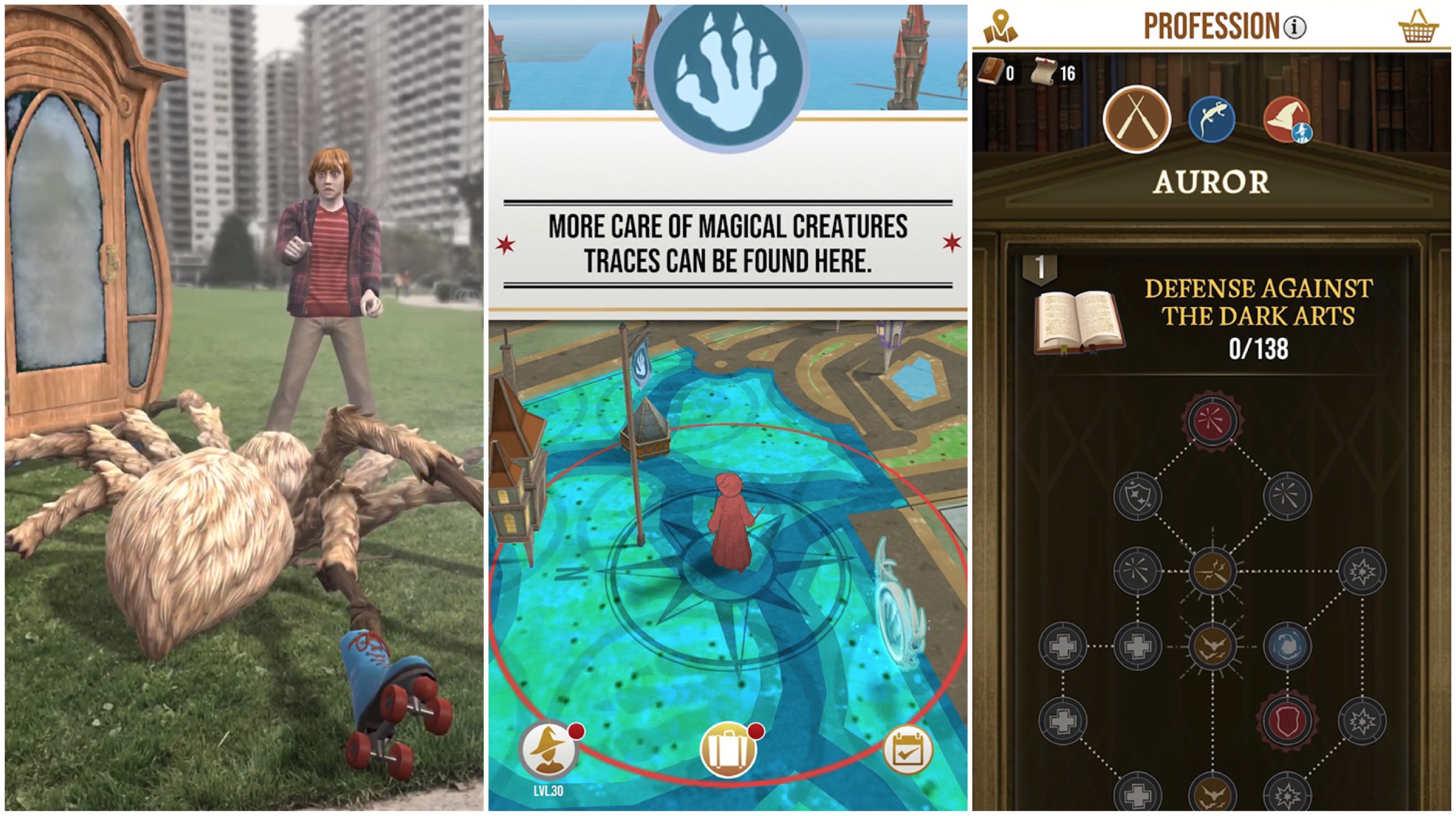 The game will also introduce “Spell Energy” to limit how much users can play in a given stretch of time. Once a player runs out of Spell Energy, he/she won’t be able to cast spells until the Spell energy is replenished at “Inns” by collecting food items and drinks. Also, the player can brew potions to help him/her during battles and travelling. The items required for brewing can be found around the map, and their availability depends on the environment (such as weather, time of day).