Blog

  • Worlds First Side Sliding Smartphone, The ZTE Axon S Surfaces Online

    Worlds First Side Sliding Smartphone, The ZTE Axon S Surfaces Online

    ZTE is a less known smartphone brand which is based out of Shenzhen, China. However, it must be noted that the company has launched several innovative devices in the past including the ZTE Axon M. Another remarkable device from the OEM, the Axon S has leaked online which is perceived to be the worlds first side sliding smartphone. The smartphone has an exciting and futuristic design with several distinctive elements. 

    ZTE Axon S Design and Features

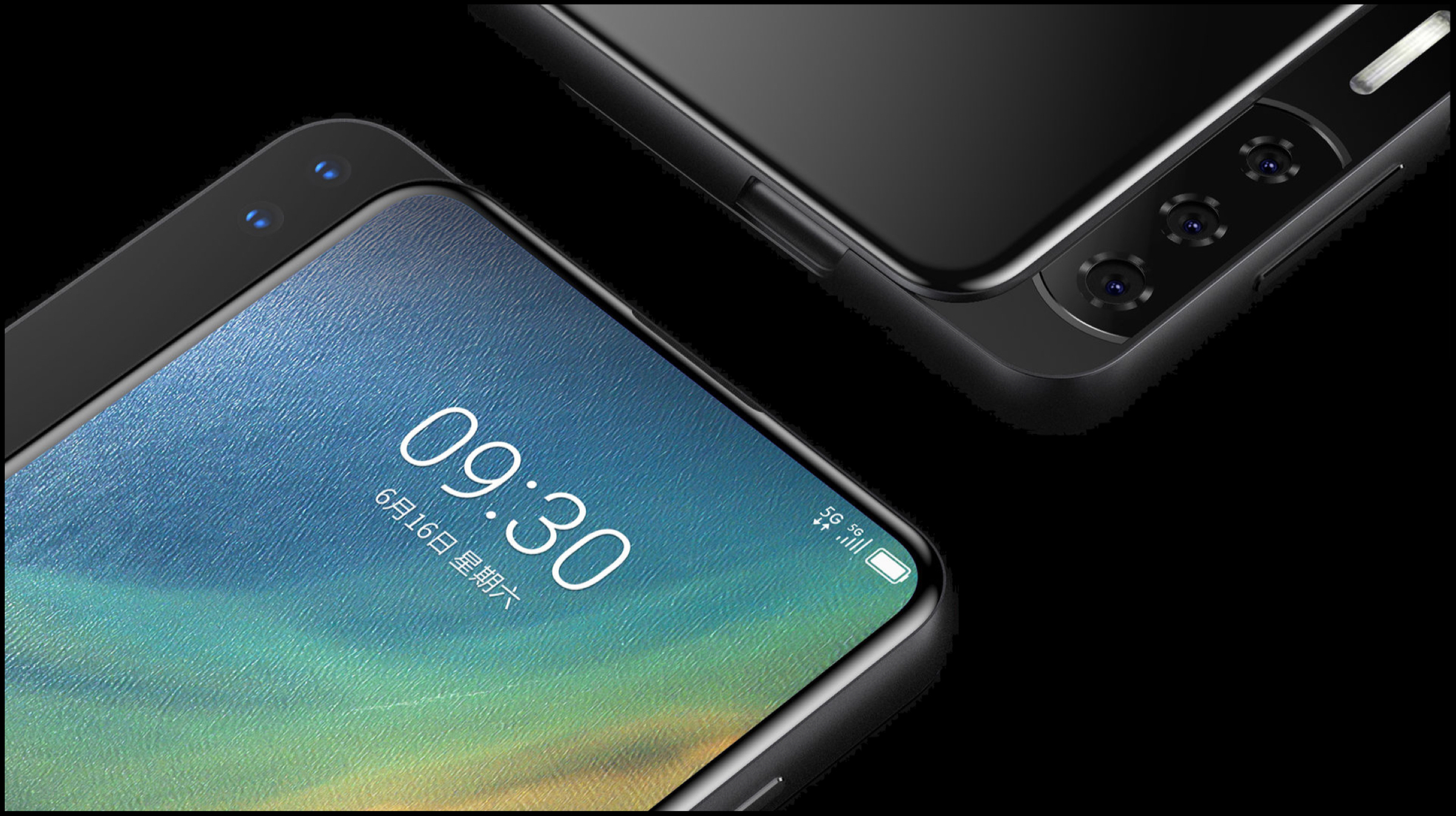
    The front of the ZTE Axon S accommodates a large screen display which is surrounded by insignificant bezels on all sides. It also features an on display fingerprint sensor which is slowly becoming the industry standard. A close look at the notification bar reveals that the smartphone supports 5G capability. It is the second smartphone from the company after ZTE Axon 10 Pro to support this standard of telecommunication.

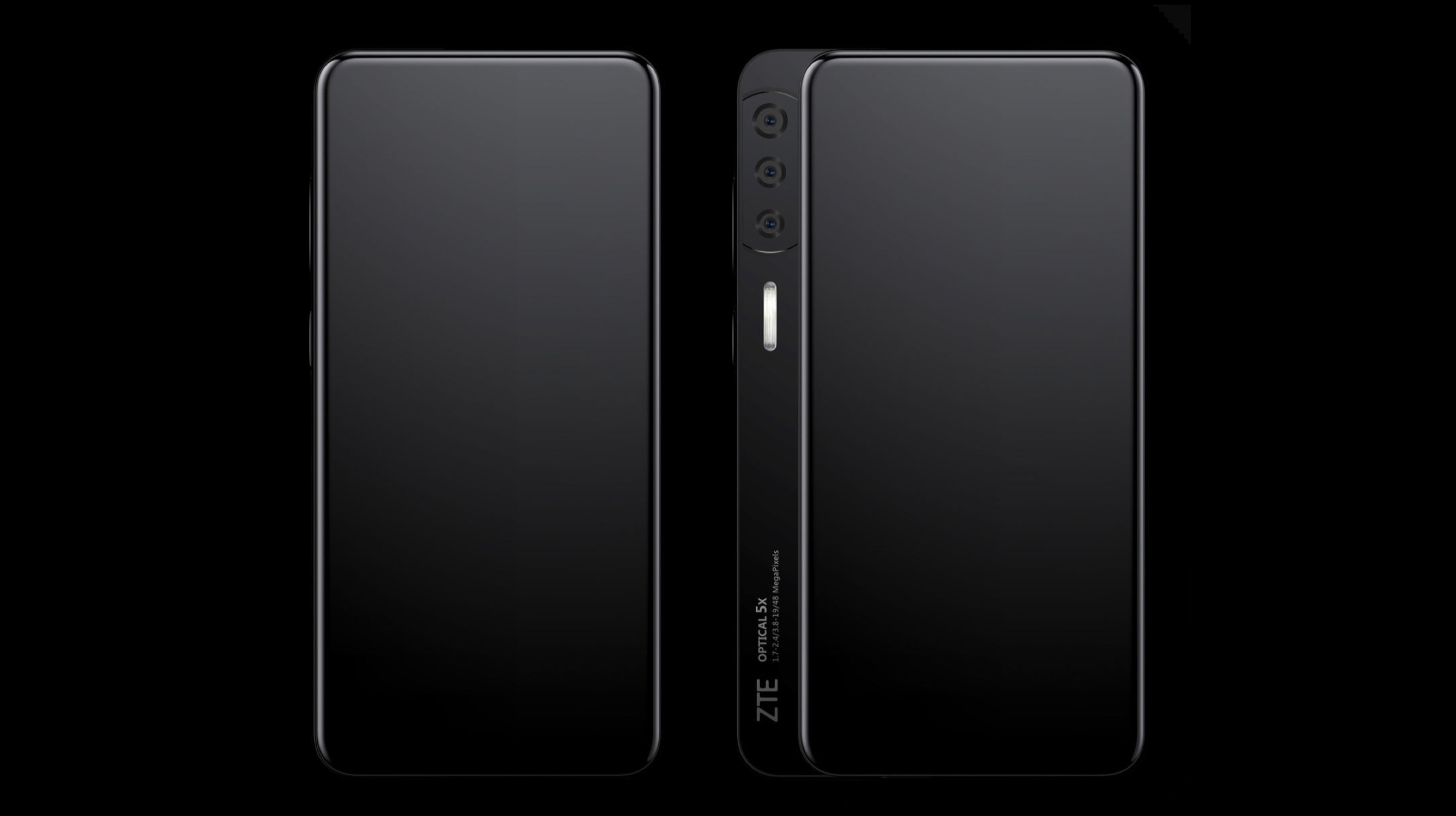
    As above mentioned, the ZTE Axon S has a side sliding mechanism which distinguishes it from every smartphone currently available in the market. Noteworthy, the slider is not just a cosmetic element but it provides the device with several necessary features. Sliding the Axon S reveals two sections one of which is on the front and other is on the rear. The front section when in an unrestricted state reveals a dual selfie camera setup and volume rockers which seem to be operated via touch controls.

    The sliding section on the rear of the ZTE Axon S accommodates triple rear cameras along with an elongated Xenon flash. Also, the rear of the slide carries the ZTE branding and some details about the cameras. The phone supports 5x optical zoom technology and at least one camera out of three uses a 48 MP sensor. The rear of the Axon S has a neat look which lacks any sensors or markings.

    Also Read: Redmi 7 Launched In China With Snapdragon 632 SoC

    Specifications including the chipset, display size and battery capacity of the ZTE Axon S will be revealed after the company officially lifts the curtain from it. We will have to wait patiently till the time company talks out loud about the visionary smartphone.


  • Redmi 7 With Snapdragon 632 SoC Launched In China

    Redmi 7 With Snapdragon 632 SoC Launched In China

    At an event held in China, Xiaomi’s subsidiary Redmi has launched its latest smartphone, the Redmi 7. It was announced alongside the Redmi Note 7 Pro which was launched in India last month. The newly launched Redmi 7 features a modern design, competitive specifications and a lucrative price.

    Redmi 7 Design & Features

    The Redmi 7 measures 158.65 × 76.43 × 8.47mm and weighs 180g. The smartphone has a 3D gradient design at the back and minimal bezels on the front and a waterdrop notch which the company calls ‘Dot Notch’. It has a 6.26-inch display with a resolution of 1520 x 720 px. The device runs on the latest MIUI 10 based on top of Android 9 Pie. There is a rear-mounted fingerprint sensor with support for face unlock technology.

    Under the hood, the Redmi 7 is kitted with the Snapdragon 632 SoC which is manufactured using 14 nm fabrication process. The chipset is comprised of an octa-core CPU and Adreno 506 GPU. For optics, the smartphone features dual-rear cameras consisting of a 12MP sensor with an aperture of f/2.2; combined with a 2MP depth sensor for taking portrait mode photos. For selfies, there is an 8MP camera housed in the waterdrop notch on top of the display. As far as memory and storage are concerned, the Redmi 7 will arrive in the following variants:

    • 2GB RAM and 16GB ROM
    • 3GB RAM and 32GB ROM
    • 4GB RAM and 64GB ROM

    The Redmi 7 is powered by a 4000mAh battery with support for 10W fast charging. The smartphone also supports memory expansion up to 256GB via a microSD card. The device also has a P2i coating for protection against accidental liquid splashes.

    Redmi 7 Price

    Also read: 5 Helpful Tricks To Earn A Chicken Dinner In PUBG Mobile

    The Redmi 7 will start at CNY 699 (Rs. 7,148) for the base variant with 2GB of RAM and 16GB of Internal Storage. The version with 3GB of RAM and 32GB of Internal Storage is priced at CNY 799 (Rs. 8,170). The top end variant with 4GB of RAM and 64GB of onboard storage is priced at CNY 999 (Rs. 10,216).

  • 5 Helpful Tricks To Earn A Chicken Dinner In PUBG Mobile

    5 Helpful Tricks To Earn A Chicken Dinner In PUBG Mobile

    PUBG Mobile is not just a mobile game anymore, it’s a global sensation. With a massive player count across the globe, the game is now an integral part of daily lives for some people. Streamers earn from it, students play it for recreation and this is just a small glimpse of it all. Tournaments with prize pools of over 1 crore are being held in the country. Like every other game out there, every player wants to aim for the number one spot in this game. But is it easy? Staying alive amidst 99 other bloodthirsty players or 24 other teams can be tougher than most players can speculate.

    Here are our 5 foolproof tricks that will increase your chances of earning the chicken dinner that you crave.

    1.  Strive To Survive

    If you want to win a game, remember that PUBG is not a deathmatch, it’s a survival game. You may have a good aim and praiseworthy skills, but none of it matters if you don’t make it to the endgame. This is why survival is key. Pay attention to your surroundings when you are parachuting down to the ground. Try to get the maximum loot from an area before a fight breaks out, and participate in the fight only if you have the resources necessary to do so. Try to draw the least amount of attention to yourself, because even the best players will find himself in a turmoil if they get shot at by multiple players simultaneously. 

    Remember, the story is always narrated by the one who survives till the end.

    2. Stick To Your Playing Style

    In every shooter game, there are generally two types of players. One who likes to go all out and shoot everything he/she sees anything in motion on the battlefield, and the other one who watches the movements of enemies from a safe distance and tries to raise as less conundrum as possible. If you belong to any one class of the aforementioned players, you’ll be more successful in the battlefield if you follow your instincts. If you have a good aim and are confident enough to take the enemy down in a single flurry of bullets, by all means, do so. But if you are not sure about pursuing this road, you can always play it safe and wait for the perfect moment to strike while lying in wait. You’ll always be a better player when you do what you can do best.

    Be the best version of the PUBG player you are.

    3. Pay Attention To The Sounds Around You

    Sound sense wins you almost 50 percent of the game. Professional PUBG players always focus on their surrounding noises on the battlefield. Knowing that someone is approaching you may be the only information you need to shoot that enemy down, even if they have better inventory than you. While playing the game, try to use earphones/headphones in order to gain an idea of directional sound during firefights. Moreover, keep paying attention to the minimap, because you can “see” nearby footsteps on the map even if you did not hear them. An orange directional marker will give you an indication of nearby enemies so that you can focus on that particular direction.

    It’s always good to invest in a good pair of headphones/earphones if you plan to take the game seriously.

    4. Manage Your Inventory

    Ever wondered why the backpack has a strict limit? This is because you can’t go around stuffing every item in there. A lot of PUBG players end up with a lot more ammunition than they need, or too little of healing equipment when it comes to bandaging up. In all entirety, you should never have more than 200 rounds of any ammunition in your backpack, because that’s just a waste of valuable space. Furthermore, if you’re using a sniper rifle, less than 100 ammunition rounds are more than sufficient for you. If you kill an enemy (or multiple enemies), you can always use their crates to stock up on ammunition and other equipment rather than filling your backpack up to its capacity. Some space should always be available in the backpack to flash-loot someone’s crate or a house (picking up equipment without paying attention to what you’re gathering).

    Point to be noted: An extra heavy backpack is a bad backpack.

    5. Teamwork Is The Key

    If you’re playing in a squad (which a lot more players prefer), you may have experienced a lack of coordination amongst your team. This is generally due to improper communication between players and can be fixed by informing your teammates regarding any important developments in the game. If you find some surplus ammunition that you know your teammate needs, use the pinging system or the chat system to inform him/her about it. Keep updating them about the incoming zone if you’re still outside the circle of safety. If you see an enemy who’s far from your reach, let your friend with a sniper rifle handle him. Never be afraid to toss a smoke grenade near your knocked-out teammate to revive him/her. Having an extra member on the squad can be the difference between a chicken dinner and a heartbreaking defeat.

    TLDR: Talent wins games, but teamwork and intelligence win championships.

    Also Read: PUBG Mobile 0.11.5 Beta Update Introduces New Weapons, Vehicles & More

    Of course, there are a lot more points to be kept in mind like the use of scopes, attachments or weapon damage, but all these factors can be picked up eventually as you progress with a deeper understanding of the game. After all, it’s all worth it if you get to enjoy some delicious chicken dinners with your squad.


  • Two-Thirds Of The Antivirus Apps On Android Are Fake, Claims Study

    Two-Thirds Of The Antivirus Apps On Android Are Fake, Claims Study

    As more parts of the world get connected to the Internet, the risk of malicious programs downloaded online also increases. In a study conducted in the month of January 2019, AV-Comparatives, a reputed Austrian independent organization that tests and evaluates antivirus software; has found that about two-thirds of the antivirus applications found on the Google Play Store are fake.

    Criteria Of Testing

    The test on the antivirus apps was conducted on the Samsung Galaxy S9 and Nexus 5 smartphones to simulate real-world usage. The devices were claimed to be running on Android 8.0 Oreo and 6.0.1 Marshmallow respectively. The test was conducted using a process that included the following steps.

    • Opening Chrome browser and downloading the malicious sample
    • Opening the downloaded .apk file using a file explorer app
    • Installing the malicious app
    • Running the app

    The test conducted on the different antivirus applications checked them for their efficacy in protecting against around 2,000 common Android malware threats discovered in the year 2018. If at any given point of time, the antivirus app notified about the presence of the malicious app, the test was then concluded and the sample was considered detected. The organization claims that an automated Android testing framework ran the tests on the apps.

    Results Of The Study

    The study was conducted on over 250 antivirus applications that are currently available on the Google Play Store. Out of all the tested applications, only 80 were able to accomplish what they advertise that too a limited extent. However, it is noteworthy that these applications were only able to detect 30 percent of all malware laden programs.

    Android Pie Android 9 Google

    Around 170 apps were then found to be at risk, which essentially meant that they were either ineffective or unreliable. Some of the apps were identified to be risky because they used a third party engine; which means a base program that performs a core or essential function for other applications. The software engine in the apps was found to be poorly implemented.

    Also read: How Do Fingerprint Scanners Work? Are They Truly Secure?

    The company that owns Android OS, Google has been lately taking down the apps that it found malicious or worked in a different way than advertised. Going by the company’s streak, it will most probably take action and will ban most or all of the apps that were deemed fake in the study. It is also recommended that the users of antivirus apps check if the app they are using is identified as fake in the results. 

    See The Full Study And The List Of Apps Here

  • Xiaomi Poco F2 Running Android Q Spotted On Geekbench

    Xiaomi Poco F2 Running Android Q Spotted On Geekbench

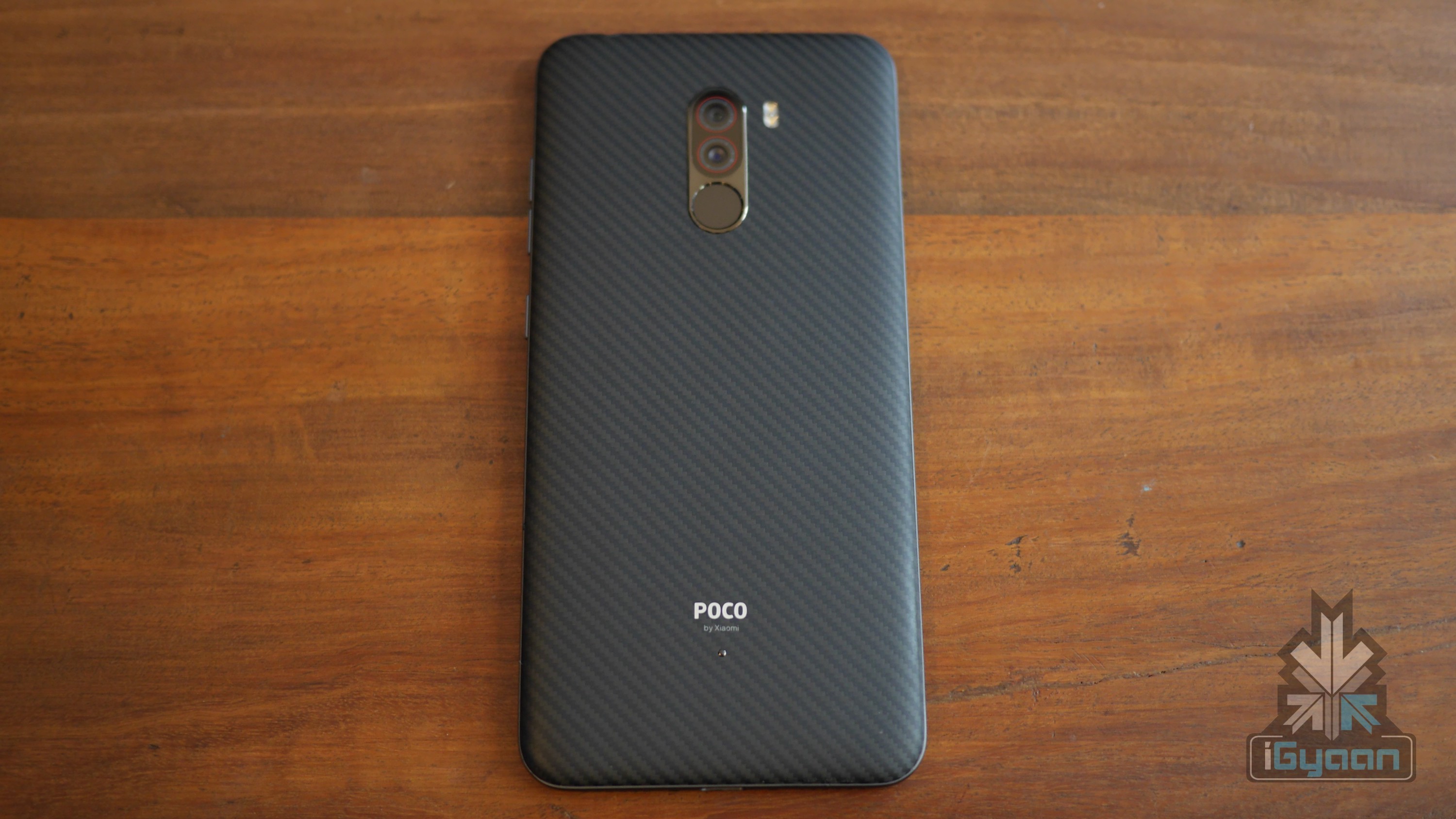
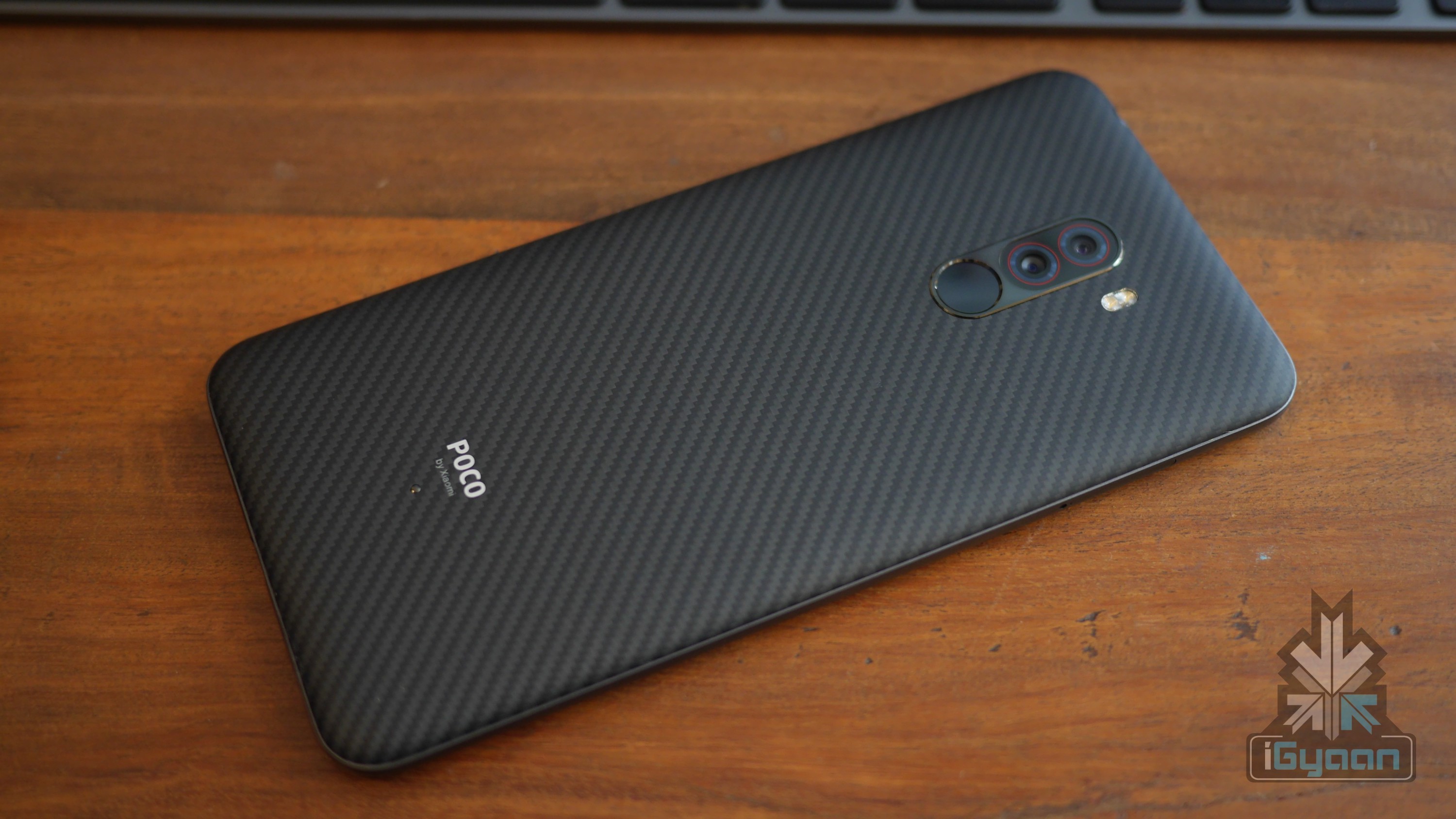
    Xiaomi launched the Poco F1 last year which due to its flagship features and aggressive pricing turned a lot of heads globally. The company has been long awaited to launch its successor with upgraded features. Pleasingly, the Poco F2 with up to date features has been spotted on the benchmarking website, Geekbench.

    Xiaomi Poco F2

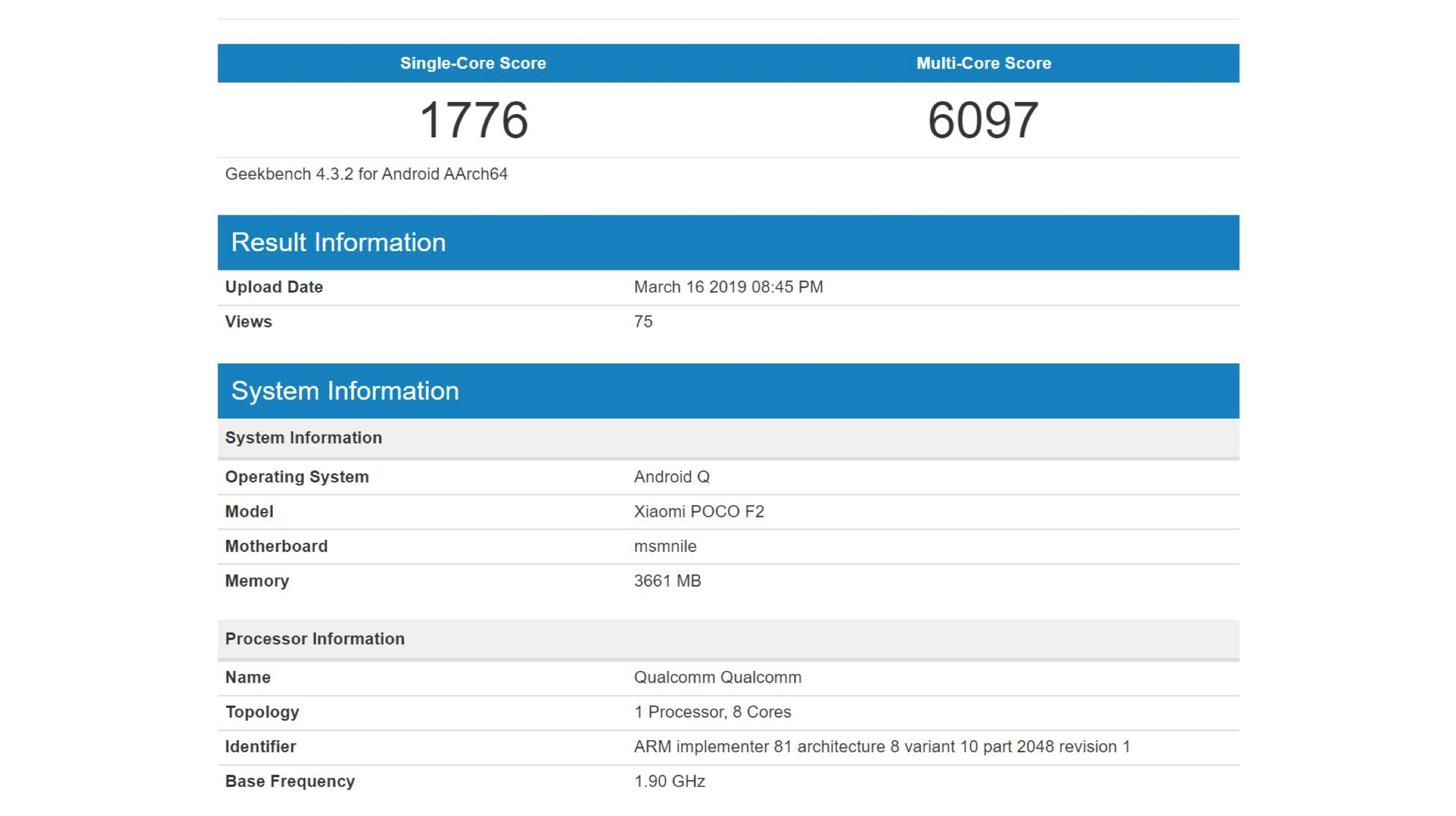
    The Geekbench listing of an unreleased Xiaomi smartphone was uploaded on March 16 which clearly mentions its name, the Xiaomi Poco F2. The device registers a single core score of 1776 points and a multi core score of 6097 points. Shockingly, both the single core and multi core scores of the Poco F2 are significantly less in comparison to that of the Poco F1. For reference, the Poco F1 registered a single core score of 2451 points and a multi core score of 8998 points in our tests.

    Intriguingly, the Poco F2 runs on the Android Q operating system which is the successor to Android Pie from the yesteryear. It runs the “msmnile” SoC which is the codename for Qualcomm’s latest flagship chipset, the Snapdragon 855. Surprisingly the device only has 4 GB of RAM. The considerably lower Geekbench score and only 4 GB of RAM hint that this could be a lite variant of the Poco F2. To further strengthen the claim about this being a lite variant, it must be noted that even the Poco F1 was offered with at least 6 GB of RAM. Therefore, the feasibility of this being an affordable lite variant is quite high. Other details including the battery capacity, camera resolution, screen size and price of the upcoming device will only be publicised once it is officially unveiled by the company. 

    Xiaomi Poco F2 Launch Date

    Also Read: Apple Told To Pay Qualcomm Over $31 Million In Patent Infringement Case

    It is hard to speculate a launch date of the Poco F2 or the Poco F2 Lite as Xiaomi has maintained silence about the launch of these devices till now. However, going by the company’s annual update cycle they are likely to be launched in the second half of 2019. 


  • How Do Fingerprint Scanners Work? Are They Truly Secure?

    How Do Fingerprint Scanners Work? Are They Truly Secure?

    In an era where security is the defining factor of our lives, people are becoming increasingly aware of their privacy across digital devices as well. Hacking incidents have increased, which is indirectly putting pressure on smartphone companies to incorporate the highest level of security detail in their devices. A major chunk of all smartphones being launched these days have a common biometric security feature: the fingerprint scanner. But the real question is, how accurate and effective are those fingerprint scanners in reality? Are they secure enough to just prevent snooping, or are they built for something more resilient?

    Types Of Scanners, And How Do They Work?
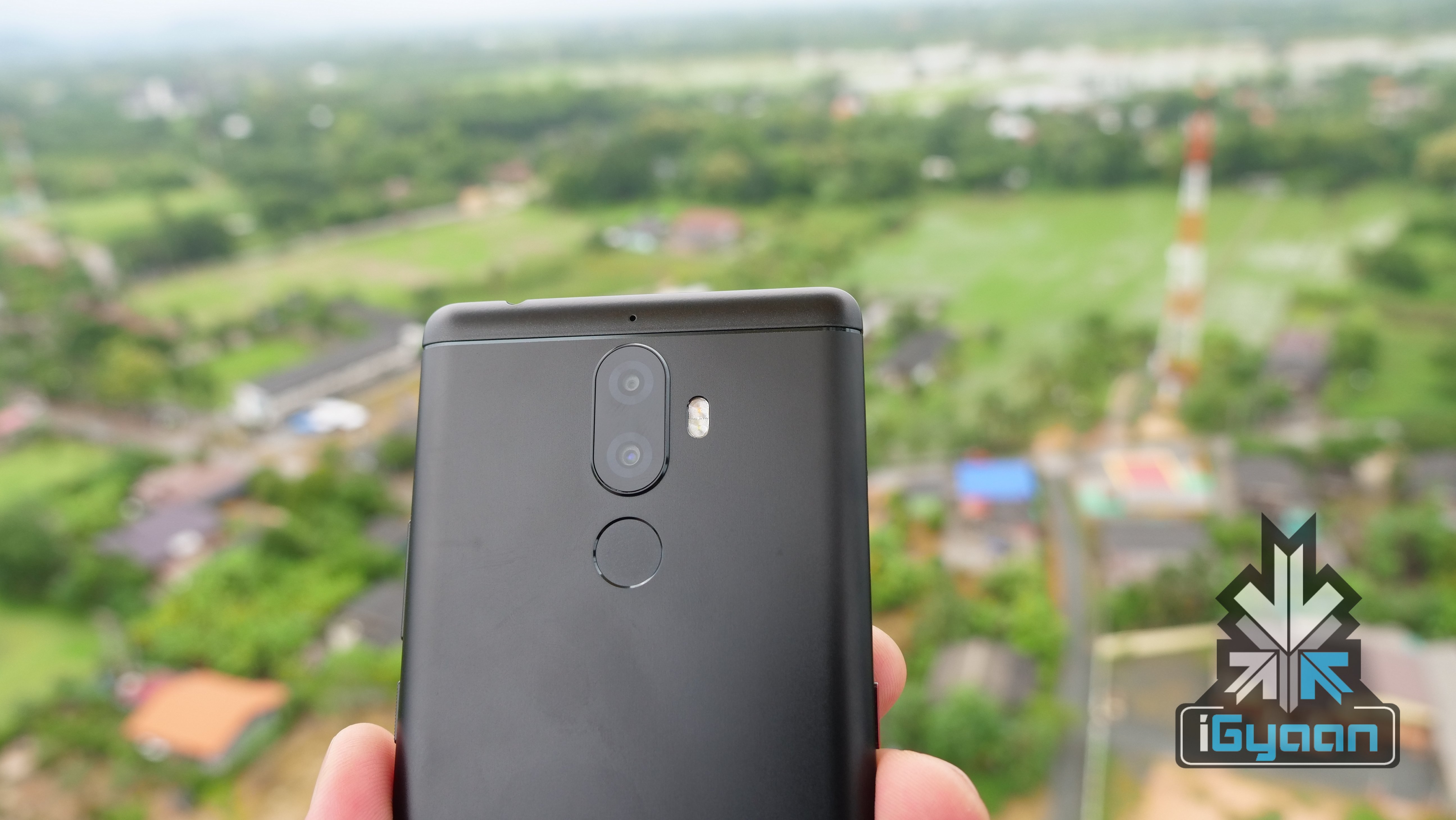
    These days, smartphones are loaded with a host of security options to ensure that the data on the device remains private to the user. Some primary security features are listed below:

    • Pattern
    • PIN/Password
    • Fingerprint Scanners
    • Iris/Retina Scan
    • Face Recognition

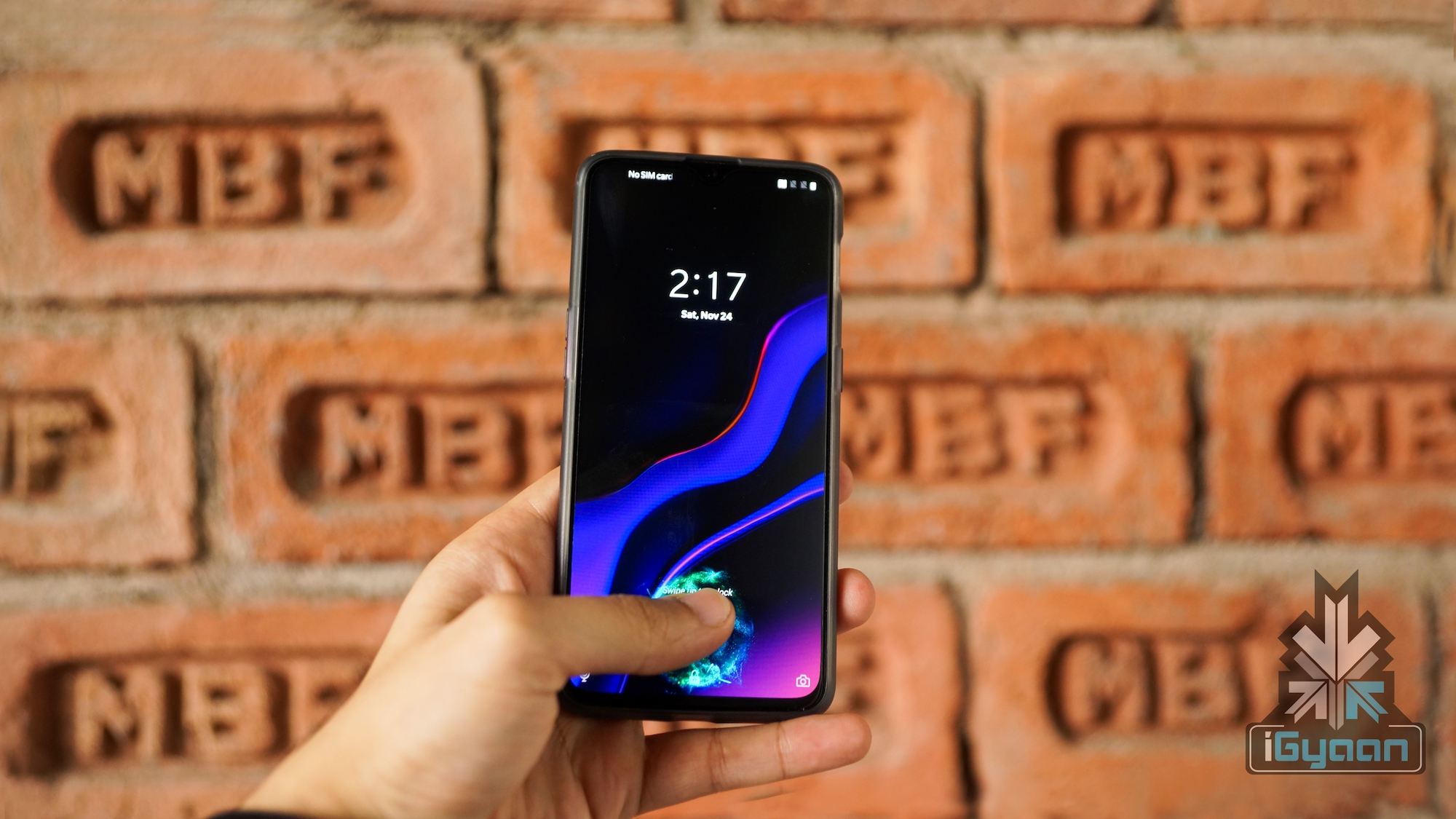
    Pattern and password enabled security has been around since almost the beginning of the smartphone era, and most of the users are familiar with it. A few years ago, fingerprint scanning was considered to be something that belonged only to spy movies. Fingerprint scanners were a state-of-an-art technology back then. But in the past few years, fingerprint scanners have become a ubiquitous part of our technology. They are extremely useful because of the ease in their implementation. But how do fingerprint scanners work? 

    Every human fingerprint consists of two main physical contours. The raised parts of the finger are called the ridges, whereas the areas between the ridges are referred to as the valleys. When a user places his finger on the scanner, the CCD (Charged Coupled Device) light sensor generates an inverted image of the finger using its own light source. The LEDs generate enough light to illuminate the ridges of the finger. The image generated by the CCD sensor is actually a two toned image. The darker areas represent the ridges of the finger, while the lighter areas represent the valleys between the ridges.
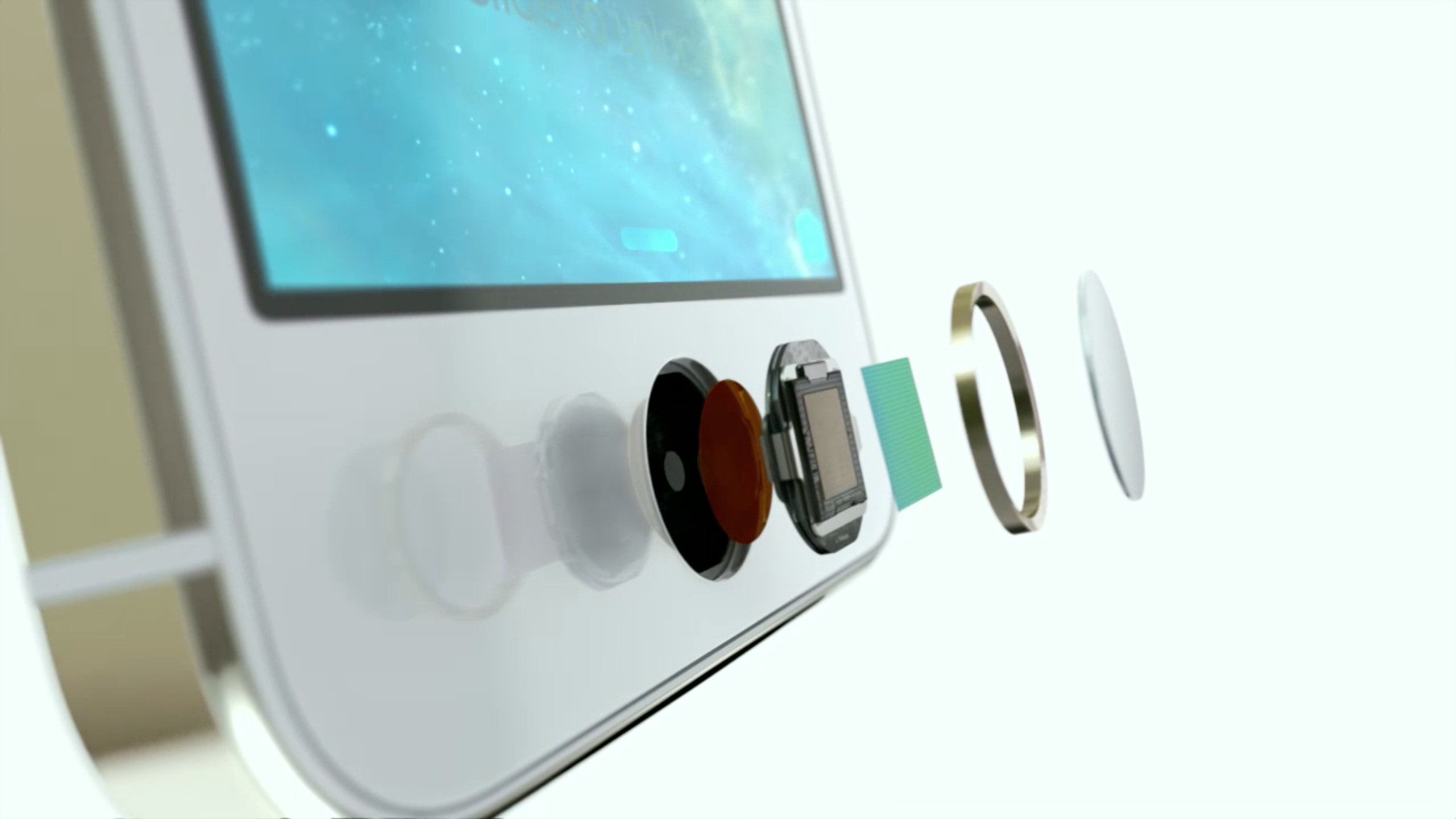
     The processor in the scanner module ensures that the image generated is clear enough to process. In addition, the processor also checks the pixel darkness. If the image is too dark or too light, it is discarded. The scanner then adjusts the exposure time of the sensor and scans the fingerprint again. As soon as a crisp image is generated, the fingerprint is cross checked with other images/prints of the finger. Every fingerprint signature is entirely unique, so any print that matches any other image in the list is picked as the verifiable one.
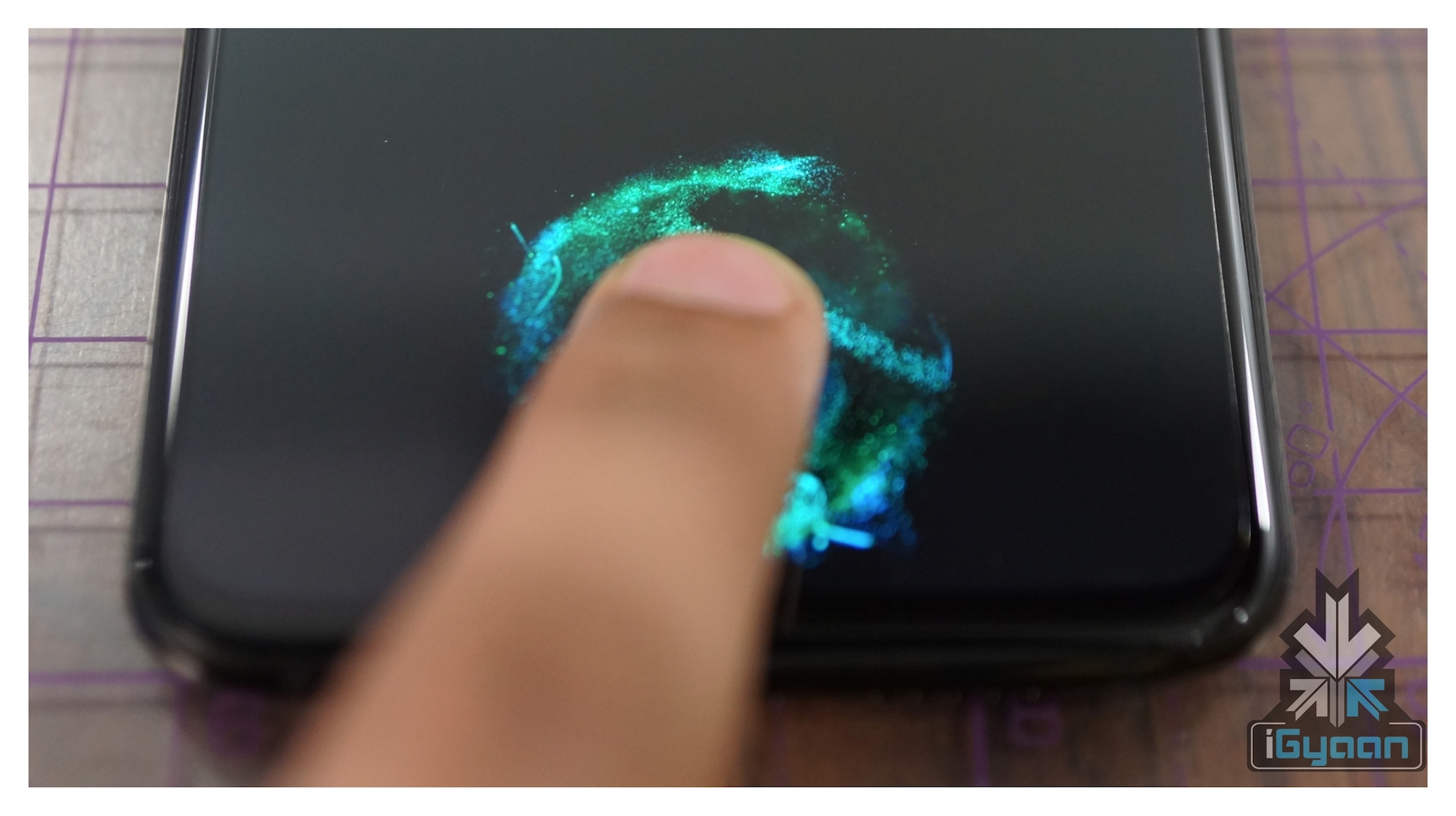
    Unlike Digital Scanners, Capacitive scanners make use of electrical current to verify fingerprints. The capacitive sensors are made of semiconductor chips. Each chip contains a small array of cells with conductor plates, which in turn are covered by an insulating material. When the finger is placed on a capacitive scanner, the finger’s image is developed by the process of varying input and output voltage.
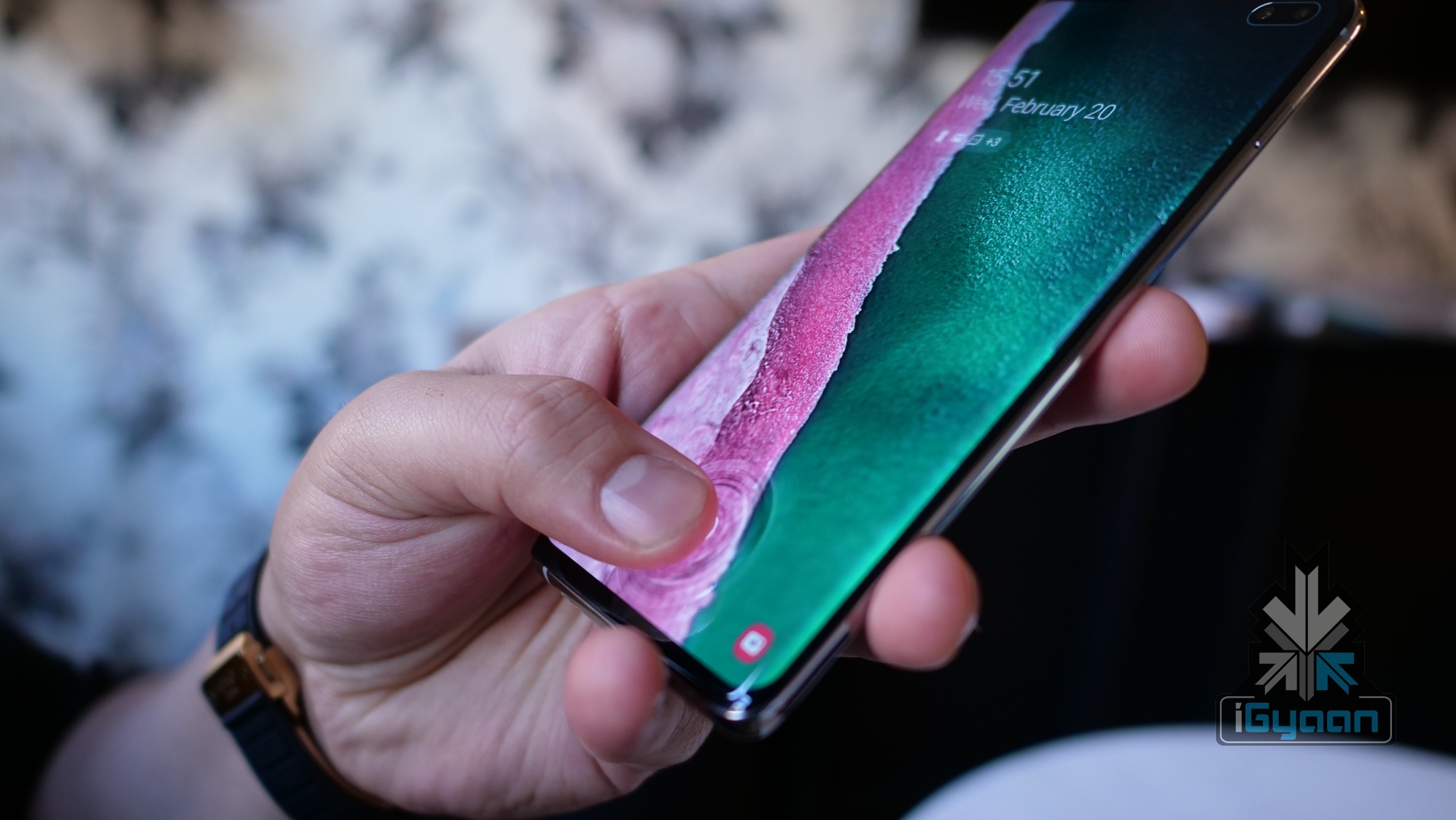
    Ultrasonic Scanners are fairly recent. Samsung’s latest S10 series smartphones are the first ones to sport ultrasonic fingerprint sensors in the market. An ultrasonic pulse is transmitted via the screen to the user’s finger, which reciprocates the ridges, pores and valleys in the finger to create a much more accurate 3D fingerprint image.

    Security Concerns Regarding Fingerprint Scanners
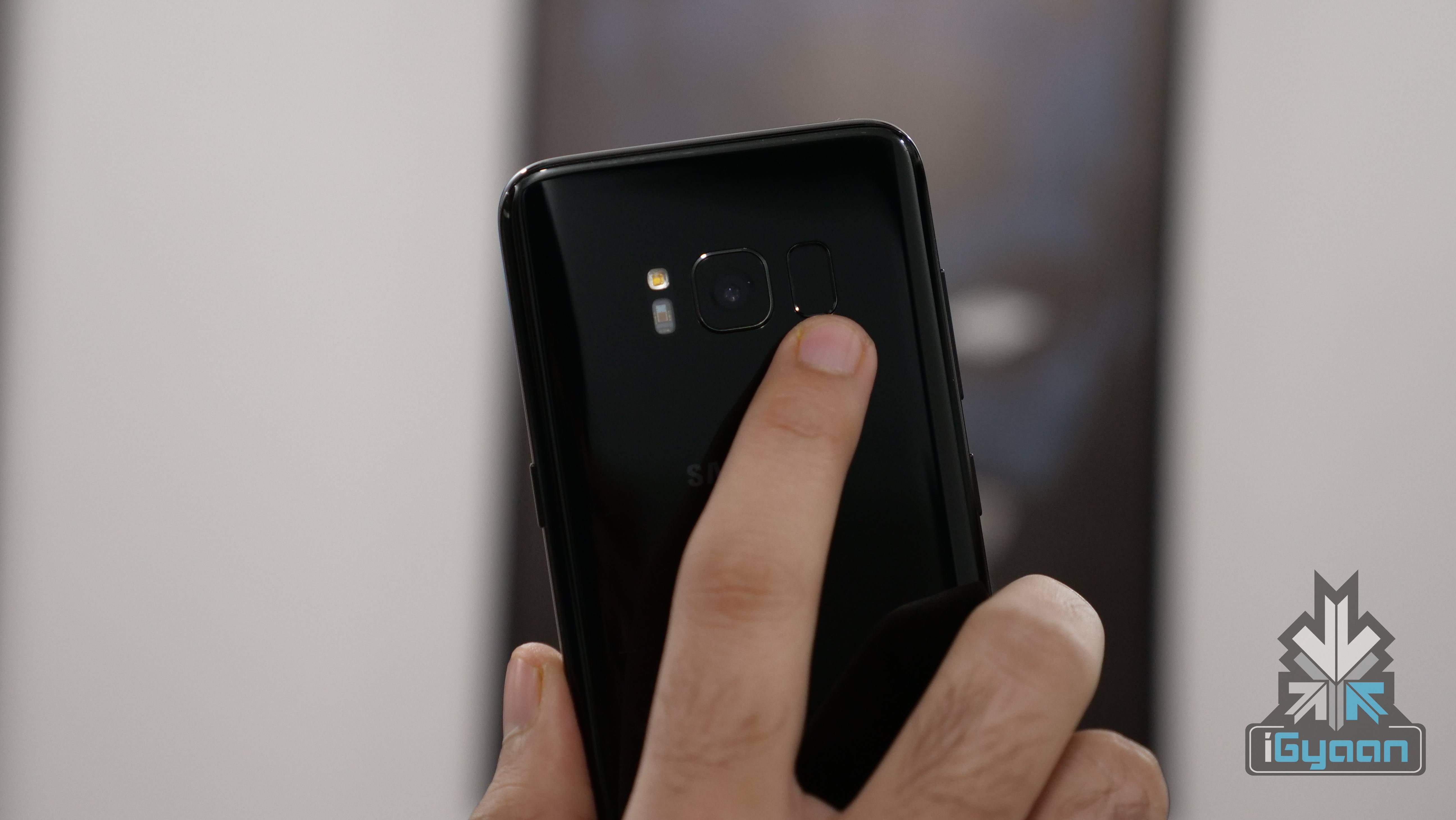
    Someone who knows how the fingerprint scanner works can also design fairly simple methods of bypassing its security detail. For instance, the fingerprint scanner can be fooled with the help of a dental mold cast. After filling the cast with some playing clay, the only thing left is to get the owner of the phone to touch the material. Of course, this requires the help of the person who owns the device, but in retrospect, a person leaves his fingerprint as a residue on multiple objects of daily use which can be used for the same purpose.

    If a person has a 3D printer and a single high resolution image of the owner’s finger, a 3D printed mold can be created which can then be used to unlock the device. Some may argue that in such a case, PINs, passwords, and patterns are more secure, but unless you are a highly valued individual with sensitive information stored on your phone, you don’t need to worry about people hard-hacking into your phone via the fingerprint sensor, as the process takes some time and discretion.

    Full fingerprints are extremely difficult to fake, but instead, the smartphone fingerprint scanners only record partial fingerprint signatures. Findings indicate that if a person creates a glove with a masterprint (with the highest possible number of ridge-and-valley combinations), he/she can break into a fingerprint protected device 40 to 50 percent of times before the smartphone asks for a numeric PIN. And that’s a scary high probability of something like this happening in our daily life, again, highly unlikely.

    Conclusion
    Also Read: Apple Told To Pay Qualcomm Over $31 Million In Patent Infringement Case

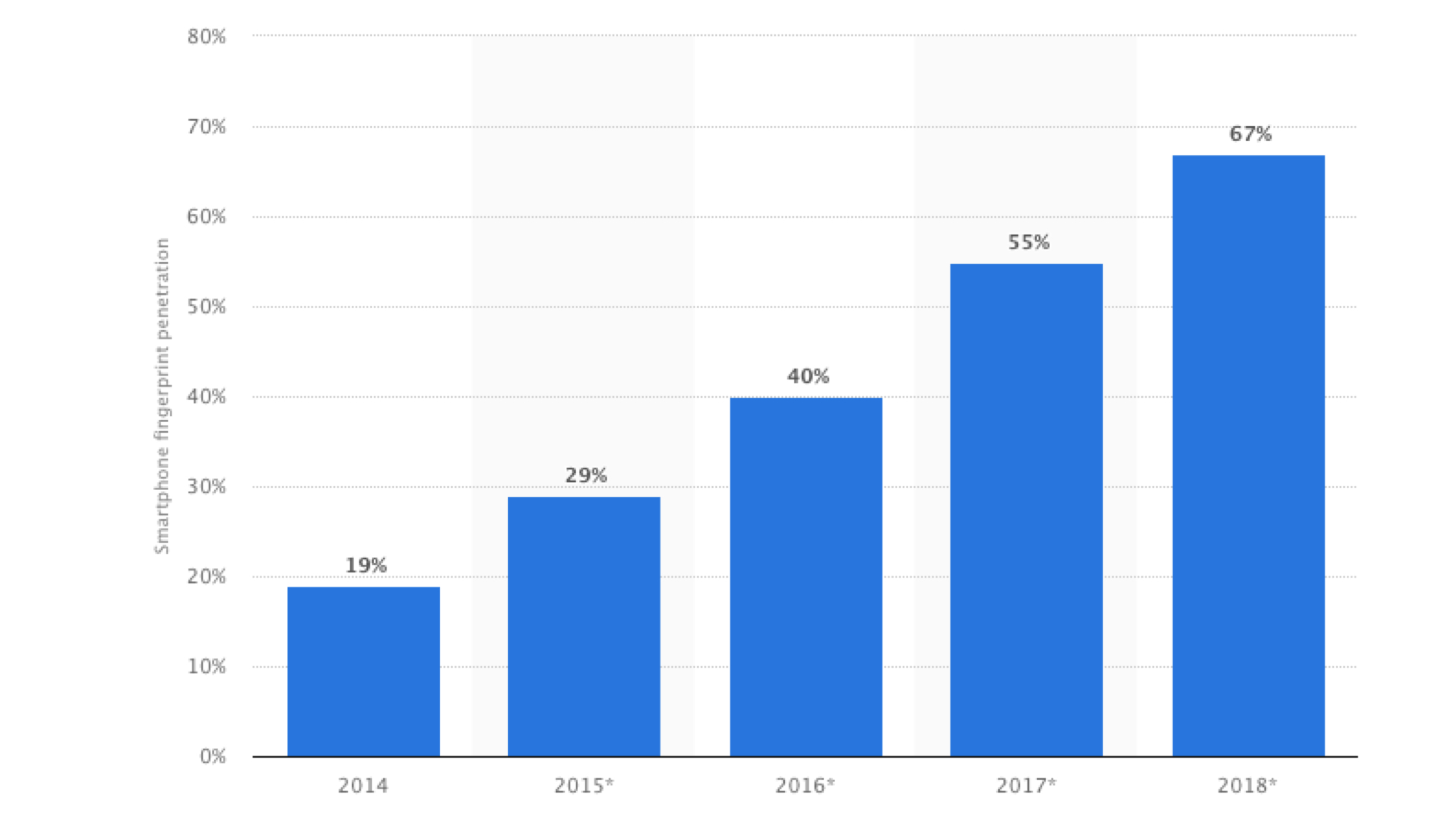
    The graph above clearly depicts the increasing penetration of fingerprint scanners in the smartphone market by 2018. So it’s clear that the market is not getting rid of fingerprint scanners anytime soon. When it comes to solutions, the most “implementation-worthy” idea is to include a significantly larger fingerprint sensor which will increase the signature accuracy of the finger. Also, users should abstain from using fingerprint sensors while transferring large amounts of money or authenticating sensitive applications. Foolproof ways of biometric authentication are still being tested out, so eventually, we’ll get where maximum security can be achieved.


  • Nokia 4.2

    Nokia 4.2

    Nokia 4.2 is the latest budget offering from HMD Global’s Nokia. It is a smartphone under an entirely new series. The device features a glass sandwich design with a notch on the top of the display. A key feature of the device is the dedicated Google Assistant button, pressing which will bring out the voice assistant instantly.

    [loop included_tags=”62093,55891,60056″ loading=”paged” layout=”f” postsperpage=”4″]

  • Nokia 3.2

    Nokia 3.2

    Nokia 3.2 is the latest budget smartphone from HMD Global’s Nokia brand. It is the successor of the Nokia 3.1 which was launched last year. It is a budget device featuring a polycarbonate body. The handset has Android One certification which suggests that it will receive software updates for two years. The Nokia 3.2 is targeted towards people who want a smartphone from a reputed brand at an affordable price.

    [loop included_tags=”62092,60056,55891″ loading=”paged” layout=”f” postsperpage=”4″]

  • Huawei P30 And P30 Pro Official Renders Leaked

    Huawei P30 And P30 Pro Official Renders Leaked

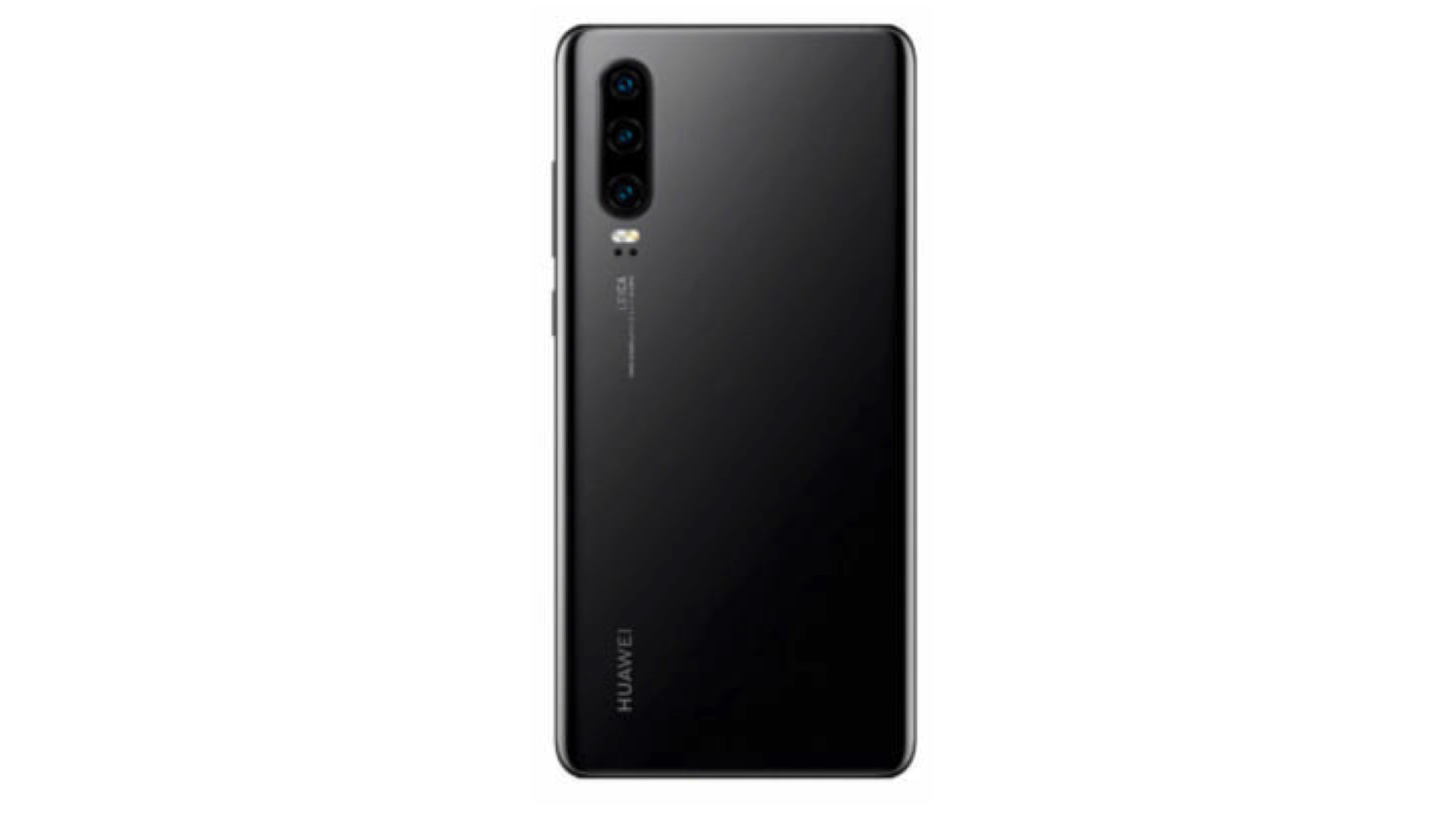
    Chinese smartphone maker Huawei will launch the P30 and P30 Pro smartphones at an event in Paris on March 26. The devices will be the latest flagships of the company which will succeed the P20 and P20 Pro from last year. The company has confirmed quite a bit of detail of the handsets and there have been numerous leaks in the past few weeks. Fresh renders have leaked the Huawei P30 and the P30 Pro from all their sides.

    Huawei P30

    The Huawei P30 will be the specced down variant of the higher end P30 Pro. It will feature a similar design to the Huawei P20 launched last year. Reports claim that the device will have a 6.1 inch OLED display with a resolution of 2340 x 1080 px. The leaked renders show no physical fingerprint scanner which suggests the smartphone will have an in-display fingerprint scanner along with support for face unlock technology.


    Reports claim that the Huawei P30 will run on the 7nm Kirin 980 SoC. The chipset has an Octa-core CPU and a Mali G76 GPU. In terms of optics, the smartphone has a triple rear camera setup consisting of a 40MP sensor with an f/1.8 aperture; and a 16MP ultra-wide sensor with an f/2.2 aperture; and a third 8MP telephoto sensor with an aperture of f/2.4. For selfies, there will be 32MP camera housed in the notch on top of the display. In terms of memory and storage, the P30 will have 6GB RAM and 128GB of internal storage.

    According to reports, the Huawei P30 will be powered by a 3650mAh battery with a 22.5W fast charging support via the bottom mounted USB Type-C port. The smartphone will also support NanoMemory cards, a new memory standard the company introduced last year.

    Huawei P30 Pro

    According to the leaked renders, the Huawei P30 Pro has a similar design to the aforementioned P30. Most of the former’s characteristics are also comparable to the latter. The smartphone will have a larger 6.47 inch OLED display with a resolution of 2340 x 1080 px. Unlike the regular P30, the display edges will be tapered to the side. Like the regular variant, it also has an in-display fingerprint with face unlock technology.
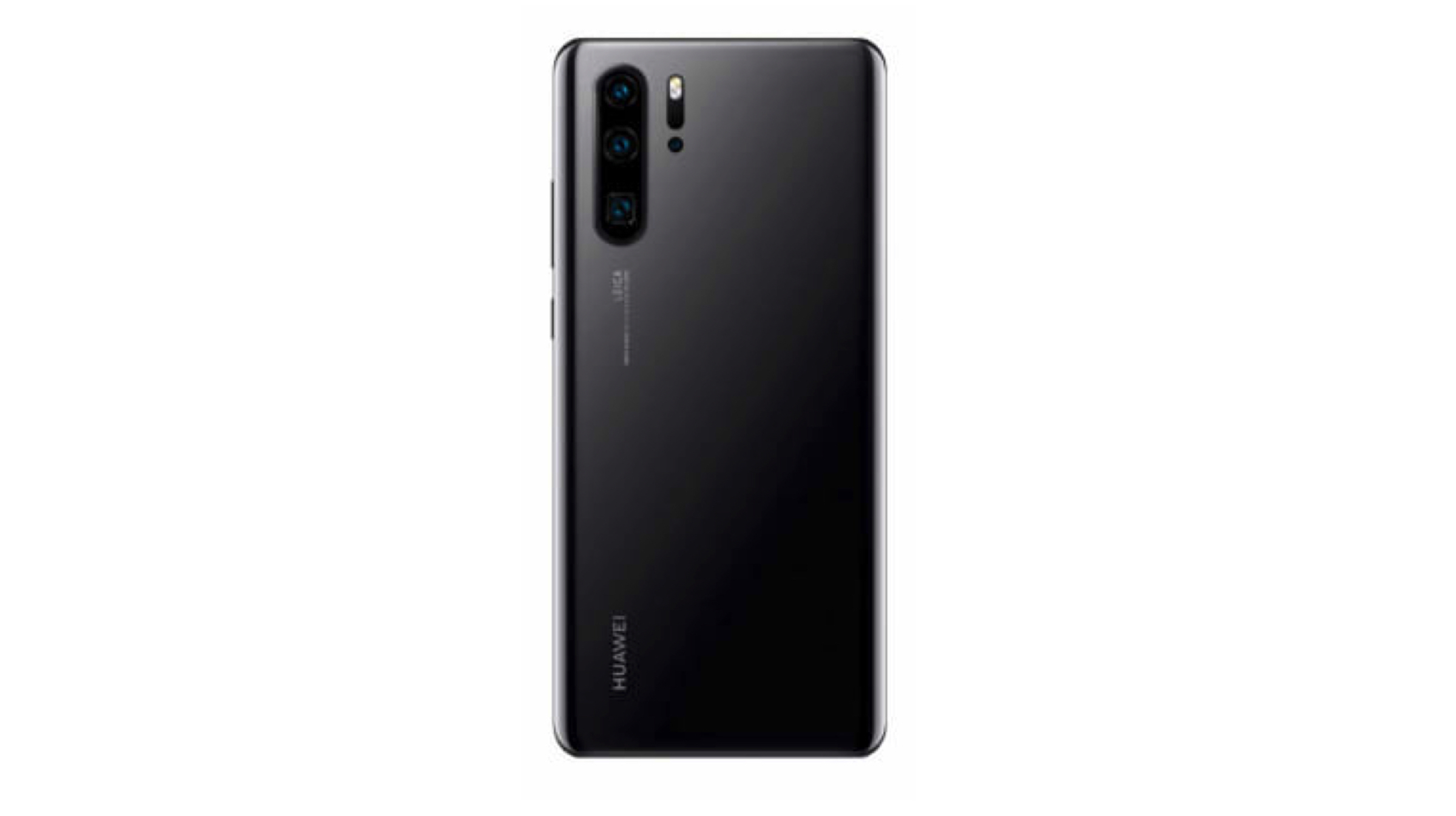
    While the processor of the Huawei P30 Pro will be the same as the P30, the highlight of the smartphone will be its optics, especially the quad rear camera setup. It will be comprised of a 40MP sensor, combined with a 20MP ultra-wide sensor and a third camera with 10x lossless zoom. The third camera sensor will use a periscope style system to give the handset its zooming capabilities. The fourth camera uses a Time of Flight (ToF) sensor which is employed for clicking images with 3D and depth functionalities. The smartphone will be available in the following storage variants.


    • 8GB RAM and 128GB ROM
    • 8GB RAM and 256GB ROM
    • 8GB RAM and 512GB ROM 

    According to reports, the Huawei P30 Pro will be powered by a 4200mAh battery with a whopping 44W fast charging support via the bottom mounted USB Type-C port. The smartphone will also support NanoMemory cards. The handset will be available in four colours, namely Black, Ice White, Twilight, and the recently leaked Sunrise Red.

    Availability & Price

    Also read: Samsung Galaxy A2 Core Android Go Smartphone Leaked

    The Huawei P30 and the P30 Pro will be launched at an event in Paris on March 26. It will be available for sale in Europe and China soon after the unveiling. Unfortunately, pricing of the devices is not confirmed yet. But, the P30 is expected to be priced at EUR 599 (INR 46,862) and the P30 Pro starting at EUR 799 (INR 62,509).


  • Apple Told To Pay Qualcomm Over $31 Million In Patent Infringement Case

    Apple Told To Pay Qualcomm Over $31 Million In Patent Infringement Case

    In the follow up of a heated lawsuit between the noted chipmaker Qualcomm and prominent electronics company Apple, the latest ruling by the San Diego court has found Apple guilty. The company was told to pay a fine of over US$ 31 million to Qualcomm. The amount roughly breaks down to US$ 1.40 per iPhone sold by the company. Notably, it is the exact amount the lawsuit was filed for by the chipmaker. Apple was found by the court to have infringed three patents held by Qualcomm. It was sued back in the year 2017 citing that the company had violated patents related to assisting mobile phones getting a better life.

    What Are The Patents?

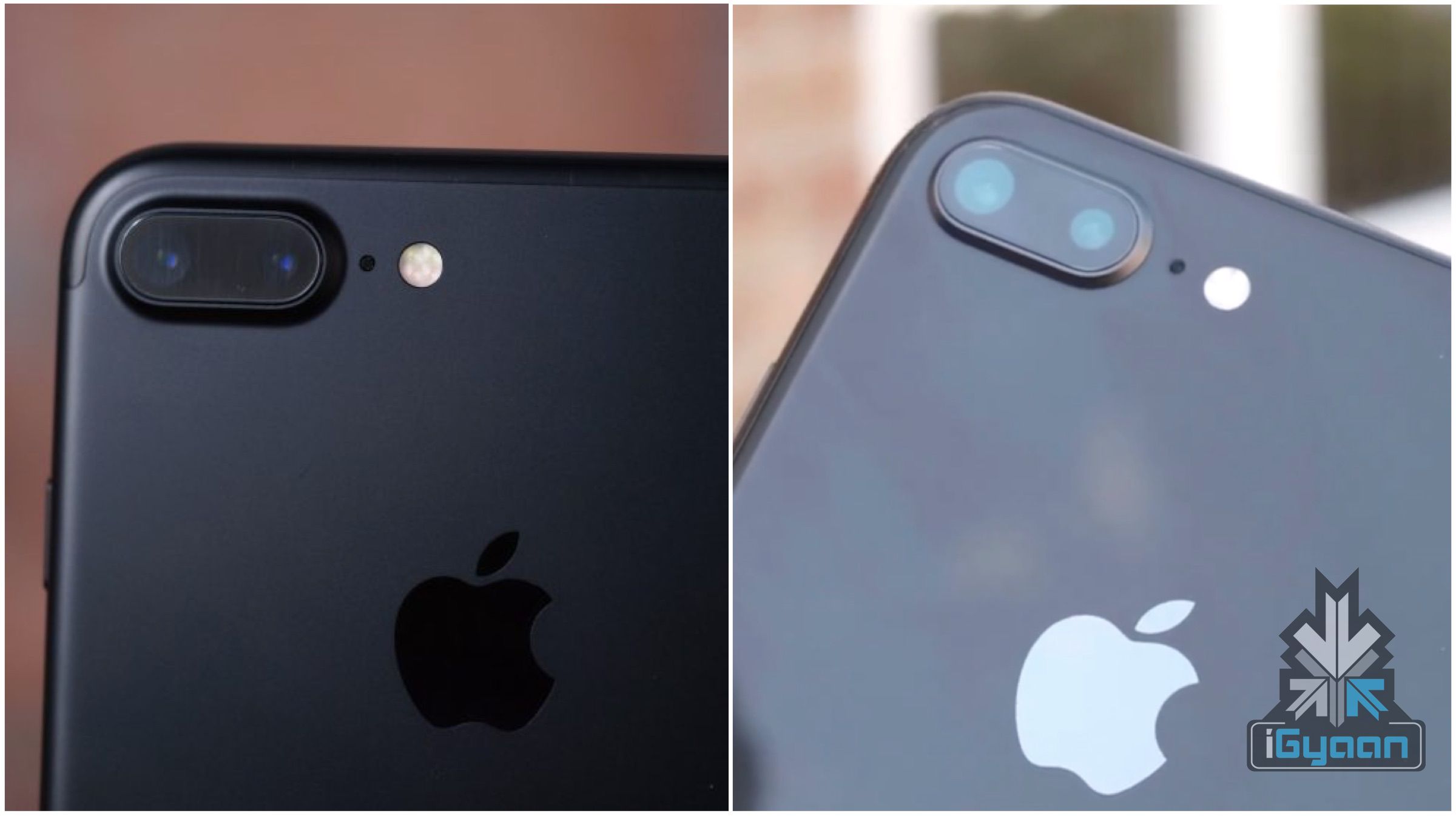
    The lawsuit filed by Qualcomm cited that Apple had violated at least three patents. The damages that it asked for applied to iPhones sold July 2017 onwards, which were kitted with Intel chips. Later in the year 2017, Apple replaced Qualcomm with Intel as its exclusive components supplier. As per reports, in the year 2016, Apple was also using Intel modems in some iPhone variants instead of Qualcomm modems. The devices included the iPhone 7 and 7 Plus. The patents relate to the following functions on mobile devices.

    • Allowing phones to connect to the internet instantly after being switched on
    • The efficiency of the smartphone’s battery and its relation with graphics processing
    • A traffic management function enabling faster data downloads

    Also read: Samsung Galaxy A2 Core Android Go Smartphone Leaked

    Interestingly, the past ruling by a German court banned the sales of Apple’s older iPhone models because of a similar patent infringement case. The company then swapped out the Intel’s modem that it had been lately using for the ones manufactured by Qualcomm. This leads the company to be allowed to continue the sales of the said devices. Notably, the biggest lawsuit between the companies will be settled in April 2019, in which Apple has accused Qualcomm of indulging in anti-trust practices and illegally withholding US$ 1 Billion worth of rebates from Apple.

  • Snapchat May Soon Launch A Gaming Platform Like Facebook

    Snapchat May Soon Launch A Gaming Platform Like Facebook

    Snapchat may be familiar to a lot of users as an application that can be used to send “disappearing” messages. Initially intended only for the aforementioned purpose, the app has gone through a lot of updates since then. Some of them are the “discover” tab, where users can see interesting and engaging content, and the snap map, which geotags all the user’s friends on the world map, allowing them to keep track of their vacations, travels and a lot more. Reports say that the company is now planning to announce a gaming platform for its developers in April, 2019.

    About The Project

    Initially codenamed “Project Cognac“, the mobile gaming platform will be integrated into the application itself and will showcase a number of games designed by developers who are specifically working on Snapchat-based add-ons. This project will be unveiled at the company’s first ever summit in Los Angeles, which is being held especially for Content and Developer partners of the company. On April 4, new video content will also be announced for the platform.
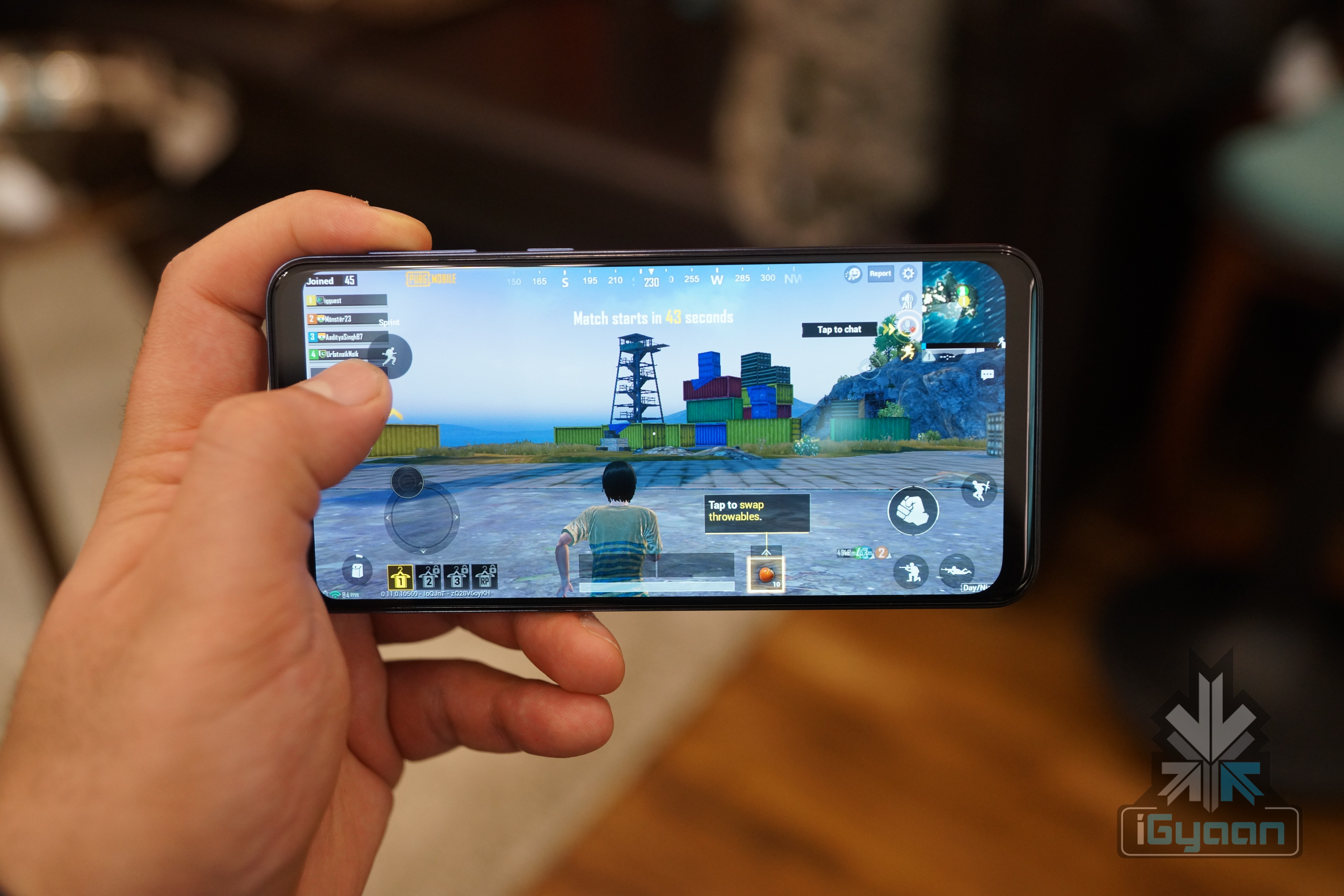
    In 2018, Snapchat acquired an Australian Gaming Studio called Pretty great for almost US$ 8.6 million. Reports say that one of the employees of the studio was a part of the hit mobile games “Jetpack Joyride” and “Fruit Ninja”. It was also reported that Snapchat has invested a confidential amount of money in the studio for venturing into the gaming initiative.

    Collaboration With Tencent

    In 2017, Tencent acquired 10 percent of Snapchat’s public market shares. The Chinese tech giant has published some hugely popular games like League of Legends and PUBG Mobile, aiming towards the idea that Snapchat may have collaborated with Tencent for the launch of their gaming platform. Snapchat has already been exhibiting interest in AR (Augmented Reality) games since early 2018.

    Also Read: Huawei P30 Pro Leaked In Sunrise Red Colour, Full Details Revealed

    Since the Gaming boom is on the rise, Snapchat could make a substantial amount of progress with its new gaming initiative. The platform may also act as a source of revenue for the company via advertisements. As per reports, Snapchat’s revenue has been on an upward rollercoaster since the past months. Project Cognac may just be a sweet addition to the wide host of features that Snapchat already provides.


  • Samsung Galaxy A2 Core Android Go Smartphone Leaked

    Samsung Galaxy A2 Core Android Go Smartphone Leaked

    Samsung has employed a shift in its strategy over the past few months. In an attempt to compete with the ever improving hold of Chinese smartphone OEMs in developing markers; it has launched devices offering competitive specifications at lucrative prices. The recent examples of this change are the newly launched Galaxy M and Galaxy A lineup of smartphones. In a gambit to capture the budget market, the company is planning to launch an Android Go certified device. This handset, alleged to be called the Galaxy A2 Core, has leaked in images on Twitter by a famous tipster.

    Galaxy A2 Core: Design

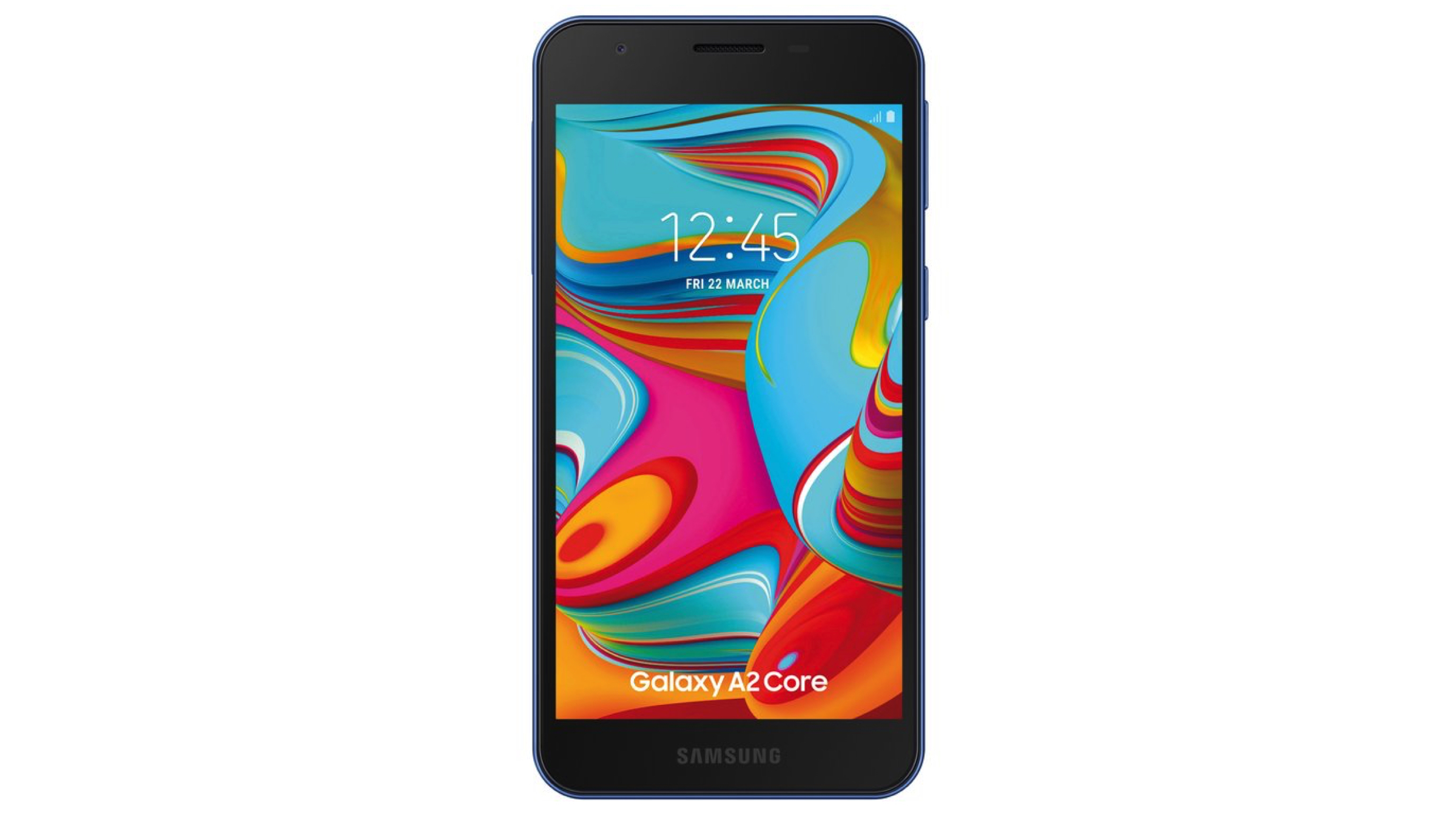
    The Galaxy A2 Core will be the next smartphone from the company to be certified under the Android Go program. This allows devices with less than or equal to 1GB of RAM to function better because of a lightweight software. The leaked image reveals the looks of the device in its entirety. The front of the handset has the display surrounded by significant bezels and the Samsung branding on the bottom. There is an earpiece on top, accompanied by the front-facing camera on the left and the proximity sensor on the right. The right side of the device houses the volume rockers and underneath them is the power button to lock/unlock the device. The left is expected to have the SIM card tray and the bottom of the device has the 3.5mm headphone jack.

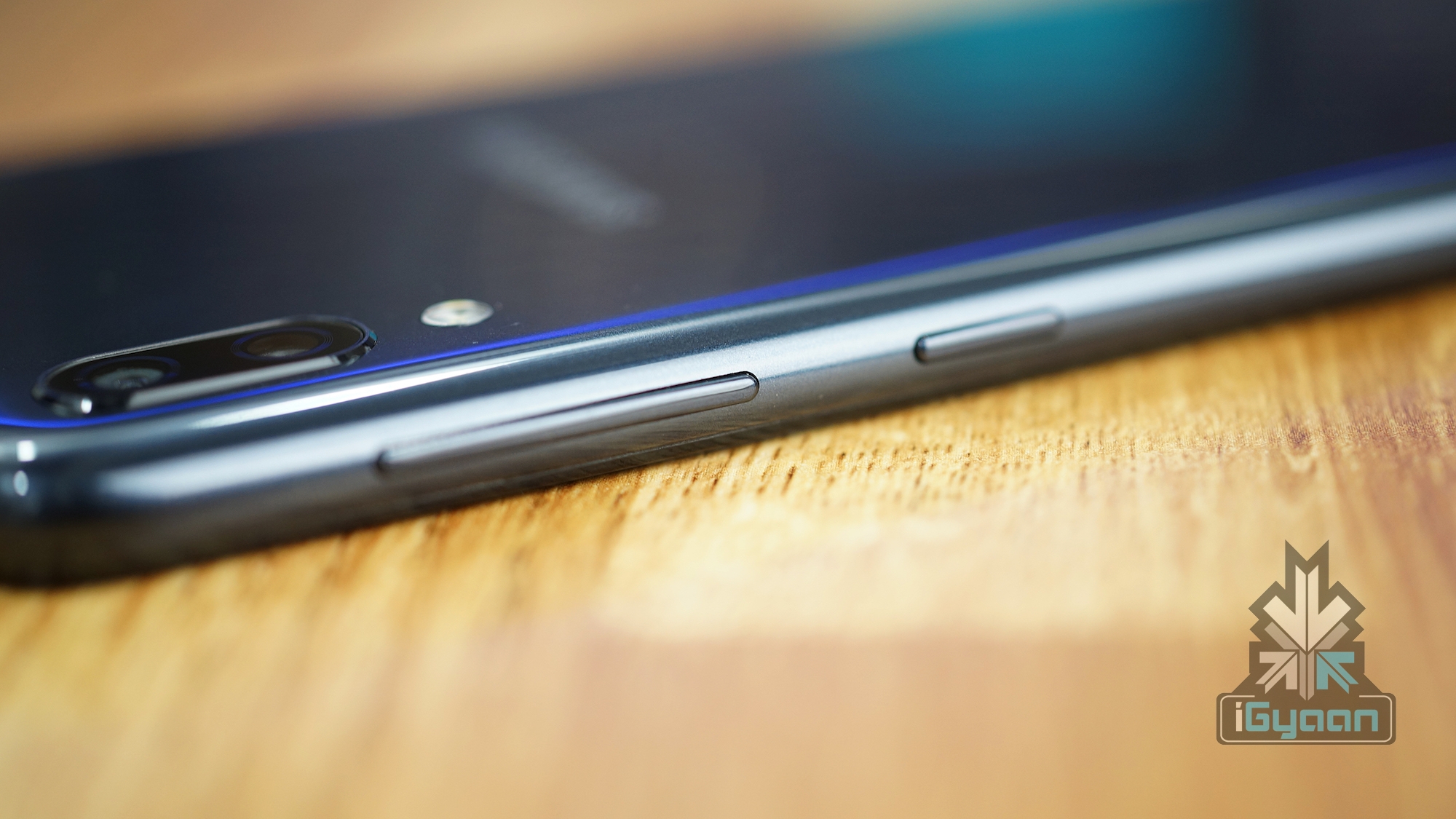
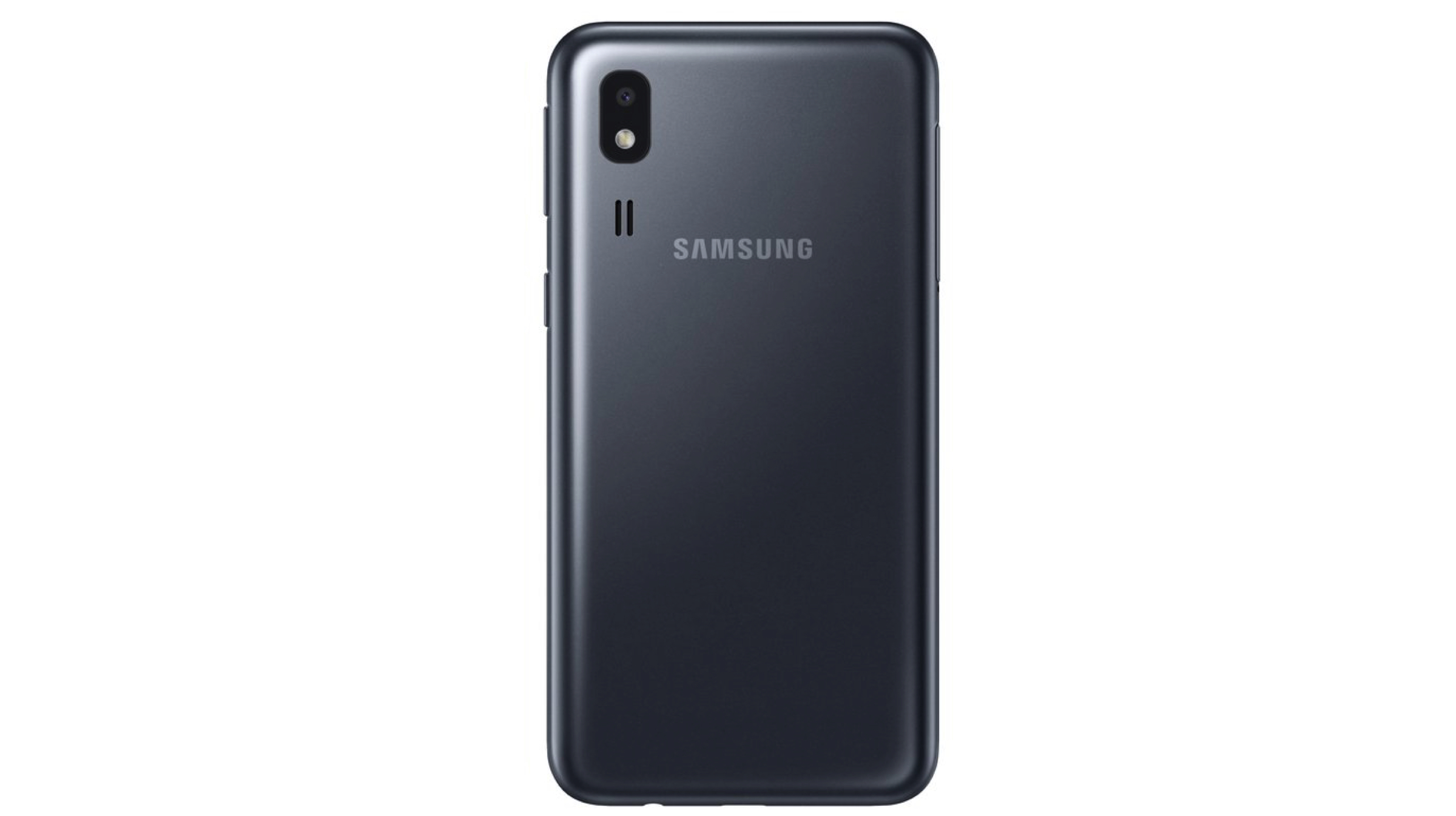
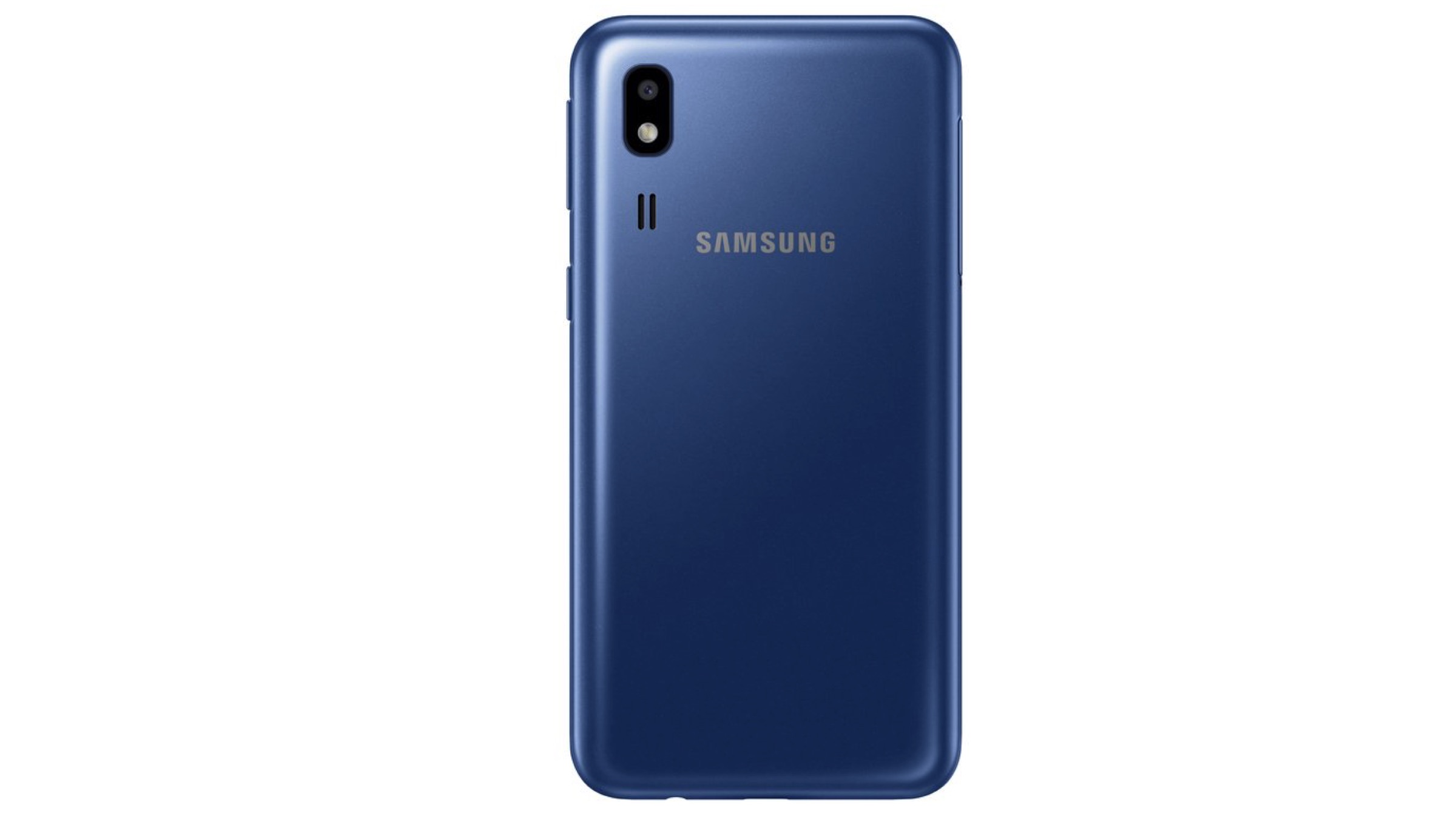
    The back of the Samsung Galaxy A2 Core has a single rear camera setup with an LED flash. The main loudspeaker is present below the camera module and in the centre, there is the company’s branding. There is no physical fingerprint scanner in sight, so the smartphone may rely on face unlock technology; along with traditional unlocking methods like numerical pins, patterns and passwords.

    Galaxy A2 Core: Specifications

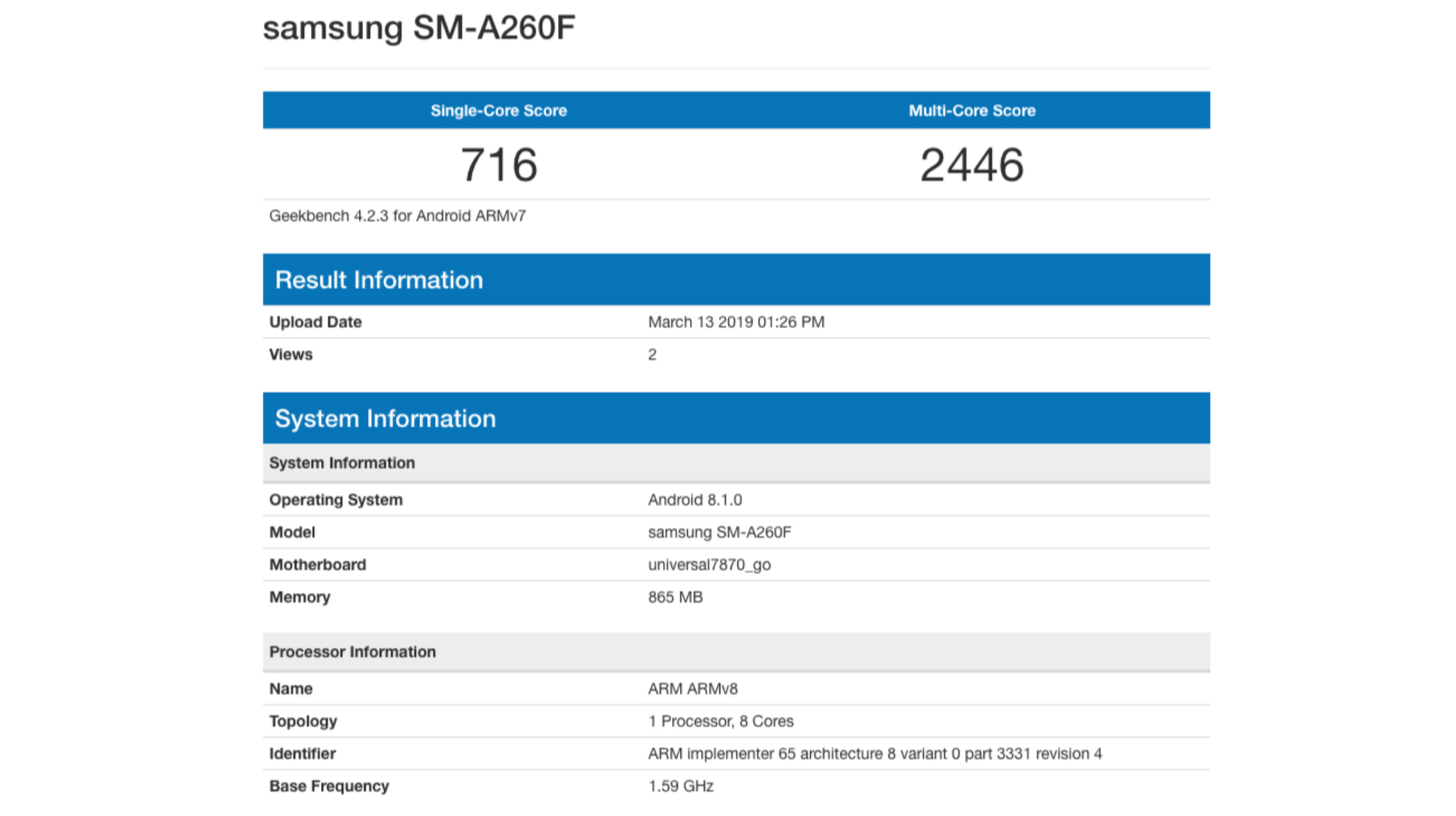
    While the leak doesn’t mention any specifications of the device, a recent listing on CPU benchmarking website Geekbench revealed key specifications of the Galaxy A2 Core. According to the listing, the model number of the aforementioned smartphone will be SM-A260F which falls in line to previous reports of the device. The device runs Android 8.1 Oreo Go edition out of the box and may feature Samsung’s Experience UI on top. 

    The Samsung Galaxy A2 Core runs on the 14nm Exynos 7870 SoC. The chipset has an Octa-core CPU and Mali-T830 MP1 GPU. The CPU has a base frequency of 1.59GHz which gives it a single-core score of 716 and multi-core score of 2446 on Geekbench. Galaxy A2 Core will have 1GB of RAM and 16GB of onboard storage.

    Pricing & Availability


    Also read: Google Pixel 4 XL Renders Reveal A Smartphone With Punch Hole Selfie Camera

    The leaked images and Geekbench listing suggests the launch of Galaxy A2 Core is imminent. Unfortunately, no details about the pricing of the device are known as of now; but given Samsung’s aggressive stance on pricing lately, it may be launched at a price of Rs. 5,999.

  • More Sources Claim That 2019 iPhones Will Have Triple Cameras

    More Sources Claim That 2019 iPhones Will Have Triple Cameras

    Days after the launch of the latest iPhone XS & XS Max, reports started surfacing that their successors will have a considerably different design and features. Notable leakster, OnLeaks has previously shared renders of the 2019 iPhone models that reveal a smartphone with triple rear cameras. The revelations were intriguing as Apple has desisted itself from following market trends and an unusual number of cameras on a smartphone is currently at its peak.

    The renders revealed that the triple camera setup of the upcoming iPhone is housed in a square-shaped module which also accommodates an LED flash. A few days after the arrival of the render, Bloomberg also published a detailed report that supports the claim of an iPhone with triple cameras. As of now, Apple has maintained a silence on the aforementioned leaks and claims. A piece of freshly shared news from a trustworthy Japanese blog, Macotakara reassures that the possibility of a 2019 iPhone with triple rear cameras is quite high.

    Macotakara states that Chinese suppliers have confirmed that an iPhone with triple cameras is in the works. It is noteworthy that such suppliers are an integral part of the production of iPhone models and information shared by them has a high tendency to turn into reality. 

    What Could The Third Camera Be Used For?

    Also Read:Whatsapp Co-Founder Urges Students To Stop Using Facebook

    The alleged third camera on the upcoming iPhones is likely to be a TOF (Time Of Flight) sensor. This sensor allows in capturing depth information around the subject in the frame of the camera which produces lifelike three-dimensional pictures and videos.

    Sony, one of the world’s largest supplier of camera sensors for smartphones, previously declared that it will bump up the production of its 3D TOF sensors which is due to the anticipated boom in demand of these sensors.  Executives from Sony explicitly stated that Apple is in talks with them for the supply of a 3D sensor. The collection of all the leaks and reports suggest that the 2019 iPhone will indeed have triple rear cameras.

    However, we will have to wait patiently as the next iPhones are due to be released in the month of September this year.


  • Google Pixel 4 XL Renders Reveal A Smartphone With Punch Hole Selfie Camera

    Google Pixel 4 XL Renders Reveal A Smartphone With Punch Hole Selfie Camera

    In order to accommodate a large size screen on a mobile device, OEMs have begun to minimise the bezels surrounding the display. Although static bezels that don’t serve a purpose can be shrunken, the need to house the front-facing facing selfie camera persists. Consequently, companies including Samsung and Huawei have launched smartphones (1,2)with a punch hole in the display. This feature has allowed manufacturers to significantly boost the screen to body ratio of these smartphones. Google, the developer of Android who also markets a lineup of smartphones under the Pixel brand is reportedly working on a smartphone with dual punch hole selfie cameras. According to the source, the aforementioned smartphone is the Pixel 4 XL which will succeed the Pixel 3 XL from the last year.

    Is It The Pixel 4XL Or Not?

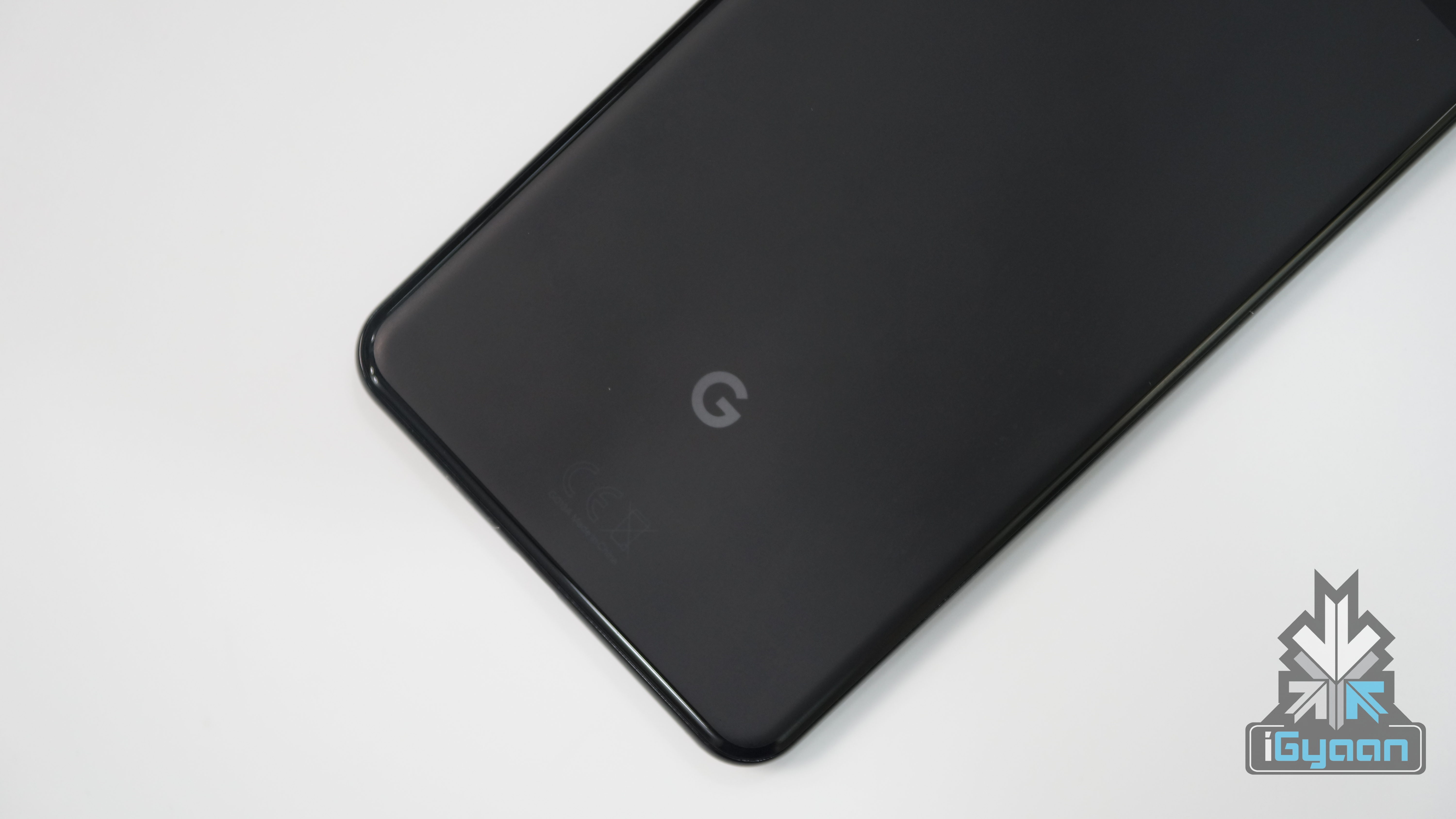
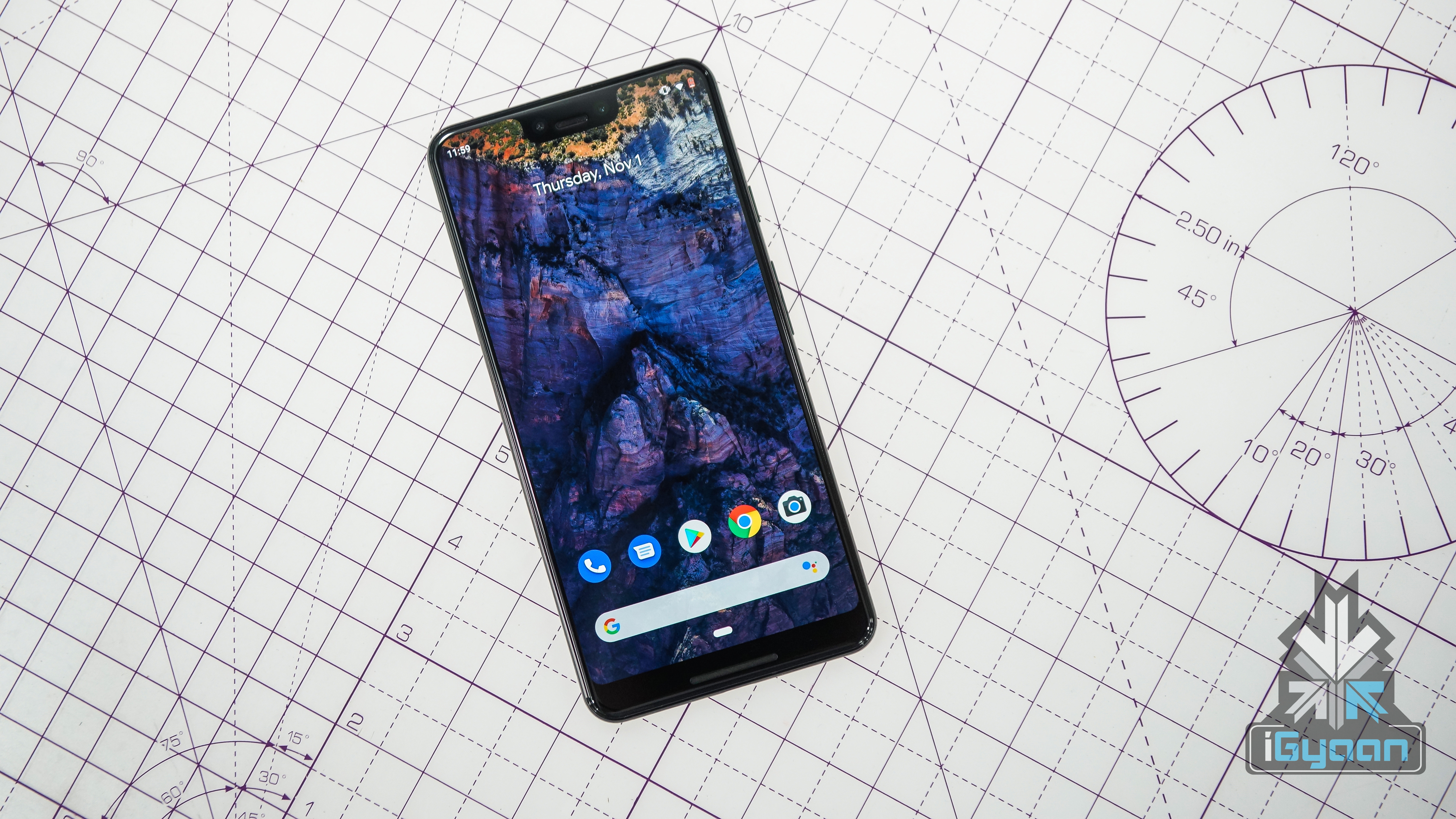
    The Google Pixel 3 XL was launched along with the Pixel 3 in the month of November last year. Even though both devices are from the same generation, they have significantly disparate front fascia. The Pixel 3 XL has a symmetrical design with prominent bezels on top and bottom of the display while the elder Pixel 3 XL has a wide notch above the display. The wide notch on the top of the Pixel 3 XL was not well received due to its asymmetrical design and highly obstructive nature. Therefore, Google might rethink the design language of its future flagship smartphone and the leaked image of the Pixel 4 XL has a high probability of turning into a reality. 

    Features Of The Leaked Pixel 4 XL

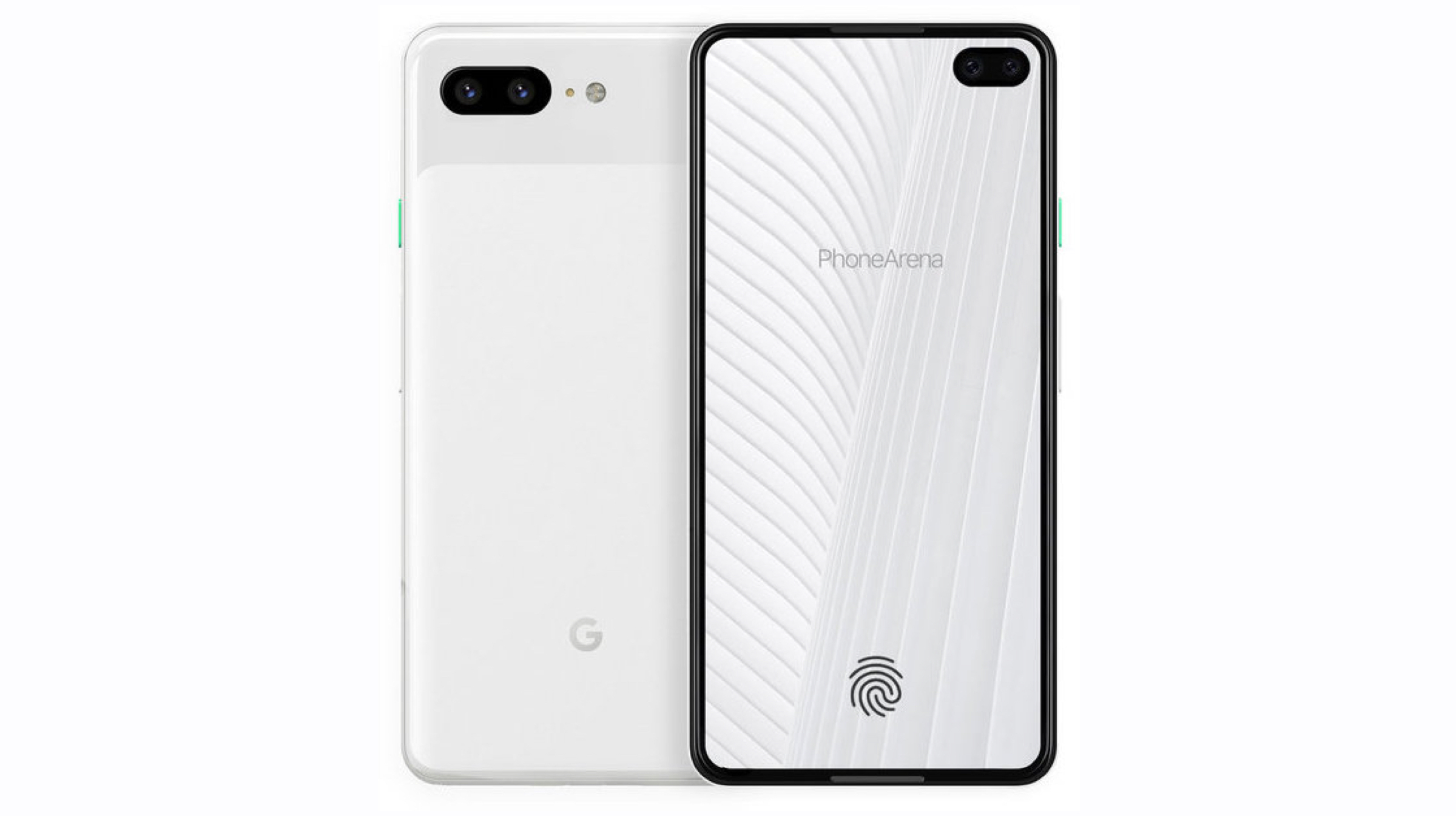
    If the alleged images of the Pixel 4 XL are to be considered accurate, it will be a significantly upgraded device in comparison to its predecessor. As mentioned before, the alleged Pixel 4 XL has dual punch hole selfie cameras which are reminiscent of the newly launched Galaxy S10+. Also, the render does not exhibit a rear mounted fingerprint sensor, therefore, the upcoming device might have an on display fingerprint sensor. 

    Google Pixel 3 XL

    Surprisingly, the renders reveal that the Pixel 4 XL also has dual rear cameras. As of now, Google has only marketed Pixel smartphones with a single rear camera which are highly appreciated for their camera prowess. Consequently, the camera capabilities of a Pixel smartphone with dual rear sensors is expected to be groundbreaking. 

    Also Read: Xiaomi POCO F1 Lite Spotted On Geekbench With 4GB Of RAM

    Google has not made any comments about the accuracy of the leak. Hence, we will have to wait patiently till the company spreads some light on the existence and launch date of the Pixel 4 XL.  


  • Whatsapp Co-Founder Urges Students To Stop Using Facebook

    Whatsapp Co-Founder Urges Students To Stop Using Facebook

    Students of Stanford University were urged to delete their Facebook accounts by Brian Acton, the co-founder of Whatsapp on March 13. While speaking at a panel in the University, he explained his reasons for selling the hugely-popular Instant messaging app to Mark Zuckerberg for a whopping sum of US$ 19 billion in 2014.

    His Statement

    Brian Acton accused Facebook users of giving power and control over to the company. Reportedly, he also involved a former Facebook software engineer in his comments, stating that he still held strong differences with the Social Media company. He also stated that he left the company at the end of 2017 because Facebook was planning to add advertisements to the Instant Messaging Platform, thus integrating a business viewpoint directly with the users of the app. 

    https://twitter.com/brianacton/status/976231995846963201

    The 47-year-old Stanford alumni previously tweeted “It is time. #deletefacebook” in March 2018. At Stanford, he further pinpointed that Facebook’s current reach is outrageously high because it owns Instagram and Messenger as well. The total number of users across all these platforms are well over a billion, although the popularity of the social media app itself has reduced drastically in recent months. Facebook and Instagram suffered major outages worldwide on March 13. A lot of users were hinting at a DDoS attack, however, Facebook clarified to its users that the issue was not related to any form of DDoS attack.

    Also Read: Facebook Mobile Application Update Introduces Dedicated Gaming Section

    The former Yahoo employee mentioned that he also had to think about his employees and the money that they would make from the sale of Whatsapp. Furthermore, he also had to take his investors and his own minority stake into consideration while making the deal.

iGyaan Network
Privacy Overview

This website uses cookies so that we can provide you with the best user experience possible. Cookie information is stored in your browser and performs functions such as recognising you when you return to our website and helping our team to understand which sections of the website you find most interesting and useful.