Blog

  • Huawei P30 Pro Leaked In Sunrise Red Colour, Full Details Revealed

    Huawei P30 Pro Leaked In Sunrise Red Colour, Full Details Revealed

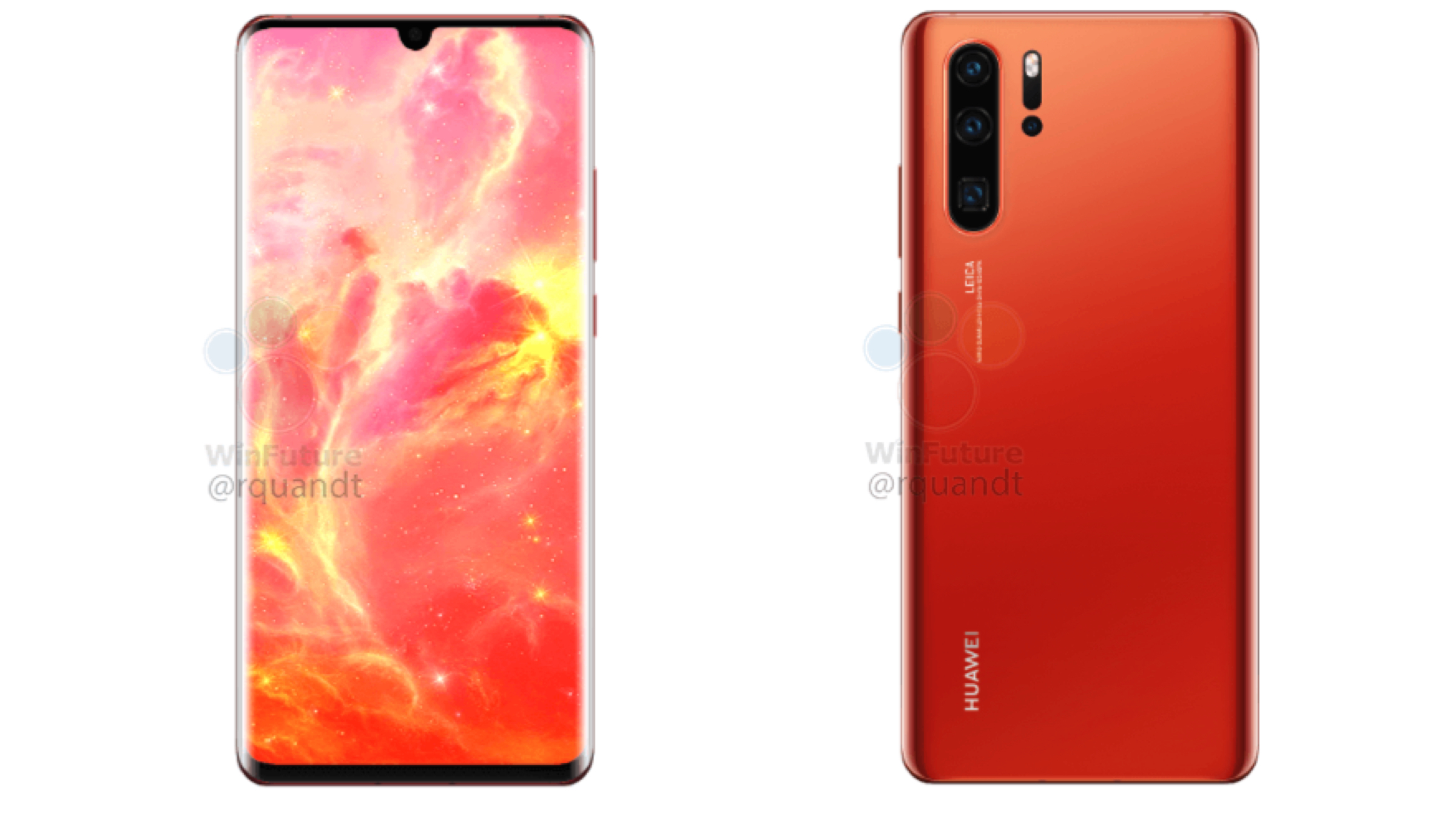
    Huawei will launch its next generation of flagship smartphones, the P30 and the P30 Pro at an event in Paris on March 26. From all the confirmations by the company and the leaks on the side, it is confirmed that the devices will have a focus on photography. A fresh leak has surfaced which reveals that the Huawei P30 Pro will also be available in an all-new Sunrise Red colour which is a company first. 

    Huawei P30 Pro Specifications

    Key specifications of Huawei P30 Pro have also been  leaked before the official unveiling. In terms of design, it will have a similar appearance to the last year’s P20 Pro; but instead of a wide notch in the latter, the former will have a waterdrop style notch. The smartphone will have a 6.47 inch OLED display with a resolution 2340 x 1080 px. Like the Huawei Mate 20 Pro, the display edges will be tapered to the side. For biometrics and security, the device will have an in-display fingerprint scanner and will support face unlock technology.

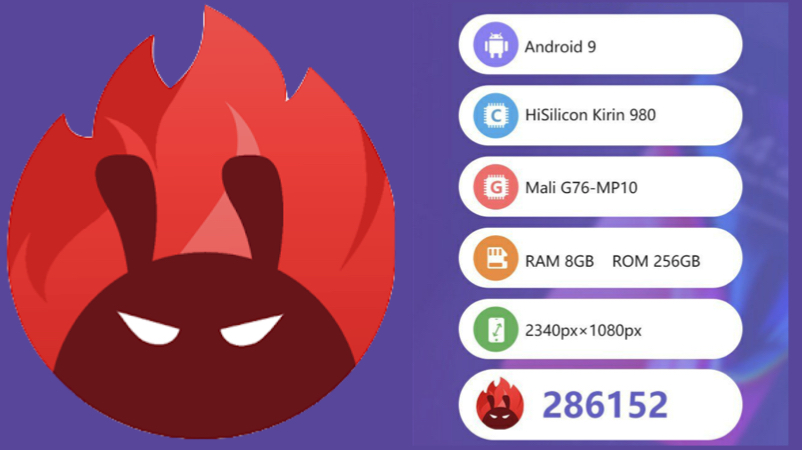
    A recent leak of the Huawei P30 Pro’s benchmark scores reveals it will run on the 7nm Kirin 980 SoC. The chipset is comprised of an Octa-core CPU and a Mali G76-MP10 GPU. The highlight of the smartphone will be its optics, especially the quad rear camera setup. It will be comprised of a 40MP sensor, combined with a 20MP ultra-wide sensor and a third camera with 10x lossless zoom. The third camera sensor will use a periscope style system to give the handset its zooming capabilities. The fourth camera uses a Time of Flight (ToF) sensor which is employed for clicking images with 3D and depth functionalities. The smartphone will be available in the following storage variants.

    • 8GB RAM and 128GB ROM
    • 8GB RAM and 256GB ROM
    • 8GB RAM and 512GB ROM 

    According to reports, the Huawei P30 Pro will be powered by a 4200mAh battery with a whopping 44W fast charging support via the bottom mounted USB Type-C port. The smartphone will also support NanoMemory cards, which the company introduced with the Mate 20 Pro. The handset will be available in four colours, namely Black, Ice White, Twilight, and the recently leaked Sunrise Red.

    Pricing and Availability

    Also read: Tesla Launches The Model Y Electric SUV

    The Huawei P30 Pro will be launched alongside the P30 and the P30 Lite in an event in Paris on March 26. It will be available for sale in Europe and China soon after the unveiling, with an India launch to follow soon. Unfortunately, the pricing of the device is not confirmed yet. But reports claim that it will be priced similarly to the Mate 20 Pro, meaning a price tag of US$ 1000 (Rs. 70,000) is expected.

  • Apple To Phase Out iPhone 6, 6 Plus In India, Also Rethinking Market Strategy

    Apple To Phase Out iPhone 6, 6 Plus In India, Also Rethinking Market Strategy

    In an effort to strengthen its premium positioning in the Indian smartphone market, Apple has planned to halt the retail of older devices like the iPhone 6 and 6 Plus. This may lead to a higher entry price barrier for other devices. The company is trying to shape the perception of Indian smartphone consumers towards Apple as a sumptuous brand.

    The Company’s Market Strategy

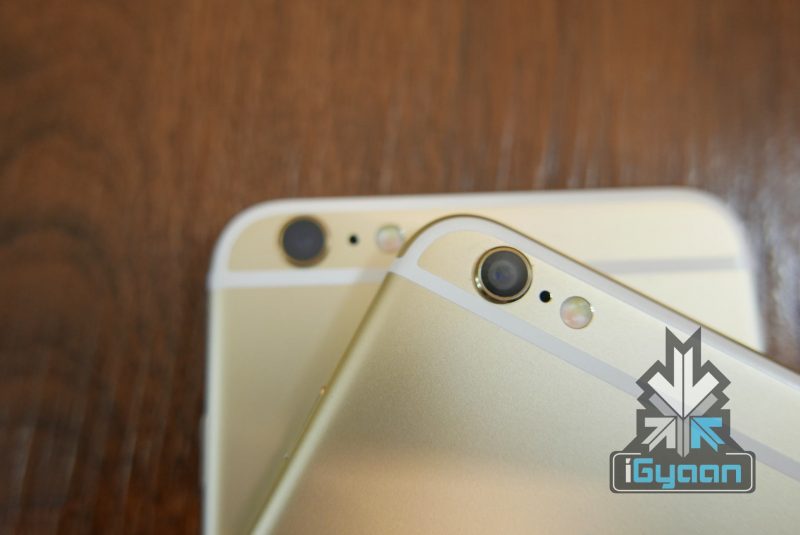
    Apple iphone 6As mentioned before, it has been confirmed that Apple is phasing out the iPhone 6 and 6 Plus, leading to an increase in the entry price barrier for Apple devices. Consequently, Apple’s entry level smartphones will now be the iPhone 6S and 6S Plus, which are already retailing at a higher price point compared to the previous entry level models, the iPhone 6 and 6 Plus respectively. The American technology organization claims that even after reducing the selling prices of some smartphone models in the country, the market response is not up to its expectations. This is reflecting on the fact that Apple has a lower percentage of shares in the Indian smartphone market as compared to other countries, where Apple is the leader of market shares.

    Talking about the Apple stores, the American Multinational company also plans to adopt newer strategies to improve its marketing statistics. The company will pay more attention to particular stores in a given area that have a higher chance of maximising sales. Accordingly, the company would allocate more sales executives to those outlets, consequently resulting in a sales performance boost. Also, the company wants to spread its footing via bigger stores that are more capable of increasing sales as a whole.

    Partnerships

    Also Read: Samsung Launches New 12GB RAM Modules For Future Smartphones

    Apple is also putting an end to its distribution partnership with RP Tech for iPhones. Starting April, the company will focus on improving its partnership with Redington and Ingram Micro, both of which are reputed IT product distributors. Noteworthy, Apple has already terminated its relationship with HCL Infosystems and Brightstar as of the year 2018. Furthermore, Ashish Chowdhary (ex-Nokia Global Leadership Team Member) took charge of Apple’s India Operations in January and reportedly has been touring the market in order to strengthen trade relationships.

  • Tesla Launches The Model Y Electric SUV

    Tesla Launches The Model Y Electric SUV

    After much hype and speculation, reputed electric carmaker Tesla has launched the Model Y, its newest electric Sports Utility Vehicle (SUV) on the 14th of March. It is the fifth car ever launched from the company and is only the second mass-market electric vehicle by the company since it was founded in the year 2003. The first one being the Tesla Model 3 which was introduced in the year 2017. Tesla Model Y was launched at the company’s design studio in Los Angeles, USA. 

    Tesla Model Y: Design & Safety

    The Tesla Model Y is the second SUV from the company, the first one, Tesla Model X was launched in the year 2015. The car shares many of its characteristics with the Model 3, which is the company’s most affordable car yet. Although the Tesla Model Y has the same design language as the Model 3, the cargo space has gone up from 15 cubic feet in the latter to a whopping 66 cubic feet in the latest SUV. The company promises a low centre of gravity, rigid body structure and large crumple zones which will protect the driver in case of accidents. Seating options have gone up from 5 in the Model 3 to 7 in the Model Y if the buyers choose to install a third seating row.

    Tesla Model Y: Performance & Driving

    While the two base models of the Tesla Model Y are rear wheel drive, there is an optional All-Wheel Drive (AWD) Dual motors in the more premium models. These motors provide the car with a digitally controlled torque to the front and rear wheels. Like other vehicles in the company’s portfolio, the Model Y has the Autopilot feature which allows for a partially autonomous driving experience. The car has a total of 12 ultrasonic sensors and cameras around the sides which, according to the company will detect nearby cars, prevent potential collisions and assist with parking. 

    Tesla Model Y: Interiors & Pricing

    Also read: Facebook Mobile Application Update Introduces Dedicated Gaming Section

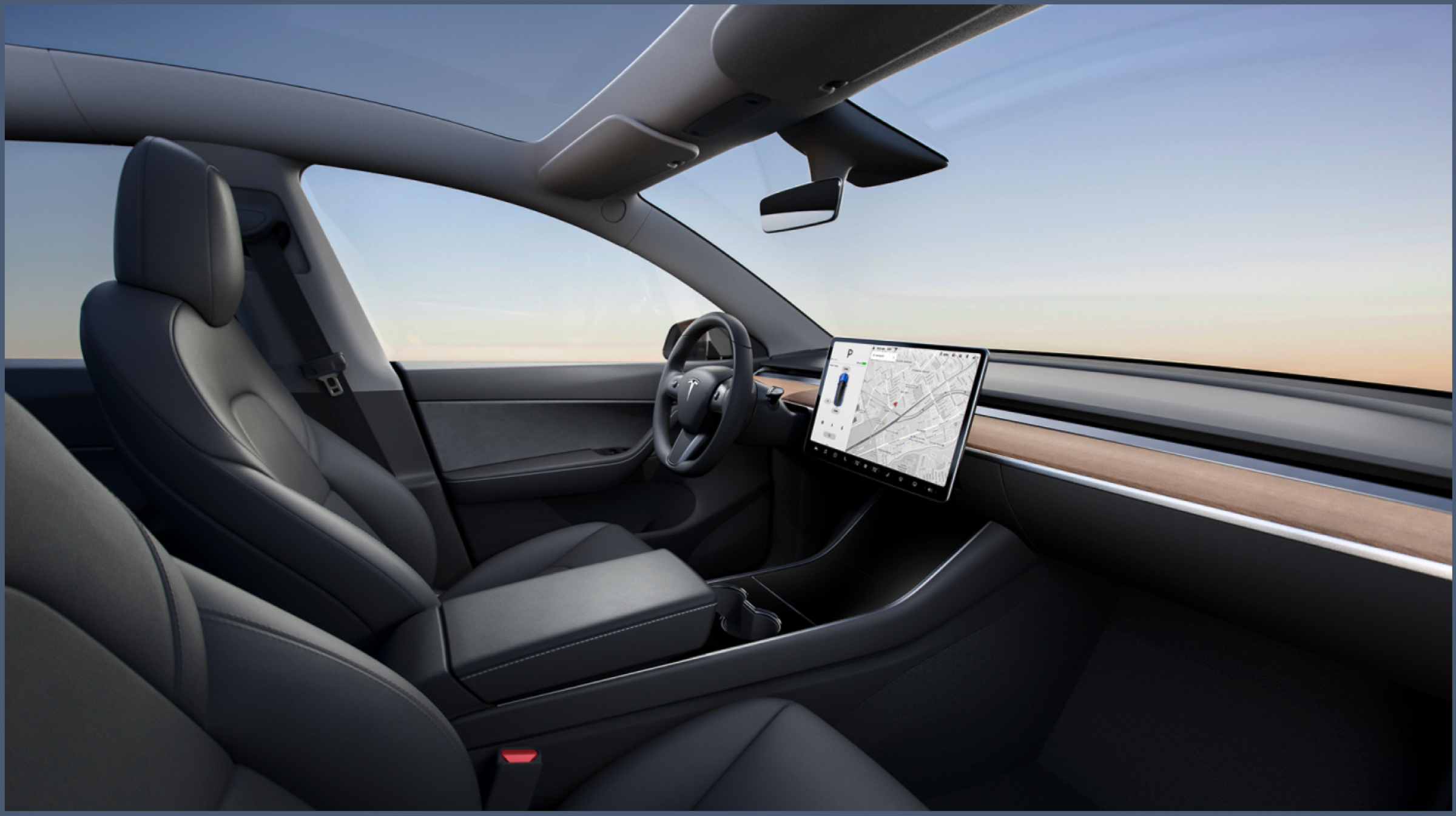
    The interiors of the Tesla Model Y resemble the one found in Model 3, with a minimalistic theme and an all-glass roof. There is a 15-inch touchscreen which doubles as the central console of the car. Over-The-Air (OTA) software updates for the car are also displayed and installed from the touchscreen console. Tesla will soon begin the production  of the Model Y and its deliveries will commence in the year 2020. The company has announced a total of four variants which along with their acceleration, top speed and price are mentioned below.

    Model Standard Range Long Range Dual Motor AWD Performance
    Range

    230 miles

    (370 km)

    300 miles

    (482 km)

    280 miles

    (450 km)

    280 miles

    (450 km)

    Top Speed

    120 mph

    (193 kmph)


    130 mph

    (209 kmph)

    130 mph

    (209 kmph)

    150 mph

    (241 kmph)

    0-60 mph

    (0-100 kmph)

    5.9 seconds 5.5 seconds 4.8 seconds 3.5 seconds
    Price

    US$ 39,000

    (Rs. 27,00,262)

    US$ 47,000

    (Rs. 32,54,162 )

    US$ 51,000

    (Rs. 35,31,112)

    US$ 60,000

    (Rs. 41,54,250)

    Deliveries Spring 2021 Fall 2020 Fall 2020 Fall 2020
  • 10 Students Arrested For Playing PUBG In Gujarat

    10 Students Arrested For Playing PUBG In Gujarat

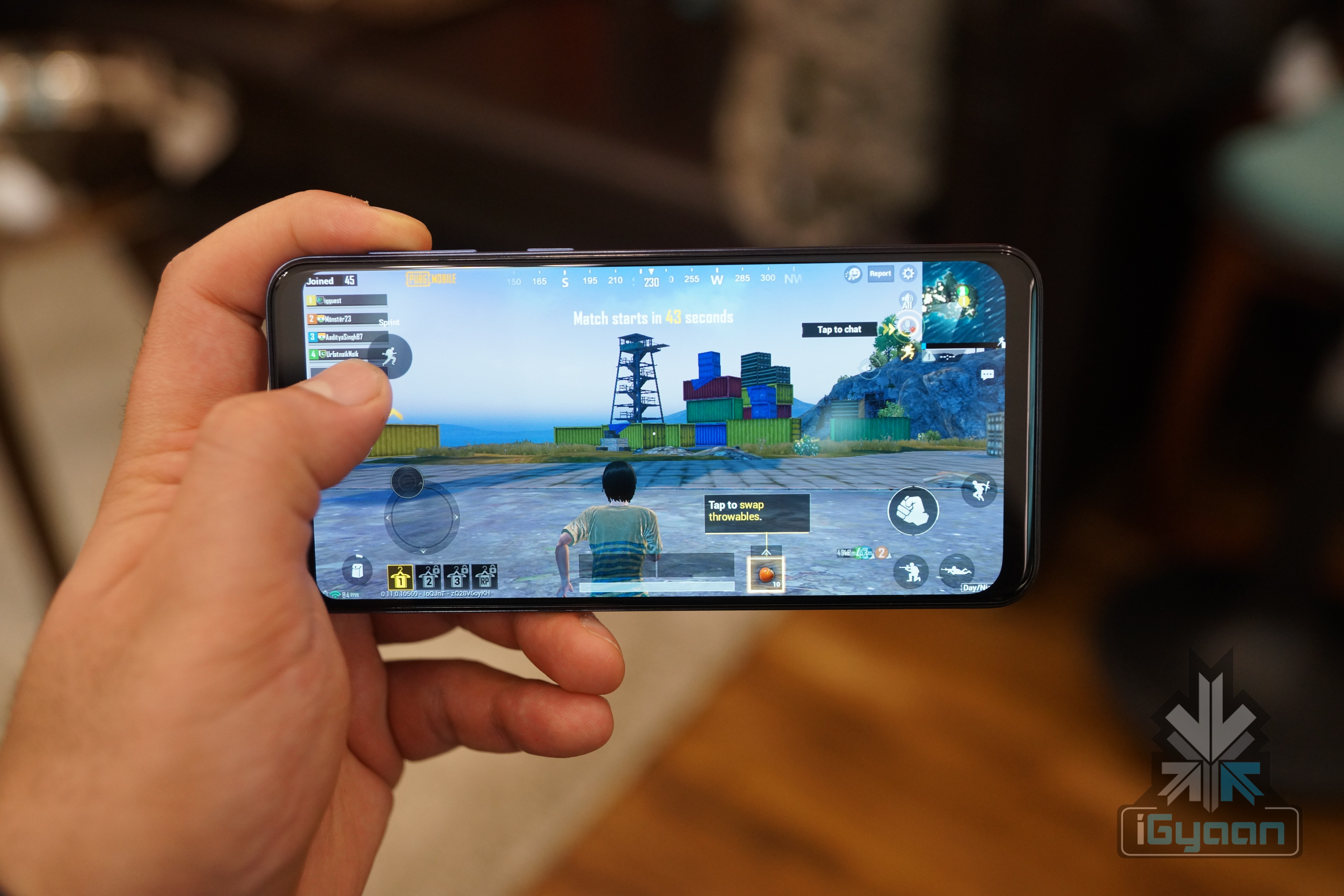
    PUBG or Player’s Unknown Battlegrounds is a battle royale game that almost everyone is familiar with these days. The game has seen massive popularity amongst teenagers and adults alike. Needless to say, a lot of school-going kids and students are hooked to the game, and this has led to an overall decrease in academic performance for a lot of students. Amidst rising concerns, On March 8, 2019, the state government of Gujarat announced that anyone found playing PUBG will be arrested under Section 188 of the Indian Penal Code. On March 13, 10 students were arrested for the same in Rajkot, Gujarat.

    Details

    This is the first time that people will hear anything of the sorts of “arrests made for gaming”. People were outraged, and a lot of them took to Twitter to address the issue. The students were ultimately released on bail, the police commissioner clarified. He also added that the booked students will be tried in a court in spite of all the circumstances.

    The game ban wasn’t just limited to PUBG Mobile. A similar ban was also imposed on the “Momo Challenge”, which is a series of challenges that the user must complete in order to achieve victory and meet an imaginary character called “The Momo”. According to reports, the game involved self-harming acts that eventually led to suicide. A lot of children were affected physically as well as mentally because of the game. Another noteworthy mention is the infamous “Blue Whale” challenge that had similar self harm provoking traits.

    Also Read: Budget Oriented Redmi Go To Launch In India On March 19

    As of now, the PUBG game is legal in the rest of the country, but seeing how the government is creating awareness regarding the game, the game may be banned in other states as well. In such a case, protests on social media may be seen, owing to the huge player base of the game.

  • Facebook Mobile Application Update Introduces Dedicated Gaming Section

    Facebook Mobile Application Update Introduces Dedicated Gaming Section

    In a survey, it was discovered that Facebook Live Streams generated almost three times more views than those videos which are not live. Facebook live streaming is a major thing now, with content creators flocking to get their content noticed on the world’s most popular social media platform. More and more users have becoming aware of the fact that Facebook can be used for much more than just sharing images and posting comments. To address the growing gaming community, the American social media company has added a dedicated gaming section in its smartphone application.  

    Features Of The Update

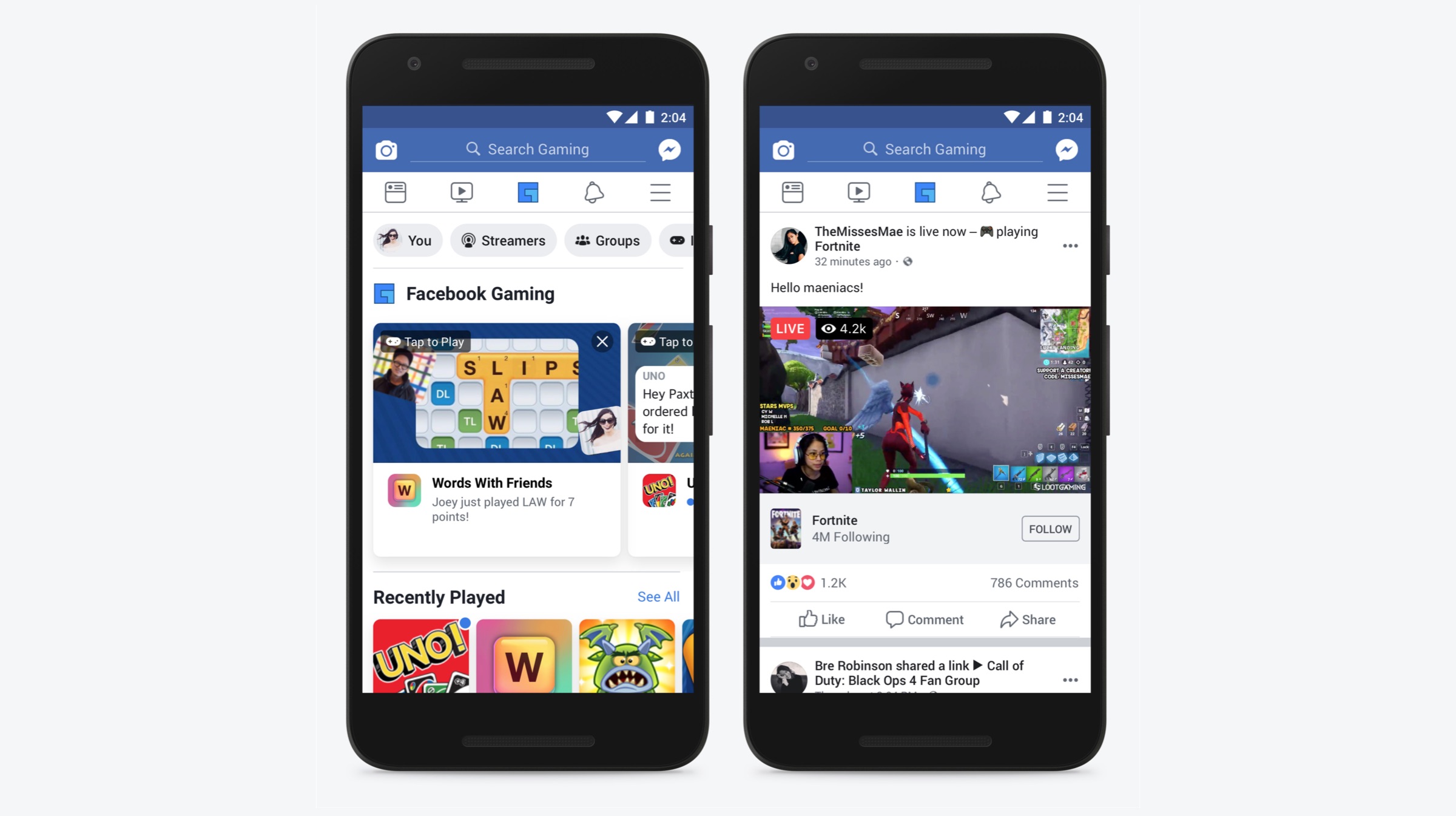
    With an approximate 700 million users interacting with game-based content (as per Facebook), live streaming is becoming a platform to connect with gamers over social media. Previously, users discovered new gaming channels via their news feed, where they followed the streamer’s page and got notified every time they went live. To make it easier to find live games at one place, Facebook is rolling out an update which adds a gaming tab in the app navigation bar, using which gamers and other users can discover popular games being streamed around their area, as well as gaming content from the creators they follow.

    The newly added Facebook Gaming Tab enables the user to:

    • Play Games: Facebook has a host of fun games that users can check out when there are no notifications waiting for them. Using the tab, gamers can play games, start chats with other gamers, invite their friends to play and share high scores with each other.
    • Watch Live & Offline Gaming Videos: If the user has followed a particular streamer/gamer, he/she will see the most recently published videos from that account. Moreover, as mentioned before, popular videos posted by game publishers and esports organizations will also be showcased in the tab. Based on the user’s preferences, Facebook will also recommend users new gaming content developers in the gaming tab.
    • Join Dedicated Gaming Groups: There is a huge number of gaming groups on Facebook for almost every game out there, where users can directly interact with like-minded people. The company states that Gaming groups are the most engaging communities of Facebook, so it would be interesting to see how Facebook will integrate gaming groups in the new tab.

    Also Read: Twitter Camera Makes Sharing Photos And Videos Easier

    Facebook stated that it is rolling out the new update in small batches to the 700 million people who enjoy gaming. The company also plans to launch a standalone Facebook Gaming app on Android, the beta testing for which has already begun.


  • Xiaomi POCO F1 Lite Spotted On Geekbench With 4GB Of RAM

    Xiaomi POCO F1 Lite Spotted On Geekbench With 4GB Of RAM

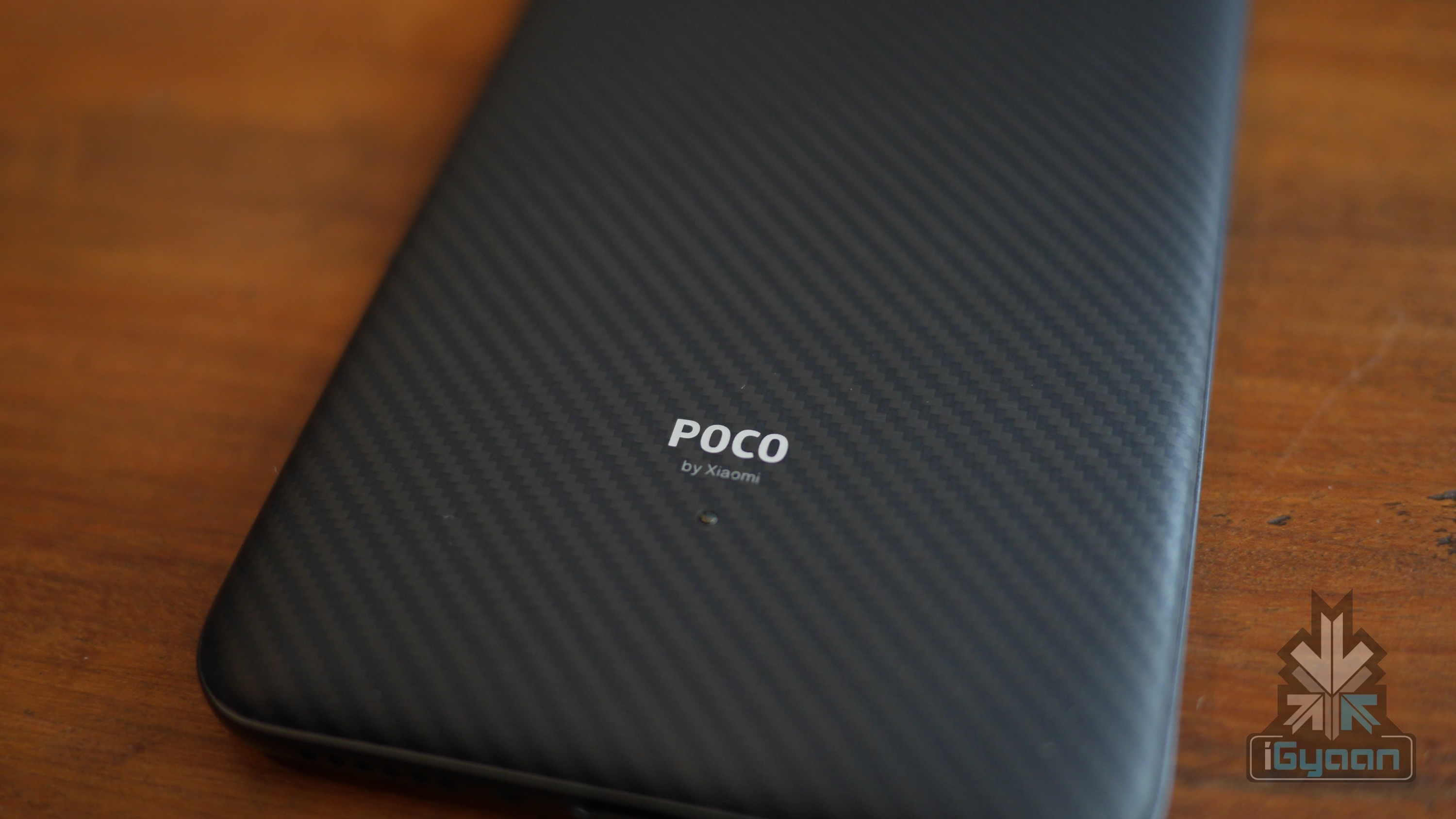
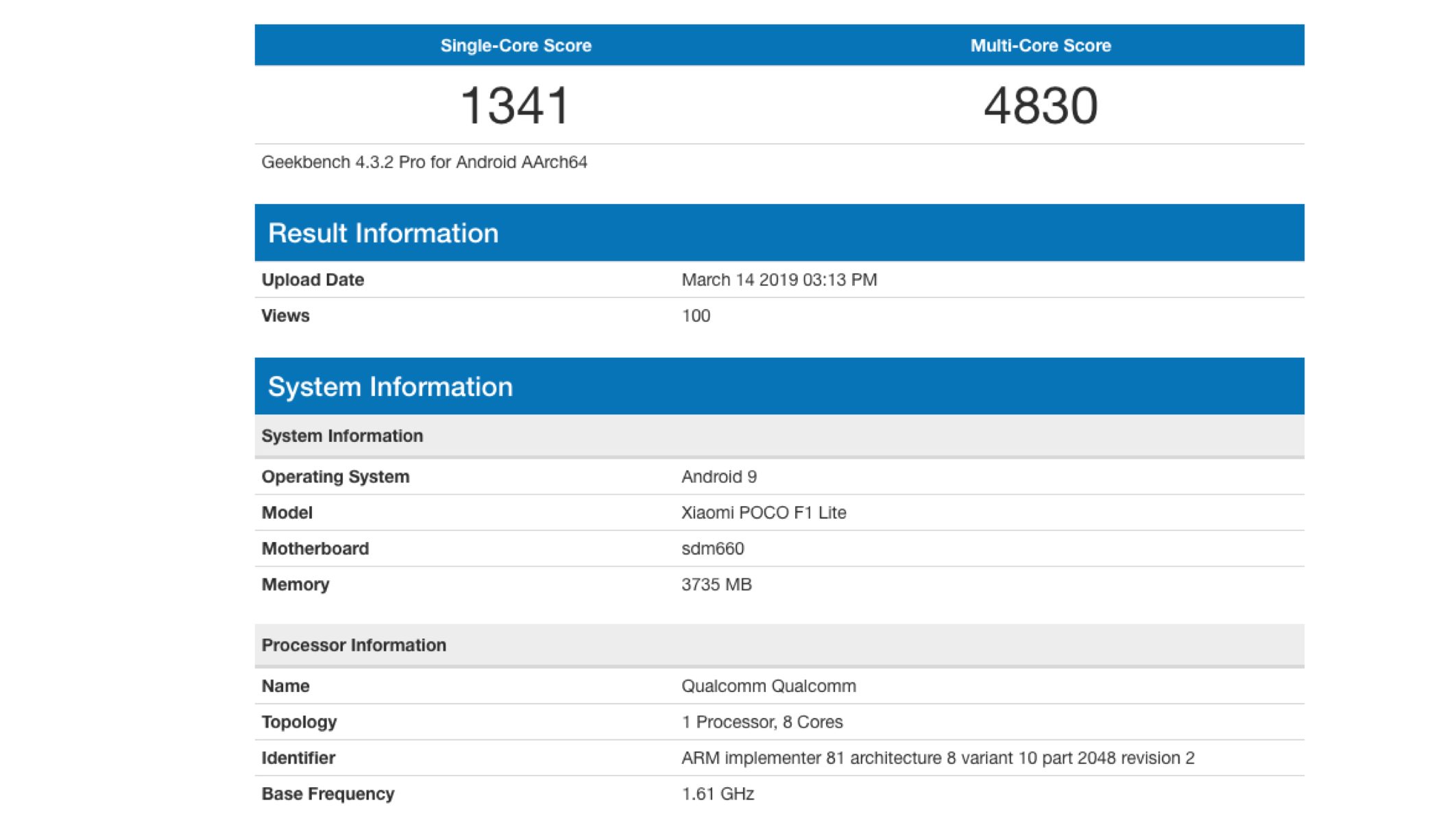
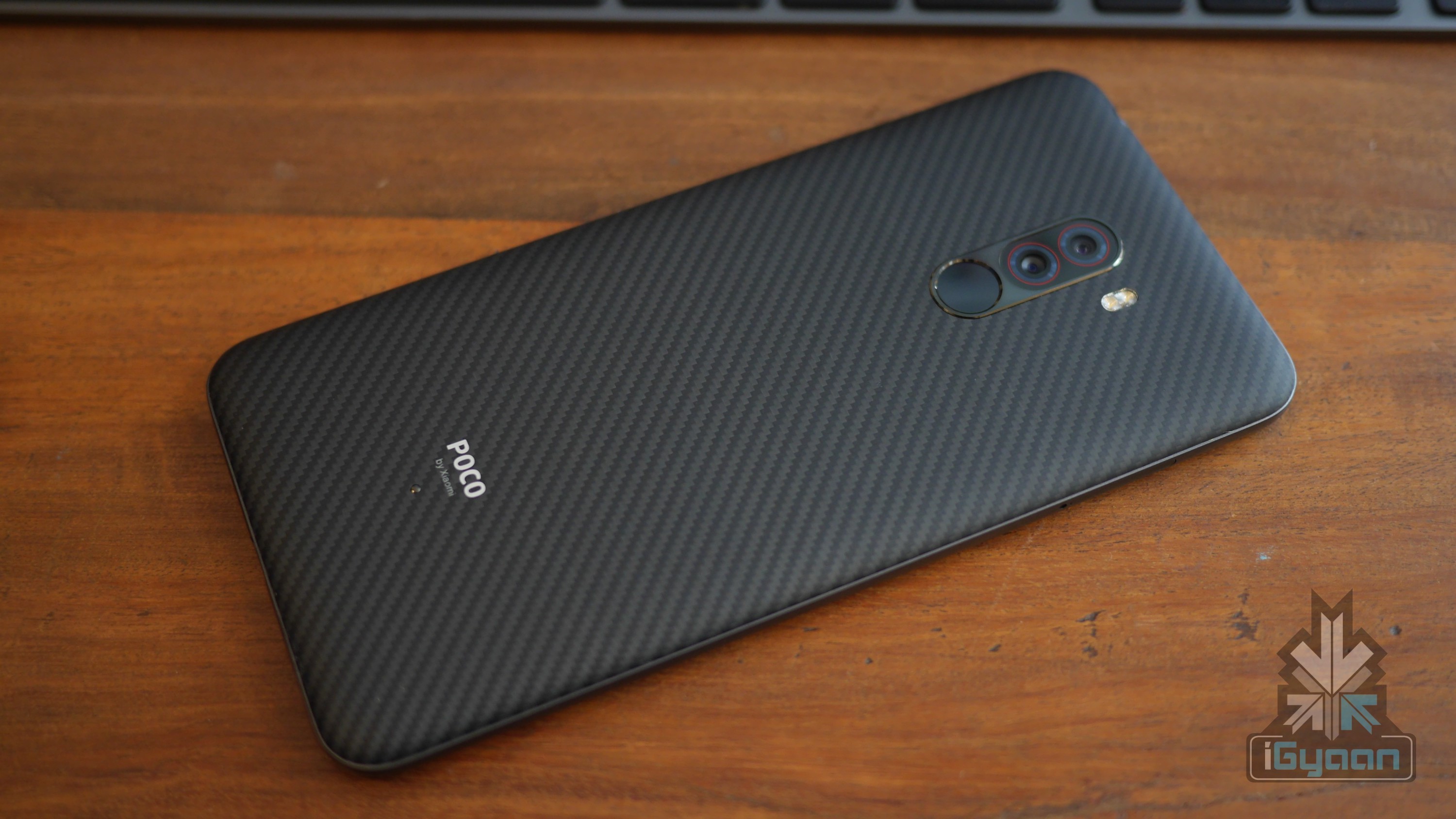
    Xiaomi launched the POCO F1 in the month of August last year. The budget flagship smartphone was well received because of its top of the line specifications and an affordable price. Fresh leaks have revealed that the company may be planning to launch a specced down version of the device. Geekbench listing of an unreleased smartphone, the Xiaomi POCO F1 Lite has leaked which confirms most of its specifications.

    Even though the Head of Pocophone Global, Alvin Tse replied to iGyaan’s tweet saying that he is not aware of a Lite version, evidence suggests otherwise, as the Geekbench listing explicitly lists the name of the device as the POCO F1 Lite.

    Xiaomi POCO F1 Lite

    The POCO F1 Lite will be the next smartphone from the sub-brand of Xiaomi. While the specifications of the device have been leaked, there is no information about its physical appearance. However, it is expected to feature a similar design language to its elder sibling, which has a polycarbonate body and a wide notch on top of the display. The listing reveals that the smartphone will have a Snapdragon 660 SoC which is manufactured using 14nm fabrication process. The chipset is comprised of an Octa-core CPU and the Adreno 512 GPU. Interestingly, the same processor can be found on the company’s newly launched Redmi Note 7. The POCO F1 Lite has been mentioned to have 4GB of RAM, but there may be a variant with a higher RAM capacity as well.


    The listing claims the CPU of the POCO F1 Lite has a clock speed of 1.61GHz which is lower than the Redmi Note 7’s base clock speed of 1.8GHz. Therefore, the underclocked speed is assumed to result in lower performance than the latter. Also, Xiaomi can tune the clock speed of the Poco F1 Lite before its official launch. This smartphone registers a single core score of 1619 and a multi-core score of 5138 on the same platform.

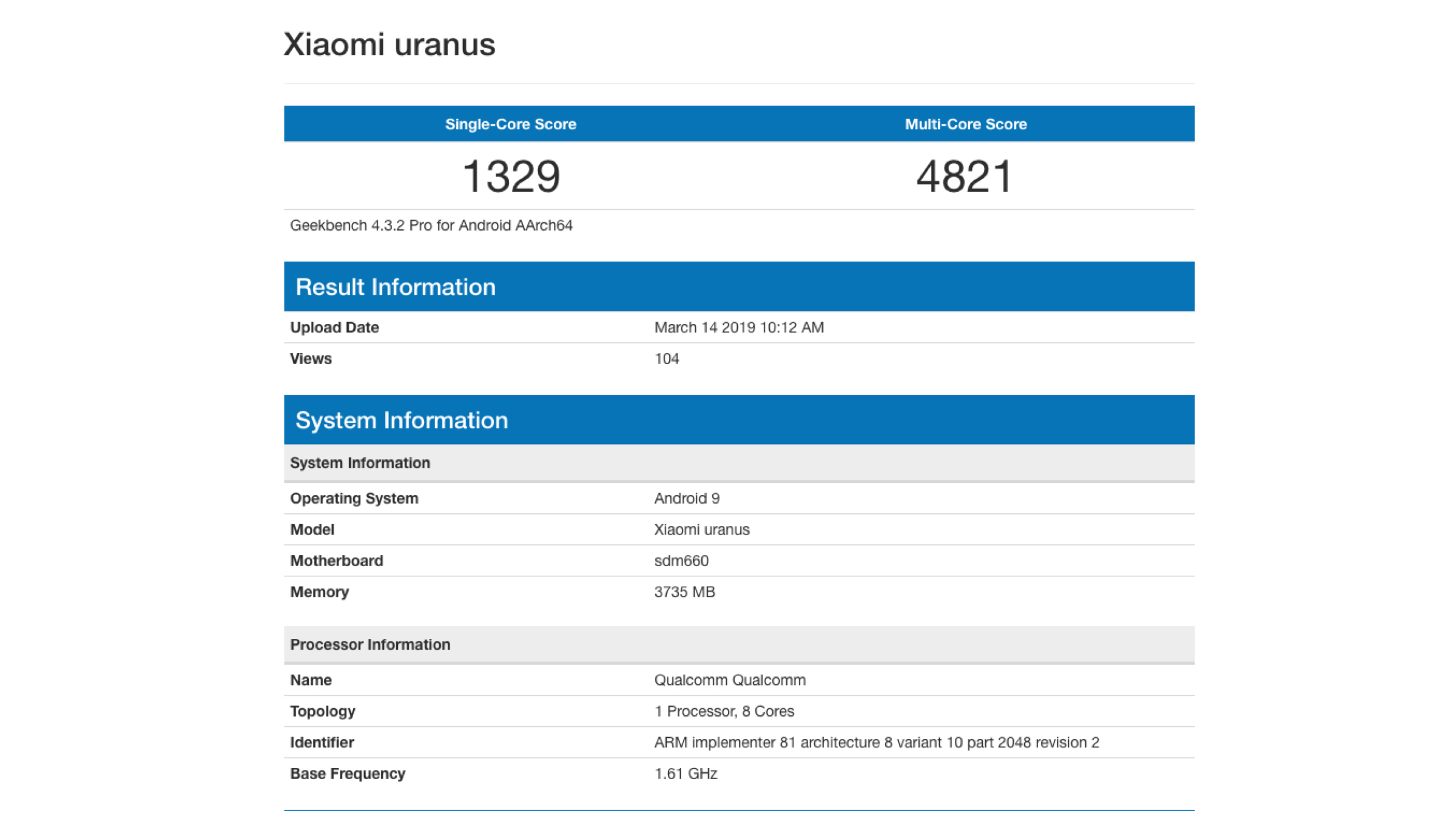
    Notably, another smartphone from Xiaomi has also been leaked on Geekbench. Codenamed the Xiaomi Uranus, it features similar specifications to the leaked POCO F1 Lite. It may be possible that this is the same device which will be released under a different name in certain markets across the world.

    Also read: Here Are All The Major Android Skins Currently Available

    The pricing and availability of the POCO F1 Lite are not known yet, but the Geekbench listing suggests its launch is imminent. Xiaomi is known to price its smartphones aggressively, so the smartphone may be priced under Rs. 10,000 in India.

  • Budget Oriented Redmi Go To Launch In India On March 19

    Budget Oriented Redmi Go To Launch In India On March 19

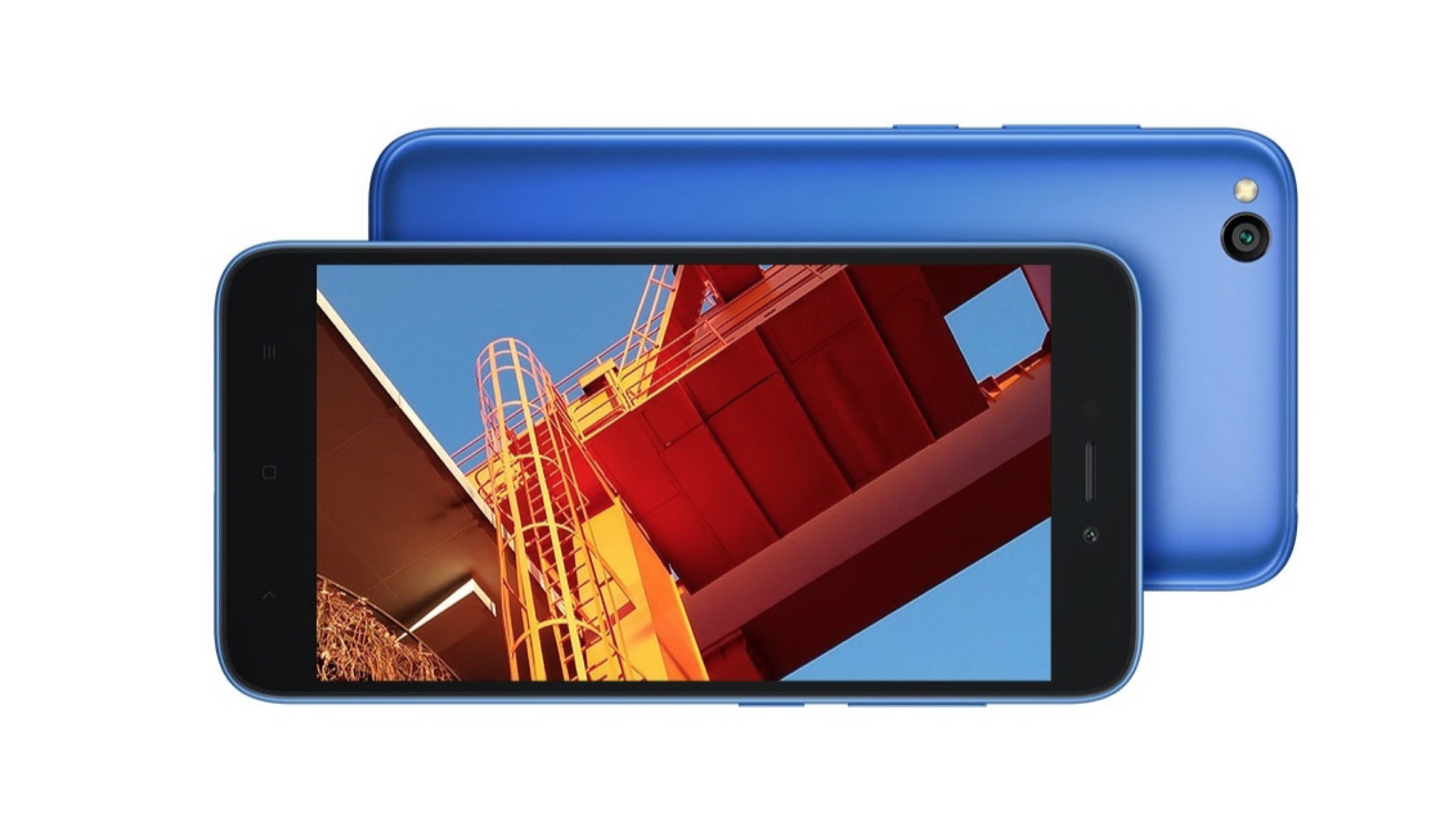
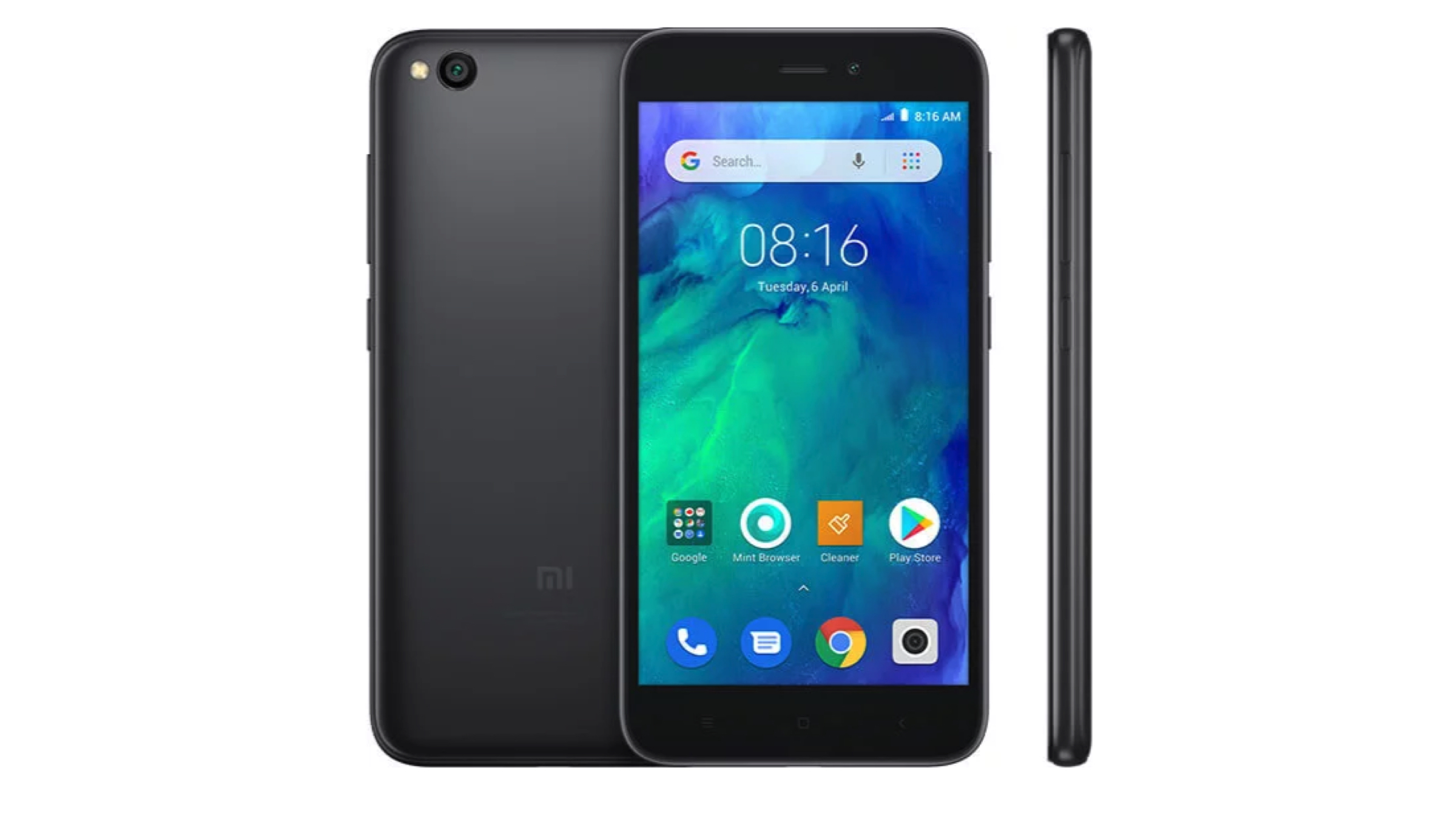
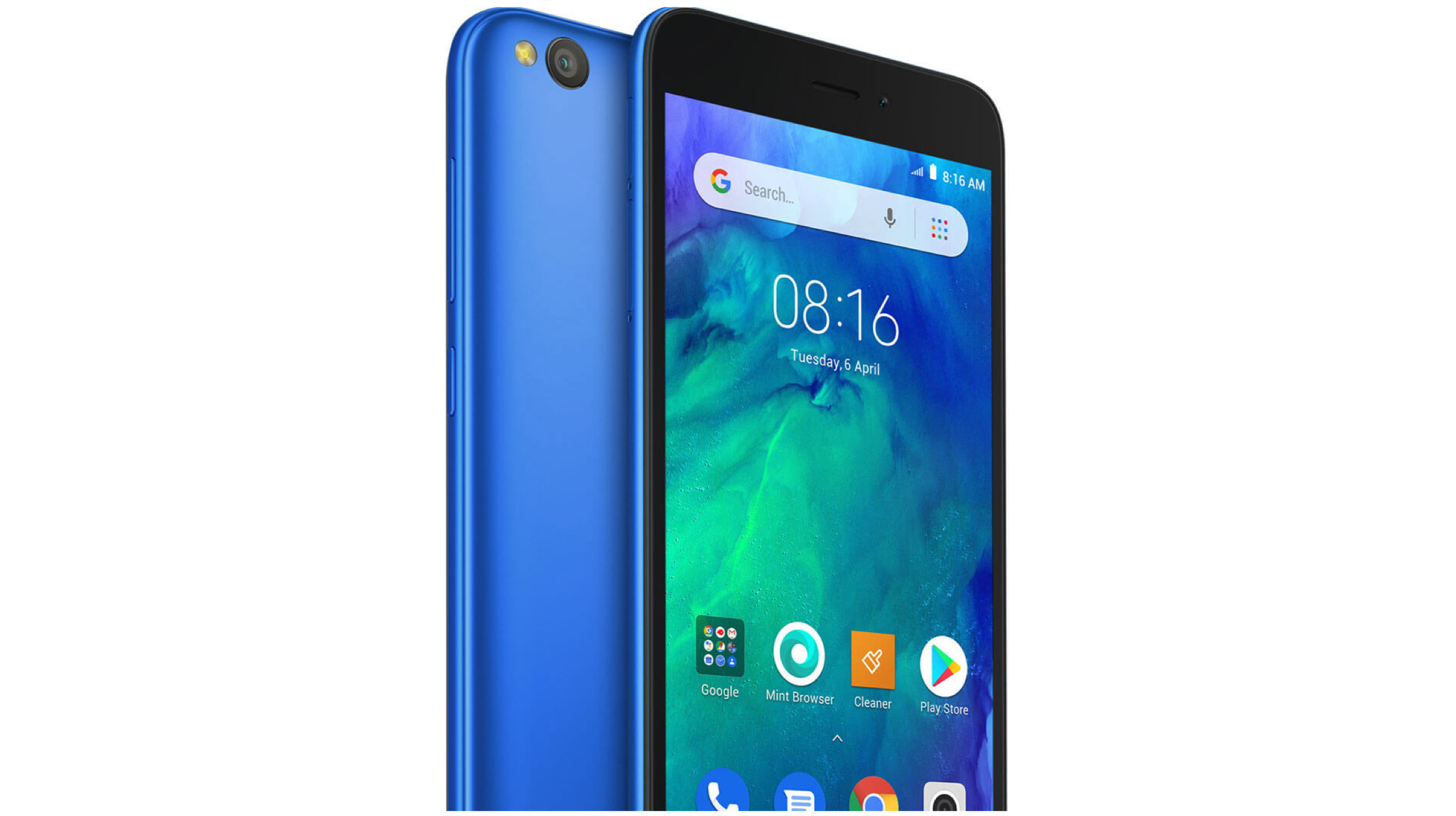
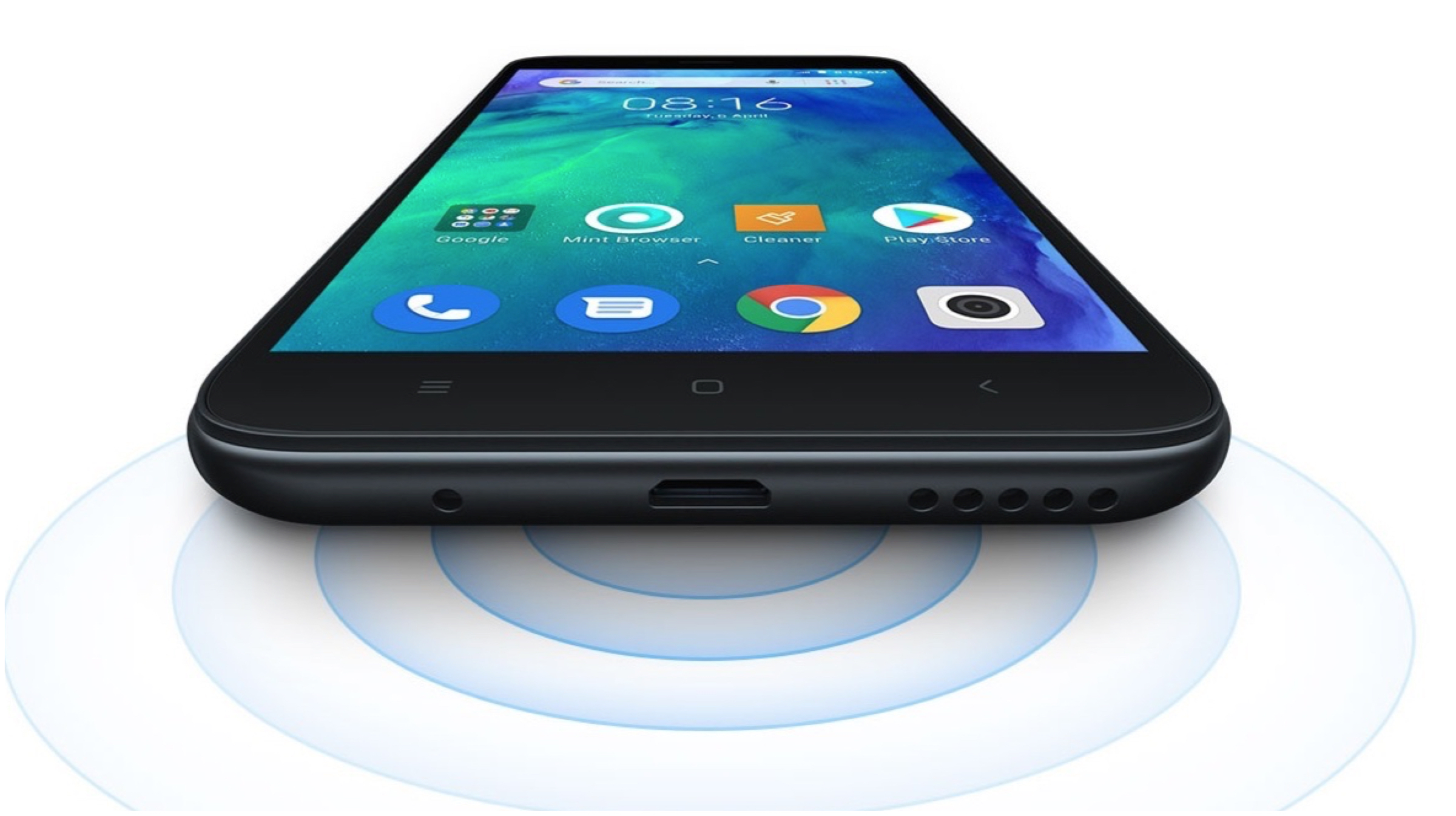
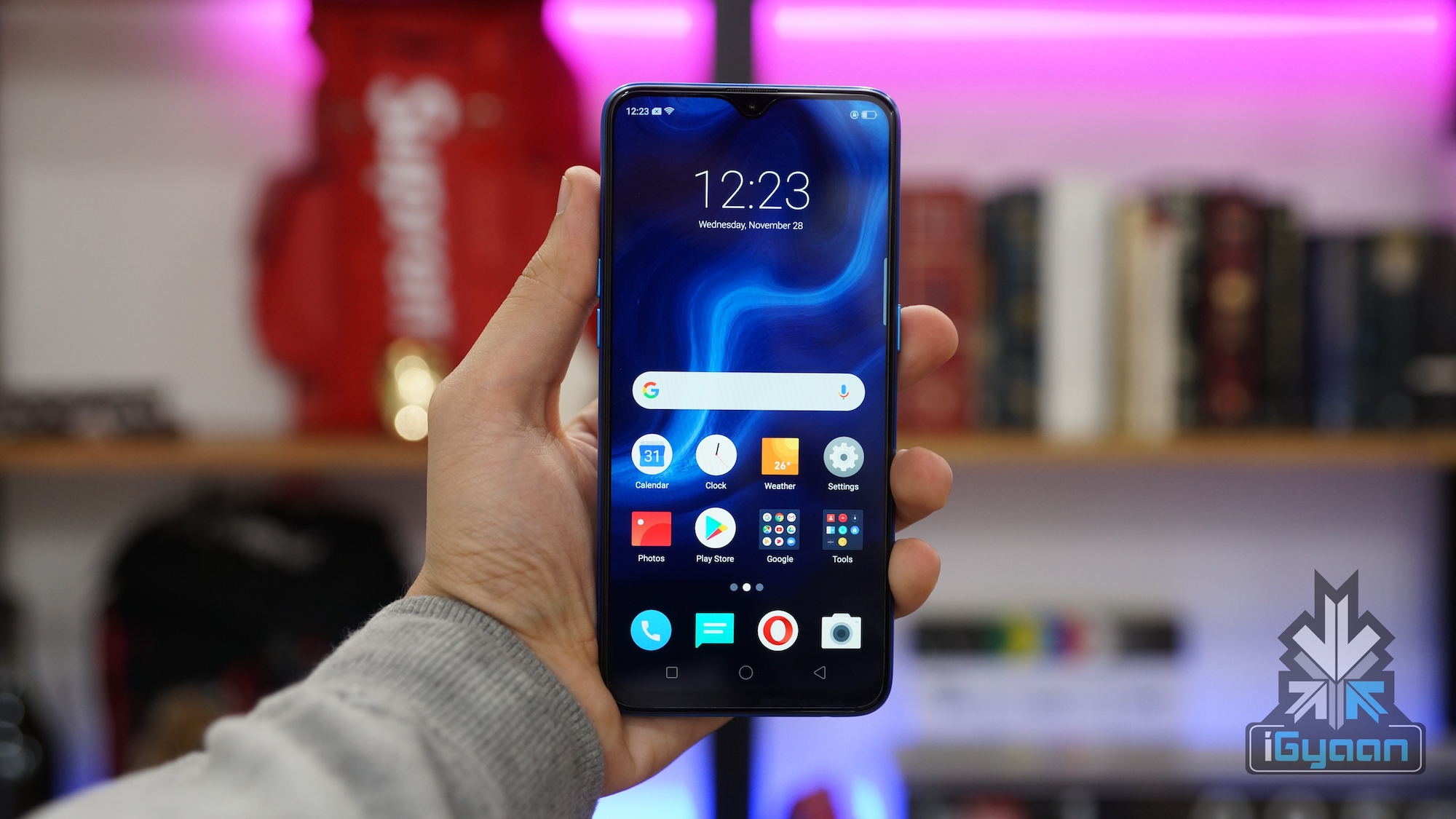
    Xiaomi has sent out invites for the launch of its next budget oriented smartphone, the Redmi Go. The device will launch on the 19th of March and will be the first Android Go smartphone from the company. The smartphones under the Android Go initiative generally have low-end hardware and a skimmed down variant of the Android operating system which provides an optimised performance. As the device has previously been unveiled in the Philipinne all of its specifications are well known.

    Xiaomi Redmi Go

    The Redmi Go will have a similar design language to the Redmi 5A which was launched back in the year 2017. The Redmi Go has a polycarbonate body with significant bezels on the front. It measures 40.4 x 70.1 x 8.35mm and weighs 137g. It has a 5 inch IPS LCD display with a resolution of 1280 x 720. The display has a pixel density of 296 ppi and a maximum brightness of 380 nits. For biometrics and security, the Redmi Go relies on Face Unlock technology as it lacks a physical fingerprint scanner. In addition to facial unlocking, it also supports the traditional on-screen locking options.

    Under the hood, the Redmi Go packs the Snapdragon 425 SoC which is manufactured using the 28nm fabrication process. The chipset has a Quad-core CPU and Adreno 308 GPU. In terms of optics, the smartphone has an 8MP primary camera at the back with an aperture of f/2.0. For selfies, there is a 5MP camera with an f/2.2 aperture on the front. For memory and storage, the Redmi Go will be available in the following variants.

    • 1GB RAM and 8GB ROM
    • 1GB RAM and 16GB ROM

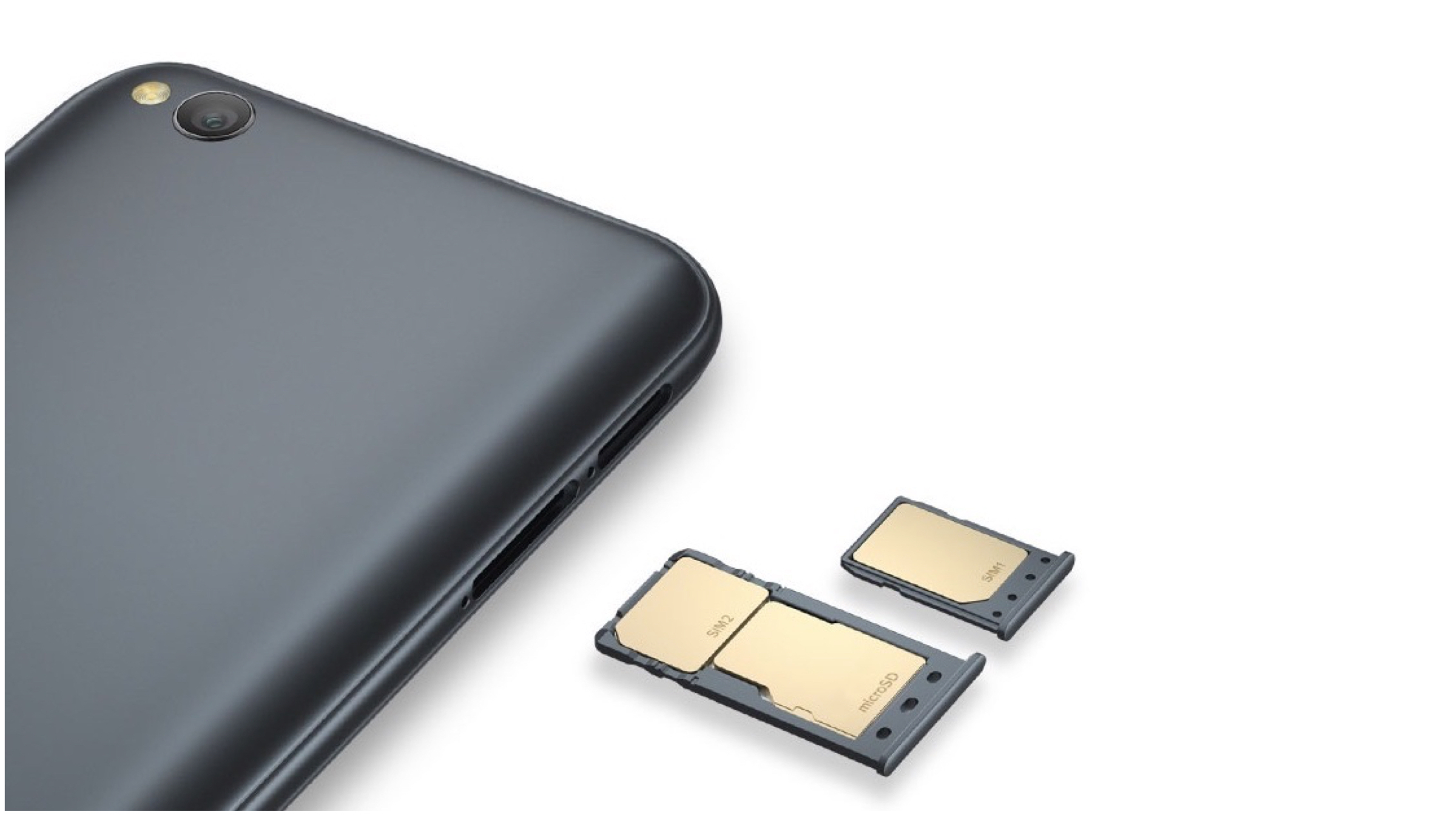
    The Redmi Go is powered by a 3000mAh battery with support for 5W charging. The smartphone ships with Android 8.1 Oreo Go edition out of the box. There is a Hybrid SIM card slot on the device with support for microSD expansion of up to 256GB as well. 

    Pricing & Availability

    Also read: Samsung Is Developing A Smartphone With An Invisible Punch Hole Camera

    The Xiaomi Redmi Go will be launched in India on March 19. Unfortunately, there is no information about the price of the device as of now. However, it is expected to be priced at Rs 3,499 for the base variant and 3,999 for the version with 1GB RAM and 16GB internal storage. 

  • Samsung Is Developing A Smartphone With An Invisible Punch Hole Camera

    Samsung Is Developing A Smartphone With An Invisible Punch Hole Camera

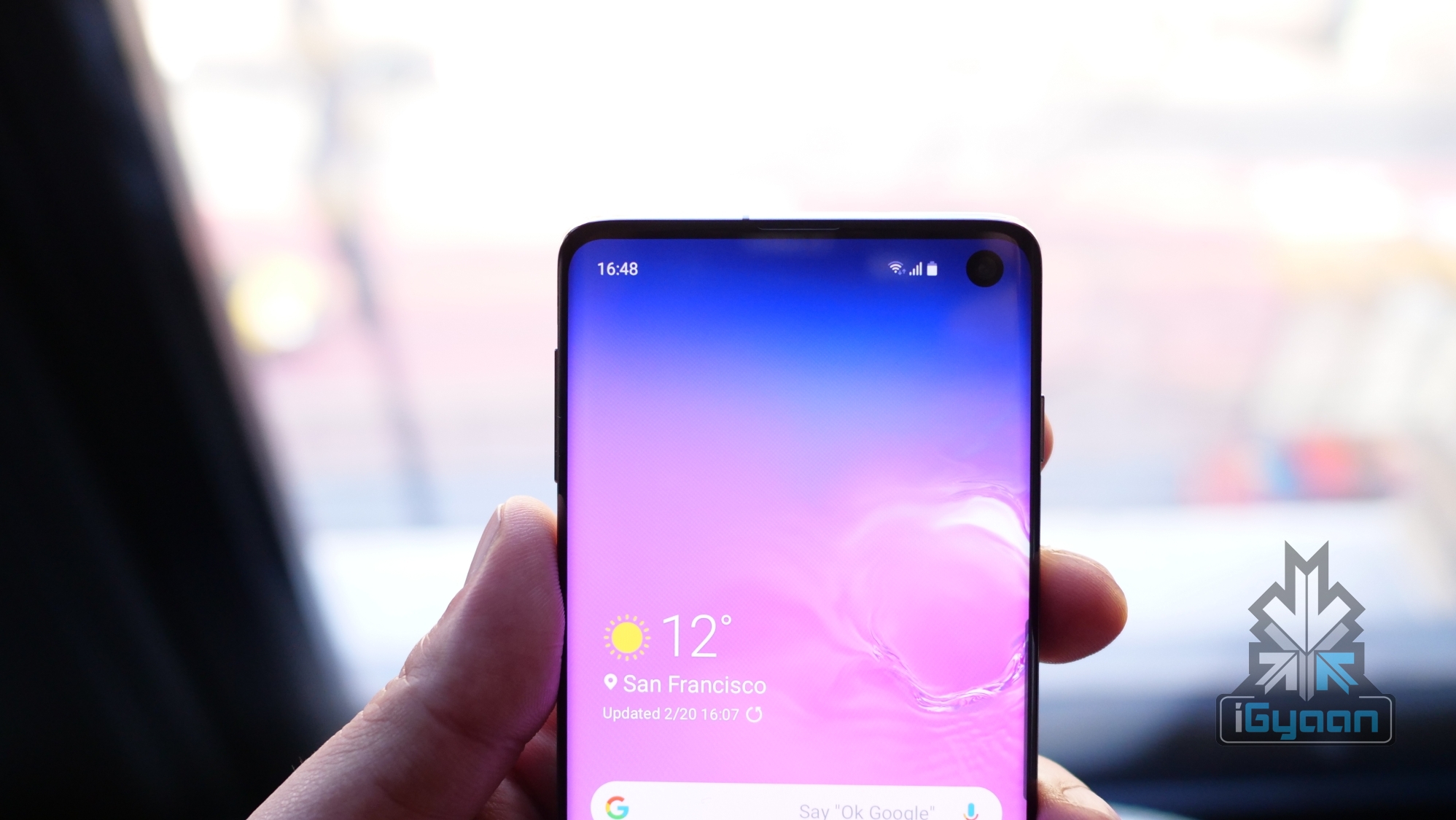
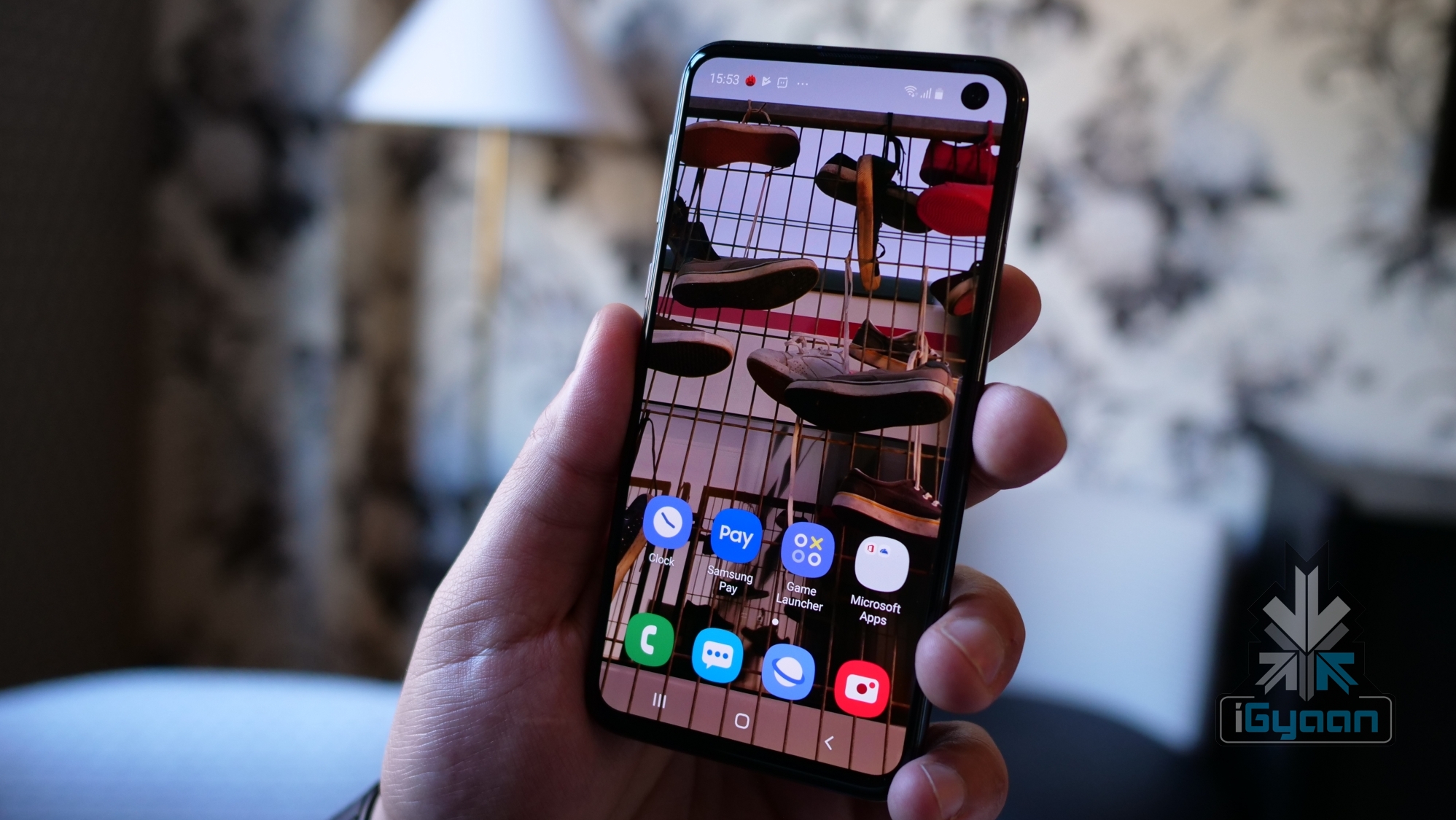
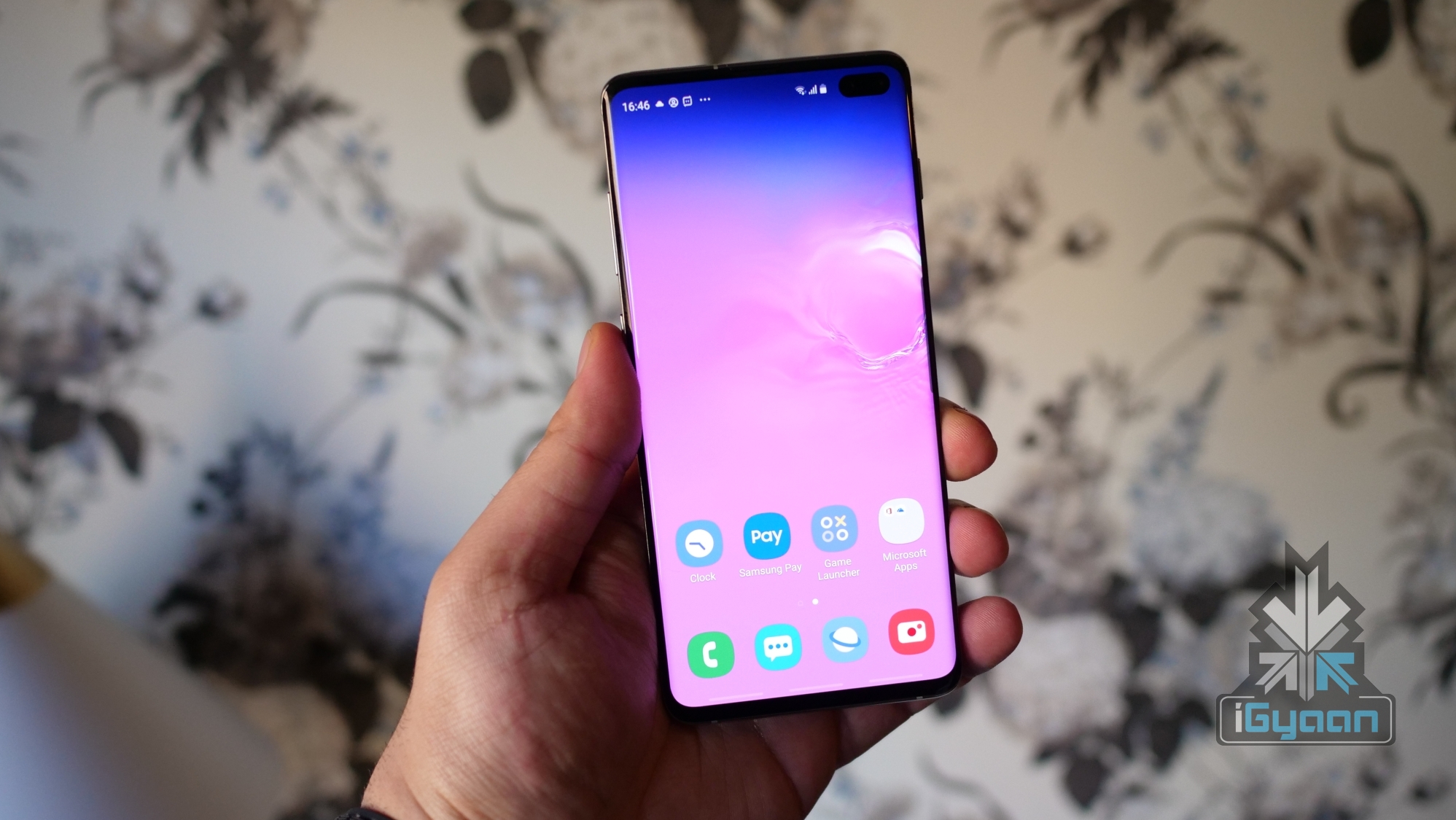
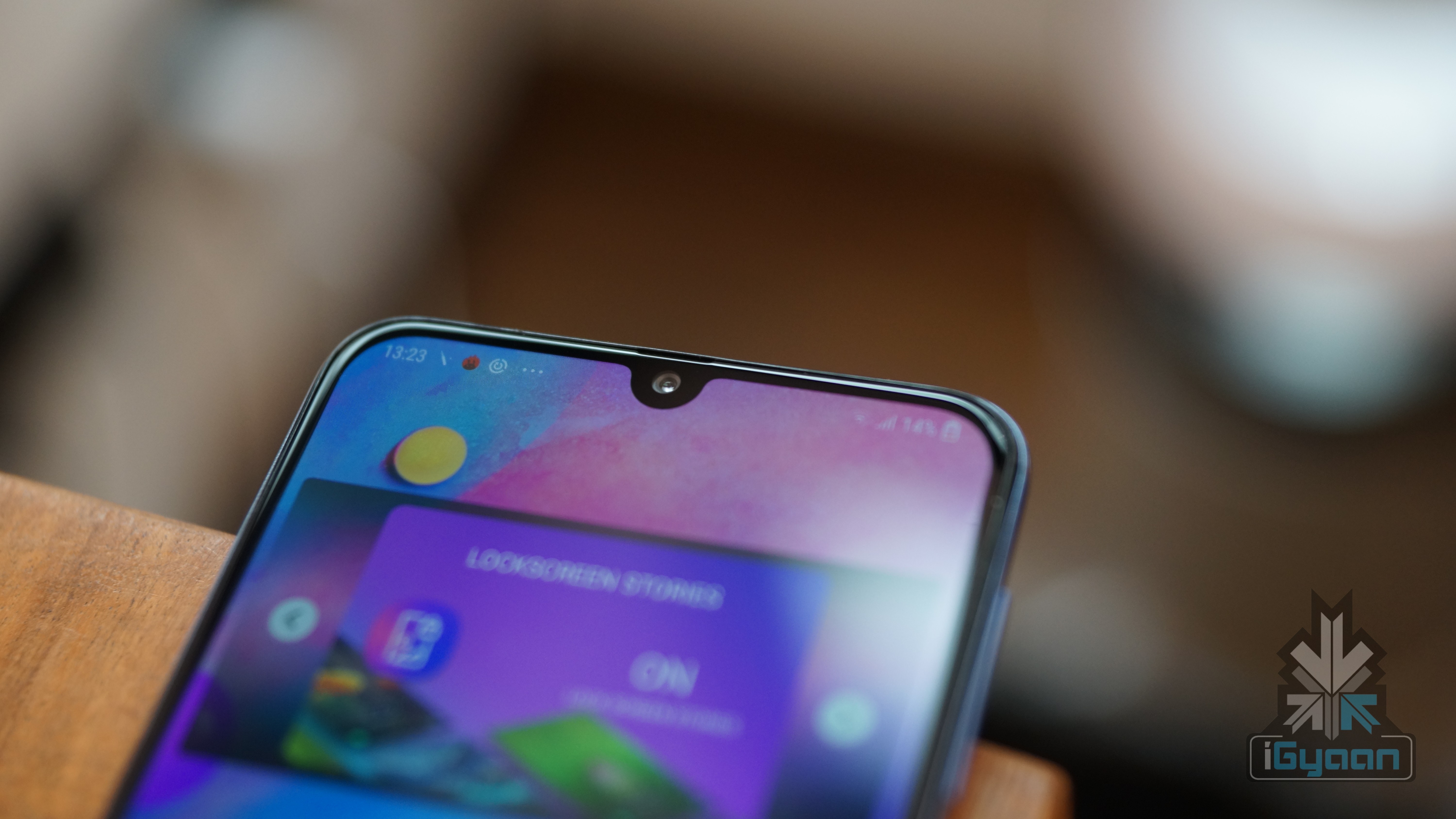
    Korean electronics Giant, Samsung launched the Galaxy S10 lineup of smartphones last month which are packed with top tier specifications. Out of all the remarkable features, one evident feature that stands out is the punch hole selfie camera. This feature has allowed Samsung to manufacture smartphones that have a considerably high screen-to-body ratio. As of now, Samsung has only released a handful of smartphones with a punch hole camera, a fresh report claims that the company wants to push the boundaries of this technology even further. According to a senior Samsung executive, the company is working towards developing a smartphone with an invisible punch hole camera.

    In simple words, the smartphones with this type of display will have a punch hole camera which would stay concealed during regular usage. The light pixels on the display in front of the camera will have a clear back. Given that the user turns on the selfie camera on the smartphone with this type of display, the pixels in the concerned area will turn off. Due to the transparent back of the pixels, the camera underneath them will function as a regular punch hole camera which can unobstructedly capture videos and images.

    In addition to the display with a hidden selfie camera, Samsung is also working on another praiseworthy technology for displays of future smartphones. The company is developing displays which will have an inbuilt speaker eliminating the need for an additional earpiece. This technology has already been seen on the LG G8 ThinQ which was launched at the MWC 2019. Such a display would have a piezoelectric sensor mounted underneath with whose help the entire display will function as an earpiece. 

    Also Read: A Comprehensive Look At All The Android Skins

    Although Samsung has not announced a date for the launch of a device with the aforementioned technologies, it is reported to make its way into the market within the next 1-2 years. 

  • Here Are All The Major Android Skins Currently Available

    Here Are All The Major Android Skins Currently Available

    One of the best things about Google’s Android OS is how diverse and customisable it is. With every new smartphone manufacturer, there is a different flavour of Android available. It often differs on features, looks and sometimes by overall performance too. But with so many different Android skins present, it can get confusing to differentiate between them. To make you understand better, we have compiled a list of all major Android skins that are currently available in the market.

    Stock Android / Pixel UI

    Stock Android is the OS in its purest form, without any customisation or bloatware. After the arrival of the Google Pixel, the definition of Stock Android has changed, as it offers a little customisation on its own. But the closest a skin is to the Pixel devices, the more stock it is considered. The advantage of having a stock Android skin is that the device will be work smoothly for a longer period as it is without any bloat or unnecessary software. Devices with stock skin are also believed to get faster system updates, but that is completely dependent on the smartphone OEMs.

    Android One

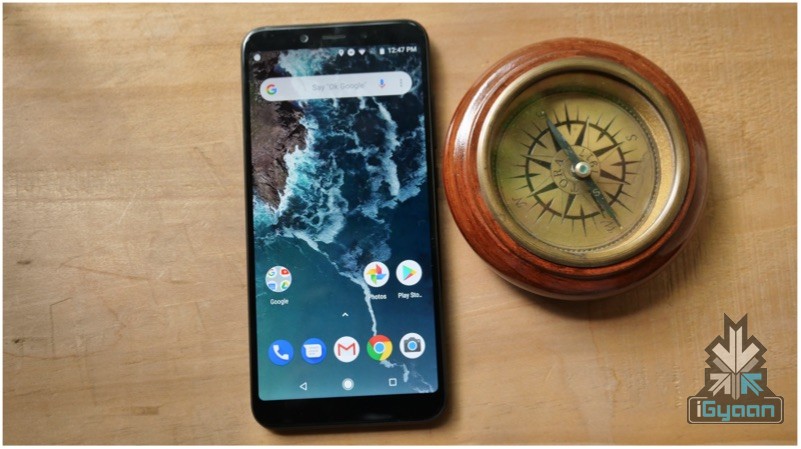
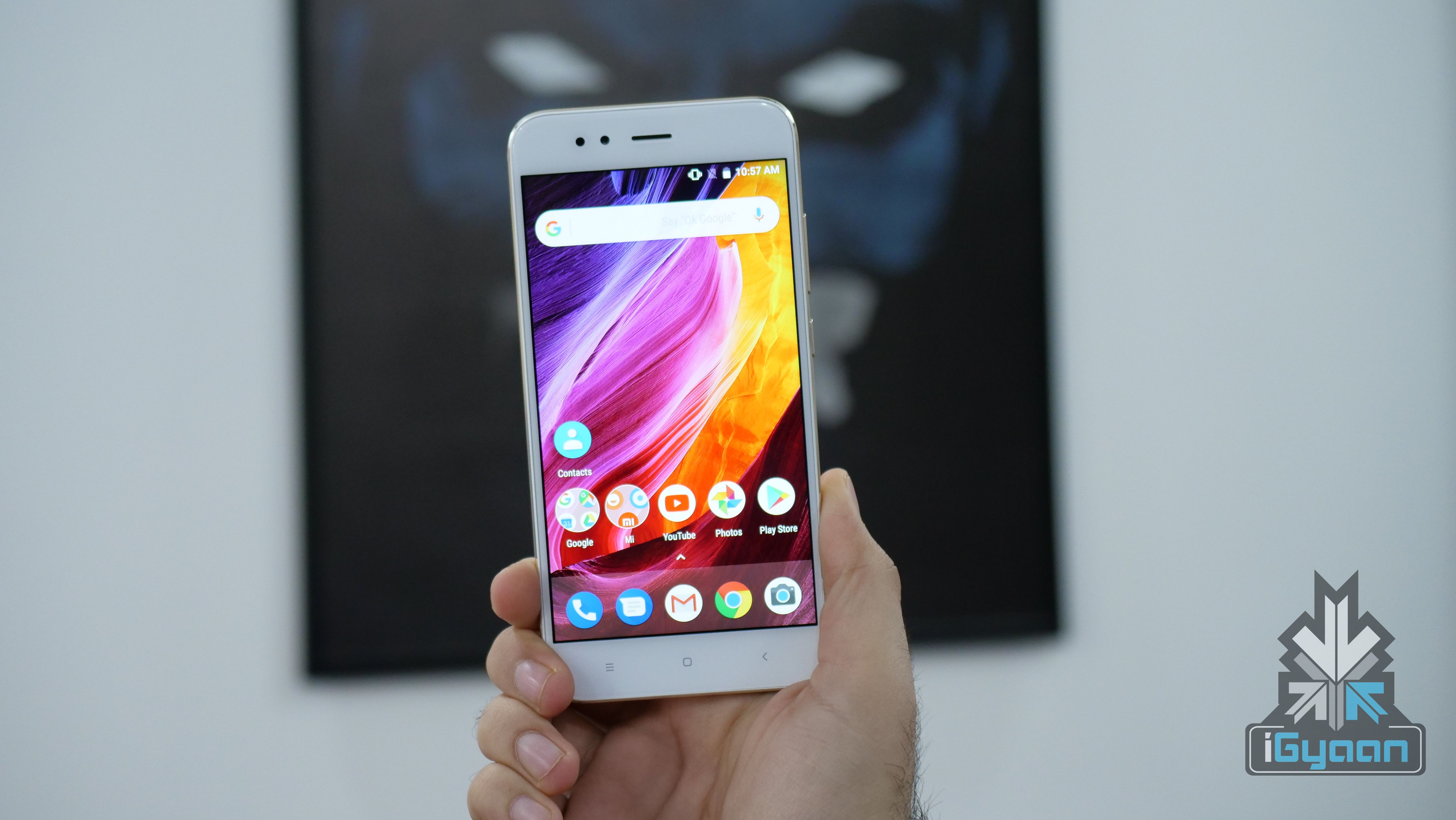
    Xiaomi Mi A2

    Android One was earlier launched to cater to devices with humble specifications to run Android OS better and to increase the life span of the devices. The certification has since expanded to mid-range devices like the Xiaomi Mi A2 and flagship smartphones like the Nokia 9 PureView. Devices running Android One software have a clean, bloatware free UI with the promise of software updates for two years. It is considered to be the next best thing after Pixel UI.

    OxygenOS By OnePlus

    Argued by many as better skin than Stock Android, OxygenOS found on OnePlus devices is known for its fast animations and a UI that is close to stock. Although it has a few customisations up its sleeve, most of them are useful, nifty additions to the vanilla Android experience. Devices with OxygenOS has been also known to get faster updates and longer software support. This makes it one of the most sought after skins in the Android world.

    OneUI By Samsung

    Taking charge from Samsung’s infamous ExperienceUI, OneUI is a refreshing take on the company’s vision for an Android skin. The Android skin was announced last year and has lately made its way into current Samsung devices like the Galaxy S10. It focusses on better one-handed usage and easy accessibility. The company has been notoriously late in providing a software update to its devices. But with no history to OneUI and updates, it will be interesting to see how Samsung takes it forward.

    EMUI By Huawei

    Largely inspired by Apple’s iOS software for iPhones and iPads, EMUI is an Android skin developed by the Chinese electronics giant Huawei. There are a lot of customisations available in the skin and it offers a substantial amount of bloatware. But, the aggressive RAM and Battery management of EMUI is considered one of the best in the industry; and improves the usability of its devices by a fair margin. However, Huawei is not very quick with updates and a heavy skin like EMUI only bogs it down from proving them faster.

    MIUI By Xiaomi

    One of the more easily recognisable Android skins, Xiaomi’s MIUI is another lookalike of iOS. The skin lacks any app drawer support and has a tonne of bloatware. It is though, heavily customisable and has a lot of features for everyone. The battery management is also considered excellent on MIUI. However, it is infamous for advertisements inside the UI and has been continuously criticised for the same. 

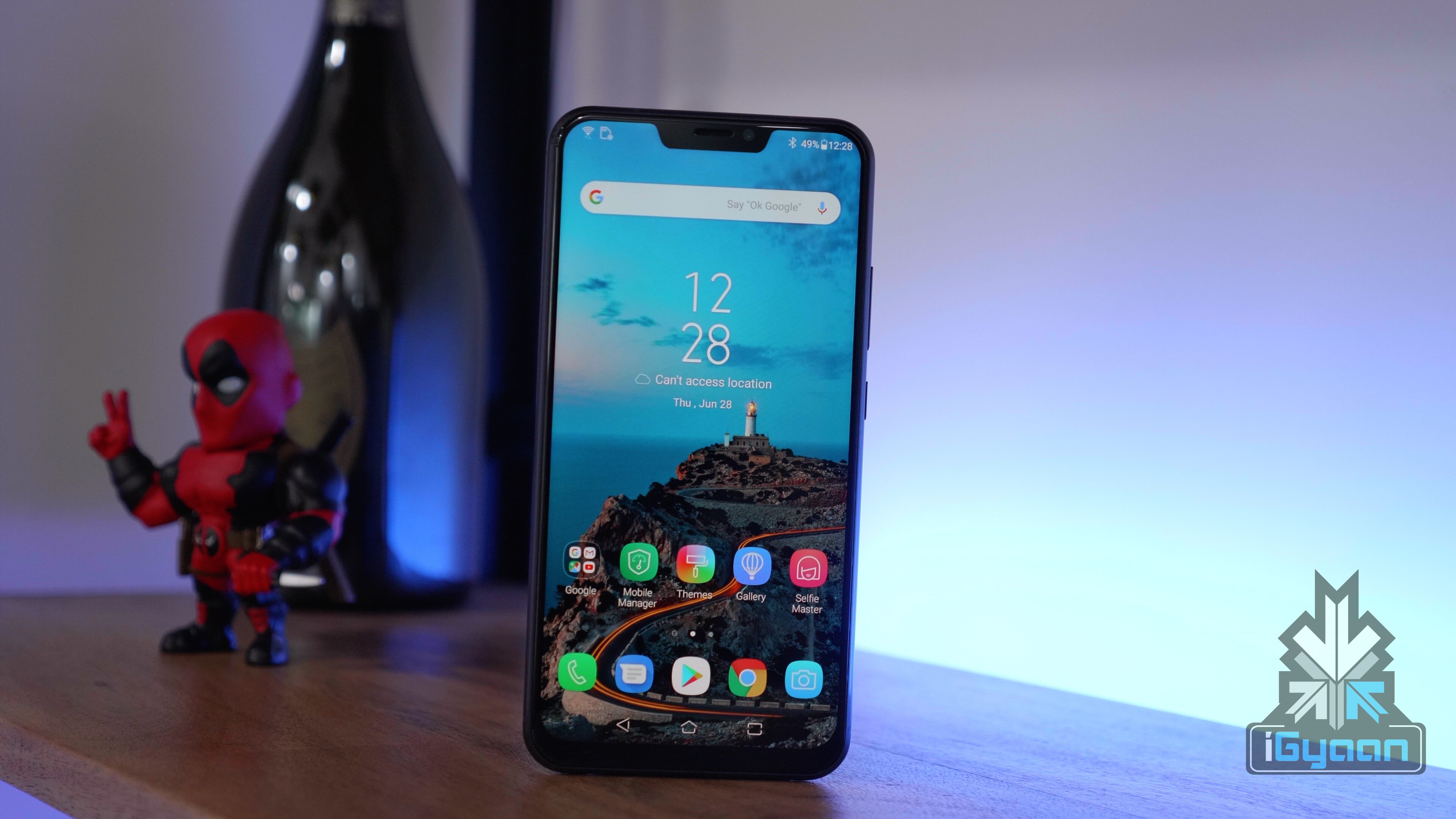
    ZenUI By Asus

    One of the lesser known Android Skins, ZenUI is seen in most Asus smartphones. It offers a lot of customisations and not a lot of bloatware. The UI is also very clean and doesn’t differ much from Stock Android. It is one of the better skins in the market although the software updates on Asus devices are not as frequent.

    LG UX

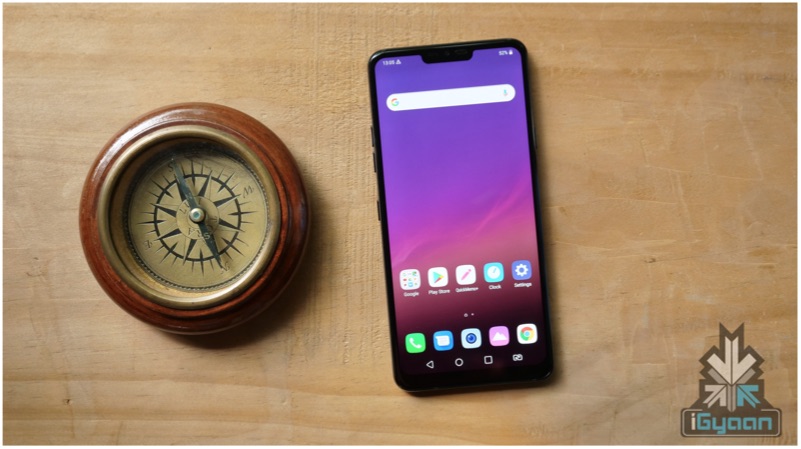
    LG G7+ThinQ

    LG devices have had great hardware and specifications but have been constantly criticised for their software. The LG UX is the main culprit behind it. It draws close inspiration to iOS and while it does offer an app launcher, the UI itself is cluttered and confusing. The software updates on LG devices have also been increasingly sparse in recent times.  

    Sony Xperia UI

    Sony Xperia XZ2

    The Xperia UI was known as Sony Timescape when it was launched. It has been since made closer to stock Android, and provides a clean and smooth experience with minimal bloatware. The battery management on the Xperia UI is one of the best in the market and the software update on Sony flagships has also been consistent. While the Android skin is one of the best out there, it is bogged down by the company’s underwhelming devices.

    ColorOS By OPPO

    Also read: Twitter Camera Makes Sharing Photos And Videos Easier

    ColorOS by OPPO is another Android skin trying to imitate Apple’s iOS. It is a substantially heavy skin and is seen on OPPO and Realme devices. While it offers a lot of features and customisations, the UI is cluttered and can get confusing at times. The Android skin is also not the one to get fast software updates. With the advent of the latest ColorOS 6.0, the company has finally added an application drawer that was highly requested by the consumers.

  • The Secret Sauce That Makes Spotify’s Music Curation So Amazing

    The Secret Sauce That Makes Spotify’s Music Curation So Amazing

    Music is deemed as a social currency worldwide. Songs can depict a person, tell you about his/her tastes and reflect his/her mood. And when it comes to music, Spotify is no stranger. The Swedish music streaming application has been downloaded over 207 million times (as per Q4, 2018), and the number keeps on growing. The app launched was launched in India in February 2019, and the app gained more than 1 million users in the country after the first week of its launch. But what makes Spotify better than other music streaming applications out there? Is it the interface? The sound quality? Or is it just better pricing?

    What Makes Spotify Better Than Its Competition?

    Music applications like Apple Music and Last.fm have been around for a long time too. There are still a lot of users who side with apps like Saavn, Gaana and Soundcloud. But the reason why Spotify is different are the algorithms that form the basis of what the service is. Over 100 million users use Spotify’s music algorithm every month to listen to music that’s tailored for them. An Indie music fan wouldn’t be a huge fan of Electronic Music, and someone who likes Hip hop would not exactly enjoy folk music.
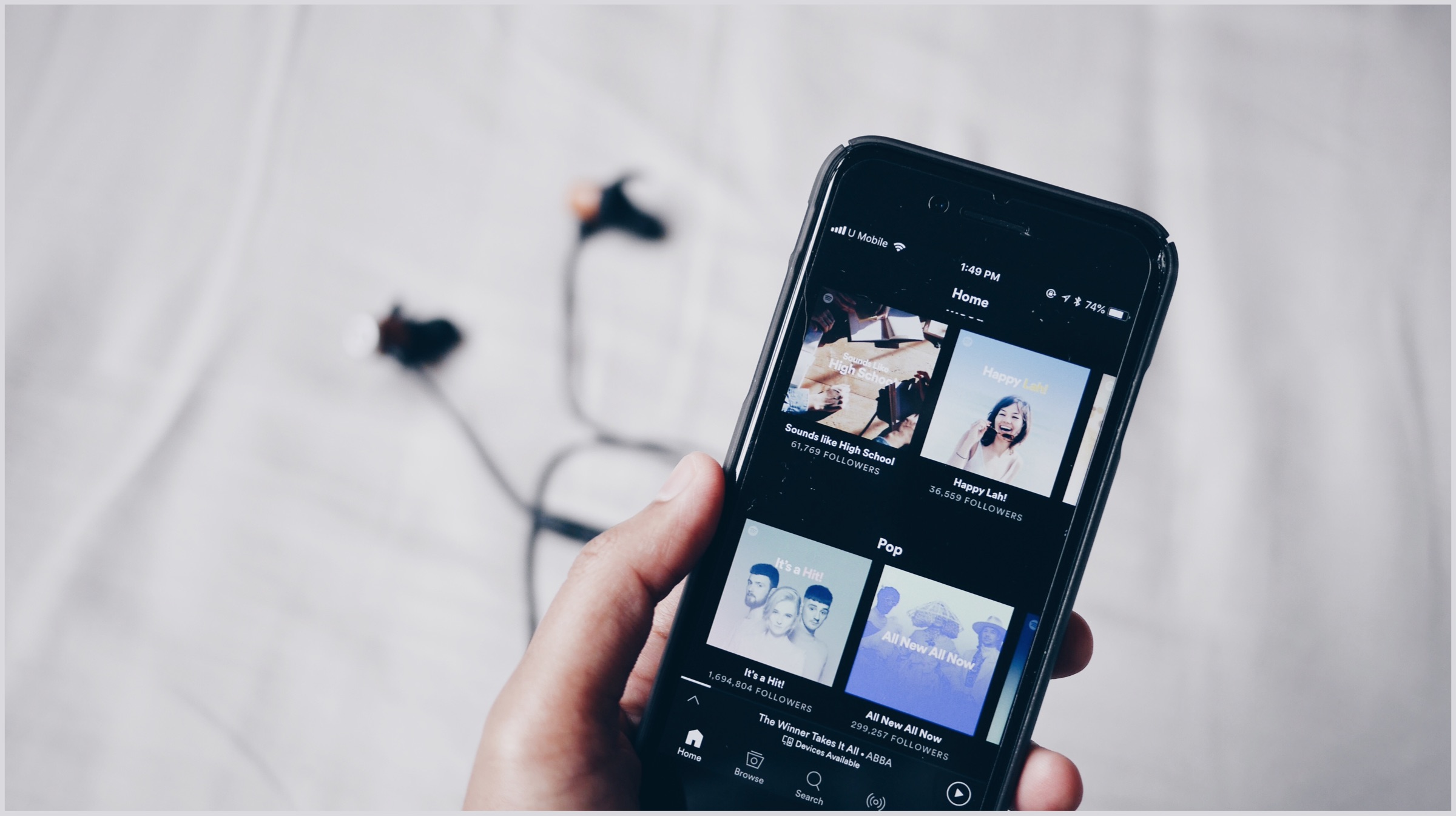
    Spotify understands that. In 2015, the company launched its ‘Discover Weekly’ feature, which allowed users to explore a weekly playlist that’s curated by Spotify. The playlist includes soundtracks that the user might like, based on his/her listening history. Not just that, the algorithm also goes through the most recent releases for each artist you like, runs it through a user base of almost 2 billion similar playlists and adds that music to your playlist. Usually, people get used to listening to the same songs every day, but Spotify users have reported that the “Discover Weekly” feature makes listening to music a lot more fun than ever. It’s like the algorithm personally knows its users, listeners state.

    The Recommendation Models That Spotify Runs On

    Contrary to popular belief, Spotify implements three different Recommendation models to curate their playlists. Using these three models, it creates its own discovery engine, which its fans love.

    • Collaborative Filtering
    • Nature Language Processing
    • Audio Models

    1. Collaborative Filtering
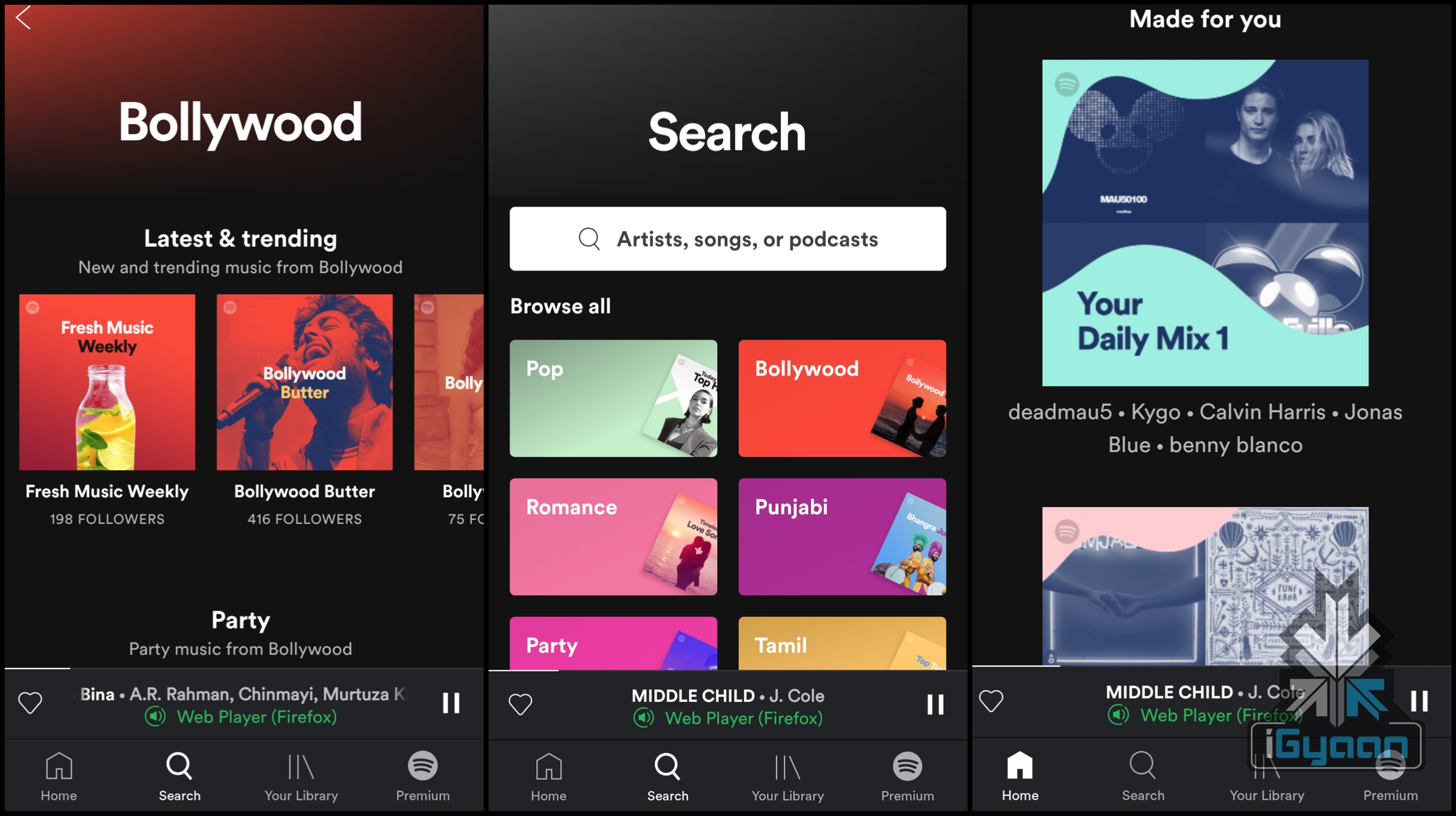
    To make it simpler, one of the first media streaming services that used this algorithm was Netflix. It analyzed a user’s rating for a specific movie and compared it with another user’s rating to find out which movie taste such users had in common. After that, it used this analysis to recommend movies to similar users. Needless to say, Netflix was hugely successful, because it “knew” what people liked and how to keep an audience hooked.

    After collaborative Filtering gained popularity, many other services started using a similar model to curate content to their users. However, Spotify’s implementation is a little different from the basic “Filtering model”. It keeps track of the stream counts of every song, the number of times it has been added to a playlist, the different types of tracks in that playlist and similar tracks by the same artist.

    Spotify uses Python libraries to keep track of the user’s preferences in its databases. Stored in the form of massive matrices, the service uses complex mathematical functions to match similar music tastes. Even remotely similar sounding music can appear on the list, which explains why people relate to unheard music at times.

    2. Natural Language Processing

    Natural language processing (NLP) is a technique that has long been used for translating human speech to machine language. A lot of websites other than Spotify use NLP to find related text across different websites, acting upon which they can implement that newfound information on their own platform. NLP holds a very high spot in the list of algorithms that are used for mining big data.

    Spotify’s NLP model extracts data from a song’s information, including its genre, artist name and album name. It then crawls the web incessantly for any blogs or articles regarding the music track and then figures out what other songs are being discussed alongside the same. It then uses this information to amaze you with a “musical” understanding, which is the foundation of the Spotify “discovery” algorithm.

    3. Audio Models

    Analyzing Raw audio models is basically Spotify’s way to ensure that new tracks don’t go unnoticed. Take it this way – taking a technology similar to Facial Recognition and applying it to soundtracks is what Spotify does. It analyzes the audio data including the wavelength, time signatures, key, tempo and loudness of a music track, and then uses the same to find more tracks with similar audio signatures. This allows the music service to detect similarities between songs and therefore, it suggests those tracks to users.
    Also Read: Pokemon Go Styled, Harry Potter Wizards United To Launch Soon

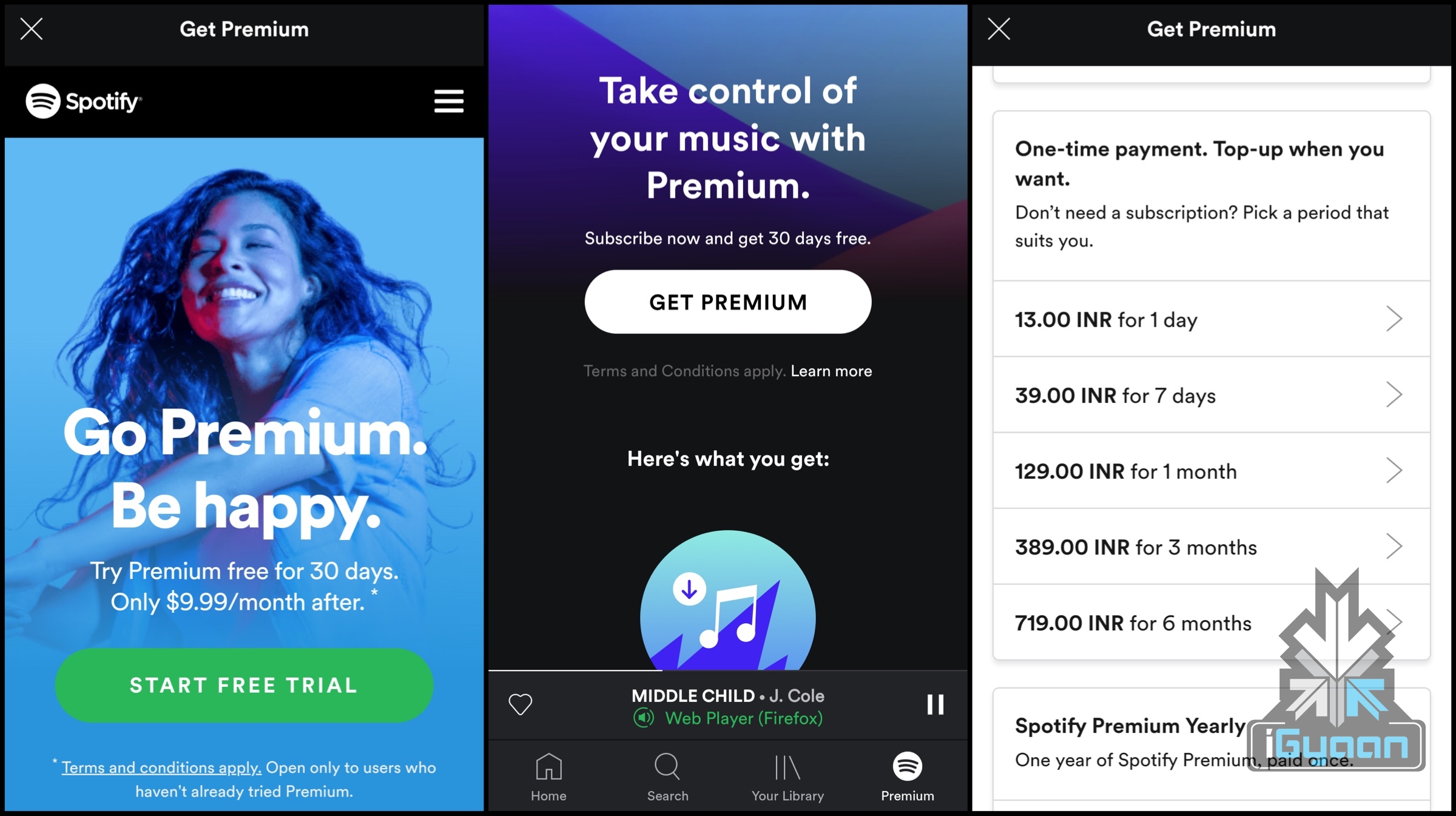
    Spotify may be similar to other music streaming applications, but it sets its ways apart by implementing a set of models that provide a much more personalized audio experience. The playlist will automatically start suggesting you songs once you start listening to music on Spotify. The application is available across all major application stores and is free to use. Users can upgrade to premium for improved music quality and offline listening capability.


  • NVIDIA GTX 1660 With 6GB GDDR5 VRAM Launched In India

    NVIDIA GTX 1660 With 6GB GDDR5 VRAM Launched In India

    NVIDIA has launched the Turing-based GTX 1660 Graphics card in India. First announced in February 2019, the GPU chip has 6 GB of GDDR5 VRAM and is a step up from the GTX 1060 GPU chip, which is based on the Pascal architecture. The 1660 series is targeted towards the mid-range GPU sector and will compete against graphics cards like AMD’s RX 580.

    GTX 1660 Features

    As mentioned before, the GTX 1660 is based on the 12th Generation Turning Architecture. The company claims that 1660’s architecture is much more power efficient than the standard Pascal architecture. The GPU chip requires 120 watts of power to operate optimally, which means that users with Generation 800 and 900 NVIDIA cards can upgrade to the GTX 1660 without upgrading their power supply unit. Taking increased power efficiency into consideration, NVIDIA claims that the GPU delivers the best performance per watt in its class.

    The GPU chip features a total of 1,408 Cuda cores with a base clock speed of 1.5 GHz and a boost clock speed of up to 1.8 GHz. NVIDIA claims that at 1080p, the chip is 35% faster than the Pascal-based GTX 1060 3GB and almost 130% faster than Maxwell-based GTX 960. The GPU packs 6 GB of GDDR5 memory with a transfer rate of up to 8 Gbps. Furthermore, NVIDIA states that the GTX 1660 is “built for streamers”, since it is optimized for Open Broadcaster Software (OBS), which is the most popular streaming software globally.

    With built-in NVIDIA Ansel, the 1660 enables users to capture high quality images in-game or create 360-degree photospheres of the same. Using NVIDIA Freestyle, gamers can use post-processing to customize the way their games look.

    Price And Availability

    Also Read: PUBG Lite For PC To Arrive Soon On Steam

    The GTX 1660 is expected to be available for purchase soon in India, however, no exact date has been stated by the company. The GTX 1660 GPU will retail Rs. 21,500 onwards.

  • Mozilla Launches Firefox Lite Browser For Android In India

    Mozilla Launches Firefox Lite Browser For Android In India

    Mozilla first launched the Firefox Lite browser in Indonesia in August 2018. With a size of under 4 MB, the lightweight Android browser was developed to provide a smoother browsing experience on budget Android devices. The Firefox Lite is actually a rebrand of Firefox Rocket which was also released in 2018 and aimed towards a privacy-focused environment. On March 13, 2019, the Firefox Lite browser was formally launched in India.

    Features

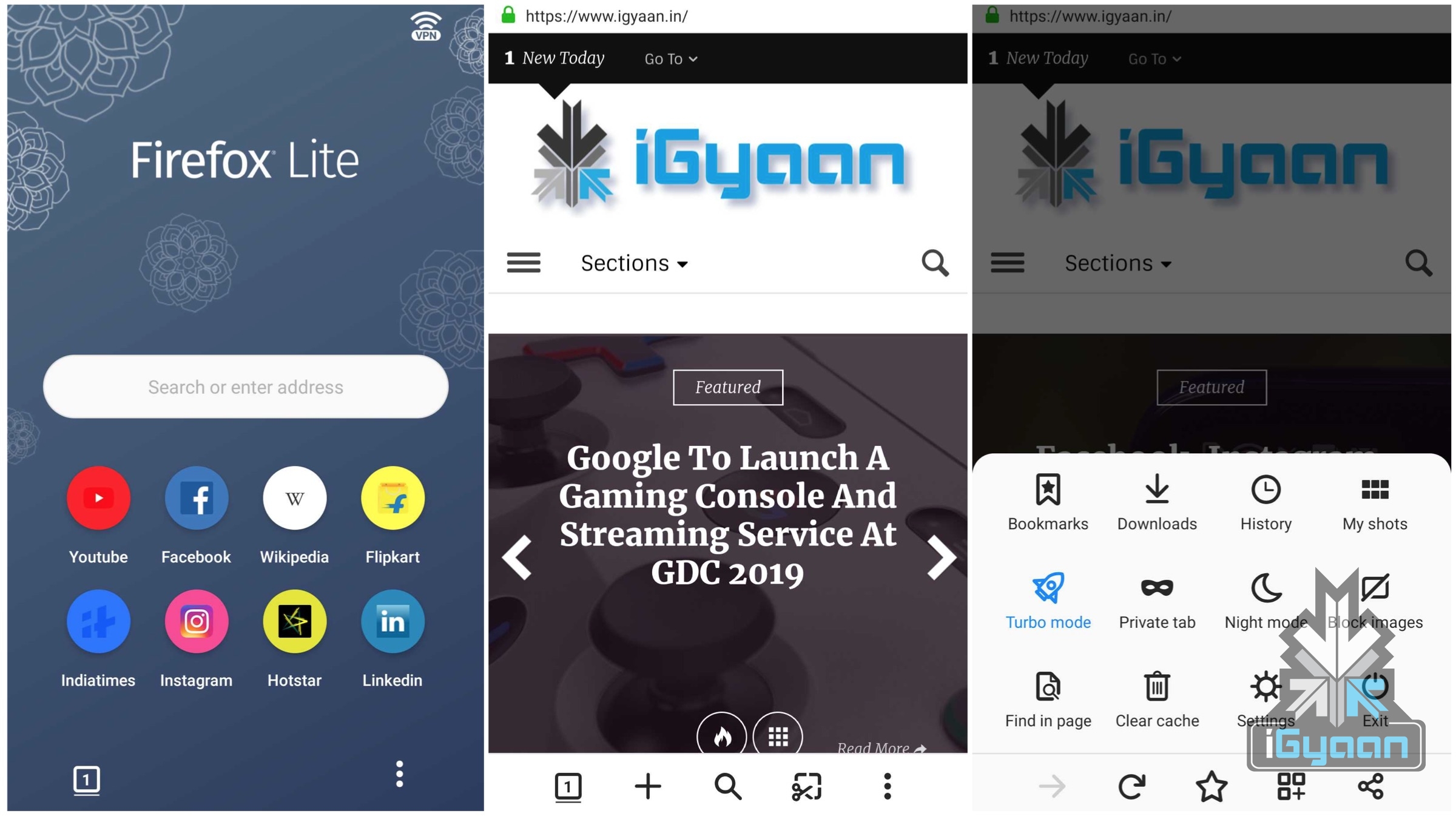
    Mozilla Firefox Lite is available with a host of features to improve web browsing in Android devices. The company claims that the “Turbo Mode” in the browser can automatically block third party ad-tracking code, helping websites load much faster and reducing overall data consumption. In addition, the browser has a night mode, a feature which is being adopted by a multitude of applications in the market. Users can also long-press the Night mode option to customize the brightness of the mode.
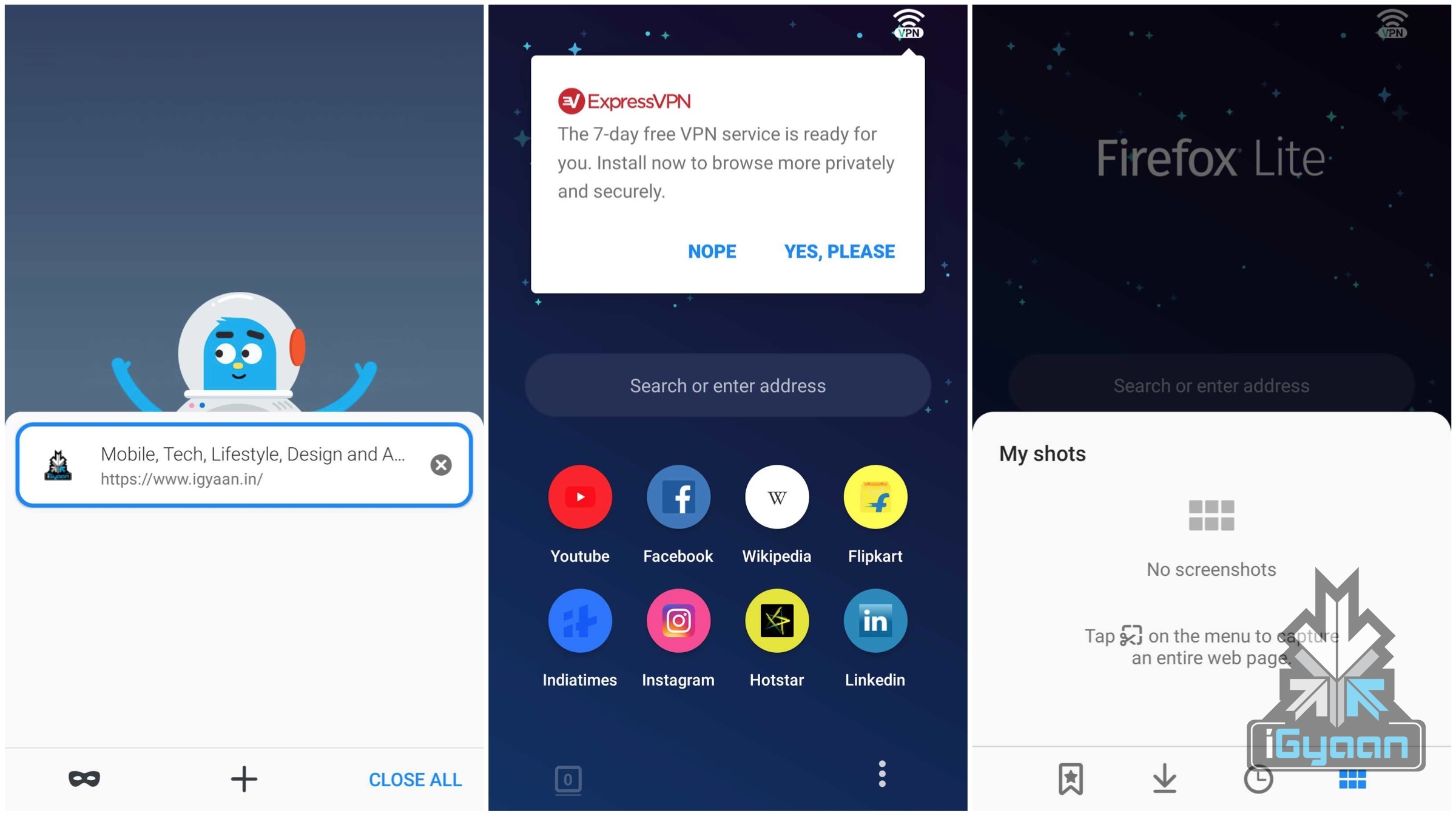
    The “Screenshot Whole Page” feature does exactly what it says. If the user wants to capture the whole webpage rather than the screen, he/she can click on the “Screenshot” button and an image of the entire webpage is saved in the “My shots” section (which is accessible via the menu bar). The image/webpage can then be viewed offline by the user or be shared with other people. 

    The browser also has an option for VPN browsing, called ExpressVPN. The plugin can be downloaded separately from the Play Store and can help users browse more privately. Noteworthy, the VPN service is free for only 7 days, after which users will have to pay for the same. Another helpful feature in the application is the “Block images” feature, which will hide all the images on the website for faster loading times.

    If users swipe up from the home screen, they can access the Live Feed which will display content related to shopping, travel and lifestyle tailored by Firefox’s latest partners in India. Companies such as DB Digital, NewsPoint and Times Internet have teamed up with Mozilla to provide customized content for the Live Feed. The company also states that it will add more partners across the country to enhance content delivery. 

    Availability

    Also Read: Facebook, Instagram, WhatsApp Down For Users Around The World

    The Firefox Lite browser can be downloaded on Android devices running Android 5.0 Lollipop or later. The application is available on the Google Play Store, and will be competing against similar light browsers such as Opera Mini and UC Browser Mini. As of now, Mozilla Firefox Lite is available in 15 Asian markets, including Bangladesh, Brunei, Cambodia, China, Hong Kong, Indonesia, Laos, Malaysia, Myanmar, Singapore, Thailand, Taiwan, the Philippines, Vietnam, and India. 

  • Samsung Galaxy A70 Passes Bluetooth Certification, Launch Imminent

    Samsung Galaxy A70 Passes Bluetooth Certification, Launch Imminent

    Samsung announced the latest entrant in the Galaxy A series, the Galaxy A10Galaxy A30 and Galaxy A50 on February 28 in India. There were reports about a possible Galaxy A40, Galaxy A60 and Galaxy A90 in the works for some time too. Another upcoming device claimed to be the Galaxy A70 has passed Bluetooth certification. This suggests that the launch of the device is imminent.

    Samsung Galaxy A70 Specifications

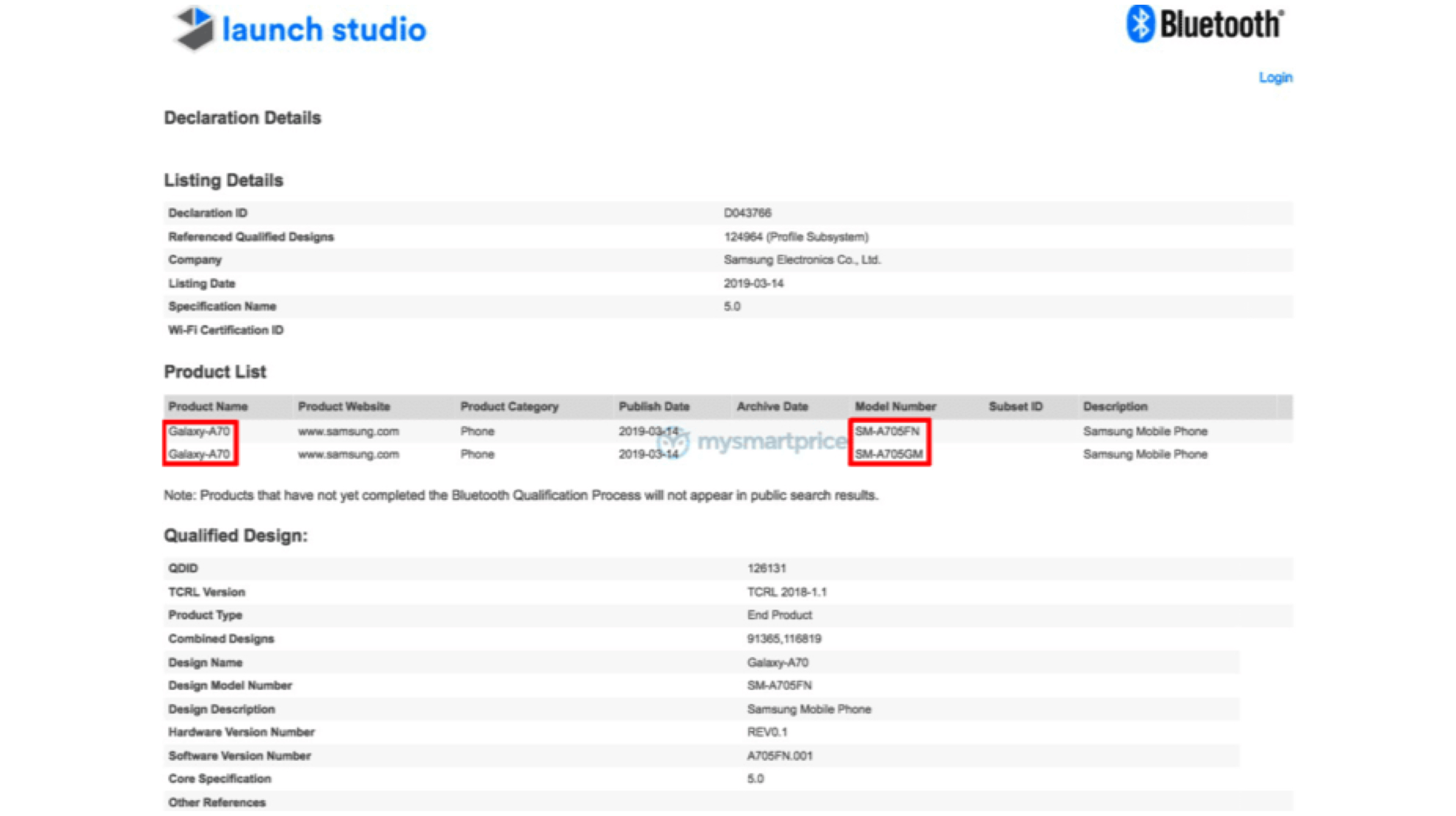
    The Bluetooth Special Interests Group (SIG) has certified two variants of the Galaxy A70: SM-A705FN and SM-A705GM. This confirms the smartphone will have support for the latest Bluetooth 5.0 connectivity on board. Unfortunately, the listing does not mention any key specifications of the device.

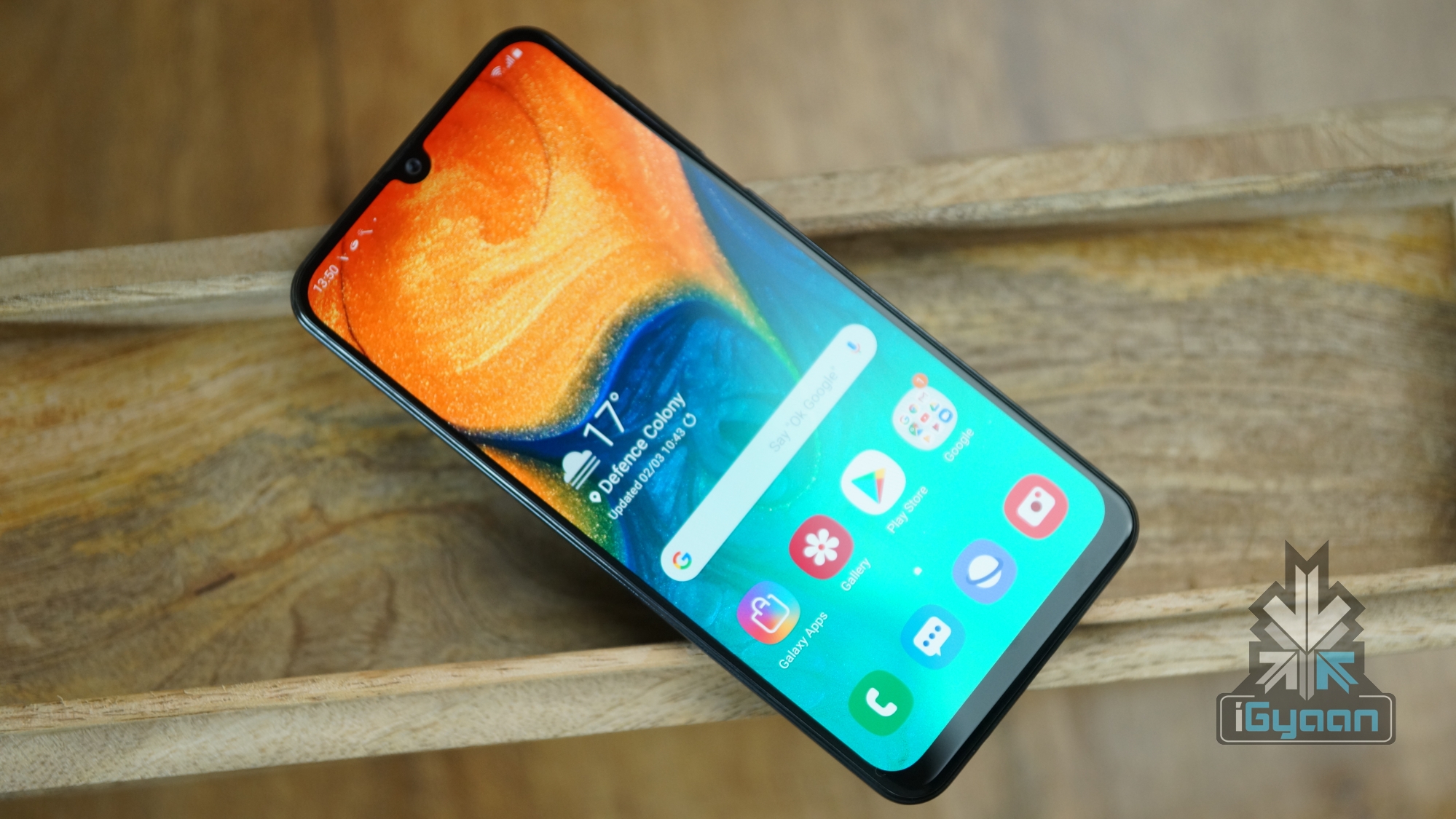
    Like the current smartphones in the Samsung Galaxy A series, the Galaxy A70 is also expected to retain the same design language. It may have the ‘Glasstic’ gradient design on the back. The leaks suggest that the device will have a 6.7-inch Super AMOLED display with minimal bezels and an Infinity-U notch on top of it. Like the Galaxy A50, it will have an in-display fingerprint scanner and will also support face unlock technology. 

    Previous reports cited that the Galaxy A70 will run on the Snapdragon 675 SoC which is manufactured using 11nm fabrication process. The chipset has an Octa-core CPU and Adreno 612 GPU. Unfortunately, no leaks regarding the optics of the smartphone have surfaced online. But like the Galaxy A50, it may have a triple rear camera setup and a single selfie camera housed in the Infinity-U notch. For memory and storage, the Galaxy A70 may be available in the following variants:

    • 6GB RAM and 128GB ROM
    • 8GB RAM and 128GB ROM
    Pricing and Availability

    Also read: Samsung Launches New 12GB RAM Modules For Future Smartphones

    While there is no official confirmation on the launch date of the Galaxy A70, the Bluetooth certification suggests that it may launch in the following weeks. Reports also suggest that it may launch for Rs 29,990 for the base variant and Rs 32,990 for the version with 8GB RAM and 128GB of internal storage.

  • Samsung Launches New 12GB RAM Modules For Future Smartphones

    Samsung Launches New 12GB RAM Modules For Future Smartphones

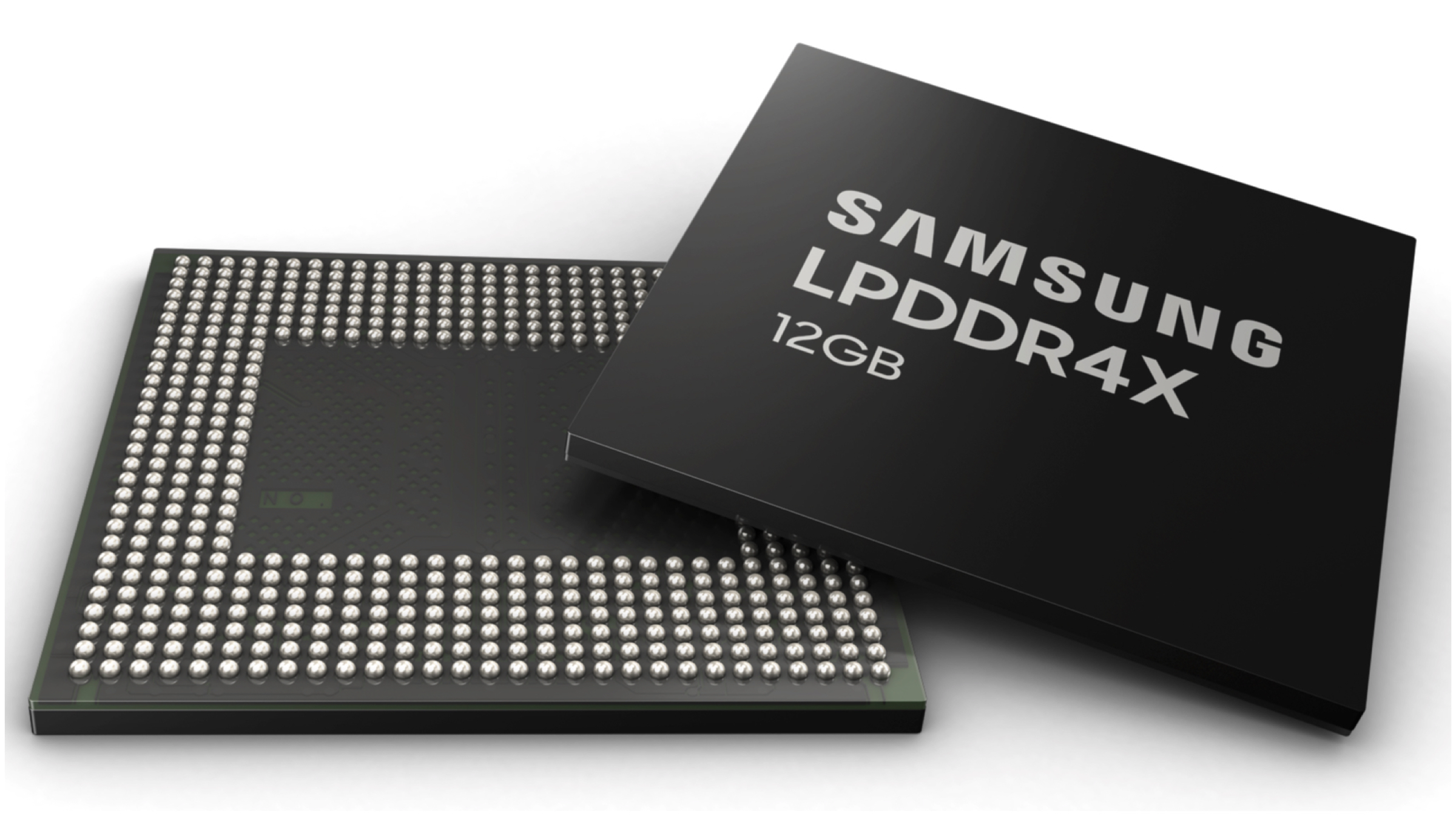
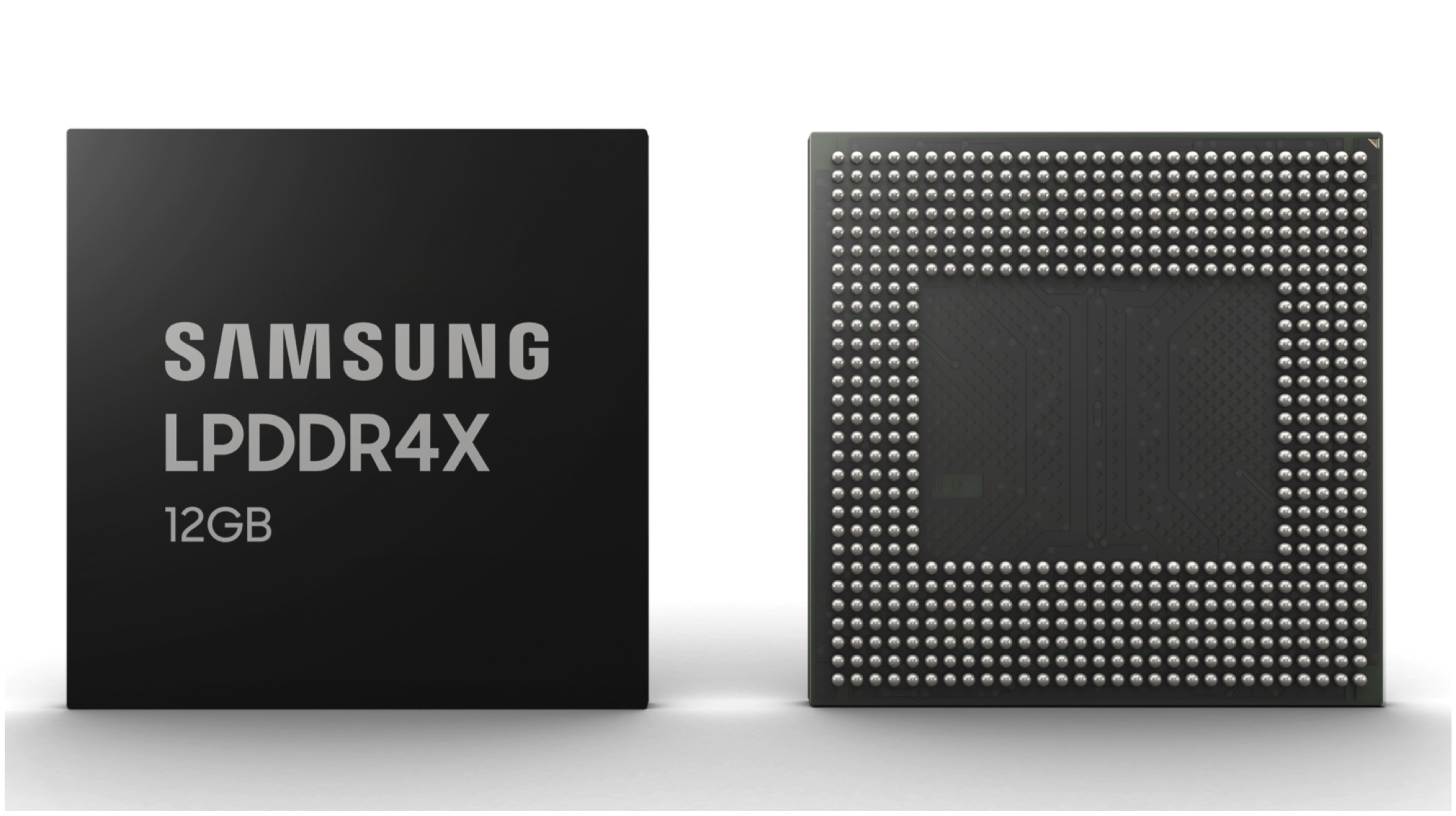
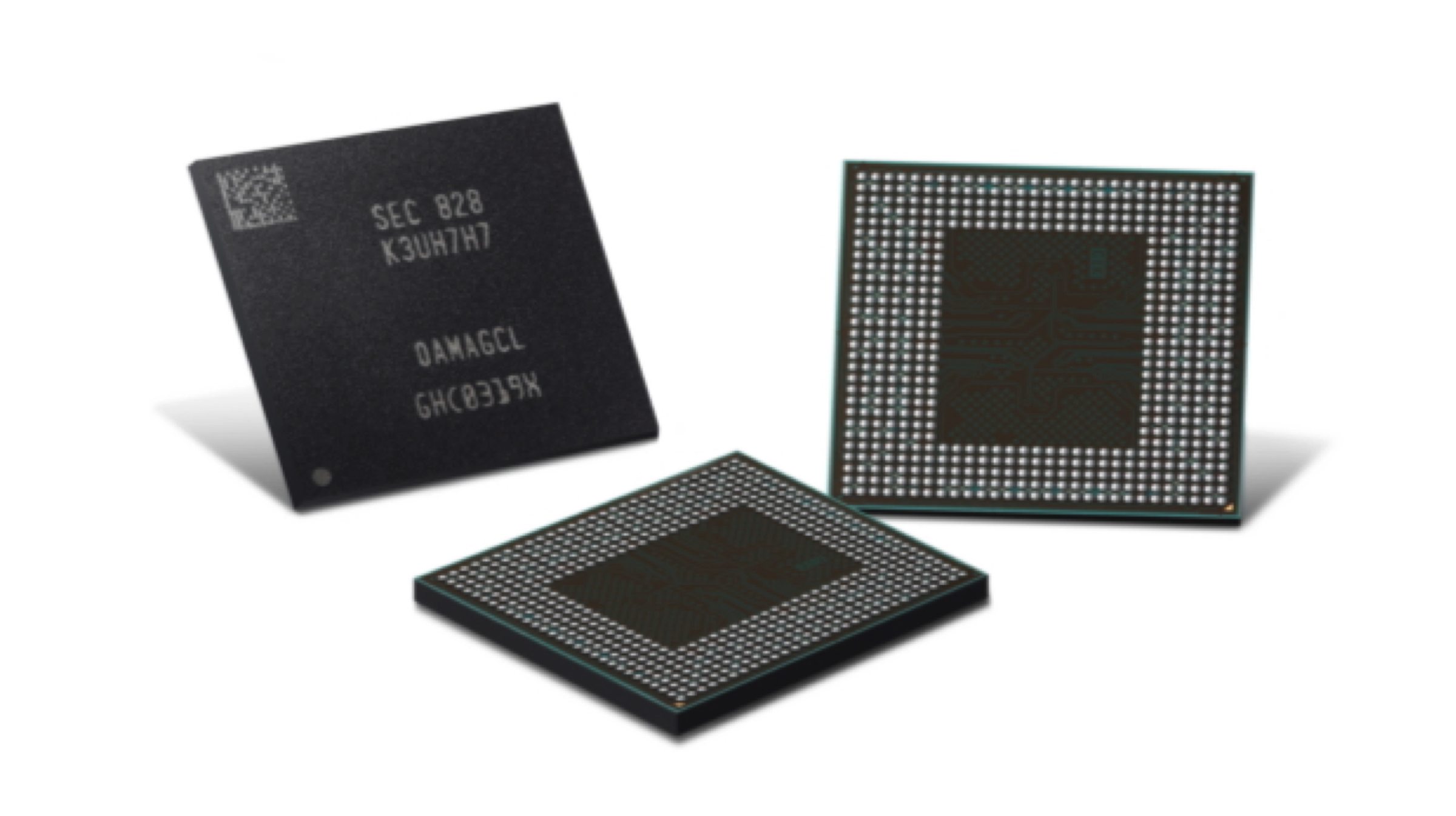
    Samsung Electronics has announced today that it has begun the mass production of the highest capacity of mobile Dynamic Random Access Memory (DRAM) currently available. It is the first 12GB Low-Power Double Data Rate 4X (LPDDR4X) RAM which is made for future smartphones. According to the company, the new product will enable users to take full advantage of all the features that are expected to arrive in the next generation of smartphones.

    Samsung 12GB LPDDR4X Mobile DRAM

    With the new 12GB LPDDR4X mobile DRAM module from Samsung, the company aims to maximize the potential of devices that feature more than five cameras. It will also help with the ever-increasing display sizes on devices and will boost Artificial Intelligence and 5G capabilities in smartphones. More RAM, in general, signifies better multitasking and faster operations in the device’s UI. Samsung claims an industry leading 1.1 millimetres thickness of the DRAM module, which may lead to slimmer smart devices featuring the technology.

    The new 12GB LPDDR4X mobile DRAM module is manufactured using a 10nm fabrication process. According to Samsung, this is achieved by combining six 16-gigabit (Gb) LPDDR4X chips based on the second generation 10nm process into a single package. This new module is thus capable of data transfer rates of up to 34.1GB per second. It also claims that the new technology reduces power consumption, making smartphone batteries last even longer.

    Also read: Huawei Patents Smartphone With Second Display And Periscopic Camera

    Notably, the only products in Samsung’s current lineup with 12GB of RAM are the Galaxy S10+ Ceramic Edition and the Galaxy Fold foldable smartphone. However, both the devices use a different technology than the aforementioned one. The mobile DRAMs inside them is manufactured using a 20nm architecture, instead of a 10nm one found in the latest generation. The new 12GB RAM standard, along with the recently announced 512GB UFS 3.0 storage will be seen in devices starting next year.

  • Twitter Camera Makes Sharing Photos And Videos Easier

    Twitter Camera Makes Sharing Photos And Videos Easier

    Popular microblogging service Twitter has announced the latest feature to its smartphone application. Called Twitter Camera, this enables users of the app to share pictures and videos instantly with their followers. The feature will be released in phases for users of the Twitter app for Android and iOS. The company announced the rollout on its official Twitter handle.

    Twitter Camera

    https://twitter.com/Twitter/status/1105815777616191489

    The new Twitter Camera can be accessed from within the official application by swiping left from the home screen. It reveals a similar layout to the Facebook camera, a rival counterpart of the feature. With the new addition, users can now click a picture by tapping the shutter button on the bottom. A long press of the button will record a video, which again can be shared instantly. Another option on the bottom right reveals a ‘LIVE’ button, which, as the name suggests, allows sharing live videos. There is also a flash toggle and an option to switch cameras on the top right corner.

    In the new Twitter Camera, sharing the media from the app will also look different than before. Instead of the text being on top and important elements of media hidden away; the new update will make the media stand out on its own. The text embedded in the tweet will be shown below it and the size of the tweet will also be substantially larger.


    Notably, the Twitter Camera feature draws heavy inspiration from Instagram, Facebook and Snapchat, which also allows similar content sharing technology. However, the latter applications have additional features like AR stickers and hands-free recording. Twitter hasn’t announced what new features it will incorporate in the future, but it may add the aforementioned functionalities in later versions of the app.

    Also read: Facebook, Instagram, WhatsApp Down For Users Around The World

    The new Camera feature on the Twitter application is one of the biggest updates the microblogging website has incorporated on its platform. This move is seen as a reply to the ever-increasing hold of rival services.

iGyaan Network
Privacy Overview

This website uses cookies so that we can provide you with the best user experience possible. Cookie information is stored in your browser and performs functions such as recognising you when you return to our website and helping our team to understand which sections of the website you find most interesting and useful.