Tag: patent

  • Google’s New Smartwatch Patent To Use Your Skin As A Touchpad

    Google’s New Smartwatch Patent To Use Your Skin As A Touchpad

    Smartwatches are what define the dawn of a new era for wearables. You can now text, set reminders, track your health and do much more, just with a tap on your wrist. While most of the smartwatch makers focused on making sure that they can squeeze in as many features as possible into a tiny space. Google is thinking outside the box and more importantly, outside the watch.

    That’s right, Google now plans to let you use you skin as the interface to control your smartwatch. If it comes through, this will be the most revolutionary smartwatch in the market, without any doubts. We do not know if the technology to make this happen is in place or whether Google plans to develop this as they go along. However, the patent is quite descriptive and explains almost everything there is to know about the possible design.

    A ‘Personal’ Touch
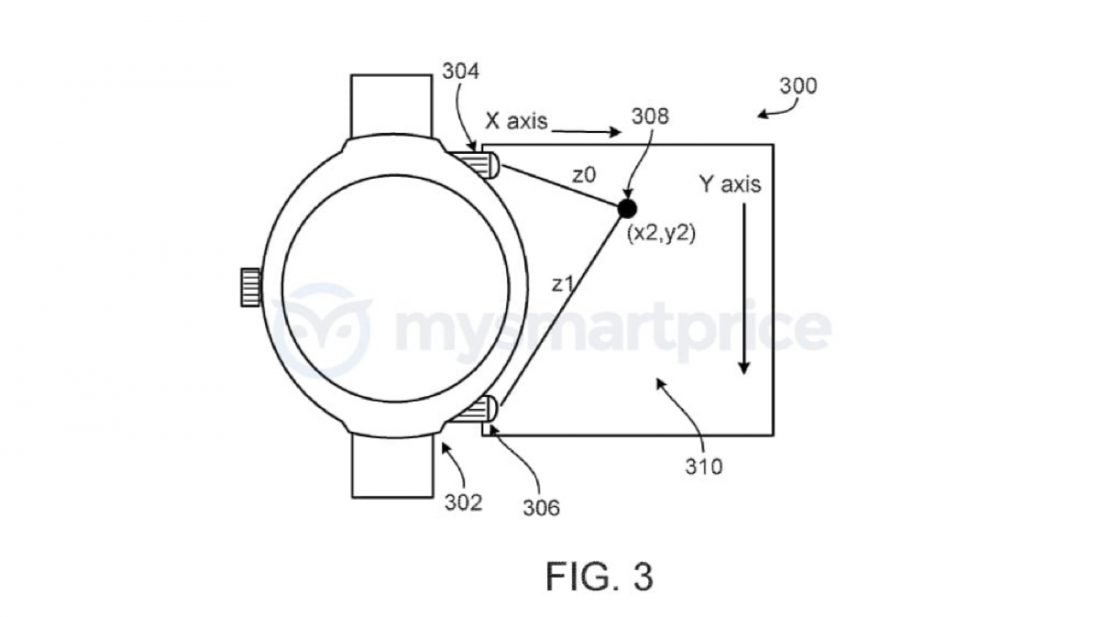
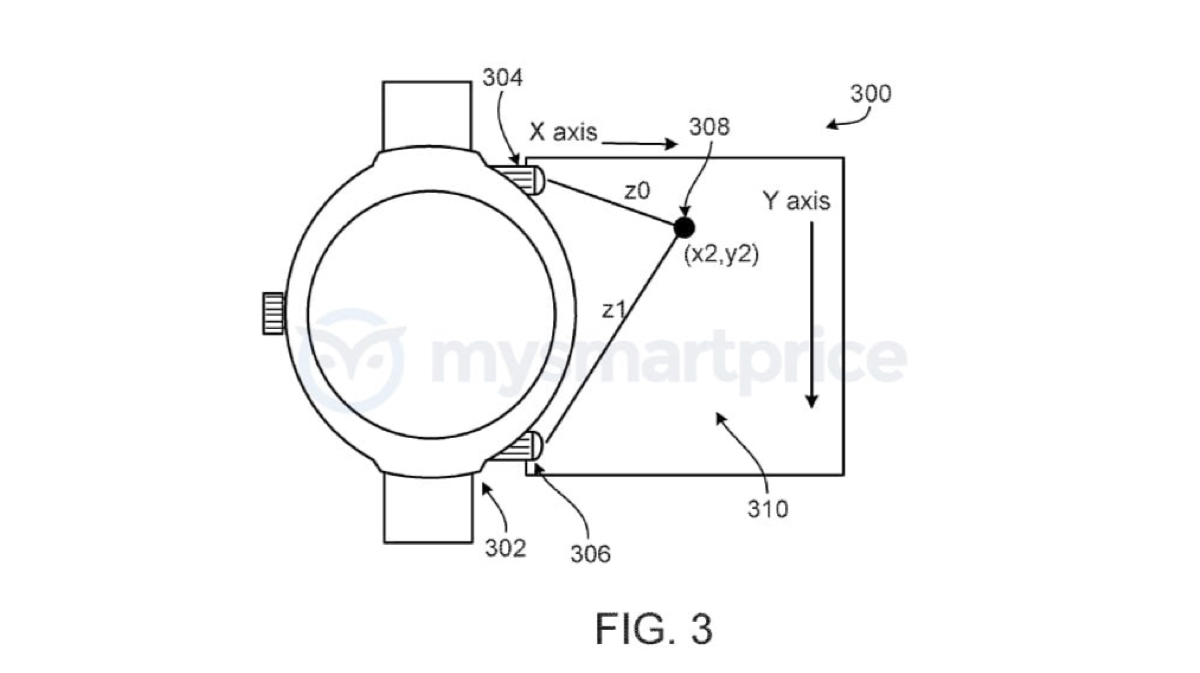
    The entire technology is titled as ‘Gesture Based Small Device Input’ and has a load of other features under it. The main focus of the patent is to ensure that the user is able to interact with the smartwatch. Without causing an obstruction to the really small display present on it. It plans to use your wrist, forearm and even the back of the hand to do so. However, the bottom line is, it will let you use your finger as a stylus to be used on your skin adjacent to the smartwatch. 
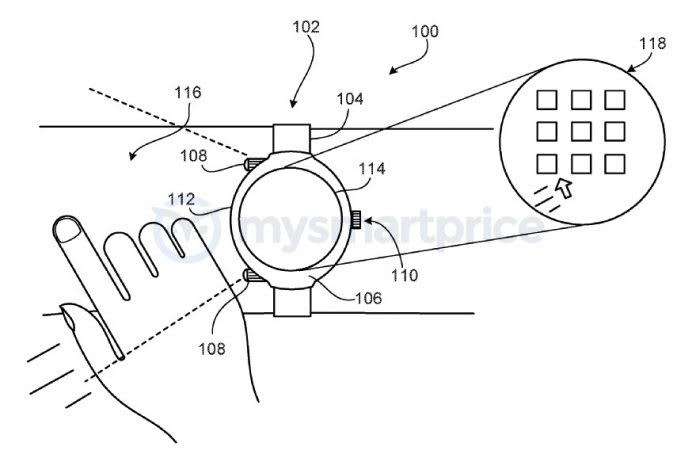
    The patent details a lot of ways to help make this become a reality. It will use sensors, in pairs, to figure out an approximate of your finger’s position relative to each sensor. And it will determine what the gesture is being used for. These sensors will include ultrasound based implementations to deliver almost instantaneous data. It will also use photo-diodes and some low cost CCD or CMOS cameras along with a light emitting diode. This is quite similar to the technology employed by the common optical mouse to read movement data.

    Sources claim that the optical mouse type of system will be the primary sensors to track your hands while the ultrasonic sensors will provide additional data specially in conditions with lower lighting. Another interesting fact is that these sensor can be set up on either sides of the smartwatch. This will allow you to use either sides to control the watch. The patent also mentions the implementation of a QWERTY keyboard which will be projected or superimposed on to your skin for a better typing experience.

    Also ReadNokia 7.1 Launched In India For Rs 19,999

    The Future

    If this technology actually comes into production, it will be the start of a new era for smartwatches, with an extremely increased usability experience. With users not being limited to small keyboards and cramped up displays, the future of smartwatches looks exciting!
  • Samsung Patents Design For Folding Phone With Dual Displays

    Samsung Patents Design For Folding Phone With Dual Displays

    Samsung has been on a patent-filing spree recently. From in-display cameras to an entire display which doubles up as the fingerprint scanner, they’ve got it all covered. Recently, one of Samsung’s long pending designs, that of the folding phone. The folding phone was shown by the company at the Samsung Developer Conference held earlier this month and the device is expected to enter production in the early parts of next year. Now, Samsung has patented a folding dual display smartphone, quite different form the existing foldable phone.

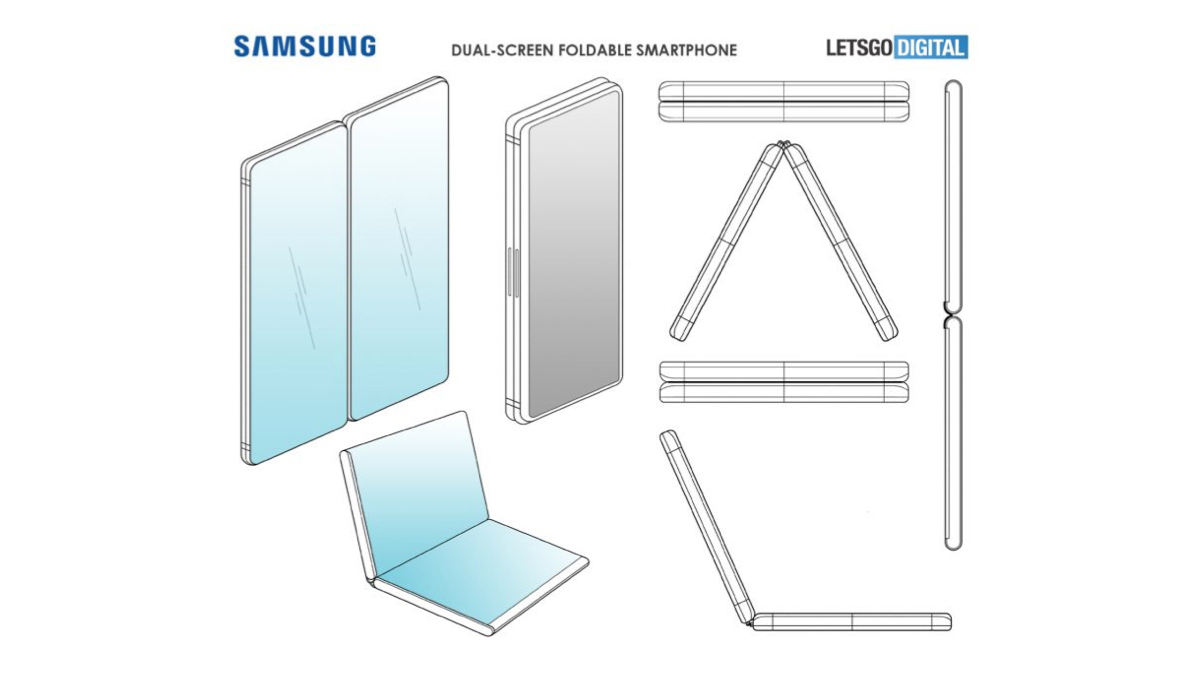
    The patent for this new phone was filed early this year, in May. It has now been published and describes a smartphone with two separate housings. Each of these have an almost full-sized display. While the design of the foldable was shown, it has many variations compared to this patent. The new patent lists two full sized screens which work independently. The foldable phone can either be used as a smartphone when folded or as a tablet when opened fully. Android is also developing a separate OS for the device, to help support it better.

    The Patent

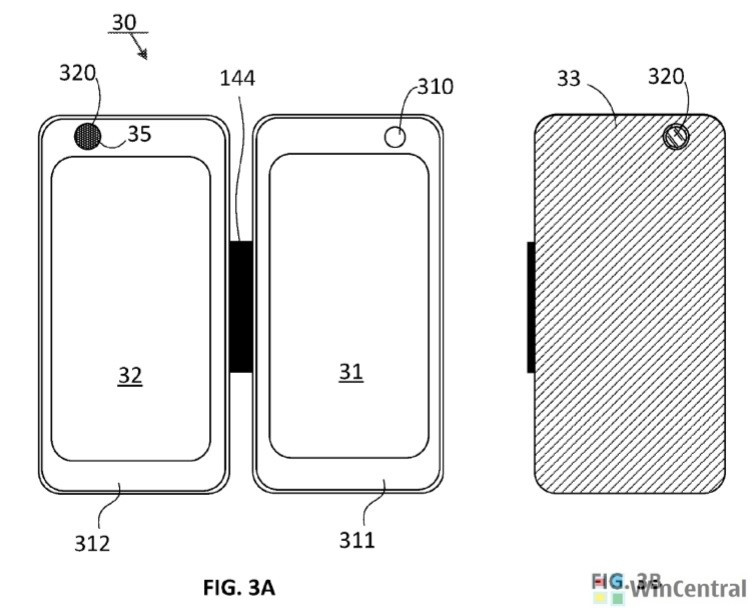
    The two display housings are independent of each other and area pulls together by the means of a magnet. You can also fold the device in a way to have both the displays facing outside. The patent describes the phone to be extremely versatile in terms of functionality and lists some of its functions. Data such as the time, status bar, battery and signal strength are shown on the left display. You can also use this screen to display a keyboard, while the content is shown on the other display of the phone.

    The smartphone also has two cameras. Additionally, a camera, flash and speaker are also placed on the front of the phone. The display on the left also has a camera, lighting sensor and a proximity sensor. Additionally, the phone will also have an audio jack which will be placed on either the top or the bottom of the phone. The volume and power buttons are placed on the right side of the display.

    Also ReadLenovo Z5s Hands On Images Reveal Camera Cutout In The Centre

    While the concept is pretty impressive, we are not sure whether this phone will make it into production. It is however possible that Samsung may take some cues from this and apply it to their other phones.

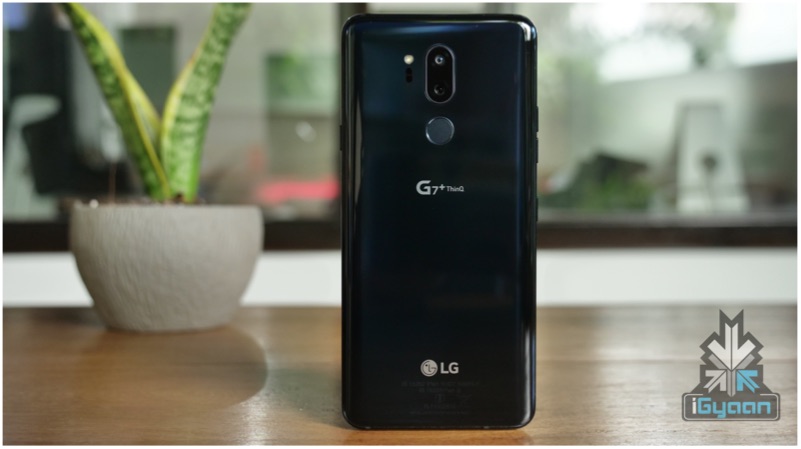
  • LG Patents Phone With A Whopping 16 Camera Lenses

    LG Patents Phone With A Whopping 16 Camera Lenses

    In the past couple of years, dual cameras have become a norm. In fact, it is one of the identifying factors of a modern smartphone. Some companies have taken this a step forward by introducing a triple camera setup, and now Samsung has introduced a quad camera phone. Nokia is ready to one-up all of these with their penta camera Nokia 9 PureView. But nothing could have prepared us for this latest patent by LG. A smartphone with 16 camera lenses!

    16 Camera Phone

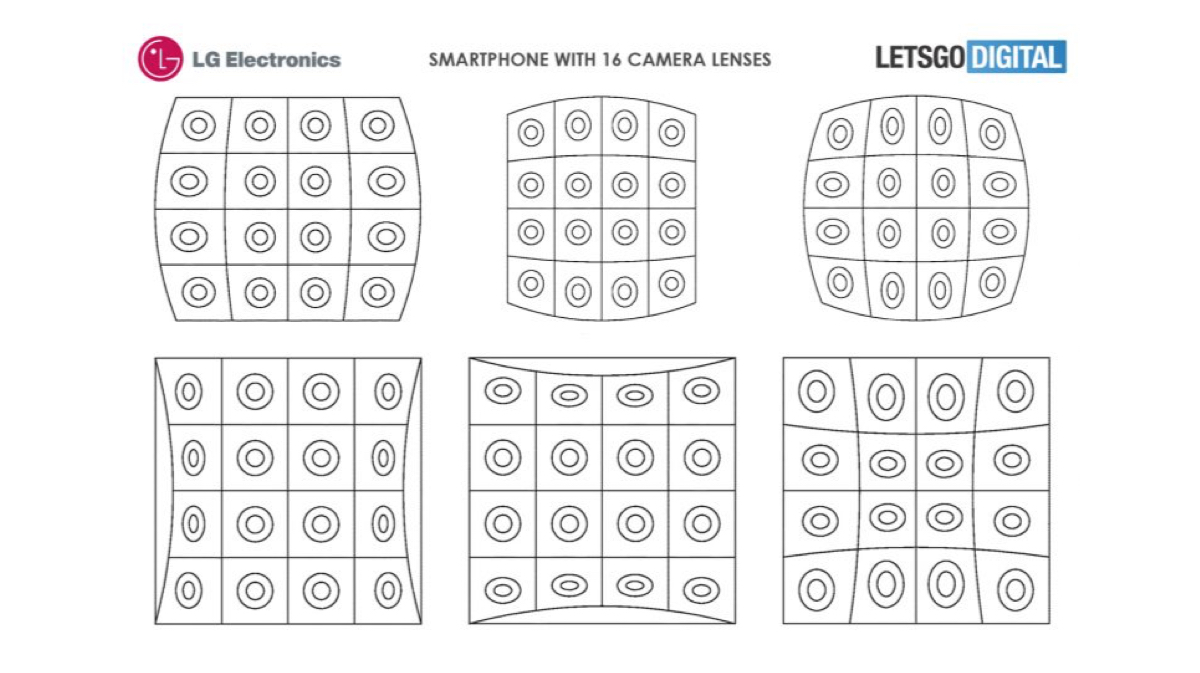
    The new ‘hexadecimal’ camera setup looks as weird as it sounds. The images in the patent look like something out of a board game. The patent is with the USPTO (United States Patent and Trademark Office). It explains the design for a mobile terminal and control method for the mobile terminal. Describing a smartphone with 16 lenses in a matrix setup, it also tells us about its functionality.

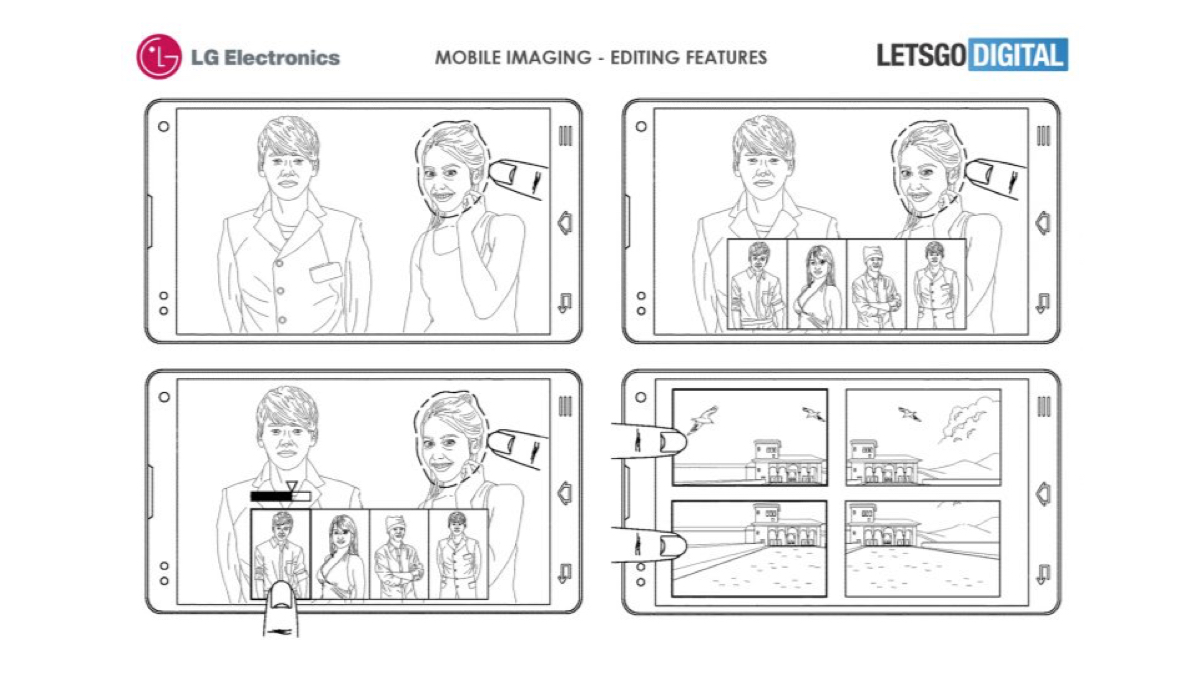
    The lenses are set in a curve, allowing for more features. This allows you to take images from different angles, and use any of them as you please. For example, you can either use all the lenses at once to take the image, and then choose the best out of those. Conversely, you can just choose any one lens as well, depending on the situation you are using it in.

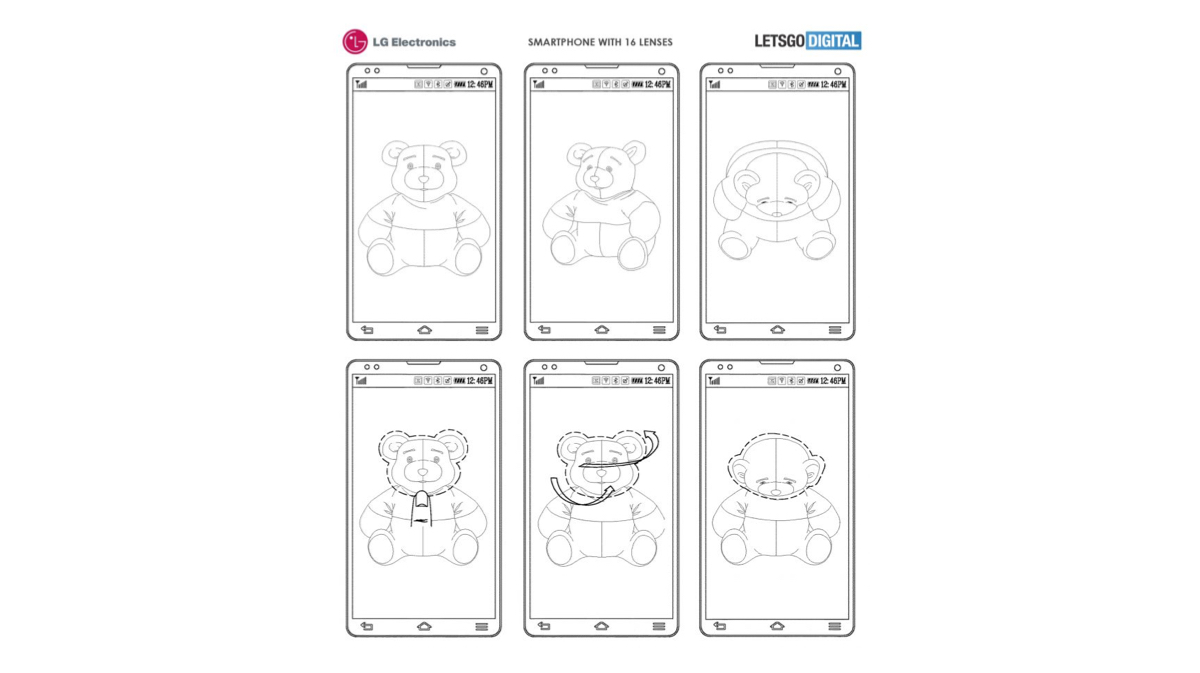
    Another very interesting feature detailed by the patent is the possibility to combine multiple images into one. You can cut out a part of the image, and replace it with an image taken by a different lens, which gives you another angle. The smartphone also allows you to combine several parts of different photos to make an image. You can also select the head of a person or an object, and even turn it around or replace it with a head from another image.

    What’s More

    Another interesting aspect is the mirror on the back of the phone. According to the patent, you can use the mirror to take a self-portrait using the main camera. This will result in higher quality selfies. But the patent also explains that the phone will still maintain a front camera, as the image from the main camera will be large in terms of size and can sometimes be difficult to share. It will also aid in making video calls.

    Also ReadNokia X7 To Soon Launch In India

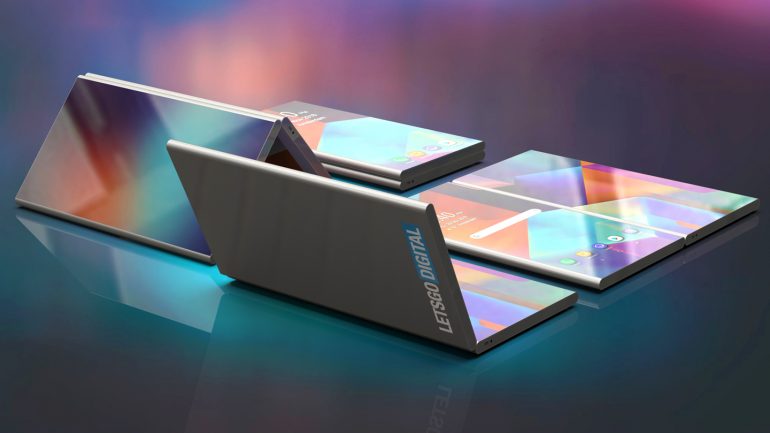
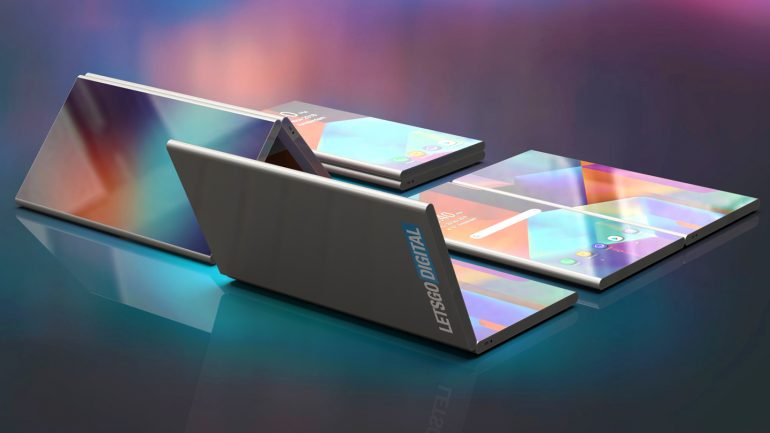
    There is also a possibility of the smartphone integrating a touchpad/ display at the rear. The back of the phone also has a speaker, giving the user a stereo sound effect. Additionally, the patent also details that the this can be used in a foldable phone and a flip phone as well.

  • Huawei Gains A Patent On A Foldable Smartphone Design

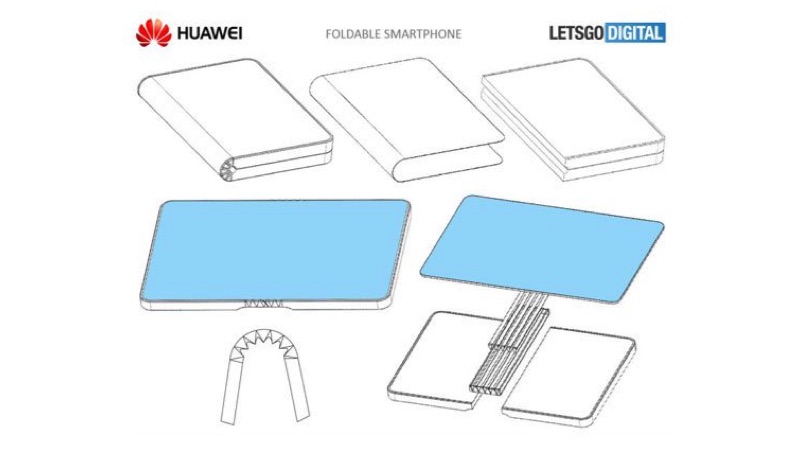
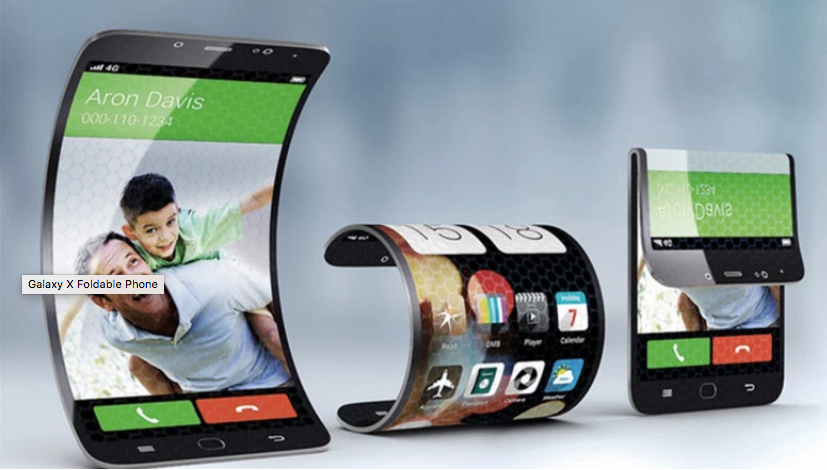
    Companies like Samsung and Apple have started working a smartphone with a foldable display. In fact, the Samsung Galaxy X could be the first smartphone to feature this technology. And now, Huawei filed a new patent on a smartphone with a foldable display technology. Having a foldable display on a smartphone will offer a compact form factor with a large screen real estate.

    Foldable smartphone

    Foldable Smartphone Technology

    This new patent from Huawei has a similar mechanism, that is found on the Microsoft Surface Book. The smartphone is will have similar dimensions as of a standard smartphone. Unfolding the device will offer a bigger tablet-like screen. This also means that the fingerprint sensor will be built on to the display, similar to the Vivo X20 UD.

    Having a foldable design also means that, the device should have a foldable display. Though companies like Samsung has already achieved an OLED panel with foldable display, can this withstand the day to day usage? This design mechanism might affect the battery life and durability of the smartphone as well. As this is just a patent filing, the technology is still at a nascent stage and still needs additional fine-tuning.

    A smartphone with a flexible display, glass is still a long due. However, considering the progress happening in the smartphone industry, these smartphones could hit the market sooner than we expect. Considering all these technical difficulties, smartphones with a foldable display could see its daylight in CES 2020.

  • The Samsung Galaxy X Might Have Some Competition

    The Samsung Galaxy X Might Have Some Competition

    AI and foldable phones are touted to be the new rage in the smartphone industry. The Samsung Galaxy X has long been rumoured to be the first consumer-friendly foldable smartphone. But, if a new report is to be believed, the Galaxy X might have some competition from an unlikely source. Microsoft might be working on a foldable Surface phone that will compete directly against the iPhone, the Pixel, and the Galaxy S series.

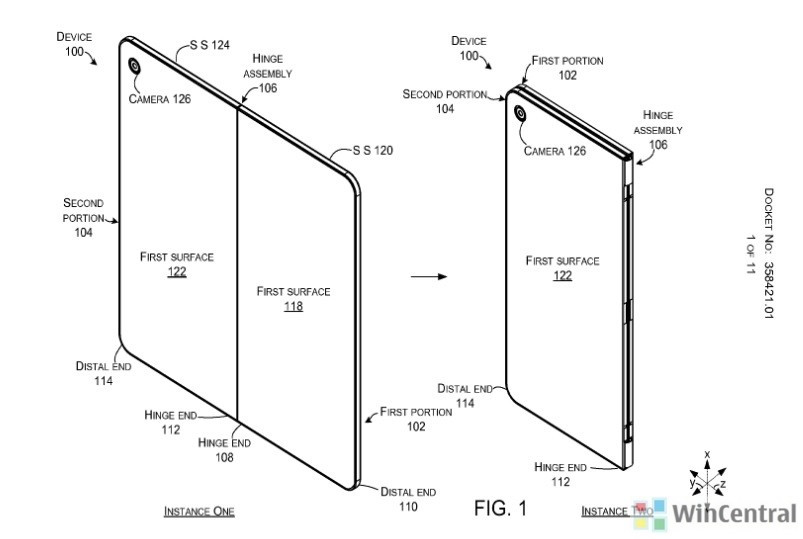
    This news is surprising since Microsoft recently shut its mobile business. However, a blog has kept a track of Microsoft’s activity and recently came across a few patents which might suggest that the mythical Surface phone might be real after all. As seen in the image below, the design of the foldable phone looks awfully similar to a Samsung patent recently unearthed and the ZTE Axon M.

    However, there is another patent to go with it which looks far more convincing and futuristic. The image below describes how a foldable Surface phone should function.

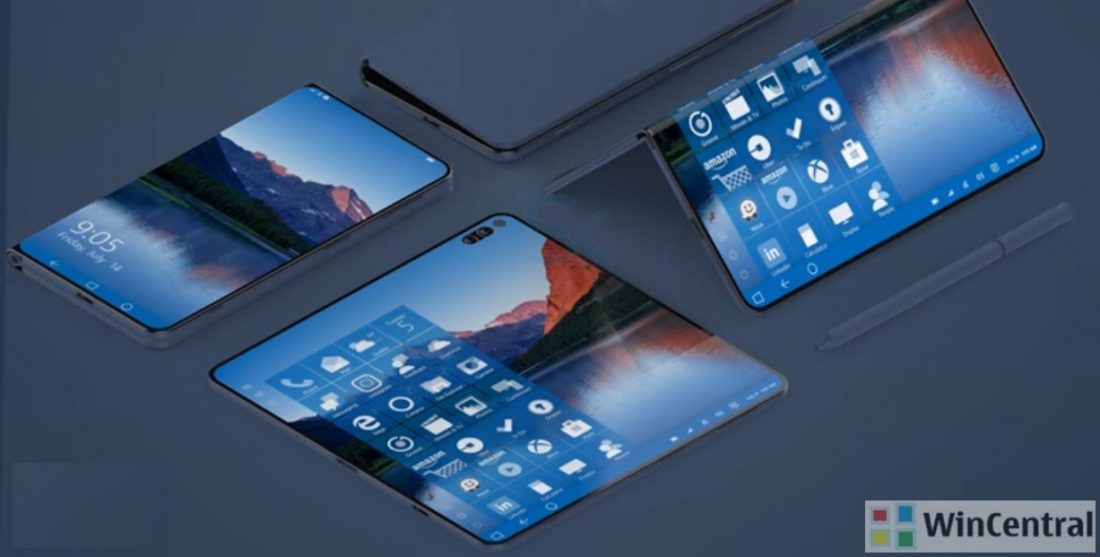
    Now, here’s what that patent design would look like after a screen on it:

    In addition to these images, the same source claims that the Surface Phone will be Microsoft’s revival of the Courier foldable tablet. The device will run an “Andromeda” OS or a custom version of Windows 10. It’ll also be stylus-friendly and may be built on top of Qualcomm’s Snapdragon 845 platform. As for the overall size, each screen will apparently be slightly larger than 6 inches.

  • LG G7 To Have An Enhanced Iris Scanner

    LG G7 To Have An Enhanced Iris Scanner

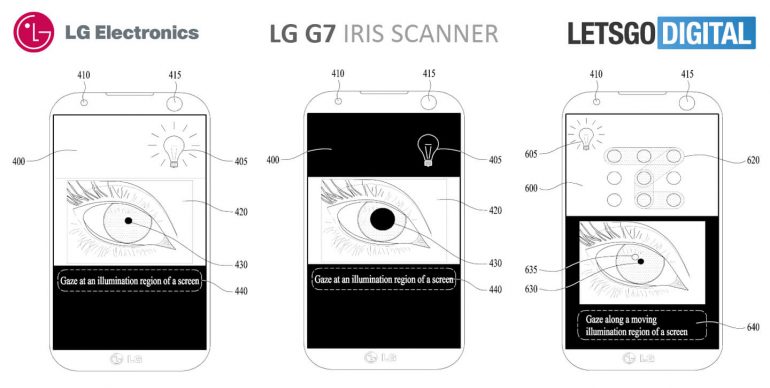
    The LG G7 is the next flagship smartphone that the company will launch early next year. A LG patent has been discovered which reveals that LG is preparing an advanced iris scanner that might arrive in time for the launch of the LG G7. The iris scanner is supposed to be secure enough to not just unlock the device but, also protect sensitive information such as bank account details to rival Apple’s Face ID.

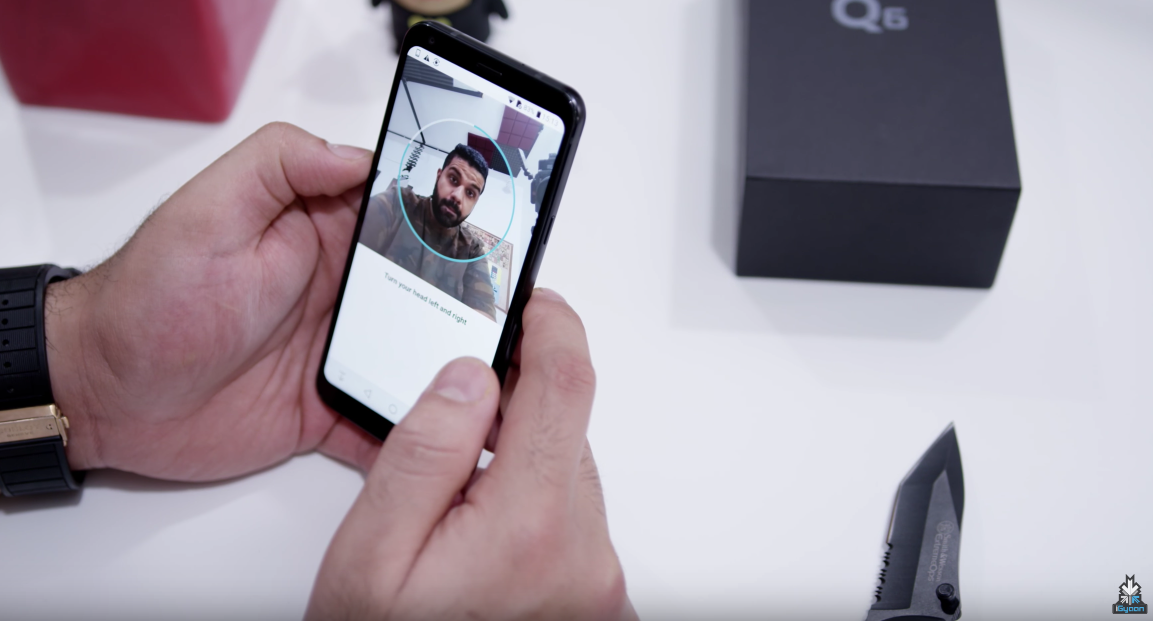
    The iris scanner checks the biometric characteristics of the eye and sets up with a light screen and a dark screen, since the iris changes in size, depending on how much light gets to it. Then the sensor will check what are you looking at and if you are the owner of the phone, the sensitive app will be available for opening.

    Iris Scanners normally work with infrared light but, LG has developed a camera which can switch from infrared to a regular one. This means that there will be fewer sensors which will lead to a smaller bezel on top which means no more notch.

    There isn’t much know about the LG G7 except the fact that it will launch close to the Samsung Galaxy S9 which means that similar to 2017, it will be powered by a year old chip while the Galaxy S9 will have the new and improved Snapdragon 845 unless circumstances change in 2018.


  • Apple Pulls All Withings Products from Stores, Following Patent Suit From Nokia

    Apple Pulls All Withings Products from Stores, Following Patent Suit From Nokia

    Apple has pulled all products on sale by French company Withings, which is now a owned subsidiary of Nokia, following the recent patent suit by Nokia.

    The new suit comes five years after the initial case against Apple by Nokia, which was settled, following a series of hearings. The new suit filed by Patent asserting entities or PAEs on behalf of Nokia, has caused a stirrup in the tech community. Following the news Nokia’s shares fell by 5% the next day, as investors feared a long expensive legal battle that Nokia does not have the power or finances to fight.

    The new lawsuit covers covers 32 patents, including display, user interface, software and video-coding technology, alleged to be used by Apple without payment of fees to Nokia.

    The Lawsuit has lead to Apple removing all products on sale by Nokia owned Withings, a company that sold heat equipment and connected hardware. Apple has removed all withings products including the “Body Cardio Scale’ and ‘Wireless Blood Pressure Monitor, from all retail and Online Apple Stores globally.


  • Apple May launch a Curved Screen iPhone in 2017

    Apple May launch a Curved Screen iPhone in 2017

    With the iPhone 7 (or is it the iPhone 6SE) launch just around the corner, A report from the Nikkei Asian Review, with ties close to Apple is claiming that the largest tech company in the world is working on what may be a curved screen iPhone for 2017.

    If read correctly, the report claims that Apple will launch a total of three phones, a 4.7 inch and a 5.5 inch flat phone along with a 5.5 inch device with a curve. This would be especially similar to the Samsung strategy of the curved phones since the Note Edge in 2014.

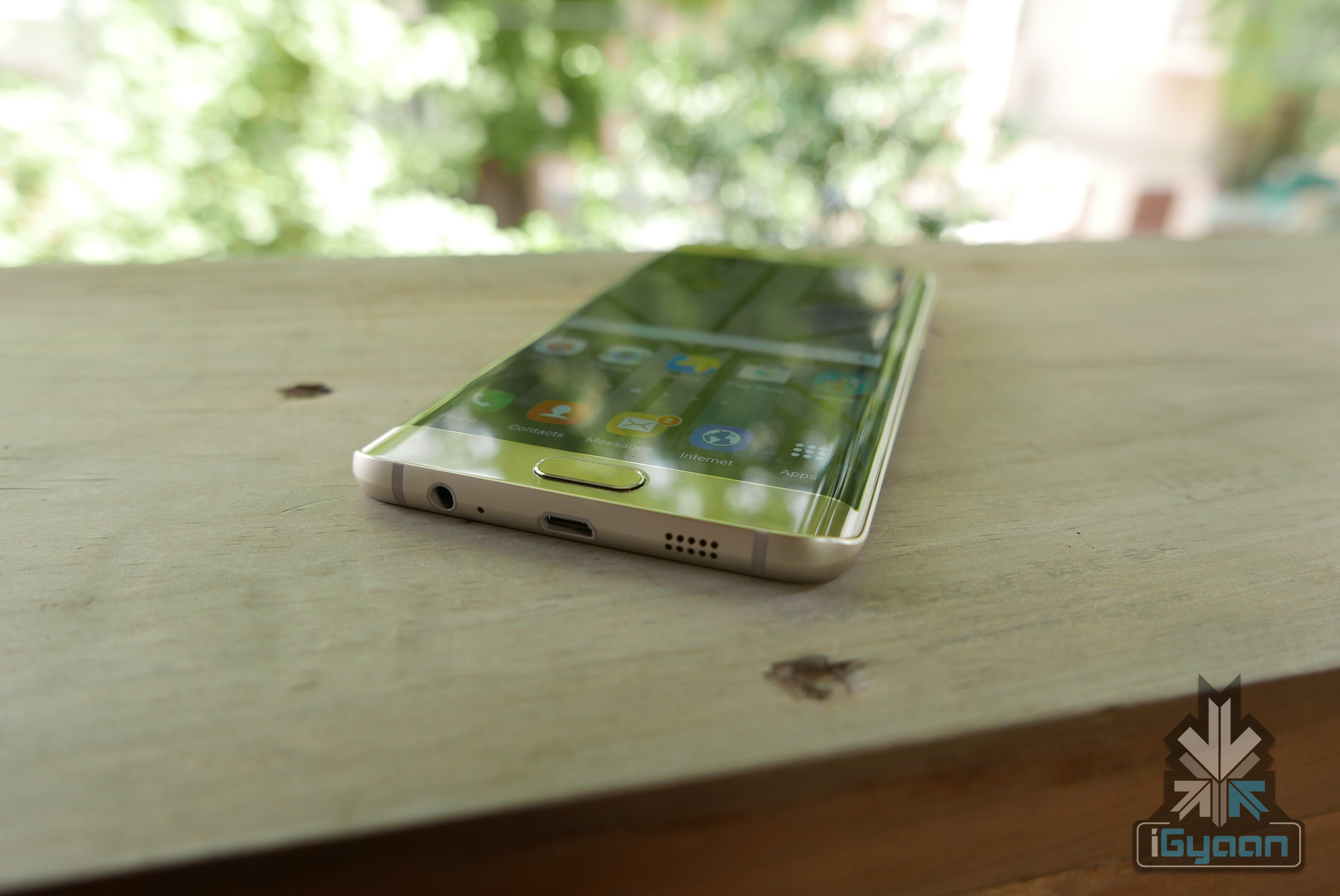
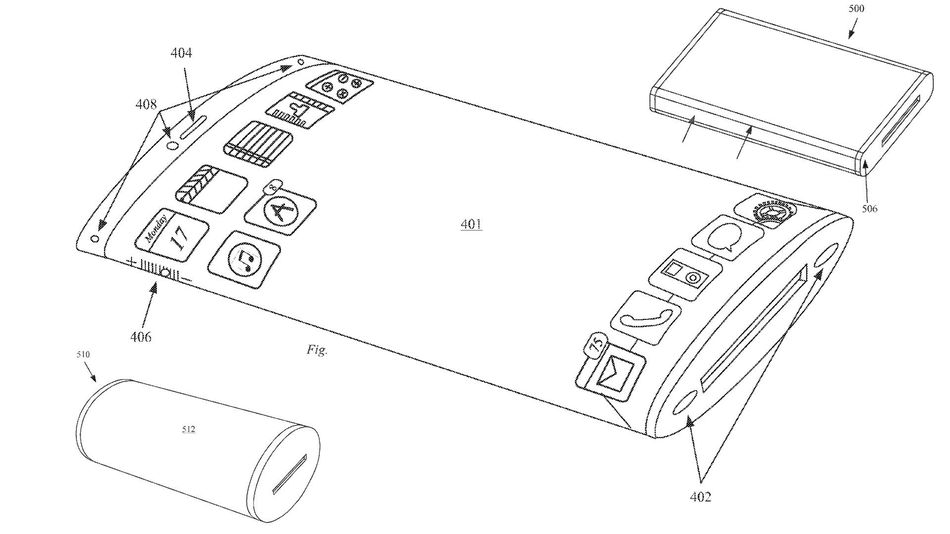
    This rumour is further detailed thanks to a patent that has been granted to Apple for a curvy phone.No further details of the smartphone are yet available. It also seems that Apple may need to switch to either OLED display from Samsung or POLED display from LG, to allow for such a device to exist. However, according to rumours Apple may switch to OLED display for the iPhone 7 which will launch in  a few weeks time.

    curved iphone patent

    Traditionally people have stayed away from curved screen phones, however, Samsung has this year put the fear of the curve in the past by launching its flagship in a edge only format, which means that this is the first time a Samsung Note device is available with a flat variant. Also putting weight into the fact that users are now more accepting of the radical curved design.


  • Apple iPhone 7 Could Feature Dual-Lens Camera Setup

    Apple iPhone 7 Could Feature Dual-Lens Camera Setup

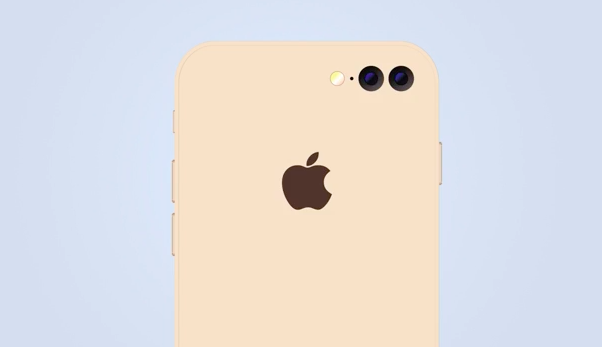
    With Samsung and LG having unveiled their flagship devices at the MWC last month, we now turn our attention back to Apple and its much-rumoured iPhone 7. According to recent reports, Apple submitted a patent application published in January which tells us that the Cupertino giant is working on a dual-lens camera setup for the high-end version of the iPhone 7, possibly the iPhone 7 Plus.

    iPhone 7 Dual-Lens Concept
    iPhone 7 Dual-Lens Concept

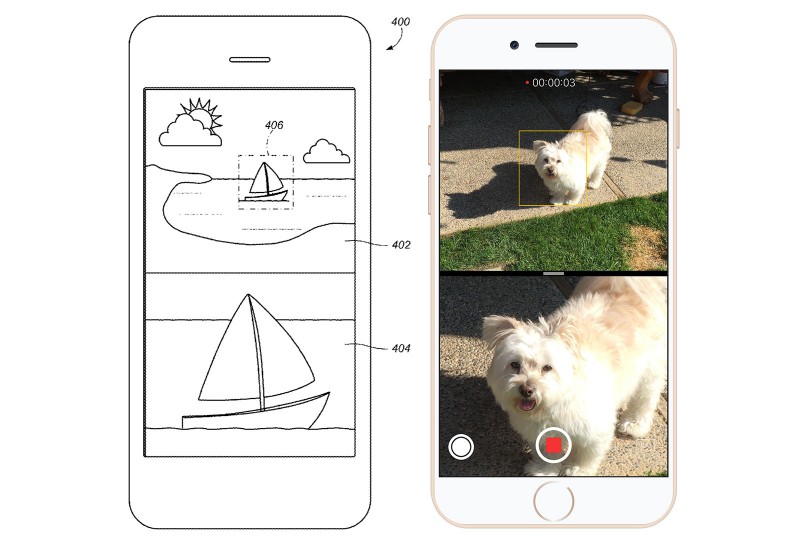
    According to the patent, the UI of the camera will show a split-screen view, in which one screen will show a wide-angle shot, and the other will be a zoomed in shot of the subject. The patent shows a dual-camera system that consists of one standard wide-angle lens and one telephoto lens to capture zoomed-in photos and videos.

    dual-camera-interface-800x540

    The lenses can be used simultaneously to take separate photos and videos while Apple software merges the images together in unique ways. Using a lens with a large focal length would also mean that the zoomed in shots will not lose detail and will remain crisp and clear.

    MacRumors videographer Matt Gonzalez created a video based on the information from the patent to show an animated concept of what the iPhone 7’s dual lens camera could look likeand how best Apple can utilize this feature.

    This of course, is merely a speculation and there is no confirmation that the patent will ever see light of day. However, this rumour is among the most possible features that you can expect from the iPhone 7. With smartphone camera becoming one of the most important features today, and phone makers like Samsung introducing next-gen camera technology, Apple will need to up its game and bring something unique to its camera with the iPhone 7 or suffer the consequence.

    We have just come off the recent Mobile World Congress where names like Samsung, LG, and Xiaomi unveiled their flagship devices. Those who followed the unveiling closely will have noticed that the one common trait between the three flagship devices – Galaxy S7, LG G5 and Mi 5 – are that they all featured new and improved camera technology.

    Apple has been among the top when it comes to having an exceptional camera in its smartphone. The iPhone 6s that was launched in September, 2015, came with a 12MP f/2.2 rear sensor. But Samsung, with the Galaxy S7 and S7 Edge, intorduced a new Dual Pixel Technology inside its flagship. Apple has more than enough means to make the above patent a reality. We’ll just have to wait and see how it pans out as we approach closer to September.

  • Samsung’s Appeal Destroys Apple’s $120M Win in Patent Dispute

    Samsung’s Appeal Destroys Apple’s $120M Win in Patent Dispute

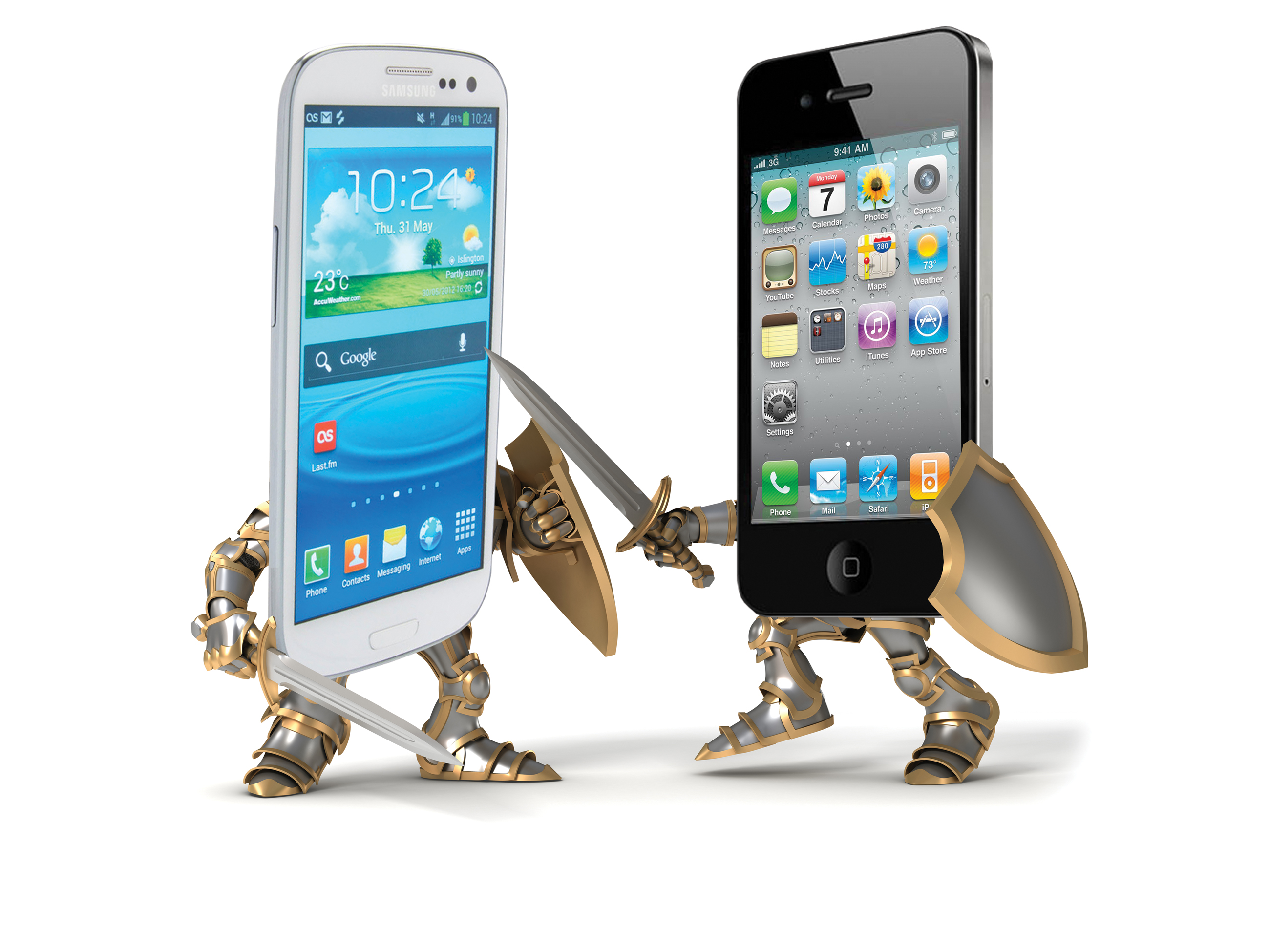
    In what will come as bitter defeat for Apple, by the hands of the South Korean tech giant, Samsung, which earlier today saw the US Court of Appeals overturn the 2014 verdict of a California federal court that held Samsung guilty of infringing on Apple’s smartphone patents and directed the former to pay $120 million in damages.

    samsung-vs-apple-iphone-5-642x394

    The U.S. Court of Appeals for the Federal Circuit in Washington, D.C., said Samsung Electronics Co Ltd did not infringe Apple’s “quick links” patent, and that two other patents covering the iPhone’s slide-to-unlock and auto-correct features were also invalid. Adding insult to the misery the court also said Apple was liable for infringing one of Samsung’s patents.

    Samsung reacted to the statement with a spokeswoman stating: “Today’s decision is a win for consumer choice and puts competition back where it belongs – in the marketplace, not in the courtroom.” Apple spokesperson unsurprisingly declined to comment.

    The particular verdict comes just days after Apple in a separate case asked the US Supreme Court not to take up the South Korean company’s appeal. That case has so far seen Samsung agreeing to pay Apple $548 million to settle it.


  • Samsung’s New Patent is for a Stylus that Folds and Works as a Stand

    Samsung’s New Patent is for a Stylus that Folds and Works as a Stand

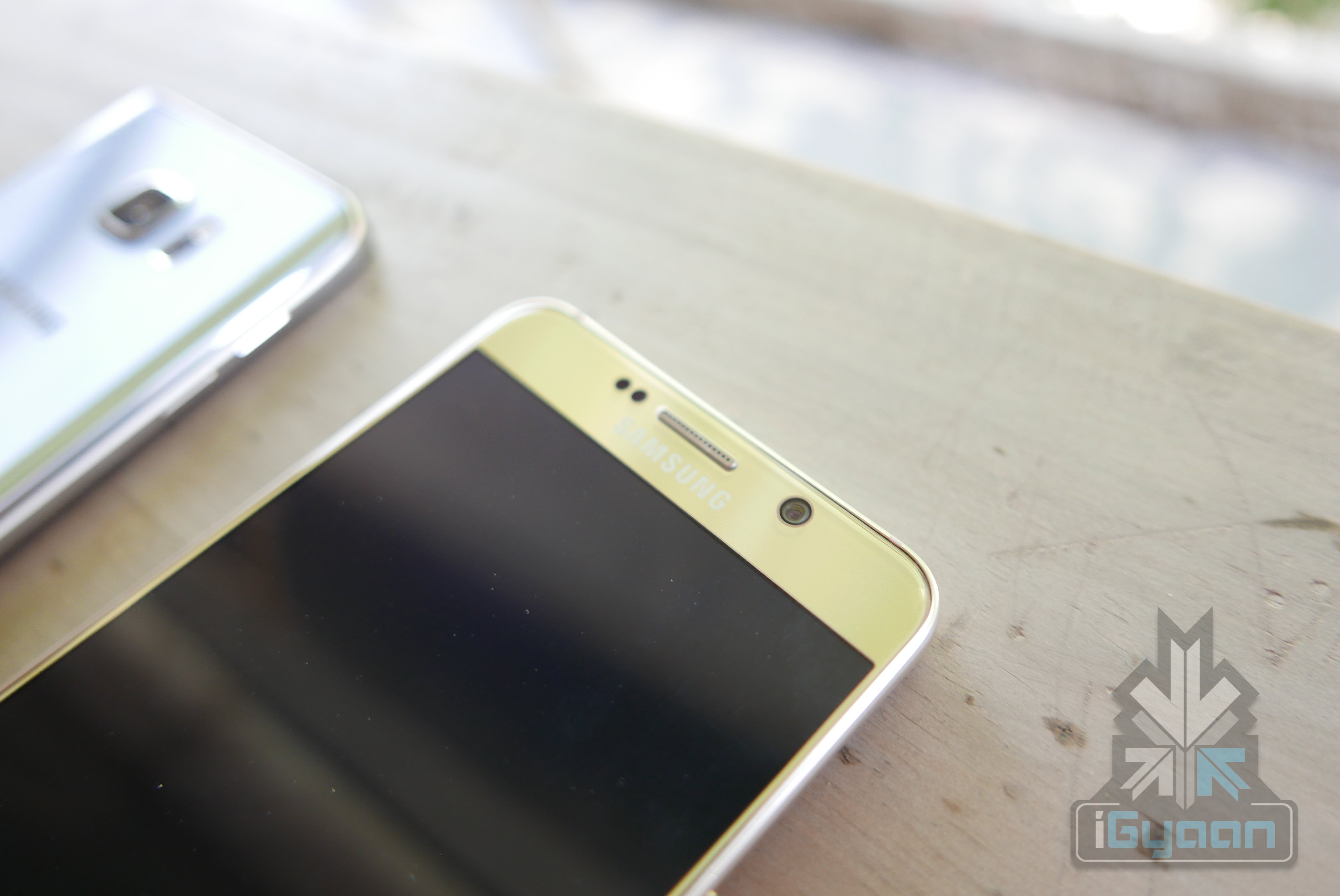
    Samsung found itself at the centre of controversy last year owing to the whole ‘Pengate’ scandal. Apparently, users of the Galaxy Note 5 did not prove to be as smart with the stylus as their smartphone, or so Samsung claims. The S Pen on the Note 5, when inserted the wrong way, would not only get stuck inside the Note, but would also damage the sensing mechanism of the display. Basically rendering your phone into a regular non-Note Samsung device.

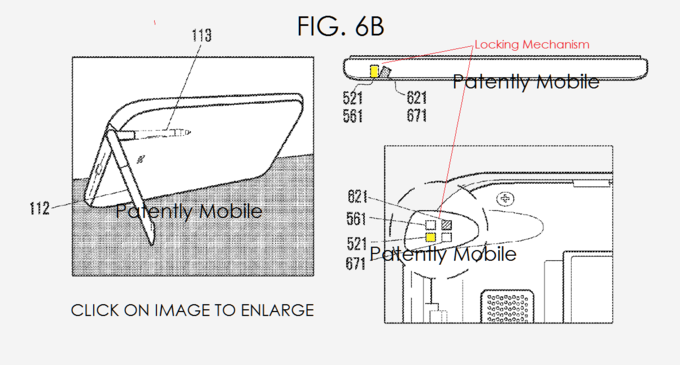
    However, now, reports of a new patent suggests Samsung may have found a solution to this problem either way. Samsung S-Pen Patent

    The image shows that the S-pen can be fitted at a 90 degree angle and be used as a stand if the device is needed to be kept stable for watching videos. It can also be folded and put back in its position neatly once done serving as a stand.

    Whether this tech would be up for usage in the next Samsung device, or in a device which comes later is unclear at this point. Either way, it seems like an interesting development that has got us curious.

  • Samsung’s Future Smartwatch to Use Your Veins for Identification

    Samsung’s Future Smartwatch to Use Your Veins for Identification

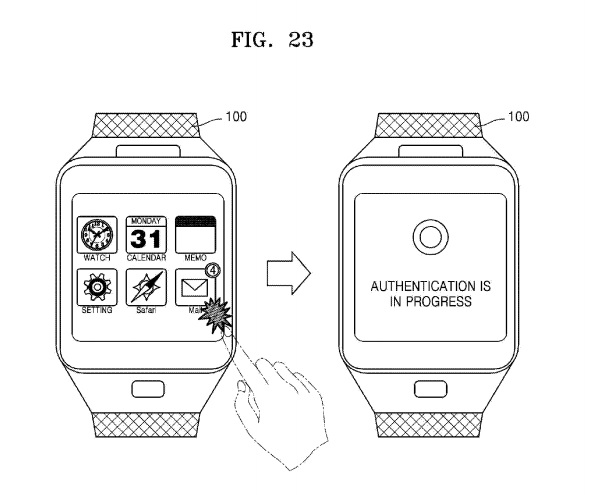
    A new patent granted to Samsung hints that the south Korea based tech giant may bring to the wearable-market a concept futuristic enough to put the Terminator to shame. Samsung plans to incorporate a new biometric user authentication system in its smartwatches and other wrist-based wearables of the future.

    According to a new patent filed by Samsung, the company is toying with the idea of using advanced biometrics in its smartwatches of the future that will recognize you by your veins.

    Samsung-vein-patent-02

    The patent talks about a system in which light sensors work in tandem with the camera sensors trace the user’s vein structure and simultaneously also detect the user’s pulse. Since vein structure and pulse are unique to individuals they will be used for identification when the user puts on the smartwatch.

    The patent information indicates that the software could offer custom contact lists and ringtones upon identification of the user. Further uses of a smartwatch equipped with such high-level biometric tech could be the smartwatch being used like a key to open a car door or your house. It also could be used to authenticate a mobile payment, replacing the currently used fingerprint sensor or password sign-in.

    The patent filing describes the tech as:

    “A wearable device comprising: a sensor configured to capture a vein image of a user;…identify the user by comparing the captured vein image with at least one registered vein image; and in response to determining that the identified user has an execution authority for the selected function or application, execute the function or the application.”


  • iPhone 7 To be The End of Physical Home Button on Apple Phones

    iPhone 7 To be The End of Physical Home Button on Apple Phones

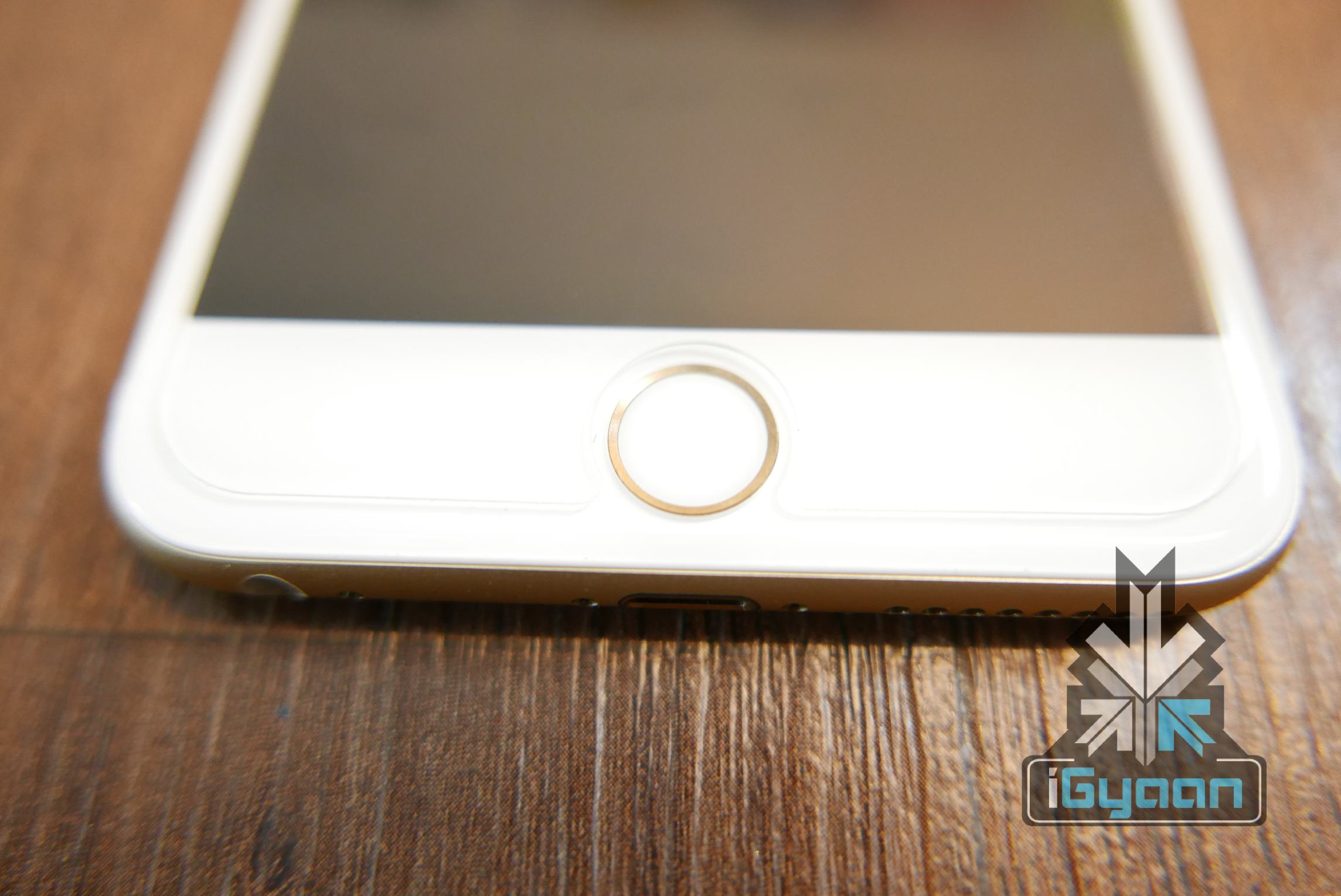
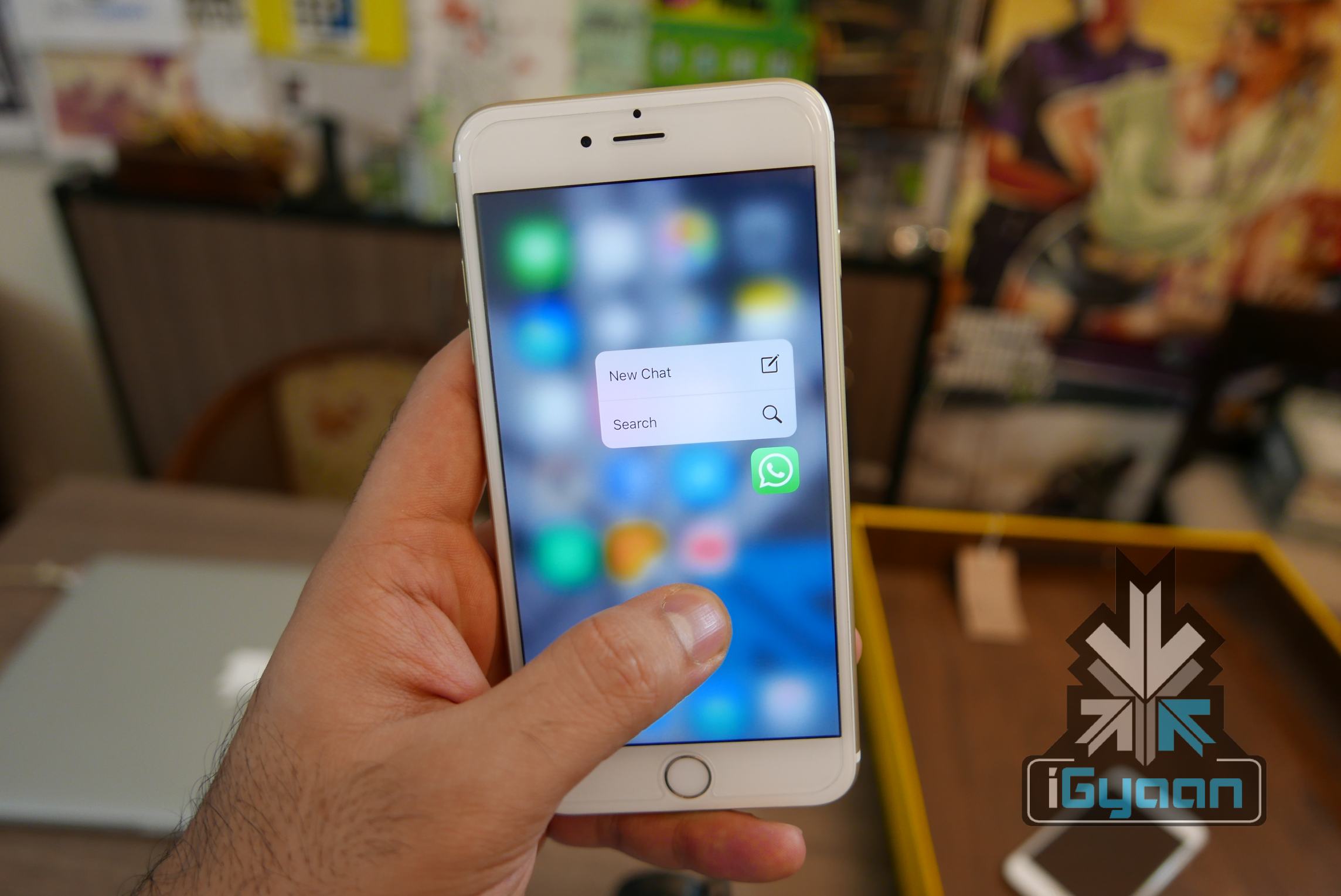
    Apple for what it’s worth is exploring ways of getting rid of the bulky home button on its future iPhones. Apple’s 3D Touch technology could be at the heart of this change if the Cupertino-based company does end up going ahead with the idea.

    apple-patent-3d-touch-home-button-14

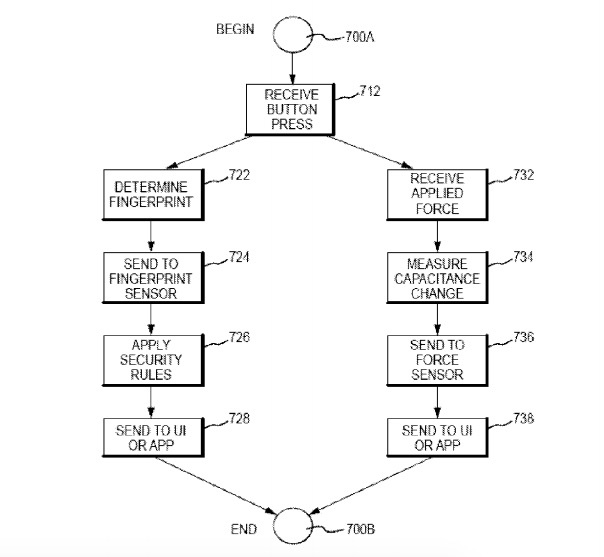
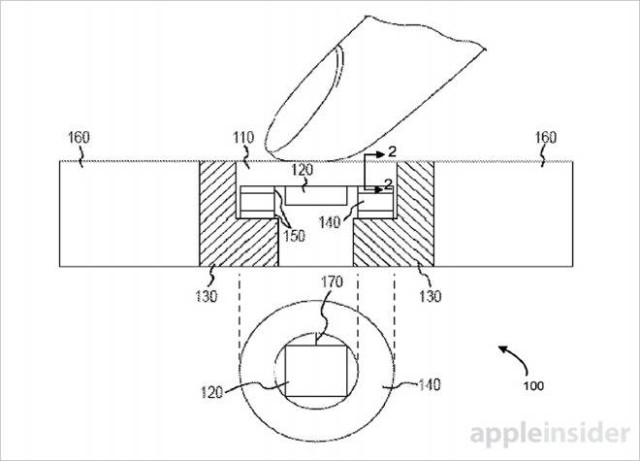
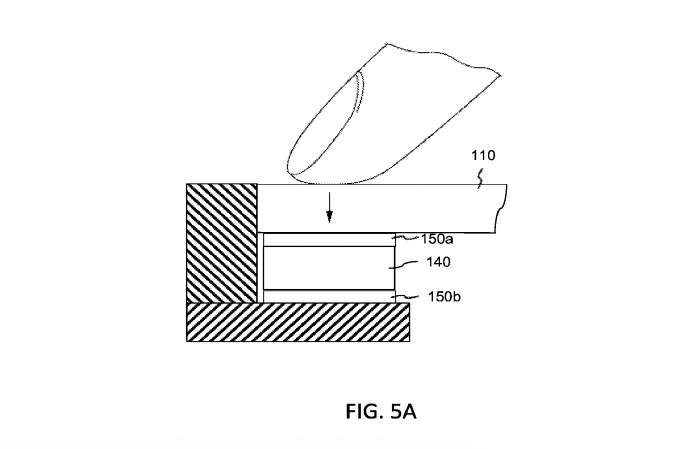
    A new patent out of Cupertino shows how Apple might combine Touch ID fingerprint recognition and haptic feedback into a single module. The patent which was finally approved this week after 3 long years of talks shows what looks like an idea for a “Force-sensitive fingerprint sensing input.”

    apple-home-button-patent-640x461

    This will essentially mean the iPhone’s home button will not remain a physical button if and when Apple decides to implement this tech on their future handsets. Instead, it could simply merge into the rest of the flat touch sensitive surface.

    Apart from the fact that it will herald an all new change in the way Apple uses home buttons on its phones, the idea of a button-less display without any capacitative buttons on it sounds pretty cool.

    apple-patent-3d-touch-home-button-9

    And if that’s not good enough for you, then try this for kicks. Apple details more features in the patent that could be possible with this new technology. The flat button space may recognize various gestures and even “near touches.” So yes, you basically interact with the button without even touching it. Don’t know about you, but we are already excited.

  • Apple Ordered to Pay $626 Million in Patent Infringement Case

    Apple Ordered to Pay $626 Million in Patent Infringement Case

    Apple, in a case that has been jumping around from one court to another since 2012, has been dealt a major blow. Apple has been ordered to pay VirnetX Holding corp a cool $626 million for violating patents related to FaceTime and iMessage amongst other technologies that the jury determined had been patented by VirnetX, and hence are its property.

    Apple Face Recognition AI

    VirnetX, is commonly known as a patent troll across the industry because of its habit of targeting tech companies and making almost all of its revenue from patent licensing and lawsuits. It has sued a number of tech companies over the past decade and has famously settled disputes with Microsoft over patents used in Skype, and made $200 million from the Redmond-based company in another patent infringement related case in 2010.

    This recent verdict is in continuation from a case where a jury had found Apple guilty of violating the same patents back in 2012.The company then was asked to pay an amount of $368 million to VirnetX.

    Apple appealed and won on a technicality, but as it is with the judicial system, the appeals court vacated the damages and sent the case back down to a bench at a District Court for retrial, where the jury found Apple guilty and ordered it to pay even more money to VirnetX because it found it guilty of “willfully” violating the company’s patents.

    Reacting to the decision a member of the legal team from Apple said that the company would appeal the decision. The company argued that the patents in question are not valid.

    “We are surprised and disappointed by the verdict and we’re going to appeal. Our employees independently designed this technology over many years, and we received patents to protect this intellectual property. All four of VirnetX’s patents have been found invalid by the patent office. Cases like this simply reinforce the desperate need for patent reform,” he said.

  • Apple’s New Patent is For Controlling Touch Screens Without Touching Them

    Apple’s New Patent is For Controlling Touch Screens Without Touching Them

    Imagine tinkering a device without even touching it -turning on or off a display, handling volume controls or screen brightness, attending calls, replying to messages -all of it without any physical contact. While this may sound like a futuristic gadget from the last sci-fi movie you watched, let it be known that this is precisely the kind of device Apple is planning to make.Safari on iPhone

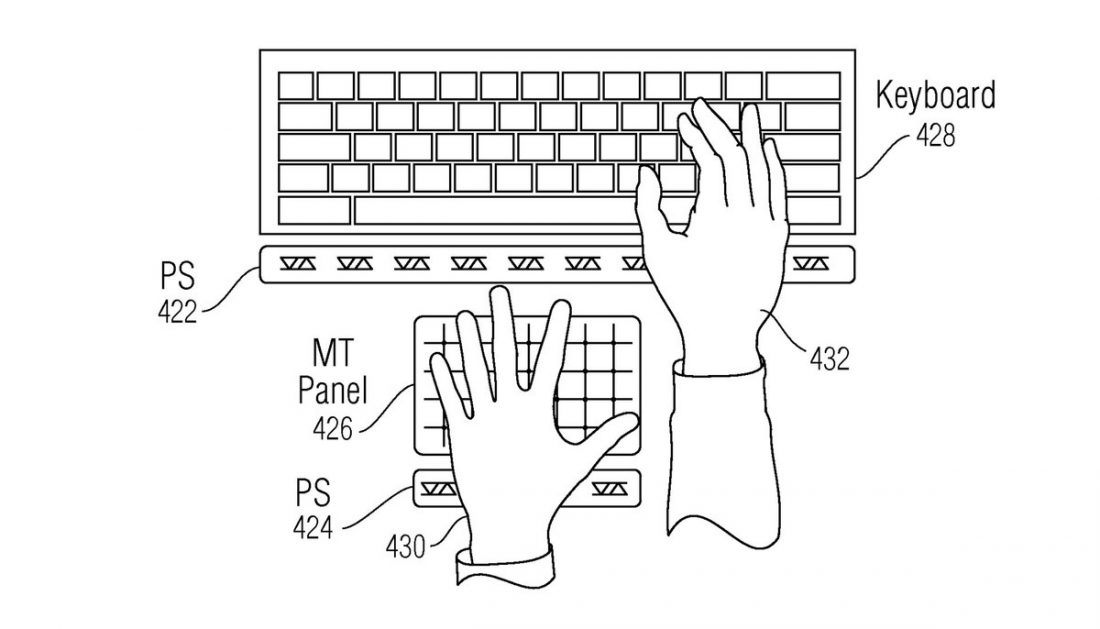
    The Cupertino based tech-giant filed a non-contact patent on Tuesday for devices that can be controlled with only gestures, minus any physical contact. The patent is for multi-touch surfaces with touch-free proximity centers, and it describes this new tech as follows, “the no-touch, close proximity hovering of fingers or other objects above a touch-sensitive surface but outside the near-field detection capabilities of touch sensors.”

    Apple plans to fulfill these goals with the help of proximity sensors made of infrared LEDs and photodiodes. Electrical currents could be altered by photodiodes depending on how much light falls on them. By detection of infrared light that reaches these sensors after getting reflected or deflected with the user’s hand, the sensors would be able to interpret gestures and commands.Apple Patent application

    It is unclear at this point in which Apple device this patent would be put to test first. But since the patent includes image of a laptop that is using non-contact input with a standard touchpad maybe we could hope to see it first in a Macbook or an iMac. For all that we know, these plans could be trashed as well before they even see the light of day, as often happens with patents. Either way, there is nothing stopping you or us from keeping our fingers crossed.

iGyaan Network
Privacy Overview

This website uses cookies so that we can provide you with the best user experience possible. Cookie information is stored in your browser and performs functions such as recognising you when you return to our website and helping our team to understand which sections of the website you find most interesting and useful.