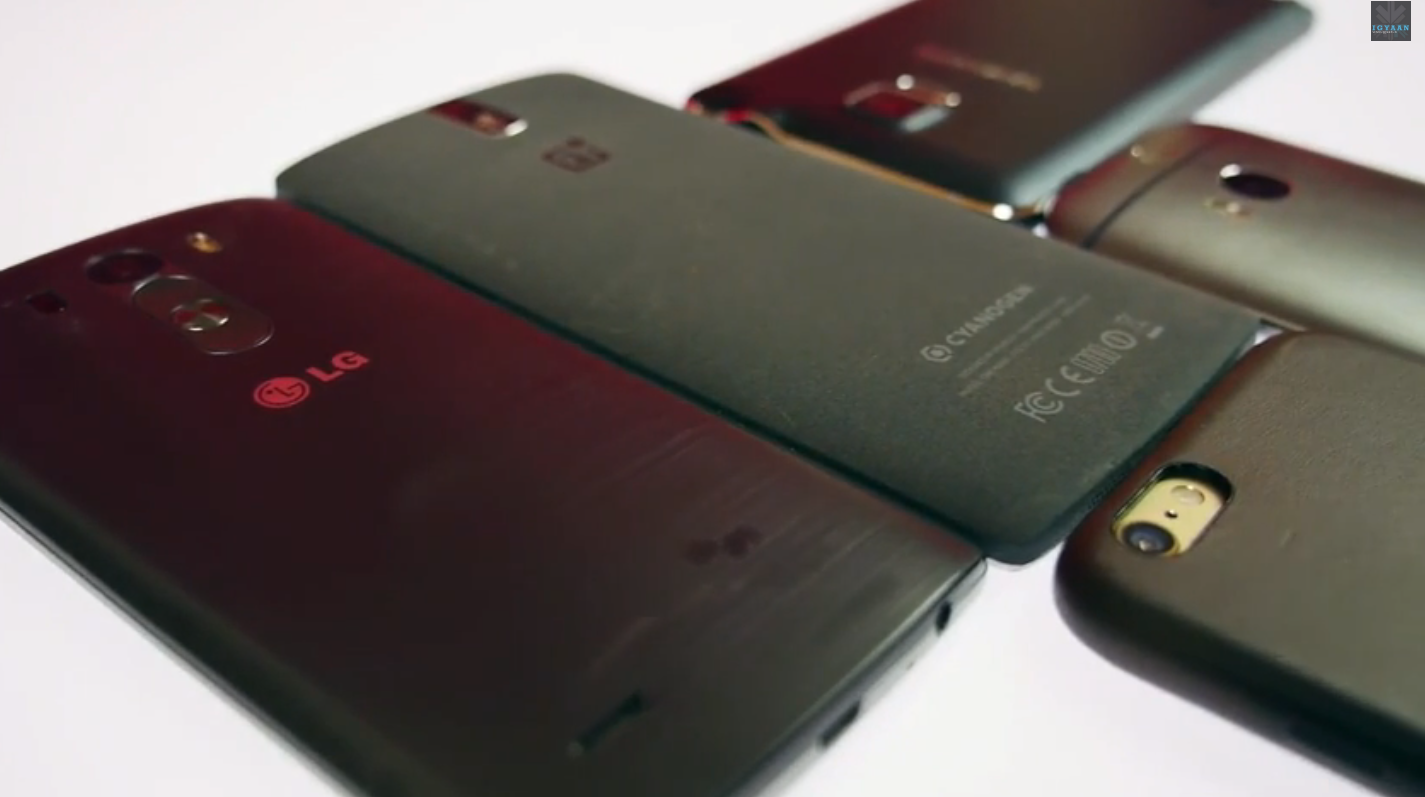
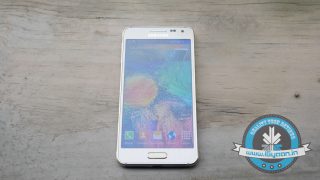
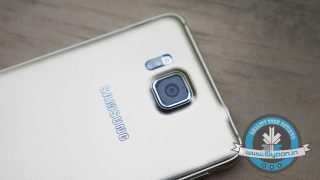
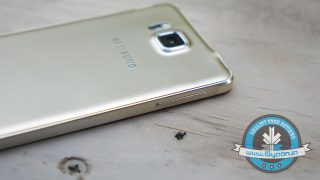
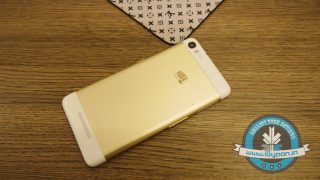
This year, every major smartphone company managed to raise the stake by bringing out stunning devices. Watch iGyaan’s take on which device is worth your money:
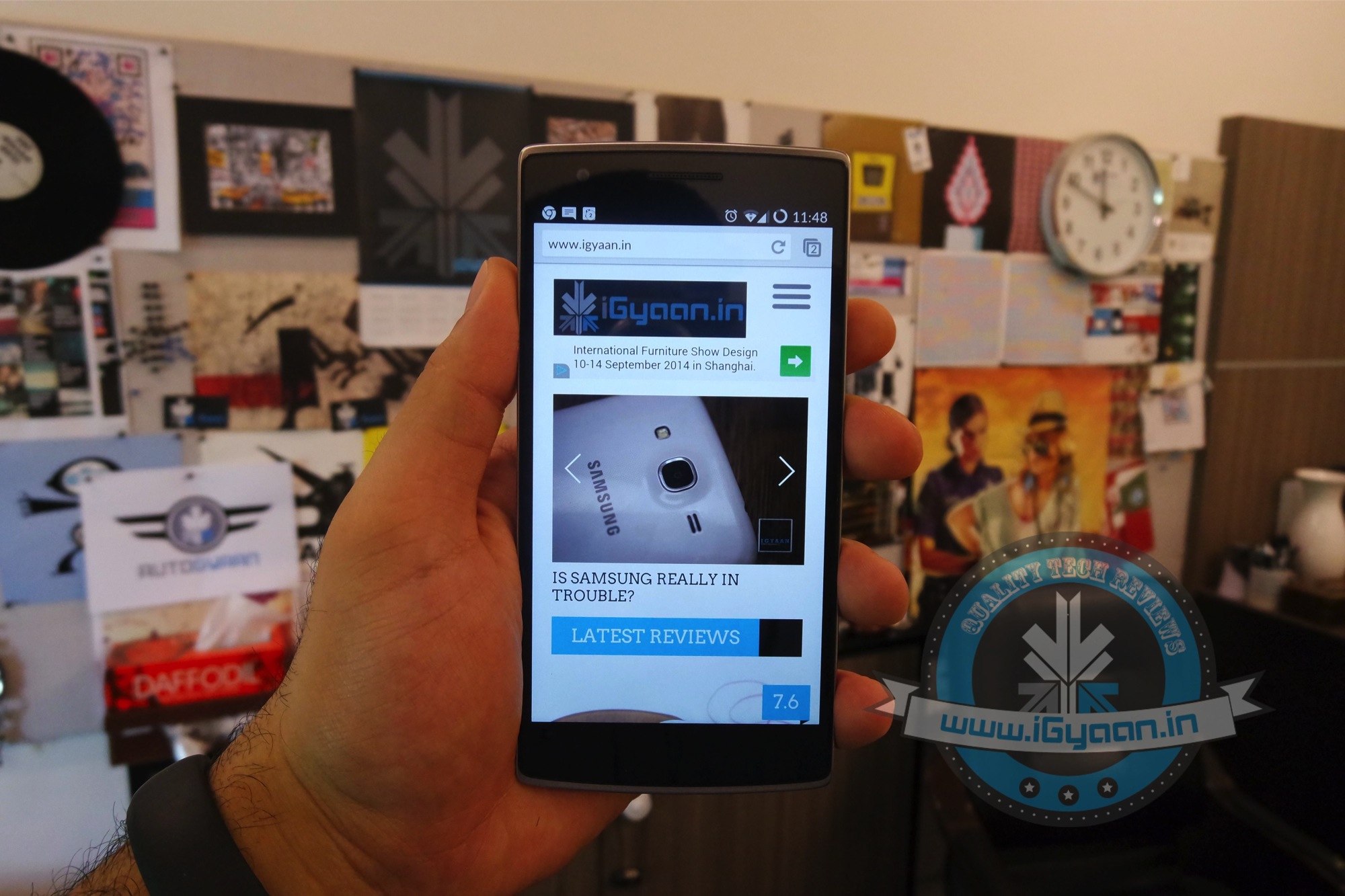
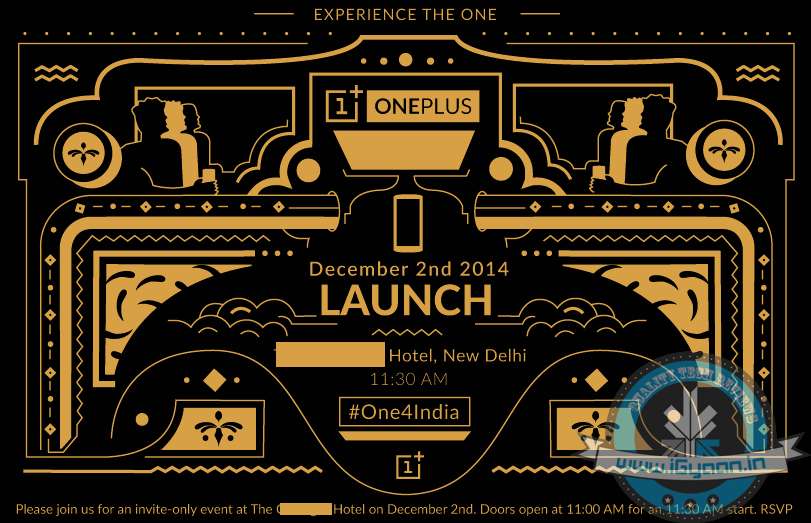
That moment which all the Android enthusiasts have been waiting for is finally here. OnePlus is going to grace the Indian smartphone market with its presence at last. The company has sent out invites for the much-awaited event going to be held on 2nd December, where it will launch the company’s blockbuster OnePlus One.
The Chinese smartphone manufacturer has been tight-lipped about the plans for the launch of the CyanogenMod-powered smartphone. However, the recent report has suggested that the OnePlus will be sold exclusively via Amazon. The company had also previously announced that their smartphone, the One, would be available in India through an exclusive invitation system.
[quote text_size=”small” author=”Vikas Agarwal” author_title=” General Manager for OnePlus India”]
As announced earlier, the product will be exclusively available through our e-commerce partner for users who have a valid India-specific invite
[/quote]
In a teaser image posted on amazon.in, the online retailer says that the smartphone, popularly known as a ‘flagship killer’, is expected to be available in the coming days. Amazon India, who has got exclusive rights to sell OnePlus One, says in a teaser, “The Smartphone you have been waiting for, is coming soon,” accompanied by a image of OnePlus One and a hashtag ‘#TheOneThing’.
Pricing, which is one of the most important parts of OnePlus One’s success, has also been a mystery for the Indian market. However, as we reported earlier, the 64 GB variant is expected to cost around Rs. 24,990 while the 16 GB variant is likely to come at a price of Rs. 19,990. The company’s newly appointed General Manager for OnePlus India, Vikas Agarwal, posted a forum on Saturday which said,
Firstly, we are thrilled to confirm that the One will be available for our Indian users in December. We can’t wait to bring your favourite phone to your hands. As all the details have now been perfected and last-mile hurdles have been cleared, the exact launch date will soon be announced in the coming days on our forums.
The OnePlus One is one complete device when it comes to hardware and build quality. Thanks to the inclusion of CyanogenMod, the ROM gives Android an adrenaline boost with regular updates and bug fixes. For a price sensitive market like India, the cost of the phone will be a major factor. In an interaction with The Indian Express, the company claimed that the invite system will prevent shortage of devices for potential customers in India. The invite process is also fair and transparent than the flash sale model.
Where companies like Xiaomi have gained respect and market share simply by cutting down on administration, distribution and marketing costs, OnePlus may bring the One at a premium in India. The company will continue the invite system for the Indian market and those interested in an invite will be able to get one from oneplus.net/in starting right now.
If you are successful in getting an invite a spanking new OnePlus One will await you at : www.amazon.in/oneplusone on the 2nd of December 2014. Excited yet? Catch our Review below.
With the release of the new Lumia branded phones by Microsoft, Nokia died as a mobile phone brand. For most, it’s not just a phone brand; it was a revolutionary change maker. It created, nurtured and took the mobile business to its maturity. We have now reached a point of tremendous concentration in the mobile market and the company who started it all has bid farewell. Nokia is like a grandparent; it did its part and then departed, leaving behind a lasting legacy of a communication infrastructure that has brought gigantic leaps in the growth of human civilization.
Journey To The Mobile Business
Nokia’s paper mill on the banks of River Nokianvirta in 1868.
Nokia began as a paper mill back in 1865 with its second mill going up in the town of Nokia in Finland. The name ‘Nokia’ is derived from the river Nokianvirta, on the banks of which the company was established.
The company expanded to working with rubber, electricity, and cables. Nokia rubber boots become a bona fide design classic, still on sale to this day by the name Nokian, albeit under new owners.
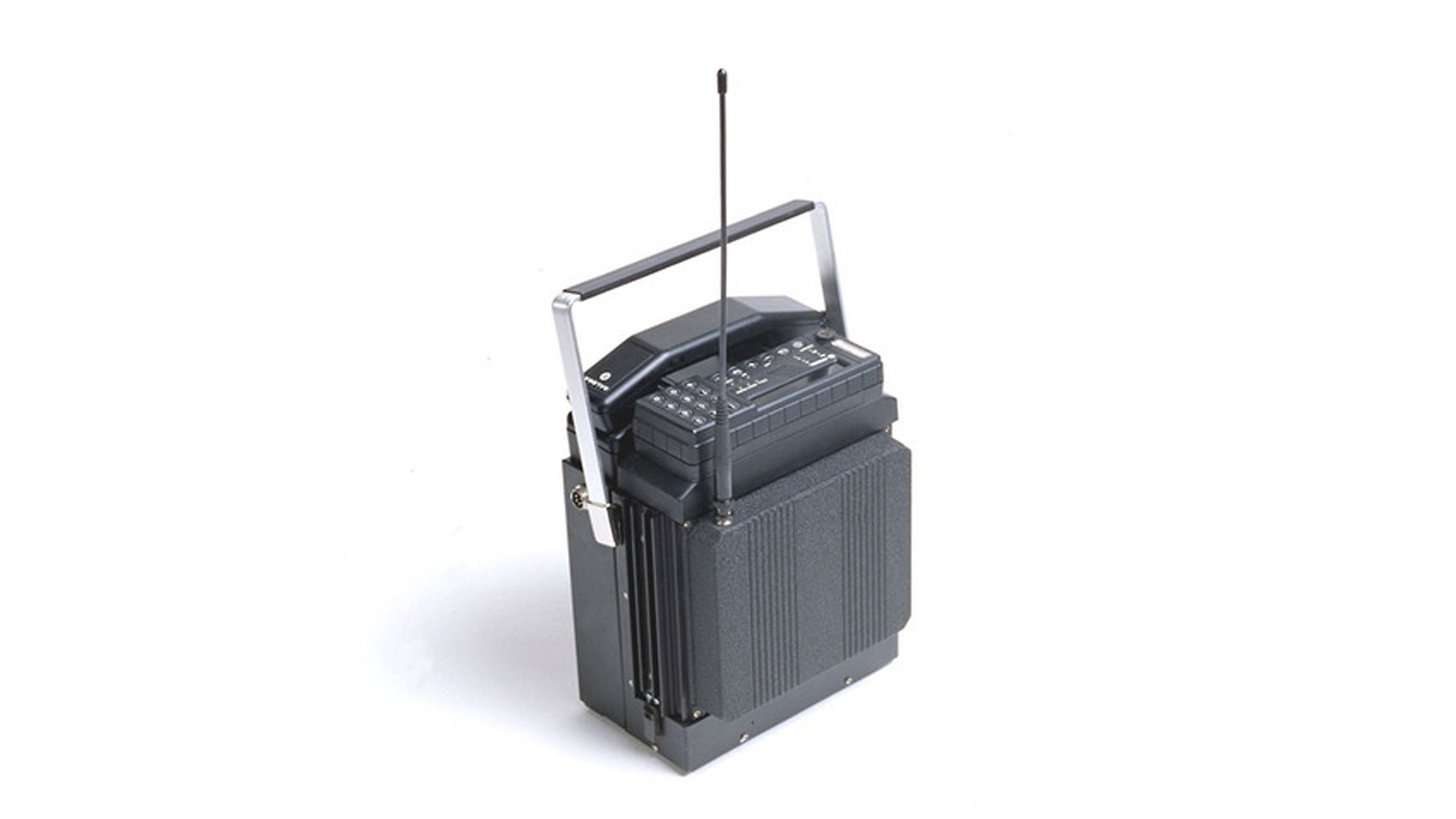
Let’s fast forward to ’60s when the company made its foray into electronics. Nokia developed a host of electronic devices including radio telephones for the army. In 1979 Nokia took its first steps into telephony by creating Mobira Oy in a JV with Finnish TV maker Salora, and they created the Nordic Mobile Telephone (NMT) service. This was the world’s first international cellular network and in the 80s, Nokia launched its first car phone called the Mobira Senator.
The Mobira Senator was the companies first car phone.
In the 1970s and 1980s, Nokia developed the Sanomalaitejärjestelmä (“Message device system”), a digital, portable and encrypted text-based communications device for the Finnish Defence Forces.
In 1987, Nokia launched the Mobira Cityman, the first mobile phone that would run on the company’s NMT network. At 800 grams and priced at $6,308, it may be heavy and pricey by today’s standards, but the device soon hit cult status when Mikhail Gorbachev was photographed using the device.
Nokia also tried its hands at personal computing.
In the 1980s, Nokia’s computer division Nokia Data produced a series of personal computers called MikroMikko, which it later sold to Fujitsu. It briefly tried its luck again in the personal computer market in August 2009 with the introduction of the Nokia Booklet 3G mini laptop. It was not commercially successful but was appreciated for its integrated 3G modem, high-resolution screen, exceptional battery life and its fan-free design.
World’s first commercial GSM call was made in 1991 in Helsinki over a Nokia-supplied network, by Prime Minister of Finland Harri Holkeri. Also, the first device to be used to make a satellite call in 1994 was a Nokia device. Nokia truly started the mobile revolution.
The Devices
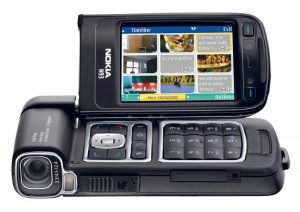
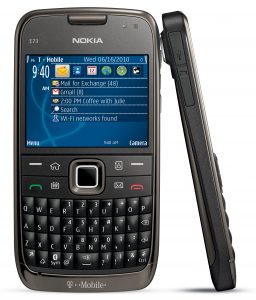
Nokia E Series
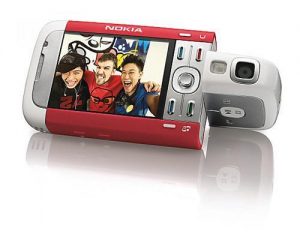
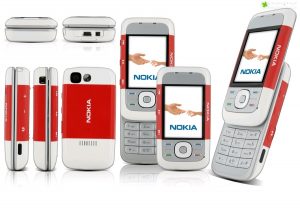
Nokia 5300 Xpressmusic
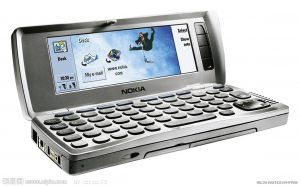
Communicator
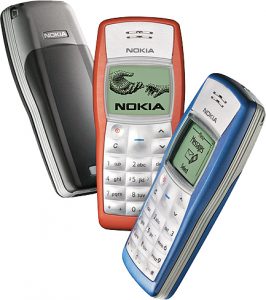
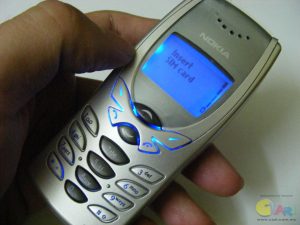
Nokia 1011 was the first mass-produced device from Nokia. The design of the device was quickly copied into making pencil boxes for kids. The memory could hold 99 numbers and had a price tag of $1600.
Nokia 3310 announced on 1st September 2000, has now become a cult classic. There are unlimited internet memes based on the “Hulk-ness” of the device. Touted in humor as the only Man-Made thing that can incapacitate the Hulk. Nokia sold over 126 million pieces of the 3310 which had a 96×48 pixel display. You could take off the front and back panel and replace it with the color of your choice. It was the first phone to allow 459 character SMS messaging.
Nokia 2110 was the first phone to come with the Nokia tune. It is estimated that the Nokia Tune is heard worldwide an estimated 1.8 billion times per day, approximately 20,000 times per second. It has been the icon of Finnish corporation Nokia since the 1990s.
Introduced in 2002, the Nokia 3510 was the first color phone from the company. It was also the first mass market GPRS device.
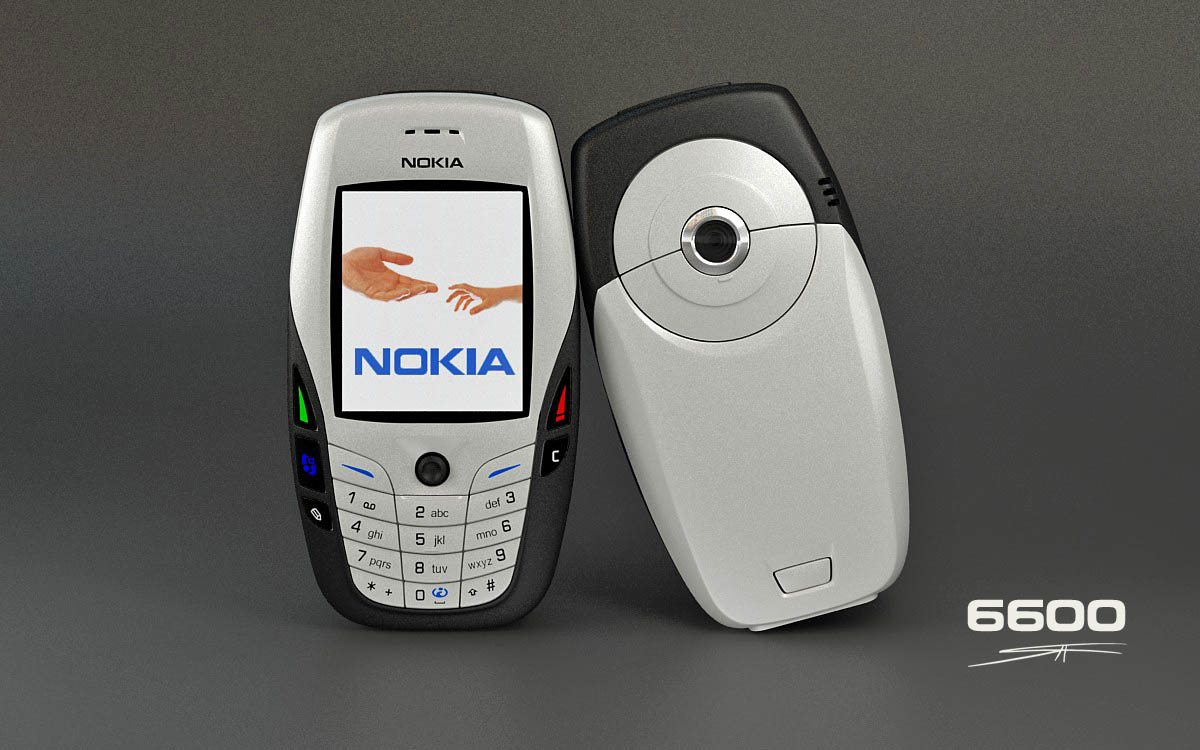
The 6600 was one of the most popular devices and was almost the star of the movie, Cellular.
The Nokia 6600 was a prolific device that was launched in 2003. The owners of the phone flaunted its VGA camera, Bluetooth and expandable memory. It was the first Nokia and Symbian device to sell over a million.
The devices from Nokia were also known for its superior camera performance. Thanks to its popularity amongst the users worldwide, at one point Nokia was the biggest digital camera manufacturer in the world. It surpassed all other conventional camera makers.
The company has set records after records during its stint at the top of the food chain. In fact, the Nokia 1100 is the bestselling phone yet, selling over 250 million devices. At its peak the company sold 475 Million devices back in 2008, a feat that is still unchallenged.
So What Remains of Nokia
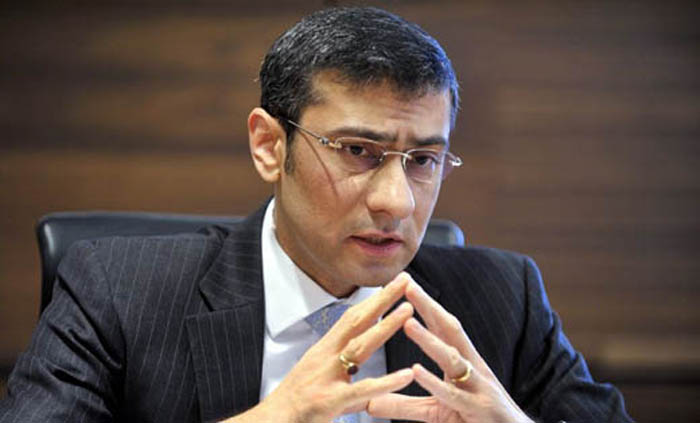
Following the departure of the mobile and services division of the company, the company is now has three business groups: Mobile Solutions, HERE, and Technologies. The company is currently headed by India-born Rajeev Suri.
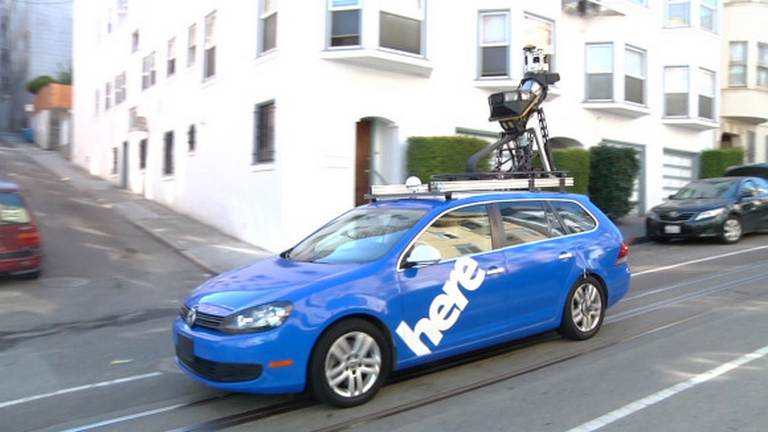
Nokia’s Mapping service Here is one of its remaining businesses.
In 2007 Nokia acquired Chicago-based company NAVTEQ, which was the largest maker of automotive. This set the path to Nokia’s Here Maps. The mapping system is one of the few business retained by Nokia following its acquisition by Microsoft. Nokia will be now selling the mapping data to navigation providers like Garmin, BMW, Oracle and Amazon.com. It will now be available as a service across multiple platforms like Android and iOS.
India born Rajeev Suri will be heading Nokia in its new era.
Nokia Networks, which is a wholly owned subsidiary of Nokia will also stay back with the company. It is a multinational data networking and telecommunications equipment company. They provide business services like Customer care support, fixed-mobile convergence, Hosting, IPTV, Mobile TV, WCDMA frequency reforming. It also provides connectivity solutions to governments, railways and airways.
Nokia had developed a new operating system called MeeGo. When it shifted to Windows phone, the MeeGo team left Nokia to form an independent phone company called Jolla. The phones recently arrived in India.
Another brand that is the offspring of Nokia is the luxury smartphone maker, Vertu. It was established by Nokia as a wholly owned subsidiary in 1998. For long the company used Symbian OS before shifting to Android recently. The phones are known for their stratospheric price and handcrafted luxury devices.
The journey of Nokia was long, arduous and for the most part rewarding. The company deserves credit and respect for spearheading the mobile revolution across the world. For the folks who saw the transition of the mobile world in the past two decades, the name Nokia brings a lot of memories of personal communications through what are now archaic devices. The mobile world has come a long way, but the fingerprints of Nokia will be visible everywhere. We don’t know what the future holds for Nokia, but we sure hope that it pulls a ” Motorola” and has a chance to rise from its ashes. RIP you Tech Giant.
Timeline
1982: Nokia created the world’s first car phone, the Mobira Senator. It was paired with the Nordic Mobile Telephone analog standard and weighed around 22 pounds.
1987: the portable Cityman was Nokia’s first handheld mobile phone. It weighed a little over 1.7 pounds and cost about $5,456.
1994: Nokia launched the 2100 with the now iconic Nokia ringtone.
1997: Launches Snake, one of the most widely recognized mobile games of all time.
1996: The Communicator 9000 of was the first all-in-one phone of Nokia’s kind. It had email, web browsing, fax, word processing and spreadsheet capabilities came for $800.
2000: Nokia 3310, the hulk of the mobile world is launched, and it sells 126 million units sold worldwide. Later becomes a popular internet meme.
2002: Nokia 7650 for around €600 was Nokia’s first Camera phone.
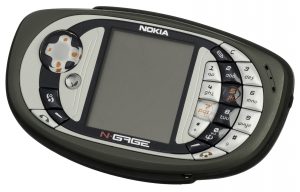
2003: N-Gage, World’s first gaming phone.
2008: 5800 Xpress Music release was Nokia’s first all-touch smartphone, but Apple was out with its iPhone and Android was coming up around this time.
2011, Nokia debuted its first Windows Phone, the Lumia 800.
2014, Microsoft acquires Nokia’s Mobile and Services business and puts an end to Nokia’s existence as a mobile brand.
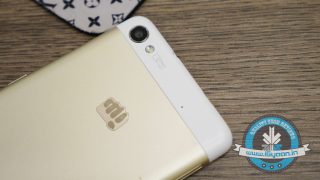
Micromax has dropped a few handsets in the past months, that have made big news. The Canvas Nitro, Canvas Gold and the A1 Android One Phone, are a few examples of products that made headlines. The Canvas 4 Plus will make headlines of its own, however, it may be the iPhone 6 plus’ bendgate that influences this one.
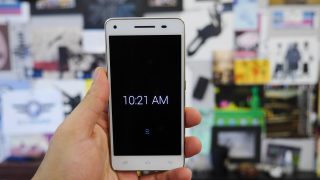
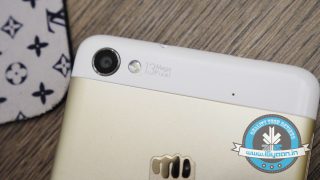
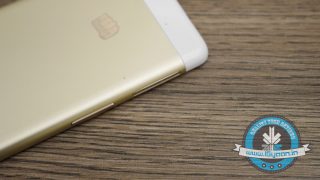
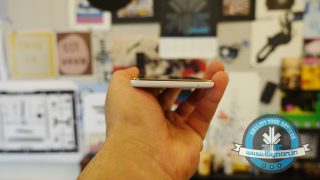
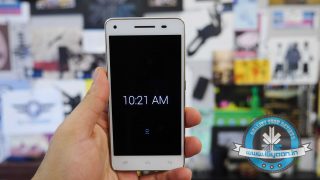
The Canvas 4 plus, is a new entrant and features a 5-inch 1280 x 720 p display along with an octa core Mediatek chipset, 1 GB of Ram and micro SD card expansion. The phone is might slim at just 7 mm thick and boy, does it bend easily.
In our unboxing of the phone, just because the phone looks so similar to an iPhone, we lightly attempted a bend test and it bent out of shape. We didn’t go all the way, as it would totally ruin the review of the phone. However, once the whole mumbo jumbo is over we might give it another go.
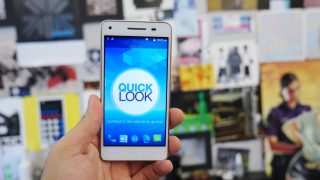
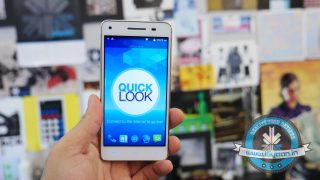
The phone also shows signs of warming up during basic usage and especially so during browsing the internet. The phone comes preloaded with a bunch of applications and the Quick Look blinkfeed-esque interface that takes away from the user experience and you will find yourself trying to remove them sooner than expected.
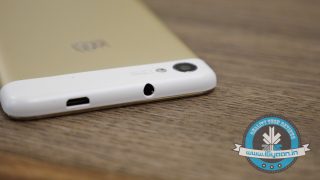
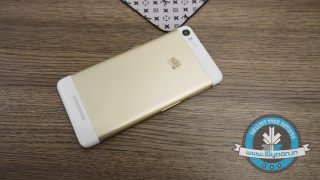
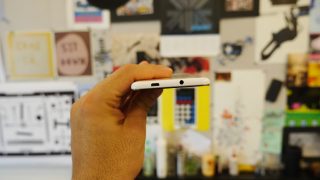
The phone other than the bending issues feels good in the hand and has metallic buttons, however the bending really makes you worry about the build and the plastic top and bottom parts come off easily at the back.
Specs
Micromax Canvas 4 plus
Gionee Elife S5.1
Gionee Elife S5.5
Huawei Ascend P6
Display
720×1280 pixels, 5.0 inches
720×1280 pixels, 4.9 inches
1080×1920 pixels, 5.0 inches
720×1280 pixels, 4.7 inches
Processor
MediaTek 1.7GHz octa-core
Qualcomm Snapdragon 400
Mediatek MT6592, Octa-core 1.7 GHz Cortex-A7
Huawei K3V2
Quad-core 1.5 GHz Cortex-A9
RAM
1 GB
1 GB
2 GB
2 GB
Storage
16 GB (expandable upto 32GB)
16 GB (non-expandable)
16 GB (non-expandable)
8 GB/16 GB
Camera
13 MP rear, 5 MP front
8 MP rear, 5 MP front
13 MP rear, 5 MP front
8 MP rear, 5 MP front
Battery
2000 mAh
2100 mAh
2300 mAh
2000 mAh
Operating system
Android 4.4.2
Android 4.3
Android OS, v4.2 (Jelly Bean), upgradable to v4.4.2 (KitKat)
Android OS, v4.2.2 (Jelly Bean), upgradable to v4.4.2 (KitKat)
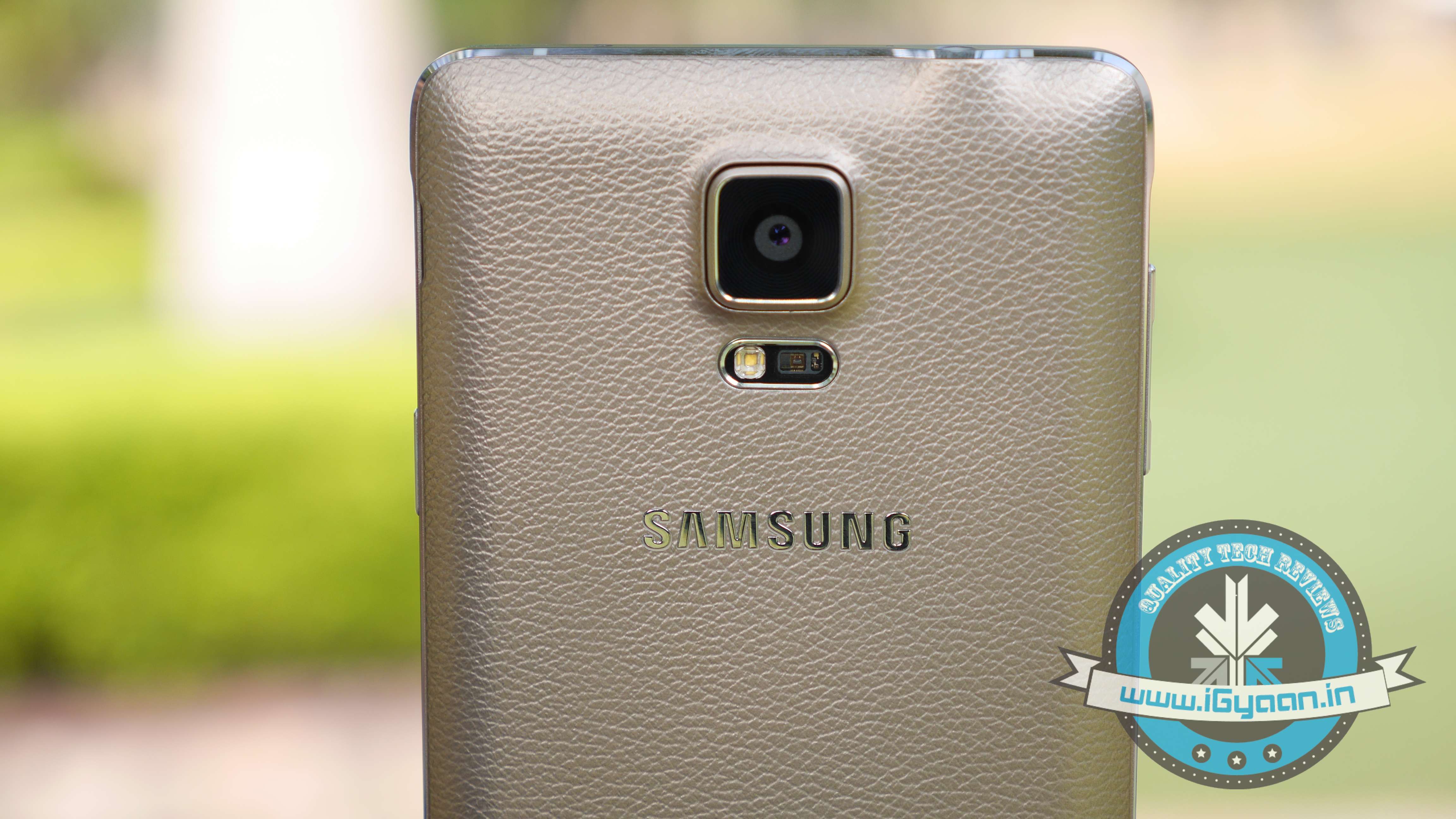
Samsung unveiled its latest phablet Galaxy Note 4 in India at the price of Rs.61,500. This new addition to Note series, was first unveiled a month back at this year’s IFA Berlin. It has finally arrived in India and will go on sale at midnight on October 17th. Along with that, the company announced the partnership with Vodafone to give 2GB Data free for the users for 2 months.
Galaxy Note 4 is now the company’s flagship phablet, which comes with a 5.7 inch QHD display. Samsung claims that despite the higher resolution, the Galaxy Note 4 will deliver 7.5% more battery life; it features a 3220 mAh battery with fast charging technology. Meanwhile, under the hood, the Galaxy Note 4 is powered by quad core, Snapdragon 805 chipset clocked at 2.7 GHz, It comes coupled with 3GB RAM. It offers 32GB internal memory with support for expanding the memory to upto 64GB.
Along with smartphone today, Samsung also launched Gear S for a price of Rs. 29,000. The Gear S features a 2-inch curved Super AMOLED display with a 360×480 pixel resolution. It comes with 4GB of inbuilt storage and is backed by a 3000mAh Li-ion battery, rated to deliver 2 days of charge with typical usage.
The IP67-certified dust and water resistant Gear S shows notifications from text messages, social networks, calendars and other applications independently without the need to access the smartphone.
These days Adobe is expanding its Creative Cloud offering with the new cloud based Photoshop software, which is on its beta testing stage right now. But, the company is not limiting itself to cloud and desktop software. In a recent video post, Adobe demonstrated some of the future possibilities for its creative applications Photoshop, Illustrator, and Premiere, when used on various professional devices.
Through Adobe Creative Cloud, users are able to access the applications across smartphones, tablets, laptops and desktops, making the creative process seamless and intuitive. While some of the techniques shown in the video are very far from being released to the public, it’s still a good showcase of the exciting possibilities that could result from this partnership.
Moto G (Gen 2) comes with considerable improvement over its trendsetting predecessor. Moto G had essentially set a foot forward in terms of bringing cheap Android devices with good built quality and great hardware. Xiaomi Mi3, also recently launched in India, belongs to the same price bracket.
However, the latter has been facing problems in terms of availability , as it has been made available in limited stock exclusively on Flipkart. One of the main highlight of Mi3 is that it comes with quad core Snapdragon 800 processor which is quite an achievement in its price bracket. We are are comparing the Motorola Moto G (gen 2) and Xiaomi Mi3 head to head. Check out the video below:
SPECS
Motorola Moto G (Gen 2)
XIAOMI MI 3
Display
5 inch, 294 ppi
5 inch, 441 ppi
Processor
Qualcomm Snapdragon 400 processor,
1.2 GHz quad-core CPU
Google yesterday finally unveiled its Android One line of phones. The phones are brought in cooperation with three Indian companies, Micromax, Karbonn and Spice.
We check out Micromax’s Android One variant called the Canvas A1. The phone comes with the latest Android Kitkat V4.4.4 which is a plus. The phones also get Airtel’s 6 month data pack through which users get automatic updates and free app download. The specs are good for the price and it is a great buy for people shifting from feature phones to smartphones.
The new Xolo Play 8X-1100 is a new edition of Xolo’s Play series. The new handset will be competing against the likes of Xiaomi Mi3 and Moto G (gen 2). Xolo Play 8X-1100 comes with a 5-inch 720×1280 display, powered by a 1.7GHz processor alongside 2GB RAM and a 13-megapixel rear camera.
The device runs on Android 4.4 KitKat, supports USB OTG and is powered by 2100 mAh battery.
From the Creators of Halo and the company that brought you Call of Duty. In Destiny you are a Guardian of the last city on Earth, able to wield incredible power. Explore the ancient ruins of our solar system, from the red dunes of Mars to the lush jungles of Venus. Defeat Earth’s enemies. The Experience of startup gameplay is amazing and the graphics lead you to understand what an adventure lies ahead.
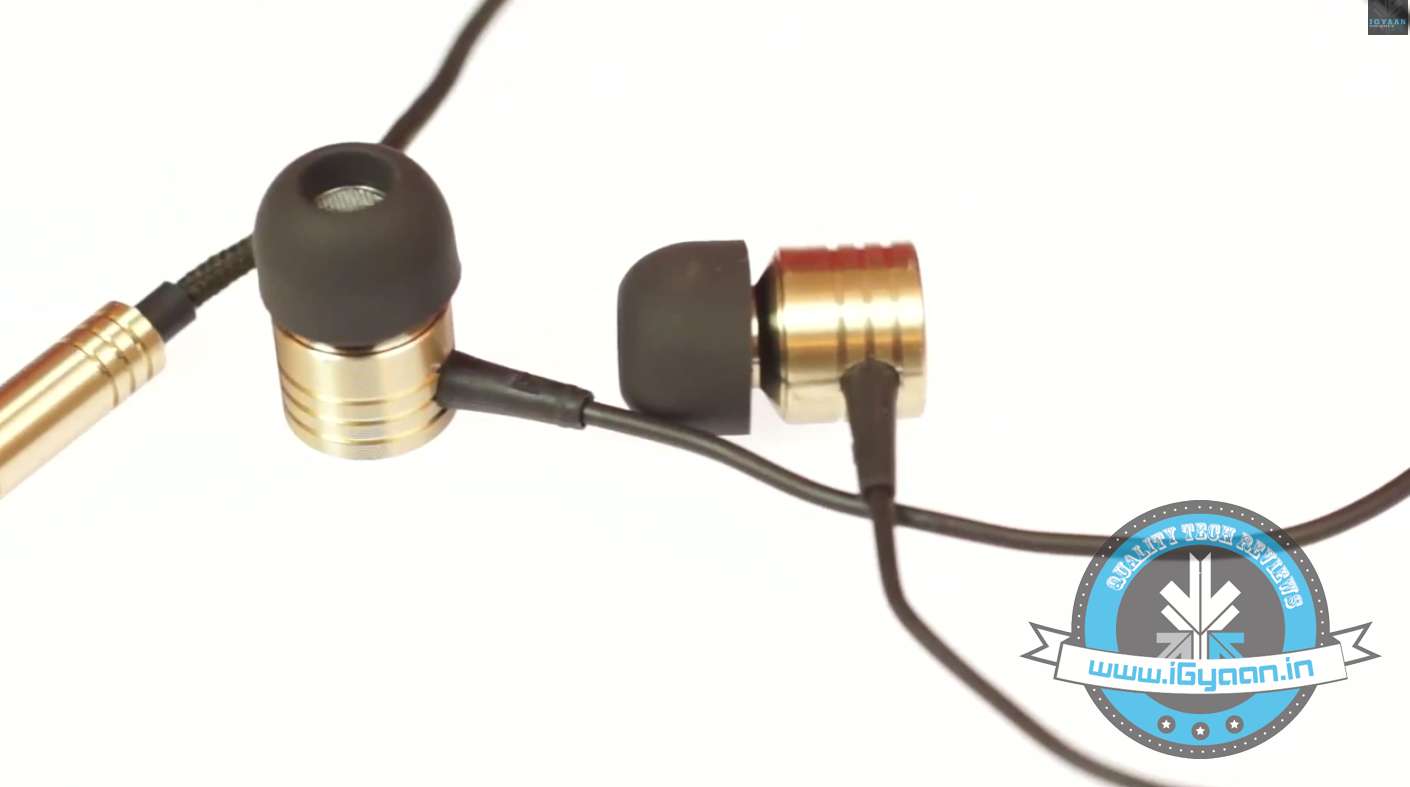
We check out the uber affordable Xiaomi earphones. They’re priced at Rs. 999 and are available exclusively on Flipkart. You can buy a pair using the link below.
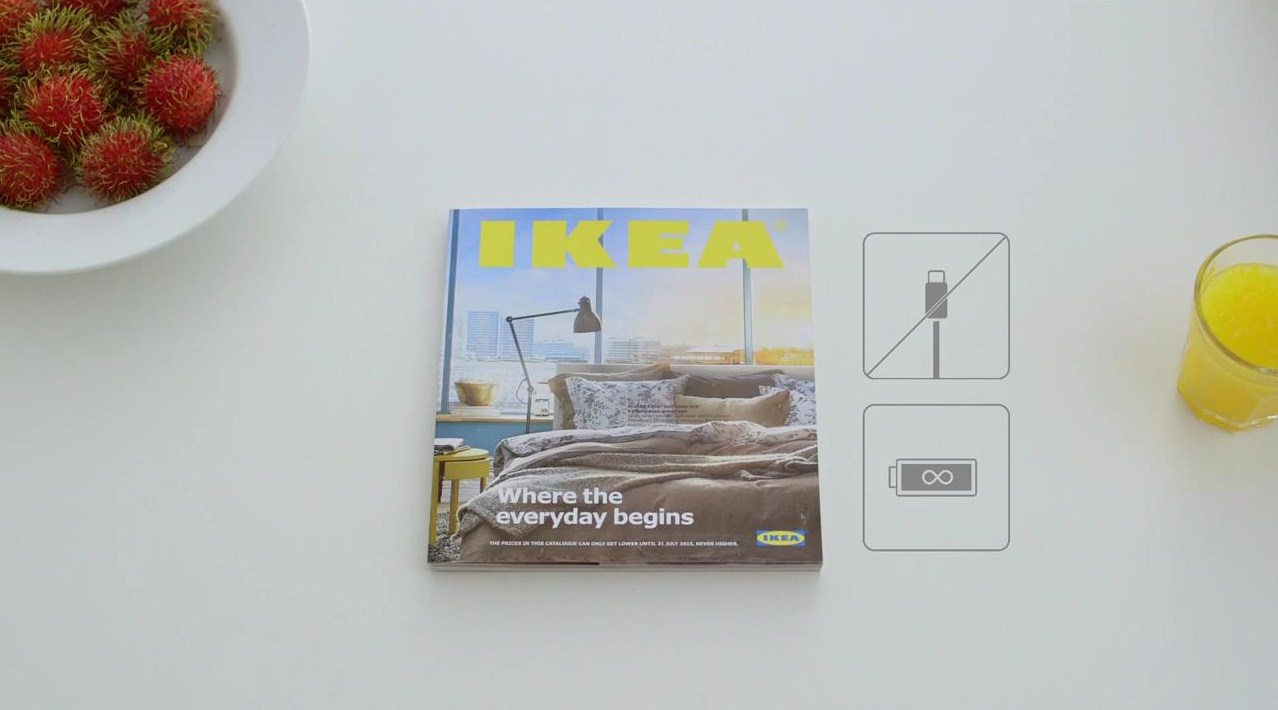
Swedish furniture manufacturer IKEA has brought out a new advertisement for their catalog and it is hilarious. The USP of the ad is that it parodies Apple’s style of promotional videos.
The ad is for IKEA’s new catalog that they satirically call the “BookBook”. From Apple’s signature animation styles to graphics, the ad takes on them all. Some of the features like scrolling through the Bookbook, bookmarking and sharing will make you LYAO.
Apple is about to present its most revamped iPhone yet. So in the wait for it, this ad helps to fill up the void till the 9th of September. So go ahead and check out the video, it will surely make your day.
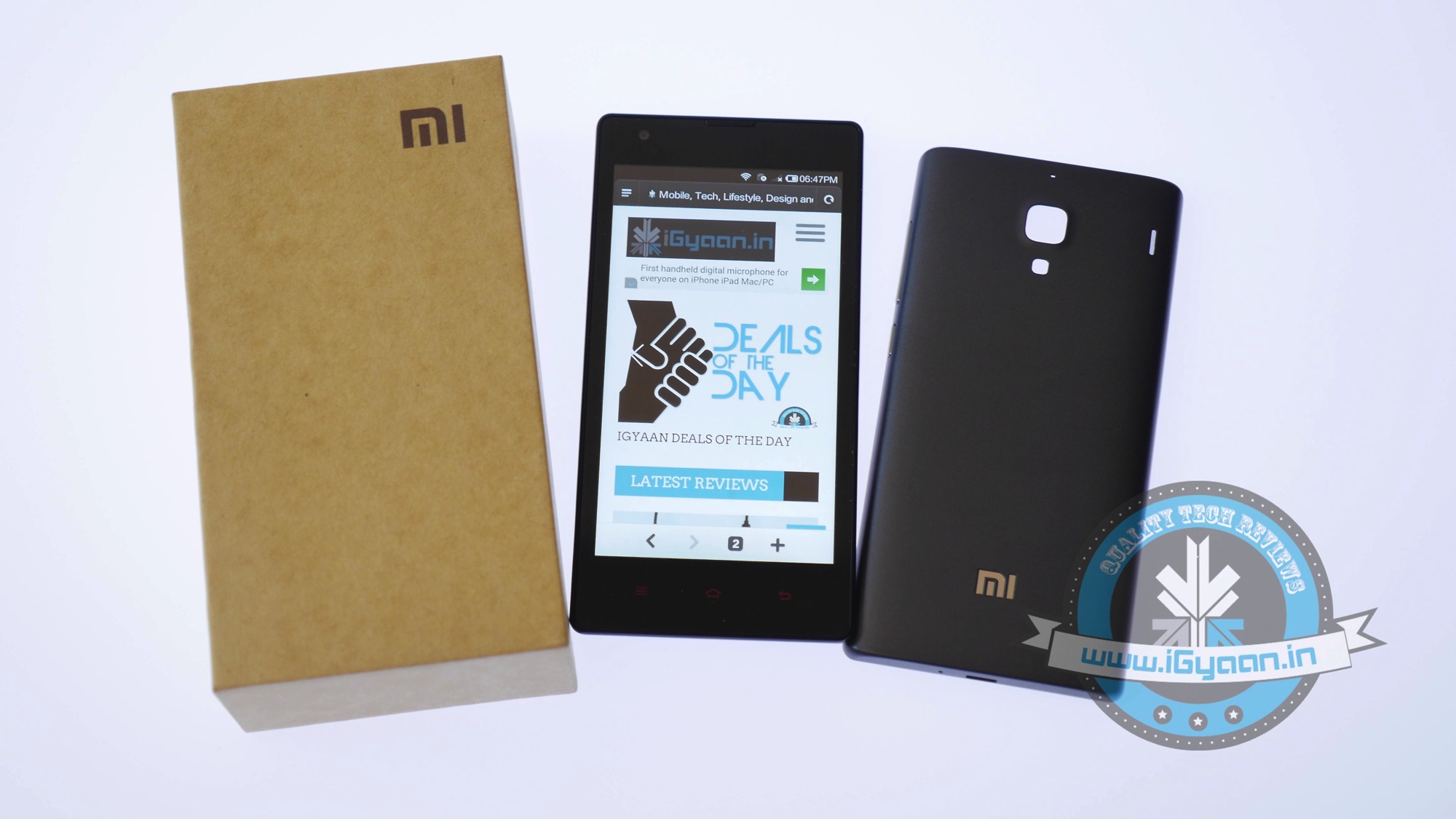
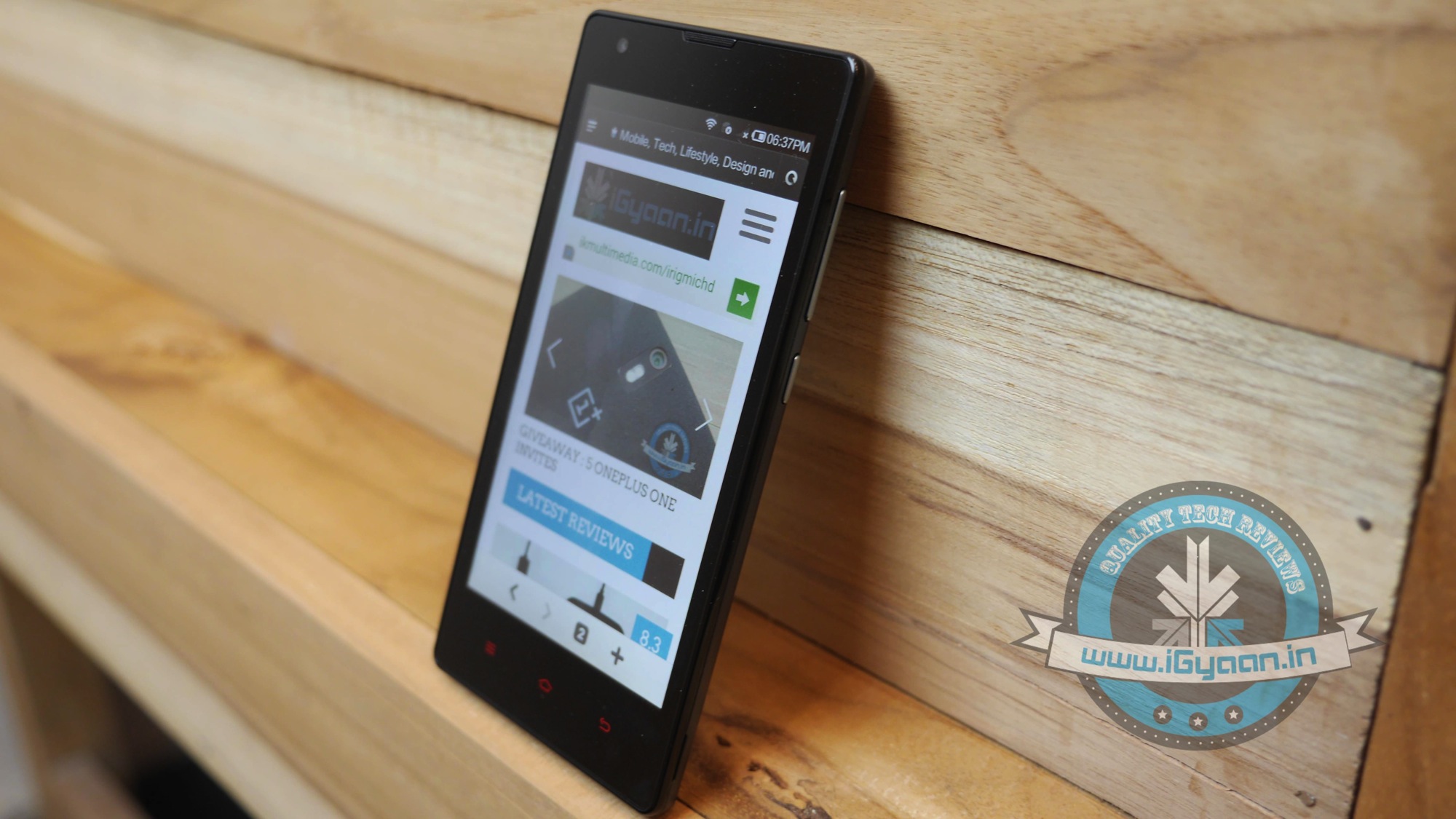
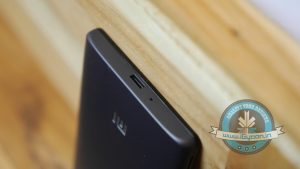
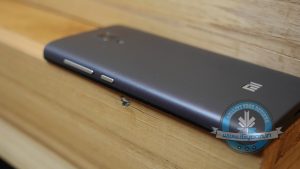
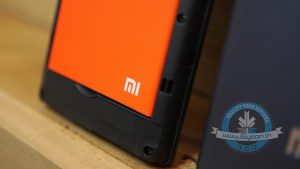
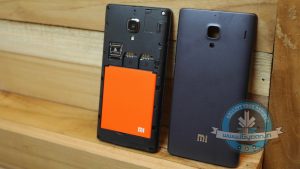
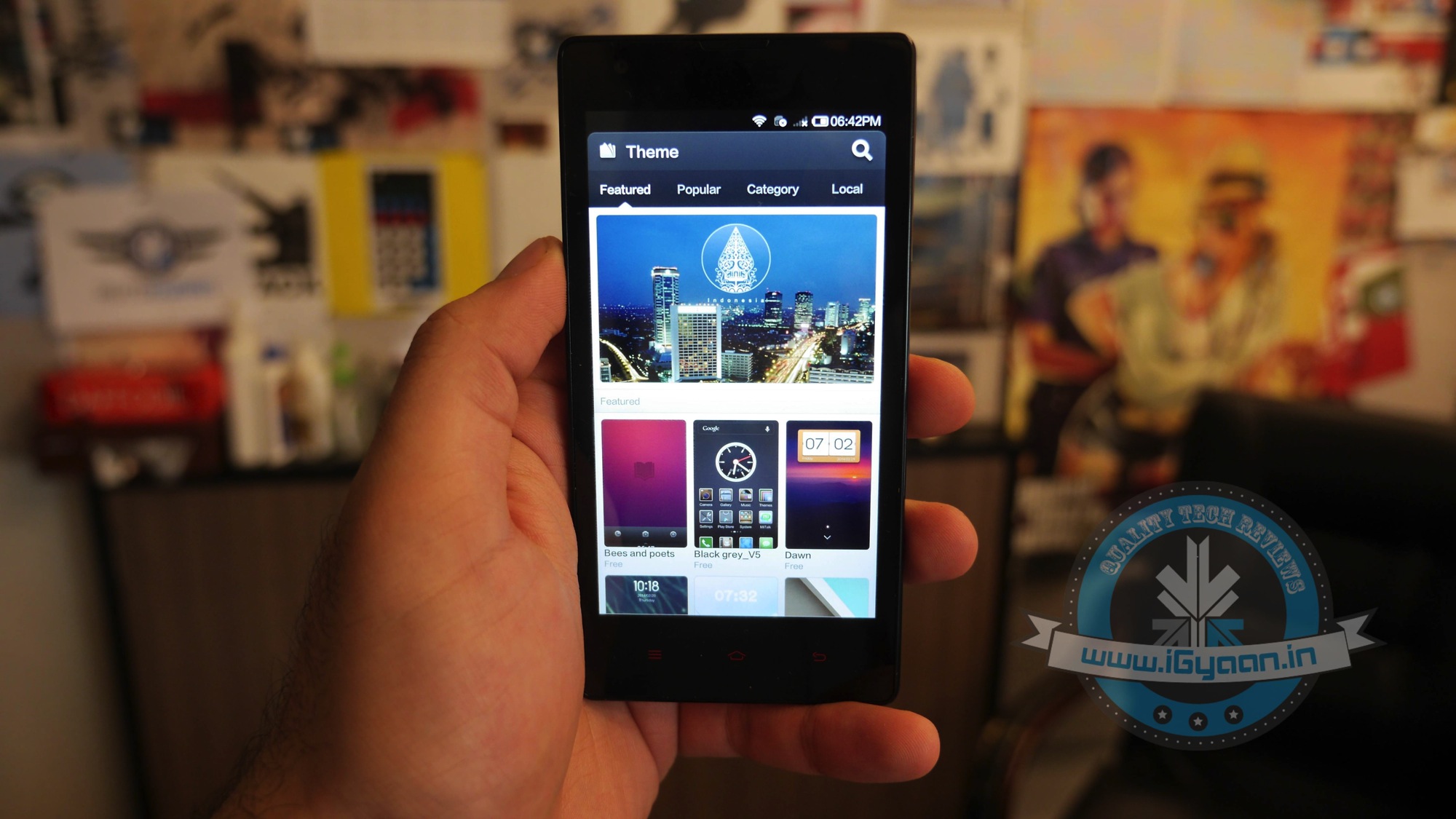
Xiaomi has really taken the Indian market seriously and has made products available quite promptly. With the new Xiaomi Redmi 1S, the company has broken the price barrier at Rs. 5999 and basically beat the Moto E and Asus Zenphone A450 by exactly Rs. 1000. The Phone will follow the same sale pattern as before , often referred to as #FailSale but, the company claims that the strategy is really working for them.
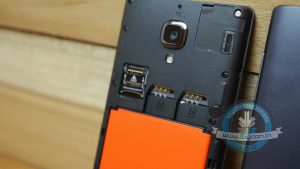
The Xiaomi Redmi 1s will come with 2 Micro Sim to Regular Sim adapters in the box for the dual sim device. The phone will run one card on 3G GSM while one on 2G GSM. The Redmi 1S is powered by a Qualcomm Snapdragon 400 Chipset running at 1.6 GHz on Quad Cores and the Adreno 305 GPU. It accepts micro SD cards unto 32 GB and comes with an inbuilt storage of 8 GB and has 1 GB RAM.
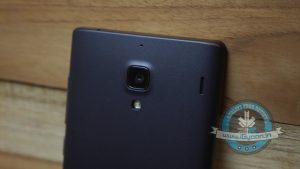
For the Price it is an amazing value, and definitely beats down the competition. The juicy bits include a 1280 x 720 px 4.7 inch IPS LCD Display along with an 8MP camera which can shoot 1080p footage and a front facing 1.6MP camera capable of 720p video.
Xiaomi has started accepting registrations for the sale set to being on 2nd Sept on Flipkart here. The company claims that it has had no issues regarding service, and urges people to use the included sim adapters to tackle the sim card related problems. For the first flash sale of the Redmi 1S, Xiaomi will bring 40,000 units, which from the point of demand is still a meager stock.
The Phone will be made available along side a bunch of accessories including a screen protector, a gel case and a PU leather cover as well. Stay tuned for our review.