Author: Anubhav Sharma

  • Microsoft Takes Down Online Facial Recognition Database Over Accusations

    Microsoft Takes Down Online Facial Recognition Database Over Accusations

    As a consequence to yet another accusation, American technology giant Microsoft quietly removed an online database that contained a whopping 10 million images of almost 1,00,000 people. As per reports, the images were derived from a multitude of search engines and were published in a dataset called MS Celeb in the year 2016. Accusations stated that many people in the dataset were not aware that their images were being used and that their consent wasn’t asked for while capturing the images.

    The images in the Microsoft dataset were being used to train AI based facial recognition systems around the world. For instance, Chinese firms SenseTime and Megvii were using the images in the set to develop their software. Moreover, military researchers were also making use of the images to train recognition-based applications. The same dataset was previously used in an AI project to identify various celebrities. Sources state that the database has been directly linked to China’s efforts to crack down on ethnic minorities in the country.

    The images of people included in Microsoft’s database were scraped from the web under the Creative Commons License. As per the License, people can academically reuse the images, provided that permission has been granted by the copyright holder of the image, not the subject of the image. Previously, in April 2019, the Chinese government used facial recognition software to keep tabs on 11 million Uighurs (Muslim Minority).

    google glass facial recognition

    Also Read: NASA Opens Commercial Opportunities For The International Space Station

    This may be an alarming wake-up call for conglomerates in the light of the fact that consent is absolutely compulsory. If a check is not kept on the method which is being implemented to capture facial-recognition data, the same data can be used in unethical ways. Law enforcement agencies these days rely heavily on technology to ease investigations, but any software isn’t without its flaws. Further developments will expectedly shine more light on the case, but as of now, Microsoft has not stated anything regarding the matter.   

  • OnePlus 7 Pro Almond Colour Variant To Launch In India On June 14

    OnePlus 7 Pro Almond Colour Variant To Launch In India On June 14

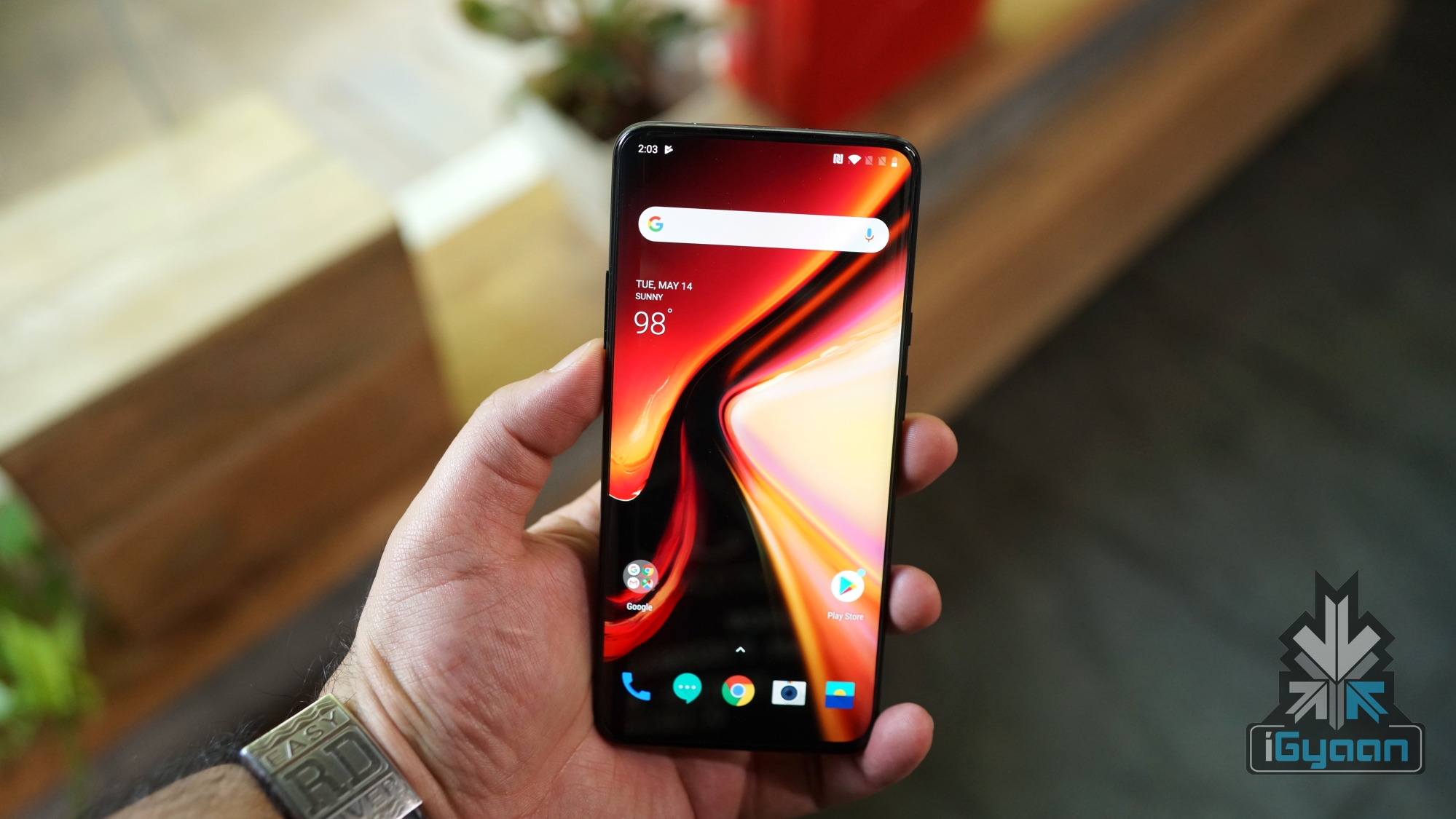
    OnePlus at an event on the 14th of May launched the OnePlus 7 Pro flagship smartphone. It was announced alongside the regular OnePlus 7, the Bullets Wireless 2 and the OnePlus Warp Car Charger. The device was launched in three locations, namely New York in the US, London in the UK and Bengaluru in India simultaneously. At the time of its unveil in India, the OnePlus 7 Pro was available in two colours: Mirror Grey and Nebula Blue. As per the company’s official website, the third Almond Colour Variant of the device will be officially launched on the 14th of June.

    OnePlus 7 Pro

    OnePlus 7 Pro

    The OnePlus 7 Pro as mentioned above, is the latest flagship offering from the company and the beefed-up variant of the OnePlus 7. The smartphone measures 162.6 x 75.9 x 8.8mm and weighs 206 g. It has an all-glass design on the front and back with a metal chassis for reinforcement. The device has a 6.67 inch Fluid AMOLED display with a resolution of 3120 x 1440 px which gives it a pixel density of 516 ppi. 

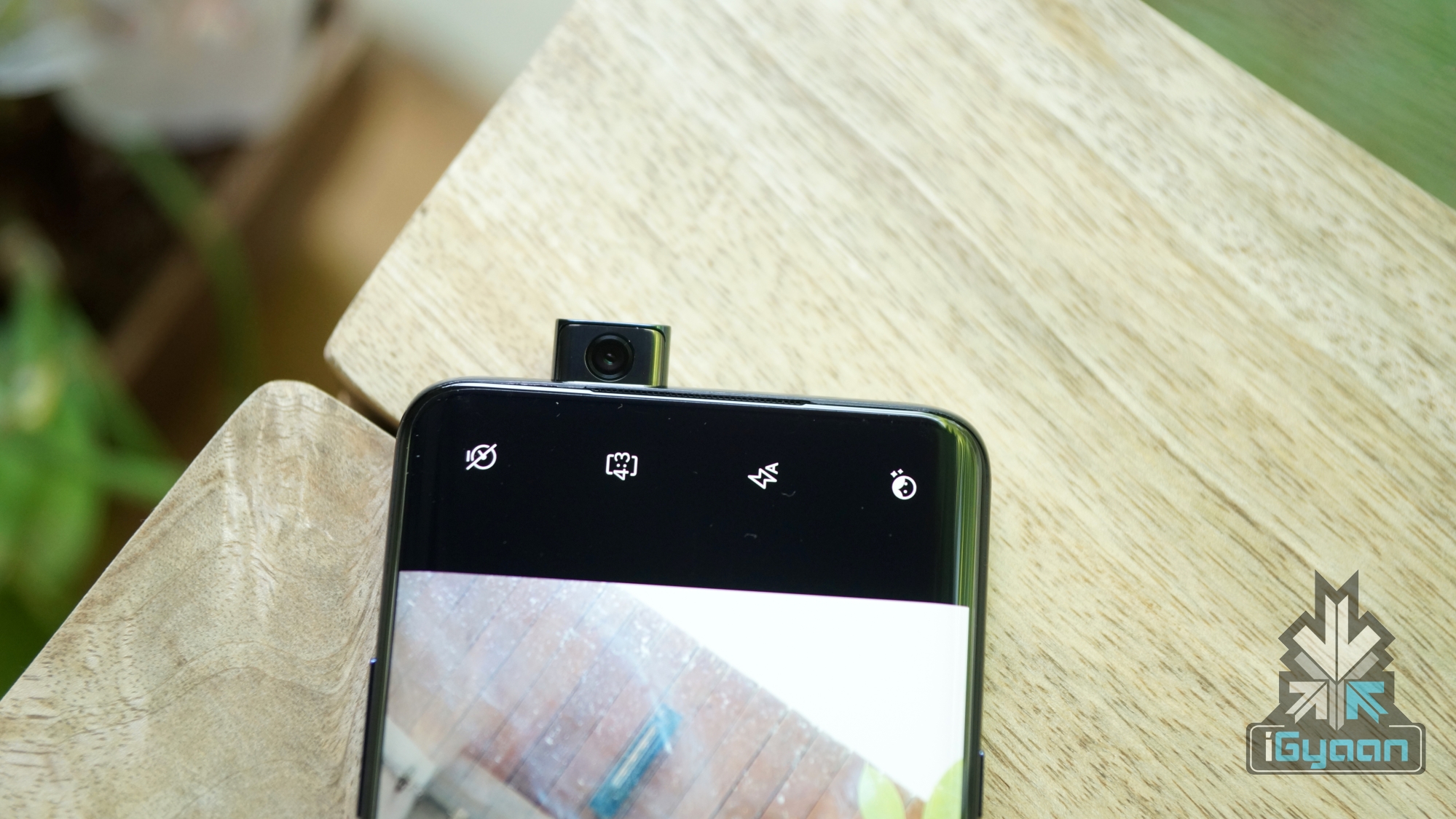
    The display on the OnePlus 7 Pro has a maximum refresh rate of 90Hz which is also seen in handsets like the Asus ROG Phone and Nubia Red Magic 3. To maximise the screen real estate, the smartphone has minimal bezels on all sides of the display and utilizes a pop-up mechanism to house the front-facing camera. For biometric security, it features an in display fingerprint scanner with support for face unlock technology.

    OnePlus 7 Pro

    Under the hood, the OnePlus 7 Pro is kitted with the 7nm Snapdragon 855 SoC which consists of an Octa-core CPU and the Adreno 640 GPU. In terms of optics, the smartphone has a triple rear camera setup comprised of an f/1.6 aperture equipped 48 MP primary sensor; and an f/2.4 aperture equipped 8 MP telephoto sensor with 3x optical zoom; the third sensor used is an f/2.2 aperture equipped 16 MP ultra wide angle lens with a Field of View (FoV) of 117 degrees.

    It can capture 4K videos at 60fps and supports Optical Image Stabilisation (OIS) for smoother footage. For selfies, an f/2.0 aperture equipped 16 MP camera is housed in the pop-up mechanism on top of the display. Video from the front camera is capped at 1080p resolution at 30fps. In terms of memory and storage, the handset will be available in the following variants.

    • 6GB RAM and 128GB ROM
    • 8GB RAM and 256GB ROM
    • 12GB RAM and 256GB ROM

    The OnePlus 7 Pro is powered by a non-removable 4000mAh battery with support for 30W Warp Charging technology. The smartphone uses a new X-axis Haptic Vibration Motor which the company claims will provide it with better haptic feedback than the OnePlus 6T. In terms of connectivity, the device supports Wi-Fi 802.11a/b/g/n/ac, Bluetooth 5.0 and NFC. The OnePlus 7 Pro also boasts of Dual Stereo Speakers and Audio tuned by the Dolby Atmos technology. It is the first globally available smartphone to feature the Universal Flash Storage (UFS) 3.0 standard, which will result in fast read and write speeds. 

    Pricing & Availability

    Also read: OnePlus 7 Pro: Unboxing and Hands On

    The OnePlus 7 Pro was launched for a price starting Rs. 48,990 for the variant with 6GB of RAM and 128GB internal storage. Noteworthy, the Almond colour version will be only available in the 8GB RAM and 256GB variant has been priced at Rs. 52,990 (~$765)

  • Huawei P30 With 12GB RAM Spotted On TENAA

    Huawei P30 With 12GB RAM Spotted On TENAA

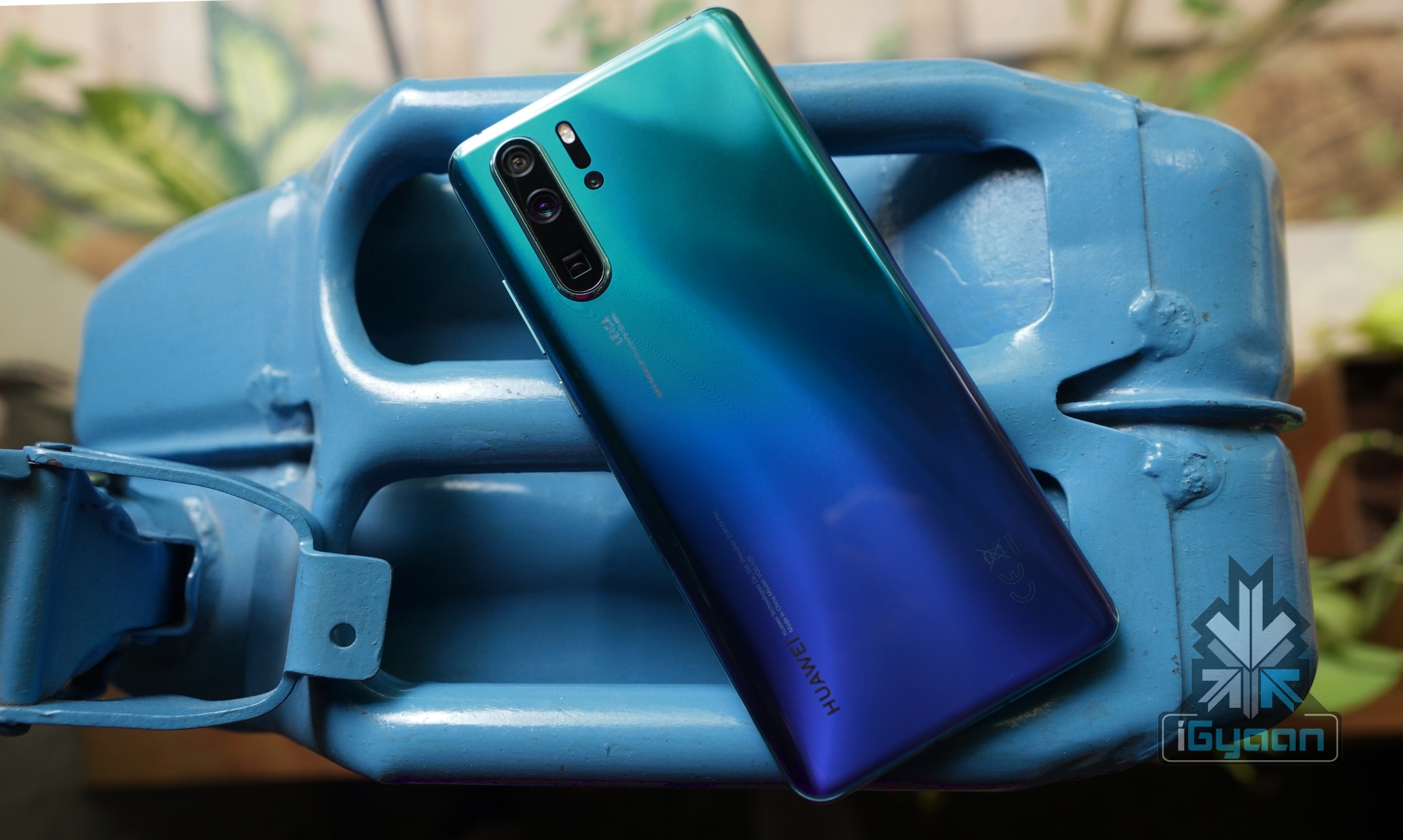
    Chinese smartphone manufacturer Huawei launched the P30 in the month of March 2019. The device was unveiled alongside its elder sibling, the P30 Pro, which featured one-of-a-kind periscopic camera setup. However, it seems that the Huawei P30 may receive an upgrade in the not-so-distant future. A beefed-up version of the smartphone with 12GB of RAM has showed up on TENAA, and features the model name ELE-AL00m. 

    Huawei P30 Pro
    Huawei P30 Pro

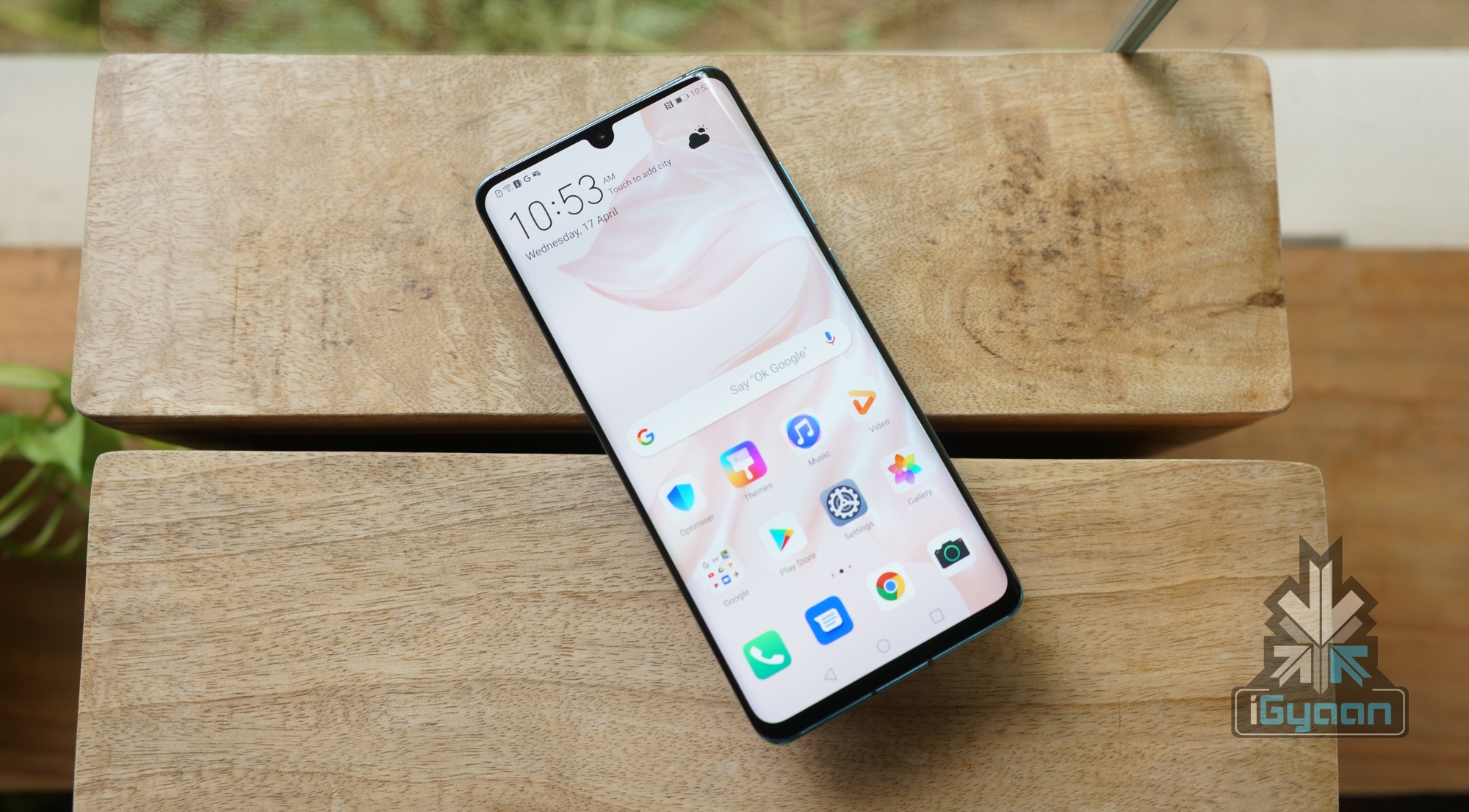
    Previously, the Huawei P30 was available in two RAM variants, 6GB and 8GB. Except the RAM bump-up in the TENAA listing, no other upgrades to specifications were spotted. The P30 is the less feature rich variant of the high-end P30 Pro. It features a similar design to the Huawei P20 launched in the year 2018. The device has a 6.1 inch OLED display with a resolution of 2340 x 1080 px. For security, the smartphone has an in-display fingerprint scanner with support for face recognition.

    Huawei P30 Pro

    The Huawei P30 runs on the 7nm Kirin 980 chipset. It consists of an Octa-core Cortex CPU and a Mali G76 GPU. In terms of optics, the smartphone has a triple rear camera module comprising of a 40MP primary sensor (f/1.8 aperture), a 16MP ultra-wide sensor (f/2.2 aperture) and a third 8MP telephoto sensor (f/2.4 aperture). For selfies, there is a 32MP front camera housed in the notch up front.

    Huawei P30 Pro

    Also Read: Google Stadia Price And Launch Date Revealed

    The smartphone is powered by a 3650mAh battery with 22.5W fast charging support via the bottom mounted USB Type-C port. The smartphone also supports NanoMemory cards, a new memory standard the company introduced in 2018. The device is IP68 Dust and Water resistant. Currently, it is available in a 128GB ROM variant. After the aforementioned RAM upgrade, the device will be available in three different RAM variants :

    • 6GB
    • 8GB
    • 12GB


  • Sony PlayStation 5 Details Revealed By Company CEO

    Sony PlayStation 5 Details Revealed By Company CEO

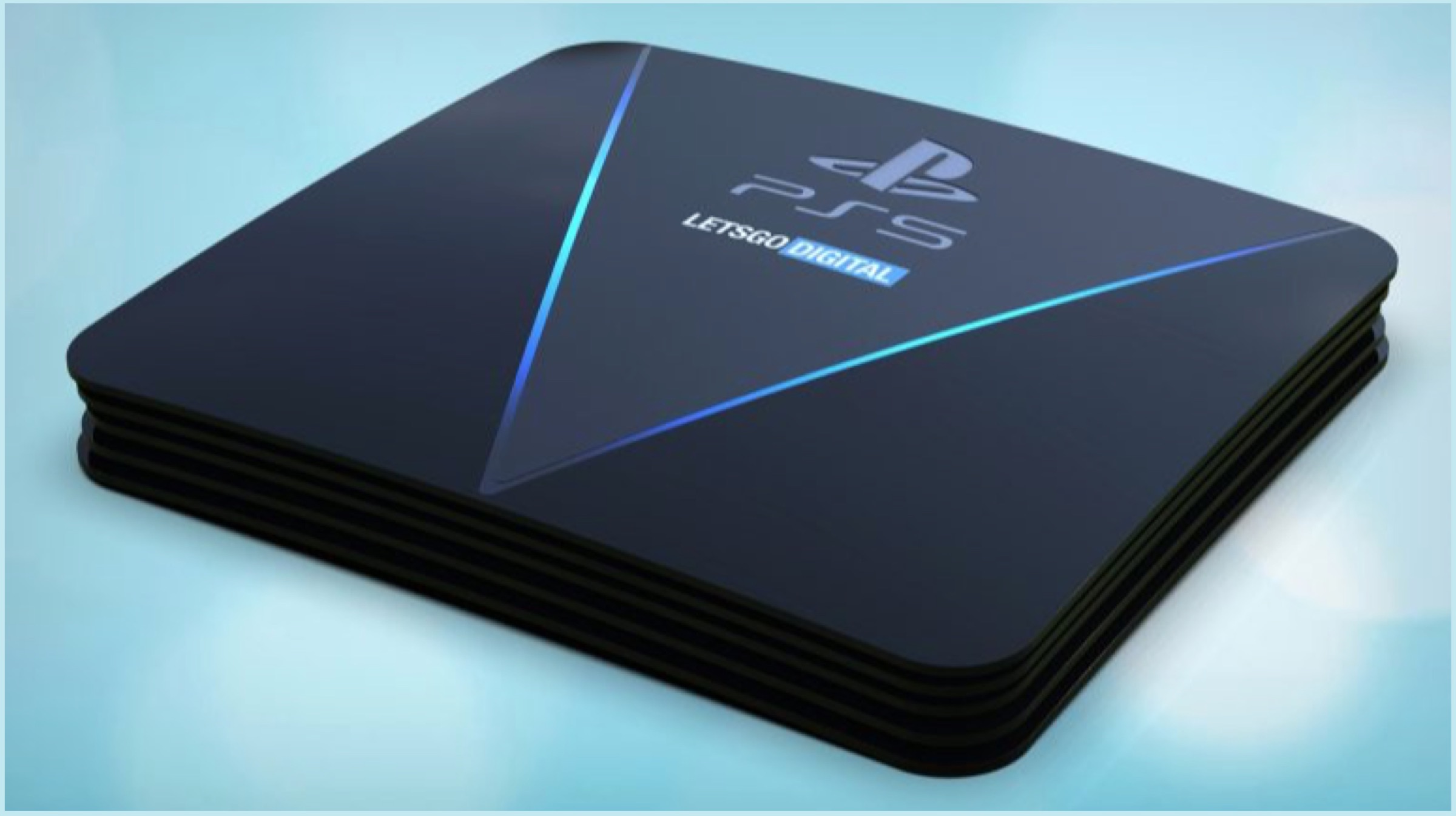
    Sony may have stated that no big announcements will be made at E3 2019, but on the other hand, fans are getting their fair share of PS5 details from the company itself. Previously, company officials revealed key pieces of information regarding the upcoming console. The loading speed of games on the PlayStation 5 was also compared to that of PlayStation 4, in which PS5 beat the PS4 by a huge margin. As per latest reports, Jim Ryan, CEO of Sony Interactive Entertainment has also revealed that the ‘PlayStation Now’ game streaming service will be ‘taken to the next level’ with the next generation Playstation amongst other upgrades. 

    Sony PlayStation 5

    As per sources, the Japanese company also plans to introduce Cross-Generational play with the successor of the PS4. With cross-generational play, players can simply switch to a new console and continue playing their game of interest from the point where it was left off. This implies that it won’t matter to Sony’s servers what device players are using. The friend list will be retained across all the consoles including the PlayStation 5, no matter what. 

    Sony PlayStation 5

    Sony’s CEO also stated that the company has an active user base of 94 million players, out of which 36 million players have an active Sony PlayStation Plus subscription. To hold on to such a huge player base, the company plans to include a custom-designed SSD (Solid State Drive) in the console to make games load faster. In terms of graphics, it will offer HD 4K graphics at a staggering 120Hz refresh rate, Jim Ryan added. 

    Also Read: Astrobotic’s Tiny Rover To Test Endurance Of Small Robots On The Moon

    The PlayStation 5 is expected to sport 3D audio technology, which will enable gamers to have immersive gaming experience. Last but not least, some new PS5 games may support Ray Tracing. Ray Tracing simulates the interaction of real-world light with real-time objects in the game, which leads to lifelike graphics rendering. Battlefield 5 was the first game to support Ray Tracing on NIVIDA RTX powered PCs, and we can expect developers to release more titles in accordance with Ray Tracing technology if consoles start supporting it too. 


  • Facebook’s Cryptocurrency May Launch In June Itself

    Facebook’s Cryptocurrency May Launch In June Itself

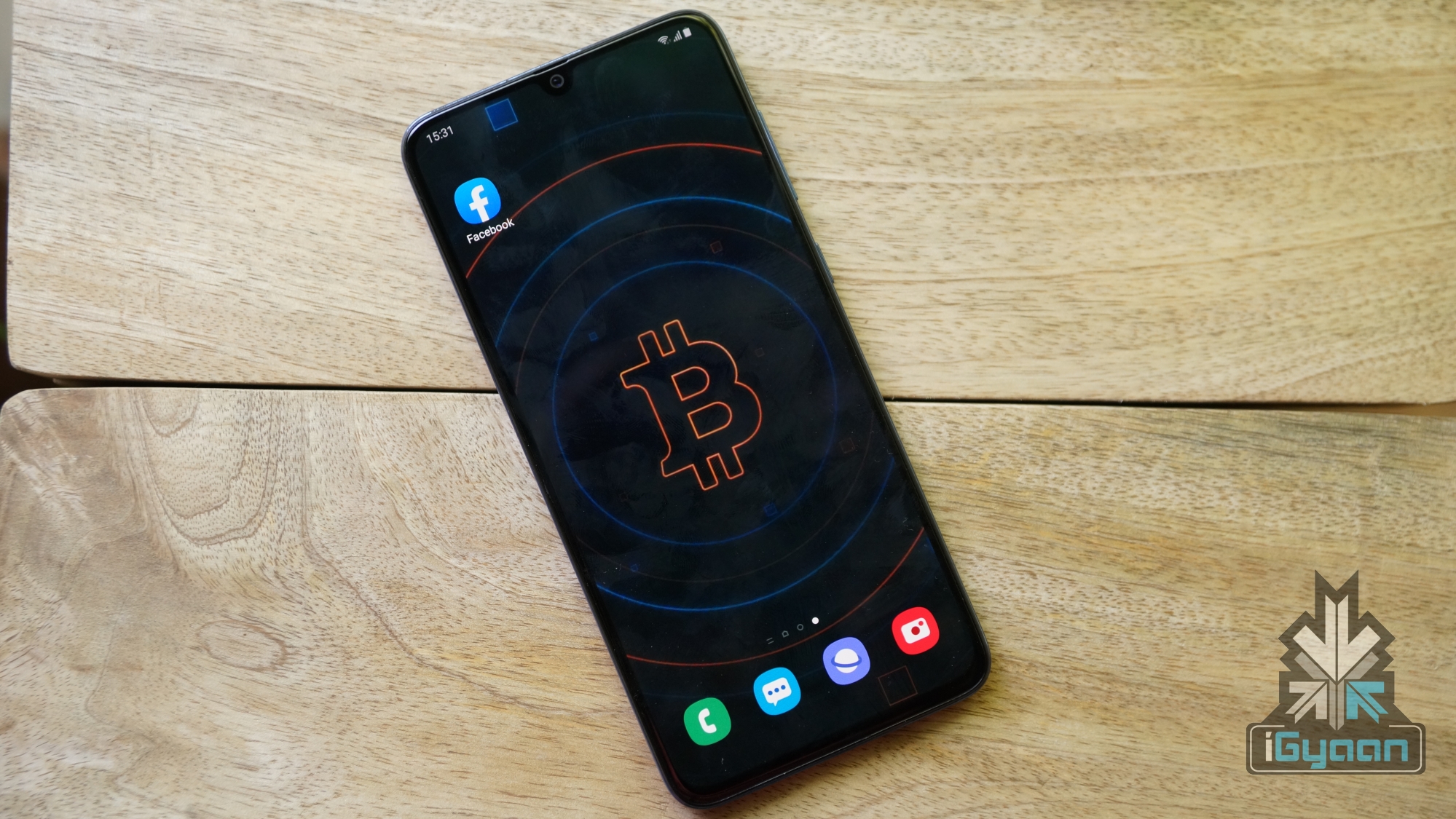
    As reported previously, Social Media giant Facebook is planning to unveil its own cryptocurrency. The company is proposing to set up a digital payment system in up to twelve countries by the beginning of the year 2020. The currency is currently referred to as Globalcoin, but the name may change when Facebook outlines its plans in more details. Facebook also claimed that it has already completed talks with the Bank of England regarding the risks and opportunities of a new currency format. However, the latest reports state that the new currency may be unveiled in this month (June 2019) itself.

    Facebook Cryptocurrency

    Apparently, the company is planning a huge push that will include bonuses for merchants that will adopt the cryptocurrency right away. Facebook also plans to introduce real-world kiosks where users can exchange their “GlobalCoins” for cash. Furthermore, the employees of the company can choose to be paid in the new cryptocurrency, an initiative that Facebook believes will encourage newer users to adopt the cryptocurrency with ease.

    Facebook Globalcoin

    The project has been in the works for a while now and was codenamed Libra in the beginning. For the alleged project, Facebook will have to collaborate with various banks; which will allow it to exchange international currencies into Globalcoin. As mentioned before, it has already had a successful talk with the Bank of England, so this should not be a major problem.  

    Facebook Cryptocurrency

    Also Read: Dell Unveils Latitude 7400 Laptop With New ExpressSign-In Feature

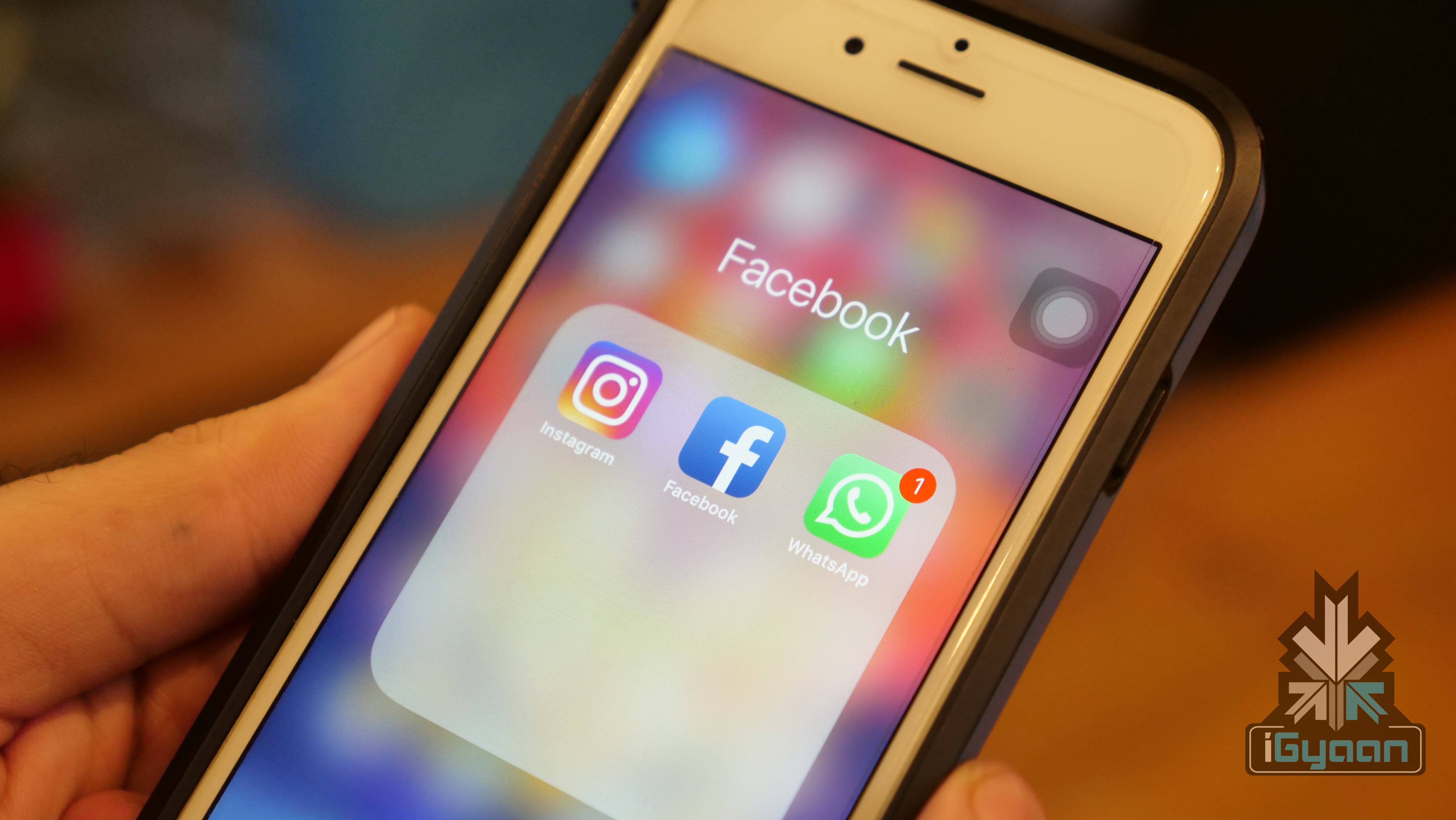
    The major advantage Facebook will have with its currency Globalcoin over its rivals like Bitcoin and Ethereum is the sheer number of users of its various products. Over 2 billion people have been recorded to use Facebook actively and millions of other members of the audience are hooked to applications like Instagram and WhatsApp. Hence, these platforms can serve an important role in boosting the popularity of the new cryptocurrency. However, since Facebook has been involved in multiple security and data breaches in the past, the organization will have to establish a fair amount of trust in its users in order to make its cryptocurrency successful in the long run.  

  • Moto E6 Plus with Helio P22 SoC Leaked On Geekbench

    Moto E6 Plus with Helio P22 SoC Leaked On Geekbench

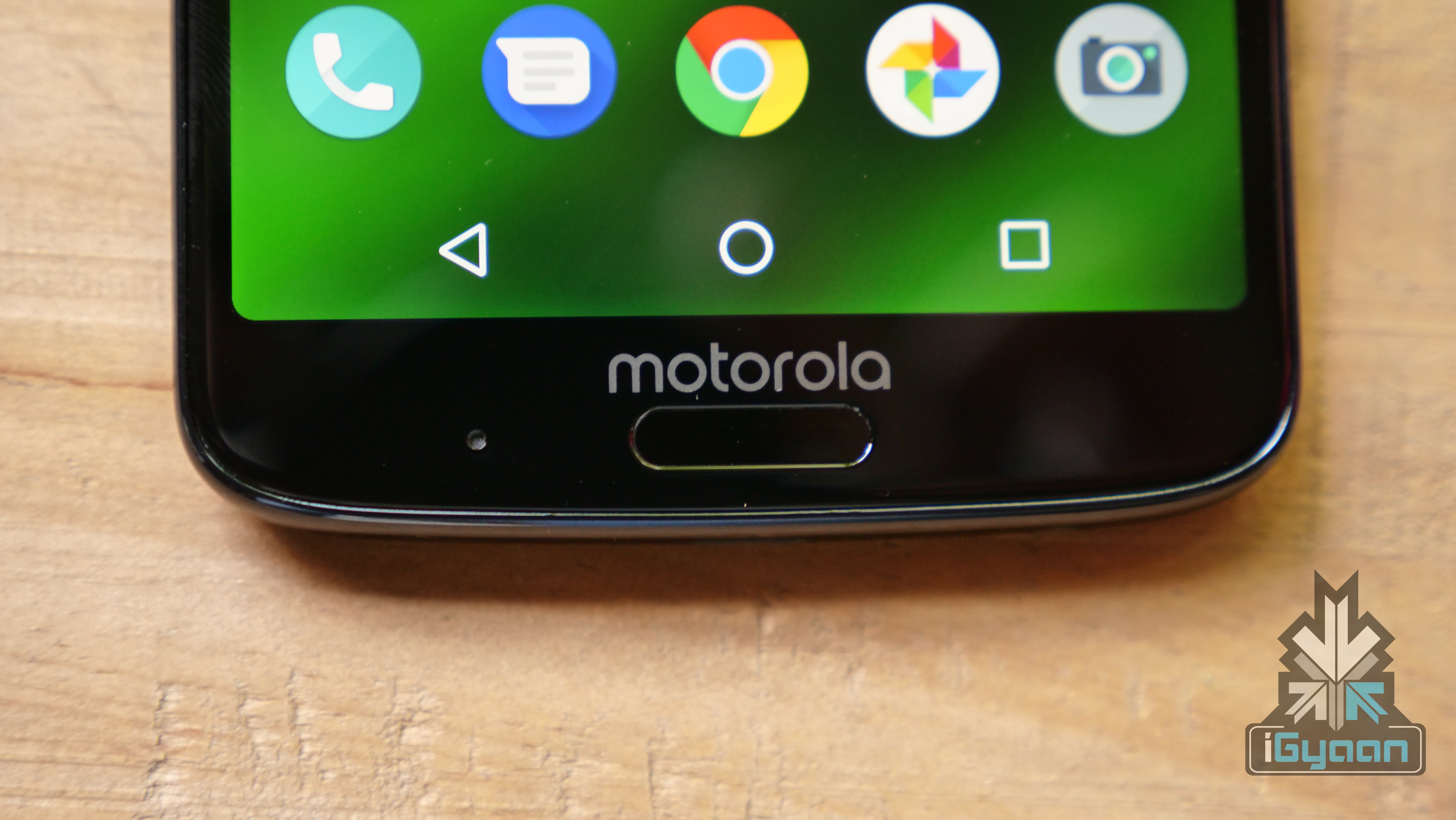
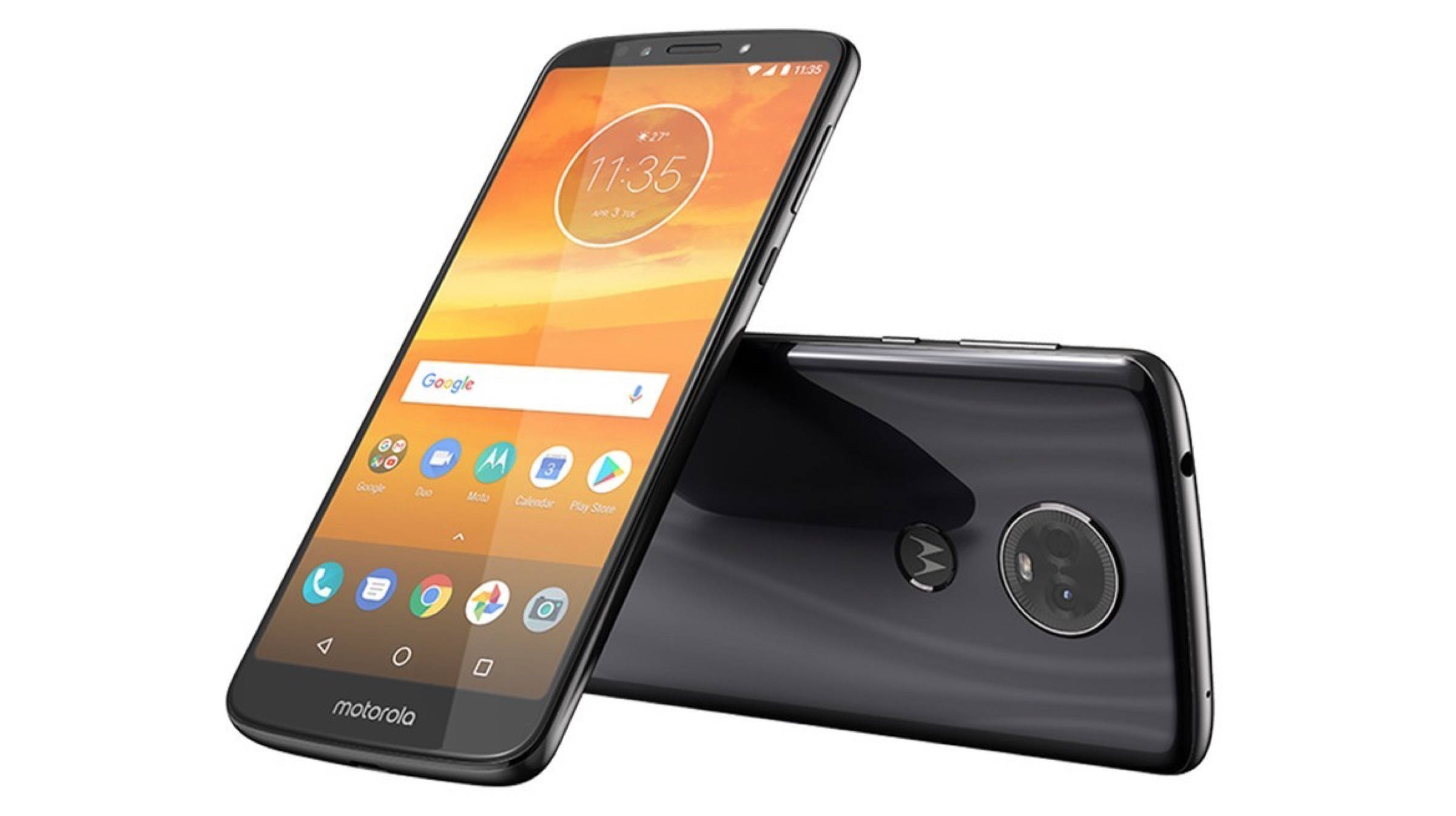
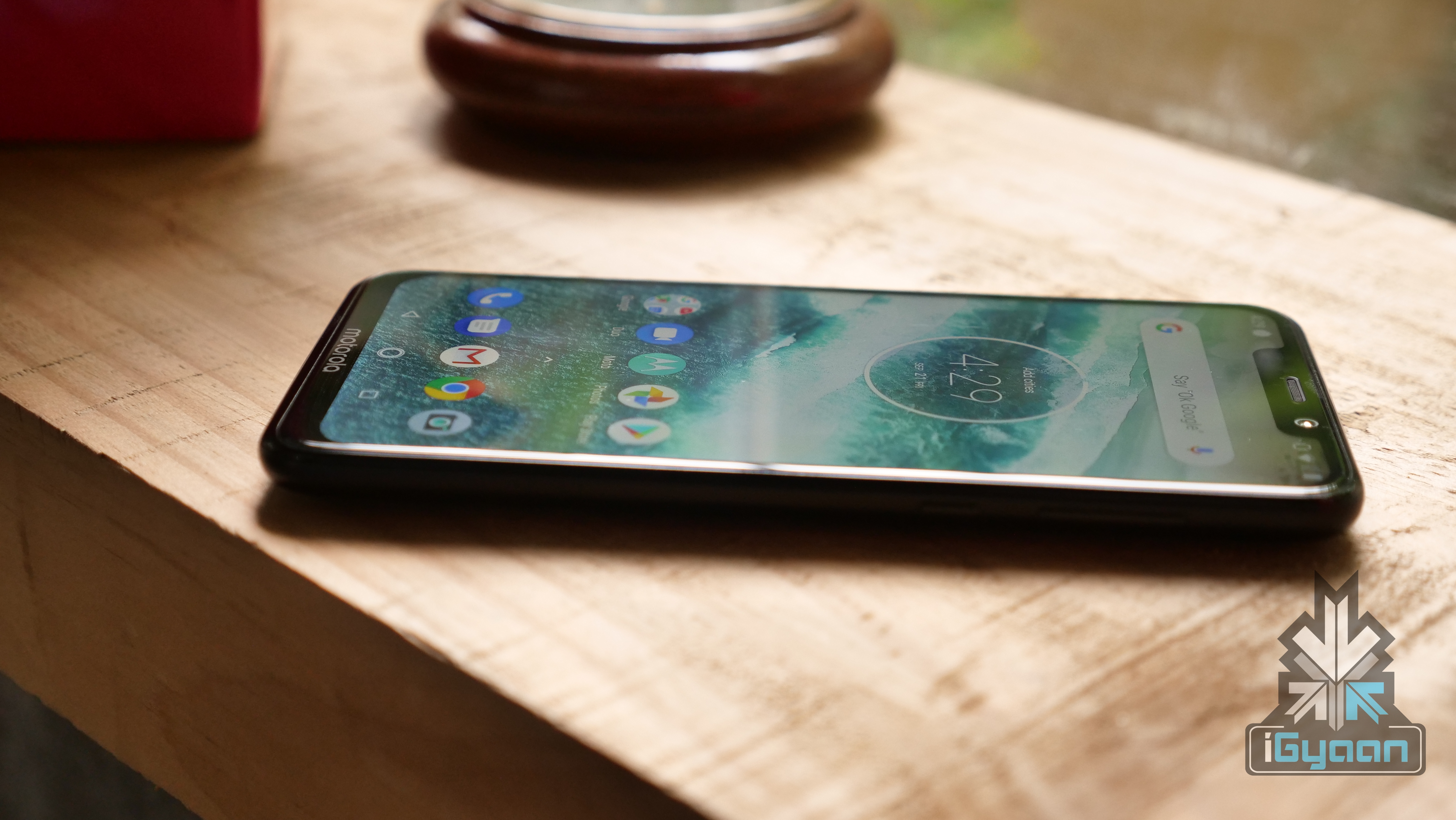
    Lenovo-owned company Motorola is looking to re-establish its footing in the smartphone market. Lately, the company has shown signs of shifting from flagship devices to midrange and budget smartphones. The company’s latest offering was the Moto Z4, which features the Snapdragon 675 SoC and had support for Moto mods. Motorola’s upcoming budget smartphone, the Moto E6 Plus was spotted on Geekbench, and it revealed some key specifications of the device.

    Moto E6 Plus Specifications And Features

    Moto E6 Plus

    The Moto E6 Plus is expected to one of the three Motorola devices in the lineup similar to the E5 series (E5, E5 Plus and E5 Play). The Geekbench listing reveals that it is powered by the 14nm Mediatek Helio P22 chipset. It consists of 8 Cortex-A53 cores clocked at 2.0GHz and the IMG PowerVR GE8320 GPU chip. The handset in the Geekbench listing has 2GB RAM, but since Motorola launched the E5 Plus in two RAM variants: 2GB and 3GB, the same can be expected of the E6 Plus. 

    Moto E6 Plus
    Moto G6 Plus

    The Geekbench listing further reveals that the Moto E6 Plus runs on the Android 9 (Pie) OS. A single core score of 829 has been achieved by the device, whereas in the multi-core test, it hits a score of 3687. Although no other prominent features and specifications of the device have been divulged yet, it should be noted that the younger sibling of the device featured a 5.45 inch display with a 1440 x 720 px HD+ resolution.

    Moto E6 Plus: Expected Availability & Price 
    Moto One Power

    Also Read: Microsoft Renames The Windows 10 Xbox App To Xbox Console Companion

    Similar to the Moto E6, the Moto E6 Plus may be available in two 16GB and 32GB variants. It may sport a 13MP (f/2.0) primary camera with a front-facing 5MP camera. Details regarding the secondary camera are unknown at the moment. As mentioned before, the device is expected to be priced aggressively. Since the Moto E5 lineup was unveiled in the month of April 2018, the E6 series might make its way into the smartphone market soon enough.   


  • Vivo Y12

    Vivo Y12

    Vivo Y12 is the latest budget smartphone offering from the Chinese smartphone manufacturer. The handset features triple rear cameras and an 8MP front camera. Under the hood, it runs on the Helio P22 chipset which consists of an ARM Cortex-A53 CPU and IMG PowerVR GE8320 GPU. It sports a 6.35 inch Halo FullView display with HD+ resolution and 19.3:9 aspect ratio. It boasts of Android 9 Pie, with Funtouch OS 9 on top. The device is powered by a massive 5,000 mAh battery, with reverse wireless charging feature.  

    [loop included_tags=”56319,57269″ loading=”paged” layout=”f” postsperpage=”4″]
  • Samsung Galaxy XCover 4S Renders & Specs Leaked

    Samsung Galaxy XCover 4S Renders & Specs Leaked

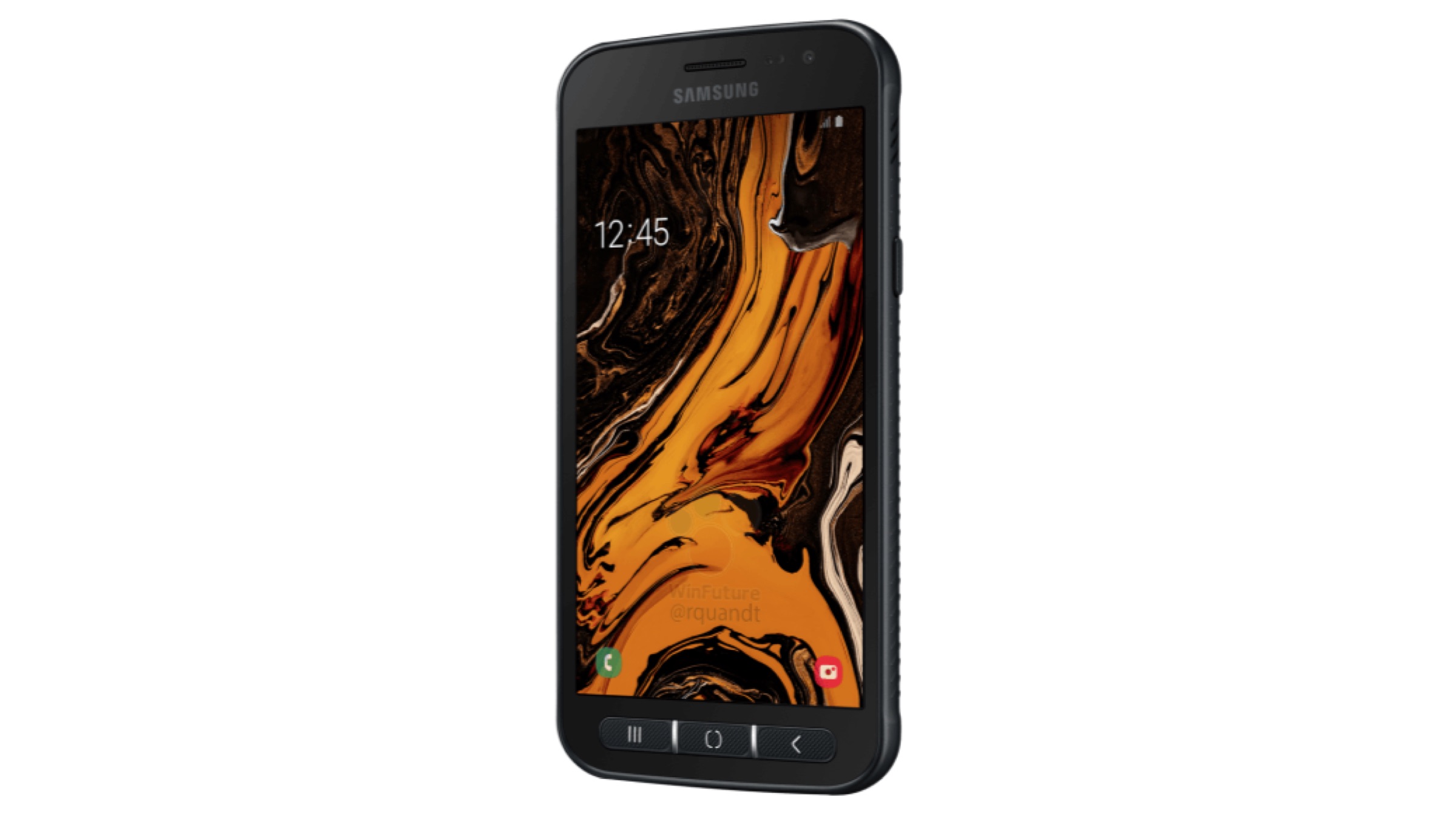
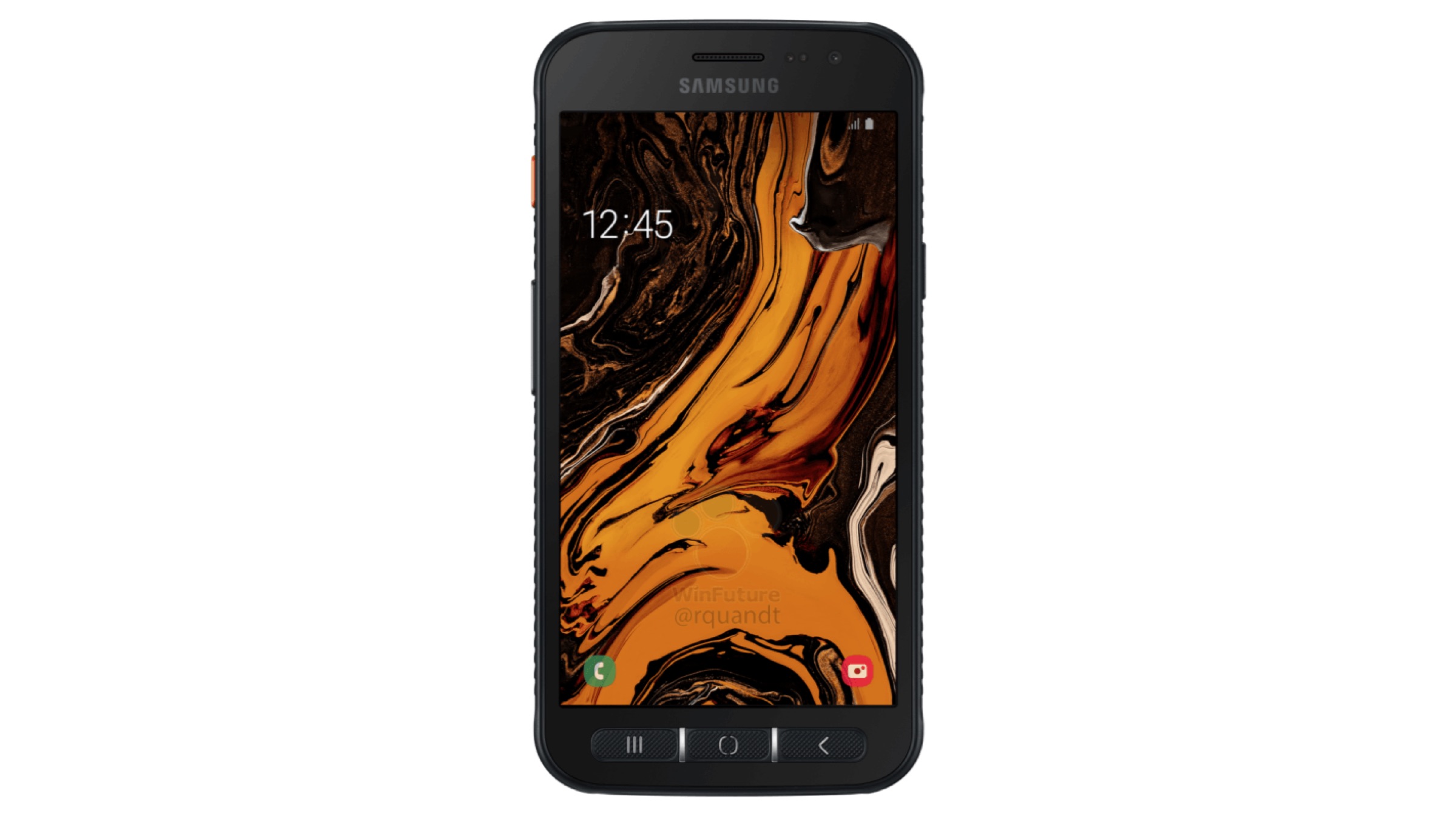
    Samsung has been focusing a lot on the budget smartphone segment in India lately. The South Korean technology company has tasted success in the hands of Galaxy M-series devices, such as the Galaxy M20 and Galaxy M30. As per latest leaked renders, a smartphone from the company believed to be the Galaxy XCover 4S is in the works. The device previously received FCC certification in the month of May 2019. 

    Samsung XCover 4S: Specifications And Features

    Samsung Galaxy XCover 4S   

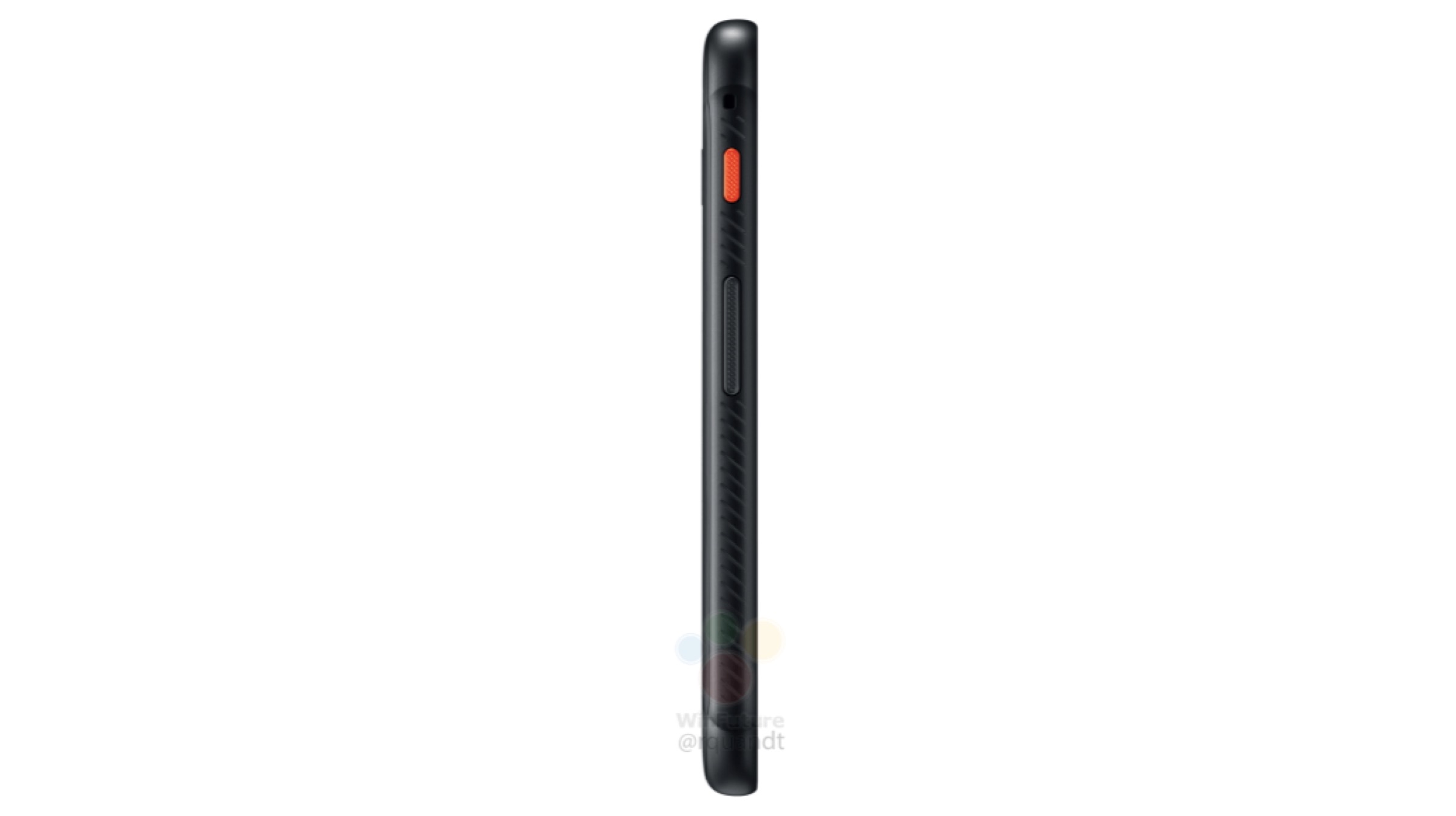
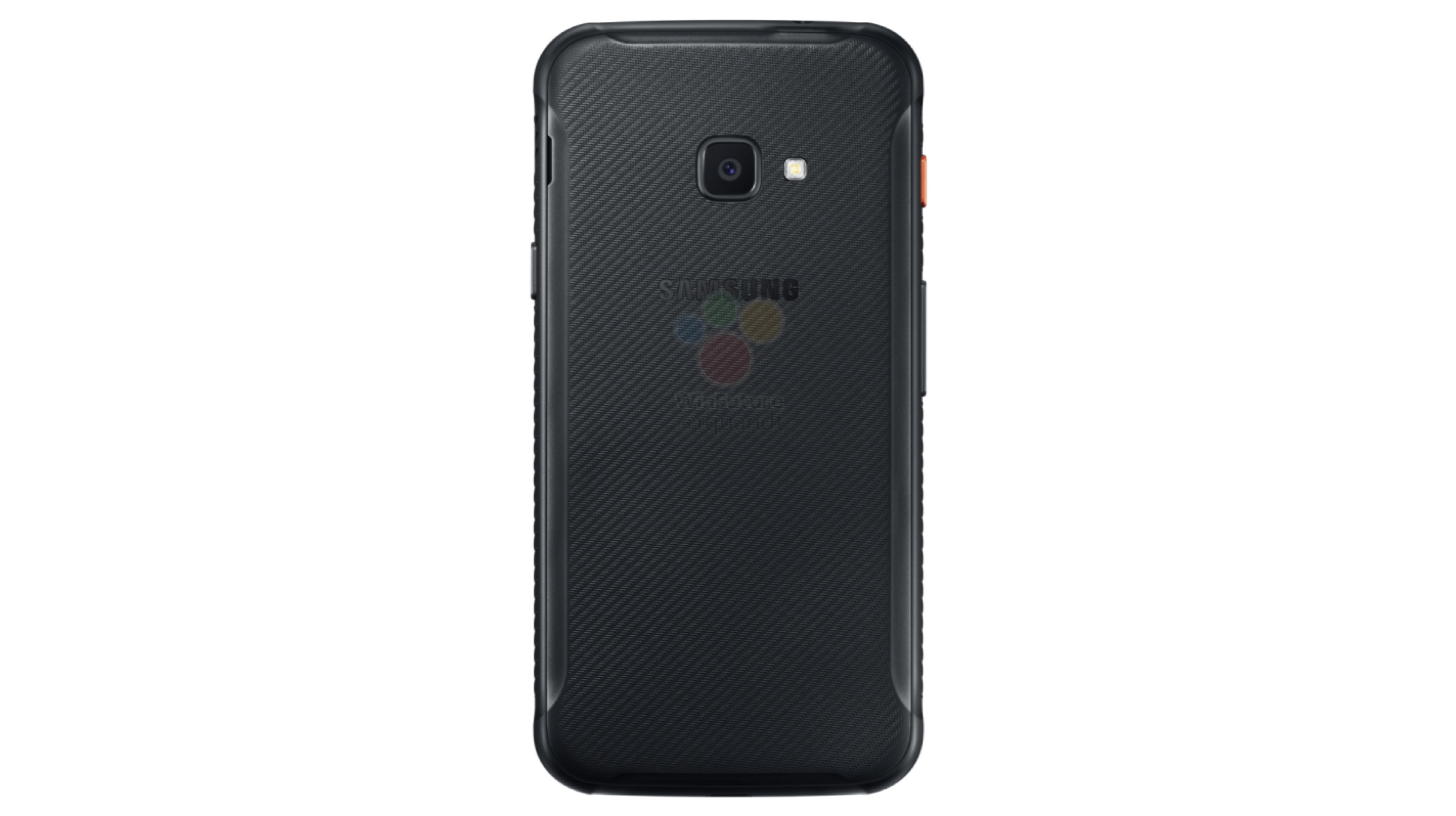
    The device bears the model number SM-G398. As per renders, the Galaxy XCover 4S sports a rubber coating which will improve the grip and durability of the smartphone. The smartphone is rated IP68 water and dust resistant. Moreover, it also has MIL-STD 810G certification, which means that the XCover 4S can survive drops from up to 120 centimetres high as well. An interesting feature to note is that the device has physical navigation buttons placed right below the display. 

    The smartphone features a 5 inch LCD with a 1280 x 720 px resolution and 294 PPI. Since the device doesn’t exactly lie on the side of design and looks, it features reasonably wide bezels on all edges. Under the hood, the Galaxy XCover 4S runs on the Samsung Exynos 7885 chipset, which is clocked at 1.6GHz. It is bundled with 3GB RAM and 32GB of internal memory, which can be expanded via the microSD card slot.

    Samsung Galaxy XCover 4SIn terms of optics, the device features a single rear 16MP (f/1.7) camera. which supports scene optimization via AI. The camera supports Full HD video recording. For selfies, the company has included a 5MP (f/2.2) aperture front camera, which is placed in the top bezel of the handset. It packs a 2800 mAh replaceable battery, which can be charged via the USB Type-C port present at the bottom of the smartphone. It supports Bluetooth v5.0 and NFC. In addition to a 3.5mm headphone jack, the XCover 4S also has a XCover key which can be assigned to any application or service of choice.

    Samsung XCover 4S: Expected Price And Availability

    Samsung Galaxy XCover 4S

    Also Read: Samsung Has Started Research On 6G Networks At A New Center

    The smartphone is expected to be launched on 12 June 2019. It will be targeted towards users who are looking for a rugged and durable device without any game-changing features. At the time of launch, it is expected to be priced at US$ 280 (~INR 19,500). 

  • Samsung Has Started Research On 6G Networks At A New Center

    Samsung Has Started Research On 6G Networks At A New Center

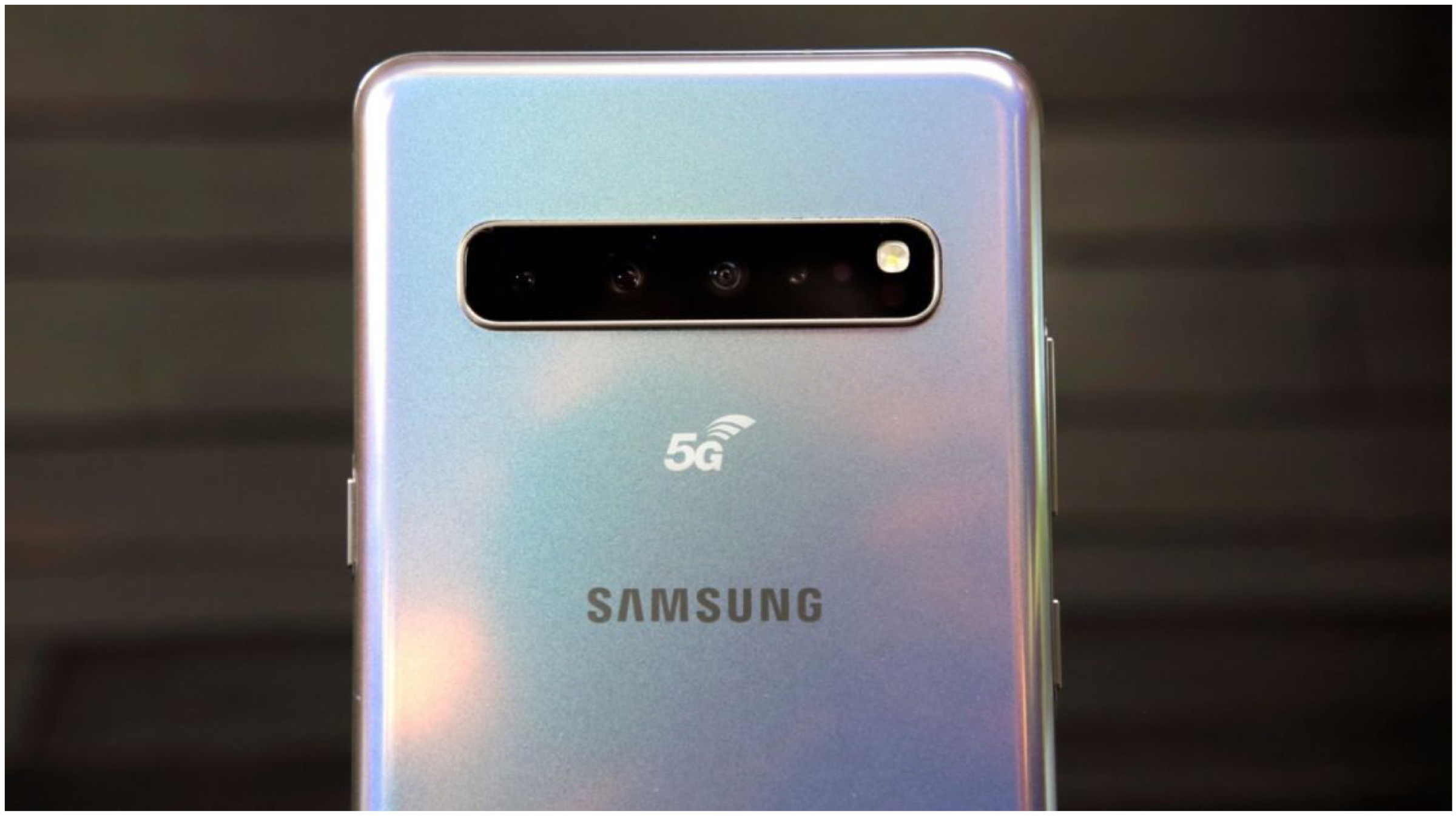
    At a time where 5G networks are still in their developing times, South Korean technology giant Samsung has already begun research on 6th Generation networks. That is right, the company which is gearing up to launch one of the first 5G smartphones in the market is also looking towards 6G networks. There is absolutely no information regarding the availability of such technology yet, but the fact that advancements are overstepping even the current iteration of the technology is very interesting to witness.

    Samsung 6G

    An official from Samsung stated that the organization is already scoping out initial research points by launching a brand-new research centre. The company recently established its Advanced Communications Research Center under Samsung Research. This is one of the company’s main R&D (Research And Development) divisions, and as per reports, it is based in Southern Seoul (the capital of South Korea).

    Samsung S10 5G

    The company had a team of researchers already working on fifth generation networks, which will now be expanded to the level of an all-round research centre as per reports. Furthermore, the newly set up centre will focus solely on 6G networks, even though analysts predict that 6G networks will not be commercially viable until the year 2030. This is almost 11 years from now, so 6G demos might not even be available until the year 2027 or later.

    Samsung Galaxy S10e

    Also Read: Apple CarPlay Update Makes It A Better Travel Partner

    An additional piece of news states that Samsung Research is also in charge of R&D for AI (Artificial Intelligence) and Robotics. Apparently, the company is venturing into future technologies that may set it apart from other electronics manufacturers in the not-so-distant future. Samsung’s Galaxy S10 5G is already rolling out to exclusive Verizon customers in the United States. Demo tests of the same have showcased insanely fast data download speeds, so it is just a speculation that 6G technology will provide speeds that are not even imaginable. 

  • How ARKit 3, RealityKit And HomeKit Will Help Developers In Creating Apps

    How ARKit 3, RealityKit And HomeKit Will Help Developers In Creating Apps

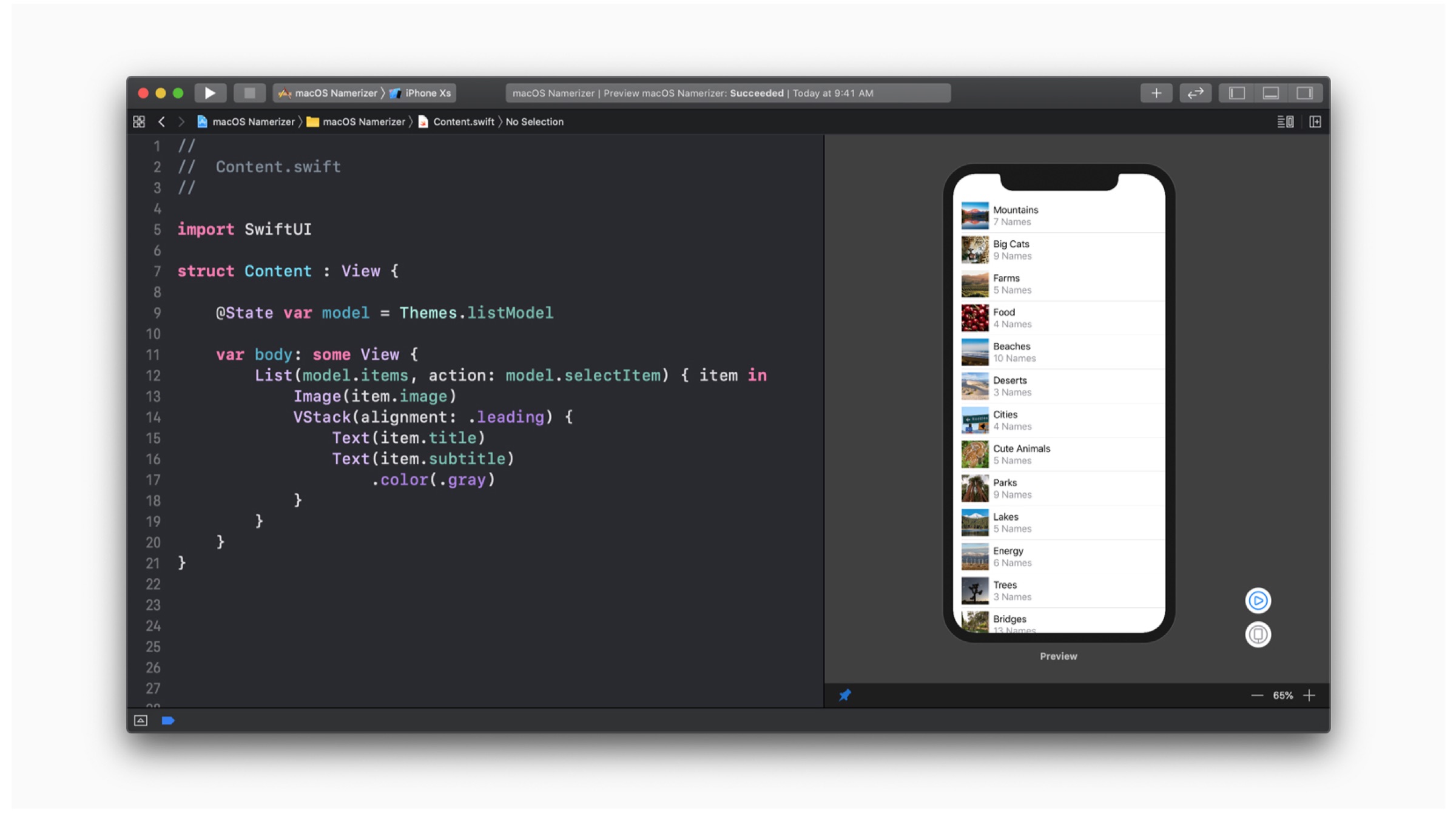
    The first day of the WWDC 2019 saw some radical updates being brought forth by Apple. The American multinational company announced the iOS 13, the all-new Mac Pro and iPadOS, watchOS, tvOS and macOS. Furthermore, since the event was a ‘developers’ conference’, Apple also unveiled new software frameworks, especially for developers. The development kits include ARKit 3 and RealityKit frameworks. Additionally, Homekit will now be added to security cameras and wi-fi routers. HomeKit is a software framework by Apple that helps iOS-based devices to communicate with smart-home appliances. 

    ARKit 3

    Apple ARKit 3

    Developers will find it much easier to formulate AR-based applications with the updated ARKit iteration, which receives a fair overhaul in features from the ARKit 2. Using Motion Capture, developers can track human movements and feed them directly into the applications. Motion Capture will also be able to accurately track the limbs and torsos in real-time. People Occlusion is another feature being included in the ARKit 3 framework. It will ensure that all the Augmented Reality based content will show up naturally in front or behind people.

    RealityKit

    Apple RealityKit

    RealityKit was also introduced by the company, and it enables developers to fabricate ‘photorealistic’ AR experiences, Apple states. This implies that real-world environments can easily accommodate virtual objects. Effects such as motion blur can be manually added into scenes, which will simulate a real-world environment instead of a virtual environment. The company also announced the integration of RealityKit with Swift’s Application Programming Interface (API).

    HomeKit

    Apple HomeKit

    Also Read: Samsung Collaborating With AMD For Radeon Graphics On Its Smartphones

    Regarding Apple’s interface to make Home-based Apple devices more accessible via devices running iOS, HomeKit will undergo two new developments. HomeKit Secure Video will ensure that the security cameras connected to the HomeKit network will process and analyze security feed directly on the user’s device rather than on the cloud. Furthermore, the 10-day feed will be encrypted and uploaded to the user’s iCloud account. Alongside, HomeKit-enabled routers will create a virtual firewall between the complete network and the devices connected to it. This will make sure that the network will remain secure even if one of the devices is breached. 

  • As Apple Retires iTunes, Here Is How It Paved The Way For Modern Music Platforms

    As Apple Retires iTunes, Here Is How It Paved The Way For Modern Music Platforms

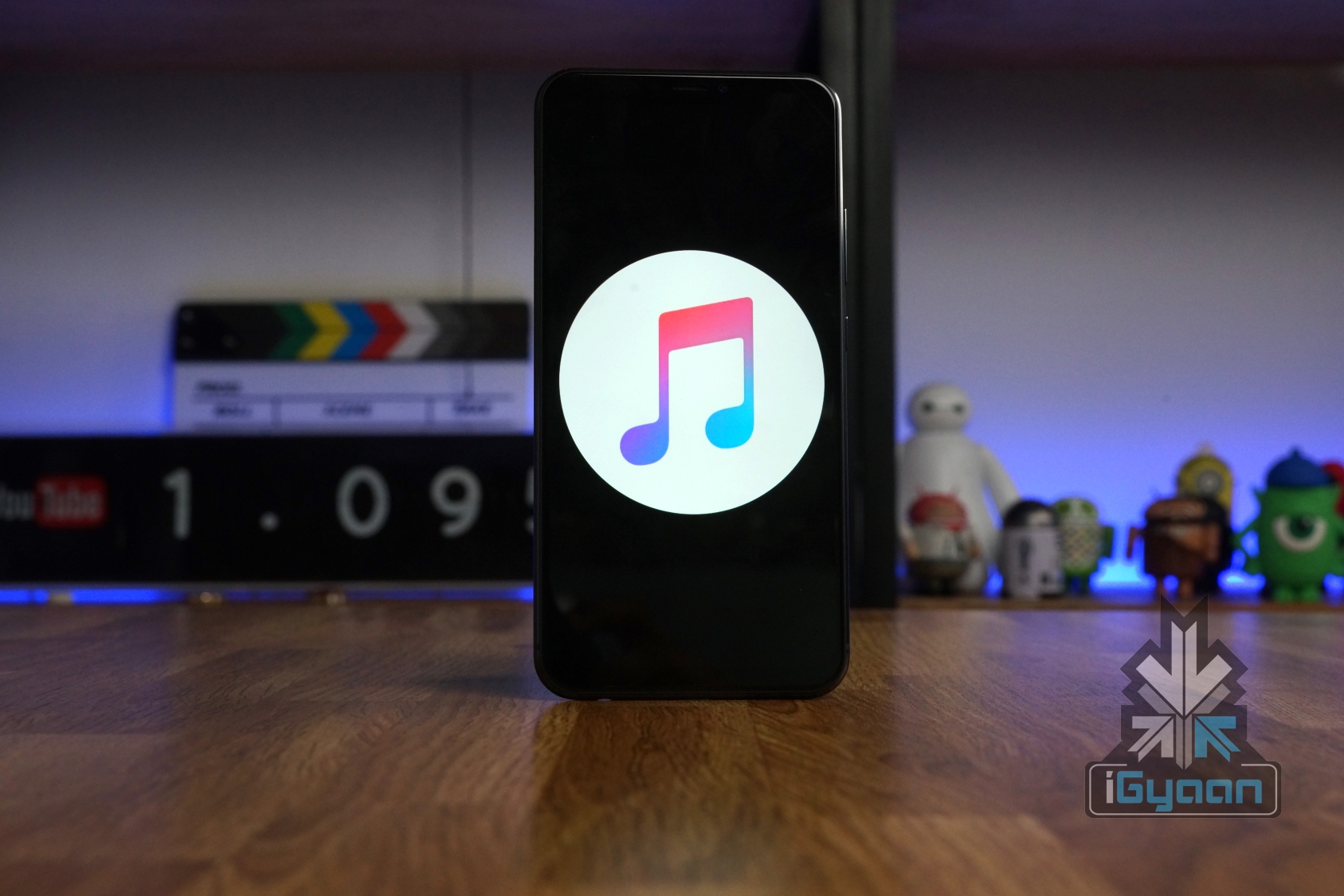
    When Apple first unveiled iTunes back in the year 2001, it revolutionized the music industry. Changing the way people purchased music and digital albums, iTunes remained as an iconic music symbol until now, because Apple has decided to break iTunes apart. iTunes is splitting into three different applications, namely Music, TV and Podcasts. However, the application will stay intact as a standalone iOS application and on Windows PCs. Let’s have a look at the interesting journey of iTunes through the years. 
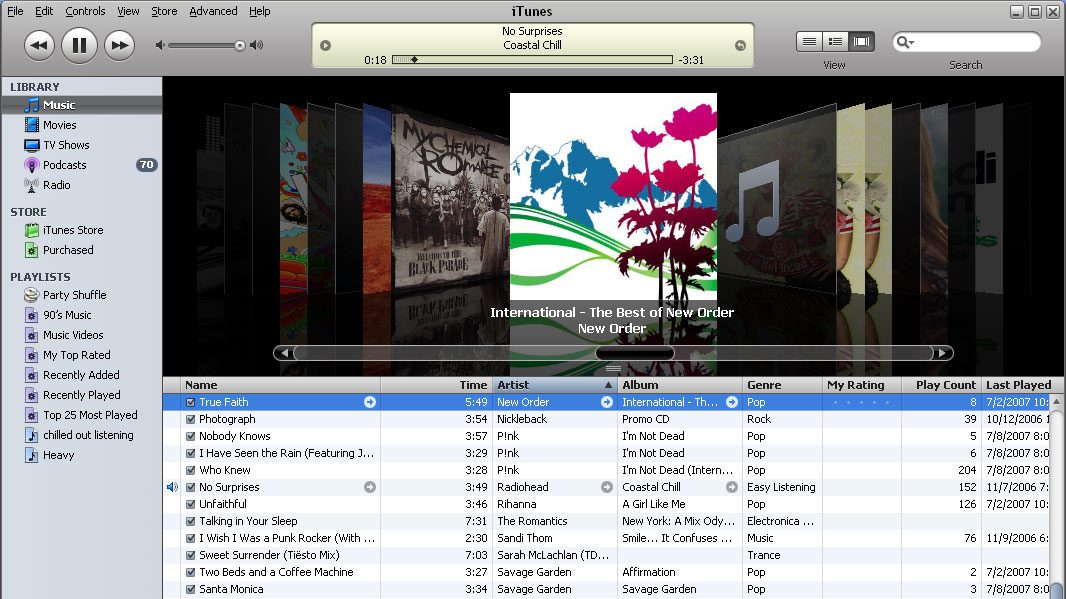
    Apple Formally launched on 9th January 2001, iTunes was introduced at a time where music was hugely downloaded via pirated websites and file-sharing platforms. The application had a fairly simple user interface, which made it easy for users to get accustomed to it. It had a simple billing procedure and a detailed yet vast catalogue of music and albums for users to pick from. In a nutshell, the iTunes application provided one of the best user experience at its time. 
    Apple

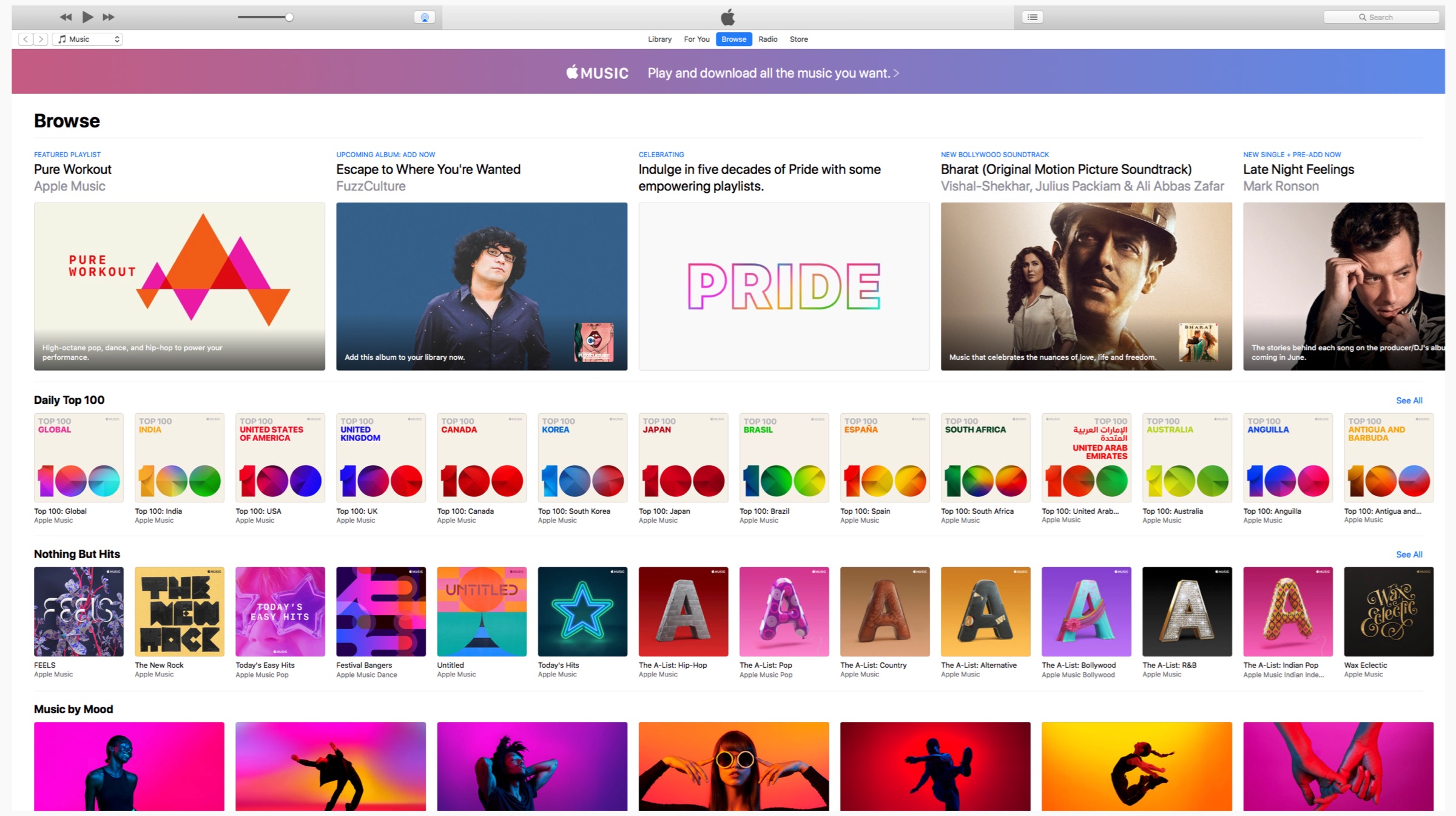
    In the year 2003, iTunes made its way onto the Windows platform. This drastically expanded the reach of the application and made it accessible to a lot more users. This also removed the doubts regarding iTunes being an Apple-only service. However, Apple’s strategy regarding iTunes has always been closely linked with its devices, including iPhones, iPads and MacBooks. 
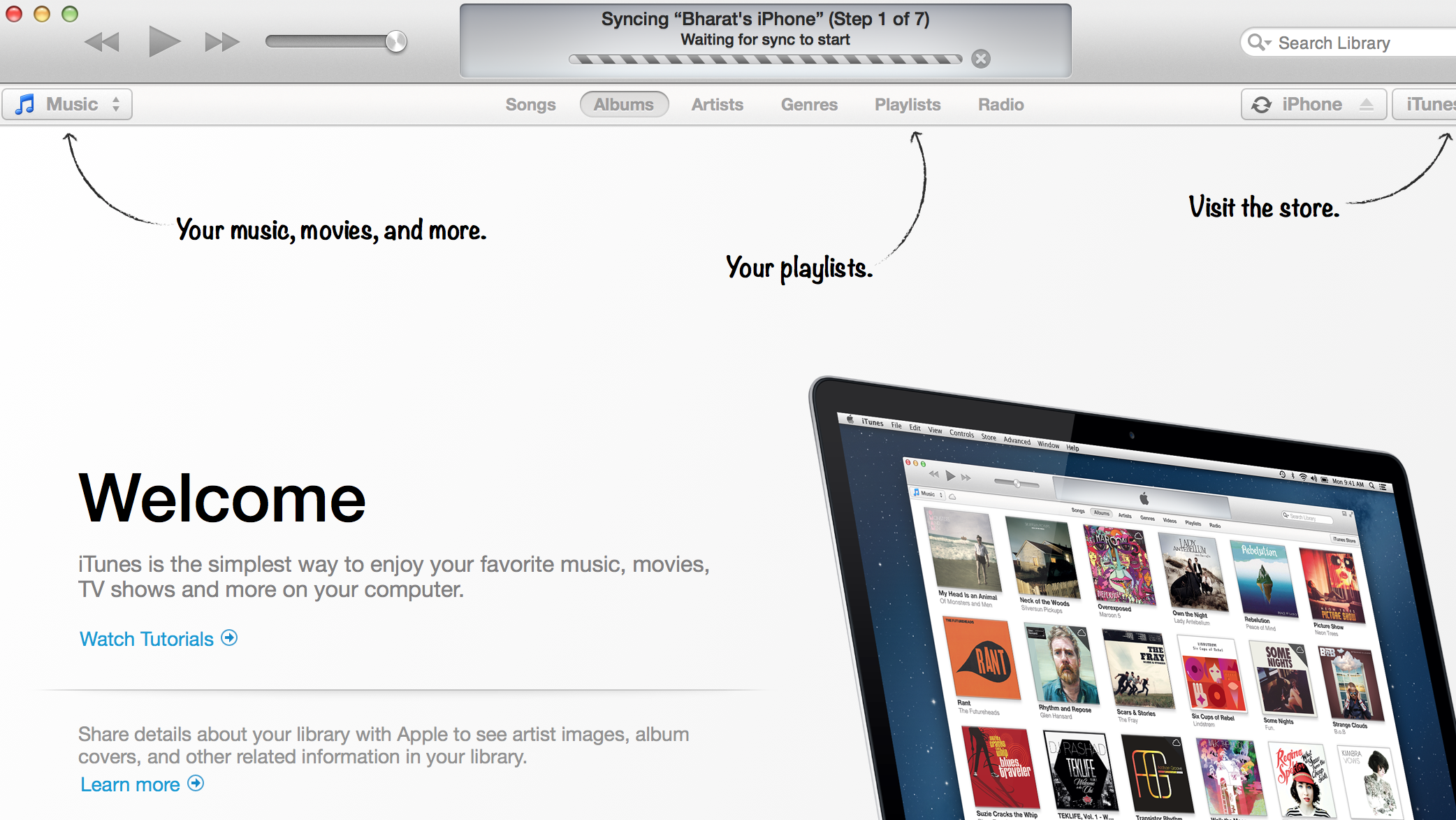
    AppleAlmost two years later, iTunes started offering TV shows for purchase. This marked one of the most defining eras for iTunes, where music was sold alongside videos, making iTunes the perfect go-to entertainment platform. If that wasn’t enough, Apple also introduced movies on iTunes in the year 2006. Apple was tasting a lot of success with its entertainment platform, so it decided to launch the ‘Genius’ feature within iTunes, which recommended new music to users based on previous listening patterns.

    2008 was a really big year for Apple since iTunes became the largest music retailer in the United States. This literally marked the death of record stores, since most users were directly purchasing music from the iTunes store. To enhance the “music anywhere” functionality, the company launched iCloud almost 3 years later. It allowed users to back up their music files and other documents to the cloud. This meant that with an internet connection, users could access their music from any location. 

    With The launch of the iPhone in subsequent years, Apple required an initial setup and sync to be done using iTunes, and while this process has been reduced to device restores and wireless updates. iTunes will always be remembered as the pain point and the weak link for iPhone Jailbreakers. 

    In 2010 Apple also attempted to create a music social network dubbed “Ping”. This allowed users to follow artists and see short, timely postings by both friends and artists. This didn’t work as expected and Apple shut it down in 2012. 
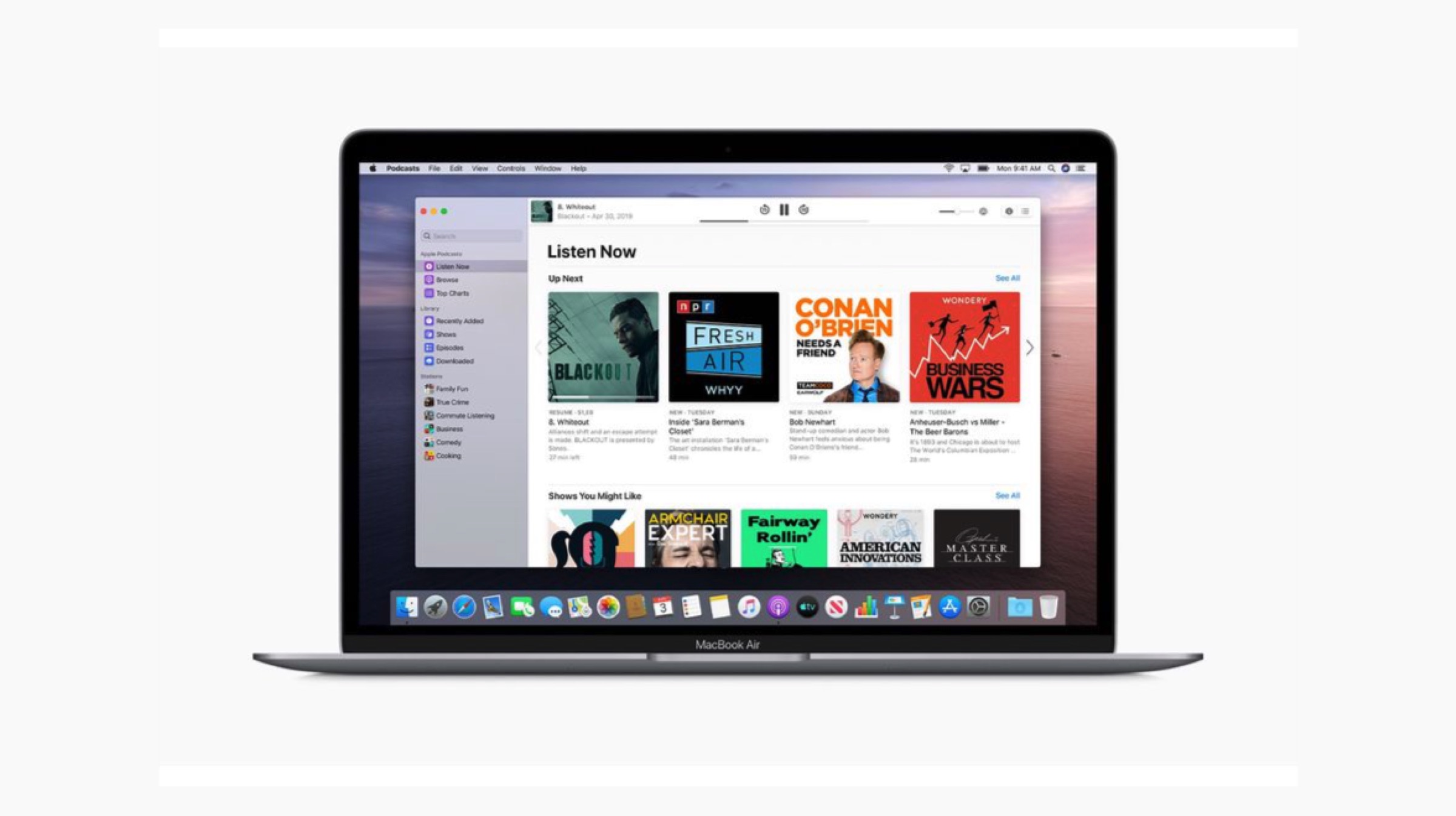
    Skip forward to the present year, a lot of users were skeptical about iTunes’ departure from the scene. However, analysts stated that the iTunes shut-down is an integral part of Apple’s strategy to focus on subscription content and services. This will help Apple in radically boosting its revenue based on selective content delivering. Statistics exhibit that subscription services made up for about 80 percent of all online music and video revenue in the year 2018. Stats further reveal that Apple currently boasts of almost 56 million paying customers, indicating why it decided to branch out to three different applications instead of a single application.
    Also Read: Apple Showcases The Updated watchOS 6 and tvOS 13 At WWDC 2019

    Apple shutting iTunes doesn’t imply that all the content owned by users will be deleted in one go. The company will release some information shortly regarding the downloaded content. Expectedly, the content will be managed via Apple Music and other applications. Nonetheless, iTunes will always be one of those applications that revolutionized the whole culture of the entertainment when it was turning digital. And it did so in a way that a huge chunk of users depended on it for their daily dose of music and movies. Hopefully, Apple continues to introduce similar overhauls to the newly formed applications that can make up for the removal of iTunes from the Apple ecosystem. 

  • Apple iPadOS Is Well Designed To Enhance iPad Usage

    Apple iPadOS Is Well Designed To Enhance iPad Usage

    The first day WWDC 2019 was a huge one for Apple. The company launched the much-awaited iOS 13 for iPhones and announced the all new redesigned Mac Pro, which packs top-of-the-line specifications for content creators. Apple was also rumoured to launch a dedicated operating system for iPads, and so it happened. For the first time, the iPad received its own Operating system, known as the iPadOS. It packs a set of helpful and features that aim to enhance the productivity of the device. Here are some of the major iPadOS features which will improve the user experience on the iPad.  

    A Redesigned Home Screen

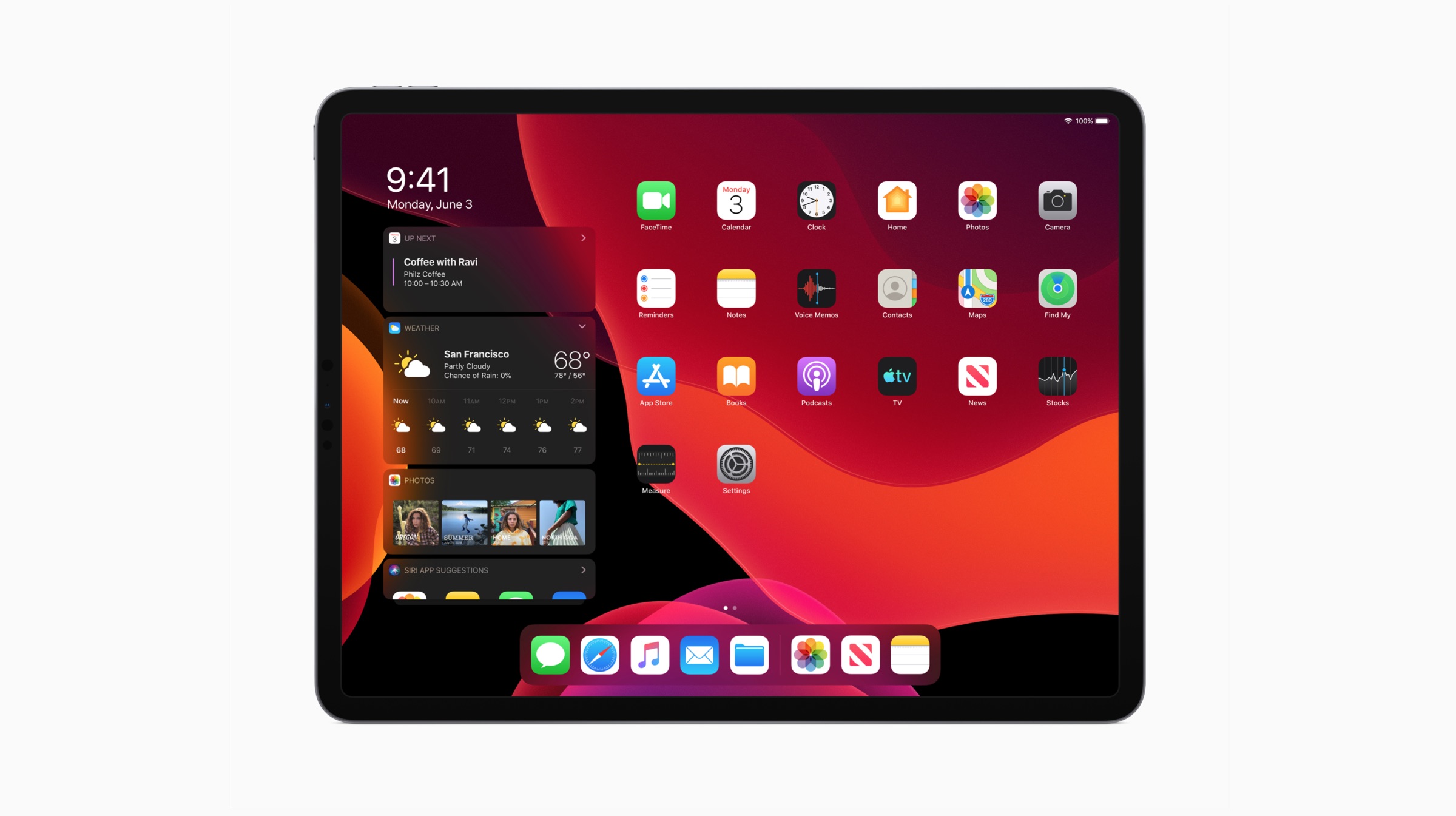
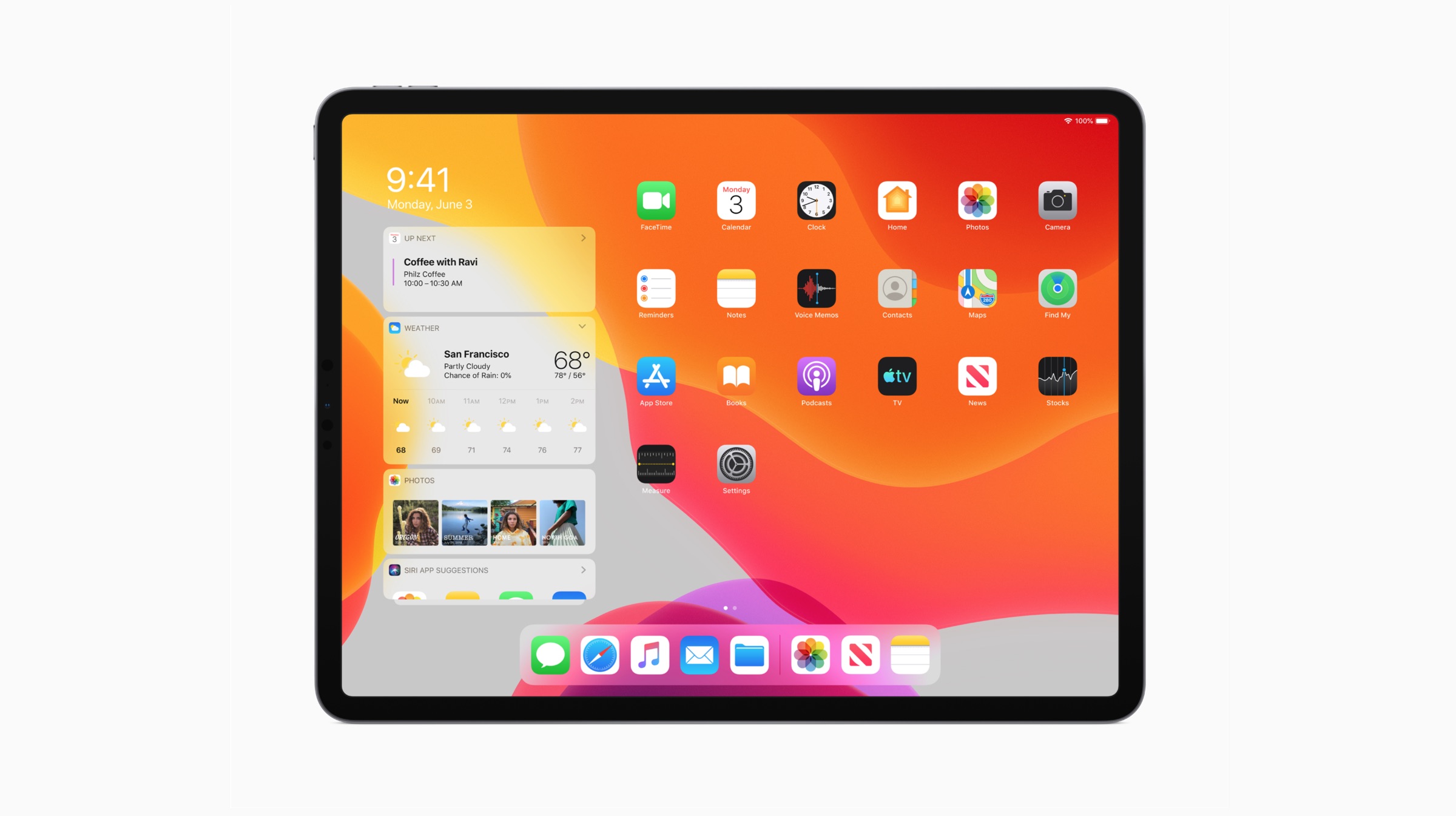
    Apple iPadOSThe all new iPadOS has a refreshed home screen with widgets support. Users can expand the widgets on one side of the screen, while the application icons take up the rest of the display. A host of multitasking gestures has also been introduced in the new operating system, so that users can simply ‘glide’ through their task list. For instance, users can drag the applications they intend to use and drop them alongside other applications. This will increase the ease with which users perform multiple tasks over different applications. 
    The Revamped Files Application

    Apple iPadOS

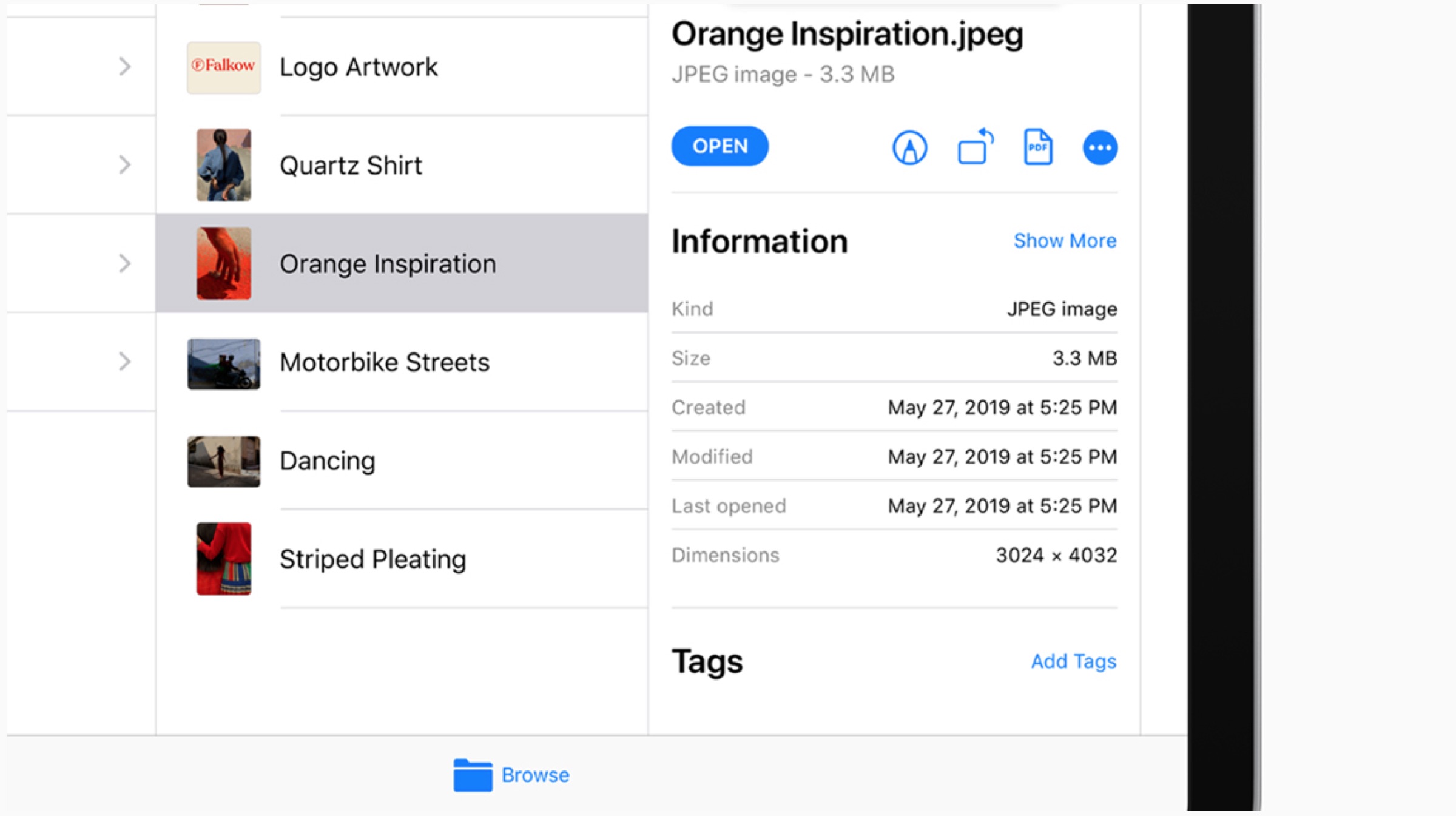
    One of the biggest additions to the new iPadOS is undoubtedly the new redesigned Files application. It has been tweaked with a column view that provides users with high-resolution previews of files without even opening them. The app has support for Quick Actions like mark up, rotate and create PDF. A local storage has been introduced where users can organize their files and zip/unzip documents. In order to make the iPad equally functional as notebooks, the iPadOS supports external drives (USBs, SD Cards). Lastly, improved iCloud Drive support implies that anyone with access to a shared folder on the iPad will be easily able to access the latest version of the same on his device. 

    Upgraded Safari Browser 

    Another intuitive upgrade in the iPad’s functionalities has been brought to the Safari browser, which automatically presents the desktop version of a website on the iPad. Apple claims that the webpage is aptly scaled as per the iPad’s display. Moreover, the website is optimized for touch usage, so that web applications such as WordPress are seamlessly accessible. Apple has also included a whole new download manager within the browser alongside 30 new keyboard shortcuts. 

    New Split View And Slide Over

    Apple iPadOS

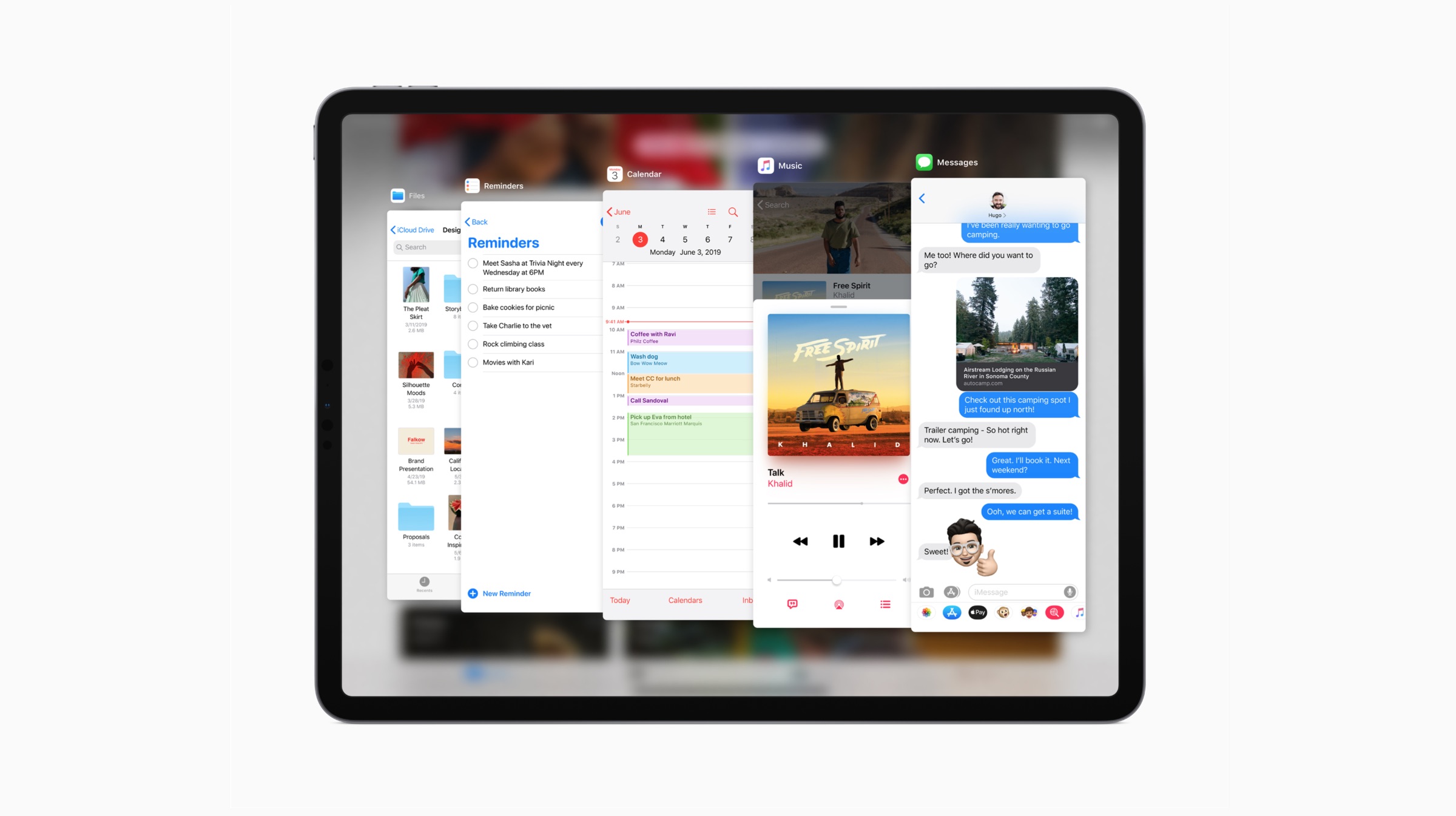
    Apple claims that the all new Split view will enable users to work with multiple files from the same document at the same time. Using the slide over functionality, users can also view the window they want and smoothly switch between them. For instance, a user can jot down an email while looking at another email from the same application, all at the same time. Another feature called App Exposé helps the users in getting a quick view of any open windows with just a single tap. 

    Additional Features

    Alongside the aforementioned features, Apple also introduced system-wide Dark Mode to the iPadOS that is applied across all applications. Users can install third party custom fonts which can be used while creating documents. Moreover, Apple’s iPad keyboard can now shrink down to a floating keyboard that can be moved across the screen. Pinching the regular keyboard will instantly convert it to the said floating mode. Performance boosts will ensure that users can launch their applications faster, unlock the iPad faster and reduce download sizes by up to 50 percent. 

    Availability

    Apple iPadOS

    Also Read: Xiaomi To Launch The Redmi K20, K20 Pro In India Within The Next Six Weeks

    The developer preview of iPadOS is now available to members of the Apple Developer Program. The public beta program will be available to iPadOS users in the month of July 2019. The operating system will be available for iPad Air 2 and later, all iPad Pro models, iPad 5th generation and later and iPad mini 4 and later variants. 

  • Apple Launches The All New Revamped Mac Pro Alongside The Pro Display XDR 6K Monitor

    Apple Launches The All New Revamped Mac Pro Alongside The Pro Display XDR 6K Monitor

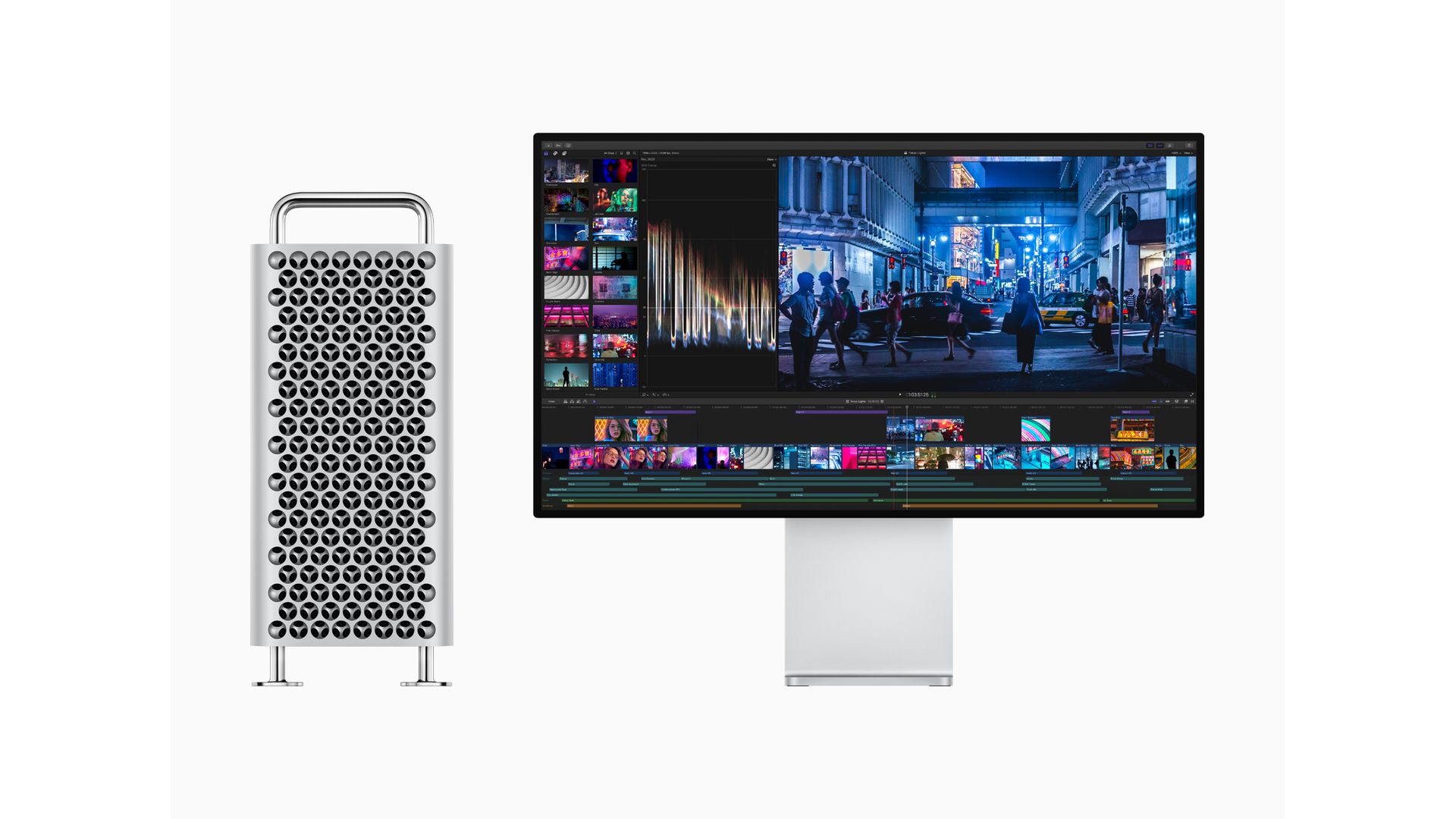
    Alongside the launch of the highly-anticipated iOS 13 operating system, Apple finally unveiled the long-promised Mac Pro with a modular design. The company also announced the 32-inch Pro Display XDR 6K monitor. The first look of the Mac Pro can be very clearly attributed to Apple’s classic “Cheese grater” design. Since the trash can design (previously released in 2013) wasn’t previously accepted very warmly by Apple consumers, the company has decided to choose a much more elegant and modern design. The company claims that the Mac Pro is designed to focus on modular computing and ease of expansion.

    Apple Mac Pro: Features & Specifications

    Apple Mac Pro The Apple Mac Pro runs on the 28 core Intel Xeon processor with 300W of power and state-of-the-art cooling. Apple claims that the cooling system will enable the system to run at maximum power and efficiency. In terms of memory, the Mac Pro supports up to 1.5TB of RAM, which is staggering at the least. Expansion can be done via six-channel memory across 12 DIMM (Dual In-Line Memory Module) slots.
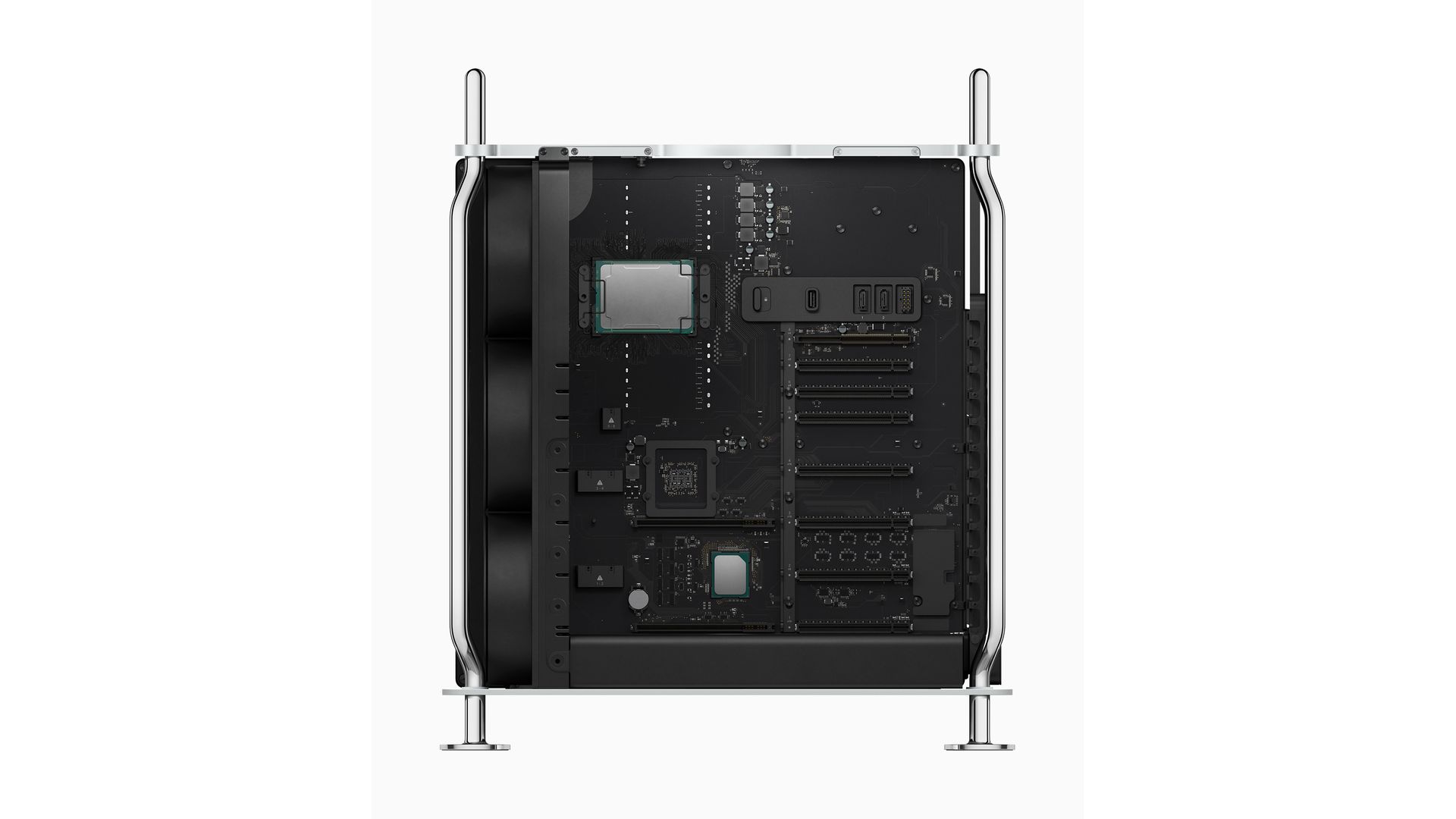
    Apple Mac Pro Another highlighting feature of the machine is the presence of eight PCI Express slots. Four out of those eight slots are double-wide, implying that they can house larger expansion cards. Regarding connectivity, the Mac Pro sports 2 USB-C/Thunderbolt 3 ports and two USB-A ports that are present on the front of the case.

    Pro Display XDRAdditionally, Apple also launched the MPX module, which is a custom expansion module. In order to provide the components with more power and connectivity speeds, the MPX utilizes the dedicated Thunderbolt 3 module embedded in the motherboard. It can accommodate two graphics cards and sports a custom Thunderbolt connector to plug into the backbone of the motherboard. It also has its own dedicated heat sink for effective heat management.

    In terms of graphics, the MPX module can be kitted with AMD’s Radeon Pro Vega 2 or Radeon Pro Vega 2 Duo cards. This will consequently add a total of 4 GPU chips to the Mac Pro, summing up to around 128GB of High Bandwidth Memory graphics. Alongside the MBX module, Apple will also sell an I/O module that will equip the Mac Pro with two more Thunderbolt 3 ports and two USB-A ports, in addition to the 3.5mm headphone jack. A special feature of the I/O module is the “Afterburner”, which is a dedicated video card for graphics and editing. It uses the FPGA (field-programmable gate array) that enables it to process up to 6 billion pixels a second.
    The components of the Mac Pro are powered by a 1400W power supply. Apple claims that the the three large fans present at the front cool the system at the rate of 300 cubic feet per minute. The case can be fitted with optional wheels to enable mobility of the system.

    Apple Pro Display XDR

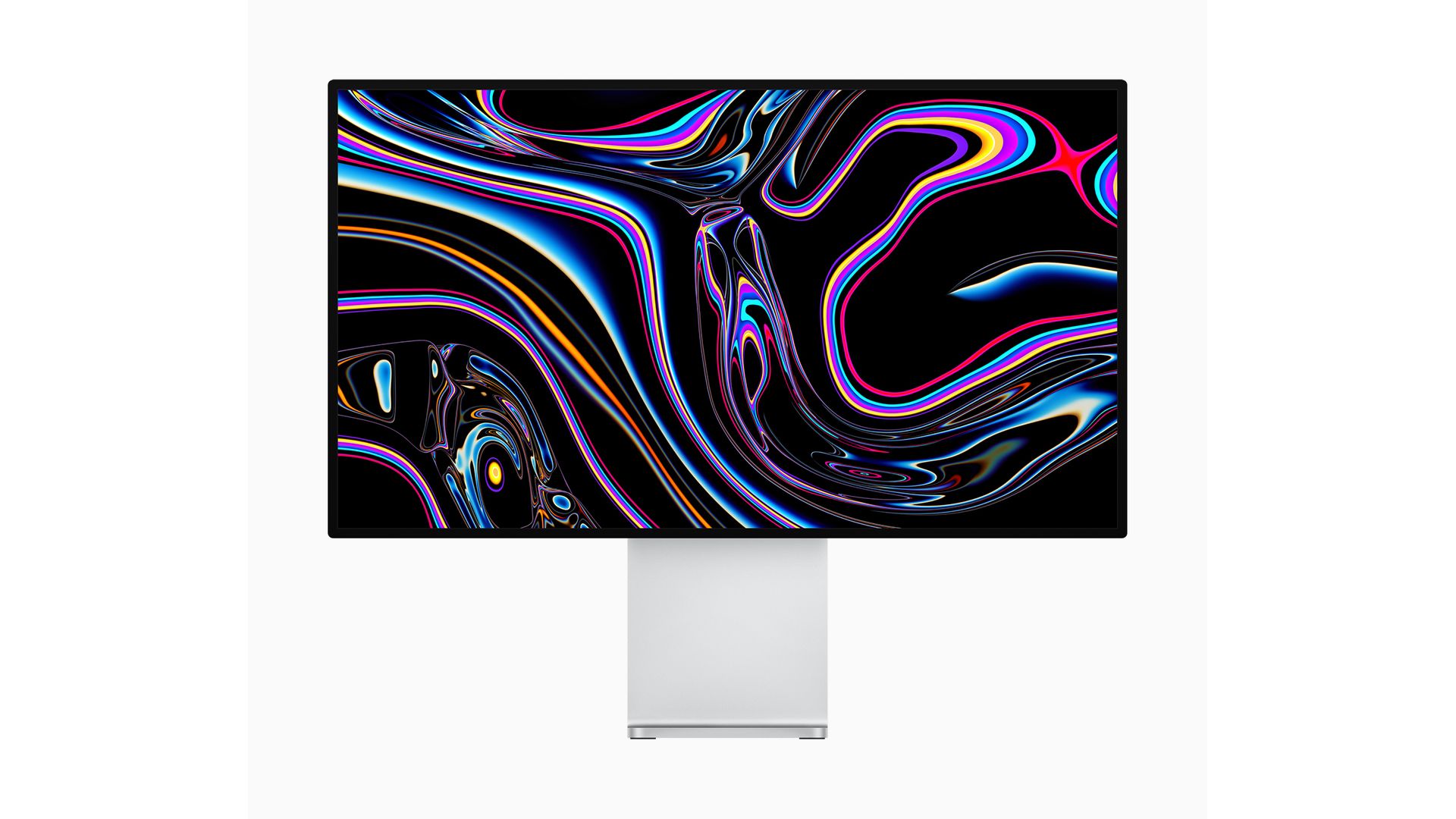
    Pro Display XDRThe company also unveiled a 6K monitor at the WWDC, which is named the Pro Display XDR. The 32-inch LCD display has a 6016 x 3384 px Retina HD screen. The monitor has ultra narrow 9mm bezels. The XDR stands for Extreme Dynamic Range. The display supports Apple’s True Tone automatic colour adjustment for ambient lighting.
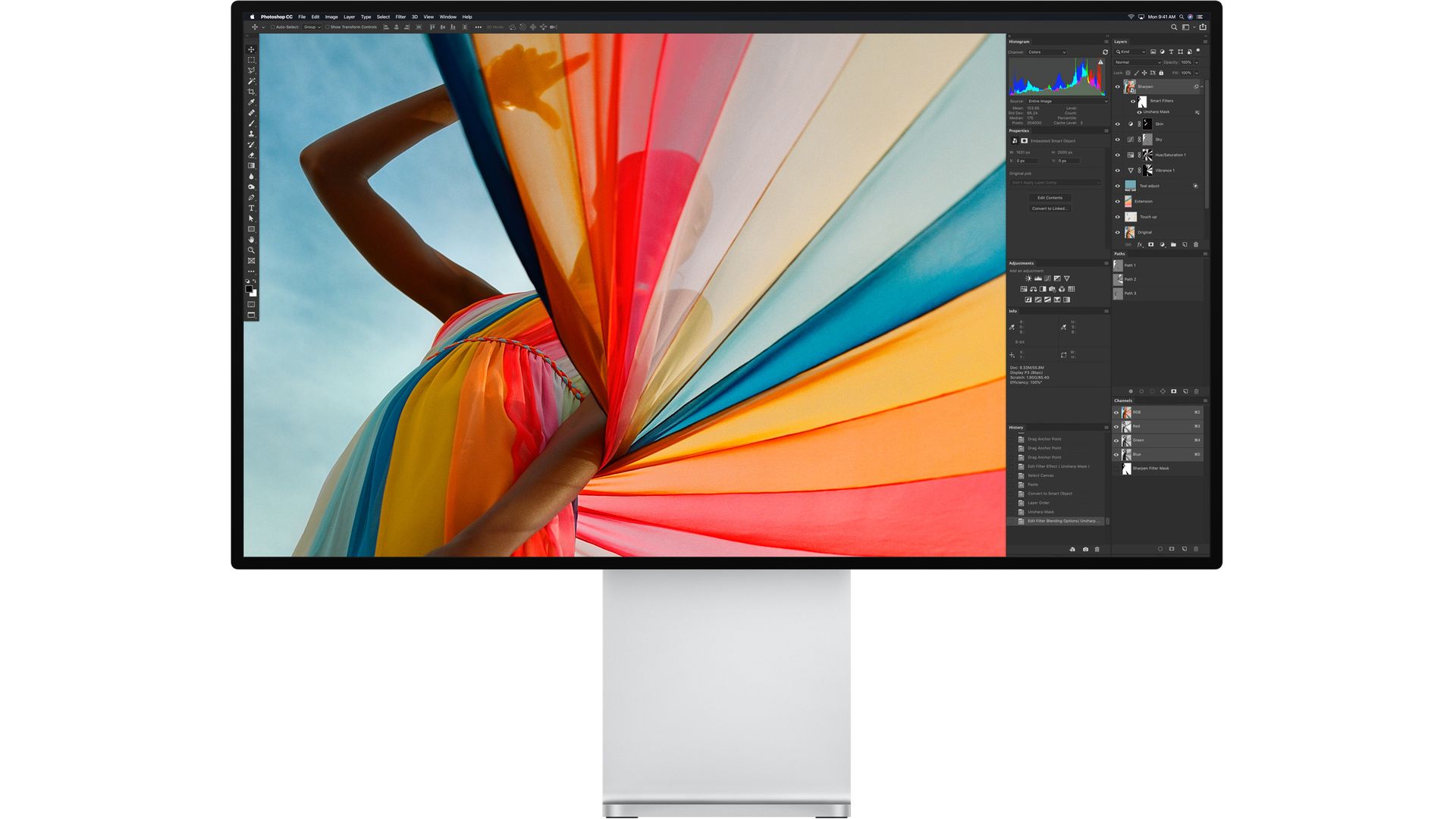
    Pro Display XDRThe display is 40 percent larger than the 5K display present in the iMac. It has a matte variant called Nanotexture and features an anti-reflective coating. The back of the monitor has a similar design to the Mac Pro, which acts as a heatsink. Apple claims that the screen can hit brightness levels of 1600 nits which will assist during the editing of HDR content. It connects to the Mac Pro via a Thunderbolt 3 cable. Moreover, the Pro Stand included with the monitor is extremely modular and functional. The display can be rotated into vertical mode using the Pro Stand.



    The Apple Pro Display XDR is priced at US$ 4,999, whereas the Pro Stand will be sold separately for US$ 999.

    Apple Mac Pro: Availability And Price

    Apple Mac Pro

    Also Read: LG 88Z9, The World’s First Commercial 8K OLED TV Up For Pre Orders

    The Mac Pro will be available in Fall 2019 at a starting price of US$ 5,999 for the most toned down variant. The aforementioned variant will pack an 8-core Intel Xeon CPU, 32GB of RAM, Radeon Pro 580X GPU and 256 gigs of SSD.

  • LG 88Z9, The World’s First Commercial 8K OLED TV Up For Pre Orders

    LG 88Z9, The World’s First Commercial 8K OLED TV Up For Pre Orders

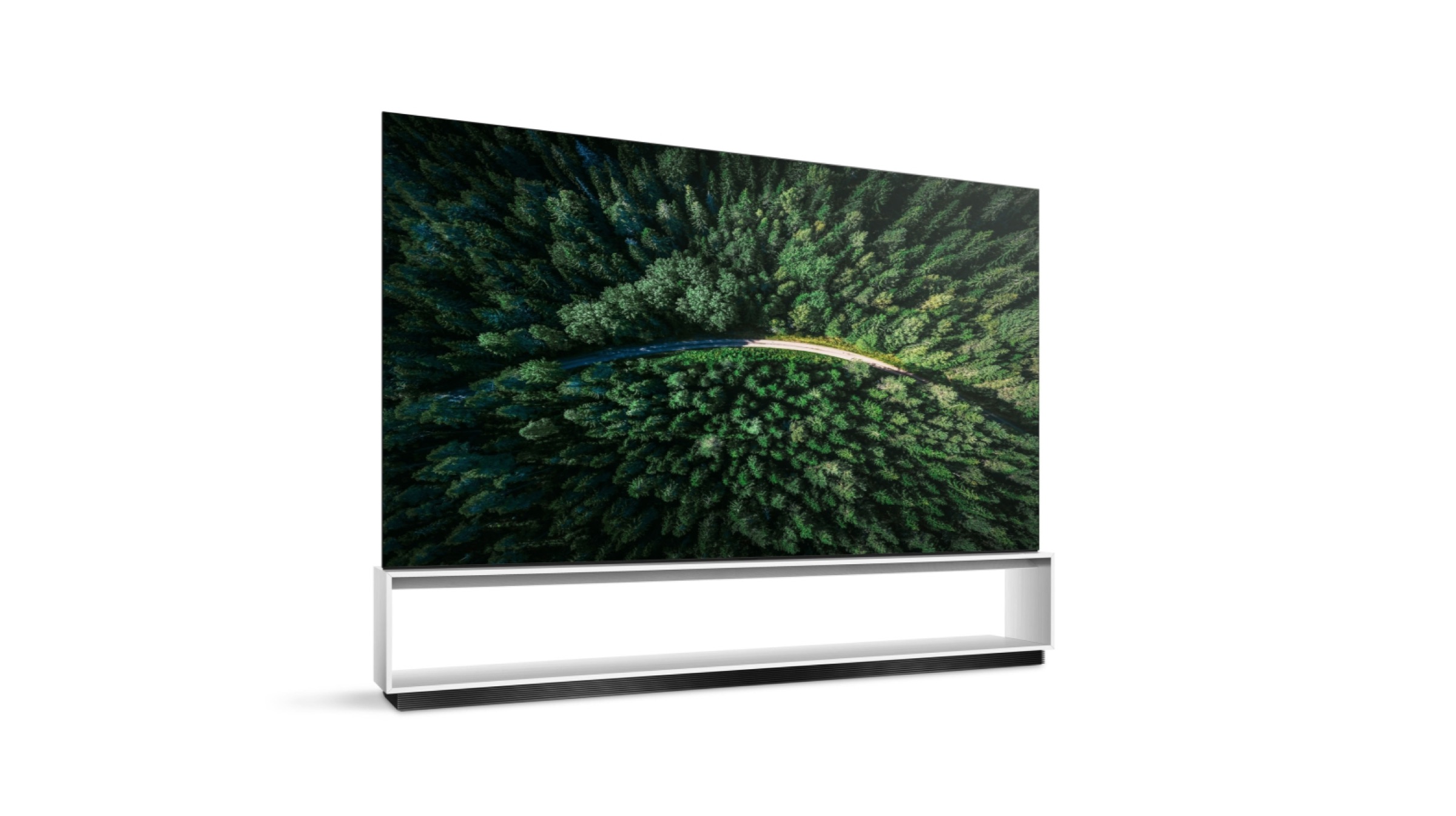
    At the Consumer Electronics Show (CES) 2019, South Korean technology company LG unveiled the world’s first 8K OLED TV, the LG OLED88Z9. The company has now opened pre-booking of the television in South Korea. Consequently, the television will be retailed in North America and Europe in the third quarter of the year 2019. As of now, the company has not hinted at an India launch yet. 

    LG OLED88Z9: Features And Specifications

    LG 8K OLED

    The 8K OLED TV has a resolution of 7680 x 4320 px with a massive 88-inch display. The resolution implies that the screen houses a total of 33 million pixels. Additionally, the TV supports HDR and Dolby Vision formats. In terms. In terms of sharpness, 8K displays are almost 4 times as sharp as 4K screens and have almost 16 times the number of pixels present in FHD+ displays. Noteworthy, not a lot of 8K content is available on the market which can be showcased on LG’s display. 

    LG 8K OLED

    From a different perspective, even 4K content was quite scarce when 4K displays first made its way into the market. With the development of various online streaming platforms such as Netflix, Hulu and Prime Video, 8K content can be expected to be pushed out to consumers as well. Moreover, the 2020 Olympics, which will be held in Tokyo will be supposedly broadcasted in 8K resolution. Select video developers roll out custom content in 8K as well, but to be fair, there is not a lot that users can juice out of the LED at the moment.

    Also Read: Xiaomi To Launch The Redmi K20, K20 Pro In India Within The Next Six Weeks

    Additional features include Google Assistant and Amazon Alexa voice assistant. Noteworthy, the voice assistant functionality will not be available globally. The LG 8K OLED TV has an inbuilt LG Gen 2 Pro Intelligent processor. Although the price of the TV has not been officially announced yet, it is expected to be quite expensive since there is no other commercially available 8K OLED TV in the market. 

  • New Qualcomm Chips Will Reduce The Prices Of Windows ARM Laptops

    New Qualcomm Chips Will Reduce The Prices Of Windows ARM Laptops

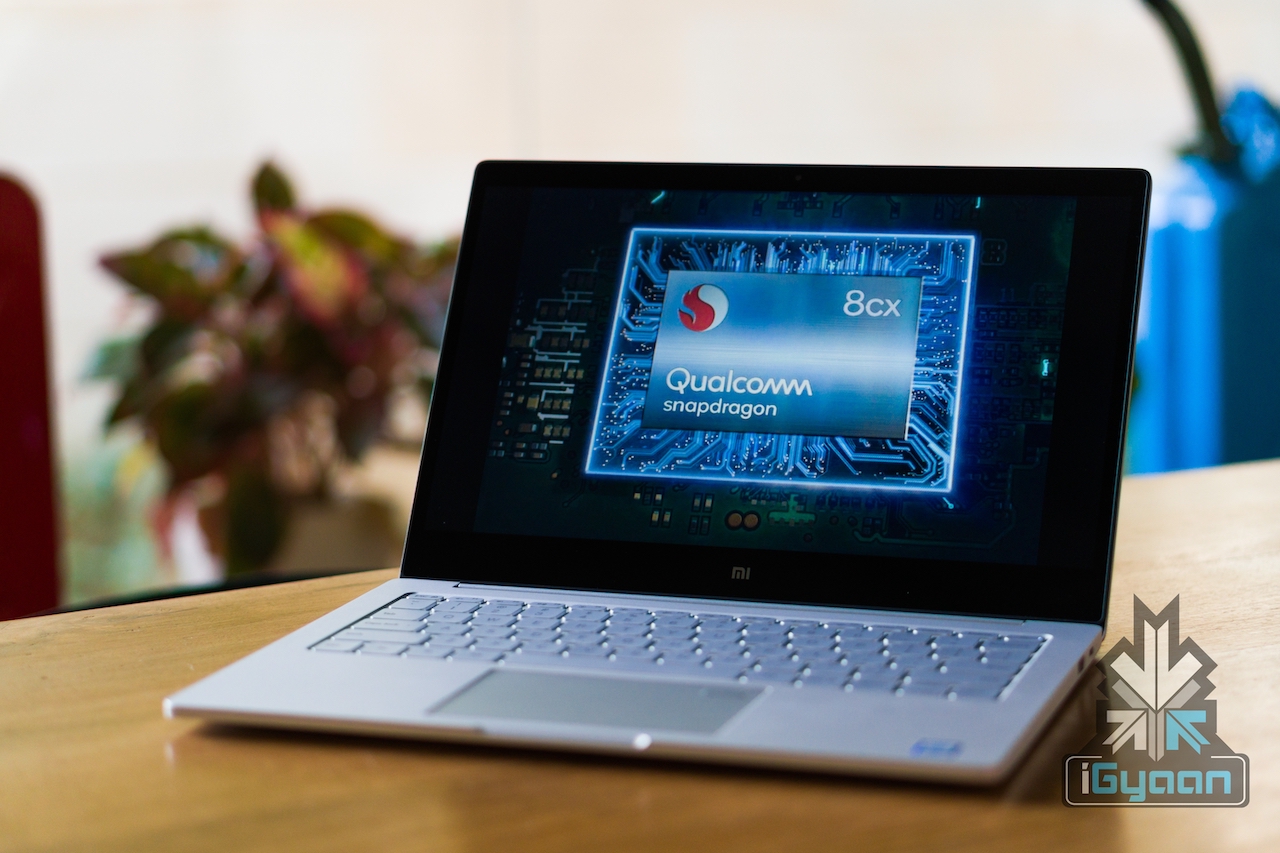
    As per latest news, Chinese organization Lenovo unveiled a laptop running the Qualcomm Snapdragon 8cx chipset at the Computex 2019 event held in Taiwan. The market is still devoid of ARM-based laptops with Windows 10 or Chrome OS. However, as per the latest reports, Qualcomm is planning to introduce ARM processors from the Snapdragon series in upcoming notebook-cum-tablet series. Furthermore, they will bear a lower price tag than other ARM-based laptops in the market. 

    A senior executive at Qualcomm revealed that the company will launch new ARM chips designed especially for affordable devices. Doing so will help the company to enter the market segment currently dominated by Chromebooks. Consequently, the American chip manufacturer wants to increase its popularity amongst software providers to boost the number of Qualcomm devices in the market. 

    In the upcoming months, Qualcomm states that it will launch new platforms that will enable the production of efficient and inexpensive 2-in-1 tablet devices. The company will continue to treat the 8cx as the flagship chipset variant, however, it will also unveil more chipsets for devices in the $300-$800 price range. One such SoC is rumoured to be the Snapdragon 7cx. The hardware-based designs on affordable Snapdragon platforms will be equipped with both Windows and Chrome OS in the future. 

    Qualcomm Snapdragon
    Qualcomm Snapdragon Chipset

    Also Read: Samsung Launches The Notebook 7 and Notebook 7 Force Laptops With Intel 8th Generation Processors

    The Qualcomm Senior Executive further states that it is still highly unlikely that Google will release an official ChromeOS to support applications on ARM-based platforms. On the other hand, Microsoft is already trying to implement platform support for desktop Office applications on Snapdragon processors. Hopefully, Google will follow suit upon finding suitable incentive in ARM-based chipsets. The more affordable, efficient laptops/tablets running on the new chipsets by Qualcomm are expected to be of big help in the education sector. 

iGyaan Network
Privacy Overview

This website uses cookies so that we can provide you with the best user experience possible. Cookie information is stored in your browser and performs functions such as recognising you when you return to our website and helping our team to understand which sections of the website you find most interesting and useful.