Author: Sahil Kapoor

  • US Chipmakers Want TO Remove The Huawei Trade Ban

    US Chipmakers Want TO Remove The Huawei Trade Ban

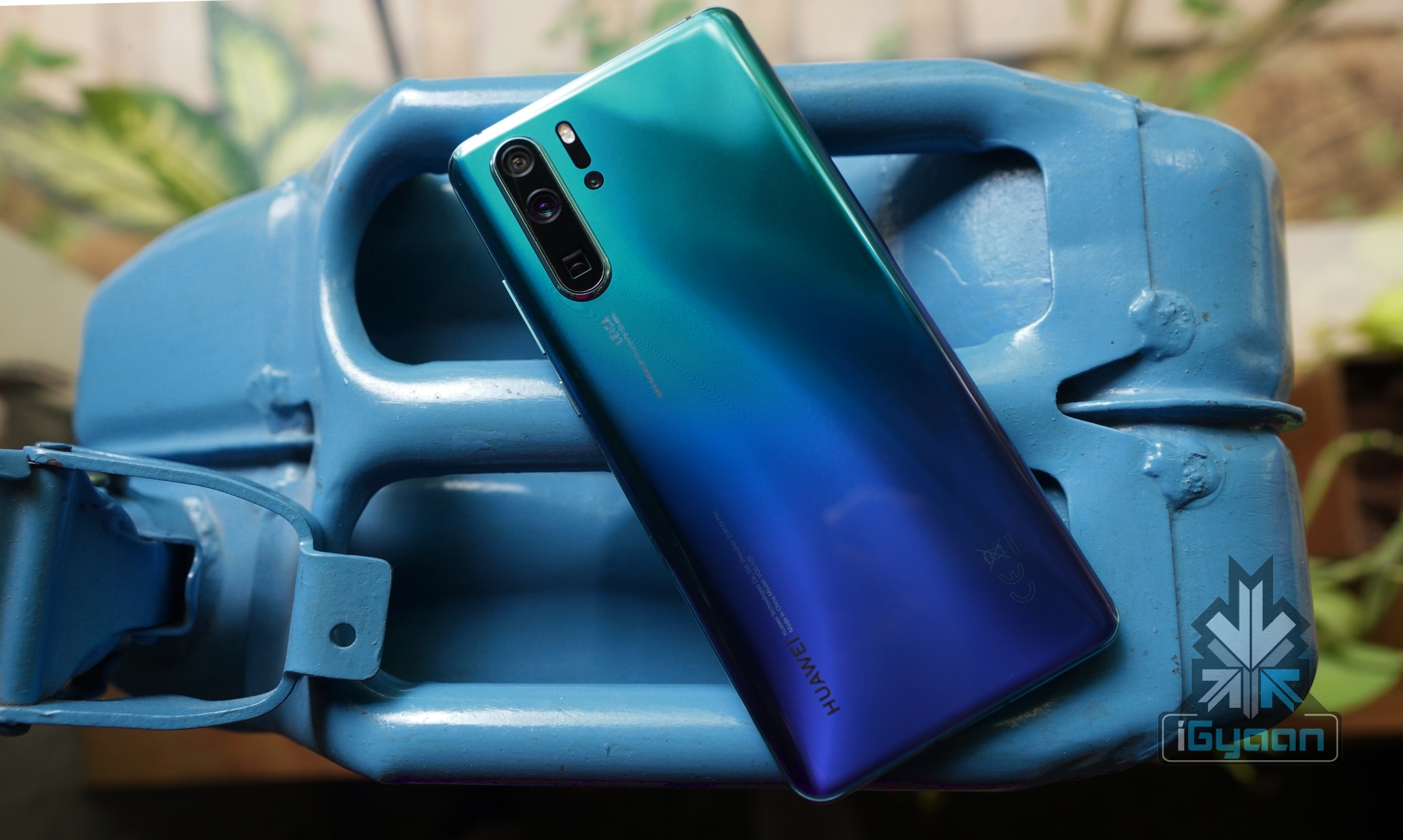
    In the month of March, the US Commerce Department put Chinese tech giant, Huawei in an entity list. This move barred all American companies from having any sort of trade relations with the Chinese corporation which has caused a global stir up. Following the ban, Huawei was left stranded due to the withdrawal of support from American companies for its software and hardware offerings. The major impact of the ban was received by the company’s smartphone division which was once anticipated to take over Samsung in the year 2020. Huawei Nova 5i
    Huawei is not the only company that is undergoing discomfort after the ban. As US-based chipmakers including Qualcomm and Intel are losing a lot of business. Therefore, in order to curb the losses, American companies are lobbying against Huawei’s trade ban. According to a Reuters report, officials from several US based companies are questioning US Commerce Department about the ban imposed on the Chinese company. Speaking of figures, Huawei spent $70 Billion buying components in the year 2018, out of which $11 billion went to U.S. firms including Qualcomm, Intel and Micron Technology Inc. 
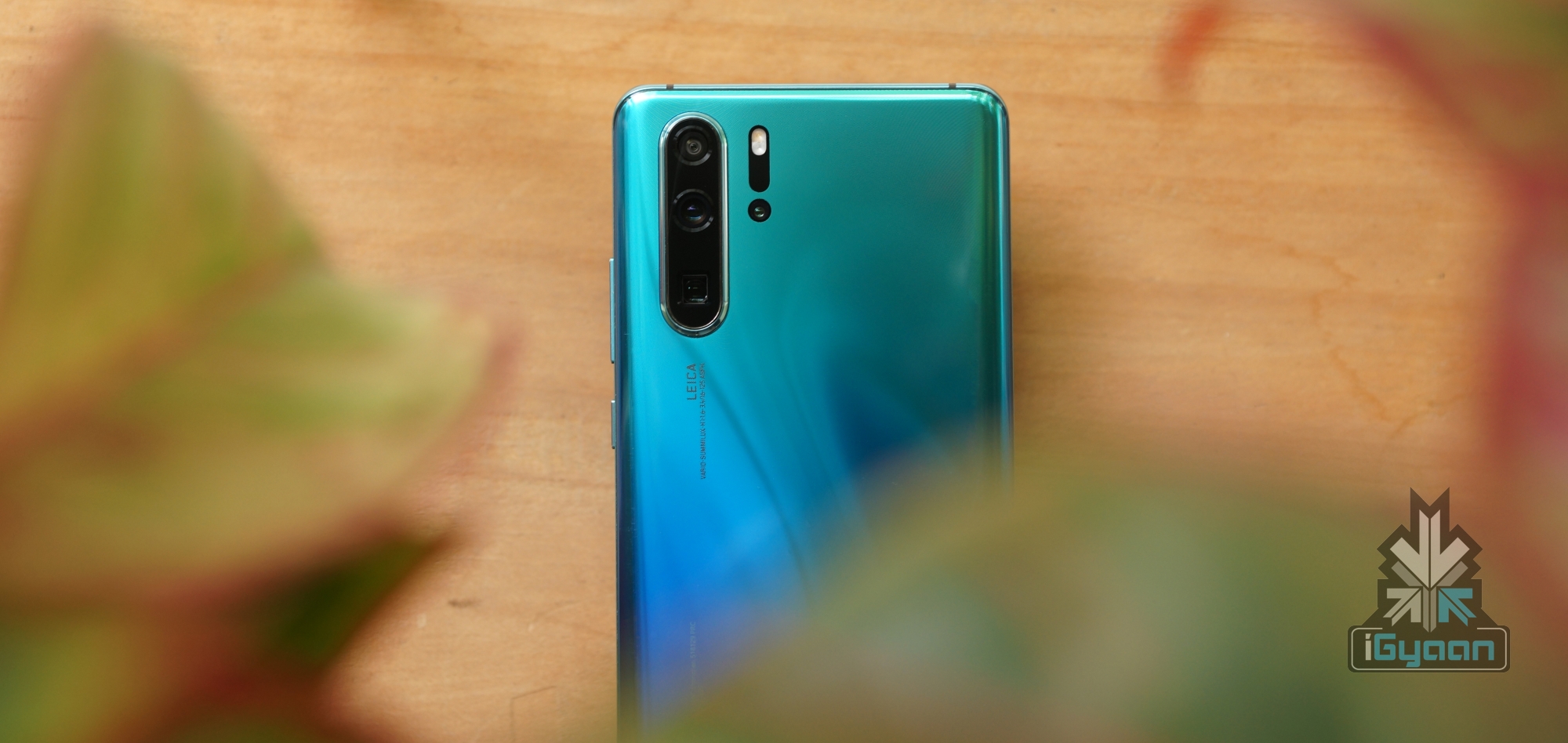
    Huawei P30 ProHuawei is accused of installing backdoors on its networking equipment which incorporates proprietary components developed in house by the company. Taking this fact into consideration, American Chipmakers want the US government to lift the ban from the Chinese company’s smartphone division. As these devices utilise commonly available components which are unlikely to present the same security concerns as companies networking gear. 
    Earlier this month, Huawei Chairman, Liang Hua told the Chinese press that Google, which sells hardware, software and technical services to Huawei, has also advocated in favour of lifting the ban so it can keep the trade relation alive. 

    Also Read: Amazon Sued Over Alexa Recording Children’s Voices

    Another senior executive from Huawei’s Mexico division stated that the company has not asked anyone specifically to lobby on its behalf. Following is the statement of the said executive.

    “They’re doing it by their own desire because, for many of them, Huawei is one of their major customers,” he said, adding that chipmakers knew that cutting Huawei off could have “catastrophic” consequences for them.

    Amidst all the pandemonium, only time will tell what the future beholds for Huawei. 
  • Xiaomi’s Component Supplier, Holitech Sets Up A Massive Manufacturing Unit In Noida

    Xiaomi’s Component Supplier, Holitech Sets Up A Massive Manufacturing Unit In Noida

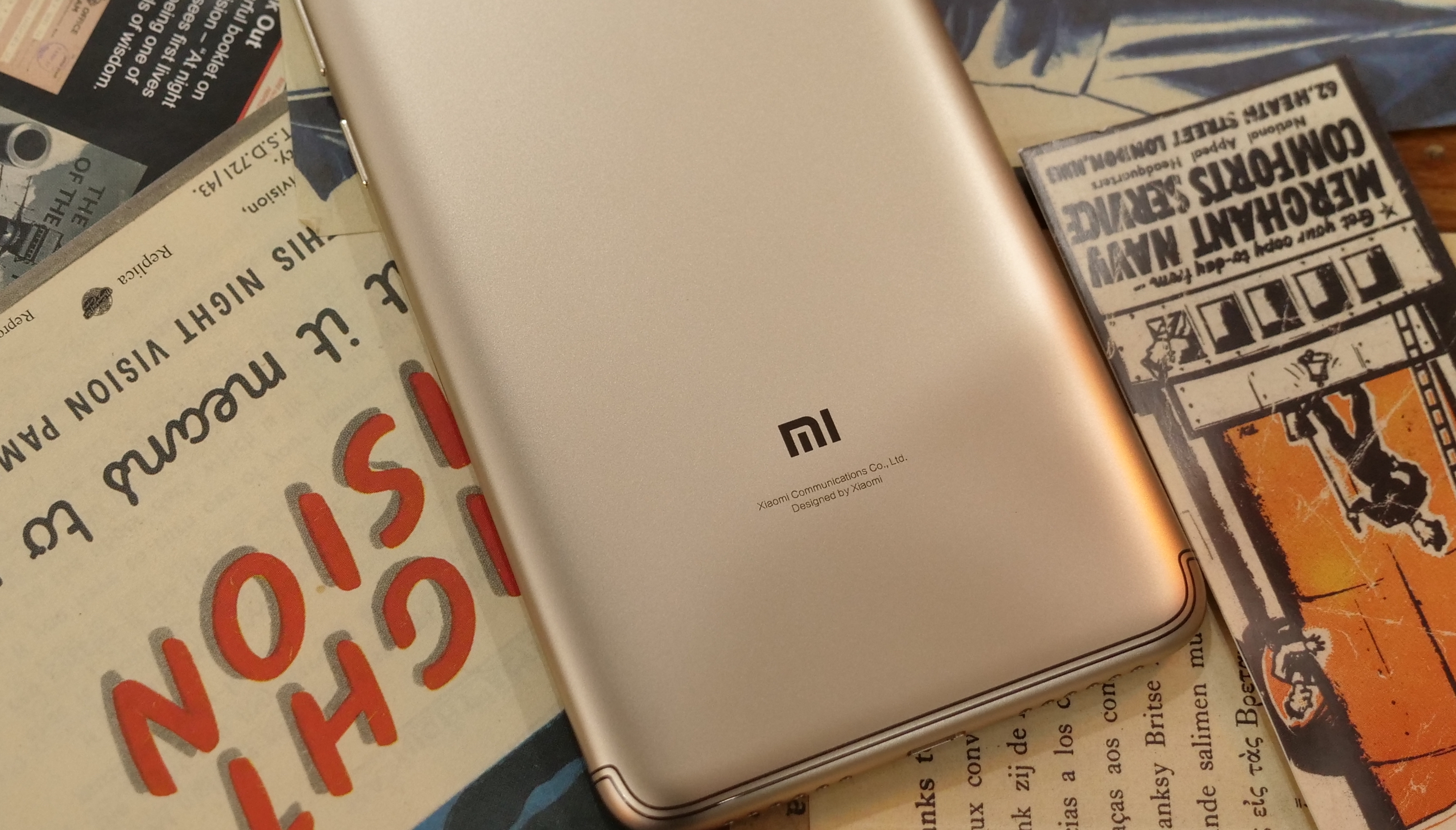
    India was one of the first countries where the Chinese smartphone maker, Xiaomi launched its offerings. The company over the last few years due to value for money products has seen significant growth in the Indian market. To further increase its affinity with the local customers, the company has been promoting locally assembled devices. The “Make In India” movement initiated by the Indian government has also been well embraced by the company. To take the local assembly step further, Xiaomi’s key component supplier Holitech has set up a massive plant in the city of Greater Noida.

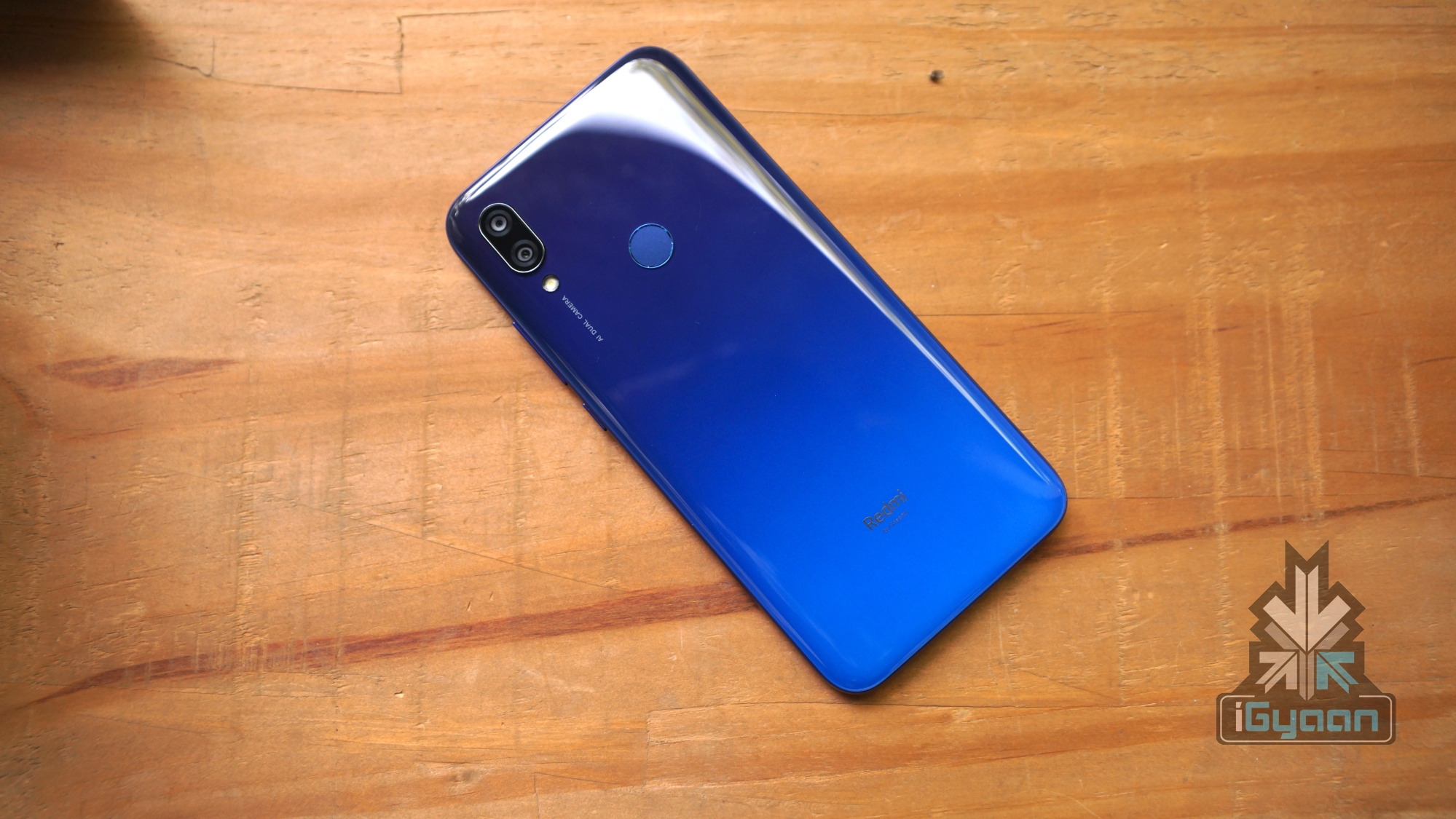
    Speaking of “Make In India” movement, several companies including Xiaomi, imported key components of smartphones from China which were locally assembled into functional smartphones. This partial local manufacturing has also seen somewhat of a backlash from users who were aware of this strategy. However, it must be noted that these companies were forced into opting for the aforementioned choices. As manufacturing of vital components like display, chipset, fingerprint sensors takes state of the art infrastructure for which takes a lot of capital upfront. Xiaomi Redmi 7

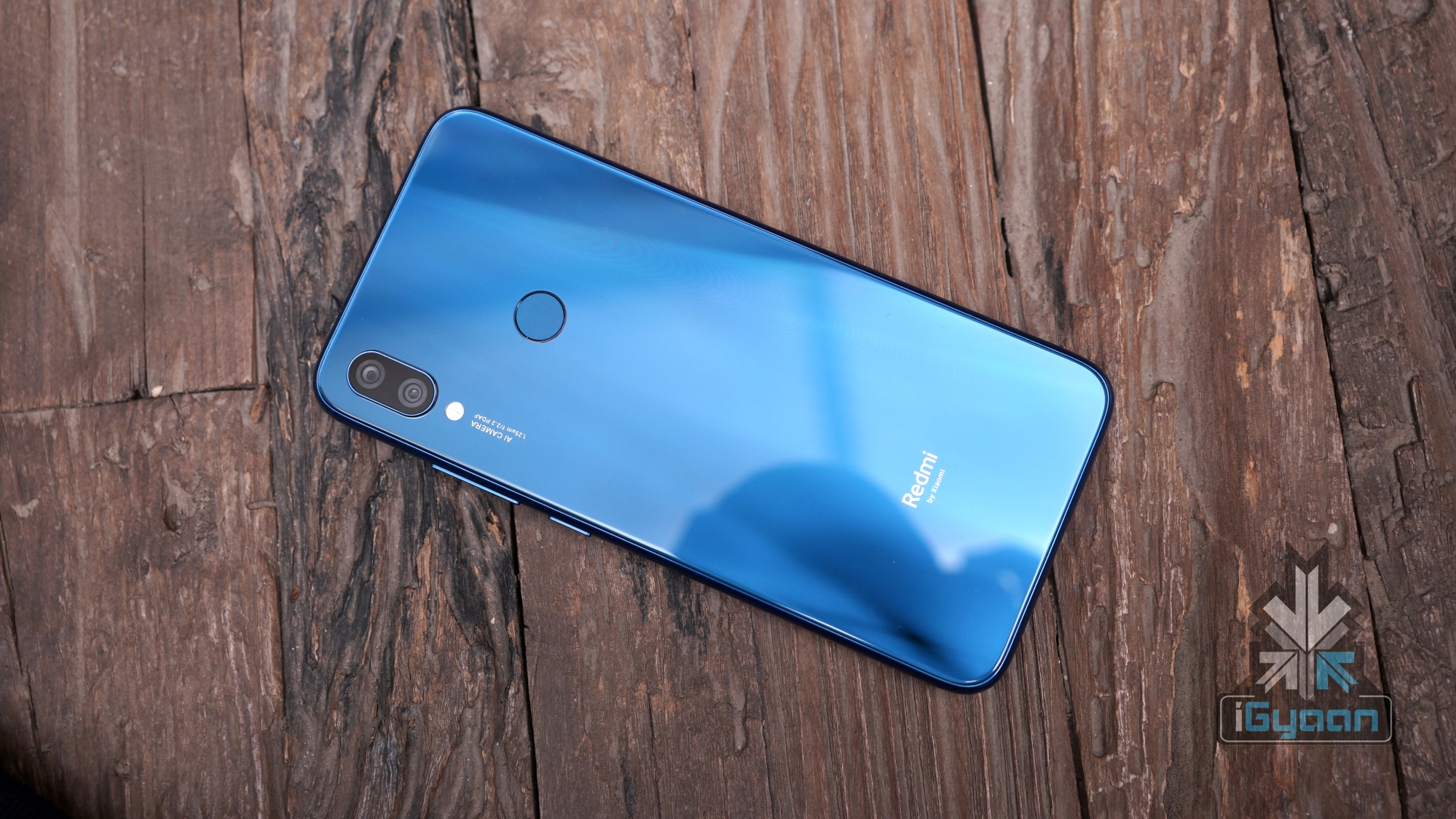
    With the growing demand for smartphones and conditions favourable for setting up large assembly units, Holitech has inaugurated the is first assembly facility in Noida which spans across 25000 square metres. Talking about investment figures, the company will invest a sum of over 200 Million USD in it over the next three years. Noteworthy, the manufacturing unit will reportedly generate 6000 jobs. Xiaomi Redmi Note 7

    The components that Holitech Technology will manufacture locally in the Greater Noida plant include Compact Camera Modules (CCM), Capacitive Touch Screen module (CTM), Thin Film Transistor (TFT), Flexible Printed Circuits (FPC), and fingerprint modules. Praiseworthy, the Holitech plant also boasts of class 1000 and class 100 clean room which is an industry first. A cleanroom is a contained space where provisions are made to reduce particulate contamination and control other environmental parameters such as temperature, humidity and pressure. 

    Also Read: Adobe Trains AI To Undo Facial Manipulations In Photoshop

    All in all, this is a positive step for Xiaomi’s growth in the country. Although not discussed by the company officials, locally assembled components might further drive down the costs of smartphones which are already aggressively priced. 

  • India Launch Date Of Realme X May Be Revealed Next Week

    India Launch Date Of Realme X May Be Revealed Next Week

    Realme Mobiles, a subsidiary of Chinese smartphone maker, Oppo launched its first smartphone the Realme 1 in the the Q1 of 2018. The device accrediting to value for money was warmly received by the Indian consumers. Considering the short time of Realme’s entry in the smartphone industry, it has secured a considerable amount of market share. With the pace that it has been launching aggressively priced smartphones (1,2,3), it aims to take on the online sector which has been dominate by Xiaomi for quite a while. Nonetheless, the company has also been strengthening its offline presence by partnering with Reliance Digital and several other partners.

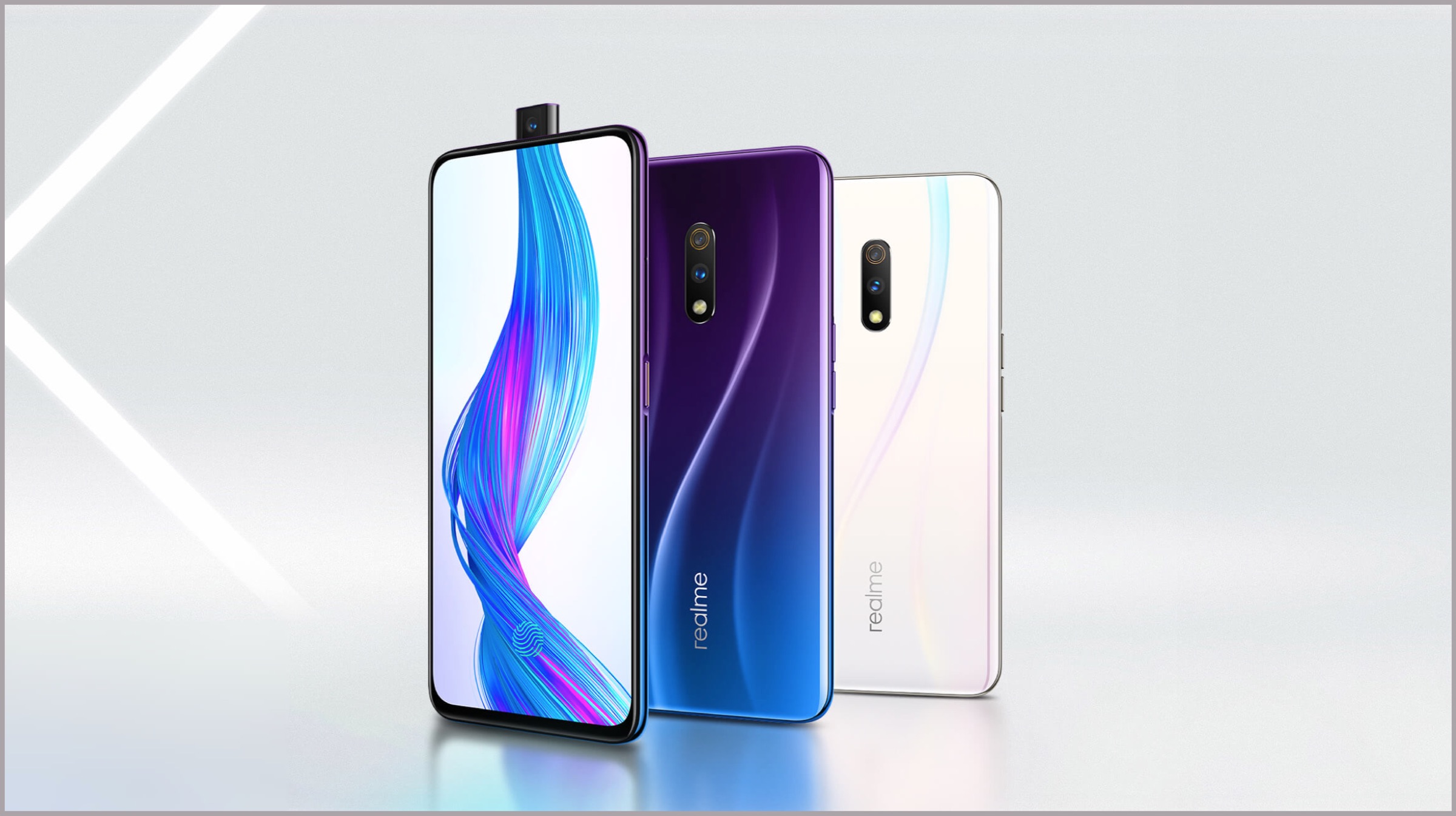
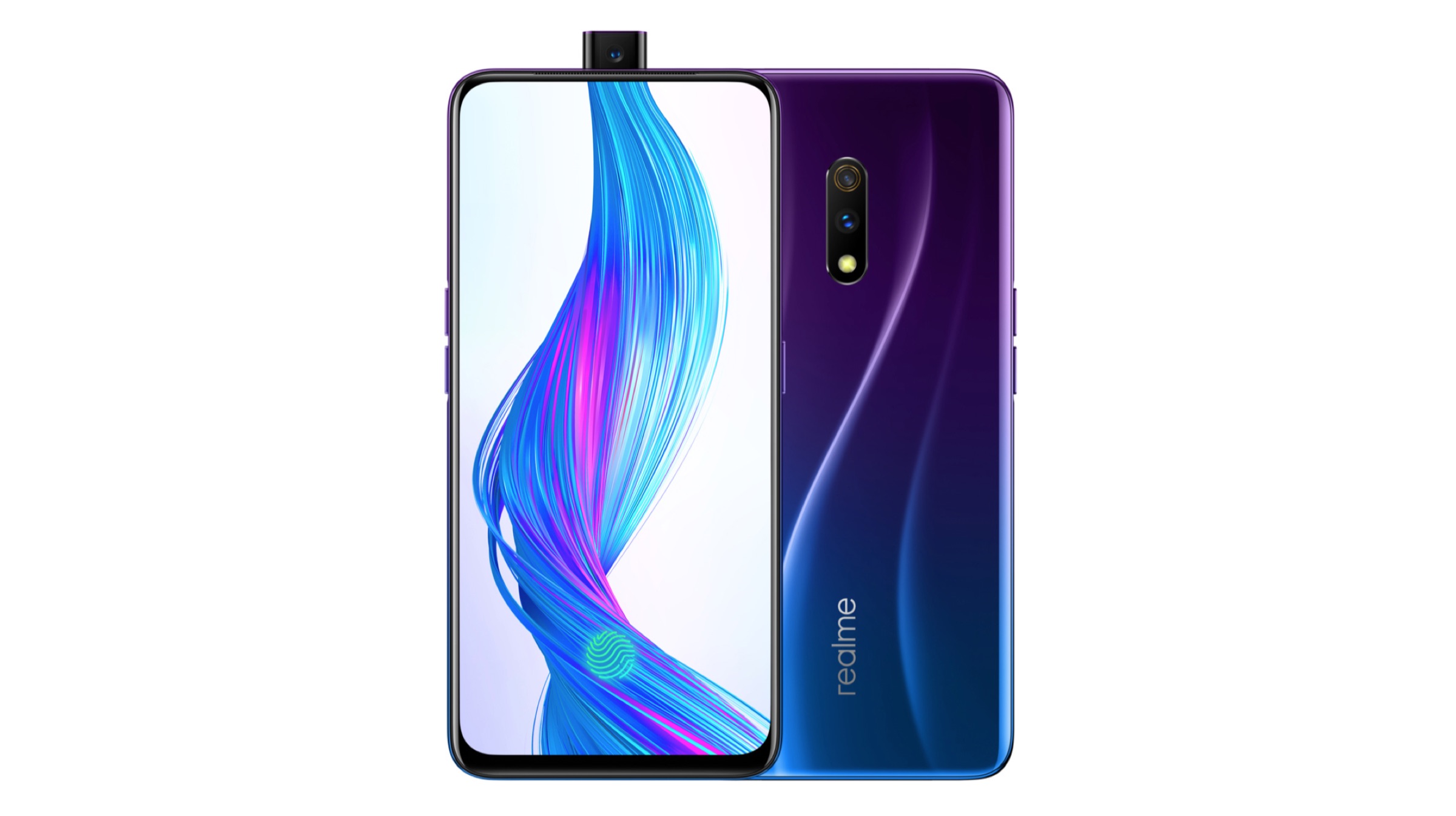
    The latest Tweet shared by the company CEO indicates that it’s newly launched smartphone, the Realme X will soon make its way to the Indian shores. The Tweet talks about ‘exciting news’ which is assumed to be the previously mentioned Realme X that debuted last month in China. Further adding to the claim is the fact is that it is the only handset that is currently unavailable in India in comparison to the global portfolio. Due to its features and competitive price, the device has received a lot of appreciation from reviewers across the globe. The Tweet shared by the senior executive insinuates that the India specific launch date of the device will be revealed next week. To recall, the specifications of the Realme X are as follows:

    The Realme X sports a 6.5 inch AMOLED display that has a resolution of 2340 x 1080 px. The smartphone measures 161.2×76×9.4 mm and tips the scale at 191 grams. Under the hood, it is kitted with the Snapdragon 710 SoC which is also present on the Realme 3 Pro. The Realme X is powered by a 3680 mAh battery and it runs on the latest Android 9 Pie which is skinned with ColorOS. In terms of optics, the Realme X has a dual rear camera setup consisting of 48 MP + 5 MP sensor and a 16 MP selfie camera housed in a motorised popup notch. 

    Also Read: Weekend Netflix Playlist: Must Watch Shows

    Conclusively, more details about the ‘exciting news’ from Realme will be announced next week which will put and end to assumptions and rumours.

  • Huawei Might Opt For Sailfish OS For Its Future Smartphones

    Huawei Might Opt For Sailfish OS For Its Future Smartphones

    Chinese tech giant, Huawei has been facing tough times lately after the US Commerce Department imposed a trade ban on it. The said ban has been imposed over accusations that the hardware and networking equipment sold by the company has back doors which can reveal sensitive user data to the Chinese government. Following the ban, all American companies had to end any sort of trade relations with Huawei. The biggest setback that the company had to face was in the form of support withdrawal for Android by Google. However, the company has been reportedly trying to overcome the hurdle by launching its in-house developed operating system which is allegedly called ArkOS or HongMeng OS.  Huawei Nova 5i
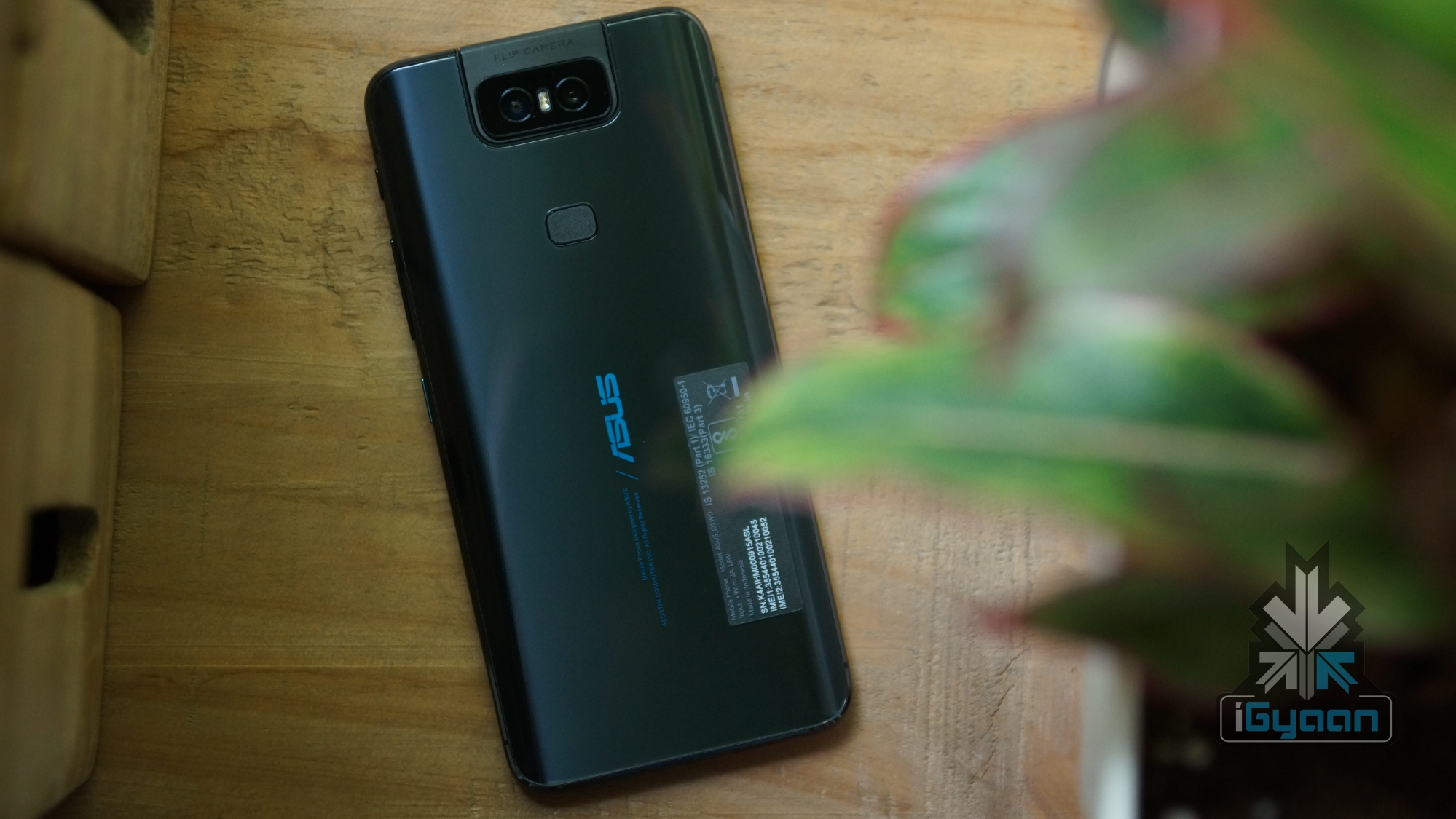
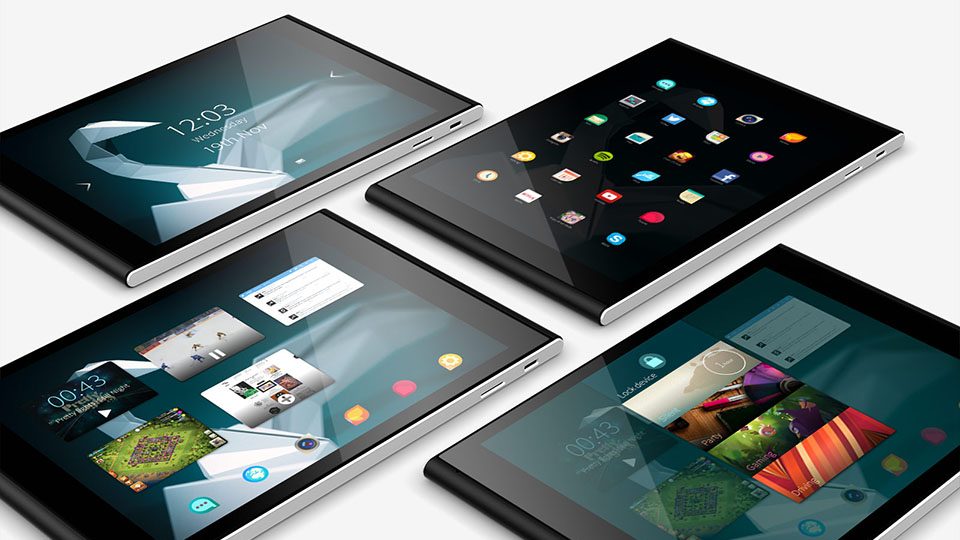
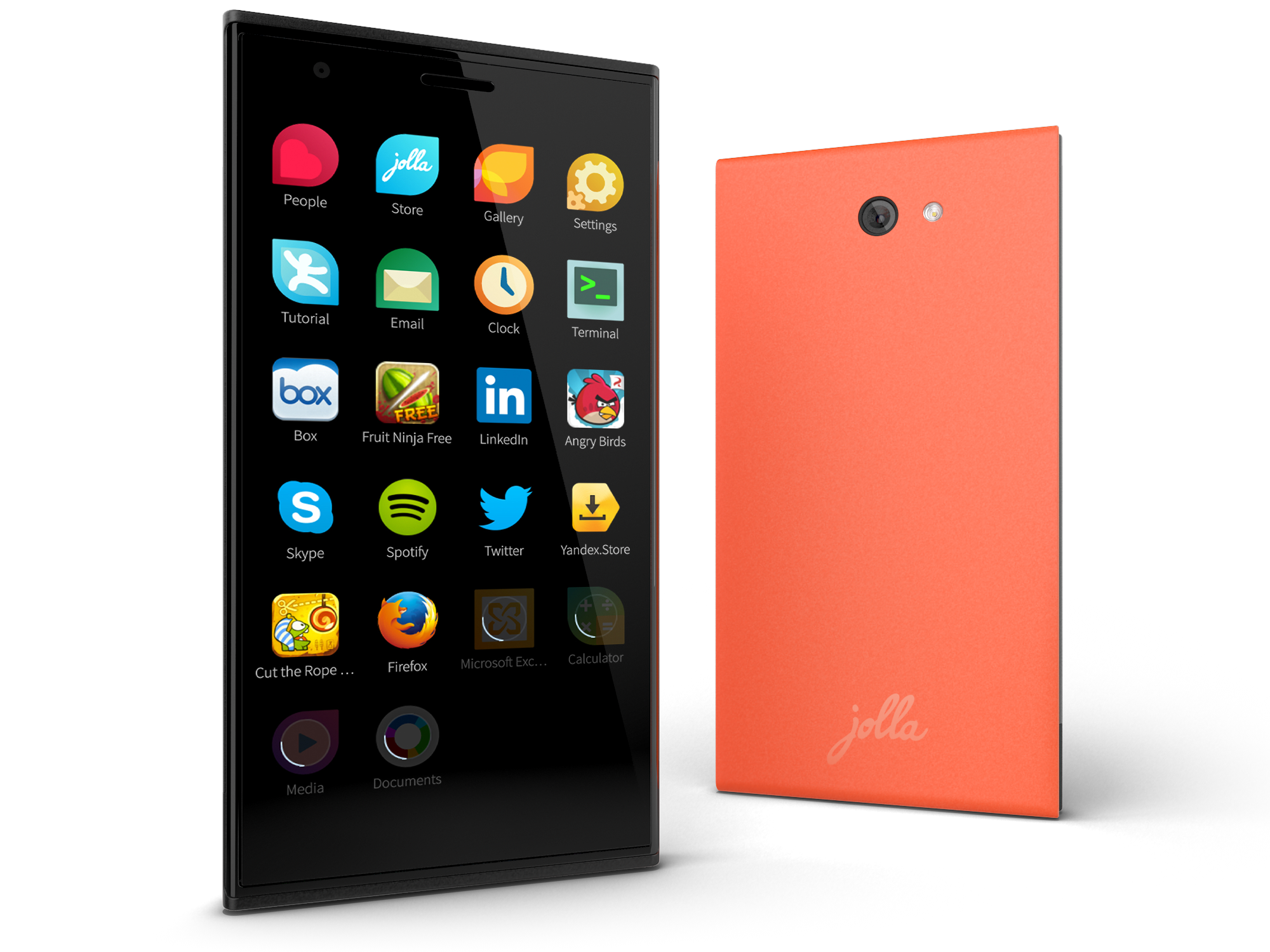
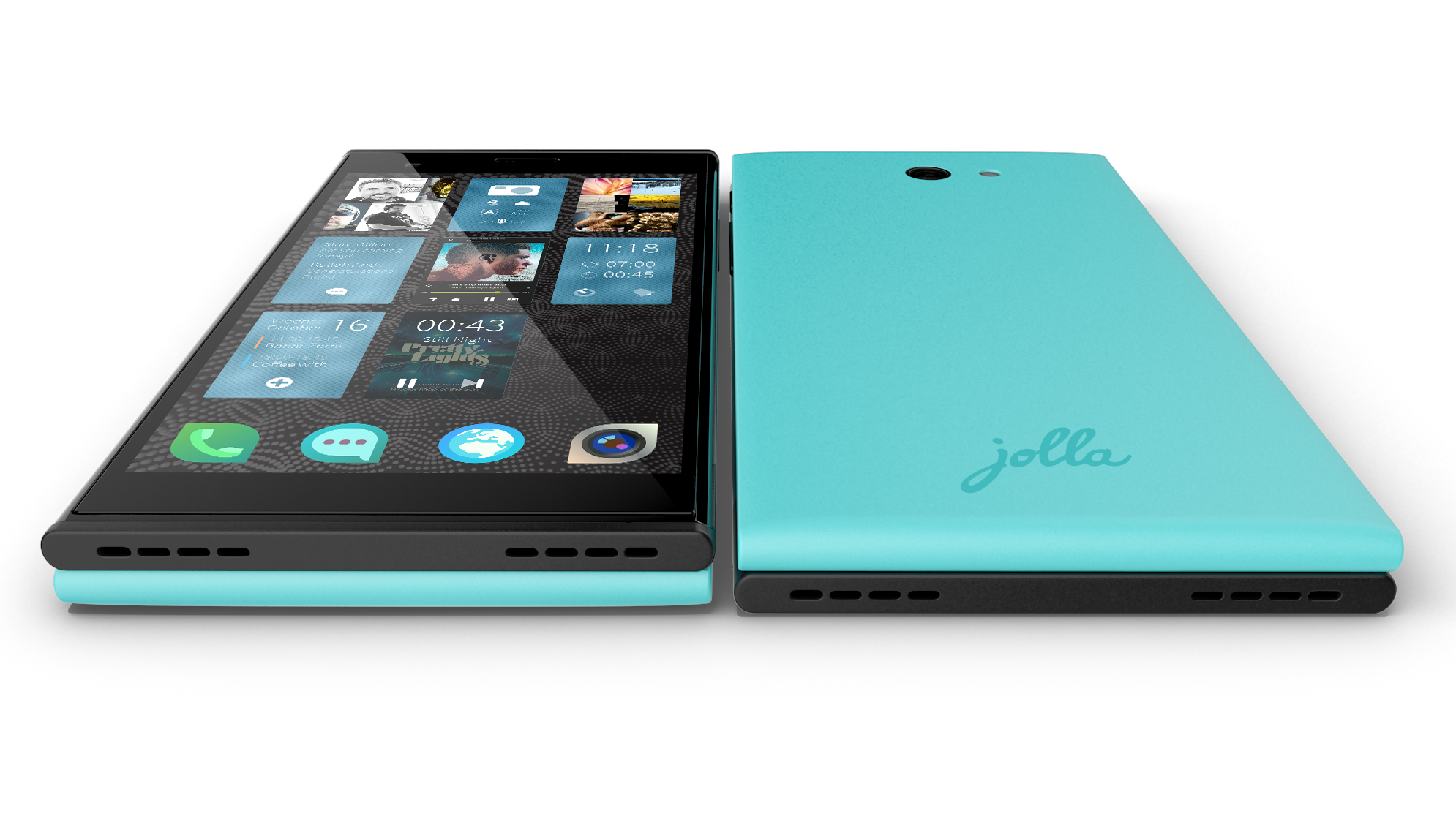
    Amidst all sort of possibilities and rumours, in a piece of surprising news, Huawei is considering to use Sailfish OS on its future devices. For readers who are unaware, Sailfish is an open source operating system which is based on a Linux kernel. The OS is an evolved continuation of the Meego OS which was originally developed by the alliance of Nokia and Intel. Sailfish OS was developed by Jolla which is a Finnish company. It was first seen on the Jolla smartphone which was released in the year 2013. 

    Huawei Sailfish OS

    Noteworthy, in the year 2014, a Russian billionaire businessman Grigory Berezkin agreed with Ministry of Communications for the creation of a Russian national mobile OS based on Sailfish. After acquiring a stake in Jolla, the businessman become a co-owner of the company. Since the year 2016, the UST group owned by Grigory Berezkin has been developing a Russia specific version of the system which is called Aurora OS.Sailfish OS Huawei

    In the following set of events, 75 percent of the stake of the UST group was sold off to Rostelecom which is the leading internet services provider from Russia. Huawei while exploring alternatives for Google’s Android OS has been in talks with the Russian minister of digital development and communications about installing a forked version of Aurora OS or Sailfish OS on future Huawei devices.

    Also Read: Hot Wheels Introduces NFC And Smart Tracks In New Cars

    To conclude, more details about the Huawei and Sailfish deal will be revealed in the future when the Chinese company spreads some light on the matter. 

  • Huawei Pushes Back The Launch Date Of The Mate X To September

    Huawei Pushes Back The Launch Date Of The Mate X To September

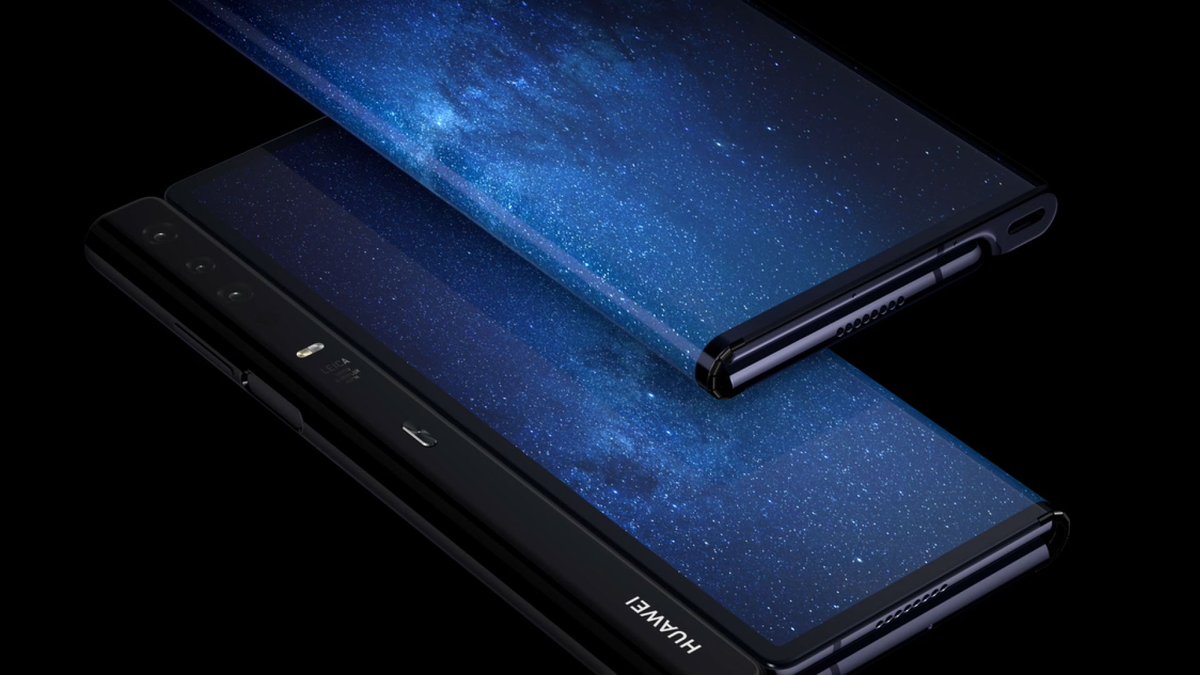
    In the month of February, Chinese tech titan, Huawei launched the world’s first 5G foldable smartphone which is called the Huawei Mate X. Apparently, the device competes against the Galaxy Fold from Samsung which has an inner folding design. The device was set to go on sale starting 26 April, however, due to some technical issues the launch of the device was delayed for an undefined period. The device was plagued with display issues which were faced by early reviewers including Youtubers and social media celebrities.

    To prevent the same situation happening with the Mate X, Huawei has pushed the launch date its foldable device. Instead of the original date of commercial availability which was set to June, the device will now go on sale in the month of September. Huawei claims that after the debacle of its rival from Samsung, the company wants to make sure their offering is upto the mark and is consumer ready.

    Although, reports also suggest that the reason behind the delay of Mate X’s launch date is the trade ban that has been imposed on the company by the Commerce Department of the US. Despite the fact, it cannot be confirmed what the actual reason behind the delay of the device is. All in all, only time will tell what the future beholds for Huawei and its devices. To recall, the following are the specs and features fo the Mate X:

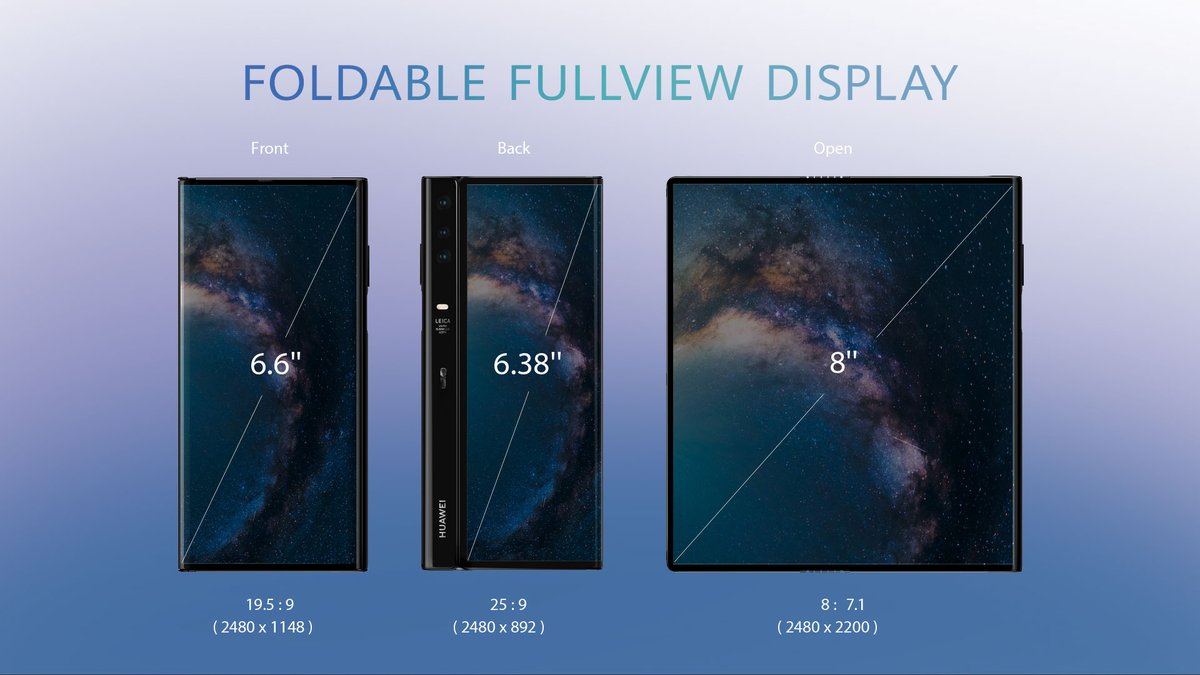
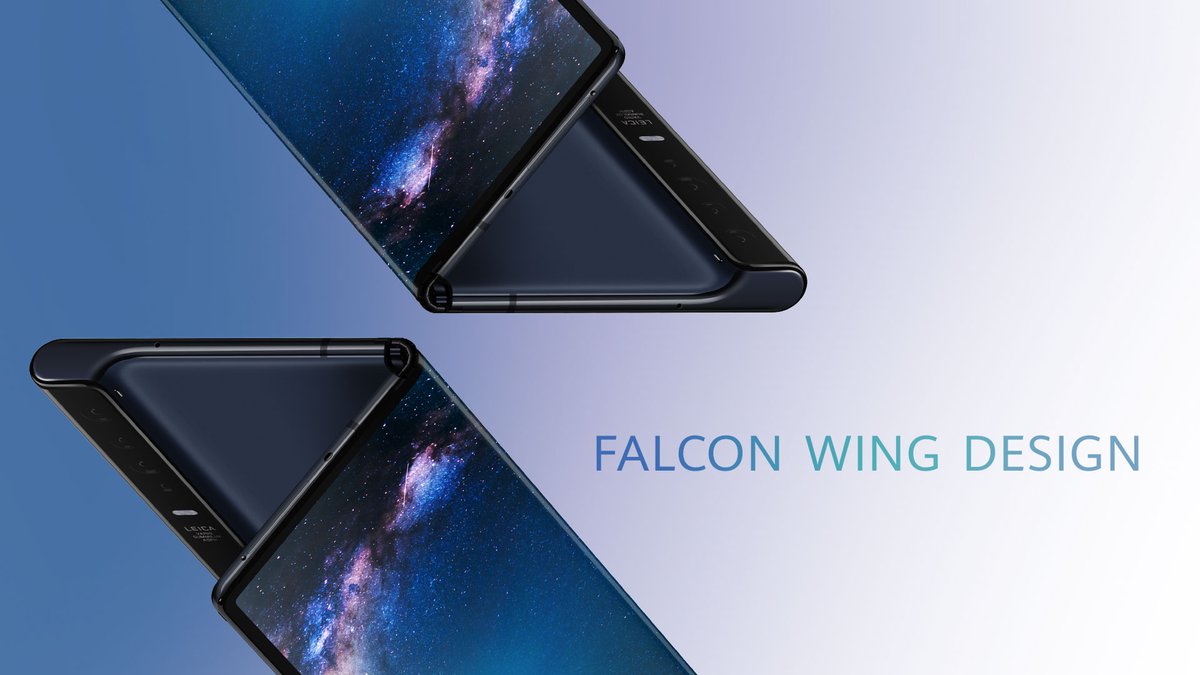
    The Huawei Mate X has a futuristic design with front glass and rear metal construction. The device when in its folded state is 11 mm thick and only 5 mm thick when in the unfolded state. The right side of the smartphone is occupied by the volume rockers and the power button that also doubles as a fingerprint sensor. The Mate X sports an 8 inch foldable display that has a resolution of 2480 x 2200 px and 8:7.1 aspect ratio. However, when in folded state the large display can be used as two separated front and rear displays. The front display measures 6.6 inch while the rear display measures 6.38 inch. 

    The Mate X has a Leica optics equipped triple camera setup which is vertically placed on the right edge of the rear of the smartphone. Uniquely, the triple camera setup on is also used to take selfies as the rear display can be used as a control for the camera shutter. The bottom of the smartphone houses dual microphone pinholes, loudspeaker grille, and a USB Type-C port which can be used for charging and data syncing. The Mate X packs the Kirin 980 SoC which consists of an Octa-CPU and the Mali G76 GPU. It is powered by dual batteries which have a combined capacity of 4500 mAh and are present in either half of the handset. Praiseworthy, it also supports super fast charging at 55 watts. 

    Also Read: iPhone 11 To Have Bigger Battery And Better Speakers

    Finally, we will still have to wait and see if Huawei is able to release the foldable device at the updated launch date or not, taking the US trade ban into consideration. 

  • Alleged Renders Of The Huawei Mate 30 Pro Surface On Weibo

    Alleged Renders Of The Huawei Mate 30 Pro Surface On Weibo

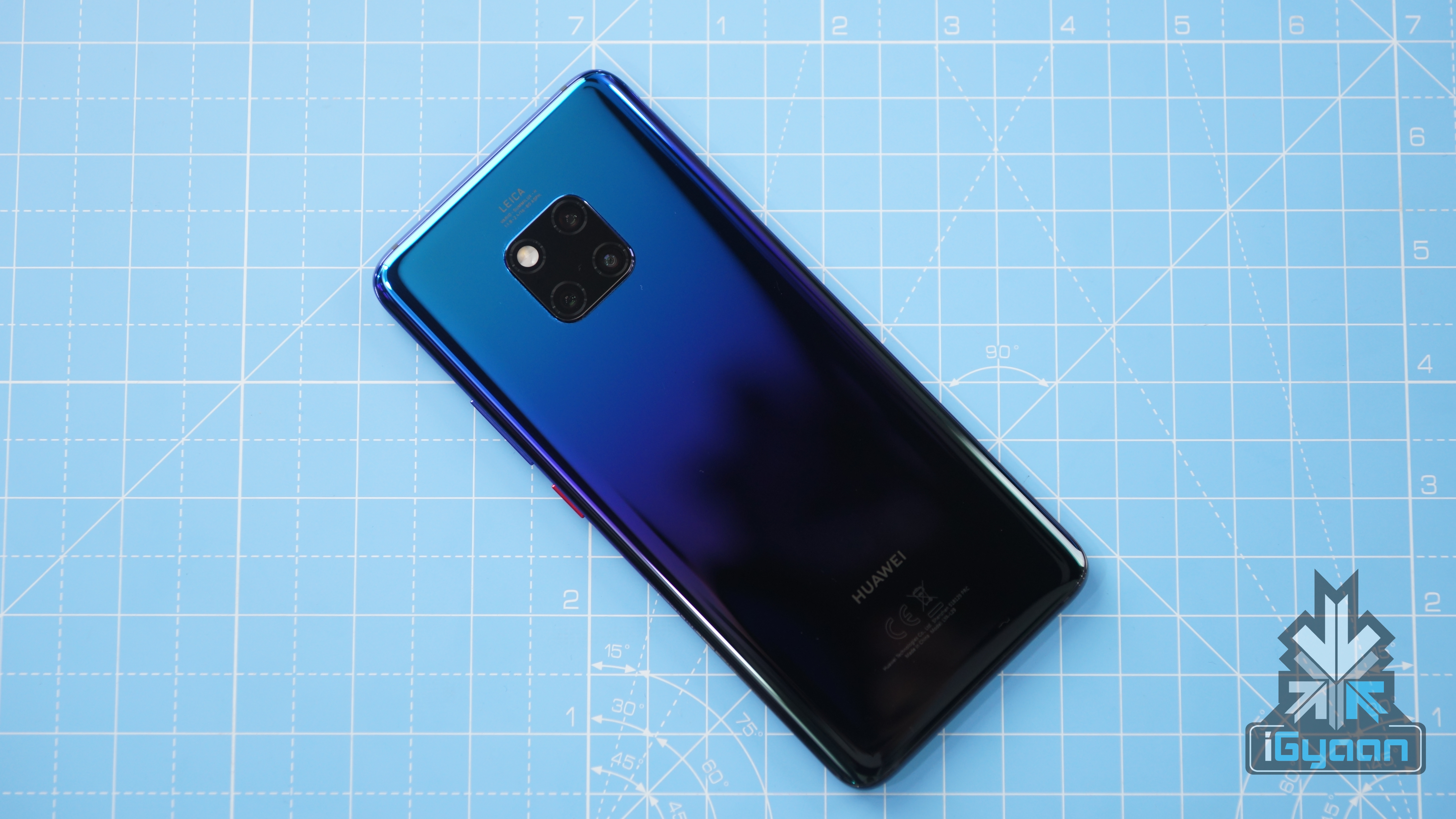
    Even though Huawei had to face a major setback after the US trade ban, it seems to be in no mood to slow down its spree of launching new devices. The company is set to launch its latest smartphone lineup, the Nova 5 on 21st of June. Besides, the alleged renders of the successor to its last year’s flagship grade Mate 20 Pro have also surfaced on Chinese social media website, Weibo. The upcoming device will be dubbed the Mate 30 Pro and the said renders reveal that its design will be a huge departure from the current gen smartphone. 

    Mate 30 Pro Renders

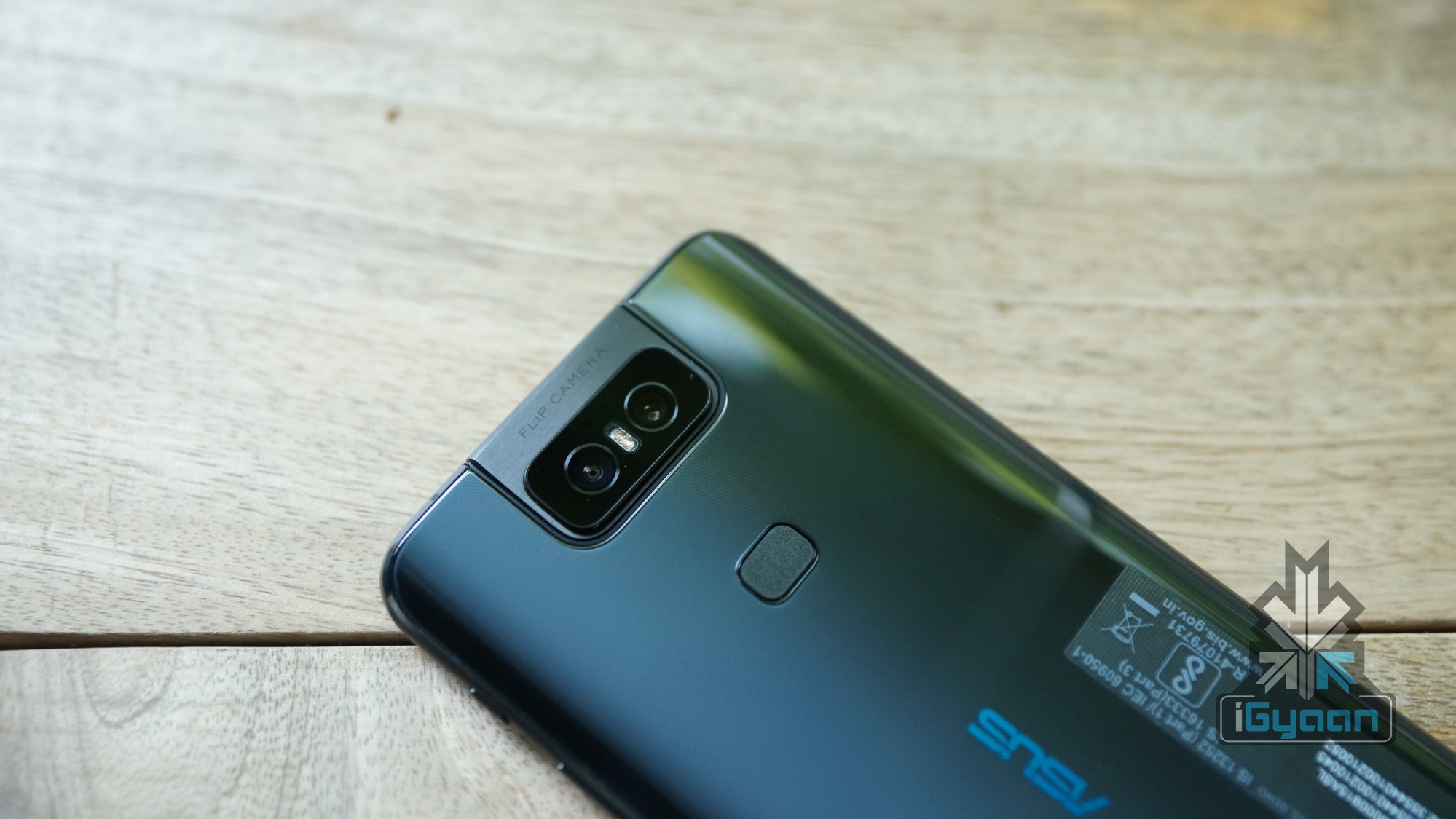
    According to the alleged renders of the Mate 30 Pro, it will have an edge to edge display with an oval punch hole that houses dual selfie cameras. Similar to its predecessor, the display of the device tapers towards the side. The rear of the Mate 30 Pro is reminiscent of the Mate 20 Pro that has a glass back with a gradient design. Also, the current renders corroborate with past leaks which date back to the month of January. 

    The rear of the Mate 30 Pro houses the company branding and a quad camera setup which is arranged in a rectangular module that protrudes slightly from the surface. All in all, the design of the smartphone has an appealing look with a considerable upgrade over its predecessor. The source lags any specifications about the upcoming device, however, some assumptions about it can be made.

    The Mate 30 Pro is expected to be kitted with the Kirin 985 SoC which might debut with the new handset. The chipset will be fabricated using a 7 nm process and will reportedly be manufactured by TSMC. The aforementioned foundry also manufactures Bionic chipsets for Apple iPhones. In terms of memory and storage, it is expected to be offered with upto 12 GB of RAM and upto 256 GB of ROM. The Mate 30 Pro will assumedly be powered with battery greater than 4,000 mAh along with support for 44 w charging. This fast charging is already present on the P30 Pro from Huawei. Most importantly, it is likely to run on the HongMeng OS which the company is expected to launch soon.
    Also Read: Samsung Files A Trademark For The Galaxy Tab Active Pro Tablet

    All in all, the alleged renders of the Mate 30 Pro look genuine. However, to verify their authenticity, we will have to wait for the company to officially release a statement. The device is expected to launch in the Q4 of 2019. 

  • Apple Registers Seven New MacBook Models In EEC Database

    Apple Registers Seven New MacBook Models In EEC Database

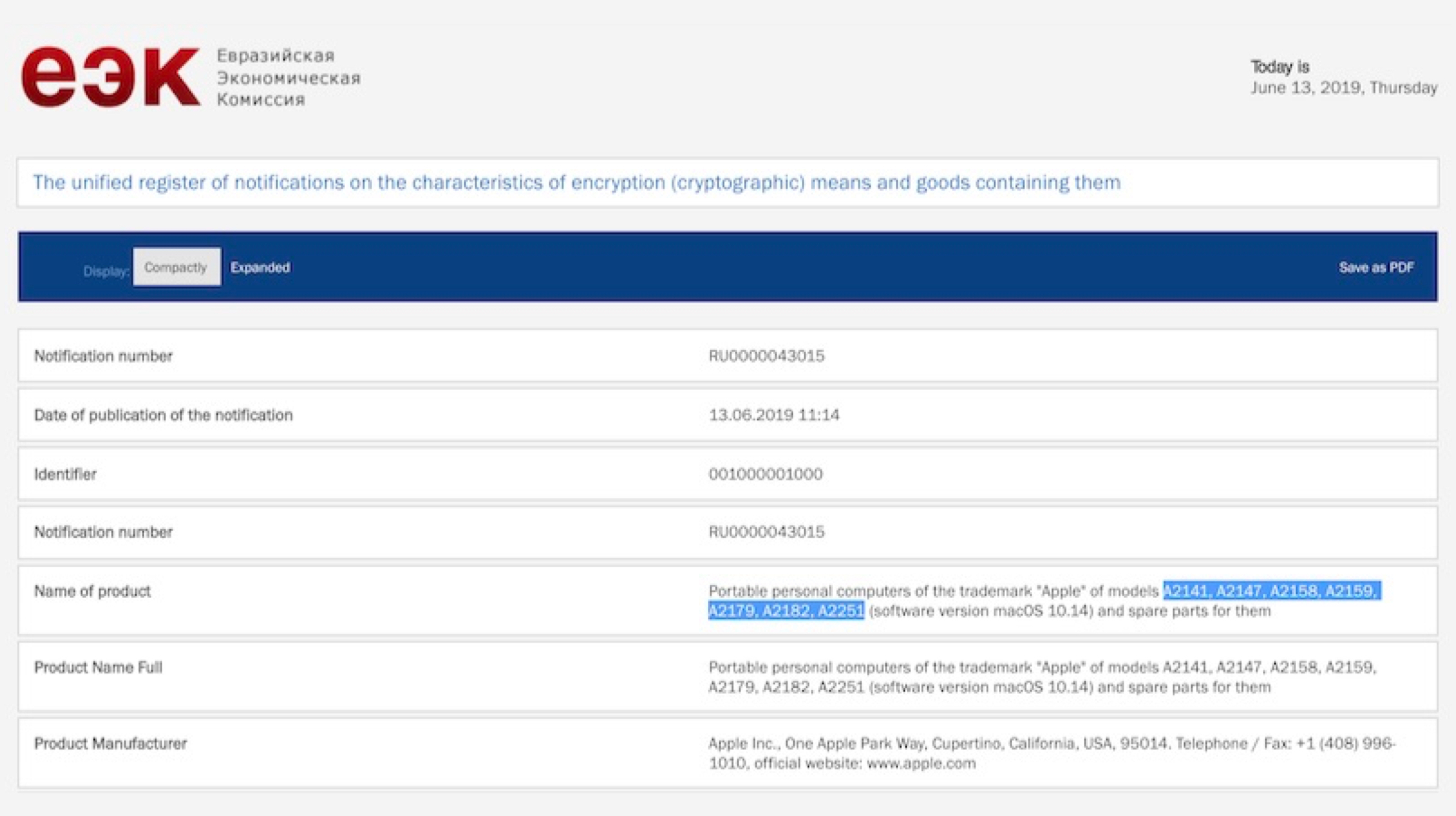
    Earlier this month, American tech giant, Apple held the WWDC event where it unveiled the updated Mac Pro computer in addition to the latest software iterations for its electronic devices (1,2,). Intriguingly, the company has freshly registered seven unreleased Mac models in the Eurasian Economic Commission which point towards an upcoming launch. Besides the said devices, Apple in the month of May had launched the updated 15 inch MacBook Pro which can be configured with 8 core Intel i9 processors. EEC listings like these in the past have foreshadowed the release of new Apple products in numerous instances.MacBook EEC Listing

    A few examples of EEC listing that have turned into actual commercially available products include multiple Mac, iPhone, iPad Pro and AirPod models. The filings are legally required for any encrypted electronic device which is sold in select countries including Russia.

    Models Registered

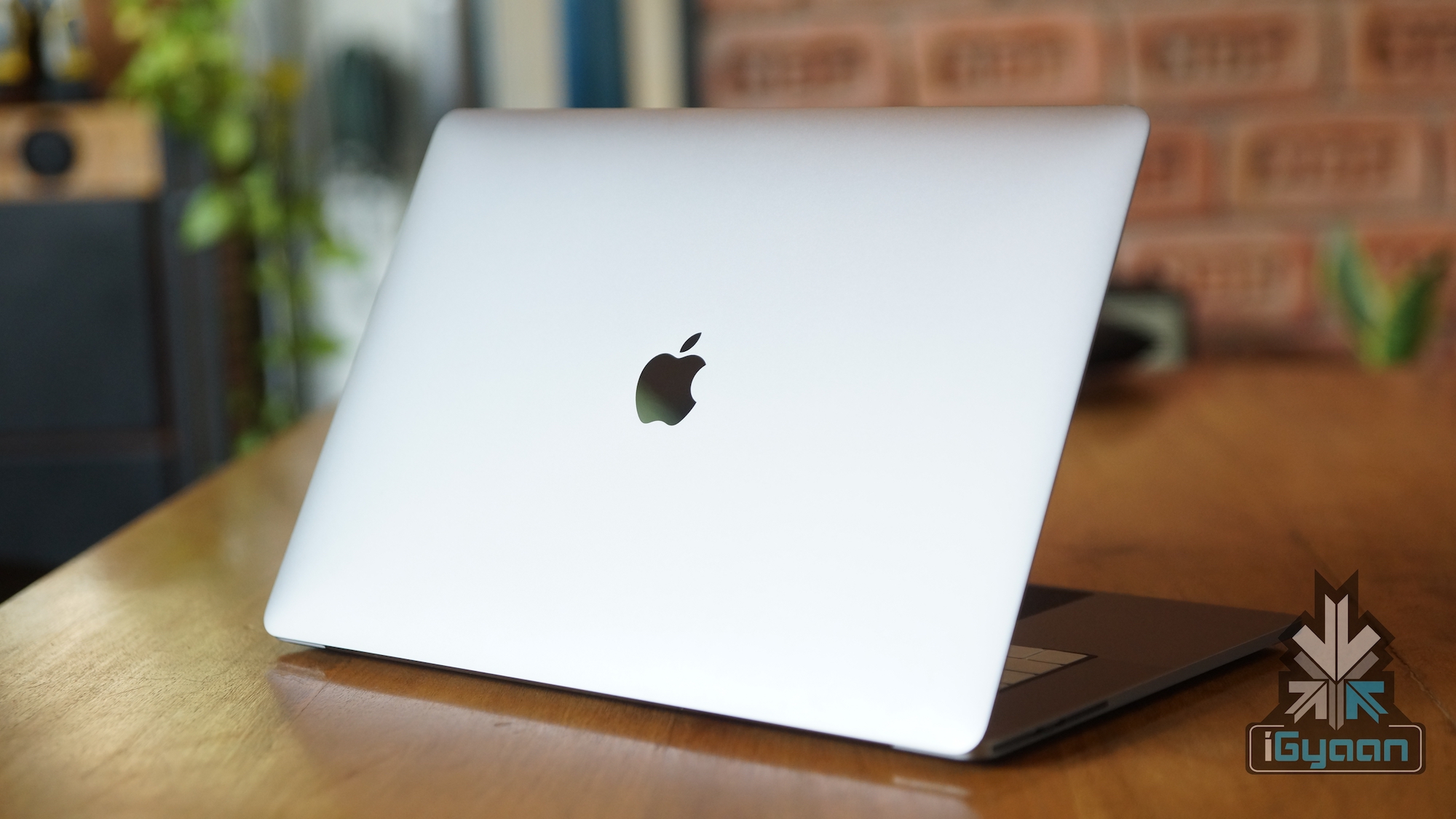
    MacBook 2018According to the listing, the seven Mac models registered by Apple include A2141, A2147, A2158, A2159, A2179, A2182, and A2251 which are described as “Portable” computers that suggest new MacBook laptop computers. Reportedly, the new device lineup will be comprised of 12 inch MacBook, 13 inch MacBook Pro and also the MacBook Air.

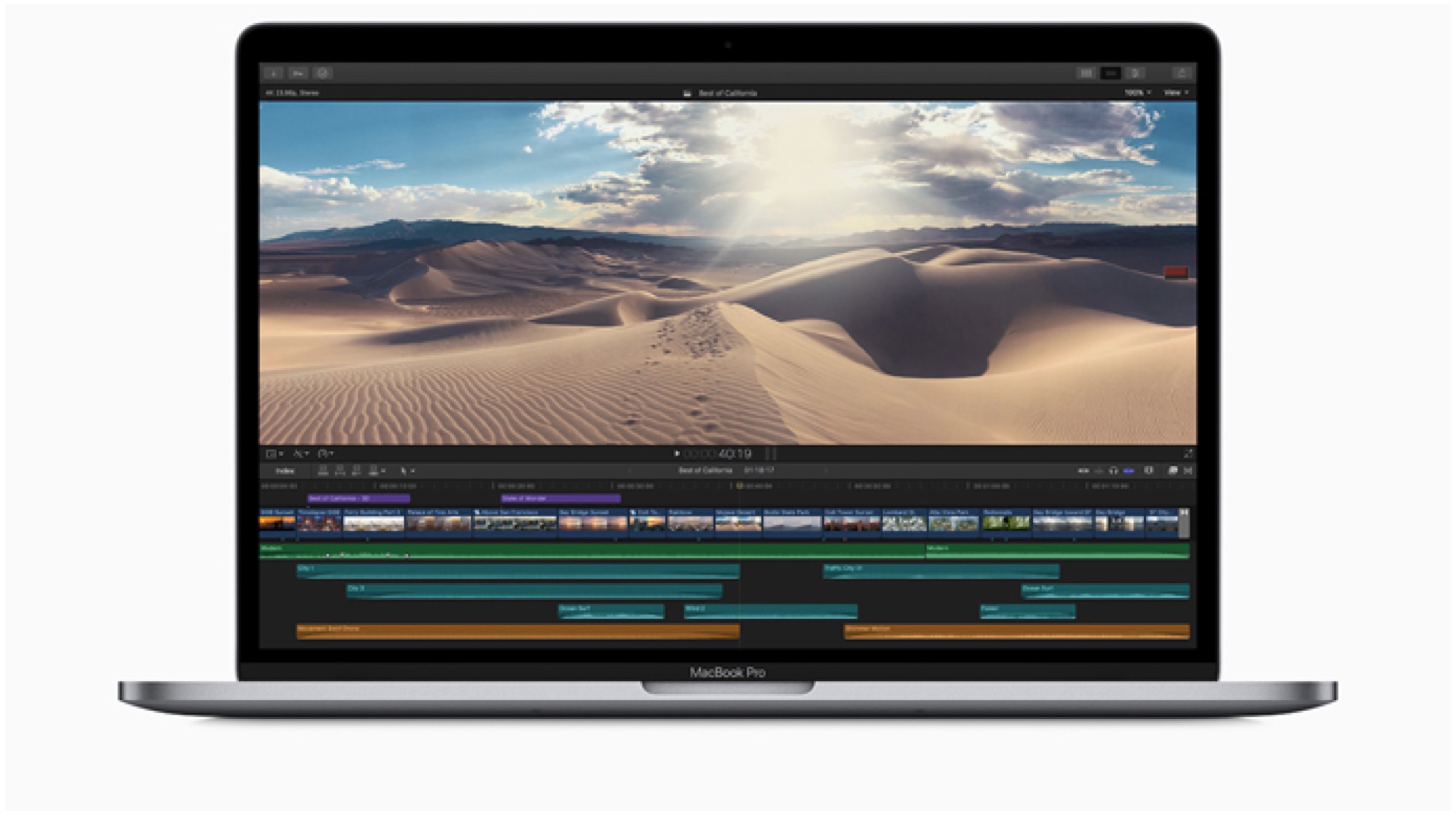
    Also, Apple is said to be working on a brand new 16 inch MacBook Pro with an overhauled design. However, the company is yet to provide any information about the launch or existence of the computing device. Adding further to the predictions and rumours, the company launch the upcoming models with optional LTE connectivity. This feature will make the MacBook a perfect companion for users who are always on the go and want a machine to tag along that has high speed internet connectivity. 

    Also Read: Researchers Have Successfully Converted Type A Blood To Type O

    To conclude, we will have to wait for Apple to reveal more details about the previously mentioned MacBook computers. As no other details about them are currently available except for the EEC listing. 


  • Huawei Confirms Roll Out Of HongMeng OS

    Huawei Confirms Roll Out Of HongMeng OS

    Following the trade ban imposed on Huawei by the US Commerce Department, the company was left stranded without proper software support for smartphones and computers. As it seemed the company was in deep trouble, reports started surfacing that the company has a replacement OS called HongMeng in the pipeline for smartphones. On the 13th of June, an executive of the Chinese company confirmed to Reuters that the aforementioned OS is the process of its potential launch.

    Huawei P30 Pro
    Huawei P30 Pro


    A senior Huawei executive stated in an interview that the company has filed for the ‘HongMeng’ trademark in several regions. Furthermore, the executive claimed that the company has already shipped one million devices in China running the forthcoming OS. Commenting on the expected growth figures of the company in the year 2019, the executive revealed an expected growth of 20 percent which is slightly higher than 19.5 percent from yesteryear. In the month of March, the company officials stated that its three main business groups were likely to post double digit growth figures in the current year.Huawei mate 20 pro

    Talking more about the HongMeng OS, it is reported to be cross compatible with Android OS. This means that the applications developed for Android will work effortlessly with Huawei’s upcoming OS. Also, it was previously reported that the future OS from the Chinese company will focus on privacy and security of user data. 

    Also Read: Huawei Nova 5 Pro Renders, Specifications Leaked Online

    Huawei’s HongMeng OS was previously reported to be rolled out in the Q3 of 2019. Surprisingly, some leaks claim that the OS will be revealed with the Huawei Nova 5 lineup which is set to launch on the 21st of June. Although, Huawei is yet to confirm the said claims and we will have to wait patiently till the company reveals an official statement. 

  • Asus 6Z Unboxing And Hands On

    Asus 6Z Unboxing And Hands On

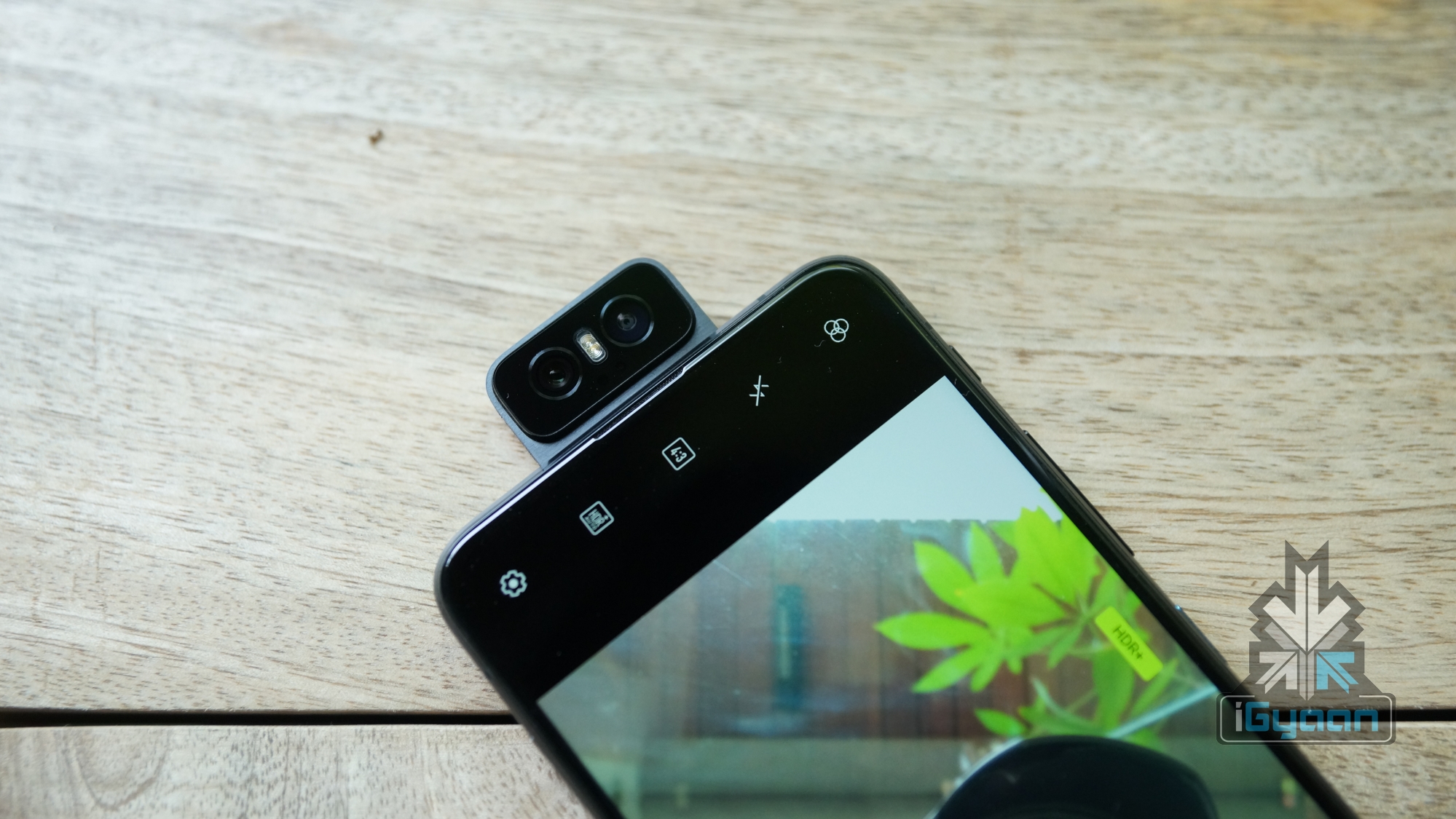
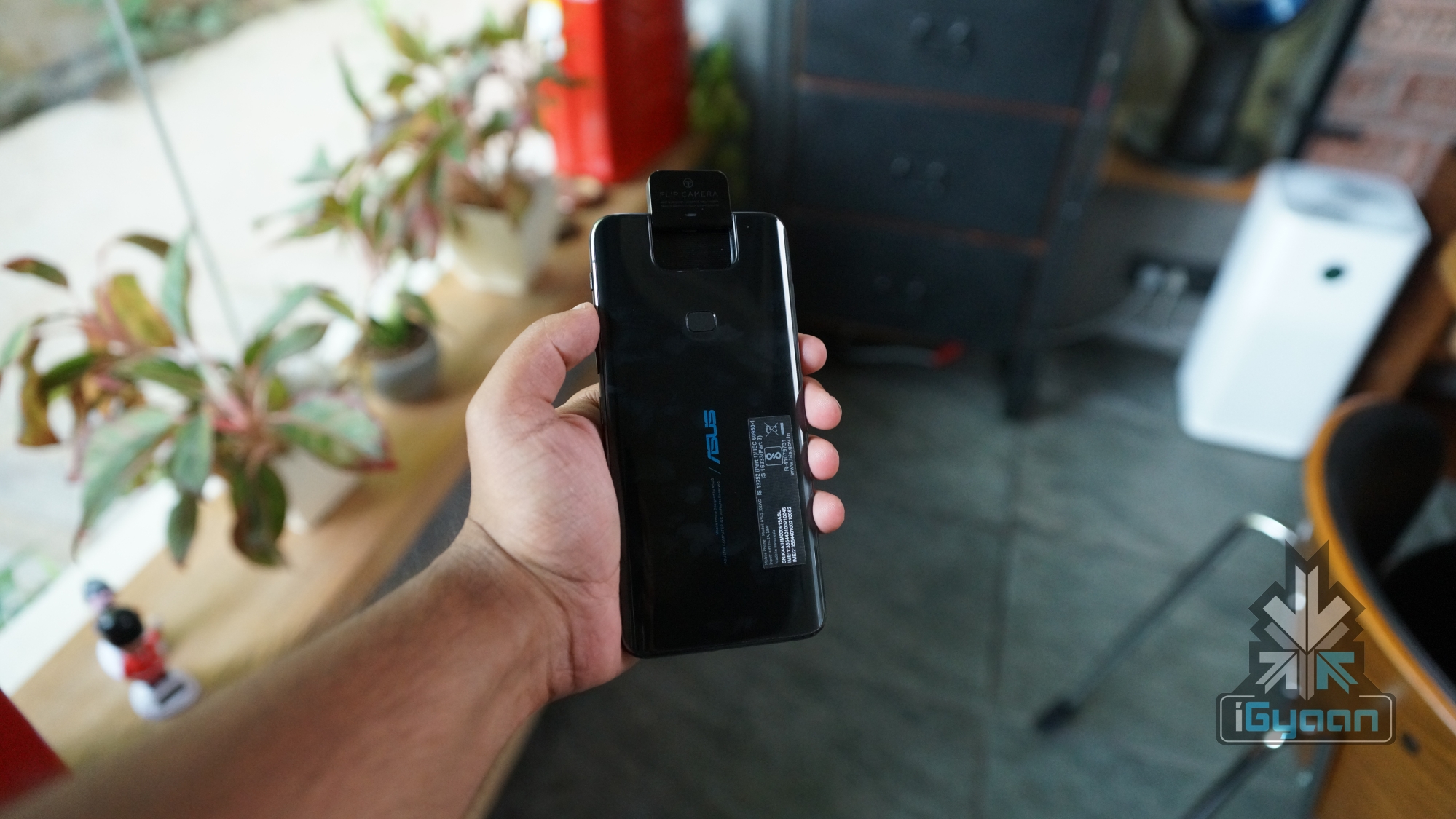
    In the month of May, Asus unveiled its 2019 flagship, the Asus ZenFone 6 in Valencia, Spain. The device has a modern look accrediting to a high screen-to-body ratio display on the front and a unique flip camera that also doubles as a selfie camera. The device is set to make its way into the Indian market, however, it will launch with a different name in the country. Due to a copyright conflict with Indian smartphone maker Zen Mobiles, Asus had to rename the device as 6Z for the country. 

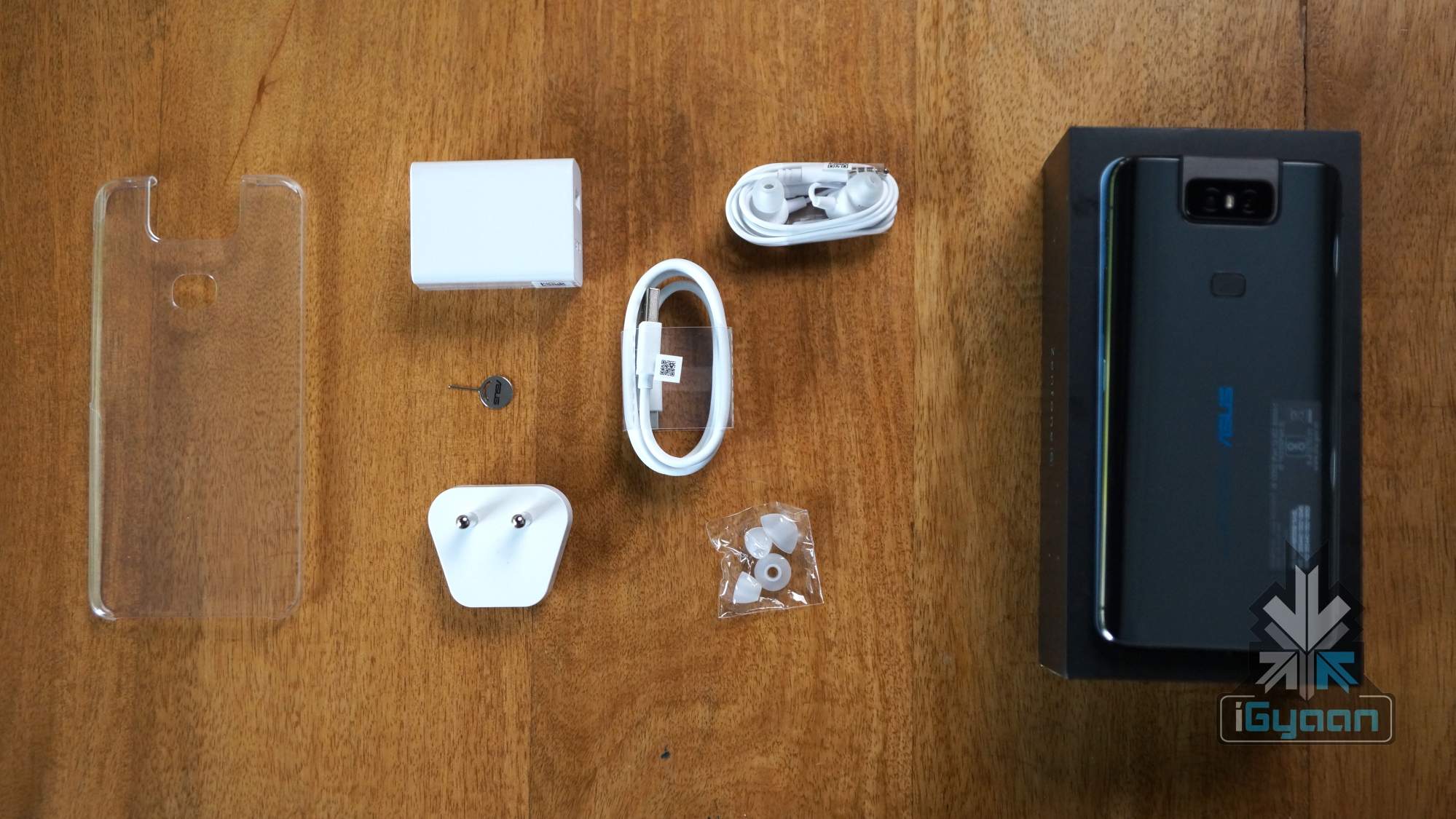
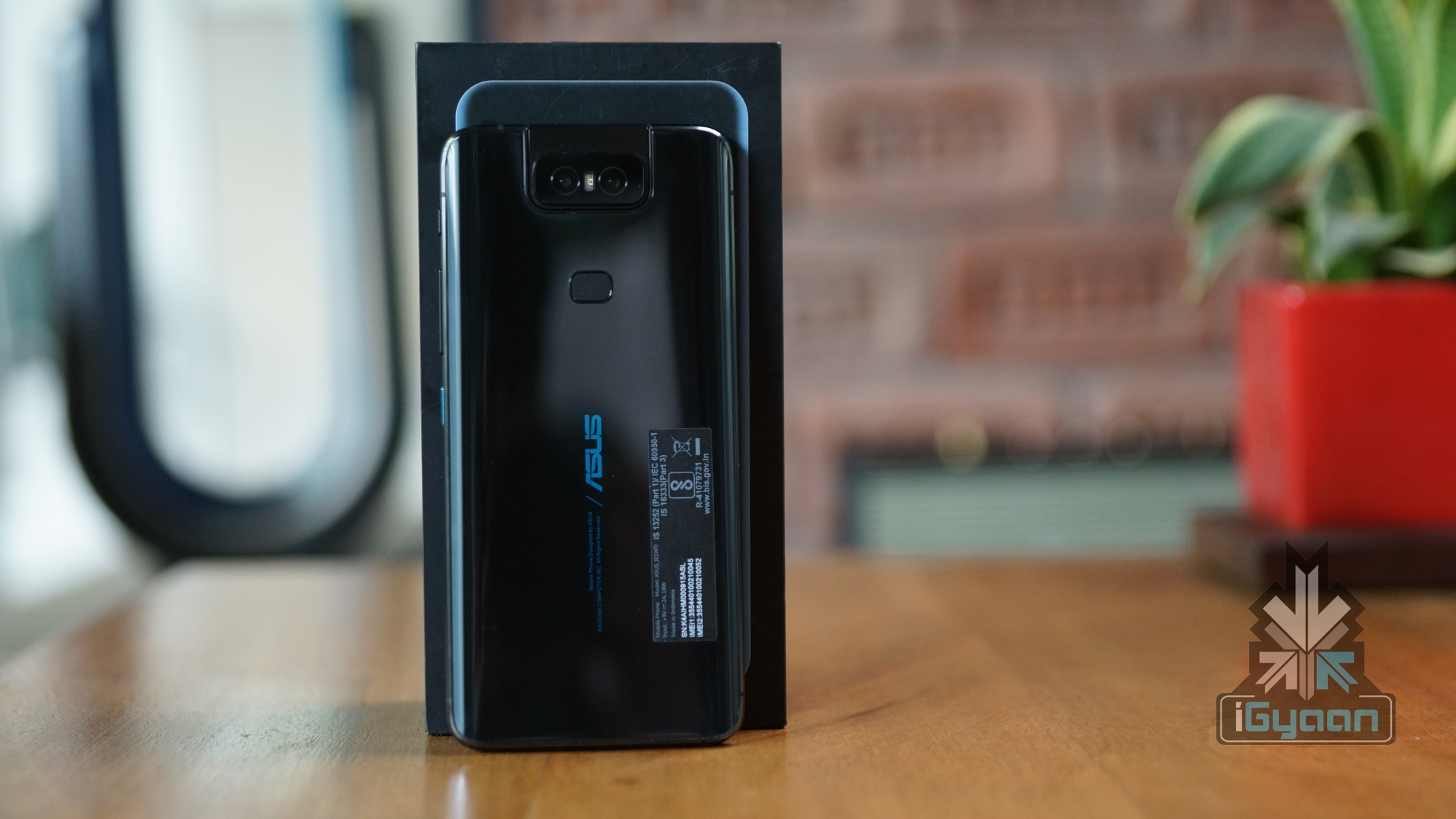
    What’s In The Box?
    • Asus 6Z
    • In-Ear Headphones
    • USB Type C Cable
    • Power Adapter
    • SIM Ejector
    • Protective Case
    Design

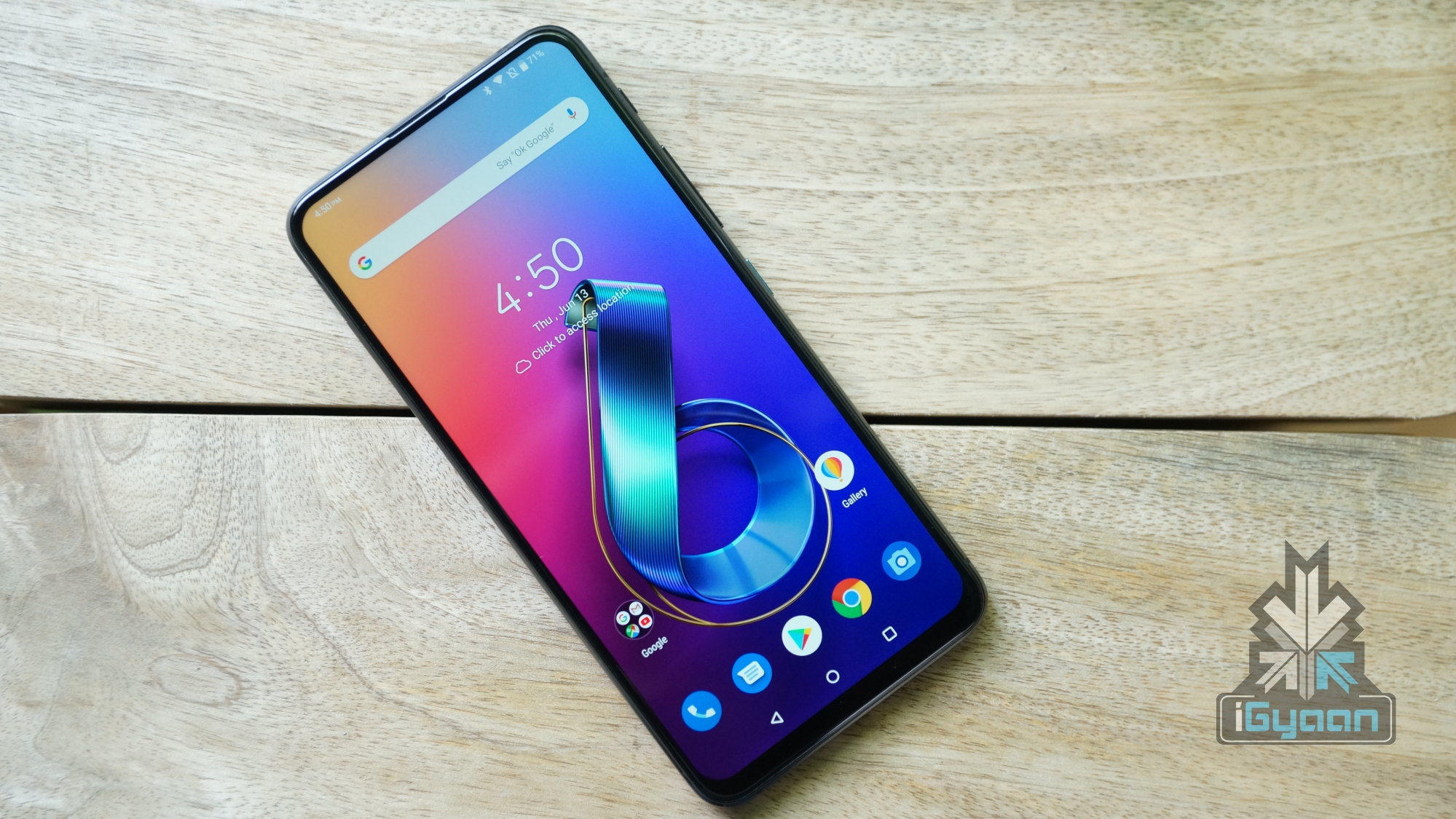
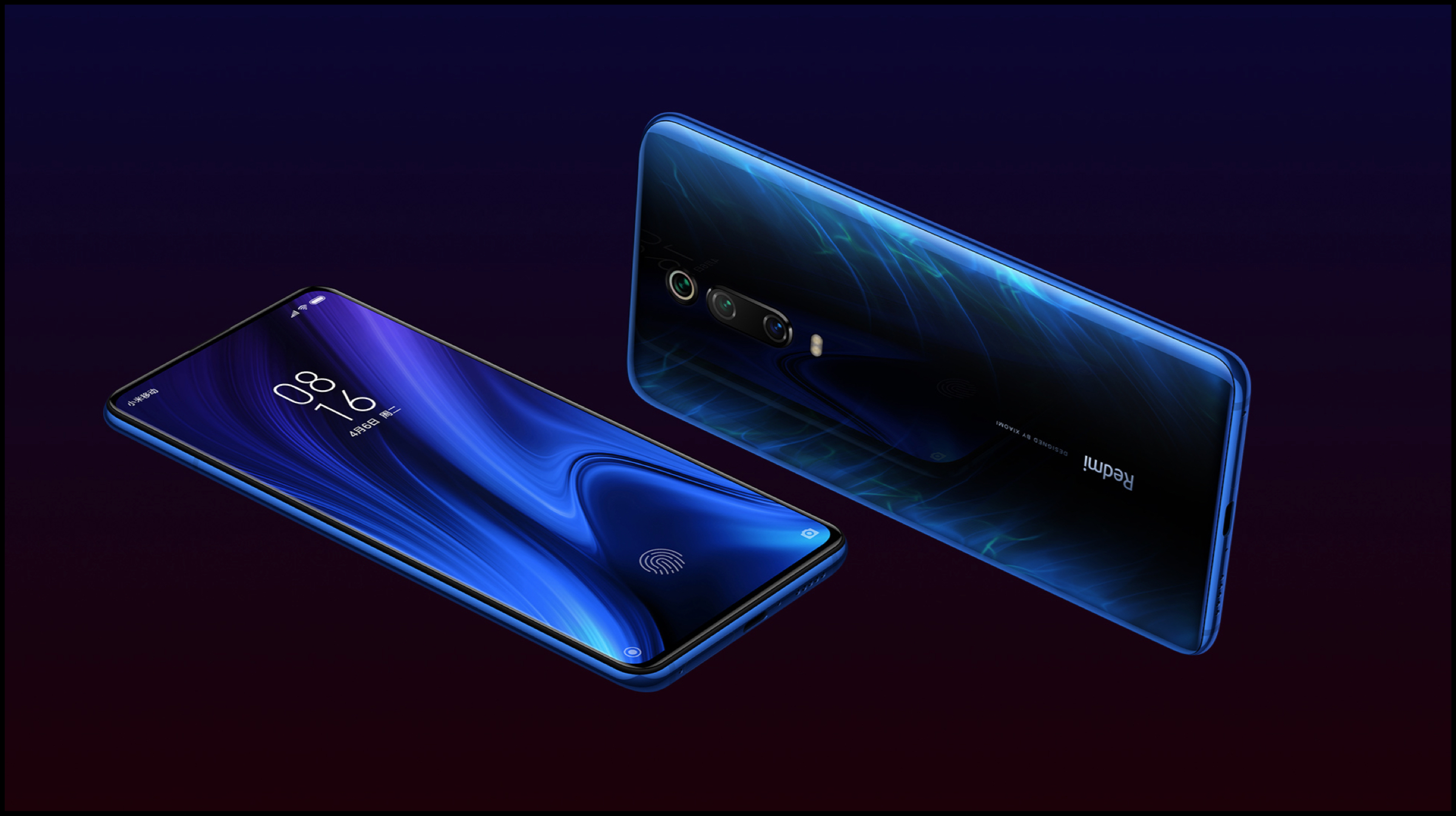
    The Asus 6Z has a 6.4 inch display with a 92 percent screen to body ratio. The right side of the device makes room for the volume rocker, the power and a dedicated Google assistant button while the left side of the device is occupied the dual SIM + microSD card slot. The bottom of the Asus 6Z accommodates the USB Type C port, 3.5 mm audio jack and the loudspeaker grille while the top of the device houses the flip camera that can be used as both front camera and rear camera. The rear of the device has an attractive look with a glass build that houses Asus branding and fingerprint sensor.

    Display

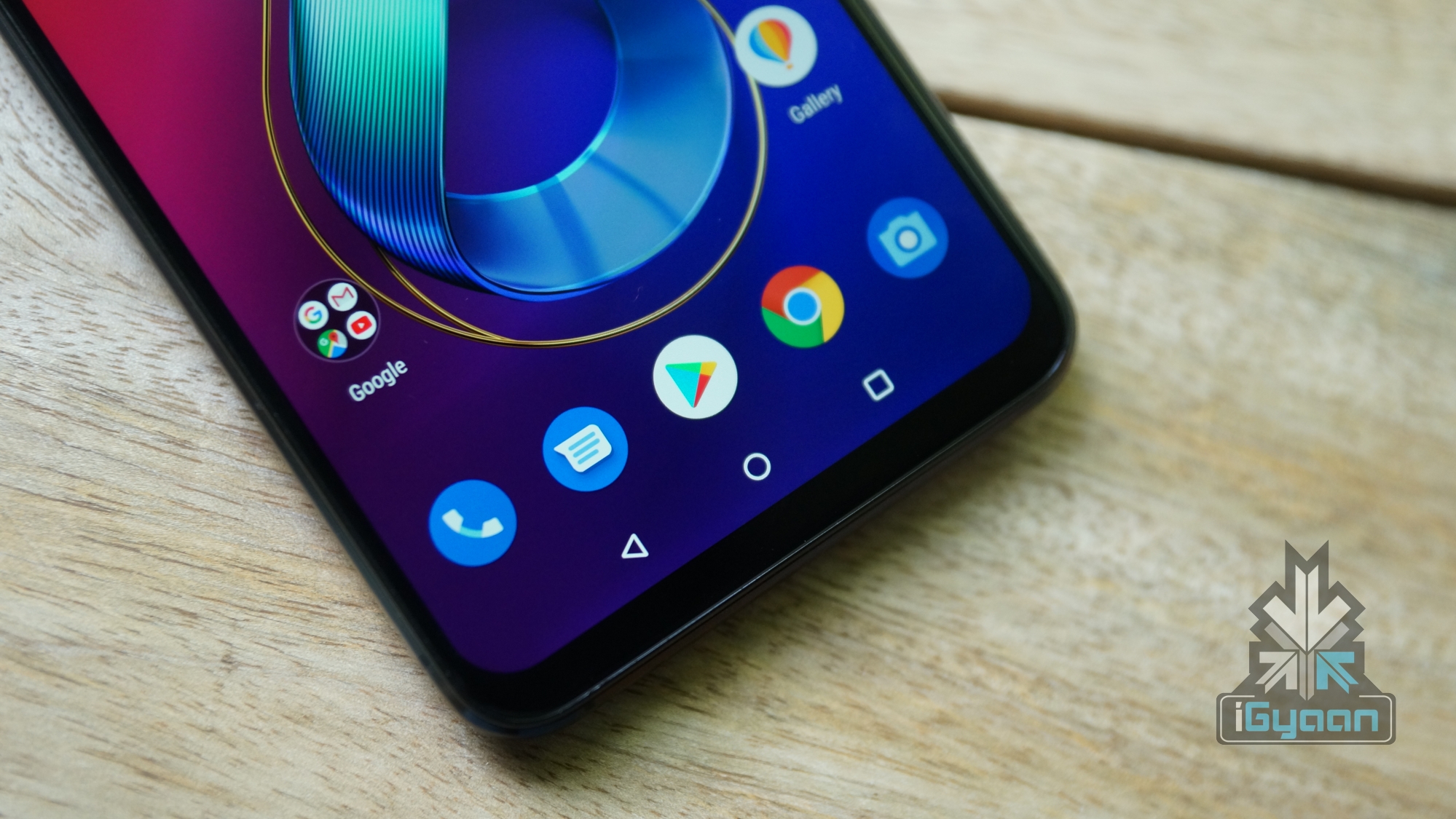
    The Asus 6Z sports a 6.4 inch LCD display with a resolution of 2340 x 1080px and a pixel density of 403 ppi. The display of the device is surrounded by very thin bezels with no obtrusions like a notch or a hole-punch. To prevent the device against scratches and accidental drops it is equipped with Corning Gorilla Glass 6.  
    Processor

    The Asus 6Z runs on the Qualcomm Snapdragon 855 SoC which is a top of the line chipset. The Snapdragon 855 is manufactured using 7 nm fabrication process and it consists of Octa-core CPU   and Adreno 640 GPU. The eight CPU cores are composed of three different clusters which have the following clock speed:

    • 1×2.84 GHz Kryo 485
    • 3×2.41 GHz Kryo 485
    • 4×1.78 GHz Kryo 485
    Memory & Storage And Battery

    The Asus 6Z will be available in two storage variants which include 6 GB RAM + 128 GB ROM and 8 GB RAM + 256 GB ROM. In addition to the internal storage, it also supports memory expansion upto 1 TB via a dedicated MicroSD card slot. The Asus 6Z is powered by a mammoth 5000 mAh battery which also supports 18 W fast charging via the bottom mounted USB Type C port.

    Camera

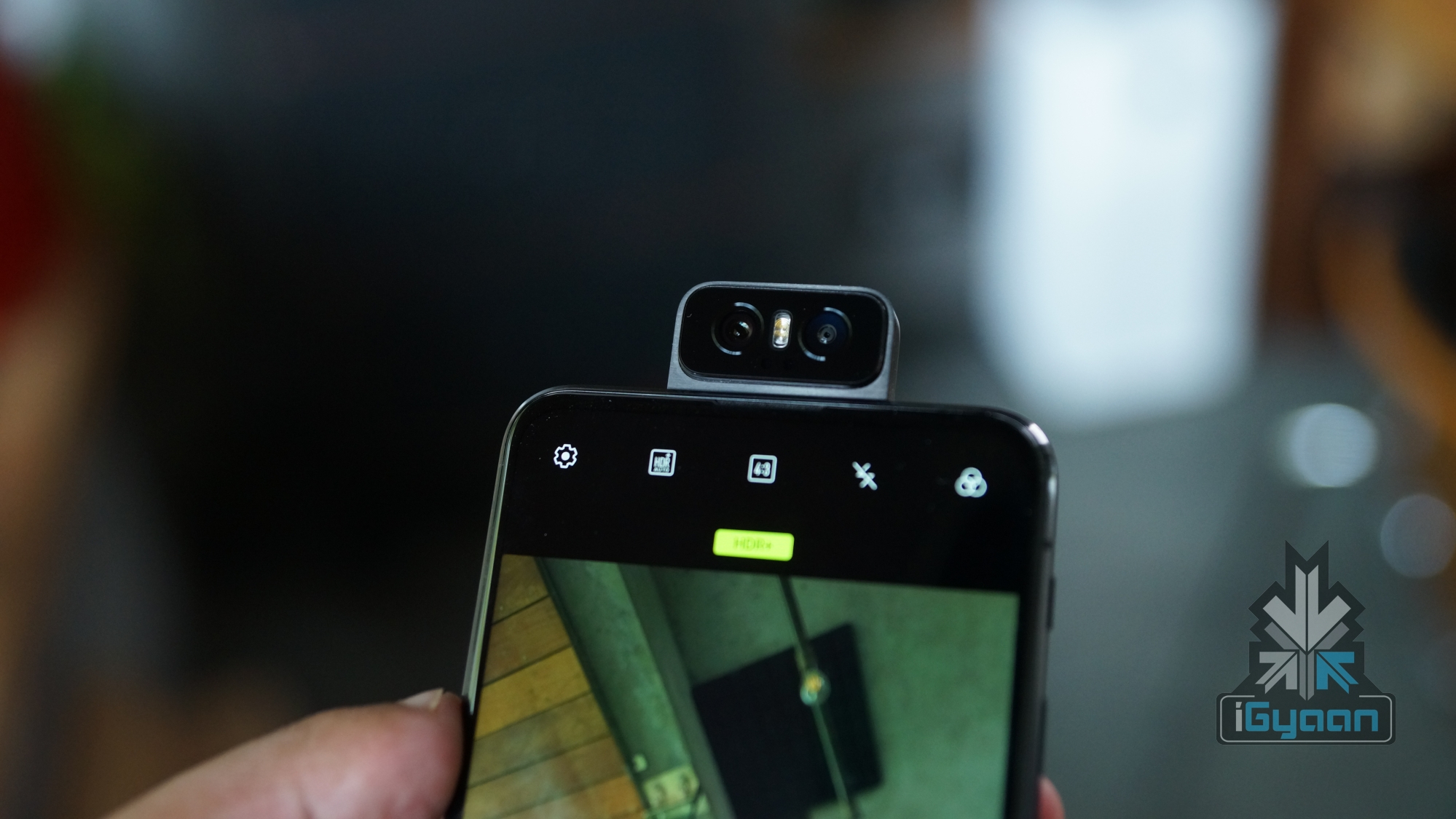
    The Asus 6Z has a dual flip camera setup which can be used for clicking pictures and capturing videos from both the front and back. The camera setup consists of an f/1.8 aperture equipped 48 MP sensor and an f/2.4 aperture equipped 13 MP wide sensor. The smartphone can also capture 4K videos at 60fps from the hybrid rear and front flip camera setup.

    Notably, Asus is touting the 6Z as the world’s first smartphone with a controllable motorised camera. Even though companies like Oppo in the past have released similar devices with automatically rotating cameras, they could only capture images and videos at two angles. Uniquely, the flip camera of the 6Z can be set to any angle ranging from 0 to 180 degrees proving Asus’ claim factually correct. Except for conventional features, it can capture a panorama without the user having to actually move from their position. The flip automatically rotates with the help of motors which helps in capture a well stitched panorama.  

    Talking about its operation and durability, it has a motorised operation which can be used to toggle the selfie camera with the simple click of a button. The mechanism inside the camera setup is built in a manner that if the flip is forcefully moved, the gears inside would not resist and move along with the motion. This, in turn, would prevent the internals from going bad while being manually moved. However, it is recommended not to intentionally move the camera forcefully. 

    Connectivity & Other Features

    Connectivity options on the Asus 6Z include dual 4G VoLTE, Bluetooth 5.0, 802.11 Wi-Fi, GPS and a bottom mounted USB Type C port for charging and data syncing. Unlike several other flagship handsets, it has a 3.5mm audio which is mounted on the bottom. The device runs on the latest Android 9 Pie which is skinned with Zen UI that provides for a stock Android like experience with minimal bloatware. 

    Also Read: Whatsapp To Take Legal Action Against Users Who Send Too Many Messages

    The India specific pricing of the Asus 6Z is currently unavailable and will be revealed at the launch event which is set for 19th of June. 

  • Rebranded Redmi K20 Pro Launched As Xiaomi Mi 9T In Europe

    Rebranded Redmi K20 Pro Launched As Xiaomi Mi 9T In Europe

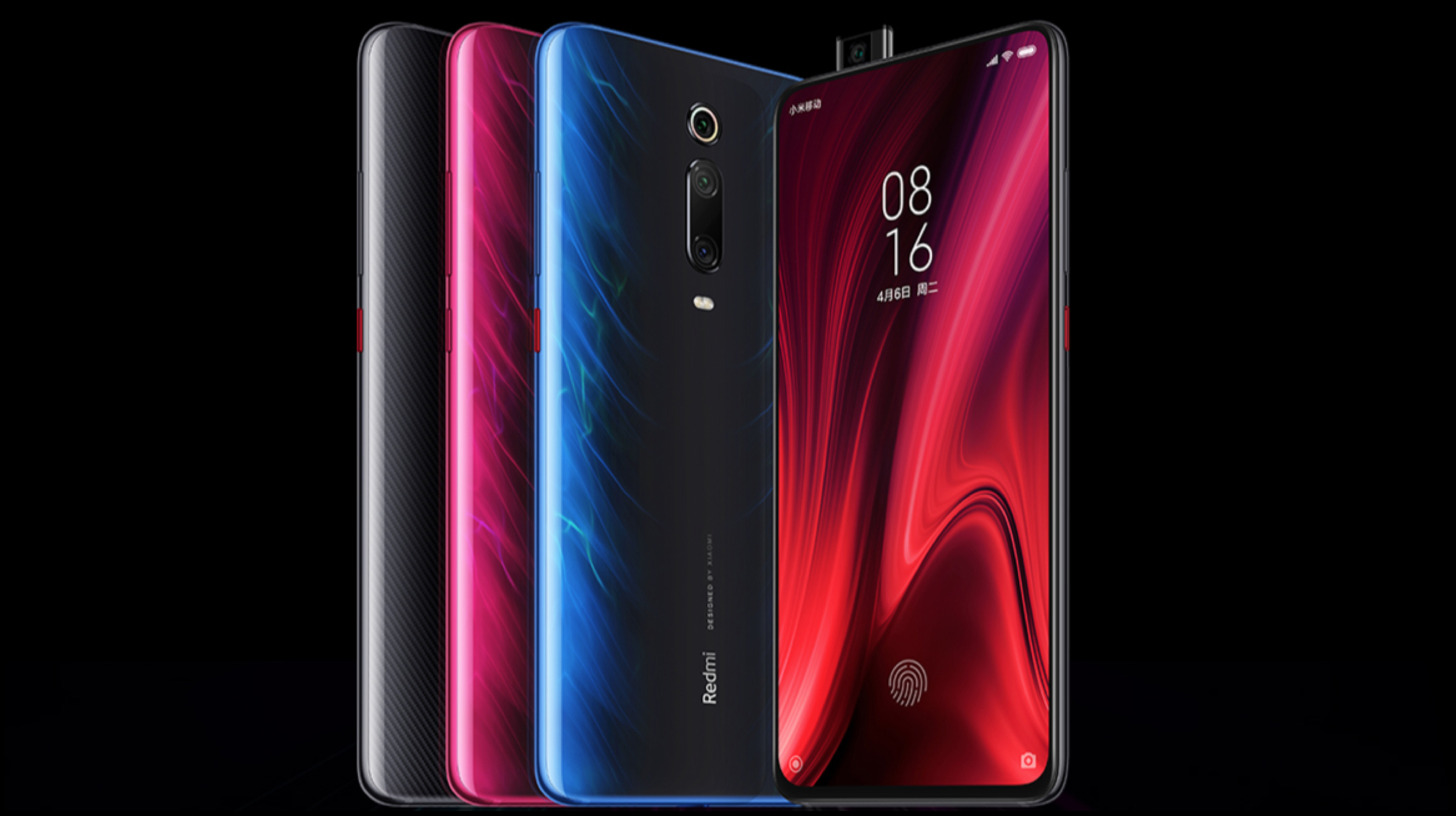
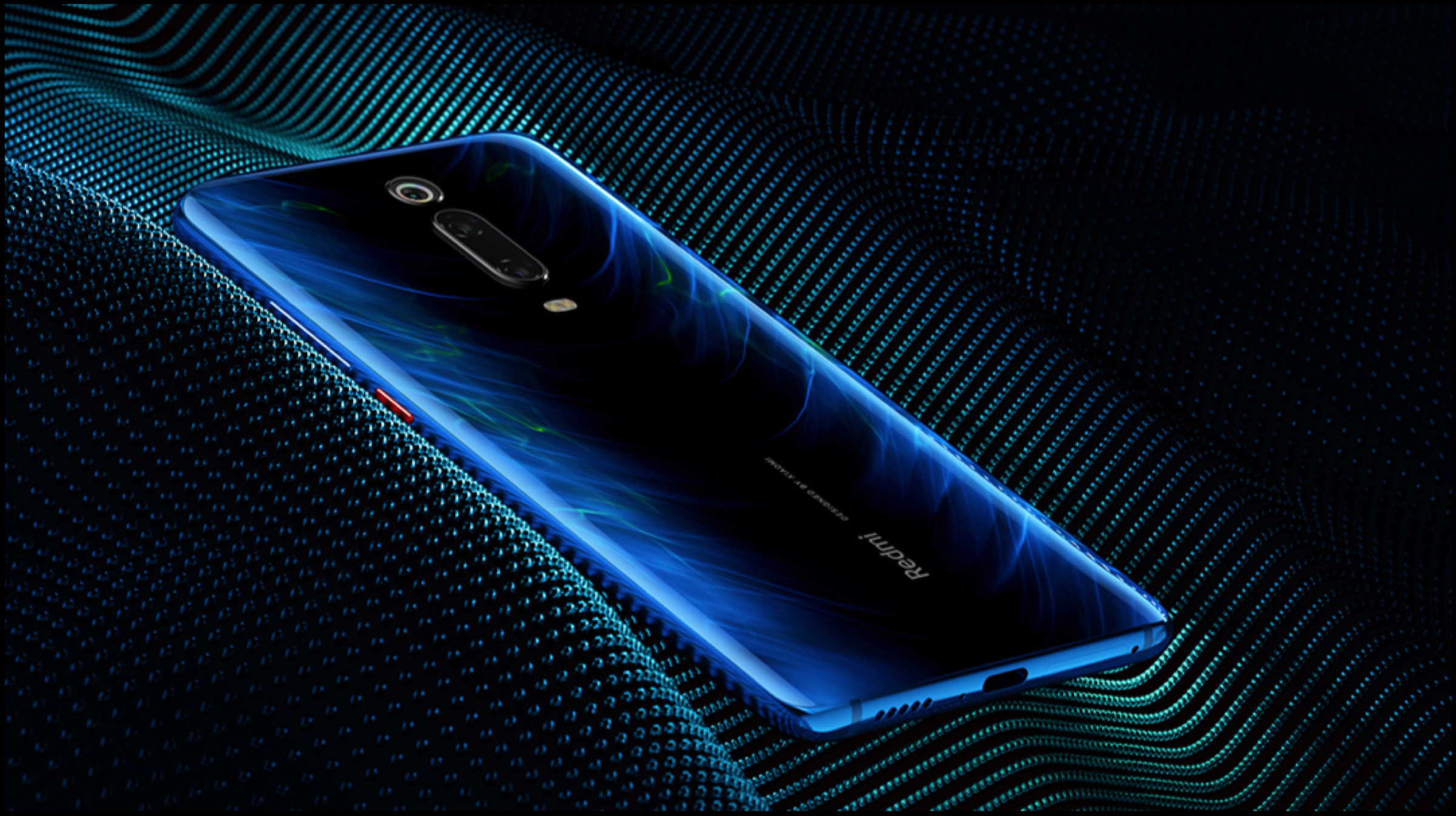
    In the month of May, Xiaomi unveiled the long awaited K20 Pro smartphone in China which is packed with top of the line specifications. The device is a flagship grade handset which competes against the likes of OnePlus 7 and Galaxy S10. The same device has been launched in the European market but with a different name which carries the Mi 9T moniker. In case you missed the launch of the K20 Pro, following are the features of newly announced Mi 9T.

    Mi 9T Features

    The newly launched Mi 9T has a glass design on the front and back with a metal chassis for reinforcement. It has an attractive gradient coloured design on the back. The handset sports a 6.39 inch AMOLED display with a resolution of 2340 x 1080 px. To maximise the screen real estate, it features a pop-up mechanism on top which houses the front-facing camera. For biometric security and rapidly logging into the UI, the Mi 9T has an in display fingerprint scanner along with support for face unlock technology.

    Under the hood, the Mi 9T packs the 7nm Snapdragon 855 SoC which consists of an Octa-core CPU and the Adreno 640 GPU. In terms of optics,  it has a triple rear camera setup consisting of an f/1.75 aperture equipped 48MP sensor, an f/2.4 aperture equipped 13MP ultra wide angle sensor; and a tertiary f/2.4 aperture equipped 8MP telephoto sensor. For selfies, an f/2.0 aperture equipped 32MP sensor is housed in the pop-up mechanism on top of the device.

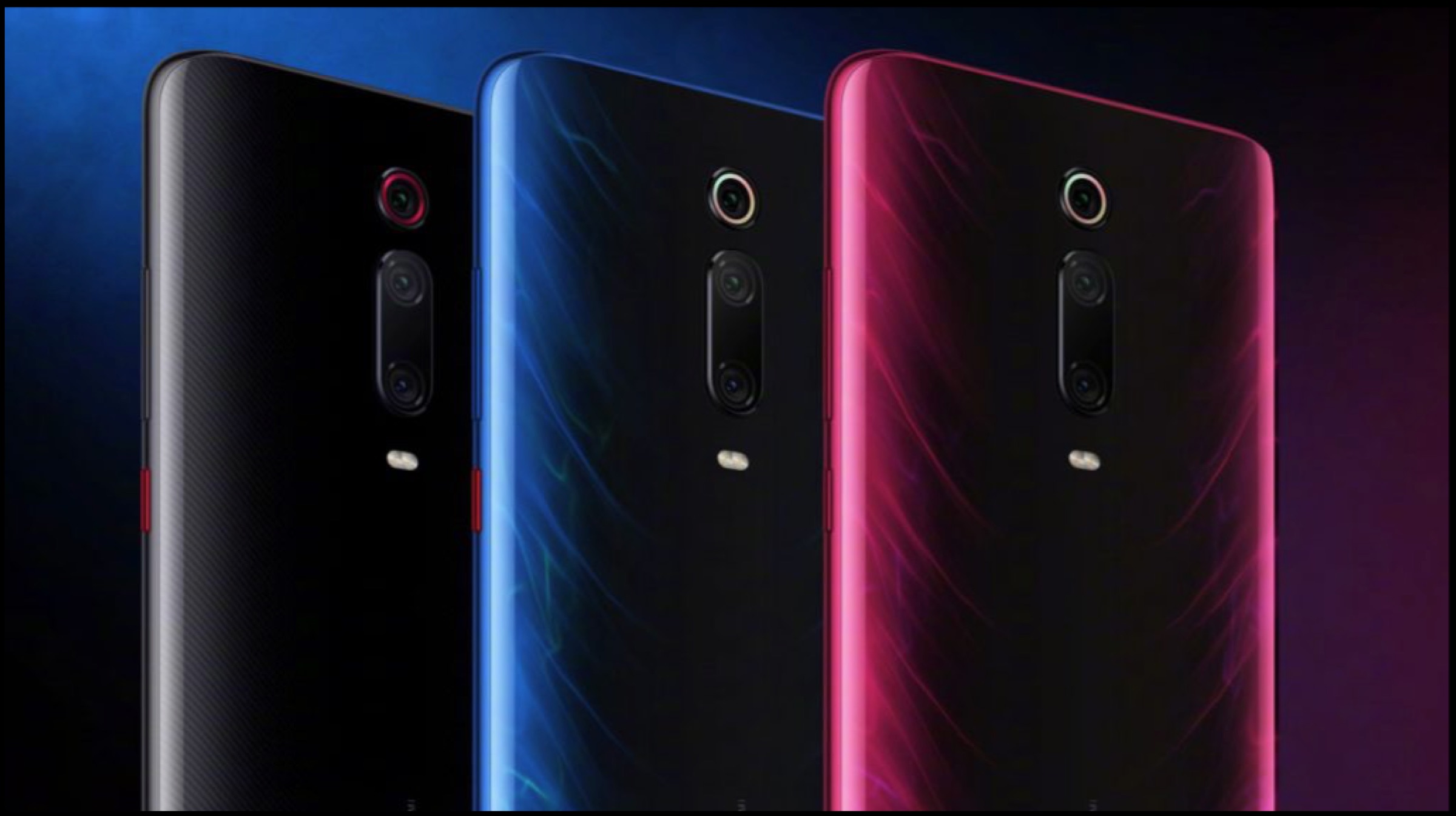
    The Mi 9T is powered by a 4,000 mAh battery with support for 27 W fast charging. It runs on MIUI 10 which is based on top of the latest Android 9 Pie. The smartphone is available in three colour variants namely, Blue, Red and Black.

    Also Read: Samsung Launches The 292 Inch, 8K Wall Luxury TV

    The Mi 9T is offered in two storage variants for which the price is as follows:

    • 6GB RAM + 64GB ROM: € 329
    • 6GB RAM + 64GB ROM: € 369 
  • Xiaomi Leads The Wearables Industry With 21 Percent Market Share

    Xiaomi Leads The Wearables Industry With 21 Percent Market Share

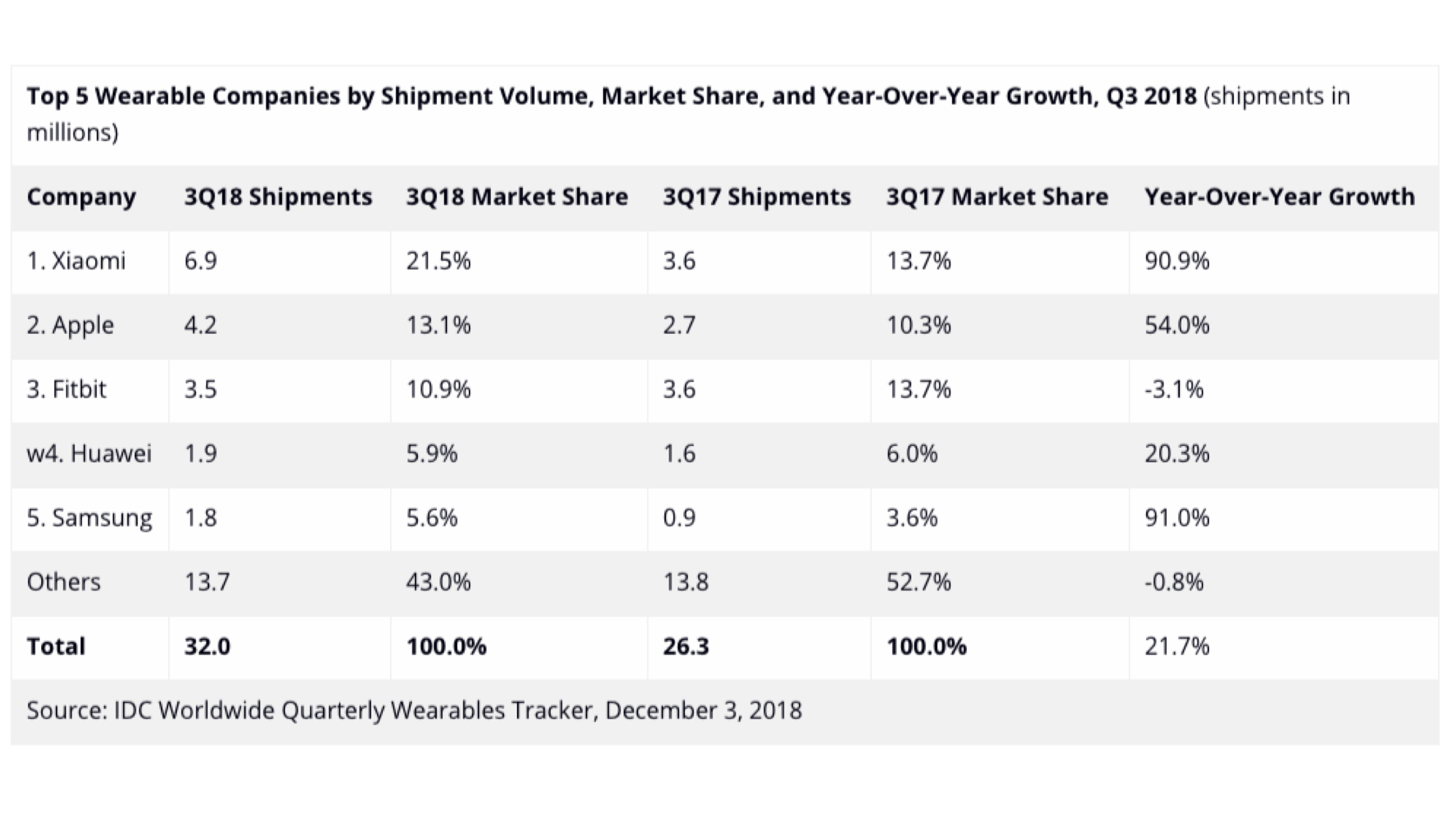
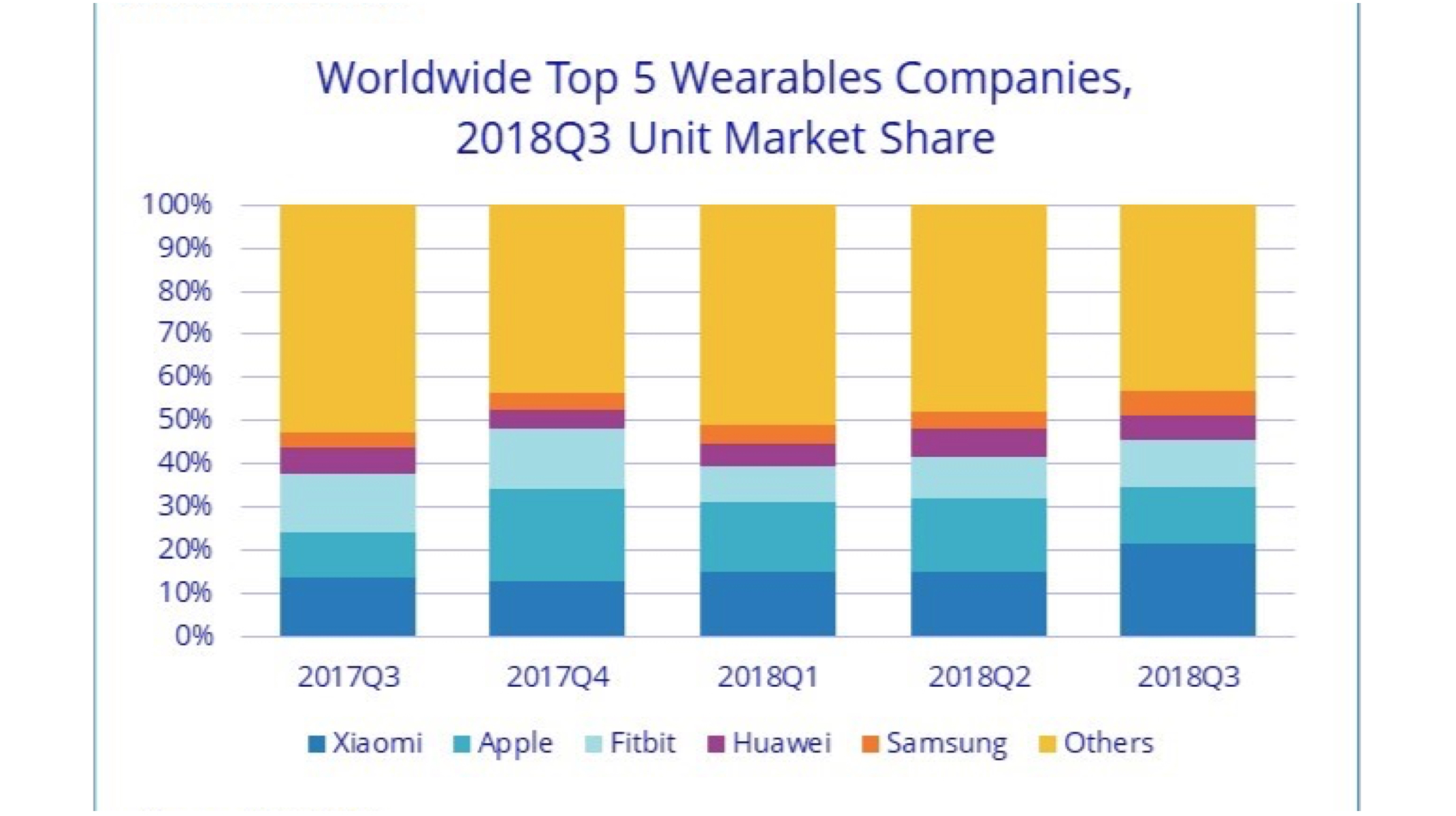
    IDC short for International Data Corporation has revealed that global shipments of wearable devices have grown significantly YoY from the year 2017 to 2018. The biggest gainer in market share and the top spot for the maximum number of devices sold is held by Xiaomi. The full chart for shipments from different companies can be found below.

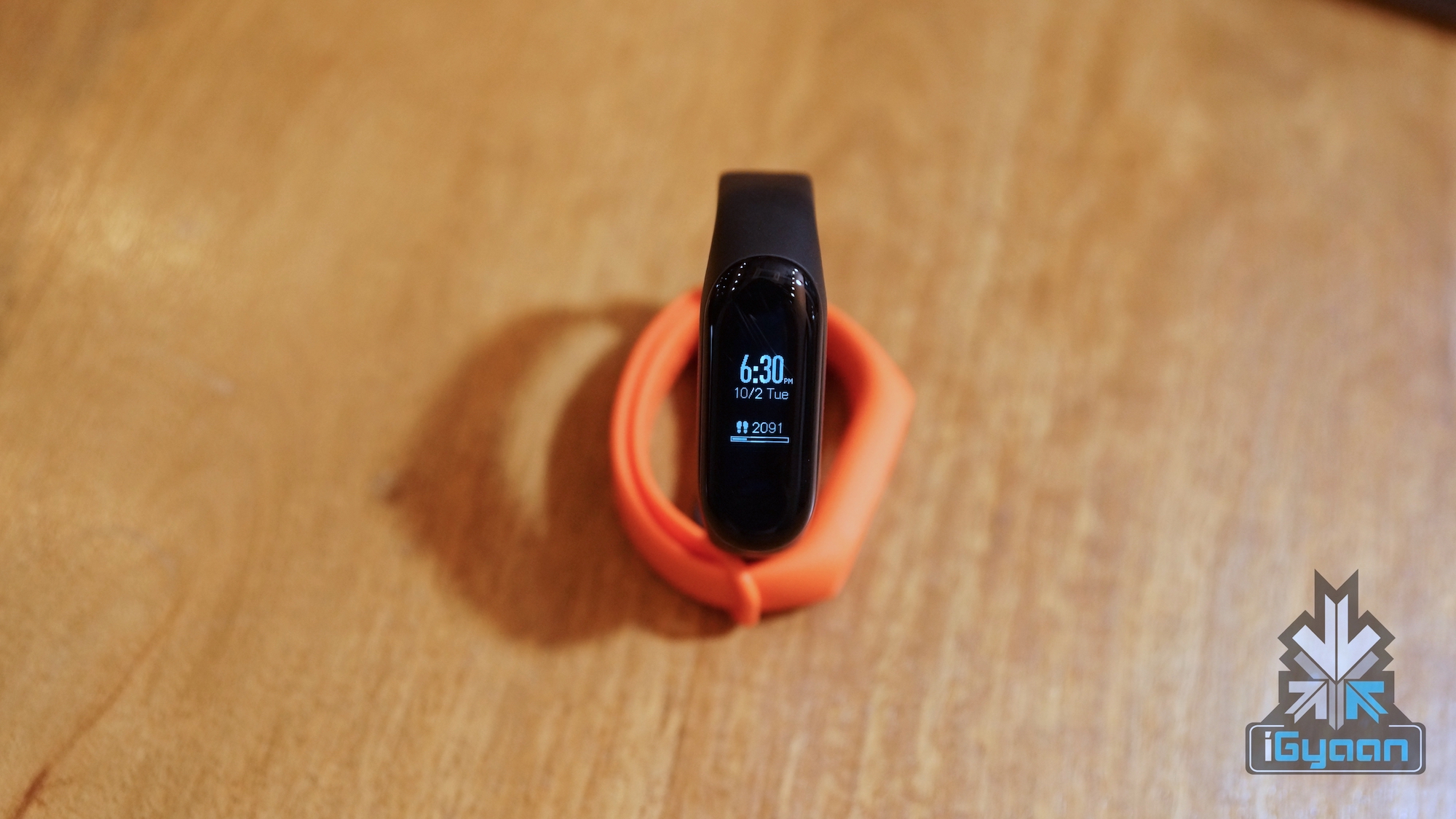
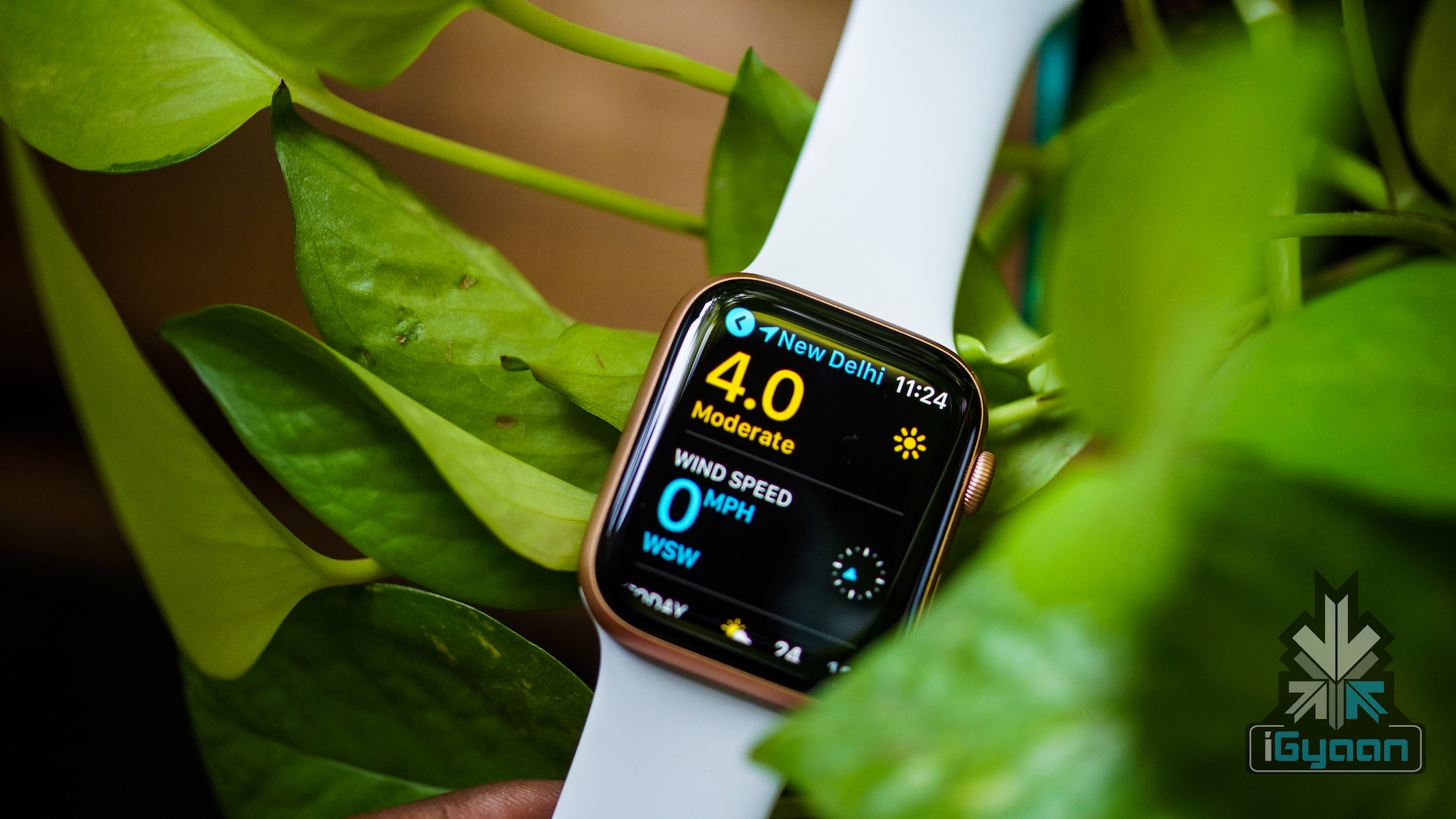
    According to the report published by IDC, Xiaomi sold 6.9 million wearable devices in Q3 of 2018, up from 3.6 million in Q3 of 2017. Major contributors in Xiaomi’s portfolio is the Mi Band which is an affordable fitness band. Noteworthy, Xiaomi’s stake grew from 13.7 percent to 21.5 percent which is significant growth. Apple Watch Wearable

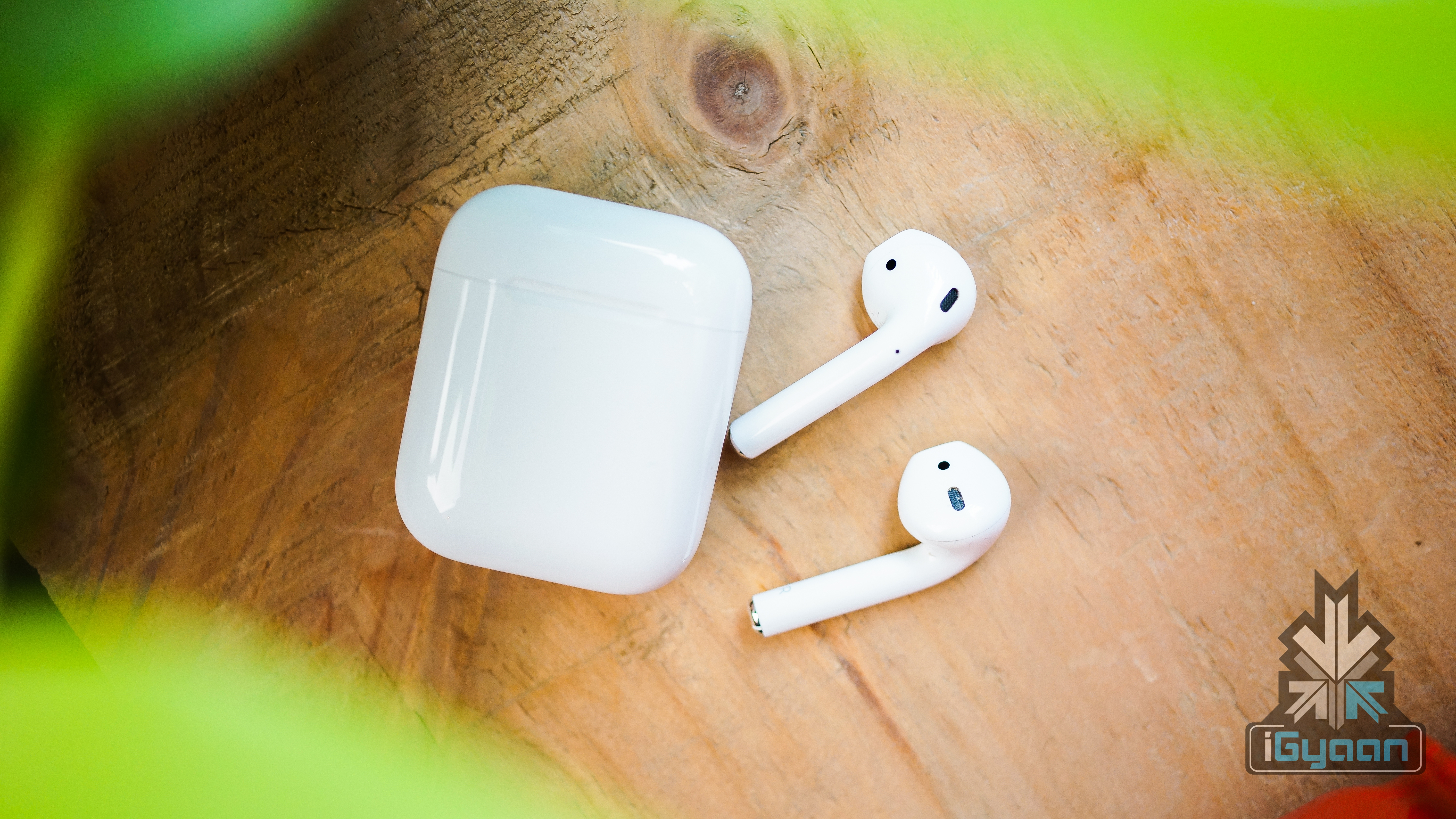
    Following Xioami in the list is the American giant, Apple which sold 4.2 million smart wearables in Q3 of 2018. The devices in Apple’s portfolio include the Apple Watch and Apple AirPods. In comparison to Q3 of 2017, Apple saw close to 3 percent growth in the overall marketshare which grew from 10.3 percent to 13.1 percent. IDC Wearable Report

    Coming in at number three is Fitbit whose sale fell slightly YoY. In the Q3 of 2017, the company sold 3.6 million wearables, whereas in Q3 of 2018 it sold 3.5 million units. The overall YoY growth for the company fell over 3 percent. In Q3 of 2017 Fitbit had a market share fo 13.7 percent which fell to 10.9 percent in third quarter of the following year.

    Other companies including Huawei and Samsung also sold a considerable amount of wearable devices in two years. Both companies saw an upward trend in terms of sale. Noteworthy, the market share of Korea based Samsung grew 91 percent between the two time frames. The company sold 0.9 million wearable devices in the third quarter of 2017 which double to 1.8 million for Q3 of 2018.

    Also Read: Huawei Cancels MateBook X And E Over US Trade Ban

    Conclusively, the data reveals that the demand for wearable devices is seeing rapid growth and 2019 is expected to translate into the charts climbing even higher. 

  • Google Stadia Will Need A 20Mbps Connection For 1080p Gaming

    Google Stadia Will Need A 20Mbps Connection For 1080p Gaming

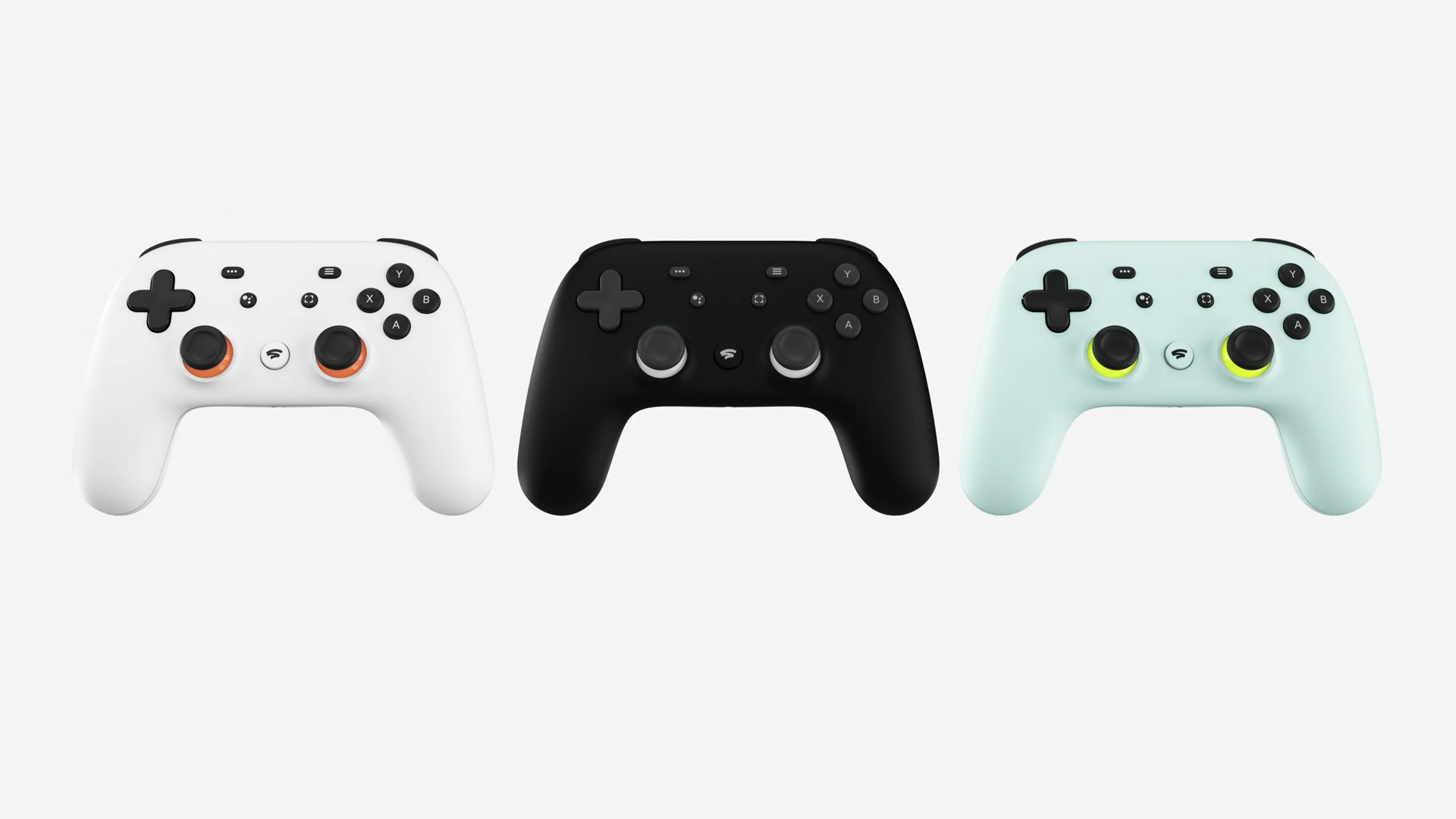
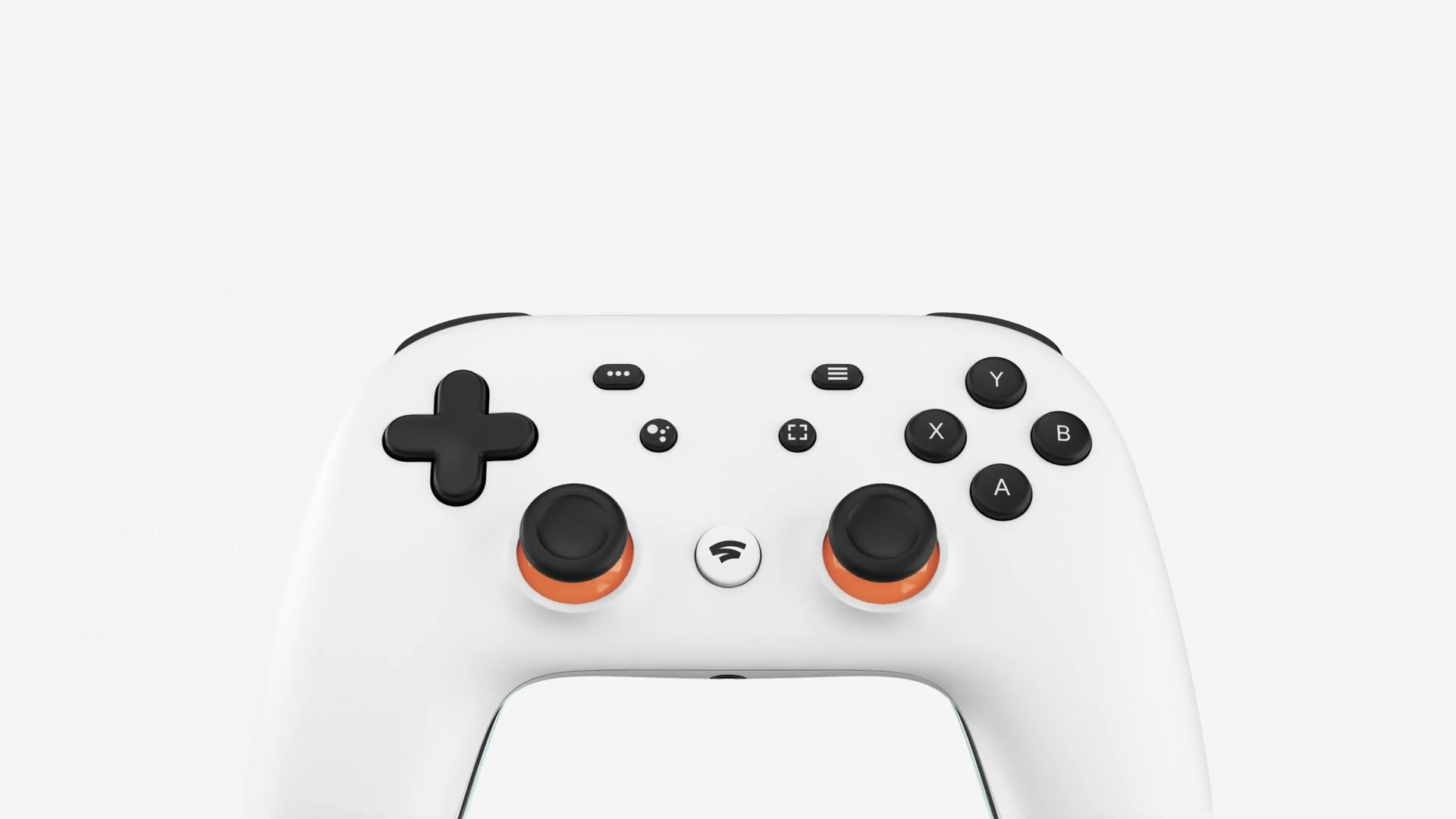
    Earlier this year, Google surprised the world by unveiling a dedicated gaming platform dubbed Stadia. The platform will allow users to play high end games on max visual settings without shelling out money for buying new high end hardware. Any device that can run Chrome browser can be used to play the said high end games with the help of Stadia services. Talking about the functionality of the service, the computing power required to run graphics intensive games will take place remotely in Google’s data centres which will be streamed directly on to the Chrome browser running on the user’s machine. Even though Google has done away with the need for high end processing power with Stadia, the dependence on high speed remains. In fact with the new service, not only is the essential game data transferred over the internet, the HD game stream itself is transmitted online.

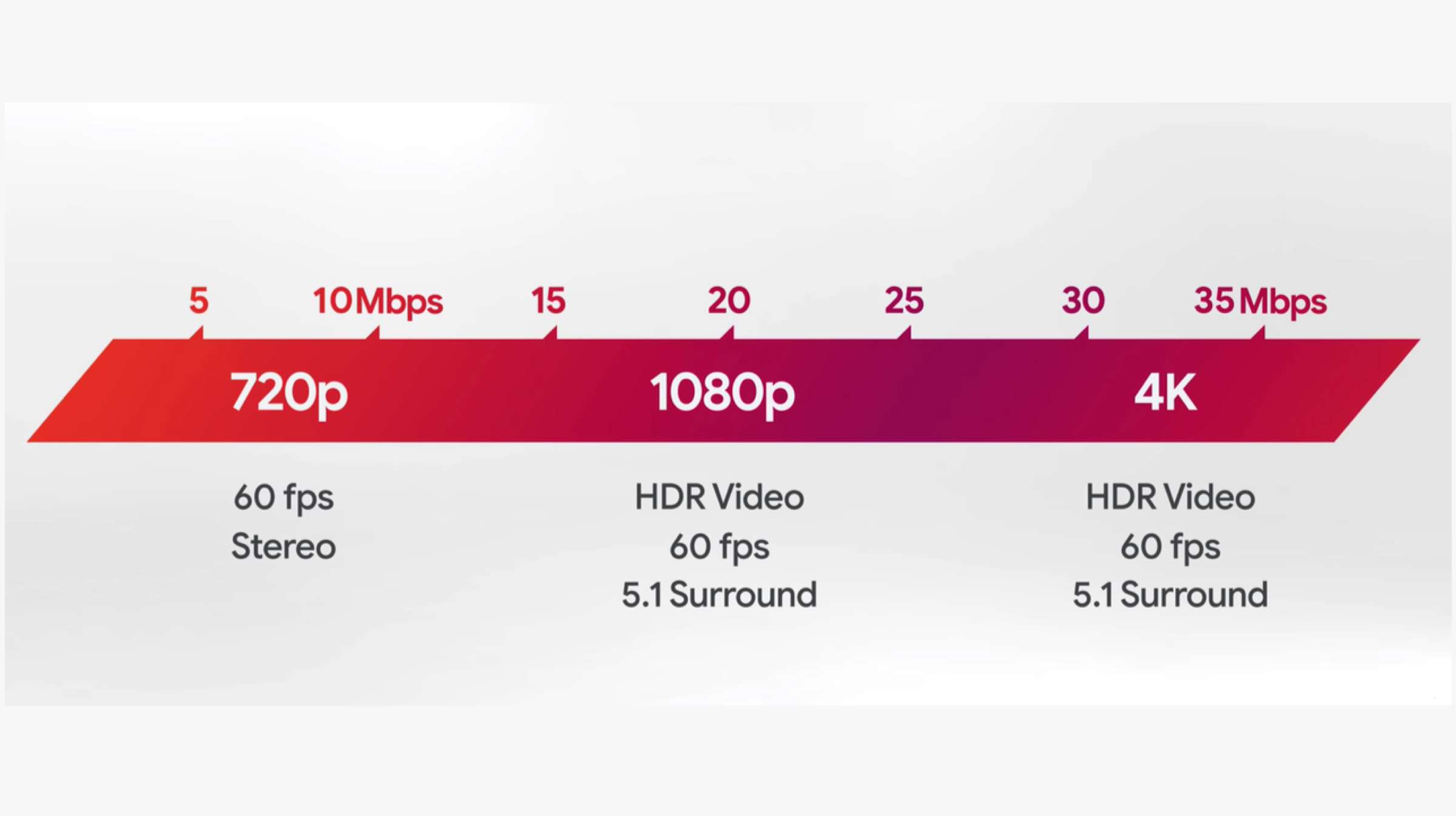
    In order to make sure, the users are able to smoothly play games on Stadia, Google has revealed minimum internet speeds required to stream games in different video quality. The data sheet is attached below:

    To enjoy games in the highest available video quality and 5.1 surround sound, it requires an internet connection with 35 Mbps transfer speeds. According to data collected by contributors on Speedtest, the average download speed in the United States was higher than 35 Mbps in the year 2018. Therefore, the maximum number of users hailing from the country can use the Stadia service at its maximum available quality. However, in countries like India, where the internet quality is not at par with some of the developed countries, users might be limited to using the service at 720p or 1080p quality.

    Also Read: Apple And Microsoft Plan An iCloud App For Windows 10

    Conclusively, only time will tell what the future holds for the hyped up gaming service from Google which is set to roll out later this year. Also, Sony and Microsoft have teamed up for a similar game streaming service which will compete against Google Stadia. Interested readers can find the pricing of Stadia service here.

    Users can check their internet speeds by visiting www.speedtest.net or www.fast.com.

  • Garmin Forerunner 245 & 245 Music Smart Watches Launched In India

    Garmin Forerunner 245 & 245 Music Smart Watches Launched In India

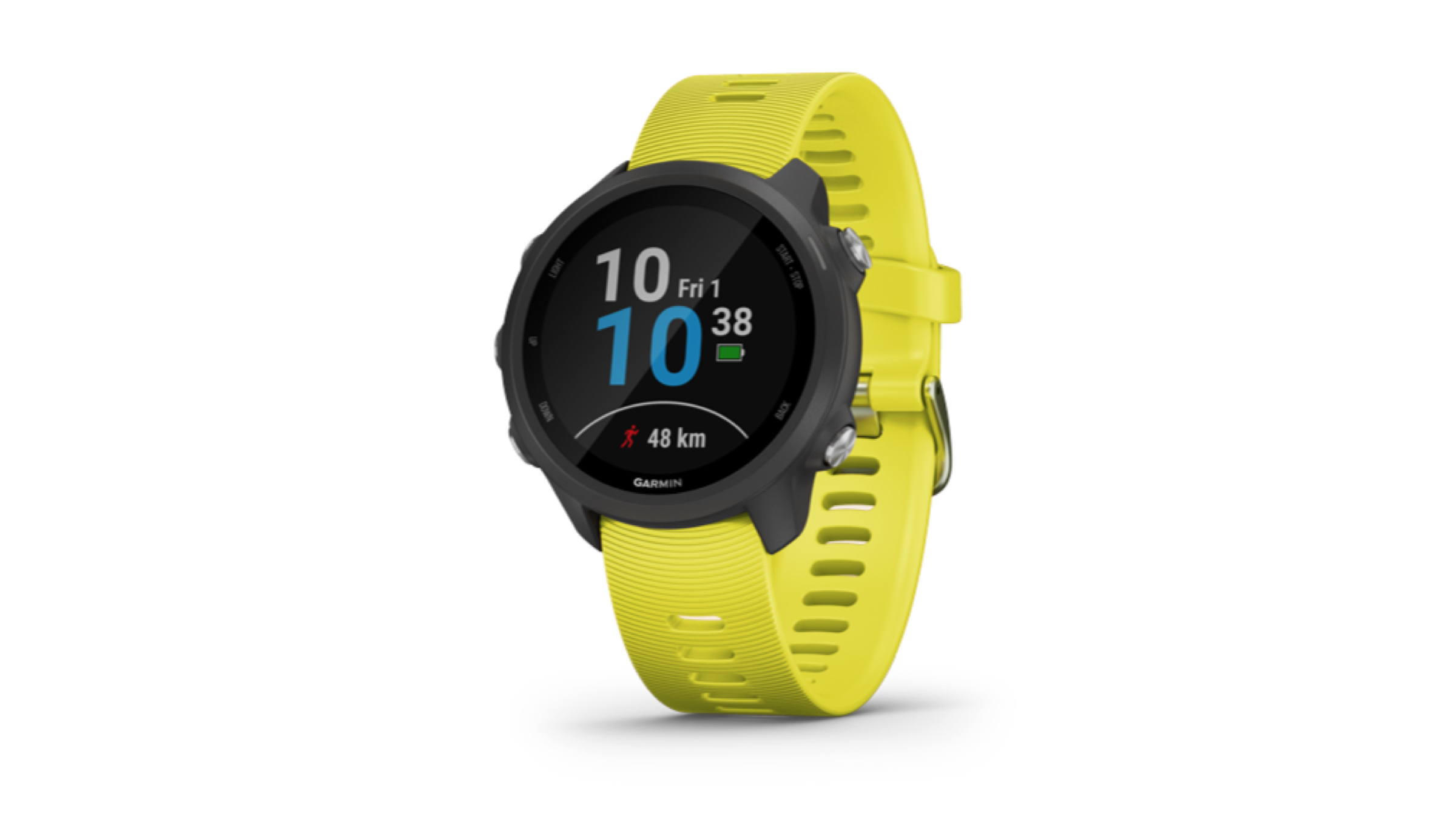
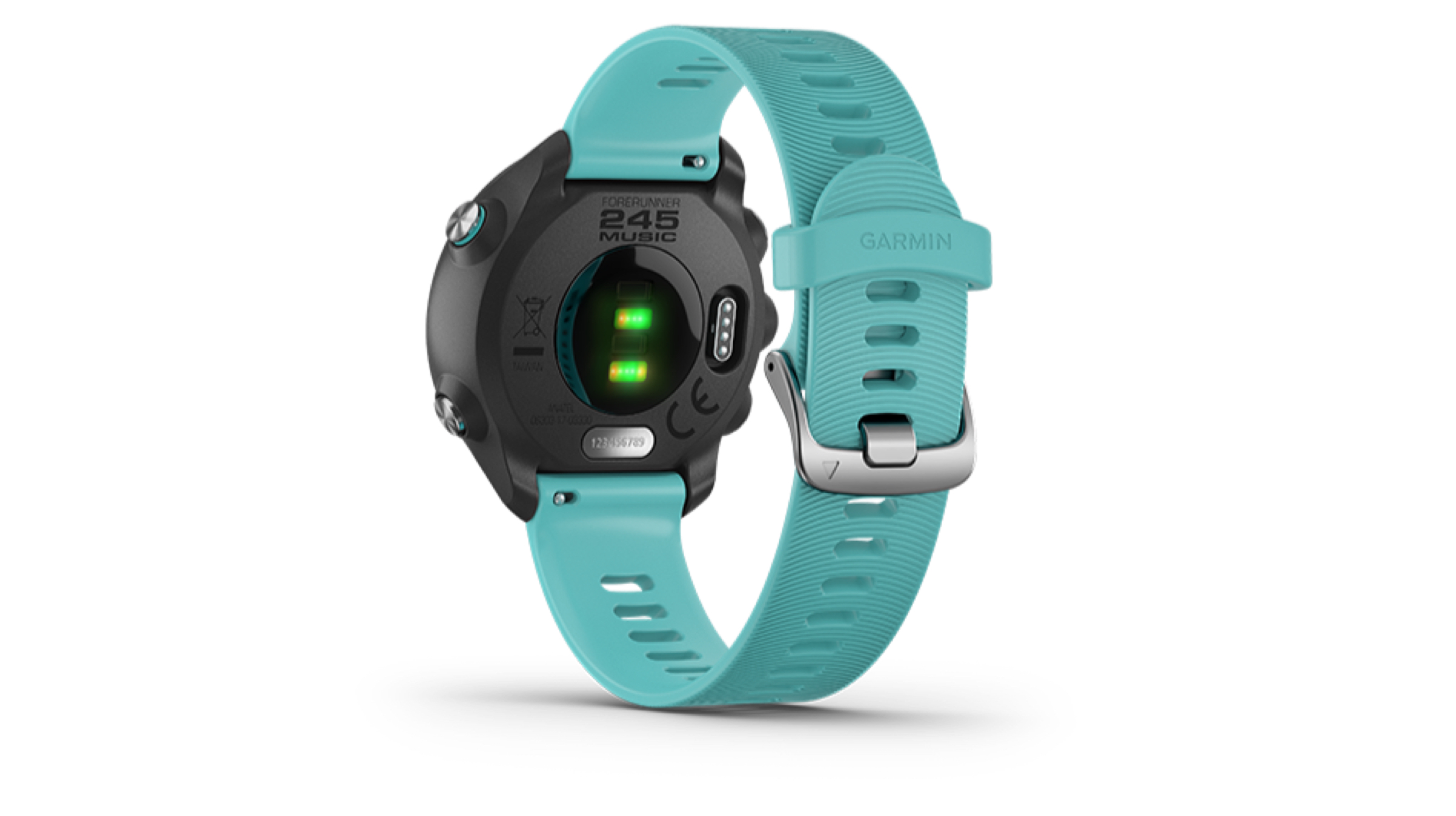
    The United States based Garmin has introduced the latest smartwatches under its Forerunner lineup in India. The wearables carry the Forerunner 245 and Forerunner 245 Music and they were originally launched in the US in the month of May. Both devices are targeted towards runners and cyclists who wish to keep track of their workout stats. Besides, the newly launched devices also offer support for strength training, yoga, elliptical and tracking sleep cycles. The key difference between the two devices is that the Forerunner Music 245 can locally store upto 500 music tracks.

    Forerunner 245 & 245 Music Design and Features

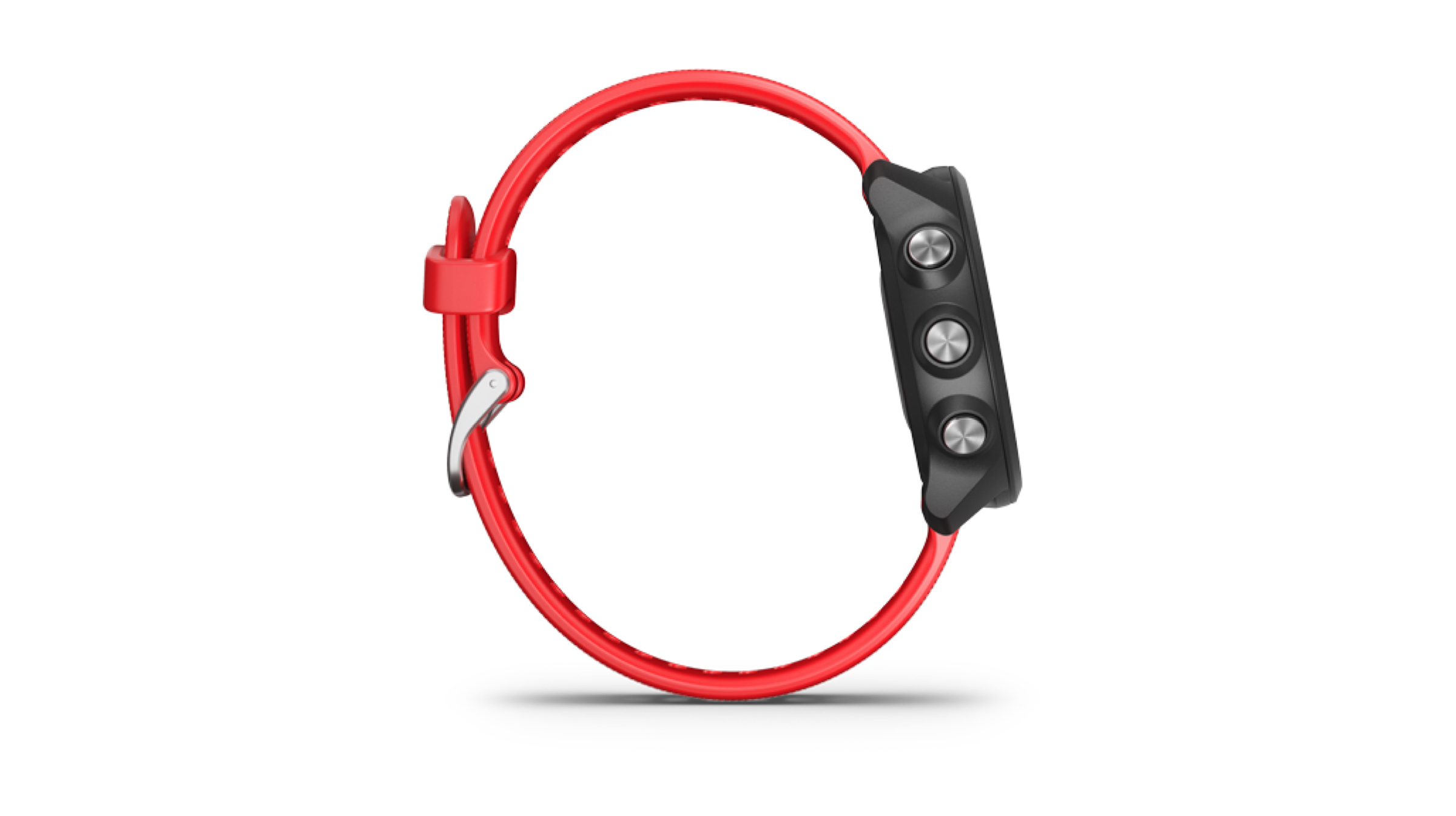
    Both the Forerunner 245 and Forerunner 245 Music have an identical look with a circular form factor and a wide polymer strap. The smartwatches measure 42.3 x 42.3 x 12.2 mm and can fit wrists with a circumference of 127-204 mm. They feature a circular colour display that measures 30.4 mm or 1.2 inch. The touchscreen display has a resolution of 240 x 240 px.

    The Forerunner 245 and Forerunner 245 Music duo of smartwatches weighs in at 38.5 grams. In terms of battery life, Garmin claims the two devices can provide a battery backup of upto 7 days on smartwatch mode, upto 6 hours on GPS mode with music and upto 24 hours on GPS mode without music. Both devices are also water resistant and a rated to 5 ATM of pressure.

    The Forerunner 245 and Forerunner 245 Music duo of smartwatches include a whole host of sensors including GPS, GLONASS, Compass and an Accelerometer. Connectivity options on the two devices include Bluetooth, ANT+ and Wi-Fi. Safety and tracking features on the smartwatch duo include incident detection during select activities like fall detection.

    The two smartwatches from Garmin also support traditional activity tracking features including a step counter, calories burned, distance travelled, stress tracking and body battery energy monitor. 

    Forerunner 245 & 245 Music Price and Colours

    Also Read: Samsung Galaxy S9 & S9+ Cameras Receive Night Mode With Latest Update

    The Garmin Forerunner 245 and Forerunner 245 Music is offered in five colour options including Black, Lava Red, Aqua, Slate Gray and Yellow. Both the devices will be available for purchase on Amazon.in, Paytm and select offline stores. The prices for the two smartwatches are as follows:

    • Garmin Forerunner 245: Rs 29,990
    • Garmin Forerunner 245 Music: Rs 34,990 

  • LG X6 With 6.26 Inch Fullview Display Launched

    LG X6 With 6.26 Inch Fullview Display Launched

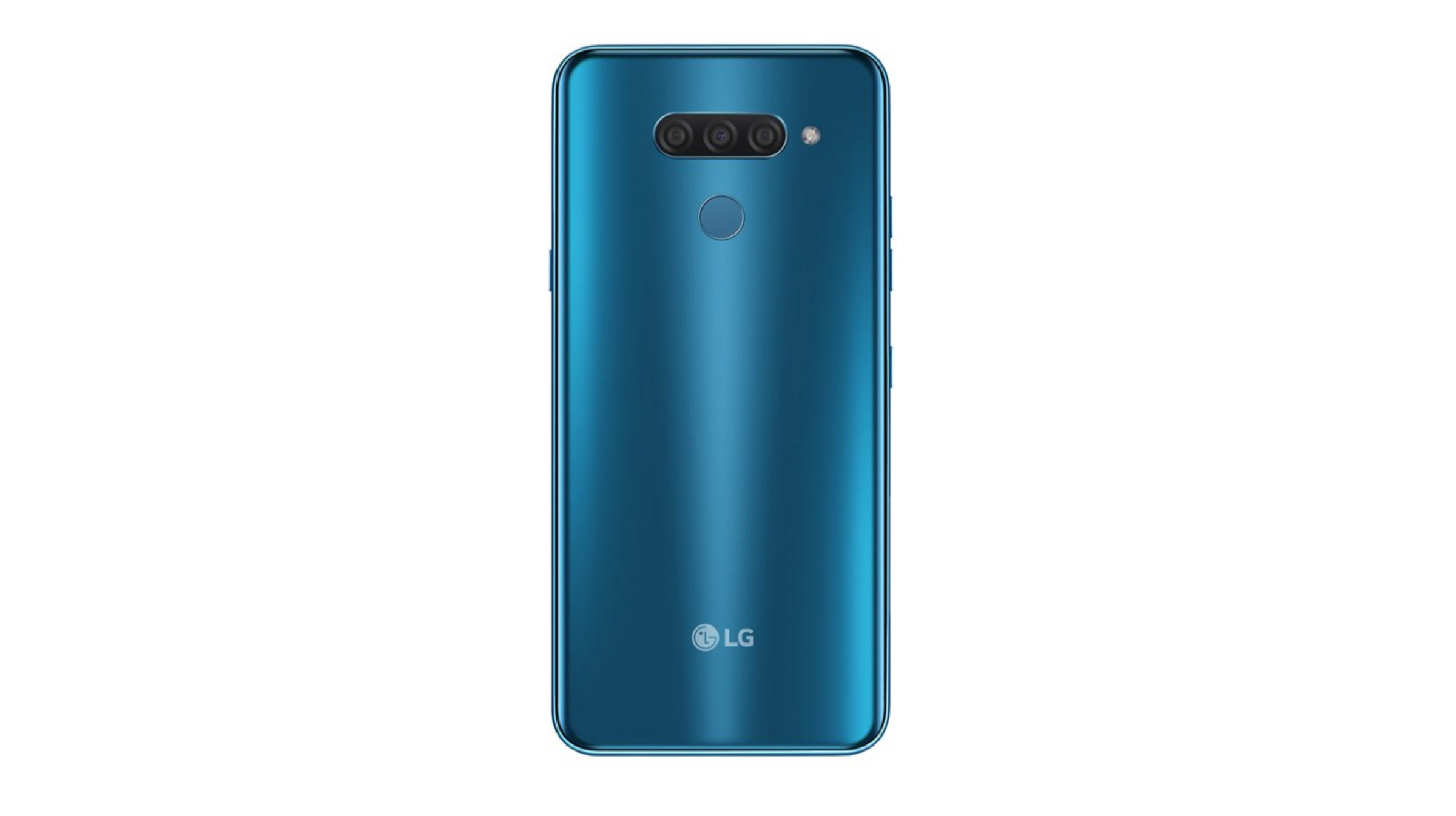
    The Korean electronics company, LG has launched a new smartphone, the LG X6 for its domestic market. Going by the price and features, it is a mid-range device that has a robust build military level durability. 

    LG X6 Features And Design

    The LG X6 has a modern design with a dewdrop display on the front and a glass panel on the rear. It features a 6.26 inch display that has HD+ resolution of 1520 x 720 px and 19:9 aspect ratio. The smartphone is kitted with the MediaTek Helio P22 SoC. The chipset is manufactured using 12 nm fabrication process and it consists of an octa core CPU along with the IMG PowerVR GE8320 GPU.

    The rear glass panel of the LG X6 has an elegant design which houses the company branding, fingerprint sensor and a horizontally aligned triple camera setup. The rear camera setup consists of a 16 MP main sensor, 2 MP depth sensor, 5 MP wide angle sensor and an LED Flash. The LG X6 runs on an unspecified version of Android which is skinned with the company’s custom user interface. It is powered by a 3500 mAh battery.

    Talking about the front mounted selfie camera, it is a 13 MP sensor. Connectivity options on the LG X6 include 4G VoLTE, Bluetooth 4.2, GPS, NFC, 802.11 a/b/g/n Wi-Fi and a 3.5 mm headphone jack. The smartphone also supports 32 bit Hi-Fi Quad DAC and DTS:X 3D Surround sound. The aforementioned technologies provide for an appreciable sound output via the headphone jack. 

    LG X6 Price, Colour Options and Availability

    Also Read: WhatsApp To Take Legal Action Against Businesses Abusing Its Platform

    The LG X6 is offered with 3 GB of RAM and 64 GB of ROM. Besides the inbuilt storage, it also supports memory expansion via the microSD card slot. It is available in two colour options which include Blue and Black. The smartphone is 349,800 won ( Rs. 20,510 approx.)


  • Huawei Nova 5i With Quad Rear Cameras Spotted On TENAA

    Huawei Nova 5i With Quad Rear Cameras Spotted On TENAA

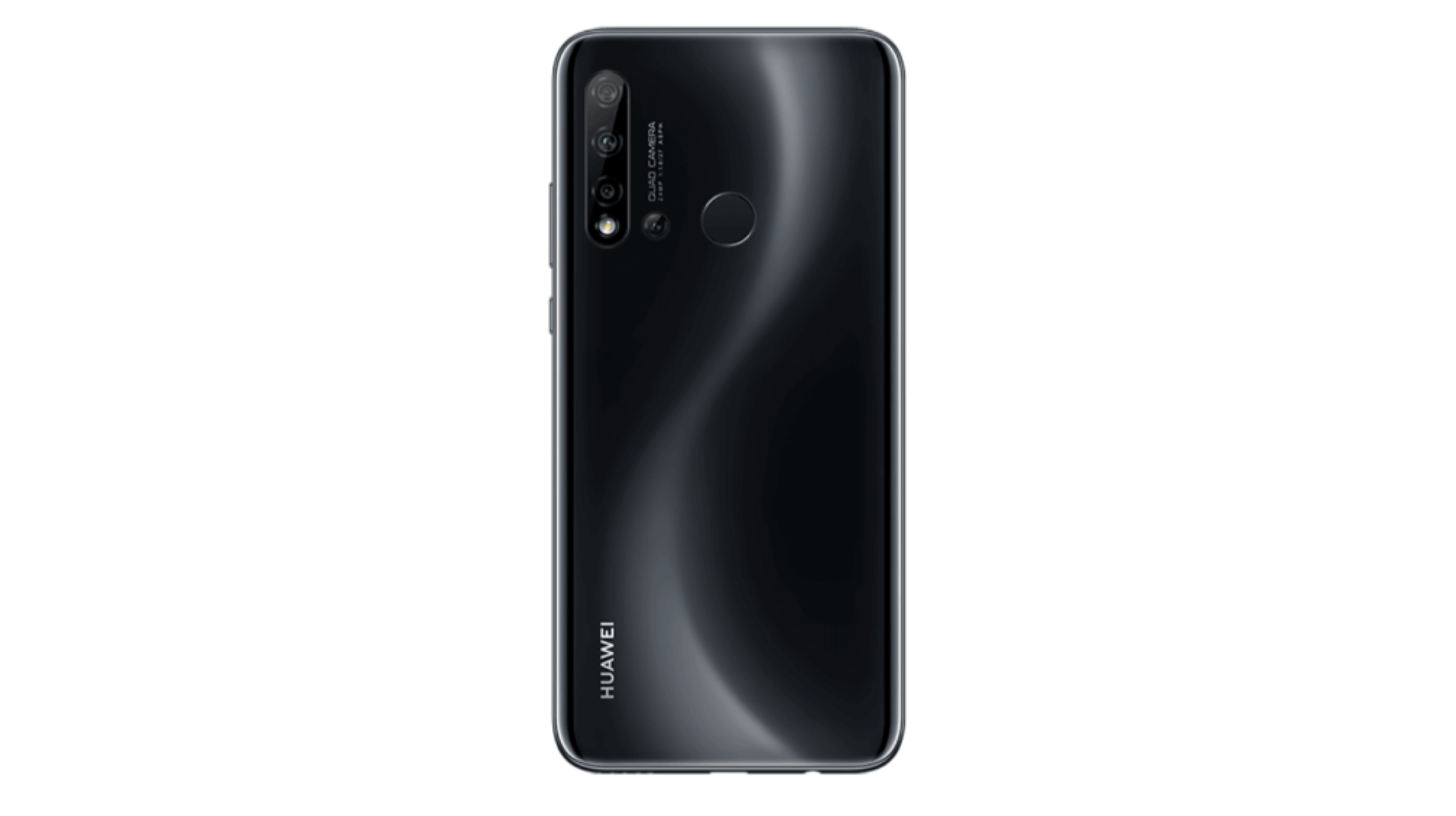
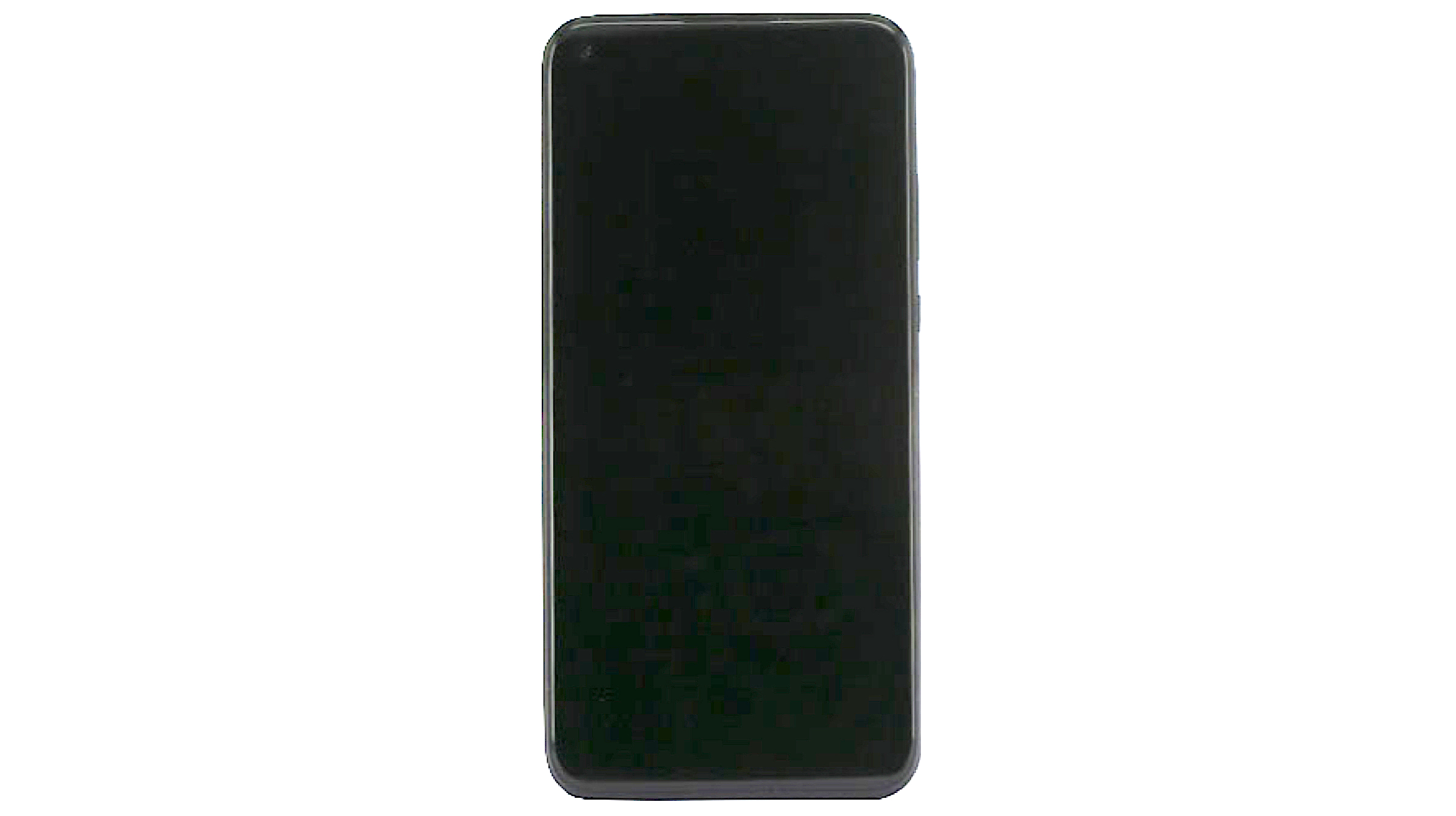
    Huawei is gearing up for the launch of its latest smartphone, dubbed the Nova 5i it is set to be unveiled on the 21st of June. A week before the official announcement, the device has been listed on the Chinese regulatory website, TENAA that has revealed its specifications and design. 

    Huawei Nova 5i

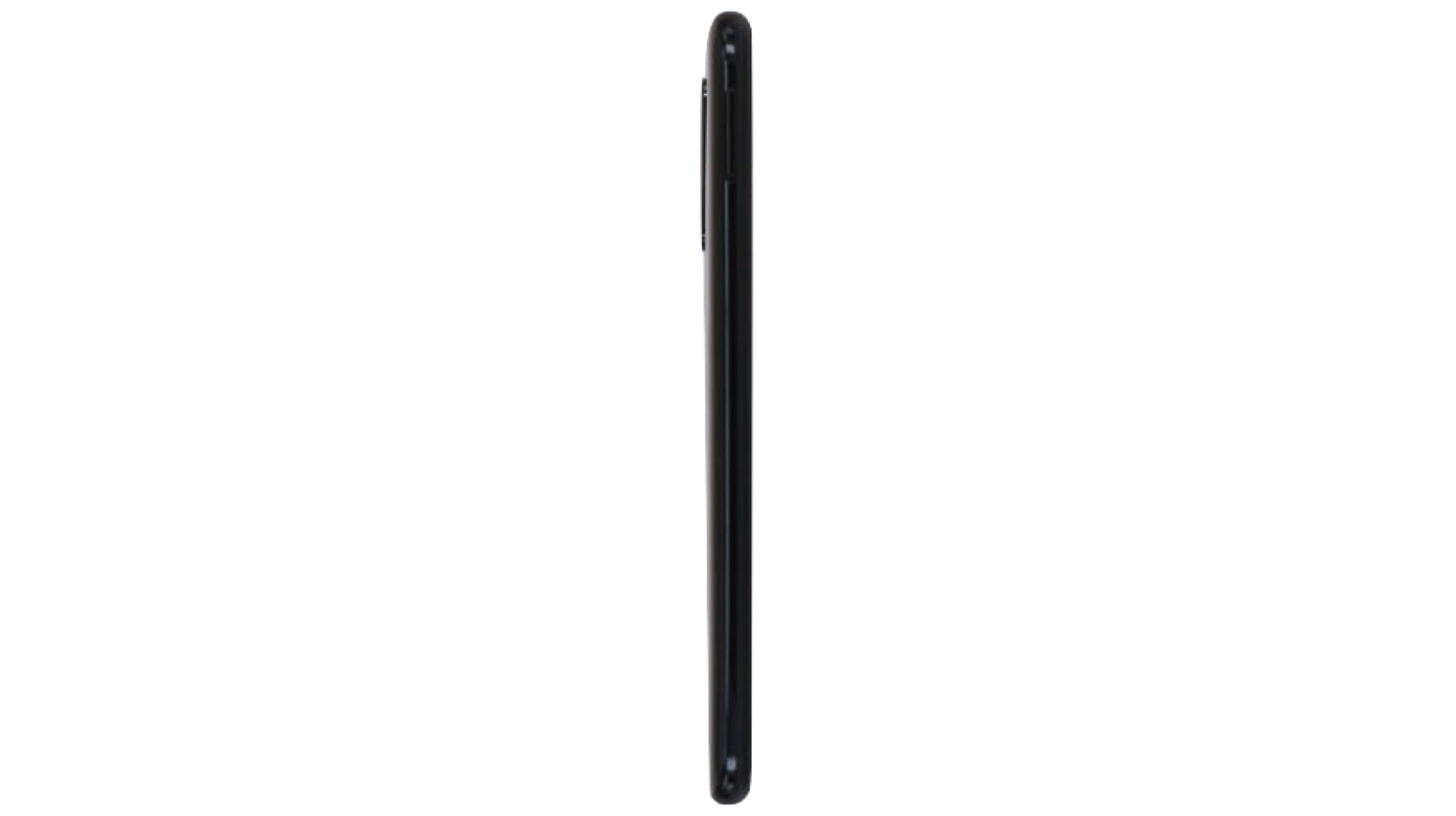
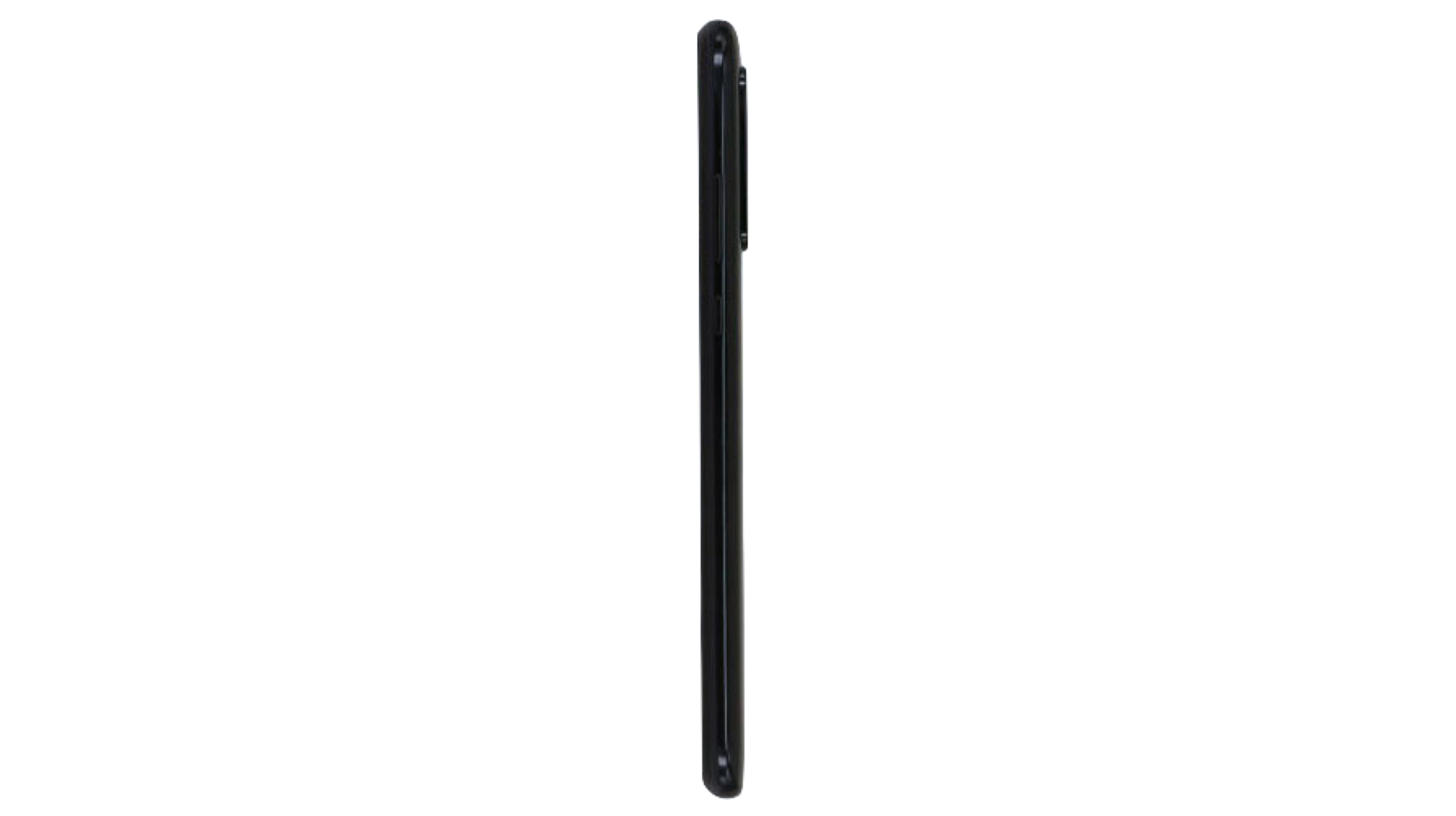
    According to the TENAA listing, the Huawei Nova 5i measures 159.1×75.9×8.3 mm and it tips the scale at 178 grams. The front of the handset accommodates a 6.4 inch display that has a pixel density of 2310 x 1080 px. Noteworthy, the display panel has a punch hole on the top left side that houses a 24 MP selfie camera.

    The rear of the Huawei Nova 5i is occupied by the fingerprint sensor, company branding and quad rear camera setup. The rear camera setup consists of a 24 MP sensor, an 8 MP sensor and dual 2 MP sensors. In terms of memory and storage, the device will be offered in two variants which are as follows:

    • 6 GB + 128 GB
    • 8 GB + 128 GB

    Under the hood, the Nova 5i is kitted with the Kirin 710 SoC which consists of an Octa Core CPU along with the Mali-G51 MP4 GPU. Connectivity options on the Huawei Nova 5i include 802.11 ac Wi-Fi, Bluetooth 5.0, GPS, FM Radio and a bottom mounted USB Type C port. The smartphone also has a whole host of sensors which include gravity sensor, distance sensor and a light sensor.

    Also Read: Facebook Is Paying Users For Tracking Their Smartphones

    It is powered by a 3900 mAh battery and in terms of OS, runs on the latest Android 9 Pie. Noteworthy, reports claim that Huawei Nova 5i might be launched with the HongMeng OS which will eventually replace Android OS on future devices. 

    Conclusively, all details about the Nova 5i will be publicised on the upcoming launch date which is set to 21st of June. 


iGyaan Network
Privacy Overview

This website uses cookies so that we can provide you with the best user experience possible. Cookie information is stored in your browser and performs functions such as recognising you when you return to our website and helping our team to understand which sections of the website you find most interesting and useful.