Author: Yashonil Gupta

  • Here Are All The Major Android Skins Currently Available

    Here Are All The Major Android Skins Currently Available

    One of the best things about Google’s Android OS is how diverse and customisable it is. With every new smartphone manufacturer, there is a different flavour of Android available. It often differs on features, looks and sometimes by overall performance too. But with so many different Android skins present, it can get confusing to differentiate between them. To make you understand better, we have compiled a list of all major Android skins that are currently available in the market.

    Stock Android / Pixel UI
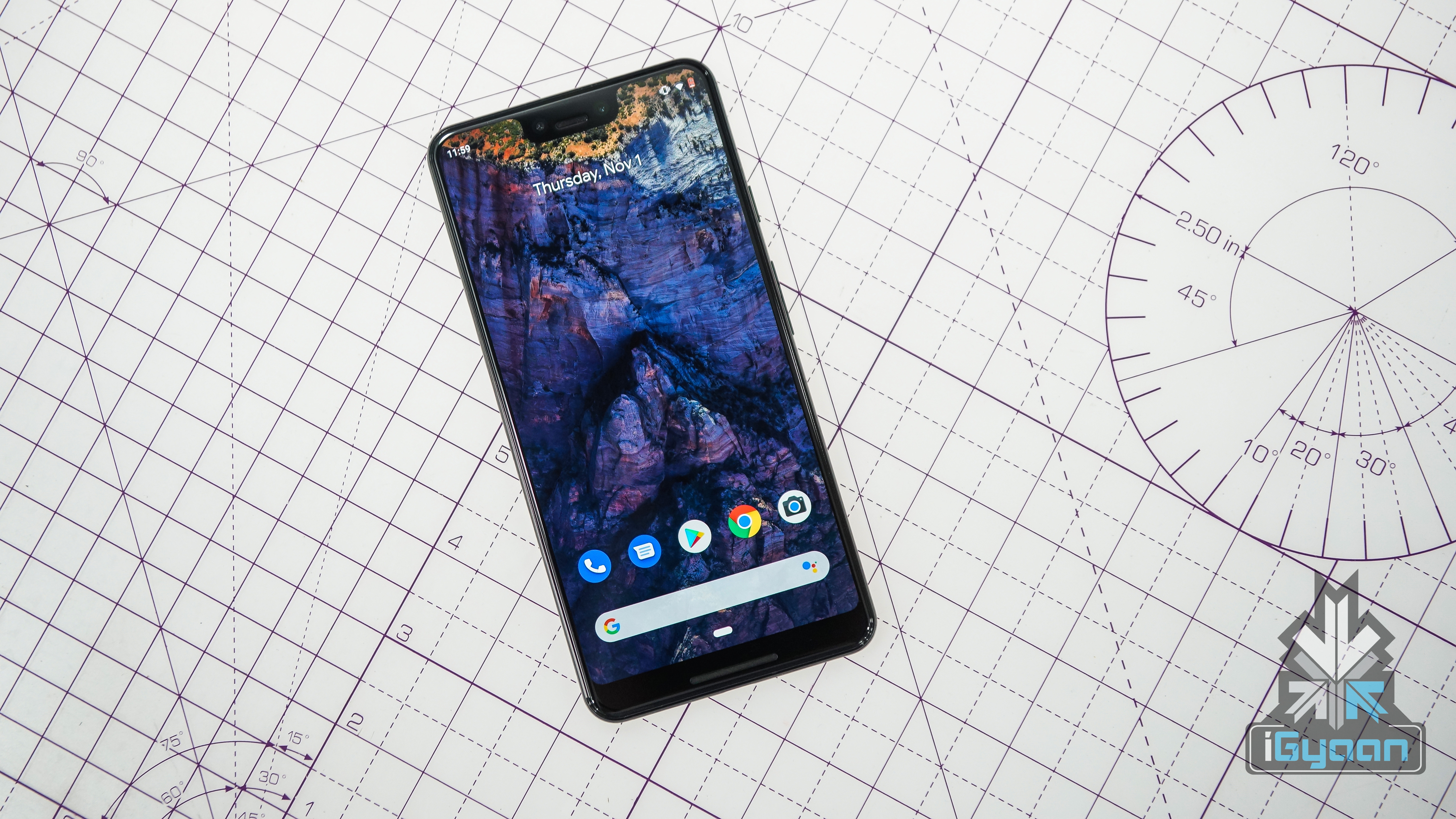
    Stock Android is the OS in its purest form, without any customisation or bloatware. After the arrival of the Google Pixel, the definition of Stock Android has changed, as it offers a little customisation on its own. But the closest a skin is to the Pixel devices, the more stock it is considered. The advantage of having a stock Android skin is that the device will be work smoothly for a longer period as it is without any bloat or unnecessary software. Devices with stock skin are also believed to get faster system updates, but that is completely dependent on the smartphone OEMs.

    Android One
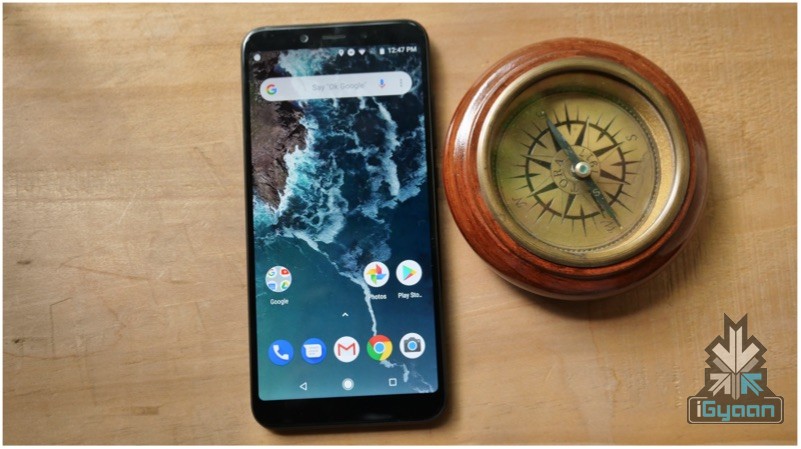
    Xiaomi Mi A2

    Android One was earlier launched to cater to devices with humble specifications to run Android OS better and to increase the life span of the devices. The certification has since expanded to mid-range devices like the Xiaomi Mi A2 and flagship smartphones like the Nokia 9 PureView. Devices running Android One software have a clean, bloatware free UI with the promise of software updates for two years. It is considered to be the next best thing after Pixel UI.

    OxygenOS By OnePlus
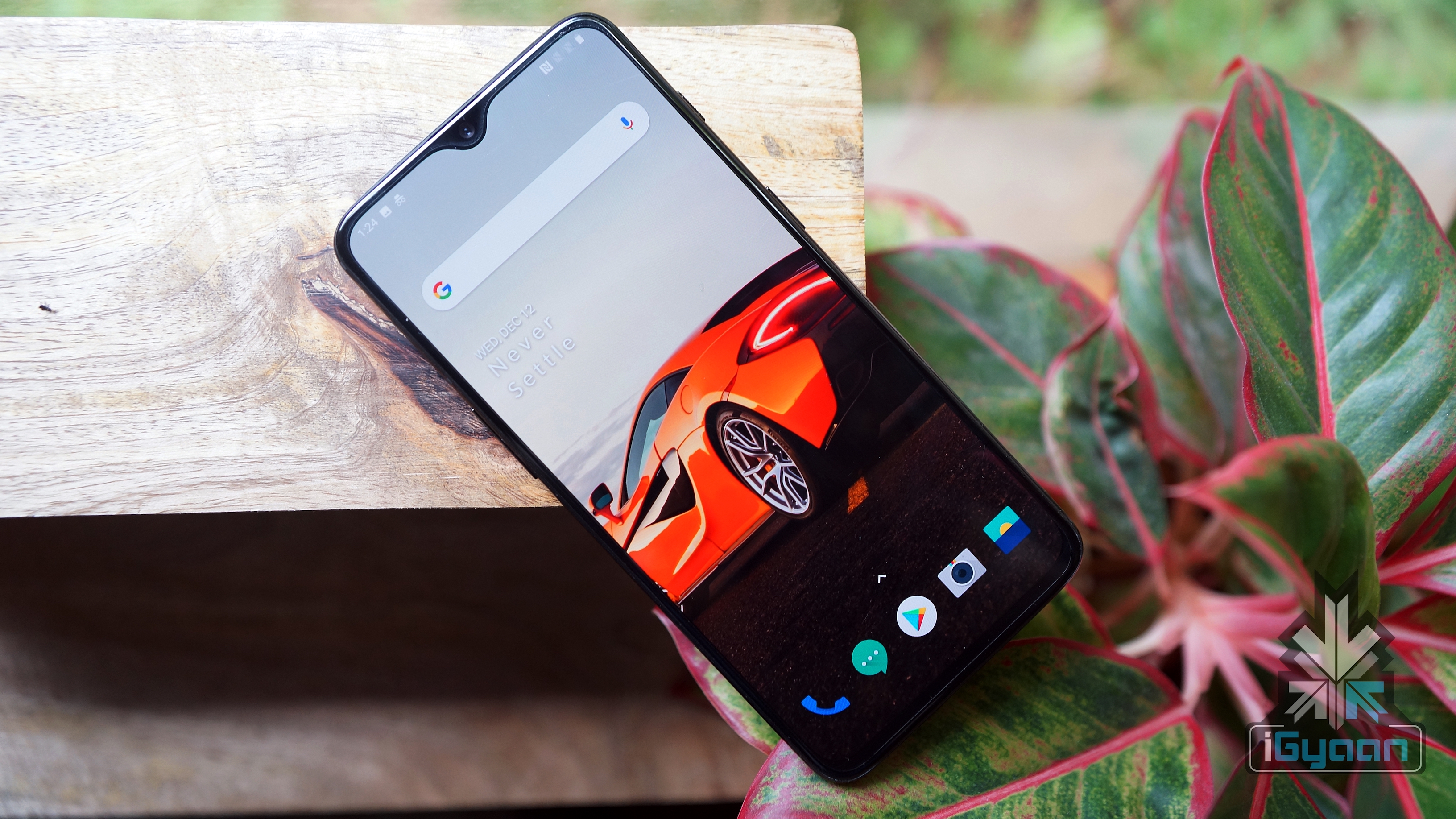
    Argued by many as better skin than Stock Android, OxygenOS found on OnePlus devices is known for its fast animations and a UI that is close to stock. Although it has a few customisations up its sleeve, most of them are useful, nifty additions to the vanilla Android experience. Devices with OxygenOS has been also known to get faster updates and longer software support. This makes it one of the most sought after skins in the Android world.

    OneUI By Samsung
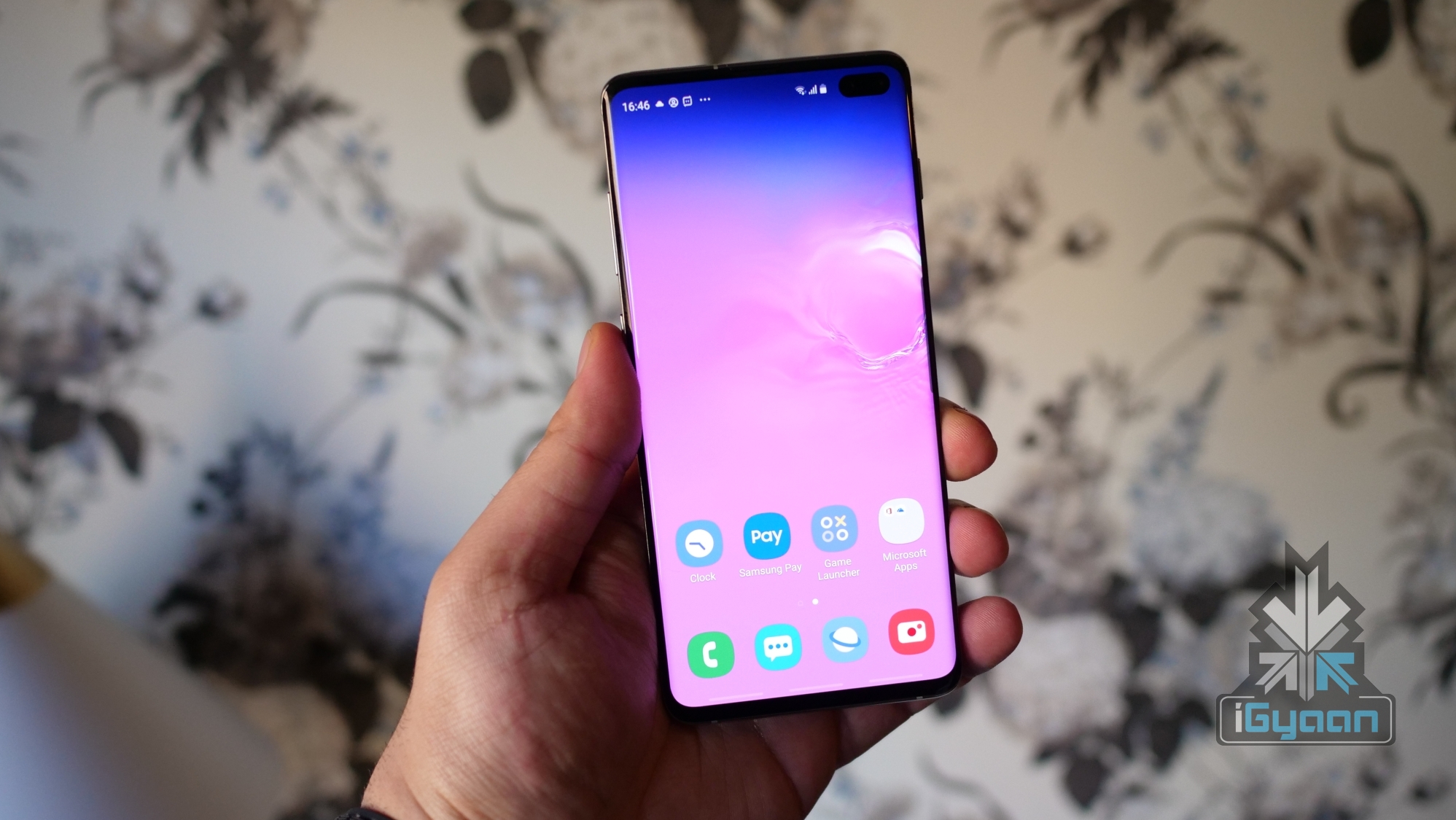
    Taking charge from Samsung’s infamous ExperienceUI, OneUI is a refreshing take on the company’s vision for an Android skin. The Android skin was announced last year and has lately made its way into current Samsung devices like the Galaxy S10. It focusses on better one-handed usage and easy accessibility. The company has been notoriously late in providing a software update to its devices. But with no history to OneUI and updates, it will be interesting to see how Samsung takes it forward.

    EMUI By Huawei
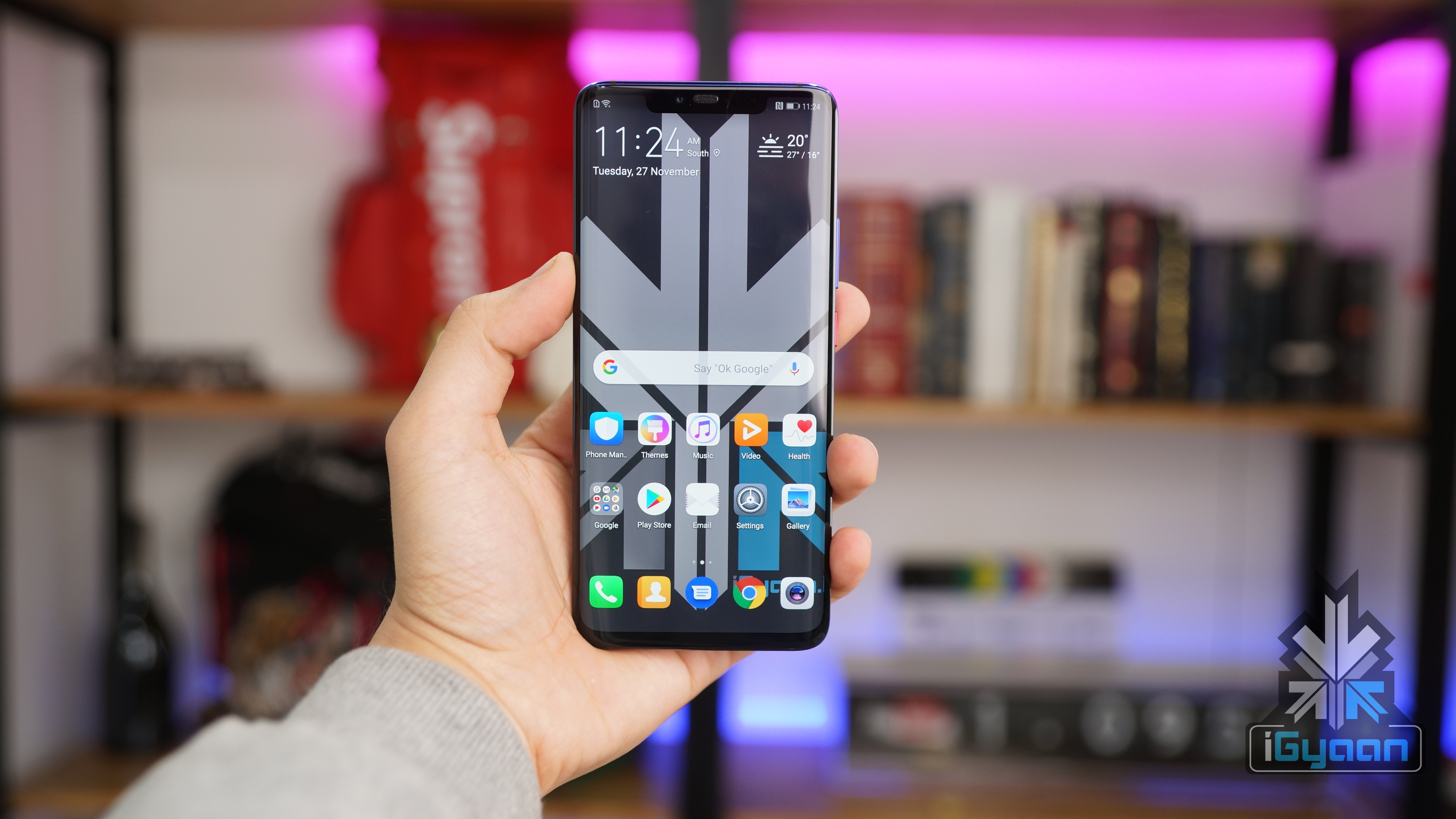
    Largely inspired by Apple’s iOS software for iPhones and iPads, EMUI is an Android skin developed by the Chinese electronics giant Huawei. There are a lot of customisations available in the skin and it offers a substantial amount of bloatware. But, the aggressive RAM and Battery management of EMUI is considered one of the best in the industry; and improves the usability of its devices by a fair margin. However, Huawei is not very quick with updates and a heavy skin like EMUI only bogs it down from proving them faster.

    MIUI By Xiaomi
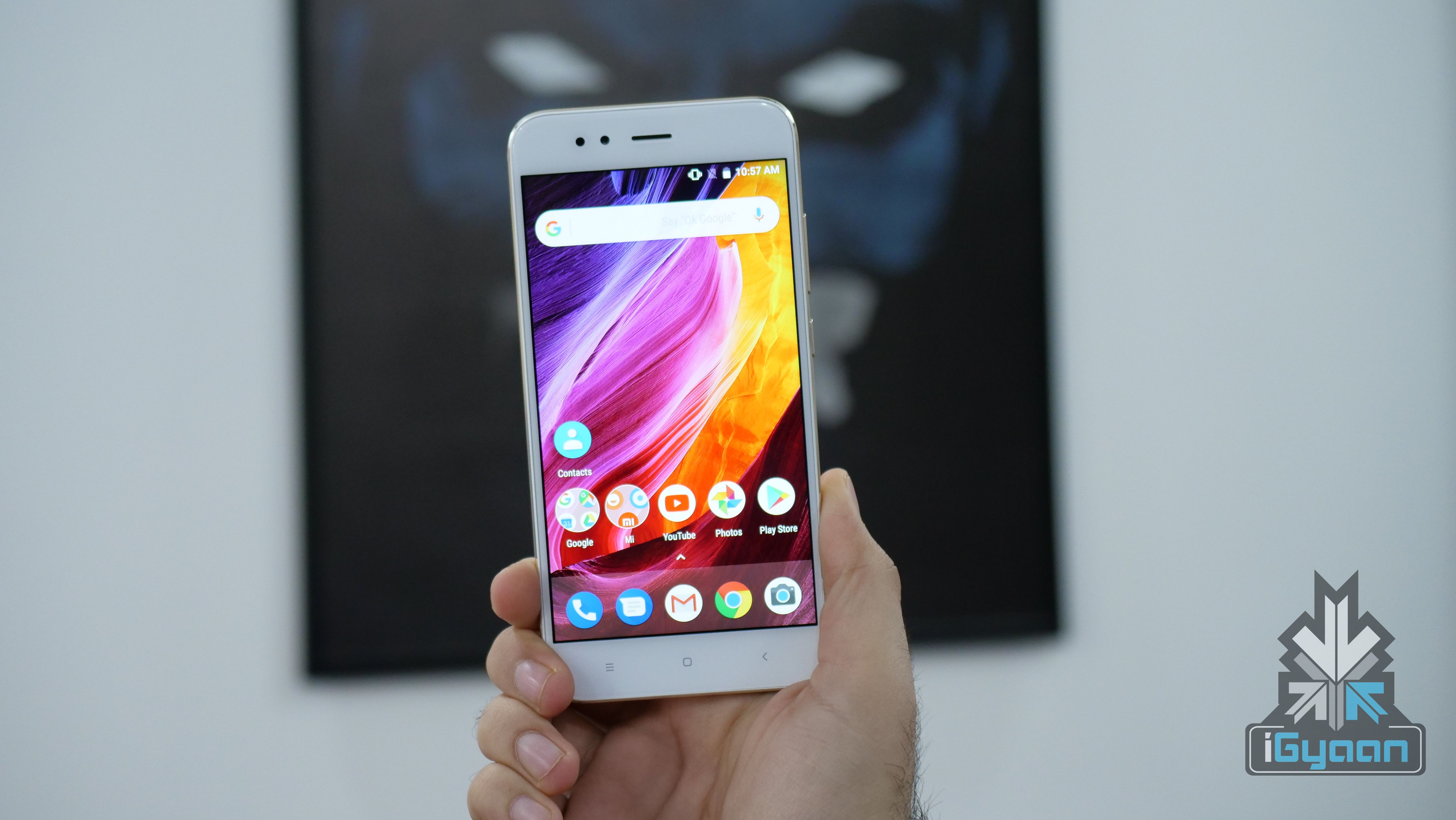
    One of the more easily recognisable Android skins, Xiaomi’s MIUI is another lookalike of iOS. The skin lacks any app drawer support and has a tonne of bloatware. It is though, heavily customisable and has a lot of features for everyone. The battery management is also considered excellent on MIUI. However, it is infamous for advertisements inside the UI and has been continuously criticised for the same. 

    ZenUI By Asus
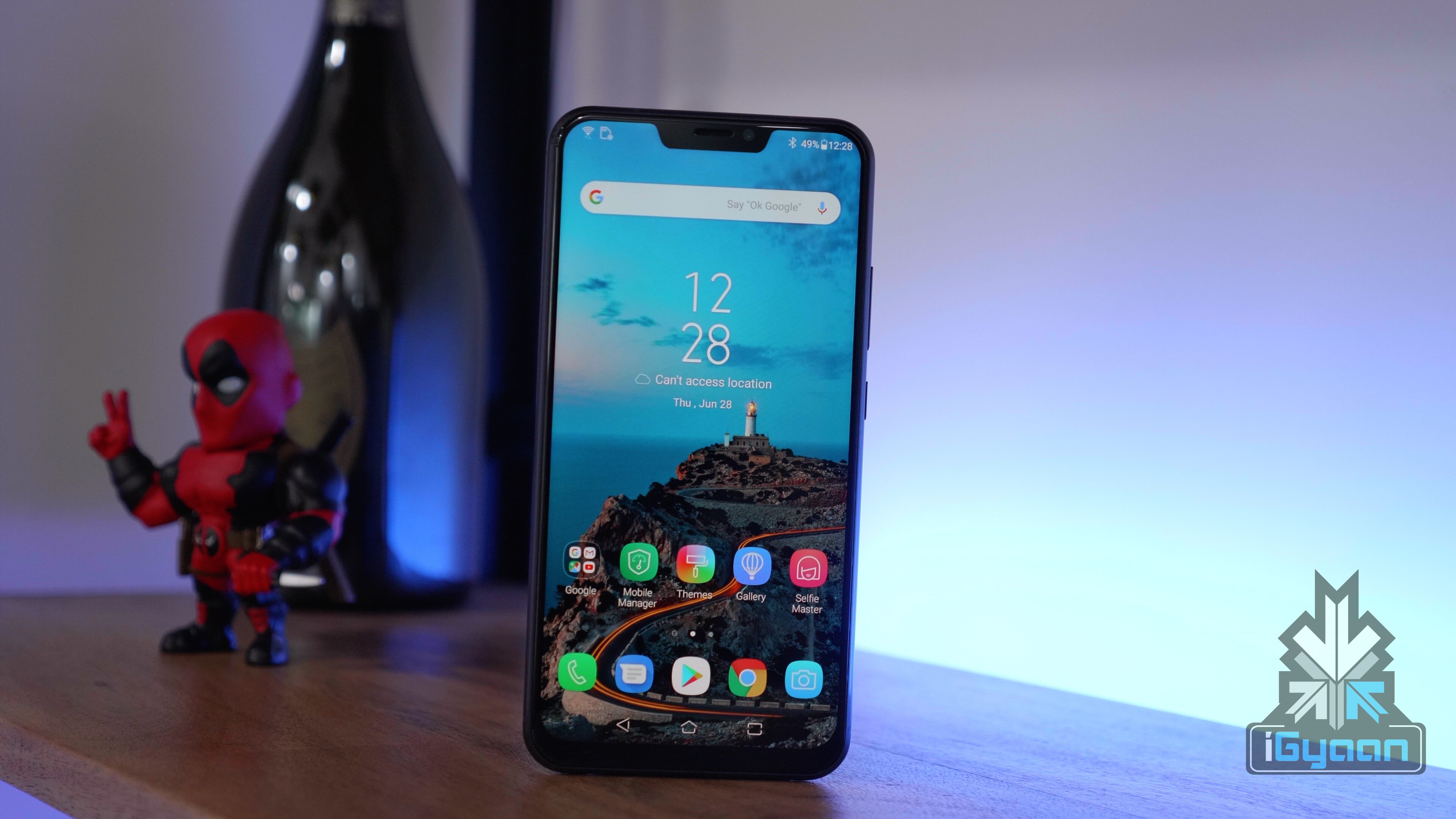
    One of the lesser known Android Skins, ZenUI is seen in most Asus smartphones. It offers a lot of customisations and not a lot of bloatware. The UI is also very clean and doesn’t differ much from Stock Android. It is one of the better skins in the market although the software updates on Asus devices are not as frequent.

    LG UX
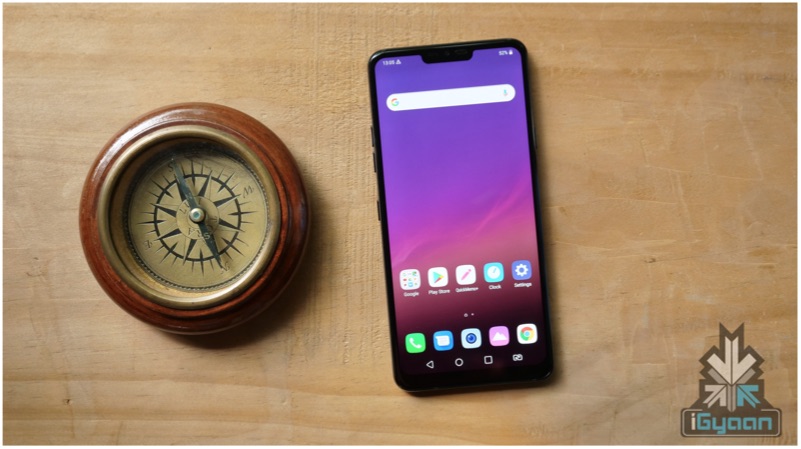
    LG G7+ThinQ

    LG devices have had great hardware and specifications but have been constantly criticised for their software. The LG UX is the main culprit behind it. It draws close inspiration to iOS and while it does offer an app launcher, the UI itself is cluttered and confusing. The software updates on LG devices have also been increasingly sparse in recent times.  

    Sony Xperia UI
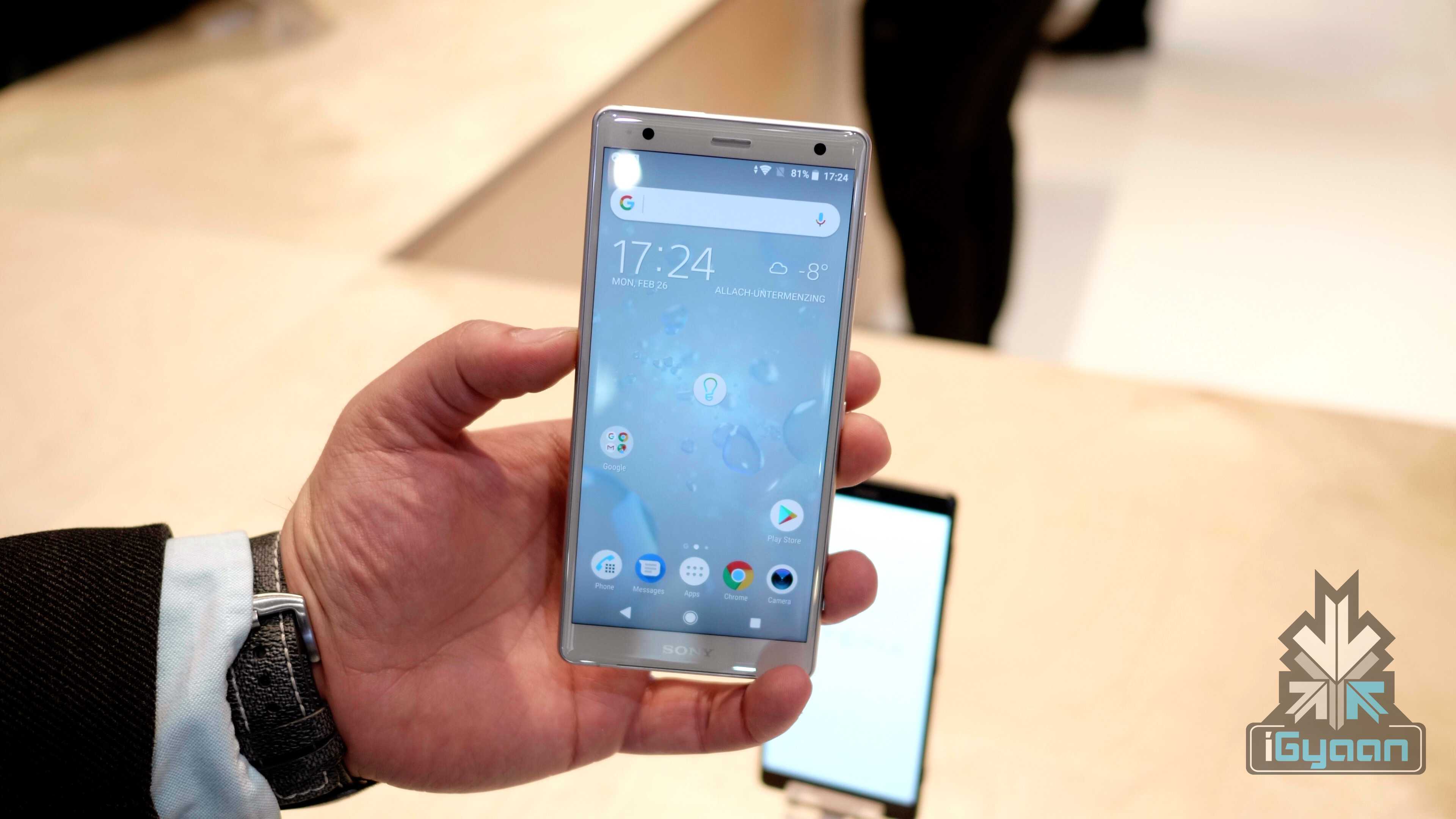
    Sony Xperia XZ2

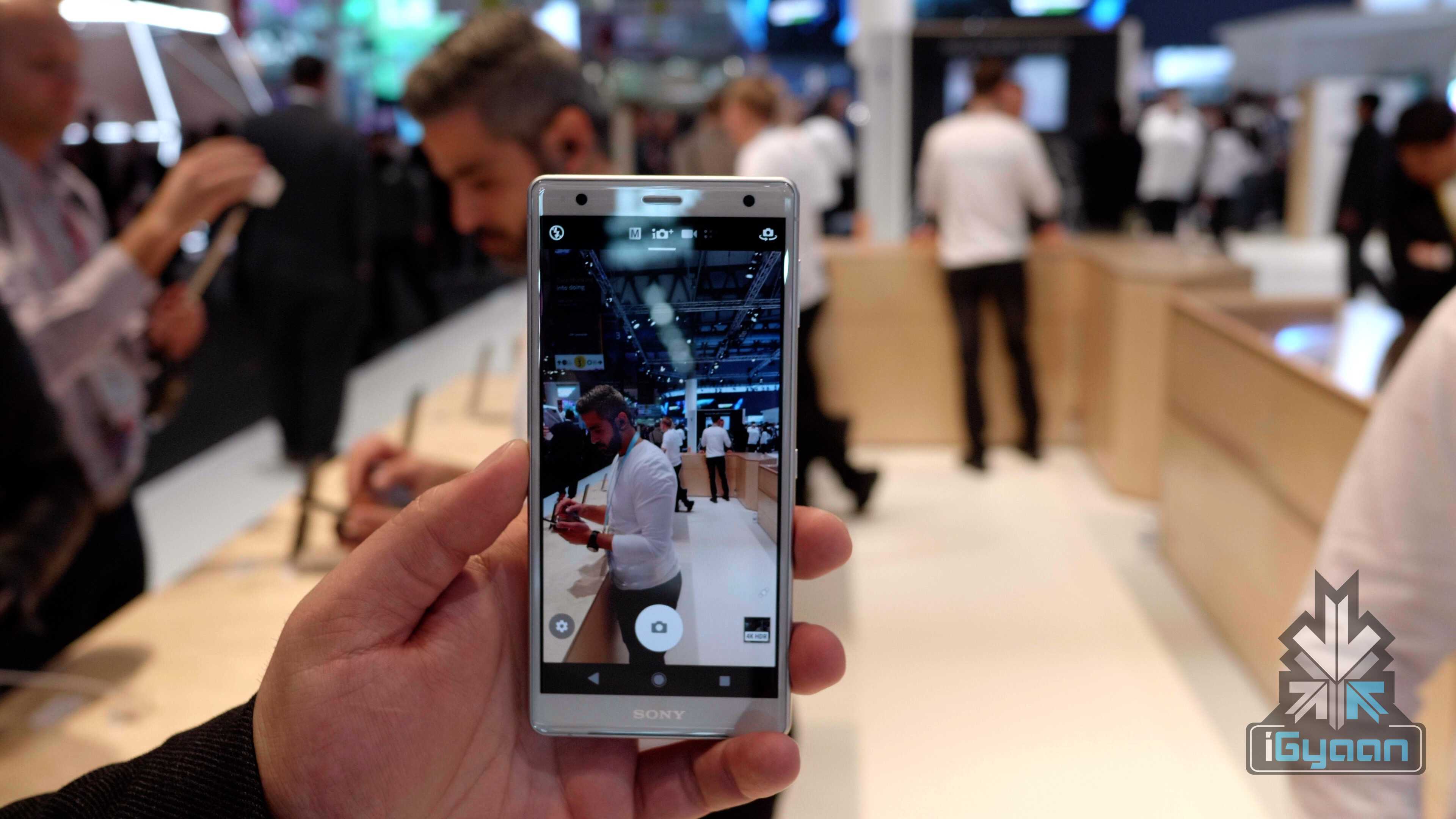
    The Xperia UI was known as Sony Timescape when it was launched. It has been since made closer to stock Android, and provides a clean and smooth experience with minimal bloatware. The battery management on the Xperia UI is one of the best in the market and the software update on Sony flagships has also been consistent. While the Android skin is one of the best out there, it is bogged down by the company’s underwhelming devices.

    ColorOS By OPPO
    Also read: Twitter Camera Makes Sharing Photos And Videos Easier

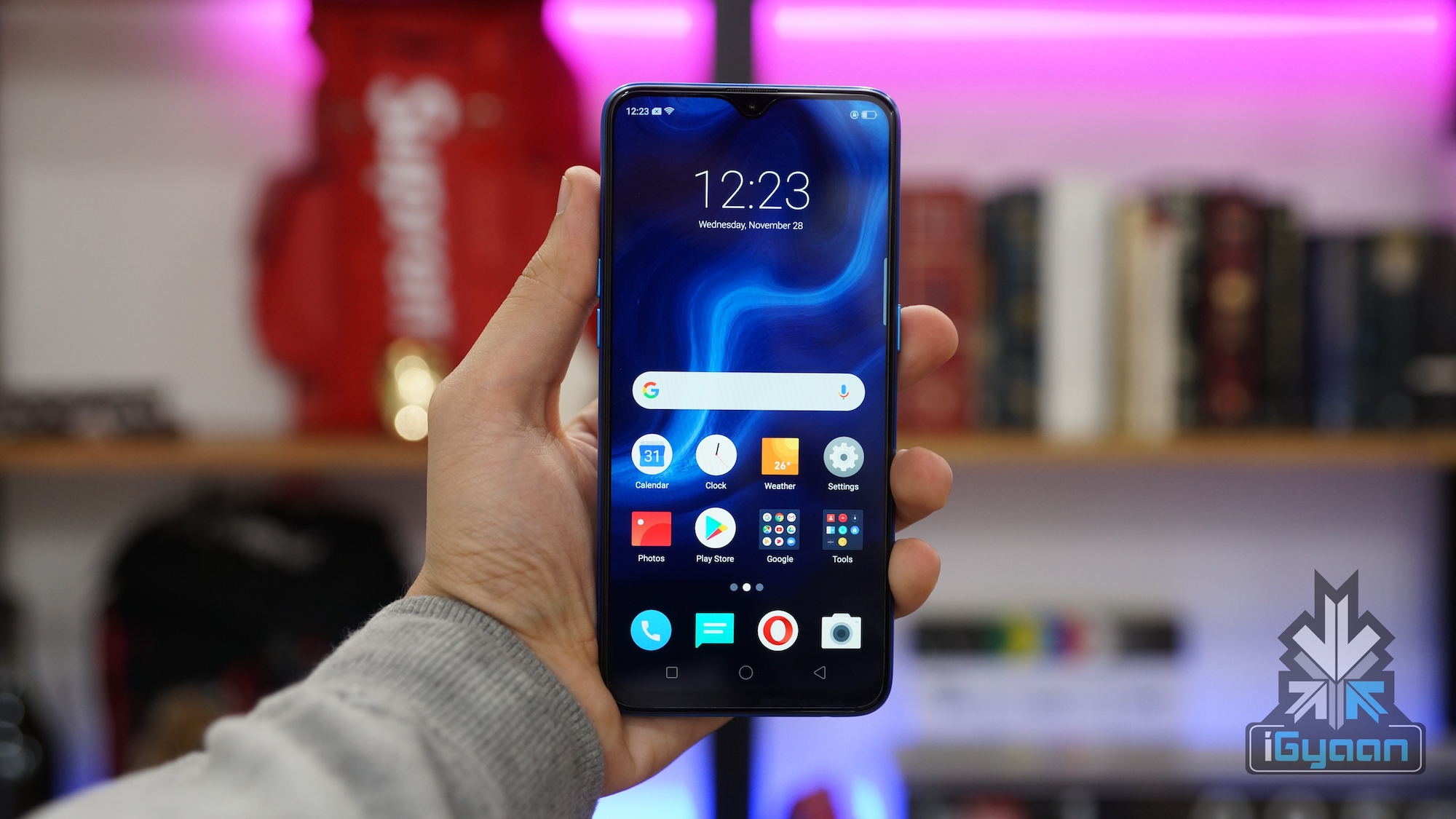
    ColorOS by OPPO is another Android skin trying to imitate Apple’s iOS. It is a substantially heavy skin and is seen on OPPO and Realme devices. While it offers a lot of features and customisations, the UI is cluttered and can get confusing at times. The Android skin is also not the one to get fast software updates. With the advent of the latest ColorOS 6.0, the company has finally added an application drawer that was highly requested by the consumers.

  • Samsung Galaxy A70 Passes Bluetooth Certification, Launch Imminent

    Samsung Galaxy A70 Passes Bluetooth Certification, Launch Imminent

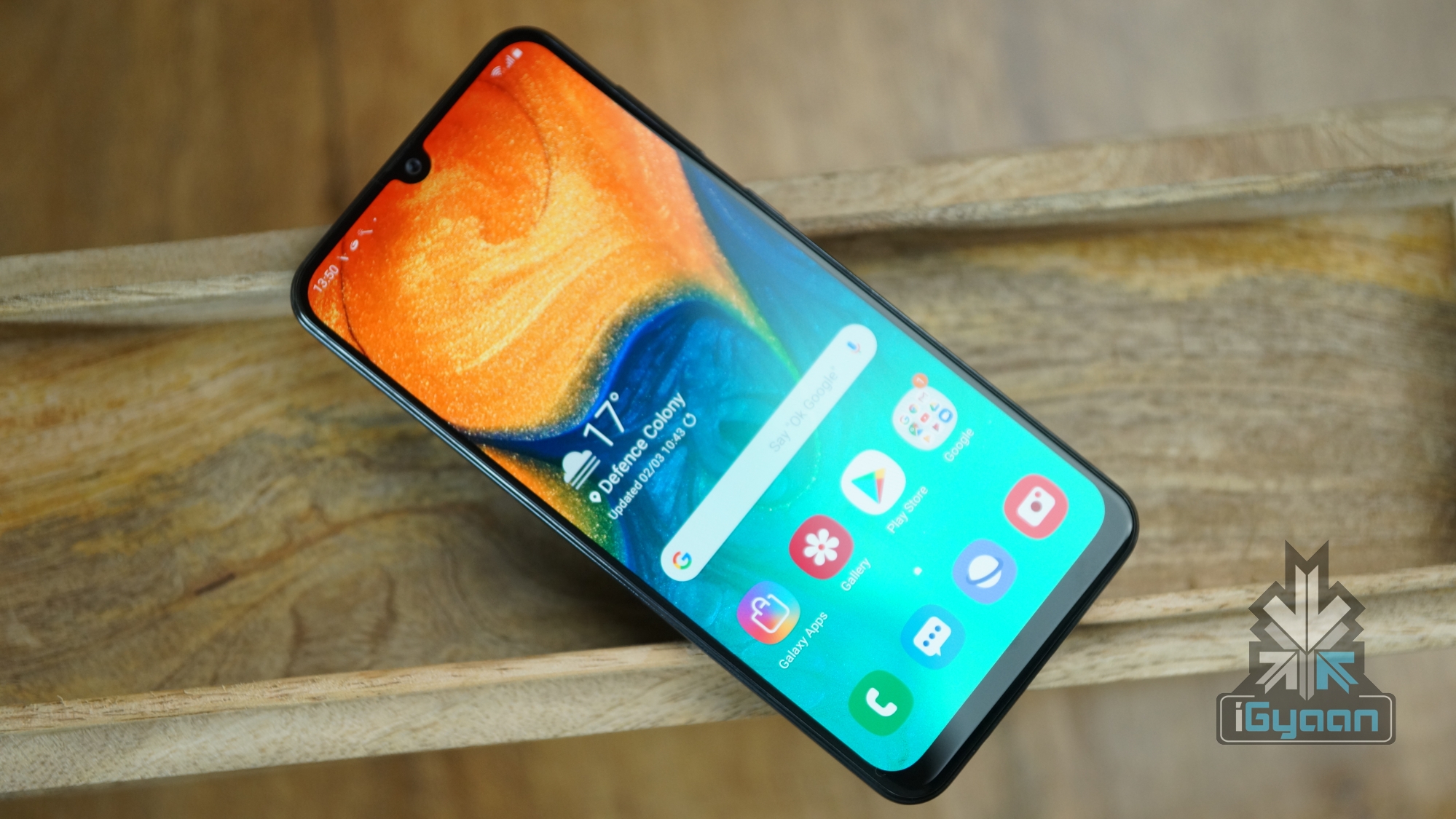
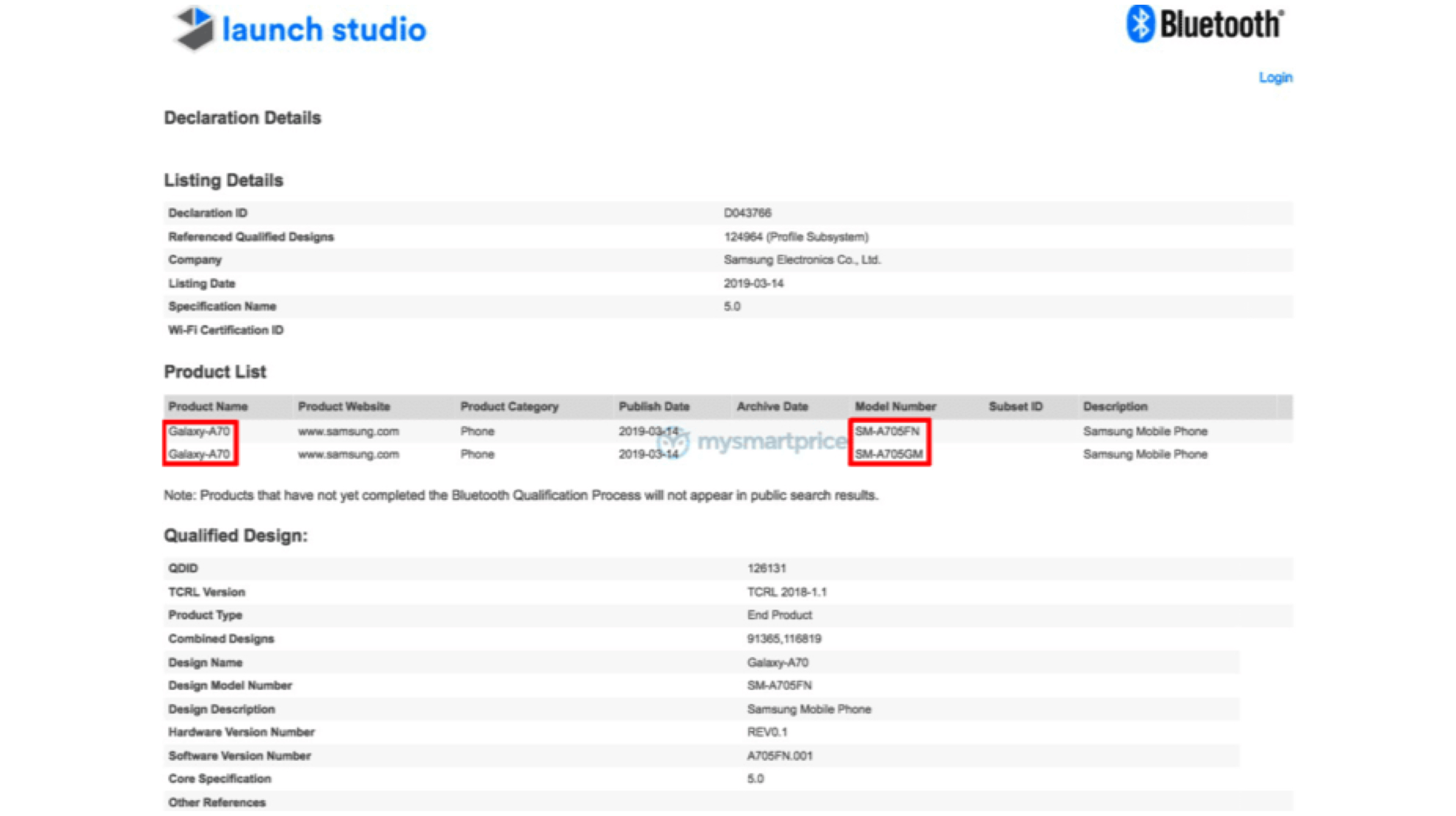
    Samsung announced the latest entrant in the Galaxy A series, the Galaxy A10Galaxy A30 and Galaxy A50 on February 28 in India. There were reports about a possible Galaxy A40, Galaxy A60 and Galaxy A90 in the works for some time too. Another upcoming device claimed to be the Galaxy A70 has passed Bluetooth certification. This suggests that the launch of the device is imminent.

    Samsung Galaxy A70 Specifications

    The Bluetooth Special Interests Group (SIG) has certified two variants of the Galaxy A70: SM-A705FN and SM-A705GM. This confirms the smartphone will have support for the latest Bluetooth 5.0 connectivity on board. Unfortunately, the listing does not mention any key specifications of the device.

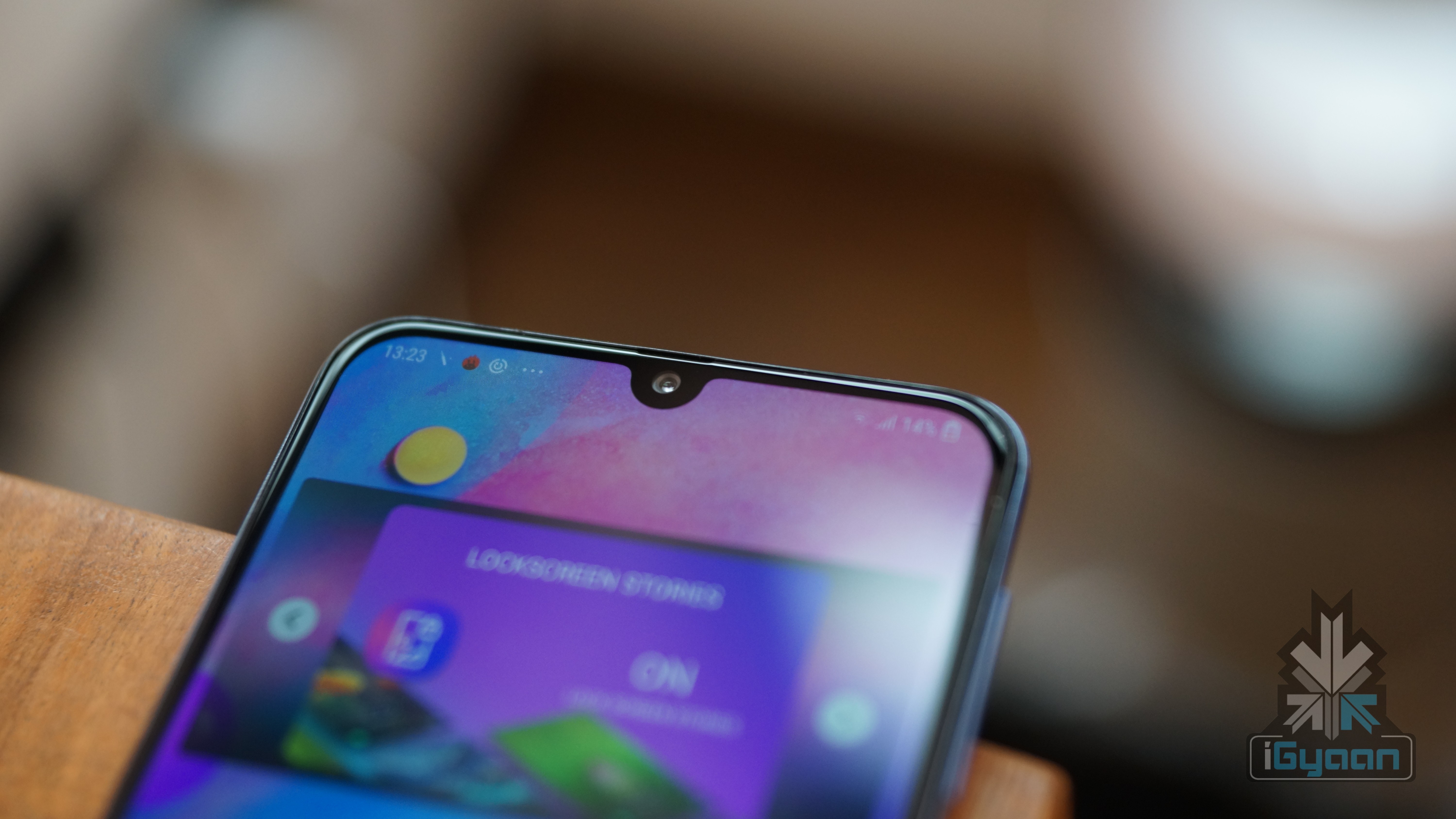
    Like the current smartphones in the Samsung Galaxy A series, the Galaxy A70 is also expected to retain the same design language. It may have the ‘Glasstic’ gradient design on the back. The leaks suggest that the device will have a 6.7-inch Super AMOLED display with minimal bezels and an Infinity-U notch on top of it. Like the Galaxy A50, it will have an in-display fingerprint scanner and will also support face unlock technology. 

    Previous reports cited that the Galaxy A70 will run on the Snapdragon 675 SoC which is manufactured using 11nm fabrication process. The chipset has an Octa-core CPU and Adreno 612 GPU. Unfortunately, no leaks regarding the optics of the smartphone have surfaced online. But like the Galaxy A50, it may have a triple rear camera setup and a single selfie camera housed in the Infinity-U notch. For memory and storage, the Galaxy A70 may be available in the following variants:

    • 6GB RAM and 128GB ROM
    • 8GB RAM and 128GB ROM
    Pricing and Availability

    Also read: Samsung Launches New 12GB RAM Modules For Future Smartphones

    While there is no official confirmation on the launch date of the Galaxy A70, the Bluetooth certification suggests that it may launch in the following weeks. Reports also suggest that it may launch for Rs 29,990 for the base variant and Rs 32,990 for the version with 8GB RAM and 128GB of internal storage.

  • Samsung Launches New 12GB RAM Modules For Future Smartphones

    Samsung Launches New 12GB RAM Modules For Future Smartphones

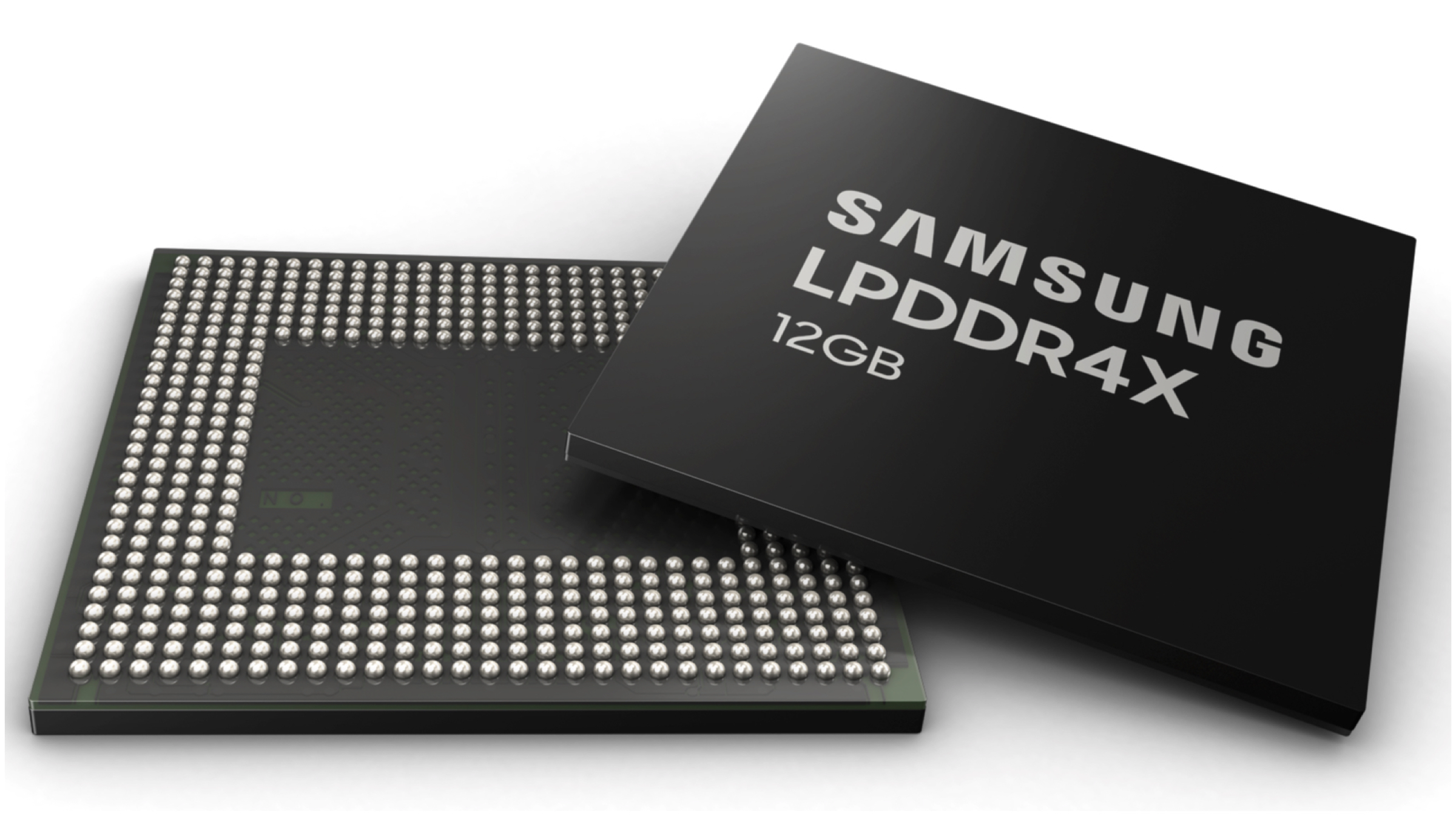
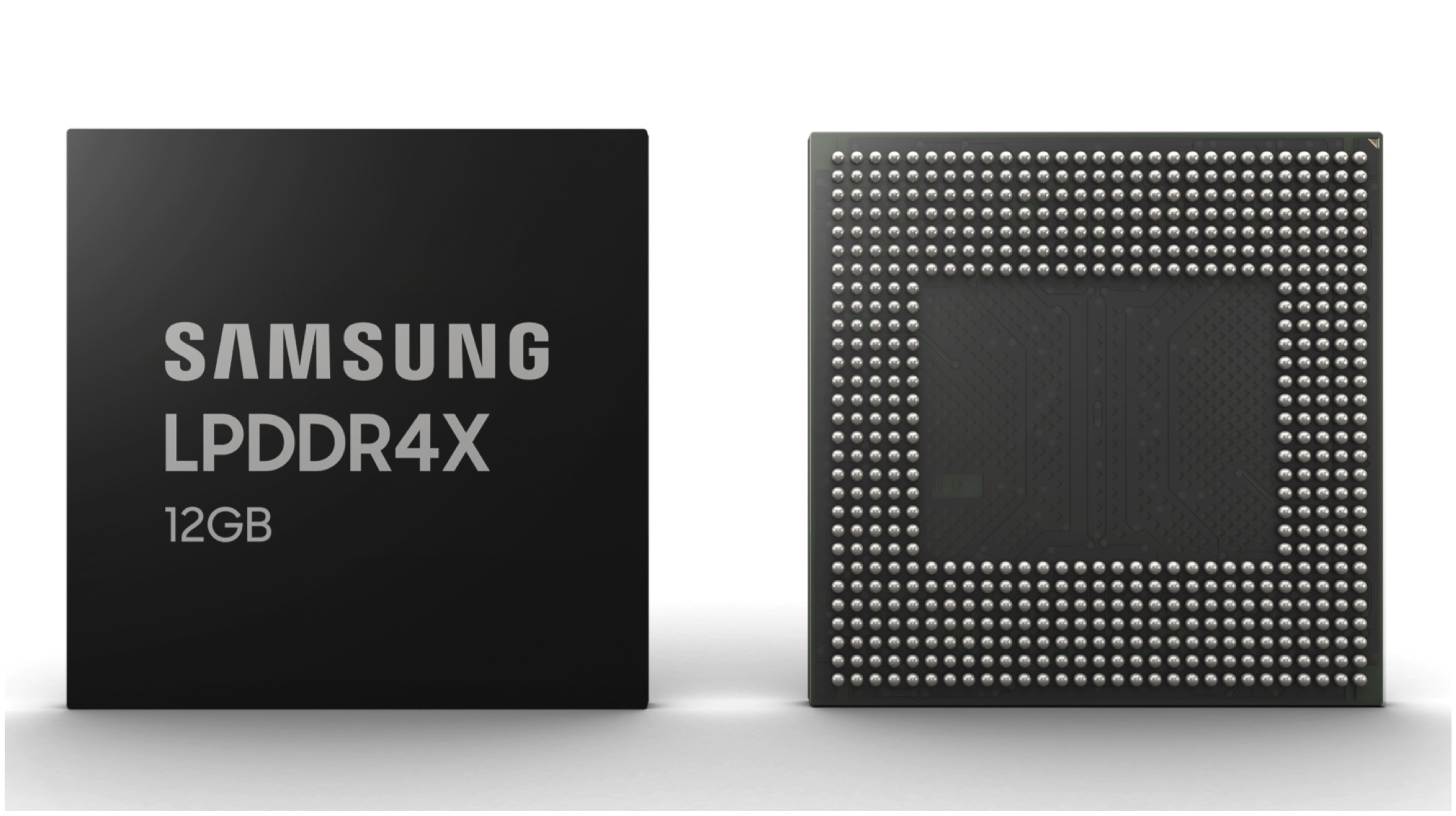
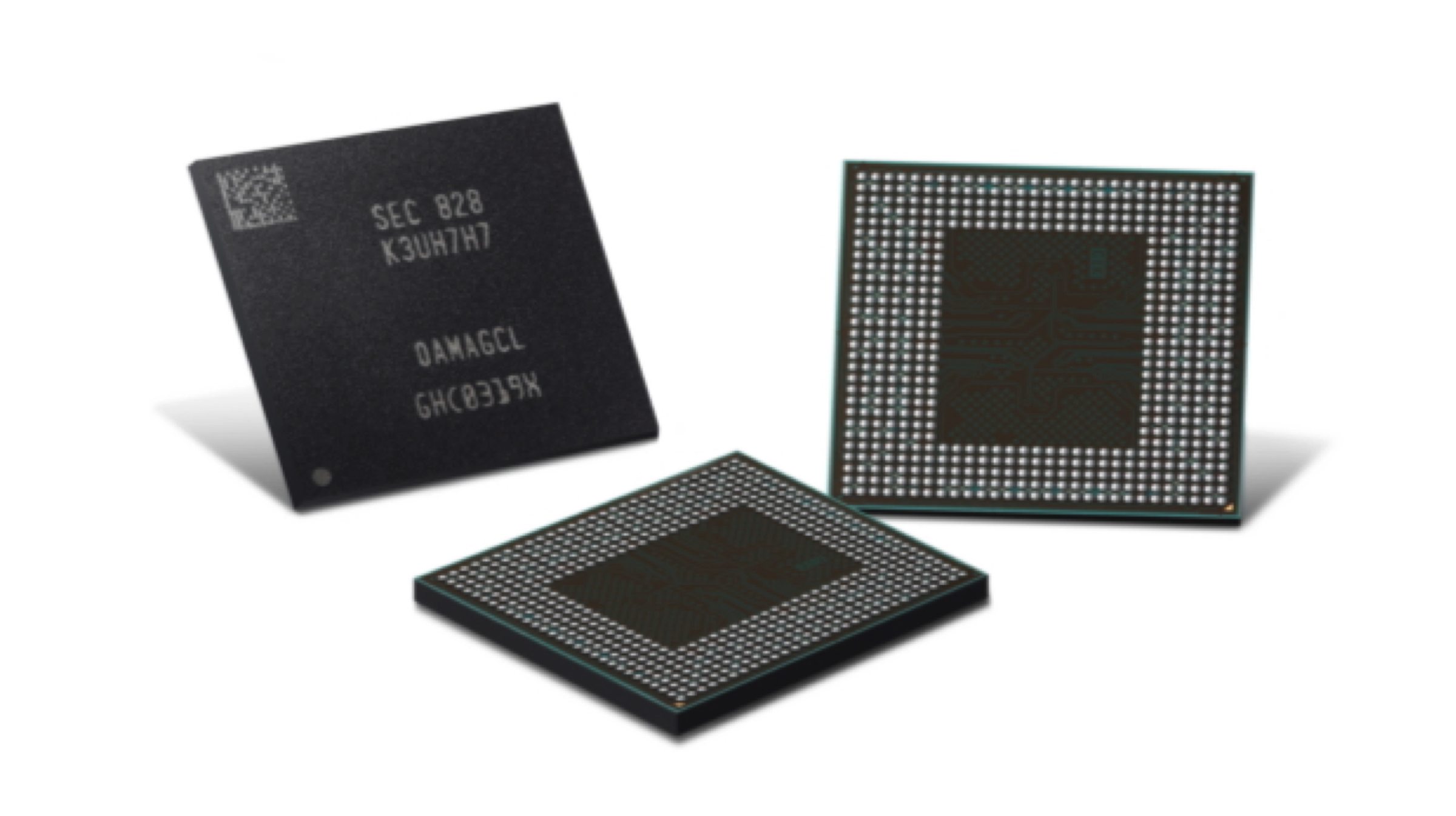
    Samsung Electronics has announced today that it has begun the mass production of the highest capacity of mobile Dynamic Random Access Memory (DRAM) currently available. It is the first 12GB Low-Power Double Data Rate 4X (LPDDR4X) RAM which is made for future smartphones. According to the company, the new product will enable users to take full advantage of all the features that are expected to arrive in the next generation of smartphones.

    Samsung 12GB LPDDR4X Mobile DRAM

    With the new 12GB LPDDR4X mobile DRAM module from Samsung, the company aims to maximize the potential of devices that feature more than five cameras. It will also help with the ever-increasing display sizes on devices and will boost Artificial Intelligence and 5G capabilities in smartphones. More RAM, in general, signifies better multitasking and faster operations in the device’s UI. Samsung claims an industry leading 1.1 millimetres thickness of the DRAM module, which may lead to slimmer smart devices featuring the technology.

    The new 12GB LPDDR4X mobile DRAM module is manufactured using a 10nm fabrication process. According to Samsung, this is achieved by combining six 16-gigabit (Gb) LPDDR4X chips based on the second generation 10nm process into a single package. This new module is thus capable of data transfer rates of up to 34.1GB per second. It also claims that the new technology reduces power consumption, making smartphone batteries last even longer.

    Also read: Huawei Patents Smartphone With Second Display And Periscopic Camera

    Notably, the only products in Samsung’s current lineup with 12GB of RAM are the Galaxy S10+ Ceramic Edition and the Galaxy Fold foldable smartphone. However, both the devices use a different technology than the aforementioned one. The mobile DRAMs inside them is manufactured using a 20nm architecture, instead of a 10nm one found in the latest generation. The new 12GB RAM standard, along with the recently announced 512GB UFS 3.0 storage will be seen in devices starting next year.

  • Twitter Camera Makes Sharing Photos And Videos Easier

    Twitter Camera Makes Sharing Photos And Videos Easier

    Popular microblogging service Twitter has announced the latest feature to its smartphone application. Called Twitter Camera, this enables users of the app to share pictures and videos instantly with their followers. The feature will be released in phases for users of the Twitter app for Android and iOS. The company announced the rollout on its official Twitter handle.

    Twitter Camera

    https://twitter.com/Twitter/status/1105815777616191489

    The new Twitter Camera can be accessed from within the official application by swiping left from the home screen. It reveals a similar layout to the Facebook camera, a rival counterpart of the feature. With the new addition, users can now click a picture by tapping the shutter button on the bottom. A long press of the button will record a video, which again can be shared instantly. Another option on the bottom right reveals a ‘LIVE’ button, which, as the name suggests, allows sharing live videos. There is also a flash toggle and an option to switch cameras on the top right corner.

    In the new Twitter Camera, sharing the media from the app will also look different than before. Instead of the text being on top and important elements of media hidden away; the new update will make the media stand out on its own. The text embedded in the tweet will be shown below it and the size of the tweet will also be substantially larger.


    Notably, the Twitter Camera feature draws heavy inspiration from Instagram, Facebook and Snapchat, which also allows similar content sharing technology. However, the latter applications have additional features like AR stickers and hands-free recording. Twitter hasn’t announced what new features it will incorporate in the future, but it may add the aforementioned functionalities in later versions of the app.

    Also read: Facebook, Instagram, WhatsApp Down For Users Around The World

    The new Camera feature on the Twitter application is one of the biggest updates the microblogging website has incorporated on its platform. This move is seen as a reply to the ever-increasing hold of rival services.

  • Facebook, Instagram, WhatsApp Down For Users Around The World

    Facebook, Instagram, WhatsApp Down For Users Around The World

    Popular social networking website Facebook and its sub-services including WhatsApp and Instagram have been facing a service outage for a few hours in several regions. Hashtags labelled #WhatsAppDown, #InstagramDown and #FacebookDown have been trending on the microblogging website Twitter. 

    The Social Media Outage

    While the cause of the outage hasn’t been revealed, it was speculated to be a DDoS style attack. The aforementioned attack is a malicious attempt to disrupt normal traffic to a web property where multiple compromised systems, which are often infected with a Trojan computer virus, are used to target a single computer system. However, a post shared on Facebook’s official Twitter account dismissed the claims. The outage mainly affected parts of New England; the US; parts of Latin America; the UK; India; and the Philippines. Some cases of it were also reported in from Canada and Turkey. 

    Facebook’s advertisement section was also reported to be not functioning, and it prompted an error message when users tried to buy an advertisement set on the platform. It was also suggested that the website is weighing in on the option to return the advertiser’s money because of the issue, but no official statement on the matter has been released yet. With the desktop website of Facebook down, people also reported posts on the Instagram application not loading. The Stories function of the service also was reported to be down, as was the button to post new media. 

    Also read: Best Wireless Earphones In India Under Rs 2,000

    Similarly, Whatsapp was also not working for users when they tried sending a message. Notably, if users try to log in on apps like Spotify, Saavn through Facebook, the functionality would be down. All the services that went down were owned and managed by Facebook Inc. As of now, the services seem to be restored for the majority of users. Also, one can check the affected areas by visiting the following website
  • Redmi 7

    Redmi 7

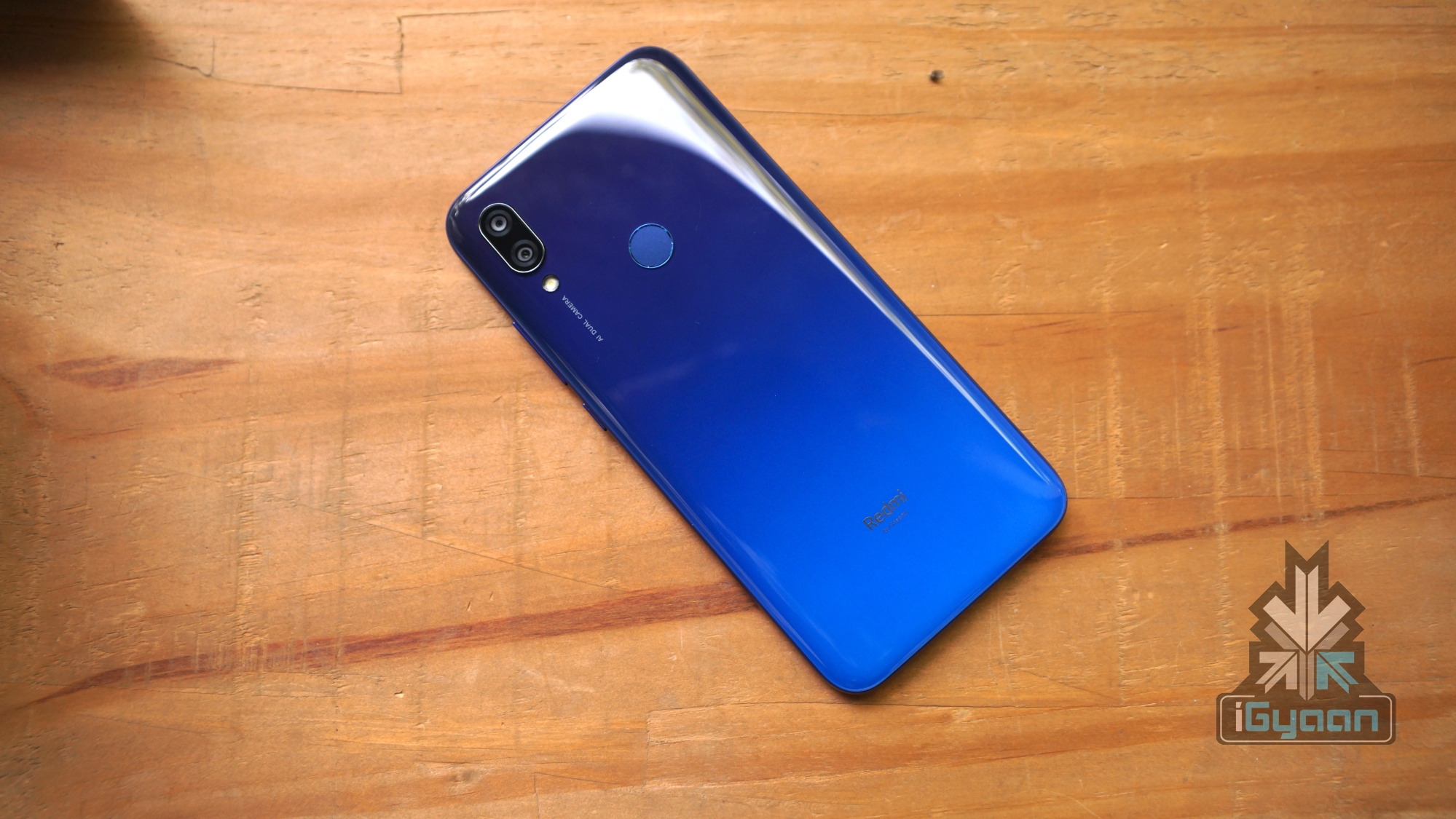
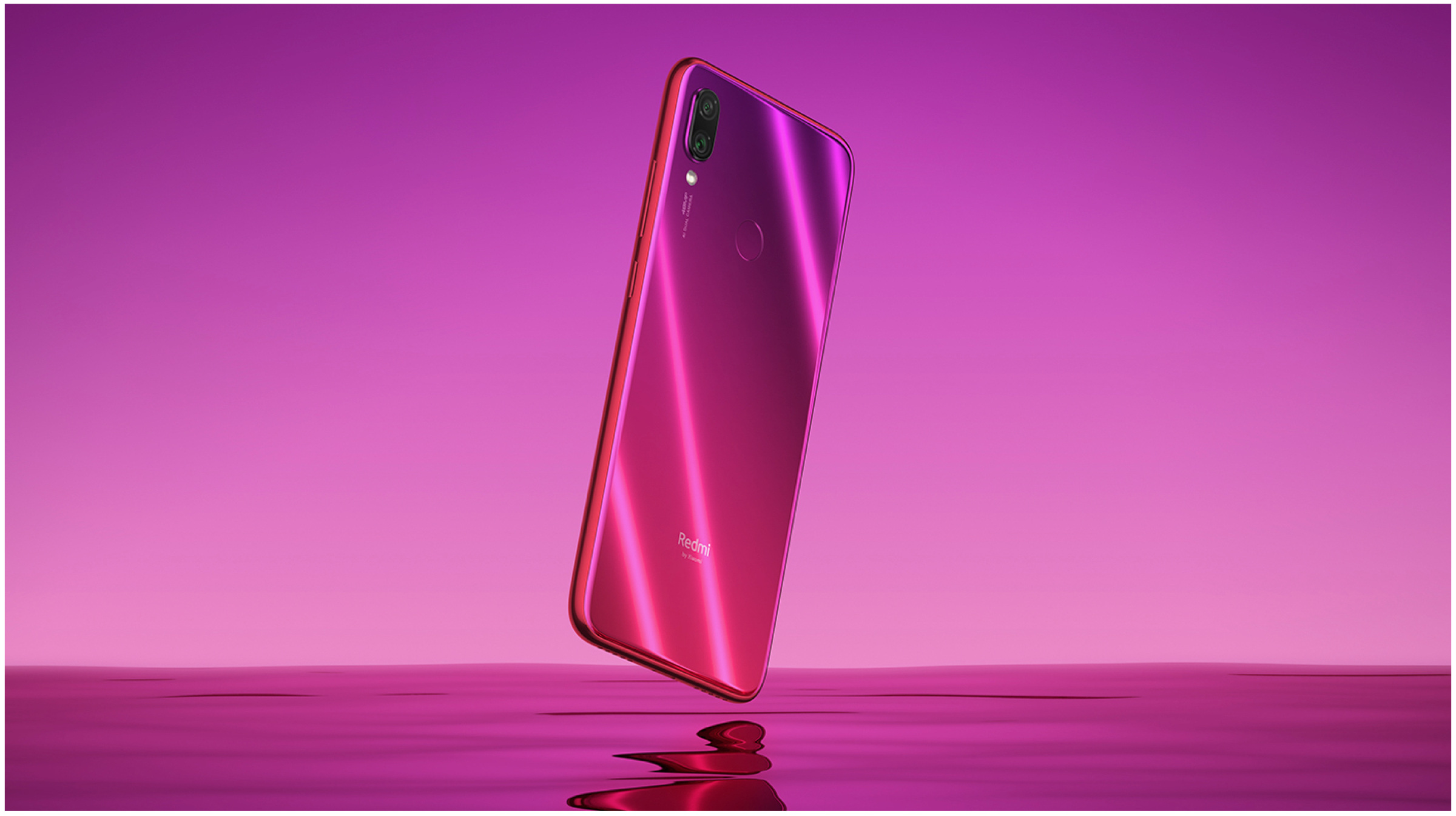
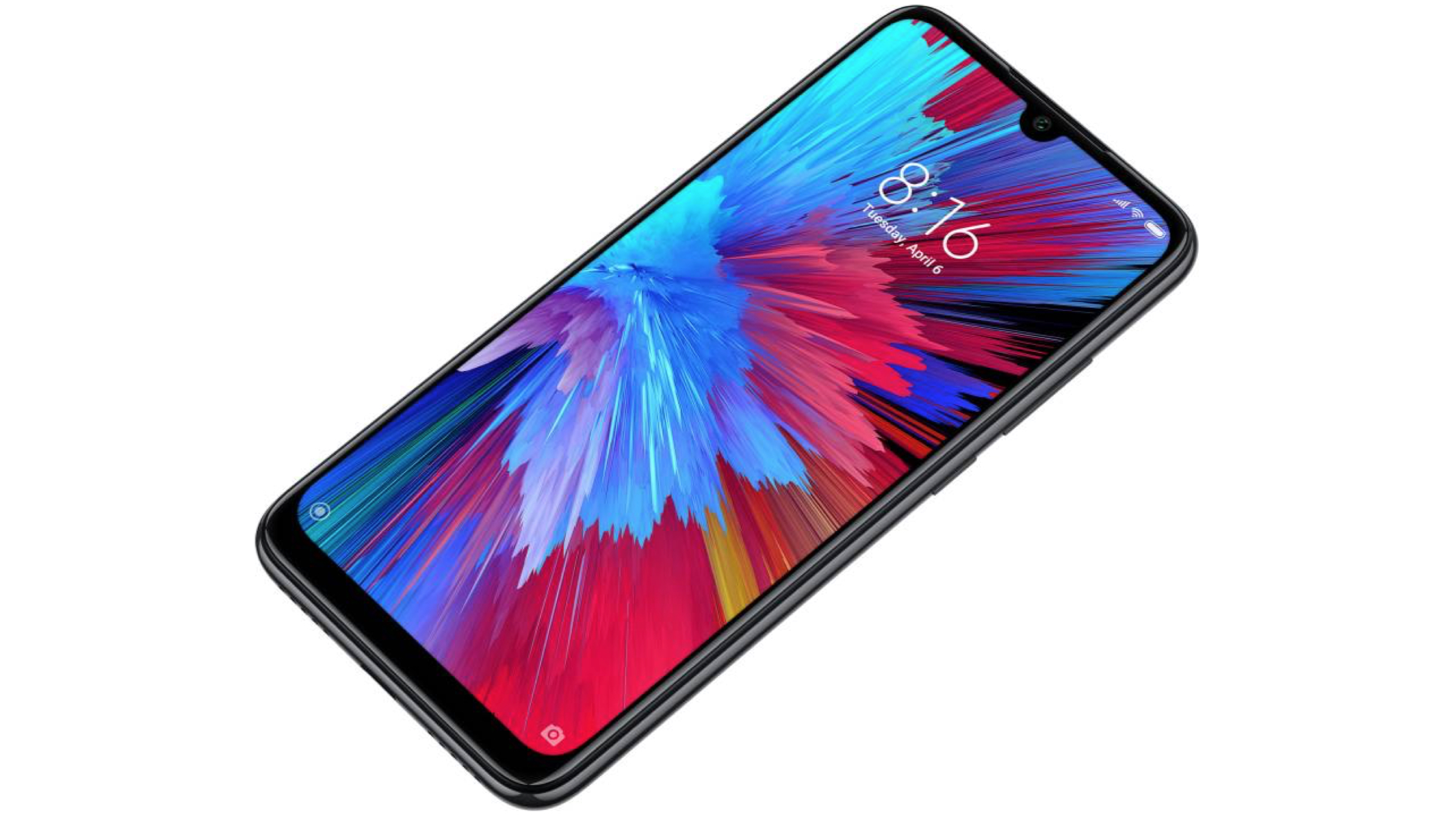
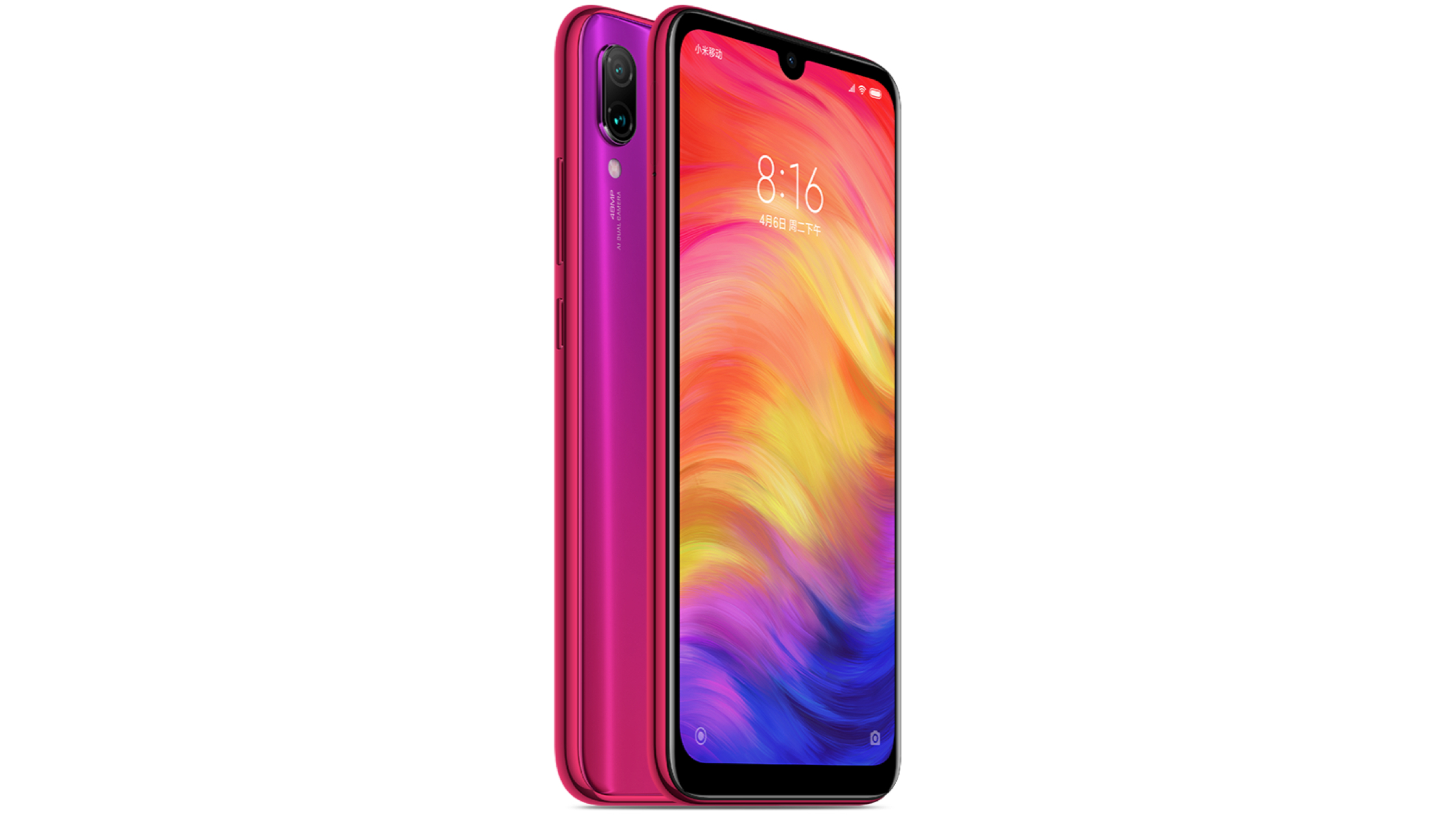
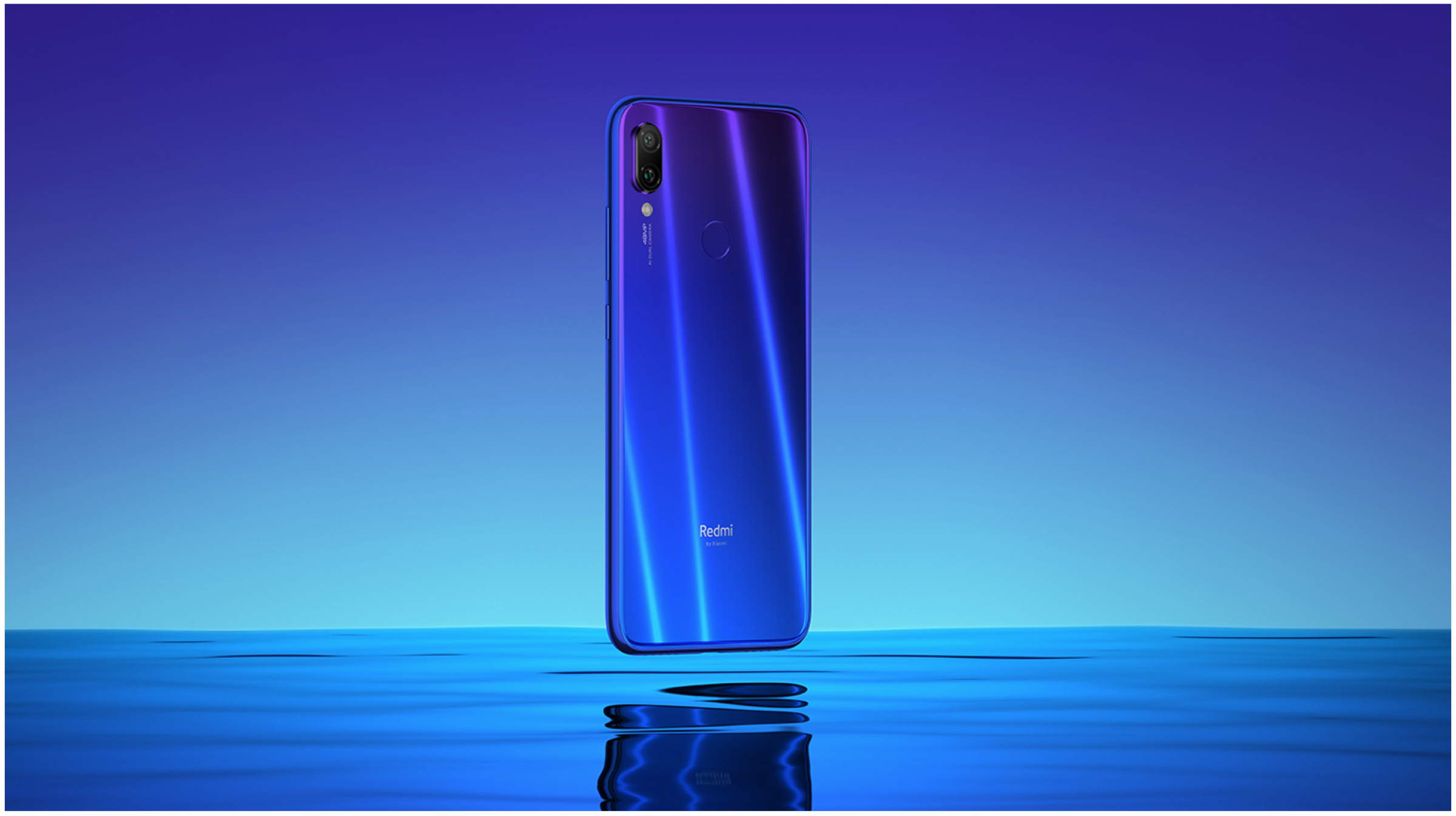
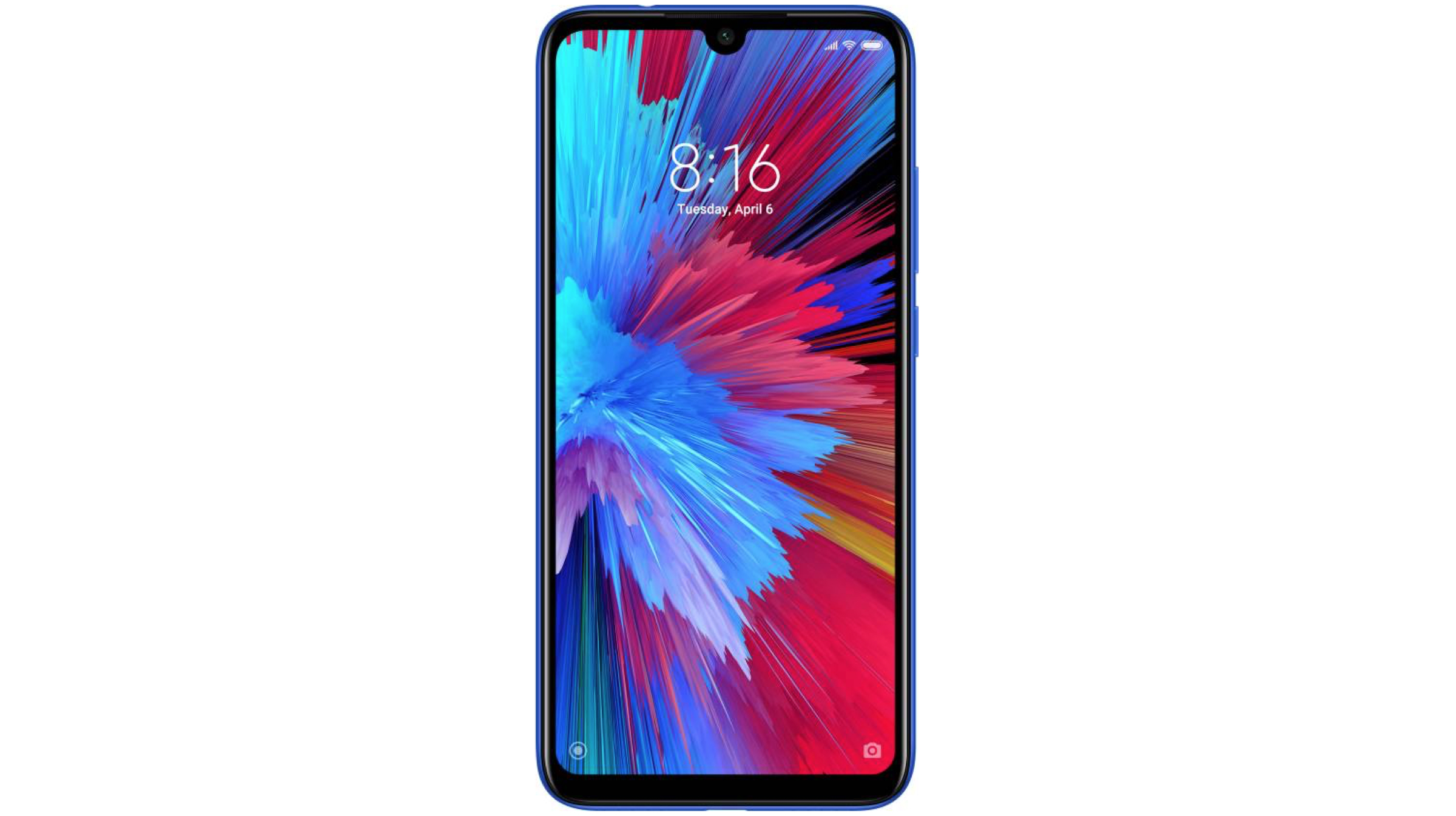
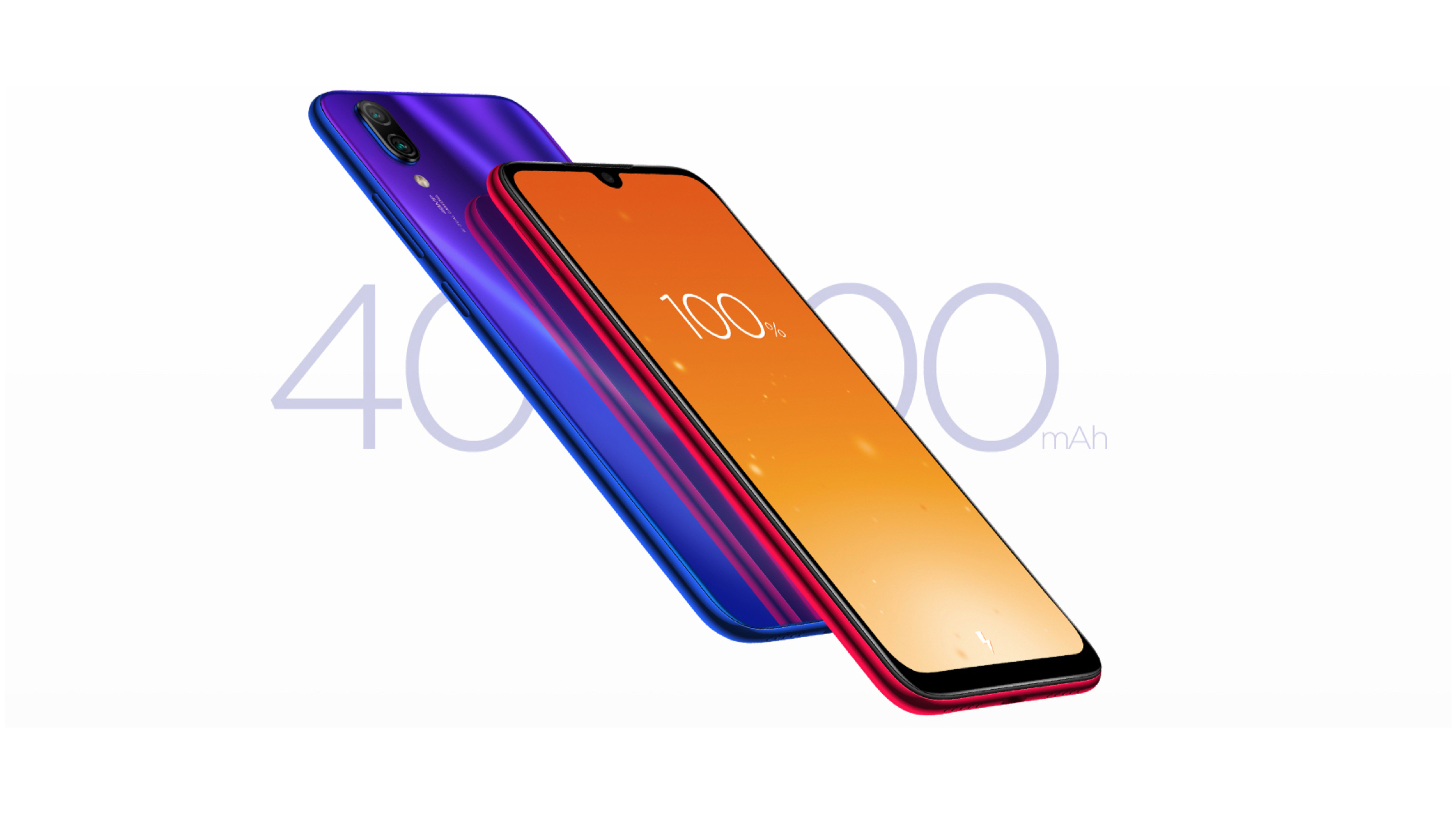
    Redmi 7 is the latest budget smartphone from the Chinese electronics maker Redmi. The device features a modern design with a waterdrop notch and an attractive colourful back. It also features some great specifications for an affordable price tag and will compete against the likes of Realme 3 in the Indian market.

    [loop included_tags=”57771,59085,59676″ loading=”paged” layout=”f” postsperpage=”4″]

  • Best Wireless Earphones In India Under Rs 2,000

    Best Wireless Earphones In India Under Rs 2,000

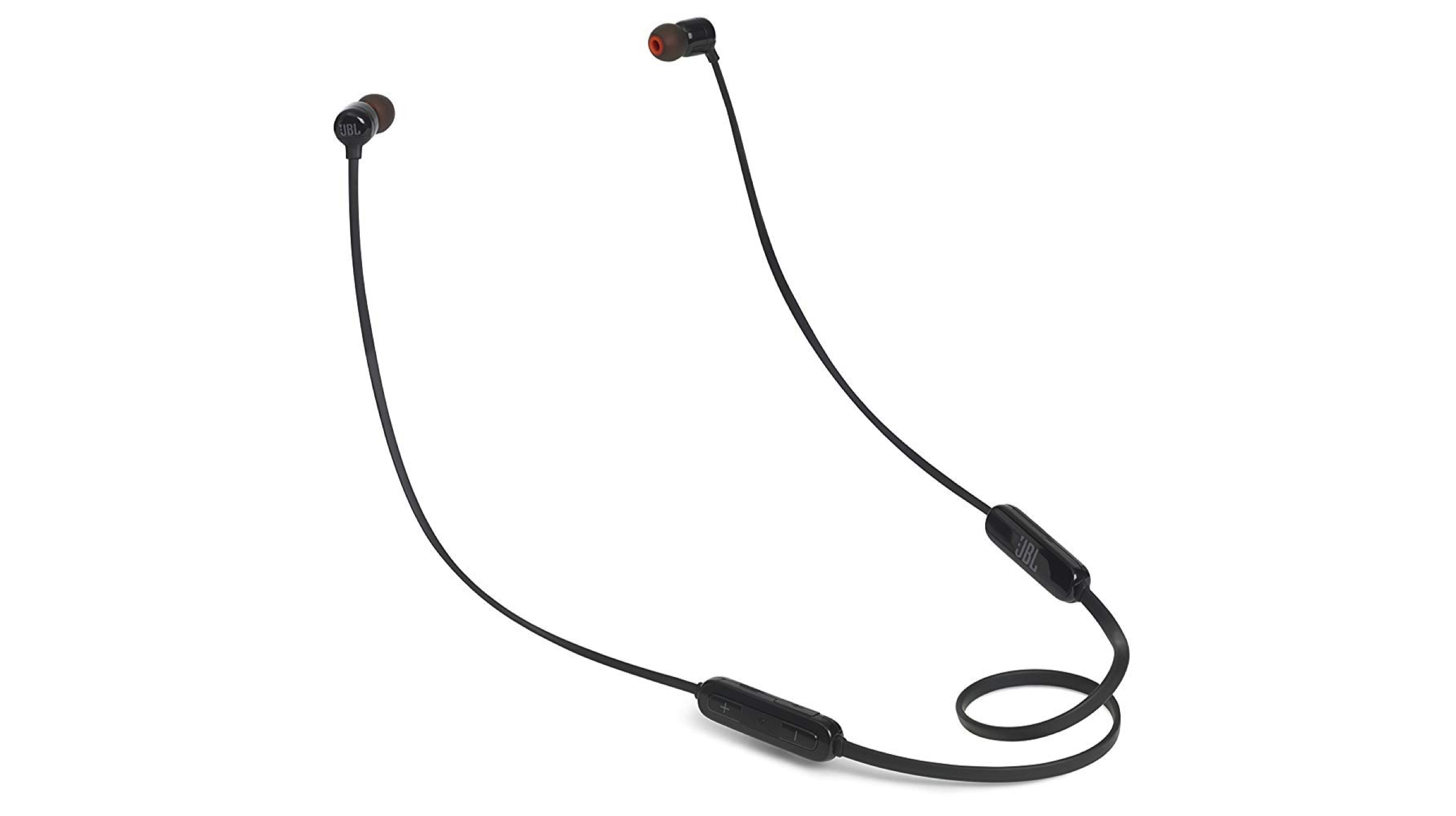
    As an increasing number of Smartphone OEMs eliminate the 3.5mm headphone jack from their smart devices, the demand for wireless headsets subsequently rises. However, a pair of Bluetooth enabled wireless headset is comparatively expensive than its wired counterpart. If you are on the hunt for affordable wireless earphones, we have made the choice easier for you. Here are the best  Bluetooth earphones under the Rs 2,000 price mark.

    Boat Rockers 255

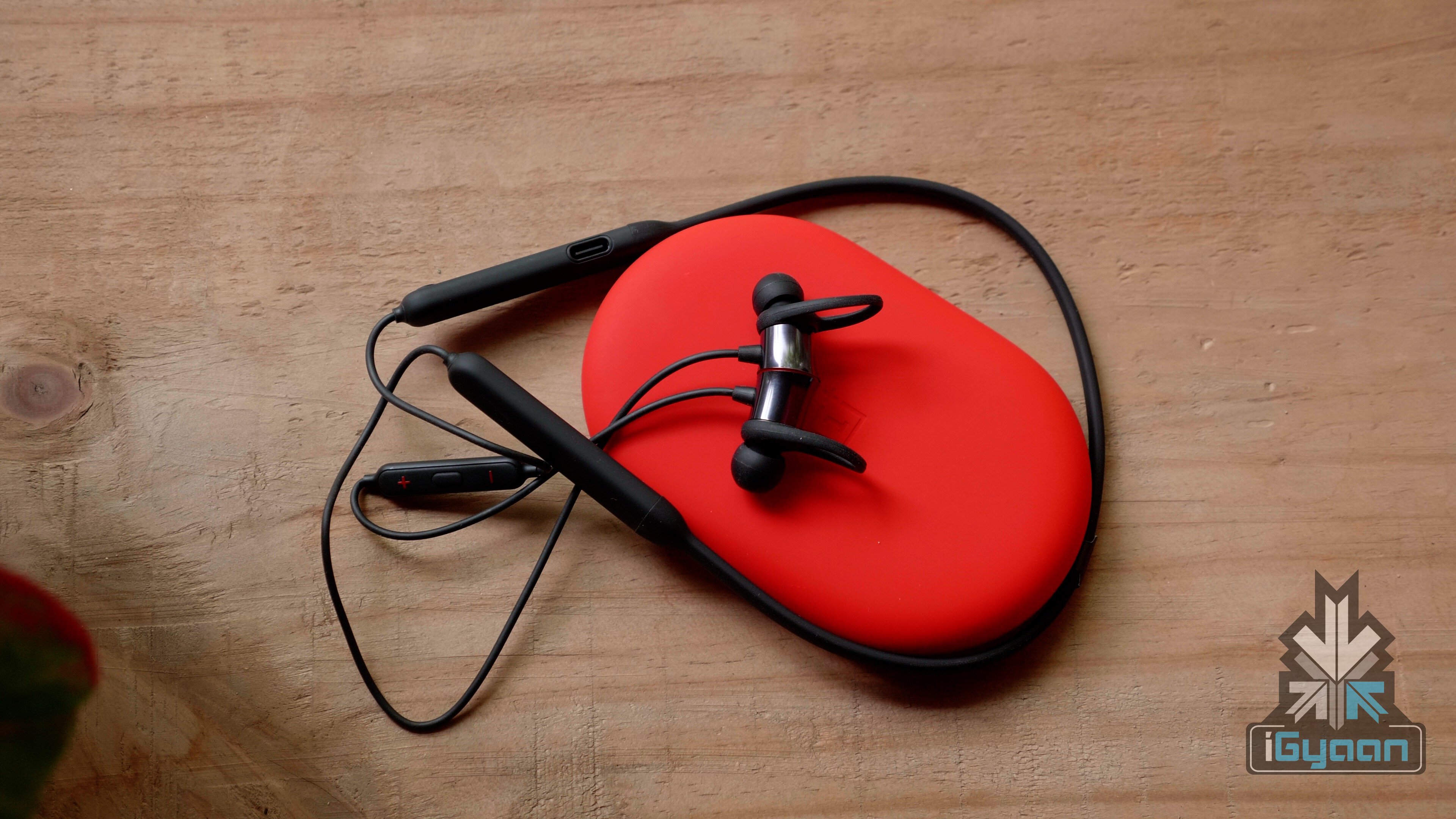
    Featuring a metal construction on each earbud and a 10nm audio driver, the Boat Rockers 255 are one of the best wireless earphones for the price. They have adjustable rubber ear hook and removable silicone earbuds for a universal fit. What’s more, the earphones have magnets in each earbud so that they don’t fall off easily. The sound quality is good for the price and the Boat Rockers 255 promise a battery life of 6 hours. They also have an in-line remote with microphone for easy access to calls, music and summoning the smartphone’s digital voice assistant. All of the aforementioned features make the earphones one of the best in its price range.

    Leaf Sport Wireless

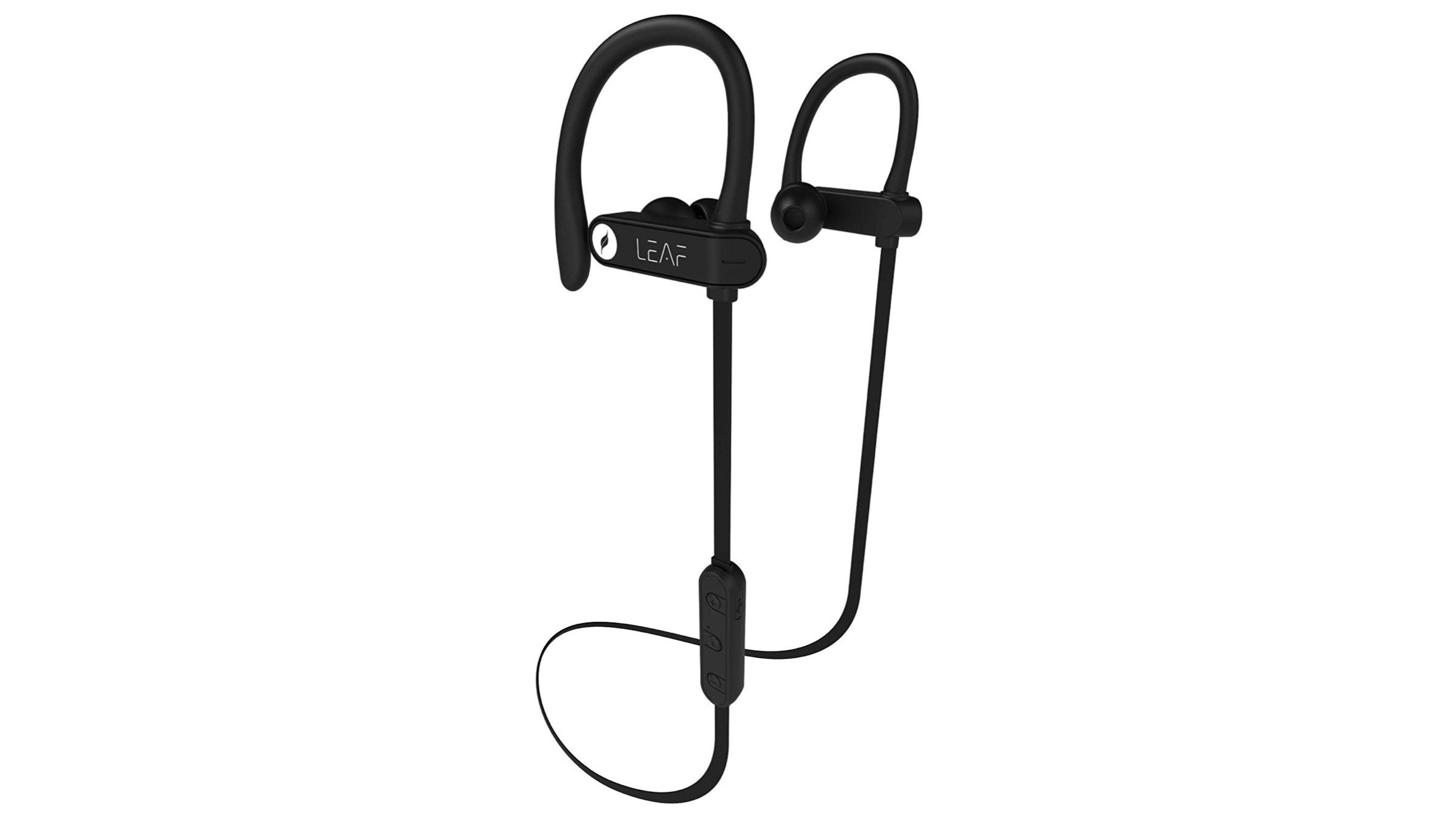
    The most affordable option out of the list, the Leaf Sport Wireless is a viable contender for the best wireless earphones under Rs 2,000. They have an adjustable ear hook in both earbuds and arrive with removable silicone tips inside the box. The sound of the Leaf Sport is good for the price, featuring a heavy bass and medium treble. Battery life as promised by the company stands at 6 hours of usage and there is an in-line remote with microphone for calls and summoning the digital voice assistant. The earphones are one of the best deals in the market for wireless earphones. 

    Soundlogic Voice Assistant Wireless Earphones

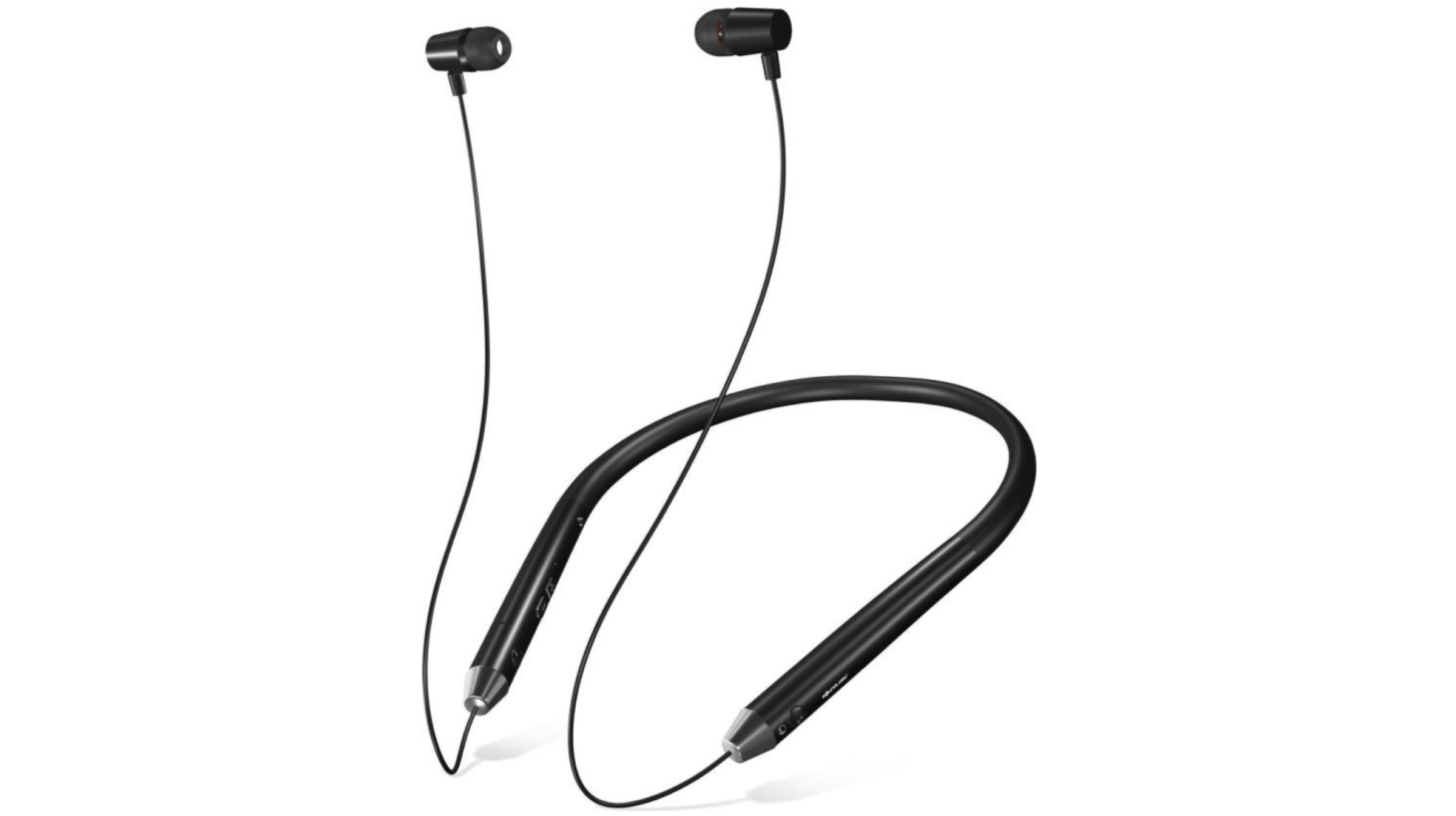
    Featuring a metal construction and a flexible neckband, the Soundlogic wireless earphones are one of the best earphones for the price. The earbuds feature metal construction and are lightweight. The silicone ear tips are removable and can be swapped for a better fit in the ear. While there is no dedicated in-line control remote on the headset, the volume, media and dedicated voice assistant controls along with the microphone are placed on the neckband itself. The earbuds cling together via magnets to easily carry them around. The company promises a battery life of around 8 hours on a single charge.

    Click Here To Buy The SoundLogic Wireless Earphones On Flipkart

    Portronics POR-038 Harmonics Play 

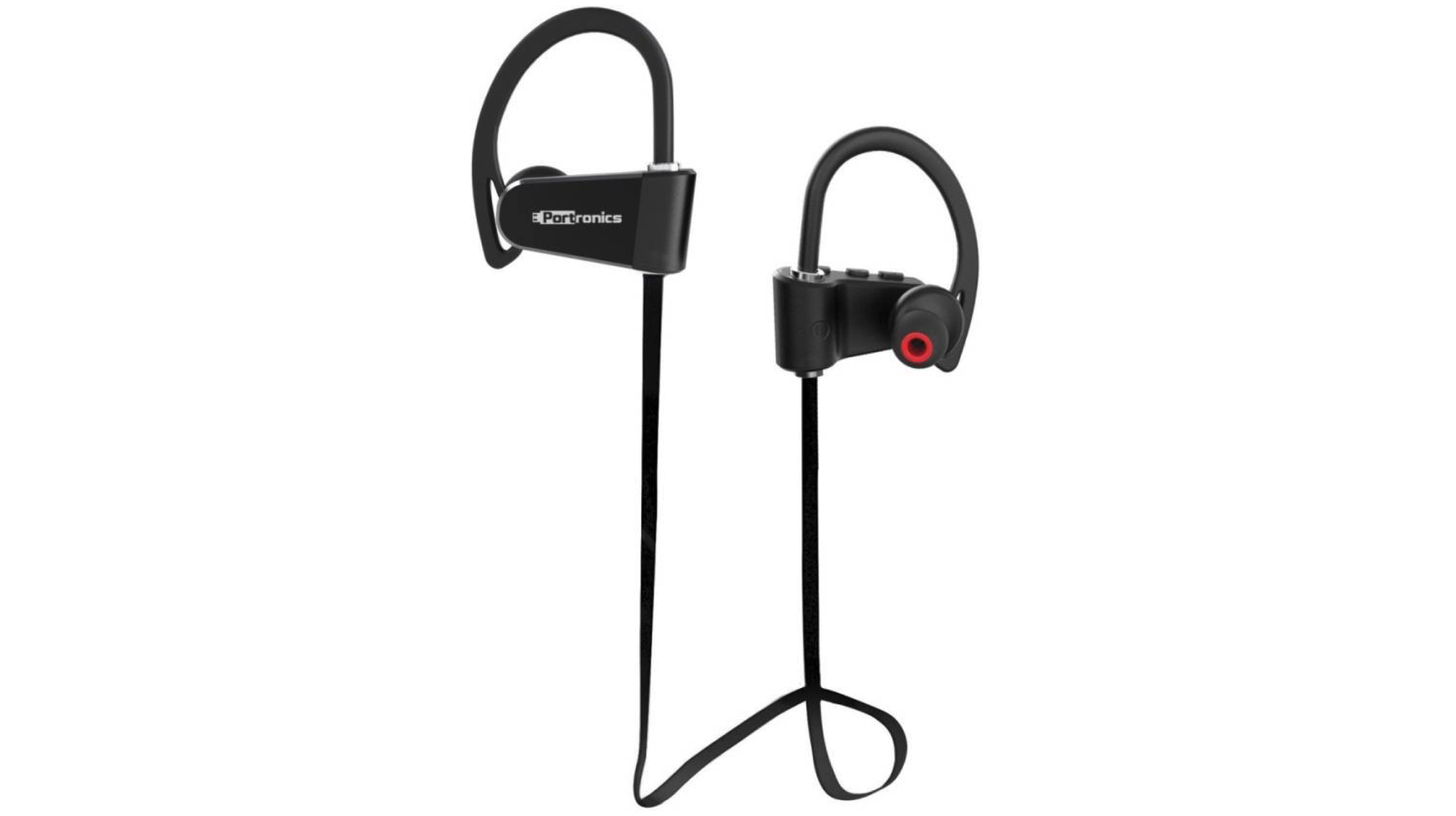
    Portronics is a well-known name in the affordable smartphone accessories market. The Portronics Harmonics Play are a good option for anyone looking to buy wireless earphones under Rs 2,000. They feature an ear hook on each earbud and replaceable silicone ear tips for the comfortable listening experience. Three buttons and the microphone is present on the earbud which can be used for turning the headset on/off and controlling the music playback. With the Portronics Harmonics Play, the company promises a battery backup of around 10 hours on a single charge. They also have a good sound quality, which is a little bass heavy.

  • Google To Launch A Gaming Console And Streaming Service At GDC 2019

    Google To Launch A Gaming Console And Streaming Service At GDC 2019

    The Game Developers Conference (GDC) 2019 is scheduled to take place from the 18th of March to the 22nd of March. The world’s largest game industry event will be held in San Fransisco, California. It is often seen as a platform to showcase and experience the future of gaming. Google, a company that is not generally associated with games and gaming, has teased its presence at the event time and again. In a fresh video shared by the company, it announced that it will showcase both gaming oriented solutions on the 19th of March.

    Google’s Gaming Hardware

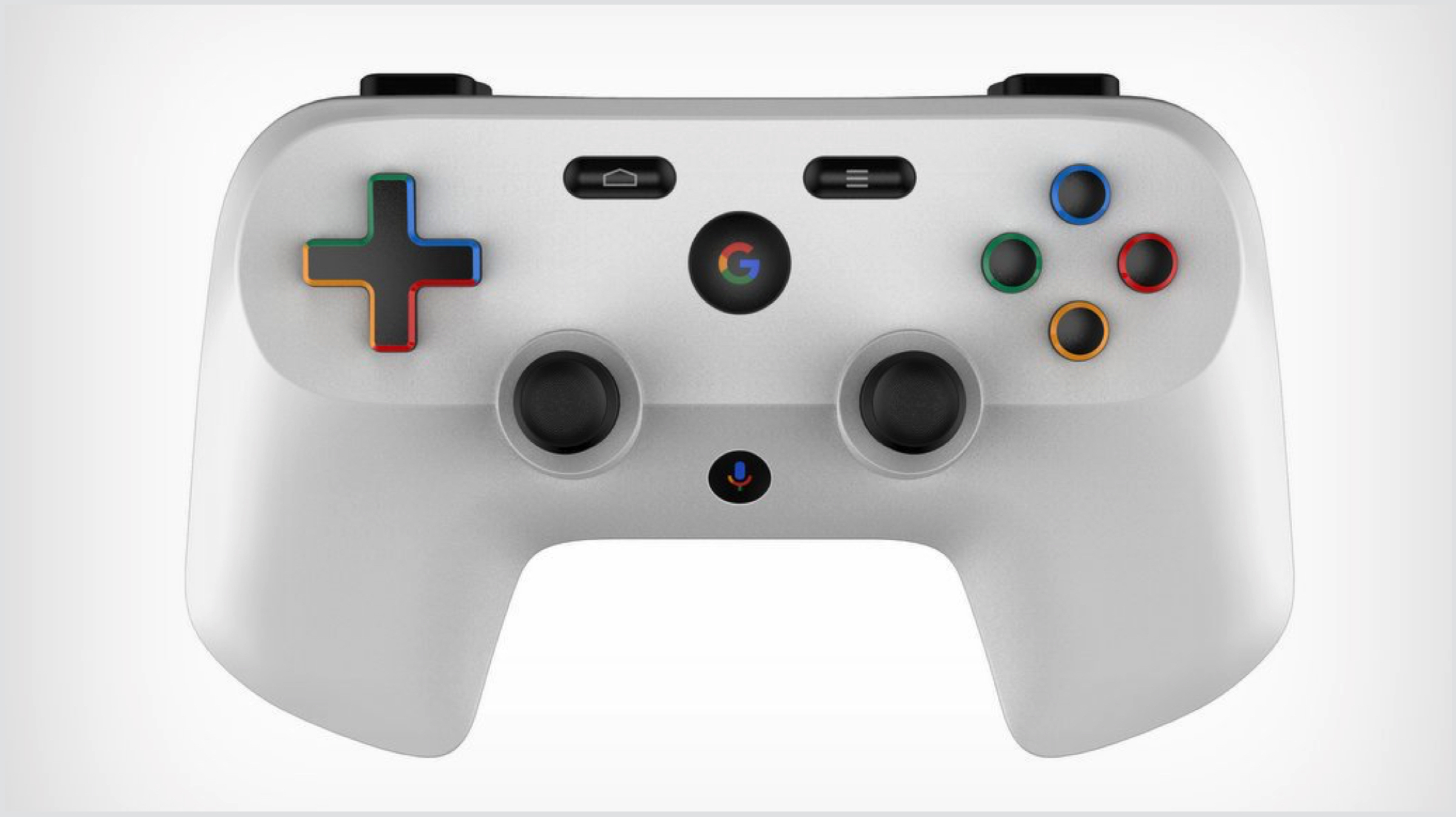
    While it is not clear what Google will announce or showcase at the event, reports claim the company is working on gaming hardware. The project has been codenamed ‘Yeti’ and has been in the works for a while. The event may see the company launching a gaming console, controllers and a streaming service. The teaser videos shared by the company include a text that reads “Gather around as we unveil Google’s vision for the future of gaming at the GDC 2019”. The video further shows hallways set in various sci-fi, fantasy, and racing-themed areas that match the gaming theme. 

    Google has also created a placeholder on its online store for the product that it will announce on March 19. This step seemingly confirms the presence of a hardware device at the launch as it is the only type of product the company sells on its online store. Multiple reports have asserted the Google Gaming console will just be used to connect with the game streaming service the company will announce at the event. The gaming on the device will be cloud-based and would require an internet connection to work.

    Also read: Huawei P30 Pro Stops By Antutu Revealing Its Key Specifications

    Interestingly, Google’s new game streaming software may not be hardware dependent. As cloud games are capable of running on devices with humble specifications, the service may also be available for non-Google devices. However, the company might launch a gaming console anyway, which will best demonstrate what Google envisions of its gaming service. Whatever Google has planned for the 19th of March, we will not have to wait for long as the date is approaching fast.

  • Specifications Of The Motorola Razr Foldable Smartphone Leak Online

    Specifications Of The Motorola Razr Foldable Smartphone Leak Online

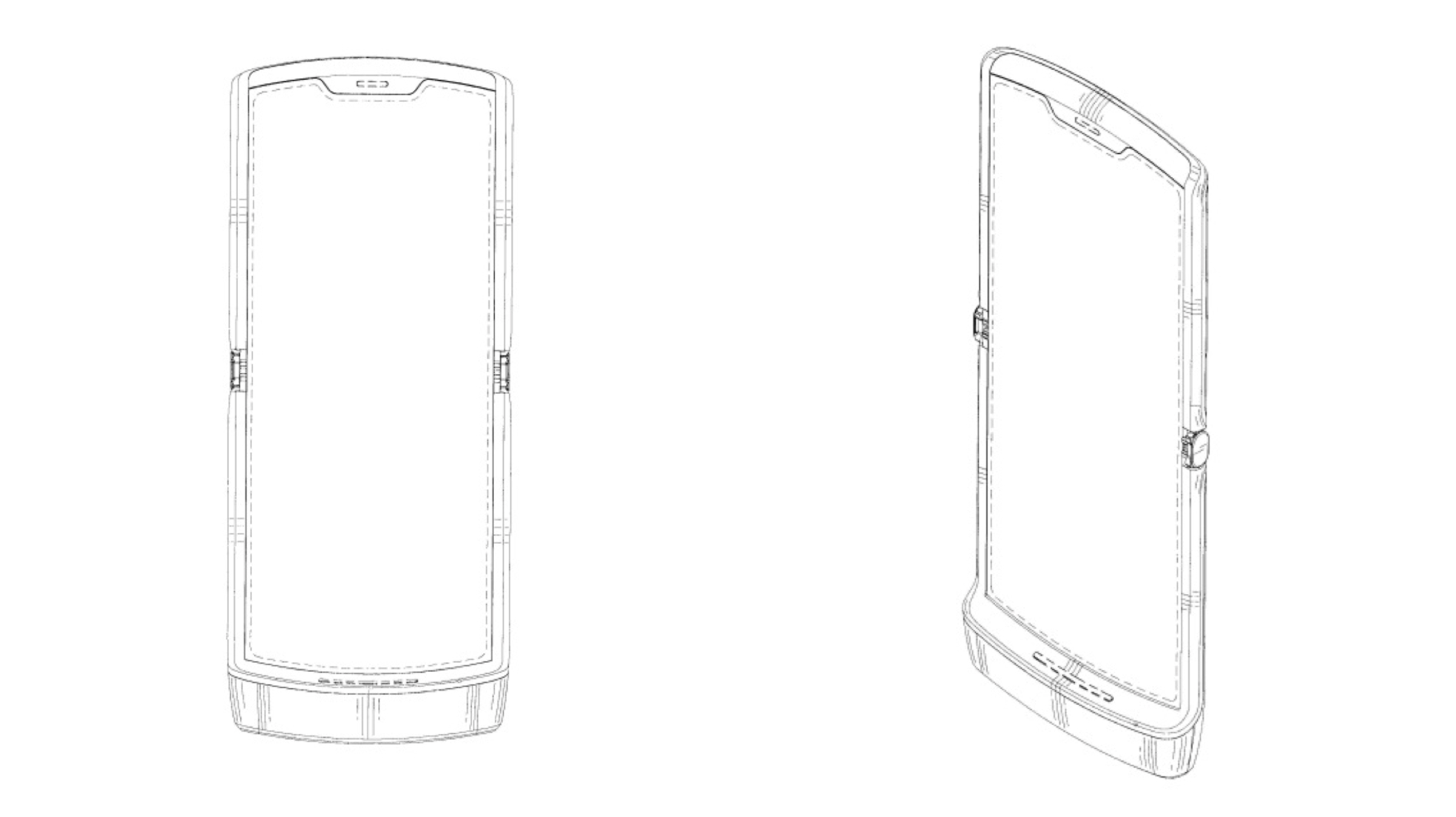
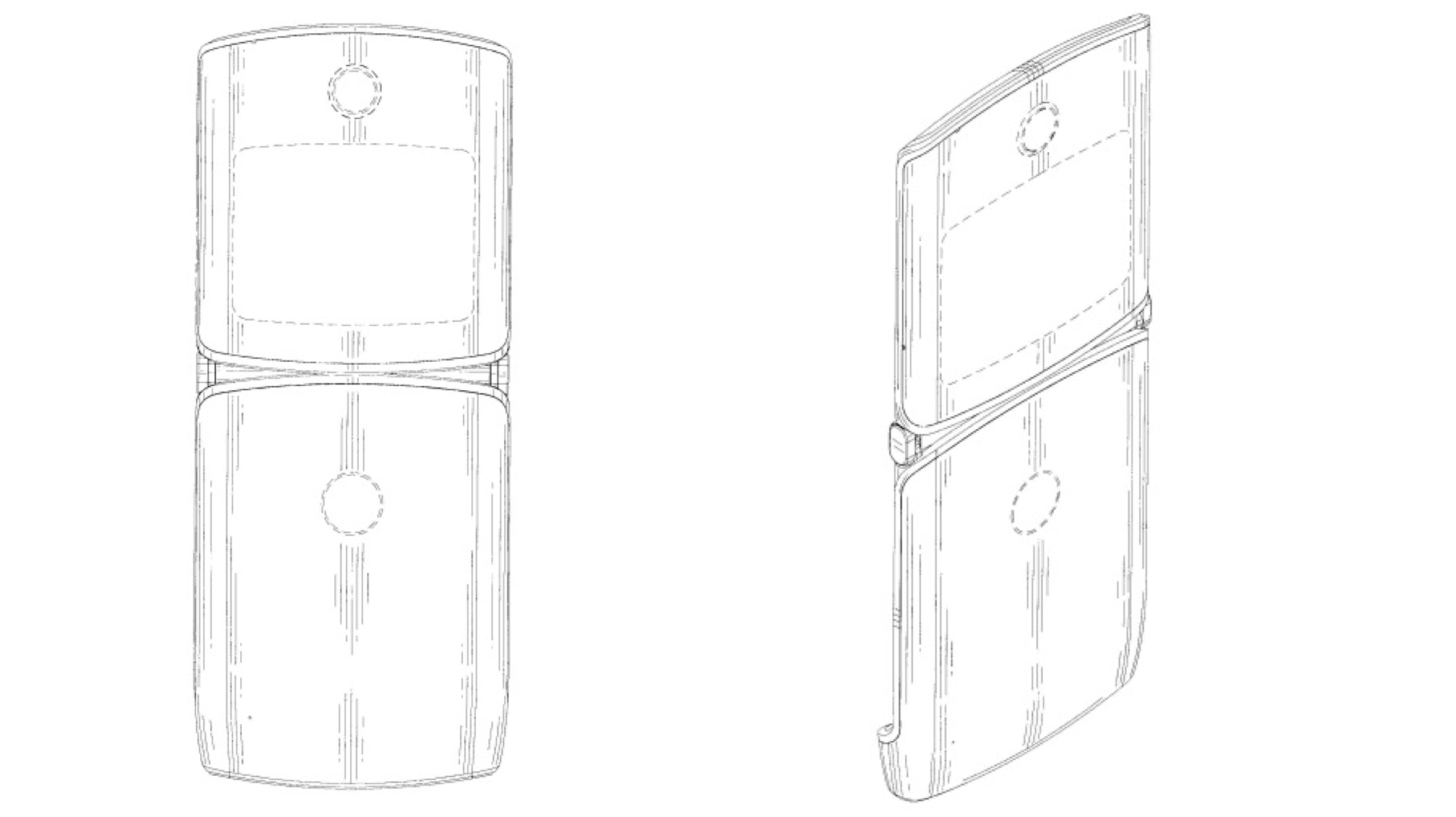
    Motorola is expected to revive the much appreciated Moto Razr flip phone which was first introduced in the year 2006. The device will arrive as a foldable smartphone from the company and will be a premium offering. While the company itself confirmed the existence of the device a few weeks ago, there were no details shared. Fresh reports have surfaced online that exhibit the specifications of the upcoming device.

    Motorola Razr Specifications

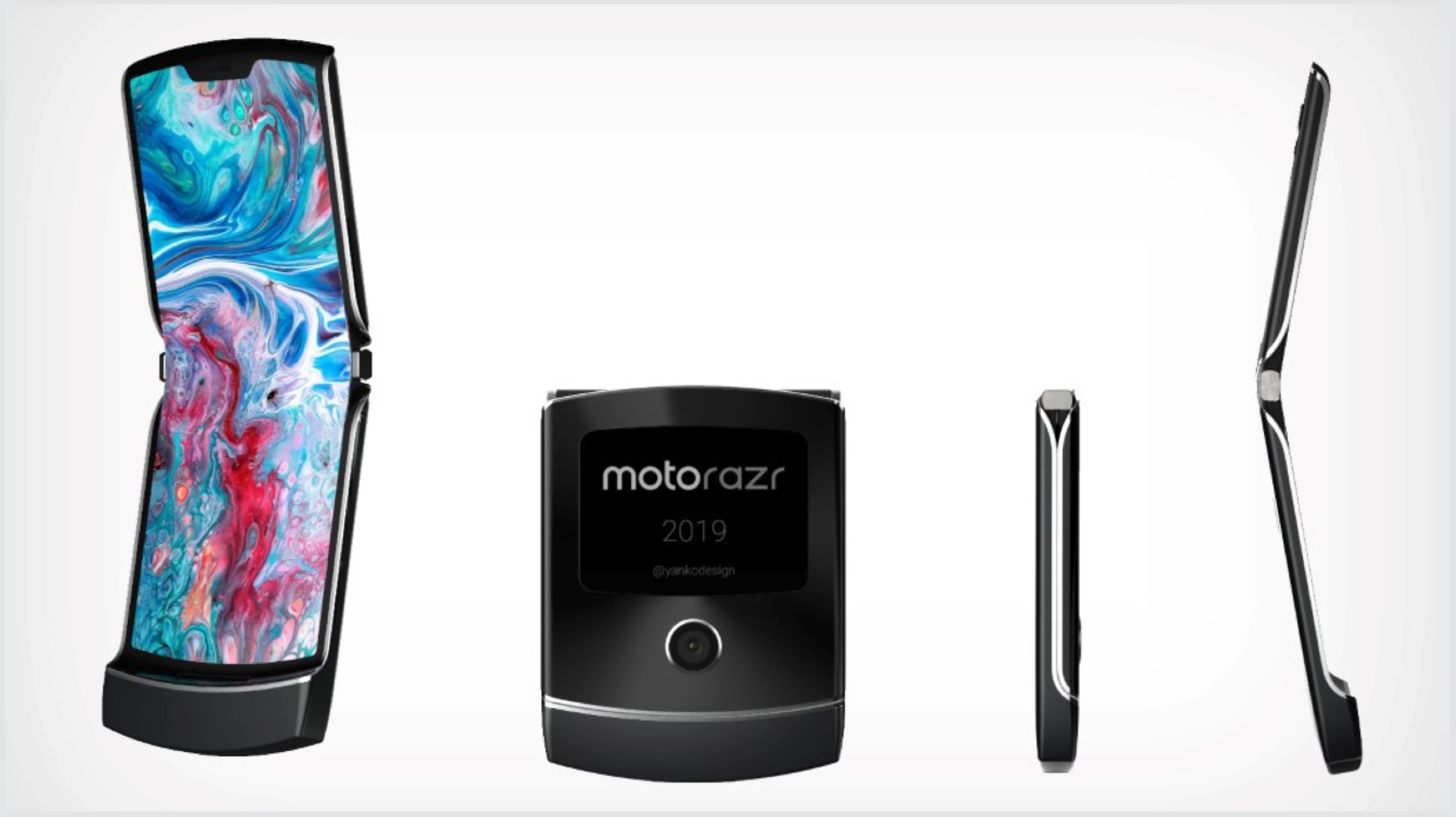
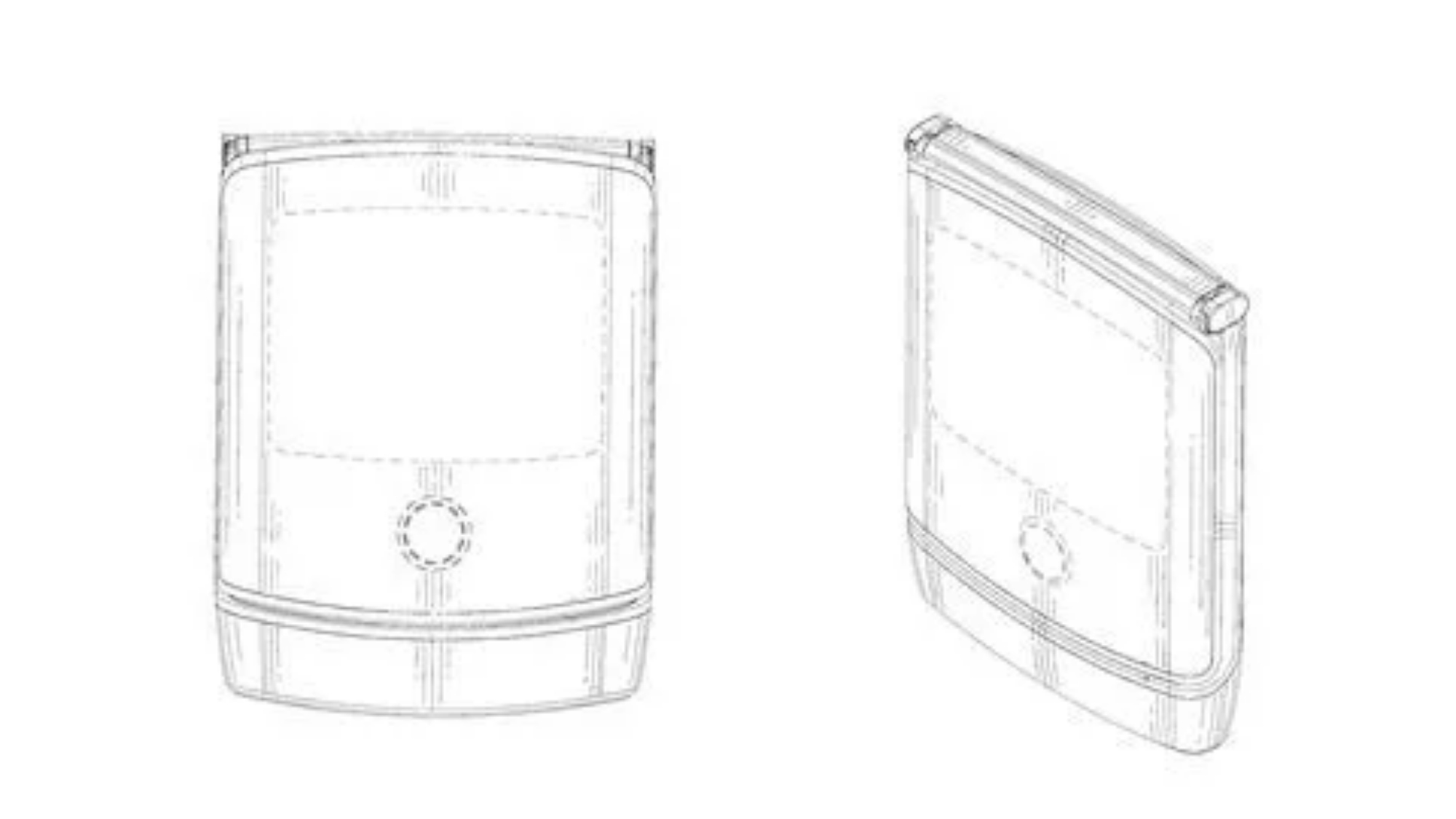
    The Razr foldable smartphone from Motorola will be its first foldable device in the market. Previous leaks and reports suggested that the device is codenamed ‘Voyager’ and will release soon. They also revealed how it may look like. Unlike the Samsung Galaxy Fold and Huawei Mate X which fold horizontally, the Moto Razr will have a vertically folding display which will measure 6.2 inches when in its unfolded state and will utilize an OLED panel. The display panel will have a resolution of 2142 x 876 px and an unusually tall aspect ratio. The secondary display present on the outside will have a resolution of 800 x 600 px but unfortunately, its size is unknown as of now. For swiftly and securely unlocking the handset, it will also have a rear-mounted fingerprint scanner.

    Reports claim that the cover display on the upcoming Motorola Razr will be limited to certain applications. It is likely to be used for operating the following features on the device:

    • Accessing camera controls.
    • Using its a trackpad for applications that can be browsed vertically.
    • Accessing Quick Settings tiles.
    • Launching Google Assistant
    • Displaying the clock widget and unread notifications
    • Controlling media including music

    Under the hood, the Motorola Razr is reported to run on the 10nm Qualcomm Snapdragon 710 SoC. The chipset consists of an Octa-core CPU and Adreno 616 GPU. While the details on the smartphone’s optics are not known yet, the leaked image suggests it will have a single camera which will be located on the top half. Accordingly, the camera sensor can also be used to click selfies. In terms of memory and storage, the smartphone will be available in the following variants:

    • 4GB RAM and 64GB ROM
    • 6GB RAM and 128GB ROM

    The Motorola Razr will be powered by a 2,730mAh battery with support for fast charging. The smartphone will be available in three colours, namely White, Black and Gold. It will run on the latest Android 9 Pie operating system which will be optimised for the vertically folding display of the smartphone.

    Pricing & Availability

    Also read: YouTube Music And YouTube Premium Launched In India

    Motorola is expected to announce the Razr in the first half of this year. Unfortunately, the company hasn’t released any information on pricing yet, but early estimates suggest that it will be priced at US$ 1200 (Rs. 83,544).

  • YouTube Music And YouTube Premium Launched In India

    YouTube Music And YouTube Premium Launched In India

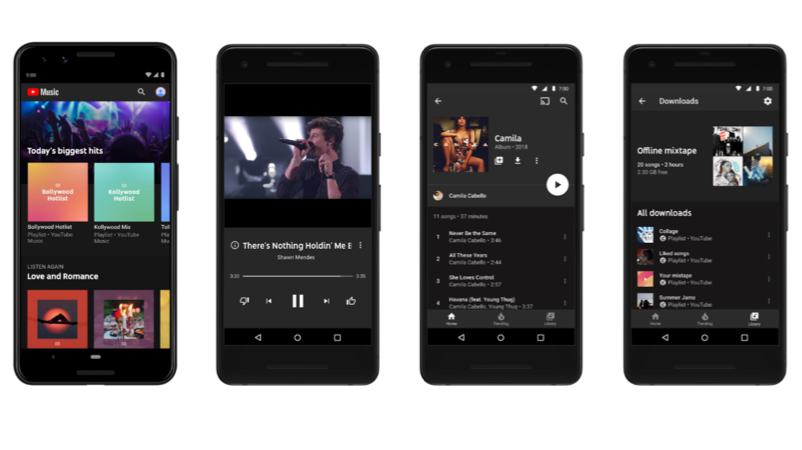
    In a bid to regain the market captured by the barrage of music streaming services in India, YouTube has launched two new services. These services are YouTube Music and YouTube Premium. While the former will be a standard music streaming service similar to the likes of Saavn, Apple Music and Spotify; the latter is an ad-free, feature-laden paid YouTube subscription.

    YouTube Music 

    YouTube Music is a music streaming service from the popular video sharing platform. Besides offering official songs and albums, there is a range of different covers and remixes that the company claims the users may not be able to find elsewhere. While the app is currently free to download and is ad-supported, users can also purchase a premium subscription for Rs. 99 per month which will get rid of the advertisements. The existing subscribers of another music streaming service from the company, Google Play Music will get a free subscription to the newly launched YouTube Music Premium. Notably, Play Music will exist as a standalone application.

    YouTube Music was first launched in the year 2014 under the name Music Key and provided ad-free music streaming to users in the United States. Interestingly, it has arrived in India a few weeks after the launch of Spotify, another popular music streaming service.

    YouTube Premium

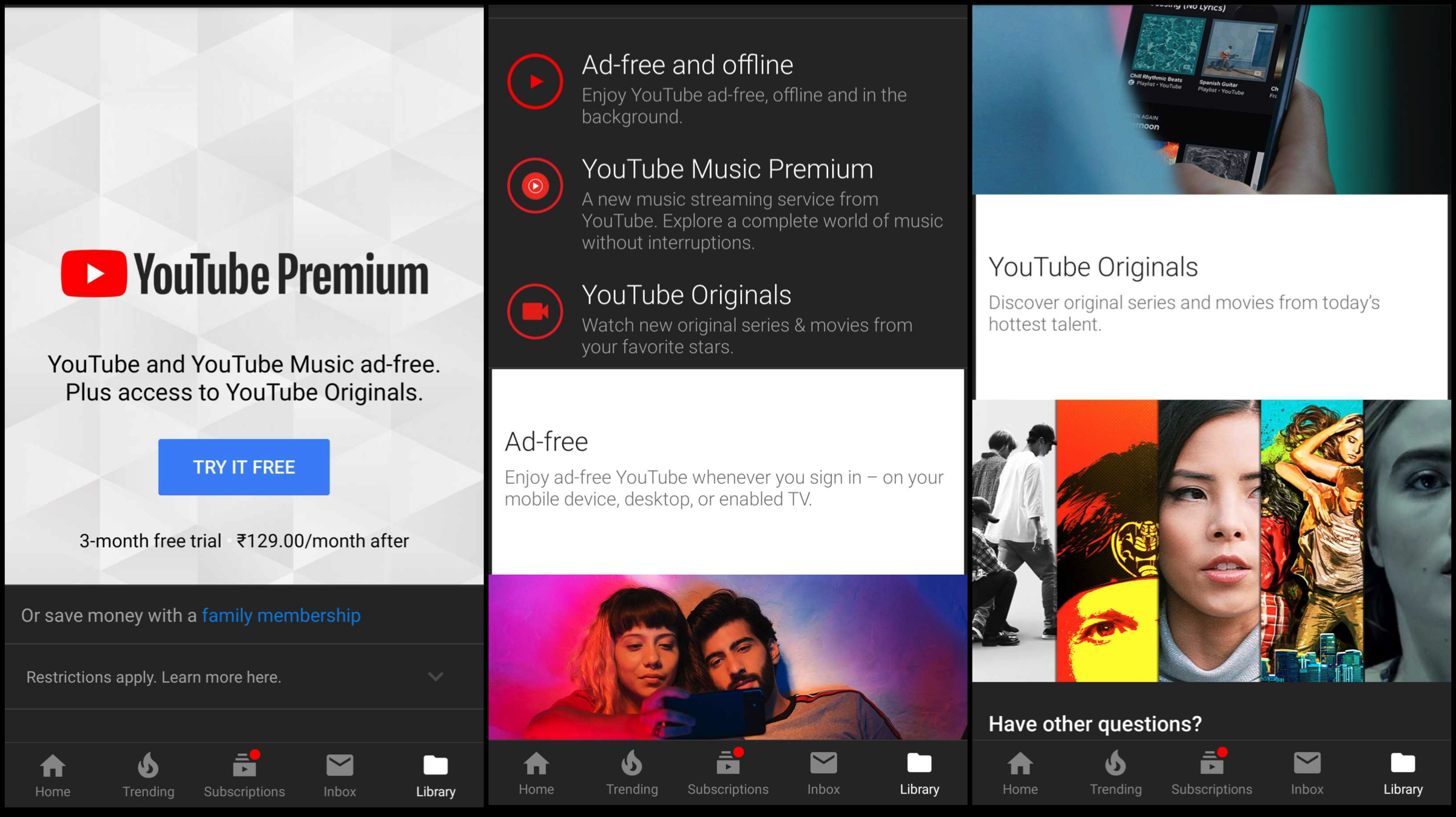
    YouTube Premium is a feature rich version of the traditional YouTube, offering features that weren’t previously available on the platform. Buying a subscription will cost Rs. 129 per month. Pleasantly, there is a three month free trial for the service available at launch. The YouTube Premium subscription has all the benefits of YouTube Music but adds on a background play mode ad-free videos on the platform, more downloadable videos available and access to YouTube Original content.

    Also read: Redmi Note 7 Pro To Go On Sale For The First Time In India Today

    Notably, YouTube Premium was originally called YouTube Red which was launched in the year 2015 in the United States. The launch of the service was long overdue and much awaited in India for a while. The YouTube Music will exist as a separate application while the contents and features of YouTube Premium will be available in the regular YouTube app once the user logs in with a paid subscription. 

  • Redmi Note 7 Pro To Go On Sale For The First Time In India Today

    Redmi Note 7 Pro To Go On Sale For The First Time In India Today

    The Redmi Note 7 Pro is all set to go on sale in India for the first time today. The smartphone was launched alongside the Redmi Note 7 on February 28. It is the first phone that Redmi has launched in India after separating from its parent company Xiaomi. The device features a modern design and ambitious specifications with a lucrative price tag.

    Redmi Note 7 Pro: Where To Buy?


    Click here to buy the Redmi Note 7 Pro

    The Redmi Note 7 Pro will be available at a price of Rs 13,999 for the version with 4GB RAM and 64GB of onboard storage. The variant with 6GB RAM and 128GB of internal storage has been priced at Rs 16,999. The smartphone will be available to order via flash sales on Flipkart and Mi.com from 12 noon on March 13. It will also be available offline from Mi Home outlets starting today. 

    Redmi Note 7 Pro: Specifications & Features

    To recall, the Redmi Note 7 Pro is a budget offering from the company and features a modern design with Gorilla Glass 5 on the front and the rear. The smartphone has a 6.3 inch LCD display with a small waterdrop notch up top. The display panel has a 19.5:9 aspect ratio with a resolution 2340 x 1080 px and pixel density of 409 ppi. There is a fingerprint scanner on the back of the device and it also supports face unlock technology.

    The Redmi Note 7 Pro runs on the 11nm Snapdragon 675 chipset. It consists of the Kryo 460 CPU with two Cortex A76 cores clocked at 2.0 GHz and 6 Cortex A55 cores clocked at 1.7GHz. The CPU is paired with the Adreno 612 GPU. The smartphone is available in two variants, a 4GB+64GB variant and a 6GB+128GB model. It also has the Qualcomm Spectra 250L ISP (Image Signal Processor) for improving camera performance. The Redmi Note 7 Pro has Android 9 (Pie) out of the box, with Xiaomi’s own MIUI 10 on top. Reputably, the device also supports memory expansion up too 256 GB via a microSD card. 

    The Redmi Note 7 Pro features a dual camera module on the back of the smartphone, which comprises of a primary 48 MP Sony IMX586 sensor and a secondary 5 MP depth sensor. Noteworthy, the Sony IMX586 sensor is found in higher-end devices like the Honor View 20. The camera also supports 4K recording at 30 fps. In terms of the front camera, it has a 13 MP front facing camera with AI integration.

    Also read: World Wide Web Turns 30, Top 10 Internet Moments

    The Redmi Note 7 Pro is powered by a 4,000 mAh battery which supports 18W Quick Charge 4.0, although the device ships with a 10W charger in the box. As mentioned before, the device has an IR blaster, similar to the one seen in previous iterations of the smartphone. Biometric security is limited to a rear-mounted fingerprint sensor. The smartphone is available in three colour options, Neptune Blue, Nebula Red and Space Black.

    Click here to buy the Redmi Note 7 Pro

  • World Wide Web Turns 30, Top 10 Internet Moments

    World Wide Web Turns 30, Top 10 Internet Moments

    The World Wide Web or WWW for short has turned 30 today. It is the anniversary of the information space that has since changed the world drastically. The Internet is accessible everywhere in the world and is used for just about anything you can ever imagine. But it wasn’t always like that. Let’s take a moment to look back at the top 10 moments that have shaped the Internet to what it is today.

    1) The Creation Of The World Wide Web

    In March 1989, Sir Tim Berners-Lee submitted a proposal to his chief at CERN, a science lab outside Geneva, Switzerland. The proposal was of the World Wide Web as a communication medium for the organisation. His idea at the time was called “Vague, but exciting” by his supervisor. 

    2) The First Website

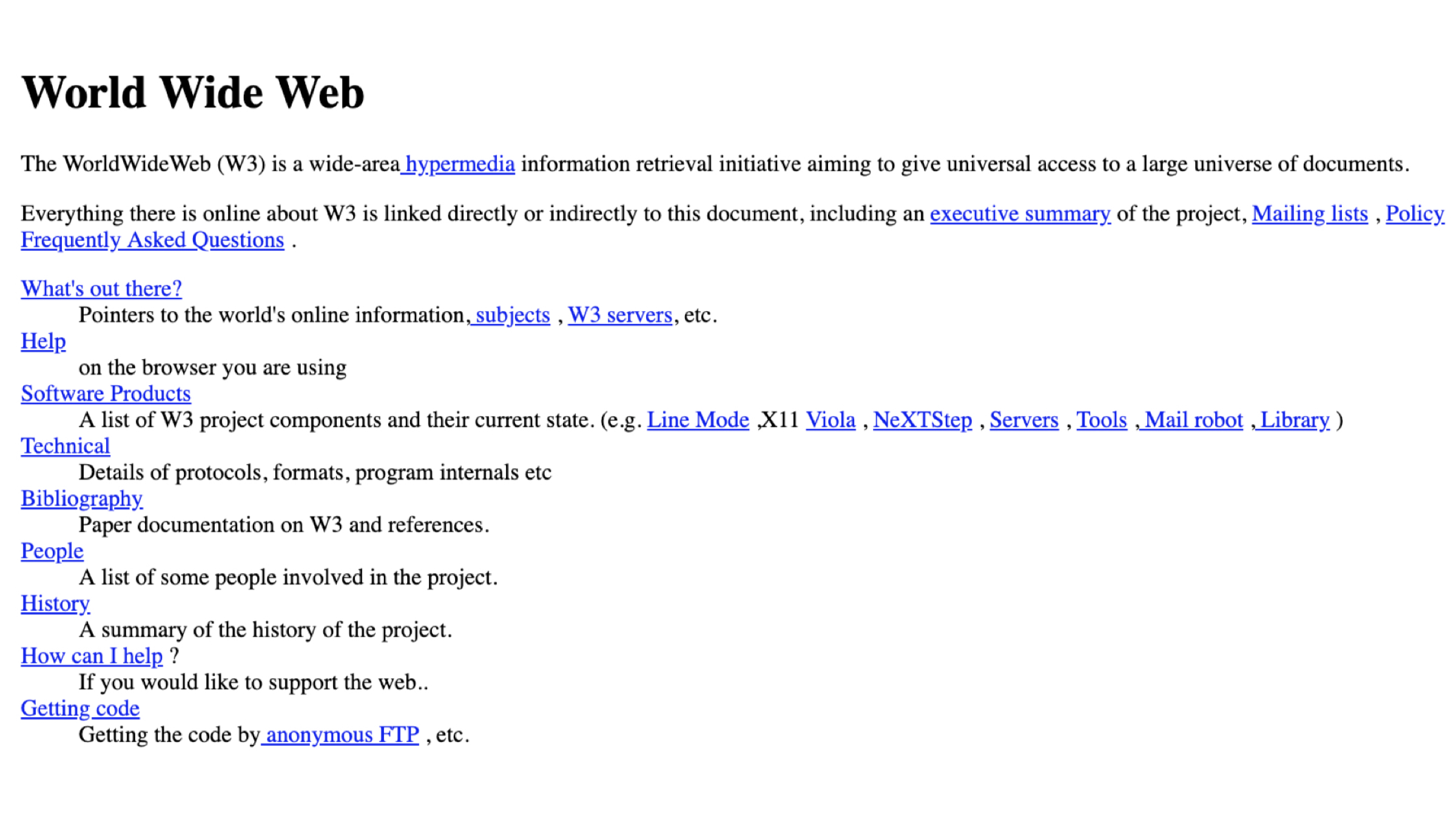
    The world’s first website went live on August 6, 1991, and was created by CERN. It has information and details about the world wide web project and also marked the time when the idea was shared with the world. It might not look up to the standards of 2019 but it was a big deal when it was set up and made way for the foundation of the internet.

    3) Amazon Was Created

    On the 5th of July 1994, Jeff Bezos founded the world’s first online bookstore which he called ‘Cadabra’ but later changed its name to Amazon due to a misunderstanding with a lawyer. The website is one of the largest E-commerce stores today and has made its founder one of the wealthiest people in the world.

    4) Hotmail Revolutionizes Email

    On 4th July 1996, Hotmail was founded by Sabeer Bhatia and Jack Smith. It was the first email service not tied down to a particular ISP and used HTML based email formatting methods. The advent of Hotmail is still considered one of the biggest steps in revolutionizing email.

    5) First Mobile Phone With Internet Access

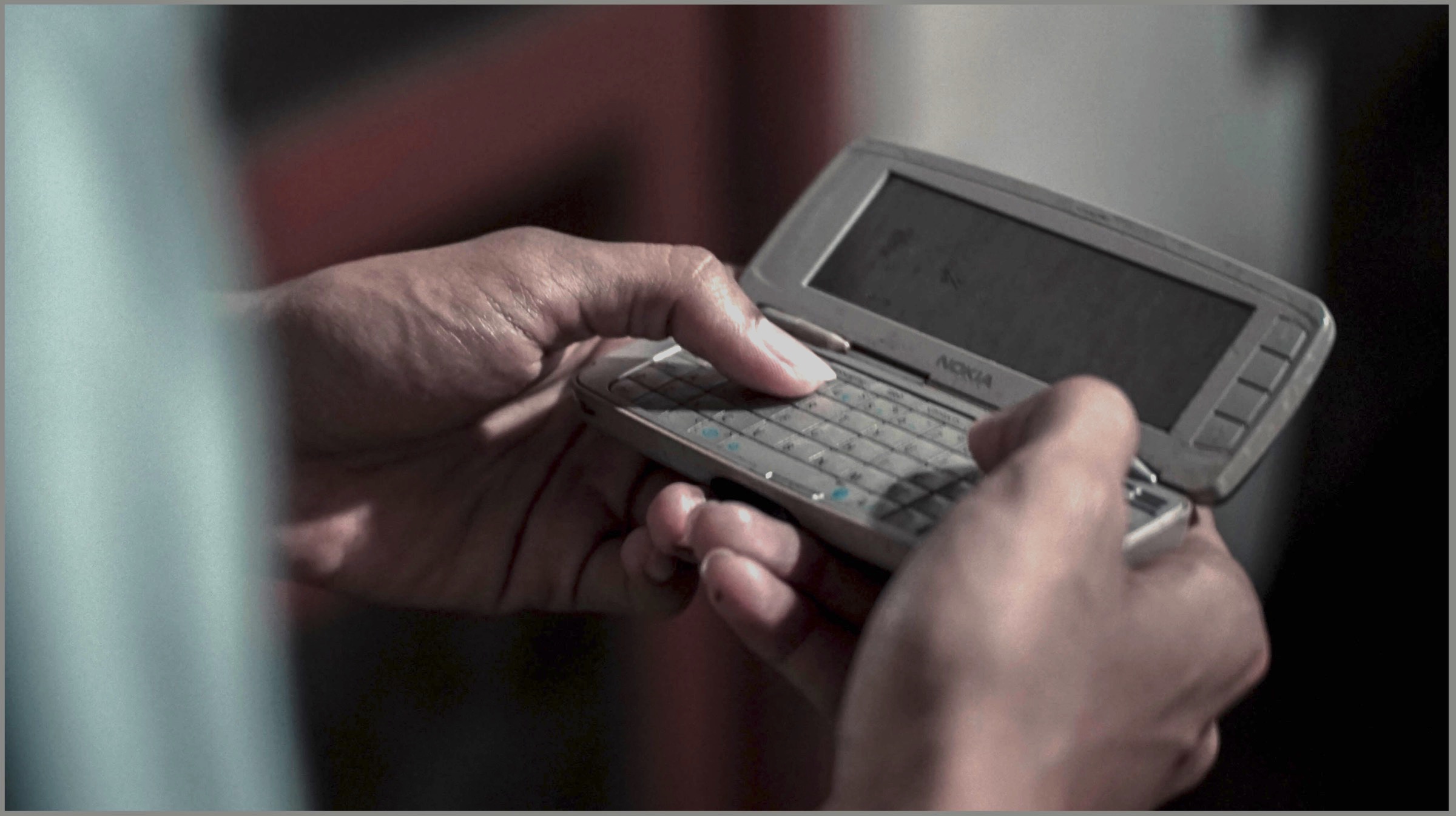
    There was a time when Nokia reigned supreme in the mobile business. That may not be the case today but it did make the world’s first phone with access to the internet natively. It was the Nokia 9000 communicator which had the feature. However, the device did not perform well in terms of sales because of a steep price and lack of proper internet penetration. The fact cannot be denied that this device undoubtedly paved the way for mobile internet as it is today.

    6) Google Searched Its Way Into Our Homes

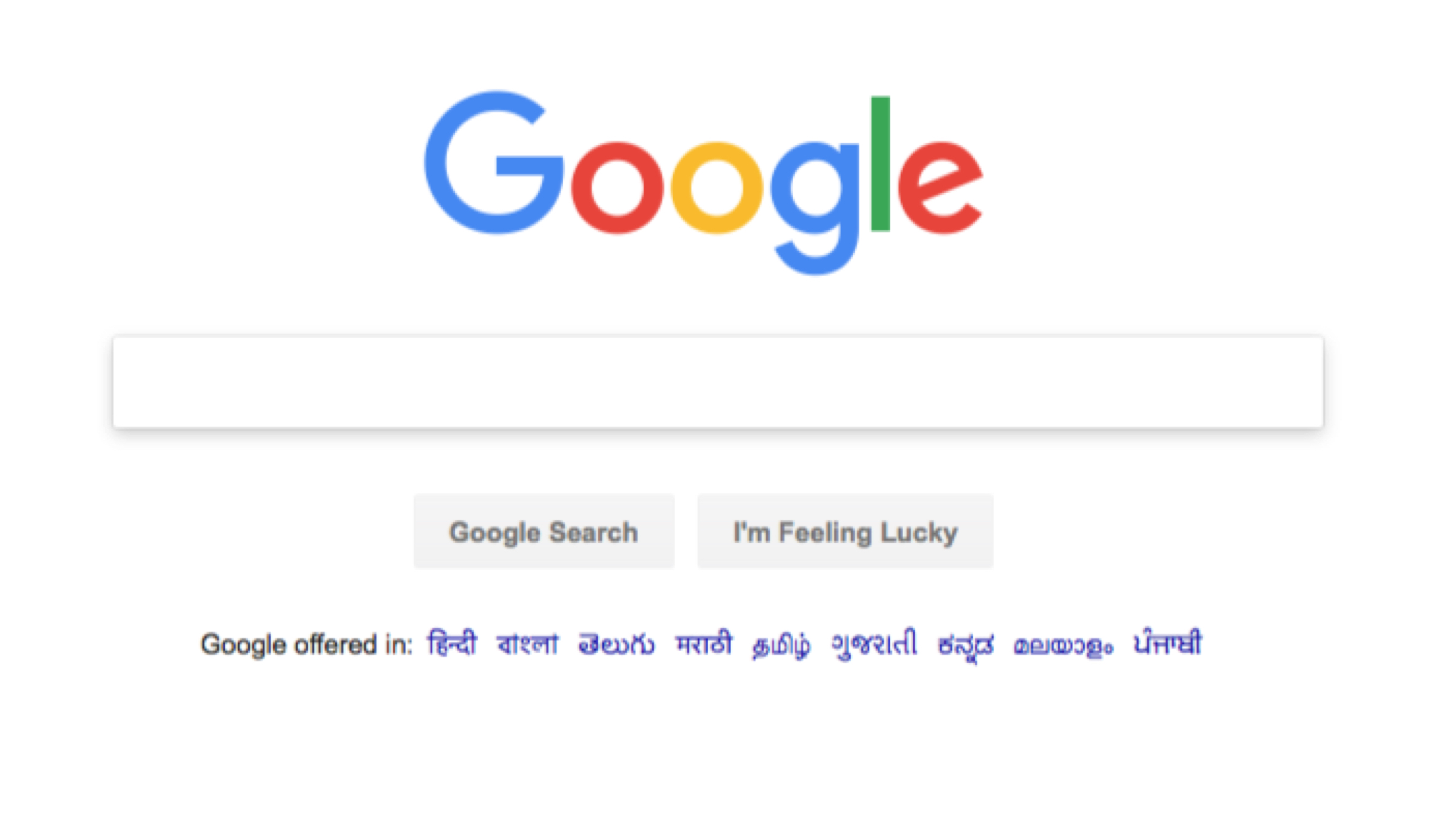
    It’s hard to imagine one’s life without Google in today’s world. But in the year 1995, it was named ‘Backrub’ and was just a research project at Stanford University. However, the project turned into a reality on the 7th of September 1998, with the name Google derived from the word ‘Googol’ which is said to be the largest number in the world.

    7) Wikipedia Made Assignments Easier

    All of us have heard of or have visited Wikipedia once to assist with our assignments. The first entry on the free encyclopedia was published on 15th January 2001, by Jimmy Wales and Larry Sanger. The name Wikipedia is derived from the Hawaiian word for ‘quick’. It has since then starred in a number of controversies, particularly because of the decentralised option to edit data. Nonetheless, Wikipedia is still the first source people learn about most topics.

    8) Facebook Connected The World

    In February of 2004, 19-year-old Mark Zuckerberg and his friend Eduardo Saverin started Facebook. What started as a way for students in a university to connect to each other quickly became a rage across the world. It also made Zuckerberg the youngest self-made billionaire at the time. Despite the controversies the platform faces today, Facebook still holds a significant place in shaping the Internet to where it is today.

    9) First YouTube Video Shared

    On April 23 of 2005, ex-PayPal employees Chad Hurley, Steve Chen, and Jawed Karim uploaded the first video on YouTube. The video sharing website is now the primary medium users watch videos online. It was a simple video of a Zoo and was shot by Karim himself. The platform now has over 1.3 billion users and the users aggregately account for over 5 billion videos views every single day.

    10) First Tweet Was Sent

    Also read: Pokemon Go Styled, Harry Potter Wizards United To Launch Soon

    On 21st March 2006, Jack Dorsey sent out the first tweet which still exists on his profile. The tweet read “Just setting up my twttr”. The platform was called ‘twttr’ for a long time which was inspired by Flickr. Then the name was changed to Twitter and it paved its way into the widely popular social media network as we know today.

  • PUBG Lite For PC To Arrive Soon On Steam

    PUBG Lite For PC To Arrive Soon On Steam

    PlayerUnknown’s Battlegrounds or PUBG launched for PC around two years ago. It has since been referred to as the gold standard as far as Battle Royale games are concerned. But, the game quite resources intensive and requires a high specced PC to run it smoothly. To ensure universal playability, the developer of the game, Bluehole Corporation launched the PUBG Lite for PC back in the month of January. The game was available in Beta for selected markets around the globe. In the latest March Dev Letter by the creators of the game, it was hinted that PUBG Lite for PC could soon be available in a stable version for more markets.

    PUBG Lite For PC

    In the letter by the game developers, it was announced that the PUBG Lite game is aiming for the regular PUBG Steam version, which is the core element of the game. It was also announced that through many platform services, verified functions are being added through which the players can enjoy the game more easily, with more convenience and in more diverse environments. This suggests that once out of Beta, the game will be available in more regions and also on Steam, which is a digital distribution platform developed by Valve Corporation for purchasing and playing video games.

    The Beta update of the PUBG Lite for PC was released in limited locations on January 24 this year. It allowed computers with low-end hardware to run the acclaimed game at playable frame rates. The graphics are toned down to match the system requirements. To further enhance the experience, the following updates will be introduced in the stable build of PUBG Lite:

    • New weapons and scopes
    • More realistic gameplay
    • An improved free reward system
    • Smoother Parachute animations
    • Better anti-cheat system

    Also read: ASUS ROG Launches RTX Powered Gaming Laptops & Desktops In India

    The aforementioned updates are aimed at making the experience of playing PUBG Lite better and more intuitive. Unfortunately, there is no information on when the stable update and a wider release of the game will be seen, or when it will arrive on Steam, but it is expected to release in the following weeks.


  • Huawei Watch GT, Band 3 Pro and Band 3e Launched In India

    Huawei Watch GT, Band 3 Pro and Band 3e Launched In India

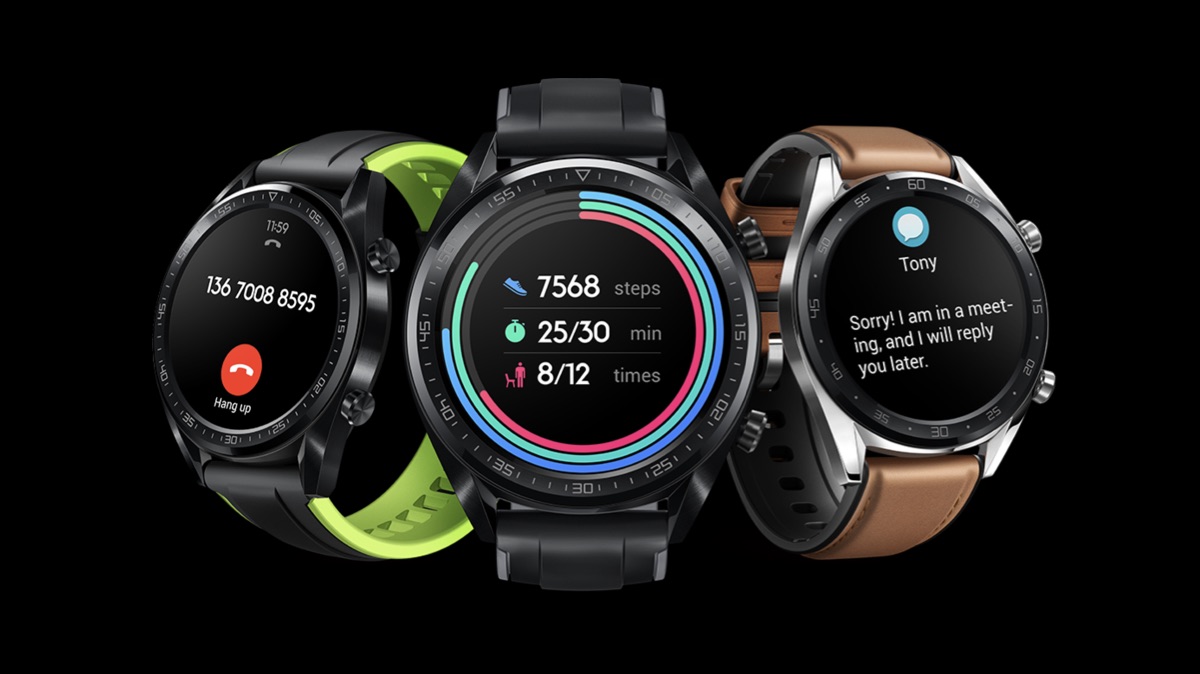
    At an event in India today, Huawei launched its range of wearables. The lineup includes the Watch GT, Band 3 Pro and the Band 3e. The highlight feature of all the product includes long battery life and a modern design at an affordable price. While the Watch GT is aimed at a premium smartwatch user, the fitness bands are targeted at fitness enthusiasts on a budget.

    Huawei Watch GT

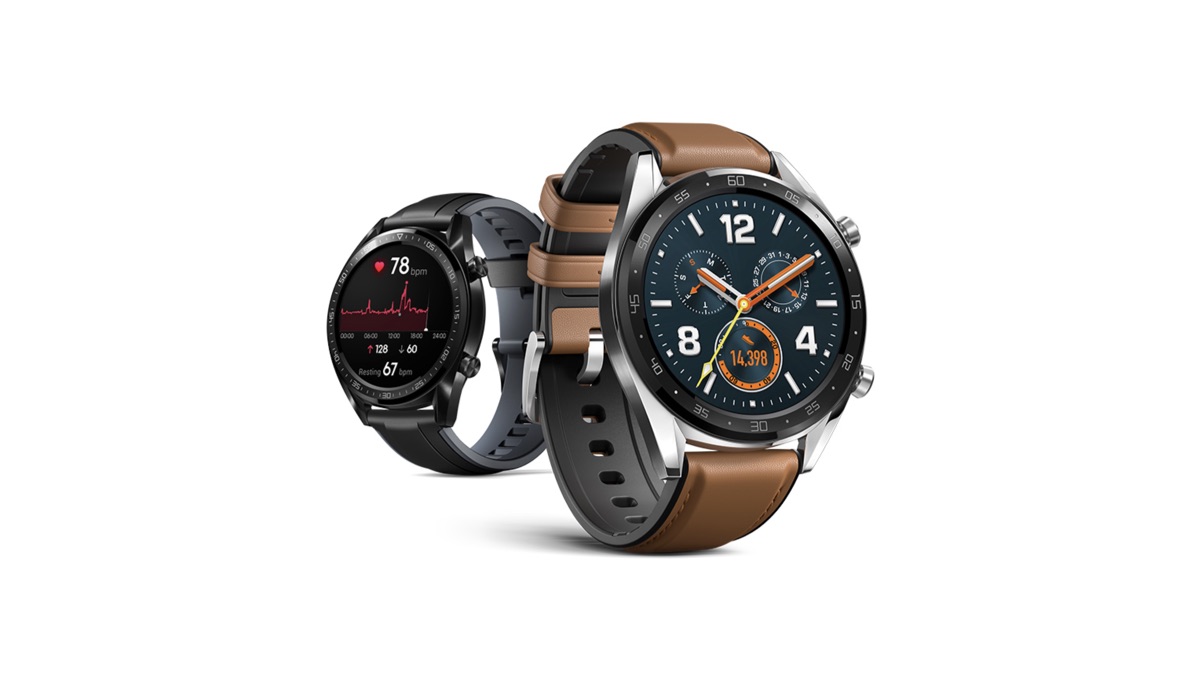
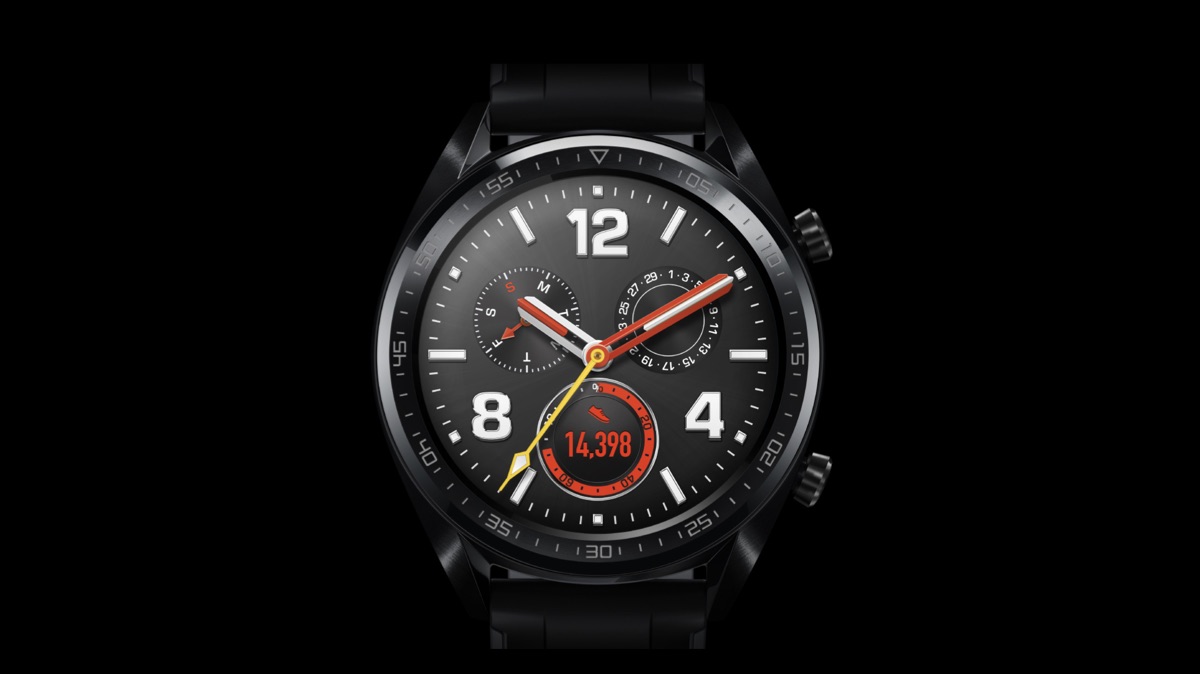
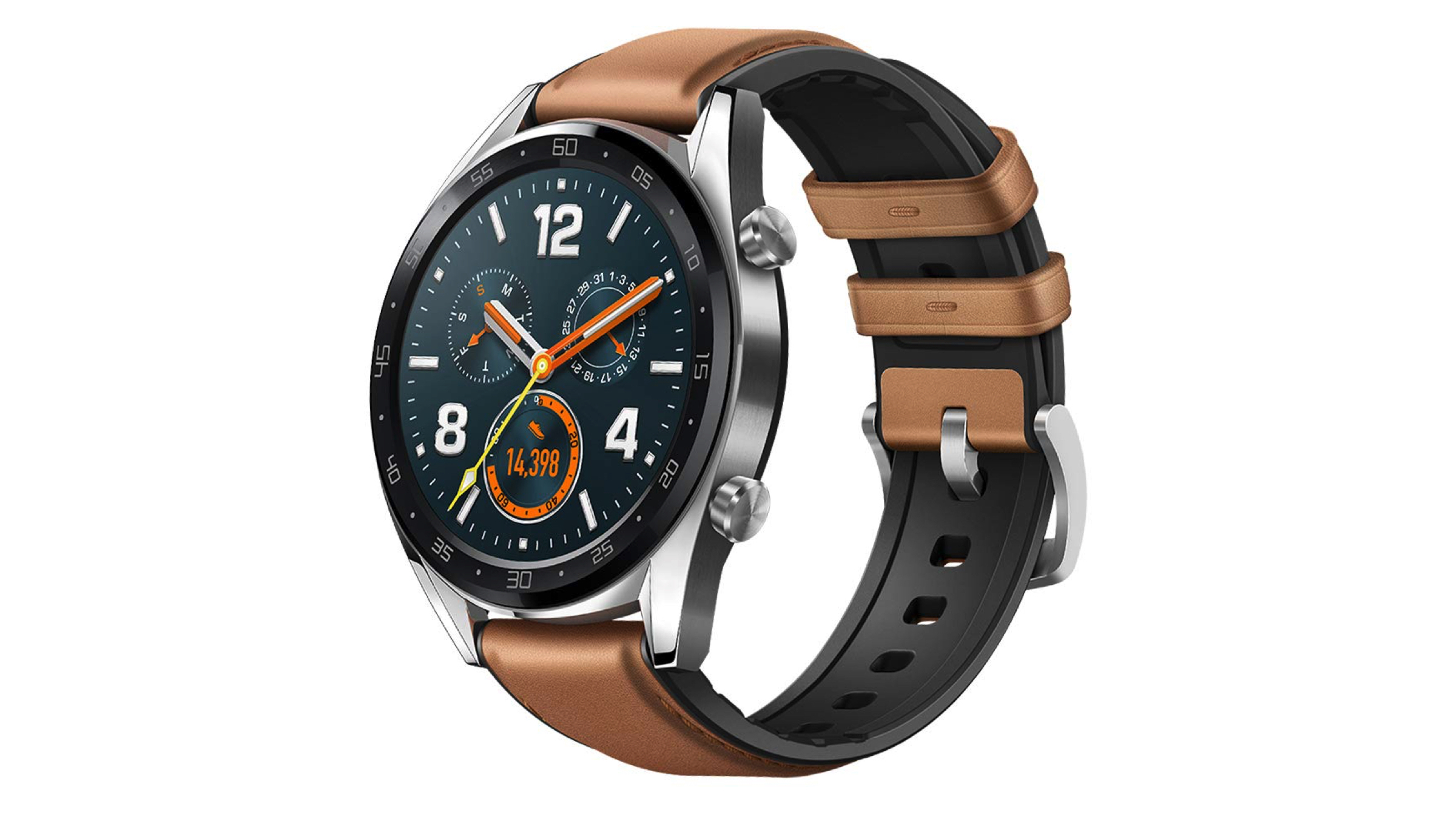
    The Huawei Watch GT is a Lite OS based smartwatch which features sleep tracking, fitness tracking, and GPS capabilities. The Watch GT is waterproof down to 50 meters, measures 46.5 x 46.5 x 10.6 mm and weighs in at 46 grams without the strap. The device has a circular 1.39 inch AMOLED display with a 454 x 454 px resolution and a pixel density of 326 ppi. The smartwatch is made out of metal with a ceramic bezel and is available in two models, Classic and Sport. 

    The watch uses Bluetooth 4.2 to connect with smartphones and is compatible with both Android and iOS. Huawei claims 2-week long battery backup with active fitness tracking and up to 30 days with normal watch functionalities. Although, if you use it in continuous exercise tracking mode with heart rate monitor and GPS set to on, the battery backup drops down to 22 hours. The Watch GT can be fully charged in a mere 2 hours.

    Huawei Watch GT has dual chipsets, a high power efficiency chipset for running less power-intensive processes and a second chipset which is up to 6x faster than the first for running features like activity tracking and heart rate monitor. According to Huawei, the combination of two different chipsets allow for the claimed long battery backup. It has an inbuilt heart rate sensor that can monitor and record the user’s heart rate, that can also be displayed on a smartphone app at a later point. It can also record sleeping patterns and suggest improvements for better sleep.

    Huawei Band 3 Pro

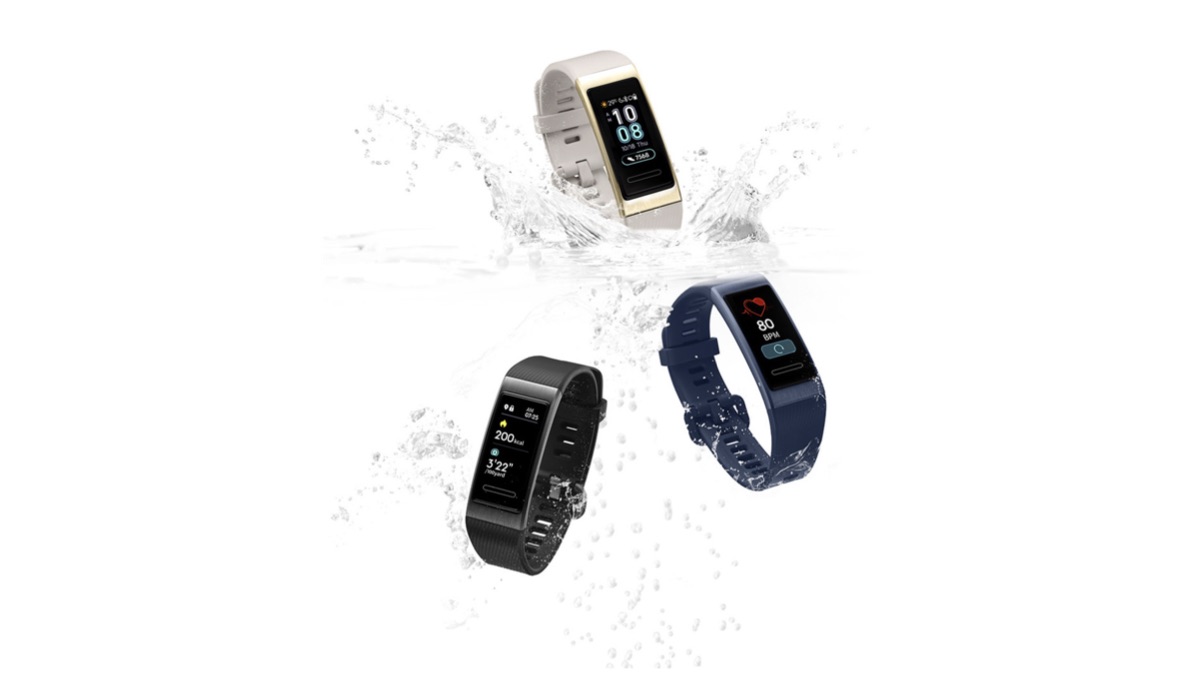
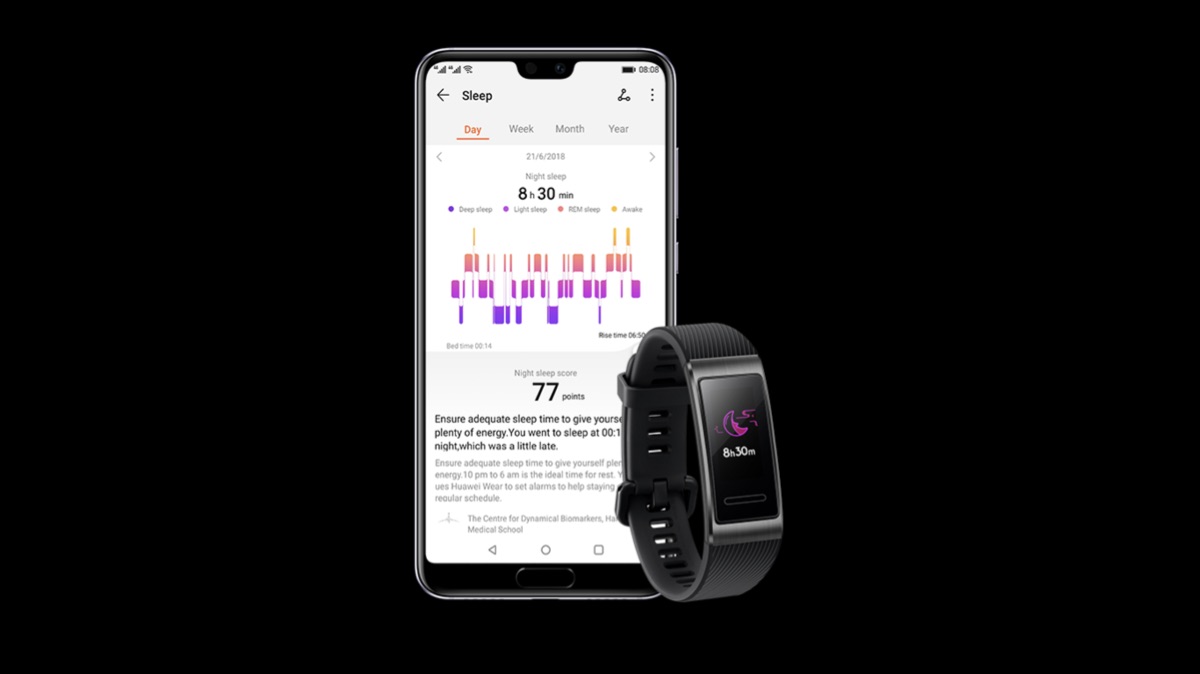
    The Huawei Band 3 Pro offers a less invasive and more lightweight option for those with fitness tracking needs. The Band 3 pro has a GPS tracker, heart rate sensor, and is waterproof to down to 50 meters. It measures 45 x 19 x 11 mm and weighs a mere 25 grams, almost half of the Watch GT. It has a metal construction with a high gloss UV coating and a silicone rubber strap. The smart band has a 0.95 inch 2.5D AMOLED  display with 240 x 120 px resolution.

    The Huawei Band 3 Pro apart from the touchscreen has a physical home button to easily navigate through the menus. Like the Watch GT, it also uses Bluetooth 4.2 to connect and is compatible with both Android and iOS devices. The Band 3 Pro has an inbuilt heart rate sensor that can monitor and record the user’s heart rate, that can also be displayed on a smartphone app at a later point. It can also record sleeping patterns and suggest improvements for better sleep. All the activities can be monitored and tagged in the App and then later reviewed for data collection on the user’s daily performance.

    Huawei Band 3e

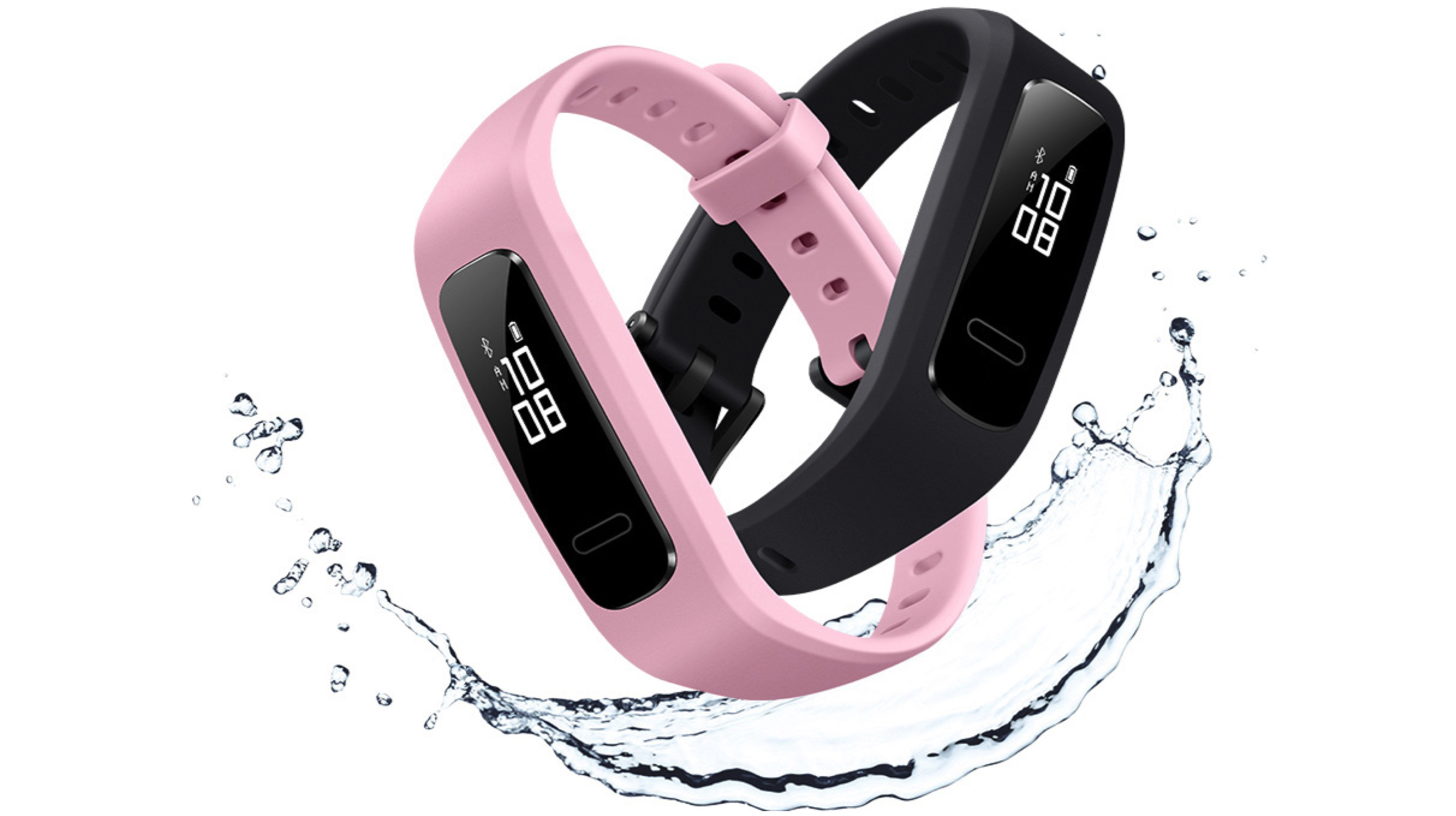
    Huawei Band 3e is the most affordable product launched at the event today. The fitness band also offers a footwear mode which allows it to be attached on to a shoe for accurate step and fitness tracking. It measures 40.5  x 14.8  x 11.2 mm and weighs in at 17g. The smart band has a 0.5-inch PMOLED display and is waterproof down to 50 meters, just like its elder sibling. The physical home button on the band provides an option to navigate through the different menus. Huawei claims a battery life of 14 days on the device or 40 hours on continuous tracking mode. The strap is available in five colours which include Black, Grey, Orange, Cyan and Pink.

    Pricing & Availability

    Also read: Specifications Of Sony Xperia 4 Leak Before Official Launch

    The Huawei Watch GT has been priced at Rs. 15,999 for the Sports edition, while the Classic edition will cost Rs. 16,999. Pleasantly. buyers will get a pair of Bluetooth earphones worth Rs 2,999 with the purchase of the smartwatch. The Huawei Band 3 Pro has been priced at Rs 4,699 whereas the Band 3e costs Rs 1,699. The Watch GT and the Band 3e will be available starting March 19 on Amazon while the Band 3 Pro will go on sale starting March 26.

  • Specifications Of Sony Xperia 4 Leak Before Official Launch

    Specifications Of Sony Xperia 4 Leak Before Official Launch

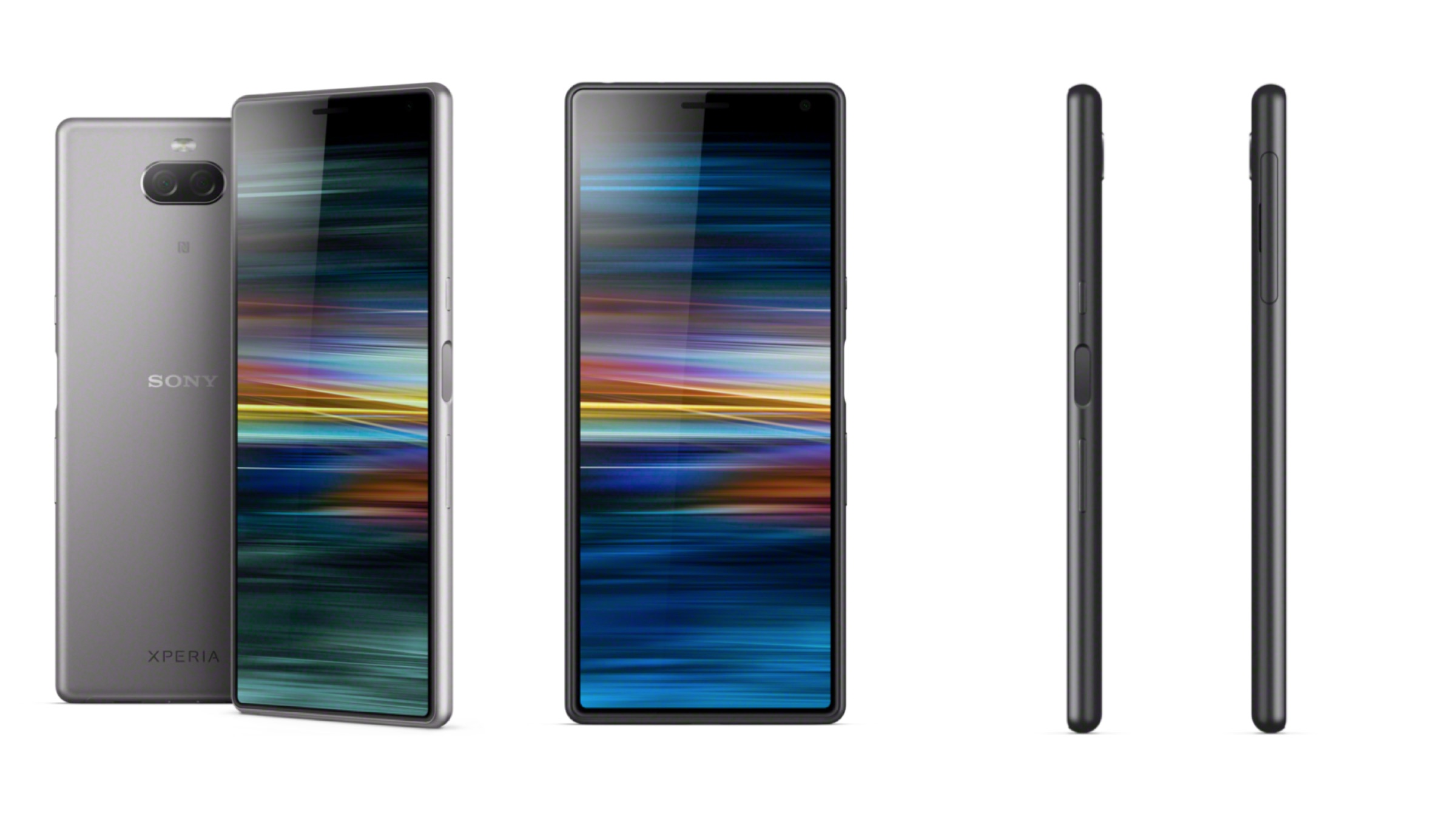
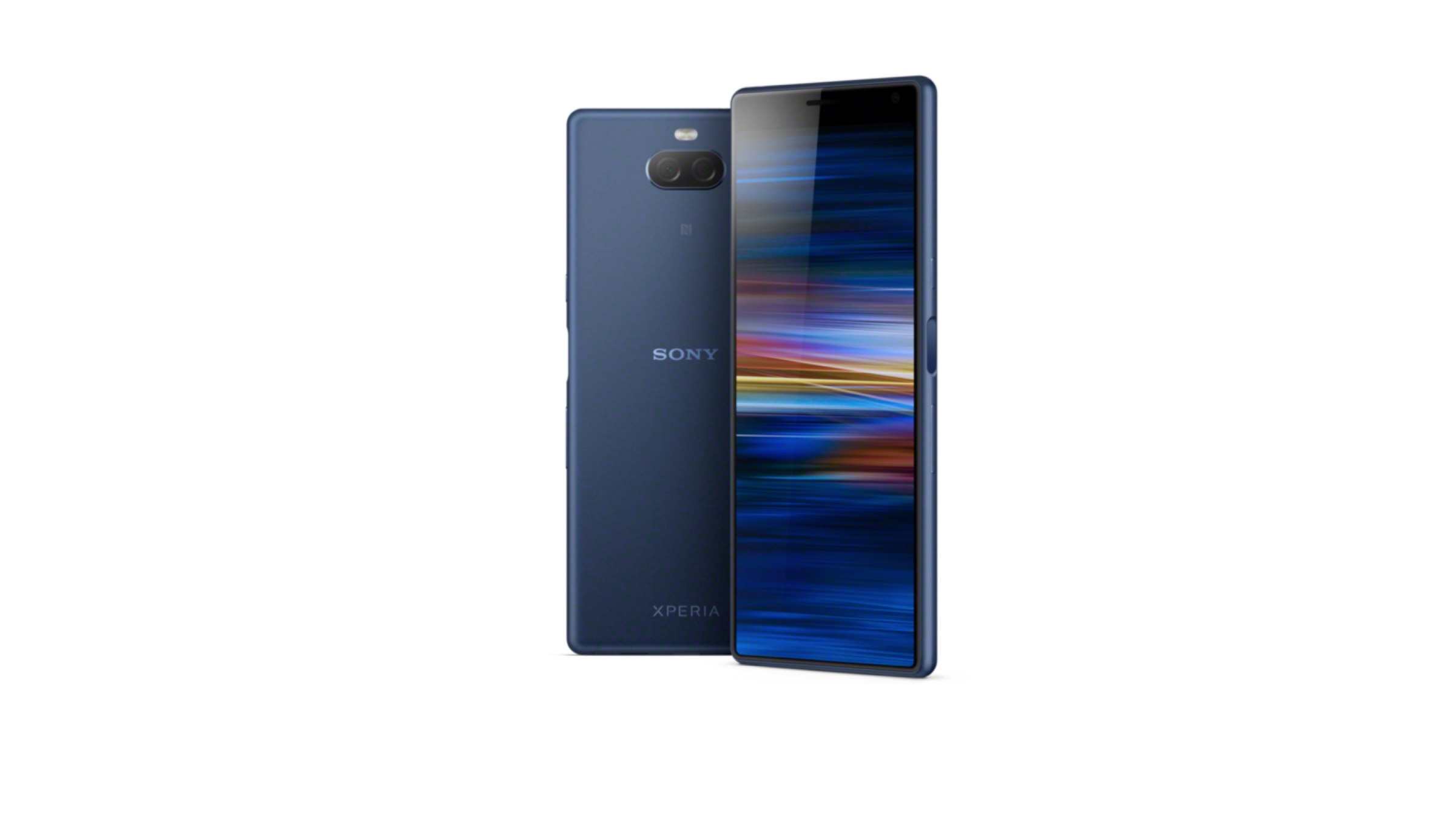
    Sony launched the Xperia 1 flagship smartphone at the Mobile World Congress (MWC) in Barcelona last month. The device was the world’s first to have an aspect ratio of 21:9 which the company calls ‘CinemaWide’ display. Fresh reports of a mid-range smartphone from Sony have surfaced online, claiming a device named Xperia 4 is in the works with a tall 21:9 aspect ratio.

    Sony Xperia 4 


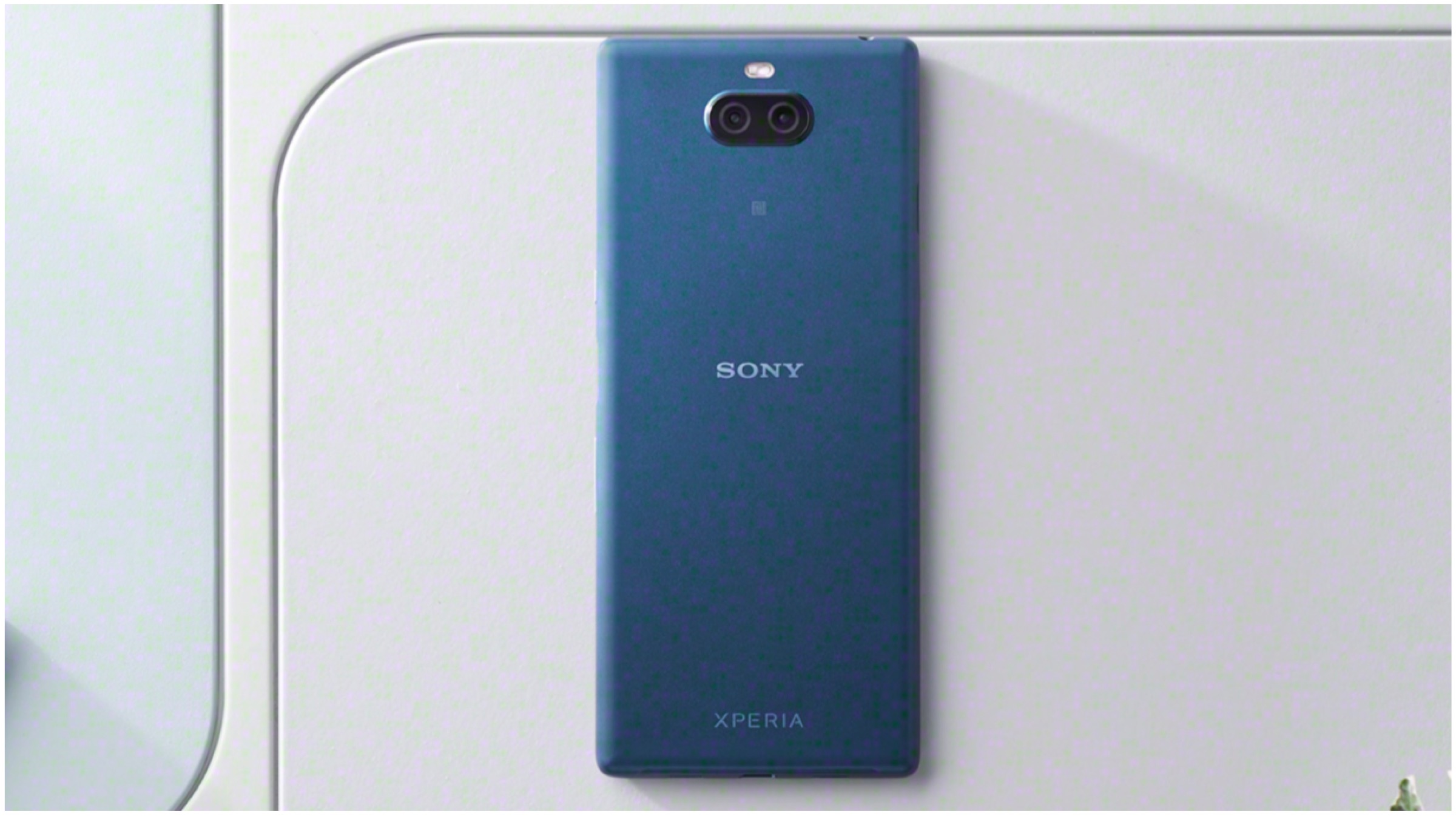
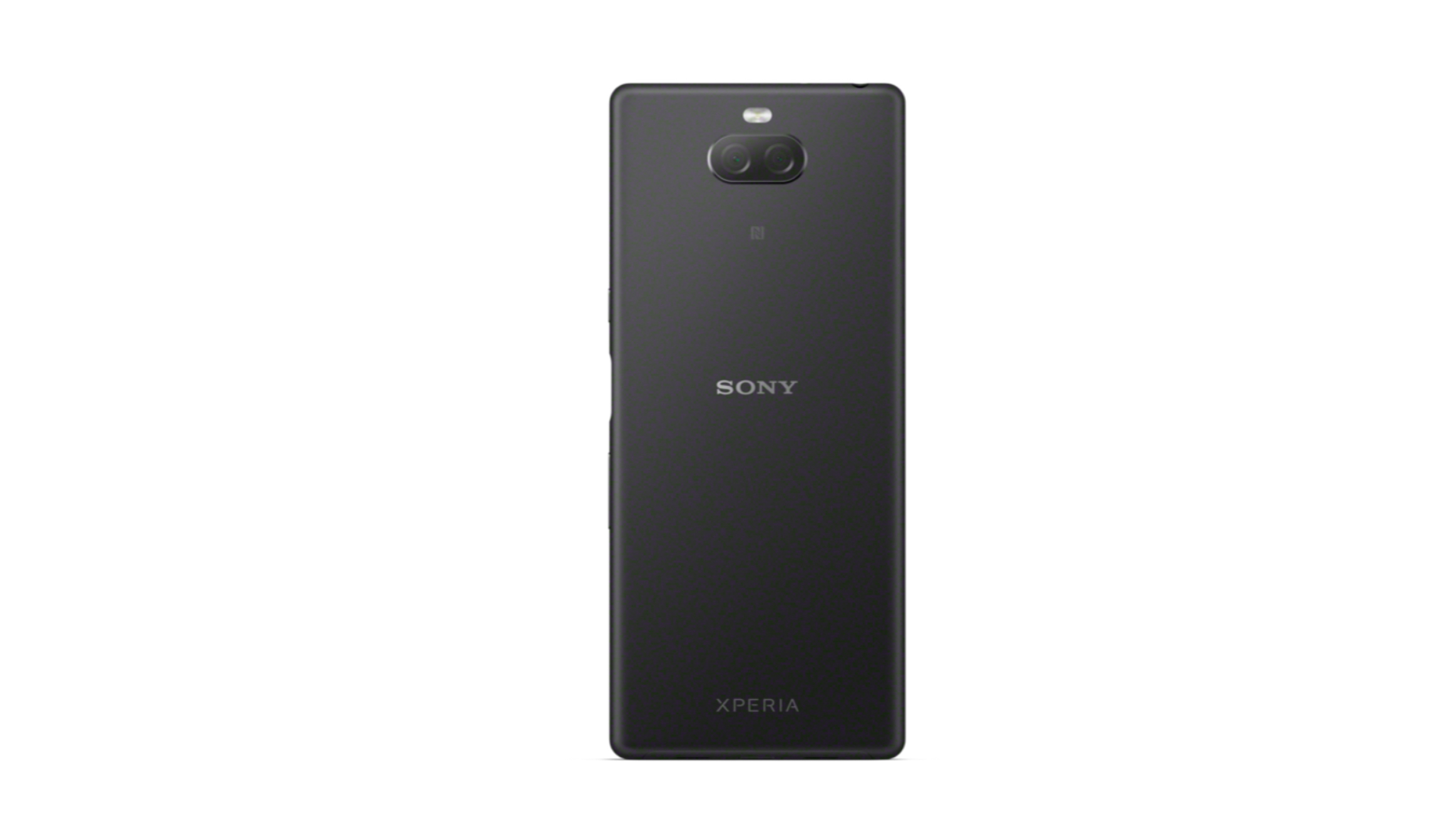
    According to the leak, the Sony Xperia 4 will measure 149.5 x 65 x 9.4mm. It may have a similar design to the Xperia 10 and Xperia 10 Plus, which have a considerable bezel on the top and minimal bezels all around the screen. The Xperia 4 will have a 5.7-inch display with a resolution of 2520×1080 px. Like its siblings, the smartphone is expected to have a side mounted fingerprint scanner, embedded in the power button and will support face unlock technology.

    The report claims that under the hood, the Xperia 4 will run on the Snapdragon 710 SoC which is manufactured using 10nm fabrication process. The chipset has an Octa-core CPU and Adreno 616 GPU. In terms of optics, the smartphone will have dual rear cameras, details of which are unknown currently. There will be a single front-facing camera housed above the display for selfies. In terms of memory and storage, the device will have 4GB of RAM and 64GB of internal storage. 

    The Xperia 4 will be powered by 2800 mAh battery which will support Sony’s adaptive charging technology. One surprising omission from the smartphone is reported to be the 3.5mm headphone jack. Until now, the company only removed the port from its flagship devices, but the mid-range Xperia 4 will also allegedly lack the support for it. The handset will be available in four colours, which include Silver, Black, Purple, Red.

    Pricing & Availability

    Also read: Apple Sends Out Invites For March 25 Event, Streaming Service Expected

    The Sony Xperia 4 will be a mid-range offering from the company, so it is expected to be priced around the US$ 500 range (Rs. 34,000). The smartphone is expected to be unveiled in the month of April in markets like Japan and Europe.

iGyaan Network
Privacy Overview

This website uses cookies so that we can provide you with the best user experience possible. Cookie information is stored in your browser and performs functions such as recognising you when you return to our website and helping our team to understand which sections of the website you find most interesting and useful.