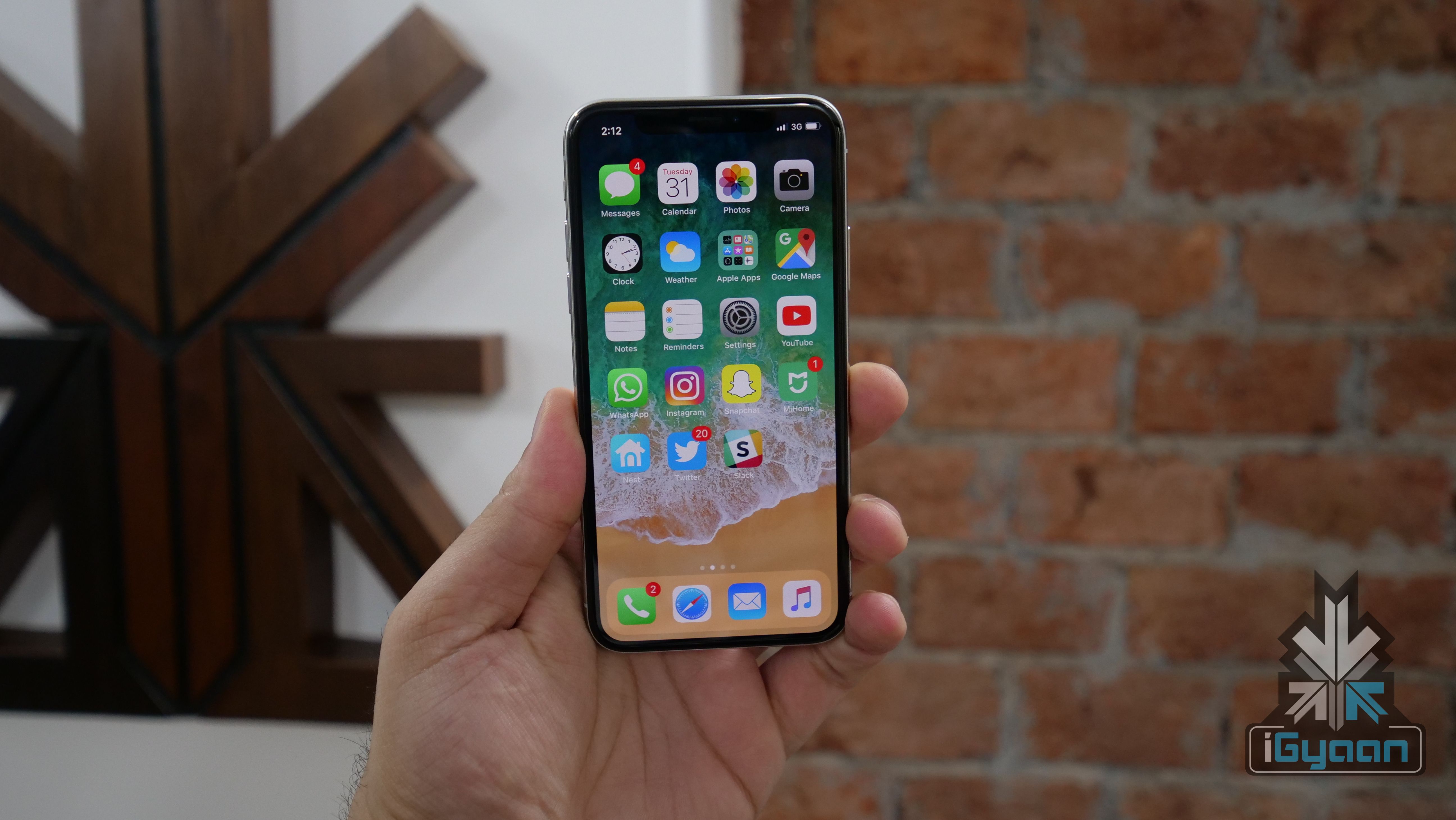
Apple is one of the few companies that take into account the privacy and autonomy of its customer’s data. The cost of such high levels of user privacy is the tighter regulations by Apple on its own economy (especially in regards to maintenance and repairs). A report, however, has pointed towards various application in iOS sending a huge sum of data to tracking companies.
The Washington Post conducted research over a myriad of applications on iOS that yielded data that caught apps sending personal information of the user data to tracking companies. The research was conducted over a period of one month in conjunction with Disconnect, a privacy-related firm. The results had shown apps sending 1.5GB worth of user information.
The data was apparently sent during late hours when the user was generally asleep. Charging the phone overnight had seemed to activate the service. The trackers showed activity when the interactions with the device’s functions were to be really low. This process only occurs if the user has the “background app refresh” function enabled in the settings. Although this function is enabled by default on any Apple handset.
The apps from Apple store used in the research were from some of the top companies such as Nike, Yelp, Spotify, Microsoft OneDrive, Mint, IBM’s The Weather Channel, DoorDash, Citizen and surprisingly even the Washington Post’s very own application. Data had uncovered over 5,400 trackers in apps within a mere week into the research. Most trackers are said to work seamlessly without the user ever finding out that they were present in the background processes.
For those unaware, data that is acquired can be used to send ads tailored according to the user’s activities. In other words, after the personal information is received by such companies, users would then start receiving ads for something they looked up or searched for online. Ever since the Facebook-Cambridge Analytica data scandal in 2018 was uncovered, the public has been far more concerned and aware of their private information being traded without their knowledge. The aftermath of the fiasco had tech giants and social media companies have stricter regulations placed around them.
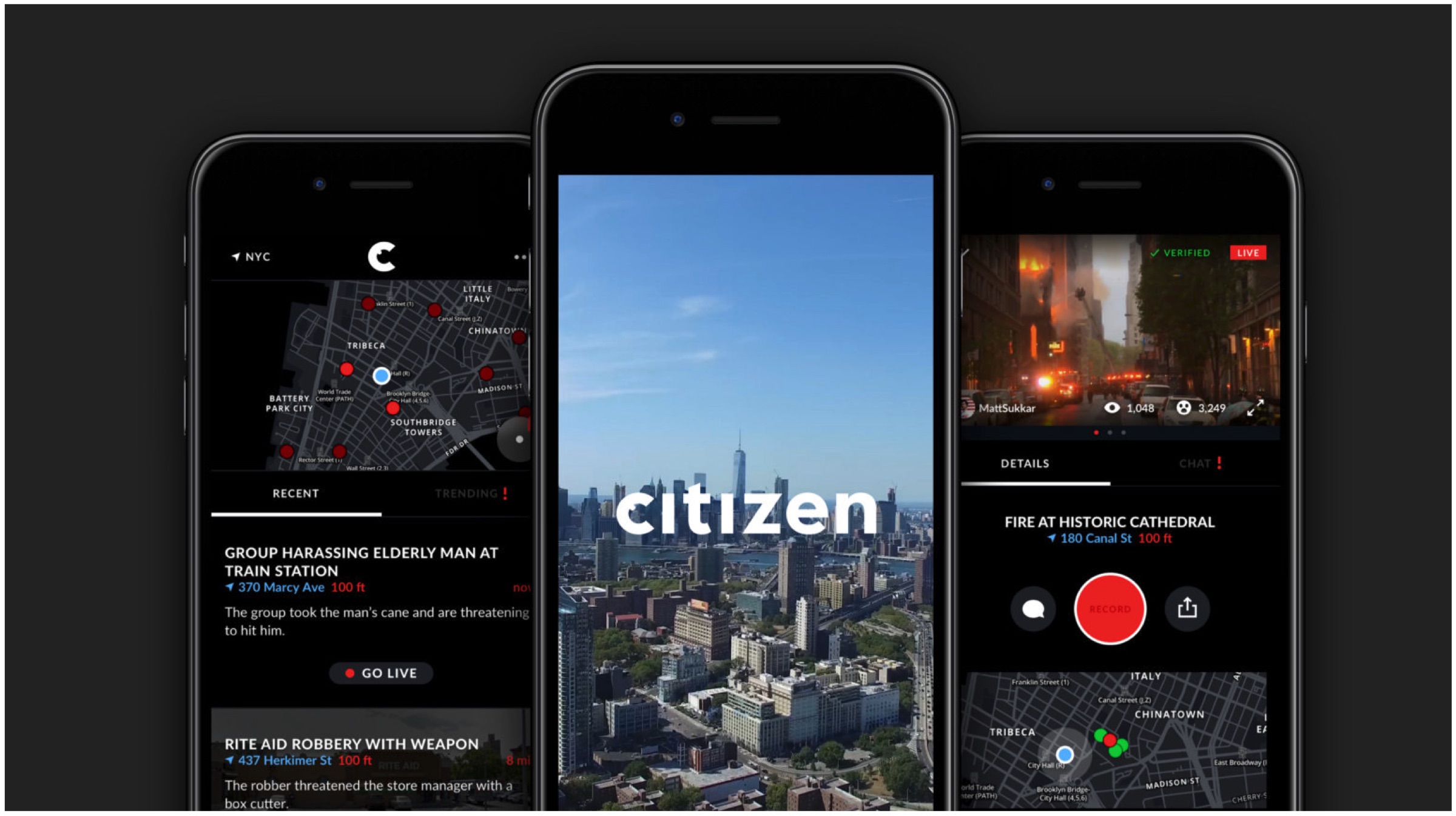
DoorDash the food delivery service from California was discovered to have sent data to nine 3rd party trackers, while Citizen the app that sends crime-reports for incidents near the user’s location was found sending phone numbers, email addresses and the actual GPS location of the iPhone owners to a tracker called Amplitude. The developers of Citizen had been contacted and an update has since gone online removing the tracker.
Also Read: Alaka’i Unveiled A Flying Taxi That Runs On Hydrogen Fuel Cells
Apple in an official statement had addressed applications that do not adhere to the App Stores rules and regulations, that require developers to clearly post privacy policies and ask for user’s permission to collect data, to either abide by the rules or be taken down from the App Store. The report had shown not all data collected was harmful or bad to the user as some data was anonymised and stored. However, some trackers have not made clear what kind of data was collected, for what amount of time, and whom it is sent to there on.
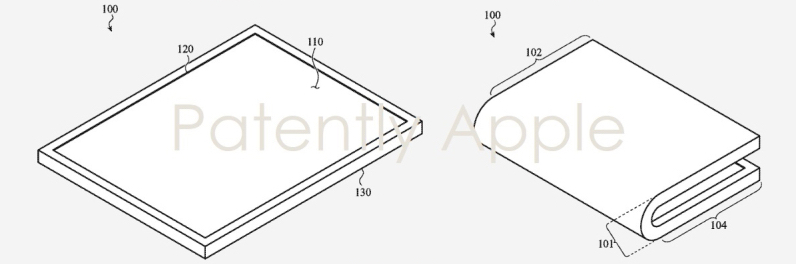
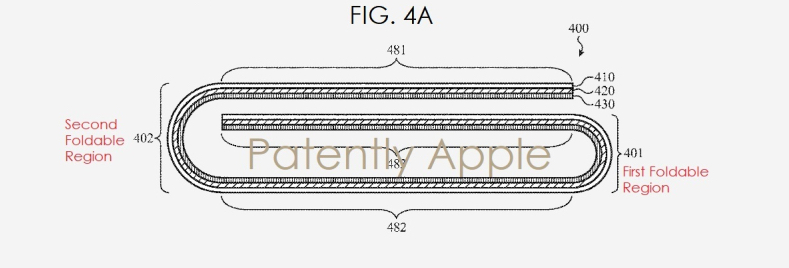
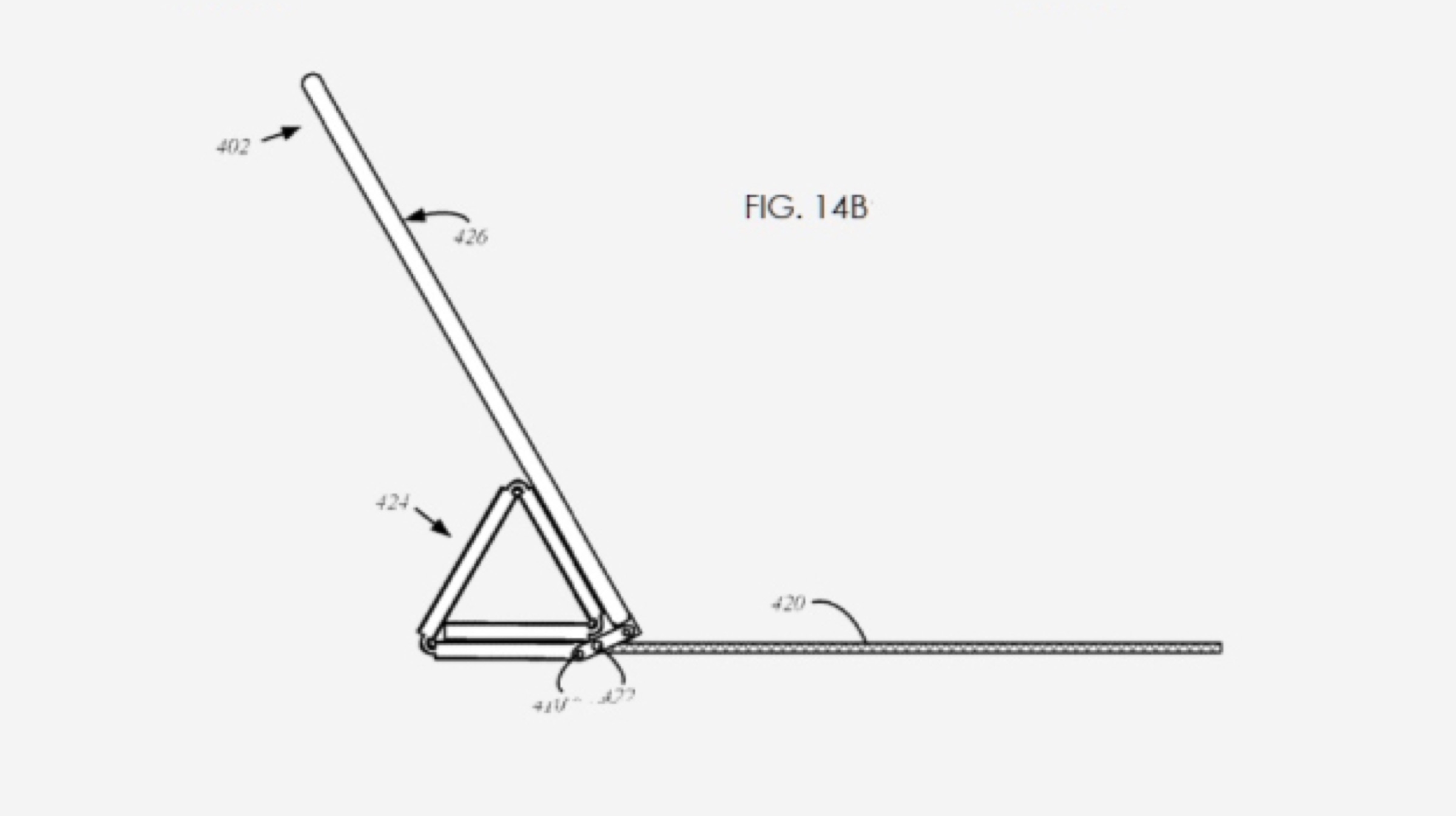
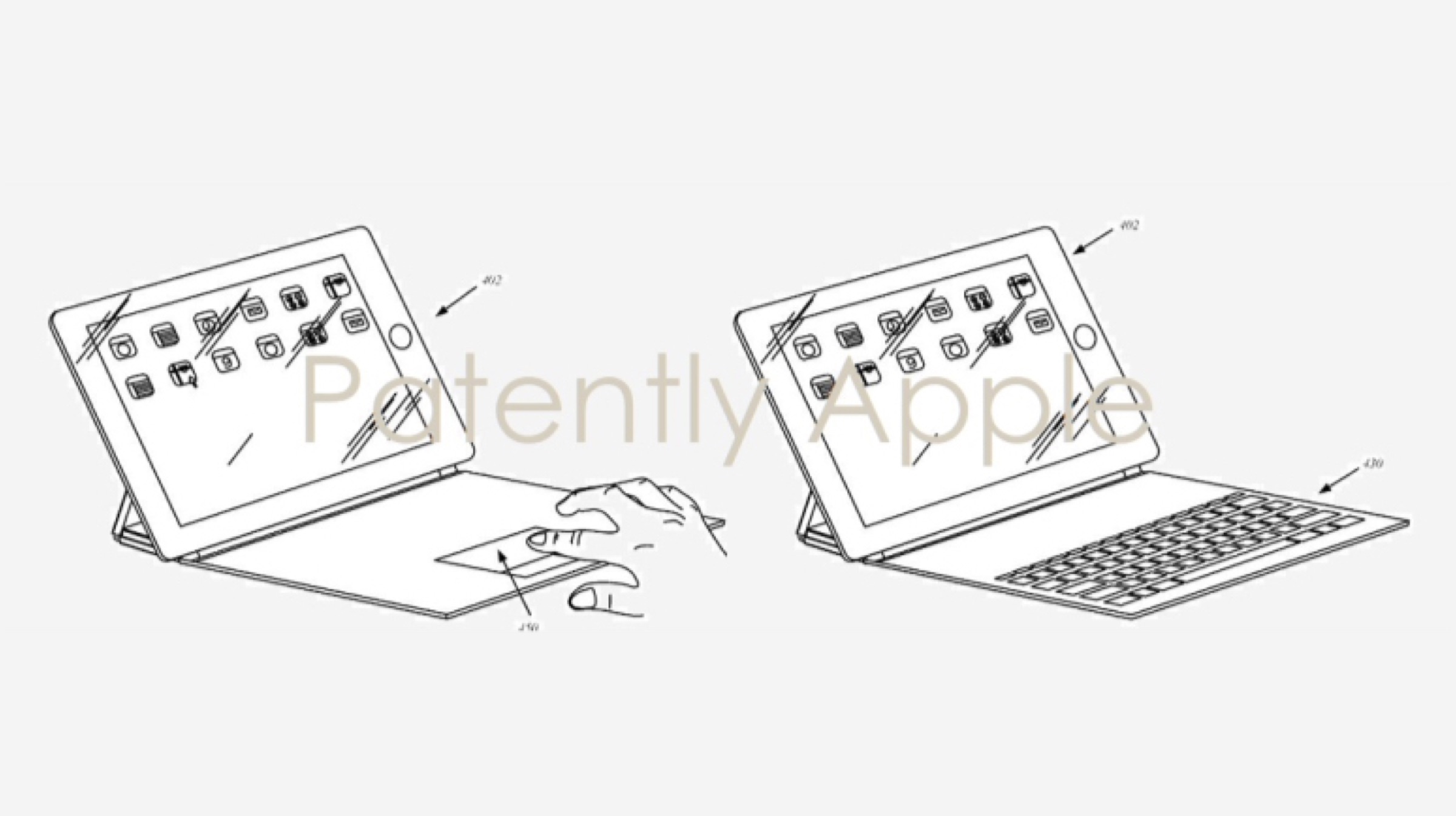 The second patent covers a device that is quite similar to the Apple Folio smart keyboard, which was released alongside the iPad Pro 12.9 in the year 2016. The patent includes images of a variety of designs for a new smart keyboard that may be announced in the future. One of the images showcases a keyboard design with a space above the keyboard which can be used to input data via the Apple Pencil. Another design features the inclusion of a trackpad to the keyboard.
  Also Read: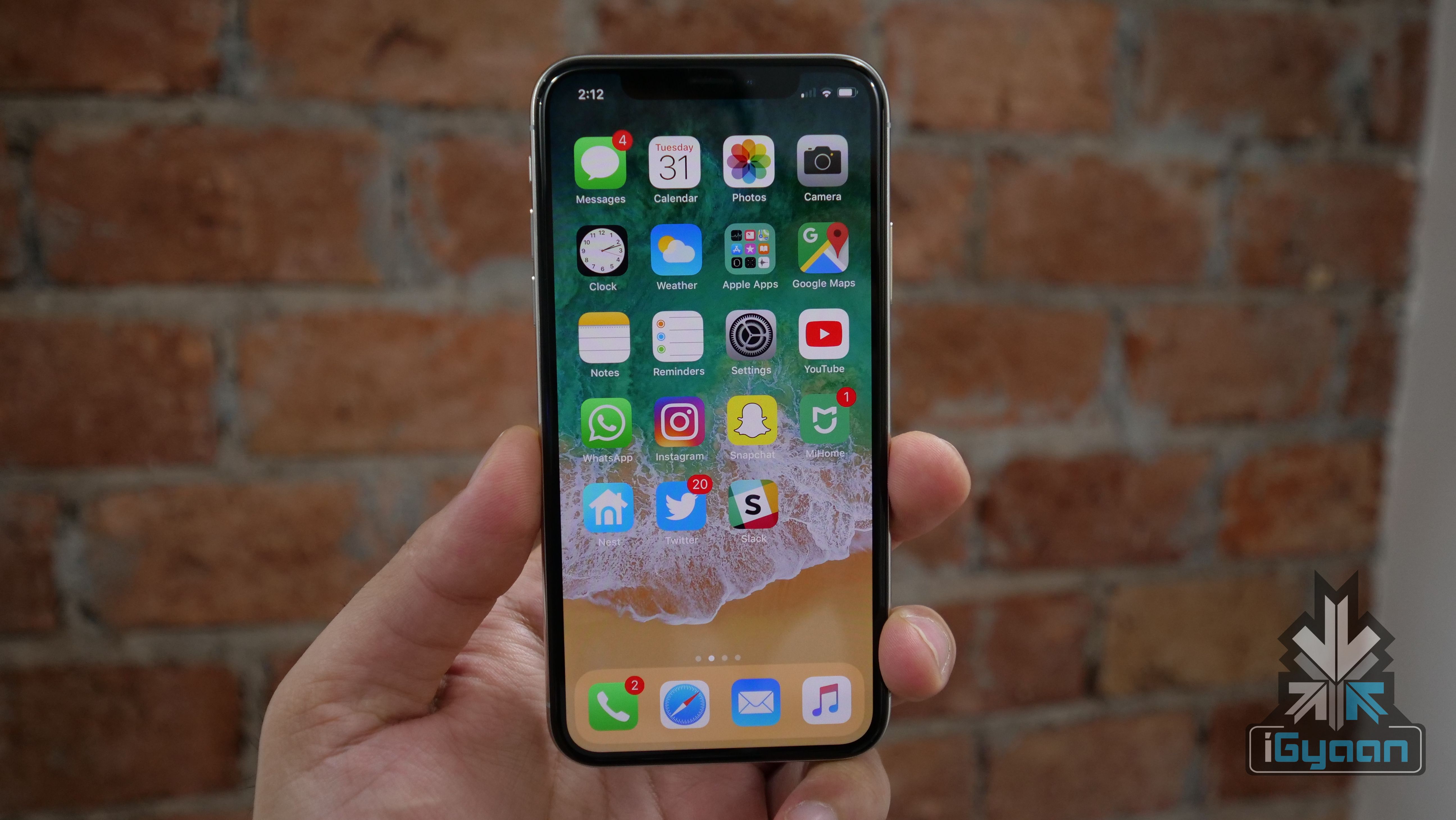

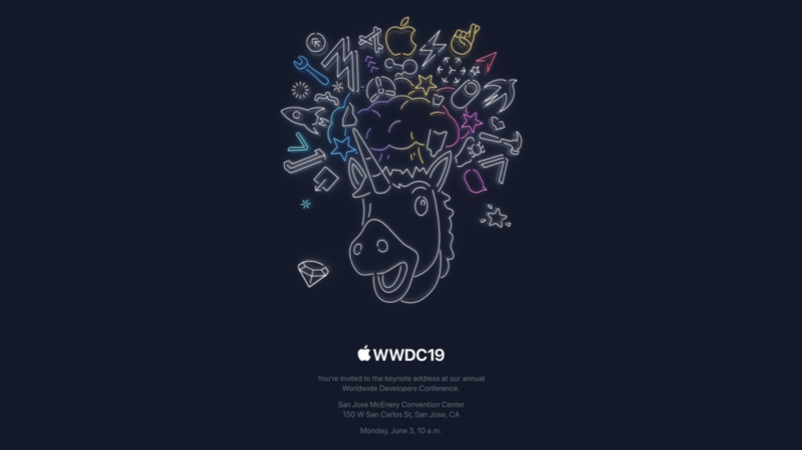 Apple’s WWDC 2019 invitation is creative as usual, and it packs some really intuitive clues for those who have an eye for it. Hints are scattered around and some of them clearly depict what the American technology company is up to for at this year’s WWDC. Let’s have a look at some of the clues and what they mean.
 macOS users will easily recognize the rocket on the far left, which stands for the Launchpad application on the operating system. A revamp for the feature may be announced at the event. The top right, however, houses the “fingers crossed” emoji. Not very likely, but there are chances that an update related to iOS emojis may be unveiled as well at the WWDC. Right below the crossed fingers, the icon for Apple’s ARKit can be spotted. ARKit is Apple’s development kit for those who design applications based on AR (Augmented Reality). The inclusion of the ARKit icon means that a step-up to a newer version of the application is in the works.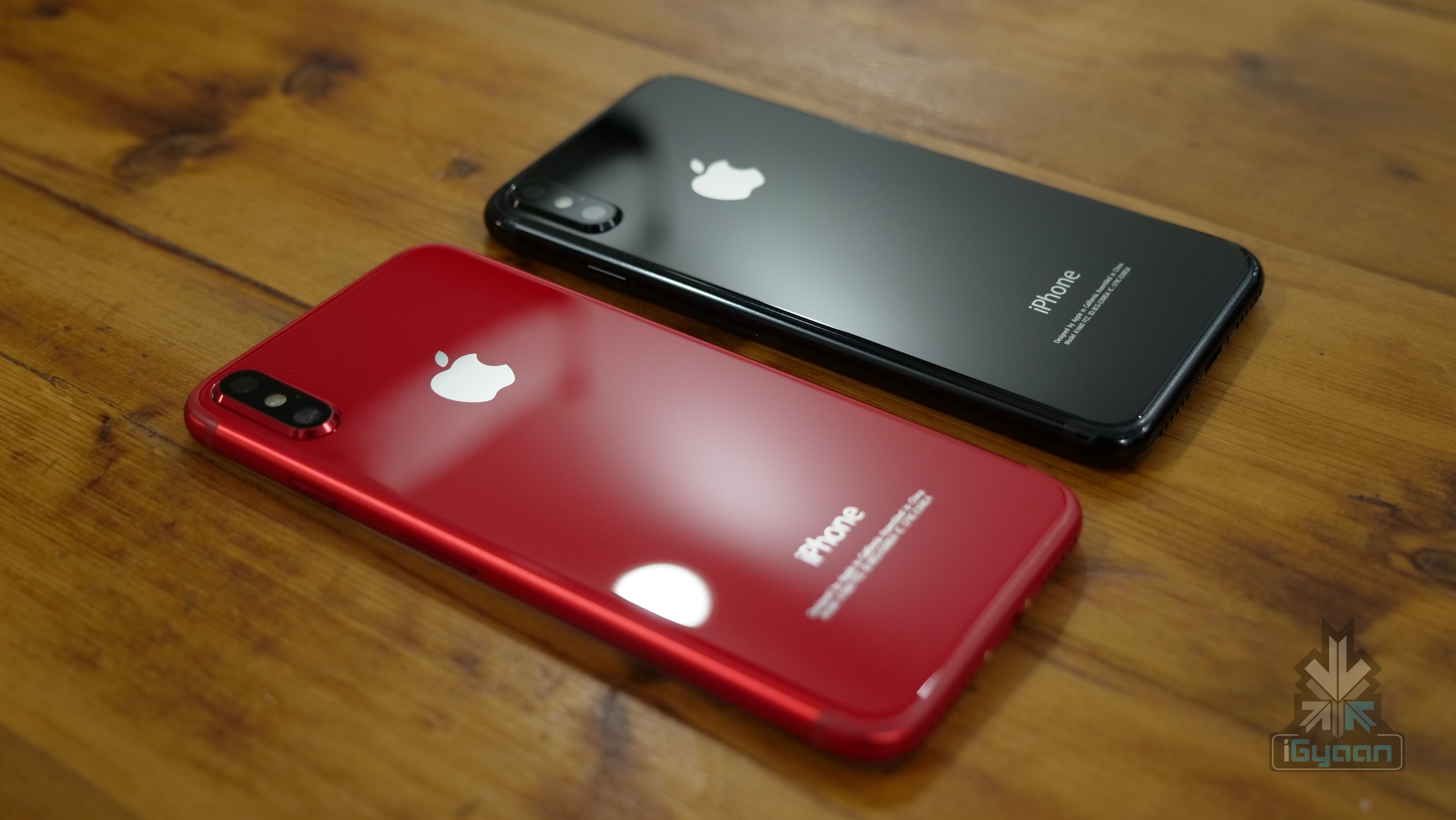
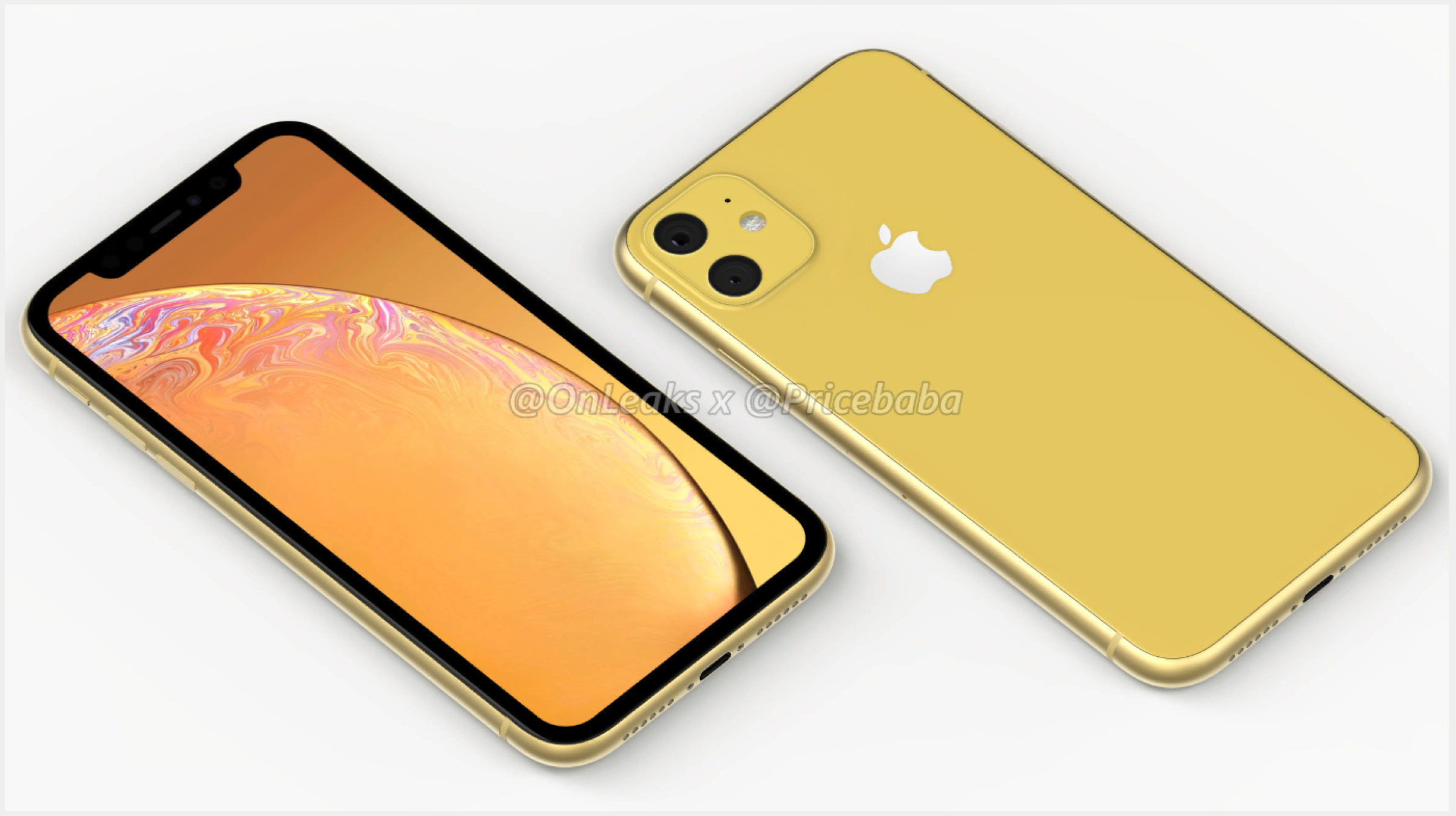
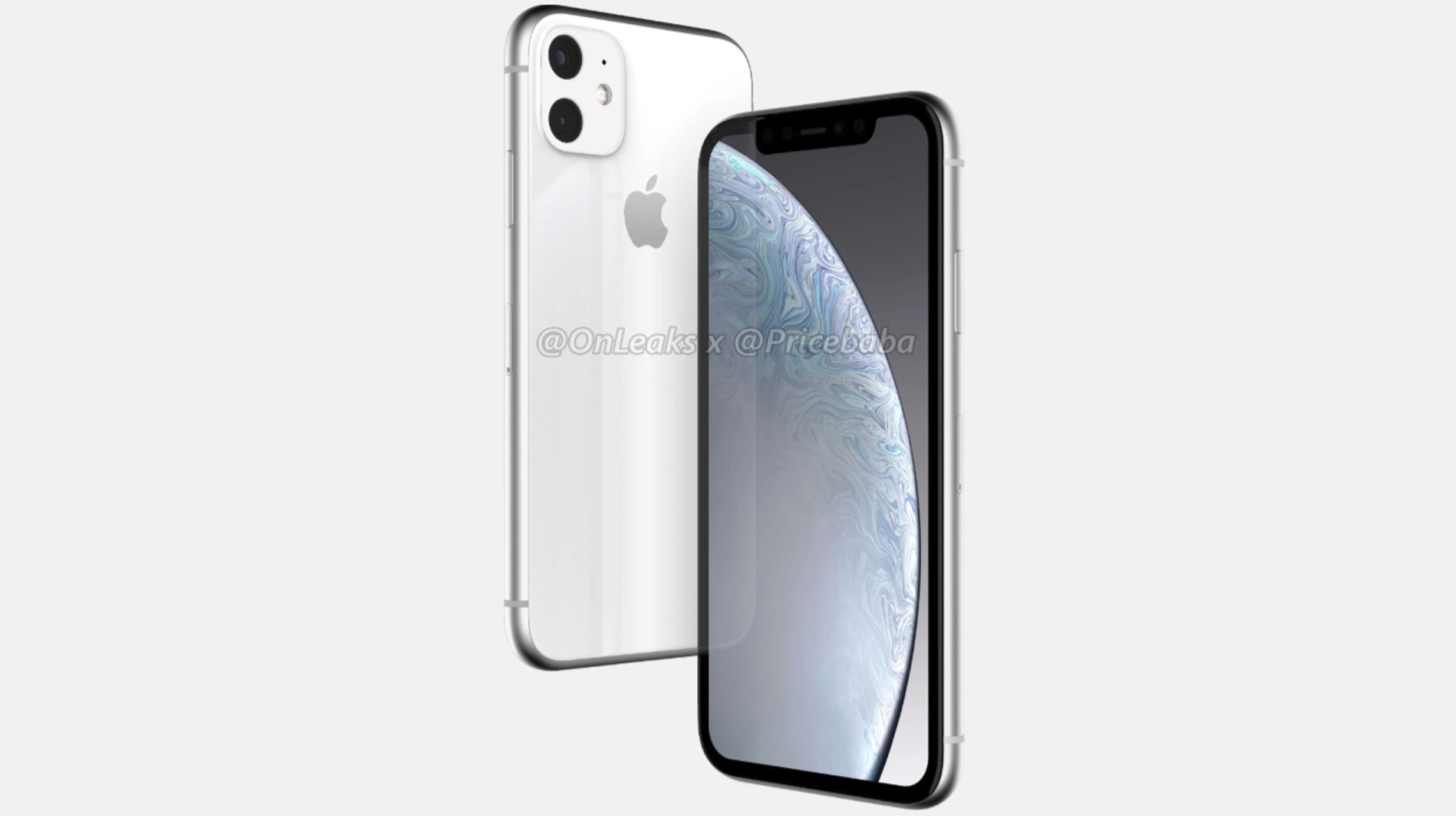
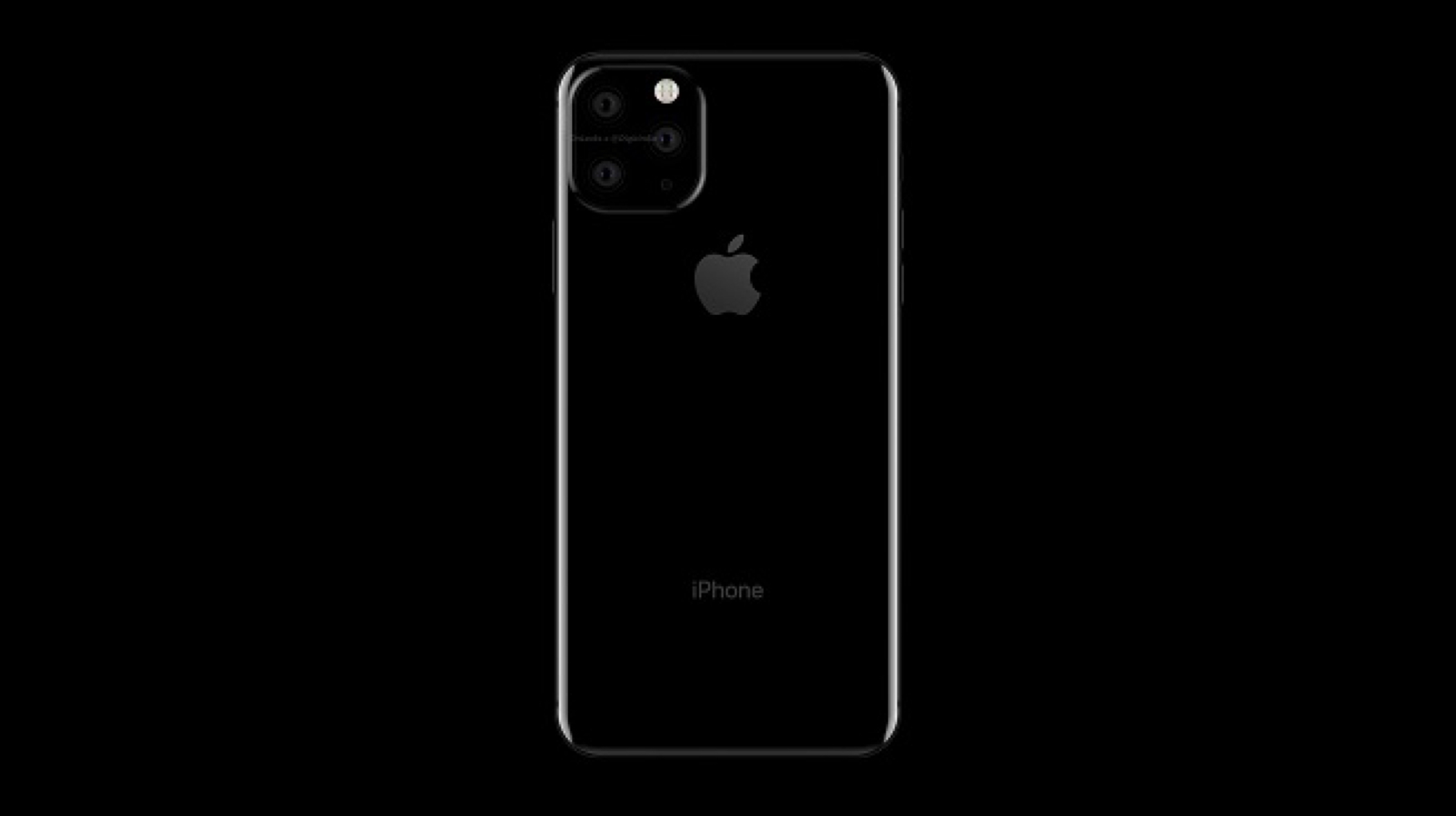
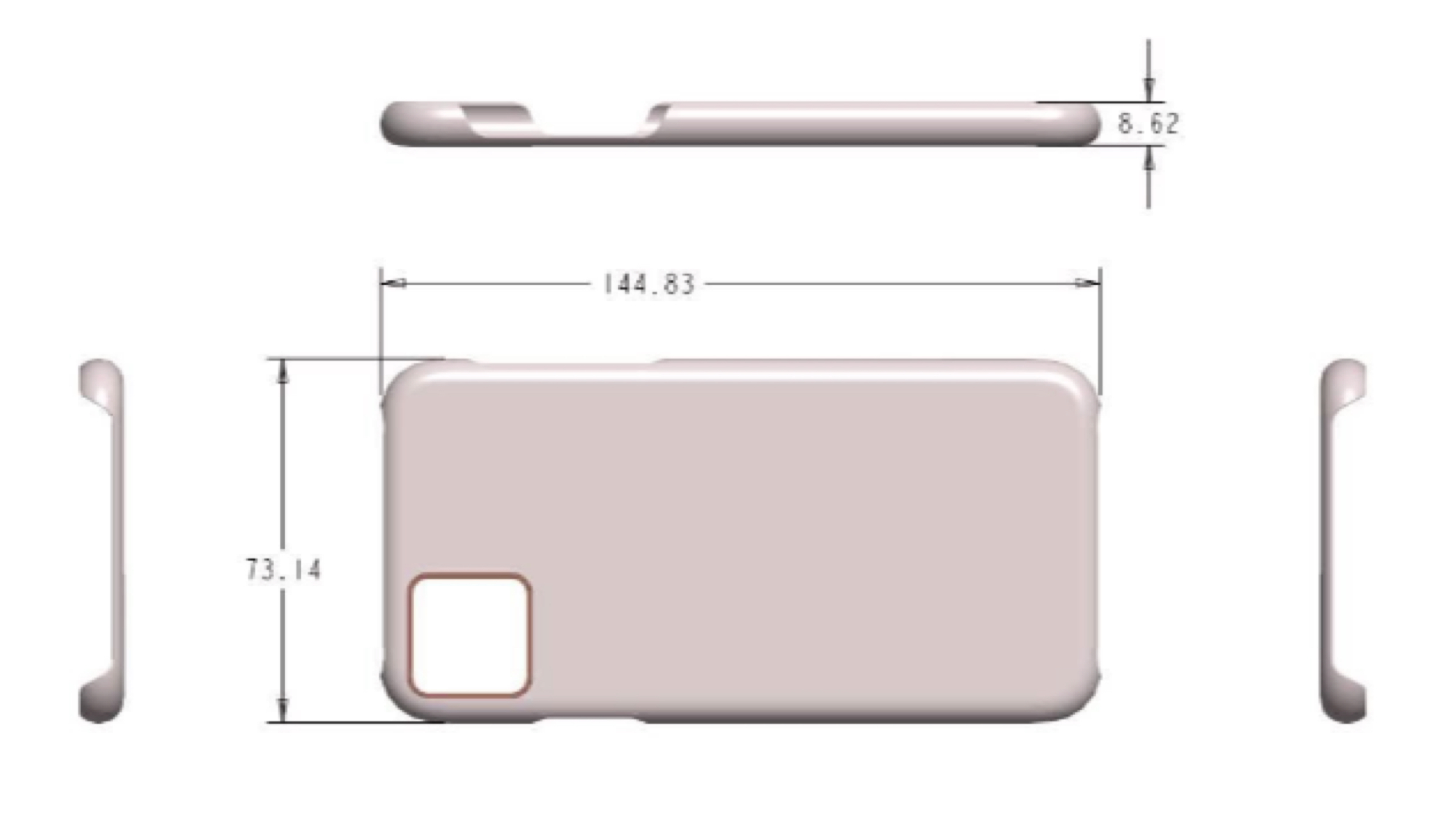
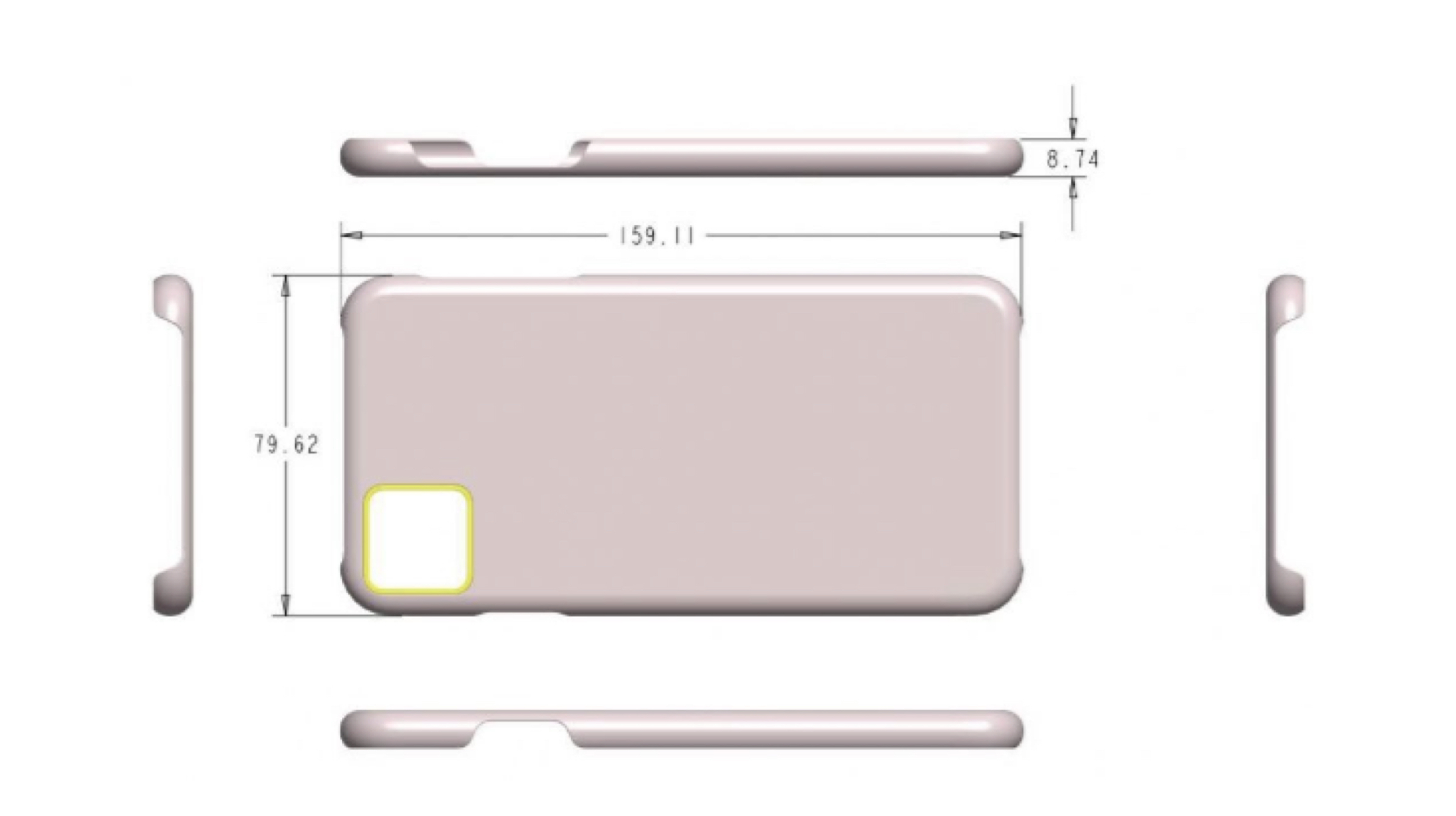
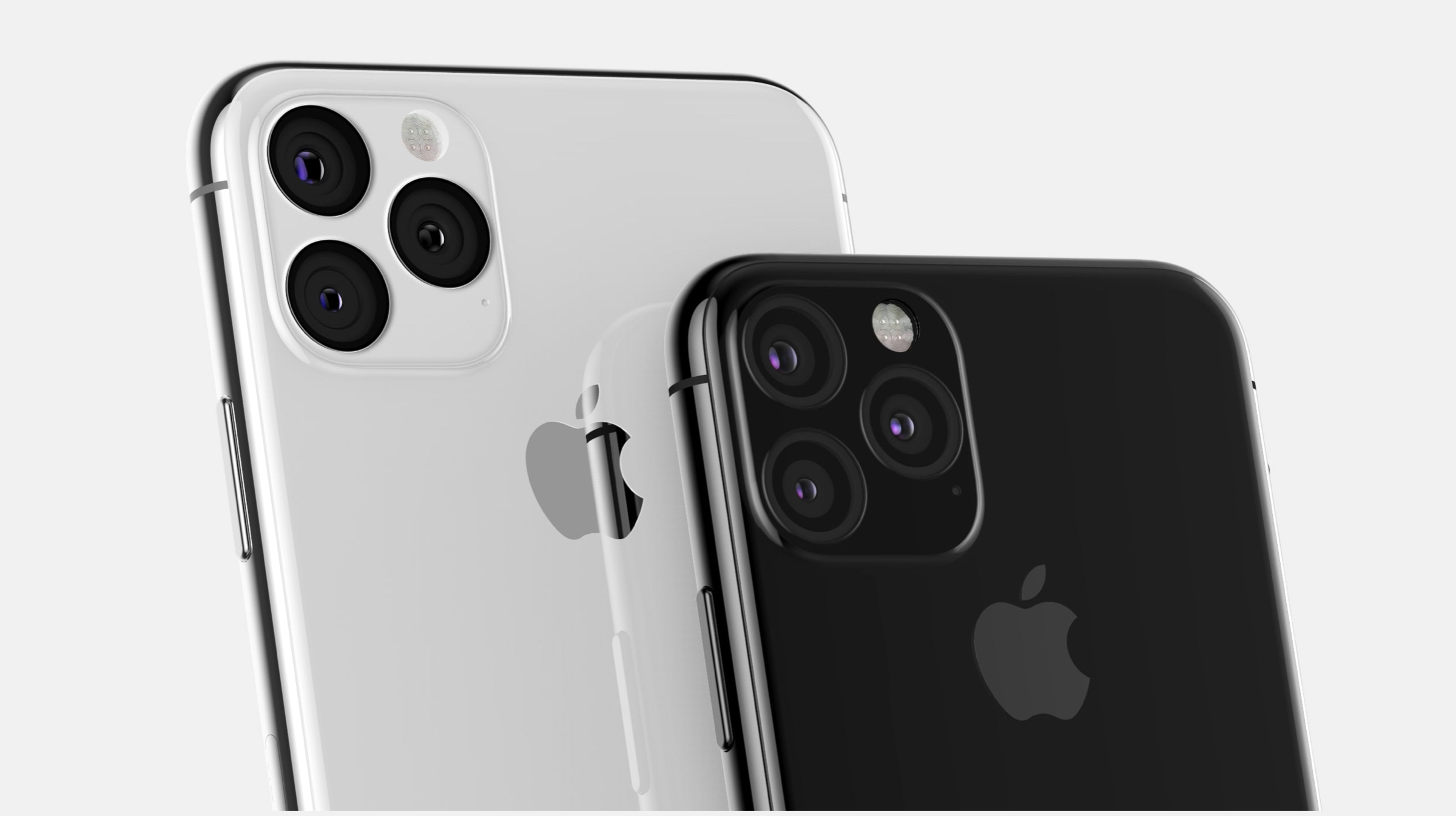
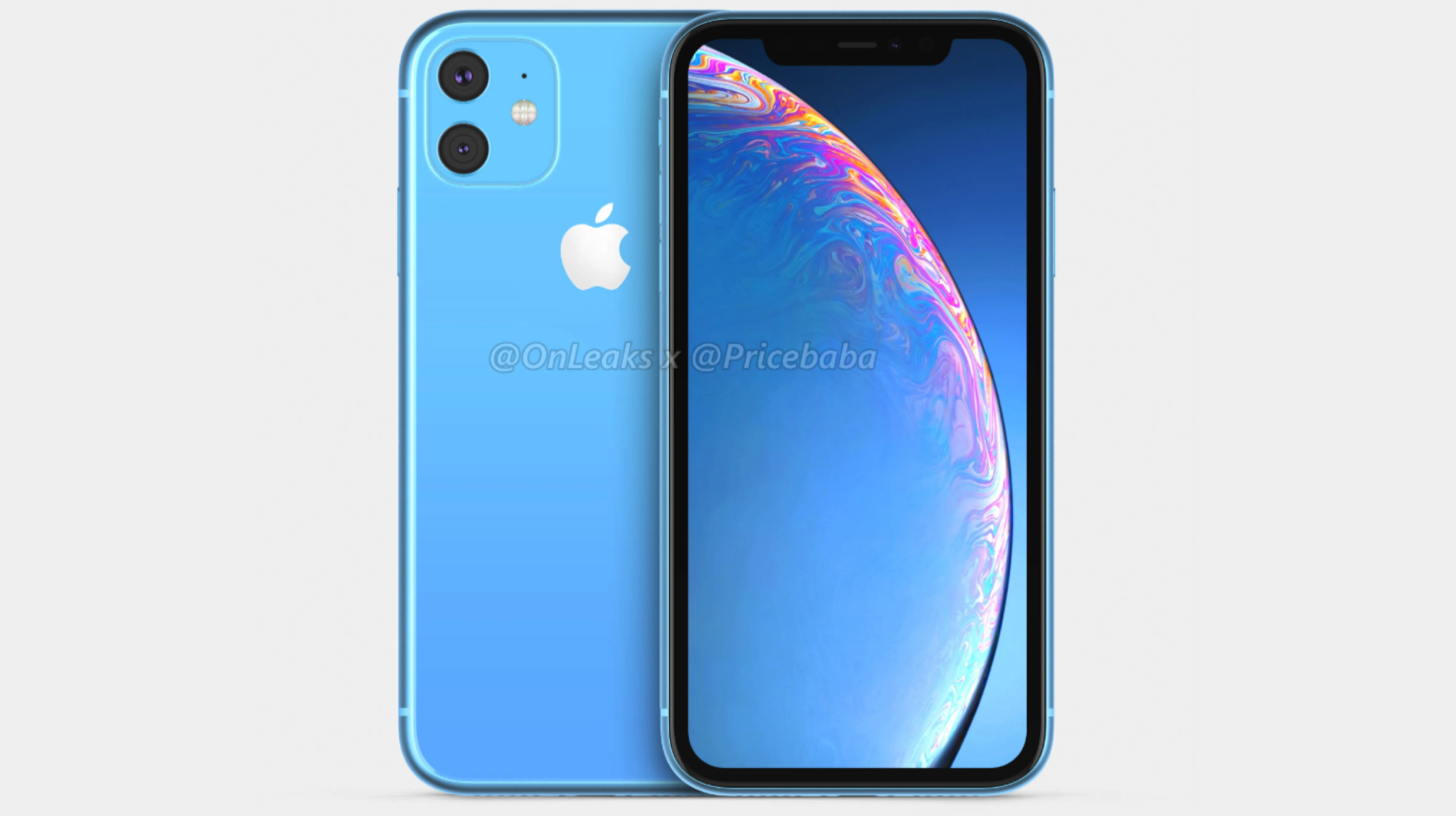
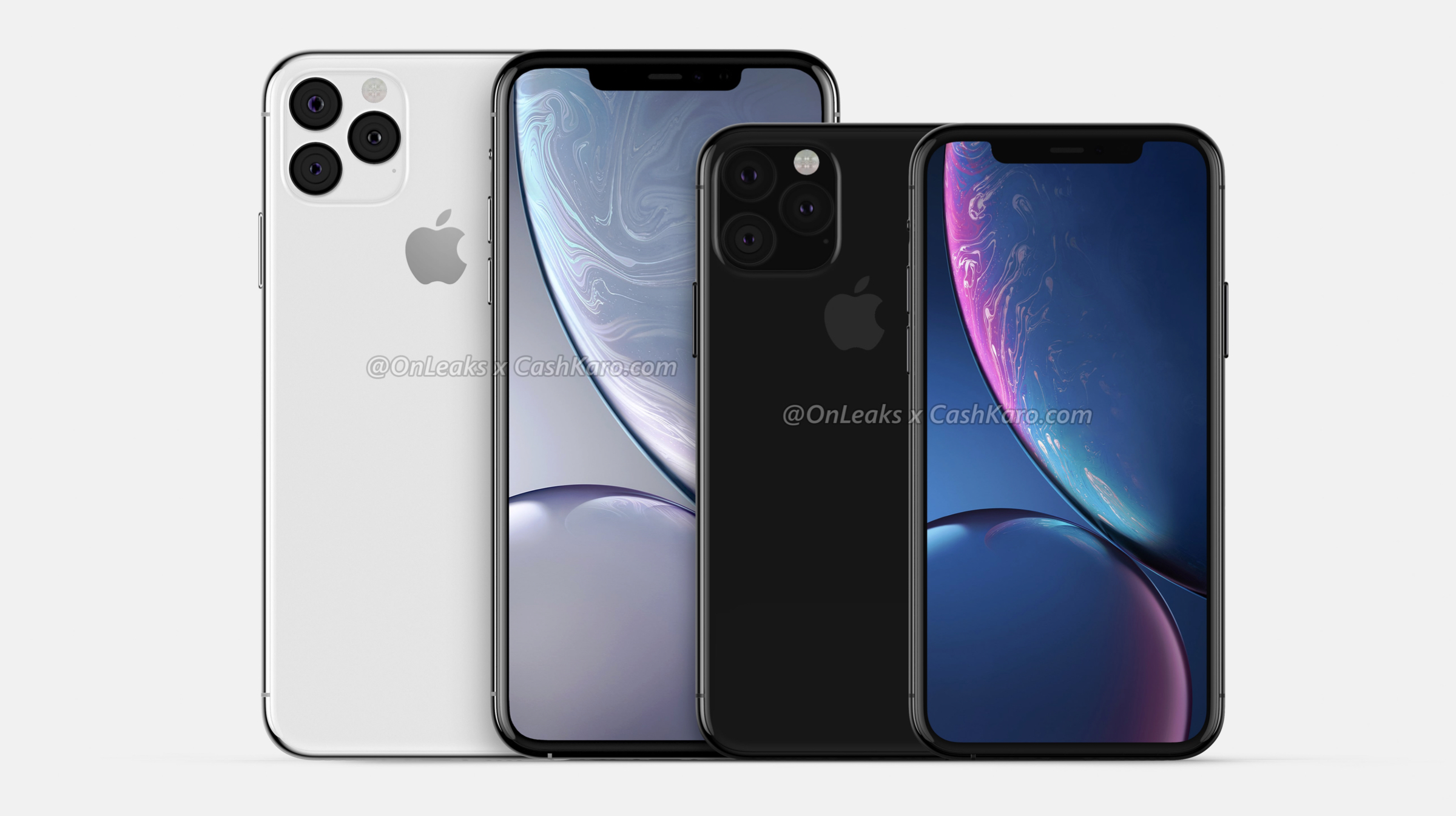
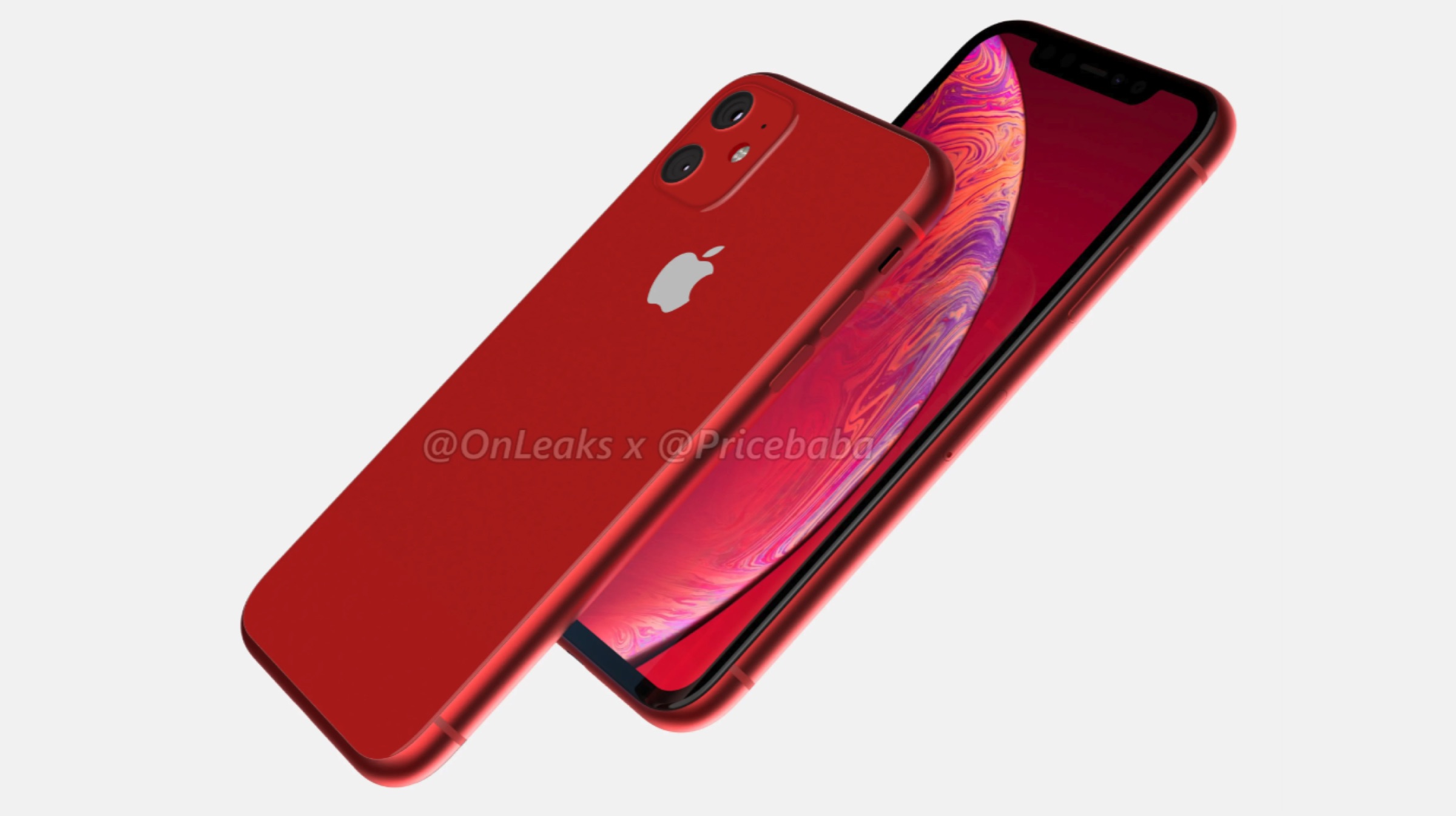
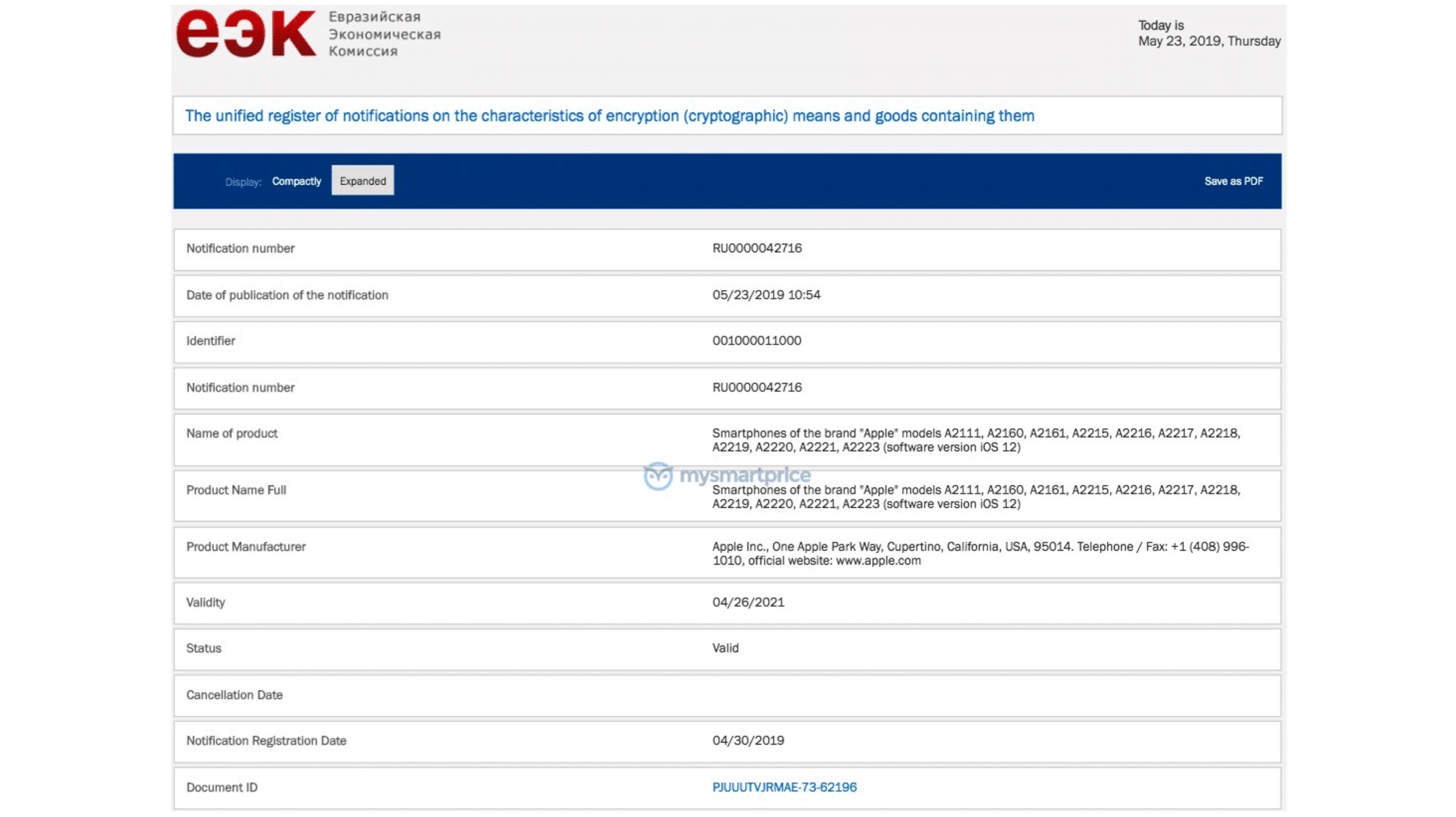
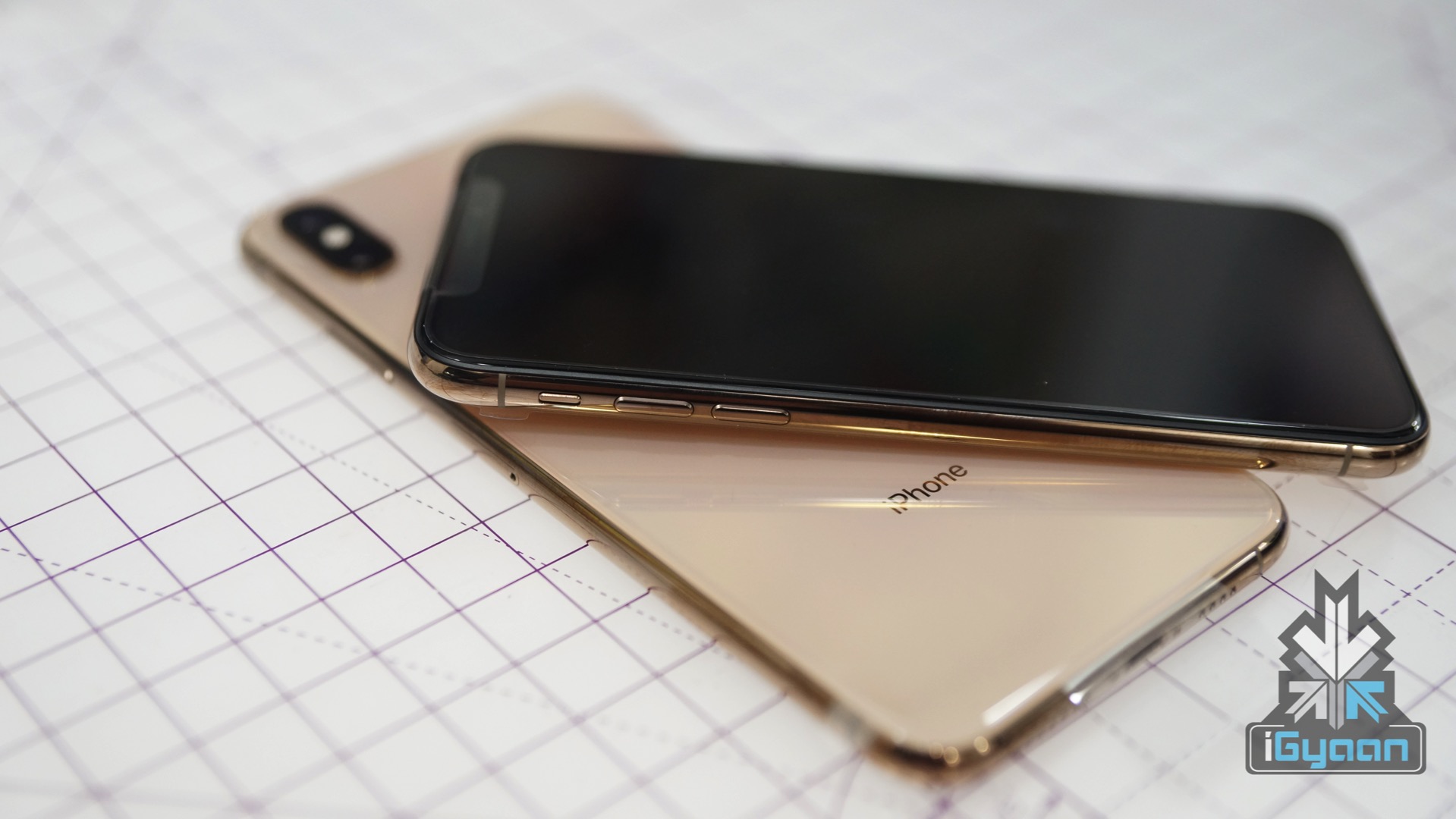
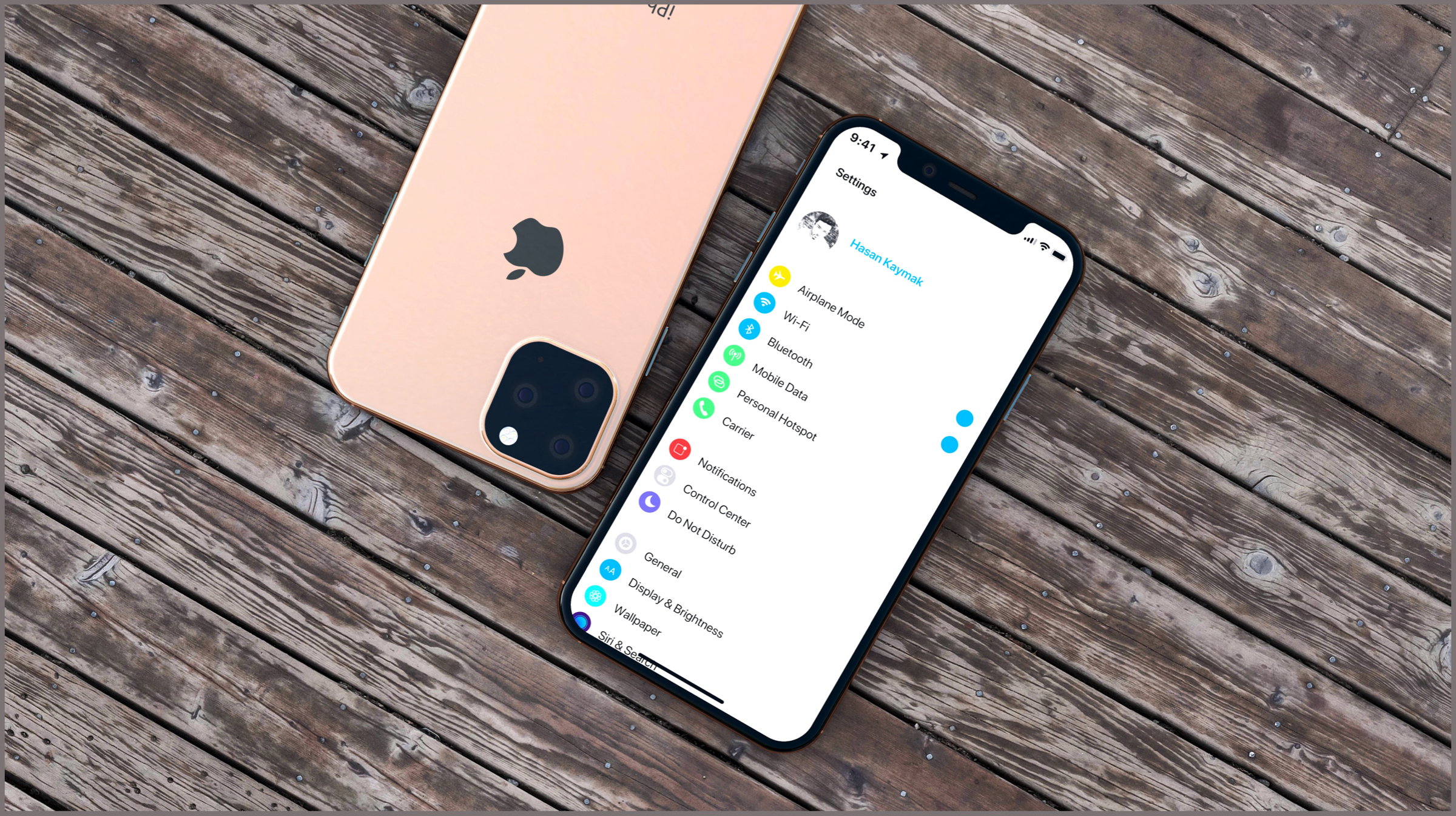 As per sources, Apple’s upcoming smartphones will resemble the design factor of their predecessors, with the major difference being the additional rear camera lens. Furthermore, 3D touch functionality will be removed from the 2019 iPhones, which indicates that the company may introduce a Haptic Touch feature in its handsets.
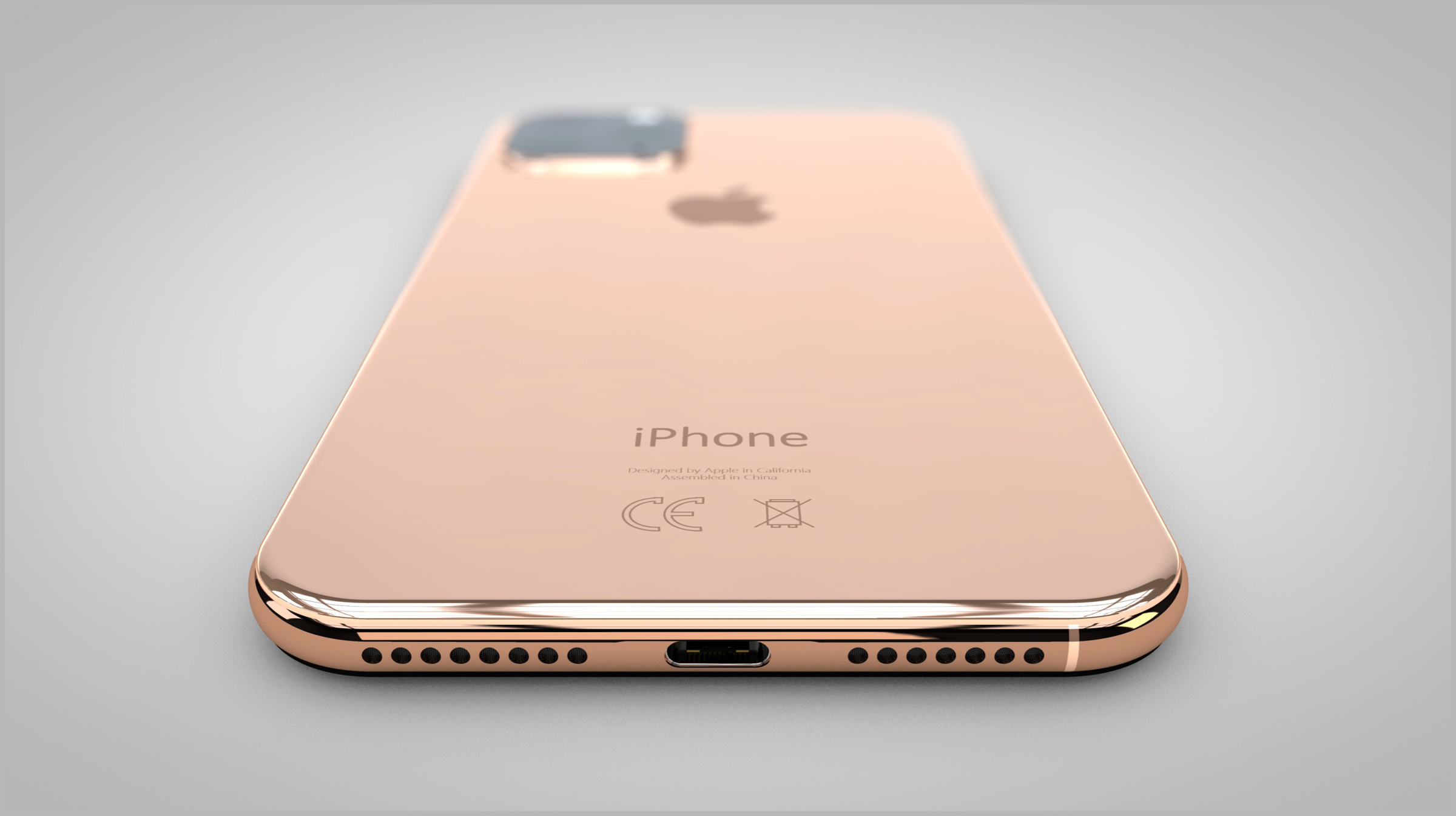 Reportedly, all the iPhones will be transitioned to OLED displays in the year 2020, with LG becoming the secondary supplier of the same, reports state.
  Also Read: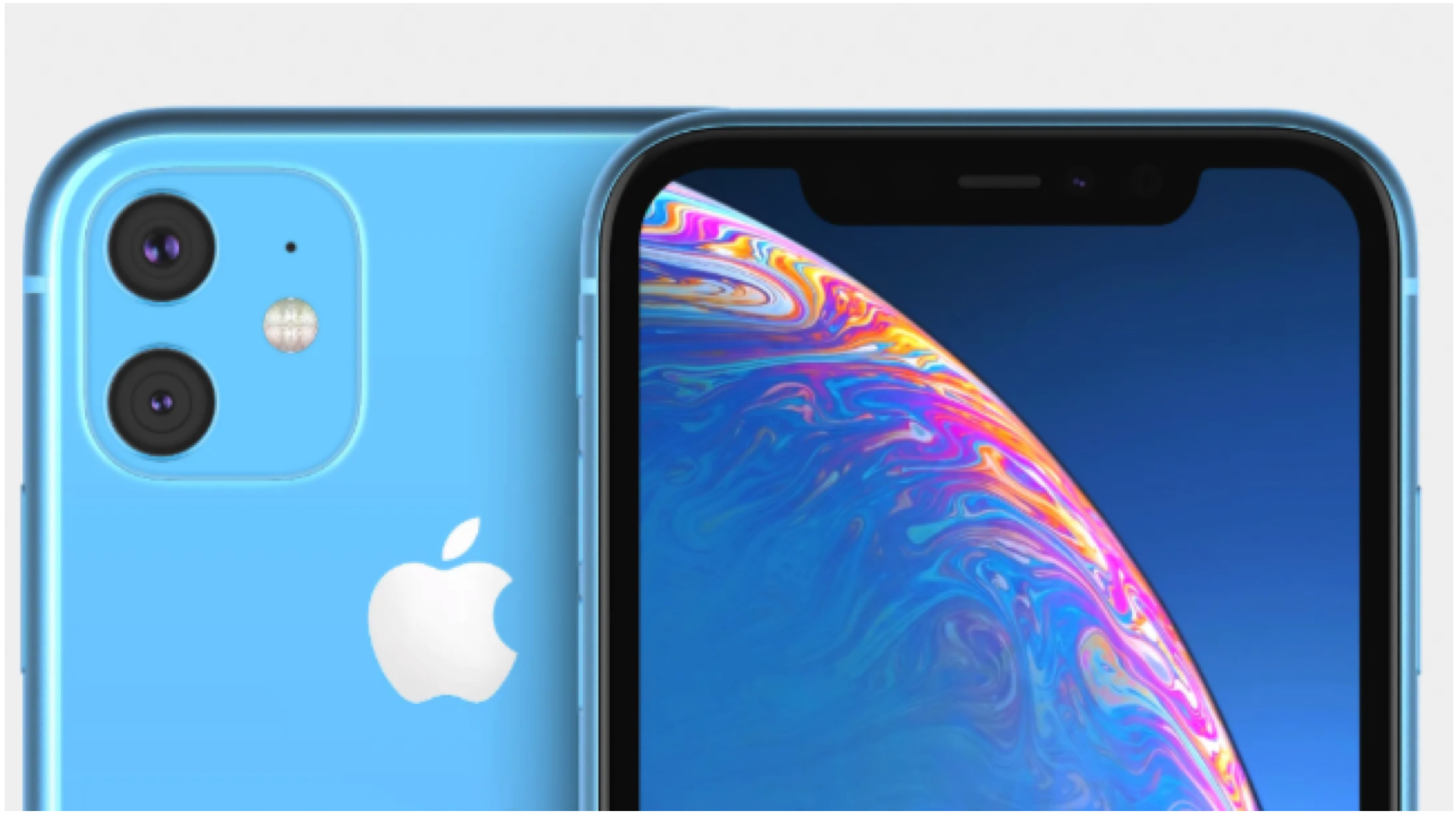
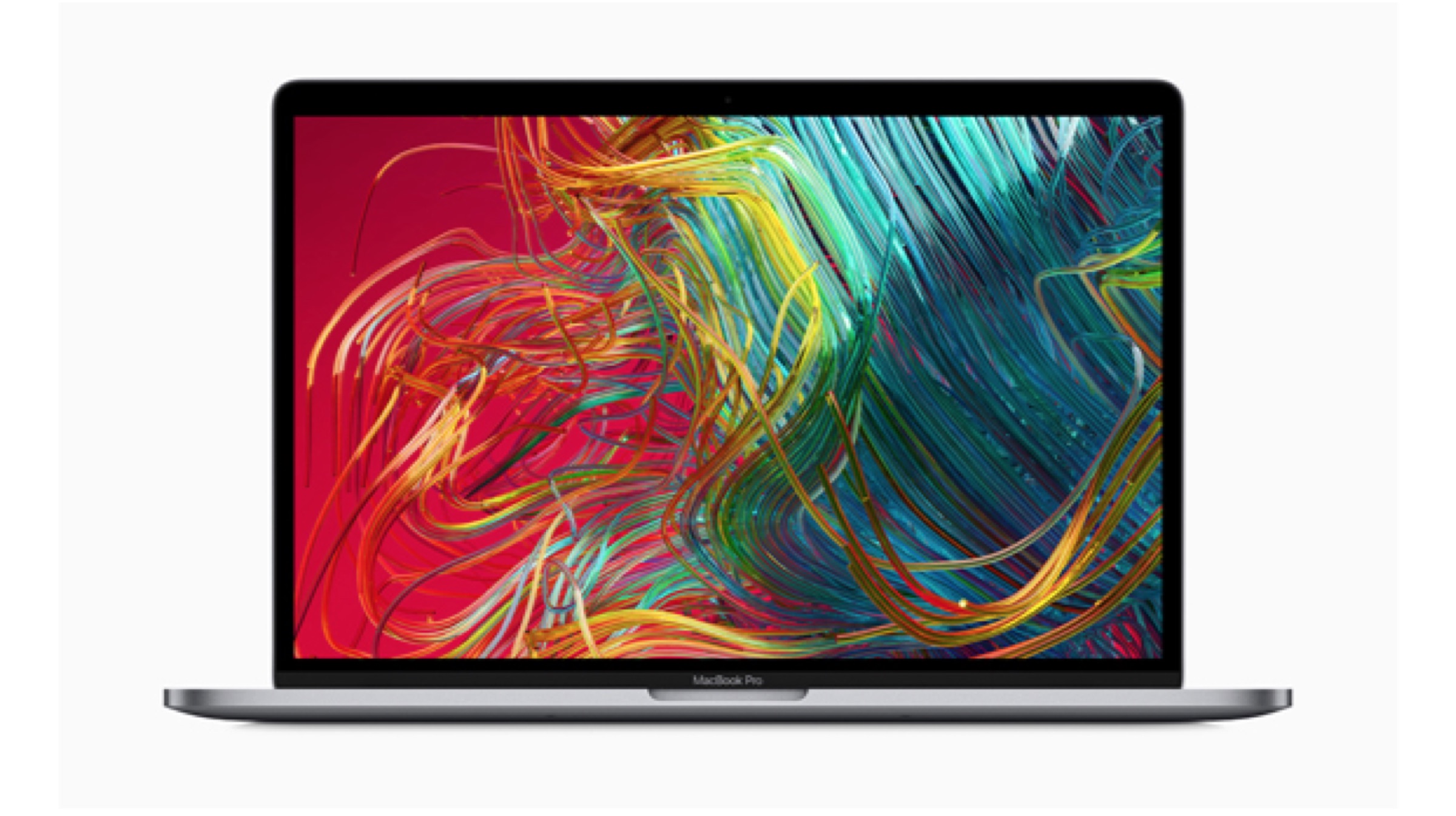
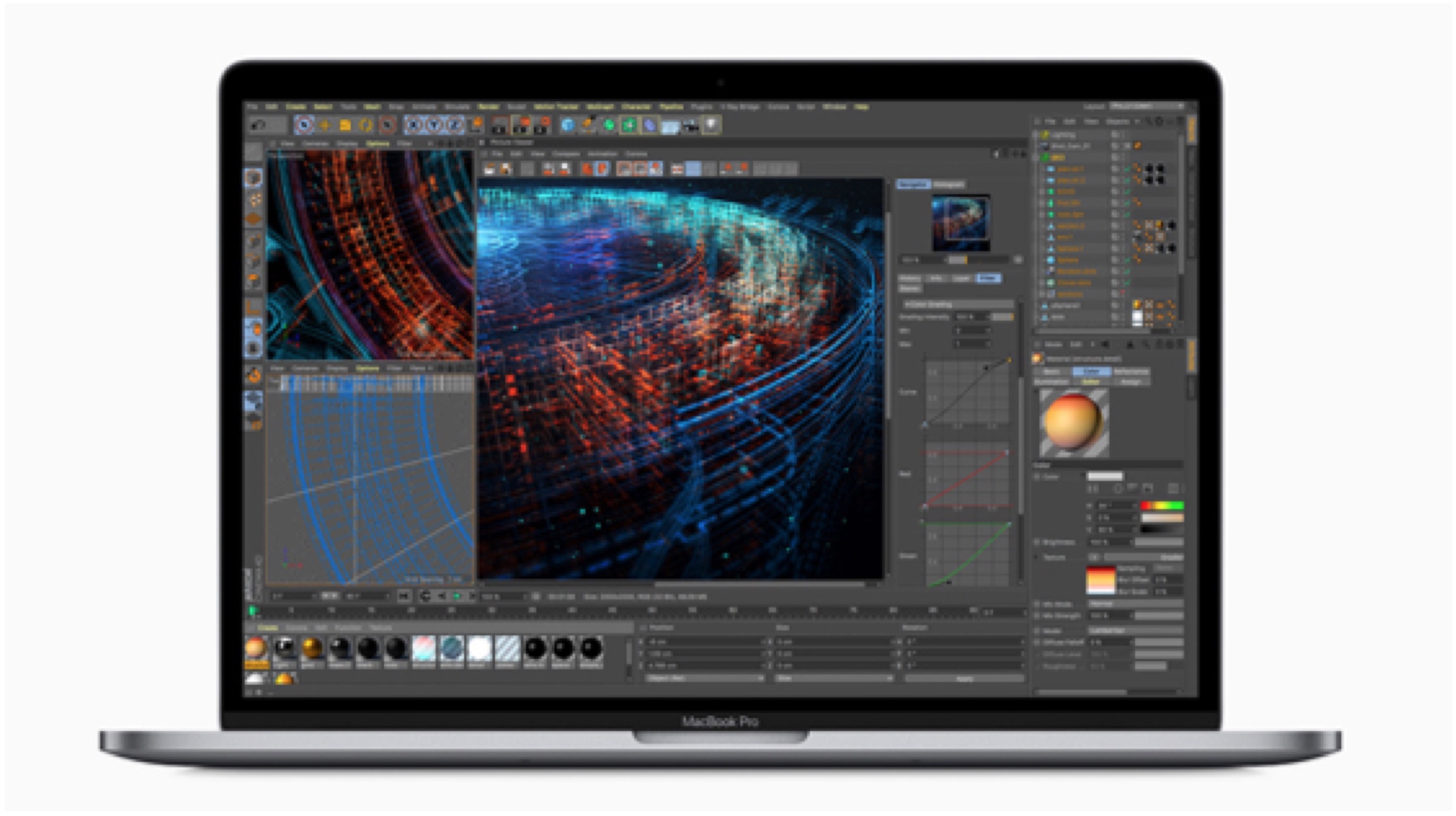
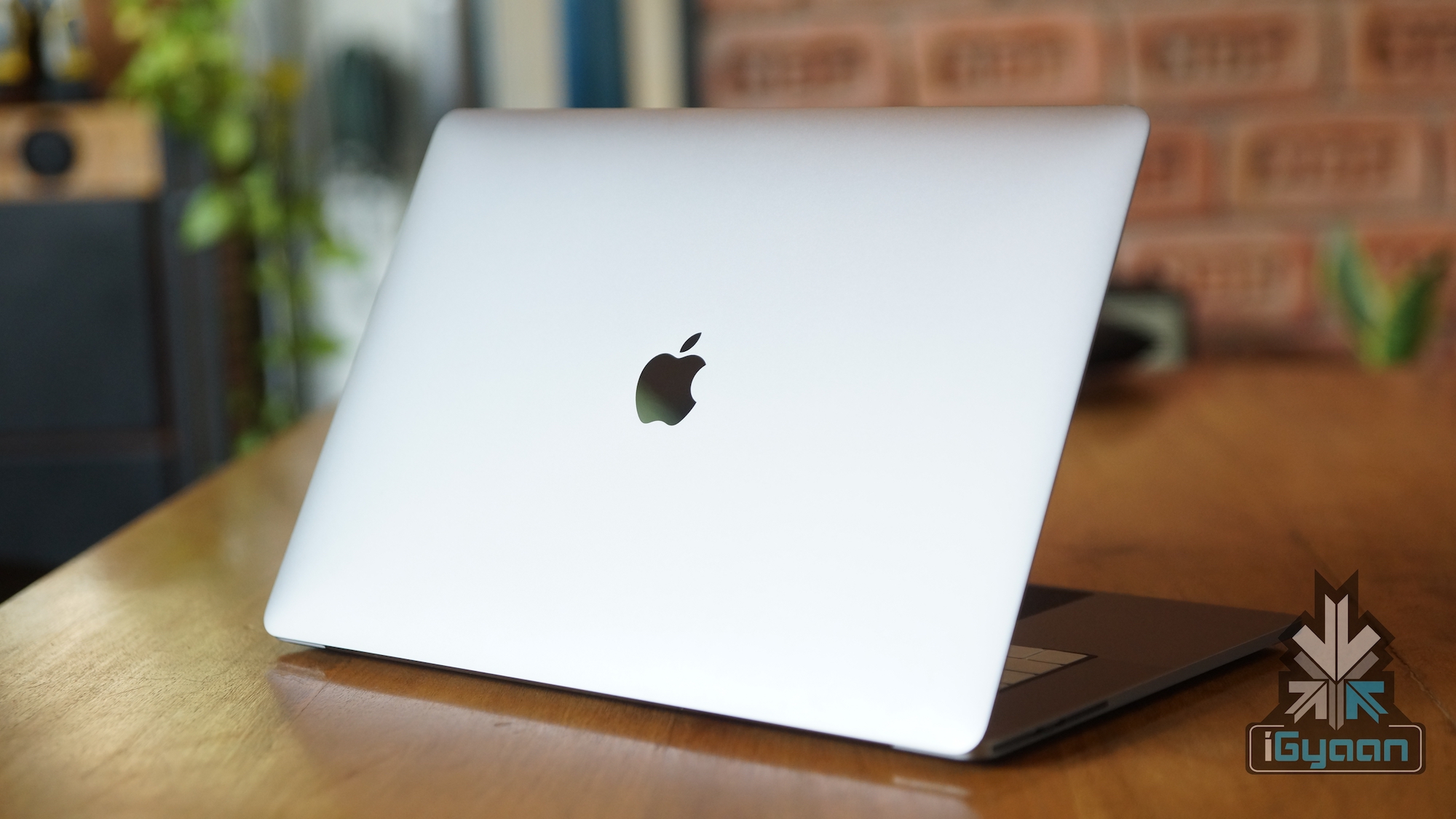
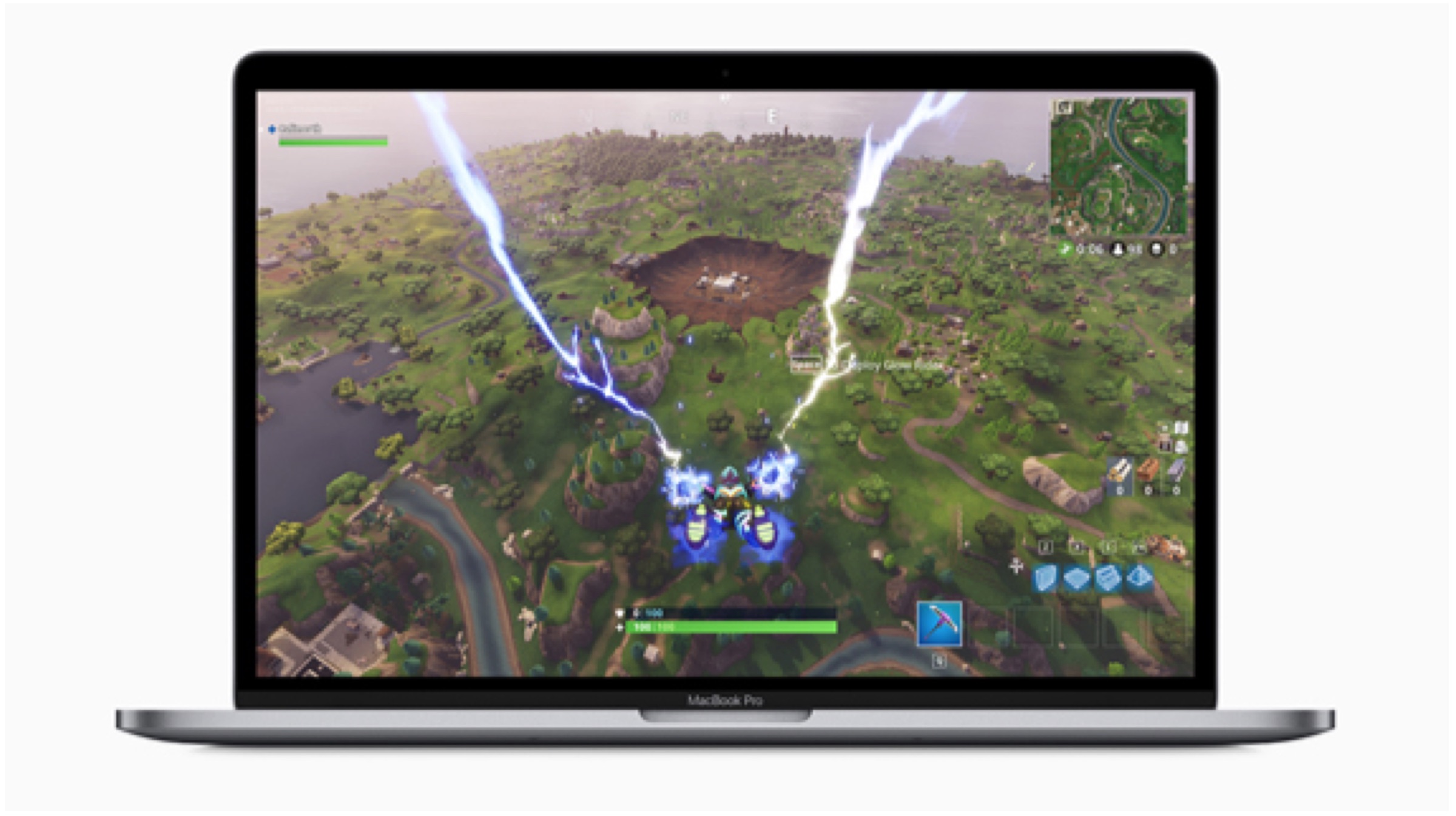 The company claims that the new MacBooks deliver 40 percent more performance than the last generation hexa-core MacBooks and almost twice the performance of quad-core CPU equipped MacBooks. The 6-core and 8-core Intel Processors present in the 15-inch MacBook Pro can provide speeds of up to 5.0 GHz. On the other hand, the smaller 13-inch version with a quad-core CPU supports Turbo Boost upto 4.7 GHz. Content creators, researchers and music producers can experience huge productivity boost accrediting to the aforementioned CPU upgrades, the company says.
 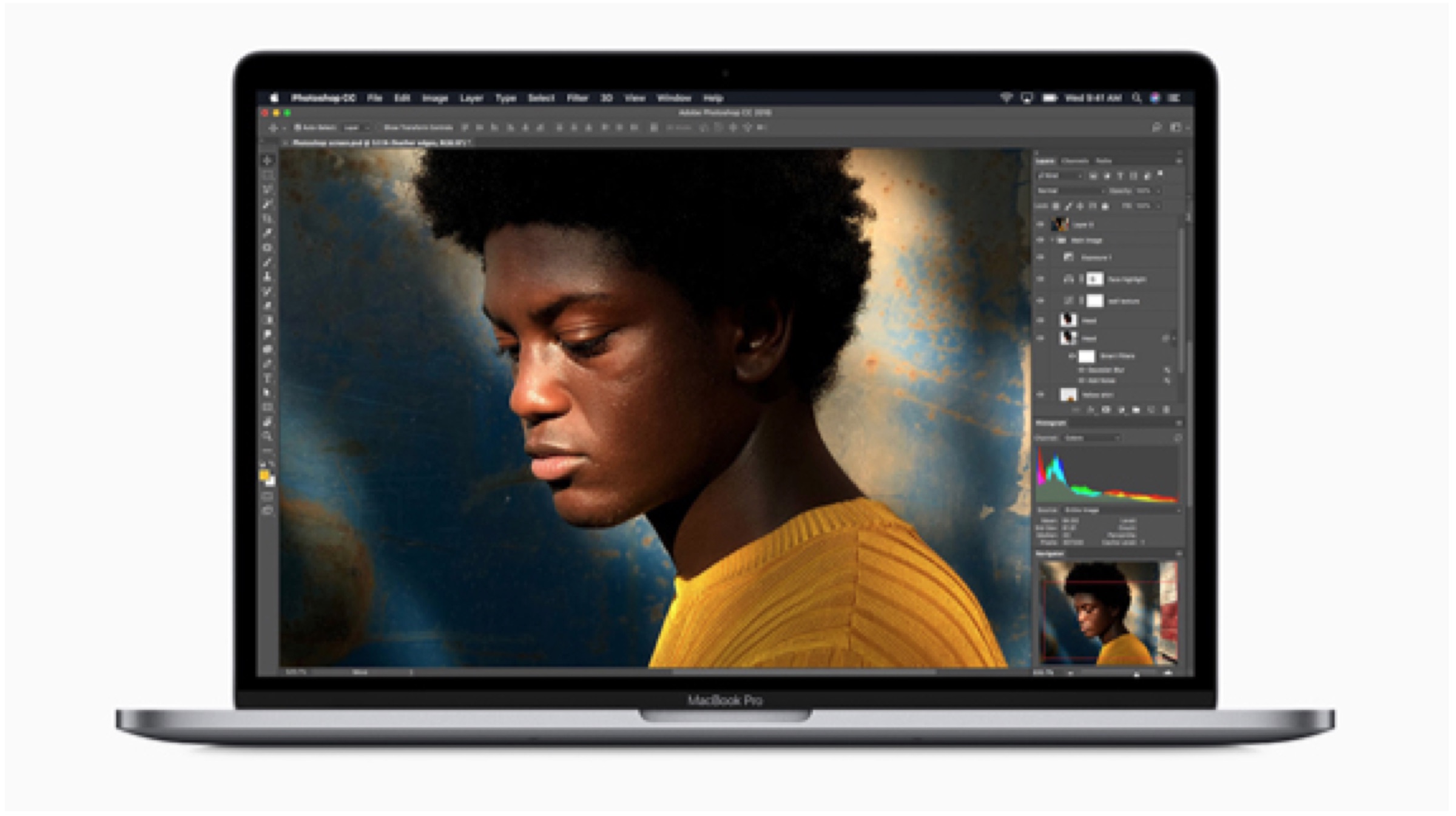 In terms of display, the new Apple notebooks have an upgraded Retina display with 500 nits of brightness. They also have support for the P3 wide colour gamut and True Tone technology. Regarding audio, the MacBook Pro has stereo speakers with wide-stereo sound. Other features include Touch ID, the TouchBar and a large Force Touch Trackpad.
 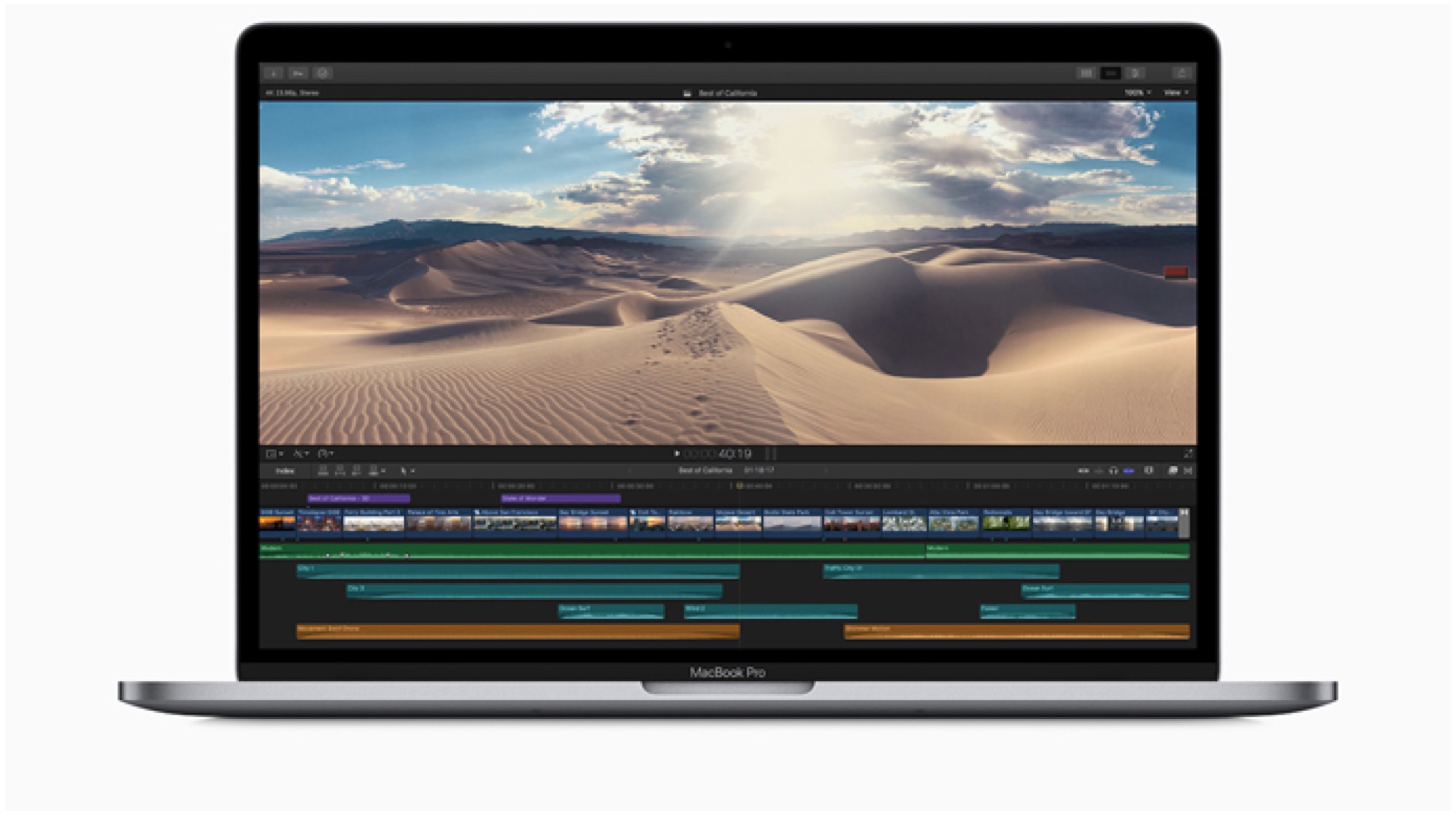 The MacBook Pro packs the Apple T2 security chip and a total number of 3 Thunderbolt 3 ports that can be used for fast data transfer, plugging in 4 external GPUs and connecting two 5K resolution displays. The T2 security chip is an encrypted safehouse that stores sensitive user data like TouchID information