Category: Brands and Companies

All Brands and Company Names

  • Nokia Feature Phone Running Android OS Leaked In Images

    Nokia Feature Phone Running Android OS Leaked In Images

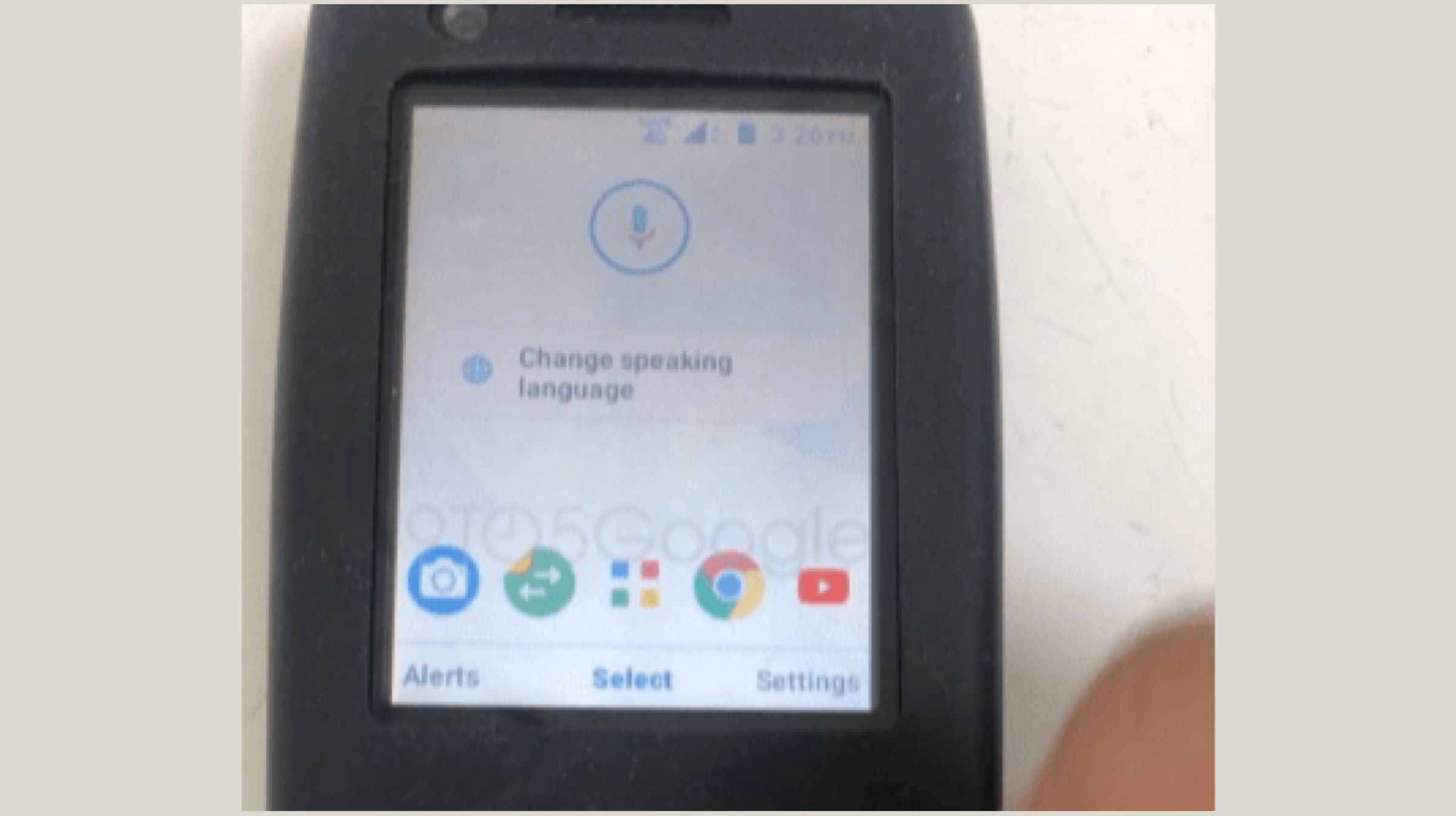
    Despite the rise in popularity of smartphones in the last few years, many people in developing countries still use feature phones. Numerous countries in Asia, South America and Africa are still the predominant market for the feature phones. Now, images have leaked online which reveal Google, who is known for making Android OS (Operating System) for smartphones is developing a new version of its software for feature phones. The images showcase a Nokia feature phone running a specialised version of Android.

    Android For Feature Phones

    Nokia Android

    It has been claimed multiple times in the past that Google is developing a version of Android OS for feature phones. This is to capture the market that has been missed by the company until now. The latest leaks reveal that HMD Global’s Nokia, which is one of the few companies making feature phones, will be the first to launch a device with the new version of Android. In the images, a feature phone in development from Nokia is showcased. The home screen of the upcoming mobile phone features an all-new design for Android. Since the OS was originally designed to work for touchscreen devices, the interface seems to be adapted for use with just buttons.

    Also read: Huawei’s Mid Range Nova 5i Pro With Kirin 810 And Five Cameras Leaked

    On the home screen of the new version of Android, a microphone icon, similar to one seen in Google Assistant is visible. This insinuates that the Nokia feature phone will have the digital voice assistant built-in. Also present on the handset are multiple Google apps like Chrome and YouTube; which seem to be designed to run on a small-sized display without touch input. The rest of the User Interface (UI) is similar to what feature phones from Nokia had in the past. While the images provide authenticity to the claim that Google is working on bringing Android to feature phones; the source claims to take the aforementioned information with a grain of salt, as the images could very well be of a Nokia handset running a new version of KaiOS, another popular OS for feature phones.

  • Huawei Mate 30 Pro Will Feature Cinema Lens On A Quad Camera Setup

    Huawei Mate 30 Pro Will Feature Cinema Lens On A Quad Camera Setup

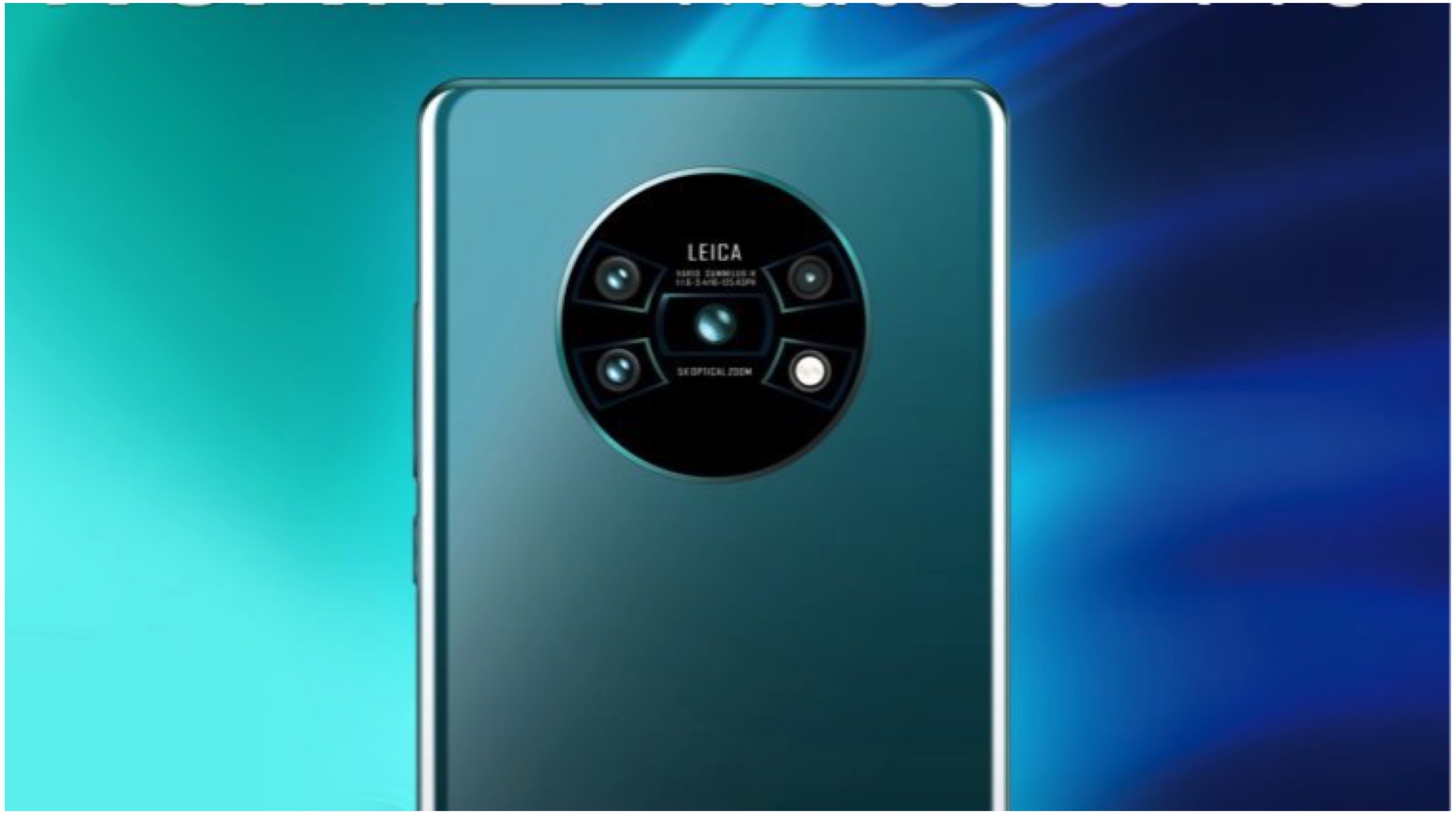
    Huawei is still reeling from the after shocks after being relieved from the ban that was designated by the US Department of Commerce. However, business is still in full swing with rumours and leaks regarding the upcoming Huawei Mate 30 and Mate 30 Pro increasing in numbers. A fresh leak sheds some light on the camera of the highest DxOMark scoring smartphone ever.

    Huawei Mate 30

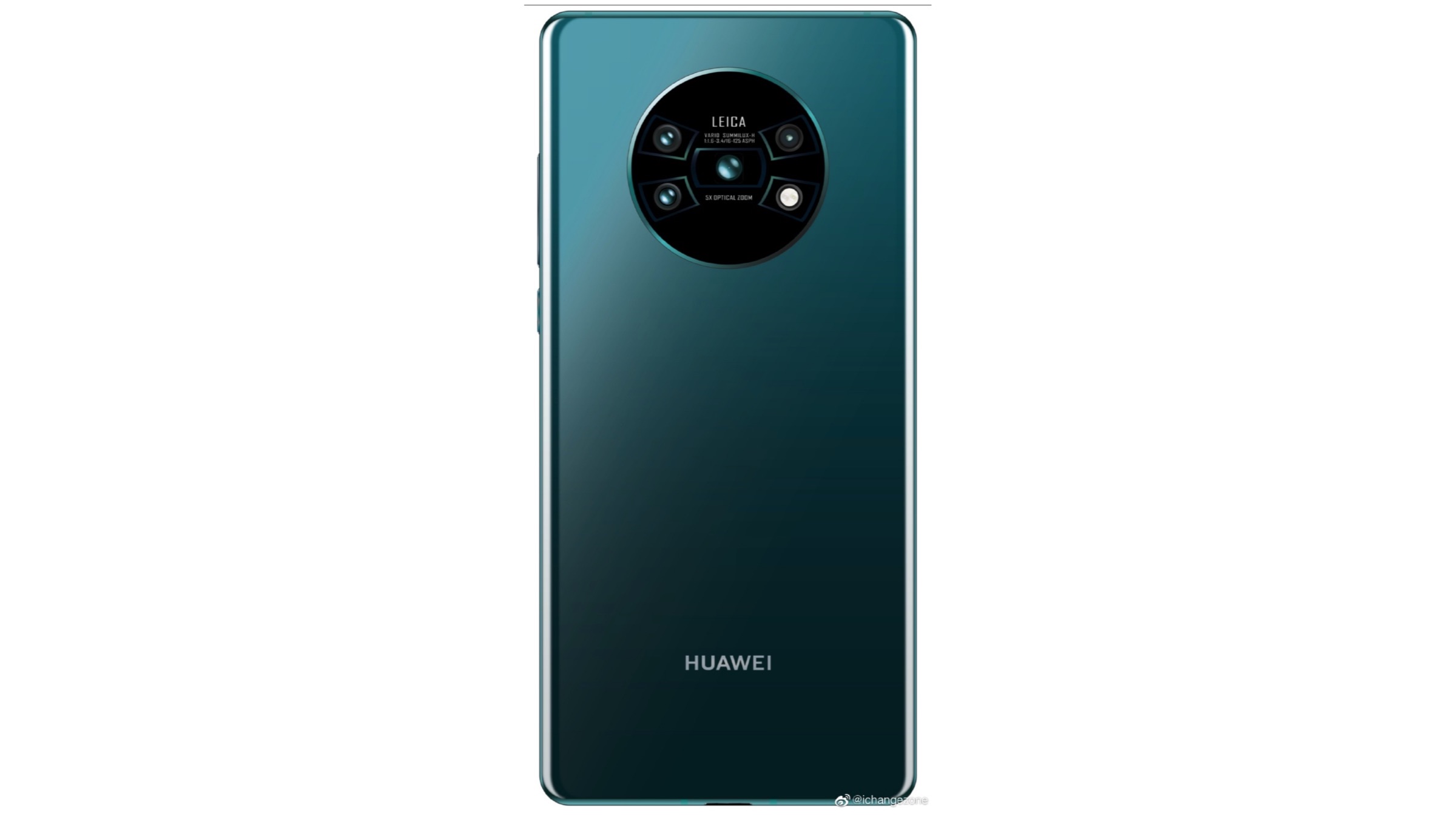
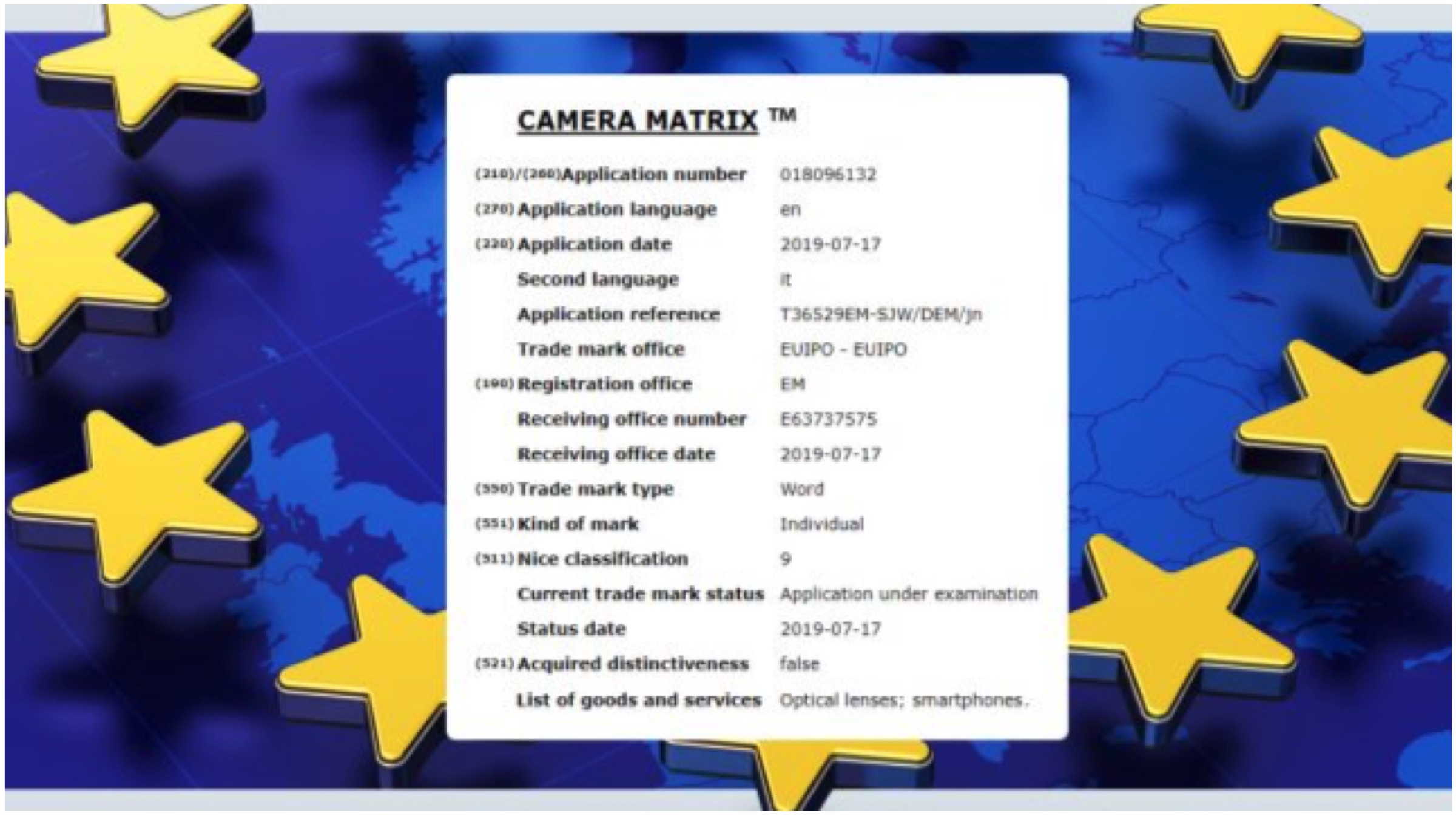
    Huawei was spotted applying for two trademark applications to the EUIPO (European Union Intellectual Property Office). The trademark carried the names Cine-Lens and Camera Matrix. It indicates that the Huawei Mate 30 and Mate 30 Pro feature a cinema lens for high quality video recordings. The application for Huawei Cine-Lens carries a description for “cinema photography; optical lenses for recording, reproduction and processsing of sound, images and/or data; smartphones; camcorders; cameras.” 

    Huawei Mate 30

    It is being speculated that both the trademarks are for Huawei’s Mate 30 and 30 Pro. Both smartphones are premium grade flagships and are expected to arrive in October. The application for Cine Lens is big deal considering Huawei has already introduced matrix camera in the Mate 20 series of 2018. Cine Lens seems to refer to camera lens which are specifically developed for high quality videography. Interestingly, actual cinema lens are rather expensive and a mobile version optimized for video recording will be quite innovative. 

    Huawei Mate 30

    Also ReadThis Tiny Android Go Phone, Made By Xiaomi Makes Perfect Sense For Indians

    Leica is one of the manufacturers for such cine lenses and has frequently collaborated with Huawei. Hence, it is probable that the Mate 30 and Mate 30 Pro could feature the new lens technology; generally the Pro variants carry a better camera, so the feature may skip the standard variant. Unfortunately, finer details regarding the upcoming flagships from Huawei is still unavailable. An official company announcement is expected to be available in the arriving weeks; updates will be provided soon after.

  • Samsung Galaxy A80 With A Fancy Rotating Camera Launched In India

    Samsung Galaxy A80 With A Fancy Rotating Camera Launched In India

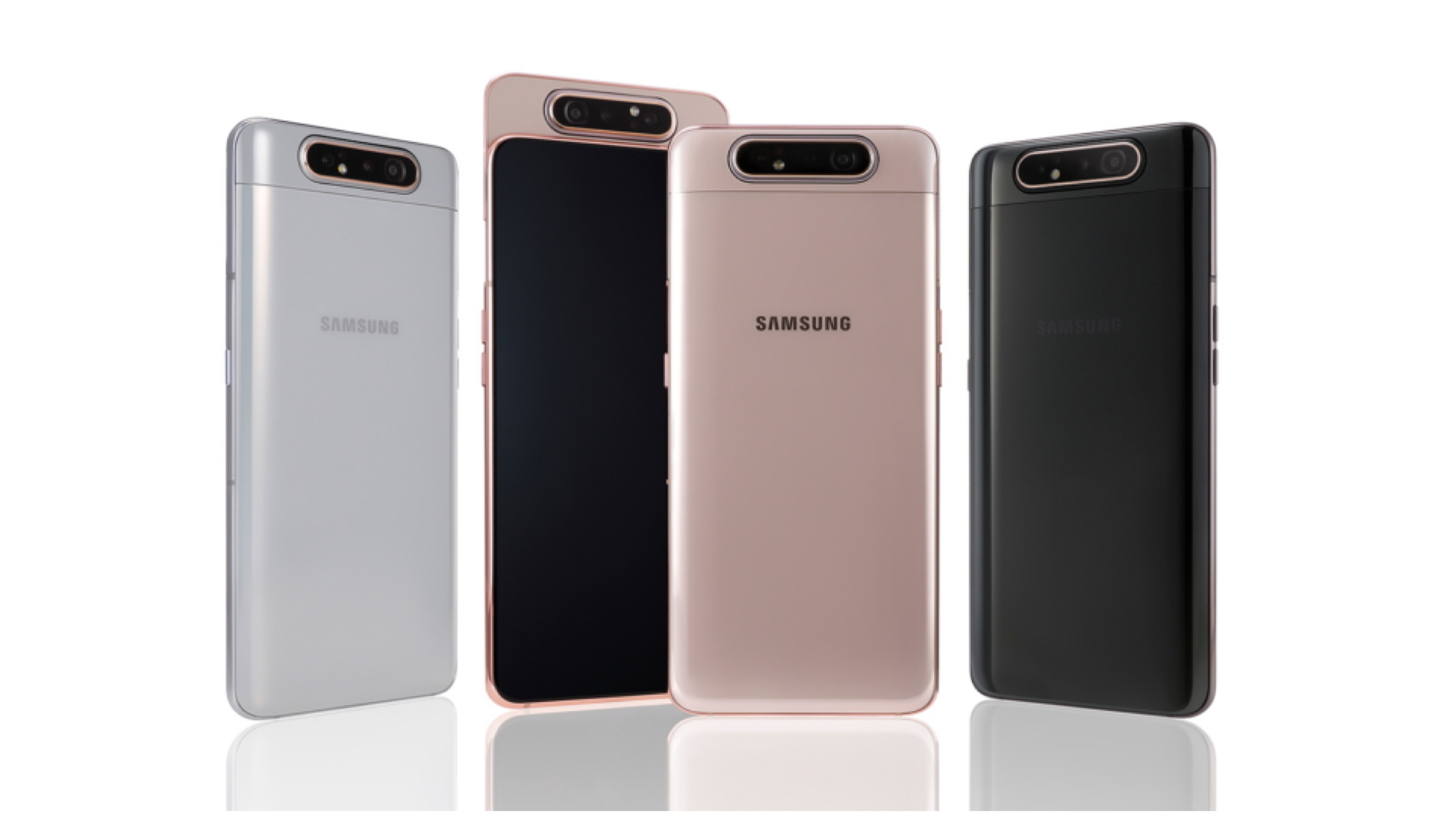
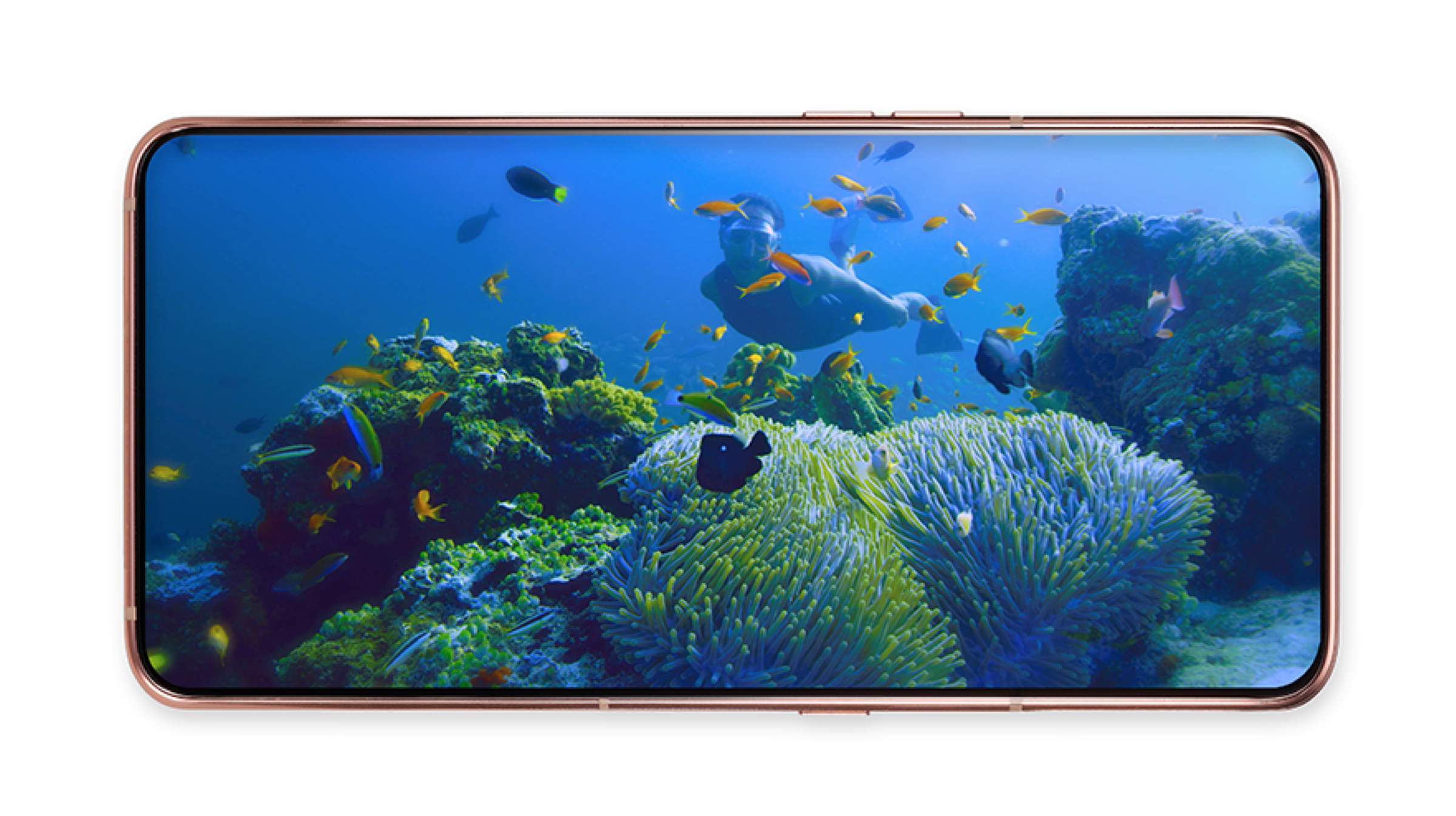
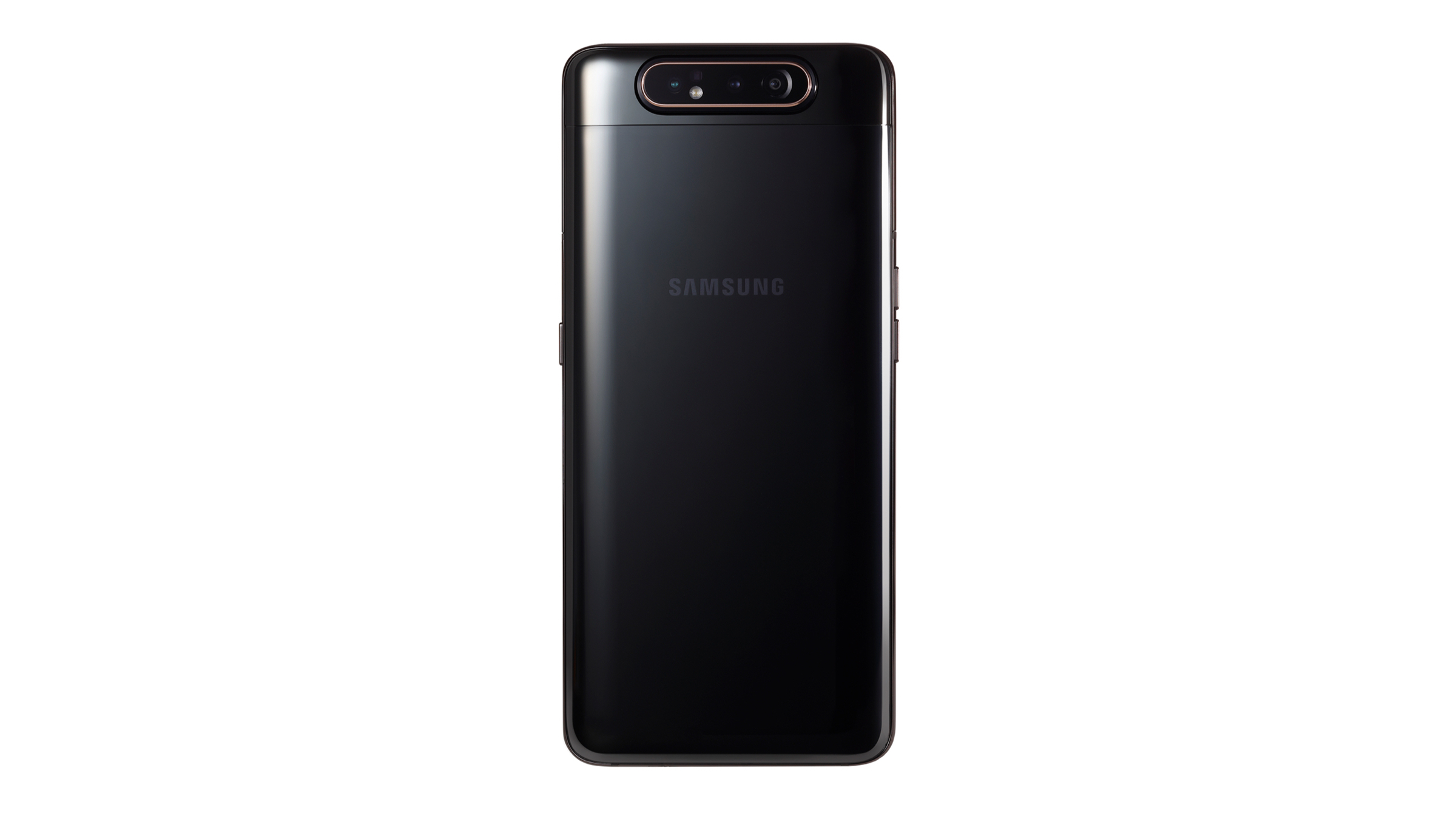
    In the month of April, Korean electronics giant, Samsung launched the apex predator in its Galaxy A lineup. Dubbed the Galaxy A80, it has now been launched in India as well. The key highlighting features of the smartphone include an immersive edge-to-edge display and a fancy flip camera system that caters the needs of capturing both photos and videos from the front and back. 

    Galaxy A80 Specs and Features

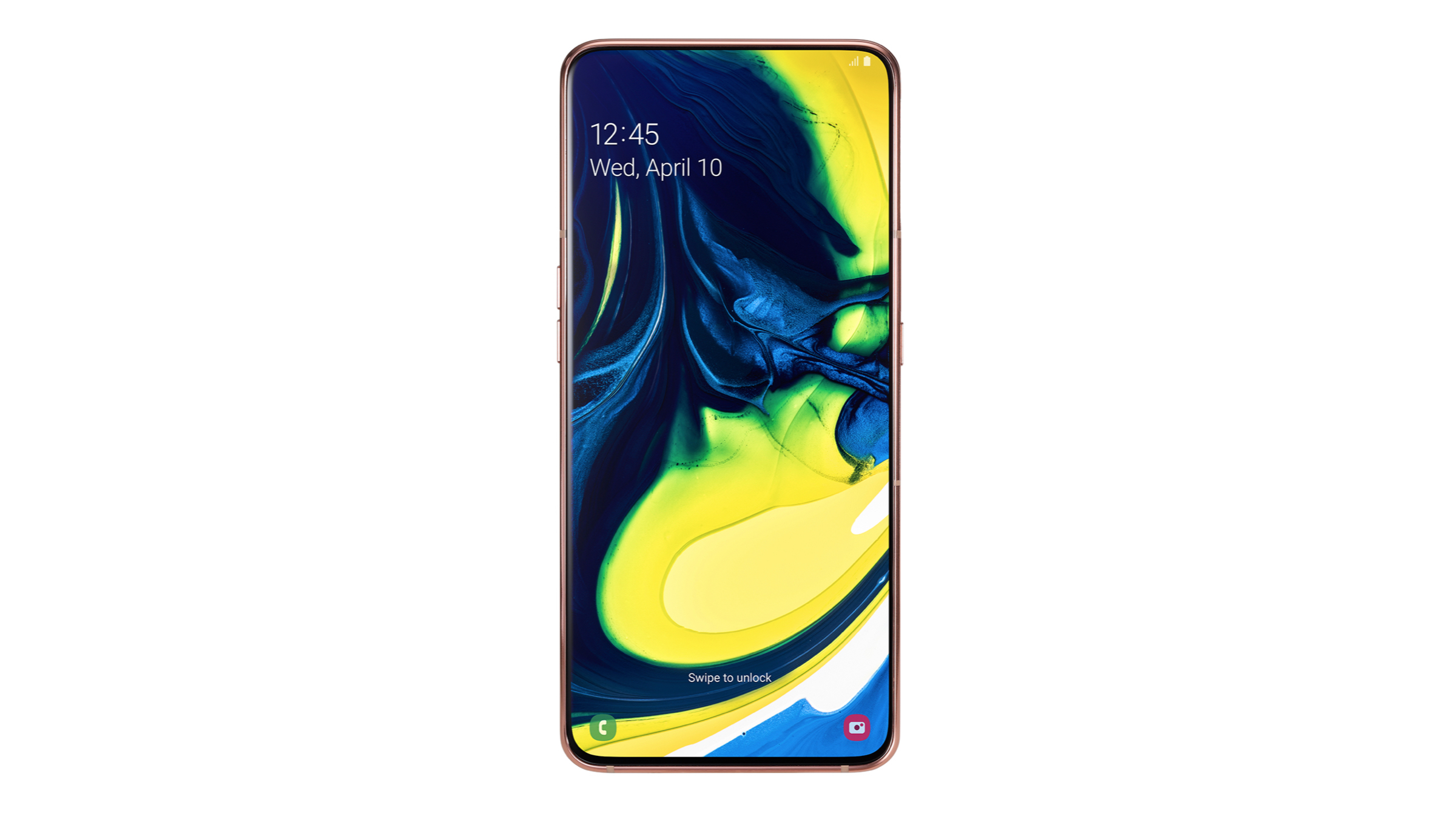
    The front of the Galaxy A80 features a massive 6.7 inch Super AMOLED display that is devoid of any notch. Samsung is calling this obstruction-free display as the “New Infinity”. The display panel has a  resolution of  2400 x 1080 px and an aspect ratio of 20:9. For rapidly and securely logging into the UI, the handset features an indisplay fingerprint sensor, which is also present on the Galaxy A70 and the Galaxy A50.

    Under the hood, the Galaxy A80 features the Snapdragon 730G SoC which is manufactured using 8 nm fabrication process. The chipset consists of an Octa-core CPU along with Adreno 618 GPU. To provide the best both worlds i.e power and efficiency, the eight core CPU is divided into two seprate clusters which are as follows:

    • 2x 2.2 GHz
    • 6x 1.8GHz

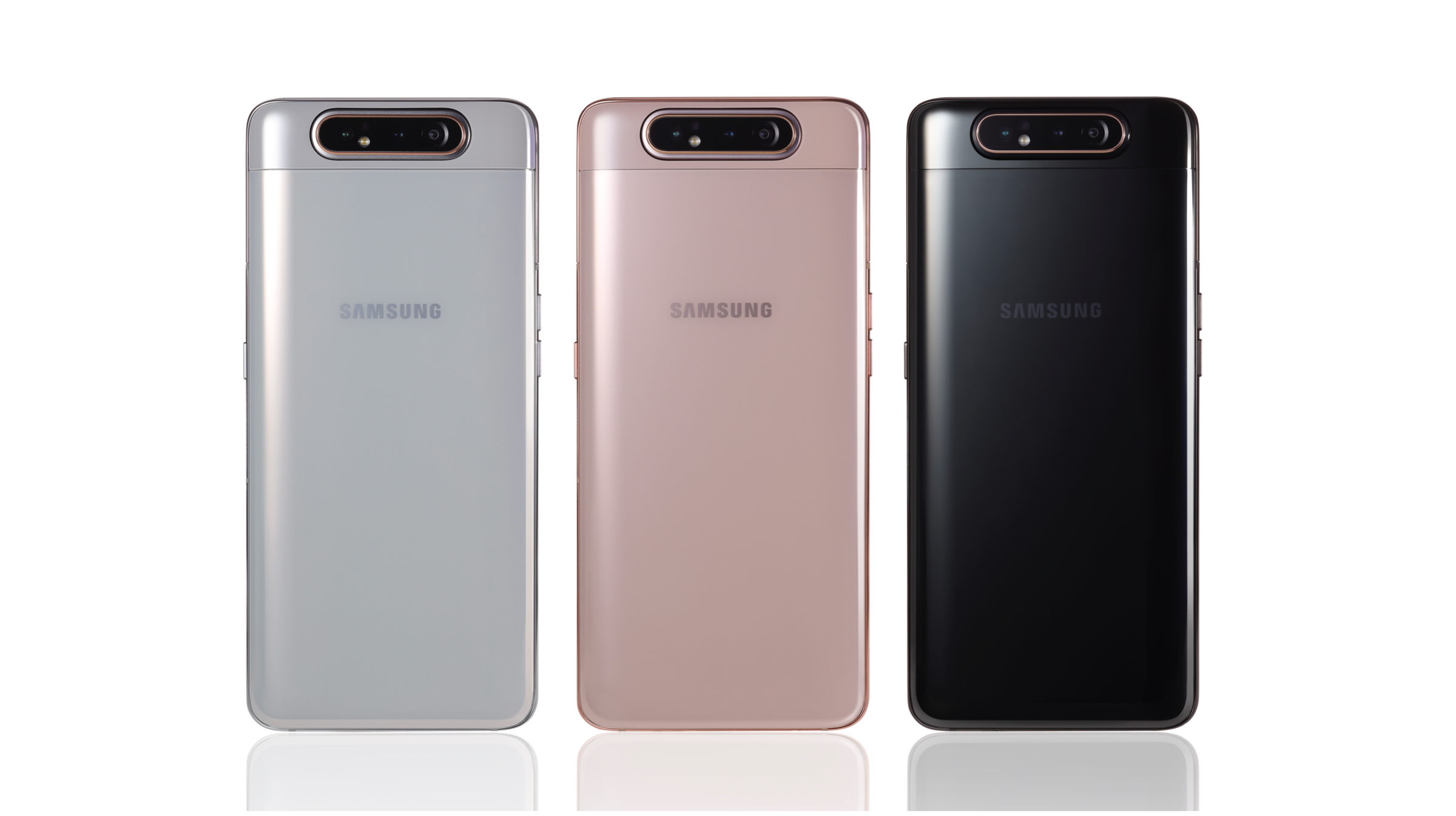
    For capturing photos and videos, the Galaxy A80 has a rotating triple camera system that consists of an f/2.0 aperture equipped 48MP sensor,  f/2.2 aperture equipped 8MP sensor and a 3D Time of Flight (ToF) along with an LED flash. As previously mentioned the same camera module can be used for photography from both the front and rear. As soon as the user taps the front camera button in the UI, the inbuilt motors come into play which with the help of a complex mechanism makes the camera setup rise and manifest itself for clicking selfies or making video calls.

    The Galaxy A80 is powered by a 3700 mAh battery which supports 25W fast charging. The device runs on Samsung’s OneUI which is built on top of the latest Android 9 Pie. Connectivity options on the smartphone include Bluetooth 5.0, Wi-Fi 802.11 ac, 4G VoLTE, GPS and USB Type C port for charging and data transfer. 

    Galaxy A80 Price, Storage Options, Colours and Availability

    Also read: This Tiny Android Go Phone, Made By Xiaomi Makes Perfect Sense For Indians

    The Samsung Galaxy A80 is offered in three colour options which include Angel Gold, Ghost White and Phantom Black. It is offered in a single storage variant for which the price is as follows:

    • 8 GB RAM + 128 GB ROM: Rs 47,990

    Similar to various other flagship smartphones, the Galaxy A80 also lacks support for memory expansion. It will be available for pre-booking from July 22 to July 31 and will go on sale from 1st of August across all retail stores, e-Shop, Samsung Opera House and all major leading online channels.

    To conclude, the Galaxy A80 seems like a fantastic handset which looks appealing and is packed with worthy features. However, we feel the price that it is being offered is a bit steep and will be the only factor that keeps customers away from it. Nevertheless, the unique camera system may be able to justify its price tag and is one features that makes it stand apart from the crowd.

    What do you think about the newly launched Galaxy A80? Let us know in the comments below

  • Samsung Starts Production Of 12GB LPDDR5 RAM For Smartphones

    Samsung Starts Production Of 12GB LPDDR5 RAM For Smartphones

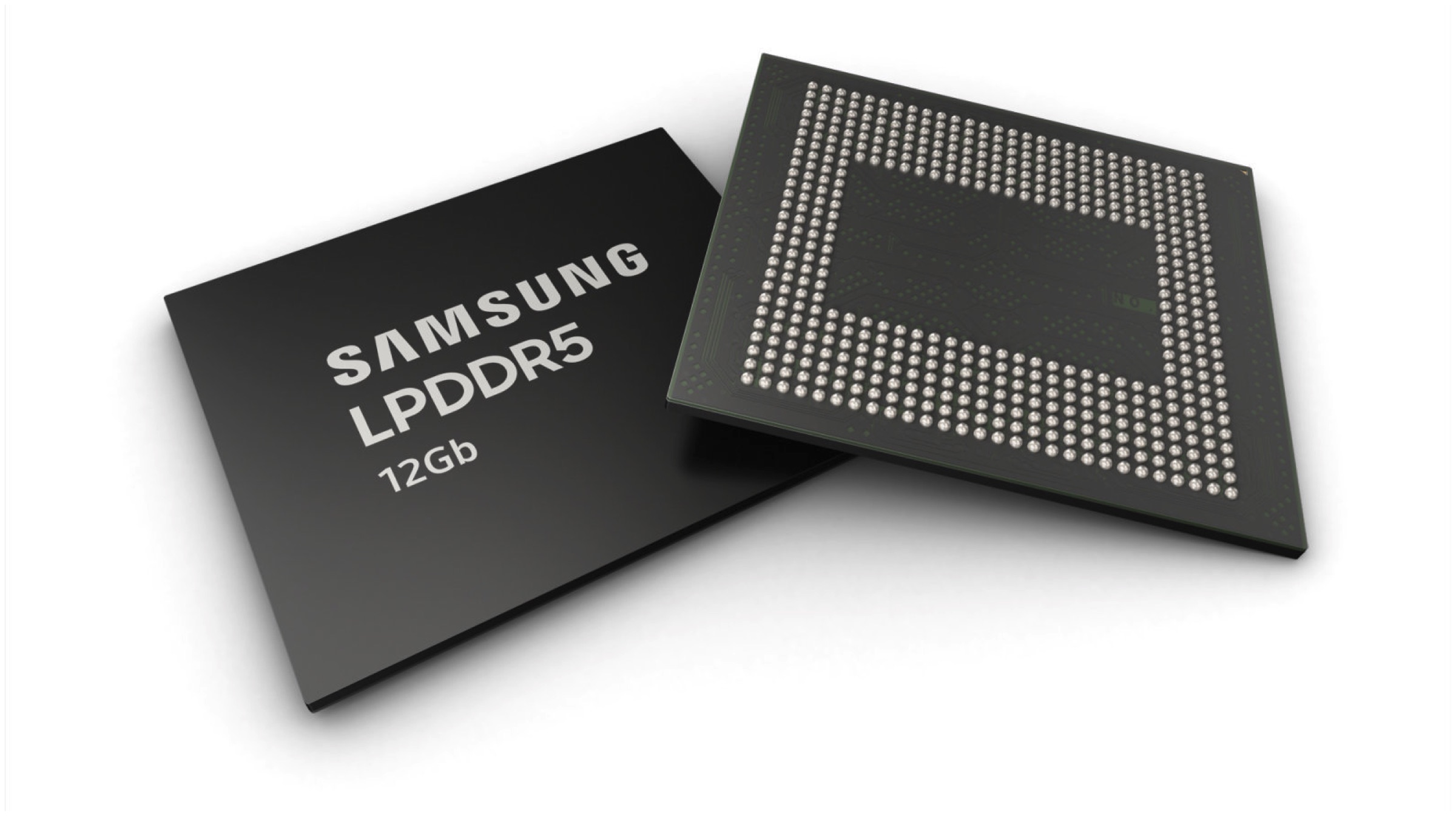
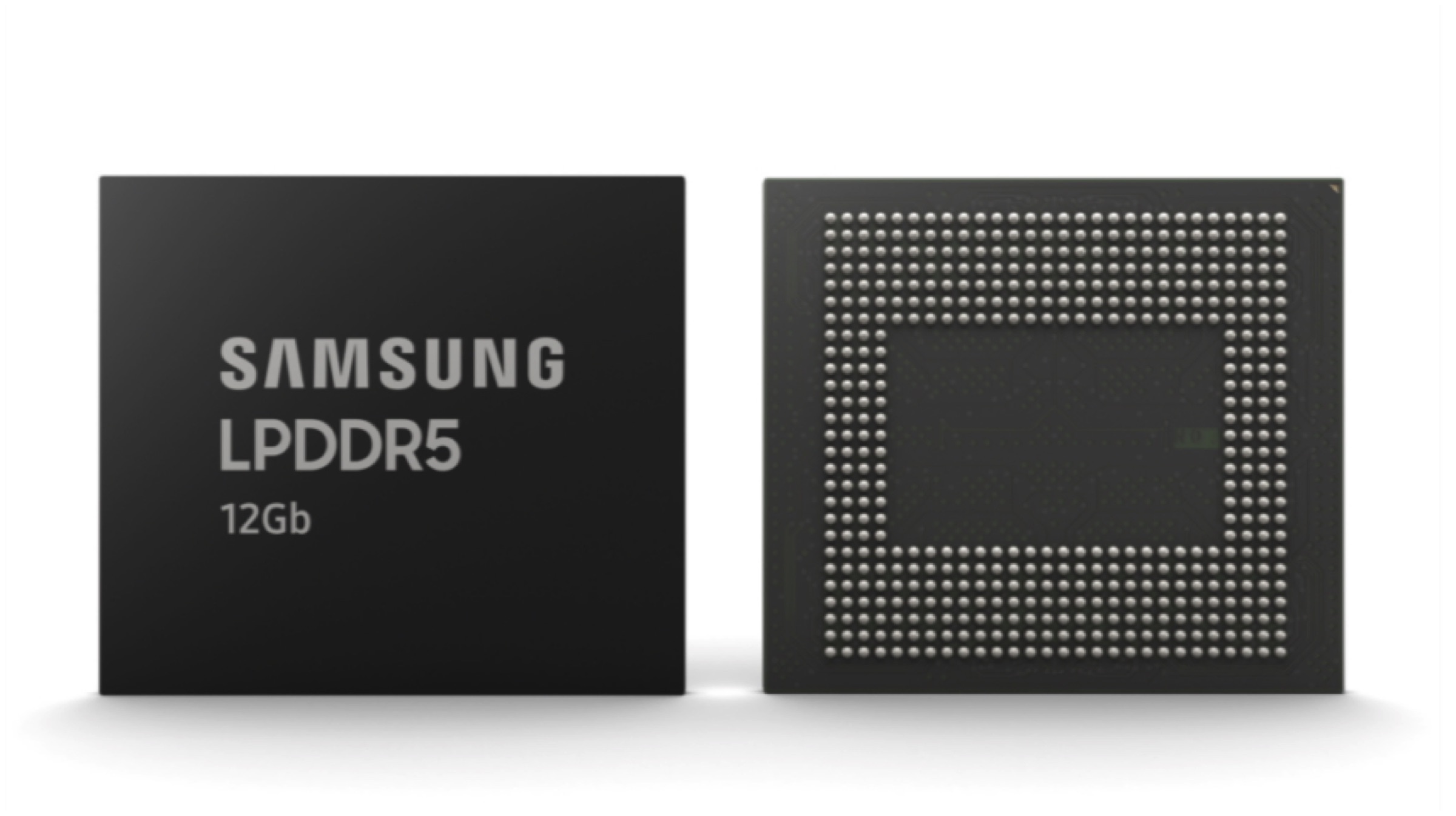
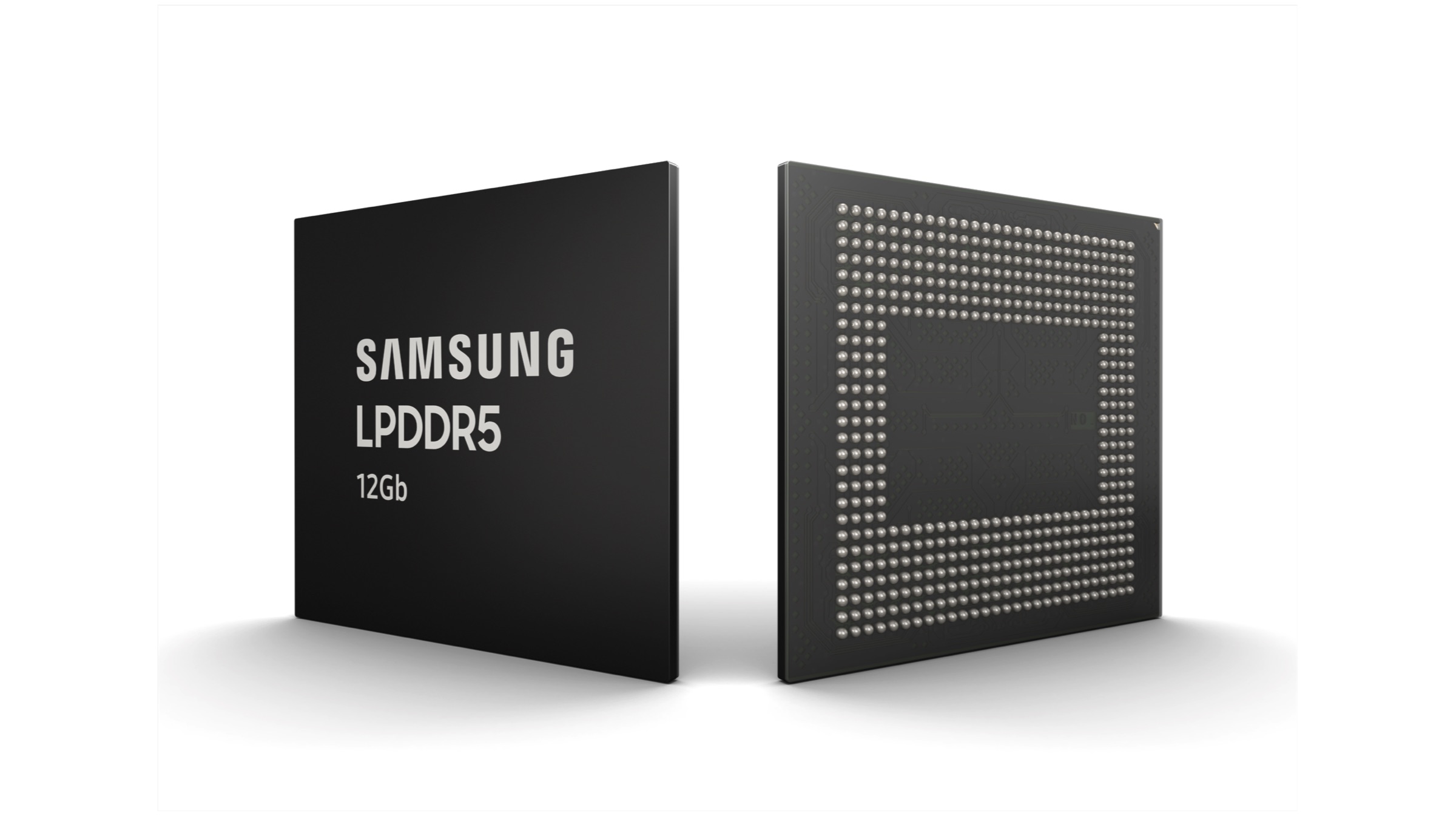
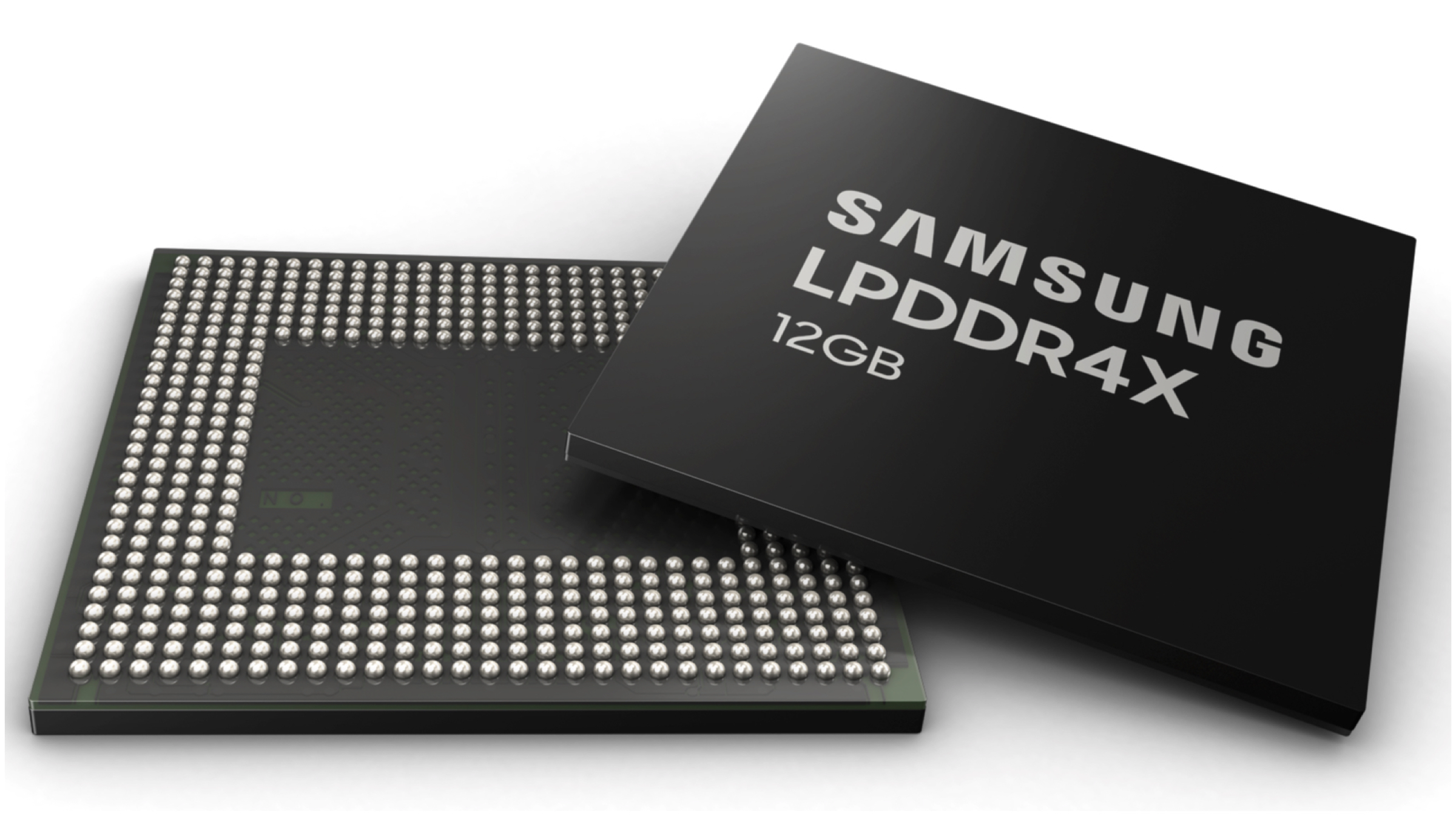
    Earlier this year, Samsung had launched its highest capacity DRAM (Dynamix Random Access Memory) modules for smartphones. It was a 12GB LPDDR4X model which was aimed for top end handsets. However, jump a few months forward and Samsung has already started producing its faster and newer version. The South Korean company is starting the mass production of the worlds first 12GB LPDDR5 DRAM module aimed for smartphones. 

    Samsung LPDDR5


    Samsung had introduced the LPDDR5 chip back in 2018 to enable 5G capable devices with efficient and effective RAM. It was aimed to better support AI softwares and machine learning capabilities for smartphones. Similar to the previous version RAM module, the newer iteration is also built on Samsung’s second generation 10nm chipset. The upcoming RAM offering from the company is claimed to boast an overall improvement of 30% in speeds in data transfer and operating through the User Interface (UI)

    Samsung LPDDR5

    The 12GB package with 12GB chips is capable of data transfers of up to 44GB/s or around 12 FullHD movies in a single second. Furthermore, the LPDDR5 DRAM is also claimed to consumes 30% less power in comparison to the LPDDR4X. Samsung is planning to “fully leverage the 5G and AI capabilities like ultra high definition video recording and machine learning, while greatly extending the battery life.”

    Also ReadThis Tiny Android Go Phone, Made By Xiaomi Makes Perfect Sense For Indians

    The move arrives after Samsung has seen a noticeable drop in prices and sales in the past quarter. Hence, it is to be expected that the company is banking on newer technology to get ahead of its competitors. Notably, compatibility with the new RAM module with existing chipsets is questionable. What can be gathered is that OEMs will probably ship the new RAM with their premium flagships smartphones starting next year.

  • This Tiny Android Go Phone, Made By Xiaomi Makes Perfect Sense For Indians

    This Tiny Android Go Phone, Made By Xiaomi Makes Perfect Sense For Indians

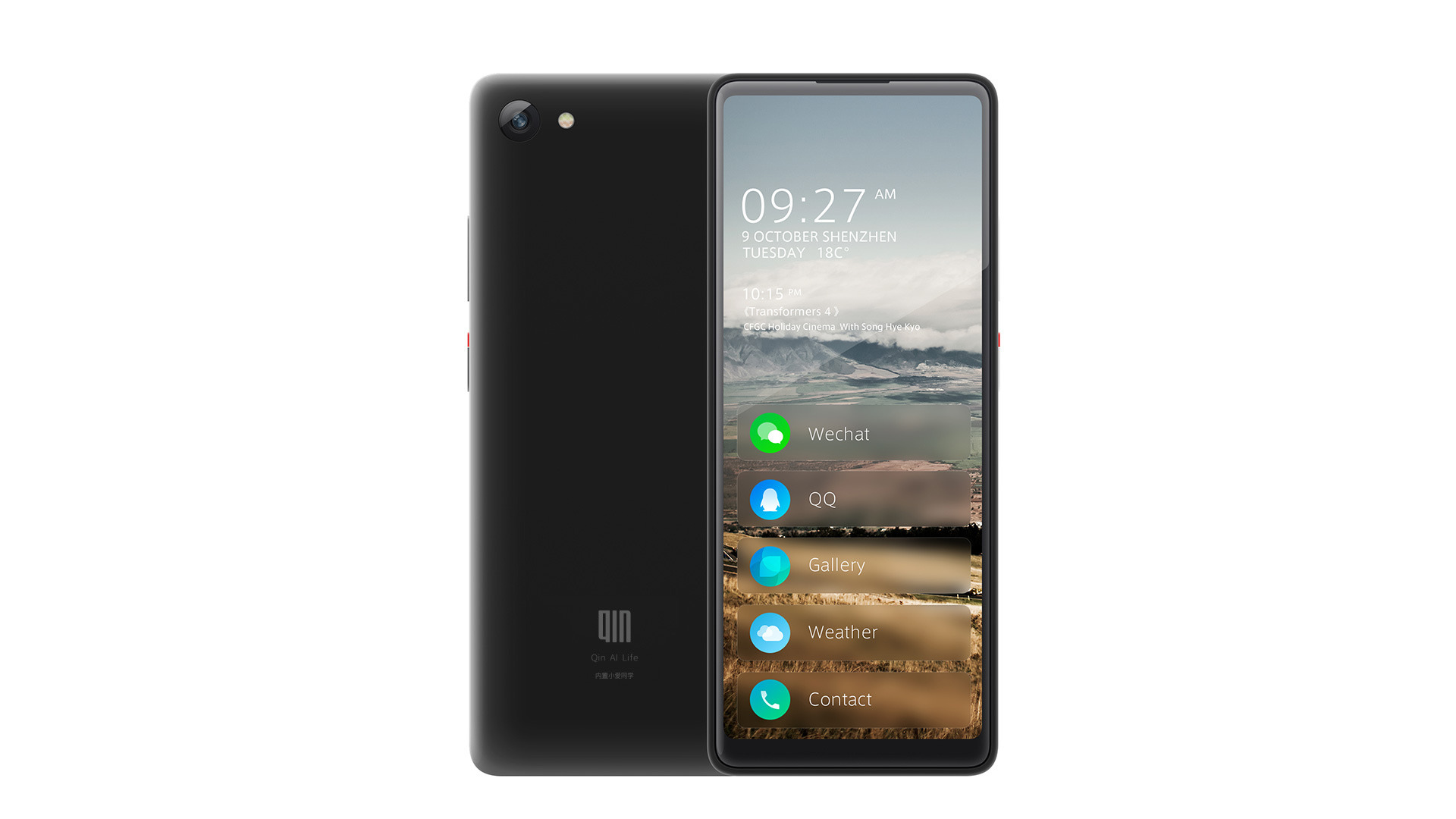
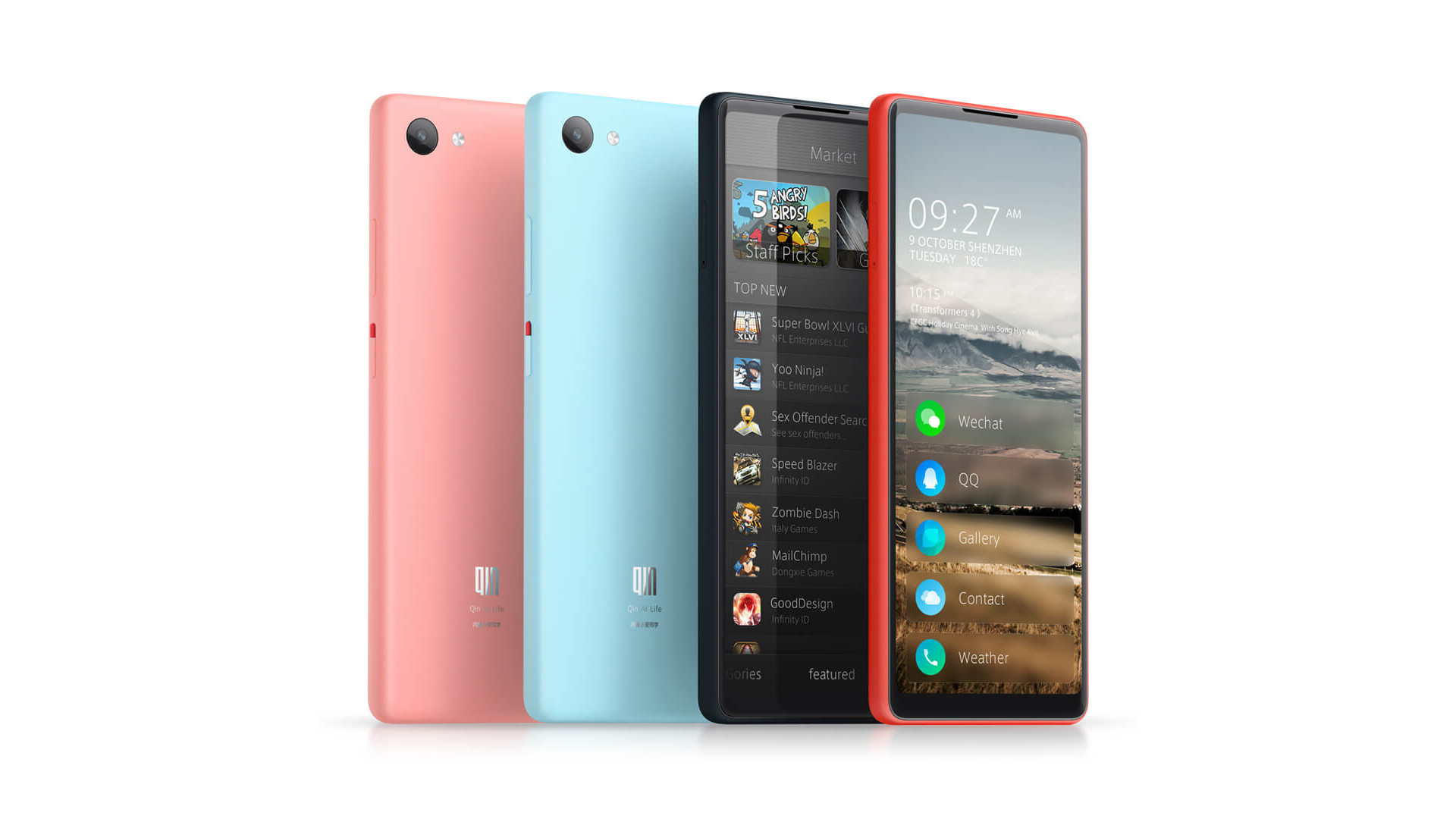
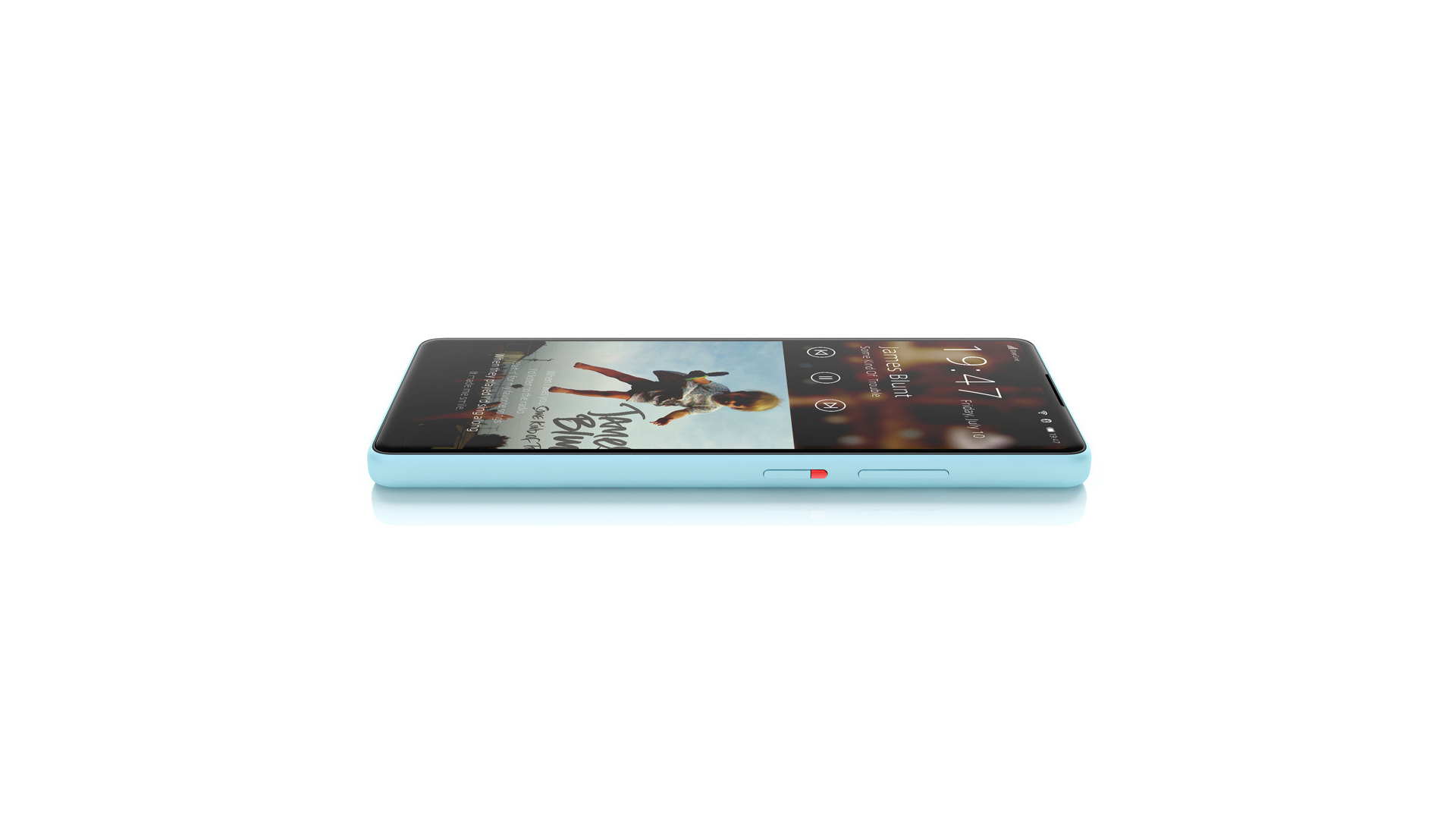
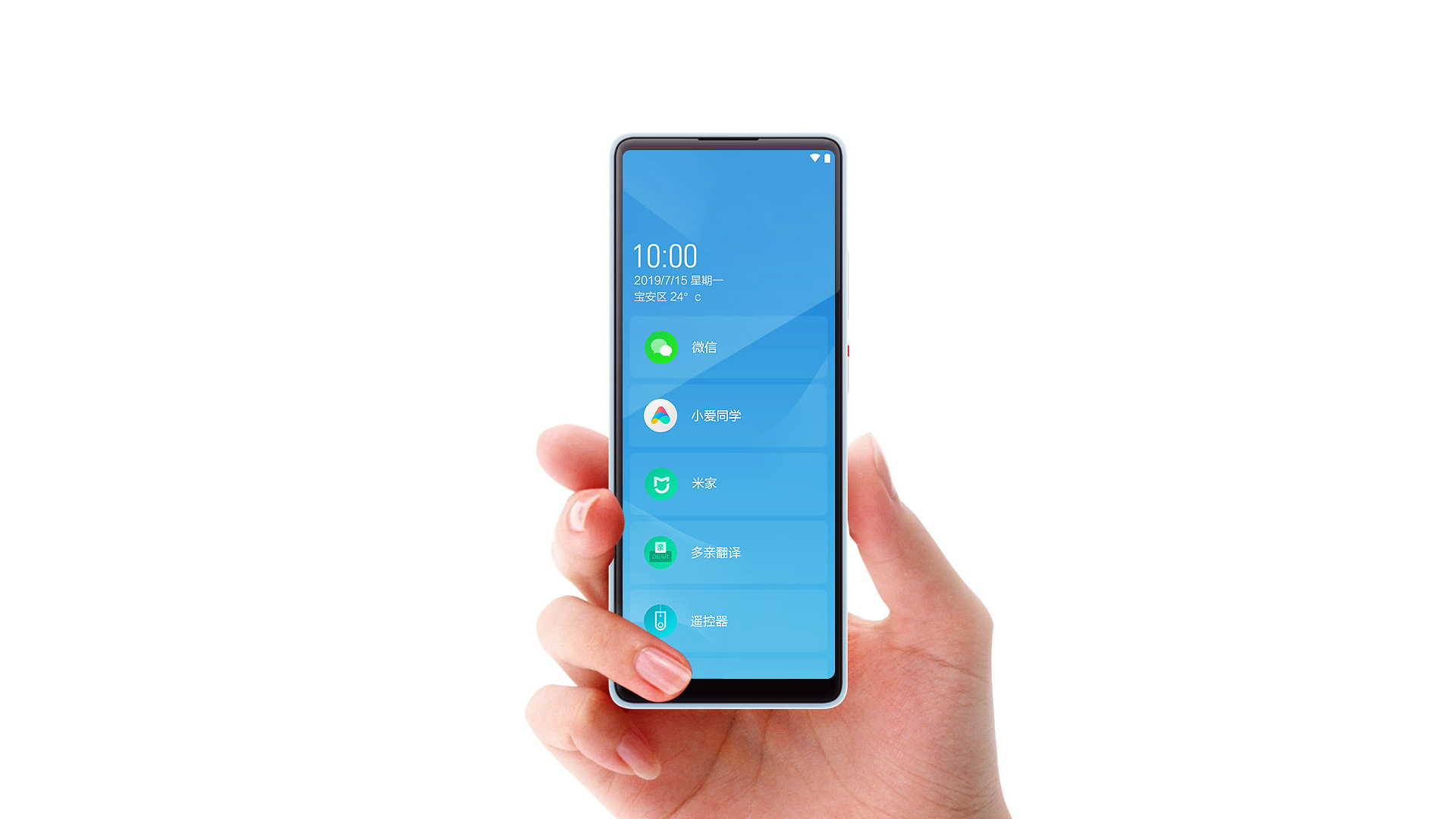
    Xiaomi with it ever-expanding portfolio of products never ceases to amaze us. Earlier this week, it announced the Redmi K20 and K20 Pro smartphones for the Indian market which were originally launched in China. Likewise, the company is crowdfunding a tiny Android Go smartphone in its home country, which we would love to see in India as well. The handset is a part of Xiaomi’s sub-brand Qin and it is dubbed the “Multi Parent AI Assitant/ 4G phone” [literal translation ;)]. Nevertheless, the device has a distinguishing design and is offered in a multitude of attractive colours.

    Xiaomi Qin Android Go Smartphone

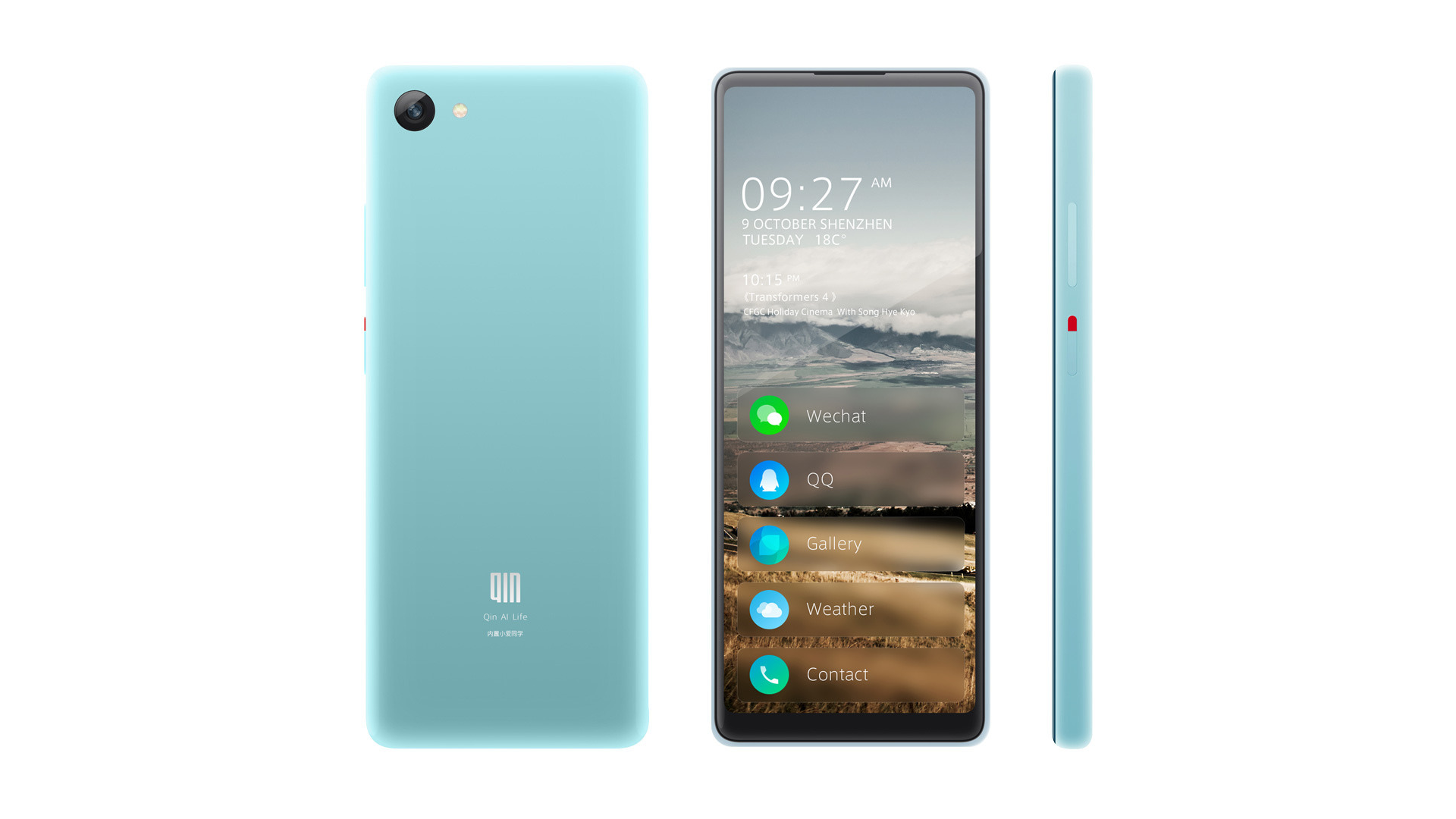
    The front of the Xiaomi smartphone features a 5.05-inch display that has negligible bezels on all sides except for the chin which is comparatively thicker. Surprisingly, the display of the handset has an aspect ratio of 22.5:9 which is slowly gaining popularity in mid-range and high-end devices like the Sony Xperia 1 and Motorola One Vision. Besides, the display has resoultion of 1440 x 576 px.

    In terms of dimensions and weight, the Xiaomi Qin smartphone measures 132.6 x 55.4 x 8.6 mm and tips the scale at a meagre 105 g. The rear panel of the smartphone is made out of hard plastic and the users have the choice to opt for their favourite colour out of four different vibrant options. The rear panel has a neat layout as it only houses the company branding and a single camera along with an LED flash.

    The left side of the Xiaomi Qin Android Go smartphone houses the power button and volume rocker as seen on various modern handsets. Additionally, it also has a small button on the left which can be used to toggle the built-in AI voice assistant. It is powered by a 2100 mAh battery which can be charged via the bottom-mounted USB Type C port.

    Another notable feature of the smartphone is the presence of an IR blaster that can be used to control different appliances wirelessly in an office or personal living space. Connectivity options on the device include 4 G VoLTE, Wi-Fi and Bluetooth 4.2. Details about the chipset or processor on the smartphone are currently available.

    In terms of operating system, it runs on Go variant of Android 9.0. For readers who do not know, Android Go is a scaled-down variant of standard Android and it is purpose-built for devices with less powerful hardware. According to substandard Chinese translation, it can run a total of 6 applications including WeChat and has a customised UI which helps for easy navigation.

    Xiaomi Qin Quick Specs
    • Display: 5.05 inch, 1440 x 576, 22.5:9 aspect ratio
    • Dimensions: 132.6 x 55.4 x 8.6 mm
    • Weight: 105g
    • Battery Capacity: 2100 mAh, 5V2A
    • Connectivity: Wi-Fi, Bluetooth 4.2, USB C
    • OS: Android 9 GO
    • Other Features: IR Blaster, AI Assistant
    • Rear Camera: Single Sensor, LED Flash
    • Front Camera: N/A
    • Storage: 32 GB
    • Price: 499 CNY (around Rs 5000)
    Why This Device Makes Perfect Sense For Indians?

    Taking the fact into consideration, more than half of the mobile owners in India still own a feature phone that is usually limited to 2G connectivity. With the rapid adoption of 4G, the said user base undoubtedly would want to move on to smartphones that have better connectivity options and a lot more features at an economical price point. This is where the Xiaomi Qin smartphone can settle and bridge the gap.

    Noteworthy, another smartphone from Xiaomi, the Redmi Go that features a front camera, bigger battery and a lower price tag than Qin is already available in India. Therefore, in order to see worthwhile sales performance, the latter needs to be priced aggressively. We feel Rs 2500 to Rs 3500 would be the sweet spot for it, given Xiaomi decides to bring it to India.

    Readers interested in checking the official website can do so by clicking here.

    What according to you should be the right price for this smartphone? Let us know in the comments below!

  • Future Apple iPhones Will Feature A ToF 3D Depth Camera

    Future Apple iPhones Will Feature A ToF 3D Depth Camera

    Apple is yet to launch the 2019 iPhones which will allegedly be called the iPhone XI, iPhone XI Max and iPhone XR 2019 or XI R. However, news regarding its 2020 smartphones have already started popping up. According to a new report, the American company has asked its supply chain partners to supply VCSEL components for a rear ToF camera lens. The sensor is said to be incorporated in its 2020 lineup of flagship smartphones.

    Apple iPhone

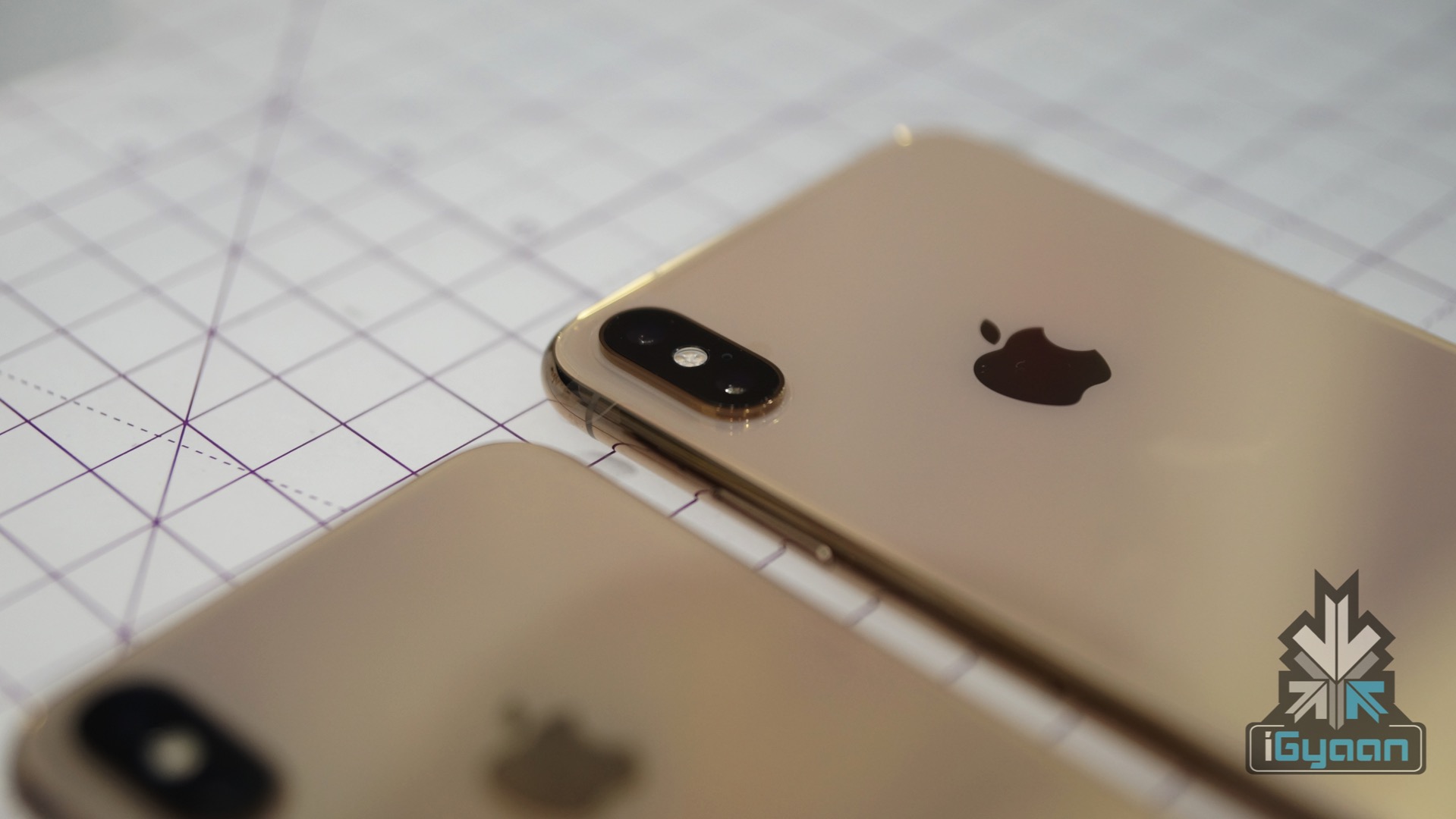
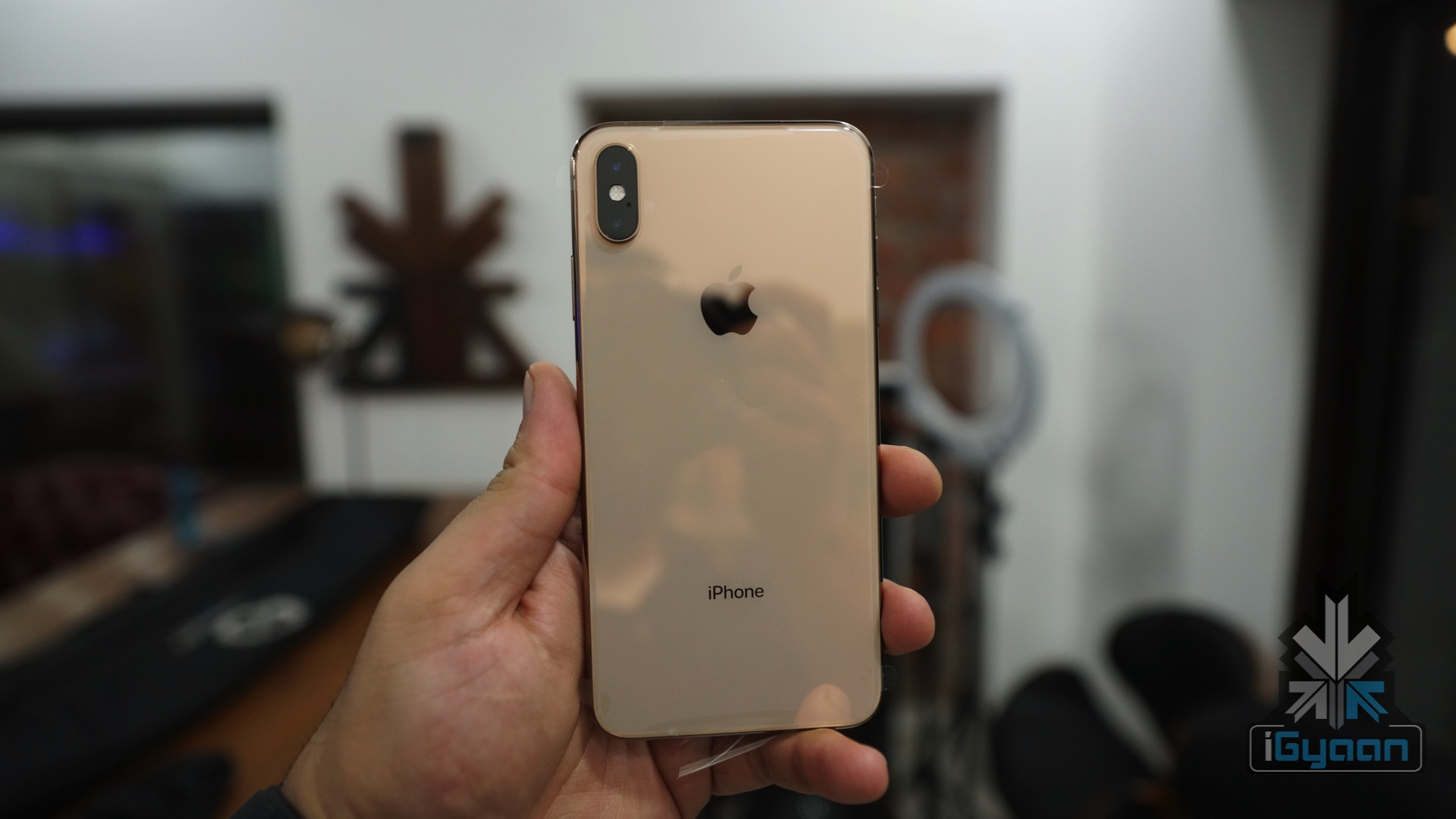
    VCSELs stands for Vertical Cavity Surface Emitting Lasers which are a critical component of Apple’s TrueDepth camera. It is found in the iPhone XR, XS and XS Max and enables features such as Face ID, Animoji and Portrait selfies as well as proximity-sensing capabilities of AirPods. The incorporation of a ToF camera system will be a significant improvement from TrueDepth owing to more advanced laser technology. Basically, Apple is upgrading the components housed in the current generation of iPhones allowing for added functionality. 

    Apple iPhone
    iPhone XS Max

    TrueDepth utilizes tens of thousands of laser dots to accurately map a users’ face that offers a secure authentication process. Contrastingly, ToF sensors measure the time taken for a laser to bounce off surrounding objects to create a 3D image; it is similar to how RADARS detect objects by bouncing signals of varying wavelengths. Hence, the ToF provides a more accurate depth perception and better measurement of virtual objects placements. It will essentially allow depth being captured in photos with greater quality.

    Apple iPhone 2020
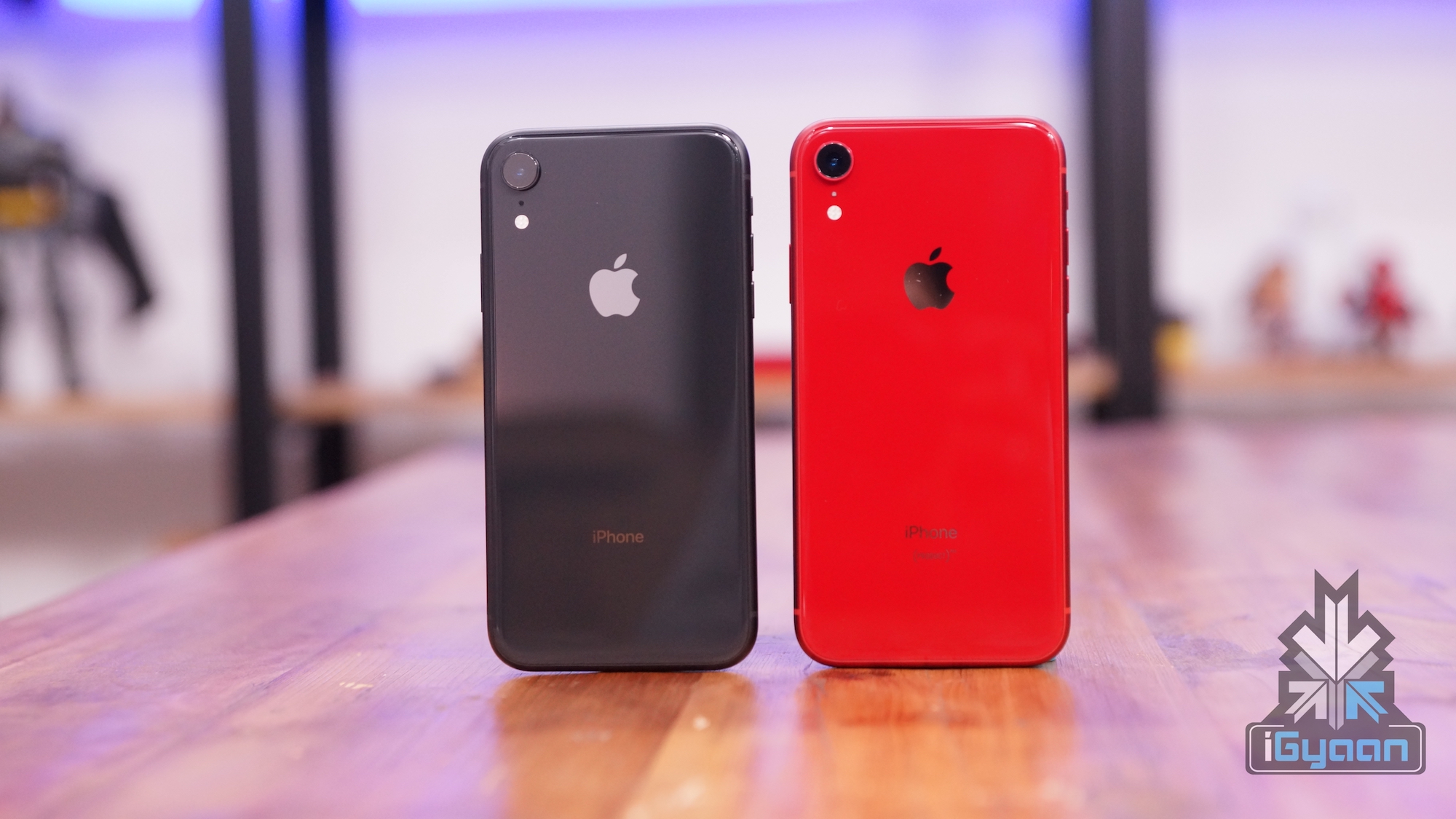
    Apple iPhone XR

    Apple iPhone 2020 could be able to scan areas up to 15 feet from the device. Current generation iPhones with TrueDepth only work at distances up to 25 to 50cms in comparison. With this, the tech giant is reportedly two years ahead of its competition in the region of 3D sensing technology. Sony is claimed to be the supplier for the ToF technology as Apple is rumoured to be in talks with the Japanese company. However, the company had also invested $390 million (approx. INR 2687 crores) in Finisar Corp which also supplies VCSELs.

    Also ReadSony Is Working On A Foldable Phone With A Host Of New Sensors

    Earlier reports had claimed that the 2019 iPhones would also incorporate the new feature. However, Apple has put its plans for AR/VR based technology development on hold for now. The 2020 iPhones could have Apple again incorporating a major distinctive feature that sets it apart from its competitors. Unfortunately, no official statement from the company has been given out yet. Updates will be provided once more information is available, so stay tuned. 

  • Asus ROG Phone 2 Specs Leaked, To Feature A Massive 5800mAh Battery

    Asus ROG Phone 2 Specs Leaked, To Feature A Massive 5800mAh Battery

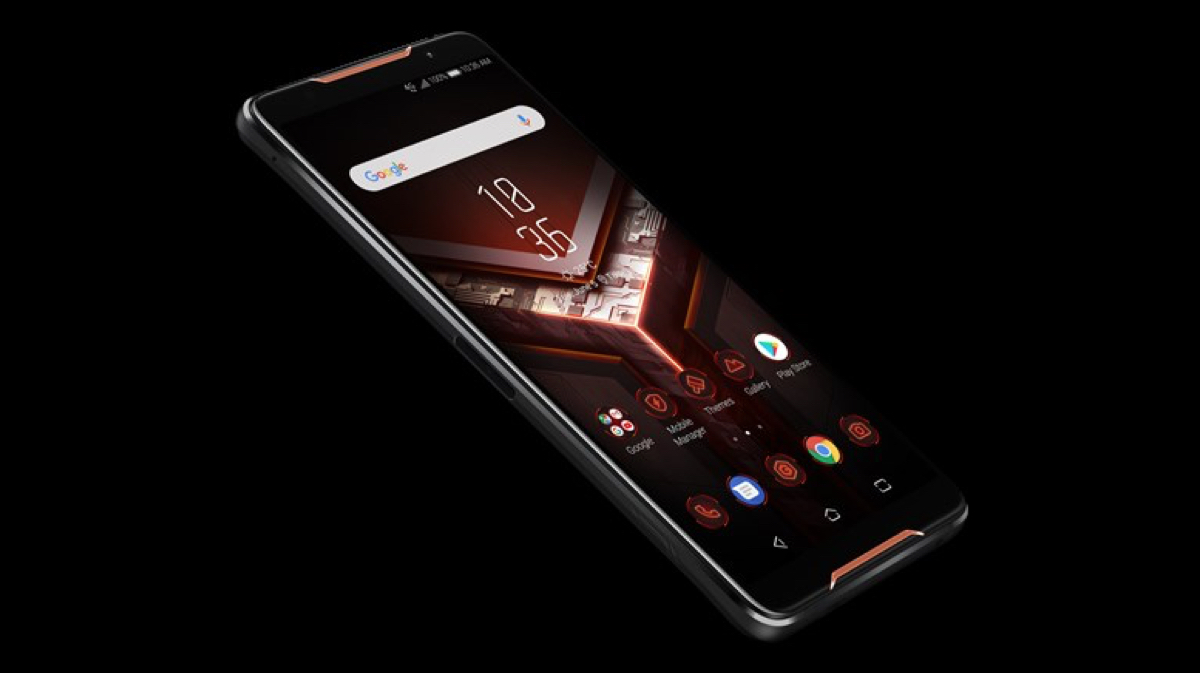
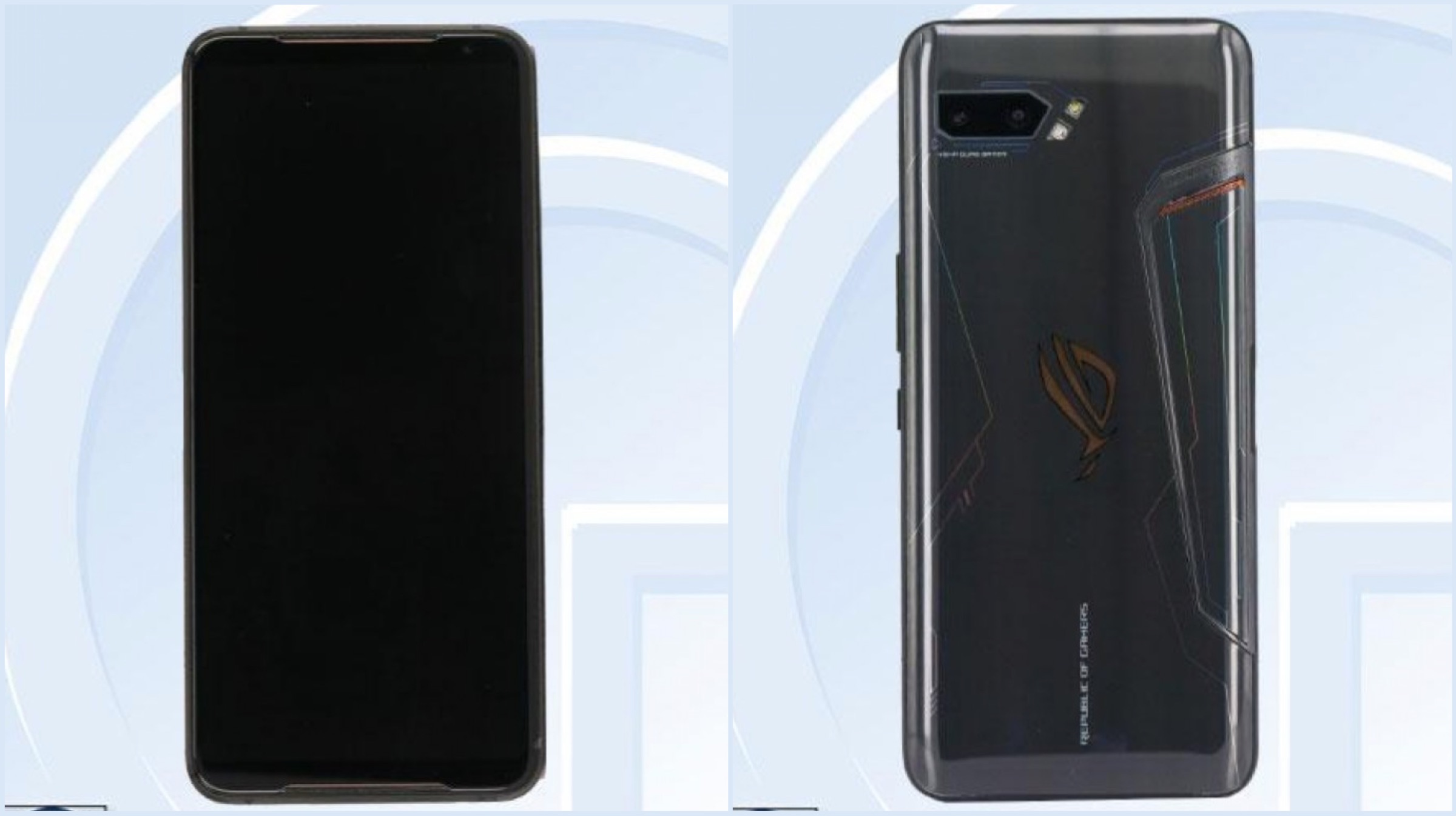
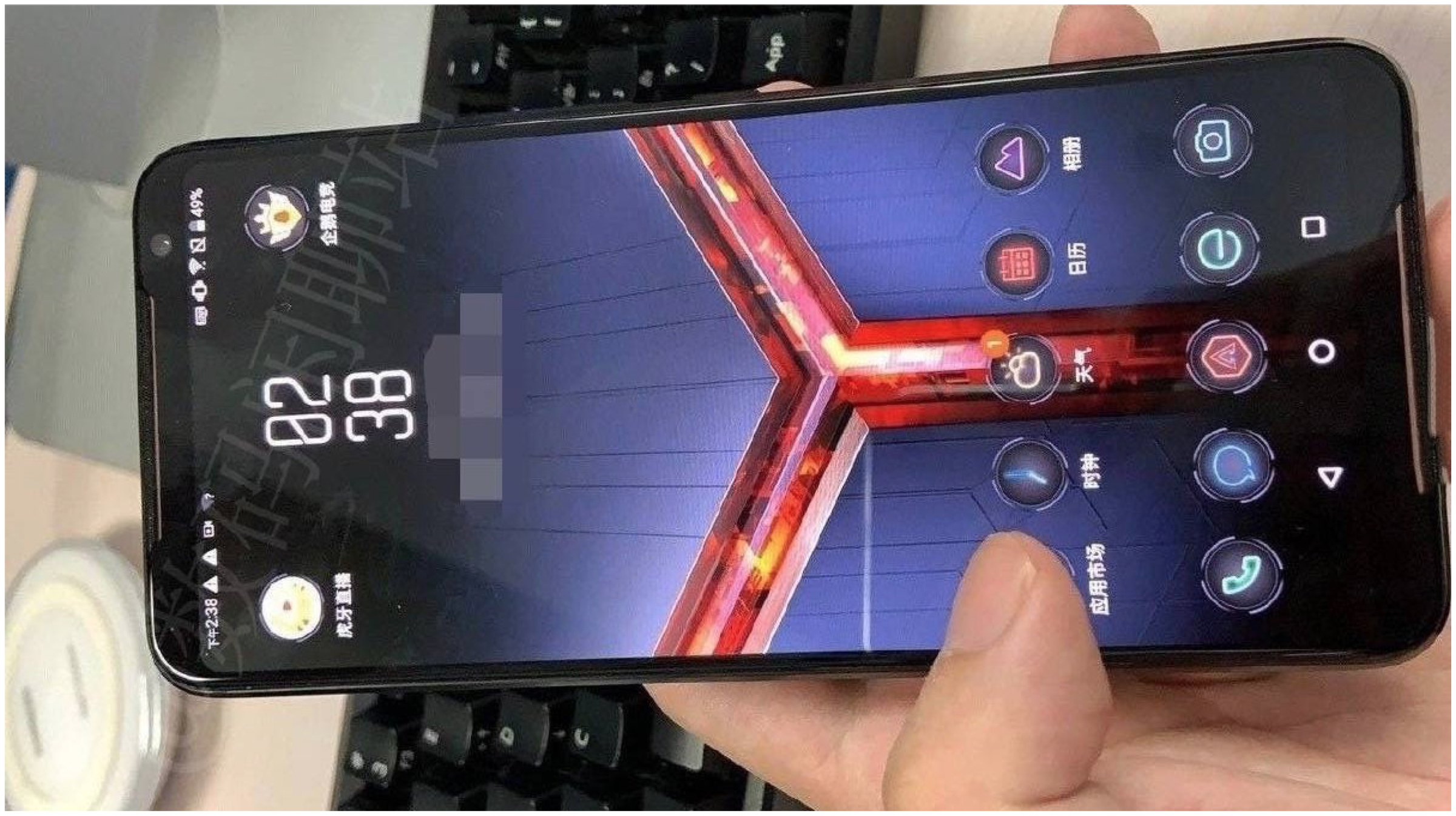
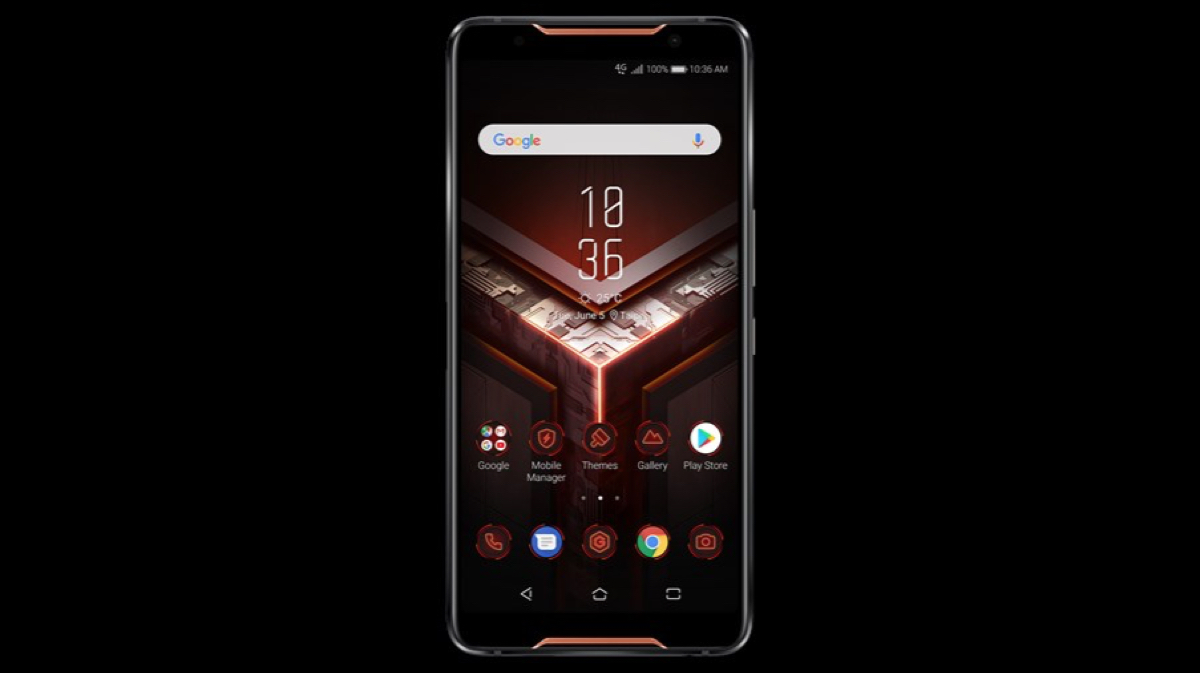
    It was revealed a while ago that Taiwanese electronics giant Asus is working on the second generation of its gaming smartphone, the ROG Phone 2. The upcoming device is expected to be a notable improvement over its predecessor, the ROG Phone in terms of specifications and features; while costing significantly less. The handset will be launched on the 23rd of July in China but the design of it has already been leaked. Now, the smartphone has been listed on Chinese certification website TENAA which confirms key details about the device.

    Asus ROG Phone 2

    Asus ROG Phone 2

    The latest leak on TENAA’s official website, the upcoming gaming smartphone from Asus; the ROG Phone 2 will have the model numbers I001DA and I001DB depending on the markets they will be available in. According to the listing, the device will measure 170.99 x 77.6 x 9.78mm and will have a similar design to its predecessor, albeit with a few changes. The fingerprint sensor, which was present on the back on the ROG Phone may be moved under the display in the ROG Phone 2. This will mean that the handset will be the first mobile device from Asus to have an In-Display fingerprint sensor.

    Other specifications of the Asus ROG Phone 2 include a 6.59-inch display. While it is not clear what type of display will be used in the smartphone, since the predecessor has an OLED display, the upcoming device may also use the same kind of display technology. One notable aspect of the handset will be the display’s refresh rate, which has been revealed to be 120Hz. It is claimed that the ROG Phone 2 will be first in the world to have a 120Hz OLED display.

    ROG Phone

    Also read: Sony Is Working On A Foldable Phone With A Host Of New Sensors

    The Asus ROG Phone 2 has also been revealed to be powered by a massive 5800mAh battery according to the TENAA listing. This would make it one of the largest battery capacity sporting smartphones, and the biggest cell in any gaming device on the market. Along with the mammoth battery size, the handset will also support 30W fast wired charging. It is also known that the upcoming smartphone will run on the latest chipset from Qualcomm, the Snapdragon 855 Plus. Unfortunately, more details about the device are not available yet. However, as the launch of the handset is just around the corner, we will not have to wait too long to find out.

  • Sony Is Working On A Foldable Phone With A Host Of New Sensors

    Sony Is Working On A Foldable Phone With A Host Of New Sensors

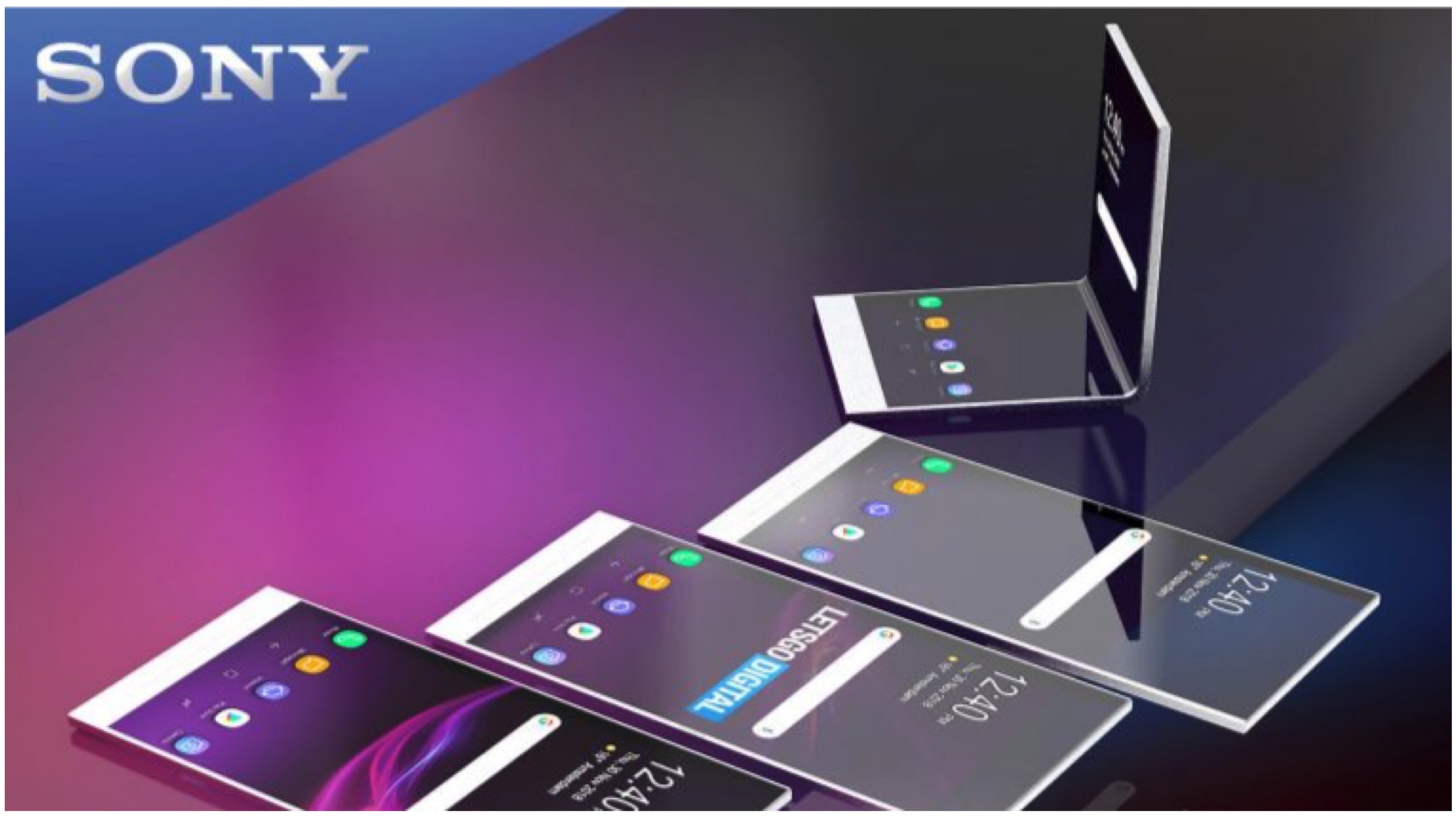
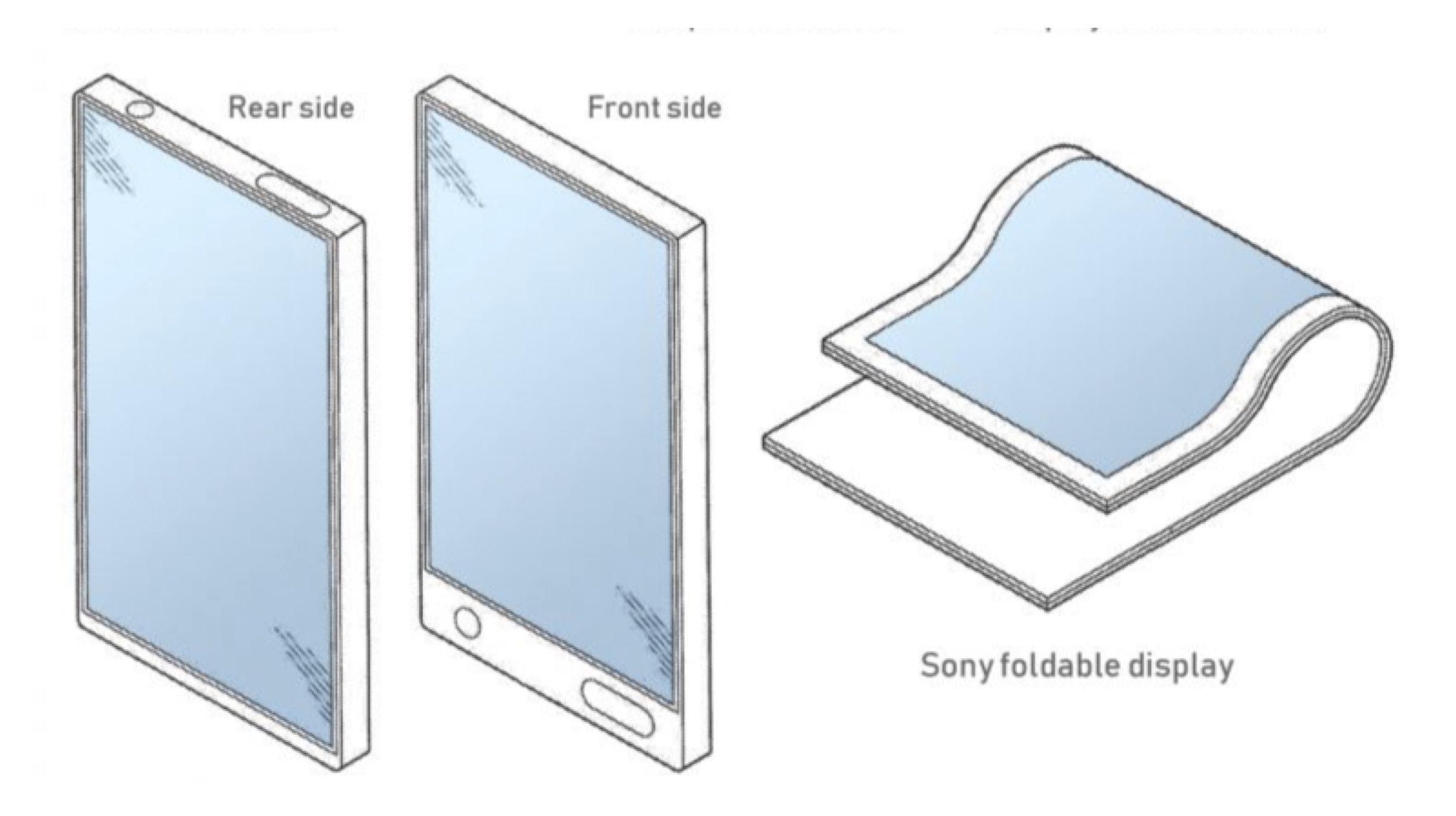
    After a decade of smartphones with a rigid form factor, the year 2019 saw the launch of two visionary devices, the Galaxy Fold and the Huawei Mate X 5G. Although both the smartphones aim towards achieving the same goal i.e is packing a large screen display on a compact device, they have a completely different approach. The Galaxy Fold has dual displays, out of which one is present on the outside aka “cover display” and a larger foldable display which is concealed with a unique folding mechanism. On the other hand, the Mate X has an outer folding display which the company refers to as “falcon wing” design. Unfortunately, the commercial availability of both handsets has been pushed to a future date (1,2). However, by the time the two devices make a comeback, they might not be the only competitors in this segment, as Sony is also working on futuristic device claim patents (1).
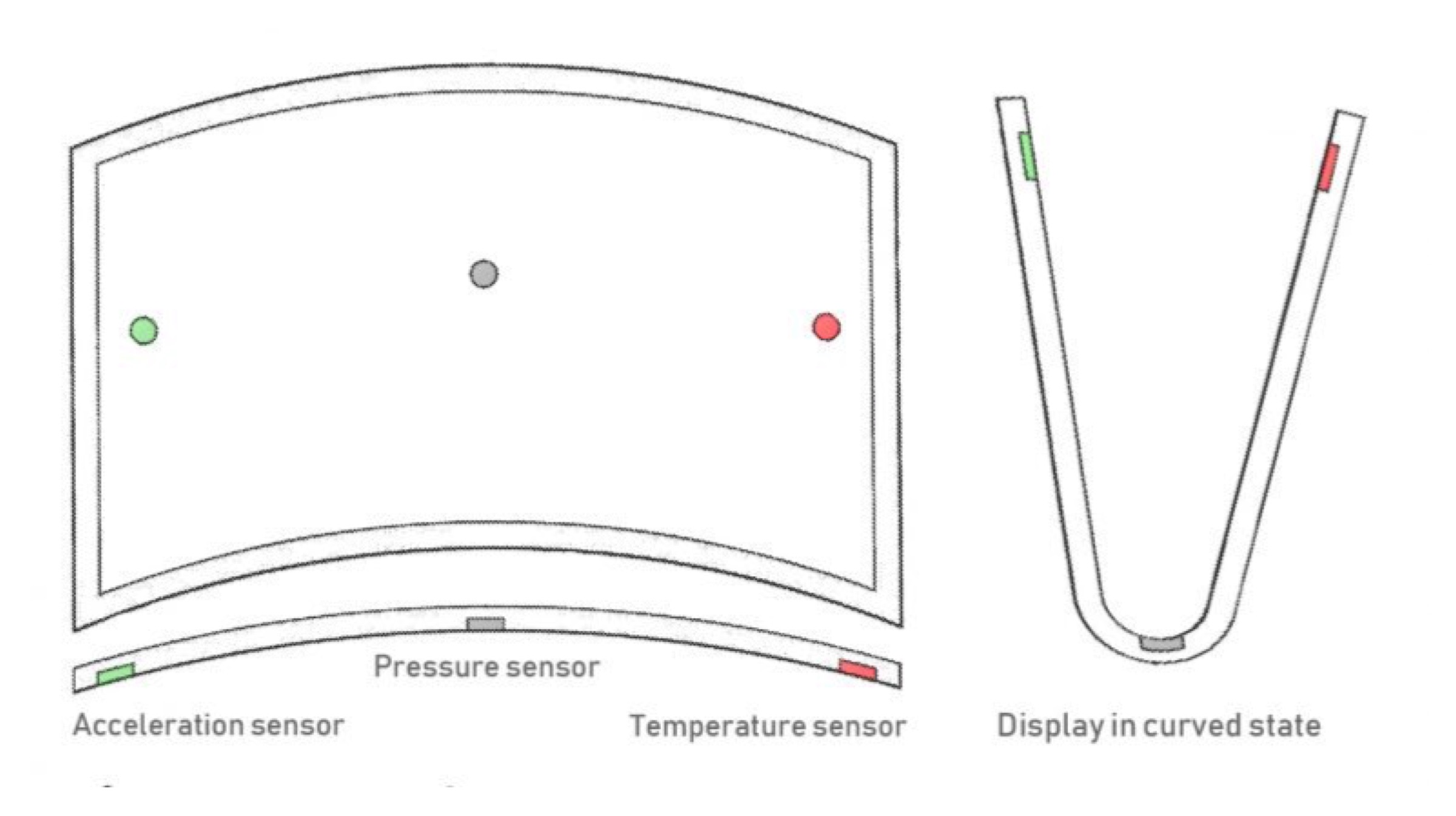
    Besides having a foldable display, the alleged Sony smartphone will have a few other nifty tricks up its sleeve. The patent discovered by a Netherland based website, Letsgodigital reveals that foldable Sony smartphones which are expected to launch in the near future will have an array of new generation sensors. Accordingly, the drawings in the document exhibit three different sensors in a foldable device which include a temperature sensor, pressure sensor and acceleration sensor. As the name suggests the pressure sensor will be able to sense the force applied on the display, this could something be similar to 3D touch seen on Apple iPhones which prompt different options based on the pressure applied to the display.

    Furthermore, the temperature sensor will likely measure the temperature of the users from their finger. Though not many details about this type of sensor are available, this could very well be targetted towards the health and fitness domain. The accelerometer sensor is common sighting on most modern smartphones and it is mainly used to track the orientation of the device.

    Also Read: PUBG Kicks Off Season 4 With A Story Trailer And Better Visuals

    The patents also divulge that the device from Sony will have just one display which will fold on the outside. The design is similar to that Huawei Mate X, that we, fortunately, got to have a close look at. The patents do not reveal any specifications about the Sony handset but it is expected to be laden with high end features. 

    To sum it up, Sony holds the technical prowess required to fabricate such a device. However, we will have to wait for some concrete details in order to verify the existence of the handset. 

  • Sony Xperia 1R With A 5K Resolution Display Leaked

    Sony Xperia 1R With A 5K Resolution Display Leaked

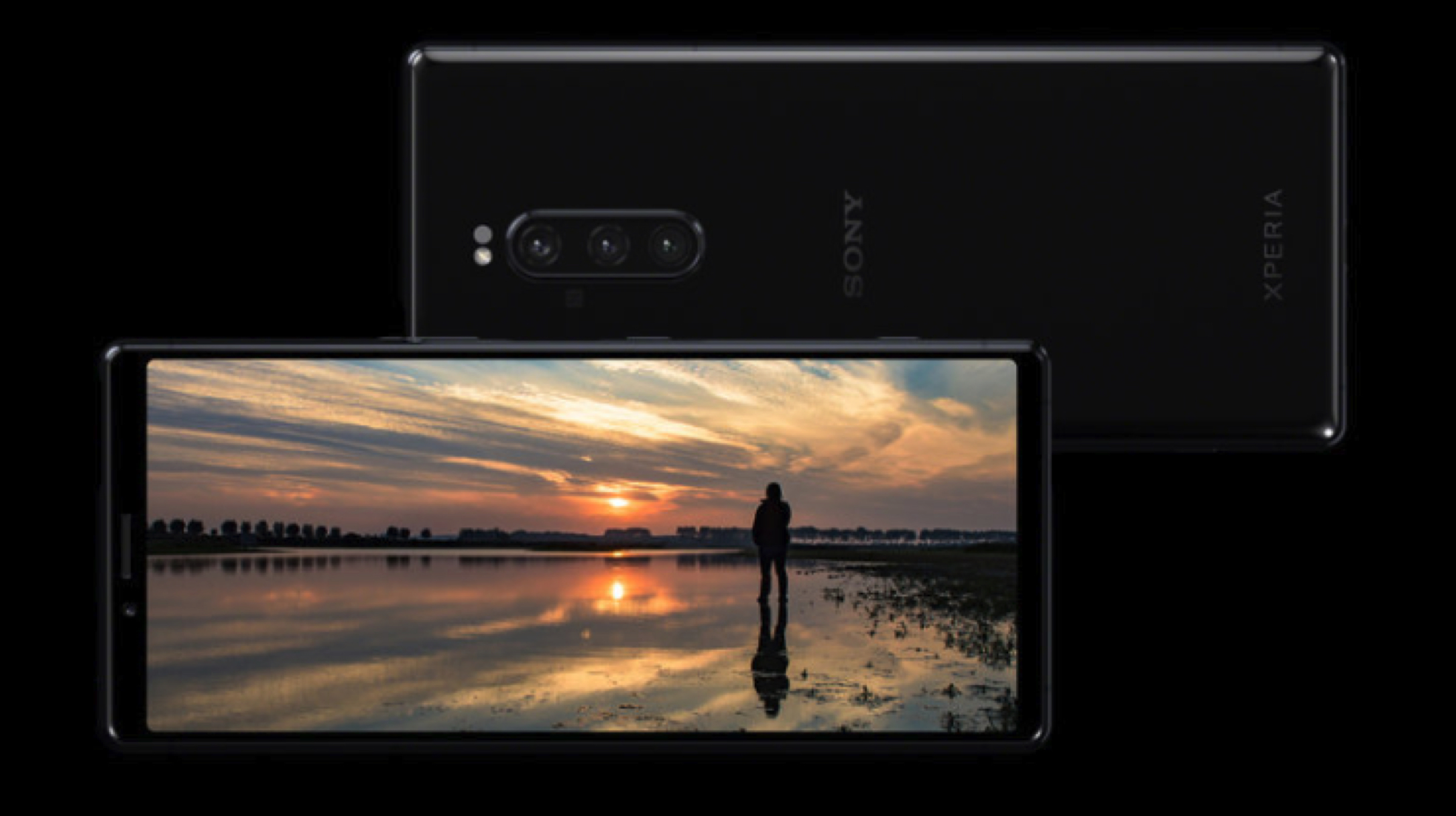
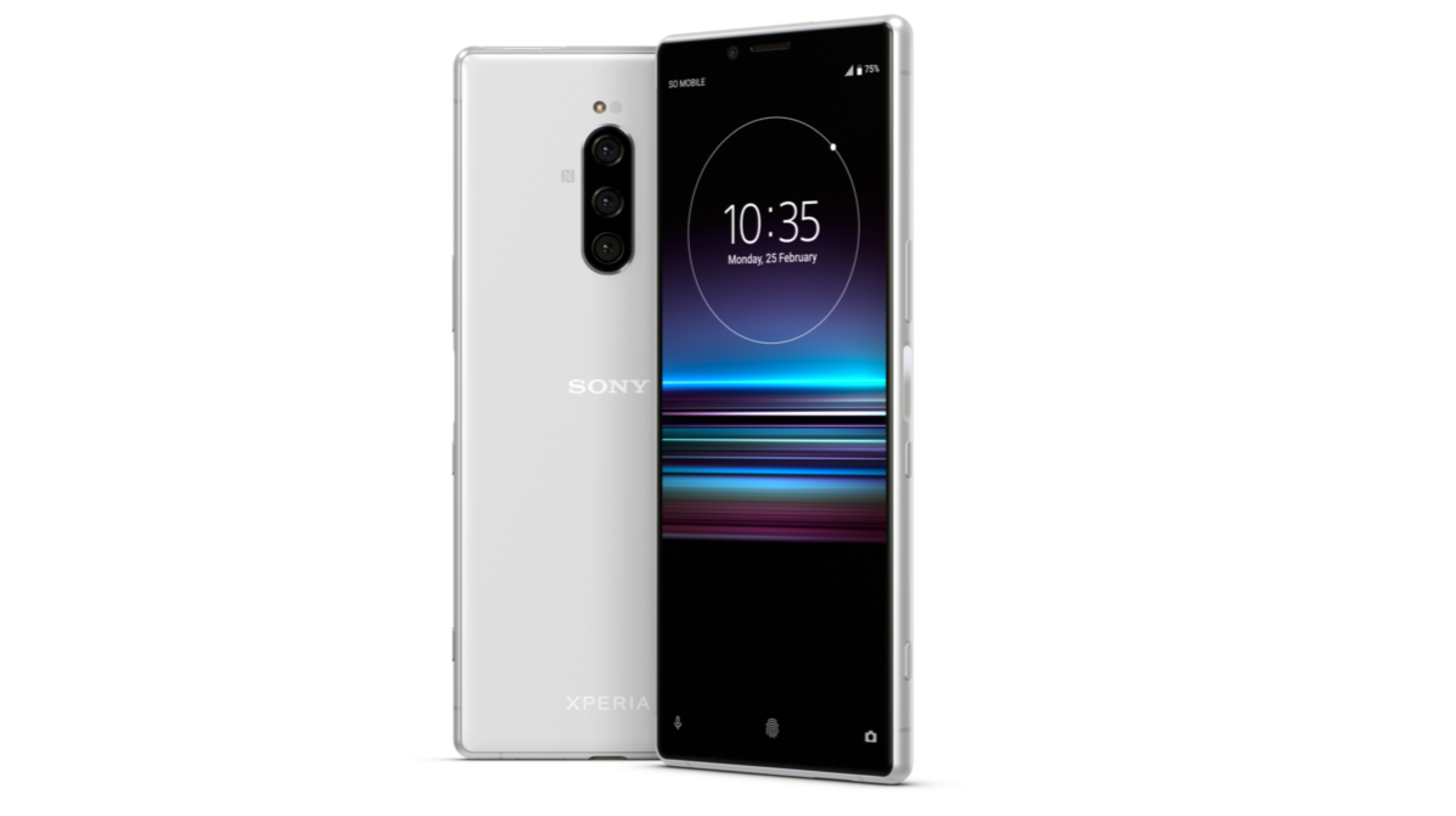
    Japanese electronics giant Sony launched its latest flagship smartphone, the Xperia 1 back in the month of February earlier this year. The device boasts of being the first in the world with a 4K resolution OLED display with a 21:9 aspect ratio. A while ago, reports of its successor, along with credible renders surfaced online. Now, the latest source code leak of the smartphone reveals that it may be called the Xperia 1R and will have a whopping 5K resolution OLED display.

    Sony Xperia 1R

    Sony Xperia 1R

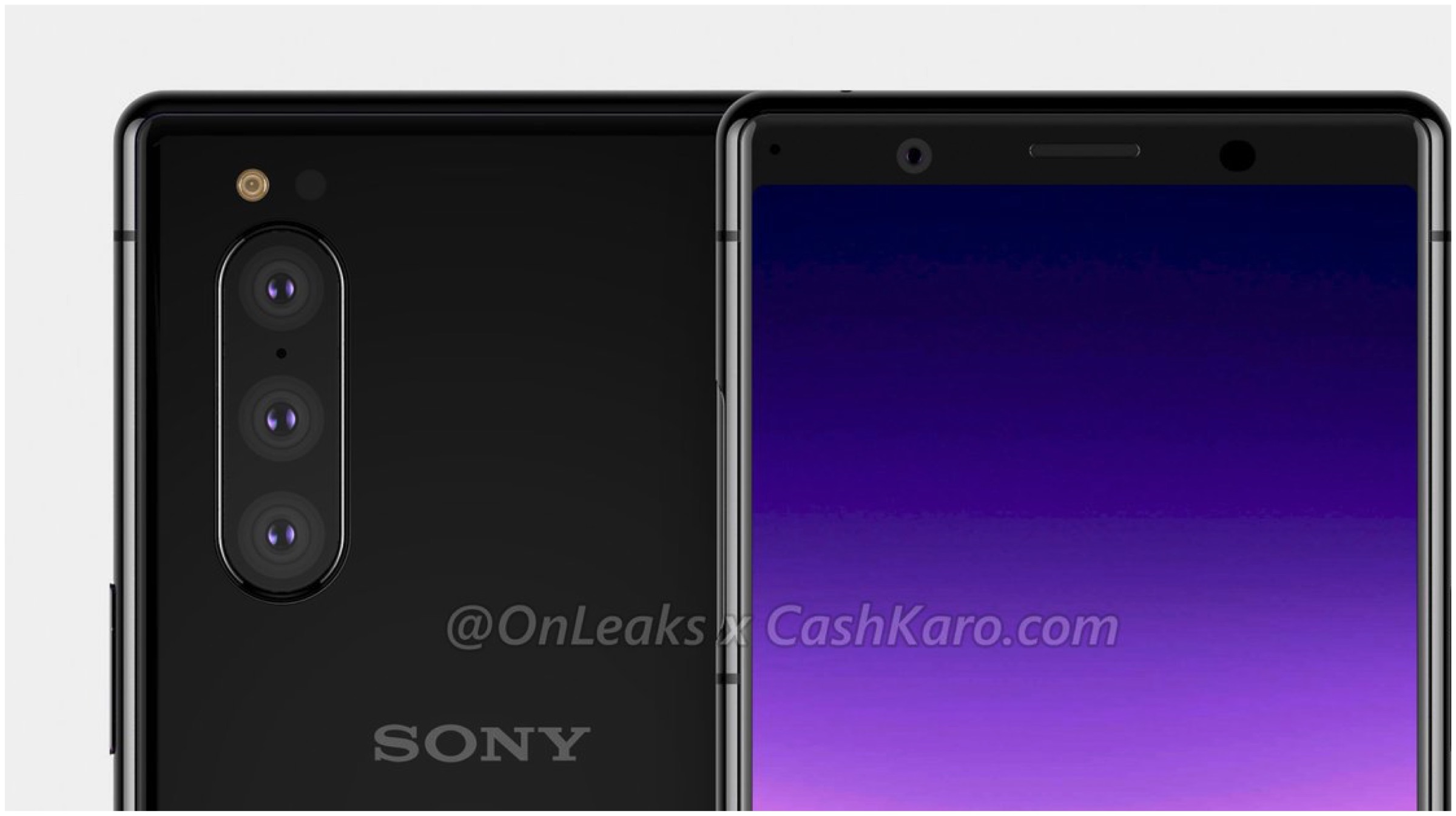
    As mentioned above, the Xperia 1R will be the successor to the Xperia 1 and is expected to feature notable improvements over it. The biggest change will be the smartphone’s design, which has been revealed in renders to be different than its predecessors. While the form factor and the basic looks of the Xperia 1R will remain the same, it will have the triple rear camera setup on the left side of the back. This is unlike the more central placement on the Xperia 1. According to the leaked source code of the upcoming device, it will have a display resolution of 5040 x 2160 px. This is equivalent to a 5K display with an aspect ratio of 21:9.

    Sony Xperia 1

    Also read: Nokia 7.2 With An Elegant Design Leaked Before Launch

    Notably, Sony was the first company to introduce a 4K display in a smartphone with the Xperia XZ Premium in the year 2017. The company was also the first to bring the technology to OLED displays with the Xperia 1 launched earlier this year. With the launch of the alleged Xperia 1R, Sony may be planning on adding another world record to its name. Unfortunately, more details like the launch date and pricing of the smartphone are not known yet. However, as the company has done every year, the device may be unveiled at the IFA consumer electronics show in the month of September.

  • Nokia 7.2 With An Elegant Design Leaked Before Launch

    Nokia 7.2 With An Elegant Design Leaked Before Launch

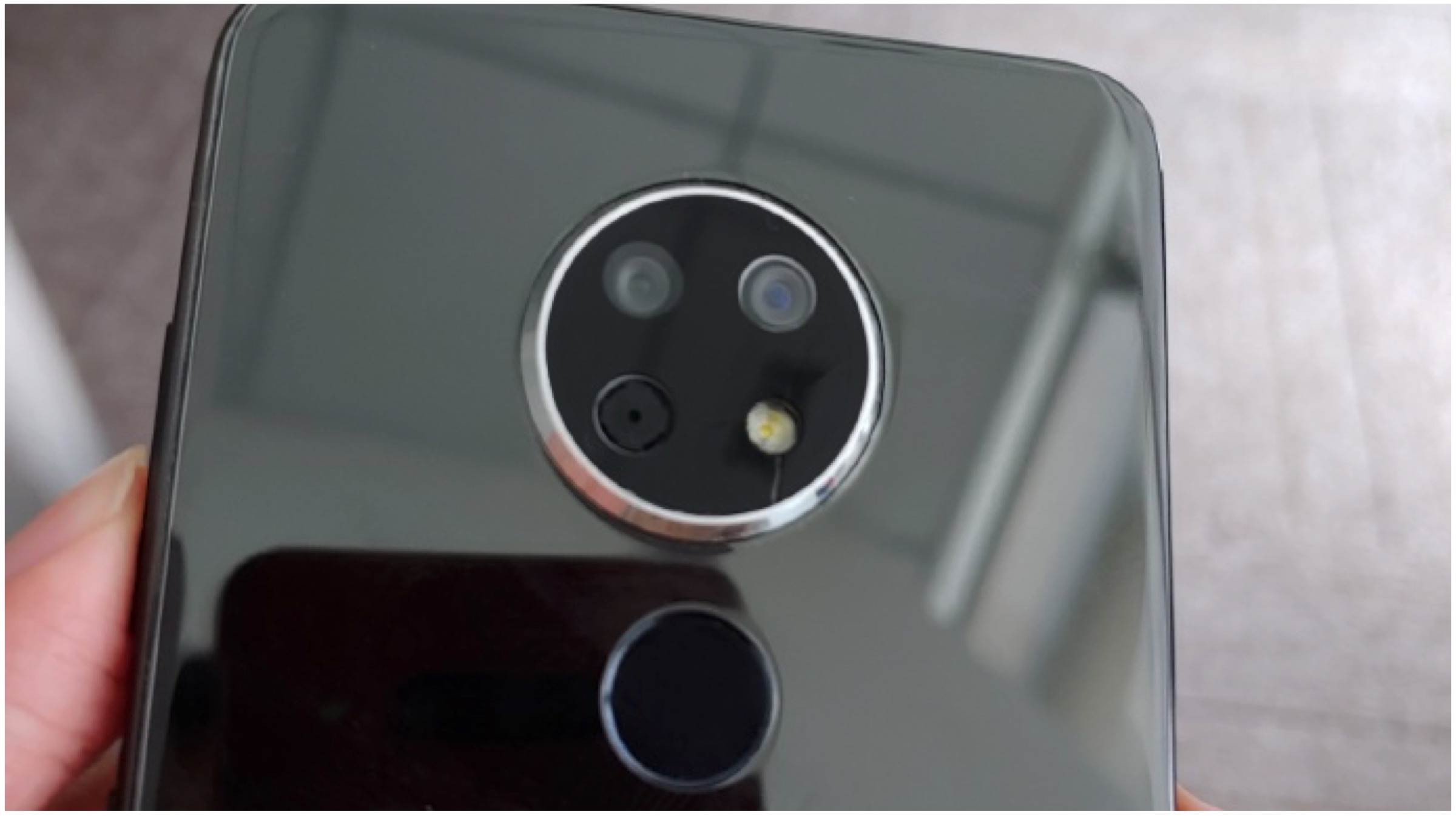
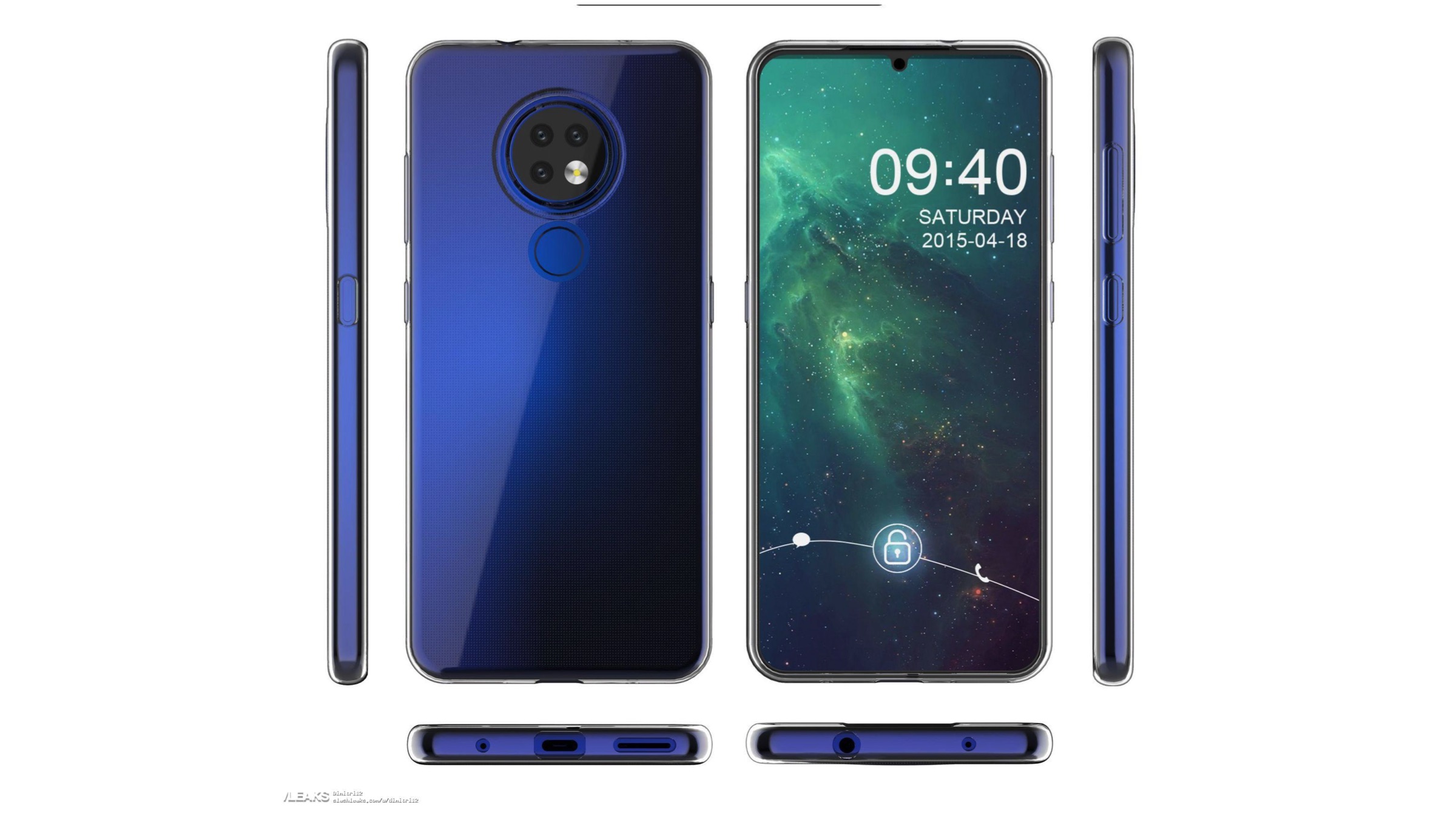
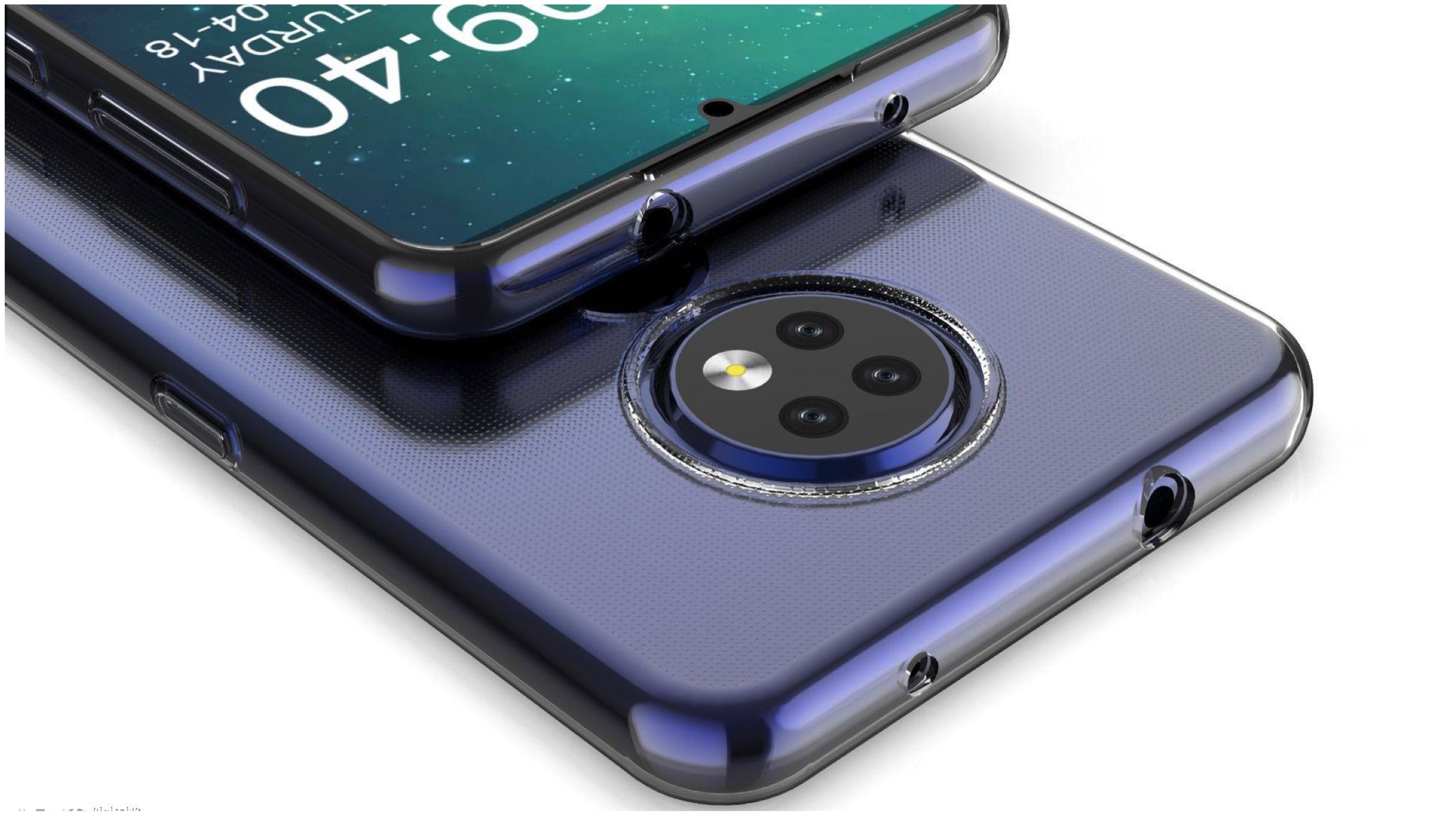
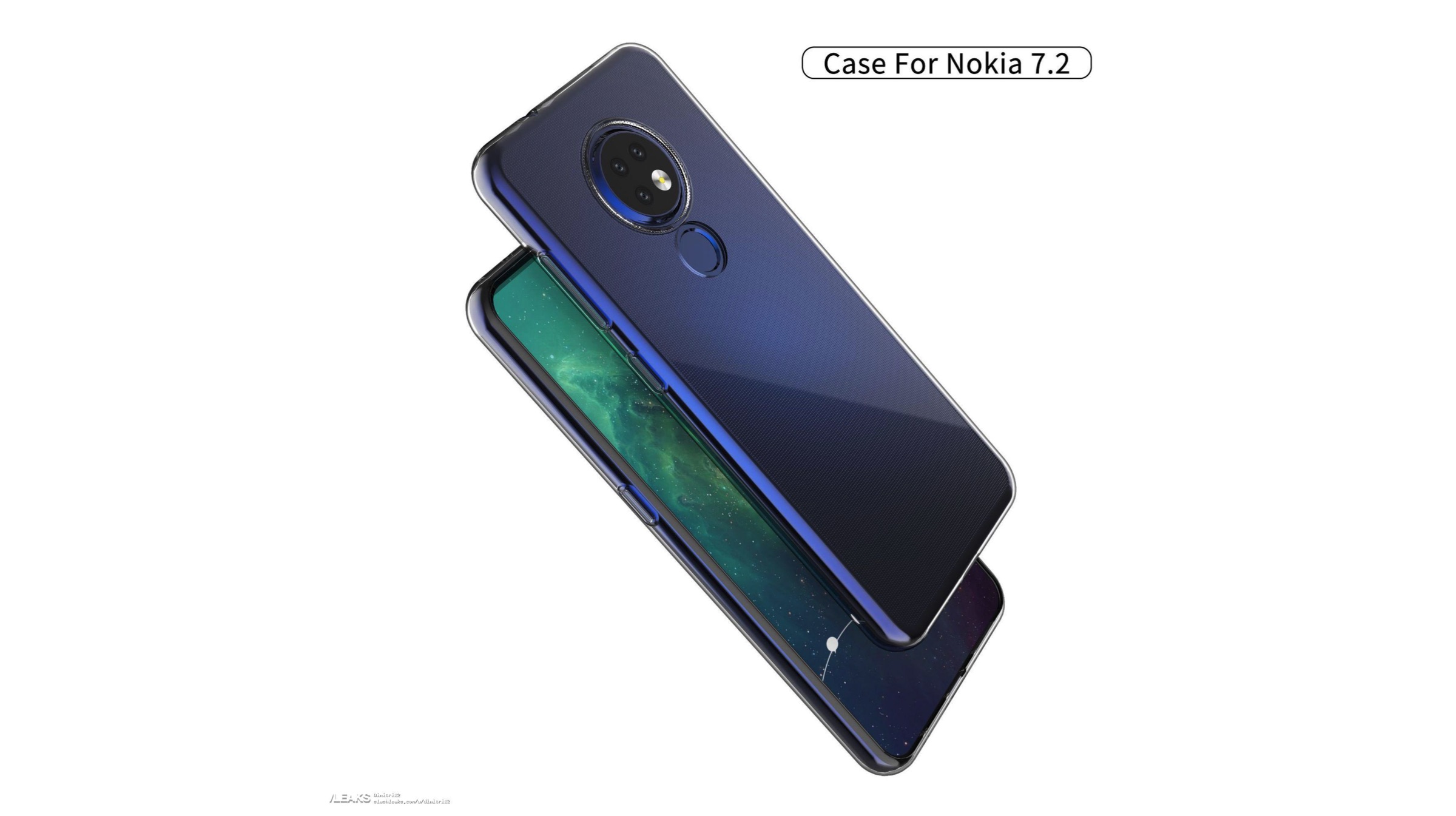
    Nokia had re-entered the smartphone industry game back in the year 2017. Since then, the company has gone on to release various devices ranging from low to mid specs and price segments. It has been a year since its first-generation launches so we can expect the successors to make an appearance soon. Earlier this month, images surfaced online showcasing a smartphone with a triple camera setup with the model number “TA-1198 “. It is now believed to be the Nokia 7.2 whose case has freshly leaked.

     Design

    According to the images, Nokia 7.2 has a notched display on the front with negligible bezels on every corner and side. On the rear, the device features a triple camera setup which is placed right above the fingerprint scanner. The camera module houses a total of three cameras whose resolutions are currently unknown. The bottom of the device features a USB Type-C charging port which is flanked by a mic and loud speaker grill on either side. Its top sports a 3.5mm headphone jack and a secondary mic. The renders also detail the volume rockers and power button on the right of the device. An unspecified button is found on the left which is likely to be a dedicated Google Assistant button as seen with the Nokia 3.1 Plus

    TA-1198 is reportedly equipped with the Qualcomm’s Snapdragon 660 SoC and an FHD+ display panel. It is powered by a 3500mAh battery and sports  48MP primary rear camera. Finer details regarding the specifications of the device are still a mystery.

    Also ReadNubia Will Soon Treat The Red Magic 3 With Snapdragon 855 Plus

    Nokia is gearing up for various launches in the second half of 2019. The launch of its latest generation of smartphones will seek to capture a better market share over its previous iterations. The upcoming Nokia 7.2 will arrive after the launch of Nokia 9 PureView which received a warm reception. An official statement from the company is yet to be made and more information is expected to be available in the near future and updates will be provided accordingly.

  • Galaxy Tab S6 With Magnetic S Pen Leaks

    Galaxy Tab S6 With Magnetic S Pen Leaks

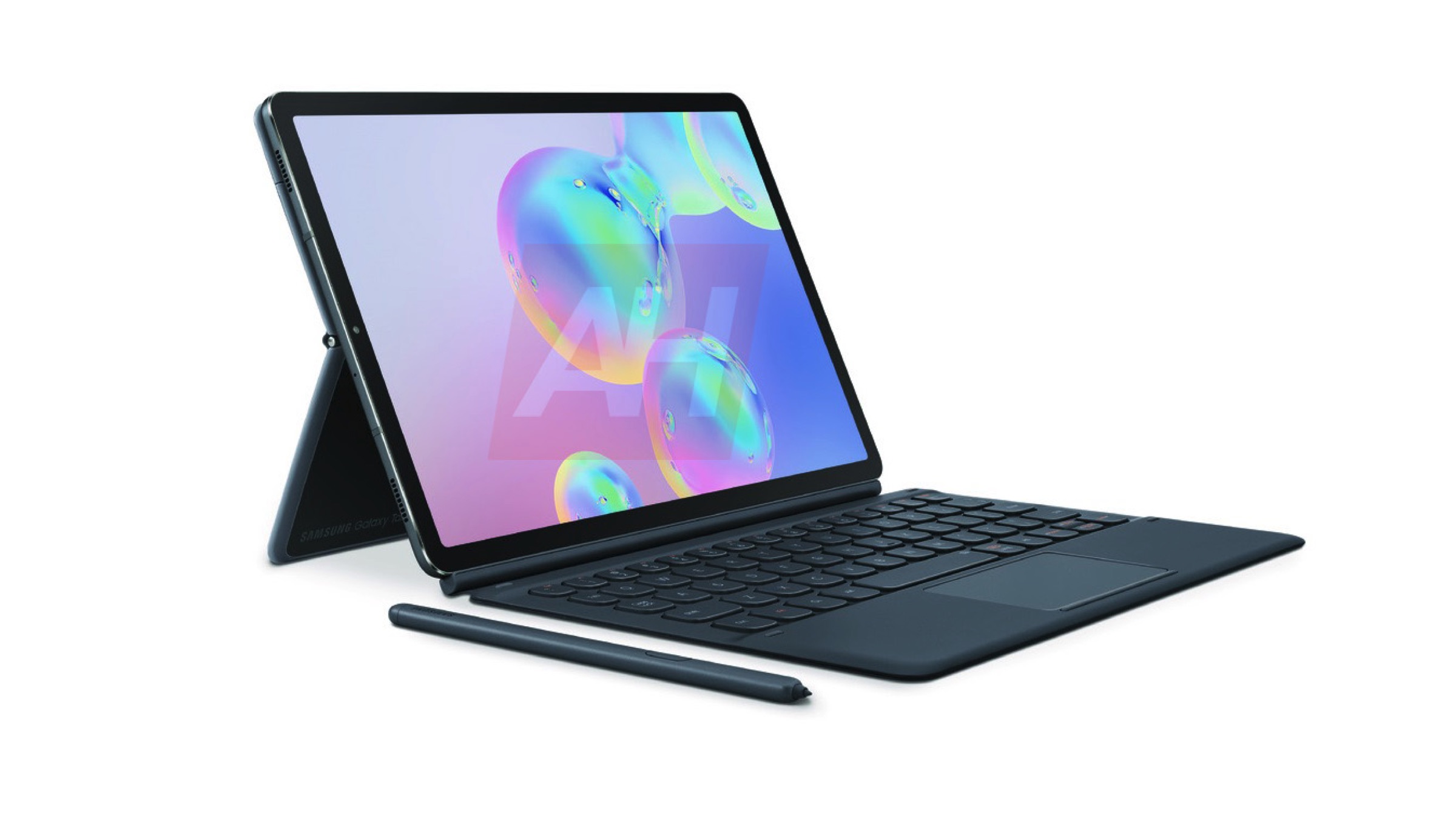
    Korean electronics giant, Samsung seems to be on a tablet launching frenzy as of late. Not long ago, it unveiled three new devices which include the Galaxy Tab S5e, Galaxy Tab A 10.1 and Galaxy Tab A 8; according to a fresh leak, the company will soon launch the Galaxy Tab S6 which will pack high end specifications. Noteworthy, the future tablet will be shipped with an S Pen which can magnetically stick to the back of the former.

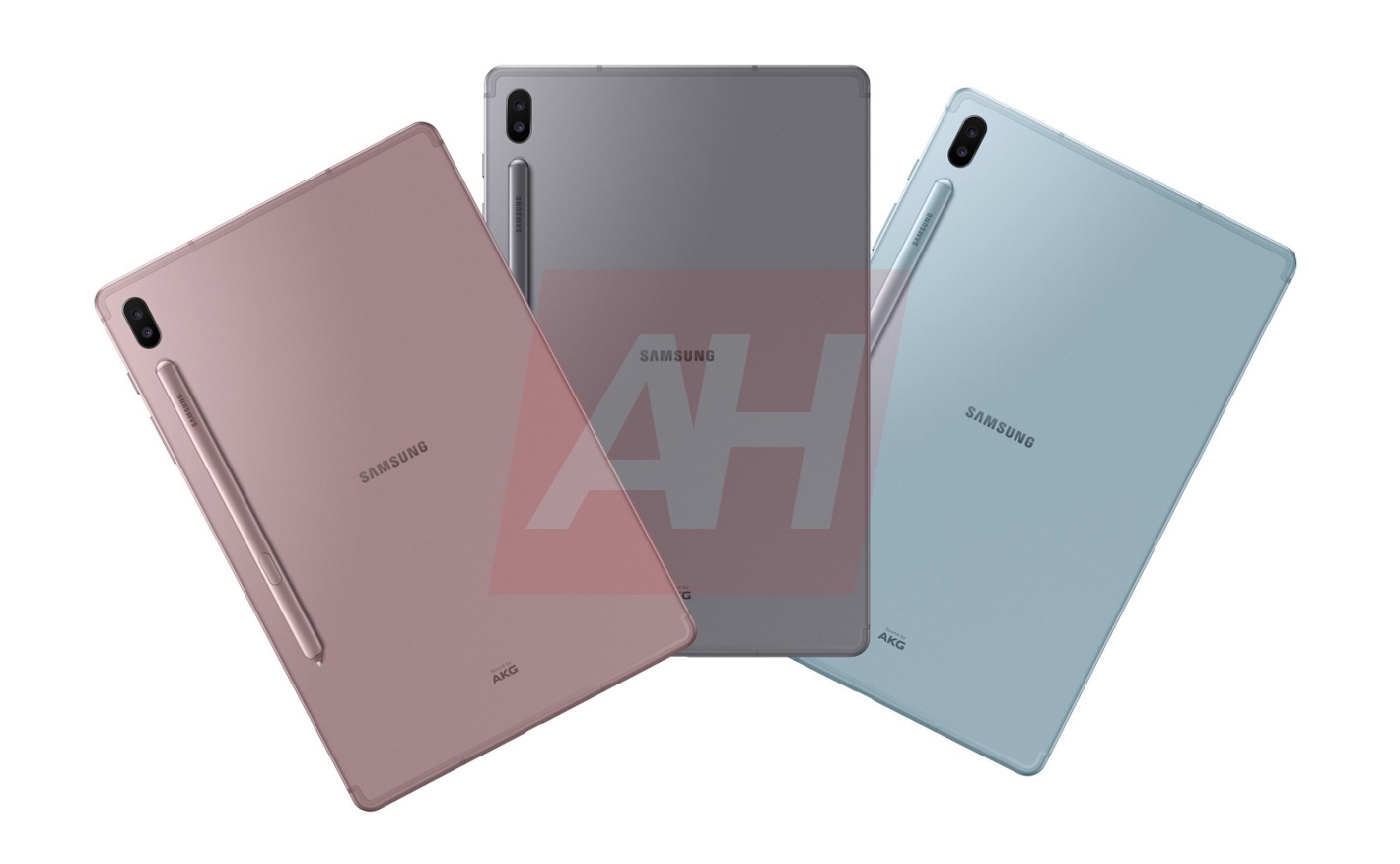
    In terms of design, the Galaxy Tab S6 has a glass and aluminum construction which looks very premium. The front of the tablet accommodates a large screen display which is surrounded with thin bezels on all four sides. The rear aluminum panel of the device has a matte finish and it house the company branding, AKG logo and dual rear cameras. To provide better LTE reception, it also has dual antenna strips on the rear.

    For readers who are unaware, AKG is an Austrian company which is recognised for manufacturing quality audio systems and accessories. It was incorporated in the year 1947 as an independent company but has now been taken over by Samsung. Therefore products branded with AKG logo are bound to have worthwhile audio performance and similar will be the case with the upcoming Galaxy Tab S6.

    Talking about ports and buttons, the right side of the tablet is occupied by the power button, volume rockers and SIM card slot while the left side houses pogo pins which can be used to connect accessories like a detachable keyboard with kick back stand. The bottom of the Galaxy Tab S6 harbors the USB Type C port which is flanked by dual speakers on either side whereas top top side is assumed to be devoid of any seams.


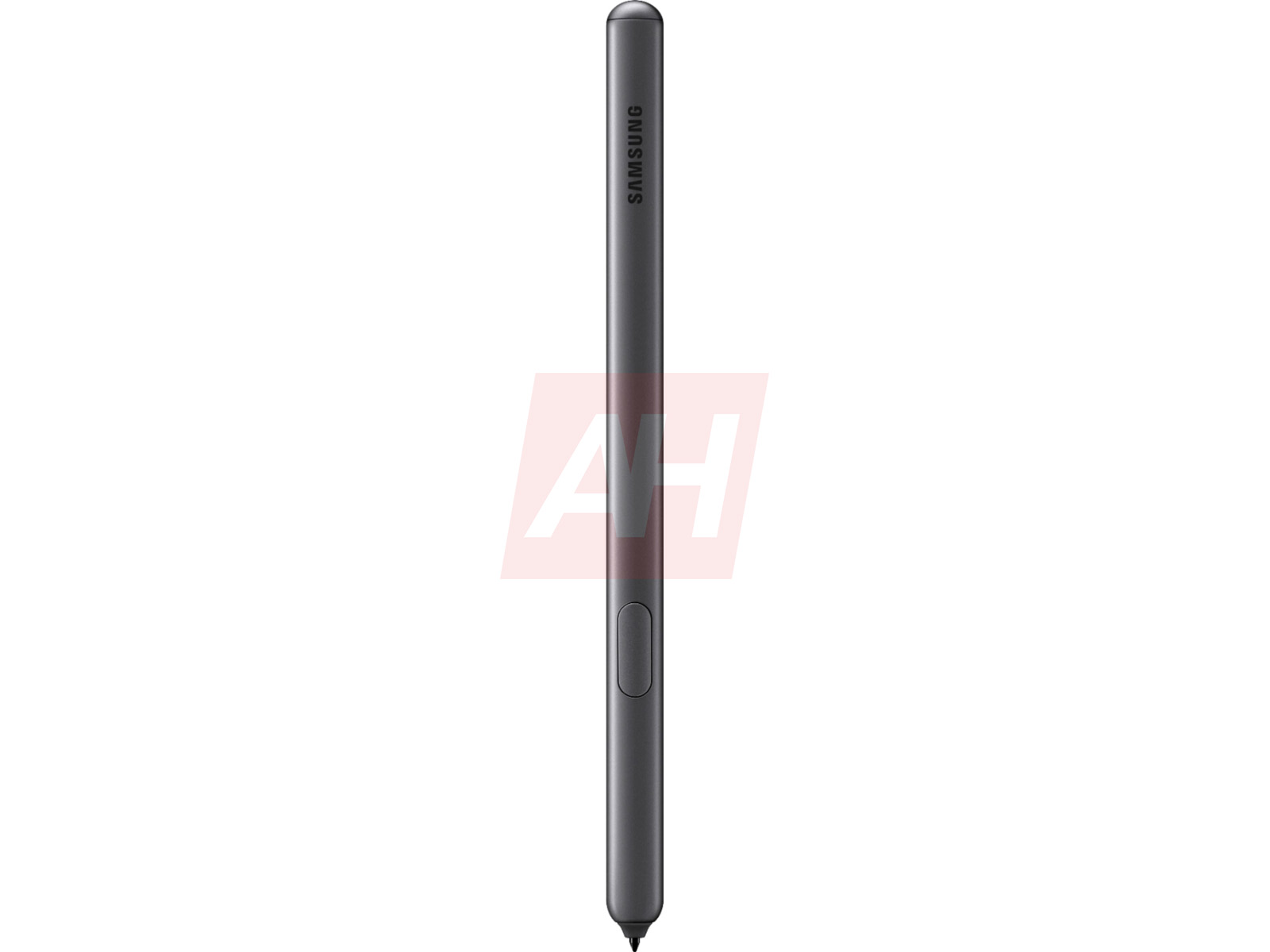
    Besides, the S Pen that accompanies the Galaxy Tab S6 has also been redesigned into a cylindrical chalk like peripheral. The upgraded accessory has a dedicated button which is likely to support multiple control options with different tap configurations. Even though the current leak does not reveal any specifications of the tablet, they can be derived from prior leaks which are as follows:

    Galaxy Tab S6 Rumoured Specs
    • Chipset: Snapdragon 855
    • CPU: Octa Core
    • GPU: Adreno 640
    • Display: 10.5 inch, Super AMOLED
    • RAM: 6 GB
    • ROM: 128 GB
    • OS: Android 9 Pie

    Also Read: Realme X Vs Redmi K20 : Which One Should You Pick?

    To sum it up, the Galaxy Tab S6 seems like a powerful tablet that will directly compete against the likes of the Apple iPad. In order to get the confirmed details including the price and specs, we will have to wait for the official announcement which is expected to happen in the coming weeks.


  • Mi Neckband Bluetooth Earphone Launched For Rs 1599

    Mi Neckband Bluetooth Earphone Launched For Rs 1599

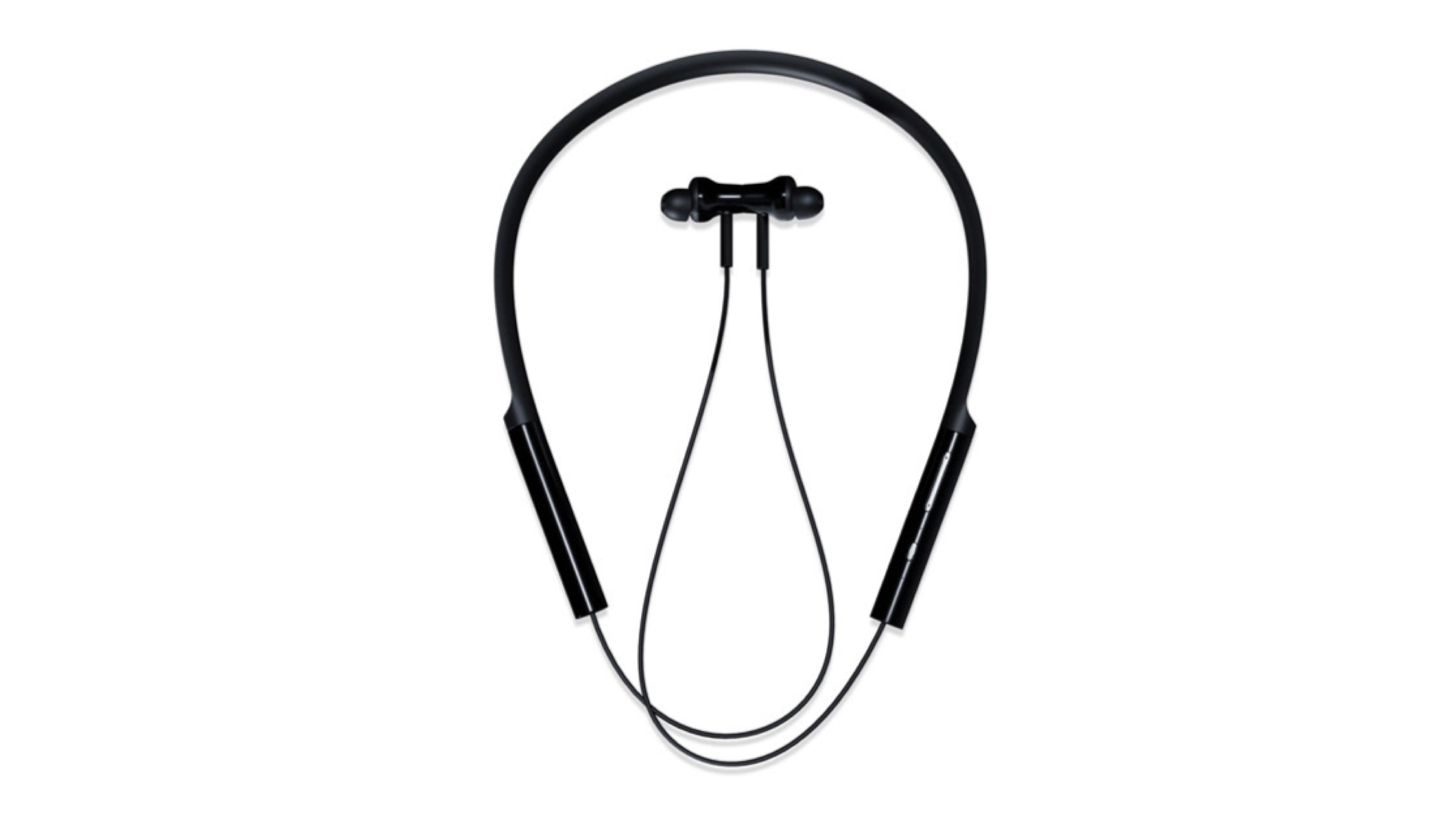
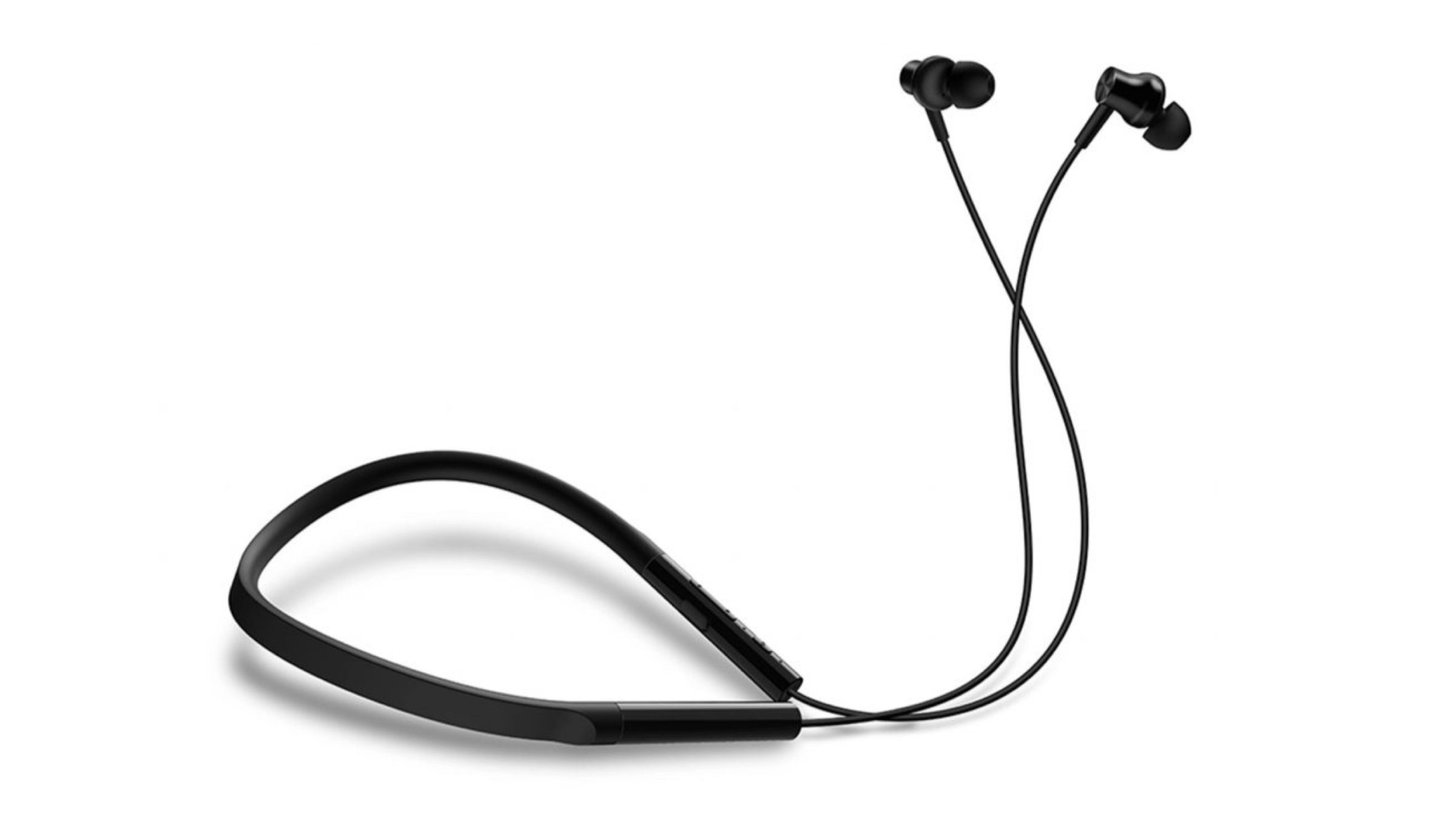
    On the 17th of July, Xiaomi India held a launch event in New Delhi where it unveiled the Redmi K20 and the Redmi K20 Pro smartphones. Besides, the company also launched a pair of wireless earphones which are dubbed the “Mi Neckband Bluetooth”. As the name suggests, the newly launched accessory is a pair of wireless earphones with a thick band that sits around the user’s neck. 

    Mi Neckband Bluetooth Earphone Features

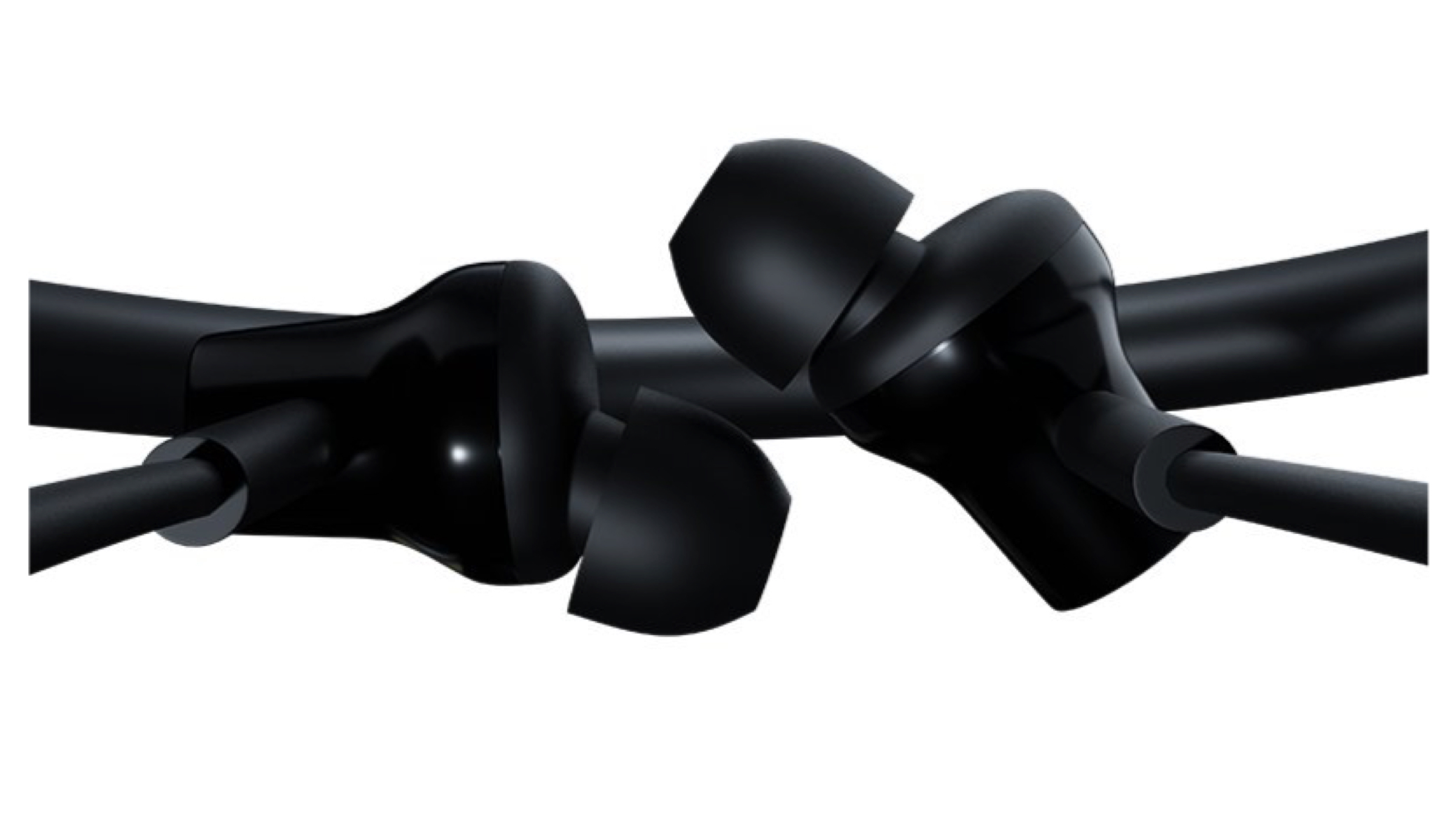
    The newly launched Bluetooth accessory from Xiaomi has a stylish design with flat noodle type neckband that has wires on either side that lead to the left and right earbud. The Mi Neckband Bluetooth Earphones measure 445 x 80 x 26 mm and weigh only 13.6 g. Noteworthy, the earbuds have a magnetic back which can be used to lock them together when not in use.

    The Mi Neckband Bluetooth Earphones have 120 mAh battery which is claimed to provide a battery backup of upto 8 hours with 80 percent volume. The built-in battery can be fully replenished in two hours via the built-in USB port. To attain wireless capabilities, the earphones are equipped with Bluetooth 5.0 technology. As the audio accessories are compatible with Bluetooth the can be used with a wide variety of devices including smartphones, tablets, computers, laptops and many more. Another notable feature of the wireless earphones is the support for voice assistant which can be used to take phone calls or even play music via verbal commands. 

    Mi Neckband Bluetooth Earphone Quick Specs
    • Wireless Connectivity: Bluetooth 5.0
    • Dimensions: 445 x 80 x 26 mm
    • Weight: 13.6 g
    • Battery Capacity: 120 mAh
    • Charge Time: 2 hours
    • Battery LifeUpto 8 hours on 80 percent volume
    • Standby Time: Upto 260 hours
    Mi Neckband Bluetooth Earphone Price And Availability
    Mi Neckband Bluetooth Earphone

    Also Read: Xiaomi Redmi K20 Pro Unboxing And Hands-On Video

    The Mi Neckband Bluetooth Earphone is offered in a single colour option which is black. The wireless headphones are priced at Rs 1599 and will go on sale on MI.com starting from July 23rd.

    All in all, the newly launched earphone seem like a worthwhile pair of aggressively priced wireless earphones and they are a significant step up over the previously launched Mi Bluetooth Headset Wireless.

  • Realme X Vs Redmi K20 : Which One Should You Pick?

    Realme X Vs Redmi K20 : Which One Should You Pick?

    Earlier this month, Realme launched the Realme X mid-range handset which due to its value for money was able to turn a lot of heads. Now, India’s number one smartphone manufacturer, Xiaomi has launched its mid-ranger which is dubbed the Redmi K20. Due to similar pricing and features of the two handset, a confusing situation for the end-user has manifested. In this article, we will look into each and every aspect of both devices which will subsequently help the reader in selecting the best choice based on their needs and requirements.

    Design and Build
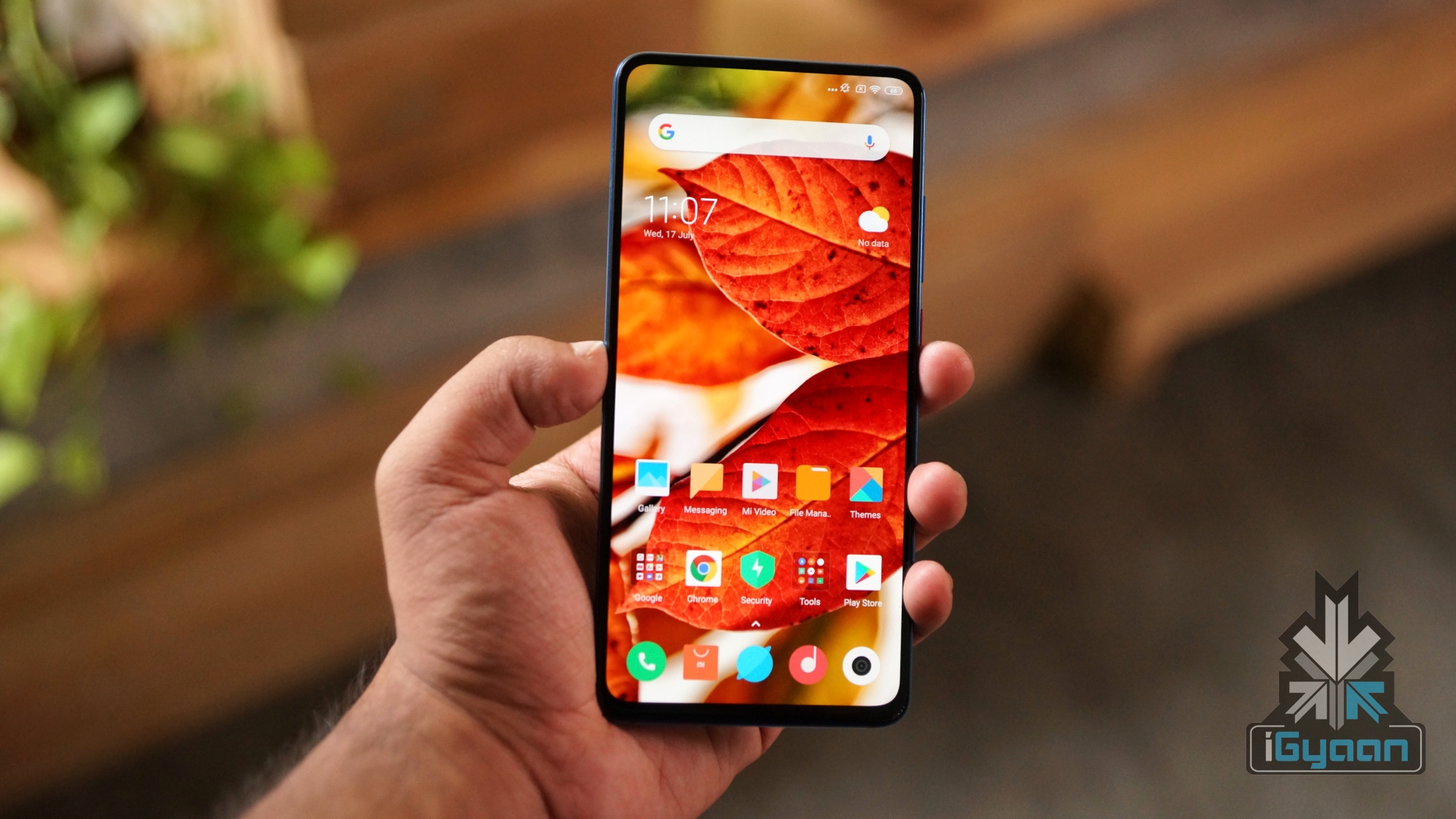
    Due to the highly subjective point of view of different human beings, it is hard to state which smartphone out of the two has a better design. Nevertheless, we can still place the Realme X and Redmi K20 head to head, on behalf of aspects like the type of notch and materials used.

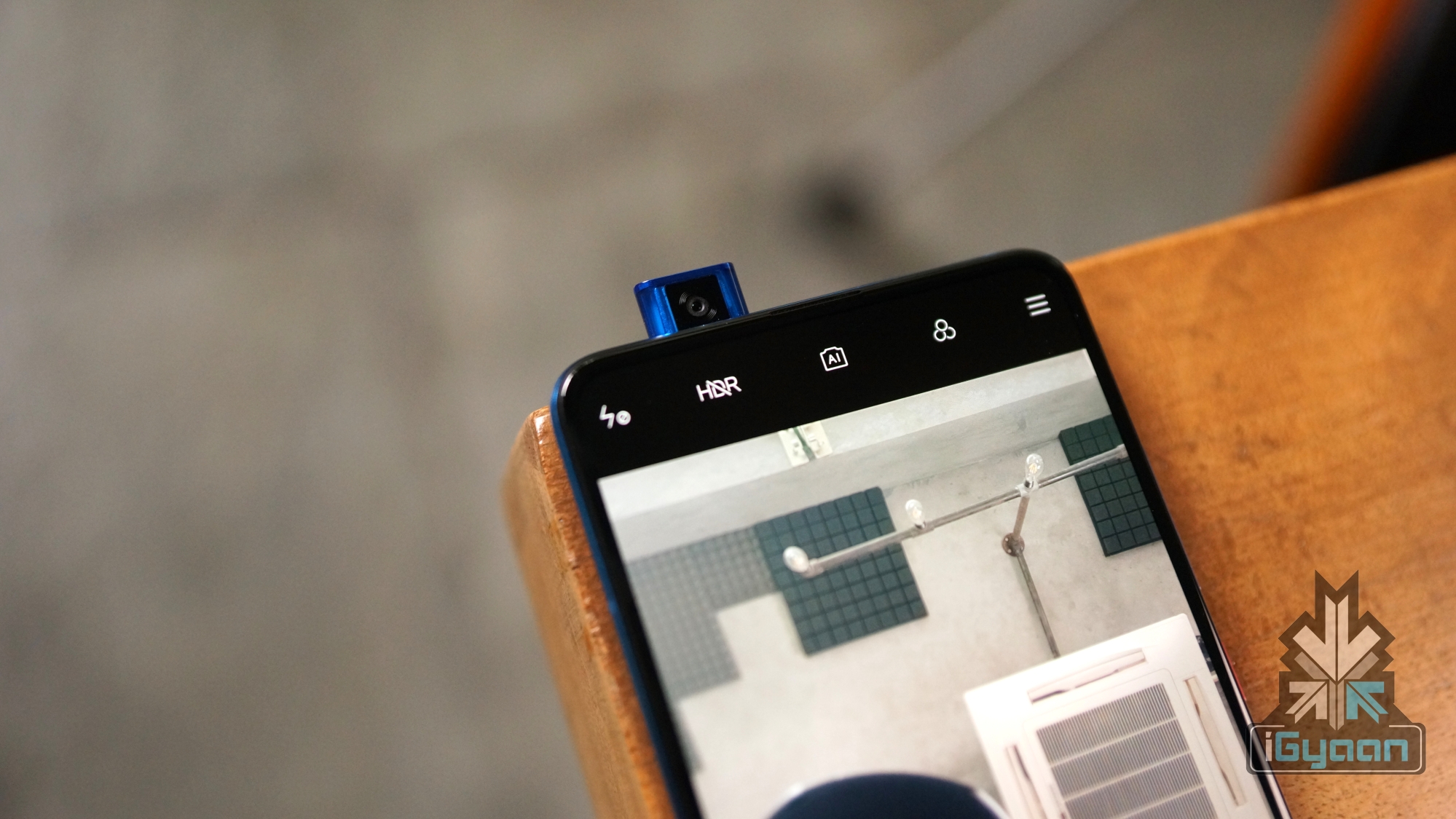
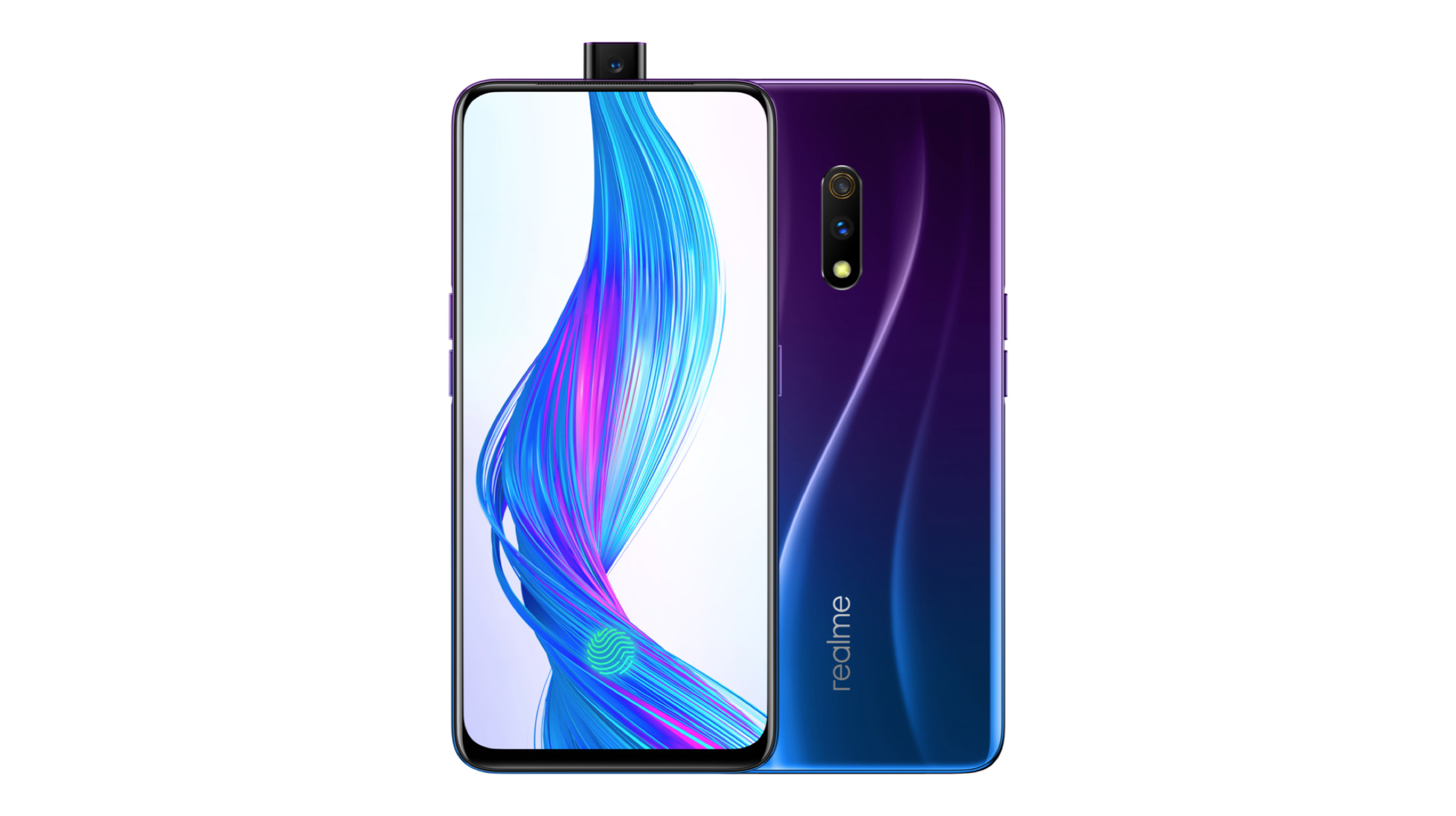
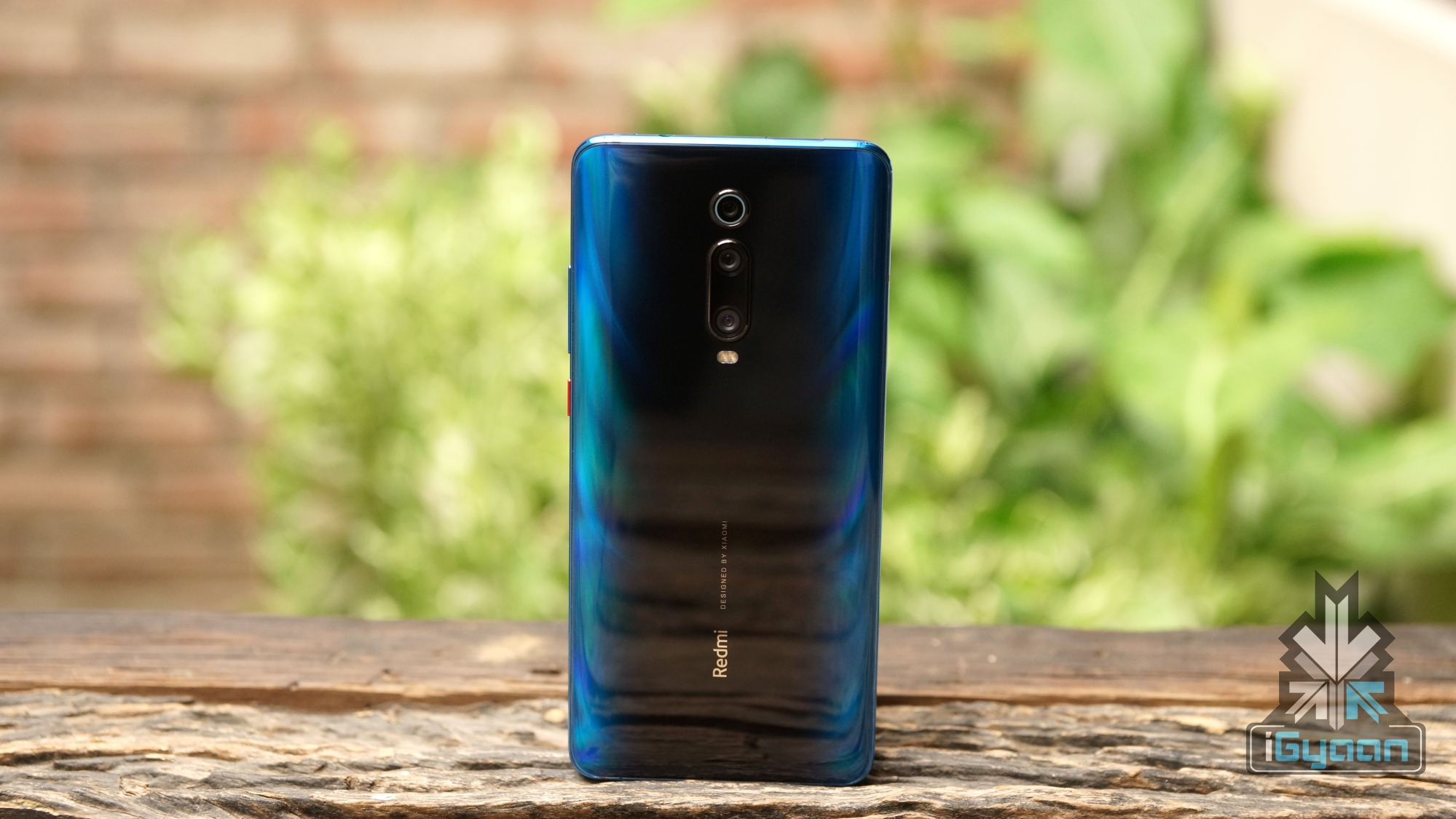
    In terms of build, the Redmi K20 has glass on both the front and back which is held together with an aluminium alloy chassis. On the other hand, the Realme X has front glass but both the rear panel and chassis of the smartphone are made of hard plastic. Besides both devices have a motorised module on top which houses the front-facing selfie camera.

    Due to a glass back which is extremely hard to scratch and an ultra-durable aluminium chassis, the winner of this round we feel is the Redmi K20.

    Display
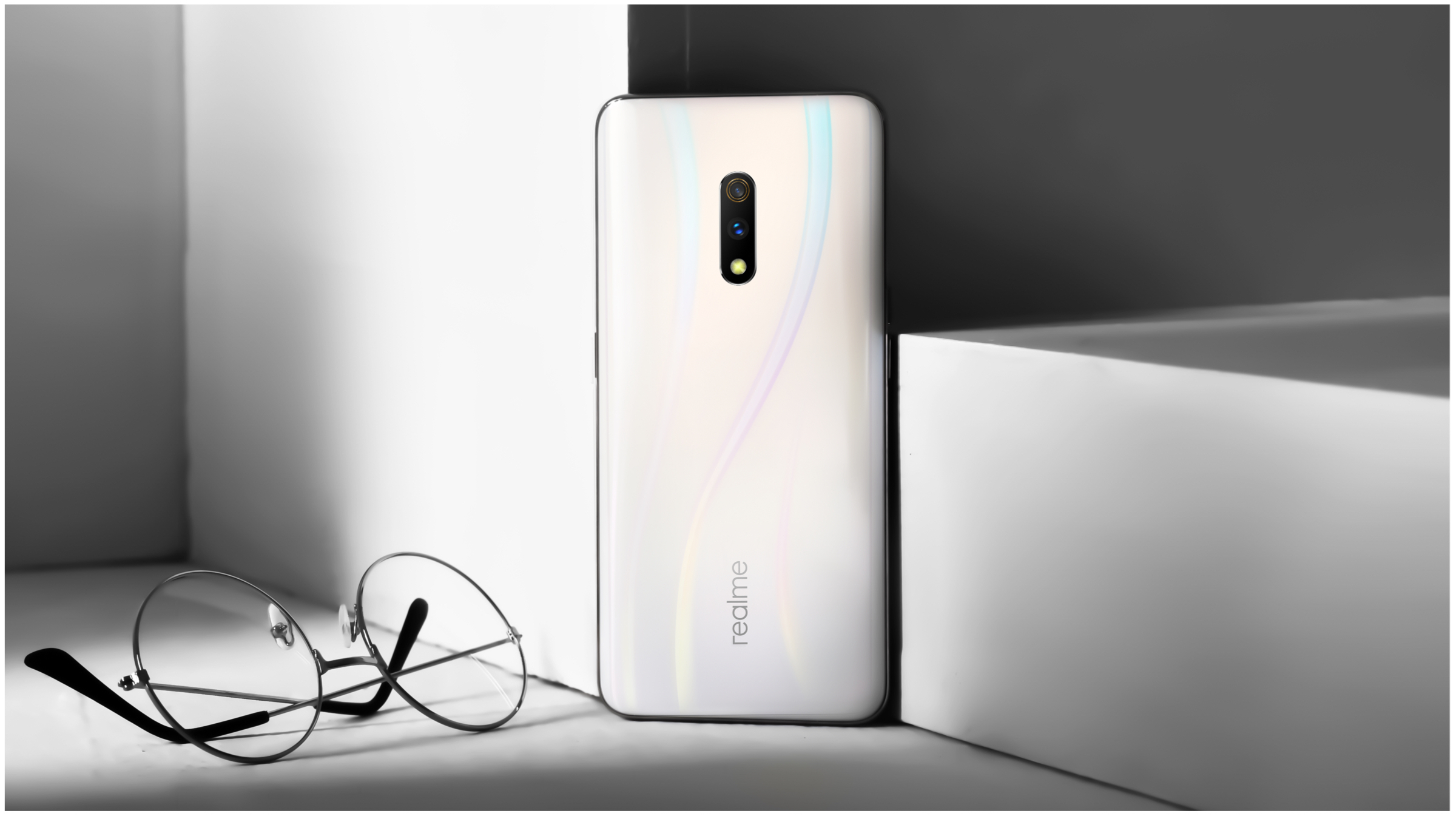
    Realme X vs Redmi K20 Display

    The display of any smartphone is definitely one of its most crucial feature and the contenders in this face-off are no exception. The Redmi K20 features a 6.39 inch display whereas the Realme X has a 6.53 inch display which is a tad better larger. Both smartphones are equipped with a Super AMOLED display which provides for adequately bright illumination and great viewing angles.

    Moreover, display on both the Realme X and Redmi  K20 is protected with Corning Gorilla Glass 5. In terms of the pixel density, the display on the former has a ppi of 394 ppi while the latter has a display with 403 ppi. Even though Redmi K20’s display has slightly higher pixel density, the difference is inconsiderable. Besides human eye can only different pixels if the density is below 326 ppi.

    Therefore, due to a larger sized display, the winner of this round, according to us is the Realme X.

    Battery
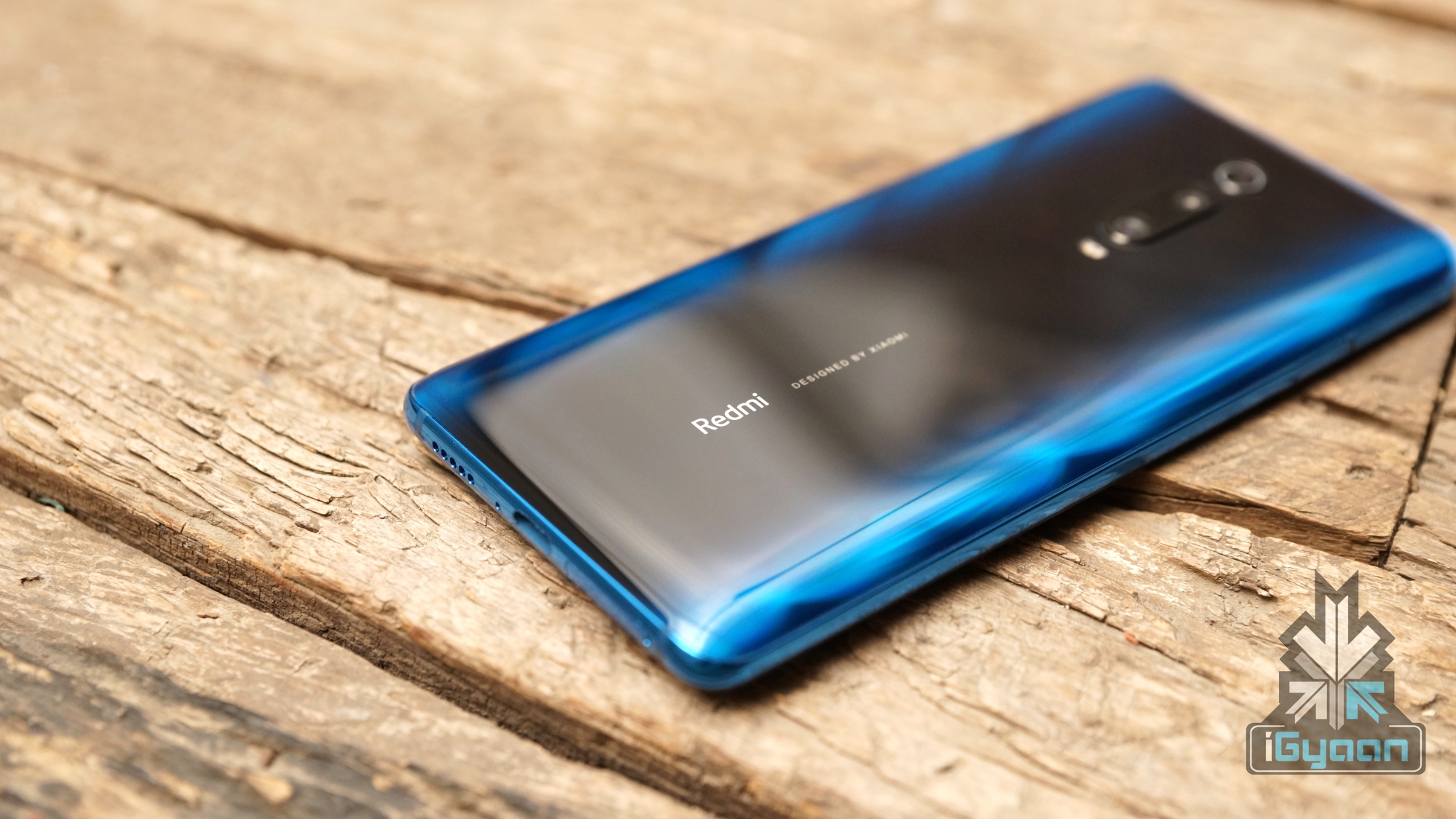
    Realme X vs Redmi K20 Battery

    Another important factor that buyers consider while choosing a smartphone is battery capacity. The Realme X has a 3765 mAh battery while the Redmi K20 has a 4,000 mAh battery. Both handsets also support fast charging, the former supports 18 W Qualcomm Quick charge technology whereas the latter supports 20 W VOOC 3.0 proprietary charging technology.

    Even though there is negligible difference between the battery capacities on the Realme X and the Redmi K20, Xiaomi’s offering is able to steer ahead due to the Snapdragon 730 SoC which is manufactured using 8 nm technology. In comparison, the Snapdragon 710 on the Realme smartphone is manufactured using 10 nm process.

    Though, not by a huge margin, the Redmi K20 is able to regain its lead in the battery department.

    Camera
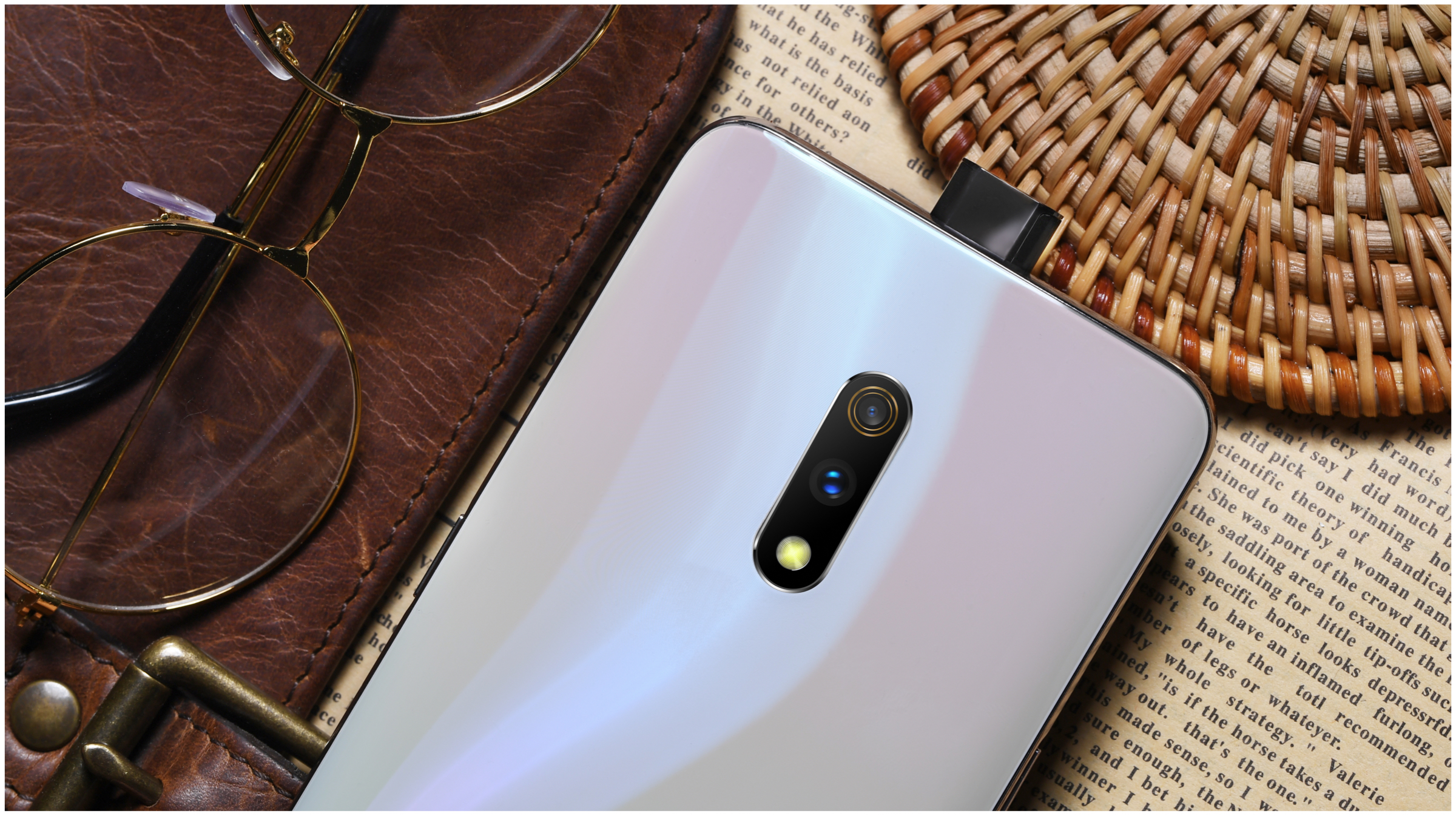
    Realme X vs Redmi K20 Display

    For photography, the Redmi K20 has a total of four cameras out of which three are placed on the rear and one selfie sensor is housed in the motorised pop-up camera module. On the contrary, the Realme X only has a total of 3 cameras, out of which two are present on the back and one sensor is placed in the popup module on top.

    Speaking of resolution, the Realme X has a 16 MP sensor while the Redmi K20 is equipped with a 20 MP shooter. Nevertheless, a lot is dependent on the image processing and both the companies load their handsets with tons of artificial photo and video enhancing capabilities. Hence, we cannot pick an outright winner in the front camera department. Though the things are a bit different when it comes to the rear camera setup.

    The triple camera setup on the Redmi K20 is comprised of an f/1.8 aperture equipped 48 MP Sony IMX 582 sensor, 8 MP telephoto sensor and a 13 MP ultrawide sensor. The Realme X, on the other hand, has a 48 MP Sony IMX 586 sensor and a 5 MP depth sensor. On paper, the Sony IMX 586 on the latter is better than the IMX 582 on the Redmi K20. The additional ultrawide and telephoto sensor provide the Xiaomi’s offering with a clear advantage.

    The winner in the photography domain, according to us is the Redmi K20. For users who are interested in knowing the video capturing capability, both devices can capture 2160p videos from the rear camera setup and 1080p videos at 30 fps from the single selfie camera.

    Chipset
    Realme X vs Redmi K20 Display Camera Processor

    The Realme X features the Snapdragon 710 SoC while the Redmi K20 features the Snapdragon 730 SoC. Both the chipsets are manufactured by Qualcomm and have Octa-Core CPU. As previously mentioned, the Snapdragon 730 is fabricated using 8 nm process whereas the Snapdragon 710 is manufactured using 10 nm process.

    Besides being more power-efficient, the Snapdragon 730 also incorporates the superior 618 GPU. Hence, with the better overall chipset, the Redmi K20 steer far ahead from the Realme X.

    Other Notable Features
    Connectivity options on both the Redmi K20 and the Realme X are similar. The two devices support 802.11 ac Wi-fi, Bluetooth 5.0, Dual 4G VoLTE and USB Type C ports. But, the offering from Xiaomi additionally supports NFC which is used for wireless payments and instantly connecting or sharing data between compatible handsets.

    Moreover, the Redmi K20 has a USB C 2.0 port which offers faster data transfer speed than USB C 1.0 which is present on its contender. For biometric security, both smartphones also have an indisplay fingerprint scanner, in addition to face unlock and the conventional screen lock. The two devices also support 3.5 mm audio jack which is slowly becoming a novelty. 

    Due to built-in NFC support and faster USB C technology, the Redmi K20 once manages to defeat the Realme X.

    Price

    Both the Redmi K20 and Realme X are offered in two storage options for which the price is as follows:

    Realme X Redmi K20
    4 GB + 128 GB: 15,999 6 GB + 64 GB: 21,999
    8 GB + 128 GB: 19,999 6 GB + 128 GB: 23,999

    Neither of the smartphones supports memory expansion.

    ConclusionRealme X vs Redmi K20 Price
    Specifications Redmi K20 Realme X
    Price

    6 GB + 64 GB: 21,999

    6 GB + 128 GB: 23,999

    4 GB + 128 GB: 15,999

    8 GB + 128 GB: 19,999

    Display

    6.39 inch

    Super AMOLED

    2340 x 1080 FHD+

    19.5:9  Aspect Ratio

    403 ppi

    Corning Gorilla Glass 5

    6.53 inch

    Super AMOLED

    2340 x 1080 FHD+

    19.5:9 Aspect Ratio

    394 ppi

    Corning Gorilla Glass 5

    Chipset

    Snapdragon 730

    8 nm Fabrication Process

    Octa-core (2×2.2 GHz Kryo 470 Gold & 6×1.8 GHz Kryo 470 Silver)

    Adreno 618 GPU

    Snapdragon 710

    10 nm Fabrication Process

    Octa-core (2×2.2 GHz Kryo 360 Gold & 6×1.7 GHz Kryo 360 Silver)

    Adreno 616 GPU

    RAM

    6 GB

    6 GB

    4 GB

    8 GB

    Storage 64 GB

    128 GB

    128 GB

    Primary Camera

    48 MP, f/1.8, Sony IMX582 (PDAF)

    8 MP, f2.4 (telephoto)

    12 MP, f/2.4 (ultrawide)

    2160p video@30fps

    48 MP, f/1.8, Sony IMX 586 (PDAF) 

    5 MP, f/2.4, depth sensor

    2160p video@30fps

    Front Facing Camera 20 MP

    1080p@30fps

    16 MP

    1080p@30fps

    Battery 

    Non-removable Li-Ion 4000 mAh battery

    18 Watt Fast Charge Support

    Ships With 18 W charger

    Non-removable Li-Ion 3765 mAh battery

    20 Watt Fast Charge Support

    Ships With 20 W charger

    Other Features 3.5 mm Headphone Jack

    Indisplay Fingerprint scanner

    Face unlock

    3.5 mm Headphone Jack

    Indisplay Fingerprint scanner

    Face unlock

    To conclude, both the Realme X and the Redmi K20 are very comprehensive smartphones that are offered lucrative price. However, if your budget is limited to sub 20k you have to pick the Realme regardless of storage capacity. But, if budget is not a concern and you are looking for a better-built handset with a superior chipset, you have to pick the Redmi K20.

    What are your thoughts on the two new mid-rangers? Which one according to you is a better device, let us know in the comments below. 
  • Xiaomi Redmi K20 Pro Unboxing And Hands On Video

    Xiaomi Redmi K20 Pro Unboxing And Hands On Video

    Xiaomi has launched its first flagship handset on its Redmi range of smartphones. The Redmi K20 Pro is a premium grade device which is offered at a lucrative price. It was launched alongside the Redmi K20 which is mid-range device. The high end smartphone is touted of being the most affordable handset with a Snapdragon 855 SoC.

    Video

    What’s In The Box?

    Redmi K20 Pro

    • Redmi K20 Pro
    • Power Adapter (18 W)
    • Type-C Cable
    • Quick Start Guide
    • Safety Information and Warranty Card
    • Case
    • SIM Tray Ejector
    Design

    Redmi K20 Pro

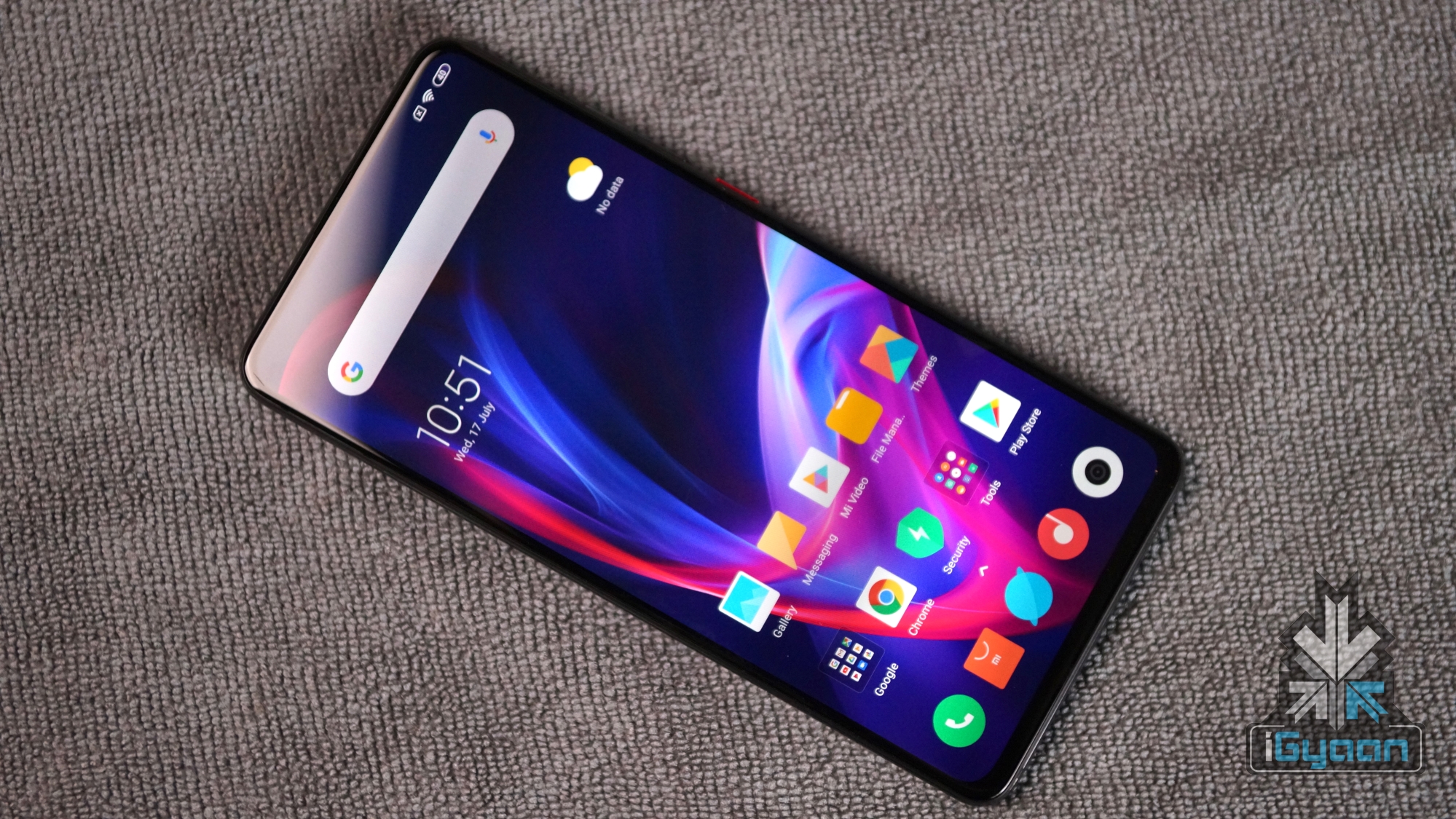
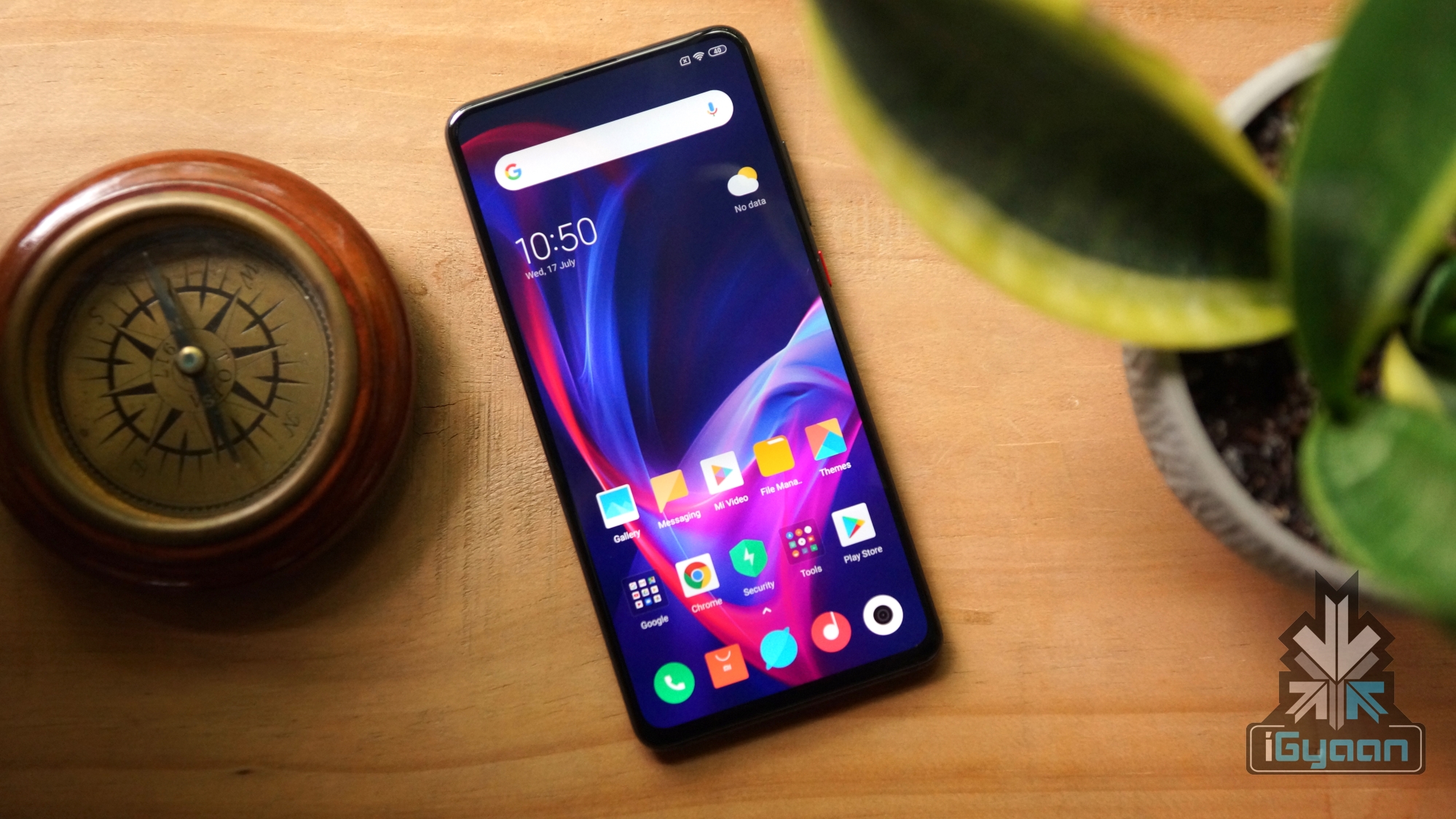
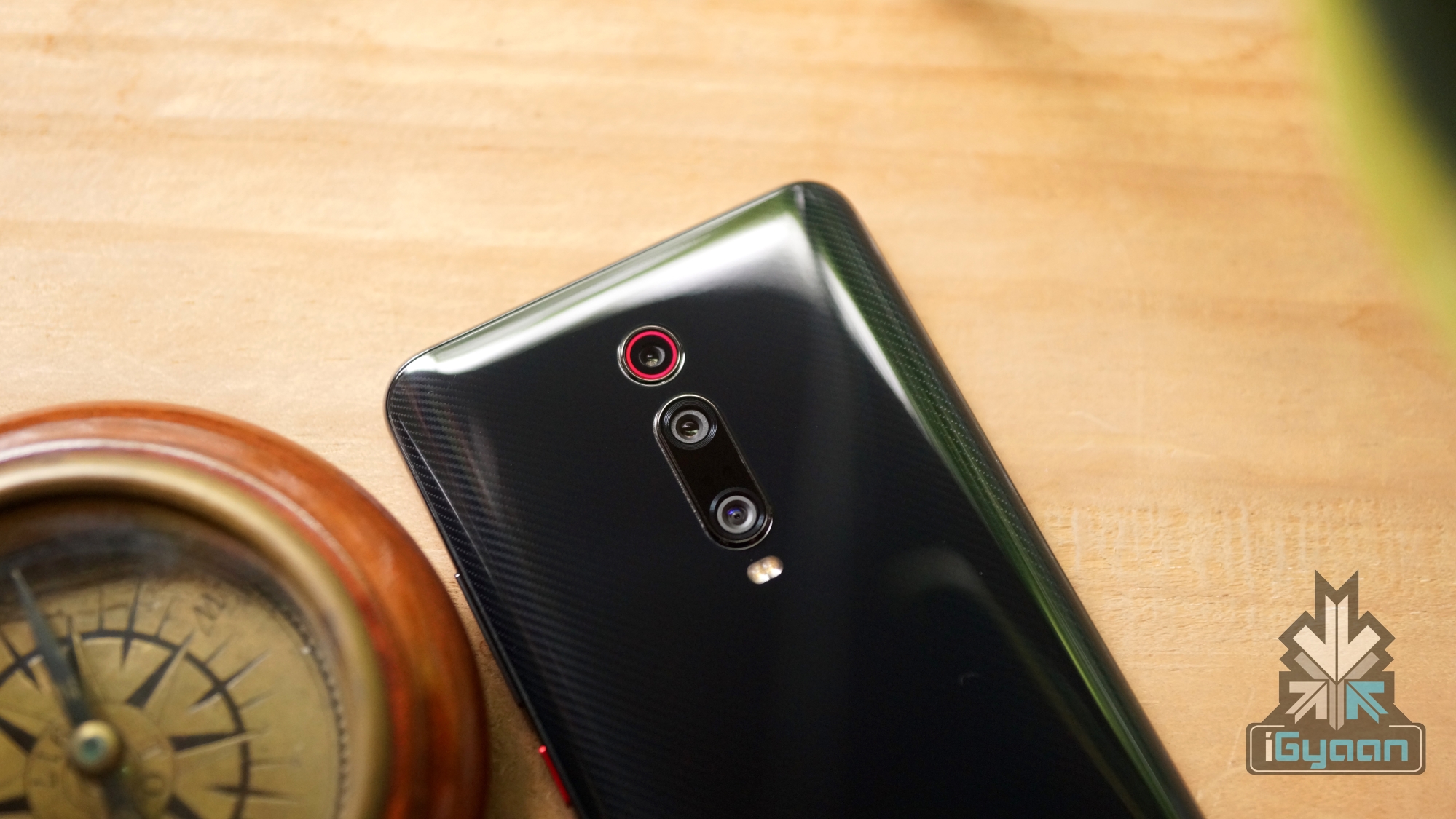
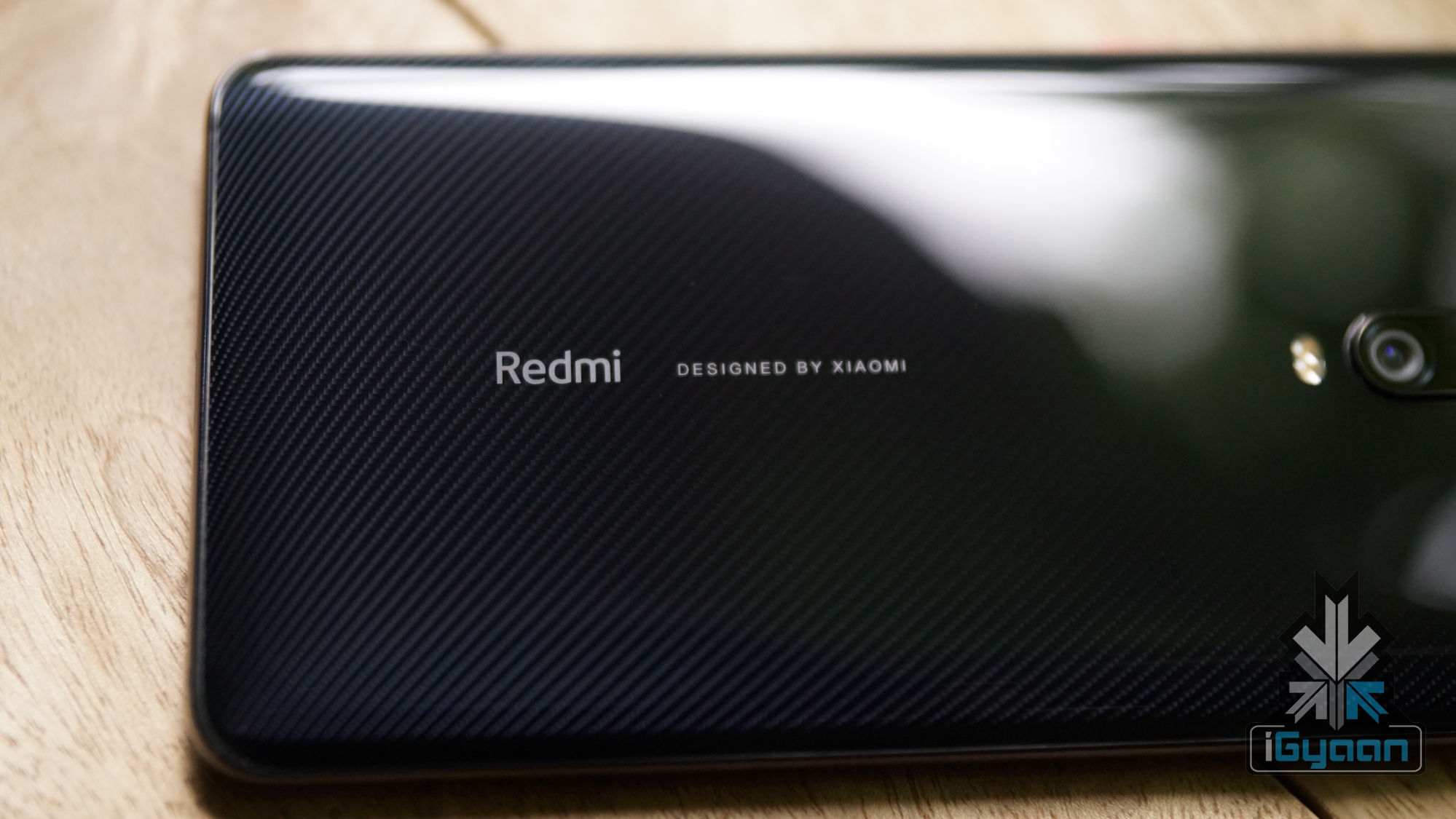
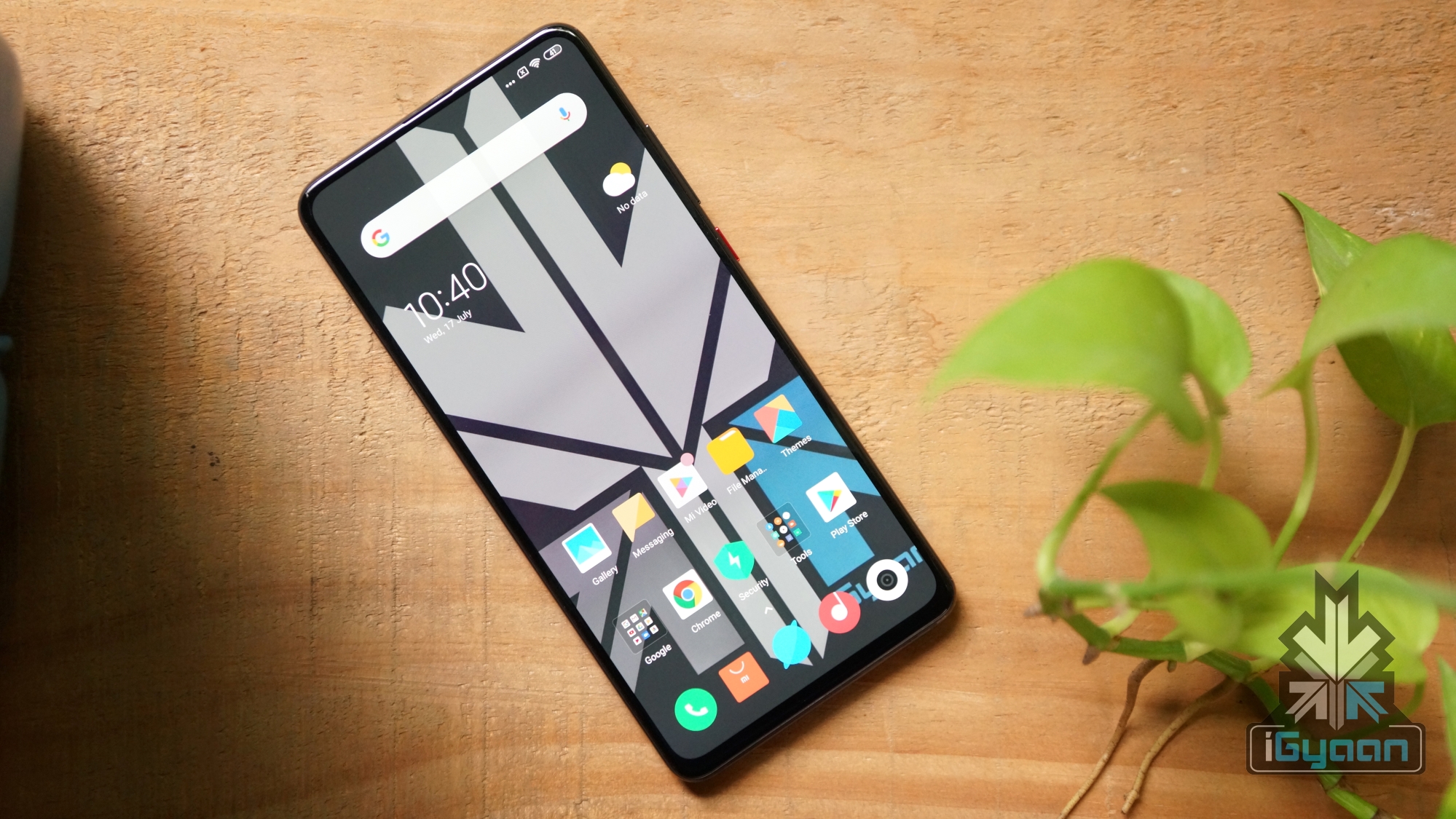
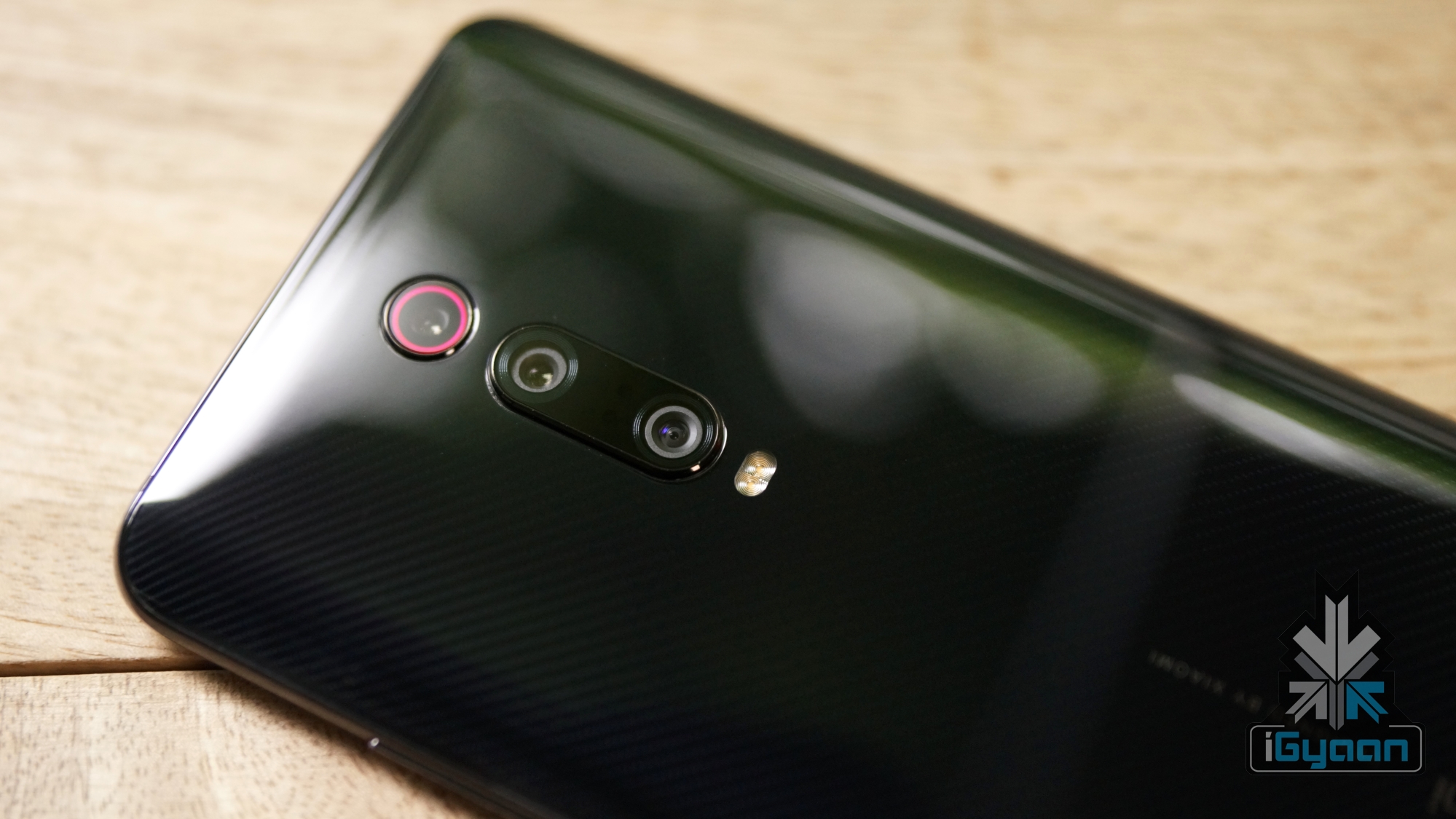
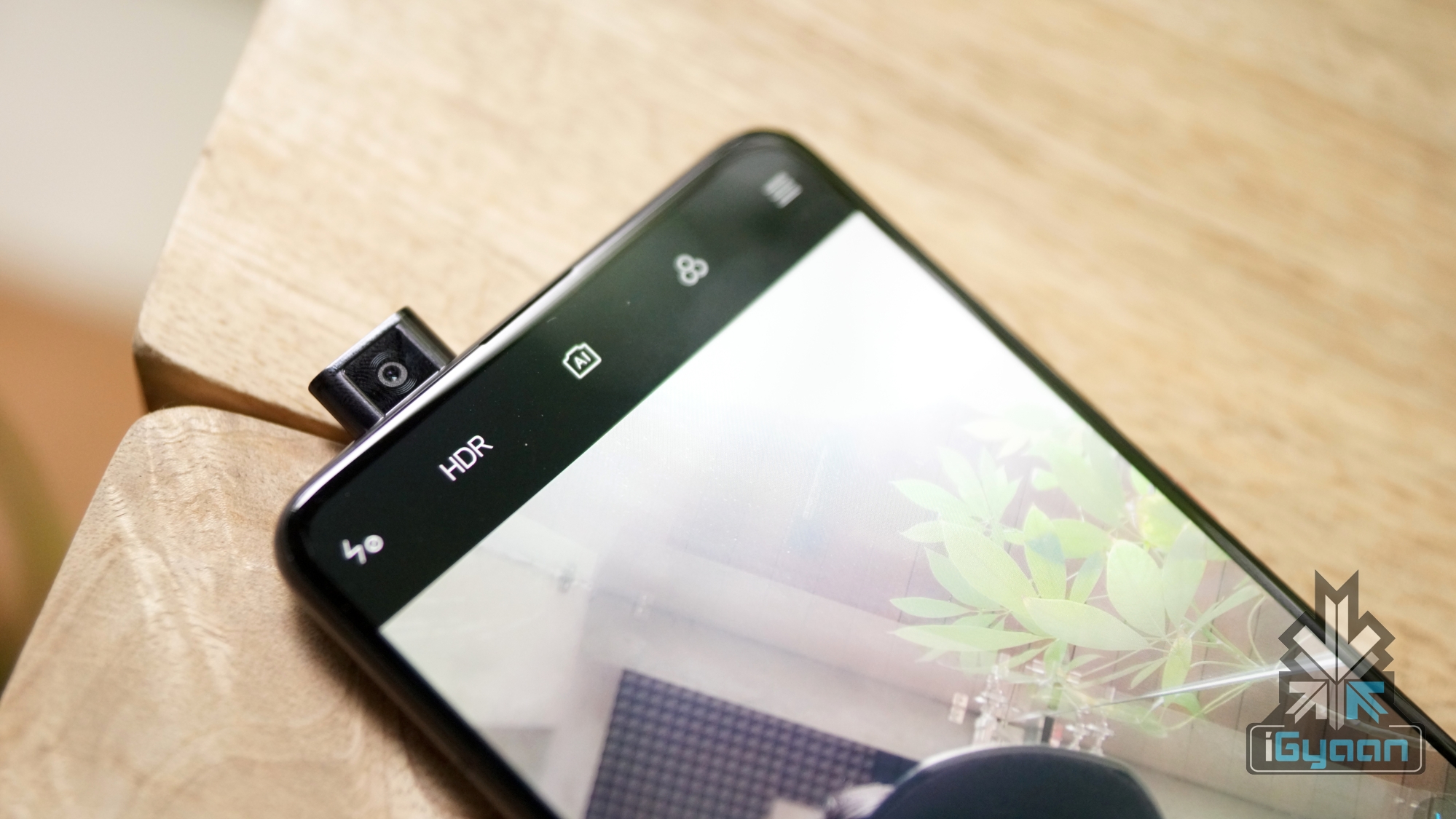
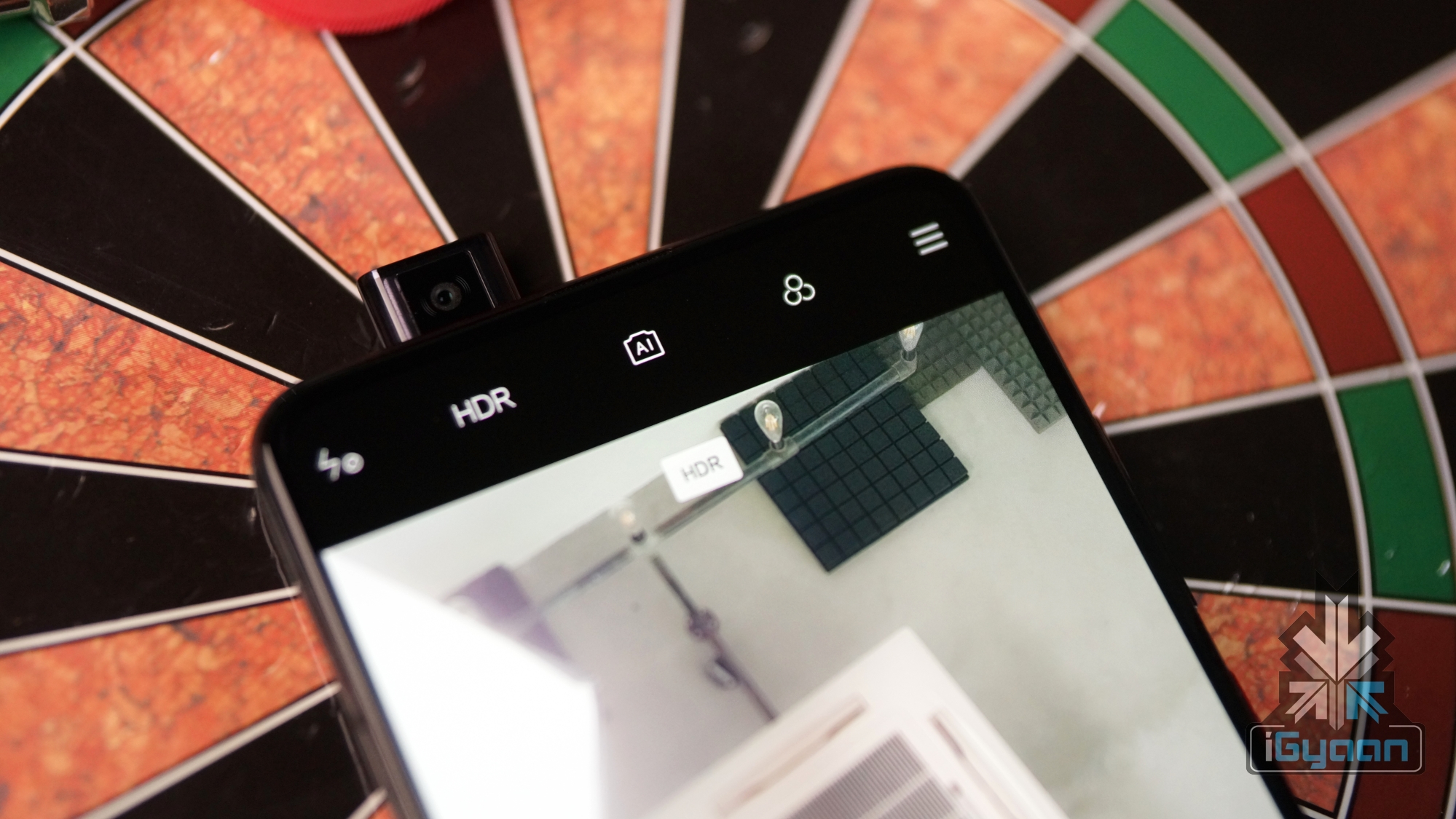
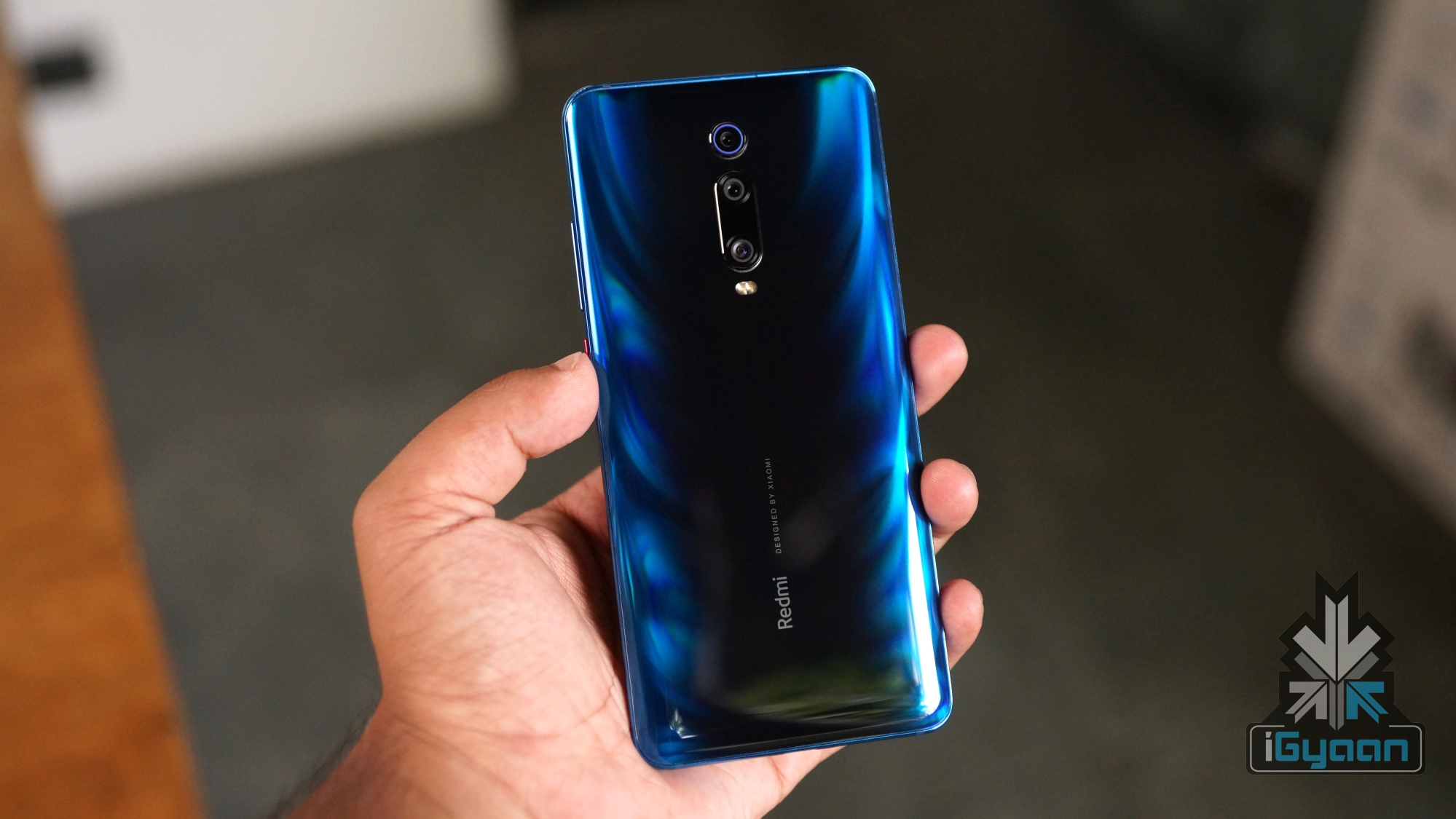
    Xiaomi introduced numerous new design features to the Redmi K20 Pro. It features a new triple camera setup at the back with carbon fibre textures or gradient design underneath its polished glass finish for an attractive look. The front features an edge to edge display with metallic sides that holds the entire chassis of the smartphone. Due to its new pop up camera, the front has negligible bezels on all sides.

    Redmi K20 Pro

    The Xiaomi Redmi K20 Pro houses its power button and volume rockers on the right side, while the left is devoid of any seams. Notably, the power button on the Carbon Black variant is red in colour giving it a unique dual colour aesthetic. On the bottom, the USB-C charging port is flanked by a SIM card slot on the left and a lone speaker grill on the right. The top features 3.5mm headphone jack along with the secondary microphone pinhole.

    Display

    Redmi K20 Pro

    The Xiaomi Redmi K20 Pro has 6.39 inch FHD+ AMOLED display with a resolution of 2340 x 1080px. The display has an aspect ratio of 19.5:9 with a pixel density of 403 pixels per inch. Notably, the display panel can produce upto 640 nits of brightness which can easily be seen even in bright sunlight. Like most modern mid range and flagship devices, the Redmi K20 Pro also features an in display fingerprint scanner.

    Processor

    Xiaomi

    One of the key features of the device at its price range is its top end SoC. The Xiaomi Redmi K20 Pro features the Qualcomm Snapdragon 855 which is also present on devices like the Asus 6Z and OnePlus 7. The chipset is manufactured using a 7nm fabrication process which enables it to provide high performance at greater power efficiency in comparison to the 10nm Snapdragon 845. It is an Octa-Core Kryo mobile processor with Adreno 640 GPU.

    Memory & Storage

    Xiaomi

    The Xiaomi Redmi K20 Pro offers multiple storage variants that offer 64GB and 256GB for internal storage; while RAM offerings vary from 6GB to 8GB. Unfortunately, the device does not have memory expandability options via a microSD card reader.

    Camera

    Redmi K20 Pro

    The Xiaomi Redmi K20 Pro features a triple camera setup at the rear that consists of an f/1.8 48MP Sony IMX586 primary shooter alongside a 13MP ultra-wide lens and a 9MP telephoto sensor. For selfies, the smartphone features a 20MP pop up camera with an aperture size of f/2.2; which is housed inside motorised popup module.

    Redmi K20 Pro

    In terms of video recording, the rear shooter is capable of capturing 2160p video at 60fps. The video from the selfie camera is restricted to 1080p at 30fps. Besides, the cameras also support other notable features such as HDR, Portrait mode and ultra-wide shots.

    Battery and Other Features

    Xiaomi

    The Xiaomi Redmi K20 Pro is powered by a non-removable 4000mAh battery. It is capable of fast charging up to 27W via the separately sold adapter, the bundled charger provided is an 18W quick charger. The device runs the latest MIUI 10 which is based on Android 9 Pie.

    Connectivity and Colour Options

    Xiaomi

    Connectivity options on the Redmi K20 Pro include dual 4G LTE with Wi-Fi 802.11 a/b/g/n/ac, dual-band, Wi-Fi Direct and hotspot. The bottom houses the USB Type-C port that can be used for both charging and data transfer. The device is available in three colour options which are as follows:

    • Carbon Black
    • Flame Red
    • Glacier Blue
    Price and Availability

    Xiaomi

    Also ReadTo Take On Google Stadia, Nintendo Will Launch Switch Do Game Streaming Service

    The Redmi K20 Pro has been priced at Rs. 24,999 for the variant with 6GB RAM and 64GB internal storage. The top tier storage variant with 8GB of RAM and 256GB onboard memory will cost Rs. 27,999 for prospective buyers. It will be available to purchase starting 25th July on Flipkart and select offline stores across the country.

  • Xiaomi Redmi K20 With Snapdragon 730 Launched In India

    Xiaomi Redmi K20 With Snapdragon 730 Launched In India

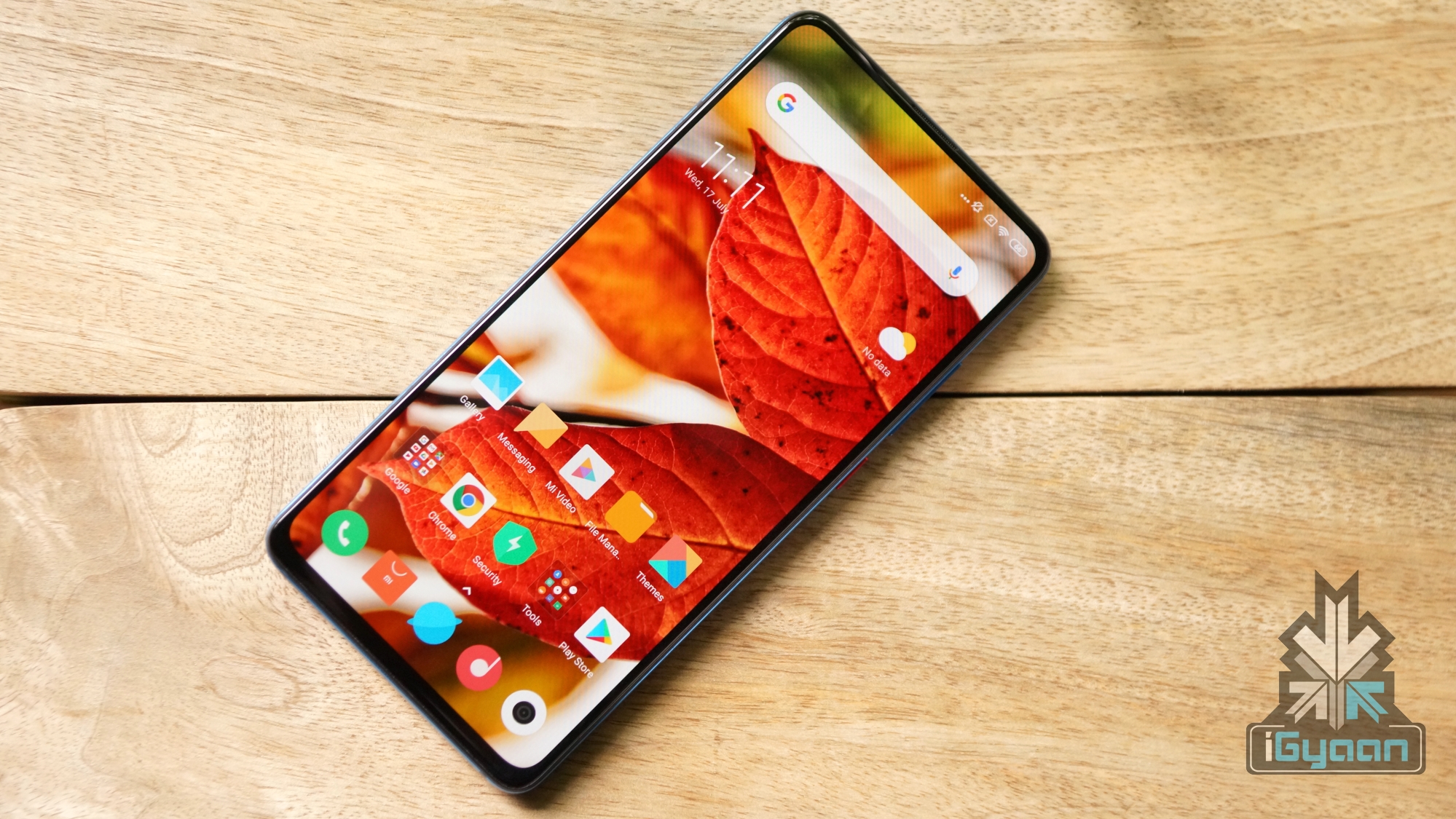
    At an event in New Delhi, India, Xiaomi has launched its latest mid-range smartphone, the Redmi K20 in the country. The device was announced alongside the Redmi K20 Pro which is a flagship-grade handset. Both the handsets were originally announced in China in the month of May and have just made their way across the shore. The more affordable out of the two, the Redmi K20 boasts of a modern design with competitive specifications offered at a lucrative price tag.

    Xiaomi Redmi K20
    Redmi K20 Back

    As mentioned above, the Redmi K20 is the latest mid-range smartphone from the company. It has a glass design on the front and back with a metal chassis for reinforcement. The smartphone has an attractive gradient coloured design on the back. It features a 6.39 inch AMOLED display with a resolution of 2340 x 1080 px and a pixel density of 403 ppi. The handset sports a motorised pop-up selfie camera on the front which provides with an obstruction-free thin bezelled display. For safely and securely logging into the user interface, the Redmi K20 features an in-display fingerprint scanner along with support for face unlock technology.

    Redmi K20 Popup Camera

    Under the hood, the Redmi K20 is kitted with the 8nm Snapdragon 730 SoC which is comprised of an octa-core CPU and the Adreno 618 GPU. For photography, the smartphone has a triple rear camera setup consisting of an f/1.8 aperture equipped 48MP Sony IMX 582 sensor, an f/2.4 aperture equipped 13MP ultra wide-angle sensor; and a tertiary f/2.4 aperture equipped 8MP telephoto sensor. For selfies, an f/2.2 aperture equipped 20MP sensor is housed in the previously mentioned pop-up mechanism.

    The Redmi K20 packs a 4000mAh battery, which supports 18W fast charging. The device runs on MIUI 10 which is based on top of the latest Android 9 Pie. In terms of connectivity, the smartphone has 802.11 ac Wi-Fi, Bluetooth 5.0, GPS, NFC, 3.5 mm audio jack and USB Type C port which can be used for charging and data transfer.

    Pricing & Availability
    Redmi K20 Display

    The Redmi K20 is offered in three colour options which include Glacier Blue, Flame Red and Carbon Black. Like prior Xiaomi smartphones, it can be purchased from both online and offline channels. It will go on sale starting 22nd of July via Flipkart.com and major offline retail store chains. The prices for different storage variants of the smartphone are as follow:

    • 6 GB + 64 GB: Rs 21,999
    • 6 GB + 128 GB: Rs 23,999

    To sum it up, we feel the Redmi K20 holds the potential to become one of the best selling smartphones in its segment. 

    What are your thoughts on the device? make sure to leave a comment down below.
iGyaan Network
Privacy Overview

This website uses cookies so that we can provide you with the best user experience possible. Cookie information is stored in your browser and performs functions such as recognising you when you return to our website and helping our team to understand which sections of the website you find most interesting and useful.