Category: Brands and Companies

All Brands and Company Names

  • Huawei P30 With 12GB RAM Spotted On TENAA

    Huawei P30 With 12GB RAM Spotted On TENAA

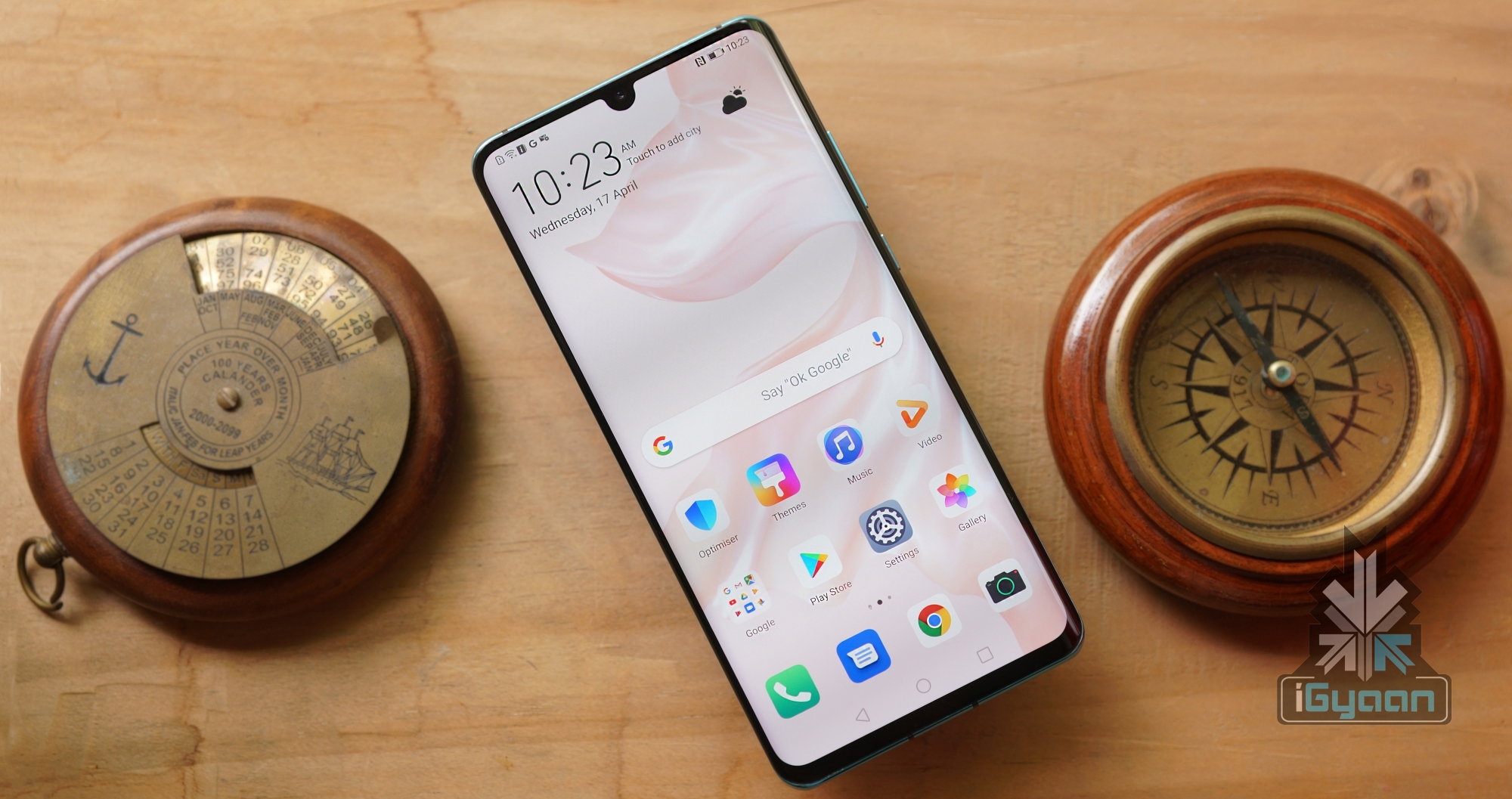
    Chinese smartphone manufacturer Huawei launched the P30 in the month of March 2019. The device was unveiled alongside its elder sibling, the P30 Pro, which featured one-of-a-kind periscopic camera setup. However, it seems that the Huawei P30 may receive an upgrade in the not-so-distant future. A beefed-up version of the smartphone with 12GB of RAM has showed up on TENAA, and features the model name ELE-AL00m. 
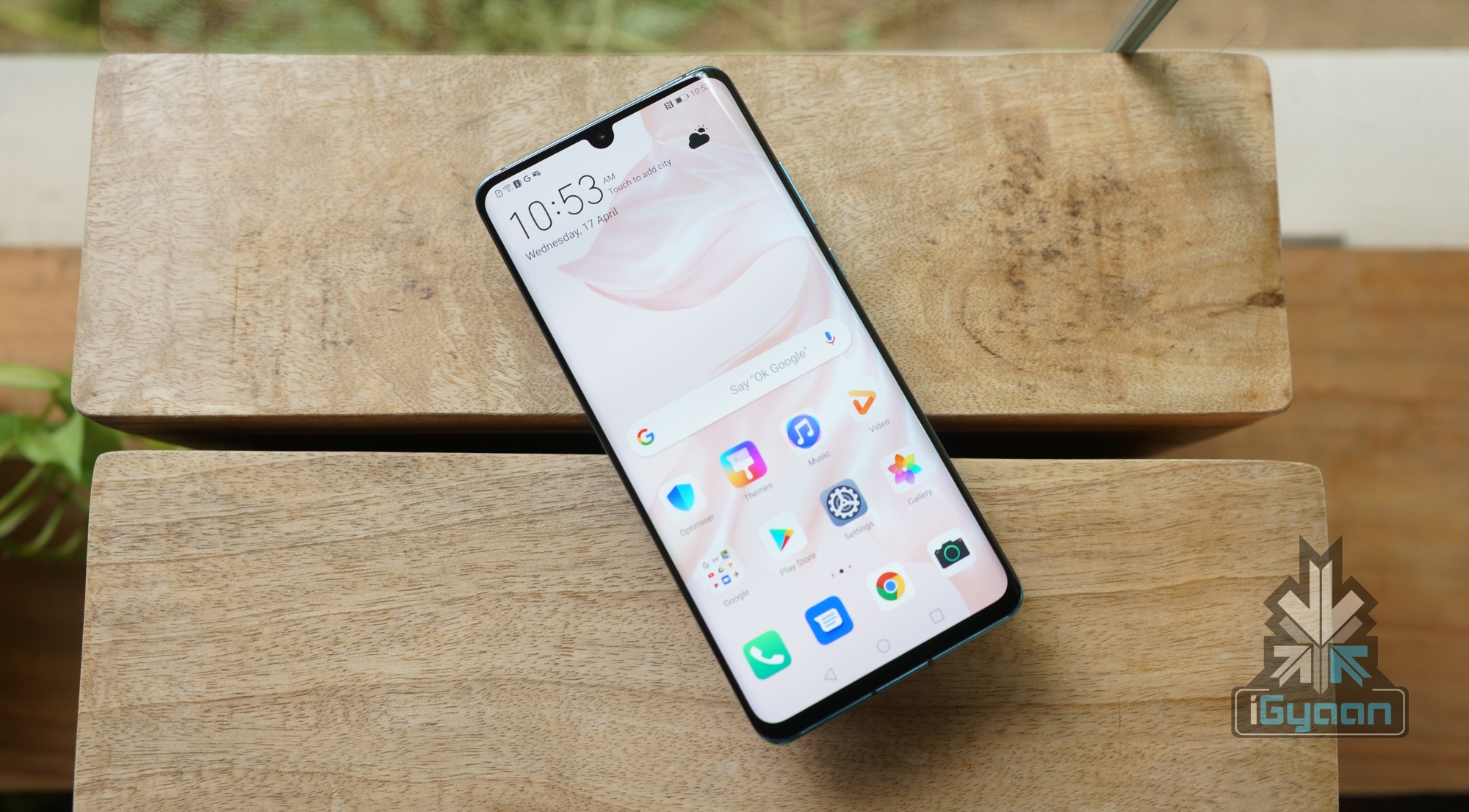
    Huawei P30 Pro
    Huawei P30 Pro

    Previously, the Huawei P30 was available in two RAM variants, 6GB and 8GB. Except the RAM bump-up in the TENAA listing, no other upgrades to specifications were spotted. The P30 is the less feature rich variant of the high-end P30 Pro. It features a similar design to the Huawei P20 launched in the year 2018. The device has a 6.1 inch OLED display with a resolution of 2340 x 1080 px. For security, the smartphone has an in-display fingerprint scanner with support for face recognition.
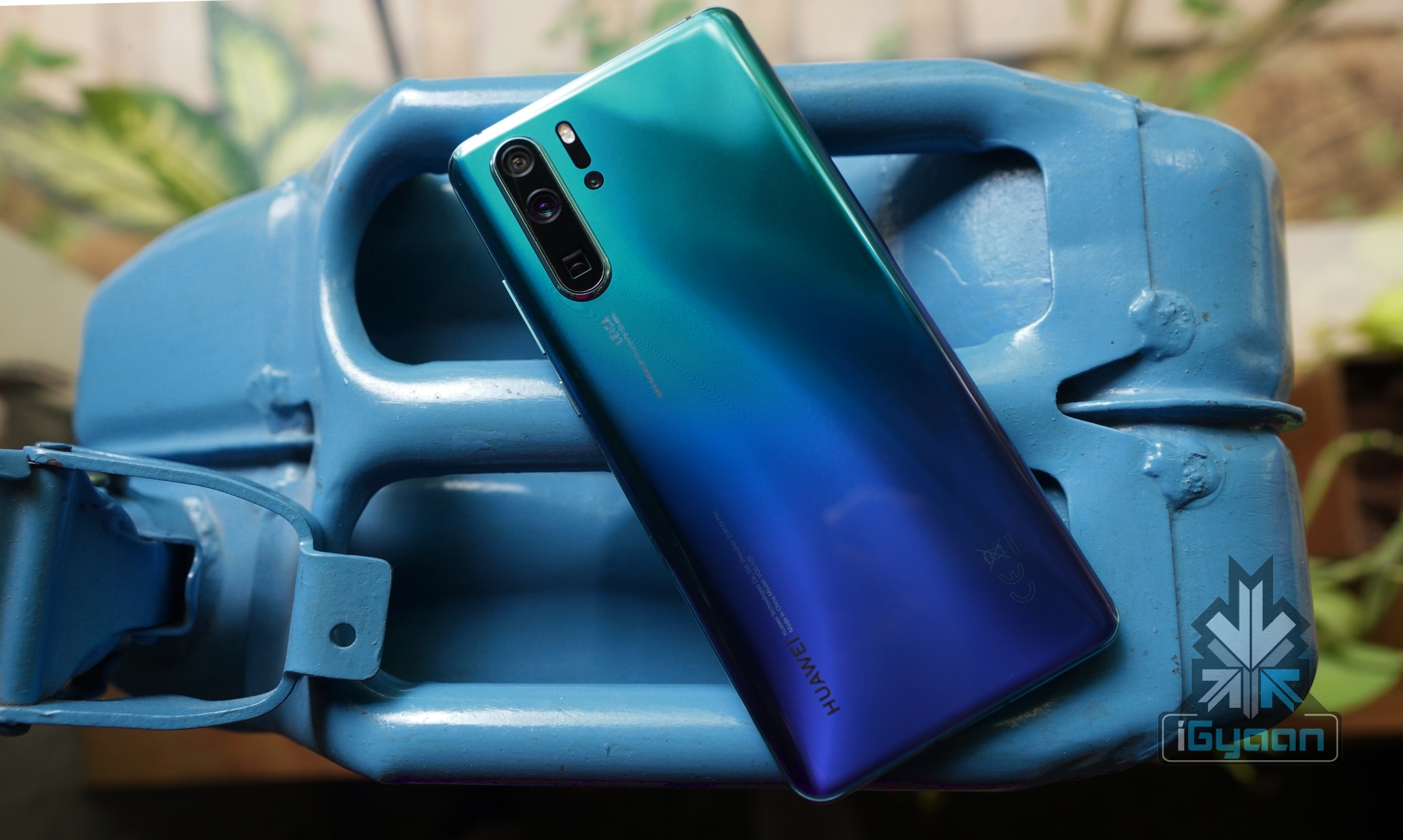
    Huawei P30 Pro

    The Huawei P30 runs on the 7nm Kirin 980 chipset. It consists of an Octa-core Cortex CPU and a Mali G76 GPU. In terms of optics, the smartphone has a triple rear camera module comprising of a 40MP primary sensor (f/1.8 aperture), a 16MP ultra-wide sensor (f/2.2 aperture) and a third 8MP telephoto sensor (f/2.4 aperture). For selfies, there is a 32MP front camera housed in the notch up front.
    Huawei P30 Pro

    Also Read: Google Stadia Price And Launch Date Revealed

    The smartphone is powered by a 3650mAh battery with 22.5W fast charging support via the bottom mounted USB Type-C port. The smartphone also supports NanoMemory cards, a new memory standard the company introduced in 2018. The device is IP68 Dust and Water resistant. Currently, it is available in a 128GB ROM variant. After the aforementioned RAM upgrade, the device will be available in three different RAM variants :

    • 6GB
    • 8GB
    • 12GB
     

  • Google Stadia Price And Launch Date Revealed

    Google Stadia Price And Launch Date Revealed

    Google, ahead of the gaming expo E3 2019, has unveiled the details for its new game streaming service. The company’s announcement in March for Google Stadia had left out many of the finer details that have since been disclosed. Google will directly compete with companies like Sony and Microsoft, that are suddenly dealing with a new platform that had no hardware limitations, in the widely popular and ever-growing cloud based gaming market.

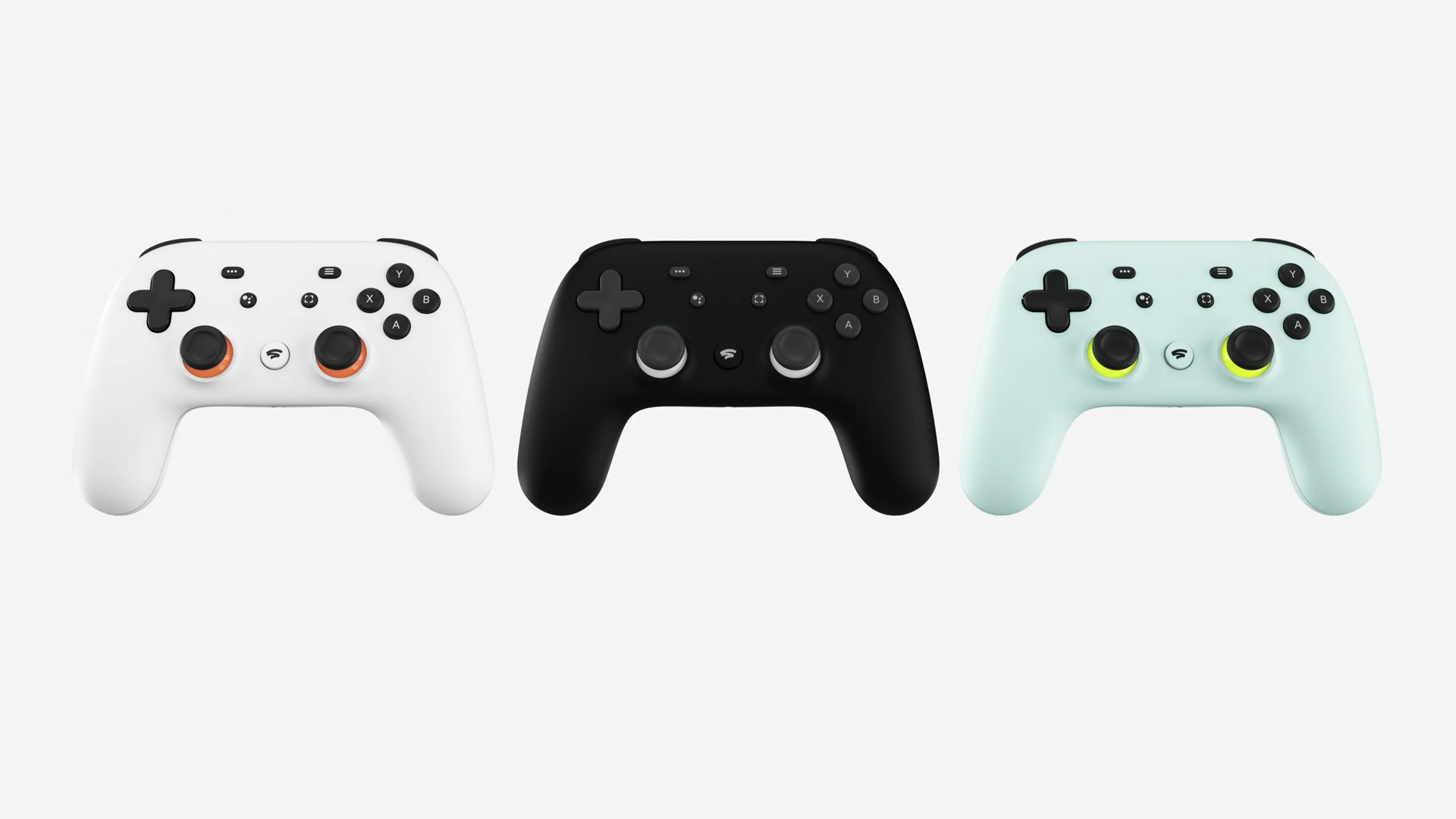
    Google Stadia is confirmed to launch in November 2019. 14 regions will be in the first wave of countries to receive the game streaming service, such as the US and Canada. 31 games from 21 different publishers will be available at the initial launch with the “Founder’s Edition”. The special edition will cost $130 (approx. Rs.9,000) for a hardware starter kit (bundling a $70 or Rs.4,000 controller) with 3 months of premium service, and a $10/per month (approx. Rs.700) after the complimentary period ends.

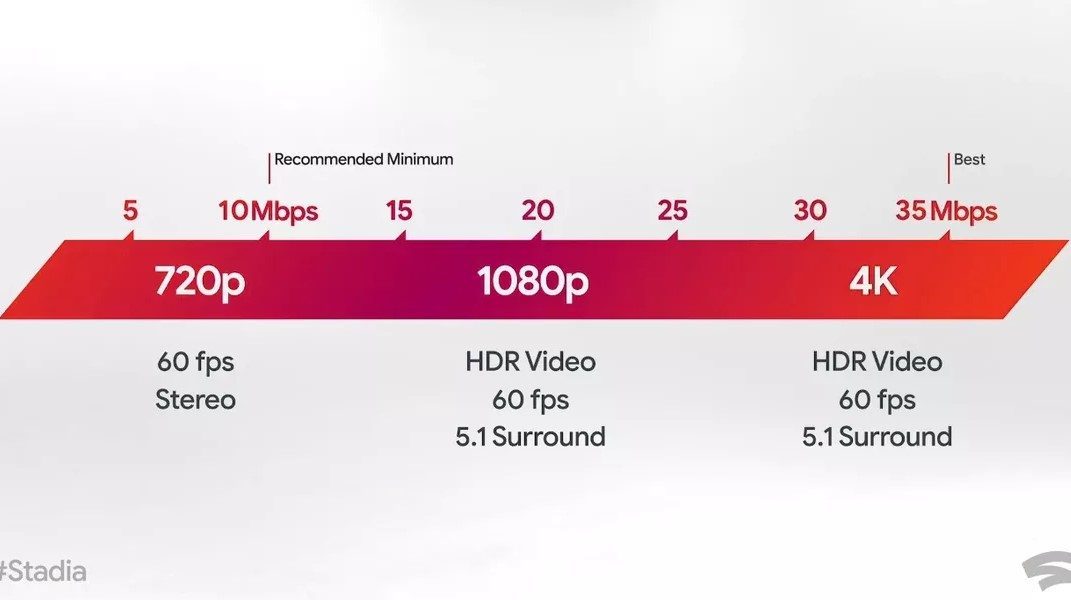
    The company has only announced the pricing of one tier in Google Stadia’s subscription options. Stadia Pro that is priced at $99.9 (approx. Rs.7,000) will offer 4K gaming at 60fps streaming with HDR and 5.1 surround sound. This pack requires a stable 35Mbps of bandwidth connectivity. Google Stadia promises more games in its free category alongside exclusive discounts on games. A Standard edition is being prepared as well, with no details given on that version, more information might be revealed at E3 2019.

    Google is also planning a separate free tier that will be seen sometime in 2020. Pre-orders for the “Founder’s Edition” of Google Stadia are now open in  14 countries that receive the service first. The quality of this service is yet to be determined in the real world since Stadia has only been seen in action under controlled environments. Stadia should not be grouped with services like Netflix, in which users pay a monthly subscription and watch movies or a series. Google only offers a platform in which users can buy the games that they wish to play, along with a monthly fee for the online service. The only game that comes free with just the subscription is Destiny 2 by Blizzard-Activision, as of right now.

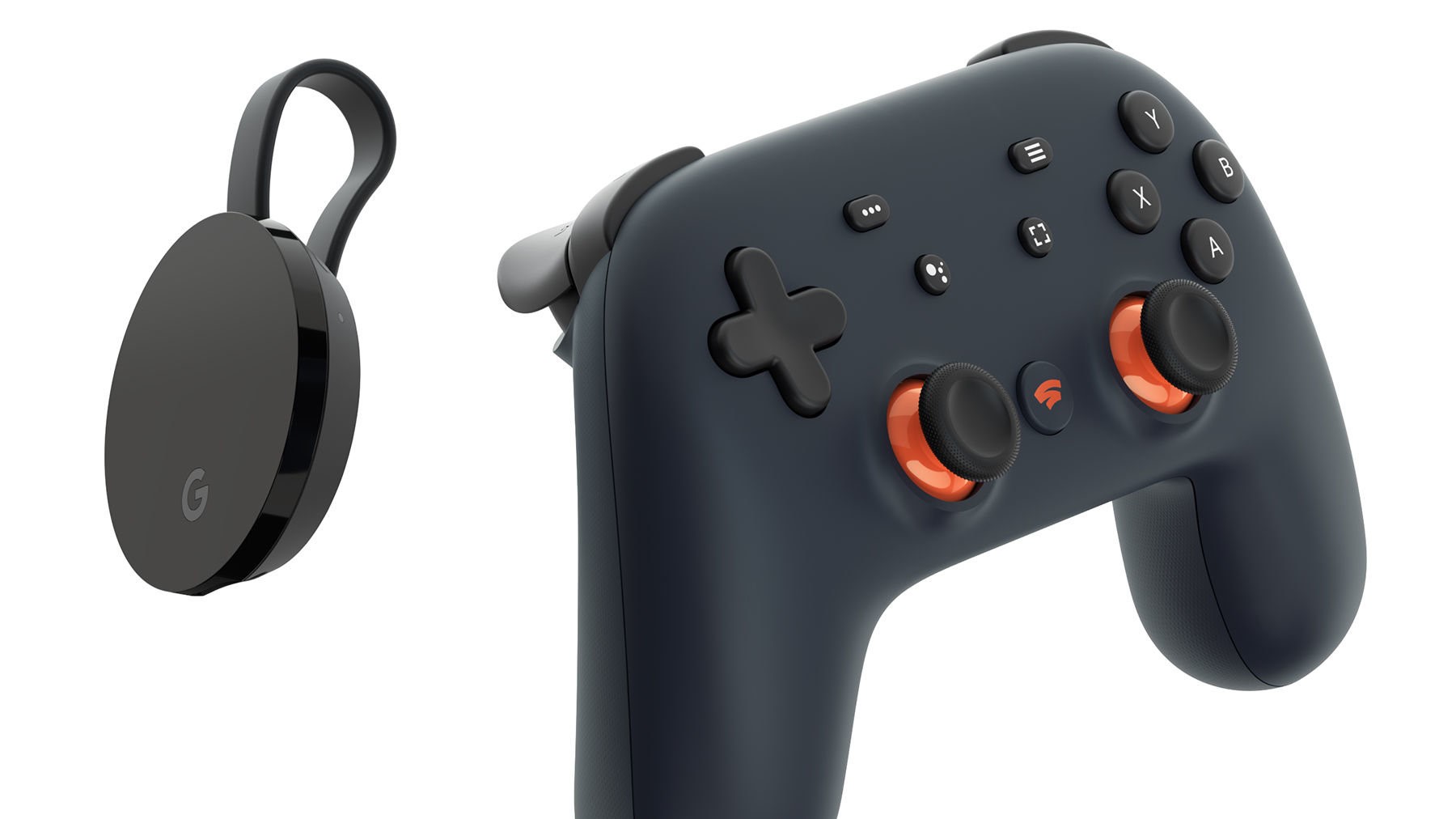
    Google Stadia in practice is closer in resemblance to Steam, the digital game store by Valve. Apart from the 31 game titles at launch, like Mortal Kombat 11 and Assassin’s Creed Odyssey, more games will be added eventually along the way. However, it is still unclear if Google Stadia will be a host for games developed exclusively for the platform. Notably, the $130 price tag for early buyers is still a cheaper alternative to any gaming console currently available in the market, namely PS4 and Xbox One. Google is currently bundling the Chromecast Ultra that plugs into TVs with a limited-edition dark blue version of Stadia’s controller.

    Also Read: iPhones Valued At $19 Million Stolen By ‘Fraud Ring’

    The cross-platform streaming of games from Xbox allows users to play on any PC, Pixel 3 or 3a device (Google plans on supporting more smartphones soon) or Chromecast TVs. Google Stadia has led Microsoft and Sony to develop their own game streaming services such as xCloud and PlayStation Now respectively. A move just to stay relevant in the market and in the future. With the advent of network advancements like 5G, digital media is growing at an ever-increasing pace.

  • Nokia 2.2 Is Now Available For Pre-Order In India

    Nokia 2.2 Is Now Available For Pre-Order In India

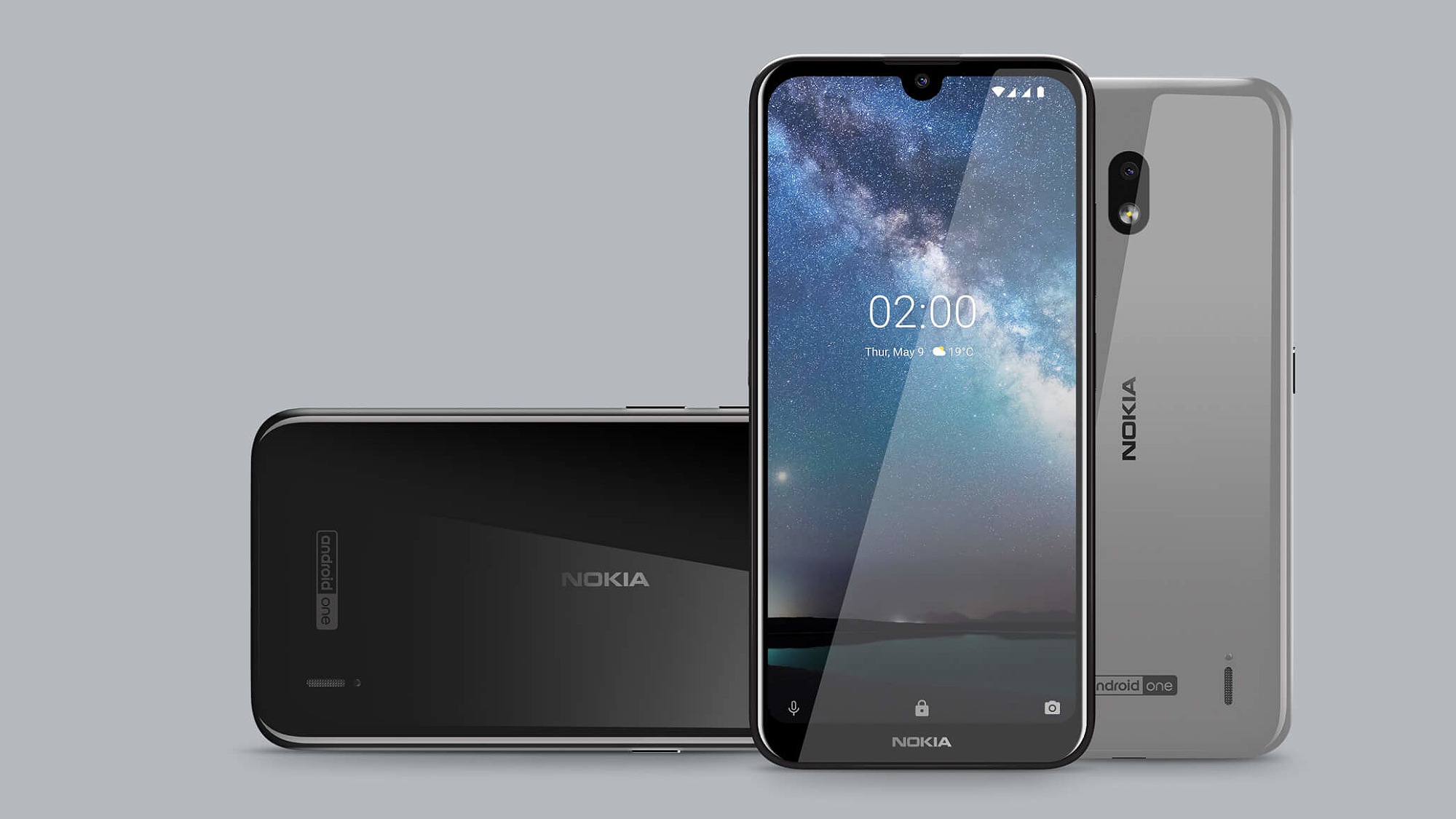
    HMD Global, the parent company of Nokia, has been fighting for its market share in various price segments. Its smartphones of different prices have, through Nokia’s brand name, become increasingly more relevant in the smartphone industry. The newly launched Nokia 2.2 will find its spot in the lower-end price bracket in the market. Nokia 2.2 will be the cheapest Android One smartphone made by the company, and by that extension, the cheapest smartphone to ever will receive the Android Q update. The handset has launched globally with the first pre-orders being available in India as of right now.

    Price and Specification

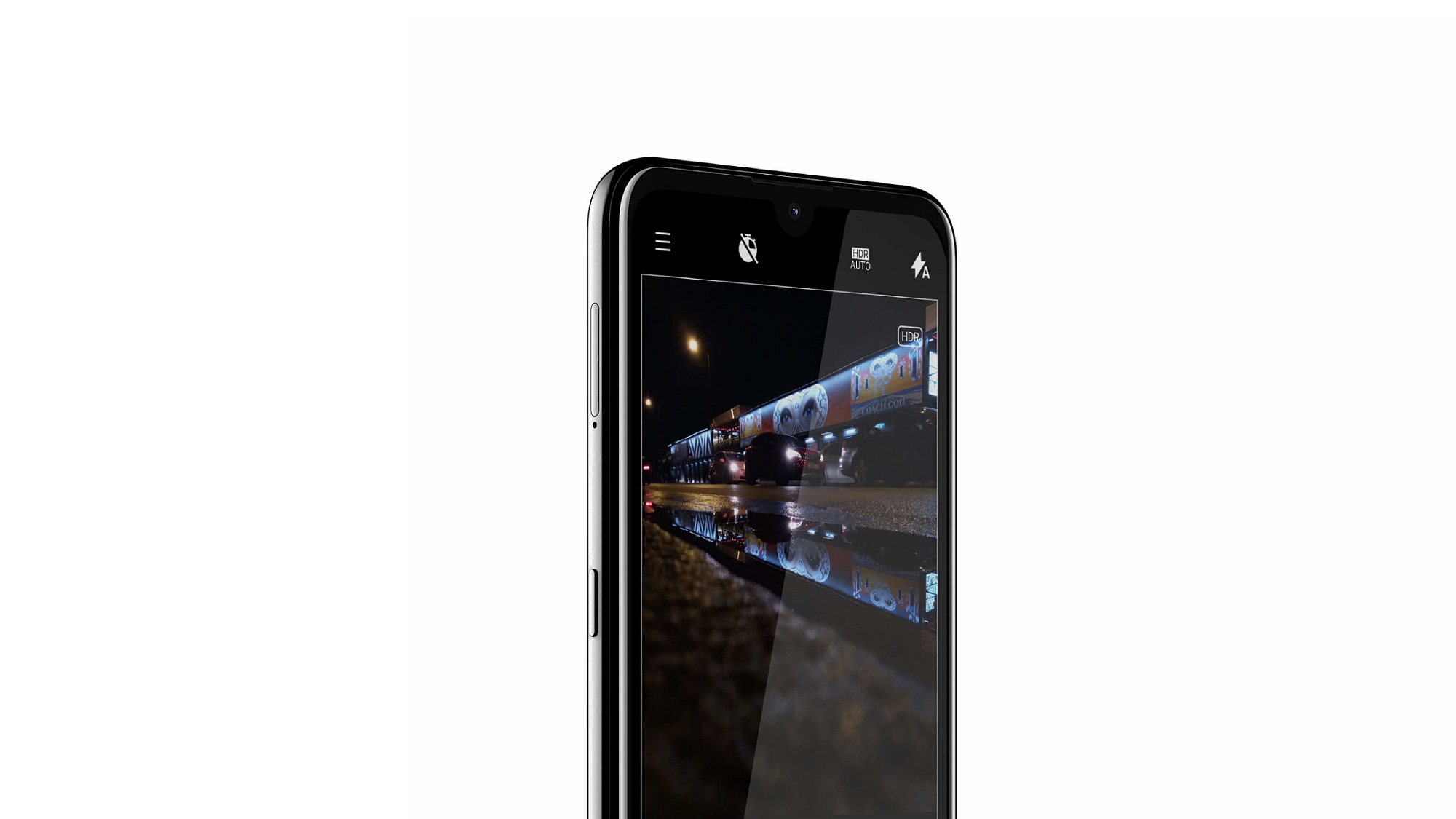
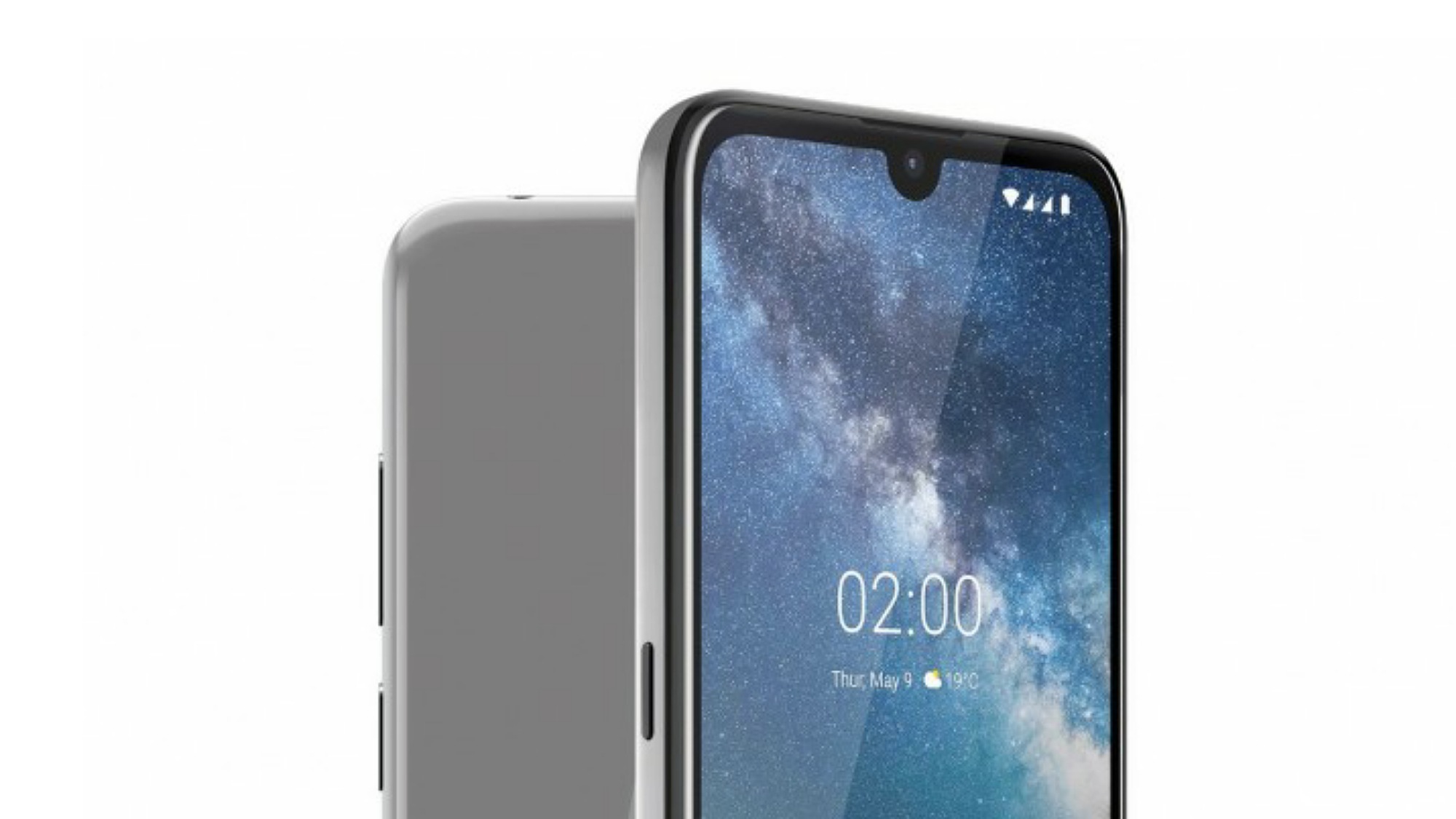
    The smartphone will be available in India for Rs 6,999 and Rs 7,999 depending on the configuration of the variants. Despite the relatively low price tag, Nokia 2.2 sports a large 5.71-inch display with a waterdrop notch design on the top. The display is an HD+ IPS LCD panel that is claimed to reach 400 nits of brightness with a 5MP selfie camera at the front. Rear shooter of the device is a 13MP sensor with an LED flash.


    A fingerprint reader is skipped hence, users will have to rely on the face unlock for the biometric security. Nokia 2.2 is equipped with the Helio A22 chipset, which is a quad-core CPU, and either 2GB or 3GB of RAM. The internal storage option includes 16GB or 32GB with microSD card support for expandable external storage. Battery capacity sits at a modest 3,000mAh (removable battery) that charges via the bottom mounted microUSB port. The entire configuration is encased in a reflective polycarbonate design.
    Since Nokia 2.2 is an Android One device, it is guaranteed to receive latest Android updates for at least 2 years. This makes the smartphone stand out the most in comparison to other entry-level options in the market, a huge selling point. Notably, a dedicated Google Assistant button is also available on the left of the device.

    Also Read: iPhones Valued At $19 Million Stolen By ‘Fraud Ring’

    Only two colour variants are available for the Nokia 2.2, namely Black and Steel. Official sales start on 11th June 2019 with the 2/16GB version priced at INR 6,999 while the 3/32GB version at a reasonable INR 7,999. Nokia with its smartphones hopes to capture its former glory and dominance in the phone making business, and smartphones like these are a small step in the right direction.

  • iPhones Valued At $19 Million Stolen By ‘Fraud Ring’

    iPhones Valued At $19 Million Stolen By ‘Fraud Ring’

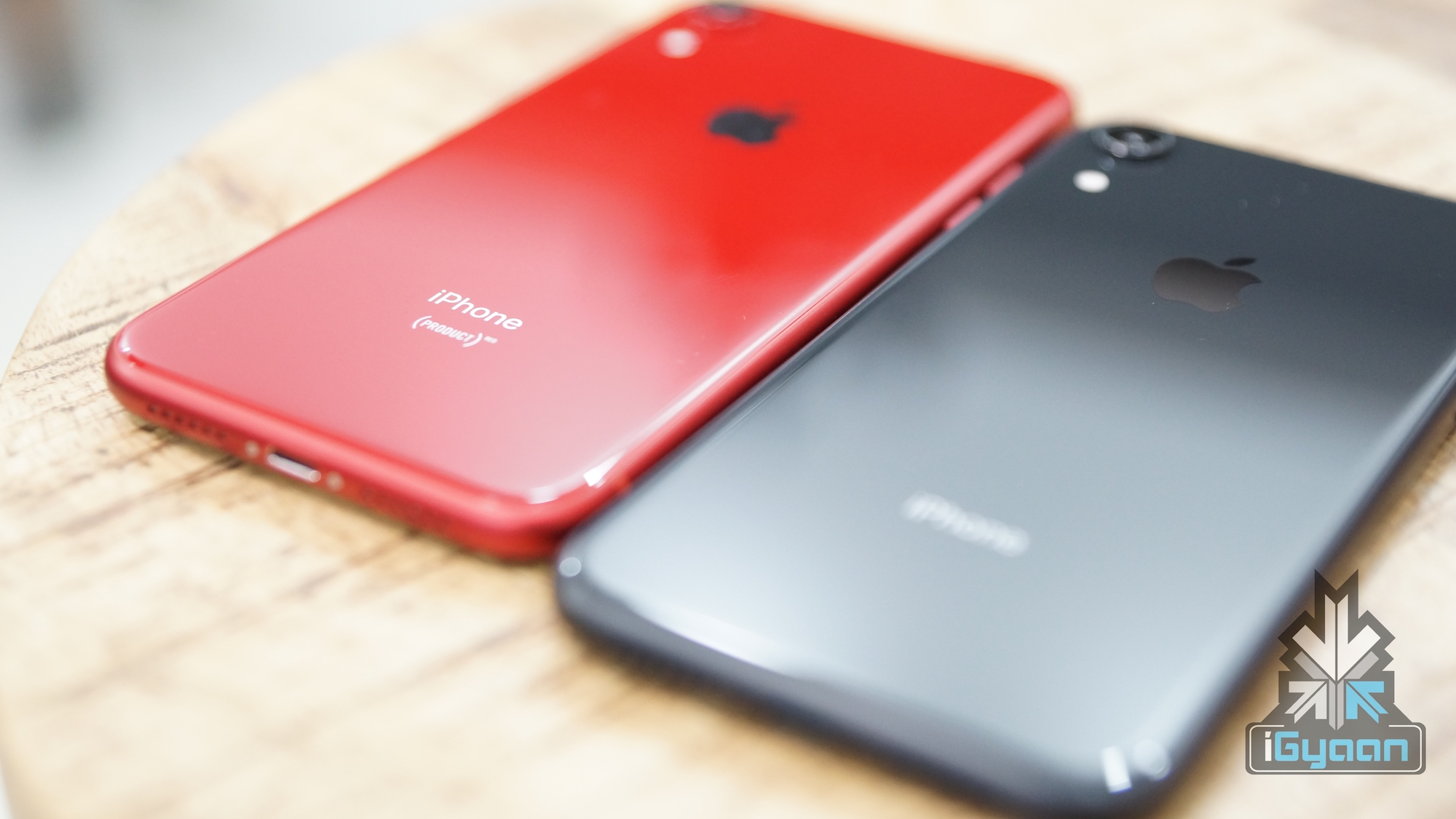
    A gang of fraudsters have reportedly stolen $19 million (approx. Rs. 132 crores) worth of iPhones over the past seven years in the United States of America. The FBI and NYPD aptly named the gang ‘Fraud Ring’, which was run by six people that called themselves ‘Top Dogs’. The gangs used counterfeit debit cards and fake IDs to buy new iPhones to be sold for high prices in the black market.

    The payment method that involved instalments enabled the scam to go undetected. A detailed report has been uploaded online regarding the fraud case. The victims of the scam included customers whose accounts were compromised along with respective carriers. The gang, possessing the debit cards and fake identification bought iPhone units from stores posing as the original account holders. The reason listed by the scammers was to upgrade to a newer handset on their previously existing accounts. Fraudsters stretched the scammed devices instalments over many months, that later showed up on the actual customer’s bill. 

    Fraud

    The perpetrators are being charged with felony counts of mail fraud, conspiracy, and aggravated identity theft. A total of 34 states in the US were affected while the exact number of individuals have yet to be disclosed. One of the accused co-operated with the authorities and revealed the workings of the Fraud Ring in exchange for a reduced sentence. It has been reported that the ‘Top Dogs’ took the largest chunk of the revenue, while the middlemen were responsible for all illegal activities like stealing identities by scamming customers. The bottom level involved drivers and runners that made rounds to various destinations to commit the fraud and ship the iPhone units back.

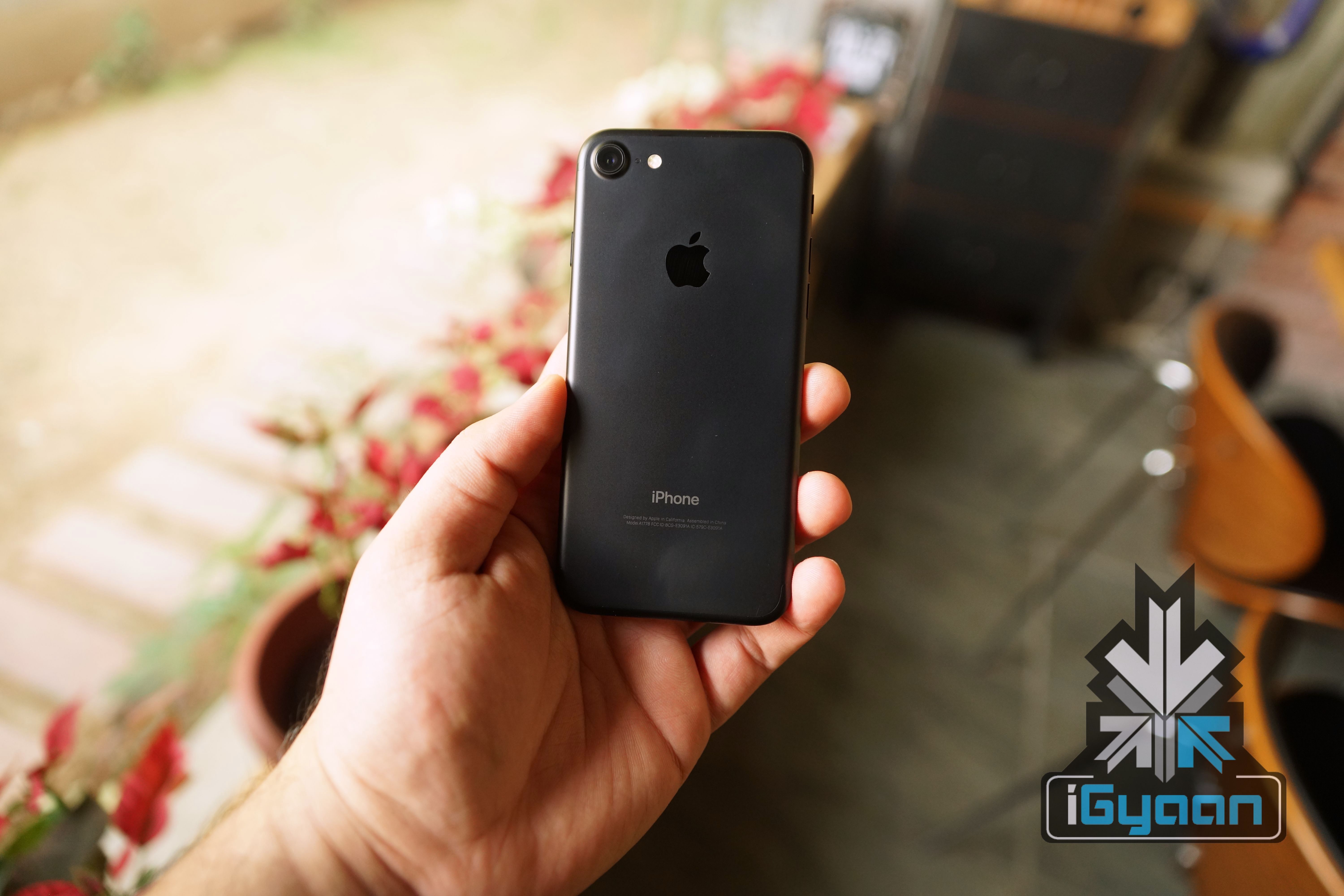
    iPhones

    The co-operating witness claimed to have joined the gang in 2013 and has made about 18 trips in total. Fraud Ring paid $100 for each iPhone that was stolen by him during that period. A shipping company (back in 2014) was discovered in possession of 250 phones, fraud cards, driver’s licenses, and passports after an employee opened one of the packages.


    New 2018 iPhone

    Also ReadAstrobotic’s Tiny Rover To Test Endurance Of Small Robots On The Moon

    This incident is reported to be one of the largest smartphone scams to date in terms of the value of stolen devices. Similarly, a group of scammers was accused of stealing 1,300 iPhones worth $1 million in 2018. Many such scams have been surfacing recently as fraud is being taken more seriously by the Government and investigating agencies.

  • Sony PlayStation 5 Details Revealed By Company CEO

    Sony PlayStation 5 Details Revealed By Company CEO

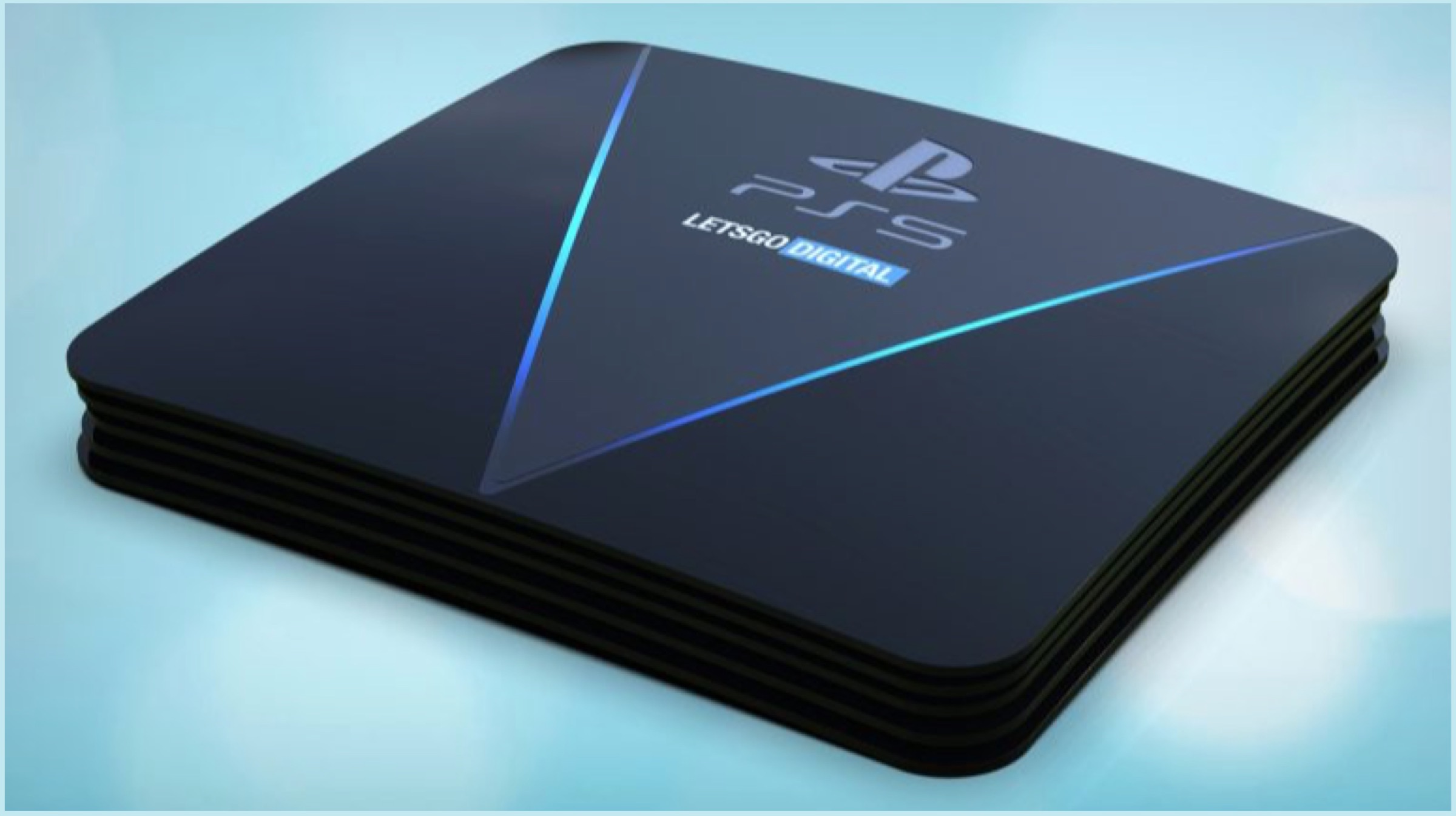
    Sony may have stated that no big announcements will be made at E3 2019, but on the other hand, fans are getting their fair share of PS5 details from the company itself. Previously, company officials revealed key pieces of information regarding the upcoming console. The loading speed of games on the PlayStation 5 was also compared to that of PlayStation 4, in which PS5 beat the PS4 by a huge margin. As per latest reports, Jim Ryan, CEO of Sony Interactive Entertainment has also revealed that the ‘PlayStation Now’ game streaming service will be ‘taken to the next level’ with the next generation Playstation amongst other upgrades. 

    Sony PlayStation 5

    As per sources, the Japanese company also plans to introduce Cross-Generational play with the successor of the PS4. With cross-generational play, players can simply switch to a new console and continue playing their game of interest from the point where it was left off. This implies that it won’t matter to Sony’s servers what device players are using. The friend list will be retained across all the consoles including the PlayStation 5, no matter what. 

    Sony PlayStation 5

    Sony’s CEO also stated that the company has an active user base of 94 million players, out of which 36 million players have an active Sony PlayStation Plus subscription. To hold on to such a huge player base, the company plans to include a custom-designed SSD (Solid State Drive) in the console to make games load faster. In terms of graphics, it will offer HD 4K graphics at a staggering 120Hz refresh rate, Jim Ryan added. 

    Also Read: Astrobotic’s Tiny Rover To Test Endurance Of Small Robots On The Moon

    The PlayStation 5 is expected to sport 3D audio technology, which will enable gamers to have immersive gaming experience. Last but not least, some new PS5 games may support Ray Tracing. Ray Tracing simulates the interaction of real-world light with real-time objects in the game, which leads to lifelike graphics rendering. Battlefield 5 was the first game to support Ray Tracing on NIVIDA RTX powered PCs, and we can expect developers to release more titles in accordance with Ray Tracing technology if consoles start supporting it too. 


  • Dell Unveils Latitude 7400 Laptop With New ExpressSign-In Feature

    Dell Unveils Latitude 7400 Laptop With New ExpressSign-In Feature

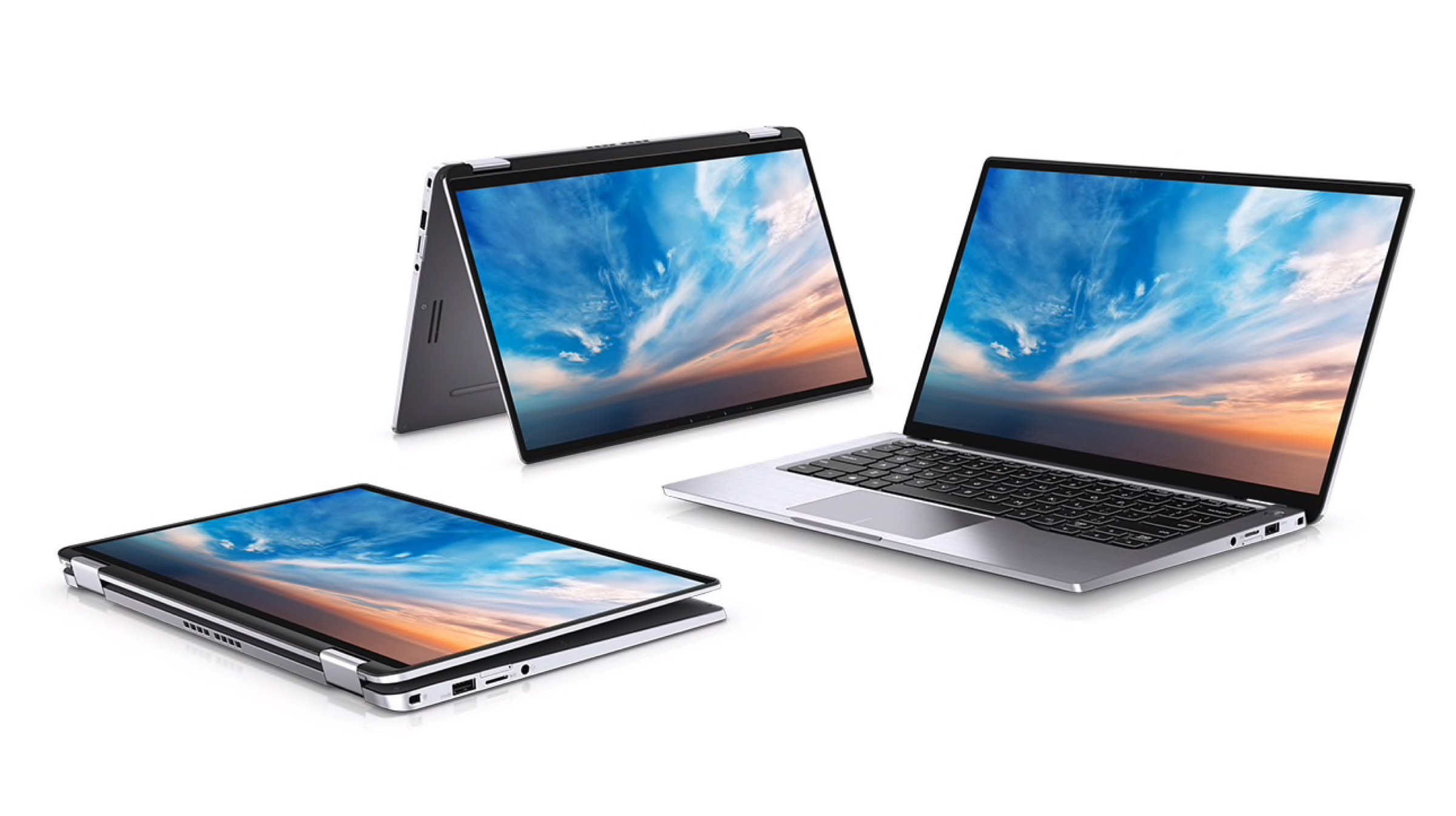
    The advent of technological innovation has made human lives easier. A couple of decades ago, fingerprint sensor or facial recognition was a term pulled straight out of a science fiction novel. American multinational company Dell has launched a new laptop, the Latitude 7400 that takes another step towards the seamless integration of modern technology into our lives. The company introduced a new method of turning on a laptop and logging in without touching the keyboard at all.

    ExpressSign-In 

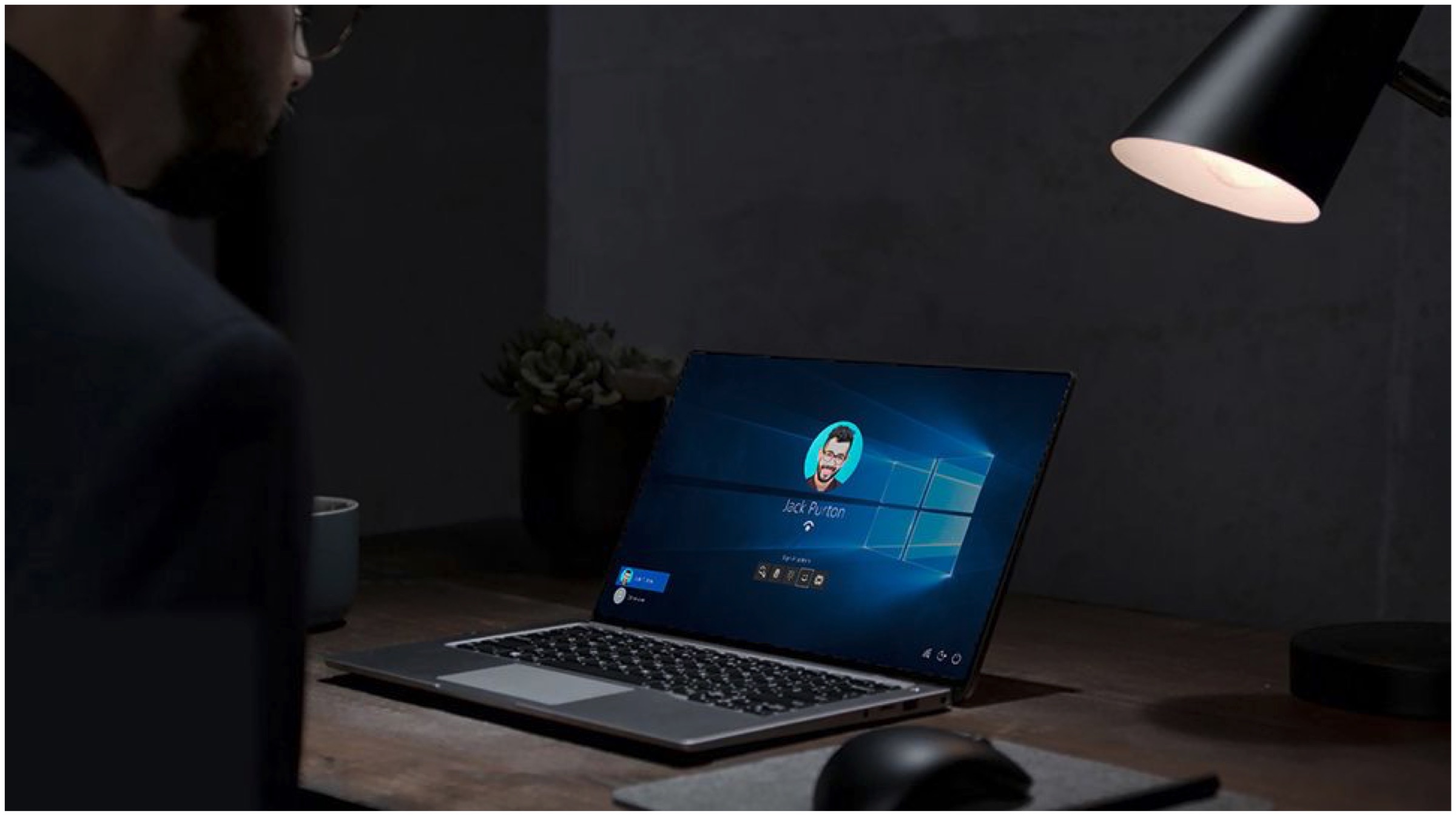
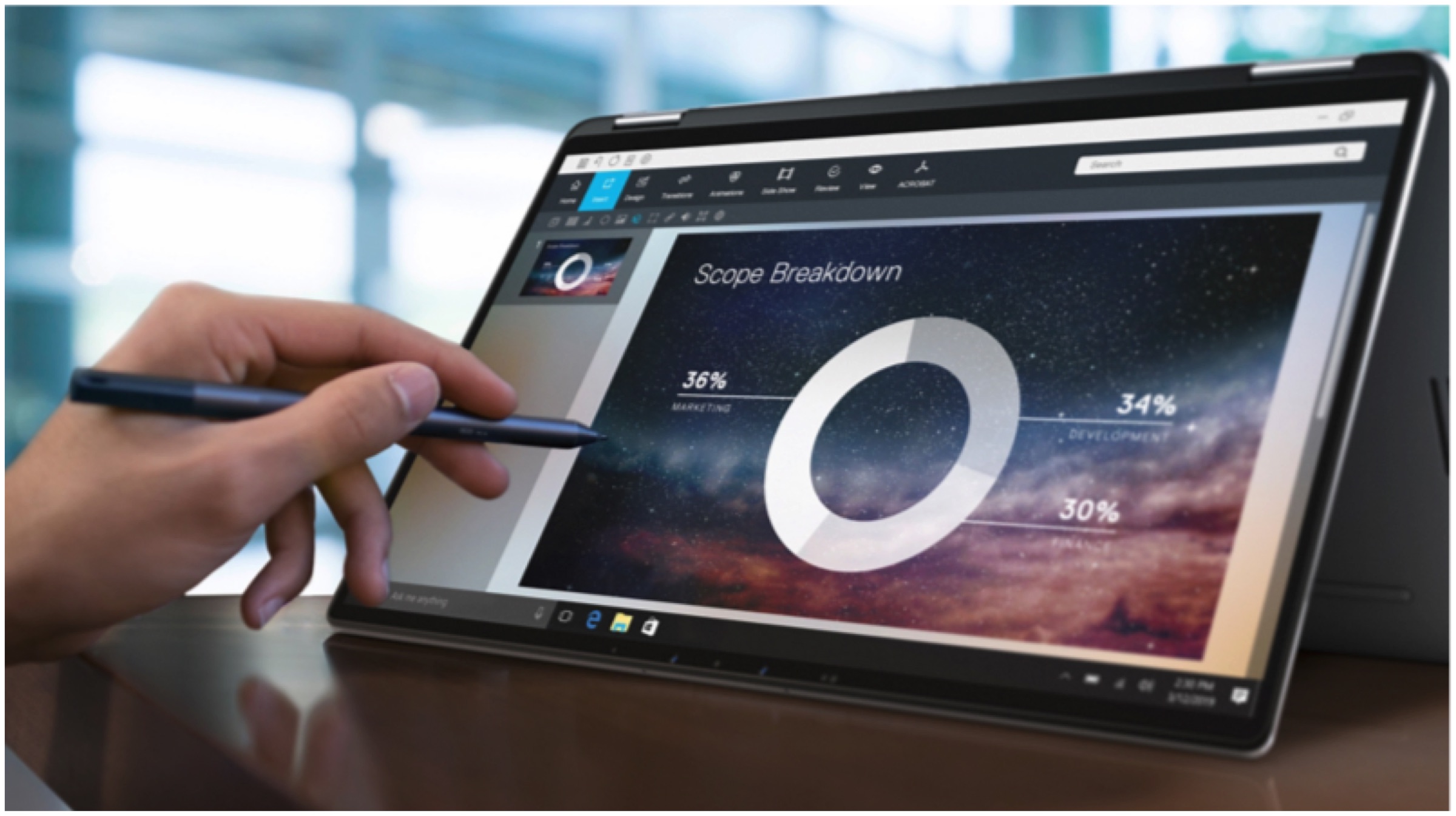
    The new ExpressSign-in feature from Dell will now scan for the user’s face even when the system is in sleep mode to automatically sign in to the system. The feature is introduced in a recently unveiled business-oriented laptop, the Latitude 7400 2-in-1. Apart from the new login feature, the laptop features a slim form factor.

    Dell Latitude 7400

    Dell achieves the new login method with the help of Intel’s Context Sensing technology and Microsoft Windows ‘Hello’ recognition system. The Hello recognition system and other fingerprint-based sensors have aimed towards making life easier with previously attempted hands-free tests. Dell’s new method, however, takes this a step forward with the Latitude recognizing the user’s face and boots up with no user input via keyboard or any other device.

    Dell ExpressSign-In Latitude 7400

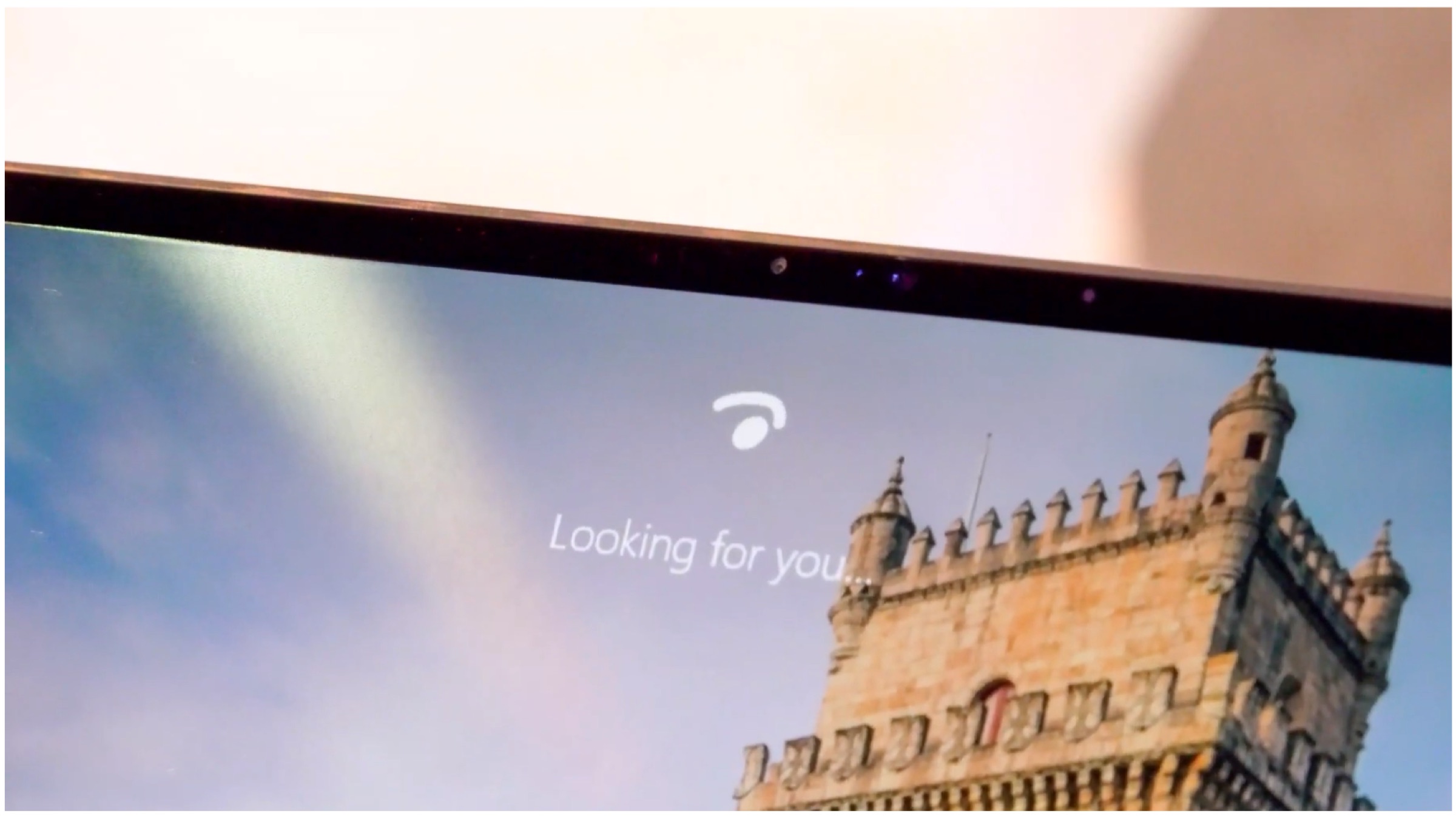
    Dell’s trick to the new login method is to simply look at the screen while proximity sensors enable two LED lights to strobe from either side of the camera. After the screen turns on, the Windows Hello eye icon will try to recognize the user. The entire process of recognition by the system takes less than 5 seconds, as demonstrated by the company. 

    Specifications

    The Latitude 7400 2-in-1 from Dell is equipped with the i5 8th Generation Intel Core Processor with 8GB of RAM, which can be expanded up to 16GB. The laptop has various internal storage variants that start from 128GB PCIe/NVMe to 512GB. The battery pack also gets two variants: a 4-cell 52WHr and a 6-cell 78WHr. The laptop houses two USB 3.1, two Thunderbolt, HDMI, SIM, and a microSD card reader ports. 

    Dell

    Also ReadMicrosoft Renames The Windows 10 Xbox App To Xbox Console Companion

    The aforementioned configuration is packed in 12.59 x 7.87 x 0.34-inch compact form factor, with an all-aluminium build. The laptop also has a backlit keyboard. Dell Latitude 7400 is currently available for purchase starting from $1,599 (approx. Rs.1,11,000) and going upto $2000 (approx. Rs.1,38,000) for the specced-up variants.

  • Moto E6 Plus with Helio P22 SoC Leaked On Geekbench

    Moto E6 Plus with Helio P22 SoC Leaked On Geekbench

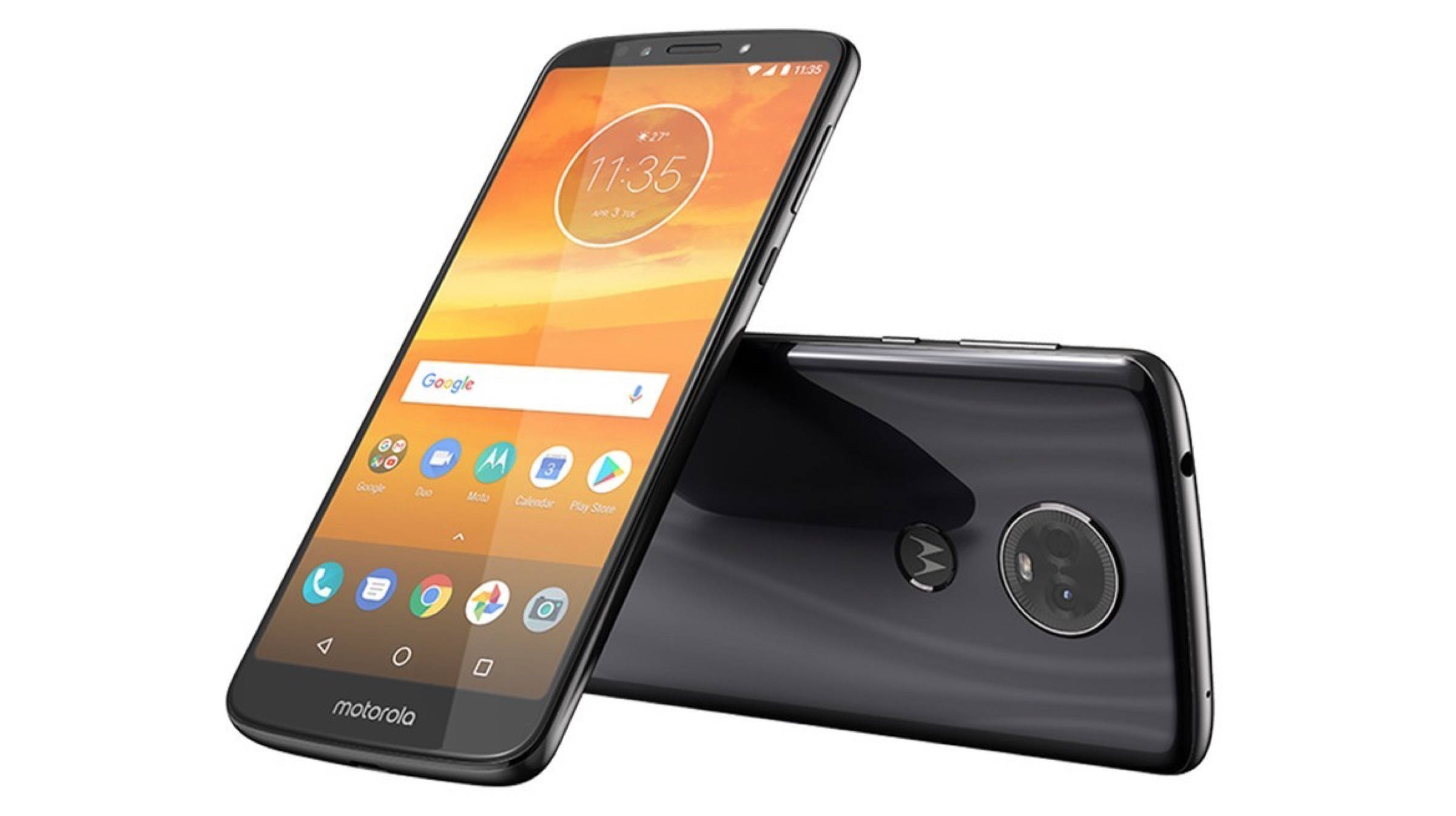
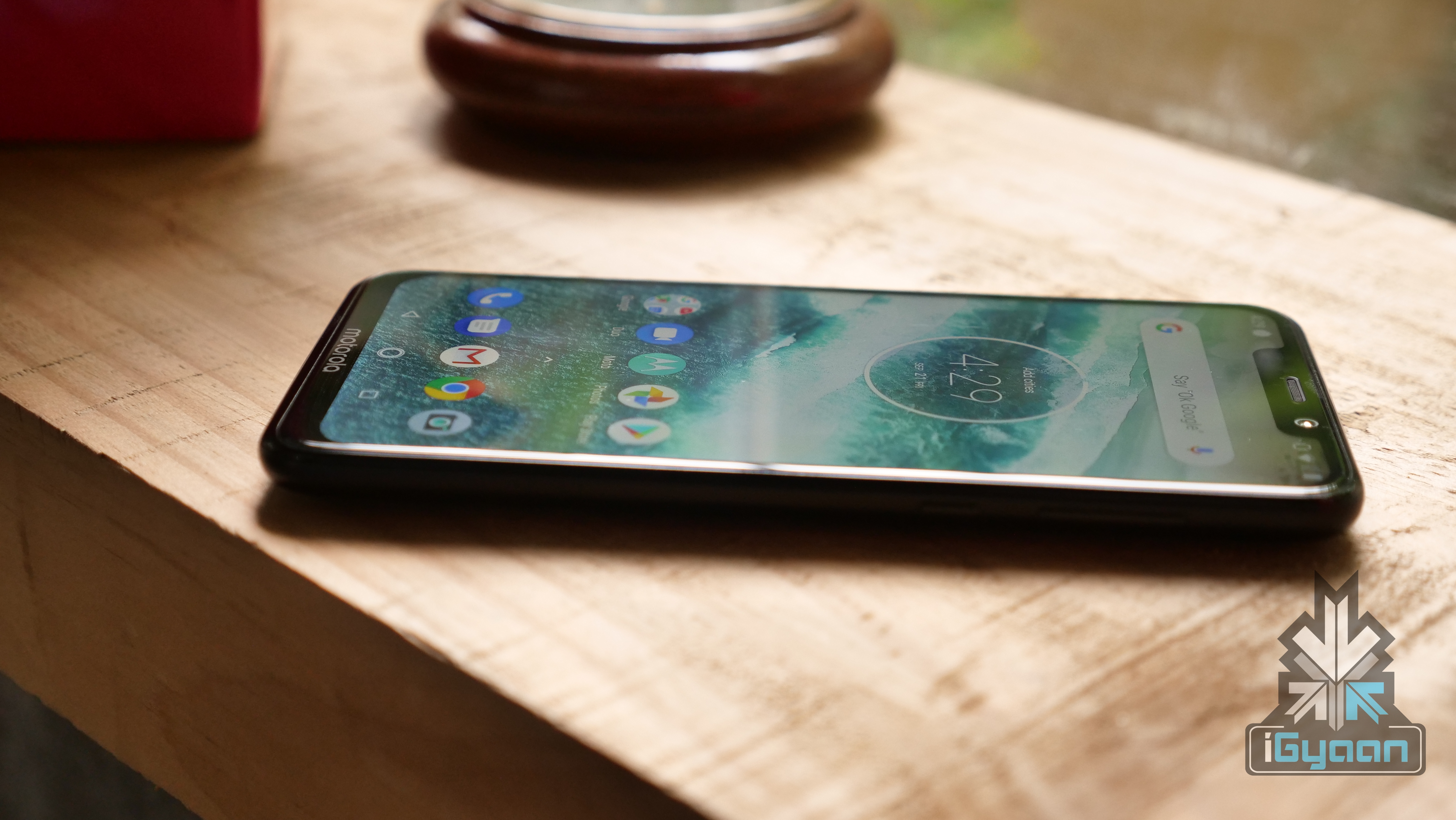
    Lenovo-owned company Motorola is looking to re-establish its footing in the smartphone market. Lately, the company has shown signs of shifting from flagship devices to midrange and budget smartphones. The company’s latest offering was the Moto Z4, which features the Snapdragon 675 SoC and had support for Moto mods. Motorola’s upcoming budget smartphone, the Moto E6 Plus was spotted on Geekbench, and it revealed some key specifications of the device.

    Moto E6 Plus Specifications And Features

    Moto E6 Plus

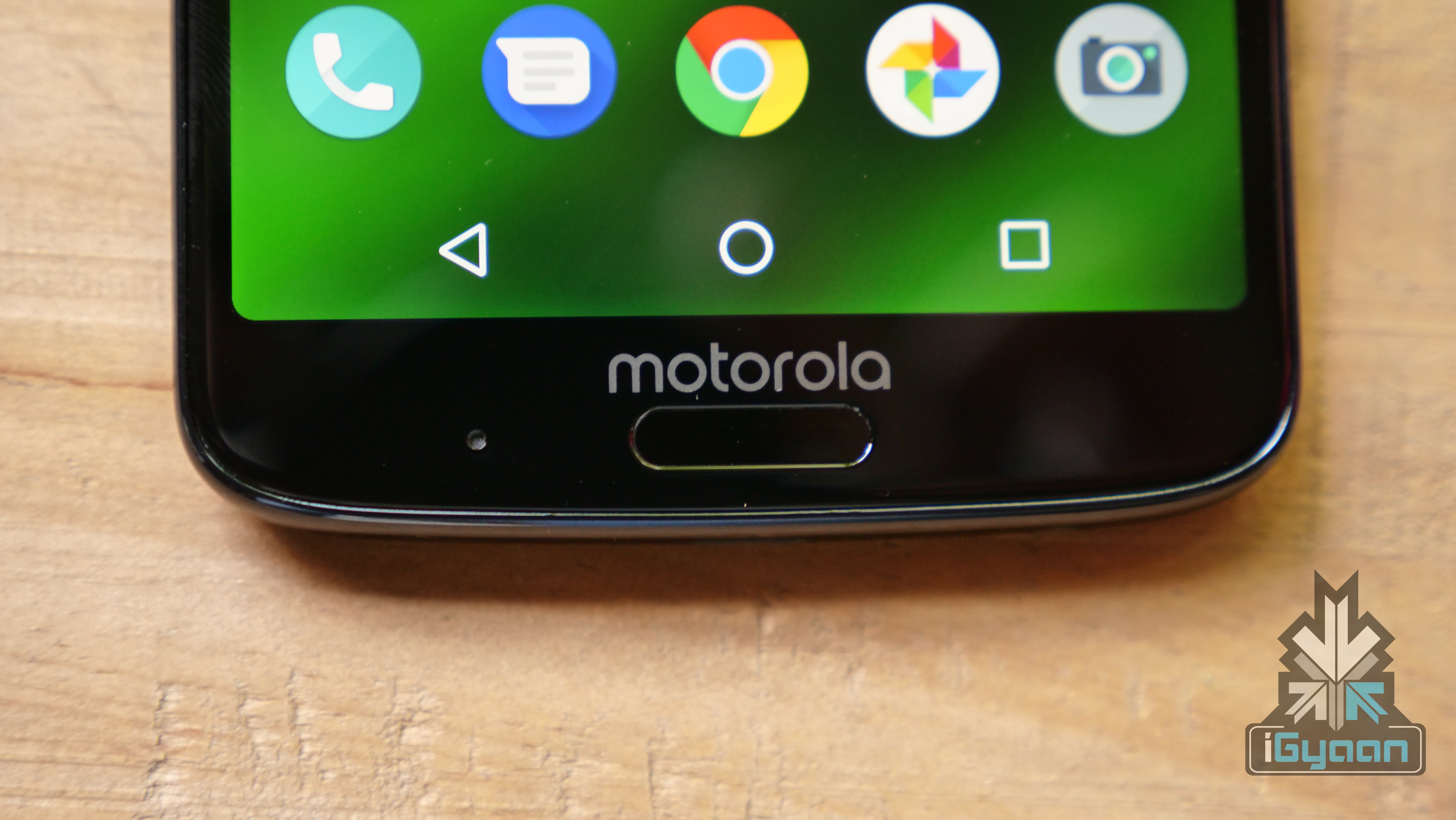
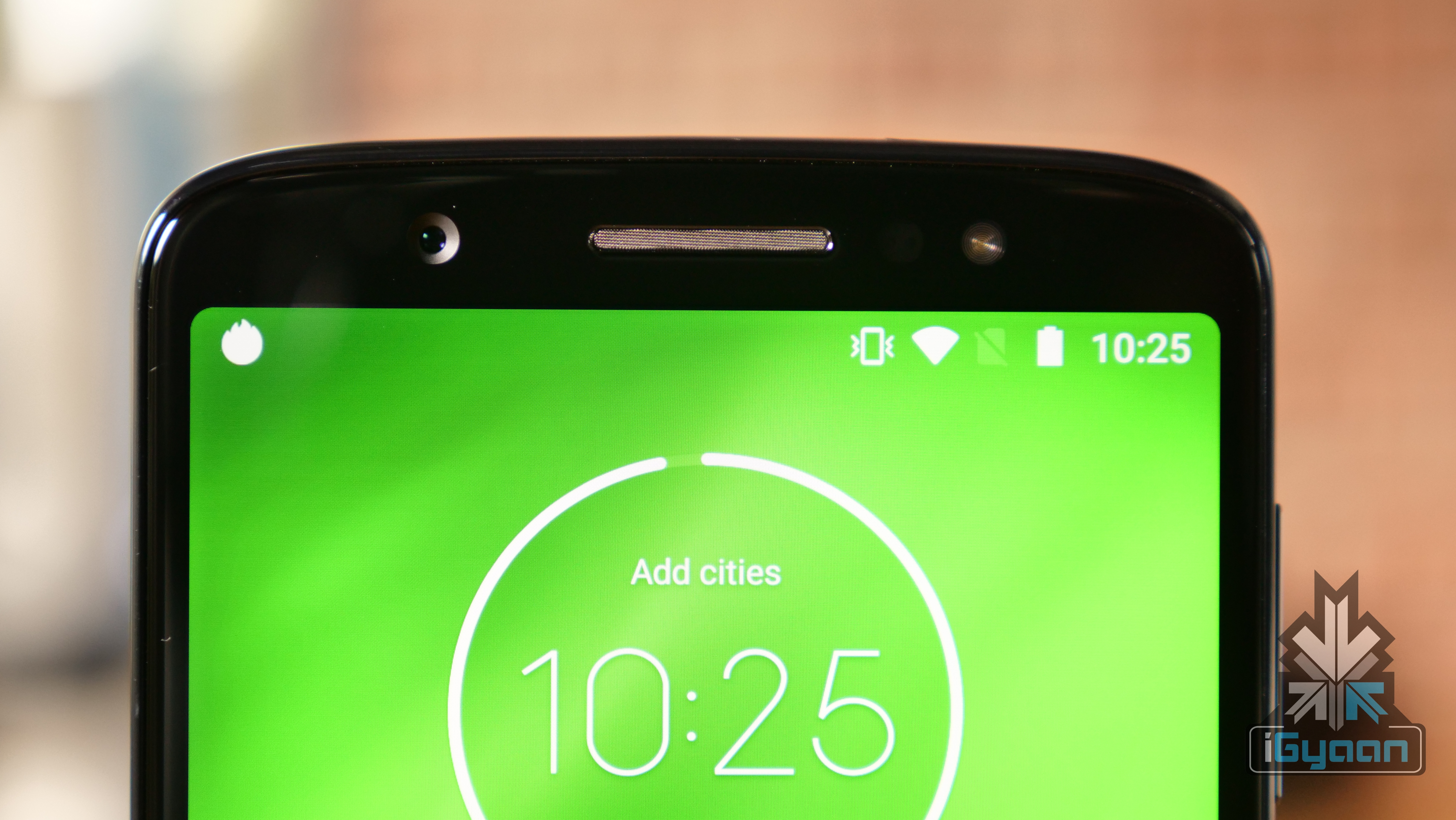
    The Moto E6 Plus is expected to one of the three Motorola devices in the lineup similar to the E5 series (E5, E5 Plus and E5 Play). The Geekbench listing reveals that it is powered by the 14nm Mediatek Helio P22 chipset. It consists of 8 Cortex-A53 cores clocked at 2.0GHz and the IMG PowerVR GE8320 GPU chip. The handset in the Geekbench listing has 2GB RAM, but since Motorola launched the E5 Plus in two RAM variants: 2GB and 3GB, the same can be expected of the E6 Plus. 

    Moto E6 Plus
    Moto G6 Plus

    The Geekbench listing further reveals that the Moto E6 Plus runs on the Android 9 (Pie) OS. A single core score of 829 has been achieved by the device, whereas in the multi-core test, it hits a score of 3687. Although no other prominent features and specifications of the device have been divulged yet, it should be noted that the younger sibling of the device featured a 5.45 inch display with a 1440 x 720 px HD+ resolution.

    Moto E6 Plus: Expected Availability & Price 
    Moto One Power

    Also Read: Microsoft Renames The Windows 10 Xbox App To Xbox Console Companion

    Similar to the Moto E6, the Moto E6 Plus may be available in two 16GB and 32GB variants. It may sport a 13MP (f/2.0) primary camera with a front-facing 5MP camera. Details regarding the secondary camera are unknown at the moment. As mentioned before, the device is expected to be priced aggressively. Since the Moto E5 lineup was unveiled in the month of April 2018, the E6 series might make its way into the smartphone market soon enough.   


  • Microsoft Renames The Windows 10 Xbox App To Xbox Console Companion

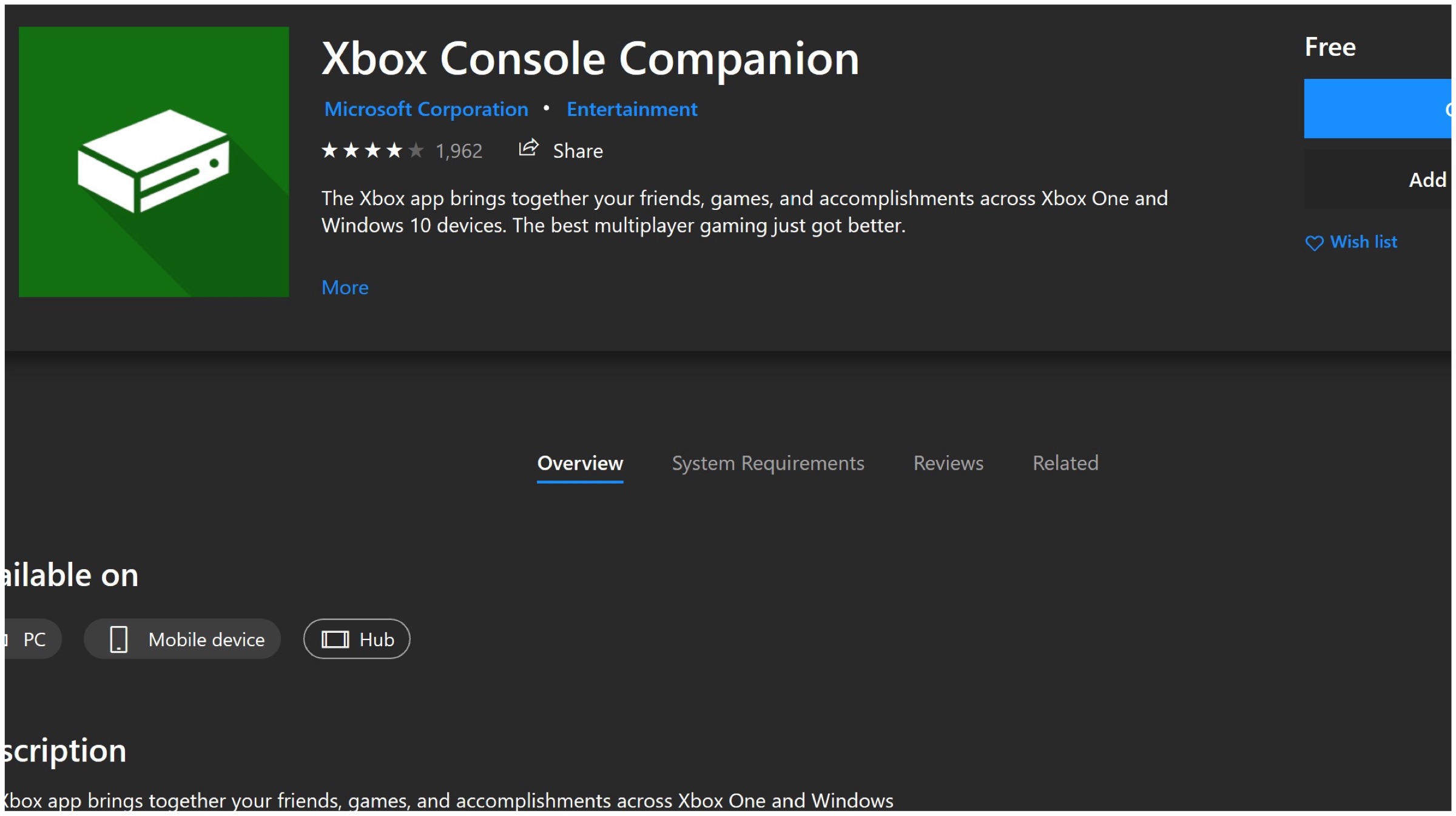
    Microsoft Renames The Windows 10 Xbox App To Xbox Console Companion

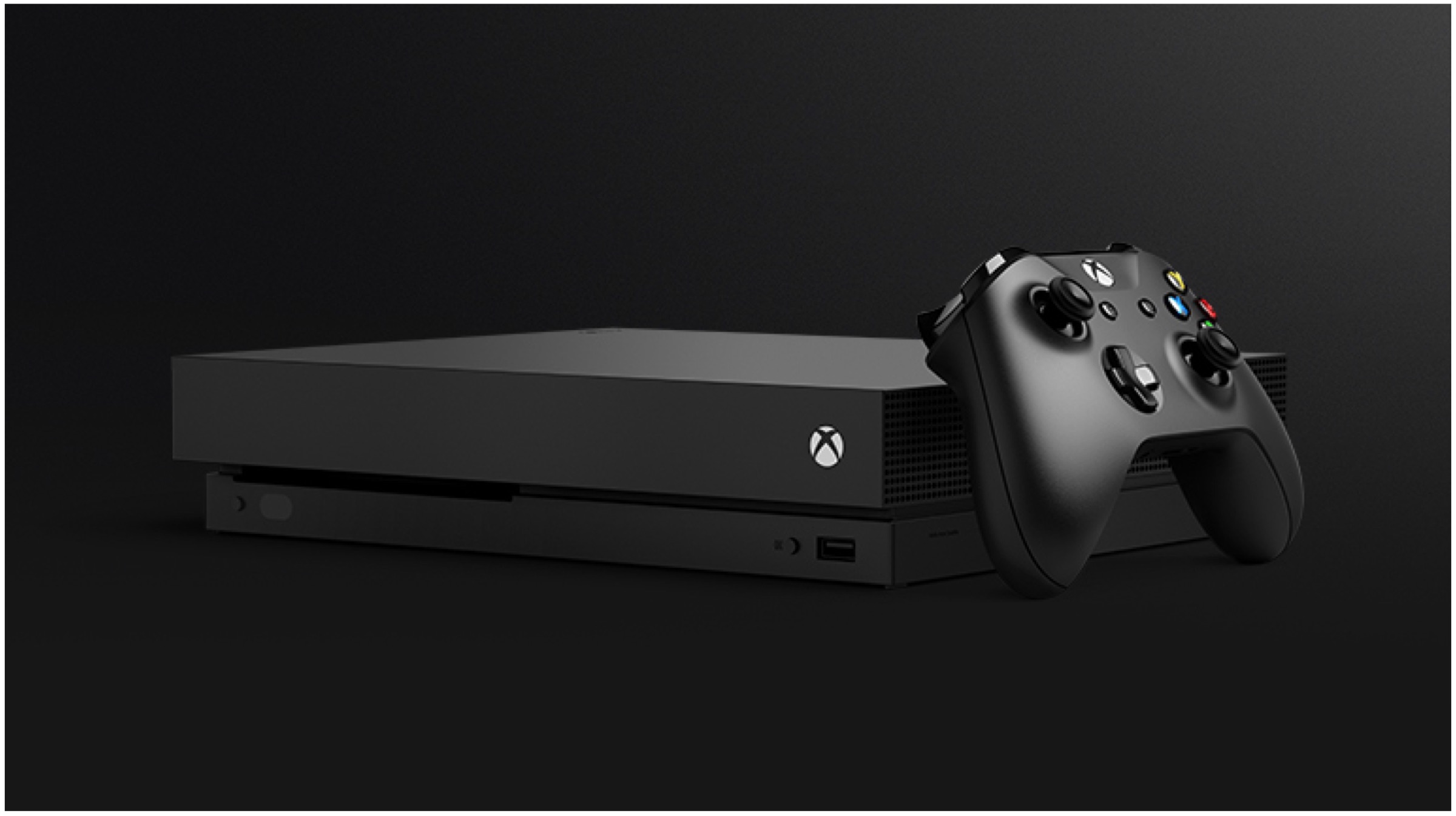
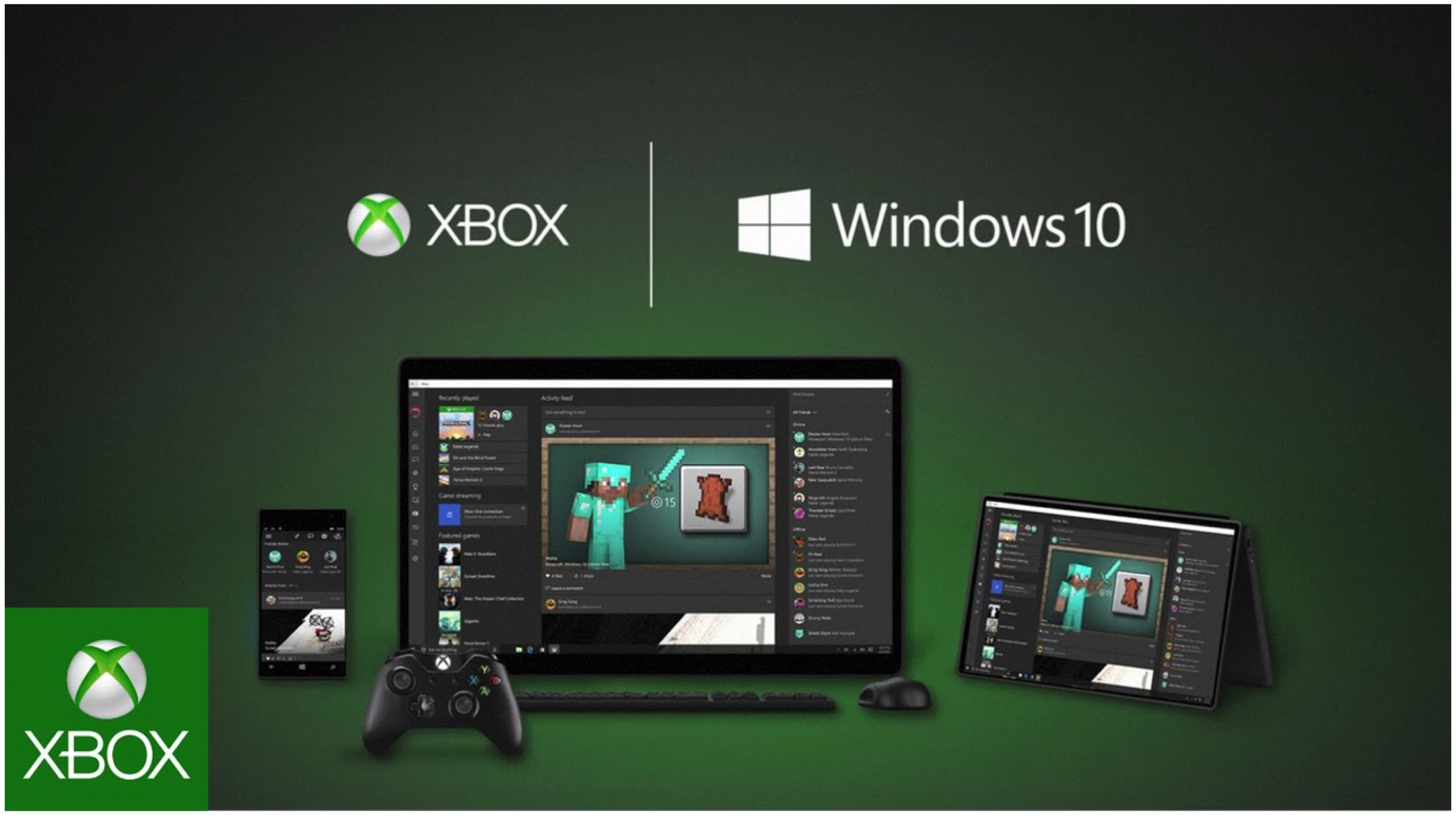
    Microsoft has always had its gaming console companion app pre-installed on every Windows 10 supported device. This was done in order to bridge the social gap between its PC and console gaming fans. In the latest Windows update, the company renamed its Xbox App to Xbox Console Companion. This update is a refresh right before the upcoming ‘new desktop experience’ by the company. Apart from the name, no functional changes have been made to the Windows application.

    Microsoft

    However, Microsoft has planned updates in the future that will lead to the revamp of the dashboard setup in the app. Furthermore, these changes will be made for an unannounced Xbox console settings menu. The future iterations may also team up with the launch of Microsoft’s xCloud, the online gaming and streaming service. It will also allow cross-platform game streaming amongst the user’s devices. However, no significant changes are mirrored in the Xbox apps for Android and iOS as of now.

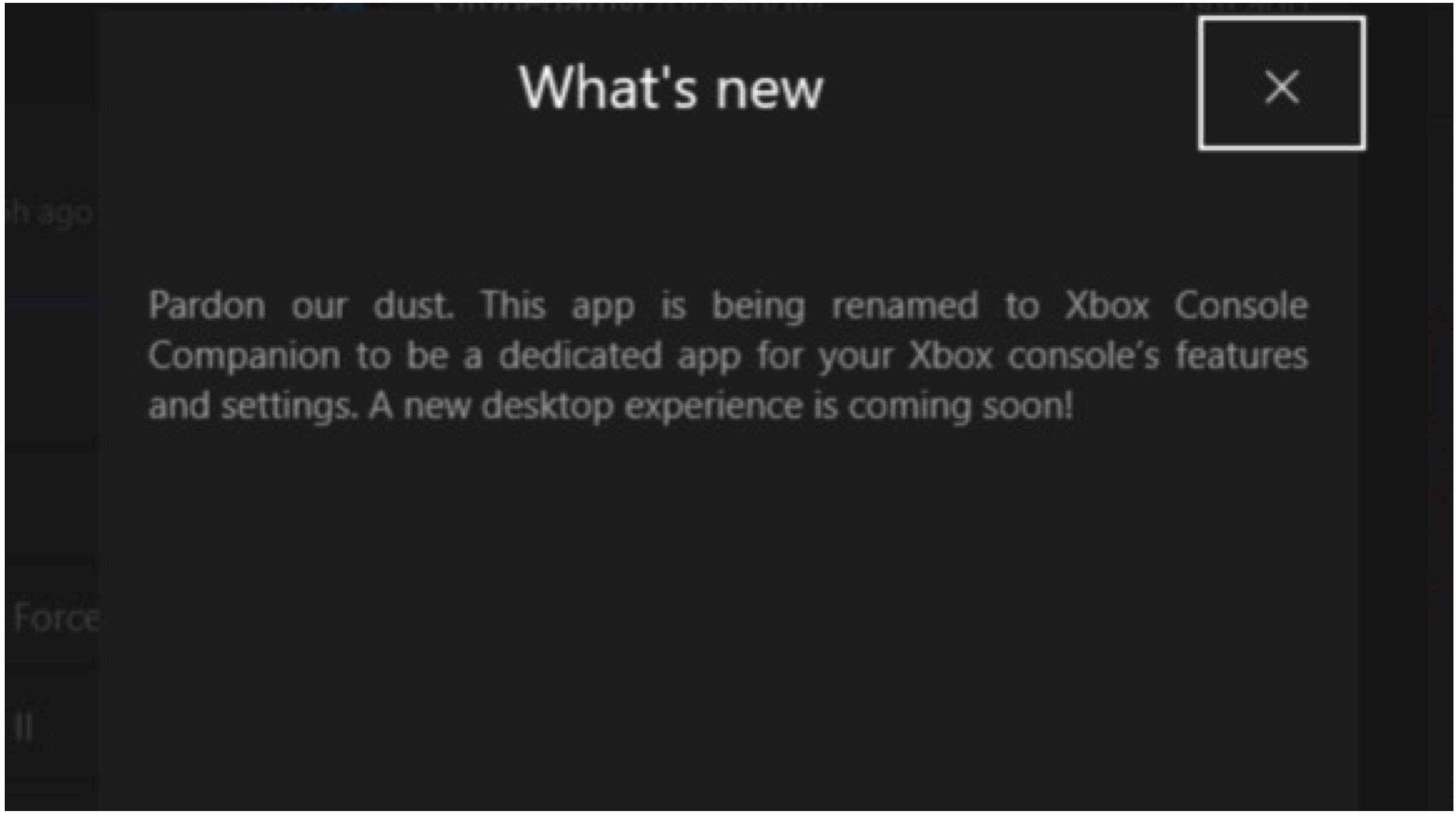
    When users will update the Microsoft store, they will receive a pop-up message from the company. The message will start with, “Pardon our dust.” and go on to describe the reason for the new name of the application. Xbox Console Companion receives a new icon and will be dedicated for Xbox users. An up-to-date version of Windows (10th May 2019 Build) is required to experience the new feature as promised by Microsoft. 

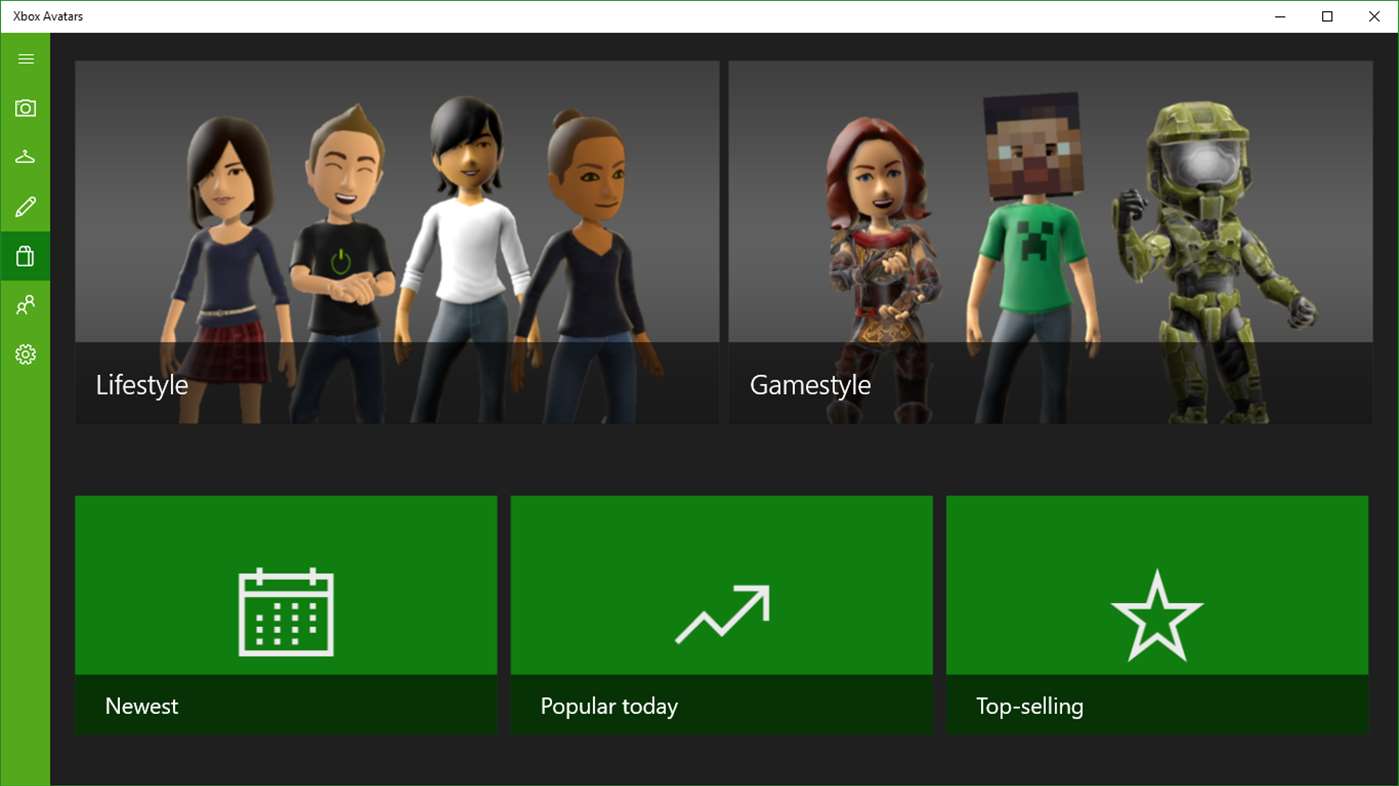
    The original Xbox app is made for managing games installed on the Windows 10 PC. It also provides a simple catalogue for users to browse games in Microsoft Store, or manage the Xbox Live profiles. The app has in-built functions like social chat. This allows for cross-platform chat with friends and participation in communities, sharing in-game achievements and tracking them, managing video clips and capturing screenshots. The latter two of the features were made possible to the users via the console’s DVR feature which also makes game streaming possible via an Xbox console to a Windows 10 PC.

    Microsoft will hold a press conference at the gaming expo E3 2019 on June 9th. This event should unveil more details regarding the promised desktop experience and xCloud. The game streaming service will begin its trials in the latter half of the year 2019, as previously claimed by Microsoft. The rebranding of the desktop apps name after the overhaul of Windows 10 Game Bar lays the foundation for the future console’s framework. The Game Bar is now equipped with PC resource monitors, customizable widgets, and broadcast/game capture controls.

    Also ReadGoogle Maps Will Now Provide Info on Trains and Buses In India

    With social media now integrated directly with the GameBar, users will be able to access cross-platform voice and text chat. This feature is synchronized across Xbox devices, as well as multiplayer team management. Additionally, Spotify music controls can also be a part of Microsoft future plans to enhance user experience during gaming. The aforementioned features although, might be removed from the now repurposed Xbox Console Companion App.

  • Vivo Y12

    Vivo Y12

    Vivo Y12 is the latest budget smartphone offering from the Chinese smartphone manufacturer. The handset features triple rear cameras and an 8MP front camera. Under the hood, it runs on the Helio P22 chipset which consists of an ARM Cortex-A53 CPU and IMG PowerVR GE8320 GPU. It sports a 6.35 inch Halo FullView display with HD+ resolution and 19.3:9 aspect ratio. It boasts of Android 9 Pie, with Funtouch OS 9 on top. The device is powered by a massive 5,000 mAh battery, with reverse wireless charging feature.  

    [loop included_tags=”56319,57269″ loading=”paged” layout=”f” postsperpage=”4″]
  • Samsung Galaxy XCover 4S Renders & Specs Leaked

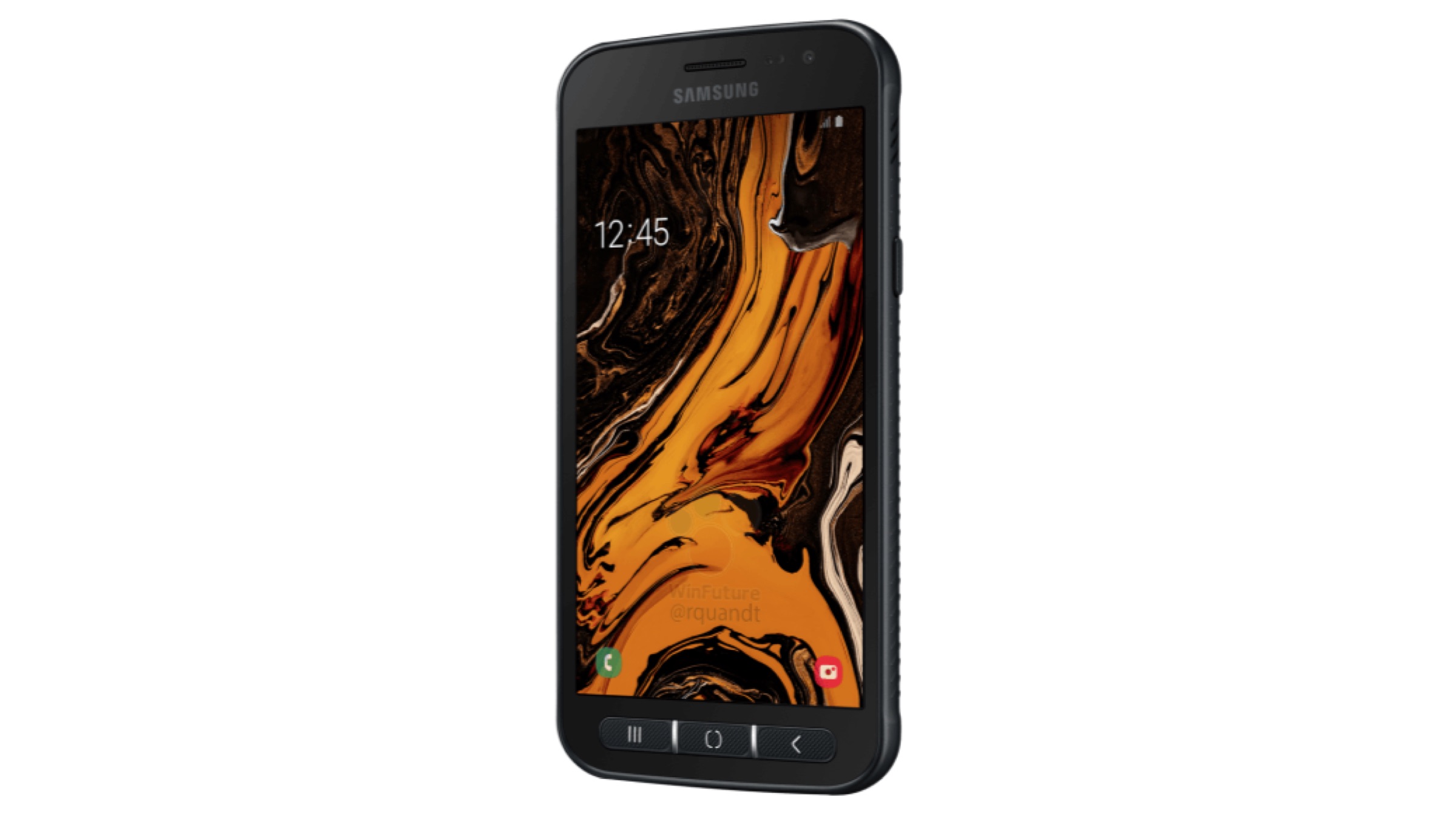
    Samsung Galaxy XCover 4S Renders & Specs Leaked

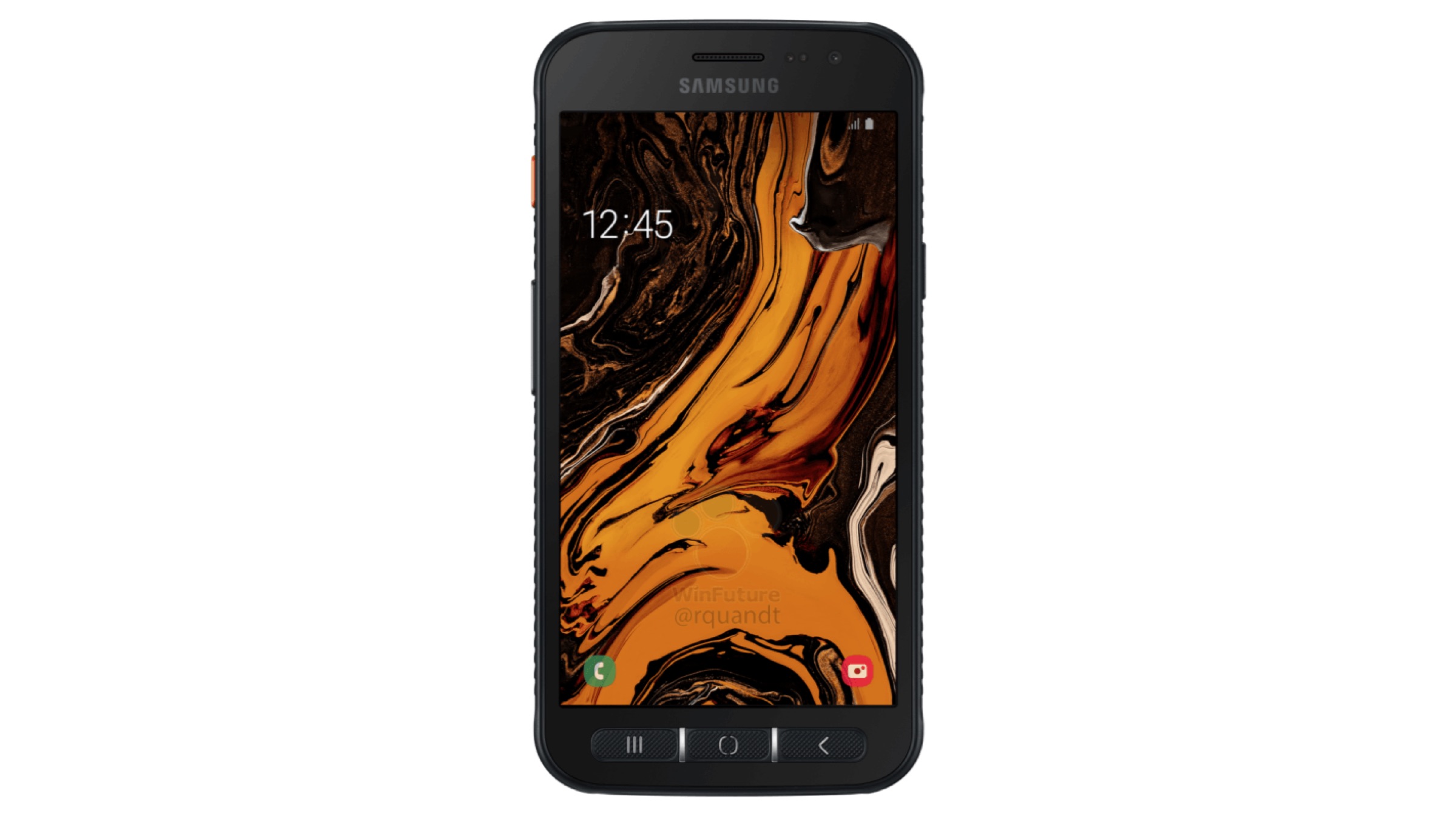
    Samsung has been focusing a lot on the budget smartphone segment in India lately. The South Korean technology company has tasted success in the hands of Galaxy M-series devices, such as the Galaxy M20 and Galaxy M30. As per latest leaked renders, a smartphone from the company believed to be the Galaxy XCover 4S is in the works. The device previously received FCC certification in the month of May 2019. 

    Samsung XCover 4S: Specifications And Features

    Samsung Galaxy XCover 4S   

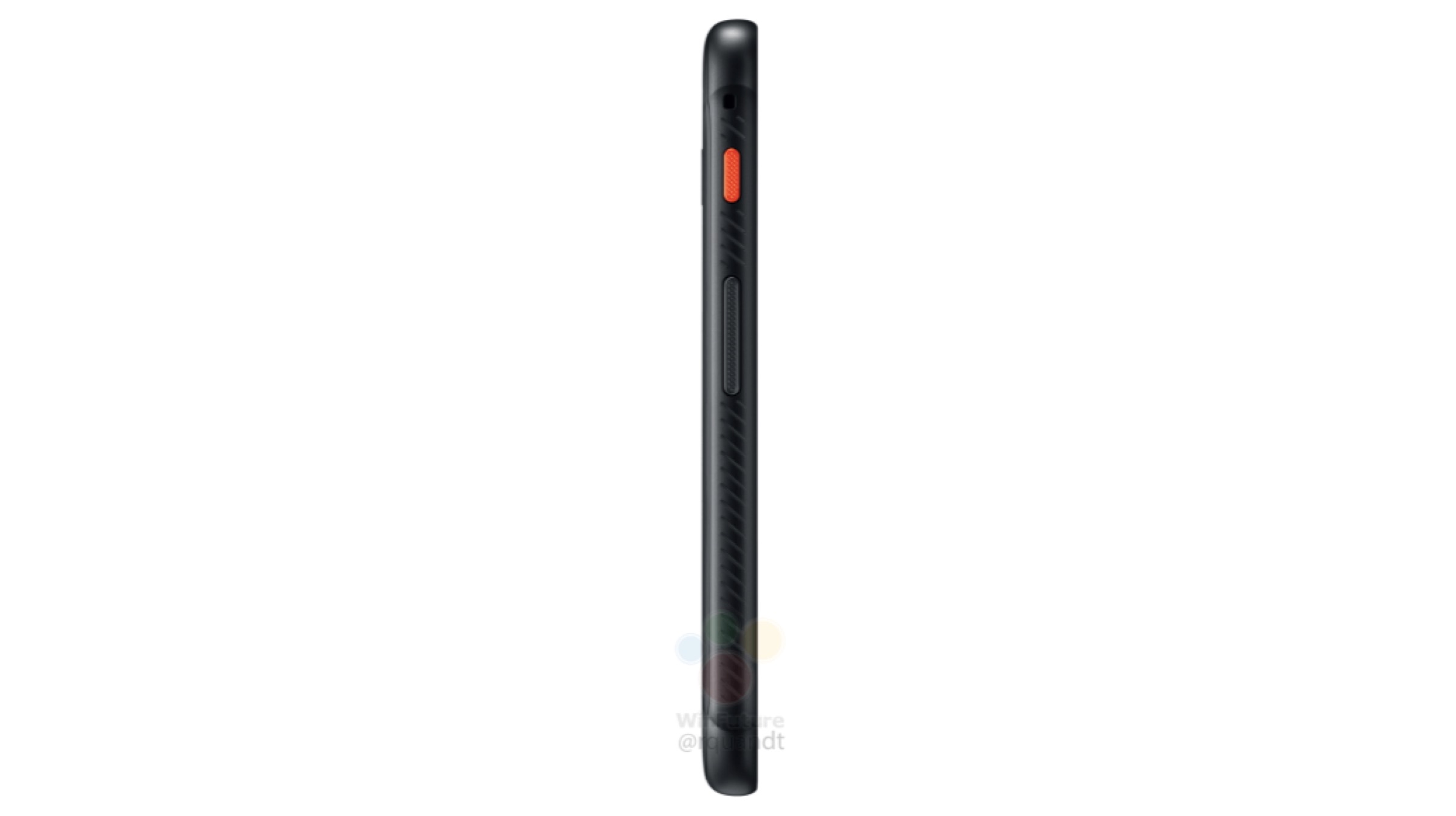
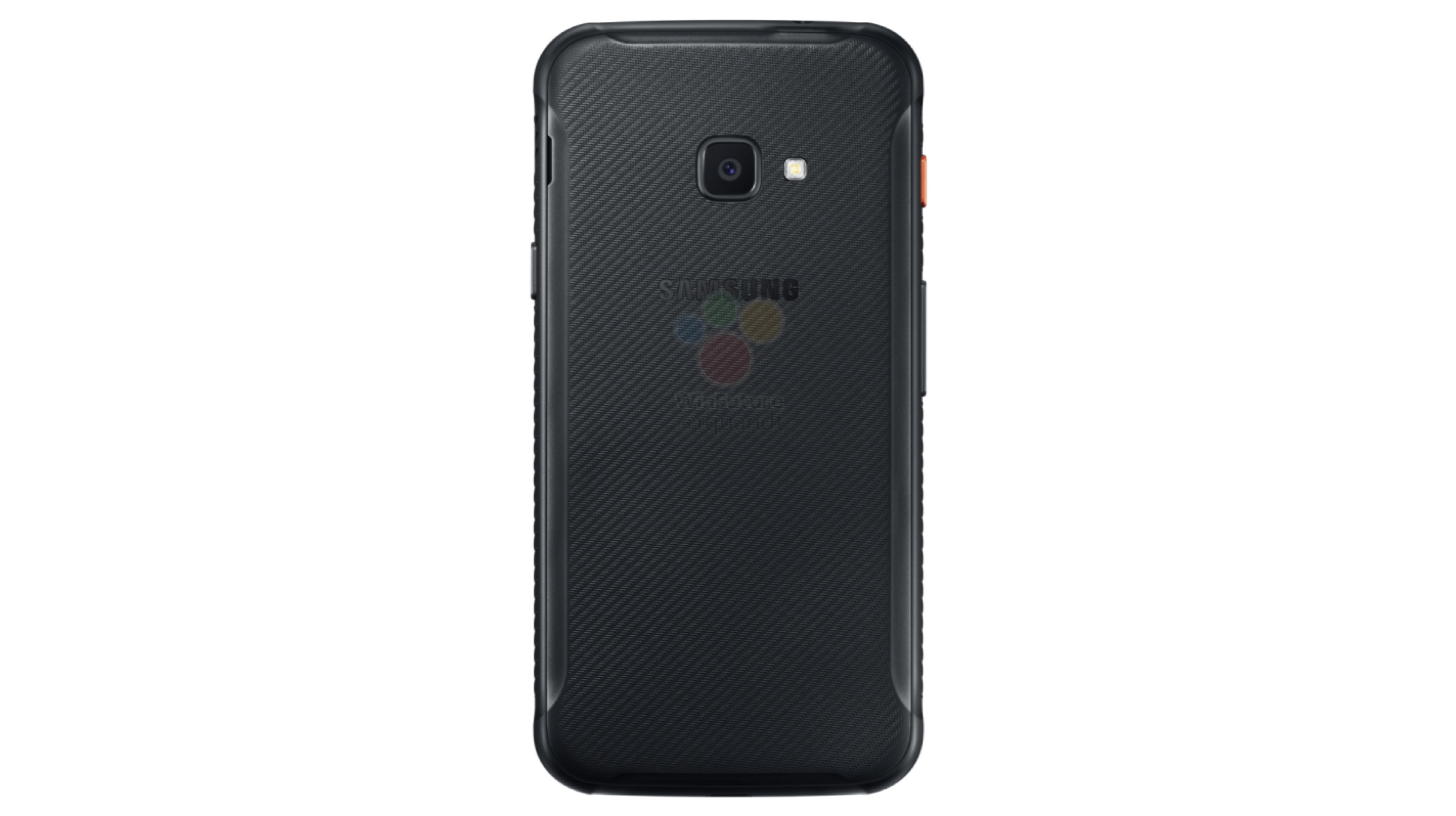
    The device bears the model number SM-G398. As per renders, the Galaxy XCover 4S sports a rubber coating which will improve the grip and durability of the smartphone. The smartphone is rated IP68 water and dust resistant. Moreover, it also has MIL-STD 810G certification, which means that the XCover 4S can survive drops from up to 120 centimetres high as well. An interesting feature to note is that the device has physical navigation buttons placed right below the display. 

    The smartphone features a 5 inch LCD with a 1280 x 720 px resolution and 294 PPI. Since the device doesn’t exactly lie on the side of design and looks, it features reasonably wide bezels on all edges. Under the hood, the Galaxy XCover 4S runs on the Samsung Exynos 7885 chipset, which is clocked at 1.6GHz. It is bundled with 3GB RAM and 32GB of internal memory, which can be expanded via the microSD card slot.

    Samsung Galaxy XCover 4SIn terms of optics, the device features a single rear 16MP (f/1.7) camera. which supports scene optimization via AI. The camera supports Full HD video recording. For selfies, the company has included a 5MP (f/2.2) aperture front camera, which is placed in the top bezel of the handset. It packs a 2800 mAh replaceable battery, which can be charged via the USB Type-C port present at the bottom of the smartphone. It supports Bluetooth v5.0 and NFC. In addition to a 3.5mm headphone jack, the XCover 4S also has a XCover key which can be assigned to any application or service of choice.
    Samsung XCover 4S: Expected Price And Availability

    Samsung Galaxy XCover 4S

    Also Read: Samsung Has Started Research On 6G Networks At A New Center

    The smartphone is expected to be launched on 12 June 2019. It will be targeted towards users who are looking for a rugged and durable device without any game-changing features. At the time of launch, it is expected to be priced at US$ 280 (~INR 19,500). 

  • Samsung Has Started Research On 6G Networks At A New Center

    Samsung Has Started Research On 6G Networks At A New Center

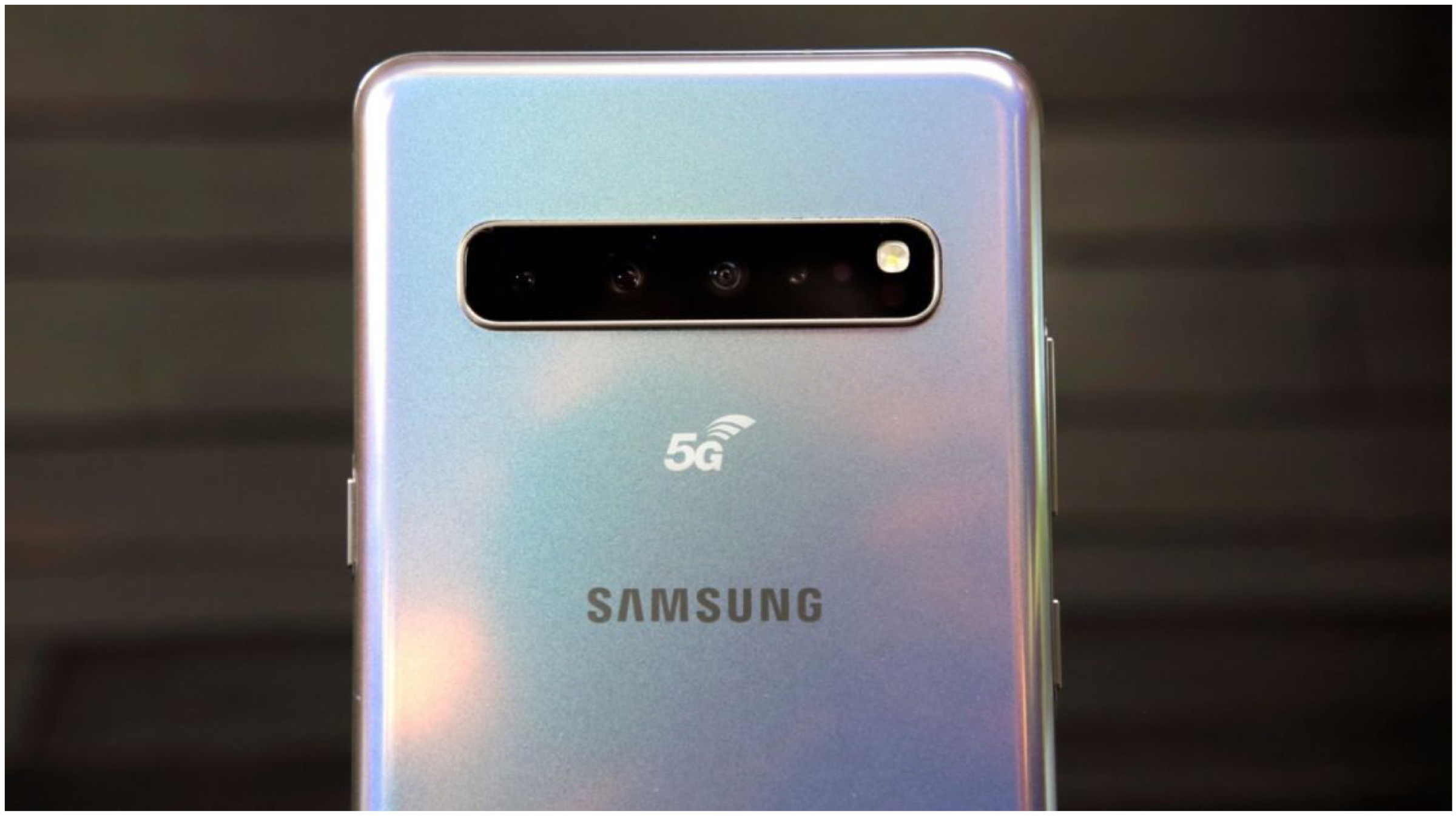
    At a time where 5G networks are still in their developing times, South Korean technology giant Samsung has already begun research on 6th Generation networks. That is right, the company which is gearing up to launch one of the first 5G smartphones in the market is also looking towards 6G networks. There is absolutely no information regarding the availability of such technology yet, but the fact that advancements are overstepping even the current iteration of the technology is very interesting to witness.

    Samsung 6G

    An official from Samsung stated that the organization is already scoping out initial research points by launching a brand-new research centre. The company recently established its Advanced Communications Research Center under Samsung Research. This is one of the company’s main R&D (Research And Development) divisions, and as per reports, it is based in Southern Seoul (the capital of South Korea).

    Samsung S10 5G

    The company had a team of researchers already working on fifth generation networks, which will now be expanded to the level of an all-round research centre as per reports. Furthermore, the newly set up centre will focus solely on 6G networks, even though analysts predict that 6G networks will not be commercially viable until the year 2030. This is almost 11 years from now, so 6G demos might not even be available until the year 2027 or later.

    Samsung Galaxy S10e

    Also Read: Apple CarPlay Update Makes It A Better Travel Partner

    An additional piece of news states that Samsung Research is also in charge of R&D for AI (Artificial Intelligence) and Robotics. Apparently, the company is venturing into future technologies that may set it apart from other electronics manufacturers in the not-so-distant future. Samsung’s Galaxy S10 5G is already rolling out to exclusive Verizon customers in the United States. Demo tests of the same have showcased insanely fast data download speeds, so it is just a speculation that 6G technology will provide speeds that are not even imaginable. 

  • Google Maps Will Now Provide Info on Trains and Buses In India

    Google Maps Will Now Provide Info on Trains and Buses In India

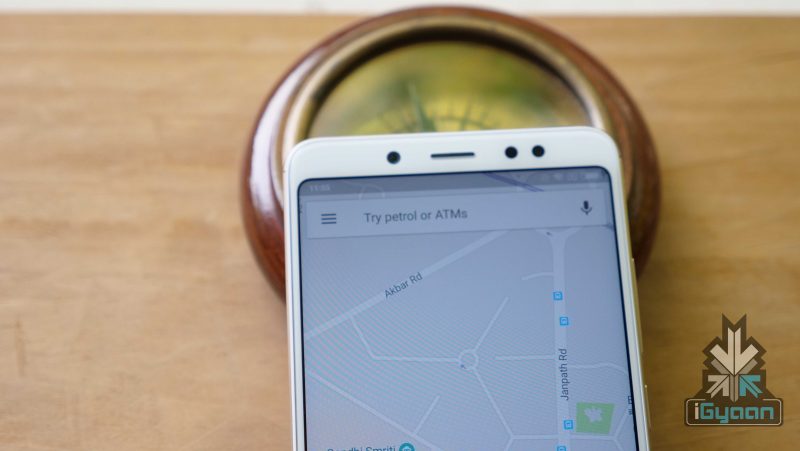
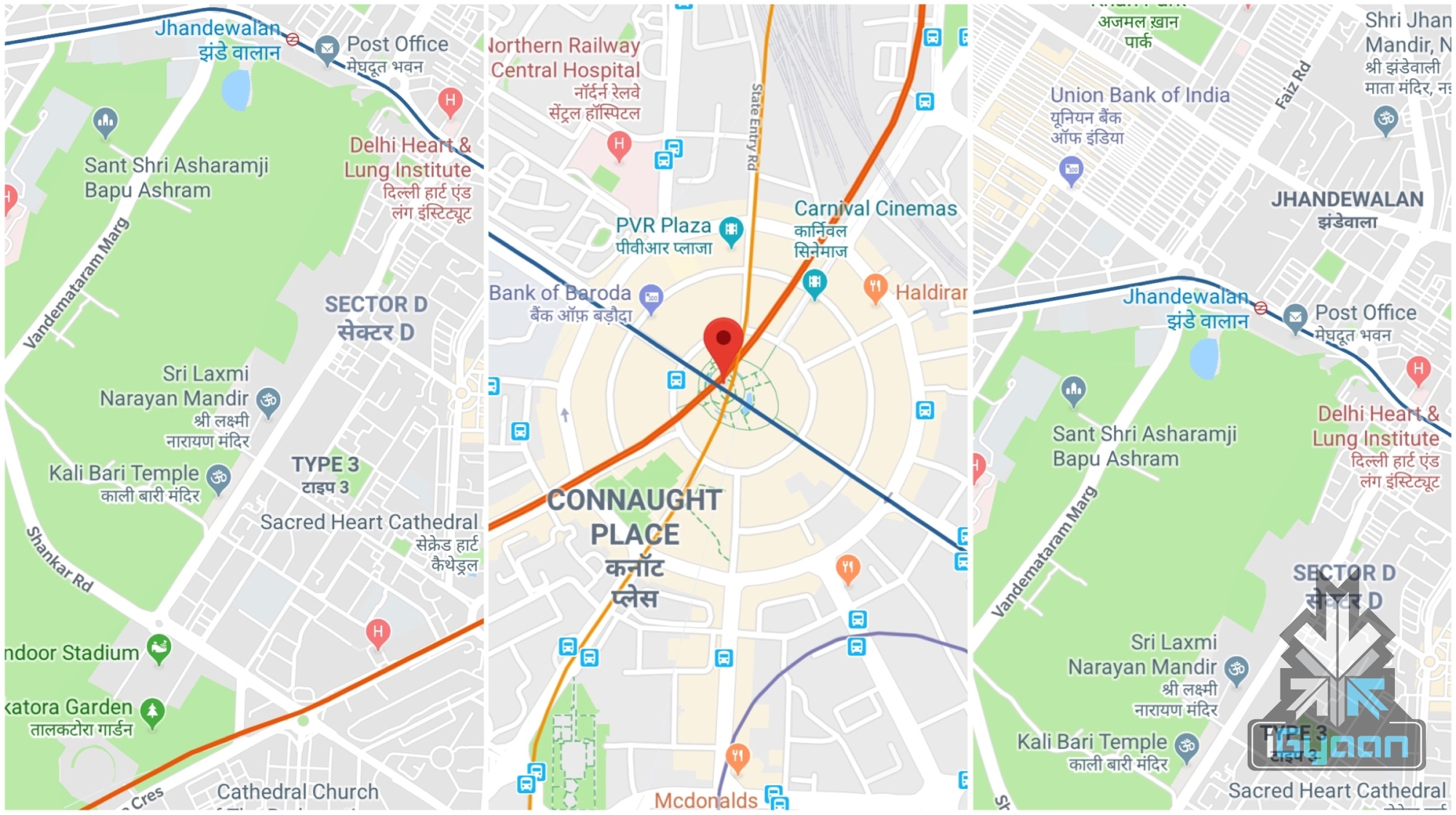
    In a modern day world where time is money, information regarding an individual’s commute is extremely important. In Indian states like Mumbai where trains are the most common form of transportation for the masses, details regarding the status of various trains is quite crucial. In a new announcement, Google has unveiled its plans for adding practical (and much needed) features to Google Maps for its Indian user base.Google Maps

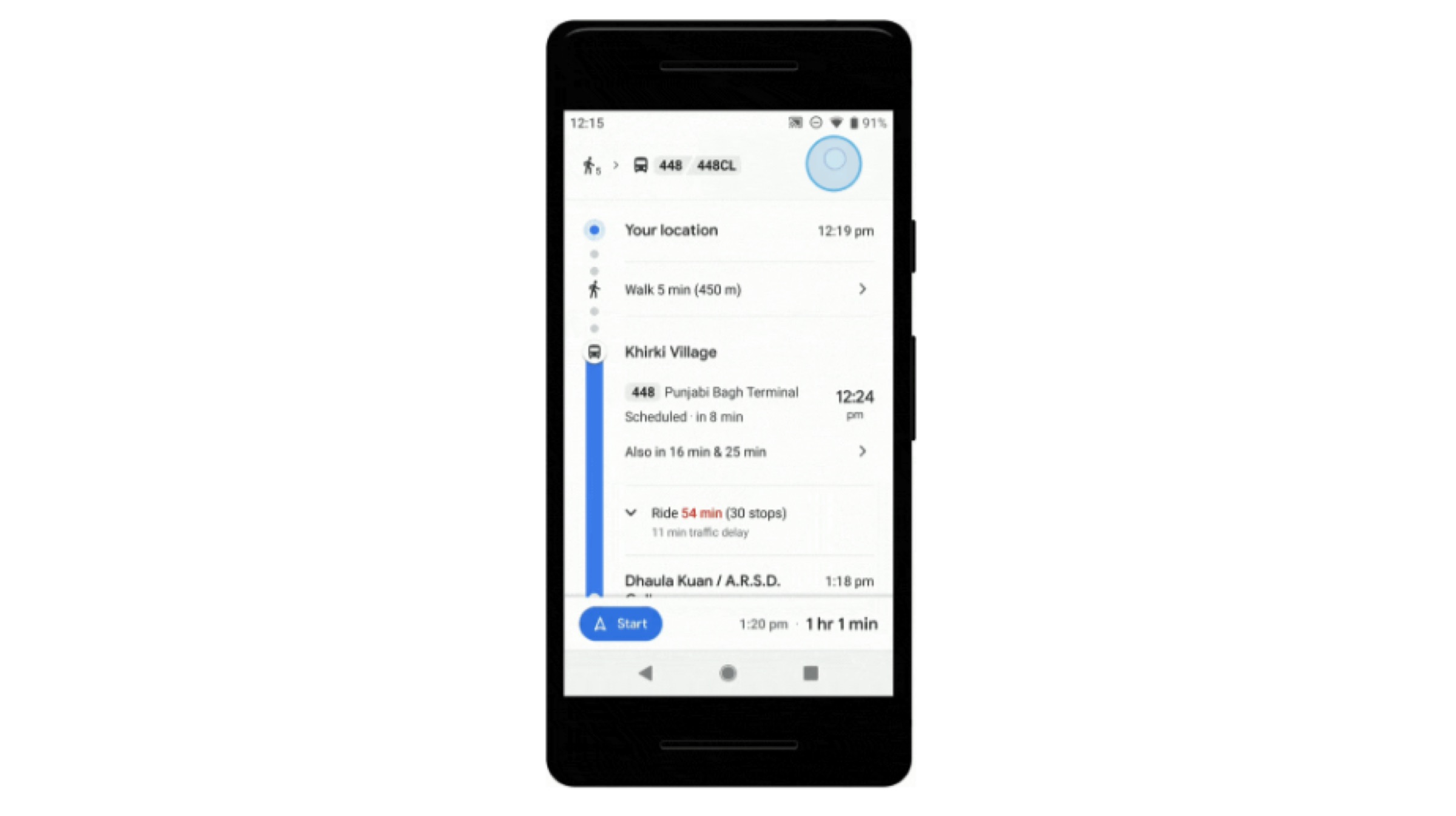
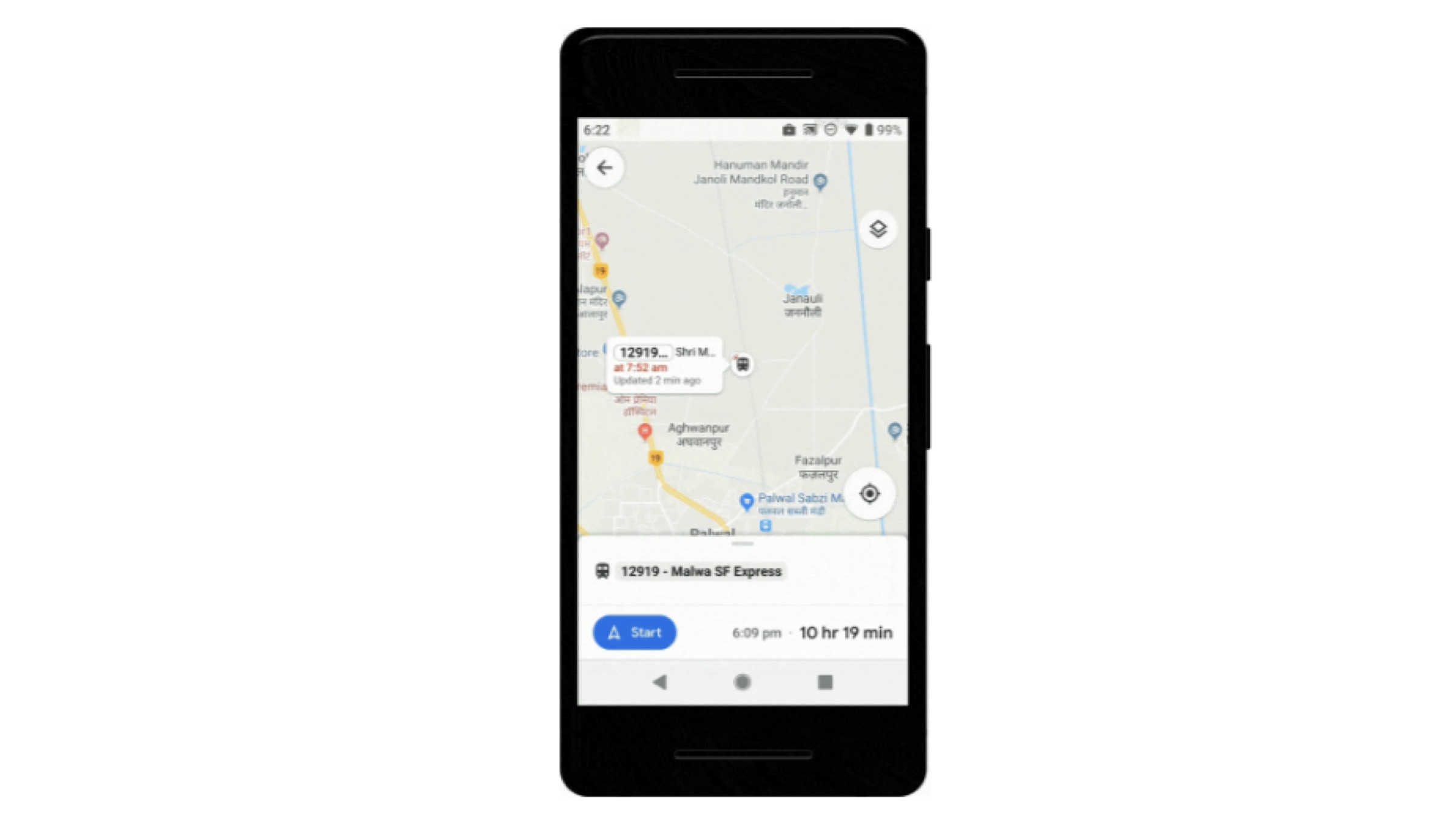
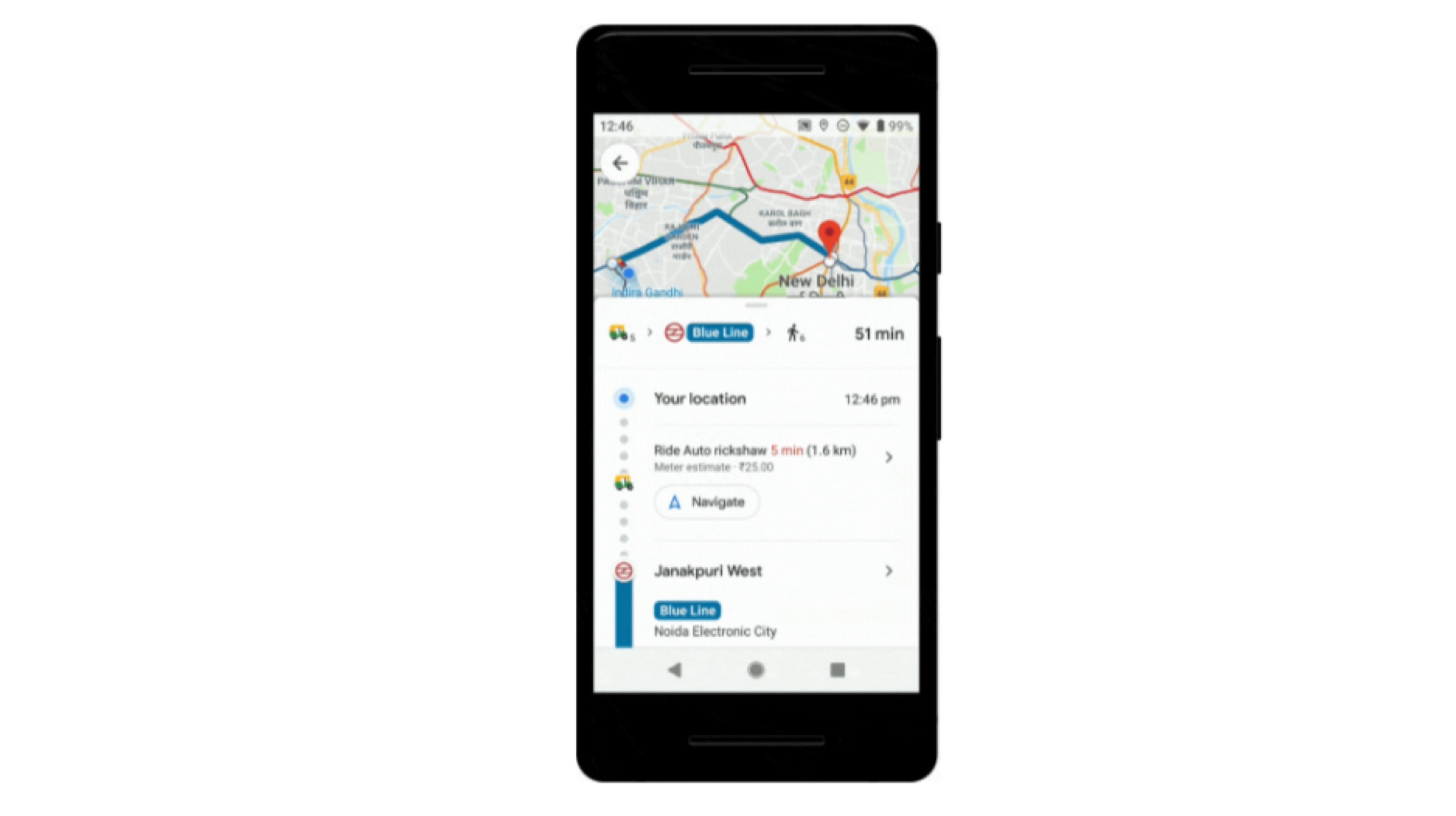
    With the new update, Google Maps can provide the user with real-time information on bus travel times derived from live traffic conditions. Furthermore, users will now also be able to track live statuses of Indian Railway trainsThe update is set to be introduced to ten major cities in the country. A mixed-mode commute feature will also be introduced. This feature combines auto-rickshaws with public transport for a more detailed route to the user’s destination.

    Bus & Public Transport

    The aforementioned feature will work hand-in-hand with Google Maps pre-existing live traffic data and public bus schedules. This will provide accurate travel times regarding buses in real-time. Bangalore, Mumbai, Hyderabad, Pune, Lucknow, Chennai, Mysore, Coimbatore, and Surat will be the first cities to receive this feature. The new update will be tested out for the first time in the real world and will help in relaying more detailed information regarding buses to the users.

    Indian Railways

    Trains will also receive a similar set of updates. Information regarding delays and travel times will now be available on Google Maps. Upon searching for the user’s current location and destination, the app will provide inter-state data regarding train routes. This feature was developed with the help of ‘Where is my train’ app, that was acquired by Google in the year 2018.

    Mixed-Mode Commute

    Also ReadHow ARKit 3, RealityKit And HomeKit Will Help Developers In Creating Apps

    With the inclusion of the new mixed-mode feature, route results now also highlight auto-rickshaws. This form of travel is popular in India for quick and short duration rides. Google Maps will suggest rickshaws during trips in public transport only if it is a viable alternative. This particular feature, however, will be only available in Delhi and Bangalore and will eventually spread to other cities as well.

  • How ARKit 3, RealityKit And HomeKit Will Help Developers In Creating Apps

    How ARKit 3, RealityKit And HomeKit Will Help Developers In Creating Apps

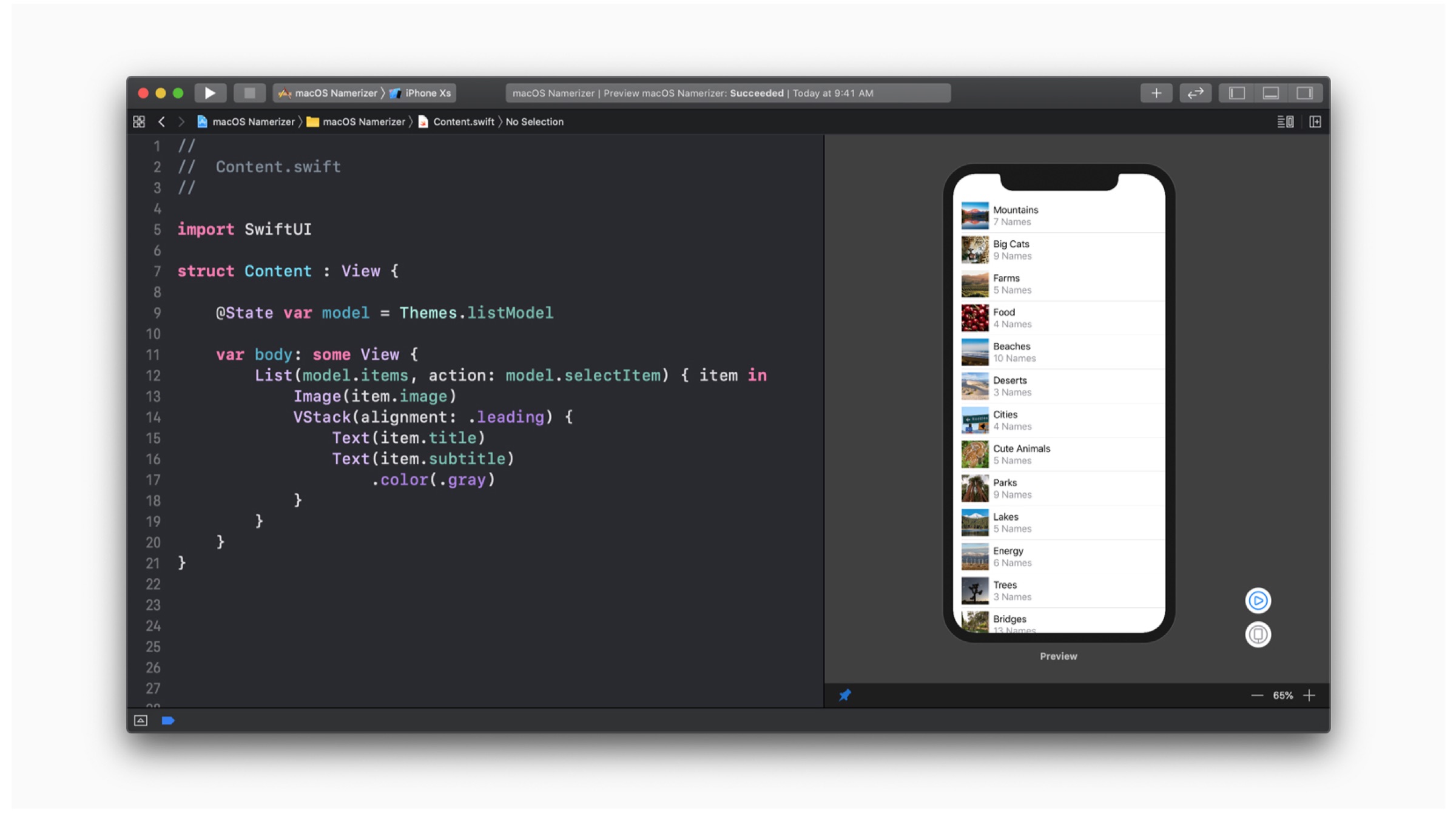
    The first day of the WWDC 2019 saw some radical updates being brought forth by Apple. The American multinational company announced the iOS 13, the all-new Mac Pro and iPadOS, watchOS, tvOS and macOS. Furthermore, since the event was a ‘developers’ conference’, Apple also unveiled new software frameworks, especially for developers. The development kits include ARKit 3 and RealityKit frameworks. Additionally, Homekit will now be added to security cameras and wi-fi routers. HomeKit is a software framework by Apple that helps iOS-based devices to communicate with smart-home appliances. 

    ARKit 3

    Apple ARKit 3

    Developers will find it much easier to formulate AR-based applications with the updated ARKit iteration, which receives a fair overhaul in features from the ARKit 2. Using Motion Capture, developers can track human movements and feed them directly into the applications. Motion Capture will also be able to accurately track the limbs and torsos in real-time. People Occlusion is another feature being included in the ARKit 3 framework. It will ensure that all the Augmented Reality based content will show up naturally in front or behind people.

    RealityKit

    Apple RealityKit

    RealityKit was also introduced by the company, and it enables developers to fabricate ‘photorealistic’ AR experiences, Apple states. This implies that real-world environments can easily accommodate virtual objects. Effects such as motion blur can be manually added into scenes, which will simulate a real-world environment instead of a virtual environment. The company also announced the integration of RealityKit with Swift’s Application Programming Interface (API).

    HomeKit

    Apple HomeKit

    Also Read: Samsung Collaborating With AMD For Radeon Graphics On Its Smartphones

    Regarding Apple’s interface to make Home-based Apple devices more accessible via devices running iOS, HomeKit will undergo two new developments. HomeKit Secure Video will ensure that the security cameras connected to the HomeKit network will process and analyze security feed directly on the user’s device rather than on the cloud. Furthermore, the 10-day feed will be encrypted and uploaded to the user’s iCloud account. Alongside, HomeKit-enabled routers will create a virtual firewall between the complete network and the devices connected to it. This will make sure that the network will remain secure even if one of the devices is breached. 

  • Apple CarPlay Update Makes It A Better Travel Partner

    Apple CarPlay Update Makes It A Better Travel Partner

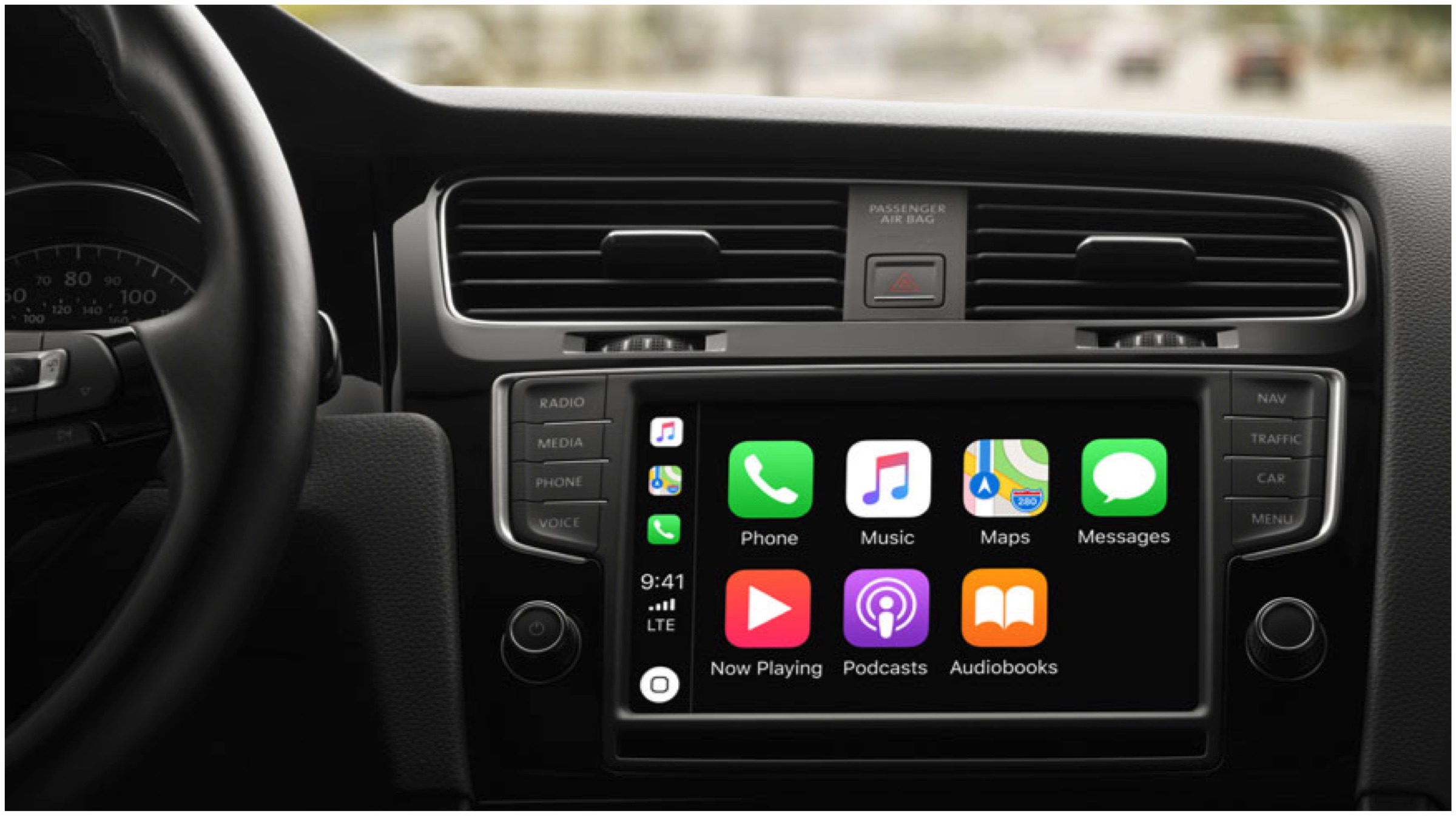
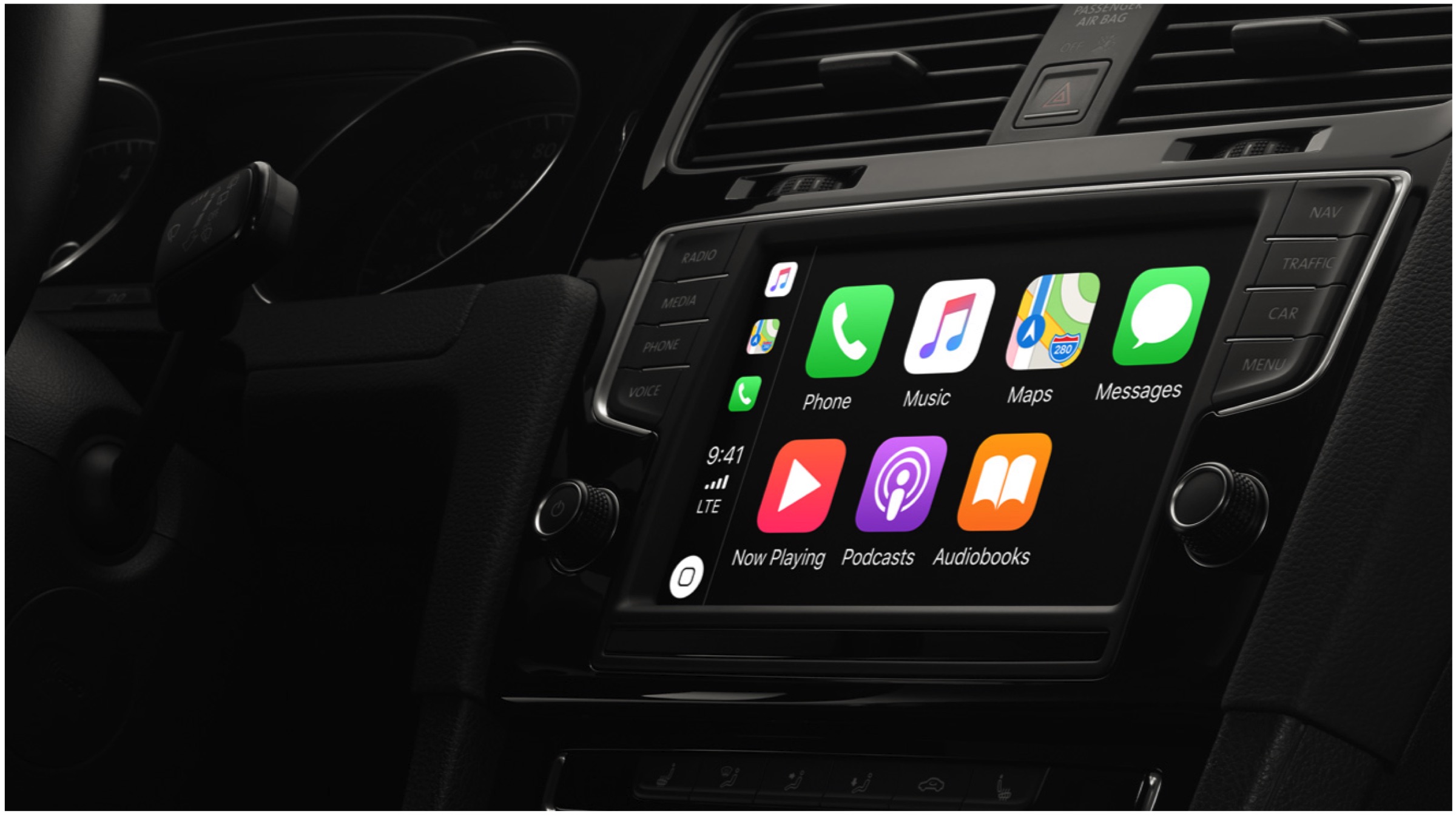
    At the WWDC 2019, Apple announced a planned refresh to its pre-existing CarPlay feature installed in vehicles across the world. The company also announced the iOS 13, tvOS, watchOS, the redesigned Mac Pro, and the iPadOS. With the new upgrades to CarPlay, Apple seeks to enhance the user-cum-driver experience with various practical functionalities.

    Apple

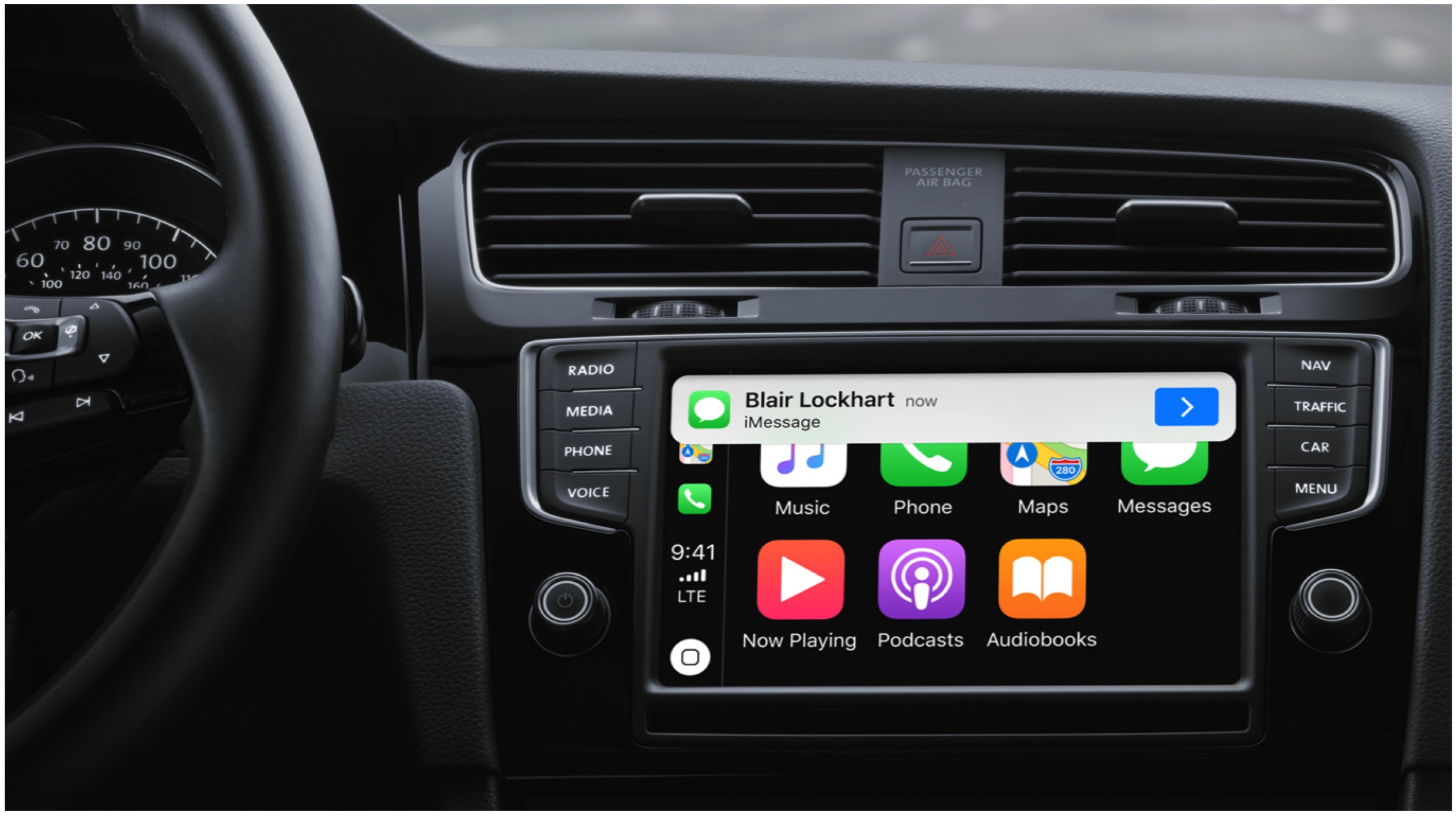
    The announcement for the aforementioned system focused mainly on upgrades from previous iterations. The company is giving CarPlay an aesthetical overhaul. With iOS 13, a new dashboard that can show multiple applications in a single view is now possible in CarPlay. Applications like Music and Maps will be more accessible by users. With the new updates, Apple’s CarPlay would have a more informative Calendar app that relays even more relevant details. The Music app will now highlight the featured album art more noticeably alongside favourites and music discovery.

    With the refreshed visual design and UI, CarPlay will also feature improved support for Siri and a new ‘light mode’. Notifications and Siri suggestions are more seamless and cleaner with the new update. iOS 13 will feature numerous compatibility and utility integrations with the new CarPlay.

    A significant change to the system is that apps launched in the connected smartphone will not be mirrored on CarPlay. As per the company, this change was introduced so that the smartphone can be used for more than one function at a time. Now, a passenger can simply play music without any interference with applications such as Maps. The new update also allows CarPlay to appear on other digital screens in the car. A new ‘Do Not Disturb While Driving’ mode will also debut with the new update that blocks notifications, a feature derived from iPhones.

    Also ReadSamsung Collaborating With AMD For Radeon Graphics On Its Smartphones

    With the new CarPlay, Siri will be able to run third-party applications for music and navigation. Apple has also integrated fully hands-free ‘Hey Siri’ support that works with the car’s in-built microphone. Lastly, Apple also announced the system’s ability to automatically adapt to different screen sizes and resolution. The company believes that the new CarPlay update will ensure that users can seamlessly make use of the various new features bundled with the same. 

  • Samsung Collaborating With AMD For Radeon Graphics On Its Smartphones

    Samsung Collaborating With AMD For Radeon Graphics On Its Smartphones

    The gaming industry is currently valued at an estimated $93 Billion, with mobile gaming accounting for the largest piece of the pie. American chip manufacturer AMD and Samsung have announced their partnership for upcoming smartphone graphics. Looking at the pace at which the mobile gaming industry is growing, it was only a matter of time until tech giants like AMD had the aforementioned sector in their sights.

    Previously, the video game industry used to be a small part of the entertainment business but now, it is one of the major forefronts for digital media. In the year 2018, the gaming industry raked up the same amount of revenue as the US film industry. Unlike in the past when development teams and investment were low and the return profitable, now a dedicated highly qualified team works on a million-dollar project just for the sake of development.

    Samsung alongside AMD confirmed the joint venture in a common report. The partnership will see the development of a new ultra-low power high-performance graphics technology. AMD is confirmed to have licensed its proprietary graphical technology to Samsung for use in future mobile chipsets. The South Korean giant will reportedly pay for AMD’s brand new recently announced RDNA graphics architecture.

    This will mark a new market for AMD to capitalize on. The graphics technology from team Red will seek to replace the ARM-based Mali GPUs that are found in the Exynos chipsets. Samsung’s strategy to retail different chipsets in different countries may lead to certain countries not witnessing the aforementioned architecture. Most countries are receiving the Exynos chipset while US, Canada, China, Japan and Latin America receive the Qualcomm Snapdragon processors with Adreno GPUs. 

    Also ReadAs Apple Retires iTunes, Here Is How It Paved The Way For Modern Music Platforms

    It can be noted that AMD previously owned the Adreno GPU technology before it sold its graphics division to Qualcomm in 2009. Radeon graphics are renowned for its desktop GPU lineup and incorporation in game consoles like PS4 and Xbox One. Its architecture is also being optimized in upcoming Google Stadia, the cloud gaming service.

iGyaan Network
Privacy Overview

This website uses cookies so that we can provide you with the best user experience possible. Cookie information is stored in your browser and performs functions such as recognising you when you return to our website and helping our team to understand which sections of the website you find most interesting and useful.