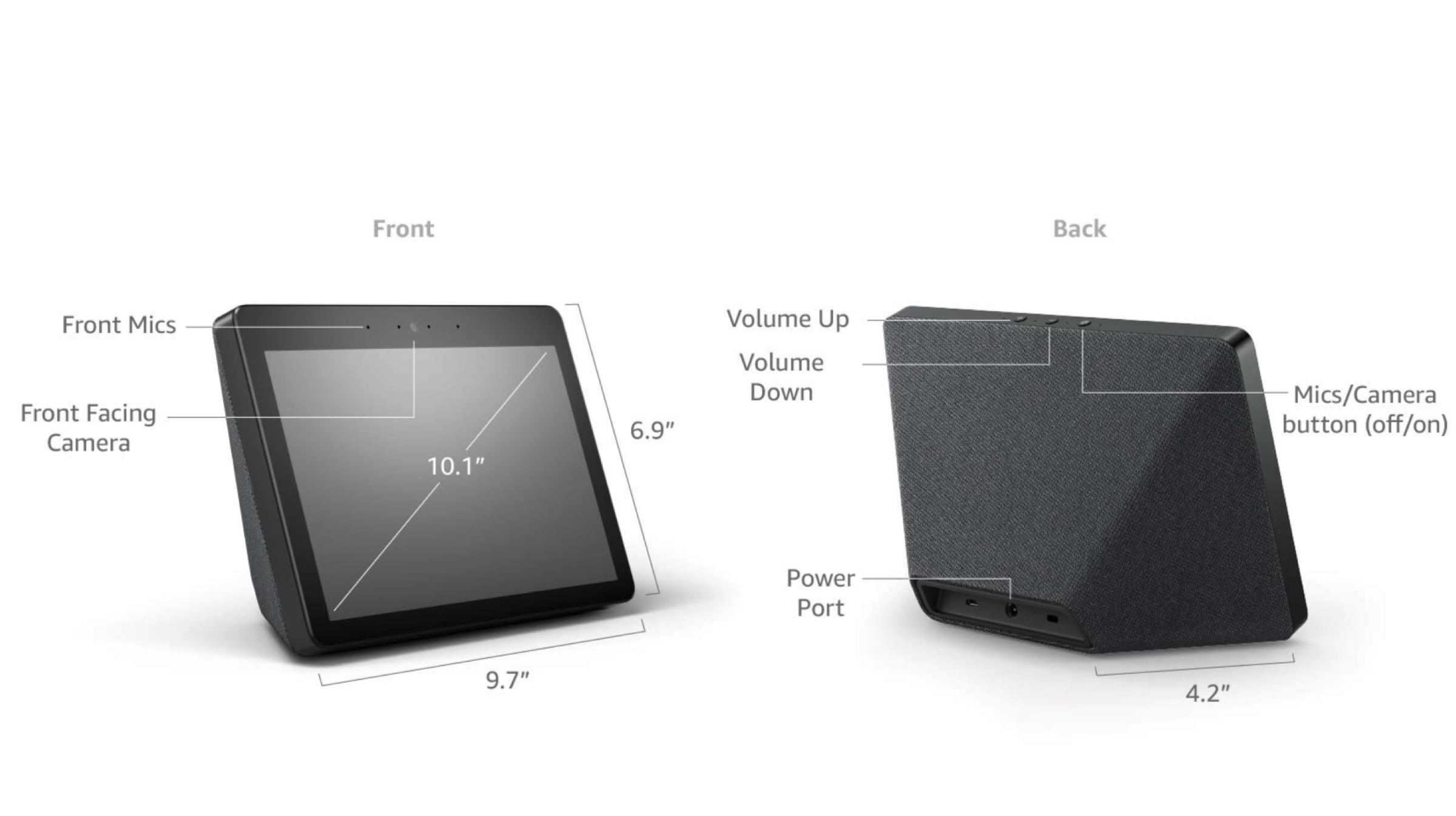
In a bid to expand its lineup of smart home products for the Indian market, e-commerce giant Amazon has launched a new product in the country. Called the Echo Show, the device is a smart display with Alexa, the company’s virtual voice assistant built in. The product was originally launched back in the month of October last year in the United States.
Amazon Echo Show: Price & Availability
The Amazon Echo Show smart display has been priced at Rs. 22,999 and will be available in a Black and a White colour variant. It is available to purchase from the online retailer and a few third-party sellers and will ship immediately. Initial buyers will also get a complimentary Phillips Hue smart bulb with the product.
Amazon Echo Show
The Amazon Echo Show features a minimalistic fabric design which is dominated by a 10.1-inch display on the front. It has an HD resolution and is capable of displaying necessary information on the screen. There are speakers on the rear of the device which are tuned by Dolby, a reputed name in Audio technology. As mentioned earlier, they have the Alexa voice assistant built in which would allow users to ask for information such as the weather, news or controlling other smart home products.
The display on the Echo Show also enables video calling via the 5MP camera housed on top of the display. For easier voice recognition, there are eight microphones which support far-field recognition. This allegedly helps in hearing commands from far away in a room. For users who have multiple Echo smart devices, the Echo Show also supports a feature called multi-room music. This allows for music playback across all the devices at once in near perfect synchronization. There is also an option to visit websites using the pre-installed web browser.
According to fresh reports, Samsung will launch a host of new devices in India this month. These are expected to be the Galaxy Tab 10.1 and Tab S5e tablets, along with the Galaxy A20 and Galaxy A2 Core smartphones. While previous reports have revealed many details about the latter two, The former two were announced by the company a while back.
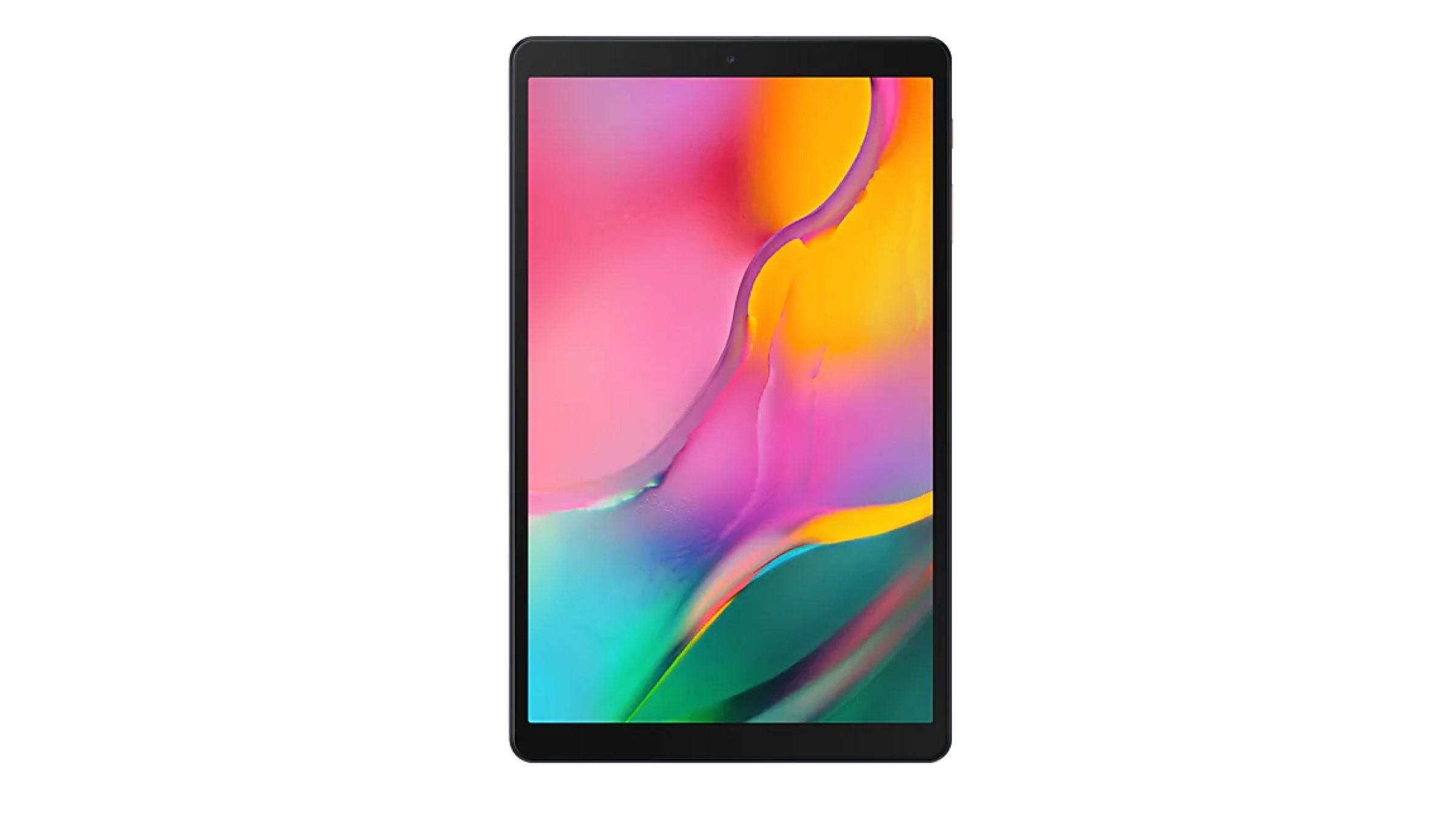
Galaxy Tab 10.1
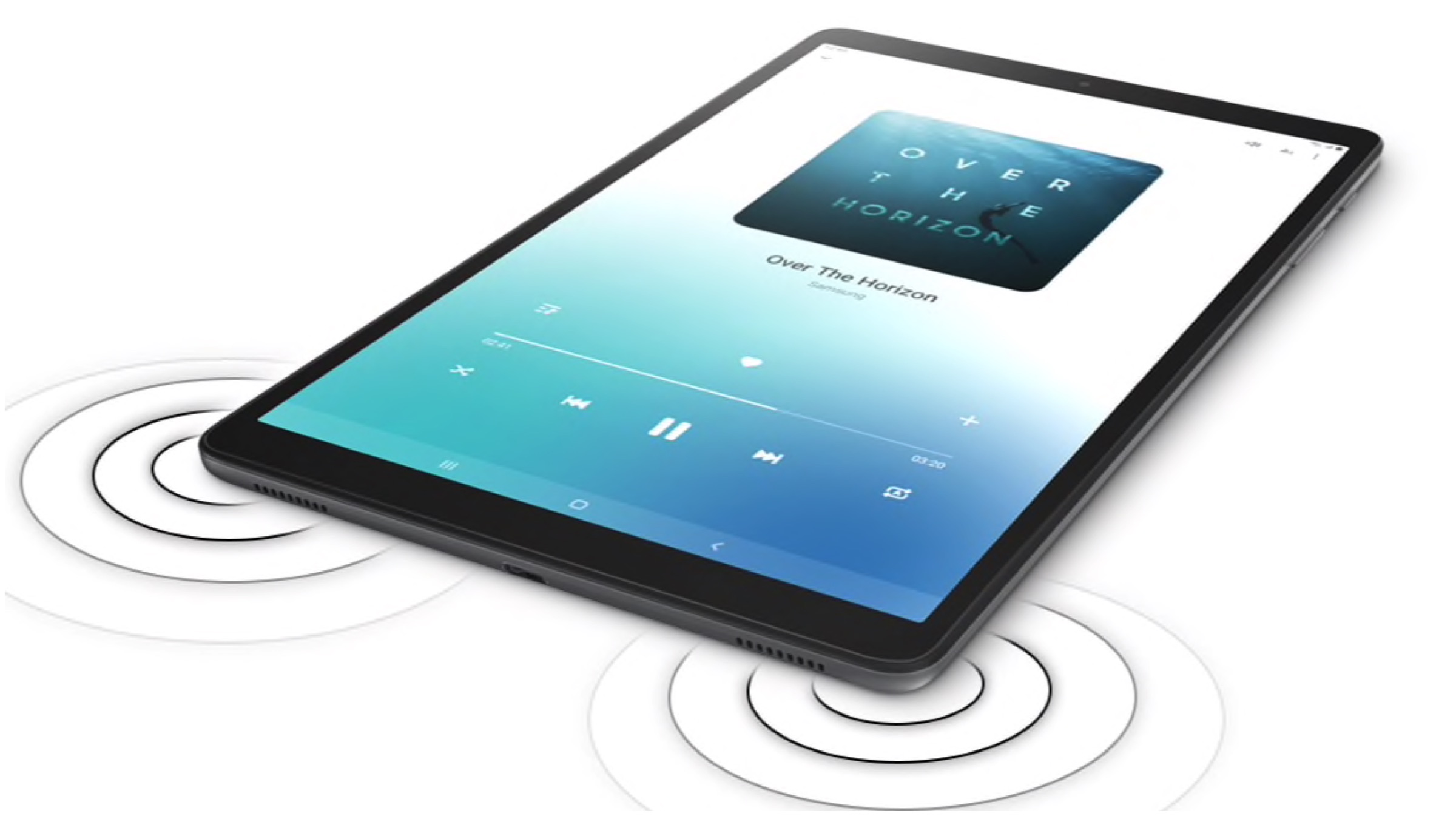
The Galaxy Tab 10.1 is the latest addition to the company’s tablet range. As it has been announced before, the details about the device are known. The tablet will feature a 10.1 inch IPS LCD display with a resolution of 1920 x 1200 px. The tablet has considerable bezels around the display, unlike the more premium offering, the Tab S5e.
Under the hood, the Samsung Galaxy Tab 10.1 is kitted with an Exynos 7904 octa-core chipset. In terms of optics, the tablet has an 8MP rear camera and a 5MP front-facing camera. Dual speakers with support for Dolby Atmos give the device its audio capabilities. The Galaxy Tab 10.1 is powered by a 6150mAh battery and will run on the company’s latest OneUI on top of current Android 9 Pie. The device has been priced at EUR 219 (Rs. 17,000) for the Wi-Fi version and EUR 269 (Rs. 21,000) for the LTE version in Europe.
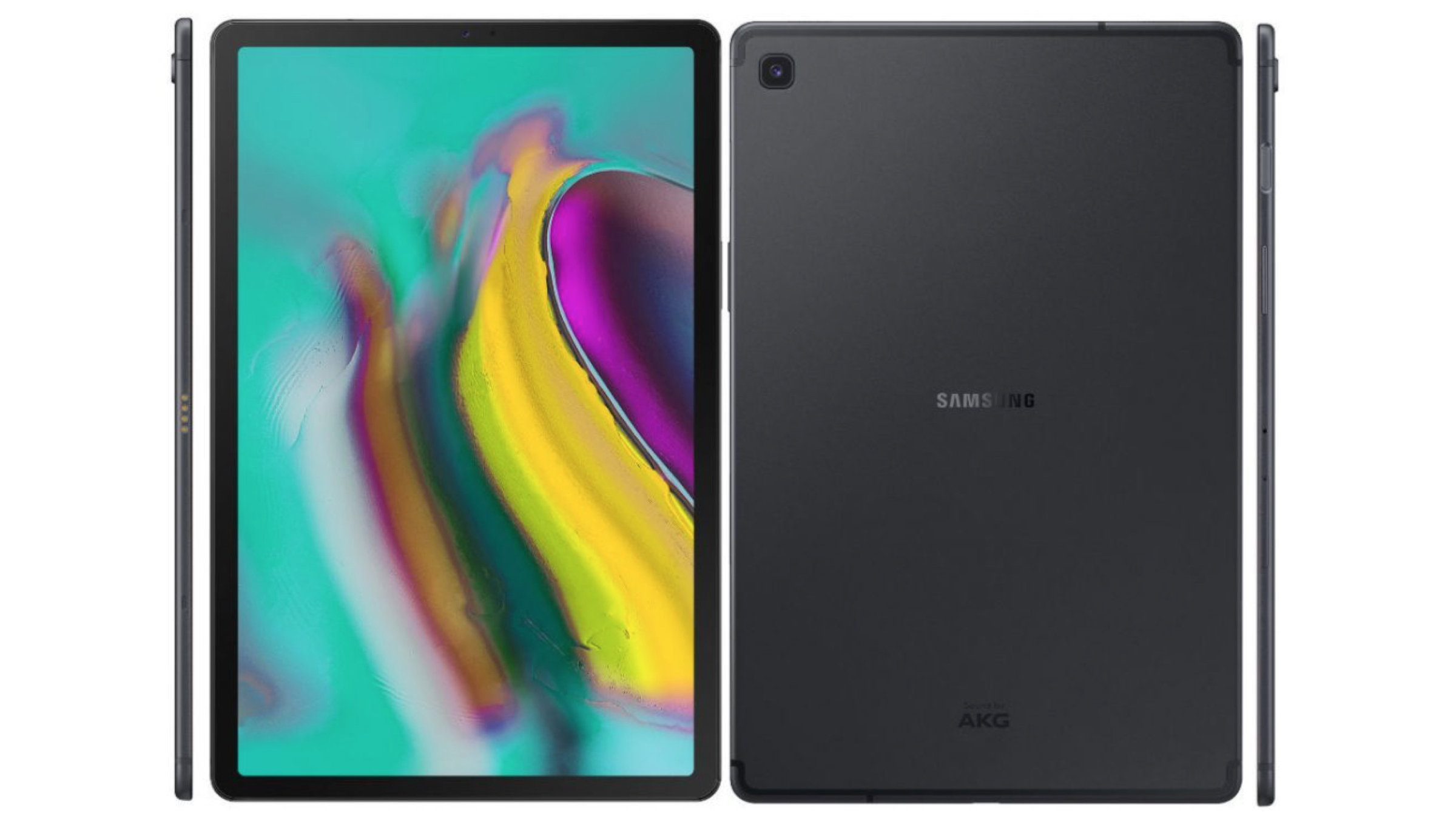
Galaxy Tab S5e
The Galaxy Tab S5e has a modern design with thin bezels around the display and a sleek side profile. On the front of the device sits a 10.5 inch Super AMOLED display that has a 16:10 aspect ratio. The display panel has a resolution of 2560 x 1600 px and a pixel density of 287 ppi. The top bezel of the tablet houses an f/2.0 aperture equipped 8 MP selfie camera.
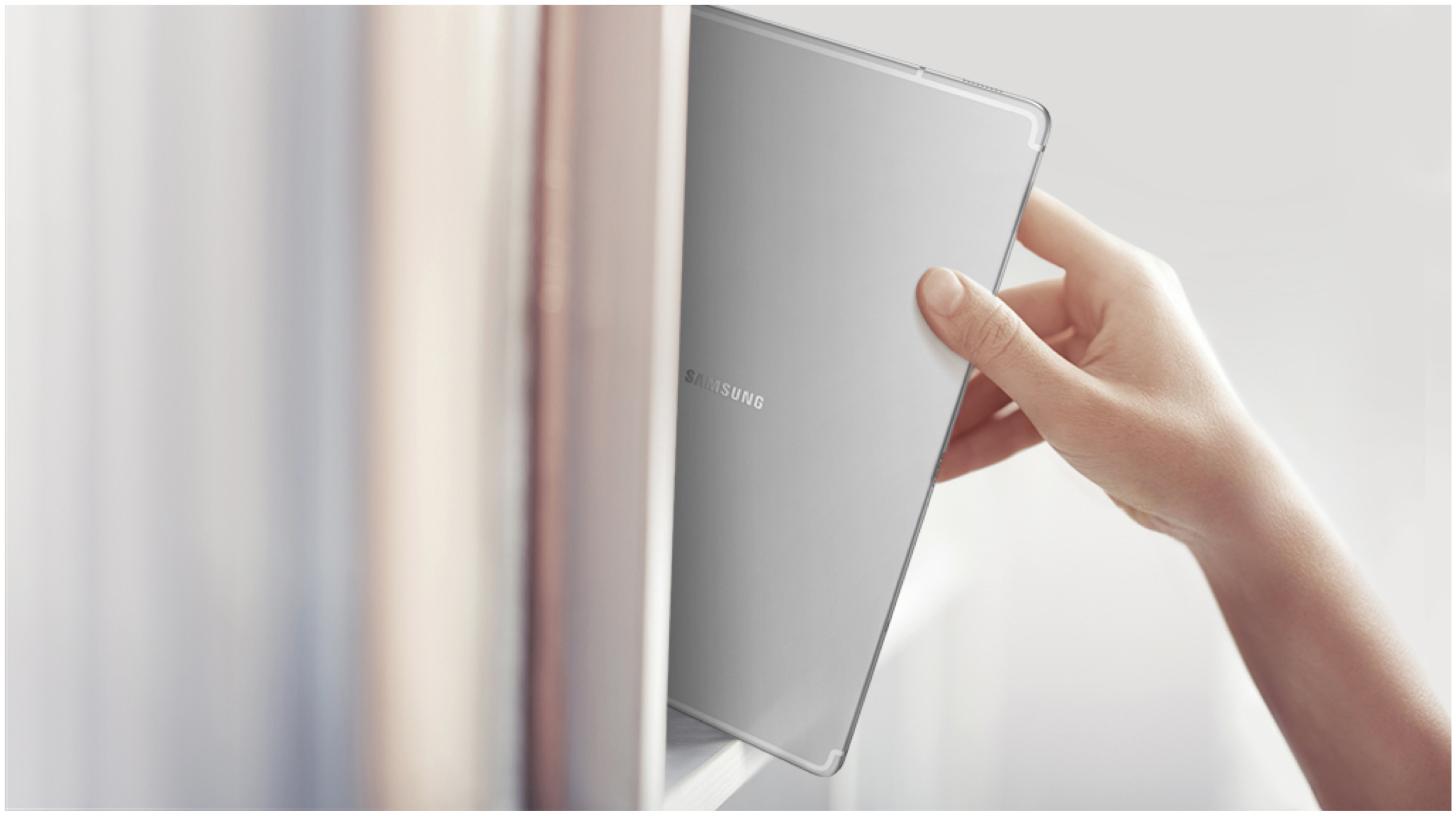
The rear of the Tab S5e is occupied by a 13 MP camera, Samsung branding and AKG logo. AKG is an Austrian company that is famous for its headphones and microphones. The company is now owned by Samsung and the logo behind the Galaxy Tab S5e conveys that the device has admirable audio output. The device can also capture 2160p videos at 30fps from the rear camera and 1080p videos at 30fps from the front shooter.
Under the hood, the Galaxy Tab S5e packs the Snapdragon 670 SoC which is comprised of Adreno 612 GPU and an Octa-Core CPU. Connectivity options on the tablet include 802.11 ac Wi-Fi, Bluetooth 5.0 and a bottom mounted USB Type-C port for charging and data transfer. It runs on Android 8 Oreo which is skinned with Samsung’s own UI. The device is powered by a mammoth 7,040 mAh battery that also supports fast charging. In terms of memory and storage, the tablet is offered in two storage variants which are as follows:
4 GB + 64 GB
6 GB + 128 GB
In addition to the inbuilt storage, the device also supports memory expansion up to 512 GB via a microSD card. The Samsung Galaxy Tab S5e is available in three colour options which include Black, Silver and Gold. It is available in both LTE and Non-LTE options for the price of US$ 399.99 (Rs. 28,500) for Wi-Fi and US$ 541 (Rs. 38,600) for the LTE version.
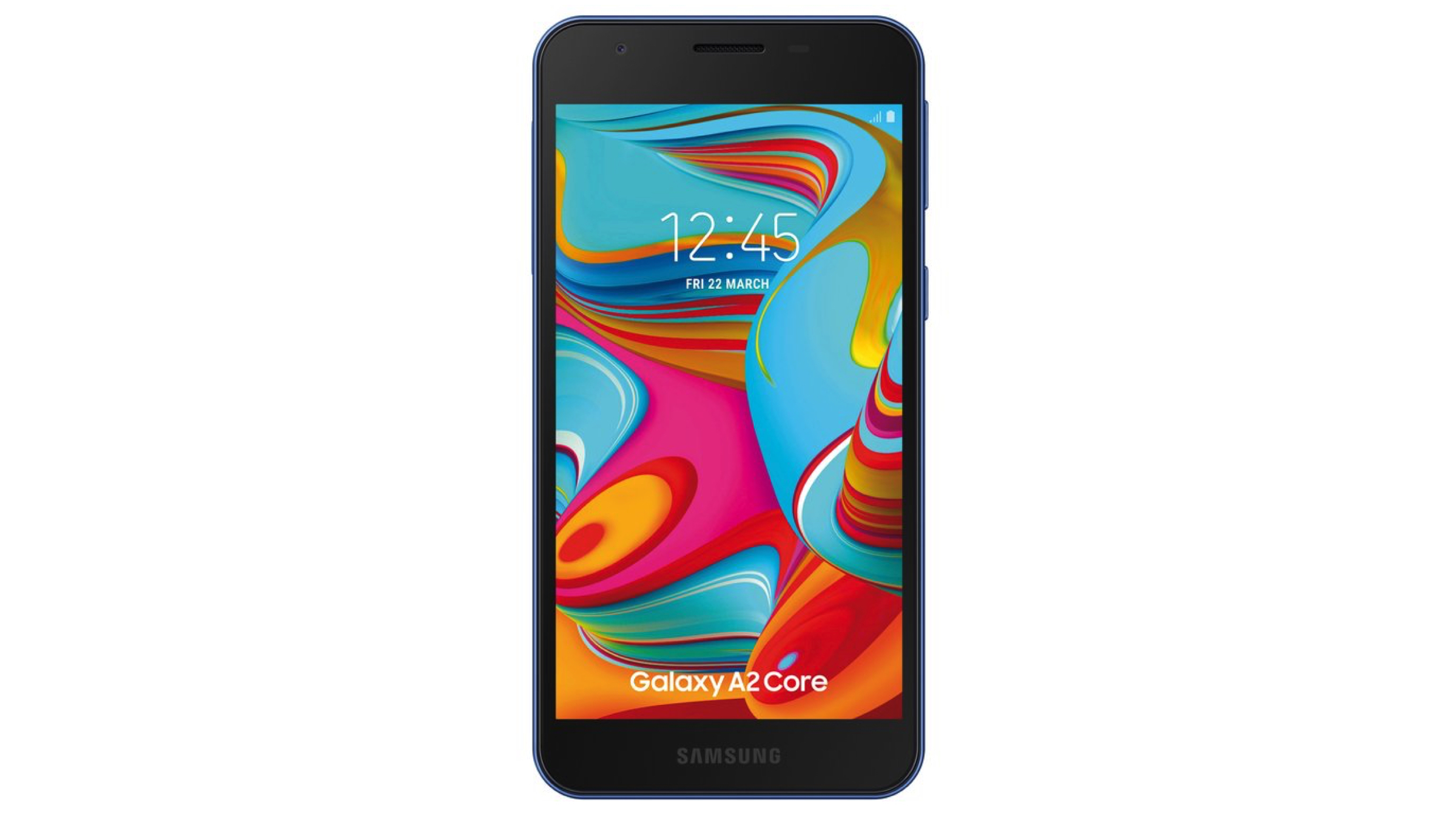
Galaxy A2 Core
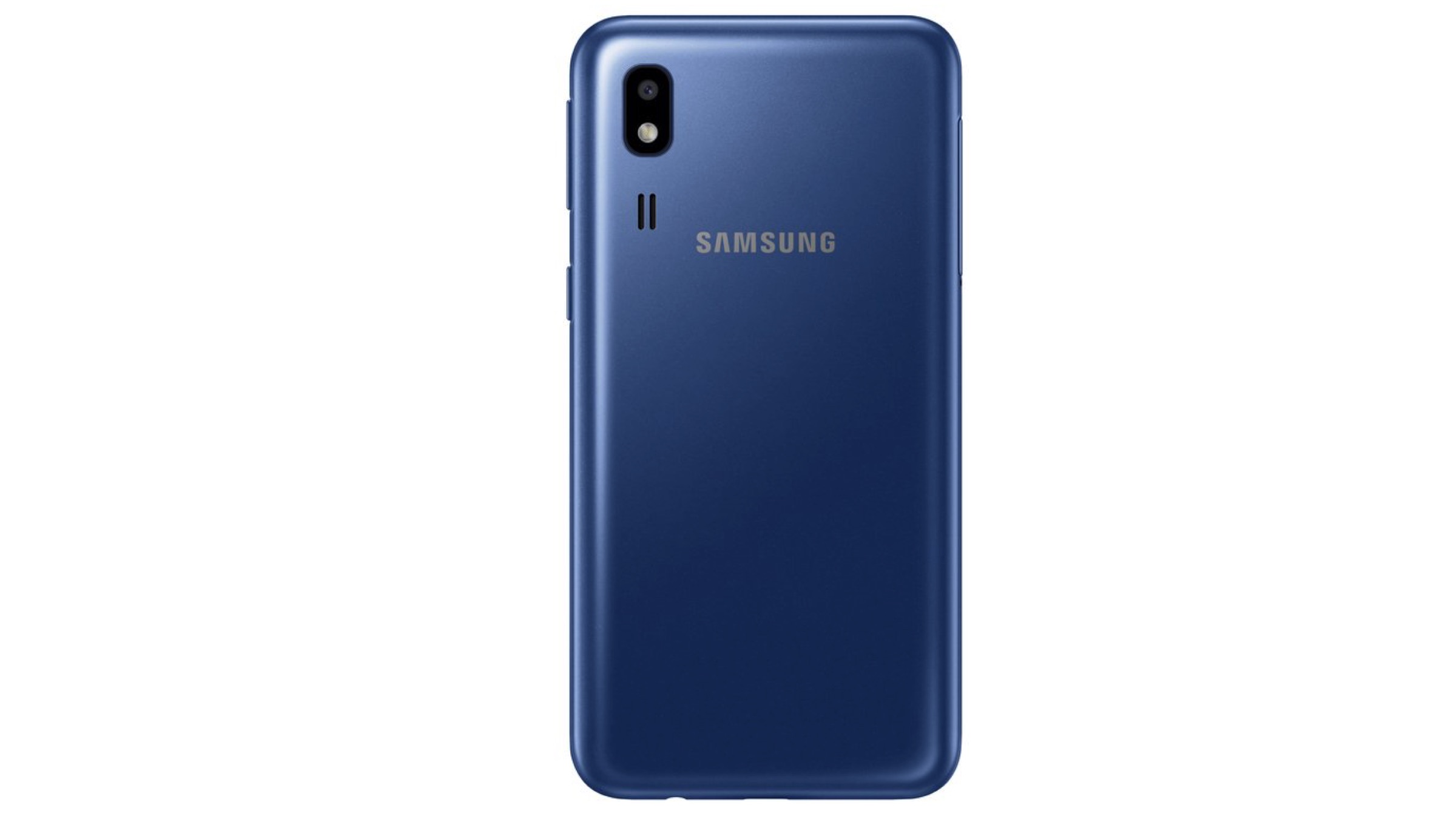
The Samsung Galaxy A2 Core will be the second Android Go device from the company, the first one being the Galaxy J2 Core. A few days ago, a known tipster leaked the images of the device. While the previous leaks don’t mention any specifications of the Galaxy A2 Core, a recent listing on CPU benchmarking website Geekbench revealed key specifications of the Galaxy A2 Core. The device runs Android 8.1 Oreo Go edition out of the box and is expected to feature Samsung’s Experience UI on top.
The Samsung Galaxy A2 Core runs on the 14nm Exynos 7870 SoC. The chipset has an Octa-core CPU and Mali-T830 MP1 GPU. The smartphone will have 1GB of RAM and 8GB of onboard storage. The leaked listing suggests that the smartphone may be on its way to the retail market soon. Given Samsung’s aggressive stance on pricing lately, the expected price of the smartphone is Rs. 5,990.
Galaxy A20
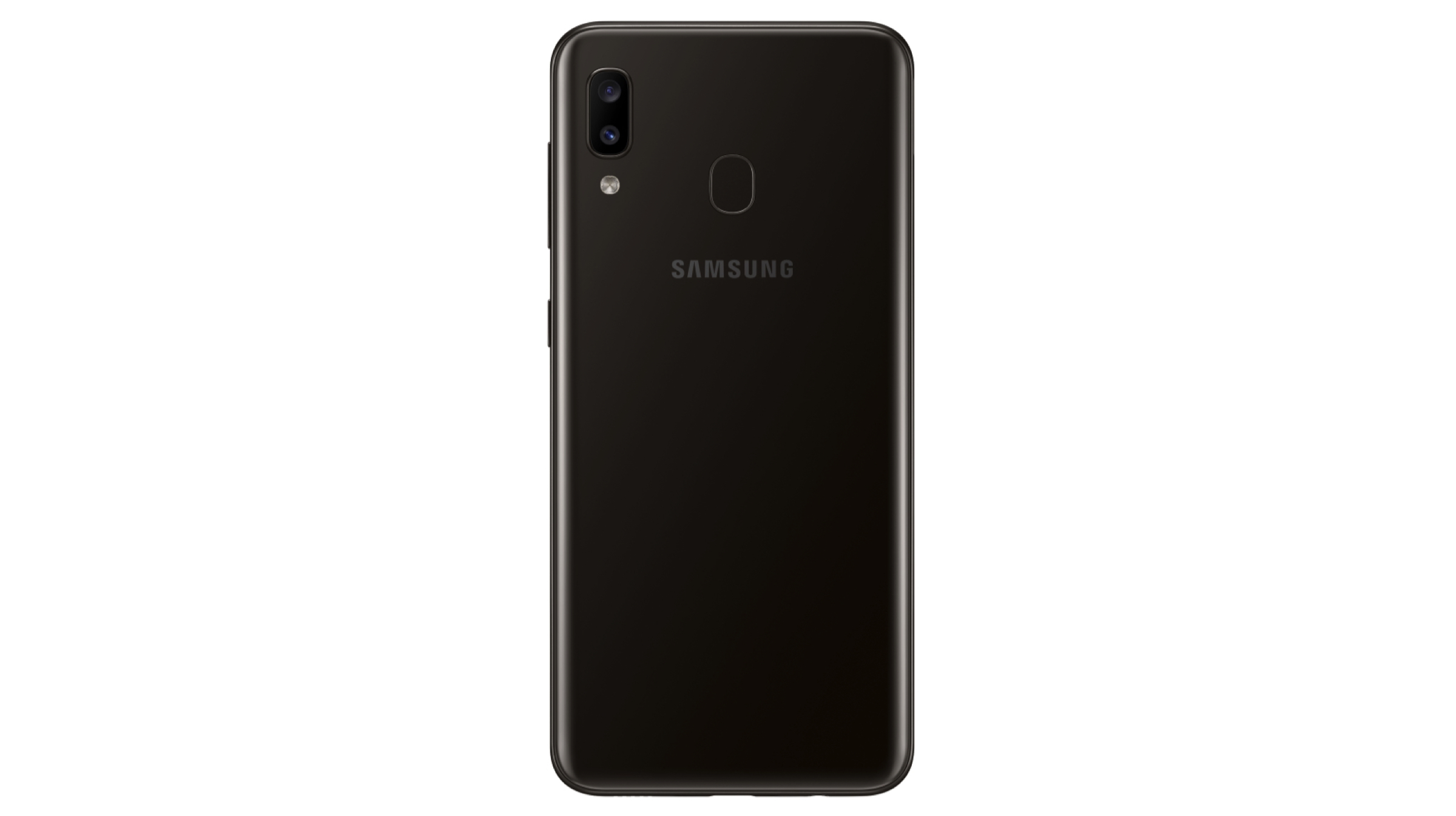
The Galaxy A20 features a polycarbonate body with a similar design language to the Galaxy A10 and the Galaxy A30. While the front of the smartphone resembles the former handset, the back is similar to the latter. The device has a 6.4-inch Super AMOLED display with a resolution of 1560 x 720 px. The front has minimal bezels all around the display with a small Infinity-V style waterdrop notch on top. The rear of the smartphone houses a fingerprint sensor which allows it to securely unlocked. Additionally, it also supports face unlock technology.
Under the hood, the Galaxy A20 is kitted with the Exynos 7884 SoC which consists of an Octa-core CPU. The device has a dual rear camera setup comprised of a 13MP sensor with an aperture of f/1.9 and a 5MP sensor with an f/2.2 aperture. For selfies, it has an 8MP camera with f/2.0 aperture housed in the notch on top of the display. The smartphone is available with 3GB of RAM and 32GB of internal storage which is further expandable by up to 512GB with microSD support. The Galaxy A20 is powered by a 4000mAh battery, which is an upgrade over the 3400mAh found on the Galaxy A10. The Galaxy A20 was launched in Russia for the price of RUB 13,990 (Rs. 14,999) which would mean it would be priced similarly in India.
On March 29, 2019, images and specifications of the OPPO Reno Lite leaked on TENAA, which revealed the Qualcomm Snapdragon 710 SoC and 6GB RAM of the device. As per reports, the Chinese Regulatory Authority has certified the PCAM10 and PCAT10 versions of a device which looks like a specced-down variant of the anticipated OPPO Reno smartphone.
Features And Specifications
As per the aforementioned PCAT10 and PCAM10 listings on the TENAA website, the Reno Series will have a variant which will focus on the budget smartphone market. The images on the website clearly depict a waterdrop notch up front on the device, which will house the front camera. PCAT10 and PCAM10 are listed as two separate devices, whereas in reality, the listings indicate towards a single budget smartphone, which is allegedly the OPPO Reno Lite.
In terms of the rear camera, the device is sporting a dual camera setup with an LED Flash placed below the camera module. Additionally, there is a fingerprint scanner on the back which is also placed below the dual camera setup. The setup comprises of a 16MP + 2MP dual-camera setup at the rear and a 16MP selfie shooter housed within the aforementioned waterdrop-style notch.
The listed variant sports a 6.5-inch TFT LCD display with a 2340 x 1080 px Full HD+ resolution. Both variants run on the Helio P70 chipset, consisting of an octa-core processor clocked at 2.1 GHz and the Mali-G72 MP3 GPU. The SoC is paired with 6GB of RAM and 128GB of internal storage for the top variant of the device. The smartphone packs a 3,910 mAh battery, with no apparent information regarding any fast charging support. The device weighs at 190 grams and is 8.3 mm thick.
The RENO budget smartphone is expected to be unveiled by OPPO on April 10, 2019, in China. The company is expected to release the smartphone globally, but the device may be first retailed in the Chinese market. As of now, no information regarding the price has been revealed yet.
Truly wireless earbuds are slowly taking over the audio market, with the tech deriving its fair share of attention from wireless headphones and earphones. Even though brands like Samsung and Nokia have launched their own versions of Truly Wireless Earphones, the Apple Airpodsremain the most popular earphones in the market. In a cutthroat race to take the throne as the best truly wireless earbuds, Sennheiser has dropped its own contender in the race in the form of Momentum earphones, which are now available in India.
Price And Features
The first thing to notice regarding the Momentum earphones is the pricing, which is significantly higher than its competitors. The truly wireless earbuds are priced at INR 24,990, making them the most expensive of their kind in India. However, the company believes that the exceptional features of the Momentum earbuds make up for the exceptionally high price of the same.
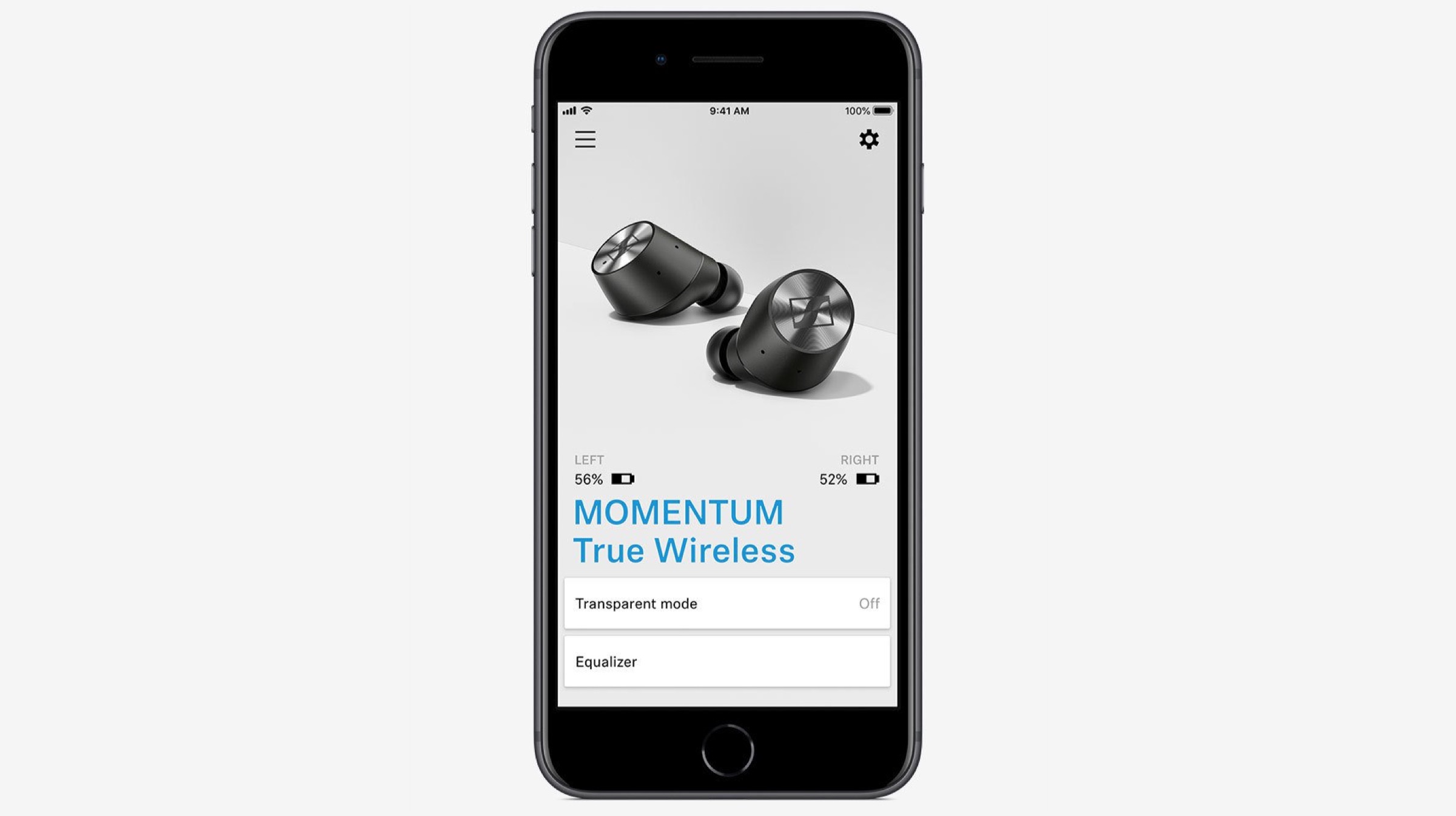
The earphones feature Sennheiser’s proprietary audiophile driver technology, which ensures superior stereo sound, the company says. A highlighting characteristic of the Momentum earbuds is the support for Qualcomm’s apt-X Low Latency, which is known to eliminate any lag while playing music from smartphones. ensuring real-time audio output. Furthermore, the earphones feature 2-mic noise cancellation beamforming technology and Transparent Hearing, so that users can hear sounds around them clearly without taking off the earphones, the company states.
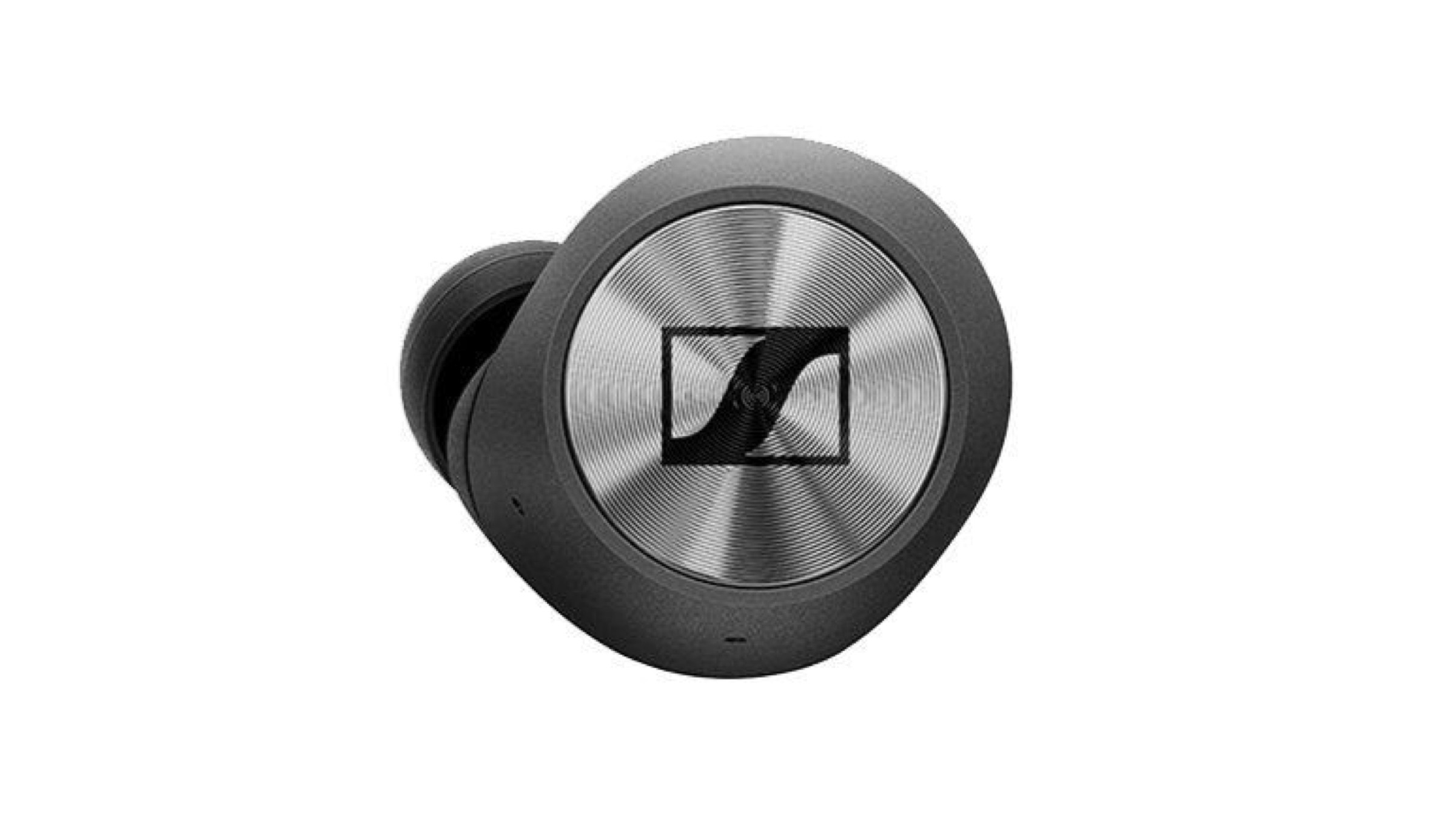
In terms of build quality, the earphones are housed in a black body with a polished metallic ring in the middle. Sennheiser claims that the earphones can be used both as audio instruments and fashion accessories. The earphones are IPX4 resistant to protect them from accidental water splashes. The earbuds ship with 4 different ergonomic ear tips, and similar to AirPods, the earphones have a touch interface. It can be used to control the music, answer phone calls and access the voice assistant.
The earphones themselves weigh at 13.2 grams, with the combined weight of the earbuds and the case clocking at 69.8 grams. The earphones have a battery life of 4 hours of continuous usage, whereas the charging case holds 8 hours worth of more charging power. As mentioned before, the truly wireless Momentum earbuds will retail at a premium price but may face tough competition from brands like Apple and Samsung. Moreover, Beats is launching its own True Wireless earphones, the Powerbeats3 Wireless very soon, and they may be priced lower than the Sennheiser Momentum, which may be a warning bell for the German Audio Company.
With new flagship smartphones preparing to enter the market in the near future, the pressure to sport top-of-the-line features is at an all-time-high for brands. Companies like Samsung have already announced a 5G variant for the S10 and Galaxy Fold, whereas Huawei is releasing a 5G version for its Mate X foldable device. As per latest reports, Huawei will also launch a 5G variant for the upcoming Mate 30 smartphone, which will probably release in the second half of the year 2019.
Availability
Huawei CEO revealed that the company will ensure 5G connectivity for the entire lineup of the Mate 30 series. He also stated the reason for the non-availability of 5G connectivity on the P30 series, which is the state of the network. As per his statement, the 5G network is still under development, so the company is equipping its future smartphones with 5G in order to ensure that their launch coincides with the rollout of 5G network in major markets in 2019.
In another statement from Huawei’s CEO, 5G technology will be consumer-worthy this Fall and will be incorporated in the next series of smartphones, indicating that the Mate 30 series may hit the market near the months of September, October or November. Noteworthy, the Mate 20 was unveiled in November 2018, so the release of the Mate 30 lineup in 2019 may be lined up with its predecessor’s launch date.
Even though the specifications of the Huawei Mate 30 are not revealed yet, reports say that it may incorporate Huawei’s upcoming 7nm Kirin 985 chipset, which would be the next flagship SoC from the Chinese manufacturer. As per reports, the chipset is built on TSMC’s 7+nm manufacturing process with EUV lithography. Due to EUV, the Kirin 985 is expected to offer higher clock speeds and improved power efficiency. In addition, the upcoming device may feature a 12GB RAM variant and a quad rear camera setup to keep with the flagship norms in 2019.
It’s April 1, and tech companies across the globe are on their heels trying to pull off pranks on their fans and customers. This isn’t something new, rather, tech giants like Google have been celebrating events like these since forever. In 2015, Google introduced a version of the popular arcade game, Pac-Man in Google Maps to celebrate April Fool’s day. Interestingly, the Chinese technology company, OnePlus announced its plan to release its Warp Car, which will be the company’s first electric supercar, or the first supercar, or the first car of sorts. Even more so, this announcement was put out on April 1, giving a clear indication of what the company is up to.
The company claims that its “Warp Car” is printed using SLS 3D and ABS 3D printing so that people who “buy” it in the future can customize the design at their homes. Seemingly, OnePlus is applying the modular design implementation to vehicles. However, it’s easy to see through this gimmick. The company states that the owners of the “Warp Car” can replace any worn out parts in the vehicle, and replace them with brand new parts. It all sounds a bit…. shady.
Furthermore, another very hilarious feature stated by OnePlus includes the integration of the OnePlus smartphone with the “Warp Car”, where the company claims that the car owners (this might sound a bit ridiculous) can replace the steering wheel with their OnePlus smartphones. Keeping the outrageousness of the features down a notch would have worked out better for the company. Something on the lines of the upcoming notch-less OnePlus 7.
Moreover, the company states that the owners can easily drive the car using gesture controls on the smartphone-cum-steering-wheel. Apparently, swiping left and right on the OnePlus device will enable the car to turn to the respective directions, and swiping up and down will lead to the forward and reverse movement of the car respectively. In another hilarious statement, OnePlus promises the users that in the first OTA (over the air) update, users will get an airplane mode, which won’t necessarily help the car to fly (although OnePlus could have pulled it off too), but will disable all notifications so that a person doesn’t accidentally swipe the wrong way and crashes the car.
In a string of other absurd claims, OnePlus says that customers can use their smartphone’s torch to light up the external headlights as well as the internal lamps. To charge the vehicle, users can plug in 20 – that’s right, 20 OnePlus Warp Chargers to charge the car in one day. Just when you think the company could not go more over the top, it stoops down real low as it states that its customers should be at least 5’6″ tall, and they shouldn’t be taller than 5’8″ in order to accommodate them in the vehicle. Well, that’s a pretty solid niche.
Users took to Twitter to participate in the meme galore that OnePlus had sparked. A user boosted the exposure on the warp car’s image the company had posted and found out that OnePlus had a message for its fans on the rear number plate, stating “Yes, we do cars now”. Even though it is clear that all of this was an obviously ridiculous concept, we could imagine the amount of fun the company has had with this. As long as a prank doesn’t hurt anybody, it’s a good prank, and a lot of tech companies are following this roadmap this April Fool’s day.
Chinese smartphone maker, Oppo has developed a bunch of innovative smartphones in the past including the Oppo Find X and the Oppo N1. The preceding experiences insinuate that the company is not hesitant of developing unique and unconventional smartphones. A freshly granted patent exhibits that the company is working on yet another original smartphone that has a sliding mechanism which conceals dual front cameras. Although companies including Xiaomi and Lenovo have previously launched handsets with a similar feature, Oppo’s smartphone is distinct and refreshing.
Patent Disclosures
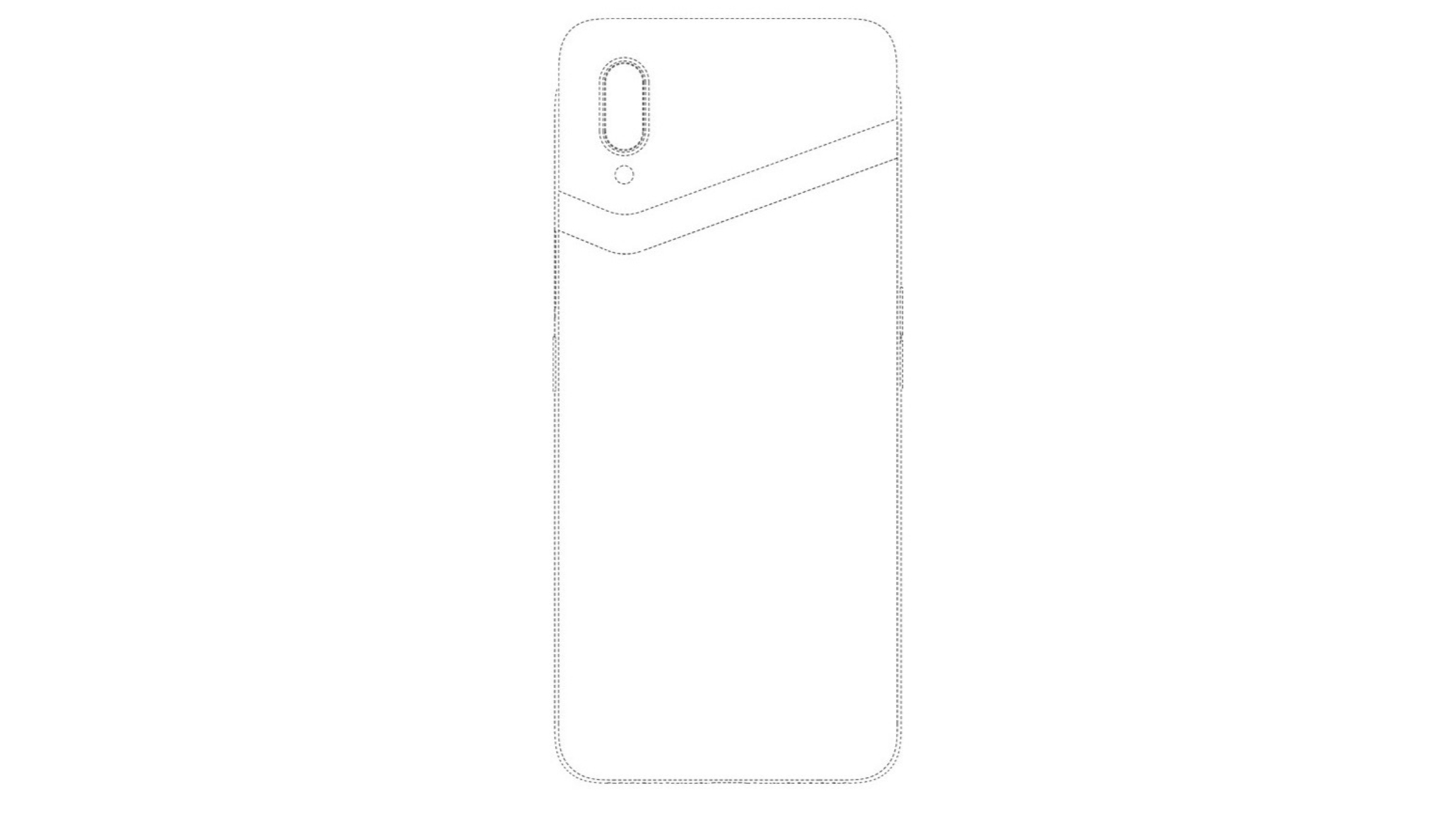
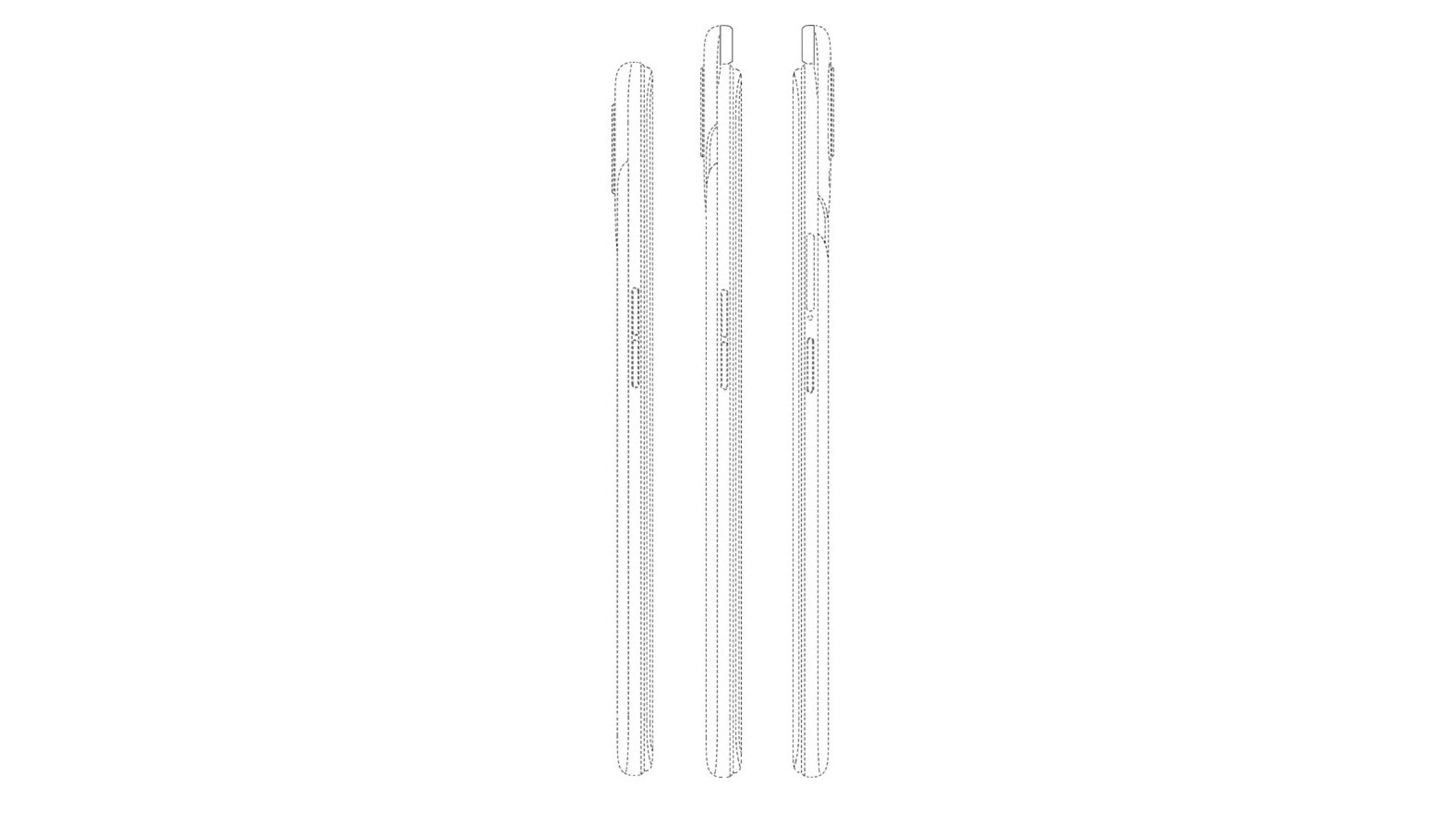
The patent for the aforementioned smartphone with a sliding camera mechanism was granted to Oppo by EUIPO ( European Union Intellectual Property Office) on the 1st of April 2019. In contrast to the comparable Xiaomi Mi Mix 3 and the Lenovo Z5s, the Oppo smartphone has a disparate slider. Instead of the whole sliding rear on the formers, only the top part of the Oppo smartphone slides up. Furthermore, the slider not yet confirmed seems to be operated via electronic motors. The sliding mechanism of handset conceals a couple of selfie cameras. Accrediting to the thin bezels and the hidden selfie cameras, the smartphone from the patent has a high screen to body ratio which provides it with a chic look.
The rear of the smartphone harbours a dual camera module with an LED flash. The right side of the smartphone is occupied by the power switch and the SIM card tray while the left side is occupied by the volume rockers. Distinctly, the handset does not have a rear mounted fingerprint sensor accordingly it is expected to sport and on-display one.
Although Oppo has not made any comments about the launch or development of such a smartphone, the patent is detailed enough and the company can lift the curtains from it any time.
The Chinese smartphone manufacturer Xiaomi is looking towards launching their new smartphone in India in the year 2019. The company launched its latest flagship device, the Mi 9 in the month of February, which received rave reviews. Xiaomi is also expected to unveil another smartphone in the near future, which is speculated to be a toned down variant of the Mi 9. Rumoured to be the Mi 9X, the smartphone will release as the Mi A3 in India, which will be the successor to the Mi A2 launched in 2018. The device will have comparable specifications to the Redmi Note 7 Pro, but will probably have Android One as the operating system on the device.
Mi A3 Specifications
The rumoured Mi A3 is expected to sport a 6.4 inch AMOLED display with a waterdrop notch. The display panel of the upcoming smartphone will have a Full HD resolution and a 19.5:9 aspect ratio. The unreleased smartphone is also reported to have an in display fingerprint scanner, in order to meet the market norms.
The Mi A3 is expected to run on the 11 nm Snapdragon 675 SoC, which is one of the latest chipsets in the market. It comprises of an Octa-Core CPU and the Adreno 612 GPU. Also, it may feature 6GB RAM and 64 GB of storage. The smartphone will supposedly sport a 32 MP front camera which will be housed inside the notch on top of the display. In terms of the rear camera, the device is speculated to have a triple camera setup which consists of a 48 MP Sony IMX586 sensor, an 8 MP depth sensor and 13 MP super wide angle sensor.
The Mi A3 may be powered by a 3300 mAh battery with fast charging support. As mentioned before, the smartphone is expected to run on Android One, guaranteeing software updates for the next two years. As far as the looks go, the Mi A3 may sport a 2.5D holographic glass panel, which will enhance the look of the smartphone.
The Mi A3 is estimated to be priced under INR 18,000 since no official statement from the company is available yet. The device may or may not be launched in other variants. Reports suggest that the Mi A3 will hit the markets in the first half of the year 2019. Consequently, the customers won’t have to wait very long for the release of the device.
A few days ago, reports of the upcoming smartphone from HMD Global owned Nokia brand was prevalent. Reportedly called the Nokia X71, it was speculated to be released in the global markets as the Nokia 8.2. Fresh reports claim that the device will in fact be released as the Nokia 6.2 and the Geekbench benchmark scores of the handset have also been leaked. The smartphone will launch on the 2nd of April in Taiwan.
Nokia X71
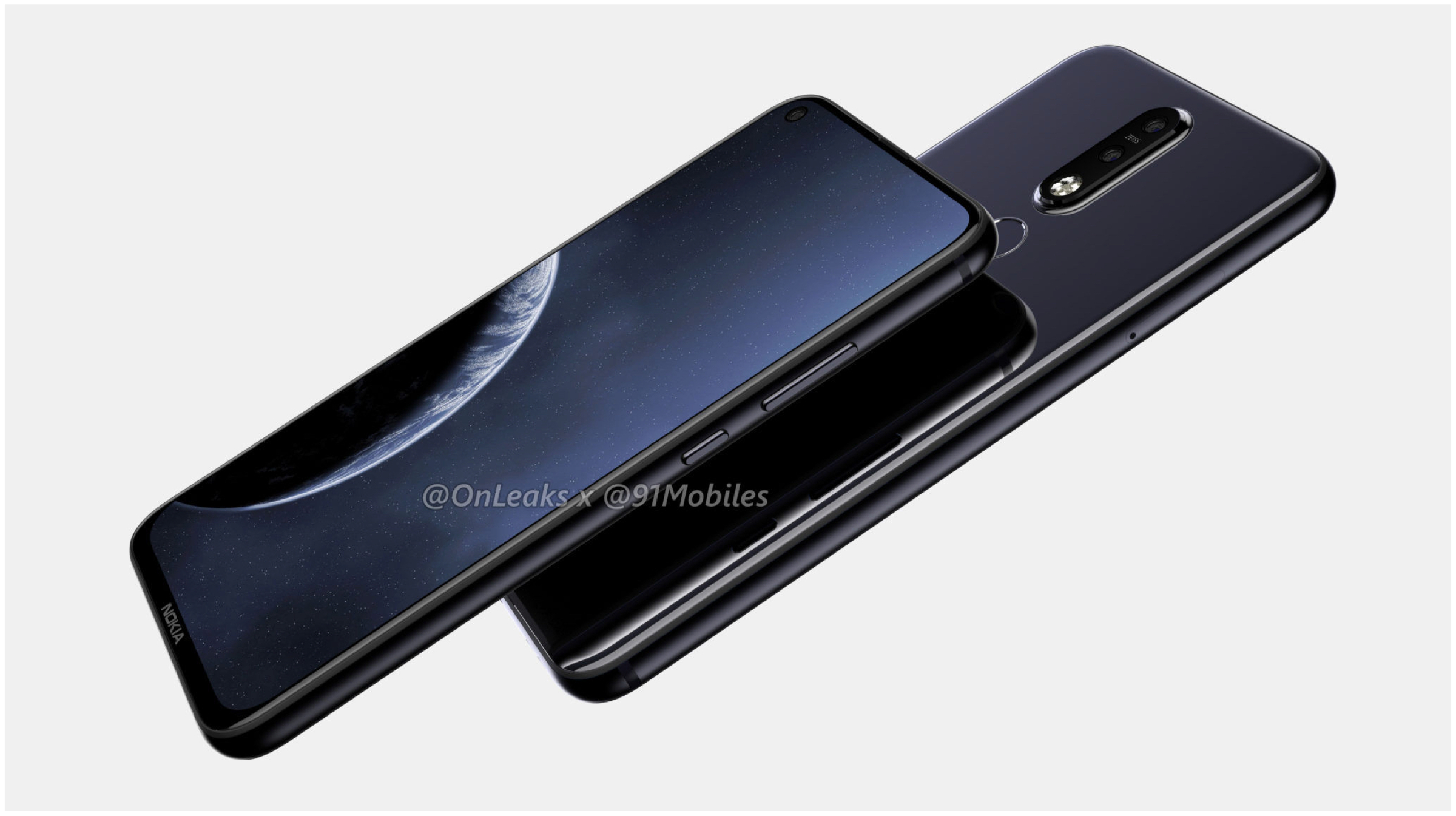
The Nokia X71 will be a smartphone from the company was leaked in images a while ago. The looks of the device are reminiscent of the Nokia 6.1 Plus launched last year, complete with a glass sandwich design. The leaks suggest that it may feature a 6.4-inch Full HD+ display. There will be a punch hole on the top left of the handset to accommodate the selfie camera. This is the first time a Nokia smartphone will feature the popular design trend. For biometrics and security, the device will have a rear-mounted fingerprint sensor.
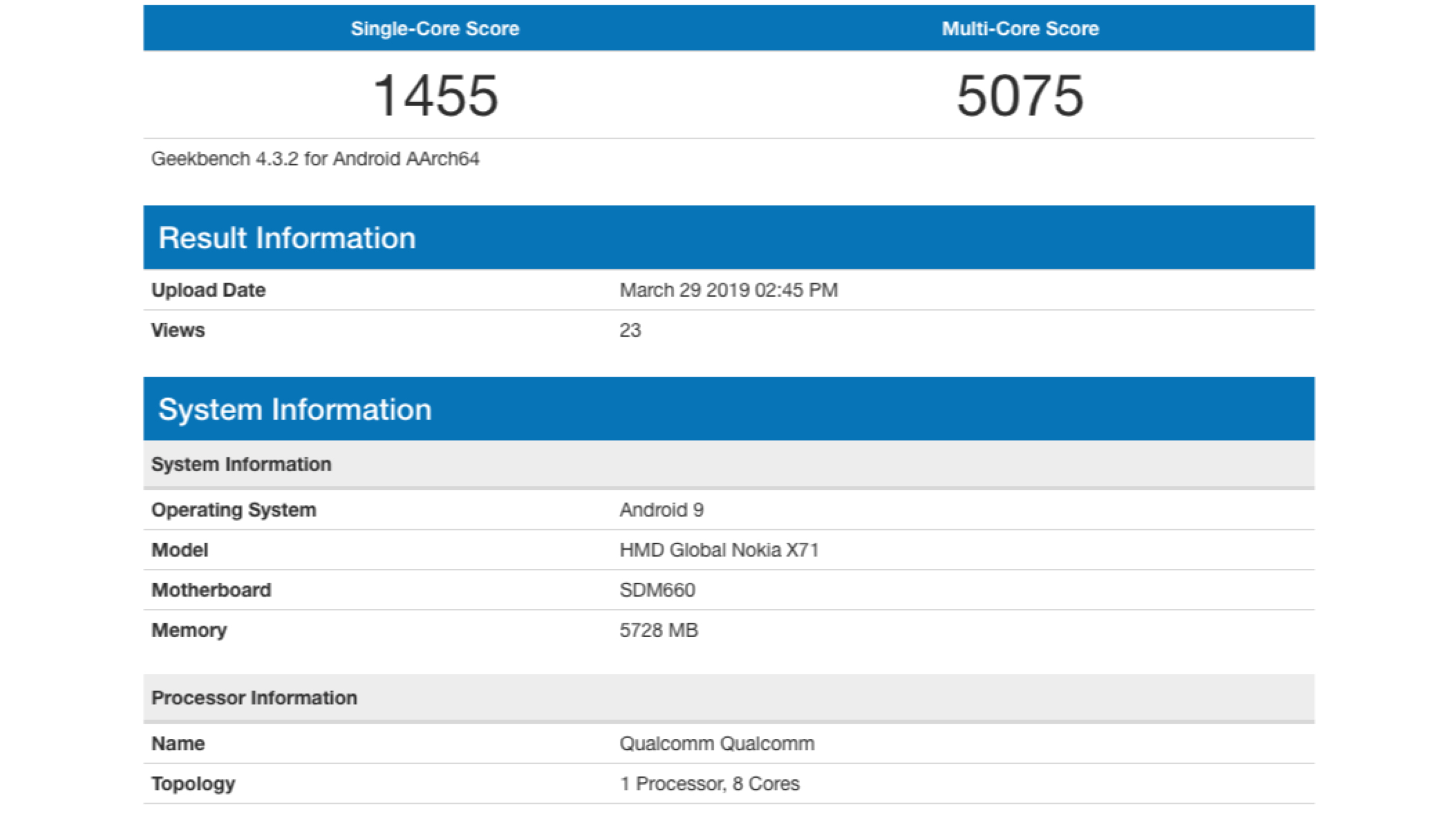
The leaked Geekbench listing reveals that the Nokia X71 will run on the 14nm Snapdragon 660 SoC. The chipset has an Octa-core CPU and Adreno 512 GPU. Benchmarks of the smartphone reveal a score of 1455 points for Single-core and 5075 for Multi-core performance. The score falls in line to the scores obtained by the processor, also seen in devices like the Redmi Note 7 and the Zenfone Max Pro M2.
It is expected that the smartphone will have a triple rear camera setup. It has been leaked that the 48MP Sony IMX586 sensor will make an appearance on the device, along with a 5MP ultra wide sensor and a 2MP depth sensor. For selfies, it is expected that a 16MP camera will be housed in the punch-hole on the top left of the display. For memory, the Nokia X71/Nokia 6.2 will feature 6GB of RAM.
Latest leaks allege that the Nokia X71/6.2 will be powered by 3500mAh battery. The smartphone will run on the latest Android 9 Pie with Android One certification. This implies that the device will receive software updates for at least 2 years. As mentioned above, the Nokia X71 will launch on April 2 in Taiwan. Seeing as the company has been competitive with the pricing of its smartphones lately, it is expected to be priced under Rs. 20,000.
Google loves playing around with special events and festivals all across the world. The company is known for switching up the doodles to something fun and springy, which imparts a colourful look to the popular search engine. For April Fools, Google has introduced a modified version of everyone’s favourite game, which is “Snake”, and integrated it into the Maps app across both Android and iOS platforms.
The History of “Snake”
First introduced in 1997 on the Nokia 6110, the Snake game became an instant hit because of how simple and captivating it was at the same time. Needless to say, the game was continually modified into different forms as time progressed, but the basics remained the same. Users play as a snake, which has to keep eating “bits” or “food” to increase the score. Players would lose if they make contact with the walls or themselves while moving around the sandbox.
How To Play The Game?
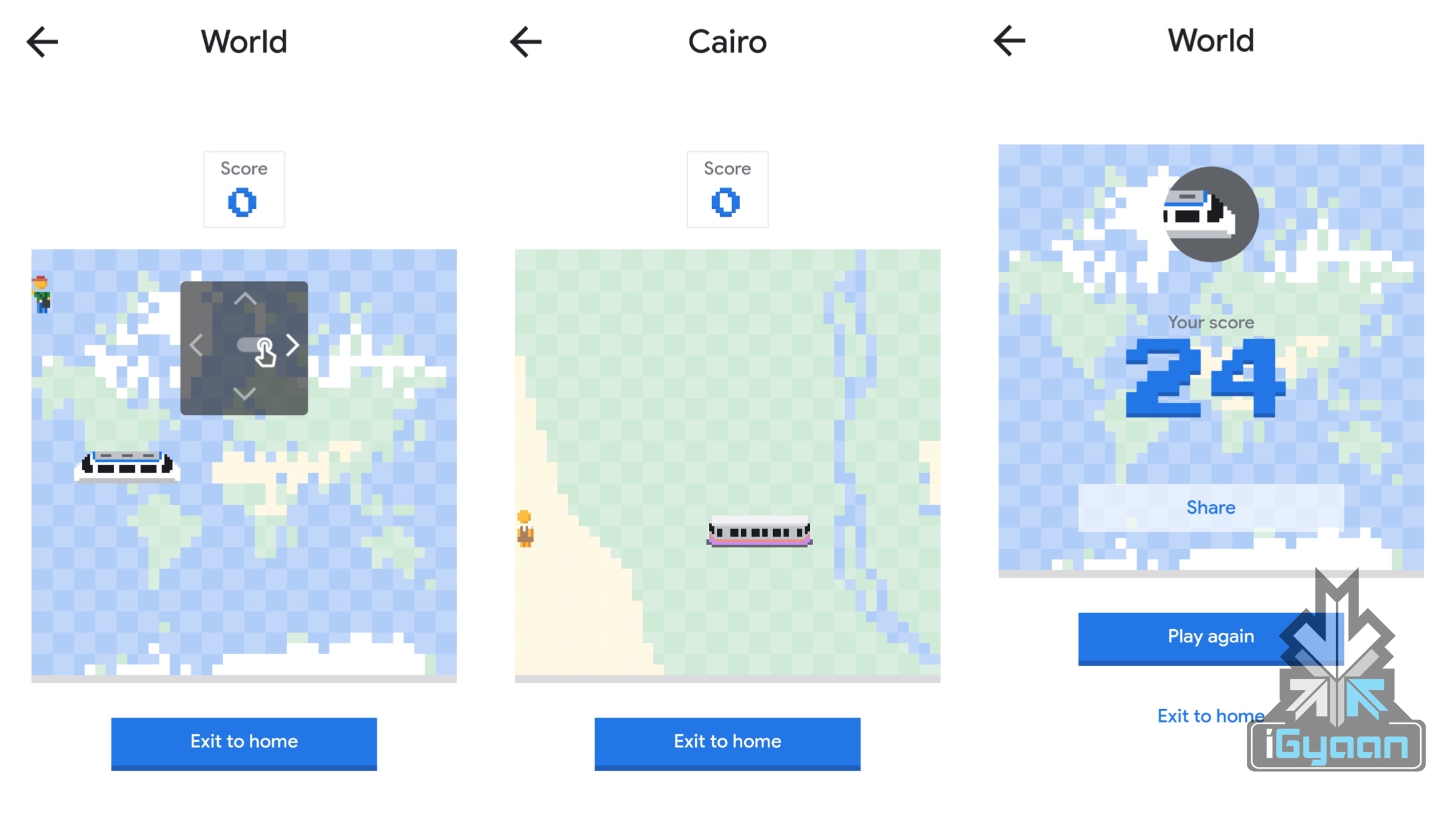
To experience the snake game on the Maps app, just open the sidebar in the application and select the “Play Snake” option. Note that the game doesn’t include a “classic” snake, instead, players will play as a means of transport if that makes sense. There are a total of six cities in the game, which are Cairo, São Paulo, London, Sydney, San Francisco, and Tokyo. Furthermore, there is also the option of a “world” map that users can check out. The vehicle depends on the city the players choose. For instance, if users choose to play in the London map, they will get to play as a double-decker bus, and if users select Tokyo, they spawn as a Bullet train.
Users can move the vehicle around by swiping in the desired direction on the 8-bit map, and pick up passengers that keep appearing on the screen. The game also includes some special “landmarks” such as the Burj Khalifa or the Golden Gate Bridge which grants extra points to the user. Users can play and make their own high score which can then be shared via different social media applications. Previously, Google added the legendary Pac-Man game to Maps in the year 2015 for the same event. The company has even set up a website for the game, which can be checked out by clicking here.
The first quarter of 2019 was a substantial period for gaming, and there are still 9 months to go for any further launches and innovations. At GDC 2019, Google released Stadia, a (supposedly) amazing cloud gaming service, yet no release date or pricing for the same was unveiled at the event. Gamers were just getting over the “hardware-independent gaming” hype, when Apple announced its own subscription-based gaming service, known as the Apple Arcade at the Apple Show Time event on March 26, 2019. Additionally, the company also launched the Apple News+, Apple TV+ and the Apple Card.
https://youtu.be/67umVefSXnY
Apple Arcade is different from Google Stadia in a lot of aspects. For starters, where players need an active high-speed internet connection to play games using Stadia, games can simply be downloaded on the device with Apple Arcade and can be played without internet. Furthermore, it’s not clear whether Stadia will employ a subscription model or a pay-per-game model, but it’s clear as daylight that Apple will allow you to play multiple games on its Arcade store with just a simple “game pass”, which is similar to the payment model that Xbox users adhere to.
A lot of big game developers and publishers are already a part of Apple’s (game) plan. Sega, Konami, Annapurna and Platinum Games are just some of the companies that are backing Apple up on this. To gamers’ pleasant surprise, Hironobu Sakaguchi, the video designer who had a key role in the making of the acclaimed “Final Fantasy” series is also releasing a game called “Fantasian” on Apple’s new platform. The company also promises that new games will keep making their way into Arcade’s library, making sure that the subscribers are never devoid of fresh content.
https://youtu.be/95FuVib8mcY
Given below are some games that have been confirmed for Apple’s platform. However, note that users won’t be able to play any of these games on Arcade until Apple brings the service to the market. As per the company’s statement, Apple Arcade will go live later during Fall 2019.
Hot Lava
Hot Lava is an adaptation of the childhood game “The floor is lava”, where children have to keep jumping from one furniture piece to another, pretending that the floor is lava. Except in this game, the floor is literally lava. The game’s trailer depicts it as quite a fun game to play, with fluid parkour moves being used by the character to escape the onslaught of the lava. The game is designed by Klei Entertainment, and by the looks of it, a lot of gamers will have an amazing time with this game.
Although Team Sonic was first launched at E3 2018, it is making its way to the list of the very first games that Apple Arcade users will be able to play. One of the most lovable characters in the SEGA universe, Sonic will take on his opponents with the help of his friends. But no more “knuckle” violence, instead, players will be able to choose from a list of 15 playable characters to race on a track with a plethora of vehicle options. With a colourful environment and fast-paced gameplay, Team Sonic has already proven its worth on consoles, and will now charm its way out of Apple gamers.
Indie games have been a key part in driving interests of gamers away from genres like Battle Royale and Competitive FPS games. Such a beautiful indie title is The Pathless, which, similarly to Team Sonic, was first revealed three months back for PS4 and PC (Epic games). However, the game has now also been confirmed to arrive on Apple Arcade. The game depicts the mysterious adventure of an archer who befriends an eagle and travels through a vast forest. Noteworthy, the game isn’t officially out yet, so players may have to wait to play it till the game actually releases in 2019.
Sayonara Wild Hearts looks like a game derived straight out of a music video. The game is tough to describe, but as per the developer, the game is an “euphoric music video dream about being awesome, riding motorcycles, skateboarding, dance battling, shooting lasers, wielding swords, and breaking hearts at 200 mph.”. The game was originally scheduled for Nintendo Switch, but it seems that now the game is coming to Apple Arcade as well. The developer also claims to have almost zero loading times.
With already a lot of fun-to-play games on different platforms, the LEGO Brawls gameplay trailer showcases a game that is built on a foundation unlike other LEGO games out there. As of now, the game is still under development, but the key point of the trailer is to exhibit how fun the game is. With huge robots, cute LEGO characters and LEGO weapons, the game puts a pretty good impression out there. Also, the game may also feature a battle royale mode for its fans.
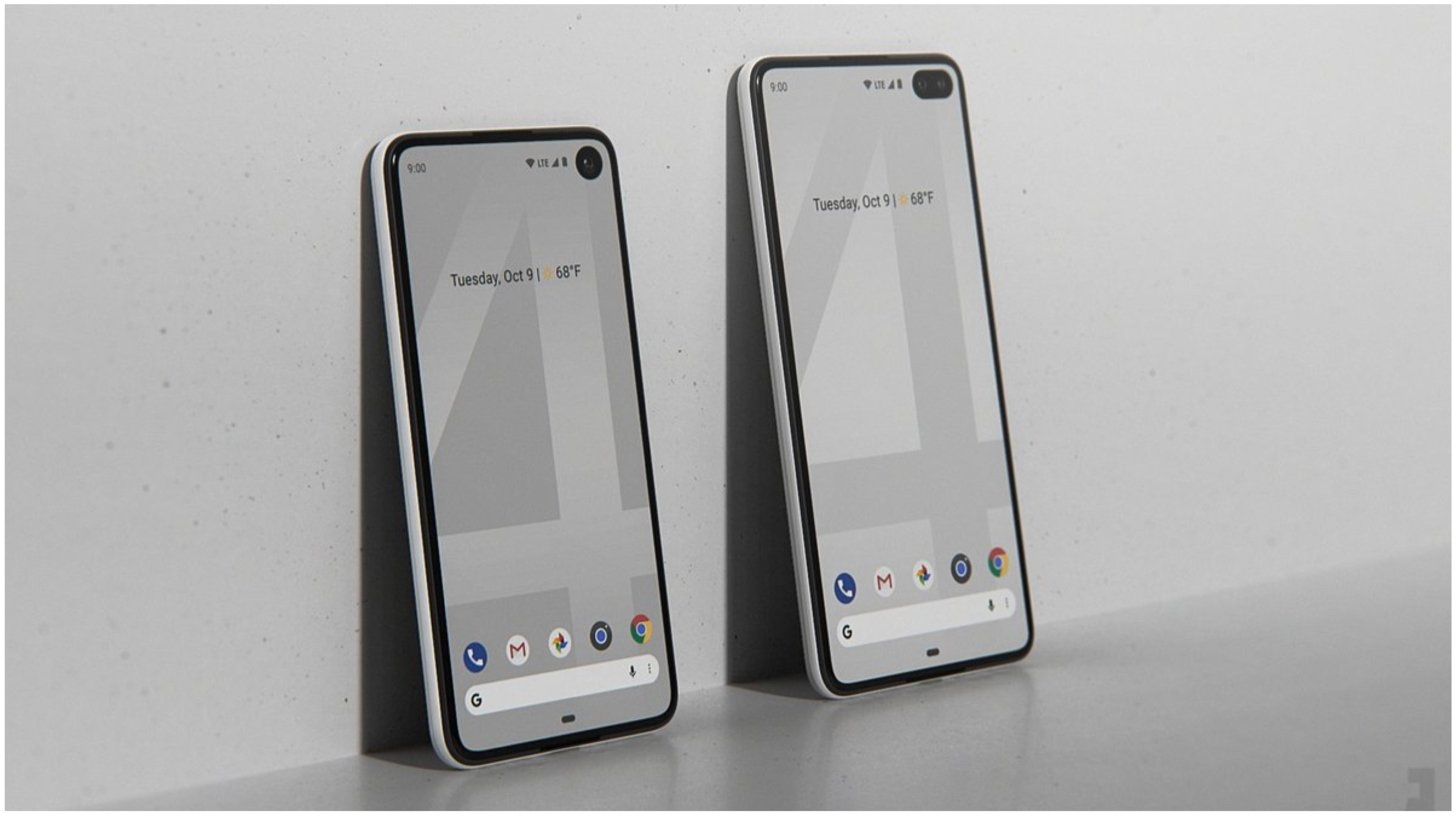
Late last year Google launched its latest Android smartphones, the Pixel 3 and the Pixel 3 XL. Both the smartphones were highly honoured for their stock Android experience and camera prowess but not so much for their looks. A leak in the past claimed that the expected Pixel 4 and Pixel 4 XL will feature a punch hole display like the freshly launched Galaxy S10 lineup. A Twitter user, @PhoneDesigner has created a bunch of Pixel 4 concept renders which look astonishing. Even though the artist has no association with Google, the following renders are highly impressive and we want the company to take note from them.
Pixel 4 and Pixel 4 XL
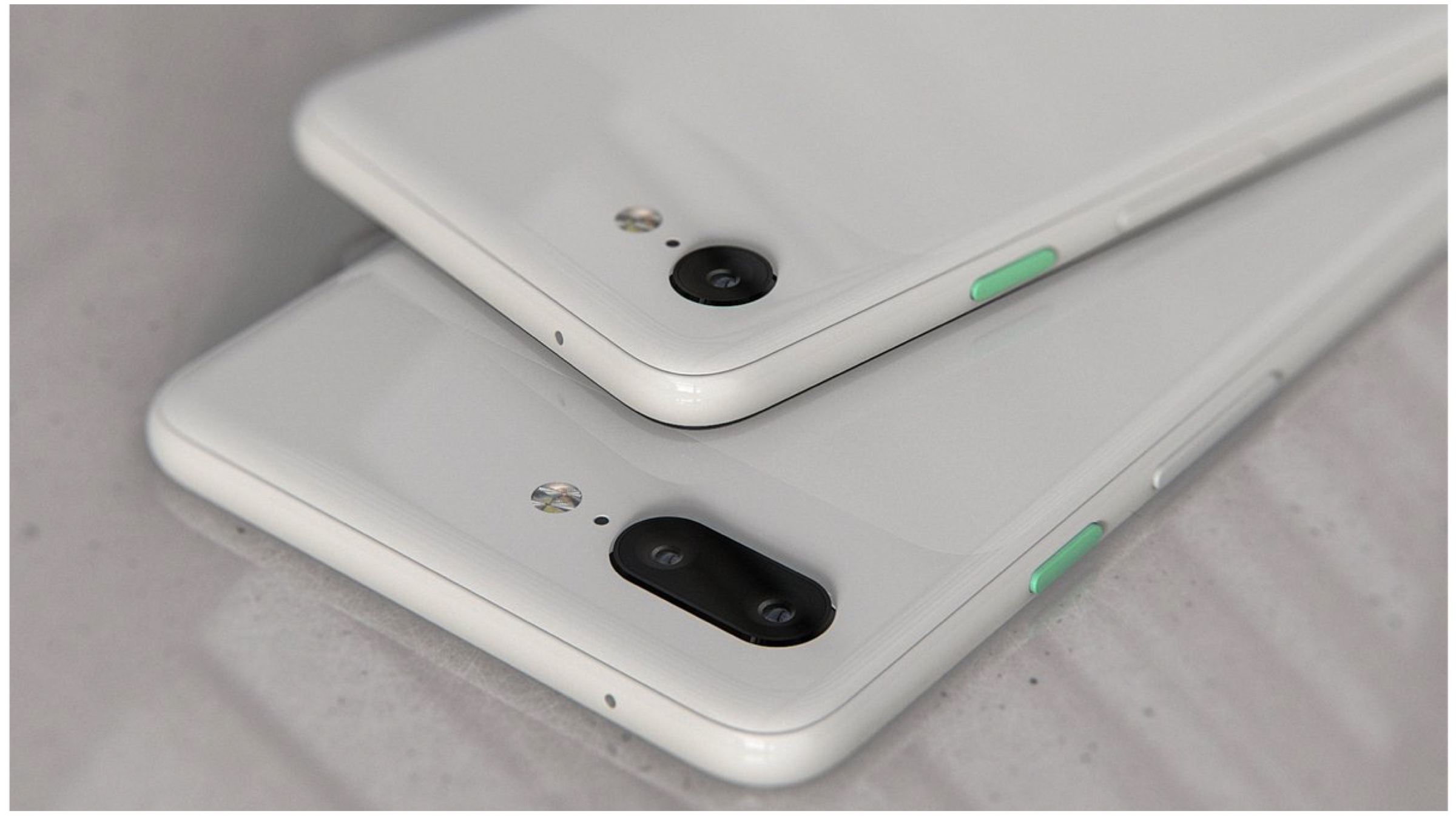
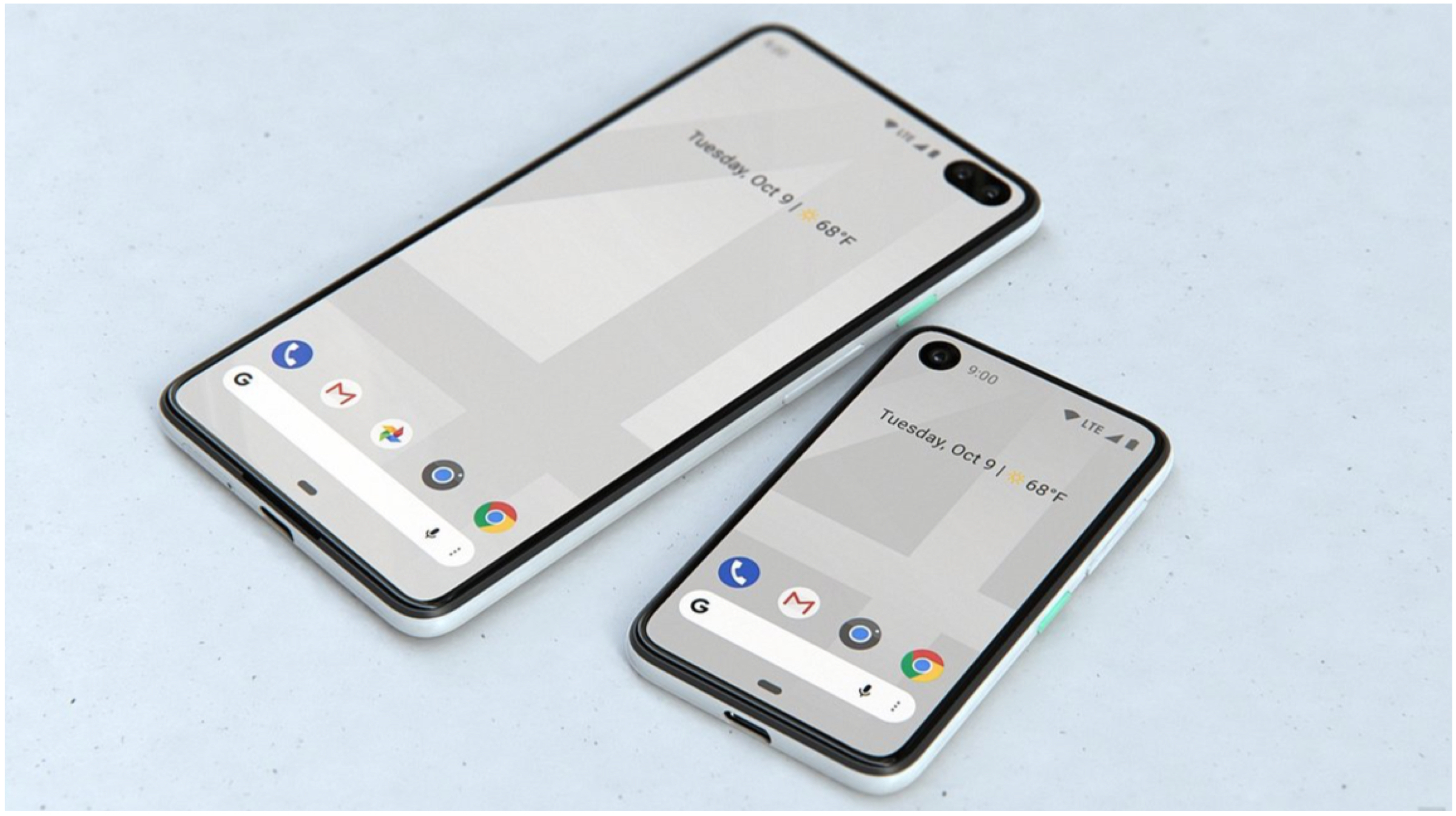
As previously mentioned the HD concept renders of the Pixel 4 and 4 XL exhibit an impressive smartphone duo. Both smartphones have a high screen to body ratio display which is surrounded with minimal bezels on all sides. The Pixel 4 XL has dual front-facing punch hole cameras while the Pixel 4 has a single front-facing punch hole camera. The right side of both the Pixel 4 smartphones from the concept render is occupied by the volume rocker and the mint coloured power button which the owners of current Pixel handsets have always fancied.
The rear side concept renders of the Pixel 4 and the Pixel 4 XL is reminiscent of the current Pixel lineup. However, it does not exhibit a rear-mounted fingerprint sensor, which states an on display fingerprint sensor. The plausibility of this type of biometric unlocking mechanism on the upcoming smartphones is quite high, given most Android flagships from 2019 have this feature. Noteworthy, the Pixel 4 XL concept render reveals dual rear cameras. Pixel smartphones are recognised for their camera performance and a Pixel handset with dual rear cameras would only add up to its saga.
The Palm Sized Pixel 4 Mini We Desire
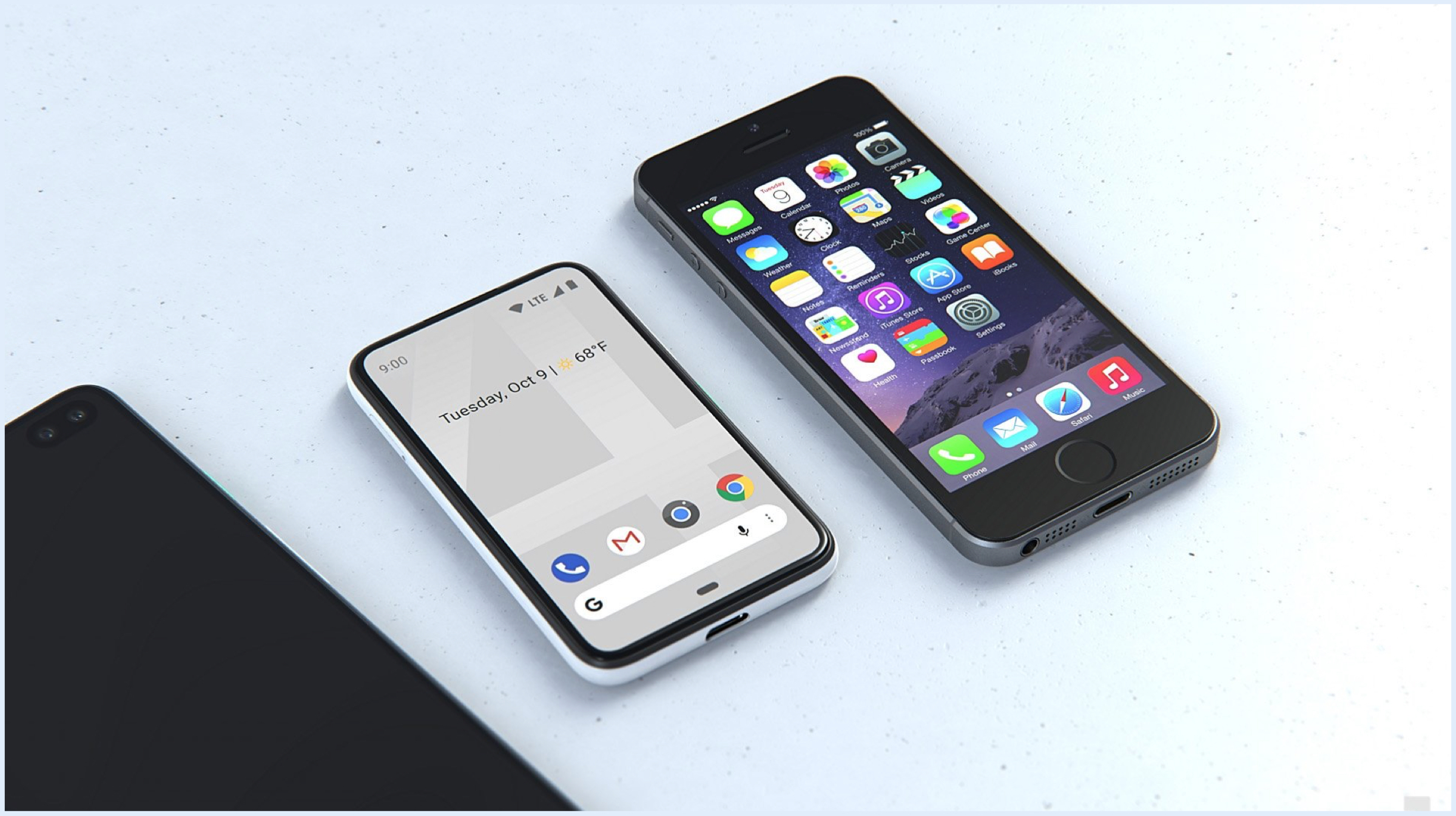
In addition to the Pixel 4 and 4 XL render, the Twitter user also shared some concept renders of a dainty palm-sized Pixel smartphone. Even though Google has never discussed that a Pixel smartphone this small is in the works, the company can surely take it into consideration. As the newly launched, Galaxy S10ethat has a compact form factor is turning a lot of heads globally.
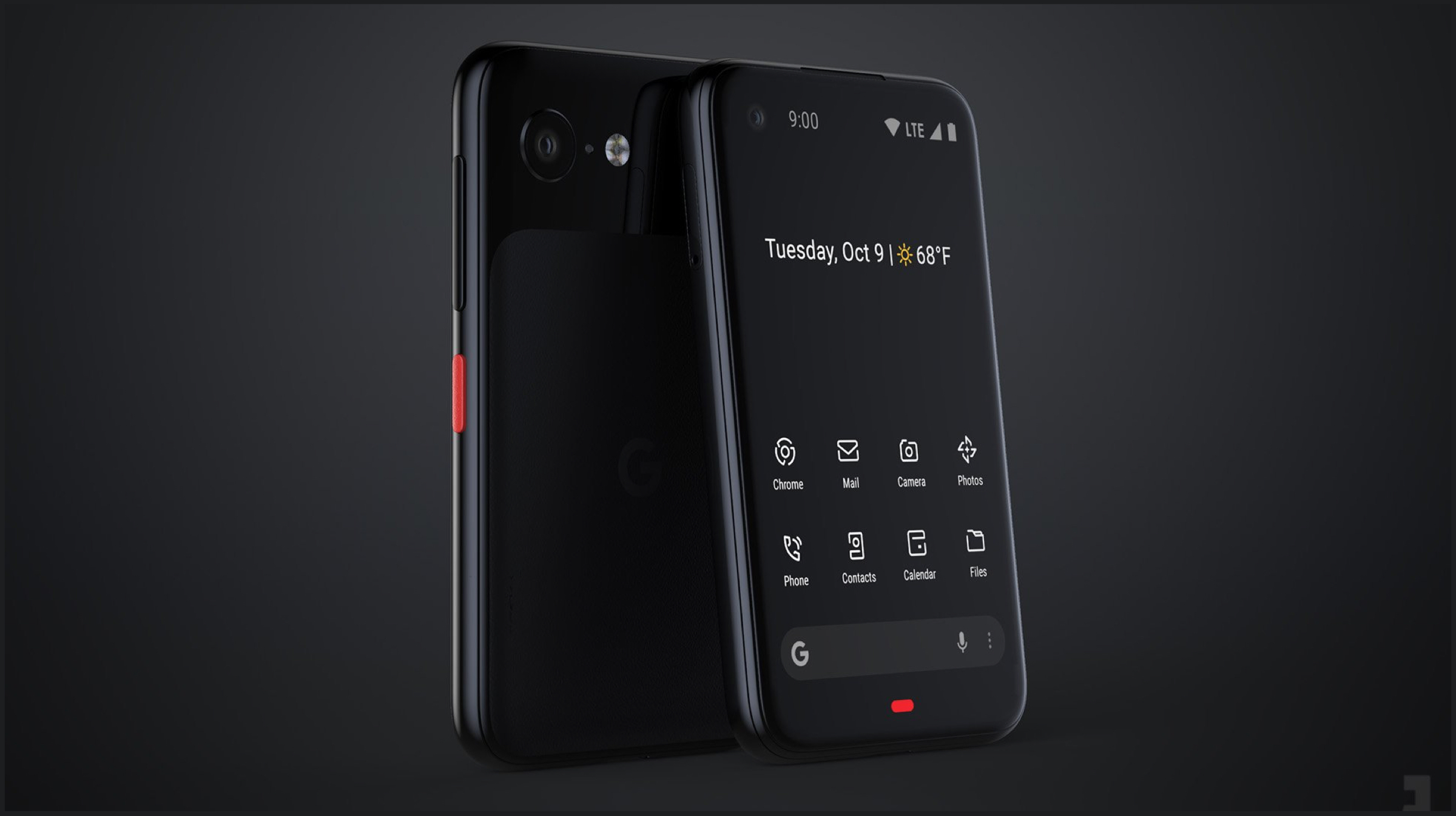
The palm-sized Pixel 4 has a similar layout as the standard Pixel 4 which means it has a single camera on both the front and the back except for a much smaller footprint. Admirably, the second colour option of the mini Pixel 4 in Red and Black colour simply looks breathtaking. Furthermore, the UI in this colour variant matches the exterior colours which again seems fantastic.
The possibility of such a small Pixel smartphone is considerably bleak. However, if Google does plan to launch a similar device this could turn out to be the latest norm of future smartphones.
What are your thoughts on these Pixel 4 renders? Do let us know in the comments below!
In an era where a smartphone allows to capture and store, innumerable digital photographs, the demand for devices that can capture and print physical photographs has plummeted. Regardless of the preceding fact, an electronic device that has been gaining popularity is an instant print camera. As the name suggests, this type of camera allows users to instantly print pictures they just captured. Canon in an effort to cash in on the booming trend of the instant print cameras has launched two new devices, the Zoemini S and the Zoemini C.
Zoemini S and Zoemini C
Zoemini C
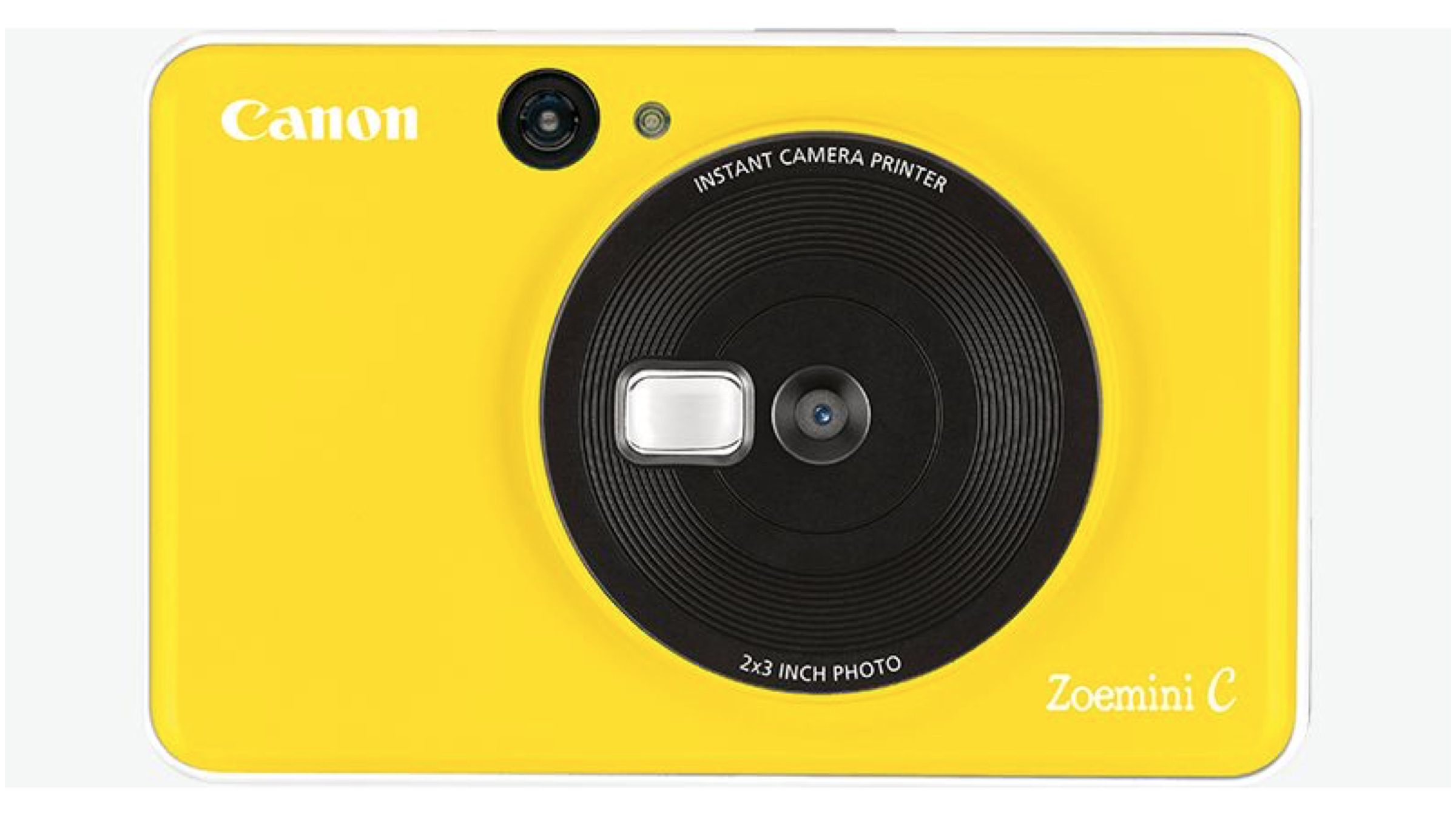
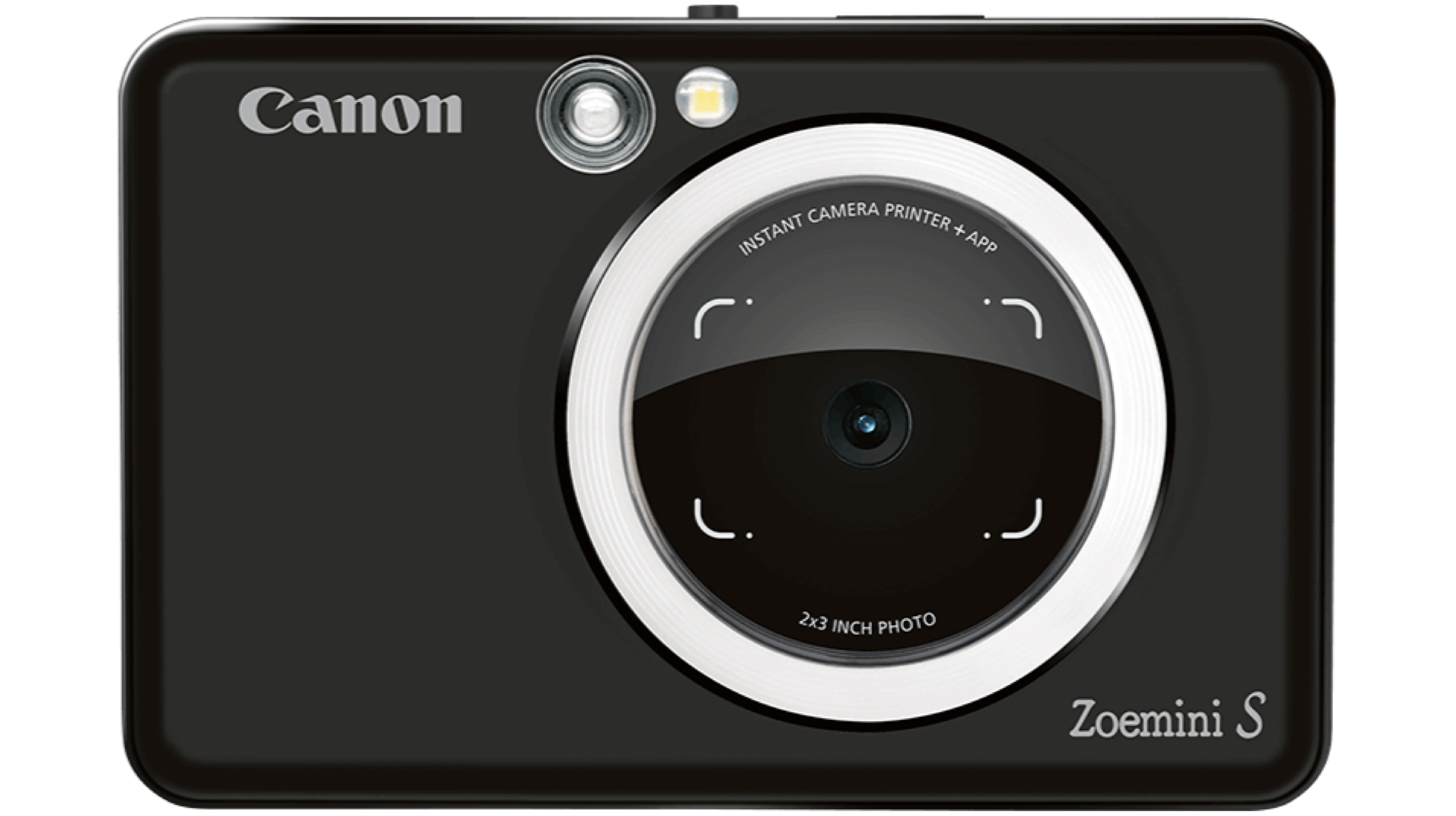
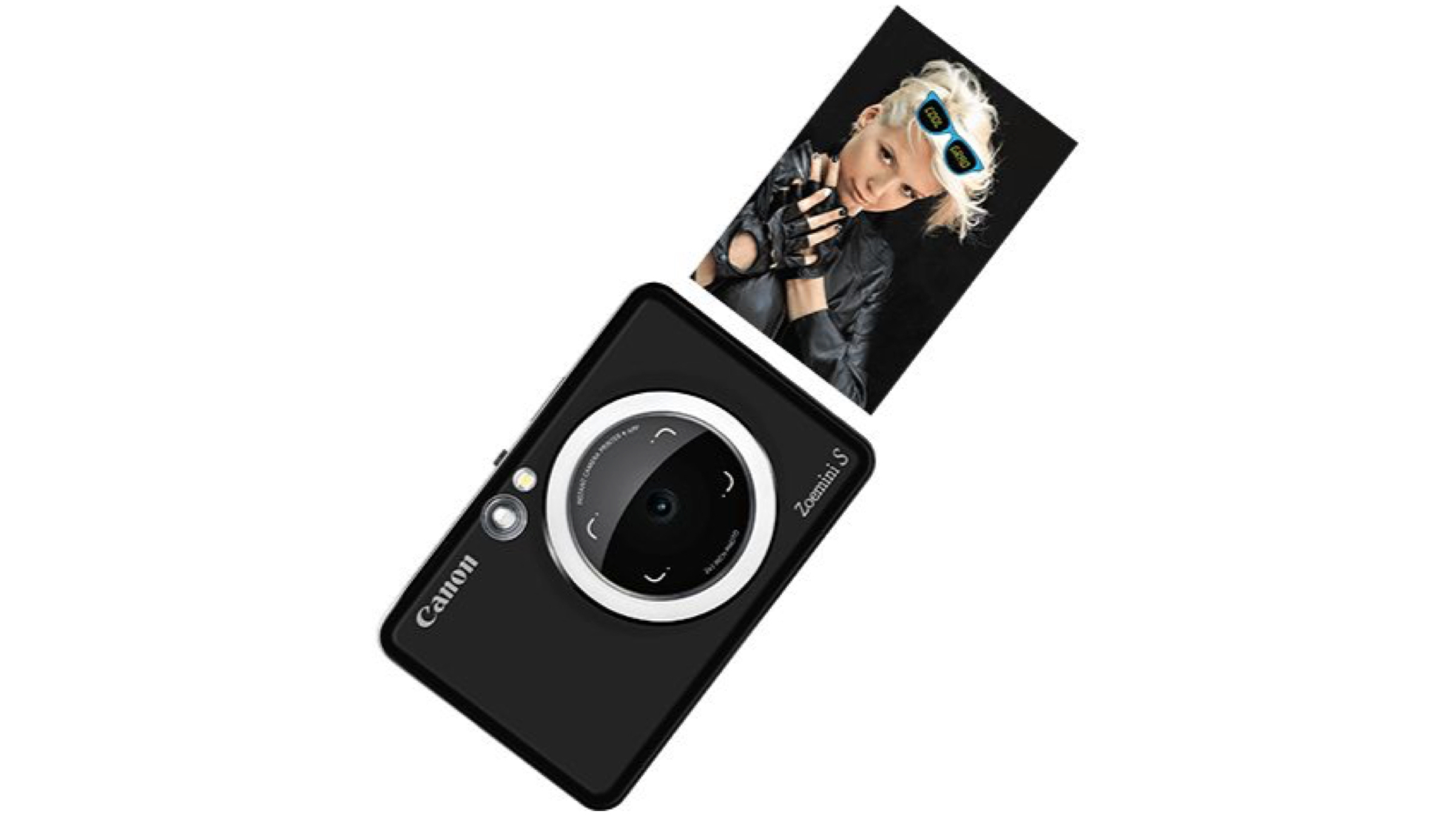
Both the Canon Zoemini S and the Zoemini C have a rectangular body with an attractive design. The Zoemini S is the more feature rich out of the two while the Zoemini C is more affordable. Distinctively, the former has a ring shaped flash module while the latter has a traditional square shaped flash. The ring flash on the Zoemini S is comprised of 8 LEDs which provides for an evenly distributed light source which taking pictures. It also has support for Bluetooth connectivity with whose help it can even connect to Android or iOS smartphones. The application can also be used as a remote control for the shutter button on the instant print camera.
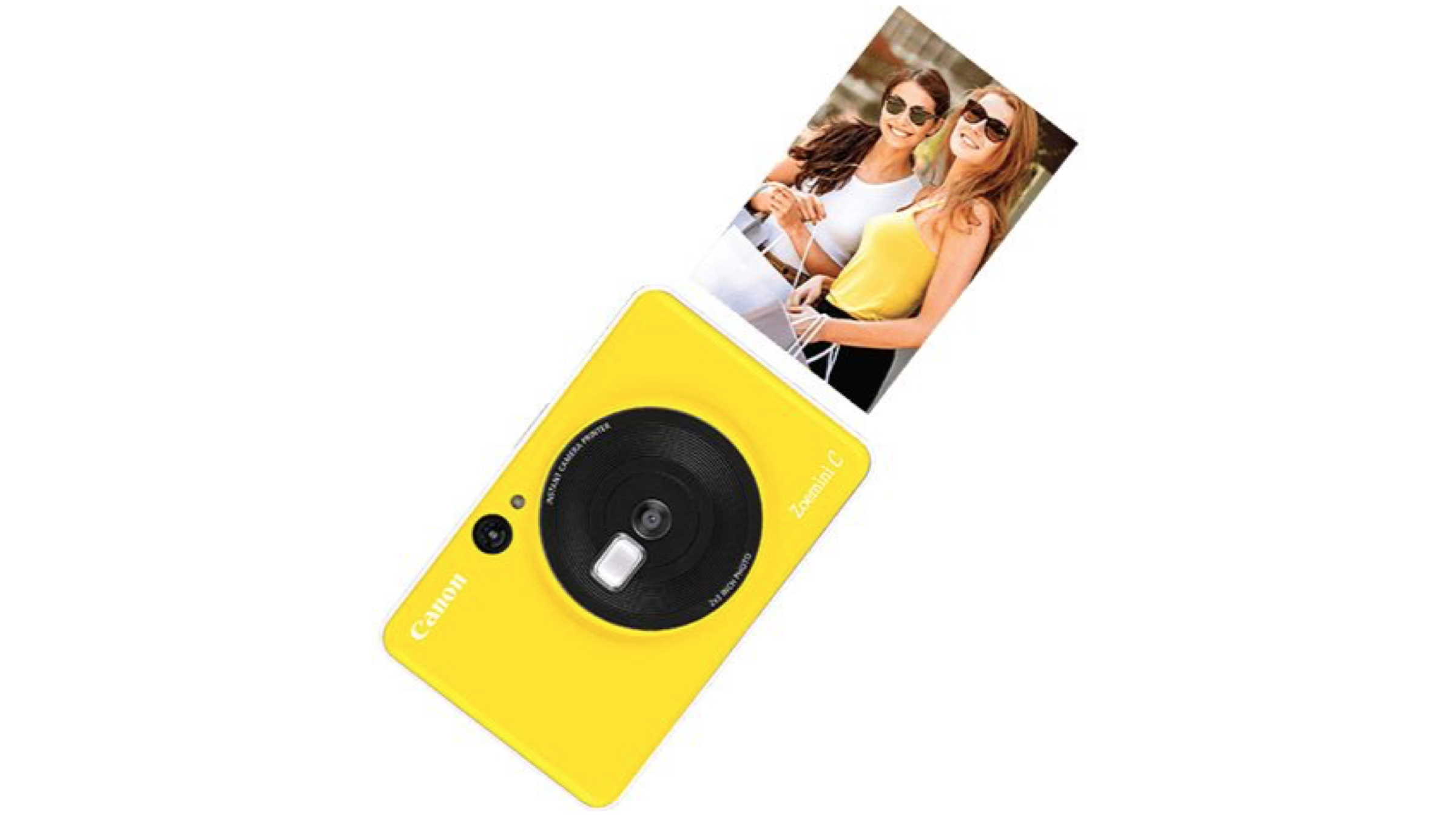
The Zoemini S has an 8 MP sensor while the younger, Zoemini C has a 5 MP camera sensor. Both the cameras support expansion via memory card and make use of ZINK technology for printing the photographs. Both the cameras have a maximum storage capacity of 10 sheets. The Zoemini camera duo has a 700 mAh inbuilt battery which Canon claims can capture and print 25 photographs.
The Zoemini S is available in three colour options which include Matte Black, Pearl White, Rose Gold. On the other hand, the Zoemini C is available in four colour options which are Bubble Gum Pink, Bumble Bee Yellow, Mint Green, Seaside Blue. The Zoemini ‘S’ is available at a price of £149 (Rs 11,500) while the Zoemini ‘C’ is priced at £109 (Rs 8,400).
Every once in a while a radical design for a smartphone tries to break the norm. In doing so it forces the entire industry to follow in its footsteps. In the past few years, we have seen many smartphones attempt this. Curved screen devices, bendable phones, shatterproof phones, modular phones and now even foldable phones.
However, the last real change in the industry was back in the year 2007 when the first iPhone changed the perception of the industry and made the capacitive touchscreen a norm. Last year we saw a radical shift from notches to a full display front. Pop up cameras, slider mechanisms and even punch hole cameras in the front display.
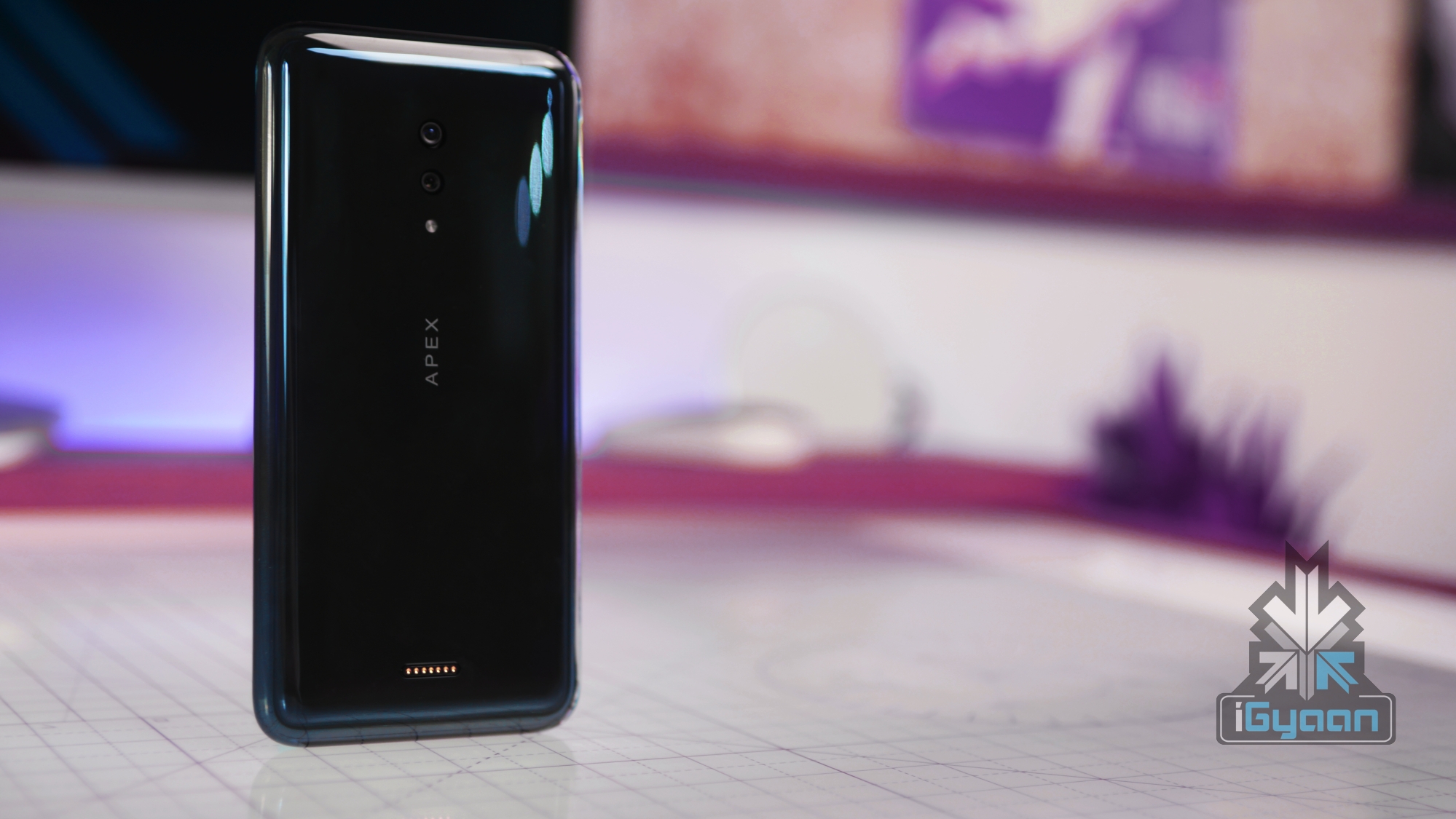
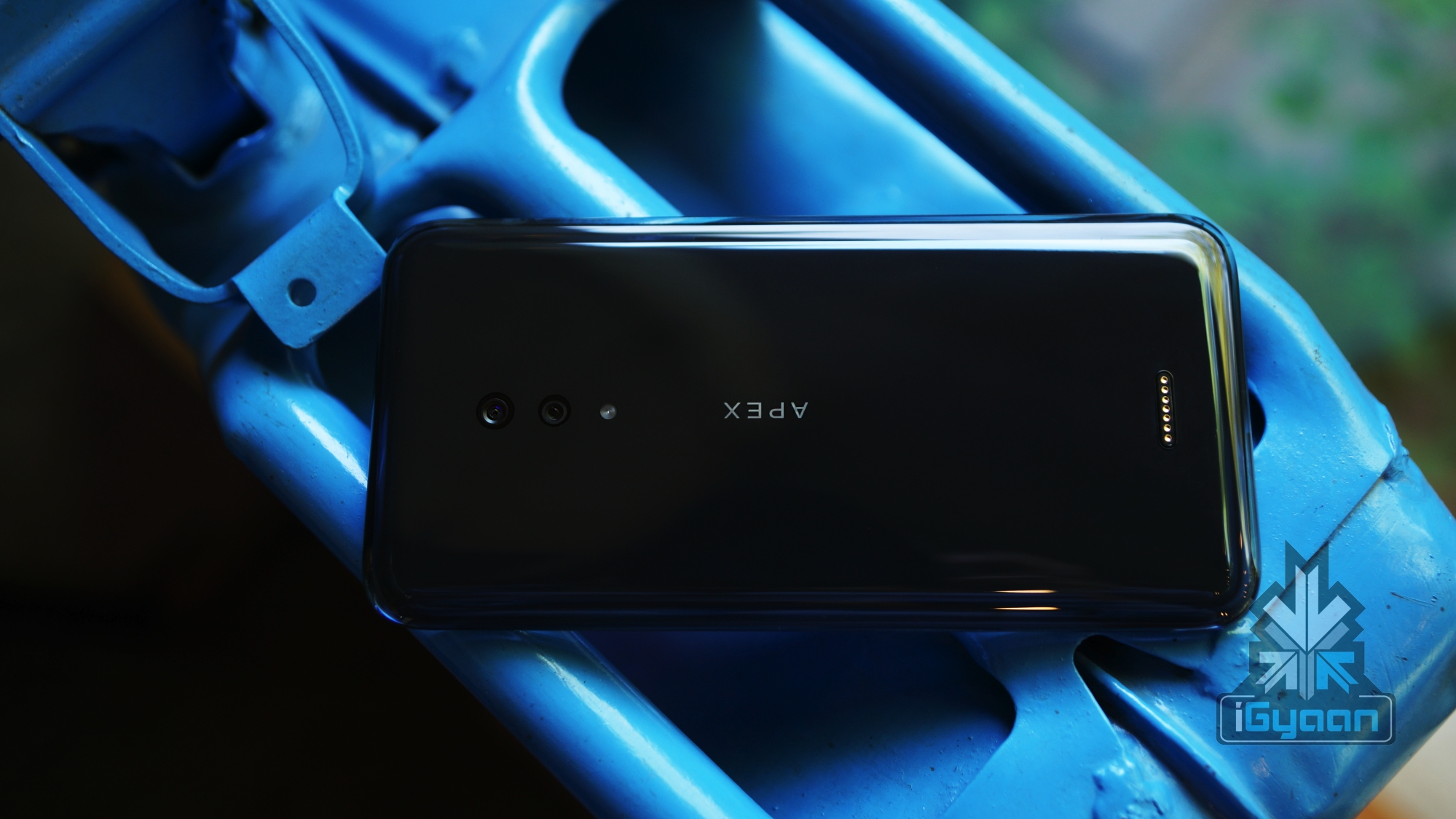
This year we have already seen the foldable phone, in many forms. And while that as a category may take some time to catch up. Vivo has plans to make the Apex a reality.
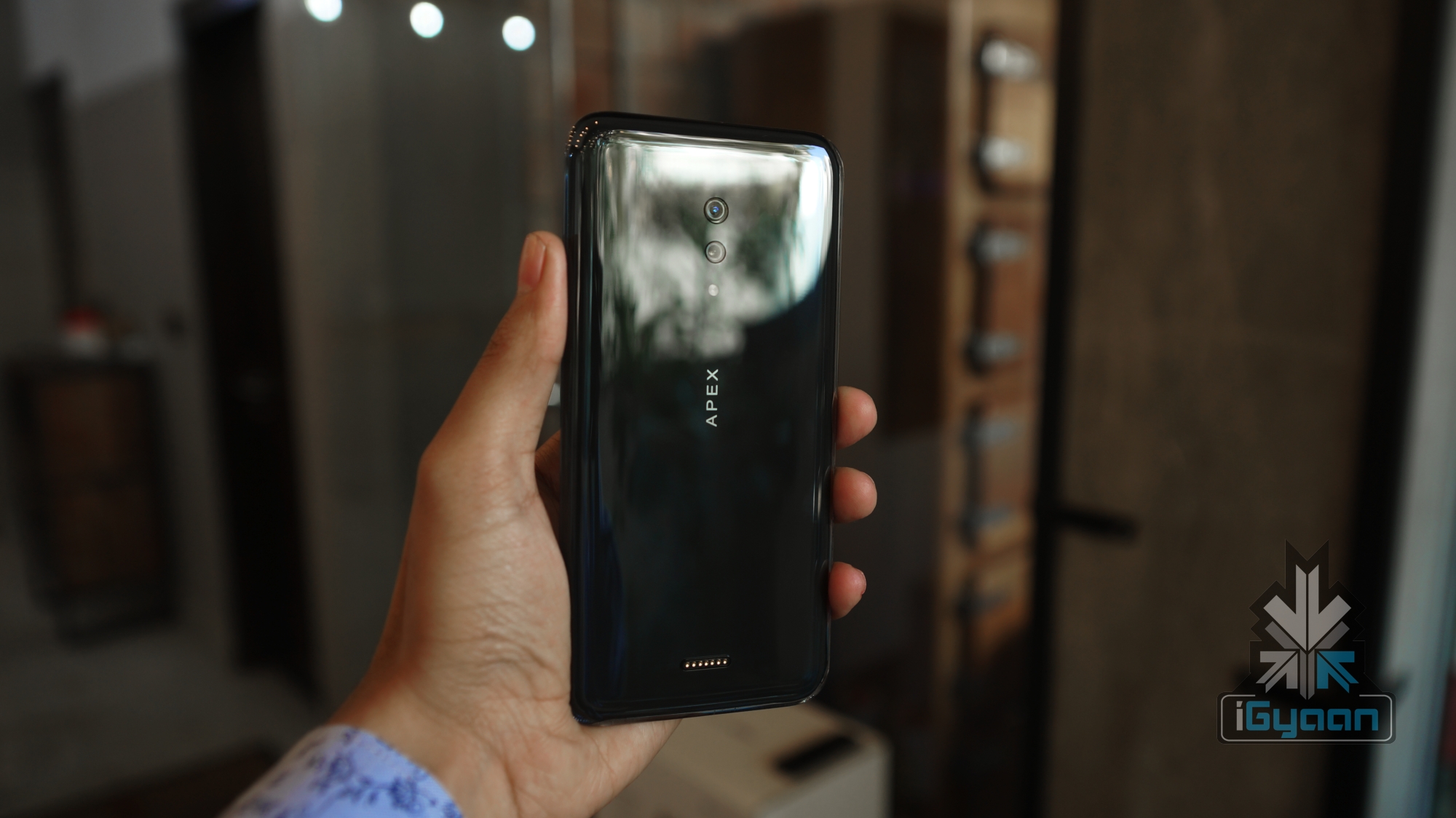
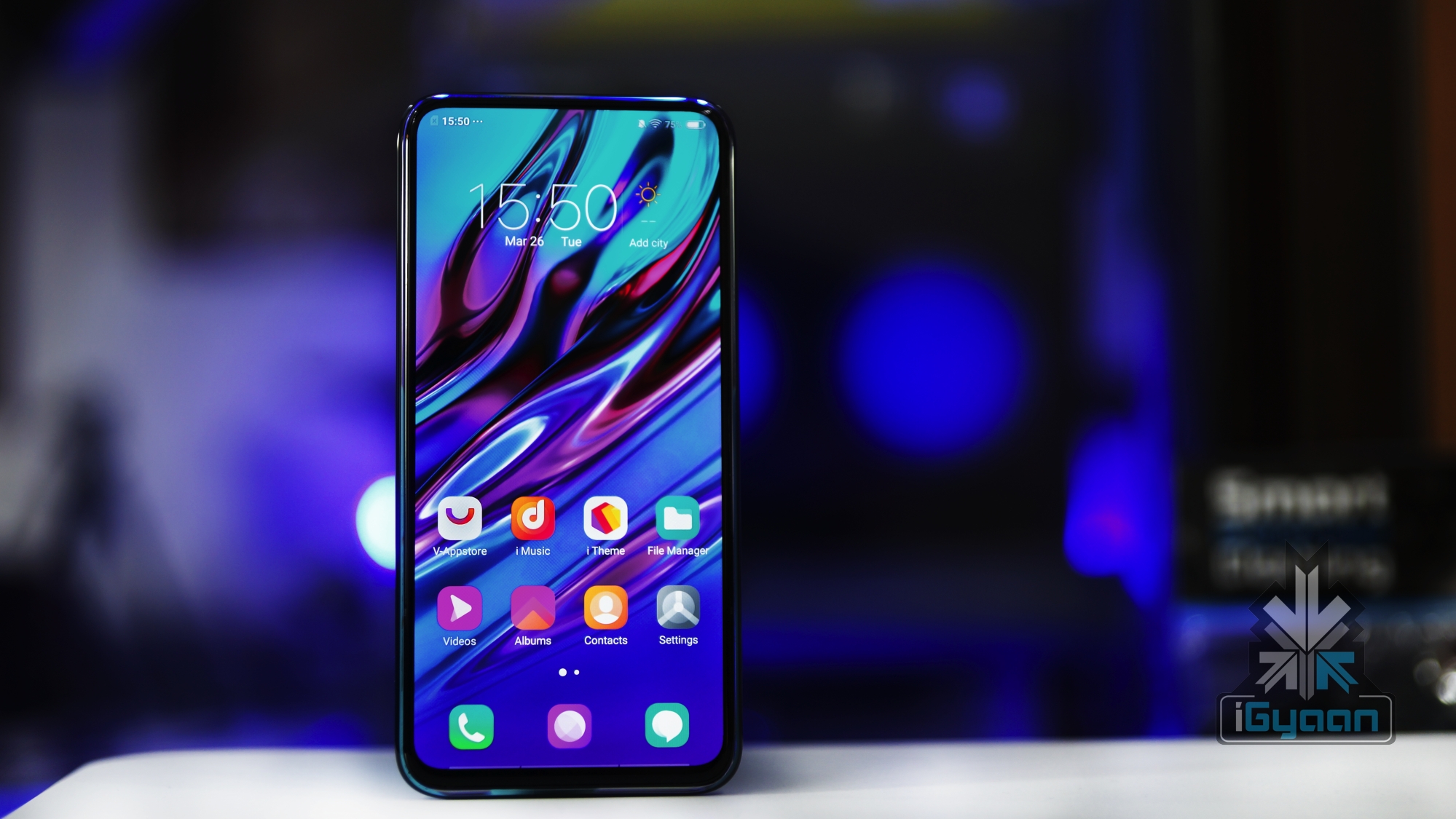
The Vivo Apex is a unique phone, it has no ports, no notches, no speakers, and no buttons. To make things more interesting it does not even have a front facing camera.
The company has pushed the phone as a flagship prototype, just like last year’s Apex the Vivo Apex of 2019 will end up being a smartphone. When and under what branding we are unsure.
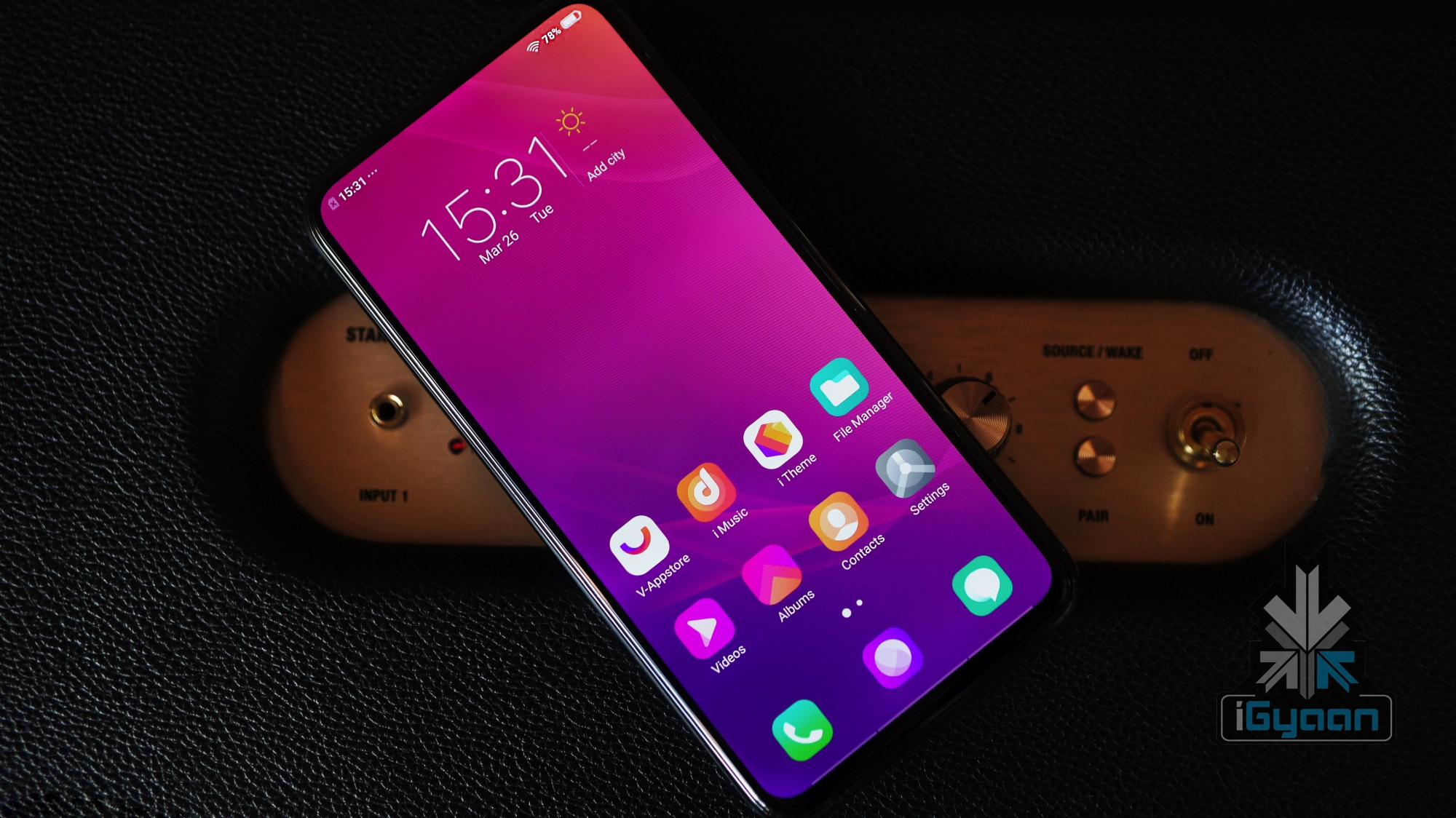
The entire display on the front of the phone is a fingerprint sensor. This is extremely handy when you are using the phone. The fact that you don’t need a particular point on the phone to work as a fingerprint sensor and that the entire display can be a fingerprint sensor is really useful.
The Vivo Apex has a Qualcomm Snapdragon 855 chip with 12 GB of RAM and 512 GB of storage. since the phone is missing ports, charging is done via a mag safe style connector that magnetically attaches to the back of the phone to charge and sync the device.
Buttons are replaced by pressure sensors that are located in three areas, one for the power button, and two for volume buttons. They are sensitive and provide haptic feedback, however, are finicky and you might hit them while the phone sits in your pocket.
The earpiece is replaced by a resonating glass module that uses the front display as a speaker. The same tech converts the back glass into a. loudspeaker. The company has managed to leave a small cutout under the display for the microphone though.
The Vivo Apex is a concept phone, a concept that might become a reality soon, a buttonless and port less phone is what a company like Apple would like. This reduces the chances of failure and also lowers repairability costs.
This may not be ideal for the user especially those who like physical interaction and feedback. The Apex is a usable concept, something that has the potential to be a future phone. At this time, however, we prefer clickable buttons.
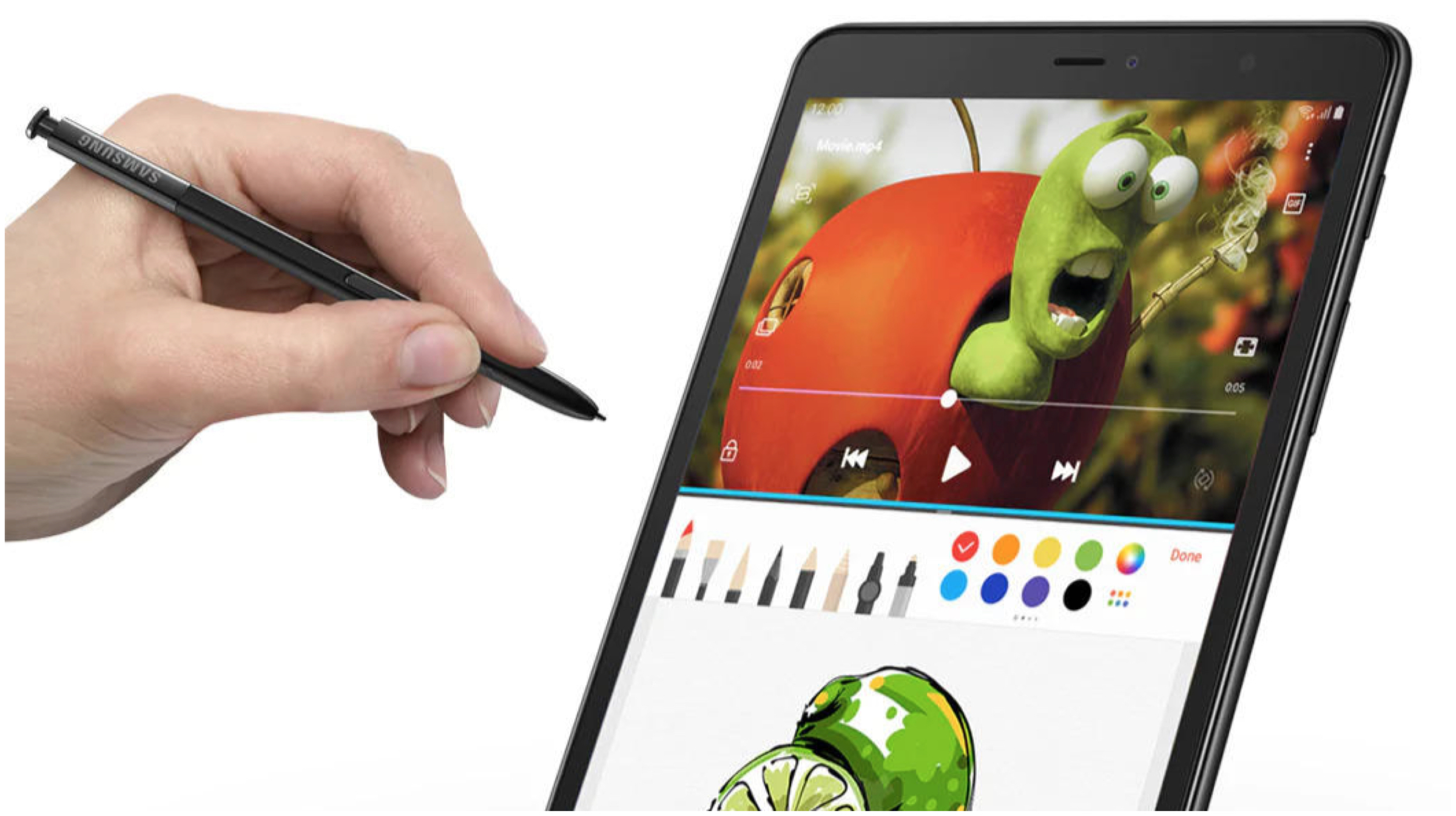
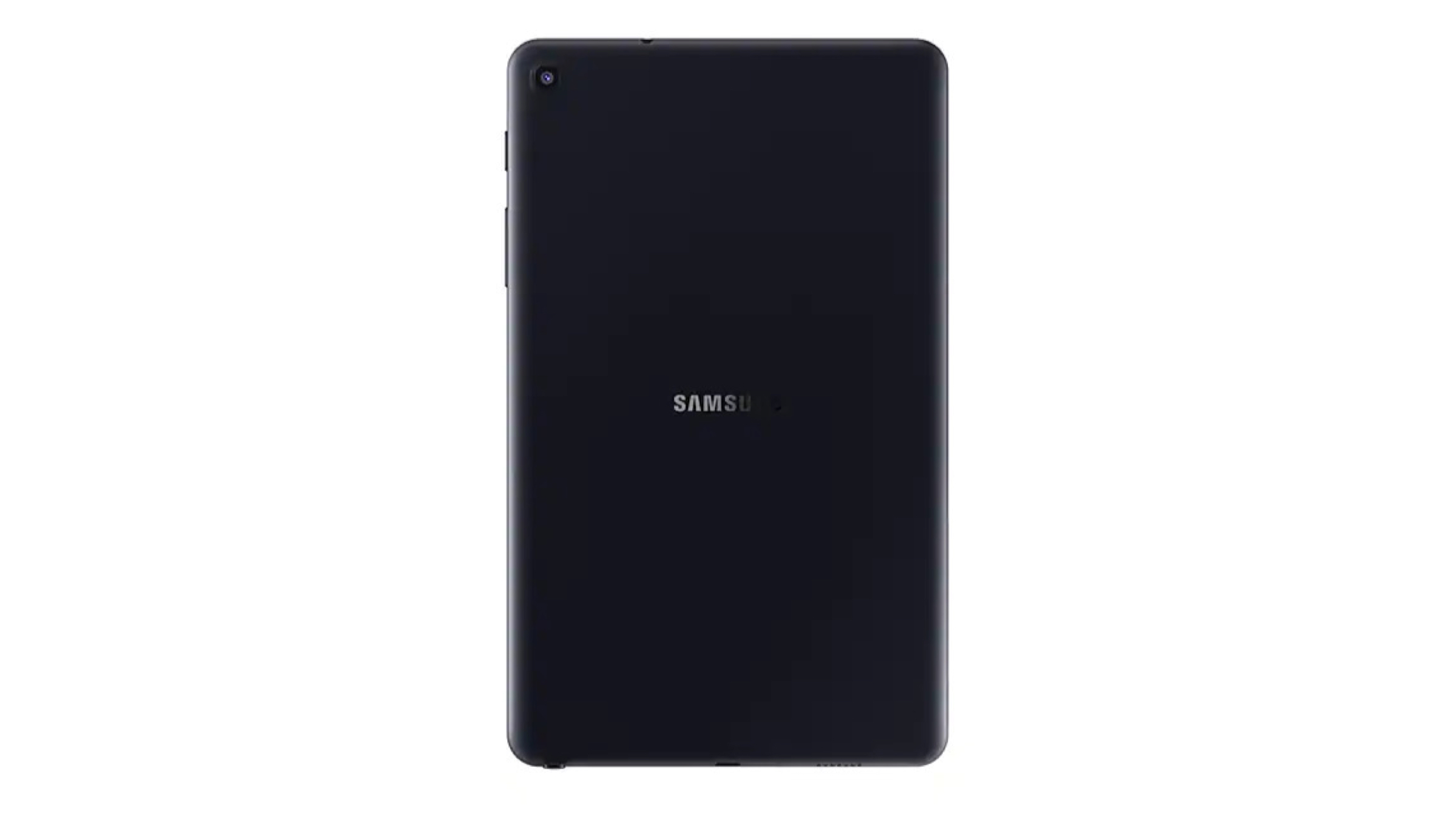
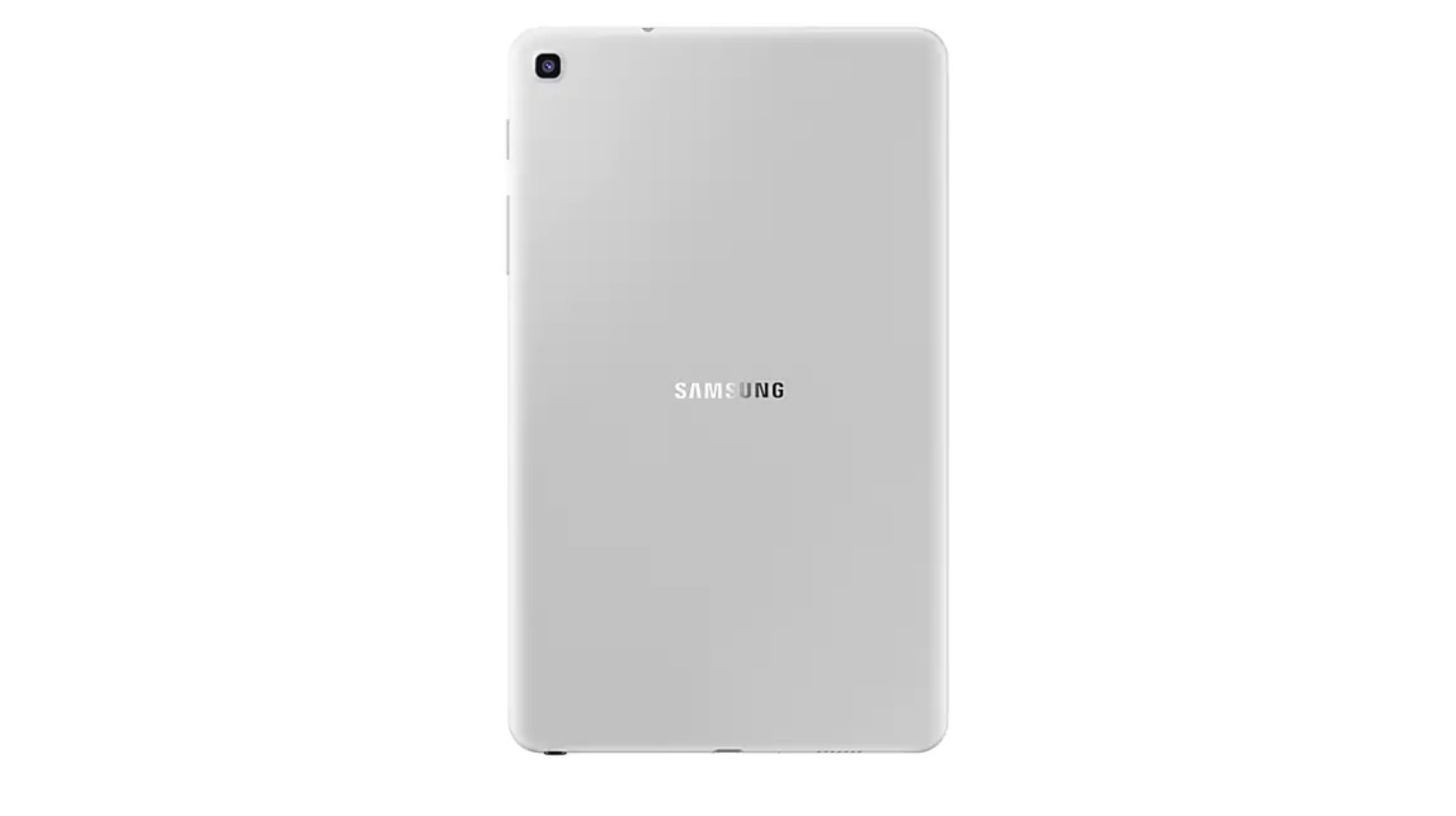
Samsung is currently the world’s largest smartphone manufacturer. However, it has been struggling in the tablet industry which is largely dominated by the Apple iPad. In an order to improve the aforementioned state, the company has launched an 8-inch tablet, Galaxy Tab A which has a contemporary design, is packed with worthy specifications and is shipped with an S Pen.
Galaxy Tab A 8.0
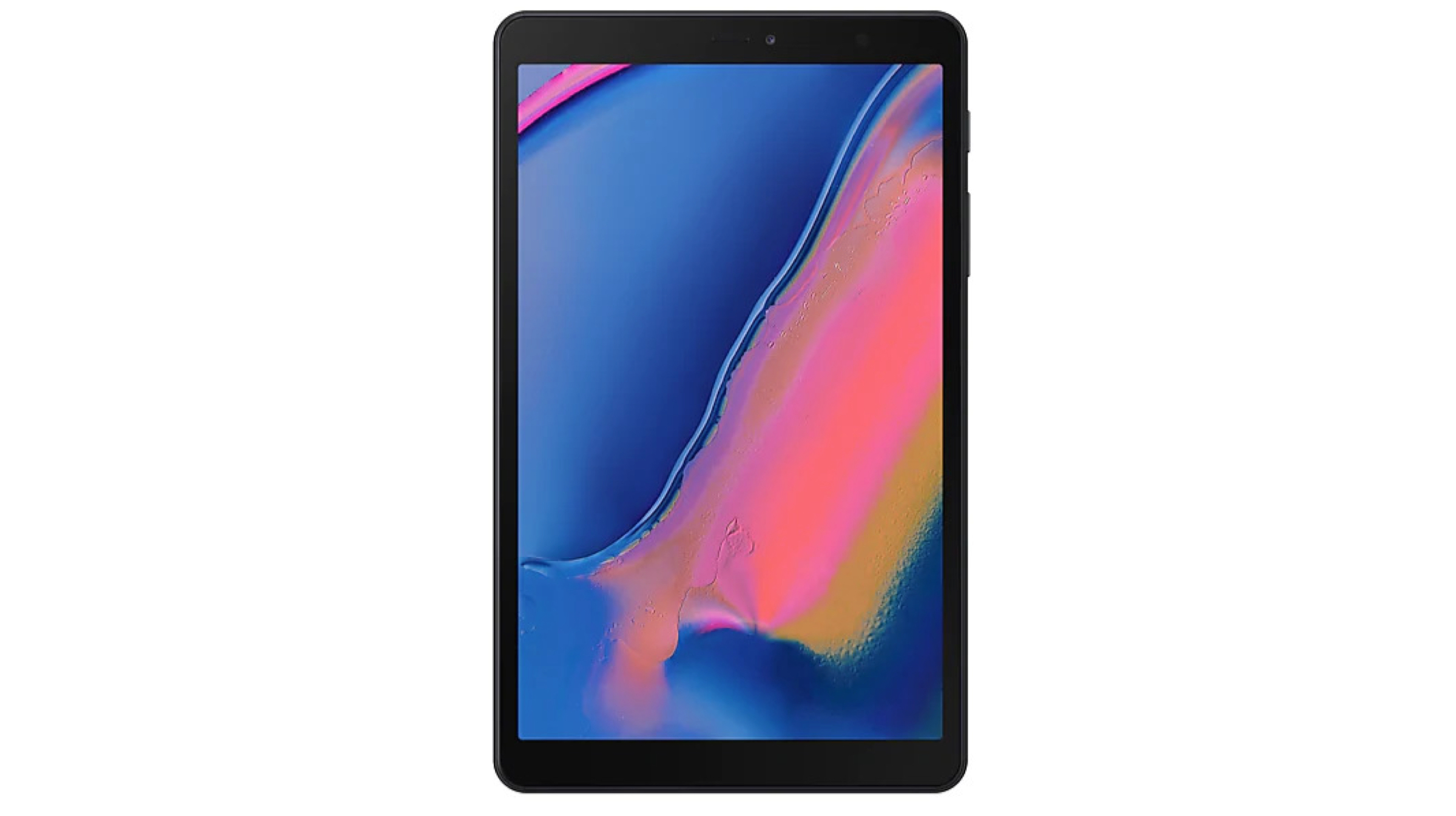
The Galaxy Tab A 8.0 measures 201.5 x 122.4 x 8.9 and tips the scale at 325 grams. The front of the tablet harbours an 8-inch TFT display with 1920 x 1200 px resolution. The left and right bezels surrounding the display are quite thin while the top and bottom bezels are comparatively thicker. The bezel above the display makes room for the 5 MP front facing selfie camera and the earpiece for answering phone calls.
Under the hood, the Galaxy Tab A 8.0 packs the Exynos 7904 SoC which consists of an Octa-Core CPU and Mali G71-MP2 GPU. In terms of memory and storage, it features 3 GB of RAM and 32 GB of ROM which is further expandable upto 512GG via a microSD card. The tablet is powered by a 4200 mAh battery and runs on an unspecified version of Android.
The rear of the Galaxy Tab A 8.0 carries the company branding and an 8 MP camera which can also capture 1080p videos at 30 fps. Connectivity options on the device include 802.11 ac Wi-Fi, 4G VoLTE, Bluetooth 5.0, USB Type-C port and a 3.5 mm audio jack. The Galaxy S Pen is securely stored in the body of the tablet and is IP68 rated which makes it dust-proof and waterproof. It can be used for both taking notes and creating drawing illustrations.
The tablet will be available in two Gray and Black colour options. Unfortunately, Samsung has not yet provided any details about the pricing or availability of the Galaxy Tab A 8.0.





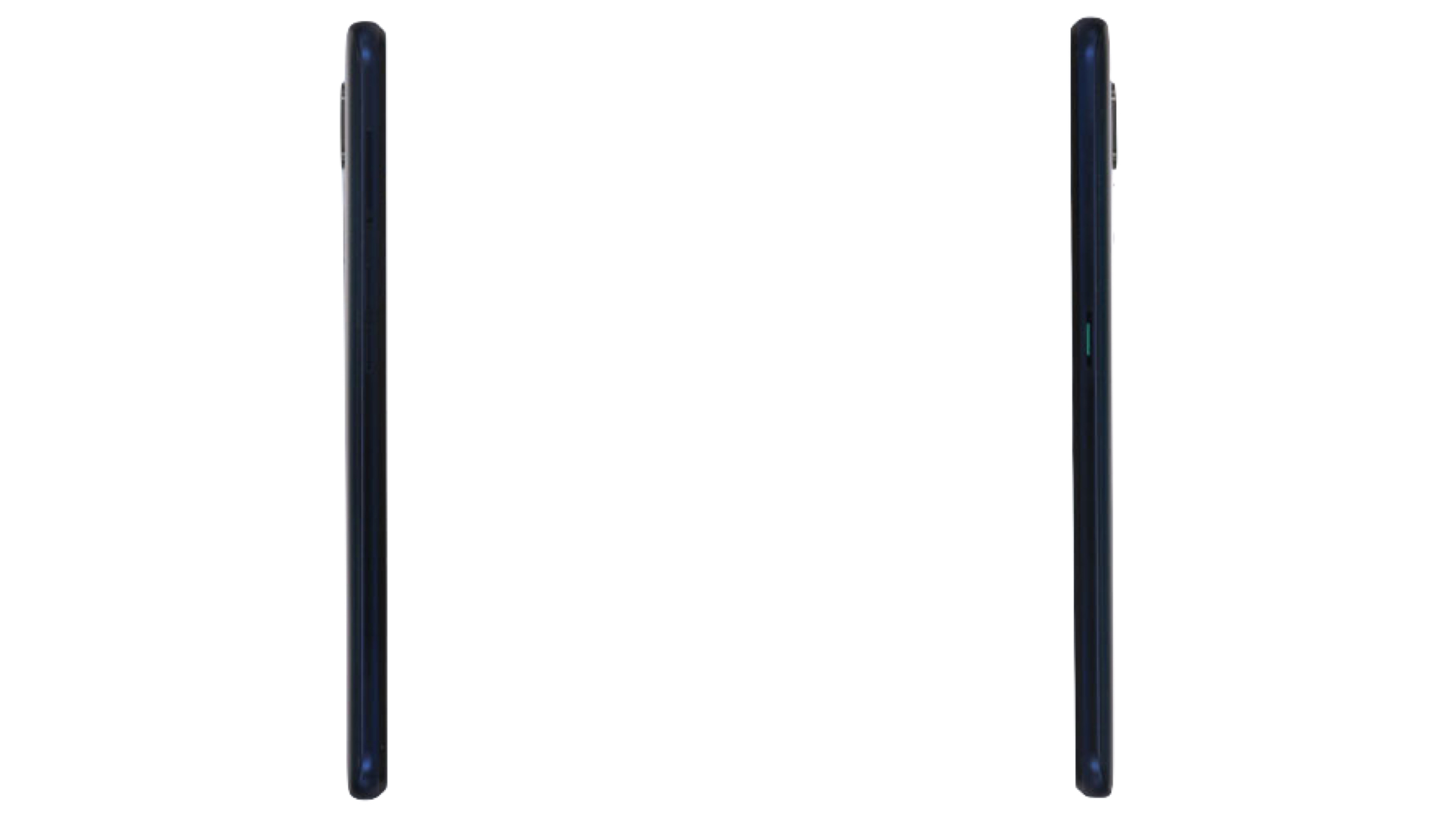
 As per the aforementioned PCAT10 and PCAM10 listings on the TENAA website, the Reno Series will have a variant which will focus on the budget smartphone market. The images on the website clearly depict a waterdrop notch up front on the device, which will house the front camera. PCAT10 and PCAM10 are listed as two separate devices, whereas in reality, the listings indicate towards a single budget smartphone, which is allegedly the OPPO Reno Lite.
 The listed variant sports a 6.5-inch TFT LCD display with a 2340 x 1080 px Full HD+ resolution. Both variants run on the Helio P70 chipset, consisting of an octa-core processor clocked at 2.1 GHz and the Mali-G72 MP3 GPU. The SoC is paired with 6GB of RAM and 128GB of internal storage for the top variant of the device. The smartphone packs a 3,910 mAh battery, with no apparent information regarding any fast charging support. The device weighs at 190 grams and is 8.3 mm thick.
  Also Read: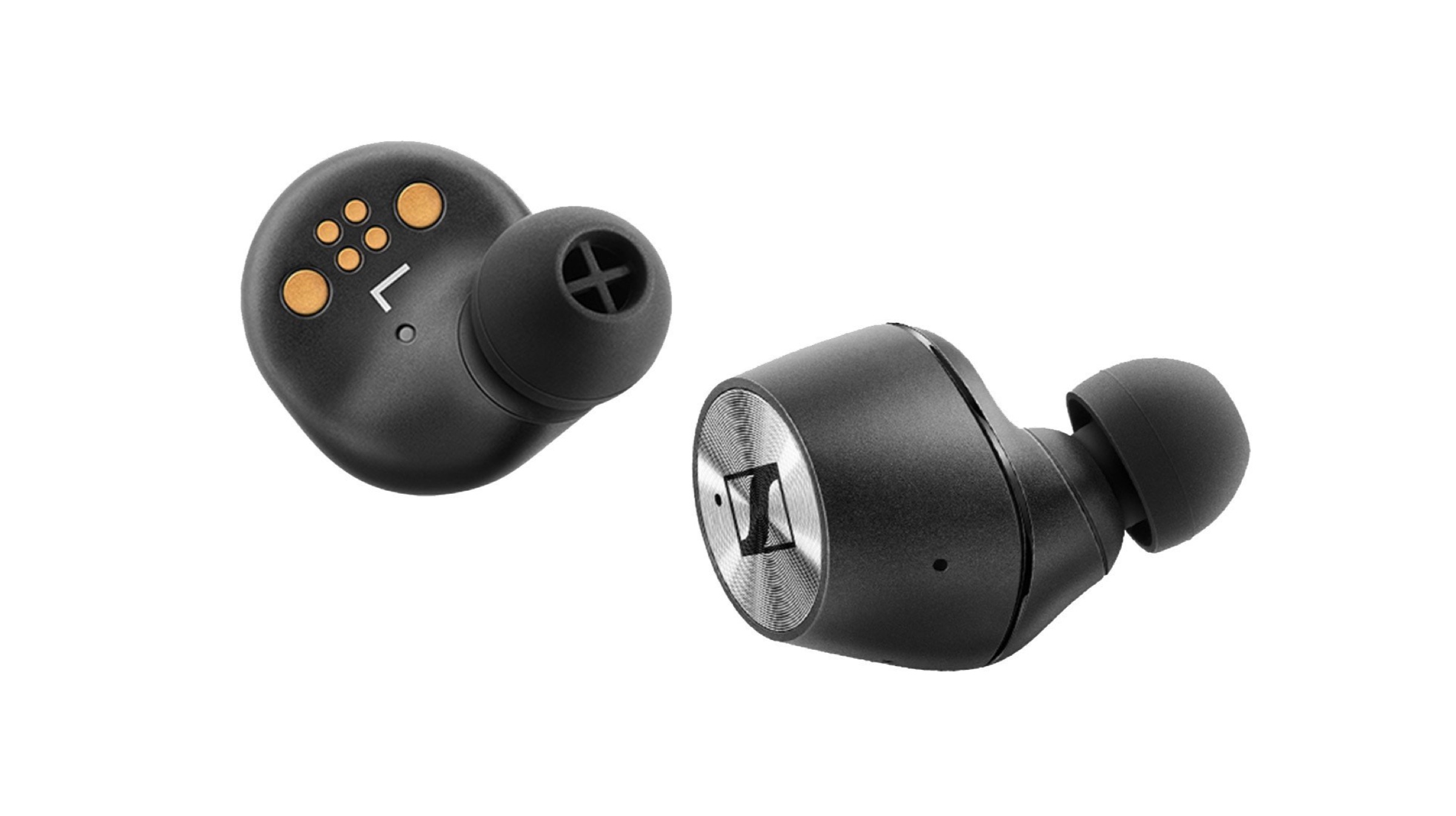
 The first thing to notice regarding the Momentum earphones is the pricing, which is significantly higher than its competitors. The truly wireless earbuds are priced at INR 24,990, making them the most expensive of their kind in India. However, the company believes that the exceptional features of the Momentum earbuds make up for the exceptionally high price of the same.
 The earphones feature Sennheiser’s proprietary audiophile driver technology, which ensures superior stereo sound, the company says. A highlighting characteristic of the Momentum earbuds is the support for Qualcomm’s apt-X Low Latency, which is known to eliminate any lag while playing music from smartphones. ensuring real-time audio output. Furthermore, the earphones feature 2-mic noise cancellation beamforming technology and Transparent Hearing, so that users can hear sounds around them clearly without taking off the earphones, the company states.
 In terms of build quality, the earphones are housed in a black body with a polished metallic ring in the middle. Sennheiser claims that the earphones can be used both as audio instruments and fashion accessories. The earphones are IPX4 resistant to protect them from accidental water splashes. The earbuds ship with 4 different ergonomic ear tips, and similar to AirPods, the earphones have a touch interface. It can be used to control the music, answer phone calls and access the voice assistant.
 Also Read: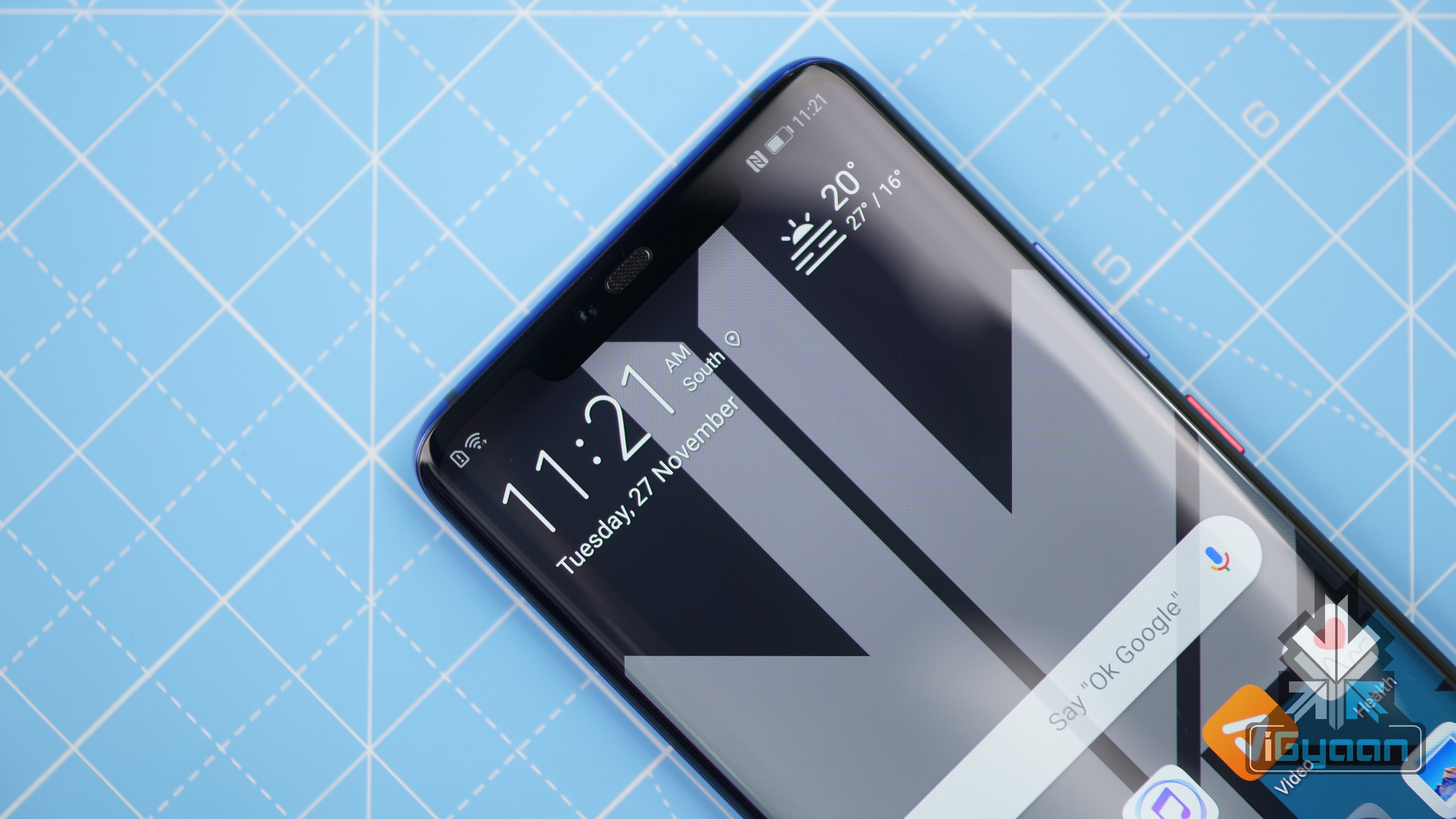
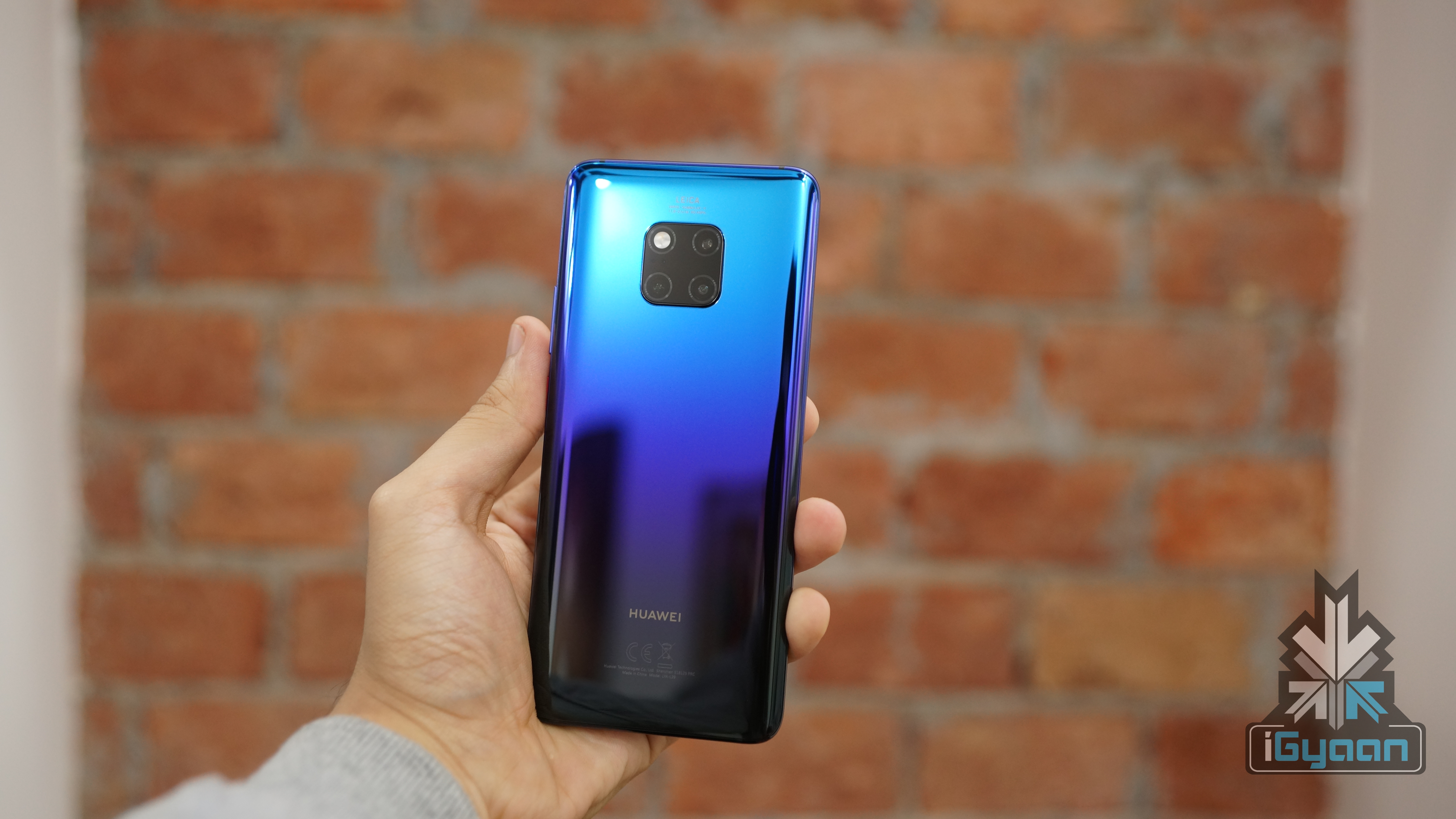
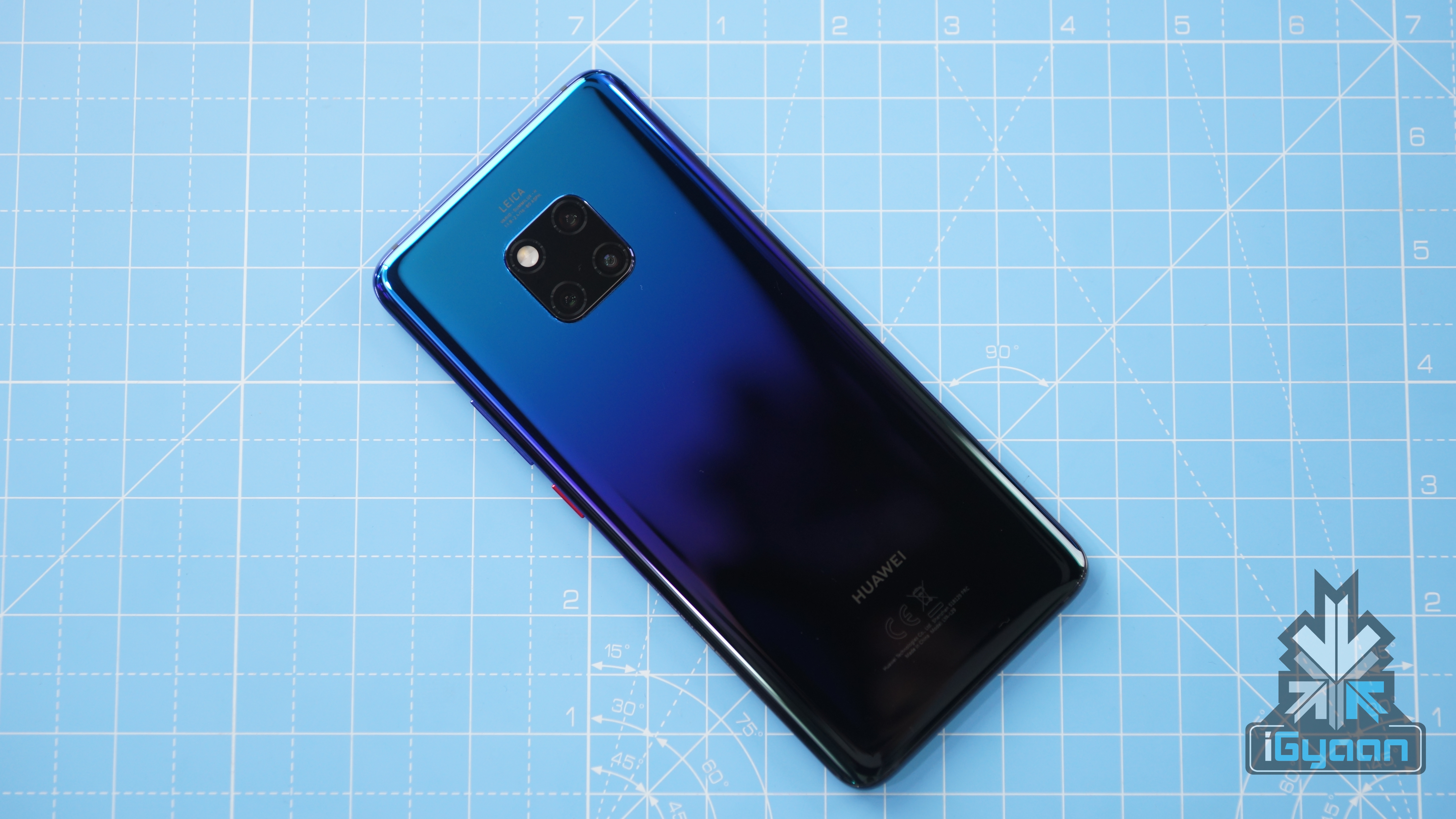 Huawei CEO revealed that the company will ensure 5G connectivity for the entire lineup of the Mate 30 series. He also stated the reason for the non-availability of 5G connectivity on the
 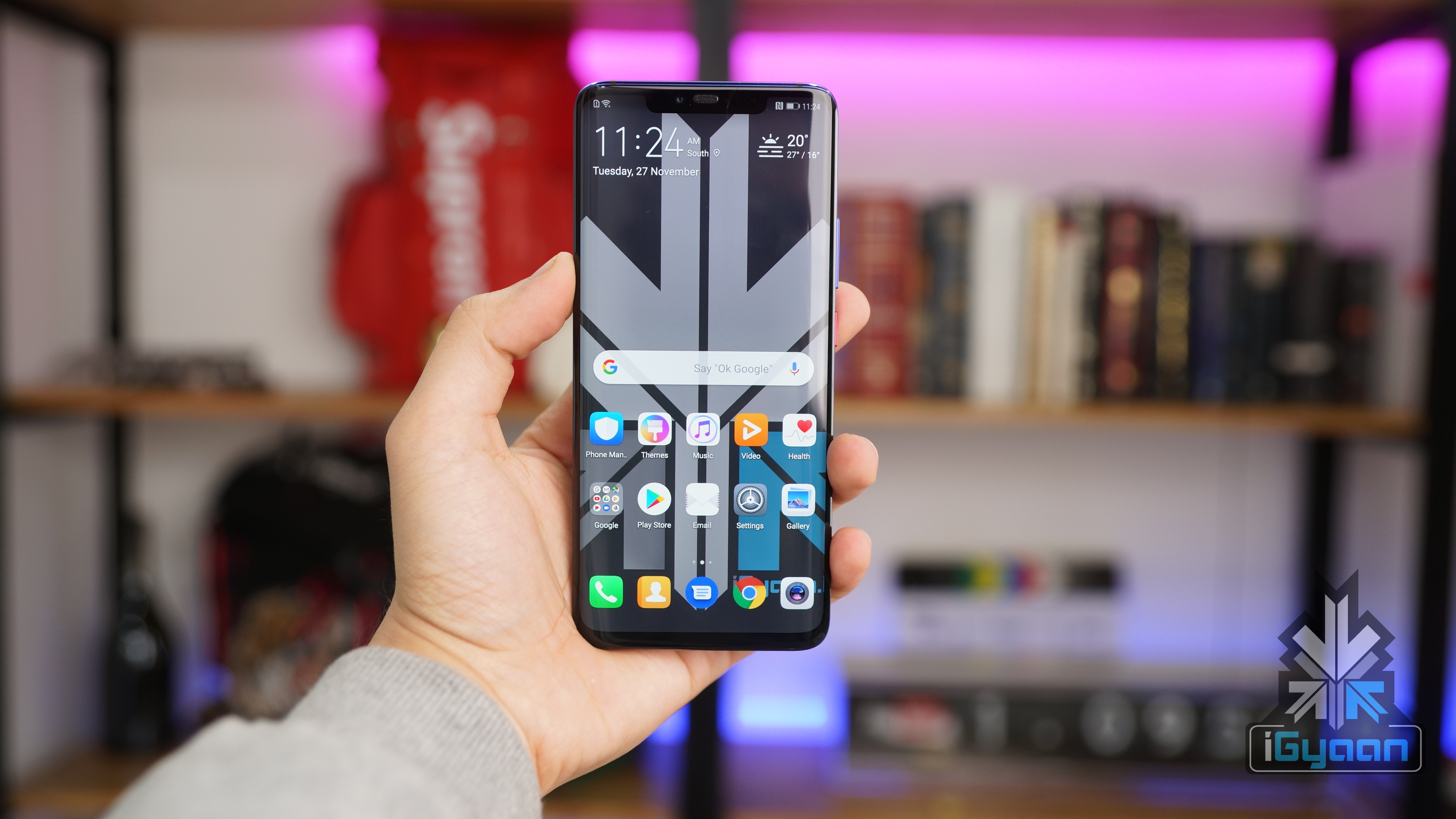 In another statement from Huawei’s CEO, 5G technology will be consumer-worthy this Fall and will be incorporated in the next series of smartphones, indicating that the Mate 30 series may hit the market near the months of September, October or November. Noteworthy, the
  Also Read:
 Furthermore, another very hilarious feature stated by OnePlus includes the integration of the OnePlus smartphone with the “Warp Car”, where the company claims that the car owners (this might sound a bit ridiculous) can replace the steering wheel with their OnePlus smartphones. Keeping the outrageousness of the features down a notch would have worked out better for the company. Something on the lines of the upcoming notch-less OnePlus 7.
 Moreover, the company states that the owners can easily drive the car using gesture controls on the smartphone-cum-steering-wheel. Apparently, swiping left and right on the OnePlus device will enable the car to turn to the respective directions, and swiping up and down will lead to the forward and reverse movement of the car respectively. In another hilarious statement, OnePlus promises the users that in the first OTA (over the air) update, users will get an airplane mode, which won’t necessarily help the car to fly (although OnePlus could have pulled it off too), but will disable all notifications so that a person doesn’t accidentally swipe the wrong way and crashes the car.
 Also Read:


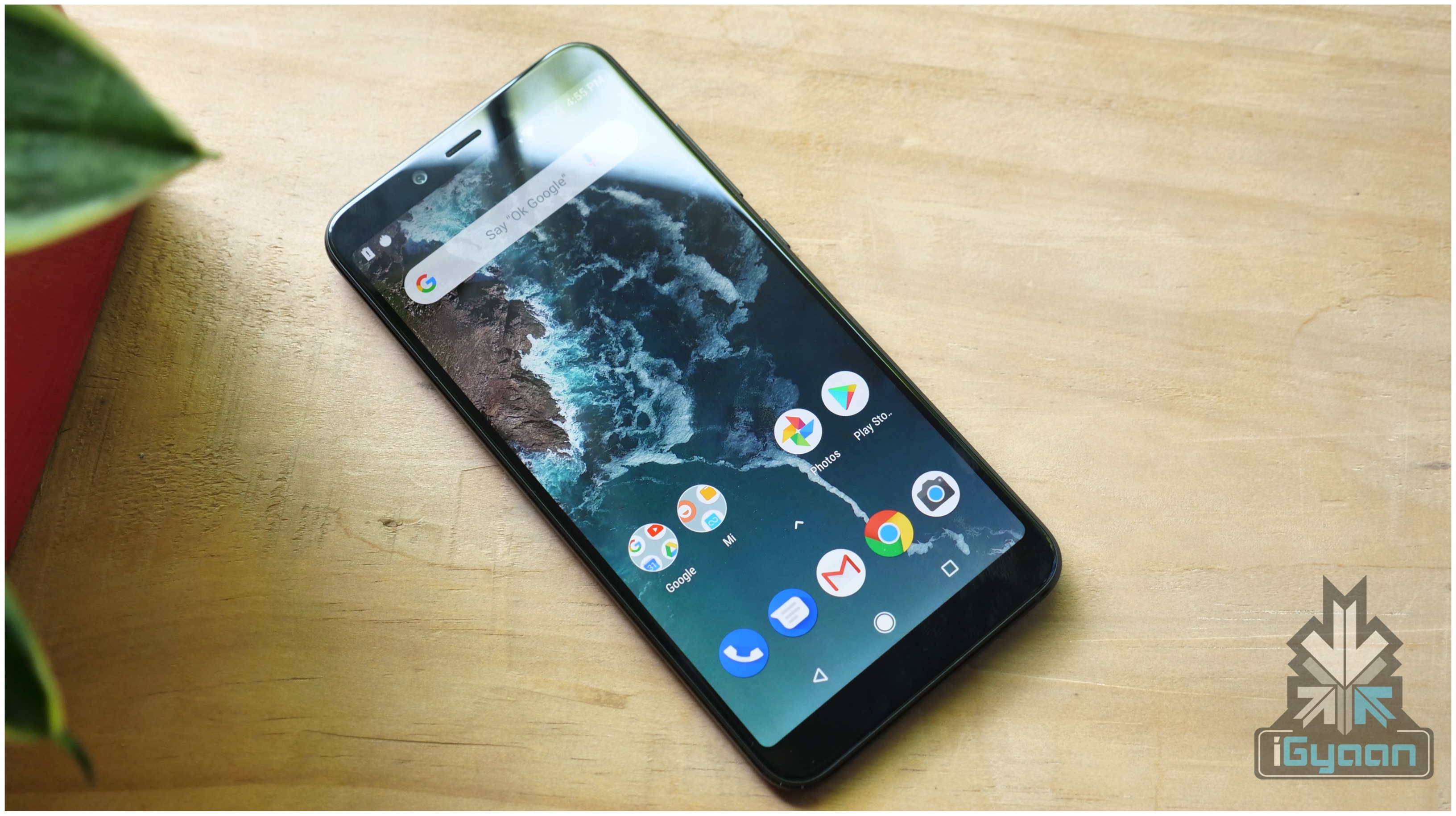 The rumoured Mi A3 is expected to sport a 6.4 inch AMOLED display with a waterdrop notch. The display panel of the upcoming smartphone will have a Full HD resolution and a 19.5:9 aspect ratio. The unreleased smartphone is also reported to have an in display fingerprint scanner, in order to meet the market norms.
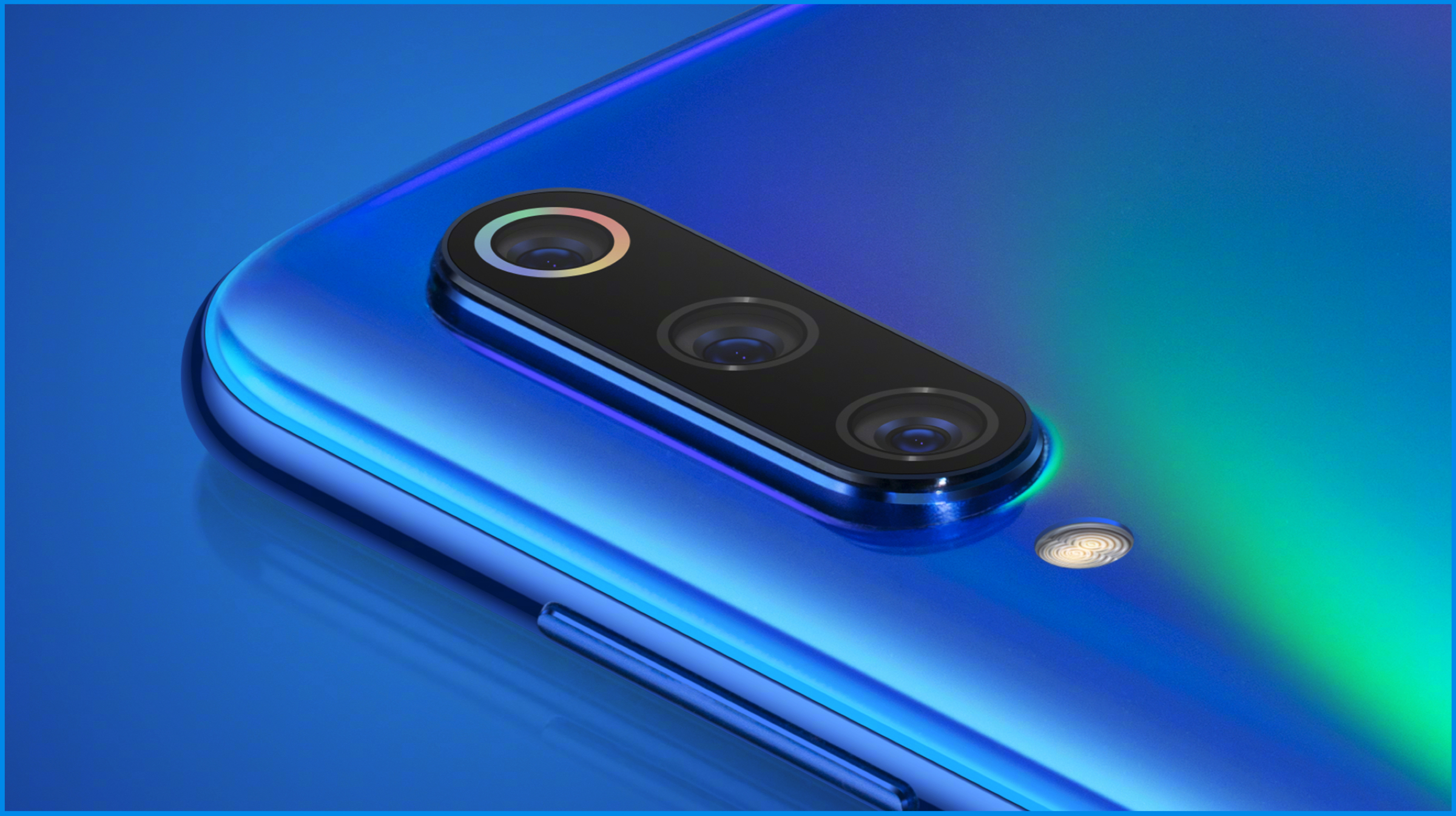 The Mi A3 is expected to run on the 11 nm Snapdragon 675 SoC, which is one of the latest chipsets in the market. It comprises of an Octa-Core CPU and the Adreno 612 GPU. Also, it may feature 6GB RAM and 64 GB of storage. The smartphone will supposedly sport a 32 MP front camera which will be housed inside the notch on top of the display. In terms of the rear camera, the device is speculated to have a triple camera setup which consists of a 48 MP Sony IMX586 sensor, an 8 MP depth sensor and 13 MP super wide angle sensor.
 The Mi A3 may be powered by a 3300 mAh battery with fast charging support. As mentioned before, the smartphone is expected to run on Android One, guaranteeing software updates for the next two years. As far as the looks go, the Mi A3 may sport a 2.5D holographic glass panel, which will enhance the look of the smartphone.
 Also Read: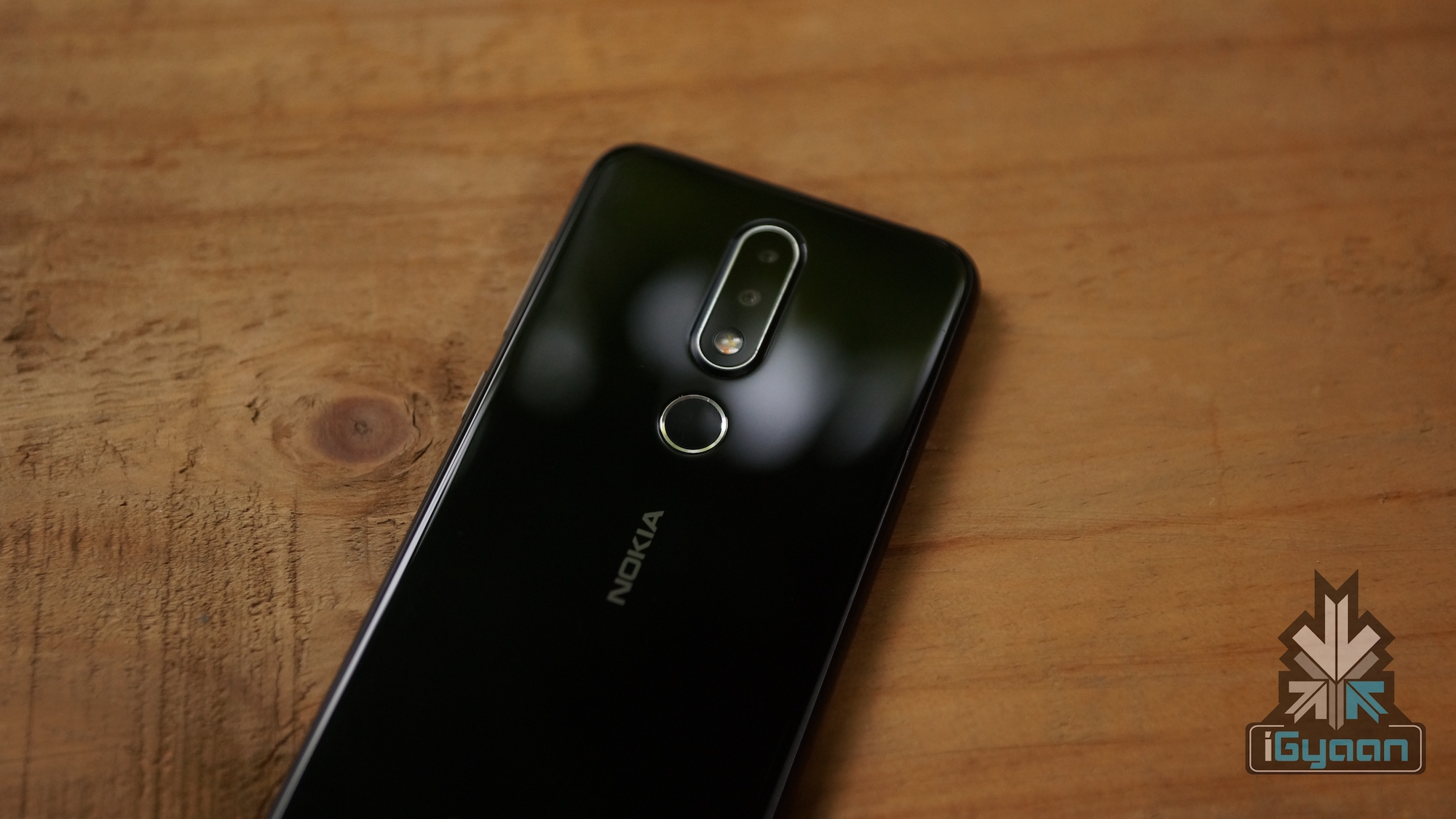


 First introduced in 1997 on the Nokia 6110, the Snake game became an instant hit because of how simple and captivating it was at the same time. Needless to say, the game was continually modified into different forms as time progressed, but the basics remained the same. Users play as a snake, which has to keep eating “bits” or “food” to increase the score. Players would lose if they make contact with the walls or themselves while moving around the sandbox.
  To experience the snake game on the Maps app, just open the sidebar in the application and select the “Play Snake” option. Note that the game doesn’t include a “classic” snake, instead, players will play as a means of transport if that makes sense. There are a total of six cities in the game, which are Cairo, São Paulo, London, Sydney, San Francisco, and Tokyo. Furthermore, there is also the option of a “world” map that users can check out. The vehicle depends on the city the players choose. For instance, if users choose to play in the London map, they will get to play as a double-decker bus, and if users select Tokyo, they spawn as a Bullet train.
 Also Read:
 A lot of big game developers and publishers are already a part of Apple’s (game) plan. Sega, Konami, Annapurna and Platinum Games are just some of the companies that are backing Apple up on this. To gamers’ pleasant surprise, Hironobu Sakaguchi, the video designer who had a key role in the making of the acclaimed “Final Fantasy” series is also releasing a game called “Fantasian” on Apple’s new platform. The company also promises that new games will keep making their way into Arcade’s library, making sure that the subscribers are never devoid of fresh content.