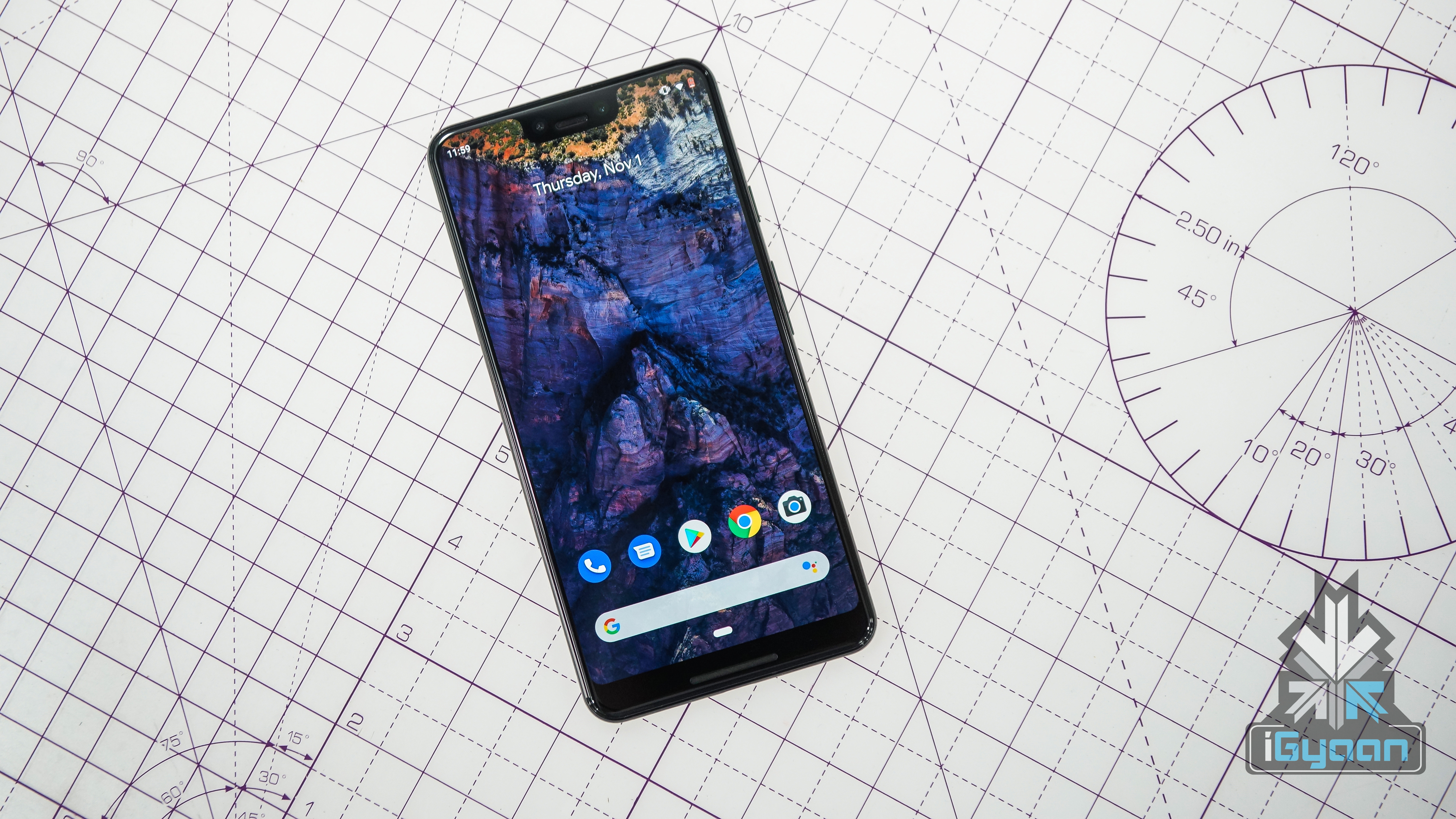
Google is expected to launch its latest iteration of flagship smartphones in the month of October this year. These devices, allegedly called the Pixel 4 and Pixel 4 XL, will succeed the Pixel 3 and Pixel 3 XL from 2018. While there is still a considerable amount of time before the company announces the upcoming handsets, early details about them have already started to trickle in leaks and renders. Now, a smartphone accessory maker Skinomi has listed screen protector for the Google Pixel 4 on its website. In the listing, a render of the handset’s front panel is also visible, which reveals its design.
Google Pixel 4
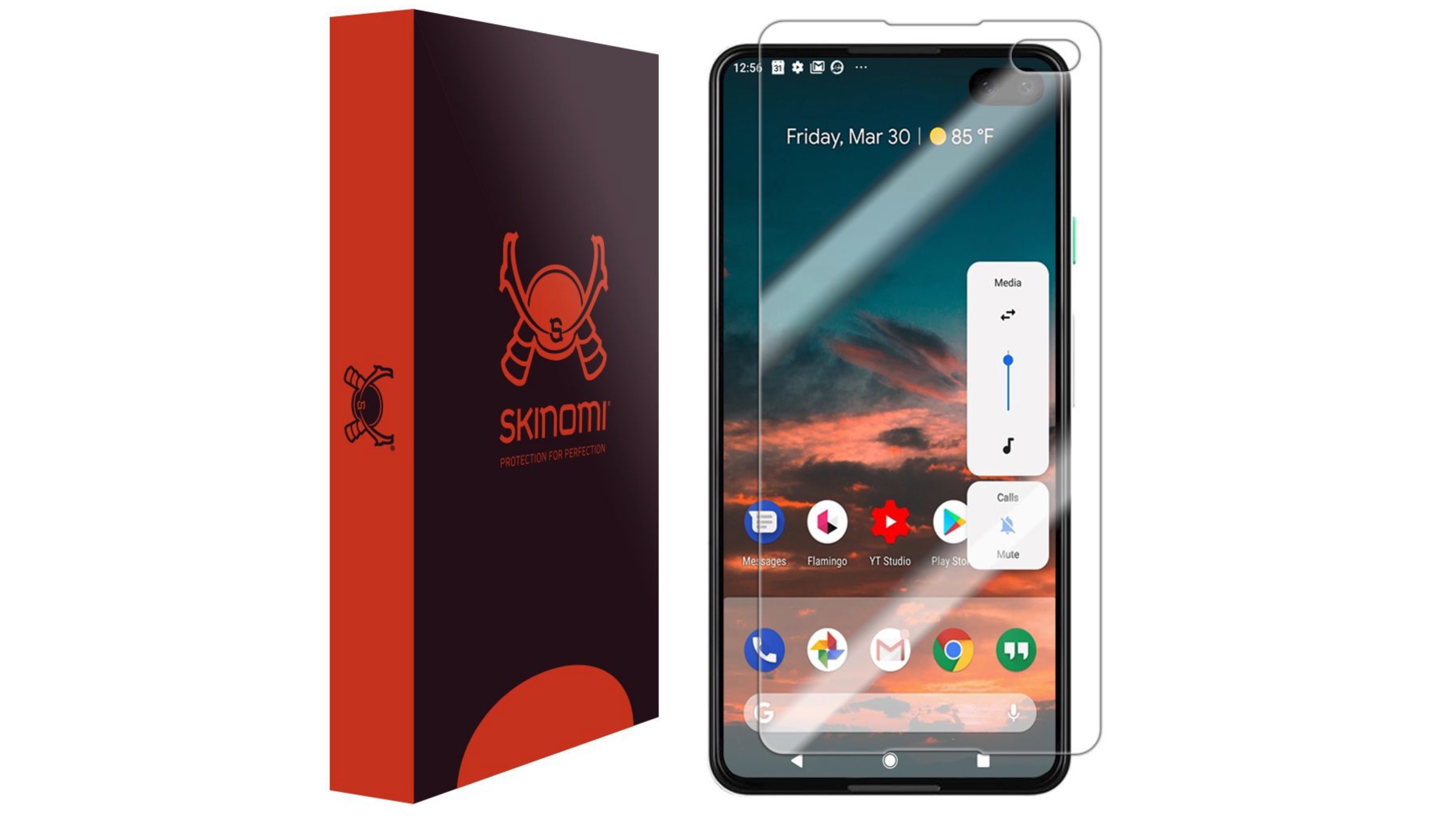
The images showcased on the website of Skinomi exhibit the design of the Pixel 4. It has been reported that Google will opt for a punch hole display for its upcoming smartphone, whose claim is further strengthened by the renders. Also evident from the pictures is the lack of considerable bezel around the device’s display, giving it a modern look. The screen protector for the handset has two cutouts on the top and bottom, which may be for the front-facing stereo speaker setup; which was introduced to the lineup with the Pixel 2 and Pixel 2 XL in the year 2017. Notably, the listing on Skinomi’s website claims the screen protector will be shipped starting 20th November 2019. It can be pre-ordered now for a price of US$ 8.95 (Rs. 625).
Also read: Screenshots Of Ark OS, The Android Replacement By Huawei Leaked
While the render falls in line to the previous leaks regarding Pixel 4, it is recommended to be taken with a grain of salt. Because of the seemingly far launch date of the upcoming smartphone, the image may turn out to be fake. However, considering how much Google received flak for the design of its previous devices, it may not be all that surprising if the company finally decides to take the aforementioned design into consideration. As previously mentioned, the company is expected to unveil the Pixel 4 in the month of October at the Made by Google event.
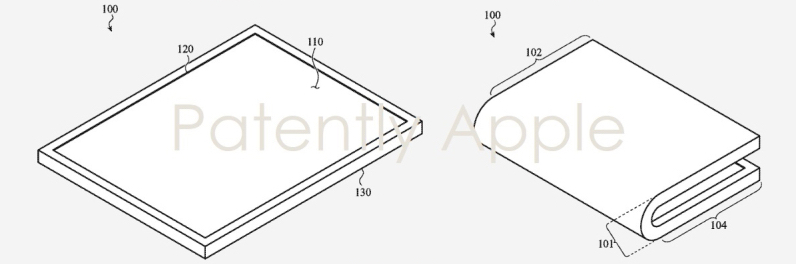
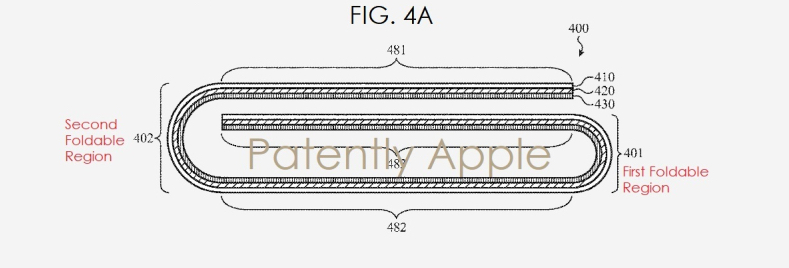
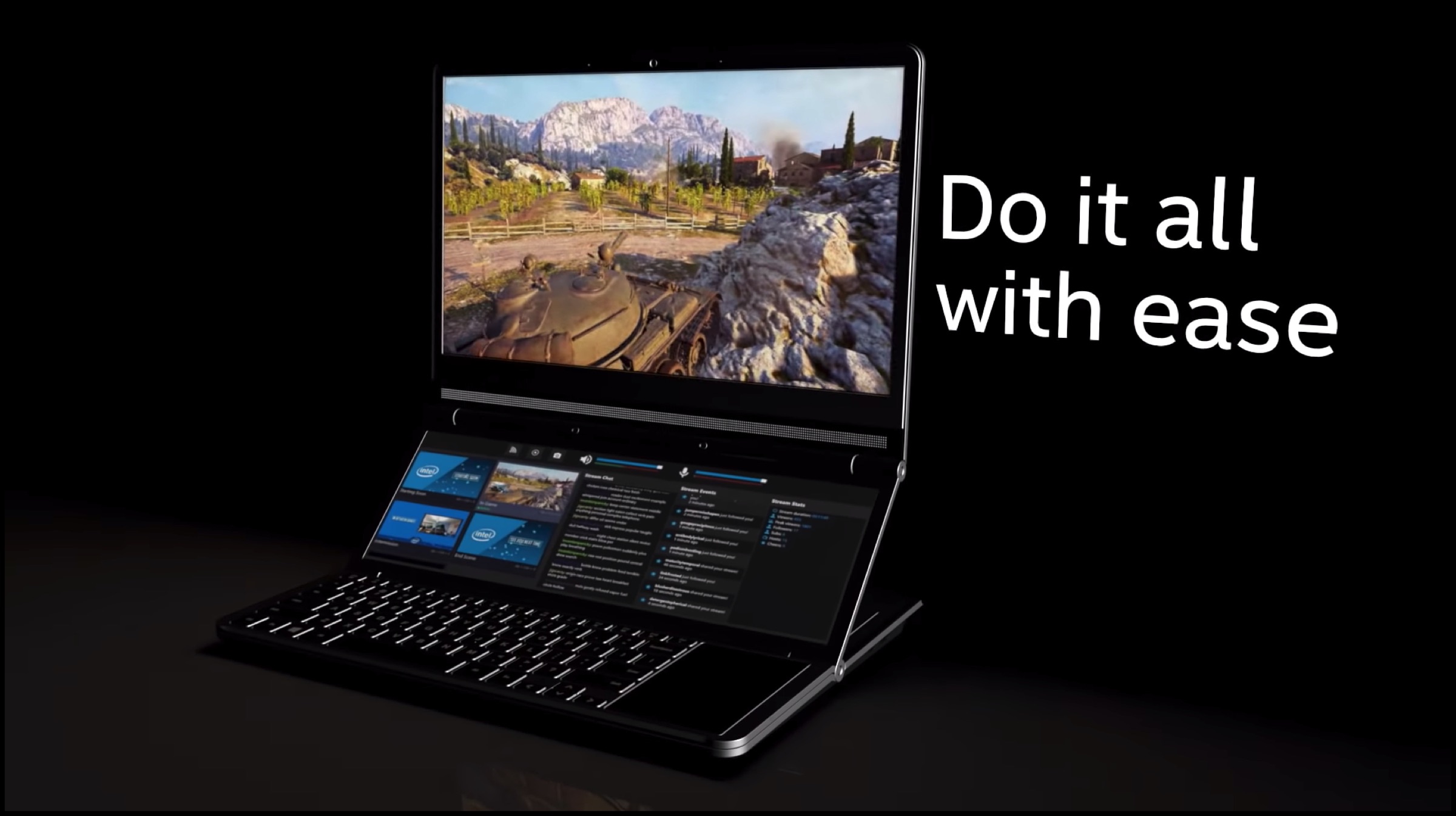
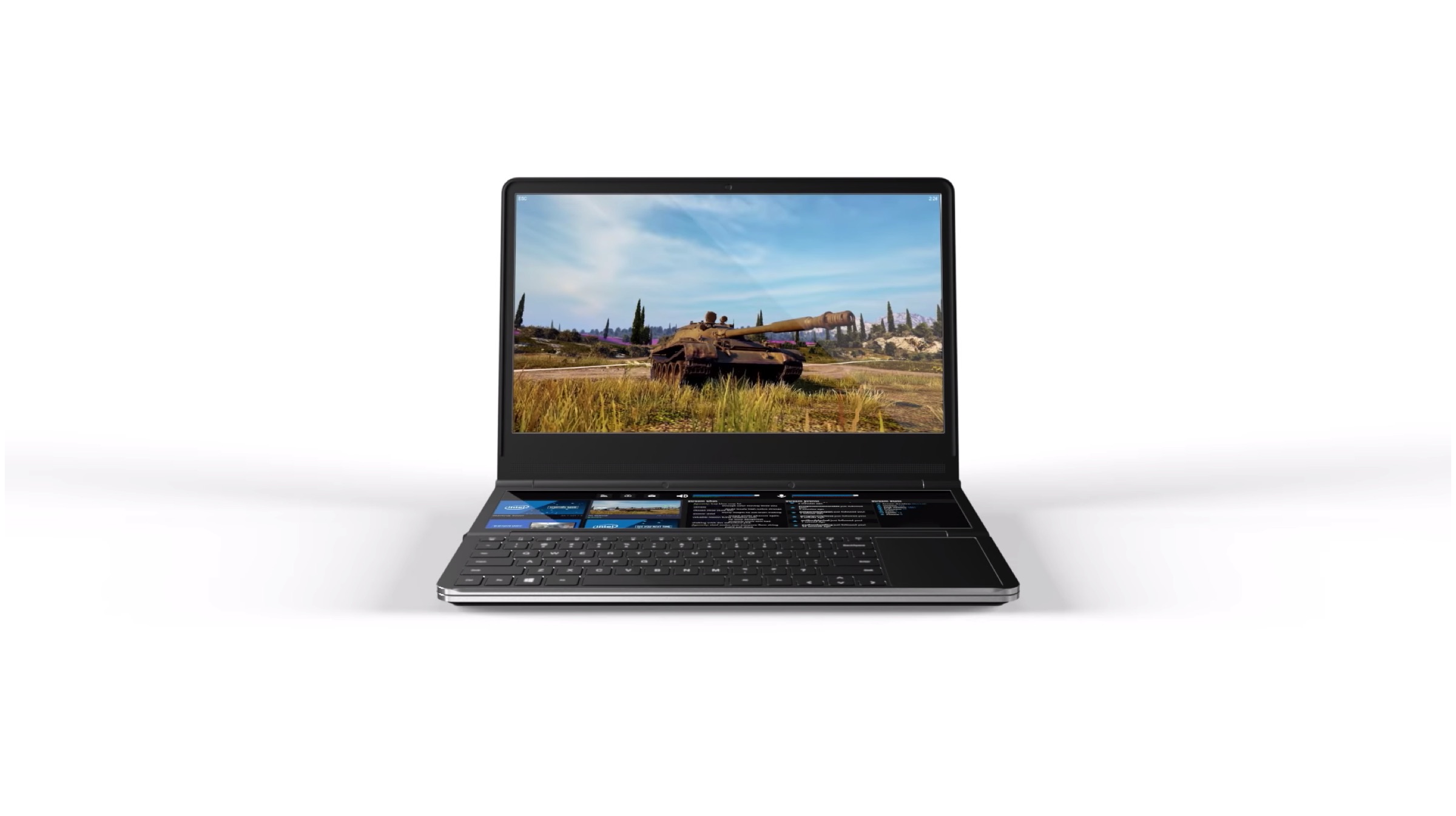
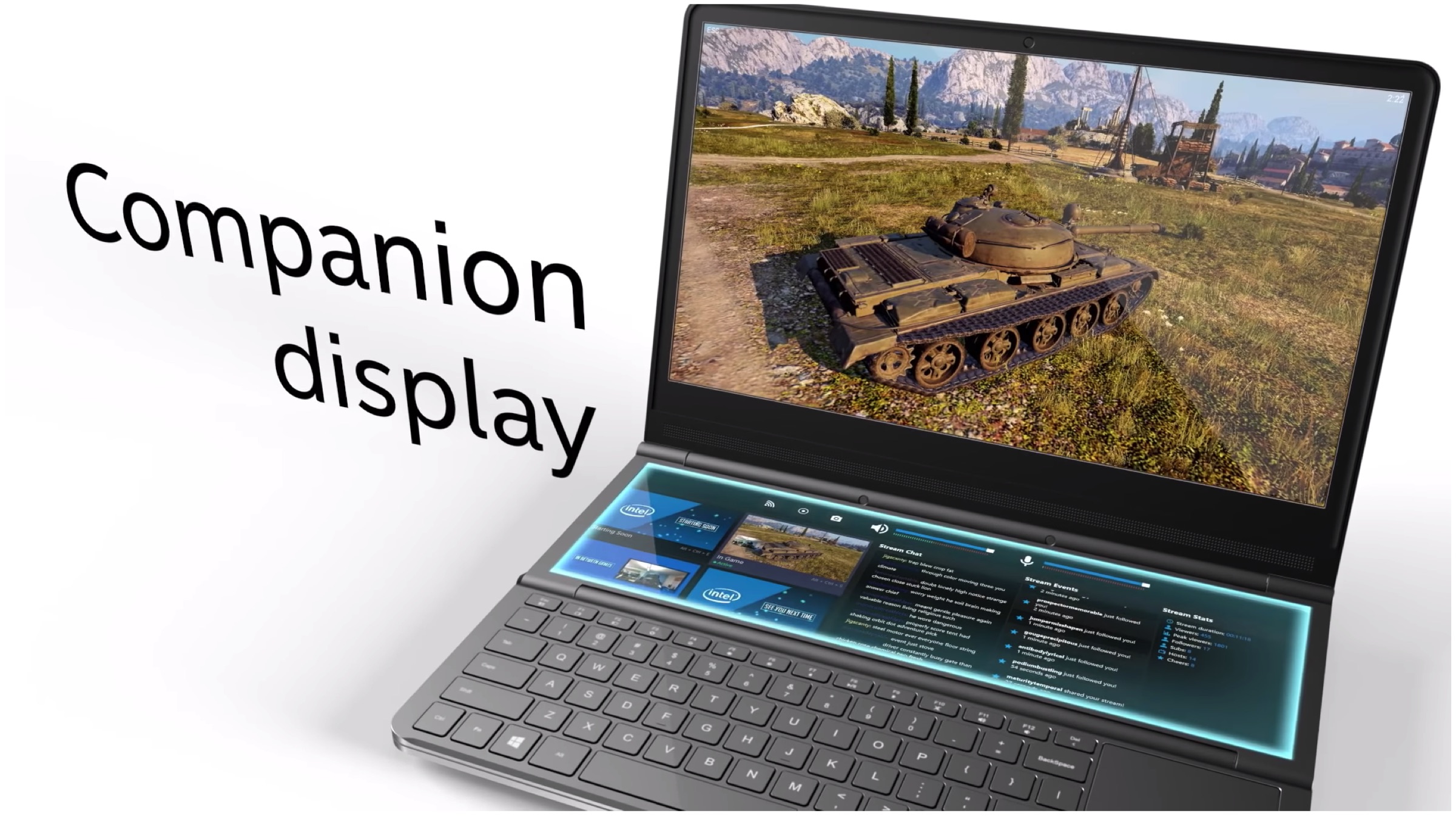
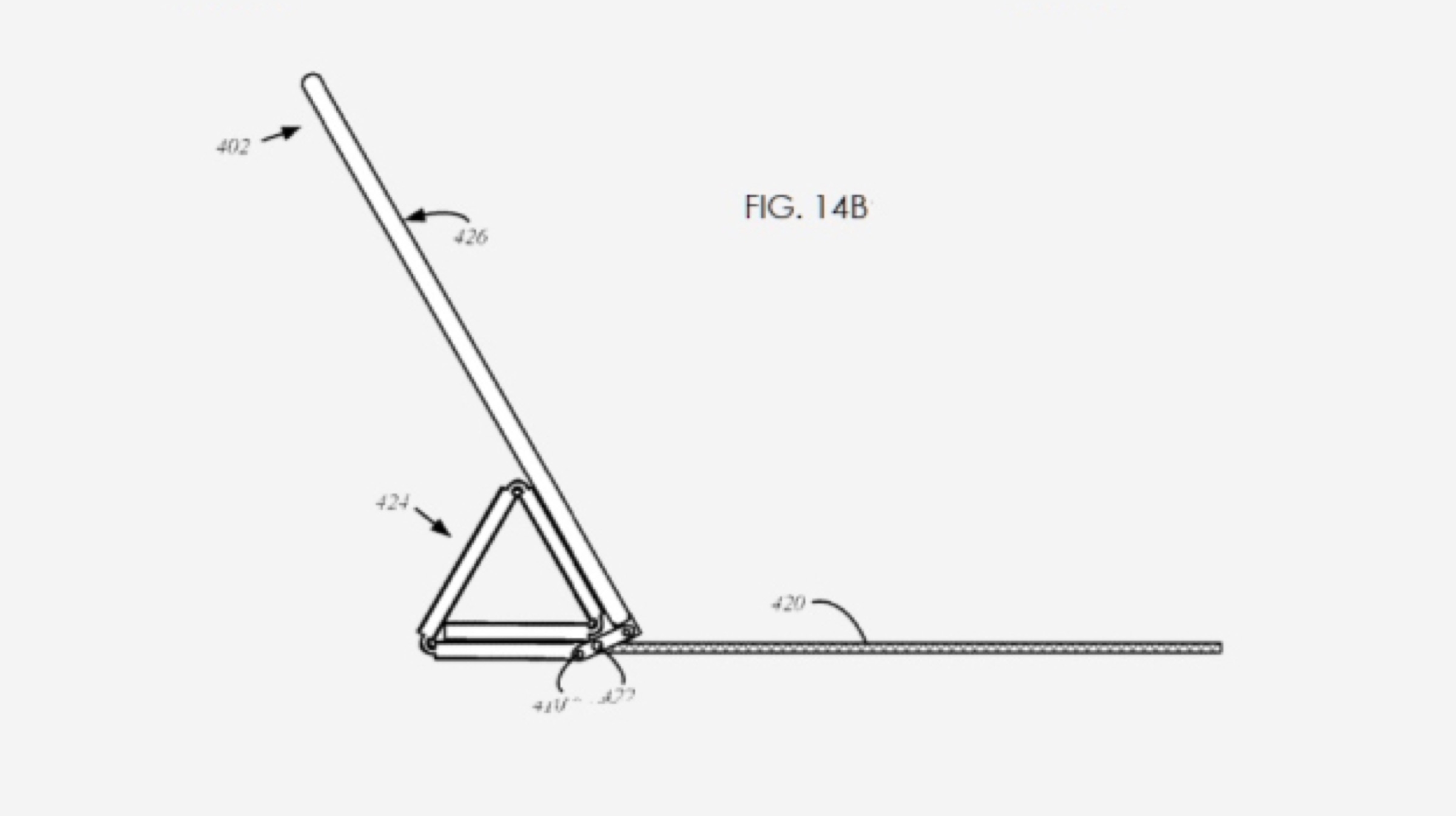
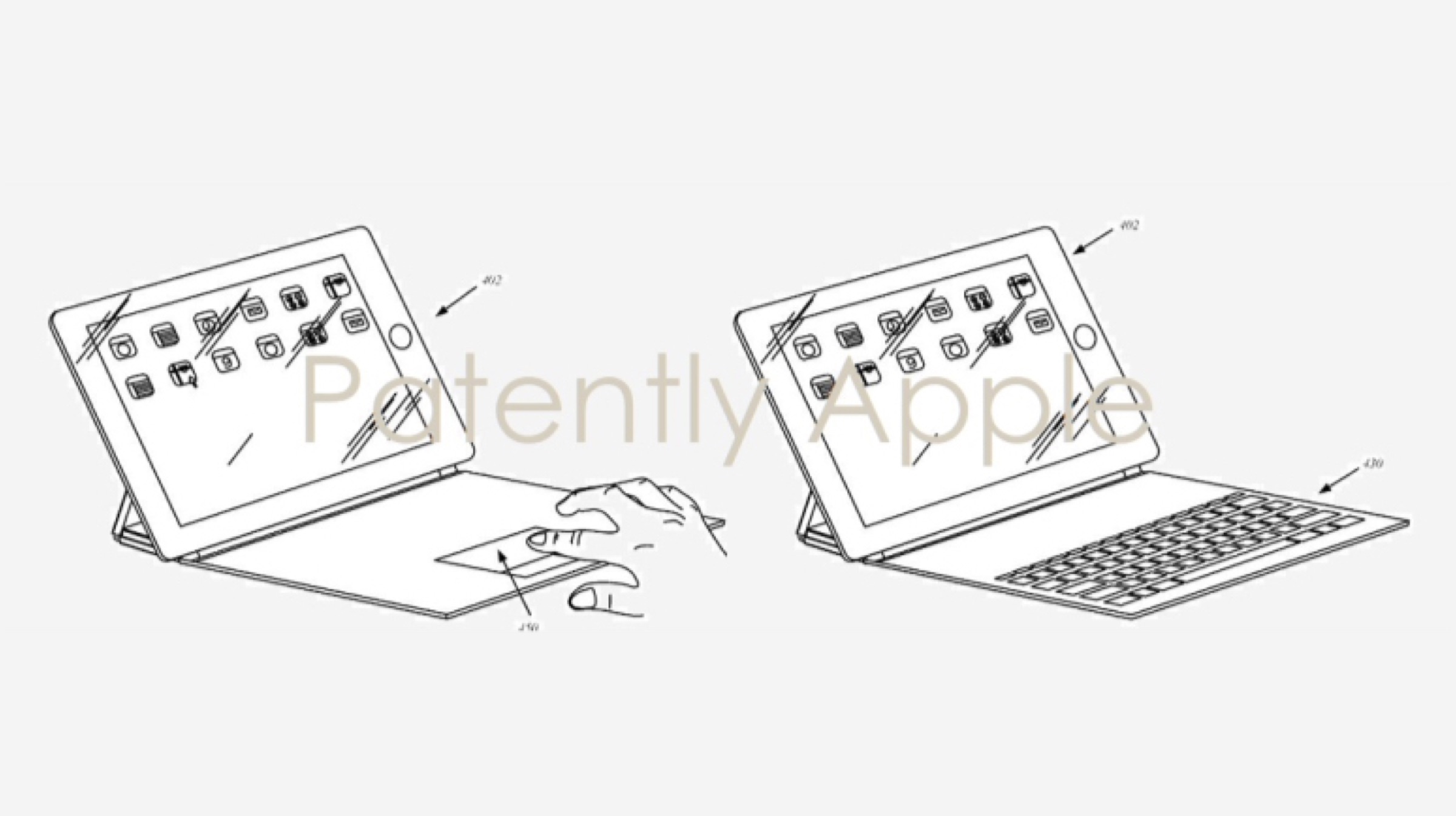 The second patent covers a device that is quite similar to the Apple Folio smart keyboard, which was released alongside the iPad Pro 12.9 in the year 2016. The patent includes images of a variety of designs for a new smart keyboard that may be announced in the future. One of the images showcases a keyboard design with a space above the keyboard which can be used to input data via the Apple Pencil. Another design features the inclusion of a trackpad to the keyboard.
  Also Read:
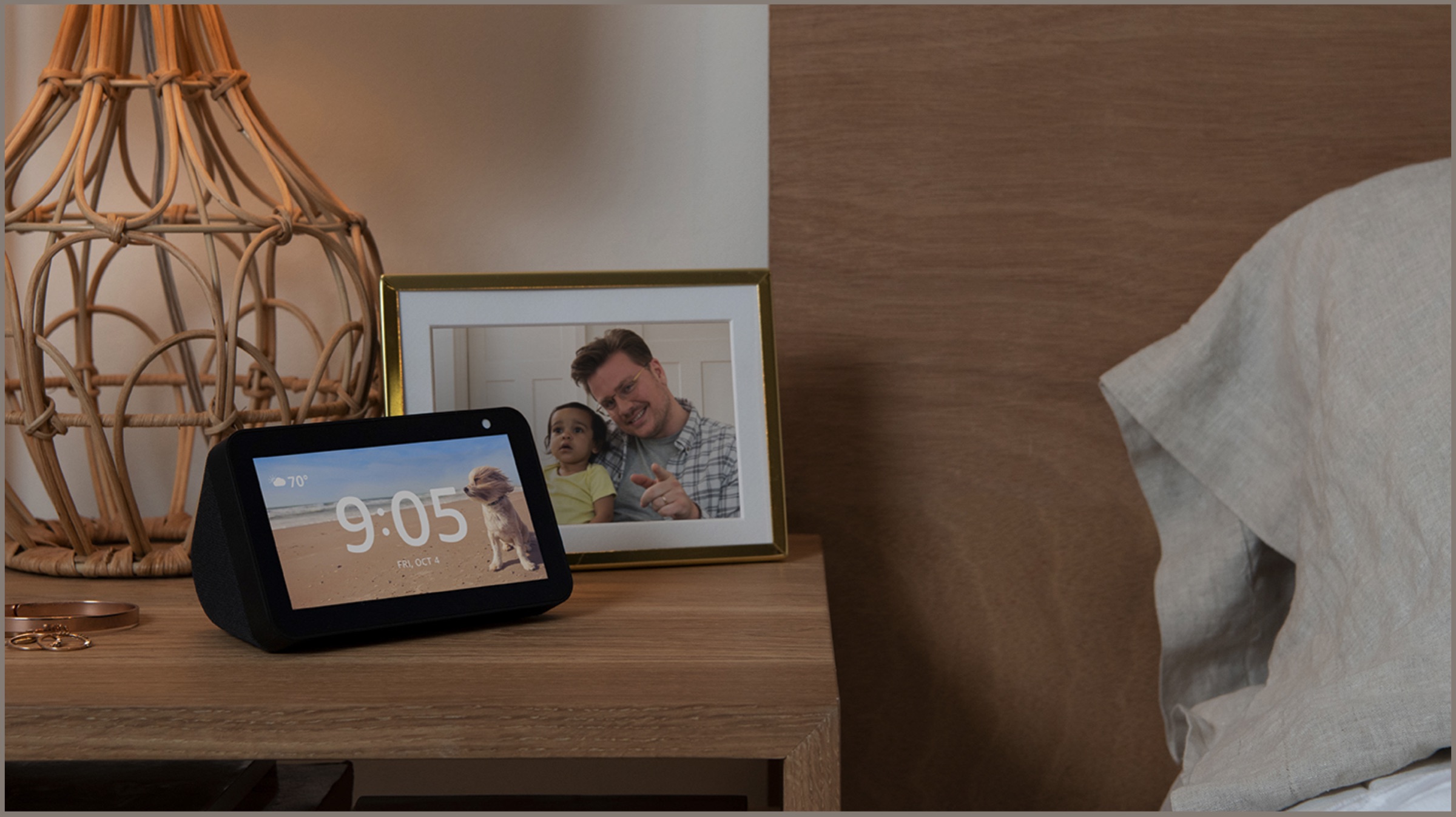
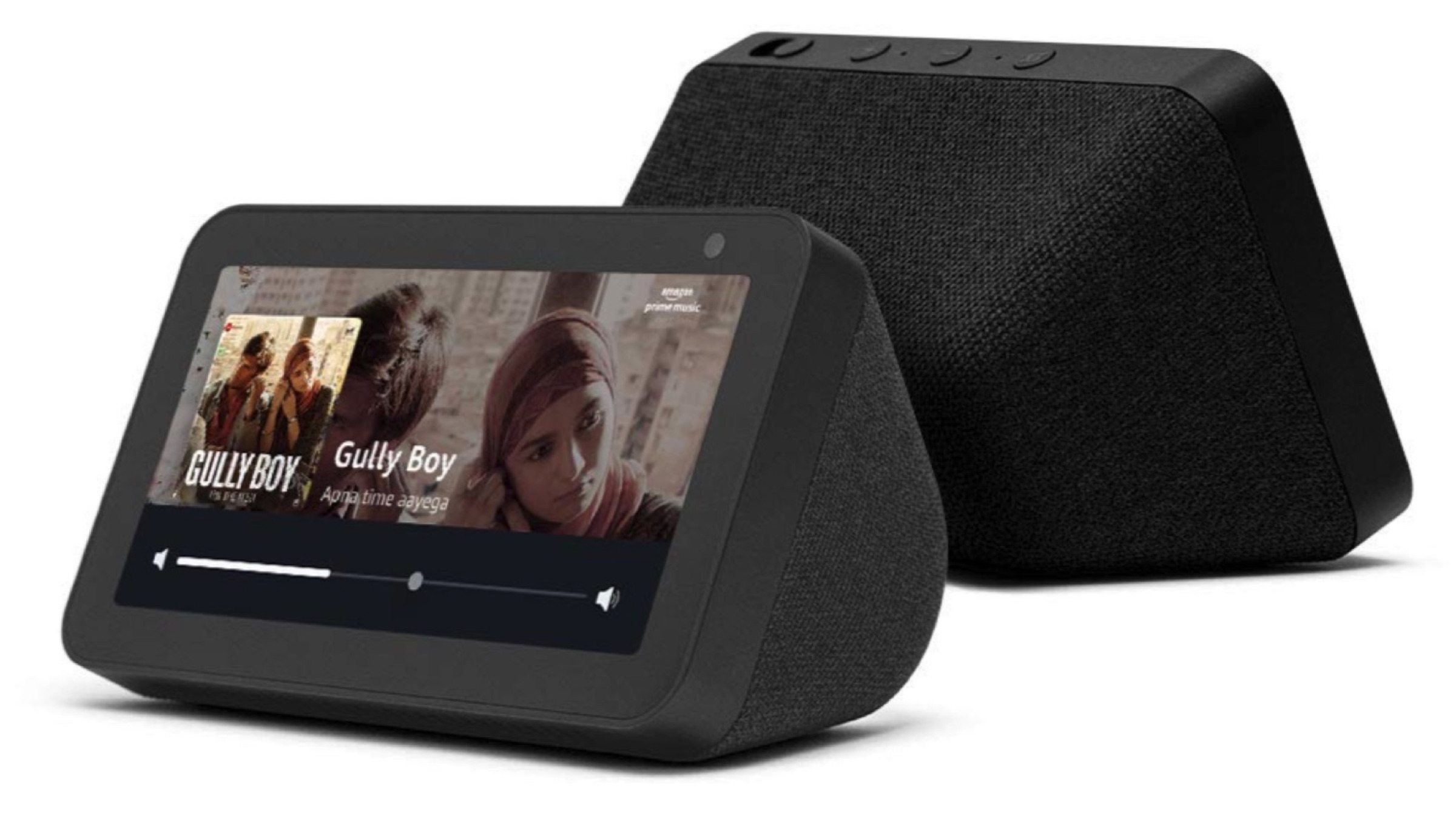
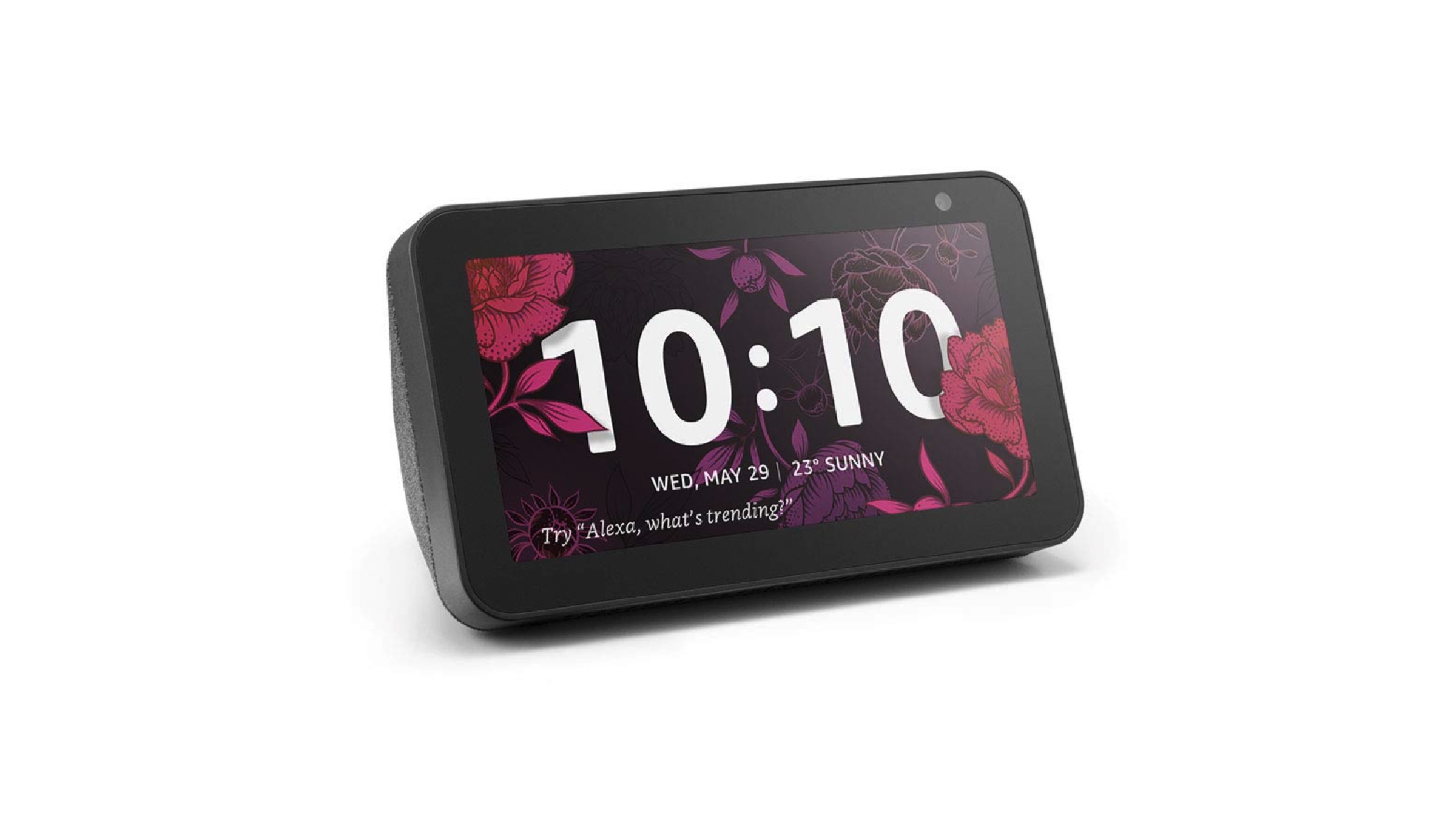 The smart display sports an ambient lighting mode to automatically regulate the brightness as per the surroundings. Solely using voice commands, users will be able to view how-to-clips from wikiHow. Additionally, the Echo Show 5 also features a smart home dashboard that can be used to control multiple connected gadgets. The camera can be used in combination with applications such as the Arlo Baby Camera, which can be used by parents to keep an eye on their babies from a remote location.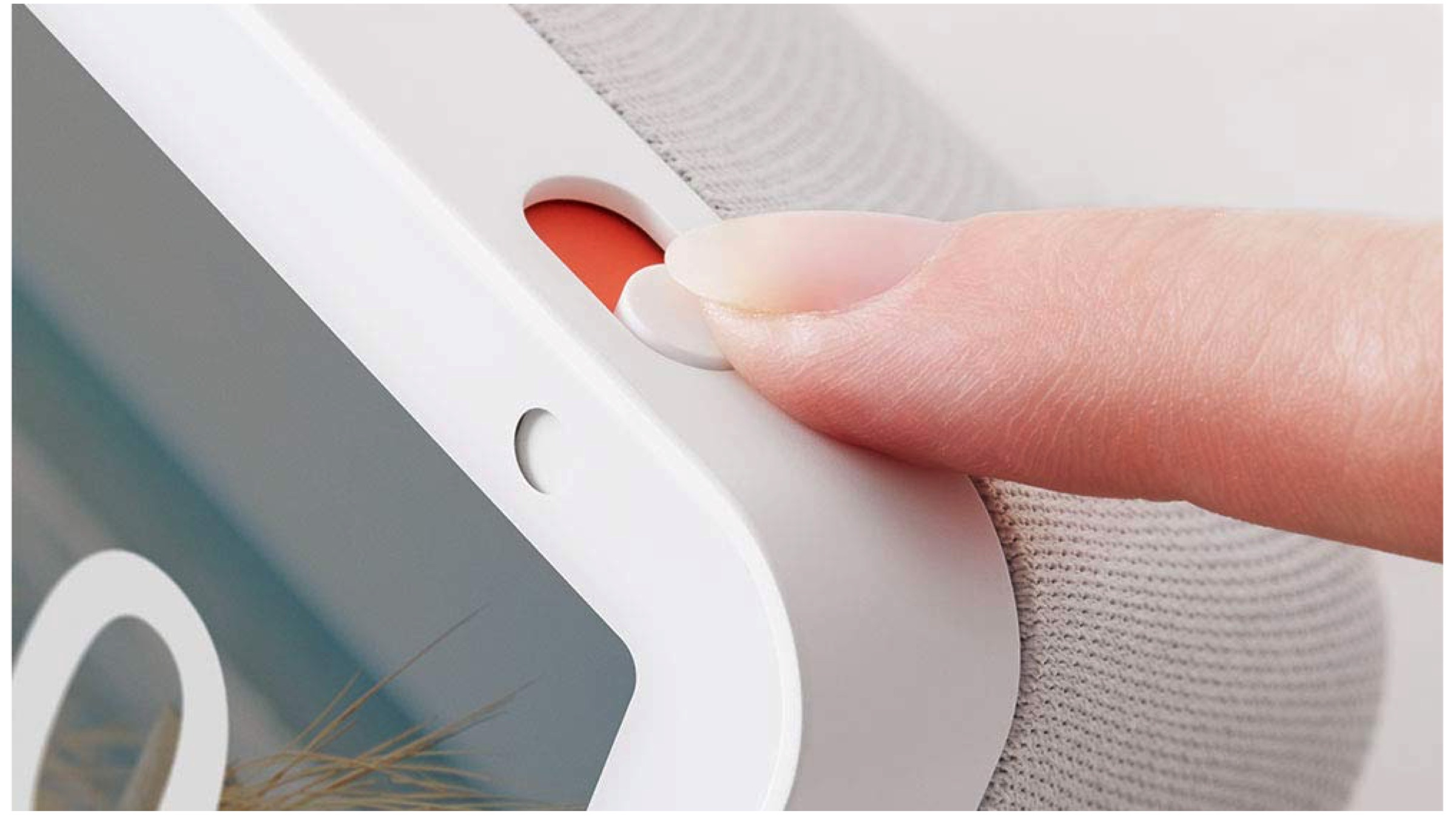
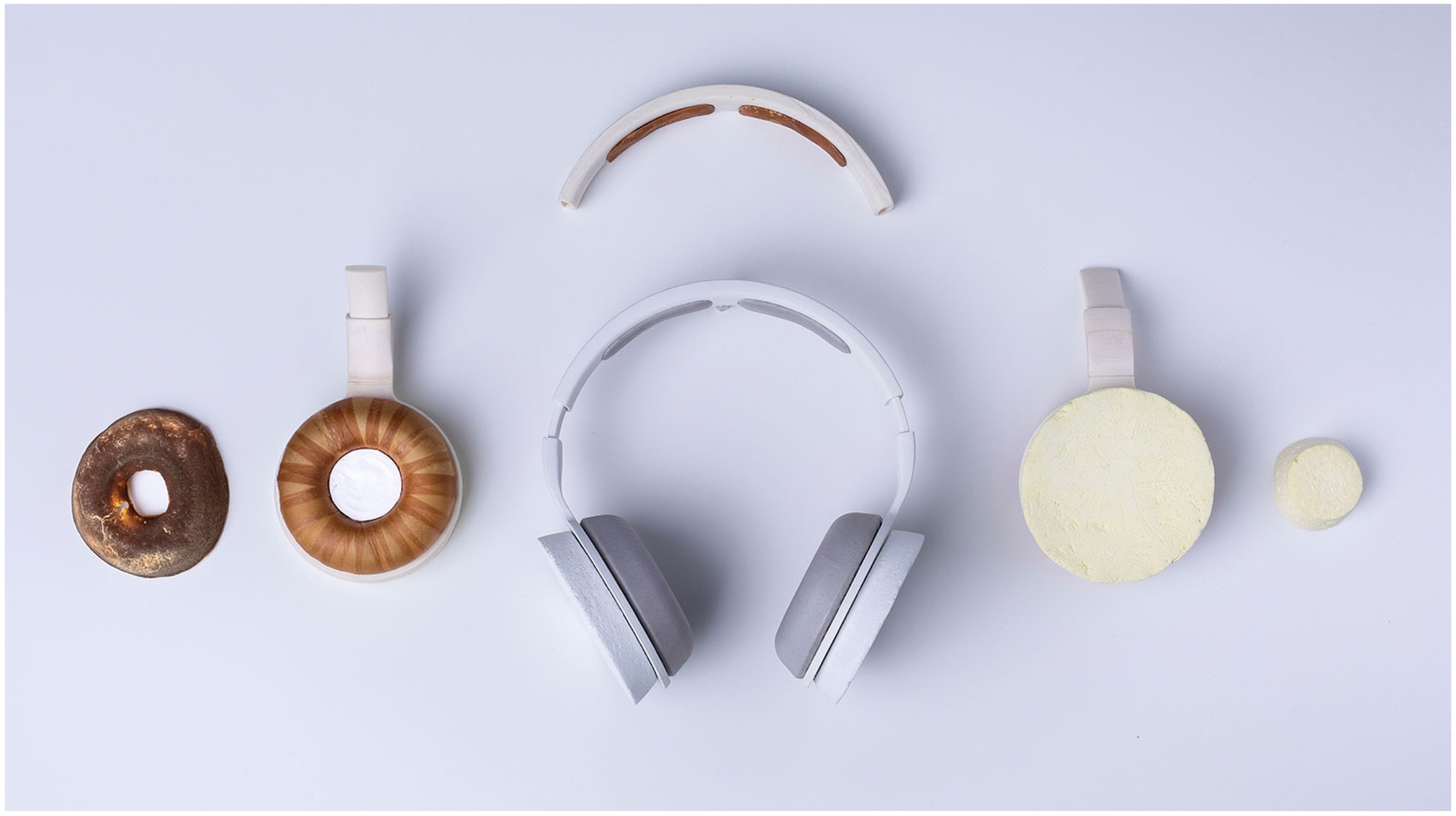
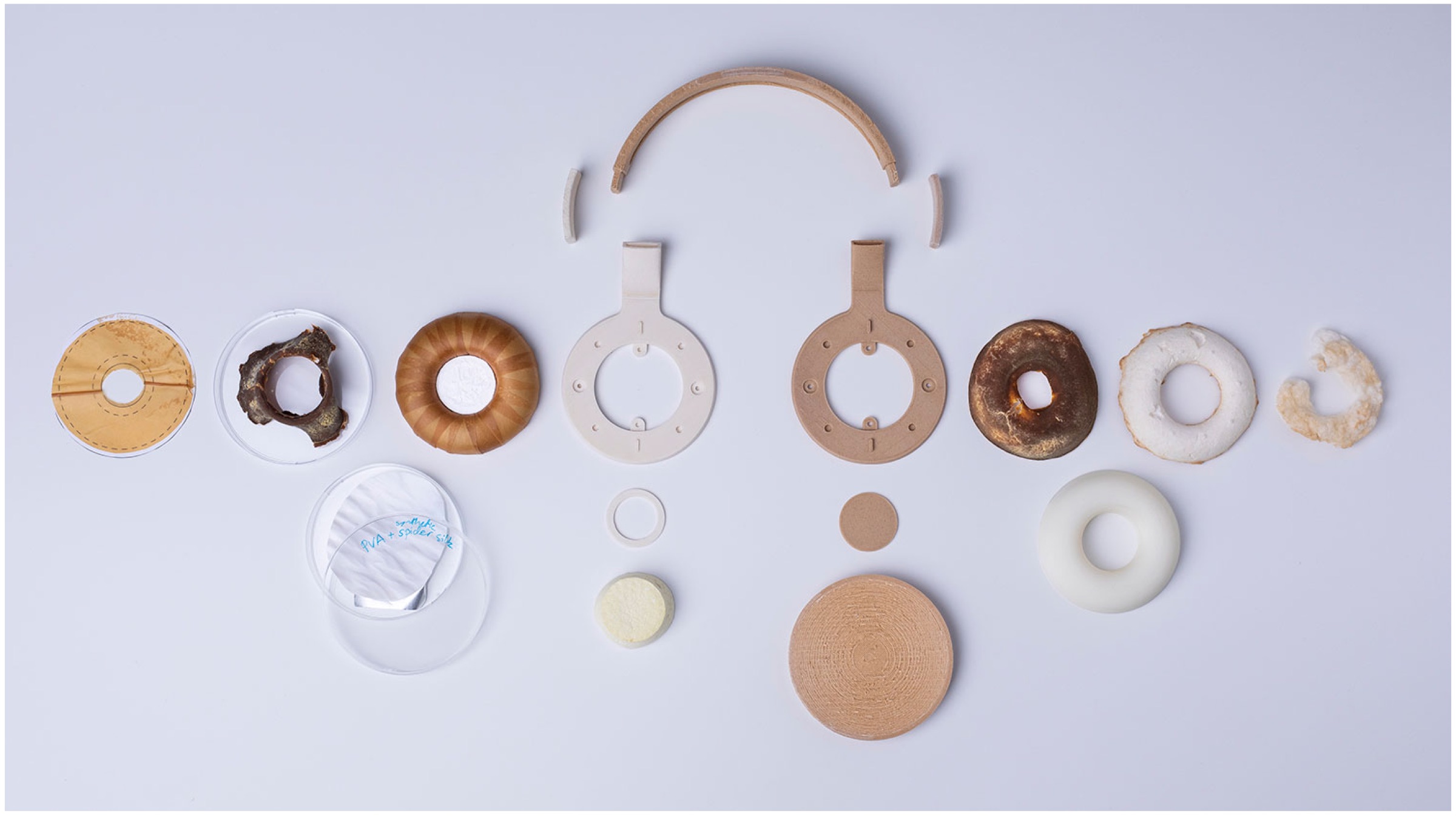
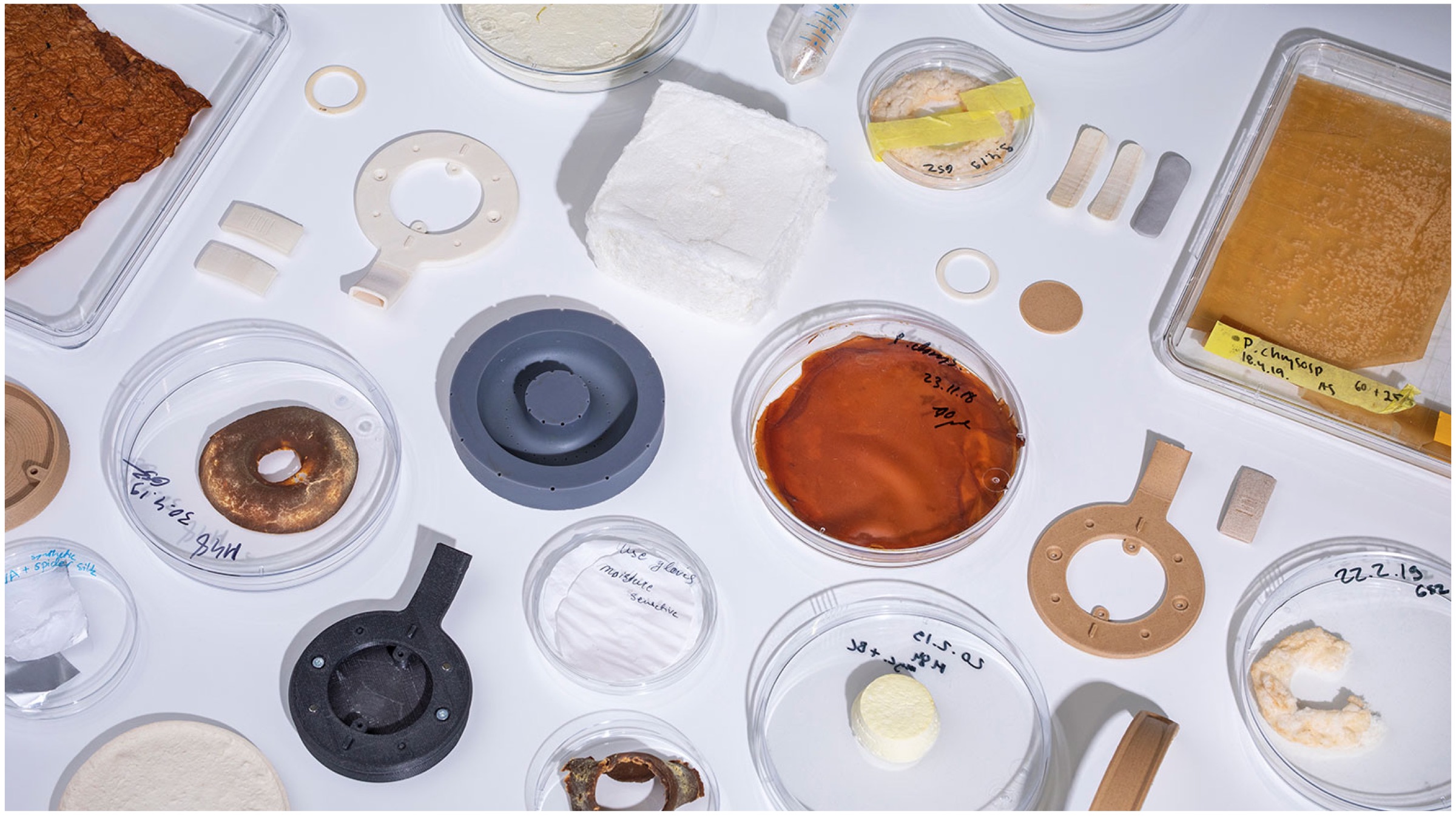 The headband of the Korvaa headset is born out of a 3D printer and designed with the help of a bioplastic formulated from yeast produced lactic acid. Notably, the earcup padding is made out of Hydrophobin. The compound is known for its ability to form a hydrophobic (water-repellent) coating on the surface of an object. It is essentially a foaming protein generated by a type fungus and plant cellulose. Instead of the mesh used in conventional headphones, the Korvaa headset uses a biosynthetic spider silk that is produced by microbes. The outer foam used in the headphones is a composite compound made out of mycelium and cellulose.
 Also Read:










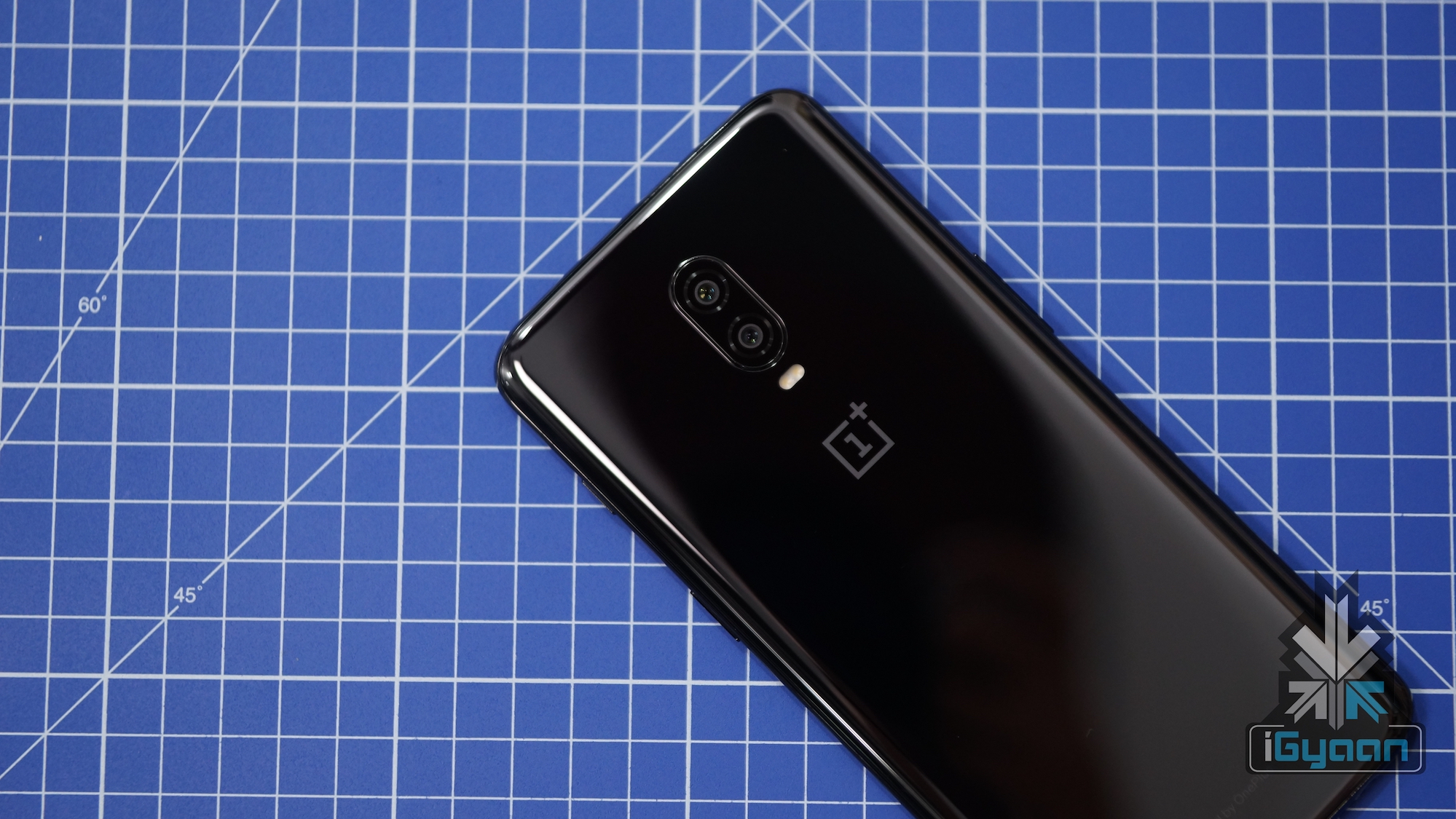
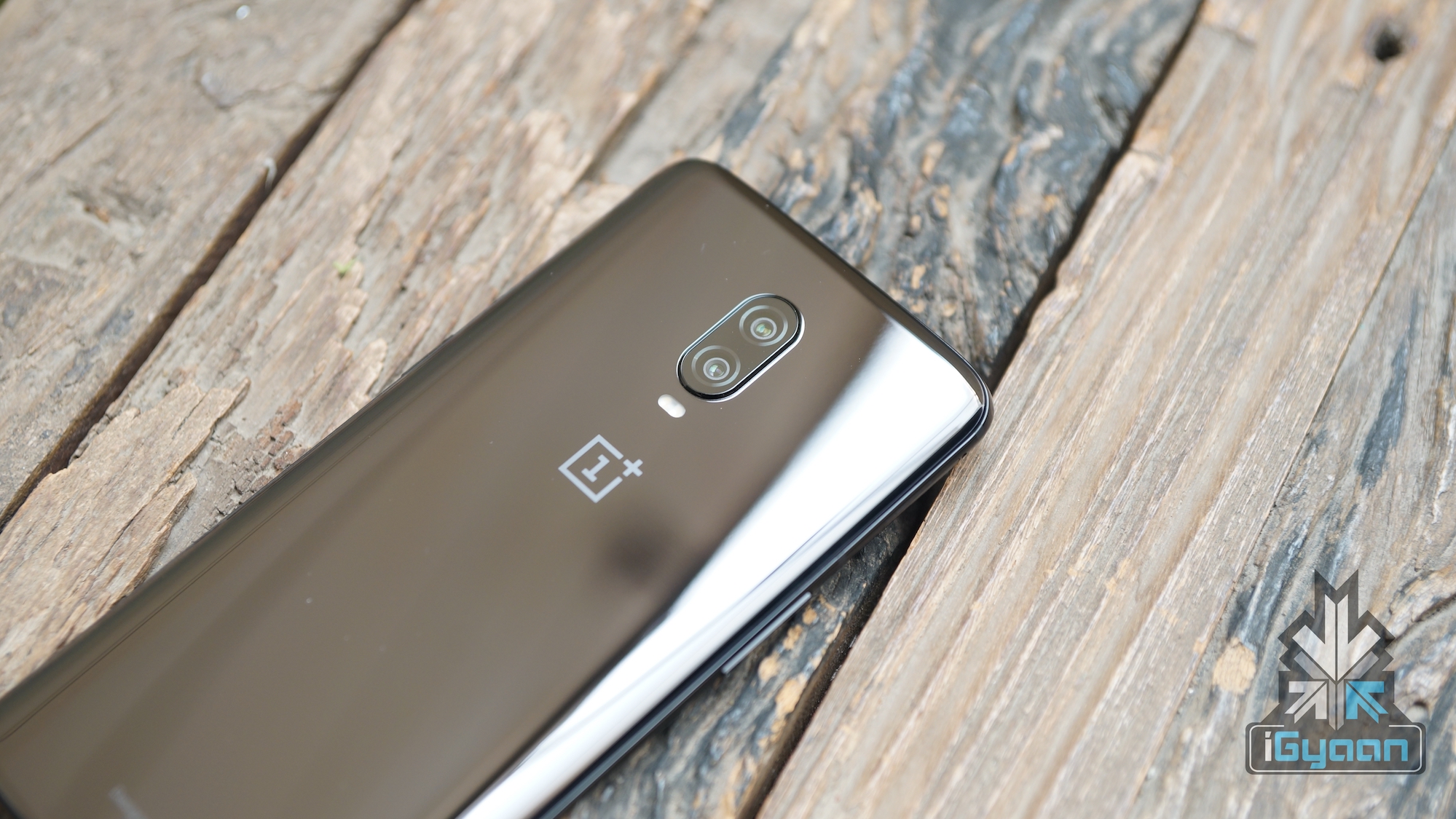 The OnePlus 7 has a glass back and front with narrow bezels around the display. The smartphone features a 6.41 inch Optic AMOLED display with FHD+ resolution. Similar to its predecessor, the handset has a waterdrop notch that houses the selfie camera. The smartphone has an in-display fingerprint scanner which has been carried forward from the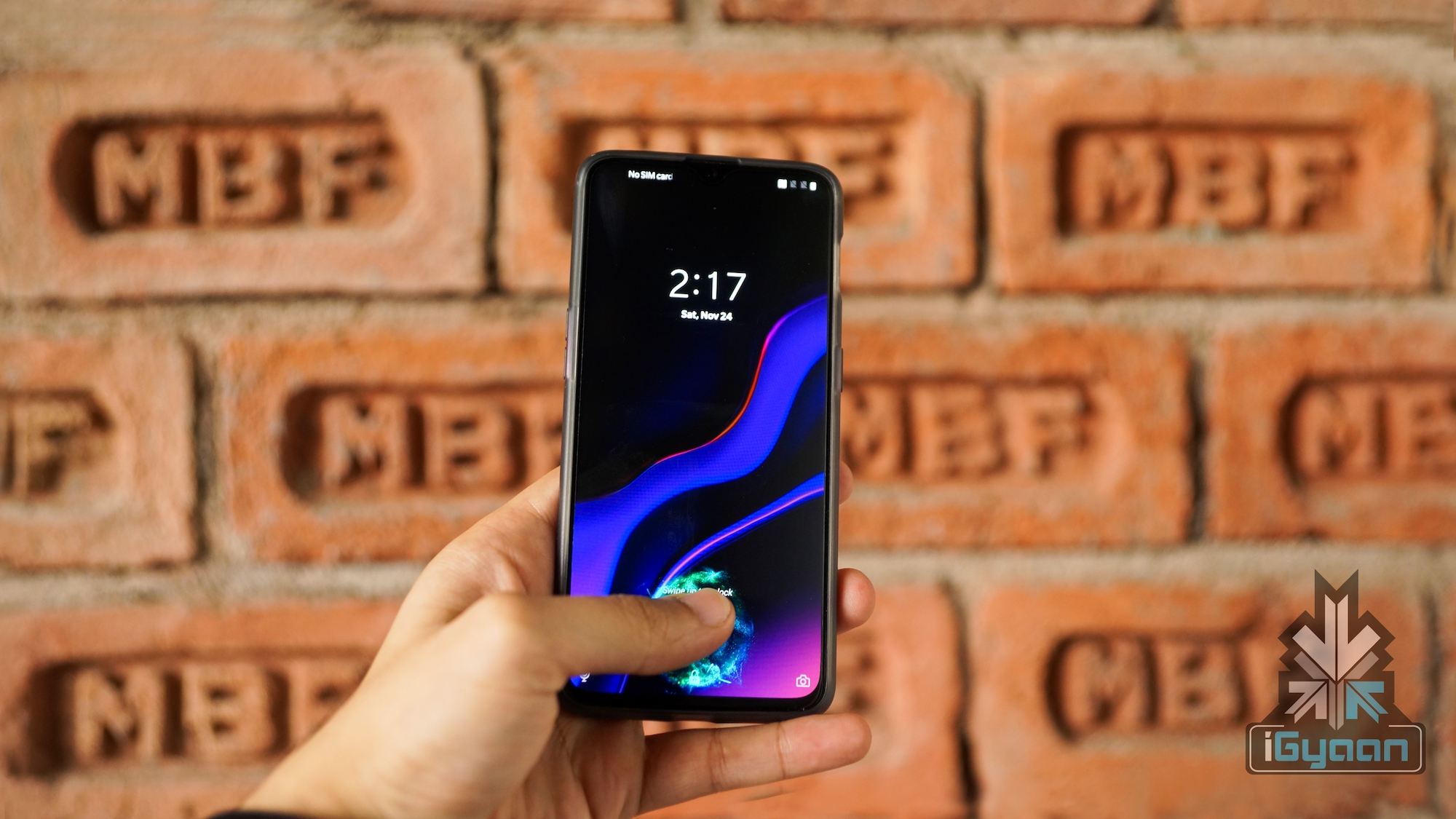
 The OnePlus 7 is powered by a 3700mAh battery with support for 20W fast charging. It runs on the company’s OxygenOS 9 which is built on top of the latest Android 9 Pie. At the time of launch, it will be available in 2 colour variants, Mirror Grey and Red.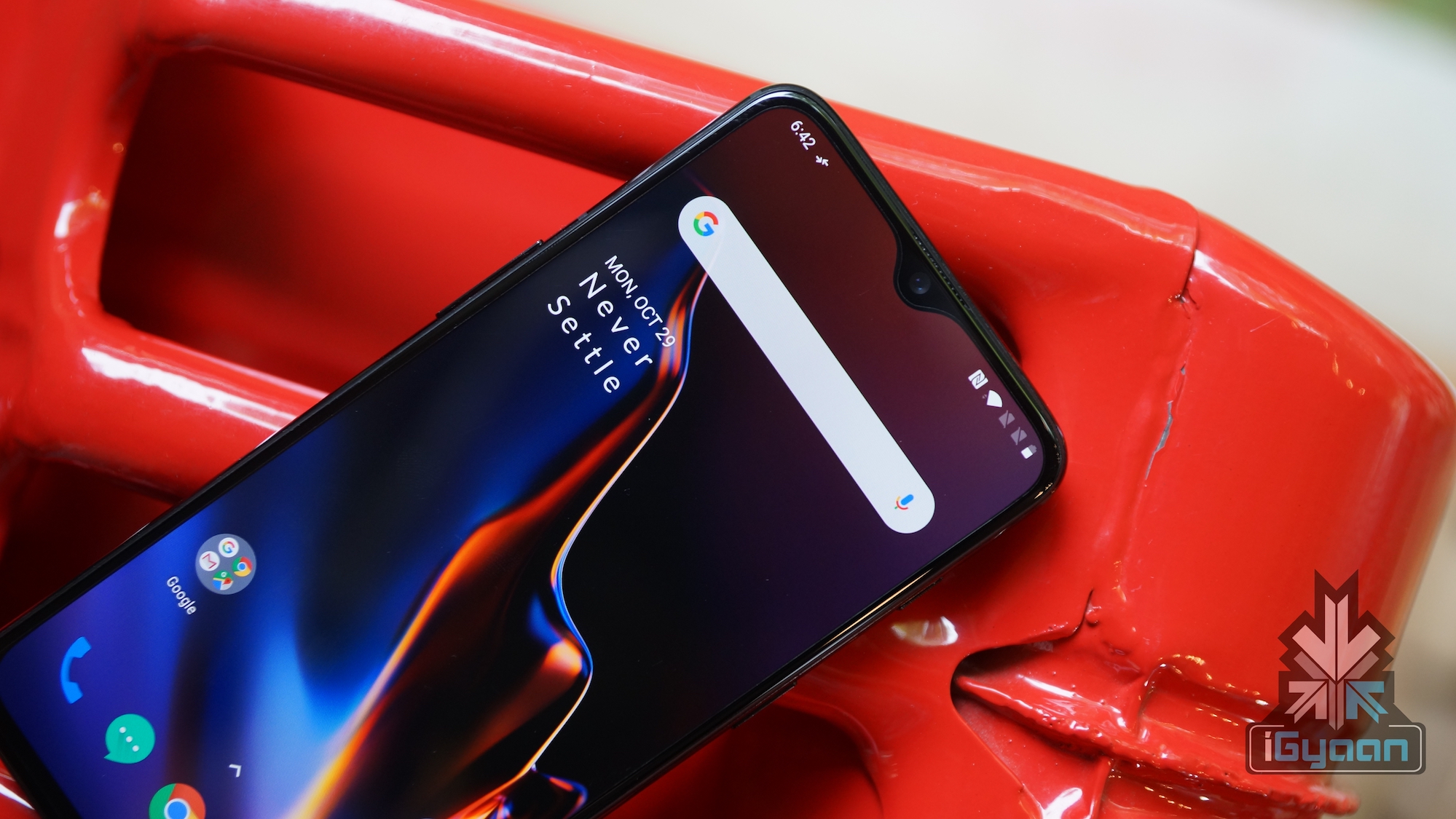

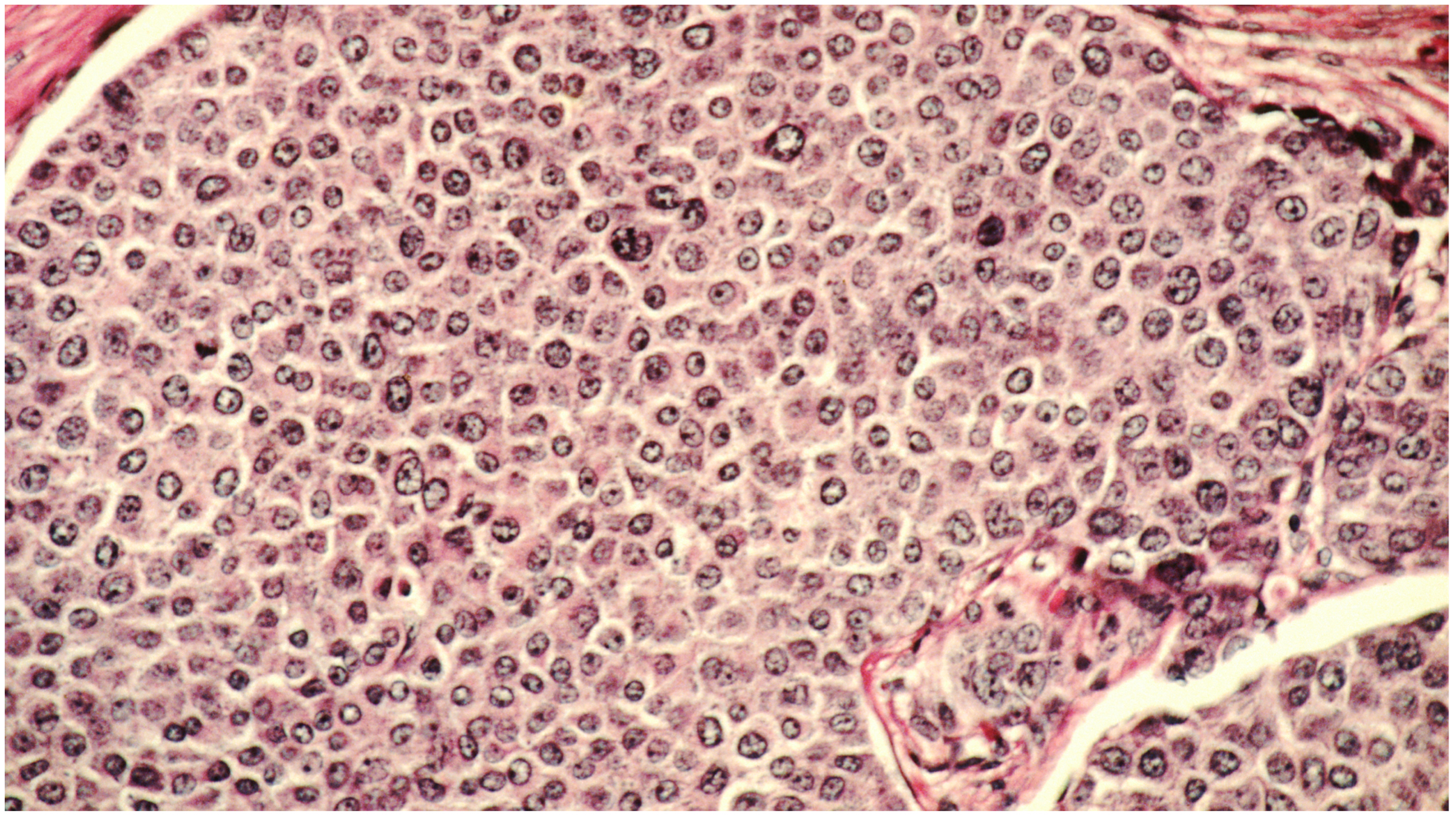
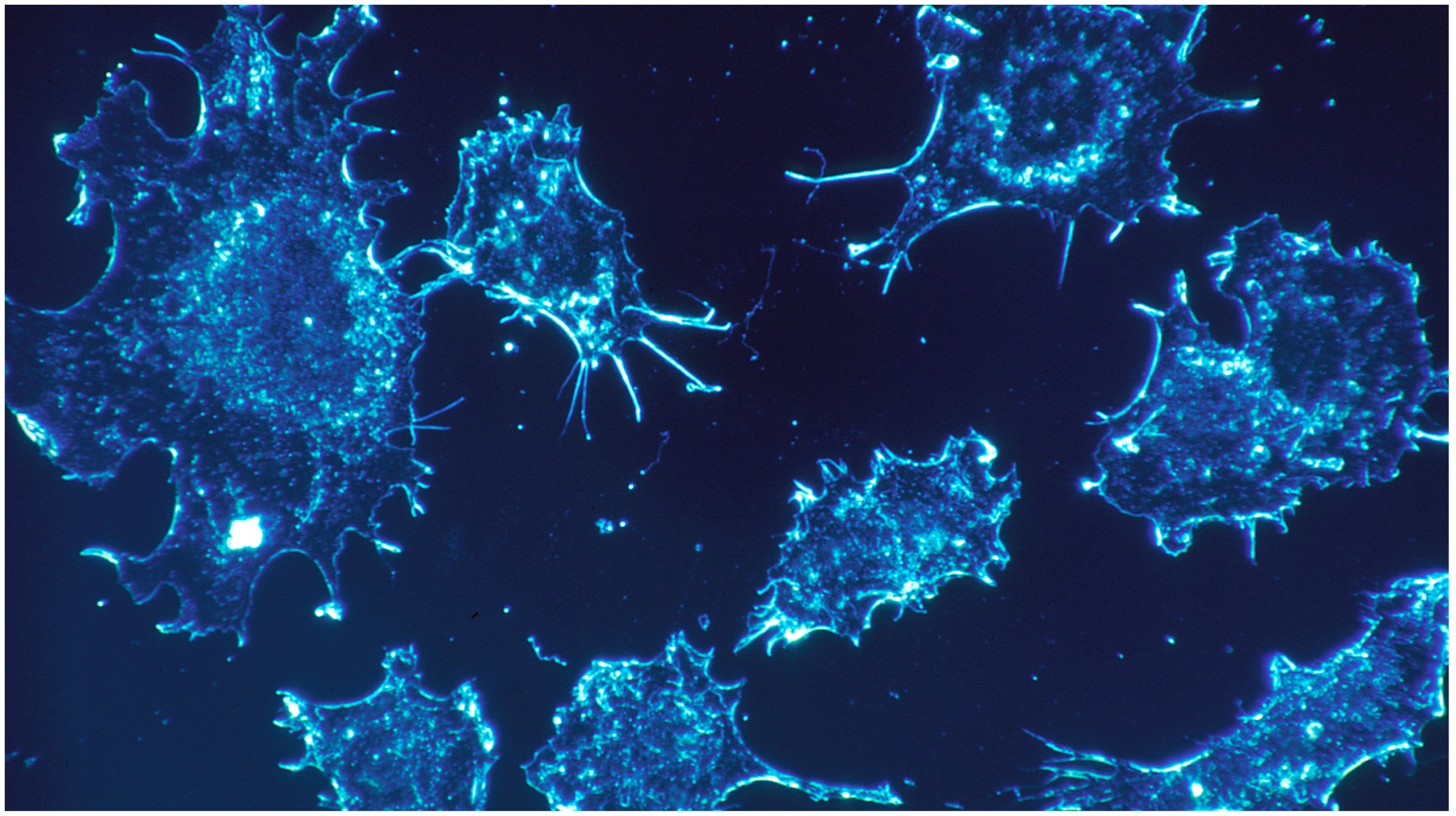
 The test has been patented with the name “Microfluidic Array for the quantification of Cell Invasion”, or MAqCI. The technique makes use of a device to analyze the primary features of metastasis (cancer that has spread to other sites). Reports further state that the MAqCI device was accurate in its predictions regarding breast cancer cell lines and of tumours that were grown in animals.
 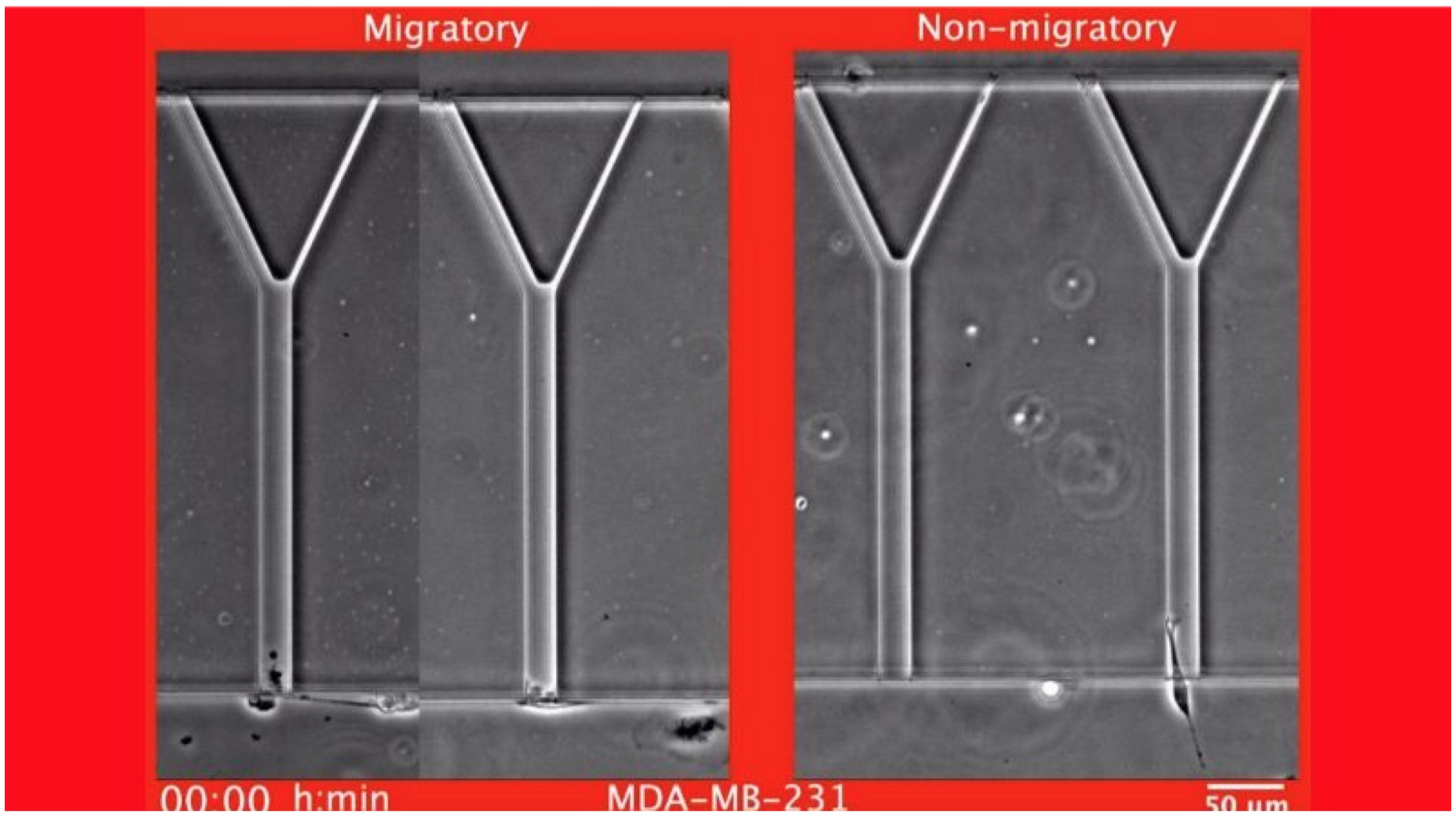 Since a doctor cannot really predict with confidence whether the cancer mass will be aggressive in the future or not, tests like MAqCI become highly necessary to track the movement of the metastasis cancer. The major challenge, however, remains in the case that failure in the prediction of the cancer mass. This is because anonymity of the metastasis can lead to overtreatment in some cases, leading to inadequate treatment methods. The new test will also help clinicians to choose the most compliant and necessary drugs to prevent the spread of malignant cells.