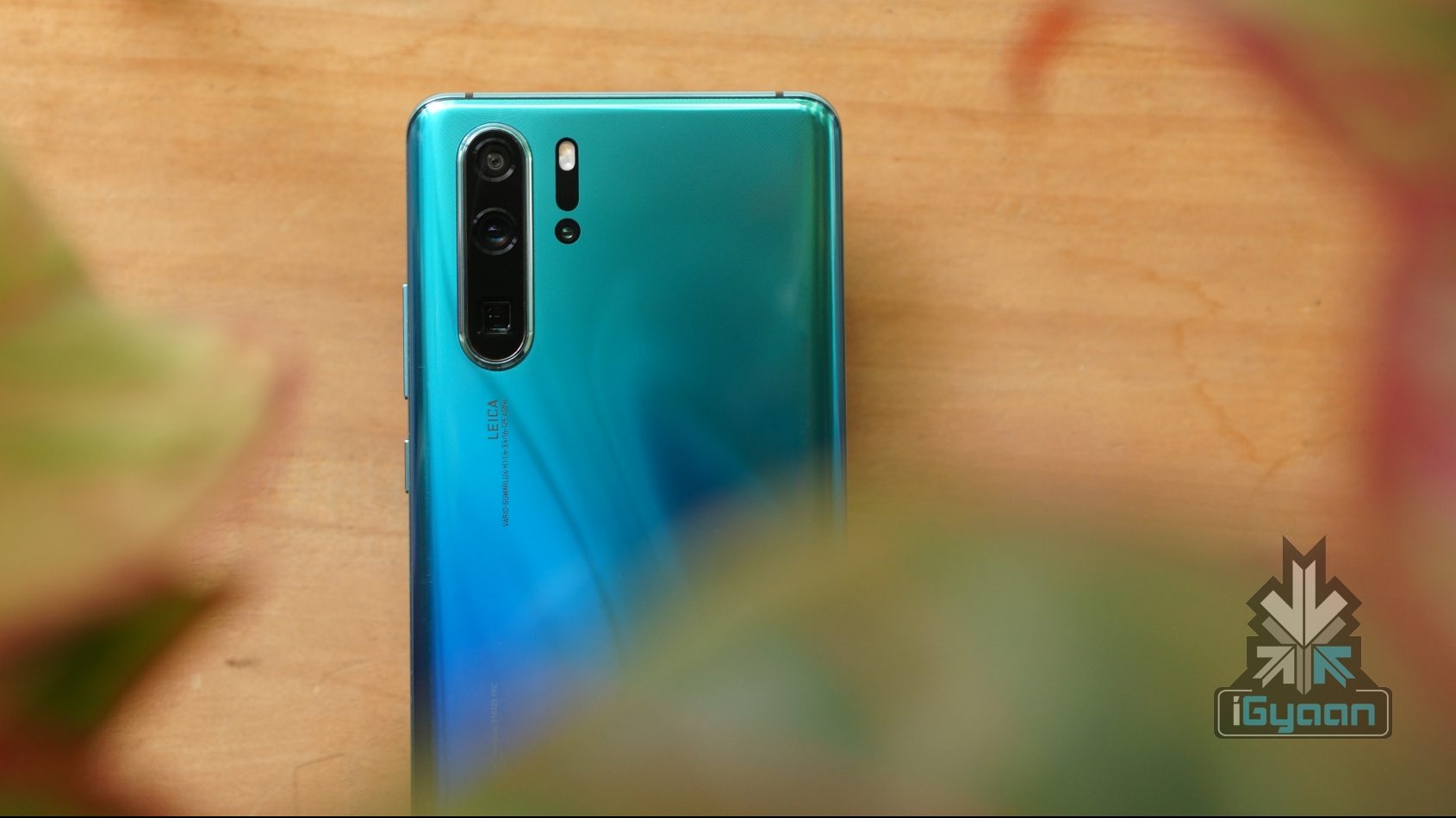
On the 14th of May, OnePlus launched its latest smartphones which include the OnePlus 7 Pro and the OnePlus 7. Both devices are loaded with high-end specifications, prominently the former pack’s certain features that help it pull it ahead of the pack. If you are looking for a flagship-grade device and for some reason do not want to buy the OnePlus 7 Pro. Here are some of the alternatives that could be your choice. 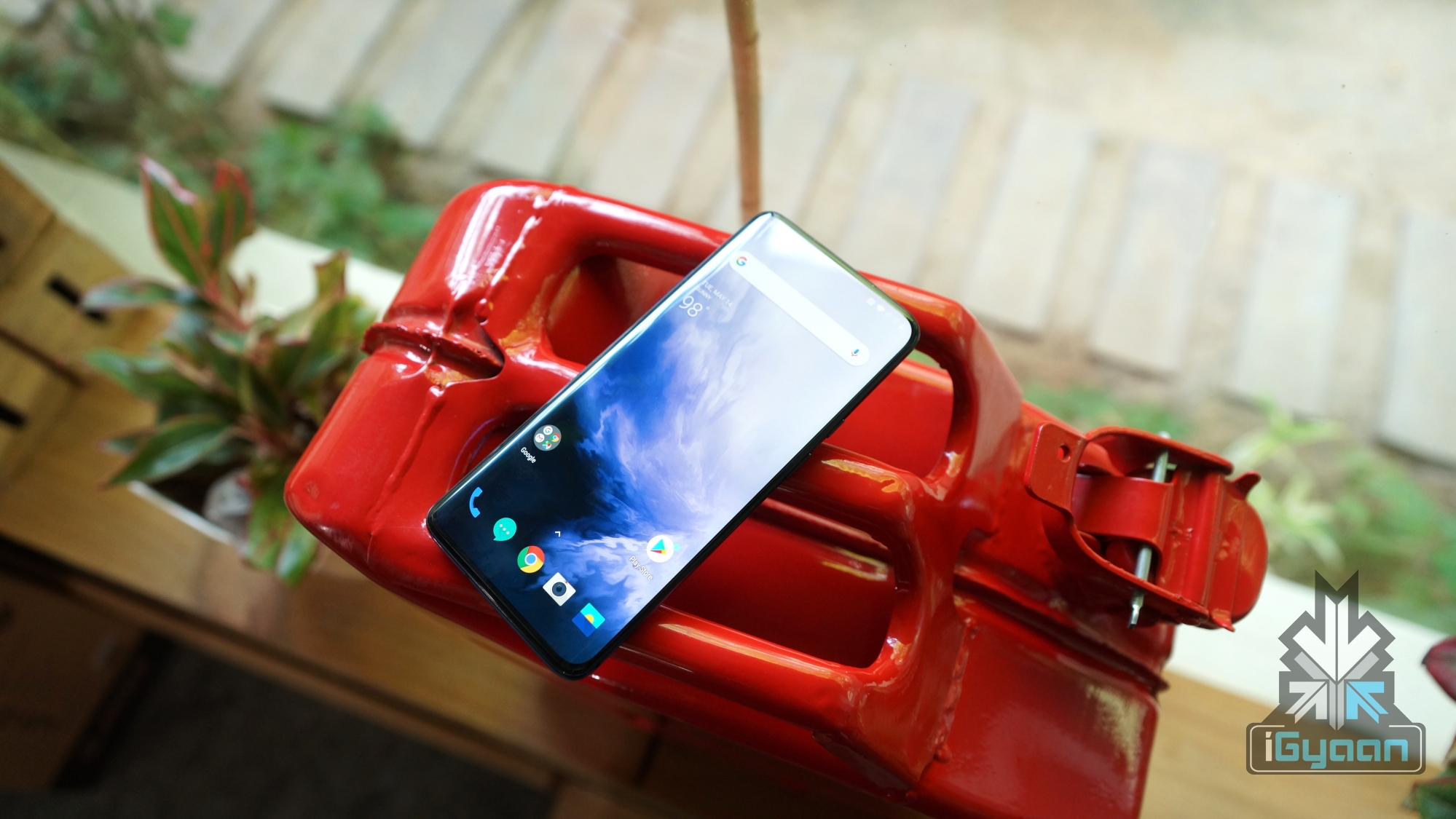
Also, for reference following are the specifications of the OnePlus 7 Pro
- Screen Size- 6.67 inch Fluid AMOLED, 3120 x 1440 px, 516 ppi, 90 Hz Refresh Rate
- Rear Camera- 48 MP (f/1.6) + 16 MP (f/2.2) + 8 MP (f/2.4)
- Front Camera- 16 MP, Pop Up Camera
- Battery- 4,000 mAh, 30 W Fast Charging
- Chipset- Snapdragon 855
- Screen Protection- Corning Gorilla Glass 6
- SD Card Support- N/A
Price: Rs 52,999 (8 GB + 256 GB)
Galaxy S10 Plus
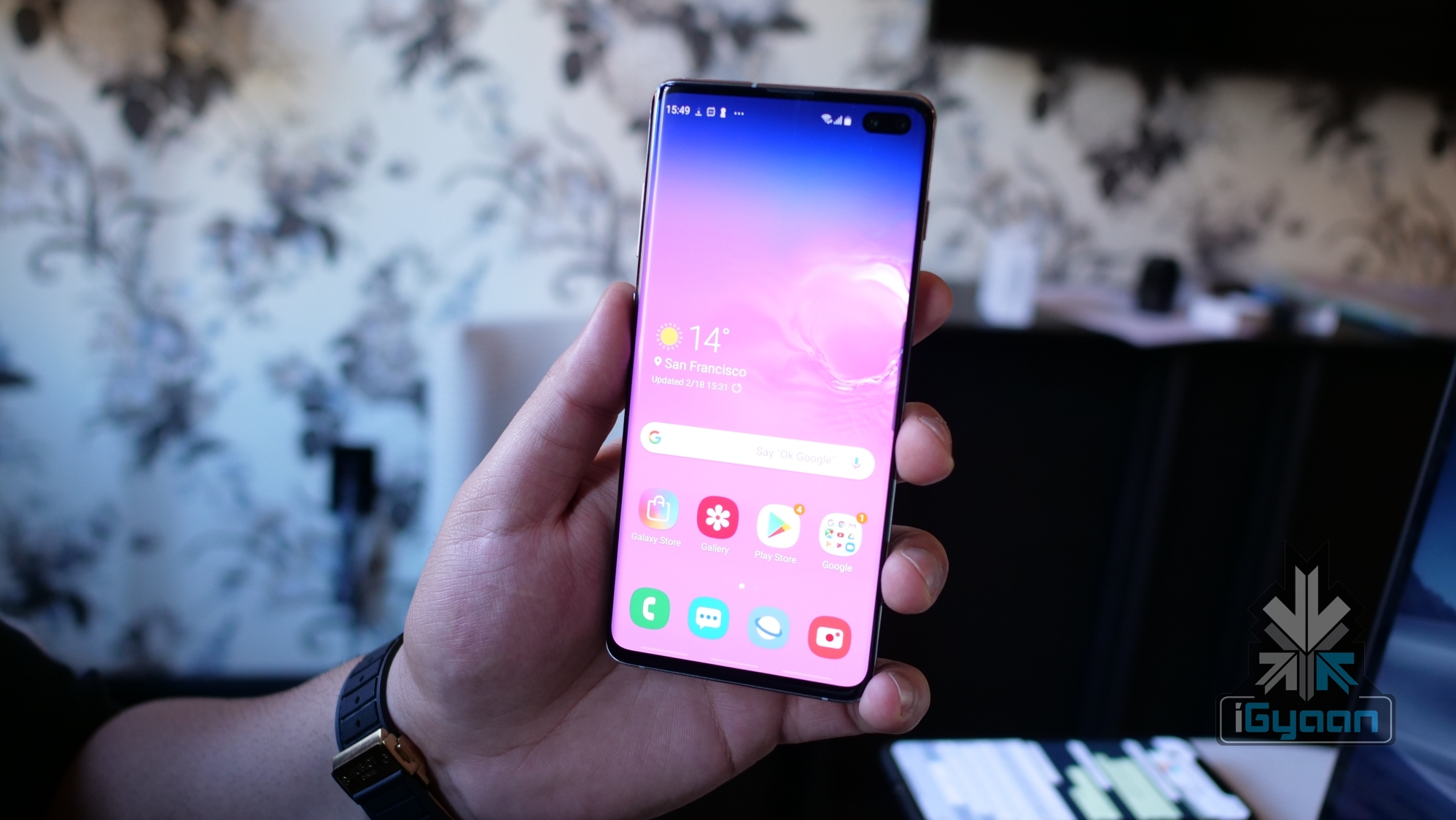
The Samsung Galaxy S10 Plus is apparently one of the most the obvious alternatives to the OnePlus 7 Pro. It offers sensational performance with a dignified design and is made from premium materials. It sports a 6.4 inch Dynamic AMOLED display with a punch hole that houses dual selfie cameras. There are certain features that steer the Galaxy S10 Plus ahead of its competitor. The said features include upto 512 GB storage option (1 TB: In USA), memory expandability via microSD card, a 3.5 mm audio jack, slightly larger battery with 4100 mAh capacity, IP68 certification, support for wireless charging along with reverse wireless charging.
- Screen Size- 6.4 inch Dynamic AMOLED, 3040 x 1440 px, 522 ppi
- Rear Camera- 16 MP (f/2.2) + 12 MP (f/1.5) + 12 MP (f/2.2)
- Front Camera- 10 MP (f/1.9) + 8 MP (f/2.2)
- Battery- 4,100 mAh, Upto 15 W, Wireless & Reverse Wireless Charging
- Chipset- Exynos 9820
- Screen Protection- Corning Gorilla Glass 6
- SD Card Support- up to 1 TB (uses SIM 2 slot)
Price: Rs 91,900 (8 GB + 512 GB)
Huawei P30 Pro
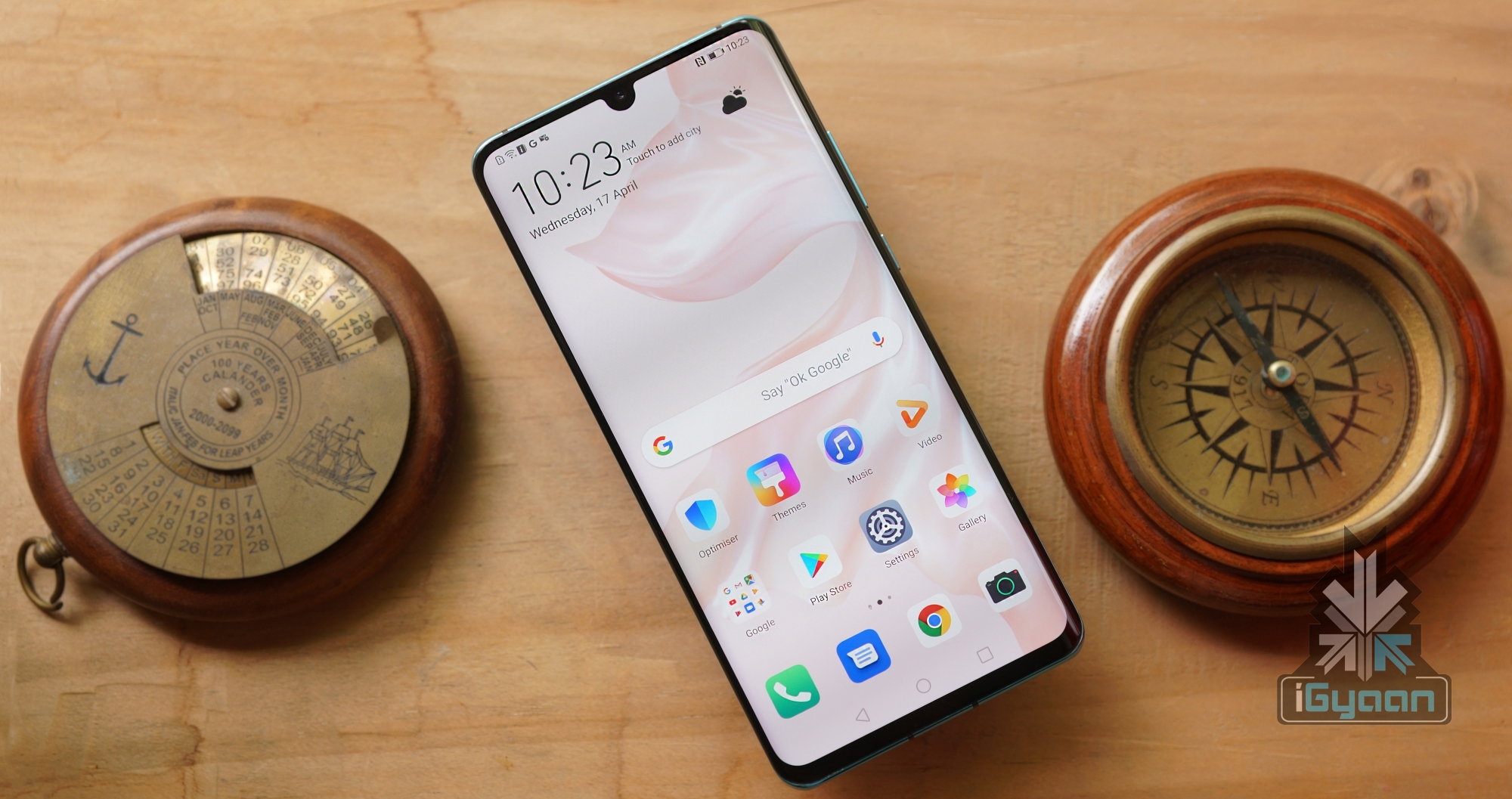
Huawei’s latest flagship, the P30 Pro is also a worthy contender to the newly launched OnePlus 7 Pro. The key highlighting feature of the P30 Pro is the quad rear camera setup which supports upto 50x zoom. Notably, the camera setup includes a ToF (Time Of Flight) sensor which the OnePlus 7 Pro misses out on. The sensor allows the device to capture depth information which allows in clicking pictures and videos with better bokeh effect. Also, the P30 Pro has a larger 4200 mAh battery which is 200 mAh battery larger than the 4000 mAh cell on the OnePlus 7 Pro. However, the distinguishing feature of the P30 Pro is support for 40 W charging which can charge the device to 70% in 30 minutes.
- Screen Size- 6.47 inch OLED, 2340 x 1080 px, 398 ppi
- Rear Camera- 40 MP (f/1.6) + 20 MP (f/2.2) + Periscope 8 MP + TOF 3D Camera
- Front Camera- 32 MP
- Battery- 4,200 mAh, 40 W Fast Charging
- Chipset- Kirin HiSilicon 980
- Screen Protection- N/A
- SD Card Support- Nano SD card (upto 256 GB, uses SIM 2 slot)
Price: 8 GB + 256 GB- Rs 71,990
Xiaomi Redmi K20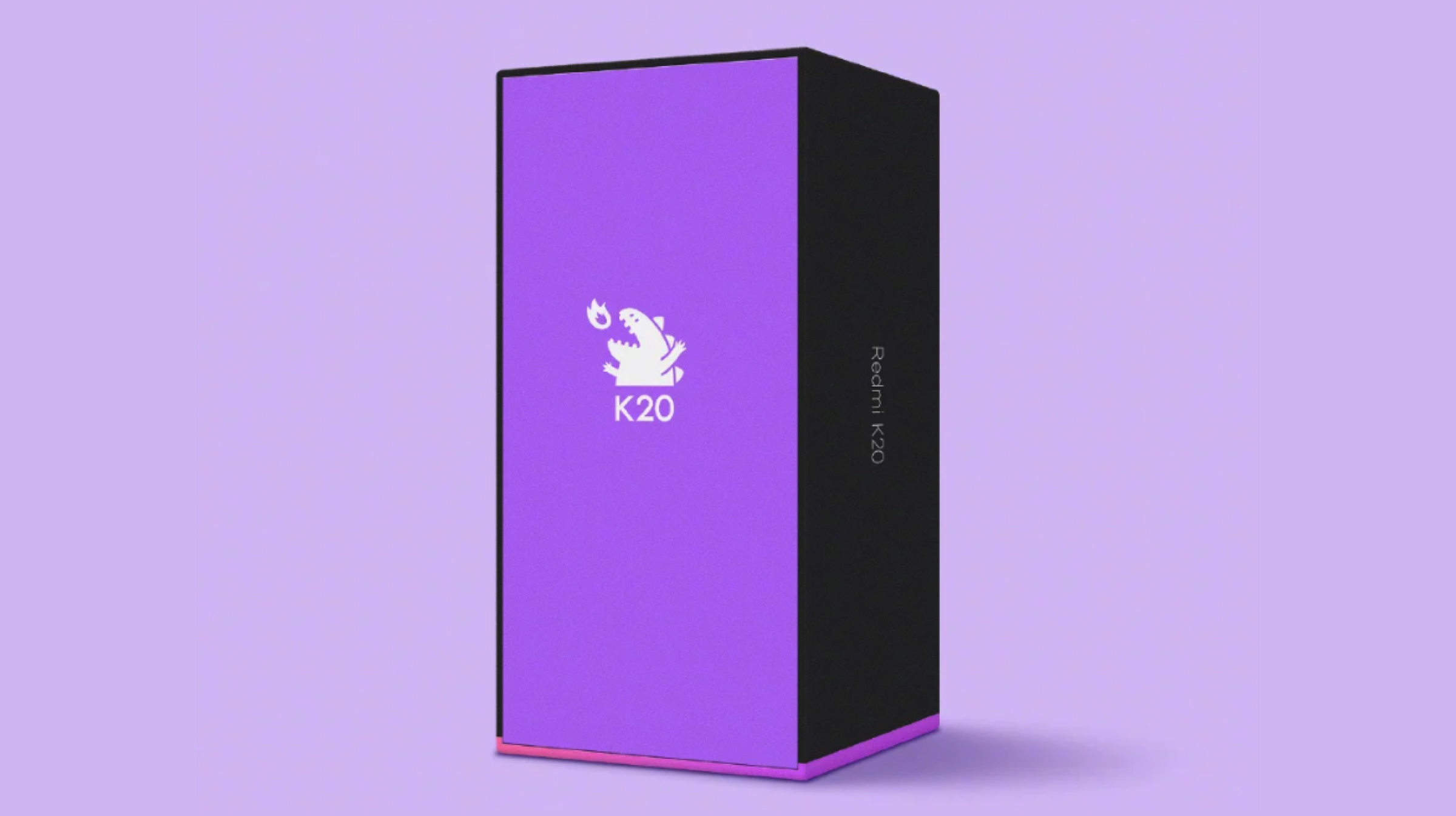
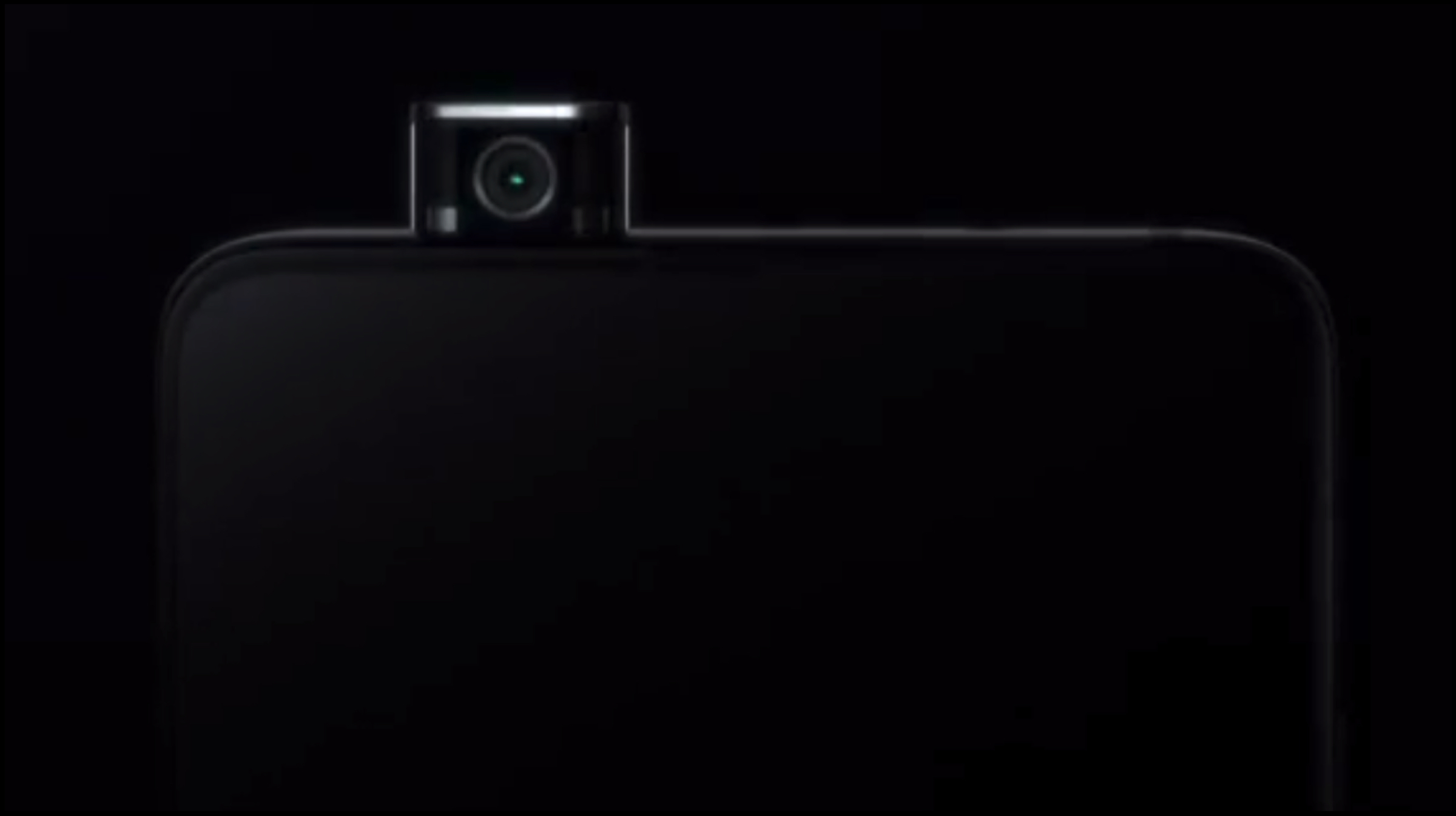
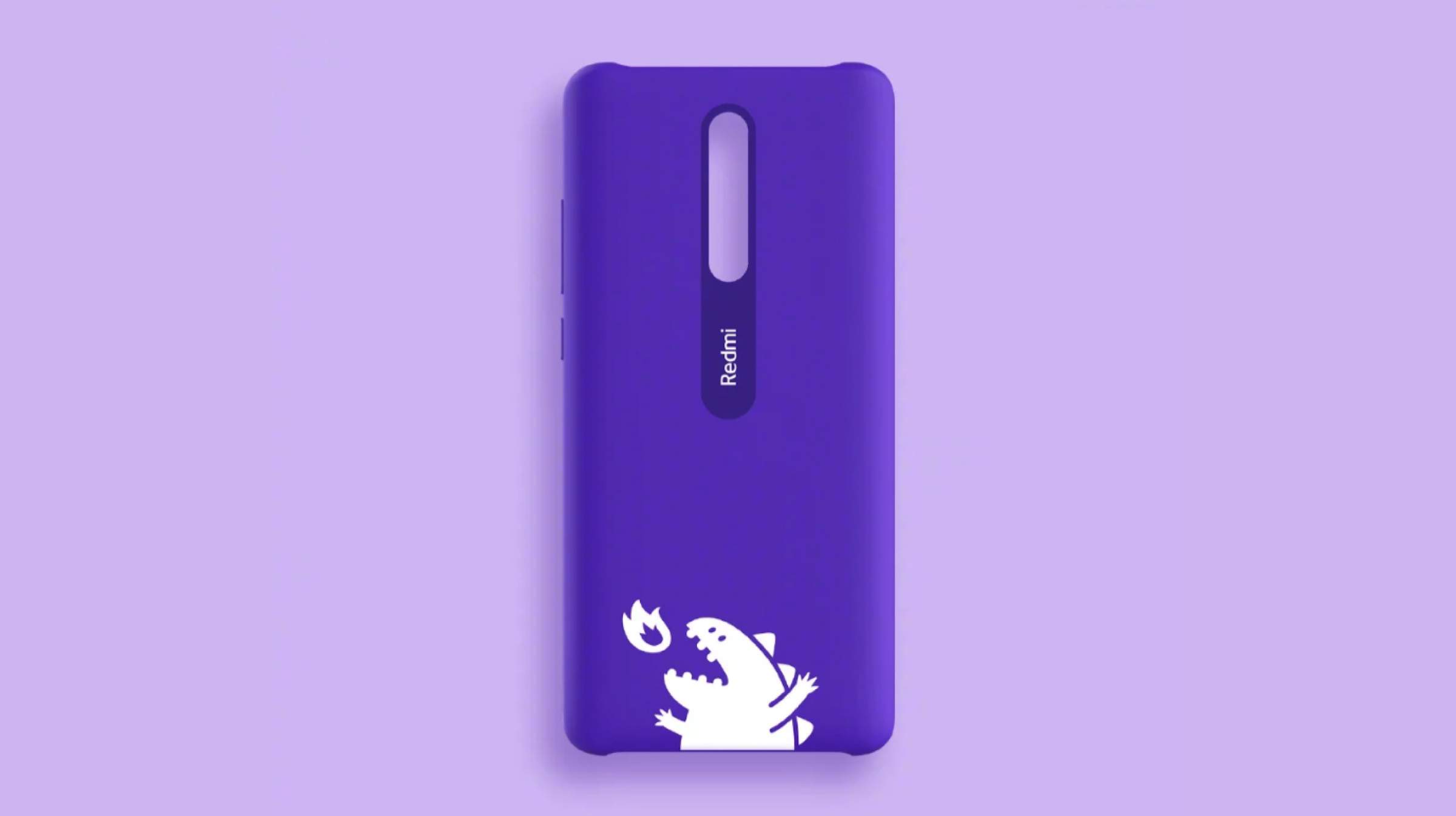
Xiaomi will launch it latest flagship, the Redmi K20 aka the Killer 20 on the 20th of May. The device is confirmed to feature Snapdragon 855 SoC like the OnePlus 7 Pro. Earlier this week, the Xiaomi shared the Antutu result of the upcoming smartphone which registers an impressive score of more than 4,50,000. In comparison, the OnePlus 7 Pro registered an Antutu score in the range of 3,60,00 and 3,70,000. Certainly, the difference between the benchmark result among the two devices is significant. However, we will have to wait until the official announcement of the K20 to verify the results. Notably, the K20 is destined to cost less than its competitor which will give it another advantage in a price sensitive market like India. Following are the specifications of the Redmi K20 as per leaks
- Screen Size- 6.39 inch OLED, 2340 x 1080 px, 403 ppi
- Rear Camera- 48 MP + 13 MP + 12 MP + 8 MP
- Front Camera- 20 MP
- Battery- 4,000 mAh, 27 W Fast Charging
- Chipset- Snapdragon 855
- Storage: 16 GB +256 GB
Price: TBA
ZenFone 6
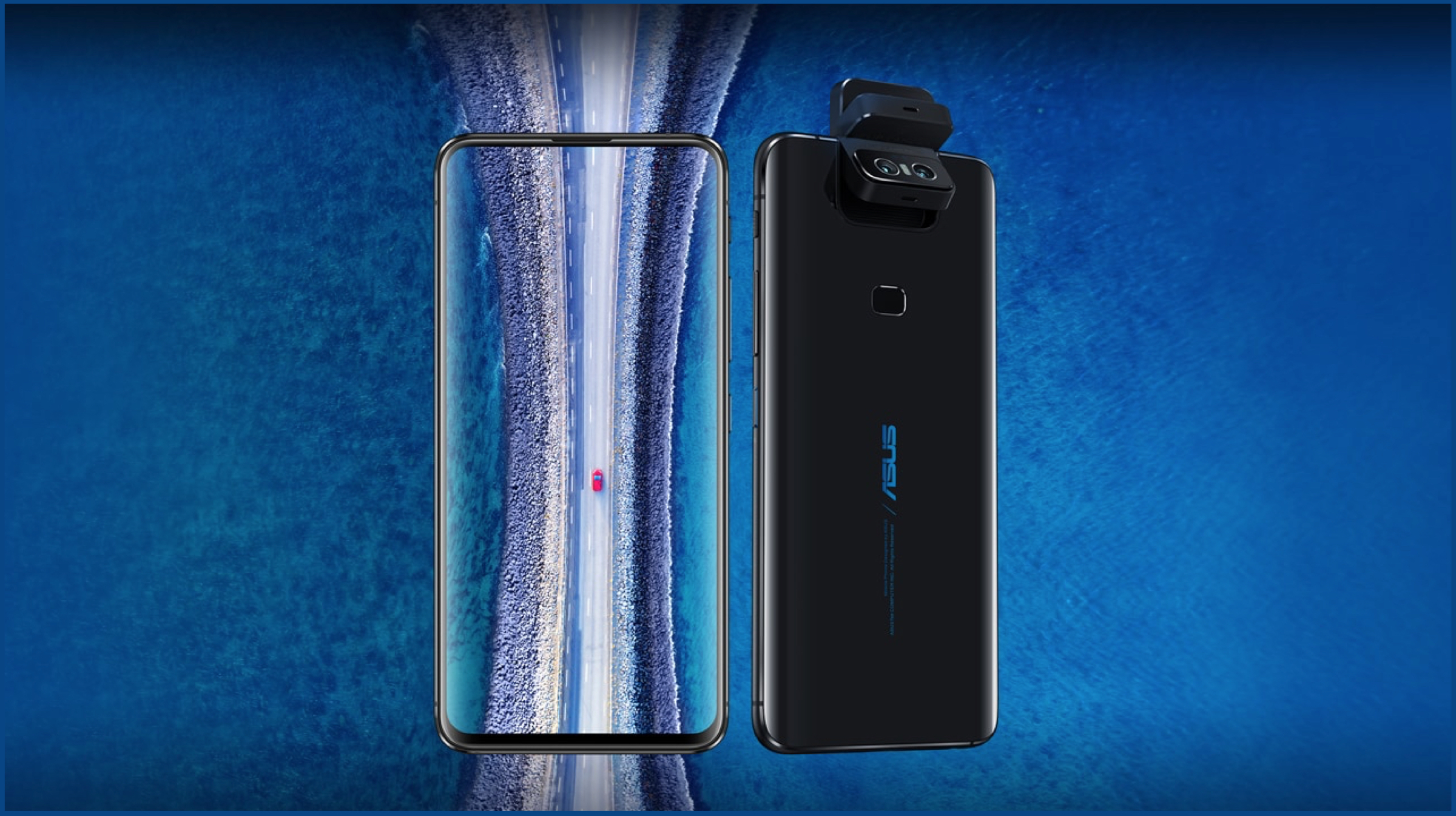
The ZenFone 6 was released on the 16th of May and with the latest flagship, Asus has certainly managed to turn a lot of heads. Under the hood, it features the Snapdragon SoC and undercuts the OnePlus 7 Pro in terms of price with a considerable margin. Also, it has a smaller form factor which makes it more portable than the OnePlus 7 Pro that has a notable footprint. The feature that makes the ZenFone 6 stand out is its unique flip-up dual rear camera that also doubles as the selfie camera. Besides, the camera setup can actively track an object as the camera flip can independently manoeuvre accrediting to its mechanised hinge. Stable to most modern Asus smartphones, the ZenFone 6 is powered by a mammoth 5,000 mAh battery which paired with modest specifications will churn out a longer battery backup. Reportedly, the smartphone will soon launch in India and it will be exclusively available on Flipkart.com.
- Screen Size- 6.4 inch LCD, 2340 x 1080 px, 403 ppi
- Rear/Front Camera- 48 MP (f/1.8) + 13 MP (f/2.4)
- Battery- 5,000 mAh, 18 W Fast Charging
- Chipset- Snapdragon 855
- Screen Protection- Corning Gorilla Glass 6
- SD Card Support- up to 1 TB (dedicated slot)
Price: 8 GB + 256GB= €599 (Rs 47,000 approx) [Indian Price: TBA]
Black Shark 2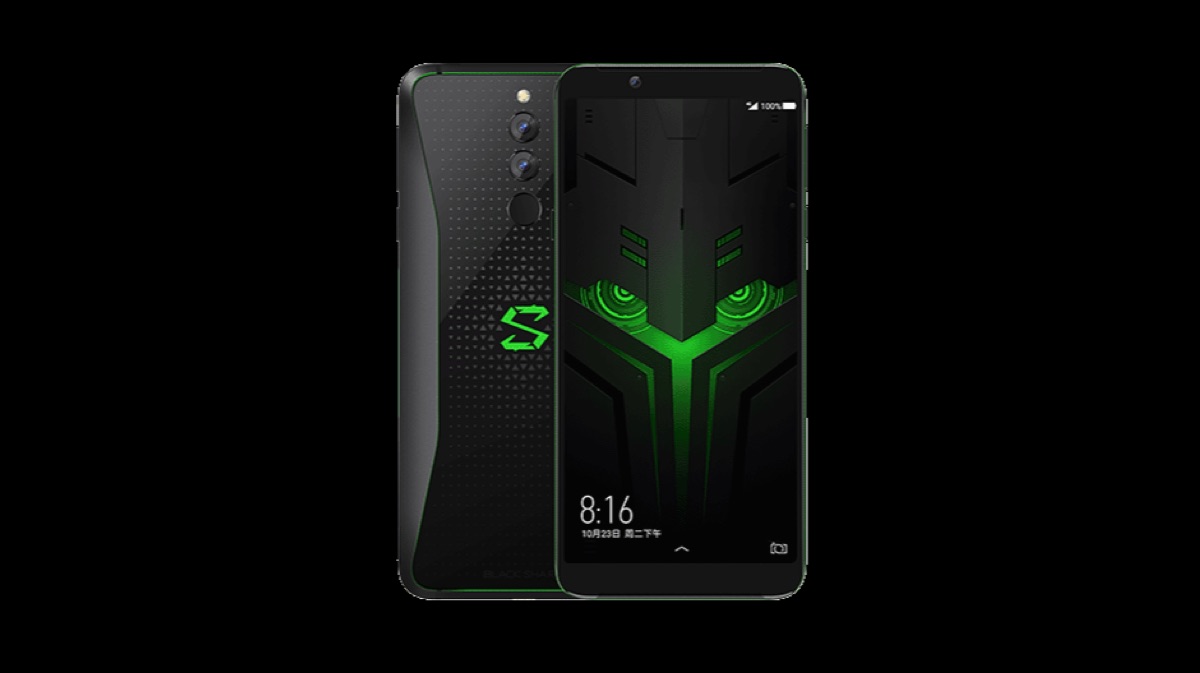
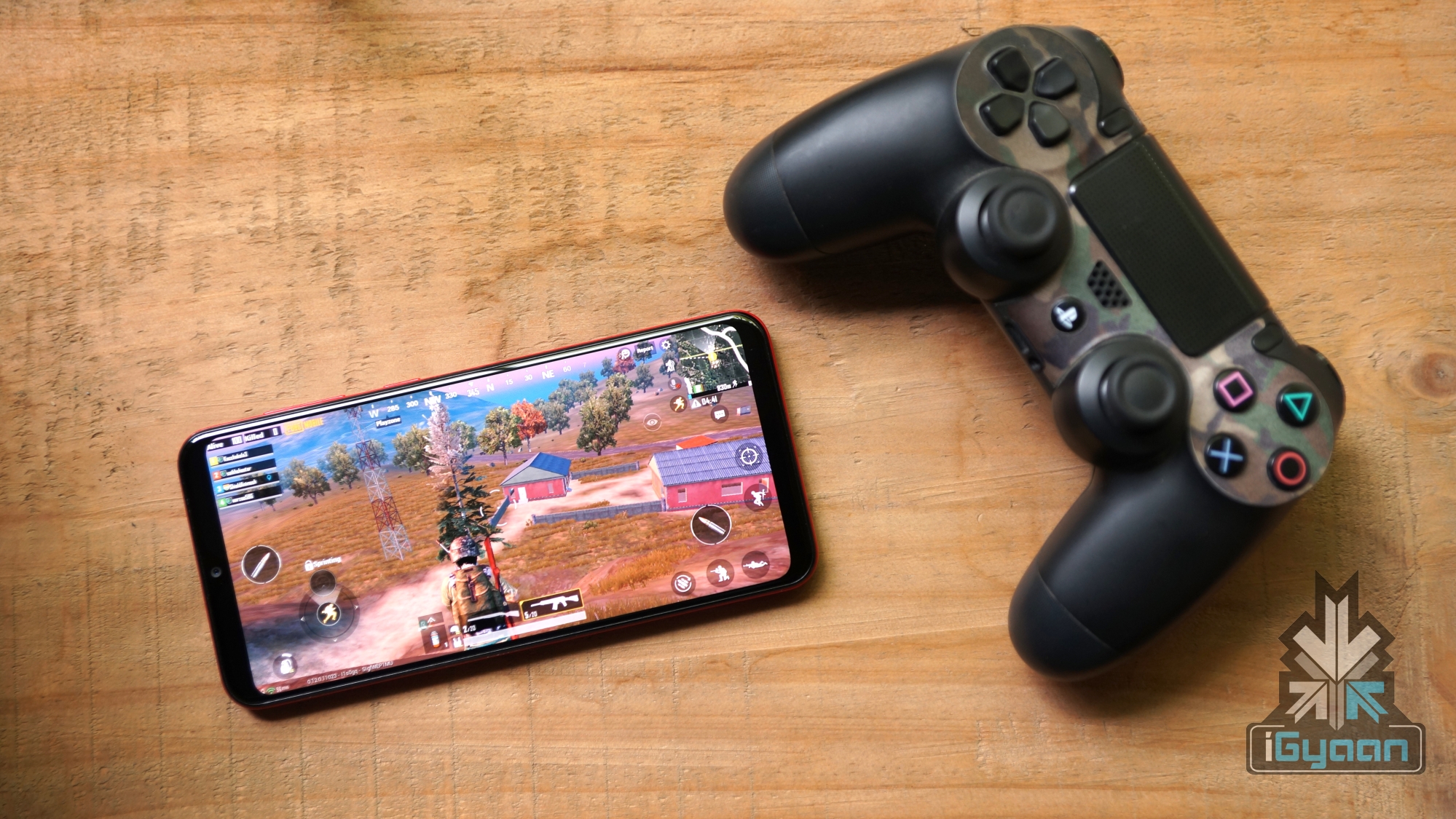
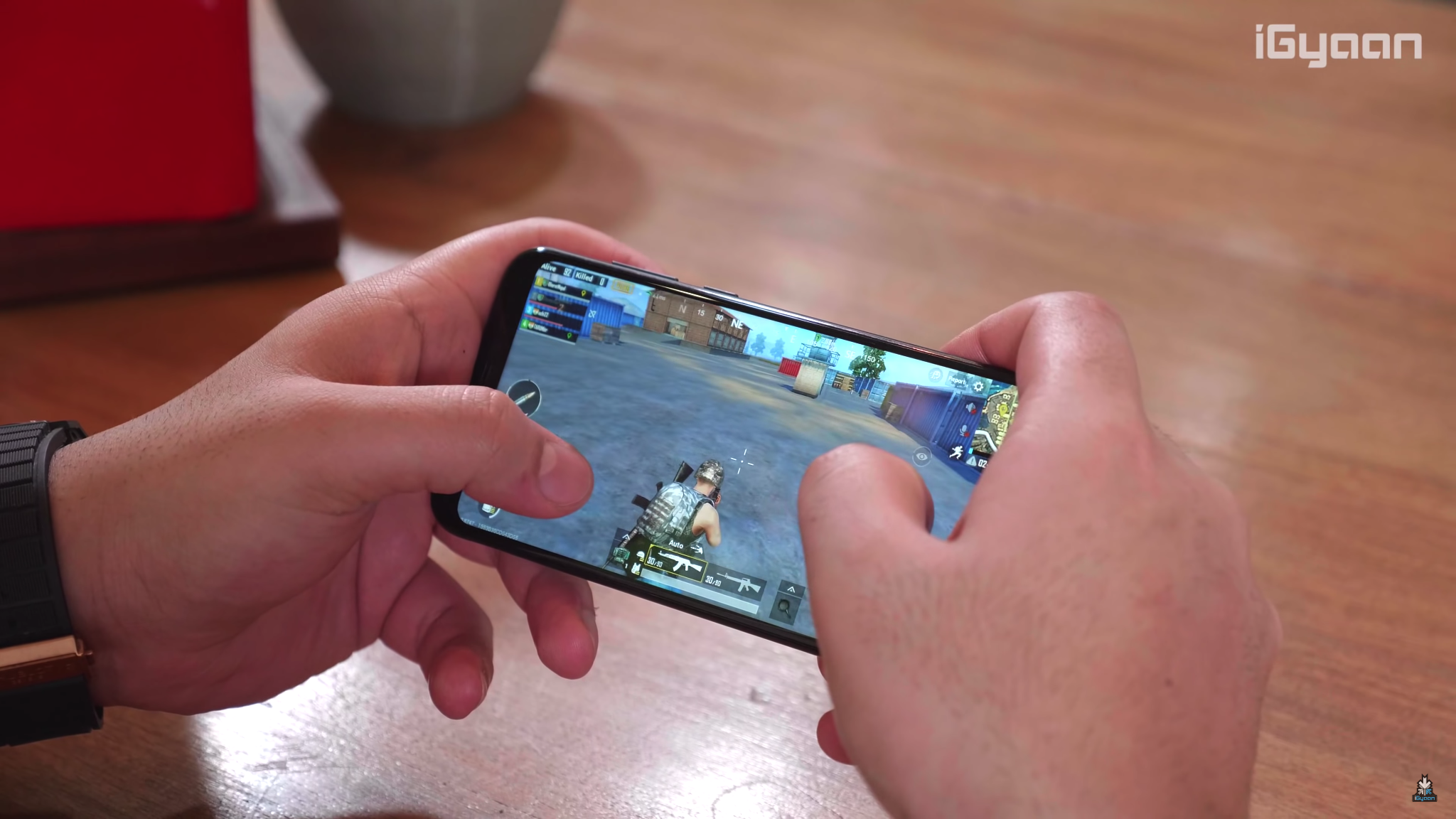
Also reported to soon launch in India, the Black Shark 2 is a true alternative to the OnePlus 7 Pro if you are a gaming enthusiast. Primarily built to be a gaming smartphone, the Black Shark 2 offers certain benefits over the OnePlus 7 Pro. The Black Shark 2 supports dedicated gaming accessories which include gamepads with physical buttons. The said accessories offer a level of control which is hard to achieve via the on-screen controls. To provide the users with an advantage over the competitors, the display panel has a polling rate of 240 Hz which can register touch input at a rate.
- Screen Size- 6.3 inch AMOLED, 2340 x 1080 px, 403 ppi
- Rear Camera- 48 MP (f/2.2) + 12 MP (f/2.2)
- Front Camera- 20 MP
- Battery- 4,000 mAh, 27 W Fast Charging
- Chipset- Snapdragon 855
- Screen Protection- N/A
- SD Card Support- N/A
Price: 12 GB + 256 GB – ¥4199 (Rs 42,800 approx) [Indian Price: TBA]
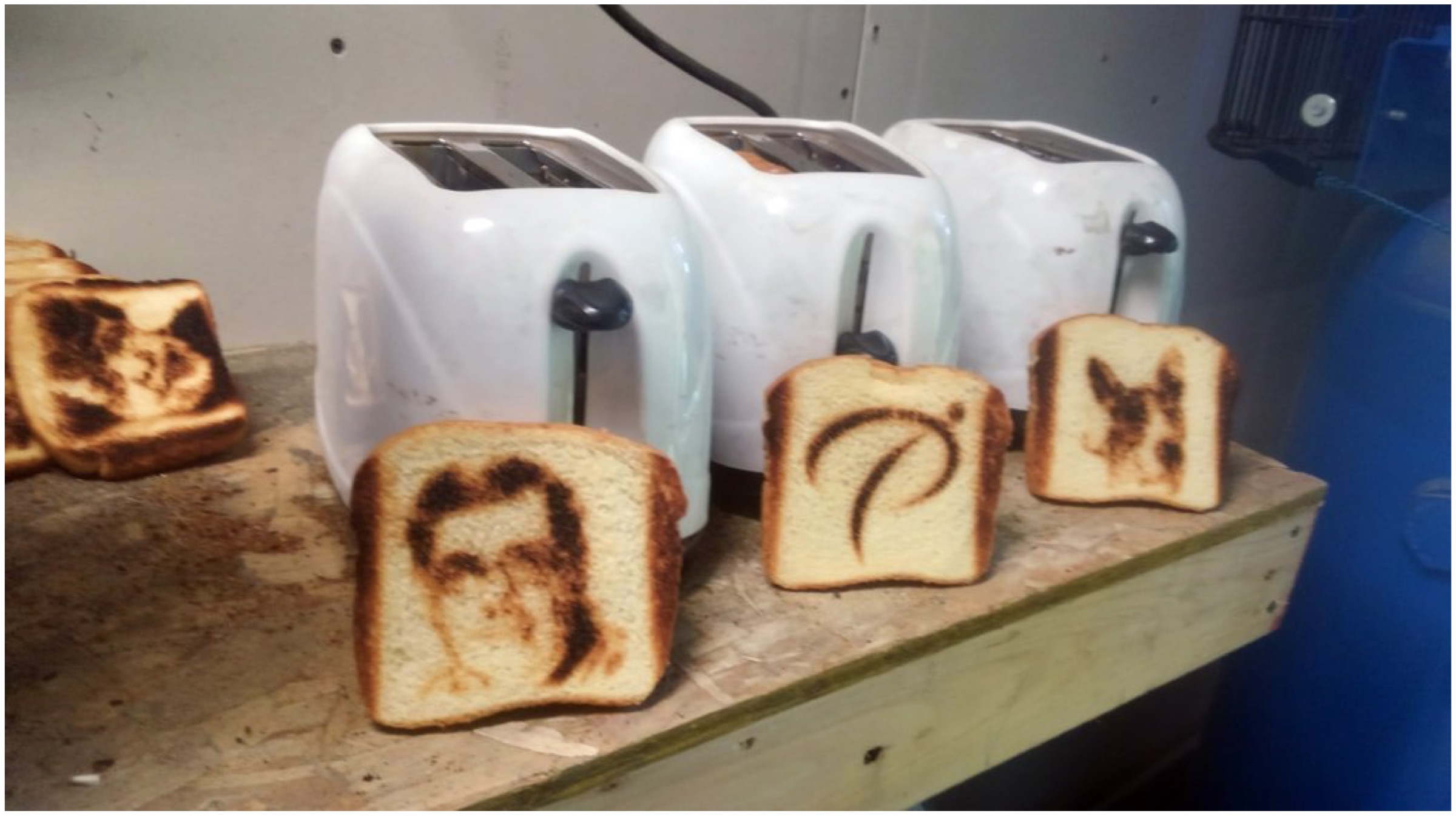 Yes, a toaster exists that can customize your slice of bread with an image of your face. Even though it’s requirements may be very controversial, there is a reason why the US company “Burnt Impressions” still ships these novelty appliances for $75 per unit. Users can get the toaster to imprint their selfies onto a slice of bread via a custom laser-cut metal grilling plate, that is also made by the company. However, buyers have to upload their photograph at the time of purchase, which means that you will be stuck with staring at one image on a bread slice.
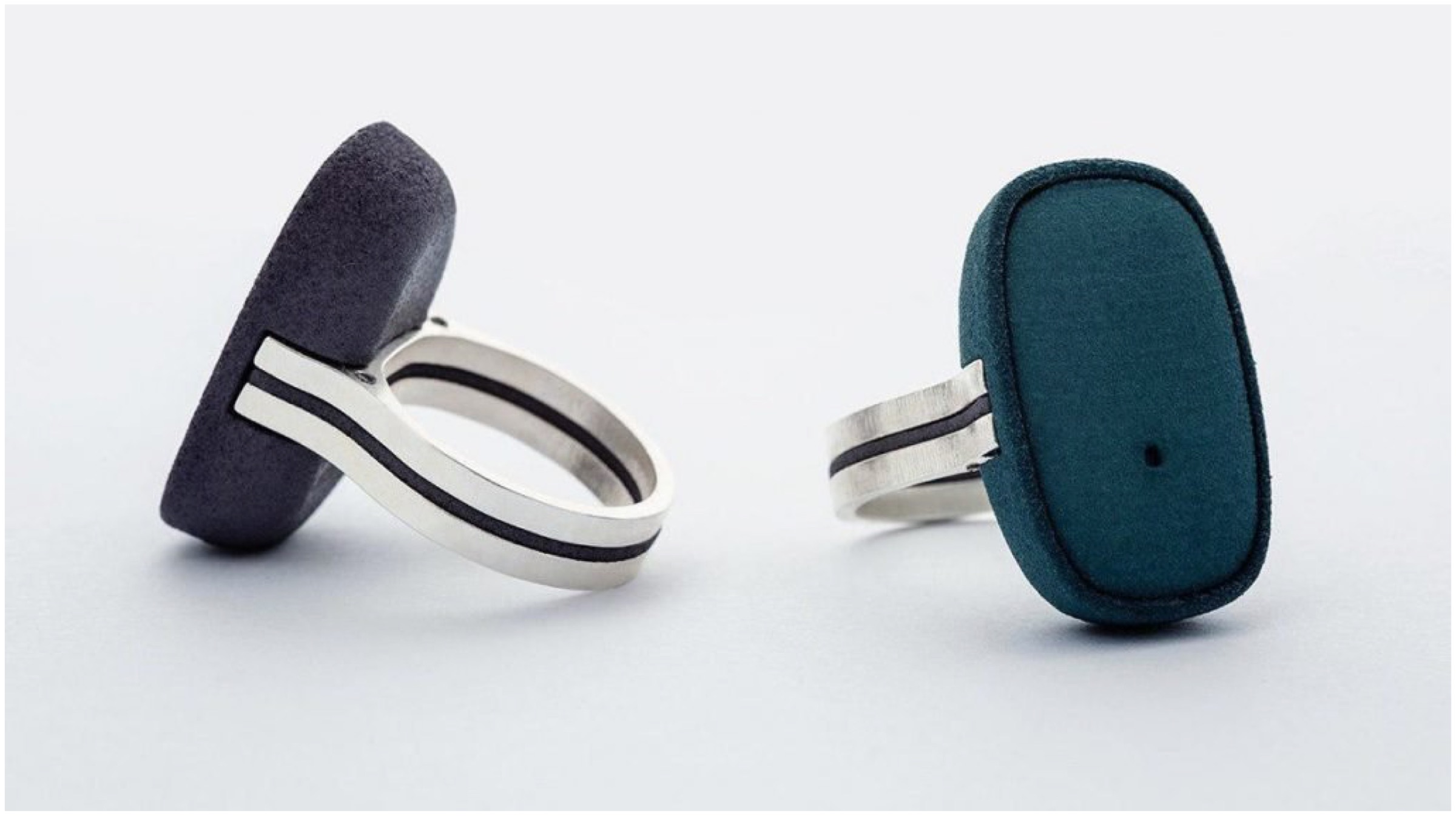
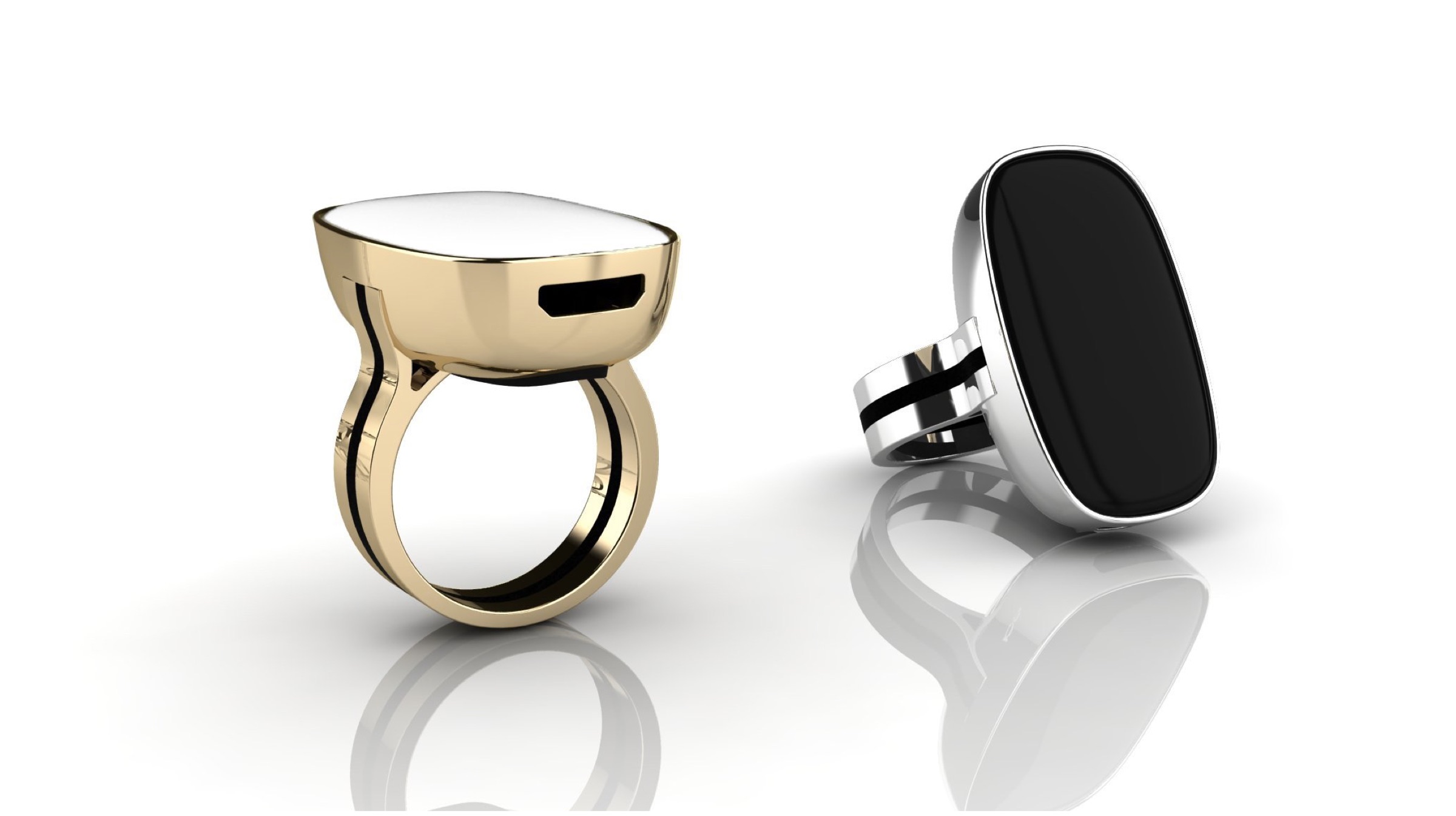 There are times when some unwanted gadgets from sci-fi movies make their way into the real world, making you wonder if they actually are meant for the same. Such is the case with the “MoodMetric”, which is a ring that measures the body’s signals to determine the state of the mind of the wearer. The data is then relayed to the wearer’s smartphone, where he/she can gain insights regarding his/her mood. However, it is very unclear why a person will need a gadget to find out what their mood is like.
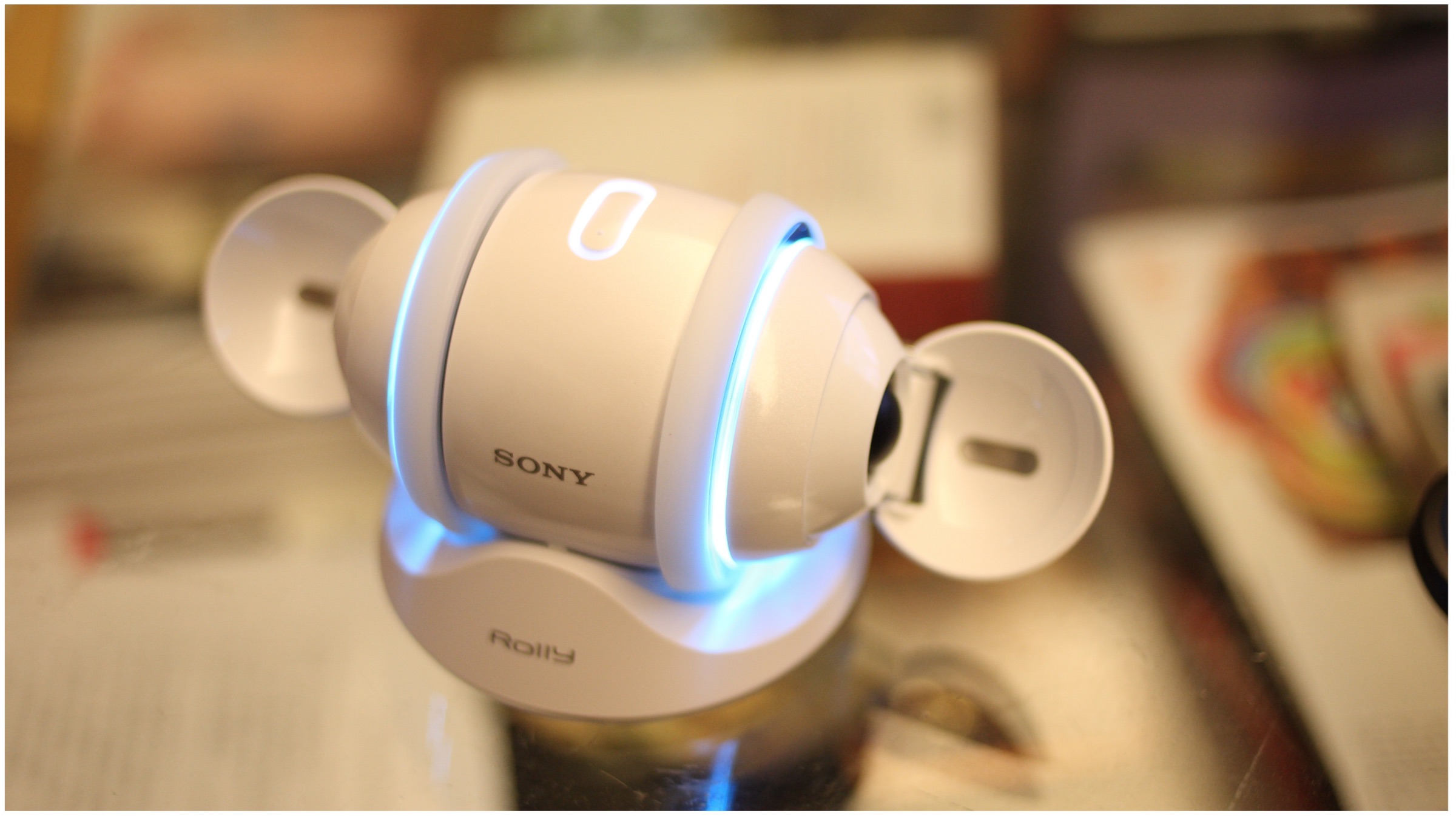 After the iPod hit the market and took it by storm, a lot of companies (including Sony) started experimenting on portable music players to hit the right chord. The aforementioned Japanese company made its entry with the launch of the Sony Rolly, which was a portable music player with a twist, literally. The music player was shaped like a football, and the best part was the fact that it danced to music. Costing at about US$ 399 at the time of launch, Rolly could twist, turn, roll and perform a host of other moves in sync to the music, all while flashing multi coloured lights. However, it didn’t even have a headphone jack at the time. Almost an year later, Sony discontinued the Rolly music player.
 Also Read:




 The study was co-led by a researche from the Boston University of Public Health (BUSPH). The study unearths that protein truncating variants in the aforementioned apolipoprotein B (APOB) gene are directly linked to lower triglyceride and LDL cholesterol levels, which significantly lowers the risk of coronary heart disease by almost 72 percent.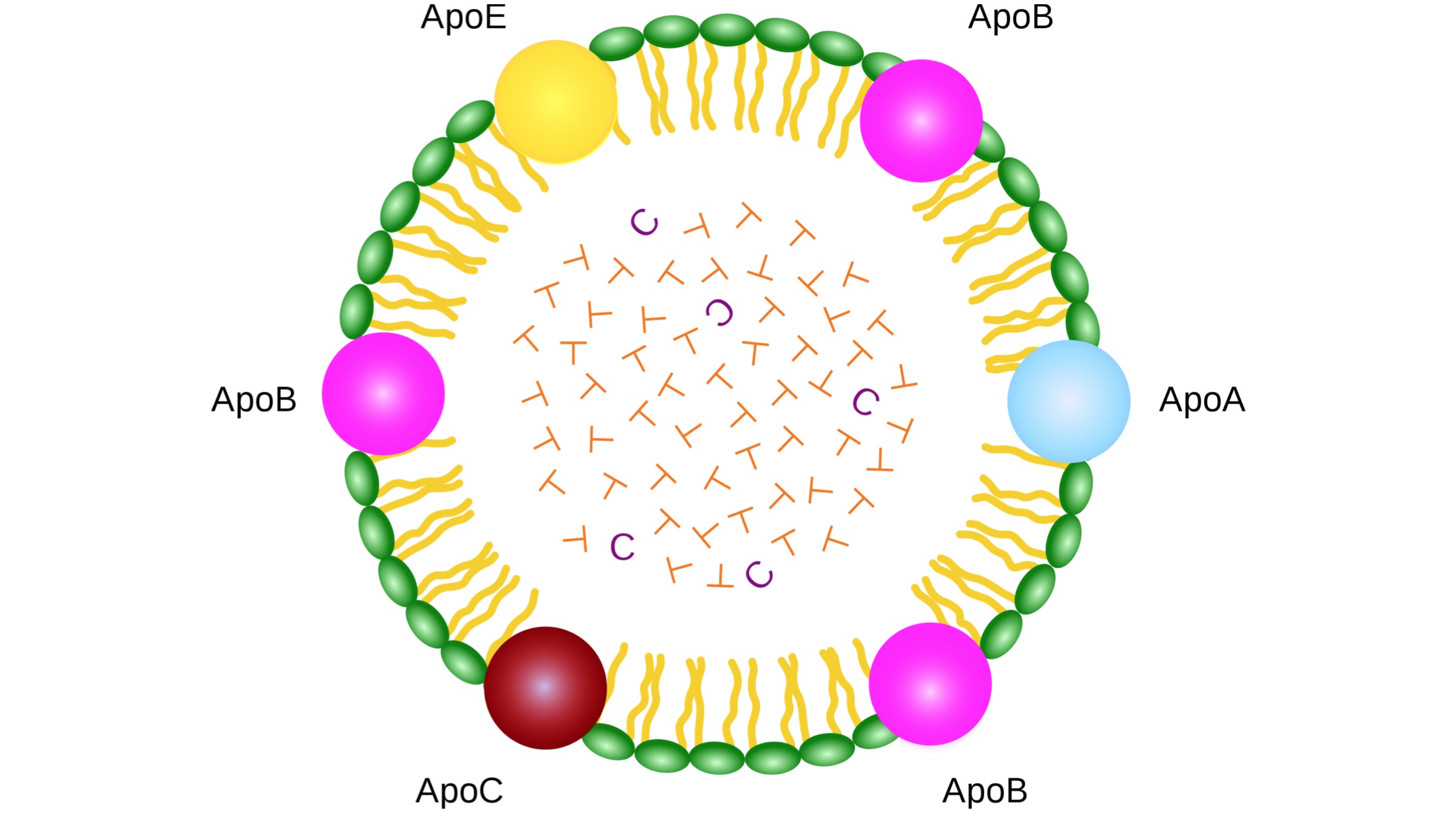

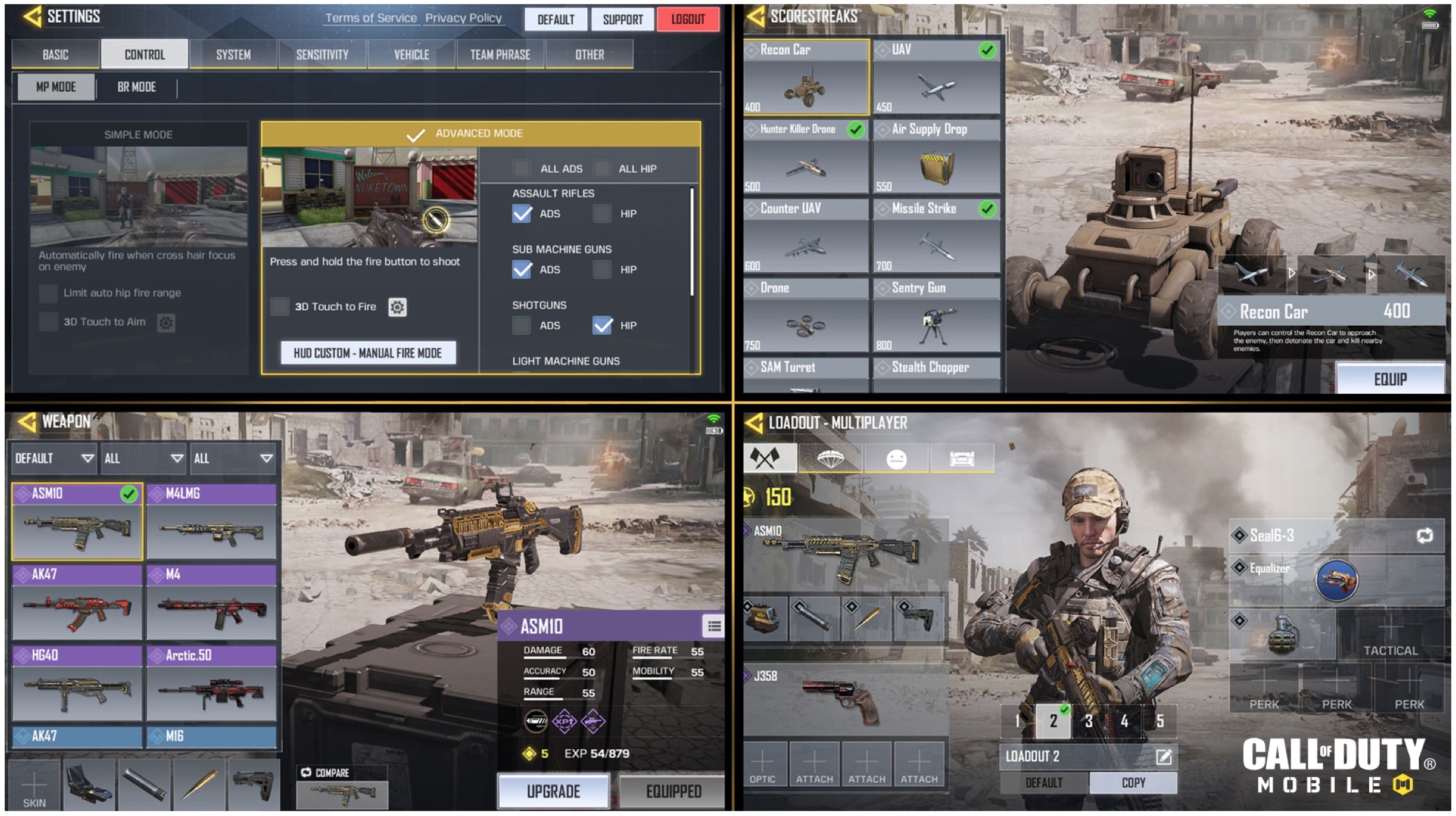
 automatically when the crosshair is focused on the enemy, whereas in advanced mode, the player has to fire the weapon manually. Moreover, players can choose how they hold each weapon by default. For instance, shotguns can be set to hip-fire by default, while rifles can be set to ADS (aim down sights) by default. Apart from tweaking the HUD, players can customize their aiming sensitivity via a total 17 different sliders.




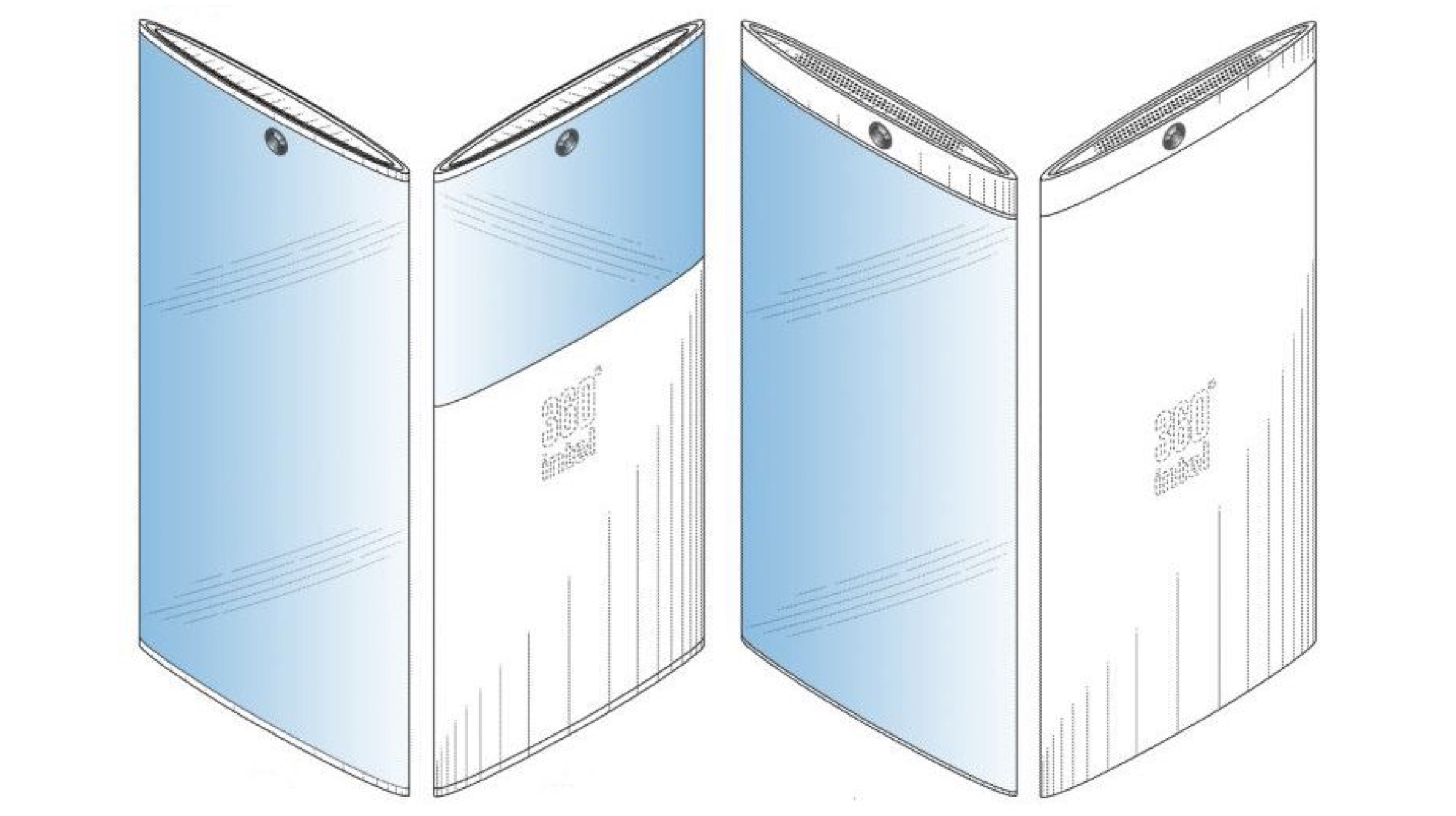
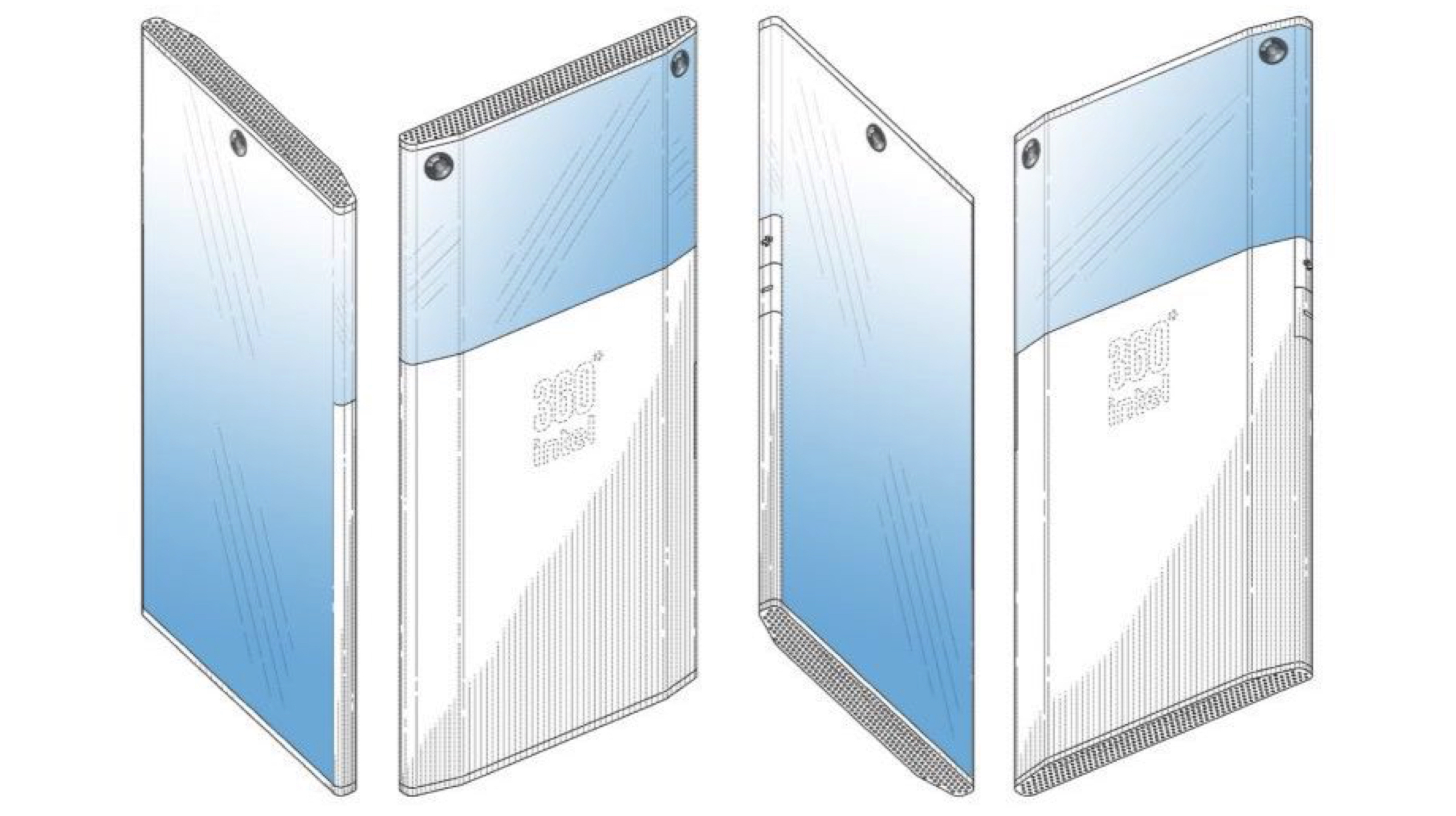
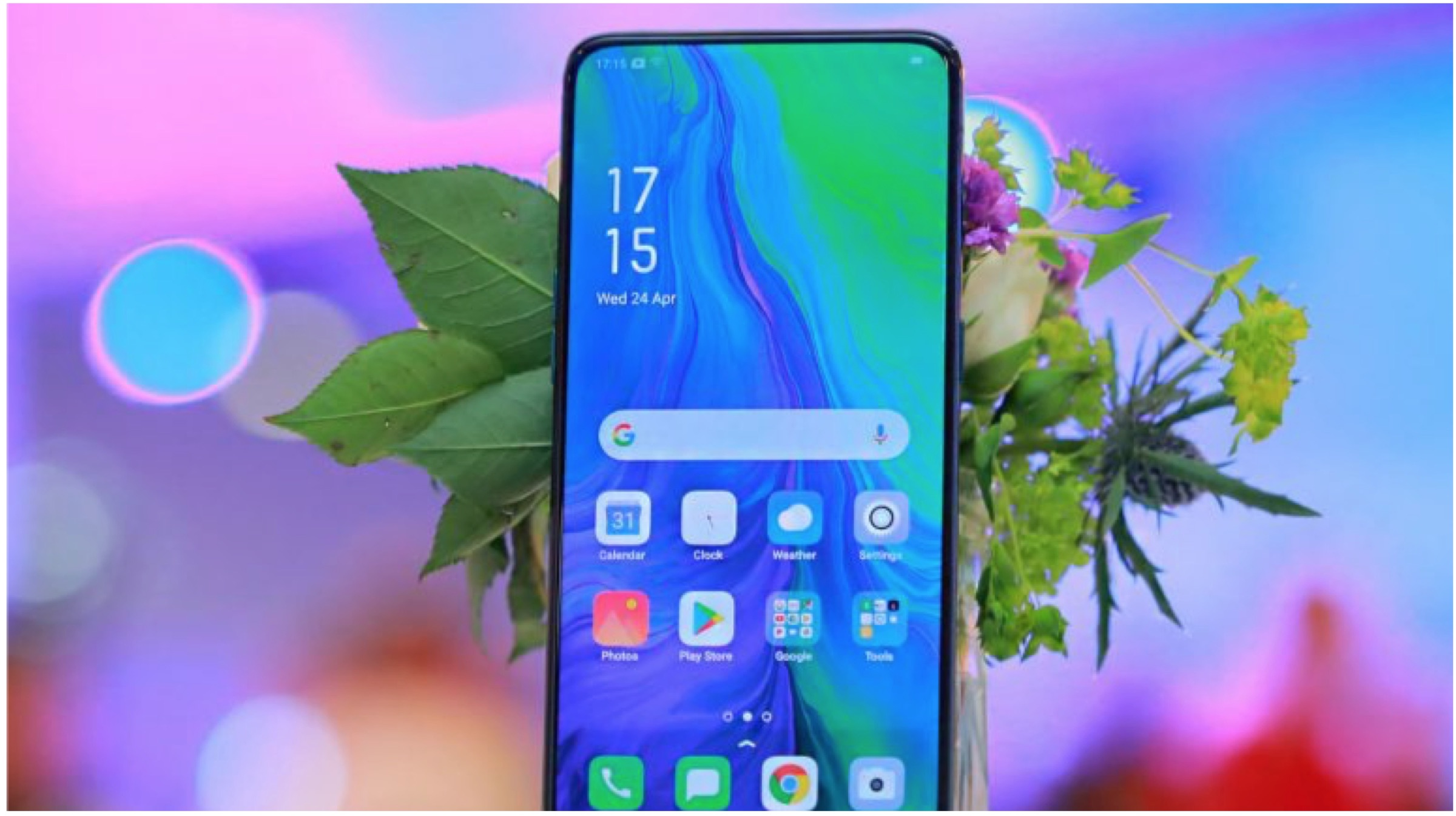
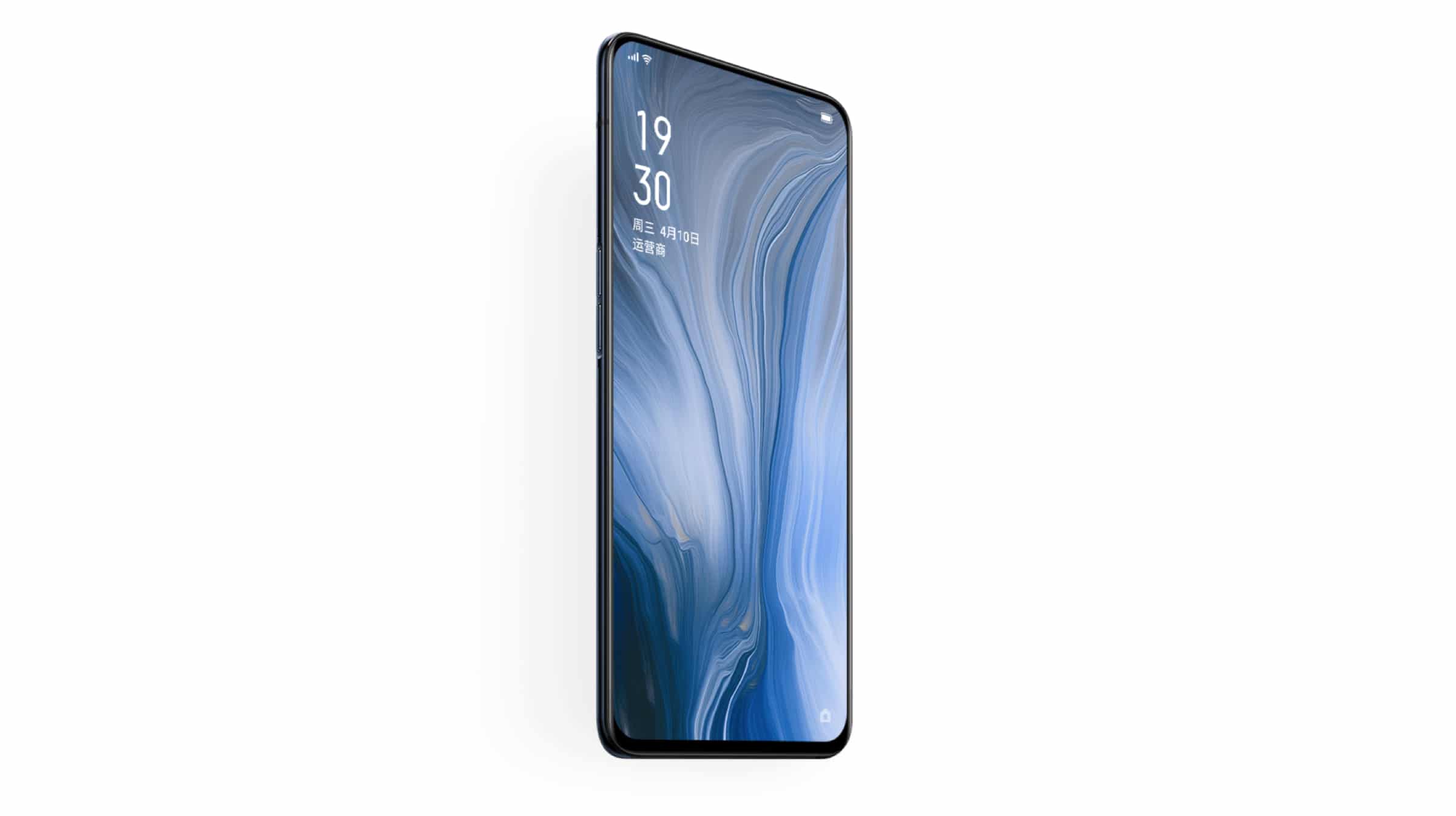
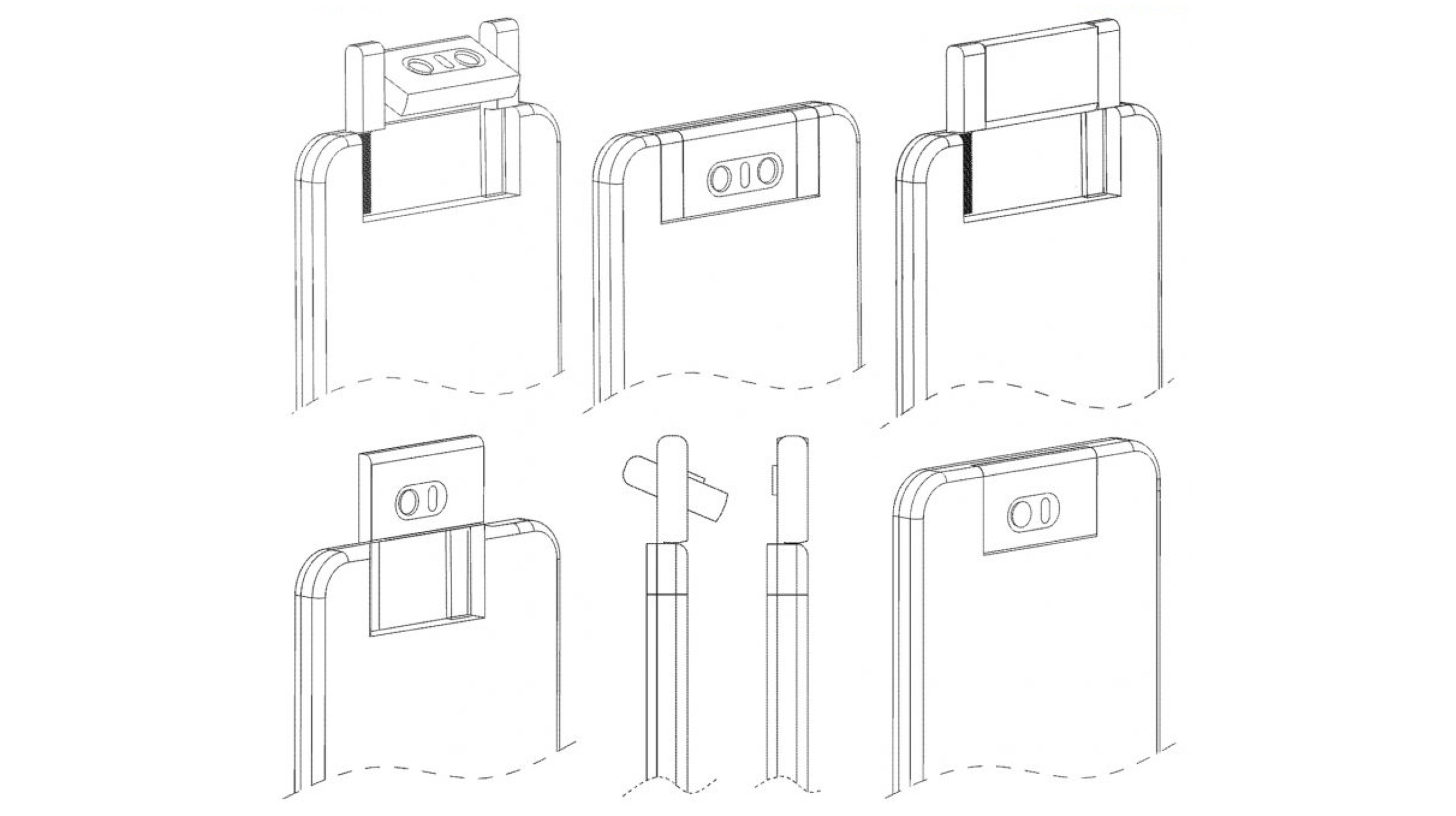 After the launch of the Oppo Reno with the unique shark-fin design, the company has been granted a patent which depicts a smartphone with a rotating camera system. The patent was filed by Guangdong Oppo Mobile Telecommunications in the end of the year 2018 with the WIPO (World Intellectual Property Office). The design was titled as a “Mobile Terminal” and was published on May 16, 2019. As mentioned previously, the patent exhibits a camera module design that can rotate 180 degrees around a pivotal axis.
  Also Read:



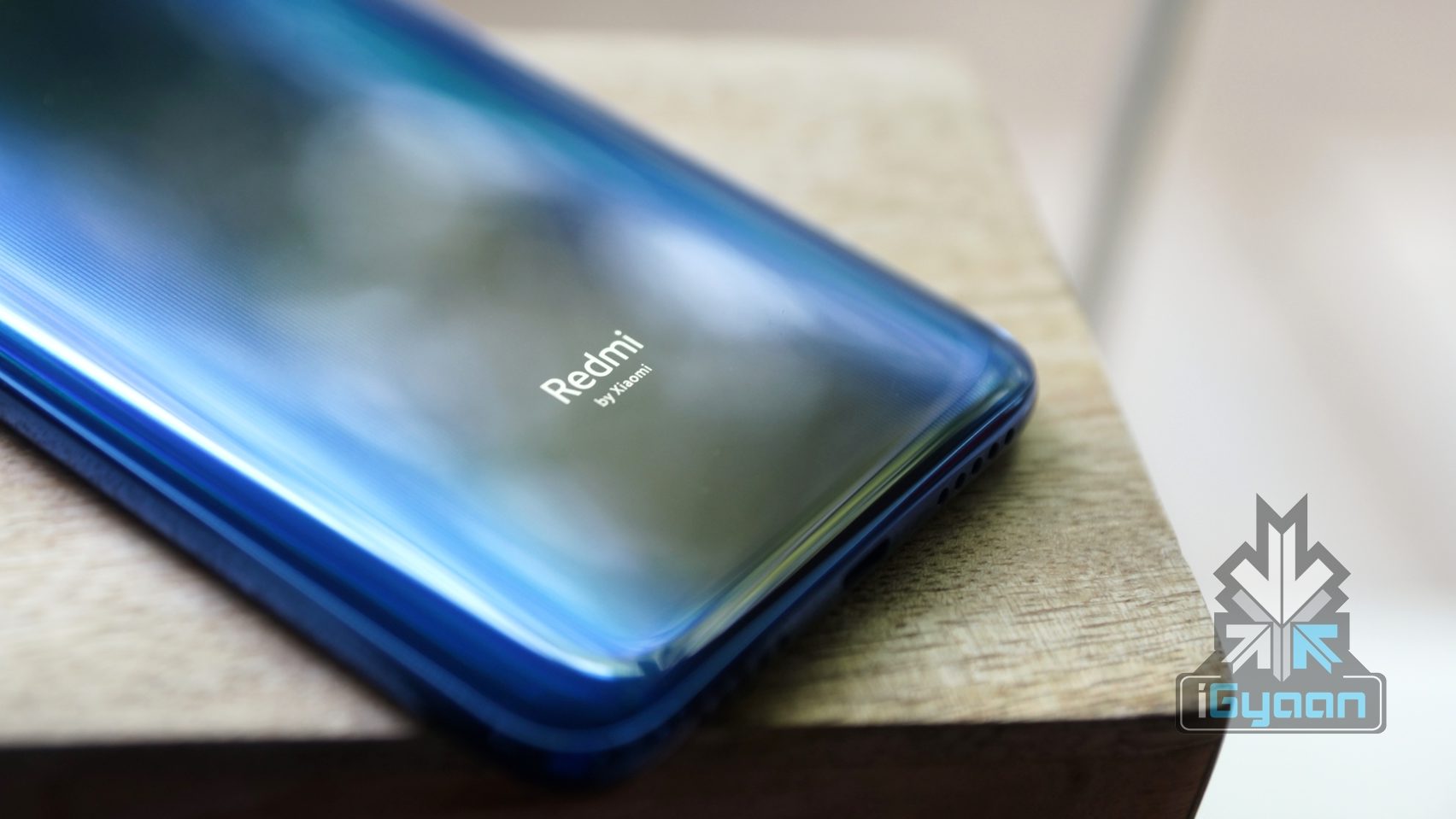
 The samples include a multitude of images, which are captured in different lighting conditions. The daylight-captured images depict a sharp image with good colour contrast. The images captured in a low light showcase a decent amount of details with low noise. Since both the Redmi Note 7 and Note 7 Pro feature Night Mode, the upcoming device is expected to sport a similar option as well.
  In terms of optics, the smartphone is expected to feature a dual rear camera module with a 48MP primary sensor and a 2MP secondary sensor. The watermark on the revealed images confirm this speculation. For selfies, the smartphone will have a 13MP front camera that is expected to be housed in a waterdrop notch up front. Under the hood, it is expected to be kitted with the Snapdragon 660 chipset, which consists of an octa-core CPU and the Adreno 512 GPU. Xiaomi is expected to keep the specifications of the Redmi Note 7s similar to the Chinese variant of the