In a bid to create more apps designed for the Indian market, Google has introduced a new app called ‘Bolo’. The app is aimed at improving children’s literacy in the country. It is available to download on the Google Play Store starting March 6. ‘Bolo’ is a Hindi term which means ‘to speak’ in English. The app is still in development, so there may be a few bugs to fix and changes to introduce before the company rolls out a stable version of it.
Google Bolo App
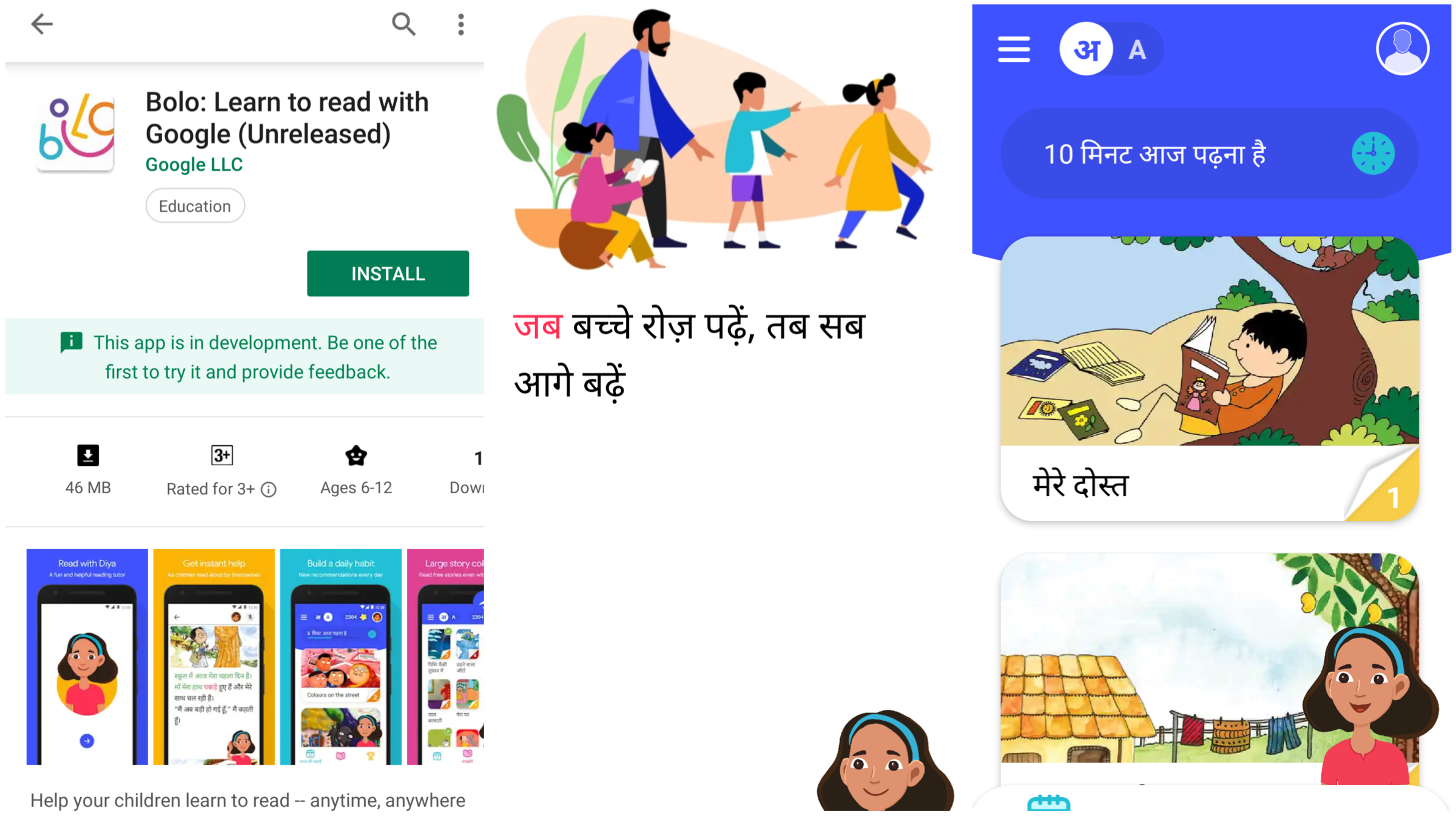
Google Bolo uses a Hindi UI and a personal assistant called Diya, which is also configured to speak in Hindi. The app is aimed towards children in primary grade, to improve their English and Hindi reading skills. This is achieved by encouraging the reader to speak aloud using the device’s microphone, and giving them instant feedback. It is completely free to use and works offline, so no internet connection is required. The stories that are available to read and practice are either in Hindi or in English, and it is expected that Google may add more languages to the platform soon.
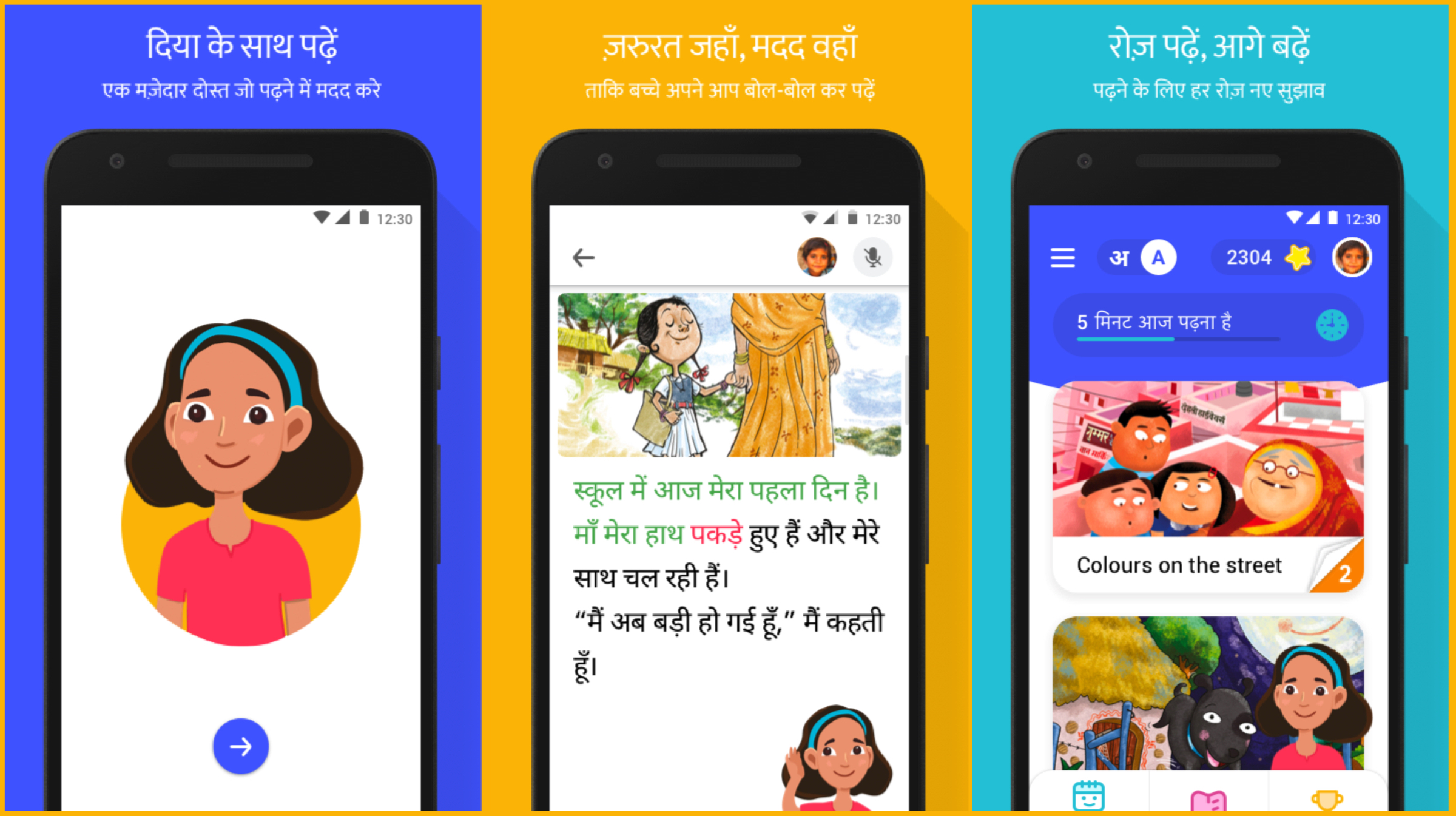
To make the stories engaging and interesting, Google Bolo features the aforementioned personal assistant called ‘Diya’ which uses the same speech technology as the Google Assistant. The assistant can also be used in case help is needed in the app. There are some word games as well, to make it more engaging and versatile.
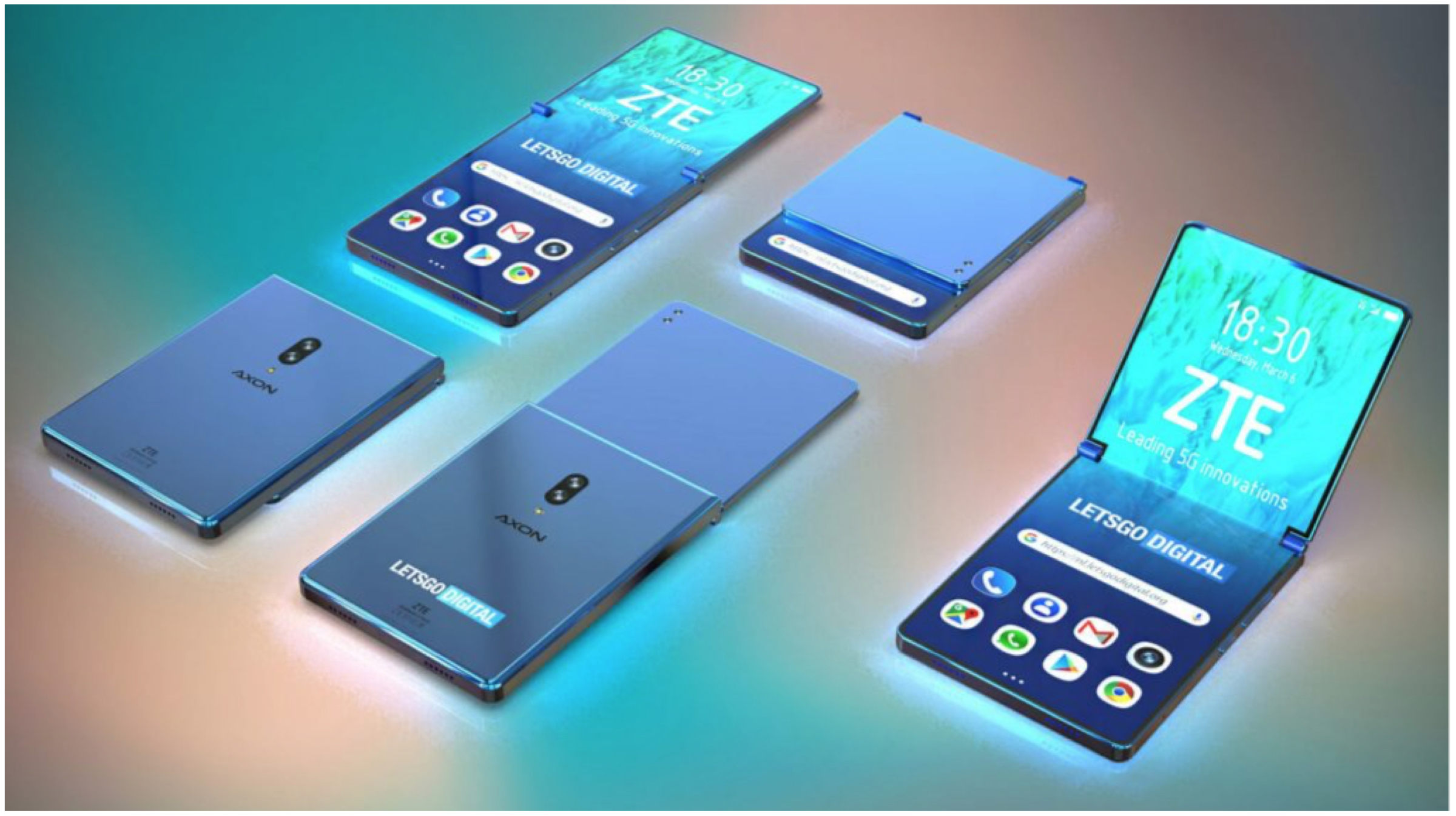
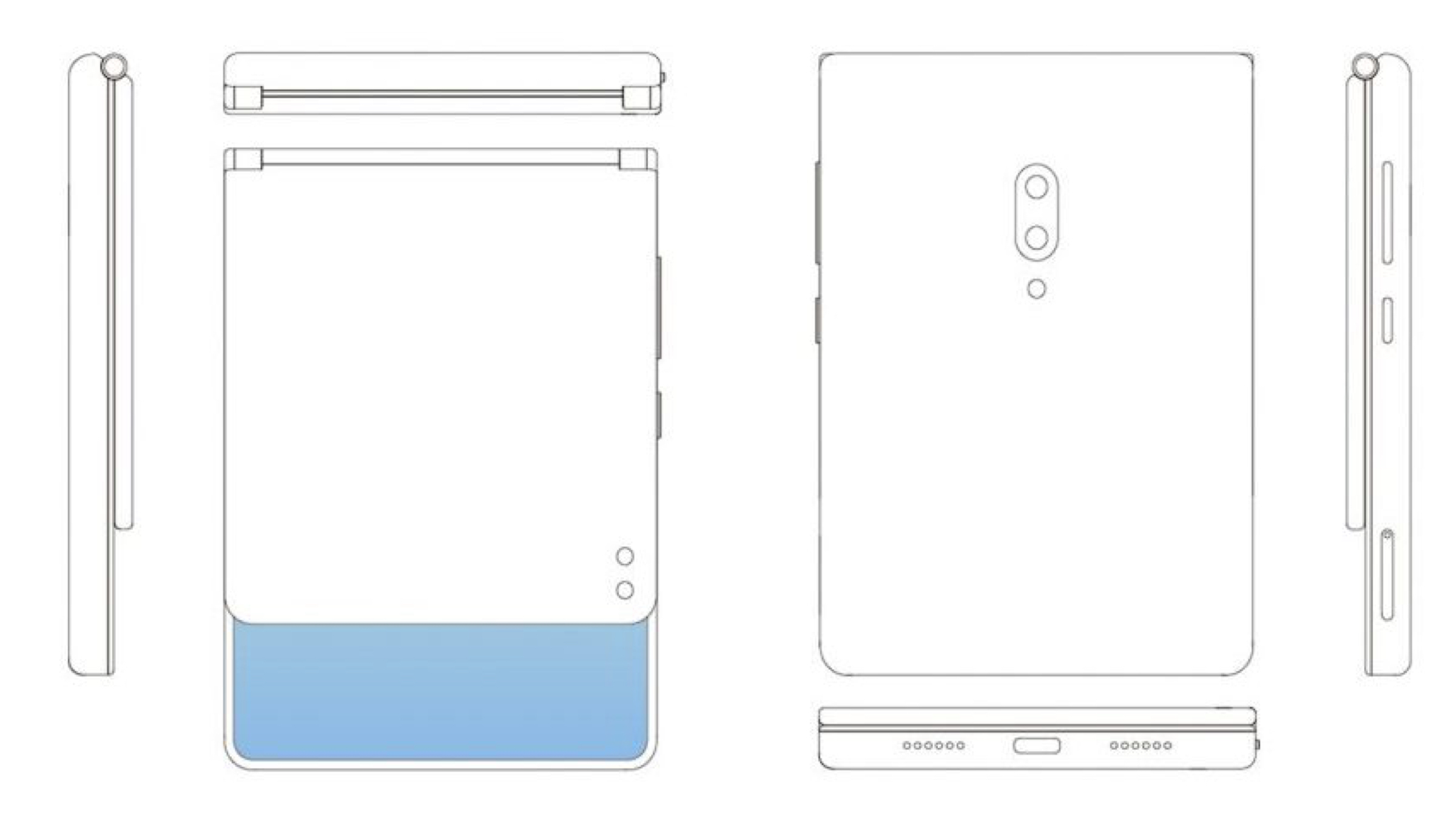
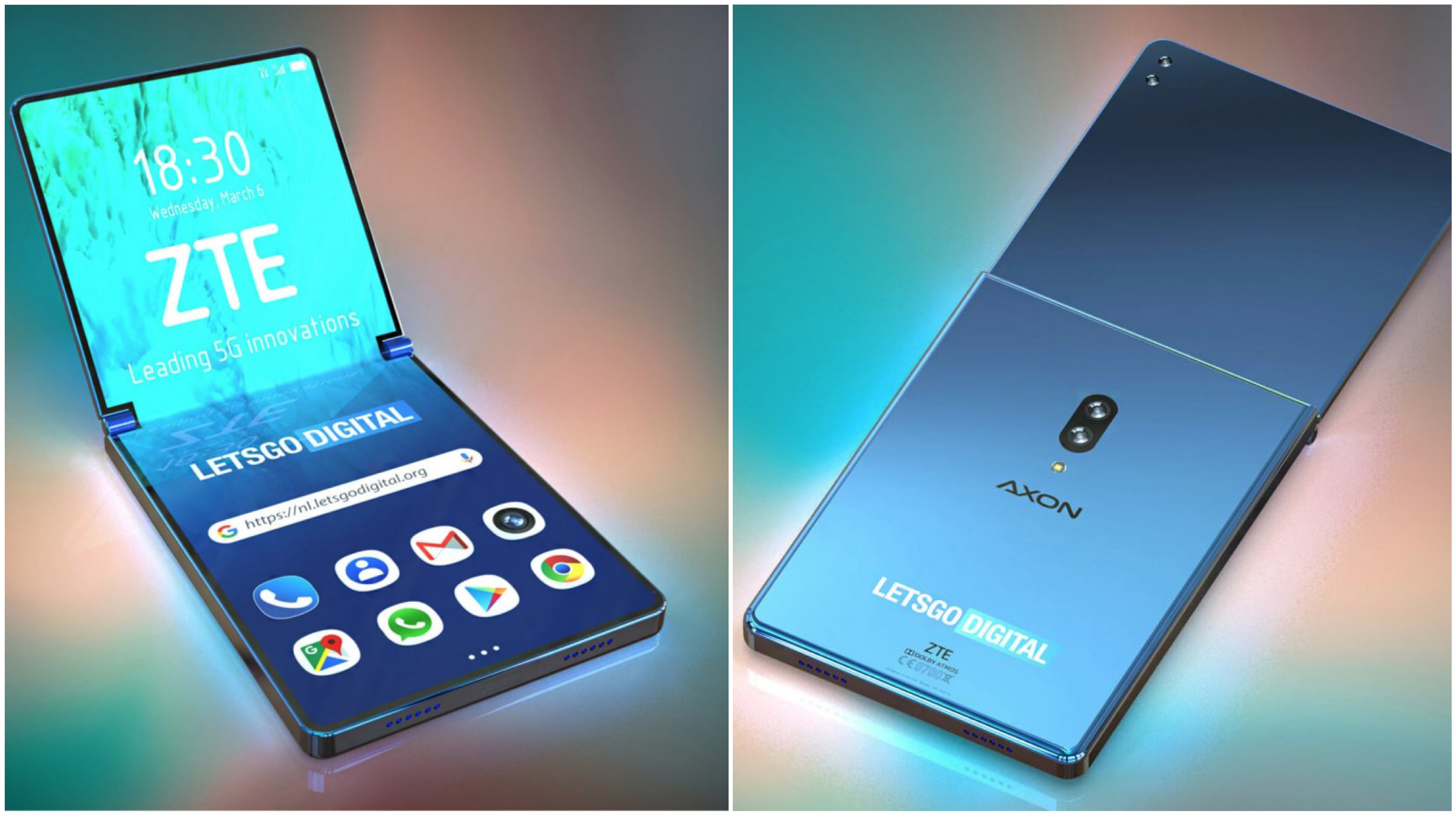
Also read: ZTE Is Working On A Foldable Phone With A Clamshell Design
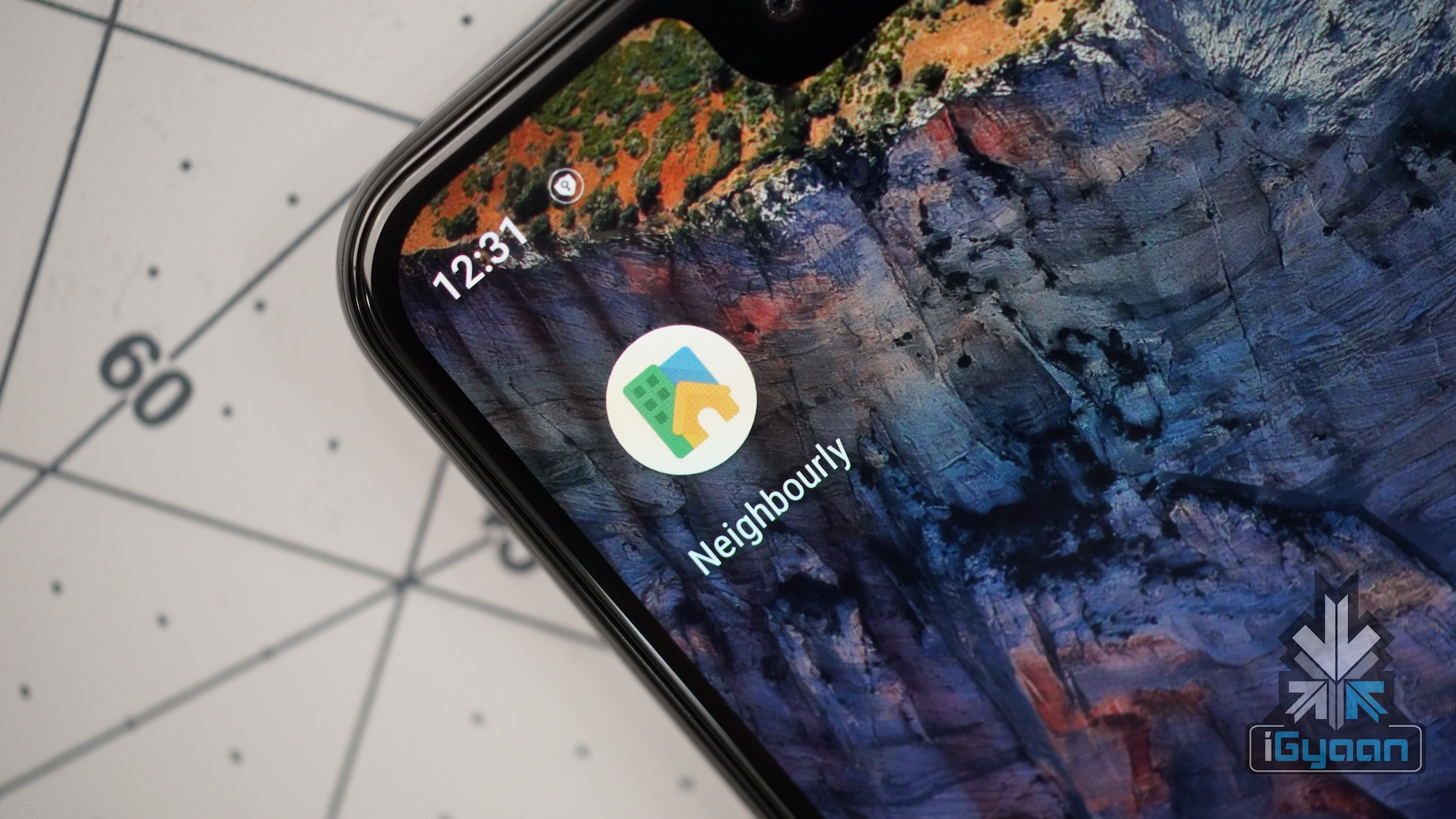
This is not the first time Google has developed an India exclusive application. The last few years have seen the company release a bunch of apps designed for the country. Google Pay, which was formerly called Tez, was released back in August 2017. It is a Unified Payments Interface (UPI) app which has since gained immense popularity. Some other apps, like Google Neighbourly, can be used to ask questions about a particular neighbourhood. The Google Indic Keyboard also has been popular among the Indian audience, owing to its support for multiple local languages. The Go editions of popular apps like Youtube, Google Maps, have also been designed for countries like India.
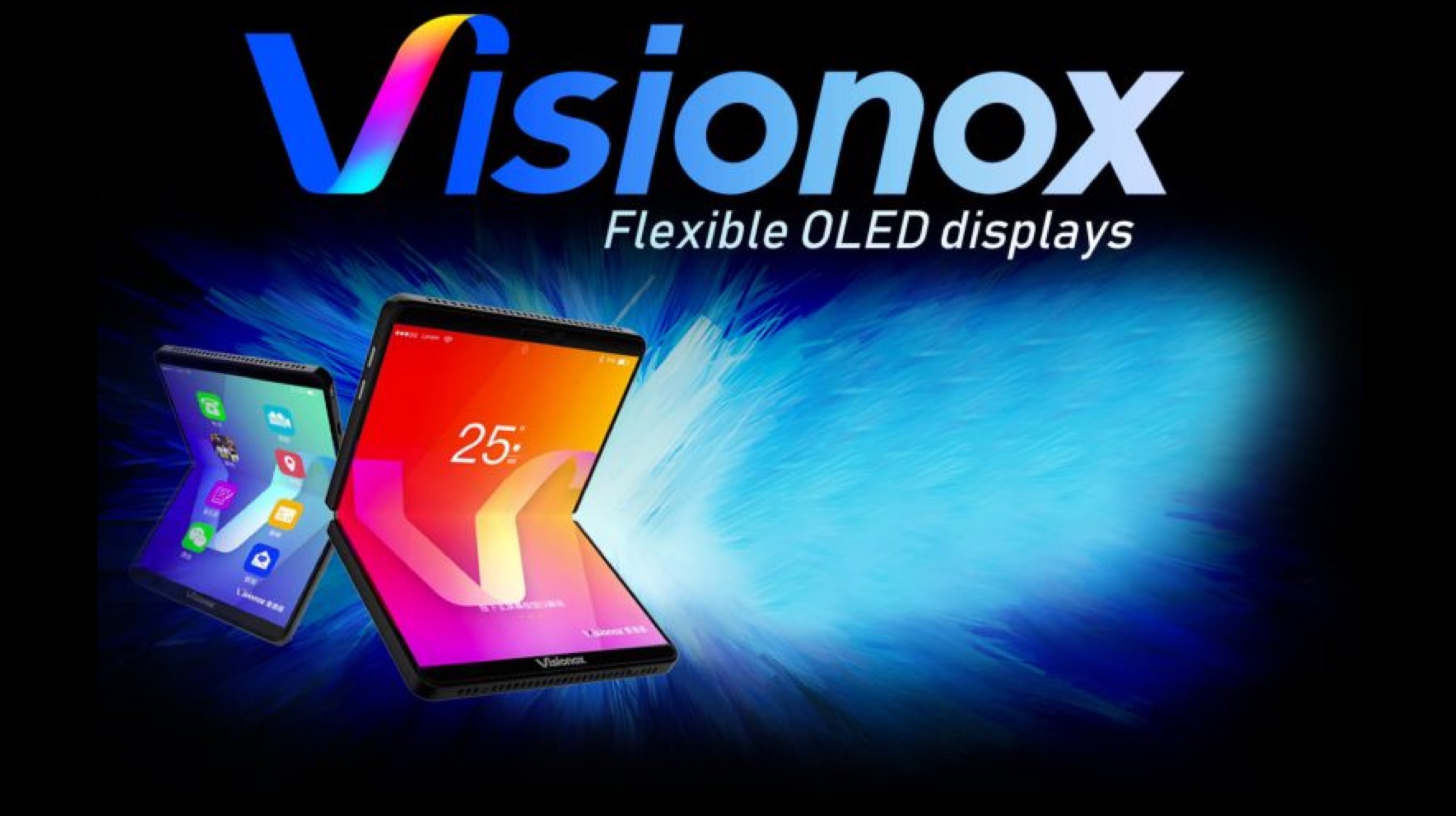
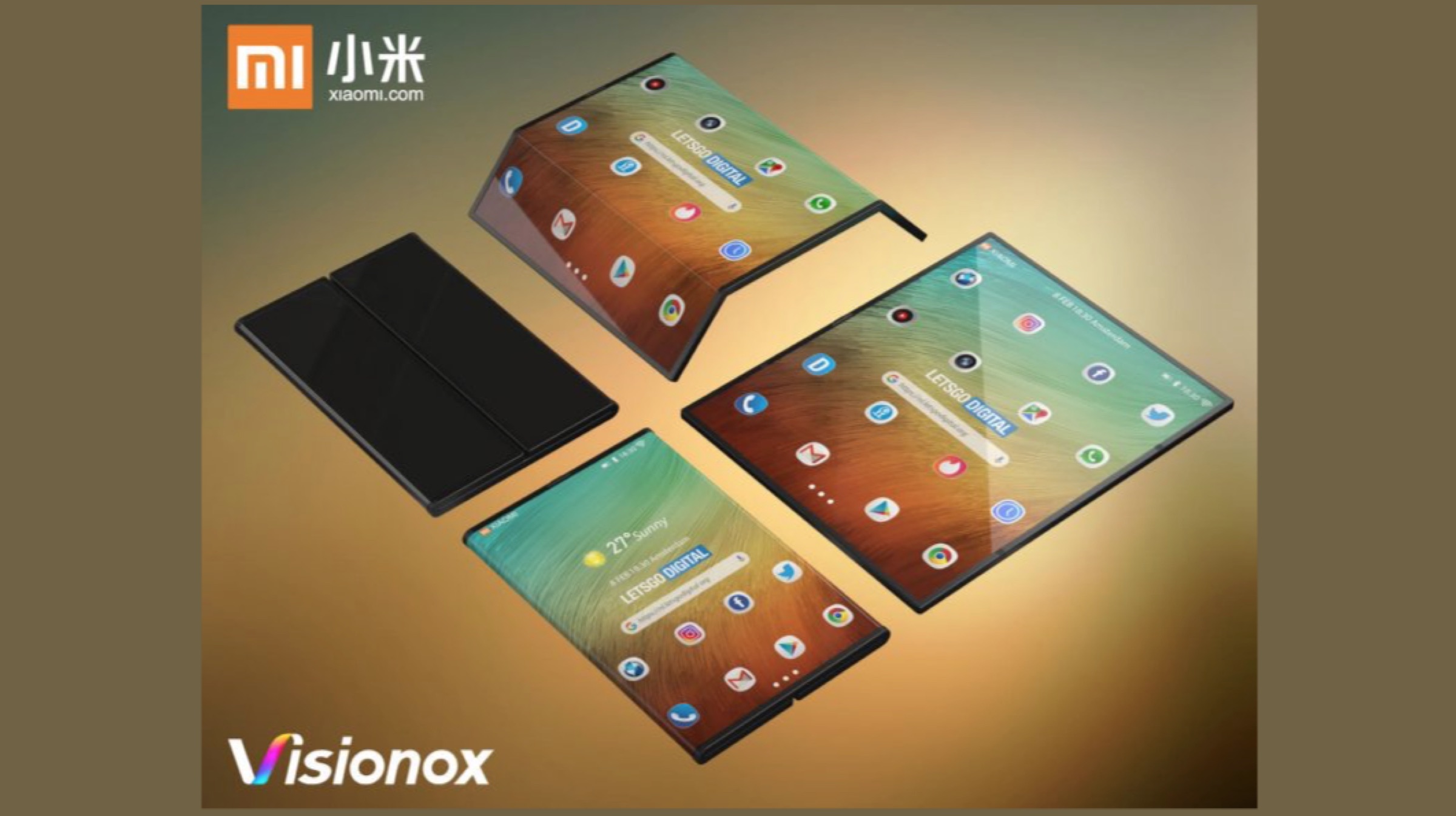 The company has been manufacturing OLED screens for various brands across China, and it is reportedly developing a flexible AMOLED display for Xiaomi’s next
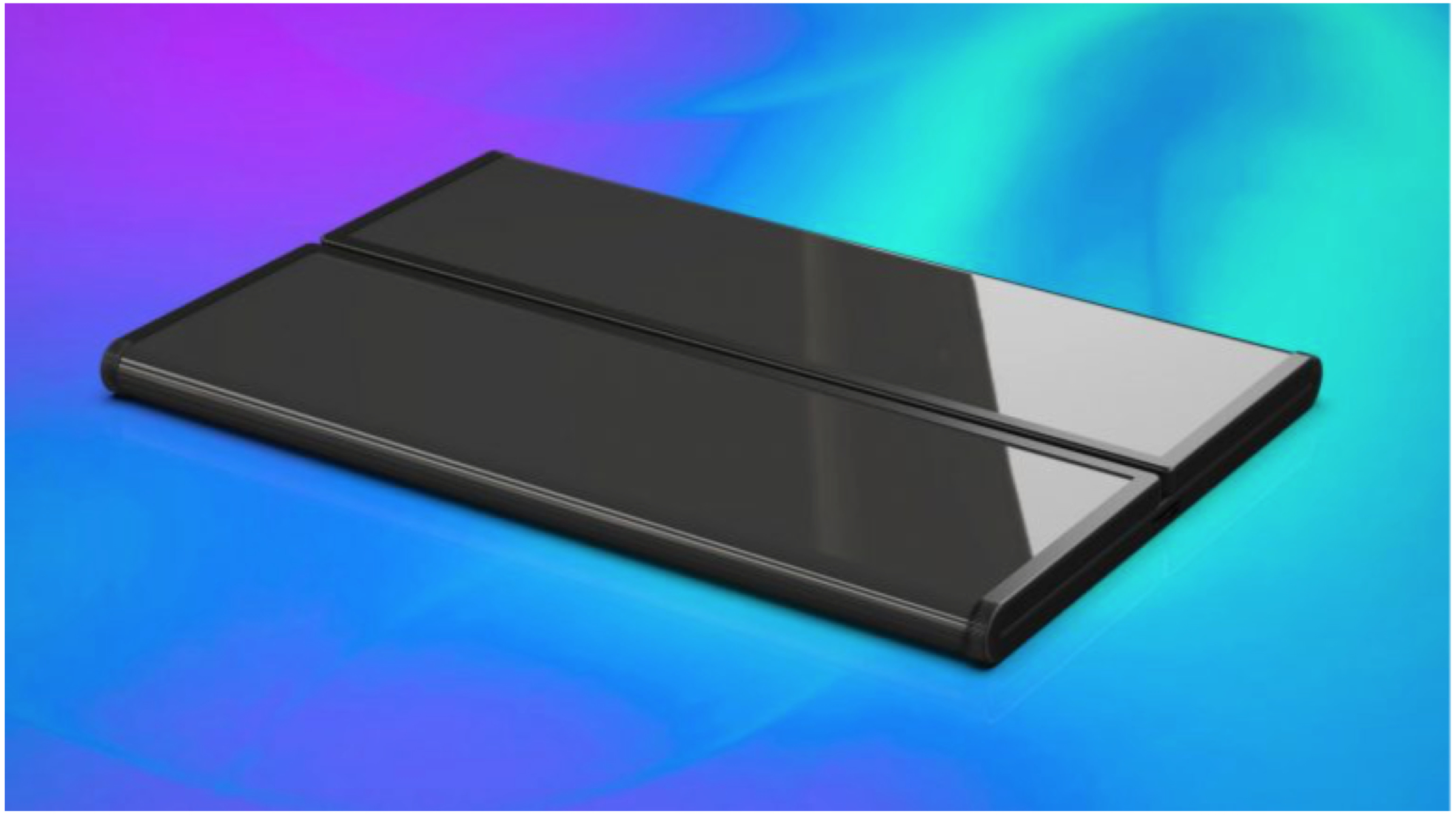
 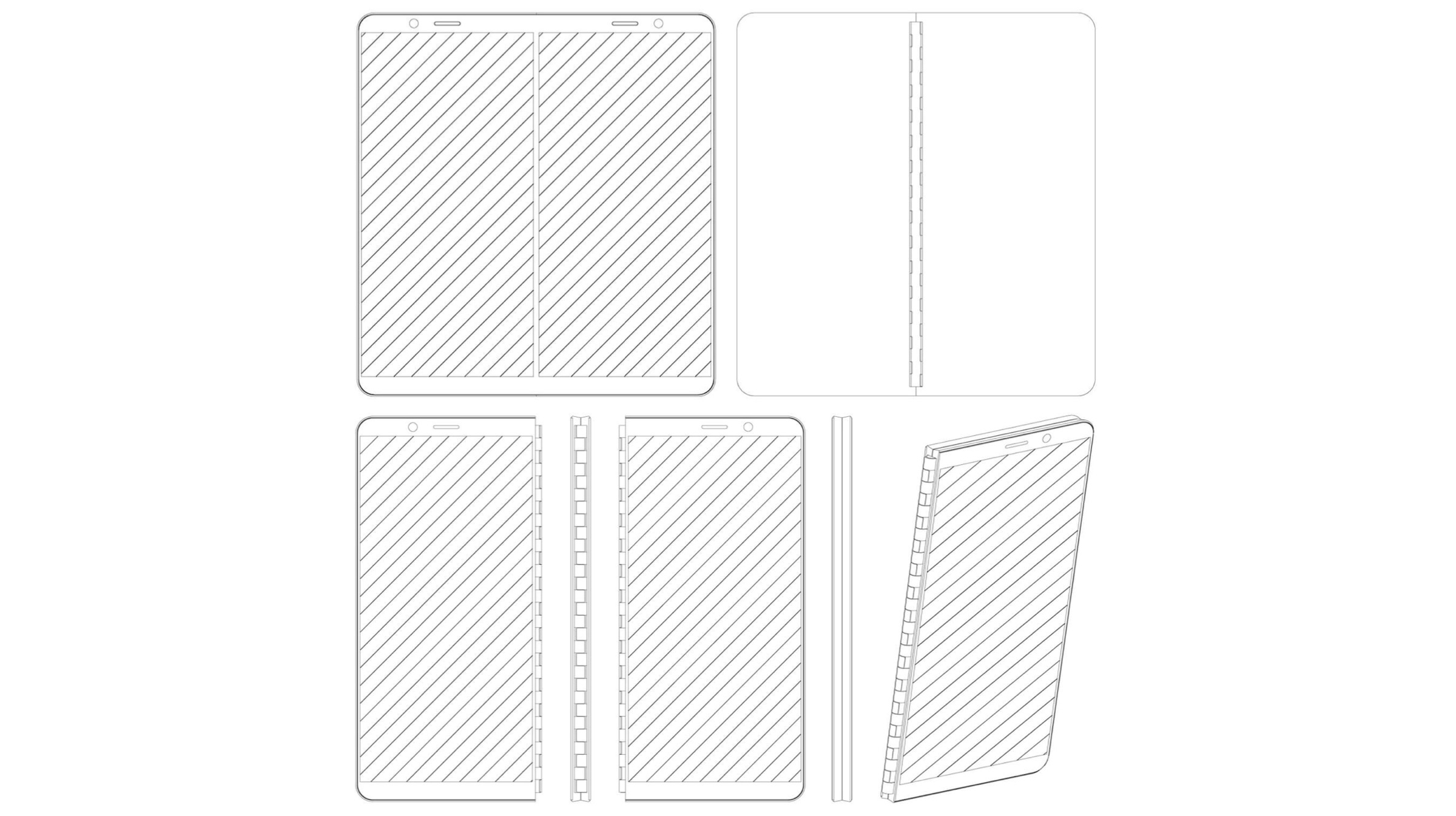 The patent shows a foldable smartphone with the display on the outside of the device. However, the display does not seem to be flexible, since two different screens are clearly visible with a gap in between for the hinge. The design of the phone is similar to the ZTE Axon M. The main difference between both the smartphone designs is the presence of rounded corners on the ZTE device, which seems to be non-existent on Visionox’s display. Furthermore, Visionox’s screen is completely straight in the middle section, which gives it some resemblance to a tablet of sorts. Top and bottom bezels are prominent in the device, and a camera appears to be present on both the right and left side in the top bezel, right next to the earpiece.
 Also Read: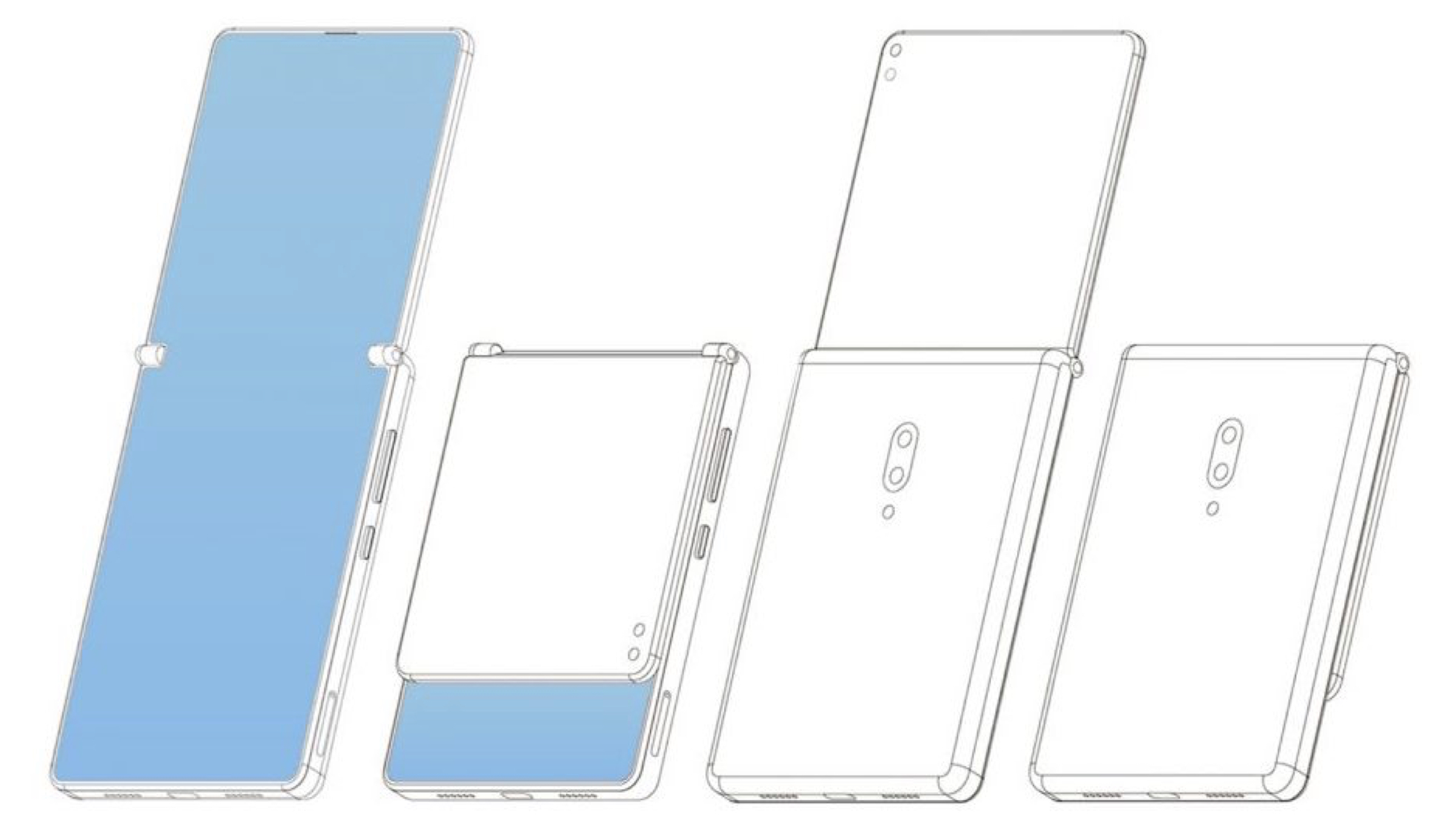
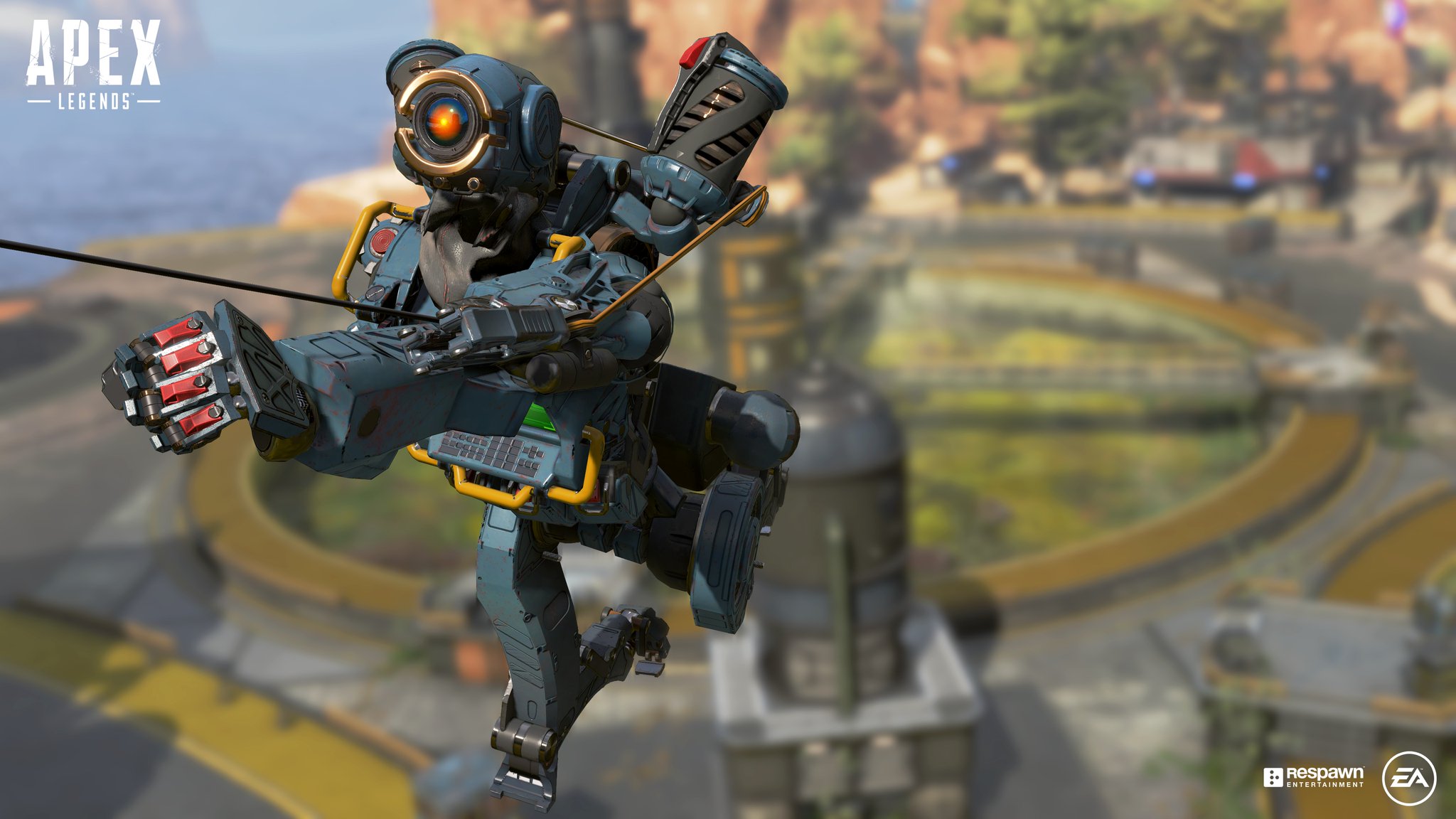 Nvidia released the new 419.35 game ready driver package that extended optimization for games like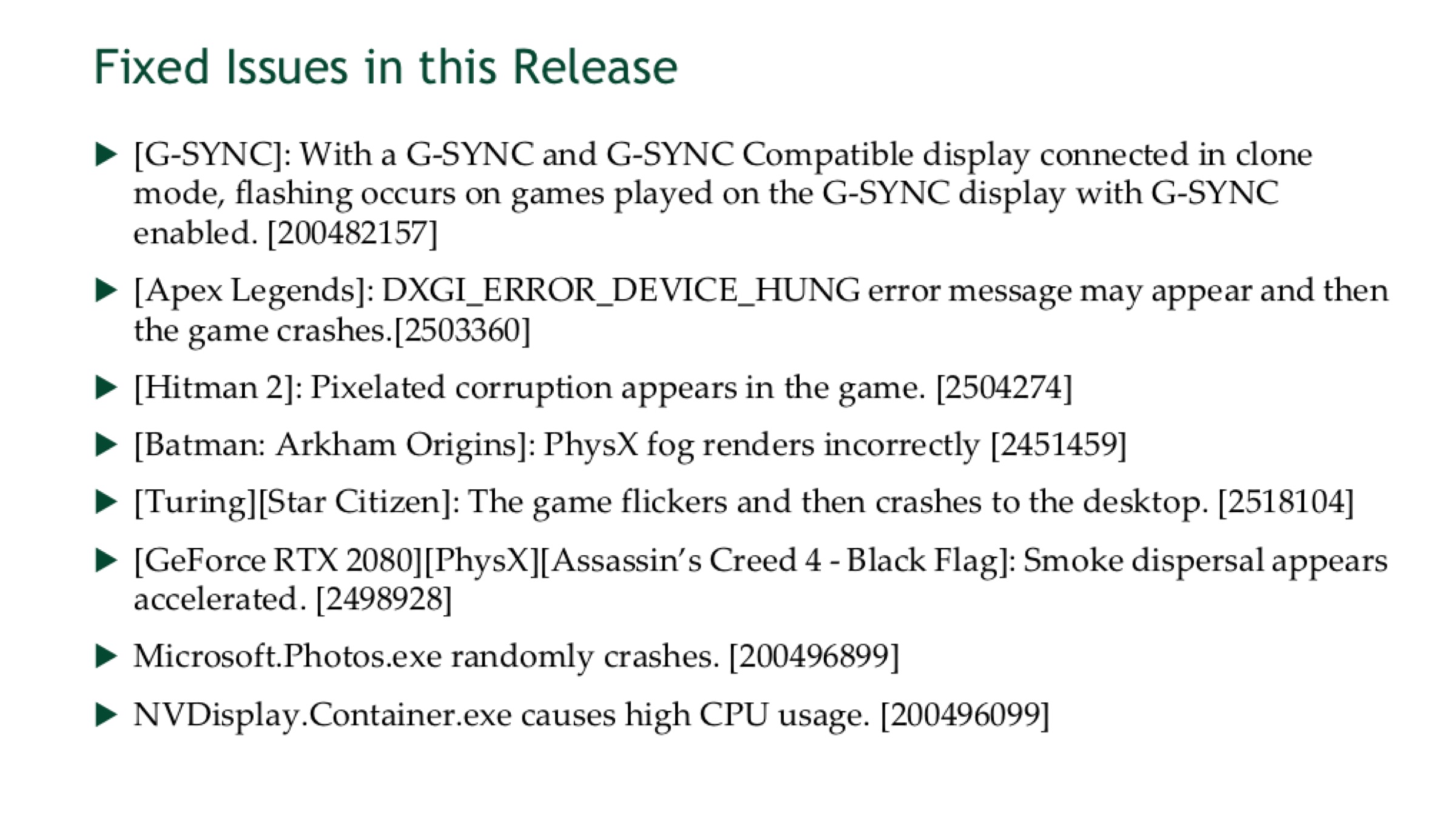
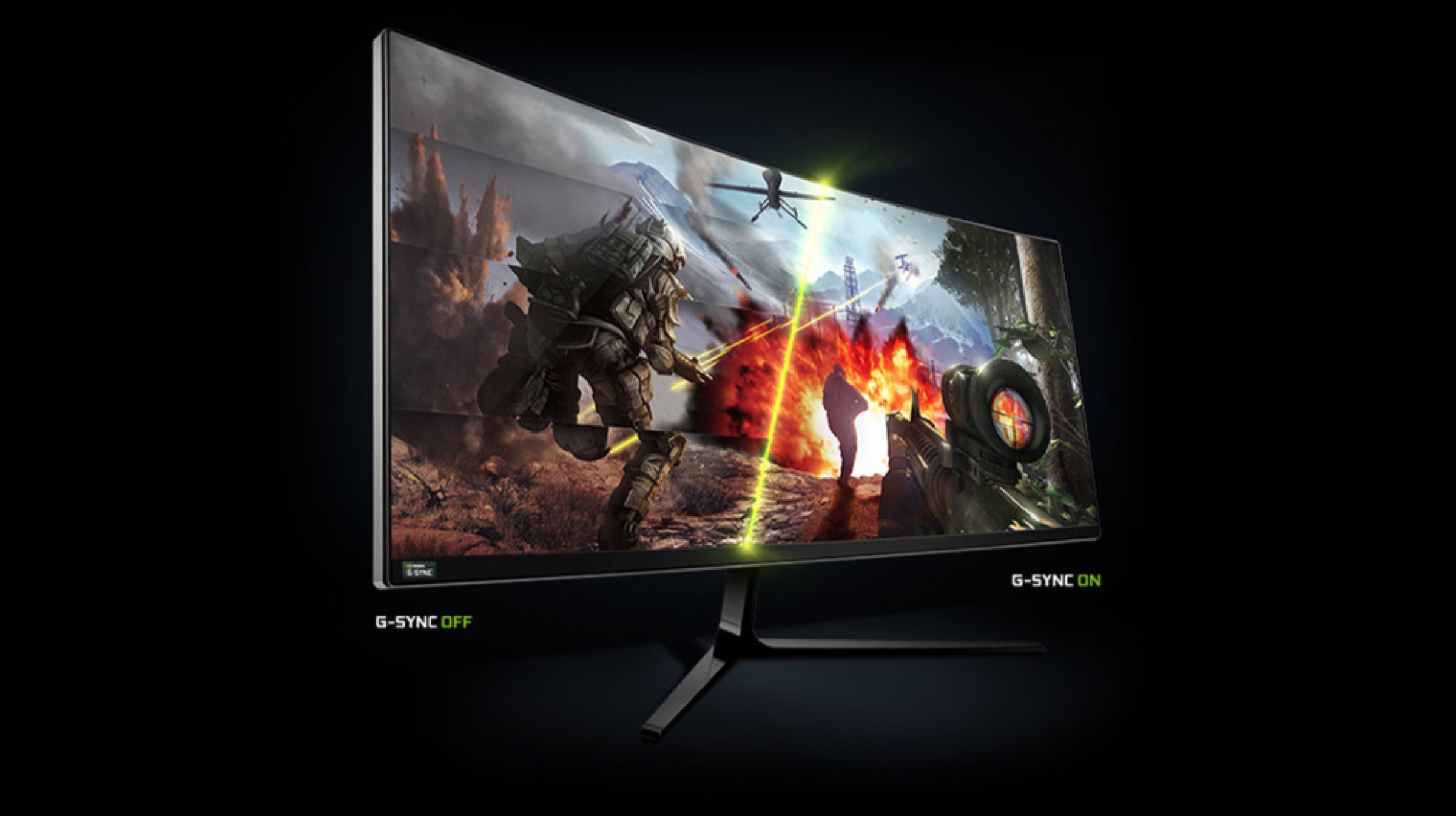 Nvidia is continuously testing new displays to see if they’re compatible with G Sync or not. Nvidia CEO says that the company will optimize the software that’s necessary to make the monitors G Sync compatible. If a user has a G Sync monitor, he/she can manually turn on G Sync support in the Nvidia Control Panel to check if driver support has been introduced for that specific model or not. However, Nvidia has warned the users not to experiment with the G Sync Nvidia control panel if their monitors are not certified by the same.
 To keep gamers on their heels, Nvidia has announced that it will give away a game bundle containing three A-list titles with the purchase of each RTX series graphics card, laptop or gaming desktop. The company has included digital codes for Battlefield 5, Anthem and Metro Exodus which the users can redeem on the respective accounts.
 If a user purchases the RTX 2080 Ti or the RTX 2080, all three games will be included in the bundle. However, the user will get only one of the aforementioned games if he/she purchases the RTX 2070 or the RTX 2060. More details regarding the offer are available

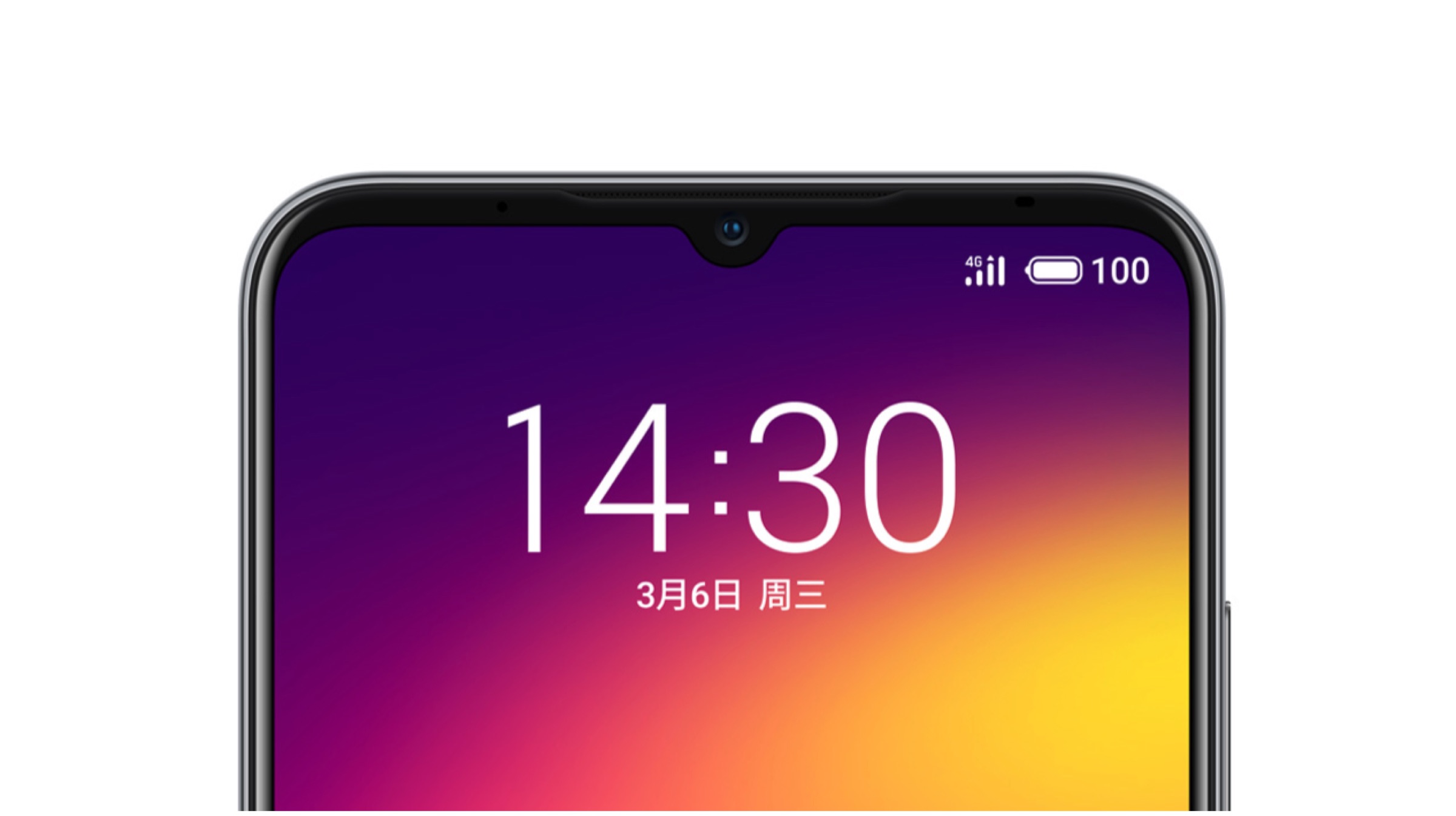
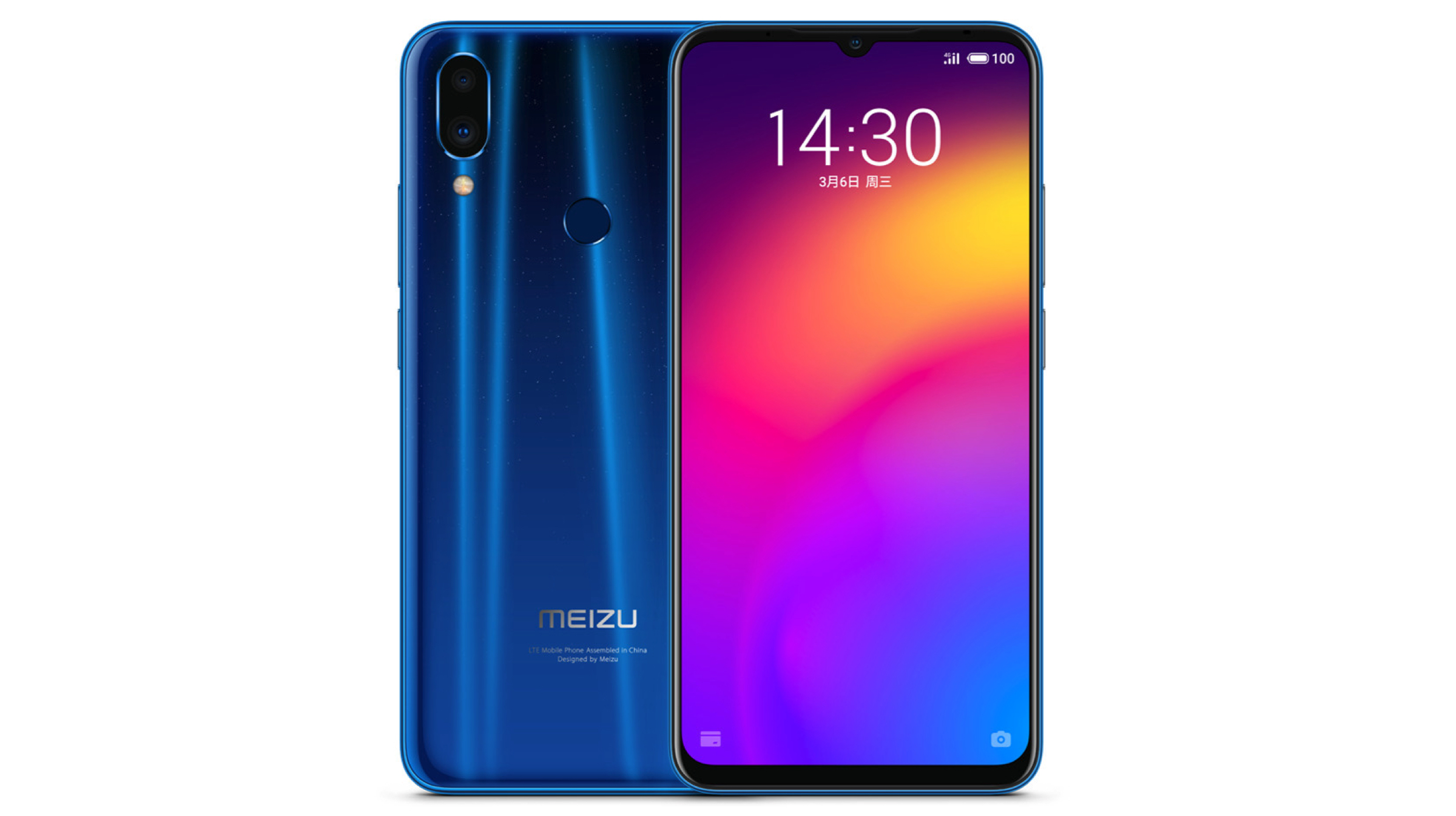 The Meizu Note 9 sports a 6.2 inch FHD+ display with a waterdrop notch. It has an 89.2% screen to body ratio, owing to the 3 mm top, 3.1mm side and 5.35mm bottom bezels. The smartphone runs on the Snapdragon 675 SoC, which comprises of a Kryo 460 octa-core CPU and the Adreno 612 GPU. The handset is available in 4GB RAM and 6GB RAM, with 64GB and 128GB of internal storage.
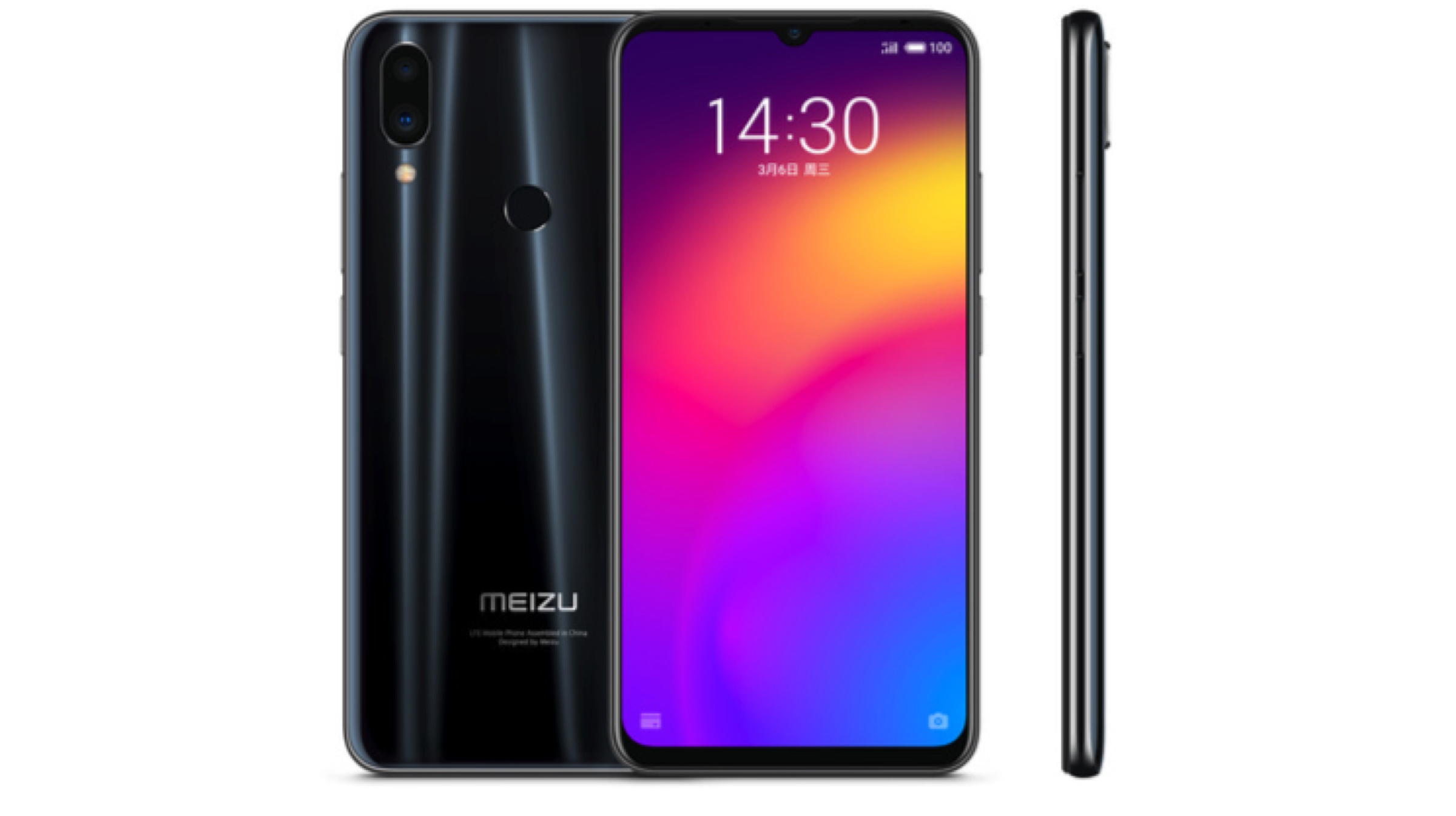 The Meizu Note 9 is powered by a 4000 mAh battery with 18 W fast charging support. It features a 3.5 mm headphone jack which is placed at the bottom of the handset, right next to the speaker grille and the USB Type-C port. In terms of OS, the Note 9 will run the Flyme 7.2 UI which is based on Android Pie.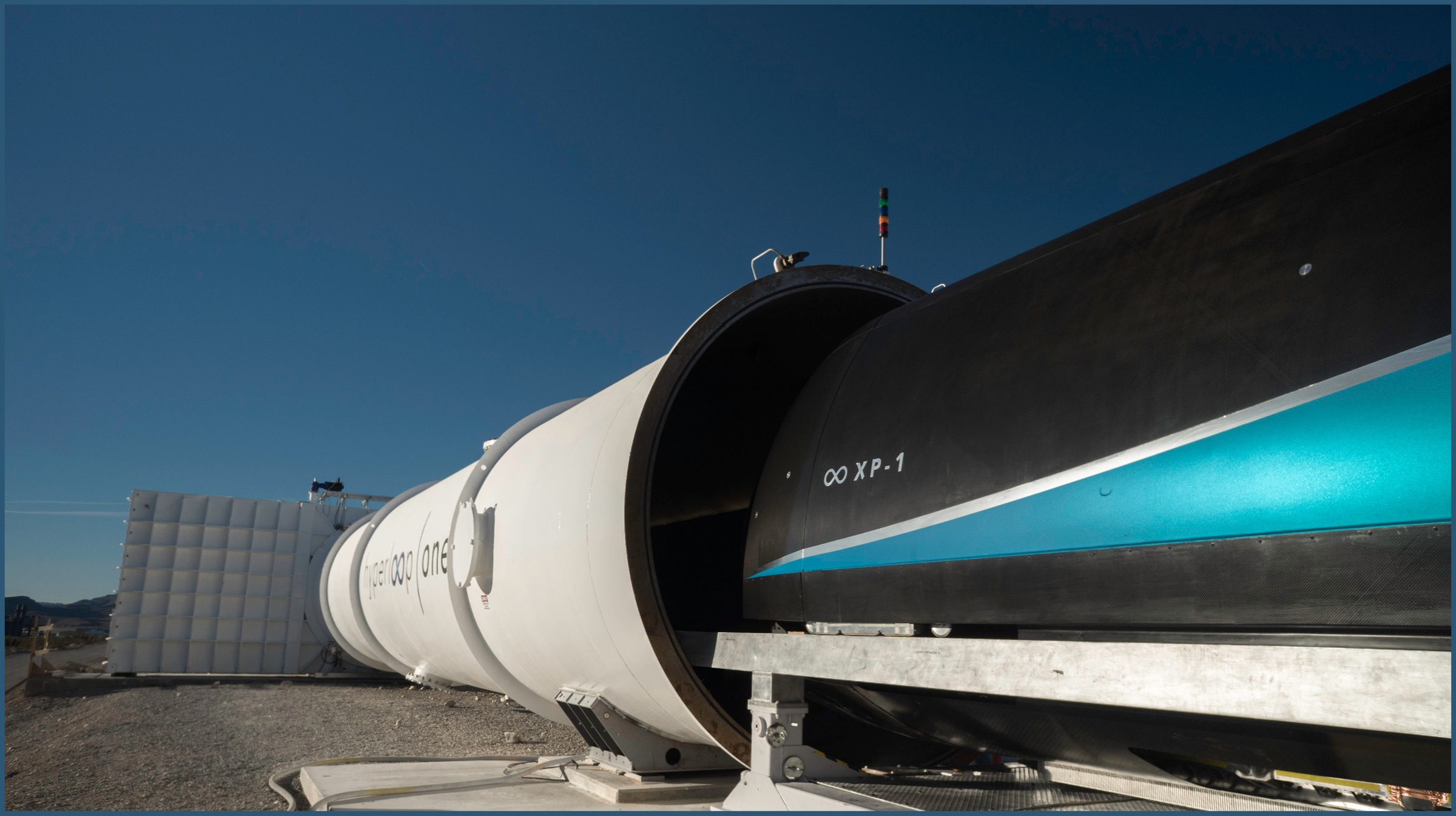
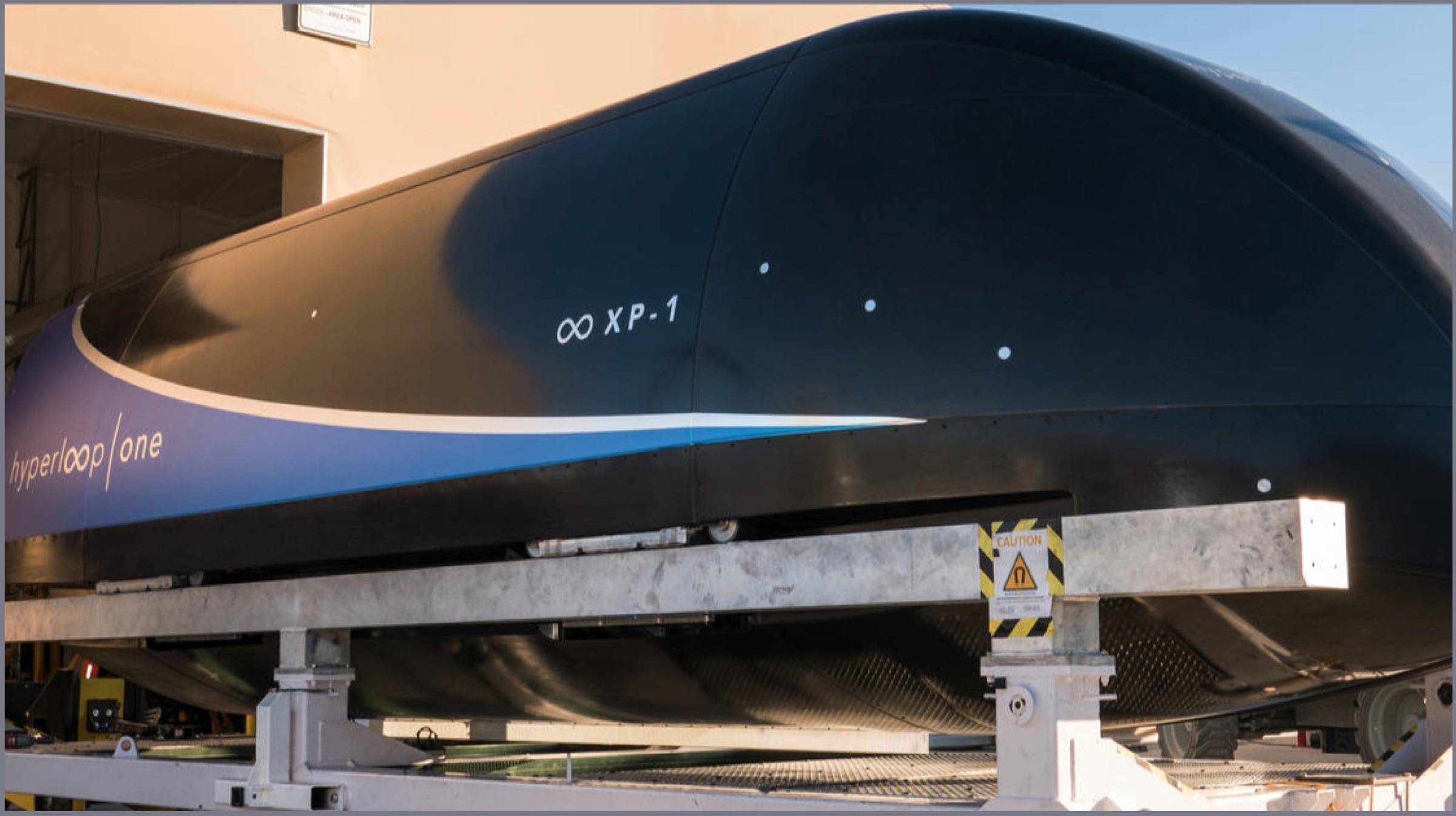 The concept of the Hyperloop was promoted by Elon Musk, CEO of Tesla, SpaceX and Neuralink. Basically, the Hyperloop works by impelling the wheel-less pods through a tube which is maintained at near-vacuum or extremely low pressure. It ensures minimal air resistance and friction, implying that the power needed to propel such a pod is reduced massively. Magnetic Levitation or MAGLEV is the technology that ensures ‘zero contact’ between the pod and the tracks. As stated by the company, the pod glides at airline-like speeds for long distances, thanks to very low aerodynamic drag. The Hyperloop is currently being funded by organizations like DP World, Caspian VC and the Virgin Group. Till date, the project has raised almost US$295 million.
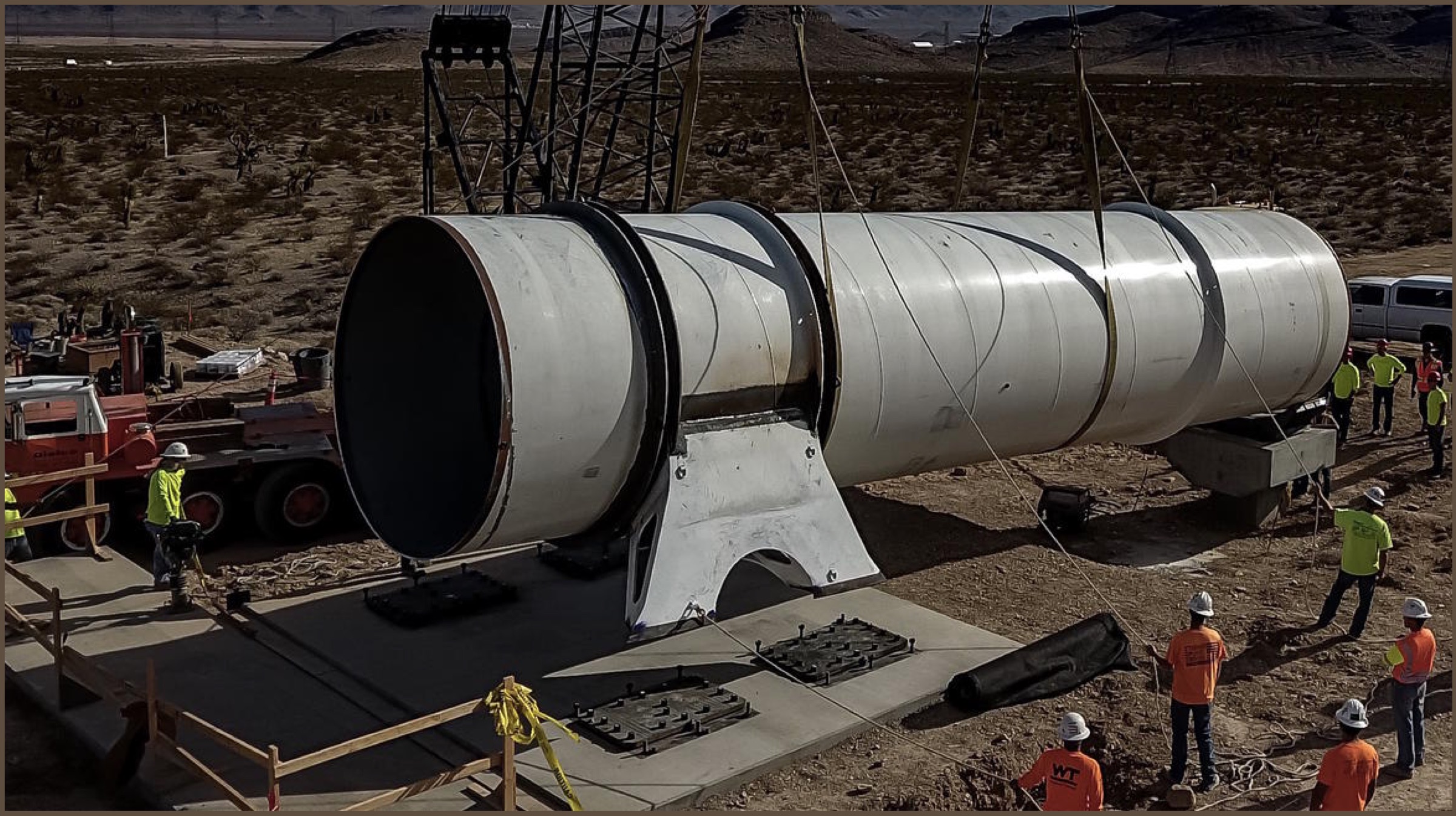
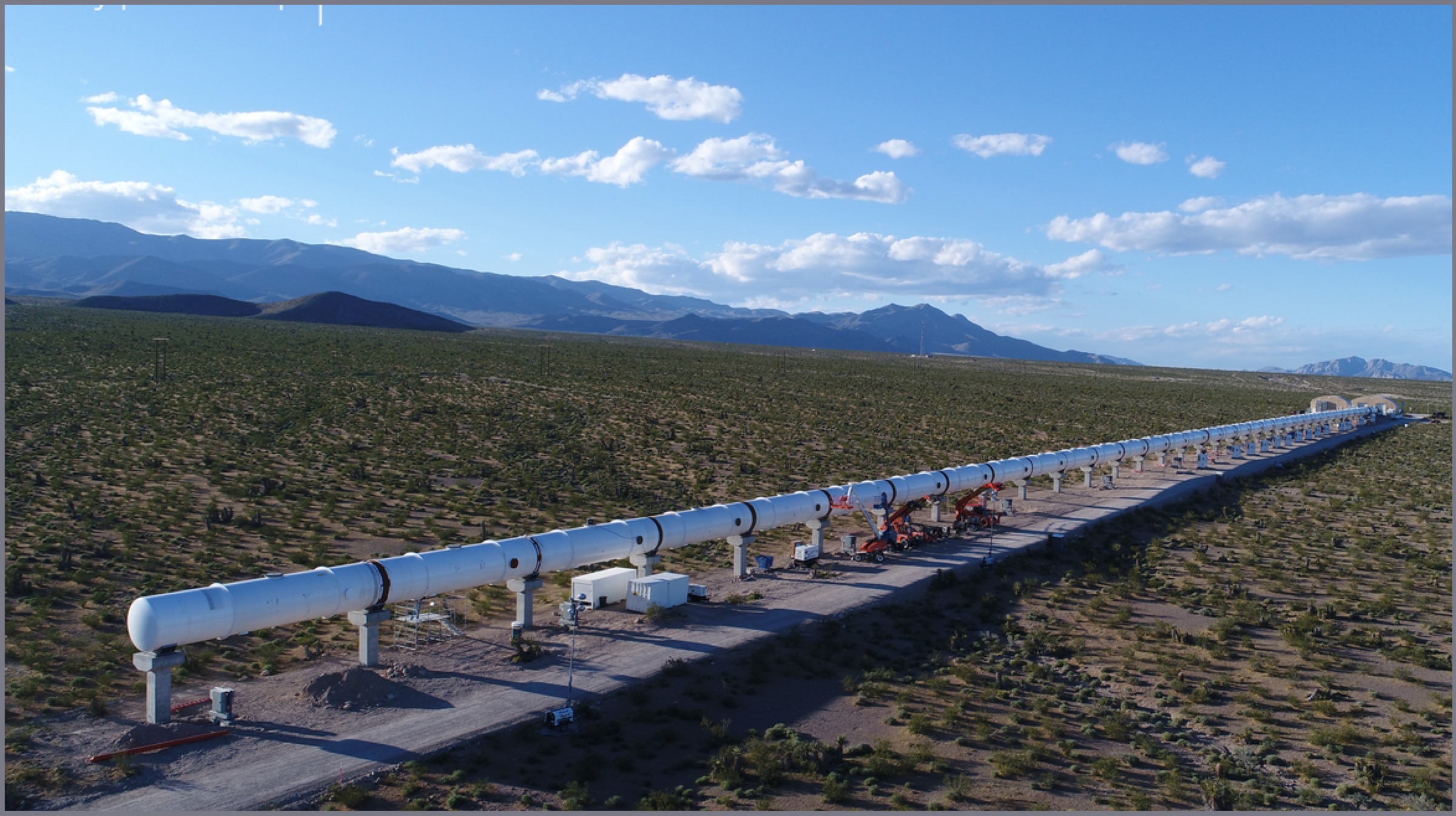 Quite a fair amount of concerns surround the technology. For instance, questions arose regarding the construction of the tubes and the safety issues that accompany them. As per the company, Hyperloop is completely weatherproof, with tubes that can withstand almost 100 Pa of pressure without getting punctured. The tubes are made out of thick strong steel, and can safely stand strong against any forms of weather disturbances. In the rare case that there is any leak in the tube, a power boost would get the pod to the next station. Environmental concerns are not going to be a problem, the company states. It reports that carbon emissions are almost zero and the only sound you’ll hear from the pod travelling through the tube is a silent ‘whoosh’, something that you might hear when something fast passes by your ear.
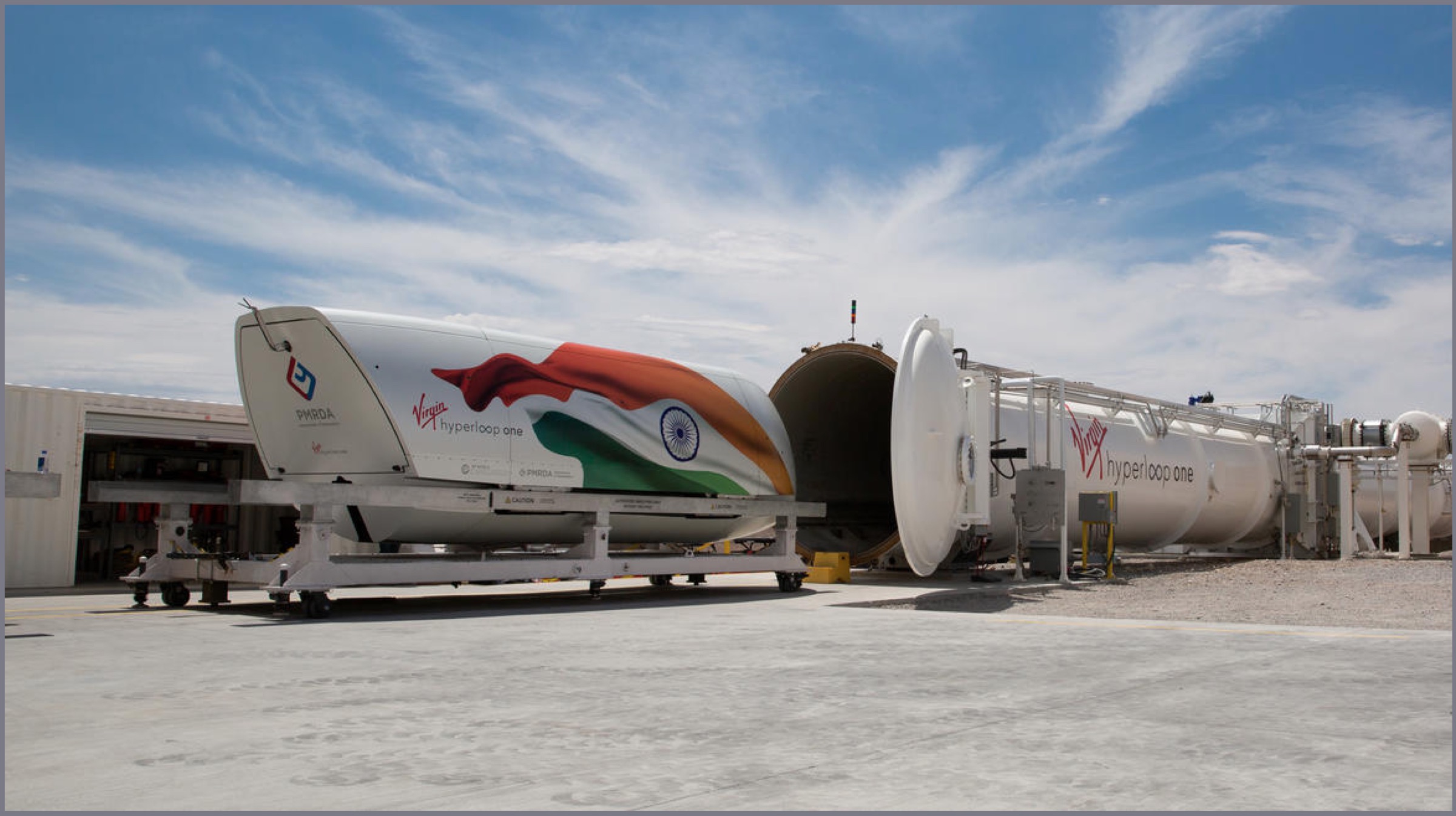 The Hyperloop ‘one’ completed its first test ride successfully in July 2017. Currently, the company is initiating developmental stage oriented projects in India and Ohio. In July 2018, the Indian state of Maharashtra expressed their intent to construct a hyperloop route between Mumbai and Pune, which would enable a pod to cover the distance in under 25 minutes. Phase 1 of the demonstration is already underway, with the company already constructing experimental tubes and planning to complete a 7-mile (11.2 km) long tube soon.
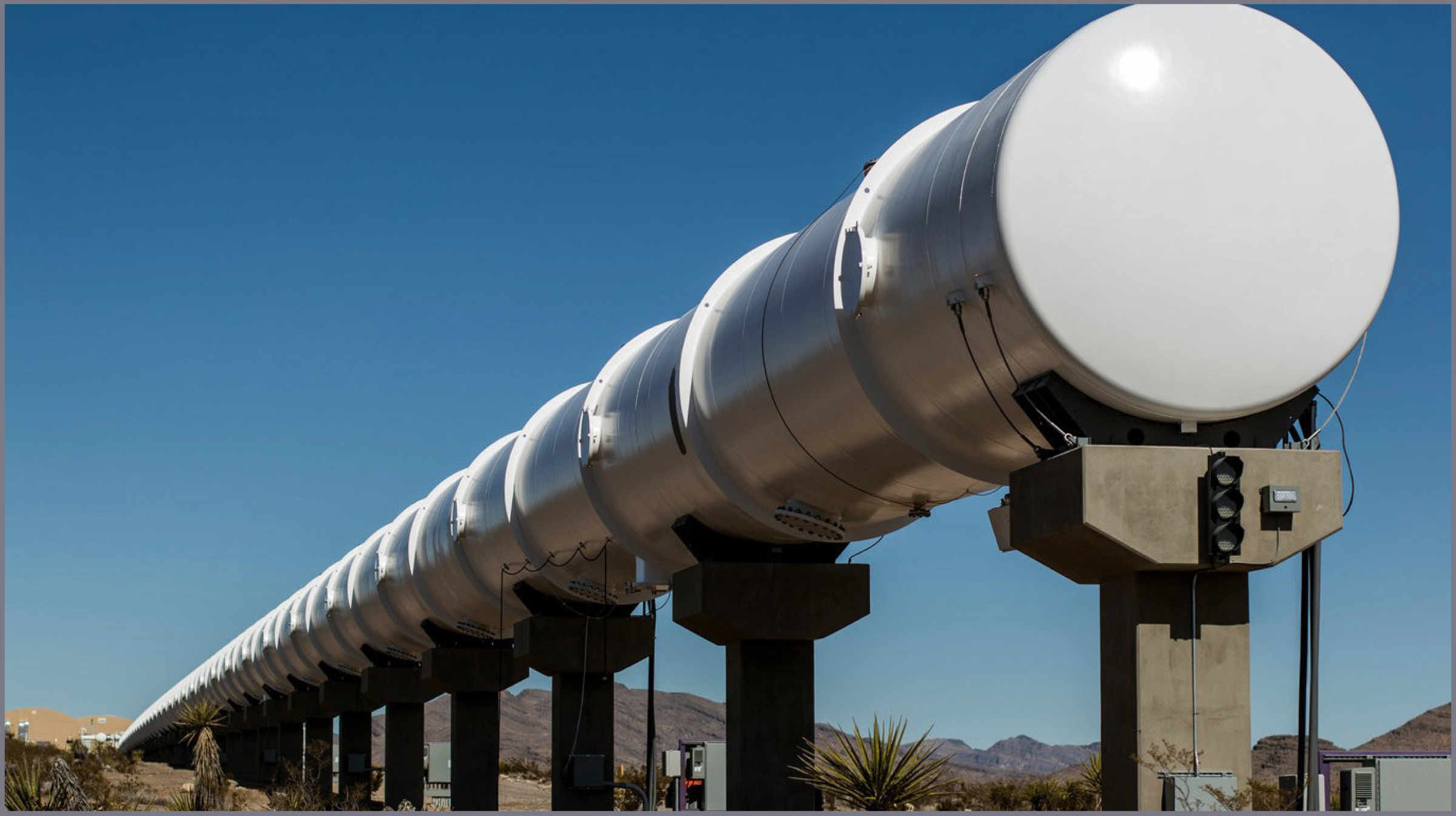 The company believes that it will achieve extensive Hyperloop connectivity in different cities across the world by mid-2020s. India based DGWHyperloop suggests a Hyperloop corridor between Mumbai and Delhi, that would include the cities of Indore, Kota and Jaipur. A lot of certifications are still pending for this futuristic mode of transport, the company claims. Apart from transporting people, it can also make transporting goods faster than it ever was. Logistics will benefit a lot from the Hyperloop network. The company assures that once Hyperloop is on the roll, the tickets will be affordable as far as the pricing is concerned.
  Also Read: