Category: Apps and Software

Games, Apps, Softwares, Operating Systems and Software Hacks

  • Android 10 Announced: Looking Back At The 10-Year-Old History Of Android Versions

    Android 10 Announced: Looking Back At The 10-Year-Old History Of Android Versions

    American technology behemoth Google announced earlier this week that the latest version of its Android operating system will be officially called Android 10. By this decision, the company has also broken on the long going tradition of naming the versions after sweet treats or desserts. The latest release also marks the tenth version of the platform, as is evident from the name. The operating system may have had a rocky start back in the year 2008, it has significantly evolved over the years. So to mark the landmark release of Android 10, we look at the extensive history of the software over the years.

    Android 1.0 and 1.1

    Android


    The one that started it all. The first version of the platform was released back in 2008 and it seems like so long ago that it did not even have a dessert name. But just to complete the cycle, enthusiasts have started calling it Android Alpha and Beta for the versions 1.1 and 1.2 respectively. The first generation of the operating system included basic Google apps like Gmail, Maps, Calendar and YouTube. While all of it seems very basic now, it was quite a big deal to have a suite of applications on a mobile phone.

    Android 1.5 – Cupcake
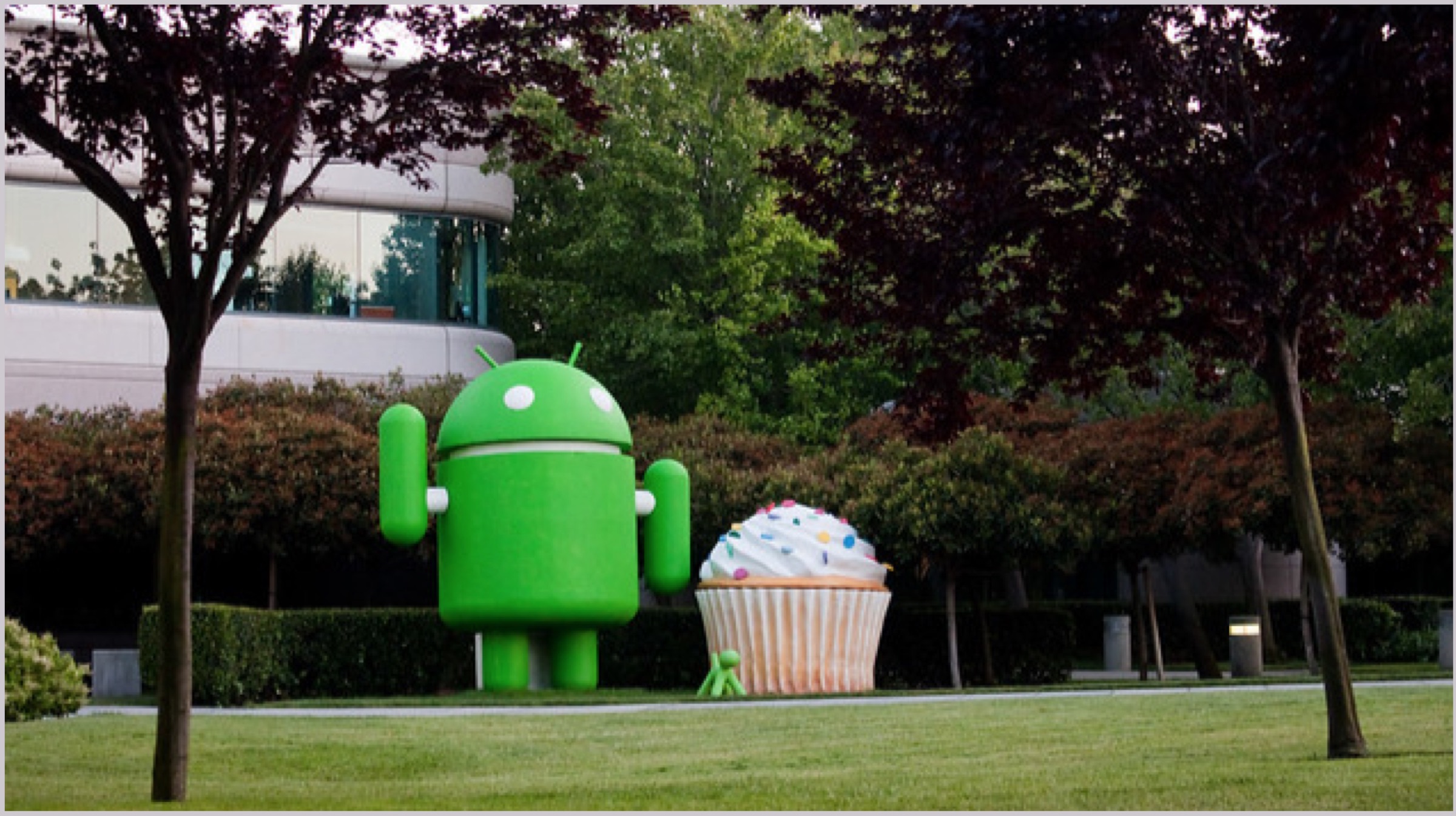
    Android Cupcake

    The Android 1.5 Cupcake was released in 2009, which also established the naming scheme based on sweet treats. Apart from being a monumental release, Cupcake brought about many changes to the platform. It was the first version to include an on-screen keyboard and third-party widgets. The latter provided the platforms one of the most unique features. Fun fact, this was also the first time the operating system gained the functionality enabling video recording on smartphones.

    Android 1.6 – Donut
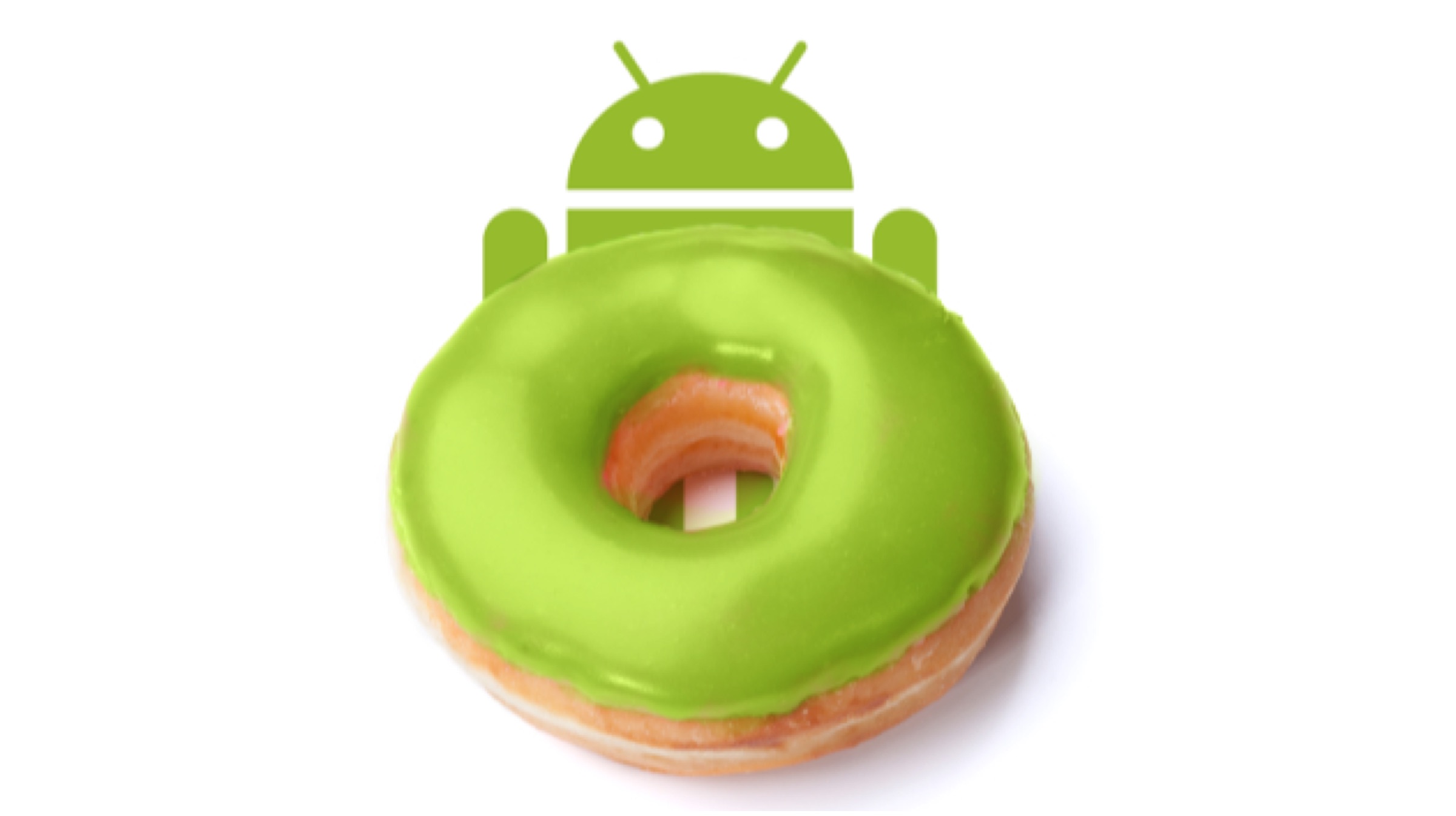
    Android Donut


    Android 1.6 Donut was also released in the year 2009 and brought about many features to the platform. The first and most significant was adding the search box. What is now a ubiquitous feature was first added to Donut. The version also added support for multiple display sizes, which is a key element for the platform’s success. It also introduced Google Play, which was called the Android Market at the time. The store enabled users to download and try out different apps and games.

    Android 2.0/2.1 – Eclair
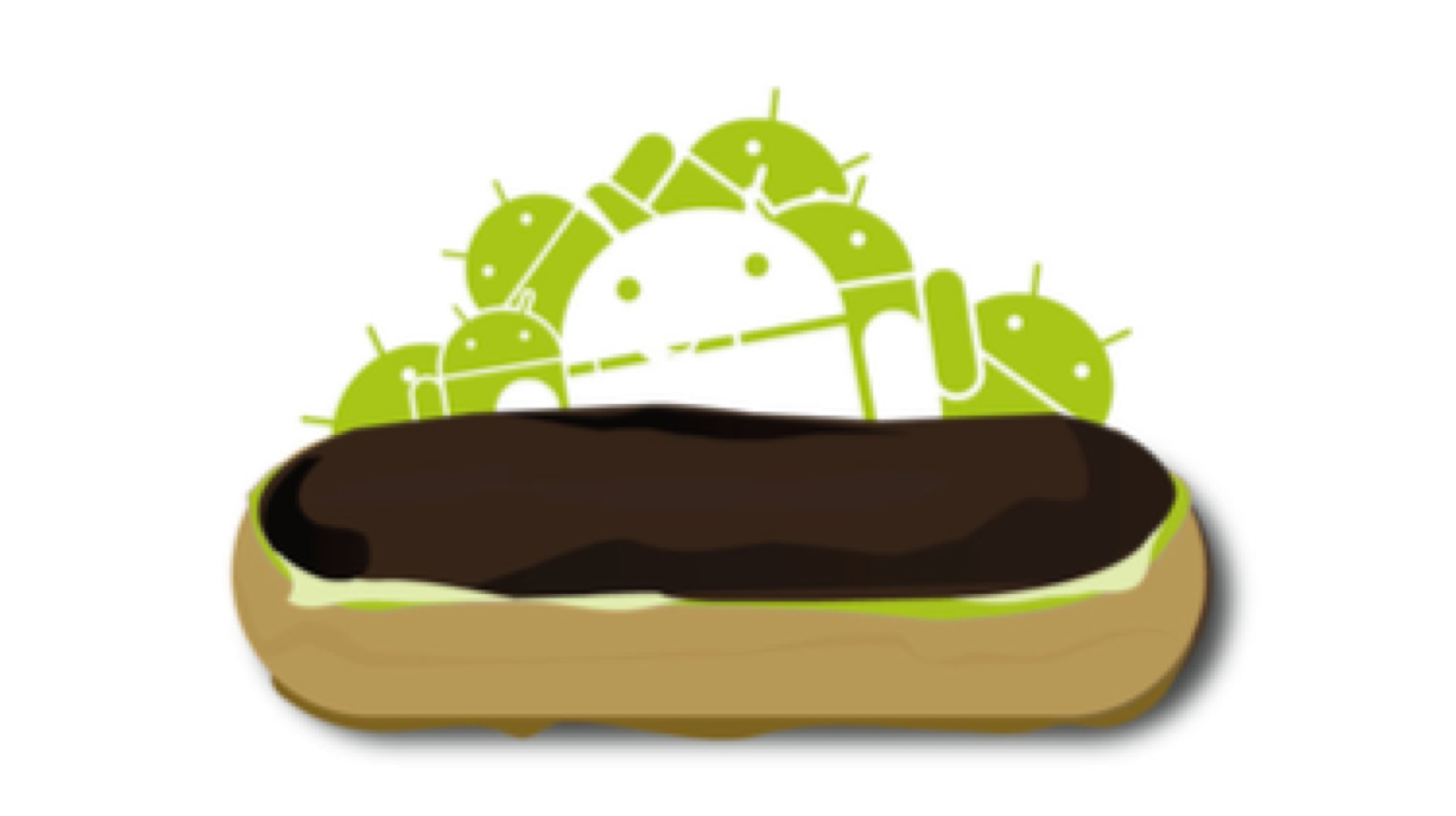
    Android Eclair

    The Android Eclair was released after almost six months of Donut, which is not something the company does today. It was sort of like an incremental update, with the platform adding support for Google’s turn by turn navigation and speech to text among other features. Eclair also added live wallpapers, which while it drained a lot of battery, was a really cool feature at the time.

    Android 2.2 – Froyo

    Android Froyo

    Google plopped up the Android 2.2 Froyo just four months after Eclair. This release, just like the Frozen Yogurt it is named after, was a sweet treat to the users as it focussed on increasing the performance of the devices. The release added the support for new Voice Actions and added support for mobile hotspots; which is also an important addition by historical importance.

    Android 2.3 – Gingerbread
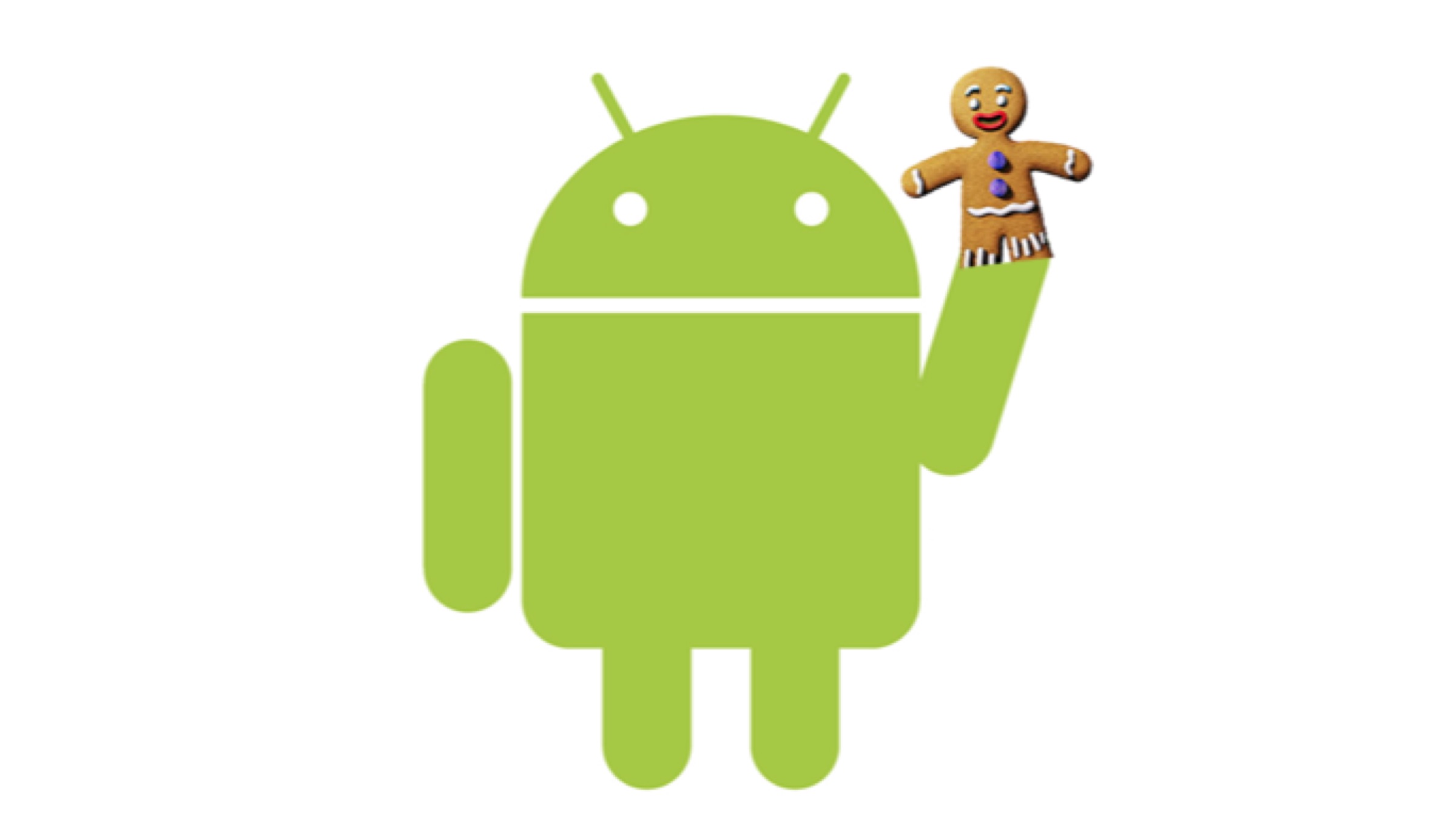
     

    Android 2.3 Gingerbread was released in the year 2010 and marked an incremental update over Froyo. The platform gained support for new and improved gaming API for better and graphically intense gaming. It also added NFC connectivity to compatible devices; enhancing their connectivity. Fun fact, Google added a hidden easter egg in the operating system starting Gingerbread. The first hidden surprise was a zombie artwork when the users tapped on the version number multiple times in settings.

    Android 3.0/3.1/3.2 – Honeycomb
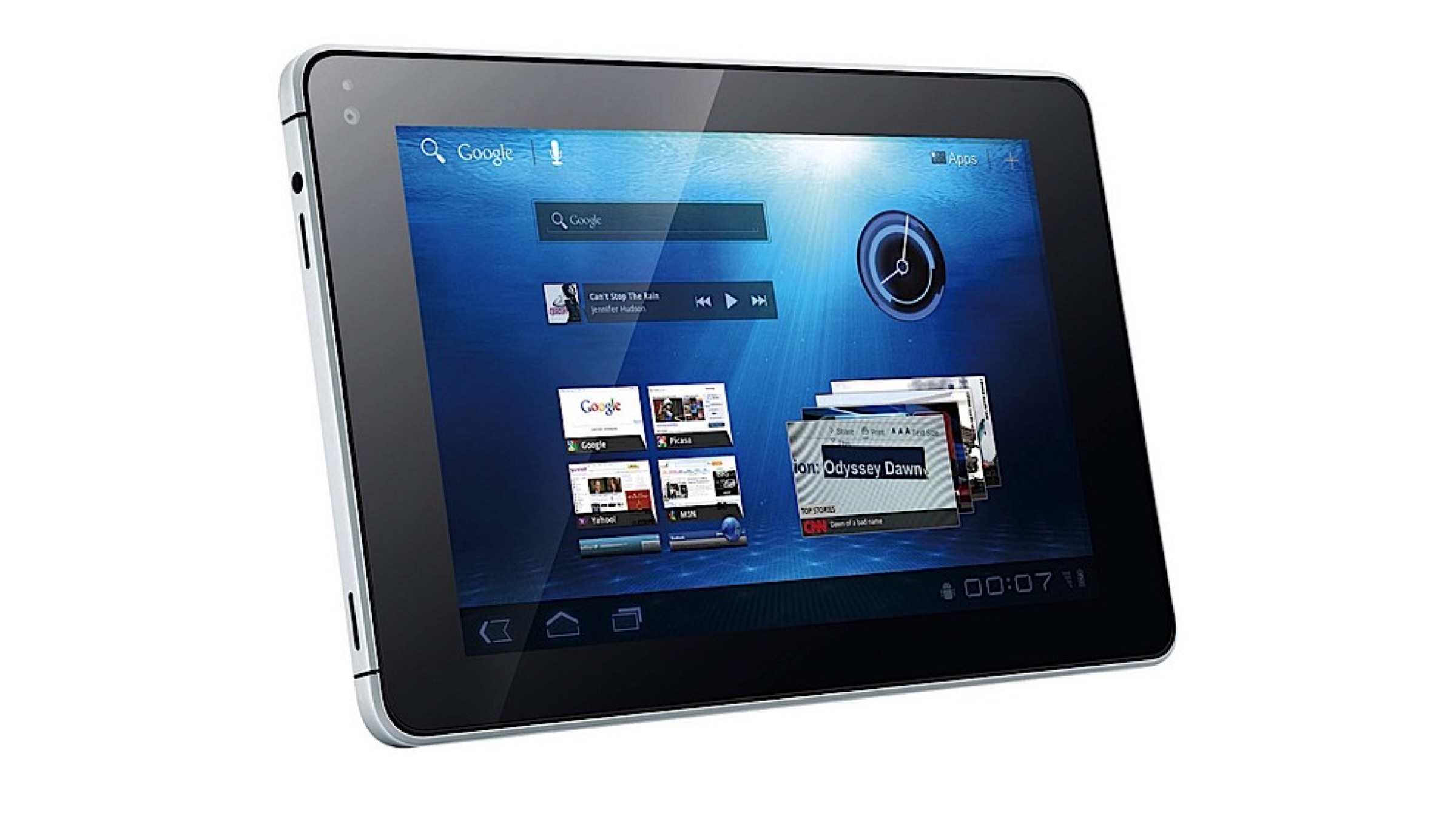
     

    Back in the year 2011, when tablets were becoming all the rage in the market, Google released the Android 3.0 Honeycomb. As a tablet exclusive operating system, it didn’t see many takers but was an important step in the redesigning of the platform. The version saw a user interface that utilised the whole display of the device, which was important in a tablet. However, due to limited application support and not many makers adopting it, Honeycomb is one of the more obscure versions on the list.

    Android 4.0 – Ice Cream Sandwich
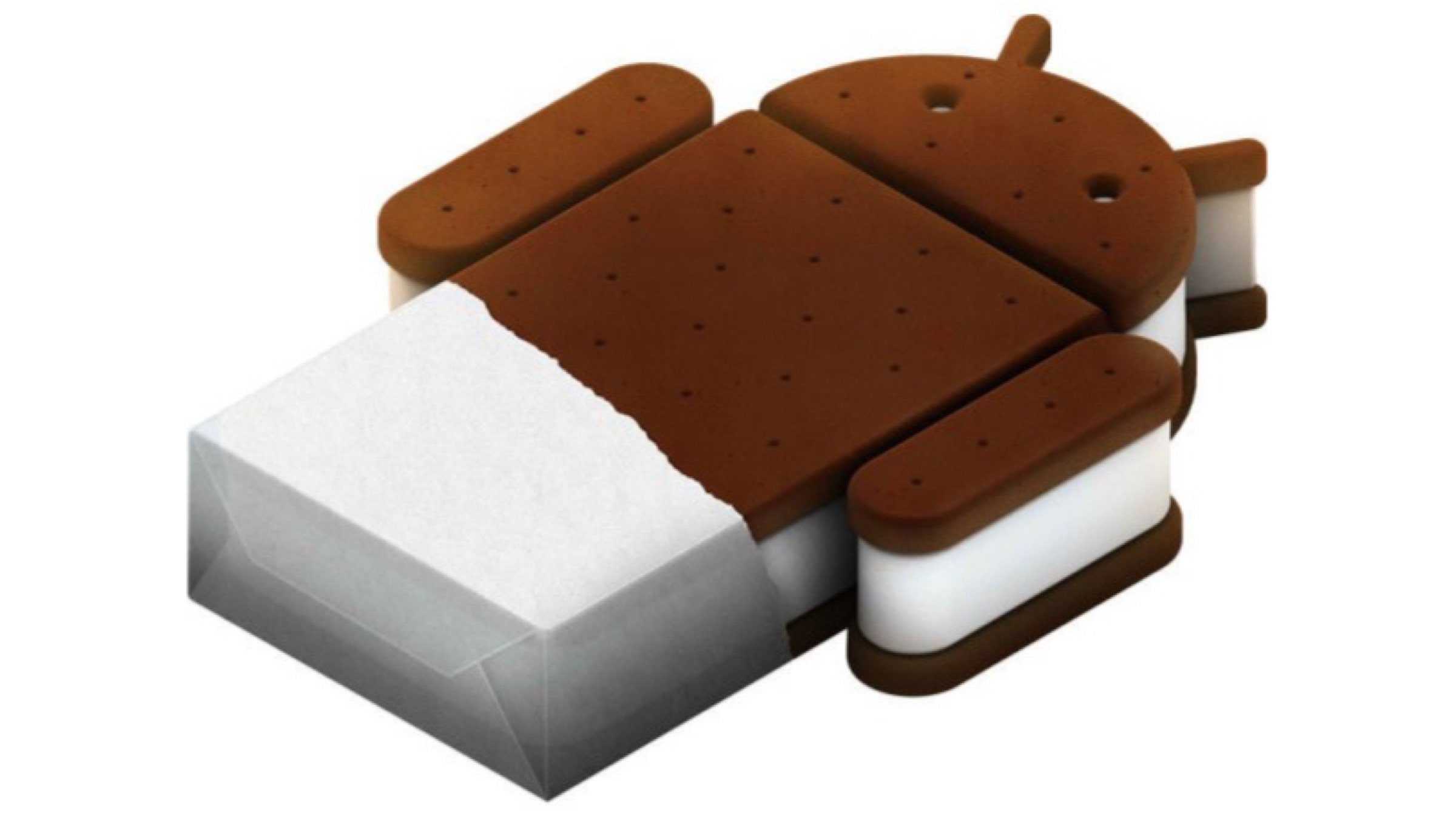


    Android 4.0 Ice Cream Sandwich was a major design overhaul for the operating system. Released in the same year as Honeycomb, the version brought about changes like a new Holo design, swipe gestures for notifications and recent apps, and support for Android Beam. Looking back at Ice Cream Sandwich now feels like it was an extremely ambitious update, one which has futuristic vibes going on for it.

    Android 4.1/4.2/4.3 – Jellybean
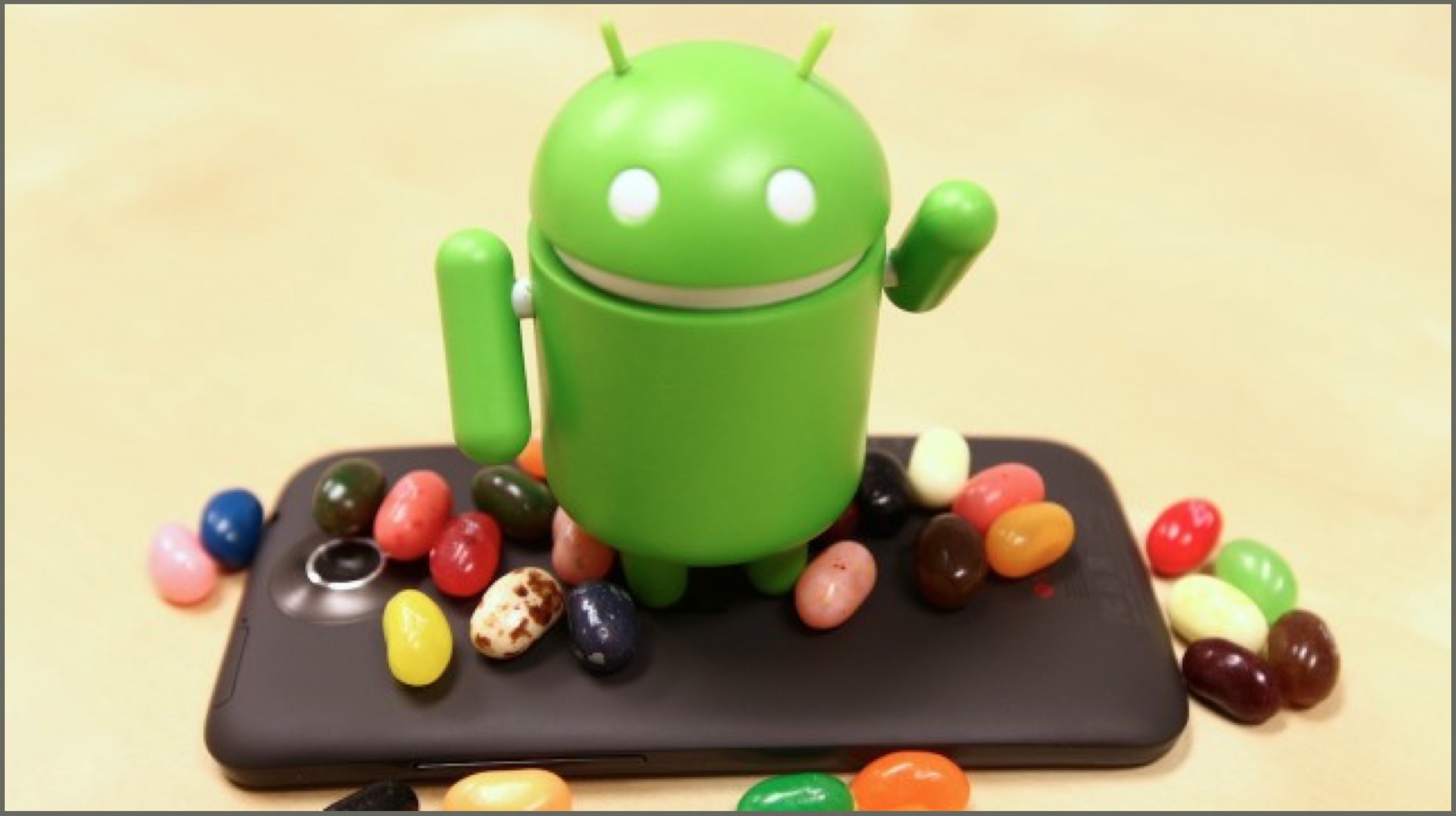
    Released over multiple periods between 2012 and 2013, the Android 4.1/4.2/4.3 Jellybean was an incremental update over Ice Cream Sandwich. The platform gained support for account switching, which lets multiple users use a smartphone in different ways. It also has Google Now, a barebones digital assistant which has now been christened as Google Assistant. Jellybean also got actionable notifications, which let taking actions without opening certain applications easier.

    Android 4.4 – KitKat
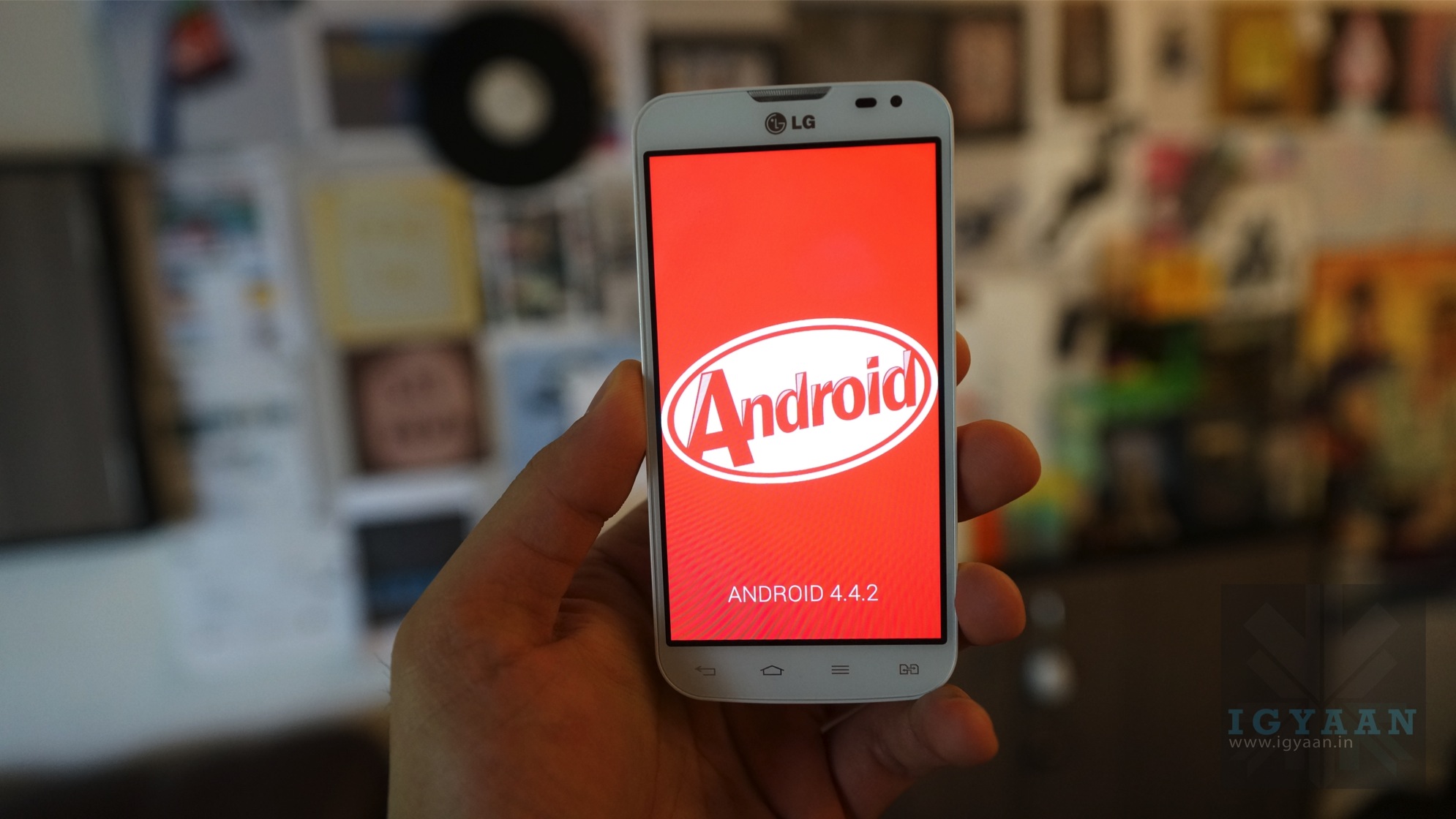
    The name for Android 4.4 KitKat was a result of Google’s partnership with Nestle in the year 2013. This release made for a delicious name, and software refinements all around the operating system. Things like a smart dialer, full-screen applications and the “Okay Google” keyword; which we now take for granted, were first added in KitKat.

    Android 5.0 – Lollipop
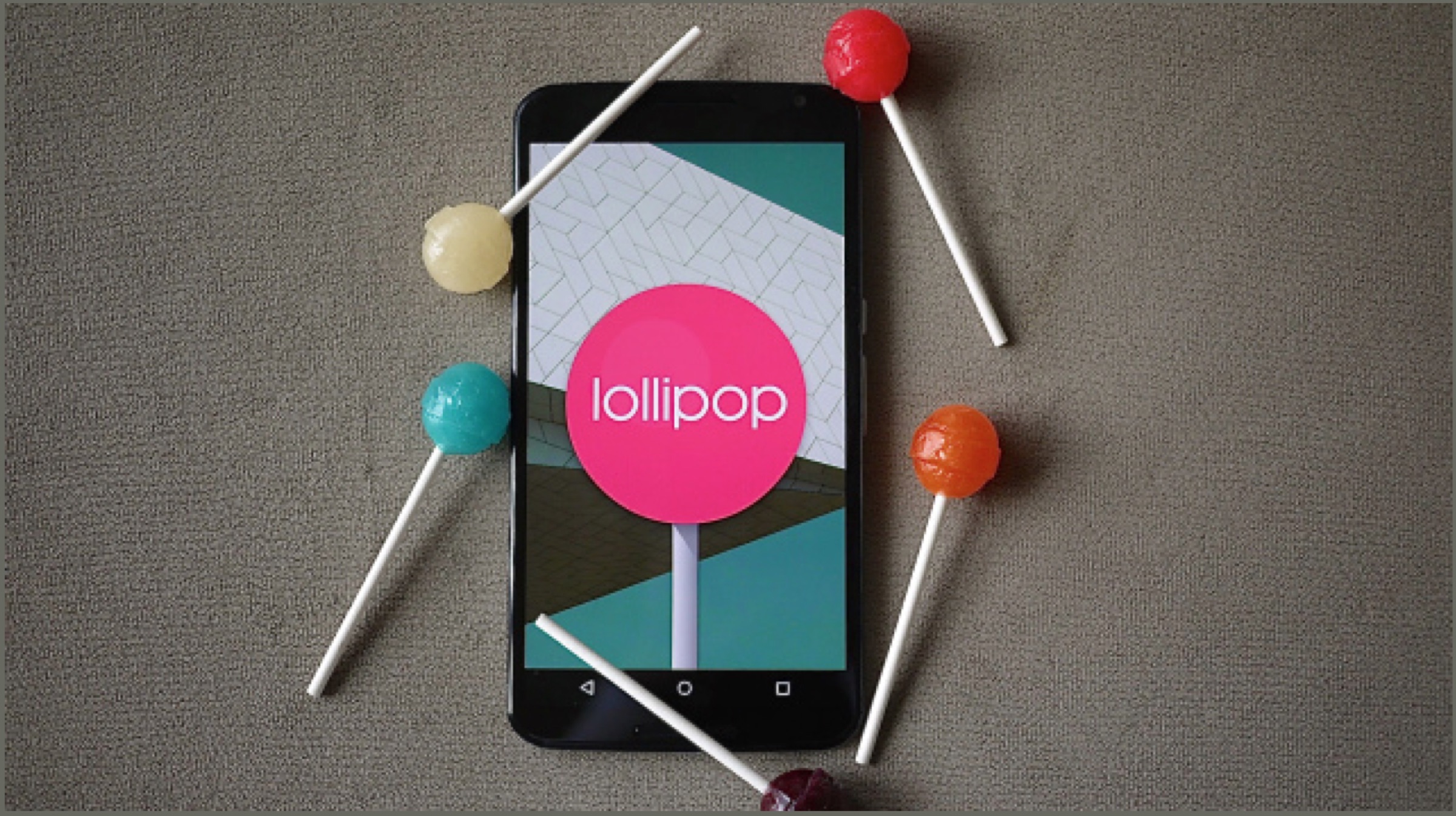
    One of the biggest releases of the operating system, Android 5.0 Lollipop saw Google going back to the drawing board in 2014. The company adopted the Material Design theme, which is still in use today and almost redesigned the platform. With the release, lock screen notifications became a thing, and the software gained support for full hands-free “Ok Google” detection. Not to mention the change in the recent apps drawer with the release. Fun fact, Google added a neat little game in the easter egg which resembled Flappy Bird, another smash hit game of the time.

    Android 6.0 – Marshmallow
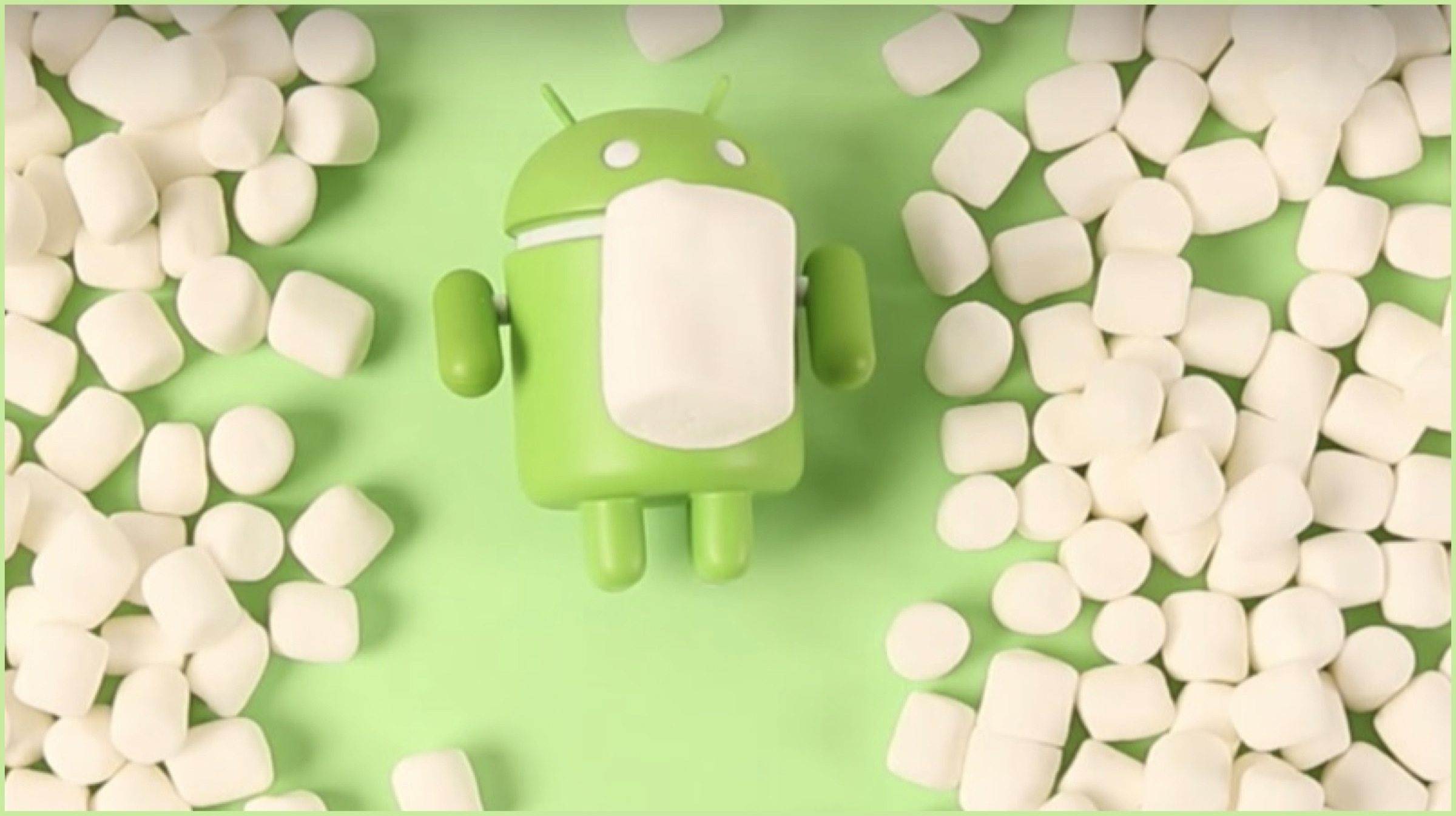
    Android 6.0 Marshmallow was released in 2015 and was an incremental update over Lollipop. It was in part because the previous version was such a design overhaul that it made for Marshmallow not to do anything drastic. The version added support for things like fingerprint readers and USB Type C ports and added a feature called Now on Tap. It used the company’s machine learning to provide more information on what is being displayed on the device. For granular privacy settings, Marshmallow also had permission controls for each application.

    Android 7.0 – Nougat
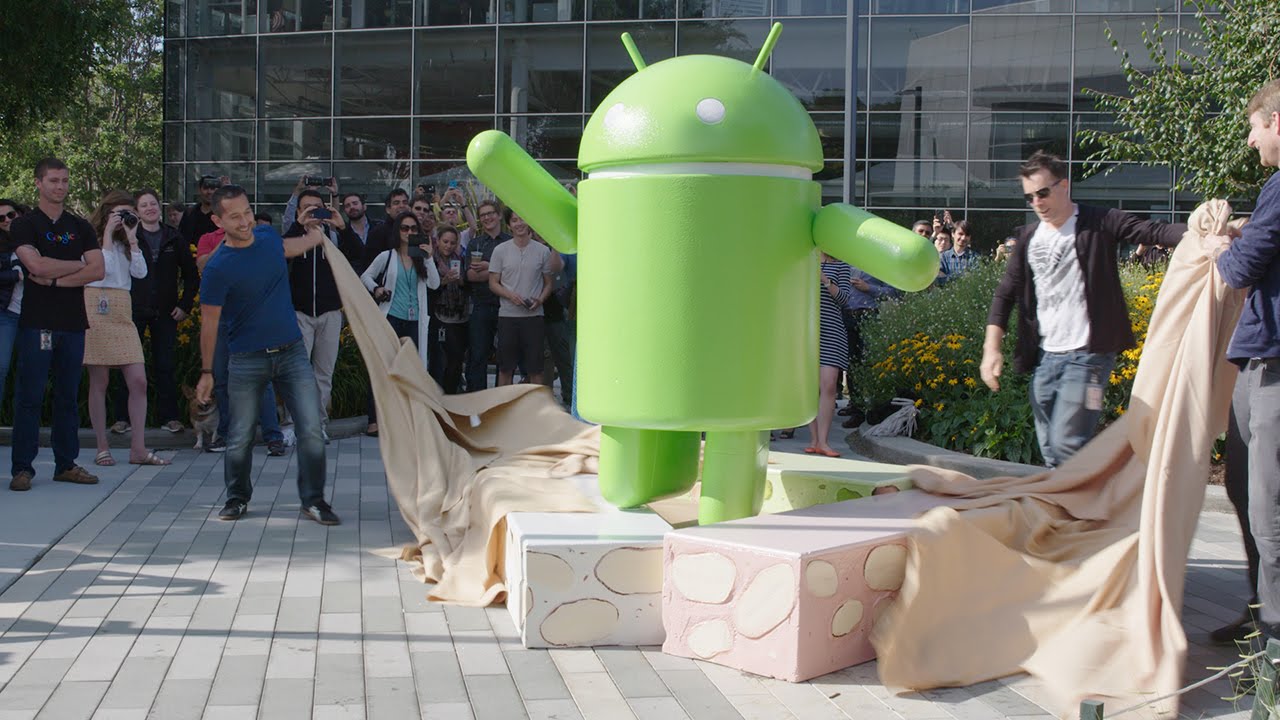
    nougat android

    Android 7.0 Nougat, was released in the year 2016 and focussed on improving upon Marshmallow. It was launched alongside the first Google-made smartphone, the Pixel and Pixel XL. With Nougat, the company introduced the split-screen feature and debuted Google Assistant, which is arguably the best digital assistant on a smartphone.

    Android 8.0 – Oreo
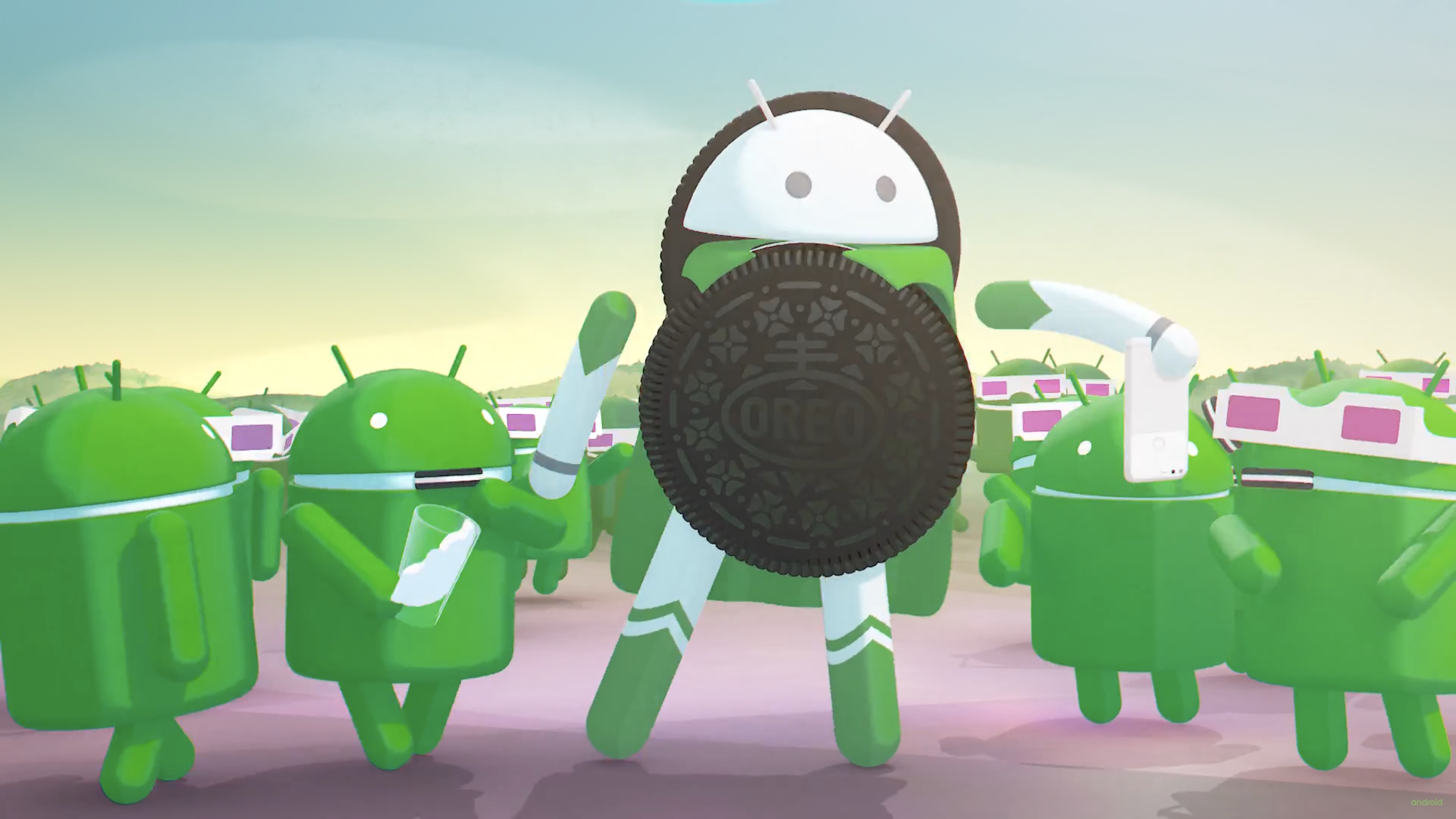
    Android 8.0 Oreo was released in the year 2017 and again, was an incremental update over Nougat. The name, much like KitKat was a result of Google’s partnership with a big company, this time it being Nabisco. This release brought about feature like a picture in picture mode, granular control over notifications. One of the landmark features of the sandwich cookie version was the support for Project Treble. It was an attempt by Google to minimise Android Fragmentation; by getting the latest release on most devices faster. Sadly the last bit has not played out very well.

    Android 9 – Pie
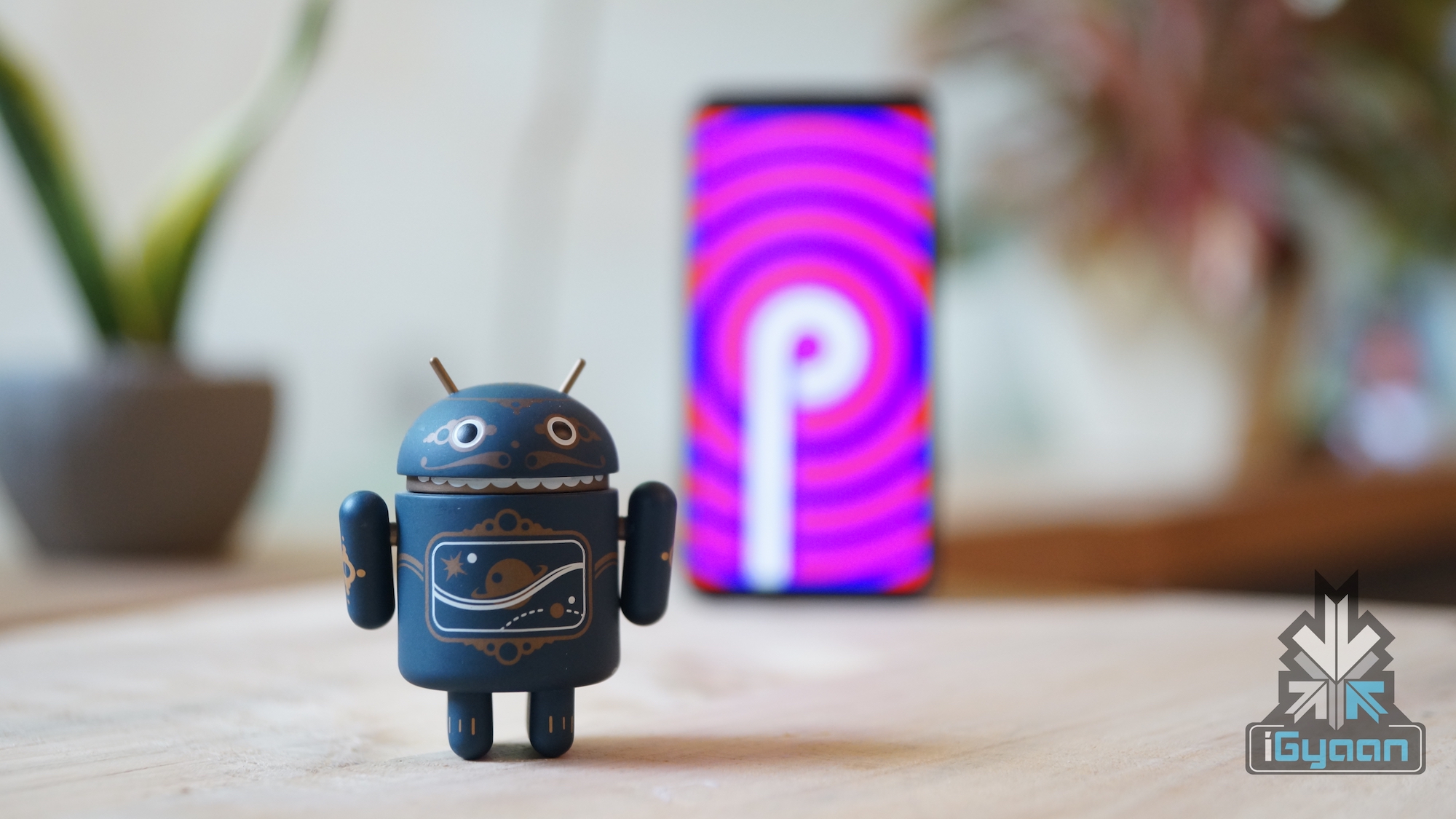
    The last release of the platform yet and one of the most important, Android 9 Pie was baked in the year 2018. It marked a soft reboot in designing the operating system, with the company trying to move away from Material Design. The release introduced new gesture-based navigation, which however half baked they may be; paved the way for all-screen smartphones. Also added to the release were clever software controls for Wi-Fi and mobile data. It also introduced the Digital Wellbeing feature on some devices. This lets users see the amount of time they spend on their smartphones and can limit it.

    Android 10 – No Desserts For You!
    Also read: Lenovo Teases An Upcoming Budget Smartphone, The Lenovo A6 Note

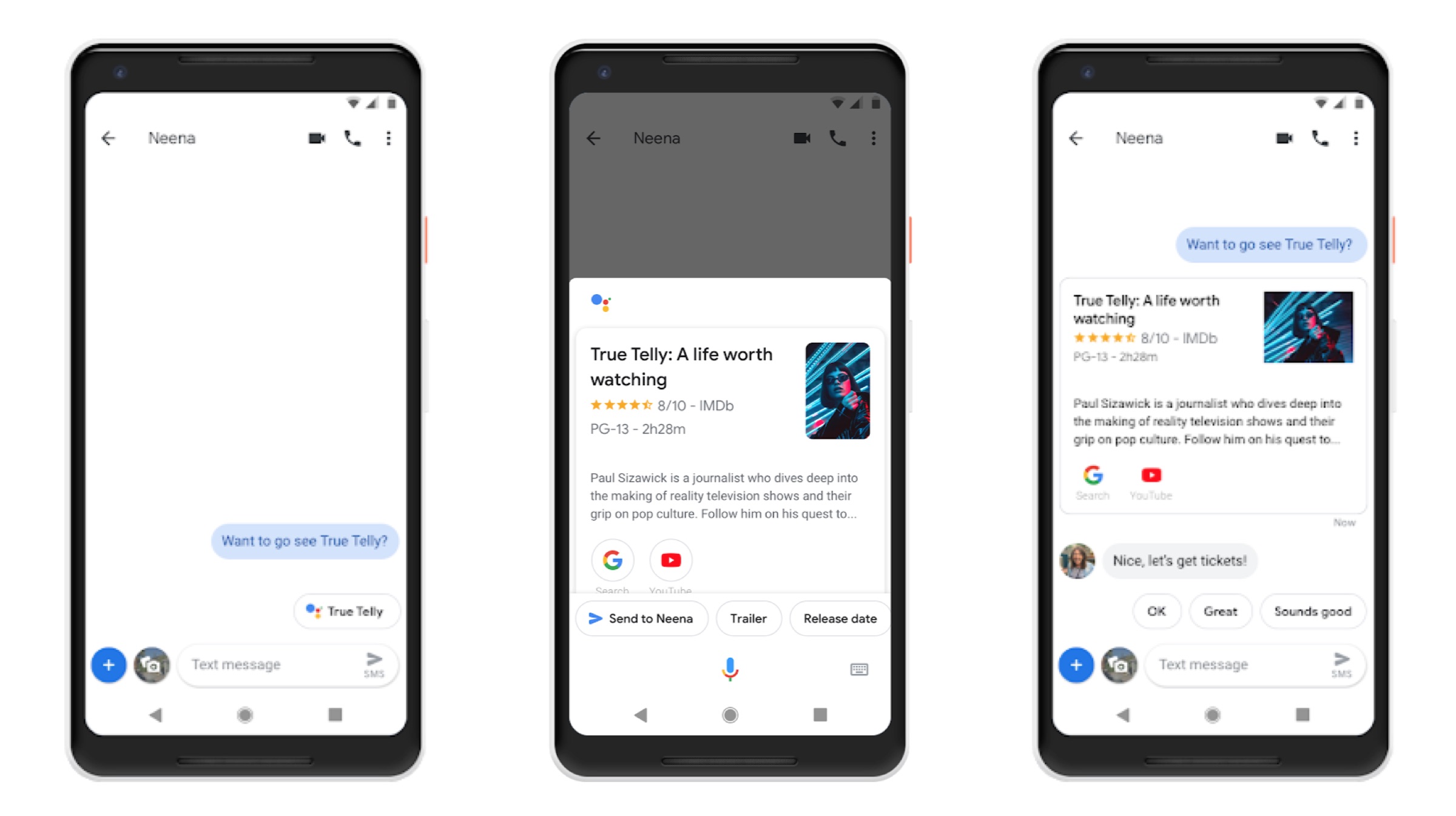
    The latest release by the company, Android 10 as mentioned above does not have an official dessert name. However, according to some reports, Google still has the codename for the release which is named after a dessert that starts with Q. Take your guesses, I’m going with Quiche. However sad the company’s naming decision may be, the latest release will bring about significant changes in the platform. The first one is an all-new navigation gesture system, which resembles the new iPhone gestures. Also arriving in the release are better and faster security updates and support for Live Captions. The final developer’s Beta for the software has just been released; so Google is expected to roll out a stable update in the following weeks.
  • Nokia Announces Android 10 Update Schedule For Existing Smartphones

    Nokia Announces Android 10 Update Schedule For Existing Smartphones

    In the last couple of hours, we have received two major news from Google and Nokia. First, that Google’s Android Q’s official name is Android 10. Second, Nokia has announced its Android 10 schedule for its existing smartphones that are part of the Android One program. The announcements came one after the other and here’s a short breakdown of it.

    Android 10

    Nokia Update Timeline

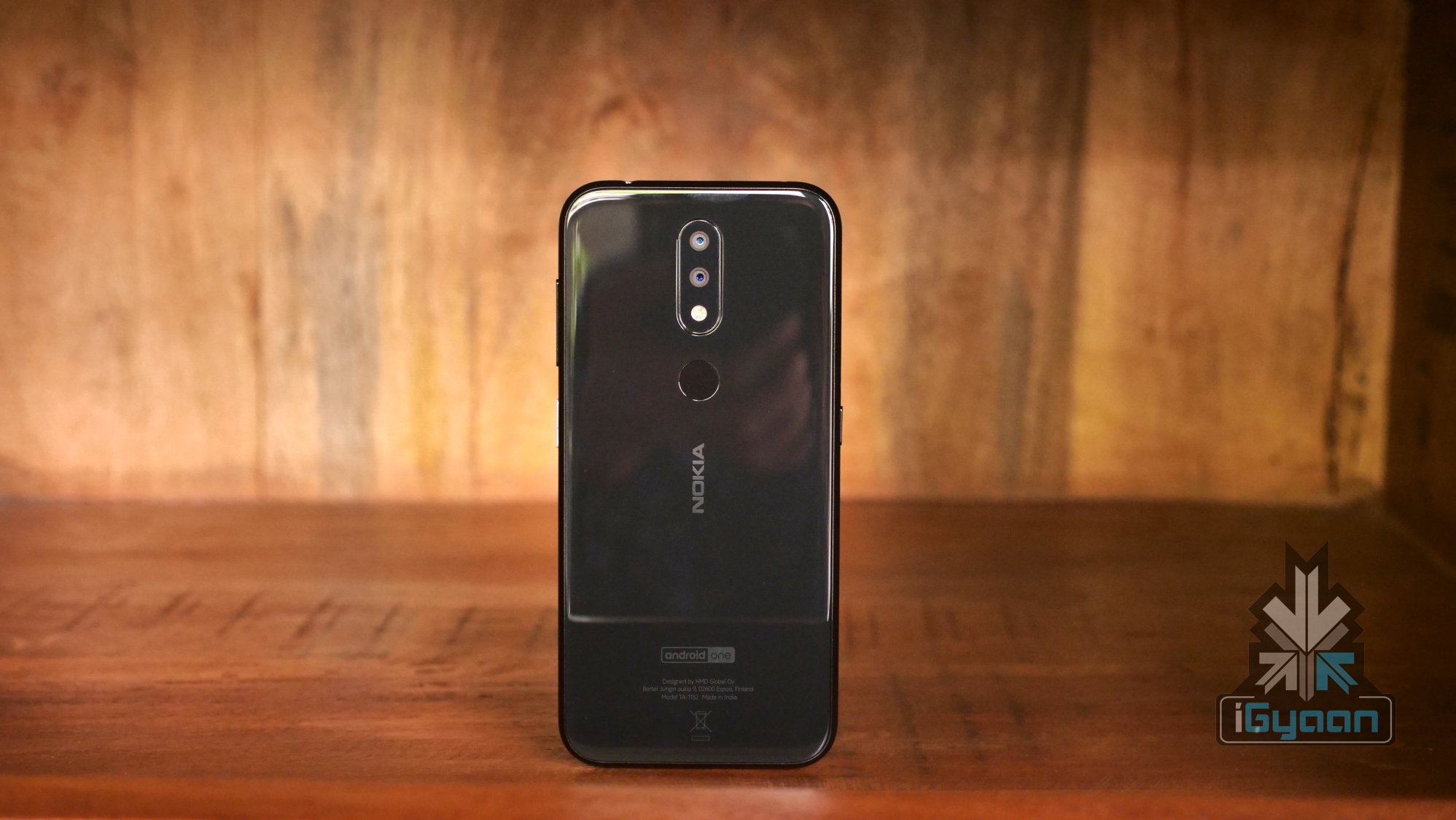
    Nokia had re-entered the global market with its Android One smartphones two years ago. Since then, the company has seen a warm welcome owing to a bloatware-free experience its devices offer. Most of the handsets offered by Nokia are targetted towards mid to budget range which is uncommon for an Android One device to be. For those unaware, it is a program started by Google that ensures the device running the stock Android gets at least two major Android updates and security patches for three years.
    In other words, Nokia devices are ensured for long term use. The company shared its schedule regarding the roll-out of Android Q on its devices which is as follows:
    2019 Q4:

    • Nokia 7.1
    • Nokia 8.1
    • Nokia 9 PureView

    2020 Q1:

    • Nokia 6.1
    • Nokia 6.1 Plus
    • Nokia 7 Plus
    • Nokia 2.2
    • Nokia 3.1 Plus
    • Nokia 3.2
    • Nokia 4.2
    • Nokia 1 Plus
    • Nokia 5.1 Plus 
    • Nokia 8 Sirocco

    2020 Q2:

    • Nokia 2.1
    • Nokia 3.1
    • Nokia 5.1
    • Nokia 1

    Android 10

    Google Android 10

    Google has officially announced that it is parting from its beloved naming philosophy. The sweet-toothed names that were associated with each new generation of the OS are finally being sobered down. It has been confirmed that Android Q will officially be called Android 10. The reason the company said for this major change is to help people understand generations better.

    Also ReadSamsung Announces Galaxy A30s, Features A Triple Rear Camera

    The example given out was that some regions cannot distinguish between L or R in regional languages. So, simply saying Lollipop makes no sense to them. Thus, Google is employing a clean, sober and chronological name scheming. It would also seek to not have certain countries in the world feel left out over dessert names from their region (R for Rasgulla Or L for Laddo ;)). The move by Google is purely unifying and simplifying in nature.

  • WhatsApp Is Rolling Out Four New Long Awaited Features

    WhatsApp Is Rolling Out Four New Long Awaited Features

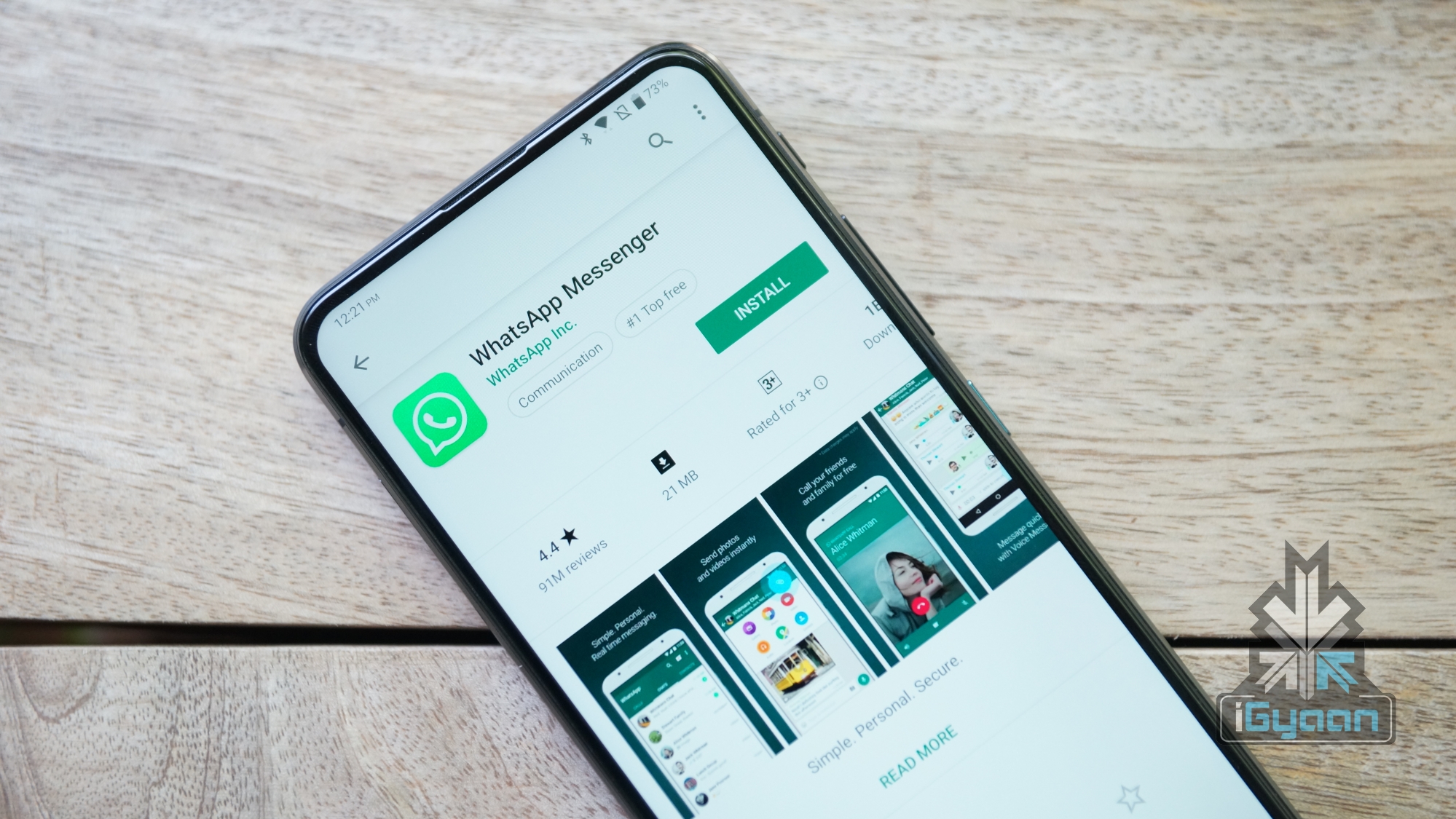
    WhatsApp has a user count of over 1.5 billion across the world. It is one of the most popular applications on both the Apple App Store and Google’s Play Store; and has millions of active users at any given moment. In India alone, the application has over 400 million users. The company behind the popular chat app is starting to roll out four long awaited new features with its latest builds.

    WhatsApp Inc, owned by Facebook, is rolling out the latest build in a staggered manner so most users may not immediately get the feature. 

    WhatsApp

    Fingerprint Lock Feature

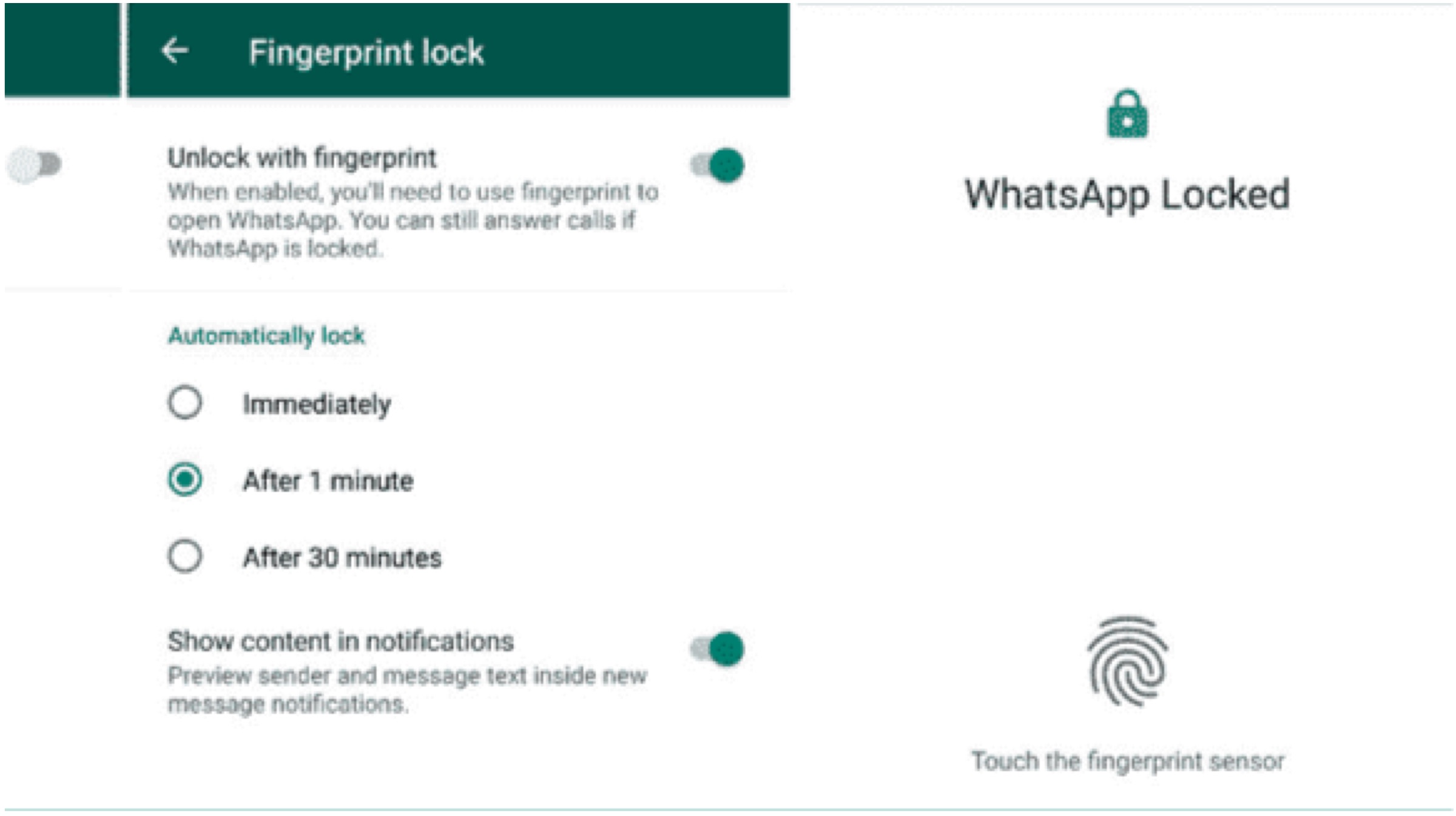
    The features is not exactly a brand new addition to WhatsApp security functions. Earlier this year, iOS devices have already received the update that enabled this particular feature. Now, a whole seven months after, the feature is finally available on Android devices. In February 2019, iPhones had the ability to safeguard their app with biometric security either with FaceID or TouchID. The feature is cuurrently live with WhatsApp beta version for Android that are on the latest version 2.19.3 for those that wish to try it. A live build iteration is expected to arrive soon.

    WhatsApp

    WhatsApp From Facebook

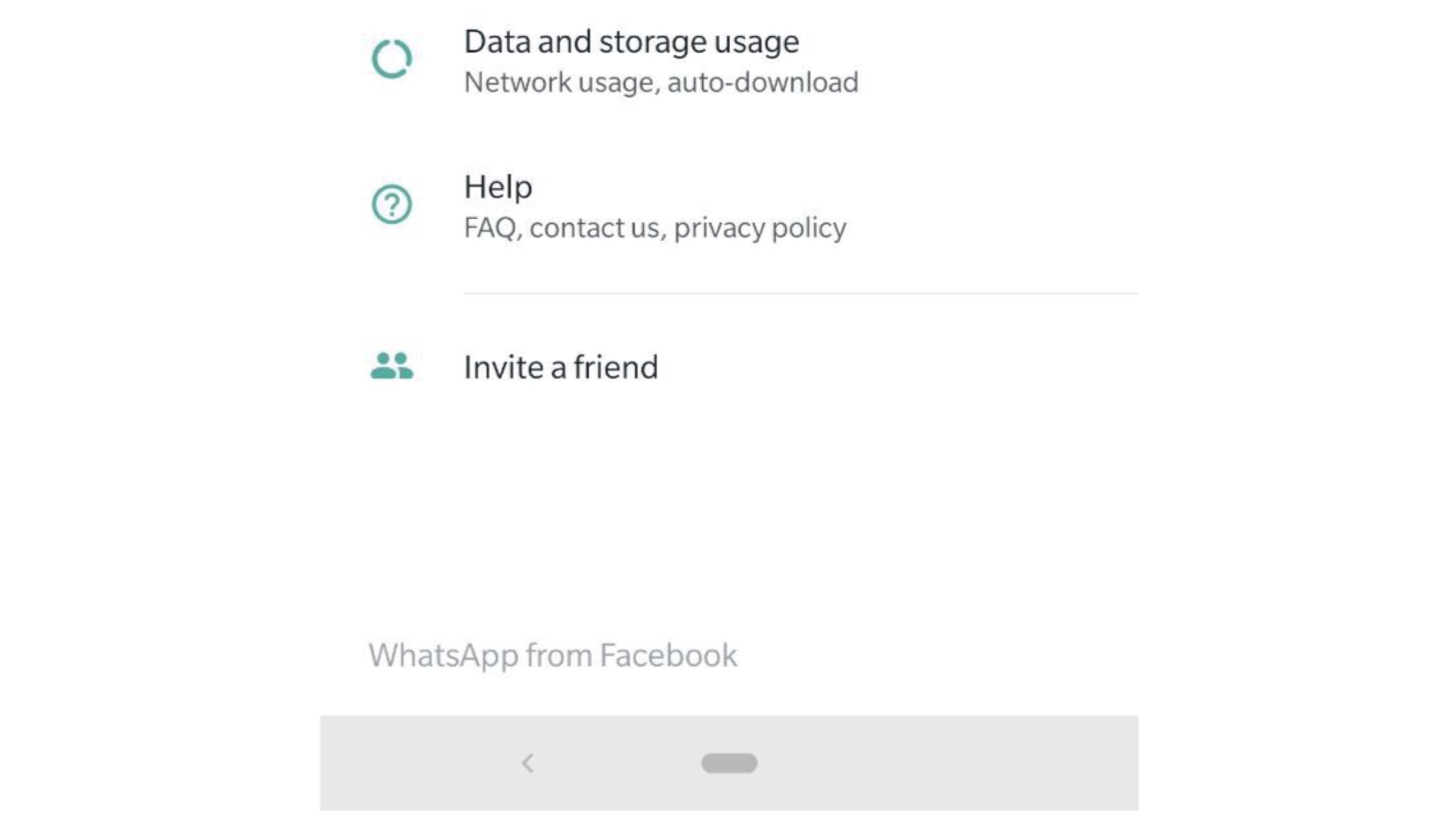
    Previously, we had reported that Facebook the parent company behind WhatsApp and Instagram, wants to integrate the three social media platforms. It means that the company wants the user experience to be almost seamless with transitions in between any of its social networking services.  Users can find the “WhatsApp from Facebook” tag in the apps Settings section.

    Frequently Forwarded

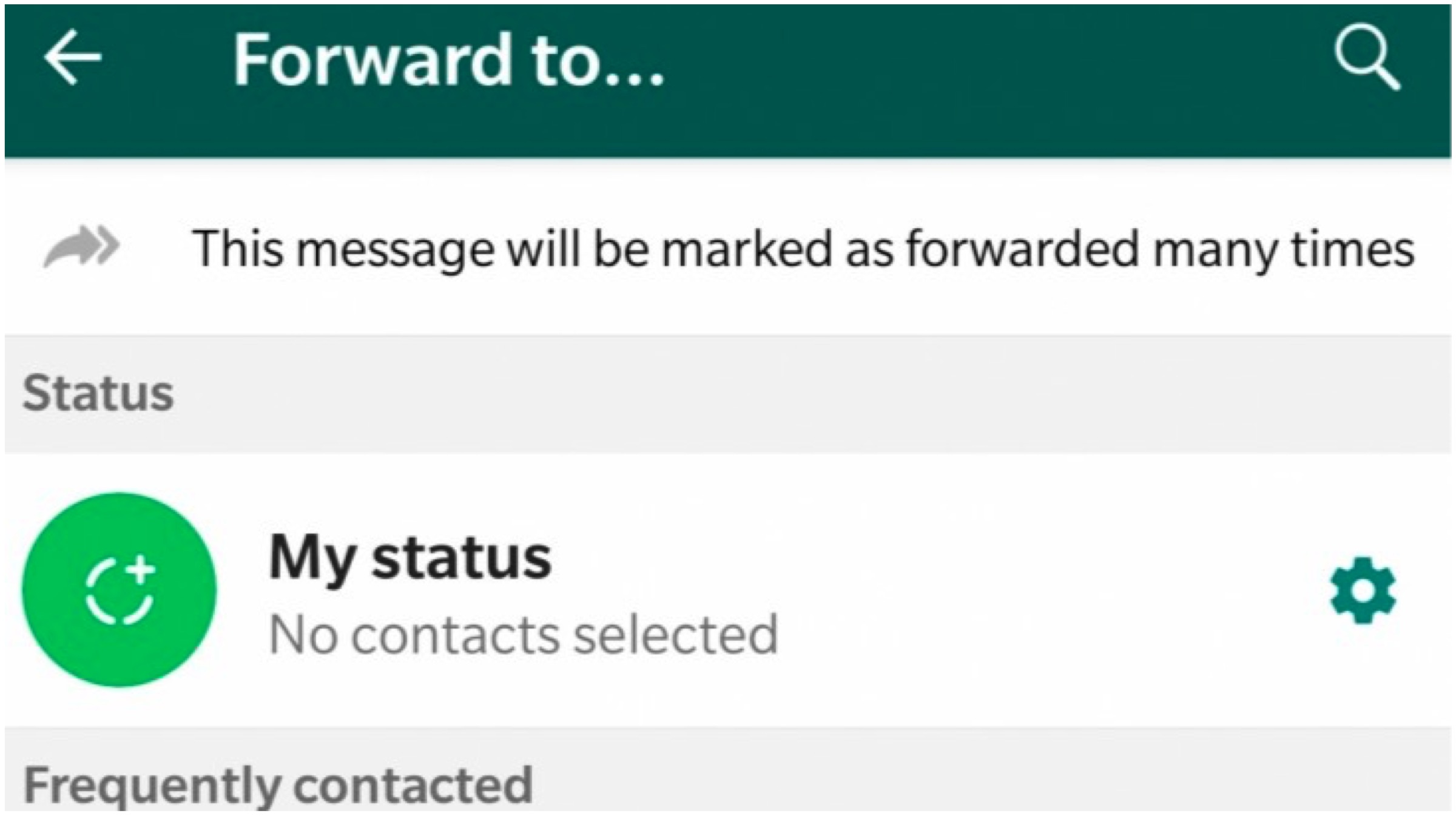
    Ill natured users on WhatsApp have been accused on multiple occassions of facilitating the spread of fake and false news in India. Hence, it has been a considerable effort from the company’s part to fix the issue. One of the moves employed to curb the forest fire nature of false information was identifying such texts and labelling them with the “Frequently Forwarded” tag. It would allow indentification of how many times the message has been forwarded by alerting the user.

    WhatsApp

    Also ReadAre Gaming Smartphones Really Worth Buying?

    Consecutive Voice Notes

    One of the latest features being introduced is a real quality of life improvement in the user experience. The feature which was first seen in the iOS version of Whatsapp has the user no longer having to play consecutive voice notes manually. In simpler words, Users can now automatically play voice notes one after another seamlessly. Additionally, the chat app notifies the user with a sound after finishing one audio message before starting another.

  • Flipkart Launches Its Video Streaming Service To Take On Amazon Prime Video

    Flipkart Launches Its Video Streaming Service To Take On Amazon Prime Video

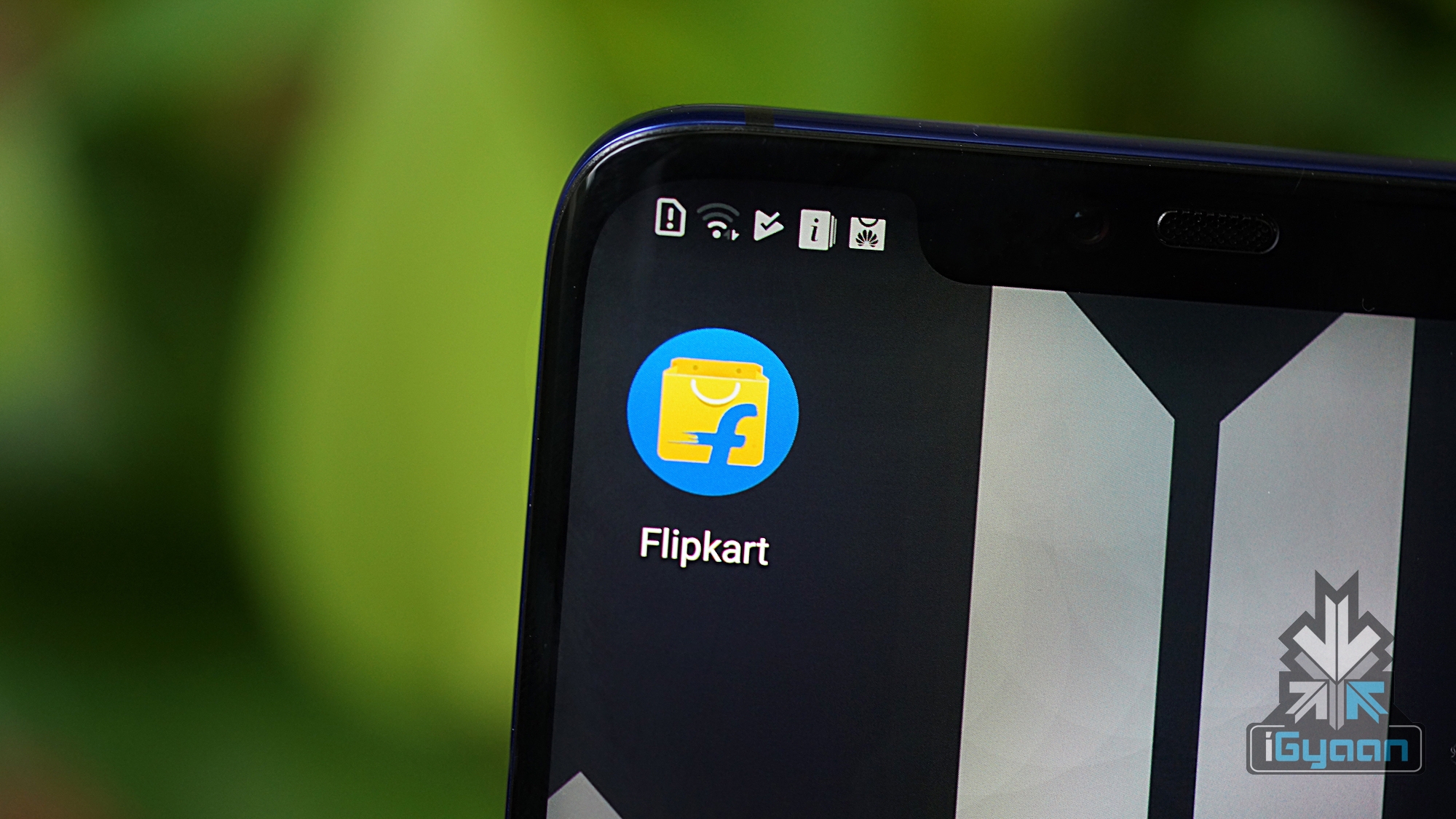
    The video streaming service market in India has risen substantially in the last few years. What used to be dominated by YouTube has split into various applications featuring TV shows and movies spanning different genres. The latest addition in the space is one of the biggest e-commerce players in the country, Flipkart. The company has launched its own video service in the Indian market via its mobile shopping app. While it has not explicitly said so, the company aims at giving Amazon’s Prime Video service a run for its money with the latest service.

    Flipkart Video

    Flipkart Video

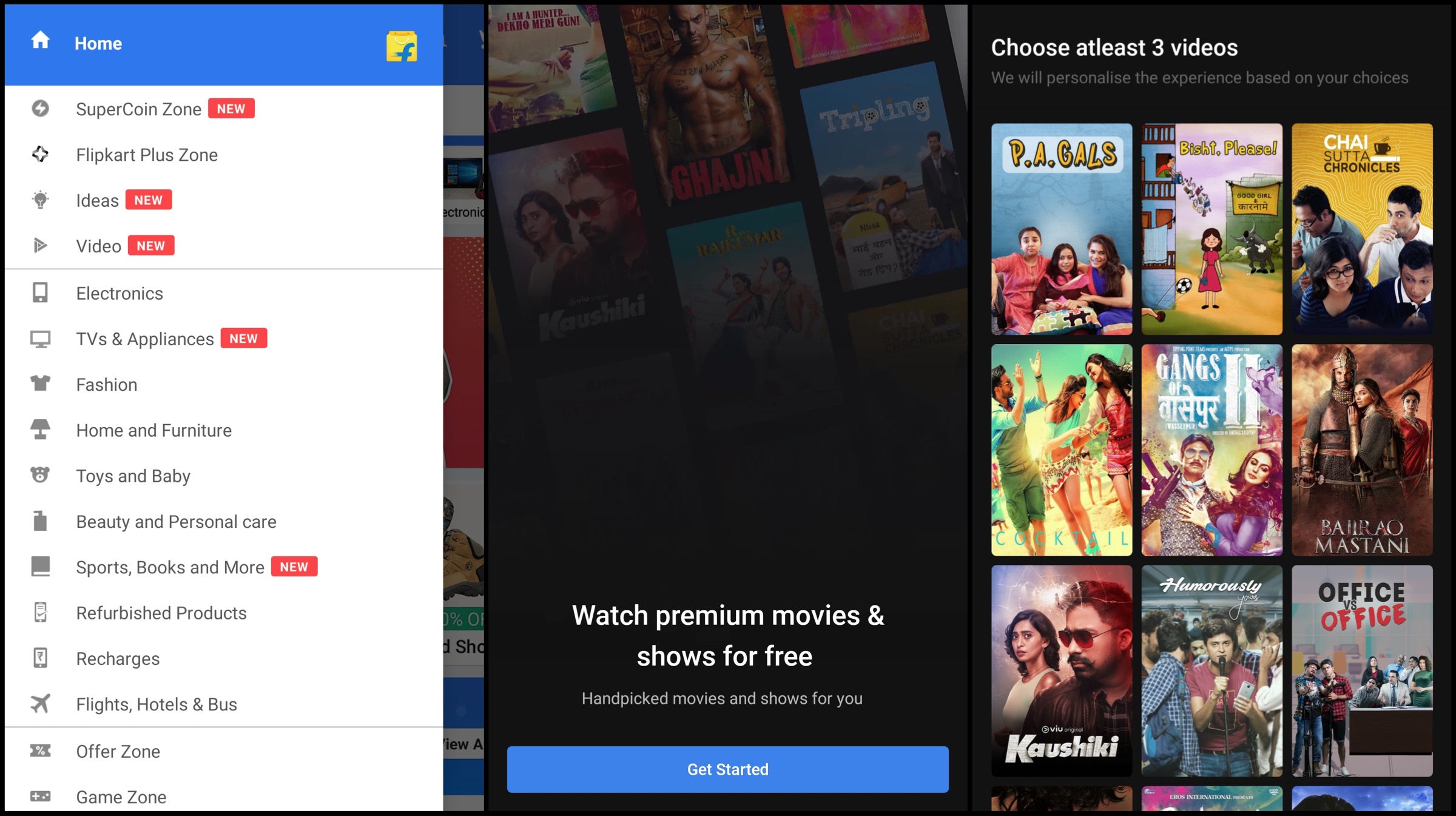
    The latest video streaming service from Flipkart is visible in the Android application for the shopping website. With the current version 6.17, two new options have been added to the hamburger menu on the top left of the home screen. While the former is an Ideas section meant to help the users in terms of their shopping needs, the latter is the Video section; which is comprised of various movies and TV shows from key media players in the streaming segment such as Arre, Dice Media, TVF and Voot. Flipkart has said in the past that it will not focus on creating original video content initially, but may get into the idea if more people are interested in the platform.

    Also read: YouTube Original Series Will Be Free To Watch From 24th September

    The video streaming service offered by Flipkart will be free to watch for any registered user of the application. The platform is ad-supported, which means even later, users will not have to pay anything to consume the content offered. While the service is only available for Android users as of now, it is expected that an iOS update pertaining to the Ideas and Video service will be released soon. With the entry of a major enterprise like Flipkart in the video streaming market of India, we expect the competition to heat up in the following months.

  • Huawei To Introduce Its Own Mapping System To Compete With Google Maps

    Huawei To Introduce Its Own Mapping System To Compete With Google Maps

    With the advent of newer technology, lives have become easier. For example, unlike in the past where you had to ask for directions or use an unyieldingly large map, online mapping services have existed to make lives easier. Currently, Google dominates such a service with its extremely popular Google Maps. Many companies have tried to obtain a footing in the market like Apple and Blackberry, the latter miserably failing in this regard. According to a new report, Huawei is now also seeking to develop its own mapping service which will compete with Google Maps. 

    Huawei

    Who Is It For?

    A fresh report originating from Huawei’s home country, China, has stated that the tech giant is seeking to challenge Google. However, the company is developing a mapping service which differs from its competitors. Unlike Google Maps, it is reportedly being made for developers which implies that it may be used by navigation or taxi-hailing services. It would also allow third-party developers to create utilize this service without creating their own.

    Huawei
    Google Maps
    Map Kit

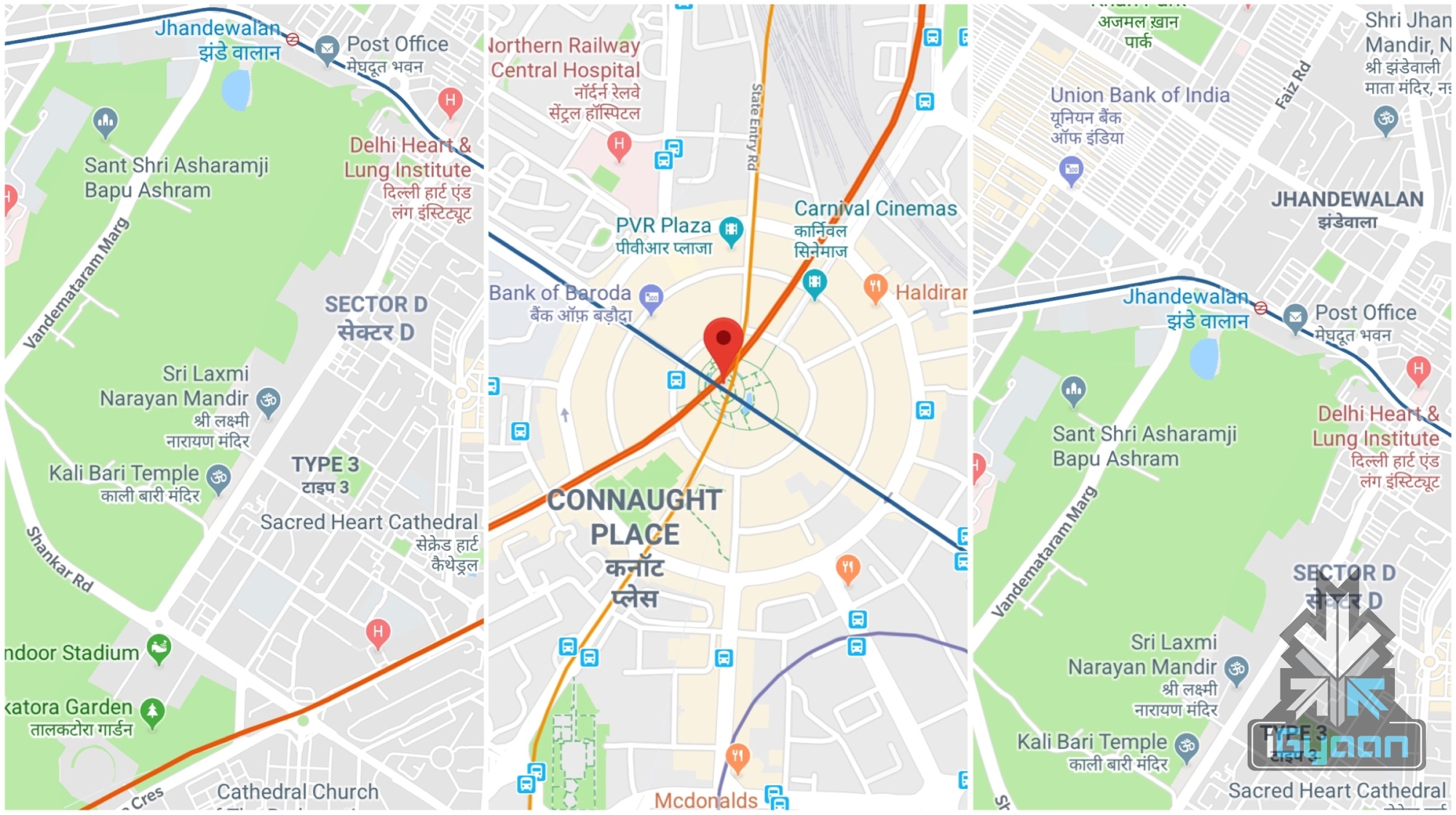
    A top executive at Huawei has revealed Map Kit as the name of the upcoming service. It will offer developers a street-level navigation system that they can use in their respective apps. Map Kit will also convey real-time traffic conditions and other related data. It could also imply an AR walking navigational system which is used by Google. Furthermore, the Map Kit will be connected to local mapping services and will have to rely on telecom base stations that offer positioning data via satellites.

    Huawei
    Google Maps AR Navigational Feature
    Will It Succeed?

    The report also states that Huawei is partnering up with Booking Holdings. Notably, Booking is currently reliant on Google Maps. Hence Map Kit might just be a customer and not actually a data provider. Huawei will have to invest heavily to compete in the mapping service market which has been notoriously difficult to crack. As mentioned earlier, Google is the only company to see success in the business while even Apple is lagging behind the search giant. Nokia too had tried and failed with its Here Maps as did Blackberry in the past.

    Huawei
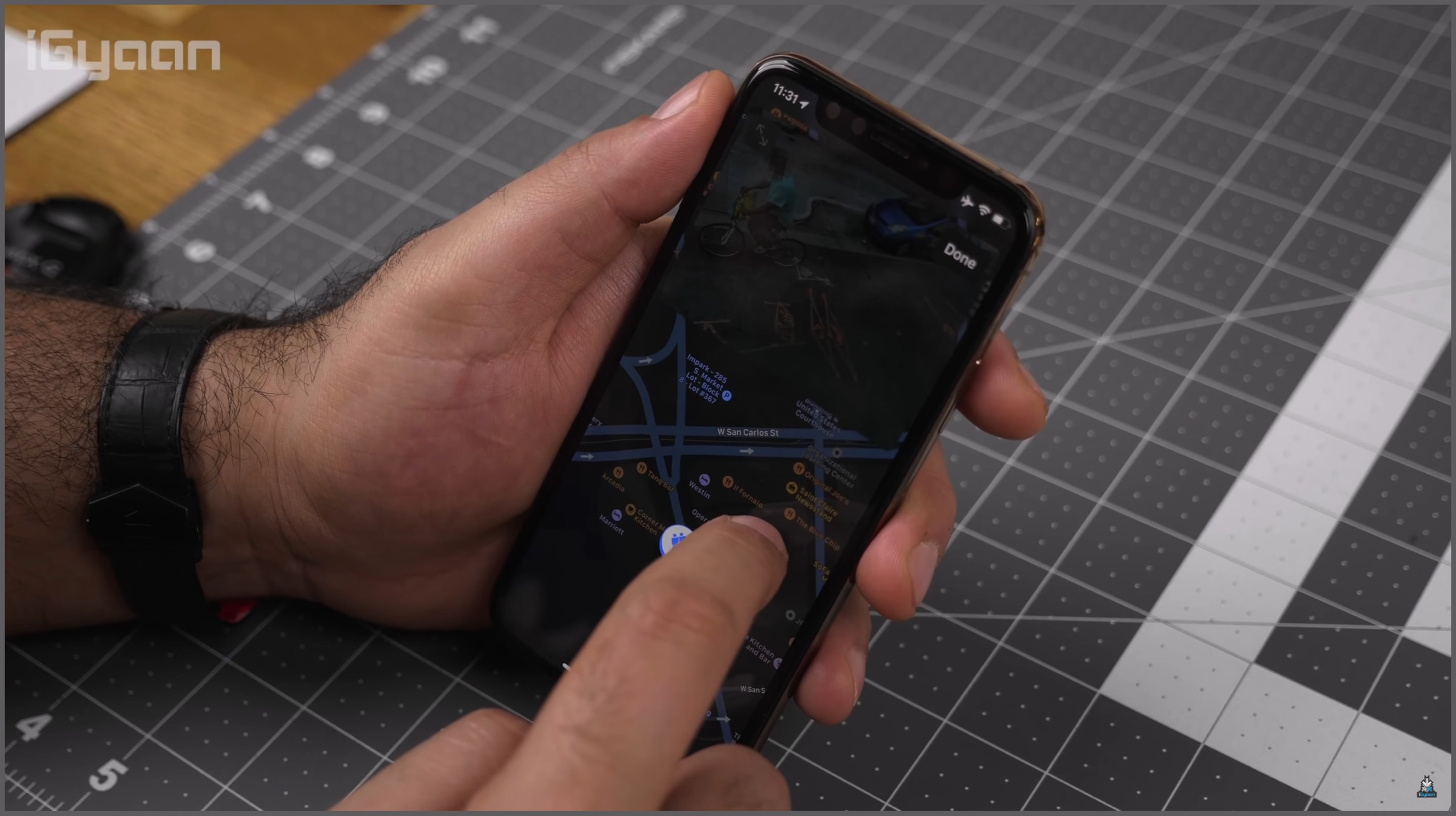
    iOS 13 Maps

    Also ReadYouTube Original Series Will Be Free To Watch From 24th September

    Why Is Huawei Making Map Kit?

    Huawei’s new mapping service is probably in response to the trade ban imposed on it by the US Government. The trade ban it had received has since been temporarily revoked but its implications still stand evident. US and western-based companies can cut ties from the company at any given moment. Thus, the move arrives with a more self-sufficient motive rather than just a revenue-generating one.

  • YouTube Original Series Will Be Free To Watch From 24th September

    YouTube Original Series Will Be Free To Watch From 24th September

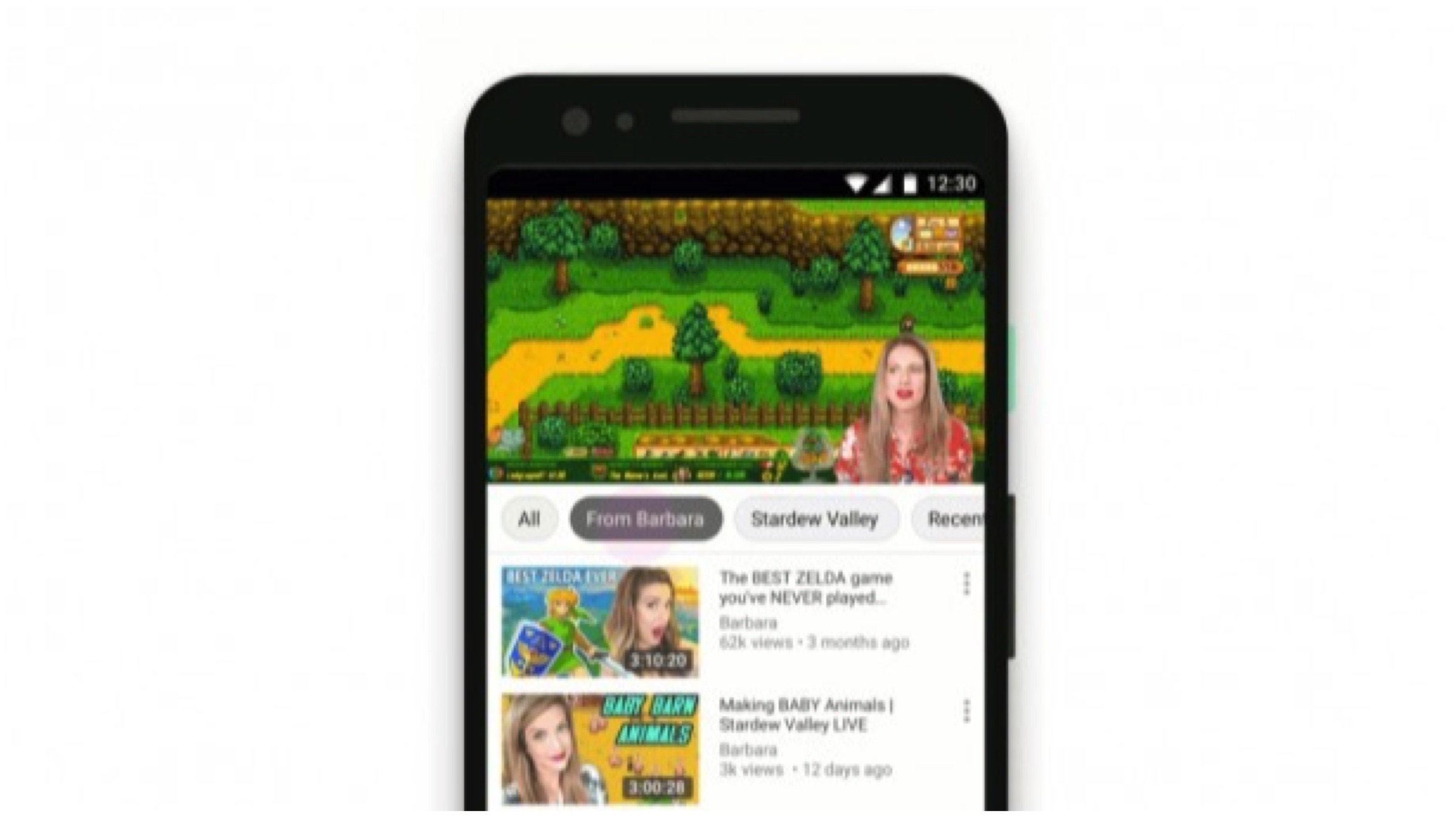
    YouTube is an app that is found in almost every smartphone and is enjoyed by most users. The website or app allows people to consume video content alongside music for free. Its business model is centred around ad revenue with ads people watch in between videos and such. For the most part, the app is a free service but does offer some paid services like Youtube Premium. Freshly, Google, its parent company has announced that is making the paid service free for all to watch.

    YouTube

    YouTube Originals

    The company had previously announced YouTube Originals which was introduced to make the platform similar to Netflix and other paid streaming platforms. In other words, users are offered a wide variety of movies and episodic series to choose from. However, the difference between the other services and YouTube Originals has now broadened. While Netflix employs a monthly subscription fee, Youtube is offering its Originals service for free. The service, until now, has been exclusive to Youtube’s Premium users but is now set to change. 

    YouTube Originals
    Weird City
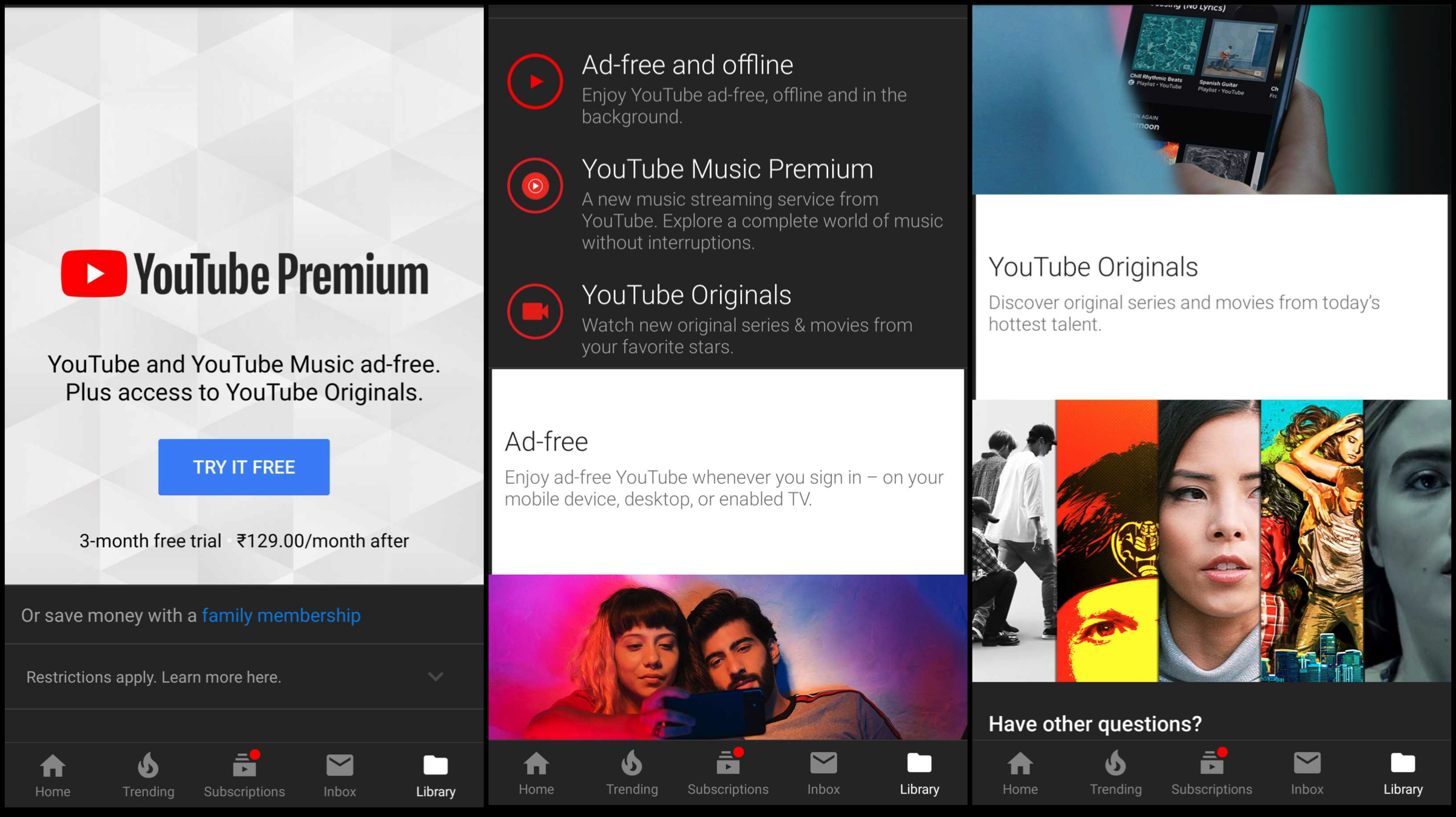
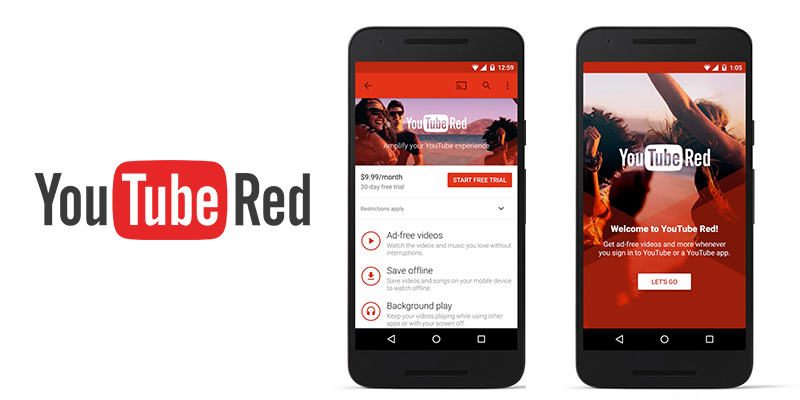
    YouTube Premium

    YouTube has also added new features for Premium subscribers of its service to enjoy. It includes:

    • A new “Recommended Downloads” section in its app library.
    • It is now possible to switch between songs and music videos with a single tap.
    • The ability to download up to 500 songs from their Liked Songs list and other playlists

    YouTube Originals

    So How Do They Still Make Money?

    How does a free service earn like Google, Facebook, Instagram or YouTube earn money? The answer is ads; most popular service out there run an ad-based revenue and YouTube Originals will also be loaded with them now. Previously, to the premium subscription, users had to shell out INR 129 a month which include:

    • An ad-free experience while watching videos.
    • The ability to run the app in the background.
    • Download videos at a higher quality.
    • Lastly, a subscription to YouTube Music Premium.

    YouTube Originals

    Also ReadMotorola One Action Launched, Features A 6.3 Inch Punch Hole Display

    According to Google, every YouTuve Originals series released after 24th September will be available to everyone regardless of paid or unpaid status. However, premium users still receive a lot of benefits over the free users including:

    • The premium users are not bothered by ads.
    • Paid users get immediate access to every episode while paid users must wait for timed releases.
    • Get to enjoy the director’s cut and bonus scenes.
  • Discord Introduces Go Live, Allows Gamers To Stream To Up To 10 People

    Discord Introduces Go Live, Allows Gamers To Stream To Up To 10 People

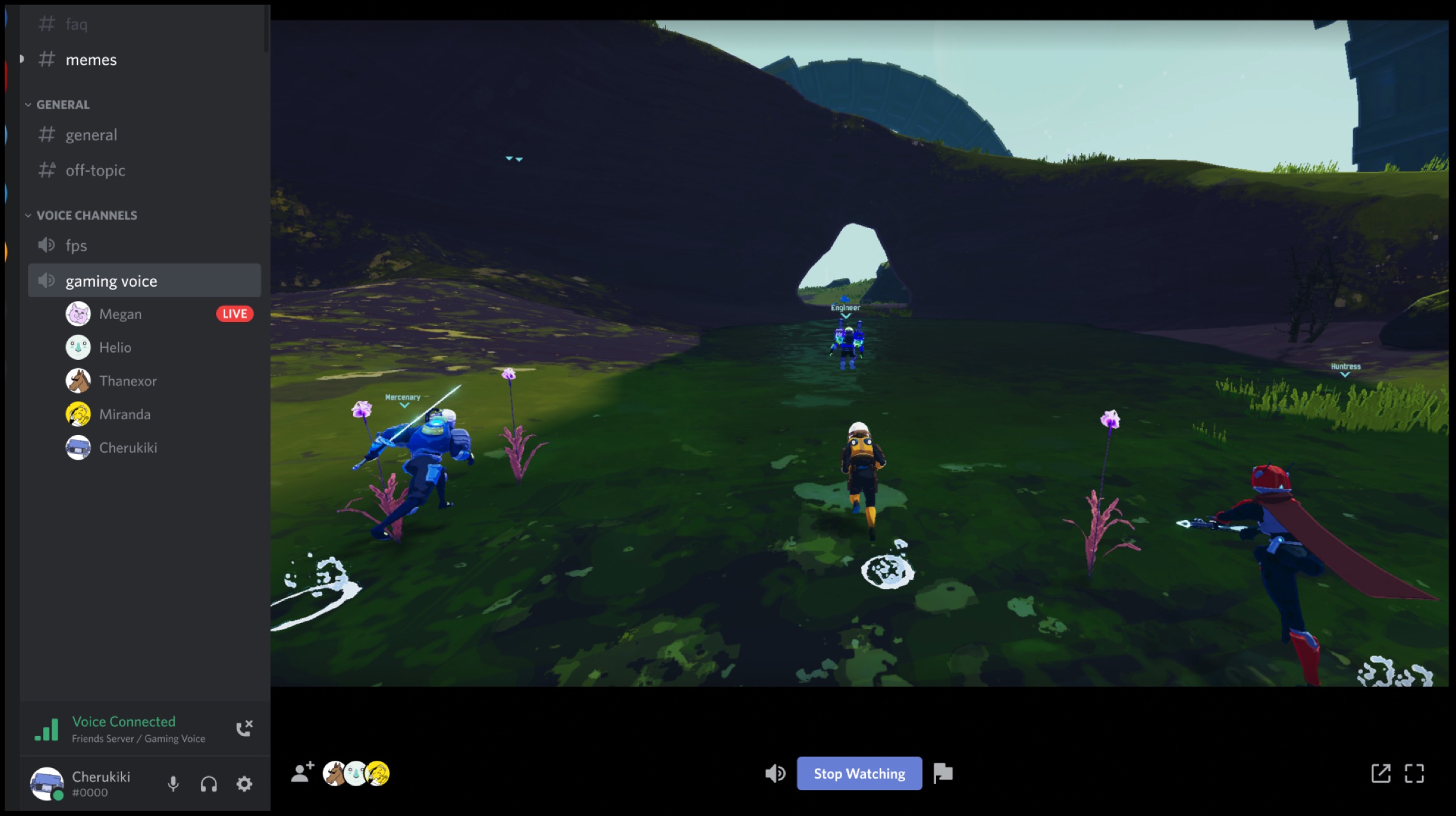
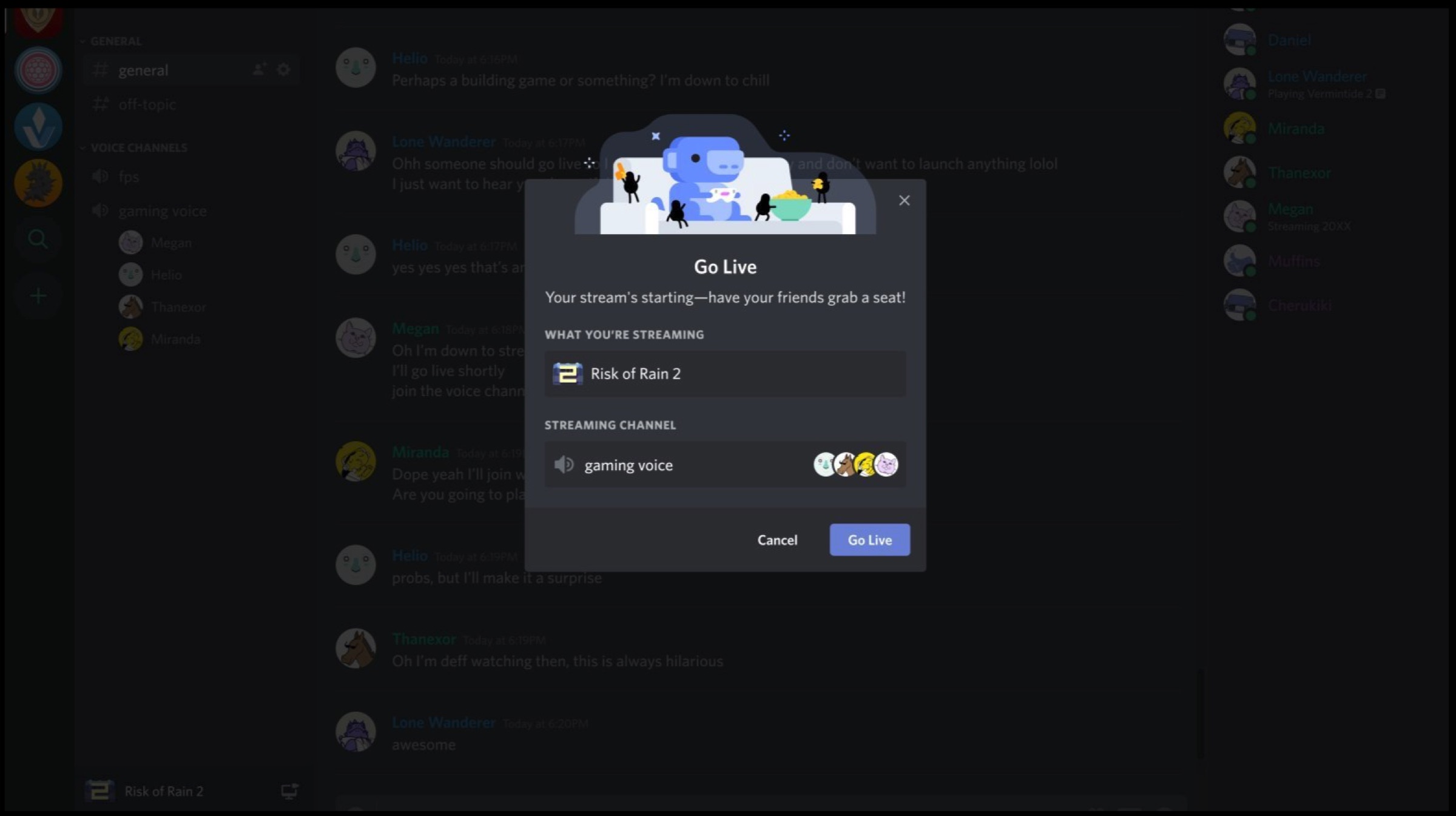
    In the past couple of years, game streaming has becoming massively successful. Twitch, one of the largest streaming platform, has offered many people a chance to showcase their skills or personality. Now, Discord is offering much of the same functionality, but to those that wish to have a closed and smaller viewership with Go Live.Discord Go Live

    Discord

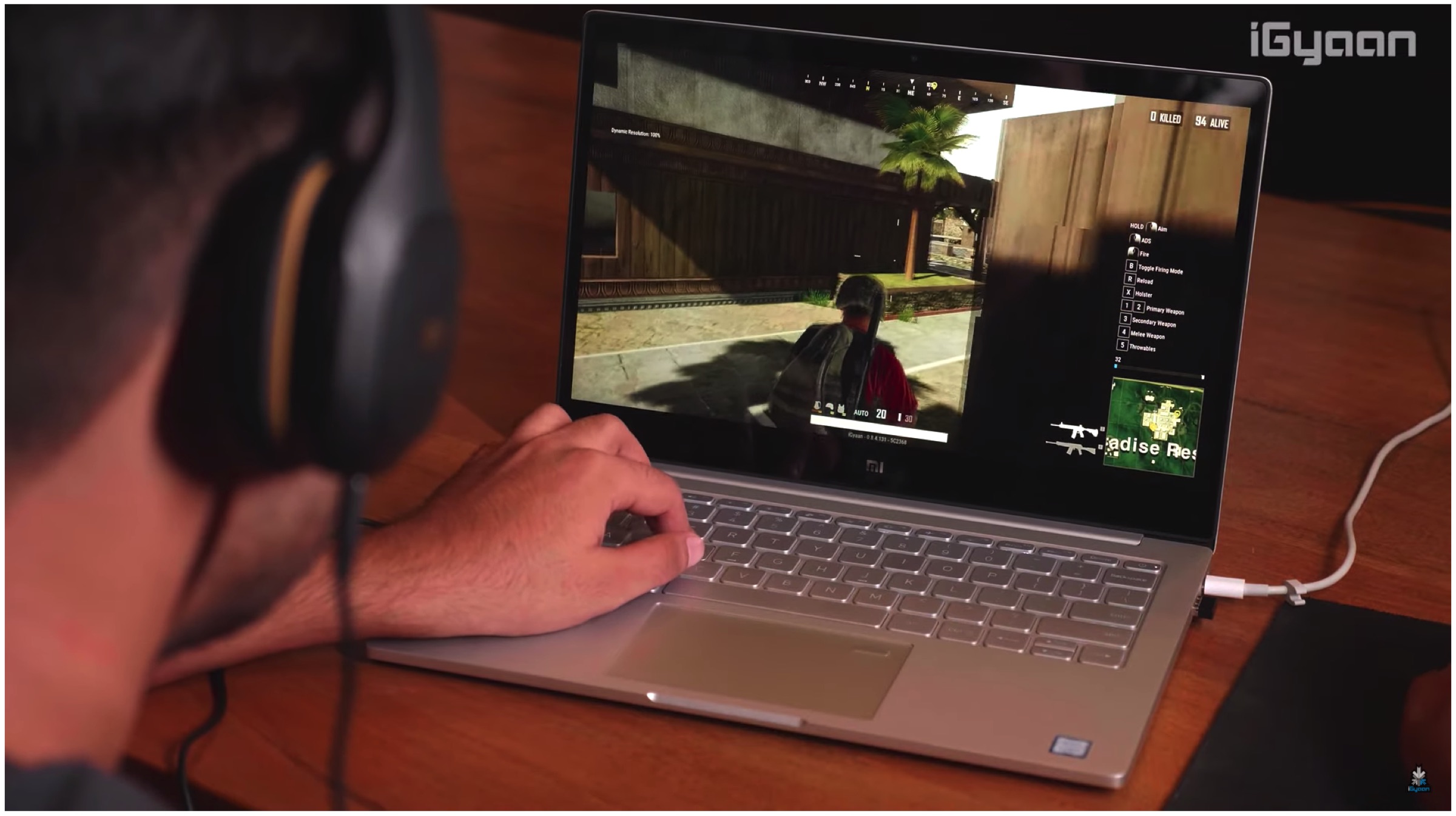
    Discord is a voice chat application that is extremely popular amongst gamers. It is an online voice chat application that allows for commnication between teammates or friends whilst they are playing a game. One of the reasons for its popularities is its quirky UI which is filled to the brim with features. It is available for Android, iOS and Windows. Hence, it a great app even gamers that play PUBG Mobile on their smartphones.  

    Discord

    Go Live

    Previously, users could share their gameplay with their friends in private calls. Now, Discord is introducing the much need feature named Go Live that makes the same possible but for a broader audience. No, it is not turning into the next Twitch like Mixer. It is just allowing for a more closed and interactive experience for its large userbase. It is an exciting new feature and holds potential for a lot of fun to critique your friends in game skills.

    The feature can be accessed after joining any channel in the app and is an extension to he screen sharing feature mentioned above. The streams quality is automatically set at 720p but paid subscribers are offered more options. Nitro Classic subscribers will be able to stream on 1080p at 60fps while Nitro subs are able to stream on 4K at 60fps.

    Discord Go Live

    Also ReadMoto One Action India Launch Date Revealed

    Availability

    The Go Live update is available for both the desktop app or directly via the browser website. Unfortunately, the feature is yet to be announced for Android. It is expected to arrive on the 15th August 2019. Discord is an application which free and also offers a premium service as well. Here is a link to the app for those who wish to try it out. Stay tuned for more.

  • Huawei Unveils HarmonyOS, Its Android Replacing Operating System

    Huawei Unveils HarmonyOS, Its Android Replacing Operating System

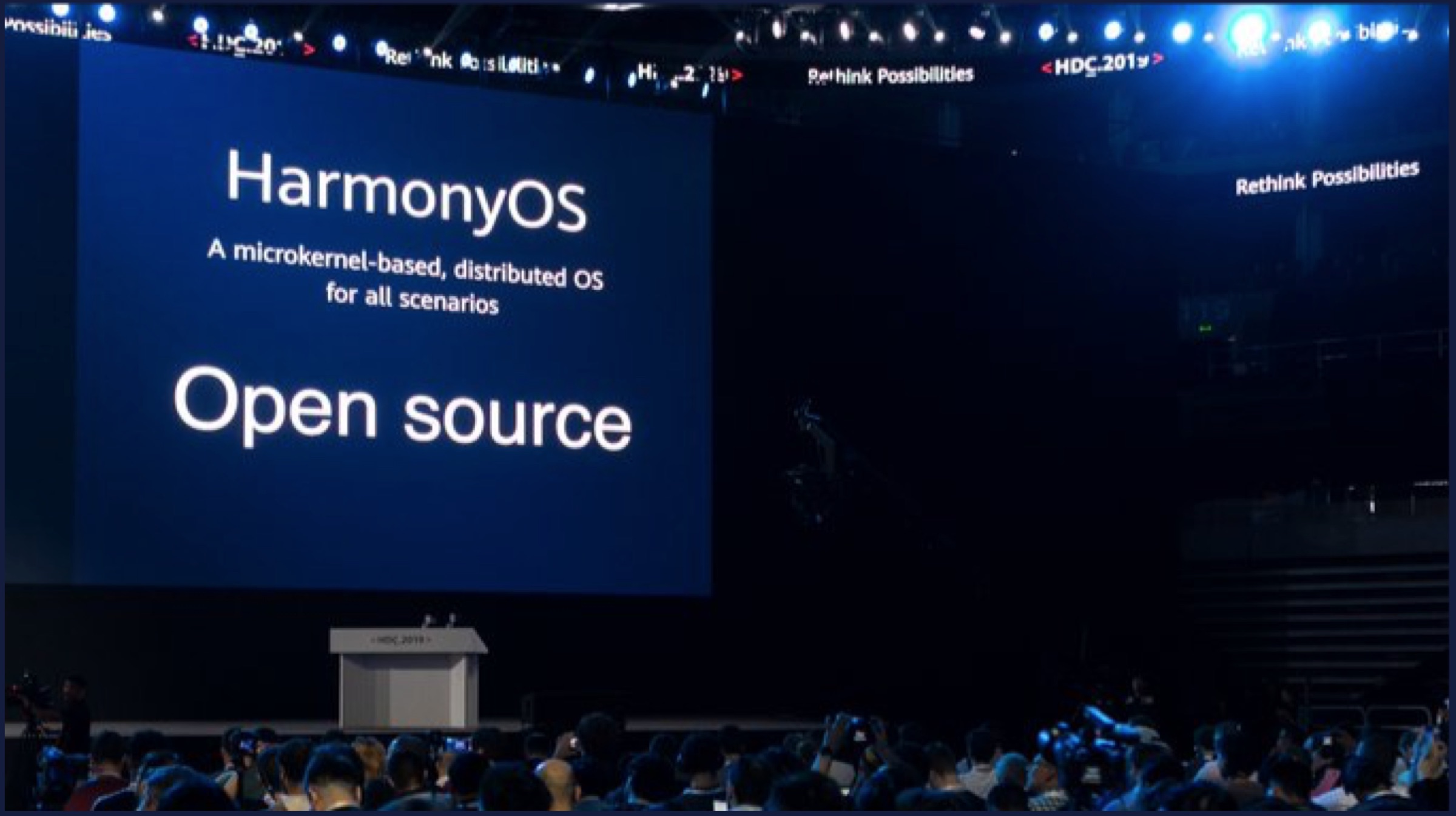
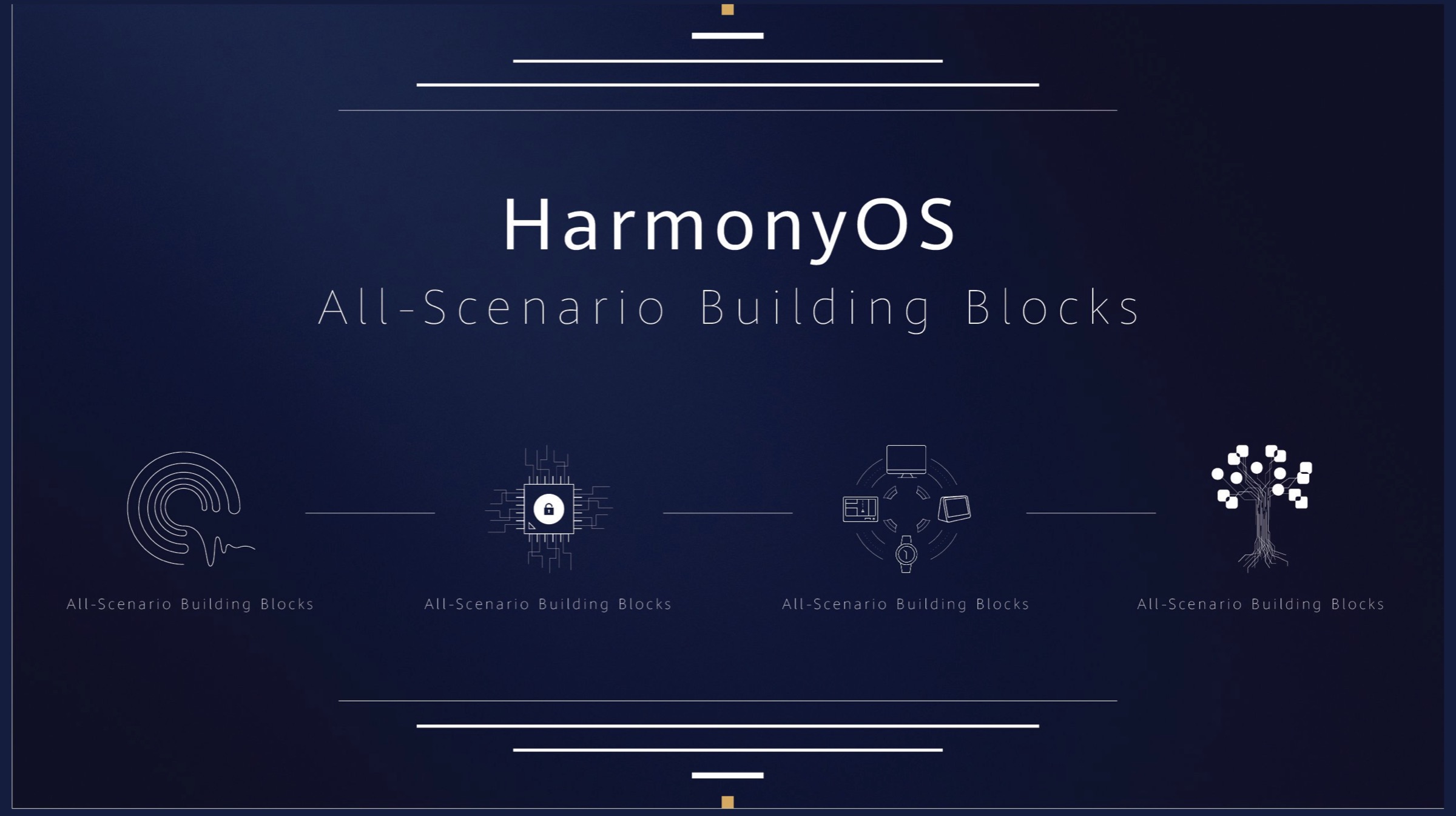
    At the Huawei Developer Conference (HDC) in China on the 9th of August, Chinese telecommunications giant Huawei has unveiled the long-rumoured HongMengOS. Called the HarmonyOS for the global market, the new operating system has been positioned as a replacement to Android. While HarmonyOS has been primarily designed for IoT (Internet of Things) products like smart speakers, displays and wearables; the company claims that if it is no longer allowed to use Android in the future, the new operating system can be used for Huawei smartphones.

    HarmonyOS

    Huawei HarmonyOS

    As mentioned above, the HarmonyOS by Huawei is its operating system for IoT devices. Said to be in development since the last few years, the rumours of it started appearing when the company was barred from doing business with any American company in the month of May. In its presentation, the Consumer Business Group CEO Richard Yu revealed that the new software is microkernel-based, which is apt for IoT devices. Huawei claims that HarmonyOS is not only faster than Android, it is also much safer. The new platform is also open source, which means anyone can access, modify or enhance it.

    Also read: Upcoming Realme Smartphones To Feature Quad Cameras, Will Launch Before Diwali

    While it is hard to believe otherwise, the HarmonyOS by Huawei is not aimed at being an Android competitor. The company is placing the operating system against Google’s Fuchsia, which is a similar microkernel-based software in development for a while now. One advantage of the newest platform by Huawei is that it can run on multiple devices, ranging from different screen sizes. It is speculated that the company will launch various products this year featuring the OS, ranging from smart TVs to maybe even a smartphone. However, it has assured that at least for the near future, the Huawei smartphones will continue to support Android, saving HarmonyOS for a rainy day.

  • Google Map Gets AR Walking Feature

    Google Map Gets AR Walking Feature

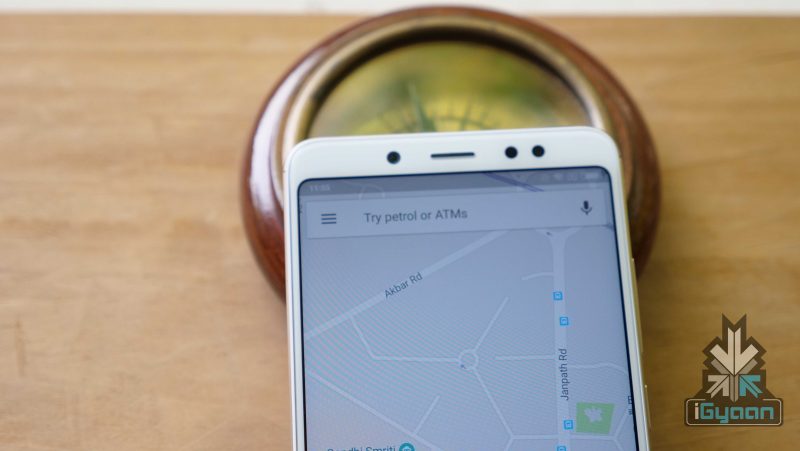
    Google Maps is one of the most popular apps for navigation. The search giants map application helps millions of users every day find their way around the town. It even helps businesses like Uber and Ola in finding customers as well. Now, Google is seeking to finally integrate its AR capabilities to the maps for real-time directions. The new feature was announced earlier this year and is finally rolling out for Android and iOS.

    Google Maps Live View

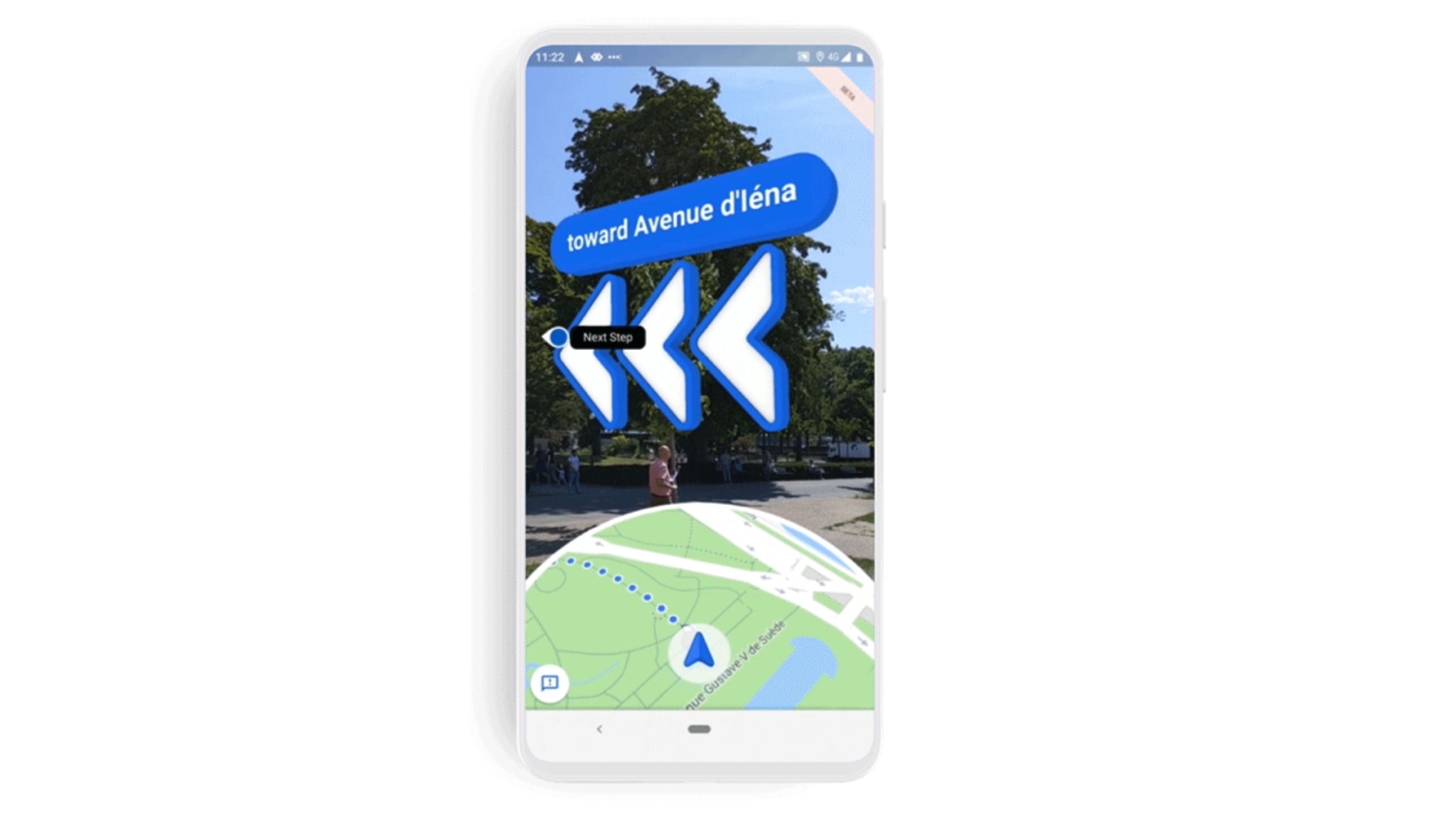
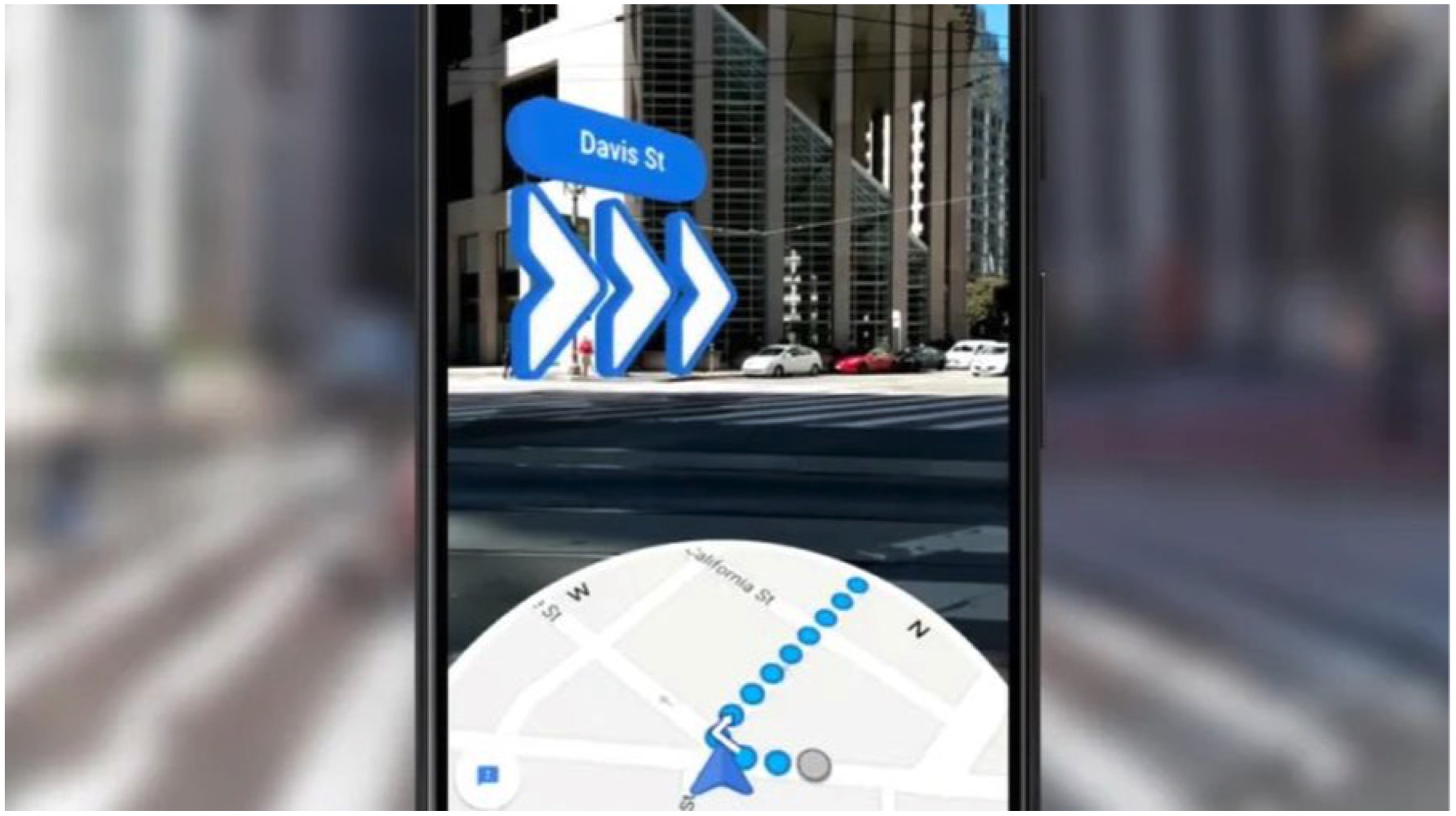
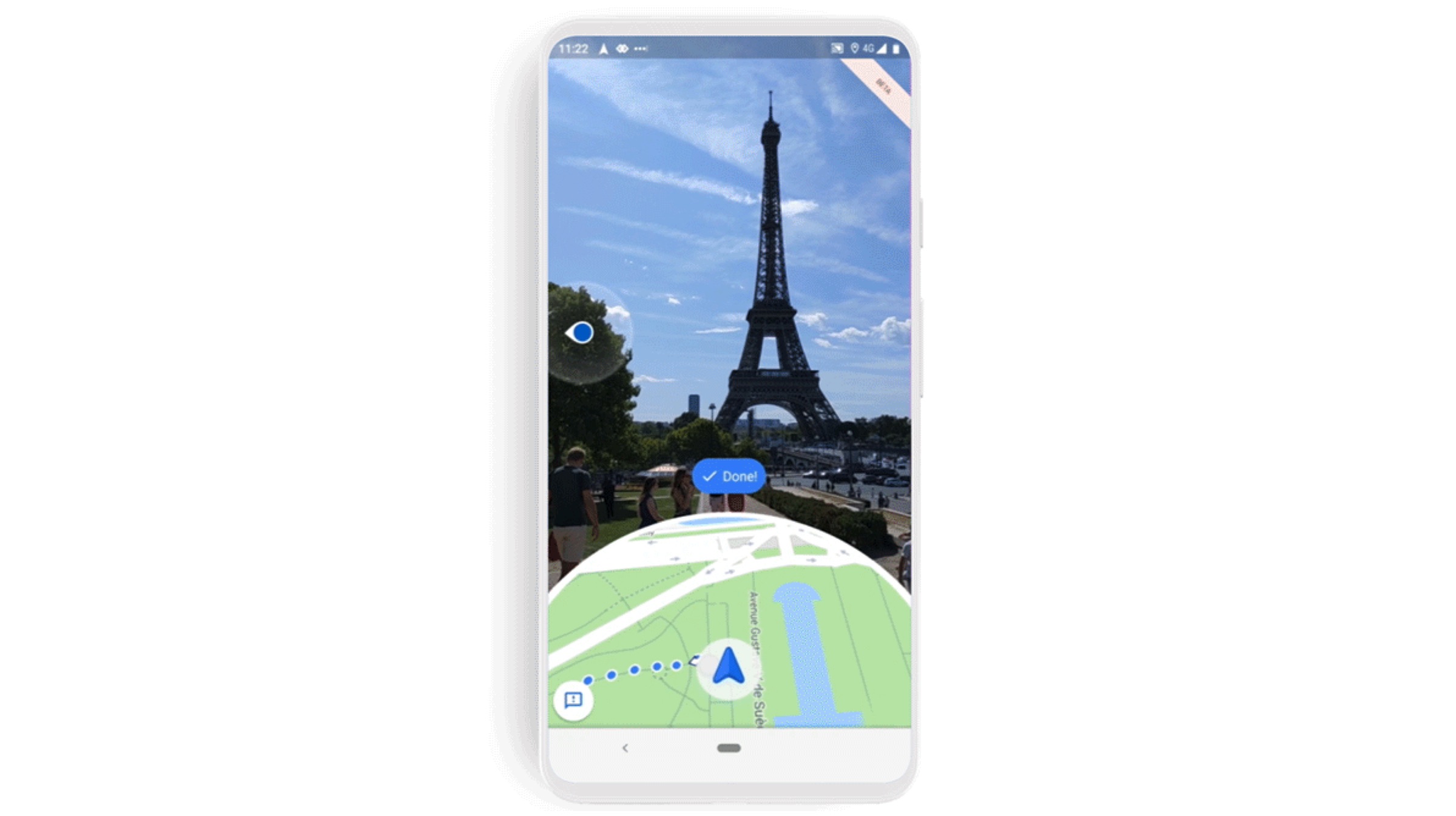
    Google has already shown its prowess with augmented reality being integrated into smartphone cameras. It first appeared on Pixel phones and showcased real-time navigation in Google Maps through the lenses of handsets. The new feature allows users to hold up their phones and be directed via an arrow that provides direction to the destination.

    Google Maps

    The navigational features overlap on top of the camera view and make it far easier to locate buildings and landmarks around you. Nowadays, most modern smartphones feature an inbuilt function that facilitates augmented reality. In Android, it is called ARCore while iOS includes Arkite support. It allows devices to access Google Maps Live View which is in beta this week. 

    How To Try It Out
    • Users must first search for a location by typing it out or selecting it on the map.
    • Tap on the directions button at the bottom to start navigating.
    • Users must now select walking directions at the top of the screen.
    • Finally, tap on the new Live View option at the bottom of the screen.

    Google Maps

    Also ReadGoogle Pixel 4 Series Rumour Roundup: 90Hz Display, 12MP Camera, SD855 And More

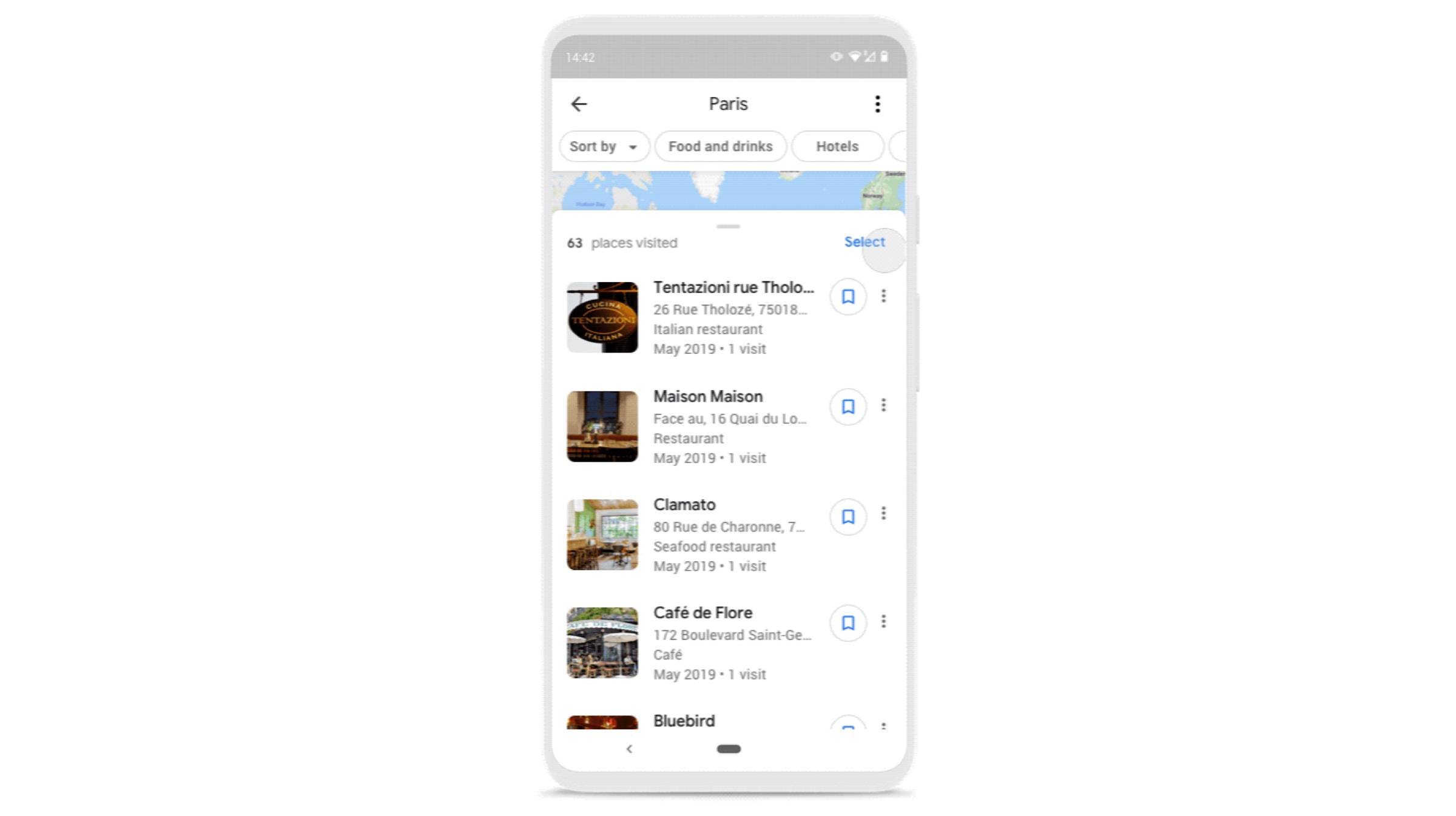
    The new Google Maps Live View feature is just a part of a much larger update to the mapping service. The company wants Travel and Maps to be a complete service through which trips are planned from the start to the end.

  • Apple And Google Will No Longer Listen To Private Conversations

    Apple And Google Will No Longer Listen To Private Conversations

    Previously, several reports had surfaced that accused both Apple and Google of listening to users’ private conversations. Both companies explained through their official channels that the recordings were transcribed to improve their respective voice assistants. Now, Apple and Google are reportedly shutting down the program which had contractors listen in on private conversations.

    Google and Apple

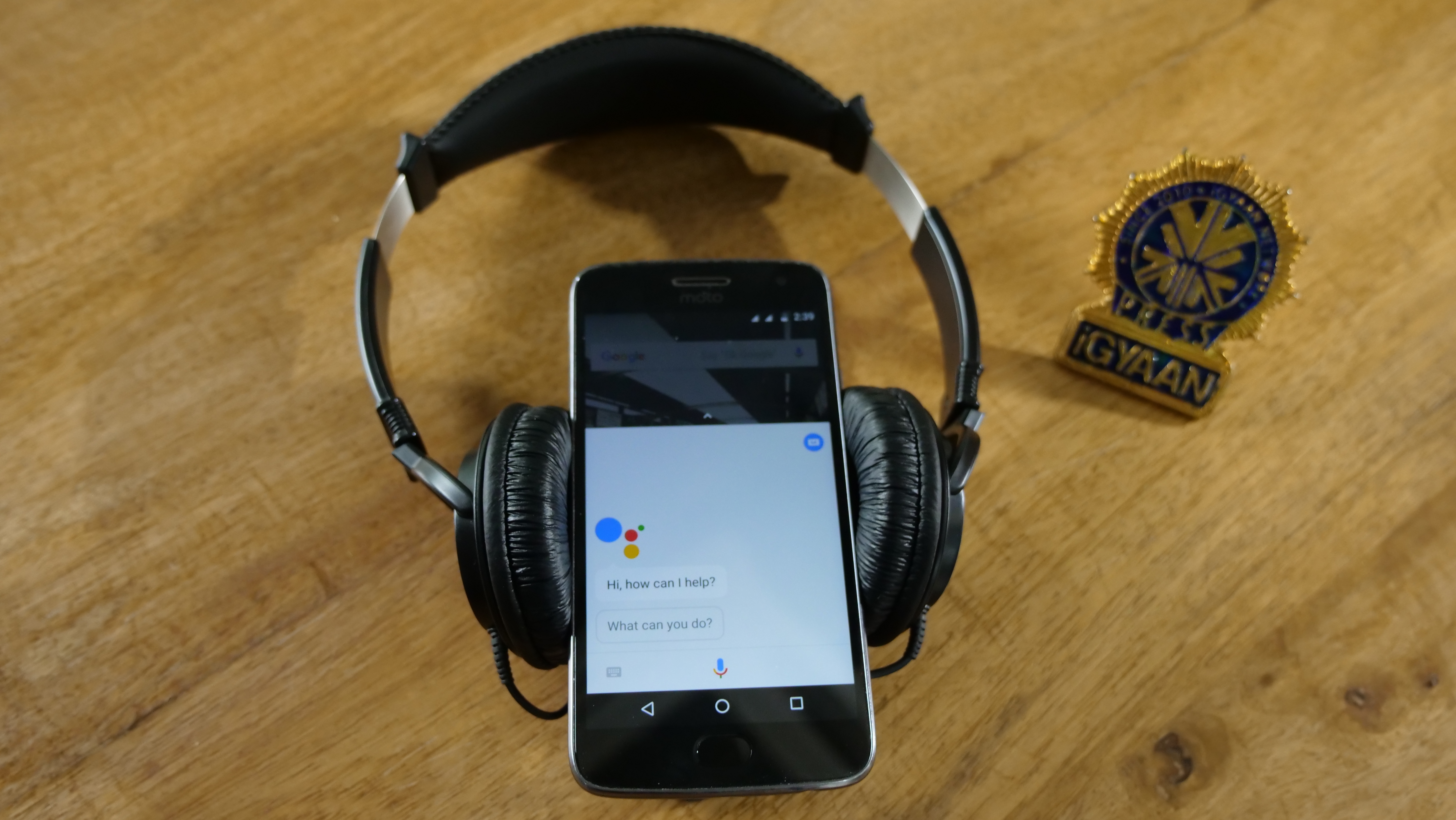
    Google Assistant and Apple’s Siri are both voice assistants that occasionally sent voice recordings of their surroundings to their parent companies. The companies claimed that they had started the program of hiring contractors, who listened to the recordings, for the purpose of improving the user interaction with the voice assistants. As of today, Google and Apple have suspended their respective programs after facing backlash from the community and regulatory bodies. 

    Google and Apple

    Apple in a statement said that they wanted to conduct a global review of its program to retain trust users trust in privacy. Grading had third party contractors listen to the recordings from Siri. Now, users can opt-in for the program and participate in grading. Furthermore, Google after having faced allegations, after its Dutch user recording was leaked, has also suspended its voice assistant program. Its “Hey Google” wake word had inadvertently triggered and had recorded many private and sensitive moments. Hence, the company will review its program as well.

    Google and Apple

    Notably, the concerns raised over user privacy have become an increasingly sensitive aspect in the European regions. It is expected that Governmental regulatory bodies will soon step in and investigate the matter separately. However, the issue has expanded to an international level and should require some form of mediation if carried forward. 

    Google and Apple

    Also ReadSony Announces Online Challenger Series Tournament For Every PS4 User

    The digital world has dug its roots deep into humans’ lives. We are now observing much more at risk than ever regarding our privacy and data. Companies like Google and Apple operate on a global scale and have influences over a much broader audience. It is a daunting prospect to think about when considering the control these companies have over the general public. Stay tuned for more updates regarding the matter.

  • Google Testing An Android App Subscription Service Called Play Pass

    Google Testing An Android App Subscription Service Called Play Pass

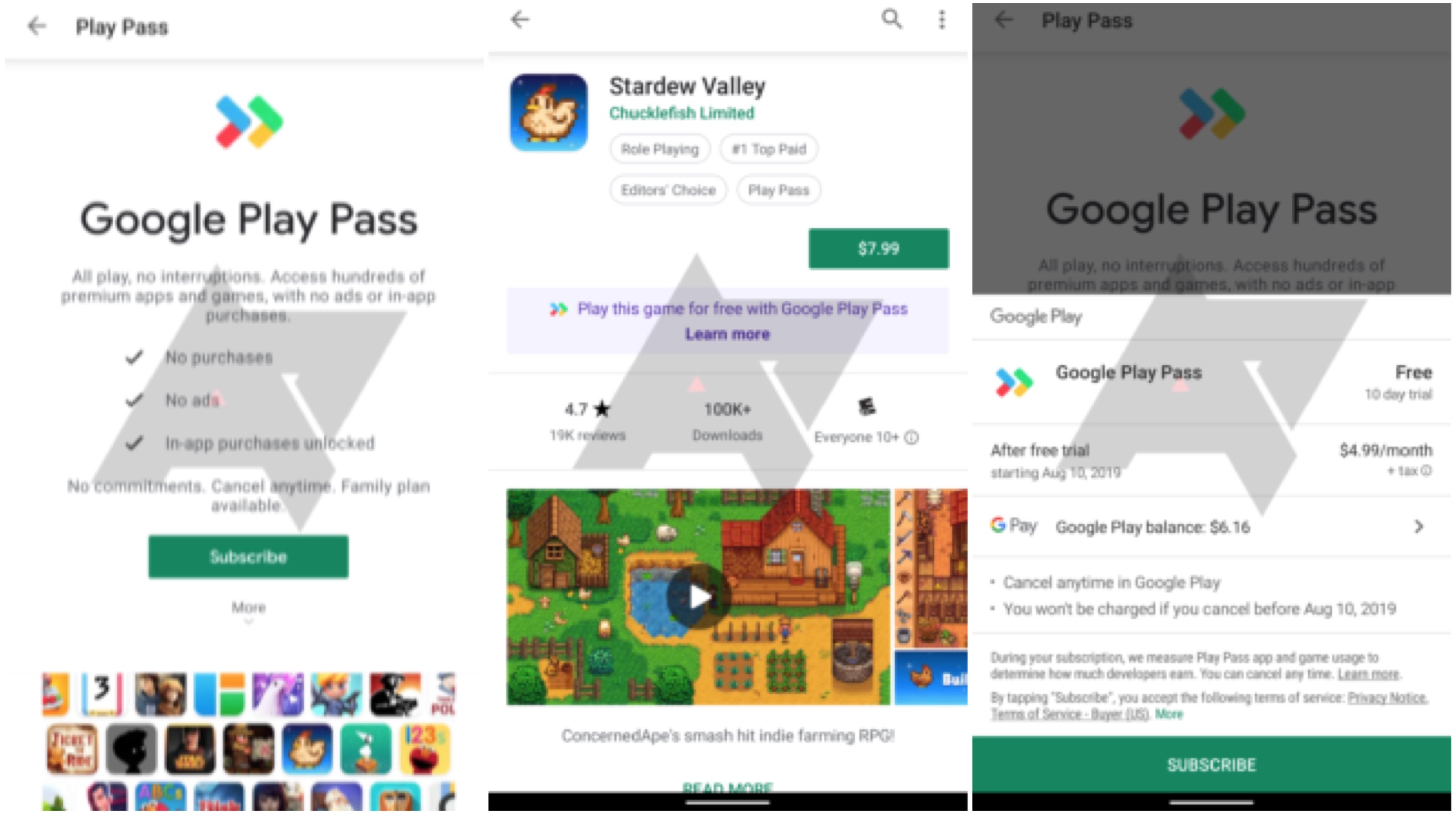
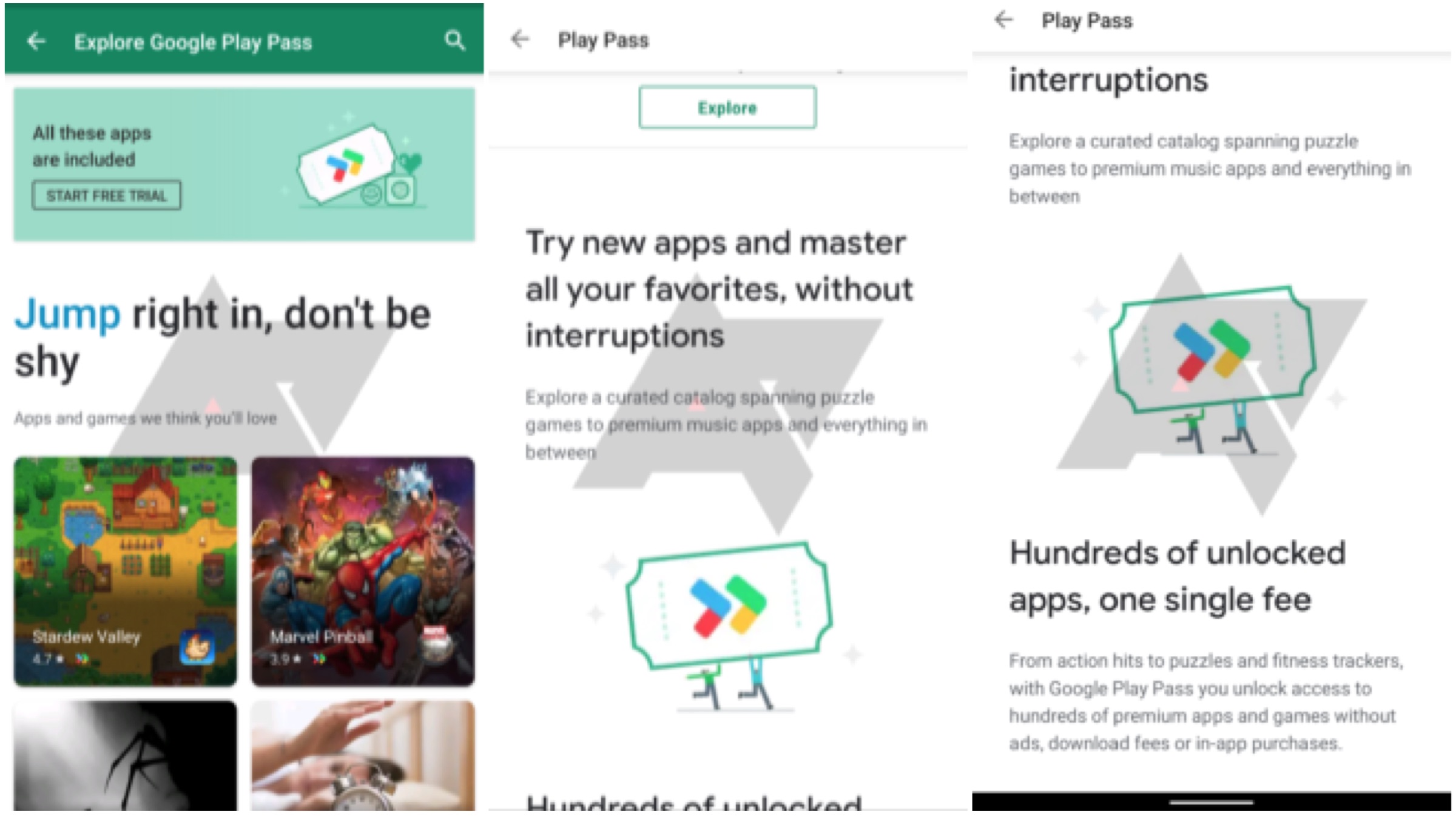
    American technology giant Google launched the Play Store for its Android operating system back in the year 2008. Earlier known as the Android Market, it offers a plethora of different applications and games. While most are free to download and use, the others charge a fee to be downloaded. Now, the latest reports claim that Google is planning on launching an app subscription service; that will unify most premium software on the Play Store and offer a seamless experience. Along with the service’s existence, screenshots revealing how it will work have also been showcased.

    About Play Pass

    Google Play Pass

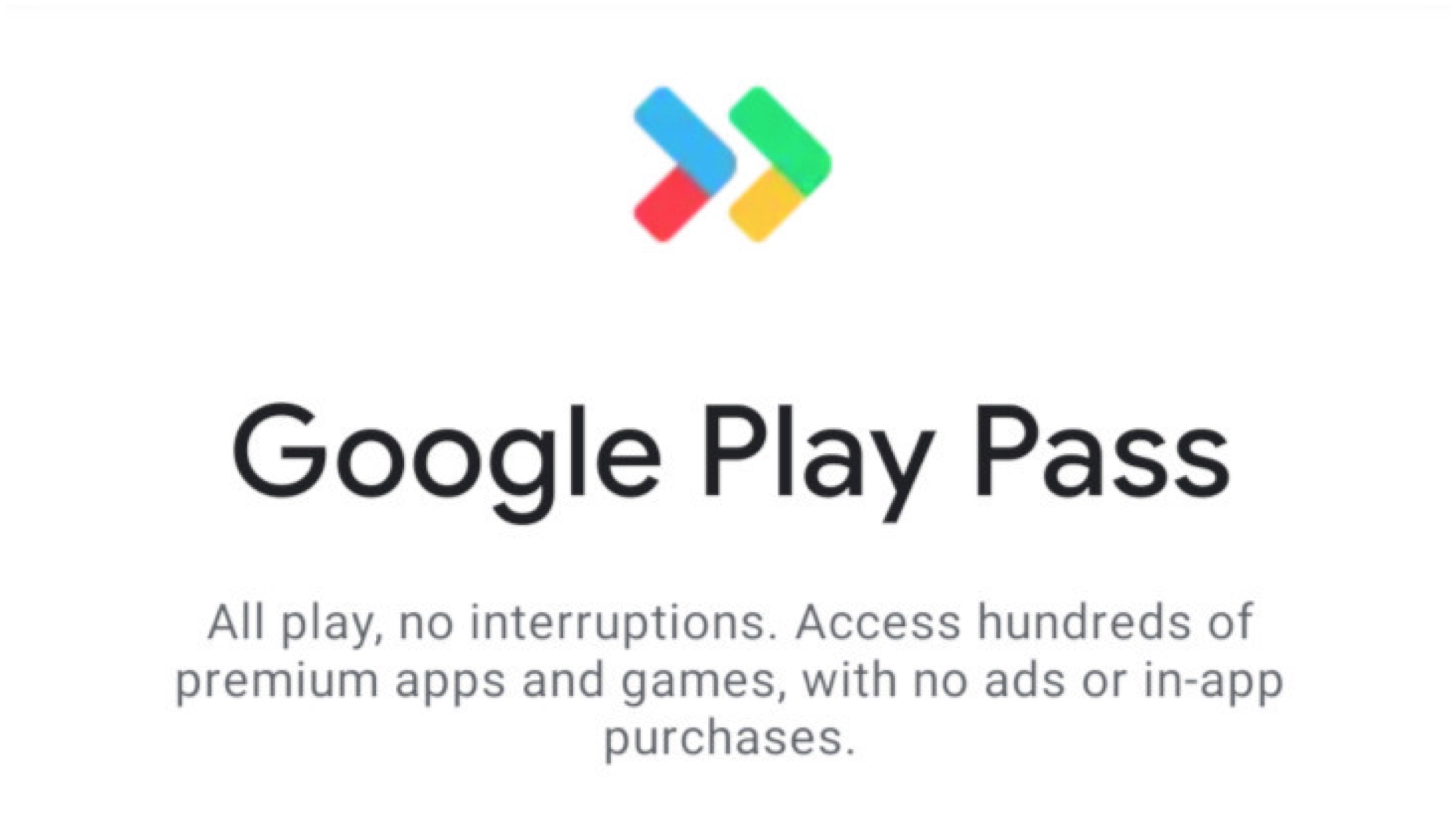
    As mentioned above, the Google Play Pass is a new application subscription service on Android. According to reports, the service will offer a curated library of various paid apps and games. It will also let users bypass the in-app purchases of the particular software. The leaked screenshots reveal that the service will cost users US$ 4.99 (Rs. 345) a month; which will be charged after a 10 day trial period. It is assumed that users will be able to cancel the subscription before their trial period is over if they are unsatisfied by the product.

    Also read: Samsung Galaxy Tab S6 Launched, Snapdragon 855 and Super AMOLED Display In Tow

    The report also claims that Google has been working on Play Pass since last year, and the service has just started rolling out for public testing. The company has admitted to working on Play Pass and has revealed that it is still in a testing phase. Unfortunately, it is not known when the final stable release of the service will be announced; but the screenshots suggest that it is almost ready for primetime and may be launched soon. When official, the Google Play Pass will compete against the Apple Arcade, which is a similar offering on iOS due later this year.

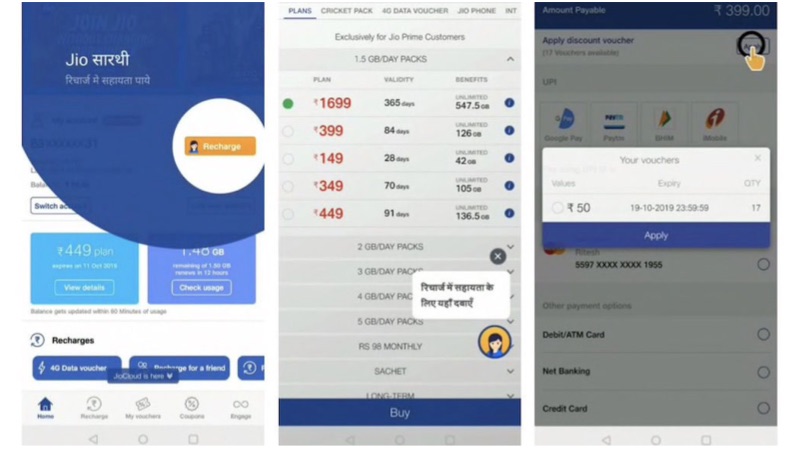
  • Reliance Launches Jio Saarthi To Aid Mobile Recharge Process

    Reliance Launches Jio Saarthi To Aid Mobile Recharge Process

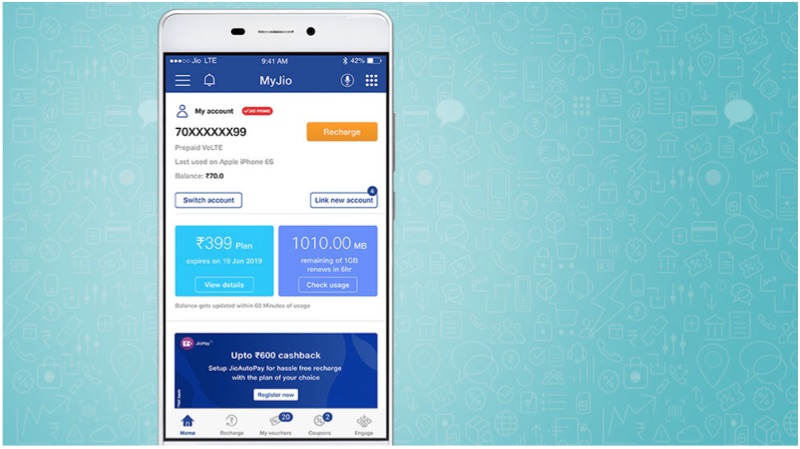
    Reliance Group’s Jio is by far one of the most successful telecom company in India. According to certain sources, the Anil Ambani owned corporation is credited to even be the largest network provider in the country. Jio took India by storm back in 2016 with its highly lucrative business strategies for great offerings. Furthermore, India is reportedly one of the countries with the most affordable data rates which was again revolutionized after Jio’s introduction. Now, the company has launched Saarthi, its new digital assistant to aid in online transactions via its MyJio app.

    Jio Saarthi

    How Does Saarthi Work?

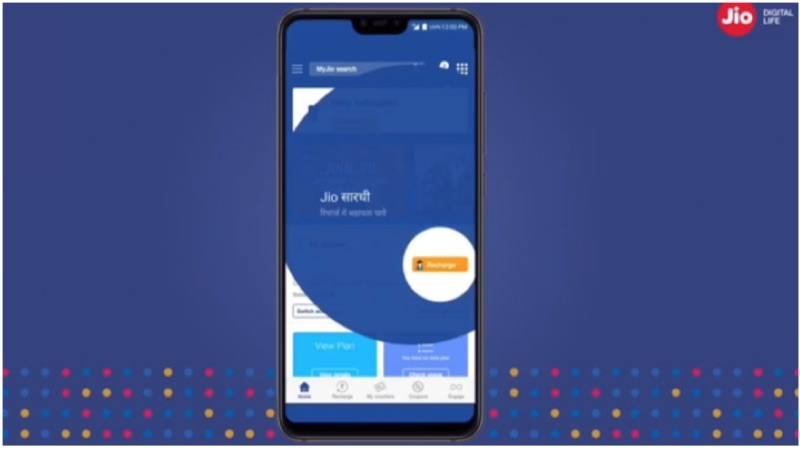
    A large number of Jio users still relied on offline stores for recharges owing to wariness over online transactions, Hence, Jio is introducing Saarthi, a digital assistant made to ease the process of online recharges via the MyJio app. The assistant’s job is to help the users perform the necessary steps that are needed for digital recharges or online transactions. The app for Saarthi functions alongside the MyJio app but must be downloaded separately, Users can expect to see a prompt on the latest builds of MyJio.

    Jio Saarthi

    Saarthi is currently supported in two languages, Hindi and English, and will soon support 12 more regional languages in the arriving months. Additionally, the digital assistant will help users select recharge plans, adding credit or debit card details to save for future transactions and more. If you have ever made an online transaction via MyJio then Saarthi is little more than an additional convenience, however, for first-time users, it can be a great helping hand.

    Jio Saarthi

    Also Read: Samsung Smartphone With Triple Swivel Display

    How To Enable It

    MyJio app is likely to send a prompt to activate Jio Saarthi in case of users never making an online transaction in-app. If you are on the latest version of MyJio, then a text-based prompt which can be opted in or out off. Once users download it, the assistant appears as a floating button if users select the recharge option. After that, users can request assistance from Saarthi by simply clicking on the button to get voice-based instruction on how to go about setting up bank details and more which can be rather complicating.

  • Apple Hires Contractors That Listen To Private Conversation Through Siri

    Apple Hires Contractors That Listen To Private Conversation Through Siri

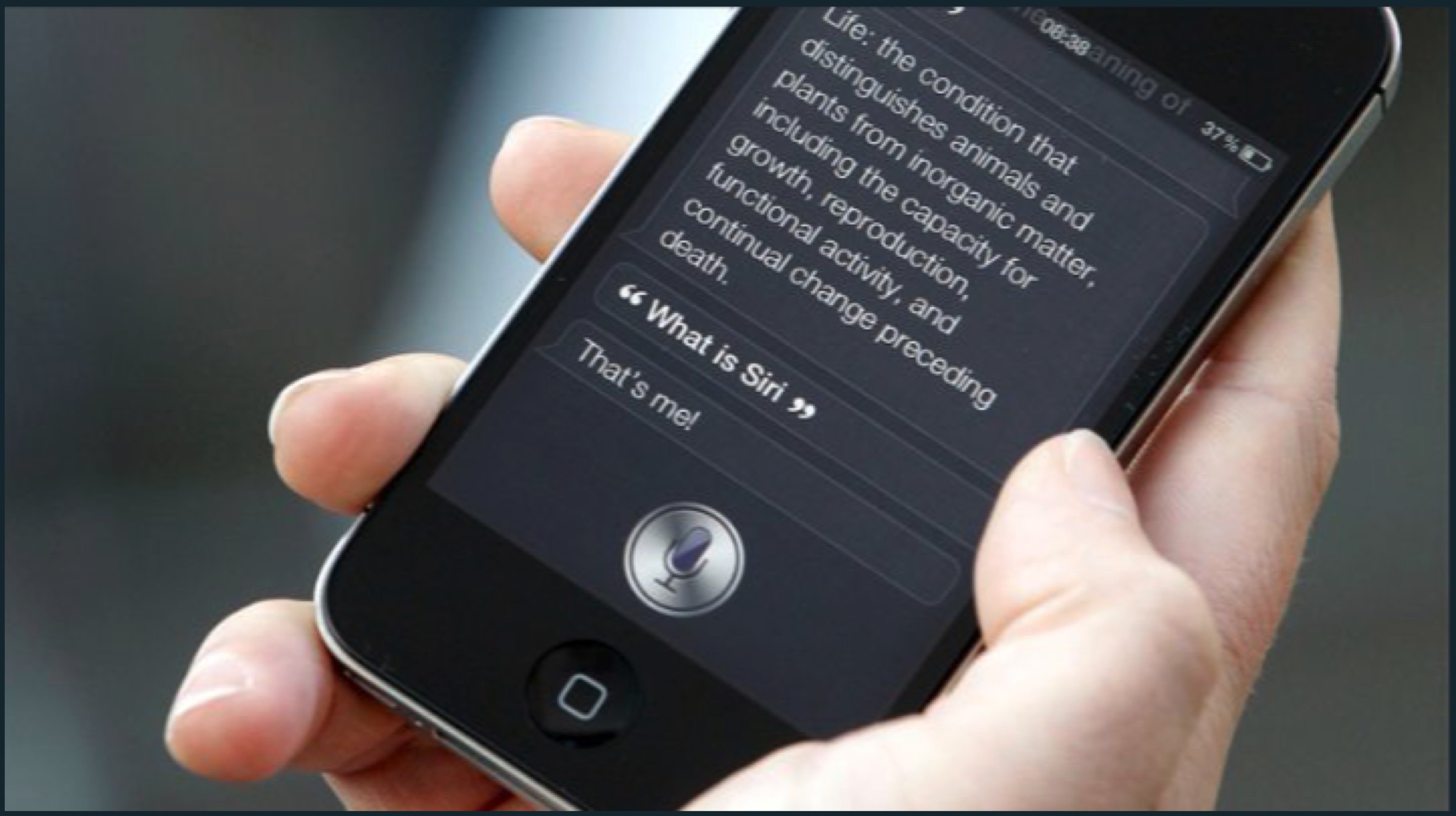
    Apple is a company that has always promised its customers industry-leading security. For the most part, it holds true. The company is one of the better-trusted consumer brands in the world, at least in terms of data privacy. However, a new report has surfaced which claims that the tech giant is regularly listening on private conversations by its hired contractors through Siri, its digital voice assistant.

    Apple Siri
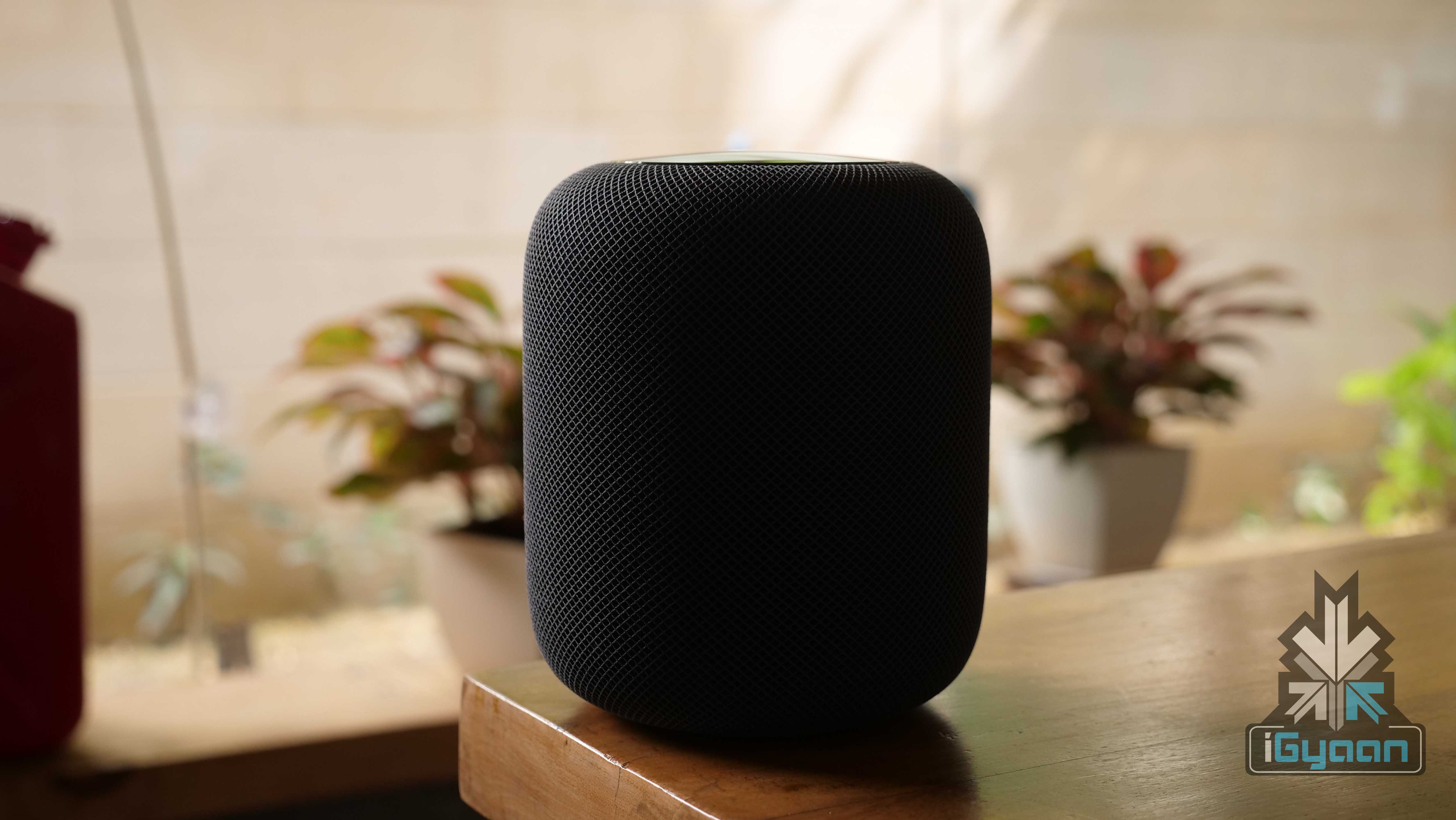
    Home Pod

    Initial reports had revealed that Apple was hiring contractors across the globe to listen to Siri recordings to improve the voice assistants capabilities. What came as a surprise was the fact that the company had failed to enlighten its users regarding this practice. Now, a fresh report suggests that there have been “countless instances” of recordings carrying sensitive information or private conversations. Furthermore, it has also been reported that some cases of illegal activities have also been caught in the recordings. Apple had initially promised users that anonymity is being maintained and no user info is accessible. However, a source claimed that the recordings also feature user data showing locations, contact details and app data.

    Apple Siri

    Apple started the initiative of human interaction with Siri recordings to improve its interface and interactional capabilities. The company said that only a small portion of Siri requests are analysed and users’ Apple ID is not associated alongside the recordings. Addtionally, Apple claimed that all reviewers are under strict confidential guidelines and are undertaken at secured facilities. Although the contractors and audio reviewing isn’t a secret, its privacy terms do not inform users of the practice.

    Apple Siri

    Also ReadIndian Smartphone Market Reaches Record-Breaking 37 Million Shipments In Q2

    People conscious about their privacy and afraid of the accidental triggering of Siri can turn off the “Hey Siri” feature. The new accusation marks the increasing frequency with which even the most trusted brands are being doubted. In a modern interconnected world, data privacy is now increasingly more important. Apple has yet to respond to the latest reports but a statement is expected to arrive soon.

  • Google Launches Gallery Go, A 10MB Offline Photo App

    Google Launches Gallery Go, A 10MB Offline Photo App

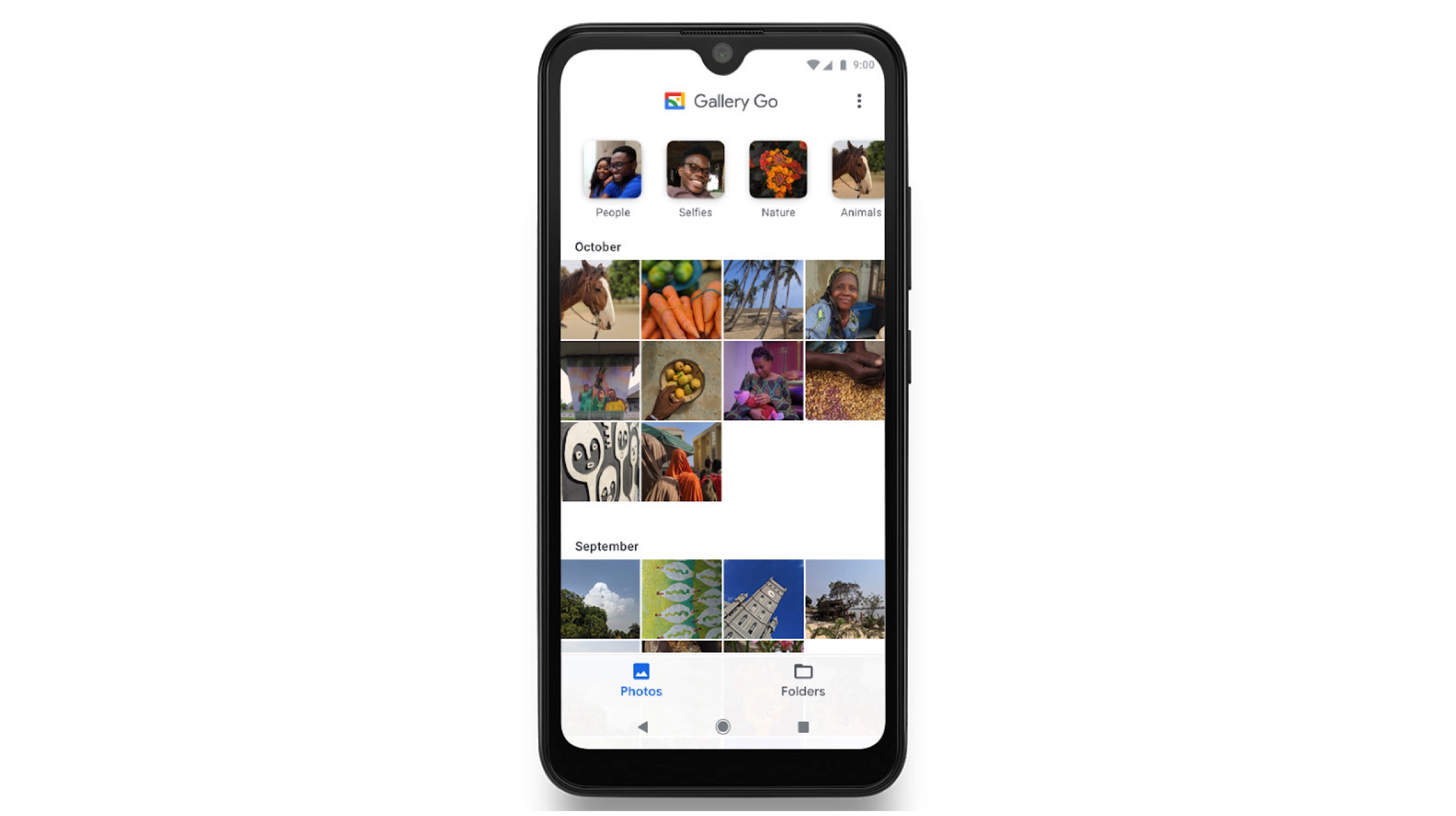
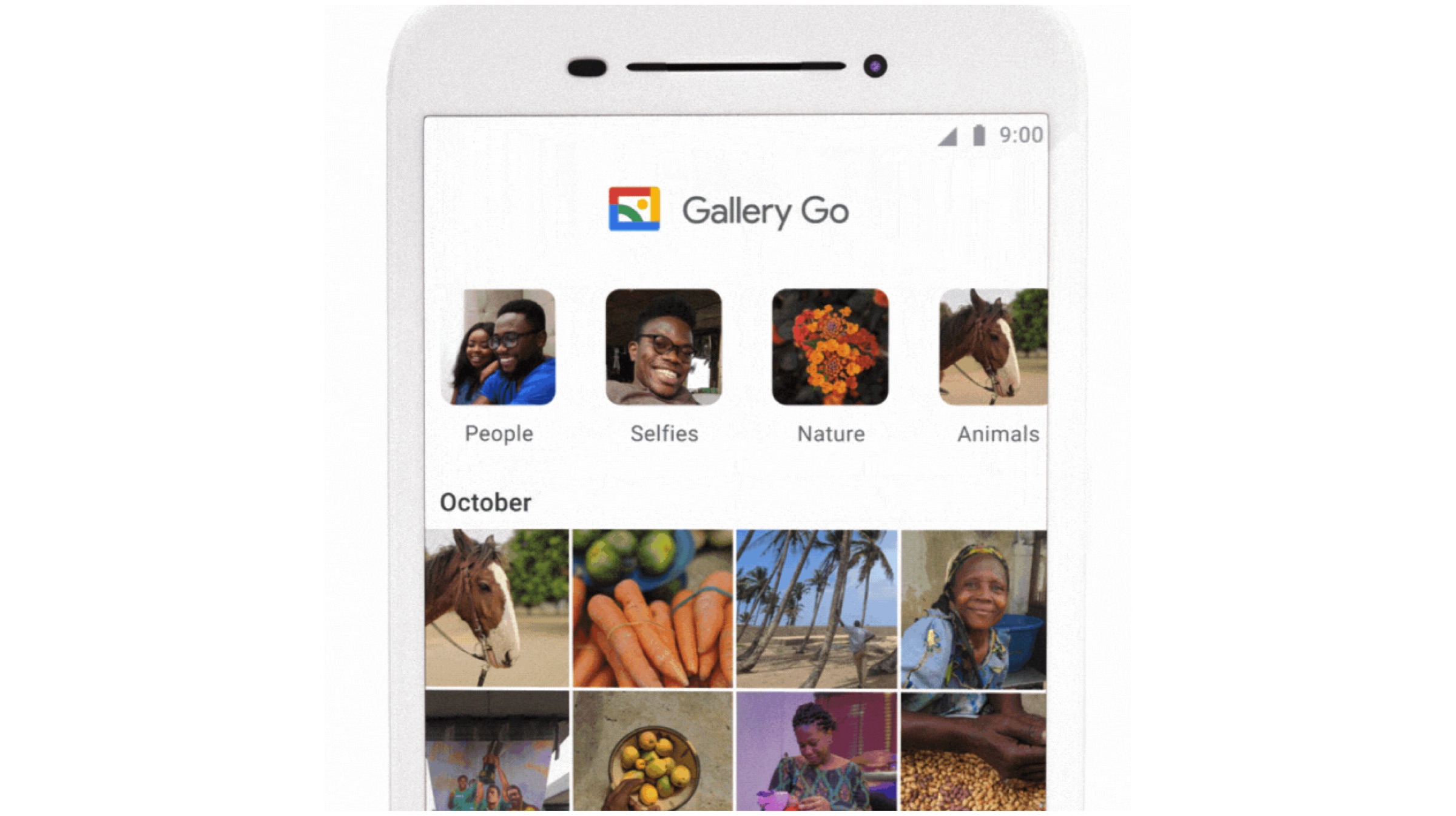
    Google, one of the largest technology brands, has unveiled its latest software application to organize photos offline for Android devices. The search giant introduced its Gallery Go application which is a lightweight offline gallery app. The program was developed by Google for Nigeria which hints its focus for third world countries where data connectivity is not widespread. In addition, Gallery Go is built on a simple user interface to enable easy usability from first-time smartphone owners.

    Features

    Back in 2015, the company launched Google Photos which is a photo-sharing and online storage service. It is one of the most used application from the company and constantly gets updates that offer new features. Similarly, Gallery Go is in a sense a Lite version of the photo app and brings many of the great features from Google Photos. It is an offline gallery app with native support from organizing and cataloguing images. The application carries a negligible file size of 10MB and also works with SD cards to allow for easier transfer of images from smartphones.

    Google Gallery Go

    Availability

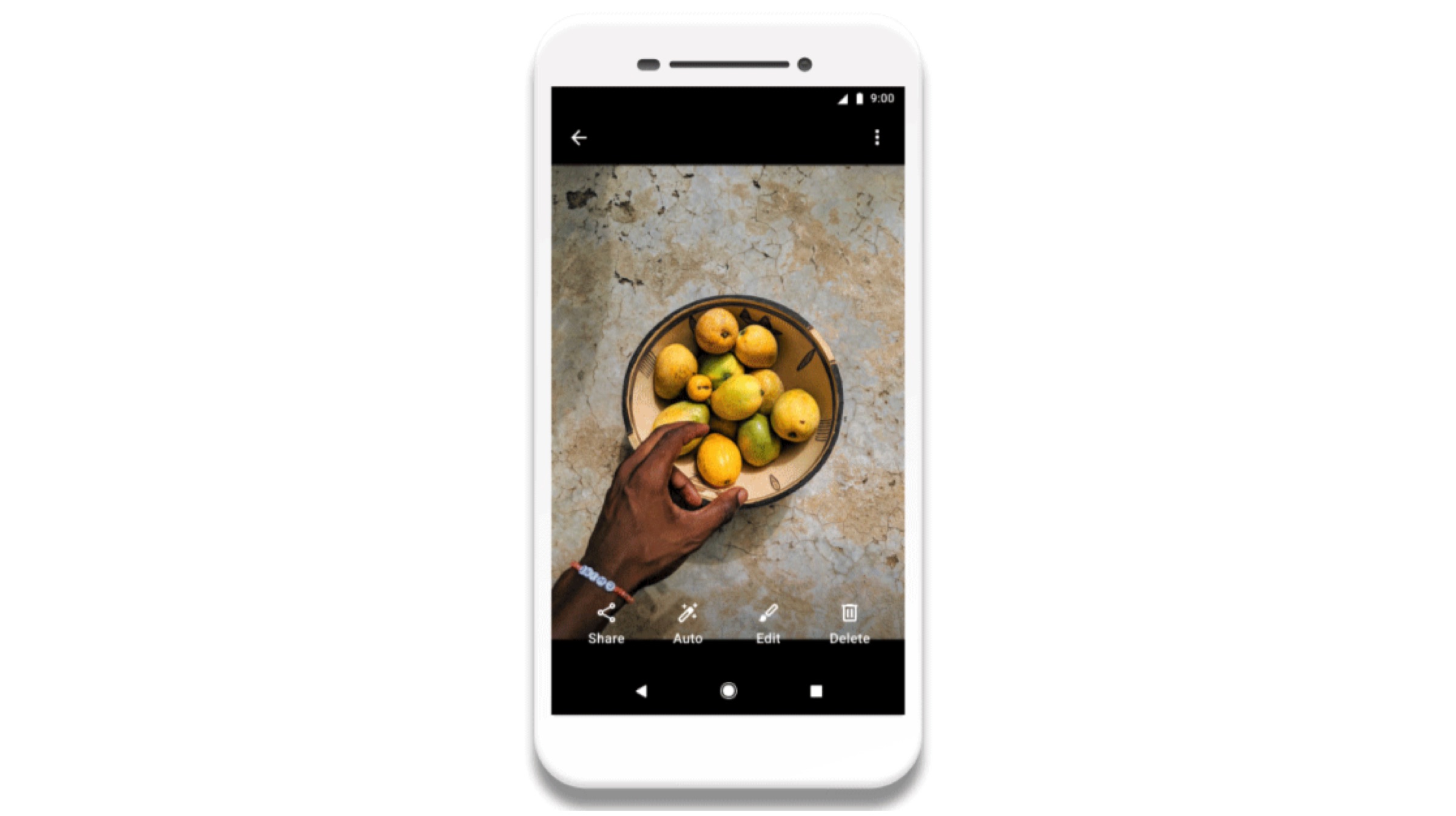
    Furthermore, Gallery Go also features a simple editing tool that is useful for enhancing images. It is enabled via Google Photos Auto Enhance feature that automatically adjusts lighting and contrasts. The small app size carries a hefty punch with its functionality without ever slowing down users smartphones. Gallery Go is available on the Play Store for devices running Android 8.1 Oreo or higher. The application has been released globally but will unfortunately not carry some of the features such as “organizing according to people” in certain countries.

    Google Gallery Go

    Also Read2020 Olympics Medals Will Be Made From Gold Recycled From Old Smartphones

    Gallery Go follows Google’s trend of making Go variants of its software which are lightweight and offer simpler functionality. The best example of this would be Android Go OS, a light version of Android OS. The company has made the app for users that do not have a reliable internet connection so even countries like India in its rural side can benefit. Users that are interested can download the app and try it out. Do let us know your opinions of the app in the comments section down below.

iGyaan Network
Privacy Overview

This website uses cookies so that we can provide you with the best user experience possible. Cookie information is stored in your browser and performs functions such as recognising you when you return to our website and helping our team to understand which sections of the website you find most interesting and useful.