Blog

  • Oppo Showcases A Smartphone With Invisible Selfie Camera

    Oppo Showcases A Smartphone With Invisible Selfie Camera

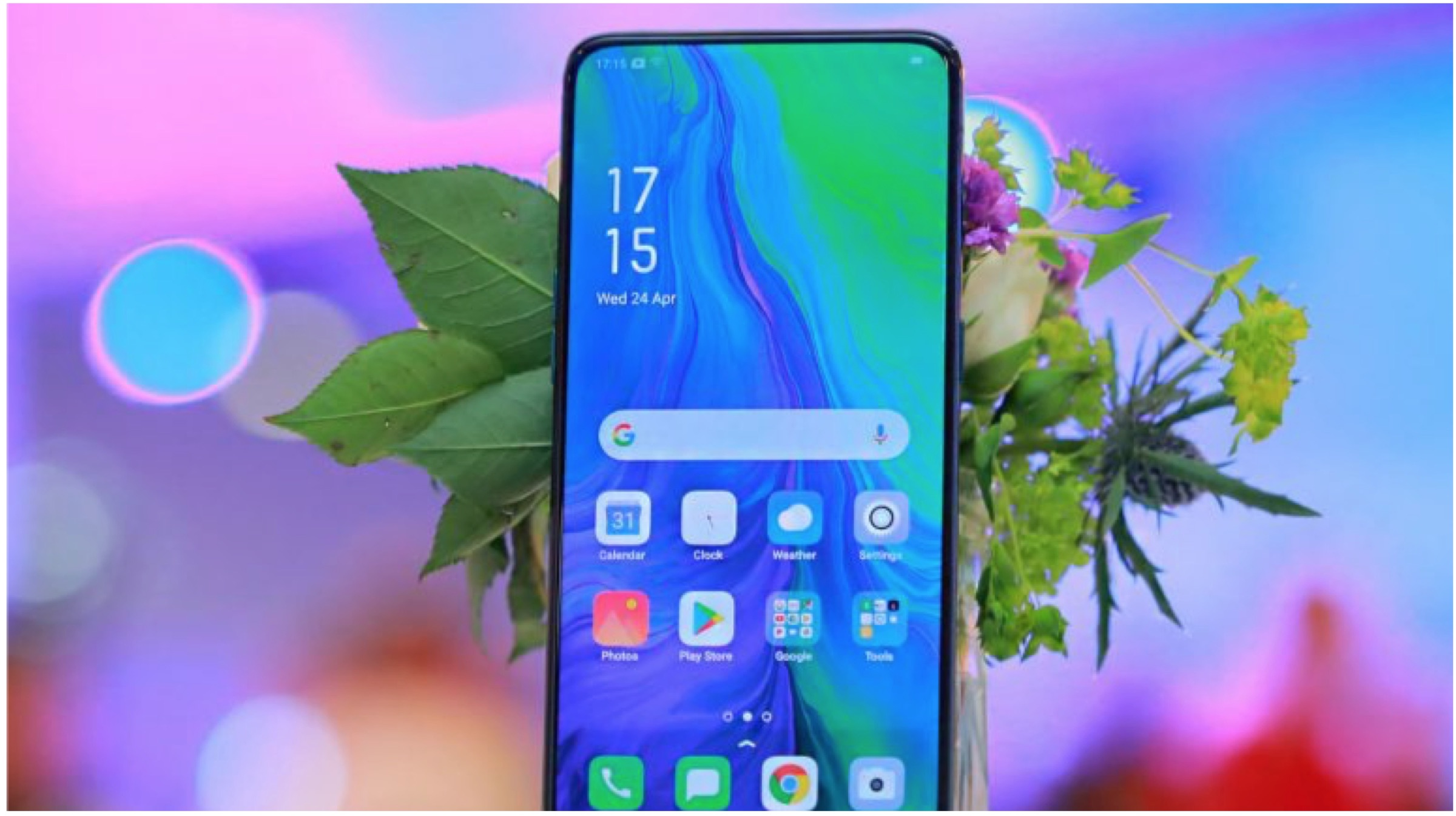
    Since early June, Oppo has been boasting of a smartphone with an invisible front camera. After much hype and anticipation, the technology has finally been unveiled and a prototype device with the visionary feature is currently on display at MWC Shanghai. 

    As the name suggests, an under display camera or invisible camera stays hidden from the human eye as it is covered by a display on the top that has operational light pixels above which conceals the photosensor. The technology was previously conceptualised by Samsung suggests this patent. Although, the Korean Giant is yet to reveal details about the technology.

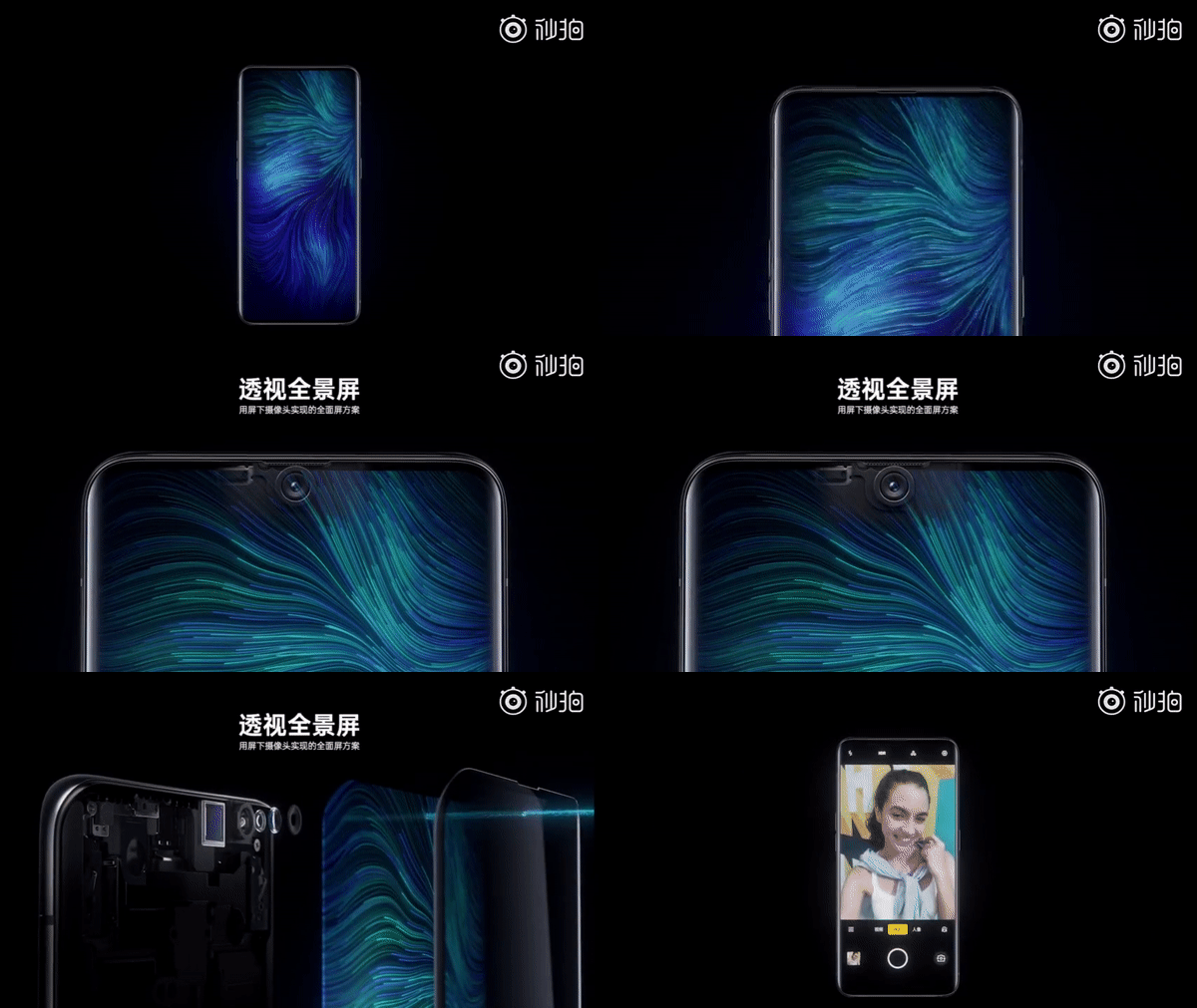
    The successful development of an under display camera is a praiseworthy feat for Oppo as it is the first company in the world to pioneer this technology.  According to the video shared by Oppo, the concerning light pixels above the front camera become transparent as soon as the camera sensor is toggled. This intern allows light to pass through and the sensor beneath is able to capture images or videos.

    Oppo Under Screen Camera
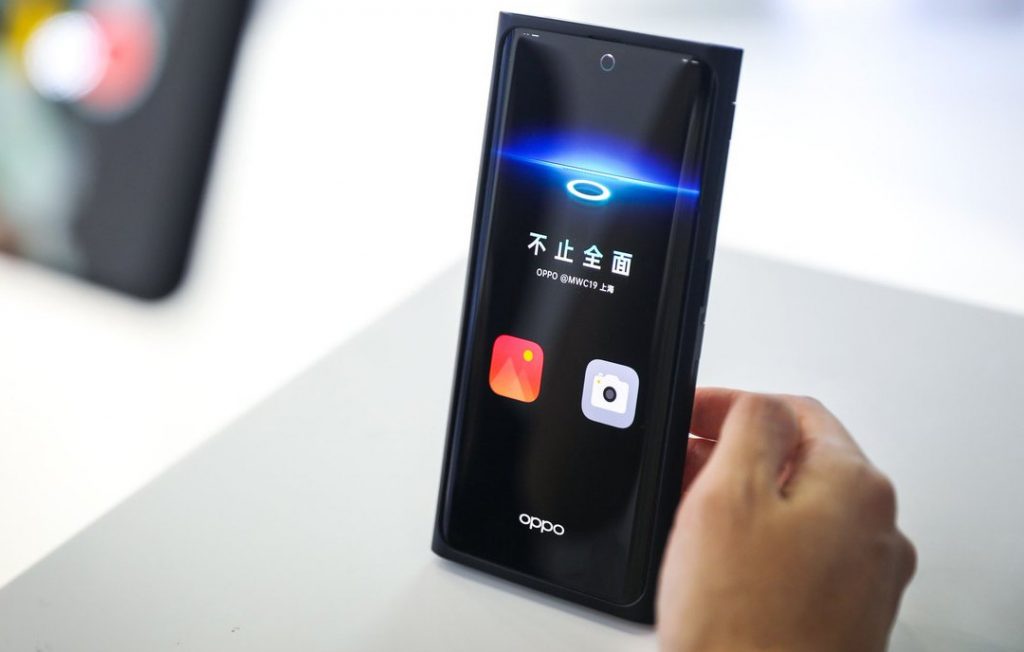
    Actual Prototype Showcase By Oppo

    Not many details about the new technology or the resolution of the underlying camera are currently available. Consequently, it is not feasible to determine whether the image quality on a device with under screen camera will take a hit or not.

    https://twitter.com/_ssuper_man_/status/1143777767122767877

    Although Oppo has not provided a specific timeline for the launch of a smartphone with under display camera, it is expected to be launched soon rather than late. This move will provide the company with a headstart for its latest technological breakthrough.  

    Also Read: Samsung Galaxy Fold 5G Receives FCC Certification Before Launch

    All in all, the technology looks promising and it will surely be adopted by other OEMs as well who want to develop a premium notchless smartphone. 

  • LG W10, W30 and W30 Pro Smartphones Launched In India

    LG W10, W30 and W30 Pro Smartphones Launched In India

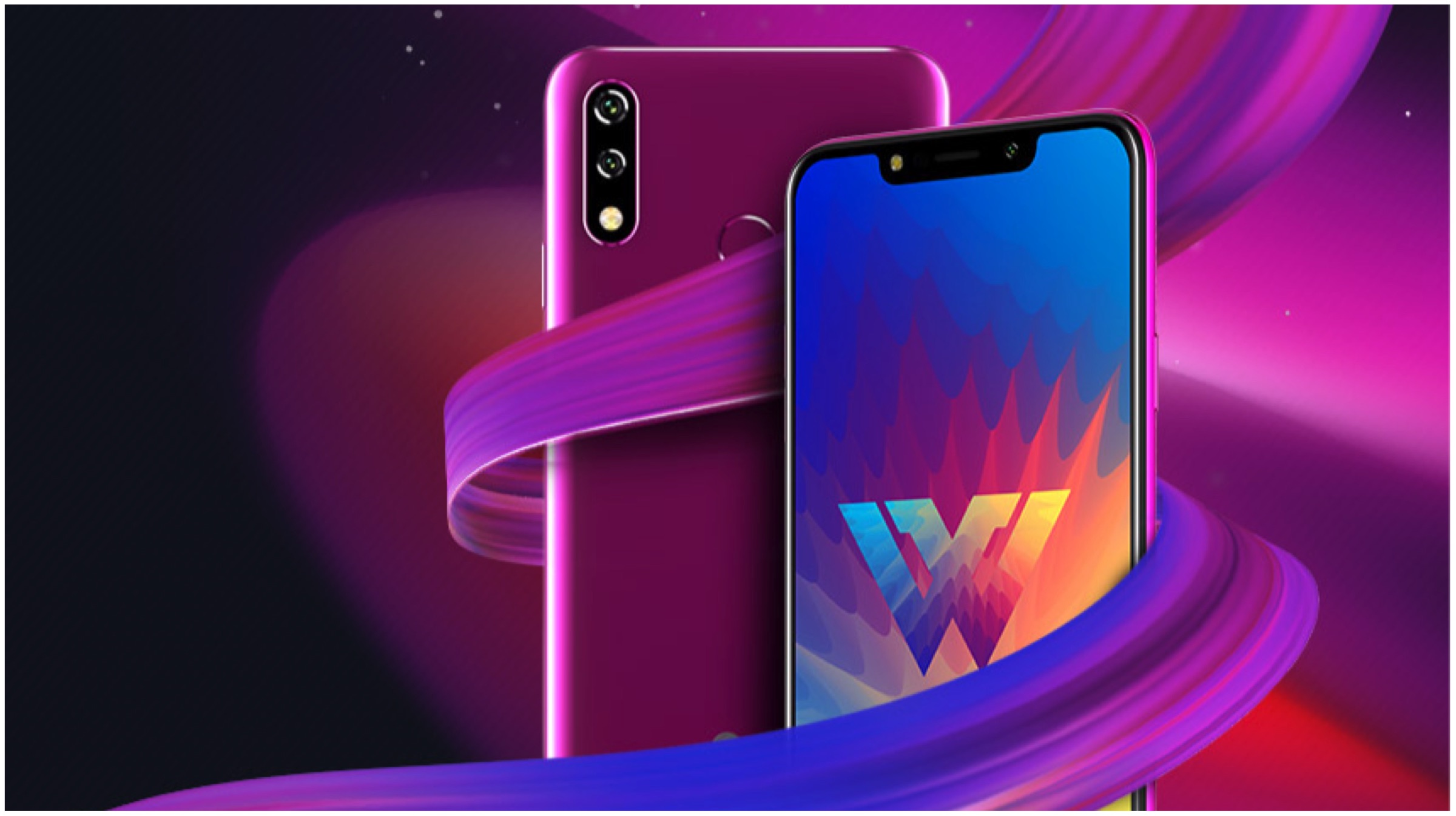
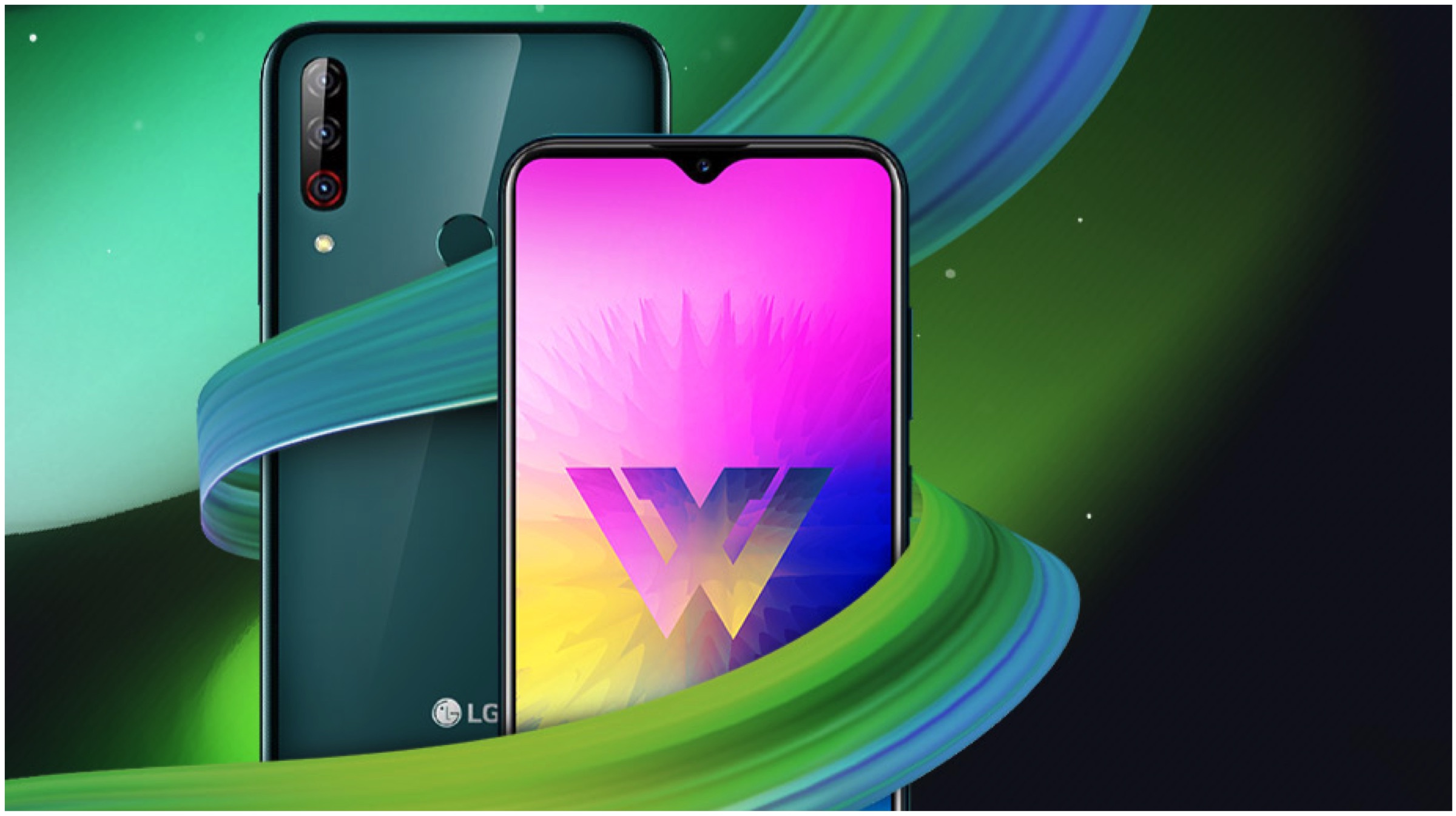
    LG went on stage to unveil three new devices in its budget-mid range W series smartphones. The upcoming devices are a part of the company’s project under the Indian Government’s ‘Make in India’ initiative. The South Korean company has officially launched the LG W10, W30 and W30 Pro.

    LG

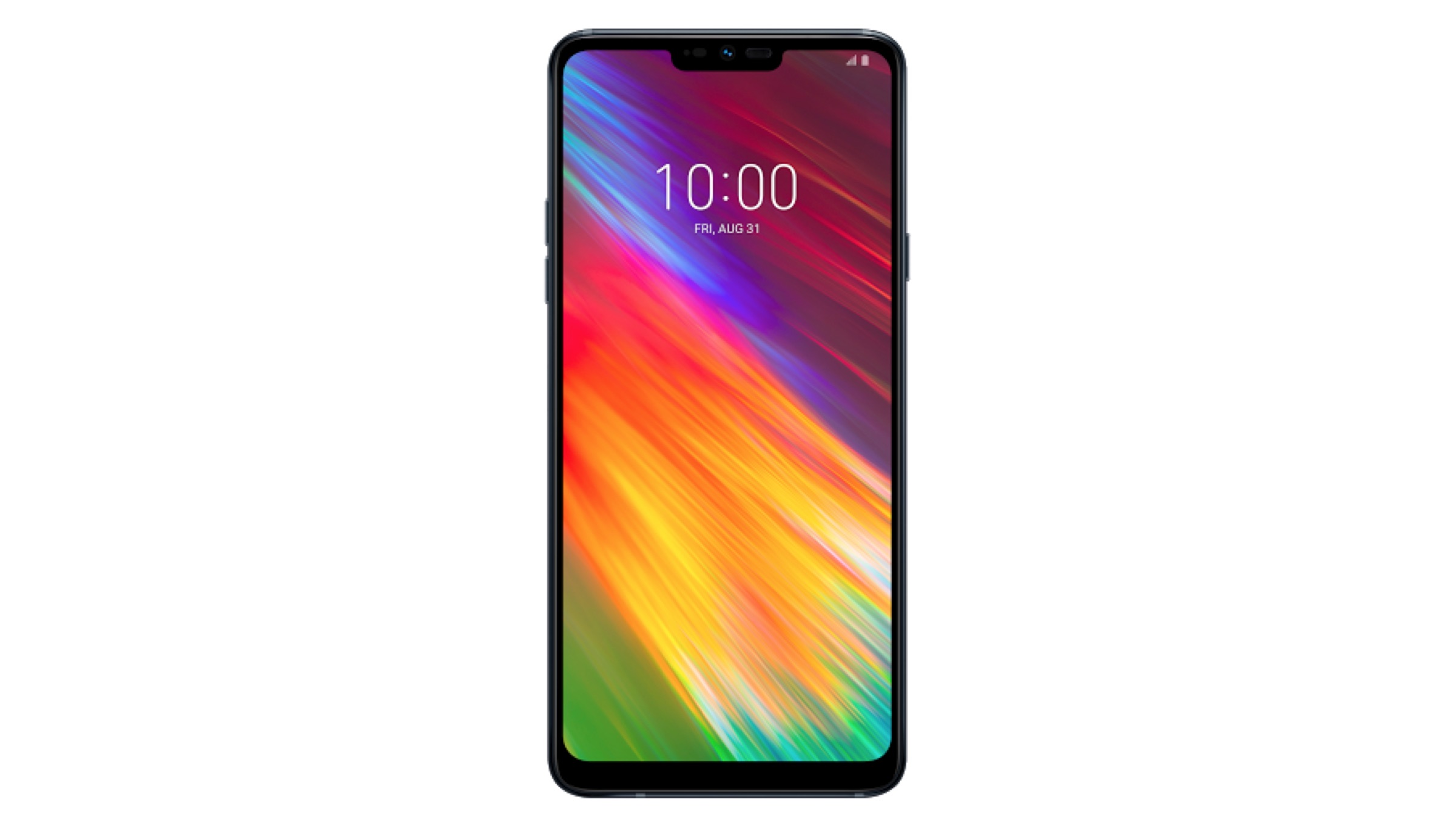
    LG W10

    The budget handsets by LG were made to specifically cater to the Indian market. India has one of the largest smartphone userbases, causing OEMs to make devices for every possible price bracket. LG W10 is powered by a 4,000mAh battery along with a MediaTek Helio P22 octa-core processor clocked at 2.0GHz. Memory and Storage are only available in one configuration, 3GB/32GB. Furthermore, the front is equipped with a 6.19-inch HD+ FullVision display panel with 18.9:9 aspect ratio.

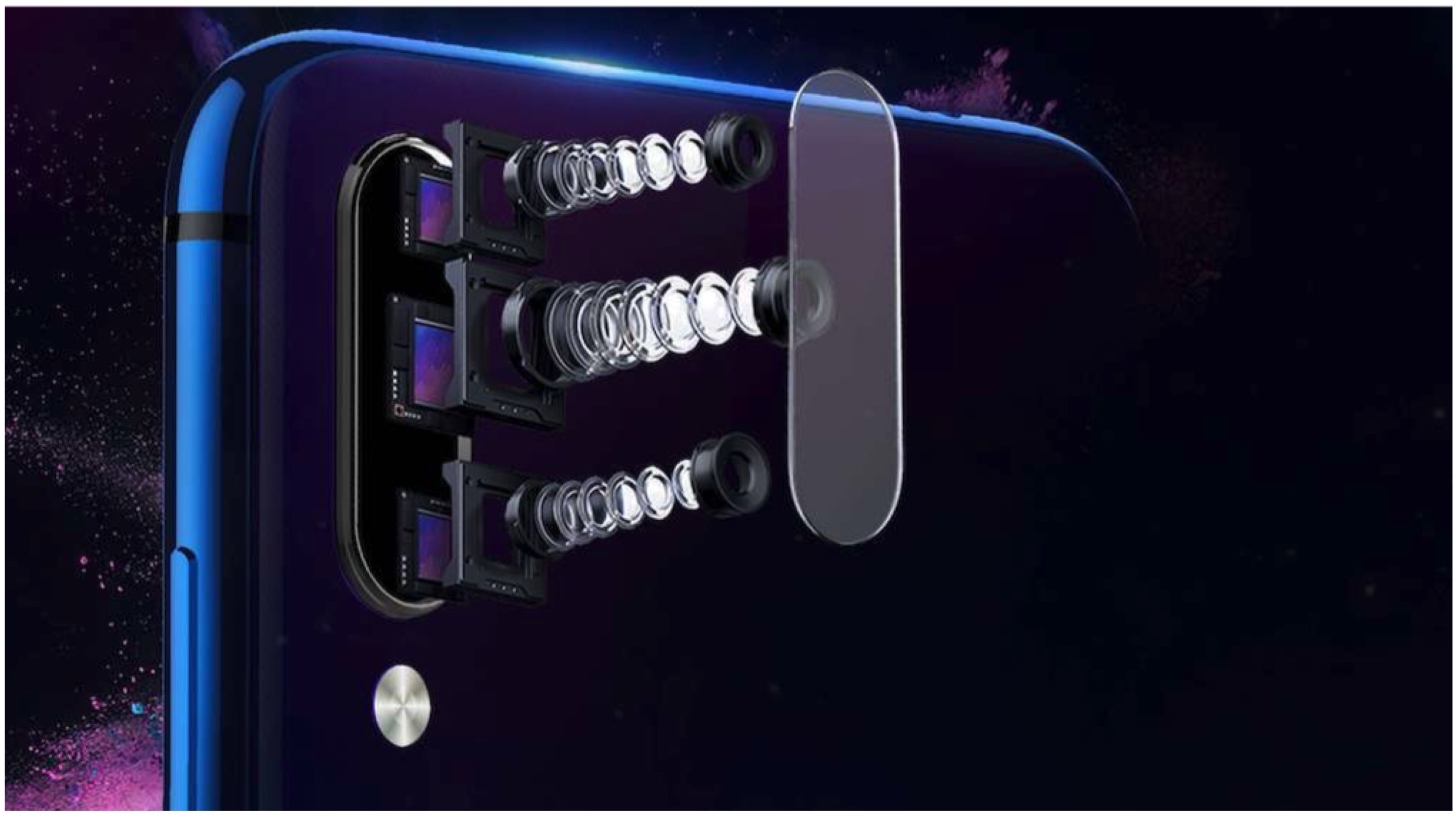
    LG has invested heavily in marketing the cameras of the W series smartphone. The W10 features a “Smart” dual camera set up which will be placed vertically at the top left corner of the rear panel. The primary shooter is a 13MP sensor with PDAF while the secondary is a 5MP shooter for depth sensing. Front of the smartphone has a relatively large notch that houses the 8MP front camera. Features like face unlock and bokeh are also provided. 

    LG W30 & W30 Pro

    LG

    LG is offering a slightly bumped version of the W10 in the form of the W30, that features various improvements. The processor of the W30 is similar to the W10 with a MediaTek Helio P22 octa-core processor clocked at 2.0GHz. Even the memory and storage are the same with a single 3GB + 32GB configuration. However, the screen of the device is slightly larger with a 6.26-inch HD+ IPS FullVision with an aspect ratio of 19:9 and a tear-drop notch.

    LG

    The camera of the device also receives an improvement with a 16MP front camera with face unlock functionality. Notably, on the rear, it sports a triple camera setup with a 12MP AF primary shooter that has a special low light mode. LG W30 receives an additional 13MP AF wide-angle lens along with a 2MP depth sensor for bokeh shots. LG W30 Pro has not been unveiled in the event although an announcement is expected soon. The company has teased its specs which point at a Qualcomm Snapdragon processor, FullVision display with a tear-drop notch and stereo speakers (StereoPulse Sound)

    Price and Availability

    LG’s W series smartphones were developed and built in India, with plans to start shipping in the southeastern nation soon. The LG W10 carries a price tag of Rs.8,999 and will be available in two colours, Tulip Purple and Smokey Grey. On the other hand, LG W30 will have customers shell out Rs.9,999 for three colour options, Thunder Blue, Platinum Grey and Aurora Green. Announcement regarding the LG W30 Pro is expected soon with pricing that will most likely cross the INR 10k price bracket.

    Also ReadApple Watch Could Soon Receive A Camera

    LG’s ‘Make in India’ product is a great new addition to the company’s budget line up of smartphones. This will help the company capture a broader audience of potential customers after launch. A homegrown device is widely appreciated as it is better for the country in terms of employment and economy during sales. Apple is also seeking to shift a certain portion of its production to India as well. The reception of these devices will be clear in the arriving weeks alongside the W30 Pro launch.

  • Samsung Galaxy Fold 5G Receives FCC Certification Before Launch

    Samsung Galaxy Fold 5G Receives FCC Certification Before Launch

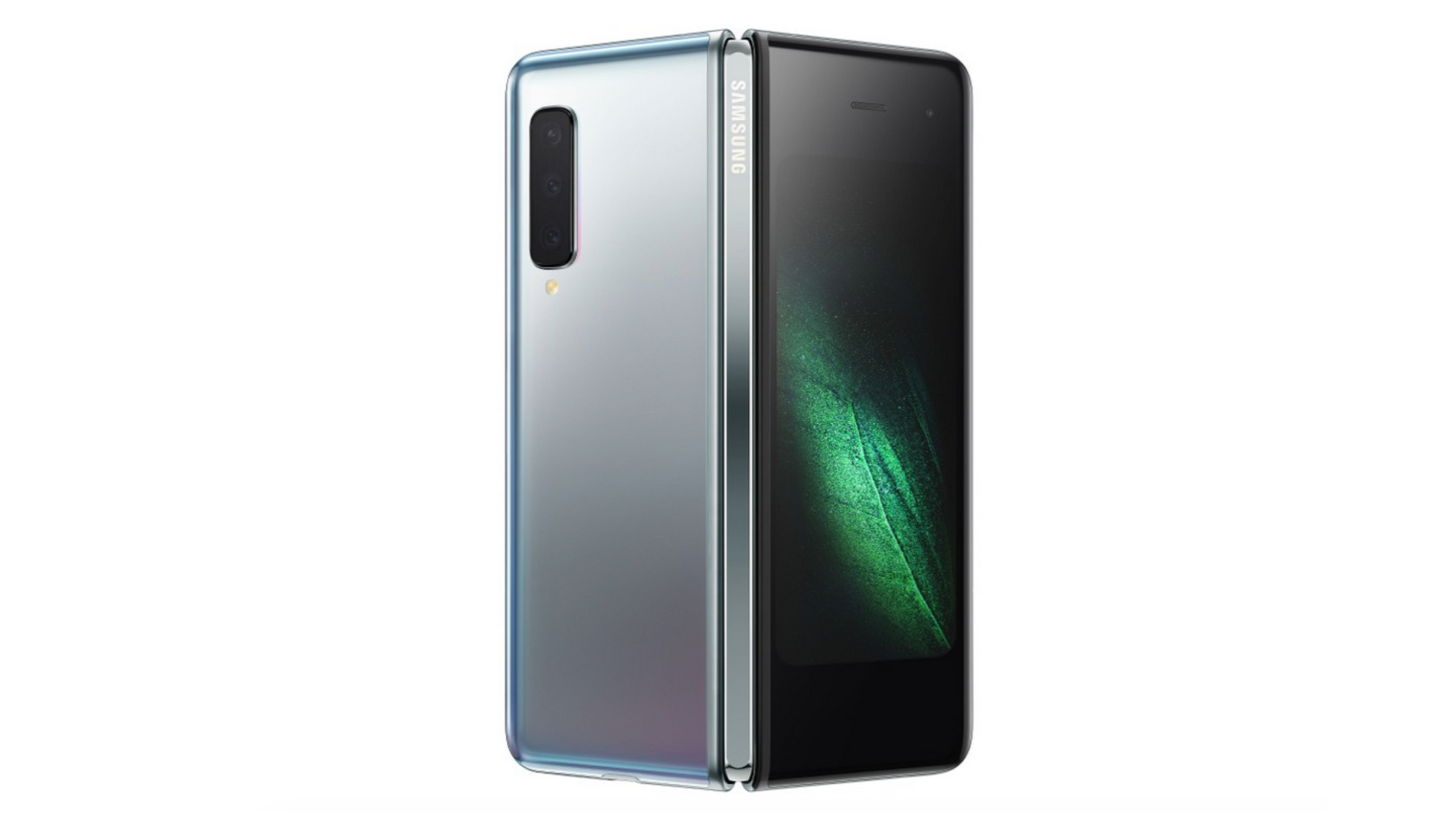
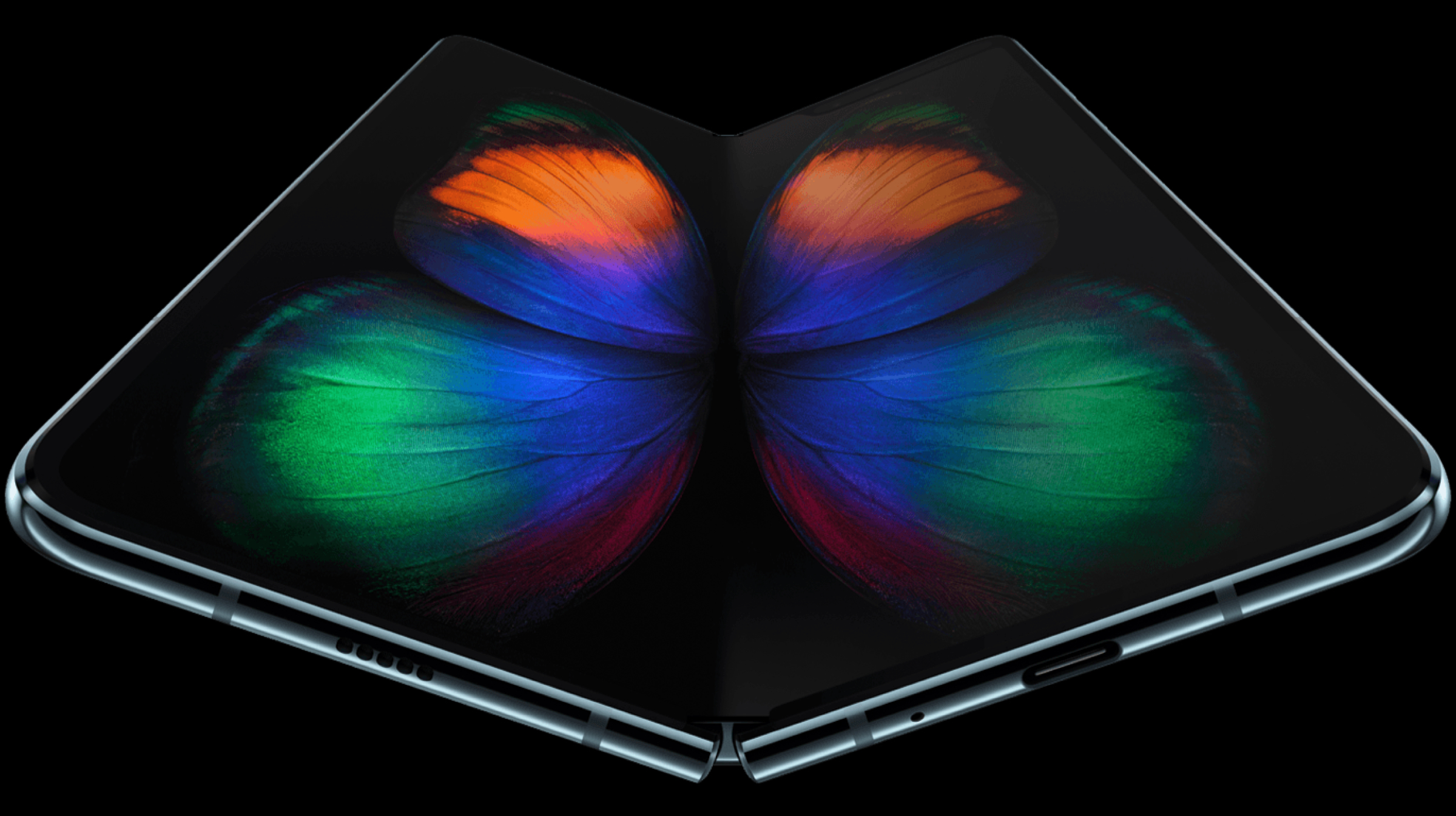
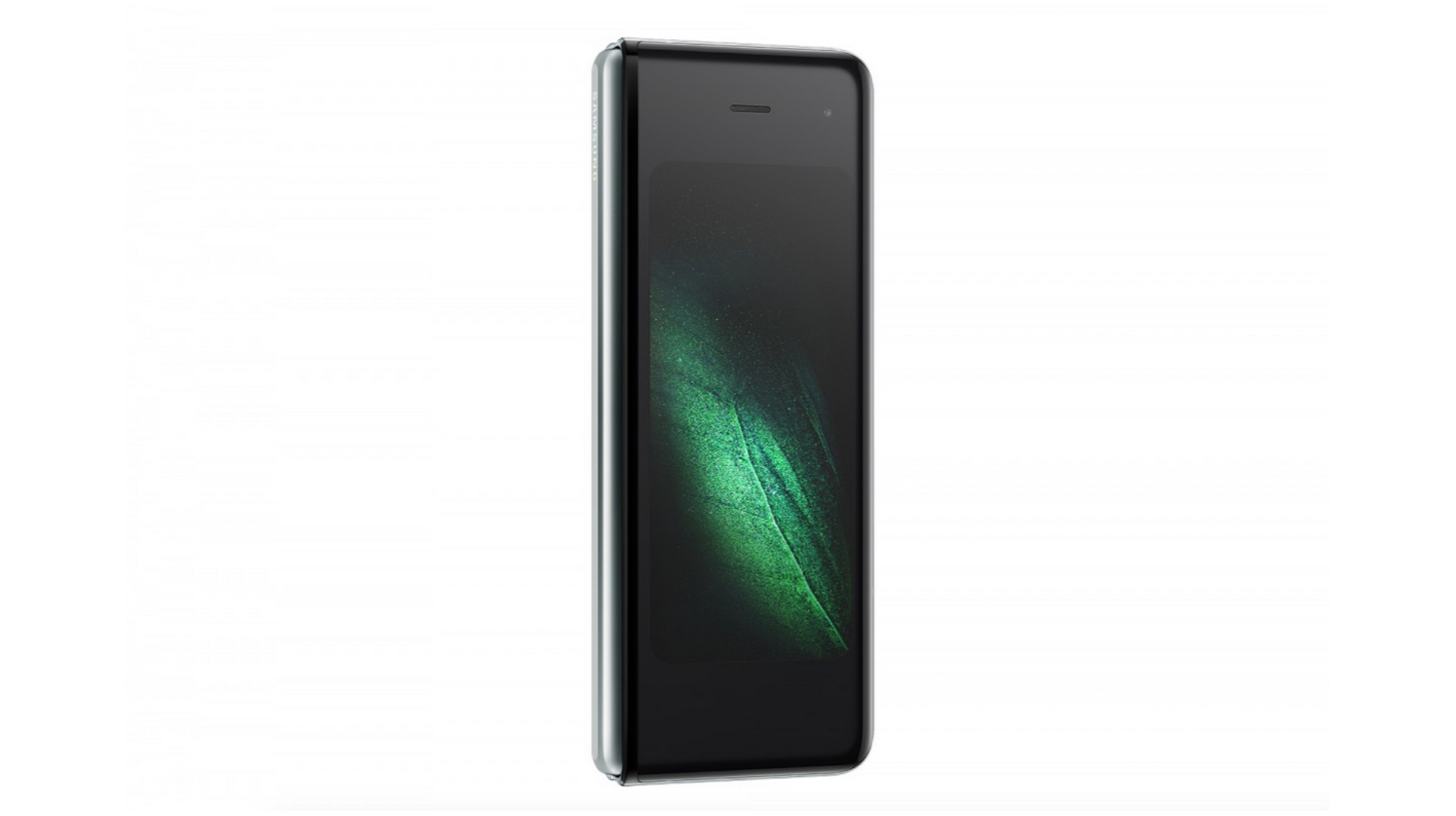
    Samsung was one of the first companies to launch a foldable smartphone. The Galaxy Fold was first introduced in February 2019 and had a scheduled launch date set later in April. Unfortunately, the commercial availability of the device has since been delayed due to multiple instances of malfunctioning caused by a premature release.

    It is now reported that Samsung will also launch a new Galaxy Fold variant capable of 5G networking, as seen in an FCC (Federal Communications Commission) certification.

    Galaxy Fold

    The South Korean electronics company will most likely launch the upcoming 5G variant alongside the standard Galaxy Fold model. The tech giant has reportedly fixed all the issues that had plagued the device pre-launch and is expected to be available soon. Both the 4G and 5G variants of the Galaxy Fold will probably have identical features and specifications, except connectivity and battery size. The standard version is a dual SIM device with 4380mAh battery capacity while the 5G model is only equipped with a single SIM and slightly smaller 4235mAh battery.

    Samsung Galaxy Fold

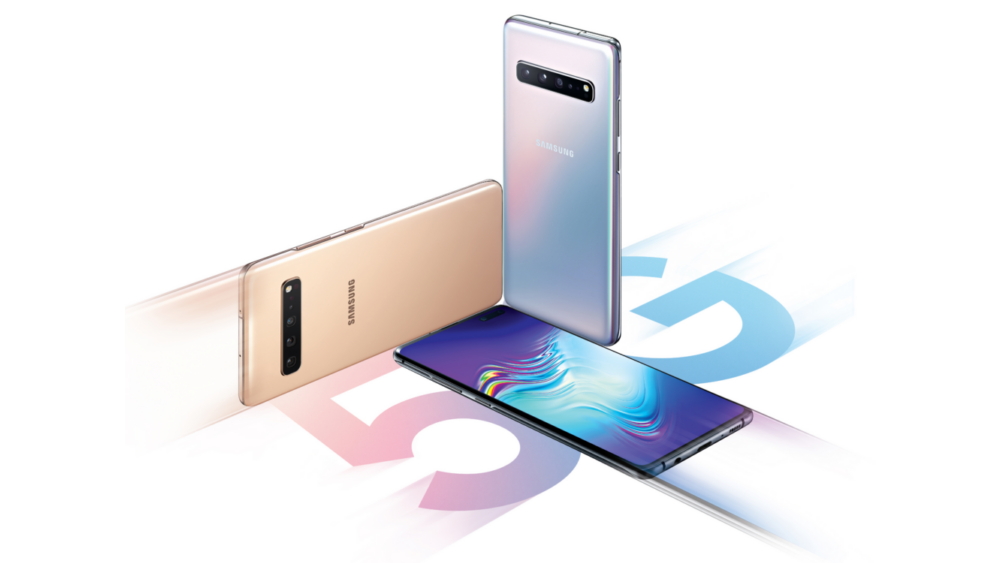
    5G network bandwidth has yet to see widespread commercial adoption in various countries developed and developing alike. In countries like India where even 4G network has not had complete penetration, it is unlikely to see the release of any devices capable of the faster bandwidth. South Korea, on the other hand, has seen great integration with 5G and devices capable of it. Samsung’s Galaxy S10 5G is one of the biggest examples with over 1 million units sold in just a short amount of time.

    Galaxy S10 5G

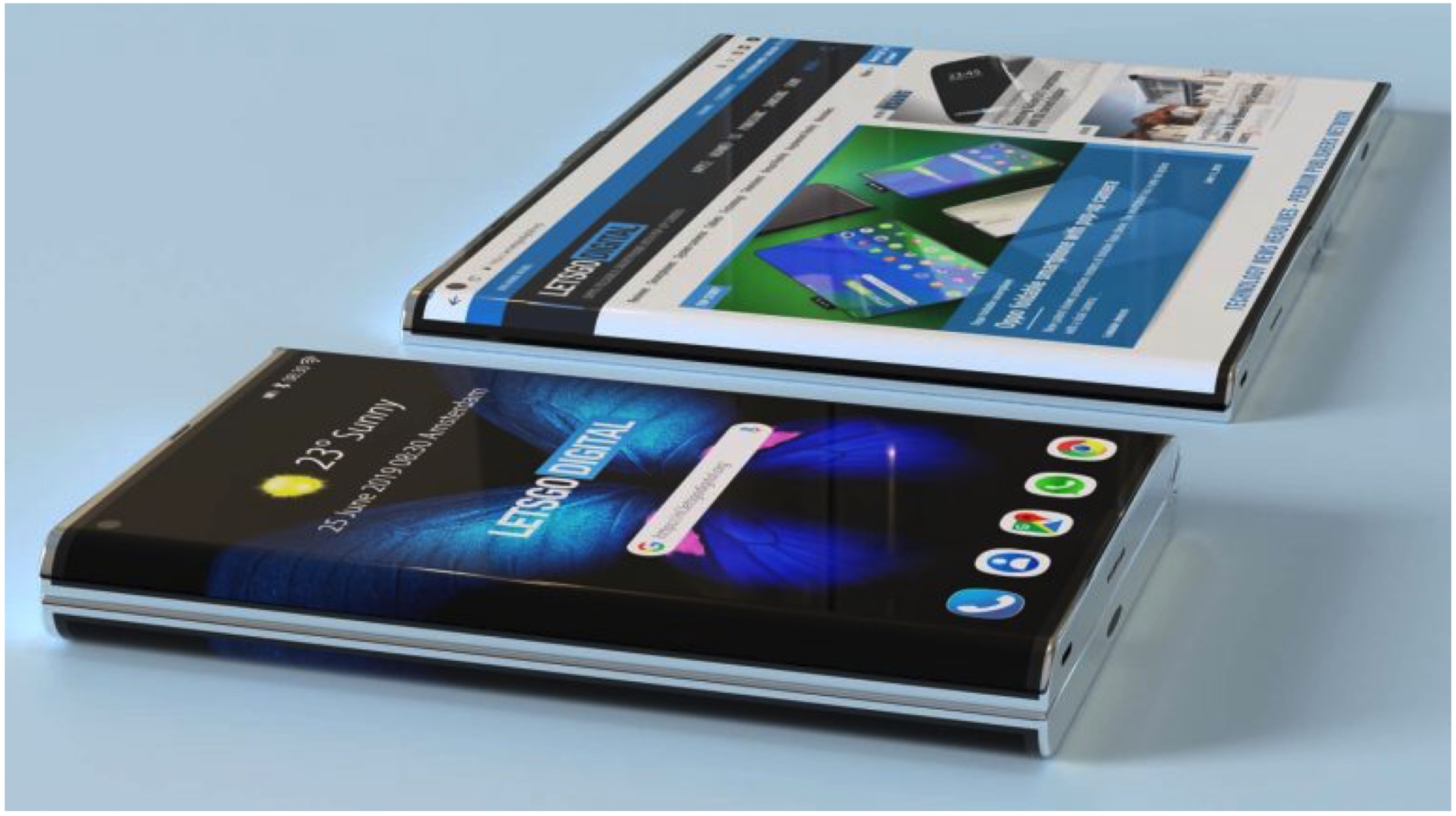
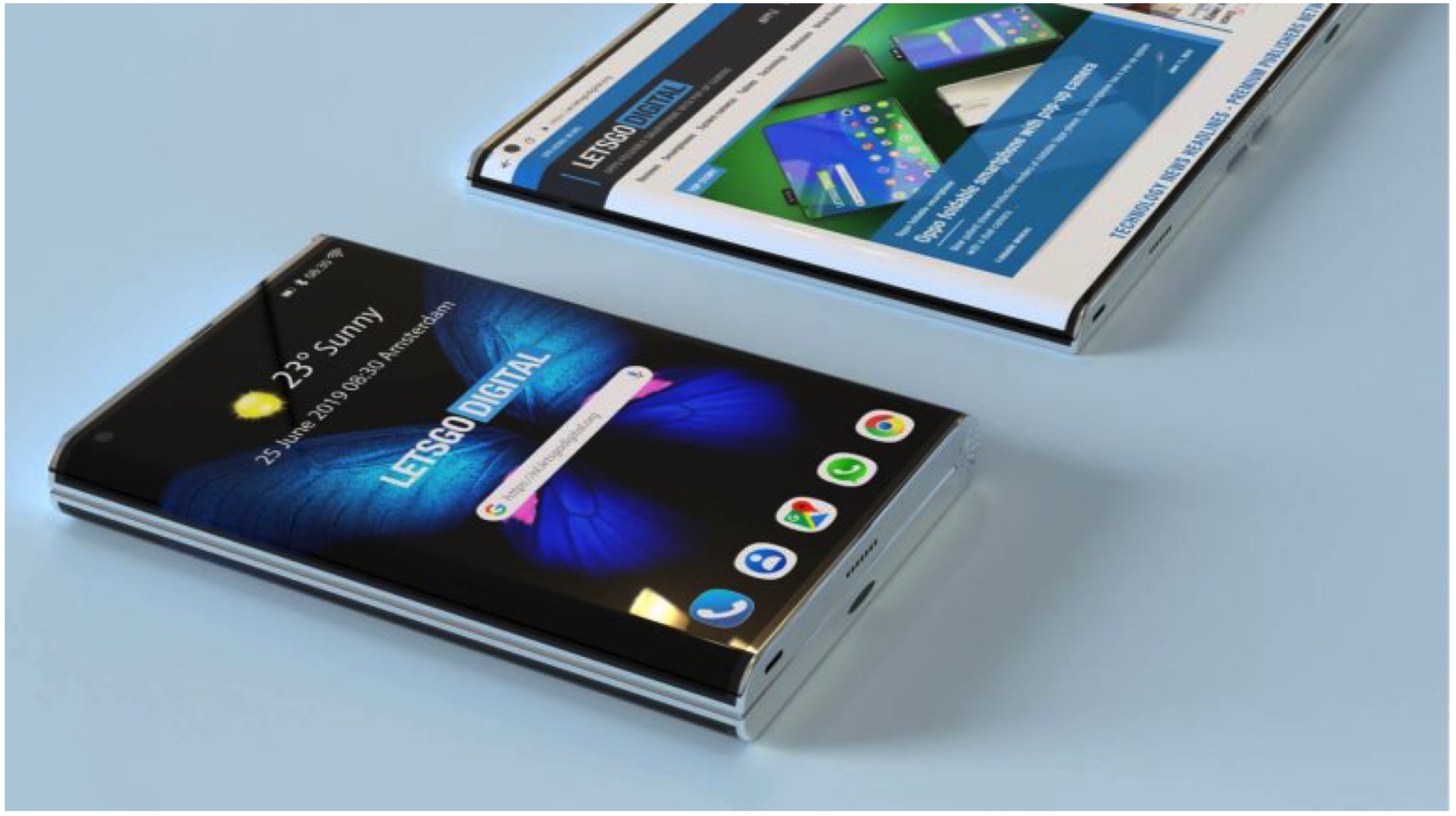
    Besides, Samsung has reportedly been working on a new foldable smartphone with a curved edge. It is highly unlikely that any of the aforementioned foldable phones would sport the new design immediately. Since Samsung has announced that a new foldable phone will be launched annually, it is probable that the Galaxy Fold 2 may incorporate the new aesthetical feature. 

    Galaxy Fold

    Also ReadSamsung Galaxy A90 Leaked, To Feature Snapdragon 855, 5G Support

    The Galaxy Fold is a revolutionary smartphone which had a failed start. Samsung has stuck to the device and is planning to make good on all the promises it has made for its customers. The upcoming foldable handsets are expected to release around the launch of the Galaxy Note 10, probably between August end and September. More information regarding this will soon be available in the coming weeks. 

  • MediaTek Helio P65 Chipset Launched, Supports 21:9 Display

    MediaTek Helio P65 Chipset Launched, Supports 21:9 Display

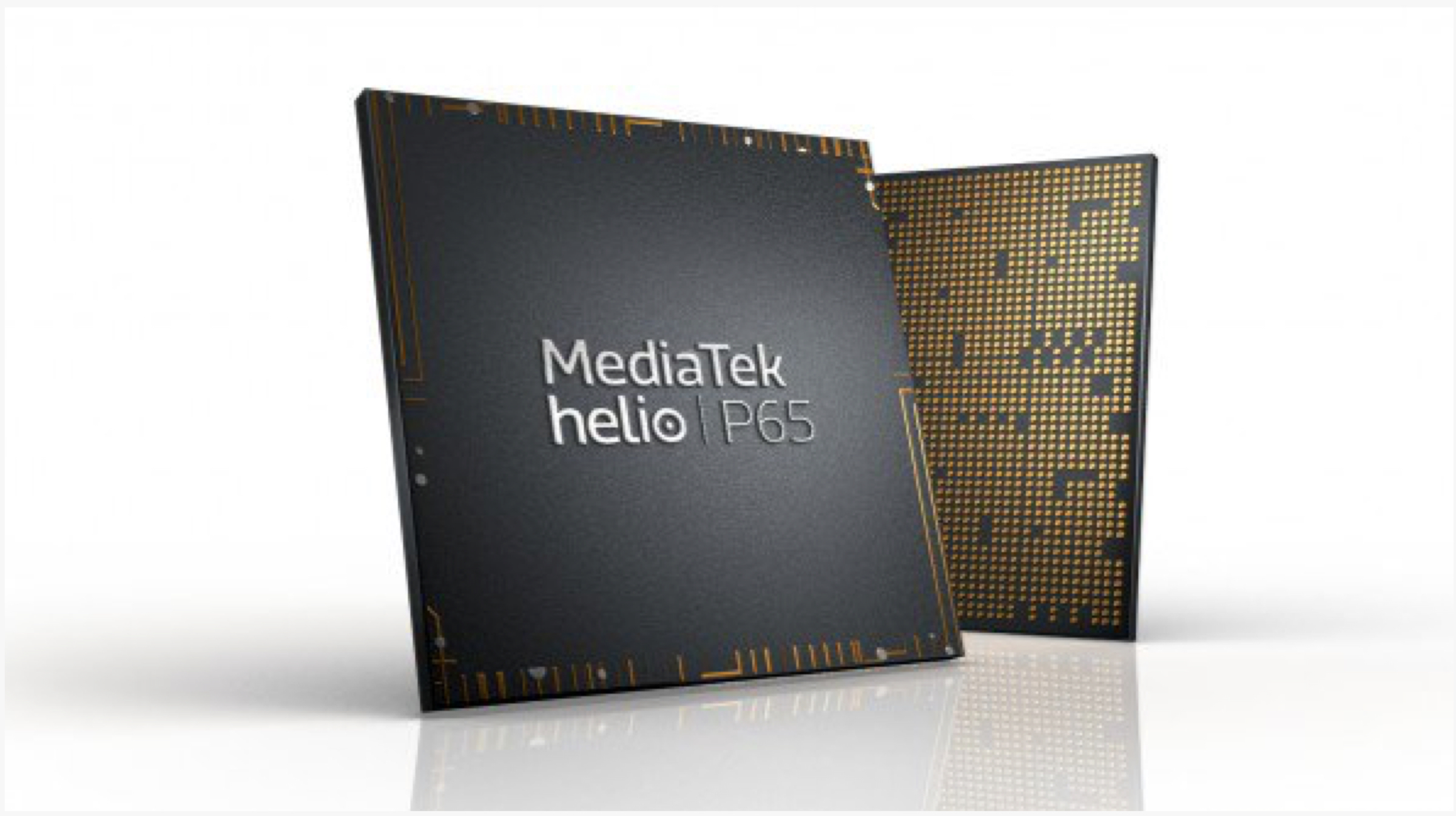
    While the premium smartphone segment is dominated by chipsets from Qualcomm and Samsung, Taiwan based MediaTek with its affordable SoCs mainly targets the budget and mid range handset segment.

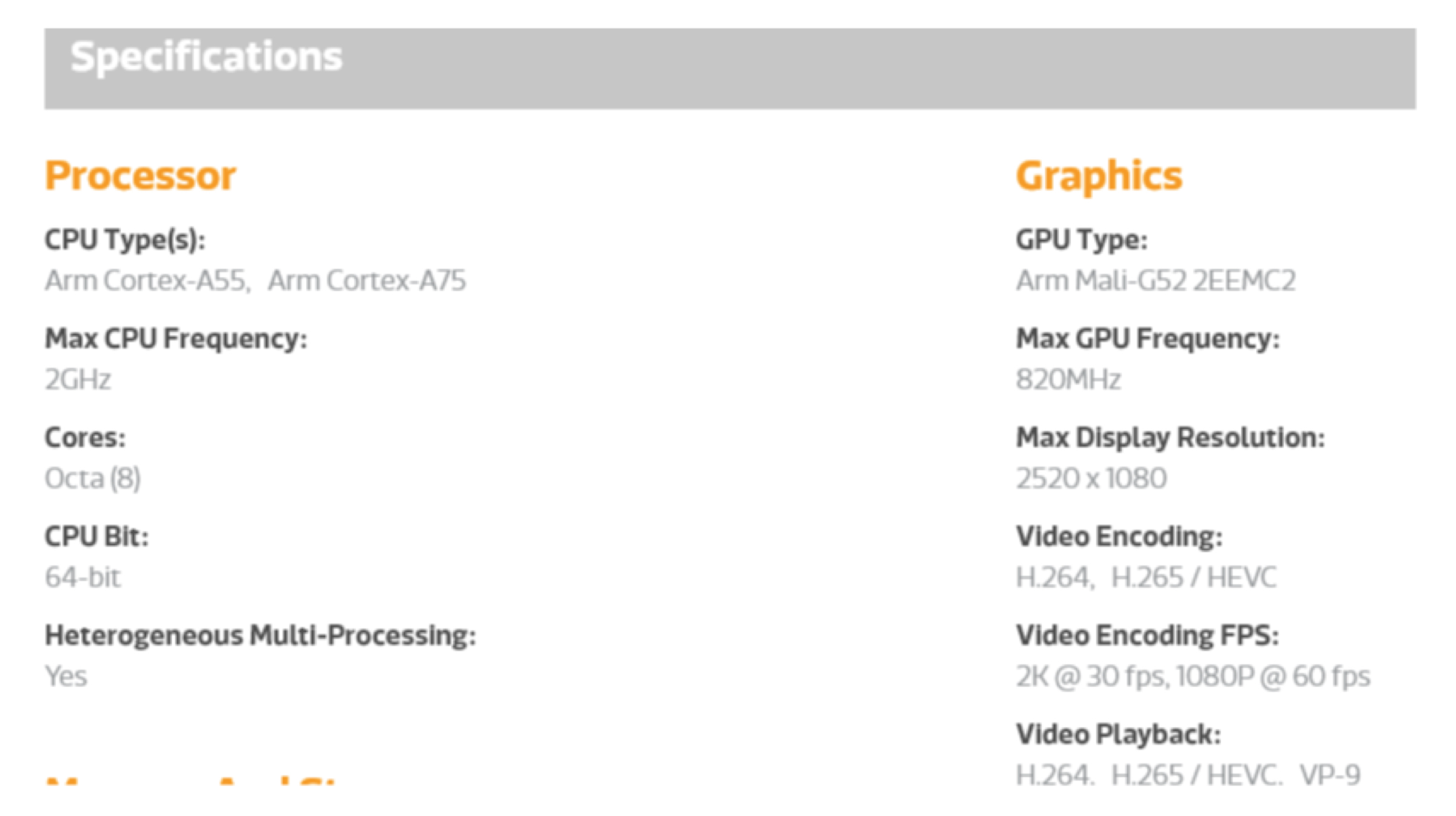
    The company has unveiled a new chipset called the Helio P65 which features a handful of improvements over the Helio P60 and the Helio P70. The latest SoC consists of the Mali G52 GPU and 64 bit Octa Core CPU which is divided into two separate clusters. MediaTek Helio P65 CPU

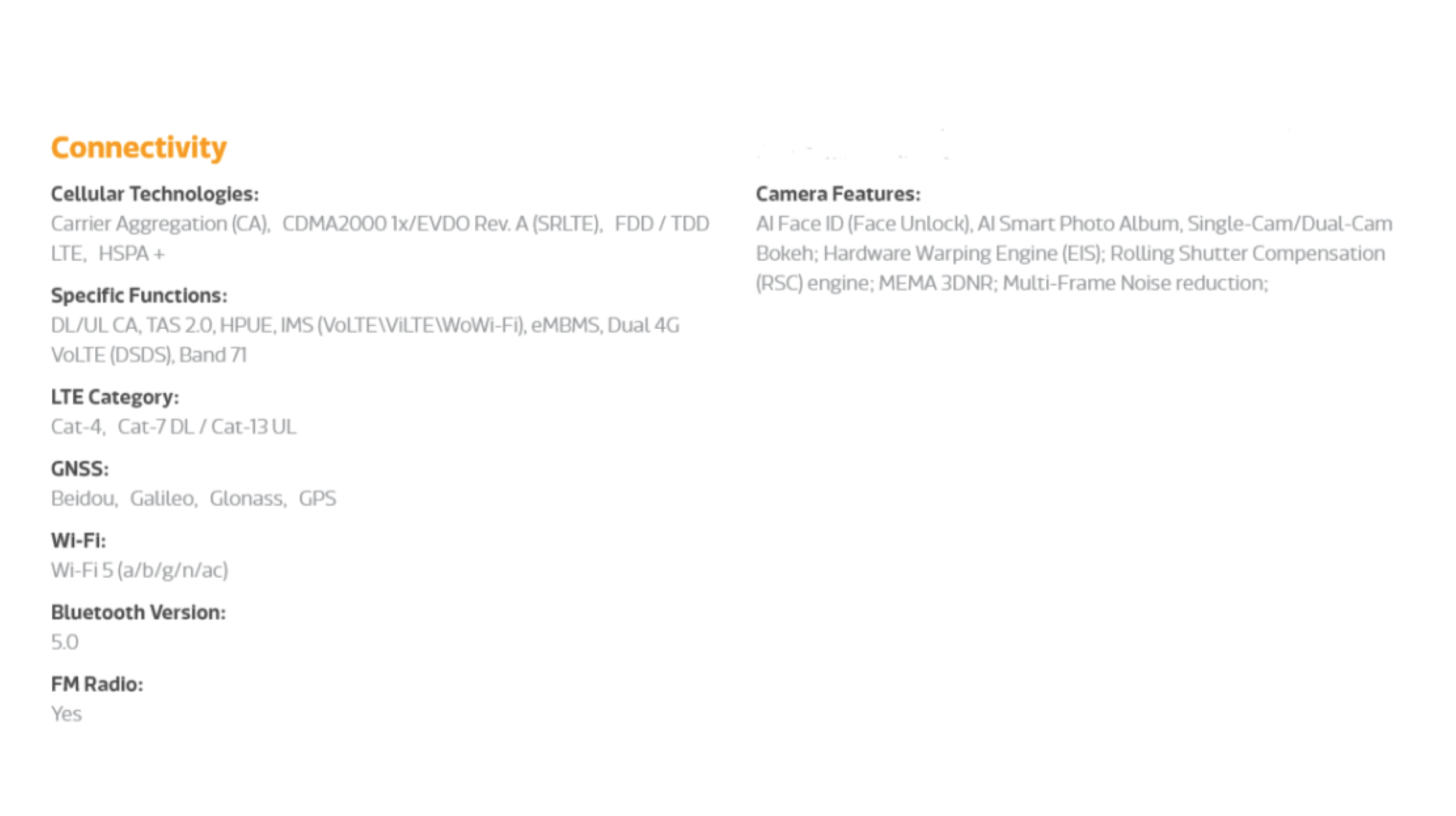
    The Octa Core CPU on the Helio P65 is comprised of 2x Cortex A75 cores which are clocked at 2 GHz and 6x Cortex A55 cores that have an unspecified clock speed. This combination of two CPU core groups with different architecture and clock frequency helps in providing the best of both worlds i.e battery life and performance on smartphones that employ the chip. MediaTek Helio P65 Connectivity

    When the user is running resource hungry tasks like games on their device with the Helio P65 chipset, the two Cortex A75 cores come into play. Inversely, when the device is put to sleep or is being used to run lightweight tasks like making phone calls or messaging, the 6 core Cortex A55 will be put to the use which will help in prolonging the battery backup. Do note that this is not a proprietary technology as most chipsets in the modern era have this type of architecture.

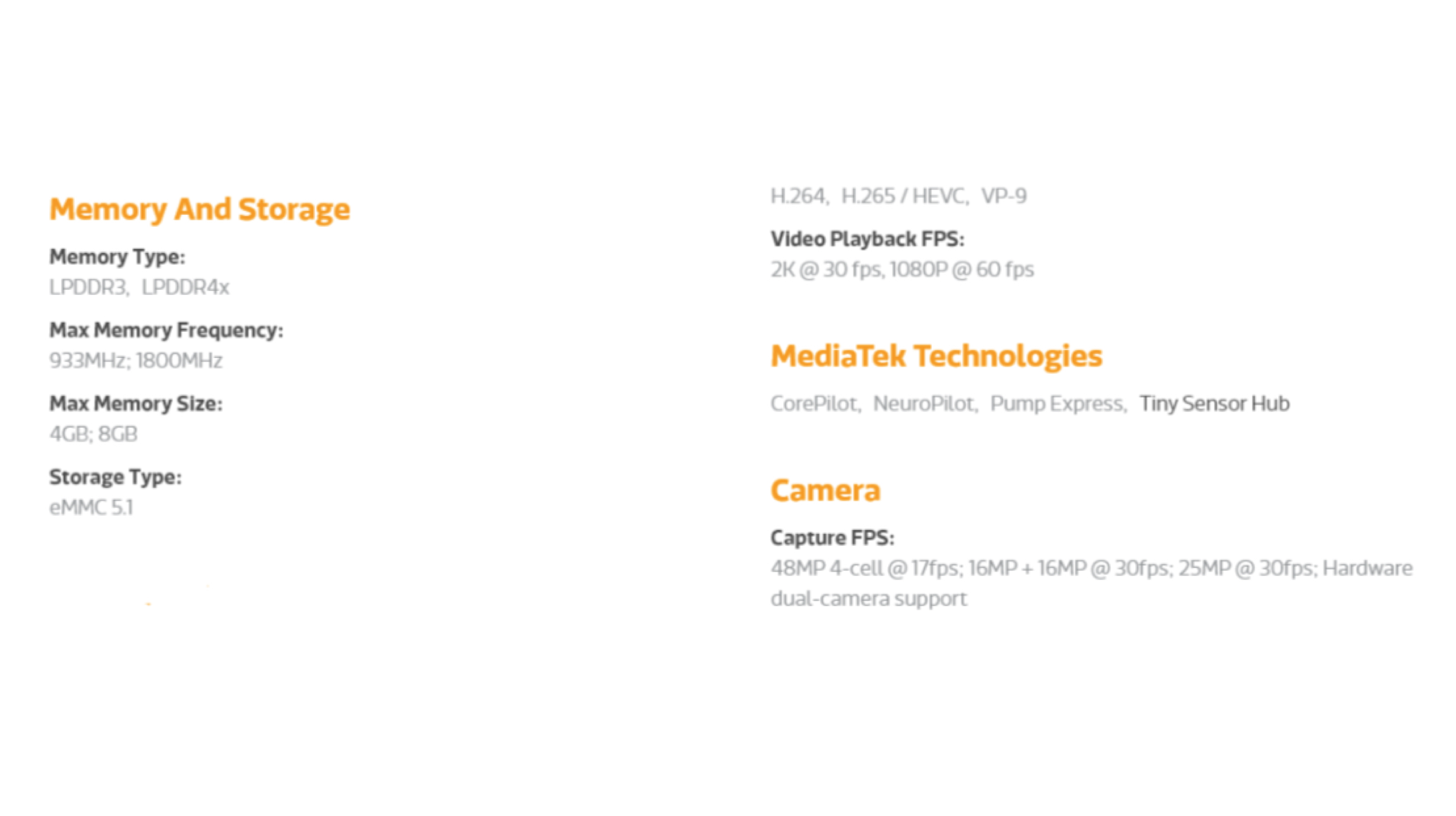
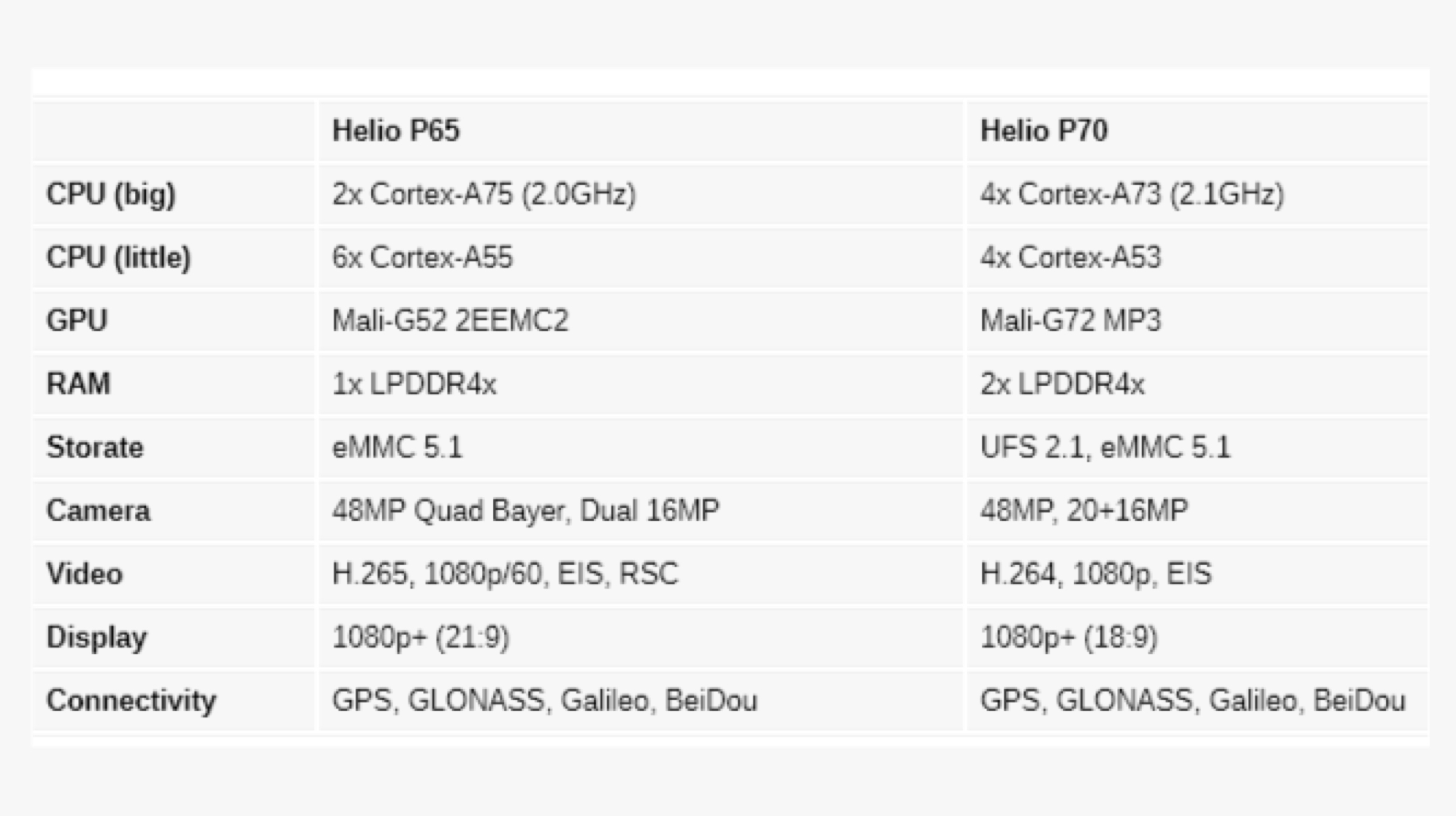
    Smartphones kitted with the Helio P65 chipset are capable of supporting upto 8 GB of LPDDR4x RAM (fastest memory standard available as of now). However, unlike the Helio P70 which supports dual memory modules, the new chipset only supports a single RAM module, therefore, limiting the full potential highest capacity of supported memory. MediaTek Helio P65 Comparison With Helio P70

    In terms of memory, the Helio P65 only supports eMMC 5.1 (embedded multimedia card) storage and lacks support for faster UFS. However, most devices that feature chipsets from MediaTek’s affordable lineup would rarely incorporate this fast storage standard. Usually, flagship grade devices including OnePlus 7 Pro and Galaxy Fold use UFS which is considerably more expensive than eMMC.

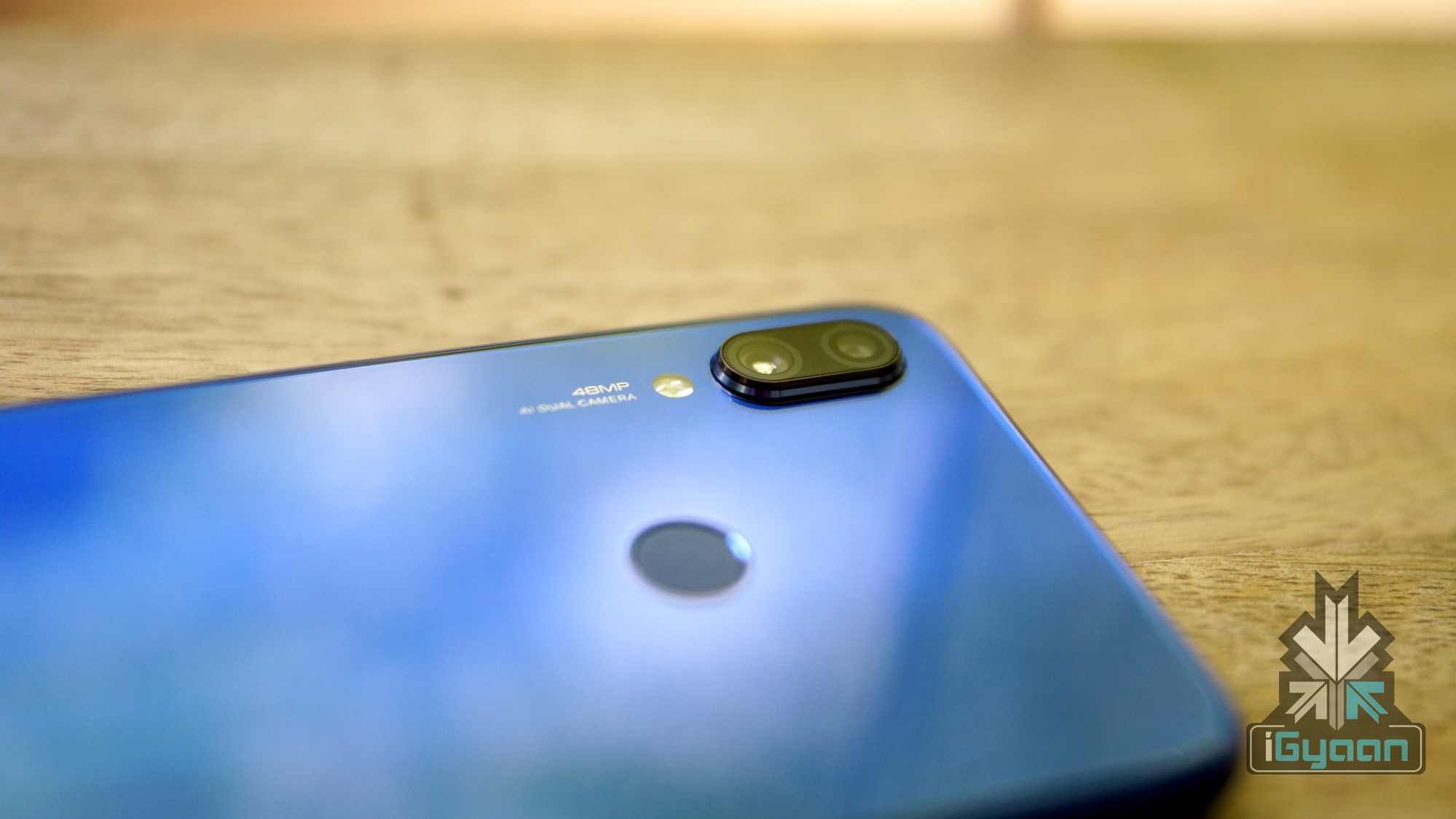
    Redmi Note 7 With 48 MP Camera

    Xiaomi with its Redmi Note 7 Pro that features a 48 MP camera turned a lot of heads around the globe. However, in order for a smartphone to be able to process images of this high resolution, the chipset should be developed with this feature. Taking into consideration the demand for budget smartphones high res cameras, MediaTek has added support for such sensors in the new Helio P65.

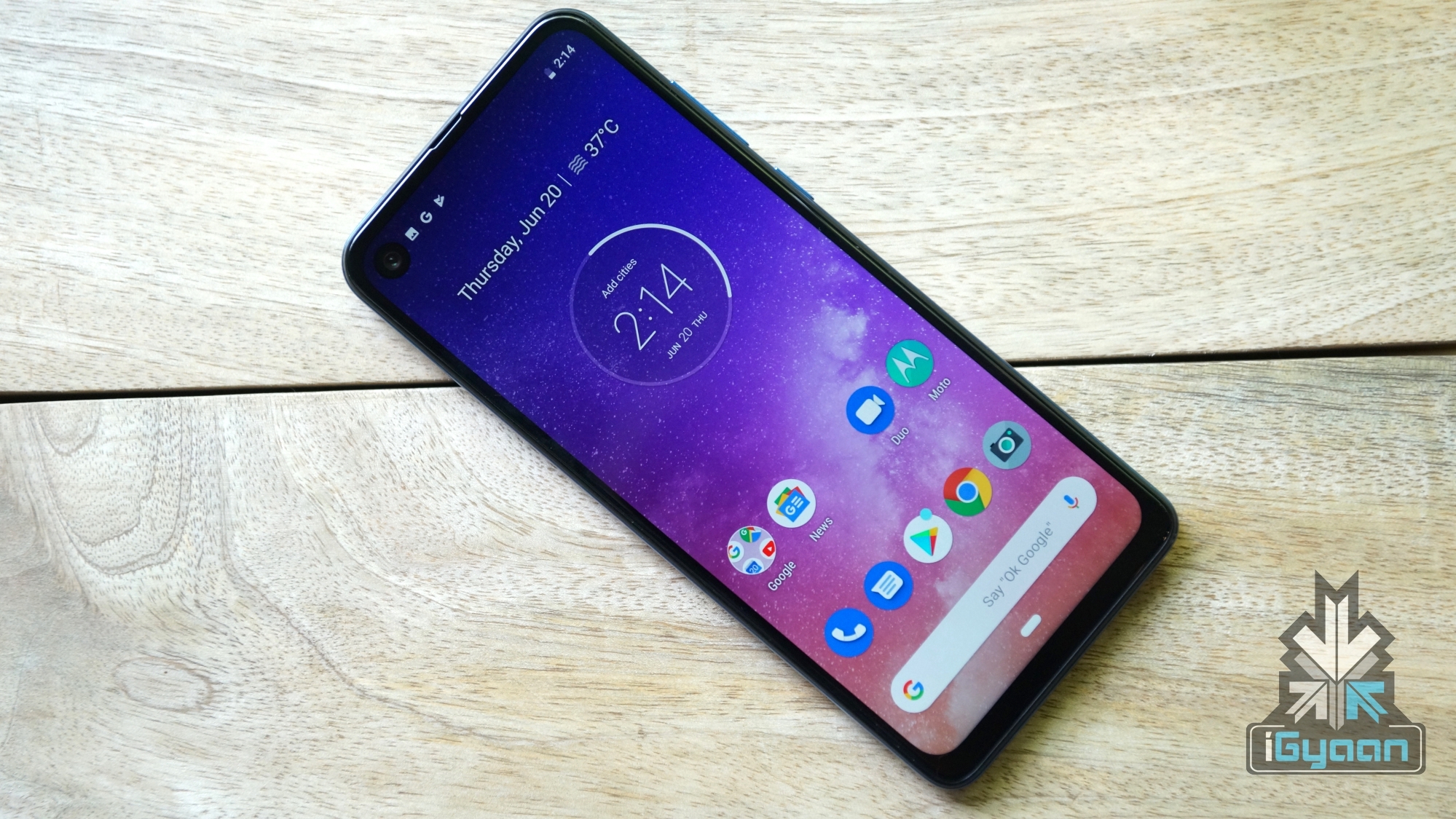
    Moto One Vision With 21:9 Display

    Another notable feature that the Helio P65 brings to the table is support for 21:9 display. An aspect ratio which is slowly gaining popularity as seen with the Moto One Vision and Sony Xperia 1

    All in all, MediaTek has designed and developed the Helio P65 chipset after thoroughly researching the budget smartphone market while also studying the features that consumers like to see in such devices.

    Also Read: Xiaomi Mi CC9 Design Revealed In Official Images

    As of now, no details about a smartphone launching with the chipset has been revealed. Though, going by past experiences, companies like Realme and Oppo will be one of the first ones to launch a handset that employ the Helio P65 


  • Xiaomi Mi CC9 Design Revealed In Official Images

    Xiaomi Mi CC9 Design Revealed In Official Images

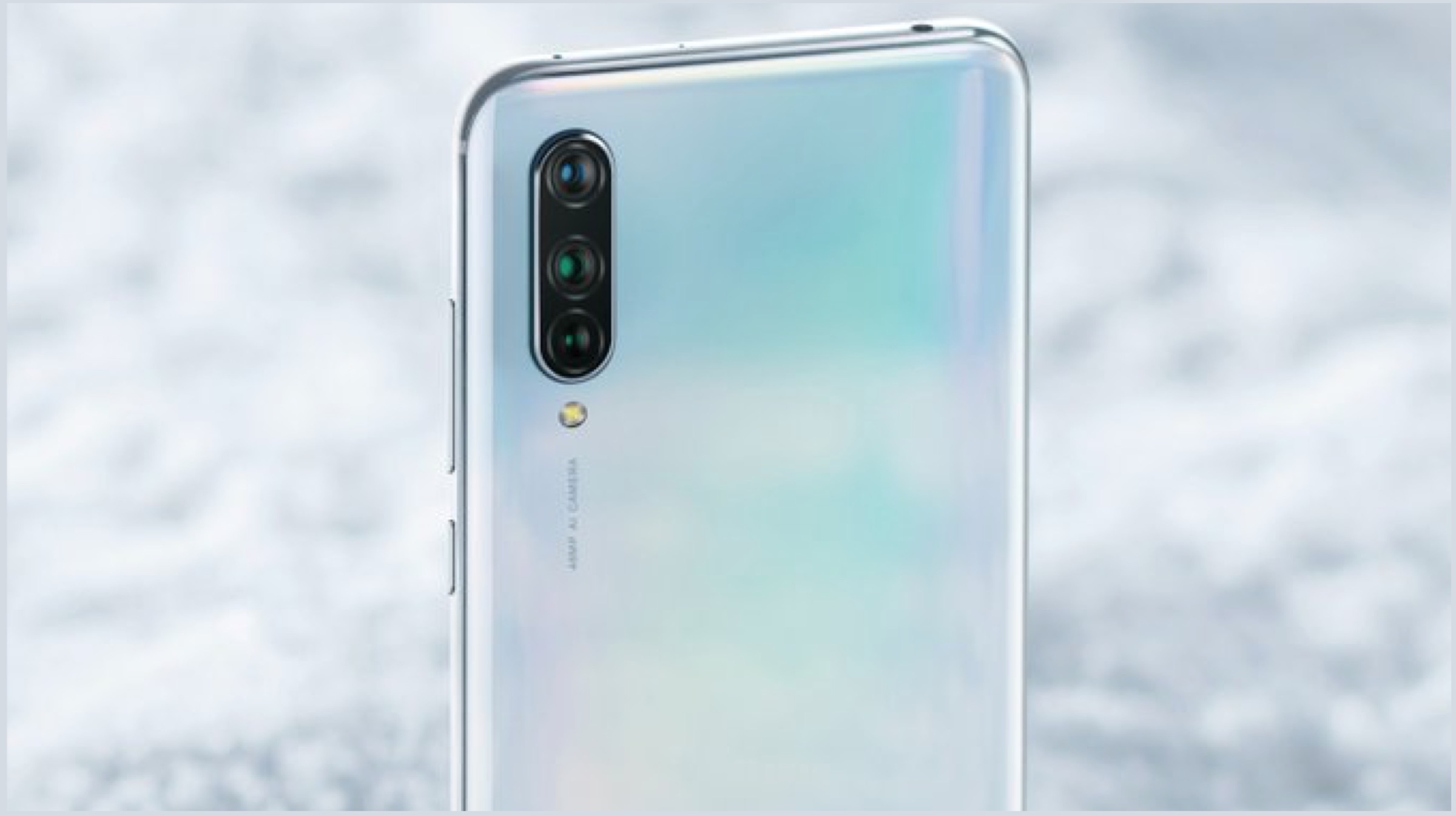
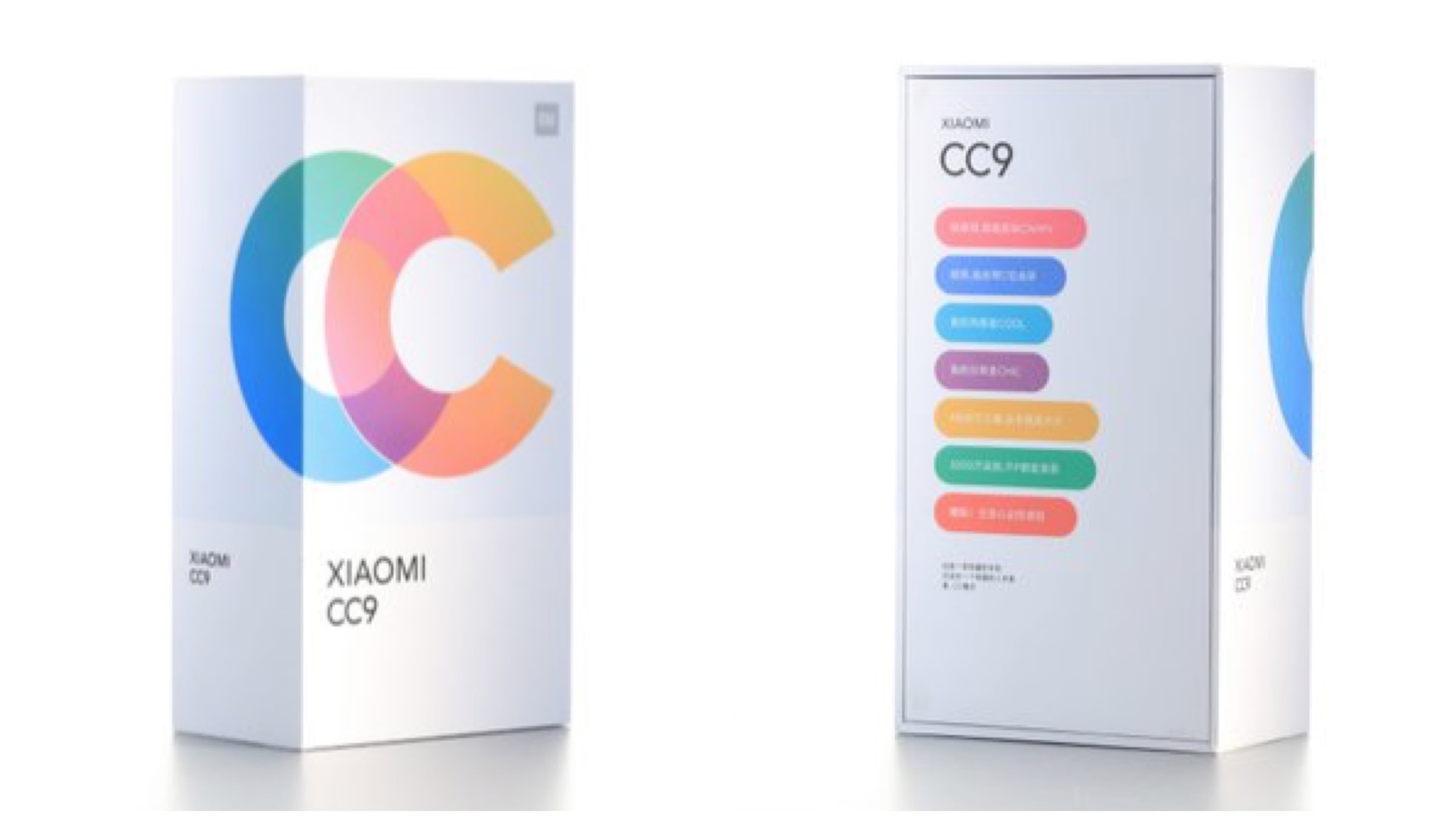
    Chinese technology giant Xiaomi unveiled the Mi CC series of smartphones earlier this month. While no devices were announced at the time, it was revealed that an official launch will take place on the 2nd of July. Two handsets purportedly called the Mi CC9 and Mi CC9e are expected to be introduced at the event. The company, in a bid to build up the hype for the series, has been sharing teasers on Chinese social networking website Weibo. Now, a senior Xiaomi executive has revealed official images of the Mi CC9 in white colour and its retail box in its entirety before the launch.

    Xiaomi Mi CC9

    The Mi CC9 smartphone from Xiaomi will be a mid-range smartphone. The images revealed officially on Weibo showcase the device in an attractive pearl white colour. Notably, the handset in question was earlier known to be launched as the less specced variant of the series; Mi CC9e. However, it may be the case that the images are of the Mi CC9 after all. The smartphone will have a glass sandwich design with a gradient back panel and a revised company branding on the back. It has been revealed to have a triple camera set up at the back. The primary sensor used in the device will be a 48MP sensor as mentioned in the text under the camera module.

    Xiaomi Mi CC9

    The right side of the Mi CC9 houses the volume rockers and the power button; while the top seems to have a 3.5mm headphone jack and SIM card tray. The bottom has a USB Type C port flanked by speaker grilles on either side. The retail box of the device does not reveal anything new than what we already know about it. While the front of the handset has not been showcased, a previous leak on certification website TENAA uncovered some images of the Mi CC9. The smartphone will have a waterdrop notch to maximise the screen real estate and house the 32MP front-facing camera; it will also use an in display fingerprint scanner as it is the norm in modern devices.

    Xiaomi Mi CC9

    Also read: Samsung Galaxy A90 Leaked, To Feature Snapdragon 855, 5G Support

    Other specifications of the Xiaomi Mi CC9 that were leaked in the past; reveal it will have a 6.39 inch AMOLED display with a resolution of 2340 x 1080px. The device will be kitted with the Snapdragon 730 SoC which Qualcomm’s latest offering for premium mid-range smartphones. The handset will be offered in three variants with up to 8GB of RAM and 256GB of internal storage. It may be priced starting CNY 2599 (Rs. 26,300) for the base storage variant when it launches on the 2nd of July.

  • Apple Watch Could Soon Receive A Camera

    Apple Watch Could Soon Receive A Camera

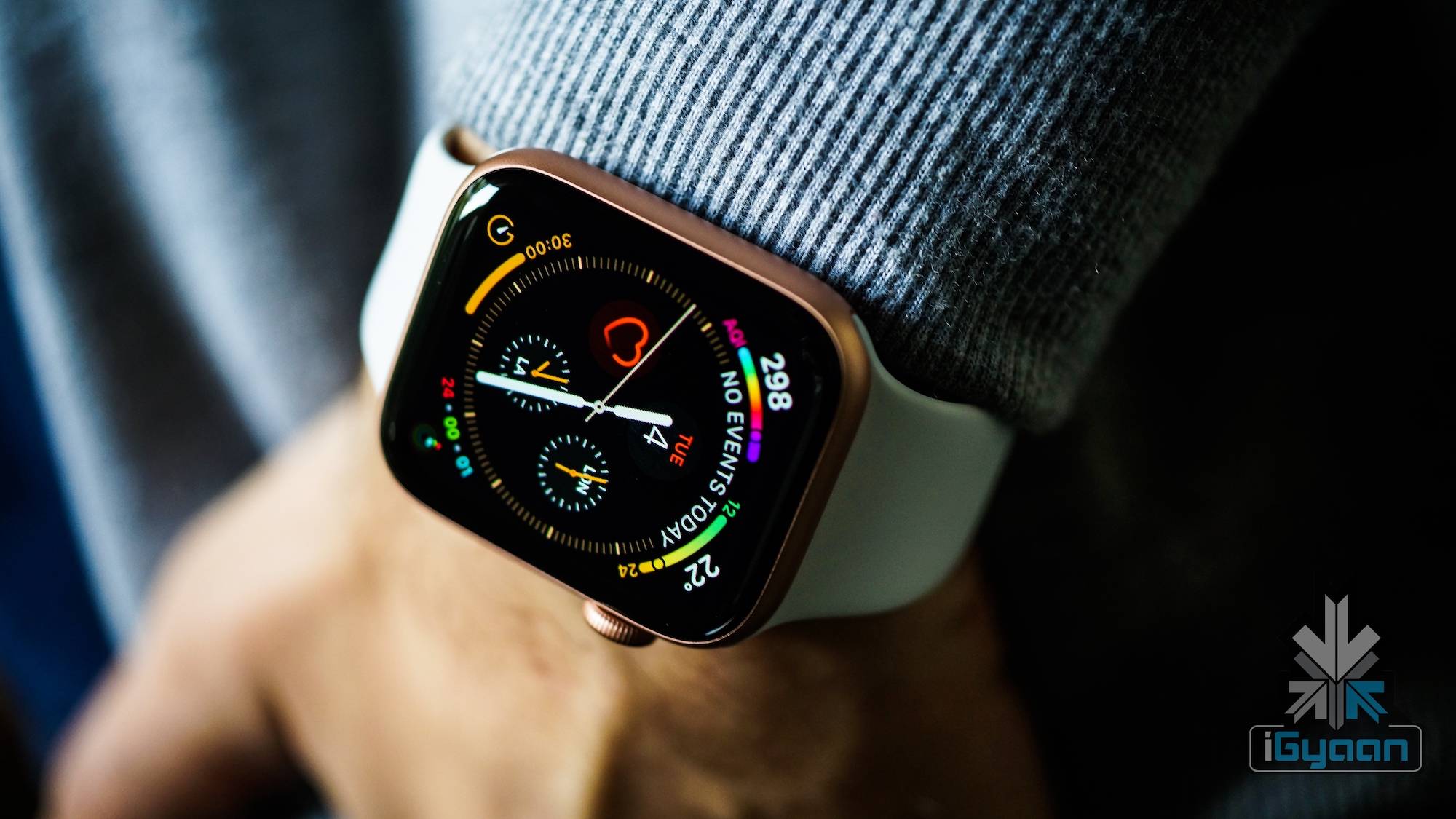
    Apple introduced its line up of smart wearables with the original Apple Watch back in the year 2015. Since then the gadget has become one of the worlds most popular smartwatch. Reports reveal that the Apple Watch is one of its best selling products that the company has produced till date. Multiple iterations of the device have been released in the past 4 years and now a new report points towards a camera being added to the smart wearable.

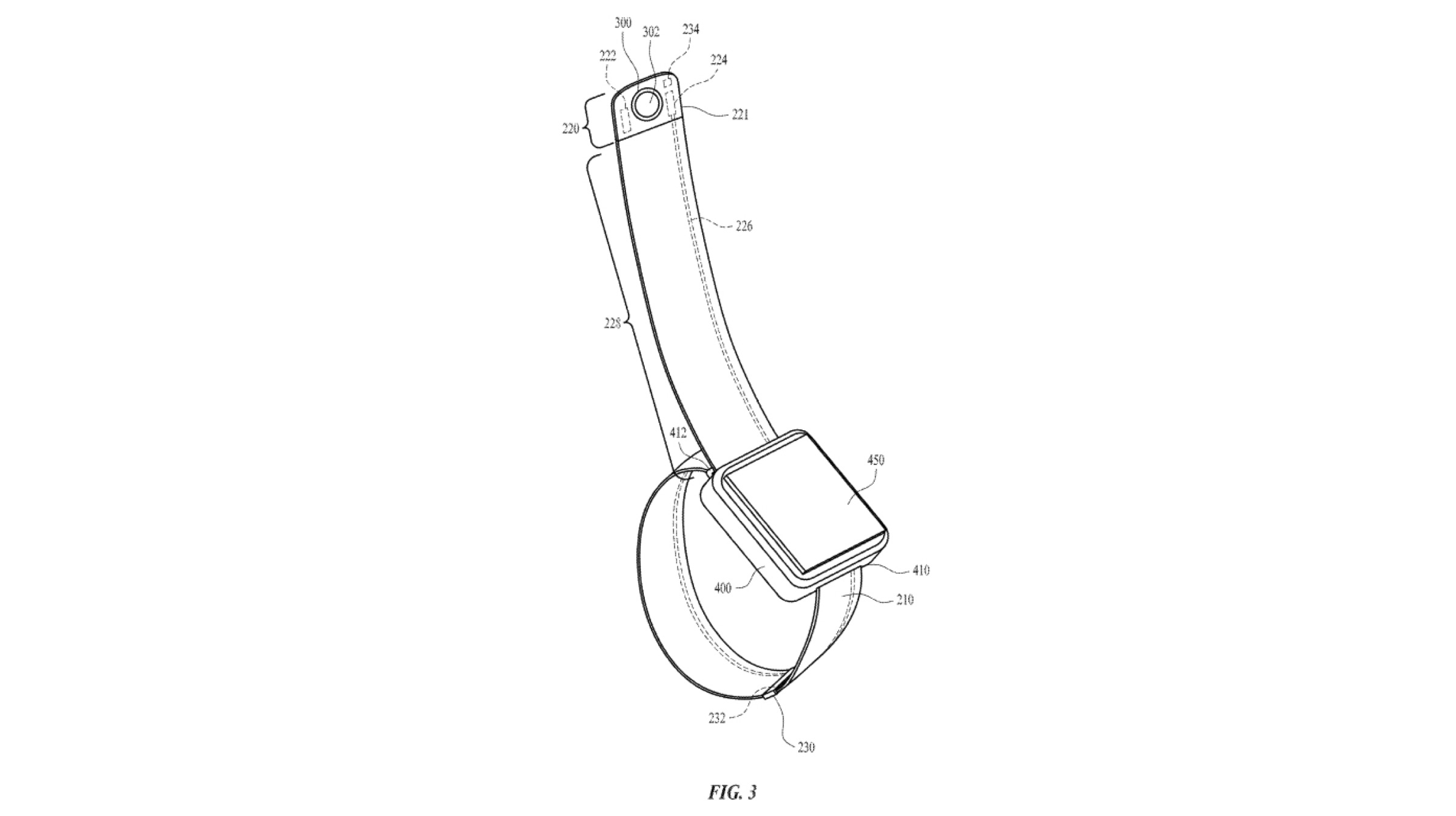
    Apple Watch with its latest watchOS 6 update, has made the device capable of providing a proper standalone experience. The one feature that the company has restrained to bring to the Apple Watch is an actual camera. A freshly filed patent at the US Patent and Trademark Office (USPTO) suggests that Apple plans on putting a camera on the wearable. The tech giant is reportedly building a unique camera system which is placed on the strap rather than the main body of the watch.

    Apple Watch

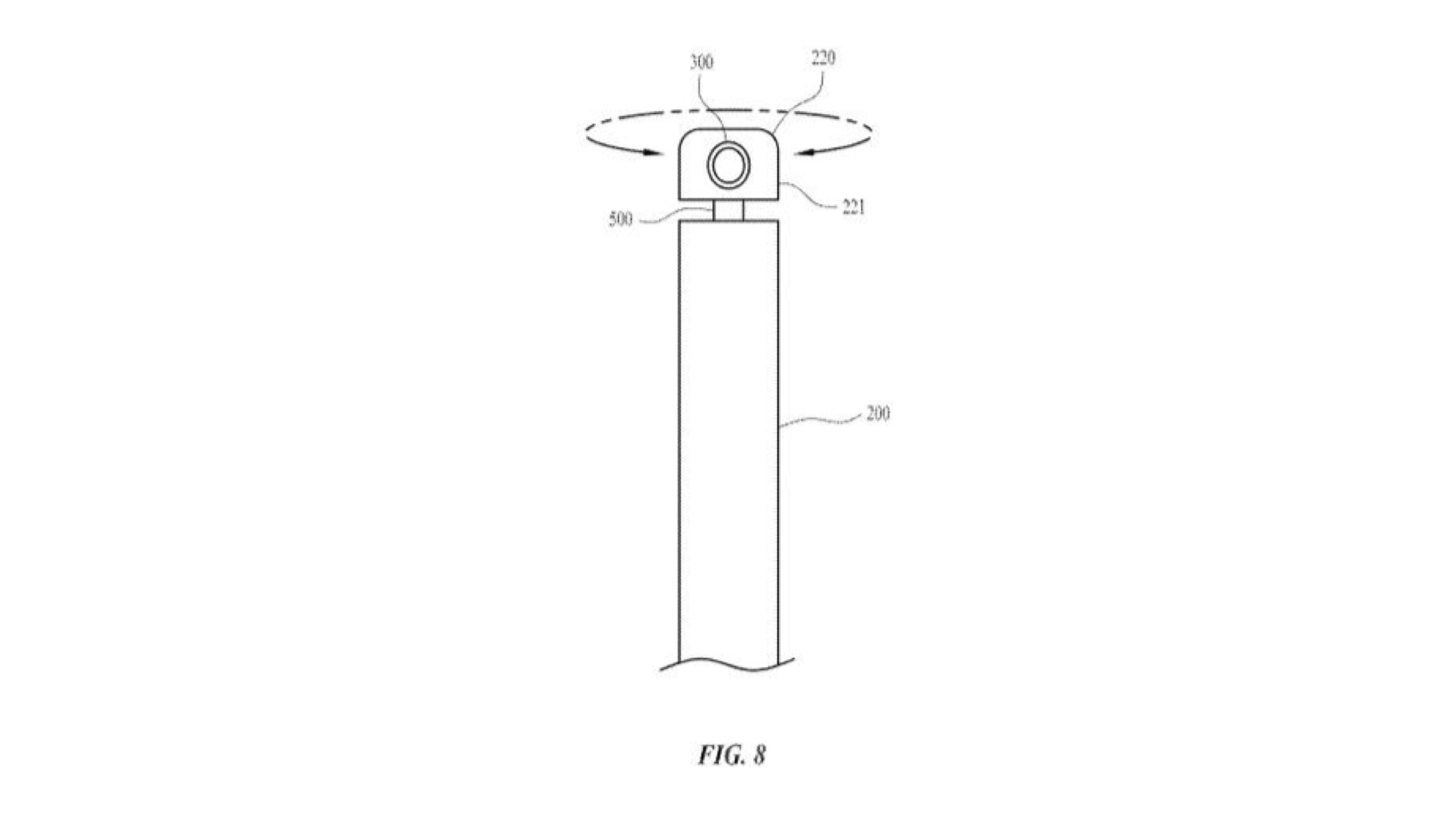
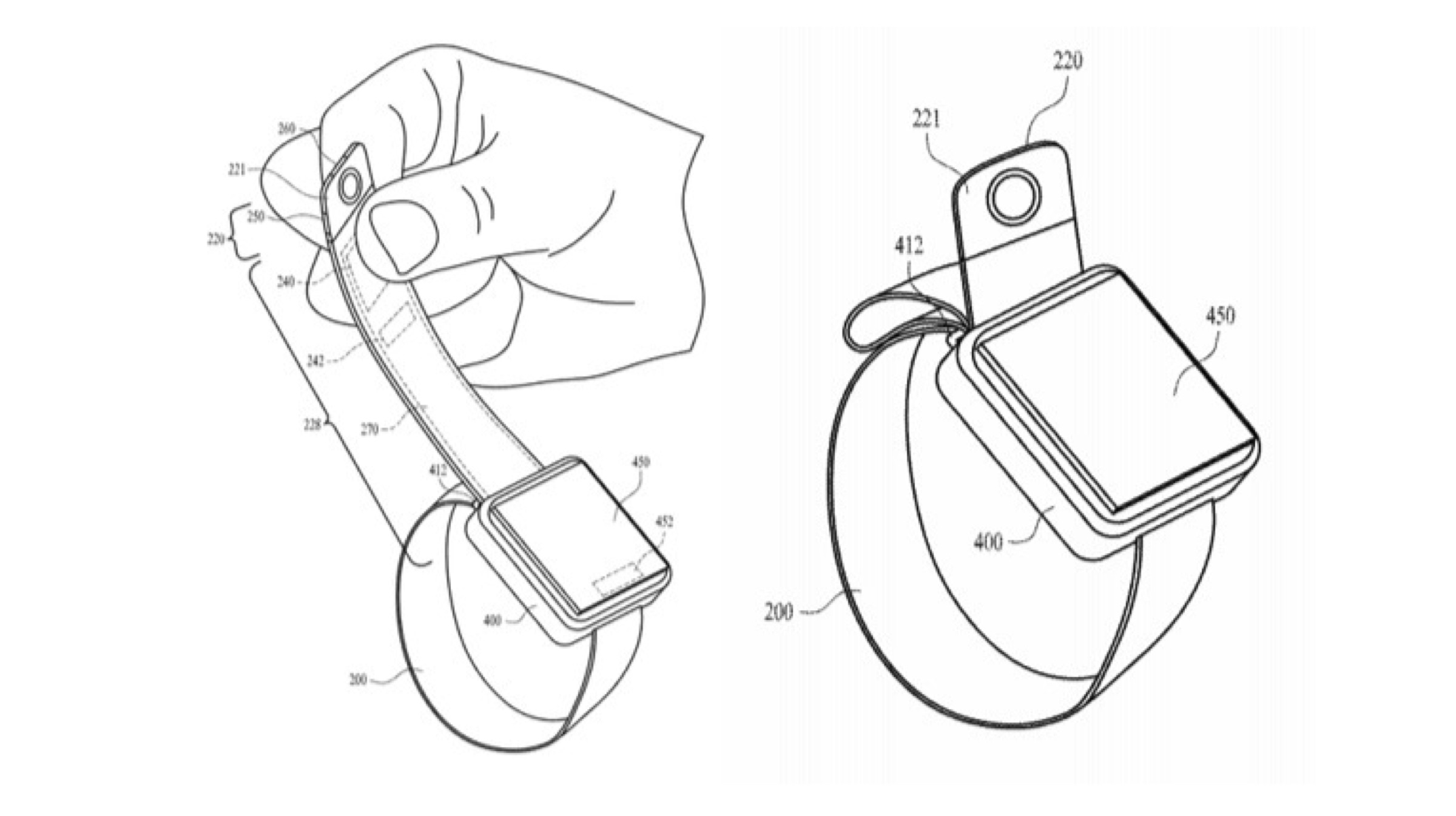
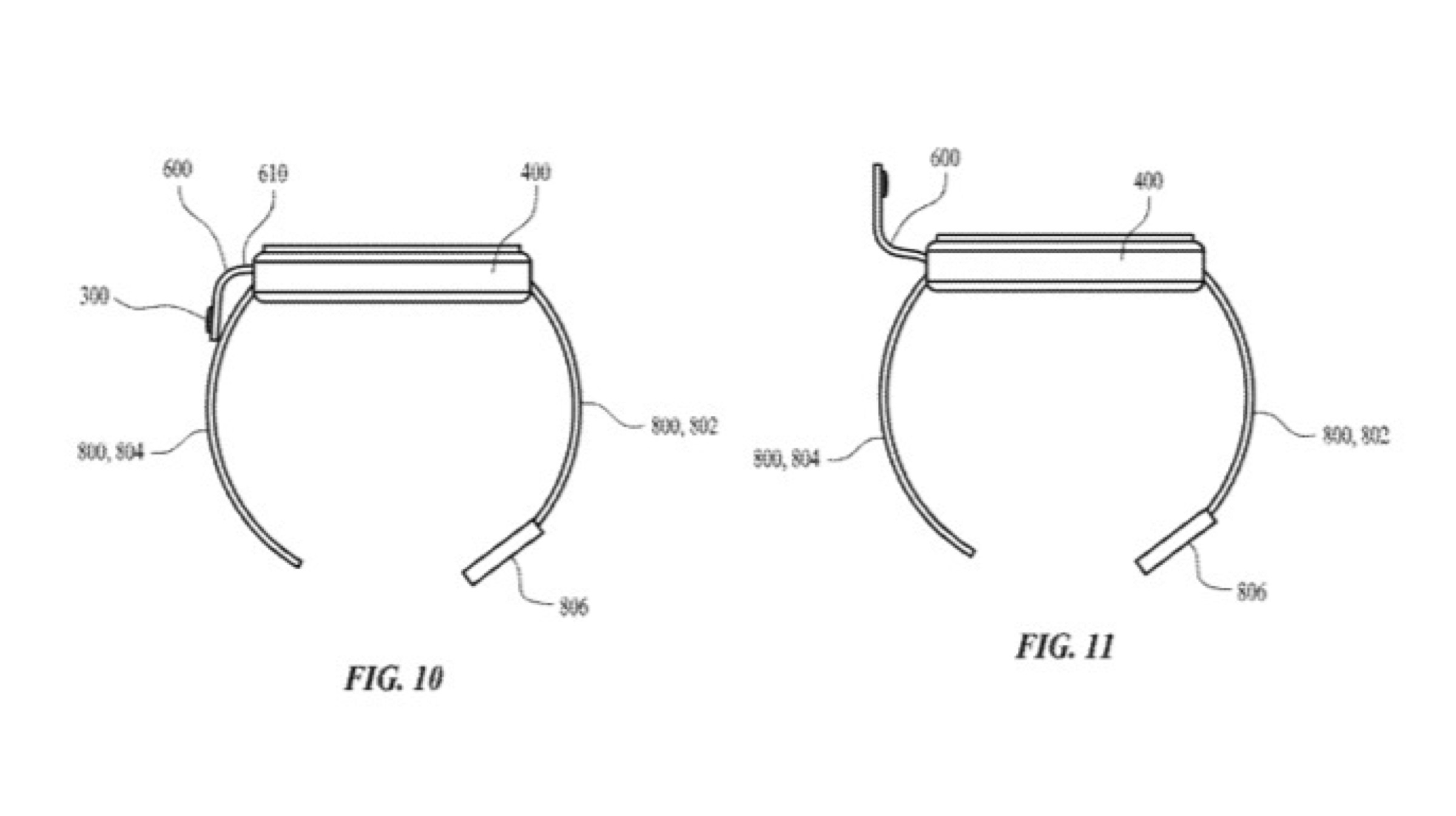
    The design would have logically been put in the body of the device, as Apple had previously mentioned. According to the schematics, a camera is going to be placed on the end of the Apple Watch strap. Various designs showcase different methods of the camera being mounted on the flexible surface. One of the design simply adds a third smaller strap to exclusively house the sensor that can be laid when not in use. Most designs have shown that the camera can be made to stand in an upright manner. Apple Watch’s strap will likely include some form of connection between the main body and the sensor. It can be achieved by using malleable cores that can give the camera free motion alongside metal wire, magnetorheological fluid, or metal links.

    Apple Watcg 

    There are also indications that a hidden button might be employed for taking selfie shots without need the help of the smartwatch. More than one camera sensor is suggested in the design, as two sensors can potentially be housed on either side. Users can possibly switch between the front and back cameras during a video call or taking a picture. Apple may also seek to employ just one sensor that is placed on a rotary design, allowing for dual functionality. 

    Apple Watch

    Also ReadSamsung Galaxy A90 Leaked, To Feature Snapdragon 855, 5G Support

    Camera in the Apple Watch has been rumoured before by the company itself in 2018. Apple might soon add a major game-changing addition on its popular lineup of wearable devices. A camera will also seek to further the gap between the smartwatches reliance on the iPhone. The new camera feature will be a great new addition to the future iterations of the products line up. 

  • Samsung Galaxy A90 Leaked, To Feature Snapdragon 855, 5G Support

    Samsung Galaxy A90 Leaked, To Feature Snapdragon 855, 5G Support

    It was reported earlier that Samsung is planning to introduce a new Galaxy R series of smartphones. The first device that was speculated to arrive in the series was the previously leaked Galaxy A90, according to a known gadget tipster on Twitter. Unfortunately, the tipster has now claimed that there was some confusion between the internal and commercial naming scheme of the device. Now, it has been revealed that contrary to the prior information, the Galaxy A90 will be launched with the aforementioned name and not in the Galaxy R series; which likely does not exist.

    Samsung Galaxy A90
    Galaxy A90
    Galaxy S10+

    According to gadget tipster who goes by the name @Onleaks on Twitter, Samsung is working on two variants of the Galaxy A90 smartphone. Both of these carry a model number SM-A905 and SM-A908 respectively. Apart from clearing the air around its naming details, the specifications of the devices have also been revealed.

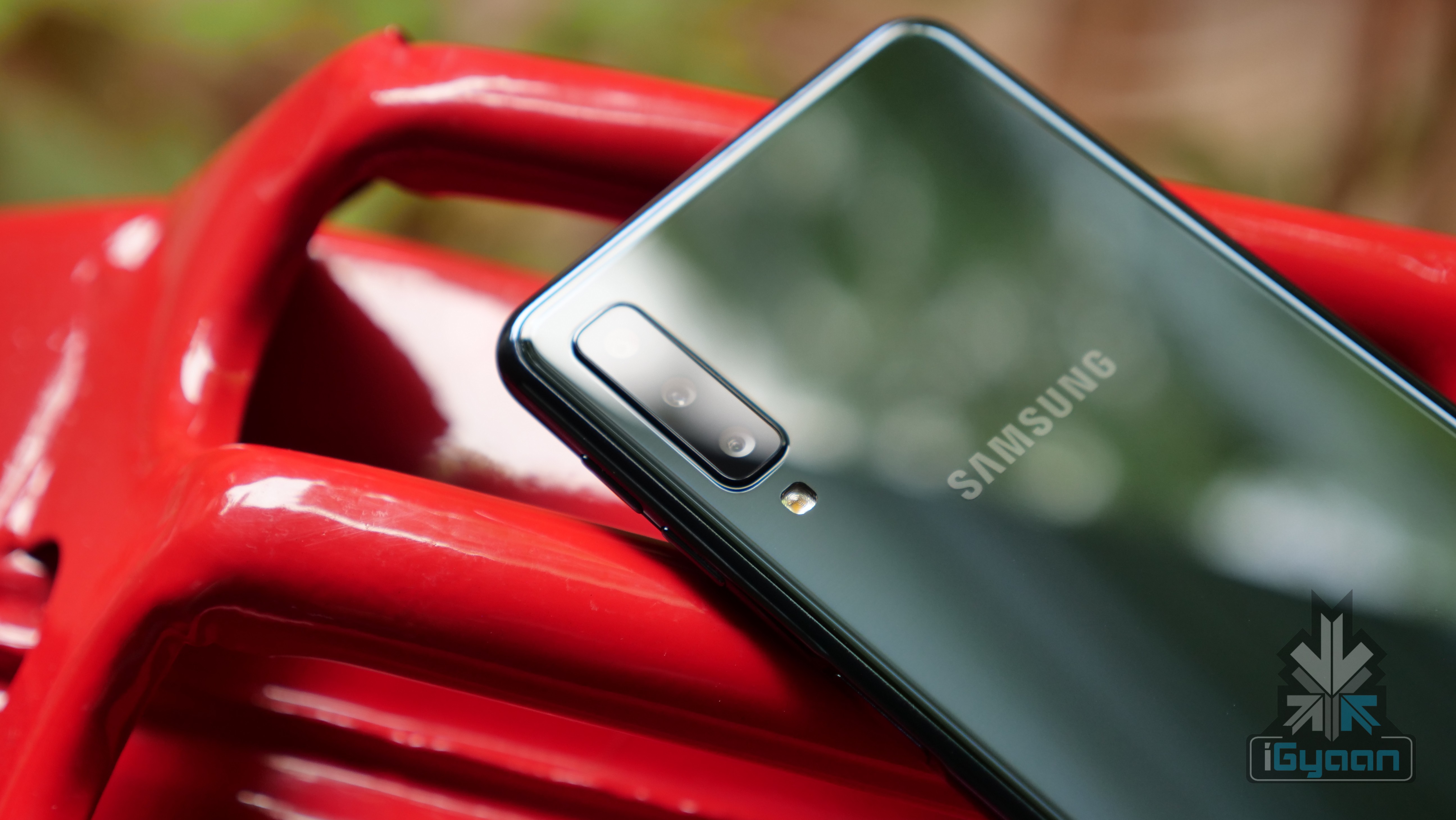
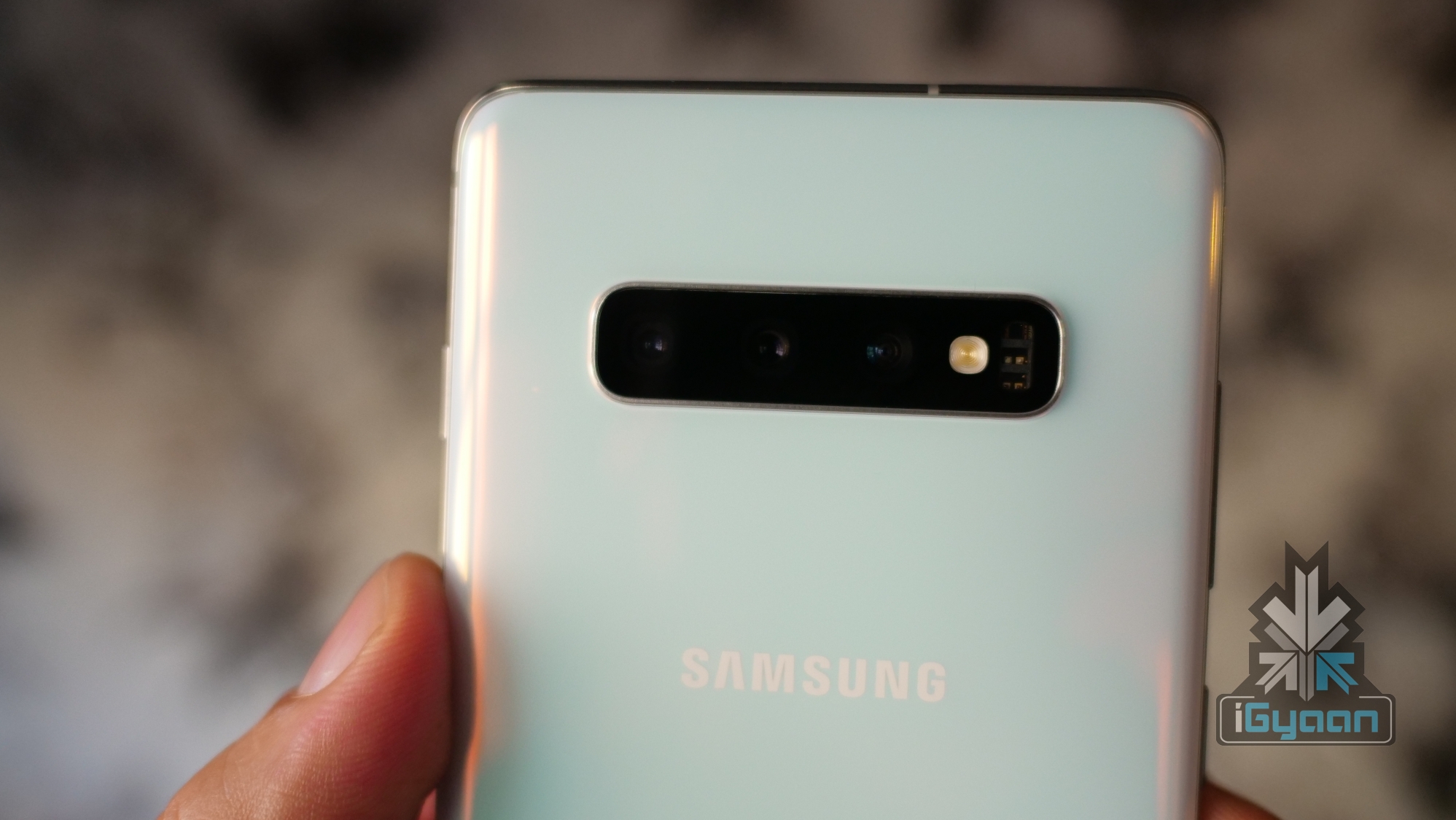
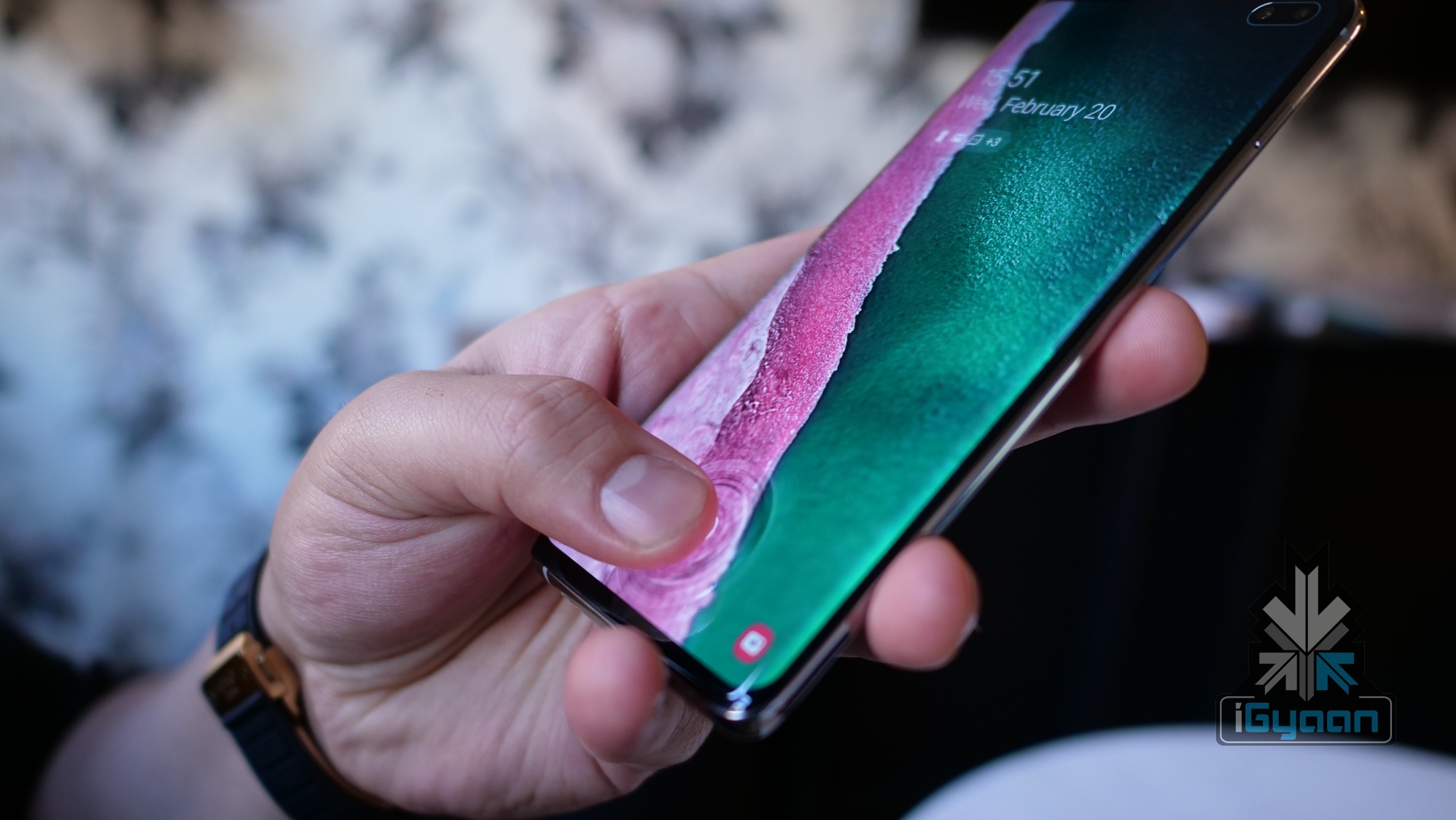
    The SM-A908 will be the 5G variant of the Galaxy A90 and will have a 6.7-inch display. It will utilise an in-display fingerprint scanner for quickly accessing the handset and will have a triple camera setup comprised of a 48MP primary sensor; alongside an 8MP secondary and 5MP tertiary sensor. It will run on the 7nm Snapdragon 855 SoC which consists of an Octa-core CPU and the Adreno 640 GPU. As mentioned above, the smartphone will have support for 5G; the next generation of mobile networks.

    Samsung Galaxy A90

    The other variant of the Samsung Galaxy A90, with the model number SM-A905, will have the same screen size; fingerprint scanner placement and the processor as the 5G variant mentioned above. The major difference between both the smartphones will be in connectivity and cameras. As it implies, the device will not support 5G networks, instead, relying on 4G LTE for connectivity. In terms of optics, the handset will have a 48MP primary camera, alongside a 12MP secondary and 5MP tertiary sensor.

    Also read: Samsung Galaxy Watch Active And Galaxy Fit Bands Launched In India

    The highlight feature of the device is said to be a technology named Tilt OIS. It may be some sort of stabilisation technology used in video recording. Unfortunately, more details about the Galaxy A90 smartphones such as their price and launch date are not known as of now. However, they are expected to be announced in the following weeks according to the source.

  • Nokia Claims Of Doubling Smartphone Battery Via New Tech

    Nokia Claims Of Doubling Smartphone Battery Via New Tech

    The onset of smartphones carried an innate problem of lower battery life, caused due to higher mobile computing on older battery types. The first few waves of smartphones hadn’t implemented any revolutionary design to curb the quick-drying devices. However, OEMs quickly caught on and developed smartphones with better and longer battery life. Nokia now sits at the forefront with its claim of doubling the known battery life of its devices.

    Nokia

    Most smartphone manufacturers have either increased the battery capacity or optimised it through AI. Even smart machine learning has been used to cleverly increase battery backup of handsets. The world is now moving towards a faster and more power hungry networking bandwidth, namely 5G. The need for smartphones to cope with the higher bandwidth will soon place emphasis on improving battery life again

    Nokia

    An announcement was made from the Nokia Bell Labs and AMBER, the SFI Centre for Advanced Materials and BioEngineering Research. Reportedly, 5G will consume more battery than 4G networks. Nokia plans on battling this by packing more energy into a smaller space via the new battery technology. This could potentially have a huge impact in the near future that is 5G enabled. Nokia’s Bell Labs device expertise in collaboration with AMBER’s material sciences knowledge has helped solve hurdles on various dimensions.

    Nokia

    Nokia has claimed that the lithium nanotube-aided battery developed by the conjunction can deliver upto 2.5 times the battery life provided by any of the industries current best smartphones. The smartphone manufacturers need not worry about the thickness of their smartphones. The company claims that the aforementioned battery bump can be achieved without even increasing the battery size. Nokia’s new technology would essentially double the battery life in the same slim form factor everyone is accustomed to.

    An underlying benefit of this technology is the potential to improve large-scale energy grids powered by renewable energy. A study conducted by Wood Mackenzie, a UK-based chemicals firm, confirmed this by reporting an estimated 25 times higher energy storage capacity than the current systems that are implemented.

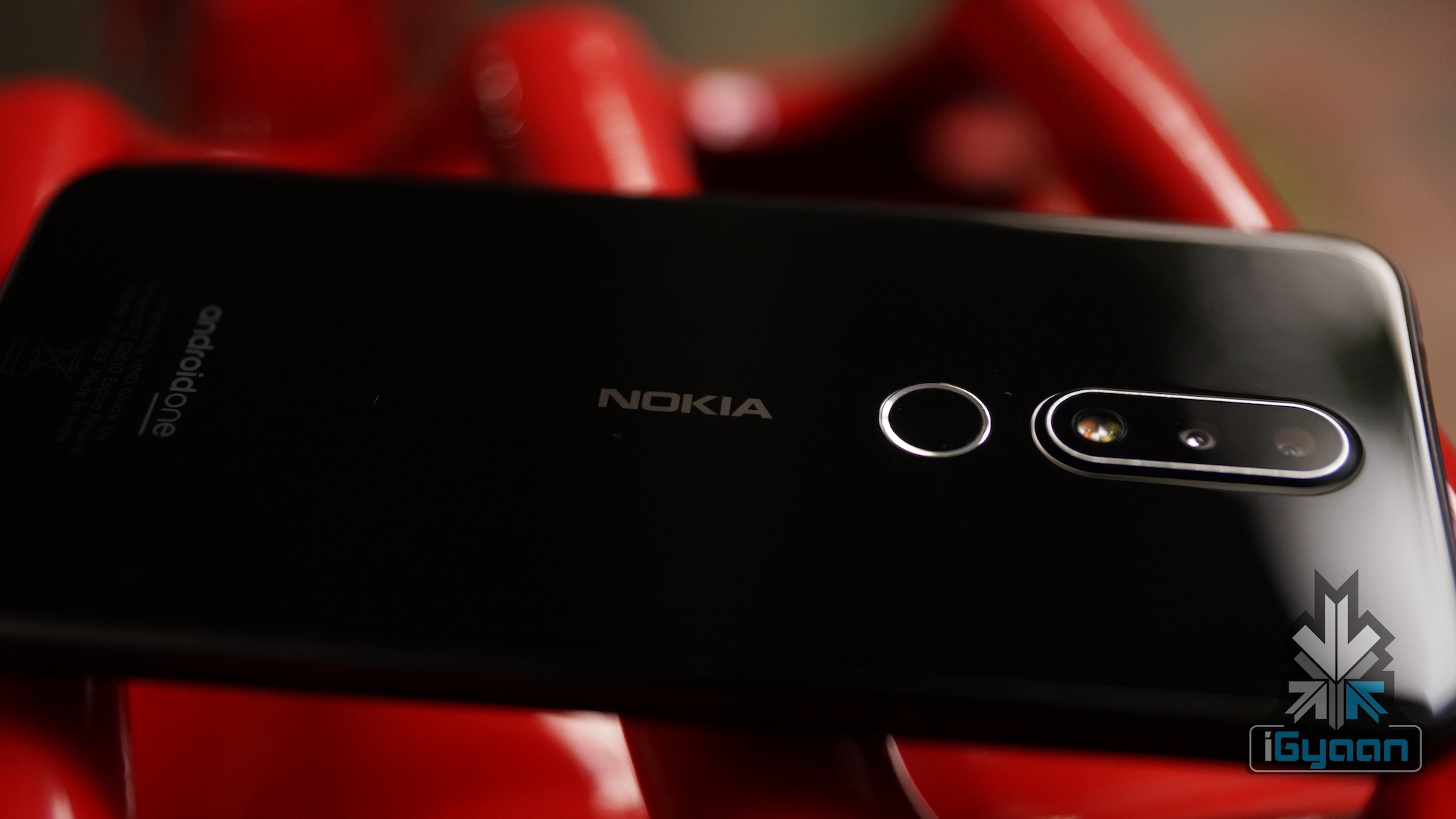
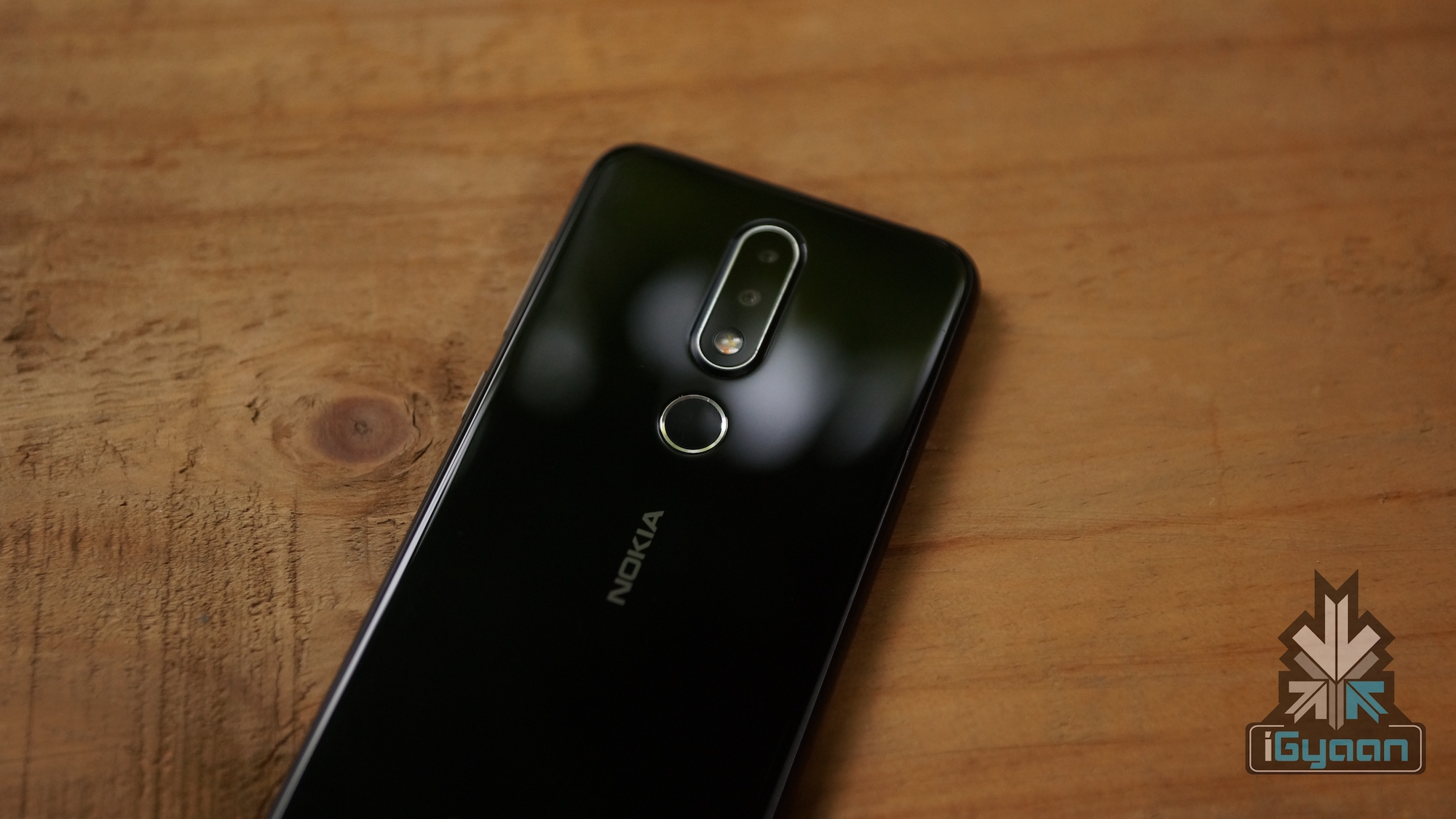
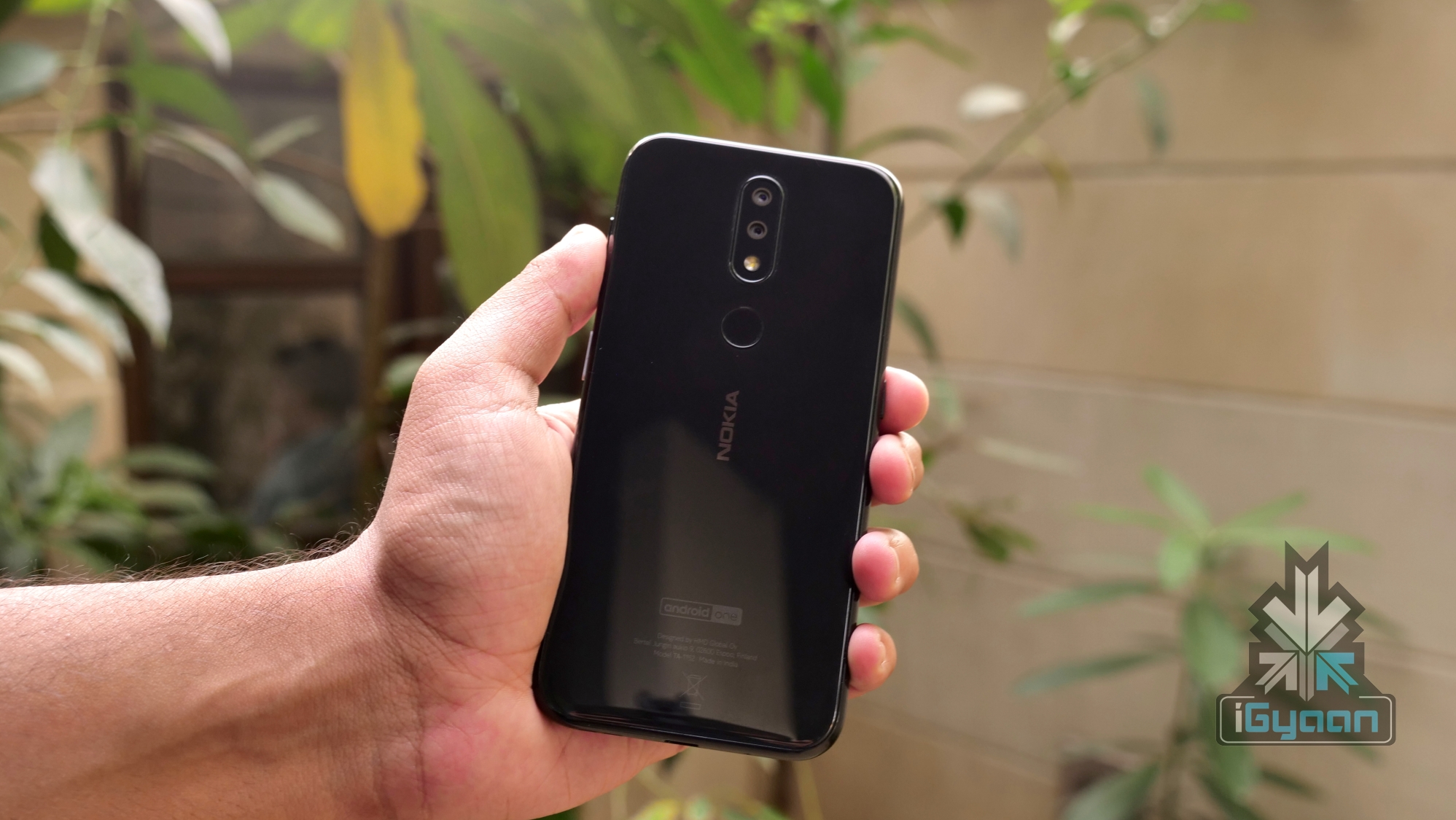
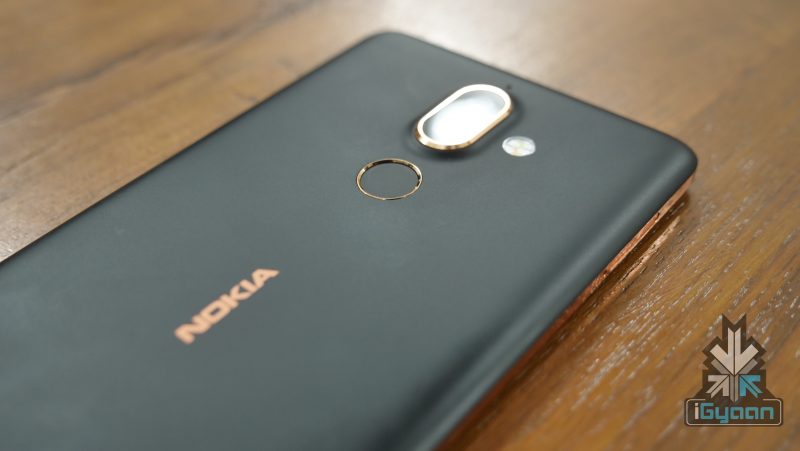
    Nokia 9 Nokia 6.1 Plus

    Also ReadSamsung Could Be Working On A New Galaxy Fold With Curved Display

    The idea of smartphones lasting twice as long in real life scenarios is a big deal with massive implications. Various industries can seek to benefit from this innovation in technology. Nokia can potentially change the game on battery standards for the entire smartphone industry. Unfortunately, the announcement has yet to provide any substantial evidence or ETA as to when the new technology might actually be seen. It is expected to be officially showcased in a year, but future smartphone integration might be even slower.

  • Samsung Galaxy Watch Active And Galaxy Fit Bands Launched In India

    Samsung Galaxy Watch Active And Galaxy Fit Bands Launched In India

    In the month of February, Samsung held the Galaxy Unpacked event where it unveiled the Galaxy S10 lineup (1,2,3) of flagship smartphones. Besides, the company also unveiled a wide variety of accessories which include the Galaxy Buds, Galaxy Fit, Galaxy Fit e and the Galaxy Watch Active. The Galaxy Buds were made available in the country alongside the flagship smartphones, but the three previously mentioned smart wearables were not. 

    On the 25th of June, Samsung India sent out a press release where it officially announced the three fitness oriented smart wearable devices for the country. To recap the features and specs of the devices are as follows:

    Samsung Galaxy Fit and Galaxy Fit e
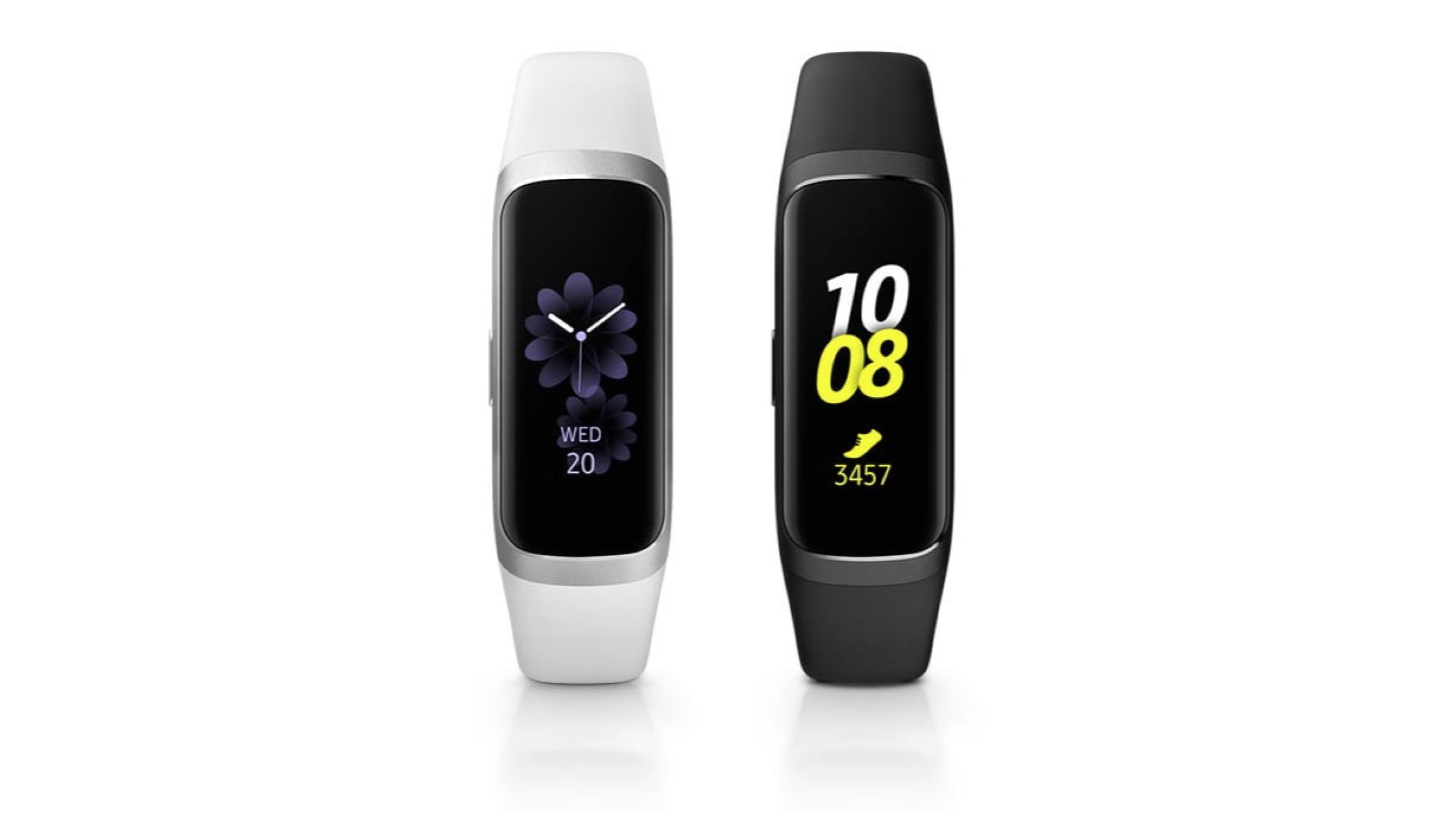
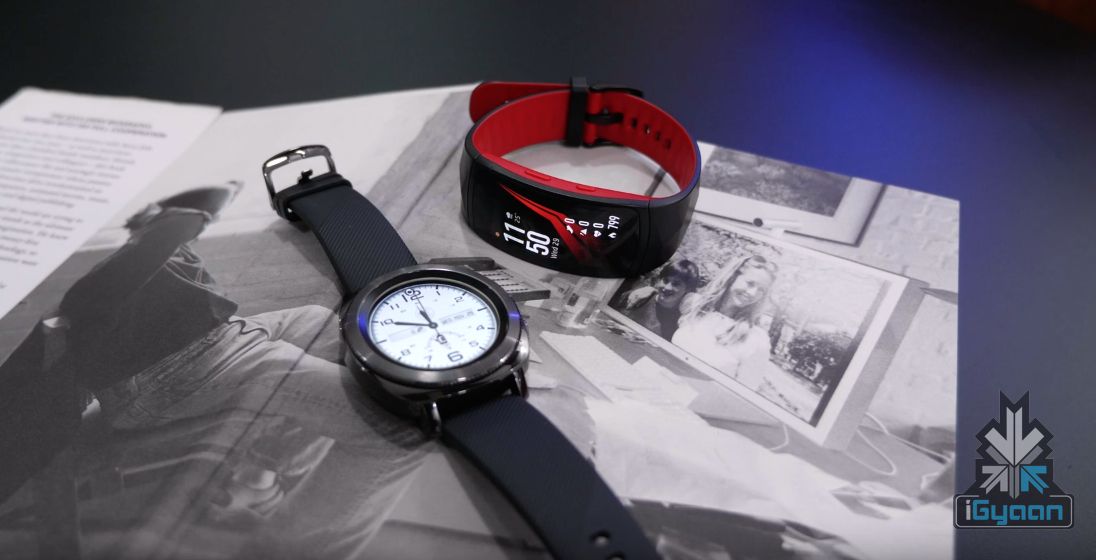
    Both the Samsung Galaxy Fit and Galaxy Fit e have a similar design but they have significantly different features. In terms of looks, both the devices have an appealing design with a tall display and thin silicon straps. Notably, the display on the feature laden Galaxy Fit is surrounded by metal casing while the affordable Galaxy Fit e gets plastic edges.
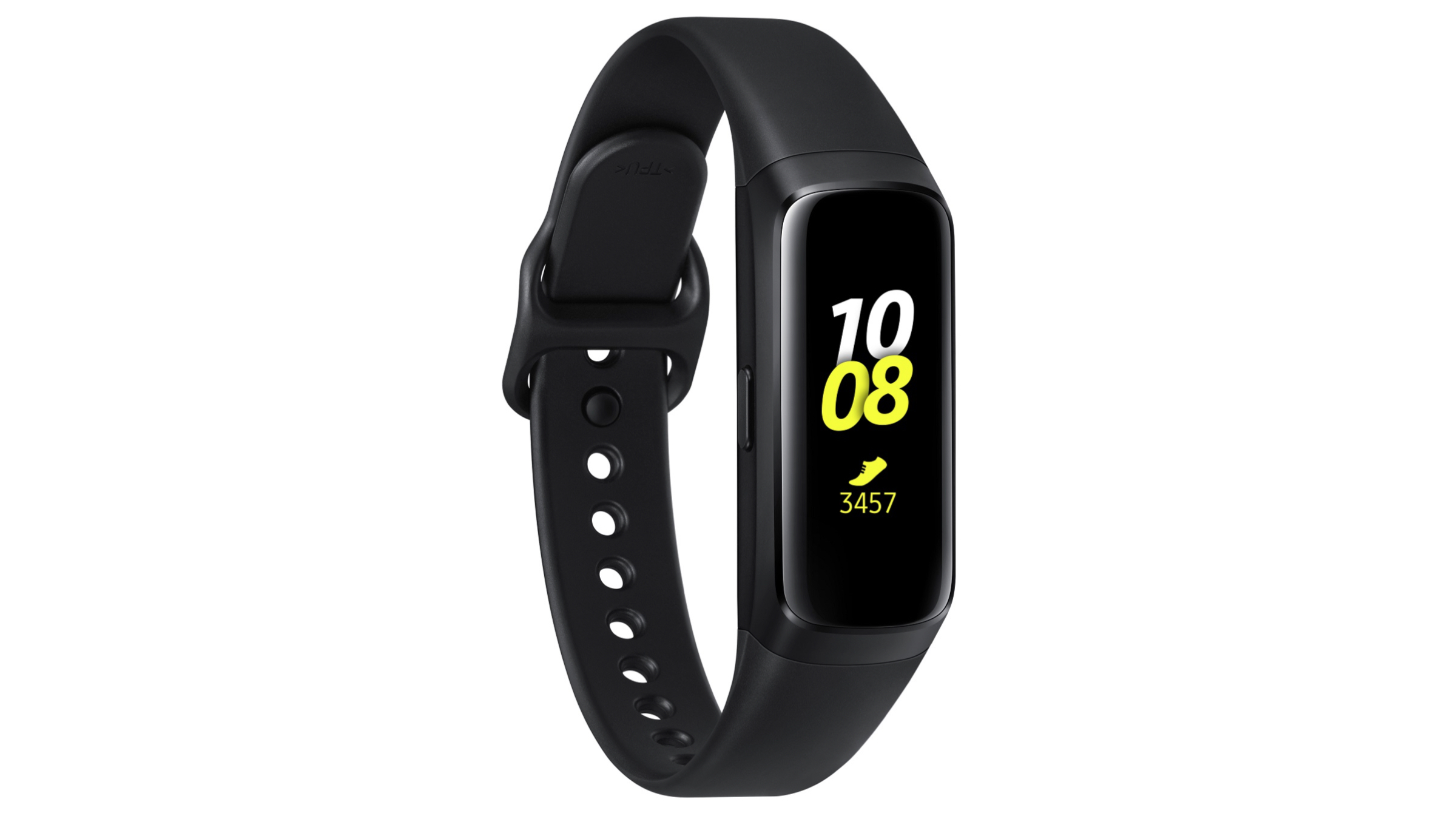
    The difference in the choice of material also translates to disparate weight. The former weighs 23 grams with strap while the latter weighs just 15 grams with strap. The two devices also have different size and type of display. The Galaxy Fit has 0.95 inch colour AMOLED display with a pixel density of 282 ppi while the Galaxy Fit e incorporates a 0.74 inch PMOLED display that has a pixel density of 193 ppi.
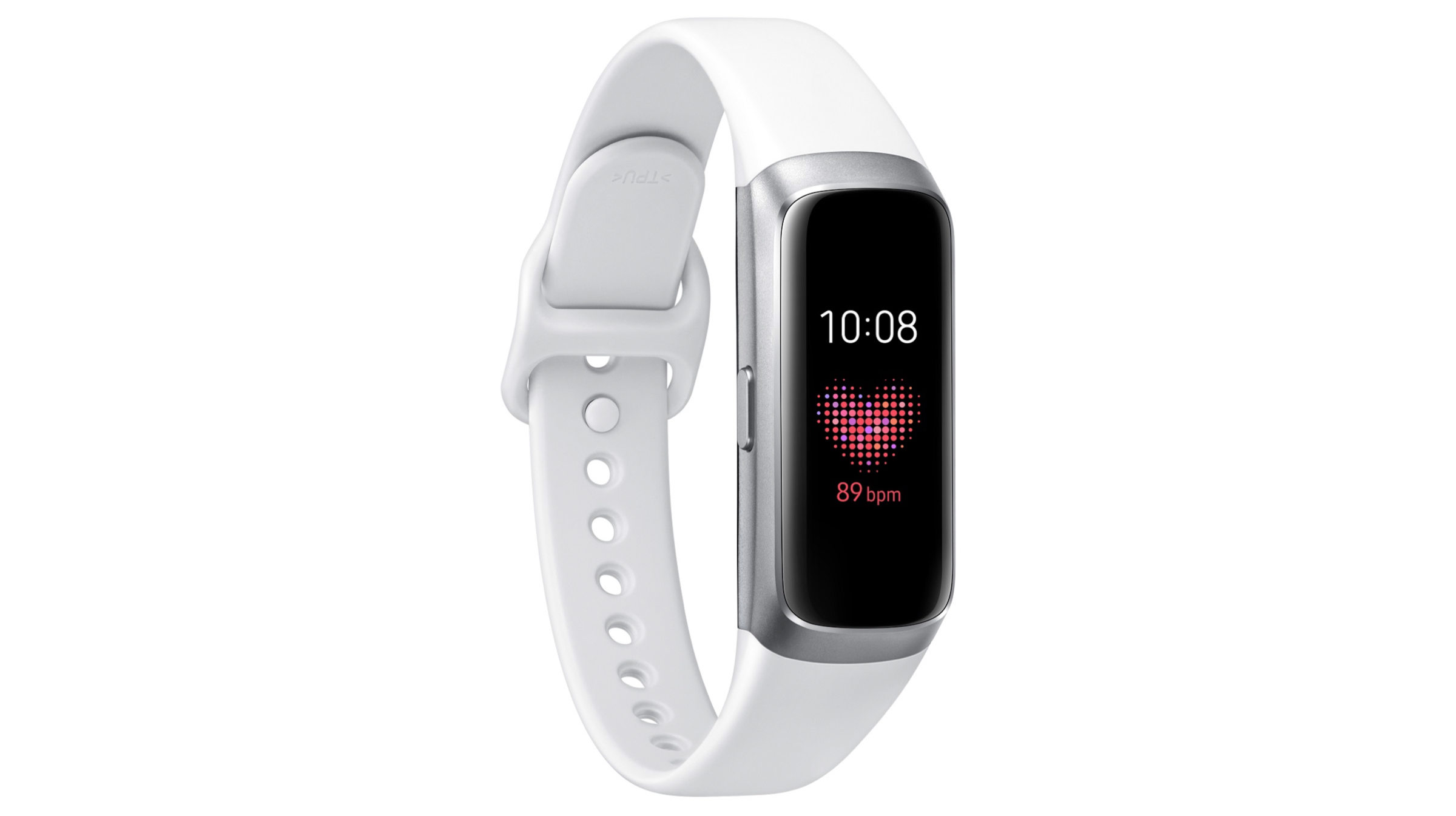
    The Galaxy Fit is powered by a 120 mAh battery whereas the Fit e is powered by a 70 mAh battery. Both the fitness bands from Samsung support Activity tracking, Sleep tracking and continuous HRM (Heart Rate Monitor). Noteworthy, the expensive out of the two, the Galaxy Fit supports additional features including Stress Tracking and Roaming Clock (Updates with the location of user, requires smartphone connectivity).
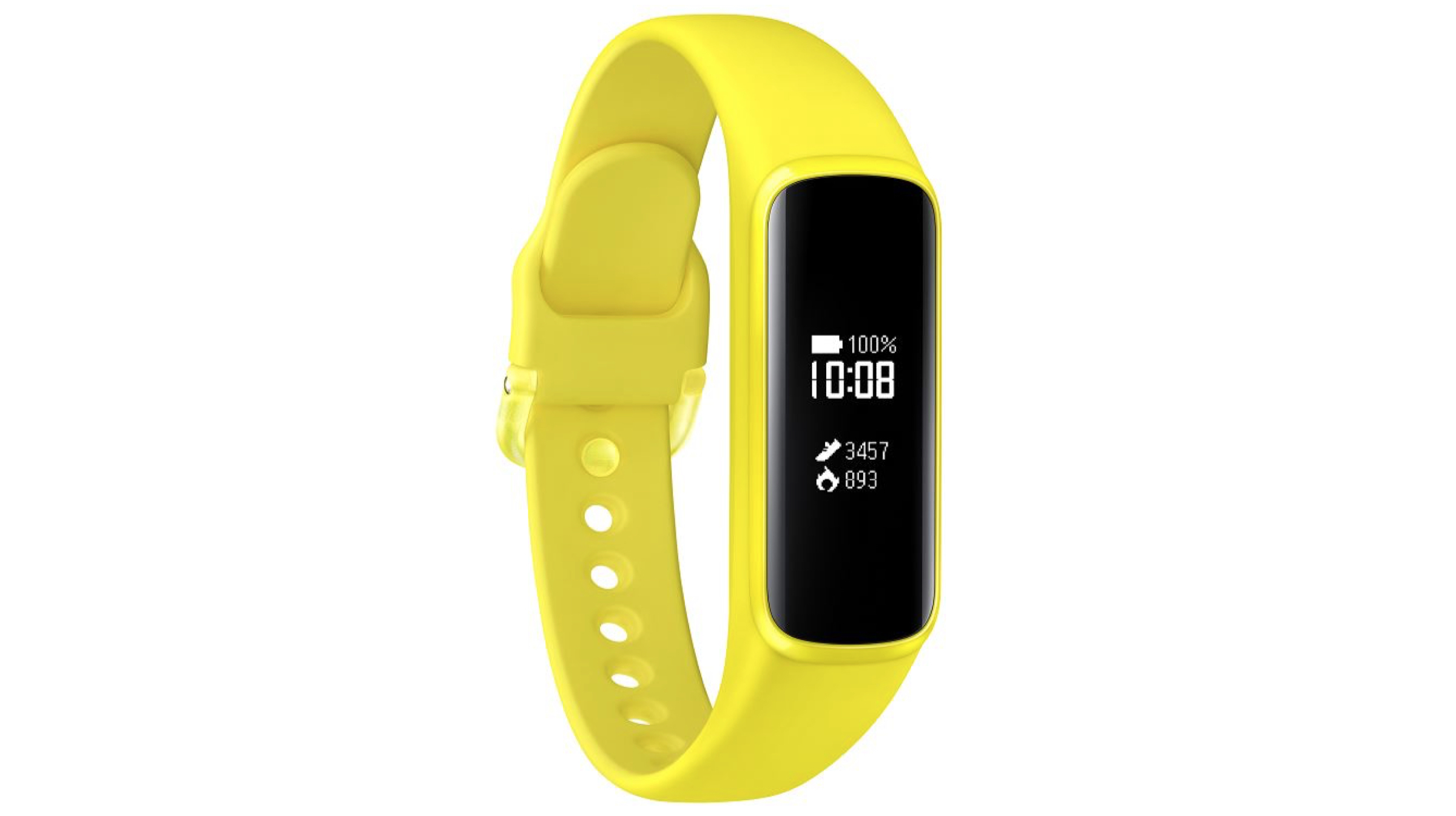
    The two smart bands from Samsung are also 5ATM water resistant and Military Grade (MIL-STD-810G) certified. The Galaxy Fit and Galaxy Fit e use Bluetooth for connection and are compatible with both Android (version 5.0 or greater having 1.5 GB of RAM) and iOS (iPhone 5 or above running iOS 9 ). In terms of sensors, both support HRM and accelerometer while the high end Galaxy Fit also gets a Gyroscope. The two devices will be available for purchase starting 1st of July via Flipkart.com and traditional brick and mortar stores. The price of the two devices are as follows:

    • Galaxy Fit e: Rs 2,490
    • Galaxy Fit: Rs 8,990
    Galaxy Watch Active
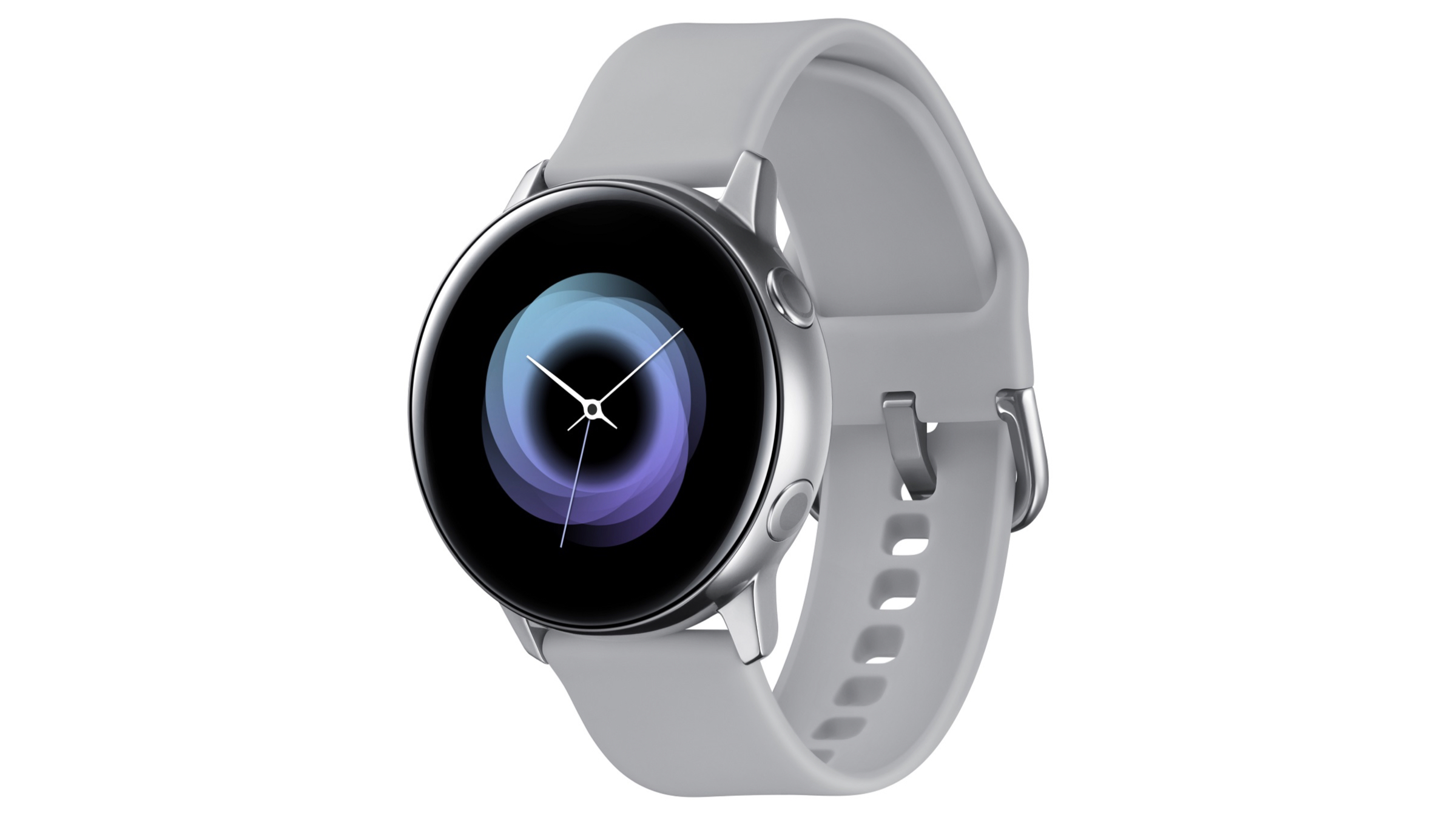
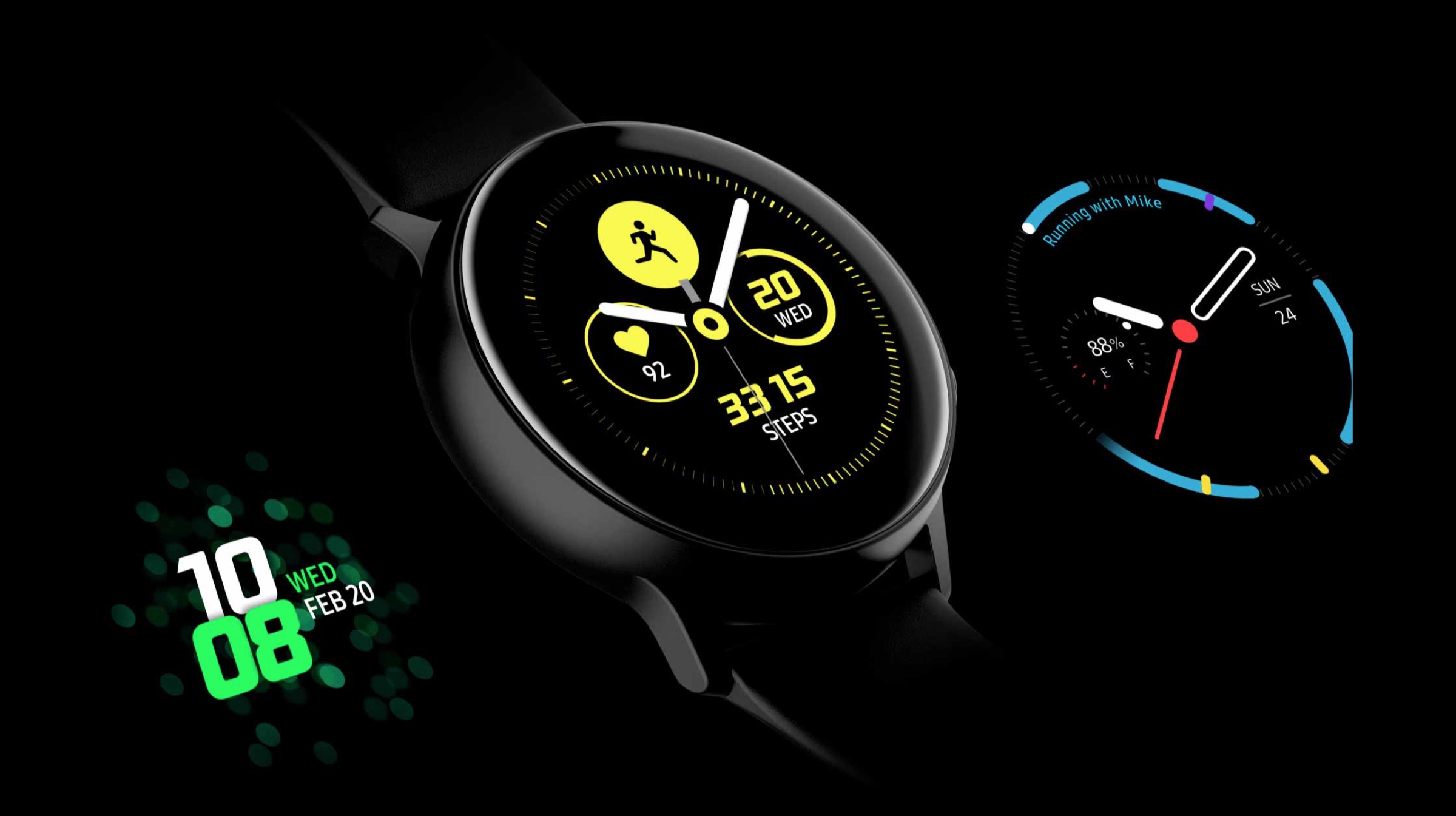
    The Galaxy Watch Active runs on Tizen based wearable OS 4.0 which can be navigated via gestures and the two side-mounted buttons. The smartwatch packs the Exynos 9110 SoC which consists of a dual-core processor. It has a 1.1 inch AMOLED display that has a resolution of 360×360 px.

    The Galaxy Watch Active is capable of automatically recognizing and tracking the activity being performed by the user. Apart from that, it also has a continuous heart rate tracking feature which can provide users with real-time information regarding their cardiac health.

    The Galaxy Watch Active has 768 MB of RAM and 4 GB of internal storage. The smartwatch is IP68 water and dust resistant and is MIL-STD-810G certified. Connectivity options on the device include GPS, NFC, Bluetooth 5.0. As far as the sensors go, the Galaxy Watch Active has an accelerometer, ambient light sensor, gyroscope and a pedometer. Furthermore, the smartwatch also has a sleep monitoring feature. The watch is powered by a 230 mAh battery which can be charged via WPC-based wireless charging (Wireless Power Consortium).
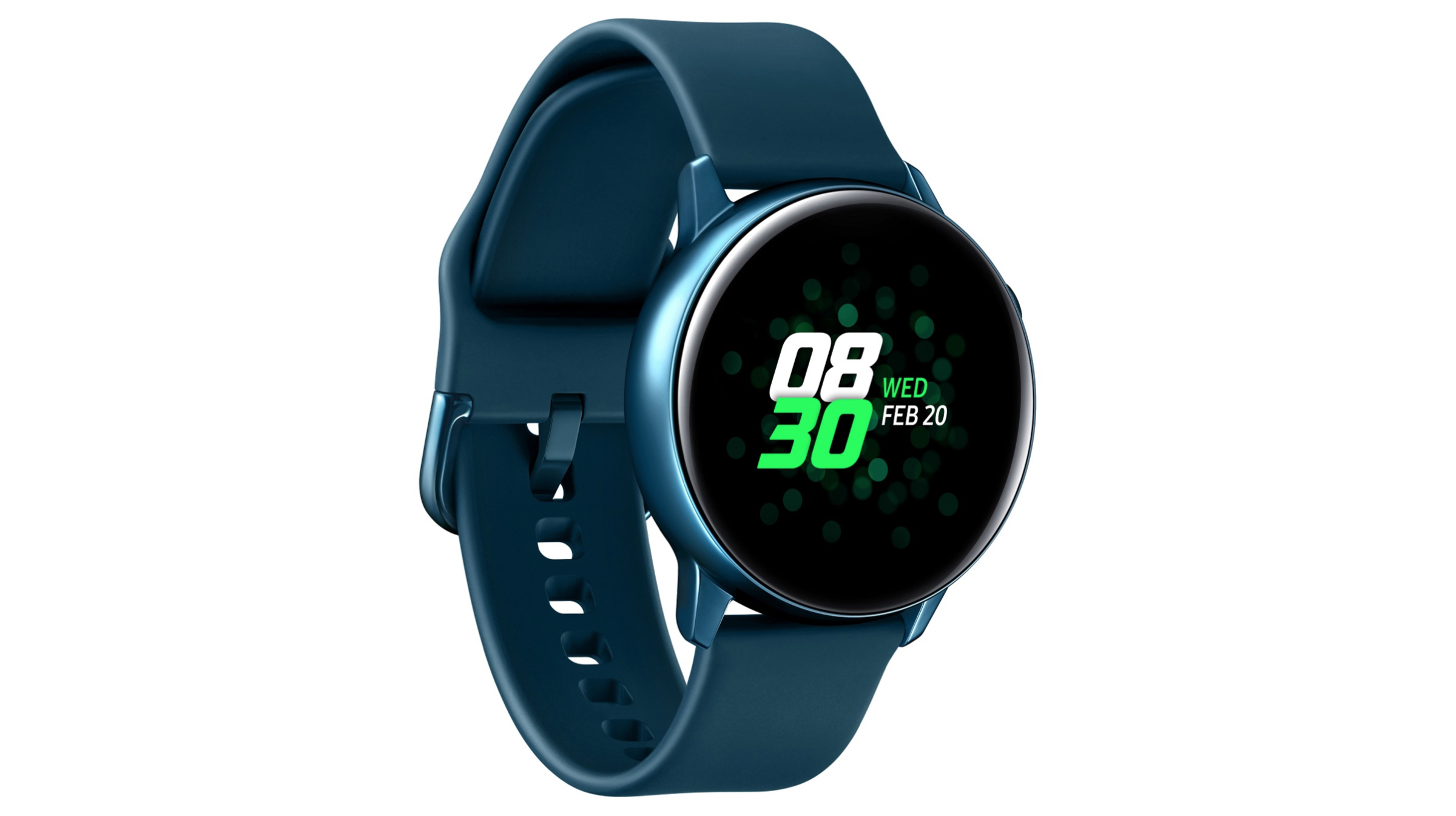
    The Galaxy Watch Active is available for purchase starting today (25th on June) on Amazon.in, Samsung’s e shop and multi brand retail store brands. 

    Also Read: Samsung Could Be Working On A New Galaxy Fold With Curved Display

    Samsung with its updated smart wearables has tried to break into different price brackets. However, the Mi Band 4 from Xiaomi which will soon launch in the country will surely give the Samsung offering’s a run for their money, especially the Galaxy Fit e.

    What are your thoughts on the Galaxy Fit range for smart wearables? Do let us know in the comments below
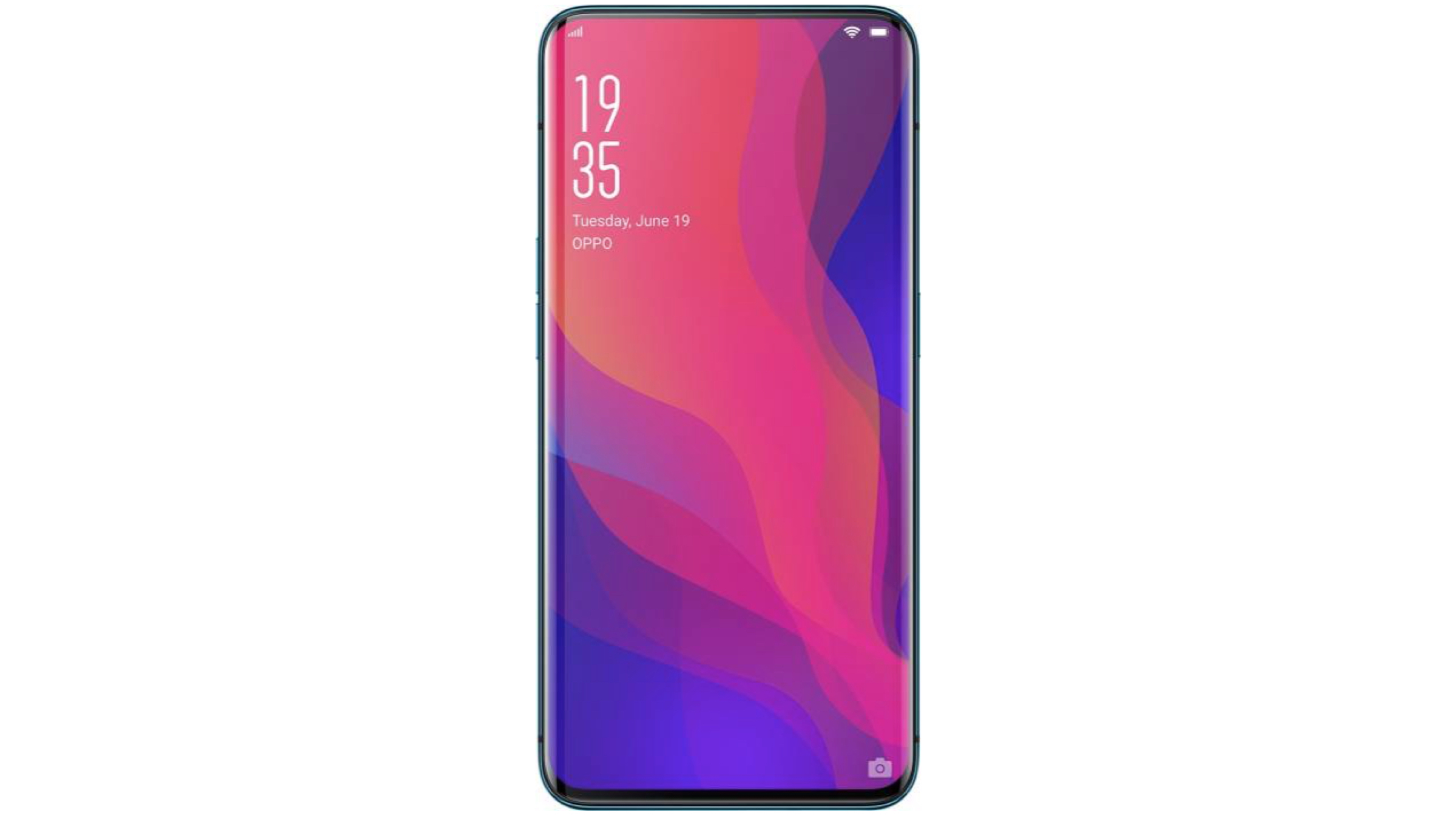

  • Samsung Could Be Working On A New Galaxy Fold With Curved Display

    Samsung Could Be Working On A New Galaxy Fold With Curved Display

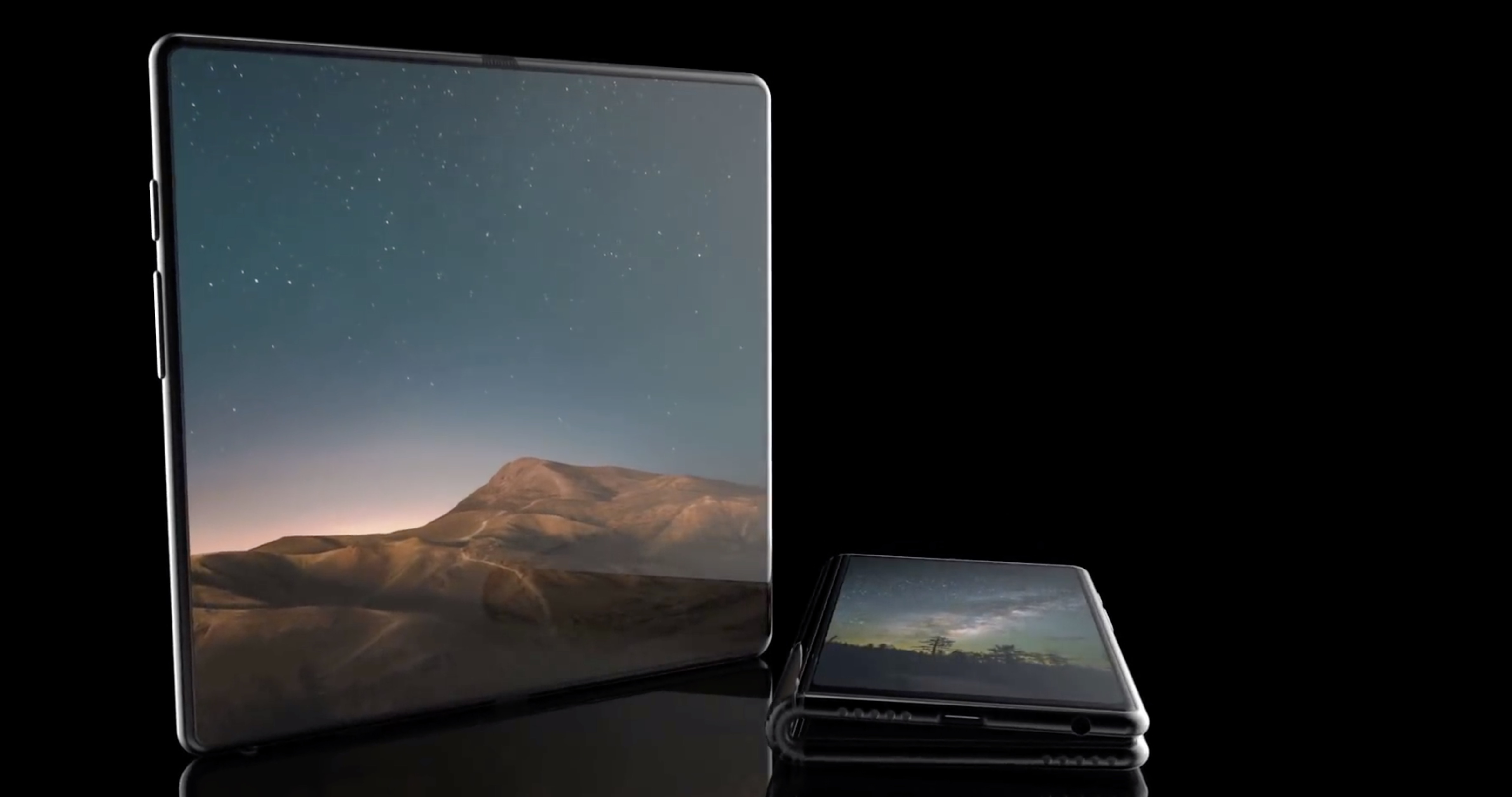
    Foldable smartphones have been a hot topic of the year. A smartphone that can bend its screen was a far off fantasy in the past. Samsung, with the Galaxy Fold, became one of the first companies to ever make this dream a reality for many enthusiasts. Unfortunately, the technology was prematurely revealed to the world. However, A brand new report has suggested that the company might be working on a new folding device with curved edges.
    Foldable smartphone

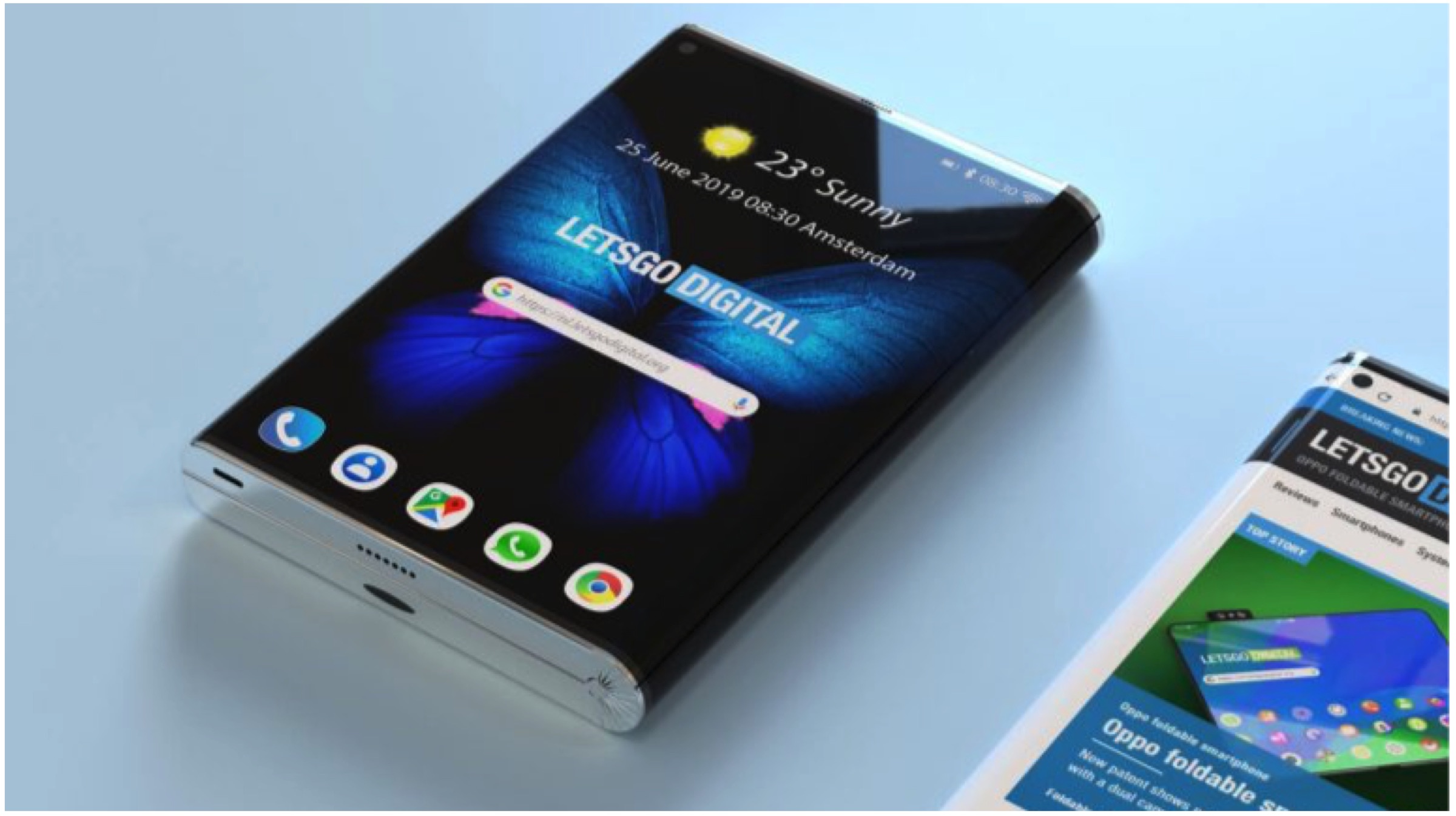
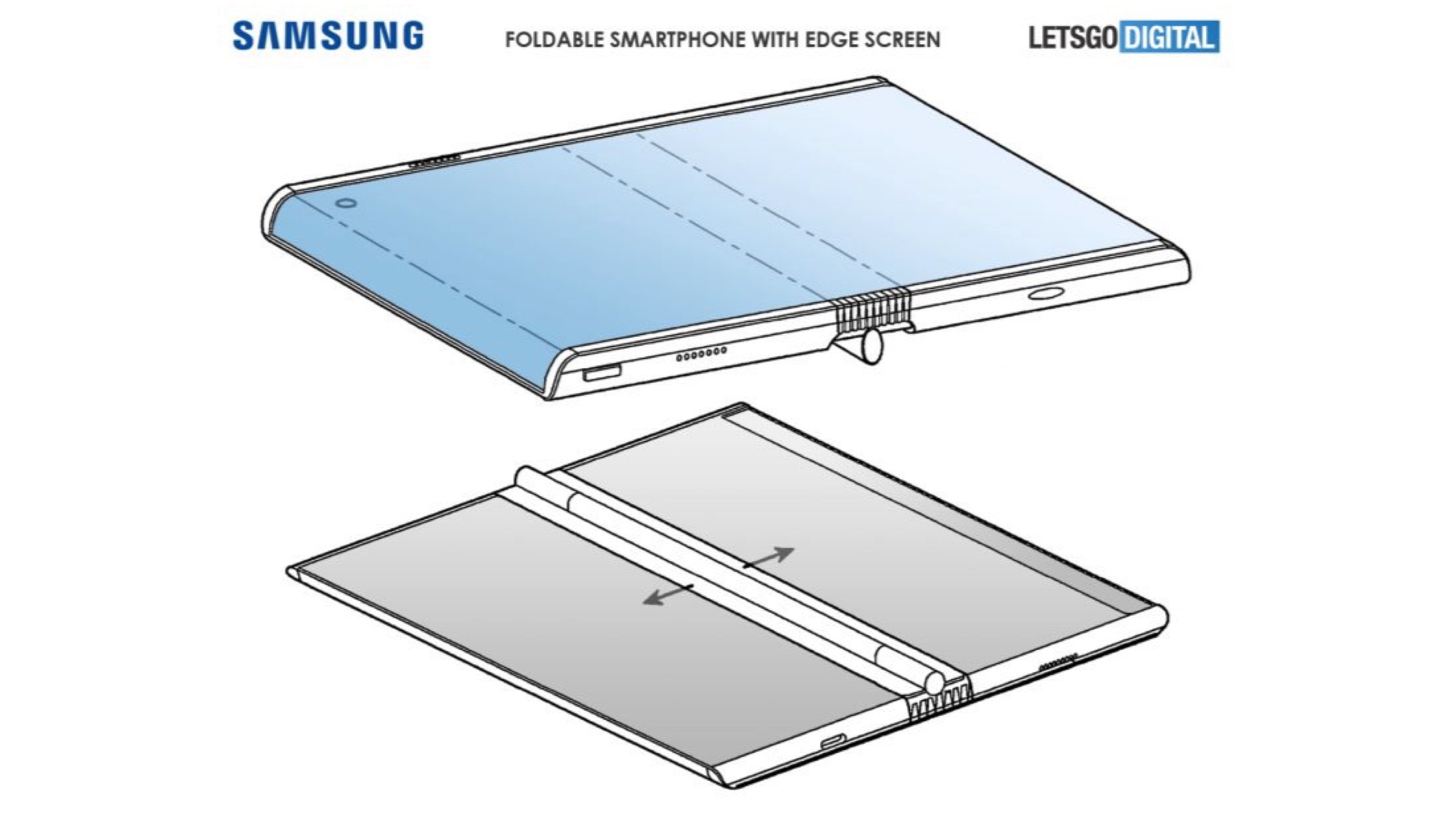
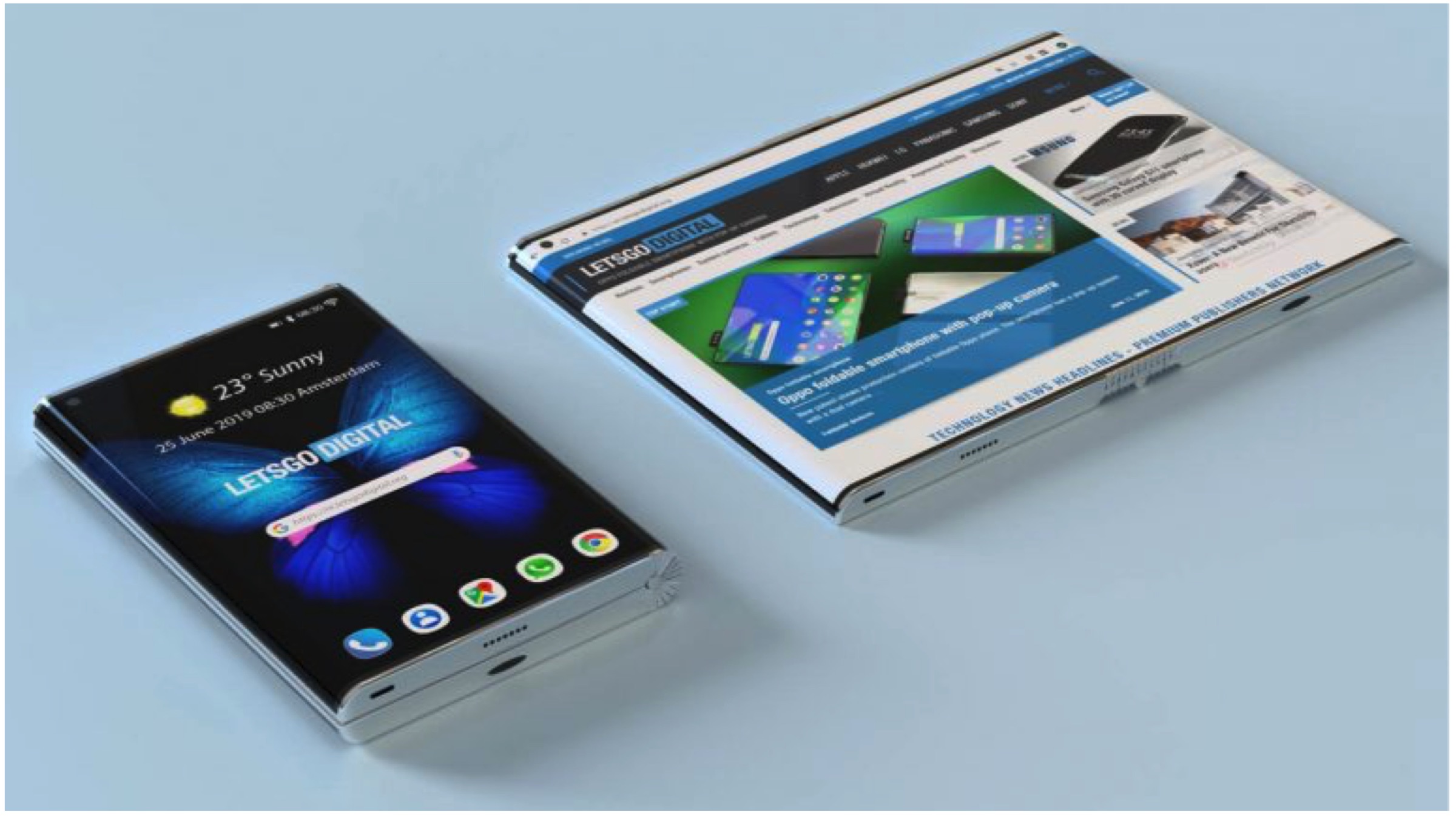
    Samsung has still not given an official announcement for the launch of its Galaxy Fold, and are now seemingly applying patents for a new device. The patent is for an upcoming foldable smartphone with a curved edge display. Unlike, Huawei’s upcoming Mate X which has its screen on the inside, Samsung is pushing for a display panel on the outside. The last couple of years have seen many such patents pop up showcasing revolutionary and innovative designs. 

    Foldable smartphone

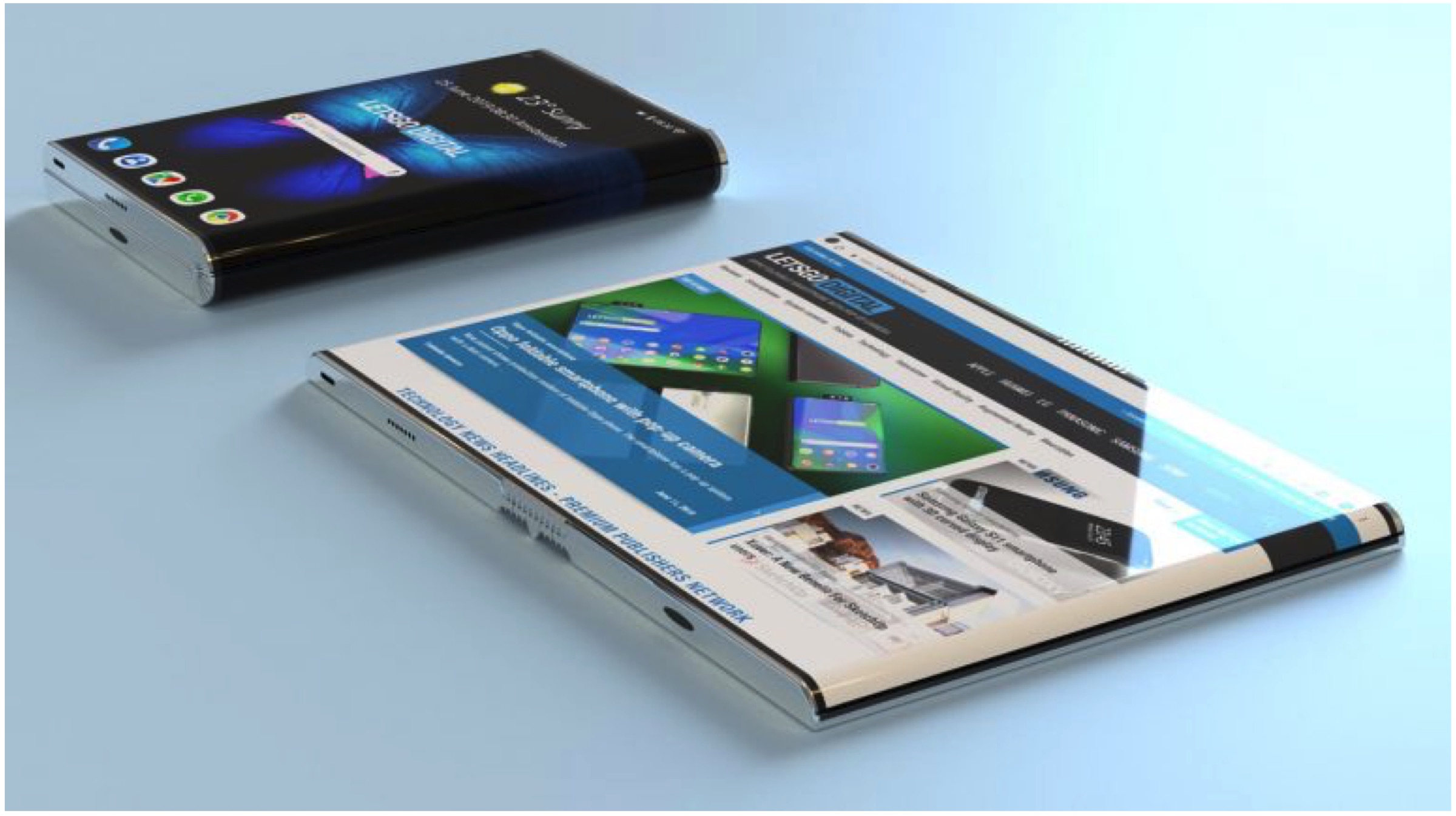
    Samsung’s latest foldable smartphone was filed for a patent under the title, “Foldable electronic device including flexible device.” This implies that a full-screen curved edge folding handset may already be under development. The second iteration of the company’s foldable phone does not seem to have any visible sidebar and its front-facing is camera built into the screen. 

    The foldable smartphone has two major halves that are held together by a hinge, onto which both sides can cave into. According to the schematics, a rotatable hinge is being used for this design, unlike the one present in the Galaxy Fold. The hinge is partially built into the devices rear panels recess. The mechanism has to be perfect in its implementation lest they repeat the past iterations debacle. Samsung will most likely make this a premium smartphone with top-notch specs and hardware.

    Foldable smartphone

    The South Korean OEM will probably incorporate a high-grade display into the device. A tablet format viewing experiences can be taken from the foldable smartphone once it is expanded. The device has curved edges flank both sides, that makes it look stylish like in previous Galaxy S and Note series flagships. Users will find a curved display on one side and the hinge on the other when the device is folded. The punch hole camera is housed on the top left corner of the screen, which allows for use even when the device isn’t folded. A heart rate sensor and flash are also planned according to the patent description. 

    Foldable smartphone

    The earpiece and ambient light sensors are placed on the top of the foldable smartphone, with the bottom having the mic (left half) and charging port (right half). The frame border on the side cannot be discerned due to the introduction of the curved edges. Placement of the power button is still unknown and a 3.5mm headphone jack will probably not be seen in the smartphone. Samsung had previously abandoned the buttonless idea on the Galaxy Note 10 during development, but the feature may finally make an appearance.

    Samsung

    Also ReadXiaomi Introduces 3D Air Gestures To Toggle Apps With One Hand

    Samsung has already patented various folding devices and is planning on releasing a new foldable smartphone annually. The introduction of the curved edges is a highly welcomed addition to the already innovative design of the phone. The tech giant is pulling out every trick it has in the new device to make it fill the shortcoming of its predecessors. Many OEMs have yet to release foldable devices and Samsung could very well bring the form factor to mainstream audiences in the future.

  • Samsung Galaxy Watch 2 Leaked, To Launch Alongside The Galaxy Note 10

    Samsung Galaxy Watch 2 Leaked, To Launch Alongside The Galaxy Note 10

    Samsung rebranded its wearable lineup starting the Galaxy Watch last year. The successor to the Gear S3, it features an upgraded design and better features. The company then launched its fitness variant, the Galaxy Watch Active at the Galaxy Unpacked event in the month of February. Now, reports of the successor to the Galaxy Watch have started to surface online. According to a source, Samsung is working on the next generation wearable, purportedly called the Galaxy Watch 2 and may release it soon.

    Samsung Galaxy Watch 2
    Samsung Galaxy Watch 2
    Galaxy Watch

    As mentioned above, the Samsung Galaxy Watch 2 will be a successor to the Galaxy Watch from last year. Reports claim that the wearable has been in the works inside the company for quite some time. It has been codenamed “Renaissance”, which is a combination of French and Latin and means rebirth. Notably, it is also a period in European history from the 14th to the 17th century that was defined by the pinnacle in art.

    Samsung Galaxy Watch 2

    While more details about the Galaxy Watch 2 are not available as of yet; it has been revealed that it may launch alongside the Galaxy Note 10. The information was revealed a while ago that the next generation flagship smartphone by Samsung has been codenamed “Da Vinci”. It is based on Leonardo Da Vinci, who was a famous artist during the Renaissance. This, along with the fact that last year’s Galaxy Watch was launched alongside the Galaxy Note 9, further strengthens the aforementioned claim.

    Also read: Xiaomi Introduces 3D Air Gestures To Toggle Apps With One Hand

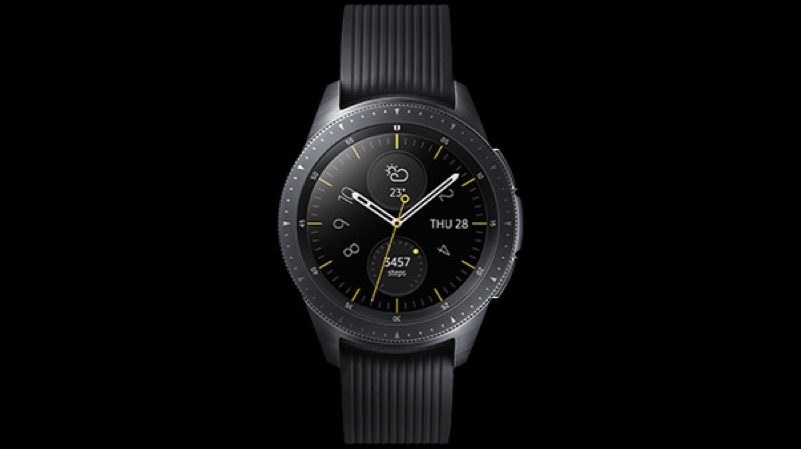
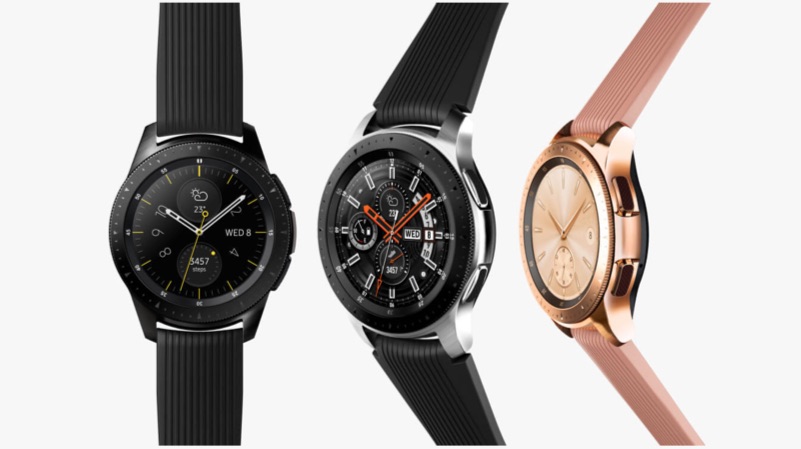
    The Galaxy Watch was launched in two sizes last year, one with a 42mm dial and one with a 46mm dial. It is expected that Samsung will continue the same size options in the latest wearable. The upcoming smartwatch may also feature a digital rotating dial; which will be in contrast to the physical dial found in its predecessor. Unfortunately, more details like the price and rest of the features about the Galaxy Watch 2 are not known currently; but may be revealed as we move closer to its launch date.

  • OPPO Smartphone With Invisible Punch Hole To Launch At MWC Shanghai

    OPPO Smartphone With Invisible Punch Hole To Launch At MWC Shanghai

    In order to maximise the screen-to-body ratio on a smartphone, OEMs started embracing design changes like a notch. Even though Apple was not first company to launch the a smartphone with a notch, iPhone X from 2017 made this design change much more acceptable to the general public. As it seemed, displays with notch on top were here to stay, companies including Samsung and Huawei launched devices with punch hole (1,2). Surprisingly, users quickly got accustomed to handsets with this type of display as well.

    iPhone X With Notch

    Although the punch hole is widely accepted, there is no doubt that this cutout in the display acts as an intrusion while playing games or consuming media. In order to overcome this obstacle, smartphone manufacturer, OPPO is resorting to a unique and impressive technological advancement. In the latest teaser, OPPO is boasting of a smartphone with a punch hole which can be concealed or covered with the display on top.  

    In simpler words, the OPPO smartphone will have a punch hole camera which whenever not in use will be invisible as the pixels on top will function like any other region on the display. Korean electronics giant, Samsung was previously granted a patent for a device with a similar feature which is yet to make its way to final production.

    Speaking of its launch, OPPO will unveil the said smartphone with an invisible punch hole at MWC Shangai which is scheduled for 26th to 28th June. User’s who are shocked and want to question that MWC for the year has already been held in the month of February. China gets its very own MWC due to a massive number of OEMs and consumers based in the country.

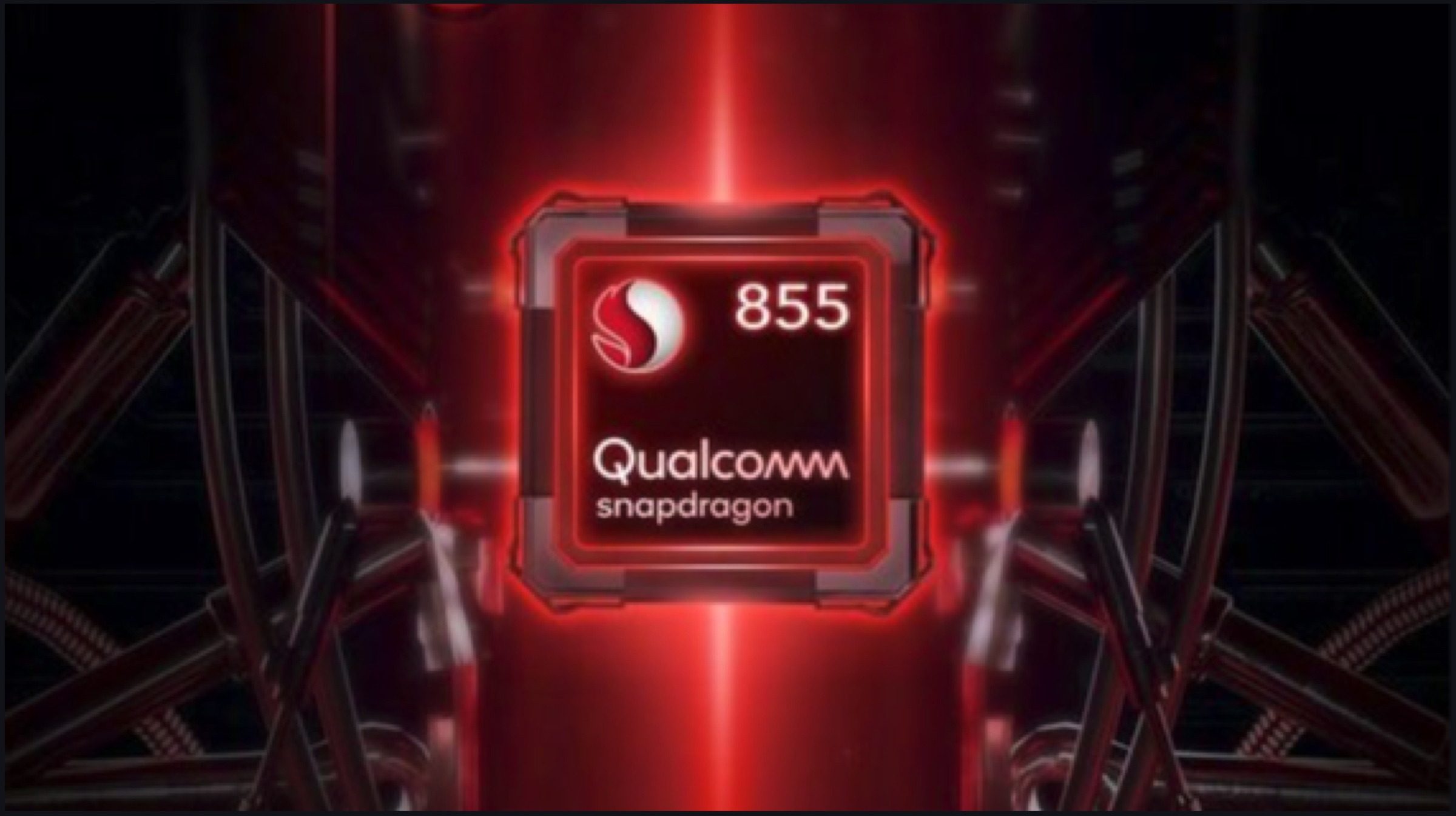
    Other than the revolutionary display tech, no other details about the device have been revealed. Though the device is assumed to be a flagship handset which will be kitted with likewise specifications. In terms of SoC, it is safe to say that the upcoming handset is likely to have the Snapdragon 855 chipset.

    Qualcomm 865
    Snapdragon 855

    To gain more information about the OPPO smartphone we won’t have to wait for long as MWC Shangai is about to start. Besides, it seems that amidst fierce competition, OPPO plans to launch high end devices with distinguishing features which will make them stand out of the crowd. 

    Also Read: Xiaomi Introduces 3D Air Gestures To Toggle Apps With One Hand

    All in all, smartphones without bezels around display are no longer a farfetched dream. Rather it is about to become mainstream, at least in the flagship segment device.  

  • Xiaomi Introduces 3D Air Gestures To Toggle Apps With One Hand

    Xiaomi Introduces 3D Air Gestures To Toggle Apps With One Hand

    Xiaomi is known to incorporate its Beta builds of MIUI with multiple new features that it wants to test out. Historically speaking, the Chinese region generally receives these form of updates before any other country. The latest beta build for MIUI has just received new gestures support for the Xiaomi Mi 9. The company has dubbed this new feature “3D Air Gestures”.

    Xiaomi

    The new feature will let users launch various apps by simply waving their smartphones in the air in a certain manner. Programmable gestures demonstrated by a Xiaomi executive include M, W, C, and Z. According to the source, drawing any of the previously mentioned alphabets in the air with the device can open a certain application which might be user programmable. As seen so far, the feature can only be accessed while the device is an unlocked state. However, when the feature rolls out in a consumer ready update, it might even work on the lock screen which is similar to Moto actions seen on Motorola smartphones. Speaking of functionality, the feature uses a combination of the accelerometer and gyroscope sensors which are present on most modern smartphones. Therefore, this feature may even be seen on the current lineup of Mi device and not just future releases. 

    3D Air Gestures were first seen in a video by a Xiaomi employee on Weibo that has since been reposted on YouTube. In the video, the employee can be seen drawing a C with his Mi 9 to launch the camera app, a W to launch TikTok and drawing a Z to launch an unspecified app. However, the exact method of how the feature truly works in regards to the sensors is yet to be discerned.

    Xiaomi


    Also ReadSamsung Has Sold 1 Million Units Of Galaxy S10 5G In South Korea

    All in all, this seems to be a great feature from Xiaomi which might actually turn into a mainstream feature amongst offerings from other OEMs as well. To get precise details of this feature’s capabilities, we will have to wait patiently as Xiaomi is yet to release the launch date of the upcoming MIUI 11 update. 

  • Xiaomi Launches The Mi Beard Trimmer In India

    Xiaomi Launches The Mi Beard Trimmer In India

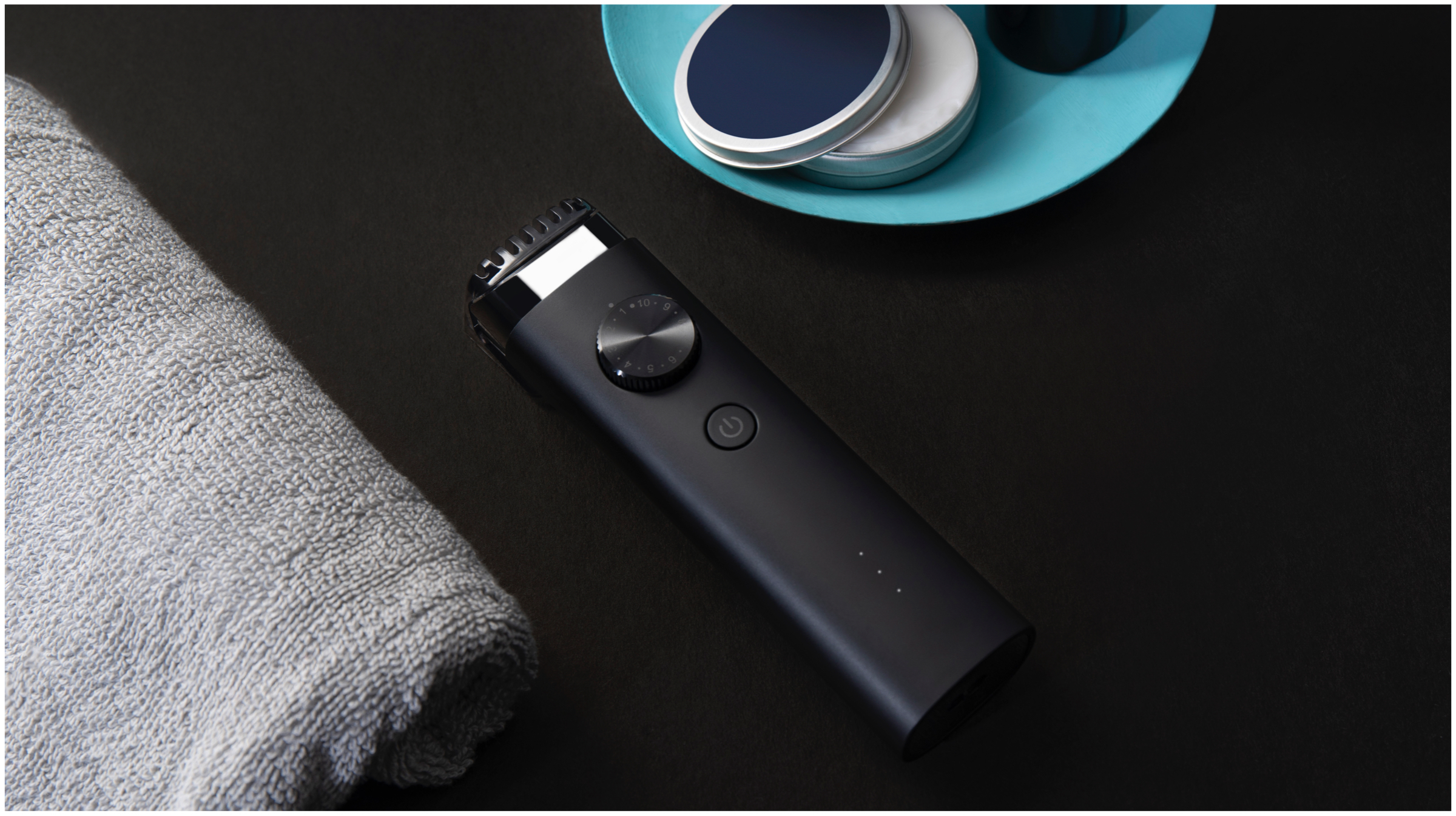
    Xiaomi will complete 5 successful years in India next month. To commemorate its 5th year anniversary, the company will launch 5 new products in the country over the next 5 weeks. On the 25th of June, the first product in the aforementioned launch cue has been unveiled which is the Mi Beard Trimmer. As the product name suggests, it is a grooming product which is targeted towards male consumers. The segment is currently lead by the offerings from Philips and Syska, which Xioami plans to disrupt with its latest addition. 

    Mi Trimmer Quick specs
    • Self-sharpening blades with 0.5mm precision
    • 40 length setting with two combs
    • 90 minutes of battery life on one charge
    • IPX7 waterproof quad-edge design
    • Travel lock
    • Cordless and corded usage (supports most power banks)
    • 10min use on a 5min charge
    Mi Trimmer Build, Design and Features
     

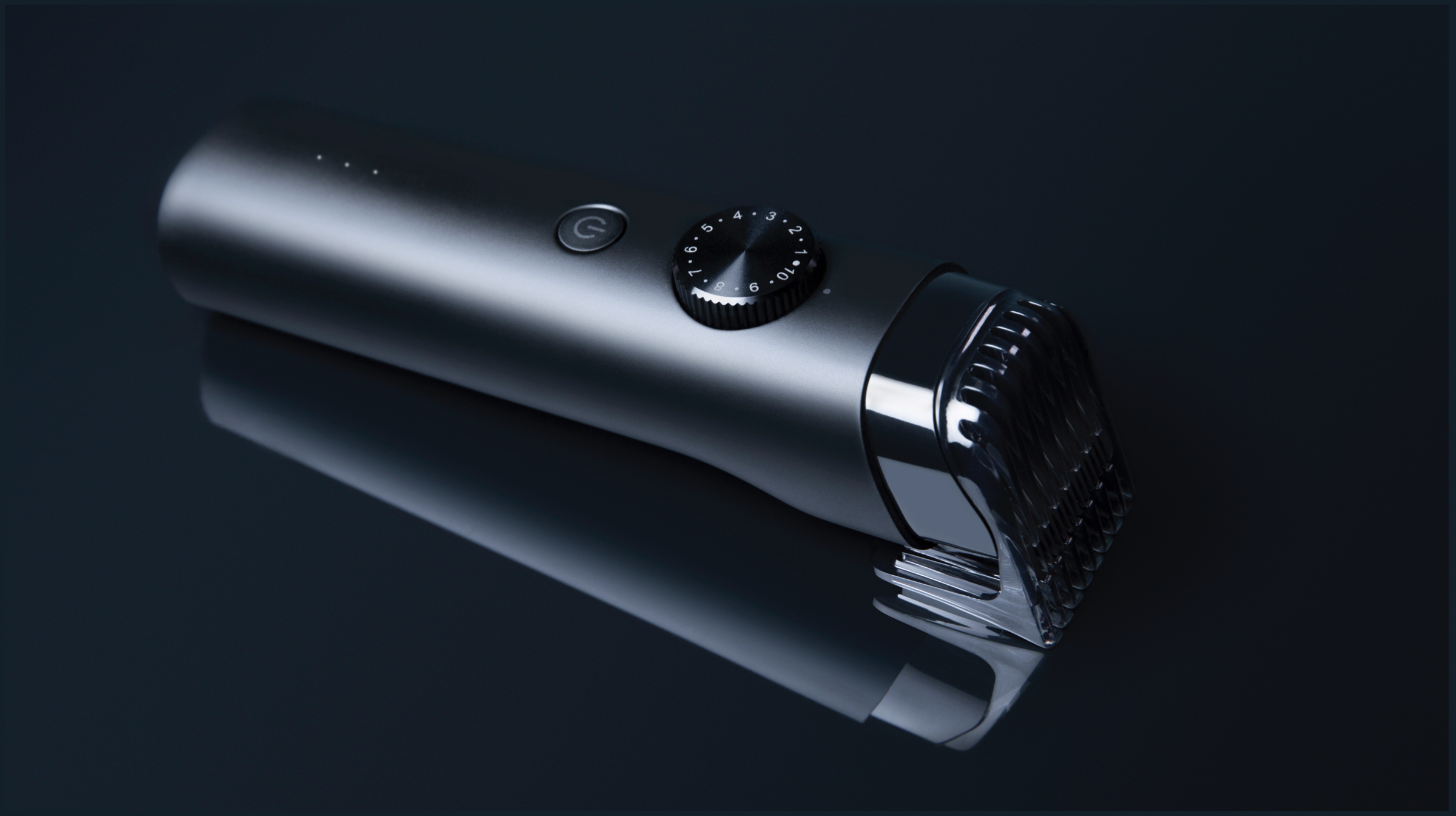
    The Mi Beard trimmer has an ergonomic design which Xiaomi is referring to as the ‘Quad Edge’. It is made out of hard plastic which feels sturdy and comfortable to hold. For readers interested in dimensions, the beard trimmer measures 154 x 48 x 38 mm.

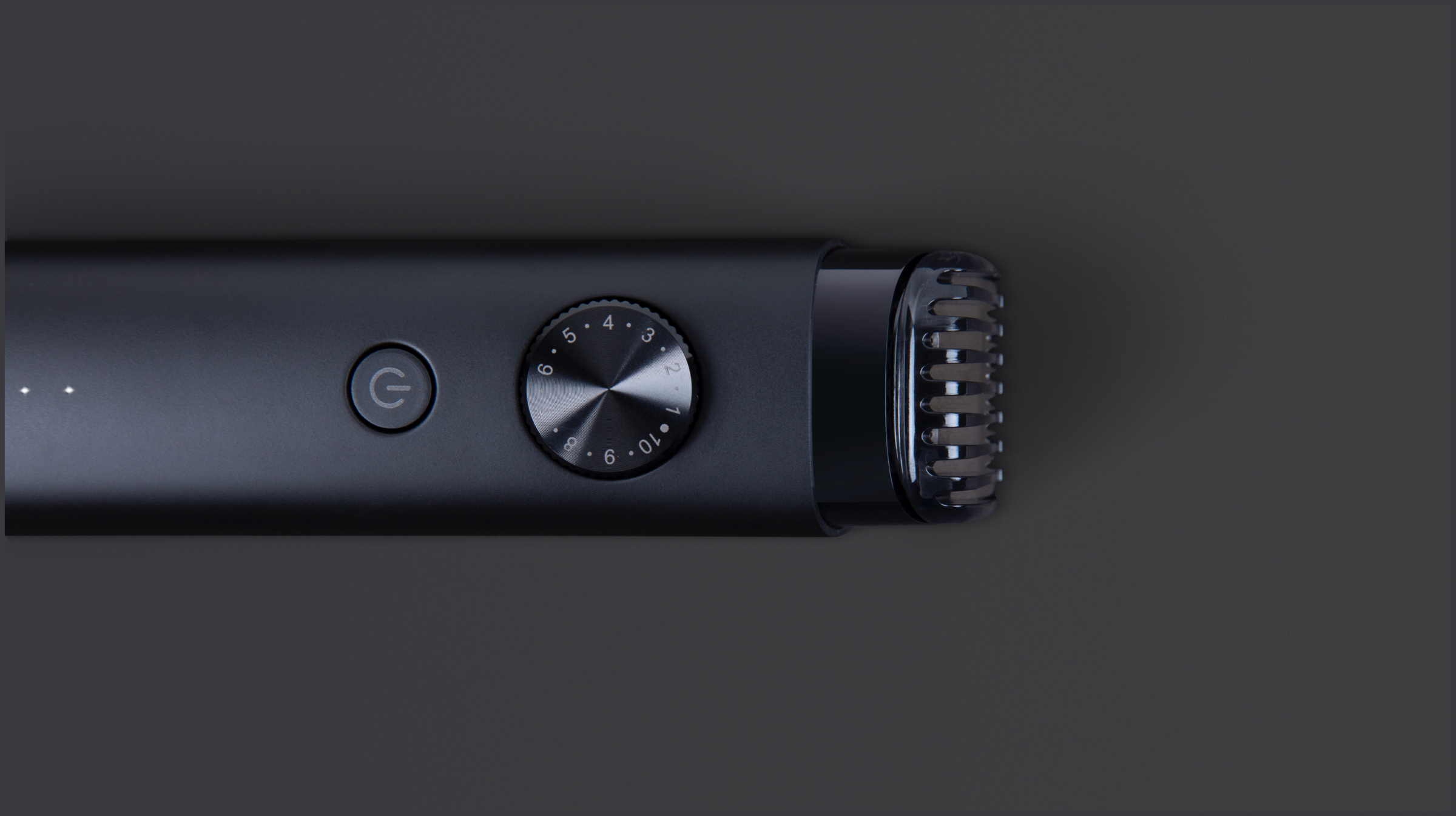
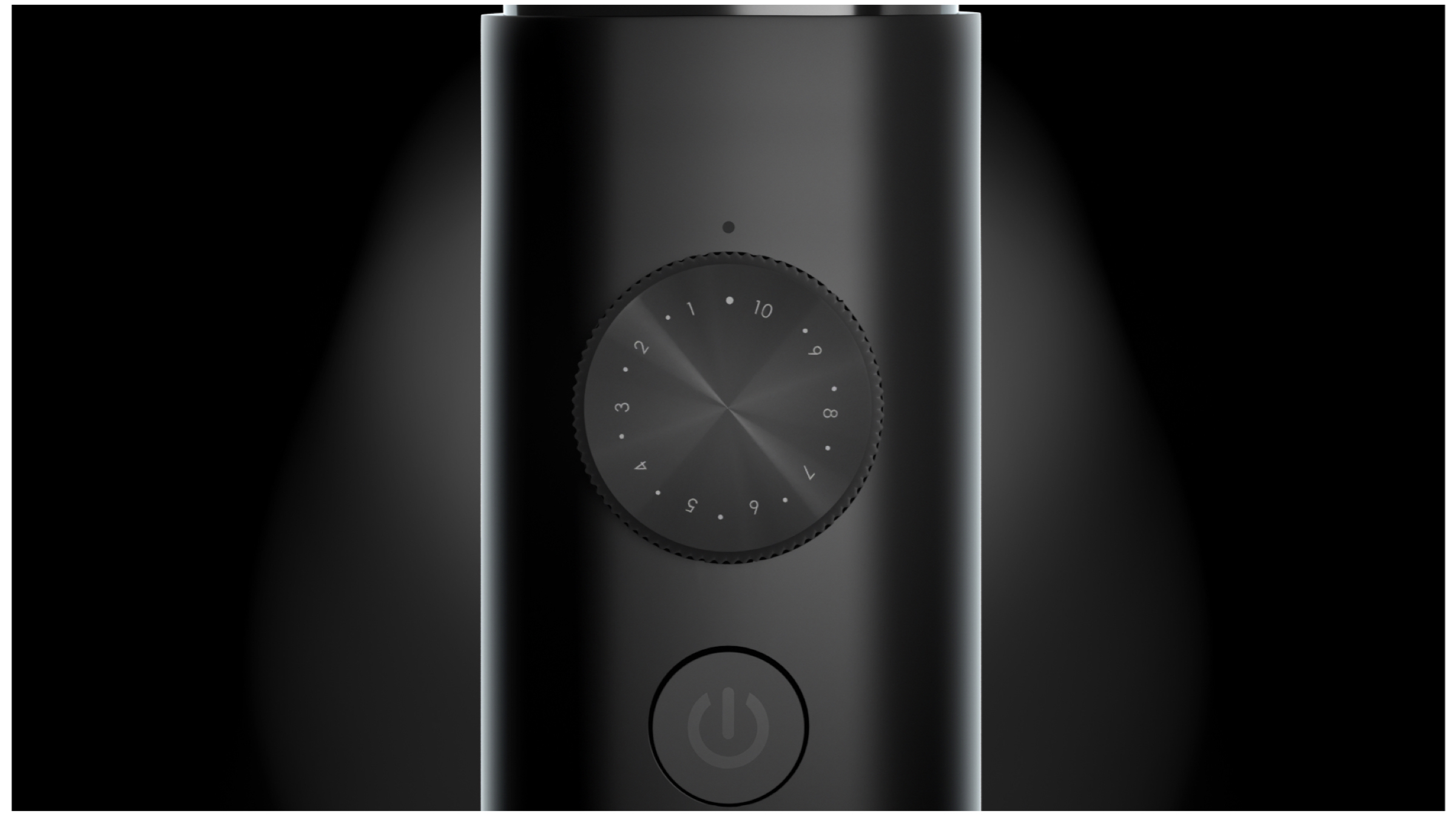
    The front of the Mi Beard trimmer accommodates a length adjustment circular dial, power button and three LED charge indicators. The said circular dial can be used to adjust the comb height which supports 40 different beard length settings. The device’s inbuilt battery is claimed to provide a backup of 90 minutes which is on par with its competitors.

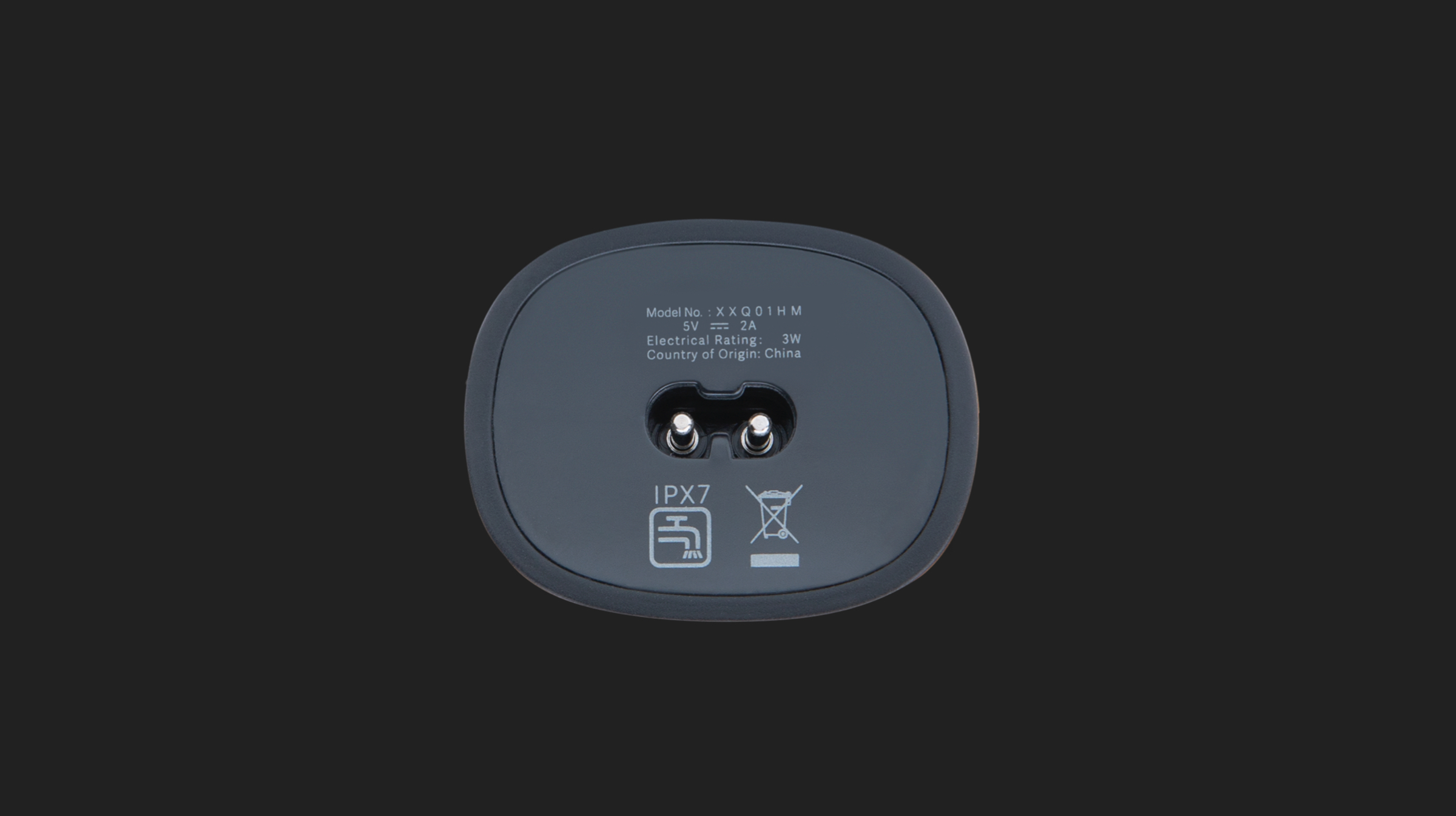
    The battery on the Mi Beard trimmer can be charged via the bottom mounted figure 8 type port. Noteworthy, the other end of the charging cable has a conventional USB Type A port, therefore, the Mi Beard Trimmer can even be charged via a power bank or regular smartphone chargers. The men’s grooming product is IPX7 rated which means that it can be submerged in upto 1 meter of water for 30 minutes.

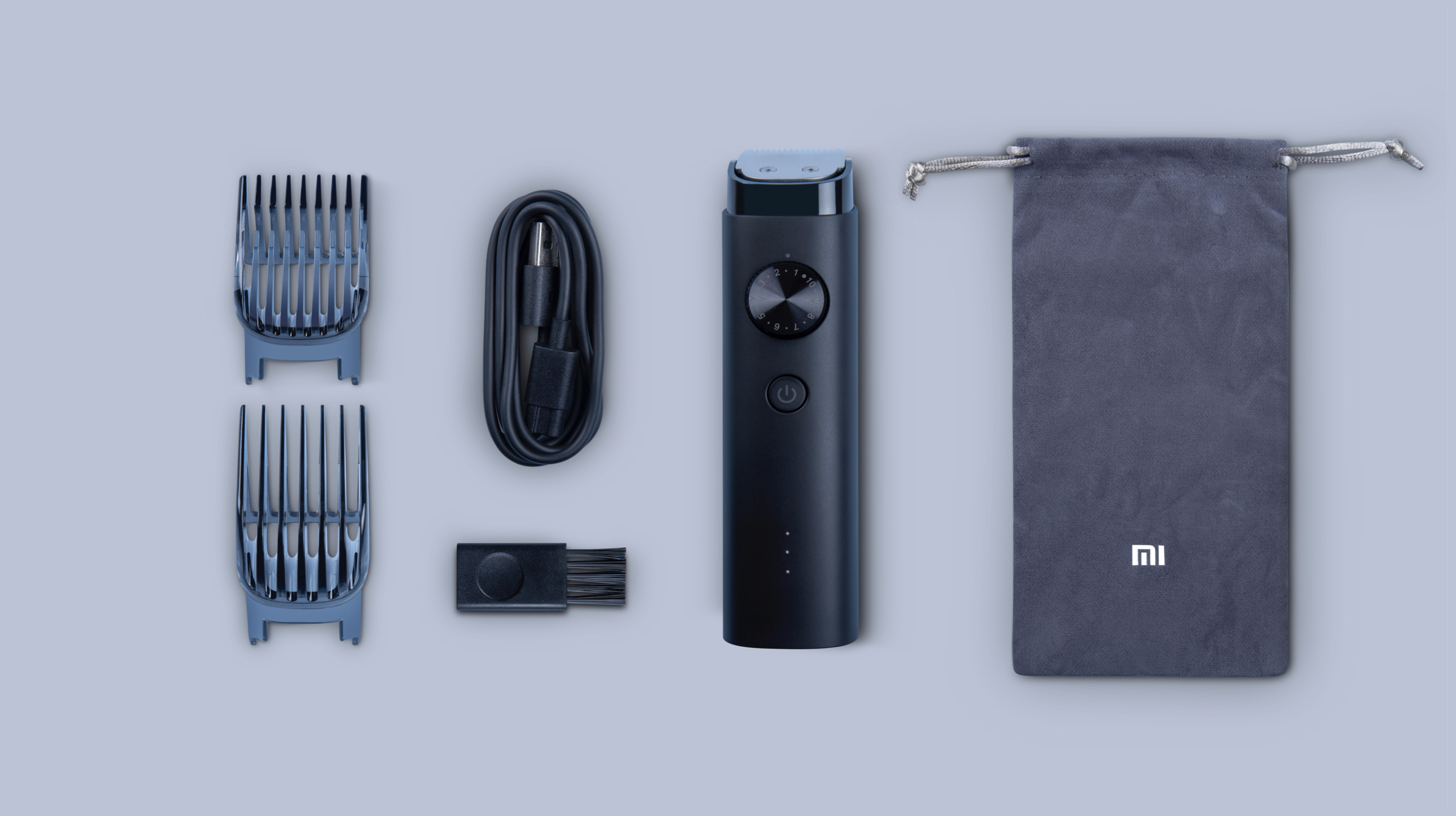
    The Mi Beard Trimmer is shipped with a bunch of accessories which are as follows:

    • Travel Pouch
    • Cleaning Brush
    • 2 Trimming Comb
    • Power Cord

    In addition, the package also includes a user manual which details all the controls and functions the product supports. 

    Also Read: Samsung Has Sold 1 Million Units Of Galaxy S10 5G In South Korea

    The Mi Beard Trimmer costs Rs 1,199, which in our opinion is an aggressive price, considering the features it brings to the table. The men’s grooming product will be available for order from mi.com starting today, June 25th. It will also be available from Amazon.in and Mi Home Stores starting from June 27th.

    Conclusively, Xiaomi has added yet another praiseworthy product in its ever expanding portfolio with several product launches which will follow soon. 

  • iOS 13 and iPadOS Public Beta Released: How To Install

    iOS 13 and iPadOS Public Beta Released: How To Install

    Apple announced new versions of its operating systems for all of its devices earlier this month at the World Wide Developer’s Conference (WWDC). These include the new version of the iPhone operating system, iOS 13; a brand new OS for iPads, iPadOS and an upgraded MacOS called MacOS Catalina.

    While the aforementioned software were available to download in developers beta; it was only possible if the user was signed up to the Apple’s developer program. On 24th of June however, the company has released the first public betas for all the operating systems. This means they can be download by anyone owning a compatible device. Here is a step by step guide on how to download the beta software of the iOS 13, iPadOS and MacOS.

    iOS 13 Public Beta

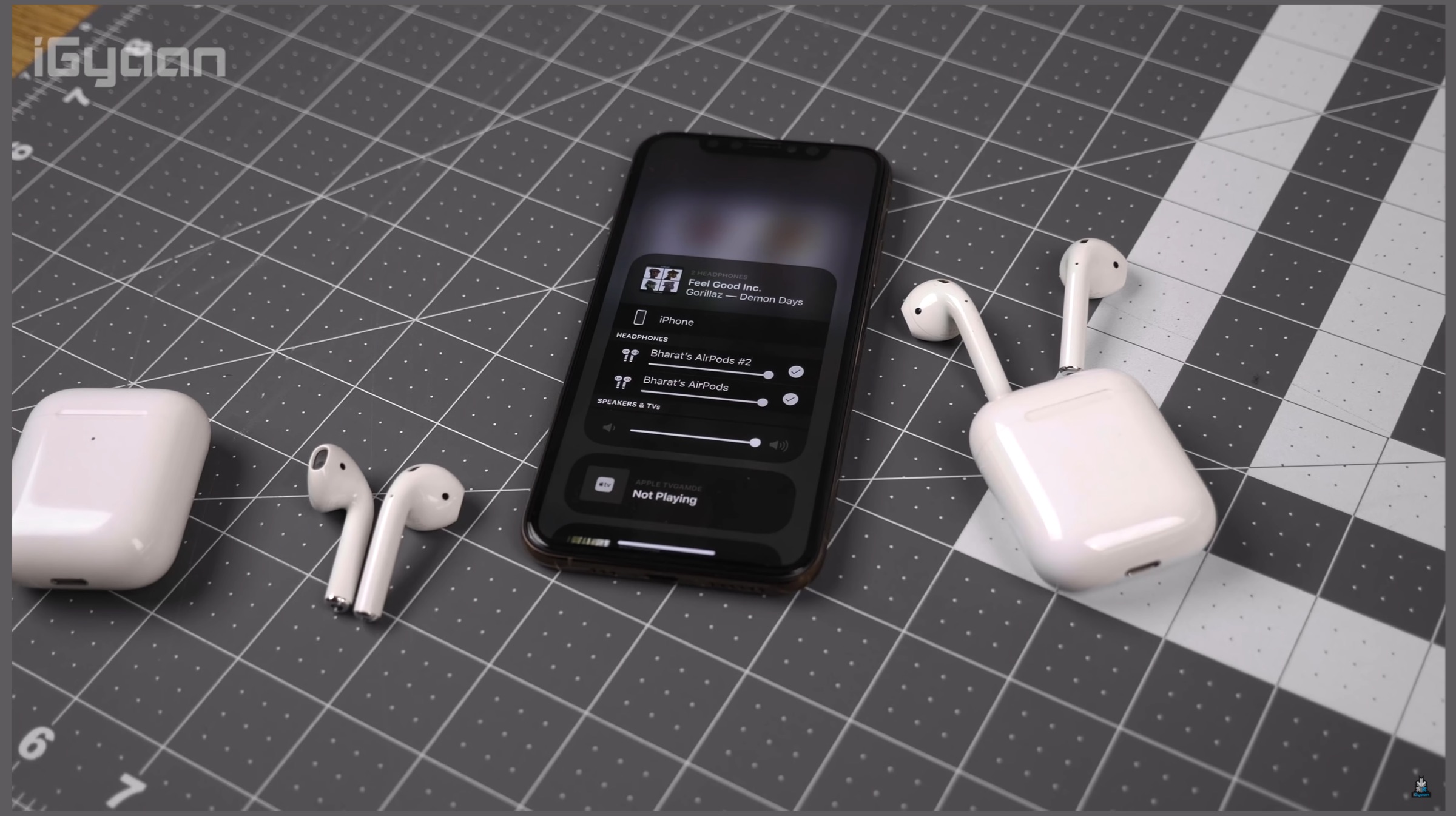
    The iOS 13 as mentioned above, will be the latest software available for the Apple iPhone starting the iPhone 6s series. It promises many noticeable improvements over its predecessor, iOS 12. The latest software has a system-wide dark mode, which as the name suggests turns many areas of the User Interface dark. This is aimed at preserving battery life in OLED iPhones and will look more pleasing at night. It also supports multiple AirPods pairing to share music between iPhones.

    iOS 13

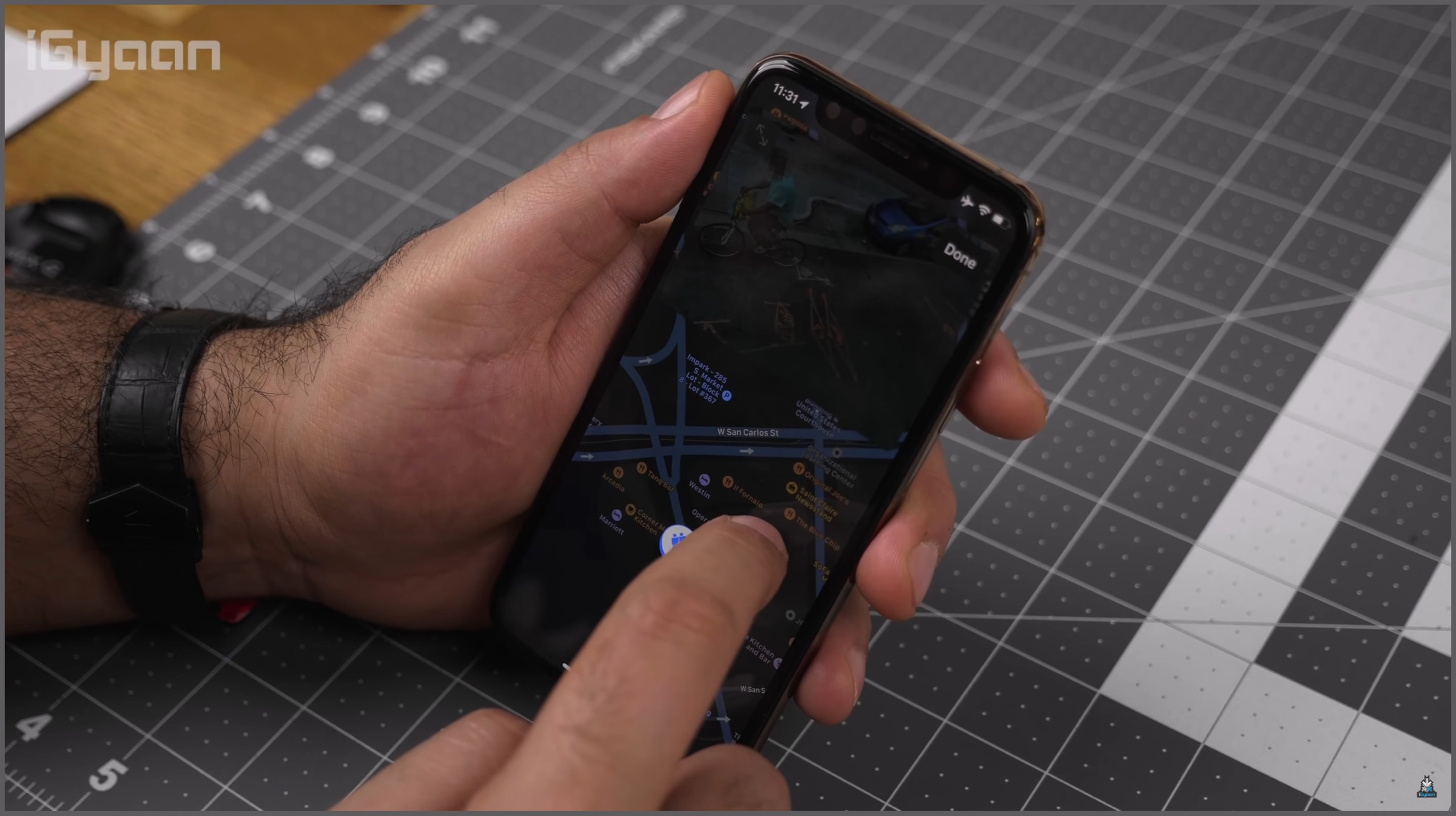
    More improvements on the iOS 13 include a new swipe gesture for keyboard, overhauled Reminders and Maps apps and performance improvements over iOS 12. Apple claims a 30 percent speed increase for FaceID in supported iPhones and smaller app update size. Overall, iOS 13 is a significant update for the software, however, if you plan on installing it; please be wary that it is still in beta and there may be some bugs that will be needed to iron out. Here is how you can install the iOS 13 Public Beta.

    • Head over to the Apple Beta Software Program by clicking here from Safari on your iPhone. (It doesn’t work with any other browser)
    • Sign in to your Apple account if you have not done it already.
    • Click on “Enroll Your Devices” on the top of the webpage.
    • Click on the “iOS” tab, this will make a reminder pop up on your screen to ensure your phone backup is complete. This will be needed if you plan on downgrading later.
    • Select the option “Download Profile” on the next page, this will bring another pop-up saying the website wants to download the file. Click on Allow.
    • Open the Settings app on your iPhone, select the section “Profile Downloaded” and then you can install the iOS 13 Beta.
    iPadOS Public Beta

    The iPadOS is an overhauled version of iOS 13 that is designed while keeping the iPad in mind. The iPadOS targets the iPad Pro and takes it one step closer to making it a full fledged computer. Many new features have been taken from the iOS 13 like the Dark Mode and new Reminders and Maps applications. It adds a redesigned home screen with widget support, new multi tasking features. The latency in the Apple Pencil has also been greatly reduced and there are new gestures for screenshots, editing text etc.

    Apple iPadOS

    The biggest overhaul in the iPadOS that separates itself from iOS 13 is the new files app and external storage support. Both have been added to make the iPad more productive than before. There is also a new feature that is in sync with MacOS Catalina called Sidecar. It lets you use the iPad Pro as a secondary display to your Mac with minimal latency over wired or wireless connections. If you plan on installing the iPadOS beta, once again be wary of the bugs that will exist; until the stable update later this year. Here is how you can install the iPadOS public beta on your device.

    • Head over to the Apple Beta Software Program by clicking here from Safari on your iPad.
    • Sign in to your Apple account if you have not done it already.
    • Click on “Enroll Your Devices” on the top of the webpage.
    • Click on the “iPadOS” tab, this will make a reminder pop up on your screen to ensure your phone backup is complete. This will be needed if you plan on downgrading later.
    • Select the option “Download Profile” on the next page, this will bring another pop-up saying the website wants to download the file. Click on Allow.
    • Open the Settings app on your iPhone, select the section “Profile Downloaded” and you are all set to install the iPadOS Beta.
    MacOS Catalina Public Beta

    MacOS

    The MacOS Catalina is the latest version of the operating system for various computing devices from Apple. It features considerable changes over the last generation, MacOS Mojave. The latest OS boasts of the Catalyst feature, which was codenamed Marzipan and allows iPad developers to port applications over to MacOS. The sidecar feature as mentioned in the iPadOS above is also making its debut in the newest generation MacOS.

    Apple MacOS

    A major feature that MacOS Catalina is bringing about is the introduction of Voice Control. It is an accessibility feature that will allow users with limited motor skills to control their Mac enabled device with their voice. Again, the MacOS public beta, like the iOS 13 and iPadOS is still in beta stage; so there may be some bugs that may need squashing in the stable update due later this year.

    • Visit the Apple Beta Software Program by clicking here.
    • Sign in to your Apple account. (Ignore if already done)
    • Click on the MacOS option, this will make a reminder pop up saying to ensure you have a time machine backup; in case you want to downgrade to a previous version.
    • Click on the option “Download the MacOS Public Beta Access Utility”; which will download a .dmg file enrolling your computer in the beta program.
    • Open System Preferences and click on Software Update option to install the MacOS Catalina beta. One thing to note is that it might not be available to download instantly in some cases. Users will need to wait if that is the case.

    Also read: Mysterious Samsung Tablet With Snapdragon 710, 4GB RAM Leaked Via Geekbench

    The new iOS 13, iPadOS and MacOS are major software releases by Apple this year. It is also seen as a step by the company to combine some functionalities of all the three different products for the future; as demonstrated by the Catalyst feature in MacOS. What do you think about Apple’s latest releases? Tell us in the comments below.

iGyaan Network
Privacy Overview

This website uses cookies so that we can provide you with the best user experience possible. Cookie information is stored in your browser and performs functions such as recognising you when you return to our website and helping our team to understand which sections of the website you find most interesting and useful.