Blog

  • Google Pixel 4, Pixel 4XL Screen Size And Dimensions Leaked

    Google Pixel 4, Pixel 4XL Screen Size And Dimensions Leaked

    Search engine giant, Google is highly anticipated to launch its latest flagship smartphone duo which will succeed the Pixel 3 and the Pixel 3 XL from the year 2019. Moving along with the chronological name scheming, the upcoming devices will be called the Pixel 4 and Pixel 4 XL. The company itself had previously shared a poster of the device revealing its design. Afresh, a reliable tipster who goes by the username OnLeaks on Twitter has shared the alleged dimensions and screen size of the upcoming Pixel smartphone duo.

    Pixel 4, Pixel 4 XL Screen Size and Dimensions

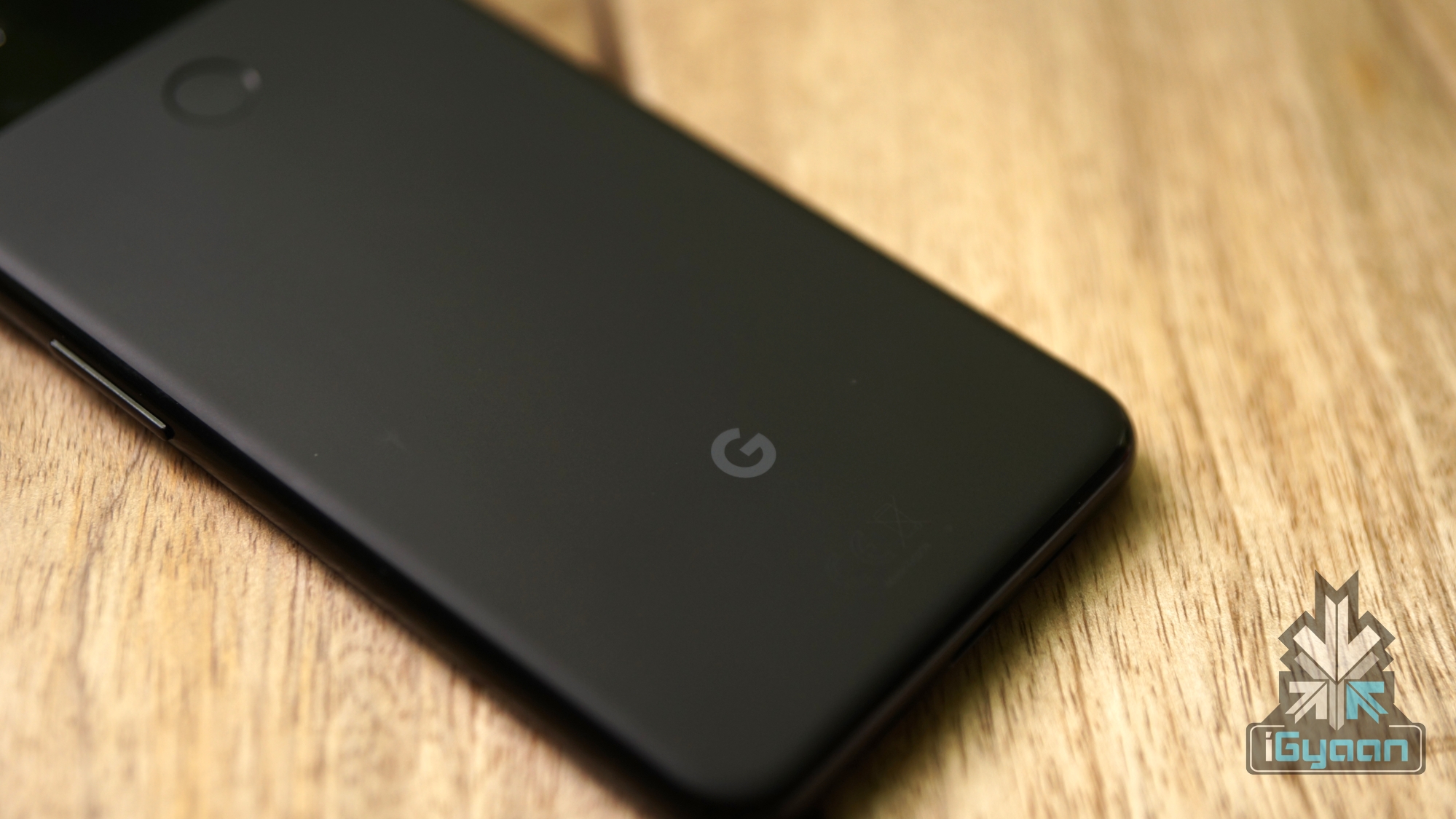
    According to the source, the Pixel 4 will have a display measuring between 5.6 and 5.8 inch, while its dimensions will be 147.0 x 68.9 x 8.2 mm. On the other hand, the Pixel 4 XL will have a display measuring between 6.2 and 6.4 inch with dimensions that measure 160.4 x 75.2 x 8.2 mm. The leakster has also revealed that the camera module on the two smartphones protrudes slightly out of the rear panel and the thickness of the two smartphones including the camera bump will be 9.3 mm.

    The current leak does not provide any information about the devices specifications or design but they can be derived from prior reports and rumours.

    Pixel 4, Pixel 4 XL Design and Specifications

    https://twitter.com/GooglePixel4XL/status/1138949399910920192

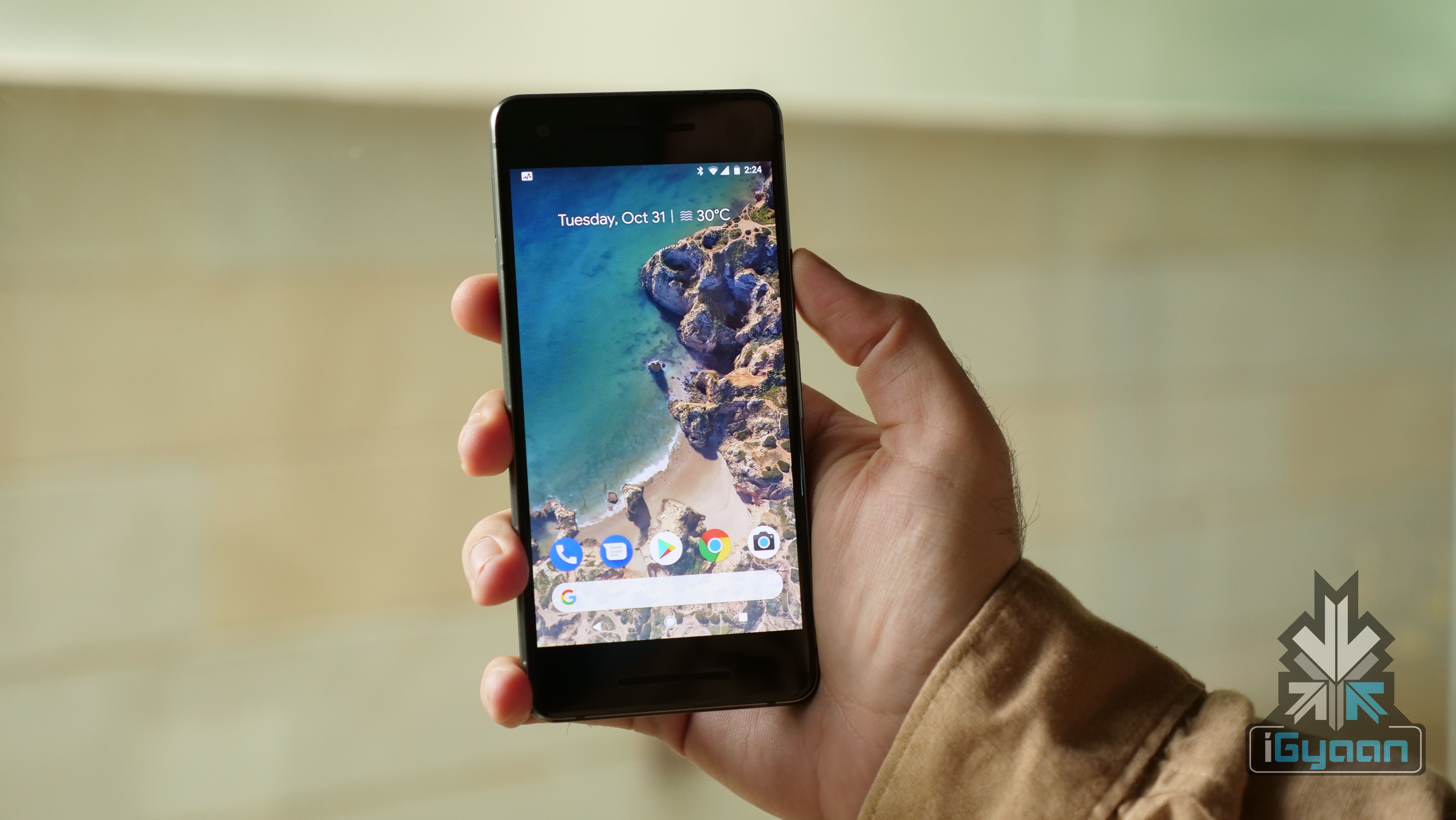
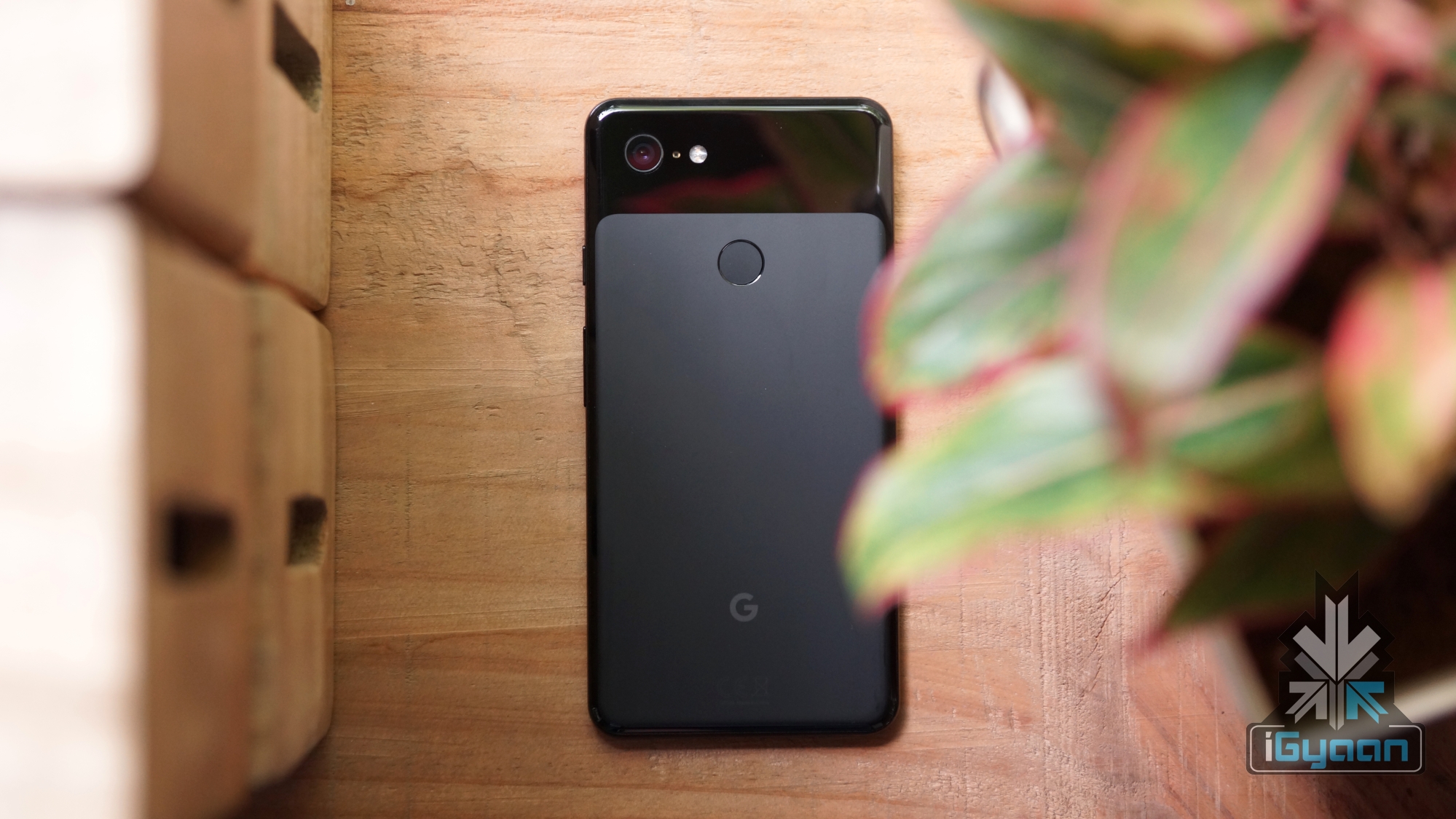
    The official teaser shared by Google states the upcoming Pixel 4 and Pixel 4 XL will have an updated design with a dual camera module on the rear. Noteworthy, it is the first time that Google will equip a Pixel smartphone with dual cameras which has contributed to its rising popularity. Also, the smartphone from the teaser lacks a rear mounted fingerprint sensor which hints towards an in-display module.
    Google Pixel 4
    Google Pixel 3XL

    In terms of specifications, the devices are assumed to feature the Snapdragon 855 SoC which is Qualcomm’s flagship chipset for the current year. The company may also boost the battery capacity on future smartphones as this is an upgrade which the users will surely appreciate. Fast battery charging and Qi wireless are most likely to be carried forward from their predecessors.

    Also Read: Samsung Galaxy S10 5G Pricing For European Markets Revealed

    In order to get full details of the Pixel smartphones, we will have to wait till their official announcement which is expected to happen in Q3 of 2019. 

  • Sony Hexa Lens Smartphone Camera Specifications Revealed

    Sony Hexa Lens Smartphone Camera Specifications Revealed

    It was reported last week that Japanese electronics company Sony is planning on releasing a smartphone with six cameras on the back. The device was leaked by a known gadget tipster on microblogging website Twitter. Unfortunately, no information other than the handset was under development was known then. Now, the same tipster has posted the camera specifications of the rumoured Sony smartphone. The device is touted to have six cameras on the back and two on the front. This takes the number of sensors on the handset to eight.

    Sony Xperia Hexa Camera Smartphone

    https://twitter.com/Samsung_News_/status/1140939989230006272

    As mentioned above, the optical specifications of the alleged Sony Xperia smartphone with six rear cameras have been leaked. According to the tipster, Max J. on Twitter the camera unit of the Xperia device will be comprised of an f/2.4 aperture equipped 20MP sensor; combined with an f/2.4 aperture equipped 8MP sensor, a variable aperture ranging from f/1.2-f/2.4 outfitted 48MP sensor; with the fourth sensor also having a variable aperture of f/1.2-f/2.4 and a resolution of 12MP. The fifth sensor will be an f/2.4 aperture kitted 16MP sensor which will be further combined by a 0.5MP Time of Flight (ToF) sensor. Unfortunately, it is not known how the company will implement each sensor to work in tandem with another. For selfies, the leak further claims a 10MP sensor combined with a 0.3MP ToF sensor will be present on the front of the smartphone.

    Sony

    Also read: Samsung Galaxy S10 5G Pricing For European Markets Revealed

    While the camera specifications of the Sony Xperia smartphone seem authentic, the tipster claims it should be taken with a grain of salt. As the device is still in development and nowhere near its official announcement, the optics can be changed before the launch. However, if Sony does go forward and launch a handset with eight cameras in total, it will beat the previous record held by the Nokia 9 PureView for most camera sensors in a smartphone; which has a total of six cameras, five at the back and one on the front.

  • Samsung Galaxy S10 5G Pricing For European Markets Revealed

    Samsung Galaxy S10 5G Pricing For European Markets Revealed

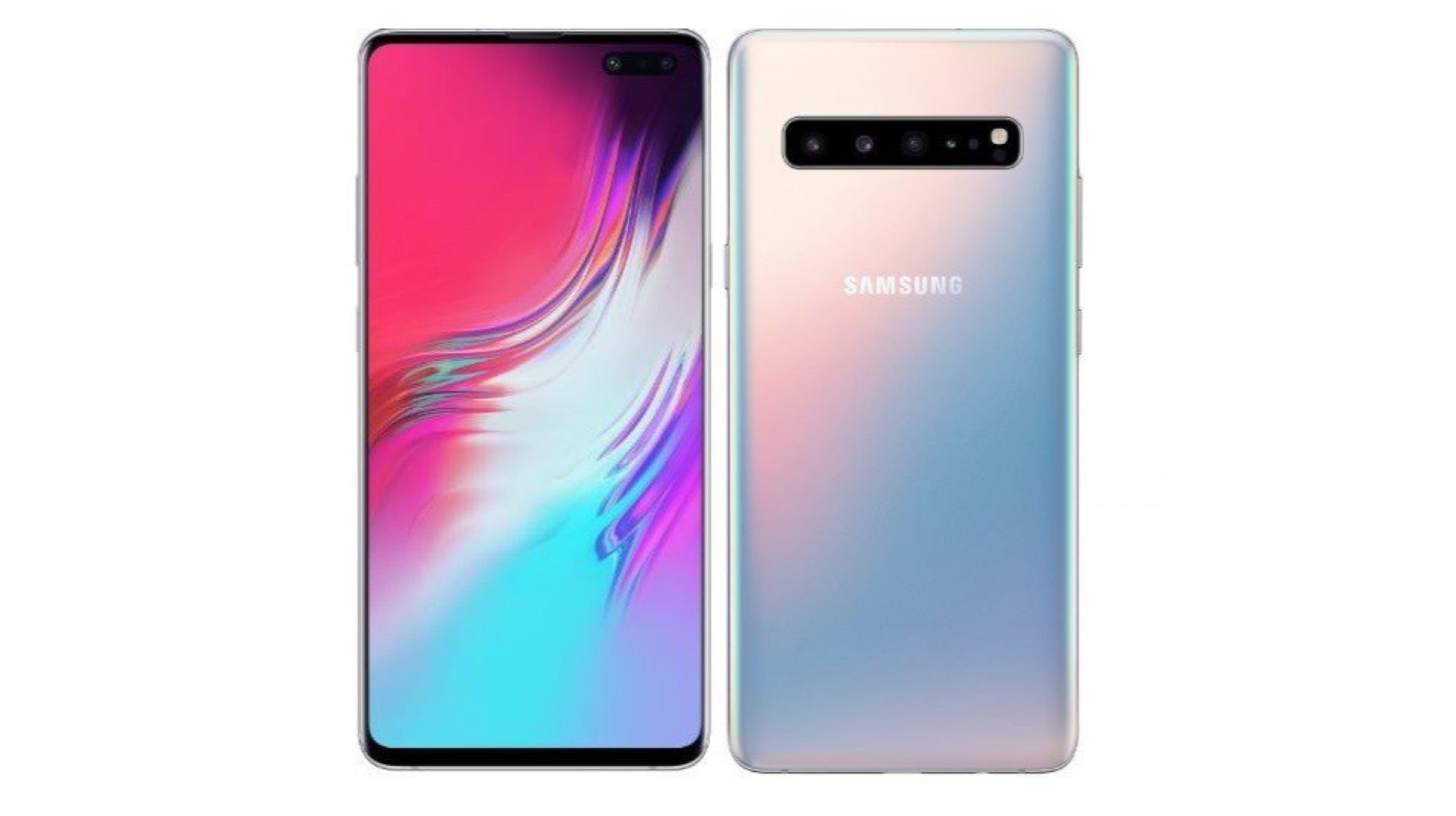
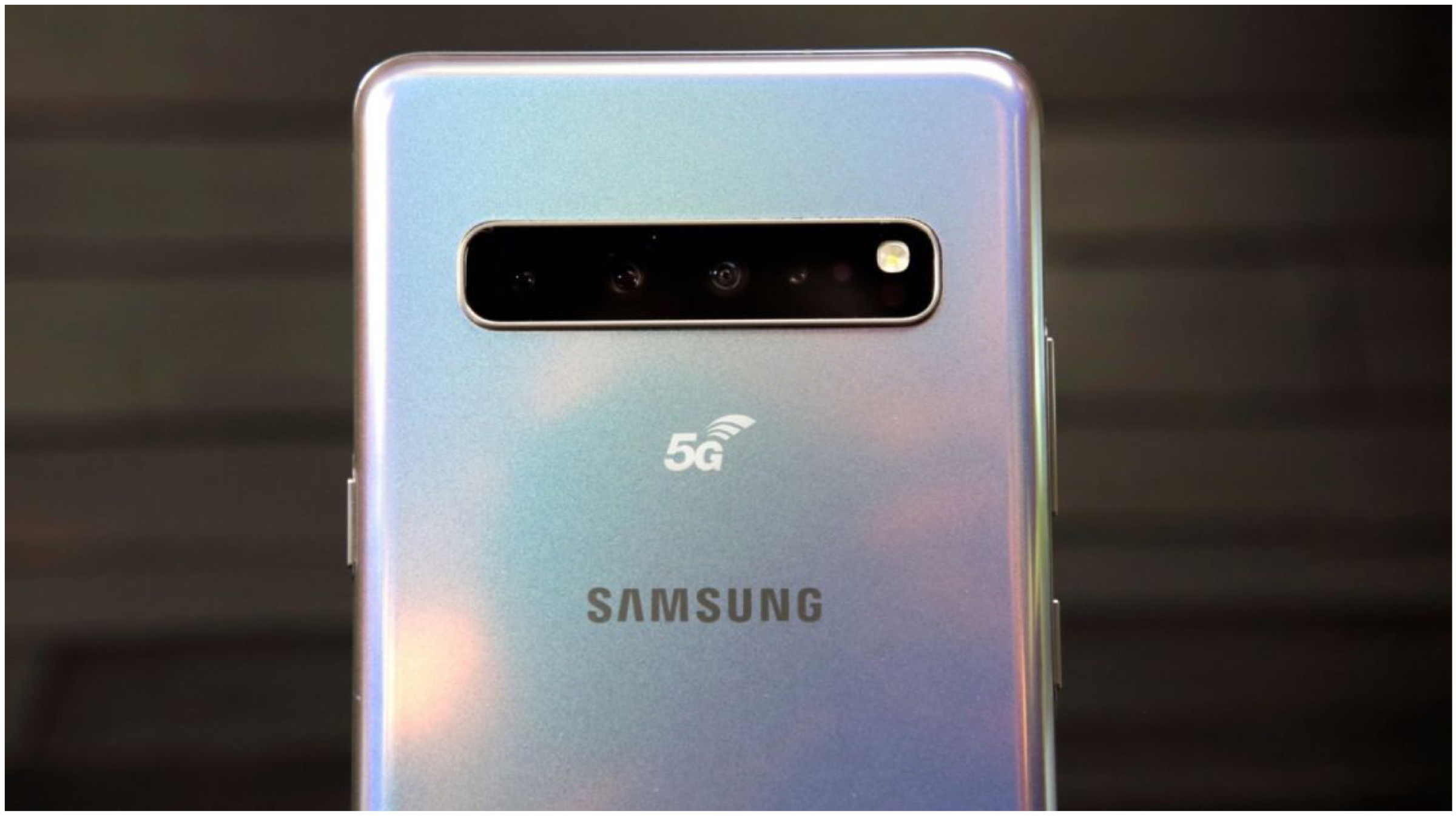
    The Samsung Galaxy S10 5G was unveiled by the Korean tech giant alongside its sibling Galaxy S10 series of flagship smartphones in the month of February 2019. However, unlike the Samsung Galaxy S10, Galaxy S10e and Galaxy S10+, the 5G capable variant was not available for purchase with the aforementioned trio. This version went on sale in South Korea much later in April 2019, and soon after went on sale in the UK and the US. According to a new report, the Samsung Galaxy S10 5G will also be launched in Europe shortly, carrying a price tag of EUR 1,249 (around Rs. 97,000). 

    Specifications

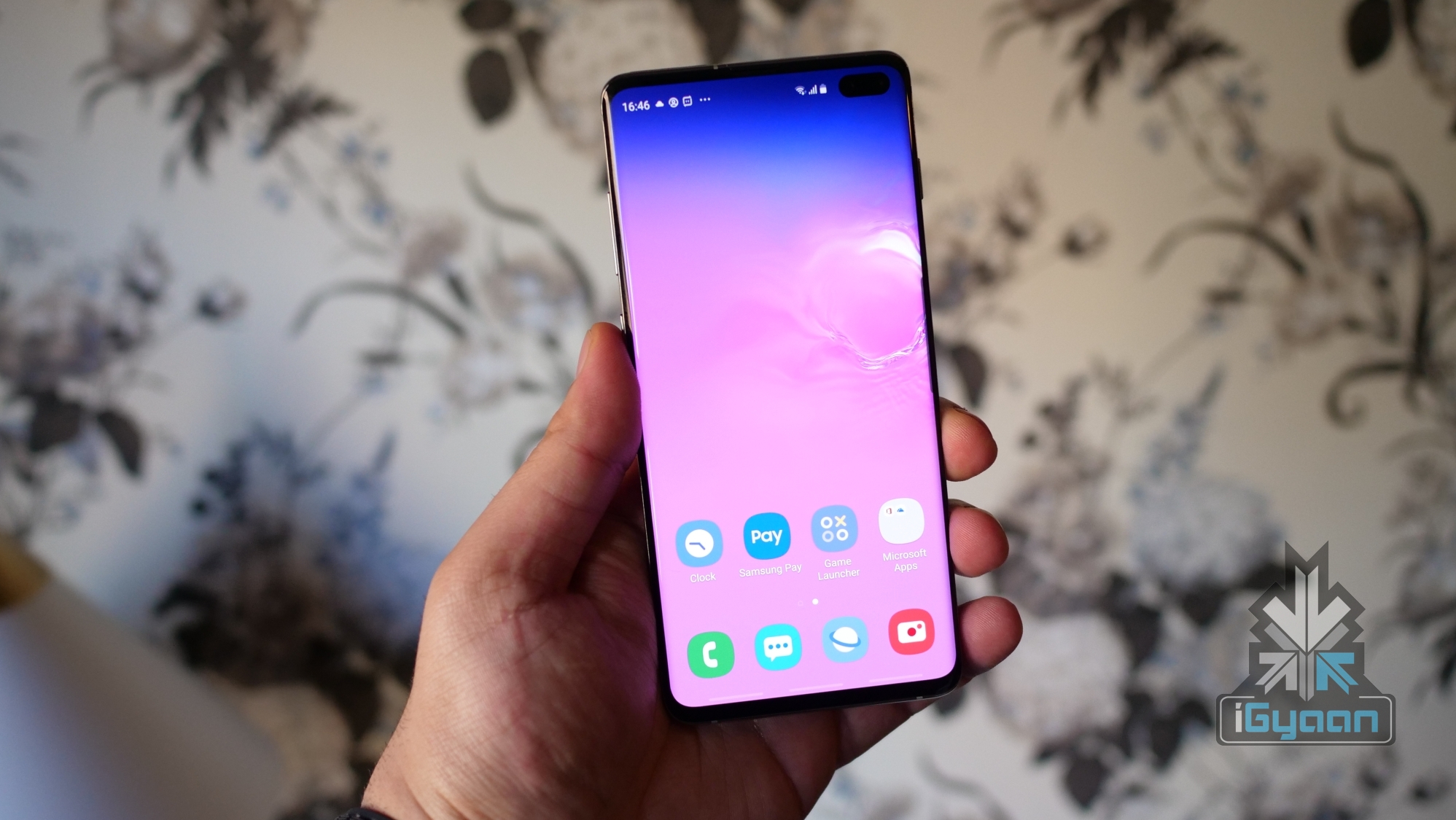
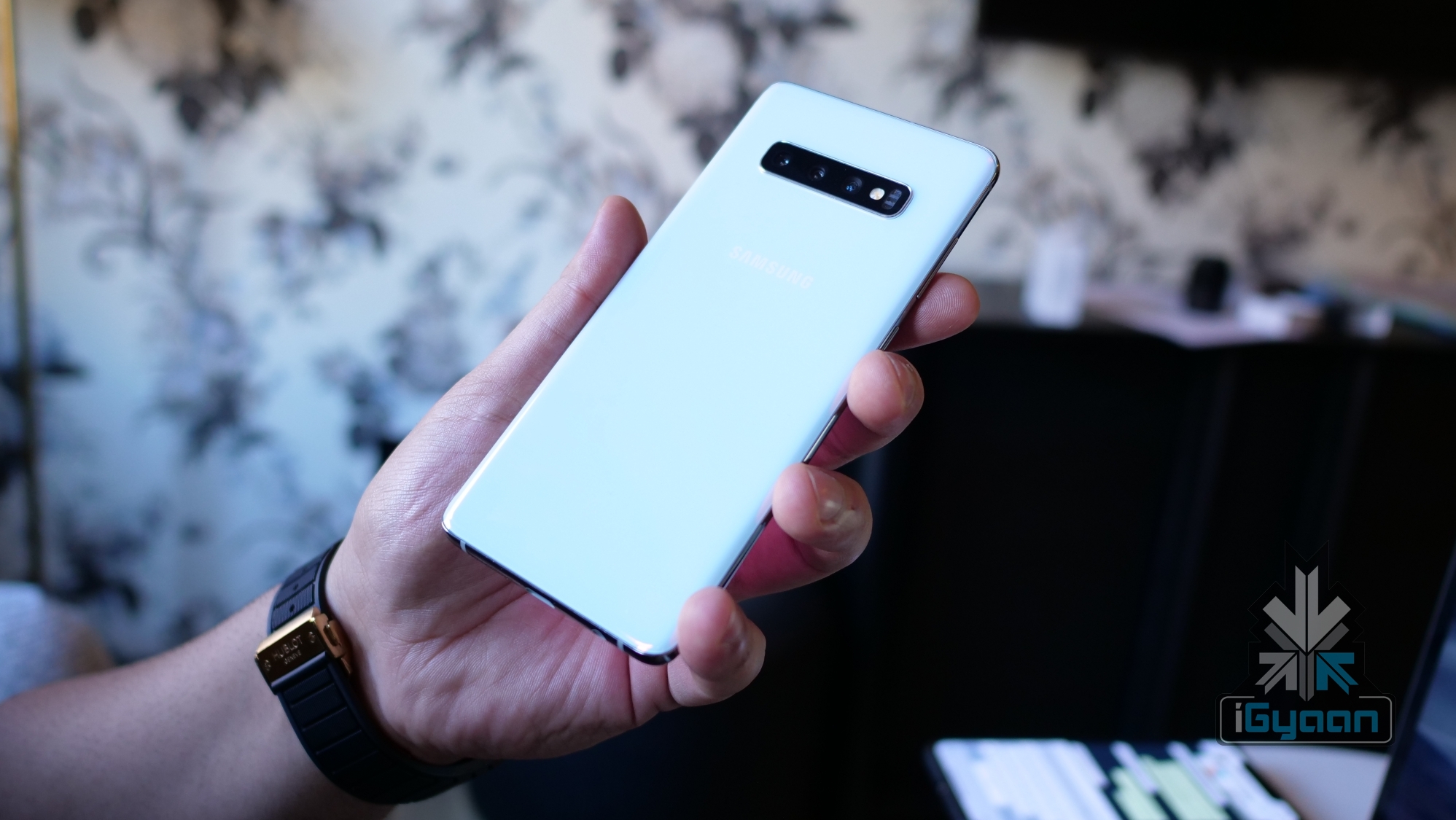
    The Galaxy S10 5G measures 162.6 x 77.1 x 7.94mm and weighs 198g. The design of the smartphone is reminiscent of the Galaxy S10+ with Gorilla Glass 6 on the front and Gorilla Glass 5 on the back. The display sports an Infinity-O, 6.7-inch Dynamic AMOLED panel with a resolution of 3040 x 1440 px. It has a pixel density of 505PPI and a 19:9 aspect ratio. Like its siblings the Galaxy S10 and Galaxy S10+, it features an ultrasonic in-display fingerprint scanner and has IP68 certification for water and dust resistance. 

    Samsung Galaxy S10 5G

    The Galaxy S10 5G features quad rear cameras, unlike the triple rear camera setup found in the Galaxy S10 and the Galaxy S10+. This camera setup includes a 12MP f/1.5-f/2.4 sensor, 12MP f/2.4 Telephoto sensor, 16MP f/2.2 Ultra-wide angle sensor; and a Time Of Flight (TOF) camera for 3D depth recording. The device has two cameras on the front, which are comprised of a 10MP f/1.9 sensor and a secondary TOF sensor to assist with background blur in photos and videos.

    Samsung Galaxy S10 5GThe Galaxy S10 5G runs on the latest Qualcomm Snapdragon 855 SoC which is manufactured using the 7nm fabrication process. It has an Octa-core CPU and Adreno 640 GPU. The device features the Qualcomm X50 modem for 5G support. In terms of storage, it features 8GB of RAM and 256GB of onboard storage. There is no support for memory expansion via MicroSD.
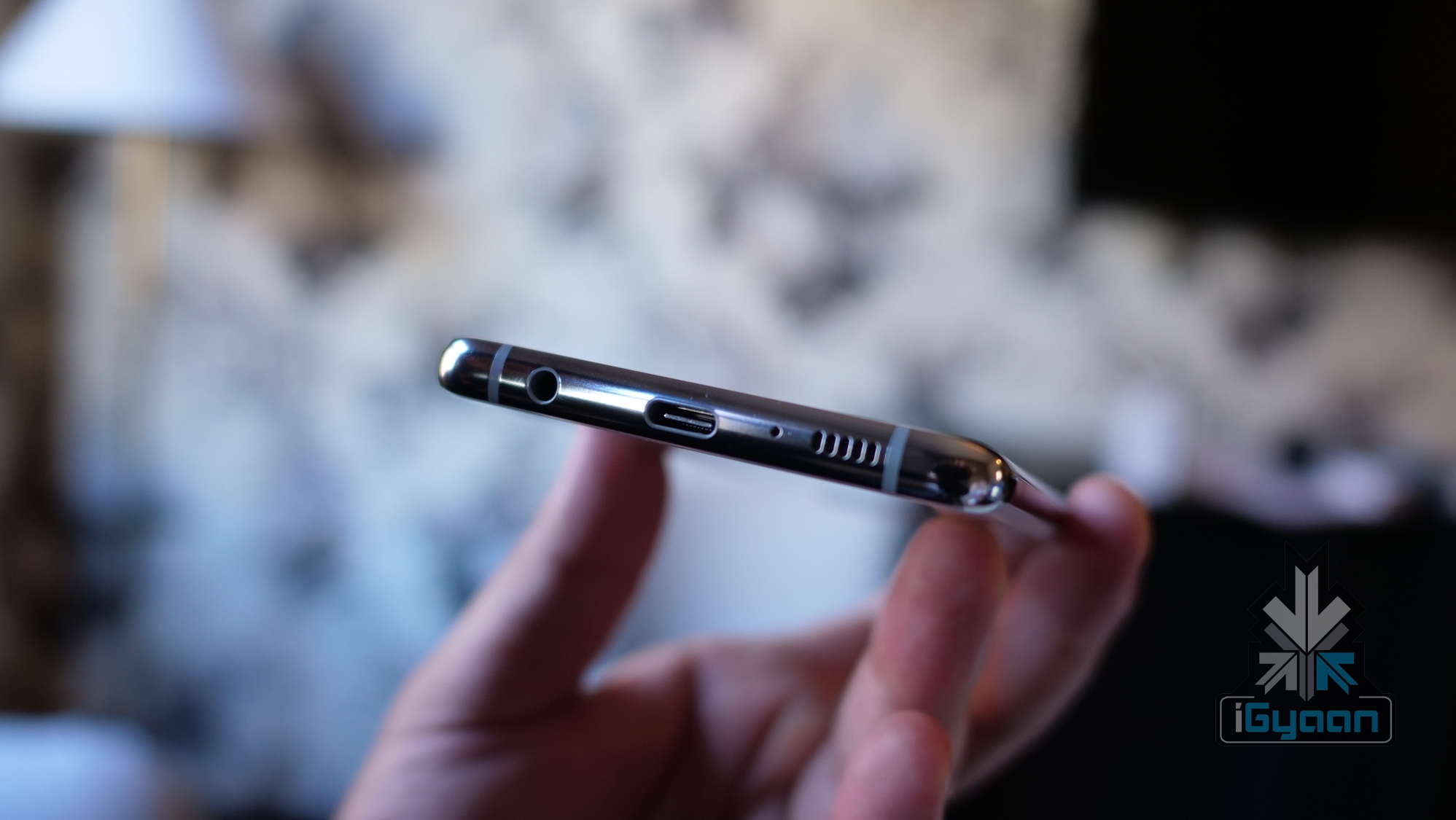
    The Galaxy S10 5G is powered by a 4,500mAh battery, larger than the 4100mAh present on the Galaxy S10+. The device supports 25W fast charging via the bottom mounted USB Type-C Port. Noteworthy, the premium smartphone also supports wireless charging. Like its siblings, it also has a reverse wireless charging feature.

    Also ReadPoco F1 Receives MIUI Update With May Android Security Patch

    Samsung with the Galaxy S10 5G’s introduction in the European market will ensure its place as one of the first OEMs to be prepared for the 5G wave. The higher bandwidth of networking is not new to the continent, but widespread implementation is still lacking. Hence, the smartphone manufacturer will be ready as the demand grows and the network matures into mainstream levels of consumption.

  • Samsung Galaxy Note 10 Launch Date Leaked

    Samsung Galaxy Note 10 Launch Date Leaked

    Korean electronics giant Samsung is best known for its smartphones. The company launches its flagship smartphones twice a year, once at the beginning with the Galaxy S series, and then in the third quarter with the Galaxy Note series. As it has already introduced the Galaxy S10 lineup in the month of February this year, it is expected the Galaxy Note 10 will also be announced in the following weeks. Now, to confirm all suspicions, a report has leaked the launch date of the upcoming flagship device from Samsung. It is being claimed that the Galaxy Note 10 will officially be unveiled on the 7th of August. 

    Samsung Galaxy Note 10
    Samsung Galaxy Note 10
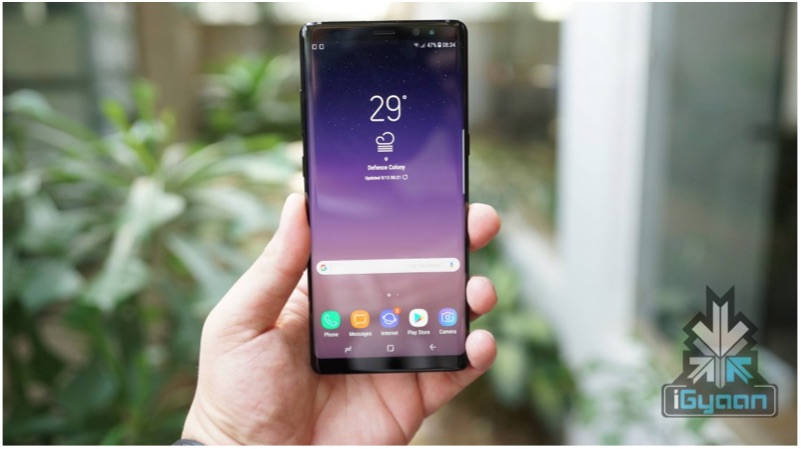
    Galaxy S10+

    As mentioned above, the report claims the Samsung Galaxy Note 10 will be launched on the 7th of August in the official Unpacked event. As far as the location of the announcement is concerned; it has been revealed that the smartphone will be unveiled at the Barclays centre in Brooklyn, New York. Notably, this is the same venue where the device’s predecessor, the Galaxy Note 9 was launched last year on the 9th of August. While the information seems genuine, the date and venue can be changed before the official announcement as there is still time before the launch.

    Also read: Facebook Announces Its Cryptocurrency Named Libra

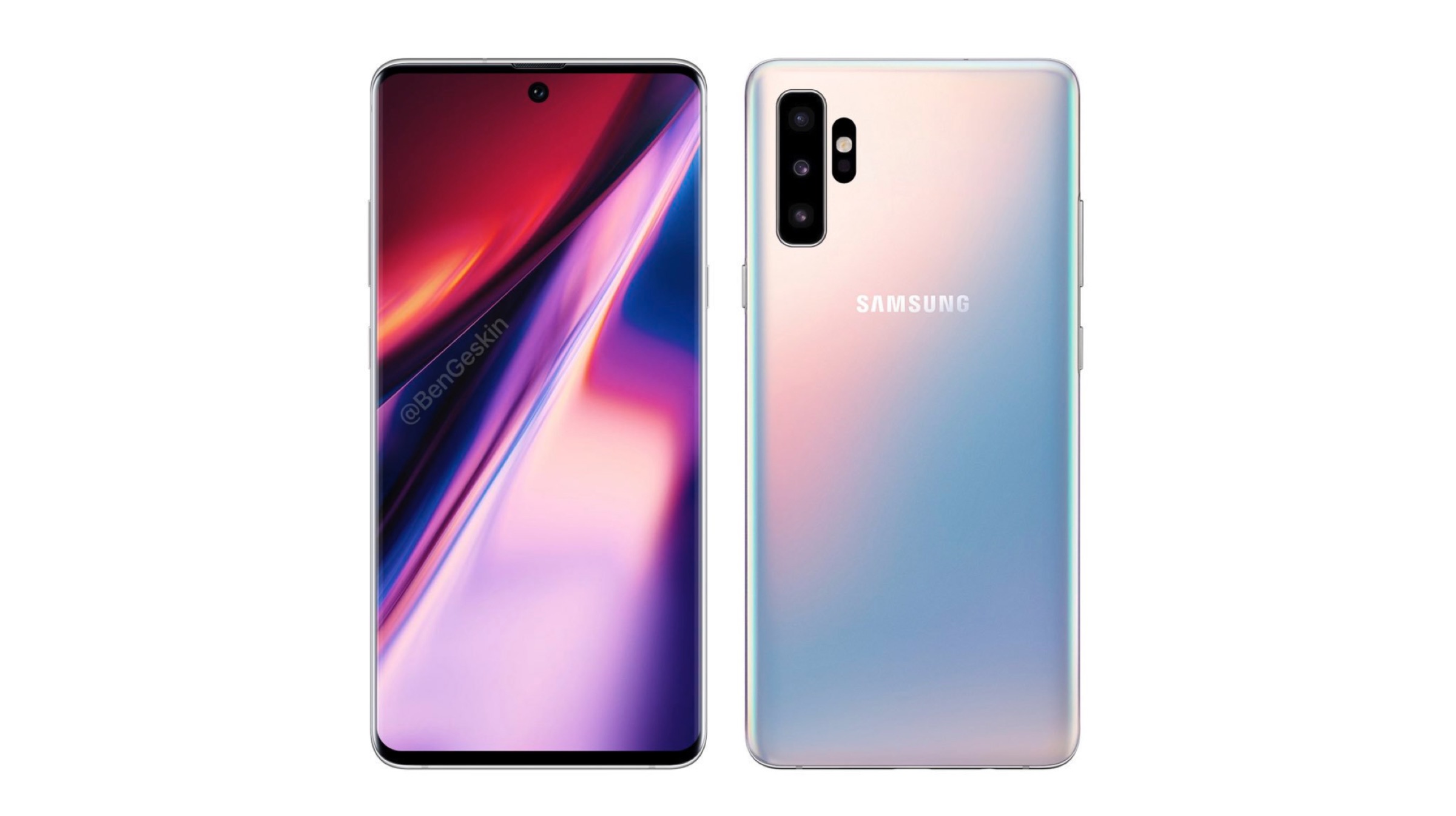
    The Galaxy Note 10 is expected to be a considerable improvement over its predecessor. Past leaks have claimed the smartphone will arrive in four variants, out of which at least one will support 5G; the next generation of mobile networks. The device will have a centred punch hole cutout to house the front camera and will have a vertical camera setup. This is unlike the horizontal camera systems the Galaxy S10 series employs. The leaks have also claimed the handset will let go of the 3.5mm headphone jack, which will be a first for a mainstream Samsung flagship. It is also expected to be priced considerably more than the Galaxy S10 series. While most details about the Galaxy Note 10 are all but confirmed; we will still have to wait for the official announcement in the month of August to douse our suspicions.  

  • Google Calendar Suffering From Global Outage

    Google Calendar Suffering From Global Outage

    2019 has been a year of numerous outages across various services and applications worldwide. For instance, social media platforms Facebook, Whatsapp and Instagram suffered from a worldwide outage in the consecutive months of March and April. Furthermore, American technology company Google also suffered from Google Cloud downtime earlier this month. As per recent reports, Google Calendar is also not functioning currently for multiple users across the globe.

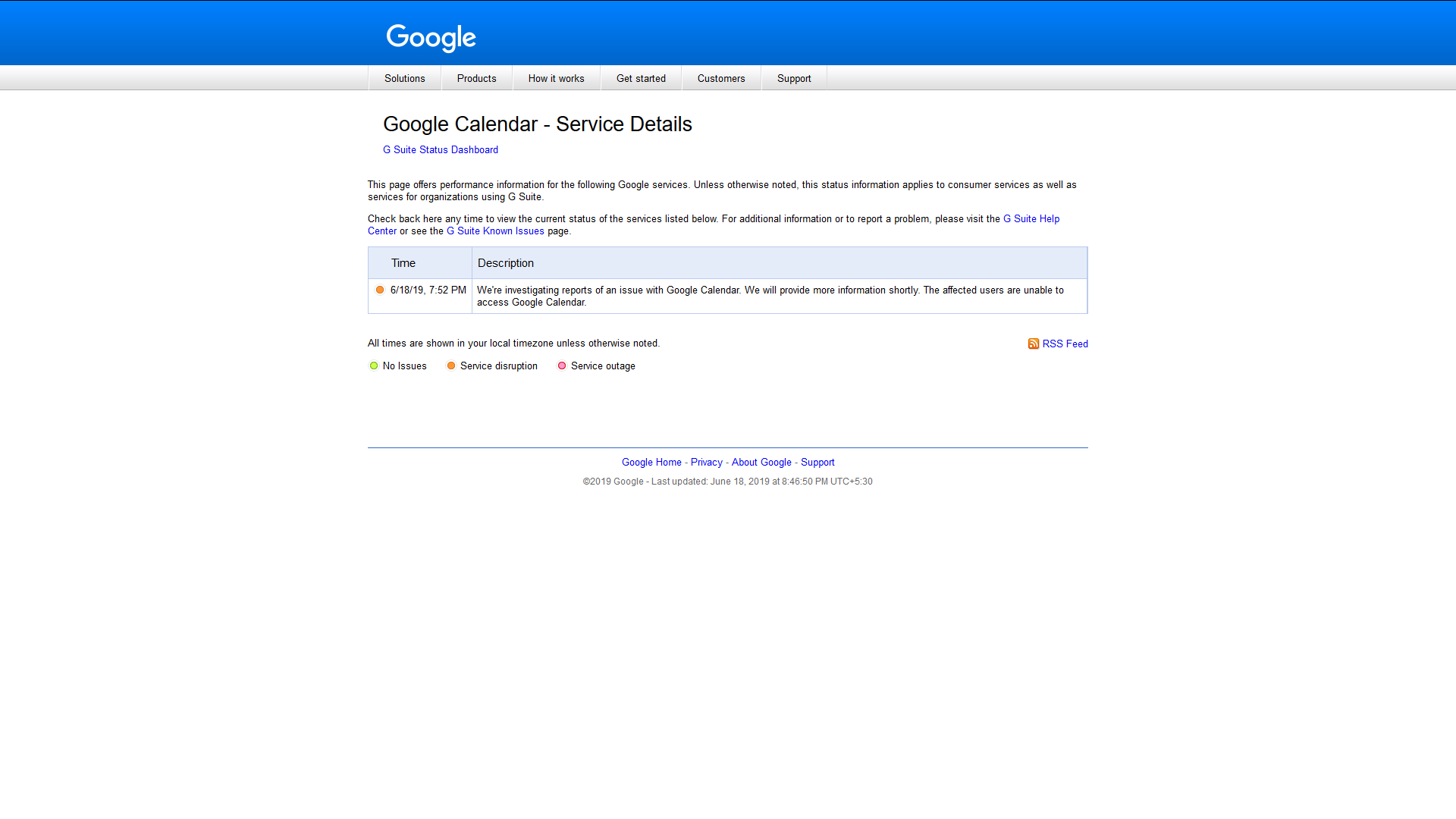
    Many users who have been trying to access their Google Calendar schedules at calendar.google.com are facing issues, since they are greeted with an error. First reports started pouring in at about 7:30pm IST (10am EST). The majority of Canadian and US population (in addition to other countries) are unable to navigate to the website since then. The company has confirmed details regarding the service outage via its G Suite Status Dashboard, which can be viewed by clicking here.

    The company’s statement implied that the problem is being investigated. Additional details are expected to be available shortly. The most interesting aspect of this outage is the fact that the company posted a tweet from the G Suite Twitter handle stating how the Google Calendar application makes scheduling much simpler for day-to-day usage. The tweet was published merely an hour before the service outage. This may be a coincidence or a timed external attack on the company’s servers. Shortly thereafter, the company posted about the service disruption as well.

    Also Read: Facebook Announces Its Cryptocurrency Named Libra

    This incident is another wake up call to a multitude of users across the globe, showcasing how vulnerable online services can be. When a lot of users rely on a single platform for their daily needs, a backup/contingency plan becomes an absolute necessity for conglomerates. An update from Google is expected to be available shortly, with engineers working on the problem, as stated by the company. Google’s other services (including Gmail, Docs and Drive) seem to be entirely unaffected at the moment. Moreover, the mobile application for the same is functioning without any hiccups as well.


  • Facebook Announces Its Cryptocurrency Named Libra

    Facebook Announces Its Cryptocurrency Named Libra

    American social media giant Facebook has announced a digital currency called Libra on the 18th of June. It is a cryptocurrency that aims at allowing billions of Facebook users to make transactions globally. Libra is expected to debut in the year 2020 alongside a blockchain network supporting it. The company also introduced its newest subsidiary called Calibra, which is a payments interface that will leverage the various assets of Facebook like Messenger and WhatsApp. 

    About Libra

    Facebook Libra

    As mentioned above, Libra is the latest cryptocurrency backed by Facebook. The company believes it will be used for money transfer between people in developing countries; who do not have access to a proper banking structure. The final goal though is to develop the first mainstream cryptocurrency, which is in use more than Bitcoin. Facebook believes Libra will grow into a currency which is stable and decentralized; this means no country will have ruling rights over it. Although the social media company is developing the currency, it has formed the non-profit Libra Association alongside 27 other partners so help it develop and get the cryptocurrency into the mainstream market. These partners include names like Mastercard, Visa, eBay, PayPal, Uber and Vodafone.

    Facebook Libra

    Also read: Revolt RV400 Launched, First All-Electric MotorBike

    The aforementioned organizations together are set to contribute to an asset pool known as Libra Reserve. This will make sure that every Libra (a unit of the currency) is backed by something essential in nature. This is different than how Bitcoin works, as it relies on its rarity and insufficiency to increase in value. Facebook’s Libra is being viewed as a financial behemoth, due to the sheer number of people using Facebook actively, which is around 2.4 billion each month. However, as the company always finds itself in the middle of a privacy debate, it may also face a lot of criticism when it lands next year.

  • Poco F1 Receives MIUI Update With May Android Security Patch

    Poco F1 Receives MIUI Update With May Android Security Patch

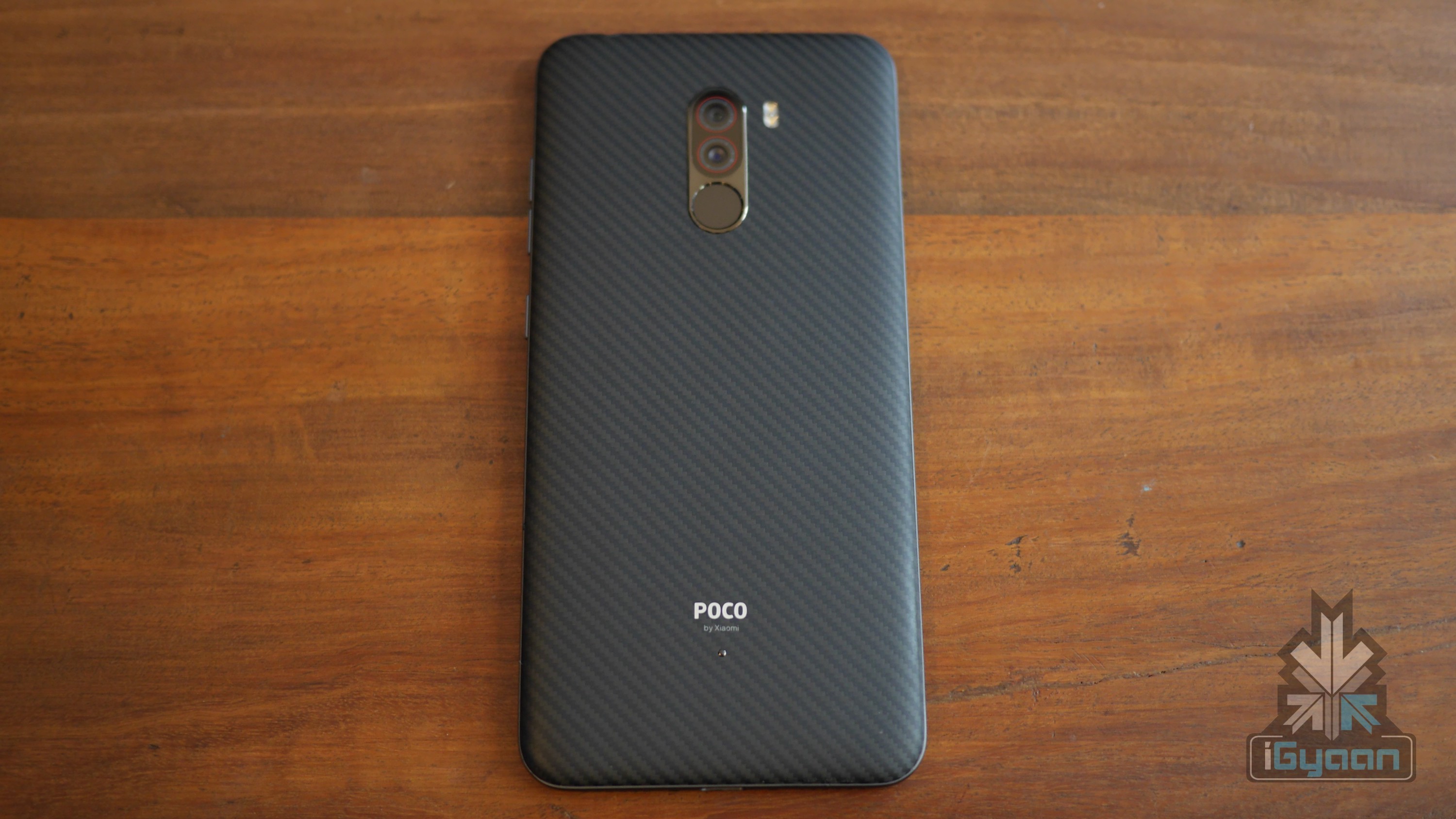
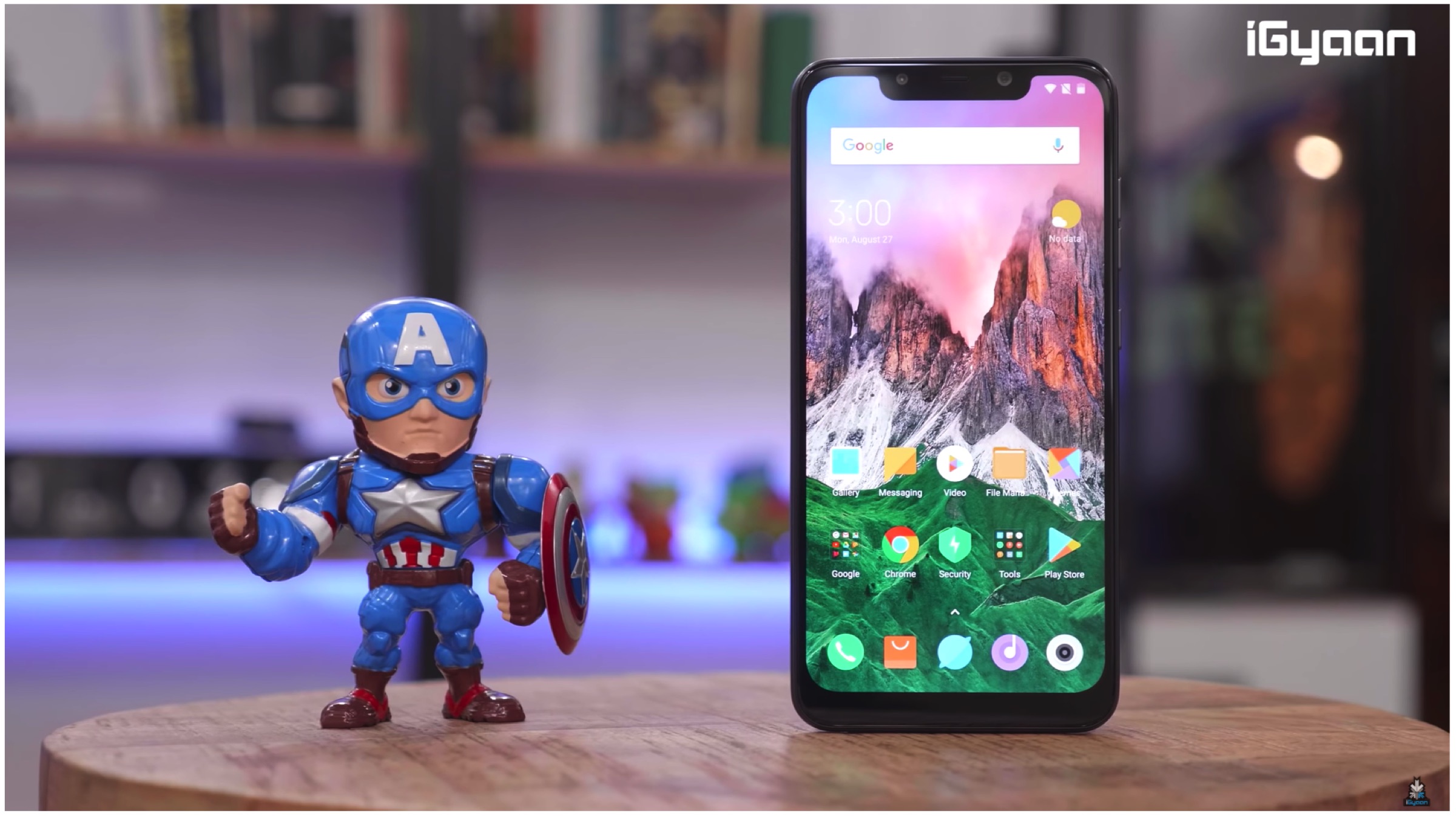
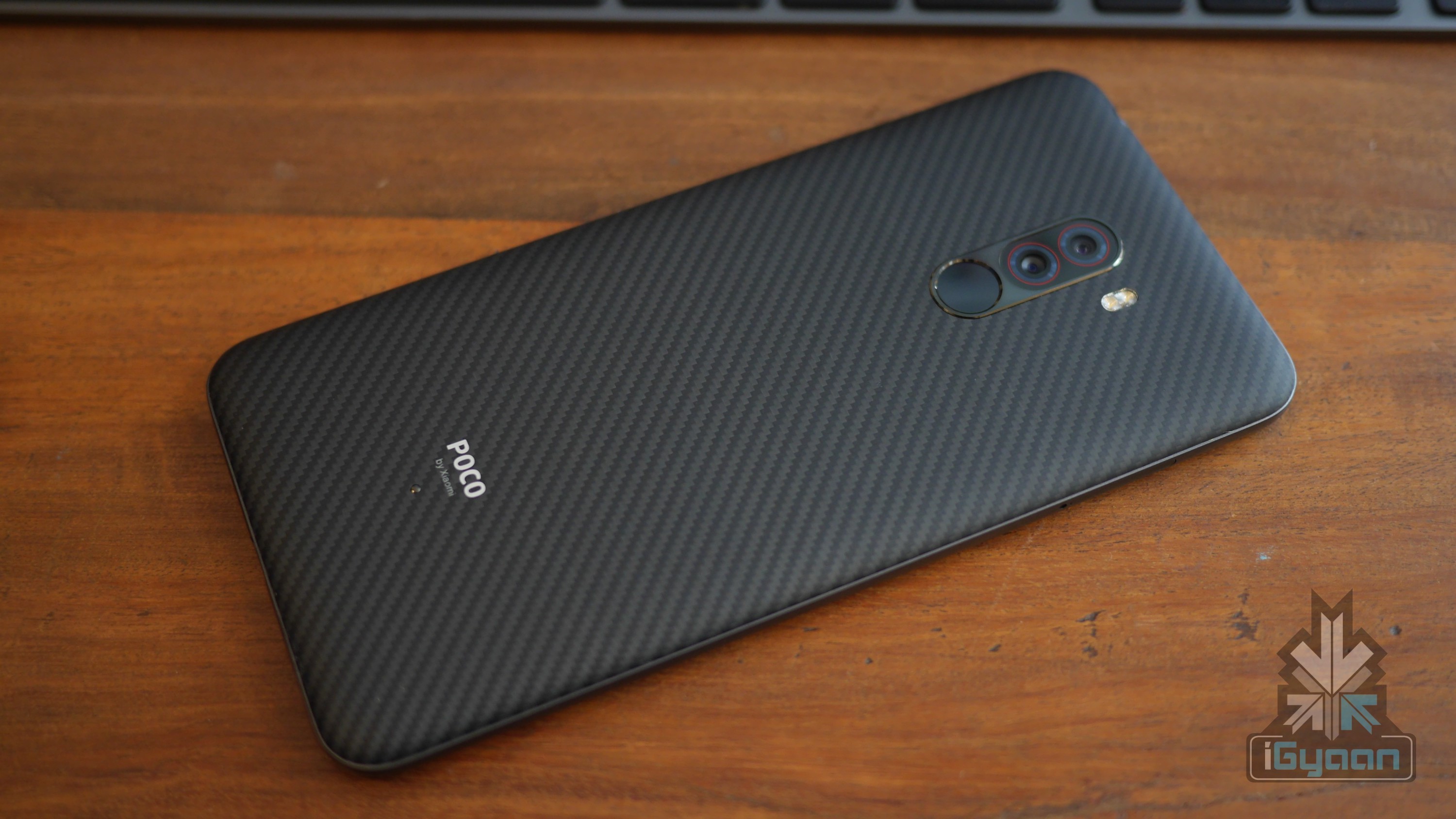
    Xiaomi had unveiled the Poco F1 in 2018, with a price tag that was below any of its competitors for the hardware offered. The company’s low budget powerhouse was received relatively warmly with its performance rivalling devices priced even upto three times higher. Xiaomi is still working on perfecting the formula with Poco F1, which has started receiving the latest MIUI update along with the May 2019 Android patch.

    Poco F1

    MIUI v10.3.5.0 brings improvements across the board for the budget flagship. This update will also seek to address many of the bugs that have plagued the smartphone like fix regarding dual app functionality which suddenly disappeared for some users. The rollout of the new update includes new features, such as customizable lock screen clocks, as well. Furthermore, it has been officially confirmed by Xiaomi that the Poco F1 will receive the Android Q update. 

    Poco F1

    The device was formally unveiled running Android Oreo (8.0) under the MIUI last year. Notably, since launch, the handset has received Android Pie (9.0) alongside the MIUI 10 update in early 2019. The Poco F1 update carries a size of 387MB and is being launched in India in small batches. Users interested in finding out if they have received the update can check under the ‘System Update’ options in ‘Settings’.

    Also ReadIndia Asks WhatsApp To Digitally Fingerprint Every Message For Traceability

    Poco Officials have seemingly confirmed the arrival of Android Q on its budget smartphone alongside the beta program. The program will be an opt-in for anyone interested in the Poco Launcher 2.0. The new launcher is touted as a new experience and a slight preview has been provided on Twitter. Poco F1 had just received the MIUI v10.3.4.0 update back in April that brought features such as the 4K 60FPS recording capabilities, Widevine L1 support and a dedicated Game Turbo mode.

  • Revolt RV400 Launched, First All Electric Indian MotorBike

    Revolt RV400 Launched, First All Electric Indian MotorBike

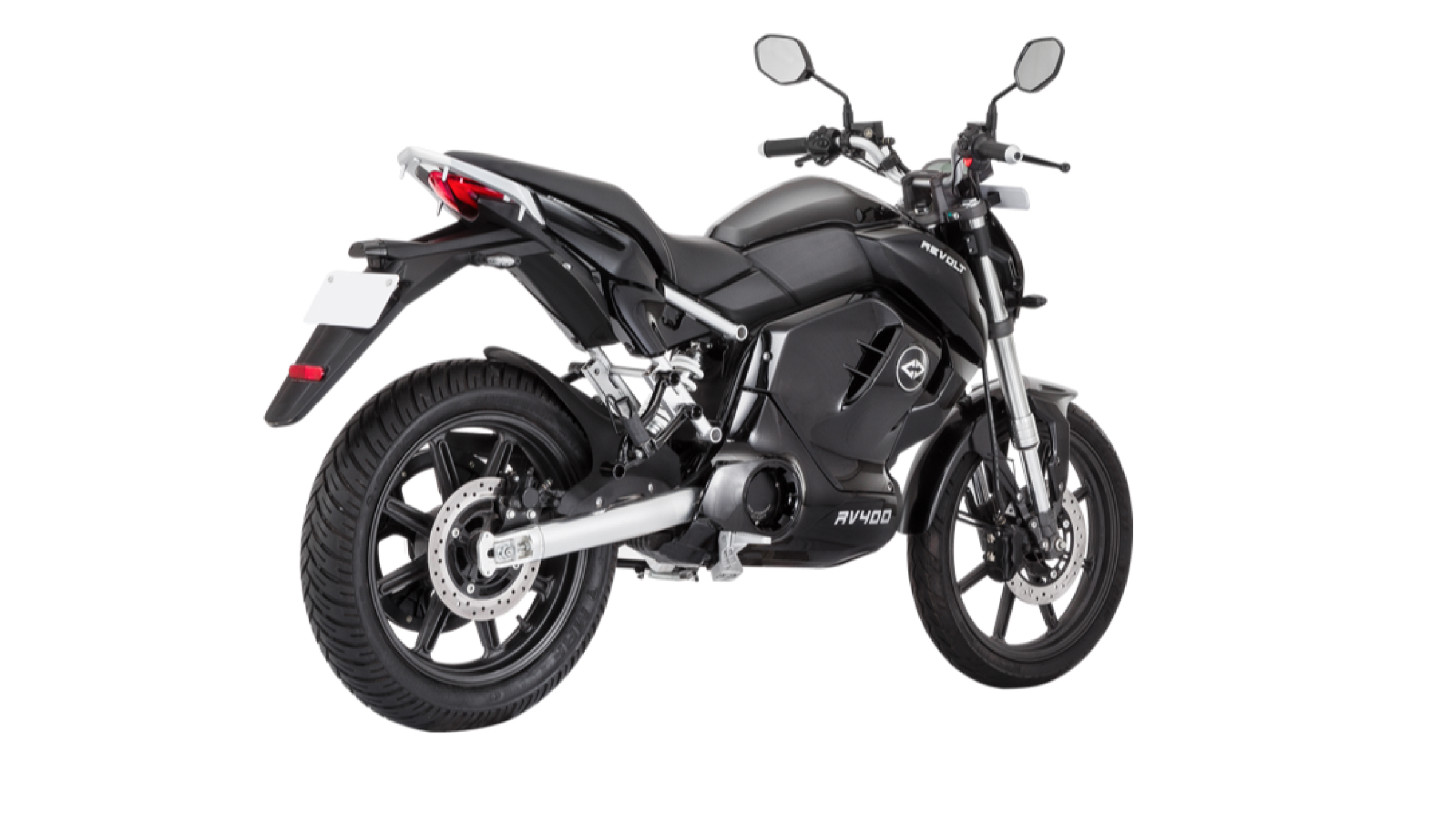
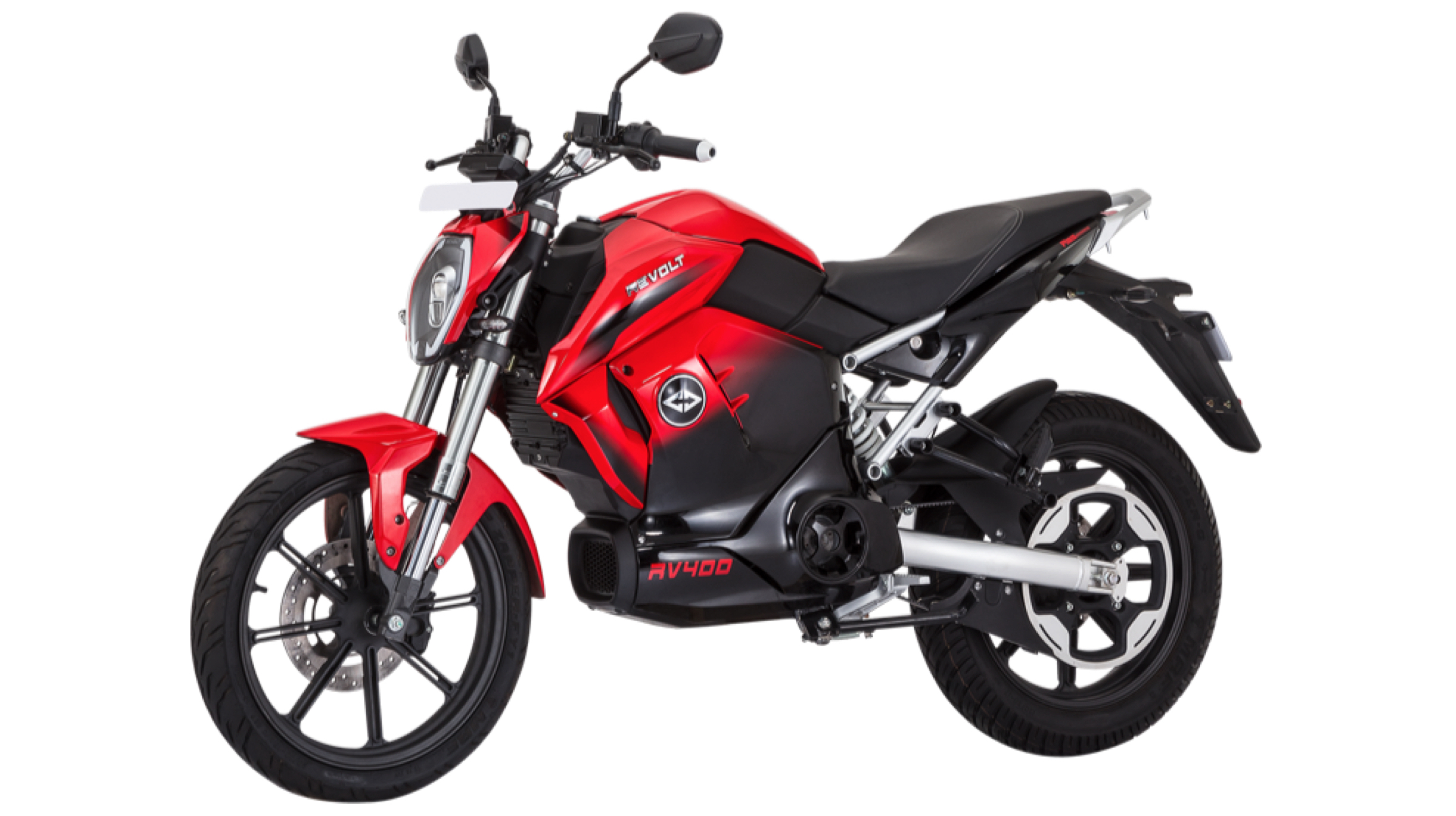
    Micromax co founder, Rahul Sharma’s independent venture Revolt Motors, has unveiled its first electric bike, the RV 400 in India which is targetted towards the youth. The pre bookings for the newly launched EV will commence on the 25th of June 2019. Interested users can book the bike from the company’s website or Amazon.in at a price of Rs 1000. 

    Revolt RV 400 Design and Features

    The Revolt RV 400 has a familiar design owing to the fact that certain elements are inspired from popular motorcycles already available in the country including the Yamaha FZ and KTM Duke. The EV features 8 spoke wheels on both the front and rear. One notable feature of the EV is customisable artificial exhaust sound which is produced via a loudspeaker installed on the bike.

    The sitting position of the Revolt RV400 appears to be quite high which provides the bike with an aggressive stance. In terms of suspension, it features a USD (upside down) front fork and a monoshock at the rear. Some segment leading features of the electric motorcycle include all LED lightning, a fully digital instrument cluster and 4G connectivity.

    The Revolt RV400 is claimed to have a range of 150+ km with a top speed of 85 kmph which is purposely capped to boost range. The electric motorcycles user replaceable battery pack is located in the same spot where a conventional bike would harbour an internal combustion engine. The charging cable is equipped with a traditional 15 A plug which allows the battery to be directly charged via conventional sockets found in households.

    To help users transition into the new electric ecosystem, the company will provide an option to quickly replace drained batteries with charged ones at charging stations that the company has set up across the country. Even the charging stations are currently in limited numbers, they will be increased with rising demand. Furthermore, Revolt Motors even provides an option for its customers to order fully charged batteries which will be delivered right to their home.

    As the Revolt RV400 is based on a visionary approach, it supports AI or Artificial Intelligence which adapts the bike setting as per user’s driving pattern in order to churn out maximise range that the battery can offer. Another noteworthy feature about the EV is geofencing which allows the vehicle owner to create a virtual geographic boundary that it can be operated in.

    The Revolt RV400 will be manufactured in the company’s Manesar, Haryana plant which is capable of producing 1,20,000 units each year. Several key details including the BHP the electric motor produces, battery wattage and price are still a mystery which will be unveiled next month. 

    Also Read: India Asks WhatsApp To Digitally Fingerprint Every Message For Traceability

    The Revolt RV 400 will be available in two colours Rebel Red and Cosmic Black. Even though the official price is yet to be revealed, it is expected to be priced around Rs 85,000. 

  • Google’s SMS Replacement App, RCS May Roll Out Soon

    Google’s SMS Replacement App, RCS May Roll Out Soon

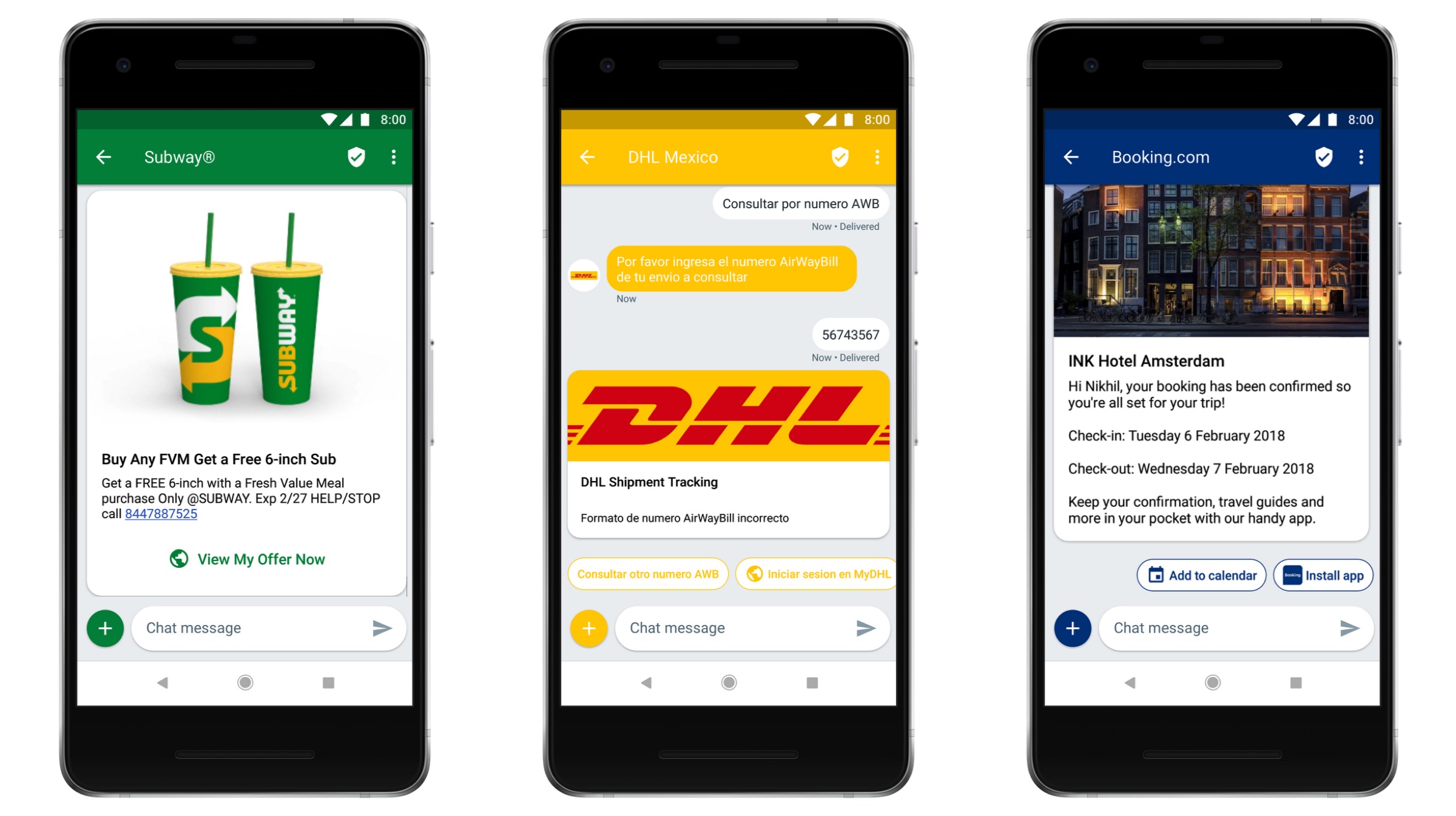
    Google has finally taken a stance on its upcoming RCS chat (Rich Communication Service) functionality for Android devices. The feature was announced back in 2018, although its implementation has been rather slow. The blame is partly on various carriers as the next-gen texting format usually depends on networks adding support. This usually occurs one at a time inducing great delay. Hence, compatibility so far has been grey in nature. The tech giant, however, has now announced that it will take the lead on the projects roll out. 

    Google

    RCS is said to be a new-gen replacement for SMS texting and will be initially made available for users in the UK and France in June. Users can opt-in for the service in the aforementioned countries. This service does not work on a central server and is designed to work with other devices that are compatible. Google passes the exchanged messages through its servers (which they claim are deleted as soon as they’re delivered) taking on a decentralized system. Hence, not requiring carrier support or complicated OEM policies.

    How Does RCS Work?

    RCS is essentially a peer-to-peer workaround for the carrier-driven model. The next-gen texting service is agreed on by most carrier across the globe to be a viable and necessary replacement for SMS. Similar to modern texting apps, it will provide many of the new features currently popular in base messaging apps. Compatible devices thereon receive high-quality media, read receipts and other new features with the service. Unfortunately, end-to-end encryption is still lacking right now.

    Google

    Google’s Android Messenger dubs the app as ‘Chat’ and will be optional for those that want to update to the RCS Chat. Furthermore, new smartphones will, by default, be offered on devices running Android OS. To enable the feature, click ‘Yes’ on the Chat prompt on the default messaging app. If another user in the same virtual room has RCS, it will be shown as Chat in the app. The service will work with any smartphone supported by the RCS Universal Profile, regardless of carrier support or even Google.

    RCS is a federated model with different carriers being responsible for delivering messages to users. This is unlike Apple’s iMessage that utilizes a central server based model. The complex nature of RCS is crucial for not having a single company benefitting and controlling the entire system, similar in nature to SMS.

    Also ReadSamsung Patents Smartphone With Dual Display

    Google has not passed every hurdle to be faced with RCS’s widespread induction. The tech giant has not announced a proper roadmap for the new chat technology being implemented in other countries. However, with Google’s hands-on involvement with the service, users can be assured of an earlier release than carriers.

  • India Asks WhatsApp To Digitally Fingerprint Every Message For Traceability

    India Asks WhatsApp To Digitally Fingerprint Every Message For Traceability

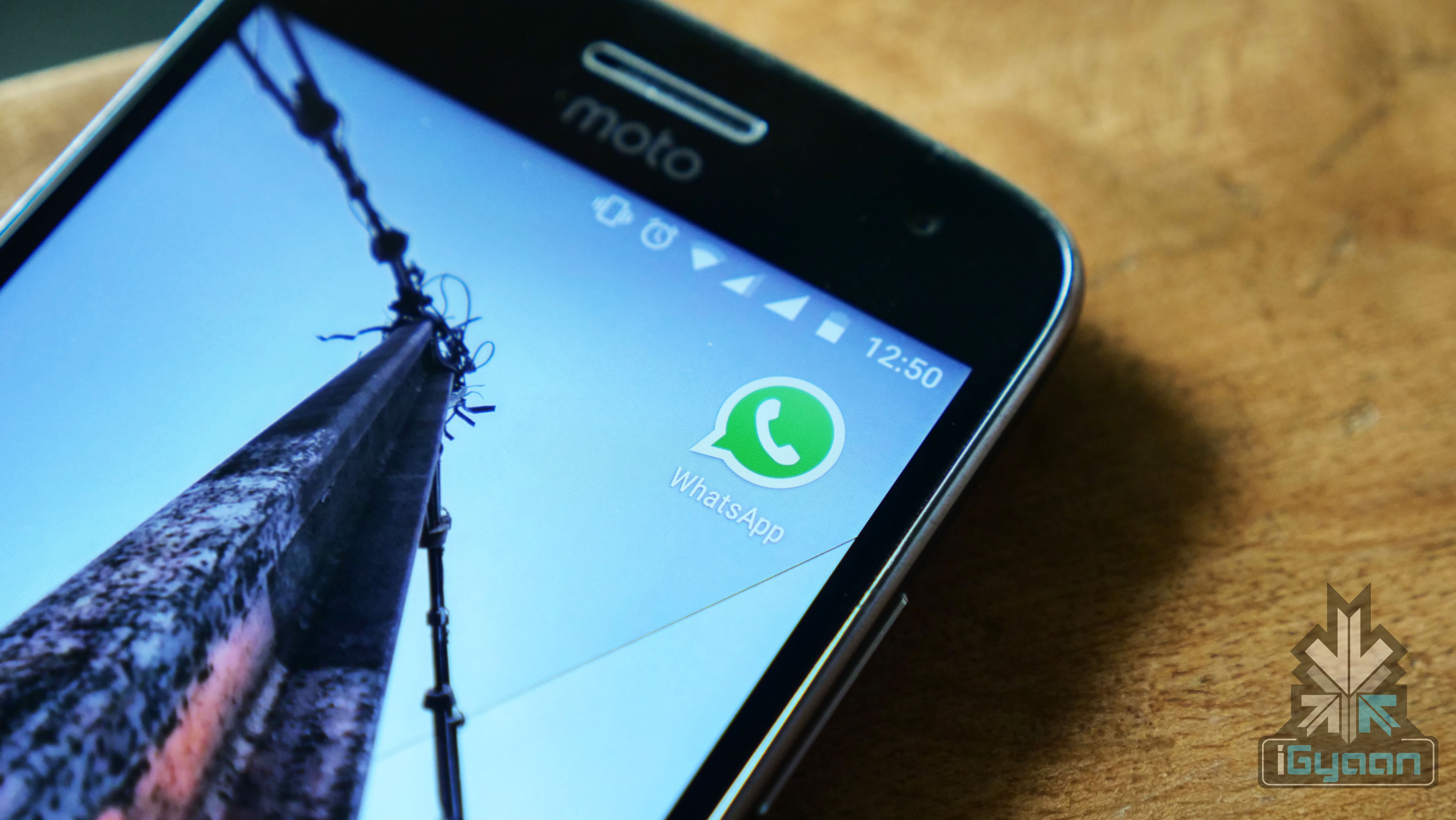
    WhatsApp Messenger, owned by the American social media giant Facebook is one of the most popular messaging services in the world. And the largest market for the application in India, with over 200 million active users in the country. Lately, the platform has been plagued with malicious activities, some of which are criminal in nature. To counter that, the Indian government has asked WhatsApp to digitally fingerprint every message sent on the app for easy traceability. 

    About the move

    WhatsApp

    A report claims that WhatsApp has been asked by the Indian government to make it easy to trace the origins of a message on its platform. This may be achieved by placing a digital fingerprint of the sender on the message. Notably, the messaging app boasts of a secure, end to end encryption on its platform since the year 2016. This according to the company, does not let even its employees view what has been sent or received on its platform. Two government officials have said that it should be able to identify where a message has originated and how many people have interacted with it; that is either have read it or have forwarded it. Interestingly, this is not the first time demand from the Indian government similar to the one mentioned above has been shared with WhatsApp. 

    WhatsApp Samsung

    Also read: Apple TV Will Gain Picture In Picture Functionality With Upcoming Update

    While the Indian government has claimed the request to trace the messages on WhatsApp will be limited; it goes against the company’s privacy policies. The company claims it cannot go forward with the demands as it would change the architecture of the product and make it a different application altogether. So, the introduction of a digital fingerprint to track the origins of a message on WhatsApp might be seen as a breach of privacy.

  • Galaxy Note 10 Screen Protector Reaffirms Centre Mounted Punch Hole

    Galaxy Note 10 Screen Protector Reaffirms Centre Mounted Punch Hole

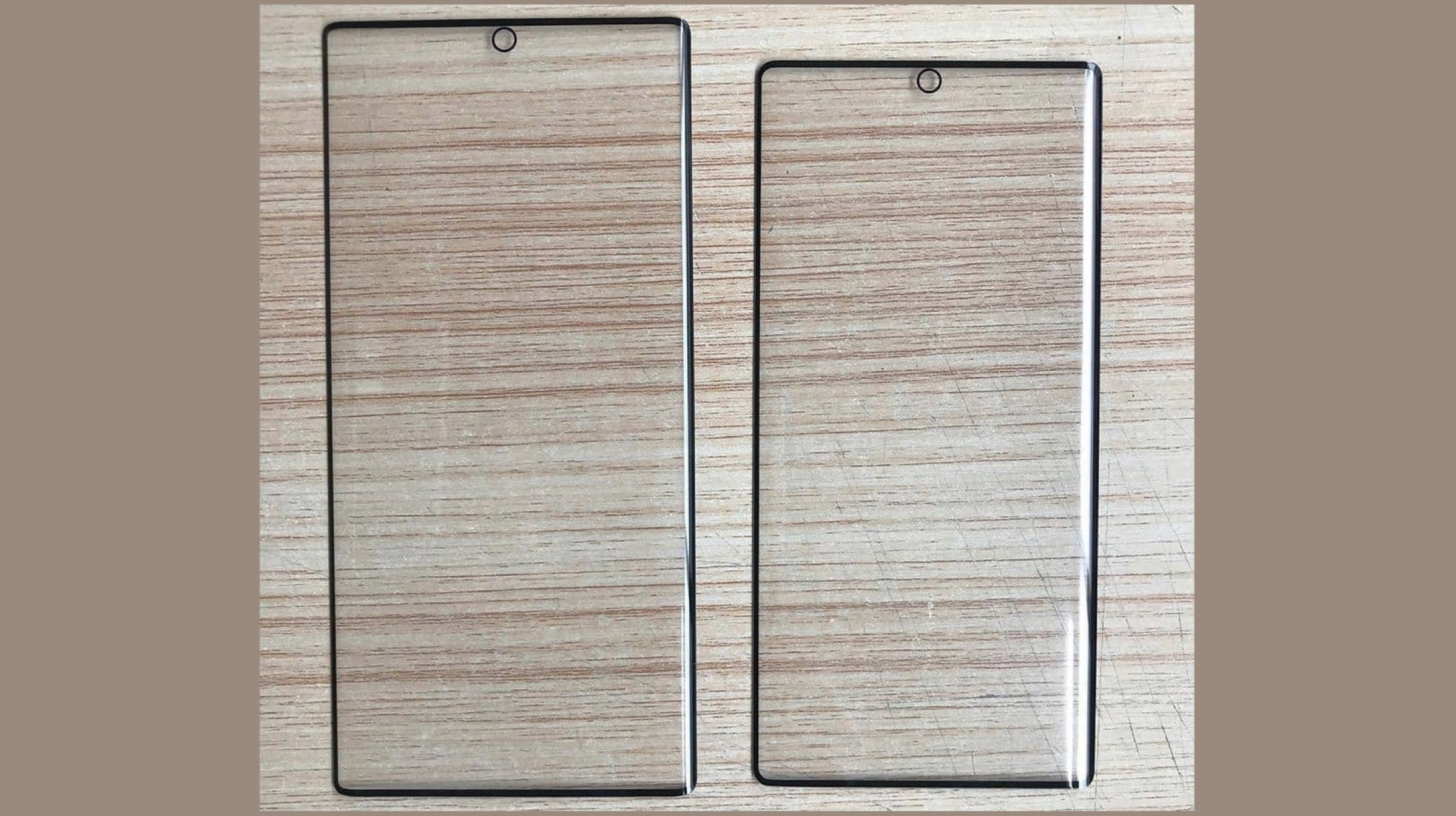
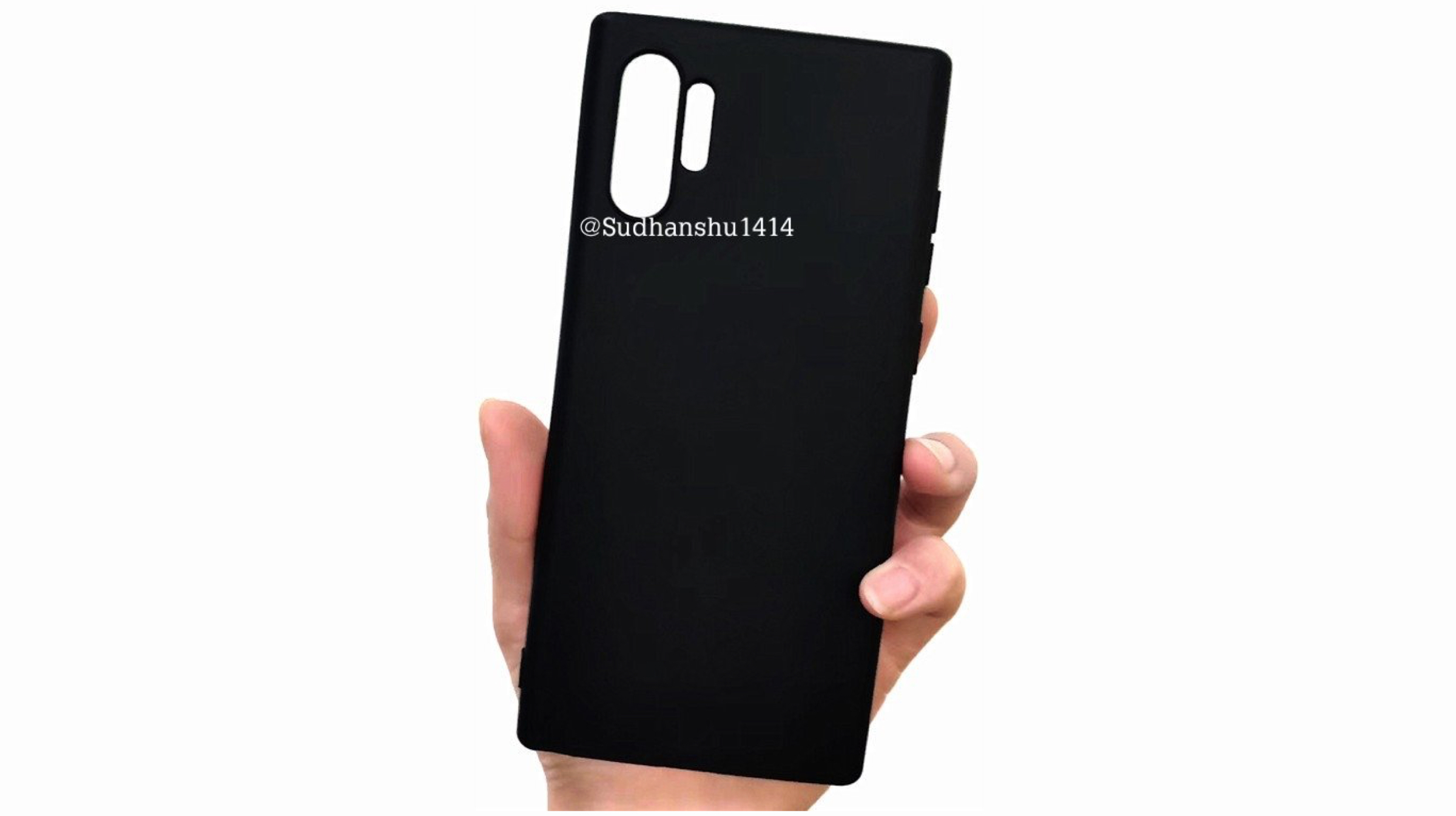
    With each passing day, new leaks corresponding to the highly anticipated Samsung Galaxy Note 10 and Galaxy Note 10 Pro surface. Afresh, the glass screen protector of both the flagship grade devices has surfaced on Chinese social media website, Weibo, revealing key details about their front design.

    The alleged screen protector of the Samsung Galaxy Note 10 and Note 10 Pro states that both the handsets have a centre mounted punch hole near the top bezel which houses a single selfie camera. Furthermore, they exhibit a taper towards the side which states the upcoming smartphones will have a curved display like the Galaxy S10 and the OnePlus 7 Pro. Noteworthy, the punch hole in the screen protectors is smaller in comparison to previously launched Samsung smartphones having this feature including the Galaxy A8s. Although the present leak does not reveal any specification of the Note 10 lineup, they can be derived from past leaks and reports.

    In terms of screen size, the Samsung Galaxy Note 10 is reported to have a 6.4 inch display while the Pro variant is reported to have a 6.7 inch display. Under the hood, the devices are assumed to pack the Snapdragon 855 or Exynos 9820 SoC which will be dependent on the region the devices are sold in. For photography, the Galaxy Note 10 and Galaxy Note 10 Pro is claimed to have a quad rear camera setup which is also proposed by the leaked cases. According to a past leak, the devices will have a battery larger than 4,000 mAh with the Pro variant being powered by a 4,500 mAh cell.

    Also Read: Samsung Galaxy M40 To On Sale In India For The First Time Today

    More details about the Samsung Galaxy Note 10 smartphone lineup are expected to be unravelled in coming days. While the exact price and specifications will be revealed at the official launch event which is expected to take place in the month of August. 

  • Samsung Patents Smartphone With Dual Display

    Samsung Patents Smartphone With Dual Display

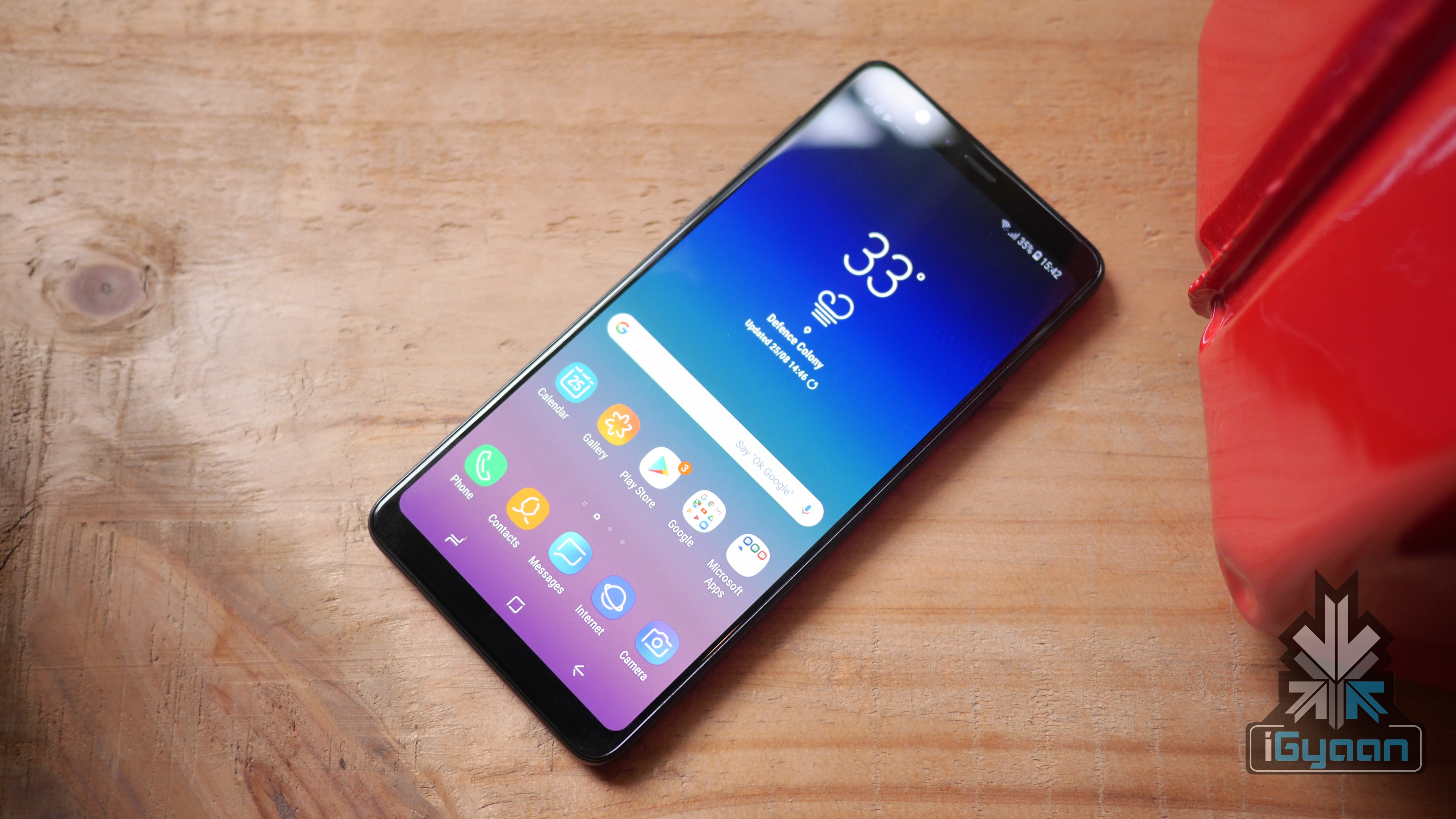
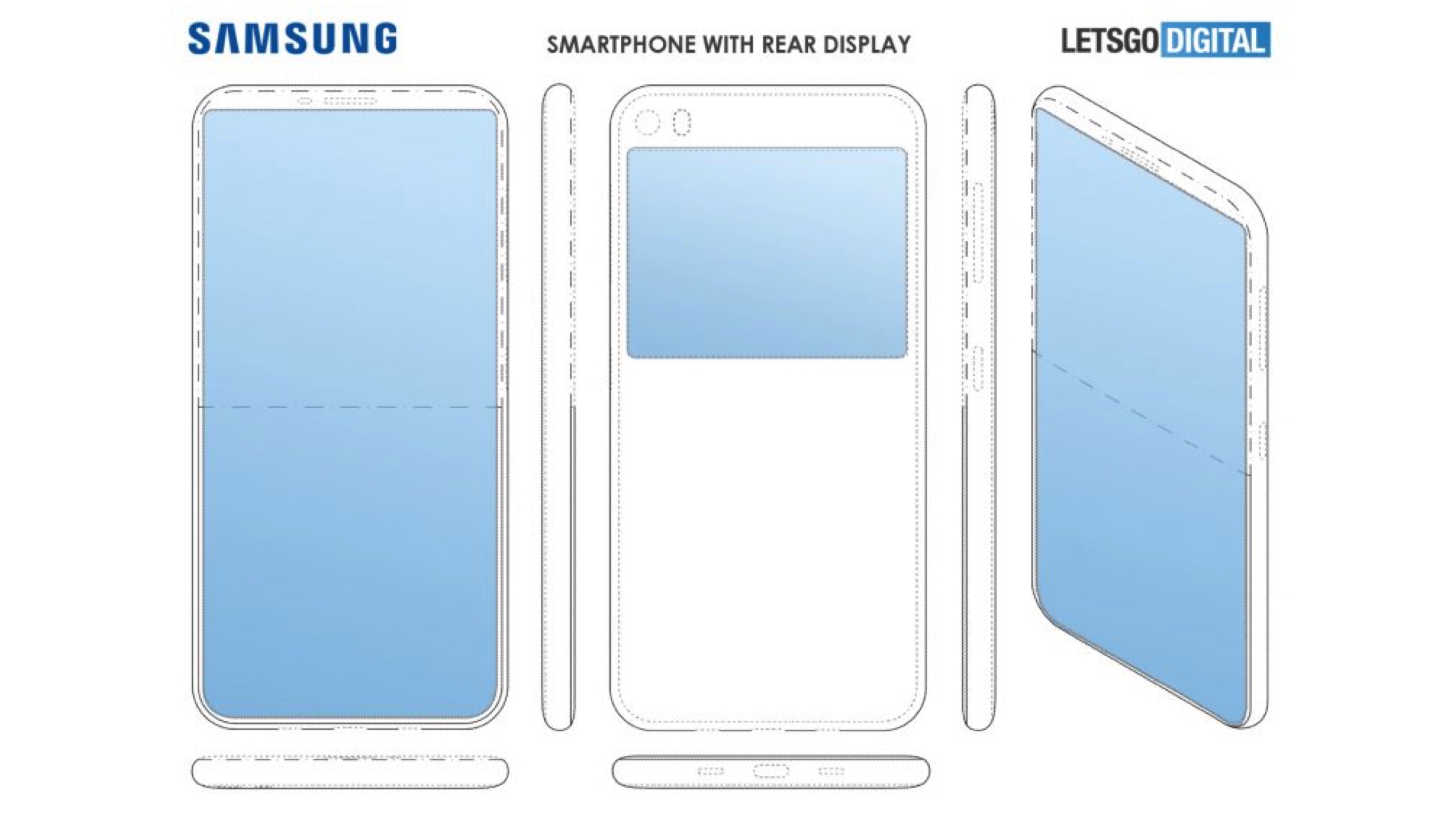
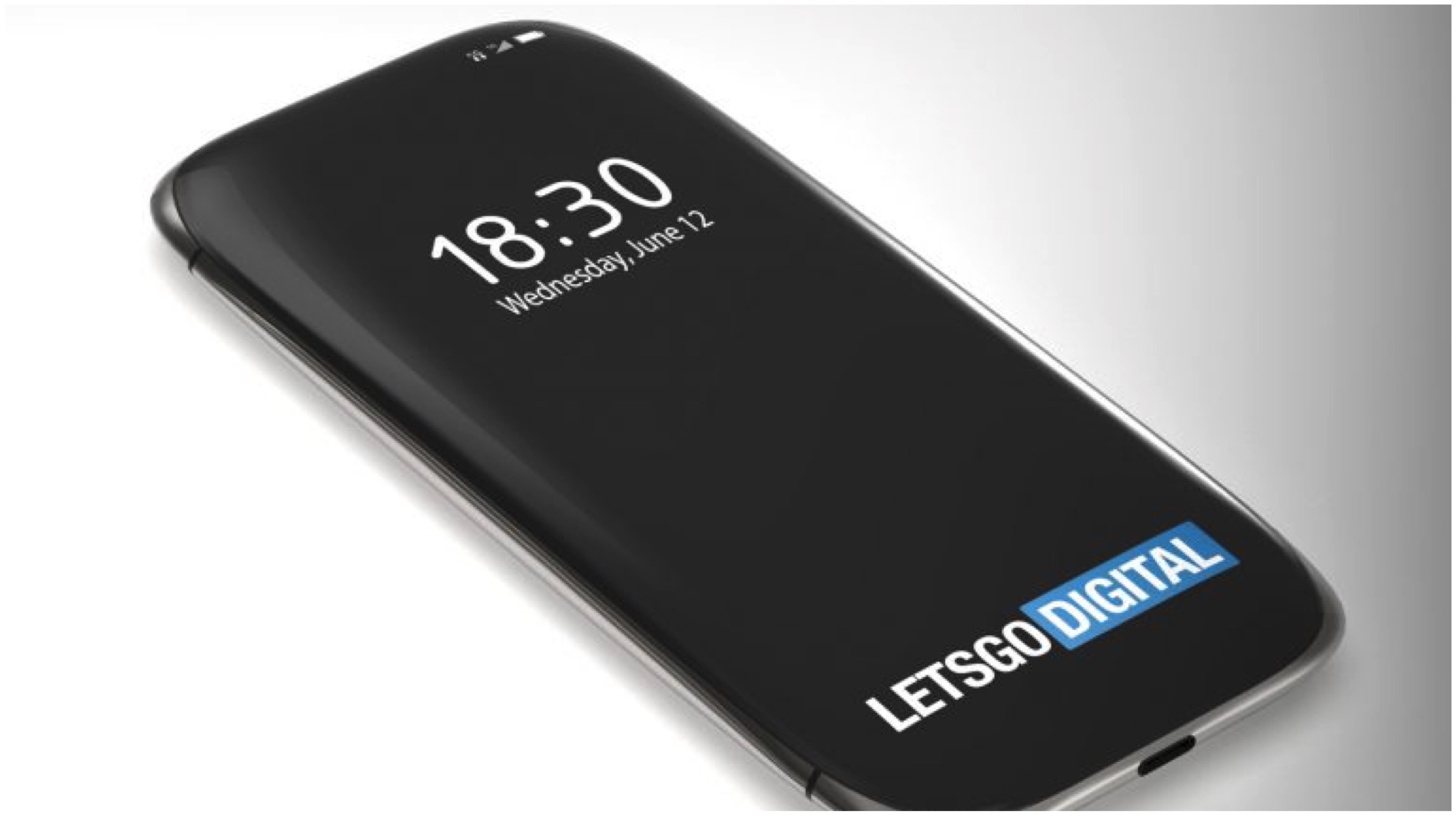
    The latest generation of smartphones follows a trend that has seen many OEMs try making an all display front panel. Hence, this sought to innovatively hide or exclude the front-facing camera altogether. Samsung was the first to introduce a punch hole front camera with the Galaxy A8s and now brings a new take to the mix. A freshly patented Galaxy device will apparently not have a front-facing camera and rather feature a display at the back which can be used to take selfies from the rear mounted camera.

    Samsung

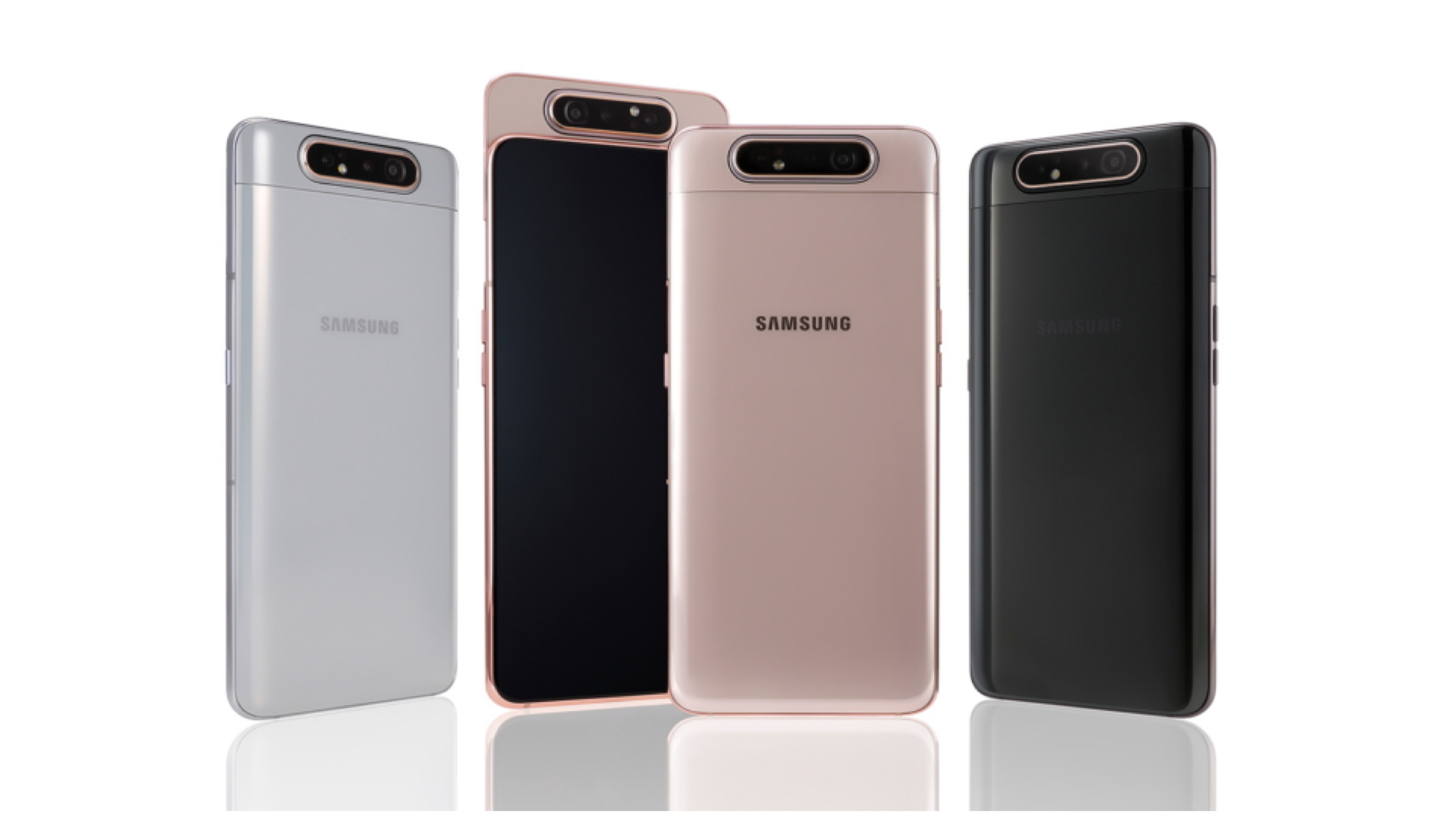
    Devices such as the OnePlus 7 Pro, that feature a pop-up front camera have become increasingly more common. Some even sport rotating and shifting cameras as well (see Samsung A80). The point of having a smaller display on the back extends to the ability to use the rear camera for taking selfies. Samsung is not the first with this workaround, Vivo Nex and Nubia X also feature a dual display functionality.

    The Korean company had previously filed a patent for a double-sided display, and now it is seeing its first implementation. The patents filed had showcased designs for the dual-display device that is taking a real form in development stages. The secondary display, according to the designs, is placed at the back right below the primary camera and is about half the size of the front screen. This makes selfie shots possible as the preview can be displayed on the back while clicking a photograph. 
    Samsung

    Apart from the photography implications of the patented dual-screen smartphone, no other information or features can be garnered. Looking at the renders, it is clear that there is no front camera only a speaker grill, and no 3.5mm headphone jack either. Any sign of a fingerprint sensor is also indiscernible, so an in-display sensor is probably the case. It is highly unlikely for Samsung to roll out this new feature on its flagship S series devices. However, the Samsung Galaxy A series might be the perfect place for testing such designs.
    Also Read: iPhones In 2020 To Arrive With 5G And A Smaller 5.4 Inch Variant

    The A series was the first to introduce a triple and quad camera set up alongside a new rotating camera technology for the company. So it is not far off to assume that the upcoming innovative device will be featured in this bold series. Samsung’s debacle with its foldable smartphone should make it more cautious over new releases but its brave steps forward are always appreciated by the industry and its community.
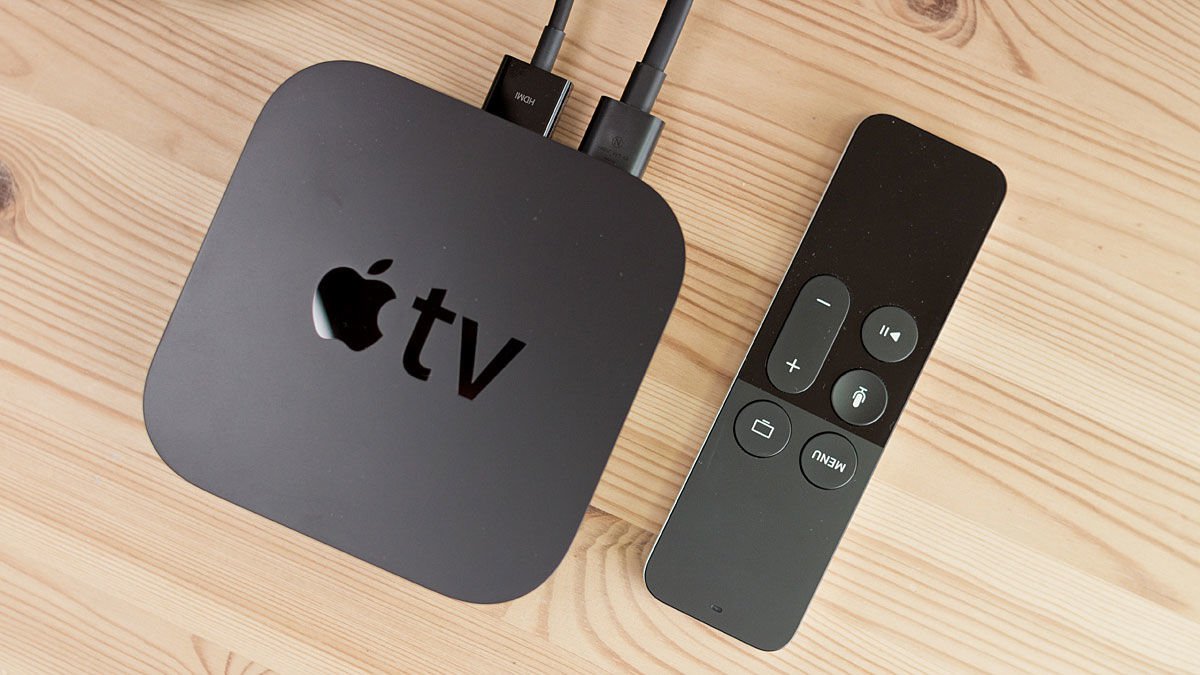
  • Apple TV Will Gain Picture In Picture Functionality With Upcoming Update

    Apple TV Will Gain Picture In Picture Functionality With Upcoming Update

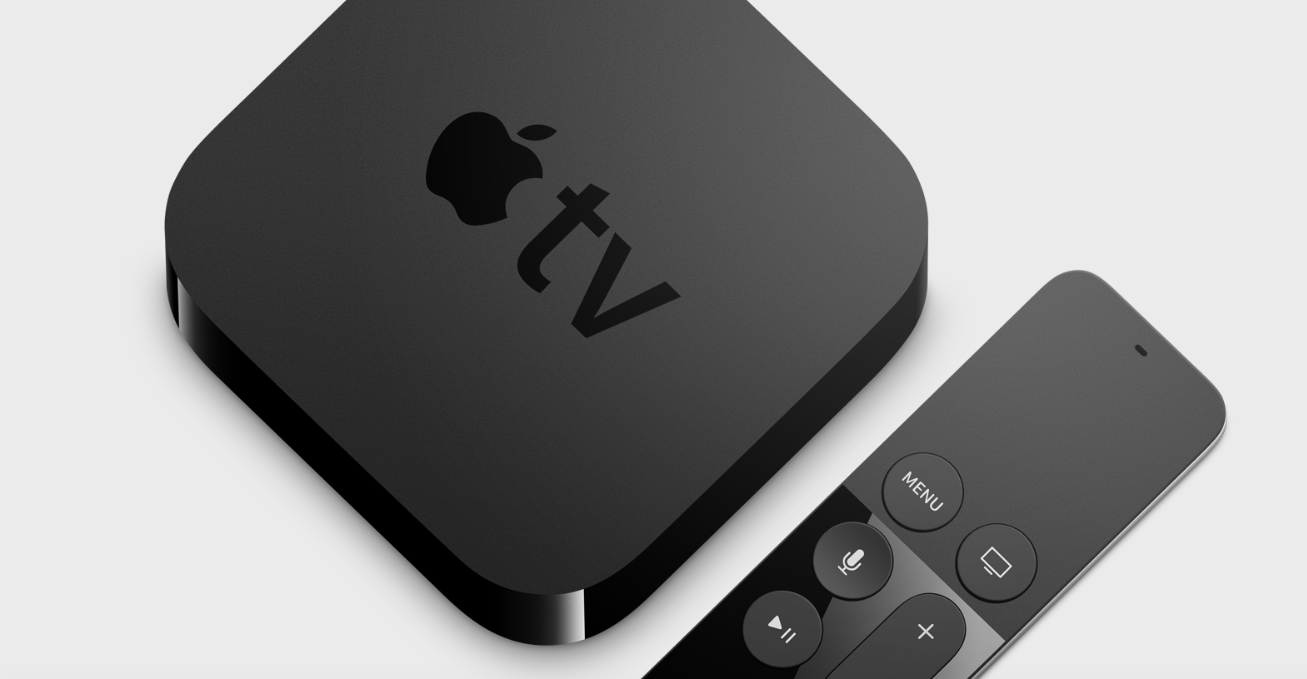
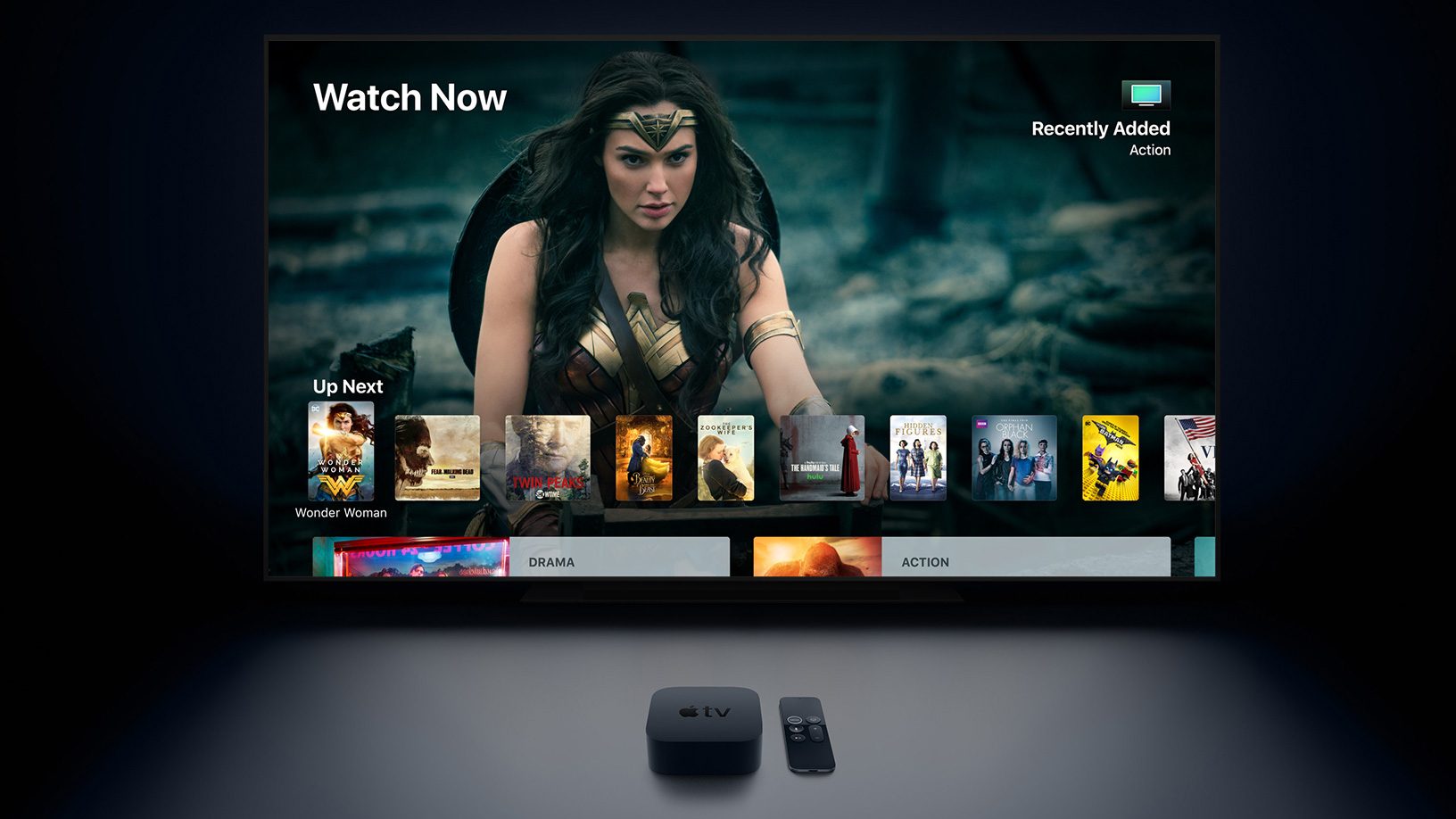
    Earlier this month, Apple held the WWDC event where it showcased the latest software versions for its consumer devices (1,2). Subsequently, the company has rolled out a developer’s beta update for the Apple TV which is reported to have a brand new feature. A Twitter user who goes by the username Nikolaj Hansen-Turton discovered that the with the latest beta update, the Apple TV has gained the functionality of Picture-in-Picture or PiP.

    Several publications took notice of the Tweet and ran news covering the update. However, at the time, it was unclear whether it is a full fledged PiP function or just a smaller window of the video player which can be displayed while navigating through Apple TVs UI. Reports since then have claimed that the feature will allow users to stream two shows simultaneously. Though, there are some limitations of the feature.

    Picture in Picture support will be limited for the content that is provided by Apple. This includes content which is purchased through iTunes, inbuilt Apple TV channels and the Apple TV+ service which will roll out later this year. The list of premium add on channels offered by Apple TV include HBO, Starz, Showtime, EPIX, Tastemade, and Smithsonian Channel.

    To further clarify, if a user subscribes to HBO through Apple TV, they will be able to watch HBO in Picture-in-Picture mode when the new version of tvOS ships to the public later this year. However, if they subscribe to HBO through the HBONOW.com website and then watch the service via the third-party HBO NOW app, they won’t be able to use Picture-in-Picture mode. Although not mentioned by Apple, this exclusivity is maintained as Apple charges a commission from HBO when users subscribe to the latter’s service via Apple’s channel. Therefore, this is Apple’s strategy to push users to subscribe to paid resources via its platform

    Also Read: Honor 9X Pro Receives EEC Certification

    Conclusively, this seems to be a worthwhile feature for the Apple TV that users will surely appreciate. For users to access the feature, they will have to wait till the general public software update is rolled out. 


  • Honor 9X Pro Receives EEC Certification

    Honor 9X Pro Receives EEC Certification

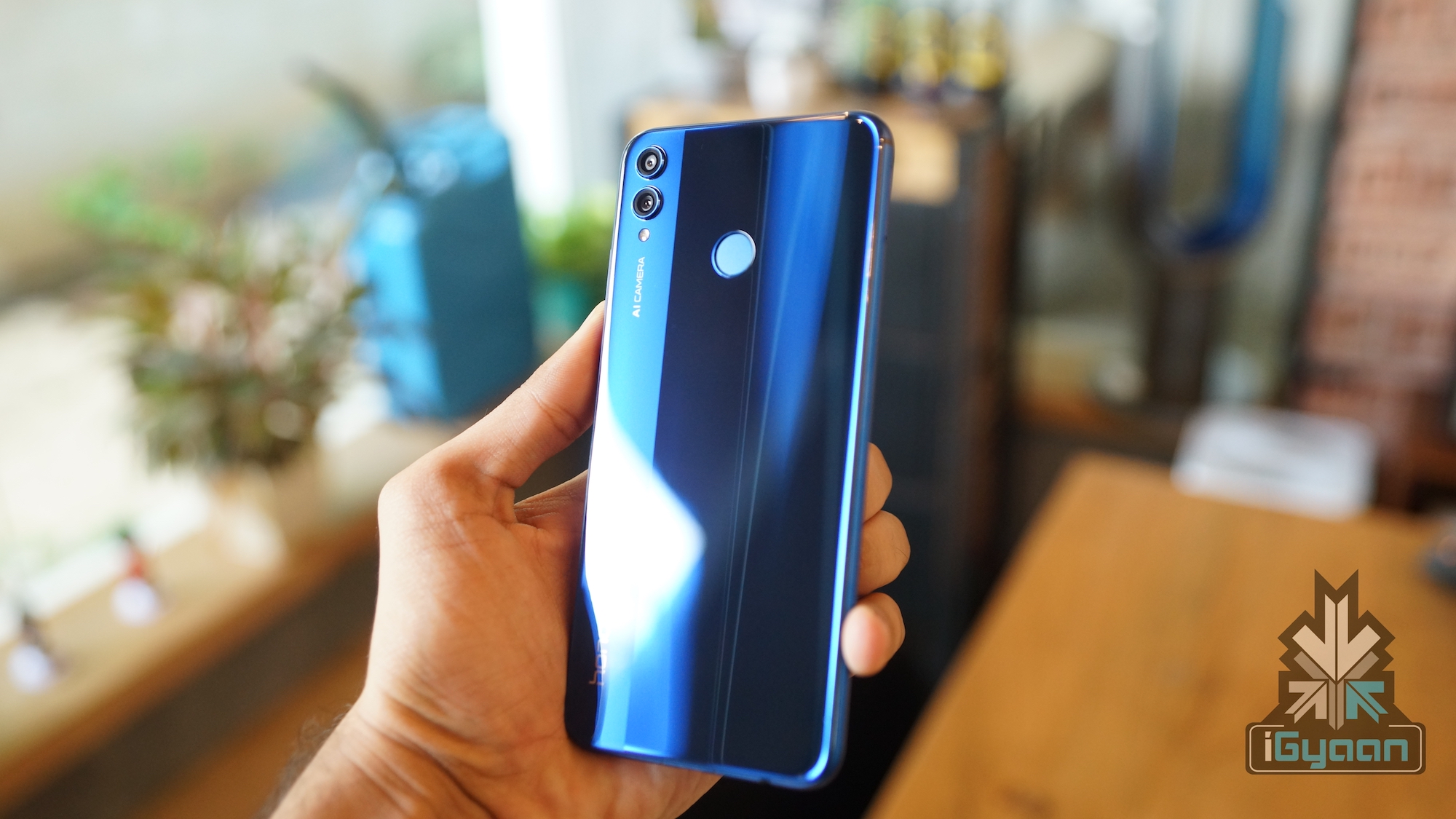
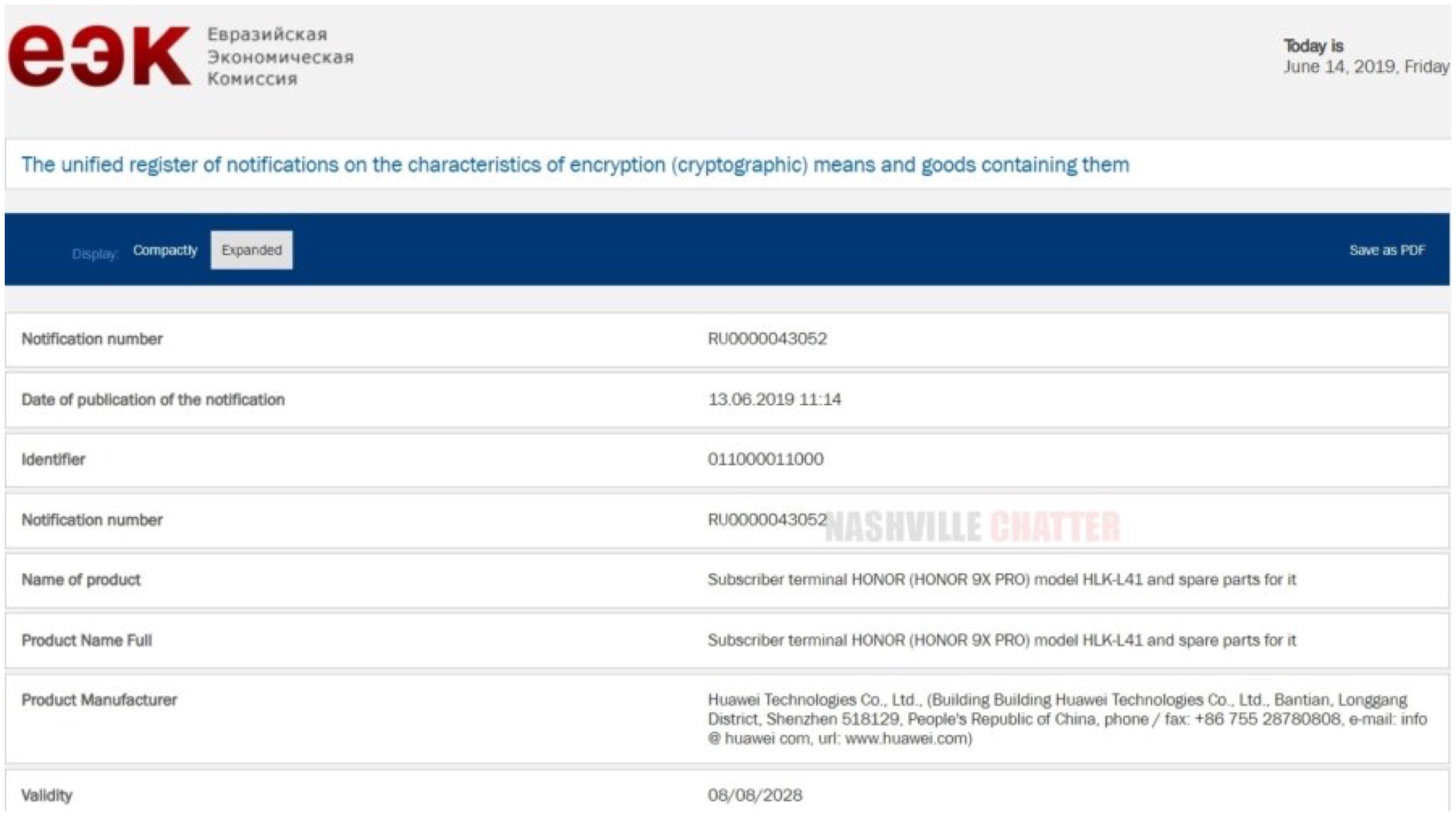
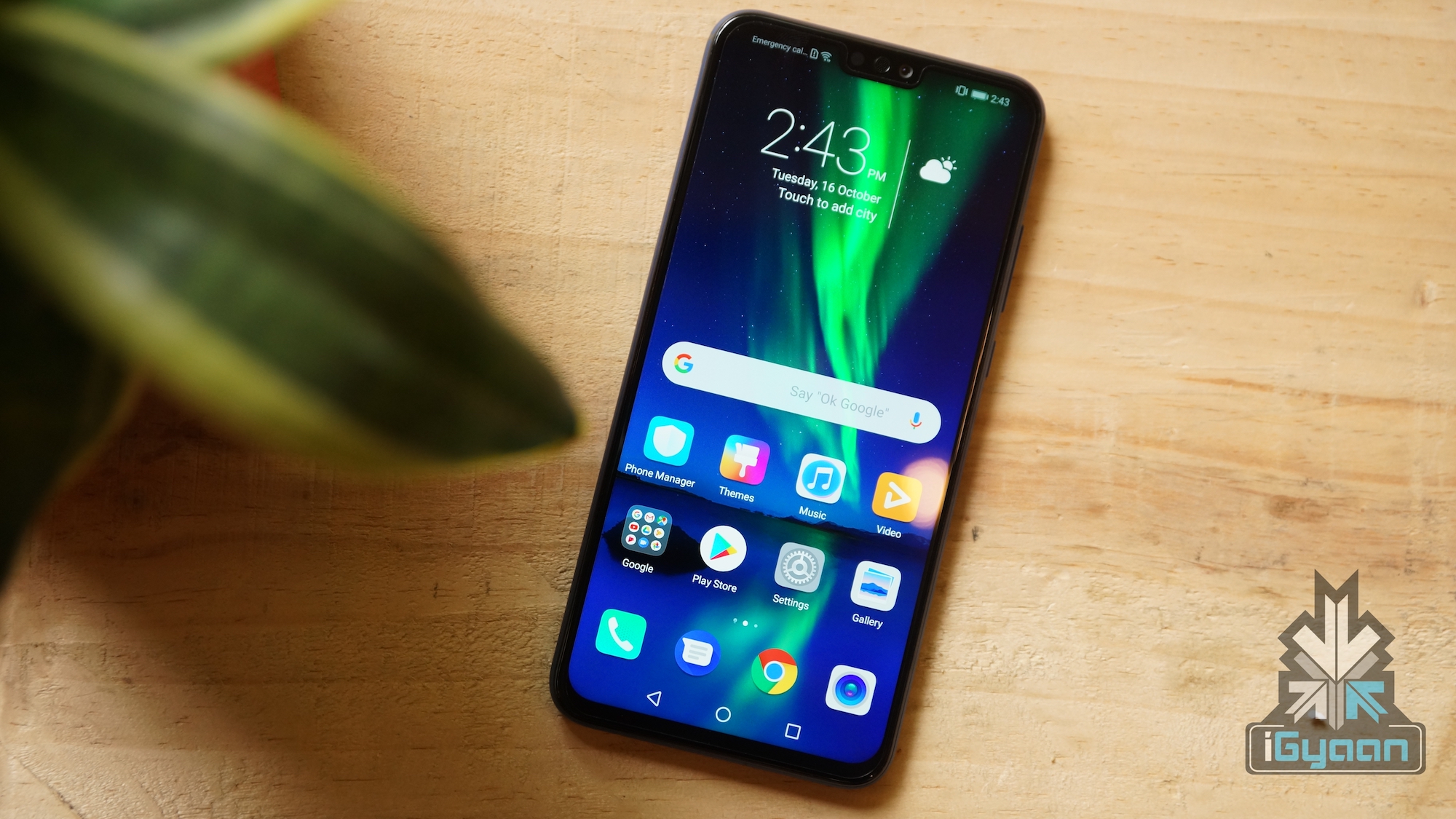
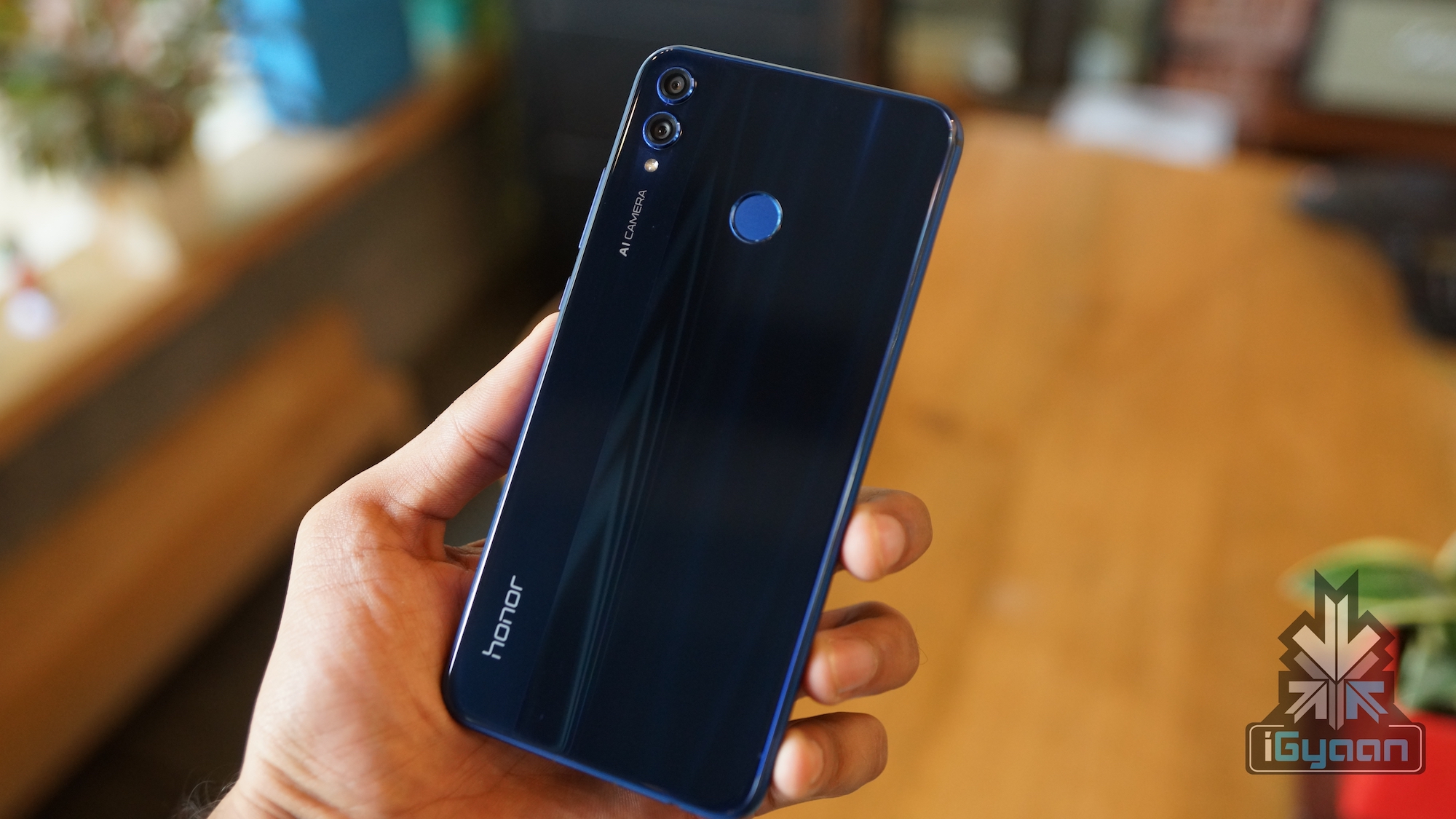
    The US trade ban on Huawei has in no way deterred the smartphone manufacturer. Business is still in full swing and new devices are always around the corner. An upcoming handset dubbed the Honor 9X Pro had previously received the Chinese 3C certification and now reports show that an EEC certification has also been granted. 

    Honor 9X Pro

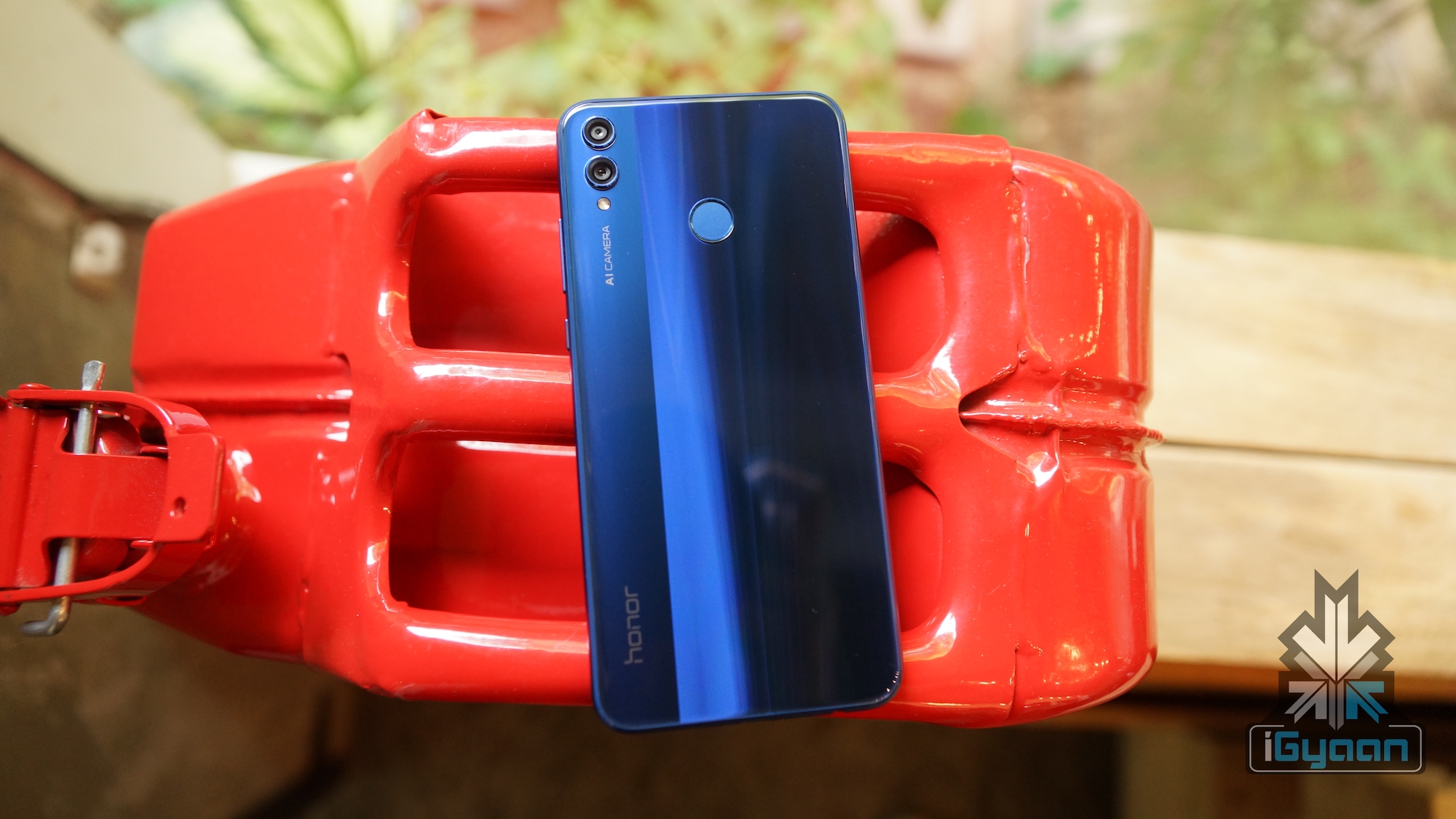
    Huawei, with the inclusion of this device, has also seemingly taken up the ‘Pro’ moniker ditching ‘Max’ from its past iterations. Actual details regarding the upcoming smartphones are still unavailable except for the model numbers. HLK-L41 for the Honor 9X Pro variant and HLK-AL10 for the standard version of the Honor smartphone.

    Specifications

    Honor 9X Pro

    The Honor 9X Pro and the standard 9X should, in some instances, be similar to the last year’s models that sported 7.12-inch and 6.5-inch screens respectively. The smartphone will probably upgrade its internal hardware whilst keeping the same display size. RAM and ROM configurations may also see improvements across the board with design changes being made as well. Huawei’s mid-range handset will probably have a waterdrop notch or punch-hole. The device is certified to be equipped with a 10W charger similar to its predecessor, Honor 8X. This implies that it might not be rated for faster-charging speeds.

    It may be plausible to assume that the Kirin 710 SoC might see a return again but a new chipset is also awaited. Other important aspects of the Honor 9X Pro like the camera and battery could also be upgraded over its past iterations. However, since no concrete evidence is available, no confirmations can be provided. The Honor 8X housed the Kirin 710 SoC paired with 6GB RAM and 128GB of internal storage. The device ran the Android 9 Pie OS running the EMUI 9.0 custom skin and had a rear mounted fingerprint scanner powered by a 3750mAh battery. Rather than having drastic new changes the handset could just have slight upgrades in different areas within the aforementioned specs.

    Also ReadNubia Red Magic 3 Gaming Smartphone Launched In India

    Unfortunately, no pricing for the Honor 9X Pro has been officially announced, however, it is expected to be within the price bracket of Rs.13,000 to Rs.15,000. Huawei is still going strong with new releases and leaks of its upcoming devices making rounds on the web. The Chinese company is one of the largest smartphone OEMs in the world and have yet to tone down its business scale even after the ban.

  • iPhones In 2020 To Arrive With 5G And A Smaller 5.4 Inch Variant

    iPhones In 2020 To Arrive With 5G And A Smaller 5.4 Inch Variant

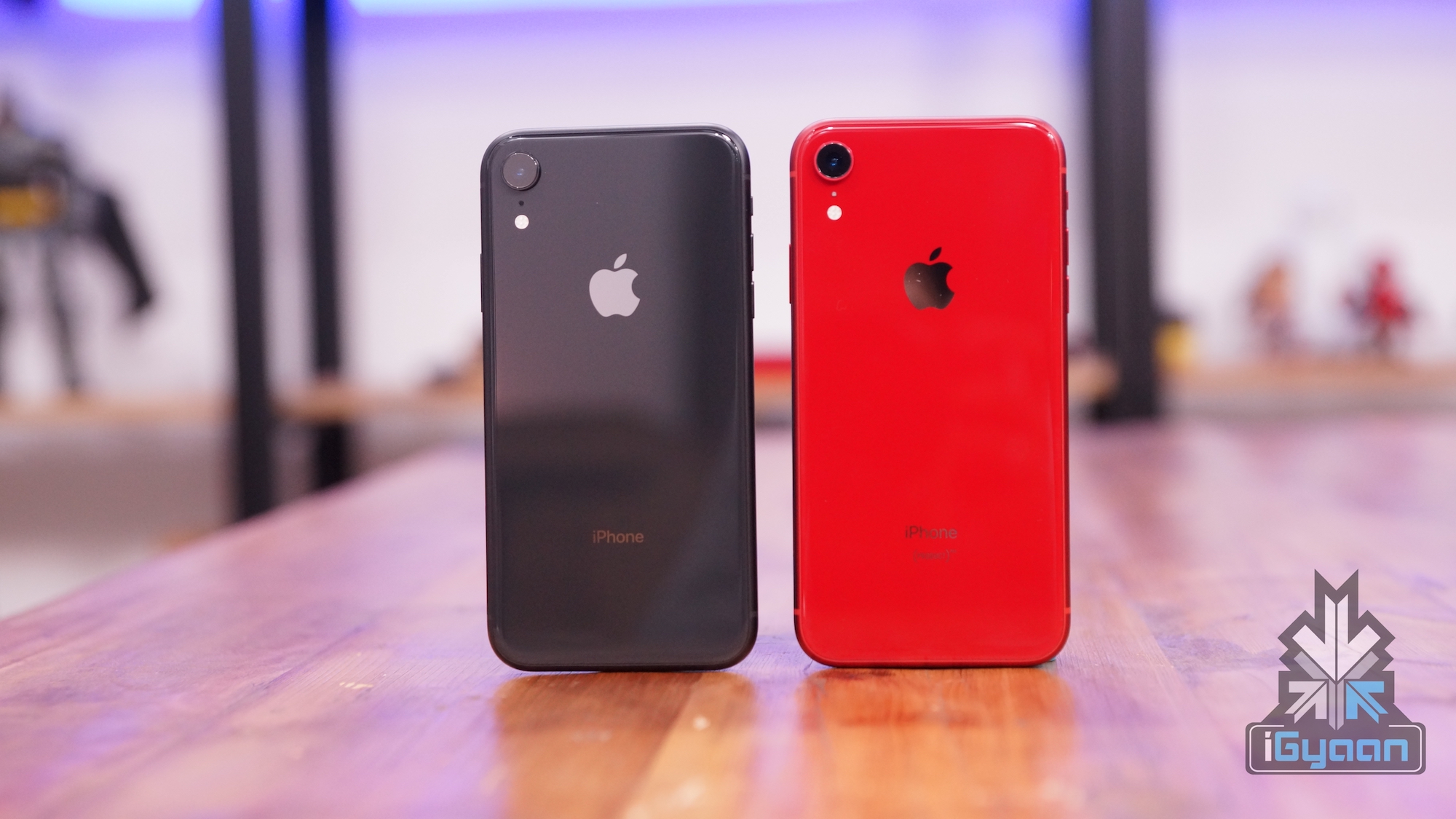
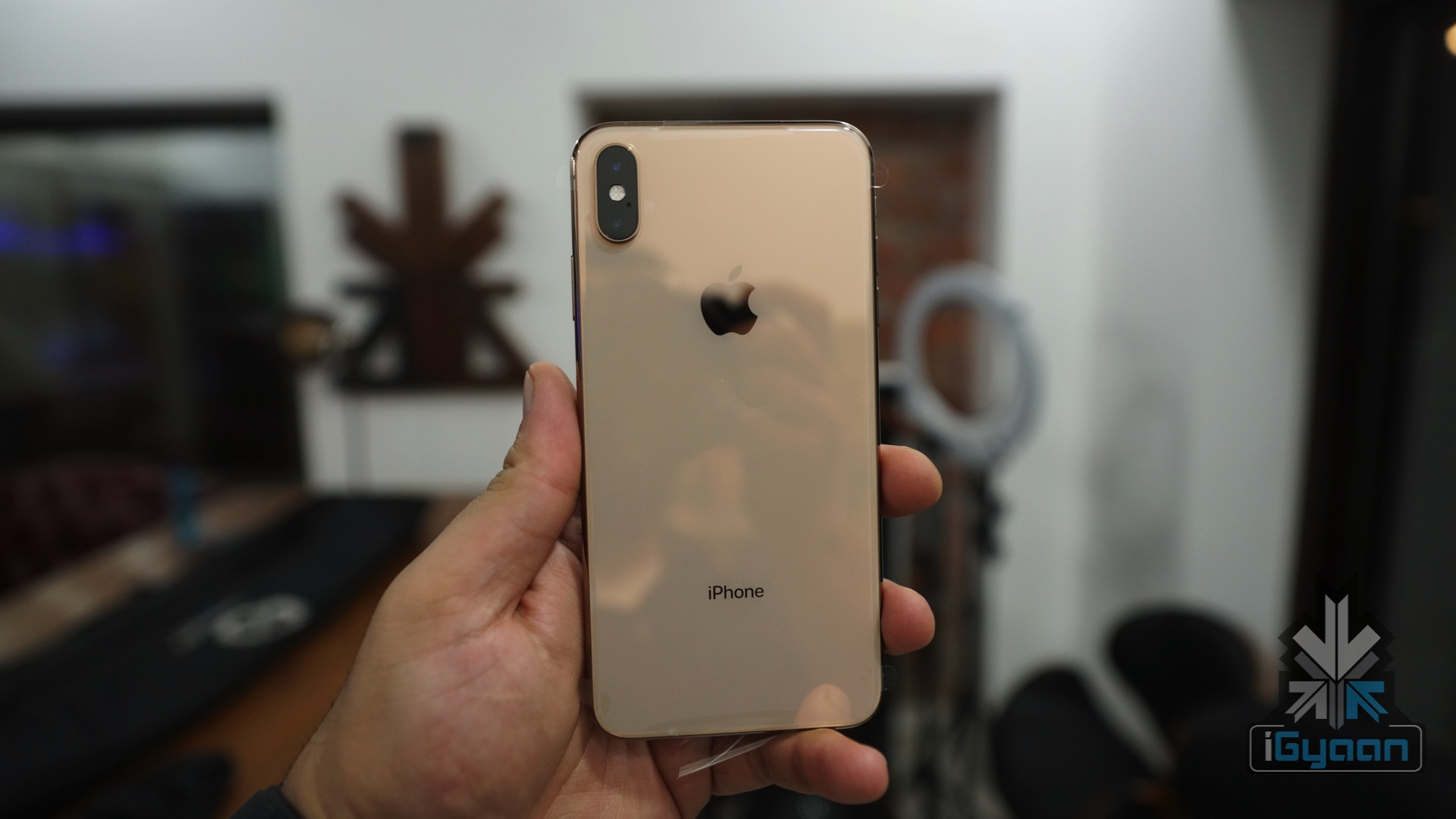
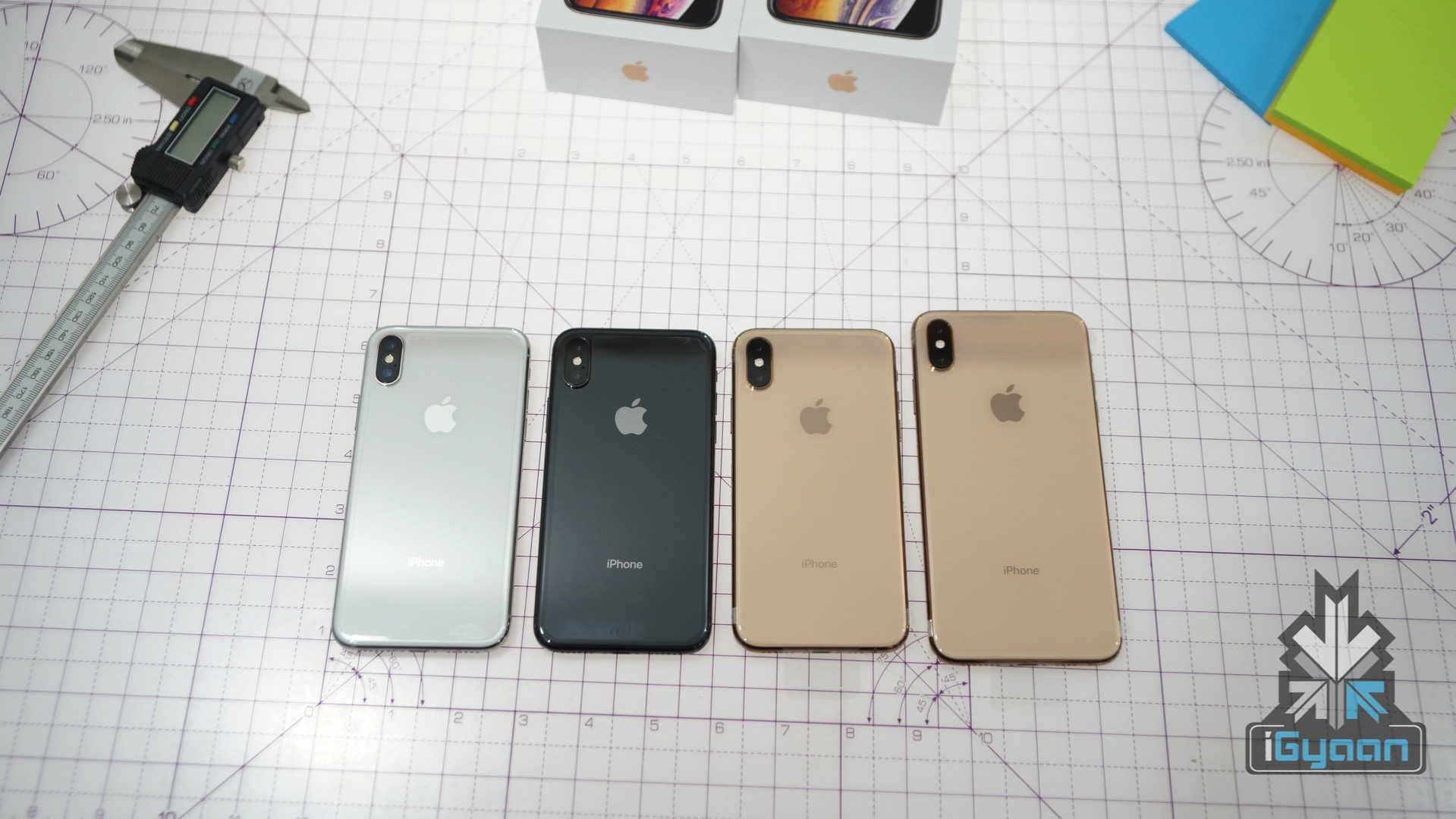
    American technology giant Apple is expected to launch three new iPhones later this year. These devices will be the upgraded variants of last years iPhone XS, iPhone XS Max and iPhone XR. While the launch of the handsets is still a few months away, information about their successor has started surfacing online. According to the noted Apple analyst Ming-Chi Kuo, Apple will launch the first 5G iPhone in 2020.

    iPhones in 2020
    Apple iPhone 2020
    iPhone XR

    Ming-Chi Kuo released a report discussing the iPhone lineup of the year 2020. As was expected from Apple, he claims that the company will introduce new smartphones capable of supporting 5G; the next generation of mobile networks. In a total launch of three smartphones, all of them will feature an OLED display and have a display size of 6.7 inch, 5.4 inch and 6.1 inch respectively. While the former two are the successors to the iPhone XS and iPhone XS Max, the latter is the 2020 counterpart of the iPhone XR; which currently sports an LCD display. Out of all the three new devices, only the two more premium will support 5G networks, with the iPhone XR successor for 2020 featuring LTE connectivity.

    Apple iPhone
    iPhone XS Max

    Also read: Nubia Red Magic 3 Unboxing And Hands-On

    The change in display sizes and configurations in the 2020 lineup of iPhones are expected to provide a significant upgrade to the consumers. For fans of a smaller iPhone, the 5.4 inch OLED 5G variant seems to be the perfect option. On the other hand, the bigger screen on the 6.7 inch OLED 5G supporting iPhone; in 2020 means a bigger screen real estate for content consumption. The iPhone XR successor for 2020 will also reportedly feature an OLED display as mentioned above while retaining the same size as its predecessor. Kuo has been known to be accurate in his predictions; about future iPhones and Apple products, so his speculations seem genuine. However, we will have to wait until next year to confirm the same.

iGyaan Network
Privacy Overview

This website uses cookies so that we can provide you with the best user experience possible. Cookie information is stored in your browser and performs functions such as recognising you when you return to our website and helping our team to understand which sections of the website you find most interesting and useful.